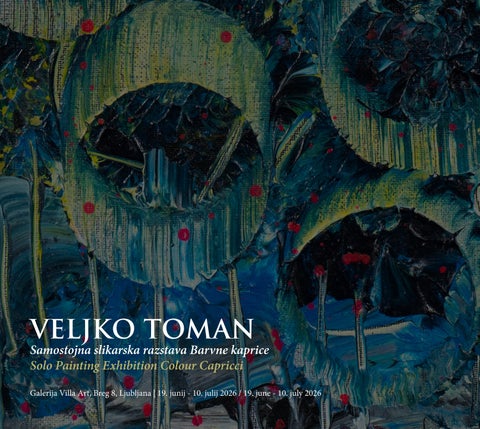
VELJKO TOMAN
Solo Painting Exhibition Colour Capricci
| 19. junij - 10.
2026 / 19.
Samostojna slikarska razstava Barvne kaprice
Galerija Villa Art, Breg 8, Ljubljana
julij
june - 10. july 2026
VELJKO TOMAN
Samostojna slikarska razstava Barvne kaprice
Solo Painting Exhibition Colour Caprices
VELJKO TOMAN
Samostojna slikarska razstava Barvne kaprice/ Solo Painting Exhibition Colour Caprices
Galerija Villa Art, Breg 8, Ljubljana / Villa Art Gallery, Breg 8, Ljubljana
19. junij - 10. julij 2026 / 19. june - 10. july 2026
Izbor del in postavitev / Selection of works and exhibition layout:
Veljko Toman in Marjana Dolšina Delač za galerijo Villa art
Besedilo / Text: Marjana Dolšina Delač za galerijo Villa art
Koordinacija razstave / Coordinated by: Robert Hren
Jezikovni pregled / Slovene language editor: Polona LEKTORIRANJE, s. p.
Prevod / Translation:
Fotografije / Photography: Nik Hren
Oblikovanje / Graphic design: VisArt studio, Primož Kalan, Matej Grošelj
Izdajatelj / Issued by: Villa art d.o.o.
Tisk / Printed by: Demat d.o.o.
Naklada / Number of copies: 100 izvodov
Maloprodajna cena / Price: 10 €
CIP - Kataložni zapis o publikaciji
Narodna in univerzitetna knjižnica, Ljubljana
75(497.4):929Toman V.
TOMAN, Veljko
Samostojna slikarska razstava Barvne kaprice = Solo painting exhibition Colour capricci : [Galerija Villa Art, Breg 8, Ljubljana, 19. junij - 10. julij 2026 = Villa Art Gallery, Breg 8, Ljubljana, 19 June - 10 July 2026] / Veljko Toman ; [besedilo Marjana Dolšina Delač ; fotografije Nik Hren]. - Ljubljana : Villa art, 2026
ISBN 978-961-97479-0-2
COBISS.SI-ID 278664707
Veljko Toman: Barvne kaprice
19. junij - 10. julij 2026
Umetnost svojo definicijo od nekdaj išče v neponovljivosti del, ki z unikatnim nagovorom upravičijo svoj poseben status v odnosu do drugih neumetniških predmetov in dejanj. Male podobe tihožitij Veljka Tomana tako delujejo kot hipne izpovedi umetnika, ki skozi likovno govorico sporoča, kako doživlja svet in kako misli, da svet doživlja njega. Motivno poenotene podobe se zaradi skupnega ikonografskega imenovalca razbohotijo v likovni izpovednosti barvnih harmonij in kontrastov, ki z izrazito gestualno impulzivnostjo nagovarjajo gledalca v razgaljenosti neposrednega zaznavnega doživetja. To, kar vidimo, v nehoteni sinesteziji skorajda tudi začutimo. Barva preseže raven mehansko-optičnega pojava z učinkom čutnega dražljaja na oko in postane sprožilka globljega premika v gledalčevi duši. Njeno avtonomno delovanje je Vasilij Kandinski v knjigi O duhovnem v umetnosti (Über das Geistige in der Kunst, 1911) opredelil v luči notranjega odziva, ki ni racionalno analitičen, ampak temelji na izkustvih, razpoloženjih in asociacijah. Barva ni nikoli samo barva, je medij določene zvočnosti in energije, ki se vzpostavlja skozi jukstapozicije različnih tonov. V analogiji z glasbo je zapisal, da je barva tipka, oko kladivce in duša klavir s številnimi strunami (»Die Farbe ist die Taste. Das Auge ist der Hammer. Die Seele ist das Klavier mit vielen Saiten.«), ki skupaj resonirajo v človekovi duši kot subjektivno formirani duševni vzgibi. Na tej točki je slikar opustil mimezis kot izhodiščno točko ustvarjanja in postal skladatelj senzoričnih interakcij, ki se udejanjijo v nepredvidenih in nenadzorovanih občutjih. Barvo obravnava kot neodvisno nosilko pomena in ne več zgolj v navezavi na upodobljeno predmetnost, zato je abstrahizacija cvetlič-
nih tihožitij nujnost, ki jo terja likovna sporočilnost barvne kompozicije. Medtem ko je barva v nekaterih drugih njegovih ciklih še v dialogu z zaznavno izkušnjo prostora, se v teh podobah dokončno osamosvoji ter postane neposredni zapis notranjega ritma in intenzitete.
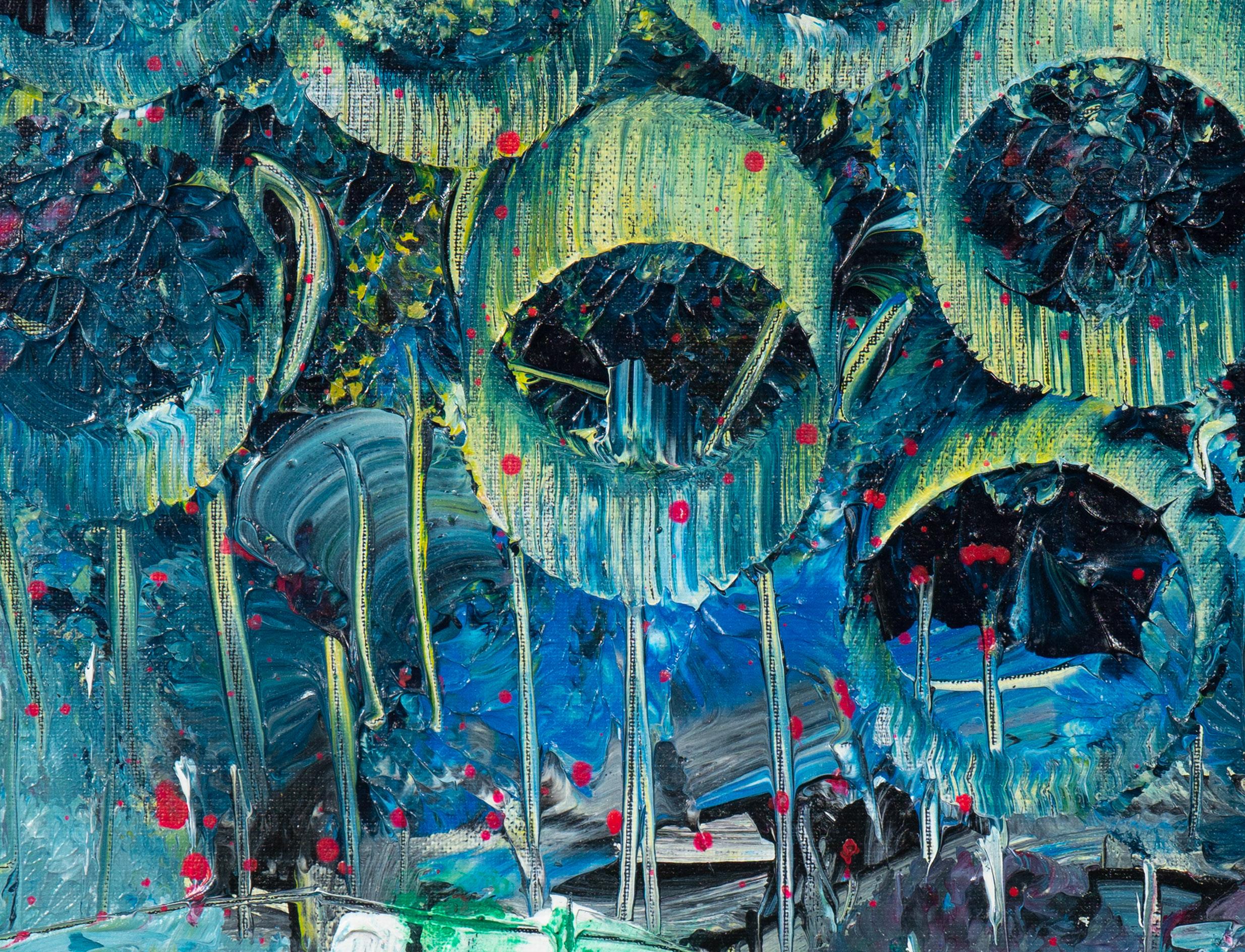
Podobe, nastale v grobih potezah čopiča, ki ga Toman včasih tudi obrne in linije zariše z držalom, učinkujejo prek haptične materialnosti, saj so impasto nanosi akrilnih barv reliefni do te mere, da preidejo v kiparsko logiko modeliranja. Grbine, vdolbine in zareze ustvarjajo neravno površino, na kateri se svetloba lomi na izbočenih nanosih in senči v vbočenih, kar dodatno dinamizira sliko. Takšna poudarjena materialnost ne nagovarja le pogleda, temveč implicira tudi taktilno izkušnjo, ki gledalca postavlja v telesno razmerje do slike. Poteza postaja pomembnejša od motivnega obrisa, razraščajoča se forma cvetov pa se razkraja preko robov platna. Namesto predmetnosti upodobljenega je poudarjena materialnost pigmentne snovi, ki na podlagi naših predhodnih izkušenj pridobi čutne, čustvene in duhovne konotacije ter učinkuje samostojno, brez potrebe po konkretnem ikonografskem nosilcu.
Posamezne slike so kompozicijsko in koloristično avtonomne celote, ki zaradi sproščene, mestoma nedokončane poteze ter drzno artikulirane barvne strukture učinkujejo kot svobodni slikarski capricci. V tradicionalnem umetnostnozgodovinskem kanonu ta pojem označuje arhitekturne fantazije, v katerih se prepletajo realni in imaginarni elementi, v slikarstvu Veljka Tomana pa ga lahko razumemo širše in v bolj likovnem smislu: kot odprte, variabilne in
asociativno vodene vizualne konfiguracije, ki odražajo kontinuiran tok umetnikovega ustvarjalnega mišljenja. Igrive, nepredvidljive ideje oziroma nenadne, nelogične želje, nanizane ena do druge, ne ponujajo le sosledja barvnih kapric, ampak se prepletejo v skupno likovno celoto. Če ena sama podoba zazveni kot barvni akord, vse skupaj dojemamo kot večplastno simfonijo. Barvite podobe cvetečih in venečih rastlin se rahlo utapljajo v ozadje in učinkujejo kot rastlinske mimikrije, iz katerih bolj kot motiv razberemo psihološko atmosfero, v kateri se je avtor lotil slikanja. V nasprotju z drugimi cikli, kjer je čas razprt v širšem naravnem procesu, se tu zgosti v kratek, skoraj hipen razpon med razcvetom in venenjem. Podobe nastajajo v enkratnem ustvarjalnem zamahu in ohranjajo sled neposredne, neprekinjene geste. Ustvarjene v različnih stanjih se povezujejo v odprte celote, v katerih enakovredno razporejene druga ob drugi in druga nad drugo vsakič znova vzpostavljajo skupno kompozicijo.
Ta ni stabilna, saj se z vsakim novim razmerjem med podobami subtilno preoblikuje – kakor se tudi notranji horizont zaznave spreminja že ob najmanjšem premiku čutil.
Marjana Dolšina Delač
Veljko Toman (1944), rojen v Splitu na Hrvaškem, je obiskoval Srednjo šolo za oblikovanje in fotografijo v Ljubljani. Leta 1964 se je vpisal na likovni oddelek Pedagoške akademije, kjer je dve leti pozneje absolviral, nato pa študij nadaljeval na Akademiji za likovno umetnost v Ljubljani in leta 1971 diplomiral iz slikarstva pri prof. Maksimu Sedeju. Na isti ustanovi je opravil podiplomski študij restavratorstva pri prof. Mirku Šubicu in ga leta 1975 zaključil z nazivom akademski konservator specialist; za svoje delo je prejel študentsko Prešernovo nagrado. Do upokojitve leta 2006 je bil zaposlen v Mestnem muzeju Ljubljana kot konservator-restavrator, kjer je pridobil poglobljen odnos do materialnosti umetniškega dela, ki pomembno zaznamuje tudi njegovo
slikarsko prakso. Po upokojitvi se intenzivno posveča slikarstvu, grafiki in restavratorstvu ter sodeluje na številnih likovnih srečanjih in razstavah doma in v tujini.
Od prve samostojne razstave leta 1973 v Mestni galeriji Kranj je pripravil več kot 180 samostojnih razstav in sodeloval na približno 300 skupinskih razstavah. Za svoje delo je prejel več kot 50 nagrad in priznanj. Njegov opus zaznamujejo izrazita usmerjenost v barvo kot nosilko likovnega izraza, poudarjena materialnost slikovne površine ter prehajanje med motivno prepoznavnostjo in abstrahiranjem, kar se v zadnjih ciklih kaže v vse bolj avtonomnem, gestualno poudarjenem slikarskem jeziku.
Veljko Toman: Colour Caprices
19. june - 10. july 2026
Art has always sought its definition in the irreproducibility of works that, through their unique appeal, justify their special status in relation to other non-artistic objects and actions. Veljko Toman’s small still-life images thus function as fleeting confessions by the artist, who, through visual language, conveys how he experiences the world and how he believes the world experiences him. The thematically unified images, due to their shared iconographic denominator, burst forth in the visual expressiveness of color harmonies and contrasts, which, with a distinctly gestural impulsiveness, address the viewer in the nakedness of an immediate sensory experience. What we see, in an involuntary synaesthesia, we almost feel as well. Color transcends the level of a mechanical-optical phenomenon with the effect of a sensory stimulus on the eye and becomes the trigger for a deeper shift in the viewer’s soul. Vasily Kandinsky defined its autonomous function in his book On the Spiritual in Art (Über das Geistige in der Kunst, 1911) in terms of an inner response that is not rationally analytical but is based on experiences, moods, and associations. Color is never merely color; it is a medium of a certain sonority and energy that is established through the juxtaposition of various tones. Drawing an analogy with music, he wrote that color is the key, the eye is the hammer, and the soul is a piano with many strings (“Die Farbe ist die Taste. Das Auge ist der Hammer. Die Seele ist das Klavier mit vielen Saiten.”), which together resonate within the human soul as subjectively experienced emotional impulses. At this point, the painter abandoned mimesis as the starting point of creation and became a composer of sensory interactions that manifest in unpredictable
and uncontrolled sensations. He treats color as an autonomous bearer of meaning and no longer merely in relation to the depicted object, which is why the abstraction of floral still lifes is a necessity demanded by the visual expressiveness of the color composition. While in some of his other cycles color is still in dialogue with the perceptual experience of space, in these images it definitively breaks free and becomes a direct record of inner rhythm and intensity. The images, created with rough brushstrokes—which Toman sometimes even reverses, drawing lines with the handle—resonate through their haptic materiality, as the impasto layers of acrylic paint are so relief-like that they transition into the sculptural logic of modeling. Ridges, indentations, and notches create an uneven surface on which light refracts on the convex layers and casts shadows in the concave ones, further dynamizing the painting. Such emphasized materiality not only appeals to the eye but also implies a tactile experience that places the viewer in a physical relationship with the painting. The brushstroke becomes more important than the outline of the subject, and the sprawling form of the flowers breaks out beyond the edges of the canvas. The emphasis shifts away from depicted subject matter toward the material presence of pigment itself. Through prior sensory experience, pigment acquires emotional and spiritual connotations and begins to function independently of a concrete iconographic motif.
The individual paintings are compositionally and coloristically autonomous wholes that, due to their relaxed, at times unfinished brushstrokes and boldly articulated color
structures, function as free painterly capricci . In the traditional art-historical canon, this term refers to architectural fantasies in which real and imaginary elements intertwine; in Veljko Toman’s painting, however, it can be understood more broadly and in a more visual sense: as open, variable, and associatively guided visual configurations that reflect the continuous flow of the artist’s creative thought. Playful, unpredictable ideas—or sudden and seemingly irrational impulses—strung one after another do not merely offer a sequence of colorful caprices but intertwine into a unified visual whole. If a single image resonates like a color chord, we perceive the whole as a multi-layered symphony. The colorful images of flowering and withering plants fade slightly into the background and function as vegetal camouflage, from which we discern, more than a motif, the psychological atmosphere in which the artist approached the act of painting. Unlike other cycles, where time unfolds within a broader natural process, here it is condensed into a brief, almost instantaneous span between blossoming and withering. The images emerge in a single creative stroke and retain the trace of an immediate, uninterrupted gesture. Created in shifting states of mind, they coalesce into open wholes, in which, arranged equally side by side and one above the other, they establish a shared composition anew each time. This composition is not stable, as it subtly transforms with every new relationship between the images—just as the inner horizon of perception shifts with even the slightest movement of the senses.
Marjana Dolšina Delač
Veljko Toman (1944), born in Split, Croatia, attended the Secondary School of Design and Photography in Ljubljana. In 1964, he enrolled in the Fine Arts Department of the Pedagogical Academy, from which he graduated two years later, and then continued his studies at the Academy of Fine
Arts in Ljubljana, where he earned his degree in painting in 1971 under Prof. Maksim Sedej. At the same institution, he completed postgraduate studies in conservation under Prof. Mirko Šubic, graduating in 1975 with the title of Academic Conservator Specialist; he received the Prešeren Student Award for his work. Until his retirement in 2006, he was employed at the City Museum of Ljubljana as a conservator-restorer, where he developed a profound understanding of the materiality of the artwork, which also significantly influences his painting practice. Since retiring, he has devoted himself intensively to painting, printmaking, and restoration, and has participated in numerous art events and exhibitions both at home and abroad.
Since his first solo exhibition in 1973 at the Kranj City Gallery, he has held more than 180 solo exhibitions and participated in approximately 300 group exhibitions. He has received more than 50 awards and honors for his work. His oeuvre is characterized by a distinct focus on color as the vehicle of artistic expression, an emphasis on the materiality of the pictorial surface, and a transition between recognizable motifs and abstraction, which in his most recent cycles is reflected in an increasingly autonomous, gesturally emphasized painterly language.
VELJKO TOMAN
Samostojna slikarska razstava Barvne kaprice
Solo Painting Exhibition Colour Capricci
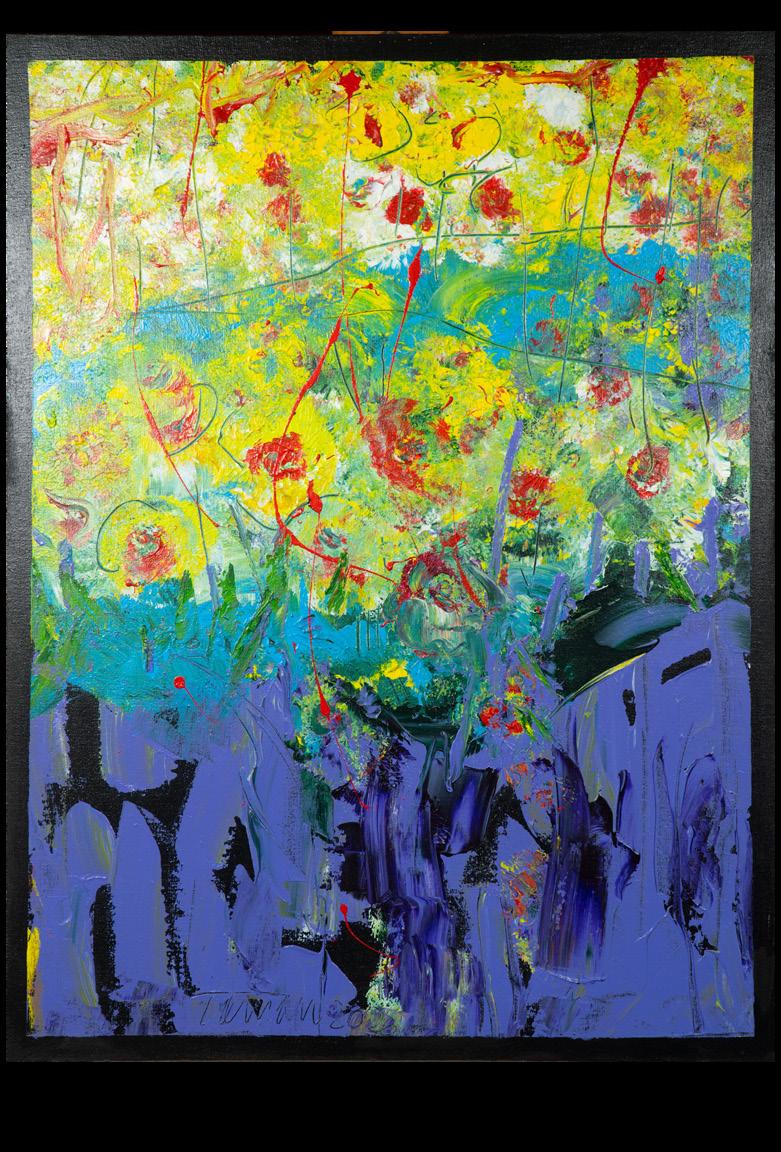
1 | Pomladni šopek / Spring Bouquet
akril/platno / acrylic/canvas | 2026 | 80 x 60 cm
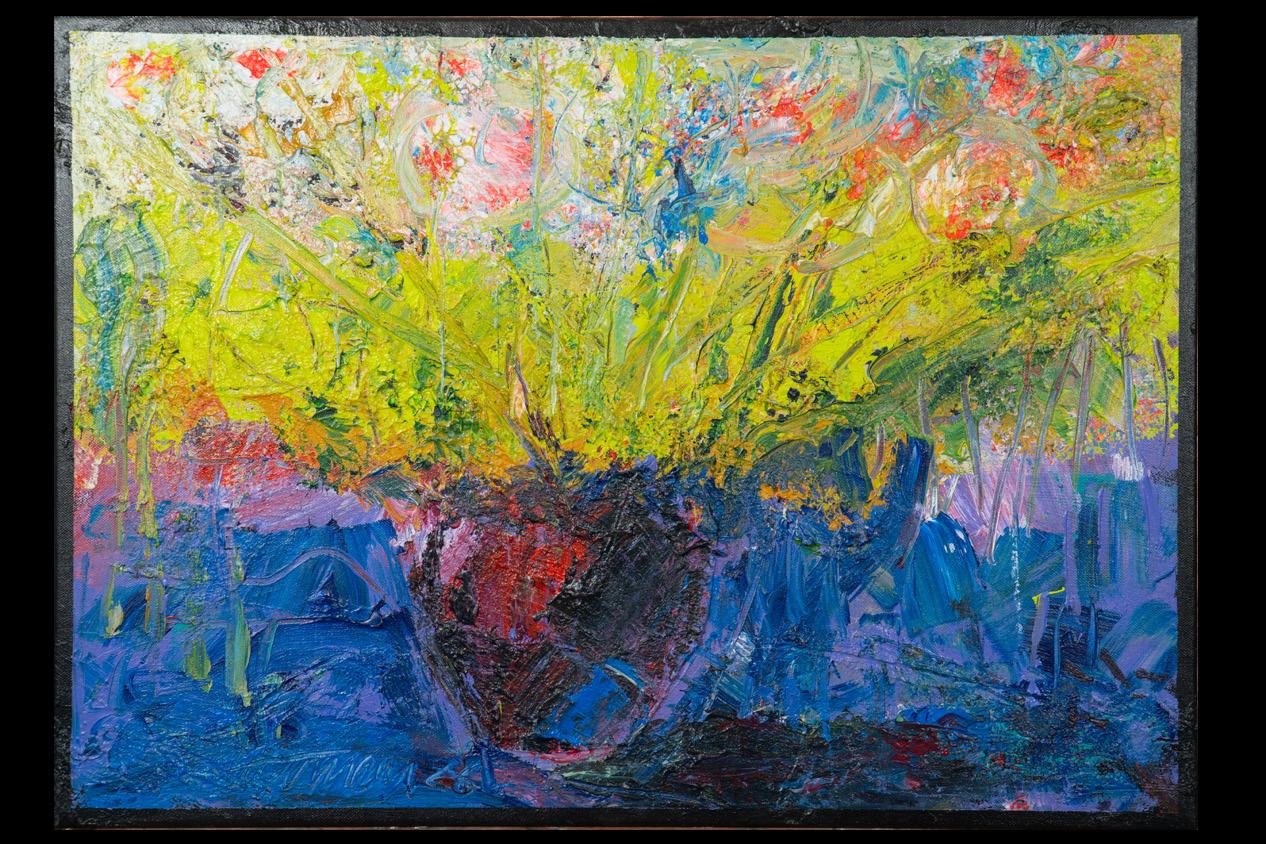
2 | Pomladni šopek | Spring Bouquet
akril/platno / acrylic/canvas | 2026 | 50 x 70 cm
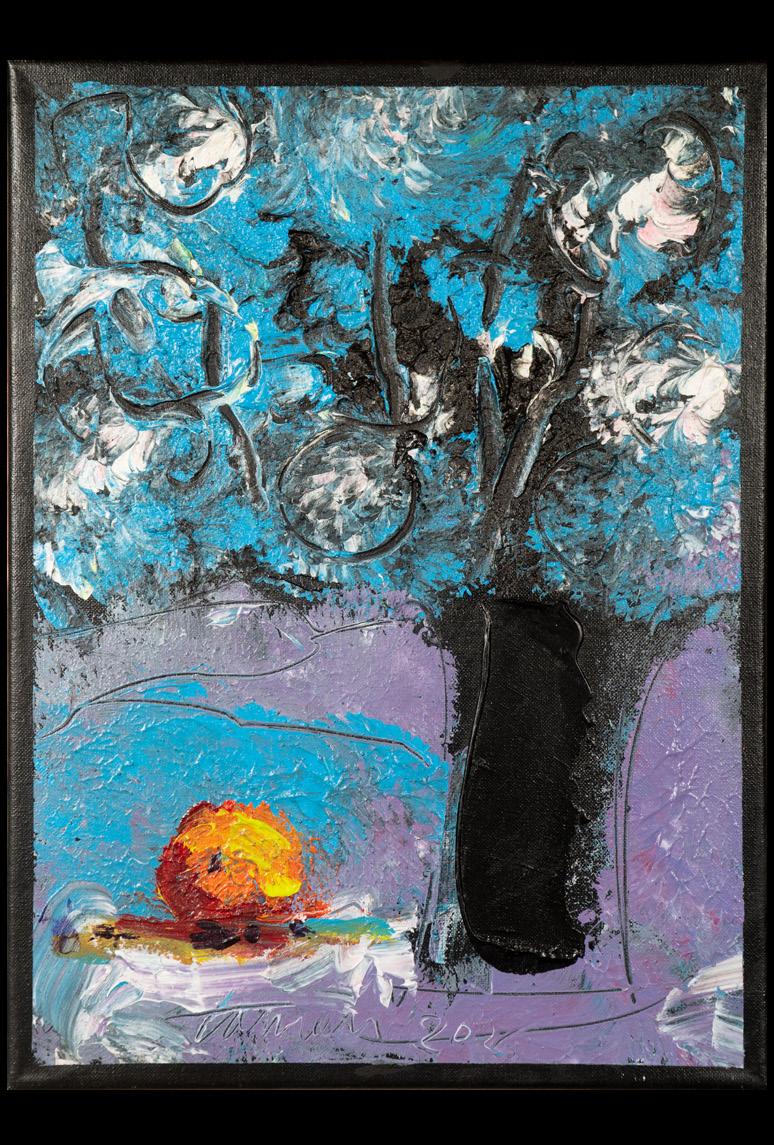
3 | Cvetlično tihožitje | Floral Still Life
akril/platno / acrylic/canvas | 2026 | 40 x 30 cm
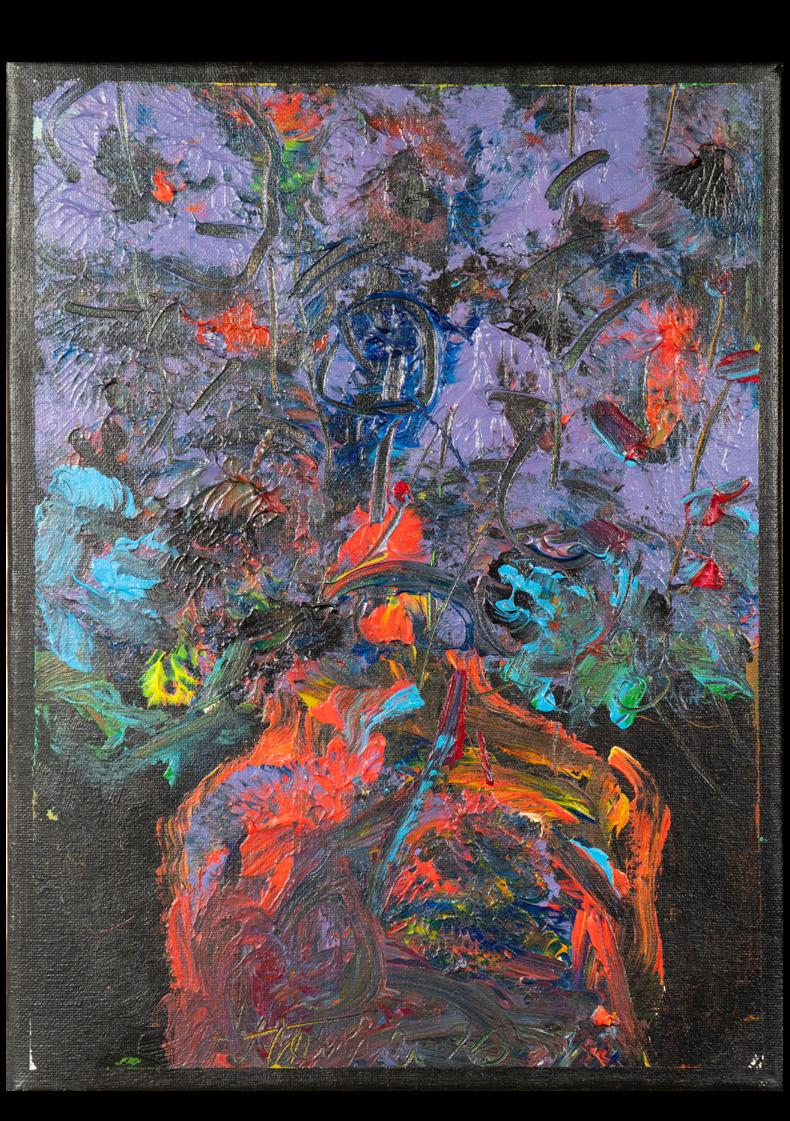
4 | Cvetlično tihožitje | Floral Still Life
akril/platno / acrylic/canvas | 2026 | 40 x 30 cm
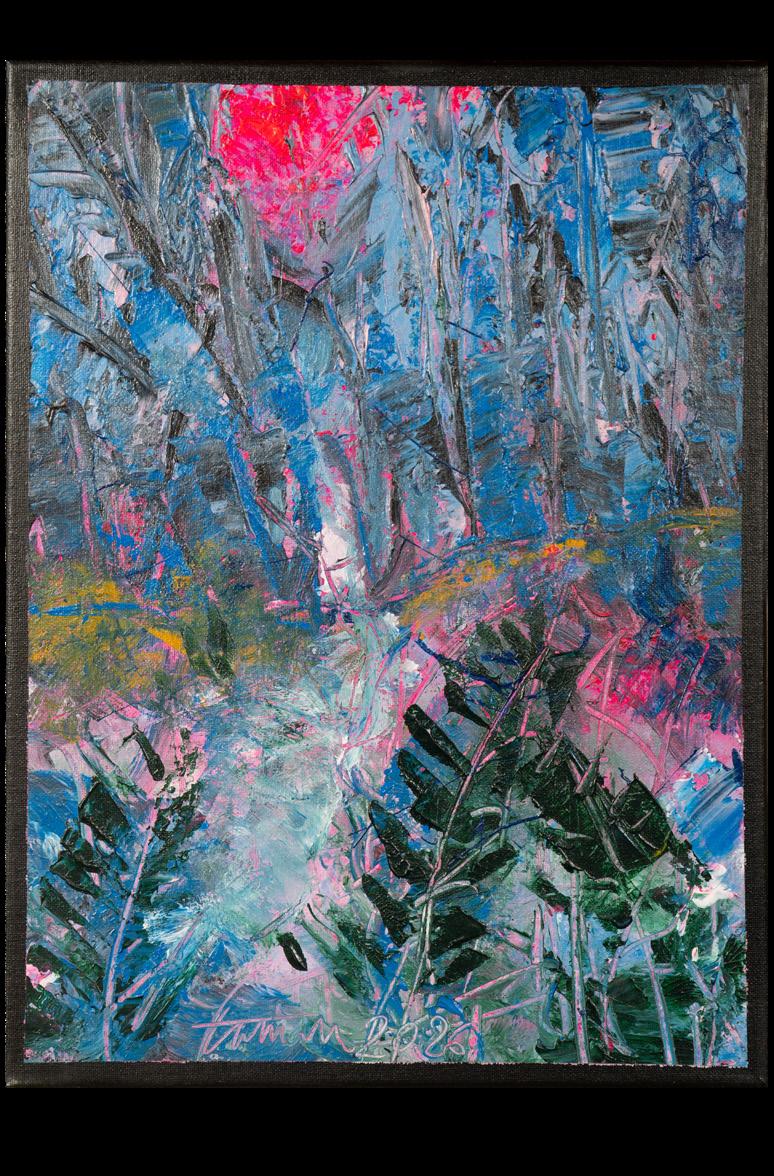
akril/platno / acrylic/canvas | 2026 | 40 x 30 cm
5 | Cvetlično tihožitje | Floral Still Life
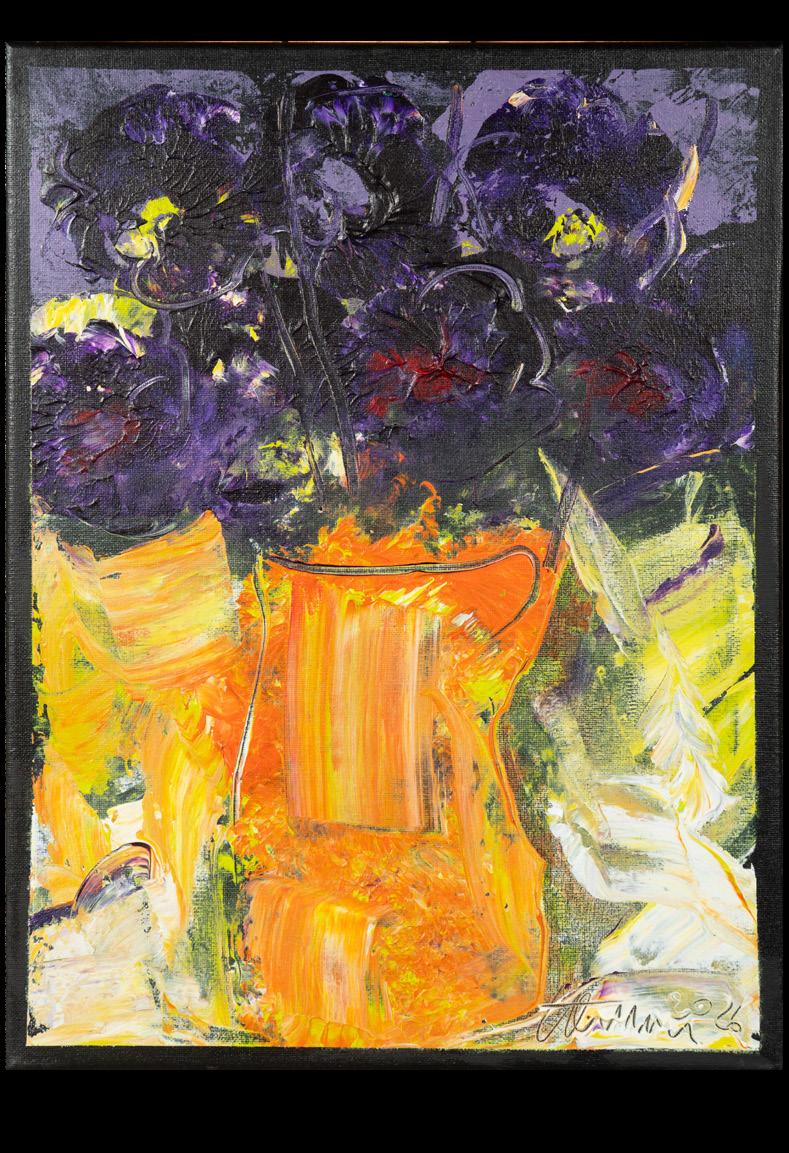
6 | Cvetlično tihožitje | Floral Still Life
akril/platno / acrylic/canvas | 2026 | 40 x 30 cm
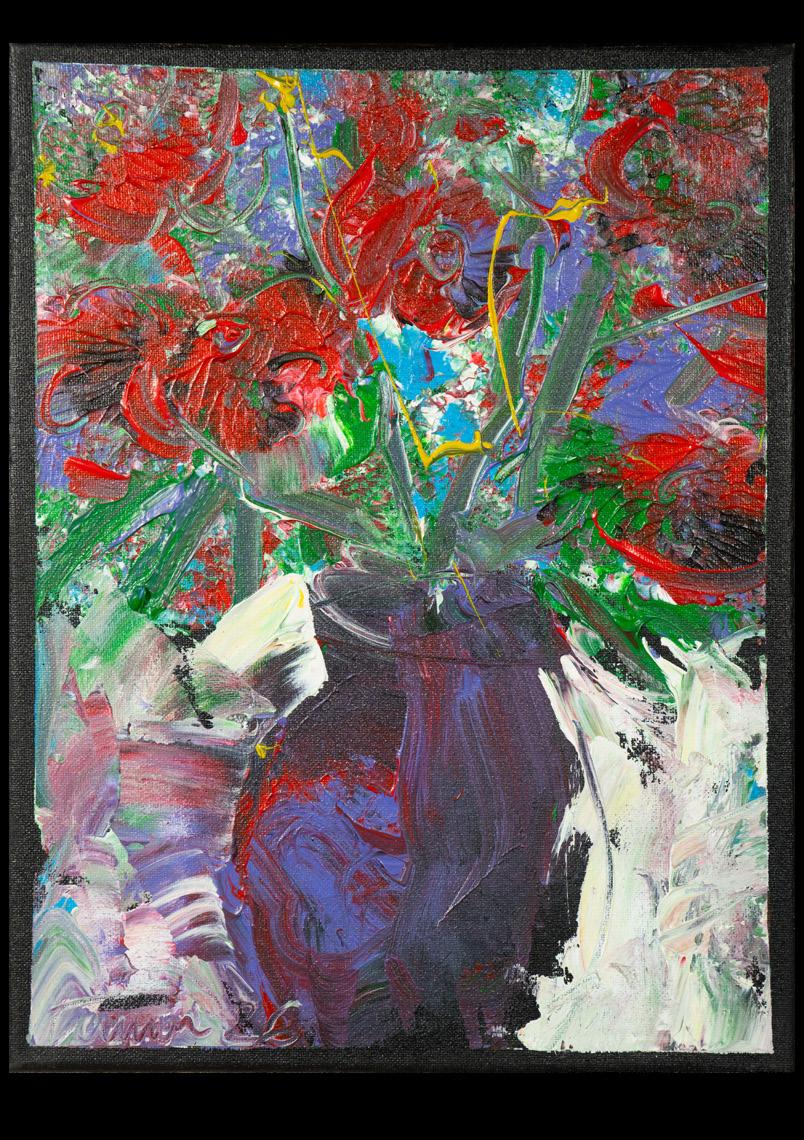
akril/platno / acrylic/canvas | 2026 | 40 x 30 cm
7 | Cvetlično tihožitje | Floral Still Life
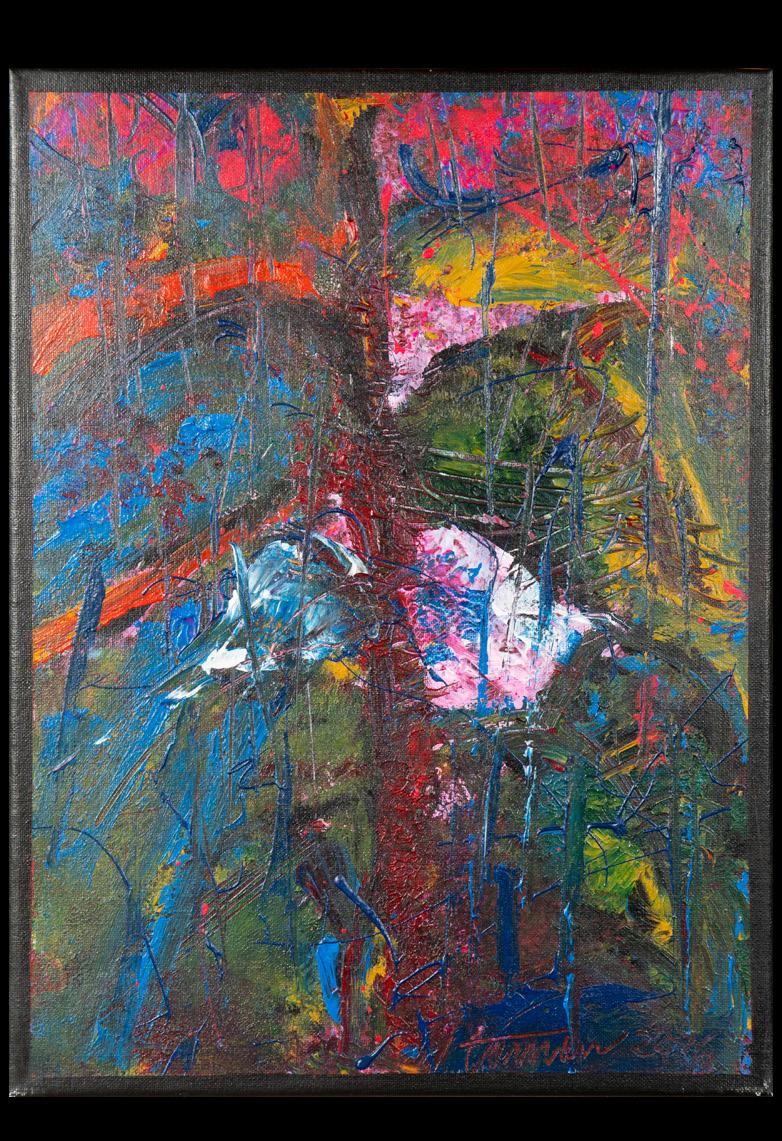
8 | Cvetlično tihožitje | Floral Still Life
akril/platno / acrylic/canvas | 2026 | 40 x 30 cm
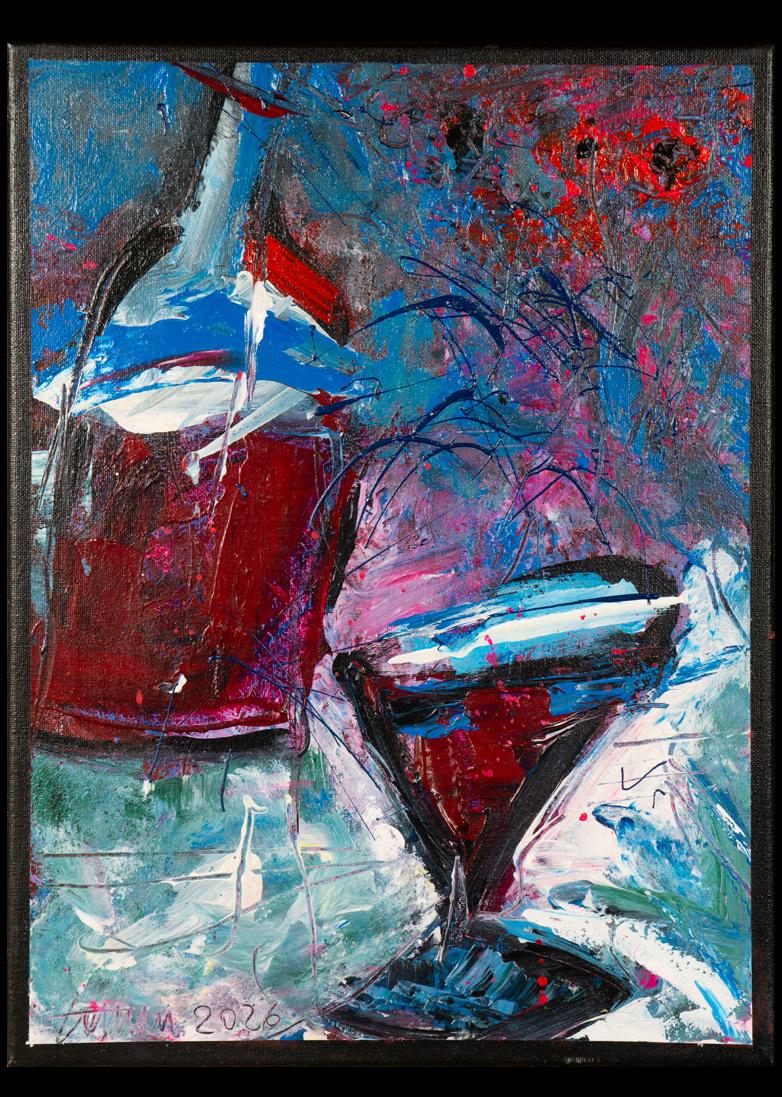
9 | Cvetlično tihožitje | Floral Still Life
akril/platno / acrylic/canvas | 2026 | 40 x 30 cm
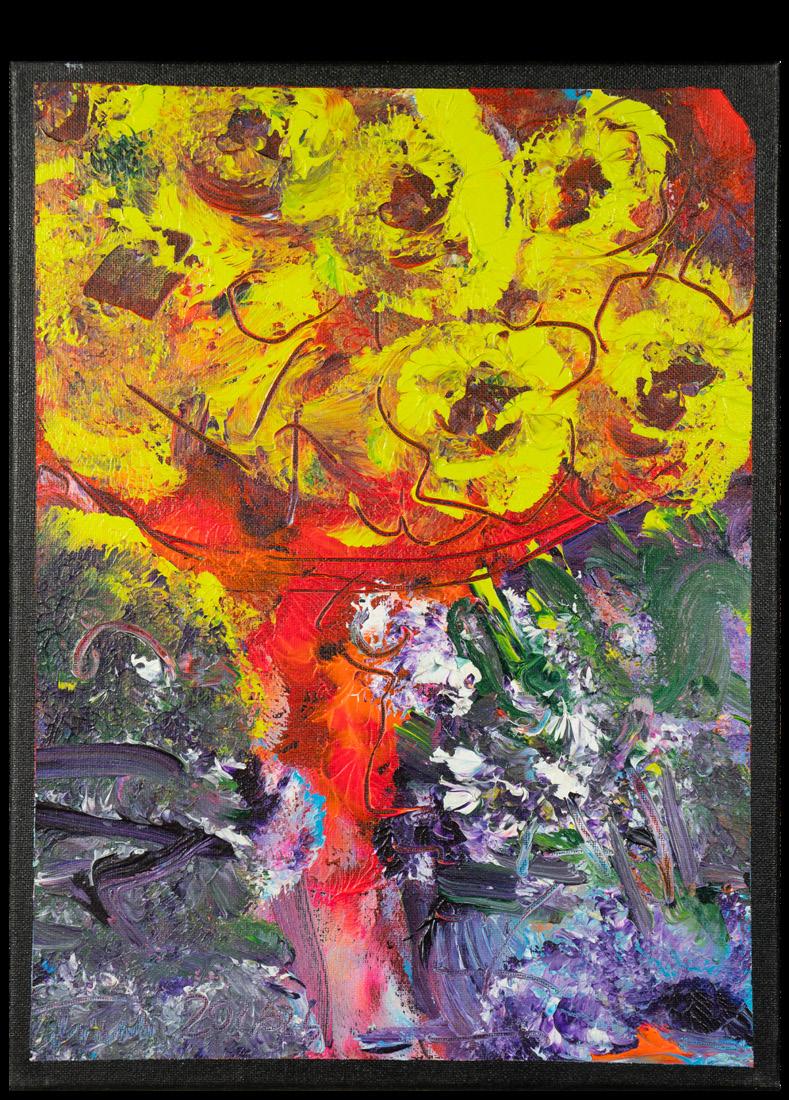
10 | Cvetlično tihožitje | Floral Still Life
akril/platno / acrylic/canvas | 2026 | 40 x 30 cm
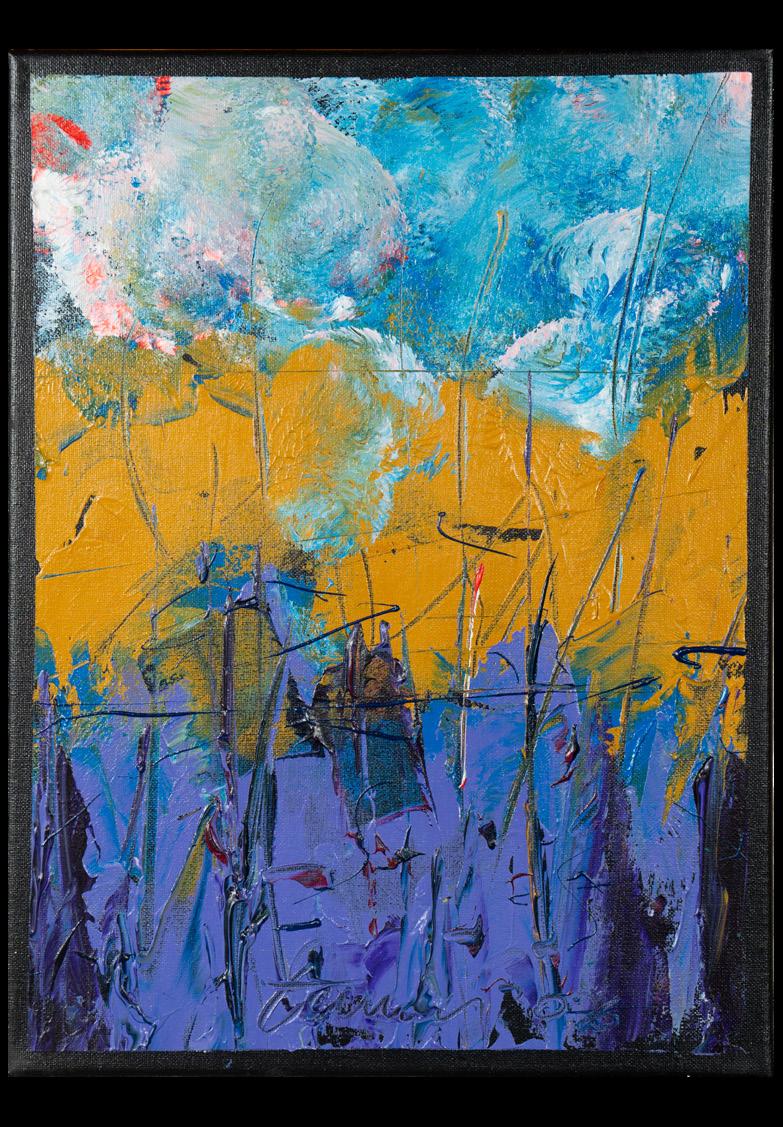
11 | Cvetlično tihožitje | Floral Still Life
akril/platno / acrylic/canvas | 2026 | 40 x 30 cm
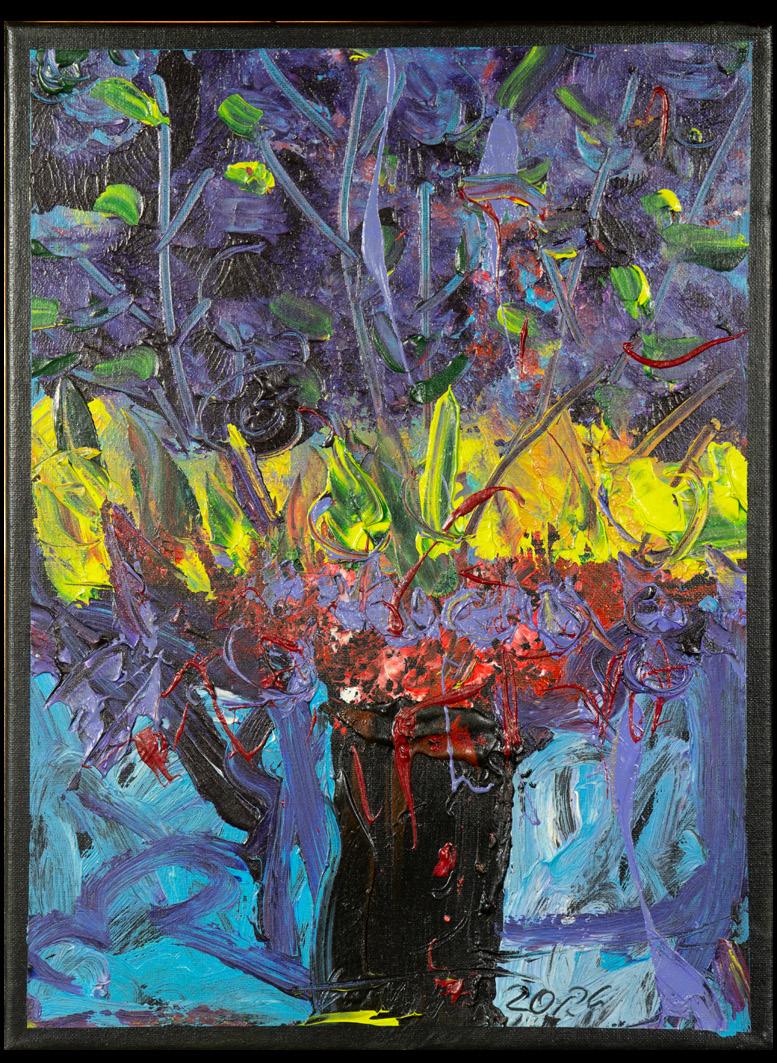
12 | Cvetlično tihožitje | Floral Still Life
akril/platno / acrylic/canvas | 2026 | 40 x 30 cm
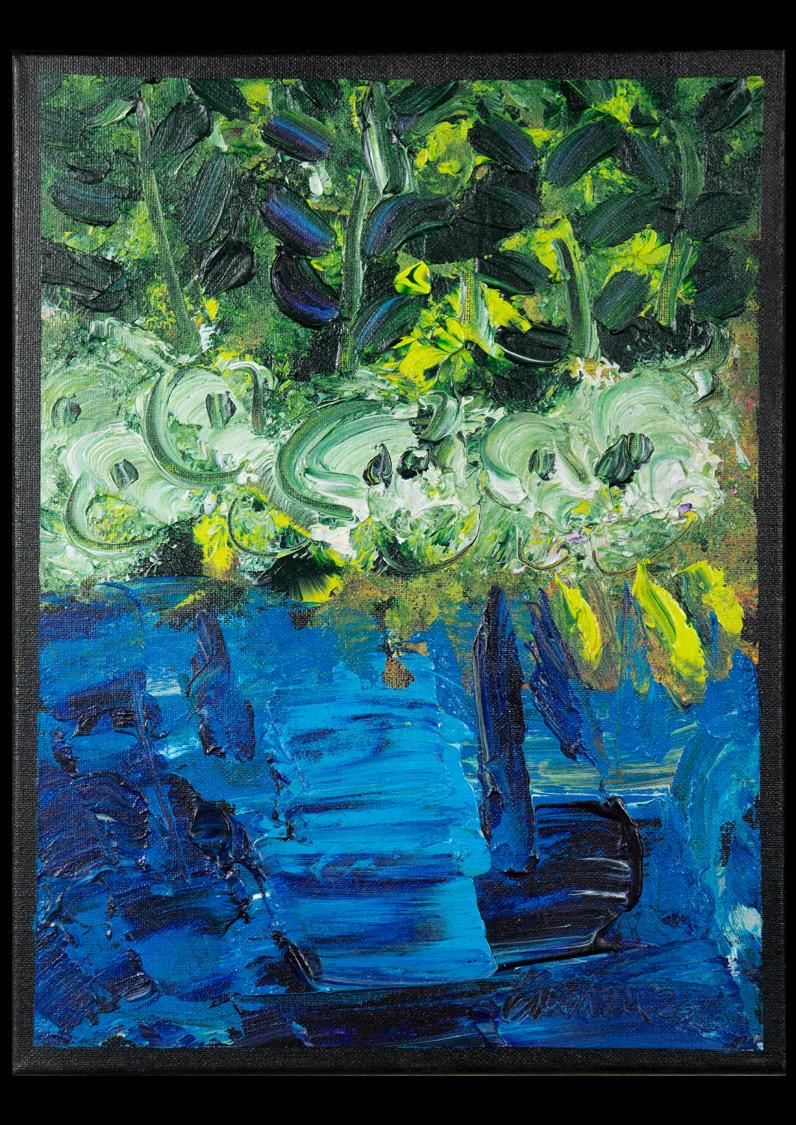
13 | Cvetlično tihožitje | Floral Still Life
akril/platno / acrylic/canvas | 2026 | 40 x 30 cm
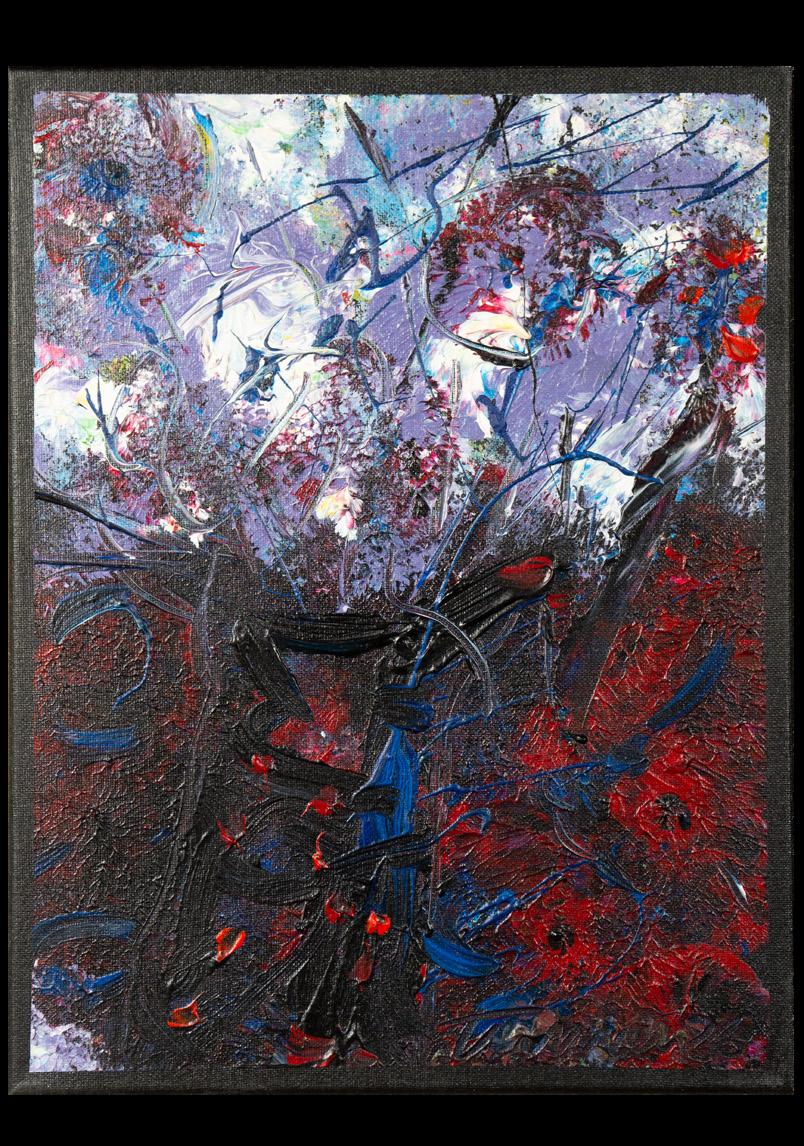
14 | Cvetlično tihožitje | Floral Still Life
akril/platno / acrylic/canvas | 2026 | 40 x 30 cm
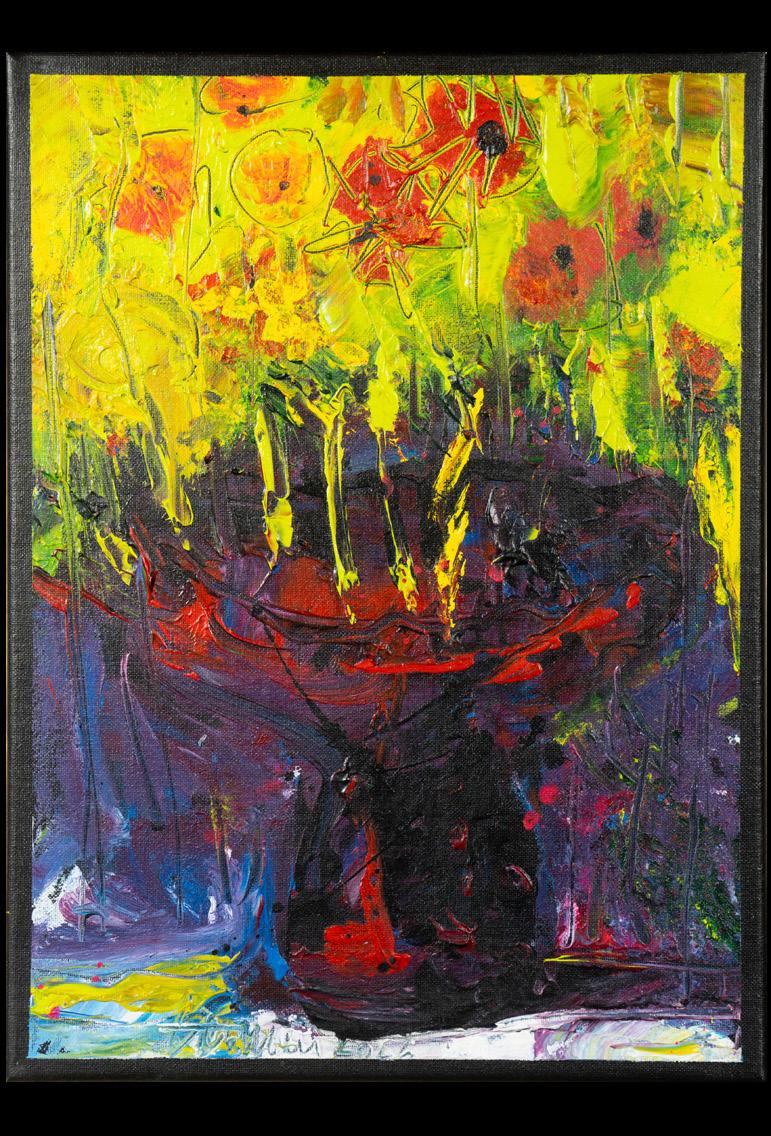
15 | Cvetlično tihožitje | Floral Still Life
akril/platno / acrylic/canvas | 2026 | 40 x 30 cm
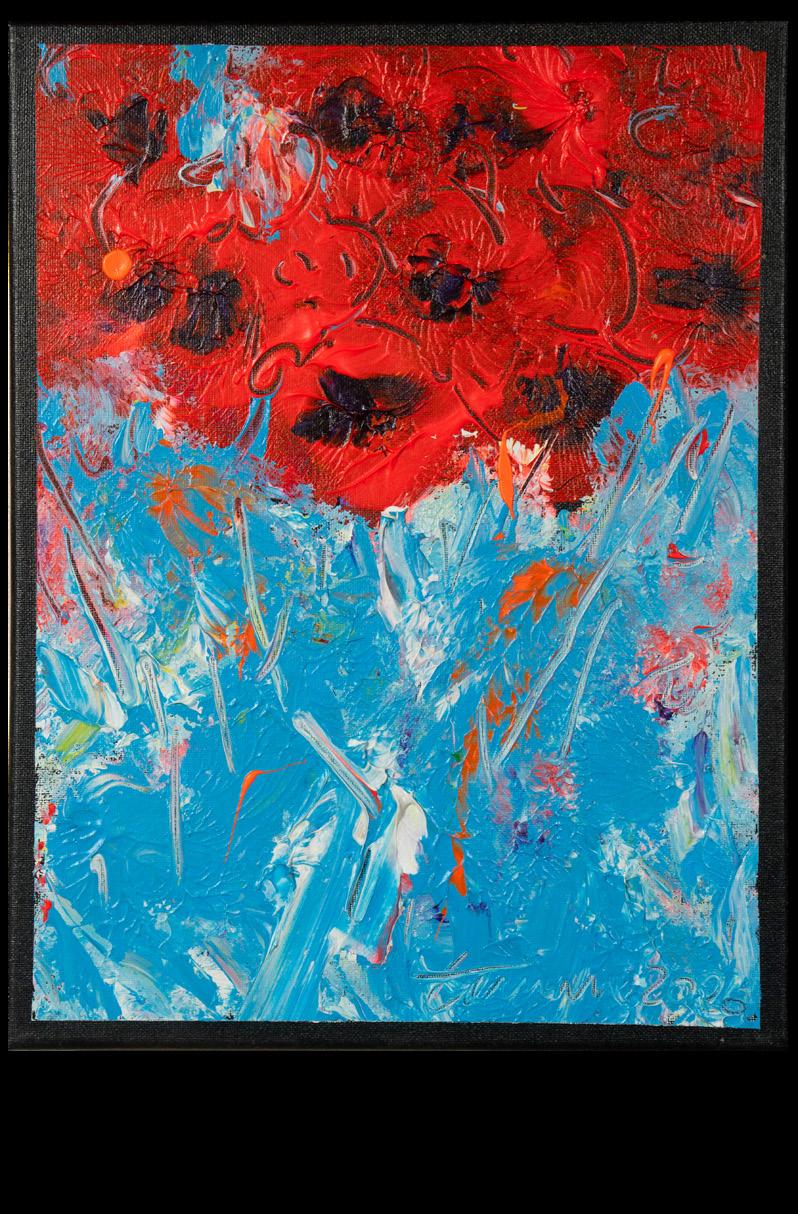
16 | Cvetlično tihožitje | Floral Still Life
akril/platno / acrylic/canvas | 2026 | 40 x 30 cm
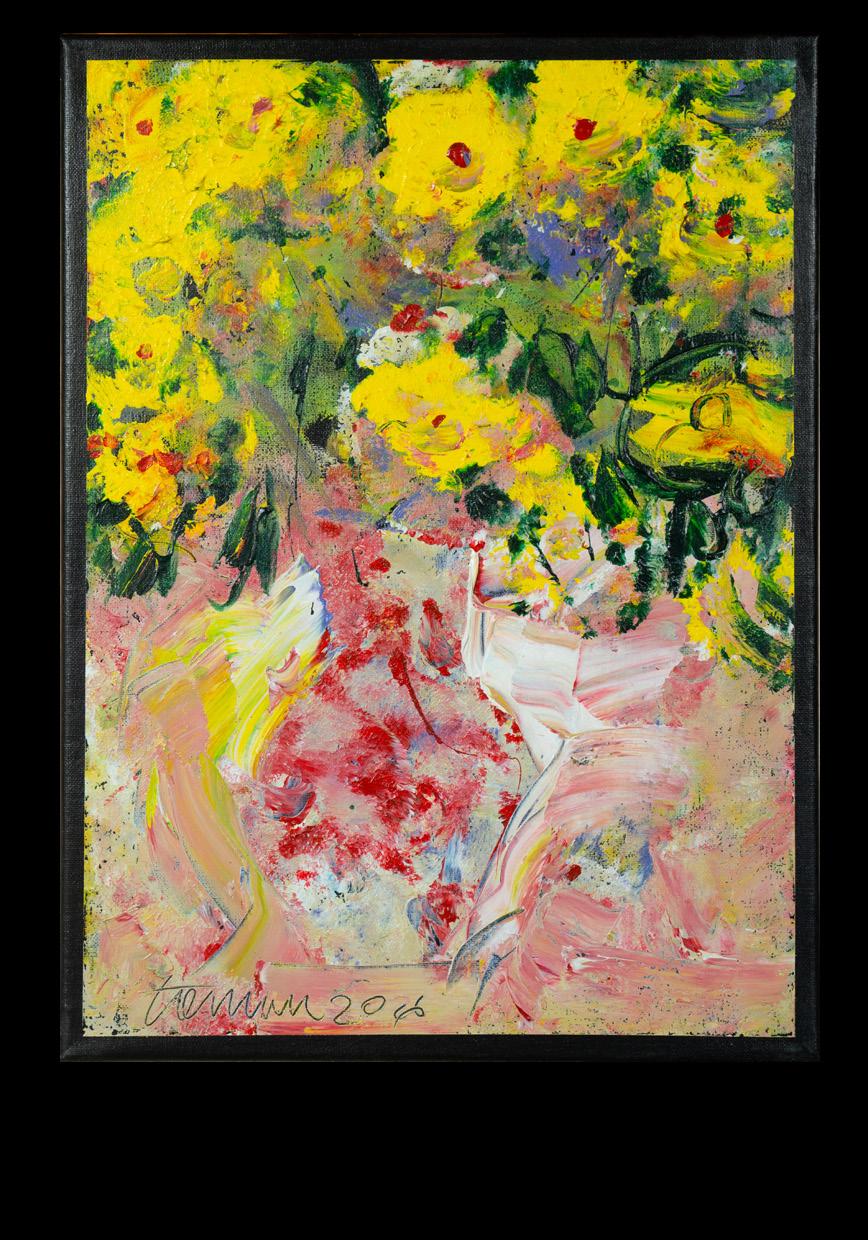
17 | Cvetlično tihožitje | Floral Still Life
akril/platno / acrylic/canvas | 2026 | 40 x 30 cm
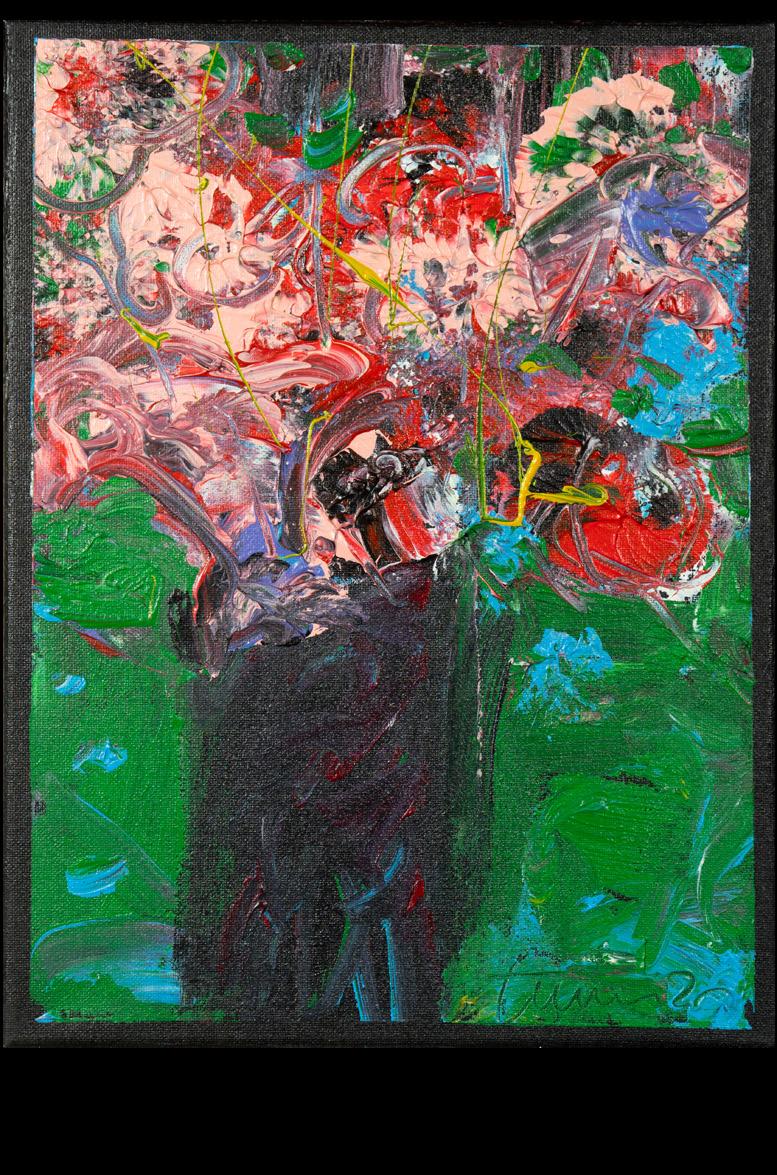
18 | Cvetlično tihožitje | Floral Still Life
akril/platno / acrylic/canvas | 2026 | 40 x 30 cm
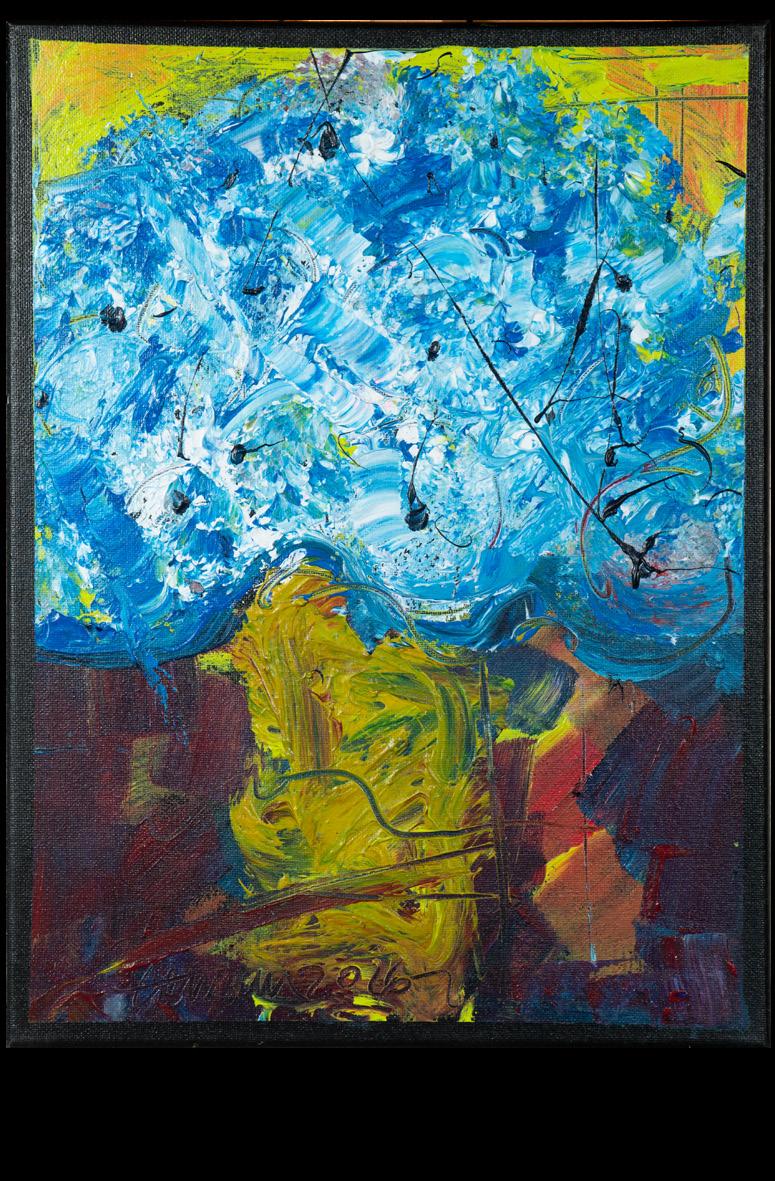
19 | Cvetlično tihožitje | Floral Still Life
akril/platno / acrylic/canvas | 2026 | 40 x 30 cm
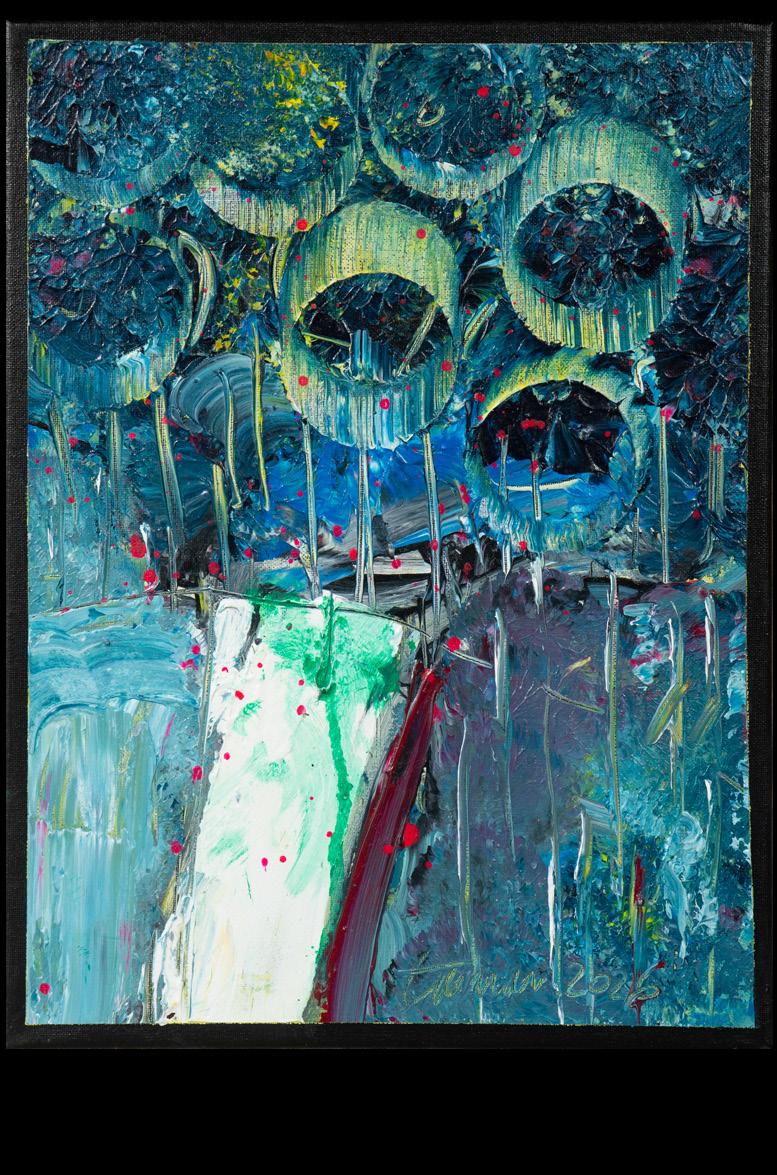
20 | Cvetlično tihožitje | Floral Still Life
akril/platno / acrylic/canvas | 2026 | 40 x 30 cm
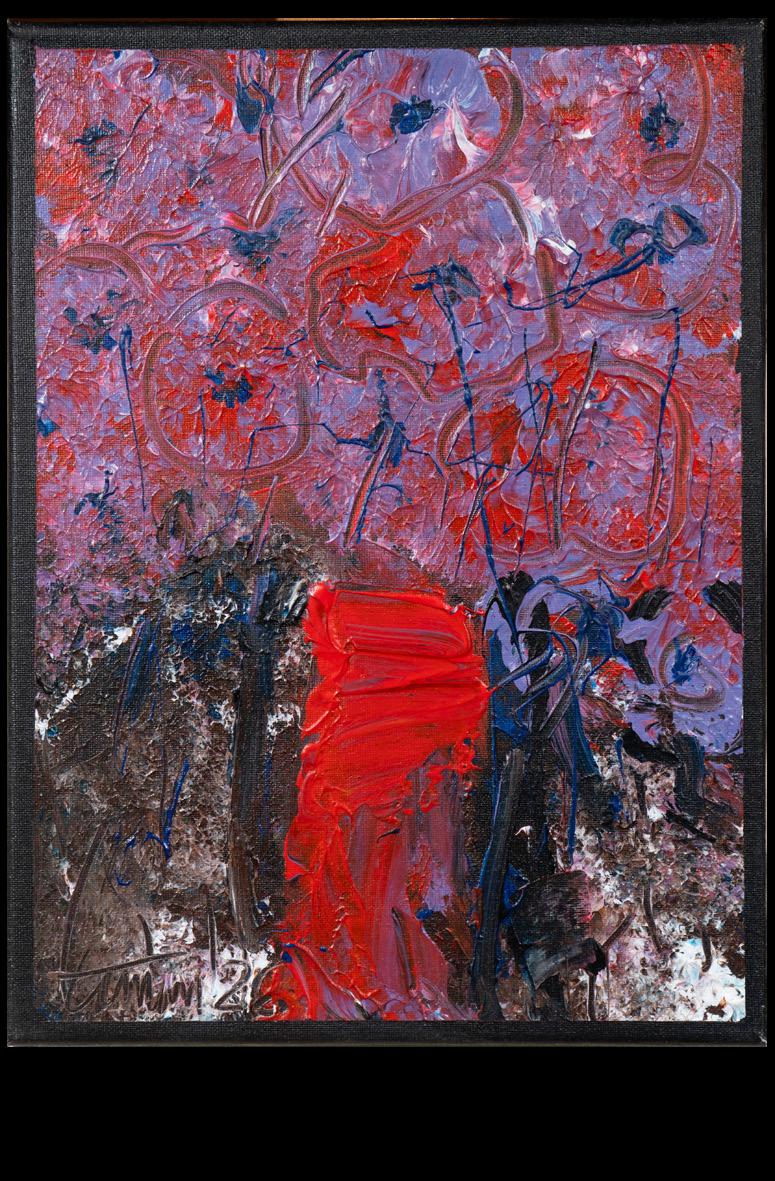
21 | Cvetlično tihožitje | Floral Still Life
akril/platno / acrylic/canvas | 2026 | 40 x 30 cm
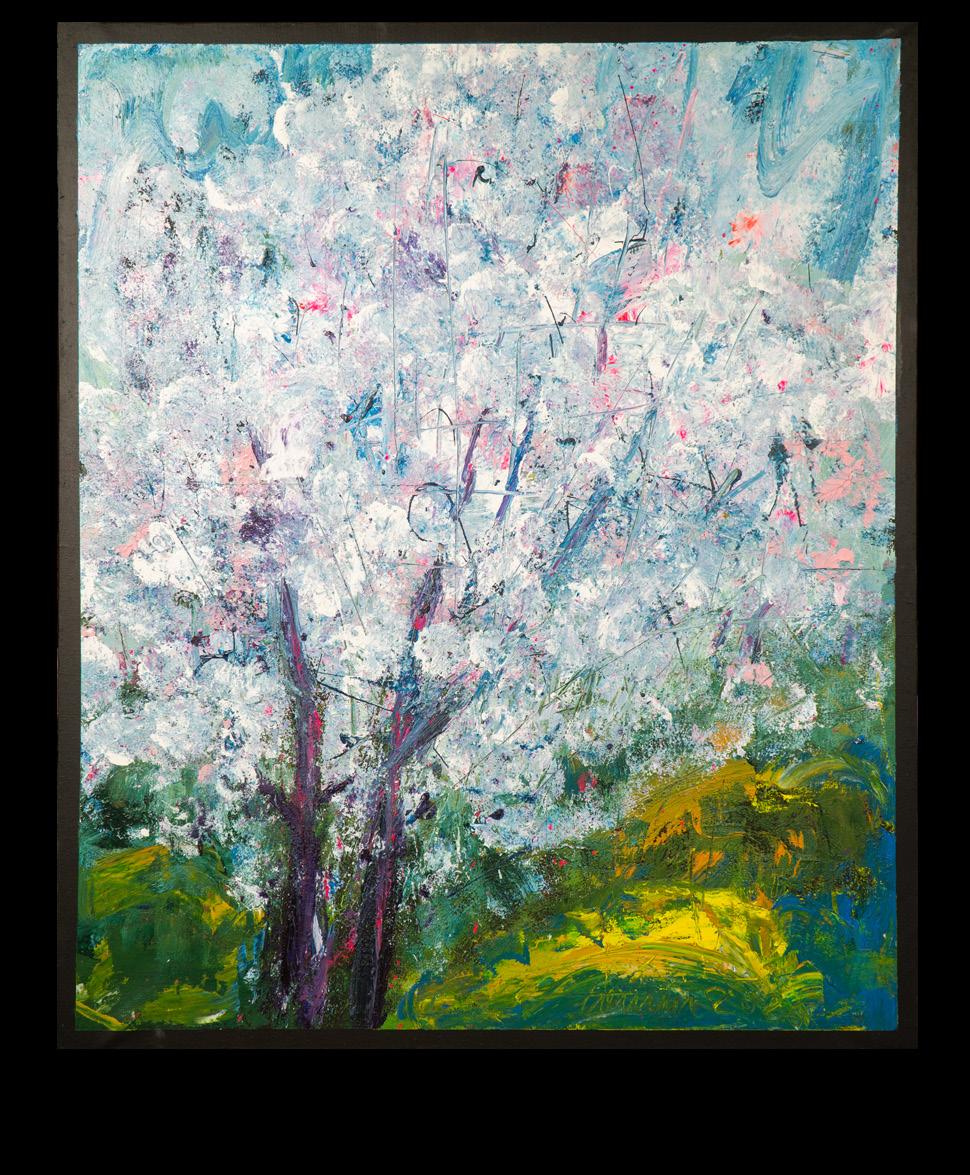
22 | Cvetoče drevo | Blooming Tree akril/platno / acrylic/canvas | 2026 | 93 x 79 cm



Gallery Villa ART
VILLA LASIS
VILLA LASIS