BUILDING ON STRENGTH
2026 and Beyond
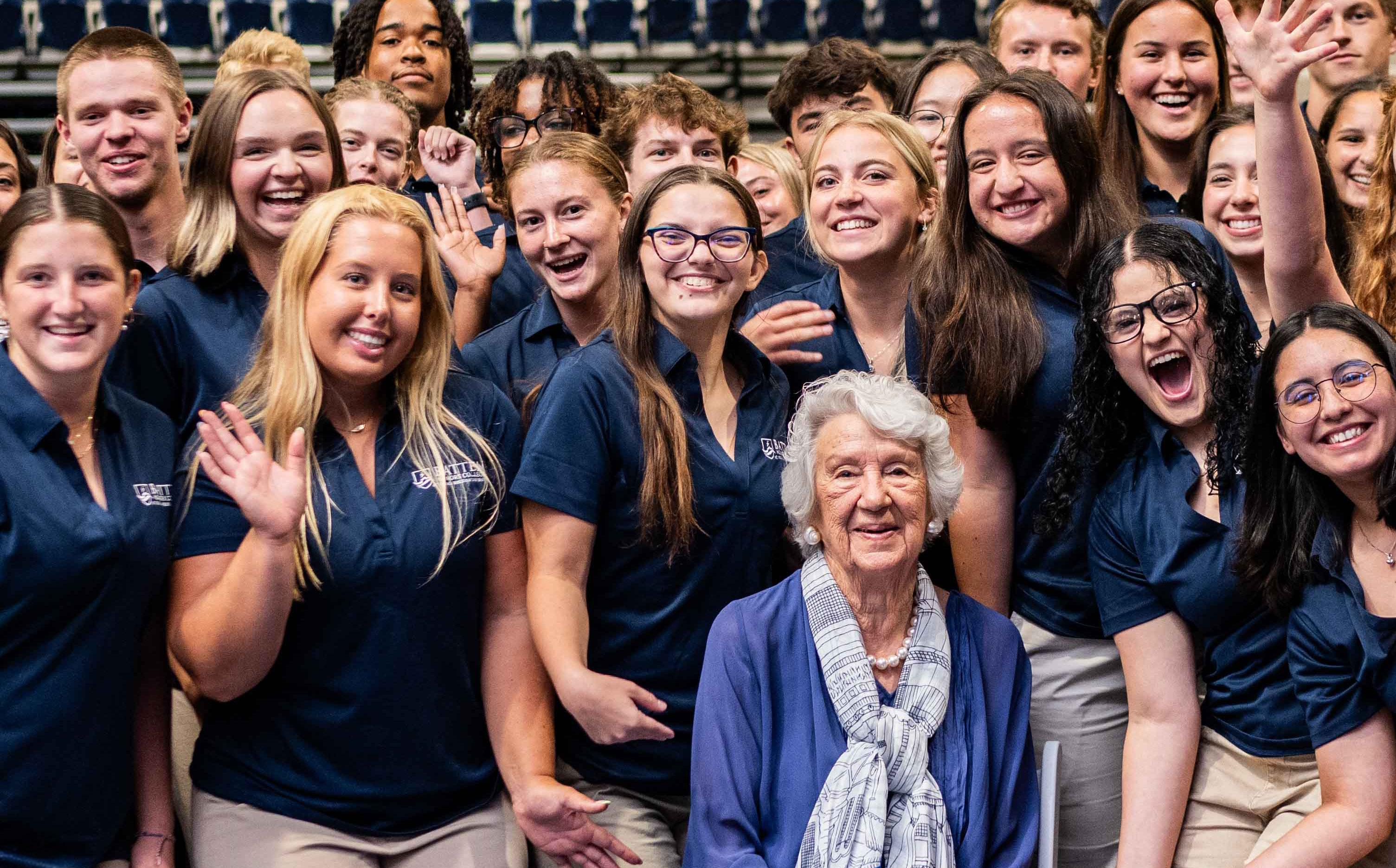
Jane P. Batten surrounded by students whose lives she’s helped shape.
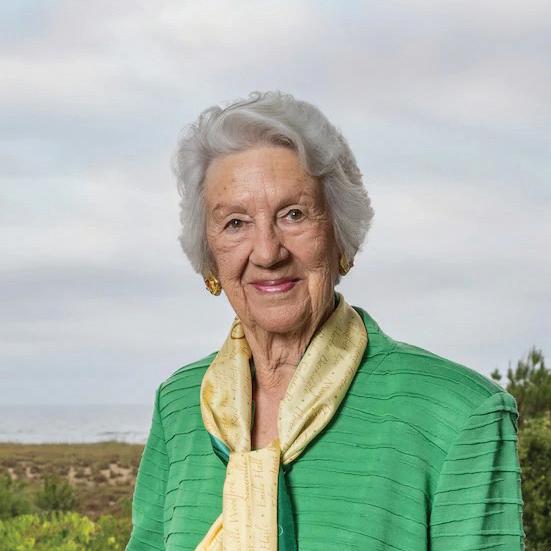
The important work outlined in this strategic plan is made possible through the extraordinary vision and generosity of Jane P. Batten , whose philanthropic leadership has shaped our past and will continue to define our future. We are deeply grateful for her enduring commitment to our mission.
INSTITUTIONAL LEARNING OUTCOMES (ILOS)
1. Graduates synthesize concepts, knowledge, and skills within and across disciplines and experiences.
2. Graduates demonstrate independence, responsibility, and self-discipline
3. Graduates develop well-supported, evidence-based arguments.
4. Graduates understand and engage the ideas of others.
5. Graduates communicate effectively.
6. Graduates contribute to their communities through engagement and leadership.
BUILDING ON STRENGTH 2026 & BEYOND
VISION
Batten University is Virginia’s innovative university of the arts and sciences.
CORE VALUES
Academic Excellence, grounded in the liberal arts, which emphasizes creative and engaged thinking within and across disciplinary perspectives.
Inclusive and Caring Community that empowers members to form meaningful relationships through listening, understanding, and communication.
Personal Integrity and Sense of Purpose that foster initiative, independence, and self-respect.
Social Responsibility, rooted in Methodist heritage, which inspires our community members to be engaged citizens and servant leaders who have a positive impact on their local and global communities.
Environmental Stewardship that includes active protection, restoration, and sustainable practices.
MISSION STATEMENT
An inclusive community grounded in the liberal arts and sciences and dedicated to scholarship, service, lifelong learning, and environmental stewardship, Batten University inspires students to build meaningful lives through engagement in Coastal Virginia’s dynamic metropolitan region, the nation, and the world.
STRATEGIC ASSUMPTIONS AND ENVIRONMENTAL CONTEXT
SECTOR HEADWINDS
Independent universities of the arts and sciences are operating in an increasingly challenging environment. A sustained decline in the traditional college-aged population—now spanning more than 15 years—continues to reduce the pool of prospective students. At the same time, lower-cost public universities, many offering honors programs and enhanced residential experiences, have intensified competition for high-achieving students.
Public confidence in the return on investment of higher education, particularly in the humanities and social sciences, has also weakened. These pressures are compounded by financial models that remain heavily dependent on net tuition revenue. Together, these dynamics require institutions to demonstrate clear value, sharpen their positioning, and operate with greater discipline.
BATTEN UNIVERSITY ADVANTAGES AND DIFFERENTIATORS
Despite these sector-wide headwinds, Batten University is well positioned for continued growth and strength. The University is experiencing record applications and enrollment, supported by a significant endowment that enhances access through competitive scholarships. Academic programs aligned with workforce demand— most notably in nursing and the health sciences—offer clear career pathways and strong earning potential.
The University’s location in Coastal Virginia provides a distinctive residential experience in a vibrant East Coast setting, strengthening recruitment and student engagement. In addition, the Batten name carries strong recognition and credibility across the Commonwealth and beyond.
Batten’s commitment to environmental stewardship—rooted in its coastal setting and embedded across the curriculum—further differentiates the University, particularly among students who view climate change as a defining issue. Complementing this is a strong emphasis on experiential learning, ensuring that students are engaged in problem-solving throughout their studies. As a result, Batten graduates will be known for their leadership, critical thinking, and ability to contribute meaningfully in an increasingly complex and polarized world.
ENVIRONMENTAL GUIDING PRINCIPLES

Batten University recognizes our responsibility to protect and enhance the environment and its biodiversity for the health of local and global ecosystems, future generations, and ourselves. We are committed to responsible stewardship of campus resources and to demonstrating leadership in sustainability. As a learning community located in the rich and unique ecosystems of Coastal Virginia and the Chesapeake Bay watershed, we are committed to promoting and developing the next generation of environmental stewards. The ongoing sustainability efforts of the University reflect a larger commitment to ethical conduct and social responsibility through environmental stewardship and education.
WE SEEK TO BE A CAMPUS COMMUNITY:
• In which the University is an environmental leader in all aspects of institutional functions, including planning, operations, purchasing, and maintenance;
• In which environmental efforts encourage interdisciplinary and collaborative teaching and research;
• In which diversity, inclusion, and equity are valued and recognized for their role in supporting and creating a vibrant, sustainable, healthy, and resilient community;
• In which we acknowledge our obligation to live responsibly as part of a forested ecosystem that mantles our campus and promotes a rich learning environment;
• In which we build a campus community that promotes health and wellness efforts in harmony with the natural world; and
• In which University leadership and expertise contribute to Coastal Virginia’s local and regional environmental efforts.
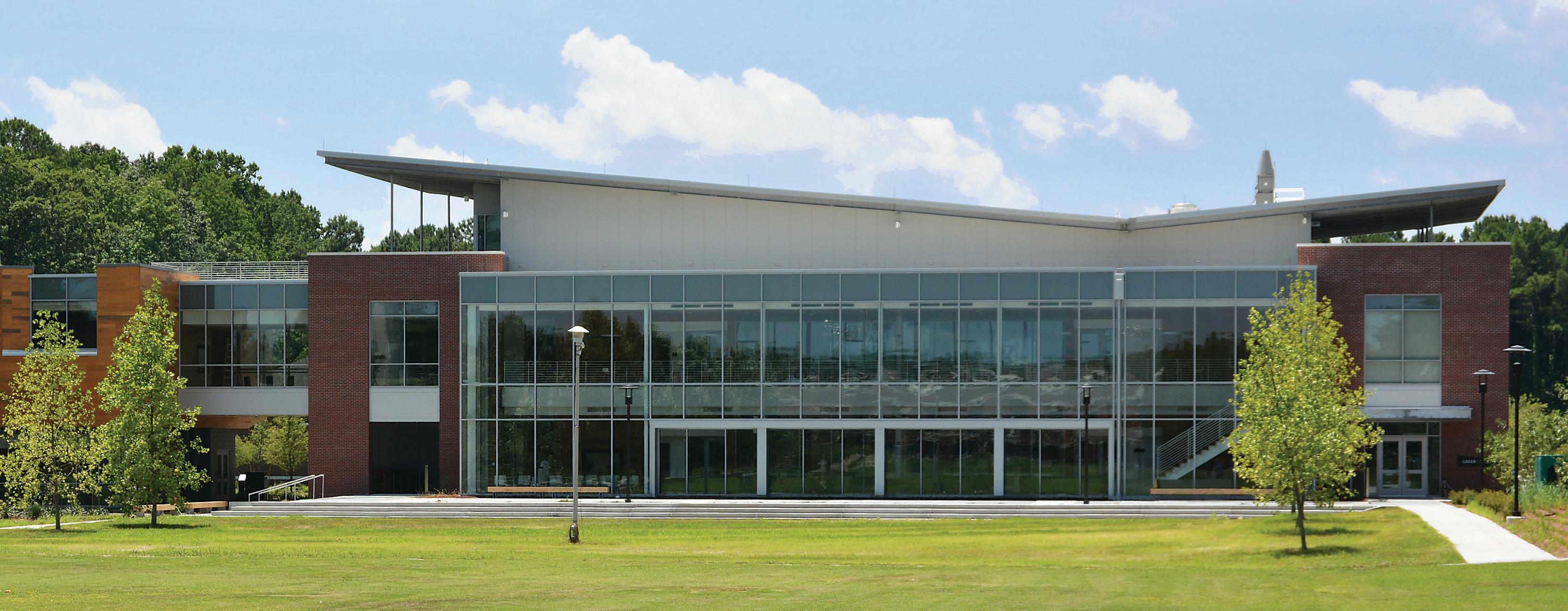
TO ADVANCE OUR GOALS, WE WILL:
• Incorporate environmental and social concerns as a priority in University decision making, planning, and investing;
• Consider social, environmental, and economic impacts of Batten’s policies, practices, and growth;
• Train the next generation of environmental stewards and professionals of local and regional distinction;
• Foster the University’s national-niche programs in environmental sciences and the Jane P. Batten Honors College by encouraging investments from internal and external resources;
• Seek practices and procedures that protect, enhance, and regenerate the environment;
• Promote the University as a living laboratory for sustainability, contributing to the education, outreach, and research mission of the University;
• Use participatory processes in developing Batten’s policies and practices; and
• Fulfill the University’s responsibility as good neighbors by working with the community to foster social equity, environmental justice, and healthy natural systems.
LETTER FROM THE PROVOST
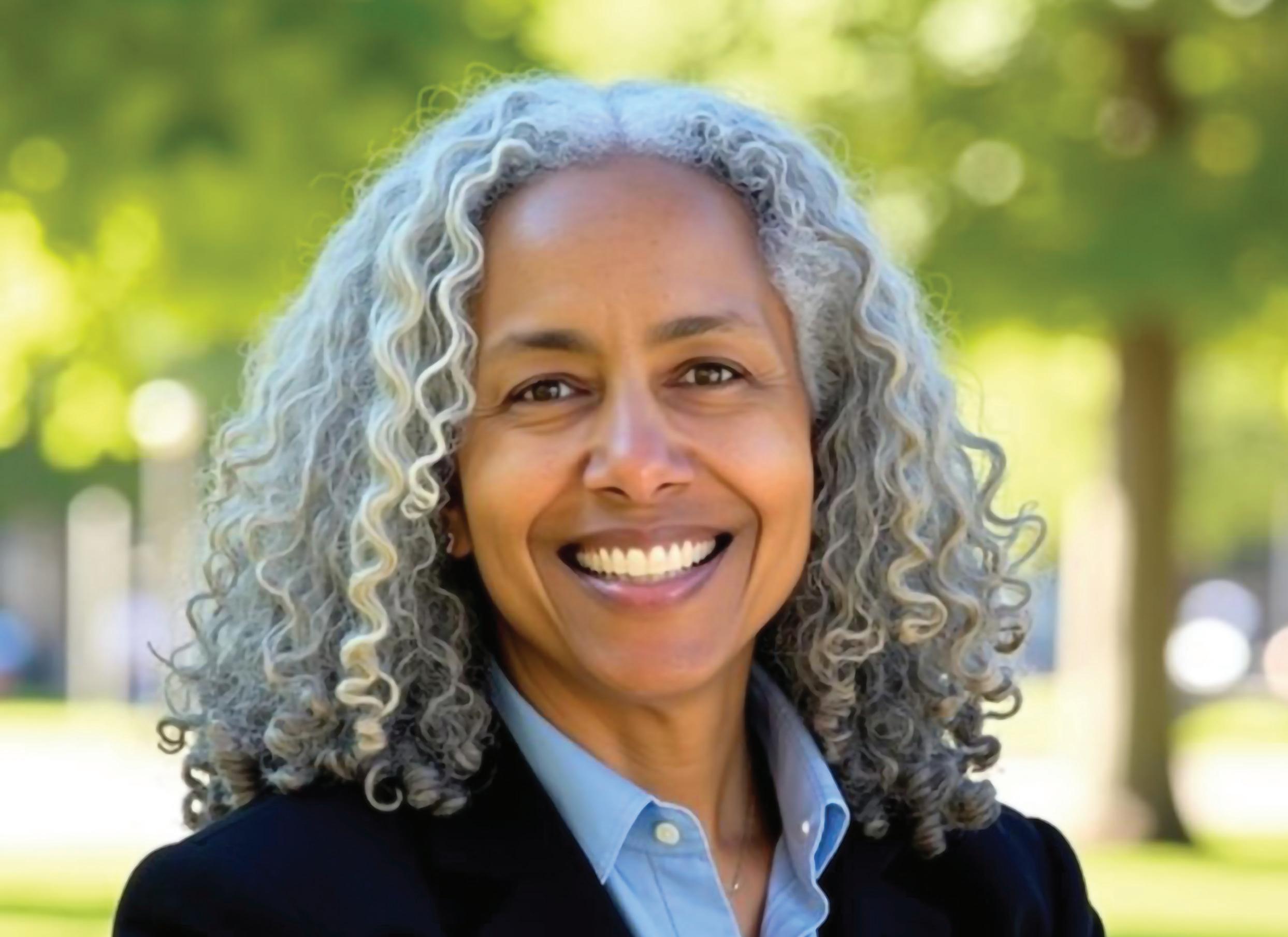
Westand at a significant moment in the life of our institution. The forces reshaping higher education—demographic change, rapid technological advancement, and evolving public expectations—have permanently transformed our landscape. At Batten University, we view these developments not as obstacles, but as opportunities to strengthen our academic mission and extend our impact—guided throughout by our enduring commitment to environmental stewardship.
Batten University advances this work through three distinct yet integrated colleges, each contributing to our shared mission while reinforcing the central role of sustainability in teaching, learning, and institutional practice.
The Virginia Wesleyan College of Arts and Sciences remains the academic heart of the University, grounded in the transformative power of the liberal arts and informed by our responsibility to the coastal environment we call home. We are committed to delivering a personalized, high-impact educational experience that emphasizes critical thinking, ethical reasoning, and interdisciplinary exploration, with sustainability woven throughout the curriculum. Faculty engage students across classrooms, laboratories, studios, and community settings, integrating technology while preserving the close relationships that define us. Experiential learning remains central, with opportunities for undergraduate research, study-away, internships, and civic engagement—many focused on environmental challenges and solutions. Our partnership with the Virginia Museum of Contemporary Art further enriches this work, fostering collaboration at the intersection of creativity, scholarship, and environmental awareness. At its core, the College advances a culture of equity, inclusion, and belonging, ensuring that all students are supported and empowered.
The College of Professional and Graduate Studies (Global Campus) extends Batten University’s reach across the region and beyond, serving a diverse population of learners seeking advancement, transition, or new opportunity. Flexible undergraduate and graduate programs—delivered through innovative online and hybrid models—expand access while maintaining academic rigor. Within Global Campus, the Gilbert T. Bland Center for Urban Leadership Education, which includes the Prison Education Program, provides high-quality education for incarcerated individuals and advances the belief that education transforms lives and communities, while the Batten & Black School for International Studies (Lakeland Japan) expands global learning through study-away programs, course sharing, and international collaboration. Together, these efforts prepare students to lead in an interconnected world and support lifelong learning across careers.
The Sentara College of Health Sciences represents a vital expansion of our mission, deepening our commitment to preparing graduates for careers in nursing and the health professions. Building on a legacy of excellence, the College addresses critical workforce needs through clinical placements, simulation-based training, and strong healthcare partnerships. It advances workforce development and creates seamless pathways from entry-level credentials through advanced degrees. Increasingly, healthcare education at Batten University reflects an understanding of environmental determinants of health, preparing graduates to address the complex interplay between environment, community, and patient outcomes. In doing so, the College contributes to healthier, more sustainable communities.
Across all three colleges, Batten University is united by shared priorities. Experiential learning ensures that students apply knowledge in meaningful, real-world contexts. Our environmental guiding principles are foundational, informing curriculum, campus operations, partnerships, and investment strategies. We are equally committed to fostering a campus environment grounded in equity, inclusion, and belonging, supporting the success of every learner.
Batten University also recognizes that education is lifelong. Through the integration of our colleges, we offer a comprehensive continuum of learning—from the liberal arts to professional advancement to health sciences—designed to meet students where they are and prepare them to lead in a world defined by environmental and societal change.
Finally, we remain mindful that academic excellence depends upon institutional strength. Through thoughtful stewardship of resources, strategic growth, and a sustained culture of philanthropy, Batten University is well positioned to support innovation while preserving the personalized educational experience that defines us—and to do so responsibly for future generations.
Deirdre Gonsalves-Jackson, Ph.D.
Provost and Vice President
GOAL
1
OBJECTIVES
1. Engage students in transformative experiences that support the transfer of classroom knowledge into personal, intellectual, professional, and civic growth.
2. Increase the number and percentage of graduates who attend graduate school.
3. Pursue prestigious specialized program accreditations.
4. Clearly articulate the importance of the liberal arts to professional growth and the development of marketable skills.
TRANSFORMATIVE EDUCATION
Engage all students in transformational experiences that widen their horizons, involve them in a rigorous liberal arts curriculum, and prepare them for the next stage of their lives and careers.
5. Strengthen commitment of the Jane P. Batten Honors College to environmental stewardship, global engagement, and leadership.
ACTION ITEMS IN 1-3 YEARS
TRANSFORMATIVE EXPERIENCES
1. Continue to grow externship, internship, and career opportunities by developing a comprehensive alumni outreach program and building partnerships with area businesses and nonprofit organizations.
2. Promote short term study abroad courses and semester study away options through exchange partnerships to allow a greater number of students to participate in a study abroad experience.
3. Expand undergraduate research opportunities and support, particularly for summer research.
GRADUATE SCHOOL ATTENDANCE
1. Further increase the number of accelerated degree completion options and preferred admission partnerships with top graduate and professional schools throughout the country.
2. Develop policies that facilitate matriculation to Batten University’s graduate programs.
LIBERAL ARTS AND PROFESSIONAL GROWTH
1. Explicitly articulate and market the creativity, critical thinking, problem solving, and mental agility nurtured by a liberal arts education.
2. Foster curricular components that demonstrate the transferability of the liberal arts to professional growth.
3. Adapt or develop one or more new academic programs that explicitly frame the liberal arts within a tangible career path.
STRENGTHEN COMMITMENT OF THE
JANE P. BATTEN HONORS COLLEGE
1. Entrust oversight of the JPBHC endowment to environmentally conscious management.
2. Develop partnerships with local and national businesses and organizations that can provide students with experience as environmental stewards.
3. Revise global travel experiences to offer a more immersive experience, especially at the Batten & Black School for International Studies (Lakeland Japan).
ACTION ITEMS IN 4-10 YEARS
TRANSFORMATIVE EXPERIENCES
1. Implement a comprehensive alumni outreach program that professionally connects current students with alumni in their field of study.
2. Pursue increased external funding and institutional support for transformative research and study abroad opportunities for all students.
3. Consider the feasibility of a graduation requirement for experiential learning in every major.
PROGRAM ACCREDITATIONS
Secure specialized accreditation for programs such as Business and Education.
LIBERAL ARTS AND PROFESSIONAL GROWTH
1. Increase the number of internships completed by students majoring in the arts and humanities.
2. Build additional community partnerships, increasing opportunities for students to utilize their liberal arts education in a professional setting.
3. Re-envision academic programs to clearly connect their disciplines to indemand fields.
STRENGTHEN COMMITMENT OF THE JANE P. BATTEN HONORS COLLEGE
Revise the JPBHC curriculum to better prepare students to be environmental stewards across disciplines.
OBJECTIVES
2GOAL
CURRICULAR INNOVATION
Achieve greater academic prominence through technologybased curricular innovations and development of programs in key gap areas.
1. Implement systemic changes and training to support technologybased curricular innovation.
2. Develop academic programs in key gap areas in order to address critical needs in the region.
3. Create a dynamic curriculum that is innovative, adaptable, and responsive to student needs and current developments in the region.
4. Expand financial and curricular resources for new and growing academic programs.
5. Develop programs that provide alternative models for learning, such as year-round programs, 3-year degrees, and hybrid programs that combine face to face and online instruction.
ACTION ITEMS IN 1-3 YEARS
TECHNOLOGY-BASED CURRICULAR INNOVATIONS
1. Expand training in technology to facilitate curricular development.
2. Seek external funding for technology enhancements.
3. Establish a multi-year technology plan for classrooms and offices.
PROGRAM DEVELOPMENT IN GAP AREAS
1. Integrate Sentara College of Health Sciences fully into Batten University.
2. Identify new online programs that offer growth potential and that are consistent with the institutional mission.
3. Identify new interdisciplinary programs that can build on existing institutional strength and address curricular gaps.
4. Selectively add academic programs to address gap and growth areas.
DYNAMIC CURRICULUM
1. Pursue potential applications of hybrid courses using recent technology advancements.
2. Establish periodic program reviews to support curricular agility.
ACTION ITEMS IN 4-10 YEARS
CURRICULAR RESOURCES
1. Expand financial and curricular resources to match the growth in number of academic programs, the addition of graduate programs, and the gains in enrollment.
2. Renovate academic spaces to better support technology-based and hybrid modes of instruction.
3. Expand instrumentation and technology for new and growing programs.
ALTERNATIVE MODELS FOR LEARNING
1. Promote hybrid and technology enhanced instruction models where appropriate throughout the curriculum.
2. Add opportunities for 3-year degrees and year-round instruction in select programs.
3. Expand the prison education program in Chesapeake and beyond.
TECHNOLOGY-BASED CURRICULAR INNOVATIONS
Generate financial reserves and resources to implement regular upgrades in campus technology.
PROGRAM DEVELOPMENT IN GAP AREAS
1. Develop at least two additional online graduate programs or program tracks and at least two additional online undergraduate programs or program tracks.
2. Implement at least three on-campus academic programs that meet the needs of the regional and national economy.
CURRICULAR RESOURCES
1. Complete the construction of a new Center for Health Sciences that includes academic and residential spaces.
2. Further expand support for faculty development commensurate with the growth in graduate programs.
3. Provide technology infrastructure and support to encourage innovation in the curriculum.
OBJECTIVES
3GOAL
COMMUNITY ENGAGEMENT
Elevate the importance of cooperative education, community engagement lifelong learning and environmental awareness in both the curriculum and student life.
1. Further develop civic engagement opportunities with community partners to create a more prominent institutional presence in and impact on the community.
2. Cultivate and sustain strategic, mutually beneficial, and impactful relationships among faculty, staff, students, and our community partners.
3. Develop cooperative education programs to provide opportunities for students to gain professional experience and increase the affordability of their education.
4. Further support the University’s commitment to lifelong learning through talent development, community partnerships, degree pathways, and credit for prior learning opportunities.
5. Promote environmental awareness and sustainability efforts on and off campus.
ACTION ITEMS IN 1-3 YEARS
CIVIC ENGAGEMENT WITH COMMUNITY PARTNERS
1. Expand service-learning opportunities by generating more experiencebased courses and by building community partnerships.
2. Strengthen engagement with adjacent neighborhoods, area schools, and the City of Virginia Beach.
3. Build a working partnership with the Premium Outlets.
4. Partner with Volunteer Hampton Roads on a tracking system to document volunteer activity.
COOPERATIVE EDUCATION
1. Develop embedded co-op programs as a part of at least two academic majors.
2. Develop general cooperative education opportunities for students in any major.
COMMITMENT TO LIFELONG LEARNING
1. Expand talent development offerings.
2. Establish corporate partnerships to offer courses and workshops.
3. Establish a partnership with the Virginia Beach Police Department to offer credit for prior learning.
ENVIRONMENTAL AWARENESS AND SUSTAINABILITY EFFORTS
1. Enhance opportunities for summer environmental studies at all educational levels, including summer marine biology programs.
2. Enhance working partnerships with regional environmental groups.
3. Pursue AASHE Stars certification.
4. Conduct campus renovations specifically to improve energy efficiency, consistent with the 10-year campus master plan.
5. Expand service learning opportunities focused on the local and regional environment.
ACTION ITEMS IN 4-10 YEARS
CIVIC
ENGAGEMENT WITH COMMUNITY PARTNERS
1. Establish a neighborhood redevelopment enterprise.
2. Create a system of faculty fellows focused on community engagement.
3. Sustain Carnegie Community Engagement designation.
4. Explore the creation of programs tied to community-based education such as undergraduate and graduate programs in Leadership Studies.
COOPERATIVE EDUCATION
Further expand the number of co-op programs within majors.
COMMITMENT TO LIFELONG LEARNING
1. Develop a policy for offering credit for prior experience to adult learners.
2. Create additional pathways through which adult learners may pursue degrees.
3. Further expand non-credit talent development offerings.
ENVIRONMENTAL AWARENESS AND SUSTAINABILITY EFFORTS
1. Improve the institutional ranking in the AASHE Stars certification program, achieving certification at the Silver level or higher.
2. Expand the number of major programs requiring a course in the environment or sustainability.
3. Decrease carbon emissions by 75% compared to the 2008 levels.
4. Commit to requiring external environmental certification (LEED or other) on all new construction.
5. Ensure that the Batten University endowment is invested in an environmentally friendly way.
INTERNATIONAL CAMPUS
Create an international campus culture that attracts students from around the world and connects them to the Coastal Virginia community.
OBJECTIVES
1. Recruit international students who can thrive at Batten University.
2. Establish a comprehensive international student support system.
3. Internationalize the curriculum by expanding the number of globally focused courses and short term study abroad courses.
4. Expand opportunities for students to study abroad at the Japan campus and for students from the Japan campus to matriculate to the Virginia Beach campus for their final two years.
5. Develop and more strongly integrate regional partnerships with international businesses and organizations into the curriculum.
ACTION ITEMS IN 1-3 YEARS
INTERNATIONAL STUDENT RECRUITMENT
Work with ISEP and other international partnerships to facilitate a flow of exchange students back and forth between international sites and the campus.
INTERNATIONAL STUDENT SUPPORT
1. Establish an International Student Ambassador Program, connecting international students with current Batten University students who will serve as mentors and advocates.
2. Strengthen the campus support and programming for international students.
INTERNATIONALIZE THE CURRICULUM
1. Expand the number of international/ global courses, including short-term study abroad courses.
2. Offer introductory courses in Japanese language and culture to prepare students for an international experience at the Japan campus.
BATTEN & BLACK SCHOOL FOR INTERNATIONAL STUDIES (LAKELAND JAPAN)
1. Attract at least 15 students per year from the Japan campus to the Virginia Beach campus.
2. Ensure 15 Batten University students study abroad at the Japan campus.
REGIONAL PARTNERSHIPS
1. Make more intentional connections with regional businesses and civic organizations with international emphases.
2. Strengthen the University’s partnership with the North Atlantic Treaty Organization Allied Command Transformation (NATO ACT).
3. Further develop externship and internship programs with an international focus.
ACTION ITEMS IN 4-10 YEARS
INTERNATIONAL STUDENT RECRUITMENT
Increase the on-campus, degree-seeking international student body to at least 60 students.
INTERNATIONAL STUDENT SUPPORT
1. Develop an English for Speakers of Other Languages (ESOL) program.
2. Offer an F1 international student transition course.
INTERNATIONALIZE THE CURRICULUM
1. Recruit additional faculty with international expertise, especially in non-Western fields.
2. Enhance the support for student travel during short-term study abroad courses.
BATTEN & BLACK SCHOOL FOR INTERNATIONAL STUDIES (LAKELAND JAPAN)
1. Promote regular semester-long and short-term study abroad opportunities at the Japan campus.
2. Promote the regular exchange of faculty between the Japan campus and the Virginia Beach campus.
3. Attract 30 students per year from the Japan campus to the Virginia Beach campus by 2026.
4. Ensure 30 Batten University students study abroad at the Japan campus each year.
OBJECTIVES
1. Develop intentional programmatic and experiential opportunities that celebrate diversity and work to create a welcoming and inclusive campus climate.
2. Develop outreach programs to better support underrepresented and underserved students.
3. Develop individualized advising, mentoring, and counseling programs.
4. Sponsor faculty, staff, and student development programs on inclusiveness.
5. Emphasize inclusiveness as a key element in all searches for faculty and staff.
INCLUSIVE COMMUNITY
Strengthen the University’s commitment to be an inclusive campus community, including recruitment and retention of diverse, well-credentialed faculty and staff.
ACTION ITEMS IN 1-3 YEARS
WELCOMING CAMPUS CLIMATE
1. Develop a comprehensive action plan for what it means to be an inclusive community.
2. Create a space for student groups focused on inclusion, fostering dialogue, and empowering underrepresented voices.
OUTREACH PROGRAMS
1. Explore the creation of an Africana Studies major.
2. Adjust student affairs and academic programming selection processes to give priority to programs with an inclusive component.
3. Involve the President’s Council for Inclusive Communities (PCIC) in developing appropriate criteria for selecting inclusive programs.
4. Further develop the Center for Neurodiversity and Career Development
ACTION ITEMS IN 4-10 YEARS
INDIVIDUALIZED ADVISING
1. Identify current unmet needs of the student population and maintain data on student demographics and needs.
2. Create a forum for important conversations on inclusion, in coordination with student groups and the PCIC.
PROGRAMS ON INCLUSIVENESS
1. Encourage student organizations to develop mentoring programs that foster inclusiveness.
2. Conduct training programs through PCIC and the Virginia Center for Inclusive Communities.
3. Support events that teach and nurture civil discourse.
4. Expand the use of professional development funds to offer training on inclusiveness within disciplines and in campus life.
INCLUSIVE SEARCHES
Articulate procedures to ensure greater diversity and equity in faculty searches.
WELCOMING CAMPUS CLIMATE
Grow the number of courses and programs on campus that speak to underrepresented perspectives and populations.
OUTREACH PROGRAMS
Improve support for academic and student life to enable students to better understand and navigate the university culture in order to reach their academic, personal, professional, and civic goals.
INDIVIDUALIZED ADVISING
Institutionalize student mentoring among underrepresented populations.
INCLUSIVE SEARCHES
Grow the number of diverse faculty and staff members to better mirror the diversity of the student population.
OBJECTIVES
6GOAL
ENROLLMENT AND RETENTION
Increase enrollment and retention of traditional and online students, both graduate and undergraduate, to invigorate curricular and extracurricular life and to amplify Batten University’s contributions to the region.
1. Increase enrollment, particularly in new academic programs in both online and traditional formats.
2. Empower Global Campus as a center for academic and certificate programs serving non-traditional students.
3. Establish policies, procedures, and practices to enhance retention.
4. Create a vibrant 12-month campus that expands experiential learning opportunities for students of all ages.
ACTION ITEMS IN 1-3 YEARS
INCREASE ENROLLMENT
1. Expand opportunities for workforce development through Global Campus.
2. Grow early enrollment/dual credit enrollment to 100 students annually through Global Campus.
3. Expand programs for retirees in our community through partnerships with area organizations.
4. Grow the Global Campus online enrollment to 350 degreeseeking students.
ENHANCED RETENTION
1. Begin construction of a new residence hall to meet the demands of a growing student population and to provide an improved residential environment.
2. Identify and ameliorate social, curricular, and financial barriers to retention.
3. Grow the Work and Learn Program to include 75 students per year.
4. Pilot a summer bridge program to offer students an opportunity to jump-start their transition to college.
VIBRANT 12-MONTH CAMPUS
1. Expand course offerings and student enrollment during Summer and Winter Sessions.
2. Host more conferences and learning institutes on campus, particularly those that offer learning opportunities for students.
3. Increase the number of external organizations that use Batten University’s facilities.
4. Establish summer programs for primary, secondary, and post-secondary students in the fine and performing arts.
ACTION ITEMS IN 4-10 YEARS
INCREASE ENROLLMENT
1. Grow enrollment in new academic programs (initiated in fall 2020 or later) to 100 students.
2. Grow on campus enrollment by college to 5,500 total learners;
• Virginia Wesleyan College of Arts and Sciences: 1,500
• Global Campus: 2,250
• Sentara College of Health Sciences: 1,250
ENHANCED RETENTION
1. Renovate Bray Village to increase the on-campus beds to 1,000.
2. Expand the Jane P. Batten Student Center, providing additional space for food service and study areas.
3. Enlarge the Work and Learn Program to include 100 students per year.
4. Expand Beacon Scholars summer bridge program in terms of number of students served and breadth of experience.
VIBRANT 12-MONTH CAMPUS
1. Further increase the number of external organizations that use the University’s facilities.
2. Expand summer programs in the arts and the environment.
STRENGTHEN CAMPUS FINANCES
Enhance our financial position by increasing operational revenues, engaging all constituencies in a culture of giving, actively seeking outside funding, and wisely stewarding campus resources.
OBJECTIVES
1. Build a philanthropic culture that increases alumni engagement, expands the donor base, and builds community relationships.
2. Grow and diversify revenues through increased enrollments, growth in unrestricted giving, and enhancement of auxiliary funding streams.
3. Strengthen financial foundations by wisely stewarding our endowment, controlling expenses, and continuing best practices to ensure and enhance the financial health of the institution.
4. Develop a culture of grant seeking at Batten University to bring in outside funding for projects.
ACTION ITEMS IN 1-3 YEARS
BUILD A PHILANTHROPIC CULTURE
1. Expand the base of donors from the local community and increase their engagement with the institution.
2. Strengthen alumni engagement and giving.
3. Increase Excellence Fund giving.
GROW AND DIVERSIFY REVENUES
1. Grow tuition revenue by adding enrollments in new program areas.
2. Increase enrollments in online programs to expand non-traditional tuition revenue.
3. Expand revenues from non-credit continuing education programs.
4. Increase revenue associated with hosting more conferences and learning institutes on campus, and through outside use of the University’s facilities.
STRENGTHEN FINANCIAL FOUNDATIONS
1. Wisely steward our endowment to provide regular financial resources and provide reserve funds.
2. Control expenses and continue financial best practices to wisely steward the institution’s resources.
DEVELOP A CULTURE OF GRANT SEEKING
1. Conduct training sessions on grant writing for faculty.
2. Identify ways to incentivize grant writing by faculty.
ACTION ITEMS IN 4-10 YEARS
BUILD A PHILANTHROPIC CULTURE
Increase alumni engagement such that at least 15% of eligible alumni contribute to the institution.
GROW AND DIVERSIFY REVENUES
Provide additional options for premium housing on campus.
STRENGTHEN FINANCIAL FOUNDATIONS
Fully shift the endowment to funds that prioritize social responsibility and environmental sustainability.
DEVELOP A CULTURE OF GRANT SEEKING
1. Provide additional support for faculty grant writing.
2. Develop a culture of grant seeking that increases academic grant submissions by 25%.