

The Microcement Kitchen: A Practical Guide to One of Interior Design's Most Talked About Finishes
Walk into almost any recently renovated kitchen designed with a considered, contemporary eye and there is a reasonable chance you will encounter microcement. On the worktops, the floor, the splashback, perhaps even the island unit — this smooth, matte, endlessly adaptable material has become one of the defining finishes of modern domestic interiors. If you have been drawn to the aesthetic and are wondering whether a microcement kitchen might be right for your home, this guide is designed to give you a clear, honest picture of what the material is, what it can do, where it has limitations, and how to approach the process of getting it right.


What Is Microcement?
Microcement — sometimes called micro-render or micro-concrete
— is a cement-based coating applied in thin layers, typically two to three millimetres in total depth. Unlike conventional cement or screed, it does not require structural support of its own. It is applied directly over existing surfaces: tiles, plasterboard, timber, concrete, and even existing paintwork in the right conditions. Once cured and sealed, it creates a hard, continuous surface that is free of grout lines, joints, and interruptions.
What It's Made Of
• Portland cement as the structural base
• Fine aggregates for texture and body
• Water-based resins for adhesion and flexibility
• Pigments for an extraordinary tonal range — from cool industrial greys and warm sandy beiges to deep slate blues and soft terracotta tones
That flexibility, combined with its seamless appearance, is precisely what has made the microcement kitchen such a compelling choice for interior designers and homeowners alike.

Why the Kitchen, Specifically?
Kitchens are among the most demanding environments in any home. They are subject to heat, moisture, grease, acidic foods, heavy traffic, and the occasional catastrophic spill. For a decorative finish to earn its place in a kitchen, it needs to perform under real pressure — not just look beautiful in a showroom.
Performance Under Pressure
Microcement's sealed surface resists water penetration, can withstand moderate heat, and cleans easily with a damp cloth and a pH-neutral cleaner. No grout lines means no bacteria harboured in joints.
Renovation Appeal
Applied over existing tiles or surfaces, microcement can transform the look of a kitchen in a matter of days — without the upheaval of a full strip-out renovation. Less disruption, less cost, less time.
Mainstream Momentum
This "overlay" capability is one of the key reasons the microcement kitchen conversation has moved from high-end new builds into the mainstream renovation market.
Where Microcement Works Best in a Kitchen
Understanding where microcement performs best will help you plan your project more effectively and have more productive conversations with any applicator you bring in.
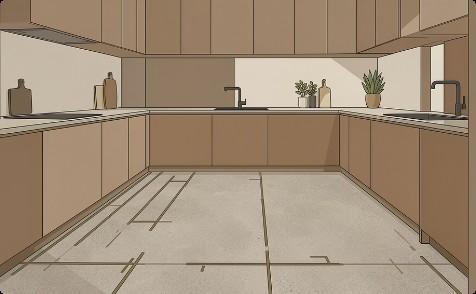
Floors
The most popular application. Microcement over an existing tiled or concrete floor delivers a seamless, easy-to-clean surface that works beautifully with underfloor heating. Low thermal resistance means efficient heat transfer, and the right topcoat provides slip resistance.

Worktops
Striking in appearance and, when sealed and maintained correctly, genuinely functional. The most demanding application in terms of skill and aftercare — requiring the right sealer and a degree of care. Beautiful and repairable in ways many other materials are not.

Splashbacks
One of the most impactful changes you can make without touching the layout. A continuous, unjointed surface from worktop to cabinet transforms the visual rhythm of a kitchen wall — where conventional tiles would introduce lines that break up the space.
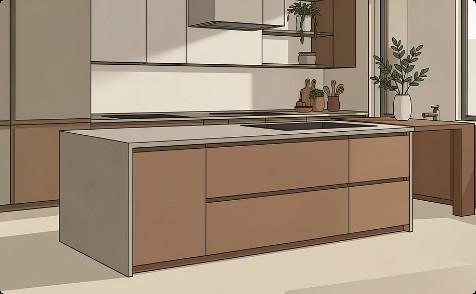
Islands & Furniture Facades
Applied to an island unit or cabinet facades, microcement gives a kitchen a bespoke, crafted quality. Colour matching across surfaces — floor, worktop, island — creates a cohesive, designedfrom-the-ground-up quality that resonates strongly in contemporary aesthetics.
The Application Process: What to Expect
A microcement kitchen installation is not a single-day job — it is a multi-stage process that requires careful preparation, precise application, and adequate curing time between coats. Understanding the process helps set realistic expectations around timing, access, and cost.

Surface Prep
Assess and repair substrate
Priming
Apply bonding primer for adhesion
Application
Hand-trowel 2–3 thin coats
Curing
Allow full drying between coats
Sealing
Apply multiple protective topcoats
Total project time for a full kitchen — floor, worktops, and splashbacks — can range from three to five days on-site, plus drying time. The kitchen will need to be out of use during application and for a curing period afterwards. Surface preparation is where success or failure is usually determined: any existing surface must be structurally sound, clean, and free of movement. The choice of sealer product should be made in consultation with your applicator, taking into account the specific demands of each surface within the kitchen.
Choosing the Right Applicator
The quality of a microcement finish is almost entirely dependent on the skill of the person applying it. Unlike paint or wallpaper, microcement does not forgive a lack of experience. Trowel marks, inconsistent texture, poor sealer application, or inadequate substrate preparation will all show up in the finished surface — and remediation can be costly.
When selecting an applicator for a microcement kitchen project, look for the following:
• A substantive portfolio of completed kitchen work specifically — not just floors or bathrooms
• Transparent information about the products they use
• A willingness to provide references from past clients
• Examples of their worktop work in particular, as this is where the demands of the kitchen environment are most acute

A Note on Training & Standards
Reputable training and trade bodies in the decorative finishes sector have worked to raise standards across the industry. Organisations such as Creativa Ltd have contributed to this through both training programmes and the development of practitioner knowledge around specification and application. When an applicator has received structured training from a credible source, it is a reasonable indicator that they take the craft seriously.

Ask Before You Commit
Always ask to see completed worktop installations specifically. This is the most technically demanding surface in any kitchen project and the clearest indicator of an applicator's true skill level.
Maintenance and Long-Term Care
One of the most common misconceptions about microcement is that once sealed, it requires no ongoing attention. In a kitchen, that assumption will lead to problems. The material performs best with consistent, appropriate care.
Daily Cleaning
Clean with pH-neutral products only. Avoid bleach, ammonia-based cleaners, and anything abrasive. A damp cloth is all that is needed for routine maintenance.
Spill Management
Wipe spills promptly, particularly acidic substances such as citrus juice, vinegar, and wine. Prompt action prevents staining and surface degradation.
Heat Protection
Avoid placing very hot pans directly onto microcement worktops without a protective mat. Moderate heat is tolerated, but direct high heat should always be buffered.
Re-Sealing Schedule
Re-seal every one to two years, or as advised by your applicator. This maintains the surface's protective barrier and keeps it looking its best over the long term.


The Repairability Advantage
Microcement is repairable. Surface scratches and minor damage can, in many cases, be sanded back and re-sealed without requiring a full re-application — a genuine long-term advantage over harder, more brittle surface materials.
Is a Microcement Kitchen Right for You?
The honest answer is that it depends on your lifestyle, your expectations, and your willingness to engage with the maintenance the material requires.
Microcement May Not Be For You If...
• You want a surface that demands zero attention
• You need something that resists all abuse without any care
• You are unwilling to re-seal periodically
• You expect the same resilience as ceramic or engineered stone
Microcement Is an Excellent Choice If...
• You value a finish that is beautiful and genuinely distinctive
• You appreciate the handcrafted, unique quality of the surface
• You are prepared to engage with appropriate maintenance
• You want a surface capable of lasting many years with proper care
The key is going into the project well informed. Understand the product, vet your applicator thoroughly, and take the time to discuss your specific surfaces and usage patterns before work begins. Providers such as Creativa Ltd, who operate at the quality end of the decorative finishes market, often note that the most successful installations come from clients who have asked good questions at the outset — not after the finish has been applied.
Final Thoughts
"The surface beneath your daily life deserves that kind of consideration."
Microcement has earned its place in contemporary kitchen design not through marketing, but through genuine performance and visual impact. The seamless surfaces, the tactile depth, the tonal versatility — these are qualities that photographs capture well but that really only make full sense when you experience them in person. 01
Request a Sample Board
Ask a specialist applicator for a physical sample board so you can experience the texture, tone, and finish in your own home and lighting conditions.
Visit a Completed Installation
If at all possible, arrange to see a finished microcement kitchen in person. The material's qualities are best understood through direct experience, not photographs.
Understand the Process Fully
Take the time to understand what the process genuinely involves — timeline, preparation requirements, curing periods, and the maintenance commitment you are signing up for. 04
Choose Your Applicator Carefully
The microcement kitchen is not a shortcut to a beautiful space — but approached with care and the right craftsperson, it is one of the most rewarding finishes available to the modern homeowner.