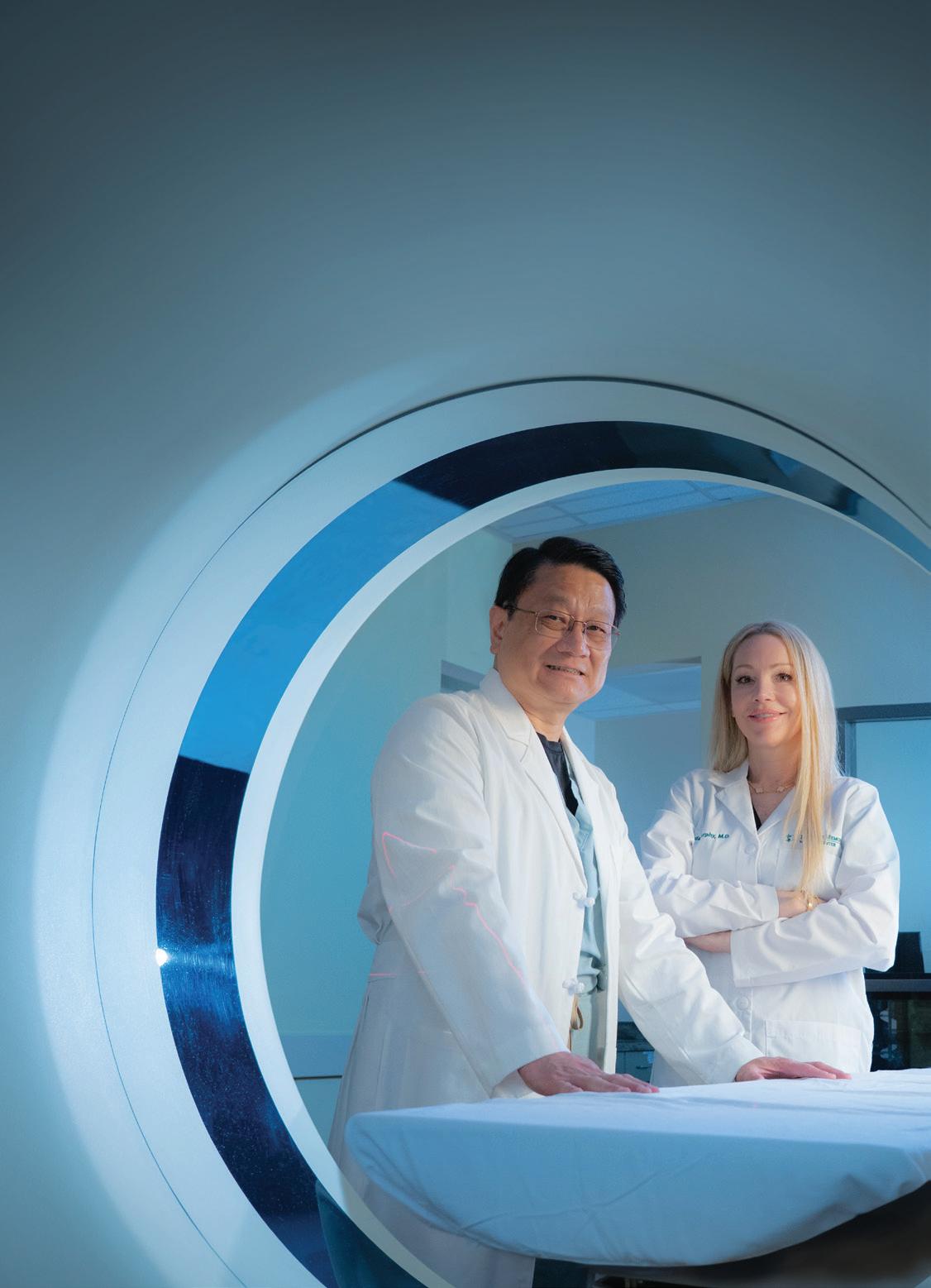
What men need to know about testing, updated guidelines and shared decision-making
Written by Lisa Buffington
Prostate cancer awareness has increased in recent years, with athletes, celebrities and public figures sharing their diagnoses. As a result, more men are asking an important question: Should I be screened for prostate cancer?
The most common screening tool is the prostate-specific antigen (PSA) blood test, which measures a protein produced by the prostate gland. However, PSA testing is not as straightforward as many assume.
“We used to screen everyone using a PSA blood test, but we found that the number of false positives was causing unnecessary anxiety and follow-up testing,”
says Brian Stone, MD, a board-certified family medicine physician at Torrance Memorial Physician Network.
Updated PSA Screening Guidelines
Current recommendations from the U.S. Preventive Services Task Force emphasize shared decision-making rather than routine screening for all men. This approach helps balance the benefits of early detection with the risks of overdiagnosis and unnecessary procedures.
• Most men should discuss PSA screening between the ages of 55 and 69.
• Screening decisions should be based on individual risk factors and preferences.
Written by Jill Gerbracht

When an unexpected illness or injury occurs, knowing whether to visit urgent care or the emergency department (ED) can help you receive the right care at the right time.
When
Urgent care is a convenient option for same-day treatment of minor illnesses and injuries when you might not be able to see your regular physician on short notice. Torrance Memorial Physician Network urgent care locations in Torrance, Manhattan Beach and El Segundo are open weekends and holidays and provide treatment for a wide range of common health concerns.
Urgent care can help with:
• Cold, flu and respiratory infections
• Sore throats and ear infections
• Sinus infections
• Urinary tract infections (UTIs)
• Rashes and minor burns
• Eye problems
• Fever and headaches
• Diarrhea and vomiting
• Minor cuts, bites and lacerations requiring stitches
• Sprains, strains and minor fractures
In addition, urgent care offers:
• Sports physicals
• Annual vaccinations
• On-site X-rays for most body parts
• Rapid testing for conditions such as strep throat, influenza and pregnancy
Life-threatening emergencies should always be treated in the emergency department. Going first to urgent care for serious symptoms may delay the specialized care you need.
Seek immediate emergency care for:
• Chest pain or symptoms of a heart attack
• Signs of a stroke, including facial drooping, slurred speech or sudden weakness
• Difficulty breathing
• Severe allergic reactions
• Seizures
• Severe injuries
• Uncontrolled bleeding
• Sudden dizziness or loss of consciousness
Selecting the appropriate level of care ensures you get treatment promptly and correctly.
If you have a minor illness or injury and your doctor's office is closed, urgent care is often a faster and more convenient alternative to the emergency department. For severe, life-threatening symptoms, call 911 or go directly to the nearest ED.
• Want to skip the wait? Current wait times for all three Torrance Memorial Urgent Care locations (Torrance, Manhattan Beach, El Segundo) are available online at TorranceMemorial.org/medical-services/urgent.
Expert care close to home from Torrance Memorial's Lundquist Orthopedic Institute
Written by Lisa Buffington
When orthopedic issues arise, the bone and joint experts at Torrance Memorial’s Lundquist Orthopedic Institute provide close-tohome access to advanced, head-to-toe care—without the need to leave the South Bay. From joint replacement and spine care to sports injury treatment and prevention, when you need musculoskeletal care, the Torrance Memorial orthopedic team has you covered. Hear from our team of experts as they weigh in on innovations in orthopedic care.
Torrance Memorial Lundquist Orthopedic Institute
23550 Hawthorne, Blvd, Ste. 120
Torrance 90505
310-517-1216
Cedars-Sinai Orthopaedics
5215 Torrance Blvd, Ste. 210
Torrance 90505
310-316-6190
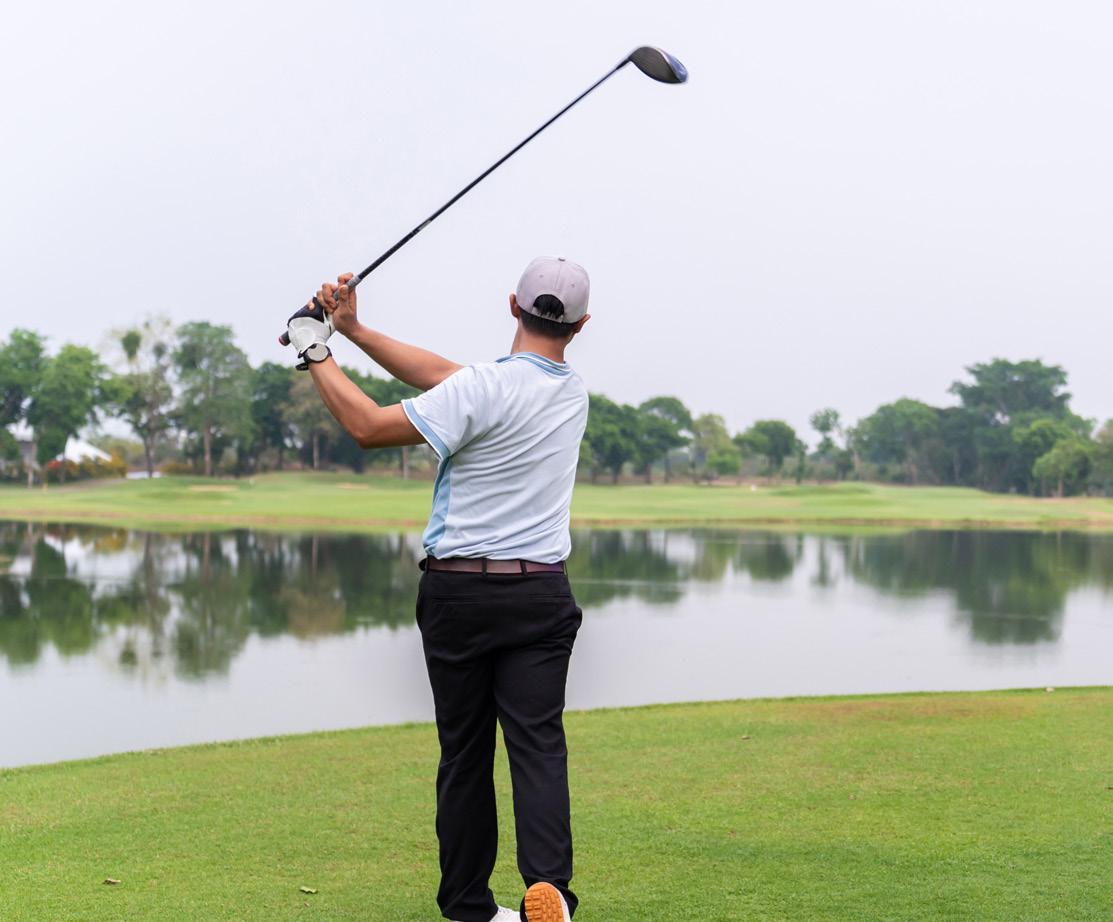
If you’re living with a spinal condition that’s causing pain or discomfort, the spine care team at Torrance Memorial has your back. From nonsurgical care to advanced surgical procedures, the team provides comprehensive treatment for a full range of orthopedic spine conditions.

Liam Harris, MD, Torrance Memorial Physician Network
“Robotic technology enhances spine surgery precision to within a millimeter of accuracy, and the smaller incisions used in endoscopic surgery allow for a faster recovery when compared to traditional open techniques. Combined with 3D imaging guidance that allows us to see where our surgical instruments are in real time using images taken before surgery, these technologies are minimizing surgical risk and helping us deliver high-quality care for our patients.”

John F. Fleming, MD, Cedars-Sinai Orthopaedics
“Our newer surgical techniques allow us to stabilize the spine without fusing the vertebrae together, preserving range of motion and reducing stress on nearby joints. However, the majority of our patients get better with physical therapy, acupuncture, massage and pain management care. Surgery is the last option.”


Minimally invasive, muscle-sparing and robotic-assisted surgical techniques are enhancing joint replacement care—allowing for faster recovery times, same-day surgical care, lower risk of infection, reduced need for postoperative pain medication, and personalized joint alignment and sizing for improved mobility.
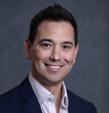
John Andrawis, MD, Torrance Memorial Physician Network
“Robotic technology has made joint replacement surgery highly personalized. Our 3D surgical planning tools allow for optimal joint positioning and the use of muscle-sparing, minimally invasive surgical techniques—leads to shorter operative times and a lower risk of infection. As artificial joint implants continue to improve, we are expecting to see longer implant longevity. And our innovative intraoperative pain management techniques allow us to perform procedures using nerve blocks, reducing blood loss, the risk of blood clots and the need for postoperative pain medications.”
Brian F. Mayeda, MD, Cedars-Sinai Orthopaedics
“I perform hip replacements using multiple small incisions instead of one large incision, which is a unique approach for our area. For hip and knee replacements, I use 3D computer modeling to plan and micro-tune the procedure to the patient’s unique anatomy. By combining 3D modeling with intraoperative robotic technology, I can choose the best alignment strategy for each patient and ensure precise component sizing and placement. As a result, most joint replacement patients are discharged the same day, experience a faster recovery and need minimal, if any, postsurgical opioid medication.”


From ankle arthritis and Achilles tendon repairs to bunions, hammertoes and pain in the ball of the foot, Torrance Memorial’s foot and ankle specialists provide minimally invasive treatment—reducing recovery time, relieving pain and restoring mobility.
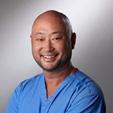
Kenneth
Park, MD, Cedars-Sinai Orthopaedics
“Minimally invasive techniques have revolutionized foot and ankle surgery, particularly in forefoot procedures to treat bunions, hammertoes and pain in the ball of the foot. We can now perform procedures through smaller incisions, which reduces healing time, lowers the risk of complications and requires less extensive postsurgical rehabilitation when compared to traditional procedures.”
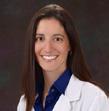
Keri Zickuhr, MD, Torrance Memorial Physician Network
“Although total ankle replacement has been around for decades, we are now offering it as an alternative to ankle fusion for people who have ankle arthritis. The procedure provides pain relief while preserving natural mobility and protecting the surrounding joints. We are also able to perform Achilles tendon repairs through a smaller, 1-inch incision—reducing infection risk and improving healing.”


Torrance Memorial’s sports medicine experts specialize in caring for athletes of all ages at all levels of competition. In addition to providing comprehensive surgical and nonsurgical treatment for shoulder and knee injuries, the team will create a personalized plan tailored to each athlete’s rehabilitation needs and goals—ensuring optimal conditioning to promote a safe return to play and prevent future injuries.
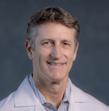
Daniel Stephenson, MD, Cedars-Sinai Orthopaedics
“We are constantly re-evaluating graft choices in ACL reconstruction and have started using quad tendon grafts to reduce the risk of postsurgical patellar tendinitis. We are looking at ways to reduce ACL graft failure rates, including optimizing tunnel placement locations and using the lateral extra-articular tenodesis (LET) technique to provide a second point of stabilization for the graft in select patients. Further, research shows proper conditioning can significantly reduce the risk of injury, so we emphasize the importance of conditioning and prevention for all of our patients.”
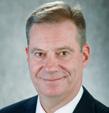
Stephen Nuccion, MD, Torrance Memorial Physician Network
“We provide surgical and nonsurgical care to athletes at all levels—from young people in high-level sports to older adults who want to stay active. We offer platelet-rich plasma injections to stimulate healing and use the latest techniques, including LET during ACL reconstruction to protect the graft and reduce the risk of future tears. We also partner with physical therapists and athletic trainers to help our patients develop a personalized plan to return to sport safely.”
Get checked for endometriosis if monthly symptoms affect your quality of life.
Written by Melissa Bean

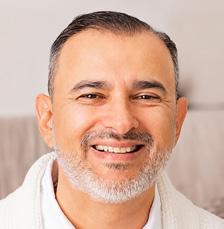
Alexander Mejia, MD, practices at Torrance Memorial Physician Network OB-GYN in El Segundo at 2110 E. El Segundo Blvd., Suite 220, 310-784-8745, and in Torrance at 3440 Lomita Blvd., Suite 240, 310-784-6822.
Painful periods are a part of life for millions of women. When the pain affects daily life, it’s time to see a doctor for treatment and be evaluated for endometriosis. Alexander Mejia, MD, a board-certified obstetrician and gynecologist and Torrance Memorial Physician Network physician, explains symptoms, treatment and misconcep-
tions about endometriosis—a condition that affects 1 in 10 reproductive-aged women worldwide.
What are common symptoms of endometriosis?
Symptoms vary. The most common symptom is pelvic pain, especially pain that gets worse around the menstrual

Many women are told for years that severe cramps are “normal,” but pain that interferes with daily life should not be ignored.
cycle. Many patients describe severe cramps, pain with intercourse, pain with bowel movements or urination, bloating, fatigue, low back pain or pelvic pain that continues even outside the period. Some patients also have heavy or irregular bleeding.
I always tell patients: Periods can be uncomfortable, but they should not be disabling. If pain is affecting your life, it needs to be evaluated. Women should seek care if their periods are very painful, getting worse, causing them to miss school or work, or requiring frequent medication just to function.
What risk factors might point to an endometriosis diagnosis?
A family history of endometriosis is one of the main risk factors. I also become more concerned when a patient has painful periods that started young, pain that is getting worse over time, chronic pelvic pain, infertility, ovarian cysts called endometriomas or bowel and bladder symptoms that flare during the menstrual cycle.
How can endometriosis affect fertility, quality of life and long-term health?
Endometriosis can affect fertility by causing inflammation, scar tissue, adhesions, ovarian cysts and distortion of the fallopian tubes or pelvic anatomy. It can make it harder for the egg, sperm and embryo to function normally. It can also have a major impact on quality of life. Patients may miss school, work, exercise, social activities and intimacy because of pain or fatigue. In the long term, endometriosis is a chronic inflammatory condition.
Why is this condition widely misunderstood?
It is misunderstood because painful periods are often normalized. Many women are told for years that severe cramps are “normal,” but pain that interferes with daily life should not be ignored. Another reason is that endometriosis can mimic other conditions, such as irritable bowel syndrome, bladder pain, ovarian cysts, pelvic floor dysfunction or musculoskeletal pain.
Endometriosis is an estrogen-sensitive inflammatory condition. Tissue, like the uterine lining, grows outside the uterus and can implant on pelvic organs such as the ovaries, fallopian tubes, bowel surface, bladder area or pelvic sidewall. These implants can trigger inflammation, attract nerve fibers, form scar tissue and adhesions, and sometimes create ovarian cysts called endometriomas.
The exact cause is not fully understood. Retrograde menstruation, where menstrual blood flows backward through the tubes into the pelvis, may contribute, but it does not explain everything. Immune system dysfunction, genetics, inflammation, stem-cell changes and hormonal factors likely also play a role.
How is an endometriosis diagnosis made?
Diagnosis starts with listening carefully to the patient’s symptoms. I look at the pattern of pain, whether it is related to the menstrual cycle, whether there is pain with intercourse, bowel movements, urination or infertility, and whether symptoms are progressing.
A pelvic exam and ultrasound can be helpful. MRI can be useful when deep disease is suspected. The definitive diagnosis is still made with laparoscopy and biopsy, but in many cases, we can start treatment based on a strong clinical suspicion.
What are the treatment options for this condition?
Treatment depends on symptoms, age, fertility goals, severity of disease and what the patient has already tried. Medical options include anti-inflammatory medications, birth control pills, progestins and hormonal IUDs. Surgery may be needed when pain is severe, medical treatment is not working, fertility is affected, or there are endometriomas or significant scar tissue. The goal of surgery is to remove the endometriosis, restore anatomy when possible, and improve pain and function. I also think pelvic floor physical therapy, lifestyle changes, nutrition and long-term follow-up can be very important because this is a chronic condition. •
“An informed patient is a good patient,”
—Patti Nernberg
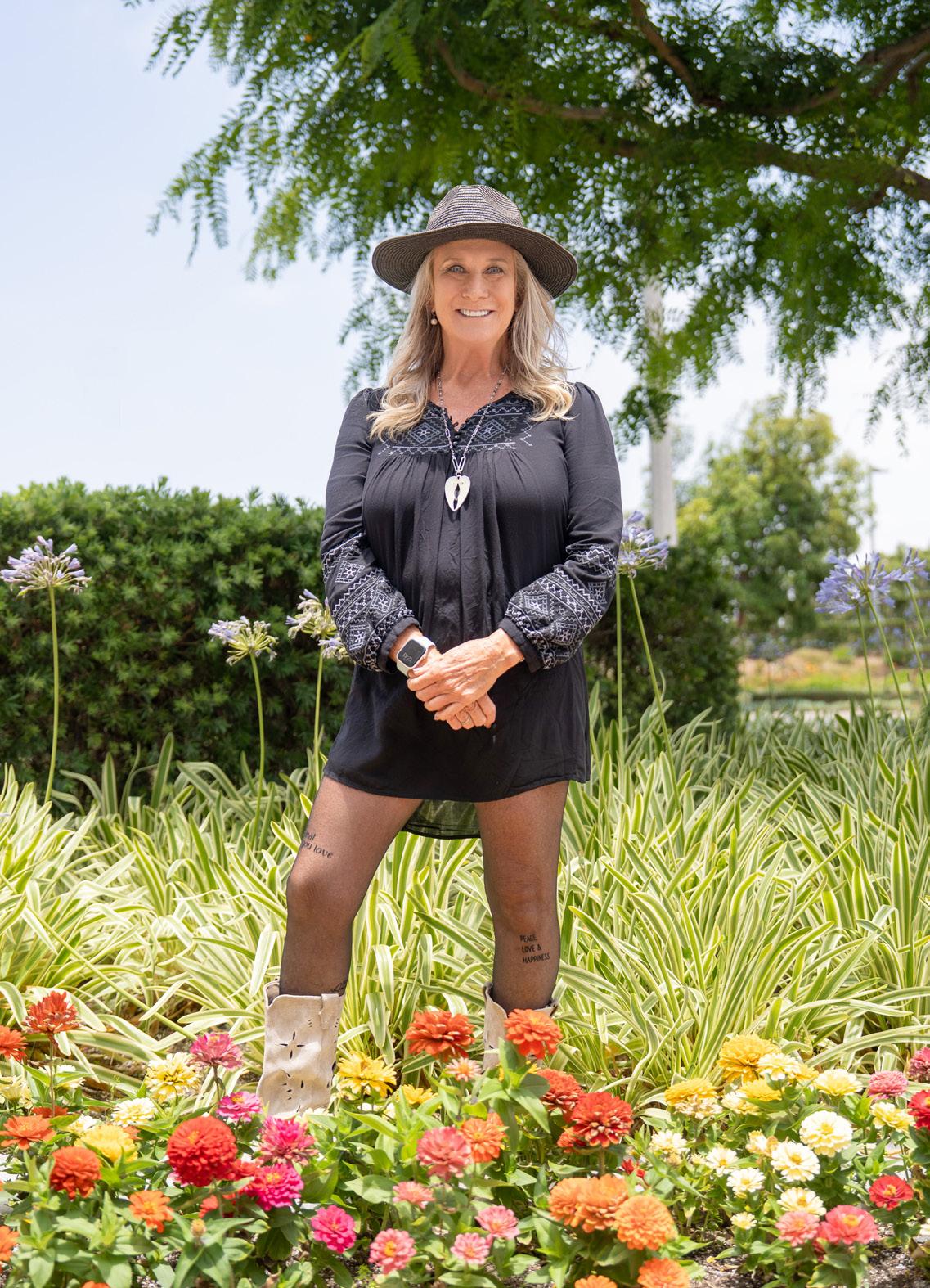
After surviving a lifethreatening aortic dissection, Patti Nernberg is back to enjoying an active life—thanks to recognizing that something was wrong and seeking emergency care.
The life you save may be your own.
Written by John Ferrari | Photographed by Vincent Rios
Trust your instincts. That simple truth saved Patti Nernberg’s life—several times.
Today Nernberg, a lifelong athlete, is enjoying the sports she has always loved. If she had been a passive patient, rather than taking an active role in her care, she wouldn’t be here at all.
Nernberg’s story began in August 2018, when she woke up early one morning with severe pain in her jaw and a strong metallic taste in her mouth. She didn’t know what was wrong, but she knew she had to get medical care immediately. Her boyfriend took her to a nearby emergency department.
When the on-duty staff determined she was not experiencing a heart attack or stroke, she was triaged for later treatment. This, Nernberg says, just didn’t feel right. She knew her condition was serious. She remembers saying, “We have to leave; something is wrong.” The two headed to Torrance Memorial Medical Center’s emergency department. That’s about all she remembers. By the time they arrived at Torrance Memorial, Nernberg was conscious but incoherent. The emergency department physician ordered a CT scan, which revealed Nernberg’s condition: Type A aortic dissection.
The symptoms for this can resemble those for a heart attack or stroke, but an aortic dissection is even more serious. There was a tear in the layers of the artery wall pumping blood from Nernberg’s heart. Blood pressure was forcing blood between those layers, enlarging the tear. Aortic dissection is relatively rare, but it is immediately life-threatening.
“I wouldn’t be alive if I didn’t pay attention to my feelings,” Nernberg says.
Brenton Bauer, MD, director of Torrance Memorial’s echocardiography lab, heart failure program and cardio-oncology program, agrees. “Most people don’t even make it to the emergency department when they have an aortic dissection.”
Treatment is immediate open-chest surgery. All the medical specialists needed were assembled at Torrance Memorial, and Nernberg was rushed into surgery. After eight hours, her dissected aorta was repaired. But she wasn’t home free yet.
She spent nine days in the hospital, much of that time in an induced coma. When she went home, she didn’t feel like herself—sluggish and unfocused. Her medical providers attributed her symptoms to the pain and discomfort of her surgery, but again
she trusted what her body was telling her and pressed her case.
Tests revealed the culprit: the dosage levels of the beta blockers she had been prescribed to reduce her blood pressure, allowing her aorta to heal. Her dose was reduced, and her symptoms decreased.
Still, Nernberg felt something was wrong. “I took control of my care,” she recalls. “I began listening closely to my body.”
She scheduled appointments with a pulmonologist, neurologist, ophthalmologist
and cardiologist, and was diagnosed with post-pericardiotomy syndrome—an inflammation of the areas around her heart and lungs, causing her pain, shortness of breath and vision disturbances.
“Within a week of starting anti-inflammatory treatment, I began to turn a corner,” she remembers. “Recovery wasn’t easy. I was challenged mentally and physically, but I was determined to reclaim my life. I pushed forward—swimming, surfing, skiing and playing pickleball—living as fully as I could.”
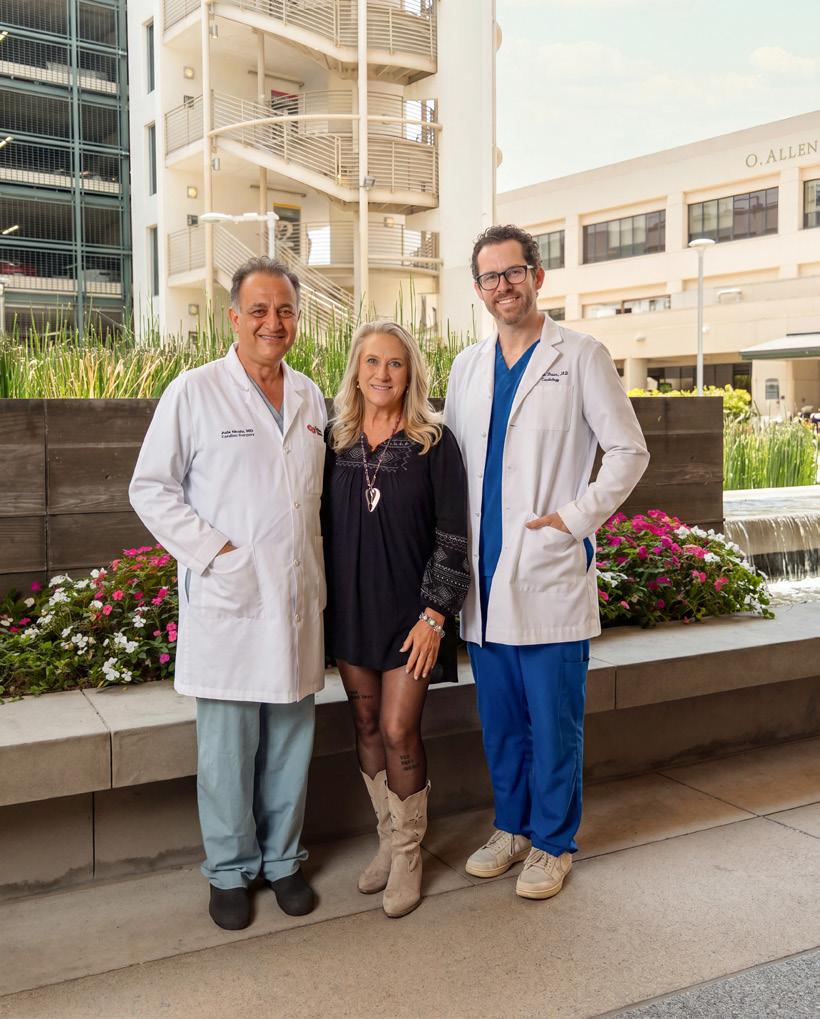
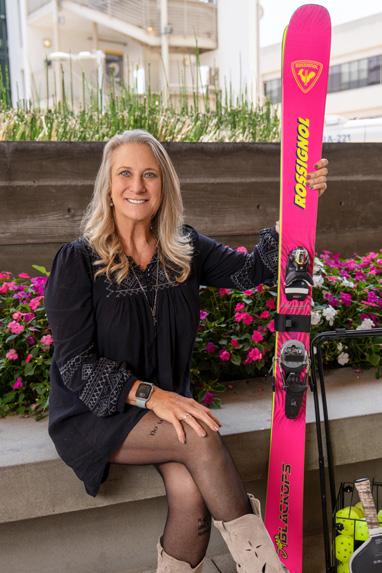
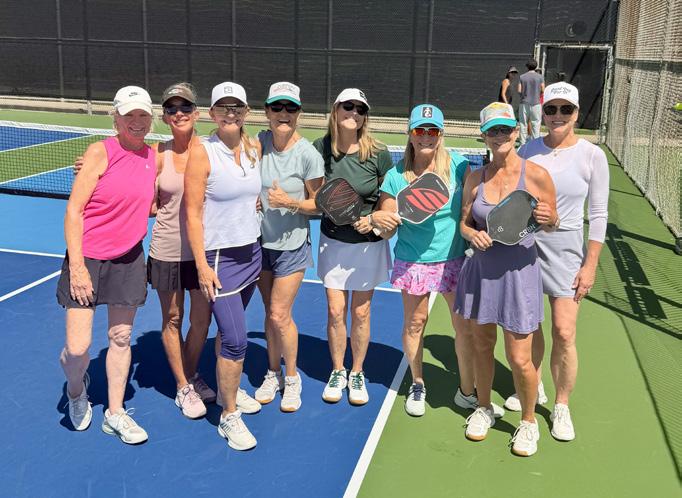

Following a lifethreatening aortic dissection, multiple surgeries and a long recovery, Patti Nernberg has returned to the active lifestyle she loves—from the pickleball court to the ocean and the ski slopes.
diagnosed as amaurosis fugax—a repeated, transient loss of vision, in Nernberg’s case caused by mini-strokes related to her cardiac conditions. Today she is back on the ski slopes and in the ocean, surfing and swimming, and on the court playing pickleball.
Since her open-heart surgeries, Nernberg has traveled to (and skied in) Japan and Chile, and skied four Aspen, Colorado, mountains in a single day. She’s looking ahead, too, with a trip planned to ski the Sellaronda circuit in Italy’s Dolomite mountain range next year.

Nernberg spent the next two years recovering and undergoing treatment for papillary thyroid cancer (she is now cancer-free). The effects of her aortic dissection weren’t over yet though. A routine CT scan monitoring her aortic repair indicated a new enlargement.
Her cardiologist, Dr. Bauer, determined she would likely need another surgery. She sought a second opinion, from Aziz Ghaly, MD, a Cedars-Sinai cardiac surgeon and medical director of the Lundquist Lurie Cardiac Surgery Program. His review of her CT scan revealed a leak at the site of her previous surgery. Nernberg needed another surgery soon: a replacement of her aortic arch and descending aorta.
Due to the complexity of the procedure, Dr. Ghaly partnered with colleagues at Cedars-Sinai Medical Center to draw on the combined expertise of both institutions. Pedro Catarino, MD, Cedars-Sinai’s director of aortic surgery, led a team performing a relatively new procedure: a “frozen elephant trunk” surgery (named for the shape of the arch and descending aorta).
Nernberg spent another year recovering and dealing with continuing vision problems,
“Surviving wasn’t the end of my journey; it was the beginning of a new one,” she says. “A journey of learning to trust my instincts, of understanding that even in the most complex medical situations, my voice matters. That persistence matters.”
Nernberg’s health care providers—also some of her biggest fans—agree. “What I’m so proud of about Patti is that she trusted her instincts and took action,” says Dr. Bauer. “I’m partly her cardiologist, but also partly her cheerleader … and that’s the part I’m most proud of. Kudos to her for following up after her surgeries. She saved her own life.”
When it comes to your health care, “Trust your gut and trust your instincts,” Dr. Bauer advises. “Make sure you feel satisfied with the answers you’re getting.”
“You always need to take charge of your health,” Dr. Ghaly adds. “You need to educate yourself—be proactive, and don’t be shy. There’s no shame in getting a second opinion; an informed patient is a good patient. You need to trust your provider, but also ask questions. At the end of the day, it’s your body.”
Nernberg reflects that she worked hard to become stronger and get back to the person she was before her health problems. “Sometimes, advocating for yourself isn’t just important; it’s lifesaving,” she says. “Many people worked together to save my life. It’s all about giving back now and being grateful.” •


Integrative oncology pairs advanced cancer care with evidence-based therapies to support the whole patient.
Written by Nancy Sokoler Steiner
Cancer patients at Torrance Memorial Medical Center know they will receive comprehensive, advanced medical care, whether their treatment involves chemotherapy, radiation, surgery or a combination of those therapies. Recognizing that people are more than their disease, Torrance Memorial’s Hunt Cancer Institute, an affiliate of Cedars-Sinai Cancer, offers an integrative oncology program that focuses on the mind and spirit in addition to the body.
“Integrative oncology aims to optimize health, quality of life and clinical outcomes across the cancer care continuum and to empower people to become active participants before, during and beyond cancer treatment,” explains oncology nurse practitioner Susan Starr, the hospital’s director of integrative oncology. “It doesn’t replace treatment but rather adds other, nonpharmaceutical, evidence-based ways to help manage symptoms and improve overall health.”
Breast oncologist David Chan, MD, considers integrative oncology a “fourth arm” of cancer treatment. He notes that integrative practices can also improve quality of life by lowering stress levels. Stress can contribute to anxiety, depression and sleep disturbances.
“Data from the past 10 years show that diet, exercise, and having a leaner and more muscular body can reduce recurrence rates of breast, colon and prostate cancers by 30% to 60%,” he says.
Upon diagnosis, Hunt Cancer Institute patients receive a referral to a Nutrition and Chemotherapy class, where a dietitian discusses dietary strategies to help during treatment. While undergoing treatment, patients can enroll in ongoing acupuncture sessions with a licensed acupuncturist. Studies show acupuncture alleviates many cancer symptoms, including pain, nausea, peripheral neuropathy, insomnia, anxiety and depression. This service is available to community members even if they are not seen at Torrance Memorial or have other health issues.
Those undergoing treatment can also take a fourpart Yoga Therapy for Anxiety and Stress Management class led by a yoga therapist. Yoga has been shown to reduce stress and fatigue, enhance energy, improve sleep quality, alleviate pain, and decrease anxiety and depression.
Services don’t stop when treatment ends. Patients who are nearing or have completed their treatment can attend a two-part LIVEWELL class covering weight, nutrition, exercise and mental wellness. This class is taught by a cancer exercise specialist, a hospital dietitian, a social worker and oncology nurse practitioner Starr.
To help those who are post-treatment establish and maintain the diet and exercise recommendations they’ve learned, the center offers a periodic five-session health coaching series led by Starr and an American Fitness Professionals and Associates-certified health coach. A six-part exercise therapy session is also offered two or three times a year. It is led by Starr and a certified personal trainer/ medical exercise specialist.
In the near future, the institute will pilot a writing and journaling class designed to reduce anxiety
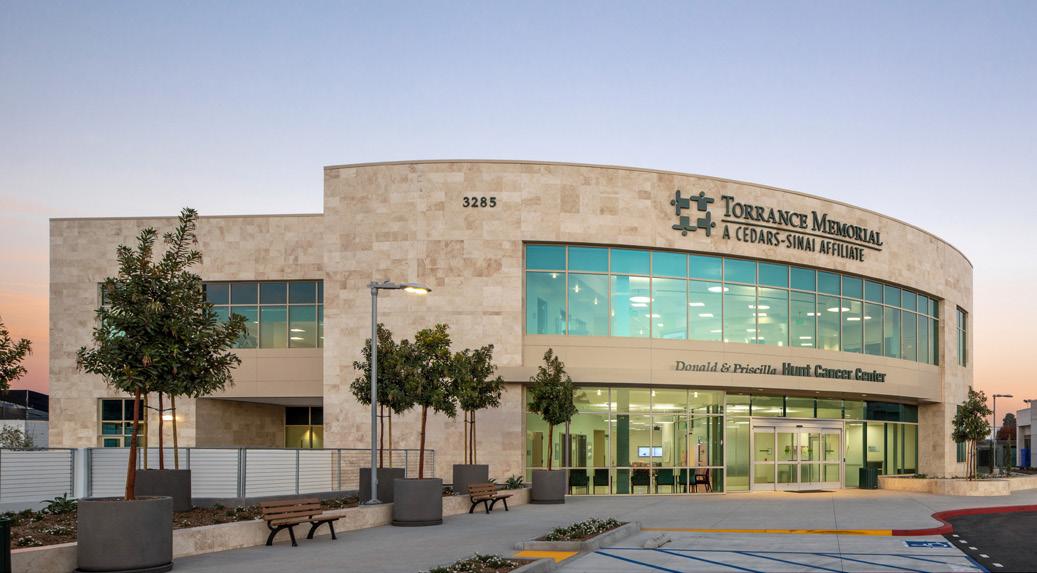
Designed with patients in mind, Torrance Memorial's Hunt Cancer Center serves as a hub for cancer care by housing clinical trials, an infusion center, exam rooms, nurse navigators, cancer education and genetic counseling services in one convenient location.
“Integrative oncology aims to optimize health, quality of life and clinical outcomes across the cancer care continuum and to empower people to become
active participants before, during and beyond cancer treatment.
It doesn’t
replace
treatment but rather adds other, nonpharmaceutical, evidence-based ways to help manage symptoms and improve overall health.”
– Susan Starr
and stress, as well as a class on aromatherapy and Reiki taught by the integrative therapist who works with hospital inpatients.
Melissa Wetkowski Porter, who received treatment for HER2-positive breast cancer from February 2025 to February 2026, took advantage of several classes. They included Nutrition and Chemotherapy, health coaching, LIVEWELL and exercise therapy. She appreciated understanding the science-backed evidence behind the wellness strategies she had learned.
“These classes have been a great way for me to get back on track, especially after my diagnosis and with more knowledge and evidence behind my ‘why.’” She says the classes changed how she lives and thinks about health and wellness day-to-day and helped her feel more like herself again.
Echoing Wetkowski Porter’s sentiments, her oncologist, Hugo Hool, MD, medical director of the Hunt Cancer Institute, says, “My patients feel more empowered than ever to take control of their bodies and their cancer treatment with help from all the components incorporated into our integrative medicine program. We look forward to expanding the program further in the near future.”
While they’re not currently offered at the institute, additional complementary therapies have been shown to be effective in managing symptoms of cancer treatment. These include guided imagery, music therapy, tai chi and cognitive behavioral therapy.
Starr recommends Taking Care of the Whole You, an online publication from the Society for Integrative Oncology, for more information

Taking Care of the Whole You, an online booklet from the Society for Integrative Oncology, offers information about integrative practices.
about integrative practices and their benefits. She adds that integrative medicine can also help with other health issues, including cardiovascular health, chronic pain, digestive issues, menopausal symptoms, neurological disorders and rheumatological disorders.
“We focus on giving the most up-to-date information so our patients can really understand and make the best decisions for themselves,” she says. She notes that there is a lot of misinformation about integrative and alternative practices.
Dr. Chan points out that Torrance Memorial is a member of the Academic Consortium for Integrative Medicine and Health and partners with Cedars-Sinai on integrative oncology studies. “Devoting these resources shows Torrance Memorial’s dedication to bringing evidence-based integrative practices to patients.”’ •
Hunt Cancer Center is located at 3285 Skypark Drive in Torrance, 310-517-7077.
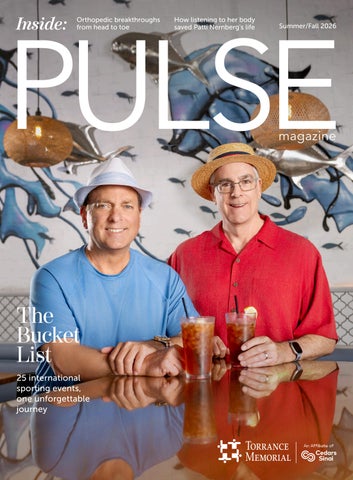
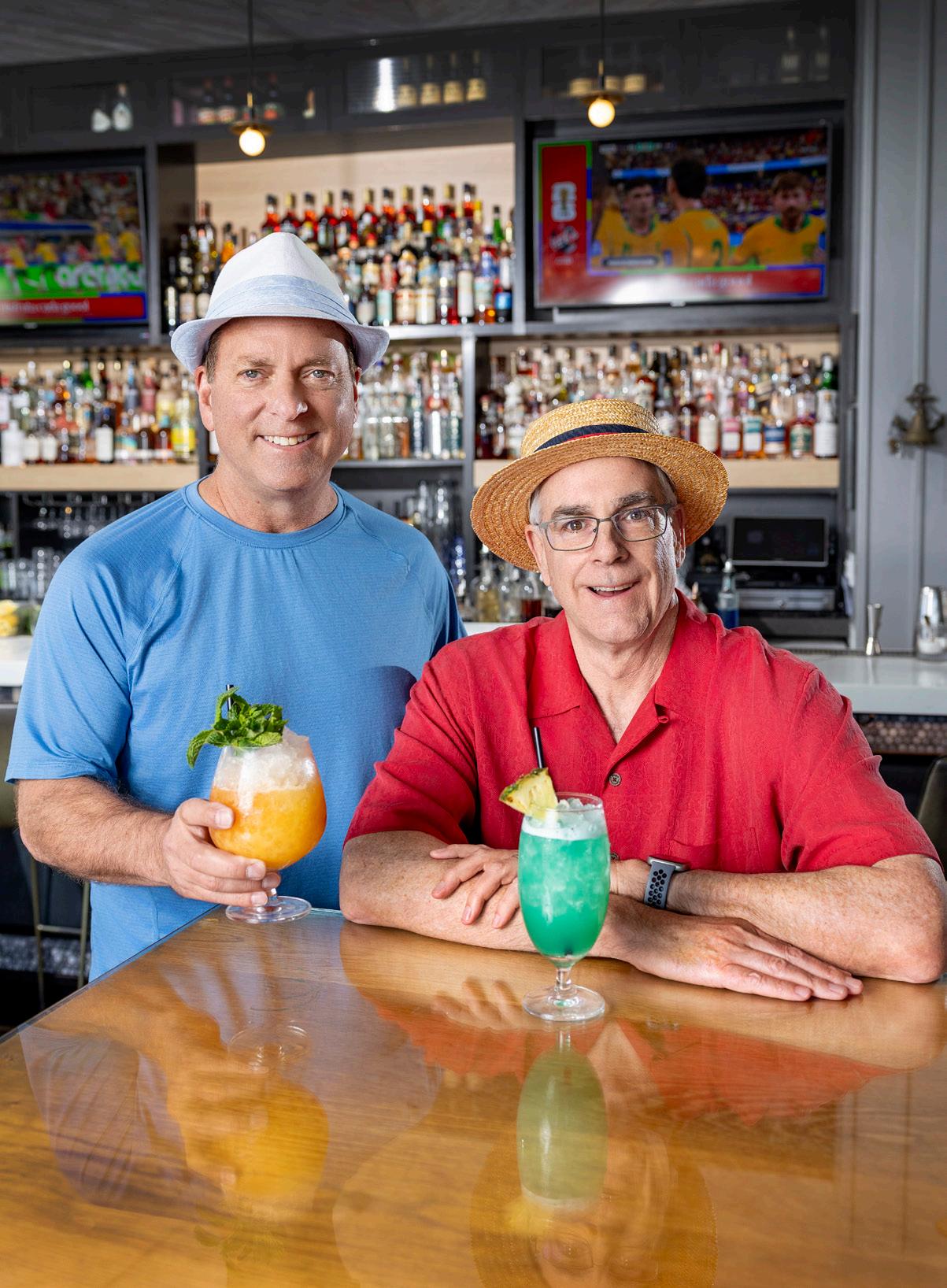
Friends David Carter and George Ross are chasing 25 iconic sporting events before age 75—one unforgettable adventure at a time.
Written by Tom Hoffarth | Photographed by Michael Neveux
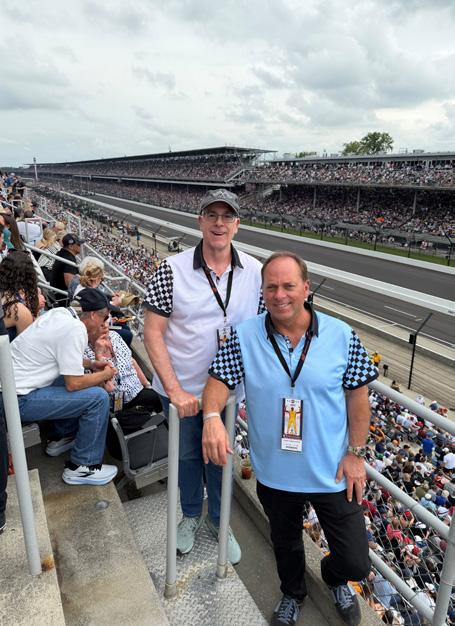
David Carter’s adrenaline rush still flowed as he returned home to Redondo Beach in May after witnessing the closest finish in Indianapolis 500 history. The 61-year-old was already thinking about the next stop on the ultimate sports bucket-list adventure he shares with longtime friend George Ross.
Yet alongside plans to attend major sporting events around the world, Carter carefully coordinates another set of dates: treatment and follow-up appointments at Torrance Memorial Medical Center related to two separate cancer battles over the past nine years.
“There will always be workarounds and contingency plans, whether it is a graduation, the birth of a grandchild
or just being at this stage in our lives,” Carter says. “My health issues are just another one of them.”
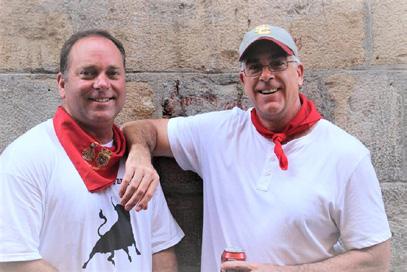
For the last 10 years, Carter and Ross have visited some of the most iconic sporting events around the globe, with the goal of reaching their bucket list of 25 events before they reach their 75th birthdays. A “25 by 75” spreadsheet started when they tied red bandanas around their necks for the Running of the Bulls in Pamplona, Spain, in July 2016.
Two months earlier, the friends— then in their early 50s—were contemplating life over happy hour at Sophie’s Place in Riviera Village. Both had loved sports since their days at Rolling Hills High School and the University of
Southern California, attending many Trojans football road games. With his daughter, Carter had visited every Major League Baseball stadium, wrapping up that adventure in 2015.
Ross and Carter brainstormed ways they could get out of their comfort zones and challenge themselves at this stage of life. Carter, who had a 30-year career as a sports business consultant, and Ross, a Las Vegas commercial real estate executive, settled on “25 by 75.” What started as a quest for unforgettable sports experiences soon became something deeper: a commitment to embrace life’s biggest moments, no matter the obstacles along the way.
A year in, however, Carter’s encounter with a rare sarcoma cancer required
treatment for a tumor in his left leg. A 2017 trip to Green Bay’s Lambeau Field led to a dangerous blood clot.
The journey was never meant to be a race, but it quickly became a lesson in adapting to life’s unexpected turns. Between cancer diagnoses, surgeries and recovery, Carter and Ross learned that the most important part of their bucket list wasn’t just where they went. It was that they continued to go.
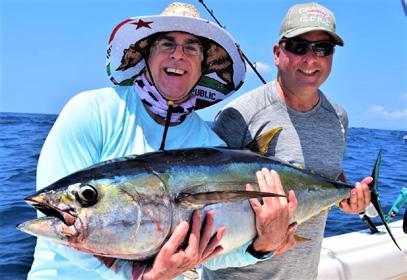
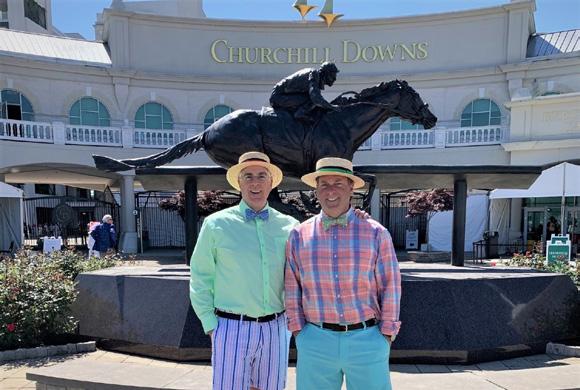
Before the COVID-19 pause, they landed in Moscow for the 2018 FIFA World Cup Final and in Panama for marlin fishing. After they ramped back up in May 2021 to attend the Kentucky Derby, they completed six more trips before more medical issues interceded. Carter was hospitalized with lymphoma in September 2025, so they canceled their plans to attend the 2026 Winter Olympics in northern Italy.
Hugo Hool, MD, an oncology and hematology specialist and director of the Hunt Cancer Institute at Torrance
Memorial, has become Carter’s primary physician and sounding board. Carter appreciates Dr. Hool’s “whole patient” treatment strategy, which can encourage trips like these as part of the healing.
"One of our goals is to help patients maintain the activities and relationships that matter most to them. David's bucket-list adventures are a reminder that life doesn't have to be put on hold during treatment,” says Dr. Hool. “David’s dedication to fulfilling his dreams inspires us all.”
Before their Indianapolis 500 trip in May, Carter fell at home and broke his left femur—the same leg weakened by cancer. At the race, Ross piloted Carter’s wheelchair to their prime infield suite near the final turn.
“From a mental perspective, being able to travel gives you a sense of winning and beating the odds,” says Ross.
Sonia Villasenor, RDN, Carter’s wife, has been a clinical dietitian at Torrance
Memorial for 30 years. She specializes in oncology, helping cancer patients meet nutritional needs. Villasenor also helps her husband with travel decisions.
“Seeing Dave return energized, excited and focused on experiences rather than the illness he is fighting has reinforced for me how important it is to keep living life during treatment, not just endure it,” she says.
When dealing with his health challenges, the bucket list motivates Carter, who learned a new round of treatments will keep him home through September for a travel timeout.
“Everyone needs a hobby, and the bucket list is ours,” he says. “I don’t see the trips as distractions but more as an opportunity to escape and do what I love doing. The illness has put a premium on the literal concept of a bucket list. But once you have wheels up and make it to another event, it’s very liberating.” •
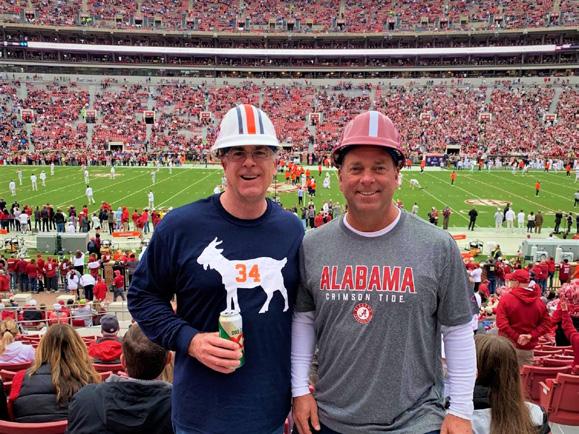
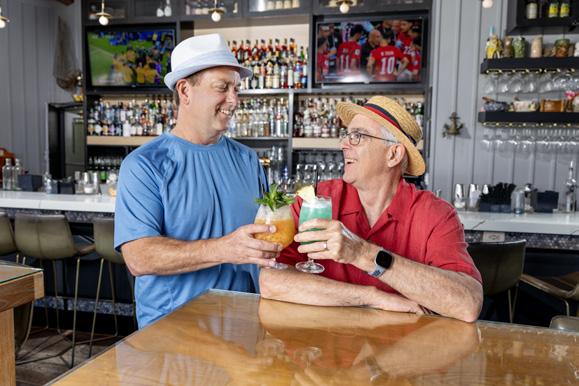

1. July 2016: Running of the Bulls, Pamplona, Spain
2. March 2017: Iditarod Trail Sled Dog Race, Anchorage, Alaska
3. November 2017: Green Bay Packers vs. Detroit Lions NFL game, Green Bay, Wisconsin
4. July 2018: FIFA World Cup final, Moscow, Russia
5. February 2019: Sport fishing for marlin off the coast of Panama
6. October 2019: Ironman World Championship, Kailua-Kona, Hawaii
7. May 2021: Kentucky Derby, Louisville, Kentucky
8. April 2022: Masters final round, Augusta, Georgia
9. November 2022: Iron Bowl: Auburn vs. Alabama, Tuscaloosa, Alabama
10. July 2023: Gentlemen’s Final, Wimbledon, England
11. July–August 2024: Paris Summer Olympics
12. March 2025: Grand Sumo Wrestling Championships, Osaka, Japan
13. March 2025: Los Angeles Dodgers vs. Chicago Cubs MLB game, Tokyo, Japan
14. May 2026: Indianapolis 500, Indianapolis, Indiana
Friendship Campus is creating pathways to independence, purpose and community for South Bay youth and adults with disabilities
Written by Laura Roe Stevens
Adream birthed by the Greenberg Family / Skechers Center and the Friendship Foundation has become a reality. Through generous donations and support, the Friendship Campus will open its doors in October. The Redondo Beach-based, 3.25-acre campus will provide postsecondary training and job placement opportunities for intellectually diverse students ages 8 to 35.
Within its 62,000-square-foot facility, a range of educational and vocational courses will be taught daily, with an estimated ability to serve 6,000 students within the first year of operation, says Robin Curren, executive director of Skechers Foundation.
While vocational training and job placement assistance are part of the Friendship Campus offerings, its
mission will always be “the development of the whole individual,” explains Friendship Foundation co-founder Yossi Mintz
“We all dreamed of creating a facility where everyone with a disability has a place to belong. Everyone knows a child or adult on the spectrum. They deserve to live a beautiful and thriving life. The new Friendship Campus disrupts any outdated status quo by designing a space where inclusion is at the heart of our community. We are shining the light on everyone's unique gift and shaping a place where everyone can belong and thrive,” says Mintz.
The Friendship Campus will provide a range of vocational programs, including:
• technology and media
• hospitality and retail
• culinary and gardening
• office and shipping
• education and medical administration
• vocational trades
• work experience and apprenticeships
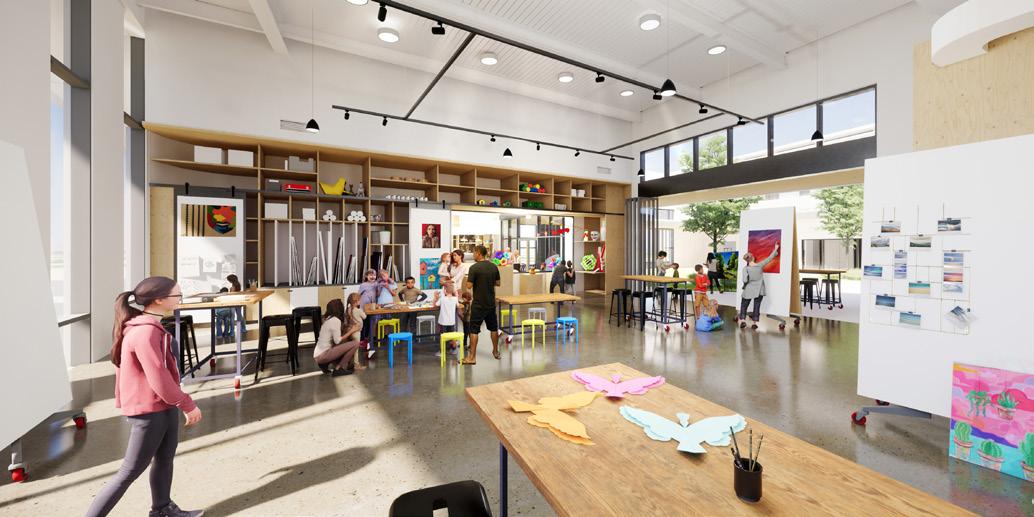
One of the most anticipated sites on campus is the Vocation Technology Lab. This will house “world-class innovation and technology” developed by the Frist Center for Autism and Innovation. The purpose of this pilot program is to create career pathways for individuals with varying abilities. Another innovative feature is the Creative Center, which will simultaneously expand career opportunities and life skills, such as problem-solving, adaptability, stress reduction and confidence-building. Within the Creative
Center, students can explore classes in graphic design, coding and game design. There will also be traditional art education courses on painting, photography, filmmaking, woodworking and jewelry making. A music center will hold classes in songwriting and audio production and mixing. The Creative Center plans to host student exhibitions and welcome visiting artists from around the world.
The Friendship Campus, designed by international architecture and design firm Gensler, has two spacious courtyards and includes a community center, scholastic spaces for children, vocational training areas, a teaching kitchen and a theater. The goal is for these spaces to be inviting and help spark friendships.
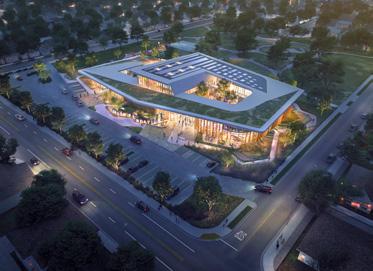
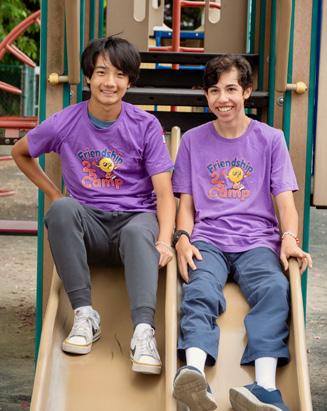
The café and rec areas are for students to hang out and connect. The health and wellness center’s fitness classes encourage fun, healthy habits and friendship. The mentoring program, financial empowerment academy and life skills center aim to
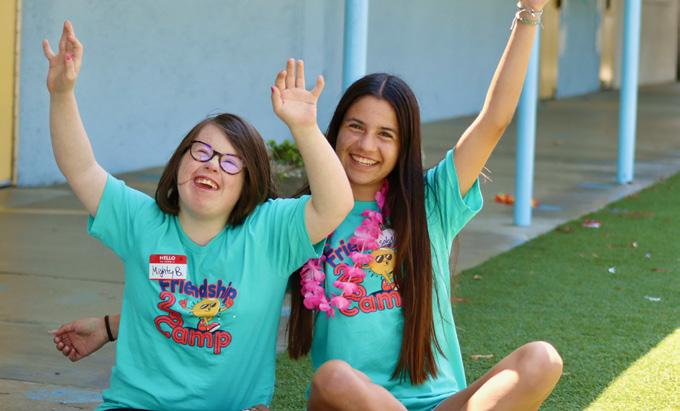
Friendship is at the heart of the campus experience. Students build meaningful connections alongside peers who understand and champion one another.

provide inspiring support and bolster confidence and independence.
“It is a dream come true,” Mintz says of the campus, which will enhance the Friendship Foundation’s holistic approach to empower community students with special needs to hone their unique gifts and thrive. “The Friendship Foundation board of directors, together with our gracious donors, has tirelessly worked on this project. For it to come to fruition is a miracle.” •
Location: 850 S. Inglewood Avenue, Redondo Beach
Opening: October 2026
Funding: A $70 million capital campaign project funded by grants, businesses, foundations and private donors.
Enrollment: An estimated 6,000 students may enroll in courses in the fall. Tuition & Scholarships: Programs are not yet priced. Scholarships will be available.
Updates and course offerings: friendshipfoundation.com/campus
To volunteer: friendshipfoundation.com/volunteer
Written by Laura Roe Stevens
Over the past 10 years, Torrancebased Caring House has provided comforting end-of-life care for more than 850 individuals. The nonprofit continues to expand its care for the terminally ill as more people opt to spend their final days in a peaceful, home-away-from-home setting with round-the-clock care.
“It’s such a personal decision. However, some families of previous residents expressed they were better able to relax with their loved one once they stopped caregiving 24-7, and could focus on spending quality time with them,” says Joanna Franco, Caring House’s director of
operations. “Instead of worrying about a loved one's daily needs, family and friends can spend their time supporting and connecting with them here at Caring House, in a calm, tranquil, home-based setting.”
Caring House always welcomes family members. Oftentimes, they spend time on-site doing homework, playing music or baking cookies in the kitchen.
“While it may be peaceful, it’s not always quiet at Caring House,” says executive director David Zartman with a laugh. “Yes, we are a residence that cares for hospice patients, but I’m so proud that we are a place where there
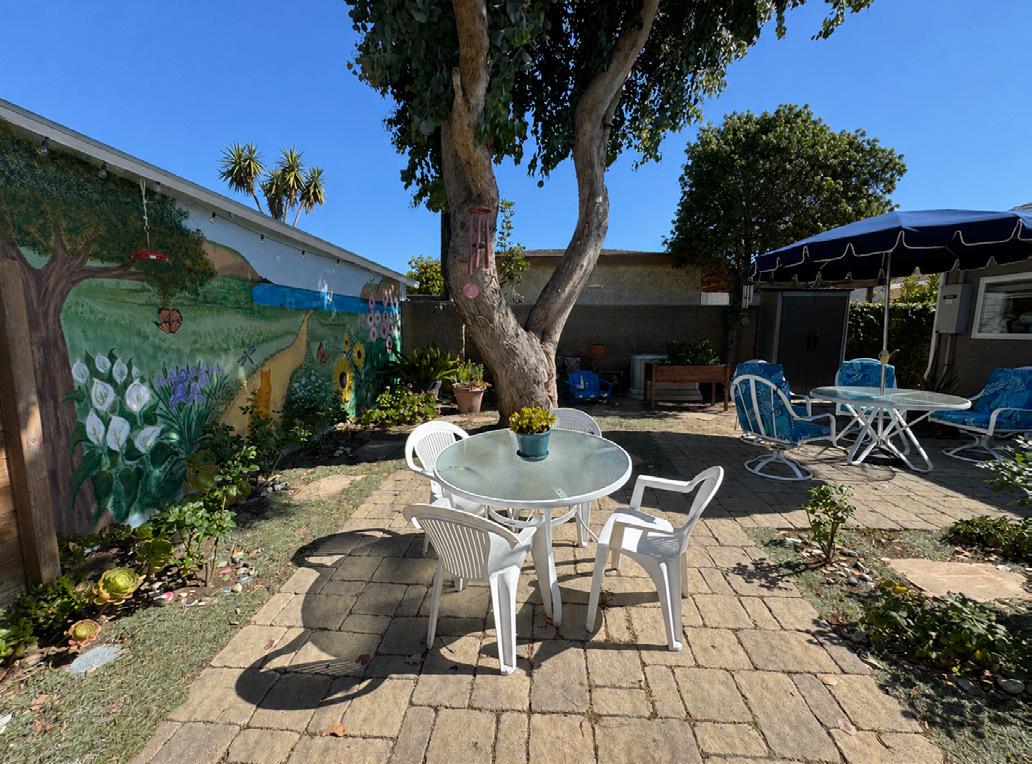
Celebrating its 10th anniversary, Caring House is designated for nonmedical, compassionate, endof-life care. The patio garden is a popular spot for families to gather.
“Yes, we are a residence that cares for hospice patients, but I’m so proud that we are a place where there is vibrant life at the end of life.”
— David Zartman, Executive Director
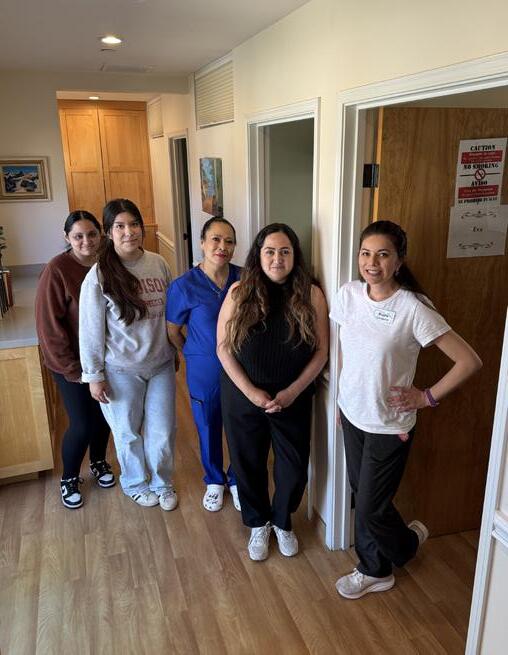

is vibrant life at the end of life. Our residents, their families and friends enjoy their time together, whether watching baseball, playing a musical instrument or even nightly Harry Potter readings.”
As a nonprofit, Caring House is committed to lowering stress for residents and their families—including financial stress.
“No one is turned away for inability to pay,” says Zartman, explaining that Caring House must rely on community support to meet the expanding community needs. Since 2016, Caring House has grown from three caregivers to 12. Ten years ago, the organization assisted 50 residents annually; now it provides end-oflife care to 100 people a year.
To assist Caring House in meeting the growing need for comforting, home-based hospice care, Zartman hopes to garner community sup-
port via financial donations and compassionate volunteers. There are plenty of ways to give back and volunteer. For instance, if someone with fundraising or event-planning experience has extra time and the desire to get involved, Caring House welcomes assistance with expanding its events. Volunteers may help the care staff, visit with residents, garden or cook.
A partner of local hospitals and hospice agencies, Caring House is celebrating its anniversary with a variety of community events, including BBQ at the Bay on September 13 and free quarterly coffee tastings, often held at Torrance City Hall’s Pine Wind Japanese Garden. •
For further information, visit yourcaringhouse.org.
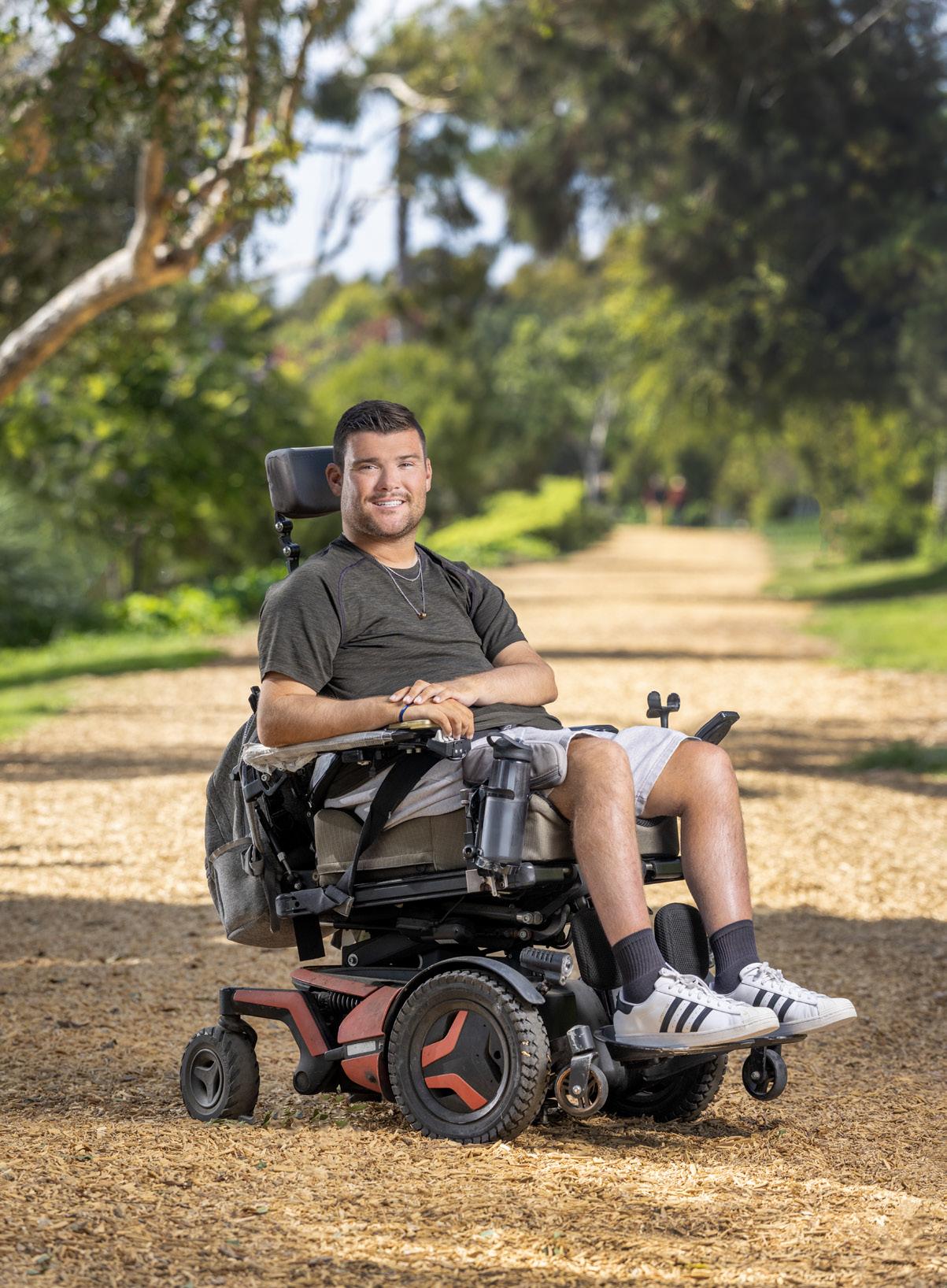
Jack Jablonski channels the same determination that kept him in the game—now as a journalist, podcaster and advocate for the spinal cord research that is changing lives, including his own. And that smile? It says it all: "The best is yet to come."
Love of hockey and the promise of spinal cord research inspire quadriplegic Jack Jablonski.
Written by Nancy Sokoler Steiner | Photographed by Michael Neveux
In 2012, Jack Jablonski was a high school sophomore aiming for a professional hockey career when two opponents checked him, illegally hitting him from behind. He slammed headfirst into the boards, breaking his neck in two places and severing his spinal cord. Jablonski was paralyzed from the chest down and spent more than three months in the hospital.
His philosophy is reflected by a tattoo that reads, “I understand my injury. I don’t accept it.” He was determined to keep hockey in his life.
“When I got injured, I couldn’t see myself without the game,” he says. “I knew I’d stay in the sports world in some way, shape or form.”
He moved from Minnesota to California to attend USC’s Annenberg School for Communication and Journalism and landed an internship with the Los Angeles Kings as a podcasting analyst. The Kings hired Jablonski after he graduated, and he spent the next decade as a journalist and content personality. This included hosting a web series called Tradin’ Jabs and making frequent appearances on the All the Kings Men podcast.
Now Jablonski is launching an independent media career in addition to his work with his foundation, which he created with his parents the year after his injury to support spinal cord research.
“We named it Believe in Miracles Foundation because, back then, it really felt like you needed a miracle to recover from a spinal cord injury,” he says. “Today, science and research have improved so drastically that we’re not looking for a miracle. We just need to continue the research.”
The Jack Jablonski Foundation, based in Minnesota, has raised $4.5 million for spinal cord research. It hosts a variety of fundraisers, including an annual gala held in conjunction with a Minnesota Wild hockey game.
The foundation supports research into electrical stimulation of the spinal cord, which can be delivered via a surgically implanted device or through stimulation on the skin. Jablonski participated in a foundation-supported clinical trial of a technology called the SCONE device. It provides electrical stimulation to the injured areas using a Game Boysized device connected to pads on the skin.
All 26 participants showed improvement during a four-month trial. Larger trials are now underway to demonstrate the SCONE’s effectiveness and seek FDA approval.
The device “helped people like me gain upper-body strength and limb function in the hands and arms,” Jablonski says. “I gained enough balance to be able to lean forward without falling over and then lean back.”
He can hold and drink from a glass of water and unscrew a jar lid. He can also feed himself some foods, such as French fries, thanks to gaining the ability to pinch and hold.
People with paralysis, he says, “just want to be independent beings. We want to be able to do things on our own rather than having someone help with every single fine task. So that’s the type of research we’re focused on as a foundation right now.”
Jablonski hopes his optimism and experience inspire others living with paralysis or facing adversity. “There is always a tomorrow,” he says. “The best is yet to come.” •
Through her work with the South Bay Parkland Conservancy, Aga ChenFu brings native plants and habitats back to the area.
Written by Nancy Sokoler Steiner | Photographed by Michael Neveux
In January, nearly 100 volunteers gathered to spend the day planting 850 native plants in and around the Lower Pond at Hopkins Wilderness Park in Redondo Beach. The activity was coordinated by the South Bay Parkland Conservancy (SBPC), which promotes the restoration, preservation and public use of coastal land resources in the South Bay.
“It was an epic effort,” says Aga ChenFu, SBPC board chair. “This was the most volunteers we’ve had at an event. But we also have a strong core volunteer group who come to Wilderness Park on Tuesdays and Saturdays. They worked for weeks preparing everything.”
Under then-Mayor Bill Brand, the city of Redondo Beach decided to reconstruct the pond, which had been filled in with dirt more than a decade earlier. “They asked us to consult and recommend native plants to integrate into the natural landscape,” says ChenFu. “Of course, we were happy to give our recommendations and coordinate the volunteers.”
With expertise on their board, including a biologist and landscaper, the SBPC recommended and designed the plant layout, working with the city to select a native plant palette that would thrive in that environment. On planting day, volunteers planted long grasses inside the pond, and various types of sage, monkey flowers and sunflowers—among others—around the pond.
ChenFu and her husband moved to Redondo Beach from New York City in 2014, and she looked forward to introducing their two young daughters to more nature and open spaces. A few years later, the girls enjoyed attending a summer camp at Wilderness Park.
When she saw a flyer about restoration efforts there, ChenFu brought the family to help weed and plant.
She met former board member Barbara Epstein, who encouraged her to get involved. With a background in public relations, ChenFu agreed to help with communications and soon joined the board. As president, she continues to lead the SBPC’s marketing and communications efforts.
After her second child was born, ChenFu became certified as a personal trainer. “To me, fitness is about how moving and getting stronger make you feel,” she says. “When you’re feeling good in your body, you can do more of what you enjoy, whether it’s going out with friends, volunteering or whatever sets your heart on fire.”
Practicing what she preaches, ChenFu plays beach volleyball, climbs, hikes, practices yoga and walks at least twice a week. She has held other volunteer positions, especially when her daughters were in elementary school. She served on the school’s wellness council and taught nutrition classes to children through the Beach Cities Health District’s LiveWell Kids nutrition program.
“It’s amazing to see their eyes light up when children discover a new food or plant something for the first time,” ChenFu says.
Reflecting on her enjoyment of the SBPC’s activities, she says, “It’s the community that I’m really drawn to. We’re building something together, and it’s not just restoring the native habitat but the time we spend together planting. We’re outside, chatting and getting to know one another.” •
Register online or call 310-517-4711 to enroll in paid classes. Pricing is $80 or $72 for ADVANTAGE members for each 8-week series, and $40 or $36 for each 4-week series. Prenatal yoga is $88 for each 8-week series
Class Schedule for 3105 Lomita Blvd., Torrance
ALL CLASSES ARE HYBRID (IN-PERSON OR ZOOM) UNLESS OTHERWISE NOTED
CAREGIVER TRAINING WITH SHARMONE (IN-PERSON ONLY)
October 6–November 10
Tuesday, 6:15 to 7:45 p.m. For family members and caregivers providing care at home. Professionals will teach caregiving preparation, in-home support, medication management, challenging behaviors and levels of care in the community. A certificate of completion is awarded. $65; ADVANTAGE members $60.
NERVOUS SYSTEM RESET (ZOOM ONLY)
September 10–October 1
Thursday, 5 to 6 p.m Participants will learn to understand their stress response and how to apply simple, body-based tools to regulate in real time.
BONES FOR LIFE WITH JOY (IN-PERSON ONLY)
September 14–November 2
November 16–December 7
Monday, 12:30 to 1:30 p.m. These Feldenkrais exercises help support bones through gentle, weight-bearing exercises that require no strain or pain. Improve posture and bone health.
CHAIR YOGA FOR BONE HEALTH WITH DEBI
September 16–November 4
November 18–December 9
Wednesday, 11:15 a.m. to 12:15 p.m.
Designed for those with osteopenia or osteoporosis; strengthen muscles and bones, improve posture and balance, fall prevention and breath work. All levels welcome.
CHAIR YOGA FOR STRENGTH & BALANCE WITH SHARMONE (IN-PERSON ONLY)
September 14–November 2
November 16–December 7
September 17–November 5
November 19–December 17
Monday or Thursday, 2 to 3 p.m.
Use a chair in seated and standing poses to improve strength and balance.
ESSENTRICS FULL–BODY STRETCH WITH AI (IN-PERSON ONLY)
September 14–November 2
November 16–December 7
September 18–November 6
November 20–December 18
Monday or Friday, 11 to 11:50 a.m.
A gentle, full-body stretch to activate muscles, free joints and increase mobility. Bring a yoga mat.
INTEGRATED YOGA WITH ROBIN
September 16–November 4
November 18–December 9
Wednesday, 7 to 8 p.m.
Breath work, postures and meditation, such as yoga nidra.
LINE DANCING BEYOND “COUNTRY” WITH SHARON
September 16–November 4
November 18–December 9
Wednesday, 4:30 to 5:30 p.m.
Learn Country Western favorites, chacha, mambo, tango, and samba in line dancing style. No partner needed.
LINE DANCING: THE NEXT STEP WITH SHARON (IN-PERSON ONLY)
September 16–November 4
November 18–December 9
Wednesday, 3:15 to 4:15 p.m.
Learn cutting-edge high beginner
and improver line dances, plus more complex line dance steps. Previous line dancing experience required.
MUSCLE STRENGTHENING: BEGINNING & INTERMEDIATE WITH RANDY (ZOOM ONLY)
September 15–November 3
November 17–December 8
September 18–November 6
November 20–December 18
Tuesday or Friday, 11 to 11:50 a.m.
Strengthen your upper and lower body using flexible exercise bands.
PRENATAL YOGA WITH ROBIN (IN-PERSON ONLY)
September 16–November 4
November 18–December 9
Wednesday, 5:45 to 6:45 p.m.
Learn to breathe deeply, relax and strengthen your body in preparation for the physical demands of labor and birth.
STRETCHING FOR BETTER BALANCE WITH RANDY (ZOOM ONLY)
September 15–November 3
November 17–December 8
September 18–November 6
November 20–December 18
Tuesday or Friday, 10 to 10:45 a.m.
Increase flexibility and mobility to help prevent injuries.
BEGINNING TAI CHI WITH RICHARD (ZOOM ONLY)
September 15–November 3
November 17–December 8
Tuesday, 2 to 3 p.m.
An introduction to this Chinese exercise that inspires well-being.
INTERMEDIATE TAI CHI WITH RICHARD (ZOOM ONLY)
September 16–November 4
November 18–December 9
Wednesday, 2 to 3 p.m.
Learn how to complete the form.
ADVANCED TAI CHI WITH RICHARD (ZOOM ONLY)
September 16–November 4
November 18–December 9
Wednesday, 3:15 to 4:15 p.m.
Go deeper into refining movement, leading to improved health and mental focus.
YOGA THERAPY FOR OSTEOPOROSIS WITH DEBI
September 15–November 3
November 17–December 8
Tuesday, 11 a.m. to 12:15 p.m.
Poses and breath work to stimulate bone growth, increase strength, range of motion, posture and balance. Floor, chair and standing poses. Bring a mat.
YOGA FOR WELLNESS WITH DEBI
September 16–November 4
November 18–December 9
Wednesday, 9:30 to 10:45 a.m.
Correct posture alignment and increase strength, flexibility and range of motion.
Class Schedule for Malaga Cove – 2550 Via Tejon, Palos Verdes Estates
ALL CLASSES AT THIS LOCATION ARE IN-PERSON ONLY
ALIGN THE SPINE WITH JOY
September 14–November 2
November 16–December 7
Monday, 9 to 10 a.m.
These Feldenkrais Method lessons help restore or avoid deterioration of your posture without pain or strain. Bring an exercise mat and hand and bath towel.
BONES FOR LIFE WITH JOY
September 14–November 2
November 16–December 7
Monday, 3:30 to 4:30 p.m.
These Feldenkrais exercises help support bones through gentle, weight-bearing exercises that require no strain or pain. Improve posture and bone health.
EXERCISE TO THE OLDIES WITH PAM
September 15–November 3
November 17–December 8
Tuesday, 9:30 to 10:30 a.m.
Promote endurance and flexibility with standing and floor exercises. Bring a mat, light hand weights and a can-do attitude!
ESSENTRICS® STRENGTH: FULL BODY STRETCH
September 13–November 1
November 15–December 6
Sunday, 9 to 9:50 a.m.
Combines strengthening and stretching to develop a toned, painfree body. Includes exercise on the floor. Bring yoga mat.
ESSENTRICS® FULL–BODY STRETCH WITH AI
September 16–November 4
November 18–December 9
Wednesday, 11 to 11:50 a.m.
A gentle, full-body stretch to activate muscles, free joints and increase mobility. Bring a yoga mat.
YOQI® QIGONG FLOW & SOUND BATH
September 13–November 1
November 15–December 6
Sunday, 10:30 to 11:40 a.m.
Gentle, slow movements, breath work, self-massage and sound bath meditation. All levels welcome. Bring yoga mat. Blanket/pillow and eye pillow optional.
MUSCLE STRENGTHENING: BEGINNING & INTERMEDIATE WITH RANDY
September 14–November 2
November 16–December 7
Monday, 11:30 a.m. to 12:15 p.m. Learn correct, safe techniques for strengthening your upper and lower body using a chair and flexible exercise bands.
MUSCLE STRENGTHENING: INTERMEDIATE WITH RANDY
September 17–November 5
November 19–December 17
Thursday, 11:30 a.m. to 12:15 p.m.
Learn correct, safe techniques for strengthening your upper and lower body using a chair, flexible exercise bands and hand weights.
STRETCH & SOUND BATH MEDITATION WITH AI
September 16–November 4
November 18–December 9
Wednesday, 9:30 to 10:20 a.m. Through gentle stretch and breath work, you will be introduced to different sounds and vibrations from various sound bath instruments. Bring a yoga mat, blanket and pillow.
STRETCHING FOR BETTER BALANCE WITH RANDY
September 14–November 2
November 16–December 7
September 17–November 5
November 19–December 17
Monday or Thursday, 10:30 to 11:15 a.m. This fun workout in a chair is designed to help increase flexibility to prevent injuries.
YOGA FOR STRESS REDUCTION WITH DEBI
September 19–November 7
November 21–December 19
Saturday, 9:30 to 10:45 a.m. Gentle yoga poses on the floor, seated and standing to increase flexibility, strengthen the body and improve balance. Breath work and meditation reduce stress.
Don’t see what you’re looking for? Check TorranceMemorial.org/ classes for more information or call 310-517-4666.

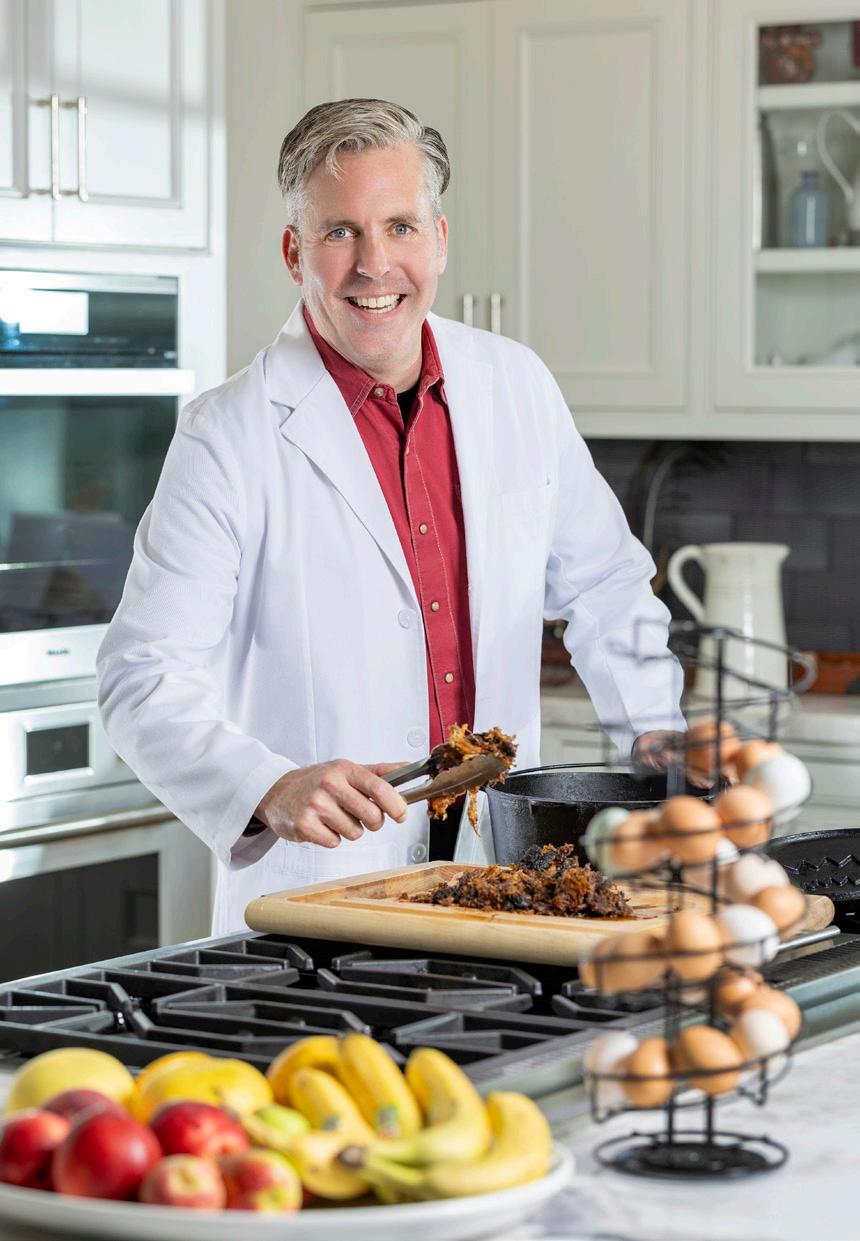
Dr. James “Jamie” McKinnell, 49 South Bay Community: Rolling Hills Education: BA in history, Stanford, 1999. MD, Columbia, 2004. Internal medicine residency, Harbor-UCLA, 2007. Infectious disease fellowship, University of Alabama, 2009. Double board-certified in infectious disease and hospice and palliative medicine.
Doc’s Bar-B-Que: Dates and locations for bimonthly pop-ups are posted @docs.bar.b.que on Instagram. Reservations are by advance payment through Venmo.
Melt-in-your-mouth smoked meat is just one of the passions driving this infectious disease specialist, whose recipe for a good life includes barbecue, family and bringing people together.
Written by Diane Krieger | Photographed by Michael Neveux
By day, James McKinnell, MD, squashes superbugs. Off the clock, he cultivates colonies of South Bay neighbors and friends on a growth medium of slow-smoked meat.
Every other month, the board-certified Torrance Memorial infectious disease specialist trades his lab coat for a chef’s apron at pop-ups called Doc’s Bar-B-Que. The last one was at Redondo Beach’s Knights Event Center.
A hundred patrons lined up outside, inching slowly toward the pitmaster, who plated generous portions of Texas-style prime beef brisket, pulled pork, chicken thighs and Louisiana hot links. Complementing the meat were handcrafted sides of Mexican street corn salad, Lafayette coleslaw, molasses pit beans and creamy macaroni salad.
“We’re in the business of getting people together,” says Dr. McKinnell, who could move the line faster, but he flat-out refuses to. He takes his time chatting with each patron.
Doc’s Bar-B-Que is engineered for social connection: communal tables, no cell phones, kids romping underfoot and meat prepared so slowly it’s measured in days, not hours. The food isn’t priced for profit. After expenses, Dr. McKinnell and his partners—longtime friend Phil Blythe and sister Tracy McKinnell—pocket “about $4 an hour.”
The bimonthly pop-ups happen on Wednesdays, but prep starts the Sunday before at 7 a.m., when Dr. McKinnell fires up the industrial Cookshack smoker in his Long Beach commercial kitchen. Over three days, he’ll pit-smoke 180 pounds of meat, keeping close tabs on cooker temperature via phone app.
“I’ll go rotate the meat when I’m done with my hospital rounds,” he says. “Tuesday nights are usually brutal. But it’s a labor of love. We want to have fun, and we want the people who come to have fun.”
Dr. McKinnell’s background is a cultural kaleidoscope. He was born in Tehran, where his Canadian father oversaw Pfizer’s Iran operations. Young Jamie spent his early childhood in Hong Kong, picking up Cantonese and Tagalog (from Filipino housekeepers), and his teen years in Greenwich, Connecticut.
His flair for languages continued through college at Stanford and medical school at Columbia. In addition to fluent Spanish and French, he acquired enough Bambara (during a
medical fellowship in Mali) to take patient histories. He’s currently tackling Korean and claims he can “bumble through” a physical exam.
When he isn’t tending patients or smoking meat, the doctor focuses on family. Home is Rolling Hills, where he and his wife, Colleen, have turned their gut-renovated house into a rustic homestead. A dive instructor-turned-master gardener, Colleen converted their front yard to California natives and planted a sprawling orchard of some 90 trees— from citrus and avocado to mango and carob. She keeps a beehive, 16 laying hens and vegetable beds worthy of a farmto-table eatery.
Dr. McKinnell’s contributions to the homestead range from building a predator-proof chicken coop to felling about 100 trees—a skill passed down from his pioneering great-grandfather, who a century ago cleared giant redwoods on British Columbia’s Lasqueti Island.
That heritage may explain Dr. McKinnell’s love of hunting and fishing. Each summer, he and his dad, Henry, return to Haida Gwaii, a remote Canadian archipelago legendary for its Pacific salmon run. They also co-own a ranch in Idaho, where Dr. McKinnell guides pheasant and elk hunts in October.
Elk meat, he notes, is too lean for smoking, but pairs magnificently with tomatoes. Asked to name his favorite meal, Dr. McKinnell doesn't hesitate: elk bolognese. “It's pure magic,” he says.
A muscular do-it-yourself streak runs through every aspect of Dr. McKinnell’s life. He regularly runs, bikes, lifts and rucks (hikes with weights). An expert brewer, he used to make 80 gallons of beer annually, but that’s been on hiatus since he swore off alcohol for 75 Hard—the punishing fitness regimen on which he shed 45 pounds in the last two years.
He and Colleen were hard-core conservation divers before the arrival of their daughter, Caroline, in 2020. Scuba remains on hold, but the outdoorsy 5-year-old already fishes for rainbow trout alongside dad and gamely weathers 42-degree Minnesota nights while beach-camping by Lake Superior.
Incidentally, Caroline is the official photographer for Doc’s Bar-B-Que. Say “brisket” if you see her at the next pop-up on August 19. •
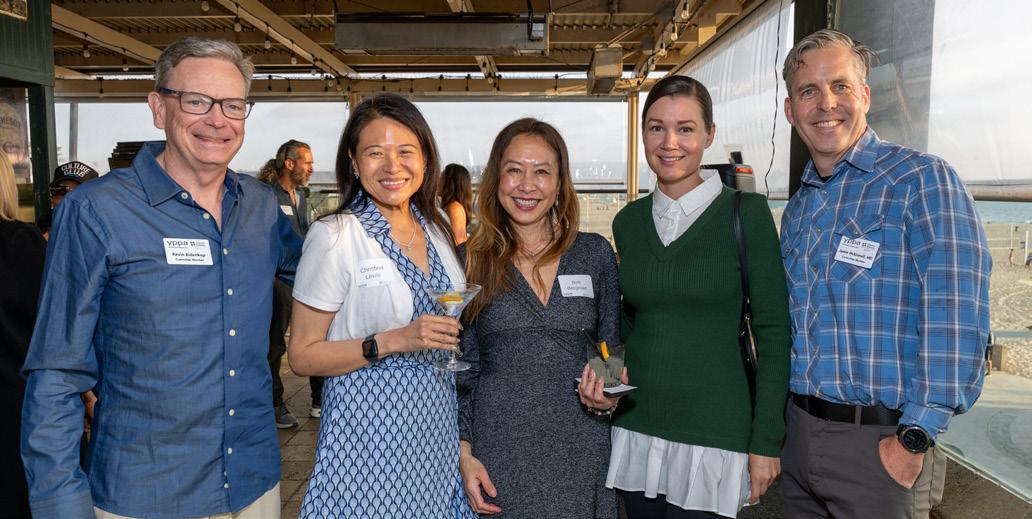
YPPA MEETS AT HENNESSEY’S HERMOSA BEACH
March 27
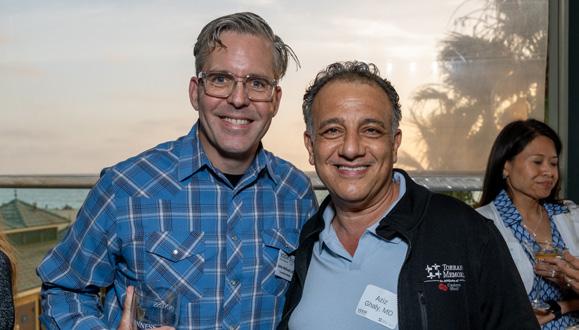
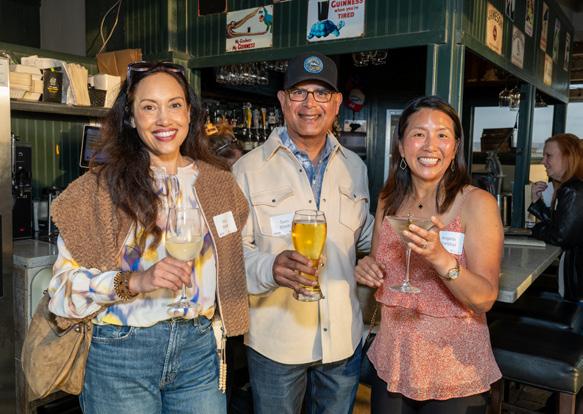
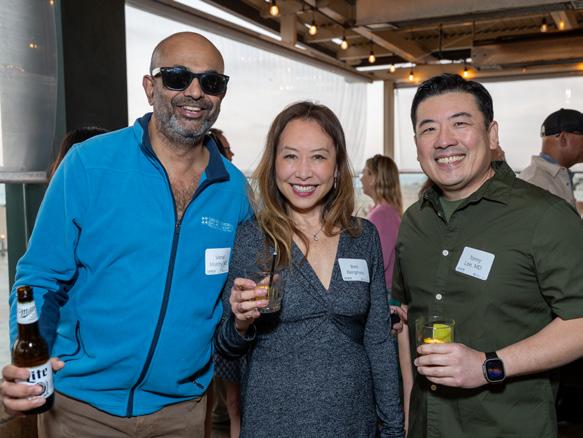
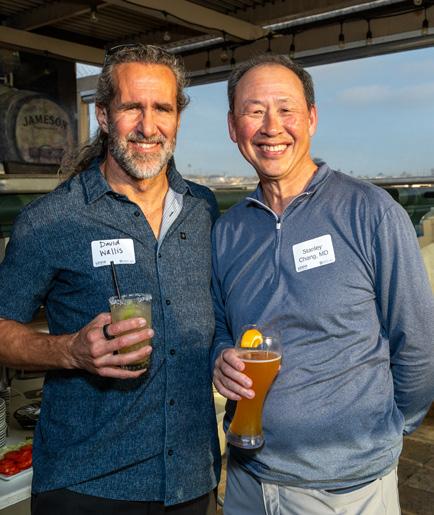
Young Physicians and Professionals Alliance members and friends gathered at Hennessey’s in Hermosa Beach for an evening of connection and community. Paul Hennessey welcomed guests and recognized the physicians in attendance in honor of Doctors’ Day. Jamie McKinnell, MD, shared reflections on YPPA’s impact supporting initiatives from the NICU Family Reunion to nursing retention initiatives.
Photos by Ed McClure

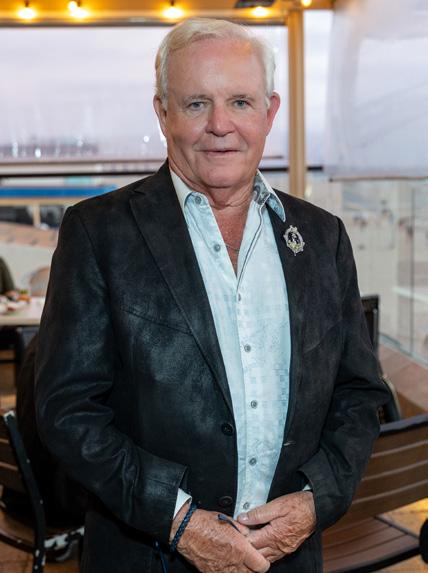
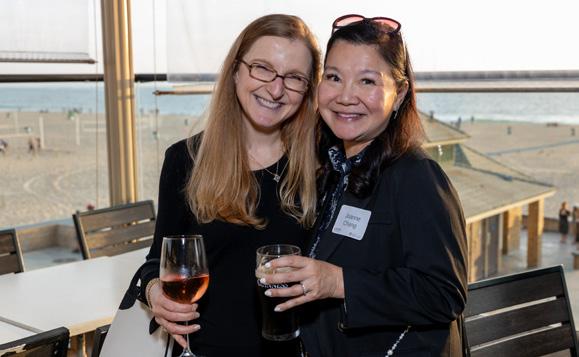
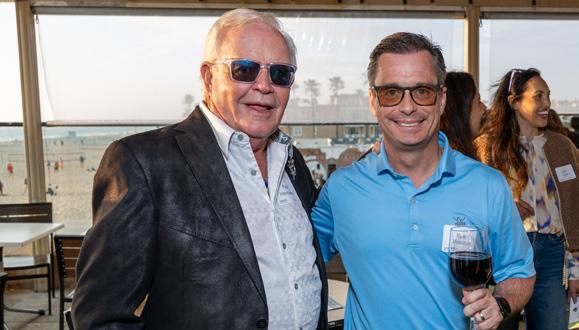
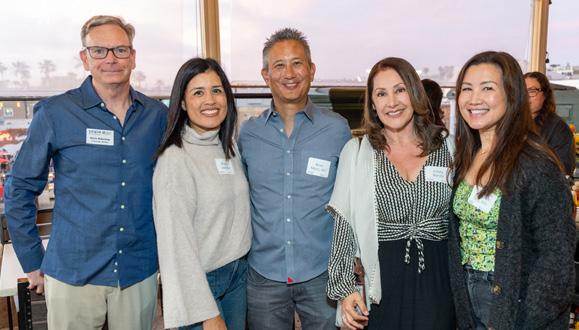
1. Kay Sheth, Cindy Bandy
2. Paul Hennessey
3. Stephanie Bezner, Joanne Chang
4. Paul Hennessey, Ryan Mansour
5. Kevin Bidenkap, Brandy VanZitter, Brian Miura, MD, Cindy Bandy, Stephanie Tang, DO
6. Jamie McKinnell, MD, Aziz Ghaly, MD
7. Kay Sheth, Sam Sheth, Angela Sheldon
8. Vimal Murthy, MD, Beti Bergman, Tonny Lee, MD
9. David Wallis, MD, Stanley Chang, MD
10. Kevin Bidenkap, Christina Lewis, Beti Bergman, Nadia Antii, Jamie McKinnell, MD
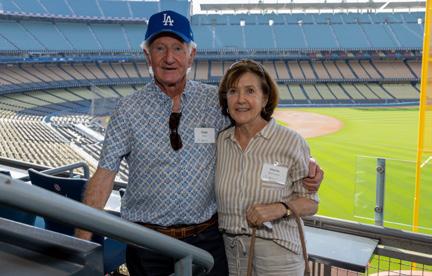
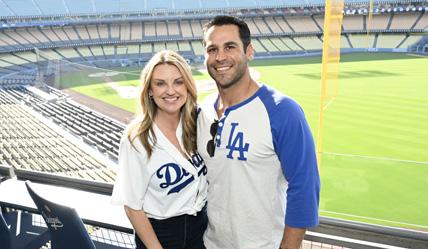
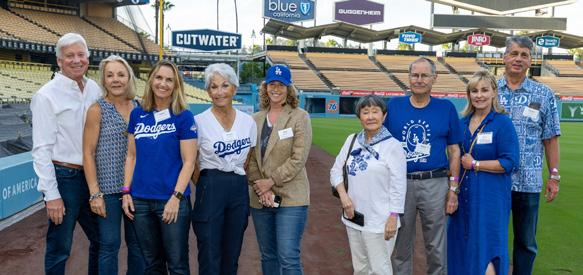
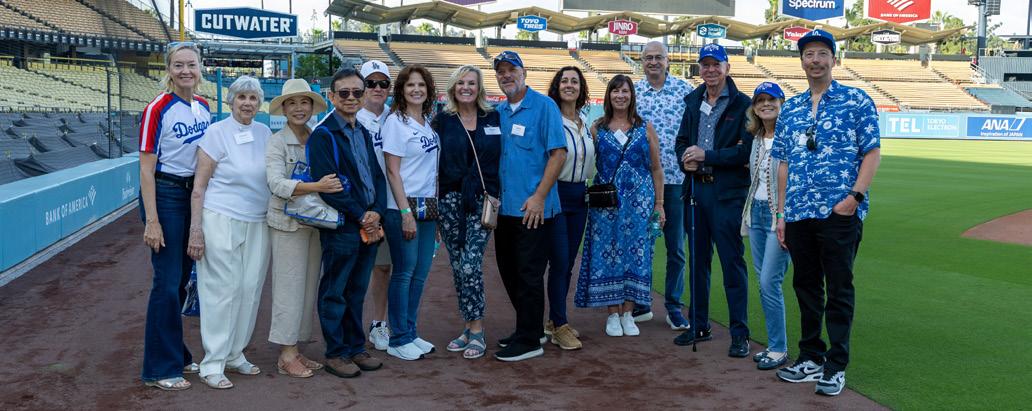
The Torrance Memorial Foundation hosted a special appreciation event on March 21 at Dodger Stadium to thank our incredible Patrons. Guests enjoyed an exclusive behind-the-scenes tour, including a first look at the new clubhouse, opportunities to take photos with the 2025 championship trophy and an engaging talk by former Dodger first baseman Eric Karros. The evening served as a heartfelt celebration of our Patrons generous support and a memorable experience for all who attended.
Photographed by Ed McClure & Philicia Endelman
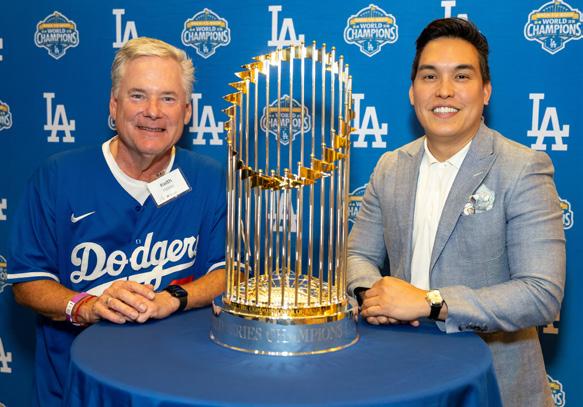
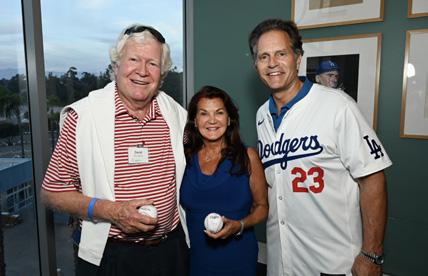
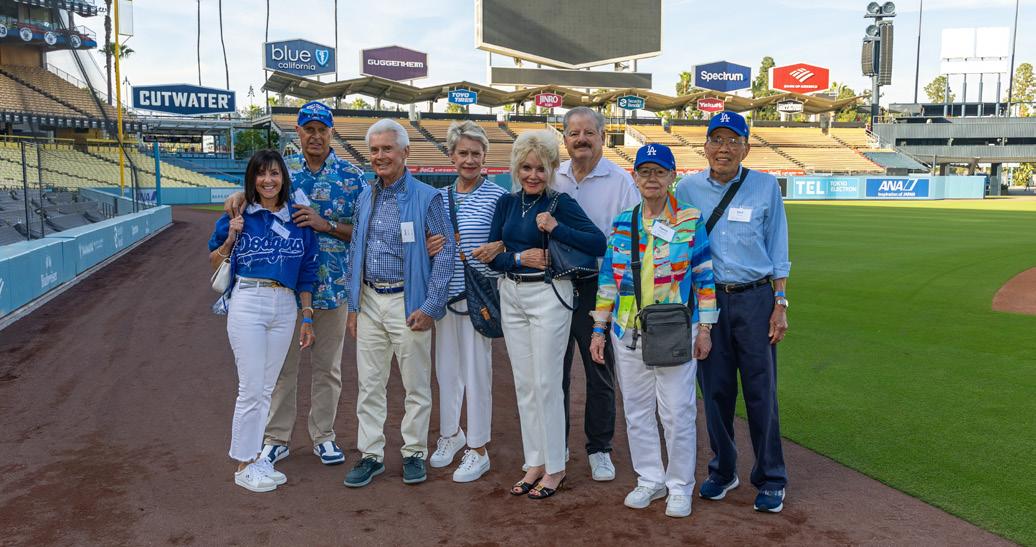
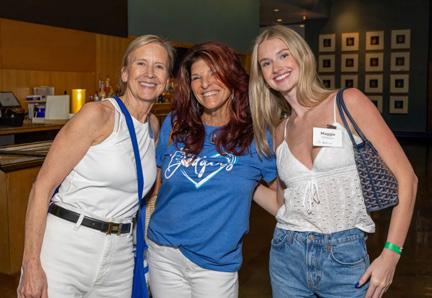
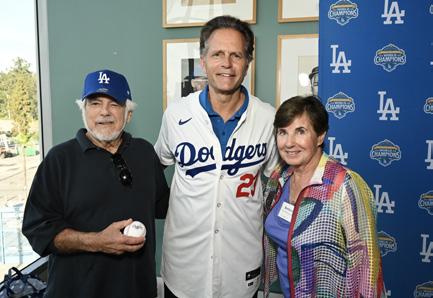

1. Keith Hobbs, Ryan Moore
2. Janice Tecimer, Timur Tecimer, Jack Baker, Ayne Baker, Teri Young, Rob Young, Nancy Peterson, Dick Chun
3. Clair Eitel, Herta Bernauer
4. Justine Gregorio, Andy Gregorio
5. David McKinnie, Nadine Bobit, Eric Karros
6. Lori O’Hern, Christy Abraham, Maggie O’Hern
7. Mark Lurie, MD, Eric Karros, Barbara Demming-Lurie
8. Walt Hazard, Mary Jo Hazard, Allen Alpay
9. Carol Levi, Phyllis Pelezzare, Monica Sim, Sam Sim, Rich Umbrell, Liz Umbrell, Cindy Percz, Larry Percz, Sophia Neveu, Jane Mehra, AJ Mehra, Irwin Goldberg, Karen Goldberg, Philippe Neveu
10. Roy Martinez, MaryBeth Martinez, Ofelia David, Manny David
11. Greg Geiger, Jacker Geiger, Heidi Hoffman, MD, Carole Hoffman, Erin Hoffman, Frances Fleming, Harry Fleming, Carla Zanino, Walt Zanino

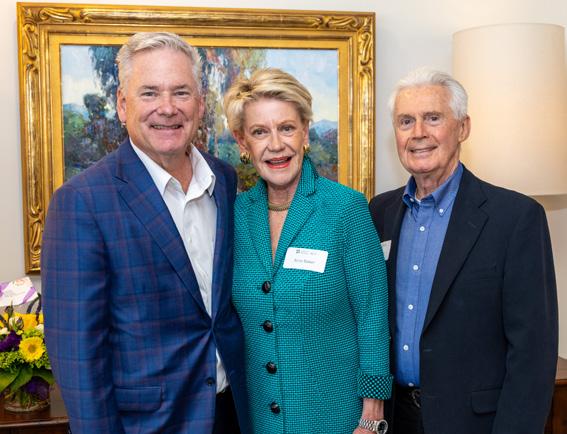
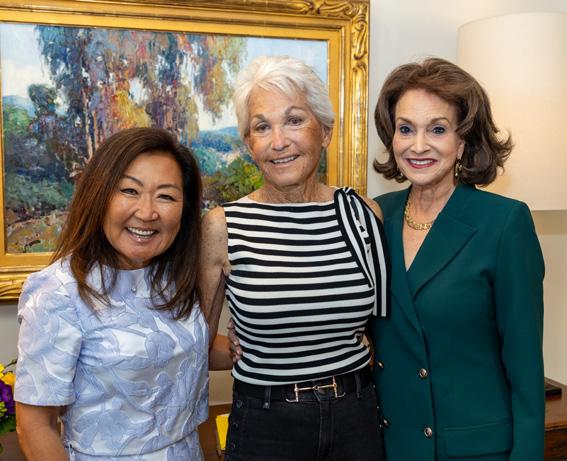
April 16
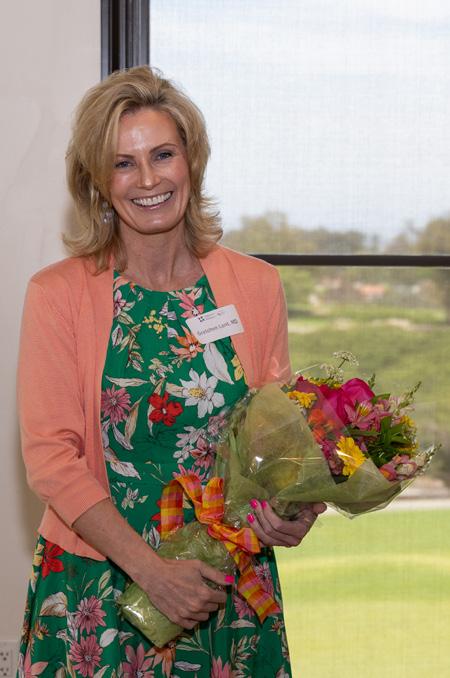
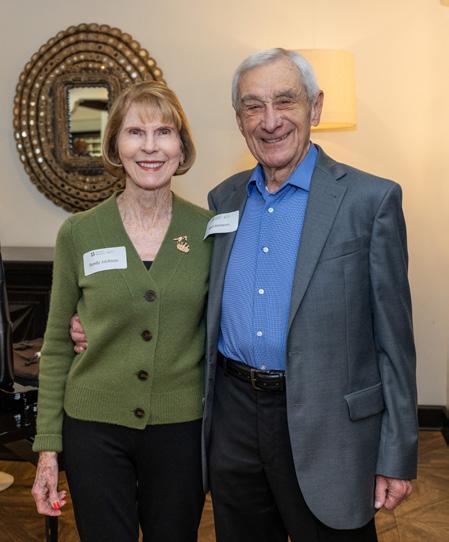
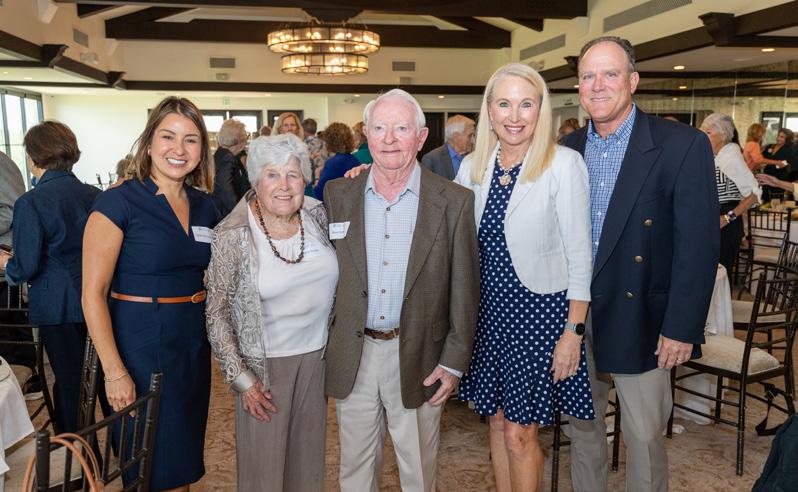
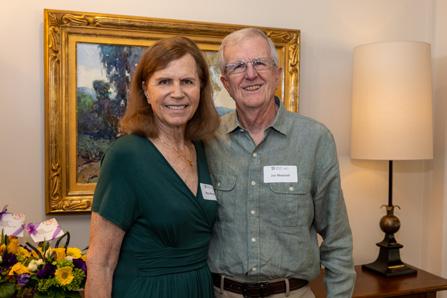
Torrance Memorial Heritage Society members were appreciated and acknowledged for their visionary giving at the annual luncheon at Palos Verdes Golf Club. They were joined by donors who have contributed annually for 10 or more consecutive years.
Gretchen Lent, MD, co-director of the emergency department, spoke about the impact of philanthropy on the emergency department, sharing how donor support has helped expand services, enhance patient care and meet the growing needs of the community.
Photographed by Ed McClure
June 1
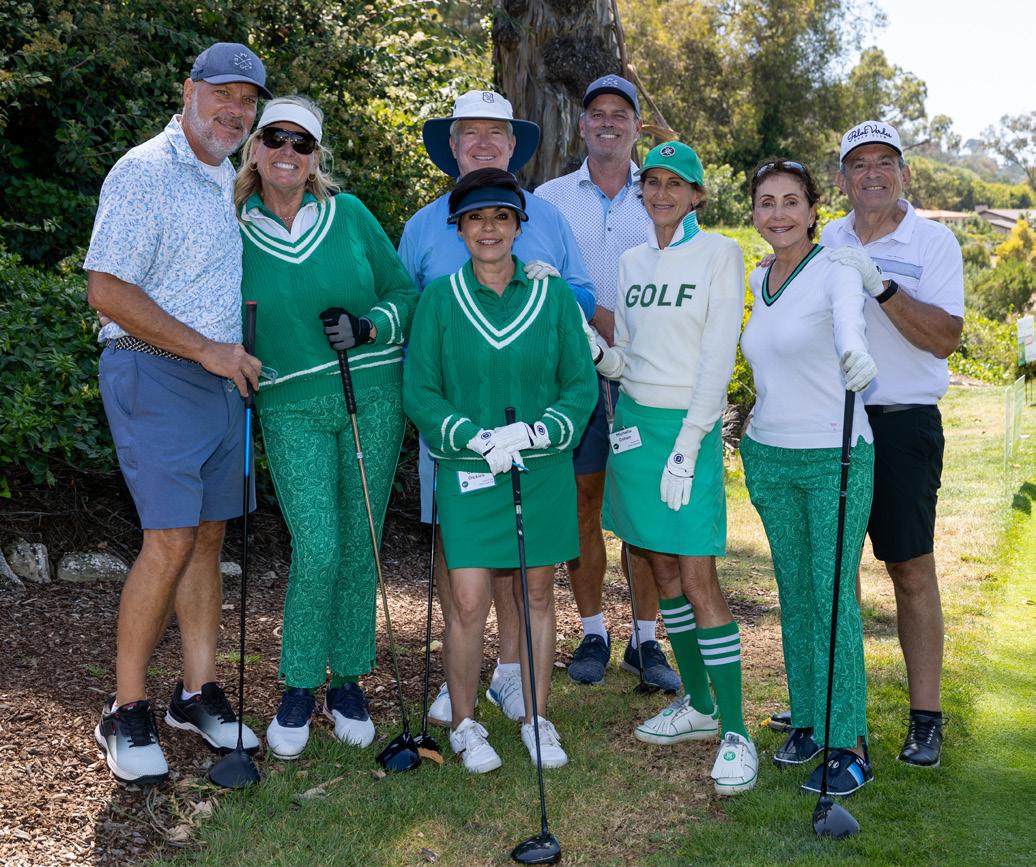
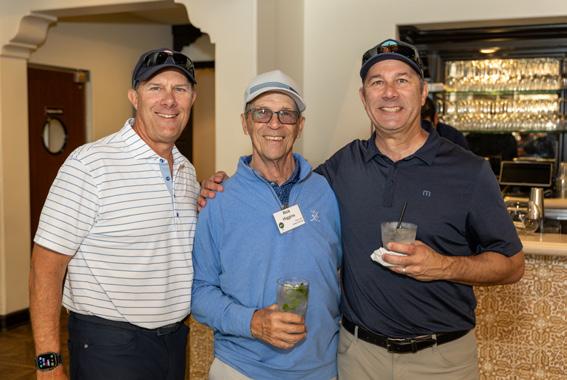
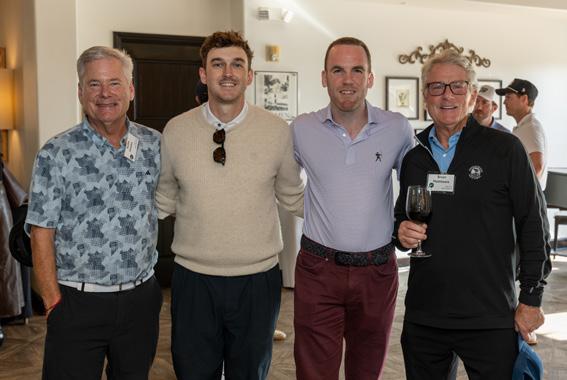
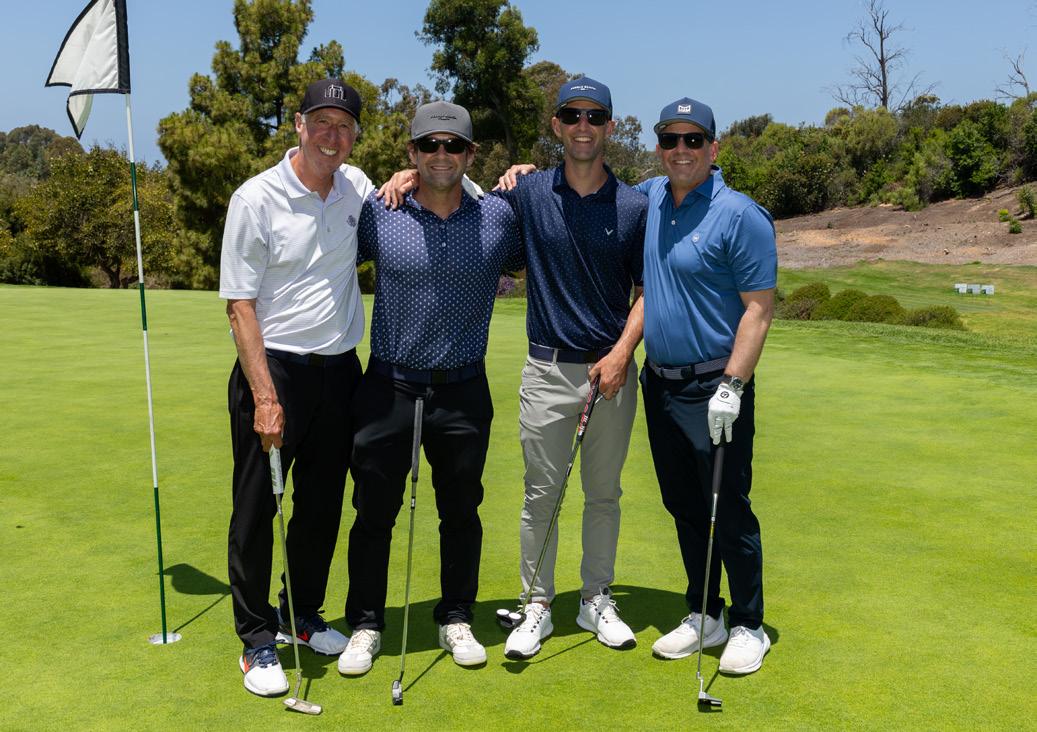
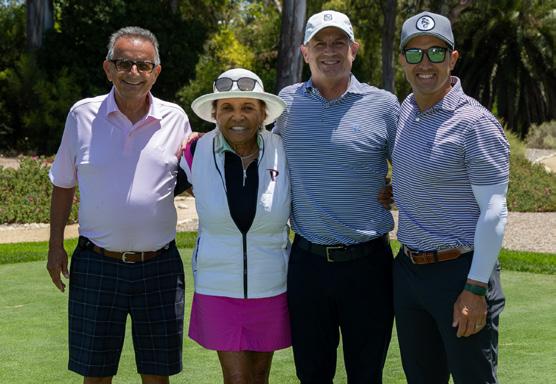
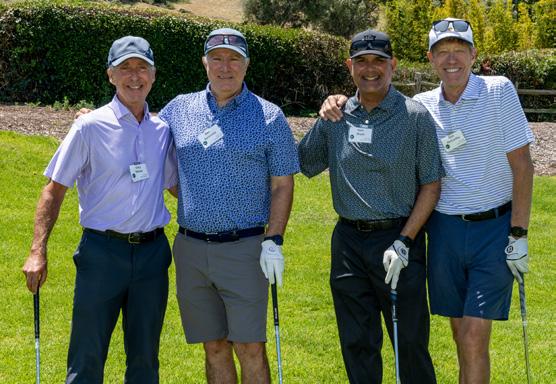
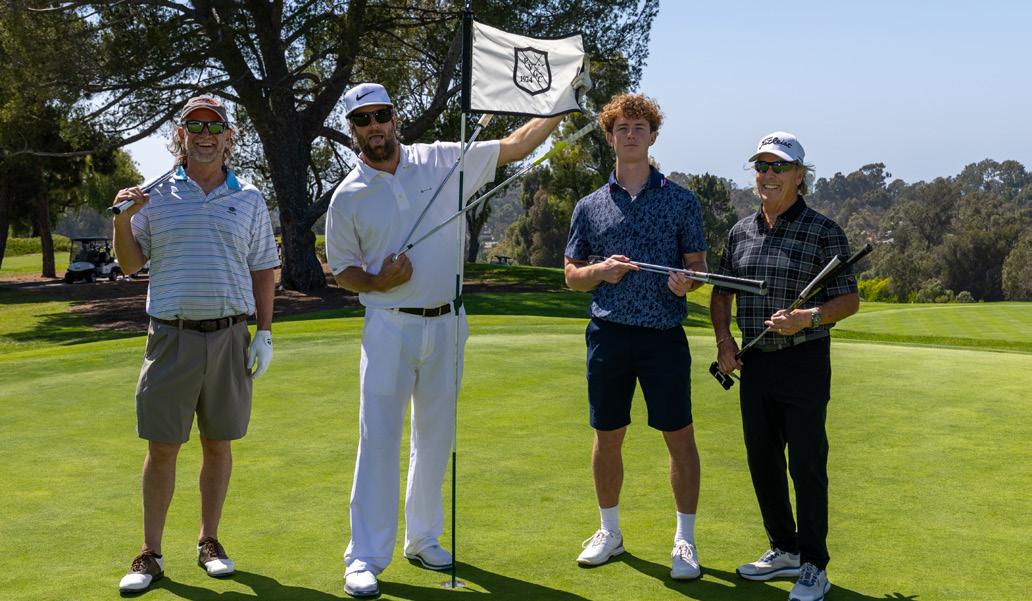
The 40th annual Torrance Memorial Foundation Golf Tournament was a sold-out success, with proceeds supporting the Lundquist Leach Emergency Department campaign. On a beautiful day at the Palos Verdes Golf Club, 136 golfers participated— beginning with a stampede putting contest and ending with a cocktail reception, silent auction, dinner and awards presentation.
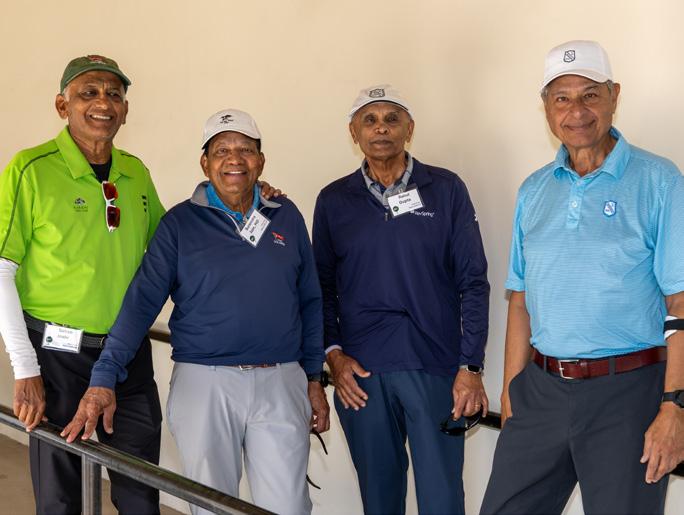
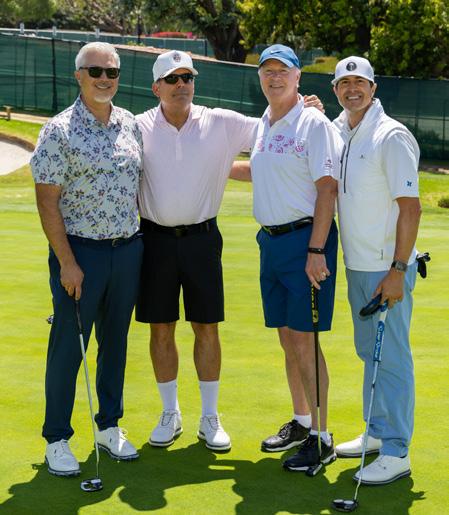
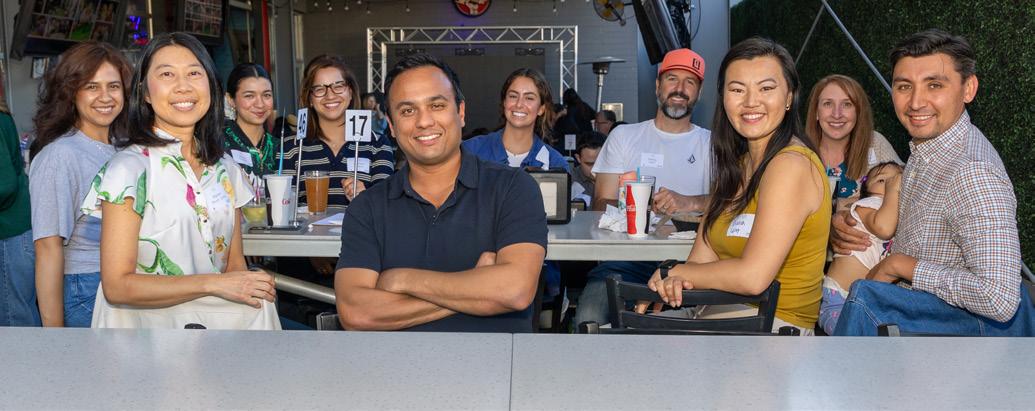
1. Satish Joshi, Suren Jain, MD, Rahul Gupta, Marzi Mistry
2. Larry Percz, Cindy Percz, Tim Dickens, Claudia Dickens, Jon Landerville, Michelle Cohen, Laura LeVee, Jeff LeVee
3. Jeff Higgins, Rick Higgins, Erik Higgins
4. Keith Hobbs, Taylor Loi, Eric Souders, Brian Matthews
5. Kevin Mak, MD, Mike Baker, MD, Dana Kennedy, MD, Ryan Gleber, MD, Michael Fiore, PA, David Oliver, MD, Kurt Hansen, MD, Adam Goodman, MD
6. Keith Hall, John Moody, Jim Bennett, Brian Orue
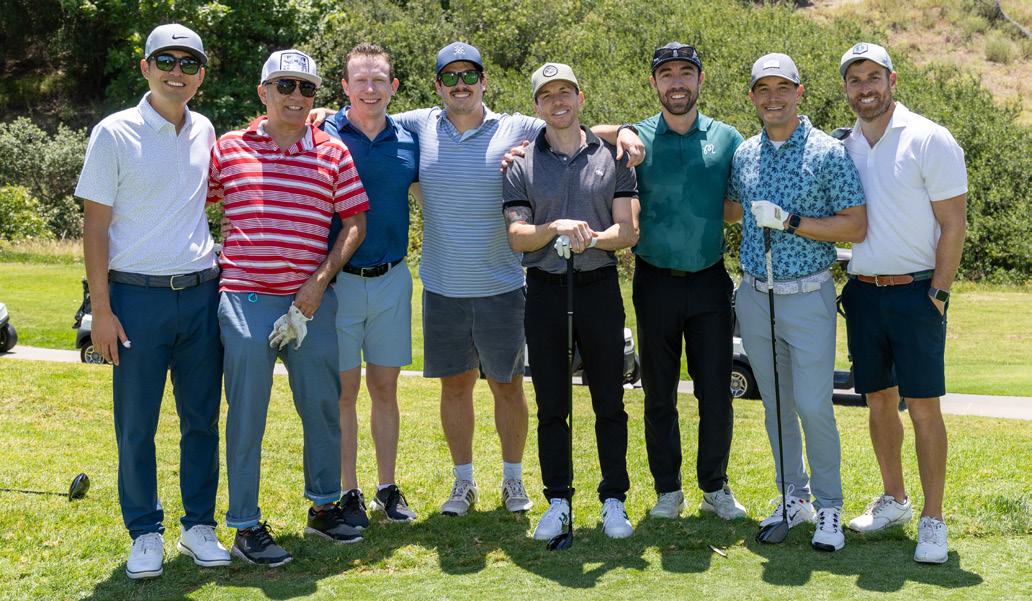
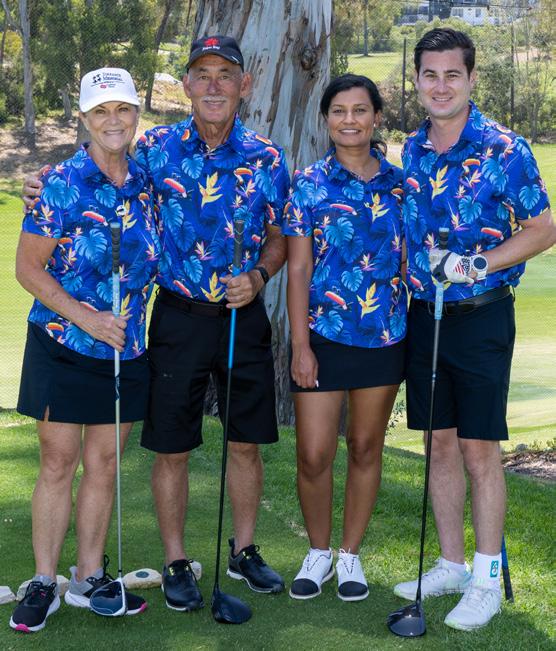
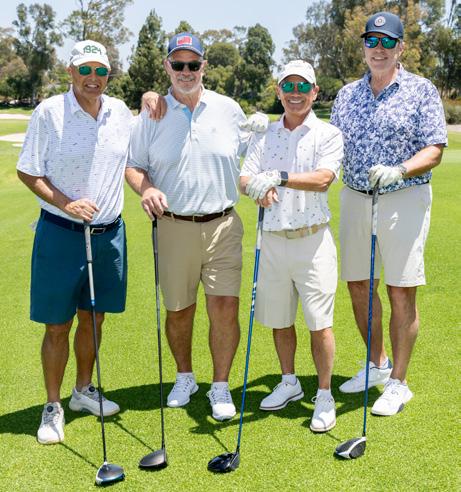

11.
12.
13.
14.
June 11
The Brews Hall
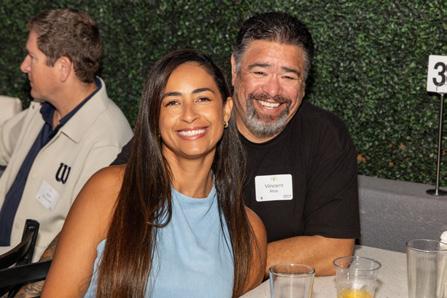
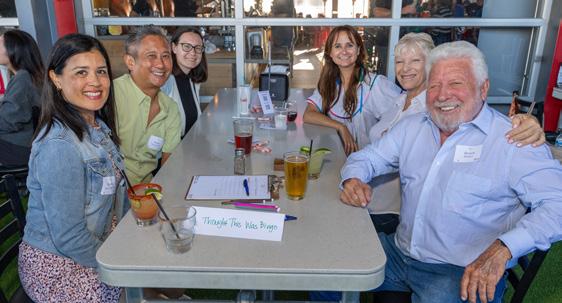
Victory belongs to the wise! Vimal Murthy, MD, was the quizmaster at the Young Physician and Professionals Alliance (YPPA) Trivia Night. The evening was filled with friendly competition, laughter and community while also featuring a heartfelt story from grateful patient Edward Hano, highlighting the impact of philanthropy and support for Torrance Memorial.
Photographed by Ed McClure
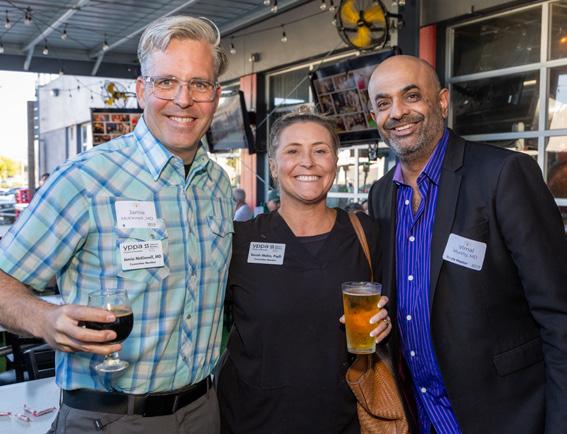

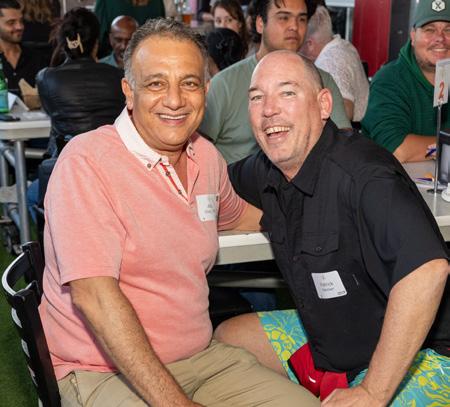


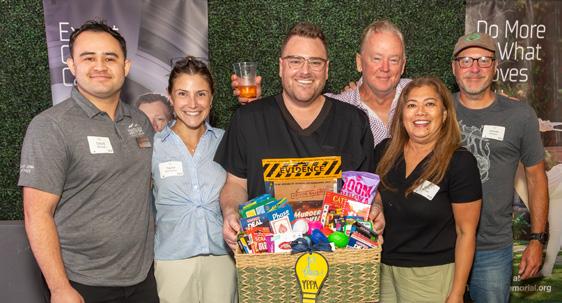

5. Bill Stirewald, Lisa Cook, MD, Joanne Chang, Stanley Chang, MD
6. Dave Weitzel, Taylor Tremaine, Jason Cribbs, David Weitzel, Cyn Weitzel, Adrian Sawyer
7. Cari Carver, Lauren Bauer, Mollie Barajas
8. Sunil Hebbar, MD, Karen C. Shum, Lizbeth Vazquez, Liliana Vazquez, Daniela Vazquez, Christina Grenke, Marty Sigler, Brooke Sigler, Orion Choy, Diana Choy
9. Juliana Rios, Vincent Rios
10. Brandy Van Zitter, Brian Miura, MD, Sandra Kulterer, Kat Olschnegger, Roxanne Ellison, Bruce Ellison
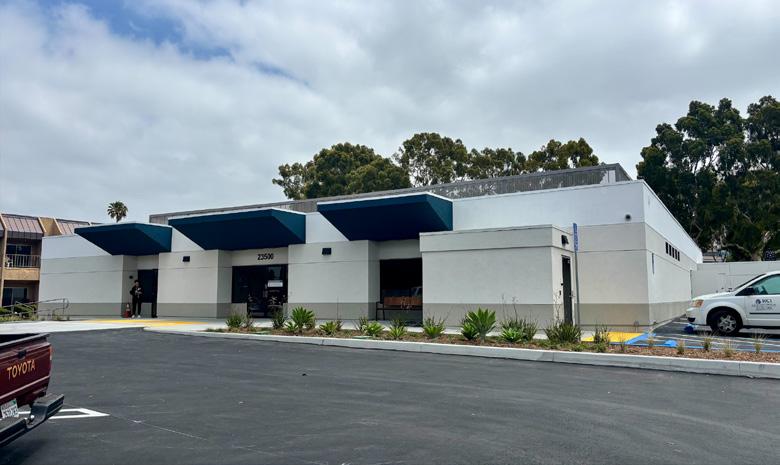
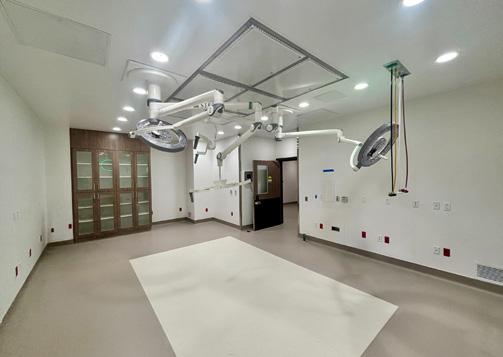
Anew chapter in orthopedic care is on the horizon for the South Bay. Torrance Memorial Medical Center and Cedars-Sinai are pleased to announce the upcoming opening of a new ambulatory surgery center (ASC), conveniently located adjacent to the Torrance Memorial campus. Designed with a focus on orthopedic procedures, the state-of-the-art facility will feature three operating rooms dedicated to providing patients with expanded access to high-quality surgical care close to home.
Professional services at the ASC will be provided by Torrance Memorial Physician Network, Cedars-Sinai and other community orthopedic and sports medicine surgeons, bringing trusted expertise and compassionate care to patients throughout the region. The center will be operated by Cedars-Sinai’s experienced surgery center management team in close collaboration with Torrance Memorial, creating a seamless partnership focused on patient experience, safety and efficiency.
The new ASC represents an important step in expanding surgical access across the South Bay. By providing a dedicated location for orthopedic procedures, the center
Opening in 2027, the new ambulatory surgery center will feature three state-of-the-art operating rooms, expanding access to advanced orthopedic care through the continued collaboration between Torrance Memorial and Cedars-Sinai.
will help increase capacity for surgical care while complementing the services already available on the Torrance Memorial campus.
“We are excited to bring this new resource to our community,” says Heidi Assigal, senior vice president for Torrance Memorial. “This collaboration allows us to offer patients a convenient, efficient setting for orthopedic surgical care while continuing our shared commitment to exceptional outcomes and an outstanding patient experience.”
The new facility reflects the continued evolution of health care delivery—creating more options, greater convenience and improved access for patients seeking specialized care.
“We look forward to the opening of this new center and continuing to strengthen our partnership with CedarsSinai,” says Assigal.
The ambulatory surgery center is anticipated to open in January 2027. Additional details about services, scheduling and availability will be shared as the opening date approaches.
Torrance Memorial and Cedars-Sinai are excited to bring this new opportunity for advanced orthopedic care to the South Bay community. •