
The f irst 20 years 2006–2026
Abbreviations used in this publication
CAEC, Committee of Acta Endocrinologica Countries
CEO, Chief Executive Officer
CRISPR, clustered regularly interspaced short palindromic repeats
DGE, Deutsche Gesellschaft für Endokrinologie
EARS, ESE Advocacy Representation Scheme
EASD, European Association for the Study of Diabetes
ECAS, ESE Council of Affiliated Societies
ECE, European Congress of Endocrinology
ECTS, European Calcified Tissue Society
EDCs, endocrine-disrupting chemicals
EFES, European Federation of Endocrine Societies
EJE, European Journal of Endocrinology
EMA, European Medicines Agency
EMAS, European Menopause and Andropause Society
Endo-ERN, European Reference Network on Rare Endocrine Conditions
ENEA, European Neuroendocrine Association
ENETS, European Neuroendocrine Tumor Society
ERA-EDTA, European Renal Association−European Dialysis and Transplant Association
ESE, European Society of Endocrinology
ESICM, European Society of Intensive Care Medicine
ESPE, European Society for Paediatric Endocrinology
ETA, European Thyroid Association
EuRRECa, European Registries for Rare Endocrine Conditions
EUWIN, European Women in Endocrinology
EYES, ESE Young Endocrinologists and Scientists
GLP-1RA, glucagon-like peptide-1 receptor agonist
GPCR, G protein-coupled receptor
ICE, International Congress of Endocrinology
MASLD, metabolic dysfunction-associated steatotic liver disease
MEP, Member of the European Parliament
NAFLD, non-alcoholic fatty liver disease
NET, neuroendocrine tumour
REACH, registration, evaluation, authorisation and restriction of chemicals
UEMS, European Union of Medical Specialists
WHO, World Health Organization
YARE, Young Active Research in Endocrinology
©2026 European Society of Endocrinology
Text written by Caroline Brewser
Design by Qube Design Associates www.ese-hormones.org
Welcome
We are delighted to be celebrating the first 20 years of the European Society of Endocrinology (ESE) with the entire endocrinology community this year.
The last two decades have seen huge progress in terms of our scientific knowledge, clinical understanding, therapeutic options, training and technology. The world around us is changing politically, environmentally, economically and in many other ways. Against this backdrop, and across this timeframe, ESE has developed to unite, support and advance endocrinologists across Europe and further afield.
As you flick through these pages, you will see how this has been brought about, by members of our community working together tirelessly for positive change and to promote our discipline. By reaching out and collaborating, not only scientifically but also socially and politically, we have created better opportunities for the future progress of our field, and a Society that stands on solid foundations and supports us.
Together, we have not only progressed the science and medicine of endocrinology, but we have shared a greater understanding of the importance of hormone health across society, from policymakers to the general public. Through ESE, there is a united voice for our discipline, representing colleagues across Europe, and working with organisations in other locations and related specialties.
Of course, there is always more to do and, on our solid foundation, we can now set about creating a strategy for the coming years, to advance further and achieve our objectives for the future.
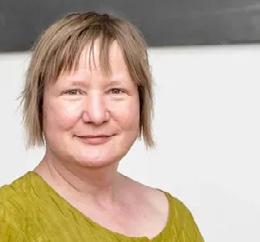
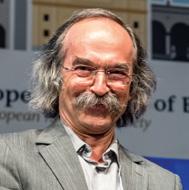
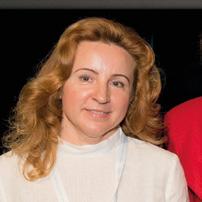
Wiebke Arlt
ESE President 2025−present
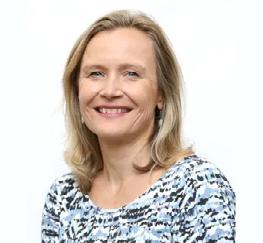
Helen
Gregson ESE CEO 2016−present
‘On our solid foundation, we can now set about creating a strategy for the coming years, to advance further and achieve our objectives for the future.’
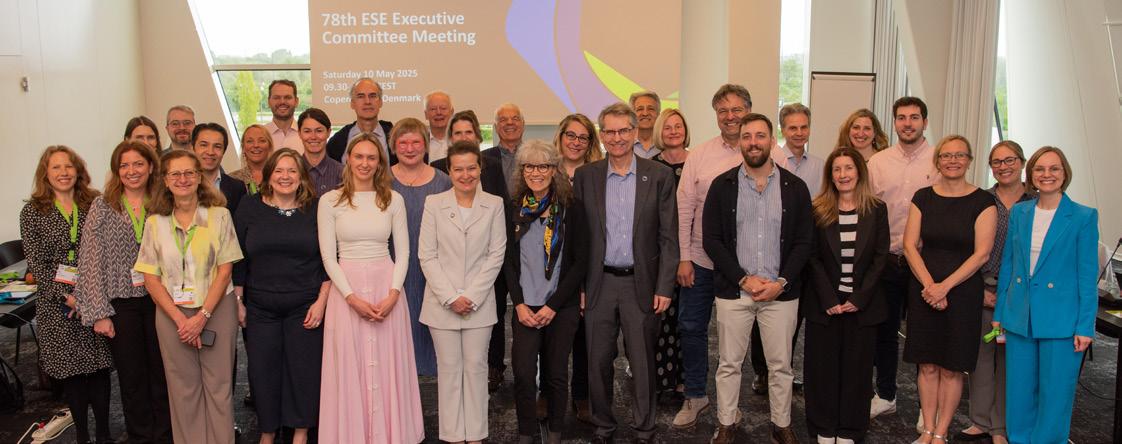
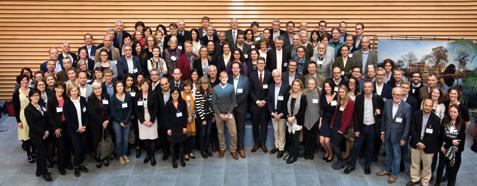
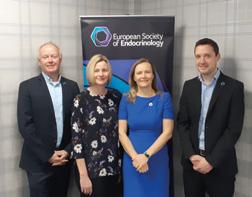
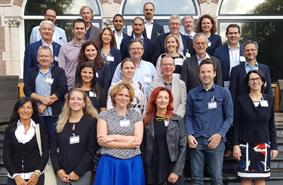
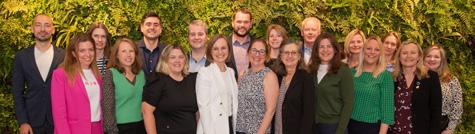
ESE Executive Committee members and the ESE Team in May 2025
European endocrinology and EFES
The roots of ESE grew from a group of societies (Danish, Swedish, Norwegian, Finnish, German, Dutch and Swiss) who founded the first European endocrinology journal, Acta Endocrinologica, in 1948. They were known as the Committee of Acta Endocrinologica Countries (CAEC).
CAEC also organised the Acta Endocrinologica Congresses, the first of which took place in Copenhagen in 1954.
The idea of a pan-European organisation gradually developed, with discussions between the members of various national societies. In 1984, Professor Alberto Oriol-Bosch from the Autonomous University of Barcelona proposed that the Spanish, Italian and British societies should hold a European Congress of Endocrinology, as a first step towards forming a European society. After consulting their members, representatives of several societies met and, in Helsinki in 1985, they agreed to jointly organise the 1st European Congress of Endocrinology (ECE), with a view to forming the European Federation of Endocrine Societies (EFES).
CAEC proposed that the 1987 Acta Endocrinologica Congress in Copenhagen should become the 1st ECE. It was held on 21–25 June 1987, and EFES was inaugurated. ECE was held about every four years until 1998, and then every two years until 2006 when it became annual. Acta Endocrinologica became the official journal of EFES in 1993, and was renamed European Journal of Endocrinology (EJE) in 1994, soon developing an online version to raise its profile on the global stage. The swift and successful establishment of EJE was led by its first Editors, Albert Burger (1993−1998) and Paolo Beck-Peccoz (1998−2007), and their teams.
In 2005, following careful consultation, it was decided that EFES would be dissolved and ESE would be created. ESE − an individual membership society rather than a coalition of endocrine societies − was launched in January 2006.
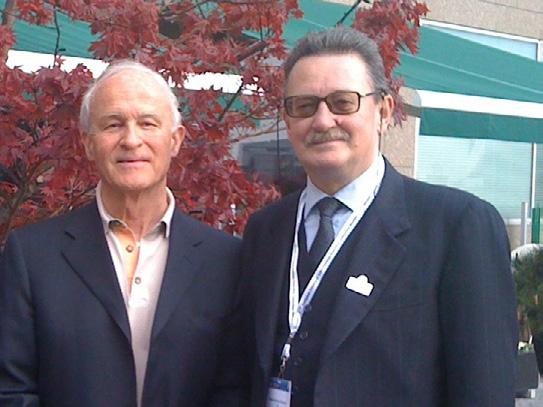
ECE in the EFES years
1st ECE 1987 Copenhagen, Denmark
2nd ECE 1990 Ljubljana, then Yugoslavia
3rd ECE 1994 Amsterdam, The Netherlands
4th ECE 1998 Seville, Spain
5th ECE 2001 Turin, Italy
6th ECE 2003 Lyon, France
7th ECE 2005 Gothenburg, Sweden
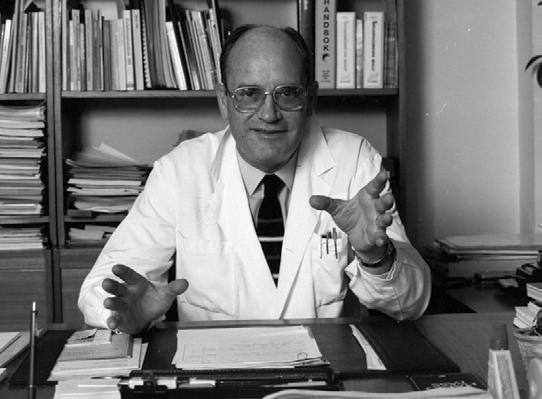
Presidents of EFES
John-Fredrik Dymling 1987−1990
René Mornex 1990–1994
Luciano Martini 1994−1998
Felipe Casanueva 1998−2001
John Wass 2001−2003
Steven Lamberts 2003−2006 (ESE President 2006−2007)
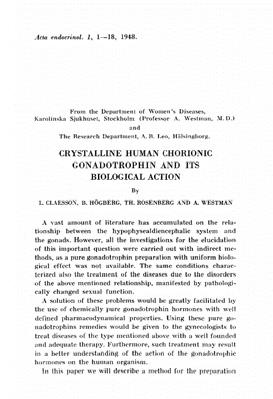
John-Frederik Dymling, first President of EFES
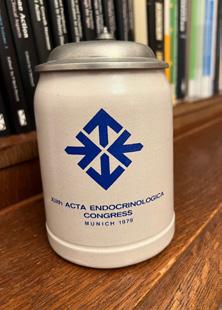
Commemorative bierstein from the 1979 Acta Endocrinologica Congress
The first two Editors-in-Chief of EJE: Albert Burger (left) and Paolo Beck-Peccoz
ESE’s early years
The start of my Presidency of EFES in 2003 coincided with the entrance of eight Central and Eastern European countries into the EU. The Executive Committee realised the disparity in education, infrastructure and financial space for patient care in many of these countries. There was more and more support for the creation of a European society for endocrinology with individual membership, in order to create a platform for all European endocrinologists to advance diagnosis, treatment and support for patients with endocrine disorders.
In other words: this plan had a lot of sense but, at that time, there were a lot of sensibilities which prevented the creation of such a society. A number of national endocrine societies were afraid they might lose the opportunity to organise their own national endocrine meetings successfully. It took great effort and frequent discussions to convince the Presidents of these societies, but in the end we succeeded in securing the agreement of all. ESE, with individual membership, was finally launched on 1 January 2006.
The organisation of a society on a European scale was a real challenge, similar to the EU. Virtually every national society had a different opinion on how it should be done. With the great help of Sue Thorn (then Managing Director of Bioscientifica), ESE’s organisation and byelaws were formulated and accepted. An office was set up, and the website was created. Our first Treasurer, Jens Sandahl Christiansen, convinced the so-called ‘Acta countries’ to donate EJE, as well as its financial reserves, to the new society.
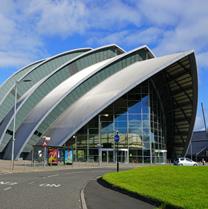
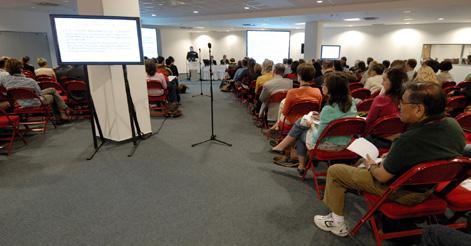
In 2006, the 8th ECE was held in Glasgow. All attendees at that meeting were invited to join the new ESE free of charge, and thus the Society acquired its first individual members. The next step was to create opportunities for endocrinologists with limited experience in research to present their data at the Congress. The basic principle remained high-class stateof-the-art presentations at the different plenary sessions, but it was decided to accept more poster presentations with mainly case histories and small trials by (young) members. This initiative was very successful, as it gave many endocrinologists the opportunity to present for the first time at the European level. All members of the Executive Committee were encouraged to discuss all poster presentations with the authors in detail in a constructive spirit.
Postgraduate meetings were also organised, initially mainly in the Central and Eastern European countries. These (then low-cost) meetings became very popular. Participants were encouraged to present state-of-the-art patient care in light of the locally available diagnostic and therapeutic possibilities, which were determined mainly by financial constraints.
Looking back, I think that the enormous initial endeavour to create a European society with individual membership was worthwhile. After 20 years, ESE has become a successful platform, putting endocrinology strongly on the European research agenda, stimulating exchange between aspiring young endocrinologists and progressing the quality of care for patients with endocrine diseases.
Steven Lamberts
ESE President 2006-2007 (President of EFES 2003-2006)
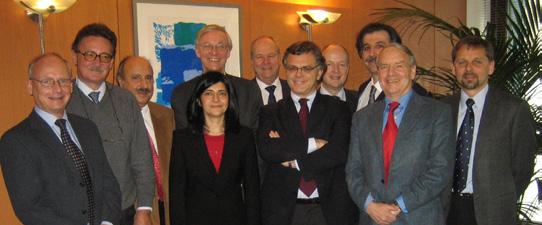
The first ESE Executive Committee: (L−R) Jens Sandahl Christiansen (Treasurer), Paolo Beck-Peccoz (Editor-in-Chief, EJE), Philippe Bouchard (Secretary), Clara V Alvarez, Steven Lamberts (President), Michael Sheppard, Ezio Ghigo (Vice President), Bruno Allolio (Webmaster), Fahrettin Kelestimur, Rolf C Gaillard (UEMS representative) and Valdis Pirags (member responsible for courses)
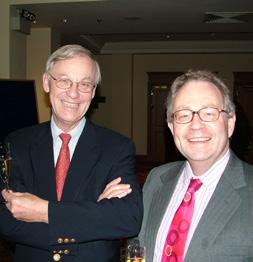
Steven Lamberts (left) with John Wass at ECE 2006
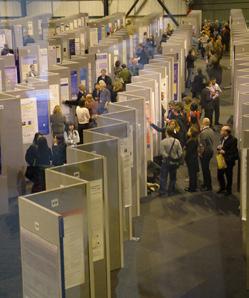
Posters on display at ECE 2006
Steven Lamberts
2006 2007
ESE was launched: the first pan-European individual membership society for endocrinology. It was financially supported by the success of EJE

To enable ECE to become an annual congress, the Society for Endocrinology (UK) was invited to host ECE 2006 in Glasgow
2327 delegates from 71 countries 1106 abstracts received
The wider world
• Twitter launched
Attendees at ECE 2006 in Glasgow were offered free membership: the Society had 375 individual members
The first meeting of the ESE Specialist Society Liaison Committee was attended by the ECTS, ENEA, ENETS, ESPE and ETA, enhancing collaboration with related specialties
ESE News, a newsletter for members, was launched, along with ESE’s new branding and website
8th ECE 2006 Glasgow, UK
• Final sequence published by the Human Genome Project
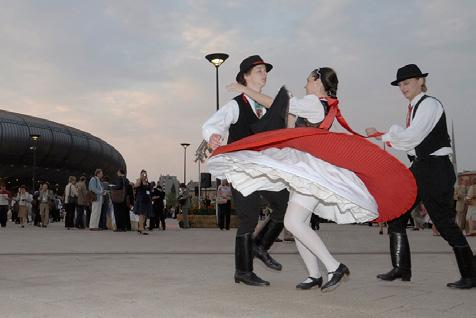
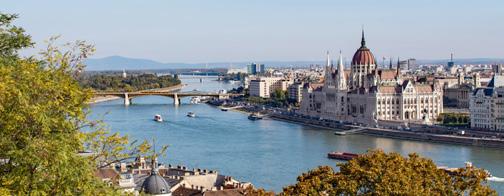
ECE 2007 took place in Budapest. Sue Thorn (Executive Director of Bioscientifica) recalls “We were given a police escort [to get to the conference dinner after the AGM] and all the traffic was stopped at side roads to let us through.”
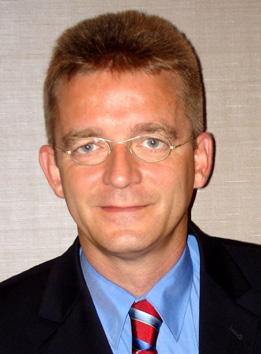
Christian Strasburger became Editor-in-Chief of EJE, as Paolo BeckPeccoz completed his 9-year term. The journal changed focus to clinical and translational studies
9th ECE 2007 Budapest, Hungary
The wider world
• EU REACH Directive came into force to protect health and the environment from chemical risks
• First iPhone unveiled
ESE had grown to over 1000 individual members
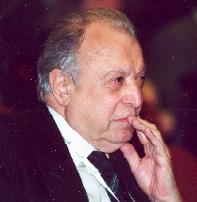
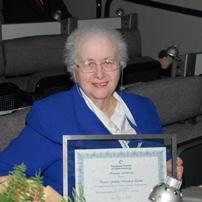
Membership was awarded for the first time, to
Deutsche Gesellschaft für Endokrinologie (DGE, the German society) was invited to host ECE 2008 in Berlin as part of the transition to an annual congress. This was the first Congress organised by ESE from the outset − it attracted 3000 attendees
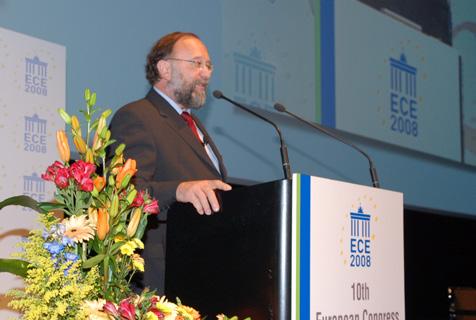
10th ECE 2008
Berlin, Germany
The wider world
• Global financial crisis struck
• Bitcoin first proposed
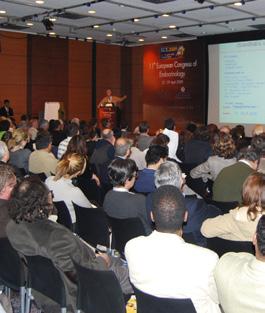
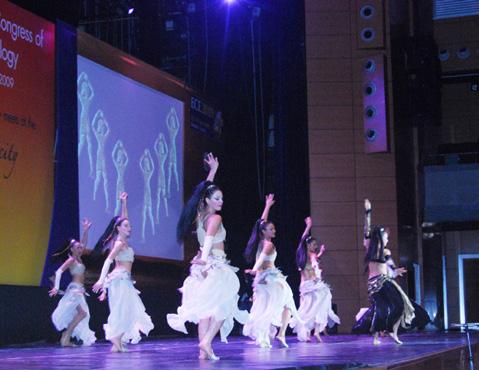
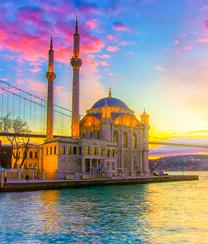
Istanbul was the host city for ECE 2009
The wider world
• EMA approved liraglutide, the first once-daily GLP-1RA, for use in type 2 diabetes
ESE set up a searchable digital archive of EJE and Acta Endocrinologica dating back to 1948
11th ECE 2009
Istanbul, Turkey
Honorary
Luciano Martini (left) and Gabriella Morreale de Escobar
The first ESE Postgraduate Course in Basic Endocrinology was held in Turin
Ebo Nieschlag welcoming delegates to ECE 2008
2010 2011
The Libyan Association for Diabetes and Endocrinology was first to join after ESE’s area for Affiliated Society membership extended to include countries bordering the Mediterranean Sea
ECE 2010 in Prague was the first Congress run by ESE itself rather than by a national society
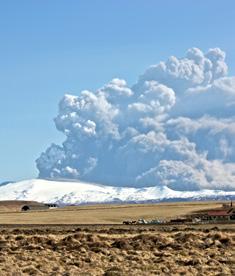
An ash cloud from the Icelandic volcano Eyjafjallajökull closed European airspace just before ECE 2010
“All staff had to travel overland to Prague, reformatting the programme from laptops in the minibus as they went. Some speakers had to record their talks, with livestream intro and questions.”
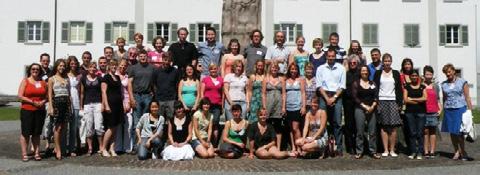
ESE became involved in the organisation of DGE and YARE’s established Summer School in Bregenz, Austria

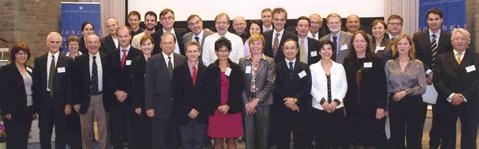
ESE co-signed the Amsterdam Declaration to improve the care of patients with thyroid eye disease
The wider world
• Robert Edwards awarded the Nobel Prize for developing in vitro fertilisation Libya
12th ECE 2010
Prague, Czech Republic

ESE Meeting Grants were introduced: 50 grants per year of up to €400 were made available to support attendance at ESE meetings
13th ECE 2011
Rotterdam, The Netherlands

The wider world
• Type 2 diabetes found to be reversed by an extreme low-calorie diet
First Clinical Update held in Porto
First ESE Press Office created
EYES was founded as an ESE Committee to support early-career investigators
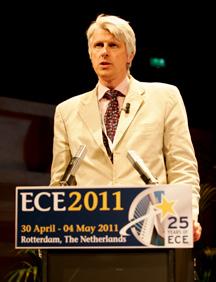
Rotterdam hosted ECE in the Congress’s 25th anniversary year
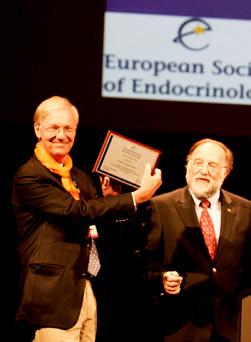
Steven Lamberts (left) receiving Honorary Membership from Ebo Nieschlag at ECE 2011
Hans Romijn became Editor-in-Chief of EJE
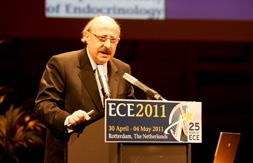
Peter Trainer, Chair of the Programme Organising Committee for ECE 2011
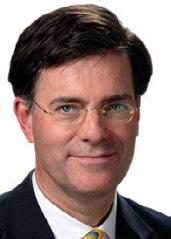
Incoming ESE President Philippe Bouchard at ECE 2011
©Bjarki Sigursveinsson reproduced under CC BY-SA 3.0 licence
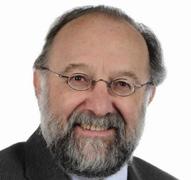
Speaking in 2016
Eberhard (Ebo) Nieschlag ESE President 2007−2011
Our original slogan ‘ESE – the voice of European endocrinology’ expressed our intention to create ESE as a membership-based society alongside the former EFES forum of national societies, to strengthen all aspects of endocrinology in Europe. Many initiatives sought to communicate our aims, and to reassure national societies that ESE did not intend to compete with them for members. The dilemma of dual national and ESE membership was slowly overcome, reflected by an almost threefold increase in individual members from 2007 to 2011.
I believe the greatest achievements of my presidency include the increasing scientific quality and acceptance of ECE as the premier endocrine event in Europe, the success of EJE (as reflected by its increasing impact factor) and ESE’s very sound financial standing at the end of my tenure. My fondest memories are of working with the other Executive Committee members, who were all great personalities dedicated to the cause of European endocrinology.
ESE remembers with gratitude the huge contribution of Professor Nieschlag, who sadly passed away in 2025.
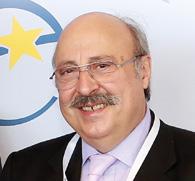
Philippe Bouchard ESE President
Twenty years ago, I was invited to represent the French Endocrine Society as its President at a meeting organised by Steven Lamberts and the late Jens Sandahl Christiansen, in Brussels, to discuss the creation of a European society of endocrinology.
I was enthusiastic, believing it would provide a strong boost to European endocrinology – which at the time was a sort of puzzle, with centres and laboratories spread across the continent, mainly on the western side. It was also a chance to provide training and improve collaboration among Europe’s 600 million inhabitants.
It was a glorious day, and the best news concerning endocrinology for a long time.
I was asked to join the Executive Committee, where I initially became Secretary. When I later became President of ESE, my greatest challenge was to increase the number of members, and my time as President saw a rapid increase in the number of activities the Society organised.
I made two fundamentally important decisions. The first, in collaboration with Leon Heward-Mills (then Managing Director of Bioscientifica), was to create the role of General Manager of ESE (held by Helen Gregson): a first step towards joining ‘the club’ of modern international societies. The second decision was to create ECAS (the ESE Council of Affiliated Societies), a sort of ‘parliament’ allowing the National Partner Societies to provide real input into ESE’s activities for the good of European endocrinology.
The success of ECE 2014, organised with Andrzej Milewicz in Wrocław, Poland, was particularly memorable. Exceeding all expectations, it was flamboyant, and opened the route to successful meetings in the eastern part of our continent.
ESE has achieved a huge amount, because of the input of an astounding group of endocrinologists in all areas of its work, and the support of an experienced professional team. The best thing about ESE is the spirit it has generated, and the multiplicity of the collaborations it has initiated. Let us continue in this way, and keep the flag flying high!
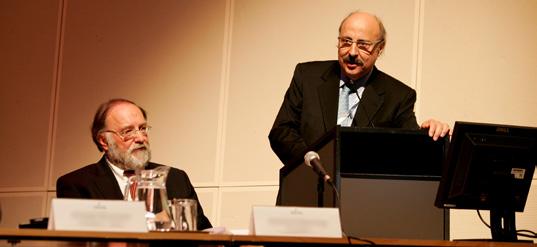
Ebo Nieschlag (left) with Philippe Bouchard at ECE 2011
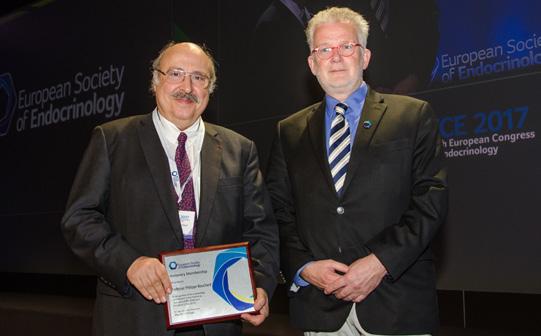
Philippe Bouchard (left) receiving Honorary Membership of ESE from AJ van der Lely at ECE 2017
2012 2013
ESE had grown to over 2500 members
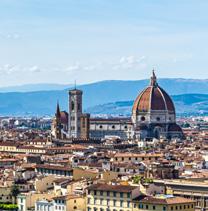
The joint ICE/ECE in Florence welcomed over 5500 attendees and was heralded as the largest gathering of endocrinologists on European soil ever!
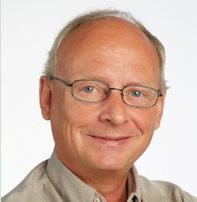
The journal Endocrine Connections launched, with Jens Sandahl Christiansen as its first Editor-in-Chief
ESE News evolved into a 12-page magazine and the ESE website was relaunched at www.ese-hormones.org.

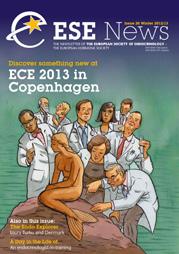
14th ECE 2012
Florence, Italy, jointly with ICE
ESE joined the Initiative for Science in Europe to foster collaborations at an EU level.
The wider world
• Robert Lefkowitz and Brian Kobilka awarded the Nobel Prize for GPCRs
ESE
ESE’s Nurses Working Group was established. Representation on the Executive Committee ensured integration of nurses into the Society
The wider world
• Competency Framework for Adult Endocrine Nursing first published
15th ECE 2013
Copenhagen, Denmark
Joint ICE/ECE Programme Organising Committee
The
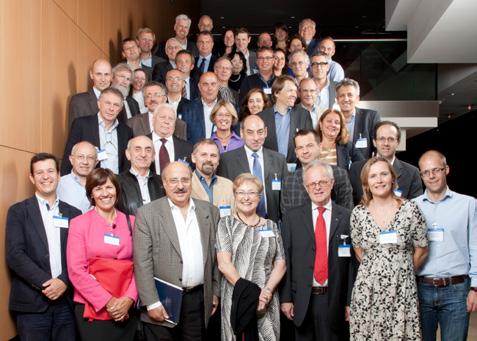
Council of Affiliated Societies (ECAS) was formed
Presidents of ESE’s National Partner Societies met with the ESE Executive Committee in Vienna to create ECAS
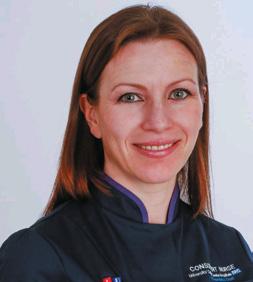
Sofia Llahana, Chair of the Nurses Working Group 2013−2020
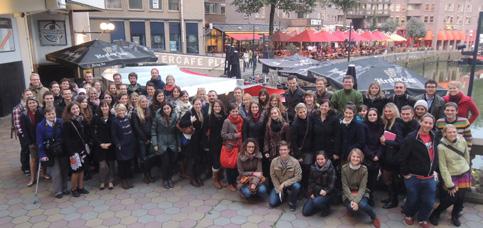
The 1st EYES Annual Meeting was held jointly with YARE (the DGE’s early-career group) in Rotterdam
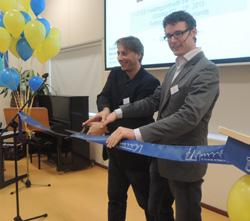
Opening the meeting
ICE/ECE 2012 also saw the introduction of sessions for nurses
2015 2014
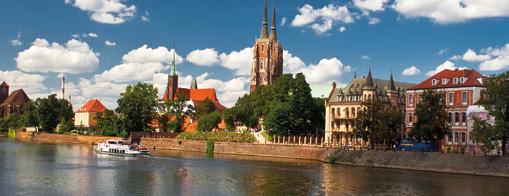
ECE 2014 was held in Wrocław, attracting a record number of abstracts
16th ECE 2014
Wrocław, Poland
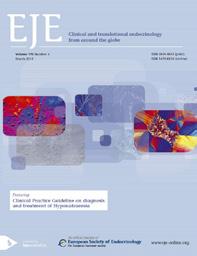
The first ESE Joint Guideline was published in EJE, on hyponatraemia. It was developed in collaboration with ESICM and ERA-EDTA
ESE developed an online forum for early-career researchers and clinicians to contribute to the EYES community
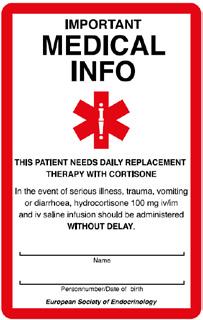
ESE agreed to endorse a standardised European Emergency Card for patients with adrenal insufficiency
The wider world
• WHO warns that antibiotic resistance is now a major global threat
• First baby born after uterine transplant
The first European Hormone Medal was awarded to Stephen O’Rahilly
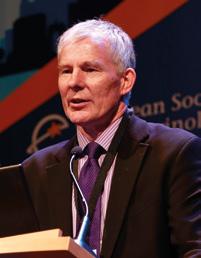
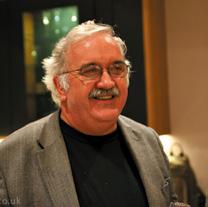
The Clinical Endocrinology Trust Award (now the Clinical Endocrinology Journal Foundation Award) was presented at ECE for the first time. The recipient was Andrew Hattersley
The first ESE Clinical Practice Guideline was published in EJE, on the subject of hypoparathyroidism
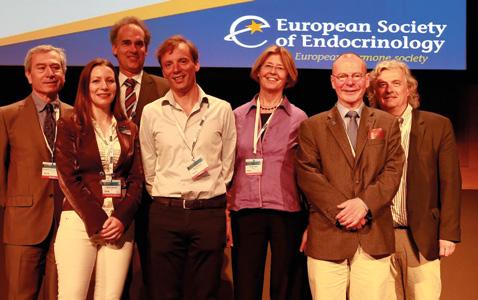
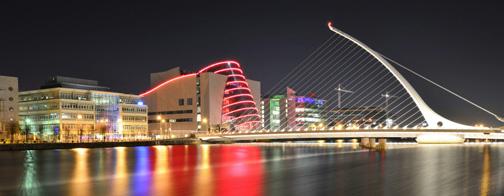
17th ECE 2015
Dublin, Ireland
The wider world
• Paris Agreement on climate change adopted by 195 countries
• Piazza and Lummen first captured an image of light as both a particle and a wave
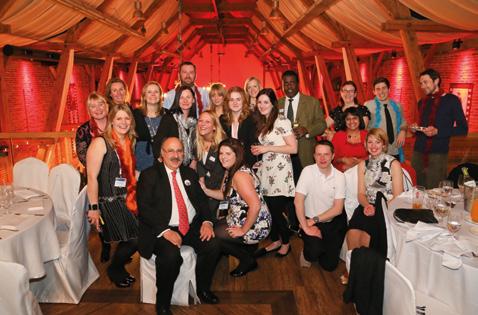
Philippe Bouchard with the Bioscientifica staff in Wrocław
ESE Clinical Committee members in 2015: (L−R) Pierre-François Plouin, Sofia Llahana, Martin Fassnacht, Olaf Dekkers, Pia Burman, Jens Bollerslev and Anton Luger (Andrea Giustina and Claus Gravholt were not present)
©iStock/vvetc
©Unsplash/andrei-carina
2016 2017
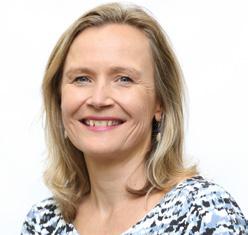
ESE began to recruit its own staff, starting with the first CEO, Helen Gregson
Representation of the EYES Committee on the ESE Executive Committee ensured early-career input across ESE activities
Josef Köhrle became Editor-in-Chief of Endocrine Connections

ESE joined the then Alliance for Biomedical Research in Europe, a collaborative organisation speaking out for research
Endocrinologists from more than 15 European countries met in Lübeck and Leiden to shape a new Endo-ERN
ESE-ESPE
ESE created Associate Partner Society membership, to further strengthen links with other endocrine societies around the world
The wider world
• Mobile internet use overtook desktop internet access globally
18th ECE 2016 Munich, Germany
ESE Focus Areas formed to support collaboration and inform activities. Eight key fields were highlighted:
• adrenal and NETs
• calcium and bone
• diabetes, obesity and metabolism
• environment, society and governance
• interdisciplinary endocrinology
• pituitary and neuroendocrinology
• reproductive endocrinology
• thyroid
The first ESE Recommended Curriculum of Specialisation in Clinical Endocrinology, Diabetes and Metabolism ensured endocrine training covered the breadth of the discipline
The ESE brand and visual identity were updated for the first time

ECE On Demand (later ESE On Demand) enabled delegates to view Congress content at a later date
Endo-ERN was launched to reduce inequalities in care for patients with rare endocrine conditions

19th ECE 2017
Lisbon, Portugal
The wider world
• Jeffrey Hall, Michael Rosbash and Michael Young received the Nobel Prize for their work on circadian rhythm
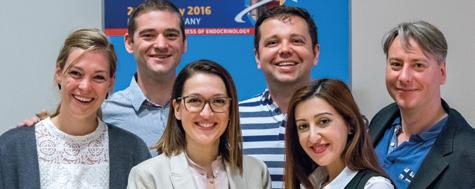
EYES Committee at ECE 2016: (L−R) Anneke van den Beukel, Elahu Sustarsic, Ljiljana Marina, Filip Gabalec, Gesthimani Mintziori and Maxmilian Bielohuby
Joint
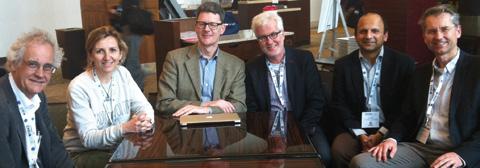
Endo-ERN ‘taskforce’: (L–R) Georg Brabant, Agnès Linglart, Alberto Pereira, Olaf Hiort, Faisal Ahmed and Jérôme Bertherat
Presidents’ perspectives
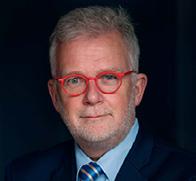
AJ van der Lely ESE President
During my tenure as President, I had the privilege of working with an exceptionally enthusiastic and charismatic board. Together, we transformed the Society into one managed by professionals and experts in association and congress management, previously outsourced to Bioscientifica.
Among my fondest memories is from the ENEA meeting in Marseille in December 2015, when Helen Gregson signed the contract to become the first CEO of ESE. When she took up her post in early 2016, it was a significant milestone for the young Society. Helen’s appointment was followed by those of Andrea Davis and others, including Dirk de Rijdt, whose extensive experience in the scientific and pharmaceutical fields brought valuable perspectives and knowledge. One of our initial steps was to create a new corporate identity, complete with a new logo and a unified format for all Society-produced materials, including the website, journals and leaflets. This professionalisation paid off, as evidenced by the highly successful subsequent ECE, which impressed all participants with its upgraded brand identity.
One of the greatest challenges our board faced was convincing the annual general meeting that these transformative changes would require a significant investment of Society funds. Through clear communication and a shared vision, we gained their trust – and, in the end, the results more than justified the expenditure.
I would also like to extend my sincere appreciation to Bioscientifica for their unwavering support and positive spirit as ESE grew in size, personnel and ambition. Their dedication played a crucial role in our progress.
Reflecting on this period, I am proud and honoured to have contributed to the development of ESE into one of the world’s leading endocrine societies. I continue to follow the Society with great interest and wish all future Presidents and their executive boards the very best.
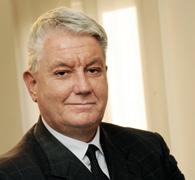
Andrea Giustina ESE President 2019−2021
The many highlights of my presidency included ESE’s agreement with the Endocrine Society to develop Joint Guidelines and the Transatlantic Alliance Award, establishing the European Hormone and Metabolism Foundation to focus on ESE’s policy and advocacy activities in Europe, and publishing the first ESE White Paper to provide a policy focus on obesity, rare endocrine diseases, cancer and EDCs. We also initiated plans for the subsequent launch of European Hormone Day, the change in EJE’s publisher to Oxford University Press, and the Joint Congress with ESPE in 2025.
My inclusion plan hugely increased ESE’s outreach to all our stakeholders, such as patients (the Hypopara Patients Forum), European bodies, sister societies (e.g. reciprocal sessions with EASD at our respective conferences, and joint symposia with Latin American societies at ECE) and the lay public (through the White Paper and European Hormone Day).
The COVID-19 pandemic, which lasted for most of my term, required a huge effort from myself and the entire ESE Team to transform all operations to be fully virtual, including e-ECE 2020 and e-ECE 2021. This saved ESE from a potentially catastrophic loss of related income! Thanks to the efficiency of the transition, and by producing ESE Statements on COVID-19 and endocrine diseases, the Society further cemented its prominent position as a reference point for endocrinologists worldwide.
A few memories particularly stand out, such as recording my first statement on COVID-19, and signing our agreement with the Endocrine Society virtually at ECE, with their President Gary Hammer. I also recall speaking at the European Parliament during ESE’s first visit to Brussels.
I see a brilliant future for ESE, if it continues an inclusive approach with the National Partner Societies (the advocacy scheme EARS began in my term, to keep members up to date with policy and advocacy activities). ESE should provide a bridge to European institutions, young members and sister societies!
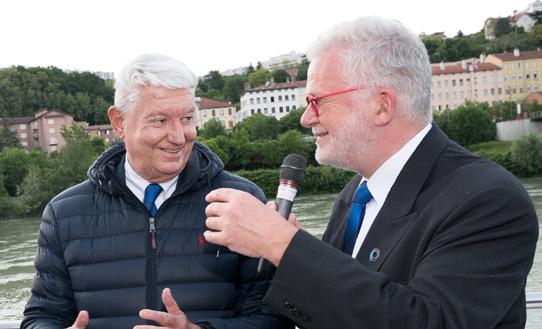
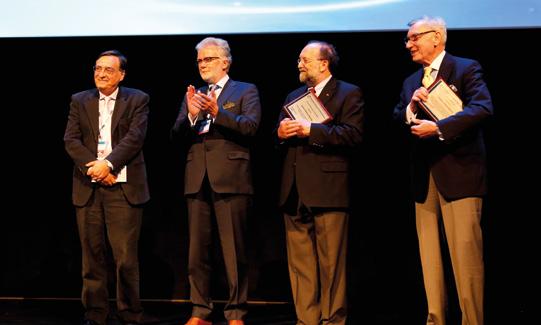
AJ van der Lely (second left) presenting Honorary Membership to Furio Pacini, Ebo Nieschlag and Andrzej Milewicz in 2015
Andrea Giustina (left) and AJ van der Lely at ECE 2019 in Lyon
2018 2019
The first Jens Sandahl Christiansen Awards were presented to Vakeriya Lyssenko (basic science, right) and Raul Luque (clinical, below)
ESE had four full-time employees
(L−R) Commercial Director Dirk De Rijdt, Governance and Office Manager Andrea Davis, CEO Helen Gregson and Scientific Programmes Manager Alex Harrison
The European Board Exam in Endocrinology, Diabetes and Metabolism was first held (in collaboration with UEMS)
The ESE PARAT Programme held its 1st Expert Workshop on Parathyroid Disorders to assess new understanding
A new Industry Partnership Board supported collaboration with Corporate Members
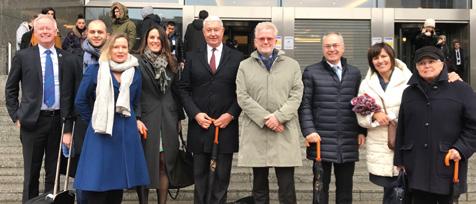
the European Parliament
The Mapping Endocrinology in Europe survey informed ESE’s policy and advocacy work, identifying over 22,500 endocrinologists active in Europe
The wider world
• EuRRECa established
20th ECE 2018 Barcelona, Spain
The Nurses Working Group became the ESE Nurse Committee, formally recognising nurses’ central role in endocrinology
The ESE Rare Disease Committee was created to support this area of research and patient care
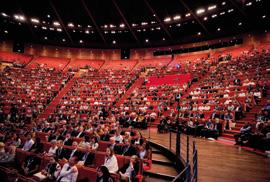
ECE 2019 in Lyon welcomed over 4000 attendees
ESE took on the organisation of EuroPit, a course for young doctors on the management of pituitary disorders
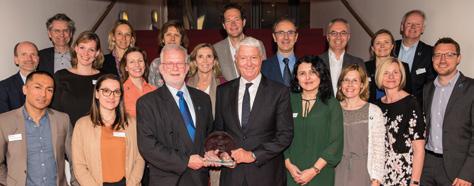
ESE won ‘Association of the Year’ at the International and European Association Awards
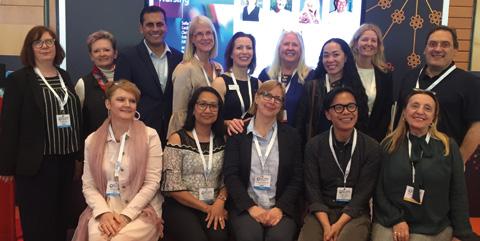
Advanced Practice in Endocrinology Nursing, the first endocrinology textbook for nurses, was published with the support of ESE
ESE opened an office in Brussels, heralding a new chapter for the Society’s engagement at the EU level
The wider world
• A paper in BioScience, signed by 11,000 scientists, warned of a climate emergency
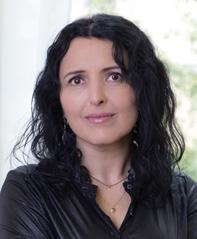
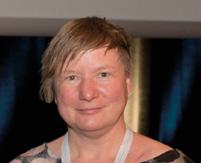
Wiebke Arlt became the first woman Editor-inChief of EJE
21st ECE 2019
Lyon, France
ESE made its first presentation to
Contributors to the book at its launch
The Executive Committee and ESE Team members with the award at ECE
Simona Glasberg, first Chair of the Committee
ESE representatives in Brussels
2020 2021
The COVID-19 pandemic affected us all
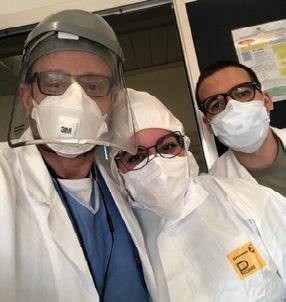
Italian endocrinologists wearing protective clothing
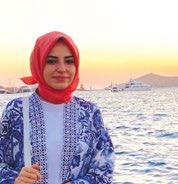
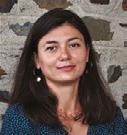
EYES Observership grants were first awarded, to support early-career members
(left,

e-ECE 2020 was reorganised as ESE’s first virtual Congress, due to COVID-19

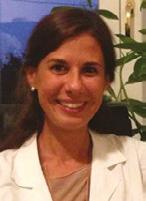
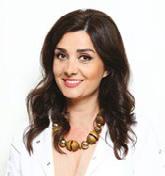
Giulia Brigante received the ESE COVID-19 Grant to support research related to the virus
ESE developed many webinars to support members during the pandemic, including the first ESE Talks covering ‘Endocrine conditions in the COVID-19 era’
EJE ran the series ‘Endocrinology in the time of COVID-19’
ESE President Andrea Giustina and Endocrine Society President Gary Hammer signed an agreement to produce joint guidelines. This took place virtually at e-ECE 2020

A new ESE Advocacy Representation Scheme (EARS) was created to engage members of National Partner Societies with ESE’s policy and advocacy work
The wider world
• Demis Hassabis and John Jumper used an AI algorithm to predict protein folding
The European Hormone and Metabolism Foundation was set up to provide ESE with a presence in Brussels, focusing on policy and advocacy activities in the European Parliament and EU
22nd ECE 2020 Online
The number of individual members of ESE exceeded 5000 for the first time
The ESE Affiliated Patient Advocacy Group scheme began, ensuring that ESE initiatives are informed by patient perspectives, and giving patients better access to medical information and a voice in ESE’s policy and advocacy work
e-ECE 2021 was ESE’s second virtual Congress, attracting >3400 registrations and almost 1400 abstracts from over 100 countries Further webinars, including EYES Coffee Connections, maintained contact with members
The 8th Annual EYES Meeting took place virtually

EuroPit was the first inperson event after COVID-19 abated − the only one in 2021
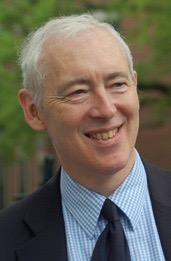
Editor-in-Chief of Endocrine Connections
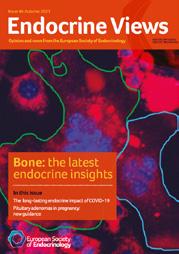
Membership magazine ESE News was relaunched as Endocrine Views with more articles examining opinion and debate
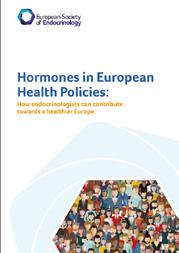
The first ESE White Paper, ‘Hormones in European Health Policies – How endocrinologists can contribute to a healthier Europe’, provided a European policy focus around obesity, rare endocrine diseases, endocrine cancer and endocrine disruptors
The wider world
• 100th anniversary of the discovery of insulin
• European Commission classified obesity as a disease
23rd ECE 2021 Online
Recipients
top to bottom) Sanja Medenica, Seda Turgut and Vaduva Madalina
2022
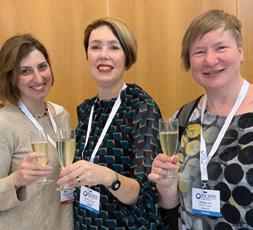
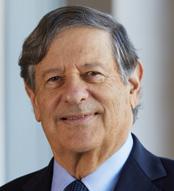
Shlomo Melmed received the first joint ESE and Endocrine Society Transatlantic Alliance Award
EUWIN (European Women in Endocrinology) was created to improve support, guidance and opportunities
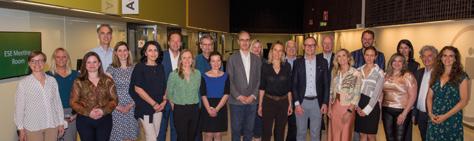
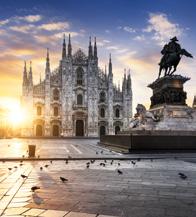
ECE 2022 in Milan was the first to take place face-to-face for 3 years Rare Disease Webinars began, jointly with ESPE and Endo-ERN
The EJE Rising Stars initiative was launched to develop future leaders in endocrinology
The first Endocrine Connections special collection marked 100 years since the discovery of vitamin D
2023
The Milano Declaration was published, recognising the role of hormones in European health. It was endorsed by nine MEPs
European Hormone Day was launched: an awareness day to highlight the importance of hormone health
The wider world
• Diabetes insipidus renamed AVP deficiency
• AI chatbot ChatGPT launched
Over 150 patients, family members and carers met online with clinical experts for the first ESE Hypopara Patient Forum
24th ECE 2022
Milan, Italy
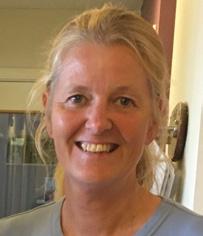
recipient of the European Endocrine Nurse Award
ESE organised an EDC policy event at the European Parliament, identifying the gaps between science and legislation
ESE established the Nurses Webinars

The new ESE website included the latest functionality, and was integrated with ESE’s other digital management systems
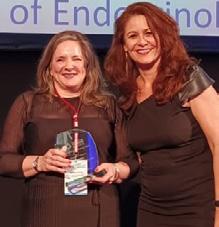
The 2023 European Hormone Day campaign received the ‘Effective Voice of the Year’ Award
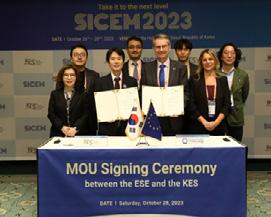
ESE and the Korean Endocrine Society signed an updated Memorandum of Understanding, highlighting their close collaboration
25th ECE 2023
Istanbul, Turkey

The wider world
• NAFLD became MASLD (metabolic dysfunction-associated steatotic liver disease)
• WHO declared COVID-19 to be ‘No longer a public health emergency of international concern’
EUWIN founders: (L−R)
Cynthia Andoniadou, Jenny Visser and Wiebke Arlt
Executive Committee and ESE Team members in Milan
Victoria Withy (left) collecting the award
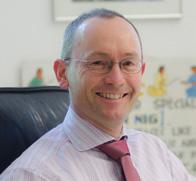
Martin Reincke ESE President 2021−2023
In 2021, we began work on a visionary five-year strategic plan for 2022−2026, to develop ESE as the leading endocrine society within Europe. What followed was like stepping on the gas pedal of a racing car! A remarkable roll-out of exciting ESE projects ensued.
Among these were new seminar series, the relaunch of the European Board Examination, reorganisation of the Postgraduate Training Course in Clinical Endocrinology, Diabetes and Metabolism, improved service to our members through digital innovation, and the launch of European Women in Endocrinology (EUWIN), initiated by prominent female members of ESE.
There was also the start of work for what is now the EndoCompass Research Roadmap, and the development of plans for what became a superb Joint Congress with ESPE in 2025. At the end of my presidency, the membership elected our first female President-Elect − and, of course, Wiebke is now our President.
All this progress aligned with a key objective of my presidency: to stay true to our values. These were summarised in ESE’s ‘The Way that We Work’ statement: ‘We aspire to be visionary, inspiring, engaging and supportive. We are open, transparent and inclusive in everything that we do, and work towards diversity across our activities.’
I most enjoyed returning to face-to-face meetings after the pandemic. Our first in-person Executive Committee meeting in Munich was followed just a few months later by ECE 2022 in Milan. This was such an outstanding event, scientifically and personally. ESE faced unprecedented challenges throughout my presidency − the pandemic, economic instability and the terrible war in Ukraine. I am proud of how well the Society has managed, and that we have emerged stronger than before.
ESE continues to strengthen its policy and advocacy activities, supported by its National and Specialist Partner Societies, and with a strong public voice. ESE offers many opportunities for everyone − make sure you embrace them!
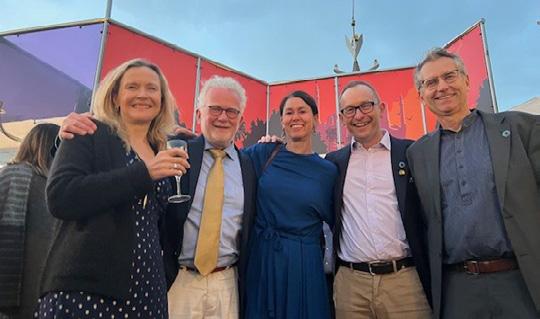
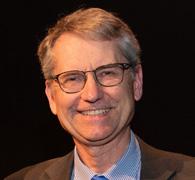
Jérôme Bertherat ESE President 2023−2025
Being President of ESE was a wonderful and unique period in my professional life. I enjoyed working with a community that was active, dedicated, smart and energetic, while remaining very collaborative and friendly.
I was privileged to contribute to the Society’s impressive growth during my presidency. This was the result of long-term strategic development planned by successive ESE Presidents, the dedication of the members of our community who participate in ESE’s committees, and the invaluable support of the wonderful ESE Team. A constellation of smiling faces, eager to interact and participate in common activities, is the image now etched in my mind.
Of the many impressive, collective ESE activities I had the privilege of witnessing during my presidency, EndoCompass is among the most significant. This collaboration between over 200 international researchers will define the roadmap for endocrine research over the next 10 years. The international reach of ESE was also demonstrated by the success of European Hormone Day, which became World Hormone Day in 2025.
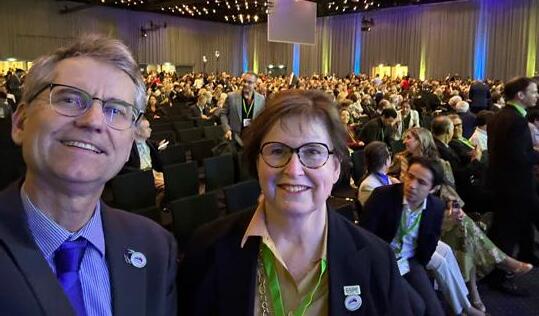
I am also very proud of the huge success of ESE’s first-ever Joint Congress with ESPE in 2025. This was a unique opportunity to bring together the largest endocrine community, to celebrate our common passion for hormones.
ESE passed another milestone with the launch of two new journals − Obesity and Endocrinology and Environmental Endocrinology. I was also pleased to preside over increasing interactions with other endocrine societies, such as the Transatlantic Webinar and the first Joint Guideline with the Endocrine Society, and a webinar for the French-speaking community with the Tunisian Society of Endocrinology, Diabetes and Metabolism.
On a different note, ESE was quick to support the endocrine community in countries in or near Europe that were affected by humanitarian crises. This is also an important value of our Society.
(L−R) Helen Gregson, AJ van der Lely, Mirjam Christ-Crain, Martin Reincke and Jérôme Bertherat at ECE 2023 in Istanbul
Jérôme Bertherat (left) with ESPE President Anita Hokken-Koelega at the opening of the Joint Congress in 2025
2024 2025
Completion of ESE’s new digital infrastructure meant Society services no longer had to be outsourced
The ESE Team reached 20 members of staff during 2024
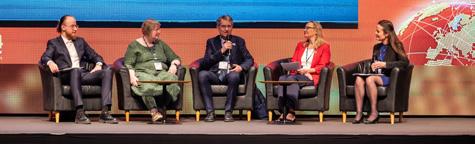
ECE 2024 saw a new format ‘Discussion with the President’
ESE collaborated with EMAS to present two Webinars on Women’s Health: one on fertility in late reproductive age, and another on menopause
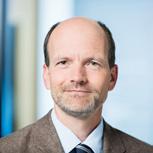
Felix Beushlein (left) became Editorin-Chief of EJE and Faisal Ahmed was new Editor-in-Chief of Endocrine Connections
The first Joint ESE and Endocrine Society Clinical Guideline was published, on glucocorticoid-induced adrenal insufficiency
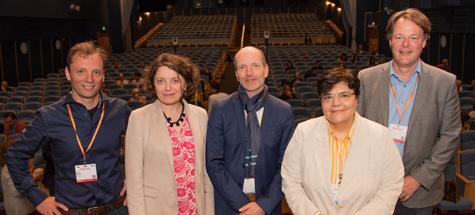
Representatives from the Guideline Working Group: (L−R)
26th ECE 2024
ESE and the Endocrine Society signed a new Memorandum of Understanding, strengthening their ongoing collaboration
The wider world
• A BMJ article linked exposure to ultra-processed food with increased adverse health outcomes
Stockholm, Sweden
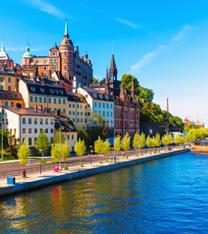
ESE membership stood at 4810 individual members in 2025
Wiebke Arlt became the first woman President of ESE
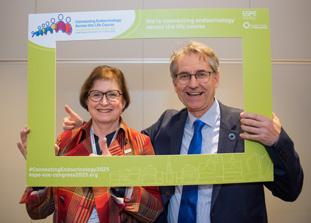
and ESE
First Joint Congress of ESPE and ESE took place

Sadaf Farooqi received the first Endocrinology Across the Life Course Award

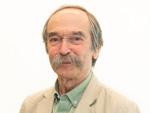
The success of European Hormone Day saw it become World Hormone Day
The Congress’s legacy event highlighted the urgent need for better EDC regulation
EndoCompass, the Research Roadmap, was published to guide research priorities

Melania Manco (top) and Josef Köhrle became the first Editors-in-Chief of new ESE journals Obesity and Endocrinology and Environmental Endocrinology

New State of Endocrinology survey conducted
The wider world
• First report of custom in vivo CRISPR treatment of rare disease in a human baby
Joint Congress 2025 (with ESPE) Copenhagen, Denmark
Olaf Dekkers, Irina Bancos, Felix Beuschlein, Niki Karavitaki and Tobias Else
ESPE
Presidents Anita Hokken-Koelega (left) and Jérôme Bertherat celebrate the Congress
ESE Team at ECE 2024
(L−R) Antoan Stefan Šojat, Wiebke Arlt, Jérôme Bertherat, Helen Gregson and Maria Chiara Zatelli
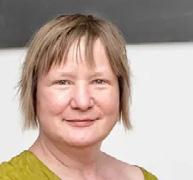
Wiebke Arlt
ESE President 2025−present
I have the pleasure of being the current President of ESE. My intention is to keep the Society moving forward along the excellent course that it has been taking. I will continue bringing the endocrine community together, so that we maintain a strong voice to lobby for endocrine science and endocrine care. I am keen to strengthen diversity and to support and empower early-career researchers, scientists, women, and people from different countries and different backgrounds, to engage even more individuals and groups in and for ESE. It is important to involve as many engaged people as possible in doing ESE’s work.
Both healthcare and biomedical science in general are under strain, particularly financially, and endocrinology is affected as much as any other discipline. We need to all lobby together and be clear about what we want to achieve in doing so. We must ensure that early-career trainees see a future in endocrinology and help to build it.
Our need to understand what is currently going on is being addressed by ESE’s ‘The State of Endocrinology’ initiative. This will allow us to work out a path to change things for the better, which will involve educating key stakeholders, and partnerships with other voices in the field. We need to stay united and interact with the public and policymakers for science and healthcare. We also need to continue relationships with partner societies and forge new ones.
Most importantly, we must listen to our members and learn what they need most, in order to best support them – come and talk to us – get involved!
The EFES−ESE debate remembered
In November 2004, EFES members agreed in principle to reconstitute the Federation as a pan-European Society. But reaching this point saw much discussion and debate.
Two years earlier, eminent endocrinologist Ebo Nieschlag suggested that John Newell-Price and I, who were championing early-career interests, should organise a young endocrinologists symposium at ECE 2003. And so we developed a debate which was essentially ‘EFES versus ESE’!
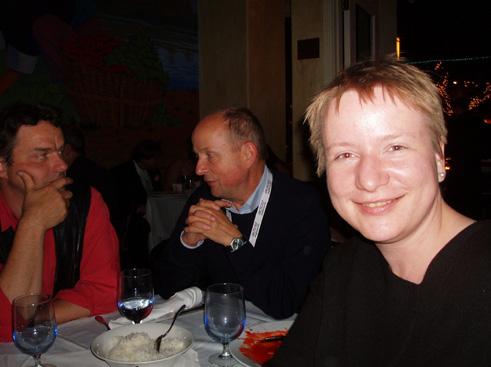
We initially planned that Ebo and John Wass would speak ‘For EFES’, with Vera Popovic and Steven Lamberts standing ‘For ESE’. While Ebo had initially been a passionate advocate for EFES, by late 2002 he was very much in favour of the change, as were all the parties in the debate, including John Wass.
So, to produce a debate, someone had to argue from a position counter to their own. The debate’s main aim was to make the audience really think about the possibilities. Ultimately, Steven Lamberts took the ‘For EFES’ position, with Ebo Nieschlag ‘For ESE’.
The debate at ECE 2003 was lively and exciting, chaired and moderated by myself and John Newell-Price. Arguments and counterarguments were made and dissected. Passions flared and voices rang loud. At the end, the ‘For ESE’ team claimed the ‘win’ − and both participants were happy with the outcome.
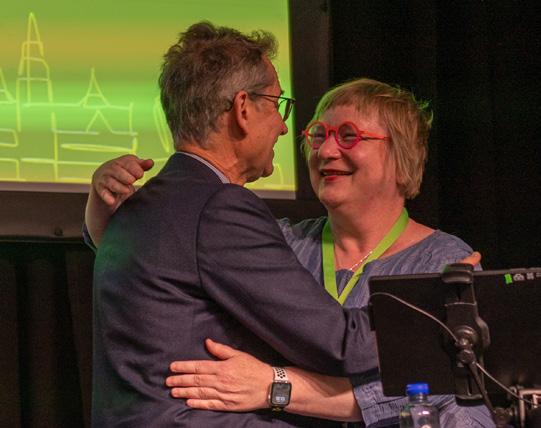
Presidential handover: Jérôme Bertherat (left) and Wiebke Arlt in 2025
Wiebke Arlt pictured in 2003

T: +44 (0)117 4406489 E: info@ese-hormones.org www.ese-hormones.org