Policy priorities for better hormone health in Europe
Endocrine science is an investment in Europe’s future.
The endocrine community calls on policymakers to deliver the EndoCompass recommendations and ensure a healthier, more resilient Europe.
Why endocrine science matters
Hormones matter at every stage of life. As part of the endocrine system, they regulate growth, metabolism, reproduction and how the body responds to stress and the environment. They also control bone, cardiovascular, metabolic and cognitive health. From conception (and earlier) to older age, hormones determine whether we remain healthy or develop chronic disease.
Some of Europe’s most costly health challenges are linked to endocrine disruption, such as diabetes, obesity, thyroid disease, cancer, osteoporosis and infertility. There are also around 440 rare endocrine diseases,1 which affect fewer people individually, but together are comparable to a major common condition in terms of patient numbers and societal cost.2
Endocrine-related diseases weaken Europe’s capacity to live, work and age well
Most Europeans will be affected by an endocrine disease or endocrine-related condition in their lifetime.3 As prevalence grows, these personal health challenges become a collective concern for health systems, educational attainment, the workforce and wider economy.
Almost six in ten adults and one-third of children in Europe are overweight or obese, costing around €141 billion each year4
Nearly 66 million people in Europe live with diabetes, which causes 1.1 million deaths and costs around €193 billion each year5
Nearly 80,000 new cases of thyroid cancer are diagnosed in Europe each year6
One in six people is affected by infertility in the World Health Organization European Region7
When endocrine disease begins in childhood, its impact can extend throughout the life course, with changing needs that limit participation in education, work and everyday life. Equally, many endocrine diseases become more prevalent with age, and with the number of Europeans aged over 65 set to double in the next 50 years, the overall burden will increase substantially.8 Sustained investment in research and innovation is needed to improve prevention, diagnosis and treatment and reduce pressure on Europe’s health and social care systems.
Recognising endocrine science in European policy
In 2021, the European Society of Endocrinology (ESE) published a white paper, Hormones in European Health Policies: How endocrinologists can contribute towards a healthier Europe, 9 which called on policymakers to recognise the importance of endocrine health in all EU and national health policies. This paper builds on that, focusing on the need for policy and investment decisions that support endocrine research, and in turn, improve public health in Europe.
Endocrine science contributes to many of the EU’s existing health, research and industrial initiatives, as shown in the graphic overleaf (further detail in the Appendix). Hormone health must become more visible and better integrated into national and EU policies if these wider ambitions are to be achieved.
Tenth Framework Programme for Research and Innovation (FP10)
Digital Europe and the European Health Data Space European Competitiveness Fund
European Health Union
IMPROVING DIAGNOSIS AND TREATMENT OF RARE DISEASES
European Reference Networks
EU Chemicals Strategy for Sustainability Towards a Toxic-Free Environment Registration, Evaluation, Authorisation and Restriction of Chemicals (REACH)
Proposal to restrict per- and polyfluoroalkyl substances (PFAS)
CONTRIBUTING TO CROSSCUTTING EU HEALTH POLICIES
Horizon Europe –Cluster 1 Health
EU4Health
Innovative Health Initiative (IHI)
Europe’s Beating Cancer Plan
REDUCING THE CANCER BURDEN
Endocrine Science
CREATING A HEALTHIER ENVIRONMENT IN EUROPE
Classification, Labelling and Packaging of Chemicals (CLP) Regulation
TACKLING DIABETES, OBESITY AND METABOLIC CONDITIONS EU Cardiovascular Health Plan: The Safe Hearts Plan
Investing in endocrine science delivers results
Endocrine research has already led to real innovations that are changing how we treat disease. For example:
• Glucagon-like peptide-1 (GLP-1) therapies, such as Wegovy and Ozempic, are the direct result of endocrine research into gut hormones, transforming treatment for obesity and type 2 diabetes and offering new treatment possibilities for other metabolic conditions.
• There is now very strong evidence that specific environmental exposures disrupt hormone function and contribute to disease. Endocrine research has improved testing methods for endocrinedisrupting chemicals (EDCs) and biomonitoring tools that support better regulation and protection of public health, including advice for families to reduce children’s exposure.
• European networks for rare endocrine diseases have made it possible to pool data and expertise for small, dispersed populations with conditions that are otherwise too rare to study and that previously had no or few effective treatments.
• Cross-border endocrine research contributes to new screening techniques that enable earlier diagnosis of chronic conditions. For example, an Innovative Health Initiative (IHI) project to improve screening for type 1 diabetes has led to screening programmes being rolled out and optimised in multiple EU countries.10
Closing the funding gap
Considering the scale of the challenge and the potential for impact, investment in endocrine science is disproportionately low. The EndoCompass Research Roadmap – Directions for Endocrine Science (EndoCompass),11 an expert-led analysis of endocrine research priorities, shows that endocrine research accounted for less than 4% of all biomedical and health funding under Horizon 2020.3
Most of this support goes to diabetes, obesity and environmental endocrinology. Continued investment in these major socioeconomic challenges is vital. At the same time, other important areas like thyroid dysfunction, reproductive endocrinology, calcium metabolism and pituitary research receive minimal support, leaving medical needs underserved and raising concerns about the long-term development of these fields. Another gap concerns the role of maternal health in determining outcomes in future generations.
Funding programmes also tend to favour implementation research over basic biomedical science, putting discovery-driven work at risk and slowing our understanding of disease mechanisms that makes innovative therapies possible.
Diseases in Endocrinology
Endocrine Laboratory Medicine
Calcium and Bone Endocrinology
Priorities for policy action
No single country can tackle these challenges alone. Progress requires coordinated action at both national and EU level to support collaboration and enable ambitious, high-impact research.
The EndoCompass Research Roadmap, published by ESE and the European Society for Paediatric Endocrinology (ESPE) in October 2025, sets out a clear, vision for the future of endocrine science. This paper lists four priorities for strategic investment, based on the recommendations of endocrine experts involved in the EndoCompass project:
• Tackling high-prevalence endocrine diseases –diabetes, obesity and metabolic conditions
• Addressing the endocrine causes and consequences of cancer
• Finding cures for rare endocrine diseases
• Promoting endocrine health throughout life and in our environment.
Success also depends on building capabilities that support these priorities, including strong basic science, better use of artificial intelligence and continued development of personalised treatments.
Reproductive and Developmental Endocrinology
Research Roadmap
Endocrine Causes and Consequences of Cancer Diabetes, Obesity and Metabolism
Adrenal and Cardiovascular Endocrinology
Thyroid Endocrinology Artificial Intelligence in Endocrinology
Endocrinology Across the Lifespan Environmental Endocrinology
Endocrine science is an investment in Europe’s future. EndoCompass provides the scientific direction. The endocrine community calls on policymakers to take bold action now to deliver its recommendations and ensure a healthier, more resilient Europe. Growth Disorders
Pituitary and Neuroendocrine Tumour Endocrinology
Endocrine Science in European Research Funding – Analysis of Horizon 2020
Tackling high-prevalence endocrine diseases – diabetes, obesity and metabolic conditions
Why this matters
Diabetes, obesity and metabolic conditions are now one of the most pressing public health challenges in Europe. Their prevalence and impact are reaching pandemic proportions: more than 66 million people in Europe live with diabetes5 and more than half of European adults live with overweight or obesity.12 The toll rises further with comorbidities such as cardiovascular disease, hypertension, kidney disease, 13 types of cancer and mental health conditions. Obesity alone is responsible for around 80% of type 2 diabetes13 and contributes to at least 200,000 cases of cancer in Europe each year.14
With nearly a third of children already overweight or obese,4 the implications for the future health of the population are concerning.
These conditions limit how long people live, how well they age and how they participate in work, education and family life. The cost to society is enormous: Europe spends around €141 billion on obesity4 and around €193 billion on diabetes each year.5 Obesity and diabetes related to endocrine-disrupting chemicals (EDCs) alone cost around €18 billion per year in the EU.15
Reducing the burden for future generations depends on understanding more about the endocrine causes and consequences of these conditions and the connections between them throughout the life course.
Europe already recognises the importance of diabetes, obesity and metabolism in programmes such as EU4Health, Horizon Europe, Europe’s Beating Cancer Plan, the Safe Hearts Plan and the Innovative Health Initiative. But the growing burden of disease calls for more investment in endocrine research, particularly in basic science, preclinical research and prevention that are currently under-investigated by industry.
This research also has wider scientific and societal returns. Many of the biological pathways involved in metabolic disease also influence cancer risk, reproductive health, immune function and neurological development. Investing here will therefore accelerate discovery in rare endocrine diseases, environmental endocrinology and endocrine cancers, where shared mechanisms are underexplored.
Obesity is responsible for around 80% of type 2 diabetes13 and contributes to at least 200,000 cancer cases in Europe each year14
What research is needed?
The EndoCompass Research Roadmap recommends the following research priorities:
1. Genetic and molecular research
First, we need to further improve understanding of the biological mechanisms that underlie obesity and diabetes. Research should cover the genetic and epigenetic factors that contribute to disease risk and progression, including why individuals respond differently to similar environments or treatments.
For monogenic diabetes (caused by changes in a single gene), this includes improving diagnosis through a coordinated European registry and using stem cell research to investigate disease pathogenesis and rare subtypes. For obesity and type 2 diabetes, research should use whole-genome sequencing, bioinformatics and multi-omics approaches to identify disease mechanisms. This should be supported by shared genetic databases and registries and the application of artificial intelligence and machine learning for analysis.
2. Hormonal communication between the brain and other organs
A second area concerns communication between the brain and peripheral organs. Research is needed to understand how hormonal signalling pathways that regulate appetite, metabolism and energy balance become disrupted. This includes leptin and ghrelin dysregulation, signalling from enteroendocrine cells, and the role of gut hormones such as glucagonlike peptide-1 (GLP-1), peptide YY (PYY) and gastric inhibitory peptide (GIP). We need to learn more about how diet, stress and other environmental exposures influence these pathways by altering melanocortin signalling in the brain to inform preventive and therapeutic innovations.
3. Environmental influences on metabolic disease
Exposure to factors such as diet, psychosocial stress, circadian rhythm disruption, pollution and EDCs across the life course, including during pregnancy, affects hormone regulation and metabolic programming. Longterm cohort studies that integrate environmental data with biological measurements are needed to clarify how these exposures contribute to obesity, diabetes and related conditions over time.
4. New therapeutic strategies
Finally, Europe needs programmes that translate scientific discoveries into effective strategies to prevent and treat disease. These should include pharmacological approaches, behavioural interventions and personalised therapies tailored to individual biological profiles. They should also ensure equitable access.
Specific examples are multiple hormone receptor agonists and incretin-based therapies. Genomic and microbiome sequencing can also inform more targeted nutritional strategies and help match interventions to individual metabolic and hormonal responses.
For type 1 diabetes, research should focus on earlier detection, improved insulin delivery and diseasemodifying approaches, including cell and gene therapies, as described in the EndoCompass Research Roadmap. For congenital hyperinsulinism, priorities include better screening, glucose monitoring and medical and surgical treatments..
For more information on proposed research priorities in this area, please refer to EndoCompass project: research roadmap for diabetes, obesity and metabolism.
Addressing the endocrine causes and consequences of cancer
Why this matters
Cancer is one of Europe’s most urgent health challenges. Each year, more than 3.7 million people are diagnosed with cancer and almost 2 million die from the disease, making it the second leading cause of death and morbidity in the region.16 Beyond the personal cost, cancer places a heavy and growing burden on health systems and economies. Total societal costs are estimated at almost €228 billion annually.17
Significant EU investment through initiatives such as Europe’s Beating Cancer Plan and the EU Cancer Mission have led to important progress in prevention, diagnosis and treatment. But cancer’s prevalence and impact continue to grow. There is more work to be done to understand and address its biological drivers and longterm consequences.
Endocrine disruption is both a cause and consequence of cancer. The EndoCompass Research Roadmap shows how targeted research into the cancer-endocrine relationship can help improve prevention and treatment in both fields, reducing the burden on individuals and society.
This relationship can be understood in five ways:
1. Endocrine cancers
Some cancers occur directly in hormone-producing glands, such as the thyroid, adrenal and pituitary glands. Thyroid cancer is one of the most common endocrine cancers, with nearly 80,000 new cases diagnosed in Europe each year.6 It is a common secondary cancer following childhood cancer treatment.
2. Hormone-dependent cancers
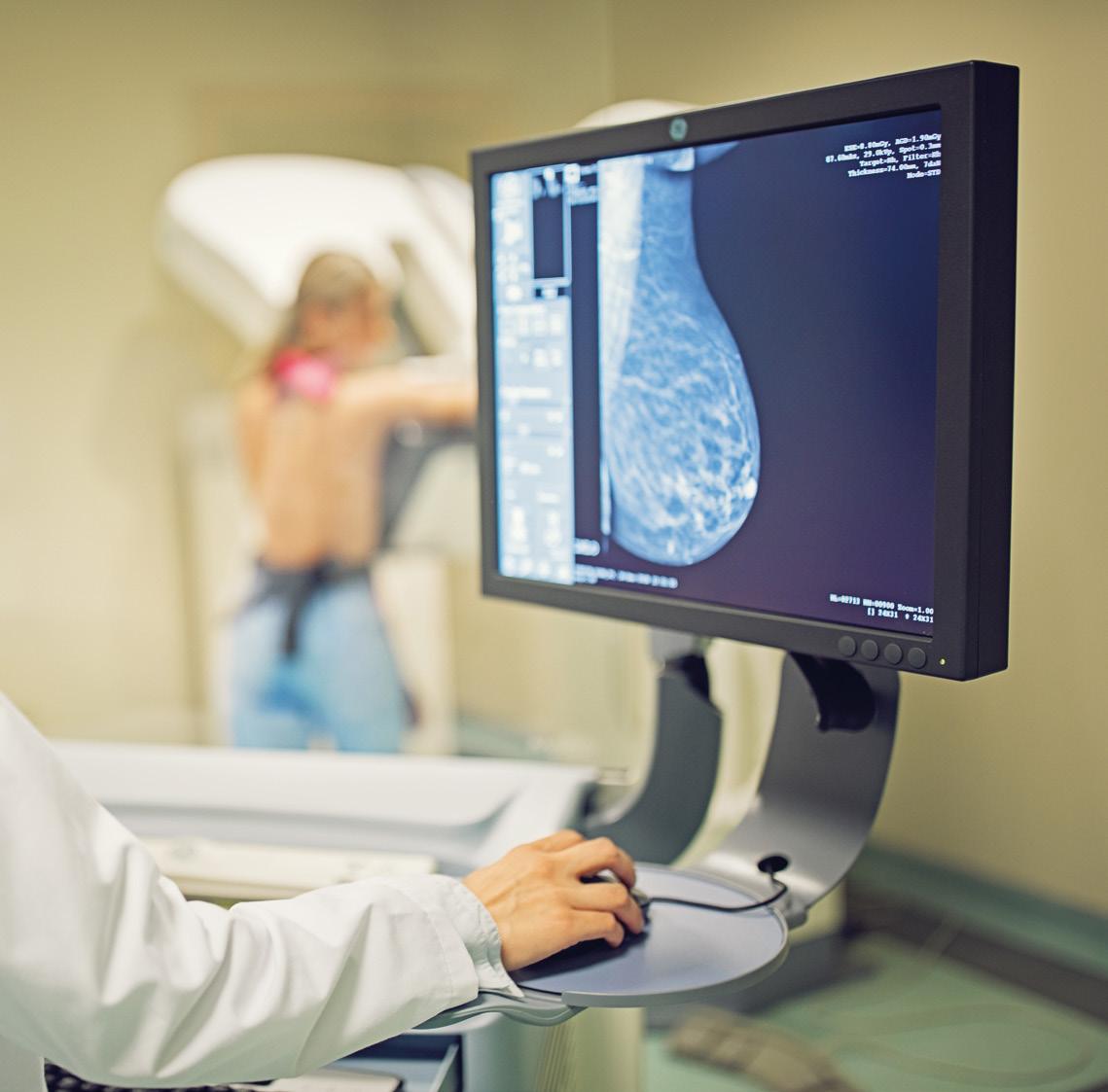
The two most common cancers in Europe are hormonedependent cancers, meaning their growth is regulated by hormones. These are: oestrogen receptor (ER)positive breast cancer, which accounts for around 75% of all breast cancer cases, and prostate cancer, the most common cancer in men.18 Pharmacological treatments are designed to target the hormonal drivers of these cancers.
3. Endocrine effects of cancer treatment
The endocrine system is highly sensitive to many anticancer treatments. Damage to hormone-producing glands can result in long-term hormone deficiencies, affecting adrenal, thyroid, growth and other endocrine functions (see ESE’s guidelines on the adverse effects of immune checkpoint inhibitors,19 for example). As cancer
Endocrine disruption is both a cause and consequence of cancer
Nearly 100% of the population has detectable levels of endocrinedisrupting chemicals (EDCs) in their body
survival improves, more people are living with lasting endocrine complications such as infertility, metabolic disease, bone loss and increased risk of cardiovascular disease. Childhood cancer survivors, now numbering more than 500,000 in Europe, are at particularly high risk, with an average of 4.7 severe complications per survivor at age 50.20
4. Obesity as a gateway endocrine disease and cancer risk
Obesity, a disease with significant endocrine-related causes and consequences, is a major risk factor for cancer. Between 25% and 40% of all cancers are attributed to overweight and obesity.21 As obesity rates increase, especially among young people, Europe can expect the cancer burden to grow.
5. Environmental factors that affect hormones and cancer
Nearly 100% of the population has detectable levels of endocrine-disrupting chemicals (EDCs) in their body.22 Exposure to these environmental factors can disrupt hormone systems and is associated with many types of cancers, particularly breast, kidney, prostate, ovarian, uterine and testicular cancers. Substances such as perand polyfluoroalkyl substances (PFAS), often referred to as “forever chemicals”, are widely used in everyday consumer products and accumulate in the body over time. Effects can be seen across multiple generations, so urgent action is essential.
The two most common cancers in Europe are hormonedependent cancers18
What research is needed?
Europe needs to sustain investment in cancer research, paying closer attention to the endocrine aspects of cancer which are currently underrepresented in the different EU funding schemes. This includes basic, preclinical and clinical research, and understanding the long-term effects of cancer and its treatment, including the impact on quality of life.
The EndoCompass Research Roadmap recommends the following research priorities:
1. Improve evidence on hormone-based treatment for ER-positive breast cancer
We need clearer evidence on how different hormonebased therapies affect cancer risk and outcomes. This includes reclassifying progestins (synthetic hormones used in hormone replacement therapy and contraception) by receptor activity and reassessing where specific hormone ligands may be beneficial. There is also a need to improve public understanding of breast cancer risks linked to hormone replacement therapy (HRT). Research should also explore treatment strategies beyond direct oestrogen receptor targeting, including approaches that address interactions between hormone signalling pathways.
2. Address treatment resistance in prostate cancer
Investment should focus on strategies to disrupt persistent androgen receptor (AR) signalling and improve treatment of advanced prostate cancer. This includes identifying biomarkers and alternative therapeutic targets. We also need more research into how metabolic health influences disease progression and response to metabolism-related drugs. Another priority is to investigate how immune-targeting strategies can improve the effectiveness of immunotherapy in prostate cancer.
3. Improve monitoring and care for those with longterm endocrine complications after cancer treatment
A better understanding of endocrine complications after childhood cancer treatment or after the use of checkpoint inhibitors will help identify survivors at risk of toxicity so they can avoid unnecessary treatment later in life. Priorities include hypothalamic-pituitary dysfunction, thyroid disease, bone health and obesity management. Oncofertility risks, including sperm damage and the health of children born to cancer survivors, should be assessed through large, long-term studies.
4. Improve early diagnosis and personalised care in familial endocrine cancer syndromes
Research should improve the diagnosis and longterm management of familial endocrine cancer syndromes (rare hereditary endocrine disorders). This should start with support for international registries and biobanks, which allow researchers to study larger cross-border populations to identify disease triggers and refine screening strategies. Earlier diagnosis should be supported through education for non-specialists and shared decision-making tools. There is also an opportunity to offer more personalised care based on genotype–phenotype correlations and risk prediction. Research should also address psychosocial impacts, survivorship needs and reproductive health for affected children and adults and their families.
5. Embed precision medicine and metabolic factors into cancer research
Endocrine-related cancer research should investigate the patient-level factors that influence disease behaviour and treatment response. This includes developing models that mimic human tumour biology to understand how tumours form and progress in different tissues and test different treatment strategies.
For more information on proposed research priorities in this area, please refer to EndoCompass project: research roadmap for endocrine causes and consequences of cancer.
Finding cures for rare endocrine diseases
Why this matters
It is not uncommon to have a rare disease. Up to 36 million people in the European Union live with a rare condition.2 There are more than 440 rare endocrine conditions that affect small numbers individually, but collectively represent a healthcare burden comparable to a major common condition like cancer or diabetes.3 These conditions bring specific challenges that call for coordinated action at European level.
Small patient populations and scattered clinical experience make rare endocrine conditions harder to study and manage. Patients face diagnostic delays and fragmented services. Most rare endocrine diseases are lifelong and start in childhood, requiring many years of complex and changing care. As prevalence increases and patients live longer, the effect on individuals, families and public health systems means these conditions should be understood as a high-impact disease group.
Many rare diseases cannot be prevented or improved through lifestyle changes, leaving patients reliant on advances in diagnosis and treatment. However, for around 95% of rare diseases, effective treatment options do not yet exist.23 Incentives for commercial drug development are limited, even though the costs for individual patients and society are high.
Progress depends on cross-border collaboration and harmonised data-sharing through registries. The EndoCompass Research Roadmap describes what is needed for a well-structured rare disease ecosystem in Europe, supported by stronger public–private partnerships and investment in basic science, digital infrastructure and artificial intelligence.
Such an approach would align with calls for a European action plan on rare diseases (under discussion at the time of writing).24 It would also maximise the wider benefits of rare disease research, where breakthroughs in diagnostics can be translated to other more common disease groups and strengthen Europe’s competitiveness in biomedical research.
There are more than 440 rare endocrine conditions that affect small numbers individually, but collectively represent a healthcare burden comparable to a major common condition like cancer or diabetes
For around 95% of rare diseases, effective treatment options do not yet exist23
What research is needed?
Research on rare endocrine diseases has traditionally focused on paediatric populations, reflecting the fact that many conditions begin early in life. Growing recognition of rare diseases that present or are acquired in adulthood, combined with improved survival into later life, means research must now take a full lifecourse approach. This includes understanding disease progression and improving transitions between paediatric and adult care.
The EndoCompass Research Roadmap identifies the following priority focus areas for research into rare endocrine conditions:
1. Diagnostic research readiness
Research should focus on building Europe’s capacity to diagnose rare endocrine diseases earlier and more accurately. This should include the use of standardised, secure datasets to enable reliable data sharing between different research facilities in different countries. Investing in pipelines for coordinated genomic research and innovation in genomic diagnostics will help reduce diagnostic delays and uncertainty.
2. Clinical trial readiness
New research approaches are needed to run clinical trials involving small, dispersed patient groups. Priorities include multinational patient inclusion, cross-border collaboration and disease progression modelling to support innovative trial designs.
3. Clinical outcome assessment
Clinicians need better evidence on how to define, measure and work towards the outcomes that matter to patients. Patient-reported outcome measures are central to this, along with understanding the real socioeconomic impact of rare endocrine diseases. This also calls for developing and implementing the right digital tools and disease-specific clinical outcome assessment tools to guide clinical decisions.
4. Innovative therapies and EU-wide availability
Research should accelerate the development of innovative therapies for rare endocrine diseases by strengthening the translational pathway from basic discovery to ‘proof-of-concept’ and clinical application. This includes building a more supportive ecosystem around the development and regulation of orphan drugs.
Governments also need to ensure more efficient and equitable access to new treatments and expert clinical care. This should include mapping advanced therapy medicinal products and analysing treatment availability in EU Member States.
5. Mapping patient pathways
Finally, defining disease-specific patient journeys and referral routes for rare endocrine care will show how patients currently move through health systems, where variation exists and where future improvements could be tested.
For more information on proposed research priorities in this area, please refer to EndoCompass project: rare diseases in endocrinology
Promoting endocrine health throughout life and in our environment
Why this matters
Europe’s population is ageing rapidly and fertility is in decline.8 In fifty years, the number of people aged 65 and over is expected to double, while those aged 80 and over will nearly triple.25 Unhealthy life-years account for around a fifth of a person’s life, due in part to common endocrine conditions such as obesity, type 2 diabetes, osteoporosis and thyroid disease, along with many rare endocrine diseases.25
Age-related illness already costs Europe billions of euros each year. However, current interventions are often too late and too fragmented. As the number of older people and the age of retirement increase, preventing endocrine disease and understanding the role of hormones in ageing will be increasingly important to support long-term wellbeing and manage costs.
Health research and policy must recognise endocrine health as a lifelong process. Hormones are involved in foetal and childhood development, puberty, reproduction, menopause and ageing – but these should not be seen as isolated events. If something goes wrong at these key stages of development, there can be lifelong consequences. Similarly, many endocrine conditions that lead to disease and disability later in life begin much earlier. An integrated approach is essential to improve prevention, diagnosis and treatment.
Environmental risks to hormone health
Our environment also has a strong impact on hormone health over time. Environmental exposures, such as endocrine-disrupting chemicals (EDCs), air and water pollution and pharmaceuticals, are known to interfere with hormone function.26 Some forever chemicals accumulate in the body over time and even pass from one generation to the next. A 2026 US study found that babies are exposed to many more forever chemicals before birth than previously known.27
These exposures contribute to hormone-related cancers, reduced fertility in men and women, osteoporosis, thyroid disease, metabolic disorders such as diabetes and obesity, neurodevelopmental issues and birth defects. This public health crisis costs Europe between €157 billion and €270 billion each year in healthcare expenses and lost earning potential.28 This excludes the projected costs of cleaning up the more than 2000 hotspots affected by per- and polyfluoroalkyl substances
Unhealthy life-years account for around a fifth of a person’s life, due in part to common endocrine conditions such as obesity, type 2 diabetes, osteoporosis and thyroid disease, along with many rare endocrine diseases
(PFAS) in Europe, which could cost more than €100 billion per year, with total costs exceeding €2 trillion over 20 years.29 These figures are based on current pollution levels. If PFAS production and use is not stopped, the costs to society will be even greater.
The scientific consensus is clear: reducing environmental exposures will lower the risk of endocrine disease for current and future generations.
Europe cannot address its major public health challenges in isolation. This requires investment in endocrine research that treats fertility, ageing and environmental exposure as interconnected drivers of long-term health that have hormone disruption in common.
Critical windows in endocrine health
Hormones are particularly sensitive to disruption during ‘critical windows’ of development, including foetal life, infancy, childhood, reproductive years and older age. However, these life stages are often underrepresented in clinical research because of ethical and practical challenges.
Children, women of reproductive age and older adults are frequently excluded, so less is known about how different treatments and medications could affect them. This makes it harder to deliver personalised care. Addressing these gaps requires research models that better reflect real-world populations, particularly in ageing societies.
What research is needed?
1. Healthy ageing across the lifespan
Healthy ageing begins at (and even before) conception. In particular, critical windows in early life are crucial periods for the healthy development of endocrine and metabolic pathways. The EndoCompass Research Roadmap calls for integrated research that tracks endocrine health through conception, foetal life, infancy, childhood, puberty, reproduction, menopause and ageing, rather than treating these as separate topics. This should include a combination of basic research into mechanisms of ageing, major longitudinal studies and shorter-term clinical research into critical windows of development.
Key research priorities are:
• Early-life influences on ageing, including epigenetic programming, developmental origins of disease and endocrine aspects of healthy ageing.
• Stronger links between paediatric and adult endocrinology research to follow endocrine health over time and understand cross-generational effects.
• Improving care transitions so patients with chronic conditions are not ‘lost to follow-up.
• Brain-gut communication influencing appetite, metabolism and hormone regulation across the lifespan.
• Endocrine changes in ageing, including the impact of menopause and andropause.
• Endocrine health in older populations, including multimorbidity and the need to adjust diagnostic criteria of endocrine disorders to different phases of ageing.
• Real-world registries, biobanks and big data analyses to understand life-course influences on health span and improve care in older populations.
2. Fertility and early development
Infertility affects about 16.5% of the adult population in the World Health Organization European Region.7 The EndoCompass Research Roadmap notes that despite the societal impact, research in fertility and reproductive health is underfunded.
Future investment should focus on:
• Understanding how hormonal regulation before conception, during pregnancy and in early life influences fertility, reproductive function and later health.
• Clarifying links between early endocrine disruption and infertility, pregnancy complications and reproductive disorders.
• Improving diagnosis, hormonal treatments and fertility preservation, with emphasis on pan-European registries, novel technologies and environmental influences.
3.
Endocrine effects of environmental exposures
The EndoCompass Research Roadmap also addresses the impact of increasing human exposure to EDCs, microplastics and other environmental factors on the endocrine system, particularly long-term and transgenerational effects. The main data gaps and research needs are:
Endocrine-disrupting chemicals
• Targeted research to identify which populations are most vulnerable to exposure.
• Further investigating links between EDC exposure and infertility, neurodevelopmental conditions, obesity, cancer, diabetes and other endocrine disorders, using omics, epigenetics and epidemiological studies.
• More follow-up and longitudinal studies to understand links between exposure, genes and health.
• Increasing our understanding of the (long-term) effects of PFAS for health and well-being.
Pharmaceuticals
• Researching how pharmaceuticals enter the environment and how contamination can be prevented.
• Extended research into drug mechanism pathways to identify potential endocrine-disrupting and transgenerational effects.
Endocrine effects of climate change and pollution
• Applying a ‘One Health’ approach to explore links between climate, pollution, biodiversity, food and endocrine diseases. This approach describes the connections between human, animal and environmental health, calling for cross-sector collaboration in response.
• Studying effects of climate change on metabolism, thyroid, reproduction and food quality.
Environmental stress
• Investigating stress-related endocrine effects, including sex differences and puberty timing.
• Using registries and artificial intelligence-based analysis to explore early-life influences on endocrine ageing.
For more information on proposed research priorities in these areas, please refer to:
• EndoCompass project: endocrinology across the lifespan
• EndoCompass project: research roadmap for reproductive and developmental endocrinology
Making progress in these four policy priorities also requires investment in basic and translational endocrine science. The more we know about how hormones are produced and regulated, and how they behave in disease, the greater the opportunity to make advances in prevention, diagnosis and treatment. For example, decades of basic research into incretin hormones led to glucagon-like peptide-1 (GLP-1)-based medicines, which are now transforming the prevention and treatment of diabetes and obesity. Continued support for basic science will help ensure that future breakthroughs in hormone biology can move from the laboratory to clinical practice.
Digital data and artificial intelligence (AI)
Another important enabler is the use of digital health data and AI. In endocrinology, many conditions require lifelong monitoring and generate large but often dispersed volumes of laboratory, clinical and registry data. Better data sharing and advanced analytics can support faster research and better disease management. AI is already supporting closed-loop insulin delivery in diabetes, improving imaging and risk assessment in thyroid cancer, and enabling in silico trials and analysis of large datasets such as the European Exposome Network. To build on this, Europe needs an AI legislative framework that supports ethical and secure data exchange, and investment in workforce skills so these tools can be used safely and effectively.
Personalised and precision approaches
Endocrine diseases do not affect everyone in the same way. Hormone production and regulation vary by sex, age, life stage and environment, influencing disease risk and treatment response and requiring a more tailored approach to care. Investing in multicentre clinical trials with diverse populations will provide the evidence needed for personalised and precision medicine, supporting earlier diagnosis and more targeted treatments.
Conclusion
Investing in hormone health is one of the most effective ways for Europe to prevent and manage disease, support healthy ageing and sustain its health systems and economy.
Endocrine diseases already account for a major share of Europe’s disease burden, with prevalence rising due to ageing populations, environmental exposures and lifestyle factors. Reducing this burden calls for urgent action to prevent and manage endocrine conditions more effectively.
Tackling endocrine disease is also a powerful prevention strategy in its own right. Better hormone health helps prevent many other chronic and costly diseases, including cardiovascular disease and many different cancers.
These aims can only be achieved through strategic investment in innovative and collaborative endocrine science.
The EndoCompass Research Roadmap provides an evidence-based, expert-led framework for where research and investment can have the greatest impact. This paper sets out the policy priorities to make that a reality.
By ensuring endocrine research is fully embedded in policy and funding decisions, the European Union and national governments can save more lives, make better use of resources and create a healthier, more competitive and more resilient Europe.
Find out more about the EndoCompass Research Roadmap: ese-hormones.org/endocompass
To discuss the recommendations in this paper or related policy engagement activities, please contact ESE by emailing: info@ese-hormones.org.
These aims can only be achieved through strategic investment in innovative and collaborative endocrine science
Appendix: How investing in endocrine science supports EU policy priorities
Contributing to cross-cutting EU policies
• The European Health Union is designed to strengthen EU health systems, improve coordination and enhance capacity to respond to cross-border health threats. EndoCompass supports this mission by reducing the burden of non-communicable diseases, addressing environmental exposures and promoting overall population health for a healthier and better-prepared EU.
• FP10, the 10th Framework Programme for Research and Innovation, will determine the EU’s next major research investments to tackle societal challenges and strengthen Europe’s scientific and industrial competitiveness. This must include targeted investment in endocrine science, given its role in conditions such as obesity, diabetes, rare diseases and environmentally driven health risks. Prioritising endocrine research in FP10 would contribute to prevention-oriented policies and sustainable health systems.
• The European Competitiveness Fund aims to boost industry, innovation and global competitiveness in Europe by making business easier and faster. Public–private collaborations in endocrine science, guided by EndoCompass, can support these efforts by strengthening Europe’s capabilities in biotechnology, artificial intelligence and digital health and give Europe’s biotech and life sciences sector a competitive advantage.
• EU4Health, a vision for a healthier European Union (2021-2027), focuses on stronger health systems, crisis preparedness, disease prevention and access to medicines across the EU. EndoCompass supports this by highlighting research needs in prevention, including the health effects of EDCs and drivers of chronic disease, and informing regulatory actions that help lower long-term healthcare costs.
• Horizon Europe – Cluster 1 on Health (2021-2027) is the EU’s main funding programme for health research. EndoCompass provides an evidence-led roadmap to guide research calls in obesity, diabetes, rare disease, endocrine cancers and other endocrine-related research areas.
• Digital Europe and the European Health Data Space aim to strengthen Europe’s digital infrastructure and enable secure, interoperable health data for clinical care, research and policymaking. EndoCompass lays out the importance of better datasets, registries and AI-driven analysis (including a dedicated chapter on AI), positioning endocrine science to lead the way in applying digital technologies for precision medicine and prevention.
• The Innovative Health Initiative (IHI) is a public-private partnership between the EU and Europe’s life science industries that funds health research and innovation. EndoCompass priorities could inform future IHI calls and support collaboration between academia, healthcare systems and industry in developing new diagnostics and treatments.
Creating a healthier environment in Europe
• The EU Chemicals Strategy for Sustainability Towards a Toxic-Free Environment, a key initiative under the European Green Deal, aims to protect human health and the environment by reducing exposure to hazardous chemicals, promoting safer and more sustainable alternatives and ensuring chemicals are designed and used responsibly. A key element of the strategy is the Registration, Evaluation, Authorisation and Restriction of Chemicals (REACH) Regulation which requires companies to assess and manage the risks posed by substances they manufacture or place on the EU market. EndoCompass recommendations would support both by generating stronger evidence linking chemical exposures with health outcomes, helping policymakers take more targeted regulatory action.
• The proposal to restrict PFAS under REACH seeks to phase out the manufacturing and use of per- and polyfluoroalkyl substances (PFAS) in the EU, except where their use is proven essential. EndoCompass can contribute by helping to raise awareness and understanding of PFAS health effects, including on vulnerable groups such as children and pregnant women.
• The Classification, Labelling and Packaging of Chemicals (CLP) Regulation requires chemicals to be classified according to their hazards and labelled and packaged to clearly communicate risks to their users including workers and consumers. EndoCompass research priorities support CLP implementation by improving the evidence used to identify and classify hazards, including endocrine-related health risks.
Improving diagnosis and treatment of rare diseases
• European Reference Networks (ERNs) are EUsupported virtual networks that connect specialised healthcare providers across Member States to improve care for patients with rare and complex diseases. The ERN on Rare Endocrine Conditions (Endo-ERN) focuses specifically on rare endocrine diseases, with 71 reference centres in 19 countries. EndoCompass could therefore build on existing structures to help current and future ERNs to improve treatment options and diagnosis for some of the more than 440 rare endocrine conditions.
Reducing the cancer burden
• Europe’s Beating Cancer Plan is a €4 billion initiative focusing on prevention, early detection, treatment and quality of life for people with cancer across Europe. EndoCompass includes a dedicated chapter on addressing the endocrine causes and consequences of cancer. Implementing these recommendations would improve understanding of endocrine-related cancers and help address the hormonal and metabolic effects of cancer and its treatment. The Beating Cancer Plan comes to an end in 2027, but the need for extended cancer research and investment will continue.
Tackling diabetes, obesity and metabolic conditions
• The EU Cardiovascular Health Plan – the Safe Hearts Plan aims to reduce the burden of cardiovascular disease through prevention, early detection, riskfactor management and integrated long-term care. It focuses on major drivers such as obesity, diabetes, hypertension and lifestyle-related risks. EndoCompass offers improvements to how we identify and manage endocrine and metabolic disorders that increase cardiovascular risk, which would reduce the long-term health and societal burden of cardiovascular disease.
References
1. Reincke, M. and Hokken-Koelega, A., “Perspectives of the European Society of Endocrinology (ESE) and the European Society of Paediatric Endocrinology (ESPE) on rare endocrine disease”, Endocrine, 2021, vol. 71, no. 3, pp. 539–541 https://doi.org/10.1007/s12020021-02652-x
2. Pereira, A. and Hiort, O., “EndoCompass project: rare diseases in endocrinology”, European Journal of Endocrinology, 2025, vol. 193, issue supplement 2, pp. ii128–ii131 https://doi.org/10.1093/ejendo/lvaf072
3. Pandurević, S., Matskevitch, Y., De Rijdt, D., “EndoCompass project: the place of endocrinology in European research funding—an analysis of Horizon 2020”, European Journal of Endocrinology, 2025, vol. 193, issue supplement 2, pp. ii3–ii11 https://doi. org/10.1093/ejendo/lvaf067
4. World Health Organization, “WHO European Regional Obesity Report 2022”, 2022 https://www.who.int/ europe/publications/i/item/9789289057738
6. International Agency for Research on Cancer, “Global Cancer Observatory: Thyroid Fact Sheet”, 2022 https://gco.iarc.who.int/media/globocan/factsheets/ cancers/32-thyroid-fact-sheet.pdf
7. Cox, C. et al., “Infertility prevalence and the methods of estimation from 1990 to 2021: a systematic review and meta-analysis”, Human Reproduction Open, 2022, vol. 2022, issue 4, p. hoac051 https://doi. org/10.1093/hropen/hoac051
8. Gevers, E. et al., “EndoCompass project: endocrinology across the lifespan”, European Journal of Endocrinology, 2025, vol. 193, issue supplement 2, pp. Ii153 ii160 https://doi.org/10.1093/ejendo/lvaf074
9. European Society of Endocrinology, “Hormones in European Health Policies: How endocrinologists can contribute towards a healthier Europe”, 2021 https://www.ese-hormones.org/publications/ directory/ese-white-paper/
10. Innovative Health Initiative, “Italy screens for type 1 diabetes alongside EDENT1FI”, 2025 https:// www.ihi.europa.eu/news-events/newsroom/italyscreens-type-1-diabetes-alongside-edent1fi
11. European Society of Endocrinology and European Society for Paediatric Endocrinology, “The EndoCompass Research Roadmap – Directions for the Future of Endocrine Science”, European Journal of Endocrinology, 2025, vol. 193, issue supplement 2 https://academic.oup.com/ejendo/issue/193/ Supplement_2
13. Kershaw, E. and Flier, J., “Adipose Tissue as an Endocrine Organ”, The Journal of Clinical Endocrinology & Metabolism, 2004, vol. 89, issue 6, pp. 2548–2556 https://doi.org/10.1210/jc.2004-0395
14. World Health Organization, “The challenge of obesity”, 2024 https://www.who.int/europe/newsroom/fact-sheets/item/the-challenge-of-obesity
15. Legler, J. et al., “Obesity, diabetes, and associated costs of exposure to endocrine-disrupting chemicals in the European Union”, The Journal of Clinical Endocrinology & Metabolism, 2015, vol. 100, issue 4, pp. 1278–1288 https://doi.org/10.1210/jc.20144326>
16. World Health Organization, “Cancer” https://www.who.int/europe/health-topics/cancer
17. Manzano, A. et al., “The development of the cost of cancer in 31 European countries”, Journal of Clinical Oncology, 2025, Vol. 43, No. 16 https://doi. org/10.1200/JCO.2025.43.16_suppl.159
18. Carroll, J. et al., “EndoCompass project: research roadmap for endocrine causes and consequences of cancer”, European Journal of Endocrinology, 2025, vol. 193, issue supplement 2, pp. ii35–ii46 https://doi.org/10.1093/ejendo/lvaf066
19. Husebye, E. et al., “Endocrine-related adverse conditions in patients receiving immune checkpoint inhibition: an ESE clinical practice guideline”, European Journal of Endocrinology, 2022, vol. 187, issue 6, pp. G1–G21 https://doi.org/10.1530/EJE-220689
20. Botta, L. et al., “Long-term survival and cure fraction estimates for childhood cancer in Europe (EUROCARE-6): results from a population-based study”, The Lancet (Oncology), vol. 23, issue 12, pp. 1525-1536 https://doi.org/10.1016/S14702045(22)00637-4
21. Sun, M. et al., “Body mass index and risk of over 100 cancer forms and subtypes in 4.1 million individuals in Sweden: the Obesity and Disease Development Sweden (ODDS) pooled cohort study”, The Lancet (Regional Health Europe), 2024, vol. 45, p. 101034 https://doi.org/10.1016/j.lanepe.2024.101034
22. Boronow, K. and Brody, J., “What do people need to know about endocrine disrupting chemicals and health? A mental models approach using focus groups of community-engaged research teams and a national survey”, BMC Public Health, 2025, vol. 25, p. 4414 https://doi.org/10.1186/s12889-02525561-4
23. European Parliament Members’ Research Service, “Rare diseases – strengthening EU action” https://epthinktank.eu/2025/11/27/rare-diseasesstrengthening-eu-action/
24. EURORDIS – Rare Diseases Europe, “EURORDIS welcomes European Parliament draft report calling for a European Action Plan on Rare Diseases”, 2026 https://www.eurordis.org/response-draft-proposalfor-action-plan/>
25. European Commission, “European Innovation Partnership on Active and Healthy Ageing” https://digital-strategy.ec.europa.eu/en/policies/ eip-aha
26. Andersson, A., et al., “EndoCompass project: environmental endocrinology”, European Journal of Endocrinology, 2025, vol. 193, issue supplement 2, pp. ii132–ii152 https://doi.org/10.1093/ejendo/ lvaf071
27. Liu, S. et al., “Quantifying PFAS-Omics Burden Scores for Nontargeted Analysis Using Multidimensional Item Response Theory: An Exploratory Analysis of Novel and Legacy PFAS in Cord Blood”, Environmental Science & Technology, 2026, vol. 60, issue 8, pp. 6322–6340 https://doi.org/10.1021/ acs.est.5c06490
28. Trasande, L. et al., “Estimating burden and disease costs of exposure to endocrine-disrupting chemicals in the European union”, The Journal of Clinical Endocrinology & Metabolism, vol. 100, issue 4, pp. 1245-55 https://doi.org/10.1210/jc.2014-4324
29. The Forever Pollution Project, 2025 https://foreverpollution.eu
EndoCompass Research Roadmap – Directions for the Future of Endocrine Science was developed as a joint initiative of the European Society of Endocrinology and the European Society for Paediatric Endocrinology. This project aimed to outline the specific research needs, priorities, and opportunities in areas of endocrine health, disease, and fundamental research that, when addressed in future research programmes and appropriately funded, will contribute to better health in Europe. The output of this work was published as an open-access supplement in the European Journal of Endocrinology and the Hormone Research in Paediatrics journal.
Information and links to the supplement can be found at ese-hormones.org/endocompass
ESE is grateful to the EndoCompass Steering Group, authors and partner societies who contributed to the development of the policy recommendations in this paper.
ESE Office (UK) Redwood House, Brotherswood Court, Great Park Road, Almondsbury Business Park, Bradley Stoke, Bristol, BS32 4QW, UK.
T: +44 (0)117 440 6489 E: info@ese-hormones.org
www.ese-hormones.org
ESE Office (Brussels) c/o Interoffices Avenue des Arts 56 1000 Bruxelles Belgium