





Happy 250th Birthday, America!
We’re celebrating the 25th Edition of Vibrant Senior Options! It has been a joyful journey helping seniors and their families navigate resources throughout Whatcom, Skagit, Island, San Juan, and North Snohomish Counties. Each year we reach over 30,000 seniors and their families, and we are deeply grateful to our readers, senior care professionals, advertisers, and authors who have joined us along the way.
A greater celebration is upon us: our nation’s 250th anniversary of the signing of the Declaration of Independence, 1776-2026! This historic milestone has several titles: the Semiquincentennial, the Sestercentennial, the Quarter Millennium, and America’s 250th Birthday. But the name that sticks easiest for me is America250, established by a bipartisan Congressional commission.
This celebration brings back childhood memories for me. In 1976, at age nine, I remember collecting Bicentennial coins freshly minted by the U.S. Mint. Each design commemorated our nation’s 200-year anniversary: the quarter featured a Colonial drummer with a victory torch encircled by thirteen stars; the half dollar displayed Independence Hall in Philadelphia; and the dollar coin showed the Liberty Bell superimposed over the moon. Even the Bicentennial $2 bill depicted the signing of the Declaration of Independence. If you’re curious about the new designs for the 250th anniversary, you can view them at www.usmint.gov.

V Vision: Provide a Resource Guide to inform and Magazine articles to inspire!
V Mission: Help seniors, families, and care professionals navigate the many options available for vibrant senior living and care.
V Publication: Semi-annual, distributed to over 325 locations in the region.
For Advertising Opportunities, call 360-856-9023 or email kirk@vibrantsenioroptions.com

Kirk Blankenship
Publisher - Business Director/Sales

Christine Blankenship Publisher - Business Director/Designer
Looking back on our nation’s history often stirs a sense of nostalgia. In 1976, the theme was the “Spirit of ’76.” For 2026, the America250 commission is emphasizing “giving back” and celebrating local history.
Thinking about those simpler days brings images of classic Americana to mind: paintings of the signing of the Declaration of Independence; portraits of George Washington, Thomas Jefferson, and Benjamin Franklin; and the familiar scenes of American life captured by Norman Rockwell and Currier and Ives.
I picture Independence Day parades with people lining both sides of the street, waving American flags—red, white, and blue stretching as far as the eye can see.
As Saturday, July 4, 2026 approaches, many patriotic parades and fireworks displays are planned throughout our region. If you plan to attend, keep in mind that 2026 is expected to be the highest-attendance Fourth of July in Washington state history.
If large crowds aren’t your style, consider celebrating closer to home with a backyard barbecue, family gathering, or patriotic sing-along. Favorite songs might include "America the Beautiful," "God Bless America," "God Bless the U.S.A.," "Born in the U.S.A.," "This Land Is Your Land," "My Country, ’Tis of Thee," "Stars and Stripes Forever," and "Yankee Doodle."
Calendar: See Page 8 for upcoming spring and summer events.
Be sure to explore the variety of articles, along with the helpful services listed in our Table of Contents on Page 5.
Whether you call it America250, the Semiquincentennial, or simply America’s 250th Birthday, Christine and I hope you enjoy celebrating the shared history and resilient spirit of our local communities.
Have a beautiful spring and summer—and Happy 250th Birthday, America!
Kirk Blankenship
Vibrant Senior Options



Page 31
Page 36 Page 19

Page 49 Page 43








Libby Chenault
Having friendships, regular activities and even loose community connections all contribute to physical and mental health.
Seniors who are aging well often have reliable transportation choices to stay connected — even when their daily driving habits change.
From the coffee shop to cultural events, being able to get where you want to go can mean the difference between feeling stuck at home and staying active and vibrant.
Bellingham local Scott Moore says he’s moved frequently and always looks for places where he can get around without his car.
“It’s actually part of my aging plan to be able to take public transit or bike.”
Scott regularly rides the bus to the University for sporting events and theater performances. What began as a quest to lower his environmental impact has evolved into a lifestyle that helps him stay engaged with the community as he ages.
With a little preparation, public transit can support more than leisure activities — it can handle everyday errands as well. Scott manages a week’s worth of groceries on a single bus trip across town using a large cloth bag.
Sandy Guilliard prefers a backpack for smaller trips, or a two-wheeled cart if she plans on some major “retail therapy.”
She not only enjoys the shopping but also the social aspect of riding. “It can be a friendly conversational opportunity with other riders and the drivers.”

Equally important, Sandy gets to all her medical appointments using public transit. When possible, try to choose a care provider who can be reached by the bus — and don't hesitate to request appointment times that fit the bus schedule.
“I volunteer at the Humane Society thrift store every week,” says Bree Sherrer. “I really count on the bus to get there and back.”
Volunteering has proven to be an even bigger boost for mental and physical health than other social activities.
“I also go to the Senior Center on it and to my Fellowship on Sunday. I understand that being social is very important for seniors. This just gives me the opportunity to go places which, honestly, if I didn't have the bus, I probably would not go.”
We don't always get to choose when we stop driving. But we don’t have to let it be the end of our connections. Living near transit and learning how to use it can keep independence intact and community ties strong.
Join Smart Trips for a Guided Bus trip to experience fun and useful destinations around Bellingham using public transportation.
Libby
Chinault Smart Trips Education Coordinator Whatcom Smart Trips www.whatcomsmarttrips.org 360-756-8747



Mark Your Calendar!
Friday, April 24
Caregiver Conference for Elder Service Providers
7:30 AM – 4:00 PM
Holiday Inn, 4260 Mitchell Way, Bellingham Reserve your spot: www.whatcomesp.org/caregivers-conference
Wednesday, August 5 Whatcom Senior Day in the Park
10:00 AM – 2:00 PM
Hovander Park, 5299 Nielsen Road, Ferndale
See Ad Above
Thursday, August 20 Skagit Senior Day in the Park 10:00 AM – 1:30 PM
Maiben Park, 1011 Greenleaf Avenue, Burlington
See Ad Below










Your annual physical is one of the simplest, most effective ways to protect your long-term health. Even if you’re feeling well, checking in with your primary care provider each year helps you stay current on preventive screenings, immunizations, and important health conversations.
Here are five easy tips to help you get the most from your visit:
1. Bring a list of your medications
Include prescription drugs, over the counter medicines and dosage information. If it’s easier, bring the bottles with you.
2. Include vitamins and supplements
From multivitamins to herbal supplements and protein powders, your provider needs to know everything you take to ensure it’s safe and appropriate.
3. Gather your immunization records
If you’ve received vaccines at a pharmacy or another clinic, bring the dates so your provider can keep your records up to date.
4. Know your recent screenings
Bring dates and results for mammograms, colonoscopies, bone density scans, or lab work — especially if they were done outside Skagit Regional Health.
5. Come prepared with questions or concerns
Let the medical assistant know what you would like to discuss. Sharing this upfront helps your provider plan enough time to address your priorities.
Across all five tips, one theme stands out: information. Honesty is important so that we can make recommendations for your health. We strive to be a judgment free zone. We want to support you and work together to improve your health.
Yearly physicals—or Medicare Annual Wellness Visits—help ensure you’re on track with preventive care and can reduce your risk of avoidable illness later.
Your family health history can influence which screenings are recommended and when to begin them. Even if you don’t know all the details, sharing what you know helps us personalize your care.
At Skagit Regional Health, our providers are here to partner with you—whether you’re managing chronic conditions or staying proactive about wellness.
Find a primary care provider today at SkagitRegionalHealth.org/Find-a-Doctor. Or call 360-848-5555 to speak to someone about choosing a doctor.
Jennifer Benson, MD, MHA, serves as Chief Physician Officer at Skagit Regional Health and is a longtime family medicine provider in our community.


Beth Badour
Learning how to keep your kidneys healthy takes practice, and it is one of the most important steps you can take as you age. Though small, our kidneys are mighty little organs that quietly work around the clock to filter waste, balance fluids, regulate blood pressure, and even support bone health. As we grow older and encounter more illnesses and chronic conditions, our kidneys often bear the burden. Protecting these small but mighty organs can make a meaningful difference in maintaining overall well-being and supporting your health for years to come.
Early kidney disease can be silent, but subtle signs may appear, including fatigue, swelling in the ankles or feet, changes in urination, or difficulty concentrating. Regular checkups with your healthcare provider can help catch kidney problems before they progress. Simple blood and urine tests are effective ways to keep an eye on kidney function.

You can support your kidneys through everyday choices. Stay hydrated by drinking water throughout the day. Limit excess salt and processed foods, since too much sodium can place extra strain on your kidneys. Choose fresh fruits, vegetables, whole grains, and lean proteins whenever possible. It’s also important to keep your blood pressure and blood sugar levels in check, since both can directly affect kidney health.

As seniors, we may face additional medications or medical conditions that place stress on our kidneys. Always review your medications with your doctor and ask how they may affect your kidney function. Small lifestyle changes and regular monitoring can go a long way toward keeping these hardworking, small but mighty organs healthy and functioning well. Your kidneys are working for you every day — return the favor by taking steps to protect them.
Beth Badour is a retired physical therapist, a two-time kidney transplant recipient, an author, and a speaker. She empowers people living with chronic disease to transform from victim to victor through education, inspiration, and advocacy. Founder of TheCreativeLifeByDesign.com.


He Almost Wasn’t There
Jerry Stewart
When you close your eyes and try to imagine in your mind the physical appearance of our Founding Fathers, what do you see? Of course, there were no photos taken in 1776, but the drawings and portraits we can look at today tend to give us a picture of old, distinguished fellows, stately men wearing their powdered wigs.
Now, with that picture in my mind, it’s hard for me to imagine that they were regular people just like you and me.
But did you know that so many of the signors of our Declaration of Independence were not old men at all? That’s right, and one of the young men in that group was Thomas Jefferson.
It’s hard to believe, but when Thomas Jefferson wrote the draft for our Declaration of Independence, he was only age 33 – that’s amazing!
But even more amazing is the fact that Jefferson wasn’t even supposed to be there at that Continental Congress. Wow!
You see, in 1775, when the Virginia Convention selected their delegates to go to the Continental Congress meeting in Philadelphia, they chose a man by the name of Peyton Randolph to represent them at that Congress, not Thomas Jefferson. Jefferson was picked as the alternate, to go only if for some reason Peyton Randolph could not go.
Surely that would never happen, but it did; delegate Peyton Randolph could not go, so
Virginia’s second choice, alternate Thomas Jefferson, traveled to Philadelphia for that crucial meeting as a substitute.

Now, there is a little bit of information here on Thomas Jefferson that you may not know.
First, he was a very quiet man who rarely spoke publicly, but despite his reluctance to speak publicly, he was an amazing communicator. In fact, over the course of his lifetime he wrote over 16,000 letters. He was fluent in five languages and was able to read two other languages. He was a lawyer, a scientist, and he played a variety of musical instruments, including violin, cello, and clavichord. He was also an author, an architect, and even an inventor. He was quite an amazing fellow.
But how did he come to write the Declaration of Independence if he was only an alternate delegate?
Well, it’s not known just when the first fires of freedom were born in Jefferson’s heart and soul, but he was in attendance (ten years earlier) in 1765 when Patrick Henry gave his powerful, defiant speech against the Stamp Act, and that speech set Jefferson on his journey to freedom. His ideals and theories about self-governance and the rights of people were powerful.
Before Jefferson even left for that Congressional meeting in Philadelphia, he wrote down certain thoughts and ideas about freedom
and he sent them ahead. He called these thoughts, “A Summary View of the Rights of British American.”
But on his way to the convention, Thomas Jefferson became very ill, and he had to delay his journey for a few days.
But when his papers arrived before him and were read by the other delegates, his words were so enlightening, so powerful, and so revolutionary, that the papers were immediately published as a pamphlet and circulated to the delegates.
So, by the time alternate delegate Thomas Jefferson arrived at the meeting, his words and ideals had already struck a “Chord for Freedom.” And that’s why he was given the task of writing that first draft of our Declaration of Independence—and, amazingly, only minor changes to its content before it was passed out.
One last strange twist in the life of Thomas Jefferson – he died on July 4th, 1826, exactly 50 years to the date his Declaration of Independence was formed. On his death bed, Jefferson told his good friend James Madison that of all the things he wished to be remembered for, he wanted to be remembered first and foremost as the author of our nation’s Declaration of Independence.
Mr. Jefferson, we have not forgotten.
Happy 250 Year Anniversary America!

Jerry Stewart is a syndicated radio producer and author whose programs, including One Moment in America and You Are There, are broadcast on over 400 stations nationwide. www.jerrystewartusa.com



with
and impartiality. Common fiduciary roles include: Personal Representative/Executor - A fiduciary can be appointed as the personal representative of a will. Trustee - Often a trust is established as part of an estate plan. A fiduciary can serve as the trustee of the trust. Durable Power of Attorney/ DPOA - A fiduciary can be designated as agent under durable power of attorney to manage financial affairs in the event of illness, cognitive decline, or incapacity. Engaging a Fiduciary ensures that the individual’s intentions and wishes are honored. (Contributed by Profiducia)
Make your financial future a priority. Ready is

Spring is here — which means it’s once again time to wash the windows, organize your cabinets and steam your carpets. This year, besides tidying up around your house, why not also consider some financial spring cleaning?
De-Clutter
For starters, you could “de-clutter” your investment portfolio. How? Look for duplicate or near-duplicate investments. You may be better off selling these to broaden your investment mix and asset allocation.
Here’s another spring-cleaning tip: Dust off your investment strategy. If you’ve experienced changes in your life, such as a marriage, a new job or the arrival of new children or grandchildren, you may want to adjust your goals and the methods of reaching them.

Also, just as you may get rid of broken tools or other dangerous items when you clean your house or garage, you need to watch out for threats to your financial security, such as a major home or auto repair. You can protect yourself by building an emergency fund containing several months’ worth of living expenses.
Of course, some of these moves can take some time — but by getting started on them sooner rather than later, you can help put your financial house in better shape for the next spring cleaning.
This content was provided by Edward Jones for use by Aubrey Wilson, your local Edward Jones financial advisor at 360-588-4548. aubrey.wilson@edwardjones.com 607 Murdock St, Sedro Woolley, WA 98284.
Member SIPC


With multiple plan types & many coverage options available, how do you know which is right for you?
A licensed insurance agent can make looking for answers stress-free:
• What does Medicare cover and cost?
• Can I be on Medicare if I am still working?
• Can I travel with my plan?
• Which doctors and specialists can I visit?
Call today to schedule a no-cost appointment with no obligation to enroll. Phone & in-person appointments available.


Not affiliated with or endorsed by the government or the federal Medicare program. Insurance-related solicitation.
Medicare: A federal program that provides health insurance coverage for seniors in the U.S. who have paid into the benefit for a certain number of periods. There are different parts of Medicare that individuals can purchase, and they must choose which plan type they would like. Typically, individuals become eligible at the age of 65. However, individuals under the age of 65 with certain disabilities may also be eligible.
• Three months prior to your birth month, in your birth month, or three months after
• Annual Enrollment Period: Oct 15 - Dec 7 if you are already on Medicare
• Open Enrollment Period: Jan 1 - Mar 31 - Medadvantage members can make a change
• Special Enrollment Period: You are eligible to make a plan change if you have moved or have a change in Medicaid or Medicare status. See Medicare Directory on Page 21.

Brandon Nelson
When I meet with a senior who is ready to sell their home, the first thing I tell them is this: “There’s how you live in a home, and how you sell it.” That does not mean the home must be updated or remodeled, or that you need to make expensive repairs like a new roof or new appliances.
For many people I work with, this approach is appealing: no repairs, no projects, and no months of disruption. A home can often be sold as-is, in its current condition, without leaving tens—or even hundreds—of thousands of dollars on the table. We do this with a strategy I call “Aware and Prepared.” In this article, I’ll explain the key steps that make an as-is sale successful.
Selling as-is simply means that you, the
seller, choose not to make repairs or upgrades before listing the home. Instead, you inform buyers about known issues and allow them to handle those projects after the sale closes.

We combine that transparency with professional photography, accurate descriptions, and a justifiable list price. A home’s location, structure, and the land it sits on matter far more than cosmetics or easily replaced components. Buyers in the Pacific Northwest understand this well.
For a top-dollar as-is sale, we follow a clear process.
First, we declutter and pack away most or all personal items so buyers can focus on the house, not the belongings inside it. I have trusted people who can help with this.

I provide:
Room-by-room guidance
Handling of all necessary repairs up front 20 years’ experience as a Top Realtor in Whatcom County
your


Next, I look carefully at the home—inside and out—for areas that show damage or components that are near the end of their useful life. In many cases, I recommend a professional home inspection so we have a full, written report from the start.
Buyers rarely write low-ball offers simply because a home is dated. They do it when there is uncertainty.
For obvious repairs, I obtain written bids from contractors and suppliers in my professional network and include that information in our marketing materials. When buyers ask, we can say, “We’re glad you asked. Here’s the information and a bid.” The message is clear. We know about these
items, they are factored into the price, and the conversation stays grounded and productive.
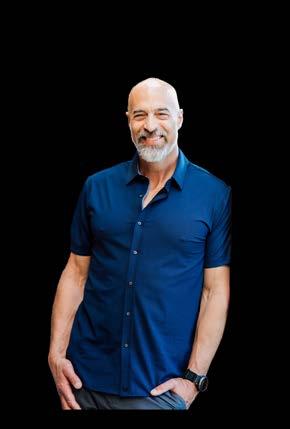
The “Aware and Prepared” approach is a proven way to sell your home without the expense, burden, or stress of a remodel— especially at a time when you are ready to get settled into your next chapter of life.
I have guided many clients through this process, and I would be glad to help you as well. If you'd like to learn more, I invite you to reach out and schedule a meeting.
Brandon Nelson, Real Estate Broker, SRES brandon@brandonnelson.com 360-319-0696 www.BrandonNelson.com
Carmen Andrew
Most clients we meet with have a loose idea of what Capital Gains taxes are and how it might affect them. You likely know that to AVOID capital gains tax, you need to have lived in the home you are selling a minimum of two out of the past five years. You might also know that if you are single, you get a $250,000 or if married, $500,000 capital gain exclusion on your primary residence which means you don’t pay capital gain tax up to that amount.
But do you know how your capital gains are calculated? What if your gain is more than the capital gain exclusion, and what rate would you pay? What happens when a spouse passes away, what can you do to minimize the capital gains? So many questions and we have some great answers!
Please note: we always recommend that you speak to your accountant/tax professional for specific advice for your situation. Here are some basic rules to follow though that will help you when you go to sell your home.
First, Keep ALL your receipts from any improvements you have put into your home over the years as you can subtract them from

your gain. Your gain is calculated the following way: NET SALE PRICE –BASIS = GAIN

NET SALE PRICE = Final sales price – all fees to sell (commissions, excise tax, title & escrow fees, etc.). Note: if you have a current mortgage on the property, the remaining balance is NOT considered a fee and is not to be calculated anywhere in regard to your gain.
BASIS = Initial purchase price of the home + all home improvements
For example: Let’s say you are now single and you purchased your home for $200,000 and over the years you put another $100,000 into it with new roof, deck, siding, kitchen, etc. Your BASIS would be $300,000. You sell the home for $600,000 with $50,000 in fees to sell. Your Net Sales Price would be $550,000 in which your gain would be $250,000 and if you lived in the home at least two of the last five years, you are in the clear – no capital gains tax.
What if you sell that home for $900,000 instead? Your GAIN would be $550,000. You would get $250,000 of that gain TAX FREE and would owe capital gains tax on the remaining $300,000. You tax rate on that gain would be approximately 15-20% depending on your tax bracket and income (talk to your accountant). Those taxes would be due the year AFTER you sell, when you file for your taxes, so make sure to set it aside!

Lastly, it is extremely important that if a spouse passes away, you should hire an appraiser to do a private appraisal as soon as possible. Why? As the surviving spouse, you will “inherit” the property at the value it was worth on the day your spouse passed away. Which means that your NEW BASIS is at today’s market value and not when you purchased it and almost guaranteeing that you won’t pay any capital gains tax if you sell in the somewhat near future.
One more thing…if you hold onto your home and your heirs inherit when you pass, they will also inherit at the current market value, also
eliminating the capital gains tax if they sell right away.
What about non-primary homes you ask?
Capital Gains taxes are always paid on 2nd or vacation homes and investment properties. You can defer them on an investment property by taking all your proceeds and purchasing a new investment property. That’s a different topic for a different day with a set of it’s own rules.
For more info on this or any other real estate related topics, please give us a call!
Carmen Andrew, Real Estate Broker, SRES
The Weitzel & Andrew Home Team REMAX Whatcom County 360-312-5151












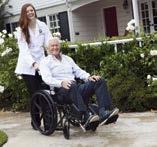
Serengeti Care is dedicated to providing affordable, high-quality in-home care tailored to each client’s unique needs. Our approach fosters trust, preserves dignity, and delivers unparalleled personalized care.
Assistance with daily living activities, mobility support, & personal hygiene
Skilled nursing services tailored to individual health needs
Support for chronic conditions, disabilities, & post-surgical recovery




Assistance with daily tasks & appointments


Linda Jinkens
at my regular checkup at the clinic, and the young assistant walked in. We had a few friendly comments, and then she said, “I need to see your ID.”
I must have looked blank. I think my mouth dropped open. “ID? You’ve never had to check my ID before!” Since I am a person with no patience, even in my later years, I know I sounded hot and bothered in a matter of seconds.
She shot back, “No, I didn’t say ID! I said,'your BP!' Your blood pressure! Hold out your arm.” I obeyed meekly, chastened.
Later, my husband, Ron, and I drove into a gas station, and I waited in the car while he went to the pump. He soon climbed back into the car and said, “The carburetor is not working.”
I said, alarmed, “What? The carburetor is not working? How did we manage to drive around this far?”
Ron looked at me and said, “No, I said the CARD READER is not working!” He sounded a bit disgusted.
I said, “Oh, well, you don’t have to yell, you know.”
He said, “Look, you need hearing aids. I have hearing aids. You need hearing aids.”

I said, as usual, “I’m OK. I can hear just fine!”
My thoughts have been, "who wants to look like an old lady, even if I am an old lady?"

But then, recently, we were at church, and he said, “Did you bring the pies?”
I said, “What? We were supposed to bring pies? I didn’t know we were having a potluck!” I went into a panic.
He said, “No, I didn’t say PIES. I said, “the TITHE, the TITHE for church!”
“Calm down,” I said. “You don’t have to yell, you know.”
But one thing I won’t worry about hearing is the fireworks in our area during special times of the year. We live in the woods out of town. July 4th is always a big one. Our neighbors always set off amazing displays. I don’t have problems hearing and seeing the colorful lights in the sky. No, it looks and sounds like a regular extravaganza going on.
This year will be a special celebration, of course, with 250 years of looking back at our country’s history.
Continued on Page 42




Performance Home Medical Ad Below Whatcom, Skagit, Island, San Juan, Snohomish
Breathe Easier at Home — With a Team You Know and Trust
Our mission is Patients First — providing expert in-home respiratory and sleep therapy with support at every step.
• In-home oxygen, ventilation, and CPAP sleep therapy
• Trusted by physicians and families
• In-person or virtual setup with ongoing support
• Accepting most insurances To learn more, scan the QR code or call 866.687.4463 www.performancehomemed.com


Home Health: In-home services provided include Skilled Nursing Care and various therapies prescribed by a physician. This includes physical, occupational, respiratory and speech therapies, often used for seniors who are recovering after a hospital and/or nursing home stay.
See Home Health Directory on Page 37.
Home Medical Equipment – Oxygen, Ventilation, and Sleep Therapies: Home medical equipment (HME) includes devices and supplies used in the home to support treatment, recovery, and long-term health management. This includes chronic respiratory diseases and sleep conditions, as well as other medical needs. Examples include CPAP/BiPAP machines, oxygen concentrators, portable oxygen concentrators, ventilators, and related accessories. With personalized support, this equipment can help patients manage conditions, improve comfort and safety, and maintain health and independence at home.
See Home Medical Equipment Directory above.
Home Modifications - Safety & Accessibility: Regular attention to Home Safety and Accessibility is known to decrease fall risks and increase the chances of aging in your own home. Home Analysis for potential improvements should be done by a Home Contractor who is a Certified Aging-In-Place Specialist (CAPS Certified). This person will look at many factors, including: rugs, electrical cords, placement of furniture, and functional supports around the home. See Home Modifications Directory on Page 38.




Aging in Place with Dignity and Peace of Mind
A Unique Team: We combine our 25 years in Occupational Therapy and 30+ years in remodeling to create safe, stylish, and personalized solutions for you!

Phone: 360-389-1292
info@stayhomeimprovements.net
www.stayhomeimprovements.net
A collaborative approach to staying in the home and community you love.
When Sheila tripped on a throw rug last winter, she wasn’t badly hurt, but the scare shook her confidence. She loved her home, yet her stumble made her realize comfort and safety must evolve together.
Within days, she removed the rug, added better lighting, and shared a spare key with her neighbor. Small steps - big peace of mind.
Planning Is Power: Aging in place isn’t about giving in - It’s about staying in charge. True independence comes from preparation: understanding what you have, what might change, and who will be there when you need a hand.
Think of it as a tune-up, not an overhaul. Consider a yearly ‘checkup.' Review your support system, home safety features, important documents and community resources. This simple habit keeps you ready and confident. Independence matters, but interdependence is
reality. Unexpected Illness or injury can disrupt routines. Sharing keys, labeling files, improving lighting, and adding a grab bar can help preserve your freedom and confidence.
Quick Self-Check: How Ready Are You?
1. If you had to leave home suddenly, who knows where your keys and important documents are?
2. Can you, or a guest, enter your home easily without tricky steps or narrow doorways?
3. Who is your emergency contact, and how quickly could they help?
A local physician often says, “It’s always too early, until it’s too late.” Start small. One step today helps ensure you can keep living where and how you want.
Time is precious. Use it to create comfort, confidence, and connection.
Hilary Walker - Stay Home Improvements

My 75-year-old mother (Grace) battled a neurodegenerative disease that made it difficult for her to get to the toilet. While we were fortunate to have a daytime caregiver, Dad was on duty in the evenings, nights, and weekends, leaving him exhausted. As her disease progressed, getting to the toilet became one of their biggest challenges; at the time, bedpans and diapers/briefs were their only options. Mom hated both.
As an engineer, I told myself there must be something I could design to make it easier for Mom (and the many other women with mobility challenges) to “pee” while lying or sitting. We call this solution the P-funnel™.
Solution
The P-funnel is an affordable, non-invasive urination aid for individuals who are continent but have difficulty getting to a toilet. Specifically engineered for the female anatomy, the P-funnel offers a comfortable and easy-to-use alternative to bedpans or diapers/briefs when lying in bed or in a seated position. With practice, the
P-funnel can be used with minimal assistance, thus fostering independence and preserving dignity.
Design
The design of the P-funnel is simple and elegant. Made from eco-friendly pulp, the open end of the funnel-shaped device conforms to the body, and the tip of the P-funnel connects to a suction canister system. With the canister under low suction, urine flows through the P-funnel and tubing into the canister. The canister can be easily emptied and cleaned.
Advantages
• Promotes continence, independence, and dignity
• Safe and hygienic
• Allows monitoring of urine output
• Eases caregiver workload
Randy Ching, Ph.D. CEO and Founder ForG Medical

Ellen Liu Kellor, MSW / Founder Social Worker & Gerontologist
Ellen Liu Kellor
As a gerontologist and wellness consultant supporting seniors, family caregivers, and healthcare professionals I strive to honor self-care while coping with life's stressors. I’ve learned that rest and rejuvenation must be prioritized in the present moment versus distant plans or imagined future vacations. It is possible to cultivate meaningful tools and practices for daily self-care and wellness by weaving mindful practices, nature’s elements, and creative connection into daily life and transforming your home into a restorative setting that nurtures resilience and well-being.
Self-care can begin wherever you are through intentional moments, even within your mind or in the small spaces of your home. A sunlit nook, porch, or bedroom can become a

personal sanctuary. Warm sunlight or a cup of tea and the gentle rhythm of your breath can anchor you in the present moment. Observing and engaging with nature’s beauty — flora and fauna, clouds, or the changing light outside — can be restorative. At the same time, going outside to enjoy your yard, garden, or a stroll to a nearby park lets you engage even more fully with the elements. Even in a care facility, tending to a plant, listening to calming music or an audiobook, and practicing breathwork can be restorative and calming.
Setting aside mindful time for creative activities — journaling, painting, baking, music, memoir, or letter writing and connecting with a loved one — can shift stress to presence and joy. Meditation, prayer, or gentle movement


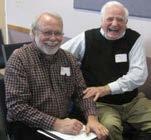
may be rejuvenating. Ambient lighting, aromatherapy, music, or audio recordings can dynamically transform the mood of your space and emotions. Enjoying a quiet bath moment, foot soak, or gentle massage can elevate ordinary hygiene into a spa-like experience. For a sense of celebration and presence, prepare a special recipe, light a fire, savor a meal by candlelight, or arrange a lovely bouquet to enjoy or give as a gift. Game and movie nights with friends, family or caregivers can add to a staycation atmosphere, thus inviting novelty, whimsy, and pleasure into the familiar.
Daily intentional and reflective practices are powerful tools for rest, rejuvenation, and nurturing health. Create and honor personal wellness practices—stretching, meditation, gratitude journaling, tending a fire or observing
nature. Each moment of presence adds to creating a rhythm of self-care that benefits body, mind, and spirit.
Holistic wellness is more than just physical health—it’s the integration of mindful presence, restorative practices, creative joy, and meaningful connection. This is effective for stress reduction, and it creates a deeper sense of balance, meaning, and well-being at any age or place. Create your own personalized staycation at home or anywhere, no travel required.
Ellen Liu Kellor, MSW Gerontologist, Social Worker Senior Wellness Consultant Owner of Age-Well LLC, “The Art of Aging” Office: 360.734.3064 ellen.kellor.msw@gmail.com www.age-well.com
Affordable Housing: Subsidized apartments for seniors or people with disabilities. Programs may include Section 8, HUD housing, public housing, or tax credit apartments.
Independent/Retirement: Private apartments for seniors who can live independently. Some offer meals, activities, and housekeeping. Typically private pay and maintenance-free living.
Continued from Page 34
I’m thinking back to the 1950s when we elementary kids read about George Washington and Abraham Lincoln and color crayoned mimeographed packets with their pictures. We neatly printed reports about these great presidents. It’s so far back now that I almost think of those times in black and white.
I’m grateful for my grandfather’s service defending the country in World War I and my dad’s service in World War II. They lived in perilous times.
I’m proud of my parents living through the Depression years. I’ve been told about dandelion soup, saving everything to recycle, and being frugal.
I’m proud my husband served in Vietnam and made it home alive.
I’m proud our son serves as a lawyer in the Army Corps and helps with environmental litigation.
I’m happy there are so many opportunities to serve others in this country. Even older people, like us, can find ways to be useful
and brighten the lives of our fellow citizens. I delight reading about folks in their 60s, 70s, 80s, and even 90s trying something new and contributing to society.
I’m looking forward to the July 4th parade in our small town, which will include a lot of kids in the community.
The other day, Ron and I sat down to play a game of Scrabble. He said, “Can you bring Scotch tape?”
I said, “What for? Why do we need Scotch tape to play Scrabble?”
Ron raised his voice. “No! I said SCRATCH PAPER! SCRATCH PAPER! Not Scotch tape! We have a problem with communication!”
I said, “Look, you don’t have to yell, you know.” A few minutes later, I said, “I am getting the audiology appointment, OK?”
He sighed, looking relieved. “Good.”
But I will wait until after July 4th, which I can hear just fine, and then hope the little gadgets in my ears do the trick.
Linda Jinkens, Freelance Writer Arlington, Washington






Assisted Living Community: Apartments for seniors with physical and/or cognitive impairments who may need assistance from trained caregivers. Meals, housecleaning, and activities to help seniors stay physically active and socially engaged are provided. Trained caregivers 24 hrs/ day and Licensed Nursing up to 24 hrs/day. (Non-secured memory care may be available)
Memory Care Community: This is special care in a secured community for people who have Alzheimer’s disease or other forms of dementia. Some are stand-alone Memory Care communities, while others are located within Assisted Living or Skilled Nursing facilities. Trained Caregivers 24 hrs/day and Licensed Nursing up to 24 hrs/day.
Skilled Nursing & Rehabilitation: A qualified facility that has the staff and equipment to provide round-the-clock skilled nursing care (RN’s and LPN’s) and rehabilitation services such as physical, occupational, respiratory, and speech therapies. Also included are Social Work services, Medical Director oversight, and care giving staff to assist with personal care needs.
Continuum of Care: These offer three or more types of senior housing in one community location, reducing the need for a senior to move as they age. Senior housing options may include: Retirement, Assisted Living, Memory Care, Skilled Nursing & Rehabilitation.
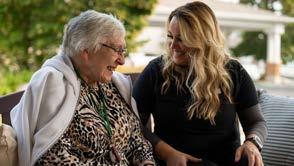


Independent
Assisted Living: Support for daily activities, 24/7 caregivers, meals, housekeeping, and engagement programs; may include non-secured memory care.
Independent living is about freedom and convenience, while assisted living is about added support and care.

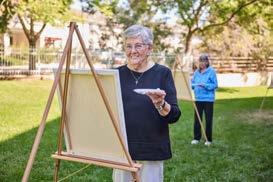

1. Monthly fees: What services are included?
2. Daily help: How do staff assist with meals, meds, and bathing?
3. Changing needs: Can extra support be provided if health changes?
4. Meals & activities: What options are available for dining and programs?
5. Feeling at home: How are residents welcomed and engaged socially? Tip: Bring a friend or family member and take notes while touring.




















Christine Blankenship
Many of us carry warm memories of gatherings we've had throughout our lives. When July arrives, my thoughts wander back to celebrations filled with cousins, crowds, and community. My first significant Fourth of July memory was a gathering at my uncle’s farm. Here there was more than enough room for all of us. As my dad had eight siblings, this was a good thing! My memory of this event is incomplete, as I was about five or six years old. But this day still stands out.
Many, many cousins. My siblings and I each had at least one cousin or more near our various ages. So, no boring gatherings. In my age group, there were five girls and a couple of boys within a three-year range.
Our family gathered at my uncle’s farm because it had the perfect view of a nearby community fireworks show. Whenever bright colors lit up the dark summer sky, we all screamed with delight! Well, at least we little girls made our voices heard across the neighboring fields. I remember one of my cousins happily twirling around. It was a good thing there was plenty of room, as I don't remember any crashes in the crowd.
At least from my young perspective, we had a crowd. I honestly do not remember much more about this event, except for two things. First, the host aunt and uncle were wonderfully hospitable and enjoyed having people around. Secondly, my dad and his siblings loved to laugh! From the more serious ones to the pranksters among them, they often did or said things that made everyone laugh with, or at, each other. Imagine the scene: adults laughing, little girls screaming with delight, and one boy still twirling around and around.
By the time our own children were growing up, my cousins and siblings were older and celebrating with their own families. So, many of our July celebrations have been held with dear family friends from across town.
Speaking of town, Kirk and I raised our children in Sedro-Woolley, a small community with crowded Fourth of July celebrations. Several days would culminate into a series of events called “Loggerrodeo.” It has been said that our little town has the "biggest Loggerrodeo event west of the Mississippi!"



Our home is close enough for a good walk to the parade and wood carving competitions. Yet we are far enough away to not have traffic jams on our road. With this four-day community celebration, we hear most of the Loggerrodeo noise, especially on the Fourth. These events and celebrations have not bothered us at all.
Well…except for our beloved dog of thirteen years. For him the Fourth of July was a serious love-hate relationship. He loved all the people too much, and he disliked all the sizzling fireworks too much.
And here we are, in a land maintaining 250 years of freedom to gather for community celebrations, public worship, and shared viewpoints—as differing as they may be. No country is perfect, including our own. But I cannot think of a better country in which to live, gather, and celebrate with our families and communities.
Happy 250th America!
Christine Blankenship Vibrant Senior Options
Whatcom County
Bellingham
Brookdale Fairhaven IL/ AL
Chuckanut Ridge AL
Cordata Court Senior Living AL
Highgate Senior Living AL
Orchard Park IL/AL
Sapphire at Woodway IL/AL
Solstice Senior Living IL
Spring Creek IL/AL
Summit Place AL
The Willows IL
Ferndale
Avista Sr. Living AL
Grace Retirement AL
Lynden
Lynden Manor IL/AL
Meadow Greens IL/AL
Skagit County Anacortes
Cap Sante Court IL
Chandler’s Square IL/ AL
Rosario Assisted Living
San Juan Assisted Living
Burlington Creekside IL/AL
Where The Heart Is by Cogir AL
La Conner
La Conner Retirement IL/AL
Mount Vernon
Heather Village IL
Highland Greens IL
Mountain Glen IL/AL
Salem Village IL
The Bridge IL/AL
Bellingham
Cordata Court MC
Highgate Sr. Living
Silverado Memory Care
Spring Creek MC
The Bellingham at Orchard by Cogir
Lynden
Christian Health Care
Lynden Manor MC
Bellingham
Alderwood Health & Rehabilitation
Avalon Healthcare
Highland Health & Rehabilitation
Mt . Baker Care Center
North Cascades Health & Rehabilitation
Shuksan Healthcare
Sedro-Woolley
Country Meadow Village IL/AL
Island County
Freeland
Maple Ridge IL/AL
Oak Harbor
Harbor Tower Village IL/AL
Regency on Whidbey IL/AL
Summer Hill AL
Welcome Home Oak Harbor AL
San Juan County
Friday Harbor
Village at the Harbor IL/AL
North Snohomish
Arlington
Skagit County
Anacortes
Lighthouse Memory Care
Rosario Assisted Living
Burlington
Creekside MC
HomePlace Memory Care by Cogir
Where The Heart Is by Cogir
Mount Vernon Ashley Gardens
Blaine
Stafholt Health & Rehab of Cascadia
Lynden
Christian Health Care
Skagit County
Anacortes
Soundview Rehabilitation
Mount Vernon
Life Care Center of Mount Vernon
Mira Vista Care Center
Cascade Valley Senior Living AL
Olympic Place by Bonaventure IL/AL
Marysville
Cascade Village at Smokey Point IL
Grandview Village IL/AL
The Gardens at Marysville IL/AL
Windsor Square Retirement Comm . IL
Smokey Point
Fields Senior Living IL/ AL
Stanwood
Brookdale Stanwood IL/ AL
The Suites at Josephine AL
Warm Beach
Faith-Inspired Retirement Living
Marysville
Sedro-Woolley
Birchview Memory Care
Island County
Oak Harbor
Whidbey Island MC
Regency on Whidbey
Welcome Home Oak Harbor
North Snohomish
Arlington
Cascade Valley Senior Living
Sedro-Woolley
Lifecare Center of Skagit Valley
Island County
Coupeville
Regency Coupeville Rehabilitation
North Snohomish
Arlington
Arlington Health & Rehabilitation
Fieldstone MC
The Cottages at Marysville
Smokey Point
Fields Senior Living
Stanwood
Brookdale Stanwood
The Meadows at Josephine
Warm Beach
Faith-Inspired Retirement Living
Marysville
Marysville Care Center
Mountain View Skilled Nursing
Snohomish
Snohomish Health and Rehabilitation
Stanwood
Saratoga Transitional Rehab - Josephine
/aarpwa @aarpwa