
THE MOTOR TRADE ASSOCIATION HAS RELEASED A WIDE-RANGING PRE-ELECTION MANIFESTO CALLING ON THE NEXT GOVERNMENT TO TACKLE SKILLS SHORTAGES, FLEET SAFETY, REGULATORY IMBALANCE, AND RISING CRIME AT SERVICE STATIONS
With a general election looming, the Motor Trade Association has gone public with its most comprehensive policy platform in years. The Road to Prosperity sets out 16 specific calls across four priority areas, drawn from research commissioned by MTA and conducted by the New Zealand Institute of Economic Research. The document is directed at whichever party — or coalition — forms the next government, and MTA is explicit that it will work with anyone prepared to engage.
The numbers underpinning the case are substantial. The sectors MTA represents employ 65,830 people across nearly 16,000 business
units and contribute $6.8 billion to GDP — 1.9% of the national total. MTA CEO Lee Marshall frames the manifesto not as a wish list but as an economic argument. “The automotive industry is ready,” he says. “We have the people, the data, the technology, and the will. What we need now is a government that shares our ambition and is prepared to partner with us.”
The four priority areas — a skilled workforce, a safer fleet, a fair playing field, and a focus on crime — cover ground that will be familiar to anyone running a workshop, dealership, or service station. What the manifesto does is package those pressures into a structured set of proposals, each framed around a specific

problem and a specific fix.
WORKFORCE: RETHINKING HOW THE INDUSTRY RECRUITS AND TRAINS
The skills shortage sits at the top of MTA’s agenda, and the association is proposing structural changes rather than incremental adjustments.
On immigration, MTA wants an industryled quota model for Green List roles, with approved peak bodies such as MTA managing a fixed annual allocation of priority occupations and the ability to swap roles in and out as workforce needs shift — subject to Immigration New Zealand oversight. The argument is that the current system lags real-time shortages, creating bureaucratic delays that hurt both

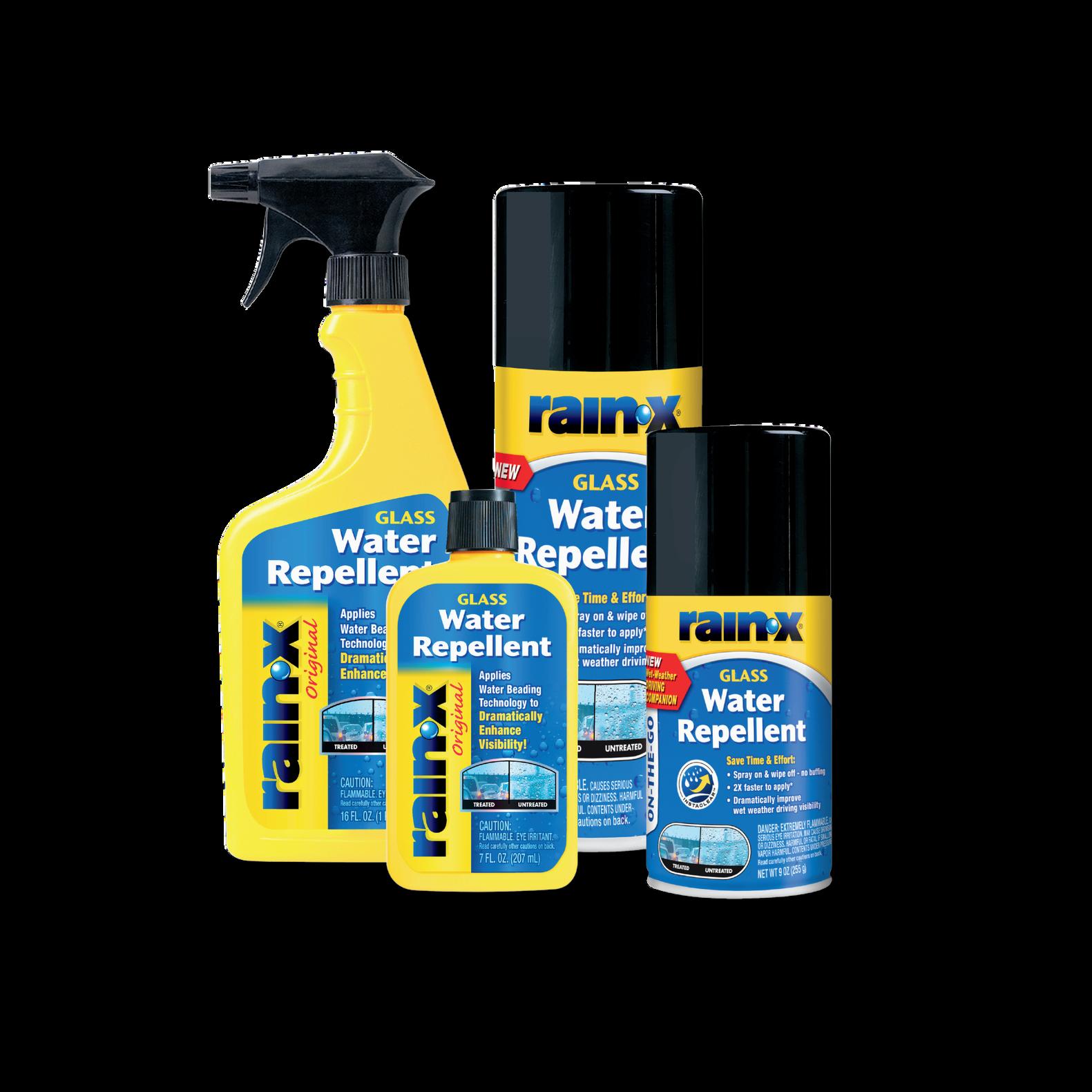

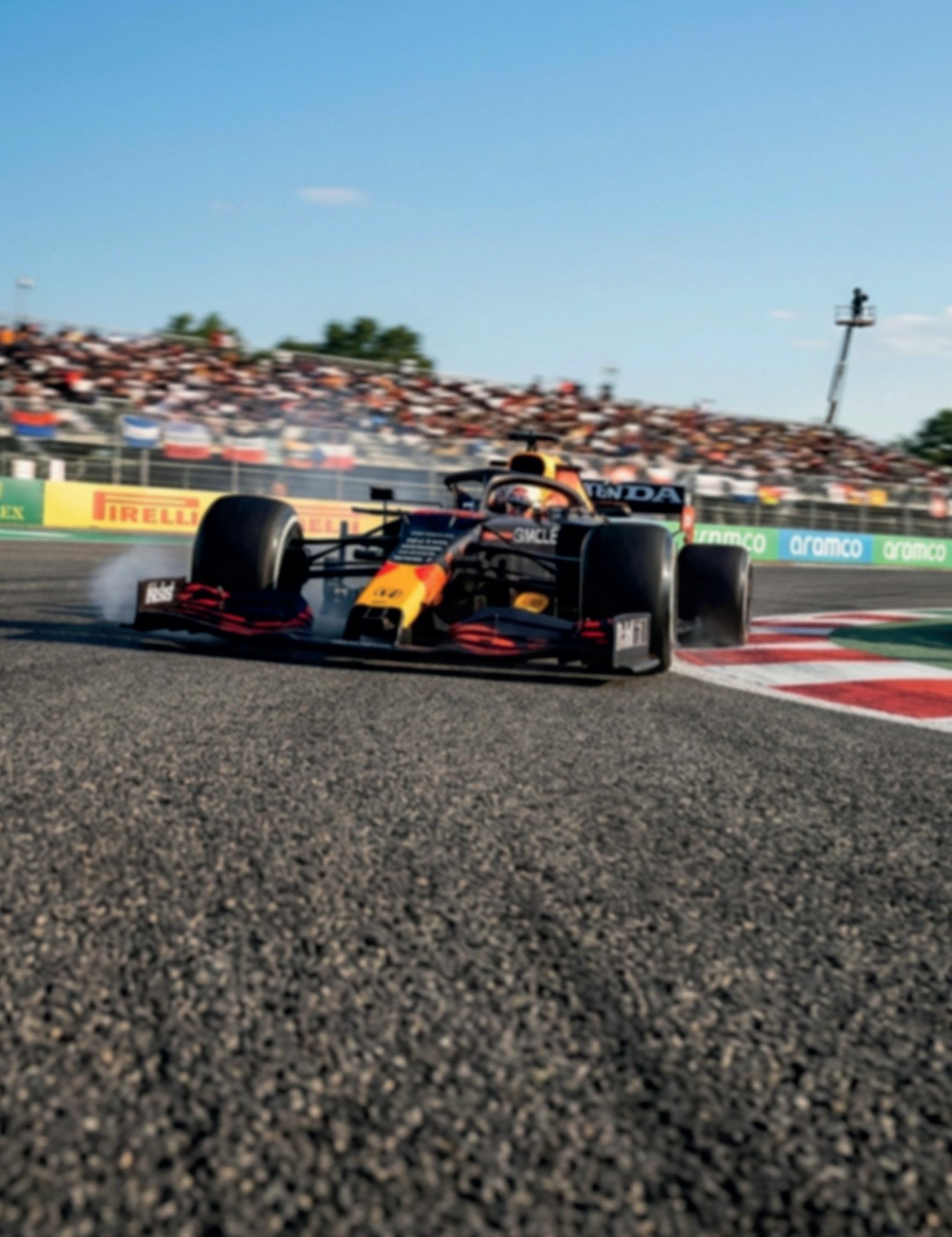
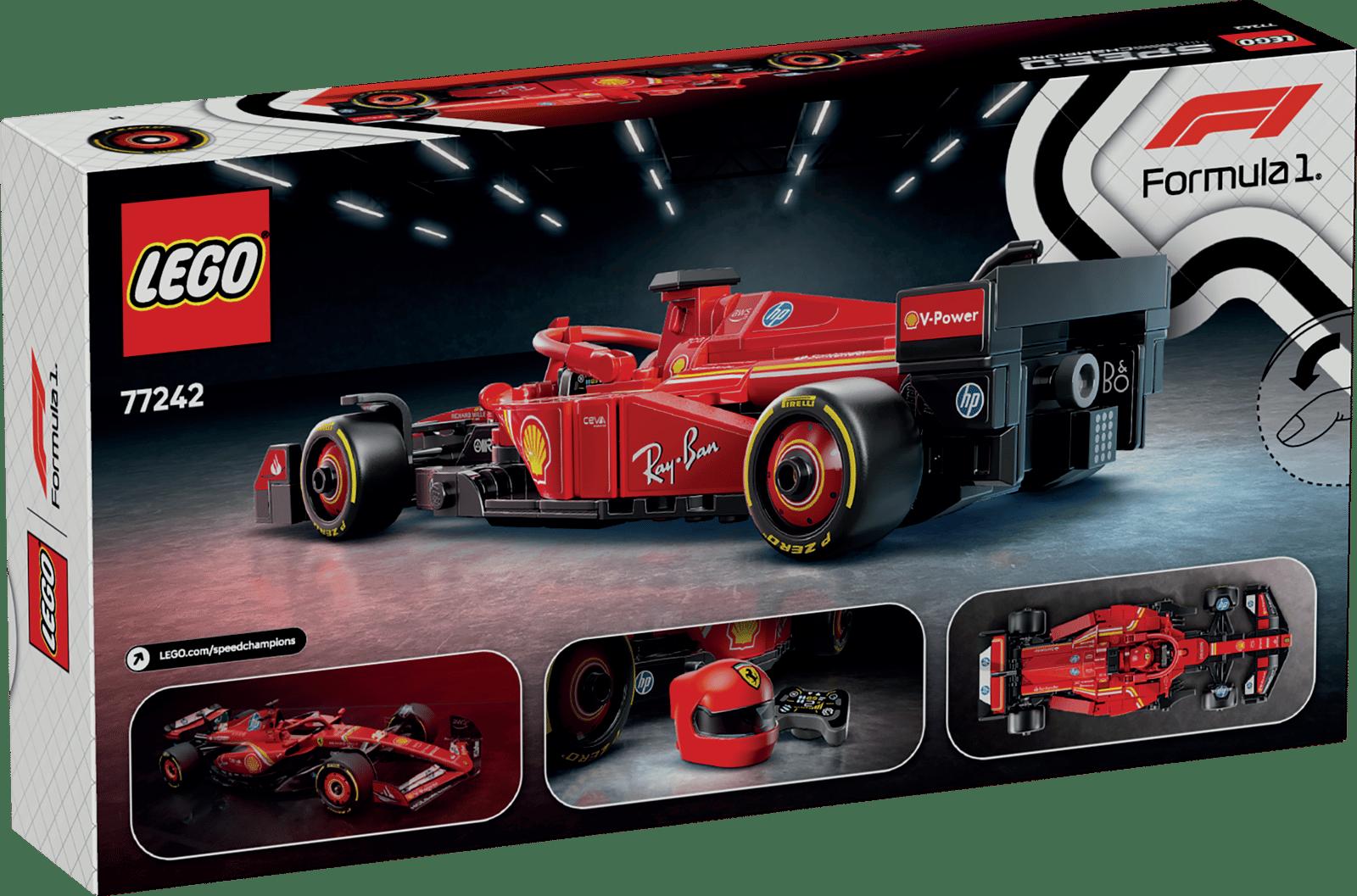
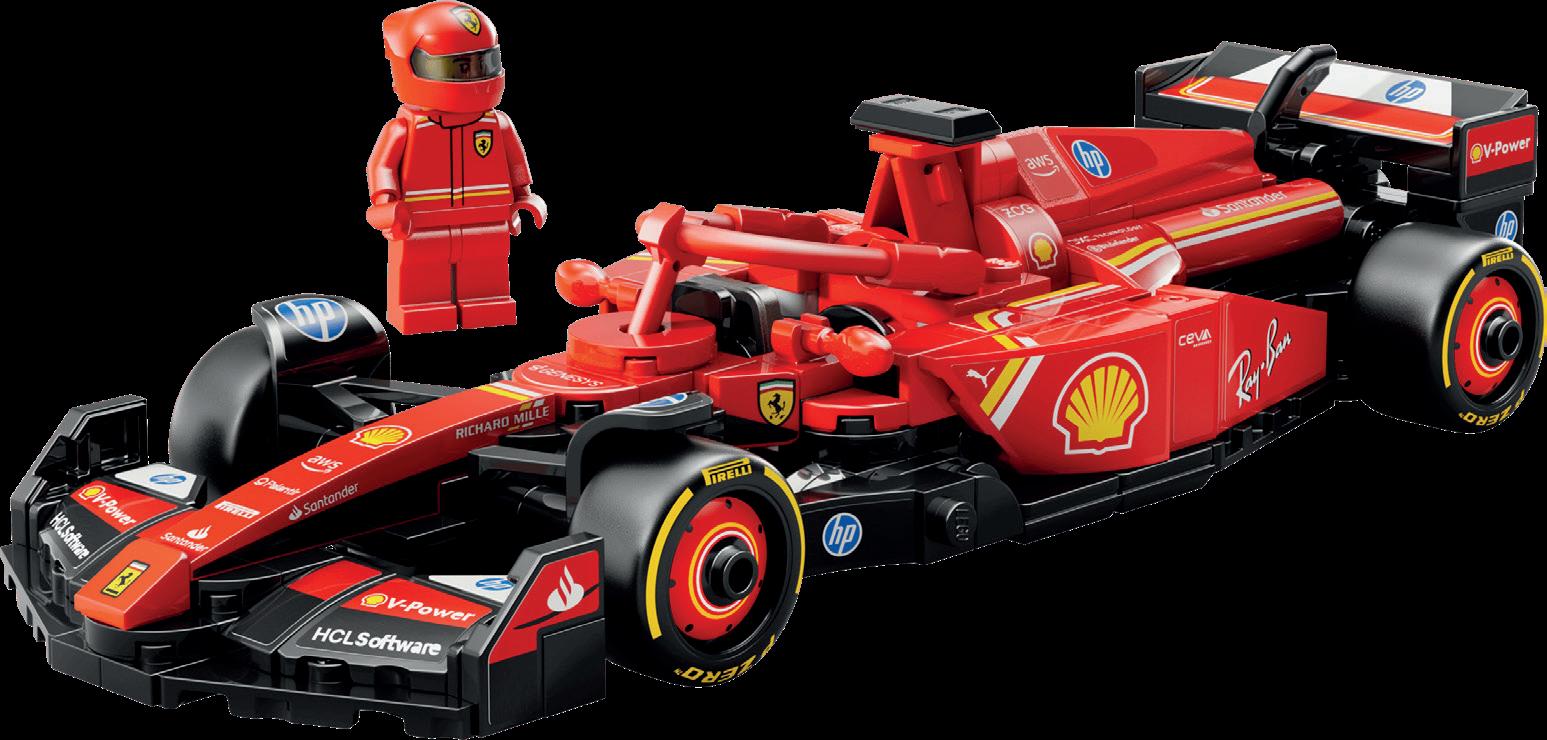
any 10 Shocks or Struts from participating brands this July and receive a LEGO® Speed Champions Ferrari SF-24 F1® Race Car
MTA lays out its election agenda for the automotive sector
The Motor Trade Association has released a wide-ranging pre-election manifesto calling on the next government to tackle skills shortages, fleet safety, regulatory imbalance, and rising crime at service stations
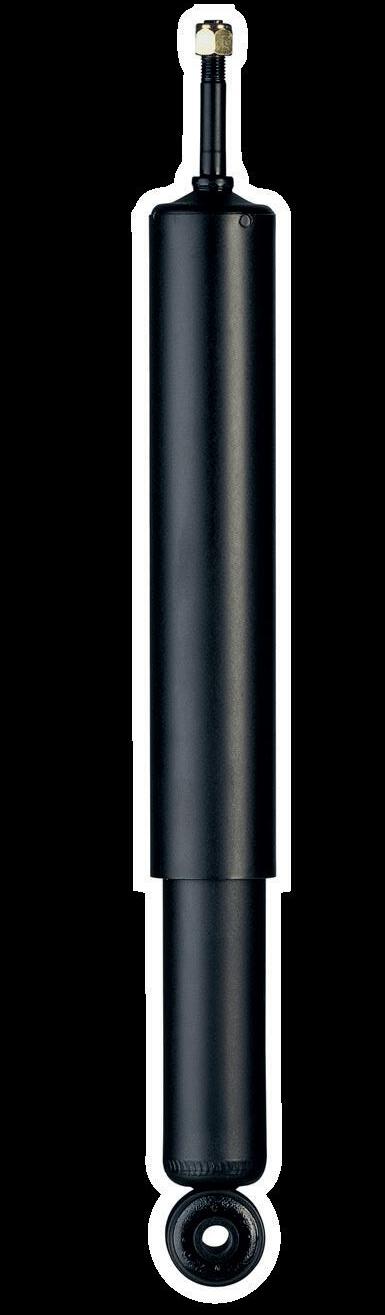
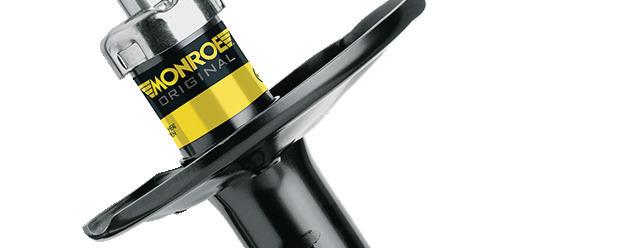
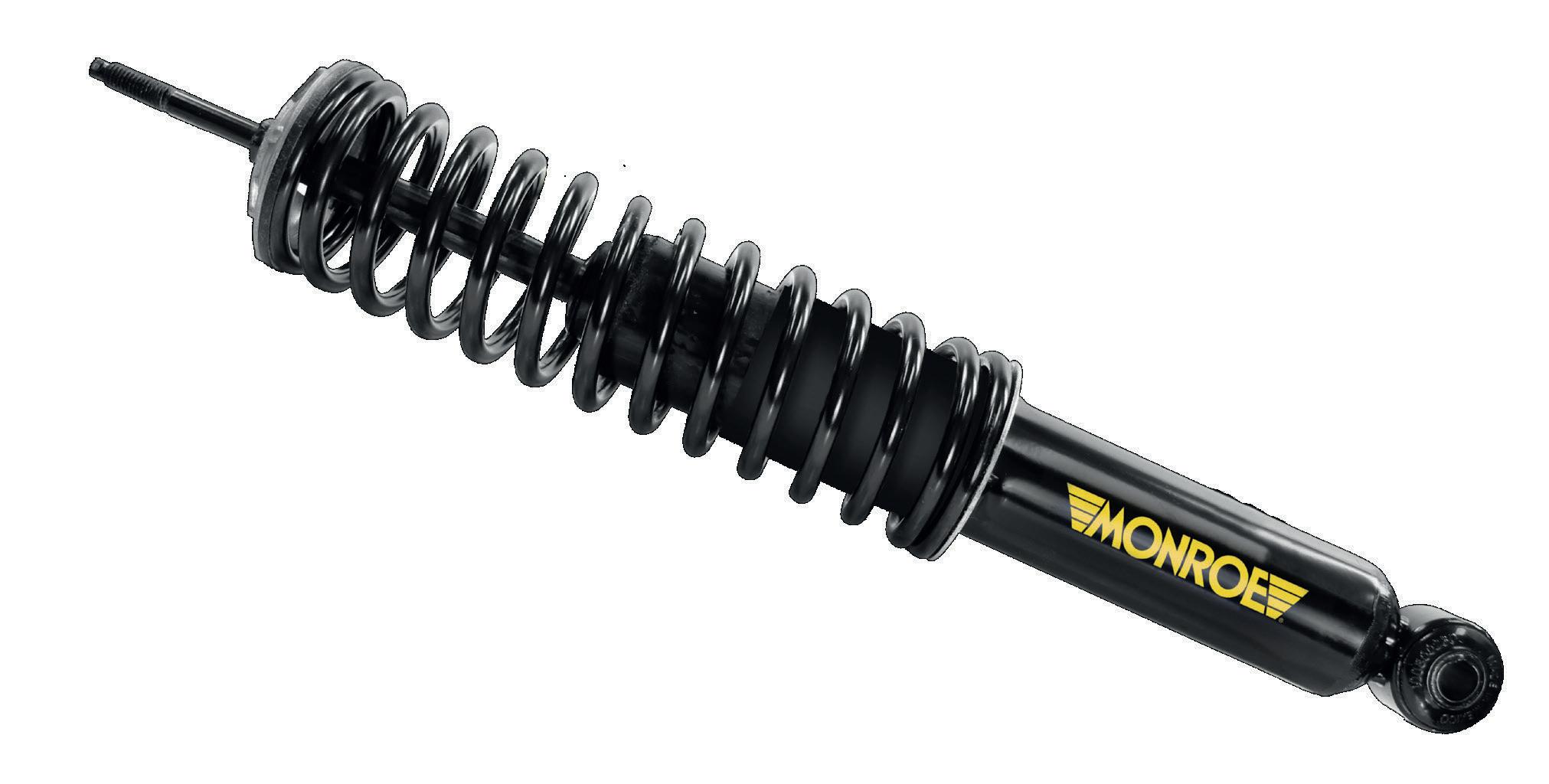
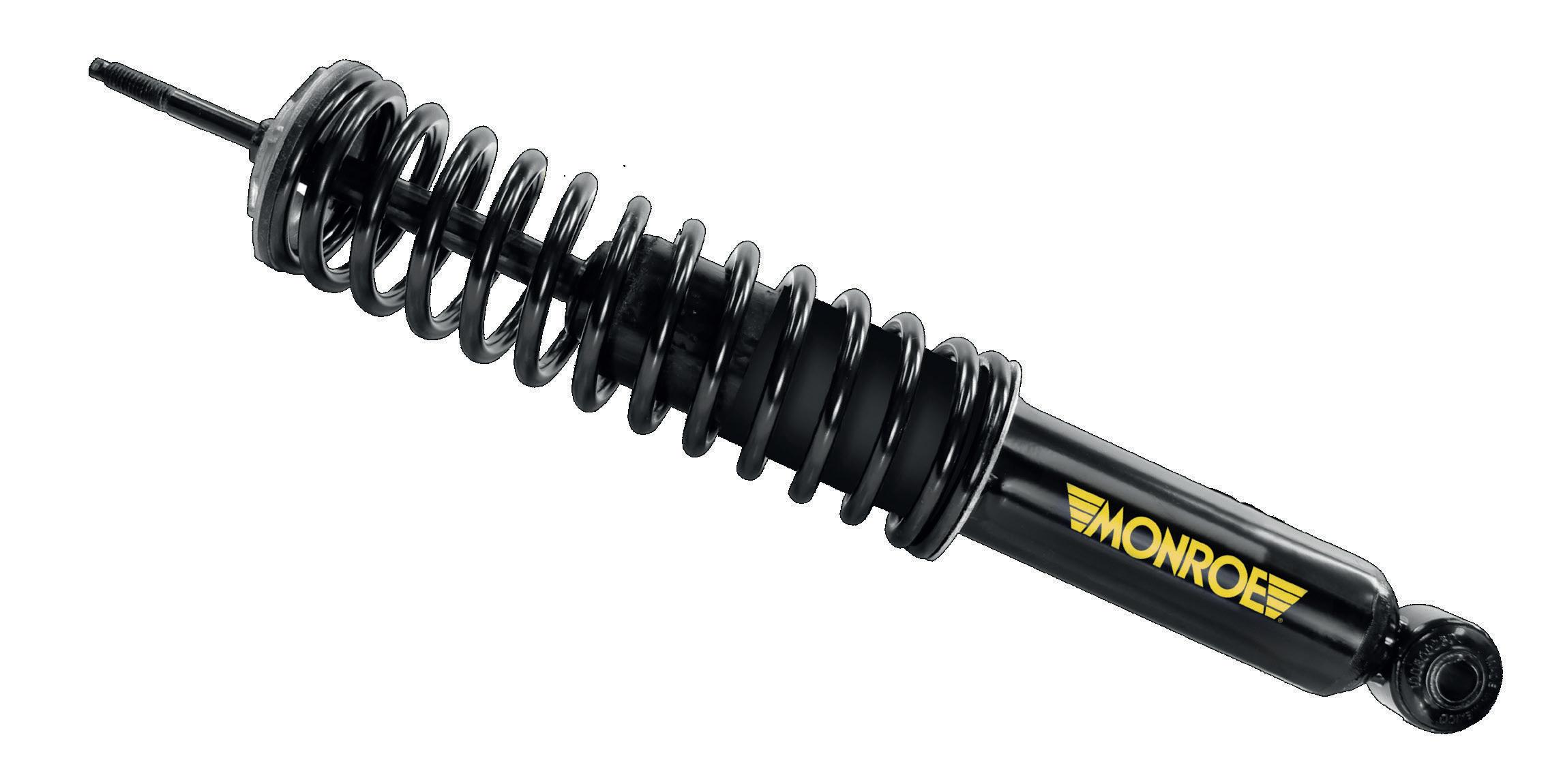
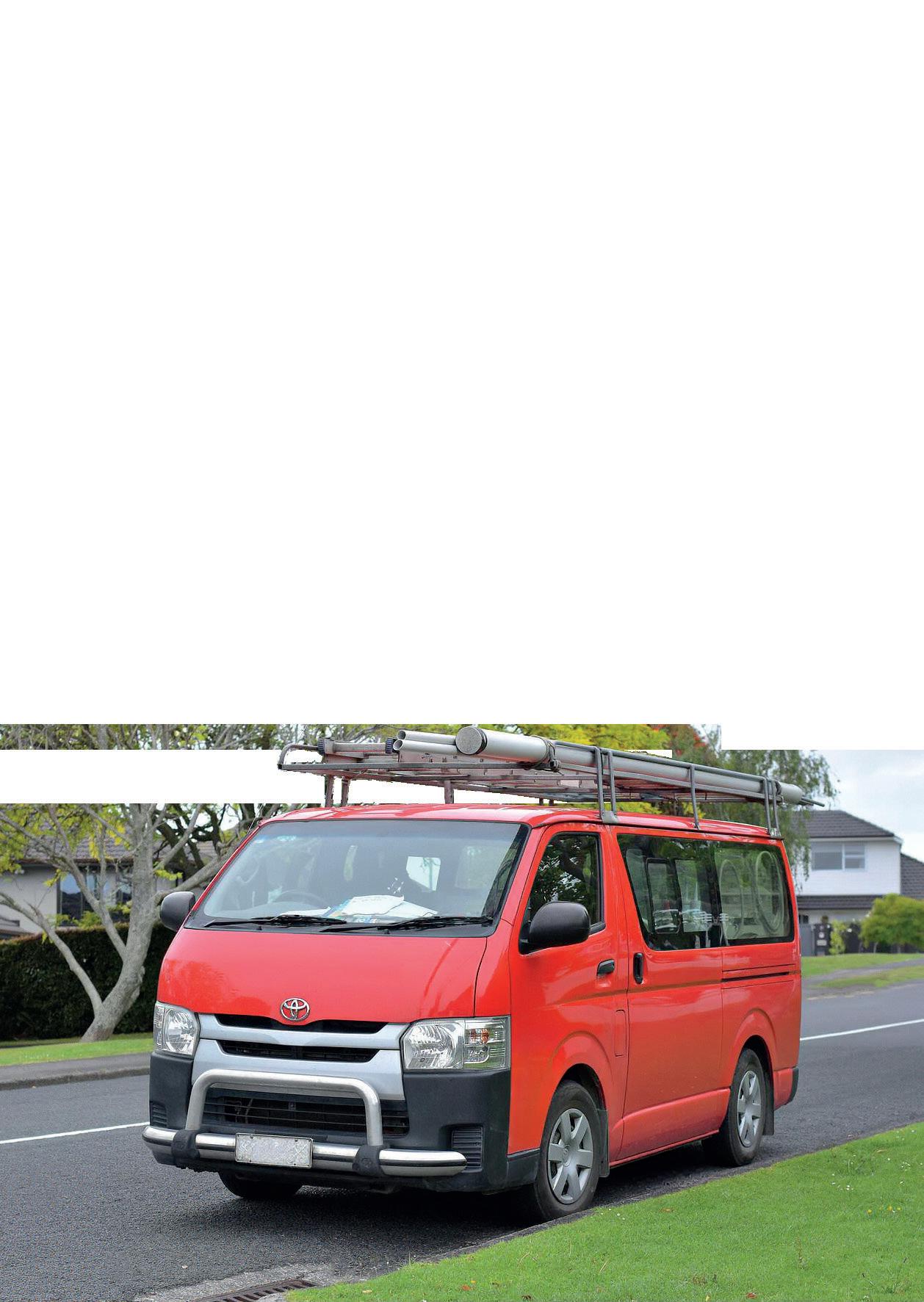
Shock absorbers are a critical component for maintaining ride quality, handling stability, and overall driving safety, and one of the most recognised names in the automotive industry is Monroe Shock Absorbers
Automaster wireless mobile heavy vehicle column lifts
Two heavy-duty column lift systems from Automaster handle everything from utes and campervans to trucks and buses — without fixed infrastructure


Why winter is the right time to put air conditioning servicing front and centre
As modern safety systems become standard across the fleet, routine repairs are increasingly triggering consequences workshops need to be equipped
A
AECS Equipment has added acoustic imaging to its diagnostic tool lineup, giving workshops a faster way to locate leaks, bearing noise, and ultrasonic faults without relying on
ISSN 2816-0959 (Print)
ISSN 2816-0967 (Online)
ONLINE autochannel.co.nz
EMAIL contact@autochannel.co.nz
SUBSCRIPTIONS subscriptions@autochannel.co.nz
MAIL PO Box 202152, Southgate, Takanini 2246
employers and migrant workers. A separate proposal would streamline the Accredited Employer Work Visa process for businesses that are already members of standards-based peak bodies, removing duplicative accreditation requirements while maintaining enforcement.
On training, MTA is calling for a National Trades Training Fund to replace Apprenticeship Boost. NZIER data cited in the document puts the cost of an apprentice to a business at $80,000–$100,000 per year once supervision and productivity losses are factored in — a figure Apprenticeship Boost barely dents. MTA is also pushing for mandatory workplace learning components in secondary school trades programmes — at least 50% of training delivered in real workplaces — arguing that classroom-based vocational education is leaving school leavers poorly prepared for the workshop floor.
MEDIA SALES
Michael White, michael.white@viamedia.co.nz
PRODUCTION
Harrison Wade
Deven Solanki
AUTO CHANNEL IS PUBLISHED BY

BUSINESS DIRECTOR
Michael White, michael.white@viamedia.co.nz
GENERAL MANAGER
Simon Holloway, simon.holloway@viamedia.co.nz
FINANCIAL CONTROLLER
Mel White NOTICE TO ADVERTISERS
Via Media uses due care and diligence in the preparation of this magazine, but is not responsible or liable for any mistakes, misprints, omissions, or typographical errors. Via Media prints advertisements provided to the publisher but gives no warranty and makes no representation to the truth, accuracy, or sufficiency of any description, photograph, or statement.
Via Media accepts no liability for any loss which may be suffered by any
The average age of a vehicle in the light passenger fleet reached 15.2 years in 2024 — up from 14.3 years in 2015, and well above the European Union average of 12.5 years. MTA’s fleet proposals are built around that reality.
The headline ask is a targeted Fleet Upgrade Scheme: a $2,000 voucher for motorists who scrap a registered vehicle aged 20 years or older and replace it with one no more than 10 years old. MTA proposes funding through a 1% allocation of the National Land Transport Fund — roughly $57 million annually at current levels — supporting around 28,000 vehicle upgrades per year. No powertrain bias is proposed; a newer petrol vehicle is, MTA argues, meaningfully cleaner and safer than a 20-year-old one.
activity — the practice of banks withdrawing services from automotive businesses as part of portfolio decarbonisation strategies — arguing that without data, neither regulators nor government can assess the scale of the problem.
On the Right to Repair, MTA is not proposing a specific legislative model but is asking the next government to engage with a crossindustry working group MTA has already convened. The association recommends benchmarking against Australia’s Motor Vehicle Service and Repair Information Sharing Scheme and the EU Block Exemption Regulation, while adapting any framework to account for New Zealand’s high proportion of used vehicle imports — a factor that makes direct transplantation of overseas models unworkable.
Other calls in this section include expanding the Motor Vehicle Disputes Tribunal to cover repair and workmanship disputes (not just sale disputes), introducing depreciation allowances into Consumer Guarantees Act motor vehicle remedies, and creating a safe harbour for SME collective bargaining.
Auto Channel is the best way to reach the wider automotive industry. The publication is direct mailed to New Zealand businesses in the following automotive sectors: Automotive workshops, parts importers and distributors, transmission specialists, automotive recyclers, towing operators, panel beaters and painters, crash repairers, tyre dealers, suspension and underbody repairers, steering specialists, auto-electrical repairers, new and used-car dealers, air-conditioning repairers, trucking and transport.
On Warrant of Fitness, MTA is drawing a firm line on the second phase of the current reforms — the extension of two-yearly WoF intervals to vehicles aged seven to 14 years, scheduled for November 2027. MTA’s position is that this phase should be delayed by at least two years, so that data from the first phase — which extended biennial WoFs to vehicles up to seven years old from November 2026 — can be properly assessed before further changes take effect. WoF fail rates rose from 37% in 2017 to 41% in 2024, and the association argues that extending inspection intervals further into an already ageing fleet, without evidence to support it, is a safety risk the industry cannot endorse. MTA is also calling for a regulated battery stewardship scheme modelled on the Tyrewise tyre programme, and for the existing Investment Boost depreciation framework to be extended to electric vehicles at double the standard rate — a mechanism MTA argues requires no new legislation and no new spending line.
Several of the manifesto’s regulatory proposals will resonate with smaller operators. MTA is calling for basic monitoring of debanking
The final section addresses fuel retail crime — an issue MTA describes as worsening and largely under-reported. In 2025 alone, 28,095 theft incidents were recorded by police, a figure MTA believes understates the true total. The association is asking the next government to direct the Minister of Police to include fuel retail crime as an explicit focus in the letter of expectations to the Police Commissioner, establish a structured industrypolice Fuel Retail Crime Group, allow 100% tax deductibility for crime-prevention capital expenditure, and create a technology fund to help smaller operators invest in prevention infrastructure.
MTA President Sturrock Saunders frames the broader manifesto in terms of a longstanding relationship between industry and government that has navigated bigger challenges than these. “MTA has worked with governments to rebuild and move forward after two world wars, fuel shocks, labour shortages and more recently the Covid pandemic,” he writes.
The association, he says, is ready to work with whoever forms the next government — and is confident that government will, in turn, recognise what the automotive sector contributes to the country.
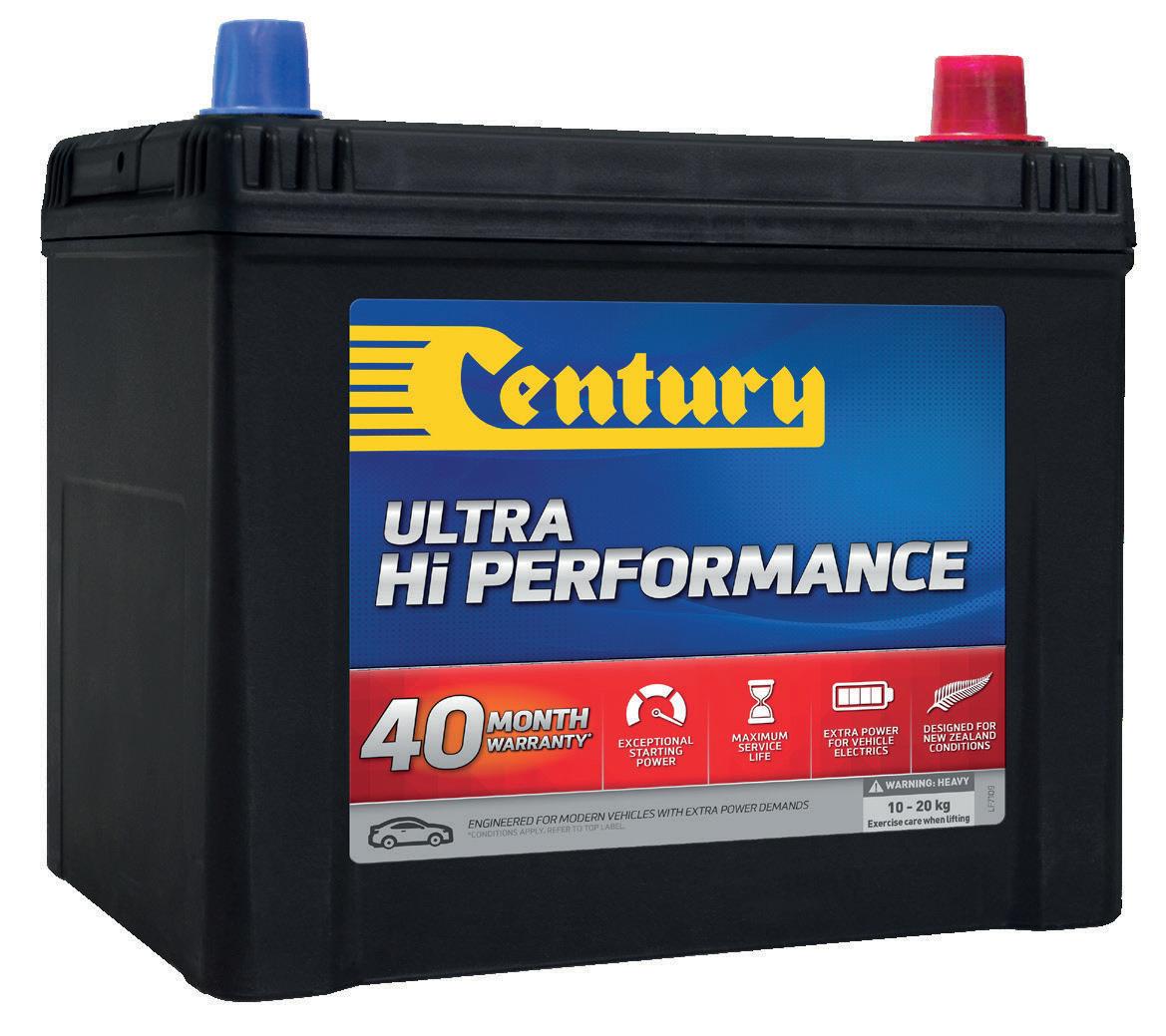
With over 95 years of battery expertise, Century Batteries delivers proven performance trusted by Supercars and the Red Bull Ampol Racing team and relied on by workshops across New Zealand. With one of the most extensive battery ranges, exceptional sales support, locally held stock and dedicated product specialists, Century gives you the peace of mind that comes with stocking one of New Zealand’s leading battery brands. For more information, contact your nearest Century Batteries representative.


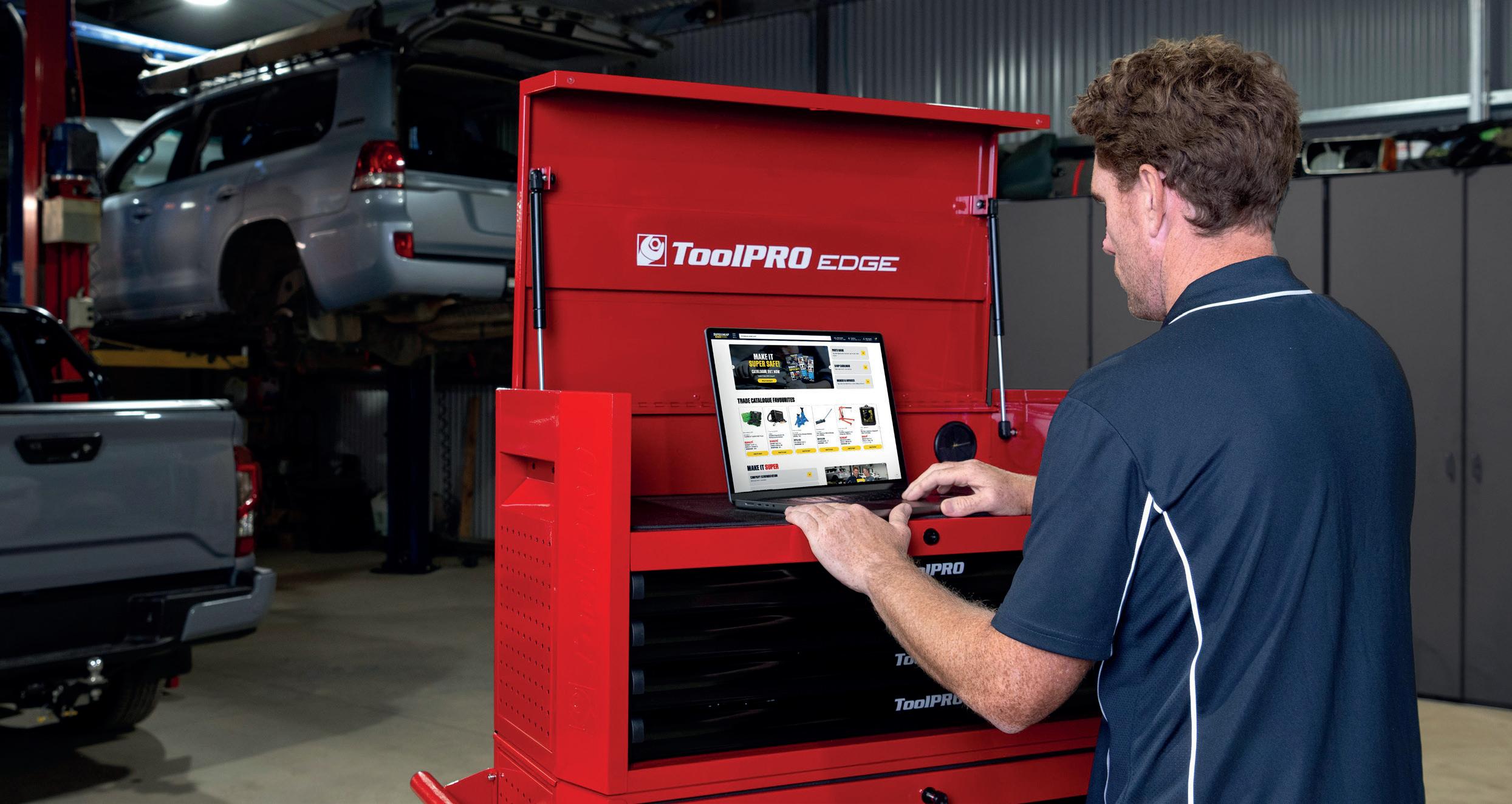
SUPERCHEAP AUTO TRADE IS A NAME MOST IN THE INDUSTRY ALREADY RECOGNISE. WHAT’S BECOMING CLEARER IS HOW IT CAN BE USED MORE EFFECTIVELY
For many businesses, Supercheap Auto Trade is a straightforward way to access competitive trade pricing across the categories they buy most often. It’s a dedicated trade program with structured pricing, built to support how trade customers purchase cross everyday workshop needs.
Across New Zealand, a growing number of businesses are taking a more considered approach to where they spend. Supercheap Auto Trade is increasingly part of that.
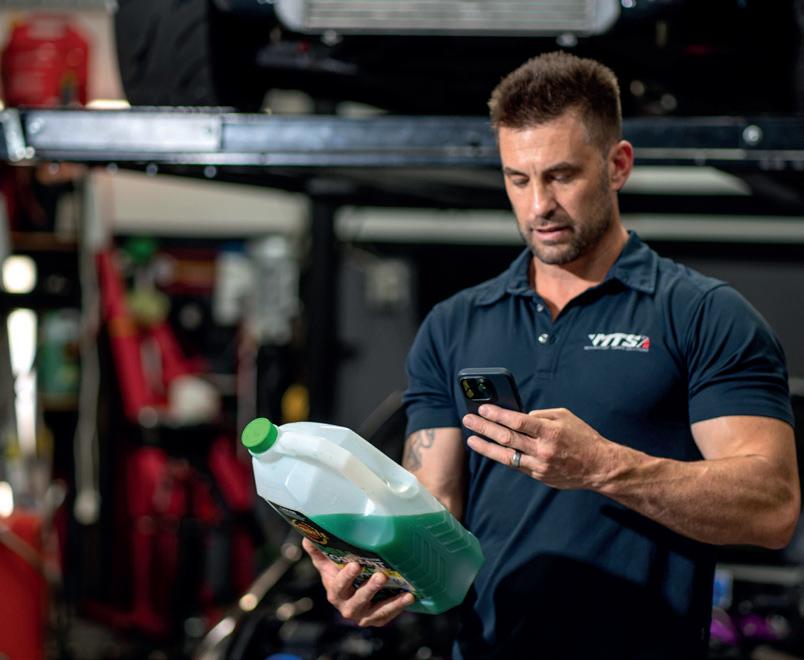
SMARTER SPEND ON EVERYDAY CONSUMABLES
A large portion of trade spend sits in highfrequency categories. Oils, additives, cleaning products and general workshop consumables. They’re purchased constantly, but not always reviewed closely. Supercheap Auto Trade provides access to consistent trade pricing across these categories, making it easier to
manage cost on the items that move the most.
For businesses operating at scale, whether that’s transport operators, agricultural businesses or workshops managing multiple vehicles, purchasing decisions are driven by volume. Across oils, chemicals and maintenance products, small price differences quickly add up.
Supercheap Auto Trade supports this with access to trade pricing across a broad range, including larger pack sizes and bulk quantities where relevant. Spend smarter on the items you buy most often.
For businesses with multiple sites or larger teams, managing purchasing across different users can be a challenge. Supercheap Auto Trade allows for authorised users under a single account, giving teams the ability to purchase as needed while keeping spend connected. It simplifies how businesses manage buying across locations, without compromising visibility or control.
Across the industry, there is a consistent theme. More businesses are looking beyond traditional buying patterns and taking a harder look at where they can improve value.
Supercheap Auto Trade fits naturally into
that approach. A well-known brand, backed by a structured trade program that delivers consistent pricing across the products trade customers rely on every day.
Supercheap Auto Trade is available to businesses across New Zealand with a valid NZBN.
The program offers access to dedicated trade pricing and a wide range of products across automotive and workshop categories.
To learn more or sign up, visit trade. supercheapauto.co.nz.
SHOCK ABSORBERS REMAIN ONE OF THE MOST CRITICAL YET OFTEN OVERLOOKED COMPONENTS IN A VEHICLE’S SUSPENSION SYSTEM, DIRECTLY INFLUENCING RIDE QUALITY, HANDLING STABILITY, AND OVERALL SAFETY
Shock absorbers are designed to control the movement of a vehicle’s springs and suspension. By dampening the energy generated from road irregularities, they help minimise excessive bounce and maintain consistent tyre contact with the road surface. This function is essential for preserving steering accuracy, braking performance, and overall vehicle stability.
When shock absorbers become worn or damaged, vehicle performance can deteriorate quickly. Common consequences include reduced handling precision, increased braking distances, uneven tyre wear, and a noticeable decline in ride comfort. For workshops, identifying and addressing these issues early is key to maintaining vehicle safety and customer satisfaction.
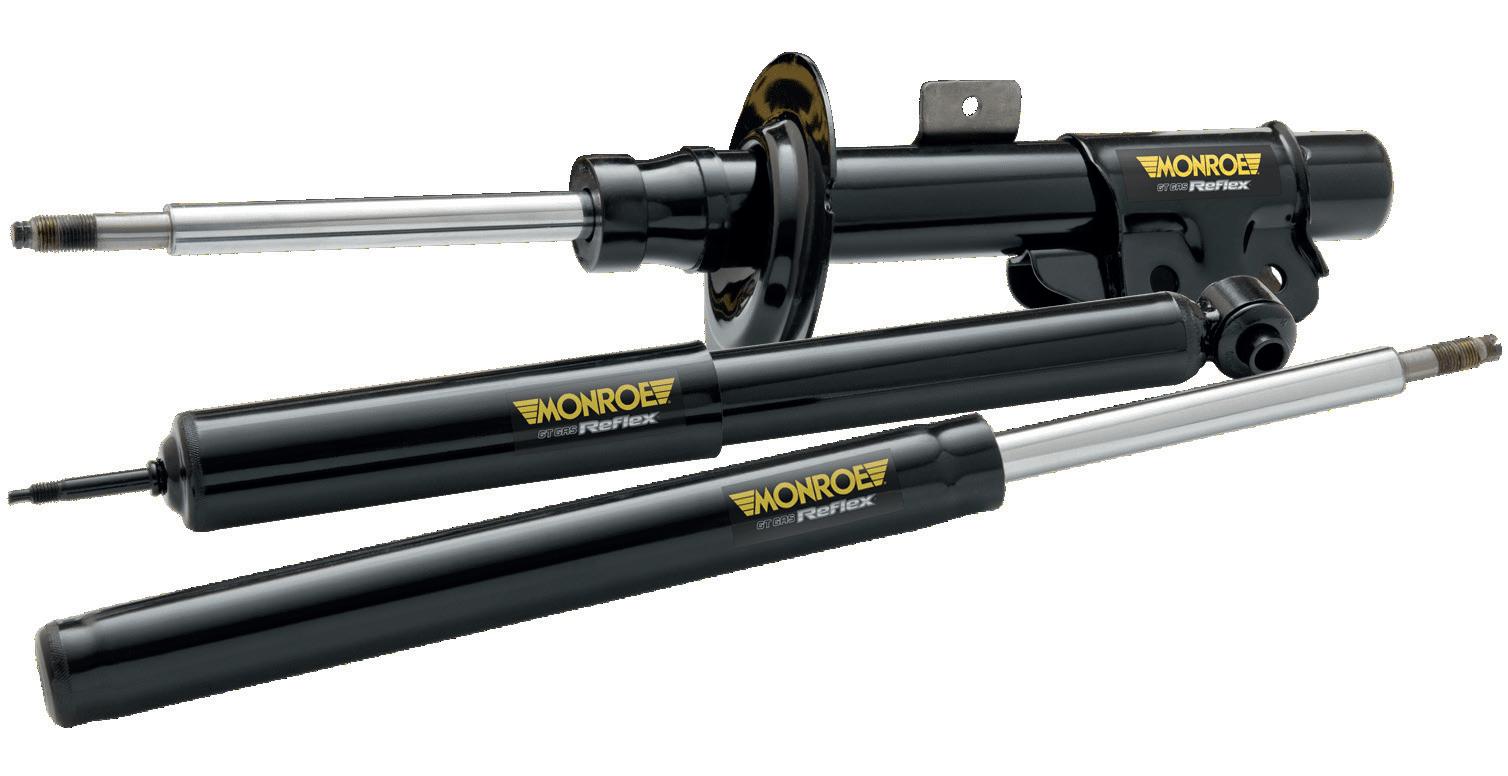
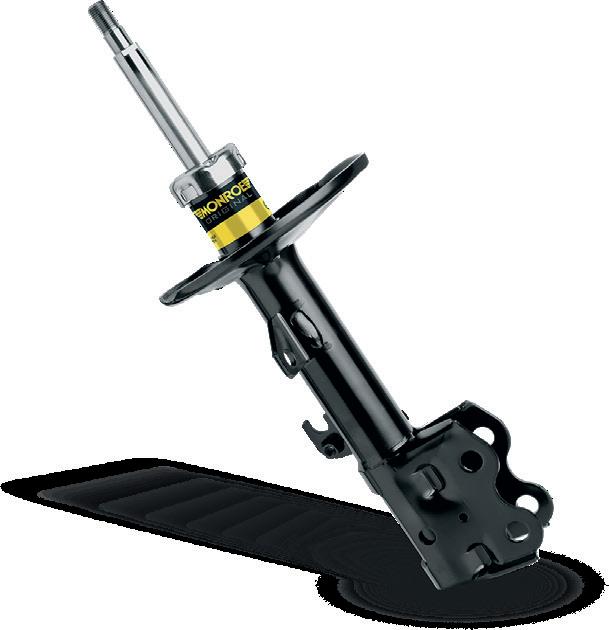
Among the most recognised and trusted names in the global automotive aftermarket is Monroe, a brand that has built a strong reputation for delivering high-quality suspension solutions across passenger cars, SUVs, and New Zealand’s diverse commercial vehicle fleet. In New Zealand, Bapcor NZ is an official supplier of Monroe shock absorbers, ensuring local workshops and trade professionals have reliable access to a comprehensive range of premium suspension components backed by global engineering expertise.
Monroe has established itself as a premium suspension brand through decades of
innovation, rigorous testing, and continuous product development. Its shock absorber range is engineered to meet the demands of varied driving conditions, from urban commuting to long-distance highway travel, towing, and heavy commercial use.
The brand’s product portfolio caters to a wide spectrum of vehicles, including Australian, European, and Japanese imports commonly found in the New Zealand market. Each unit is manufactured to meet or exceed original equipment (OE) performance standards, providing technicians with confidence in both fitment and function.
Monroe’s advanced valving technology plays a central role in its performance advantage. By optimising damping characteristics, these systems enhance vehicle control while reducing noise, vibration, and harshness (NVH), contributing to a smoother and more refined driving experience.
Improved ride comfort is one of the most immediate benefits. Monroe shock absorbers effectively absorb road impacts and vibrations, making them particularly valuable on uneven or rural road surfaces, as well as for long-distance driving conditions common across New Zealand.
Vehicle control is also significantly enhanced. Properly functioning shock absorbers maintain tyre contact with the road, improving steering response and stability during cornering, braking, and acceleration. This translates to
a more predictable and confident driving experience.
From a safety perspective, a well-maintained suspension system reduces body roll and supports more effective braking. In emergency situations, these factors can make a measurable difference in vehicle control.
Monroe products also contribute to reduced tyre wear. By limiting excessive suspension movement, they help ensure even tyre contact with the road, extending tyre life and lowering operating costs for both private and fleet vehicles.
Durability remains another key advantage. Engineered to withstand demanding conditions, Monroe shock absorbers are built for long service intervals, making them a reliable choice for both everyday drivers and commercial operators.
For service centres and technicians, recognising the signs of worn shock absorbers is essential. Common indicators include excessive bouncing after bumps, increased body roll during cornering, nose-diving under braking, and uneven tyre wear. Visible fluid leakage from the shock body or a noticeable decline in steering responsiveness are also clear warning signs.
Addressing these issues promptly not only restores ride performance but also helps prevent further wear on other suspension components, reducing the likelihood of more costly repairs down the track.
With Bapcor NZ as an official supplier, Monroe shock absorbers are readily available to workshops nationwide, supported by a distribution network that understands the needs of the local aftermarket. This partnership ensures consistent product availability, technical support, and access to a globally trusted brand.
As vehicles continue to evolve and customer expectations around comfort and safety increase, the importance of high-quality suspension components remains unchanged. Monroe’s combination of proven engineering, product breadth, and OE-level performance positions it as a go-to solution for technicians seeking dependable results.
For workshops looking to deliver improved ride comfort, enhanced vehicle control, and long-term reliability, Monroe shock absorbers represent a premium choice that meets the demands of modern driving conditions across New Zealand.

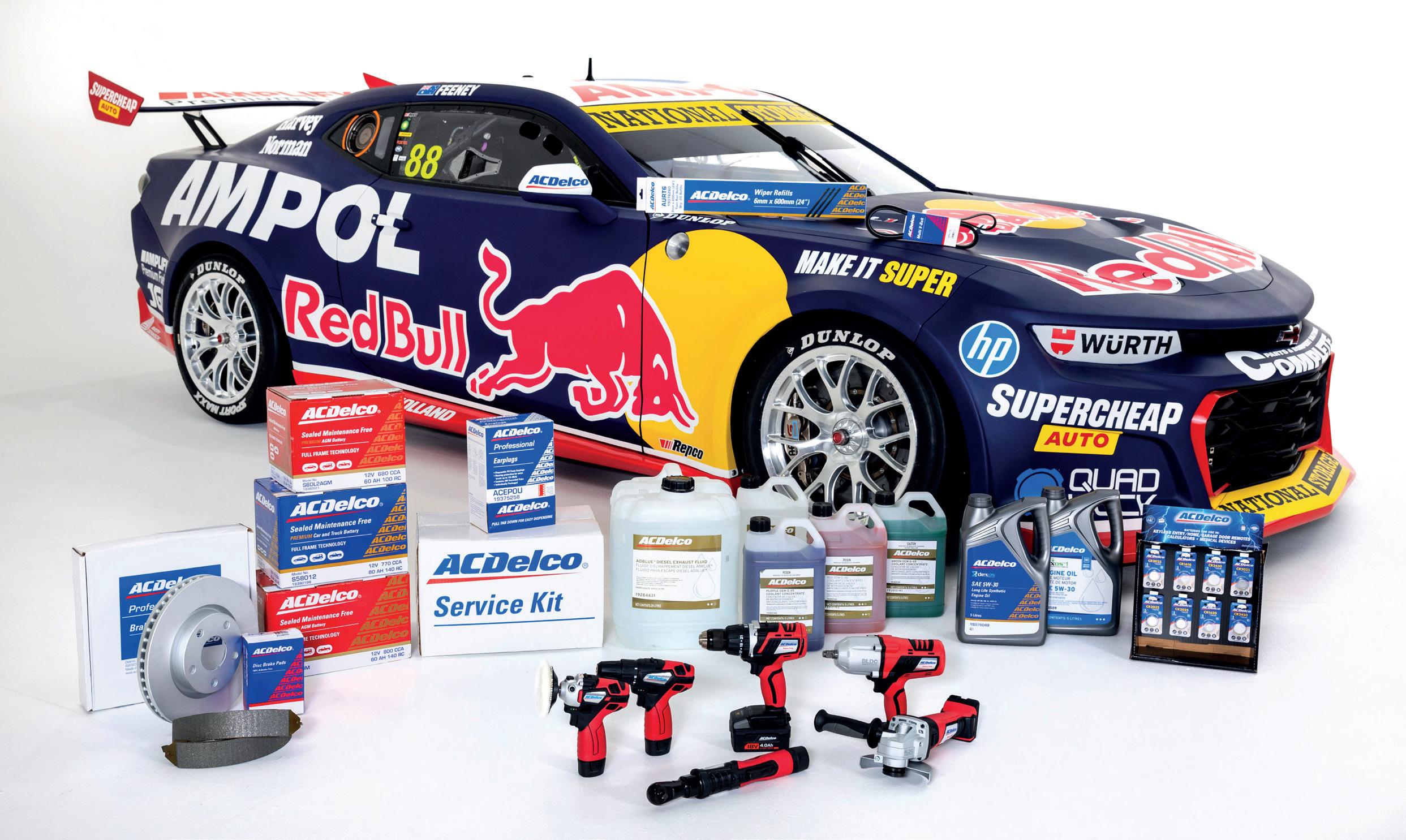
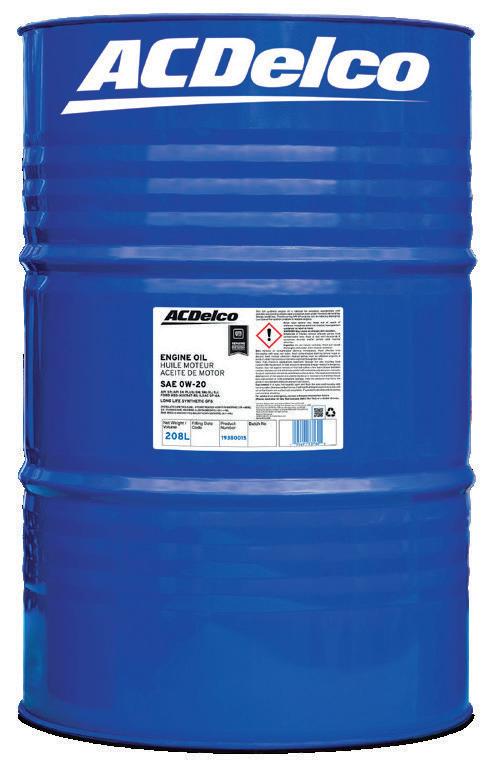
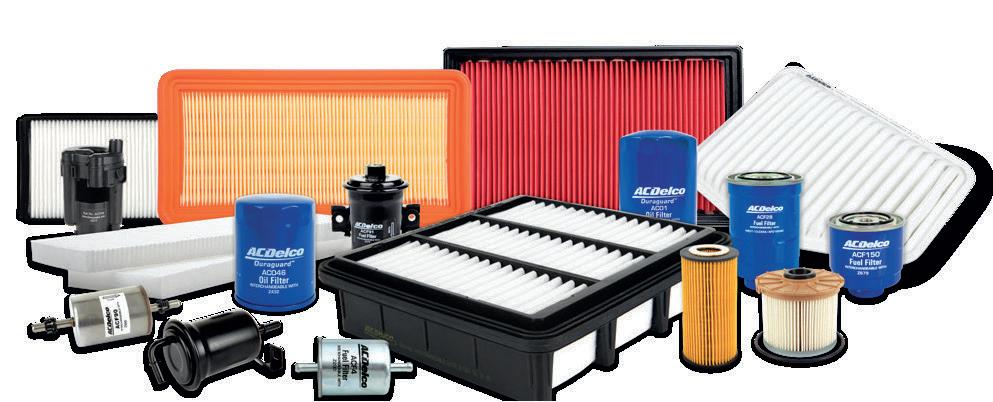
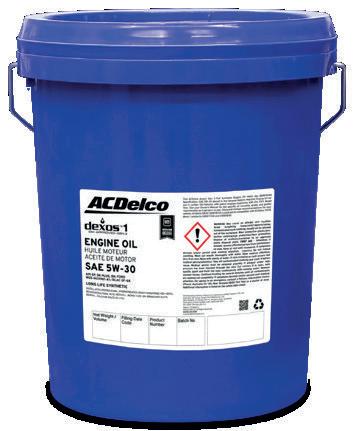
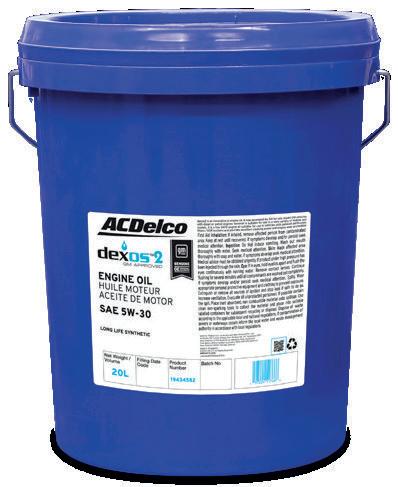
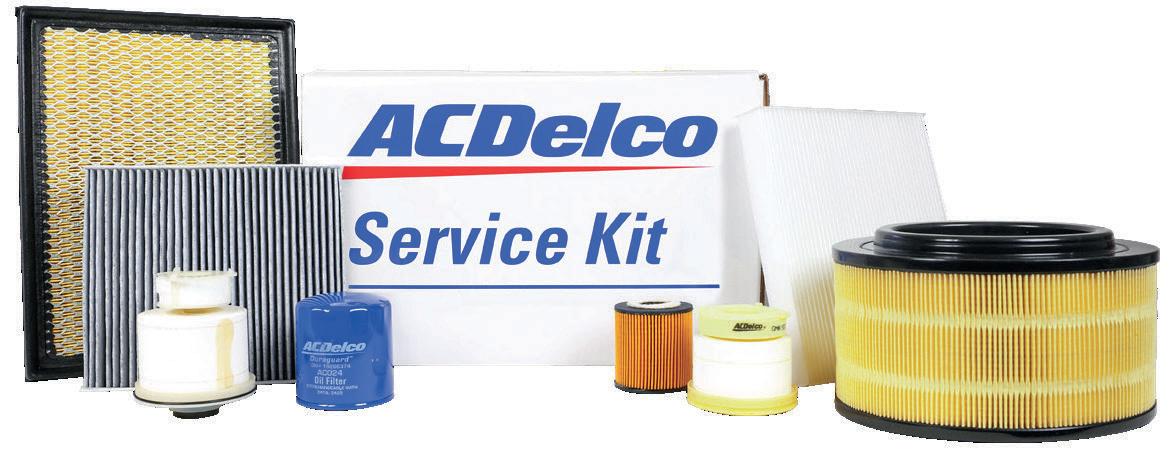
ENSURE ACCESS TO PREMIUM-QUALITY PARTS WHILE MAXIMISING OPERATIONAL EFFICIENCY WITH THE GM TRADE PARTS WEBSITE AND ITS EXPANSIVE INVENTORY OF ACDELCO PARTS
A LEGACY OF EXCELLENCE
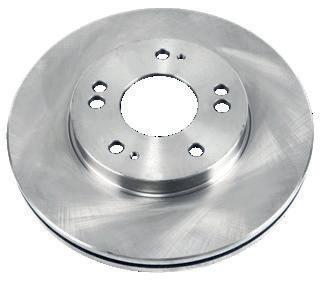
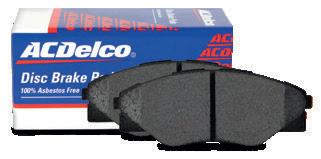
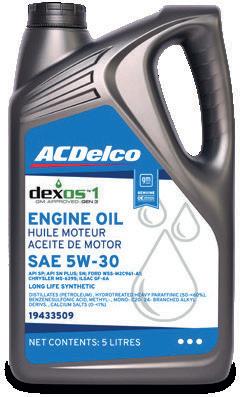
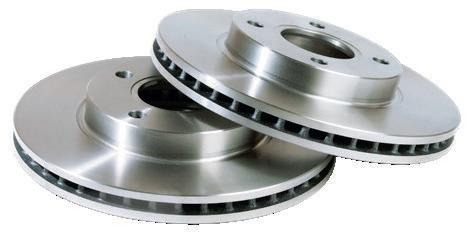
With a pedigree spanning over a century, ACDelco has a reputation for reliability in the automotive industry. Founded to cater to General Motors vehicles, ACDelco expanded its offering to a vast selection of parts suitable for almost every vehicle make and model. ACDelco parts encompass everything from common service essentials like filters and fluids to more integral components like brakes and batteries. This extensive range reflects ACDelco’s commitment to quality and its alignment with General Motors’ standards, ensuring that every piece is crafted with precision and care.
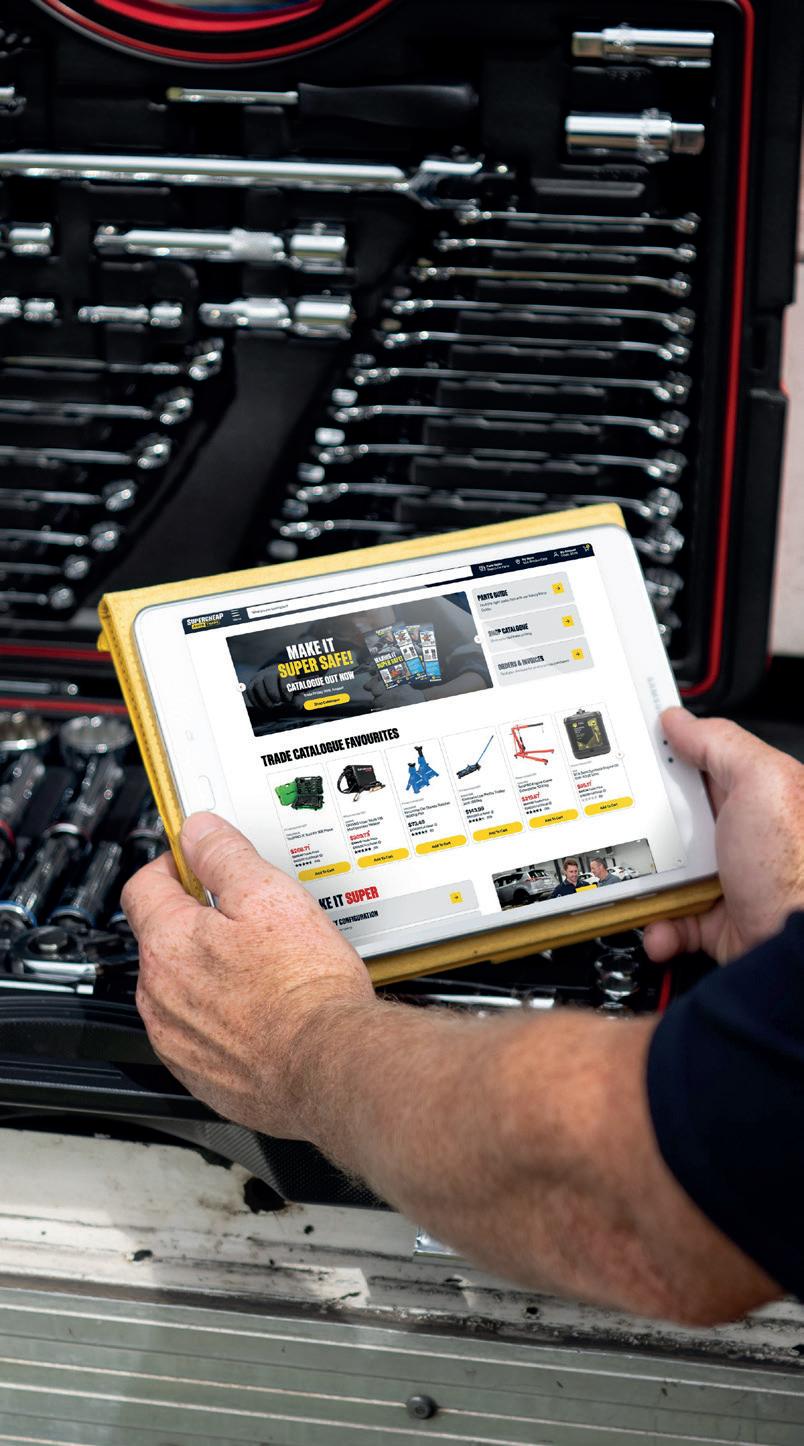
The GM Trade Parts website hub for automotive businesses offers essential tools and resources for accessing genuine parts, including the ACDelco line. Navigating the site is intuitive; customers can search for vehicle parts via license plate, VIN, make/model/year, or part number, making finding the exact component needed for any job easier.
The platform simplifies parts identification
and ensures businesses remain informed about product specifics. Users can access vital resources such as the certified collision repair network information, parts position statements, and guidelines on identifying counterfeit parts.
Signing up as a GM Trade Parts member is sensible for any business that supplies and fits parts for profit. Membership is free and opens a gateway to an array of exclusive benefits. Members gain access to the comprehensive parts catalogue showcasing a broad spectrum of GM Genuine and ACDelco parts, complete with applications, part numbers, and pricing details. Benefits extend beyond access to an abundance of inventory, including access to exclusive promotions and offers, including discounted rates on parts for popular vehicle models and valuable workshop essentials. This means businesses can enhance their service offerings while reducing overheads, thanks to pricing significantly lower than typical trade prices.
Moreover, joining the GM Trade Parts network makes workshops eligible for invitations to trade events, offering a platform
to network and exchange insights with peers across the industry. Access to technical information on all products further cements a member’s advantage, ensuring they can confidently handle any automotive challenge.
All parts purchased via the GM Trade Parts portal, including the extensive ACDelco range, are backed by a New Zealand-wide warranty, offering peace of mind to businesses and their clients. This commitment underscores the trust in ACDelco’s robust manufacturing standards and the assured service from GM Trade Parts dealers.
For businesses looking to manage orders seamlessly, the portal offers convenient functionalities. Orders can be tracked and managed through the ‘Orders’ page, and the ‘Click and Collect’ service is widely available across New Zealand, often without additional charges.
In a market where genuine parts and efficient service are paramount, the GM Trade Parts site, complemented by ACDelco’s trusted products, is a valuable asset. The platform offers quality, cost-efficiency, and support for businesses committed to delivering the best products and services.
Becoming a part of the GM Trade Parts network is easy and available to businesses that supply and fit parts for profit and have a valid NZBN; register for free at gmtradeparts. co.nz and get access to all of the advantages that membership offers.






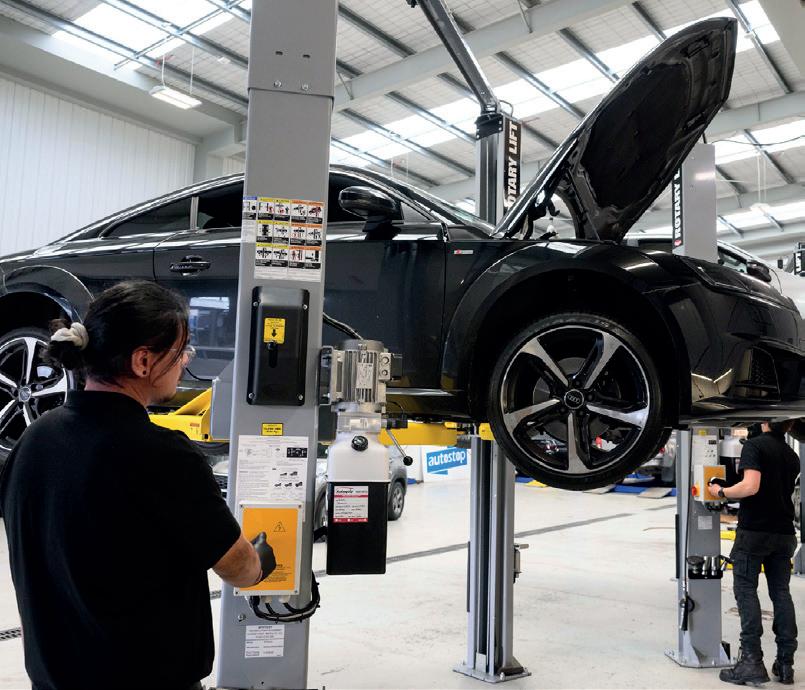
Servicing heavy vehicles demands a different approach to lifting. Fixedpost hoists require specific bay configurations and permanent installation; mobile column systems offer an alternative where the lift goes to the vehicle rather than the other way around. Automaster’s AM9650 and AM-9685 are both wireless mobile column lifts designed for demanding workshop environments, and both follow the same operating principle: individual powered columns that link together, synchronise automatically, and can be repositioned or stored when not in use. Touchscreen control panels are fitted to every column, allowing complete control of all operations from any position around the vehicle.
The AM-9650 has a 5,500kg capacity per column and is rated for trucks, buses, forklifts, campervans, caravans, utes, and 4×4s. Columns are DC24V motor powered

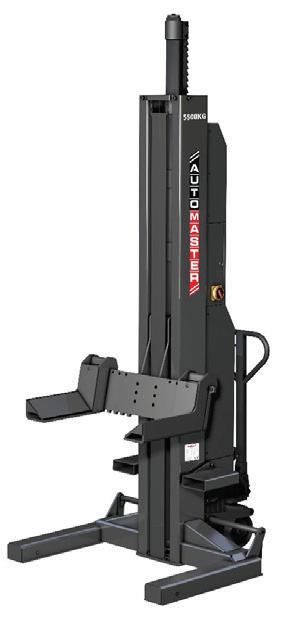
with internal 24V batteries and can be wirelessly linked in configurations of 2 to 12 — or connected by cable if preferred. The hydraulic pallet jack system built into each column means they can be manoeuvred individually without additional equipment, including outdoors onto a level concrete surface of at least 150mm thickness.
Full travel is 1750mm, with a raise/lower cycle of 80 seconds and a maximum overall height of 3770mm. Each column weighs 510kg. Adjustable wheel tines accommodate tyre diameters from 166mm to 550mm. Synchronisation across all linked columns is automatic throughout the lifting and lowering cycle, with mechanical safety locks engaging at all positions and an automatic cut-out at maximum height.
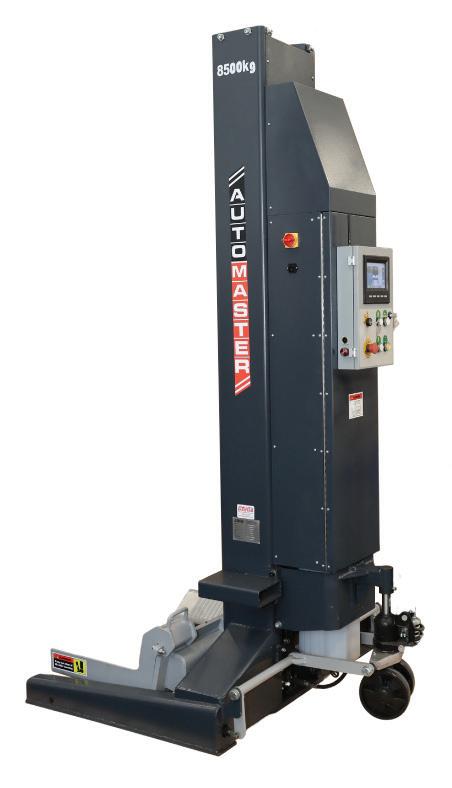
The AM-9685 follows the same architecture at higher capacity — 8,500kg per column — and is suited to heavier truck and bus applications where the AM-9650 reaches its limit. The column count range is identical, 2 to 12, and the operating system is the same: DC24V motor, internal 24V batteries, wireless communication with optional wired fallback, and a touch screen on each column for full independent control.
Full travel is 1700mm with a 120-second raise/lower cycle and a maximum overall height of 3730mm. Columns weigh 810kg each. Wheel tine adjustment covers 240mm to 624mm — a wider range than the AM9650 to suit the largerdiameter tyres common on heavy trucks and buses. Safety systems are the same dual arrangement: hydraulic flow control and mechanical locks, with an automatic stop at the top of travel.
Both models are available through Automaster, with freight delivery nationwide. Installation can be arranged on request.
For further information, contact Automaster on 0800 214 604 or visit automaster.co.nz






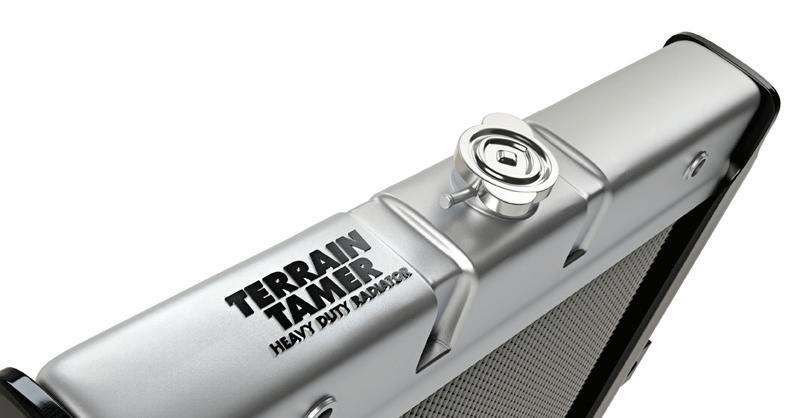
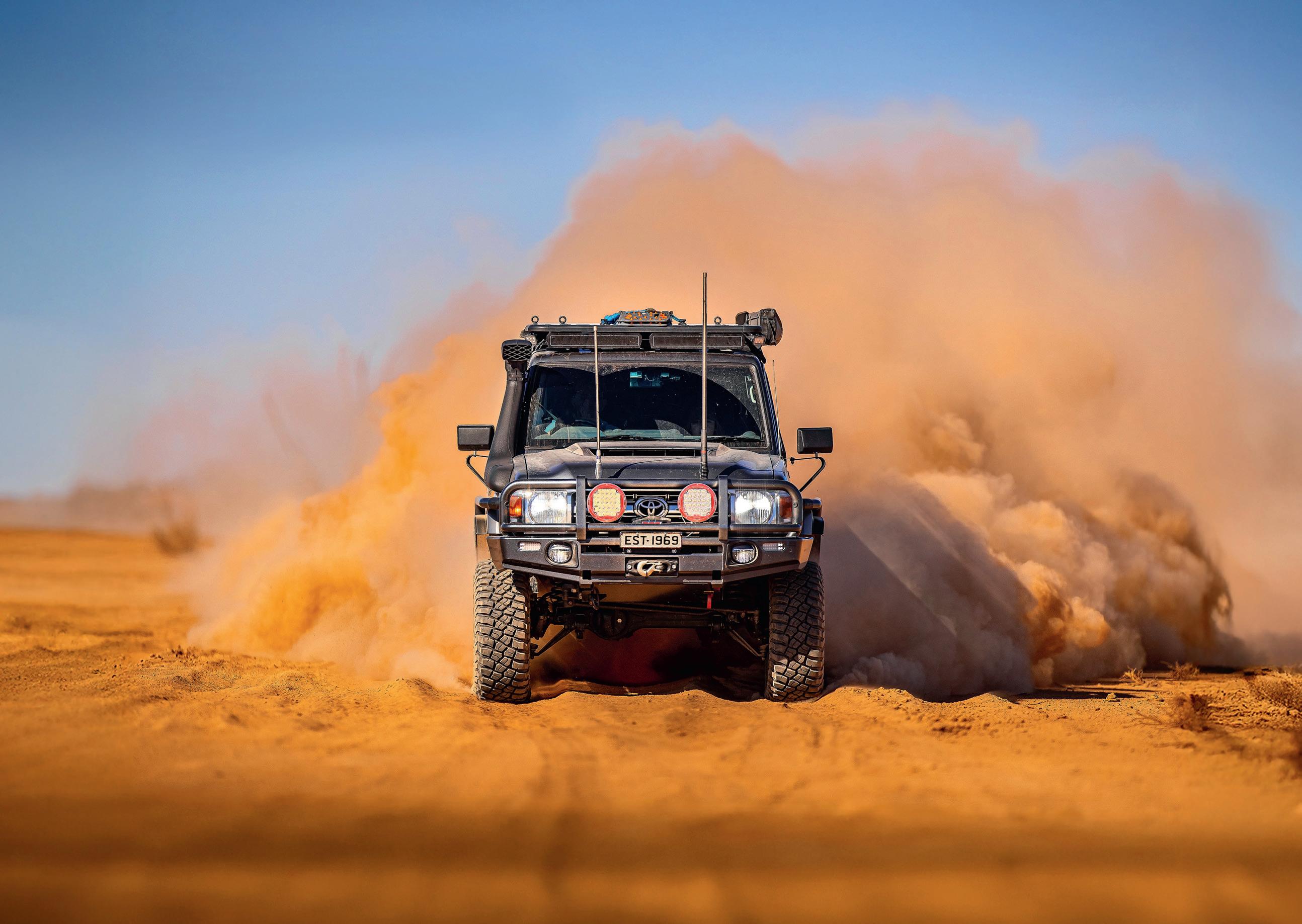
Mining operator BHP has committed to fitting Terrain Tamer Heavy Duty Radiators across the light vehicle fleet at its Olympic Dam site in South Australia, following an almost 12-month trial period that validated both the product’s performance and longevity under sustained heavy-duty conditions.
The Olympic Dam operation, located around 500km north of Adelaide, operates a fleet of 79 Toyota Land Cruiser Series 79s for on-site light-vehicle duties. The trial was facilitated by Outback Mining Services, a Terrain Tamer Dedicated Stockist based in Port Augusta, which handles maintenance operations at the site.
Workshop Manager Kenny Garrard from Outback Mining Services said the decision to commit to Terrain Tamer units came down primarily to product lifespan.
“Decision makers indicated that the highquality manufacturing of Terrain Tamer’s
radiators was one of the things they were most impressed with,” he said.
“The extended lifespan of parts is so important in the light vehicle fleets at mines, and with the Terrain Tamer trial, BHP noted that there was no premature leaking or corrosion of the fins like there had been with others.”
The purchase will be rolled out across several months to fit out the full fleet.
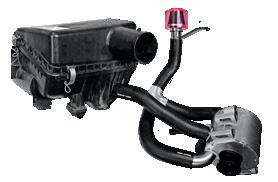
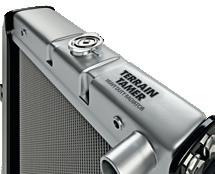
Terrain Tamer’s Heavy Duty Radiators are manufactured by the same supplier that produces radiators for Ferrari, and feature a fully pressed aluminium construction with no welding — a key durability advantage over conventional units, which are prone to cracking under the sustained stress of demanding environments. The improved fin pitch delivers approximately 8% greater cooling capacity than genuine counterparts, with steel mounting brackets included as standard.
Each unit also features a built-in sensor plug compatible with an optional in-dash warning
indicator. Once fitted, the device alerts the operator if coolant levels drop as a result of radiator or hose damage — reducing the risk of extensive and costly engine damage going undetected.
The radiators sit within Terrain Tamer’s Fortified Parts range, which groups the brand’s most robust product lines for heavy-duty and off-road applications.
The BHP commitment at Olympic Dam follows a separate adoption of Terrain Tamer products at BHP’s iron ore operations in the Pilbara, Western Australia. In late 2023, a fleet of more than 100 Toyota Hilux vehicles servicing those sites was fitted with Terrain Tamer Parabolic Springs.
Together, the two contracts represent a meaningful endorsement of the Terrain Tamer range in one of the most demanding fleet environments there is.
For more information on Heavy Duty Radiators, Parabolic Springs, or any of Terrain Tamer’s other products, visit terraintamer.com
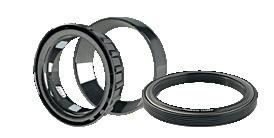
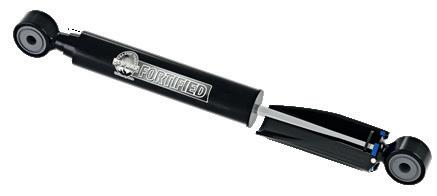
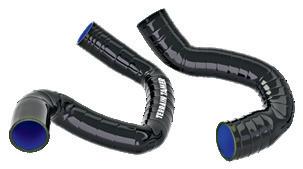
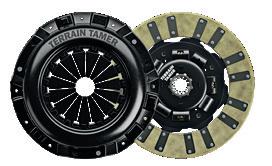
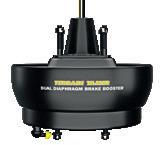
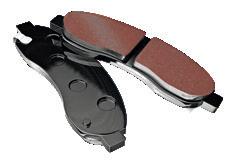
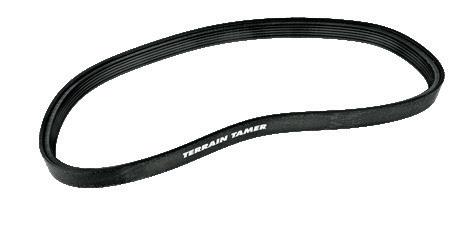
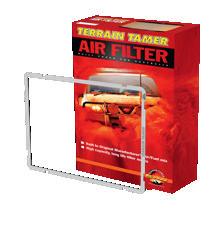
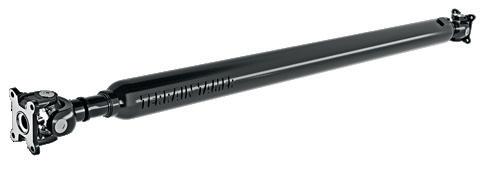
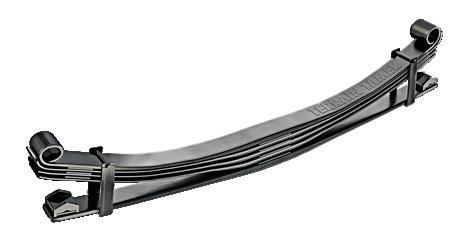
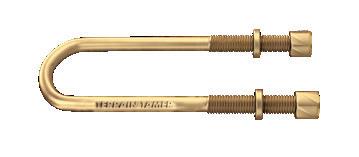
At Terrain Tamer, we understand the demands of real heavy duty 4WD vehicles, tackling extreme conditions. That’s why we’ve invested in the technology to create our TERRAIN TAMER FORTIFIED 4WD Parts range, uniquely designed and developed to truly meet these needs. We’re built tougher as recognised and used in mining, emergency services and agriculture, and those who really need to demand more from their vehicle.
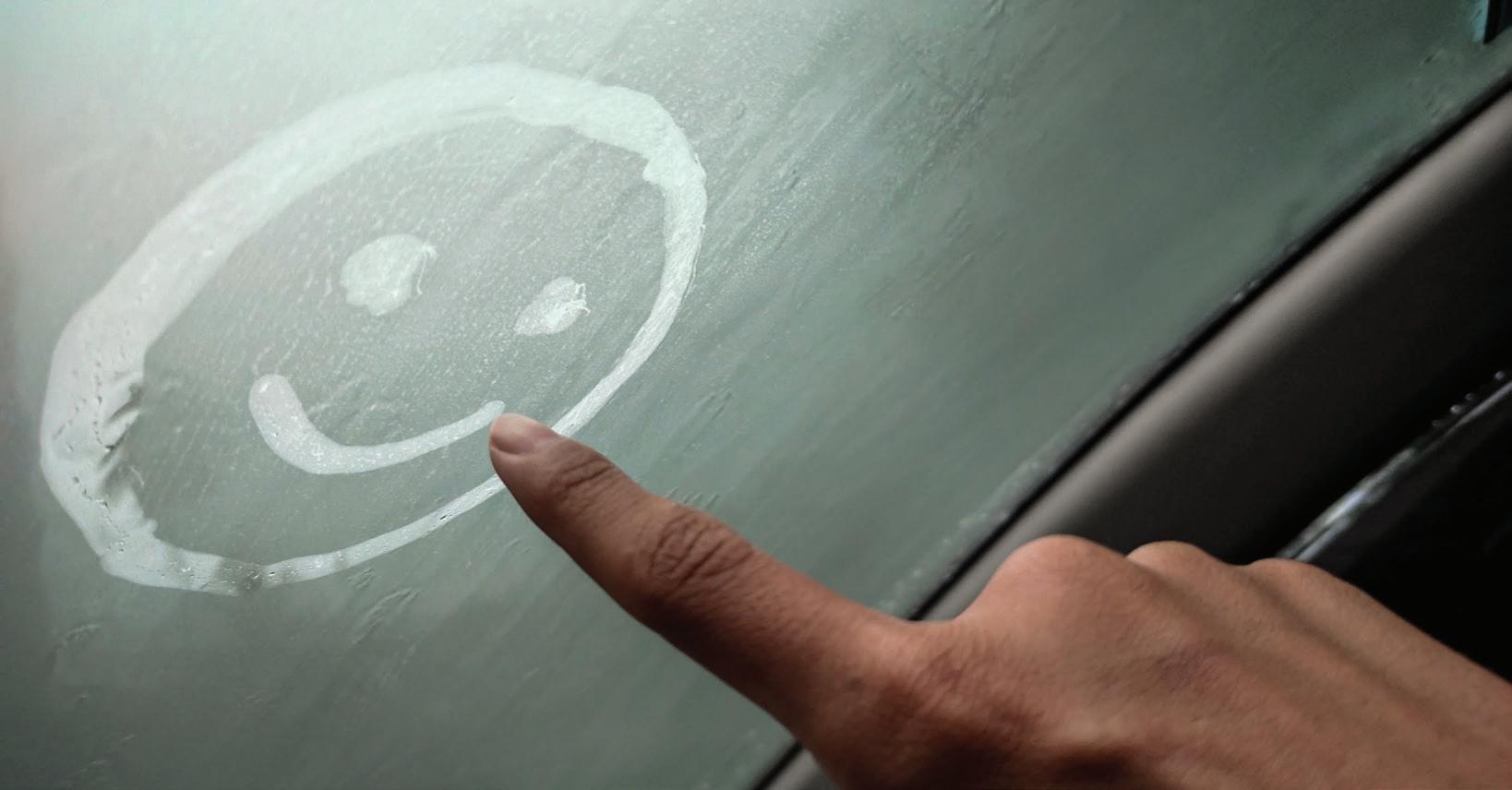
When most drivers hit the demist button on a cold morning, they’re not thinking about their A/C system — but that’s exactly what’s doing the work. Removing moisture from cabin air, clearing the windscreen, keeping visibility safe: it’s all on the air conditioning system, and if it isn’t performing properly, the driver knows it within seconds.
For workshops, that creates a real and recurring seasonal opportunity. Winter doesn’t switch off A/C demand — it shifts it. The system is working just as hard in July as it is in January, and customers who’ve had no reason to think about it since last summer may be sitting on a problem they haven’t noticed yet.
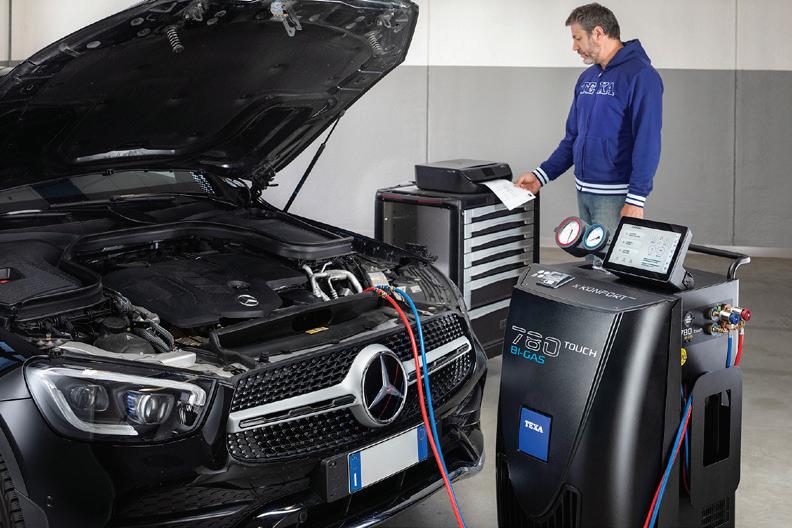
The assumption that A/C servicing belongs to summer is widespread — and it costs workshops revenue. In reality, a vehicle’s climate control system operates year-round. Demisting, cabin dehumidification, and defrost functions all draw on the A/C system, and any degradation in performance is felt immediately during cold, wet conditions when visibility is at a premium. Proactive workshops that position A/C servicing as a winter maintenance item — alongside brakes, tyres, and battery checks — are better placed to drive consistent throughput between the busy seasonal peaks. The conversation is easier than it sounds: most customers understand that a system doing double duty in winter needs to be in good shape to do it reliably.
Modern A/C systems don’t forgive sloppy servicing. Refrigerant levels need to be accurate. Leaks need to be found, not guessed at. Oil management has to be correct — contamination in the system accelerates compressor wear and can turn a straightforward service job into a warranty headache.
The consequence of imprecise work isn’t just a comeback — it’s compressor damage, refrigerant loss, and a customer who won’t be back. Done well, a quality A/C service is a trustbuilder. Done poorly, it’s the kind of job that follows a shop around.
That’s where the equipment in the bay becomes a differentiator. A station that automates the critical steps — recovery, recycling, recharge — removes the margin for human error and shortens service time. It also allows a technician to run a systematic check rather than relying on manual judgement calls.
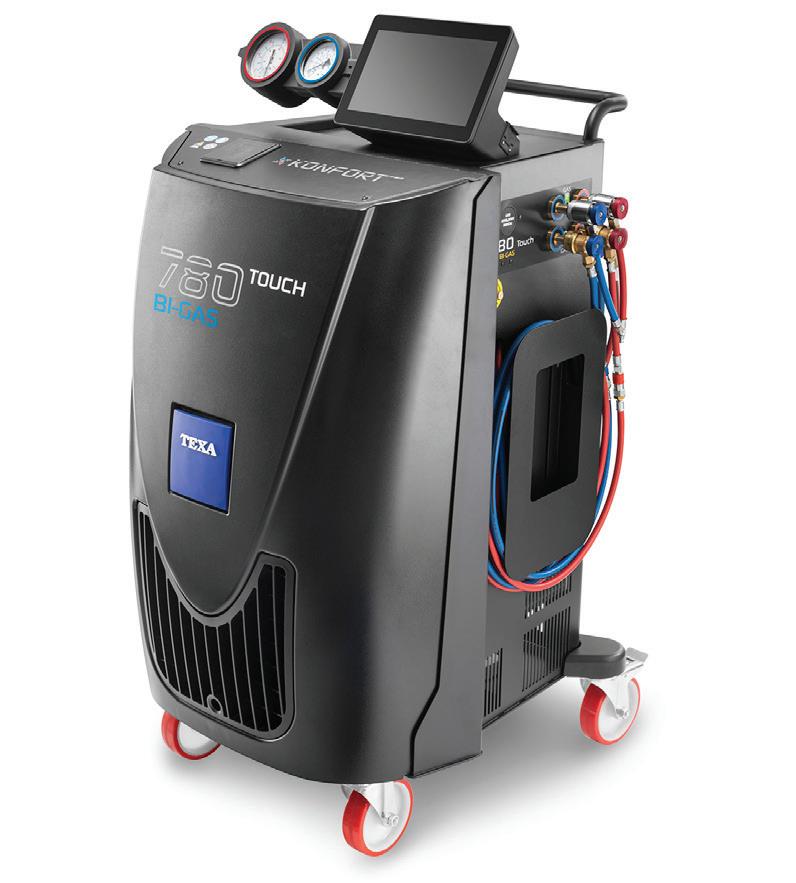
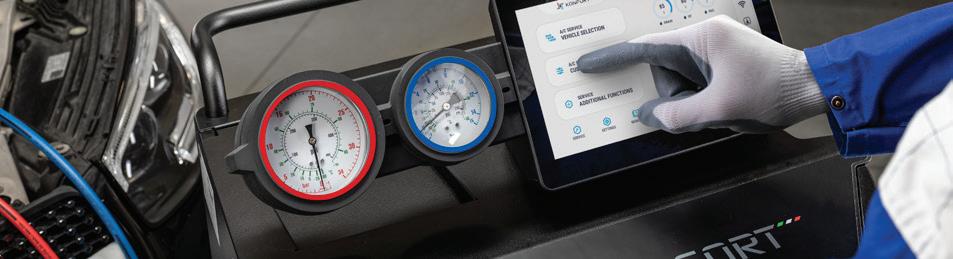
TEXA’s Konfort 780 Touch Bi-Gas is the top of the company’s A/C servicing range, and it’s built for workshops that need to handle both R134a and R1234yf refrigerants — the two
standards that currently make up the bulk of the New Zealand fleet.
The unit operates with two separate tanks and two independent circuits, so recovery, recycling, and recharging for each refrigerant type stays completely isolated. There’s no crossover risk, no need to swap between setups, and no interruption to the service process when the next vehicle in has a different refrigerant spec to the one before it.
The service process is fully automated, running from a 10-inch touchscreen and backed by a DATABASE operating mode that handles service parameters without manual input. A customised service mode is also available for workshops that need more control over individual jobs. Charging accuracy sits at ±15g, with high-efficiency refrigerant recovery rated above 95%.
Standout features include TEXA’s Air Tight Bottle oil anti-contamination system — a patented design that prevents oil contamination during service — alongside automatic oil management and quantity measurement via electronic scales. A scale-locking
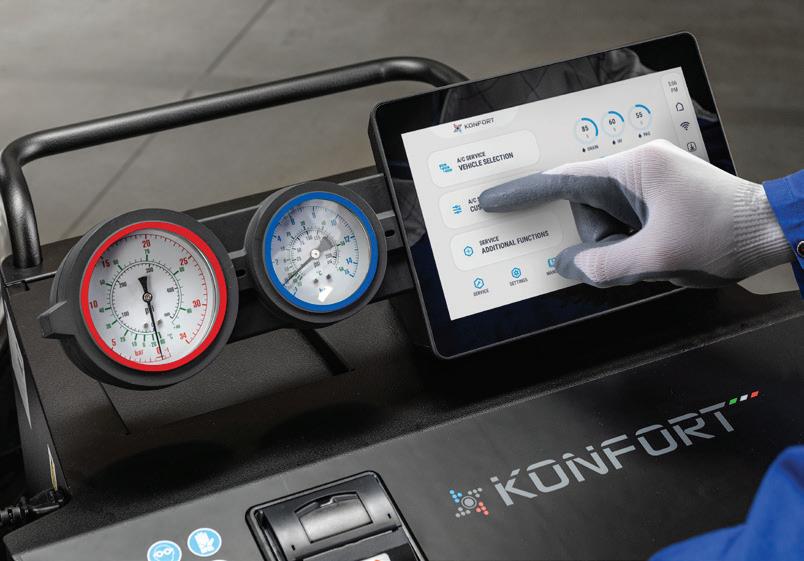
system maintains accuracy, and automatic management of non-condensable gases removes another variable from the process.
The station also includes automatic leak detection, a two-stage vacuum pump, flushing systems for both refrigerant and oil changes, and compatibility with hybrid vehicles. Service records can be printed via Wi-Fi to a built-in thermal printer, and the unit supports automatic updates and remote assistance. It’s compatible with the Konfort app, and an automatic maintenance alarm keeps the equipment itself in check between scheduled services.
For workshops that handle significant A/C volume — or those looking to build it — the 780 Touch Bi-Gas removes most of the process variables that lead to inconsistent results.
The case for A/C servicing as a regular winter item isn’t complicated. The technology is in more vehicles than ever, the refrigerant landscape is changing, and customers are increasingly used to being told their car needs a service they hadn’t thought to ask about.
Workshops that get ahead of it — with the right equipment and a consistent service process — are in a better position than those waiting for customers to raise it themselves.
A well-equipped bay and a clear service offering is most of the job done.
Contact the Repco Equipment team on 0800 237 726
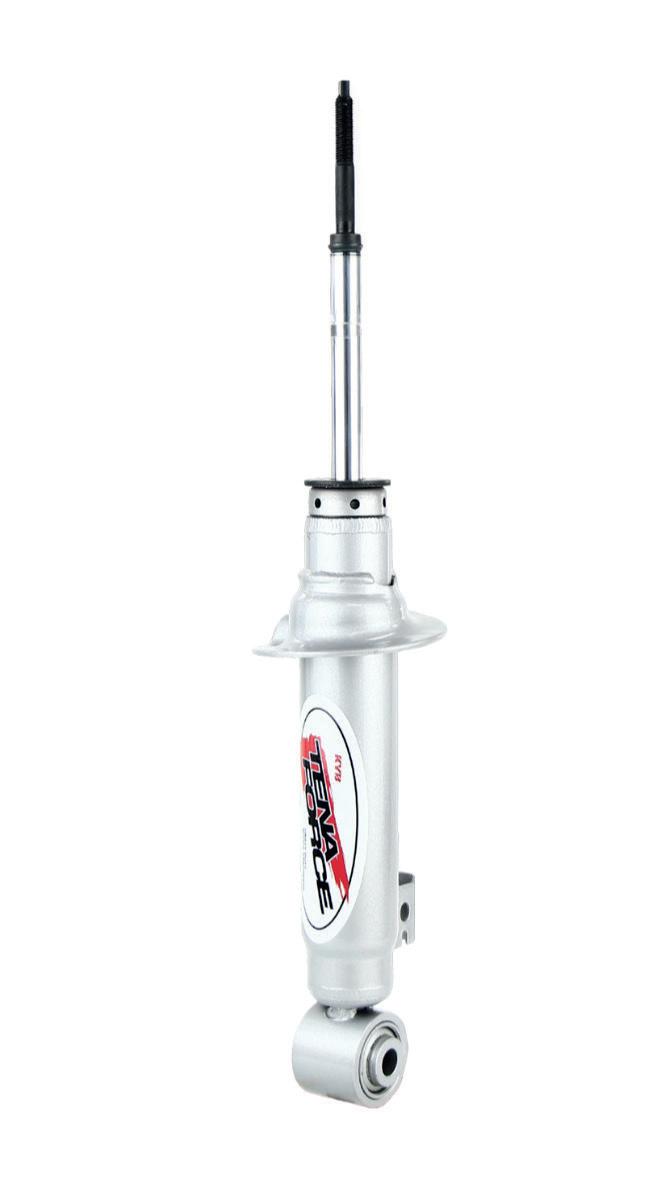
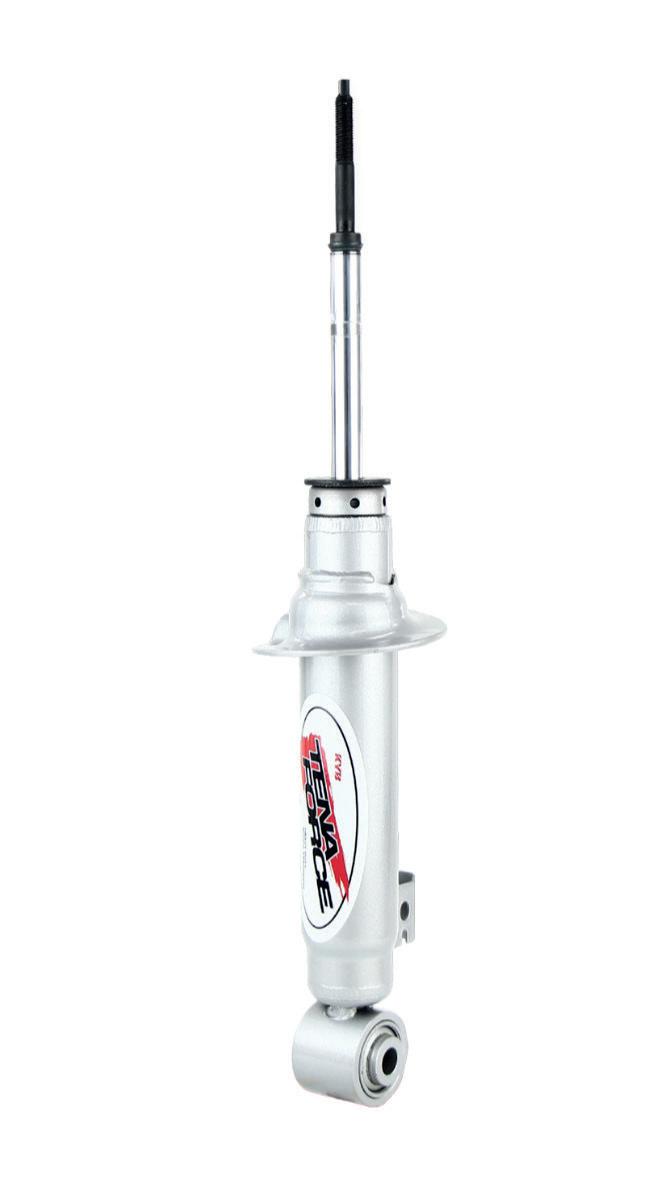
• Standard height HD upgrade
• 20-35% heavier valving to suit uprated coil and leaf springs
• 35mm bore with increased oil capacity
• HD Range for vans, ute, SUV


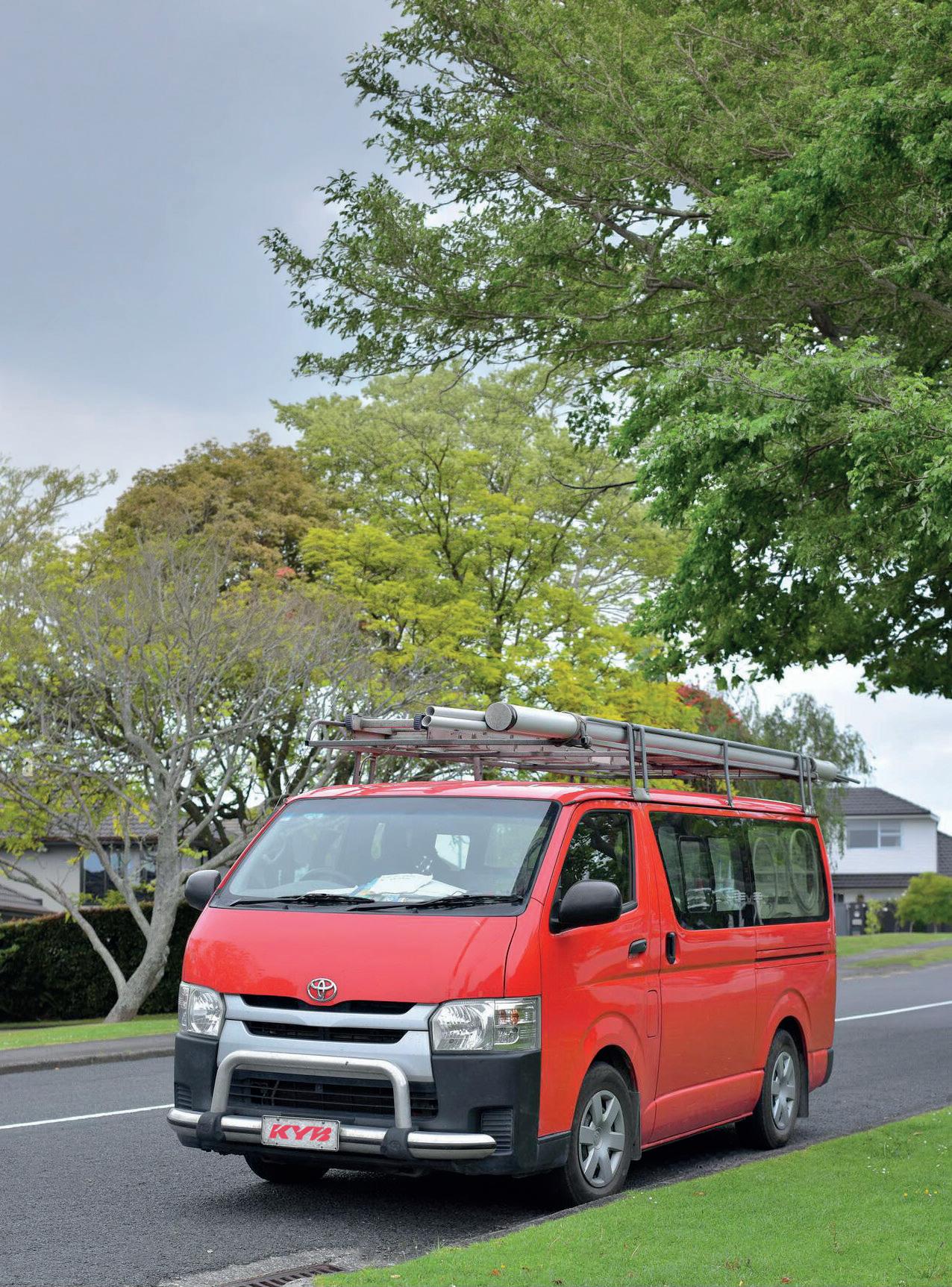

When many people think of Trailcom, they immediately associate the brand with high-quality trailer parts and towing components. While Trailcom has built a strong reputation as one of New Zealand’s leading trailer component suppliers, the business has evolved significantly to become a comprehensive provider of towing, carrying, and vehicle accessory solutions. For over 40 years, Trailcom has supported the New Zealand trailering market with a wide range of products designed to meet the needs of trailer manufacturers and repairers alike. Today, the company’s offering extends far beyond trailer parts, encompassing some of the industry’s most trusted brands.
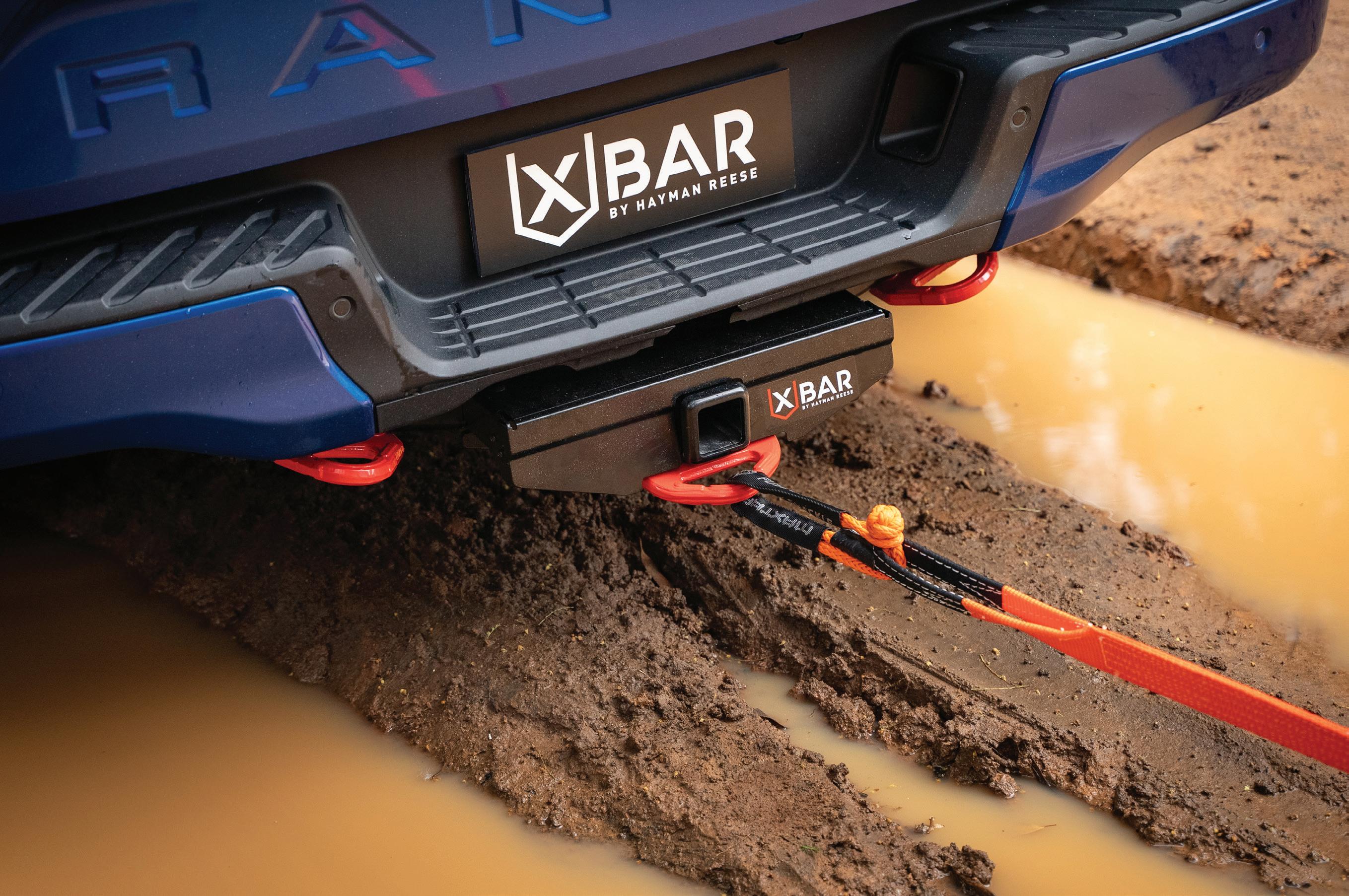
A cornerstone of the Trailcom portfolio is Hayman Reese, Australia’s most recognised towing brand. Trailcom manufactures, distributes, and supports a wide range of Hayman Reese towbars engineered to meet stringent safety and performance standards. From passenger vehicles and SUVs through to commercial applications, Hayman Reese
products deliver the reliability and durability customers expect when towing caravans, trailers, boats, and recreational equipment.
Trailcom is also the New Zealand distributor of Rola Roof Racks and Carrying Systems, providing practical transport solutions for tradespeople, adventurers, and families alike.
The Rola range includes roof racks, roof trays, bike carriers, kayak carriers, and luggage solutions that maximise vehicle storage while maintaining ease of use and vehicle compatibility. As vehicle lifestyles continue to evolve, demand for versatile carrying solutions continues to grow, making Rola an increasingly important part of Trailcom’s offering.
Safety remains a key focus for the business, with Trailcom also distributing Milford Cargo Barriers, a trusted name in occupant protection. Designed and tested to rigorous standards, Milford barriers provide critical protection by preventing cargo from entering the passenger compartment during sudden braking or collisions. The range is particularly popular with fleet operators, tradespeople, and outdoor
enthusiasts who regularly transport equipment and gear.
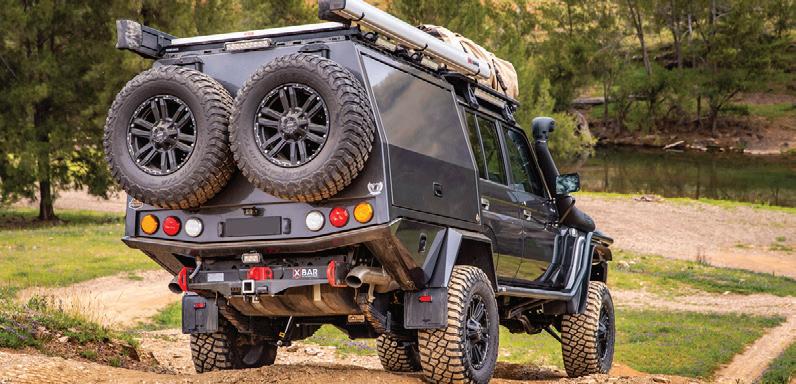
Complementing the range are East Coast Bullbars, Australia’s leading manufacturer of premium alloy nudge bars and bull bars; Kaymar, with more than 30 years of experience manufacturing rear bars and wheel carriers for rugged touring and off-road applications; and Piak, offering an extensive range of bull bars, rear bars, side steps, and underbody protection systems for a wide variety of vehicles.
By combining locally manufactured products with premium international brands, Trailcom has positioned itself as a one-stop supplier for towing, carrying, cargo management, and vehicle protection solutions. Supported by nationwide distribution, technical expertise, and strong aftermarket relationships, the company continues to invest in products that help customers get more from their vehicles. As the automotive market evolves, Trailcom’s commitment remains unchanged: delivering quality products, trusted brands, and innovative solutions that go well beyond trailer parts.
For more information, call 0800 698 227

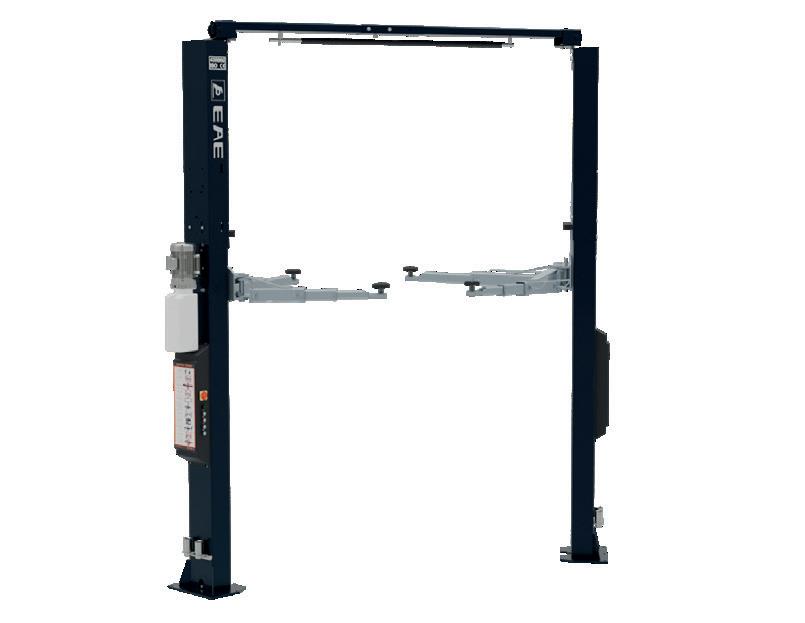
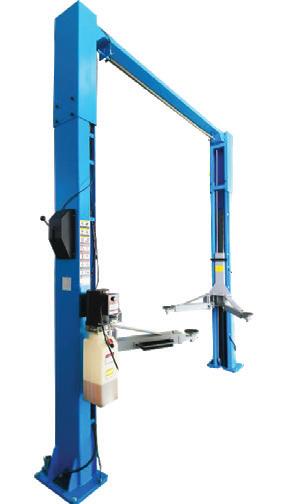
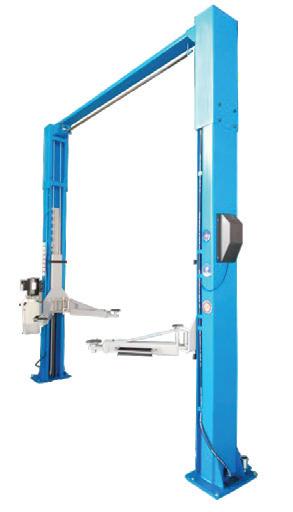
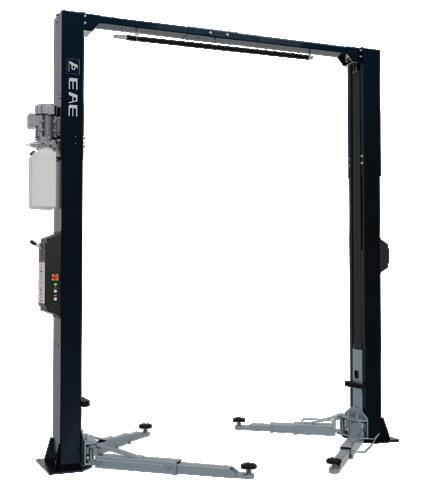
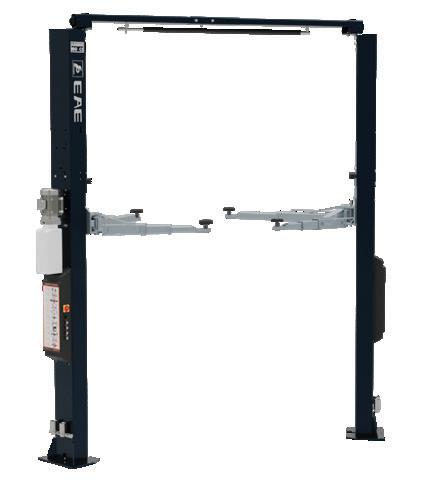
FROM LIGHT COMMERCIAL TO HEAVY-DUTY WORKSHOP USE, STRADA LIFTS COVERS THE TWO-POST HOIST CATEGORY WITH CE-CERTIFIED EQUIPMENT, LOCAL PARTS SUPPORT, AND A 5/2/2 WARRANTY STRUCTURE
THE WORKHORSE: SL200
The SL200 is Strada’s clear-floor two-post hoist, rated to 4,500kg on single-phase 240V/15amp supply. Combo arm assembly handles both symmetrical and asymmetrical configurations without additional parts, and the three-piece front arms and two-piece columns make for a straightforward install. Single-point lock release simplifies operation, and the Q355 steel carriage construction is a step up from the Q235 commonly found at this price point. Maximum lift height is 1,850mm standard, or 2,050mm with the supplied truck adapters. The SL200 is available in black or blue with grey arms. The SL200 is the workhorse, with thousands of units sold across New Zealand.
MID-RANGE: C10M
The C10M is the range’s commercial-duty option, rated to 4,500kg with an extra-wide 3m drive-through width — suited to workshops

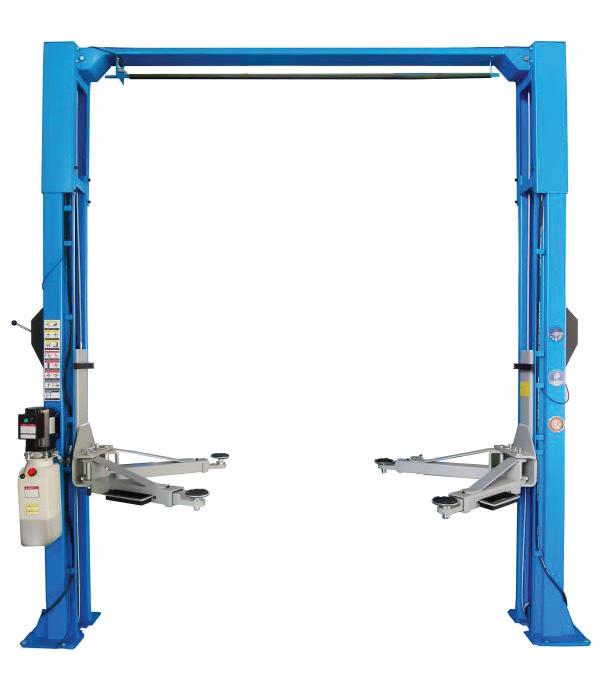
regularly handling vans, utes, and light trucks. It runs on 240V or 400V supply and shares the 24V push-button control system of the 62C. Optional wheel support forks allow the vehicle to be lifted from the tyres rather than the chassis. Overall installation height adjusts between 3,600mm or 3900mm. A singlehandle lowering operation keeps things simple under pressure. Like the 62C, the C10M includes overhead safety cut-off, door protection pads, and automatic arm locks with hydraulic overload protection.
The EE-62C steps up to a full 24V control system with auxiliary post control — meaning the lift can be operated from either post, which is a practical advantage in a busy bay. Ultra-low arms are standard, with a minimum height of 70mm. The 62C is configurable as asymmetric or symmetric without additional parts, and
overall installation height adjusts between 3,867mm and 4,300mm to suit different workshop ceiling heights. Arm locks engage and disengage automatically, with mechanical latches and restrictive valves providing double safety redundancy. Rated to 4,200 kg, CEcertified, and available in charcoal with grey arms.
Across the range, Strada Lifts backs its hoists with a five-year structural warranty, twoyear hydraulic and electrical cover, and twoyear general warranty — with all spare parts held locally in New Zealand. That local parts availability matters: when something needs attention, it can be sorted without waiting on an international freight cycle.
For more information, visit stradalifts.co.nz or call 021 509 286

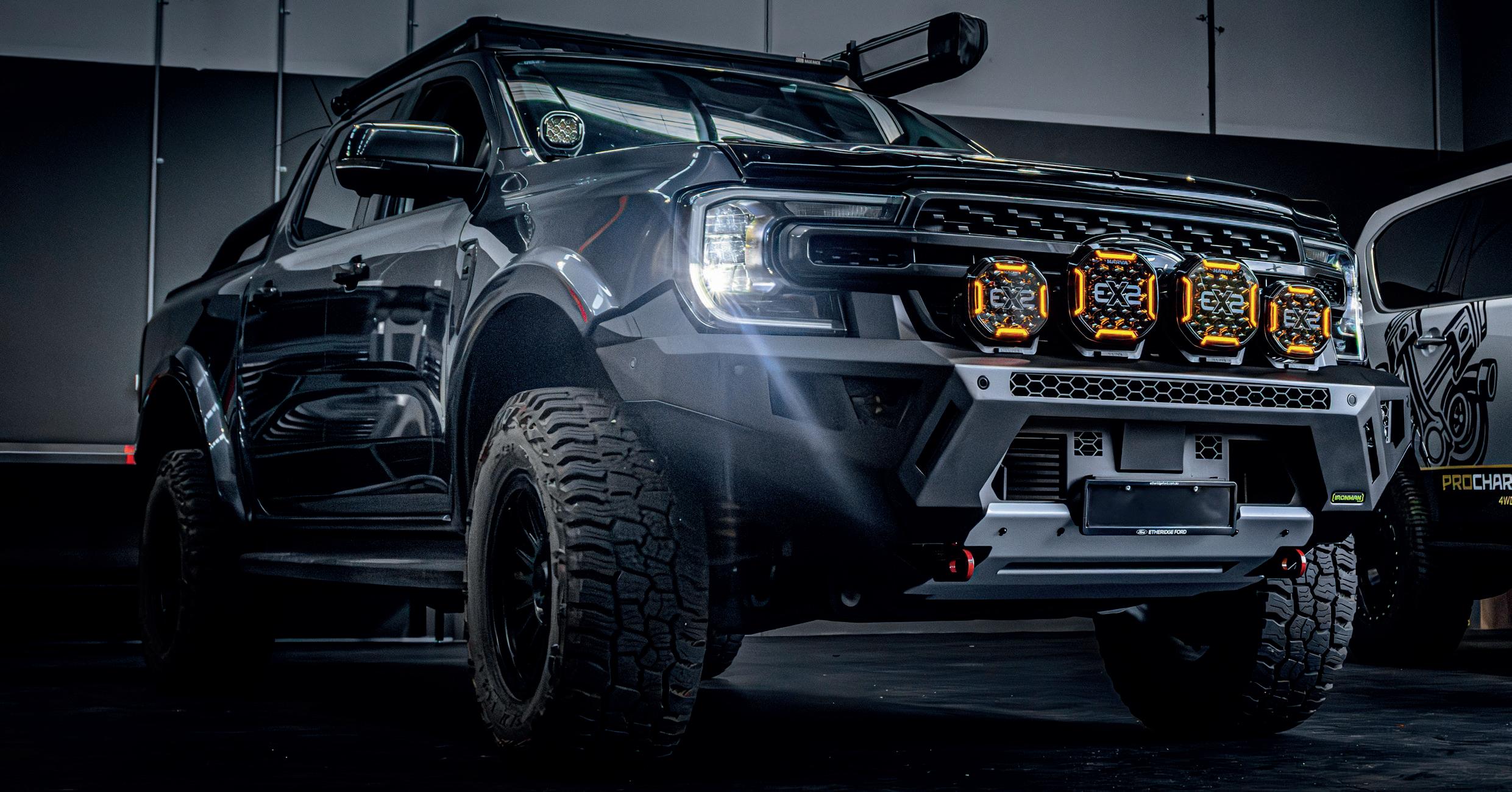
CLEAN LOOKS, HARNESS-FREE WIRING, AND SERIOUS OUTPUT — NARVA’S EX2 BLACKOUT RANGE IS BUILT FOR THOSE WHO WANT AUXILIARY LIGHTING DONE PROPERLY
For many in the trade, the working day starts before sunrise and wraps up well after dark. Reliable auxiliary lighting isn’t a luxury in that context — it’s a basic requirement. Narva’s EX2 Blackout Range is designed with exactly that in mind: a purposebuilt LED driving light system that delivers high output, clean aesthetics, and a genuinely straightforward installation process.
The defining visual feature is an all-black smoked lens housing that integrates cleanly into modern builds without the chrome-andyellow look of older auxiliary lighting. But the EX2 Blackout isn’t just a style exercise — the performance figures back it up.
One of the most practical aspects of the EX2 Blackout Range is how it wires up. Traditional auxiliary lighting installs typically involve an external wiring harness, an in-cabin switch, and cables routed through the firewall — adding time, complexity, and opportunities for things to go wrong.
Narva has eliminated all of that. The EX2 uses a patent-pending internal switching system, meaning the relay and switch are integrated directly into the lamp. Installation involves patching into the high beam signal wire and fusing directly to the battery — no harness, no firewall penetration. Each light ships with a 500mm flying lead wire to simplify the connection.
For vehicle fit-out specialists and workshop technicians, the time saving is real. It also produces a cleaner result for the customer.
The EX2 Blackout’s hybrid beam pattern is designed to deliver both distance and spread without the dark spots or hot spots that can compromise beam quality in cheaper units. The 7” driving lights produce 6,000 effective lumens per lamp, reaching 1 lux at 700m. The 9” pair extends to the same 700m distance with a spread of 60m width at 1 lux — numbers that hold up on open highway as well as off-road. The dual-colour position lights switch between amber and white, giving operators the ability to adjust to conditions or meet on-road requirements.
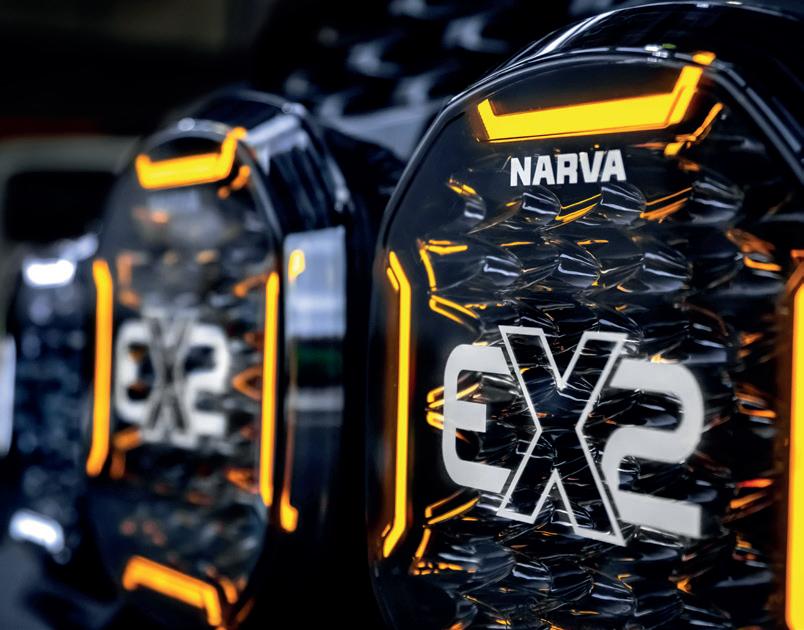
The EX2 Blackout is constructed to handle the kind of use it’s likely to see. The housing is pressure die-cast aluminium with integrated heat-sink fins. Lenses are UV-resistant hardcoated polycarbonate — resistant to chipping, yellowing, and chemical exposure. Mounting brackets are composite glass-filled nylon, which offers vibration resistance without the corrosion risk of pressed steel.
Ingress protection is rated to IP68 and
IP69K, covering sustained immersion and highpressure washdown. The range is backed by Narva’s seven-year ‘no fault’ warranty — if you think it should be covered, it is.
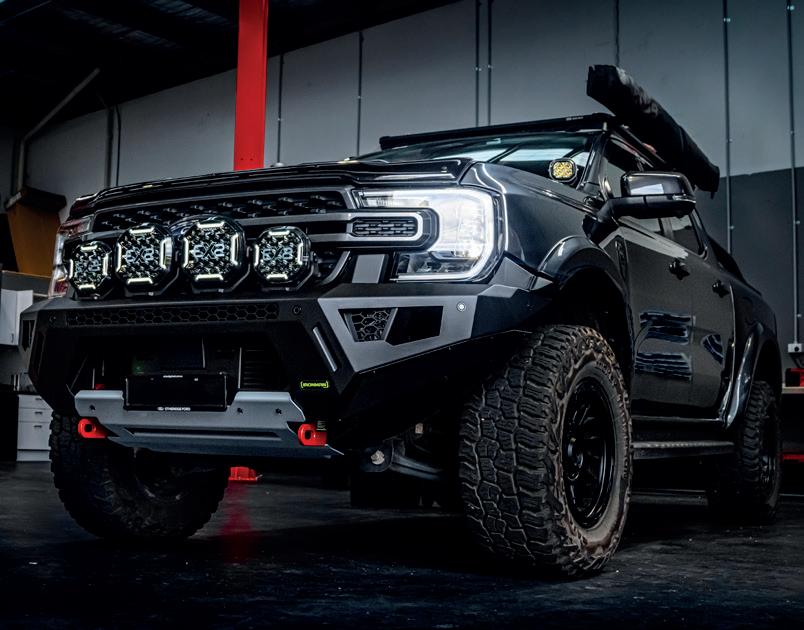
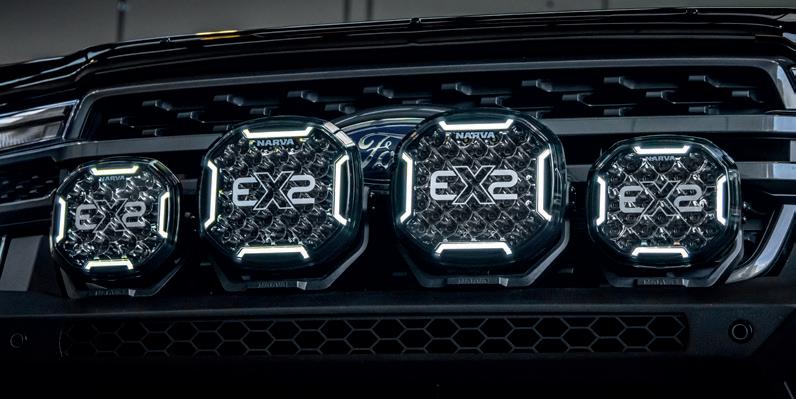
The EX2 Blackout Range includes 7” and 9” driving light pairs, and a 10” single-row licence plate light bar rated at 2,235 effective lumens — a clean option for builds where bumper or roof-mount driving lights aren’t practical or permitted. The licence plate bar installs in around 10 minutes with an included plug-andplay fused wiring harness.
The full EX2 range (including non-Blackout variants) extends further, with 4” and 3” pod lights and light bar options in 10”, 20”, and 30” configurations — all sharing the same harness-free installation system and IP68/IP69K protection.
For more information, contact Brown & Watson NZ at sales@nz.brownwatson.com or call (09) 525 4575



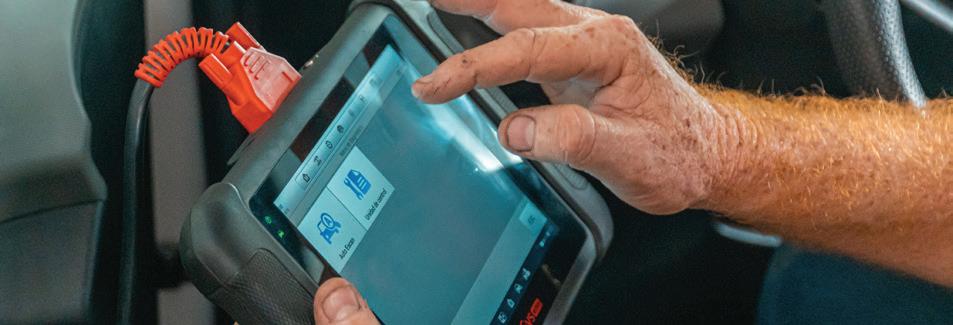
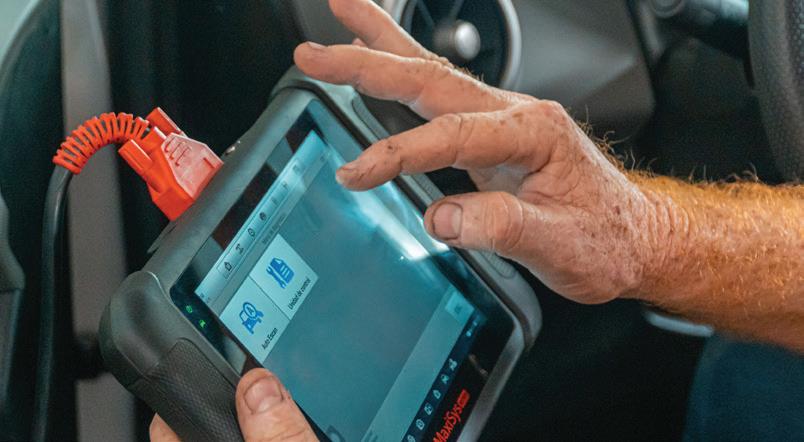
Australian Automotive Aftermarket Association (AAAA) CEO Stuart Charity has described ADAS as one of the most significant shifts in automotive service and repair in recent years. “ADAS is now part of everyday workshop activity, and technicians need a clear understanding of how their work impacts these systems,” Charity said at the recent Australian Auto Aftermarket Expo in Melbourne, where ADAS calibration was a central theme.
The point is well made. Routine work — windscreen replacement, wheel alignment, suspension repairs, ride height changes, tyre fitment — can each be enough to throw an ADAS system out of specification. Cameras mounted behind windscreens need recalibration after glass replacement. Alignment changes alter the position of sensors relative to the road surface. Suspension modifications can affect radar sight lines. In each case, if calibration is skipped or missed, the vehicle is returned to its owner with a safety system that may be
operating outside its intended parameters.
In Australia, the aftermarket is now working to a national standard. The AAAA’s Automotive Repairers Council of Australia (ARCA) released a national ADAS Industry Code of Conduct in mid-2025 — the first of its kind in the country. The code provides workshops across mechanical, collision, windscreen, and tyre disciplines with a practical decision framework for when calibration is required, alongside recommended documentation and communication processes.
The code’s release was driven in part by the mandatory rollout of Australian Design Rule 98, which requires Autonomous Emergency Braking (AEB) on all new vehicles, and the anticipated introduction of automated vehicle safety legislation. With an estimated 43% of the Australian car parc projected to carry some form of ADAS by 2030, the need for a consistent, industry-led approach was clear.
No equivalent code exists for New Zealand yet, but the regulatory landscape here is shifting regardless.
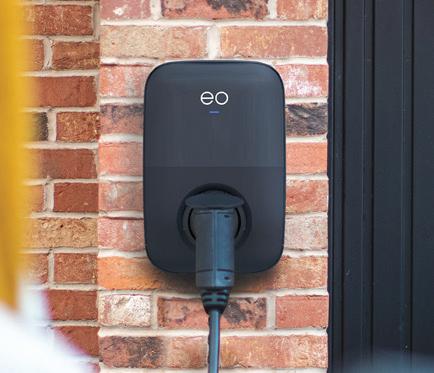
From 1 November 2026, WoF and CoF A inspections in New Zealand will include basic checks of certain ADAS features — specifically, whether warning or fault lights for Automatic Emergency Braking and Lane Keep Assist are active. The check is light-touch: inspectors will look for fault indicators rather than conduct full system verification. But the consequence is direct: a vehicle with an ADAS warning light showing may not pass inspection.
That creates a practical chain of events for workshops. Any job that disturbs a camera, sensor, or related geometry — and doesn’t include a post-work diagnostic scan — risks leaving the customer with a vehicle that will fail its next WoF. As the WoF interval for many latemodel vehicles moves to two years, the gap between inspections widens, but the stakes of getting a ADAS job wrong don’t diminish.

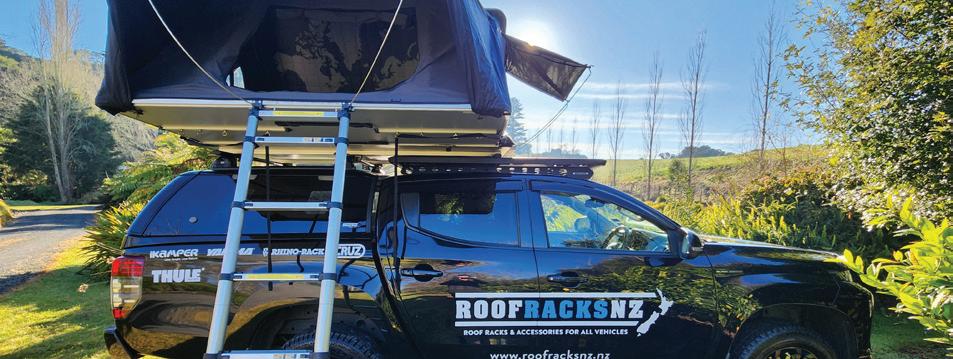
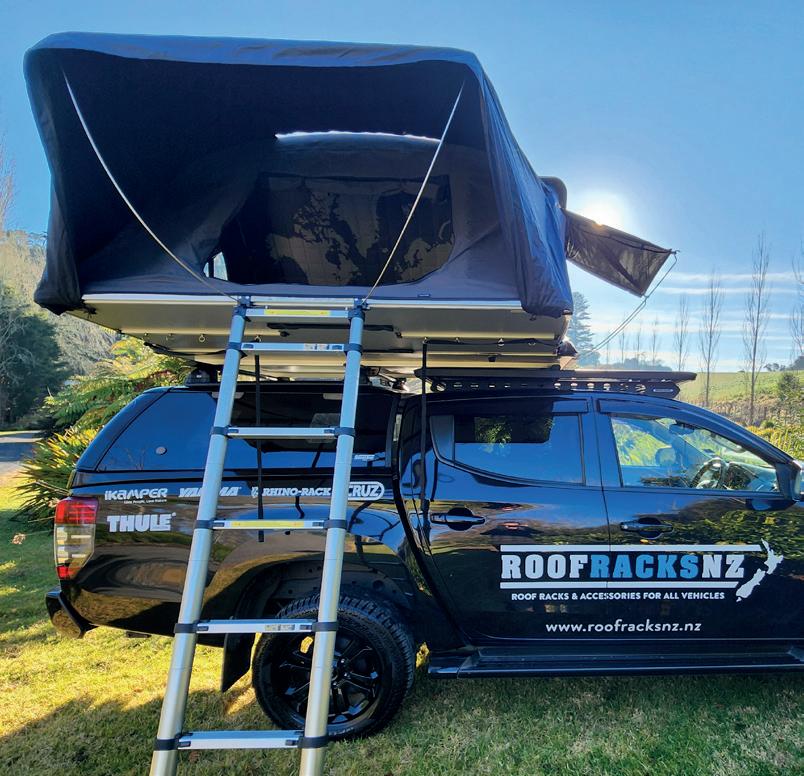
The new Roof Racks NZ website is built around a vehicle-matching tool that filters the entire product catalogue the moment a make, model, and year are selected. The result is a list of products guaranteed to fit — no compatibility guesswork, no crossreferencing part numbers, no uncertainty about whether rails are flush, raised, or fixed-point.
Once a vehicle is selected, users can browse roof racks and systems from brands including RhinoRack, CRUZ, Yakima, Thule, and iKamper; platforms and trays for work gear and bulky loads; trade and commercial solutions; bike, ski, and kayak carriers; roof boxes and storage; rooftop tents and awnings; and 4x4 and outdoor accessories.
Every option shown is confirmed compatible with the selected vehicle — fewer mistakes, fewer returns, more confidence at the counter.
For Blackfern members, access to exclusive member pricing is a phone call away. Once
you’ve identified the right product, contact Roof Racks NZ directly to receive your member rate across the range. As the importer of CRUZ & iKamper products, as well as stockists of Rhino Rack, Yakima and Thule products, Roof Racks NZ carry an immense product range at their South Auckland warehouse, and can offer margins that many haven’t had straightforward access to before.
New Zealand’s vehicle fleet is one of the most diverse in the world — imports, commercial vans, utes, SUVs, and specialist vehicles mean roof configurations vary significantly. A modelspecific selector addresses three common problems: compatibility confusion from mismatched clamps or incorrect bar lengths; time lost researching fitment; and uncertainty around load ratings, since the platform only surfaces products that meet a vehicle’s structural limits. For businesses, that translates to fewer installation errors and faster quoting.
The website is supported by a team that provides product advice, fitment guidance, brand comparisons, setup recommendations for work or adventure builds, and support for complex commercial applications — whether that’s a simple two-bar system or a full overland setup.
The ordering process follows a straightforward path: select your vehicle, view only compatible products, compare options, and order or request installation.
For member pricing and enquiries, contact Roof Racks NZ at info@roofracksnz.nz, call (09) 267 8767, or visit roofracksnz.nz. Roof Racks NZ is located at Unit 6, 60 Mahia Road, Manurewa




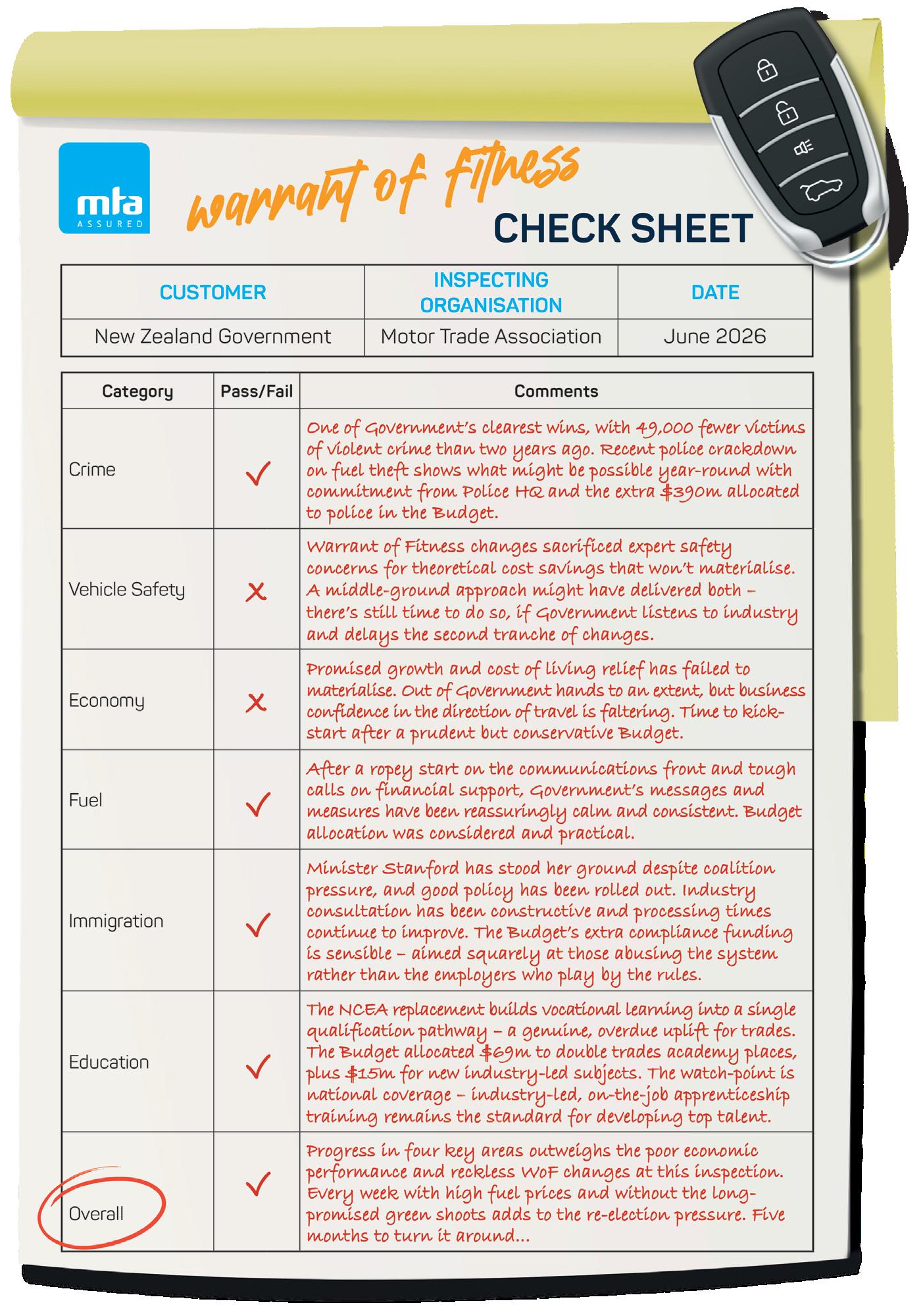
The Motor Trade Association has been running its Government Warrant of Fitness since the current administration took office — a six-monthly check on how well Government is performing across areas that matter to the automotive sector and the wider trade. The format mirrors the real thing: each category gets a pass or a fail, with commentary. The June 2026 inspection covers six categories, and the Government leaves the workshop with a pass overall — but two fails on the sheet make for a mixed result.
Crime earns one of the stronger endorsements in this inspection. The MTA credits Government with 49,000 fewer victims of violent crime compared with two years ago, calling it one of the clearest wins of the term. A recent police crackdown on fuel theft also draws positive mention, with the MTA noting what year-round commitment — backed by the extra $390 million allocated to Police in the Budget — might deliver.
Fuel gets a tick too, though not without acknowledgement of a difficult start. The MTA notes that early communications were uneven and some financial support decisions were tough calls. Since then, messaging and measures have settled into what the review describes as “reassuringly calm and consistent,” with Budget allocation assessed as considered and practical.
Immigration is another pass, with the MTA crediting Minister Stanford for holding her ground under coalition pressure. Industry consultation is described as constructive, processing times have continued to improve, and the Budget’s extra compliance funding is assessed positively — the MTA noting it is aimed at those abusing the system rather than the employers doing the right thing.
Education rounds out the passes. The replacement for NCEA earns genuine endorsement from the MTA for integrating vocational learning into a single qualification pathway — something the review calls a genuine and overdue step forward for trades. The Budget’s allocation of $69 million to double trades academy places, and a further $15 million for new industry-led subjects, is well received. The MTA does flag national coverage as a watch-point, noting that industry-led, on-the-job apprenticeship training remains the benchmark for developing skilled people.
Vehicle safety is where the MTA is most pointed. The Government’s WoF reforms — which reduced inspection frequency across
several vehicle age brackets, with two-yearly warrants now applying to vehicles up to 14 years old — receive a fail. The MTA’s assessment is that expert safety concerns were set aside in favour of theoretical cost savings that, in their view, are unlikely to materialise for most vehicle owners.
MTA Head of Advocacy James McDowall has been consistent on this point throughout the reform process. The MTA represents the businesses that carry out 80% of the country’s WoF inspections, and member feedback informed a clear position: less frequent checks on an ageing fleet, with a current failure rate of 41% and over half a million vehicles on the road without a valid WoF at any given time, will mean more vehicles with dangerous faults going undetected for longer.
The check sheet stops short of calling the outcome irreversible. A middle-ground
approach, the MTA says, could yet deliver both safety and cost outcomes — if Government is willing to listen to industry and delay the second tranche of changes.
The economy is the other fail. Promised growth and cost-of-living relief have not materialised. The MTA acknowledges this is partly outside Government’s direct control, but notes that business confidence in the direction of travel is faltering. The Budget is characterised as prudent but conservative — and the review’s overall verdict is that it is time to shift from consolidation to stimulus.
Four passes outweigh two fails, and the Government leaves the workshop with a sticker — but the MTA is clear about what is on the clock. With fuel prices still elevated and the green shoots of economic recovery still absent, re-election pressure is building. The review gives Government five months to turn it around.
The MTA represents more than 4,000 businesses employing over 65,000 people, with the sector contributing $6.8 billion to GDP. Its members carry out 80% of the country’s WoF inspections. The vehicle safety fail is their assessment — and it comes with a clear ask: delay the second tranche of changes and give industry a seat at the table.
AECS EQUIPMENT HAS ADDED ACOUSTIC IMAGING TO ITS DIAGNOSTIC TOOL LINEUP, GIVING WORKSHOPS A FASTER WAY TO LOCATE LEAKS, BEARING NOISE, AND ULTRASONIC FAULTS WITHOUT RELYING ON GUESSWORK
Tracking down elusive workshop noise has always been one of the more time-consuming diagnostic tasks. Screwdrivers, stethoscopes, fuel hose, soapy water — experienced technicians have their methods, and most of the time they work. But they rely heavily on what a technician can hear, and not all faults produce sound in the audible range.
The human ear typically perceives frequencies between roughly 20Hz and 20kHz. Many common faults — gas leaks, bearing wear, electrical discharge, pneumatic valve leakage — emit ultrasonic noise above that threshold. In a busy workshop environment, even audible faults can be hard to isolate cleanly.
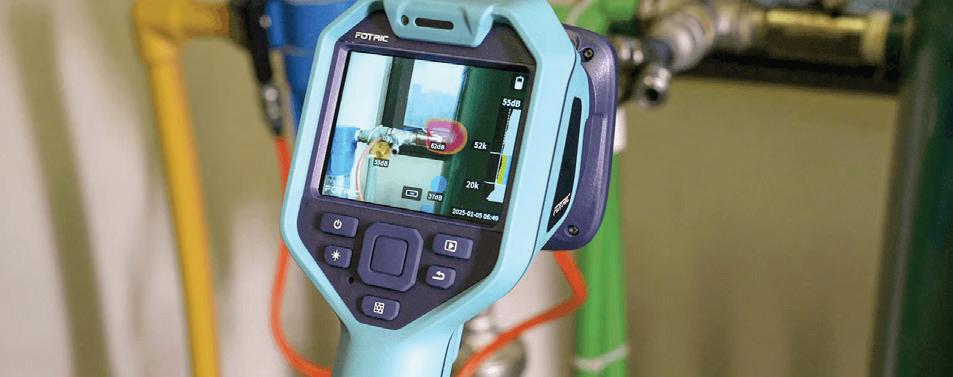
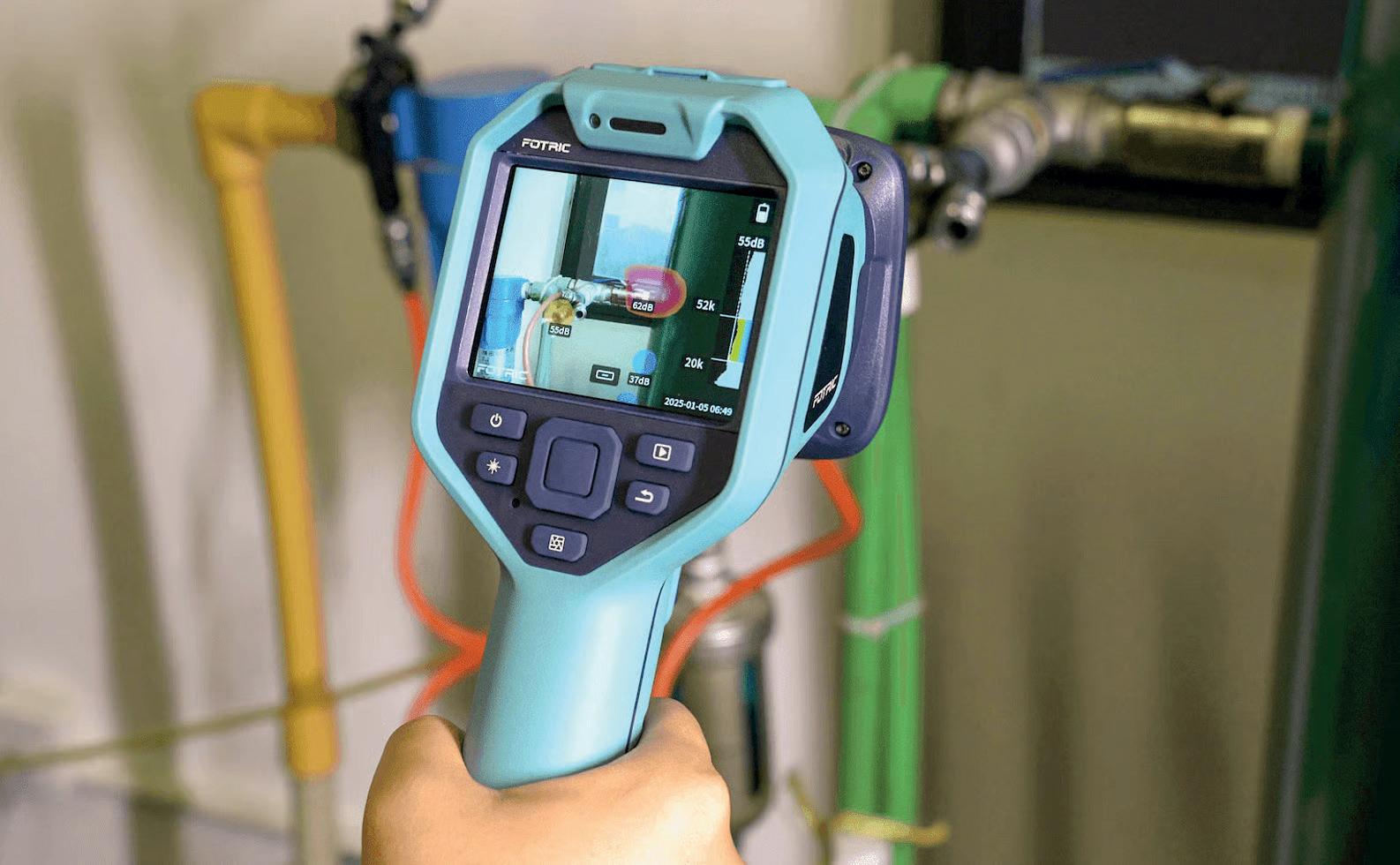
Acoustic imaging cameras address both problems. Rather than relying on what the technician can hear, the technology captures sound across a broad frequency spectrum and renders it visually as a heatmap overlaid on a live image of the subject. The source of the fault appears on screen, pinpointed spatially, regardless of whether it falls within normal hearing range.
AECS Equipment now supplies the FOTRIC TD2e Acoustic Imaging Camera Kit in New Zealand — a purpose-built tool for workshop and field diagnostic use.
The TD2e captures sound through a 64-channel MEMS digital microphone array. This highdensity array improves spatial accuracy, allowing the camera to resolve the origin of a sound source with greater precision than a single microphone or even a trained ear could achieve at distance.
A beamforming algorithm processes the incoming signals, focusing on sound from specific directions while filtering environmental background noise. The result is displayed as an acoustic heatmap overlaid on the live camera image, with near-instant rendering that keeps up with continuous inspection work.
The positioning frequency range runs from 2kHz to 100kHz, covering both the upper end of the audible spectrum and well into the ultrasonic range where many leak and wear faults first become detectable. The working distance spans 0.3m to 60m, making the tool practical for close inspection work as well as larger plant or equipment environments.
The camera itself is a 5MP industrial-grade unit with a 58°×45° field of view. Multiple image modes — single-source, multi-source, and allsource — let technicians adjust how sound data is displayed depending on the complexity of the noise environment. Noise suppression and micro-detection modes are also on board, the latter designed to capture faint sounds that might otherwise be missed.
Sound pressure level data is output alongside the visual display, giving technicians both location and magnitude in a single readout. The unit is IP54-rated for workshop and field use, and each battery provides more than three hours of operating time.
The TD2e is suited to a wide range of diagnostic tasks that workshops encounter regularly. Compressed air leaks are among the more common — and costly — sources of inefficiency in a working workshop. Because gas leaks emit high-frequency turbulence noise,
the TD2e can detect even small leaks in lines, fittings, and pipelines quickly, and display the leak point visually rather than requiring the technician to work their way along a circuit by ear or touch.
Vacuum system leaks present a similar challenge: often subtle and easy to miss in a noisy environment. The TD2e captures these without requiring contact with the system, reducing the risk of disturbing components or causing additional damage during diagnosis.
For tyre work, the camera can locate air leaks without soap spray, which is useful when working at volume or when a leak is too slow to produce visible bubbling in a reasonable timeframe.
Bearing noise is another practical application. Early-stage bearing wear produces ultrasonic noise before it becomes audible — meaning the TD2e can flag a fault that a technician’s ear wouldn’t catch until the problem was more advanced. The same logic applies to pneumatic valve and cylinder leakage, where age-related degradation can produce ultrasonic signals well ahead of full failure.
For panel shops and restoration work, the TD2e can be paired with an audio signal generator placed inside the vehicle. With the camera used externally, technicians can identify where sound is escaping through seals, gaps, or body joins — useful for post-repair integrity checks where seal quality needs to be confirmed rather than assumed.
Boost leaks, dash rattles, and cabin seal faults round out a diagnostic capability that covers a broad cross-section of the work moving through a modern workshop.
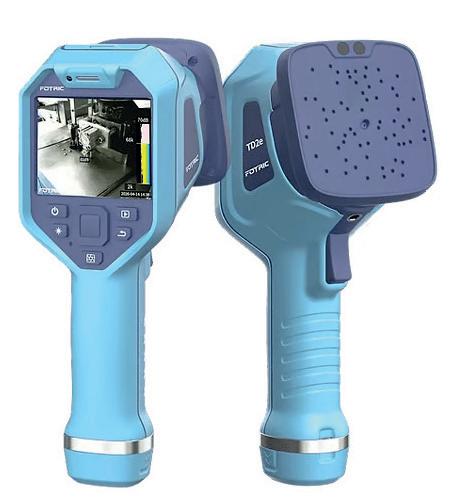
The FOTRIC TD2e Kit from AECS includes the camera, two rechargeable lithium batteries, a charging dock, power adapter, USB Type-C cable, 32GB TF card, tool holster, quick start guide, and an industrial-grade hard carry case. The kit comes with an 18-month extended warranty. The TD2e battery is interchangeable with the FOTRIC TK6 Thermal Imaging Camera. Further information is available at aecs. co.nz/fotric or by contacting the AECS team at sales@aecs.co.nz or 0800 673 034
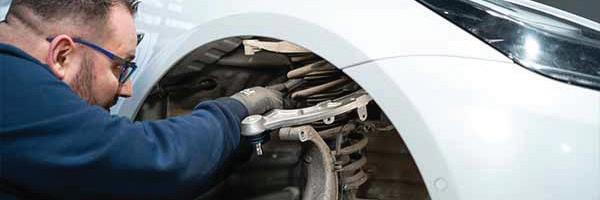
A DESIGN FLAW IN THE MODEL 3 AND MODEL Y SUSPENSION IS SENDING MORE WORKSHOP JOBS TO THE INDEPENDENT
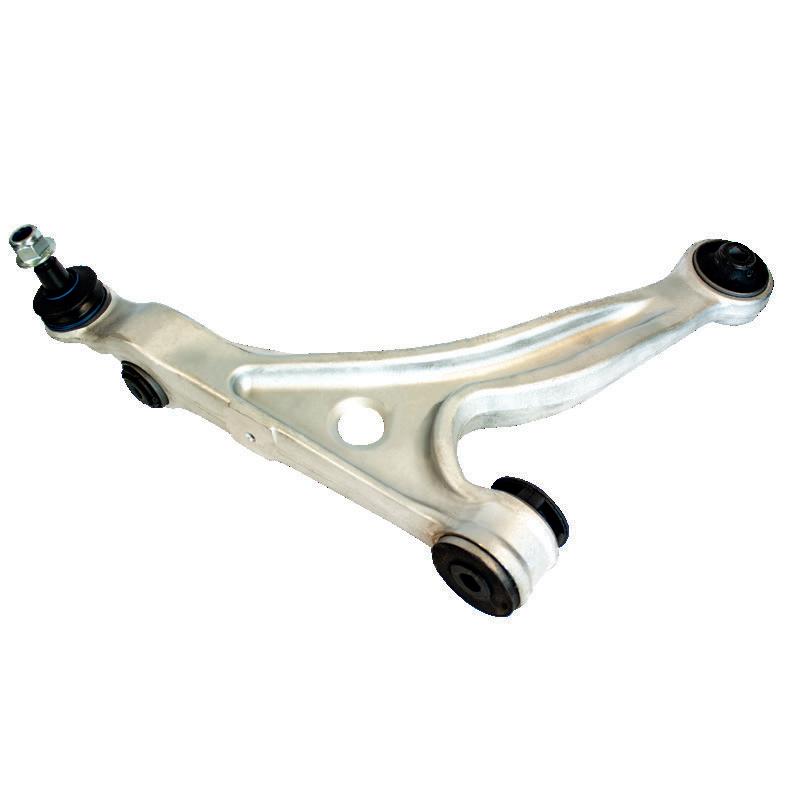
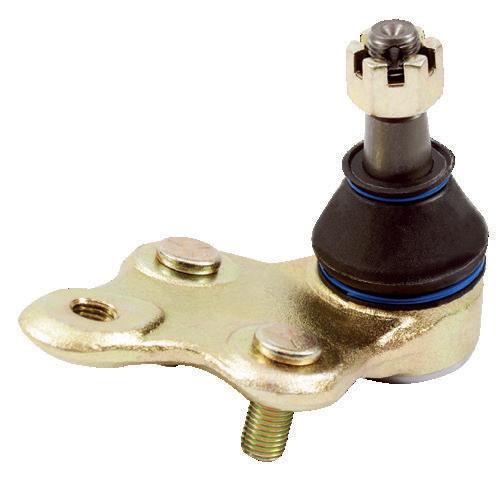
Squeaking and rattling from the front suspension of Tesla Model 3 and Model Y vehicles are well-documented complaints, and the cause isn’t simply age or kilometres. The water channels from the Tesla windscreen drain directly onto the control arms at the left and right front corners of the vehicle. The ball joint capsule doesn’t have sufficient corrosion protection, so water penetrates the joint, leading to corrosion, accelerated wear, and — in combination with the high vehicle weight and strong torque loads of these models — the characteristic squeaking and
rattling that owners report. In some cases the degradation goes further: damaged ball joints can compromise steering precision.
Tesla has not addressed the design deficiency, which means the job lands in the workshop.
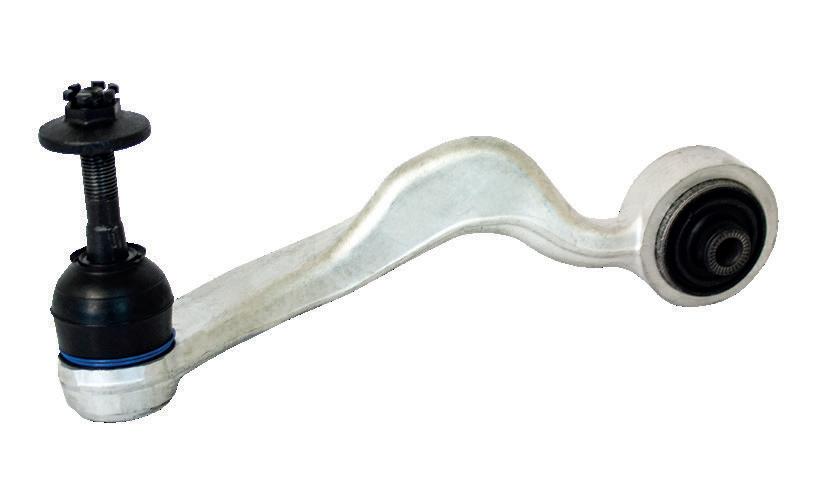
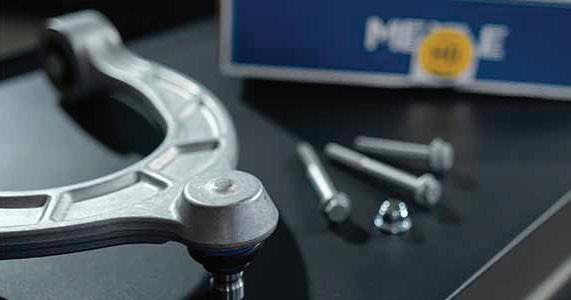
Meyle’s engineering team redesigned the component from the ground up. The HD control arm is forged from high-strength aluminium, reducing weight while increasing rigidity. The ball joint has a larger diameter than the original,
INDUSTRY ASSOCIATIONS BACK A HARMONISED FRAMEWORK FOR END-OF-LIFE LITHIUM-ION BATTERIES
With more than 135,000 plug-in electric vehicles now registered in New Zealand, the question of what happens to traction batteries at the end of their working lives is moving from theoretical to practical. The first wave of EVs entering the fleet in meaningful numbers is ageing, and the country’s regulatory and stewardship frameworks are racing to keep pace.
The Motor Industry Association (MIA) has backed proposals to harmonise endof-life lithium-ion battery guidelines across Australia and New Zealand, while pushing for the framework to reflect the realities of the local operating environment. The submission was made to EPA Victoria, which is leading consultation on behalf of the Heads of Environmental Protection Agencies (HEPA) across both countries. The proposed guidelines cover battery collection, transportation, handling, storage, and resource recovery — with the aim of establishing a consistent approach to risk management on both sides of the Tasman.
While supporting the overall intent, the MIA
has called for a more targeted approach. The association says the guidelines should differentiate between battery types, damage levels, and battery conditions, and that regulators should adopt a risk-based approach aligned with existing dangerous goods classifications rather than applying uniform requirements across the board.
The Imported Motor Vehicle Industry Association (VIA) has also made a submission in support of the framework, though with a pointed concern: that safety regulation designed in good faith could be repurposed as a mechanism for OEM channel control. VIA’s submission argues that New Zealand’s vehicle market — where a significant proportion of EVs arrive as used imports rather than through franchise distributor channels — is structurally different from markets where most vehicles enter via OEM networks. The association says compliance obligations should sit with the party able to fulfil them and should not fall disproportionately on used-import operators who often have limited access to OEM battery data.
VIA also flagged concerns about battery
distributing forces across a greater surface area to reduce wear under load. Critically, the new design does away with crimping, so water can no longer penetrate the joint. Vehicle-specific bushings have also been developed to handle the particular demands of the Model 3 and Model Y, with increased rigidity that extends service life and improves steering precision. The Meyle HD control arm carries a four-year warranty.
The Model Y is the most popular new EV of all time in New Zealand, and Tesla continues to dominate pure-electric sales — which means a growing pool of these vehicles is now moving through its original factory warranty period and into the independent workshop space. The suspension issue is present across the Model 3 and Model Y range broadly, so workshops servicing either model should be aware of it. Meyle is exclusively distributed in New Zealand by All Euro Parts, with warehouses in Auckland and Christchurch.
passport systems. It supports their use for safety and stewardship purposes, but says they must not evolve into ownership instruments that restrict repair, dismantling, second-life use, or independent recycling.
Locally, the Battery Industry Group (B.I.G.) — a coalition of more than 170 stakeholders spanning energy, transport, recycling, and academia — is developing a circular product stewardship scheme for large batteries, defined as those over 5kg. The scheme aims to track batteries from arrival in New Zealand through reuse and eventual recycling, with large batteries having been declared a priority product under the Waste Minimisation Act as far back as 2020.
For workshops, dismantlers, and parts traders, the shape of whatever framework emerges will have real operational implications — covering how damaged or degraded packs are stored, transported, and handed off. Industry stakeholders at a B.I.G. hui last year flagged safety standards, insurance pathways, training, and consistent handling guidelines as among the most pressing gaps to address.
The HEPA consultation is still working through submissions, and the final guidelines have yet to be published. But with the frameworks taking shape across both associations and government agencies, the time for the trade to start thinking about EV battery end-of-life as a near-term business consideration is now.
When you use Ryco, you’re getting:

Filters
manufacturers’ performance requirements





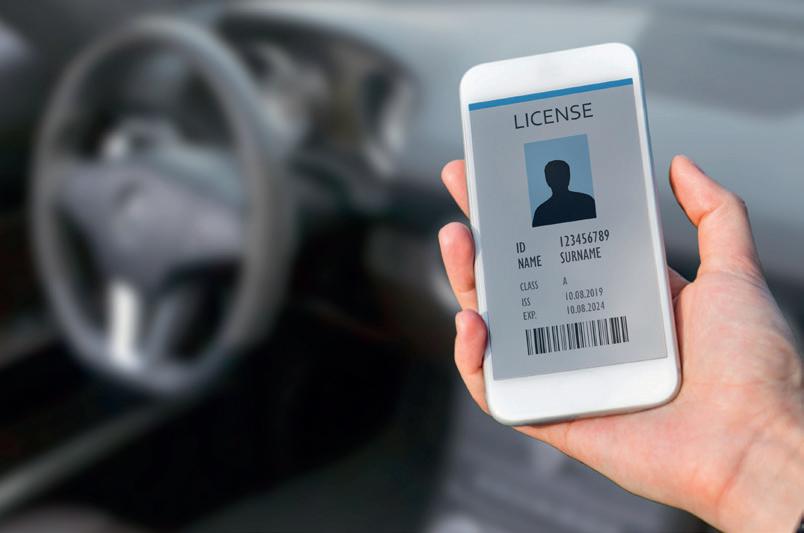
After working its way through Parliament since mid-2025, the Regulatory Systems (Transport) Amendment Bill passed its third reading in May 2026. The legislation does two things of direct relevance to the aftermarket: it expands the legal definition of a driver’s licence to include electronic versions stored on a phone, and it creates a framework enabling digital alternatives to the paper WoF and registration labels currently displayed on vehicle windscreens.
Use of the digital licence will be optional — the physical card remains valid. Transport Minister Chris Bishop said the move reflects the reality that transport legislation has been slow to keep pace with technology, noting that last year alone NZTA dispatched 14 million letters, reminders, and labels at a cost of $16.8 million to taxpayers.
The passage of the bill is enabling legislation rather than an implementation plan. NZTA is developing the digital licence system in
partnership with Austroads, Australia’s peak transport agency body, and has indicated deployment could occur before the end of 2026. Public consultation on the detailed rules is expected in the second half of the year. What that means in practice — how police verify a digital licence at a roadside stop, what happens if a phone battery is flat, how workshop reception staff should handle a customer presenting a phone instead of a card — is still being worked through.
The windscreen sticker question is similarly unresolved. Digital WoF and registration labels are now legally possible, but there is no confirmed timeline for when the paper sticker will be phased out or what a plate-scan enforcement model will look like in operation.
MTA Head of Advocacy James McDowall has acknowledged the broader digital direction, noting that many New Zealanders travelling overseas remark on the absence of windscreen stickers — and that the conversation is overdue here. The association has been actively involved in the reform process and is supportive of
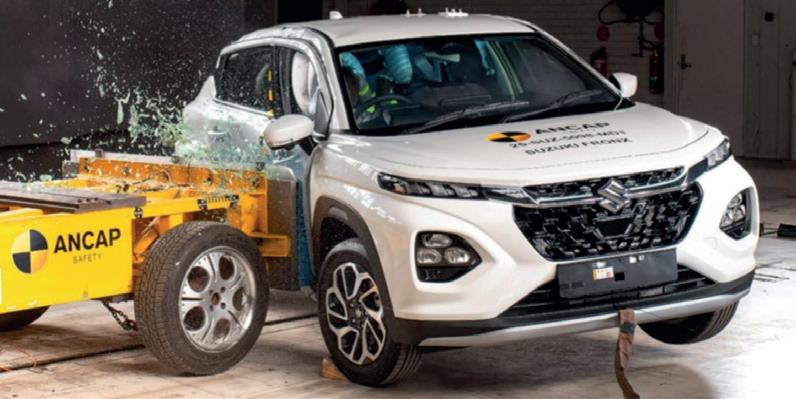
The Suzuki Fronx arrived in New Zealand in June 2025 to reasonable expectations. Suzuki has a solid local following, the Fronx was a practical compact SUV at a competitive price point, and the brand had confirmed it met Australian and New Zealand entry certification requirements. Six months later it was off the market, its owners were being advised not to carry rearseat passengers, and Suzuki’s local team was managing the concerns of 1,115 registered owners while awaiting guidance from Japan.
The sequence is now mostly settled. ANCAP’s December 2025 crash test uncovered a rear seatbelt retractor failure during a full-width frontal impact — the belt released uncontrollably, leaving the rear dummy unrestrained and causing it to strike the back of the front seat. The Fronx received a one-star rating. Notably, ANCAP confirmed that the poor result was not solely due to the retractor failure: the car had already scored zero points on that test before the fault occurred. NZTA moved promptly, calling on Suzuki NZ to consider a
recall and advising owners to keep rear seats unoccupied in the interim.
Suzuki identified 261 affected vehicles from the 1,048 delivered, issued a voluntary recall, and began contacting owners. The remedy — replacing both left and right rear seatbelt retractor assemblies with entirely new components — was carried out at dealerships, with private owners prioritised. The Fronx returned to sale on 16 March 2026.
The relevant point is that the Fronx met NZ entry compliance requirements, but ANCAP rated it one star. Both were true at the same time. Vehicle entry certification confirms a vehicle meets a defined regulatory standard. ANCAP testing applies a more demanding assessment and publishes the results. For most buyers, the star rating is the signal they act on — but the rating is voluntary, not a condition of sale. A vehicle can legally be sold in New Zealand with a one-star rating, or with no
modernisation, provided safety outcomes are maintained.
For workshops currently issuing WoFs, the immediate change is minimal. The inspection criteria and processes remain the same. Digital eWoF platforms — which replace paper checksheets with tablet or smartphone data entry integrated into the NZTA VIC system — are already available and NZTA-approved for those who want to move ahead of the curve.
The bigger shift will come once the digital licence verification rules are finalised. Workshops, testing stations, and anyone handling vehicle documentation will need to understand what a valid digital licence looks like and how to confirm it — though the specifics are unlikely to be settled before late 2026 at the earliest. NZTA has said the solution is on track for deployment by year’s end. The consultation process expected in the second half of 2026 will be the clearest signal of how quickly the practical rollout will move.
ANCAP rating at all.
For the trade, that gap has a practical dimension. Workshops and dealers are not vehicle safety regulators, but they are on the front line when recalls happen. It is dealerships that manage the repair appointments, field calls from concerned owners, and absorb the relationship friction of a problem they did not cause. The Fronx recall process worked broadly as it should — the fault was found, NZTA acted, Suzuki responded — but it took months and affected more than 1,000 owners.
The Fronx is also a useful early marker of what may become a more familiar pattern. As new brands enter the NZ market — some with limited local service infrastructure — the trade should expect more situations where the distance between entry compliance and real-world performance becomes visible. The recall process does what it is designed to do. What it cannot do is make that process fast or frictionless for the businesses managing it on the ground — and as the market continues to diversify, those businesses should expect to be in that position more often.
Via Media connects businesses in the New Zealand automotive aftermarket with the people who spend in it — through owned channels, trusted content, and 30 years of sector presence.
Here’s who we can help you reach:
“The team at Via Media make every campaign extremely easy with in-depth targeting data and postcampaign reporting. With the ability to target dual audiences of trade and consumer on one platform, all with consistently above average industry results, Via Media are a go-to for connecting with our customers smarter, faster and more efficiently.”
— Frances Vettori, General Manager Marketing, NAPA ANZ
NZ Performance Car — 18–44, high purchase intent, peer-ed enthusiasts
NZV8 — 30–65+, established income, brand loyal, serious spend
Auto Channel — workshop owners, parts distributors, industry decision-makers
Specialist sectors — dedicated EV, 4WD, and RV communities across consumer and trade
3.5M+ 450K+ 30+
AUDIENCE CONTACT POINTS EACH MONTH FIRST-PARTY AUDIENCE ACROSS NZ AUTOMOTIVE YEARS TRUSTED BY NZ AUTOMOTIVE COMMUNITIES
Connect your business with New Zealand’s automotive audiences through content, paid media, and search.
Find out more about our services and audiences by scanning the QR code.
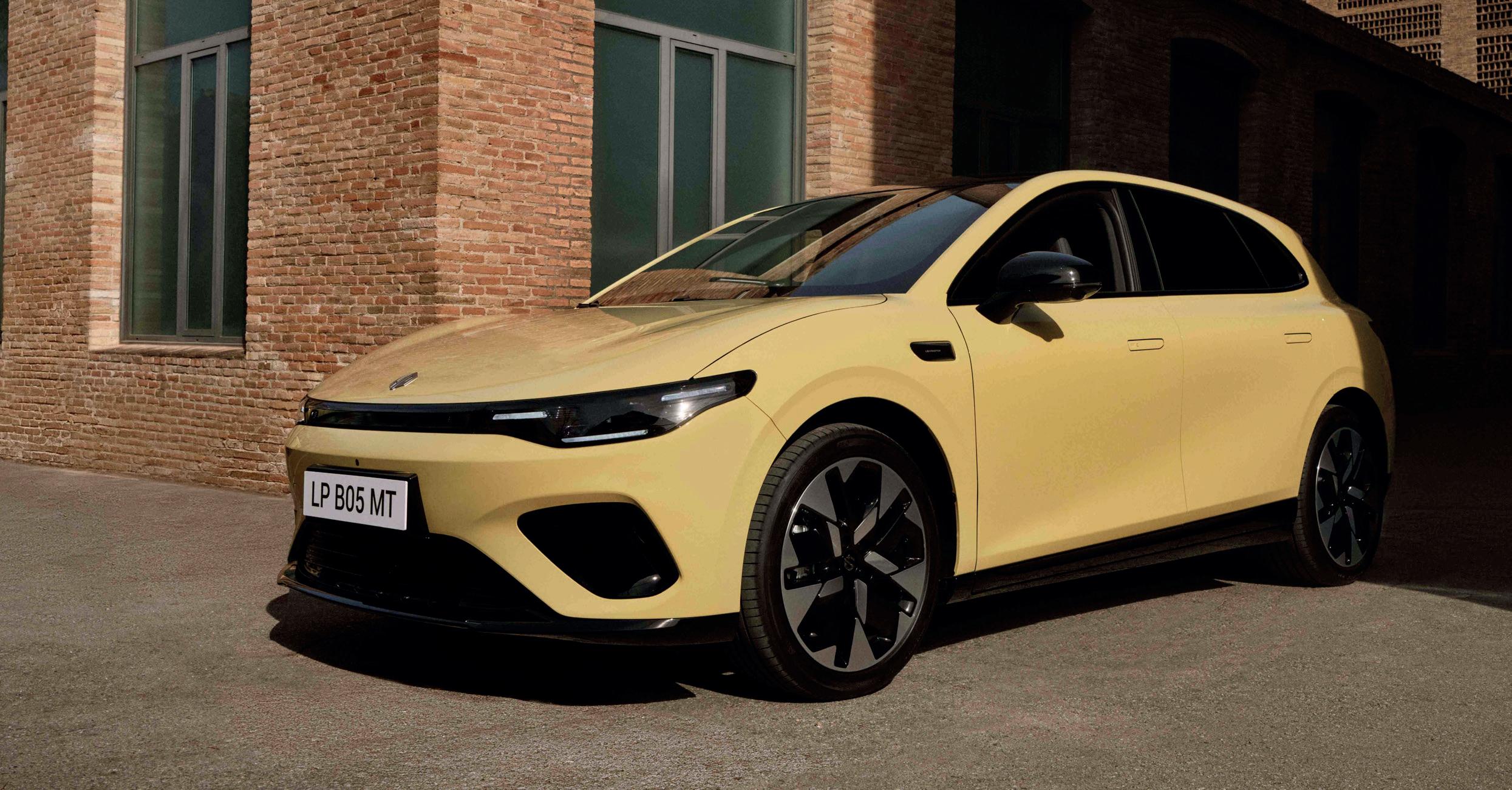
THE CHINESE EV BRAND’S FIRST HATCHBACK BRINGS REARWHEEL DRIVE, TWO BATTERY OPTIONS, AND SUB-$44,000 ENTRY PRICING TO THE LOCAL MARKET
Leapmotor’s B05 is a five-door hatchback built on the brand’s Cell-to-Chassis (CTC2.0+) architecture, in which battery cells are integrated directly into the vehicle structure. The platform underpins the B10 and C10 SUVs already available in New Zealand, and Leapmotor says it improves space efficiency and structural rigidity compared with conventional battery-mounting arrangements.
The B05 measures 4,430mm in length, 1,880mm in width, and 1,520mm in height, with a 2,735mm wheelbase. Leapmotor describes the shoulder width of 1,880mm as the broadest in its segment. A drag coefficient of 0.26 is claimed, achieved through flush door handles, integrated front air curtains, and an active front grille. Frameless doors and 19-inch ‘Swift-Wing’ alloy wheels complete the exterior package, which Leapmotor says is informed by what it calls a “Tech-Nature Aesthetic” design philosophy.
A rear-mounted 215hp motor drives the rear wheels across both variants, with weight distribution quoted at a 50:50 split. Leapmotor uses an oil-cooling system to manage motor temperature under sustained load, and says the unit weighs around 60kg with a quoted efficiency of 94% — figures the brand attributes to reduced energy loss during everyday driving. Two battery options are available in New Zealand.
The Life variant carries a 56.2kWh usable battery with a WLTP range of up to 400km. DC rapid charging is rated at up to 156kW, with a 30–80% charge claimed in 15 minutes.
The Design variant steps up to a 67.1kWh usable battery with a WLTP range of up to 480km. DC rapid charging is rated at up to 174kW, with a 30–80% charge claimed in 20 minutes.
Leapmotor NZ General Manager Brian Carr says he expects the Design trim to be the stronger seller, citing its extended range and additional specification. Suspension is McPherson up front with an integrated rear multi-link arrangement that incorporates the rear motor to reduce overall weight.
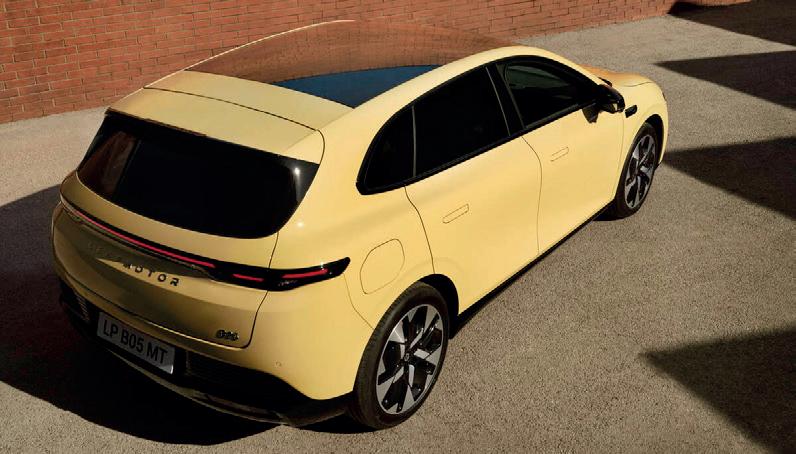
Both trim levels come well-equipped as standard. Features common to both include a panoramic sunroof, 19-inch alloy wheels, automatic LED headlights and taillights, automatic air-conditioning, Apple CarPlay, Android Auto, wireless charging, and
electrically operated heated and folding mirrors.
The Design grade adds six-way electrically adjustable driver’s seat and four-way front passenger seat, both trimmed in OEKO-TEX certified eco-leather with a seven-layer bamboo charcoal construction.
The B05 is the first Leapmotor model to offer Level 2 semi-autonomous driving capability, with 21 driver assistance systems supported by 14 sensors and cameras. These include advanced emergency braking, automatic lane change, lane keeping assist, blind spot detection, door open warning, and adaptive cruise control. Audio is handled by a self-developed system with up to 12 speakers.
Connectivity via the Leapmotor app allows remote activation of air conditioning, central locking, seat heating and ventilation, and steering wheel heating. A Bluetooth virtual key function and NFC card are also included.
Boot capacity is 345 litres with the rear seats in place, expanding to 1,400 litres with the 60/40 split-fold rear bench flat. Leapmotor quotes 25 storage spaces throughout the cabin, spread across the centre console, door panels, seat backs, and boot. ISOFIX fittings with top tether are provided on both outer rear seats, and the rear seat rake is set at 27° for long-distance comfort.
Leapmotor NZ confirms the B05 will be available through its dealer network from August 2026, with orders open now. Launch pricing starts from $43,990 plus on-road costs. Five exterior colours are offered: Lightning Yellow, Starry Night Blue, Windy Grey, Metallic Black, and Galaxy Silver — all complemented by gloss black trim inserts. Two interior themes, Light-Grey and Shadow-Grey, are available at no additional cost.

THREE VARIANTS OF THE PREMIUM ELECTRIC SUV ARE NOW AVAILABLE THROUGH AN EXPANDED DEALER NETWORK, WITH PRICING FROM $79,990 PLUS ON-ROAD COSTS
The smart #5 is a medium-to-large electric SUV and the most ambitious model the brand has produced. It arrives in New Zealand alongside the existing #1 and #3 through an expanded dealer network now covering Auckland (Albany and Botany), Hamilton, Tauranga, and Christchurch.
Three variants are offered: the rear-wheel drive PRO+, the family-focused Premium, and the performance-flagship BRABUS. All three earned a five-star Euro NCAP safety rating, with the #5 recognised as Euro NCAP’s Safest Large SUV of 2025. The model has also taken out Family Electric SUV of the Year at the 2026 What Car? Awards and multiple Red Dot awards for design and human-machine interface innovation.
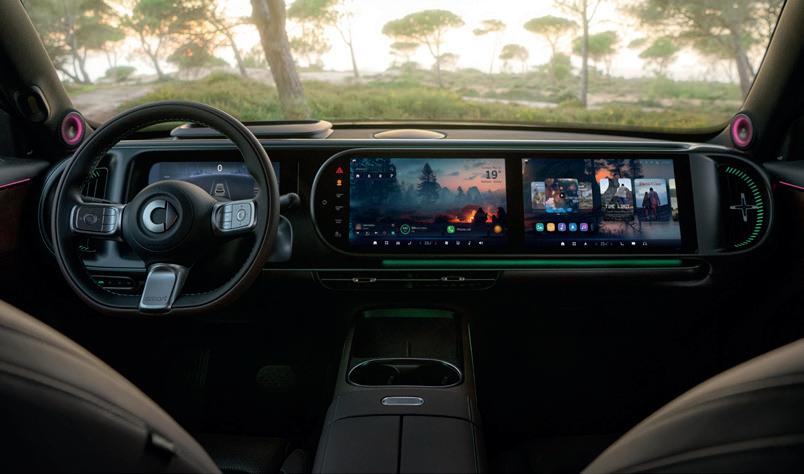
The smart #5 is built on 800V battery architecture across the range. The significance of that figure is practical: higher voltage systems allow faster charging at lower current, reducing heat build-up and enabling the #5 to charge from 10–80% in as little as 18 minutes under optimal DC fast-charging conditions. For a 100kWh battery — the capacity fitted to all three variants — that represents a meaningful real-world advantage over the 400V systems
still common in the segment.
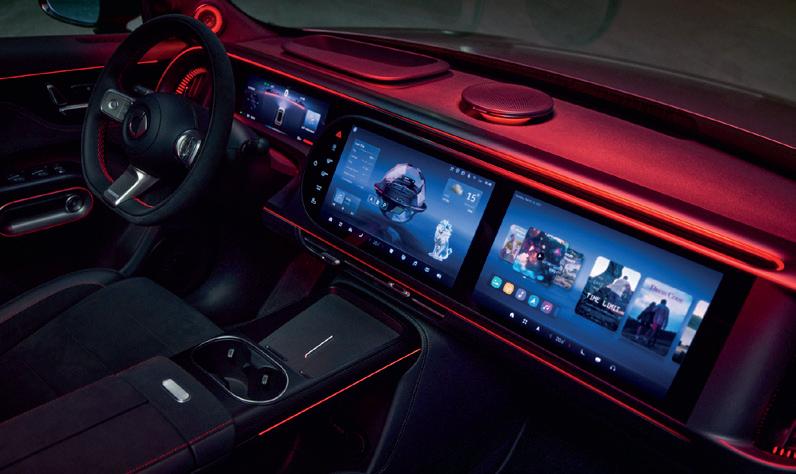
The PRO+ and Premium are rear-wheel drive. The PRO+ delivers a WLTP range of up to 540km, while the Premium extends that to up to 590km, making it one of the longer-range offerings in its class. The BRABUS steps up to a dual-motor all-wheel drive setup producing 475kW, with a claimed 0–100km/h time of 3.8 seconds — performance that puts it among the quickest electric SUVs currently available in New Zealand.
Vehicle to Load capability is standard across the range, allowing the #5 to power external devices directly from its battery, with obvious utility for work sites, camping, or anywhere mains power isn’t available.
All three variants are well-equipped from the outset. The PRO+ includes a large panoramic glass roof with powered sunroof blind, wireless smartphone charging, Apple CarPlay and Android Auto, adaptive cruise control with stop-and-go, automated and remote parking, and over-the-air software updates. A 13-inch OLED display is fitted as standard.
The Premium builds on this with a second 13-inch OLED display, a head-up display, and
a 20-speaker Sennheiser sound system with Dolby Atmos audio. Smart Pilot Assist, a 360-degree camera system, and 12 parking sensors are also included. Towing capacity is rated at up to 1,600kg, broadening the Premium’s appeal for those who need to haul a trailer or boat alongside everyday family duties.
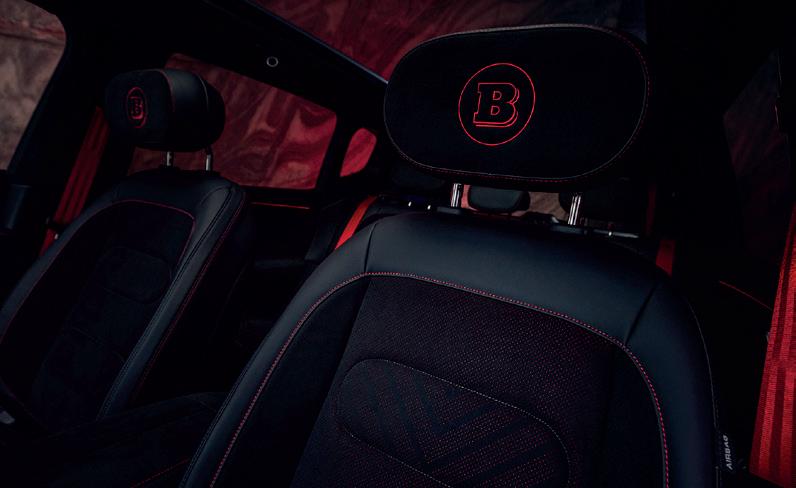
The BRABUS carries the Premium’s full technology suite and adds distinctive exterior and interior treatments developed under the BRABUS performance brand. That includes unique styling elements inside and out that visually separate it from the rest of the range, along with the dual-motor all-wheel drive hardware. Smart positions it as a vehicle that doesn’t ask buyers to choose between outright performance and day-to-day usability — the advanced driver assistance systems, generous cabin space, and 800V charging infrastructure carry across from the Premium unchanged.
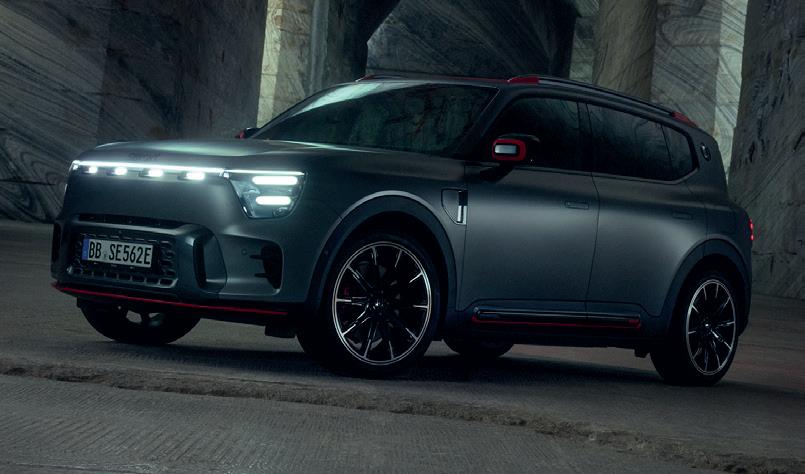
The #5’s five-star Euro NCAP result applies to all variants, with the PRO+ serving as the rated vehicle. Smart Pilot Assist across the Premium and BRABUS combines adaptive cruise, lane centring, and automated functions to reduce driver workload on longer runs. The 360-degree camera system and 12 parking sensors are standard on both those variants, with the PRO+ also including automated and remote parking capability.
Smart describes the #5 as a genuine family proposition, and the cabin dimensions support that. The brand highlights generous cabin space, intelligent storage solutions, and rear passenger accommodation suited to longer journeys. ISOFIX points are fitted, and the Premium’s 1,600kg towing rating adds further versatility. Specific boot volume figures were not included in available press material.
The smart #5 is available now through the smart dealer network. Pricing is as follows:
• smart #5 PRO+ — $79,990 plus ORC
• smart #5 Premium — $89,990 plus ORC
• smart #5 BRABUS — $99,990 plus ORC
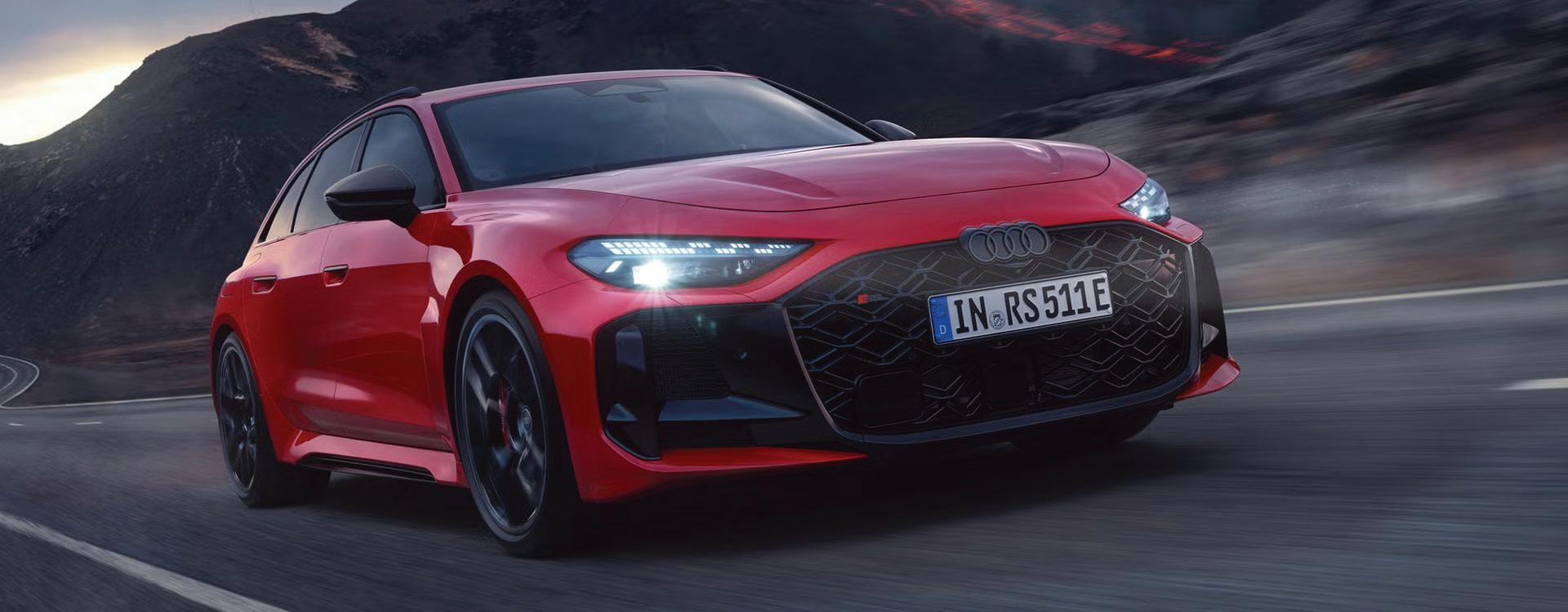
AUDI’S MOST ANTICIPATED LOCAL LAUNCH OF THE YEAR PAIRS A TWIN-TURBO V6 WITH PLUG-IN HYBRID TECH FOR 470KW AND A CLAIMED 80KM OF ELECTRIC RANGE.
The all-new Audi RS 5 Avant makes its New Zealand debut this month, with a pre-production model touring Audi dealerships nationwide ahead of the model’s official September arrival. The roadshow opened in Auckland’s Britomart precinct on 24 June before moving through the dealer network over the following two months.
The RS 5 marks a significant departure for Audi Sport — it is the brand’s first RS model
built around a plug-in hybrid powertrain. The recipe pairs a revised 2.9-litre twin-turbo V6, producing 375kW and 600Nm on its own, with a 130kW electric motor. Combined system output is 470kW and 825Nm — up 139kW and 225Nm over the outgoing RS 4 Avant — with a claimed 0–100km/h time of 3.7 seconds.
A 25.9kWh battery sits beneath the boot floor
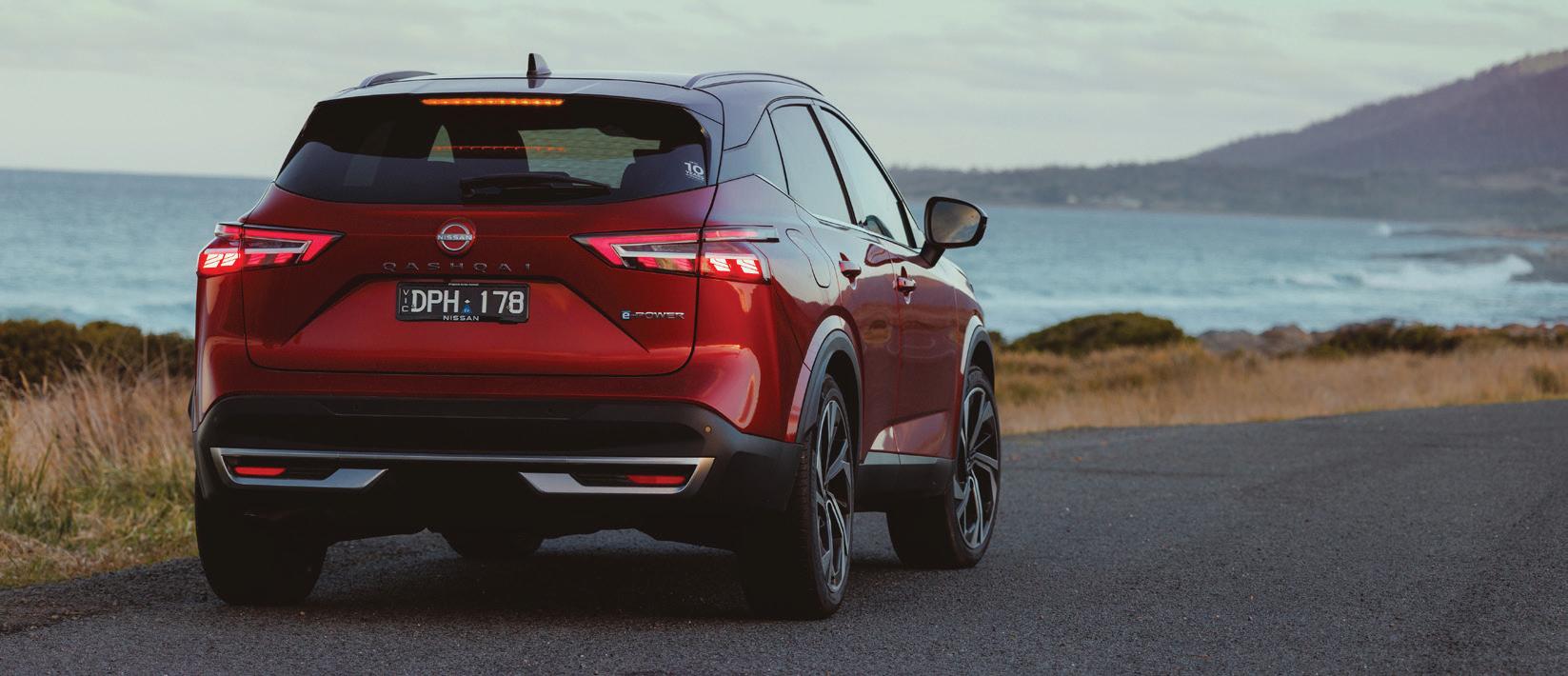
THE 2026 QASHQAI’S UPDATED HYBRID SYSTEM DELIVERED 1,303KM FROM 55 LITRES IN REAL-WORLD CONDITIONS — AND IT’S NOW ON SALE IN NEW ZEALAND
To demonstrate the efficiency of its updated e-POWER hybrid system, Nissan drove a 2026 Qashqai on a lap of Tasmania without stopping for fuel. The route covered more than 1,300km of varied terrain — freeways, urban roads, and hill climbs — at posted speed limits, returning an indicated average of 4.5L/100km from a 55-litre tank. Nissan puts the distance in local context: it’s
roughly equivalent to driving from Hamilton to Queenstown.
“This trip isn’t laboratory testing, this is the real world and real conditions,” said Nissan Oceania Managing Director Steve Milette. “Now more than ever New Zealand drivers are looking for fuel efficiency that doesn’t compromise driving enjoyment, and this 1,300km realworld journey shows that the Nissan Qashqai
and provides around 80km of all-electric range on the WLTP cycle. Charging is via AC only, with an onboard 11kW charger capable of a full charge in approximately 2.5 hours.
Drive goes to all four wheels through an eight-speed automatic and Audi’s quattro system, with up to 85% of torque distributable to the rear axle. The RS 5 also introduces what Audi describes as a world-first electrified Dynamic Torque Control system — a dedicated 8kW motor on the rear differential able to vector torque between the rear wheels in fivemillisecond increments, sharpening handling response beyond what a conventional sport differential can achieve.
The Avant shares its bodyshell with the new A5 but is around 90mm wider at both axles, with blistered guards, functional frontfender air intakes, and large oval exhaust outlets. Standard specification for New Zealand includes RS bumpers, a sports exhaust, Matrix LED headlights with OLED rear lights, and a Bang & Olufsen 3D sound system.
Audi says New Zealand sells more RS models per head of population than any market in the world, and early order interest in the RS 5 is said to be consistent with that trend.
The RS 5 Avant is priced from $196,990 excluding on-road costs, with the sedan body style available from $194,990. Both variants are due in local showrooms in September 2026.
e-POWER delivers.”
For 2026, Nissan has updated the e-POWER powertrain with combined-cycle consumption reduced to 4.1L/100km and CO2 emissions lowered to 92g/km, both on 3P-WLTP figures. Central to the revision is a new ‘5-in1’ powertrain architecture that integrates the electric motor, generator, inverter, increaser, and reducer into a single unit, reducing weight and complexity while improving energy transfer efficiency.
The system pairs with a redesigned 1.5-litre turbocharged petrol engine featuring Nissan’s STARC combustion technology, which the brand says achieves thermal efficiency of up to 42% by converting more fuel energy into usable power and reducing heat losses. The e-POWER setup continues to drive the wheels exclusively via the electric motor, with the petrol engine acting as a generator — delivering an EV-like driving character without the range limitations of a battery-only vehicle.
The 2026 Nissan Qashqai e-POWER is available now in New Zealand across four grades:
• ST-L e-POWER — from $53,990
• Ti e-POWER — from $56,990
• Ti-L e-POWER — from $62,990
• N-Design e-POWER — from $62,990
All prices include GST and exclude on-road costs of $1,290.
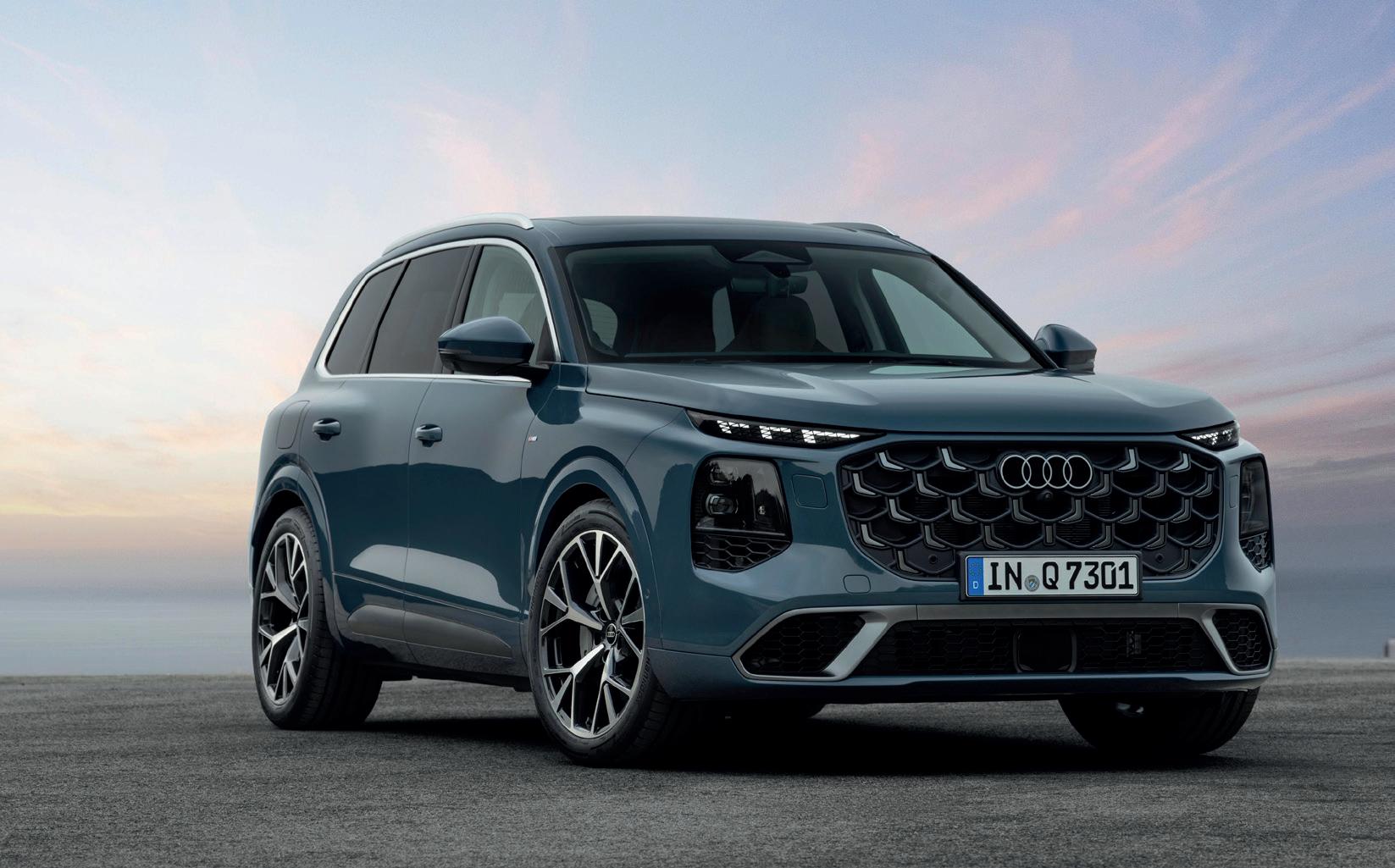
The Audi Q7 has been a fixture in the premium SUV segment since 2005, and the third generation — revealed globally in June 2026 — builds on that foundation without abandoning what made the model successful. The exterior retains the Q7’s commanding proportions and high shoulder line, but gains a more upright D-pillar that delivers a near-horizontal roofline and additional headroom throughout. The Singleframe grille sits higher, broadening the front-end presence, while muscular wheel arch treatment adds width. Standard digital daytime running lights and optional digital Matrix LED headlights round out a front end that is immediately recognisable as Q7, but clearly of a new generation.
At the rear, optional third-generation digital OLED lights span the full width of the vehicle via a continuous light strip, with up to eight selectable light signatures. The advanced turn signal system is a claimed world-first: at night, a stylised indicator is projected onto the ground in sync with the front and rear signals, giving cyclists and pedestrians a clear visual cue of the vehicle’s intentions.
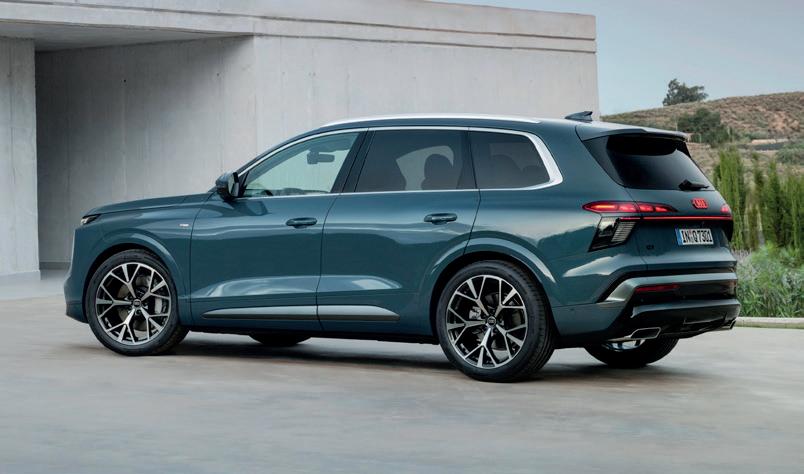
Inside, the Q7 comes to New Zealand in sevenseat configuration as standard. The second-row bench accommodates three child seats side by
side, and all seats are electrically adjustable. Boot volume behind the second row reaches 722 litres, expanding to 1,980 litres with all rear seats folded. A 65/35 second-row split with an additional 30% fold-down centre section provides flexibility across load configurations. The centre console has been redesigned, with Qi2.2 wireless charging for two smartphones at 25W each, active cooling to maintain charging speed, and magnetic retention to prevent handsets shifting. USB-C fast-charging is available wired: up to 60W in the second row, 100W in the third. The electrically powered tailgate can be triggered by foot gesture, with a projected guide light beneath the rear bumper indicating foot position.
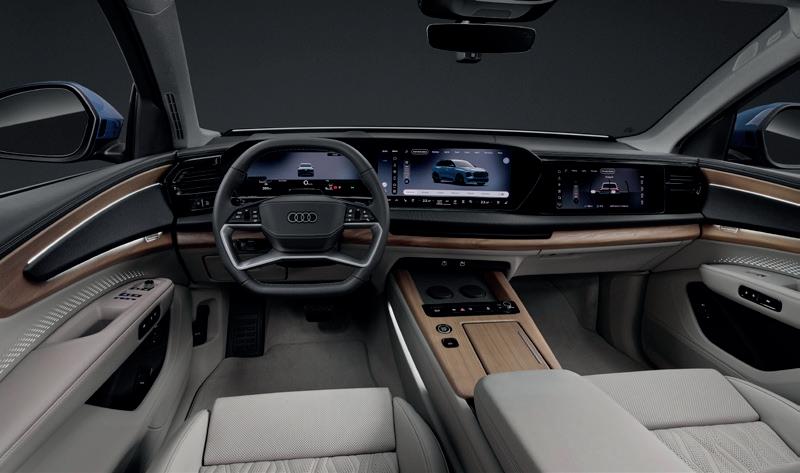
The optional panoramic sunroof is a notable upgrade. A revised roof structure reduces its overall depth, recovering headroom across all three rows. Transparency is adjustable across nine individual zones, the glass blocks more than 99.5% of UV radiation without requiring a conventional blind, and an integrated wind deflector reduces noise when the roof is open. Optional ambient-matched illumination in the glass panel itself is a first for the model.
The Q7 launches with a 3.0-litre V6 diesel in
two outputs: 220kW with 630Nm, or 180kW with 500Nm. Both use MHEV plus technology, combining a belt alternator starter, a nextgeneration powertrain generator, and a lithium iron phosphate battery. The powertrain generator can temporarily contribute up to 18kW and 370Nm to support starts and overtaking, while an electric-powered compressor builds boost pressure across the full engine speed range — reaching 90,000rpm in 250 milliseconds — delivering linear throttle response without turbo lag. Both variants run an eight-speed tiptronic and quattro permanent all-wheel drive with a new limited-slip centre differential.
Suspension options span standard steel springs, adaptive air suspension with electronically controlled damping, and adaptive air suspension sport — the latter lowering the standard ride height by 30mm. An exit function drops the vehicle 62mm when stationary to ease boarding and alighting. Optional all-wheel steering improves low-speed manoeuvrability and high-speed stability.
The driver assistance suite is comprehensive. Adaptive driving assistant plus handles acceleration, braking, and lane keeping on extended runs. Trained parking allows the Q7 to memorise up to five individual manoeuvres of up to 200 metres each, managing them autonomously with driver supervision. Emergency assist — new to this generation — can steer the vehicle to the road shoulder and bring it to a controlled stop if the driver becomes unresponsive, triggering an emergency call after a period of inactivity.
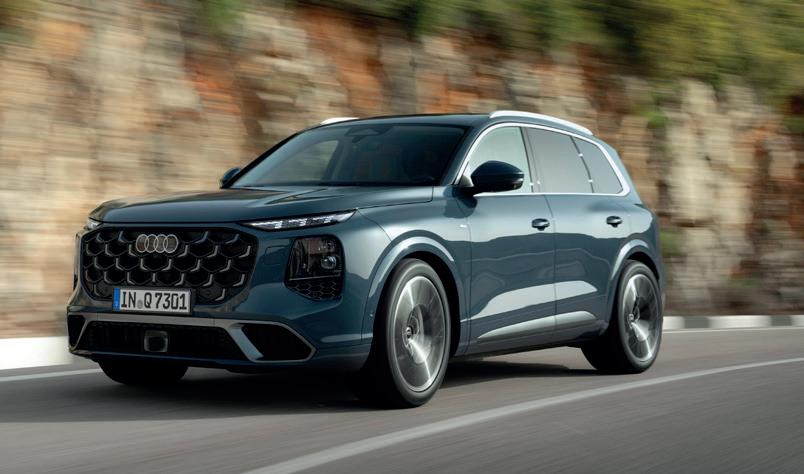
Pricing and specifications for the New Zealand market are yet to be confirmed, with the official launch scheduled for the end of 2026. Greg Leet, General Manager of Audi New Zealand, points to the momentum already established by the Q3 and Q5 as setting the stage: “We expect the new Q7 to build on that success at the top of the range. It brings together refined capability, advanced technology, and the space Kiwi families need, all while delivering the premium quality and confidence expected from Audi.”
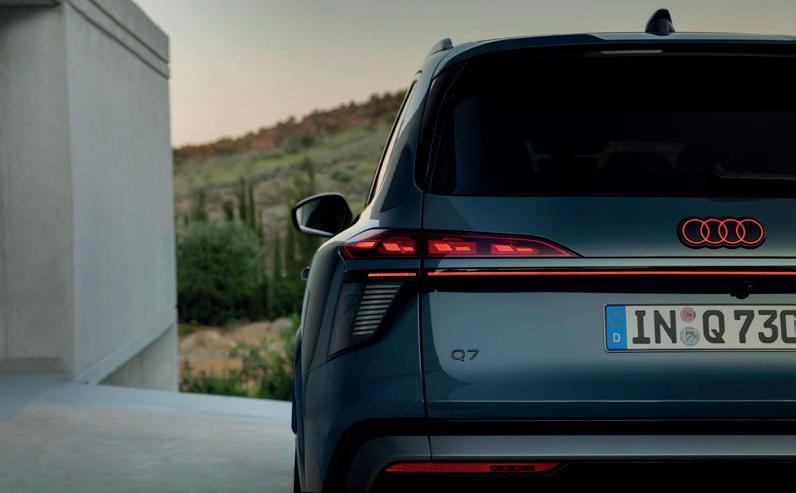
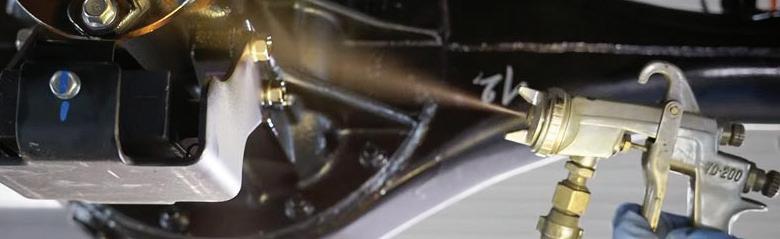
NEW VEHICLES ARE MORE EXPOSED TO EARLY CORROSION THAN MANY ASSUME — AUTOBLAST’S UNDERBODY SYSTEM GIVES DEALERSHIPS A RELIABLE PREVENTATIVE ANSWER
Corrosion is commonly associated with older vehicles, but in New Zealand’s humid, coastal conditions it can take hold well before a car reaches its first service.
Overnight condensation and salt-laden air are enough to begin the process on new stock sitting in a dealership yard — particularly in coastal locations.
David Kirkham, director of Autoblast, knows the pattern well. Vehicles used for towing boats or jet skis face especially rapid deterioration, with regular saltwater exposure capable of producing visible corrosion within months of
purchase. The response from the trade has been pragmatic: more dealerships are now treating new inventory before vehicles go out the door.
Autoblast’s core product is the AutoLAST System — a structured rust-prevention process built around thorough surface preparation and a five-part coating system designed for durability. It outperforms conventional oil- or wax-based underbody treatments in both longevity and finish quality.
To support growing demand, Autoblast has
GERMAN PARTS BRAND TARGETS GROWING PREMIUM VEHICLE PARC WITH OE-GRADE AIR SUSPENSION COMPONENTS NOW AVAILABLE LOCALLY
Air suspension has long been a pain point for independent workshops dealing with older European premium vehicles. The established options were limited: pay OEM prices that most customers baulk at, or fit aftermarket parts and compromise on quality. German aftermarket brand Meyle has moved to close that gap with a new air suspension product range that includes air suspension struts, air springs, and level control sensors, all manufactured to OE specifications. The timing is deliberate. Sönke Schwenck, Meyle’s head of cooling, filter, and damping, notes that vehicles are staying on the road longer, and with greater age and mileage comes a rising incidence of air suspension failure — and with it, growing demand for quality replacement parts. The global picture backs that up. The market for vehicle air suspensions is projected to grow from US$12.63 billion in 2025 to US$18.96 billion by 2030, with the aftermarket segment forecast to expand at around 7.72% annually, according to Mordor
Intelligence.
The local relevance is straightforward. Airsuspension-equipped European SUVs — Audi Q7, Volkswagen Touareg, BMW 5 and 7 Series — are a well-established part of the used-import and secondary retail markets in New Zealand. As these vehicles age into higher mileage, air suspension failure becomes an increasingly common workshop job. Until now, that job has often meant an awkward conversation about OEM pricing or a compromise on parts quality.
Meyle’s launch focus covers key applications across Audi, BMW, Mercedes-Benz, and Land Rover, with further expansion planned. Air bellows and air springs are manufactured using vehicle-specific winding techniques — cross-ply, multi-ply, or straight-ply filament winding as appropriate — while electronics and damping control meet original specifications. Level control sensors, also known as height or suspension sensors, are designed and tested to
expanded its Auckland facility to five dedicated service bays, including two downdraught spray booths and heavy-duty hoists. The setup creates a controlled environment suited to high-volume commercial work — minimising overspray and maintaining consistent output. Commercial fleets, including port companies operating in corrosive conditions, are a significant part of the client base alongside private vehicle owners.
For vehicle importers, the vulnerability window begins before a car is even registered. Vehicles transported by sea arrive having been exposed to salt air and marine conditions, and early surface oxidation can develop quickly if left unaddressed. Most panel shops focus on exterior refinishing — Autoblast fills the gap with specialised underbody protection that slots into pre-delivery workflows.
Beyond rustproofing, the full service range covers media blasting, rust removal and treatment, undersealing, epoxy finishes, and the AutoLAST hybrid system. A dedicated newvehicle rust-correction service addresses any early discolouration or surface rust before a car reaches the showroom floor — a useful option for dealerships maintaining high presentation standards.
For more information, contact Autoblast on 09 443 6574 or visit autoblast.co.nz
Meyle’s own standards.
The air suspension range is part of a wider push. In April 2026, Meyle North America announced 55 new aftermarket components extending coverage to more than 13 million vehicles, including NOx sensors, auxiliary water pumps, ABS wheel speed sensors, automatic transmission oil change kits, steering boot kits, water pumps, drive shafts, and stabiliser links across Mercedes-Benz, Audi, Volkswagen, Ford, BMW, Mazda, Chevrolet, Fiat, Tesla, Mitsubishi, and Toyota/Lexus.
Meyle is exclusively distributed in New Zealand by All Euro Parts, which warehouses stock in Auckland and Christchurch. The exclusive distributor arrangement means more competitive pricing for trade customers. Workshops can contact All Euro Parts directly for availability and pricing on the new air suspension range.
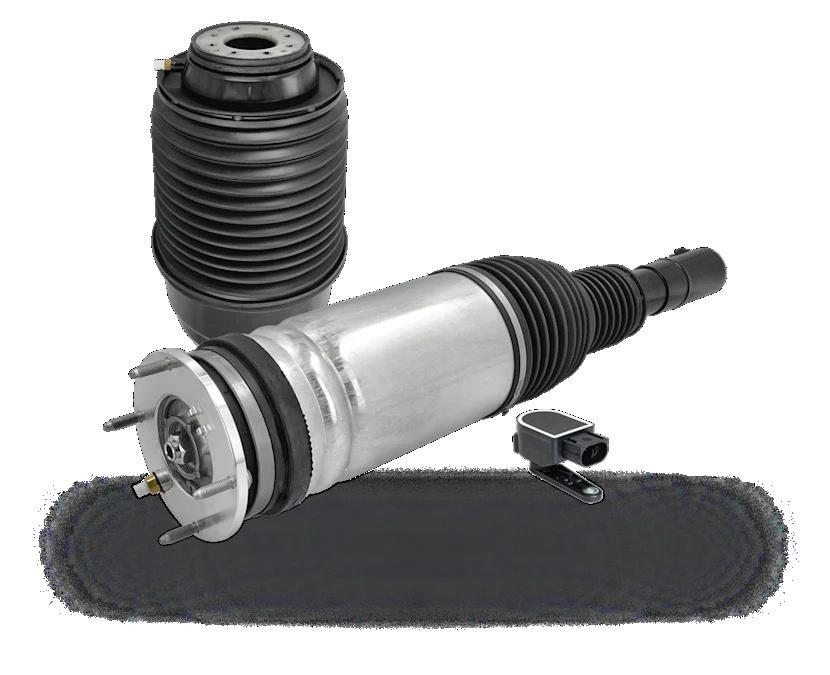
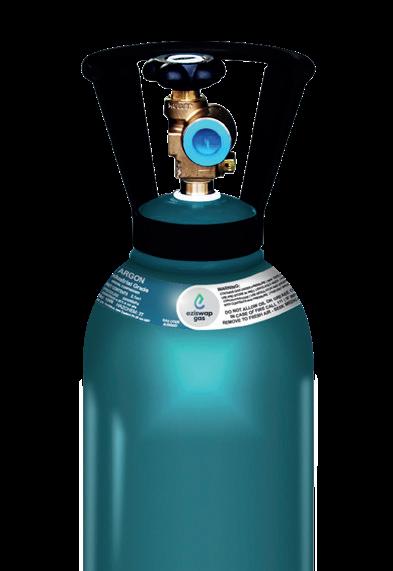
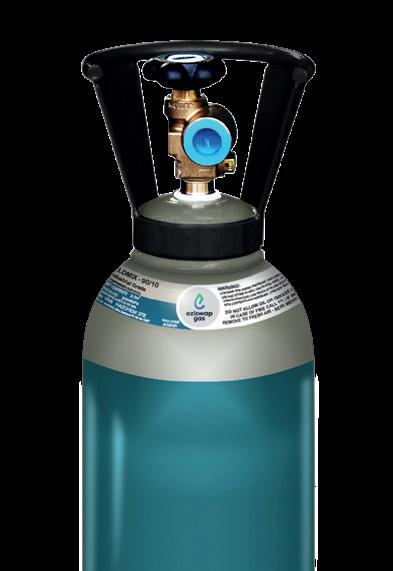









When your van, ute, or SUV works hard every day, standard shocks won’t cut it. KYB Tena Force is the heavy-duty upgrade built for loaded tradie vans, tow rigs, and workhorse 4WDs. With 20–35% heavier valving, a tough 35mm bore, and increased oil capacity, Tena Force delivers better control, stability, and durability under load. Designed to suit uprated coil and leaf springs while keeping standard ride height, it’s the smart suspension upgrade for vehicles that carry tools, gear, and the jobsite on their back.
KYB Tena Force is available through Mount Shop
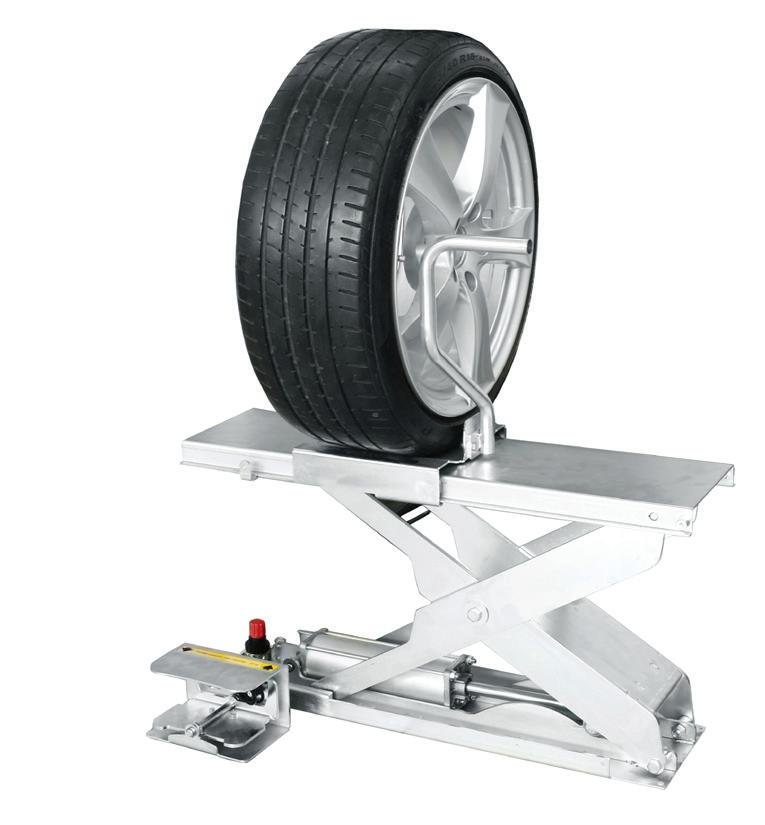
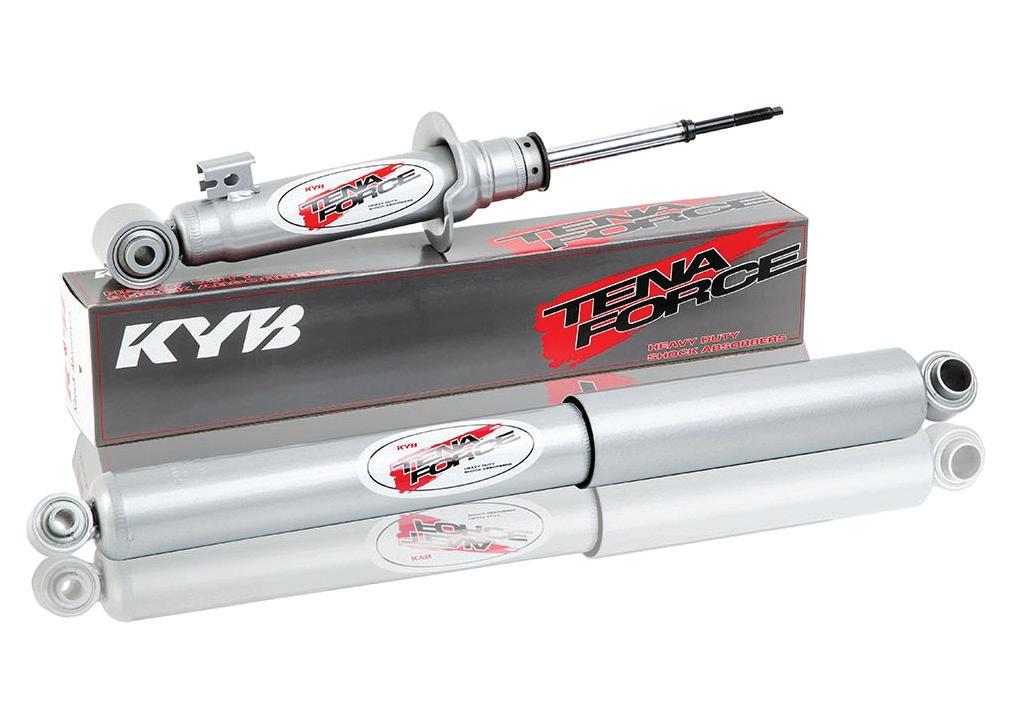
Compatible with almost every brand of wheel balancer, the Automaster Platinum AMWBL81 takes the strain out of handling heavy wheels. With a maximum wheel weight capacity of 80kg, it’s a practical addition to any tyre workshop dealing with larger passenger, SUV, or light commercial fitments. Priced at $1,295 excl. GST.
For further information, contact Automaster on 0800 214 604 or visit automaster.co.nz
The Aerpro AOBDLK OBD2 Lock is a security solution designed to protect a vehicle’s OBD2 port from unauthorised access and potential theft. Featuring tough aluminium construction and a discreet black design with a blanking sticker to conceal screw heads, it blends seamlessly into the vehicle’s interior. A vehicle-specific bracket and all necessary hardware are included, making installation quick and straightforward. Acting as both a physical barrier and visual deterrent, the AOBDLK helps prevent tampering with critical diagnostic ports — blocking unauthorised use of scan tools, key cloning tools, and potential vehicle theft.
For more information, contact sales@nz.brownwatson.com or call +64 9 525 4575
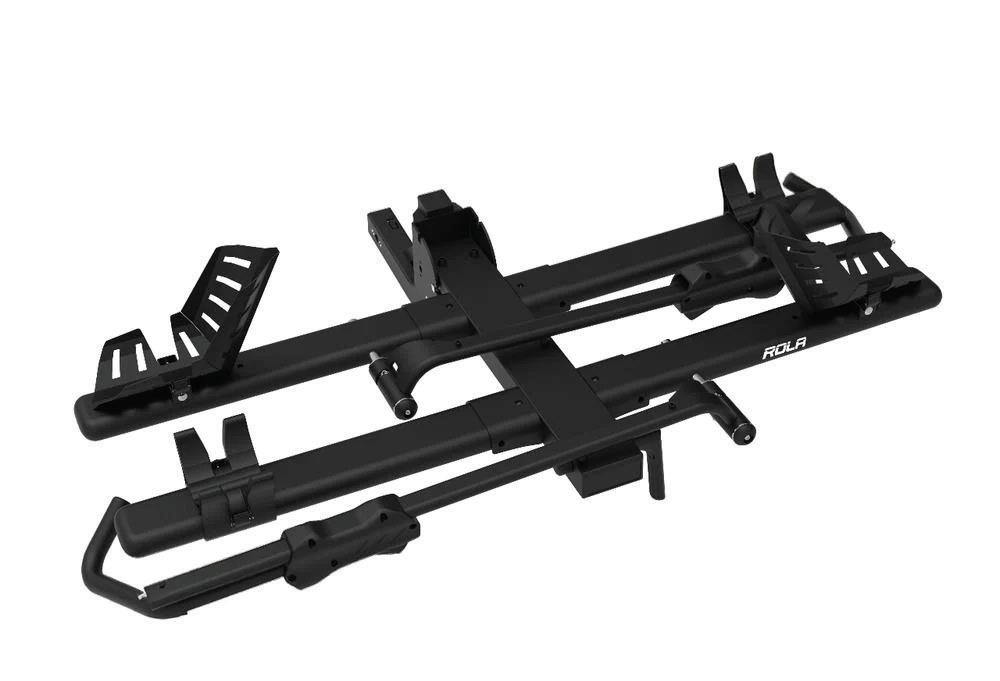
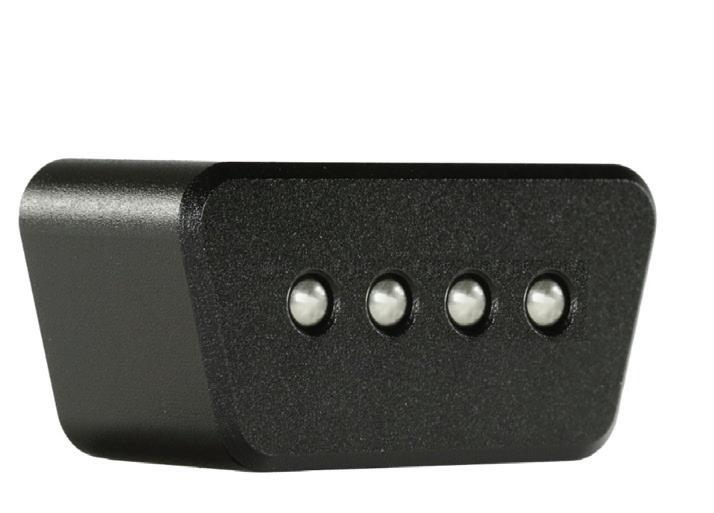
The Rola Platform Bike Rack (PBR) is a robust, easy-to-use hitch-mounted bike carrier built to carry two bikes securely on everyday drives and weekend escapes. With a 60kg load rating, integrated bike and hitch lock, and no frame contact, it is designed to protect your bikes while keeping loading simple. Built for Australian and New Zealand conditions, the PBR includes smart features like oversized wheel trays, padded wheel straps, tilt-down boot access, and an integrated anti-rattle hitch system to help keep the rack stable on and off the road.
For all enquiries, contact Rola NZ on 0800 698 227 or at info@rolaracks.nz
The Aerpro AM9X and AM10X multimedia receivers deliver advanced in-car connectivity with 9” or 10” touchscreens and wireless Apple CarPlay and Android Auto integration. Featuring built-in Bluetooth for hands-free calling and audio streaming, they offer a seamless driving experience. With a powerful 50W x 4 amplifier, eightband EQ, and subwoofer level control, sound performance is exceptional. Additional highlights include dual reverse camera inputs, AM/FM tuner, USB connectivity, and OEM steering wheel remote compatibility for easy, factory-style integration.
For more information, contact sales@nz.brownwatson.com or call +64 9 525 4575
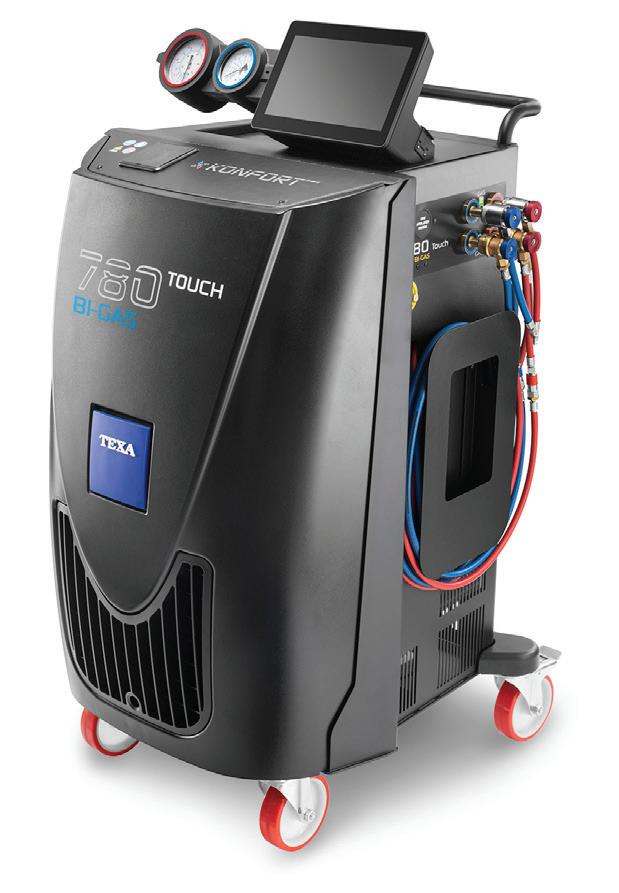
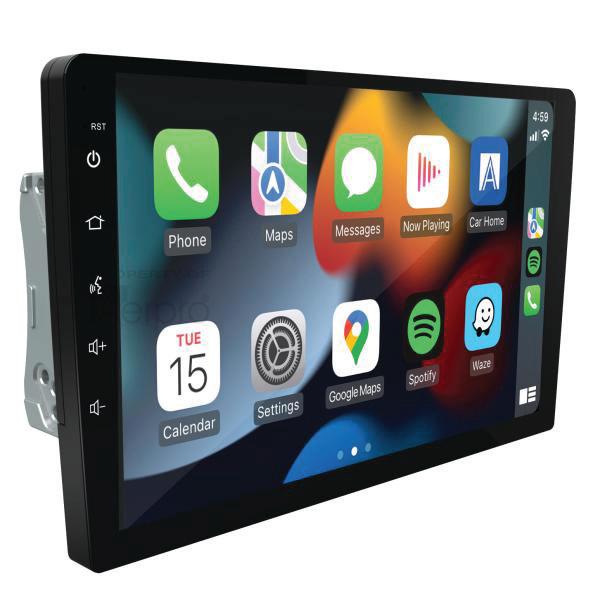
TEXA’s top-of-range A/C servicing station handles both R134a/R456a and R1234yf/R444a refrigerants via two independent tanks and separate circuits for recovery, recycling, and recharging — keeping each refrigerant type fully isolated through the entire service process. The fully automated workflow reduces handling time and minimises the risk of human error. Key features include an airtight oil-bottle system to prevent contamination, a scale-locking device for consistent refrigerant weight accuracy, and an automatic cleaning system for all hydraulic ducts.
Contact the Repco Equipment team on 0800 237 726
King Springs are Australia’s leading manufacturer of high-performance automotive coil springs, trusted by workshops and enthusiasts alike. Engineered from premium X5K highstress steel, they offer unmatched strength, reduced weight, and superior suspension response. Ideal for New Zealand’s demanding roads and off-road conditions, King Springs improve handling, ride height, and load capacity across a wide range of vehicles — from 4WDs and utes to performance and passenger cars. Easy to pair with KYB or OEM shocks, they’re a go-to solution for reliable, high-quality suspension upgrades that deliver proven performance and customer satisfaction.
Kings Springs are available through Mount Shop
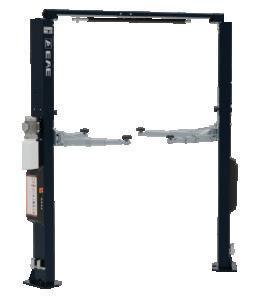
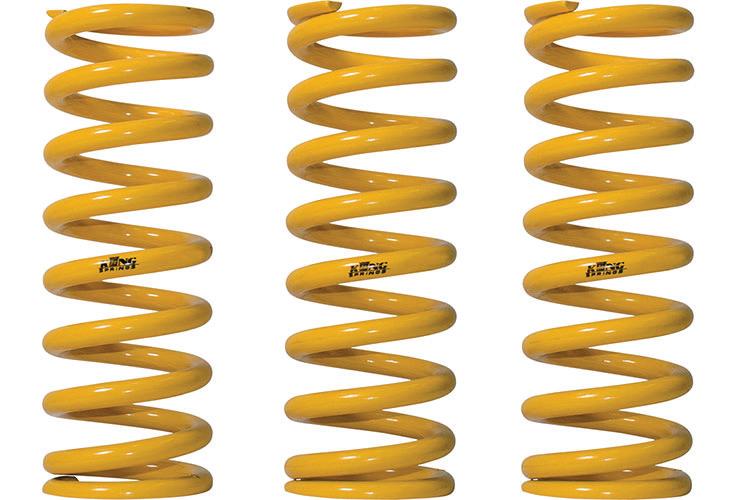
The Strada EE-62C is a CE-certified, 4,200kg-capacity two-post hoist featuring ultra-low arms as standard and full 24V control. It can be configured symmetrically or asymmetrically without additional parts, and auxiliary post control allows full operation from either post. Automatic arm locks, mechanical safety latches, and restrictive valves provide double-redundant safety, while a pre-fixed hydraulic pressure system prevents overloading.
For more information, visit stradalifts.co.nz or call 021 509 286






















PARTSSUPPLY
Bearings,diffs,alternators,brakecomponents,radiators,enginecomponents,batteries,trailerparts
SERVICECONSUMABLES
WORKSHOP CONSUMABLES
Oils,grease,coolant,transfluid,bulbs,flushes
Rags,lubricants,PPE,aerosols,abrasives, cleaners,carcare,aircon
Tierods,balljoints,rackends, bushes,bearings,shocks
SUSPENSIONAND STEERING
AFTERMARKET ACCESSORIES
Audio,performanceparts,bodykits, dressup,paint/wrap,driveline
WORKSHOP EQUIPMENT
GENERALREPAIRSERVICE
Diagnostics,hoists,electrics,powertools, handtools,specialistserviceequipment
Autoelectrical,clutches,cylinderheads, enginerebuilds,suspension,cooling
WINDSCREENSANDGLASS
Windscreens,chiprepairs,sideglass, mirrors,wipers,customfitment
WHEELSANDTYRESOEMreplacement,tyres, fitting/balancing,repairs,consumables,innertubes
AUTOREFINISHERS
Restoration,smashrepairs,auto-bodysupplies,spraypainters,paintcorrection
DRIVETRAINREPAIRSERVICE
Automatics,Transfercases,Manuals,DSGs,CVTs, Differentials,Wheelbearings,TorqueConverters
parts@1stautoparts.co.nz or 09 638 6439
abdgroup.co.nz or 0800ABDGROUP
acdelco.co.nz
aecs.co.nz or 0800 673 034 or sales@aecs.co.nz
alleuroparts.co.nz or 0800 255 387 or parts@alleuroparts.co.nz
amsoil.co.nz or 021 395 320 or wayne@amsoil.co.nz
ateco.co.nz or 09 979 8000
automaster.co.nz or 0800 214 604
autolign.co.nz or 09 574 2288
bacsystems.com.au
06 306 8446 or blackfern.coop
tyreorder.co.nz or 0800 80 90 96
bmw.co.nz or 0508 269 727
bntnz.co.nz or 09 414 3200
bridgestone.co.nz or 0800 802 080
capricorn.coop or 0800 401 444
0800 CASTROL (0800 227 876)
centurydistributors.co.nz
cyb.co.nz or 09 978 6666
chemz.co.nz or 06 877 9690 09 636 5428 or sales@clutchindustries.co.nz
cooldrive.co.nz or 0800 327 868
cool-safe.org.nz
crc.co.nz or 09 272 2700
dieseldistributors.co.nz or 09 265 0622
dtm.co.nz or 0800 621 233
07 850 5240
eproducts.co.nz or 09 916 6750
0800 757 333 or fenixautoparts.co.nz
0800 465 855
ford.co.nz or 0800 367 369
fuchs.co.nz or 09 828 3255
garageworkshop.co.nz or 03 244 0441
gearwrench.co.nz
gmtradeparts.co.nz
The Auto Channel supplier directory is your easy reference for sourcing a range of automotive products and services. This directory is a paid service for businesses who supply to the New Zealand automotive trade. To secure your inclusion, contact us on advertising@autochannel.co.nz.





























PARTSSUPPLY
Bearings,diffs,alternators,brakecomponents,radiators,enginecomponents,batteries,trailerparts
SERVICECONSUMABLES
WORKSHOP CONSUMABLES
Oils,grease,coolant,transfluid,bulbs,flushes
Rags,lubricants,PPE,aerosols,abrasives, cleaners,carcare,aircon
SUSPENSIONAND STEERING Tierods,balljoints,rackends, bushes,bearings,shocks
AFTERMARKET ACCESSORIES
Audio,performanceparts,bodykits, dressup,paint/wrap,driveline
WORKSHOP EQUIPMENT
GENERALREPAIRSERVICE
Diagnostics,hoists,electrics,powertools, handtools,specialistserviceequipment
Autoelectrical,clutches,cylinderheads, enginerebuilds,suspension,cooling
WINDSCREENSANDGLASS
WHEELSANDTYRES
Windscreens,chiprepairs,sideglass, mirrors,wipers,customfitment
OEMreplacement,tyres, fitting/balancing,repairs,consumables,innertubes
AUTOREFINISHERS
Restoration,smashrepairs,auto-bodysupplies,spraypainters,paintcorrection
DRIVETRAINREPAIRSERVICE
Automatics,Transfercases,Manuals,DSGs,CVTs, Differentials,Wheelbearings,TorqueConverters
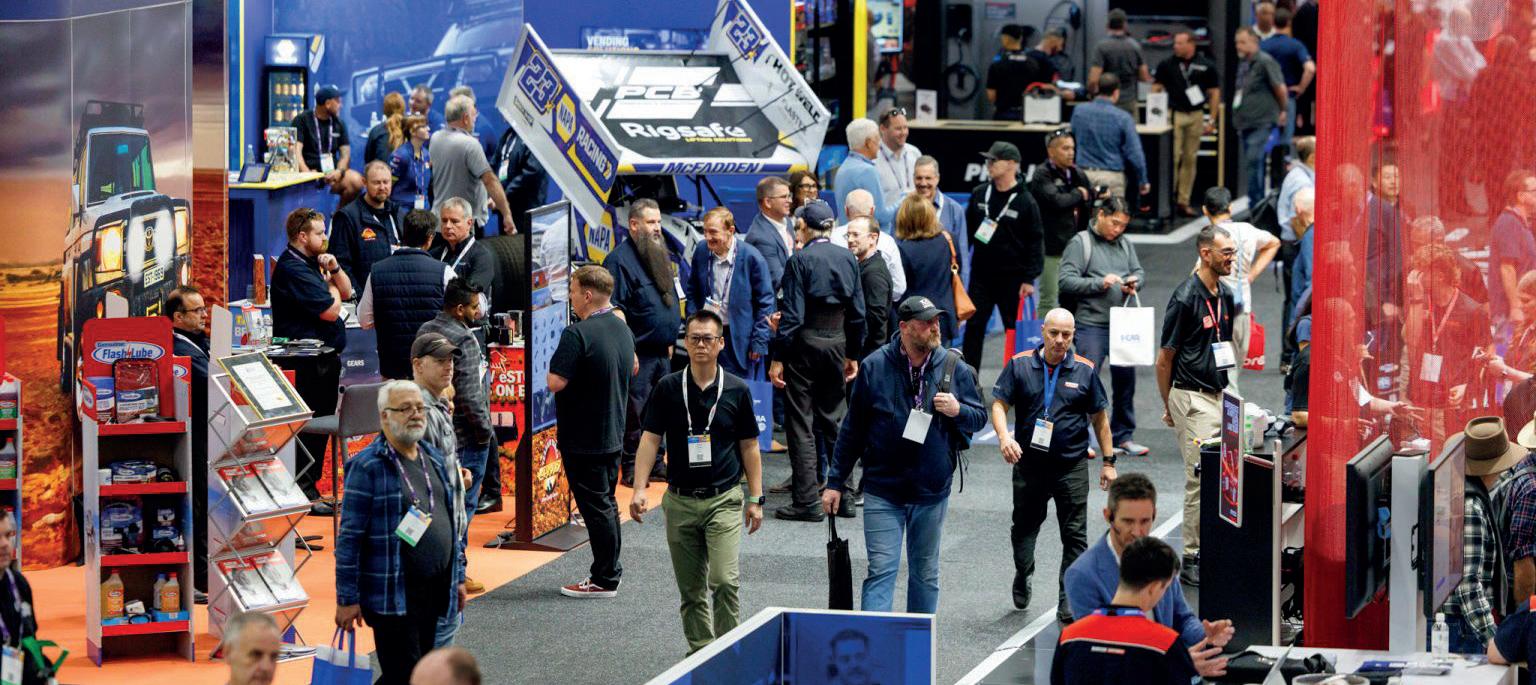
THE 2026 AUSTRALIAN AUTO AFTERMARKET EXPO DREW A RECORD 15,000 VISITORS TO MELBOURNE AND MADE CLEAR WHERE THE INDUSTRY’S ATTENTION IS FOCUSED
The numbers alone told a story. When the doors closed on the 2026 Australian Auto Aftermarket Expo and co-located Collision Repair Expo on 16 May, organisers confirmed 15,000 trade visitors had passed through the Melbourne Convention & Exhibition Centre across three days — nearly 2,000 more than the previous record set in 2024, and the largest automotive trade gathering ever held in the Southern Hemisphere.
More than 400 brands were represented across the combined show floors, covering diagnostic technology and workshop tools through to collision repair equipment and emerging vehicle technologies. The event is run biennially by the Australian Automotive Aftermarket Association (AAAA), which represents an industry contributing A$25 billion annually to the Australian economy.
AAAA CEO Stuart Charity said the scale of this year’s event reflected growing confidence across the sector. “The 2026 Expo exceeded every expectation and has taken this event to another level entirely,” he said. “The show floor was buzzing for three straight days, exhibitors invested in spectacular displays, and the level of engagement, networking and business activity was exceptional.”
If one theme defined the 2026 programme, it was ADAS. Advanced Driver Assistance Systems were a central focus across the show floor and training programme, reflecting the growing complexity of modern vehicle service and repair. As cameras, radar, and sensors become standard fitment across the vehicle fleet, the calibration implications for workshop work — from alignment to component replacement — are increasingly hard to ignore. A dedicated ADAS Training Zone offered expert-led demonstrations, specialist advice, and access to the latest calibration equipment, with sessions delivered by international specialists Keith and Liz Perkins
from L1 Automotive Group in the United States. A focused business information session also translated the new national ADAS industry code of conduct into practical workshop processes — covering when calibration is required, how to apply the code’s decision-making framework, and what documentation practices are needed to remain compliant.
The Diagnostics Discovery Zone returned as a hands-on learning hub, rotating attendees through 15-minute instructor-supported activities covering 12V circuit fault-finding, high-voltage insulation-testing concepts, CAN communication diagnosis, and cam-crank correlation analysis. Thousands of technicians and business owners also participated in free training sessions covering diagnostics, workshop management, leadership, profitability, and emerging vehicle technology, with international experts travelling from the UK and US to present.
The Flying Spanners competition returned bigger than ever, with Brandon Booth from Taylor Automotive & 4WD in Bomaderry, NSW, crowned the 2026 winner — a reminder that trades competition and skills development remain core to the event’s purpose.
The programme wrapped with the Innovation Awards Breakfast and the Excellence Awards Banquet, recognising standout products, businesses, and individuals from across the Australasian aftermarket.
Beyond the record numbers, what stood out most was the energy and confidence across the industry. For a trade grappling with increasingly complex vehicle technology, rightto-repair headwinds, and a fast-changing skills landscape, the appetite to invest in training and equipment was evident on every aisle. The next Expo is scheduled for 2028.
Automotive workshops
Parts importers and distributors
Transmission specialists
Automotive recyclers
Towing operators
Panel beaters and painters
Crash repairers
Tyre dealers
Suspension and underbody repairers
Steering specialists
Towing operators
Auto-electrical repairers
New- and used-car dealers
Air conditioning repairers
Trucking and transport
Editorial: contact@autochannel.co.nz
Advertising: Mike White michael.white@viamedia.co.nz
All other enquiries to: autochannel.co.nz Auto Channel is produced by Via Media, publishers of two of NZ’s biggest-selling automotive magazines: NZ Performance Car and NZV8.