This is a guest post written by Rachel Giles, President of VHL Europa.
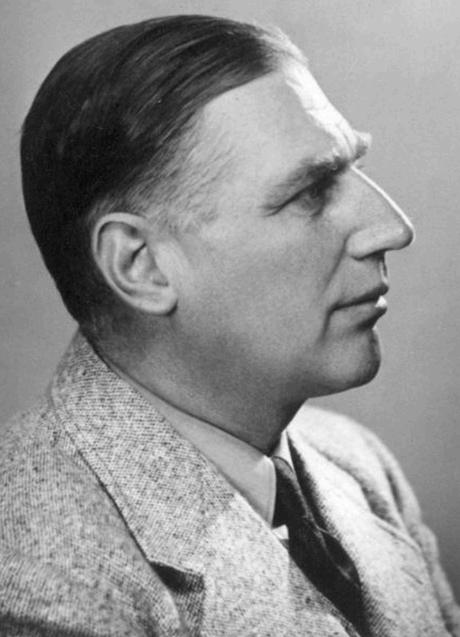
This year marks something extraordinary for our community. It has been 100 years since Arvid Lindau’s 1926 work helped connect the dots between the eye findings described by Eugen von Hippel and the broader syndrome we now know as VHL, named after these doctors In other words, 2026 is not just an anniversary for a paper. It is an anniversary for the moment VHL started to become understandable as a whole disease rather than a collection of baffling, disconnected problems.
If you live with VHL, that milestone can feel both huge and oddly personal Huge, because a century of research is a long time Personal, because for most of us VHL is not a chapter in a medical textbook It is scans, appointments, surgery planning, waiting for results, family conversations.
So what does 100 years of research actually mean?
It means that people living with VHL today are not where patients were 100 years ago, or 50 years ago, or even 15 years ago Researchers helped turn VHL from a mystery into a genetic condition with a known cause. They helped explain why one altered VHL gene can lead to such a distinctive pattern of tumors and cysts in different organs. Research is the reason VHL care is now built around earlier detection, monitoring, and more informed timing of intervention rather than guesswork and crisis management
Lindau's landmark thesis connected CNS hemangioblastomas with visceral lesions, founding the field.
It also means that VHL research has mattered far beyond VHL Work on the VHL gene and the oxygen-sensing pathway became central to understanding how cells respond to oxygen levels, which in turn helped shape major advances in cancer biology. That body of work was recognized with the 2019 Nobel Prize in Physiology or Medicine for discoveries about how cells sense and adapt to oxygen availability It means that VHL has not only benefited from science VHL has helped drive science forward for everyone
And then there is the part that feels especially meaningful for patients and families. Research has not only given us explanations. It has started to give us options. One example is belzutifan, a therapy linked directly to advances in understanding the HIF pathway in VHL biology The FDA approved belzutifan in 2021 for certain tumors associated with VHL disease It does not make VHL simple But it is a powerful reminder that basic science, patient participation, clinical trials, and persistence can eventually lead to something tangible in the clinic.
I think that is one of the biggest lessons of this centenary. Research is not abstract It is what gives us better imaging, better surgery timing, better understanding of risk, better family counseling, and sometimes, finally, better treatment choices
Of course, a hundred years of research does not mean the work is finished. We still live with uncertainty. We still need better treatments, better access, better coordination of care, and better support for the emotional side of all this.
But anniversaries are for perspective, and this one deserves to be felt A hundred years ago, VHL was being described. Today, it is being tracked, modeled, monitored, treated, and understood at a molecular level that earlier generations could not have dreamed of. That progress did not happen by accident. It happened because researchers kept asking questions, clinicians kept learning, families kept showing up, and patients kept participating
One hundred years on, VHL research is not just history It is the reason there is more hope, more knowledge, and more possibility in front of us than behind us.
Scan the QR code to take the global VHL patient survey!
SEATTLE
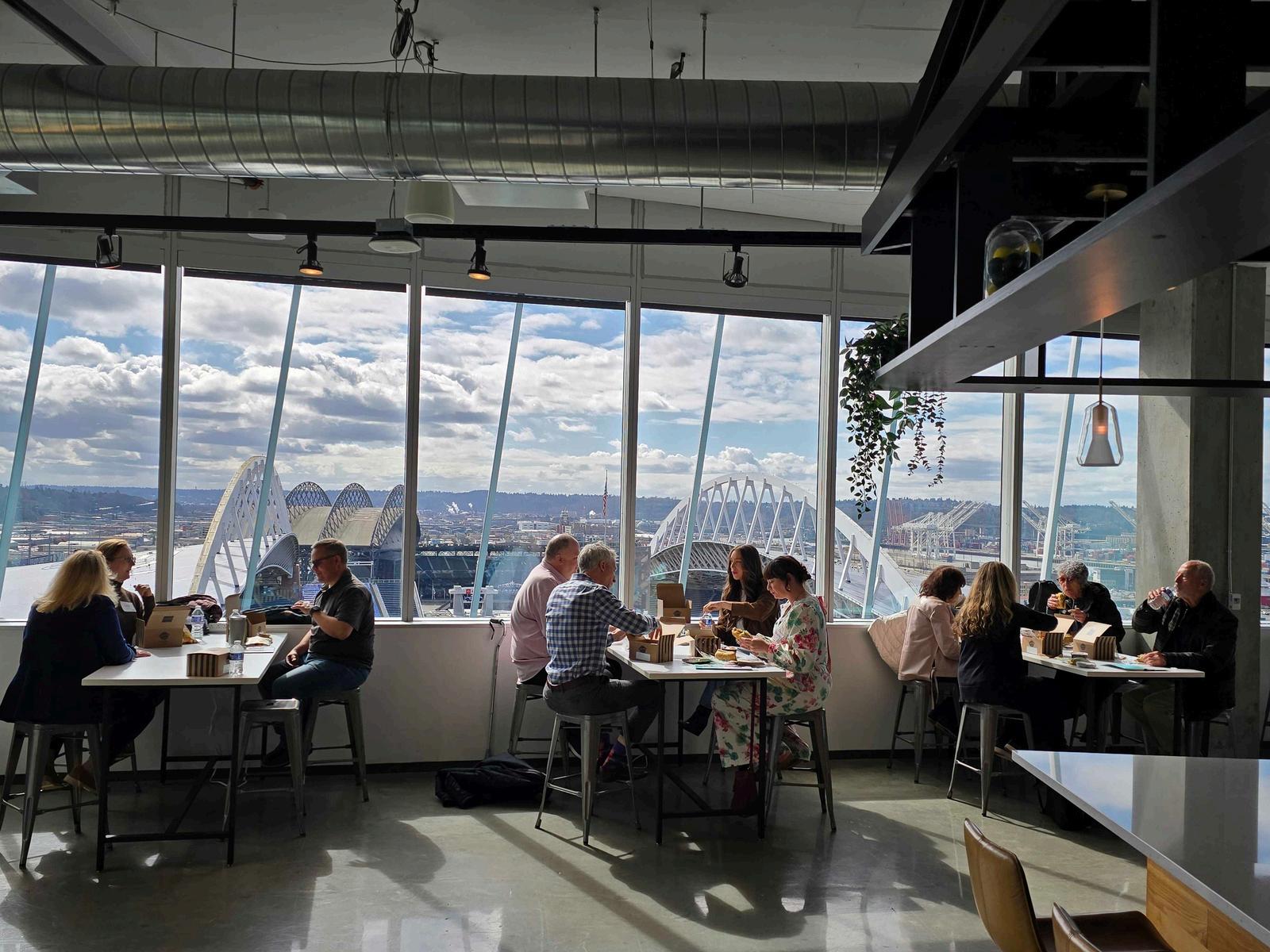
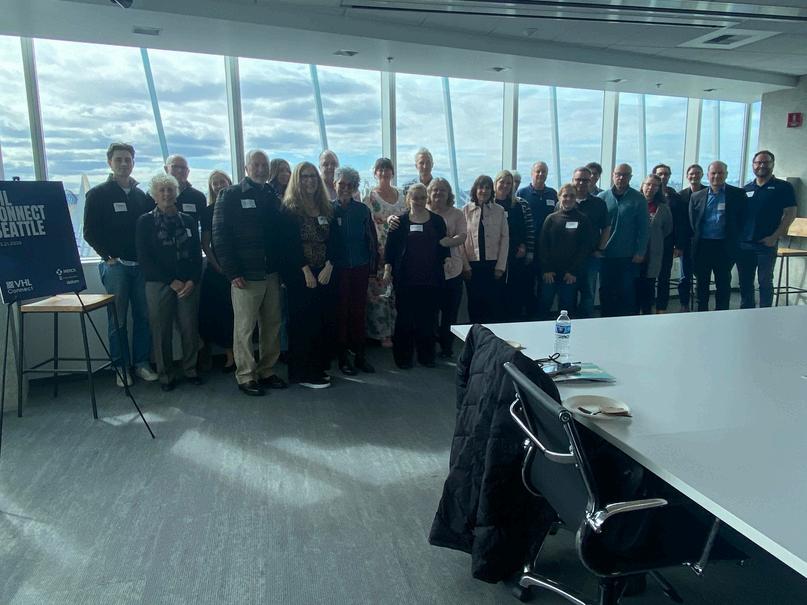
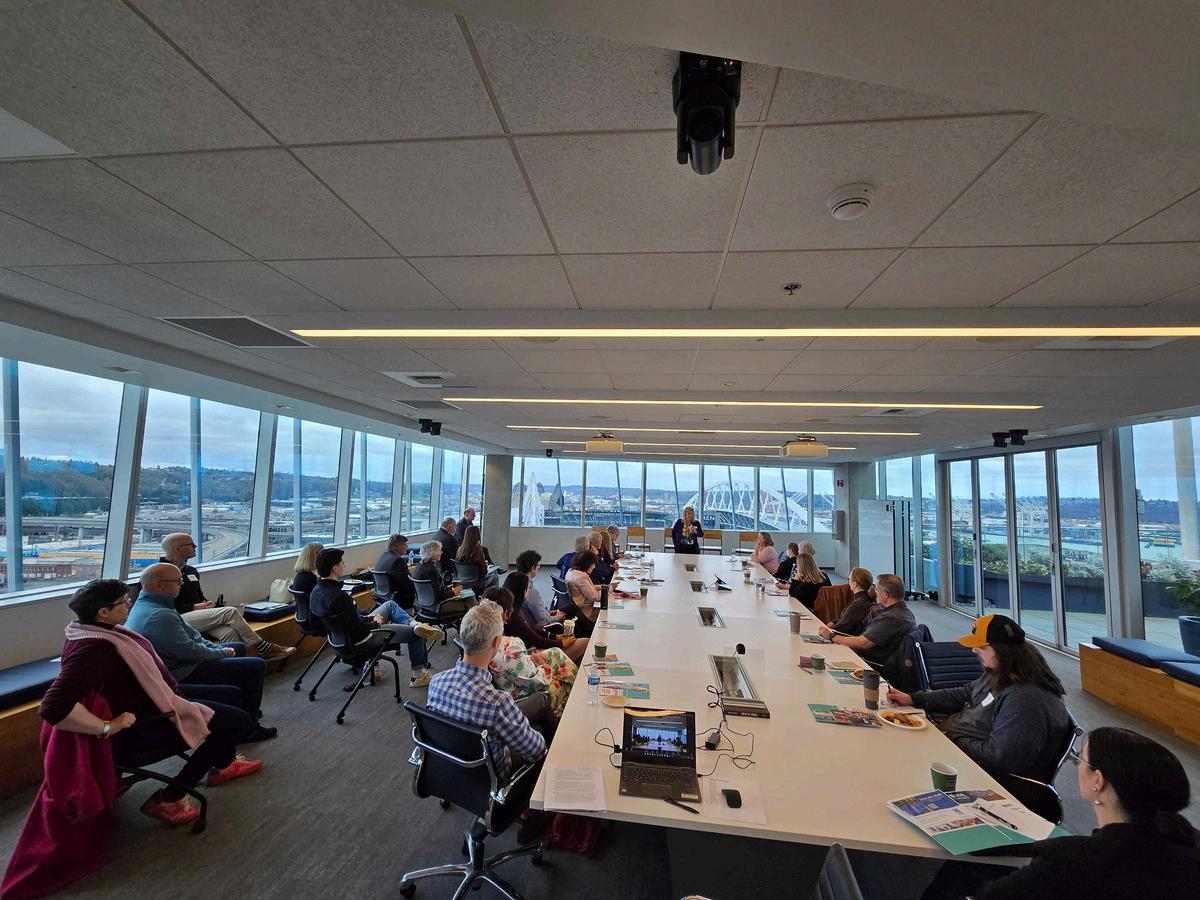
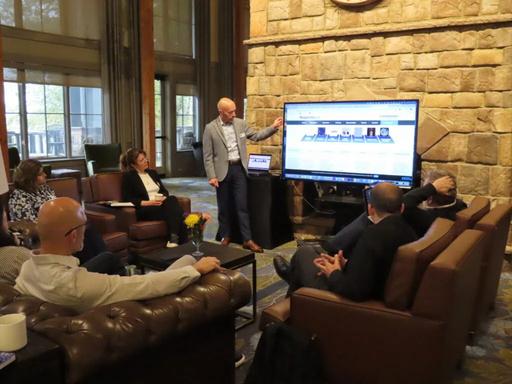
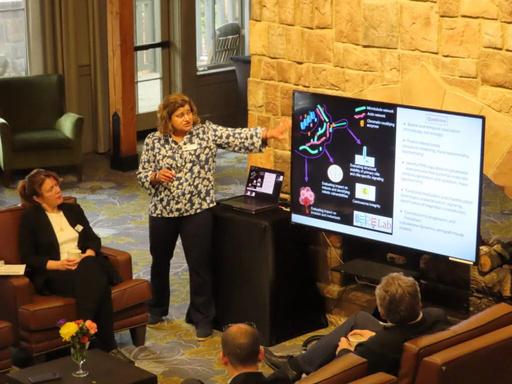
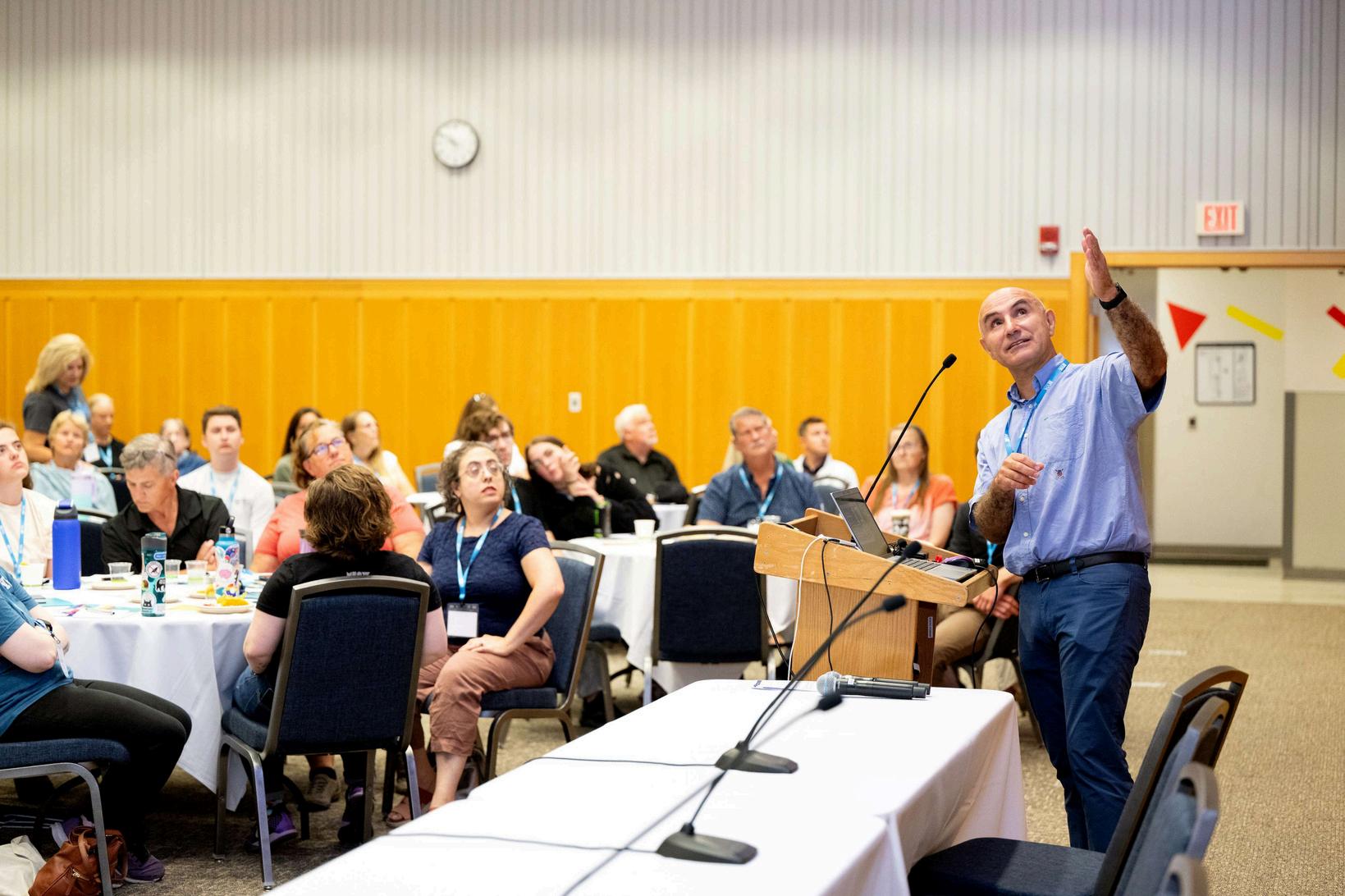
This past March, thirty people from across King County gathered at Hawk Tower in downtown Seattle for VHL Connect: Seattle, a morning of learning, conversation, and connection. Patients, caregivers, and families met with leading VHL clinicians for presentations on the latest research and treatment advances
The morning featured panel discussions on current VHL treatment options led by physician researchers from the Fred Hutch Cancer Center and Seattle Children’s Hospital. Attendees heard directly from Dr. Wendy Raskind and Dr. Scott Tykodi, two of the leading VHL clinicians in the Pacific Northwest, and had the opportunity to ask questions, share their experiences, and connect with fellow VHL families.
“VHLA Connect in Seattle was a resounding success. It’s always powerful to hear from doctors and medical professionals alongside patients and caregivers, and this is also an especially exciting time for the VHL community Between patient metadata insights and continued good news about belzutifan, there is a lot to be hopeful about. I enjoyed being able to share on a panel and meet new people in the area. Thank you to the VHL Alliance for the opportunity to share, connect, and learn!”
Peter B, VHL Community Member
VHL Connect events are made possible by the generous support of our sponsors, including Merck, Ambry Genetics, and by every member of this community who attends and keeps this work alive Stay tuned for the next VHL Connect event near you!
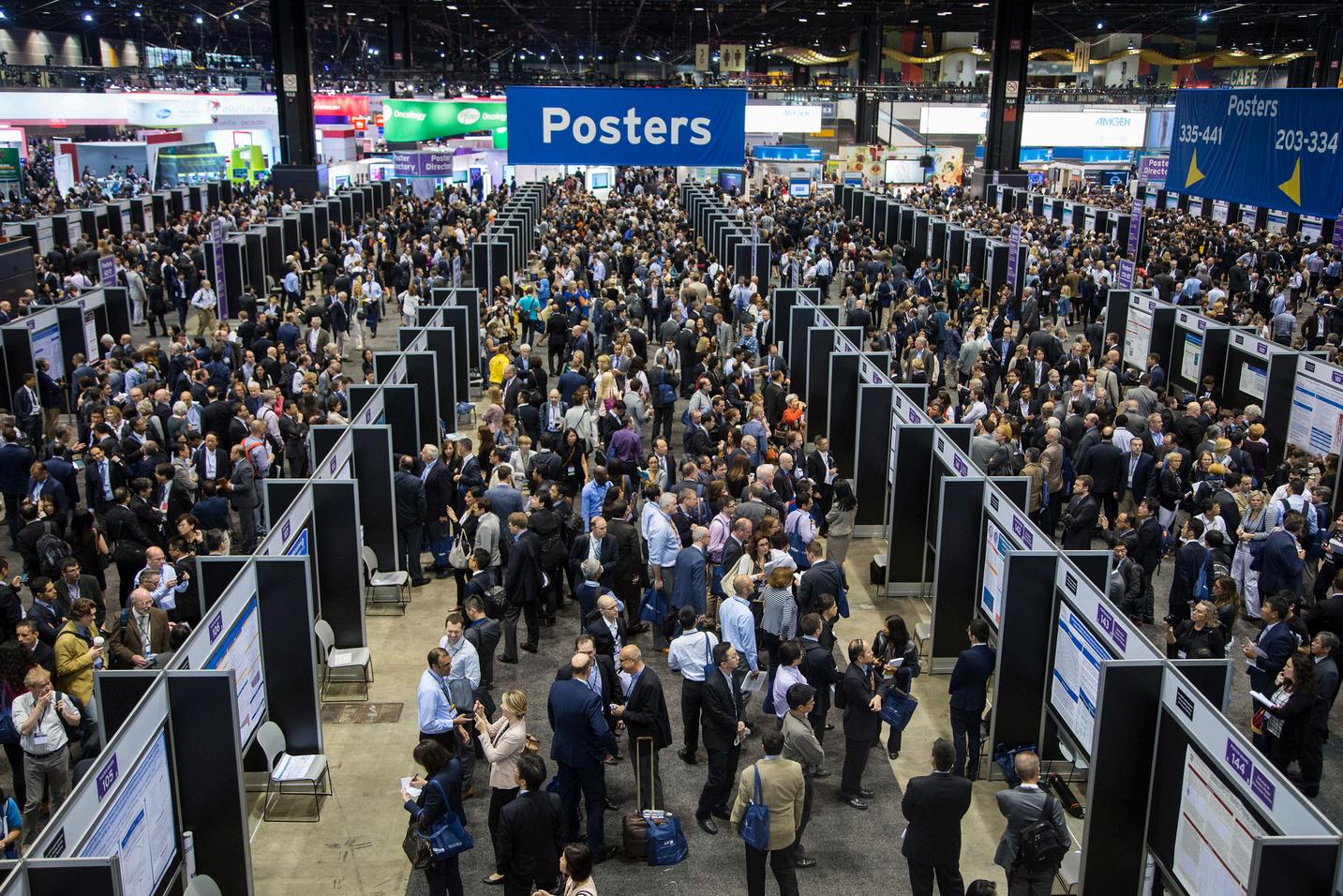
ASCO Highlights
American Society of Clinical Oncology Genitourinary Cancers Symposium · San Francisco, 2026 14+
VHL/ccRCC abstracts presented by VHLAaffiliated researchers
3
VHL Alliance scientific advisors presenting new findings
2
Next-generation HIF-2α inhibitors now in active clinical trials
The ASCO Genitourinary Cancers Symposium is one of the most critical annual meetings for kidney cancer research. This year's theme "Patient-Centered Care: From Discovery to Delivery" emphasized translating VHL and ccRCC breakthroughs into real clinical impact VHL Alliance scientific advisors were among the most active presenters at the meeting.
KEY HIGHLIGHTS
New HIF-2α inhibitors advancing: Casdatifan, a next-generation HIF-2α inhibitor, showed promise in patients with metastatic kidney cancer who had progressed on prior treatments Dropping EPO levels emerged as a key biomarker for predicting response a direct link to VHL biology.
Treatment Is Getting More Personal:
Not all kidney tumors behave the same way. Even tumors that look similar under the microscope can differ in their genetics, immune environment, and treatment response ASCO GU 2026 advanced the conversation around tailoring treatment to the specific biology of each person's tumor. This matters especially for VHL patients, who can develop multiple tumors over a lifetime and need doctors to distinguish which require immediate intervention, which can be safely monitored, and which are most likely to respond to a given therapy.
Belzutifan: deepening the evidence: New data confirmed belzutifan's effectiveness in ccRCC both alone and in combination. Researchers are now exploring its use in earlier-stage disease and investigating why it doesn't work for some tumors
Artificial Intelligence Is Entering the Clinic:
AI tools are helping researchers detect tumors earlier, analyze medical images faster, and find patterns in patient data that would otherwise go unnoticed For VHL patients who require lifelong surveillance imaging, these tools could help doctors spot changes sooner and predict which tumors are most likely to grow. They are moving from research settings into routine clinical practice
VHLResearch Forum
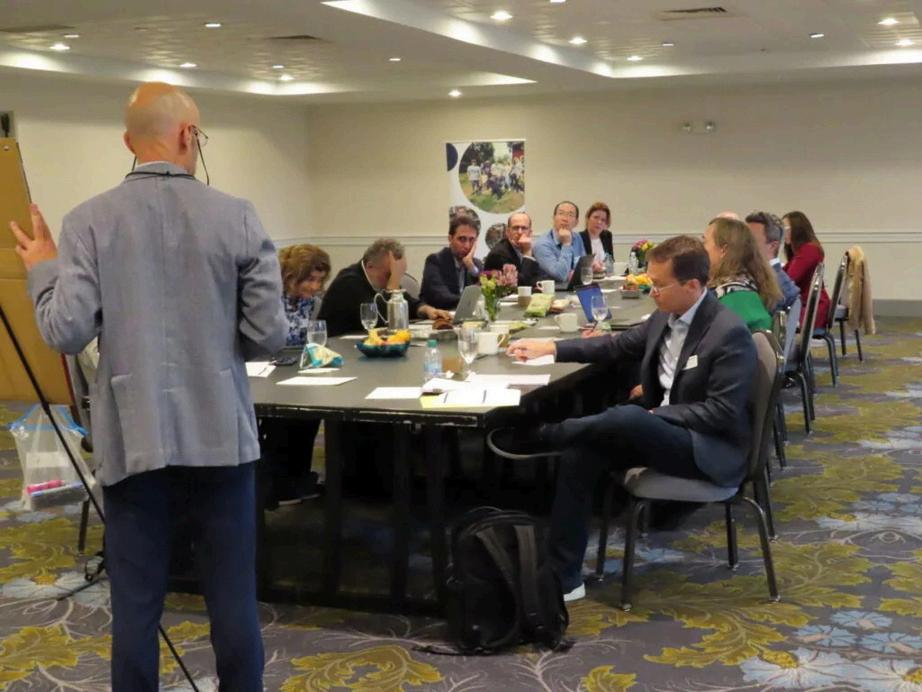
In November 2025, the VHL Alliance hosted its first-ever VHL Research Forum in Charlotte, bringing together leading clinicians and researchers to focus on one central q ti Wh t ill it t k t h th f t f VHL?
Unlike a traditional scientific meeting, the Forum was designed as a collaborative think tank centered on open discussion and shared priorities for patients and families.
Several key areas emerged. Researchers emphasized the need for new drug treatments beyond belzutifan, including therapies that last longer, work across more tumor types, and can be combined for greater effectiveness. They also explored identifying the “cell of origin” for VHL tumors, which could enable earlier detection and more precise treatment.
Other discussions focused on harnessing the immune system, understanding and preventing resistance to belzutifan, and targeting non-HIF pathways to expand treatment options. Improving animal models was also highlighted as critical to accelerating research.
Above all, the Forum fostered collaboration sparking new ideas, partnerships, and a shared commitment to improving outcomes. For patients and families, it signals a research community that is united, energized, and focused on what comes next.
Awareness Walk
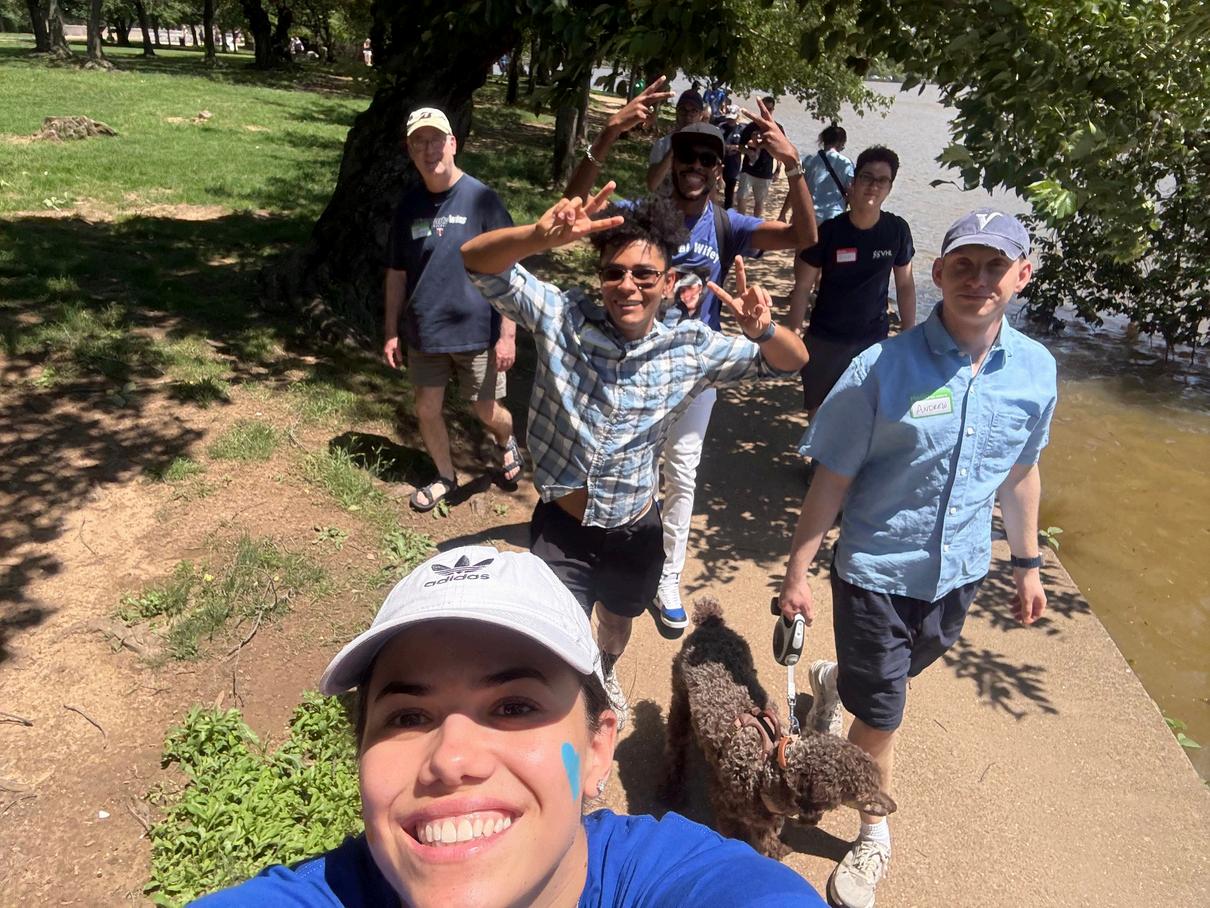
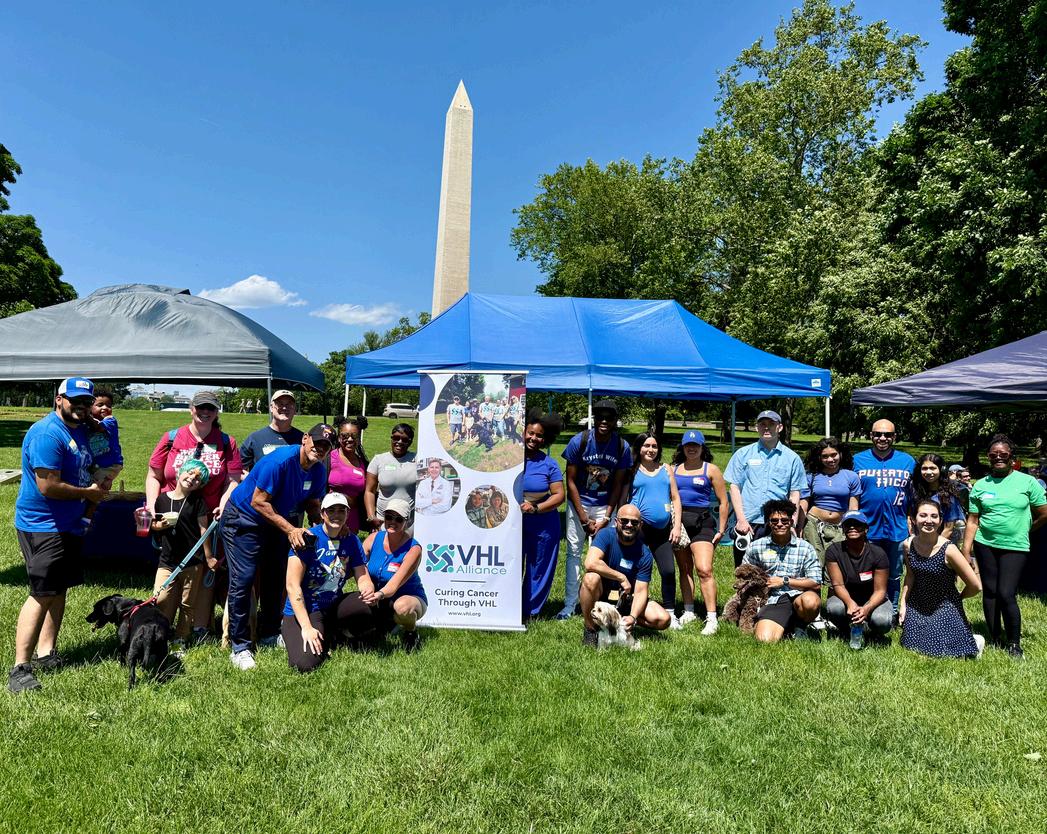
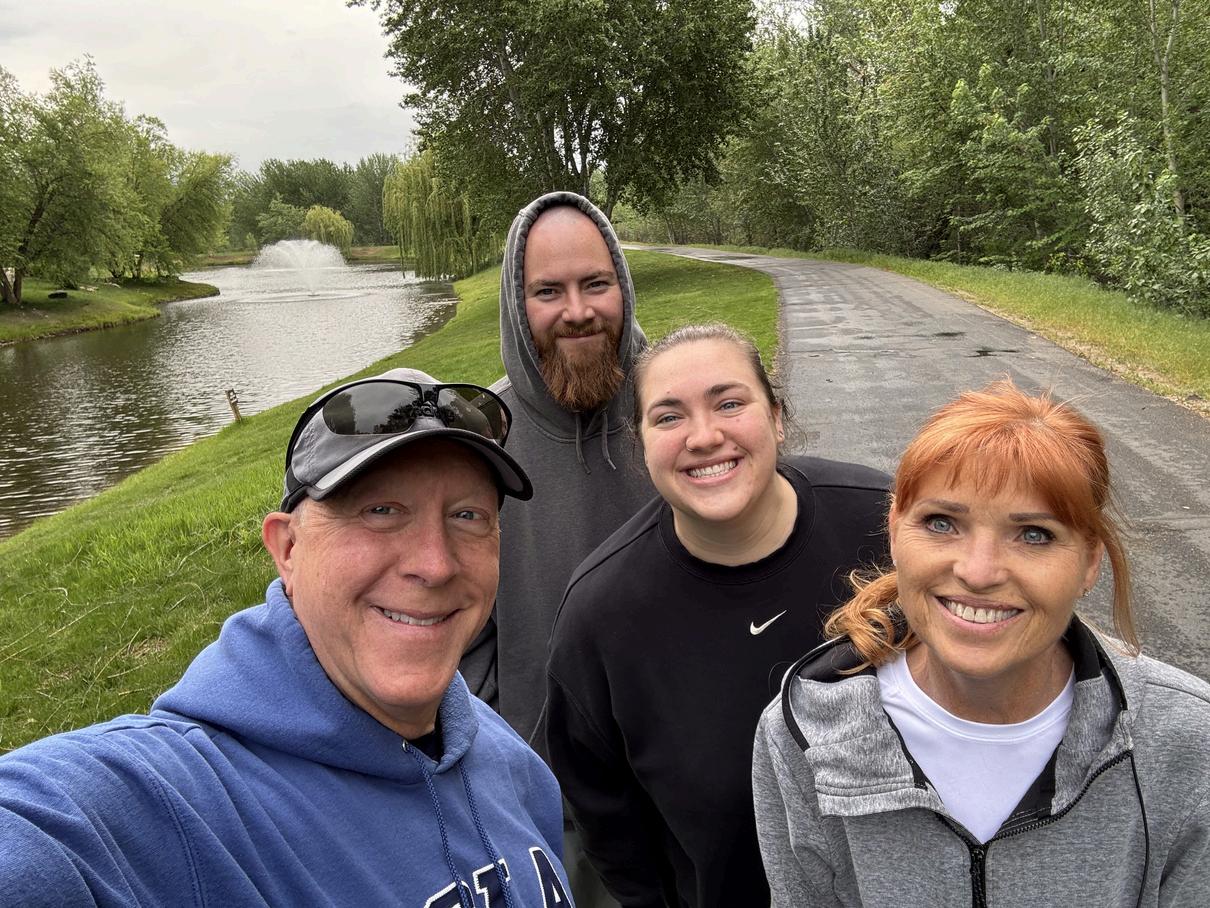
On May 16, 2026, hundreds of VHL community members, families, and supporters across the country will walk together, from wherever they are. The VHL Awareness Walk is one of our most important annual events: a moment when the entire community moves as one, raising funds for a disease that too few people know about. This year's goal is $125,000. Every dollar goes directly toward VHL research, innovation, and the programs that support VHL families year-round
works:
lk is virtual and nationwide, no travel d. Sign up as an individual or build a team, the weeks leading up to May 16th sing, and on walk day tune into our live video and head outside at 1:00 PM EST AM PT) to walk your neighborhood or local the same time as thousands of others across untry.
DETAILS
Saturday, May 16, 2026
on: Your town!
er: vhl org/walk
$125,000
WALK?
Every dollar raised funds research grants, mental health programs, patient education resources, and community events Walking is a direct investment in the science and support systems that VHL families depend on. Scan the QR code to register now!
VHL Symposium
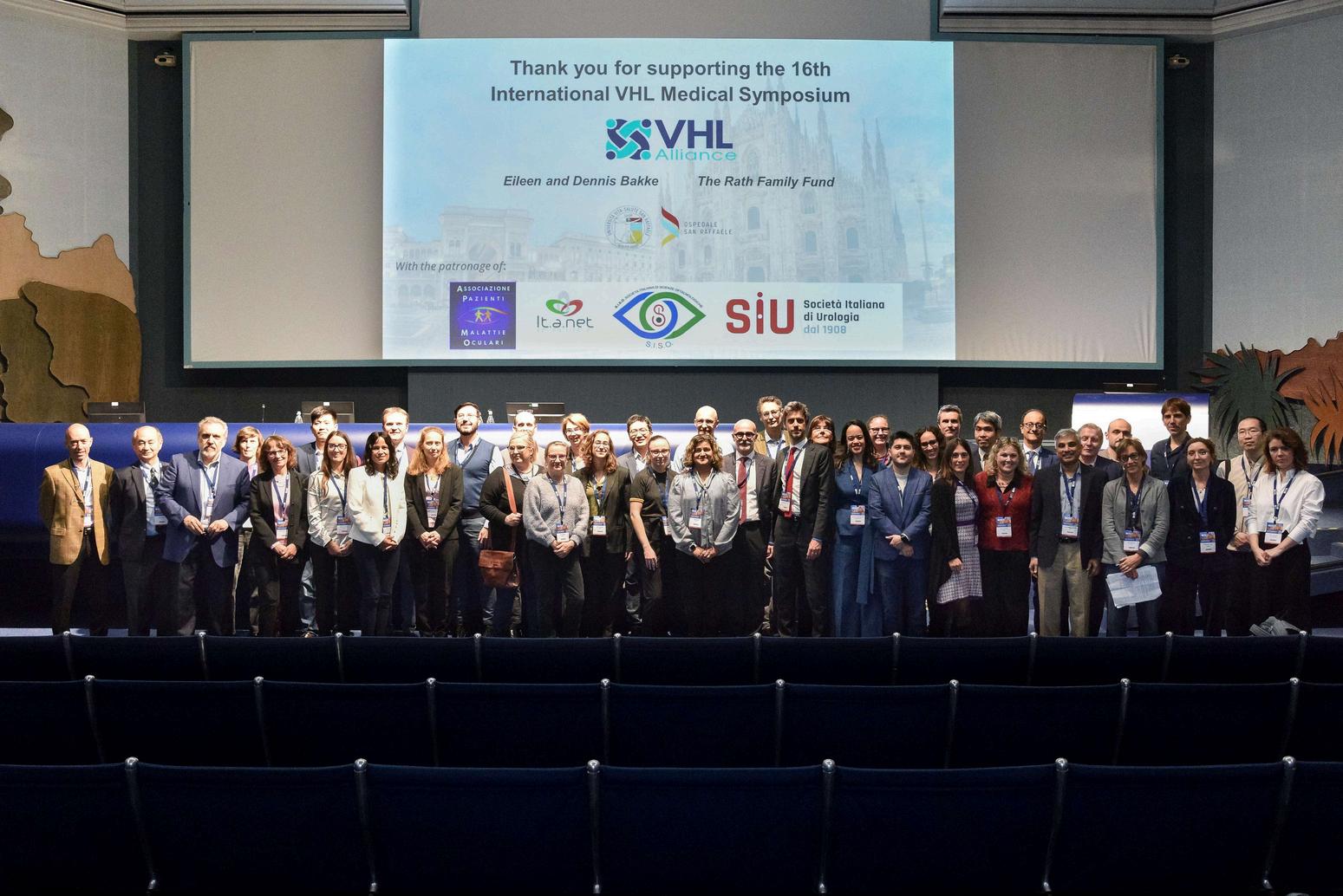
The 17th International VHL Medical Symposium, hosted by the VHL Alliance and Mass General Brigham, will bring together scientists, clinicians, and advocates from around the globe for two days of collaboration, discovery, and thought leadership. It is the premier scientific gathering in the VHL field and a direct opportunity to connect with the researchers driving this work
EVENT DETAILS
Date: November 6–8, 2026
Location: Boston, MA
Hosts VHL Alliance & MGB
Abstract Submission Deadline: August 15, 2026.
Registration Deadline: September 30, 2026. Scan the QR code to secure your spot!
Session topics will include: Exploring the Molecular Basis of VHL: Genetics, tumor heterogeneity in ccRCC, signal transduction and modeling, new therapeutic targets, targeting tumor metabolism and microenvironment, new genomic and proteomic approaches
Clinical Management of VHL: Surveillance, diagnosis, and treatment, systemic agents, live tumor board, new paradigms in treatment, current use of belzutifan, theranostics and guided i i bi ti th i i
Family Weekend2026
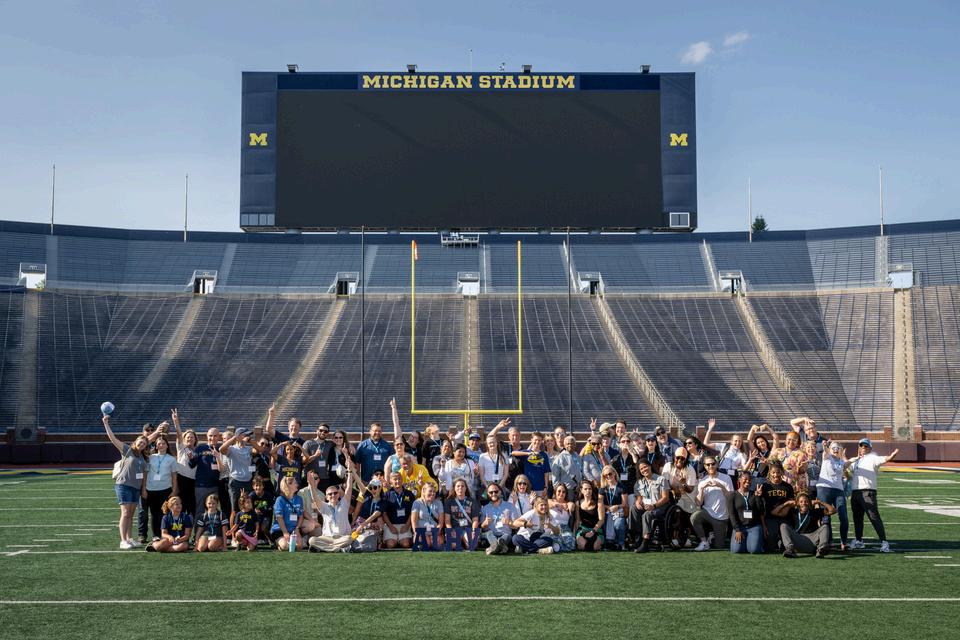
The VHL Alliance invites you to join us for our annual Family Weekend, a unique opportunity to connect with the VHL community, hear from leading experts, and share experiences with others impacted by von Hippel-Lindau (VHL) disease
EVENT DETAILS
Dates: August 7-9, 2026
Location: 1800 Argyle Ave, Los Angeles, CA
Cost: $25 before June 1st!
Register: Scan the QR code!
What to Expect:
Educational Sessions: Learn the latest in VHL research, treatments, and patient care from top medical professionals
Community Building: Meet and bond with families, patients, caregivers, and supporters of the VHL community.
Interactive Workshops: Participate in hands-on activities and discussions tailored to help navigate the challenges of living with VHL
Kid-Friendly Activities: Fun, supervised programs for children, making this event enjoyable for all ages.
A dedicated Young Adult track for VHLers between the ages of 21 and 35
VHL ALLIANCE FAMILY WEEKEND 2026 · LOS ANGELES, CA
Nooneneedsto navigateVHL alone.
Whether you are newly diagnosed or have been part of this community for years, the VHL Alliance is here for you.
Scan the QR code to stay connected by joining our newsletter for the latest updates, resources, and stories from across the community. If you need support, our team is always here to listen and help you find your next step. Sign up for a monthly support call, connect with others who understand what you are going through, or explore our wellness programs designed to support you and your family
Whether it is a conversation, a question, or help finding the right next step, we are here to help!