The Victoria Flying Club ~ Aviation Excellence Since 1946
The Victoria Flying Club ~ Aviation Excellence Since 1946
DANE CAMPBELL TALKS ABOUT ITS CHALLENGES AND REWARDS
PLANE GOOD ADVICE
RICK DURDEN'S AVIATION TRUTHS ALSO : GOODBYE TO SOME FAMILIAR FACES AND MORE!
“T

(Victoria
ACTING PRESIDENT Colin Williamson
SECRETARY Joey Martin
TREASURER Reg Smith
DIRECTORS Glen Rippon Don Devenney Al Johnston

GENERAL MANAGER Mike Schlievert Editor:
vfcpatrician@gmail.com
JUNE 6 COFFEE & DONUTS AT VFC
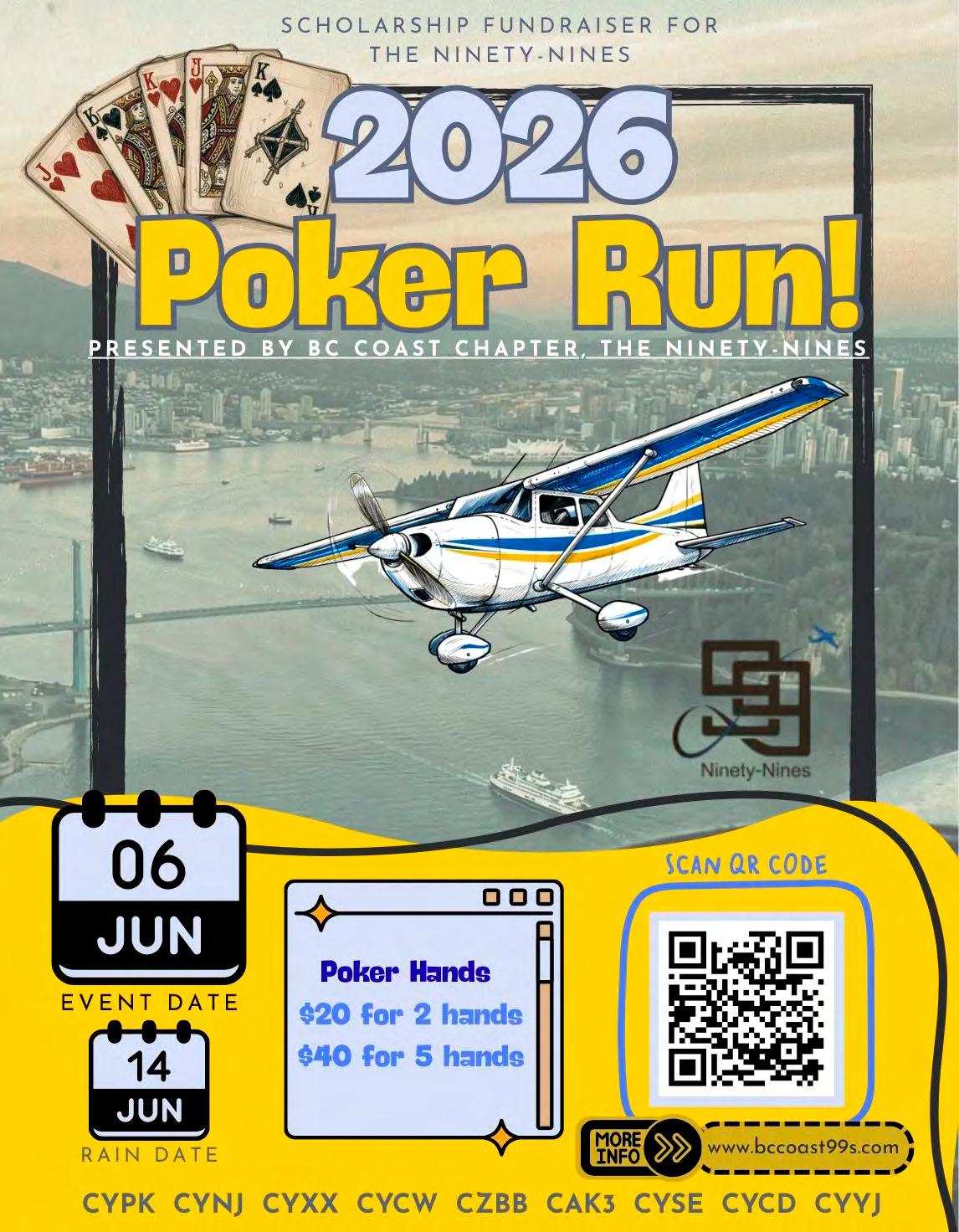
JUNE 6 BC 99 POKER RUN FUNDRAISER
JULY 1 CANADA DAY
JULY 4 INDEPENDENCE DAY (USA)
AUG 3 BC DAY
AUG 7-9 ABBOTSFORD AIRSHOW
SEPT 7 LABOUR DAY
Did we leave any events out? Let us know at vfcpatrician@gmail.com!
Spring is here and it's brought with it some beautifully clear days. It's the perfect opportunity to get up there and see the beauty of Vancouver Island for yourself.
If you're looking to log training time in a simulator, be sure to book hours in our new Alsim 250 flight simulator! There's more information about that later in the issue.
This issue took a bit longer to put together than usual because it's secretly a double feature! Go check the end of this issue for a special (not-so-secret) surprise that will have your tail wagging!
this issue and safe
—Kelly Clark, Editor
of the Patrician
This month we have special guest Simon Dennis, Air Traffic Controller at Victoria Tower and well-known Weather Guru!
Join us at 9:30 AM in the VFC Lounge on Saturday, June 6th! We'll put a pot on.

What's your go-to song about flying? What do you listen to when you're up in the clouds? It can't just be "Highway to the Danger Zone" all the time, right?
Summer is coming up fast, which is the perfect time to assemble the best aviation mix tape for summer flying.
Drop us a comment or send us an email o let us know what tunes are must-haves for aviators like you!
We love aviation photography and videos as much as you do, but maintenance would like to remind everyone who rents our aircraft that attaching/mounting GoPros or anything else to the outside of our aircraft is not allowed!
Not only is it a great way to lose your camera in rough weather, but doing so invalidates our Certificate of Airworthiness. Let's all agree to keep everything inside of the aircraft!
"If you push the stick forward, the houses get bigger. If you pull the stick back, they get smaller. That is, unless you keep pulling the stick all the way back, then they get bigger again. – Anonymous Advice
After countless hours helping students take their first steps into the skies, we said a tearful goodbye to our trusty Redbird FMX flight simulator.
In the photo below, you can see the Redbird being loaded up for transport to its new owner, who will no doubt use it to help even more pilots take to the skies.
The Redbird FMX served as a crucial part of the Victoria Flying Club's training fleet since its installation in 2010.
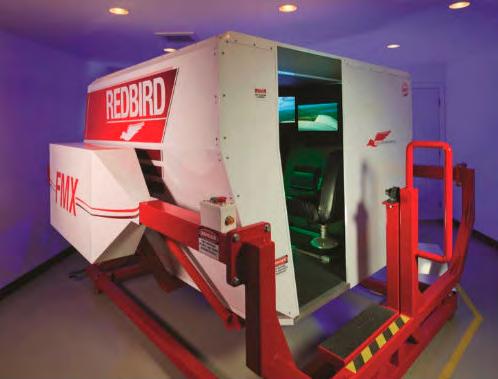
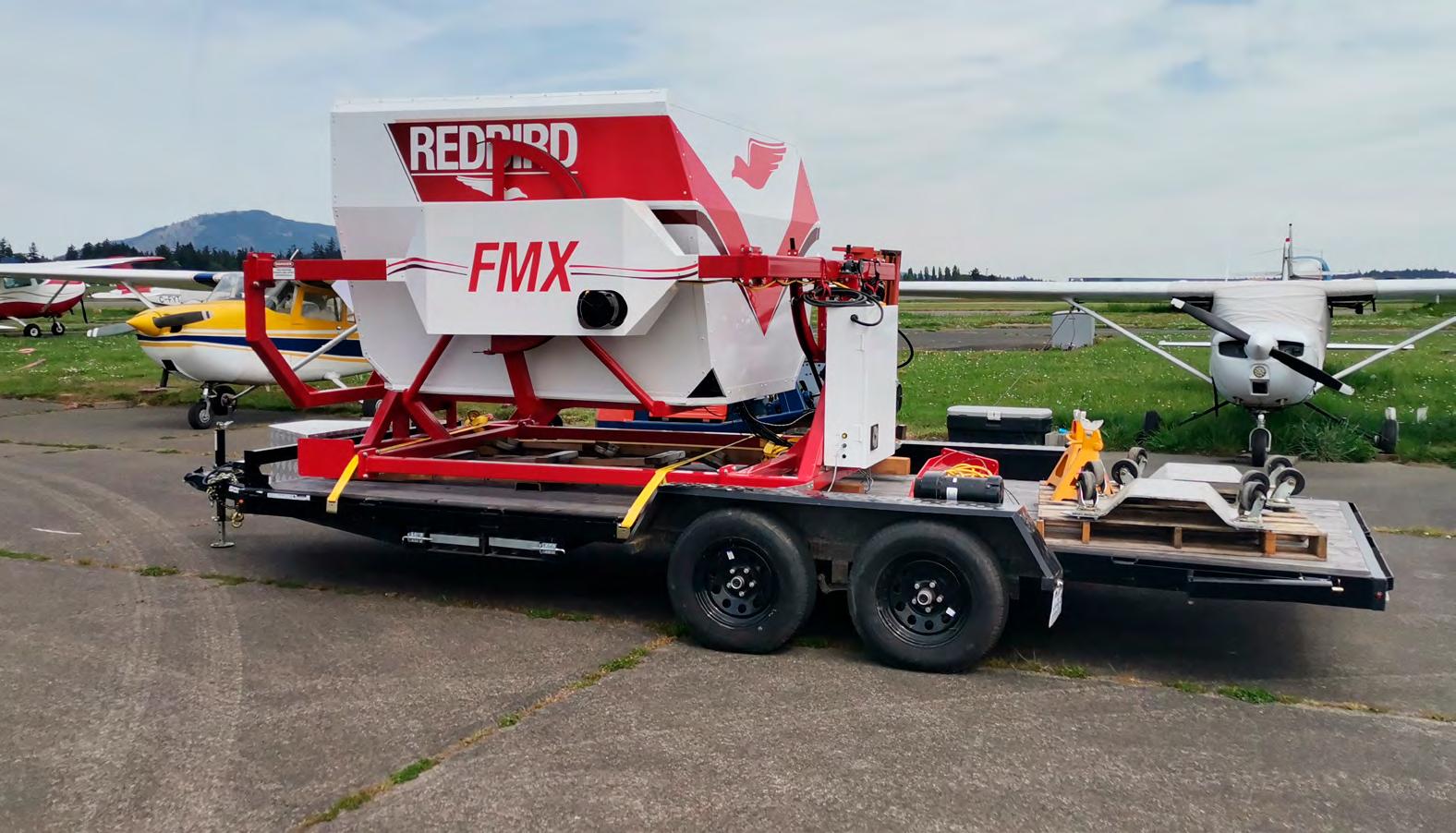
During its time at the VFC, hundreds of students clocked critical hours of simulated training that prepared them for the real thing.
At the time, the Redbird was the world's first ‘Full Motion Seaplane Flight Training Device’, and delivered an unmatched training value and one-of-a-kind experience. As the only Transport Canada Certified Simulator on Vancouver Island, it was an ambitious technical upgrade that provided synthetic training realism for private, night, commercial, and instrument pilots.
For those unfamiliar with the FMX, the simulator was the next best thing to a real
plane. It provided simulated pilots with accurate motion feedback, an electro-hydraulic motion platform, and wrap-around visuals.
In the words of former VFC President Ramona Reynolds: "Having a Full- Motion Seaplane simulator on-site is an incredible accomplishment and a great asset for our members. We feel confident that this latest technological advancement will help us continue in our role as a local, national, and international leader in flight training for another seventy years and beyond.”
Thanks for your service, Redbird. We couldn’t have done it without you!

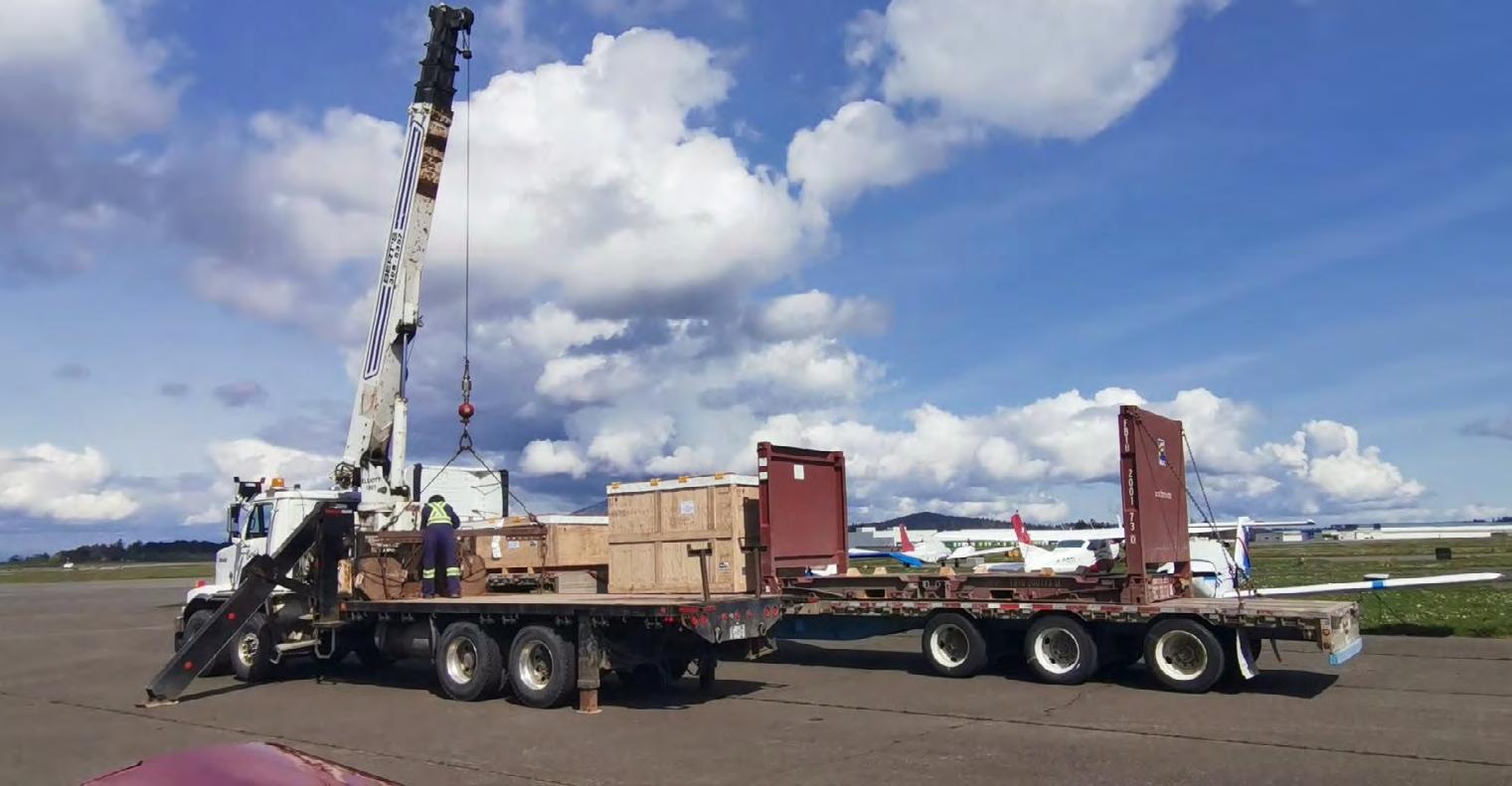
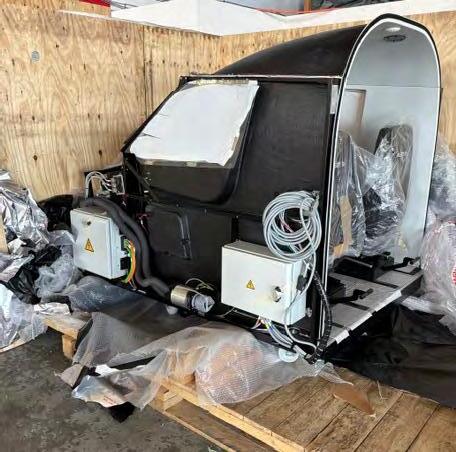
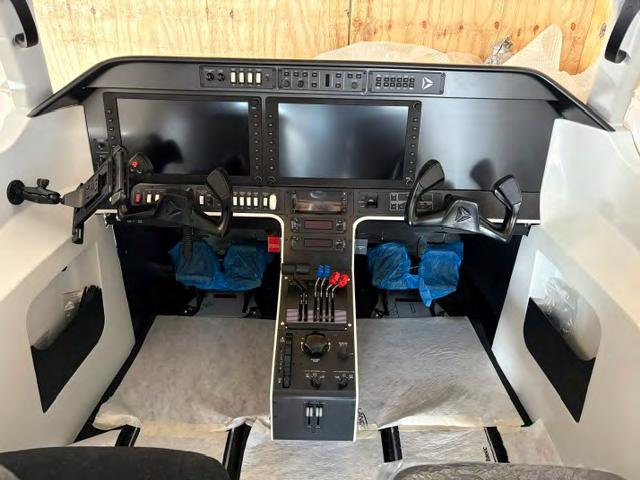
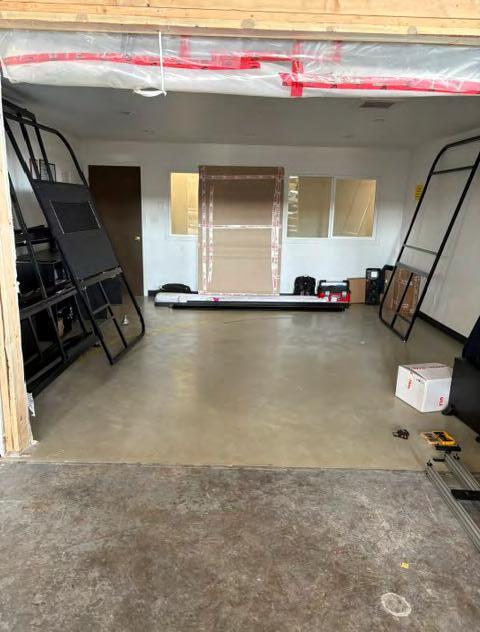
Meet the newest member of the VFC's fleet: the Alsim 250!
This shiny new simulator is taking over for the redbird and provides unrivalled immersion to students looking for all manner of training needs, including PPL, CPL, and IR/ME!
The Alsim 250 can simulate up to three distinct piston aircraft classes, which allows it to simulate a wide variety of aircraft, like the Piper Seminole, Cessna-172, and many more.
Prefer a a cockpit with classic analog gauges over glass? It can change out with the flip of a switch.
The new sim also offers realistic weather and scenarios that allow instructors to simulate various dynamic weather conditions, like wind, snow, hail, and airframe icing.
While we loved the Redbird for being a workhorse that provided superb instrument procedures, the Alsim 250 is all about teaching prospective pilots how to adapt on the fly and learn the flexibility that will keep them flying (and landing) safely.
Contact Dispatch to book some time in the Alsim 250 and experience the next evolution of the Victoria Flying Club's training!
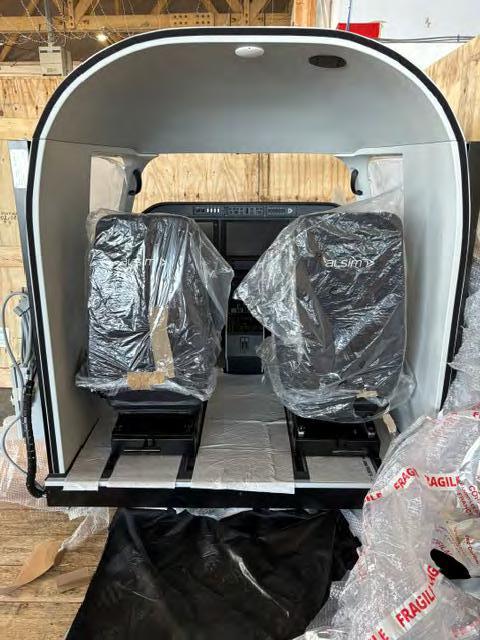
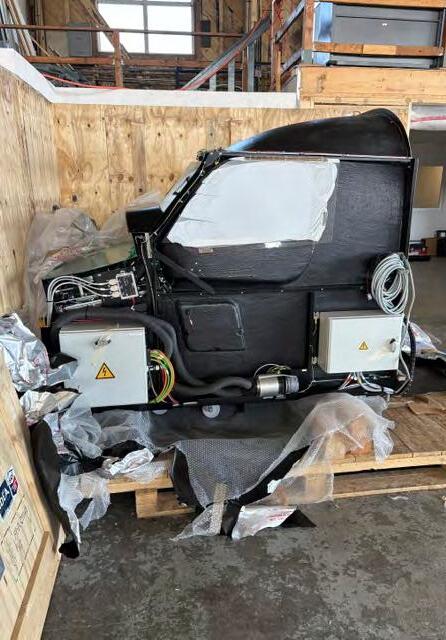
And in the meanwhile, take a look at some of the pictures of its arrival and installation at the VFC:

This month, we wanted to take a moment to say goodbye to Katrina, the VFC's Head of Dispatch, as she signs off from the VFC and heads off toward new horizons!
If you have done any flying or spent any time at the Victoria Flying Club in the last few years, Kat was a familiar face who got you where you needed to go — be it into one of the fleet vehicles, a class, or just directions to the lounge!
Kat worked at Dispatch while pursuing her CPL and penned many stories for the Patrician about flying and the unique perspective of a member of the LGBTQIA+ in the Canadian aviation world. She's also an animal lover who has performed more than a few airborne rabbit rescues that ferried wounded, sick, or abandoned bunnies to shelters, hospitals, and forever homes.
Ever the devoted fashionista, Kat's now pursuing her passion for fashion as a bridal consultant for Blush Bridal Boutique on Johnson Street. Any prospective brides should be sure to fly in and ask for her by name!

You can also find Kat as a player and performer on the Tabletop Roleplaying Game channel Dork Tales, where she puts her acting chops to the test every week on a number of their legendary shows: https://www.youtube.com/dorktales https://www.dorktales.com
Though Kat is moving on, it's safe to say that she won't be a stranger to the VFC, as her love of aviation is a core feature of what makes Kat herself. So while it's sad to see you go, Kat, we'll be sure to see you around.
Until then: blue skies and tailwinds!

"Without disruption of air traffic, these fearless, forthright, indomitable and courageous individuals did venture into the wild blue yonder in flying machines.
Furthermore, these skillful individuals did safely land said flying machines at Victoria International Airport, incurring no significant damage to self or machine, thus completing first solo flights."
THIS ISSUE WE CELEBRATE THE FIRST SOLOS OF THESE PILOTS:
Hang Shi
Maximus Morgan
Evan Freeth

Callum Skinner
Shrijan Paudel
Leonard Freund
We want your first solo or achievement in the Patrician!
Send your photos to vfcpatrician@gmail.com or tag us on Instagram.
PPL WRITTEN TEST
Tyler Wallace
Sergii Vozniak
Henrik Pedersen
Haena Lee
Oliver Barrett
PPL FLIGHT TEST
Alexander Cabrnoch
Andrew Schmidt
Jakob Fallis
Tyler Wallace
Chase Meckbach
Ryan Masingale
CPL WRITTEN TEST
Chapman Chen
Navi Macknak
Helen Lu
Warrick Boustred
CPL FLIGHT TEST
Warrick Boustred
CLASS 2 FLIGHT
INSTRUCTOR RATING
Stephen Allan
GROUP 1
INSTRUMENT RATING
Anthony Bocquentin
Brendan Flynn
John (Ted) Johnson
Daniel Xocoyotzin Ontiveros
Delgado
Wyeth Sander
Zakarie Imhoff
Keenan Rancier
Dakota Lightning
Cole Sorensen
David Lukic
Dzhan Akgun
Simon Brunet
Neil Shaw
Carter White
Nathan Fourt
George Douvartzidis
Pardeep Mathode
Parker Berezan
Naiomi Holland
Elan Soto
Ryan Sim
James Hume
Von Parsons
Rob McIntyre
Sebastian Gibson
Brady Taylor
PARKING AVAILABLE!
Interested in prime paved parking spaces for your aircraft?
Good News:there are spots available!
Secure, pull-in/pull-out, easy access.
Call Dispatch at 250-656-2833 to arrange a spot or to get on the waitlist for hangar spaces!
VFC MENTOR PROGRAM
Do you want other pilots to fly with, split flight cost, share knowledge, or get help getting to a new airport for the first time? Find potential mentors and their resumes posted on the Mentors bulletin board beside the Dispatch counter. Contact details are on each mentor's resume or you can email mentors@flyvfc. com for more information.
Interested in becoming a mentor?
There's always room for more experienced pilots! Send an email to mentors@flyvfc.com for more information on how to join up!
minus twenty something degrees Celsius on another early winter morning in the Northwest Territories. I arrive in the cold and dark at the hangar nice and early to prepare for the day’s wildlife survey flight in the Cessna 337 Skymaster. I drag the aircraft out of the snowbank and over to the fuel pump to gas up for the day’s mission.
After sweeping and scraping the snow and ice off the aircraft I begin the long process of warming up both piston engines. Diesel burning heaters are ducted into the cowlings of both engines to warm them up for starting. My passengers arrive and we all climb into the aircraft as my coworkers remove the heaters from each engine in a carefully coordinated effort to maximize our chances of a successful start. I crank the starters and “rur, rur, rur, rur…..”. Nothing. The engines are still too cold. We all climb out of the aircraft. We take the passengers into the office to wait with coffee while we once again hook up the heaters and start the entire process again.
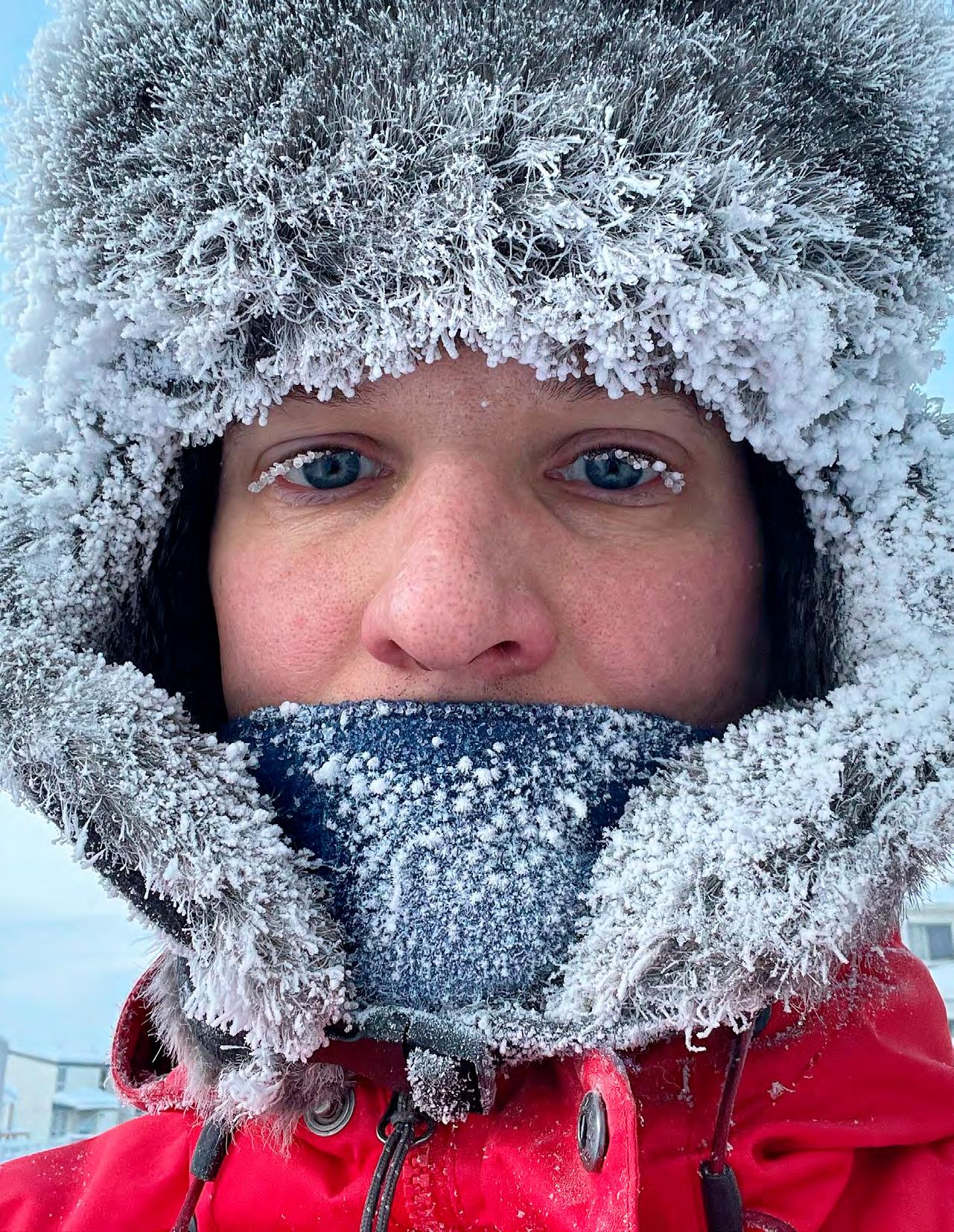
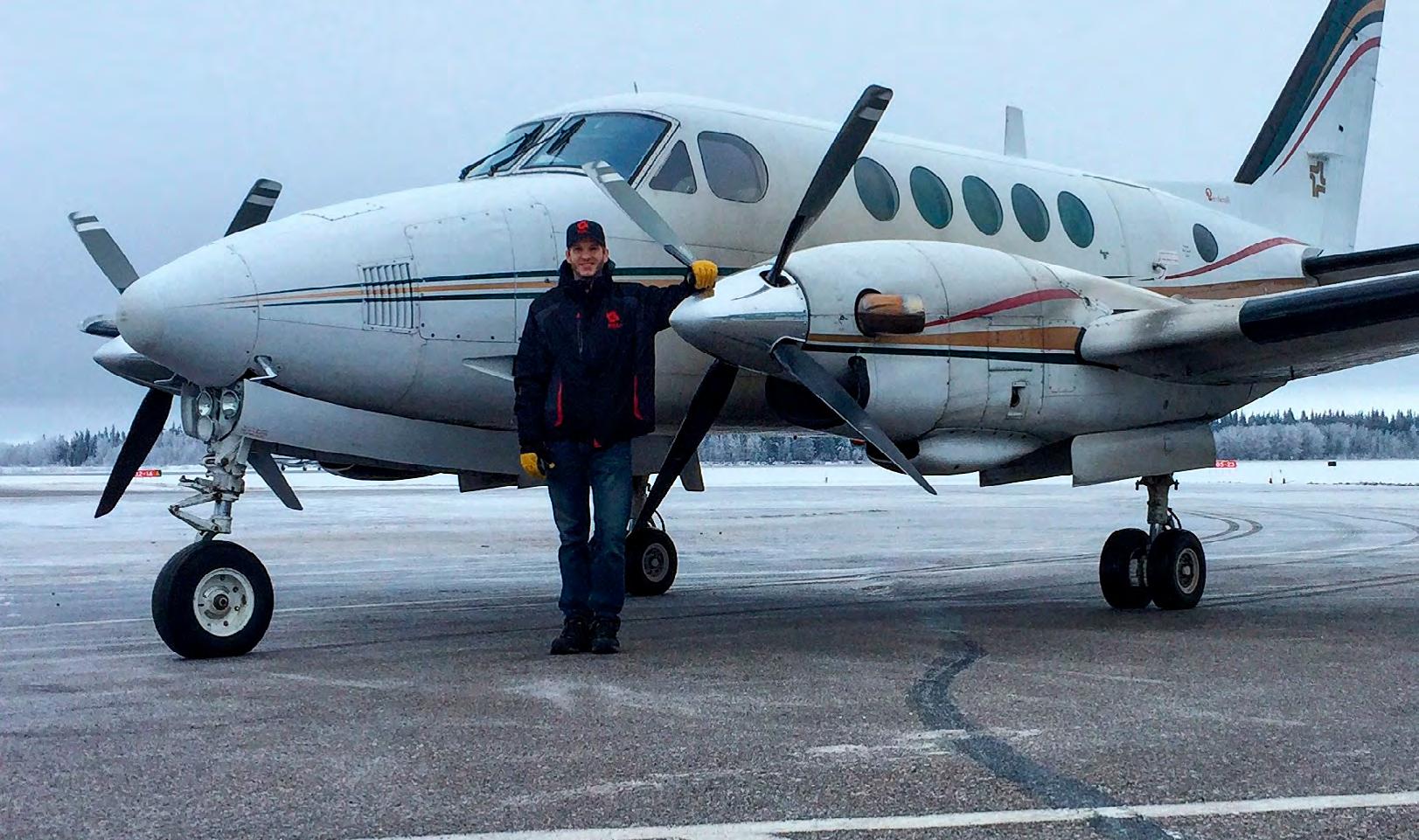
I shared this story because I think it highlights many of the challenges of winter flying. Temperatures are colder, daylight is shorter, and weather is less forgiving. As a pilot your workload will increase. Early arrival, extra preparation, careful planning, creative thinking, and second attempts are all very much a part of winter flying.
Flying in the winter requires extra attention to things every pilot already knows. Weather can be less forgiving, more unpredictable and generally more challenging. This is especially true for aircraft flying VFR or aircraft not equipped with sufficient equipment to deal with icing conditions. Properly checking all the weather is imperative. This includes weather at your departure and destination airports. As well as en route conditions and potential alternate
airports. I’ve learned to always leave yourself “an out”. Especially when you’re flying VFR. Make sure you always have a safety buffer or escape plan for when conditions deteriorate and you can no longer continue with your original plan.
Dress for the worst. The Canadian outdoors in the winter can be a harsh and unforgiving

BY DANE CAMPBELL WESTJET PILOT AND
environment. Make sure you have sufficient footwear and clothing to keep yourself warm in the unlikely event that you end up outside the aircraft. In an emergency situation it can take a surprisingly long time for help to arrive, even if you’re in close proximity to an airport. My experience in the North taught me it’s better to be a little too warm inside the aircraft than to be
freezing cold outside.
As I mentioned earlier, everything takes more effort and more time in the winter. This requires arriving for flight preparation earlier than normal. Those who have flown in the northern winter temperatures will know when it gets cold enough, things just stop working. I remember one morning in the Arctic when we went to open
the hydraulic main hangar door, it simply would not move. That certainly threw a wrench in our plans for the day. To all the aspiring commercial pilots, this is just one example of things you can look forward to in your early days of commercial flying up north.
In the airline world the challenges start with the ground operations. Baggage handlers, aircraft

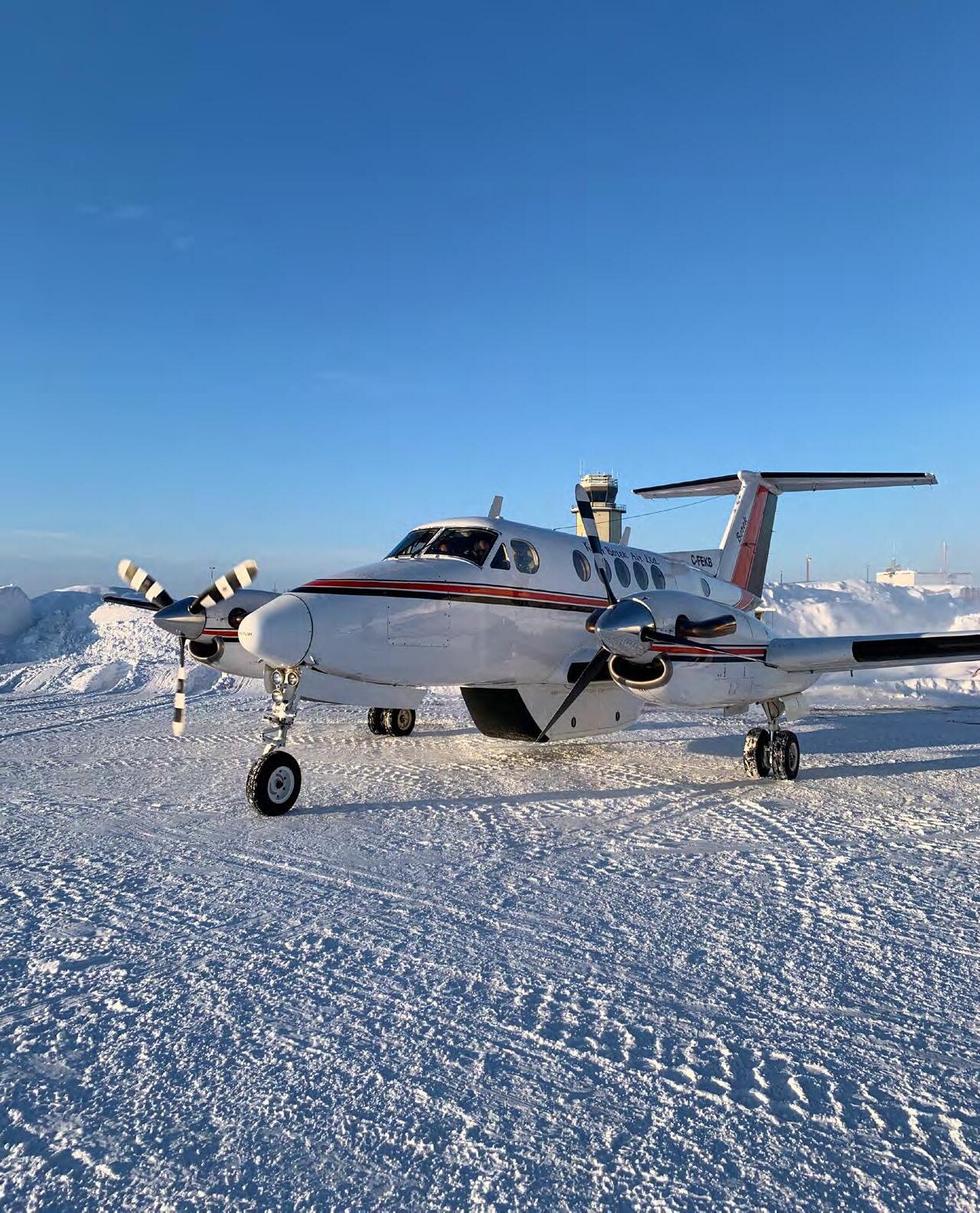
marshallers, fuelers and maintenance all bear the brunt of winter conditions. As pilots, we can generally expect a trip to the de-icing bay to clean off any surface contamination. This increases our workload with extra procedures and checklists to accomplish in the flight deck. Attention to fuel quantity management often
increases, especially when you’re 4th in line for the de-ice bay with 16 aircraft lined up for departure. Performance calculations for takeoff and landing distances become more important as runway conditions deteriorate. Especially once you start flying larger aircraft. The runway is only so long!
It’s not all doom and
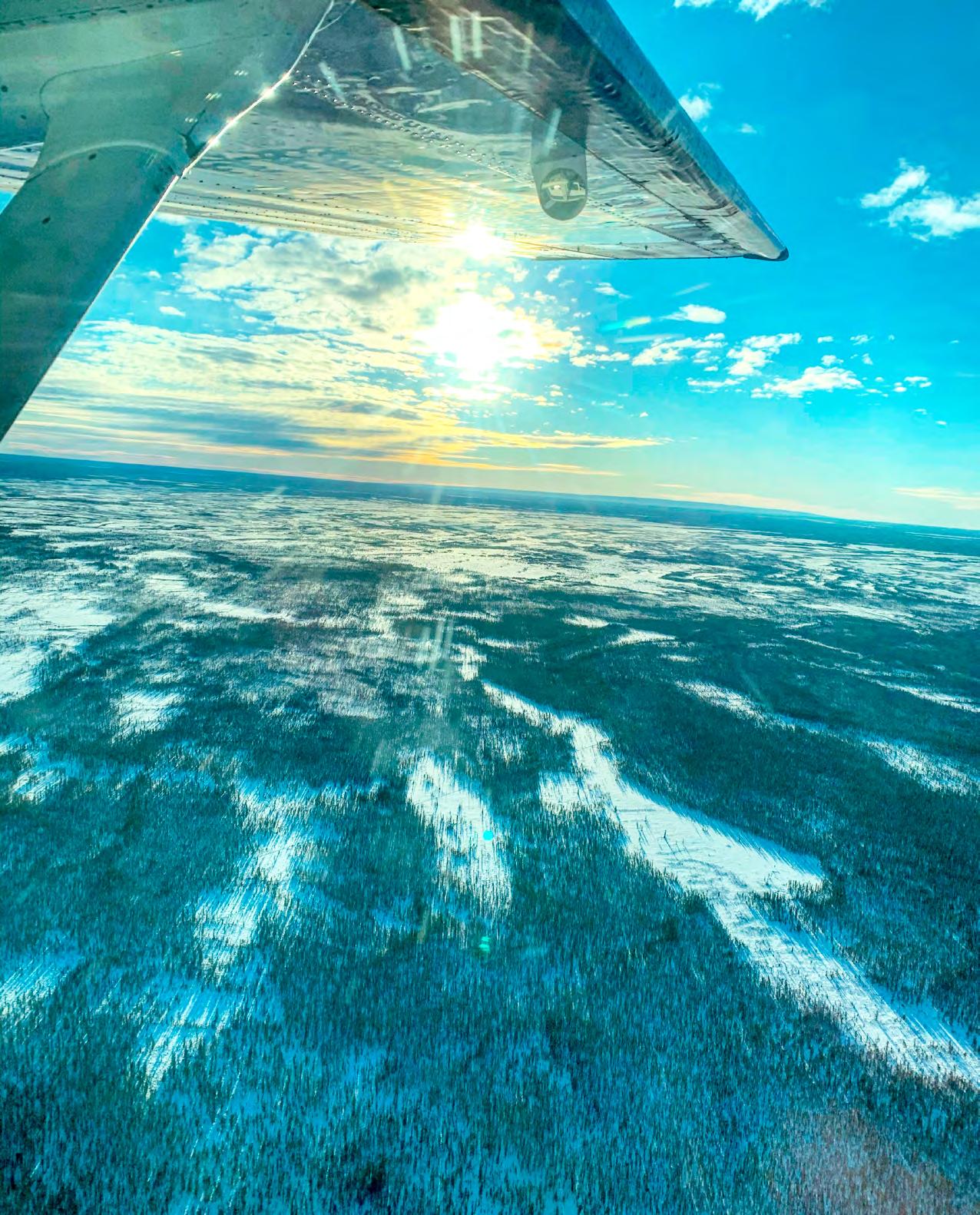
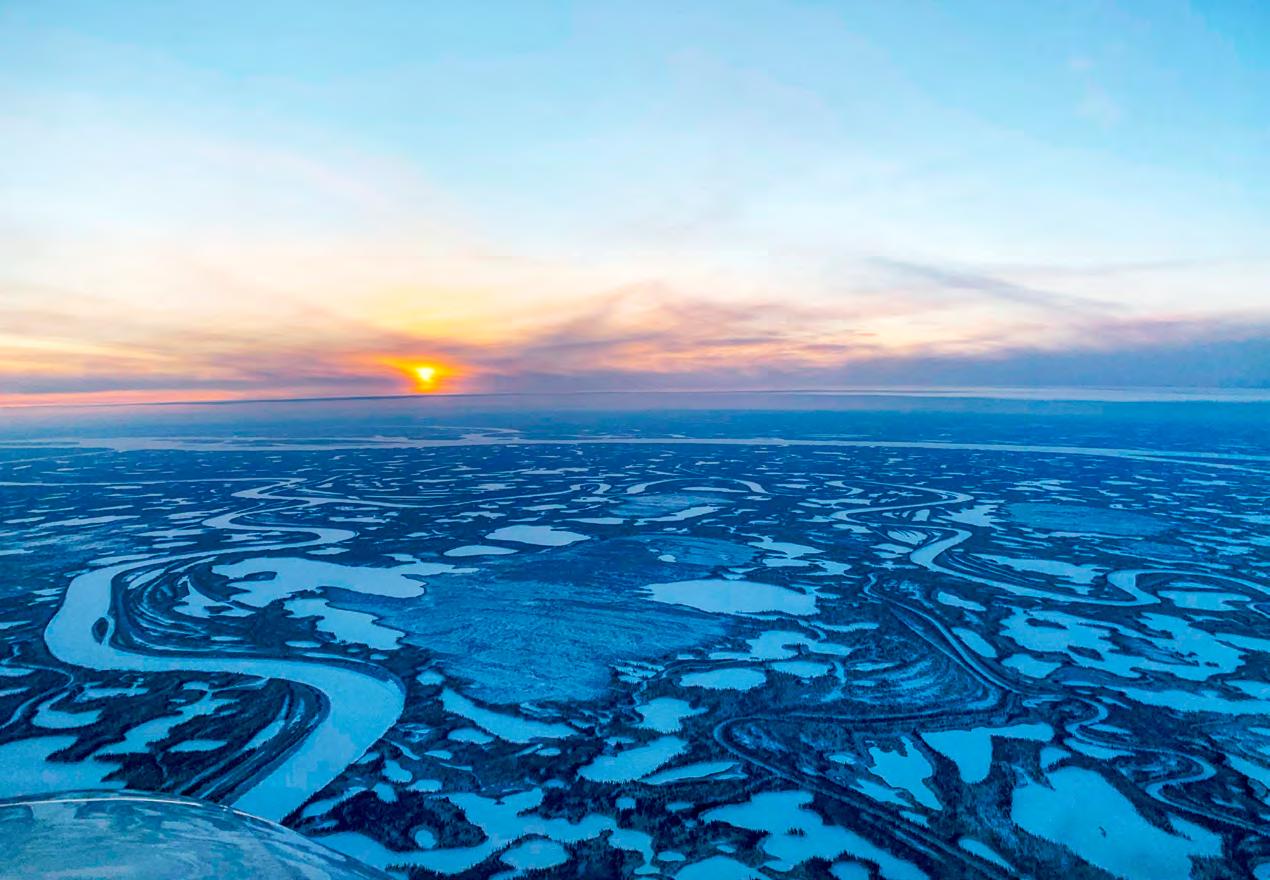
gloom in the winter. In my experience, it’s actually the shoulder seasons that produce the worst weather. Yes, it's true that Canadian winters can get so cold that your eyelids freeze together, but they also produce some of the best flying days. You’ll experience some of the smoothest flying conditions under a severe clear blue sky.
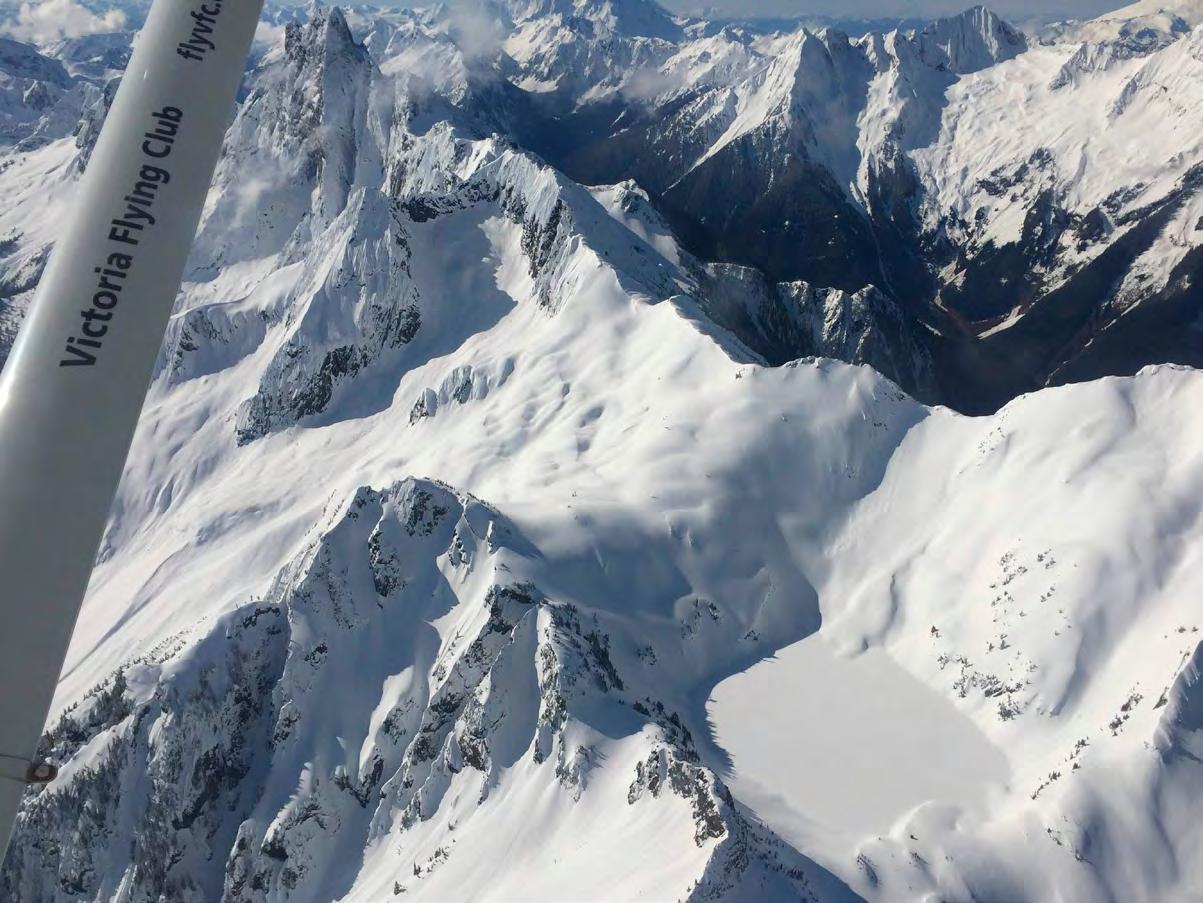

Another benefit of colder temperatures is the nice bump in aircraft performance you’ll experience.
Winter flying presents extra challenges to all of us. Whether you’re an aspiring commercial pilot thinking about your early career days up north, or a general aviation pilot in the south, you will have to deal with it to some degree. Winter flying has left me with some of my most challenging experiences. However it has also rewarded me with some of my most memorable missions with breathtaking views.
Thanks for tuning in while I share my experience and advice. I hope you find it useful in your future endeavors as pilots flying in the winter!
— Dane Instagram: @flyboy_dane

PRIVATE PILOT LICENCE GROUND SCHOOL
PPL #26-09: JUNE 21, 2026 TO AUGUST 30, 2026
Sundays (09:00 - 16:00)
Instructor: Neil Keating (Zoom attendance possible by arrangement)
PPL #26-01: MARCH 01, 2026 TO MAY 24, 2026
Sundays (09:00 - 16:00)
Instructor: Neil Keating (Zoom attendance possible by arrangement)
COMMERCIAL PILOT LICENCE GROUND SCHOOL
CPL #25-15: FEB 07, 2025 TO JULY 11, 2026
Saturdays (09:00 - 16:00)
Instructor: Ken Kosik, Neil Keating
INT: INSTRUMENT TRAINING GROUND SCHOOL
ITR #26-02: JUNE 26, 27, & 28, 2026
Friday, Saturday, and Sunday (09:00 - 16:00)
Instructor: Warwick Green
Individual scheduling requests are available for Private Pilot Licence, Commercial Pilot Licence, Mountain Awareness Training (MTA), Remotely Piloted Aircraft Systems (Drone) Courses (RPAS) by request.
Individual tutoring is also available for PPL and CPL upon request.
Confirm your attendance with Neil Keating on cell at 204-291-9667 and VFC Operations (Russell) at 250-656-2833.

by David Gagliardi
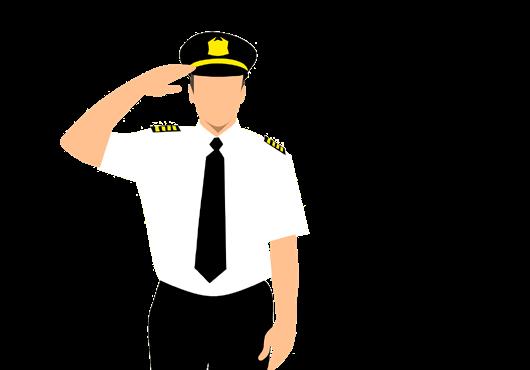
“‘Professionalism’ is commonly understood as an individual’s adherence to a set of standards, code of conduct or collection of qualities that characterize accepted practice within a particular area of activity.” -Universities UK et al. 2004
Professional pilots embody the attributes in the definition above. Being a professional pilot has nothing to do with what license you hold, it is ultimately about the attitude with which you approach flying. This article is the twelfth in a series that will examine aspects of piloting light aircraft to a professional standard.
Professional pilots are always on the lookout for good advice. In that spirit I am reprinting with permission of the author and the publisher Avweb, some great advice for the new flying year.
RICK DURDEN'S OLD AVIATION TRUTHS FOR A NEW YEAR
The thoughts are succinct and paragraphs short in a conversation about some of the basic truths of staying alive, happy and well when flying. Okay, there might be a few opinions mixed in.
The weather is not going to get better in another five miles.
If you are trying to scud-run, the weather will get worse.
Towers and power lines are affected by weather: They get taller and move nearer to highways, railroad tracks and airports when the ceiling gets very low.
You are most likely to discover an unlighted tower when you are trying to fly low because of weather.
Power lines are invisible against backgrounds other than blue sky.
Scud running used to be a reasonable method of getting to one’s destination in the flatlands of our country. Now, with the stunning proliferation of towers—particularly near highways—it is foolish. To do it with any regularity is suicidal.
There is less gas in the tanks than you hope.
The worse the weather, the more likely it is that you will have a vocal passenger insisting that you go.
When you really, really want to make the trip, the weather will always be just a little worse than either your capabilities or those of the airplane.
It is invariably better to be fervently wishing you had flown than had driven.
When making a decision regarding weather, an effective tool is to ask oneself if this might lead to looking stupid in the TSB report.
It’s always better to turn back too early than too late.
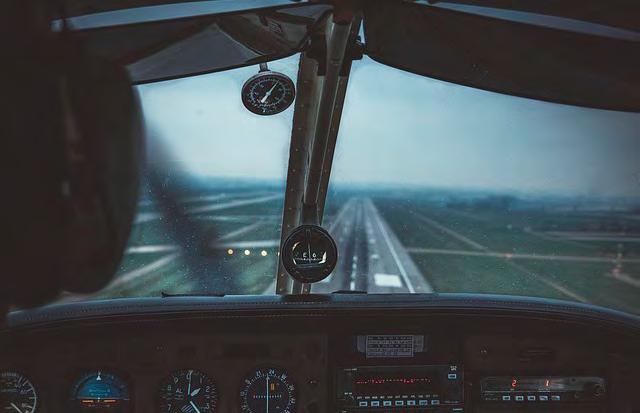
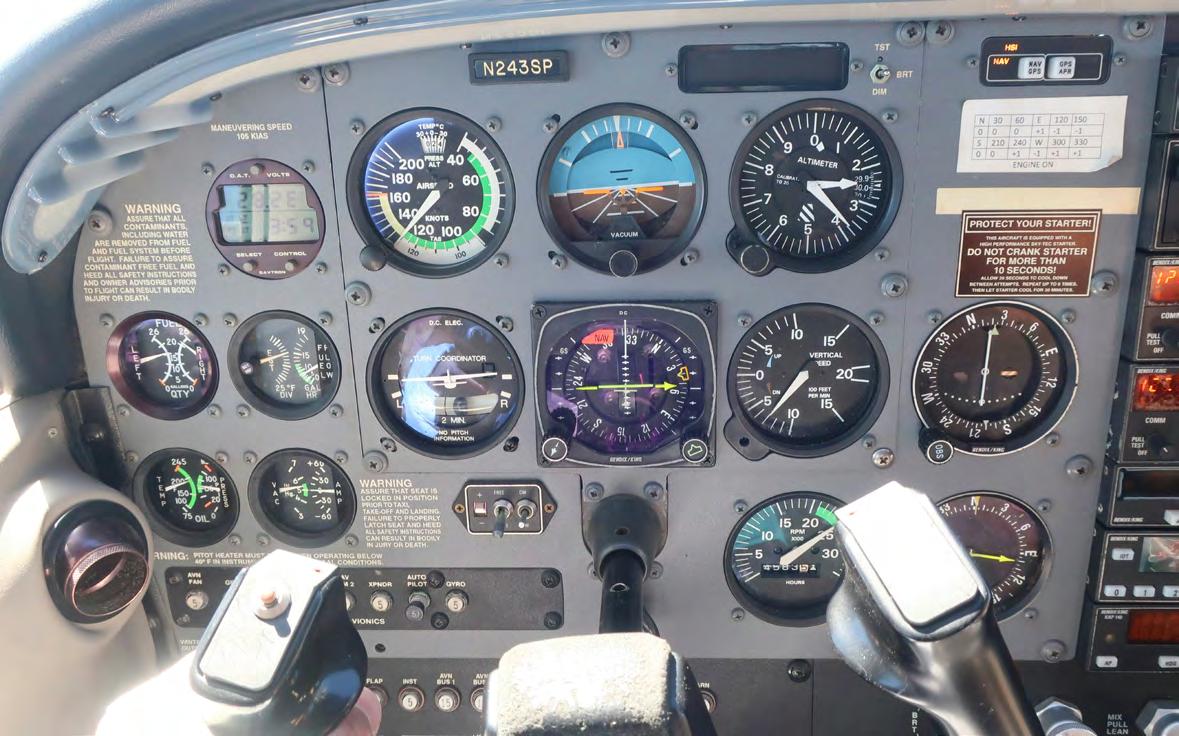
Departing with one component of a redundant system out of service will make the other one fail in flight.
Even pilots who fly every day need recurrent training. It’s the stuff you don’t do every day—emergency procedures—that will eat your lunch.
Despite what fighter pilots say, it’s better to be embarrassed than dead.
Saying, “any traffic please advise” at an uncontrolled aerodrome is a waste of words and air time—it gains you nothing that you would not get from a simple position report and it aggravates enough pilots that those who would be of interest to you may say nothing.
Store the batteries backwards in the flashlight; that way, if the switch is turned on, the batteries won’t go flat.
A turning propeller is invisible. Nonpilots are known to walk into them. So are pilots.
The small problem with your airplane that you have delayed fixing will become a major problem at the most remote airport on your trip.
Trying to argue with a controller over the radio is akin to shaking your fist at bad weather; you can’t win and you run the risk of making things worse.
There is no need to say “with you” when contacting a new controller. It’s redundant, uses up air time on increasingly crowded frequencies and most controllers are sick of hearing it.

The world looks different when flying very low, especially when trying to maneuver. That’s a major reason why turning back after an engine failure on takeoff, when you haven’t practiced it, has a distressingly high fatality rate.
While speed may be life to fighter pilots, that’s only in combat. The reality is that appropriate speed is life: too little after takeoff kills, as does too much on landing. Extra speed on final is not your friend. Extra speed on touchdown is your enemy, because force is a squared function. You’ve got enough energy to dissipate on landing when touching down near stall speed; anything faster is adding to your challenge.
It’s been said by so many because it’s so true: Fly the airplane all the way into the crash. So long as it’s moving, never give up trying to control the airplane and making it go where you want to go.
Not insisting that your passengers wear their shoulder harnesses should be a criminal offense; not wearing yours has proven terminally foolish for too many pilots.
Especially in a twin, if you have to put the airplane onto the ground, do it as nearly wings-level as possible and do not
stall the airplane prior to touchdown. Airplanes, even old ones, are surprisingly crash-worthy (if shoulder harnesses are worn) but not if you hit upside down or with a substantial vertical-force vector— as after stalling.
If you have to land the airplane gear up, do so on a hard surface runway. If you screw up and stall, the runway will translate the force into a slide. On grass or dirt there is the chance the surface will compress slightly, forming a crater and then stop the airplane quickly or flip it, injuring the occupants.
That being the case, to the extent I have been able to chase accident records, there hasn’t been anyone hurt in a gear-up landing in more than 50 years—so long as the pilot did not try to “save the prop” by shutting down the engine(s). There have been a number of fatal accidents when pilots shut down the power plant and proceeded to crash short of the runway or go off the end at high speed.
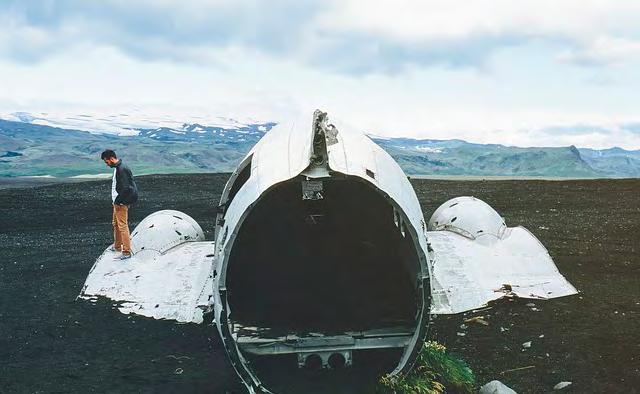
Going around if the approach isn’t just right is never an indication of incompetence unless, of course, you are about to run out of fuel.
There are Neanderthals in this world who will gather to critique landings and make snide remarks about pilots who go-around. There have been accidents at flight schools and airports where this practice takes place because pilots pressed on and landed out of a bad approach because they knew they would be laughed at for going around. There is reason to believe that pilots who criticize other pilots for making a go-around will spend eternity in one of Dante’s circles of hell reserved for those who drive airplanes rather than fly them.
Successfully managing energy in the process of coming to a stop is the key to any landing—or accident. Slow is always better than fast when it comes to surviving. Going off the end at 25 knots is far better than crashing short of the runway at flying speed.
Even the slowest airplane goes fast enough to kill you and thus the most modest trainer deserves the same operational respect as the Mach 2 fighter.
A pilot with any poetry in his or her soul knows that it is always appropriate to quietly thank the airplane for a flight after putting it away.
In fact, some assert that those who do not do so may have no soul and should not be allowed in the sky.

The cliche is depressingly true: The chances of making a superb landing are inversely proportional to the number of people watching.
If a pilot has not practiced something, the accident reports make it clear that the chances that he or she can do that something in an emergency are lousy— be it scud run, turn back following an engine failure after takeoff or stop the prop and make a safe landing when the gear won’t come down. A lot of people get killed each year trying to do something brand new when they have an emergency. So, go with what you know and have practiced, even if it means damaging the airplane. That’s why insurance exists.
When in doubt about a clearance, ask. Even a snide remark from a controller (which happens to be rare) is not nearly as embarrassing as a violation for deviating from a clearance or, worse yet, smacking into another airplane.
If you do something moronic down low, such as buzz someone or something, don’t be the least bit surprised if someone complains. With cell phone cameras and small video cameras, there’s a good chance that when they do complain they’ll also have the evidence to convict you. Remember, in the PSA San Diego midair, the 727 descended vertically, on fire, for fewer than 30 seconds. There are good-quality photographs of it. And that was nearly 40 years ago. Even more people carry cameras now.
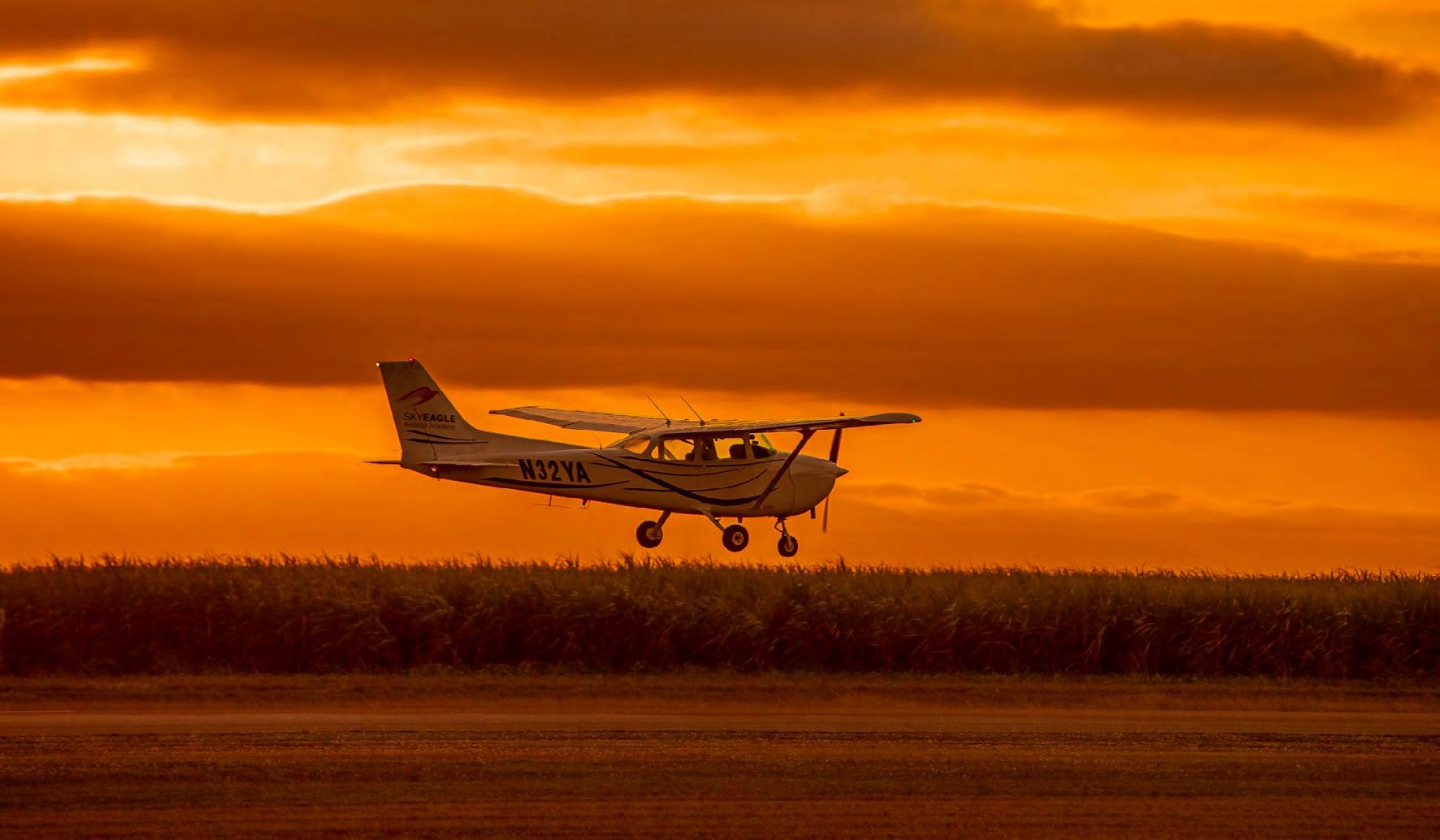
It is almost invariably worth it to get up very early so as to be the pilot in command of an aircraft taking off at sunrise. At the moment of liftoff the world transforms itself from black and white to full color.
We are always ambassadors for aviation, for good or for evil, simply because there are so few of us. Our actions are watched and we are the source of comment, often when we

least expect it or maybe even want it. Therefore, we have no choice but to be a good example all the time.
The round rainbow around your airplane’s shadow on a cloud is called a glory. The first time you see one the name will make eminent sense.
Pushing the prop to high rpm on downwind makes much more noise than you realize and pisses off far more people than you can imagine. And they are the ones who will vote to close your airport.
No matter how modest, an airplane that lifts you into the sky is a real airplane. It doesn’t get any more real than that; there are only differences in degree.
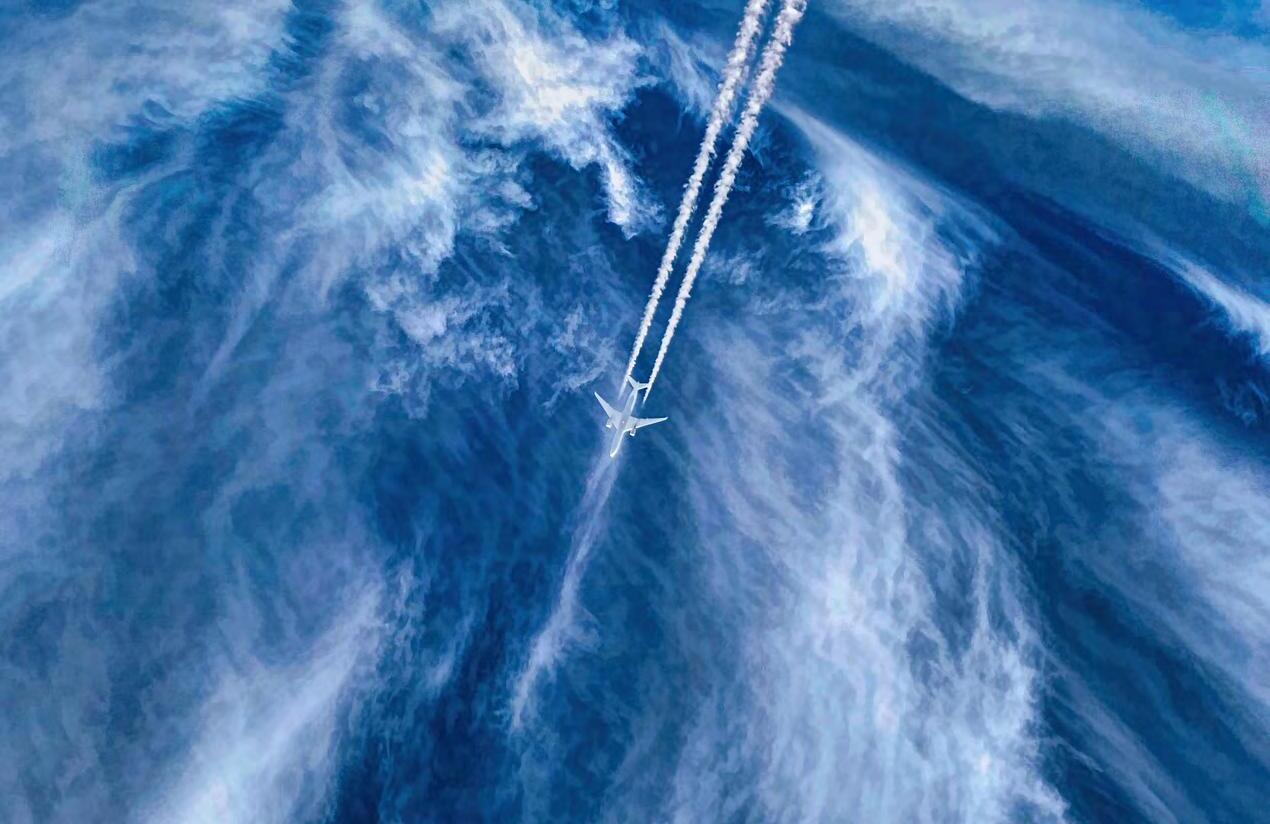
There is nothing more beautiful than this world when viewed from aloft.
FROM THE CO-EDITOR: Woof!
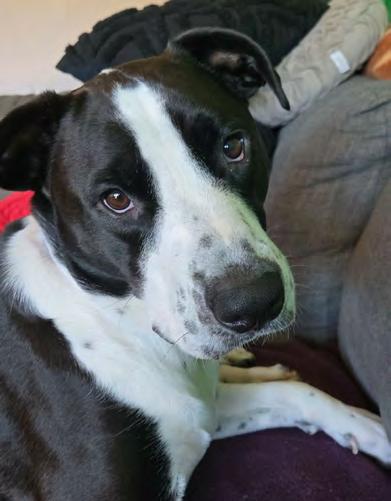
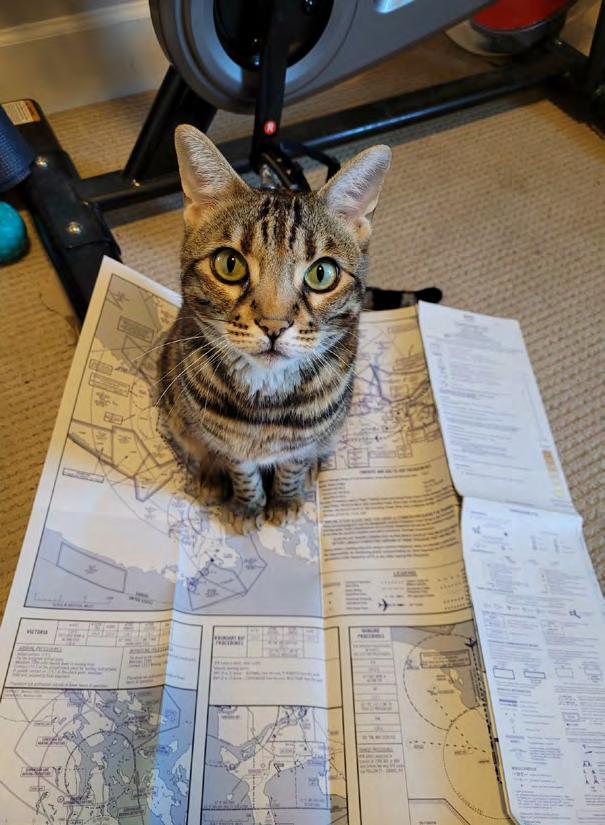
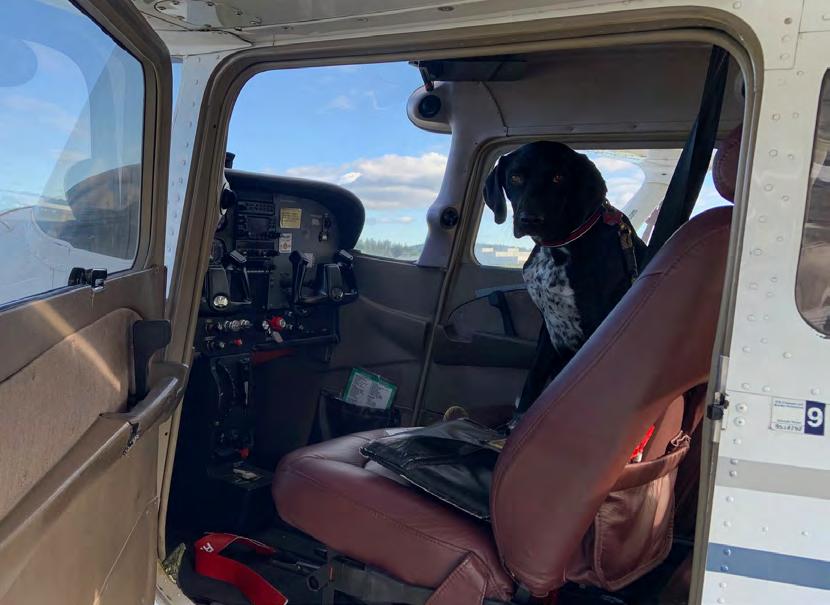
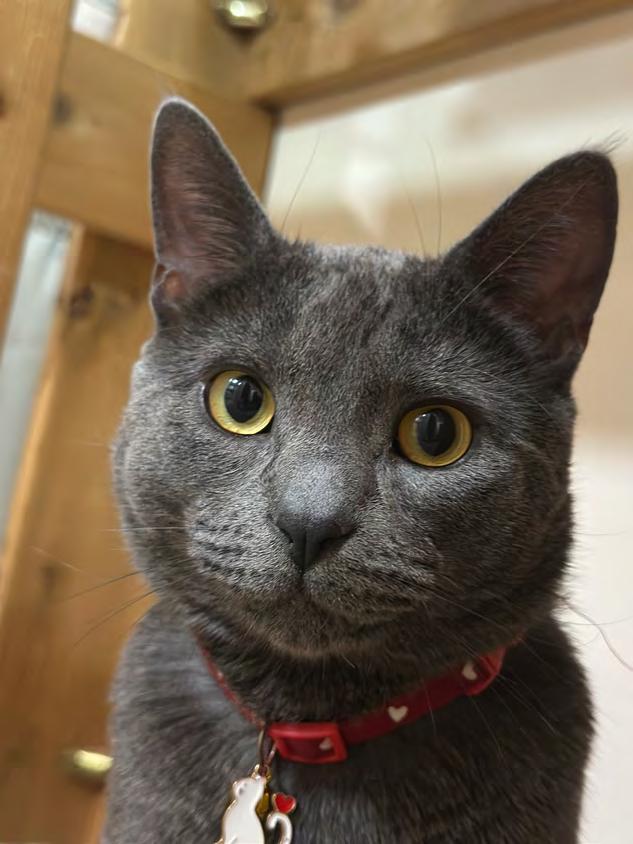
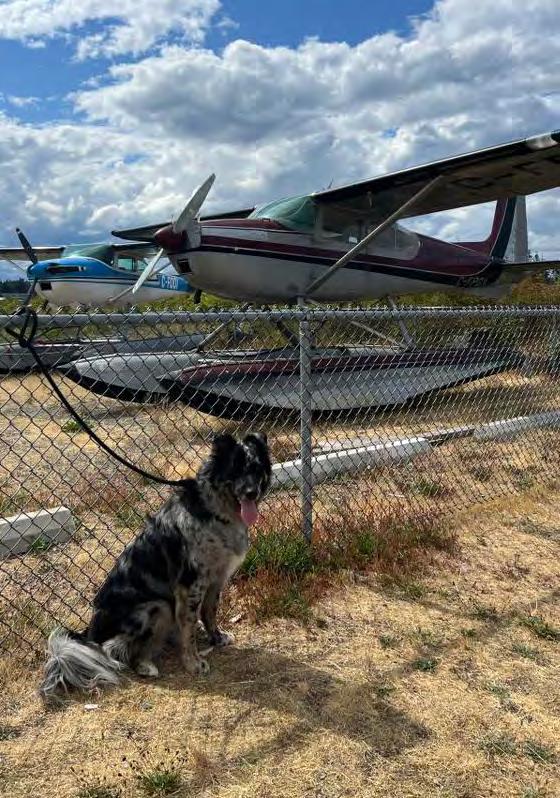
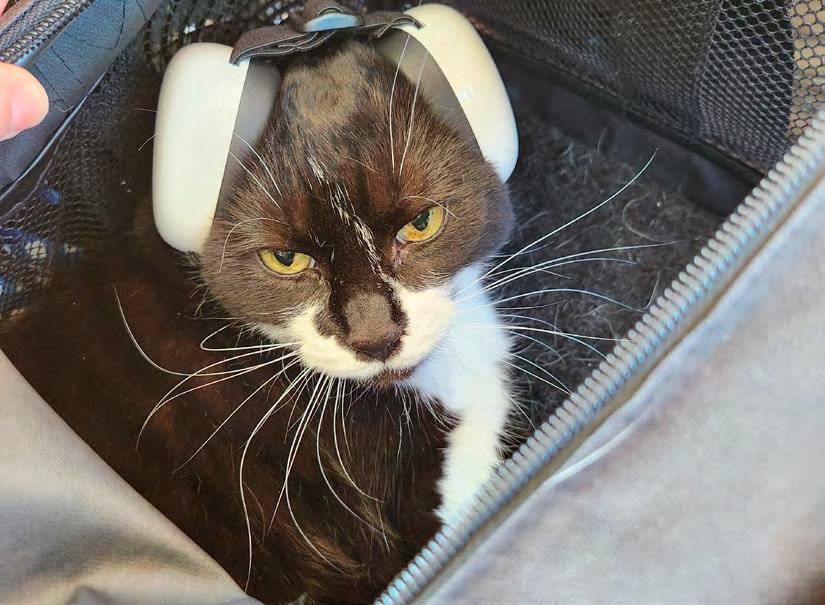
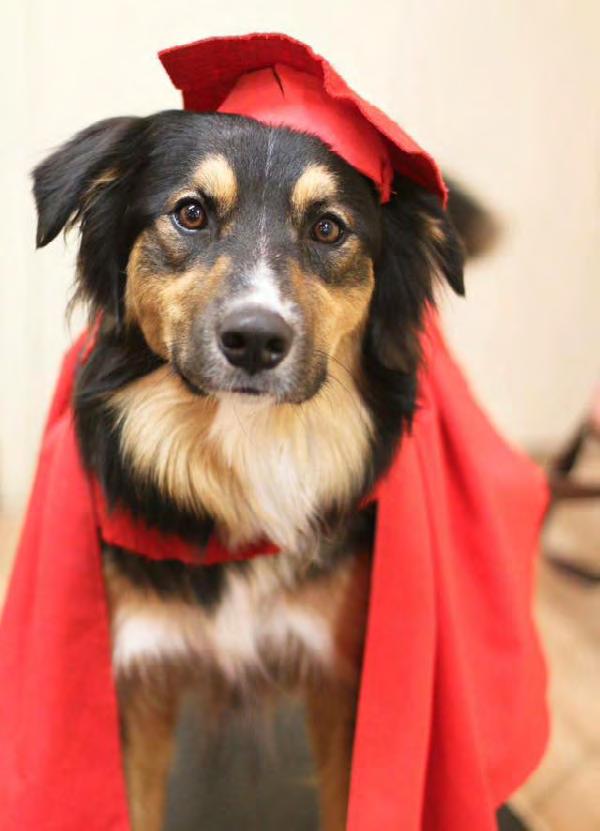
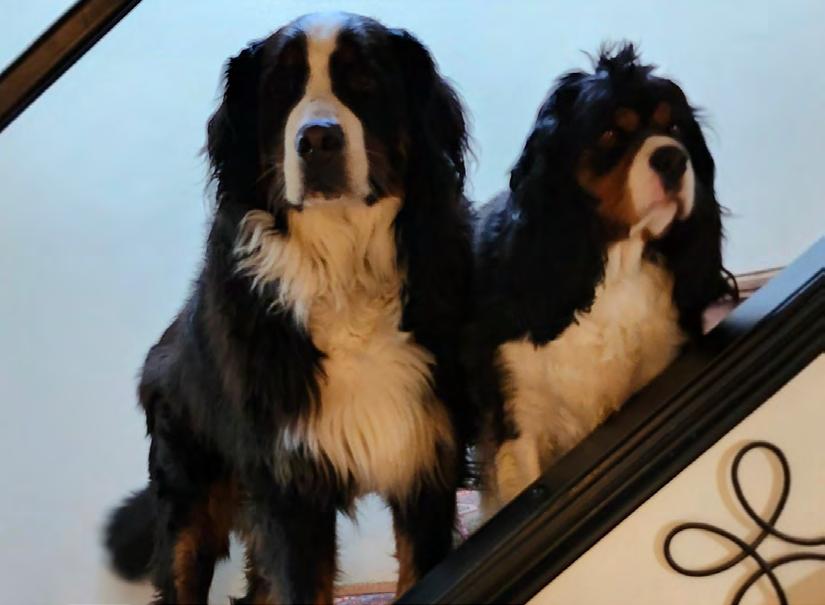
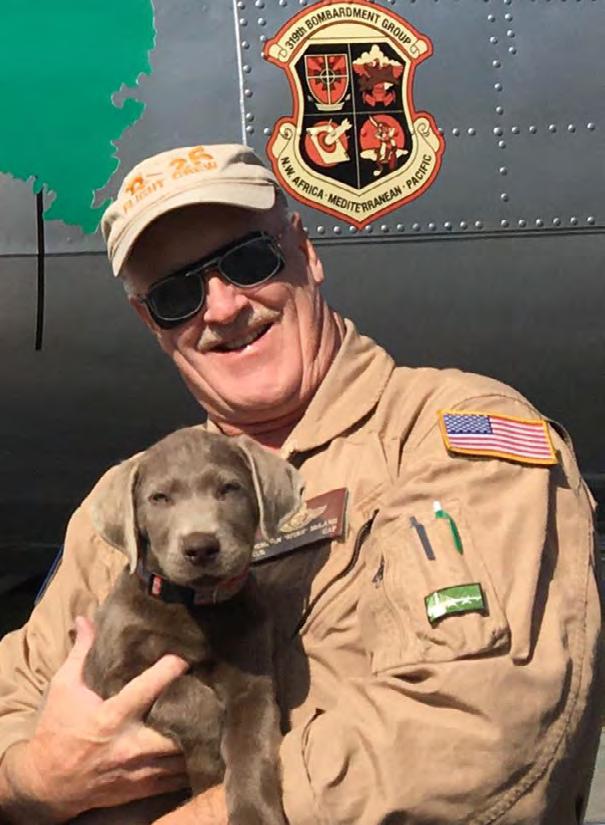
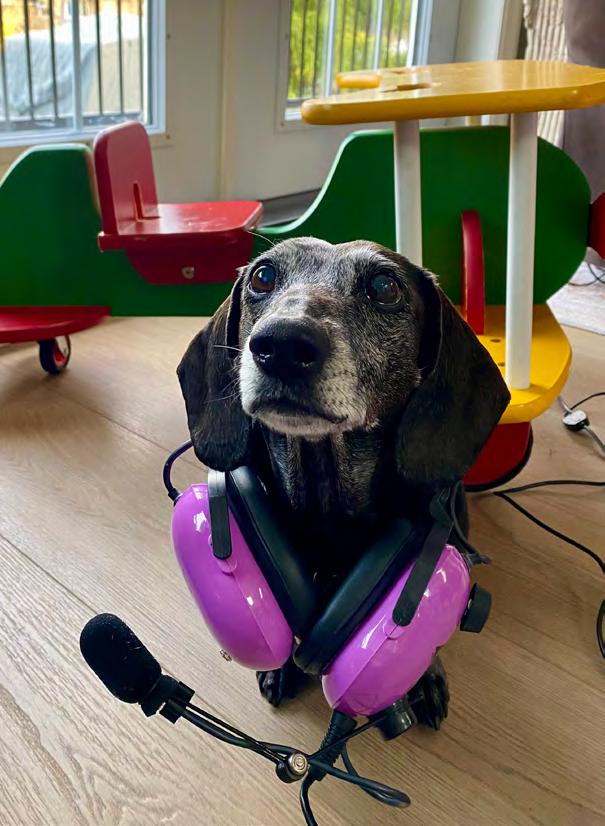
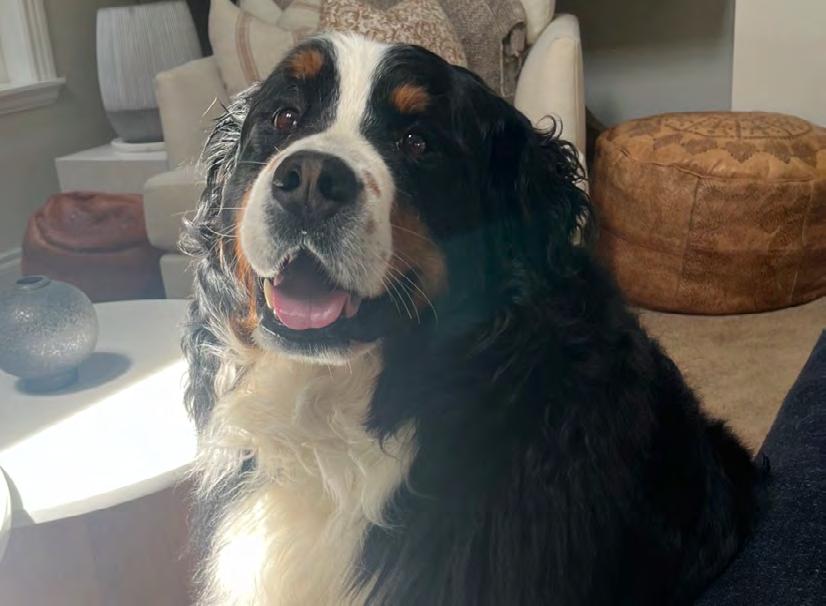
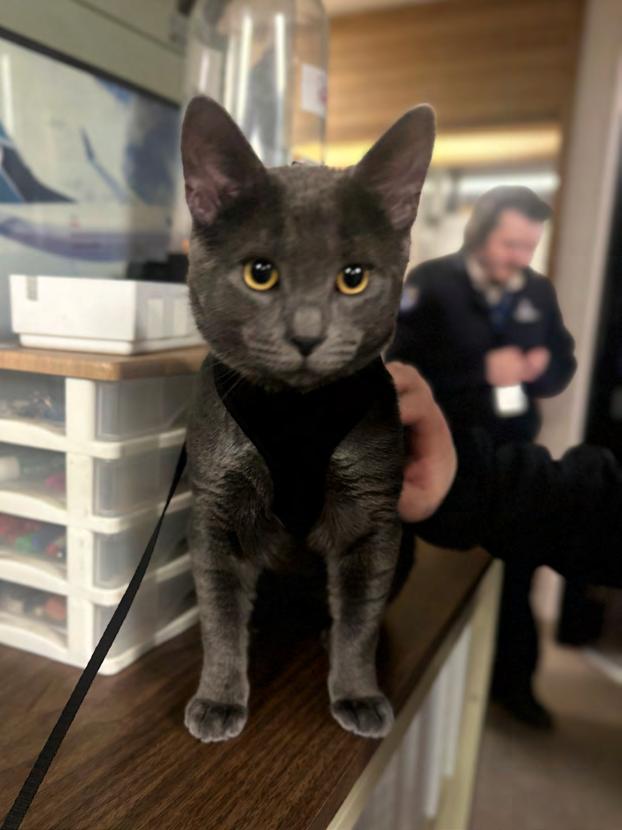
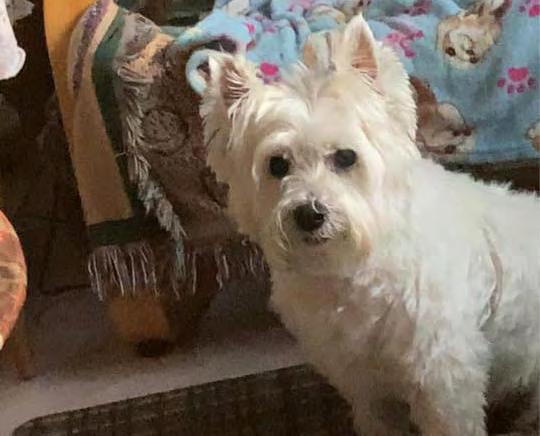
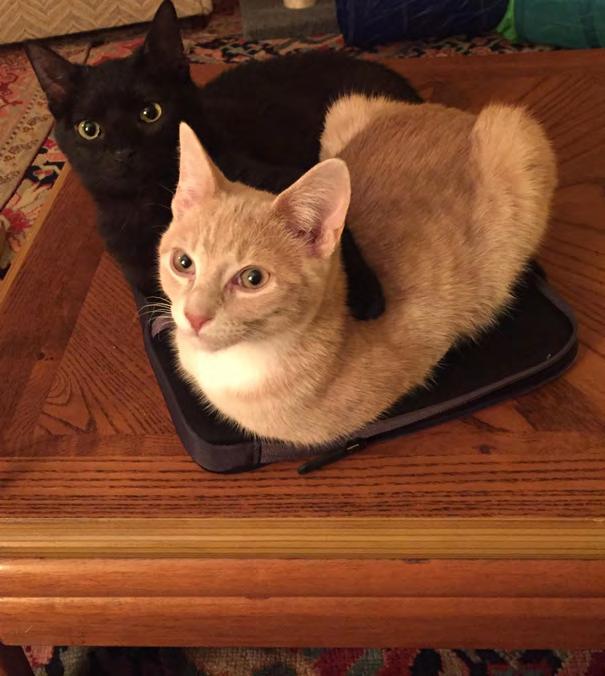
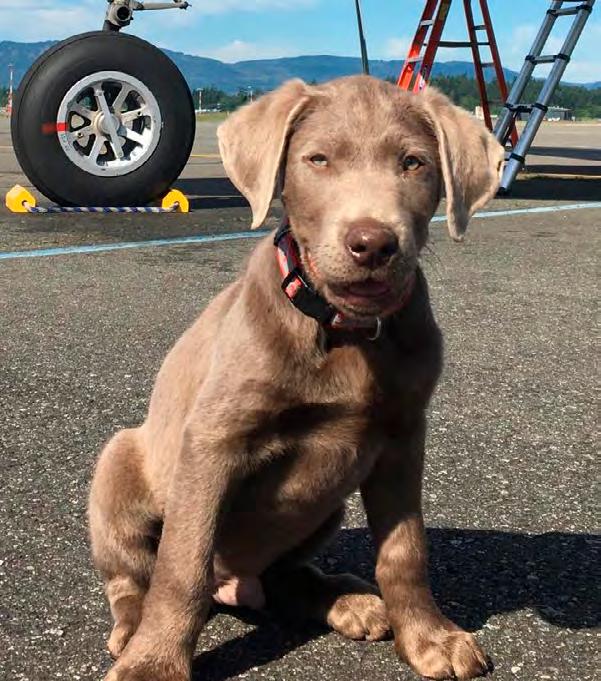
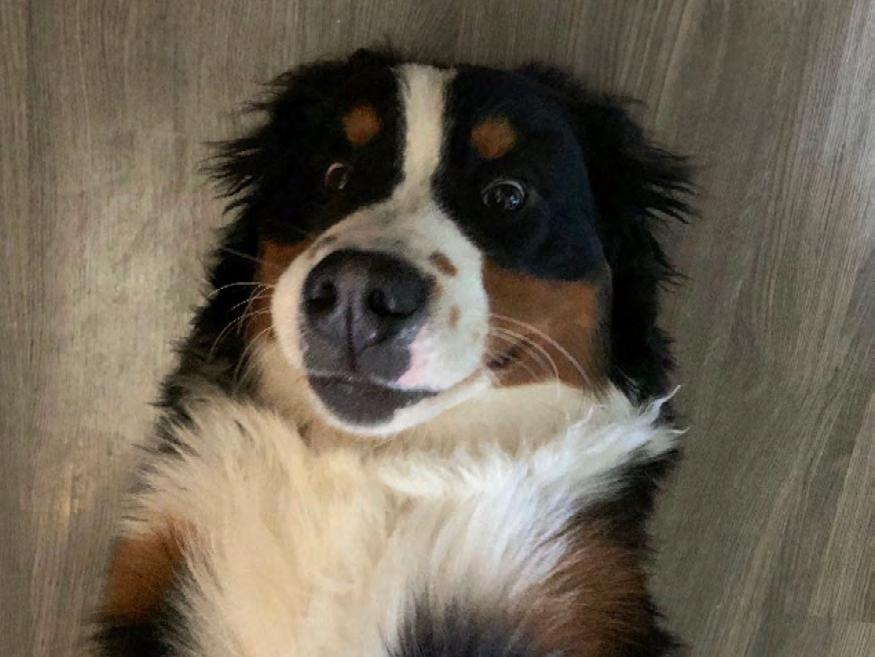
Hey VFC, it's Teddy, co-editor and pittymix extraordinaire. When I'm not sleeping or thinking about food, I spend most of my time trying to keep Kelly from finishing his work on the Patrician. However, this special issue of the Petrician is very personal to me — because it's full of pets like me!
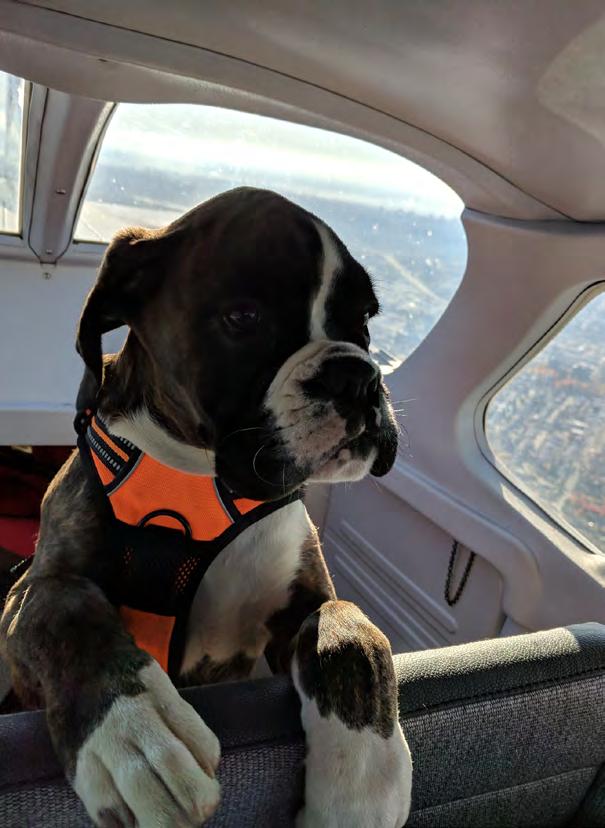
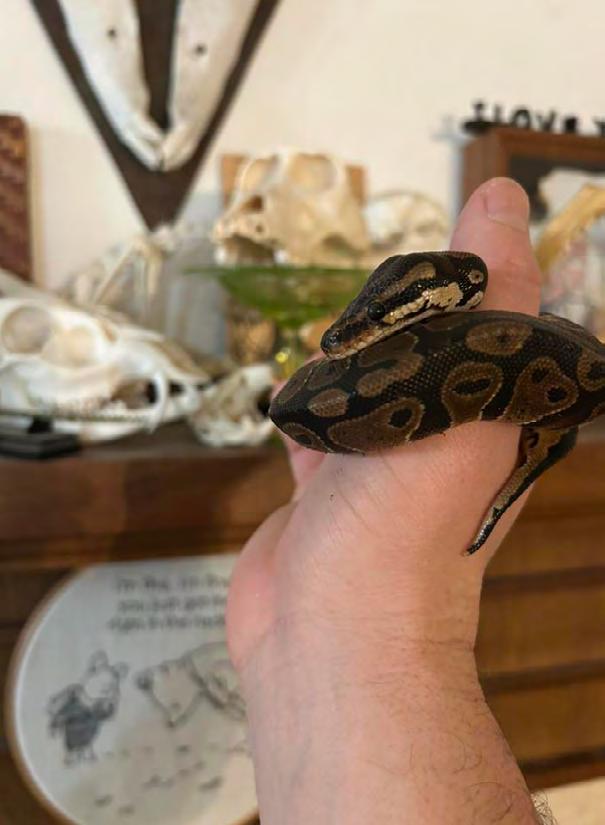
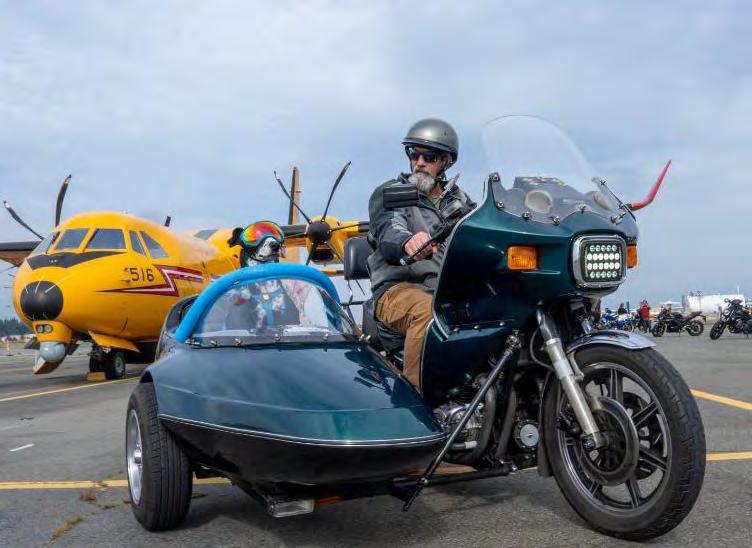
We tried to put every pet we received via email, Facebook, and Instagram in here, but if your pet was missed let us known and I'll make sure Kelly puts them in the next issue of the Patrician to make up for it.
In the meantime, enjoy some pics of the best friends that an aviator could ever have or want!
—Teddy
Co-Editor of the Patrician


There are all real pet holidays! (And trust us: we left out a lot!)
"Everything's better with dogs, including travel."
— An anonymous truth
"I believe cats to be spirits come to earth. A cat, I am sure, could walk on a cloud without coming through."
— Jules Verne
"No matter where I am, I'm home as long as my best friend is with me."
— A quote for all pet owners



THANKS FOR READING!

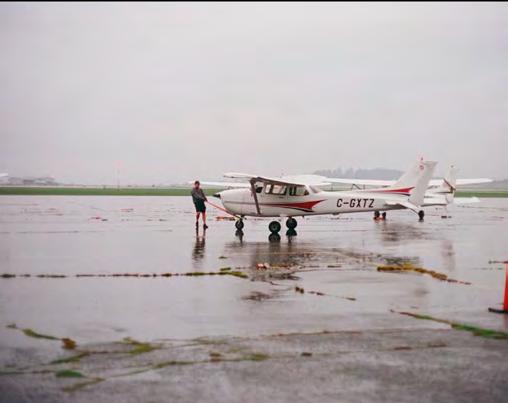
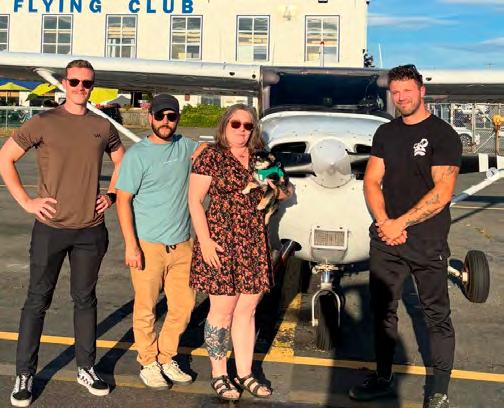
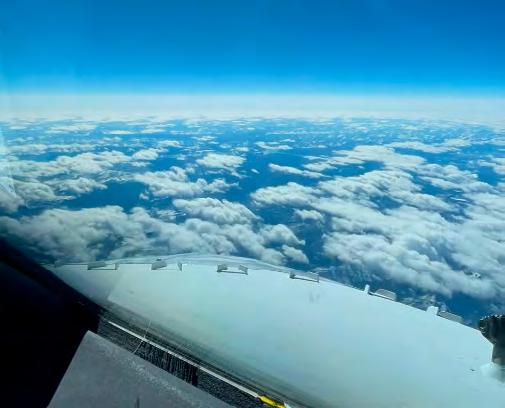
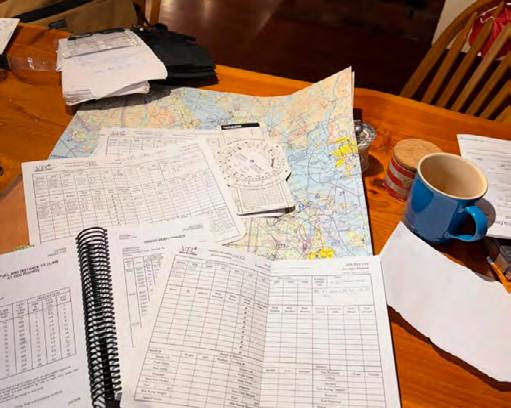
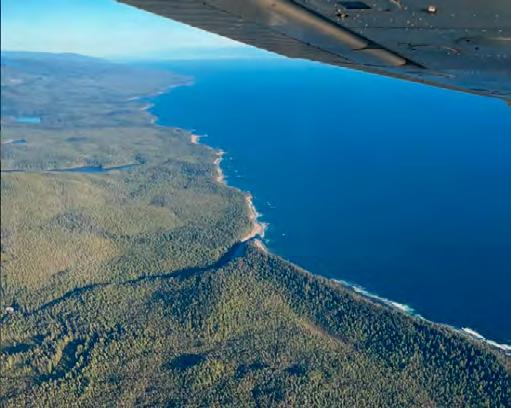
SOME OF THE PEOPLE WHO TAGGED US ON INSTAGRAM!
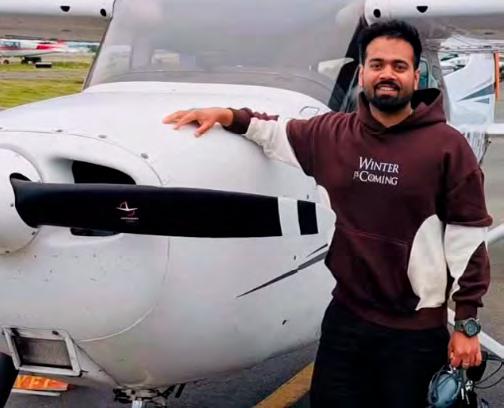
From top, left to right: @yyj_analog: "Jordan at working pulling XTZ into place"; @julienbahain: " ...the mindset stays the same"; @keanu_mcgill: "#PPL #172"; @heatherthepilot: " Flying around Nitinat Lake… all the trees look like a beautiful carpet of moss from up here"; @flyboy_dane: " Bit of this and that"; @ _albeena_jsph: "A childhood dream finally took wing" // Thanks for the share!

Tag us on Instagram & get featured!
@victoriaflyingclub #flyvfc #victoriaflyingclub