CHOICES For Fifty Plus

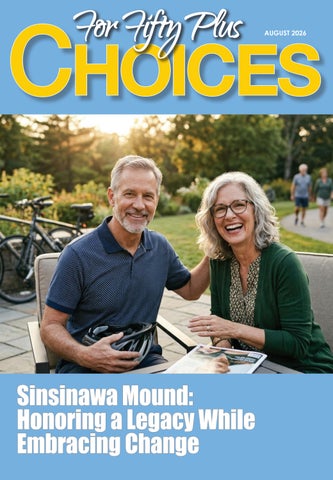
Mound: Honoring a Legacy While Embracing Change
Sinsinawa































When
loved
When
loved
The publisher makes no representations concerning any product or service advertised in this publication. CHOICES For Fifty Plus and JuliensJournal.com serve only as a medium for sellers to reach potential buyers and do not warrant the accuracy of any advertisement. CHOICES For Fifty Plus makes every effort to eliminate typographical errors and assumes no responsibility for misspelling names. All editorial items submitted are subject to editing and alteration at the sole discretion of the publisher. Design and format of the magazine and website are protected by the copyright laws of the United States of America. Reproduction of this publication in whole or in part is prohibited without specific written permission of the publisher. For Advertising Inquiries, Feature Article Submissions and Billing Inquiries Contact Robin Nichols at 563.557.7571 or Robin@JuliensJournal.com.
every other month by
Publishing, Inc. in Asbury, IA. Mailing address: 6170 Forest Hills Drive, Asbury, IA 52002-9349. Telephone 563.557.7571. Website: www.juliensjournal.com.
Return Policy: Magazines are mailed standard class and should be received within 15 days of the mailing date. Returns should be sent to RTN Publishing, 6170 Forest Hills Drive, Asbury, IA 52002-9349. You must provide your name, address, and
by Tracey Rush
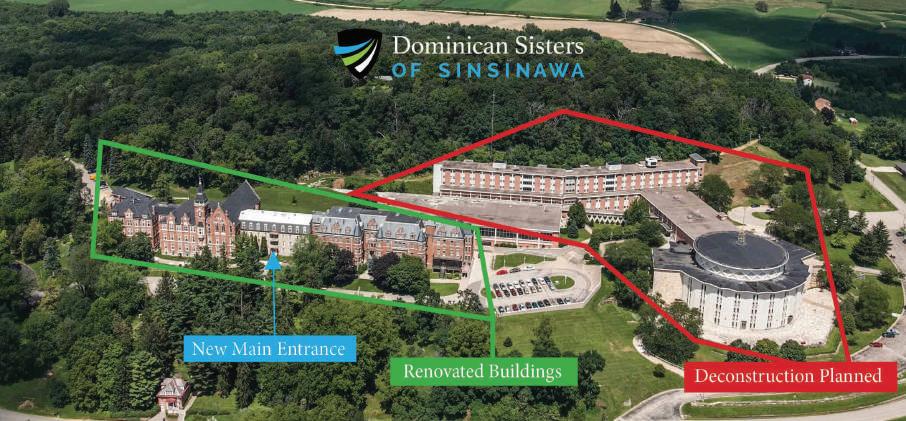
As we all know, downsizing is hard. There are painful decisions to make but when all is said and done, you know it was the right thing to do. Now imagine you live on 400 acres with almost 200 of your closest friends and you reach the heartbreaking conclusion that some of your buildings are no longer needed and many of those friends need to go.
In 2022, the Dominican Sisters of Sinsinawa in Wisconsin reached the conclusion that they needed to downsize and came up with a three-phase plan. Sister Quincy Howard, Mound Planning and Special Projects Director, said Phase One was the most painful phase: rehousing almost 100 retired sisters who needed care. Thankfully, a senior living center near Milwaukee was able to house them all and offer a full continuum of care. “Sisters have always adapted to the needs of times,” says Sister Quincy.
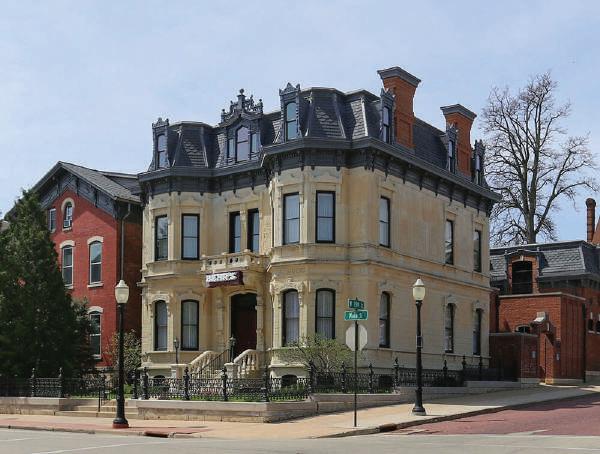
Phase Two has focused on the campus. “We need to consolidate our footprint,” says Sister Quincy. They started with renovating the original building, which ended up being a “mini-Motherhouse.” The
Convent includes a multipurpose event and retreat center for community connections as well as an art gallery.
Also housed in the Convent building is a fascinating exhibit titled A Journey of Faith and Service: Father Samuel Mazzuchelli, OP, and the Dominican Sisters of Sinsinawa . Self-guided tours are available Monday through Friday from 8 AM to 4 PM or one can call ahead for a guided tour. The exhibit focuses on the life and legacy of Father Samuel Mazzuchelli and the mission and ministries of the Dominican Sisters of Sinsinawa.
Music lovers will be interested to know that the exhibit includes photos and correspondence between Nadia Boulanger and Sinsinawa resident Sister Mary Edward, a composer who had
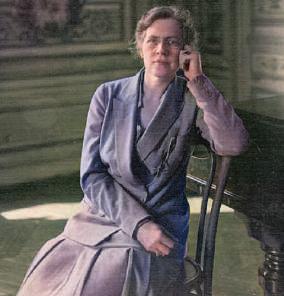
studied with Ottorino Respighi and was a friend of Igor Stravinsky. Boulanger had invited Sister Edward to join her studio upon Respighi’s death, and the ladies developed a close friendship. Boulanger taught music to the nuns at Sinsinawa during the summers of 1941-1944. For those not up on your music history, Nadia Boulanager (herself a student of Gabriel Faure) was perhaps the most influential music teacher of the 20th Century, having taught over 600 students in all genres, including Aaron Copland, Leonard Bernstein, Quincy Jones, and Burt
Bacharach.
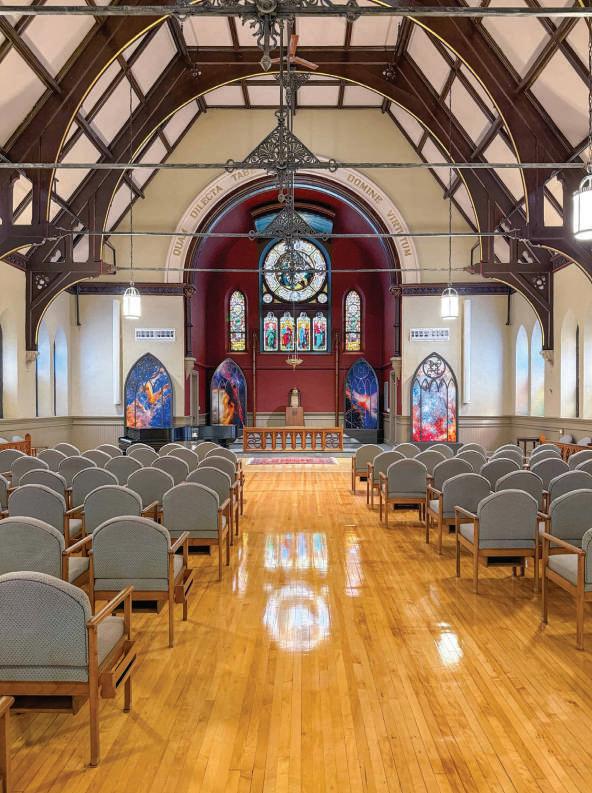
The St. Clara Chapel is also newly renovated and is meant to be multipurpose, with movable chairs so that it can be used for multiple activities. Chelsea Middendorf, Outreach Promoter, was hired in 2025 to “reconnect with community members and partners to share our story, reimagine events that welcome, enrich and connect while promoting our conference and retreat spaces to the community at large,” says Chelsea. She has succeeded in bringing back many activities that were at the Mound in the past, such as music, art, concerts, remembrance, and Taizé prayer. She has added Lunch and Lectures, art groups for youth and older
people, tai chi and sound-healing yoga classes.
The Academy Senior Apartments are also located in the older buildings that will continue to be used. Janet Post moved into one of the apartments almost two years ago and loves the apartments because they were once classrooms –part of the St. Clara Academy for girls built in 1846 by Father Samuel Mazzuchelli. “Each room is different from another,” says Janet, “My ceilings are 18 feet tall, and my windowsills are 18 inches deep. The woodwork is beautiful, rich, and magnificent.” Being a writer, she especially appreciates that it is always quiet, and “everyone is honest, kind, and helpful.”
In addition to reducing their

Embrace a new chapter of
Call 563-690-1900 today to learn about our special offers or schedule a personalized tour!
carbon footprint, the sisters want their legacy to focus on Laudato Si’, which was the theme of Pope Francis’ 2015 letter encouraging Catholics to be better stewards of the earth. The Sinsinawa Sisters’ response came out in 2017 with their “Guiding Principle for Sinsinawa Land: Because we recognize Sinsinawa Mound as a sacred place entrusted to our care, our land will be available for spiritual, ecological, agricultural, and educational programs and will be preserved as much as possible for future generations.” The Sinsinawa campus is set on almost 400 acres and none of that land is being sold but is being used for things like regenerative farming. One initiative is Fields of
Experience a vibrant senior community designed for your comfort and freedom.
Enjoy a lifestyle free from the hassles of home maintenance, with modern amenities, engaging activities, and a supportive environment

Independent & assisted living apartments
3 nutritious meals per day, 7 days per week
On-site therapy
Scheduled transportation
Maintenance-free living
Daily exercise classes
Housekeeping & laundry service ...and more!
2700 Matthew John Dr. Dubuque, IA 52002
563-690-1900


Sinsinawa: A farmer-led Learning Center, that sponsors an annual Soul of the Soil Conference which focuses on soil functionality and the science of regenerative agriculture. They also hold numerous educational
opportunities to learn about soil and best practices for farming. For example, Grounded Gatherings is a monthly pancake breakfast where people are invited to drop in at the farm buildings and converse with
neighbors. The curious are encouraged to attend.
Another initiative is the Sinsinawa Mound Collaborative Farms, which offers land, education, infrastructure, and mentorship to beginning farmers. John Demunnik of Rising Sun Garden says, “We are grateful for our almost one acre of land at Sinsinawa Mound.”
Rising Sun Garden is one of several of the Mound’s collaborative gardens that can be found at the Dubuque Farmers Market on Saturday mornings.
Additional land use includes a labyrinth for meditation, Kavanaugh Park which has a fire pit; and nearly four miles of pedestrian nature trails which are open to the public.
As for Phase 3, there is more

Many retirees think Medicare solves the whole problem.
But out-of-pocket costs, prescriptions, future care needs, and coverage decisions can affect income, taxes, and long-term security.
A panoramic retirement plan helps you see how healthcare fits into the bigger picture before surprises begin to stack up.

sad-but-necessary news. The Sisters tried their best to find a buyer for several buildings that were not being used enough to make it feasible to maintain them, but to no avail, so deconstruction of the rotunda, Queen of the Rosary Chapel, dining room, kitchen, bakery, bookshop, wellness center, and the former residential areas will begin in late summer 2026. Meanwhile, through auctions, sales, and donations, they are trying to rehome the contents of these buildings, including the stained-glass windows. The Casavant organ from Queen of the Rosary Chapel at Sinsinawa Mound has already found a new home at the Terra Sancta Retreat Center in Rapid City, South Dakota.
Tricia Buxton, Communications Director at the Mound, sums up the transitions this way, “While change is a familiar part of their journey, the Dominican Sisters of Sinsinawa remain dedicated to hospitality.
“As they right-size their space, they continue to welcome guests to Sinsinawa Mound Center which offers many unique opportunities for renewal of body, mind, and spirit in a peaceful environment enriched by the beauty of the natural world.”
For more information on news and events at Sinsinawa Mound, go to Sinsinawa.org or Fieldsofsinsinawa.org. ❖
by Matt Jahn
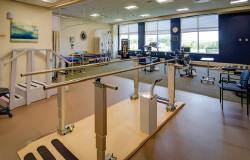
When a loved one is discharged from the hospital, the transition home can feel like an abrupt step. While hospitals focus on treating acute medical conditions, many individuals are not yet strong enough or medically stable to safely return to their prior living arrangement without support. This is where postacute care plays an essential role in the recovery journey.
Post-acute care refers to the
inpatient services that support recovery after a hospital stay. It is designed for individuals who still require skilled nursing, rehabilitation, and medical oversight before returning home. This type of care often follows surgery, illness, injury, or a significant change in functional status after hospitalization. The focus is not on long-term residence, but on helping each person regain strength, independence, and confidence while
reducing the risk of complications or hospital re-admission.
In most cases, post-acute care includes a coordinated team approach. Residents may receive physical therapy to rebuild strength and mobility, occupational therapy to support daily living activities such as dressing or bathing, and speech therapy when needed for communication or swallowing support. Nursing care and medical monitoring remain an

important part of the recovery process, especially for individuals with complex health needs or multiple chronic conditions. The goal is always the same: a safe and successful return home whenever possible.
For families, the early days of a post-acute care stay often involve adjustment and learning. A care plan is developed based on the individual’s condition and recovery goals, and therapy schedules are tailored to their tolerance and progress. Communication with families is an important part of the process, helping everyone stay informed about improvements, setbacks, and discharge planning. In well-coordinated programs, discharge planning begins at
admission, not at the end of the stay, ensuring that home support is in place well before the transition occurs.
Choosing a post-acute care provider is an important decision, and families are encouraged to look beyond location or convenience alone.
Quality of care, responsiveness of staff, availability of therapy services, and the ability to coordinate with physicians all play a significant role in recovery outcomes. Many families also find value in reviewing satisfaction data and quality measures, which can offer insight into both clinical performance and the
overall experience of care.
Payment for post-acute care is often covered through Medicare following a qualifying hospital stay, though the specifics of coverage depend on individual eligibility, length of stay, and medical need. Covered services typically include skilled nursing services, therapy, meals, and room and board for a defined period. Because coverage details can be complex, early communication with financial counselors or a social worker is helpful in ensuring families understand any potential outof-pocket responsibilities.
Residents make significant progress in recovering mobility, independence, and health during their post-acute stay, but
We offer an engaging way to spend the day. Have peace of mind knowing that your loved one is receiving excellent care in a stimulating environment.
Veterans and other funding available. Call to make an


the process doesn’t end there. The transition home represents a new phase of healing, where continued progress depends on consistency and support. Many individuals benefit from home health services, outpatient therapy, follow-up medical appointments, and assistance from family caregivers. Simple home modifications, medication management, and ongoing rehabilitation exercises often make a meaningful difference in maintaining progress and preventing setbacks.
Strong post-acute care programs emphasize coordination across the entire healthcare continuum.
This includes communication between hospital teams, physicians, therapists, facility staff, and families.
When that coordination is effective, individuals are more likely to experience smoother transitions between levels of care, fewer complications, and
a stronger return to independence.
As one recent resident shared after completing their recovery journey, “I didn’t realize how important that extra support would be, but it gave me the time and confidence I needed to get back home safely.”
Post-acute care is an important bridge between hospital and home. For families, understanding what it offers, and how to actively participate in the process, can lead to better outcomes, safer transitions, and a more confident return to everyday life.
Matt Jahn, BSN, RN, LNHA, serves as the Executive Director of Healthcare Services and Administrator at Stonehill Communities. With more than 17 years of experience at Stonehill, Matt began his career as a Certified Nursing Assistant before earning his Bachelor of Science in Nursing from the University of Dubuque in 2011.
Comments on this article can be sent to comments@juliensjournal.com.
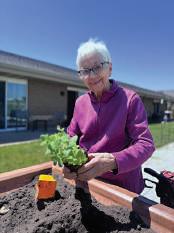
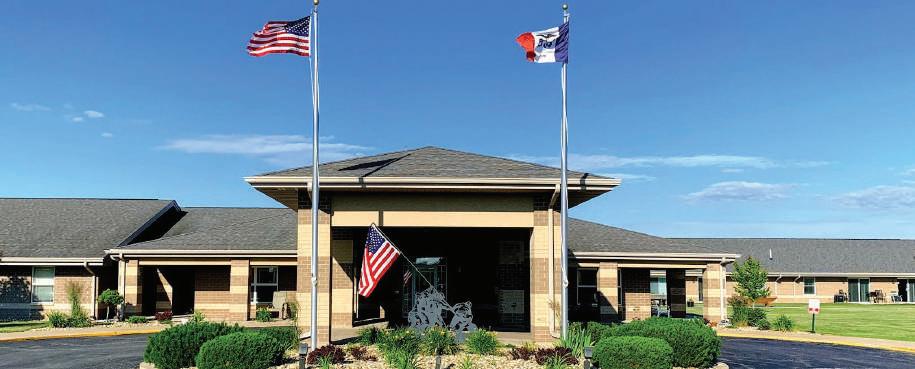
- 1 & 2 bedroom apartments
Studio Apartments - Breakfast, lunch, and dinner - Housekeeping and laundry - Scheduled transportation
- Social, recreational, religious, and educational activities
- Individualized service plan to fit your needs
- 24- hour direct care staff
- Emergency call system
- Beauty salon & barber services
- Community rooms and chapel
- Patio areas and walking paths
Schedule a tour. Call (563) 852-5001 I Email marketing1@riverbendal.com

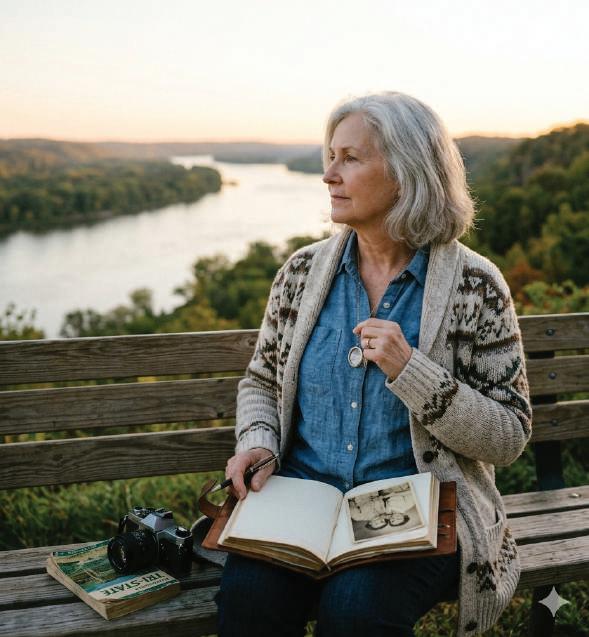
There is a persistent myth in our culture that grief is a linear journey with a definitive finish line to a place called “getting over it.”
We are often told that with enough time, we will close the chapter on our loss and return to the person we were before.
But anyone who has navigated the deep waters of losing a spouse, a lifelong friend, a sibling, or a child knows the truth: you do not simply get over a profound loss. And frankly, most of us do not want to.
To get over a loss implies forgetting, wiping the slate clean, or minimizing the impact that person had on our world.
The real journey of grief is not about moving on ; it is about moving forward . It is the longterm, deeply personal process of learning how to integrate loss into your ongoing life story, weaving the threads of cherished memories into the fabric of your future.
In the early days of a loss, grief can feel like an uninvited guest occupying every room of your home. It demands your full attention. But as time moves on, the nature of that relationship changes. Moving forward does not mean the grief disappears; rather, your life expands around it. You build a bigger,
richer life that can hold both the sorrow of their absence and the joy of new experiences.
Integrating loss means recognizing that while your loved one is no longer physically here, your relationship with them continues in a new form. They are present in the values they instilled in you, the jokes they shared, the wisdom they passed down, and the love that
Since 1936
When preplanning your funeral Behr Funeral Home can be a trusted source of information. u
We can help you understand the different funeral

remains.
Finding meaning after loss is not about finding a “bright side” to tragedy. Instead, it is about making a conscious choice to honor your loved one by how you choose to live today. For many in our Tri-State community, this shift toward renewed purpose happens through small, intentional steps.
Meaning can be found in continuing the work, passions, or hobbies that your loved one held dear. If they loved the outdoors, it might mean volunteering with local conservation groups or spending mornings walking the trails at the Mines of Spain.
If they were passionate about community, it might mean supporting a local Dubuque charity or mentoring younger generations.
A profound loss often acts as a stark reminder of the brevity and preciousness of time. It prompts a natural re-evaluation of what truly matters. Many individuals find that post-grief, they possess a deeper sense of gratitude, a lower tolerance for minor anxieties, and a stronger desire to cultivate deep, authentic relationships with family and friends.
Moving forward often requires the bravery to try new activities or step into new social circles.
Joining a book club, taking a class at the programming centers around town, or traveling to a destination you’ve never seen isn’t a betrayal of the past. It is an investment in the life you are still here to live.
It is entirely possible to feel a pang of sadness while simultaneously laughing at a dinner table surrounded by friends. This duality is the hallmark of integration. You are allowed to carry the sorrow of what was lost while fully embracing the beauty of what remains.
As you walk this path, remember to be gentle with yourself. There is no timeline for this integration. Some days the weight will feel lighter; other days, a familiar song or a specific view of the Mississippi River will bring the grief back to the surface. That is not a sign of failure, it is simply a sign of deep love. Your life story did not end when your loved one passed away.
By carrying their memory with you into new adventures, new purposes, and new moments of joy, you ensure that their legacy lives on through a life beautifully and fully lived.
This Bereavement Tip was Brought to you by Behr’s Funeral Home. Visit their website at Behrfuneralhome.com. ❖
by Keith Leverentz
We hear it often from people preparing
for retirement:
“I think I’ve saved enough, but I’m not sure what healthcare is really going to cost me.”
It is a valid concern. Many retirees assume that once Medicare begins, most of the uncertainty goes with it. In reality, healthcare is one of the areas that can quietly put pressure on a retirement plan if it is not thought through ahead of time.
The misunderstanding is not that Medicare lacks value. It is that many people think healthcare planning begins and ends
there. But retirement brings a wider set of questions. What will out-of-pocket costs look like over time? How will prescriptions, supplemental coverage, dental, vision, or long-term care fit into the picture? What happens if one spouse needs significantly more care than the other?
These are not small details. They affect how much income you need, how much flexibility
you have, and how much of your savings stays available for the things that matter most to you.
This is where retirement planning becomes more than an investment conversation. Healthcare decisions do not sit in a separate bucket. They connect directly to your income plan, your tax plan, and even your legacy goals. If additional costs arise later,

The price you pay per kilowatt has a big difference in the amount you owe your electric utility each month. Get a Free Solar Analysis estimate and compare the savings today!
they may change the amount you need to withdraw. That can affect taxation, the longevity of your assets, and the overall structure of the plan.
We often tell people that retirement works best when you stop looking at one piece in isolation. A healthcare decision can ripple into the rest of your financial life very quickly.
That is why we encourage a panoramic view, one that looks at income, taxes, investments, healthcare, and legacy together rather than one at a time.
Some people feel like they have

to choose between enjoying retirement now and preserving enough for the future. But often the issue is not choosing one over the other. It is creating more clarity around how to structure the plan so you are not left guessing. When people understand what healthcare costs may realistically look like and how those costs fit into the broader plan, they usually feel much more confident.
It isn’t possible to predict every future medical expense perfectly. But the goal is to bring more purpose and intention to an area that often feels uncertain. That is where peace of mind begins.
Retirement should not leave you wondering whether one unexpected healthcare need could undo years of hard work. It should give you a clearer sense of how the moving parts fit together and what options you have.
If you are approaching retirement or already in it and want to better understand how healthcare fits into your income, tax, and long-term planning decisions, we invite you to schedule a Purpose Meeting. Sometimes the next step is simply learning the questions you should be asking.
Keith Leverentz, NSSA®, is founder of The Life Group, guiding clients since 2003 with personalized financial planning, investment counsel, and retirement strategies. Learn more and view upcoming events at TheLifeGroupLLC.com. ❖



Mysteries abound regarding the health of Americans. Why do twice as many American diabetes patients die compared with diabetes patients in the United Kingdom? The U.S. has 4.5% of the global population. How did we end up contributing 16% of the worldwide death toll from the Covid virus? Some
of this discrepancy might be due to more accurate reporting of the virus in the U.S. versus some other countries. But the question remains: how does the U.S. spend two to three times as much for healthcare as Europeans and rank dead last among 11 nations in comparative health outcome statistics?
Our own original research with adult residents of Silicon Valley identified 265 adults who
did not exercise at all. Of that total, 230 claimed that they understood the connection between healthy lifestyle habits and positive health outcomes. Obviously, knowledge does not readily translate into behavioral habits.
While most U.S. adults know that active lifestyle habits promote better health, the Center for Disease Control and Preven-
tion declares that only 24% of American adults meet the recommended standard for physical exercise to sustain their cardio, endocrine and cognitive health.
Our healthcare system deserves much of the responsibility for this sad state of affairs. Approximately 30% of healthcare providers are explicitly ‘for profit’ entities.
They are in business to make profits. More than 80% of providers in the rehabilitation and long-term care markets are ‘for-profit’ firms. Healthcare insurers share this ‘profit first’ qualification.
‘Non-profit’ healthcare pro -
viders still prioritize revenue generation to support their service offering.
Prevention strategies are the obvious answer to alleviating our healthcare woes. Intermountain Health of Salt Lake City demonstrated that patients who adopt and maintain healthy lifestyle habits use healthcare services at half the rate of their less conscientious adult peers. The Pointer Study, sponsored by the Alzheimer’s Association, concluded that 45% of all Alzheimer’s cases are preventable. However, there is no current champion for prevention as the healthcare system is geared towards profit and revenue.


The healthcare system is not the only problem. Mysteries prevail among the American population. One out of four Americans – over 60 million adults – believed that the coronavirus was being used to force a dangerous and unnecessary vaccine on Americans. Nearly a third of U.S. adults believed that the coronavirus was “purposely created and released.”
87% of sedentary adults in Silicon Valley understand that healthy lifestyle habits produce better health outcomes but do not change their behavior to produce improved results. Nearly a third of all medication prescriptions are never filled and about half of all patients

do not take their medication as prescribed.
Distinguished Chair of the Harvard Chan School of Public Health Department of Behavior-
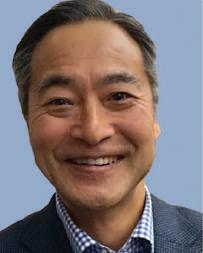
al Science, Ichiro Kawachi, observed that “Many public health theories assume that humans are rational, and we’re not.”
Magical thinking can override prescribed medical procedures.
A study at Ohio State University demonstrated that cardiac patients who held magical beliefs were less likely to follow through with recommended rehabilitation procedures.
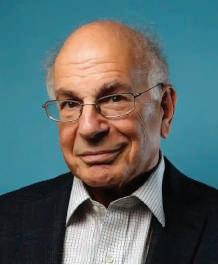
Nobel Prize winning psychologist Daniel Kahneman observed that “Most of us feel that we believe what we believe because we have reasons to believe it.


• Rooms can be fully furnished and always include home-cooked meals, housekeeping, laundry, utilities, wi-fi, cable, all maintenance, and more for one low price.
• Short or long-term options available!
• Call ahead to take a tour, try a meal, and get a taste of the Pleasant experience
Call to schedule at tour at 563-542-1590

That is, to a very large extent, an illusion. We believe what we believe mostly because we believe in what people we like and trust believe. We believe what we’re taught to believe. Reasons come later. ... The idea that we hold reasonable beliefs is an illusion.”
This is likely the best explanation for why hundreds of thousands of Americans died unnecessarily during the Covid pandemic. Pressure to conform to group norms prevented thousands from getting the vaccination that was developed in record time.
We have a lot of work to do if we are to change our dismal record on health outcomes. ❖

As you enter the empty nest phase, you face a unique blend of challenges and opportunities. This period is ideal for rediscovering yourself and reshaping your day-to-day life. Embrace the freedom that now presents itself. The strategies outlined will guide you in smoothly transitioning into this exciting new chapter. Each approach is designed to help you adjust and flourish during this change. Embrace these methods to fully capitalize on the potential of your newfound independence.
You now have the chance to deepen relationships with family and friends. Organizing regular meetups, whether for vacations, dinner parties, or
coffee, helps keep your social bonds strong. These moments are not just about filling your schedule but about enriching your life with the warmth of shared experiences and laughter.
It’s an ideal time to reassess your financial strategy, focusing on optimizing your budget to support personal goals and dreams deferred earlier. Redirect your financial resources to support leisure pursuits, personal development, or any long-awaited adventures. This financial realignment is both practical and liberating, allowing you to finance your passions with greater freedom.
If you’ve been delaying orga-
by Carrie Spencer
nization, now is the time to use your free time to sort important documents like medical records and estate plans. Digitizing your documents not only streamlines your filing but also reduces clutter. Saving documents as PDFs preserves their layout and appearance consistently across different systems, ensuring the content appears as intended on any device.
Discover the therapeutic benefits of gardening. Nurture plants in a small greenhouse to enhance your connection with nature. Consider creating an indoor oasis filled with a variety of potted plants. Tend to a backyard garden where your efforts can yield both flowers and vegetables. Each gardening activity allows you to reconnect with the earth and find tranquility. Unlock your green thumb today—visit MyGardenAndGreenhouse.com for expert guides and tips!
Incorporating physical activity into your routine is crucial for maintaining health and vitality. Experiment with different sports or activities to find one that fits your lifestyle and preferences. From the calm of yoga to the concentration of golf or
Volunteering or joining a local group can enrich your life in profound ways. Contributing to community projects or initiatives gives a sense of purpose and belonging. This engagement is not just about giving back but also about creating connections and building a network of friends and acquaintances in your local area.
Immerse yourself in nature by taking regular walks in a nearby park, which can significantly enhance your mental and emotional health. Plan weekend camping trips to deepen your connection with the natural world. Spend quiet afternoons
in a garden to experience tranquility and rejuvenation. Let nature instill a sense of peace and awe within you. Appreciate the beauty of the simple things in life as you engage with the outdoors.
Starting or joining a book club can transform your reading habit into a social activity that stimulates the mind. Engage in lively discussions that allow you to explore new literary genres. Share and contrast different perspectives with fellow literature enthusiasts. Meeting people who share your passion for books enriches your social circle. This intellectual stimulation helps maintain the sharpness of your cognitive skills. Engaging conversations keep your social interactions intriguing and diverse.
The empty nest period is your chance to redefine life according to your desires. Each provided tip serves as a pathway to not just fill your days but to enhance them significantly. These strategies ensure that your upcoming life chapter is both vibrant and fulfilling. Embrace each day with enthusiasm and curiosity. Discover that life continues to offer abundant opportunities and joys even after your nest has emptied. Explore these possibilities to fully experience and appreciate this transformative stage of your life.
Carrie Spencer is the owner of The Spencers Adventures. You can visit her website at TheSpencersAdventures.net.
Questions and comments can be emailed to comments@juliensjournal.com. ❖