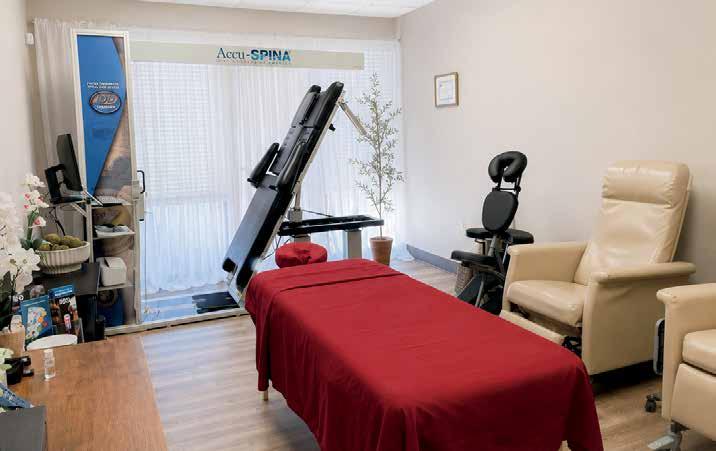
Neuropathy and Pain Centers of Las Vegas helps patients manage chronic pain and improve their quality of life through compassionate, personalized care. Led by pain management specialist Robert Odell , MD, PhD. Our clinic offers advanced, evidence-based treatments, including non-steroid epidural options and innovative therapies like electric cell signaling with the RST-Sanexas neoGEN® device, designed to support healing and long-term relief.
PAIN MANAGEMENT
Effective Treatments for Persistent Pain and Neuropathy
EMSELLA®
Pelvic Floor Strengthening for Incontinence, Urgency, Balance and ED
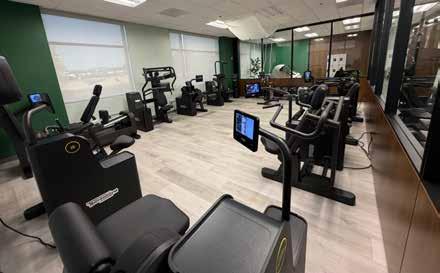
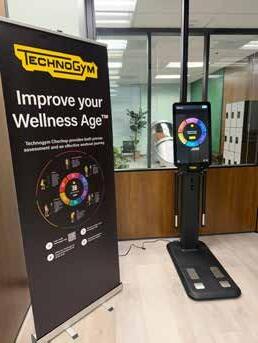
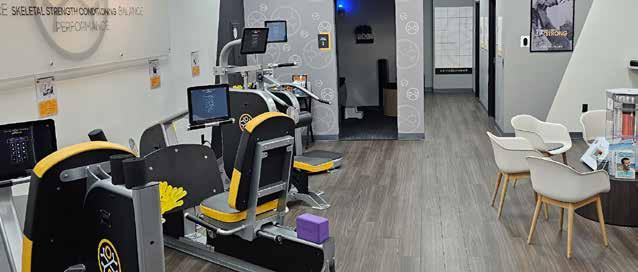
Movement: AI-powered strength training. Faster results in only 2 × 22 min/week.
Medical Biohacking: Light, oxygen, cold, heat, altitude training, PEMF, nervous system, compression, sound frequency vibration.
Matrix Community: Supportive. Curated. Connected.
What If Your Best Health Is Still Ahead of You?
Precision Functional Medicine for Men & Women Who Want to Perform, Age, and Live Better.
Most people don’t suddenly wake up unwell Energy dips Sleep becomes fragmented. Hormones shift. Focus isn’t as sharp. Recovery slows. Your metabolism feels different.
These aren’t “just aging ”
They’re signals biological data points your body uses to tell you something has changed
My job is to decode those signals.
As a physician specializing in functional and longevity medicine, I take a systems-based, root-cause approach to optimize your whole health hormones, metabolism, inflammation, brain function, gut health, and longevity pathways.
Whether you’re navigating perimenopause, andropause, persistent fatigue, weight changes, poor sleep, or simply want sharper cognition and stronger performance, your plan is personalized and evidence-driven
No guesswork. No one-size-fits-all protocols. Just optimized health from the inside out.
Jennifer Walker // jennifer@vegaswellnessmag.com // 775 375 0415
COPY EDITOR
Effie Armstrong - info@vegaswellnessmag.com
CHOOSING RESTORATION OVER RECOVERY Wellnesscation
Las Vegas has long been known for indulgence, late nights, and the classic “I’ll recover when I get home” mentality. But both visitors and locals are shifting priorities. Instead of only chasing nightlife or waiting to recharge later, more people are intentionally building wellness into their routines and stays, seeking restoration over recovery. Whether it’s travelers turning a trip into a wellnesscation or Las Vegas residents seeking everyday escapes close to home, the focus is on moving toward balance, resetting, and feeling better before burnout hits.
The rise of “wellnesscation” reflects a larger cultural shift. Locals and travelers alike are becoming more intentional about how they spend their time and money, prioritizing experiences that leave them feeling better, not depleted. In a city famous for excess, that balance has become the new luxury.
At Virgin Hotels Las Vegas, wellness is no longer an add-on… it is built into the guest experience. Our AAA Four Diamond off-Strip resort combines the energy Las Vegas is known for hosting thoughtful amenities designed for relaxation, movement, and restoration. The sprawling resort features more than 1,500 lavish hotel rooms and suites across three towers, a five-acre desert pool oasis, luxury dining and entertainment venues, while also making space for wellness-minded visitors who want more from their getaway.
One of the standout features is The Spa, a calming escape designed to pamper both body and mind. Guests can enjoy massage and skin therapies, a one-of-a-kind Roman-style bath, and complimentary 45-minute yoga classes for hotel guests. For guests looking for more advanced recovery and wellness services, the spa also offers VEMII treatments, an innovative therapy focused on cellular restoration and energy support. Combined with IV therapy offerings, these services cater to modern travelers who are thinking beyond traditional spa treatments and looking for proactive ways to recharge, support immunity, and combat travel fatigue.
This is especially appealing in Las Vegas, where dehydration, sleep disruption and overpacked itineraries are common. Instead of waiting until they feel run down, guests are now scheduling IV drips and wellness therapies as part of their arrival routine. The goal is no longer just surviving the trip; it is optimizing it.
Movement also plays a major role in the wellnesscation trend. Virgin Hotels Las Vegas offers a 24/7 Fitness Center located on the second floor of the Ruby Tower, adjacent to The Spa. Featuring state-of-theart equipment and floor-to-ceiling views overlooking the pool and entertainment complex, the space makes it easy for guests to maintain healthy routines while traveling.
And for those who prefer something a little more playful than a treadmill, our Puppy Yoga special programming has quickly become one of the property’s most buzzed-about wellness experiences.
Hosted on select dates, Puppy Yoga combines guided yoga sessions with adoptable puppies roaming throughout class, bringing movement, mindfulness, and serotonin together in one unforgettable experience. It is part fitness class, part therapy session, and part community event. In a city that can often feel fast-paced and overstimulating, the experience offers something refreshingly simple: joy.
It also reflects what modern wellness has become. It is not just about green juice and strict routines. It is about creating moments that reduce stress, improve mood, and help people reconnect with themselves and with others. Sometimes that looks like meditation. Sometimes it looks like stretching in downward dog while a puppy climbs into your lap.
Even our pool experience supports the shift. The resort’s five-acre desert oasis offers a more elevated approach to poolside relaxation, with serene cabanas, lush landscaping, and access to spa services poolside. Kassi Beach Club, the property’s popular 21+ Mediterranean-inspired pool experience, creates a softer alternative to the traditional Vegas dayclub scene, blending coastal energy with actual relaxation.
Dining also plays into the wellness-first mindset. Guests can start the day at Funny Library Coffee Shop with fresh coffee, pastries and lighter healthy bites, or enjoy fresh options poolside and throughout the resort. Wellness travel does not necessarily mean restriction; it means intention. Visitors still want the Lucia and Nobu dinner reservations along with poolside cocktails, but they also want balance.
That is exactly why wellness-focused hospitality is growing so quickly in Las Vegas. Guests are no longer choosing between fun and feeling good. They want both.
Virgin Hotels Las Vegas understands that luxury today is not just about where you stay; it is about how you feel when you leave. Whether it is a morning yoga session, a puppy cuddle, an IV drip before dinner reservations, or simply a peaceful afternoon at the spa, the modern Vegas getaway is evolving.
Because sometimes the best souvenir from a Las Vegas staycation or trip is not a hangover story. Sometimes, it is actually feeling better than when you arrived.
By Christell Vicens, Director of Spa
Virgin Hotels Las Vegas
Testosterone Isn’t the Whole Story
The Metabolic Drivers of Low Energy in Men >>>
By: Amanda Jordan, MD
Ask most men over 40 why they’re exhausted, and they’ll tell you the same thing: “My doctor checked my testosterone, and it was low.” Or they’ll come to that conclusion without ever seeing a doctor – just a gut feeling, maybe a late-night ad, and a hunch that their hormones aren’t what they used to be. Sometimes they’re right. However, stopping the conversation at testosterone might miss the point. You found a number, but have you found the cause?
Low testosterone is real. The symptoms – fatigue, weight gain, brain fog, low libido, muscle loss, irritability - are real. But those same symptoms show up in men who have perfectly normal testosterone levels. They show up in men with sleep apnea, insulin resistance, chronic stress, and nutrient deficiencies. They show up because the body functions as an interconnected system, not isolated parts, so when one issue arises, it affects other systems as well.
A longevity-oriented approach to men’s health goes beyond a single lab result. It asks why. And then it asks what else.
Testosterone Is Part of the Picture
Testosterone plays a central role in energy, muscle mass, mood, libido, bone density, and metabolic function. Levels naturally decline after age 30, at roughly 1- 2% per year, and by the time a man is in his 40s or 50s, that decline can be noticeable. When appropriate, testosterone therapy can genuinely improve health and quality of life.
But testosterone doesn’t exist in a vacuum. It is influenced by sleep, body composition, stress hormones, insulin levels, inflammation, and nutritional status. A man can have low testosterone because his testosterone production is impaired or because other factors in his metabolic environment are working against him. Treating the low hormone levels without addressing the underlying factors is often why men plateau, or why results don’t last.
The aim is not to dismiss testosterone. It is to give you the information to see the full picture.
The Sleep Saboteur: Sleep Apnea
Sleep apnea is one of the most underdiagnosed conditions in men over 40, and it has a direct impact on hormonal health. Most testosterone is produced during sleep, triggered by signals from the brain. When sleep apnea repeatedly interrupts your breathing throughout the night, it fragments your sleep cycles and impairs hormone production. Men with unrecognized or untreated sleep apnea will often have low testosterone on labs because their sleep architecture is too disrupted for the brain to prioritize testosterone production.
Beyond testosterone, sleep apnea has wide-reaching physiologic consequences: unrelenting fatigue, elevated cortisol levels, inflammation, and insulin resistance. Men often don’t realize they have it. If you snore, wake up unrefreshed, or feel exhausted despite a full night in bed, this is worth ruling out. A sleep study is simple and can be performed at home. Treating sleep apnea may resolve low testosterone and metabolic dysfunction without the need for a hormone prescription.
The Hidden Driver: Insulin Resistance
This is the most common and most important root cause of fatigue, weight gain, and hormonal dysfunction in men over 40. Insulin resistance doesn't just affect your blood sugar. It can lower your testosterone through multiple pathways involving your brain, liver, fat tissue, and testes.
Insulin resistance causes inflammation and changes in brain signaling hormones, resulting in decreased testosterone production.
High insulin levels suppress liver production of sex hormone-binding globulin (SHBG), a protein that carries testosterone in the blood, causing testosterone to be cleared from your body more readily.
Insulin resistance encourages fat storage,
especially around the belly (visceral fat). Fat tissue contains an enzyme called aromatase that converts testosterone into estrogen. The more belly fat you have, the more testosterone gets converted. The extra estrogen then further signals your brain to reduce testosterone production, creating a vicious cycle.
The cells in your testes that produce testosterone (called Leydig cells) have insulin receptors. When insulin levels are chronically high, it can directly interfere with the machinery inside these cells that produces testosterone.
Fasting insulin is one of the most important lab values in men’s metabolic health, yet it is rarely tested. Elevated fasting insulin is one of the earliest warning signs of metabolic dysfunction, showing up years before elevated blood sugar and hemoglobin A1c. Catching it early changes everything.
How Stress Hijacks Your Testosterone
Cortisol is your primary stress hormone, and in short bursts, it’s useful. It gets you through a difficult meeting, a physical challenge, a deadline. The problem is that the modern version of stress is constant: work pressure, poor sleep, no real recovery time, always-on phones, financial strain. Men who are high-functioning under pressure, the ones who pride themselves on grinding through everything, are often the most affected. When cortisol is chronically elevated, testosterone suffers.
Persistent stress signals to the brain that now is not the right time to prioritize reproduction.
Cortisol blocks key enzymes that Leydig cells in the testes need to produce testosterone.
Research has shown that even moderate cortisol elevation can completely block the nighttime rise in testosterone, contributing to lower overall testosterone levels.
Cortisol dysregulation also disrupts sleep, drives fat storage around the midsection, impairs recovery from exercise, and worsens insulin resistance, all of which independently lower testosterone, creating a vicious cycle.
You cannot address men’s energy and vitality without addressing stress and recovery.
Chronic Inflammation: The Slow Burn
Acute inflammation is normal and helpful. It’s how your body heals a cut or fights an infection. Chronic low-grade inflammation is different. It’s a persistent, low-level activation of the immune system that quietly disrupts hormonal signaling, impairs mitochondrial function (your cells’ ability to produce energy), and interferes with the communication between the brain and the testes.
The sources are often things men don’t connect to how they feel: poor gut health, processed food, alcohol intake, increased waist circumference, a sedentary lifestyle.
Inflammatory markers like hs-CRP are inexpensive and easy to measure, but are seldom included in a standard physical. A man can walk out of his annual checkup with a “clean bill of health” and a smoldering inflammatory process that is quietly grinding down his energy and hormone levels.
The good news is that inflammation responds remarkably well to lifestyle intervention. Nutrition, sleep, exercise, stress management, and gut health all move the needle.
Nutrient Deficiencies: The Overlooked Basics
Vitamin D, zinc, and magnesium are directly involved in testosterone production and energy metabolism. Most men are low in at least one. Many are low in all three.
Vitamin D behaves more like a hormone than a vitamin. Receptors are present throughout the body, including in the testes. Research consistently links low vitamin D levels to lower testosterone and greater fatigue.
Zinc is essential for testosterone production and immune function.
Magnesium plays a role in over 300 enzymatic reactions in the body, including those that regulate sleep, the stress response, and energy production.
Deficiencies in these nutrients are measurable, correctable, and impactful. They’re also easy to miss if no one checks.
What a Complete Evaluation Looks Like
A standard annual physical is not designed to answer these questions. It’s designed to screen for disease. A functional and longevity-focused evaluation for a man struggling with fatigue, low drive, and metabolic decline looks different.
It includes:
• A full hormone panel
• Cortisol curve
• Fasting insulin and glucose; HbA1c
• hsCRP and other inflammatory markers
• Vitamin D, zinc, magnesium
• Full metabolic panel
Body composition matters, as well. Not just weight on a scale, but the ratio of muscle to fat and where fat is being stored. Visceral fat and muscle mass tell a more complete story than a BMI calculation.
The goal of this workup is to understand what’s actually driving symptoms, so that treatment – whether that’s lifestyle changes, nutrients, hormone therapy, or some combination – is targeted and effective.
When testosterone therapy is indicated, it works substantially better in a body that isn’t battling insulin resistance, inflammation, and cortisol dysregulation at the same time.
The Real Problem With “Just Check Your T”
Fatigue, weight that won’t budge, mental fog, and diminished drive are symptoms that men associate with aging. But they’re not inevitable. They are often the downstream result of addressable metabolic dysfunction that has been smoldering for years.
Testosterone is part of that story, but it is not the whole story. Men who get the most out of their health for the most years are the ones willing to ask bigger questions and who don’t accept decline as part of the deal.
Amanda Jordan, MD is a board-certified physician specializing in functional and longevity medicine with a focus on metabolic health and hormone optimization. Through her virtual telehealth practice, she serves patients throughout the US who are ready to understand and optimize their health at a deeper level. Visit dramandajordan.com to learn more or schedule a complimentary consultation.
SEED OILS
What You Need to Know >>>
By: Glenn J. White
Seed oils are the fastest-growing source of excess calories for Americans.
Seed oils are high in omega-6 fatty acids, and specifically linoleic acid. They go by many names, including cottonseed, canola, vegetable, soybean, rapeseed, and grapeseed oil. Today, they are in nearly everything.
These oils have a history as industrial lubricants. Eventually, it was discovered that they have a high smoke point, making them a cheaper but less nutrient-dense alternative to olive oil, coconut oil, or butter. They are also fragile to oxidation and “rust” easily. This process is similar to an apple turning brown when left out, which can cause damage in the body.
Most store-bought bread, bagels, crackers, chips, salad dressings, and nearly everything in the middle of a grocery store are littered with seed oils, added sugars, preservatives, and other filler ingredients.
If you look at seed oils by themselves, they are a monounsaturated fat, the same fat in foods like avocados and nuts. In fact, monounsaturated fat is considered “heart-healthy” because it can lower LDL cholesterol. However, the notion that lowering LDL is always “heart healthy” is based on “The China Study,” which determined a correlation between high LDL and heart disease, but not causation. The study was controversial, and possibly a case of confirmation bias for vegans searching for data to support a pre-existing belief.
Your body produces 75%-80% of the cholesterol it needs to function, and the rest must come from food. While only 2% of your bodyweight, your brain contains 25% of your body’s cholesterol and could not function without it. You also cannot produce hormones without cholesterol. A man with no cholesterol would essentially be castrated and dumb. Therefore, to demonize anything our body both needs and makes is downright wrong. Unfortunately, a lot of us were told cholesterol was bad, and consuming margarine and Egg Beaters was better.
Known as the “Project 226” scandal, the Sugar Research Foundation in the 1960s was worried about research linking sugar to heart disease. To battle this, they secretly paid three prominent Harvard scientists $50,000 to make saturated fat and cholesterol the scapegoats. Shockingly, one of those scientists went on to be Head of Nutrition at the USDA! This is why studies are not always reliable, because you may not know who is funding them or what their intentions are.
Many people, especially baby boomers, now have metabolic damage as a result of these blatant lies, and it has only been very recently that the Food Pyramid has been adjusted to correct this misinformation.
Healthy cholesterol is on a “U-curve,” and extremes in either direction can be problematic. Elevated LDL is primarily a concern for metabolically unhealthy people, which currently is a staggering 70% of Americans. However, if you are metabolically healthy, meaning you have good insulin sensitivity and low inflammation, then high LDL is less of a concern. Surprisingly, more people die with low cholesterol rather than high cholesterol, often due to diseases or medications.
When food companies create products with high amounts of seed oils, added sugar, preservatives, and multiple ingredients you can’t pronounce, you are looking at the perfect storm to wreak havoc on your metabolic health. A classic example is McDonald’s French fries, which have 19 ingredients. If you knew the impact of all those ingredients, you would never eat them again and instead learn how to make your own French fries in an air fryer.
While we need both, we tend to overconsume omega-6 fatty acids and underconsume omega-3 fatty acids. Therefore, it makes sense to remove highly processed junk foods from our diet, which will instantly balance out the fatty acid ratio and reduce inflammation.
High omega-3 foods include grass-fed beef, pasture-raised eggs, wildcaught salmon, sardines, and anchovies. Fish oils also provide omega-3, but most brands are rancid by the time you buy them. These foods improve metabolic health by improving insulin sensitivity. This makes it easier for the body to access stored body fat for fuel. Conversely, a diet too high in omega-6, and especially linoleic acid, will favor the creation of new fat cells and inflammatory pathways, which will hinder a healthy metabolism.
All of this comes back to the importance of eating REAL food.
If a fat is extracted using high heat, chemical hexane, and industrial deodorizers, it will be hard for your body to process. Meanwhile, if a fat is inside REAL food (meat, eggs, avocados), or was simply pressed out (olive oil, butter), then your body recognizes it as fuel. Additionally, you get more health benefits when you eat whole food in its natural state. You can never overconsume seed oils. Or even linoleic acid, if you eat real food.
We have only been eating seed oils for about 115 years, or since the industrialization of our food system. Therefore, it makes sense to favor foods humans have thrived on for thousands of years over something originally designed as an industrial lubricant.
Glenn J. White is a health educator and writer with a focus on metabolic health and longevity after decades as a certified personal trainer, licensed massage therapist, yoga instructor, and nutritionist. You can follow him on Substack: @metaboliceducation.
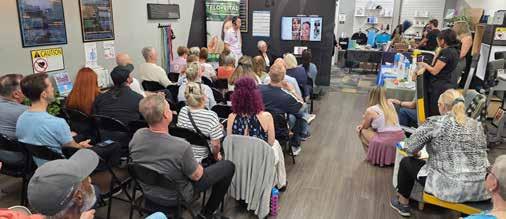
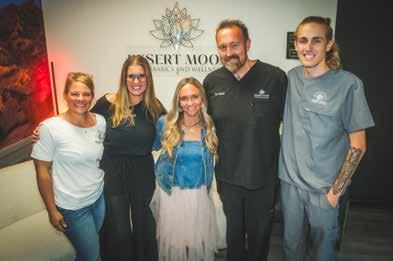
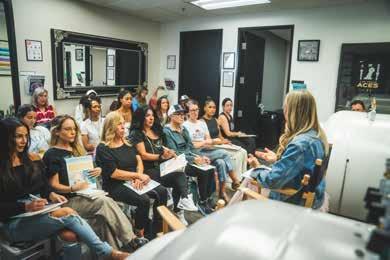
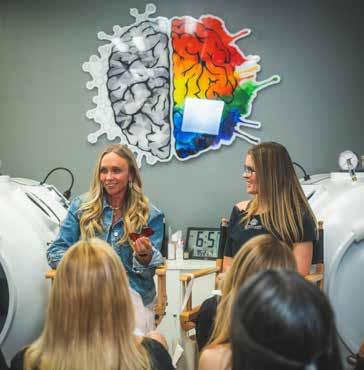
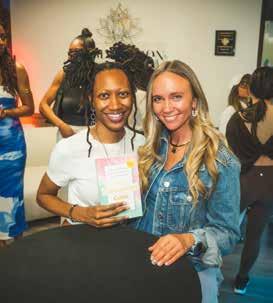
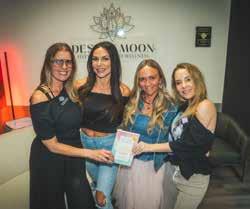
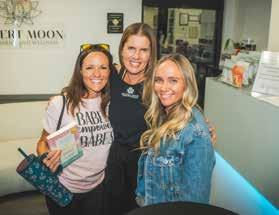
>>> The Connection Code Workshop
with Dr. Melissa Sonners
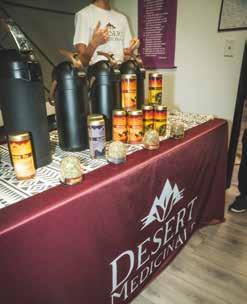
Presented by Desert Moon Wellness
Photos By George Wilson,
>>> THE NEW LUXURY IS REGULATION
The future of wellness isn’t about doing more; it’s about teaching the body to finally feel safe.
For years, luxury was defined by excess. More stimulation. More noise. More consumption. More access. But something is changing. The modern wellness movement is centered around regulation. People are no longer simply chasing aesthetic beauty, endless productivity, or temporary highs. They are searching for something deeper: the ability to feel calm in their own body again.
In a world of constant notifications, stress, travel, pressure, blue light exposure, processed food, sleep disruption, emotional overload, and nervous system exhaustion, the ability to truly regulate has quietly become one of the greatest luxuries available.
And in many ways, it may also be one of the greatest predictors of longterm health.
Your Nervous System Is Listening To Everything
The nervous system is constantly gathering information from our environment: Light. Sound. Stress. Relationships. Sleep. Breathing. Thought patterns. Nutrition. Technology. Movement. Recovery.
The body is always asking one question: Am I safe enough to heal?
When the nervous system perceives ongoing stress, the body prioritizes survival over repair. Recovery slows. Sleep quality declines. Energy production becomes less efficient. Focus changes. Inflammation can increase. Even beauty and skin health can begin reflecting what is happening internally.
This is why so many people today feel stuck in a cycle of exhaustion despite trying to “do all the health hacks.”
The body cannot fully optimize from a constant fight-or-flight state. At Desert Moon Wellness, we often explain to clients that recovery does not start in the hyperbaric chamber. Recovery starts with the nervous system.
Regulation Is The New Status Symbol
People are beginning to understand that true vitality is found in recovery. The ability to sleep deeply. The ability to focus clearly. The ability to breathe slowly. The ability to remain calm under pressure. The ability to recover faster. The ability to feel present.
We are seeing a cultural shift where high performers, entrepreneurs, athletes, mothers, creatives, executives, and everyday individuals are beginning to value nervous system support just as much as they value outward success. Not because it is trendy, but because chronic dysregulation eventually affects everything.
The Rise Of Recovery Spaces
Las Vegas has long been known for stimulation, entertainment, nightlife, and nonstop energy. But alongside that culture, another movement is quietly rising. Luxury wellness spaces and recovery clubs are opening throughout Southern Nevada. And modalities such as hyperbaric oxygen
By
Janelle Ardizzone
therapy, light therapy, meditation technology, breathwork and sound healing, heart rate variability tracking, sleep optimization, and nervous system-focused wellness experiences are consistently being practiced.
People are no longer only asking: “How do I perform harder?” They are now asking: “How do I recover better?” This evolution represents something much bigger than a wellness trend. It represents a growing awareness that the human body was never designed to operate in a constant state of overstimulation.
Healing Through Regulation
At Desert Moon Wellness, we combine modern technology with foundational recovery principles to help support the nervous system and the body as a whole. Many of the modalities we use are designed to help create an environment where the body can shift into a more restorative state while fueling mitochondria.
• Hyperbaric oxygen therapy reduces inflammation while increasing oxygen saturation and circulation.
• Light therapy supports mitochondrial health and circadian rhythm.
• BrainTap supports guided nervous system downregulation and brain fitness.
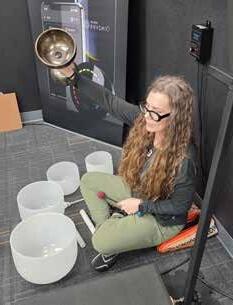
• Vibroacoustic therapy supports deep relaxation through frequency and sound.
The goal is not simply stimulation. The goal is helping the body remember how to regulate. When the nervous system begins to feel safe, many people notice shifts in sleep, energy, recovery, resilience, focus, emotional regulation, and overall well-being.
The Future Of Wellness
The future of wellness is likely not going to be about one miracle modality or one perfect supplement. It will be about creating environments, rituals, technologies, habits, and communities that help humans feel connected, restored, and regulated again. Morning sunlight, slower evenings, circadian-friendly lighting, intentional recovery rituals, and nervous system-aware environments are foundational pieces of modern wellness.
And perhaps the greatest shift of all is this: People are beginning to realize that healing is not always about pushing harder. Sometimes healing begins when the body finally feels safe enough to soften.
Janelle Ardizzone is a doula, wellness practitioner, hyperbaric specialist, and advocate for nervous system, cellular, and mind-body health. Through her work with Desert Moon Wellness in Las Vegas, she combines modern wellness technologies with foundational healing practices to support recovery, resilience, and human optimization.
FORBES RILEY
Redefining Aging, Resilience, and Reinvention
Few stories redefine aging, resilience, and reinvention quite like that of Forbes Riley. After a traumatic accident that could have marked a slowing down, she instead chose a powerful reset, stepping fully into what she calls her “second act.” Now in her 60s and in peak physical condition, Riley isn’t just defying expectations; she’s rewriting them. Recently, Forbes shared with me how adversity became her catalyst, and what it truly means to come into your strongest, most vibrant self later in life.
STEPHANIE SHEHAN: You’ve spent decades in the spotlight, but you’ve described a recent traumatic accident as a pivotal "Second Act" moment. How did that physical setback shift your perspective on what it means to be truly healthy in your 60s?
FORBES RILEY: That accident didn’t slow me down; it woke me up. I had spent 5 years prior during Covid building one of the most successful Sales Coaching businesses, but had neglected my body from the neck down. Earlier that year, I had a fat scan done and was at 33%, and took a “before” photo. I couldn’t believe my eyes… my body looked like an older, saggy lady. When did that happen?! Post-accident, my health stopped meaning just surviving or looking good on camera. It became about resilience, mobility, strength, and mental dominance. I realized your body is either your greatest asset or your biggest liability and decided, very consciously, to turn mine into a weapon. This is my second act, and it’s not about age; it's about ownership.
SS: You often say your most important "pitch" was for your own survival. What was the internal dialogue you used to move from a place of injury and recovery to the mindset of an elite bikini competitor?
FR: It started with a whisper in my head, clear as day, “Go for it.” At first, I did not even understand what it meant. Then I realized the competition was 99 days away, and something in me locked in. So I made it real. I told 350 people in my Mastermind. That level of accountability meant there was no backing out. Once I declared it, I had to become it. I had no idea how hard it would be to train two hours a day, follow a strict diet, and run a company.
But I had a strong why, a clear plan, and real consequences if I quit. And I knew if I could do it, I might permit someone else to believe they can too. My internal dialogue was simple but fierce: “You don’t get to quit. Not now. Not ever.”
I stopped negotiating with pain and started pitching myself a new identity. I wasn’t “recovering”, I was training. I wasn’t “healing”, I was rebuilding an elite athlete. The story you tell yourself becomes your reality, and I chose a story where I win.
SS: Many people view 60+ as a time to "ease off" the gas. Why do you believe this is actually the prime time to hit peak fitness, and how do you respond to the word "impossible"?
FR: I think “impossible” is really “I’m possible”… and it’s time to go, go, go. As Nike says, just do it. Sleep when you’re dead. Most people treat 60 like a slowdown, but this is when everything finally clicks. You have the wisdom, the discipline, and the clarity to focus on yourself without apology. That’s real power.
Peak fitness now isn’t about chasing youth. It’s about ownership, building strength, energy, and control on your terms. So no, I’m not easing off the gas. I’m driving with intention. And truthfully, my greatest push came from my dear friend Elaine, the wife of fitness legend Jack LaLanne. I had just turned 60 and was sitting in her home, quietly buying into that old story that I was getting “old.” She showed me a photo of herself on the cover of a book in a leotard, leg warmers, and vibrant as ever. I guessed she was 45. She smiled and said, “I was 62. My 60’s were my best decade…don’t screw it up.” Message received.
SS: Getting into professional bikini shape in under 100 days is a feat at any age. What were the non-negotiable pillars of your daily routine during that transformation window?
FR: Getting into professional bikini shape in under 100 days wasn’t about motivation; it was about non-negotiables. First - training like an athlete. Two hours a day, no debate. Strength, conditioning, posing. Even on the days I didn’t feel like it- especially those days. Second - precision nutrition. Not guessing, not “kind of.” Every meal had a purpose. I wasn’t eating for comfort; I was eating for results. Third - recovery and sleep. This is where most people cheat and then wonder why nothing changes. Your body only transforms when it rebuilds. Fourth - mental discipline. This might be the biggest one. I eliminated the option to negotiate. No “maybe,” no “I’ll start tomorrow.” The decision was already made. And finally - accountability. I told hundreds of people what I was doing before I even knew how I’d do it. That locked me in. Quitting was no longer private.
At the end of the day, it wasn’t one big heroic moment. It was a series of small, consistent, executed decisions stacked every single day. That’s what creates a transformation.
SS: Nutrition is often where people struggle most. What were the core principles of the diet that fueled your fat loss and muscle retention?
FR: Nutrition is where everything changed for me, because I stopped making it emotional. For years, like so many people, food was tied
By Stephanie Shehan
to comfort, reward, and even stress. But during that 100-day window, it became something completely different. It became strategic. Every meal had a purpose, and once I made that shift, it got surprisingly simple. It also helped that my partner, Joshua, is a top fitness competitor, so in our house, eating wasn’t casual; it was focused. There was an unspoken standard in the environment, and that elevates you whether you realize it or not.
I didn’t chase trends or exotic superfoods. I ate clean, consistent meals that supported the result I wanted, and I stuck to it. That’s the part people miss; it’s not about finding something magical, it’s about removing the daily negotiation. And here’s something I really believe: go all in, but for a defined period of time. Get disciplined, get focused, prove to yourself what you’re capable of, and then evolve your diet into something sustainable. Because the goal isn’t just to transform your body, it’s also to transform your relationship with how you fuel it.
SS: A common myth is that metabolism "shuts down" after 50. How did you optimize your biology to ensure your body was working with you rather than against you?
FR: That idea that your metabolism just “shuts down” after 50? I never bought into it because I could feel my body responding the moment I started treating it like a high-performance machine again. What really changes isn’t your metabolism, it’s your habits. I stopped underestimating what my body needed and started giving it clear direction. I trained with intention, not just to burn calories but to build muscle, because muscle is what keeps your metabolism alive and working for you. I fueled myself properly instead of under-eating and hoping for the best, and suddenly my energy went up, not down.
There was also a mindset shift. I stopped saying “this is just part of aging” and started asking, “What does my body need from me now?” That question changes everything. And here’s the truth: your body is always listening. It’s adapting to whatever you consistently give it. If you slow down, it follows. If you challenge it, it rises. So I didn’t try to fight my biology; I partnered with it. And it responded.
SS: As an inductee, you have a deep toolkit. What are your "holy grail" recovery or longevity practices (like specific supplements, stretching, or tech) that keep you mobile and pain-free today?
FR: I’ve been biohacking my body since my 20s, long before it was trendy. Back then, it looked like massage, saunas, mineral baths- anything that helped me recover faster and feel better in my body. What’s changed now is the intention behind it. Recovery isn’t a luxury for me anymore, it’s a strategy. It’s how I stay mobile, pain-free, and able to train at a high level. I still lean on the classics, deep tissue work, heat, and movement, but I’ve also embraced newer tools like red light therapy and peptide support to accelerate repair and keep inflammation in check.
And movement is non-negotiable. Yoga and Pilates have been a huge part of my foundation for decades. I was lucky enough to study with one of the early pioneers, Mari Winsor, when she had one of the only Pilates studios in the country. That experience shaped how I understand my body even today. Strength isn’t just about intensity; it also involves control, alignment, and longevity.
If there’s a “holy grail,” it’s this: don’t wait until something hurts to take care of it. The more proactively you invest in recovery, the more freedom you have in how you move, train, and live.
SS: You run your empire alongside your 23-year-old daughter and CEO, Makenna. How does staying physically stage-ready impact your ability to lead a global business and mentor the next generation?
FR: Running a global coaching company with my 23-year-old daughter, Makenna, where we teach people how to master the art of the pitch, especially through our new book Pitch Secrets A to Z, creates a very unique dynamic. And for me, staying physically “stage-ready” is part of how I lead. Because in a business built on confidence, communication, and conviction, you can’t just teach it, you have to embody it. I can coach someone on how to command a room or close a deal, but if I’m not showing up with energy, presence, and certainty, the message loses power. My body is part of my credibility. It signals discipline, consistency, and follow-through before I even say a word.
There’s also something deeply important about what Makenna and I represent together. We’re bridging generations in real time. I’m not asking her, or our clients, to wait until later in life to feel powerful. I’m showing that you can be evolving, building, and even stepping into a whole new level in your 60s. Physical work sharpens everything. When I train, I think better. I lead better. I make faster, clearer decisions. Being “stage-ready” isn’t just looking a certain way; it involves alignment with the message we teach every day: show up prepared, own your space, and deliver with certainty. That’s the pitch, on stage, in business, and in life.
SS: Your new book, Pitch Secrets A to Z, launched last month. How does the "science of the pitch" apply to our health? Can we actually pitch our bodies into performing better?
FR: Absolutely, and this might be one of the most important pitches you ever make. Whether you realize it or not, you’re already pitching your body all day long. Every time you hit snooze, skip a workout, or reach for something you know doesn’t serve you, that’s a pitch. And if it’s convincing enough, your body follows.
What I teach in Pitch Secrets A to Z is that the most powerful pitch isn’t about logic; it’s about certainty, emotion, and identity. And that applies directly to your health. When I was transforming, I stopped saying, “I should work out” or “I need to eat better.” That language is weak. It leaves room for debate. Instead, I shifted to: “This is who I am now.” That’s a completely different pitch. Your brain is always listening, and it’s constantly looking for alignment. So if your words, your actions, and your identity match, your body has no choice but to perform at a higher level. You’re not forcing it, you’re leading it. So yes, you can absolutely “pitch” your body into performing better. But the real question is, are you delivering a message that it believes?
forbesriley.com
IG: @forbes_riley
>>> The Science of Walking Why It May Be
the Most Underrated Exercise
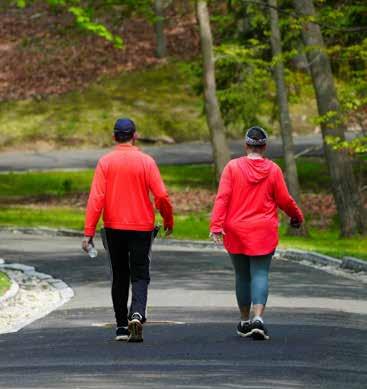
When people think about improving their health, they often picture intense gym sessions, expensive workout programs, or complicated wellness routines. Walking, however, rarely gets the same attention, as it is simple, familiar, and easy to overlook. But what if one of the most powerful things you could do for your heart, brain, mood, and long-term health was something you're doing already?
Walking may not sound like a workout, but research continues to show it can have a profound impact on overall wellness. A daily walk can support cardiovascular health, improve mental clarity, help regulate blood sugar, reduce stress, and even contribute to longevity. Best of all, it is one of the few forms of exercise that feels accessible rather than intimidating.
You do not need perfect workout clothes, a strict routine, or elite fitness levels to start benefiting from movement. Sometimes wellness begins with something as simple as stepping outside for a few minutes and letting your body move the way it was meant to.
Why Walking Matters More Than People Realize
Modern life has quietly engineered movement out of daily routines. Many people spend hours sitting at desks, driving in cars, scrolling on phones, and collapsing onto the couch at the end of the day. Even those who exercise regularly may still spend most of their waking hours sedentary.
That is where walking becomes incredibly important.
Walking gently activates the entire body without overwhelming it. It increases circulation, supports healthy blood flow, engages muscles,
stimulates the brain, and encourages the nervous system to shift out of chronic stress mode. Unlike punishing workout routines that can leave people exhausted or discouraged, walking tends to feel sustainable. It meets people where they are. A short walk counts, as does a slower walk. Every step adds up, and over time, those steps may do far more for health than people realize.
Walking and Heart Health
Your heart benefits every time you walk. As you move, circulation improves, and the heart becomes more efficient at pumping blood throughout the body. Regular walking has been associated with healthier blood pressure levels, improved cholesterol balance, reduced inflammation, and lower risks of cardiovascular disease.
What makes walking especially valuable is that it does not place the same physical stress on the body as high-impact exercise. That means many people can stick with it consistently, which is one of the biggest predictors of long-term health success. Even a 20 to 30 minute walk a few days a week can make a difference. And it does not always have to happen all at once. Three short walks throughout the day can still support heart health while helping break up long periods of sitting.
Your Brain Loves Movement Too
Have you ever noticed how a walk can suddenly clear your head after a stressful day? That feeling is not imaginary. Walking increases blood flow and oxygen delivery to the brain, helping support memory, focus, and cognitive function. Some research suggests regular walking may even help protect brain health as people age.
But the mental benefits often show up much sooner than that.
Many people find that walking helps untangle racing thoughts, ease emotional tension, and spark creativity. Problems that felt overwhelming indoors can suddenly feel manageable after a walk around the block. There is a reason so many writers, artists, and thinkers throughout history relied on walking to help them think clearly. Movement shifts the brain into a more relaxed and open state, which can encourage creative thinking and problem-solving.
This is also why walking meetings have become increasingly popular. Instead of sitting under fluorescent lights staring at a screen, people are discovering that movement can lead to better conversations and clearer ideas.
Walking and Mental Wellness
Some of walking’s most powerful effects may be emotional. In a world where stress feels constant, walking offers something surprisingly healing: a chance to slow down.
Walking can help regulate stress hormones while encouraging the release of mood-supporting chemicals like endorphins. Even a short walk outdoors may help reduce feelings of anxiety, mental fatigue, and emotional overwhelm. For many people, walking becomes less about exercise and more about creating space to breathe.
Morning walks can help set the tone for the day before notifications and responsibilities take over, and evening walks can help the nervous
By: Sarah Schwefel
system decompress after hours of stimulation. And unlike some wellness trends that feel difficult to maintain, walking can easily become part of daily life.
One of the Simplest Habits for Longevity
Walking is also strongly connected to healthy aging. People who walk regularly tend to have lower risks of chronic conditions linked to premature aging, including heart disease, type 2 diabetes, and obesity. Walking also helps support mobility, balance, joint function, and muscle endurance over time.
Perhaps most encouraging is the fact that people do not need to chase perfection to see benefits. The popular idea that everyone must hit exactly 10,000 steps per day is not actually based on a universal medical standard. Research suggests health improvements often begin well before that number.
For many adults, consistently reaching around 7,000 to 8,000 steps daily may already support significant health benefits. The goal is not perfection. The goal is simply moving more than you did before.
Why Post-Meal Walks Are Getting Attention
One of the easiest wellness habits to start is taking a short walk after meals. Even walking for 5 to 15 minutes after eating may help support healthier blood sugar balance by encouraging muscles to use glucose more efficiently. Many people also notice steadier energy levels and less sluggishness afterward. This is especially helpful after dinner, when people often become inactive for the rest of the night. The good news is that these walks do not need to feel like workouts. A comfortable stroll through the neighborhood can still help.
Easy Ways to Walk More Without Overhauling Your Life
One reason walking is so effective is because it fits naturally into real life. You do not need to completely restructure your schedule to move more. Small adjustments can make a meaningful difference over time.
Try:
• Taking a short walk after meals
• Walking while on phone calls
• Parking farther from entrances
• Using stairs when possible
• Taking movement breaks during work
• Meeting friends for walks instead of sitting indoors
• Starting or ending the day with a quick walk outside
Even small bursts of movement throughout the day count.
Walking may not be the trendiest form of exercise, but it continues to prove itself as one of the most effective and sustainable tools for wellness. It supports the heart, sharpens the mind, improves mood, encourages longevity, and helps people reconnect with their bodies in a gentle, realistic way.
In a culture that often pushes extremes, walking reminds us that health does not always have to be complicated. Sometimes the habits that change us the most are the ones simple enough to repeat every day.
HOLISTIC HEALING
Tammy Martin Charise Tolls
GOOD PIE >>>
Slow Fermentation, Fresh Ingredients and the Rise of Mindful Pizza
As wellness continues to evolve beyond green juices and calorie counting, more consumers are paying attention to how their food is actually made. Thoughtfully crafted meals made with quality and gut-healthy ingredients are becoming just as important to consumers as convenience itself, especially for people looking to balance modern lifestyles without sacrificing flavor or experience. Even comfort food staples like pizza are being reimagined through a more intentional lens, and in Las Vegas, Good Pie is helping lead that shift.
The acclaimed Brooklyn-style pizza concept recently debuted its third Southern Nevada location inside Red Rock Casino Resort and Spa, bringing its signature approach to artisan pizza-making to the heart of Summerlin. While pizza is often viewed as indulgent, Good Pie’s philosophy centers around craftsmanship, ingredient quality, and traditional baking methods that prioritize both flavor and the overall dining experience.
At the core of the concept is a commitment to doing things the old school way. Good Pie’s dough undergoes a meticulous four-day fermentation process inside a dedicated temperature-controlled fermentation room at the new Red Rock location. The slower fermentation process allows the dough to develop deeper flavor, improved texture, and a lighter, airier crust. Long-fermented dough has also become increasingly popular among health-conscious diners, as the extended fermentation process helps make the dough more easily digestible compared to the fast-risen doughs commonly used in quick-service chains. During fermentation, beneficial bacteria begin breaking down gluten and complex carbohydrates, which may help reduce blood sugar spikes and support better nutrient absorption.
Combined with high-quality toppings and mindful preparation, the result is a pizza experience that feels flavorful and satisfying without the heavy feeling often associated with traditional fast food.
That philosophy carries throughout the entire menu, from fresh mozzarella imported from Brooklyn, New York, to carefully curated toppings and housemade elements designed to elevate the overall experience. Signature offerings include the brand’s beloved Grandma Pie, Brooklyn-style round pies, Sicilian and Detroit squares, along with award-winning gluten-free and vegan options that make the menu more accessible to a variety of dietary preferences and lifestyles.
The Red Rock opening also arrives at a time when dining habits are evolving. Consumers increasingly want food that feels elevated and intentional while still fitting naturally into everyday life. Good Pie’s newest concept bridges that gap, offering an approachable dining experience rooted in traditional pizza-making techniques and elevated execution.
Exclusively available at the Summerlin location is the new White Pie Remix, a bold take on a classic white pizza featuring more than seven cheeses, finished with red pepper flakes, lemon zest, hot honey, and olive oil. The pie reflects the brand’s balance between nostalgia and innovation, honoring traditional pizza making while introducing fresh, modern flavor combinations.
Since opening its first Downtown Las Vegas location in 2018, Good Pie has grown into one of the city’s most recognized pizza brands, earning national attention through appearances on “Chopped” and “Food Paradise,” along with praise from Barstool Sports founder Dave Portnoy as one of the best pizza spots in Las Vegas.
As conversations around wellness continue shifting toward balance rather than restriction, Good Pie represents a more modern perspective on comfort food, one where craftsmanship, quality ingredients and intentional preparation can coexist with indulgence. At its newest Red Rock location, the brand is proving that pizza can still feel satisfying, elevated and thoughtfully made, one carefully fermented slice at a time.
Good Pie at Red Rock Casino Resort and Spa is open Sunday through Thursday from 11 a.m. to 10 p.m. and Friday through Saturday from 11 a.m. to 11 p.m. for dine-in, takeout and delivery. For more information, visit goodpie.com and follow @goodpielv on social media.
Connecting Biohackers, Longevity Enthusiasts, and Wellness Seekers in Southern Nevada BIOHACKING LAS VEGAS >>>
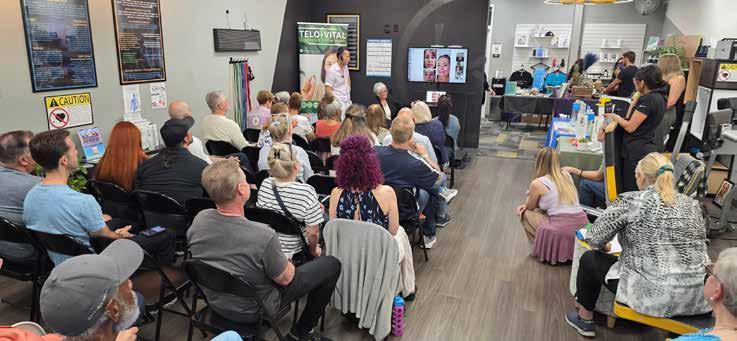
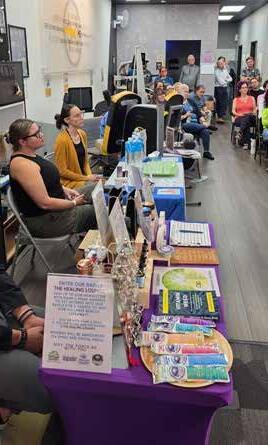
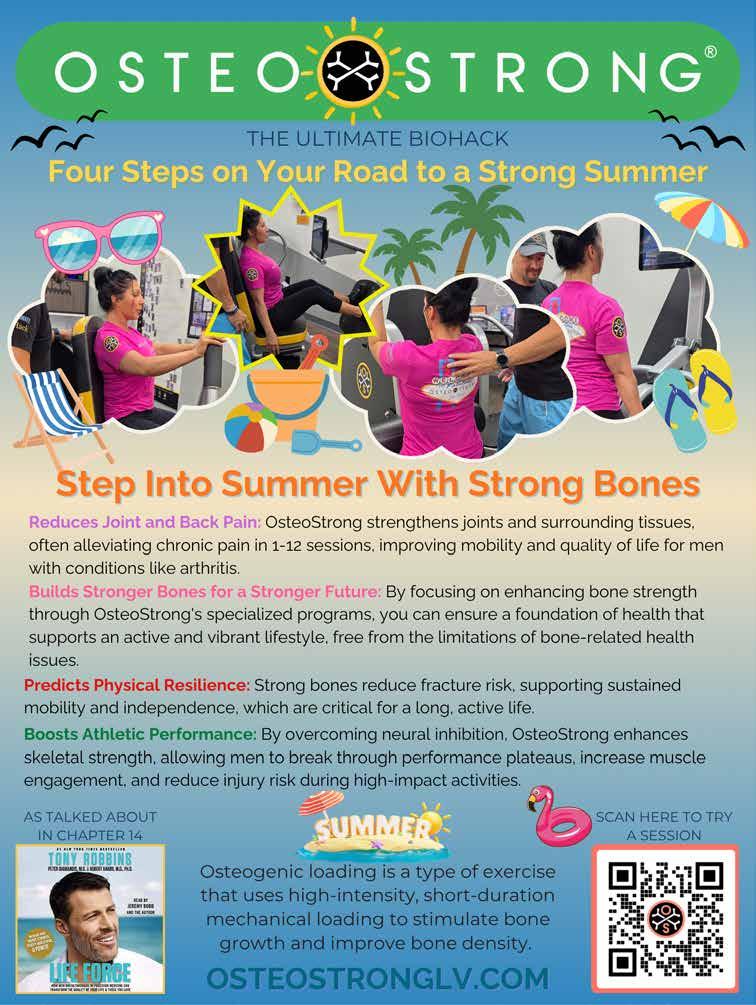
Biohacking Las Vegas is a community movement founded in 2023 by JohnXD (owner of OsteoStrong) to connect biohackers, longevity enthusiasts, and wellness seekers in the Las Vegas area.
The core mission has always been to educate the community and showcase the latest in biohacking technologies and practices. Las Vegas has a growing number of innovative biohacking businesses and services that many people are unaware of or don't fully understand. This group provides a dedicated platform for these providers to reach like-minded individuals actively seeking their offerings.
Biohacking is a modern approach to holistic and natural health optimization—essentially equipping your body with the right tools to heal, perform, and thrive on its own. Backed by increasing scientific data, these methods focus on extending both lifespan and healthspan, prioritizing quality of life. After all, we only get one body, so optimizing it is essential.
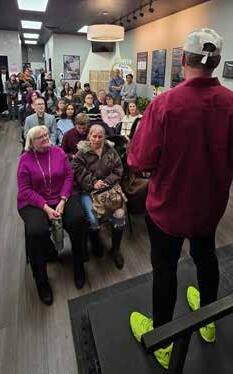
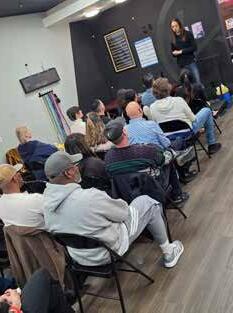
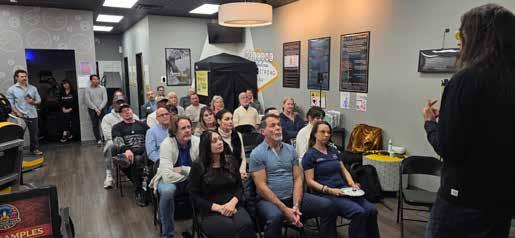
The group hosts monthly meetups featuring guest speakers and industry experts who dive into wellness topics rarely covered in mainstream discussions. These gatherings emphasize peer learning, direct Q&A, personal connections, and casual networking in a welcoming environment.
Events include clean, high-quality refreshments sourced from a local butcher and fresh food from vendors at farmers' markets—highlighting real, nutrient-dense food as the foundation of health and wellness. Starting with the basics is key.
Attendance is affordable: just $10 per meeting, or $45 for an annual
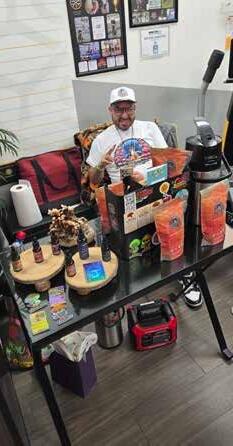
membership. Members enjoy exclusive perks, including discounts, samples, and demos from local vendors—reinforcing the group's commitment to supporting the community.
Each month, members receive a copy of the latest Vegas Wellness Magazine, packed with articles from local experts to guide their wellness journey.
The community continues to grow, with content shared on TikTok and full guest speaker videos available on the YouTube channel. If you're passionate about health, optimization, and longevity, come to a meeting and join what many consider the best wellness community in Vegas.
TO LEARN MORE:
WEB: biohackinglasvegas.com
FACEBOOK: BioHacking Las Vegas/Reno Nevada
INSTAGRAM: biohackinglasvegas
YOU TUBE: BiohackingLV
TIK TOK: biohackinglv
The Next Evolution of Wellness >>> IN THE AGE OF AI
Our world is seemingly moving faster than ever. Technology is advancing at a pace that outpaces our ability to adapt, and at the center of that acceleration is artificial intelligence, the most significant technological shift since the dawn of the internet.
Humans evolved for survival. Our recent ancestors were focused on putting food on the table, keeping their families safe, and meeting the most basic needs of life. Wellness was not a consideration; it was a luxury they could not afford. We have inherited generations of dysregulation: nervous systems wired towards vigilance, bodies optimized for output, and identities built around what we produce.
That inheritance shaped the culture we live in today. Many of us have come to define our worth through our vocations, our accomplishments, and our success. We have been moving so fast, for so long, that we forgot how to be with ourselves, what it feels like to create from a place of fullness, to live joyfully, to be fully present in our own lives.
And now, before we have had a chance to catch our breath, the next evolution is already here.
The Current Paradox
The global wellness industry is worth $6.8 trillion. It has doubled in size since 2013 and continues to grow at twice the rate of the global economy. By every external measure, we have never been more invested in our wellbeing. And yet, ninety percent of employees report experiencing burnout symptoms in a single year. We are the most wellness-engaged generation in recorded history, and also the most anxious, the loneliest, and the most mentally strained.
We are spending more on wellness and still feeling unwell. This is not a failure of effort; it is a system failure. We built a wellness industry in the image of survival culture: optimizing the body, tracking the metrics, performing health, while neglecting the dimensions of human experience that nourish our souls. The result is a society that is performing wellness without inhabiting it.
The Arrival of Artificial Intelligence
AI will disrupt our world as we know it. But if we choose to shift our perspective, that disruption becomes an opportunity. When our labor is optimized, space opens up in our lives. For a culture unfamiliar with stillness, that space can feel uncomfortable.
It can also be a profound gift.
Will we fill that space with more noise, more distraction, more output? Or will we
By Krystian Bastidas
use it to connect to ourselves, to feel the full spectrum of what life has to offer, to tap into our vitality, our creativity, our sense of awe?
AI can generate content, but it cannot generate art that moves you. It can simulate connection, but it cannot replace it. It has never lost someone it loved. It has never felt the particular ache of the space between who we once were and who we are becoming. Those experiences are fundamentally human, and who we become through that journey is the source of our creative energy. That authenticity cannot be imitated.
We are moving, collectively and with increasing urgency, from a survival culture into a creation culture. In a creation culture, wellness is infrastructure, the foundation for lives that are fulfilling and deeply connected relationships. If we are intentional, AI becomes a creative amplifier, giving us more capacity to do the things that truly bring us joy.
Wellness as the New Architecture
This is an exciting time. The future of wellness will be focused on presence, creativity, and meaningful connection. We are being invited into a more integrated way of living. Dare I say, a more joyful way?
When we hear "integrated wellness," we think of optimized diets, biohacking technology, or mental health services, but we often forget about tending to our relationships, finances, community, and relationship to our planet. These dimensions of wellness are equally as important for our overall health and happiness.
Ultimately, what we are all longing for deep in our souls is to enjoy our lives. The beautiful thing about this technological evolution is that we may actually have the opportunity to find out what that means.
What might it look like to build lives that are regenerative rather than extractive? Expansive rather than reactive? New systems. New structures. New relationships with our time, our bodies, our work, and each other. The technology is arriving. The question worth sitting with is who we are when we meet it.
What does it look like to feel good in our lives? To live well?
What does it feel like to be healthy, energized, creative, and connected? How might we live if we had the time to be present with taking care of ourselves, our loved ones, and our communities?
Joy is not the reward at the end of the journey. It is the signal that you are living in alignment with who you are. Wellness is the foundation, and presence is the path.
The Hidden Cost of Being “Nice”
When People-Pleasing Becomes Self-Abandonment
There was a time in my life when I thought being a good person meant being available to everyone. Being kind meant saying yes. Being loving meant understanding. Being strong meant holding it all together, not just for myself, but for everyone around me. And from the outside, it looked like I had it figured out. But underneath that, I was exhausted.
Not the kind of tired that sleep fixes, but the kind that builds when your actions are out of alignment with your truth. From saying yes when your body is saying no. From giving when you’re already empty. From being agreeable, but not authentic. And eventually, something else started to creep in: resentment.
That quiet, uncomfortable feeling that builds when you’re giving more than you actually want to. When you’re showing up for others in ways that aren’t fully true for you. When you’re being “nice,” but not honest. People-pleasing doesn’t just disconnect you from yourself; it slowly erodes your relationships, too.
What makes this pattern so difficult to recognize is that, in the beginning, it often feels good. People-pleasing can give you a sense of purpose. It makes you feel needed, important, and valuable. You become the one people rely on, the one who holds things together, the one who can handle it all. There’s an identity in that: being the strong one, the dependable one, the one who always shows up.
And for a while, that can feel empowering. But it’s a fragile kind of power, because it’s built on other people’s needs rather than your own truth. The moment you stop overgiving, you can feel like you’re losing who you are. That’s usually when you realize it was never sustainable.
Over time, what once felt like purpose starts to feel like pressure. You’re no longer choosing to show up; you feel obligated to. You start anticipating what people need before they even say it. You say yes automatically, without checking in with yourself. This can show up in everyday ways: staying late when your body is already done, saying yes to plans when you need rest, taking on emotional weight that isn’t yours to carry, or being the one people run to when things are falling apart because you are always there to listen.
And because you’re not being fully honest, the resentment continues to build. You might not say it out loud, but you feel it. You wonder why you’re always the one giving more, why no one seems to see how much you’re doing, and why you feel so drained. The truth is, people can only meet the version of you that you show them. If you consistently present yourself as available and willing to overextend, that becomes the expectation, not because others are intentionally taking advantage, but because you haven’t shown them your limits.
One of the most important shifts in my life came when I stopped trying to think my way through decisions and started listening to my body. Because your body doesn’t lie. It knows before your mind catches up. It knows when something is off, when something is aligned, and when you’re forcing something that isn’t meant for you. But when you’ve been people-pleasing for a long time, you stop trusting that signal. You override it. You explain it away. You tell yourself it’s not a big deal.
Those small moments of self-abandonment add up until one day you don’t
By Alethea Shelton
even recognize what a true yes feels like anymore.
There’s one principle I live by now that changed everything for me: if it’s not a full-body yes, it’s a no. That doesn’t mean life is always comfortable or easy, and it doesn’t mean you never stretch yourself. It simply means you’re in integrity with yourself. Because there’s a difference between stretching yourself and abandoning yourself. One leads to growth; the other leads to depletion and resentment. Learning that difference is where real power begins.
Not every uncomfortable moment means you’re out of alignment. Sometimes growth feels intense. Sometimes you’re being expanded into a new level of capacity. I felt this recently during one of our large equestrian events here in Las Vegas—long days, high output, and constant movement. There were moments where my body was pushed beyond what felt easy. But instead of feeling drained, I felt expanded. Stronger. Clearer. More capable.
That distinction matters. Depletion feels heavy and disconnecting. Expansion may feel challenging, but there’s energy behind it. There’s clarity and a sense that you’re growing into something. People-pleasing doesn’t feel like that; it feels like slowly disappearing.
When you begin to step out of people-pleasing, it can feel uncomfortable at first. You may disappoint people. You may feel guilty or question yourself. This is often the hardest part- not the boundary itself, but the emotional discomfort that follows. But that discomfort doesn’t mean you’re doing something wrong. It means you’re doing something new.
If you stay with it, something powerful happens. Your energy returns. Your clarity sharpens. You begin making decisions with less internal conflict. And the relationships that are truly aligned don’t require you to overgive to stay. This work isn’t about becoming selfish. It’s about becoming honest. It’s about learning to recognize what’s true for you and honoring it, even when it’s inconvenient.
Because the life you actually want, the relationships that feel good, the work that feels aligned, and the version of you that feels grounded and powerful, is not built on people-pleasing. It’s built on truth.
A simple place to begin is with awareness. The next time you are about to say yes, pause. Notice your body’s response before your mind intervenes. Is there openness, or is there tension? Clarity, or hesitation? That first response is usually your truth, and the more you listen to it, the stronger it becomes.
People-pleasing isn’t kindness. It’s self-abandonment that eventually turns into resentment. And when you start choosing yourself, even in small ways, everything begins to shift.
Alethea Shelton is a Las Vegas–based bodyworker, yoga teacher, and founder of Third Eye Sanctuary. With over 25 years of experience in massage and integrative healing, her work blends physical, emotional, and energetic practices to support deep realignment. She is also the co-creator of Gladius the Show and founder of BHP Events, a nonprofit dedicated to equine welfare, education, and community-based experiences.
>>>
THE HIDDEN MUSCLE LOSS AFTER 30 Why It
Changes Everything
One fact we are not aware of, as it is not discussed much: as early as your 30s, your body begins to slowly lose muscle. Most people will not notice it immediately, and it is not only about size, but also strength, power, and efficiency, too.
Why Muscle Matters More Than You Think
We often associate muscle with appearance. But in reality, muscle plays a much bigger role in how your body functions every day.
It helps you:
• Burn calories more efficiently
• Support your joints and prevent injuries
• Maintain balance, posture, and coordination
In simple terms, muscle keeps your body working well.
What Happens After 30?
After age 30, most people lose between 3% and 8% of their muscle mass per decade. Why? Because our body slowly shifts from building mode to maintenance mode.
Remember, during your teens and 20s, you felt stronger, hormones were high, recovery was fast, and we were invincible? In our 30s, the body shifts, the building of muscle slows, and we need more stimulus to keep the production and maintenance moving. If we do not challenge our muscles enough, our body starts letting them go.
At first, it’s subtle:
• Workouts feel harder
• Energy dips more often
• Recovery takes longer
Over time, it becomes more noticeable:
• Strength decreases
• Body fat increases more easily
• Everyday movements don’t feel as effortless
The challenge is that we need to act; we need to adjust our training to match this change.
Why Traditional Workouts Are Not Always Enough
Many people rely heavily on cardio, light weights, or occasional workouts.
While these have benefits, they often do not provide enough stimulus to maintain or rebuild muscle effectively, especially as we age.
And without the right level of muscle activation, the body simply adapts by doing less.
The Real Shift: Training for Longevity
As we get older, training should become more intentional. It’s not about doing more or harder. It is about doing what actually works.
That means focusing on:
• Strength
• Muscle activation
• Efficiency
• Consistency
A Smarter Way to Activate Muscle
New approaches now allow people to activate more muscle fibers in less time, without putting excessive stress on the joints.
This is especially helpful for:
• Busy professionals
• Adults over 40
• Individuals returning to fitness
• Anyone looking for efficient results
Instead of spending hours trying to stimulate muscle, the focus shifts to doing it more effectively.
The Bottom Line
Muscle loss is a natural part of aging, but it does not have to be accepted. With the right approach, it can be slowed, managed, and even reversed. Because in the long run, strength doesn’t just pertain to performance; it also translates to maintaining energy, confidence, and independence for years to come.
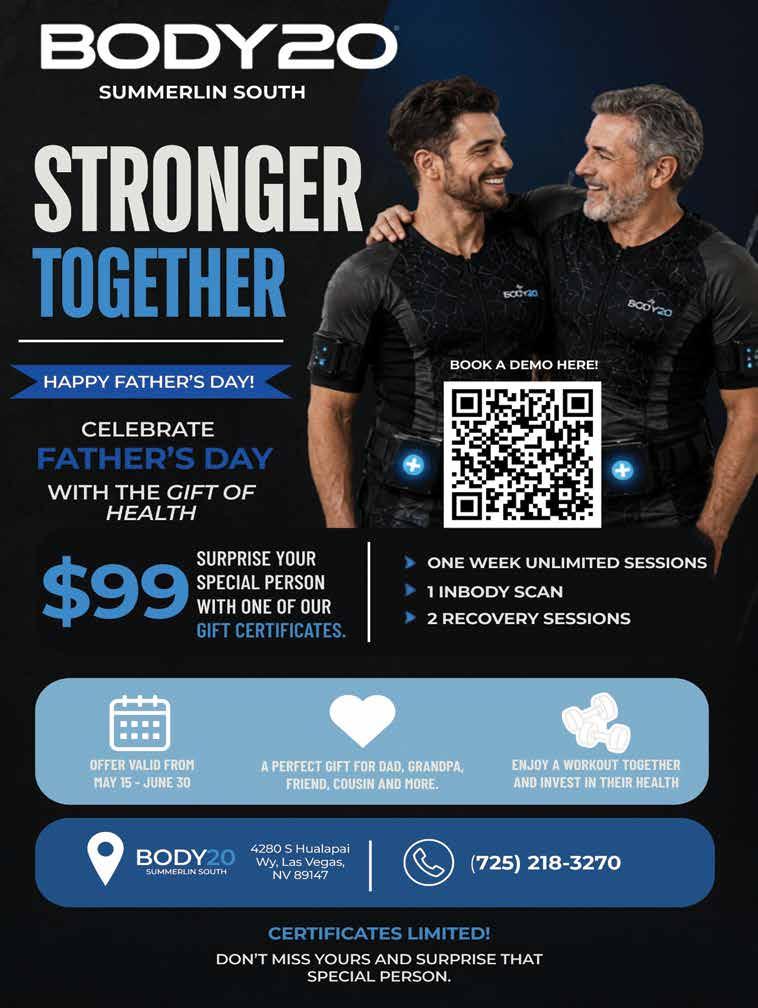
If you are curious about how to train smarter and protect your strength long term, visit Body 20; a modern, guided approach designed specifically for efficiency and longevity.
How to Attract >>> ABUNDANCE
Abundance begins the moment you decide it does. It doesn’t wait for proof. It doesn’t need evidence. It responds to belief, to the vibration of knowing that it already exists within you. The truth is, abundance has never been outside of you. It has never been something you chase, earn, or prove worthy of. It is your birthright. It is energy. And like all energy, it moves toward certainty. When you persist in your belief, when you command your subconscious mind to remember who you are, the universe aligns to that certainty and rearranges everything in your favor.
I’ve lived this truth. I’ve watched people call in abundance through faith and persistence alone. I’ve seen it happen not because they “tried harder,” but because they became the energy of abundance. In my book Attract It All, I teach that abundance is not a prize you achieve; it’s an identity you embody. You don’t wait to see it; you become it first. You don’t beg for it; you affirm it until it becomes your reality.
The subconscious mind doesn’t argue with you. It doesn’t question whether you’re telling the truth. It simply records and obeys. This is why I teach repetition, command after command, statement after statement, day after day. You are reprogramming the operating system of your life. The more you persist, the more your subconscious begins to believe you. And once it believes, it creates. This is the key. This is the code. Abundance responds to persistence.
There will be days when it doesn’t feel real. Days when your circumstances scream lack, when your bank account doesn’t match your vision, when your heart feels small, and your energy feels low. But that’s the moment to persist even harder. Because it’s not your outer world that’s the truth; it’s your inner world. What you repeat with faith becomes your physical reality. The mind is the magnet. The feeling is the current. And your persistence is the electricity that keeps it alive.
You must speak to yourself with authority. You must remind yourself daily: I am already rich. I am already abundant. I am already complete. These words are not empty affirmations; they are energetic instructions. They carry the vibration of creation. When you speak them repeatedly, you are instructing your subconscious mind to find evidence that supports them. You are awakening the abundance that has been asleep within you.
Abundance is not money alone. It is expansion. It is peace. It is the ability to look at life and see possibility in every corner. It’s the way you breathe in gratitude before anything has manifested, because your faith has already declared it done. Money, opportunities, relationships, health- these are reflections of your vibration, not the source of it. When you hold the frequency of “I already have,” the universe must respond. It cannot do otherwise.
The secret most people miss is consistency. They try for a few days, maybe a week, and when nothing happens, they stop. But the universe doesn’t respond to temporary belief; it responds to persistence. Every repetition is a command. Every command strengthens the signal. Every signal builds momentum. And that momentum eventually becomes a physical manifestation. The question is not whether it’s working; it’s whether you’re still commanding.
Faith is not a feeling. Faith is discipline. It’s the willingness to believe when your senses say no. It’s the quiet strength that whispers, I know it’s done. That’s the voice of abundance. That’s the vibration that calls miracles into being.
When you wake up each morning, don’t look for what’s missing. Feel what’s already present. Gratitude is the fastest frequency to abundance because it acknowledges that you already have. The more you give thanks for, the more the universe gives you to be thankful for. Gratitude tells the universe, I’m ready for more.
You can’t attract abundance from a place of lack. You can’t say, “I want wealth,” while feeling poor inside. You must feel rich now. You must walk like it, breathe like it, think like it. Every thought is an energetic investment. Every feeling is a vibration that either opens or blocks your flow. When you feel abundant, you open the channel. When you feel desperate, you close it.
This is why persistence matters. Because feelings fluctuate. Circumstances shift. But your command must remain steady. When you say, I am abundant, you are declaring truth beyond appearance. You are training your mind to hold a higher frequency no matter what the physical world shows you. And when your vibration stabilizes, your outer world has no choice but to match it.
When you wake each morning, command your reality: Today I live in abundance. Today I walk as wealth. Today I am peace, prosperity, and power. Speak it. Feel it. Believe it. Persist in it. Because every command is a creation. Every repetition is a rewriting. Every moment of belief is another step into the life that is already waiting for you.
You attract what you are, not what you want. Become abundance, and it must appear. Live as if it’s already done, and it is. That is the secret. That is the truth. That is the power within you. You are already rich.
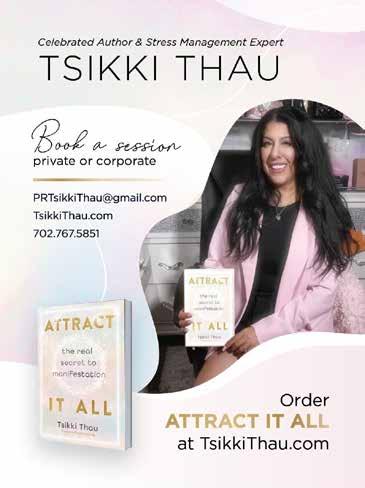
Tsikki Thau is an internationally acclaimed stress management expert and manifestation coach with more than 30 years of experience transforming lives worldwide. Celebrated Author of Attract It All: The Real Secret to Manifestation. Creator of the S.N.A.P. method and Vibe-Up technology, Tsikki blends science with energy psychology to help clients overcome obstacles. Visit her at TsikkiThau.com. Follow on Instagram @TsikkiThauOfficial.
>>> Biohacking with JohnXD
Oral Health is Biohacking
Discovering Truly Holistic, Biological Dental Care
Dr. Jim Wright & Four Seasons Dental Spa
Welcome back, Biohackers. This biohacking journey continues to amaze me, introducing me to incredible people and opening my eyes to powerful new tools for optimizing health. One area many people overlook is the wealth of advanced biohacking resources right here in Las Vegas.
This month, we’re diving into Oral Health, and yes, going to a holistic dentist can absolutely be a legitimate biohack. A long documented fact80% of disease starts in your mouth. Oral health is deeply connected to your overall well-being. Old mercury amalgam fillings, for example, can slowly leach heavy metals into your body, creating a constant low-level toxic burden.
Fortunately, Las Vegas is home to a holistic dental practice, which attracts patients from around the world. Four Seasons Dental Spa, is located on Flamingo Road near El Capitan.
Dr. Wright had a successful private dental office prior to marrying and moving to Las Vegas. Dr. Jim Wright, along with his wife Debby and their highly skilled team, specialise in integrative, patient-centric, minimalist dental care that bridges oral health with total-body wellness, also known as functional or biological dentistry.
As the innovators of the Dental Spa concept they are literally the first dental spa in the world… Guests are greeted with a tranquil saltwater tank and a cafe area filled with complimentary organic teas and organic arabica coffee choices from espresso, cappuccino and latte, to chai tea and a variety of organic juices. For water connoisseurs choose from purified Hydrogen water, Ozone water and even structured crystal spring water.
Combining high tech dental techniques and technologies with a relaxing spa environment. The Wright’s opened their incredible Holistic facility in May of 2004. Dr Jim was practicing as a Holistic Dentist when he met Dr. Hal Huggins, the Father of Holistic Dentistry. He and Debby became Dr. Huggins star students, spending countless weekends in Colorado Springs, studying advanced biological dentistry with a man who many compare to Einstein and Tesla. Dr. Huggins was a true innovator and research scientist.
After a couple years, Dr. Huggins started flying in to see Dr. Wright as his own Dentist. He was often quoted as saying, “I choose Dr. Wright, as he is
biohackinglasvegas.com
the top 1% of the small percentage of Dentists who are truly holistic” Dr. Huggins modified some of his long held theories based on Dr. Wright’s observations. He also worked with the Wrights to co-create the WrightHuggins Protocols, which govern how all the Doctors at Four Seasons Dental Spa care for their patients.
Dr. Wright was the Chairman of the Mercury Committee, the team of Doctors who created the minimum standards for Safe Mercury Protocols, for the International Academy of Biological Dentistry and Medicine (IAOMT), coined the Protect Protocols. The protocols of the 2 top International Academies are the Smart and Protect protocols and certifications.
Dr. Wright performs safe mercury-amalgam removal with protocols far exceeding both International Academy’s suggestions. He avoids toxic materials, uses highly biocompatible options such as BPA-free composites, and always considers the oral-systemic connection—how issues in the mouth can affect the entire body, and vice versa.
The practice blends cutting-edge technology with holistic, homeopathic, and functional medicine principles. Services include minimalist dentistry… general, cosmetic and full mouth transformations, along with no to low prep veneers, whitening, metal-free dental implants), safe mercury removal, ozone therapy, and more.
I had known about Four Seasons for some time but finally decided to experience it myself. It was truly a one-of-a-kind visit. From the moment you walk in, you notice the difference—starting with the impressive giant fish tank in the lobby. The entire staff is not only warm and welcoming but exceptionally knowledgeable. They took the time to show me everything happening with my teeth in great detail. With my military background, I’ve had quite a bit of dental work over the years—much of it not at the highest standard. Dr. Wright and his team helped me clearly understand the longterm effects of that past work and how it’s impacting my health today. The initial exam is very thorough and lasts a couple of hours, ensuring nothing is missed. After the comprehensive review, they performed a cleaning that left my teeth feeling incredibly clean and polished—easily the best I’ve ever experienced. They also explained how oral bacteria can significantly influence systemic health, which makes perfect sense when you consider the mouth as the primary gateway to the body. I still have a few mercury fillings, and we’re now creating a safe, strategic plan to have them properly removed.
I never expected a dental visit to become part of my biohacking journey, but the science and logic behind it are undeniable. I’m excited to continue working with Dr. Wright and his team, and I look forward to sharing more about the critical importance of oral health with all of you. Remember: biohacking isn’t just cold plunges, red light therapy, and peptides. It’s about taking full ownership of your health through smart, holistic, and evidence-based practices that support longevity and well-being.
Four Seasons Dental Spa is located at 8855 W. Flamingo Rd., Suite 101, Las Vegas, NV 89147. For more info, call (702) 309-4600.
>>> BUILT TO LAST A
Man’s Guide to Thriving at Every Age
The human body is the only vehicle you will ever own. There is no trade-in, no upgrade, no warranty replacement. Yet most men spend more time maintaining their cars than maintaining themselves, and the bill for that neglect rarely arrives until it’s too expensive to pay. The good news is that the path to a long, sharp, and emotionally rich life doesn’t require obsession or vanity. It requires intention. Here is what that looks like across three defining chapters of a man’s life.
Stage One: The Foundation Years (20s–30s)
These are the years most men feel invincible, and that illusion is the first enemy of long-term health. The body in its 20s and 30s is highly forgiving, which makes it easy to borrow against the future. The habits built now, however, become the blueprint for everything that follows.
Sleep is the most underrated performance tool available. Seven to nine hours isn’t laziness; it’s when the brain consolidates memory, regulates hormones, and repairs tissue. Young men who sacrifice sleep for productivity are making a losing trade. Pair consistent sleep with daily movement, not punishing gym sessions, but intentional activity: walking, swimming, mobility work, or sport. The goal is to stay functionally strong, not aesthetically impressive.
Emotional intelligence begins here too. Men in this stage are often conditioned to suppress, not process. Start small: journaling three sentences a day, checking in with a close friend honestly, or simply naming what you’re feeling before you react. These micro-habits compound over decades. Stress is also a physical force; chronic cortisol elevates blood pressure, disrupts gut health, and degrades sleep. Learning to regulate the nervous system early, through breathwork, time in nature, or stillness, is not optional. It’s maintenance.
Nutritionally, this is the time to build a relationship with whole foods, not a diet, a default. What you reach for automatically at 28 will shape your metabolic health at 48.
Stage Two: The Recalibration Years (40s–50s)
The 40s and 50s are when the body begins to speak more clearly. Testosterone levels start a gradual decline. Recovery takes longer. Weight distributes differently. This is not deterioration; it is a signal to shift strategy.
Strength training becomes non-negotiable in this window. Muscle mass is metabolically active tissue; losing it accelerates insulin resistance, cognitive decline, and fatigue. Two to three resistance sessions per week, bodyweight, bands, or weights, is enough to preserve and even rebuild. Pair that with regular soft tissue care: massage therapy, stretching, and myofascial release directly combat the cumulative tightness that comes from years of desk work, old injuries, and postural imbalance. The body holds everything it hasn’t been given space to release.
By: Jenn Ty
Mental acuity in this stage is protected by novelty and challenge. Learn something new, a language, an instrument, a skill. The brain responds to demand. Social connection also becomes a quiet predictor of cognitive health; isolation is as damaging as smoking a pack a day. Invest in relationships deliberately.
Emotionally, men in their 40s and 50s often encounter a reckoning: career, identity, relationships, mortality. This is not a crisis to manage. It is an invitation to grow. Therapy, men’s groups, honest conversation, and creative outlets are not luxuries. They are the work.
Stage Three: The Legacy Years (60s–80s)
If the first two stages were about building and recalibrating, the 60s through 80s are about protecting what has been earned and expanding what is still possible. The research is clear: men who remain physically active, socially engaged, and mentally curious in this window live longer and live better.
Movement at this stage prioritizes balance, flexibility, and functional strength, the kind that keeps a man steady on stairs, able to carry groceries, and capable of playing with grandchildren. Tai chi, yoga, walking, and light resistance training are all evidence-supported. The hips, spine, and ankles deserve specific attention. Falls are a leading cause of serious injury after 65; training balance directly is prevention, not precaution.
The gut-brain connection becomes increasingly important here. A diet rich in fiber, fermented foods, and anti-inflammatory fats supports both digestion and mood. Hydration, often neglected, directly affects cognitive clarity and joint health.
Emotionally, this stage rewards the inner work done in earlier decades. Men who have practiced vulnerability, built meaningful relationships, and developed a sense of purpose beyond productivity tend to age with grace rather than bitterness. Purpose, whether through mentorship, creativity, community, or faith, is one of the strongest predictors of longevity ever studied.
The body is not a burden to be managed. It is a relationship to be honored.
At every stage, the hacks are small, consistent, and humble: sleep, move, connect, breathe, feel. Not perfection. Just presence, in the only body you will ever have.
For more information, reach out to Flow Massage Therapy at (917) 592-3395 and book a consultation.
The Flow Massage Therapy Team
>>> SMART, AI-GUIDED WORKOUTS That Change Everything for Busy People
Exercise is not just one more item on a health checklist. Done right, it becomes a keystone habit, a single behavior that quietly reorganizes the rest of your life. People who move regularly tend to sleep better, eat better, manage stress more effectively, and make clearer decisions about their time and energy. One consistent workout often becomes the anchor that pulls better choices into its orbit, even on days when motivation is low.
Most people already know this. The problem is not lack of information. The problem is that most exercise options are built for enthusiasm, not for real life.
When good intentions meet bad architecture
Gyms, studios, and trainers help millions of people. For many, those environments are exactly the right fit. The issue is not that they are “wrong.” It is that they are not designed for everyone.
For a large group of adults- busy professionals, parents, entrepreneurs, performers, and people simply trying to age well- the traditional model asks too much of an already overloaded brain:
• Decide what to do
• Set up every machine
• Guess the right load
• Hope the form is safe
• Trust that today’s effort will matter months from now
It is hard to turn a workout into a keystone habit if every session feels like a negotiation and progress is hard to see. What many people need is not more intensity or more variety. They need one simple, believable strength ritual that is short enough to repeat, structured enough to feel safe, and effective enough to feel worth protecting.
Strength is not decoration; it’s infrastructure
If you care about longevity, strength is not a side project. It is the central infrastructure. Skeletal muscle and strength are closely tied to blood sugar control and insulin sensitivity, bone density and fracture risk, balance and fall resistance, joint support, posture, and pain and the ability to stay
independent later in life.
By Dr. Tim Patel, MD
In clinical practice, strength behaves like a vital sign. People with more muscle and functional strength generally navigate illness, surgery, stress, and aging more resiliently than those without it.
Yet many adults still treat strength training as optional, something “for athletes” or for aesthetics, when there is extra time. That mindset is increasingly at odds with what the science and real-world experience are showing: if you want more healthy years, strength cannot remain an afterthought.
The question becomes: how do you design strength training so that it is realistic, safe, and repeatable for a busy life?
Smart strength: less guesswork, more signal
This is where smart strength comes in.
Instead of wandering from machine to machine, a smart strength circuit uses technology and programming to remove as much guesswork as possible. One example is in the BIO-STRENGTH system at My HealthMatrix. When someone logs in, the machines adjust to their body, resistance is set based on their current strength, tempo and range of motion are clearly guided onscreen, and the load adapts in real time as their performance changes.
In practical terms, it behaves like a coach-designed strength session that runs automatically and the same way every time, short, focused, and progressive.
The goal is not to replace good trainers. It is to make it easier for a timestarved person to complete a meaningful strength workout in a small, non-negotiable window each week, without needing to become their own exercise scientist.
When the work is this focused and measurable, two or three short sessions can deliver more signal than many hours of scattered effort. The physiology behind “why it works.”
There is also real physiology behind why intelligently delivered strength can be so efficient. Skeletal muscle can typically produce more force during the eccentric phase of a movement, the lowering or lengthening portion—than during the concentric lifting phase. Traditional training often uses the same absolute load for both phases, which means the eccentric portion is under-challenged relative to what the muscle can safely handle.
Research on eccentric and eccentric-emphasized resistance training shows strong potential for muscular adaptation: improvements in strength, hypertrophy, tendon properties, and neuromuscular efficiency when the loading is appropriately prescribed and progressed. The key is controlled, joint-conscious application, not reckless overload. Modern smart strength systems use advanced resistance
profiles to better match load to what the muscle is doing throughout the range of motion and across phases. In plain language, the machine can make the work harder where your muscles are strongest and protect you where your joints are more vulnerable.
That allows for higher-quality tension in less time. The body responds to the quality of stimulus, not just the number of minutes spent in the gym.
The minimum effective dose, not a magic trick
When people hear that a person can build and maintain meaningful strength with two structured sessions of around 22 minutes per week, skepticism is natural. In a culture that often equates effort with duration, it can sound too neat.
The intent is not to claim that “two workouts fix everything.” Walking, recreational activity, classes, sports, and unstructured movement all play important roles.
The point is different: how much well-designed strength work does a busy adult need to move the needle?
For many, a focused program that hits major movement patterns with appropriate intensity, full range of motion, and clear progression can do far more than an unfocused routine that demands twice or three times the time commitment.
This is the principle of minimum effective dose: delivering enough high-quality stimulus to drive adaptation, without unnecessary noise. For someone whose schedule is already compressed, that difference determines whether strength becomes a keystone habit, anchored and repeatable, or another abandoned project.
How a single workout can rewire a day
Once a person has one strength ritual they genuinely trust- same days, same structure, visible progress- other changes often follow almost automatically. They start moving to bed earlier on training nights. They notice which foods support or sabotage the session. They hydrate more and drink less on the days before training. They begin to see stress management not as an abstract idea, but as something that directly affects how their body performs.
None of this requires perfection. It simply requires a consistent cue.
Twice-weekly strength sessions become that cue: a recurring reminder that their body is worth investing in and that future health is being built now, not later.
This is the real power of exercise as a keystone habit. The workout may last minutes. The decisions it influences echo throughout the day.
More than a workout: part of a health operating system
At My HealthMatrix, we do not treat smart strength as a stand-alone gadget or a “cool gym circuit.” It is one component of a larger model designed to shift people from chasing health in fragments to living inside a coherent system.
That model blends four layers:
• Medicine — longevity-focused, preventive, functional, and lifestyle care, including deeper biomarker tracking, hormones, peptides when appropriate, and metabolic strategy.
• Movement — smart, structured strength training that is time-efficient and measurable.
• Medical biohacking — technologies such as red light, heat, cold, oxygen-based training, PEMF, compression, and nervous-system tools, used with context and protocols rather than as random add-ons.
• Matrix community — a supportive atmosphere and education that make health feel less like a solo project and more like a shared, repeatable part of life.
Gyms, studios, recovery centers, and medical practices each contribute valuable pieces. The challenge for many people is that those pieces do not talk to each other. The individual is left trying to stitch together their own operating system.
Our view is that strength training, especially when delivered intelligently, should not sit in a separate silo. It should be integrated with what is happening in the lab work, with hormone and metabolic strategy, with recovery and sleep, and with the realities of someone’s work and family life.
In that context, smart strength becomes more than exercise. It becomes the movement engine inside a broader health operating system.
From patient to Healthlete
Ultimately, this is a shift in identity.
Instead of seeing yourself as a patient waiting for problems, or as someone forever “trying to get back into a routine,” the invitation is to see yourself as a Healthlete: someone who treats health as an asset that can be trained, protected, and improved over time.
A Healthlete does not need to live in the gym. They do not need to be elite. They do not need perfect weeks.
They need one well-designed strength habit that fits their real life, is safe on their joints, is honest about the effort required, and is structured enough to repeat for years.
From there, the habit does what keystone habits do. It quietly rearranges other choices, one day at a time.
The future of strength is not about out-working everyone. It is about out-designing the way strength fits into a human life.
For people who want more life, not just more years, but more years that feel like living, that kind of design may be one of the most powerful interventions available.
For more information, visit healthmatrix.com
Wolff’s Law and the Power of Osteogenic Loading at OsteoStrong UNLOCKING BONE STRENGTH
In the sun-drenched, active lifestyle of Las Vegas, maintaining strong bones is essential, whether you’re hitting the links, dancing the night away, or pushing personal records in the gym. Yet many overlook bone health until it becomes a concern. Enter OsteoStrong, a science-backed system harnessing one of the body’s most fundamental principles: Wolff’s Law.
What Is Wolff’s Law?
In the late 19th century, German anatomist and surgeon Julius Wolff observed that bones are not static. They are dynamic, living tissues that constantly adapt to the mechanical loads placed upon them. According to Wolff’s Law, bone in a healthy body will remodel itself in response to stress: increased loading leads to stronger, denser bone architecture; decreased loading results in weaker, less dense bone.
This remodeling happens through a process where osteoblasts (bonebuilding cells) deposit new tissue while osteoclasts reabsorb older material. The internal trabecular structure strengthens first, followed by the denser cortical outer layer. Think of it as your skeleton’s smart engineering—adapting as muscle does to resistance training, but with long-term structural consequences.
The inverse is equally important: sedentary lifestyles or reduced activity (such as prolonged bed rest) cause bone loss because the stimulus for remodeling disappears.
The Threshold for Real Bone Growth
Not all loading is equal. Research, including a key 2012 Deere & Tobias study, identified a critical minimum threshold for triggering significant new bone formation (osteogenesis), particularly in the hip—the most common site for debilitating fractures. It takes approximately 4.2 multiples of your body weight in compressive force to stimulate meaningful growth that outpaces natural age-related loss.
Conventional weight-bearing exercises or typical resistance training often fall short, generating only 1.2–1.5 multiples of body weight. High-impact activities like gymnastics or heavy lifting can achieve higher loads but carry injury risks, especially for older adults or those with existing bone concerns.
OsteoStrong: Safe, Controlled Osteogenic Loading
OsteoStrong’s patented Spectrum system uses specialized robotic devices for brief, controlled sessions (often just minutes per week). These allow users to apply axial compression through optimal body positioning, safely achieving multiples of body weight far beyond what daily activity or conventional training provides—without high impact or sweating.
This mimics the bone-building forces children experience during highimpact play, triggering the same cellular response for denser bones and stronger muscles. Sessions focus on key areas like the hips, spine, and major joints.
Benefits for Everyone—Including Men and Athletes
While often associated with postmenopausal women and osteoporosis prevention, OsteoStrong benefits everyone. Bone loss affects men too, particularly with age, and strong bones are foundational for lifelong mobility.For athletes and active individuals: Bones set the ultimate limit on muscular potential. Your skeletal system won’t allow muscles to become significantly stronger than the bones can support—otherwise, injury risk skyrockets. By enhancing bone density (sometimes to levels well above average), OsteoStrong removes this bottleneck, enabling greater strength, power, and performance gains. Many athletes call it a game-changer for breaking plateaus safely.
Additional reported benefits include improved balance, posture, joint comfort, overall strength, and even metabolic improvements like reduced A1C levels. It’s low-impact, time-efficient, and suitable for a wide range of ages and fitness levels.
A Proactive Approach to Wellness
In a city that celebrates vitality and longevity, OsteoStrong aligns perfectly with a proactive wellness mindset. Whether you’re managing osteopenia, recovering from injury, optimizing athletic performance, or simply future-proofing your body against age-related decline, osteogenic loading offers a powerful, evidence-rooted tool grounded in Wolff’s Law. Strong bones support everything we love about an active Las Vegas life—from desert hikes to shows on the Strip. Consult with a healthcare provider and consider experiencing OsteoStrong for yourself. Your future skeleton will thank you. Results may vary. OsteoStrong is not a medical treatment but a wellness modality. Always consult your physician before beginning any new program.
DINACHARYA >>> The Intelligence of Daily Rhythm
The Origins of Rhythm
Previously, we explored Ahara and the way nourishment shapes the body through digestion, absorption, and assimilation. Ayurveda understood that food continues shaping the body long after the moment it is consumed. What we eat becomes woven into a continuous process of digestion, absorption, repair, and renewal throughout the body rather than existing as only a single moment of nourishment. Over time, that process influences how steadily we move through the day, how clearly we think, how well we rest, and how much effort the body must use to maintain balance.
The ancient Ayurvedic sages observed these patterns over generations. They watched digestion change with the movement of the sun, the seasons, sleep, emotion, climate, and age itself. The body did not function with the same strength at every hour, and neither did the mind, the nervous system, or the senses.
At certain times, you may notice hunger arrives naturally, and digestion feels steady and efficient. At other times, lighter meals can seem to sit longer than expected. Some mornings bring a sense of clarity and restoration before the day has fully unfolded. Other mornings may feel heavier, as though the body is still finishing the work of the night before. Over time, these observations revealed how closely the body responds to rhythm and repetition.
The body is not viewed as separate from nature. It moves alongside it. This understanding became one of the foundations of Dinacharya, the Ayurvedic science of daily rhythm.
The Body Keeps Time
The body follows patterns whether we consciously pay attention to them or not. At certain hours, the body feels naturally more capable. Digestion sharpens. The mind becomes clearer without force. Movement feels easier and more coordinated. As the day shifts, those same systems begin changing pace. Digestion softens. Energy turns inward. The nervous system becomes less responsive to stimulation and more inclined toward rest.
Even without studying Ayurveda, many people recognize these rhythms in their own lives.
Some mornings, the body rises easily, almost before conscious thoughtfully arrives. Other mornings feel slower and less complete, as though the body is still trying to finish the work of restoration. Meals reveal these shifts as well. Most people have felt this directly. A meal that feels easy to digest in the middle of the day can feel entirely different late at night.
Ayurveda describes these fluctuations through the doshas—Vata, Pitta, and Kapha—each expressing different qualities throughout the day and influencing digestion, energy, movement, focus, and internal pace.
The Charaka Samhita (circa 100 BCE to 200 CE) describes health in this way: Health is not described merely as the absence of disease. It is described as a state in which the body functions with steadiness. Digestion moves without strain. The tissues are nourished properly. Elimination happens as it should. The mind remains clear, and the senses are not overwhelmed by excess stimulation or depletion.
By Pravina Narayan Founder of Seva Holistic
There is wisdom in the simplicity of this definition. A healthy body is not constantly struggling to regain balance. It knows how to return to itself.
Morning: Brahma Muhurta
The hours before sunrise carry a different atmosphere than the rest of the day. The air feels quieter. The mind has not yet absorbed the pace and noise that gradually accumulate after waking. Even the body often feels lighter during this time, less burdened by activity and stimulation.
Ayurveda refers to this period as Brahma Muhurta, traditionally occurring about ninety minutes before sunrise. Yogic traditions regarded these early hours as especially supportive for meditation, breathwork, prayer, contemplation, and practices that sharpen awareness.
Anyone who has watched the world before sunrise understands the difference. The air feels quieter, the mind less burdened, and breathing feels fuller. The nervous system feels less compressed before the haste of the day begins.
By comparison, waking late can leave the body feeling as though it is already trying to catch up to the rhythm of the day.
Modern physiology reflects part of this ancient understanding as well. Cortisol, the hormone associated with wakefulness and alertness, naturally begins rising during the early morning hours. When waking aligns more closely with this rhythm, the transition into the day often feels smoother and more coherent.
Traditional Dinacharya often began with simple morning practices intended to awaken the body gradually rather than abruptly. Tongue scraping was used to remove buildup that accumulated overnight and to stimulate digestion. Warm water was commonly taken soon after waking to encourage elimination and gently activate Agni, the digestive fire. Practices such as Nasya oil for the nasal passages, self-oil massage known as Abhyanga, prayer, breathwork, and light yoga were used to prepare both the mind and body for the day ahead.
Morning Dinacharya
• Wake near sunrise when possible to align with the body’s natural waking rhythm
• Scrape the tongue upon waking to remove overnight buildup and stim late digestion
• Drink warm water slowly to gently awaken digestion and elimination
• Practice meditation, prayer, breathwork, or quiet reflection before beginning the day
• Gentle yoga, stretching, or walking can help awaken circulation and energy gradually
• Optional traditional practices include Abhyanga self-oil massage (Sesame oil, Coconut and sesame oil blend, Brahmi oil, or Mahanarayana Thailam)
• Nasya oil (Anu Thailam)
The sages observed these shifts through lived experience, patterns now associated with hormones, neurotransmitters, and circadian rhythms. That is part of what has allowed this wisdom to endure across centuries. It was not built through theory alone. It was shaped through careful observation of life itself.
Perhaps that is why these practices still resonate today. Beneath modern schedules, constant notifications, and overstimulation, the body continues to respond to the same natural rhythms it always has.
(Midday) The Fire of Digestion
As the sun reaches its highest point, digestive strength often rises alongside it. Ayurveda associates this period with Pitta, the principle of heat, metabolism, and transformation.
The body responds to smell, pace, environment, emotional state, and attention long before the first bite is taken. Eating while distracted, rushed, or overstimulated often changes the digestive experience itself. This is why meals in Ayurveda were traditionally approached with attention rather than multitasking. The state of the nervous system mattered. The environment mattered. Even conversation mattered.
Midday was traditionally considered the most appropriate time for the largest meal of the day, when digestive strength was believed to be strongest. Freshly prepared foods, warming spices, and meals eaten in a calm state were emphasized because digestion was viewed as central to the formation of healthy tissues, energy, and resilience.
Midday Dinacharya
• Consume the largest meal around midday when digestion tends to feel strongest
• Favor warm, freshly prepared foods when possible
• Eat with less distraction and more awareness rather than rushing through meals
• Ayurveda teaches that digestion begins before the first bite through smell, environment, and nervous system state
• A short walk after meals may support digestion and mental clarity
Few people think about it this way, yet the difference is often easy to feel. A peaceful meal carries a different effect than one eaten while stressed, driving, working, or overstimulated.
Many people also notice that meals tolerated comfortably at midday feel entirely different late at night. The food itself has not changed. The body receiving it has. Digestion is not fixed. It fluctuates throughout the day, and when meals align with stronger digestive periods, the body often responds with greater steadiness afterward. Energy tends to remain more even. The mind feels less clouded. The body does not need to work as hard to compensate. Over time, these shifts become meaningful.
(Evening) The Body Turns Inward
As evening approaches, another transition begins. Digestion gradually softens. The nervous system starts withdrawing from outward engagement. Attention naturally begins turning inward as the body prepares for restoration. When this transition is supported, sleep often arrives more naturally.
Continual stimulation late into the evening tends to work against this process. Bright screens, irregular eating, heavy meals, constant noise, and mental overstimulation ask the nervous system to remain outwardly engaged long after the body has begun asking for rest.
Think about how differently the body feels after a day lived in continual urgency compared to one that allowed even brief moments of quiet. The body does not only remember what we eat, it also remembers pace.
Traditional evening Dinacharya often emphasized lighter meals, dimmer lighting, calming herbs, prayer, oiling the feet or scalp, gentle stretching, and reducing stimulation before sleep. The intention was not simply to fall asleep faster, but to prepare the nervous system for deeper restoration.
Evening Dinacharya
• Consume lighter evening meals that feel easier for the body to process
• Gradually reduce stimulation from screens, noise, and excessive activity
• Gentle stretching, herbal tea, journaling, prayer, or meditation can help calm the nervous system
• Optional evening oiling of the feet or scalp is traditionally used to support relaxation and sleep (Bhringraj oil, Coconut oil, Sandalwood and Brahmi oil blend, Mahanarayana Thailam, or Jatamansi oil)
• Aim for more consistent sleep patterns whenever possible
A lighter evening meal often leaves the body calmer and more settled. Heavy meals late at night frequently linger, affecting not only digestion, but the depth and quality of sleep itself. Sleep reflects more than exhaustion alone. It reflects the condition in which the body arrives at nightfall.
Repetition and the Formation of Pattern
Dinacharya is not created through occasional effort. It is formed through repetition. Think about how quickly the body adapts to irregular sleep, late meals, constant stimulation, or continual rushing. The body learns patterns whether those patterns support it or not.
Many people now move from waking directly into stimulation, from work directly into eating, and from screens directly into sleep without any real transition in between. Over time, the nervous system begins adapting to that constant pace, even while the body itself may be asking for something slower and more restorative.
Waking at similar hours. Eating with consistency. Allowing stimulation to decrease in the evening. Creating moments throughout the day where the nervous system is not constantly flooded with noise and input.
One of the overlooked aspects of Dinacharya is that rhythm conserves energy. When the body knows when to eat, rest, wake, and slow down, it spends less effort continually adapting to unpredictability. These patterns reduce internal friction. Over time, the body begins spending less energy compensating. What is repeated gradually becomes familiar to the body. In many ways, Dinacharya is less about control and more about a relationship with your body.
Where Awareness Begins
Dinacharya does not begin with perfection. It begins with noticing.
When does the body feel most clear? When does digestion feel strongest? At what point does the body begin asking for rest, even when habit overrides it?
A steady routine was never meant to create rigidity. It was meant to cultivate awareness. Over time, that awareness becomes one of the most valuable forms of medicine a person can carry into daily life.
Next month, we will continue this conversation by exploring Prakruti and Vikruti, two foundational concepts in Ayurveda that help explain the difference between our original constitution and the imbalances that develop over time. Ayurveda understood that not every body responds the same way to food, stress, climate, sleep, or daily routine. What strengthens one person may aggravate another.
Understanding that difference changes the way we begin looking at health itself. If the body is shaped not only by what it consumes, but by the rhythm in which life is lived, then every repeated habit is steadily building something within you, either resilience and vitality, or exhaustion and imbalance.
>>> Who You Are When Motivation
Stops Working
The dog days of summer are arriving, and most New Year’s resolutions are already in the rearview mirror. Life moved fast, as it always does. We did not plan to skip the gym, let the books we wanted to read collect dust, or have an unexpected trip to the emergency room derail a budget goal. Life happens, and the goals we set with conviction in January are now competing with exhaustion, routine, and life’s surprises.
Half the year is gone. What remains is an uncomfortable but necessary question: what do we want to do with the rest of it? More importantly, are we willing to hold ourselves accountable when no one is watching?
Summer invites us to relax, slow down, and soak up the sun. There is nothing wrong with that. Rest is necessary, especially for those already carrying emotional weight. Still, rest alone does not move us closer to our goals and the lives we say we want. Eventually, a choice appears. We either drift further from the promises we made to ourselves, or we recommit to them with intention.
In a world shaped by social media, it is tempting to announce our goals publicly. We post workouts, projects, and intentions, often believing visibility equals accountability. Sometimes it does. Other times, it feeds the ego more than the process. I am guilty of this myself. I have shared goals with confidence, only to let months pass without real progress. When asked how things are going, I offer a vague answer, knowing full well the work has stalled. Is that self-sabotage, ego, or avoidance? Usually, it is a mix of all three.
We often repeat this cycle year after year. Good intentions collide with reality, and motivation fades. In its place, we reach for quick comfort: streaming shows, impulse spending, food, and distraction. We tell ourselves we will rely on willpower when the timing feels right, even though experience has taught us otherwise. Willpower is unreliable, but discipline is not.
The most meaningful progress rarely happens in public. It happens quietly, without applause. It shows up when discipline replaces motivation and honesty replaces self-image. Self-discipline is often misunderstood. It is not punishment or rigidity, and it is not the denial of rest or joy. At its core, discipline is self-respect. It is the ability to show up for yourself when the excitement of the New Year has worn off, and no one is cheering you on. It is choosing what is best for ourselves over comfort.
That choice is not easy. It can be mentally exhausting to make the right decision repeatedly—skipping the donut, driving to the gym after a poor night’s sleep, or saving your pennies when everyone wants to go out to eat. There will always be roadblocks to achieving our goals; roadblocks are inevitable, and usually, behind every roadblock is burnout.
Burnout is not just physical exhaustion. It is emotional depletion. It is running on empty while still feeling pressure to perform. By June, many people are already tired from surviving the first half of the year. The idea of recommitting to goals can feel overwhelming rather than
By Steven Dee Kish
empowering. In those moments, discipline can feel like another demand instead of a support.
This is where mental health matters. Checking in with yourself does not mean shaming yourself for unfinished goals. It means asking honest and hard questions without judgment. Am I burned out, or am I avoiding discomfort? Do I need rest, or do I need structure? Have my goals changed, or have I stopped believing I can achieve them? These questions are not easy, but they are necessary.
When we are burned out, we often think quitting is the only option, but it's not. In life, we need to be adaptable, and that applies to our goals as well. In June, we might need to reframe or adjust our goals. That could be slowing down, but not stopping, or making more realistic adjustments to your current state. What we can’t choose is to quit. That’s where true discipline shines; we might eat that donut today, but none for the rest of the week. Discipline, in this sense, becomes an act of compassion rather than quitting.
Achieving our goals isn’t glamorous; it won’t go viral, nor should it, because you are doing it for you, not for anyone else. Sure, it is nice when someone notices or comments on what you have achieved, but it should not be a requirement, since most of the hard work was done without an audience. Once we achieve our goals, we should be closer to the person we hoped to be at the start of the year. The reality is that when we achieve our goals, in the moment, we are proud and happy, but when we look back, what stays with us is the journey. We remember the struggles and how much we overcame, and in return, we didn’t just meet our goal; we gave ourselves a gift of internal fortitude, grit, determination, and a sense of accomplishment. Those feelings will last longer than the goal we set.
As summer settles in and the year moves forward, the question is no longer what we promised ourselves in January. The real question is how we will respond and who we are willing to be when motivation fades, burnout sets in, and no one is paying attention. That answer, more than any resolution, determines how the rest of the year will unfold.
What’s the Tea on Hibiscus? with Saba Sip Tea >>>
Long before hibiscus became a trendy wellness tea, it was already a traveler, healer, dye, flavoring, and household remedy. Most commonly used for tea, Hibiscus Sabdariffa is also called roselle, sorrel (an ingredient within the cultural drink), bissap, zobo, karkade, or flor de Jamaica, depending on where you are in the world. Its deep ruby-red calyces have been steeped, boiled, sweetened, spiced, chilled, and shared across Africa, the Caribbean, Latin America, the Middle East, and Asia for generations.
The hibiscus used for tea should not be confused with standard decorative or ornamental hibiscus flowers, Hibiscus Rosa-sinensis, commonly found in many gardens. These flowers are not grown for consumption.
Bioactive Compounds
Hibiscus is flavorful, tart like cranberry, floral, slightly earthy, and deeply refreshing. Behind this bold color is a rich nutritional and phytochemical profile. Scientific reviews describe Hibiscus sabdariffa as being rich in polyphenols, especially anthocyanins, along with organic acids, flavonoids, and polysaccharides.
These compounds are believed to contribute to many of hibiscus’s antioxidant properties.
The bright red color comes largely from anthocyanins, the same family of pigments found in berries, red cabbage, and purple grapes. Hibiscus also contains acids such as citric acid, malic acid, and tartaric acid, and related compounds that help create its sour, mouthwatering taste.
Cool Runnings: Blood Pressure Support
One of the most studied benefits of hibiscus tea is its relationship to blood pressure support. In a 2010 randomized clinical trial published in The Journal of Nutrition, the researchers studied and found that drinking Hibiscus sabdariffa tea helped lower blood pressure in a way that could be reasonably incorporated into the diet. Their study, titled “Hibiscus Sabdariffa L. Tea (Tisane) Lowers Blood Pressure in Prehypertensive and Mildly Hypertensive Adults,” helped bring more scientific attention to what many cultures had already practiced for generations: this is a heart-supportive daily beverage.
The blood-pressure connection was also supported in a 2015 systematic review and meta-analysis published in the Journal of Hypertension that looked across multiple randomized controlled trials and found that Hibiscus sabdariffa had a significant effect in lowering both systolic and diastolic blood pressure. The authors still noted that more well-designed studies were needed (as they always say), but the findings supported hibiscus as a promising plant as part of a broader wellness routine.
Heart Health
This commonly known drink has also been studied for broader cardiometabolic health, including cholesterol, blood sugar, and oxidative stress. In the 2013 review published in Fitoterapia, reviewed animal and human studies on hibiscus and found that more than half of the randomized controlled trials showed favorable effects on lipid markers, including total cholesterol
LDL cholesterol, triglycerides, or HDL cholesterol. The same review pointed to hibiscus’s naturally occurring compounds, especially the anthocyanins, polyphenols, and hibiscus acid as contributors to these effects.
Holistic Health vs. Medical Band-Aids
So while these studies are all valid, medical care is still important; this simply means that you can use remedies available to you from nature as part of your routine to support your body in meaningful ways. This is the basis of what we promote at High Tech Healing (herbal health and wellness brand), as we offer mainly teas, is that our bodies are so capable, and nature has so much to offer, so when we support these systems, we are much better off. With a nutrient-rich intake of nourishment, hydration, movement, rest, and stress management, you are doing a large percentage of the treatment already.
People who are pregnant, taking blood pressure medication, diuretics, diabetes medication, or cholesterol-lowering medication should check with a healthcare professional before drinking large amounts of hibiscus medicinally. For this reason, we keep it minimal in the majority of our blends and have it just as a feature so you benefit from the compounds while it is balanced with the nourishment of all the other herbs and ingredients.
By Saba Tesfay
Another major highlight of hibiscus is its valued antioxidant activity. Antioxidants help the body respond to oxidative stress, which is linked to aging, inflammation, and many chronic health concerns. A 2022 study showed how it helped neutralize free radicals, which in turn supports preservation of cellular health in many ways.
Steeped in Tradition and Carried Across the Oceans
Traditionally, hibiscus has also been used as a gentle digestive and cooling plant. In many cultures, it is served after meals, during hot weather, or as a refreshing drink when the body feels heavy or overheated. Its natural tartness makes it excellent alone, but it also blends beautifully with ginger, cinnamon, clove, orange peel, rosehips, lemongrass, mint, raspberry leaf, or even green tea. A simple hibiscus blend can also be used spiced in the winter, or brewed as a cold-brew and served iced and citrusy in the summer.
The story of hibiscus feels almost like folklore because wherever it lands, it becomes part of the people. In West Africa, hibiscus drinks like bissap and zobo are tied to hospitality, celebration, and refreshment. In Egypt and Sudan, it is known as karkade, whereas it’s common in parts of the Caribbean in the form of sorrel and Latin American agua de Jamaica. These red drinks, all customized to the region, carry memory, ceremonial, holiday, and cultural connection through foodways. Serious Eats describes hibiscus drinks as deeply rooted in Afro-diasporic cul ture, especially because plants and culinary tradition moved across the Atlantic and helped preserve identity through hardship.
Plants as a part of a Lifestyle
Drinking hibiscus tea regularly can add these antioxidant and healthy plant compounds to your daily routine. At High Tech Healing, we promote drinking our teas as room-temperature water replacements and having them in your insulated water bottles to help stay hydrated all year round. The herbs add minerals and many bioactive compounds, the fruits add flavors, and the water is fully absorbed for its maximum hydration benefits! You can pre-brew a pitcher in the fridge and have it with lunch, but making herbal teas a part of your daily routine offers benefits that definitely begin to reflect over time! Nothing is a quick fix, and even with hibiscus, consistency is important (alongside overall nutritional balance), though these plants are tools, and it is my pleasure to help offer you access to these tools in a way that makes it easy to enjoy. So now that you don’t have to search far to bring tradition to your kitchen, whether via hibiscus or any other herb, find ways to make it a part of your daily lifestyle.
To learn more, please visit us at www.hightechhealing.org, or come to the Downtown Summerlin Farmers Market any Saturday from 9-2 pm (and we are on the North side close to Grace’s Love Lace Bridal). Thanks for reading, and now that you're done, make sure you put a reminder on your phone to steep some cold brew tea tonight so your water is ready and charged for the morning!
FARMERS MARKETS BY MENTIONING
TOPIC OF THE ‘sips tea’ COLUMN
PLANT MAGIC & MEDICINE
MINERAL DEFICIENCY & MODERN HEALTH
DISCLAIMER
Herbal remedies are not a substitute for medical care. Consult a qualified healthcare professional before beginning any herbal protocol, especially if pregnant, breastfeeding, or taking medication.
The Missing Minerals
Many chronic symptoms like fatigue, anxiety, muscle cramps, poor sleep, hair thinning, low immunity, and hormone imbalance are not caused by disease, but by mineral depletion.
Modern soil depletion, processed foods, chronic stress, and long-term detox without remineralization leave the body undernourished at a cellular level. Without minerals, enzymes cannot function, hormones cannot balance, and the nervous system remains dysregulated.
Healing requires replenishment.
Why Minerals Matter
• Minerals activate enzymes and hormones
• They support nerve signaling and muscle relaxation
• The thyroid depends on iodine, selenium, and zinc
• Magnesium regulates stress response and sleep
• Chronic stress rapidly depletes mineral stores
• Without minerals, even the best supplements and herbs struggle to work.
Herbs That Rebuild Mineral Stores
• Nettle Leaf – One of nature’s richest mineral tonics
• Oat Straw – Deeply nourishing to the nervous system
• Alfalfa – Supports mineral absorption and digestion
• Red Raspberry Leaf – Strengthens and tones the body
• Horsetail – High in silica for hair, skin, and connective tissue
• Rose Hips – Enhances mineral absorption with natural vitamin C
These herbs restore gently, feeding the body rather than forcing detox.
By: Katie Peede, Hippie Soul Healing
DIY Mineral Replenishing Tea (Daily Infusion)
Ingredients:
1 tbsp nettle leaf
1 tbsp oat straw
1 tsp alfalfa
1 tsp red raspberry leaf
1 tsp rose hips
1 quart of hot water
Directions:
Place herbs in a heat-safe jar. Pour hot water over herbs, cover, and steep for 4–8 hours or overnight. Strain and drink throughout the day.
How to Use:
Sip daily for long-term mineral replenishment and gentle energy support.
DIY Mineral Support Tincture
Ingredients:
Equal parts nettle leaf, oat straw, alfalfa, and horsetail
Vegetable glycerin and distilled water (50/50 blend)
Glass jar with lid
Directions:
Fill the jar halfway with dried herbs. Cover fully with glycerin-water mixture. Seal and store in a cool, dark place for 4–6 weeks, shaking occasionally. Strain and bottle.
How to Use:
Take 1–2 dropperfuls daily to support mineral absorption and nervous system strength.
A Gentle Reminder
Mineral replenishment is not fast, and that’s the point. True nourishment happens slowly and steadily.
Support mineral absorption by:
• Reducing caffeine and sugar
• Supporting digestion
• Eating whole, unprocessed foods
• Getting adequate rest
The body heals when it is fed, not forced.
DM me @hippiesoulhealing to learn more!
FUR YOUR HEALTH Meet Marie >>>
Your Future Partner-In-Crime
By Andrea Caple
Have you ever stopped to think about how much the people around you shape your day-to-day life? The ways they influence your routines, your habits, even the way you move through the world? Spend enough time around someone, and you’re bound to pick up some things. Maybe their lingo. Some of their habits. Coexist with someone, and you might start eating differently, spending your time differently, and maybe even thinking a little differently. It happens slowly, but it all adds up, and before you know it, it’s not just your routine that’s changed. It’s you.
The people we keep close don’t just affect our present. They shape who we become. An active partner might nudge you into a healthier version of yourself. A wise friend might pass along lessons you end up using for years. When we look at it this way, it’s not hard to see that coexisting isn’t passive. The people we bring into our lives help define the kind of life we build.
Dogs are no exception.
Some dogs are happy to adapt to whatever’s happening around them. They’re content with a couple of walks, a comfortable bed, and simply being around you. But some breeds are bolder and don’t just exist within your life. They shape it.
Meet Marie. At just three months of age, she and her siblings (Lisa and Jack) were found abandoned on the side of a country road. After being taken to a small shelter in California, the trio made their way into the care of a local Las Vegas rescue. Now, at nearly seven months old, Marie is still awaiting her forever home, and her story has just begun.
A recent DNA test revealed that Marie is largely Belgian Malinois and Great Pyrenees. If you’re familiar with these breeds, you already have a sense of what that means. She’s smart, keenly aware, and likely to grow into a larger dog who would do best with someone who understands how to work with that kind of energy. Her Malinois side means she’s going to want to think, learn, and stay engaged. Her Pyrenees side will likely show up as a confident, affectionate dog who’s comfortable in her own space. Put it all together, and you have a dog who’s not just along for the ride. She wants to be part of the plan. Dogs like Marie do best in homes where they’re included, given structure, and allowed to use both their body and their brain.
If you’ve been looking for a partner in crime and you’re drawn to the idea of a dog who’s highly intelligent, engaged, and in sync with your day-to-day life, Marie would be a great match. She’s a ride-or-die who’d thrive with someone who’s ready to shape her world and doesn’t mind having their own changes in the process.
If you’d like to meet Marie or want information on other adoptable pets, call or text Amber at Addicted 2 Animals at 702-203-4134.