ROOTED FIRST True Wellness Begins Beneath the Surface SUMMER SURVIVAL GUIDE FOR DEHYDRATION
PCOS IS NOW PMOS It Was Never Really About the Cysts
THE FOOD NOISE PROBLEM
PAIN MANAGEMENT
Effective Treatments for Persistent Pain and Neuropathy
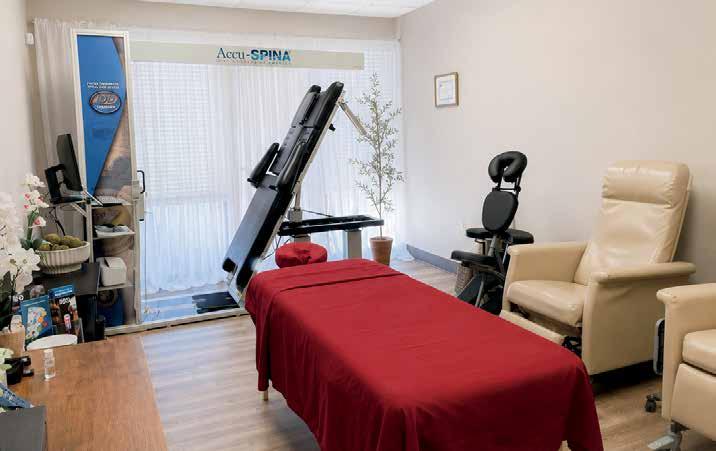
Neuropathy and Pain Centers of Las Vegas helps patients manage chronic pain and improve their quality of life through compassionate, personalized care. Led by pain management specialist Robert Odell , MD, PhD. Our clinic offers advanced, evidence-based treatments, including non-steroid epidural options and innovative therapies like electric cell signaling with the RST-Sanexas neoGEN® device, designed to support healing and long-term relief. MASSAGE
Movement: AI-powered strength training. Faster results in only 2 × 22 min/week.
Medical Biohacking: Light, oxygen, cold, heat, altitude training, PEMF, nervous system, compression, sound frequency vibration.
Matrix Community: Supportive. Curated. Connected.
What If Your Best Health Is Still Ahead of You?
Precision Functional Medicine for Men & Women Who Want to Perform, Age, and Live Better.
Most people don’t suddenly wake up unwell Energy dips Sleep becomes fragmented. Hormones shift. Focus isn’t as sharp. Recovery slows. Your metabolism feels different.
These aren’t “just aging ”
They’re signals biological data points your body uses to tell you something has changed
My job is to decode those signals.
As a physician specializing in functional and longevity medicine, I take a systems-based, root-cause approach to optimize your whole health hormones, metabolism, inflammation, brain function, gut health, and longevity pathways.
Whether you’re navigating perimenopause, andropause, persistent fatigue, weight changes, poor sleep, or simply want sharper cognition and stronger performance, your plan is personalized and evidence-driven
No guesswork. No one-size-fits-all protocols. Just optimized health from the inside out.
Jennifer Walker // jennifer@vegaswellnessmag.com // 775 375 0415
COPY EDITOR
Effie Armstrong - info@vegaswellnessmag.com
Mothers do it all.
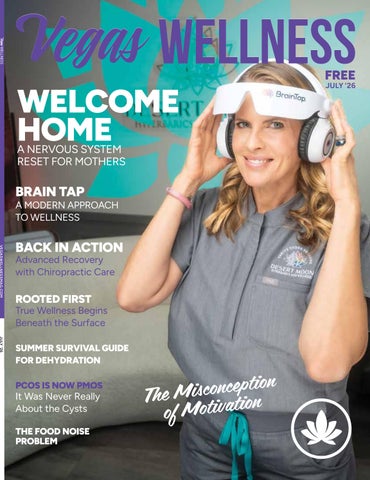
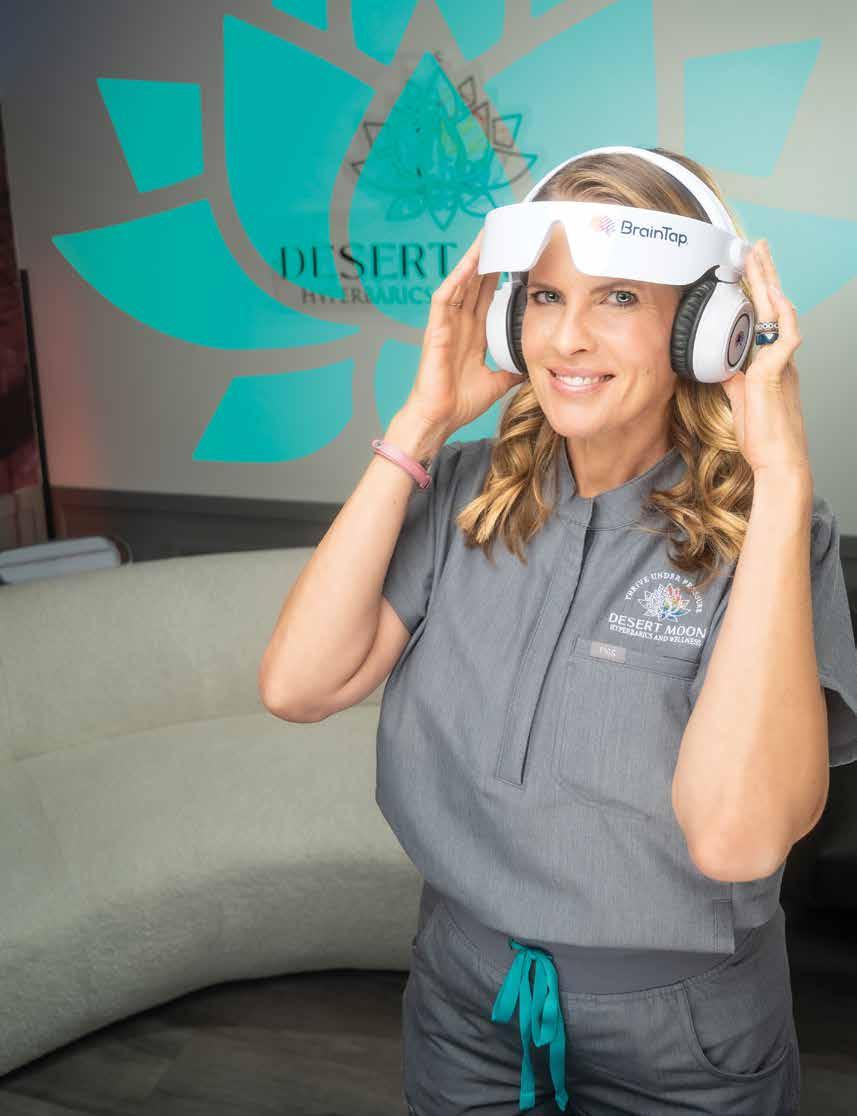
A Nervous System Reset for Mothers WELCOME HOME
But beneath the surface, many women are exhausted.
Not because they aren't strong. Because they've been carrying too much for too long.
As a mother of four, former doula, and founder of Desert Moon Wellness, I have spent much of my life helping people navigate transformation.
I will always be an advocate for mothers showing up for one another during life's biggest transitions. I have experienced firsthand and witnessed countless times the power of women supporting women. There is something extraordinary that happens when we feel seen, understood, and held by those who have walked a similar path.
Since becoming a doula, my purpose has been simple: to support as many women as possible with the knowledge, tools, and wisdom I have gained through my own journey and the experiences of the mothers I have served.
For years, that support happened one mother at a time.
Welcome Home and BrainTap have given me the opportunity to extend that support beyond the women I can personally walk beside.
Today, mothers have more information than ever before, yet less support than ever before.
Why This Matters to Me
My passion for supporting mothers is deeply personal. Through my own experiences with motherhood, healing, and transformation, I came to understand the profound impact that support, connection, and nervous system regulation can have on a woman's life.
That understanding eventually led me to become a doula, where I spent nearly a decade supporting women through pregnancy, birth, and postpartum.
And over and over again, I witnessed the same truth: The women struggling the most were not weak, they were unsupported.
When we support a mother, we don't just impact her life. We impact her children. Her partner. Her family.
We help heal patterns that may have existed for generations, and we create new possibilities for the generations that follow.
That is the ripple effect. And that is why this work matters so deeply to me.
Why BrainTap
At Desert Moon Wellness, we have always understood that the brain is the pilot. It influences how we perceive stress, how we recover, how we adapt, and ultimately how we experience life.
For years, our work has centered around helping people create the conditions for healing and transformation. As we began incorporating BrainTap into our work, we had the opportunity to witness that truth unfold in ways we never expected.
Our team uses Heart Rate Variability (HRV) assessments through NeuralChek to better understand nervous system function and observe how people respond to different wellness interventions. Over the past four years, we have had the opportunity to help thousands of individuals experience BrainTap while observing changes in stress resilience, recovery, autonomic balance, and overall well-being.
We've worked with athletes pursuing peak performance, men healing, optimizing, and thriving, women navigating pregnancy, perimenopause, and menopause, and individuals overcoming trauma, burnout, and major life transitions.
What continues to fascinate me is not simply the technology itself. It's what happens when people begin to understand the role the brain plays in every experience they have. The brain is the pilot. It influences how we perceive stress. How we recover. How we adapt. How we move through life's transitions.
When people learn to intentionally support their brain fitness and nervous system health, they often discover they have more capacity than they realized. More resilience, more adaptability, and more hope.
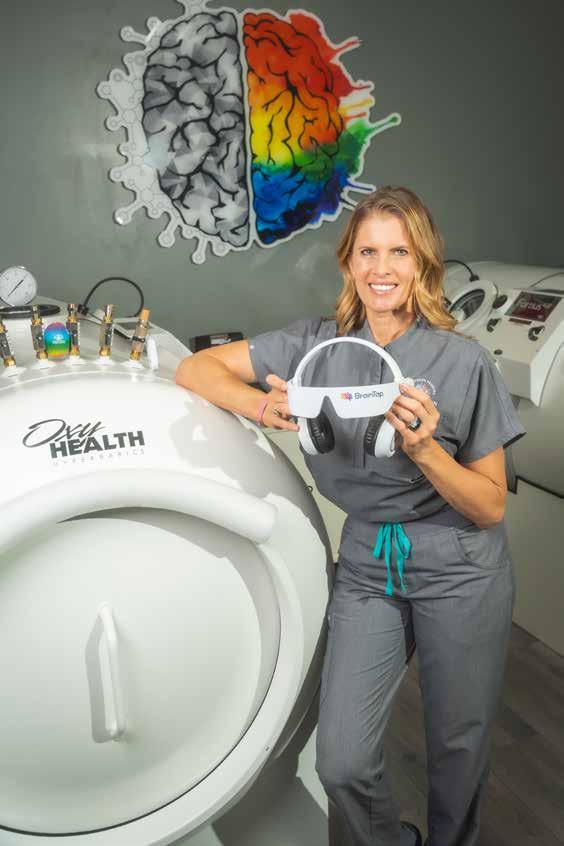
When we first introduced BrainTap, I thought it would be the cherry on top. Instead, it has become one of the most powerful tools we introduce to protocols for people. Not because it replaces the fundamentals or other effective modalities, but because it helps people better receive and integrate positive inputs from Hyperbaric Oxygen Therapy to nutrition, supplementation, mindfulness, and recovery practices.
It helps create the mental and emotional environment where healing, growth, and transformation become possible.
How Do We Bring This Support Home?
How do we support mothers through one of the most significant hormonal, emotional, physical, and identity transitions of their lives?
How do we remind a new mother she is not alone?
How do we help her reconnect with herself?
Earlier this year, I reached out to Dr. Patrick Porter, founder of BrainTap,
and shared what had been on my heart. I knew the technology worked, I had witnessed it firsthand. What didn't exist was something specifically created for the journey that begins when a woman becomes a mother.
He replied: "Start writing it out." So I did.
Over the next several days, I poured out everything I would want a mother to hear. Early the following week, after returning from India, Patrick and I began collaborating to bring the vision to life.
Together, we created Welcome Home: A Nervous System Reset For Mothers
Every track was built from nearly a decade of conversations, lessons, and experiences gathered through my work as a doula, combined with Dr. Porter's expertise in neuroscience, brain fitness, and nervous system regulation.
While inspired by the postpartum journey, these tracks are not limited to the first forty days. They are relevant during any season of motherhood because the need to feel supported, grounded, connected, and whole does not disappear as our children grow. Together, our hope is to help women feel seen, supported, and reminded of something they may have forgotten:
You are not alone. You are worthy of support. You deserve to feel connected.
And no matter how far you may feel from yourself some days, you can always find your way back.
Welcome home.
By Janelle Ardizzone
Photo By George Wilson @gmdubbya
>>> BrainTap
A Modern Approach to Wellness
In today's fast-paced world, stress has become a constant companion for many people. From information overload and poor sleep to anxiety and mental fatigue, the modern brain is under relentless pressure. Enter BrainTap, an innovative brain fitness technology designed to help individuals optimize mental performance, improve sleep quality, and reduce stress through the power of neuroscience.
At the center of this growing movement is Dr. Patrick Porter, Ph.D., a pioneer in brainwave entrainment and neuroplasticity who has spent more than three decades exploring how technology can help the brain function at its highest potential.
Meet Dr. Patrick Porter
Dr. Patrick Porter is an award-winning educator, entrepreneur, author, and speaker who has dedicated his career to understanding how the brain learns, adapts, and heals. Long before wearable wellness technology became mainstream, Porter was developing systems that combined sound, light, and guided visualization to influence brainwave activity and support mental performance. He was also a co-developer of the MC², one of the first personal light-and-sound brain training devices, which received recognition at the 1989 Consumer Electronics Show.
Porter's interest in brain optimization began during his childhood. After learning relaxation and visualization techniques from his father, he discovered firsthand how focused mental training could improve performance in academics, athletics, and daily life. Those early experiences sparked a lifelong passion that would eventually lead to the creation of BrainTap. Today, Dr. Porter is on a mission to "better a billion brains" by making brain fitness accessible to people around the world.
What Is BrainTap?
BrainTap is a technology-enhanced meditation and brain fitness platform that combines guided audio sessions with brainwave entertainment techniques. Users can access thousands of sessions through a mobile app, and many choose to enhance the experience with the BrainTap headset, which delivers synchronized light pulses and audio stimulation.
The system is designed to help users enter deeply relaxed states more quickly than traditional meditation alone. By using specific patterns of sound and light, BrainTap seeks to guide the brain into optimal states associated with relaxation, focus, creativity, and restorative sleep.
BrainTap sessions typically last about 20 minutes and are used by individuals seeking support for stress management, mental clarity, focus, sleep, and overall well-being. The company reports that its technology is utilized in wellness clinics, chiropractic offices, fitness centers, and by individual consumers worldwide.
Understanding Brainwave Entertainment
One of the foundational concepts behind BrainTap is brainwave enter-
tainment. This process uses rhythmic sensory stimulation, such as sound frequencies and light pulses, to encourage the brain to synchronize with specific patterns.
Dr. Porter often describes healthy brain function as a symphony, where multiple brainwave frequencies work together harmoniously. Rather than focusing on a single frequency, BrainTap is designed to support balanced brain activity across various brainwave states associated with relaxation, learning, focus, creativity, and sleep.
The company combines these techniques with guided visualization and positive mental conditioning, creating an immersive experience that many users describe as both relaxing and energizing.
A Growing Focus on Brain Fitness
Just as physical fitness has become a cornerstone of modern wellness, many experts believe brain fitness is the next frontier. BrainTap's philosophy centers on the idea that the brain can continue adapting and improving throughout life through neuroplasticity, the brain's ability to form new neural connections and pathways.
This concept has helped fuel the popularity of technologies aimed at supporting cognitive wellness, resilience, stress recovery, and healthy aging. According to BrainTap, users commonly turn to the platform to help support:
• Better sleep quality
• Stress reduction
• Improved focus and concentration
• Mental clarity
• Relaxation and recovery
• Enhanced learning and performance
While individual experiences vary, the growing interest in brain fitness reflects a broader shift toward proactive mental wellness and cognitive optimization.
The Future of Wellness Is Between Our Ears
As wellness continues to evolve beyond nutrition and exercise alone, technologies that support mental performance and emotional resilience are gaining significant attention. Dr. Patrick Porter has spent decades helping to shape this emerging field, blending neuroscience, technology, and mindfulness into a practical tool that fits into modern life.
Whether used as part of a daily self-care routine, a stress-management strategy, or a performance-enhancement practice, BrainTap represents a fascinating example of how innovation is transforming the way we care for our minds.
After all, when the brain functions better, every aspect of life has the potential to improve.
Dr. Patrick Porter & Janelle Ardizzone
PCOS Is Now PMOS
It Was Never Really About the Cysts
By: Amanda Jordan, MD
For years, we've been calling one of the most common hormonal disorders in women by the wrong name.
The "cysts" in polycystic ovary syndrome (PCOS) aren't actually cysts at all. They're immature follicles, tiny sacs that contain developing eggs that never fully mature or ovulate. In fact, many women diagnosed with PCOS don't have these follicles on ultrasound at all.
Yet for decades, the name has kept the focus on the ovaries while missing the bigger story.
PCOS has never been just an ovarian condition. It's a metabolic condition. It's a hormonal condition. And it's a condition that affects nearly every system in the body.
That's why in May 2026 an international panel of experts published a new name in The Lancet: Polyendocrine Metabolic Ovarian Syndrome (PMOS). While you will likely continue hearing the term PCOS for years to come, the proposed name better reflects what we now understand about this condition and why so many women struggle with symptoms that extend far beyond their menstrual cycles.
When women come to my practice, they're rarely concerned about ovarian follicles. They're concerned about stubborn weight gain despite eating well, fatigue, brain fog, acne, hair loss, anxiety, infertility, irregular periods,
and feeling like their body is working against them. Many have been told their labs are "normal." Others have been told to simply lose weight. Some have spent years searching for answers.
What we now know is that these symptoms often share a common root: underlying metabolic dysfunction, particularly insulin resistance. And that's the piece the old name never captured.
Where “Polycystic” Came From
To be fair to the doctors who first named it, they were working with what they could see. The condition was described back when a swollen ovary dotted with follicles was the most obvious evidence a physician had to go on. The ovary looked abnormal, so it took the blame, and the name stuck.
The diagnosis of PCOS is typically based on the Rotterdam criteria, which require two of the following three findings:
• Irregular or absent menstrual cycles
• Signs of elevated androgens, such as acne, excess facial hair, or scalp hair thinning
• Multiple follicles seen on ovarian ultrasound
Only one of those criteria involves the appearance of the ovaries.
A woman can meet the diagnostic criteria for PCOS without having the classic "polycystic" appearance at all. Yet countless women have been told they don't have PCOS because their ultrasound looked normal. The reality is that the ovaries are often just one piece of a much larger puzzle.
The Missing Piece: Insulin Resistance
Insulin is the hormone responsible for moving glucose from the bloodstream into cells for energy. When cells become less responsive to insulin, the body compensates by producing more insulin.
Over time, chronically elevated insulin doesn't just affect blood sugar. It promotes fat storage, increases inflammation, disrupts ovulation, stimulates androgen production, and contributes to many of the
symptoms women associate with PCOS.
In fact, insulin resistance is present in most women with PCOS, including many who are not overweight. That's an important point because many women assume they can't have insulin resistance if they're lean. Unfortunately, that is not true.
Why This Matters Beyond Fertility
For years, PCOS was viewed primarily as a reproductive disorder. The focus was on regulating menstrual cycles or helping women become pregnant. Those goals remain important, but they don't tell the whole story.
Women with PCOS have higher rates of:
• Prediabetes
• Type 2 diabetes
• Metabolic syndrome
• Fatty liver disease
• Elevated cholesterol
• High blood pressure
• Cardiovascular disease
Many also struggle with depression, anxiety, sleep disturbances, and chronic fatigue.
When we view PCOS through a metabolic lens rather than solely a reproductive one, the conversation changes. We're no longer just managing symptoms. We're addressing the underlying processes driving both current symptoms and future health risks.
Break the new name into its parts, and you get a clearer picture of what is driving dysfunction:
• Polyendocrine means more than one hormone system is involved. Insulin, stress hormones, thyroid, and your reproductive hormones are all part of the picture.
• Metabolic emphasizes insulin resistance as a fundamental characteristic. This is the part tied to weight, energy, diabetes risk, and heart health.
• Ovarian keeps the ovaries in the picture while recognizing they are only one part of a larger process.
The new name better reflects the women seen in clinical practice.
Women with hormonal symptoms, struggling with energy, weight, mood, fertility, or metabolic health. Women whose symptoms cannot be explained by the ovaries alone.
The Future of PCOS Care Is Personalized
One of the most exciting developments in recent years is the growing recognition that PCOS is not the same disease in every woman.
Studies suggest there are multiple biological subtypes, each with different
hormonal patterns and different long-term health risks. Some women are primarily affected by severe insulin resistance. Others have more pronounced androgen excess. Still others have relatively mild metabolic dysfunction but significant reproductive symptoms.
This helps explain why two women carrying the same diagnosis can have completely different experiences. It also reinforces something many clinicians have observed for years: There is no one-size-fits-all treatment approach.
The future of care will likely focus less on managing a diagnosis and more on identifying the specific metabolic and hormonal drivers affecting each woman.
If you have symptoms consistent with PMOS, don't stop at an ultrasound. Ask your doctor for a comprehensive metabolic evaluation. This may include:
• Fasting insulin
• Fasting glucose
• Hemoglobin A1c
• Lipid panel
• Testosterone levels
• DHEA-S
• Thyroid testing
• Other hormone markers based on your symptoms
These tests often provide a much clearer picture of what's happening beneath the surface. They can also help identify metabolic changes years before diabetes or cardiovascular disease develops. Early intervention matters.
The Bottom Line
The most important shift is not the name itself. It's the understanding behind it.
For too long, women were told their symptoms were normal, dismissed because their ultrasound looked normal, or treated as though this condition was only about fertility.
We now know better. This is a complex metabolic and hormonal condition that affects far more than the ovaries. The sooner we recognize that, the sooner we can move beyond symptom management and focus on improving metabolic health, reducing long-term disease risk, and helping women feel their best today and for decades to come.
Dr. Amanda Jordan is a board-certified physician practicing functional and longevity medicine through a nationwide telehealth practice based in Las Vegas. She helps women get to the root of stubborn weight, fatigue, and shifting hormones instead of settling for “everything looks normal.” If this sounds like your story, visit dramandajordan.com to learn more.
>>> ROOTED FIRST Why True Wellness Begins Beneath the Surface
You are tired in a way that sleep does not fix. You are inflamed, foggy, and somehow not yourself anymore. You have done everything “right,” and still your body feels like it is working against you. And when you finally ask for help, you are told your labs look normal.
I want you to hear something before we go one word further. YOU’RE NOT CRAZY. YOU’VE BEEN UNHEARD.
I am Tiffany Marie, a Certified Nutritional Practitioner and Certified Peptide Integration Specialist with nearly two decades in health and wellness, a former two-time IFBB Pro Olympian, a wife, a mama, and a woman led by her faith. I have stood on professional stages, and I have sat in exam rooms being dismissed. I know both sides of this story, because I have lived through the second one. There was a season when my own body collapsed: hormones in freefall, years without a cycle, no answers, just a shrug and a suggestion that it was all in my head.
It was not in my head. It was in my foundation. That season is why I built TM Wellness. My work is rooted in a single belief: your body is not broken; it is asking for something it is not getting. My job is to find out what that something is, at the root, and to build you back from the ground up.
So let me tell you how real, lasting wellness actually works. Because it is not a powder, a protocol you saw online, or the newest injection everyone is talking about.
And I will tell you the truth even when the truth does not sell you anything. This industry makes its money on the next bottle, the next biohack, the next quick fix. I would rather tell you to STOP. Stop buying supplements that may be doing nothing for your body. Stop spending money on a plan built for someone else. You cannot out-supplement a foundation you have never actually looked at.
It starts with the foundation.
Foundation is the unglamorous truth of this industry. Before we optimize anything, your body needs the basics it runs on: real nourishment, a gut that absorbs what you feed it, balanced minerals, stable blood sugar, and hormones that are being supported instead of pushed. Skip the foundation, and every “advanced” strategy you stack on top will eventually crumble. I have watched it happen to brilliant, driven women a hundred times. The answer is never more hacks. It is going deeper.
That is where functional testing changes everything.
Standard labs matter. I want to be clear about that. They are a necessary screenshot of one moment in time, and they can flag what needs urgent attention. But a screenshot is not the full story. It cannot tell you how your hormones rise and fall across a day, what is truly happening inside your gut, or why you feel the way you feel when the numbers say you are “fine.” To see that, we go deeper. With functional tools like hormone and gut testing, including saliva and stool analysis, we can look at patterns a single blood draw will never reveal. We can see where the real deficiencies live. We can see how your body is actually functioning, not just where it lands on a reference range built for the average person.
And here is the part that matters most: you are not average.
This is why I will never hand you a generic plan. Once we understand your testing, your patterns, and even your DNA, we tailor everything to YOU and to your root cause. Two women with identical symptoms may need two completely different paths.
Your body has its own story. Your plan should be written in its language.
And it should let you live. This is the part of my work I will not compromise on. So much of this industry hands women rigid, all-or-nothing protocols that turn life into a sentence to be survived. Miss a day, feel like a failure. That is not healing. That is a prison. I build plans that move with your real life: your family, your travel, your celebrations, your faith. A foundation strong enough to live on is one you can actually live with. Freedom is not the reward at the end of the plan. It is built into the plan from day one. Which brings me to a conversation I am having more and more, especially here locally: peptides.
Peptides are everywhere right now, and I understand the appeal. But before you spend thousands chasing them, I want you to understand something simple. Peptides are signals your body already makes on its own. They work best when the body they are speaking to is well fed, well rested, and well supported. If your foundation is cracked, you are often paying premium prices for something you are fully capable of producing, or asking your body to respond to a signal it cannot yet act on.
So at TM Wellness, we do not start there. We start with what your body actually needs. We test, we listen, we build the foundation, and only then do we consider whether anything advanced belongs in your plan. When it does,
it is intentional, earned, and built on solid ground.
This is also a field that moves fast, and I move with it. The testing and technology I use are continually updated because your care should reflect what is most accurate and most advanced today, not what was standard five years ago.
If you are reading this and quietly nodding, exhausted and unconvinced that “normal” is the best your body can do, I wrote this for you. You are the woman whose chart says fine while your life says otherwise.
You are not crazy. You have simply been unheard. So before you chase the next protocol, ask the only question that actually matters. What is your body missing? That answer is where everything changes.
Tiffany Marie is the founder of TM Wellness. Find her at www.tiffanymariedavis.com and on Instagram at @tiffanymarie_davis and @tm_wellness_.
Wellness is TRAVEL
Tracy Kuhn Travel Advisor
Sleep Deprivation is Making You Fat >>>
Hormonal Hijack
By: Glenn J. White
Everyone knows to avoid junk food and exercise regularly, but how many of us give the same priority to our sleep?
Approximately 40% of American adults report sleeping less than 7 hours each night, with even more reporting not feeling “well rested.” Far too many of us use caffeine to wake up and sedatives to calm down. However, caffeine does not actually wake us up. Rather, it simply masks fatigue by blocking adenosine receptors. Further, the human body is not designed for constant chemical dependence just to get through the day.
For metabolic health, quality sleep is paramount. Research shows poor sleep raises your hunger hormone (ghrelin) by 28% and drops your fullness hormone (leptin) by 18%. Ghrelin is the gas pedal; it doesn’t just make you hungry, it spikes your cravings for high-calorie, starchy food. Leptin is the brake; when it drops, your brain doesn’t receive a fullness signal, making overeating inevitable.
So, when you wake up early from a late night out, your body craves sugar, hyper palatable food, and oversized portions, and thinks it’s hunger. It’s not. It’s your body looking for the quickest energy source. It’s not just a matter of willpower but a biological shift that makes overeating inevitable.
I once had a client who needed to lose over 100 pounds. Not only did I train her in the gym, but we also discussed her diet and lifestyle. During one of our sessions, I asked about her sleep, and she revealed she did not sleep well. When I asked why, she said it was because her cat sleeps in her bed and keeps her awake. And when I suggested she put the cat in another room? She looked at me like I wanted to murder her own child!
No matter what I said, she was not budging from having that cat with her all night. Ultimately, she lost about 30 pounds in a few months with me, but I truly believe this cat kept her from getting the deep sleep necessary to reach her full weight loss potential.
Quality sleep is a superpower. It drives physical restoration, supports mental health, and ensures you are optimized on every level. Everyone is at their best when they get a good night’s sleep, and at their worst when they don’t, regardless of what anyone may claim. This is why we should not make big decisions or have serious conversations when tired.
The stakes are higher than just a bad mood, too. Lack of sleep also spikes injury risk due to impaired motor skills. Sleep-deprived driving is equally as impairing as drunk driving. In fact, 24 hours of total sleep deprivation is the physiological equivalent of legal intoxication in every state. We (hopefully) won’t show up to work drunk, but we show up exhausted all the time. Therefore, the hours before bed should be treated with reverence- a time to wind down, not wind up.
You will perform at your best when you prioritize your sleep. Shohei Ohtani, arguably the world’s greatest baseball player, travels with a custom mattress because he understands how vital sleep is for recovery and performance. While you don’t have to be this extreme, the ROI on high-quality bedding and a restful environment will always outperform any supple-
ment. In fact, good sleep is the closest thing to a performance-enhancing drug a human can utilize.
As someone who has struggled with sleep, here are five science-backed sleep tips:
• Go to bed and get up at the same time every day, even on weekends.
• Get 10 minutes of sunlight upon waking and before looking at your phone. This will set a chemical timer for melatonin production when it is time for bed.
• Remove all screens from the bedroom at least one hour before bedtime.
• Use a bedside alarm, if necessary.
• Make your bedroom a sanctuary, dark, cool, and relaxing. The bedroom is only for two things, and they both start with the letter S.
• No caffeine or stimulants. If you do have caffeine, wait at least 60 minutes after waking, taper down by noon, and keep it below 200mg, so your circadian rhythm will not be disturbed. Waiting 60 minutes after waking to consume caffeine also allows your body to clear adenosine naturally, preventing the mid-afternoon crash.
To find success from these steps, you will probably need to change your habits while applying discipline, patience, and consistency. However, even if you follow all these steps, you will still have some sleepless nights. Everyone has emergencies and major life stressors, and no one is perfect 100% of the time.
On these occasions, you can leverage higher doses of creatine, which can rescue your brain. Creatine is simply a combination of three amino acids (arginine, glycine, and methionine) that your body naturally produces. It is highly researched, safe, affordable, and beneficial for everyone - not just athletes or bodybuilders. It also mixes easily in liquid or food with very little taste.
Additionally, you can take Magnesium Glycinate or L-theanine, which will support your body’s natural transition into sleep. However, try not to use sedatives because sedation and unconsciousness are not sleep, they can cause significant REM suppression and bypass the natural process of sleep.These substances switch the brain off and fragment sleep, rather than usher it through the necessary cycles for complete mind and body restoration. REM suppression also dysregulates blood sugar and appetite hormones (leptin and ghrelin). Therefore, pharmacological sedation and natural sleep are opposites that only seem similar on the surface.
Lastly, nothing will help you deal with stress better than consistently good sleep. Chronic stress raises cortisol, which promotes insulin resistance. This makes it physiologically harder for your body to burn fat when you are stressed or tired.
Glenn J. White is the creator of Metabolic Education. Combining 20+ years of health and fitness experience, he breaks down nutrition, longevity, and metabolic health into actionable, no -nonsense truths. Subscribe for FREE weekly insights at substack. com@metaboliceducation or on Instagram @themetaboliceducator
YOU MAY BE DEHYDRATED WITHOUT REALIZING IT
A Nevada Summer Survival Guide
Nevada summers are not for the faint of heart. When temperatures climb into the triple digits and the desert sun turns sidewalks into skillets, most people know they should drink more water. Yet every year, countless Nevadans find themselves battling fatigue, headaches, brain fog, muscle cramps, and low energy without realizing a simple culprit may be to blame: dehydration.
What makes dehydration particularly tricky in Nevada is that it doesn't always announce itself with obvious thirst. In fact, many people can become mildly dehydrated long before they feel the urge to reach for a glass of water, resulting in a drain of energy, focus, athletic performance, recovery, and overall well-being.
Let's take a closer look at why staying hydrated matters more than ever in the Silver State and five refreshing drinks that can help keep your body functioning at its best.
Nevada's Dry Climate Can Fool You
Unlike humid climates where sweat lingers on your skin, Nevada's dry air causes moisture to evaporate almost immediately. You may not even realize how much fluid you're losing throughout the day. Whether you're walking the dog, gardening, exercising, running errands, or simply moving between air-conditioned buildings and the scorching outdoors, your body is constantly working to regulate its temperature. That process requires water. The challenge is that thirst is not always the early warning sign. By the time you feel genuinely thirsty, your body may already be experiencing mild dehydration.
Many people assume dehydration only happens during intense exercise or prolonged exposure to heat. In reality, it can develop gradually over the course of an ordinary day, especially during summer.
The Hidden Signs of Dehydration
Most people recognize extreme dehydration symptoms, but mild dehydration often disguises itself as something else entirely. For instance, Do you feel tired even after a full night's sleep?
Are you struggling to focus during meetings or while completing simple tasks?
Have you noticed headaches appearing more frequently?
Do you feel unusually irritable or mentally sluggish?
These can all be signs that your body needs more fluids. Other common symptoms include dry mouth, dizziness, muscle cramps, darker urine, dry skin, and reduced exercise endurance. Because these symptoms overlap with stress, lack of sleep, and everyday fatigue, dehydration often goes unnoticed.
Your Brain Depends on Hydration
One of the first places dehydration shows up
is in your brain. Even mild fluid loss can affect attention, concentration, memory, and mood. Dehydration can increase feelings of fatigue while making cognitive tasks feel more difficult.
Think about the last time you felt mentally drained during a hot summer afternoon. You may have blamed your workload or poor sleep. Sometimes the explanation is much simpler: your brain doesn't have the water it needs to function efficiently. Considering that the human brain is composed of roughly 75% water, it's not surprising that hydration plays a critical role in cognitive performance.
If you've ever experienced brain fog after spending time outdoors in the heat, dehydration may have played a larger role than you realized.
Hydration and Physical Performance
For active individuals, hydration becomes even more important. When the body loses fluids through sweat, blood volume decreases. This forces the heart to work harder to circulate oxygen and nutrients throughout the body. The result can be reduced endurance, quicker fatigue, slower reaction times, and decreased athletic performance. Even recreational activities like hiking, golfing, cycling, or weekend pickleball matches become significantly more challenging when hydration levels drop.
Many people attempt to push through the fatigue, assuming they're simply out of shape or having an off day, but really, they may just need more fluids and electrolytes.
Recovery Starts With Water
Hydration doesn't just affect performance, but it affects recovery as well. Water plays an essential role in transporting nutrients, regulating body temperature, supporting joint function, and helping muscles recover after physical activity. Without adequate hydration, the recovery process can slow down. Muscle soreness may feel more intense, energy levels may take longer to rebound, and overall wellness can suffer.
In many ways, hydration is one of the most overlooked recovery tools available. It doesn't require expensive equipment, memberships, or supplements. Yet it influences nearly every system in the body.
Five Healthy Drinks to Help You Stay Hydrated This Summer
While plain water is great for hydration, several other healthy beverages can add delicious variety, especially during the hot summer months.
Coconut Water
Often referred to as nature's sports drink, coconut water contains naturally occurring electrolytes such as potassium, magnesium,
By: Sarah Schwefel
and sodium. These minerals help support fluid balance and can be particularly helpful after exercise or prolonged heat exposure.
Choose varieties without added sugars to maximize the benefits.
Herbal Iced Tea
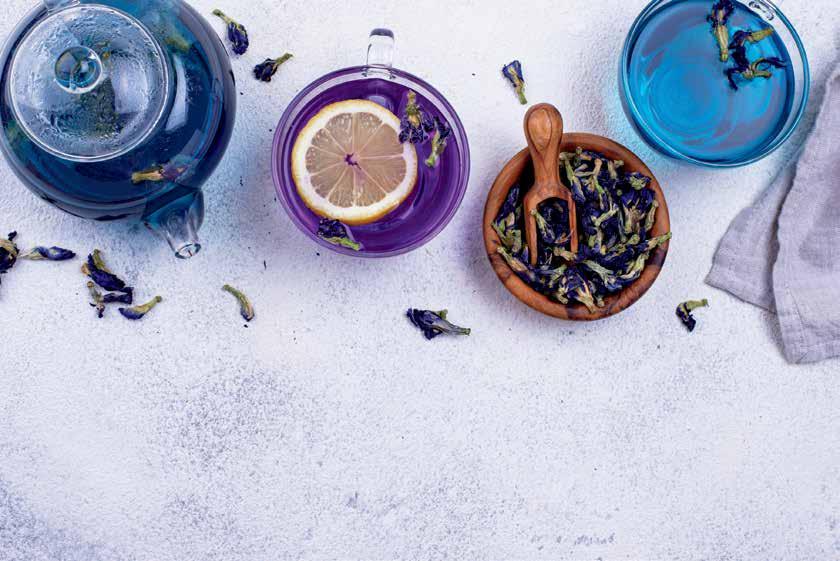
Unsweetened herbal teas provide hydration along with flavor and beneficial plant compounds. Peppermint tea can feel refreshing on hot days, while hibiscus tea offers a tart, vibrant flavor that many people enjoy over ice.
Brew a pitcher in the morning and keep it chilled for an easy alternative to sugary beverages.
Lemon Water with Pink Himalayan Salt
This simple combination has become increasingly popular among wellness enthusiasts. A squeeze of fresh lemon adds flavor and vitamin C, while a very small pinch of pink Himalayan salt provides trace minerals and sodium that can help support hydration, especially during heavy sweating.
The key is moderation. You don't need much salt to help replenish electrolytes.
Watermelon Smoothies
Watermelon is made up of more than 90% water, making it one of summer's most hydrating fruits. Blend fresh watermelon with ice and a squeeze of lime for a refreshing drink that feels indulgent while helping contribute to your daily fluid intake.
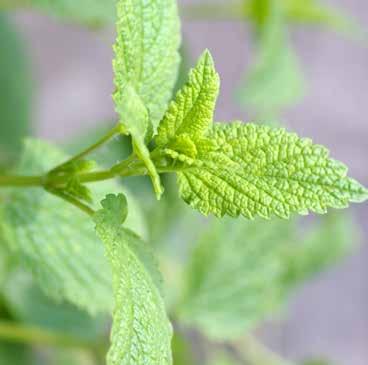
Cucumber Mint Infused Water
Adding cucumber slices and fresh mint to water creates a spa-like beverage that can make drinking fluids feel more enjoyable. The refreshing flavor encourages many people to drink more throughout the day without relying on added sugars or artificial ingredients.
Hydration Is a Daily Habit, Not an Emergency Response
Perhaps the biggest mistake people make is waiting until they are thirsty, exhausted, or overheated before focusing on hydration. The most effective strategy is consistency. Start your morning with water, keep a reusable bottle nearby, choose hydrating foods and beverages throughout the day, and pay attention to how your body feels rather than waiting for warning signs.
Hydration is not just about comfort; it's about supporting energy, mental clarity, physical performance, and recovery. As temperatures continue to soar this summer, remember that one of the most powerful wellness tools available is not hidden in a supplement aisle or wellness trend. It's already flowing from your faucet, and your body is counting on it.
HOLISTIC HEALING
Tammy Martin
Charise
Ready to Stop Overpaying? CALL NOW
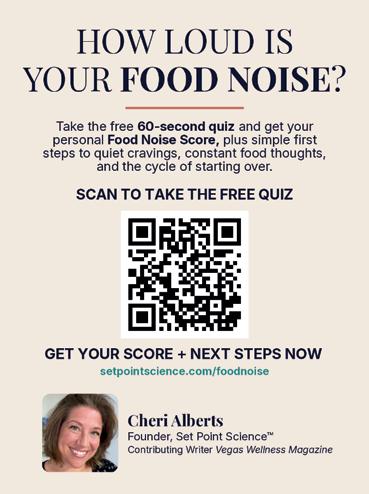
>>> THE FOOD NOISE PROBLEM
Why Trying Harder Can Make Midlife Weight Loss Feel Worse
I started my online career back in 2012, with two very important credentials: Foodie, and binge eater.
I knew that the one thing I could talk about for the rest of my life was food, so why not start a website and business about it? Deep down inside, I really just wanted to eat Nutella and crusty bread for every meal (and actually did that for a semester in college once).
At the same time, in cruel and equal opposition, I wanted to be healthy and thin.
These goals were at odds within me for so long. I’d bounce from one extreme to another every few years, trying to lose weight, trying to keep it off, getting strict, getting lax.
My adult life can basically be divided into diet eras:
• Ages 18–21: SlimFast and the joys of trying to survive on 1,200\ calories a day. (Also: enter Nutella)
• Ages 22–26: Forget weight loss. Hot dogs and Coke for everyone.
• Ages 27–31: Zucchini noodles!? Surely, this is the answer.
• Ages 32–38+: I will become a perfect no-salt, no-oil, no-sugar vegan, and then I will tell the entire internet how to do it, too.
• Ages 38–43: Have 3 kids, including twins. Get cancer. Beat cancer. Go on menopause-inducing treatments. Try to become a healthy vegan again repeatedly and fail. Learn to make sourdough. Begin eating animal products again. Learn how to stop bingeing. Finally, begin finding balance and freedom around food.
Underneath each of the earlier eras was the same problem: food was taking up far too much space in my head.
What should I eat? What shouldn’t I eat? Why am I craving so much? Why can’t I stop eating this? How will I lose weight long-term if I can’t stick to anything for more than a few days? Can I get more of those cookies without anyone noticing? Why can’t I stay on track?
This constant mental chatter is what many women now call ‘food noise’. That voice in your head that begs you to stop at your favorite restaurant on the way home because you deserve it.
For years, I thought the answer to eating healthy and weight loss was what I used to call “periods of strictness”. Just stick with it harder, and eventually you’ll get it.
But then you add in a confounding factor: Information is EVERYWHERE. You must get really good at some new thing from that podcast you just listened to, which directly conflicts with the new thing you heard on another podcast last week. Around every corner is some new form of marketing whiplash.
And then here’s what’s really brutal: if you can’t get really good at this week’s thing and lose the weight fast and stick to it forever with a smile on your face, then somehow that failure gets assigned to you. You are the problem.
So, you start thinking there’s something wrong with you, and everyone around you starts thinking that, too.
“Oh, she’s just undisciplined. Look at how lazy she is.”
“She should really lose some weight.”
“Doesn’t she know how overweight she is? Why doesn’t she do something about it?”
As if we’re not already trying to solve the issue with everything we have.
One time I asked a private client how much time she spent thinking about food- or body-related things in a day, and she answered 6 hours! That’s almost a full-time job!
So, here are the questions I wish I had asked years ago:
- What if some of the methods we have been taught to use are actually part of what keeps making weight loss feel so impossible?
- What if some of what looks like failure is actually a predictable biological response to years of restriction, stress, food rules, and forced weight-loss attempts?
- What if hunger, cravings, exhaustion, regain, and relentless thoughts about food are not evidence that we are broken, lazy, or lacking discipline?
- What if they are just signs that our bodies and brains have been simply responding to the extreme inputs we have given them over time?
Because bodies do respond. When we lose weight forcefully, appetite can increase, and the body can become more energy-efficient, making continued loss and maintenance harder (hello, plateaus!). When we repeatedly forbid foods, those foods become even louder in our minds, making us start to feel like a rebellious self-saboteur. (called psychological reactance). And in midlife, changing hormones, sleep disruption, changing body composition, and the gradual loss of muscle can all shift the conversation in ways our younger selves never had to account for.
So what if the first step is not to try to push harder again or be more intense? What if, in midlife, we begin by giving our bodies something stable to count on instead?
Things like:
• Eating regularly enough that we no longer experience ravenous hunger panic
By Cheri Alberts
• Building meals that are genuinely satisfying, instead of meals that only look virtuous on paper
• Getting enough protein, fiber, and nourishment to give hunger and cravings a chance to become quieter
• Sleeping and moving in ways our real, complex lives can actually sustain
• Learning what stress makes us reach for, without turning that into shame
• Ending the cycle of fasting, cleansing, detoxing, and forcing…forever.
Not because calm consistency magically guarantees weight loss. It doesn’t.
But because a body that is well nourished, well rested, stronger, and no longer swinging between extremes is a far better and more durable place from which to pursue weight loss.
For years, I thought the answer was to finally become the kind of woman who could follow the rules without struggling. Like, if I could just get myself to eat enough salads, I’d end up becoming the woman who truly desired salads every day (1,000+ salads later, still not her).
But nowadays, I wonder why we are taught that forcing ourselves against our strongest internal signals is the way. Could it be that our struggles stem from having so many voices in the room? Whose voice is the most important? Could it be that our own internal voice, which we’ve been conditioned to ignore or think is wrong, has actually been the best one to listen to all along? What if there’s a way to calm food noise without strictness?
Food noise is not a moral failure. Becoming hungrier, louder, or more preoccupied with food after years of pushing is not proof that you are weak. It may be a sign that there are too many voices in the room, too much forcing against our wills.
Midlife changes the weight and eating conversation. Hormones shift. Sleep changes. Muscle matters more. We may have more people to take care of and more responsibilities pulling us in every direction.
Years of dieting and starting over may leave us exhausted by intensity.
Maybe the place to begin is much less dramatic: enough nourishment, enough consistency, enough strength, enough rest, and a way of eating that does not require your whole life to revolve around fighting yourself.
Maybe weight loss isn’t supposed to feel like a battle. Maybe our bodies don’t need more control or better willpower. Maybe our bodies need a steady rhythm they can finally count on.
Cheri Alberts is the founder of Set Point Science™, where she helps midlife women quiet food noise, understand their changing bodies, and create a steadier rhythm for sustainable weight loss. Get your personal Food Noise Score at setpointscience.com/foodnoise, and follow on social @ setpointscience.
The Biggest Interior Renovation Regrets >>> and How to Avoid Them
As home prices continue to remain elevated across Southern Nevada, many Las Vegas homeowners are choosing to invest in the homes they already own rather than enter today's competitive housing market. From kitchen remodels and custom closets to whole-home redesigns, renovation projects have become a practical way to improve functionality, increase property value, and create spaces better suited to modern lifestyles.
But increasingly, homeowners are realizing that a successful renovation isn't just about how a space looks; it's about how it makes you feel. As wellness continues to influence everything from fitness and nutrition to travel and self-care, it's also reshaping the way people think about their homes. The spaces where we cook, sleep, work, and gather can have a significant impact on our daily routines, stress levels, and overall quality of life. Thoughtful design can create environments that feel organized, calming, and restorative, while poor planning often leads to frustration and regret long after construction is complete.
This philosophy has guided Febal Casa for more than 50 years. Now open in Southwest Las Vegas, the internationally recognized Italian luxury design brand believes well-being starts at home, with a mission centered on enhancing quality of life through innovative furniture systems and holistic interior design solutions. Through expertly crafted kitchens, living spaces, bathrooms, wardrobes, and complete home environments, Febal Casa focuses on creating spaces that balance beauty, comfort, and practicality while improving the way people live every day.
The most common renovation regrets stem from poor planning, overlooked functionality, and prioritizing short-term trends over long-term livability. Before starting your next renovation project, here are some of the most common mistakes homeowners make and how thoughtful, wellnessfocused design can help avoid them.
Regret #1: Prioritizing Appearance Over Functionality
Beautiful finishes may catch the eye, but functionality is what homeowners live with every day. A kitchen without enough prep space, a closet lacking organization, or a bathroom with insufficient storage can quickly become a source of daily frustration. One of the most overlooked elements of a renovation is storage planning. Custom cabinetry, integrated organizational systems, and concealed storage solutions can help reduce clutter while creating a greater sense of order and comfort.
Regret #2: Following Trends Too Closely
Design trends come and go, but renovations are long-term investments. Homeowners often regret making expensive decisions based solely on what's popular at the moment. Instead, experts recommend creating a timeless foundation with quality materials, neutral palettes and classic design elements, then incorporating trends through accessories, furnishings and décor that can be updated over time. This approach helps a home feel relevant and welcoming for years to come while protecting longterm value.
Regret #3: Failing to Create Cohesion Throughout the Home
Many renovation projects happen in phases, which can leave homes feeling disconnected if each space is designed independently. A cohesive design
By Bobby Bogdan
plan helps ensure materials, finishes and colors work together throughout the home, creating a more seamless and intentional living experience. Beyond aesthetics, this sense of visual harmony can make a home feel calmer, more balanced, and easier to enjoy on a daily basis.
Regret #4: Underestimating Lighting
Poor lighting can affect functionality, diminish the appearance of finishes, and even influence mood and energy levels. Successful renovations incorporate layered lighting strategies that combine ambient, task, and accent lighting while maximizing natural light whenever possible.
Regret #5: Failing to Plan for Future Lifestyle Changes
A renovation should support not only current needs but future lifestyle changes as well. Whether accommodating a growing family, creating a home office, planning for aging in place, or preparing for multigenerational living, failing to think ahead can lead to another costly renovation sooner than expected. Flexible layouts, adaptable storage solutions and durable materials can help ensure a home continues to support comfort, convenience and well-being for years to come.
Why Professional Planning Matters
One of the most effective ways to avoid renovation regret is investing in professional planning from the start. From concept development and space planning to material selection and installation, experienced design professionals can help homeowners identify potential challenges before construction begins and create solutions tailored to their lifestyle, goals, and long-term needs.
At Febal Casa Las Vegas' showroom, located at 6145 S. Fort Apache Rd., homeowners can explore fully integrated kitchens, bathrooms, walk-in closets, custom cabinetry, and complete home furnishing systems designed around both beauty and functionality. Rather than focusing on individual pieces of furniture, Febal Casa creates holistic environments that embrace balance, organization, and everyday comfort. The showroom offers a comprehensive design experience that guides clients through every stage of the process, from initial concepts and 3D renderings to delivery and installation.
For more information, visit febalcasausa.com or follow @febalcasalasvegas on social media.
HOT JULY TRENDS >>>
Extreme Sports, Military Performance, and the Rise of Advanced Recovery
As summer temperatures rise in Las Vegas, so does the intensity of performance-driven lifestyles. July has become a defining month for athletes, tactical professionals, and weekend warriors pushing the limits in extreme sports and military-style training. At the heart of this movement is a growing demand for recovery science, injury prevention, and performance optimization, where chiropractic care is becoming an essential part of the equation.
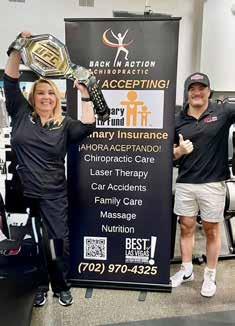
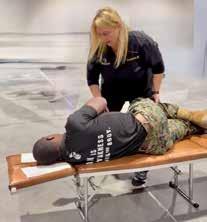
One standout leader in this space is Back In Action Chiropractic, led by Dr. Michelle Binkowski, DC, a Las Vegas-based sports chiropractor recognized for her work in biomechanics, performance care, and veteran-focused treatment. With a background in engineering, sports medicine, and advanced clinical training, Dr. Binkowski represents a new wave of providers bridging the gap between medical precision and athletic performance.
EXTREME SPORTS: PERFORMANCE UNDER PRESSURE
July is the peak season for extreme sports in Nevada and across the Southwest. From motocross events and desert endurance racing to CrossFit competitions, mountain biking, and tactical obstacle course racing, athletes are pushing their bodies harder than ever.
But with intensity comes risk, especially in high-impact environments where spinal load, joint compression, and repetitive strain injuries are common. At Back In Action Chiropractic in Las Vegas, treatment strategies focus on restoring optimal movement patterns rather than simply addressing pain. The clinic’s philosophy emphasizes functional biomechanics, helping athletes correct imbalances before they become injuries.
Common July-season injuries include:
• Lumbar spine strain from heavy lifting and impact landings
• Cervical tension from high-speed rotational sports
• Shoulder instability in climbing, grappling, and overhead training
• Knee and ankle stress from uneven terrain and explosive movement
The clinic’s approach integrates chiropractic adjustments, laser therapy, and rehabilitative movement strategies designed to get athletes “back in the game” faster and more efficiently.
MILITARY PERFORMANCE: TRAIN LIKE YOU FIGHT
Another major July trend is the growing overlap between military training methods and civilian fitness culture. Tactical-style workouts, rucking challenges, and endurance conditioning programs have become mainstream among fitness enthusiasts and first responders. This shift has also increased awareness of the physical toll such training can take on the body.
mirror the demands of military performance. Dr. Binkowski’s work with veterans and service members reflects a broader philosophy: performance longevity requires structural maintenance. Years of load-bearing activity, such as heavy gear carriage, repetitive impact, and high-stress training, can lead to chronic spinal and joint dysfunction if not properly addressed.
Key focus areas include:
• Load-bearing spinal compression management
• Hip and pelvic stability for rucking and endurance marching
• Neuromuscular recovery after high-intensity training cycles
• Injury prevention strategies for operational readiness
This approach has positioned chiropractic care as part of a broader tactical performance ecosystem rather than just a reactive treatment model.
THE LAS VEGAS ADVANTAGE: RECOVERY MEETS INNOVATION
Las Vegas has become a hub for performance medicine, where sports science, rehabilitation, and wellness intersect. Clinics like Back In Action Chiropractic are helping redefine what recovery looks like in high-performance populations.
According to the clinic’s philosophy, the body is not just treated; it is optimized. This includes improving mobility, reducing neurological interference, and enhancing the body’s natural healing response through non-invasive, evidence-informed care.
Dr. Binkowski and her team emphasize a holistic model that supports:
• Athletic performance enhancement
• Post-injury rehabilitation
• Preventive care for active populations
• Long-term spinal health and resilience
Back In Action Chiropractic has established itself as a veteran-friendly clinic serving active-duty personnel, veterans, and tactical athletes. The clinic emphasizes spinal integrity, load management, and recovery protocols that
The result is a shift in mindset: from “fixing injuries” to “building durable athletes.”
THE FUTURE OF PERFORMANCE CARE
As July continues to spotlight extreme sports events and tactical fitness challenges, the demand for integrated recovery systems will only grow. Chiropractic care is increasingly being recognized not just as treatment, but as infrastructure for human performance. Here locally, Back In Action Chiropractic stands at the center of that evolution, offering care designed for athletes, military personnel, and high-performance individuals who refuse to slow down.
In the words of the modern performance movement, recovery is not optional; it is strategic. And in a city built on intensity, few understand that better than the team helping people stay in action all year long.
The Misconception of
>>> MOTIVATION
We tend to treat motivation like the answer to everything.
If we could just feel more motivated, we’d work out consistently. We’d eat better. Stay organized. Finish projects. Respond to emails. Follow through on goals.
But motivation is often given far too much credit. The truth is, motivation is unreliable. It changes daily, sometimes hourly. It rises when life feels manageable and disappears when stress, overwhelm, exhaustion, or competing responsibilities take over.
And for many people, the issue isn’t a lack of motivation at all. It’s mental load. Fatigue. Burnout. Too many decisions. Unrealistic expectations. A life that simply doesn’t support follow-through.
As an occupational therapist, I spend a lot of time helping people understand the gap between intention and action. Most people already know what they want to do. The challenge is figuring out why doing it feels so difficult and what practical supports actually help.
Because wanting to do something and being able to consistently do it are not always the same thing.
Why Motivation Comes and Goes
Motivation tends to follow emotion. When we feel energized, hopeful, rested, or inspired, healthy habits often feel easier. We make plans. Start routines. Commit to new goals.
Then life happens. Work gets busy. Sleep suffers. Kids get sick. Stress piles up. Energy shifts. Suddenly, the habits that felt manageable a week ago start to feel impossible.
This is often where people become hard on themselves. They assume inconsistency means laziness, lack of discipline, or failure. But more often, it means you’re human.
Motivation was never meant to carry the full weight of your daily life.
The Real Problem: Too Much Friction
Sometimes what looks like “low motivation” is actually too much friction. The workout feels overwhelming because it requires driving across town, changing clothes, and finding an uninterrupted hour. Cooking dinner feels impossible because decision fatigue has already taken over. Cleaning feels exhausting because the task feels too big to begin.
In occupational therapy, we often look at the environment, habits, routines, and systems surrounding a task, not just the person doing it.
Instead of asking, Why can’t I get myself to do this? A more helpful question might be: What is making this harder than it needs to be? Sometimes the answer is stress. Sometimes it’s
By Anna Ketron Cusano
exhaustion. Sometimes it’s simply that the habit doesn’t realistically fit your life.
Consistency Is Built Through Support, Not Willpower
Wellness culture often celebrates discipline. Wake up earlier. Push harder. Stay committed.
However, sustainable habits are usually less dramatic than that. They’re supported.
A person who walks every day may not be more motivated than everyone else. They may simply have a routine that makes walking easier. A person who cooks regularly may not have more willpower. They may have fewer barriers, simple meals, grocery systems, or realistic expectations.
Support matters. So does making things easier. Research consistently shows that behavior is more likely to stick when it feels accessible. Smaller actions repeated consistently often matter more than ambitious plans fueled by temporary motivation. A ten-minute walk counts. A simplified routine counts. Doing something imperfectly still counts. Especially if consistency is present.
What Actually Helps When Motivation Is Low
Instead of waiting to feel motivated, it often helps to build systems that work even when energy is limited.
Try asking:
• Can I make this easier?
• Can I make this smaller?
• Can I make this more predictable?
• Can I reduce unnecessary steps?
Sometimes success looks less like pushing harder and more like adjusting expectations.
The goal isn’t to become perfectly disciplined. The goal is to create a life that supports follow-through on ordinary days, not just the motivated ones.
Rethinking Motivation
Motivation matters, but it was never supposed to do all the work.
The people who seem most consistent are often not the most motivated. They simply have systems, routines, and environments that support them. And that’s good news. Because motivation comes and goes. Support can stay.
Anna Ketron Cusano is an occupational therapist and founder of The Self-Care OT, PLLC in Las Vegas. She specializes in OT-informed self-care and wellness for everyday people navigating burnout—through education, advocacy, and community. You can find her on Instagram and TikTok @the_selfcare_ot, on Facebook, or catch her at local pop-ups and events around the valley.
STRENGTH The Most Overlooked Predictor of Longevity >>>
When most people visit their doctor, a few things are measured almost automatically: blood pressure, heart rate, weight, and cholesterol, among others. These numbers help paint a picture of health. But there is another metric that receives far less attention and may be just as important as we age: strength.
In fact, many longevity experts now consider strength to be one of the most powerful indicators of future health, independence, and quality of life.
More Than Just Muscle
When people hear the word strength, they often picture athletes, bodybuilders, or heavy weights in a gym. But strength is much more practical than that; it affects almost every movement you make throughout the day. Strength is what allows you to:
• Carry groceries without strain
• Climb stairs comfortably
• Get up from a chair with ease
• Stay active and independent as you age
• And perhaps most importantly, maintain balance and prevent falls
The Link Between Strength and Longevity
Research continues to show a strong connection between muscle strength and overall health outcomes. Individuals with higher levels of strength tend to experience:
• Better mobility
• Improved metabolic health
• Lower risk of injury
• Greater independence later in life
• Higher overall quality of life
The goal is not to become the strongest person in the room. The goal is to have enough strength to continue doing the things you enjoy for decades to come.
The Problem With Aging
Starting around age 30, the body naturally begins losing muscle mass and strength. The process is gradual, which is why many people do not notice it at first; a little less energy, a little less power, a little longer recovery.
Then one day, activities that once felt effortless begin to feel challenging. The issue is not simply getting older; it is losing the physical capacity that supports everyday life.
Why Strength Training Matters
One of the most effective ways to slow this decline is through regular strength training. When muscles are challenged, the body receives a signal to maintain and rebuild them. Without that signal, the body gradually reduces resources dedicated to muscle tissue. Think of it this way: your body keeps what it needs and lets go of what it does not use. Strength training reminds the body that muscle is still necessary.
The Importance of Efficiency
One reason many people struggle to maintain a consistent fitness routine is a lack of time. Work, family responsibilities, travel, and everyday commitments often take priority. That is why efficiency matters. The best training program is not necessarily the one that takes the most time. It is the one that can be performed consistently and effectively over the long term.
The Bottom Line
As medicine continues to evolve, our understanding of health is evolving as well. Strength is no longer just about athletic performance or appearance; it is a marker of resilience, a marker of function, and perhaps one of the most important investments we can make in our future. Because longevity is not simply about living longer, it is about maintaining the strength and ability to fully enjoy the years ahead.
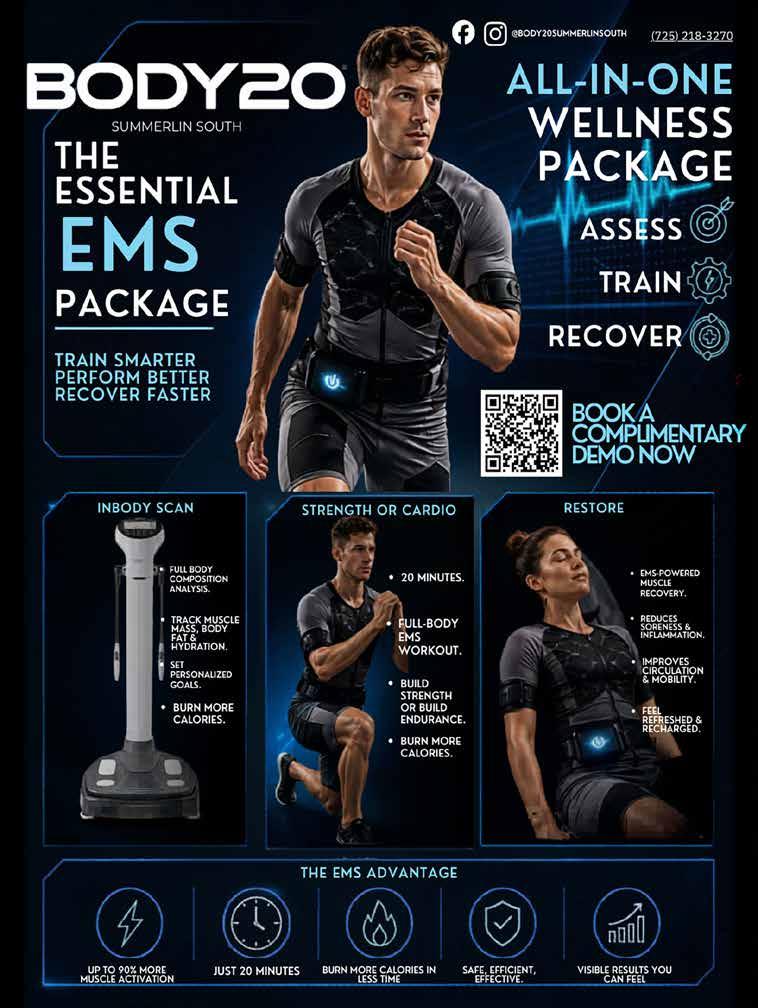
If you want to learn more about improving strength efficiently and safely, visit BODY20 and discover how modern training methods are helping people stay strong, active, and independent at every age.
Becoming a Woman of Power
“The world doesn’t need women who play small. The world needs women who know their power and aren’t afraid to shine.” ~Tsikki
There comes a moment in a woman’s life when she stops asking for permission to be herself. For me, that moment arrived as I entered my fifties.
When I was younger, I would hear women talk about stepping into their power. They spoke of confidence, freedom, wisdom, and a deep sense of self-worth. To be honest, it sounded like a fairy tale. It felt so far away, like something reserved for other women, not me.
When we’re young, we rarely believe that one day we will age. Or as I prefer to say, we will grow wiser while staying younger in spirit. What I didn’t realize then was that becoming a woman of power isn’t something you achieve overnight. It’s something you grow into. It is earned through life experiences, challenges, heartbreaks, victories, lessons, and countless moments of self-discovery.
Today, I can feel the empowering frequency I once only heard about. Living in my power means I no longer play games. What you see is what you get. There is a freedom that comes from being unapologetically authentic. I no longer spend my energy worrying about what others think of me. I don’t seek validation. I don’t shrink myself to make others comfortable.
Instead, I stand firmly in my truth.
There is something magnetic about a woman who fully accepts herself.
She isn’t trying to impress anyone. She isn’t chasing approval. She isn’t pretending to be someone she’s not. She knows who she is. That confidence becomes her greatest attraction. Not because she demands attention, but because she radiates authenticity. People are naturally drawn to someone comfortable in their own skin.
One of the greatest lessons I have learned is that putting myself first is not selfish; it is necessary. For years, many women have been taught that selflessness means sacrificing themselves for everyone else. But true selflessness begins with self-care.
When I honor my own needs, protect my peace, and nurture my well-being, I have more joy to share with others. I become more present, more compassionate, and more capable of serving those around me. Selfless service to my own being creates happiness within me, and that happiness naturally extends to others.
I have also discovered a new level of fearlessness. Fear still exists, but it no longer controls my decisions. I take action despite uncertainty. I speak my truth even when my voice shakes. I trust myself enough to know that I can handle whatever comes next. A woman of power is not fearless because she has no fear. She is fearless because she refuses to let fear stop her from living fully. The most powerful thing we can do is lead by example.
When we choose courage over comfort, authenticity over approval, and truth over pretense, we permit others to do the same. Our actions
become our message.
As I continue this journey, I realize that becoming a woman of power is not a destination. It is an ongoing evolution. It is waking up each day and choosing yourself. It is honoring your wisdom. It is trusting your intuition. It is living from a place of love rather than fear. And perhaps most importantly, it is recognizing that your value was never something you had to earn.
It was always within you.
Today, I stand taller, speak more clearly, love deeper, and live more freely than ever before. Not because life is perfect, but because I have finally embraced the woman I was always meant to be. And that, to me, is true power.
A Message to Every Woman
If there is one piece of advice I would give to every woman, it is this: stop waiting for permission to become who you already are. You do not need to be thinner, richer, younger, prettier, or more accomplished before you claim your power. Your power has never been outside of you. It has been waiting patiently for you to recognize it.
Start by trusting yourself. Listen to your intuition. Speak kindly to yourself. Set boundaries without guilt. Say no when you mean no and yes when your heart says yes. Honor your dreams and stop apologizing for taking up space in this world.
Most importantly, release the need to compare yourself to other women. Another woman’s success does not diminish your own. We rise higher when we celebrate one another rather than compete.
A true woman of power understands that empowerment is not about standing above others. It is about reaching back and extending a hand to help another woman rise. It is about offering encouragement instead of judgment, support instead of criticism, and love instead of comparison.
Imagine what could happen if women everywhere chose to empower one another. Imagine the confidence we could inspire, the dreams we could help bring to life, and the lives we could transform simply by believing in each other.
As women, we are stronger together than we will ever be apart.
My wish is that every woman discovers the incredible power she already carries within her. May you embrace your wisdom, trust your voice, and live unapologetically as your authentic self. And when you do, may you inspire another woman to do the same.
Tsikki Thau is an internationally acclaimed stress management expert and manifestation coach with more than 30 years of experience transforming lives worldwide. Celebrated Author of Attract It All: The Real Secret to Manifestation. Creator of the S.N.A.P. method and Vibe-Up technology, Tsikki blends science with energy psychology to help clients overcome obstacles. Visit her at TsikkiThau.com. Follow on Instagram @TsikkiThauOfficial.
>>> Biohacking with JohnXD
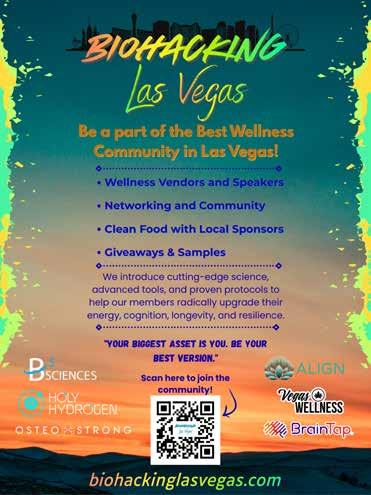
biohackinglasvegas.com
Biohacking Las Vegas Turns a New Chapter
From Monthly Meetups to a Full Wellness Network
Welcome to Summer, Happy 4th of July, and Happy 250th Birthday, America!
Thank you to everyone who has been part of this journey with me to help transform Las Vegas into a genuinely healthier city. The progress we’ve seen over the past few years has been remarkable, and I’m grateful to have so many of you along for the ride.
Many of you already know me and have heard me speak passionately about Biohacking Las Vegas (BHLV). What started as a simple idea has grown into something much bigger than I initially imagined. From the very beginning, my mission has been clear: to connect this city and help turn Las Vegas into a premier Health and Wellness destination, at least for those of us who are committed to living healthier, more optimized lives.
I founded BHLV because I knew there were already biohackers, wellness practitioners, and cutting-edge centers scattered across the valley, but there was no central hub where people could easily find them. So I embraced the classic principle: If you build it, they will come.
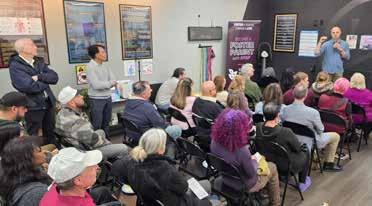
In the early days, that meant hosting small monthly meetings where we would gather around the BioCharger. People shared what they were working on, what protocols they were experimenting with, and what results they were seeing. What began with just a handful of curious individuals quickly grew, 20 people, then 40, then 60, and beyond. It became obvious that many others in Las Vegas were craving the same thing I was: genuine connections with authentic, like-minded people who genuinely want to support and uplift one another.
Some of the most rewarding moments have come from watching friendships and collaborations form organically simply because people were willing to show up and be in the same room together.
As the group continued to expand, we introduced guest speakers, and that’s when the momentum truly accelerated. Doctors, chiropractors, physical therapists, nutritionists, wellness coaches, and other healthcare professionals started attending regularly. The energy in the room shifted to a higher level. Today, BHLV proudly consists of a strong core of dedicated regulars alongside new faces every month who quickly become part of our growing family. All of our meetings are recorded, and the guest speaker presentations are posted so the valuable information can continue to reach and inspire even more people.
Now we’re stepping into our biggest evolution yet.
After carefully studying the needs of both consumers and business owners, I’ve built a powerful new membership platform designed to
connect wellness businesses with motivated customers in a smarter, more seamless way.
The new BHLV Platform is a beautiful, interactive mobile app that puts incredible benefits right at your fingertips. As a member, you’ll enjoy exclusive discounts at top-rated wellness businesses and practitioners across Las Vegas. You’ll be able to easily redeem offers, register for events, connect with the community, access member-only content, track your personal biohacking progress, and much more, all in one convenient place.
We’re also proud to offer special discounted memberships for Veterans and First Responders. These men and women serve and protect us every day, and we want to give back by making advanced wellness tools and resources more accessible to them.
For our partner businesses, we’ve created a dedicated business app that makes it simple to scan members in, track redemptions, and gain valuable insights into engagement. Our network consists of carefully vetted, highquality wellness providers who are excited to grow alongside us.
With strong support from local media partners like Vegas Wellness Magazine and Channel 3, we are well-positioned to expand Biohacking Las Vegas into one of the most impactful health and wellness movements in the city. We’re always looking to welcome new aligned businesses into the family.
The platform is currently in final testing and will officially launch in July. Notifications will be sent as soon as membership opens.
Our beloved monthly in-person meetings will continue and are expected to grow even larger as more people discover the best health and wellness network in Las Vegas. This is just the beginning. Stay tuned, the best is yet to come.
>>> ACROSS CULTURES, ACROSS CHANGE
How the World Navigates Perimenopause and Menopause
Menopause is a universal biological milestone- every woman who lives long enough will experience it. Yet the way women experience, interpret, and manage perimenopause and menopause varies dramatically around the world. Cultural beliefs, diet, lifestyle, social roles, and traditional medicine all shape whether this transition is viewed as a crisis to be treated, a natural passage to be celebrated, or something barely noticed at all. Looking beyond the Western medical model reveals a rich tapestry of wisdom and practice worth exploring.
Japan:
Konenki and the Art of Quiet Transition
In Japan, menopause is referred to as konenki, which translates roughly as "renewal years" or a time of regeneration. Notably, Japanese women report significantly lower rates of hot flashes and night sweats compared to Western women. Researchers attribute this in part to the traditional Japanese diet, which is rich in phytoestrogens, plant-based compounds that mildly mimic oestrogen. Soy products such as tofu, miso, edamame, and natto are dietary staples and are believed to smooth hormonal fluctuations. Beyond diet, the Japanese cultural lens tends to frame midlife not as decline, but as a period of growing wisdom and freedom. Women are not typically encouraged to medicalize or dramatize symptoms, and the expectation of stoic resilience means that many women move through the transition with less distress. This is not suppression, but a culturally embedded sense that change is natural.
India:
Ayurveda, Spirituality, and New Social Status
In many parts of India, menopause can bring an unexpected social uplift. In communities where menstruating women face restrictions, from entering temples to preparing certain foods, the end of menstruation can mean a welcome expansion of freedom. Postmenopausal women often gain greater social and spiritual authority. Ayurvedic medicine, India's ancient holistic healing system, offers a well-developed framework for managing this transition. Practitioners focus on balancing the body's doshas (energy principles) through herbal remedies such as ashwagandha, shatavari, and brahmi, along with dietary adjustments, Yoga, and oil-based therapies like abhyanga (self-massage). The approach treats the whole person, body, mind, and spirit, rather than targeting isolated symptoms.
Indigenous and African Cultures: Elders, Wisdom-Keepers, and Ceremony
Across many Indigenous cultures of North America and throughout sub-Saharan Africa, postmenopausal women hold a place of high honor. The cessation of menstruation is seen as the retention of "wise blood": a source of power and spiritual insight. Older women often transition into roles as healers, storytellers, community leaders, or ceremonial guides. Research among the Mayan Indigenous people of Mexico found that women anticipated menopause positively, reporting fewer symptoms than Western counterparts and experiencing little to no depression related to the transition. Anthropologists suggest that societies that elevate the status of older women produce healthier menopausal experiences, a compelling reminder that attitude and social context genuinely shape physical reality.
China:
By: Jenn Ty
Traditional Chinese Medicine and Yin-Yang Balance
Traditional Chinese Medicine (TCM) views menopause through the lens of Kidney energy decline and a shift in yin and yang balance. Practitioners use acupuncture, herbal formulas such as Liu Wei Di Huang Wan (Six Flavour Rehmannia Pills), and dietary therapy to support the body through this shift. Chinese herbal medicine has been used for thousands of years to address symptoms such as hot flashes, insomnia, and mood changes, and some formulas have attracted modern clinical interest. Lifestyle practices like tai chi and qigong (combining movement, breathwork, and meditation) are widely practiced in midlife and are believed to support hormonal and emotional equilibrium. The emphasis is always on restoring harmony within the body rather than suppressing symptoms.
The Western World: Medicalisation and the Growing Conversation
In many Western countries, menopause has historically been framed as a medical problem to be solved; a deficiency of hormones requiring intervention. Hormone Replacement Therapy (HRT) became widely prescribed, then controversial, then re-evaluated. Today, the conversation is shifting. There is growing recognition that Western culture's fear of aging, its devaluing of older women, and its medicalization of normal life events may actually worsen the menopausal experience. Encouragingly, recent years have seen an explosion of open dialogue, with women demanding better information, improved medical care, and a cultural re-framing of midlife as a powerful — not pitiful, chapter.
What We Can Learn
The global evidence is striking: cultures that celebrate older women, value their wisdom, and provide holistic tools for managing the transition consistently produce better menopausal health outcomes. Diet clearly matters, with plant-based phytoestrogens playing a particularly notable role. Community, purpose, and social status matter just as much. Traditional medicine systems around the world offer centuries of accumulated knowledge that modern science is only beginning to properly investigate. The menopause transition does not have to be a suffering to be endured. Across cultures, it can be, and often is, a meaningful threshold into a new and expansive phase of life.
Jenn Ty is a licensed massage therapist, myofascial release specialist, and the owner of Flow Massage Therapy. For more information, or to book a consultation, call (917) 592-3395 or visit flowmassage.info.
Sasha
Natasha
Angela
The Flow Massage Therapy Team
>>> The Path of Presence
What does a life lived well actually look like? When we have achieved the perfect body, an optimized protocol, vitality, health, and more energy - what kind of life are we working towards?
Our culture is obsessed with more. It is the human condition to believe that there is a point, somewhere in the future, when we will finally have accomplished and acquired enough that we can rest and enjoy our lives. That is, in fact, what we are all striving for: enjoyment.
We want to feel like we are living our lives rather than simply surviving. We want to contribute something meaningful to the world through our authentic creative expression. We want deep connection and intimacy within our communities and relationships. We want to design a life that feels good, but we are running on old programs that prioritize status, power, and external validation rather than alignment, freedom, and sovereignty.
What if the ideal outcome of a well-lived life is simply our capacity to cultivate more presence? To live authentically, joyfully, and creatively? Perhaps the wellness journey is the path to presence, and integrated wellness is about fully inhabiting our lives rather than trying to optimize them.
The Illusion of Perfection
My wellness journey began when I got sober from alcohol 10 years ago. I became obsessed with fitness and nutrition. I spent every day at the gym, prepping meals, counting steps, and macros. I was unrelenting in my goal of becoming the best version of myself. I reached peak discipline, and it truly saved my life.
My striving to be better expanded into my mindset. I consumed every self-development book and podcast out there. I became a personal trainer, fitness and Yoga Instructor, certified nutrition coach, and Pilates instructor, on top of my career in event production. I dove into therapy, energy work, sound healing, medicine, ceremonies, and any way I could find to fix what I thought was broken within. I dedicated myself to excellence in every arena of life and became addicted to optimizing every aspect of myself.
You see, I was chasing an impossible idea of someone who, if she could improve herself enough, might finally feel like home in her body. But my constant hunger for more fed the voice inside my head that had never stopped telling me that I wasn't enough. No matter how much I accomplished, how much status I had, or how much money was in my bank account, I could never quite relax into a present state of being.
Presence and Connection
True presence requires connection, but we have become increasingly disconnected from ourselves, disconnected from our bodies, our emotions, our passions, and our communities. This disconnection creates a feeling of unease, or dis-ease in our internal world.
We are burnt out on constant optimization, and wellness has turned into another avenue for our endless pursuit of perfection. Biohacking, optimization, exercise, and diet are all brilliant tools that can help us regulate our bodies, but there is more to explore when it comes to creating a deeply fulfilling life.
The next iteration of integrated wellness will be focused on presence over performance. Connection will be the most valuable commodity, and authenticity the most valuable currency. Wellness will be the foundation for
profound aliveness.
By Krystian Bastidas
Embodiment is a hot buzzword in the wellness community right now, and for a good reason. Embodiment is about coming back into connection with our body’s intelligence and intuition and learning how to nurture ourselves. It’s the practice of living from our hearts rather than being stuck in our heads. Bridging the gap between our knowledge and our actions and creating an environment that encourages more joy, creativity, and abundance. Authenticity is the result of truly embodying and creating a life rooted in Integrated Wellness.
Authentic Living
The path of presence can be quite confronting, because we must examine where we have been performing our life, where we have been disconnected and distracted. Presence is an opportunity to rewrite the programs that have been unconsciously dictating our behaviors and reclaim sovereignty over our lives.
We must address our barriers to connection and reckon with the stories we have accepted about what a good life looks like. This means we must be committed to radical honesty, accountability, and vulnerability. We can only meet others to the depth in which we have met ourselves. We must learn what it looks like to live from a place of integrity and be a responsible steward of our resources in service to our communities and our planet. This means developing more tolerance, being able to hold more nuance, and opening our minds to contemplating and respecting different perspectives.
The real work is becoming someone who can remain present with the spectrum of life’s experiences and make a conscious choice to see each moment as a gift. It is choosing to take great care of your mind, body, and spirit to create more space within, to sit in the stillness, without needing to escape it. It is infusing more love, joy, and compassion into our internal worlds so that we can actually be with each other, instead of chasing validation from outside of ourselves.
Presence is the ability to fully participate in our lives. It is to be able to lean into the flow and relax into the perfection found in the present moment. It is to love ourselves and others so completely that we are no longer driven by stories of unworthiness and comparison. Presence is the ability to live from the heart, which is the only path back to true, meaningful connection with ourselves and the world around us.
The life we are craving lies on the other side of our ability to cultivate more presence. It is the integration of the parts of us that don’t feel enough so that wellness is no longer considered a luxury, but it is the foundation from which we build a more beautiful world.
>>> COMMUNITY IS A BIOMARKER
The Most Dangerous Vital Sign We Are Not Measuring
You can have excellent labs and still be profoundly unwell. You can hit your step count, track your macros, dial in your hormones, optimize your sleep, and still wake up with a quiet sense of dread you cannot explain. You can buy the supplements, wear the devices, follow the protocols, and still feel as if your body is bracing for impact every single day.
Maybe it is not another protocol you are missing. Maybe it is people.
For the last decade, wellness has been dominated by what can be tracked: blood sugar, body fat, resting heart rate, deep sleep, VO2 max, hormone panels, inflammation markers. These metrics matter. They reveal risk, guide intervention, and help us make better decisions. But there is another variable quietly shaping human health that almost no one measures with the same urgency, even though the data is remarkably strong: community.
Not followers. Not likes. Not “networking.” Not the illusion of connection that comes from being surrounded by people, but never truly known. Actual community.
The kind that knows when you disappear. The kind that expects you in the room. The kind that notices when your energy is off, when your smile is forced, when you have gone quiet, when you are carrying more than you can hold alone. That may sound soft in a culture obsessed with hard data. It is not.
The U.S. Surgeon General’s advisory on social connection reports that stronger social relationships are associated with a 50% increased likelihood of survival, based on data across 148 studies with an average follow-up of 7.5 years. A major meta-analysis found the same effect across more than 300,000 participants, concluding that social relationships influence mortality risk as much as many well-established medical risk factors. Poor social relationships, social isolation, and loneliness are associated with a 29% higher risk of heart disease and a 32% higher risk of stroke.
That is not a lifestyle issue; it is a health issue. In some public health comparisons, the mortality impact of social disconnection has been described as comparable to smoking up to 15 cigarettes a day. The World Health Organization has elevated social connection to a global health priority, reporting that about one in six people worldwide is affected by loneliness and that loneliness is linked to around 100 deaths every hour
globally, or more than 871,000 deaths each year.
By Dr. Tim Patel, MD
People are not just dying from what they eat, or how little they move, or what they forgot to supplement. People are also suffering from the biological consequences of being unseen, unsupported, unanchored, and alone. Yet this is still not how most people think about health. Many still separate “real health” from “social life,” as if relationships belong in one category and physiology in another.
The body does not make that distinction. The body registers isolation. It registers chronic stress. It registers the absence of safety, belonging, and support. Social isolation and loneliness are associated with serious risks to both mental and physical health, including cardiovascular disease, depression, anxiety, cognitive decline, and premature death.
In other words, your relationships are not peripheral to your biology. They are part of your biology.
As a physician and founder of a longevity-focused wellness center in Las Vegas, this shows up constantly. Some people look “healthy” on paper: decent labs, reasonable body composition, a gym routine, some structure, and yet something deeper is clearly off. They are tired in a way that sleep alone does not fix. Their nervous systems are stretched thin. Their lives are efficient but emotionally undernourished. They are performing wellness but not fully living in health.
That difference matters. One person may be running a sophisticated protocol. Another may be living inside a life that actually supports healing. Those are not the same thing.
Modern wellness has become incredibly good at measuring the body while remaining surprisingly poor at measuring the environment the body lives in. We can quantify glucose variability to the decimal point, but rarely ask: Who does this person laugh with? Who would notice if they withdrew? Where do they go that makes healthy behavior feel natural? What communities reinforce their values, regulate their stress, and make their life more resilient?
Those are not sentimental questions. They are clinically relevant questions. That is why the community should be thought of as a biomarker of health.
Not in the narrow sense of a single lab value, but in the larger and more useful sense: a measurable signal that tells us something essential about a person’s likelihood of thriving. Does someone have trusted relationships? Do they have a meaningful face-to-face connection? Are they part of a group, ritual, space, or network that would feel their absence if they stopped showing up? Do they belong somewhere that makes their habits better simply because they are there? Those answers tell us more than we often admit. And in Las Vegas, this conversation is especially urgent.
Las Vegas is a city of energy, ambition, performance, hospitality, and motion. It is a city built on experience. But it is also a city where many people work extreme schedules, live under chronic stress, serve other people’s experiences for a living, and struggle to build a consistent, grounded community of their own. You can be surrounded by people here every day and still feel profoundly alone.
That kind of loneliness is uniquely dangerous because it often hides in plain sight. It hides in the entrepreneur with endless meetings and no real support system. It hides in the woman doing everything “right” who still feels emotionally starved. It hides in the man who mistakes isolation for strength and self-sufficiency for resilience. It hides in polished, high-functioning lives that look impressive from the outside and feel brittle on the inside.
This is why quality of life deserves to be taken far more seriously in health conversations. Quality of life is not fluff. It is not a luxury added on after the “serious” work is done. In many cases, it is serious work. A life with strong relationships, trustworthy spaces, meaningful rituals, and a felt sense of belonging is not simply more pleasant. It is more protective.
Community changes behavior. It raises the floor. It makes consistency easier. It normalizes movement, accountability, rest, walking, strength training, real conversation, and asking for help before burnout becomes collapse. It reduces friction. It increases meaning. It helps transform health from something a person has to force into something their environment naturally supports.
That has major implications for the next era of wellness.
A true health operating system cannot stop at diagnostics, exercise pre scriptions, supplements, hormones, or recovery technologies. Those tools matter, but they are incomplete on their own. Health is not created only by interventions. It is created by environments. By rituals. By standards. By belonging. By the people around us who help determine what becomes normal.
tems that quietly deplete them. They are buying access to better data without building better lives. They are pursuing elevated performance without enough connection to make that performance sustainable.
The result is a polished form of exhaustion.
If community is a biomarker, then it should change how we think about prevention, longevity, and what a truly healthy city looks like. It should change what we build and value. It should change the questions we ask in medicine, in wellness, in business, and in everyday life.
Not just: What are your labs? But also: Who knows your story? Who expects you in the room? Who would call if you went quiet? What spaces in this city make you healthier simply because you walk through the door?
Those are not soft questions. They may be some of the most important
This is also why this conversation deserves to move beyond theory. It is why The Quality of Life Lab was created: an ongoing conversation platform that highlights the people, places, and organizations helping make Las Vegas a
consider this an open invitation to reach out. More of that work is needed,
Because the body is always listening. It listens to what you eat. It listens to how you sleep. It listens to how you move. It listens to your stress, your habits, your recovery, your environment. And it listens to whether you are doing
How Strong Bones Power Your Summer Adventures and Longevity BUILDING YOUR FOUNDATION
As the blazing July sun transforms Las Vegas into a playground of outdoor excitement, locals and visitors alike are lacing up hiking boots for Red Rock Canyon treks, diving into pool workouts, or enjoying evening strolls along the Strip. Summer in the desert means more movement, more fun, and more demand on your body. But while you're focused on staying active and beating the heat, there's one critical element that often gets overlooked: your skeletal foundation.
At OsteoStrong Las Vegas, we believe true wellness starts from the inside out—literally. Strong bones aren't just about avoiding fractures in later years; they're the invisible support system that enhances every aspect of your daily life and helps you thrive through decades of vibrant living.
The Hidden Power of Bone Strength
Your skeleton does far more than hold you upright. It protects vital organs, serves as an anchor for muscles, stores minerals, and even influences blood sugar regulation and hormone production. As we age, bone density naturally declines, which can lead to reduced strength, poorer balance, joint discomfort, and increased injury risk. This decline doesn't just affect "old age", it impacts your ability to enjoy the activities you love right now.
Think about it: When your bones are strong, your posture improves, your movements feel more confident, and everyday tasks, from carrying groceries to playing with grandchildren, become easier and less taxing. For active Las Vegans, robust bones mean better performance on the golf course, more stability during yoga in the park, and the resilience to recover quickly from those inevitable desert adventures. Research consistently shows that weight-bearing and high-intensity loading activities stimulate bone growth, much like muscles respond to resistance training. Stronger bones contribute to better balance and coordination, which directly reduces fall risk- a major concern as we pursue longevity. Beyond physical structure, emerging evidence links skeletal health to overall metabolic benefits, including improved blood sugar control.
Summer-Proof Your Body: Strong Bones for Active Days
July in Las Vegas is peak season for outdoor pursuits. Temperatures soar, but early mornings and evenings offer perfect windows for hiking, biking, swimming, or simply exploring our vibrant city. These activities are fantastic for cardiovascular health and mental well-being, but they place significant demands on your musculoskeletal system. A solid bone foundation acts like a shock absorber for your body. It helps absorb impact during hikes on uneven terrain, supports powerful movements in sports, and maintains alignment during long days on your feet. Without it, even moderate activity can lead to aches, fatigue, or minor injuries that
sideline you from the fun.
Many people focus exclusively on cardiovascular fitness or muscle toning in summer, but neglecting bone health is like building a beautiful house on a shaky foundation. OsteoStrong provides the targeted stimulus your bones crave without the high-impact risks of traditional exercises. Sessions use specialized robotic musculoskeletal devices that allow you to safely generate forces far exceeding what conventional workouts can achieve (often multiples of your body weight), triggering your body's natural bone-building response (osteogenesis).
The best part? It only takes about 10-12 minutes once a week. Members step onto the devices for brief, controlled efforts in four key positions (leg press, chest press, core pull, and vertical lift). The system provides realtime biofeedback, so you work at your optimal level safely, regardless of age or current fitness.
Longevity Starts with Your Skeleton
Longevity isn't just about adding years; it's about adding vital years filled with independence and joy. Strong bones play a starring role here. They support better posture, which reduces back and neck pain while projecting confidence. Enhanced balance from improved skeletal strength helps prevent falls, one of the leading causes of injury in adults over 65. And by maintaining bone density, you preserve mobility that keeps you engaged in life- traveling, dancing, gardening, or whatever fuels your passion.
Studies on osteogenic loading, the science behind OsteoStrong, show promising results for bone mineral density, muscle strength, balance, and even joint pain reduction. Users often report feeling steadier on their feet and more energetic for daily activities. For athletes, it can enhance performance by creating a stronger platform for power generation. For everyone else, it's insurance for an active lifestyle.
In a city like Las Vegas, where wellness culture thrives amid the desert energy, investing in bone health aligns perfectly with a proactive approach to aging. Whether you're in your 30s building peak bone mass, in your 50s navigating hormonal shifts, or beyond and focused on maintaining independence, it's never too late (or too early) to strengthen your foundation.
Your Weekly 10-Minute Investment
OsteoStrong Las Vegas at Gramercy Commons makes it incredibly convenient. Located at 5752 S Fort Apache Rd Ste 145, our center offers a supportive, low-pressure environment with trained technicians guiding every session. No sweat, no lengthy workouts—just efficient, science-backed results that complement your summer activities and long-term wellness plan.
Many members combine OsteoStrong with their regular exercise routines, finding they have more power and recovery capacity for everything else they love to do. It's not a replacement for movement; it's the upgrade that makes all movement better. This July, as you embrace the sunshine and excitement of Las Vegas summers, don't forget the structure that makes it all possible. Build your bones, fortify your foundation, and step into a stronger, more resilient version of yourself. Ready to discover what stronger bones feel like? Visit OsteoStrong Las Vegas for a complimentary session and consultation. Your skeleton is the ultimate biohack for a long, active life in the desert.
PRAKRUTI AND VIKRUTI >>>
An Ancient Framework for Individualized Health
The Individual Hidden Within the Pattern
In our previous article, we explored Dinacharya and the intelligence of daily rhythm. Ayurveda teaches that the body responds to repetition with remarkable fidelity. The timing of meals, the quality of sleep, the movement of the seasons, and the habits woven into daily life all leave their impression upon us. Over time, those impressions become part of our experience, shaping how we feel, think, digest, recover, and engage with the world around us.
As Ayurvedic knowledge evolved from observations preserved within the Vedic tradition and later recorded in classical texts such as the Charaka Samhita (circa 100 BCE to 200 CE) and the Sushruta Samhita, physicians encountered something that daily rhythm alone could not fully explain. Their study of health extended beyond food, herbs, and seasonal living into the remarkable differences that appeared from one individual to another.
Life unfolds beneath the same sun for all of us, and yet it rarely touches two people in the same way.
Within a family, one individual may seem invigorated by constant activity while another requires periods of quiet to feel restored. The arrival of autumn may inspire creativity and enthusiasm in one person while producing restlessness or discomfort in another. A meal enjoyed around the same table may leave one person feeling satisfied and energized, while another experiences heaviness or digestive strain. These differences reveal themselves so consistently throughout life that eventually they become impossible to dismiss as coincidence.
The ancient physicians paid close attention to these variations. They were students of nature in the broadest sense of the word. Their classrooms were not limited to manuscripts and formal instruction. They observed rivers and forests, the migration of birds, the cycles of the moon, the changing seasons, and the countless ways life expressed itself through diversity rather than uniformity.
Everywhere they looked, they encountered the same principle. The banyan tree did not grow like the bamboo. The mountain did not respond to the storm in the same manner as the grasslands below it. Even plants sharing the same soil often displayed entirely different characteristics. Nature was not organized around sameness. It was organized around relationship, adaptation, and individuality.
Ayurveda ultimately arrived at the conclusion that human beings are no different.
Although we participate in the same natural world, we do not all express its forces in the same way.
The Original Pattern
This observation eventually gave rise to one of Ayurveda's most elegant concepts: Prakruti.
Prakruti is often translated as constitution, but the word carries a depth that is difficult to capture through a single English equivalent. Classical Ayurvedic texts describe Prakruti as the constitutional pattern established at conception, a foundational concept used to understand why individuals
By Pravina Narayan Founder of Seva Holistic
respond differently to food, climate, lifestyle, and the many influences encountered throughout life.
The Ayurvedic sages were not interested in placing people into categories. Their intention was far more sophisticated. They sought to understand why certain tendencies appeared repeatedly throughout a person's life and why those tendencies often remained recognizable despite changes in age, circumstance, and environment.
Some individuals seem naturally drawn toward movement, exploration, and variety. Others possess a remarkable capacity for focus, discernment, and transformation. Still others carry an innate steadiness that reveals itself through patience, endurance, and consistency. These tendencies extend beyond temperament. They often appear in digestion, sleep, physical structure, appetite, energy patterns, emotional responses, and even in the climates and environments where a person feels most comfortable. Ayurveda viewed these recurring patterns not as limitations, but as expressions of nature itself.
A river is not diminished because it flows differently from the ocean. A cedar tree is not deficient because it grows differently from a rose. Each possesses its own characteristics, strengths, and challenges. Human beings, Ayurveda suggests, are no different.
"Ayurveda represents one of the earliest recorded systems of individualized healthcare"
It is this recognition of individual variation that makes Ayurveda so distinctive. Rather than seeking a single approach that could be applied to everyone, the physicians developed a framework for understanding the unique nature of each person. In many respects, this became one of the earliest recorded approaches to individualized healthcare, a perspective that continues to resonate today.
Reading Nature's Architecture
The language Ayurveda developed to describe these constitutional patterns is expressed through the doshas: Vata, Pitta, and Kapha. These are often presented in modern wellness conversations as personality types, yet the classical texts describe something much more nuanced. The doshas are principles observed throughout nature and within the human body.
Vata governs movement and communication. It is reflected in breath, circulation, nerve impulses, sensory perception, and the countless forms of motion required for life.
Pitta governs transformation. Digestion, metabolism, discernment, vision, and the body's capacity to convert one substance into another all fall within its domain.
Kapha governs structure and cohesion. It provides stability, lubrication, endurance, immunity, and the qualities that allow tissues to maintain integrity over time.
Every person contains all three. The distinction lies in how they are expressed. Just as every landscape contains earth, water, air, sunlight, and space, every individual contains the forces represented by Vata, Pitta, and
Kapha. What makes each person unique is the particular relationship among them.
Health, therefore, was never understood as the absence of a dosha. It was understood as the harmonious expression of these governing principles according to the individual's nature.
When Life Leaves Its Imprint
If Prakruti describes the nature we arrive with, Ayurveda uses the term Vikruti to describe the condition we are experiencing now.
This distinction forms one of the most important foundations of Ayurvedic assessment.
The body does not move through life unchanged. Every experience participates in shaping it. The foods we eat, the environments we inhabit, the relationships we cultivate, the stress we endure, the sleep we miss, the grief we carry, and even the habits we repeat day after day gradually leave their imprint.
Over time, these influences can create a noticeable difference between our constitutional nature and our present condition.
The Ayurvedic practitioner seeks to understand both.
Without knowing Prakruti, it becomes difficult to recognize when the body has drifted away from its natural tendencies. Without understanding Vikruti, it becomes difficult to determine what forms of support may be most beneficial.
This perspective offers something that remains remarkably relevant today. Many people have become so accustomed to chronic patterns of fatigue, digestive discomfort, anxiety, irritability, or mental fog that they begin to view these conditions as permanent aspects of their identity. Ayurveda encourages a different inquiry. Rather than assuming every experience reflects who we are, it asks whether some experiences reflect where we are.
The distinction is subtle, yet it has profound implications for healing.
The River and the Riverbed
One of the most useful ways to understand the relationship between Prakruti and Vikruti is through the image of a river. The riverbed determines the natural course of the water. It shapes the direction, character, and tendencies of the river itself. The water flowing through that river, however, is constantly changing.
Heavy rainfall alters its speed. Drought exposes stones that were once hidden beneath the surface. Fallen branches redirect its movement. Seasonal conditions influence both its depth and its appearance. The river remains the same river, yet its present condition may look very different from one season to the next.
Ayurveda approaches the individual in much the same way. Prakruti represents the riverbed. Vikruti represents the current condition of the water. Understanding both reveals a more complete picture.
The Beginning of Self-Understanding
The study of Prakruti and Vikruti ultimately invites a different relationship with health. Rather than viewing the body as a collection of isolated symptoms to be managed, Ayurveda encourages us to see ourselves as living expressions of nature, shaped by both inheritance and experience. This perspective asks for patience and attentiveness. It encourages us to look
beyond temporary fluctuations and begin recognizing the deeper patterns that have accompanied us throughout life.
The sages believed that meaningful healing begins with observation. Before recommending herbs, dietary changes, or lifestyle practices, they sought to understand the person before them. Which tendencies have been present since childhood? Which qualities appeared only after periods of stress, illness, grief, or disruption? Which characteristics reflected the individual's constitutional nature, and which reflected the accumulated effects of circumstance and experience?
These distinctions remain just as valuable today. Many people move through life assuming that every habit, reaction, or discomfort is simply part of who they are. Ayurveda offers a more nuanced perspective. Some of what we identify as our nature may in fact be the result of patterns that developed gradually over years of living. Learning to recognize the difference creates the foundation for a more individualized and compassionate understanding of health.
Through this lens, self-awareness becomes more than a personal practice. It becomes a form of inquiry that helps illuminate not only how we feel, but why we feel that way.
Nature and Condition
One of the enduring strengths of Ayurveda is its refusal to separate the individual from the larger rhythms of life. The study of Prakruti and Vikruti reminds us that health is not achieved by forcing every person toward the same ideal. Meaningful healing requires an understanding of both our original nature and the influences that have shaped it over time.
Modern life often encourages us to search outward for answers. We compare ourselves to others, adopt generalized recommendations, and assume that what works for one person should work equally well for everyone. Ayurveda invites a more discerning approach. It encourages us to observe our own experience, to notice recurring patterns, and to recognize that wisdom often emerges through sustained observation rather than quick conclusions.
Perhaps this is why the concepts of Prakruti and Vikruti have remained central to Ayurvedic medicine for centuries. They remind us that healing is rarely about becoming someone else. More often, it involves clearing away the influences that obscure our natural state, allowing the qualities that belong to us by nature to express themselves more fully.
In next month's article, we will explore the fascinating Ayurvedic concept of Viruddha Anna, often translated as incompatible foods. For generations, Ayurvedic physicians observed that food could not be evaluated solely by its individual ingredients. The way foods interacted with one another appeared to matter just as much as the foods themselves. Through careful observation, they recorded combinations that seemed to support digestion and vitality, as well as combinations that repeatedly produced heaviness, discomfort, and imbalance. These observations became the foundation of what Ayurveda calls Viruddha Anna, a subject that remains both fascinating and remarkably relevant in everyday life.
Until then, I leave you with this:
If nature expresses itself uniquely through every individual, how often do we pause long enough to understand our own nature before trying to change it?
>>> Freedom Is What Remains
When Anger Lets Go
July celebrates freedom loudly. Fireworks fill the sky, barbecues fill backyards, and we gather to celebrate independence. Yet for many of us, true freedom is more symbolic than real. Beneath the noise, we remain trapped in invisible cages of our own making: persistent negative thoughts, unresolved trauma, resentment, addiction, and unhealed wounds that quietly dictate how we live. Recognizing these cages is the first step toward absolute freedom. Not political freedom, but emotional freedom. The kind that allows us to move forward without dragging the past behind us. Freedom is not the absence of pain; it is the willingness to speak our truth, live with our mistakes, and stop telling ourselves stories long after they stop serving us.
Life hurts. To live fully is to take a risk, yet when trauma goes unhealed, fear becomes our navigator. We hesitate to enter new relationships, afraid of being hurt again. We retreat from life and watch others live theirs through screens, scrolling instead of participating. Without realizing it, we lock ourselves into cages built from fear and avoidance.
Trauma builds these cages slowly. It teaches us to stay alert, guarded, and prepared for harm. Over time, survival hardens into habit. Resentment begins to feel like protection. Grudges masquerade as strength. Addiction promises relief while tightening its grip. Recognizing these patterns is crucial because none of this feels like captivity at first. It feels like control. It feels like safety.
Most people are not imprisoned by others; they are imprisoned by what they learned to do to survive. The mind remembers pain long after the threat has passed. The body stays braced, and the heart remains closed. Familiar suffering begins to feel safer than unfamiliar peace. Eventually, even kindness is questioned. Apologies feel manipulative, and good intentions feel dangerous. The cage closes quietly, reinforced by bitterness and distrust.
Letting go sounds simple. In practice, it is terrifying. I come from a family where relationships are complex, and grudges tend to harden over time. When I look back, there are clear mile markers in my life where silence replaced conversation, and distance became permanent. I asked for meetings, for open discussions, for a chance to clear the air and find common ground. Those requests were denied. Some relationships faded into estrangement; others hardened into absence.
For a long time, I believed reconciliation was the only path to freedom. I thought that if apologies were exchanged, if kindness were extended, if truths were finally spoken, something could be repaired. Eventually, I had to face a more complicated truth: wanting resolution does not guarantee it. As much as we may want to bury the hatchet, it really does take two to tango. When only one person is willing to step onto the floor, the dance never begins.
That realization hurt more than the grudge itself. I did not want bitterness to be what lasted. Charles Bukowski once wrote that "hatred is the only thing that lasts," and there were moments when that felt painfully accurate. When decades pass, memories fade, and anger remains, it can feel as though resentment has outlived everything else. Yet I knew that if hatred lasted in me, then the cage would stay locked.
Letting go, for me, did not mean excusing what happened or pretending it did not matter. It meant accepting what I cannot control. It meant letting go
By Steven Dee Kish
of the belief that openness alone could heal relationships when the desire to heal was not mutual. That acceptance did not bring peace overnight, but it brought freedom. It allowed me to step out of resentment without waiting for permission from those unwilling to meet me there.
Freedom asks us to confront what we avoided for years. That confrontation rarely brings instant relief. It may require boundaries. It may require redefining loyalty. It may require recognizing who supports healing and who resists it. Some people want us to remain in our cages because it keeps relationships predictable. Others are willing to walk beside us as we step out. True freedom is not doing this work alone. It is learning who to trust with your truth. It is finding people who can sit with discomfort without trying to control it, who offer presence rather than pressure. Freedom grows where support exists.
Healing does not mean erasing the past. It means refusing to let it dictate the future. It is acknowledging pain without building a permanent home inside it. Freedom is not forgetting; it is integration; learning how to carry your story without being crushed by it.
In a world that celebrates freedom as spectacle, real freedom is quiet. It shows up in the choices we make when no one is watching. In the decision to step out of the cages we built to survive. In choosing release over resentment and connection over isolation. Freedom is not the absence of pain; it is the decision to stop letting pain decide who we become.
Looking for a page-turner to toss into your travel bag, or set on your poolside reading stack this summer? Deadly Vision by physician and award-winning author T.D. Severin, M.D., delivers a gripping blend of medical suspense, cutting-edge technology, and high-stakes intrigue. Set against the backdrop of groundbreaking virtual reality research and a healthcare system rife with political tension, the novel follows Dr. Taylor Abrahms as he races to protect a revolutionary medical innovation- and his own life. Fast-paced, intelligent, and impossible to put down, Deadly Vision is the perfect summer read for fans of thrillers that challenge both the mind and the imagination.
ABOUT
A revolutionary medical breakthrough. A technology so advanced, people will kill to prevent its discovery. Dr. Taylor Abrahms is a leading researcher in the emerging field of Medical Virtual Reality. His groundbreaking Virtual Heart Project combines virtual reality, artificial intelligence, and microsurgery into a technological innovation capable of transforming medicine forever.
Summer Reading Deadly Vision
By: T.D. Severin, M.D.
But in the politically charged environment of San Francisco University Medical Center, innovation comes at a dangerous price. As healthcare reform, political corruption, and corporate interests collide, Taylor finds himself targeted by powerful enemies determined to stop his research at any cost. Careers are destroyed. Lives are threatened. Associates connected to the project begin turning up dead.
Caught in a deadly web of sabotage, conspiracy, and murder, Taylor must fight to protect both his life’s work and the people he loves before time runs out. Deadly Vision is a gripping medical techno-thriller blending cutting-edge science, political intrigue, and relentless suspense.
By Jennifer Walker
AUTHOR
T.D. Severin, M.D., is an internationally renowned physician, surgeon, professor, and award-winning author specializing in medical suspense and techno-thrillers.
Dr. Severin has published fiction and nonfiction since 1994, with work appearing in magazines and journals worldwide. He has been recognized by Newsweek as one of the nation’s top ophthalmologists and has received the prestigious Telly Award for excellence in medical television programming.
In addition to his medical career, Severin is also the founder of the heavy rock label Ripple Music and a former radio disc jockey. His global travels, including Tibet, Mt. Everest, the Great Barrier Reef, Malta, Istanbul, and Southeast Asia, heavily influence the rich settings and adventurous spirit of his writing.
He currently resides between the San Francisco Bay Area and Florida with his wife and two dogs, where he is at work on his next thriller.
FIND IT
Deadly Vision is available online at Amazon, Audible, and Barnes and Noble as a high-grade paperback, Kindle, and audiobook. Also available at select bookstores.
What’s the Tea on Lemon Balm? with Saba Sip Tea >>>
Plant Communication
Long before herbs were bottled into tinctures, or sold commercially (such as our premium loose-leaf delicious tasty blends at High Tech Healing ), or even studied in laboratories (to make the derivatives now used in modern medicine), the uses of herbs were discovered through intimate relationships. Relationship with nature was the ultimate teacher of utilizing the tools of our environment. With herbs, the act of watching animals, tasting leaves, tending gardens, sitting with the sick, and noticing what changed in the body over time brought about a presence that came with many solutions. A bitter root that stirred digestion, a fragrant leaf that softened anxiety, a warming spice that moved circulation, a cooling flower that calmed heat in the skin; these observations became the earliest language of herbal medicine.
It was clear through learned experience that plants do not always act in one specific way; it is always a spectrum of support. Many herbs touch several systems at once because the body itself is interconnected: the nervous system speaks to digestion, digestion affects immunity, immunity influences mood, and sleep shapes all of it as well. That’s why some herbalists came to describe plants by their actions or functions in the body. To give you an overview before we dive into the herb of the month, I will share with you some actions/functions of herbal classifications:
• Nervine: acts as calming and nourishing to the nerves
• Carminative: eases gas and digestive discomfort
• Antispasmodics, which help relax tension and cramping
• Diaphoretics: help the body release heat through sweat
• Other functions include antivirals, aromatics, expectorants, or cordials.
Lemon balm, also known botanically as Melissa officinalis, is one of those amazing plants (like most), where it cannot be defined by a single use. It is a relaxing nervine, mild sedative, carminative, antispasmodic, cordial, diaphoretic, antioxidant, anti-inflammatory, and antiviral herb.
What’s the Tea on Lemon Balm?
Before anyone isolated its rosmarinic acid or volatile oils, people knew by experience: the lemon-scented “bee herb” that seemed to settle the stomach, soften the nerves, brighten the mood, comfort the heart, and bring the body back into a gentler rhythm. This herb belongs to the broad and wide mint family, Lamiaceae, and its genus name, Melissa, comes from the Greek word for “honeybee”. In old European gardens, it was planted near hives to attract bees, calm swarms, and sweeten honey. The plant’s history is wrapped in the lives of household herbalists, monks, midwives, beekeepers, and physicians who saw in its bright fragrance a sign of cheerfulness and restoration. Medieval and early modern herbalists often described it as a plant of the heart, not only in a physical sense but also in emotional and spiritual senses. The old herbal tradition used the word “cordial” for remedies believed to strengthen, gladden, or comfort the heart, and lemon balm was one of the classic cordial herbs. As with most plants, if you've read any of my past articles, they have an ethnographical and folkloric record of use across the Mediterranean, Western Asia, parts of Africa, and Europe. And these uses tend to be multi-faceted.
Calm Your Nerves
In modern herbal classification, lemon balm is best known as a nervine. A nervine is an herb that supports the nervous system, especially when stress, restlessness, irritability, tension, or sleeplessness are present. This can also be seen in its digestive support. Lemon balm is one of the star features in our High Tech Healing premium loose leaf tea blend for the nervous system called Divine Align. I once had a woman pass through the farmers market and take it home for its use to support anxiety and nervousness (as it’s also paired with some synergistic herbs), and she called from another state to give me a very moving testimony which shared that she has dealt with major gut and IBS issues over the past 10 years, and this tea blend was the first to bring her some relief! It is always such a joy to get such amazing feedback, because I intend to make the herbs accessible (and enjoyable) so that they can work in your lives, and when they do, and I get that feedback, it truly confirms for me the reason I do my work and share these offerings. In this scenario, it goes to show how addressing the body as a whole is important. And the reason why I emphasize the high-tech nature of our body, as well as the simple tools of nature, is because they address issues on multiple levels, both physically and emotionally, as already mentioned. Many times, we may or may not realize that worry tightens the belly, grief steals the appetite, and nervousness turns into gas, nausea, or cramping. In herbal practice, this gentle yet effective herb, lemon balm, is perfect to address the whole system in this regard as it works at the crossroads of the gut and the nerves.
By Saba Tesfay
The Bioactive Compounds and Chemistry and Applications Thereof
The chemistry of lemon balm helps explain why it has remained such a valuable plant medicine. The leaves contain phenolic acids, especially rosmarinic acid and caffeic acid; flavonoids such as luteolin, quercetin, and apigenin derivatives; tannins; triterpenes, and volatile oil compounds including citral, citronellal, geranial, neral, linalool, and beta-caryophyllene. Rosmarinic acid is one of the most studied compounds in lemon balm and is associated with antioxidant, anti-inflammatory, and antiviral activity. A 2022 review by Petrisor and colleagues reported that these compounds in Melissa officinalis contribute to its pharmacological effects. A 2019 study by Aubert et al. investigated that a hydroethanolic lemon balm leaf extract had spasmolytic effects, which was an explanation for its use in digestive tension and cramping.
One of lemon balm’s strongest modern research areas is the nervous system. A randomized, placebo-controlled study by Kennedy et al. in 2003 found that certain doses of lemon balm improved aspects of mood and cognitive performance in healthy adults. Later research continued to explore its calming reputation in a double-blind study in 2023 that showed the extract given to healthy adults with emotional distress and poor sleep reported benefits of a calming agent with po tential anxiolytic, antidepressant, cognitive, and sleep-quality benefits. This aromatic herb has a very interesting contradiction as it brightens the mood while settling the nerves. As per usual, modern science is confirming what centuries of traditional and original knowledge have already documented.
Another fascinating brand of lemon balm research concerns its antiviral activity, especially related to herpes simplex viruses. Topical preparations of lemon balm are often used for cold sores. In 2008, 2015, and 2023, various studies all showed its anti-herpetic activity. Note that addressing everything internally first is usually the best and most comprehensive approach, alongside the mental and emotional addressing of issues.
Comfort Sorrow and Revive the Heart
Folklore gives lemon balm a personality that science alone cannot capture. It was said to comfort sorrow, “revive” the heart, encourage longevity, and protect the home. In some traditions, it was associated with love, healing after heartbreak, and a welcome to the return of joy. This emotional symbolism likely came from real experience. Lemon balm does not hit the body like a strong sedative. Instead, it seems to soften the edges, similar to a long exhale.
Build Your Own with the Herbs, through Mindfulness
Traditionally, it was chopped into salads and sauces, families steeped it in teas for children and elders, and gardeners kept it close for its charm and benefit to the ecosystem. Today, it is mainly prepared as a tea, tincture, glycerite, or capsule. Fresh lemon balm is also beloved for its volatile oils. However, with that, the use of essential oils should always be done with extreme caution. Due to its high concentration, it should always be used very sparingly and with a carrier oil (never directly internally).
However, when using the traditional, and gentle modality of sipping tea
(and hopefully you get a chance to try our delicious offerings), you want to be sure to have a lid on your tea at the time of steeping to capture these (non-concentrated) oils as they release in the (deep) steeping process.
So, as most herbs have a range of tonic to toxic, it is important not to always just believe everything you see online, and work with those who have worked with the plants for some time. I have been intimately working with these plants for over 15 years, and I can safely say I do not recommend many herbs to pregnant women. This is one that pregnant women, or those who are preparing for surgery, should avoid. Always do your own research, and be mindful when using the plants.
For everyday herbal use, I love to recommend a simple cup of tea. Lemon balm is a gift of softness, a great garden companion, and a bee-loved plant with long memory. From ancient hives to modern clinical trials, lemon balm continues to remind us that medicine can be fragrant, calming, humble, and joyful all at the same time. If you want to try this herb in a prepared blend (with fruits), come visit us at the Downtown Summerlin Farmers market any Saturday from 9-2 pm, or online at www.hightechhealing.org
Visibility Is a Somatic Experience
Your body knows before your mind does.
The moment you stop filtering yourself, really stop, not as a strategy but as a surrender, something shifts. A loosening. A terrifying, necessary exhale. The version of you that was carefully managed, quietly edited, and perpetually acceptable to everyone in the room steps aside, and the real one walks in.
For most of my life, I kept the fullest expression of myself carefully filtered. Not because I was being dishonest, but because I had learned the way so many of us learn- that keeping the peace was more important than taking up space. That being agreeable, helpful, and the one who never rocked the boat was how you kept people close. I was so busy making sure everyone around me was comfortable that I never stopped to ask what it was costing me.
The moment I started speaking from my heart instead of from that fear, I expected relief. What I got first was terror. This is the thing nobody tells you about authenticity: it doesn’t feel like freedom immediately. It feels like exposure. Your nervous system, which has spent years learning that visibility has a cost, does not instantly update when you decide to show up differently. It braces. It contracts. It sends every alarm it has. The shoulders creep toward the ears. The breath goes shallow. The urge rises- soften this, qualify that, make it smaller so it lands easier.
I know these signals well. I have spent nearly thirty years as a massage therapist and somatic practitioner. I speak fluent body. And even I was caught off guard by what it felt like to finally, actually tell the truth. But here is what I did not expect on the other side of that terror: alignment.
Not overnight. Not perfectly, but slowly and unmistakably, the right things started finding me. The right people and the right opportunities. The right conversations. When you stop performing a persona and start inhabiting who you actually are, you stop attracting what fits the mask and start attracting what fits you. That is not a metaphor; it’s physics.
Authenticity is magnetic in a way that performance never is, because people can feel the difference in their bodies even when they can’t name it. They are hungry for something real. They have been swimming in curated, filtered, optimized versions of human beings for so long that genuine expression stops them cold.
Freedom is part of it. But the bigger gift is this: you finally get to live a life that belongs to you.
This spring, something happened that stopped me in my tracks. I co-own and perform in an equestrian show called Gladius- a live performance experience we built on a ranch here in the Las Vegas desert. Horses and humans moving together in a way that is raw, powerful, and completely real. No Hollywood budget. No investors. No roadmap. Just fourteen years of showing up, building something extraordinary from nothing, and trusting that it mattered. And then the world found us.
Over seven thousand people showed up to the ranch in six weeks. And what I felt in my body in that moment was not what I expected; it wasn’t simple joy, and it wasn’t fear. It was something closer to “finally”. Like a breath I had been holding for fourteen years, I finally had permission to release. The world had caught up to what we always knew this was. This is what authen-
By Alethea Shelton
ticity builds toward. Not overnight and not on anyone else’s timeline. But eventually, when you stop performing and start inhabiting what is actually yours, the right things find you at the right scale.
The Body Keeps the Visibility Score
Visibility triggers the same neural pathways as exposure. And for many of us, especially those who learned early that standing out was unsafe, being seen can feel indistinguishable from being threatened.
The body is not irrational. It remembers everything. If you were ever told you were too much, too loud, too sensitive, too ambitious, your body filed that away. If love came more easily when you stayed small, stayed agreeable, stayed in the background, your body learned that visibility had a cost. So when the real you starts to emerge, even a version you called in, even one you deserve, the body braces.
This is not weakness. This is wisdom trying to protect you from an old wound. The problem is that old protection becomes a new limitation. The contraction that once kept you safe now keeps you hidden. And hidden is expensive. Not just professionally. Energetically. Physically. A body in chronic contraction is a body under chronic stress. Tight hips. Guarded chest. Shallow breath. Restricted movement. The physiology of hiding is also the physiology of stagnation.
Mobility Is Not Just Physical
A body that cannot move freely cannot fully express. A person who cannot fully express themselves cannot be truly seen.
The fascia holds our fear. The diaphragm holds our unexpressed voice. The psoas holds every moment we brace against life instead of moving through it. The antidote to visibility terror is not more courage; it is more capacity. Building a nervous system that can tolerate being seen without bracing against it. That comes through movement and through breath. Through somatic practices that slowly teach the body that expansion is safe.
An Invitation
Authentic expression is not a mindset shift. It is a somatic one. You cannot think your way into your true voice. You have to feel your way there. Through the contraction and out the other side. Through the held breath into the full exhale. Through the armoring and into the open chest that says, “I am here. I am real. I am not going anywhere”.
If visibility terrifies you, your body is not broken. It is responding to an old map. The work is not to silence that response. It is to expand your capacity to hold it and show up anyway. To stop filtering, stop performing, and let what is actually yours start finding you.
The world does not need another curated version of you; it needs the one who is willing to be seen.
Alethea Shelton is a somatic practitioner, yoga guide, massage therapist, and co-owner and performer of Gladius the Show, Las Vegas’s world-class equestrian experience. She offers continuing education and personal transformation coaching at aletheashelton. com.
PLANT MAGIC & MEDICINE >>> GUT HEALTH & DIGESTION
By: Katie Peede, Hippie Soul Healing
DISCLAIMER
Herbal remedies are not a substitute for medical care. Consult a qualified healthcare professional before beginning any herbal protocol, especially if pregnant, breastfeeding, or taking medication.
Why Healing Begins in the Gut
You can take all the right herbs, supplements, and remedies, but if your gut isn’t functioning properly, your body cannot absorb what it needs to heal. Bloating, fatigue, skin issues, hormone imbalance, brain fog, and even anxiety often trace back to one place: The gut.
Modern lifestyles, processed foods, chronic stress, antibiotics, and environmental toxins have disrupted the delicate balance of our digestive system. And when digestion is off, everything is off.
Why the Gut Matters
The gut is more than digestion—it’s the foundation of health.
• Nutrient absorption happens here
• 70–80% of the immune system lives here
• The gut communicates directly with the brain
• Hormones are processed and regulated here
When the gut is inflamed or sluggish, the body struggles to:
• Absorb minerals and nutrients
• Eliminate toxins properly
• Regulate mood and energy
• Maintain a strong immune response
Before we detox, before we rebuild, we must support digestion.
Herbs
That Support Digestion
These herbs help restore balance without overwhelming the body:
• Ginger – Stimulates digestion and reduces bloating
• Peppermint – Soothes the stomach and relieves gas
• Dandelion Root – Supports bile flow and liver function
• Chamomile – Calms the gut and reduces inflammation
• Fennel Seed – Eases cramping and supports digestion
• Marshmallow Root – Soothes and coats the digestive lining
These herbs work together to both activate and soothe the digestive system.
Ingredients:
1 tsp ginger root
1 tsp peppermint leaf
1 tsp fennel seed
1 tsp chamomile
1 tsp marshmallow root
Directions:
Gut Healing Tea
Pour hot water over herbs and steep for 15–20 minutes. Strain and sip warm.
How to Use:
Drink before or after meals to support digestion and reduce bloating.
Digestive Support Tincture
Ingredients:
Equal parts ginger, dandelion root, fennel, and chamomile
100 proof alcohol or glycerin blend
Glass jar
Directions:
Fill the jar halfway with herbs, cover with liquid, and store in a cool, dark place for 4–6 weeks. Shake occasionally. Strain and bottle.
How to Use:
Take 1–2 dropperfuls before meals to stimulate digestion and support absorption.
A Gentle Reminder
Healing doesn’t start with restriction—it starts with support.
Slow down when you eat.
Chew your food.
Give your body time to digest.
Because true healing isn’t just about what you take, It’s about what your body can actually receive.