Jennifer Walker // jennifer@vegaswellnessmag.com // 775 375 0415
COPY EDITOR
Effie Armstrong - info@vegaswellnessmag.com
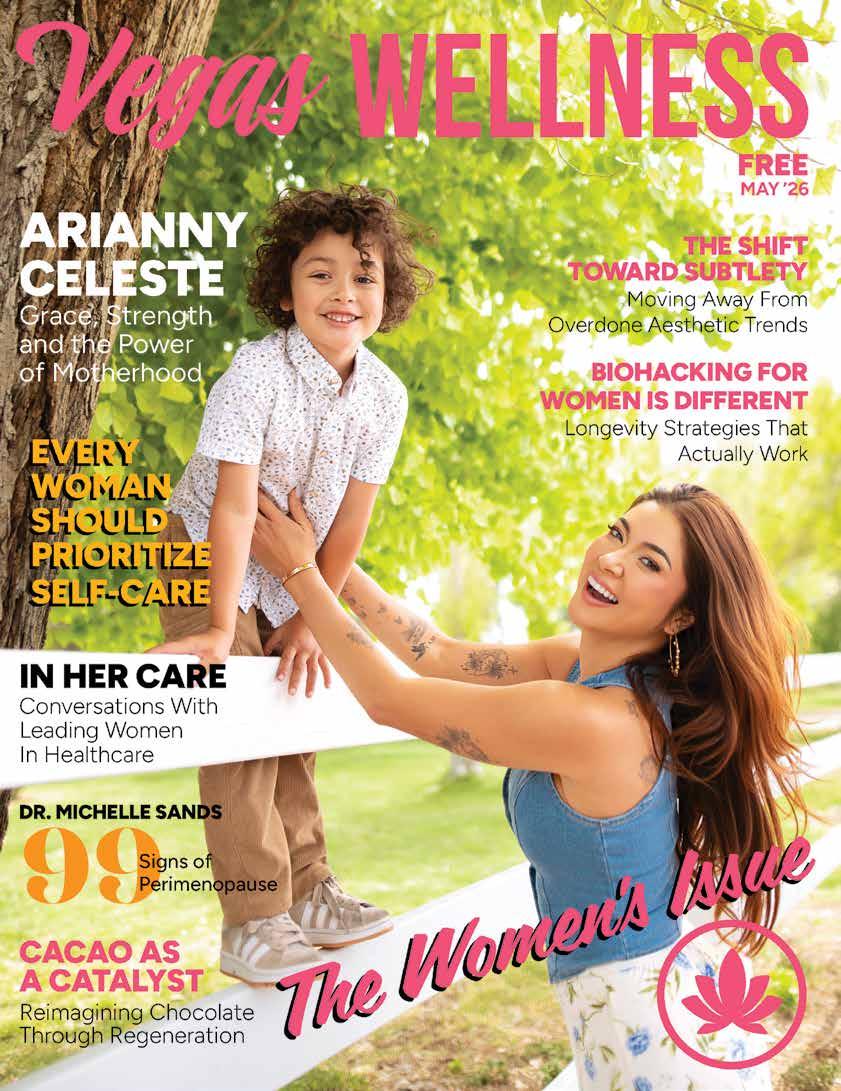
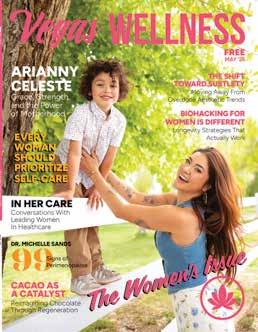
Grace, Strength, and the Power of Motherhood ARIANNY CELESTE
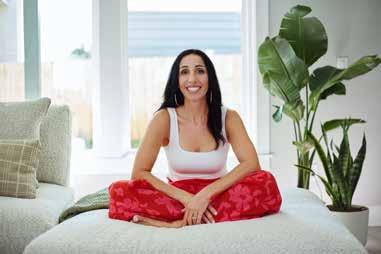
Arianny Celeste may be best known for her longtime role as a UFC ring girl, but these days, her most important titles are rooted in wellness and motherhood. After decades in a high-energy, image-driven industry, she’s embracing a more intentional pace, prioritizing mental well-being, mindful movement, and time at home with her son. I sat down with Arianny to find out how her definition of health has evolved and the simple practices that keep her grounded.
STEPHANIE SHEHAN: Tell me a bit about you as a child. Were you into sports?
ARIANNY CELESTE: Yes, I was introduced to sports at a very young age. I was very active in high school; I did track and cheerleading. I also wanted to do softball, but it conflicted with cheer, so I chose cheerleading. I started gymnastics when I was around eight or nine, and that really catapulted me into the competitive cheer space. That’s where I learned discipline, going to long practices with my team, and it really showed me a love for my body and for working out. That’s where everything began. I continued cheering all the way through my sophomore year of college.
SS: What led you to the UFC?
AC: They held an audition… I gave it a shot, and I got hired. That completely changed my life. I had the choice to put school on hold and go after something very different, but I knew it had the potential to be amazing, and it was. I’ve traveled the world with the UFC, and it helped me build my own brand and online presence. It really became my platform.
SS: How did your career develop after the UFC?
AC: I was introduced to TV hosting. When I was living in L.A., I went to acting and hosting school and realized I really loved hosting. It came naturally to me, being on camera, explaining things, and just being myself. After about five years of auditioning, I finally landed a TV role on Overhaulin’ on the Discovery Channel. It was all about restoring classic cars and surprising people at the end; it was such a fun experience. Now, I’m thinking about getting back into it. A friend recently approached me about doing a podcast with a television component focused on lifestyle in Las Vegas, and we’re planning to start working on that. I’m really excited to be back in front of the camera.
I still work with the UFC once a month. I do VIP relations, which means hosting VIP guests, making sure they’re taken care of, helping them find food and drinks, and coordinating photo opportunities with fighters or me. I’ve been with the UFC for almost 20 years now.
SS: How has your definition of wellness evolved over the years?
AC: I’ve always loved intense workouts, but this year really shifted things for me. I went through a lot in 2025, things that could have mentally
broken me, so I needed something that would support my nervous system. I had always done more intense yoga, like flow classes with lots of chaturangas, which can be very strenuous. But I fell in love with slower practices like Cadillac Pilates and Yin Yoga.
Yin Yoga, especially, might have saved my life. It became such a powerful stress release. There were times during class when I would literally burst into tears from releasing so much stored emotion. I’ve learned to embrace slowing down. After 20 years of constant travel and movement, I’m really enjoying being grounded, spending time at home with my son, and being more present.
SS: How do you prioritize your mental well-being?
AC: I work with a life coach about once a month, which really helps. In the mornings, I start my day with my Bible app and prayer; it’s like my meditation before the day begins. I don’t check my phone or emails until around 9:30 am, after I’ve taken my son to school and had time to ground myself. That quiet time is really important to me.
SS: Since having your son, how has your wellness routine changed?
AC: It’s definitely more challenging because my focus is on him, but we’ve found a rhythm. He knows I need about 15 minutes in the morning to read, and we both enjoy a daily routine which includes stretching together, telling each other what we are grateful for, and thanking God. It’s really special.
SS: What are the non-negotiables in your wellness routine?
AC: I take peptides for overall health. Right now I’m doing a Glow Stack that includes NAD+ and GHK-CU. I also take at least five grams of creatine daily and make sure I stay hydrated. I use wellness shots with matcha, lion’s mane, magnesium, and L-theanine. It’s a great alternative to coffee in the afternoon when I need a boost.
SS: What does aging well mean to you?
AC: Aging well is about how you feel, not the number. I just turned 40, and I feel amazing. I’m doing things like hanging upside down in Cadillac Pilates, which reminds me of my gymnastics and cheerleading days. It feels so rejuvenating. To me, aging well means feeling strong, energized, and capable.
SS: You’ve been in a very image-driven industry. How do you stay grounded and true to yourself?
AC: I’ve learned to lean on my people, my parents, my sisters, and my close friends. There was a time when I tried to carry everything on my own, but now I understand the importance of asking for help.
Being in the spotlight at a young age was tough. I used to look myself up online, and sometimes what I saw would really affect me. But I’ve learned that everyone will have an opinion, and what matters most is how you see yourself.
I used to strive for perfection, but now I genuinely like how I look and feel, and that’s enough.
SS: You have a demanding schedule. How do you balance work with rest and recovery?
AC: I focus on realistic goals. Instead of having a long list of things to accomplish, I narrow it down to two main priorities. I also give myself timelines. That way, I’m not overwhelmed, and I actually complete what I set out to do. It’s much better for my mental health.
SS: What are your favorite wellness spots in Las Vegas?
AC: I love Raeya Wellness, it’s such a beautiful, private space for women. You can spend hours there with things like red light therapy, oxygen therapy, sauna, and cold plunge. It feels like a true escape.
Sunday Pilates is another favorite. The studio is gorgeous; it really elevates the experience.
Kintsugi Yoga at The Bend is also amazing. The space is so serene, with open windows and mountain views, it doesn’t even feel like Vegas.
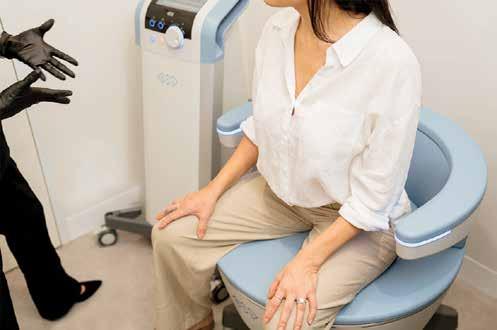
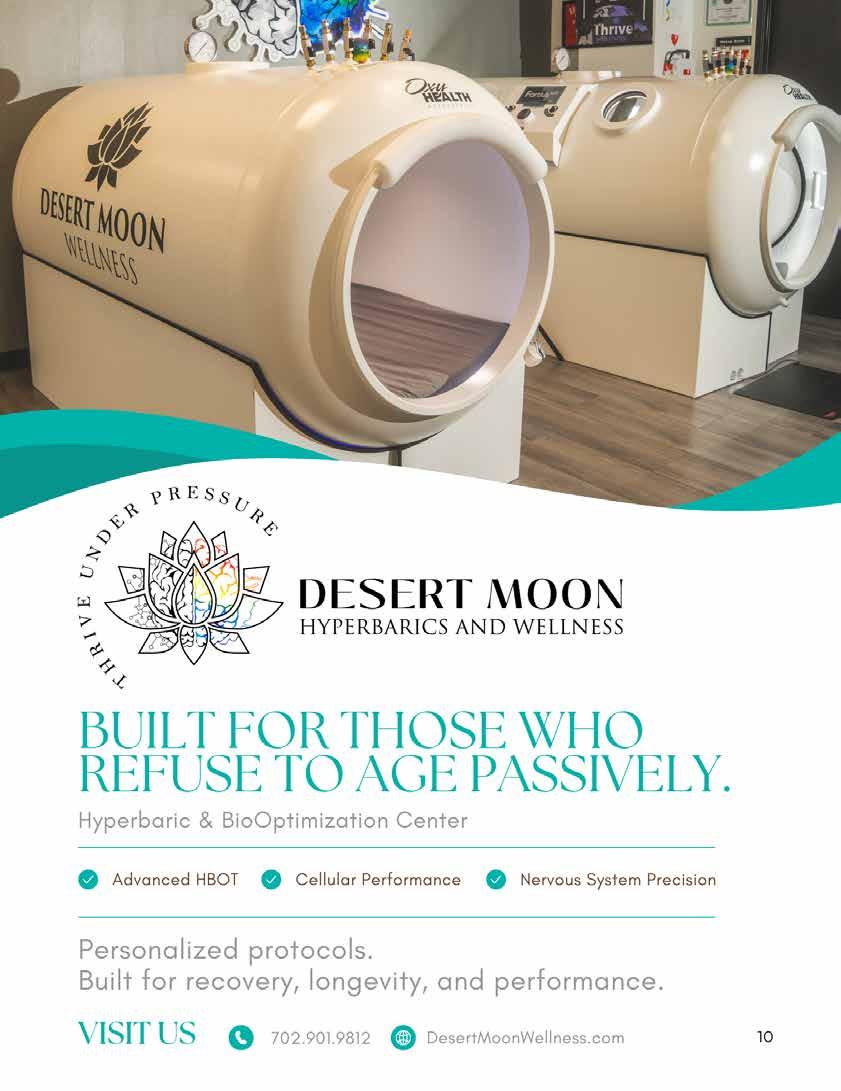
I also do BrainTap and PEMF at Desert Moon Wellness. Last year, I fractured my finger, and the hyperbaric chamber really helped speed up my healing.
SS: What advice would you give to other moms trying to prioritize wellness?
AC: Give yourself 10 to 15 minutes in the morning. I know how busy it can be, especially with kids, but that time makes such a difference. Kids learn by example; if they see you taking care of yourself, they’ll want to do the same. It helps create a calmer, more intentional start to the day for everyone.
SS: Thank you for taking the time to talk about all things wellness. How can readers follow what you are doing?
AC: Follow me on Instagram @ariannyceleste.
By: Stephanie Shehan
Photo: Higor Almeida
Biohacking for Women is Different
The Longevity Strategies That Actually Work >>>
By: Amanda Jordan, MD
The Gap in Women’s Longevity Medicine
She’s doing everything right. Eating clean, exercising consistently, tracking her macros. She’s even trying intermittent fasting and pushing through high-intensity workouts everyone swears by online. And yet, her energy is lower than it used to be. The weight is creeping up, particularly around her midsection. Her sleep feels lighter, her patience shorter, her focus less reliable. What’s most frustrating isn’t the symptoms. It’s that no one can tell her why. Her labs come back normal. Her doctor shrugs. Her effort is undeniable, but the results aren’t there.
So, she starts questioning herself. Maybe she’s not trying hard enough. Maybe this is just what happens when you age. But the issue isn’t a lack of discipline. It’s a mismatch between the strategies being used and the physiology they’re applied to.
Much of what is currently marketed as “biohacking” or longevity optimization was built on research conducted on men, men with different hormonal patterns, metabolic responses, and stress tolerances. When women, particularly in midlife, apply these same strategies, the results are often inconsistent at best and counterproductive at worst.
To understand why this happens, you need to understand something most longevity protocols ignore: women aren’t just smaller men with different reproductive organs. The hormonal, metabolic, and cardiovascular differences are fundamental, and they change which interventions actually work.
Longevity for women requires a different approach. One that’s rooted in physiology, not trends, and designed to work with the body, not against it. Here’s what that looks like.
Why Women Aren’t Just Smaller Men: The Biological Differences That Matter
Most longevity research, the studies that inform dosing, timing, and protocols, was conducted primarily on male subjects. Men have stable hormones. Their metabolic needs remain relatively consistent throughout
adulthood. Their cardiovascular risk increases gradually with age. Women’s physiology operates at a very different level.
Hormones cycle and shift. Your insulin sensitivity changes across your menstrual cycle. Your recovery capacity varies week to week. Your response to exercise, fasting, and stress is influenced by where you are in your cycle, or whether you’re cycling at all. Perimenopause triggers a systemic metabolic recalibration that affects every organ system.
Metabolic responses diverge. Women are naturally more insulinsensitive when estrogen is optimal, but we lose that advantage rapidly during the menopause transition. We also store fat more readily and mobilize it less efficiently than men, which is protective during pregnancy and lactation but makes fat loss more challenging, particularly as estrogen declines. Our stress physiology is different as well. Women often demonstrate a more pronounced cortisol response to caloric restriction and high-intensity exercise, which means the strategies that work for men – aggressive fasting, daily HIIT – often backfire for us.
Cardiovascular risk doesn’t follow the same timeline. Men see risk gradually increase with age. Women are protected by estrogen until perimenopause, then the risk accelerates dramatically over just a few years. This means the interventions that matter most for women have more impact during a specific window, not gradually over decades.
Muscle and bone loss accelerate faster. Women lose muscle more quickly than men during hormonal transitions, and our bone density is far more hormone-dependent. This makes strength training and hormone optimization exponentially more critical for female longevity.
The 4 Pillars of Female-Centered Longevity
Hormone Replacement as a Longevity Protocol
Conventional medicine treats hormone replacement as symptom management. The goal is comfort, not optimization. Longevity medicine reframes hormone replacement entirely: it’s about maintaining physiologic function and preventing disease.
Estrogen is a master regulator of metabolism, cardiovascular function, bone density, cognitive performance, and muscle preservation. When it declines, you lose insulin sensitivity. Your lipid profile shifts toward atherogenic particles. Your vascular function deteriorates. Your brain loses its metabolic fuel flexibility. Your bones start breaking down faster than they rebuild.
Early intervention with bioidentical hormones (transdermal estradiol and micronized progesterone) preserves these protective effects. But timing matters. The research is clear: women who start hormone therapy within ten years of menopause see the greatest degree of protection with the fewest risks.
Muscle as Medicine
Muscle is often overlooked in conversations about women’s health, but it's actually one of the most important indicators of long-term well-being, supporting everything from metabolic health to cognitive abilities and
maintaining independence as we age.
Beginning in our 30s and accelerating through perimenopause, women lose muscle at a faster rate, unless we actively work to maintain it. Cardio alone is not enough to counteract this shift.
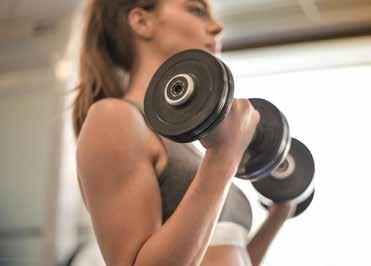
Resistance training, ideally two to four times per week, becomes a nonnegotiable component of longevity. The focus is on progressive overload: gradually increasing resistance to stimulate muscle adaptation. The goal is to send a clear signal to the body: maintain and build lean mass. Muscle is your longevity insurance policy.
Metabolic Optimization
One of the most common hidden stressors is unstable blood sugar. Even in women with “normal” labs, early insulin resistance can quietly develop, driving fatigue, cravings, and weight gain, particularly around the abdomen.
The goal is not restriction. It’s stability. In practice, this means building meals that anchor blood sugar rather than spike and crash it. Prioritizing adequate protein intake (about 30 grams per meal) helps preserve muscle and improve satiety. Pairing carbohydrates with protein and healthy fats slows glucose absorption and reduces insulin spikes.
For some women, tools such as continuous glucose monitors (CGMs) offer real-time feedback, revealing how specific foods, stress, and sleep influence their metabolism. In clinical practice, I find them especially useful for creating personalized meal plans instead of relying on guesses about the best diet. Additionally, more sophisticated lab markers, such as fasting insulin or ApoB, can detect risks years in advance of standard tests, helping us to be proactive and preventive.
When metabolism is stable, energy improves, cravings decrease, and fat loss becomes more physiologically accessible without the need for extremes.
Nervous System Regulation as a Performance Lever
A frequently overlooked driver of midlife symptoms is chronic, unrecognized stress. Many women are unintentionally stacking stressors: fasting, high-intensity workouts, demanding careers, too many obligations, inadequate rest, and recovery. Individually, for short periods, each may be tolerable. Over time, this can dysregulate cortisol patterns, disrupt sleep architecture, and impair metabolic function.
Optimizing the nervous system begins with sleep. Consistent, high-quality sleep is one of the most powerful regulators of hormones, appetite, and recovery. From there, incorporating lower-intensity movement such as walking, prioritizing recovery days, and creating moments of parasympathetic activation - through breathwork, time outdoors, or simply reducing constant input- can significantly shift how the body responds.
When the nervous system is supported, everything else - metabolism, hormones, energy - functions more efficiently.
Precision Tools: What Actually Has Evidence for Women
Peptide therapy represents one of the more sophisticated tools in longevity medicine – signaling molecules that can address specific aspects of cellular aging that hormones and lifestyle interventions don’t fully resolve. For women, certain peptides offer targeted solutions to physiologic changes that accelerate with age. Growth hormone-releasing peptides like Sermorelin and Ipamorelin stimulate your body’s natural growth hormone production, which declines significantly after 30. Growth hormone supports muscle preservation, fat metabolism, bone density, and tissue repair, all of which become more challenging to maintain as
estrogen declines.
Mitochondrial support peptides, such as SS-31, directly target cellular energy production. When women describe unexplained fatigue that sleep doesn’t fix, it’s often mitochondrial dysfunction – your cells aren’t producing energy efficiently. Supporting mitochondrial health improves metabolic function, exercise capacity, and cognitive performance.
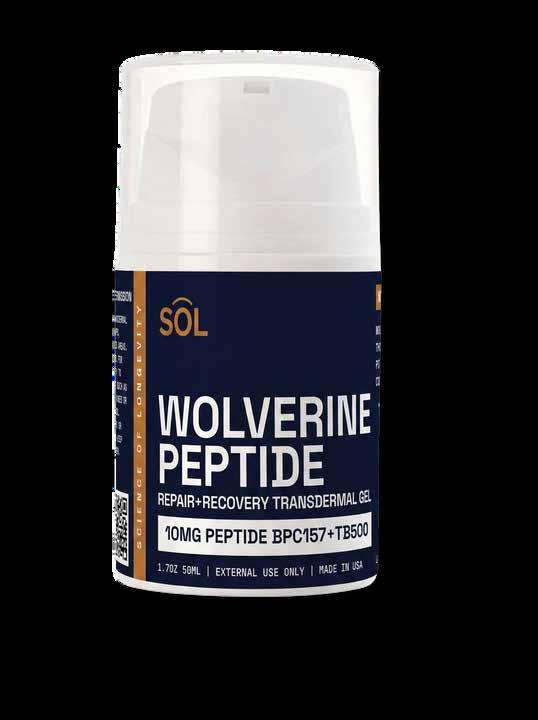
Other peptides, including GHK-Cu, BPC-157, and KPV, support tissue repair, collagen production, and gut integrity, all of which become increasingly relevant with age and inflammation.
Red light therapy works at the mitochondrial level, enhancing ATP production and reducing oxidative stress. This translates to improved skin health, faster tissue repair, reduced inflammation, and potentially better thyroid function.
Sauna use has cardiovascular benefits that matter especially for women in midlife. Regular heat exposure improves endothelial function, reduces arterial stiffness, and lowers all-cause mortality. It also induces heat shock proteins that protect against cellular stress.
Cold exposure can enhance metabolic rate, reduce inflammation, and build stress resilience, but women need to approach this differently than men. Our cortisol response is more pronounced, which means aggressive cold protocols can backfire. Shorter duration at less extreme cold offers benefits without overtaxing your stress system.
Targeted supplementation fills nutritional gaps that become critical with age. Nutrients such as magnesium, omega-3 fatty acids, vitamin D, and creatine support foundational processes, including sleep, muscle preservation, cognitive function, and cardiovascular health.
The strategic advantage of these interventions is precision. You’re not trying everything marketed as “anti-aging”. You’re selecting tools based on evidence and your specific physiology. They’re most effective when layered into a comprehensive protocol: hormones optimized, nutrition supporting cellular function, training providing the right stimulus. These are evidence-based tools that work synergistically when your foundational health is optimized.
A New Standard for Women’s Health
For too long, women have been told that fatigue, weight gain, poor sleep, and brain fog are simply part of aging - or that the solution is to try harder. But midlife is not a decline. It’s a transition that requires a different strategy.
When you understand how your physiology is changing, the frustration begins to make sense. And more importantly, it becomes actionable. The goal is no longer to follow generic advice or push through symptoms. It’s about working with your biology in ways that support long-term health, performance, and longevity. This is where the future of women’s health is heading: away from one-size-fits-all protocols and toward precision, personalization, and proactive care.
If you feel like you’ve been doing everything right without seeing results, it may not be a matter of effort. It may be a matter of approach. Your body will change. The question is whether you’re going to optimize the transition or manage the consequences.
Dr. Amanda Jordan is a board-certified physician specializing in women’s health, longevity, and biooptimization. As the founder of Limitless Longevity and Functional Medicine, she combines advanced diagnostics, hormone optimization, and precision therapies to help patients improve energy, metabolism, and long-term health outcomes through individualized care.
From Burnout to Balance
Every Woman Should Prioritize Self-Care
By: Kelley Nemiro
There’s a quiet truth I’ve come to see repeatedly in the women I work with and in myself: We are not tired because we’re doing too little for ourselves, we are tired because we’re doing too much of what doesn’t restore us.
We live in a world where chronic stress is normalized, and constant stimulation is unavoidable. From the moment we wake up, we’re hit with notifications, responsibilities, expectations, and an invisible pressure to keep up. Even the things that are meant to help us “unwind,” like scrolling, multitasking, and staying plugged in for too long, keep our nervous system switched on. Then we say the thing that I hear almost daily: “I just don’t have time for self-care.”
But what if that’s not actually true? What if it’s not about time, but about perspective?
The same women who feel like they don’t have time are the ones showing up for everyone else. They’re making appointments, managing households, building careers, and nurturing relationships. They are incredibly capable of prioritizing, just not always themselves.
Self-care has been marketed to us as something indulgent and optional. A luxury you earn after everything else is done. But the reality is, in today’s world, self-care is not a luxury; it’s a requirement for functioning.
Your body is constantly adapting to stress, and hormones are responding to your environment, your thoughts, your sleep, your blood sugar, and your emotional load. When you don’t create intentional space to regulate your system, your body will eventually force you to. That’s when you start to notice the signs: You feel wired but exhausted. You’re more reactive, less patient. Your sleep isn’t restorative. Your body feels inflamed, heavy, or disconnected. These aren’t random symptoms. They’re communication from your body.
This is where self-care shifts from being something surface-level to something deeply meaningful. Real self-care is not about doing more; it’s about doing things that actually bring the body back into balance. Sometimes that looks like stillness. Sometimes it looks like support. Sometimes it looks like allowing yourself to receive.
One of the biggest mindset shifts I guide women through is understanding that self-care doesn’t have to be all-or-nothing. While it can be an hour-long routine or a perfectly curated morning ritual, it can also be as simple as choosing to step out of the noise for a moment and into an environment that allows the nervous system to exhale. There is something incredibly powerful about being in a space where you don’t have to perform, produce, or prove anything. Where your only job is to be supported, because when your body feels safe, it starts to heal.
This is something I’ve seen time and time again in the women who walk through our doors. They don’t always come in saying, “I need self-care,” they come in feeling off, burnt out, disconnected, and holding on to more than they realize. And what they experience isn’t just a service, it’s a shift.
Sometimes that shift happens through gentle, intentional touch like a lymphatic massage that supports the body’s natural detox pathways, helping reduce the feeling of heaviness and stagnation so many women carry. Sometimes it happens through ancient practices that work with the body’s energy systems, like acupuncture, creating a sense of calm and clarity. Sometimes it’s through guided experiences that bring women together, like Reiki circles and community events or fitness classes, where they can soften, reconnect, and remember that they’re not meant to do everything alone. Sometimes it’s simply giving the body the nutrients and hydration it’s been missing, allowing it to finally catch up and function the way it’s designed to. And sometimes, it’s looking in the mirror after taking time for yourself and seeing a version of you that feels just a little more like you again.
These experiences aren’t about fixing you. They’re about supporting you, because the truth is, your body already knows how to heal, regulate, and come back into balance. It just needs the space and the support to do so.
When women begin to prioritize themselves in this way, something shifts far beyond how they feel physically; they show up differently in their lives. They have more patience with their kids, more presence in their relationships, more clarity in their decisions, more confidence in their bodies, and most importantly, they stop running on empty.
So, when we say we don’t have time for self-care, what we’re really saying is that we haven’t yet made ourselves a priority. Not because we don’t want to, but because we’ve been conditioned to believe that everything else comes first. I invite you to challenge that belief. You can start small and intentionally, but I suggest you start now, because self-care is not about escaping life; it’s about having the energy, clarity, and capacity to fully live it.
Kelley Nemiro is a certified holistic hormonal health coach specializing in rebalancing hormones in women and the founder and visionary behind Raeya Wellness, a sanctuary and wellness center in Boca Park designed for women to nourish, restore, and transform.
A Luxe Escape to Zion’s Wild Beauty DESERT RENEWAL
There are places that invite you to slow down, and then there’s Zion National Park, where time seems to dissolve entirely. Just a few hours from Las Vegas, this iconic stretch of southern Utah offers more than dramatic red rock cliffs and winding canyon trails; it’s a destination for full-body renewal, where nature, wellness, and understated luxury intersect.
Arriving in Zion feels cinematic. Towering sandstone walls glow in shades of rust and gold, while the Virgin River quietly carves its way through the canyon floor. Whether you’re hiking the legendary Angels Landing or taking in the beauty of the Emerald Pools, every experience there is immersive, grounding, and deeply humbling. But beyond the well-known trails lies a softer, more restorative side of Zion, one that’s redefining the region as a wellness destination.
The Art of the Soak: Zion Canyon Hot Springs
Zion Canyon Hot Springs isn’t just a place to unwind; it’s an experience engineered around restoration. Designed as a modern wellness oasis, the property features more than 50 distinct water experiences, including 32 natural geothermal hot springs and globally inspired mineral pools that draw from iconic destinations like Iceland’s Blue Lagoon and the Dead Sea.
The layout encourages a slow, intentional journey. You move from warm mineral pools to cold plunges, into cedar barrel saunas, and back again, stimulating circulation, calming the nervous system, and easing post-hike fatigue. Water temperatures range from a gentle 80 degrees to deeply therapeutic 104 degrees, each calibrated for a different effect on the body.
But what truly elevates the experience is the atmosphere. Firepits flicker as the desert cools. Conversations soften. And the red rock landscape becomes part of the ritual itself. Unlike traditional spa environments, this space balances tranquility with a subtle social energy. There’s a 21+ section with cocktails, alongside family-friendly pools, making it equally suited for a solo reset, a romantic escape, or a group wellness day.
The on-property café and bar extend the experience seamlessly. Think light, fresh fare: flatbreads, shareables, and seasonal bites, paired with craft cocktails, local beers, and playful nonalcoholic options like Utah’s signature specialty sodas.
It’s designed for grazing between soaks, not formal dining, effortless, relaxed, and perfectly in rhythm with the day.
Elevated Basecamp: Hotel De Novo
If Zion is about grounding, Hotel De Novo is about perspective, both literally and figuratively.
Zion Canyon Hot Springs: zioncanyonhotsprings.com
Hotel De Novo: hoteldenovo.com
Perched above Springdale, this boutique property (part of Hilton’s Tapestry Collection) offers unobstructed canyon views from every room, creating a constant visual connection to the landscape. The design philosophy leans into “de novo”, Latin for begin anew, and that ethos carries through every detail of the stay.
Rooms are intentionally minimal yet warm: clean architectural lines, soft desert tones, and private patios or balconies that invite you to linger. The effect is calming but not sterile, more of a retreat than a hotel.
This is not excess luxury, it’s thoughtful luxury. Hotel De Novo patrons experience a heated outdoor pool and jacuzzi with canyon views, easy access to Zion shuttle routes and nearby trails, and proximity to Springdale’s dining and galleries. It’s the kind of place where mornings feel expansive and evenings naturally slow down.
Hotel De Novo also anchors its own culinary experience with on-site dining and lounge spaces (including concepts like ANU and a cocktailforward lounge), designed to mirror the hotel’s aesthetic, elevated, earthy, and social without being overstated.
A New Kind of Getaway
What makes Zion so compelling right now isn’t just its natural beauty; it’s the way the experience is evolving. Travelers are no longer coming just to conquer hikes; they’re coming to recalibrate.
This is where adventure meets intention and movement is balanced with stillness. Where luxury isn’t loud, it’s felt. From the grounding energy of the canyon to the restorative waters of Zion Canyon Hot Springs and the elevated calm of Hotel De Novo, this corner of Utah offers something increasingly rare: space to reconnect with nature, and with yourself.
>>> THE CONNECTION CODE A Powerful Nervous System Alignment
By Janelle Ardizzone
There’s a moment when you realize…
You’re doing everything right, taking care of everyone, showing up, performing, producing, and yet something still feels off. Not broken, just disconnected. Disconnected from your body, your energy, and yourself. And for most of us, the response is the same: Try harder. Push through. Figure it out. But what if the answer isn’t more effort? What if it's a connection?
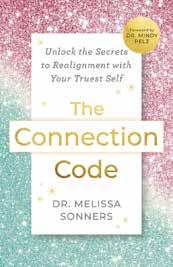
That’s exactly what I experienced reading The Connection Code by Dr. Melissa Sonners, a dear friend and mentor of mine for nearly a decade.
This isn’t just a book. It’s an invitation. An invitation to understand yourself differently, to feel differently, and ultimately, to come back to who you were before the disconnection.
One of the most powerful reframes in this work is something so simple, yet so profound: The version of you that shows up as reactive, overwhelmed, or short-tempered, isn’t who you are. It’s what’s unmet.
That hit me not just as a wellness practitioner but as a mom.
How often do we label ourselves in those moments? “I’m just stressed." “I’m overwhelmed.” “I’m not showing up how I want to.”
But what if those reactions aren’t flaws; what if they’re signals? Signals from a nervous system that hasn’t felt safe. Signals from parts of you that haven’t been seen, supported, or regulated. And instead of judging those moments, what if you got curious about them?
What makes this work so different is that it doesn’t ask you to suppress those parts of yourself. It asks you to understand them. To recognize that even your ego, so often misunderstood, is not the enemy, it’s the protector. The part of you that steps in when something doesn’t feel safe.
Breaking cycles becomes less about willpower and more about awareness. Because cycle breaking isn’t just personal, it’s generational. It’s the moment a woman decides: “I’m not doing this the same way anymore.” Not in her relationships. Not in her parenting. Not in how she speaks to herself.
And from that place, a different kind of woman emerges. One who can set boundaries without guilt and still lead with compassion. One who is no longer disconnected from herself, but deeply aligned. What made this message land even deeper for me is who chose to stand behind it.
The foreword is written by Dr. Mindy Pelz, someone who has profoundly impacted my own journey and many of our clients here at Desert Moon Wellness. In my early 40s, before I even fully understood what was happening in my body, Melissa introduced us, and her work helped me navigate the often unspoken transition into perimenopause with clarity and confidence. Her books, including The Menopause Reset, Fast Like a Girl, and Age Like a Girl, gave me something so many women are searching for: agency.
But, even with all the knowledge, tools, and protocols, there can still be a missing piece: connection. Because, as women, especially in seasons of hormonal shifts, growth, and identity change, it’s easy to feel disconnected from ourselves. And this is where The Connection Code brings everything together.
Not by adding more, but by bringing you back. Another powerful thread throughout this work is rhythm. Not rigid routines. Not perfection. Rhythm. The understanding that your body is designed to move through cycles, through reflection, focus, productivity, and rest. And when you begin to honor that, everything softens. You stop forcing yourself into performance. Instead, you begin working with your biology.
This is something we see every day inside Desert Moon Wellness. People come in thinking they need more energy, more discipline, more output, but what they actually need is alignment.
Because when your nervous system feels safe, you don’t have to chase clarity. You don’t have to force focus. You don’t have to earn rest. It all begins to return naturally.
There’s a quiet truth in this work that I believe so many women need to hear: You don’t need more willpower. You don’t need to try harder. And there is nothing wrong with you.
Sometimes, you’re simply out of sync. Out of sync with your body and your energy. Out of sync with your natural rhythm. And when that happens, we’ve been conditioned to override it, push harder, stay busy, and keep going. But what if the answer isn’t more effort? What if it’s awareness? Because alignment isn’t something you achieve. It’s something you return to.
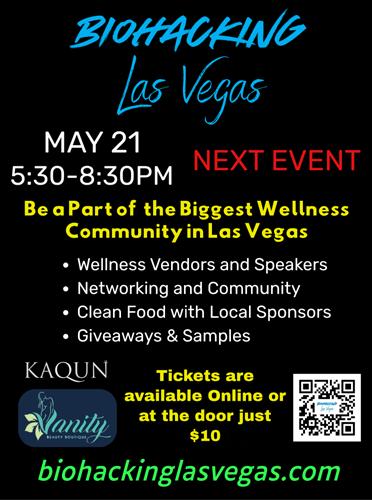
On May 21, we’re bringing this work to life at Desert Moon Wellness. An intimate evening with Dr. Melissa Sonners is designed to guide you through a powerful nervous system alignment experience. This isn’t a lecture. It’s not something you simply learn. It’s something you feel. Every guest will receive a signed copy of The Connection Code, but more importantly, you’ll walk away with something that can’t be read on a page: A shift. A reconnection. A deeper understanding of yourself and a feeling you can return to long after the night ends.
Because at the end of the day, this isn’t about becoming someone new. It’s about coming home to yourself.
Janelle Ardizzone is the CEO and Co-Founder of Desert Moon Wellness in Las Vegas. A leader in advanced wellness and metabolic optimization, she specializes in nervous system regulation, recovery, and longevity-focused care.
DR. MICHELLE SANDS
Reshaping the Conversation Around Women’s Health
Dr. Michelle Sands isn’t just reshaping the conversation around women’s health, she’s rewriting the blueprint entirely. With a background that bridges conventional medicine and functional, hormone-focused care, Dr. Sands has become a sought-after voice for women looking to feel powerful, balanced, and fully at home in their bodies. Her approach goes beyond quick fixes, diving into the root causes of fatigue, hormonal imbalance, and burnout that so many women silently navigate. I had the chance to speak with her to learn more about her perspective on modern wellness, the evolution of hormone health, and what it truly means for women to thrive at every stage of life.
STEPHANIE SHEHAN: We all know about hot flashes and mood swings, but you mention there are actually 99 signs of perimenopause. What are the top five "invisible" symptoms that women (and their doctors) almost always overlook?
Dr. Michelle Sands: Most women are taught to look for hot flashes, night sweats, and mood swings. That’s the surface-level version of perimenopause. The reality is this transition impacts nearly every system in the body, neurological, metabolic, cardiovascular, and musculoskeletal, which is why symptoms show up in ways most people don’t expect. The top five “invisible” symptoms I see overlooked most often are:
1. Heart palpitations: Sudden racing, pounding, or irregular heartbeats that feel alarming enough to send women to the ER. Estrogen and progesterone both regulate the autonomic nervous system and vascular tone. When they fluctuate, the nervous system becomes more reactive, and the heart often reflects that instability first.
2. Insulin resistance and unexplained weight gain: Women are eating the same, training the same, and suddenly gaining weight, especially around the midsection. Estrogen plays a critical role in insulin sensitivity and glucose metabolism. As it declines or fluctuates, the body becomes less efficient at managing blood sugar, which drives fat storage, cravings, and energy crashes.
3. Joint pain and stiffness: Women often feel like they’ve aged overnight. Estrogen supports collagen, joint lubrication, and has anti-inflammatory effects. When levels drop, joints can feel dry, inflamed, and achy, often misdiagnosed as early arthritis.
4. Brain fog and cognitive changes: Difficulty finding words, forgetfulness, and loss of mental sharpness. Estrogen supports brain metabolism, blood flow, and neurotransmitter activity. When it becomes unstable, cognitive performance takes a hit. This is not a loss of intelligence; it’s a hormonal shift affecting brain function.
5. Accelerated bone loss: Most women think bone loss happens later, but it can begin in perimenopause. Estrogen is essential for maintaining bone density. When it declines, bone breakdown can outpace formation, silently and without symptoms, until damage is already done.
The problem is not that women aren’t experiencing symptoms; it’s that the medical system isn’t connecting the dots.
SS: Why are so many women over 35 being told they have anxiety or
dental problems when the root cause is actually hormonal, and how can they better advocate for themselves in a doctor's office?
Dr. Sands: Because hormone-related symptoms are still misunderstood, understudied, under-taught, and often dismissed. In other words, women were largely left out of studies because of their “complex cycle,” and doctors only get 1-3 hours of menopause training. A woman walks in describing anxiety, insomnia, heart palpitations, sensory changes, brain fog, and cycle irregularity. Instead of being viewed as a hormonal pattern, each symptom is isolated. She’s labeled anxious, referred out, or given medication to suppress the symptom rather than investigate the cause.
Women can advocate for themselves by tracking patterns across sleep, mood, cycles, energy, and symptoms. And, by using direct language: “I want to evaluate perimenopause as a root cause.” Advocating means asking better questions: “How are you ruling out hormonal fluctuation?” Lastly, be willing to seek a second opinion if dismissed. Women know when something has shifted. That intuition should be taken seriously.
SS: We’ve been conditioned to expect "hot" flashes, yet you highlight "cold flashes" as a symptom. How does the body’s internal thermostat get so hijacked during perimenopause?
Dr. Sands: The body’s thermostat is regulated by the hypothalamus, and estrogen helps keep that system stable. When estrogen fluctuates, the hypothalamus becomes more reactive. Small changes in body temperature get misinterpreted as major events, triggering exaggerated responses. Sometimes that response is heat: vasodilation, sweating, or flushing. Other times it’s the opposite: vasoconstriction, chills, or shivering. That’s why some women swing between feeling overheated and freezing. It’s not that the thermostat is broken; it’s that it’s become hypersensitive and poorly regulated due to hormonal instability.
SS: For the woman who is currently experiencing these "ghost symptoms" and feels like she’s "going crazy," what are three immediate lifestyle or hormonal shifts she can make to find relief?
Dr. Sands: She’s not going crazy. She’s under-supported hormonally.
By Stephanie Shehan
Three immediate shifts that can create a fast impact are:
1. Stabilize blood sugar: Blood sugar swings trigger adrenaline, and adrenaline mimics anxiety, palpitations, and sleep disruption. Be sure to eat protein-forward meals, stop skipping meals, reduce reliance on caffeine, and build balanced meals. This alone can dramatically calm symptoms.
2. Support progesterone and the nervous system: Progesterone is calming and often declines early. Low progesterone can mean anxiety, poor sleep, reactivity, and overstimulation. Support may include targeted hormone support and foundational habits such as magnesium, sleep consistency, breathwork, and strength training without overtraining.
3. Reduce endocrine disruptors and inflammation: Many women are trying to fix hormones while exposing themselves to compounds that disrupt them. It is important to remove synthetic fragrances, reduce plastic exposure, clean up personal care products, limit alcohol during symptom flares, and prioritize sleep. The goal is to reduce noise so the body can recalibrate.
SS: As the co-founder of Glow Natural Wellness, what is the most common misconception you see women holding about "natural" hormone support, and how does your approach help them reclaim their vitality without relying solely on a prescription pad?
Dr. Sands: The biggest misconception is that “natural” means weak or ineffective. A properly designed holistic approach is not passive; it’s precise. Women often think their only options are to suffer through symptoms or rely entirely on prescriptions. That’s a false choice. A comprehensive approach looks at hormones, metabolism, stress, nutrition, environmental toxins, and nervous system health. Sometimes that includes lifestyle changes. Sometimes supplementation. Sometimes bioidentical hormones. The goal is not ideology, it’s restoring function.
At Glow, we focus on clean, toxin-free support because it makes no sense to try to balance hormones with products that disrupt them. Women don’t just want symptom relief; they want energy, clarity, strength, confidence, and drive. That’s what we’re restoring.
SS: What does your own daily wellness routine actually look like?
Dr. Sands: My wellness routine is simple consistent and effective. These are non-negotiable for me:
• Morning sunlight and hydration
• Protein - 160 grams a day
• Strength training
• Daily movement beyond workouts
• Nervous system regulation - meditation, breathwork, time in nature
for individuals, families, and small business owners MEDICARE PLANS HEALTH
tammymartin398@gmail com (801) 690-5251
charise@isbyaspire com (619) 368-9071
Tammy Martin
Charise Tolls
Ready to Stop Overpaying? CALL NOW
>>>
Hormone Harmony in a Cup
The Best Teas for Women’s Health
As the days get longer and everything around us begins to bloom, May invites a natural reset. It’s a time when many women start looking inward, rethinking routines, prioritizing balance, and exploring gentler ways to support their bodies. And sometimes, that shift doesn’t start with a major overhaul; it starts with something as simple as a cup of tea.
More than just a cozy ritual, herbal teas have quietly become one of the most accessible and effective ways women are supporting hormone health. From easing PMS symptoms to promoting better sleep and even supporting fertility, these plant-powered infusions offer a daily moment of calm with real, functional benefits.
Why Hormone Balance Matters
Hormones influence nearly everything, including your mood, energy levels, metabolism, skin, sleep quality, and reproductive health. And in today’s world, they’re constantly being challenged.
Chronic stress, poor sleep, processed foods, and even life transitions like coming off hormonal birth control can all disrupt your body’s natural rhythm. The result? Fatigue, mood swings, irregular cycles, and that feeling of being just slightly “off.”
The good news is that supporting your hormones doesn’t always require extreme measures. Small, consistent habits, like incorporating targeted herbal teas, can gently guide your body back into balance over time.
Teas That Support Women’s Hormones Naturally
Red Raspberry Leaf Tea
Often referred to as a foundational herb for women’s wellness, red raspberry leaf tea is rich in vitamins and minerals like magnesium, potassium, and iron. It’s especially known for supporting uterine health and may help tone the uterine muscles, making it a popular choice for women preparing for pregnancy or simply looking to support a healthy cycle. Many also find it helps ease menstrual discomfort.
Chamomile Tea
Chamomile is the ultimate unwind-in-a-cup. Known for its calming properties, it works by helping to regulate cortisol, the body’s primary stress hormone. For women dealing with PMS-related mood swings, anxiety, or trouble sleeping, chamomile can be a gentle but powerful ally. Better sleep alone can significantly improve hormone balance.
Spearmint Tea
Spearmint tea has gained attention for its potential to support women dealing with hormonal imbalances, particularly those related to excess androgens. It may help reduce testosterone levels in women, which can be beneficial for concerns like hormonal acne or conditions such as PCOS. It’s
By: Sarah Schwefel
refreshing, light, and easy to incorporate into a daily routine.
Hibiscus Tea
Bright, tart, and packed with antioxidants, hibiscus tea supports cardiovascular health and healthy circulation, both of which play a role in overall hormonal wellness. Its natural ability to help regulate blood pressure and reduce inflammation makes it a great addition to a hormone-supportive lifestyle.
Nettle Leaf Tea
Nettle is a nutritional powerhouse. Rich in iron, calcium, and other essential minerals, it’s especially supportive for women who experience fatigue, particularly during or after menstruation. It helps replenish what the body loses and supports sustained energy, making it a great morning or midday tea.
Building a Daily Tea Ritual
One of the most powerful aspects of tea is not just what’s in it; it’s the ritual itself.
Creating a daily tea routine gives you a built-in moment to slow down, check in with your body, and nourish yourself intentionally. Over time, these small moments add up in a big way.
Here’s a simple way to structure your day:
Morning: Start with mineral-rich, gently energizing teas like nettle or hibiscus.
Afternoon: Sip on balancing blends like spearmint or red raspberry leaf.
Evening: Wind down with calming options like chamomile or lavender.
This rhythm not only supports your hormones throughout the day but can also help reduce reliance on caffeine, a common disruptor of hormonal balance.
Small Sips, Big Shifts
Hormone balance doesn’t have to feel overwhelming or out of reach. In fact, some of the most meaningful changes come from the smallest daily habits.
A cup of tea may seem simple, but within it is an opportunity to nourish your body, calm your mind, and reconnect with yourself in a way that feels grounding and sustainable, all while supporting your hormones.
This May, as you embrace the energy of renewal, consider what it might look like to support your body not through extremes, but through intention, consistency, and a few thoughtfully chosen sips along the way.
The Shift Toward Subtlety
>>> Moving Away from Overdone Aesthetic Trends
For years, cosmetic trends have often been influenced by celebrity culture. Dramatic transformations, exaggerated features, and heavily filtered images across social media created a period where noticeable results were often seen as the goal. Fuller lips, overly sculpted cheeks, and dramatically altered facial features became the look many patients asked for during consultations. But today, that conversation is changing.
According to board-certified plastic surgeon Dr. Rachel Mason of La Femme Plastic Surgery, patients are increasingly moving away from overly dramatic aesthetic trends and instead seeking results that feel subtle, refreshed, and natural.
“Patients today are much more focused on looking like the best version of themselves rather than trying to replicate a celebrity or social media trend,” Dr. Mason explains. “The goal is enhancement, not transformation.”
Much of this shift is driven by education. Patients now have more access to information about aesthetic procedures than ever before, and many are beginning to understand that the most successful cosmetic work is often the least obvious.
“The best cosmetic results are the ones where people simply say you look rested or refreshed,” Dr. Mason says. “If someone can’t pinpoint exactly what was done, that’s usually a sign the work was done well.”
Another factor driving this change is a growing awareness of the limitations of non-surgical treatments. Injectables such as dermal fillers remain an important tool in aesthetic medicine, but when used excessively, they can sometimes create an unnatural or overfilled appearance.
“In the early days of fillers, they were often used to address multiple signs of aging,” Dr. Mason explains. “But fillers can’t replicate the structural changes that occur as the face ages.”
As the face matures, tissues gradually descend, and skin loses elasticity. While injectables can restore some lost volume, they do not reposition deeper facial structures. When too much filler is used to compensate for sagging skin, the face can begin to appear puffy or distorted rather than refreshed.
Because of this, many patients are now exploring surgical options that address the underlying anatomy rather than repeatedly masking it. Procedures such as facelifts, neck lifts, and eyelid surgery are designed to reposition tissue, tighten underlying structures, and restore natural contours. Modern surgical techniques focus on subtle rejuvenation rather than dramatic change.
“The goal of modern facial surgery is not to create a dramatically different face,” Dr. Mason says. “Instead, it’s about restoring a patient’s natural facial structure in a way that looks balanced and age-appropriate. When performed well, these procedures allow patients to look rested, healthy, and refreshed.”
That doesn’t mean non-surgical treatments are disappearing. Injectables, lasers, and skin treatments still play an important role in aesthetic medicine. However, they are often most effective when used strategically alongside surgical procedures rather than as a substitute for them.
Longevity is another factor influencing patients’ decisions. While many non-surgical treatments require ongoing maintenance, surgical procedures often provide longer-lasting results because they address the deeper structural components of aging.
This shift toward subtlety is also emerging in body procedures. In breast augmentation, for example, many patients are moving away from larger implants and instead choosing sizes that better complement their natural frame and proportions. Others are downsizing previous implants in favor of a softer, more natural appearance.
Ultimately, patients today are less interested in looking like a celebrity and more interested in looking like themselves, just more rested and confident. This shift reflects a broader cultural movement toward authenticity, balance, and individuality.
La Femme Plastic Surgery, founded by board-certified plastic surgeon Dr. Rachel Mason, is an all-female cosmetic and reconstructive practice in Las Vegas specializing in facial rejuvenation, breast surgery, and body contouring. Known for natural, balanced results, Dr. Mason has developed signature techniques, including her “high-and-tight” breast lift with implants and deep plane facelift. The boutique surgical center provides personalized treatment plans in a compassionate, judgmentfree environment designed to help patients look and feel like the best version of themselves. To learn more or schedule a consultation, visit lafemmeplasticsurgery. com and follow @lafemmeplasticsurgery on Instagram.
8 SESSIONS PER MONTH
2 SESSIONS PER WEEK (with a 6-month commitment)
GLP-1'S AND THE 85% WHO QUIT >>>
Why the Weight Comes Back
Here are some crazy stats. Roughly 1 in 8 American adults have either used or are currently using GLP-1 medications like Ozempic or Wegovy. At the same time, about 85% of people discontinue within two years, most often because of cost and side effects. And in clinical trials, people regained about two-thirds of the weight they lost within a year of stopping. That’s quite the gap.
We own a licensed peptide business, so I’m not looking at this from the outside. I wanted to understand the experience for myself, which is why I ran retatrutide (which is not yet FDA approved) for a short cycle. Over about three months, I dropped roughly twenty pounds. I was genuinely happy with the results because it was easy and it happened fast. It felt like cruise control. The weight came off without the usual grind, and there was a level of relief I didn’t expect because the food noise was gone.
If you’ve never experienced it, food noise is that constant background chatter around eating. It’s thinking about what you’re going to have next while you’re still finishing your current meal. It’s opening the fridge without being hungry, just to see what’s there. It’s negotiating with yourself, “I’ll be good tomorrow,” or “just one more bite”, and then doing it again a few hours later. It’s not just hunger. It’s the mental and emotional load of food running in the background all day.
I didn’t realize how much time and energy I was spending on it until it disappeared. Planning, deciding, trying to be disciplined, calorie counting, constantly negotiating with myself, it was always there. Then suddenly it wasn’t. Food became neutral, and everything felt simple. Because of that, I naturally ate less without trying. The weight came off, and it felt effortless.
Like most people, once I hit my goal, I assumed I was fine to stop. There was no real strategy behind it. Life got busy, I missed a shot, then another, and I just never went back on. At first, nothing really changed. Then the weight started creeping back. Once the medication was gone, my body went right back to what it knew. “Hunger” signals increased, cravings came back, and I started reacting hard. I noticed the scale move. I paid more attention. The pressure built fast.
I started beating myself up. I felt like I had failed something that had felt so easy just weeks before. Every time I stepped on the scale, there was a little hit of anxiety. Every time I ate, I questioned it. Second-guessed each decision I made about food. And the food noise didn’t just come back, it came back louder.
Now it wasn’t just about hunger. It was a stressed, nervous system layered with frustration, guilt, and that constant awareness of “I should be doing better.”
That’s when I called Cheri.
I’ve known Cheri Alberts since 2012, back when we lived in Florida, and she worked for me at Steamy Kitchen. We’ve stayed close ever since, and over the past decade, she’s built her work around coaching people through weight loss from a behavioral and nervous system perspective. For years, she was a diehard Nutritarian, about as strict and “clean” as it gets. Everything was optimized, planned, dialed in. On paper, it was the healthiest
way to eat. But real life changed that.
She went through cancer treatment while raising twins and a toddler and running a business. That’s when she realized even the best system fails if it only works when everything is calm and perfect.
When I told her what happened, she gave it to me bluntly: “Your body doesn’t feel safe.” Woah. When you’re on GLP-1 meds, your system calms down. Appetite drops. Food noise quiets. The constant pull toward eating fades into the background. You’re not fighting yourself all day, so your body relaxes. That sense of safety is real. But it’s coming from the medication.
GLP-1 meds are like wearing noise-canceling headphones. Everything gets quiet, but nothing actually changes in the room. So when you take them off, the noise comes right back. That’s exactly what happened to me. Once the medication was gone, my body went right back to what it knew: Food soothes stress. And when the body doesn’t feel safe, it doesn’t release. It holds on.
Your body’s job is not to look good. It’s to keep you alive. When something feels unpredictable, stress, inconsistency, or a sudden change like stopping a GLP-1, it shifts into protection mode. That means conserving energy, storing fat, and increasing hunger signals. At the same time, your emotional state shifts. You feel frustrated. Maybe out of control. Now your body isn’t just reacting to the absence of the medication, it’s reacting to YOU. That combination creates the spiral.
When the body feels stress, it looks for the fastest way to regulate. Food is the easiest tool it has. It’s cheap, it’s everywhere, and it works instantly. So your body goes right back to what it knows, using food to create stability and comfort, even if it only lasts a few minutes. That’s what was happening in my body. Not a failure of the medication. Not a lack of discipline. I was running a system that lost its stability.
Cheri told me what I was missing: the pilot light. A pilot light is small, steady, and always there. It doesn’t depend on motivation, and it doesn’t break when life gets busy. What makes it powerful is predictability. Your body is always scanning for patterns. It’s asking: Can I trust this environment? When things are predictable, your system relaxes. When they’re inconsistent, it prepares. A pilot light removes variability. Same meals.
By Jaden Rae
Same movement. Same rhythm. No swings. No starting and stopping. That steadiness is what creates safety. When your body knows what’s coming, it doesn’t have to hold on. It trusts the pattern. And it removes decisions.
Every decision is a chance to fall off. Remove the decisions, and you remove the friction. It becomes automatic, like brushing your teeth or like Steve Jobs wearing the same outfit every day. For movement, it’s simple. What can you do every single day for the next 20 years? Not what’s optimal. What’s consistent. That might be 30 minutes at the gym. It might be a walk. It might be 50 pushups or 10 minutes of jump rope while I listen to the news. It doesn’t matter. What matters is that you don’t question it. That’s what tells your body it’s safe.
GLP-1s do work. But they’re not the solution. They quiet the noise. They create quiet and safety so that you can focus on building new habits (pilot lights!) to support the life you want.
I didn’t do that the first time. Now I am. Right now, I’m focused on my pilot lights. For movement, it’s simple and non-negotiable. I do squats while I brush my teeth. I hang on the pull-up bar for two minutes. It’s not impressive, but it happens every day without negotiation.
For food, I’ve made it simple. I fast until the same time every day, then I eat one meal using my hands as a guide. Cup your hands into a bowl— whatever food fits in that space is enough for my body. Salad greens don’t count. Dinner is at the same time every day. Usually leftovers. Nothing exciting. That’s the point.
I’ve stopped treating food like entertainment for now, and that alone has changed more than I expected. I’ll go deeper into meal planning in a future column, but this is where I’m starting: simple, consistent, predictable enough that my body can trust it.
I’m grateful I called Cheri instead of staying stuck in that guilt loop. Her work focuses on the connection between behavior, the nervous system, and why “perfect” plans fall apart in real life. If this resonated with you, she goes deeper into her membership and weight loss course.
You can find her at setpointscience.com or on social @setpointscience That’s where I’d start.
I’m a licensed marriage and family therapist, and that’s really where my career began. I started with traditional talk therapy, which I still value deeply, I’m very grateful for it. But over time, I realized that for some clients, it simply wasn’t enough.
I became trained in EMDR, Eye Movement Desensitization and Reprocessing, which is considered a frontline treatment for trauma. I practiced EMDR for about seven years and found it incredibly effective for many clients. However, I was working with some of the most complex cases in the Valley, and I began to notice that even EMDR wasn’t enough for certain individuals. To be honest, it wasn’t enough for me either. I had my own challenges, and when the pandemic hit, everything intensified, for my clients and for myself.
The pandemic was such a difficult time for so many. You were searching for a better way to help people, what did you find? Yes, it was a very challenging time. I was working remotely, watching my clients struggle more and more. I knew I needed to find something that could truly help. That’s when I discovered neurofeedback. It was completely different from anything I had done before. But with my husband’s background in technology and my experience in mental health, we decided to explore it together.
We started by learning everything we could and even using it on ourselves. The changes we experienced, both personally and within our family were profound. From there, we began offering it to clients. At first, I provided sessions for free because I wanted to see the results firsthand. And the impact was incredible, it was truly life-changing for many people.
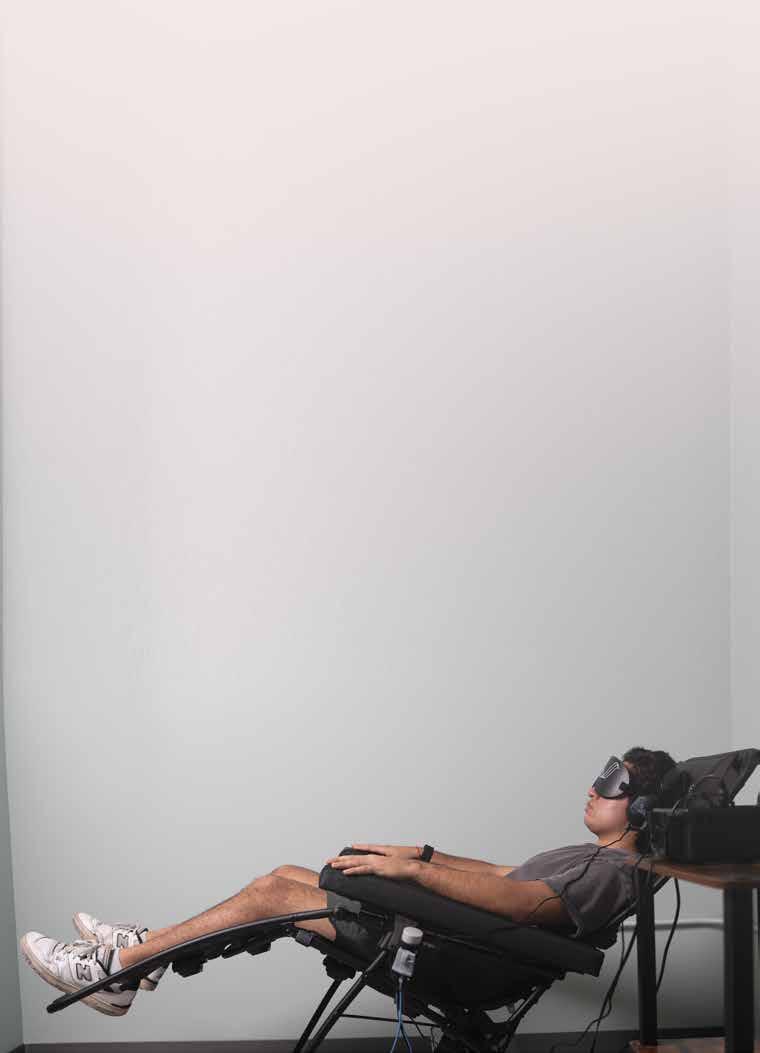
Tell me, what exactly is neurofeedback? It sounds complicated, but it’s actually quite simple. Neurofeedback is essentially a way of teaching the brain. We use a small EEG device, similar to what doctors use to monitor brain activity. It’s placed on three to five points on the head and reads what the brain is doing in real time. That information is fed into software, which then provides feedback to the brain through sound, almost like music, and subtle visual cues.
The brain responds to that feedback. When it moves in a healthier direction, it’s rewarded; when it doesn’t, it receives a different signal. Over time, the brain learns and adapts, just like learning any new skill.
So the brain essentially retrains itself?
Exactly. For example, if someone is dealing with trauma, we use protocols that help the brain feel calmer and less hypervigilant. Each time the brain shifts toward a calmer state, it’s reinforced. Eventually, those changes carry over into daily life.
You’ve used neurofeedback yourself. What was your experience?
It was incredibly impactful. I remember being on the freeway after about 12 sessions. In the past, a stressful moment would leave my nervous system activated for 30 or 40 minutes. But this time, something stressful happened, and within about a minute, I was calm again. It was such a noticeable shift. My brain was able to respond appropriately in the moment and then let it go.
What types of conditions can neurofeedback treat?
We use the term “train” rather than “treat,” but we work with ADHD, anxiety, depression, PTSD, and even bipolar disorder. We’ve also seen benefits for high performers such as athletes, entrepreneurs, and professionals who want to optimize focus, clarity, and performance.
Are biohackers exploring this as well?
Absolutely. Figures like Dave Asprey have brought a lot of attention to neurofeedback. He often compares it to meditation, saying you can spend decades training your brain through traditional methods, or accelerate that process with neurofeedback.
It sounds like something almost everyone could benefit from. I believe so. We all have baseline stress, and modern life adds even more. Even our phones create constant low-level stimulation. We’ve had clients who seemed incredibly healthy, like a surgeon we worked with, who still experienced noticeable improvements in focus, calmness, and precision.
What separates neurofeedback from traditional therapy?
Traditional therapy works from the top down, you’re talking, learning, and trying to apply tools. Neurofeedback works from the bottom up by directly training brain function. I always say it doesn’t replace therapy, it enhances it. When your brain is functioning better, you’re much more able to apply the tools you learn in therapy.
What about the neurofeedback intensives you offer?
There are two approaches. You can go slow and steady, about two sessions per week, or you can do an intensive. With intensives, clients can come multiple times per day for a shorter period. We’ve had people travel from out of state and complete several sessions over just a few days, with significant results.
Can children do neurofeedback?
Yes. We’ve worked with children as young as four, although around age seven is ideal for attention-based concerns. We make it engaging and even incorporate rewards to help keep them motivated.
What about older adults with cognitive decline?
It can absolutely help improve quality of life. While it may not stop progression in conditions like dementia, it can support brain function and help maintain cognitive abilities for longer.
Anything you’d like to add?
I think neurofeedback is an incredible option, especially for people who are hesitant about medication. It doesn’t mean medication isn’t helpful, but this can be a powerful first step. We often see clients reduce or even eliminate their need for medication as their brain becomes more regulated.
Ultimately, I believe this is a major part of the future of mental health care. It complements everything we already know, it just helps the brain get there faster and more effectively.
FONDA ROBINSON, APRN, WHNP-BC WHASN
Women's Health Associates of Southern Nevada
WEB: whasn.com
What inspired your path into medicine, and what ultimately brought you to serve women in the Las Vegas community?
According to my mother, I’ve been a caregiver since I was two years old, looking after my baby brother as if he were my own. While I always knew working in the medical field was my calling, I initially set my sights on pediatrics. That changed when I had my own children. The care I received in the hospital inspired a desire to support other women in that same way.
During my clinical rotations, everything clicked. When I told my instructors I planned to become a Women’s Health Nurse Practitioner, I was warned that I was “boxing myself in”. My response was simple: If I couldn't care for women, I didn't want to do it at all. This isn't just a career for me; I have a heart for women. It’s just in me. Serving the Las Vegas community is my way of bridging the gap and providing the representation I know our community needs and deserves.
How do you define “true wellness” in today’s high-stress world?
I believe true wellness is entirely self-defined. For one person, it’s a weekly massage to decompress. For another, it’s the quiet escape of getting lost in a book. My role as a provider isn’t to tell you what wellness looks like, but to guide you, and provide care that fits the unique context of your life. I’m here to help you feel your best, and most whole, on your own terms. I believe this leads to better health outcomes.
What are the most overlooked aspects of women’s health today? Historically women are underrepresented in clinical trials, and medicine is based on male standards. For decades, researchers have avoided including women in trials because fluctuating hormone cycles were viewed as "noise" that would complicate data. But, by excluding this noise, medicine failed to account for how hormones affect drug metabolism. For example, some medications are cleared from a woman's body much slower than a man's, leading to higher rates of toxicity and side effects at "standard" doses. Also, women generally have more robust immune systems, which explains why they are less susceptible to certain infections, but represent nearly 80% of autoimmune disease cases. Treatments developed on male cells may not address the specific hyper-reactivity of a female immune system. Because dosages are often calculated based on a 150 lb male, women have historically been over-medicated. While we are similar in overall function, the 10–15% difference in physiology matters most when women are sick or medicated. Medicine is currently in a catch-up phase to move from equality (treating everyone the same) to equity (treating people based on their specific biological needs).
Hormonal health is finally getting more attention. What should women really understand about their hormones?
Your hormones are like a roller coaster. What’s true on Monday, may not be true on Wednesday. Your lab work can be a misleading "snapshot" due to daily fluctuations. Lab tests can be a helpful tool, but they aren't the whole story, particularly during the perimenopausal transition, and do not always reflect your reality. If you’re feeling the shifts but being told your numbers are fine, please know that your symptoms matter more than a snapshot in time. If a provider isn't willing to look past normal results to address your actual symptoms, keep looking until you find someone who will. Effective hormone therapy is about restoring your quality of life, finding relief, and feeling like yourself again.
What screenings or preventative measures do you wish more women prioritized earlier in life?
It might sound simple, but I wish more women prioritized their annual blood work. Our labs tell a story that goes far beyond numbers on a page. So often, we brush off constant fatigue as just “the busyness of life” or a lack of sleep. In reality, your blood work might be waving a red flag for iron deficiency, anemia, or a thyroid imbalance. Early, regular testing allows us to identify the root cause of your symptoms. When we prioritize these screenings, we move from guessing to knowing, allowing for much earlier intervention.
What role do lifestyle factors like nutrition, sleep, and stress play in preventing chronic conditions in women?
When we talk about preventing chronic conditions, lifestyle factors like nutrition, sleep, and stress management aren't just good habits. They are the foundation of your health. Think of these as the operating system for your hormones. For women, how we fuel our bodies and how we rest determines how well our systems can guard against long-term risks like heart disease or bone loss. Key things to keep in mind:
• Nutrition stabilizes the blood sugar shifts that can lead to insulin resistance.
• Sleep acts as a nightly reset for your brain and nervous system.
• Stress management lowers the systemic inflammation that often triggers long-term health issues.
It’s not about achieving perfection. It’s about giving your body the stable environment it needs to protect you for years to come.
How can women better communicate with their doctors to get the care they deserve?
The best tool you can bring to any doctor’s appointment is your own voice. I encourage every woman to be her own fiercest advocate. Ask the tough questions, seek clarity where there is confusion, and don’t leave that exam room until you feel confident in the plan. You deserve a provider who views your questions as a sign of engagement, not an inconvenience. Your health is too important to leave to “maybe” or “I think”.
What’s one wellness habit you personally swear by?
One wellness habit I’ve found indispensable is maintaining two indoor hydroponic gardens. For me, it’s more than just a hobby; it’s a dedicated space for me to be present. There is a unique sense of focus and calm that comes from caring for a living system, and watching it thrive. I often take a few moments to simply sit by the gardens and listen to the water flow. It’s a wonderful way for me to destress my mind. Beyond the stress relief, it assures I always have fresh and nutritious options right at my disposal.
What message do you want every woman reading this to walk away with?
You are worth the investment. True wellness is a marathon, not a sprint, and moving forward even one or two steps at a time is a victory. The goal isn’t to meet someone else’s standard. It’s to achieve a sense of wholeness that is entirely your own. You deserve to feel your best. Invest in yourself, trust the process, and just go for it!
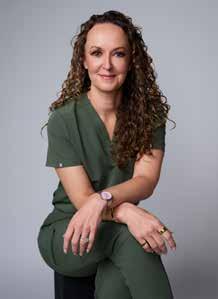
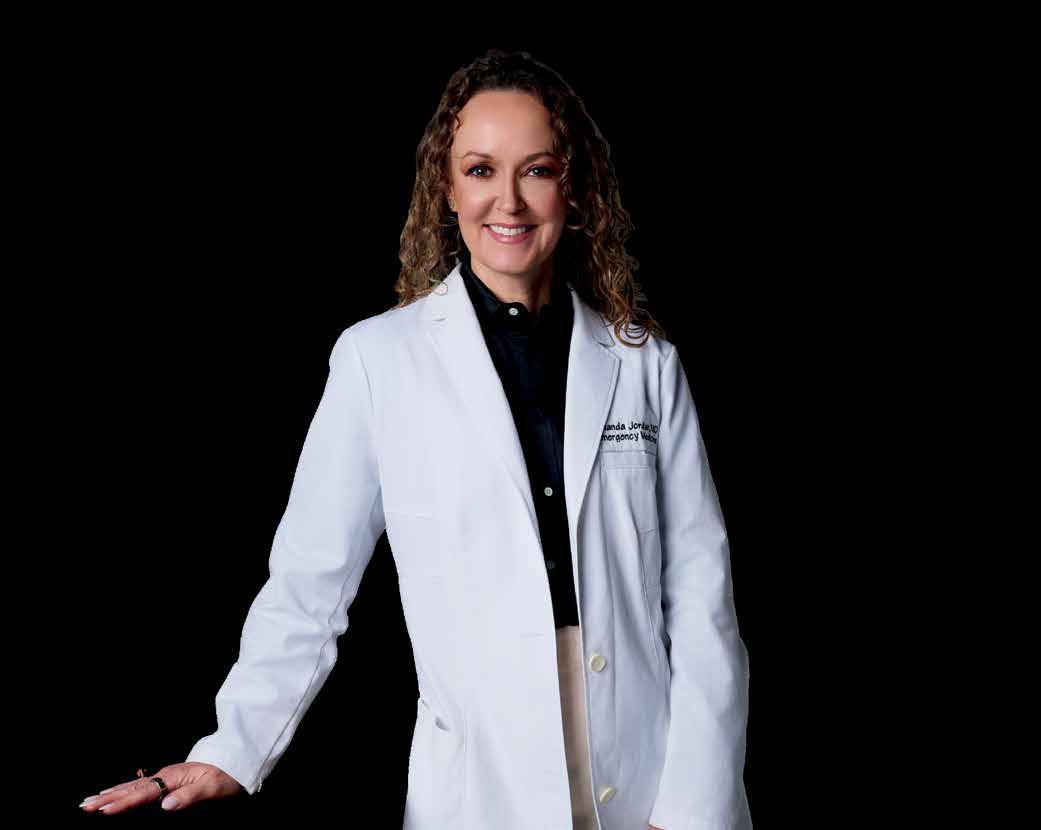
You’ve worked on the front lines in emergency medicine, what initially drew you to that intensity?
I really loved the pace of emergency medicine. It allows me to see such a range of patient presentations on every shift. Every patient is different. Every shift is different. It keeps me mentally engaged and on my toes. I can make an immediate impact on someone who is experiencing a life-altering event. I also like that it's very much a team-based approach. Physicians, nurses, technicians, stop everything they're doing and work in harmony to save a life. It's like a symphony. I still find it amazing.
Was there a moment in the ER that changed how you think about long-term health and prevention?
Unfortunately, our model is based on caring for the sick and puts very little emphasis on disease prevention and wellness promotion. It is very good at treating emergencies, but falls well short of supporting patients with chronic disease. I saw patients with preventable diseases and a gradually worsening trajectory of health. Physicians aren't allotted the time for in-depth analyses of why patients are sick - and that realization planted a seed. I wanted to be the physician who took the time and changed that trajectory.
What are the most common health issues you see that are actually preventable?
Almost all of them. Of the top 10 causes of death in the United States, 9 are related to inflammation, which is largely lifestyle-driven. Heart disease, cognitive decline, certain cancers, type 2 diabetes. These aren't inevitable. They're the result of decades of dietary choices, stress, poor sleep, and sedentary living. That is both sobering and deeply empowering.
As a female physician, what unique health challenges do you see in high-performing women?
High-performing women are masters of multitasking. They juggle work and family obligations, push through fatigue, ignore symptoms, and prioritize everyone else's needs above their own, often for years. What I see most frequently is the convergence of chronic stress, hormonal shifts, and metabolic dysfunction, all happening simultaneously and all being dismissed. They're told their labs are "normal" when they feel anything but. They're handed an antidepressant when what they actually have is undiagnosed thyroid dysfunction or perimenopause. And here's what I want women to know: most of my patients are already trying. They're eating well. They're exercising. The problem isn't effort - it's that they've never had someone look at the full picture.
What are women often overlooking regarding hormones, stress, and longevity?
The impact that chronic stress has on your body. Chronic stress drives cortisol dysregulation, which directly disrupts progesterone, thyroid function, insulin sensitivity, and sleep quality. When women come to me exhausted, gaining weight despite doing "everything right," and feeling like they've lost themselves, stress is almost always part of the picture. And, hormones aren't just a reproductive conversation. They are a longevity conversation. Estrogen is cardioprotective, neuroprotective, and bone protective. Testosterone supports muscle mass and metabolic health. Progesterone supports sleep and mood. When these decline or dysregulate from chronic stress, the downstream effects on heart disease, cognitive health, and metabolic function are significant. Women deserve to understand this, and most have never been told.
How can women advocate for themselves better in a healthcare system that often rushes them?
Education. Know your family history and your risk factors. Listen to your body. If you are experiencing symptoms, take notes. Ask questions. Make a problem-based appointment to address your concerns, rather than saving your questions for a well visit, which is often limited in time and scope. If your questions aren't answered and your symptoms are dismissed, find a provider that aligns with your health goals. Just like a pair of jeans, sometimes you have to try a few before finding the right fit!
What sets your practice, Limitless Longevity and Functional Medicine, apart from the typical medical office?
Time, depth, and a fundamentally different framework. In a conventional practice, you may get 10 to 15 minutes with your physician, a standard lab panel, and a prescription if something falls outside the normal range. At Limitless, I start with a comprehensive intake that covers your full health history, labs, hormones, lifestyle, and goals. I use advanced diagnostics that most physicians aren't ordering to gain a deeper understanding of your unique physiology. And then we actually build a personalized plan, not a protocol, a plan designed around your specific biology. You're not a set of symptoms to manage. You're a whole person with a story worth understanding and a future worth investing in.
Limitless is a concierge telehealth practice, which means you can work with me from anywhere in the country. We start with a free discovery call so I can understand where you are and where you want to go. From there, we do a deep-dive initial consultation, comprehensive lab evaluation, and build your personalized health roadmap. Everything is done virtually, and my clients have direct access to me throughout our work together. No rushing, no shortcuts, no one-size-fits-all answers. Just medicine that actually works for you. This is what healthcare looks like when the focus is on keeping you well, not just treating you when you're sick.
You offer "Limitless" programs, can you briefly go over them?
Meaningful, lasting change requires more than a prescription and a follow-up in six weeks. New patients work with me in either a 6- or 9-month program - enough time to actually understand your biology and shift it. Limitless Balance is my hormone optimization program for women experiencing perimenopause or hormonal dysregulation (fatigue, brain fog, weight changes, mood shifts, sleep disruption) who want a comprehensive, individualized approach to getting back to themselves. Metabolic Mastery is designed for those dealing with insulin resistance, metabolic dysfunction, or weight that hasn't responded to conventional approaches. Limitless Strength is my program for men navigating andropause - declining testosterone, energy, drive, and body composition. Limitless Foundations is a longer-term program for patients already managing chronic disease who are ready to take a deeper, root-cause approach. And Limitless Edge is for those who are already feeling good, but want to biohack, optimize, and extend their healthspan as far as possible. All programs include advanced diagnostics, a personalized protocol, and ongoing support. I'm happy to talk through which is the right fit on a free discovery call.
What If Your Best Health Is Still Ahead of You?
Precision Functional Medicine for Men & Women Who Want to Perform, Age, and Live Better.
Most people don’t suddenly wake up unwell. Energy dips. Sleep becomes fragmented Hormones shift Focus isn’t as sharp. Recovery slows. Your metabolism feels different.
These aren’t “just aging ” They’re signals biological data points your body uses to tell you something has changed.
My job is to decode those signals.
As a physician specializing in functional and longevity medicine, I take a systems-based, root-cause approach to optimize your whole health hormones, metabolism, inflammation, brain function, gut health, and longevity pathways
Whether you’re navigating perimenopause, andropause, persistent fatigue, weight changes, poor sleep, or simply want sharper cognition and stronger performance, your plan is personalized and evidence-driven.
No guesswork. No one-size-fits-all protocols. Just optimized health from the inside out.
Care Includes:
Comprehensive functional lab testing
Hormone evaluation & optimization
Nutrition and metabolic rebalancing
Gut–immune axis analysis
Sleep, stress, and recovery protocols
Precision supplements & lifestyle medicine
Fully virtual, physician-led care
Dr. Amanda Jordan, MD
Products We Love
BOROUX
Legacy™ Compact Water Filter System
The BOROUX Legacy Compact Water Filtration System redefines water filtration for smarter living. It's not just a space-saver; it's a lifestyle enhancer, blending efficiency, portability, style, and performance seamlessly. Whether you're in a cozy apartment or simply maximizing your space, this 1.8-gallon system is designed to fit your world effortlessly. Say farewell to frequent filter changes—two BOROUX Foundation Filters for up to 12 months, offering longevity and peace of mind. Experience the joy of pristine water and the satisfaction of a lasting, cost-effective solution, all in one elegant package.
IG: @boroux boroux.com
dries quickly and leaves almost no residue, Grand Tongo insect repellents offer 12 hours of protection from mosquitoes, ticks, biting flies, midges, and more. Their products are made with 20% Picardin, the most powerful DEET alternative. Available with and without fragrance in a variety of spray options.
IG: @grandtongo grandtongo.com
BURLESON’S HONEY
SANTU BEAUTY
Self-Care Products
Rooted in Mexico and crafted with locally sourced ingredients, Santu products support daily rituals that nourish the body and soul. Offering an array of salt scrubs, body lotions and massage candles made with rare Mexican botanicals using small-batch formulas. Our favs were the Jazmin Tropical Body Lotion and the Lima Mexicana Massage Candle. IG: @santubeautyco santubeauty.com
GRAND TONGO
Deet-Free Repellents
Featuring a light, almost-like-water formula that
A 117-year-old Texas legacy brand delivering 100% pure, True Source Certified® honey and naturally-flavored creamed varieties crafted with integrity, transparency, and family tradition. In a market often lacking transparency, Burleson's stands out. Its distinctive varieties cover everything from straight-ahead bursts of natural sweetness to deep, full-bodied flavors.
IG: @burlesons_honey burlesons-honey.com
222 UNDEREYE
ORGANICS
222 Solid Serum + Roller
222 is not just another cream. It's a solid serum. A patent-pending, anhydrous undereye system engineered to preserve botanical actives at their full strength without water, fillers, or dilution, so
it stays exactly where it's applied. Paired with a zinc roller engineered to fit undereye contours, the Solid Serum delivers a concentrated treatment to visibly reduce puffiness, smooth, and brighten the under-eye zone. Together, this duo is designed to elevate your skincare ritual with targeted performance.
IG: @222undereyeorganics 222undereyeorganics.com
SOLSTICE EAR SEEDS
Solstice 24k gold Acupressure Ear Seeds apply gentle, steady pressure to specific points on the ear that correspond to different regions of the body. When these points are stimulated, they send signals to your nervous system that may help regulate overall balance, contributing to a sense of calm, deeper rest, improved focus, and eased tension. No needles. No appointments. Nothing to remember to take.
IG: @solsticeearseeds solsticeearseeds.com
HEALTHY GAL
Happy Hour Duo Electrolyte Drink Mixes
Hydration that fits your ritual - Pilates mornings, poolside afternoons, and on-the-go glow. Healthy Gal’s mocktail-inspired flavors make staying hydrated feel like self-care. Formulated with the essential trio: sodium, potassium, and magnesium, they restore balance fast. Flavors in this duo include Lemon Drop Martini and Watermelon Margarita.
IG: @healthygalco healthygal.co
SAGRADA BIOSKINCARE
Sagrada
BioSkincare is a luxury, plant-based skincare brand founded by a holistic practitioner with over two decades of experience in herbalism, ritual, and somatic wellness. The Discovery Set is a complete four-step ritual to cleanse, hydrate, and restore naturally radiant skin. Products in this set include: Bakuchiol Night Serum, Gold Day Serum, Copper Vetiver Facial Mist, and Cardamom Silver Cleanser.
RIVER ORGANICS
Hydrating Lip Balms and Lip Stains
OWL VENICE
SEVA HOLISTIC
IG: @sagradabioskincare sagradaioskincare.com
PELUVA
Peluva is a five-toe, zero-drop minimalist shoe offering an authentic barefoot-style experience. Peluvas are the solution to the chronic pain and atrophy caused by lifelong reliance on shoes with elevated heels, restrictive toe boxes, and excess cushioning. Peluvas allow your feet to relax, realign, and strengthen naturally. And, the individual toe slots allow for correct dynamic movement of the foot; help you exhibit optimal posture, balance and movement mechanics; and act as natural toe spacers.
IG: @wearpeluva peluva.com
River Organics is an independent beauty company, located in Wilmington, NC. Formulated to be safe and hydrating for all skin types, their makeup offers a simplified approach to maintaining and nourishing your skin with organic and natural ingredients in eco-friendly packaging. Hydrate and tint your lips with their creamy vegan lip balms and buildable lip stains. Made with nourishing plant oils, their cruelty-free, plastic-free formulas deliver lasting moisture and vibrant color.
IG: @riverorganicsbeauty riverorganics.org
KAILO GOODS
Thoughtfully crafted organic botanical products for ritual, nourishment, and everyday well-being. This collection features small-batch herbal and body care products made with high-quality organic ingredients and a deep respect for nature’s wisdom. From tinctures to teas, face and body care, each offering supports beauty, balance, and wellness in a way that feels grounded, intentional, and restorative.
Organic Bone Broth Elixirs
OWL’s broth elixirs were thoughtfully selected through extensive research and taste testing. They use grassfed bones, organic veggies, roots, and medicinal herbs, and simmer every batch for over 24 hours. The result is a nutritious, sippable broth that tastes more like tea than traditional stock. All Elixirs are free of allergens and offer the benefits of gut repair and digestive aid. Available Elixirs: Chicken, Beef, Vegan, Vegan Immunity, Turkey, and Bison. IG: @owlvenice owlvenice.com
EXO
Your skin’s most powerful repair work
happens while you sleep with cellular longevity skincare powered by eXo³ Exosomes® and precision peptides. Skincare has evolved. The focus is no longer on fighting age, it’s on extending your skin’s lifespan.The EXO Longevity Collection represents a new frontier in regenerative beauty, where science, biotechnology, and wellness converge to preserve your skin’s vitality at a cellular level. One of our favorite products is the EXO Plus Anti-Aging Cream.
Ayurvedic Wellness Products
Seva Holistic is dedicated to bringing ancient Ayurvedic wisdom into modern wellness practices. They believe that true healing comes from understanding the root causes of imbalance and restoring harmony to the mind, body, and spirit. Their carefully crafted formulations blend traditional Ayurvedic principles with contemporary scientific research to create solutions that truly work. Try their Rooted Morning Ritual made with adaptogenic mushrooms or their Divine Essentials Pain Oil. IG: @sevaholistic sevaholistic.com
AMERICAN FARMACY
IG: @kailo.goods kailogoods.com
IG: @exoceuticals exoceuticals.com
American Farmacy is a Biogenic Apothecary, where modern formulation science meets whole-earth ingredients. They create high-impact treatments for deep delivery and real bioavailability, crafted in small, fresh batches so every product arrives to you at peak potency. Try their Wolverine Peptide Transdermal Gel which delivers a 10 mg blend of bio-active amino blend through the skin using advanced nano-encapsulated technology.
IG: @amfarmacy americanfarmacy.com
>>> CACAO AS A CATALYST
Reimagining Chocolate Through Regeneration
In the lush, electrically alive landscape of Costa Rica’s Caribbean side, where volcanic soil meets dense rainforest, and storms crackle through the air with visible energy, something remarkable is taking root. Not just cacao, but a radically different vision of agriculture, one that restores rather than depletes, nourishes rather than extracts, and reconnects people to the origins of what they consume.
At the center of this movement is Tami Sue Snow, founder of Elemental Cacao, owner of Ionic Eden, and creator of the Wonderland Project Earth, a mission-driven initiative grounded in regenerative agriculture, ecological restoration, and the belief that food can be both medicine and a catalyst for global change.
Beyond Chocolate: A Return to Living Systems
For Tami Sue, cacao is not simply an ingredient; it’s an ecosystem builder. Unlike industrial agriculture, which often relies on monocropping and chemical inputs, cacao thrives in biodiversity. The cacao tree naturally grows within the layered structure of a forest, making it an ideal candidate for agroforestry systems that mimic nature. These systems integrate multiple plant species, towering canopy trees, fruit-bearing mid-layers, and nutrient-rich ground cover, creating a self-sustaining environment that supports both the land and the communities that depend on it.
Within this model, cacao becomes more than a crop. It becomes a regenerative force. As leaves fall and decompose, they build biomass and enrich the soil. Microorganisms flourish. Water is retained. Wildlife returns. Over time, the land begins to heal itself, transforming what was once depleted into something abundant and alive.
This is the essence of regenerative agriculture: not simply sustaining the land, but improving it with each cycle.
From Extraction to Regeneration
The contrast with conventional cacao production is stark. Much of the world’s chocolate is sourced from monoculture farms that strip the land of nutrients, contribute to deforestation, and rely heavily on chemical interventions. In these systems, short-term yield often comes at the cost of long-term viability.
Regenerative cacao flips that equation. Instead of clearing forests, it rebuilds them. Instead of exhausting the soil, it enriches it. And instead of isolating a single crop, it invites a thriving web of biodiversity. This shift is not just environmental, it’s philosophical. It challenges the very foundation of how we define productivity and success in agriculture.
An Ecosystem Unlike Any Other
At Ionic Eden, Tami Sue’s farm near the Turrialba volcano, regeneration is accelerated by an extraordinary natural environment. With over 260 inches of annual rainfall, mineral-rich volcanic clay, and proximity to one of the most biodiverse national forests on Earth, the land pulses with life. Rivers and waterfalls weave through the terrain, while the convergence of tropical weather systems creates an almost surreal energetic intensity.
Here, cacao behaves differently.
While most cacao trees take three to five years to mature, trees in this region can begin producing fruit within the first year. It’s a testament to what’s possible when agriculture aligns with nature instead of working against it.
The Intelligence of the Cacao Tree
Even the biology of cacao reflects its deep connection to the ecosystem. Its tiny, delicate flowers are pollinated not by bees, but by microscopic midges, an often-overlooked insect that thrives only in rich, biodiverse environments. Without this intricate relationship, cacao cannot reproduce.
Its pods grow directly from the trunk and main branches, an unusual trait that speaks to its evolutionary roots in dense forests. And every part of the tree, from leaf to bean, has been used traditionally by tribes for nourishment and healing. Cacao, in its purest form, is not just food. It is a whole system.
Rethinking “Superfood”
Often labeled a superfood, cacao earns that title not through marketing, but through composition. Rich in minerals, healthy fats, and bioactive compounds like theobromine and anandamide, sometimes referred to as the “bliss molecule”, cacao offers sustained energy, cardiovascular support, and a subtle yet profound sense of well-being.
But not all chocolate is created equal. Modern processing often strips cacao of its natural integrity, separating its components and recombining them with additives, sugars, and emulsifiers. The result is a product designed for consistency and shelf life, rather than vitality.
Elemental Cacao takes a different approach. By using whole-bean cacao, never separating the butter from the powder, and pairing it only with mineral-rich sweeteners like maple, the integrity of the plant is preserved. The result is a product that is as close to its natural state as possible: nutrient-dense, energetically vibrant, and deeply satisfying.
A Vision for the Future
At its core, the work of Elemental Cacao and the Wonderland Project Earth is about more than chocolate. It’s about reimagining our relationship with the planet. It’s about investing in systems that give back more than they take. Supporting biodiversity instead of erasing it. Creating food sources that nourish both people and ecosystems. And perhaps most importantly, it’s about remembering that regeneration is possible. Not just for the land, but for the way we live, consume, and connect. When grown with intention, cacao doesn’t just sustain life. It restores it.
WEB: elementalcacao.com IG: @elemental.cacao
ASE ACCESS RESOURCES, PPORTIVE TO BUILD A HEALTHIER, MORE CONNECTED COMMUNITY.
The Just One Project >>>
Fighting Food Insecurity in the Community
Our city is known for tourism and entertainment. What many people don’t know is that many families in Southern Nevada are quietly struggling to access food and basic resources. One nonprofit organization working to address this challenge is The Just One Project, a community-driven initiative in Las Vegas dedicated to combating hunger and supporting families in need. Through food distribution, social services, and community partnerships, the organization has become a major force in strengthening the local safety net for vulnerable residents.
Origins and Mission
Founded in 2014 by Brooke Neubauer, The Just One Project began with a simple but powerful mission: to provide groceries to families experiencing food insecurity. Over time, the organization expanded its vision, recognizing that hunger often comes with other challenges, such as housing instability, unemployment, and a lack of access to social services.
Today, the nonprofit’s mission is to “increase access to food, resources, and supportive services to build a stronger, healthier, and more connected community.” What started as a small effort has grown into one of the largest food assistance networks in Southern Nevada, serving over 20,000 residents each month.
Food Assistance Programs
Food access remains the core of The Just One Project’s work. Through its Food for All programs, the organization distributes fresh groceries, pantry items, and prepared meals to individuals and families throughout the Las Vegas Valley.
Key food assistance initiatives include:
• Mobile food pantries and pop-up markets: These bring groceries directly into neighborhoods that may not have easy access to affordable food.
• No-cost community markets: Families can shop for food and household necessities in a grocery store-style environment, helping maintain dignity while receiving assistance.
• Senior nutrition programs: Monthly food boxes support low-income seniors across Clark County. The Just One Project also runs the local Meals on Wheels program.
• Food rescue programs: Partnerships with local businesses recover surplus meals and redistribute them to families in need.
These initiatives ensure that nutritious food reaches people who might otherwise struggle to obtain it.
Expanding Services Beyond Food
Recognizing that hunger is often connected to larger systemic issues, The Just One Project developed Community Connect, a set of social programs designed to help families achieve longterm stability.
Through this program, clients can access services such as:
• Housing and rental assistance
• Case management and referrals
• Workforce development and job readiness programs
• Financial literacy and life-skills education
By combining food support with social services, the organization aims to help individuals move toward self-sufficiency rather than temporary relief.
Innovation and Community Partnerships
The Just One Project collaborates with government agencies, businesses, and community organizations to increase its impact. One notable initiative is the Food Rescue Alliance, which works with The Venetian Resort Las Vegas to repurpose surplus meals from large events and conventions and distribute them to families across the valley.
Another innovative effort is the mobile grocery store, launched in 2025 to bring affordable fresh food to neighborhoods considered “food deserts,” where access to healthy groceries is limited.
These partnerships demonstrate how cooperation between nonprofits, corporations, and public agencies can address community challenges on a larger scale.
Impact on the Las Vegas Community
The Just One Project’s growth reflects the urgent need for food assistance in Nevada, where thousands of families face food insecurity each year.
Through its expanding network of programs, the organization now distributes millions of pounds of groceries and connects thousands of residents to essential services annually.
In addition to direct aid, the nonprofit relies heavily on volunteers and donations, encouraging community members to contribute time, food, and financial support. These contributions allow the organization to continue expanding its reach and helping more families each year.
The Just One Project is the perfect example of how a grassroots initiative can grow into a vital community resource. By combining food assistance with supportive services, the organization addresses both immediate needs and long-term challenges facing vulnerable residents.
In a city where prosperity and hardship often exist side by side, The Just One Project plays a crucial role in ensuring that thousands of Southern Nevadans have access to nutritious food, essential resources, and opportunities for a more stable future.
For more information, visit thejustoneproject.org.
>>> Project Marilyn
Restoring Dignity, One Cycle at a Time
In a city known for spectacle and excess, some of the most essential human needs quietly go unmet. In Las Vegas, a local nonprofit is working to change that, one period at a time.
Project Marilyn was founded with a simple yet powerful mission: to ensure that everyone has access to the necessities required for a healthy and dignified period. It’s a mission that addresses an often-overlooked issue of period poverty and brings it to the forefront of community wellness.
An Overlooked Gap in Care
While food drives and clothing donations are common, menstrual products remain one of the least donated essentials. Yet for many women and teens, especially those experiencing homelessness or financial hardship, access to these products is not guaranteed. Project Marilyn exists to fill that gap. Through thoughtfully assembled kits containing pads, tampons, liners, and hygiene wipes, the organization provides individuals with enough supplies to manage an entire menstrual cycle with dignity.
A Mission Rooted in Legacy
Founded in 2019 by Wendi Schweigart, the organization is named in honor of her late mother, Marilyn, a woman whose quiet strength and resilience became the foundation for the nonprofit’s ethos. What began as a tribute has grown into a movement grounded in compassion, dignity, and action. Every kit distributed carries that legacy forward.
From Local Impact to Community Movement
Since its launch, Project Marilyn has expanded rapidly throughout Southern Nevada. Through partnerships with schools, nonprofits, and major organizations, the initiative has delivered tens of thousands of period supply kits to those in need.
One standout initiative, “Finding Marilyn,” allows individuals to discreetly access supplies at participating locations, including libraries, simply by asking for “the bag Marilyn left.” It’s a system designed not just for accessibility, but for dignity, removing stigma from a deeply personal need.
Shining a Light: Period Poverty Awareness Week
Each year, Period Poverty Awareness Week serves as a powerful reminder that this issue is far from solved. Observed annually in May, the week (May 11-17) is dedicated to raising awareness, advocating for policy change, and encouraging communities to take action. For organizations like Project Marilyn, it’s a pivotal moment to amplify their mission. Local drives, volunteer events, and community partnerships often align with the week, mobilizing support and sparking conversations that extend far beyond it.
But perhaps most importantly, Period Poverty Awareness Week helps normalize a topic that has long been stigmatized. By
bringing menstrual health into public dialogue, it reinforces what advocates have long known: access to period products is a matter of health, equity, and human dignity.
Wellness Beyond the Surface
At its core, Project Marilyn is about more than products; it’s about wellness. When young girls miss school because they lack proper menstrual supplies, their education suffers. When women are forced to choose between food and hygiene, their overall health and confidence are compromised. By addressing this need, Project Marilyn is directly contributing to physical health, emotional well-being, and social equity, cornerstones of true community wellness.
A Community-Driven Future
What makes Project Marilyn especially powerful is its grassroots energy. Volunteers known as the “Period Posse” come together to pack kits, organize drives, and advocate for change. It’s a reminder that meaningful impact doesn’t always come from large institutions; it often starts with individuals who see a need and decide to act.
Why It Matters Now
In today’s wellness landscape, conversations often center around optimization, such as biohacking, longevity, and performance. But Project Marilyn brings the focus back to fundamentals: dignity, access, and care. True wellness begins with meeting basic human needs. And in Las Vegas, Project Marilyn is ensuring that no one has to navigate one of life’s most natural experiences without support.
For more information, visit projectmarilyn.com.
1 in 4 girls miss school each month because they don’t have proper period supplies.
Source: State of the Period 2023
THE POWER OF BEING HER >>>
There is something so profoundly powerful about being a woman. Not just in what we do but in who we are.
We are creators. We are nurturers. We are visionaries. We are, in every sense of the word, superheroes. And yet, somewhere between being everything for everyone else, we sometimes forget to celebrate ourselves. We forget that being a mother, a leader, a partner, a dreamer, a healer, it’s not ordinary. It’s extraordinary. It’s everything.
We carry worlds within us. We build lives, shape futures, hold space, and still find a way to rise every single day. How do we do it? We just do it! We are powerful and need to acknowledge our power. We have to start living and celebrating our womanhood. Let’s focus on all that is working for us instead of dwelling on the pain and struggles.
If you feel forgotten or neglected, that means you have forgotten yourself. You are neglecting yourself and not tapping into your God-given power. Your universal blessing.
But here is the truth I want every woman to remember: Your power doesn’t come from doing it all. It comes from loving who you are as you do it- reminding yourself that you are that “super woman” of your dreams.
The Beauty of Understanding One Another
One of the greatest gifts we have as women is our ability to understand each other without words. We are each other’s rescue remedies and escape rooms. We just have to remind ourselves that we’re in charge and have the key to each room. Take our power back. Yes! We have secret telepathy girl codes. We can burst out laughing with one second of eye contact. Now isn’t that incredible? Those little moments where we shine and heal each other. Now that is power.
We mirror one another’s strength, pain, joy, and resilience. And yet, we don’t always celebrate that connection. Surely we can change that now.
We get busy. We get overwhelmed. We get caught in roles instead of honoring the soul behind the role. But when you sit with another woman who reflects you and who gets you, you reconnect with something sacred. A beautiful friendship, a sisterhood, and a “BFF” Hallmark movie. I absolutely cherish those moments. My girlfriends are my precious jewels. Each one of them holds a sacred space in my heart, and I would be lost without them.
Celebrating Womanhood
We celebrate birthdays, milestones, achievements… But when was the last time you celebrated being a woman? Not for what you’ve done. But simply for who you are. This is where the magic begins.
When you accept your role, not as pressure, but as purpose, everything softens. Everything makes sense. You stop asking and start doing!
Simple tips to De-Stress and Reconnect
You don’t need a complete life overhaul. You need moments. Intentional, sacred moments.
Here are a few powerful resets you can return to:
1. The Pause (Your Power Reset)
Close your eyes. Drop your shoulders. Take three slow breaths. Inhale peace. Exhale pressure.
Remind yourself:
I am allowed to slow down. I am allowed to pamper myself. I am in charge of my own power. I am in charge of my own happiness. I will set boundaries. I will speak up, I come first.
This is you honoring yourself and reminding yourself that you are a powerful woman.
2. Girl-Time is Not a Luxury It’s Medicine, it's a Necessity. Schedule it. Protect it. Honor it. Love it! Whether it’s coffee, a walk, or a deep conversation, this is where you refill your emotional cup. I swear I have to do it at least 1-3 times a week. We have to vent, laugh, cry, and get our power shot. I would die without my girl time.
3. Mirror Moments
Sit with a woman who reflects your truth. Not perfection, just truth. Speak openly. Listen deeply. This is where clarity and strength are reborn. Find the one you trust and that uplifts you. Your mom? Your coworker? Your sister or any woman you feel uplifted with. Find out who truly sees you. Believe me, that you’re feeding her soul too. It’s love, it’s what I call a true gift to my being.
4. Micro Moments of Joy to Simply Celebrate the Woman That You Are
A walk in the sun. A good book or movie, A quiet cup of tea. Music that moves you. These are not small things; they are everything.
5. Speak Kindly to Yourself
Your inner voice sets the tone for your entire life. Your script and story. Replace pressure with compassion. Replace doubt with belief. Replace sorrow with joy and tell yourself that you are okay!
It Starts With You
We make a difference. In our homes. In our families. In the world. But that difference doesn’t begin “out there.” It begins within. Right here! Now!
With acceptance. With love. Honoring every role you play not as a burden, but as a gift. A precious gift. Because the moment you embrace your womanhood fully, you thrive in it.
A Loving Reminder
You are not just managing life. You are shaping it, you are creating. You are the life force energy behind every birth. This should tell you everything! You are not just showing up. You are leading, loving, and lifting everything around you. You are a superwoman. You are the fixer healer, but you are also allowed to receive. It is your turn now. It's a daily “you” essential. Be kind and show up for yourself. Look in the mirror every day and remind yourself how much you love her, because being her is your greatest power.
Tsikki Thau is an internationally acclaimed stress management expert and manifestation coach with more than 30 years of experience transforming lives worldwide. Celebrated Author of Attract It All: The Real Secret to Manifestation. Creator of the S.N.A.P. method and Vibe-Up technology, Tsikki blends science with energy psychology to help clients overcome obstacles. Visit her at TsikkiThau.com. Follow on Instagram @TsikkiThauOfficial.
HOLISTIC HEALING
R e i k i T h e r a p i s t
H o l i s t i c M e d i c i n e
S o u n d B a t h s & M o r e !
( 7 0 2 ) 4 8 8 - 3 7 2 6
7 6 9 3 W P o s t R o a d
L a s V e g a s , N V 8 9 1 1 3
E l l ysE l e m e n t s . c o m
n d t a i l o r s e r v i c e s t o y o u r s p e c i f i c n e e d s a n d p r e f e r e n c e s
>>> Biohacking with JohnXD
Non-Invasive Body Sculpting with Microcurrent Real Results from Vanity Beauty
My regimen continues to evolve as I learn more and experiment on myself. As a biohacker and longevity coach, I’m always eager to learn from new connections. Every month at my Biohacking Las Vegas meetups, I pick up fresh insights and tools.
Back in January, I was introduced to some exciting applications of microcurrent therapy. My friend Hannah from Vanity Beauty explained how it uses very low-level electrical currents—typically in the microamp range—that closely mimic the body’s natural bioelectrical signals.
Microcurrent works by delivering precise, gentle currents that boost ATP (adenosine triphosphate) production, enhance cellular repair, reduce inflammation, stimulate muscle tissue, and support processes like lipolysis (fat breakdown). It’s commonly used for facial toning, muscle recovery, skin tightening, and even modest fat reduction when paired with a healthy lifestyle. Some studies have shown meaningful reductions in both subcutaneous and visceral abdominal fat.
Intrigued by its non-invasive nature, I booked my first session with Hannah on March 23rd. She’s incredibly thorough and takes the time to explain the entire process. She offers everything from full facials (a popular Botox alternative) to targeted body treatments for the legs, arms, and abs. She also documents progress with before-and-after photos and precise measurements.
For my abdominal session, I wore a comfortable belt with strategically placed metal pads. The device then delivered gentle electrical pulses that caused my muscles to contract rhythmically. I relaxed in a comfortable chair for about an hour, chatting with Hannah and learning more about the technology. When the session ended, the results were impressive: I had lost a full inch off my waist and stomach. The difference in the photos was equally striking.
I’m now four sessions in, and the changes are clearly visible. I plan to continue once a week for the next few months to maximize results. So far, I’m extremely impressed—this is quickly becoming one of my favorite biohacks.
If you’re in the Las Vegas area, I highly recommend booking a consultation with Hannah at Vanity Beauty. It’s a simple, effective tool that almost anyone can benefit from.
Thank you for your continued support! If you’d like to read my previous articles, visit biohackinglasvegas.com and check out the Biohacking Articles page.
Vanity Beauty
9330 W Sahara Ave #140
Las Vegas, NV 89117
Website: https://vanitybb.com/
Phone: (702) 344-7424
Email: hello@vanitybb.com
>>> A WOMAN'S BODY, DECADE BY DECADE
What to tend to, in your body, your mind, and your hands, from your 20's to your glorious 90's
Vibrant health isn't a destination you reach; it's a practice you return to, again and again, through every season of your life. The good news? The most powerful things you can do are also the most human: move, rest, touch, nourish, and pay attention.
20’s
Build the Foundation ESTABLISH & EXPLORE
Your twenties are your biology's peak performance window, and the habits you plant now compound for decades. Prioritize sleep like it's sacred (it is). Establish a relationship with a primary care doctor and get your baseline bloodwork done so you have something to compare against later. Start strength training: muscle built now protects your bones and metabolism for life.
This is also the time to learn what your body actually feels like when it's rested, nourished, and at ease. Begin a monthly self-massage ritual, feet, scalp, and hands take five minutes, and train your nervous system toward calm. Notice tension patterns early; your shoulders and jaw are early warning systems.
30’s
Protect Your Energy SUSTAIN & STRENGTHEN
The thirties often bring career demands, relationship shifts, and possibly motherhood, a season where women routinely put themselves last. Resist this. Your cortisol and hormones are beginning a slow conversation; how you manage stress now will shape your perimenopause years.
Make professional massage a non-negotiable monthly practice, not a treat. Regular bodywork reduces cortisol, improves lymphatic circulation, and gives you an hour of pure somatic attention. Add magnesium-rich foods (dark leafy greens, dark chocolate, legumes), prioritize protein at every meal, and have your thyroid and iron levels checked annually.
40’s
Listen More Closely RECALIBRATE & RENEW
Perimenopause can begin quietly in your forties, with mood shifts, sleep disruption, irregular cycles, and a metabolism that seems newly opinionated. This is not your body betraying you; it's your body asking for a new contract. Find a provider who takes hormonal health seriously and get a full hormonal panel.
Shift your fitness toward weighted exercise and walking, both of which protect bone density and cardiovascular health in a single stroke. Facial and neck massage (gua sha or simple upward strokes with oil each morning) supports lymphatic drainage and skin integrity. Hydration and omega-3s are quietly extraordinary at this age.
50’s
Reclaim & Reimagine THRIVE IN TRANSITION
Menopause is a threshold, not a decline. On the other side is often a profound sense of clarity and freedom. Protect your heart, cardiovascular disease risk rises post-menopause, with consistent movement, stress reduction, and Mediterranean-leaning eating. Get a bone density scan. Take vitamin D3 with K2 seriously.
Body oil massage after every shower becomes both ritual and medicine: it
By: Jenn Ty
supports skin barrier function, eases joint stiffness, and keeps you connected to your body as it changes. Build a community of women. Loneliness is a health risk; laughter and belonging are genuinely protective.
60’s
Move With
Intention
PRESERVE & PLAY
Balance, flexibility, and strength are your insurance policy against falls and loss of independence. Yoga, tai chi, or even gentle Pilates pays enormous dividends now. Keep learning new things, languages, instruments, and skills, because cognitive stimulation is one of the most powerful anti-aging tools known to science.
Massage therapy supports circulation, eases arthritis pain, and addresses the postural changes that come with age. Reflexology and hand massage are particularly accessible and soothing; you can practice them on yourself daily in under ten minutes.
70’s–80’s
Stay Connected to the World NOURISH & CONNECT
Protein needs actually increase with age, yet appetite often decreases, making every bite count. Social engagement is not optional wellness; it is medicine. Women who maintain close friendships and a sense of purpose live measurably longer. Walk daily, even slowly. Sunlight matters for mood and circadian rhythm.
Touch remains a fundamental human need at every age. Regular massage, whether professional, from a loved one, or gentle self-massage, reduces pain perception, combats the health effects of isolation, and communicates safety to the nervous system. Never stop asking to be touched with care.
90’s
The Art of Ease REST & RADIATE
Women who reach their nineties in good health share common threads: they moved their bodies consistently, they stayed curious, they maintained meaningful relationships, and they didn't take themselves too seriously. The goal was never perfection; it was showing up, decade after decade, with some measure of care for the remarkable body carrying you through.
Gentle hand and foot massage from a caregiver or loved one provides comfort, reduces anxiety, and deepens connection. Pleasure, ease, and warmth are still health practices here. You've earned every single one.
For more information, reach out to Flow Massage Therapy at (917) 592-3395 and book a consultation.
The Flow Massage Therapy Team
>>> NATURAL BORN BIOHACKERS The New Science of Women’s Longevity
Women live longer than men, but do not always live better. Women outlast their male counterparts by several years on average, yet spend more of those years in pain, on medications, and pushing through fatigue, brain fog, and a body that does not quite feel like their own. That gap between how long women live and how well they live is the real women’s longevity crisis.
What often gets overlooked is this: women are, by necessity, natural-born biohackers. Long before biohacking became a buzzword, women were adapting, month after month, decade after decade, to shifting hormones, changing bodies, and new physiological demands. Menstrual cycles reshape energy, mood, and metabolism. Pregnancy, postpartum, perimenopause, and menopause each require a different kind of recalibration. Women are constantly reading their internal signals and adjusting how they eat, move, sleep, and show up in the world, often without support for what they are doing.
For years, the advice offered to these “natural born biohackers” has been generic: eat healthy, stay active, manage stress. Helpful, but incomplete. Today, the narrative is shifting to something far more precise: Women do not age in a straight line; they age in phases. Each decade demands a different strategy.
As a physician and founder of an integrated health and longevity center, I see this every day. Women in their 30s, 40s, 50s, and beyond walk in with very different bodies, hormones, and stress loads, even when they share the same chronological age. Their biological clocks are running on different timelines. The good news: once a woman understands how her body truly ages, she can engineer healthspan, not just hope for it. And she can do it by working with three core pillars: muscle, hormones, and recovery, supported by intelligent nervous-system regulation.
Pillar One: Medical – Hormones and Metabolism as a Moving Target
Traditional medicine often treats women’s health as if the body were static: an annual set of labs, a brief visit, perhaps a prescription when numbers drift out of range. The science of longevity medicine tells a different story.
A woman’s hormones and metabolism do not age smoothly. They shift in distinct phases, with major inflection points in the mid-40s and again in the early 60s, when molecular aging appears to accelerate. In women, those shifts are layered on top of: Ovarian aging (perimenopause into menopause), changes in insulin sensitivity, rising inflammation, and altered lipids and cardiovascular risk.
Instead of waiting for disease to appear, a proactive approach to women’s longevity focuses on:
• Deeper biomarker tracking over time: glucose, lipids, inflammatory markers, insulin dynamics, bone density, and hormones
• Early, individualized conversations about perimenopause and menopause
• Evidence-based hormone therapy, when appropriate, with dosing tailored to the individual rather than a standard protocol
• Strategic, rather than reflexive, use of tools like GLP-1 medications or certain peptides, always integrated with nutrition and strength work, never used in isolation
Lab work should not be viewed as a pass/fail verdict. It is a roadmap.
By Dr. Tim Patel, MD
The real question is not “Are you normal?” but “Where are you on your trajectory, and how can that trajectory be steered now?”
Pillar Two: Muscle – The Most Underrated Longevity Organ
If there is one idea I want women to internalize from this new wave of longevity science, it is this: muscle is a longevity organ, especially for women.
Muscle is a reserve, the physical savings account built in earlier decades that will be drawn from in later life. Without deliberate training, women can lose significant muscle and a substantial percentage of bone mass within just a few years around menopause, dramatically increasing frailty and fracture risk.
This has little to do with “tone” or aesthetics. Muscle mass and strength are tightly linked to: metabolic health and blood sugar control, bone density and fracture risk, balance, reaction time, and fall risk and independence and survival in later decades.
For women, particularly during midlife transitions, strength training is not optional longevity work; it is central longevity work.
In practice, this means:
• Strength training two to three times per week, using loads that truly challenge by the final few repetitions
• Periodically testing body composition, strength, and cardirespiratory fitness
Strong skeletal muscle now functions as a vital sign of longevity, on par with healthy blood pressure or optimal blood glucose.
Pillar Three:
Recovery and Regulation – The Missing Prescription
Women excel at doing more. More responsibilities at work, more emotional labor at home, more multitasking. Very few are taught how to recover with the same level of intention.
Chronically elevated cortisol acts as a silent saboteur, disrupting sleep, destabilizing blood sugar, impairing hormone balance, and accelerating aging at the cellular level. Over time, constant “fight-or-flight” becomes the background setting, and true rest becomes foreign.
A legitimate longevity plan prescribes recovery as deliberately as medication:
• Sleep treated as therapy: seven to eight hours, supported by evening wind-down rituals, light management, and a bedroom environment designed for deep rest
• Nervous-system practices such as breathwork, mindfulness, therapy, or somatic techniques that consistently shift the body out of chronic activation
• Smart use of recovery tools like heat, cold, light, compression, and others, applied with clear protocols and medical context rather than as random add-ons
• Protected white space each week that is not allocated to producing or caring for others
Future-oriented women’s longevity does not view recovery as indulgence. It views recovery as nervous-system medicine.
A Decade-By-Decade Strategy
Although each woman is unique, there are reliable patterns that can guide a decade-by-decade strategy.
Your 30s: Build the Foundation You Will Age Into Culturally, the 30s are often treated as maintenance years. Biologically, they function as an investment decade.
This is when subtle shifts frequently begin: small rises in insulin, low-grade inflammation, and early hormonal fluctuations. A woman may feel “fine,” yet her long-term trajectory is already being set.
What matters most in the 30s:
• Build muscle early. The muscle gained in this decade becomes the reserve relied upon in the 40s, 50s, and beyond.
• Stabilize metabolism. Blood sugar swings, afternoon crashes, and slow but steady weight gain are not trivial; they can represent early insulin resistance if left unchecked.
• Protect sleep and stress. Career growth, relationships, and possibly young children combine into a potent recipe for chronic overdrive. Cortisol in this setting becomes a powerful accelerant of aging if not addressed.
The goal in the 30s is to set a strong baseline so the body enters midlife robust, not already depleted.
Your 40s: The Metabolic and Hormonal Pivot The 40s are the most critical and most misunderstood decade in women’s longevity.
Perimenopause often begins in this decade. Estrogen and progesterone fluctuate long before the final menstrual period, with ripple effects far beyond fertility. These hormonal shifts influence: metabolism and fat distribution, particularly visceral fat around the abdomen, brain function, including memory, focus, and mood, sleep regulation and cardiovascular and bone health.
Symptoms such as poor sleep, weight changes, and mood swings are not random. They are biological signals. At the same time, different systems, metabolic, hormonal, and inflammatory, may now be aging at different speeds. Recent research suggests that the mid-40s represent a major molecular shift in aging, which matches what many women report: “Everything suddenly accelerated.”
What matters most in the 40s:
• Double down on strength training. Muscle loss accelerates during this decade
• Track biomarkers. Glucose, lipids, inflammatory markers, bone density, and hormones become high-value data, revealing trends early rather than after a diagnosis.
• Address hormonal shifts proactively. Perimenopause is a window of opportunity. Thoughtful conversations about hormone therapy, sleep, cognition, and mood can redirect the trajectory, not just mask discomfort.
The goal in the 40s is to navigate the transition consciously, rather than drifting through it and emerging with preventable acceleration of aging.
Your 50s: Protect Function, Prevent Decline
By the 50s, menopause has typically occurred, and its effects become more visible. This decade is a fork in the road: muscle, bone, and metabolic changes can either accelerate or be actively managed.
What matters most in the 50s:
• Preserve and rebuild muscle. Strength serves as an insurance policy against frailty.
• Monitor bone density. Osteopenia and osteoporosis are common, often silent until a fracture occurs. These are, in many cases, preventable with the right combination of strength training, nutrition, hormone therapy when appropriate, and sometimes medication.
• Support metabolic and heart health. Cardiovascular risk rises meaningfully
after menopause. Lipids, blood pressure, and inflammatory markers should be tracked and addressed aggressively.
The goal in the 50s is to remain strong, mobile, and metabolically resilient, so this decade functions as a launchpad rather than a decline.
Your 60s and Beyond: Longevity Becomes Functionality
In the 60s and later, longevity is no longer about prevention alone; it is about preserving quality of life.
The work performed in earlier decades now shows up clearly in: mobility and balance, cognitive health, and day-to-day independence.
Yet it is never too late to improve the trajectory.
What matters most from the 60s onward:
• Maintain strength and balance. Beginning strength and balance training even in the 60s or 70s can reduce falls and help preserve independence.
• Stay socially and mentally engaged. Social isolation significantly harms healthspan and lifespan.
• Continue monitoring key markers. Cardiometabolic, bone, and cognitive health remain modifiable with the right interventions.
The goal in later decades is to live longer while remaining capable, connected, and clear-headed.
The New Longevity Playbook for Natural Born Biohackers
Across all decades, emerging science and clinical experience converge on a powerful idea: women’s longevity is built on three pillars: Muscle, hormones, and recovery, managed proactively over time, and supported by nervous-system health.
This is not about chasing youth or pretending that aging is optional. It is about designing a body and brain that can carry a woman, strong, clear, and independent, through every phase of her life.
For some, that will mean seeking out an integrated center where medical care, strength training, and recovery live under one roof. For others, it will involve assembling a personal ecosystem: a clinician who understands women’s longevity, a coach who can align training with labs and life stage, and a recovery routine treated as non-negotiable.
In every case, the shift is the same: away from generic advice and toward decade-specific strategy, away from reactive disease care and toward proactive healthspan design, away from fear of aging and toward ownership of the process.
Women have always been adapting, cycle by cycle, season by season, stage by stage. The real opportunity now is to take that natural biohacker instinct, pair it with modern science, and turn it into a clear, intentional strategy. The goal is not simply to live longer. The goal is to live well, all the way through.
STRONG BONES, STRONG WOMEN
OsteoStrong Is a Must for Las Vegas Women Fighting Osteoporosis
May is Women’s Health Month, and in this special edition of Vegas Wellness Magazine, we’re shining a light on a silent threat that affects millions of women: osteoporosis. Often called the “silent disease,” osteoporosis weakens bones without obvious symptoms until a fracture occurs—frequently with life-altering or even life-threatening consequences. For women in Las Vegas and across the country, the stakes are high. But there’s empowering news: innovative, science-backed solutions like OsteoStrong offer a safe, effective way to build bone density, reduce fracture risk, and reclaim strength at any age.
Osteoporosis is far more than a minor concern for women. According to the CDC, nearly 20 percent of women aged 50 and older in the U.S. have osteoporosis, with prevalence climbing sharply after menopause. By age 65, one in four women is affected, and the numbers keep rising. An estimated 8 million American women live with the condition, 80 percent of all cases nationwide. Why women? The drop in estrogen during menopause accelerates bone loss, often at a rate of 2–3 percent per year in the first five years post-menopause. Women also tend to have smaller, lighter bones and live longer, giving osteoporosis more time to take hold.
The most devastating complication? Hip fractures. Women account for 75–80 percent of all hip fractures, and the consequences extend far beyond the break itself. A hip fracture in an older woman often signals the beginning of a steep decline in independence. Many never regain their pre-fracture mobility, and up to half require long-term nursing care. Even more alarming are the mortality rates: studies show that 20–24 percent of women die within one year of a hip fracture, often from complications like pneumonia, blood clots, or cardiovascular events triggered by immobility and surgery. In the first six months alone, mortality risk can spike dramatically, with some research indicating rates as high as 16.9 percent in the year following the fracture compared to just 8.4 percent in similar women without fractures. For women aged 65–79, the short-term risk can be two to five times higher. These aren’t just statistics, they represent mothers, grandmothers, and active Las Vegas women whose lives are cut short or forever changed by a fall that could have been prevented.
Traditional approaches to bone health like calcium and vitamin D supplements, weight-bearing exercise, and prescription medications, have helped many women, but they come with limitations. Bisphosphonates and other drugs can have side effects ranging from gastrointestinal issues to rare but serious jaw problems. High-impact exercises that truly stimulate bone growth (like jumping or heavy lifting) often feel impossible
or risky for women with joint pain, balance concerns, or existing low bone density. Walking and lighter resistance training simply don’t deliver the mechanical loading needed to trigger significant new bone formation, according to Wolff’s Law—the principle that bones adapt to the loads placed upon them.
This is where OsteoStrong changes the game. Unlike a traditional gym or physical therapy session, OsteoStrong is a patented musculoskeletal development system designed specifically for osteogenic loading, the precise, high-intensity forces proven to stimulate bone growth without the high impact that risks injury. Each visit, women step into a brief, 10–15 minute once-weekly session using four specialized Spectrum devices. Each targets key areas: lower body (hips and legs), upper body, core, and posture. Under the guidance of a trained technician, you perform controlled, near-isometric presses that safely deliver forces equivalent to multiples of your body weight, often exceeding the 4.2-times-bodyweight threshold shown in research to trigger osteogenesis in the hip, the most critical site for fracture prevention. The system provides instant biofeedback, so you know exactly when you’ve hit the growth trigger. Sessions are sweat-free, low-impact, and require no special clothing or prior fitness level. You come as you are and leave energized.
The benefits for women are profound and multifaceted. Clinical studies, including recent research published in the Journal of Clinical Endocrinology & Metabolism, have shown modest but meaningful increases in lumbar spine bone mineral density (BMD) after consistent use, particularly when combined with standard therapies. Women report not only stronger bones but also improved posture, better balance, reduced joint and back pain, and greater overall vitality. Because the loading is brief and precisely controlled, it’s ideal for postmenopausal women, those with osteopenia or osteoporosis, and anyone wary of traditional exercise. Many clients have reversed their osteoporosis diagnoses on follow-up DEXA scans and regained confidence in daily activities like walking or playing with grandchildren.
What sets OsteoStrong apart is its accessibility and safety profile. In an 8-month pilot study of postmenopausal women with low BMD, adherence was high (over 90 percent among completers), and the program was well-tolerated with minimal adverse events. It complements, not replaces, medications, diet, and other wellness habits, offering a powerful adjunct for women who want proactive, non-pharmaceutical support. For busy Las Vegas professionals, retirees, or anyone juggling family and health, the once-a-week commitment fits seamlessly into life.
Don’t wait for a fracture to act. Schedule your free session at OsteoStrong Las Vegas today by calling (702) 551-9412 or visiting osteostronglv.com. Your future self, and the women who look up to you, will thank you. Strong bones mean stronger women, and that strength is something we celebrate every day.
FOOD IS MEDICINE >>> Ahara and the Foundations of the Body
What the Body Is Built From
In our previous article, we explored how digestion shifts with the seasons and how Ritucharya helps us stay aligned with those changes. Against that seasonal backdrop, the daily question of food begins to take on greater meaning. If digestion determines what the body can use, then eating and being nourished are not the same. What we take in is one thing. What the body can break down, absorb, and use is another. Much of our health is shaped in that space. The same meal can leave you clear one day and unsettled the next.
In Ayurveda, this is where the conversation begins with Ahara. Ahara is often translated as food, though it extends beyond that. It includes what we eat, how it is prepared, how it is combined, when it is taken, and how it is received by the body at that moment. Food does not enter a neutral system. It enters a body that is already in motion, responding, adapting, and maintaining itself moment by moment. Something is taken in. Something is transformed. Something becomes part of you.
Food as Medicine
What is eaten today does not end with satiety. It enters a longer process of conversion, distribution, repair, storage, and renewal. In that sense, every meal participates in the body’s future condition.
Each food carries qualities that interact with the body in distinct ways, whether warm or cold, heavy or light, dry or unctuous. This difference is felt directly, often within hours of eating. Most people recognize this intuitively in the way the body settles after a meal, whether it feels clear, steady, and satisfied, or heavy, dull, and slow to recover.
Foods that are lighter, warmer, and properly prepared are often received with greater ease, asking less of digestion. Foods that are heavier, colder, or more complex require more effort to break down and absorb. Over time, some foods support the formation of healthy tissue more effectively, while others leave behind residue that the body must work to clear.
This is one reason Ayurveda accords such importance to food. Food does not just nourish or disturb at the moment. It is one of the few influences repeated every day, often several times a day, across the span of a life.
The classical texts approached it with great care, attending to its nature, preparation, combination, quantity, timing, and suitability to the individual. These factors help determine whether food supports the body or places additional demand upon it.
Digestion Determines the Outcome
Nourishment begins not with consumption alone, but with transformation. This is where Agni, the digestive fire, assumes its central role. Agni governs the breakdown of food, the extraction of nutrients, and their assimilation into the body. When Agni is steady, food is processed with efficiency and clarity. When it is weakened or irregular, that process remains incomplete.
Two people can share the same meal, whether a steak dinner or a bowl of pasta, and leave with entirely different experiences. One feels steady and satisfied. The other feels heavy, sluggish, or unsettled. The difference lies in how well the body is able to transform what it has received.
How Food Becomes the Body
Food does not move through the body in a single event. It is received, transformed, and carried forward in stages, each one laying the foundation for the next. Ayurveda describes this progression through the Seven Dhatus, the tissues that sustain the body’s form, function, and resilience.
By Pravina Narayan Founder of Seva Holistic
The first is Rasa, often understood as plasma, the primary nourishing fluid that emerges after digestion and reflects the body’s capacity to absorb and circulate what it has received. From there, nourishment gives rise to Rakta, the blood, which sustains oxygenation, metabolic activity, and vitality. The next dhatu is Mamsa, the muscle tissue, which provides strength, tone, and physical support. This is followed by Meda, the adipose tissue, which offers lubrication, insulation, and energy reserve while also contributing to metabolic regulation. Nourishment then reaches Asthi, the bones, which form the body’s structural framework and depend upon consistent replenishment over time. Then comes Majja, associated with bone marrow and nervous tissue, and linked to coordination, internal communication, and deeper physiological support. The final dhatu is Shukra, the reproductive tissue, understood as the most refined expression of nourishment and associated with vitality, regeneration, and creative force.
The Quality of What We Eat
Ayurveda evaluates food not only by its composition, but by how it behaves once it enters the body. Freshly prepared food retains a degree of structure, moisture, and digestibility that stored or heavily processed food often loses over time. Processing can alter the integrity of food and change the amount of effort the body must expend to break it down.
Temperature also matters because digestion depends upon heat. Regular intake of very cold food or drink may weaken digestive efficiency, especially when digestive strength is already low. Food combinations carry importance as well. Certain pairings place competing demands on digestion, and when a meal becomes overly complex, the body must divide its effort across multiple processes at once. By contrast, a meal built from a few compatible components is often handled with greater ease than one that combines heavy fats, sugars, processed elements, and several protein sources in a single sitting.
How We Eat Shapes What Follows
Ahara also includes how the meal is consumed. This distinction matters because nourishment is shaped not only by what is eaten but by the condition in which it is received. According to the classical texts, food is best taken warm, in an appropriate quantity, and only after the previous meal has been digested. Attention matters because digestion begins before food reaches the stomach. A meal taken in a settled state allows energy to move toward digestion. A meal taken while distracted, or emotionally unsettled diverts that effort. Quantity matters as well. Too little does not sustain the tissues. Too much burdens the system and slows the digestive process. Over time, the body reflects these patterns with remarkable consistency.
When the Process Remains Incomplete
When digestion does not complete its work, the body cannot fully use what it has received. This is where Ama becomes relevant. Ama refers to the byproduct of incomplete digestion, material that has not been fully broken down, assimilated, or cleared. Even well-prepared food may not offer its full benefit when digestion is unable to meet it properly.
Living With Ahara
When Ahara is understood, food begins to settle into its proper place. Meals become less about constant decisions and more about recognizing appetite, readiness, compatibility, and the body’s response to what it receives. The body becomes easier to read. Digestion becomes a point of reference rather than confusion.
There is a natural steadiness that follows when the body is supported in this way. Clarity begins to replace guesswork.
Bridging the Gap Between Rehabilitation and Real Life >>> The Pre-Lates Protocol
In the traditional world of rehabilitation, we are often taught to focus on the "parts." We look at the goniometer measurements of a post-surgical wrist, the weight-bearing status of a recovering hip, or the localized inflammation of a stiff shoulder. We treat the segment, bill the code, and move to the next. But as an Occupational Therapist, my clinical lens has always been trained on the "whole."
We don't just want our clients to move a joint; we want them to live, cook, drive, and engage with the vibrant, often chaotic world around them. This is the intersection where the surgical precision of Pilates meets the functional, grit-and-grace purpose of Occupational Therapy. It is where "Pre-Lates" begins.
Beyond the Mat:
A Clinical Match Made in Heaven
At its heart, Pilates is much more than a boutique fitness trend; it is a system of trunk stability, breath control, and mindful movement. For an 86-yearold senior recovering from a Total Knee Arthroplasty (TKA) or a busy Las Vegas professional managing the radiating ache of chronic back pain, these aren't just "fitness goals"—they are the essential building blocks of safety.
In my practice, we shift the narrative. When we strengthen the core, we aren't just chasing the aesthetic of "abs." We are building the Center of Gravity Stability needed to reach for a heavy glass in a high kitchen cabinet without losing balance. We are training the neuromuscular system to recover from a trip over a rug without a catastrophic fall. By integrating Pilates into a clinical Occupational Therapy plan, we are essentially "armor-plating" our clients for the demands of their own lives.
Why "Self-Care" Starts with Stability
Integrating Pilates principles into a home-based clinical plan allows us to address the body’s biomechanics in a way that feels like a natural extension of daily life. In the "Self-Care OT" model, we break this down into three pillars:
1. Postural Awareness as Pain Management
For a client living with spinal hardware or degenerative disc disease, "sitting up straight" is an exhausting, often painful command. Through Pre-Lates, we teach the concept of the Neutral Spine. By finding the anatomical "sweet spot" where the spine is most supported by deep stabilizers rather than superficial muscles, we can significantly reduce daily pain. We aren't just fixing posture; we are teaching a client how to inhabit their own body again without fear.
By Anna Ketron Cusano
2. Controlled Transitions: From the Sofa to the Slot Machine
In Southern Nevada, our environments are varied. One hour, a client is navigating a plush rug in a Summerlin living room, and the next, they might be navigating the crowded floor of a local casino. Using Pilates "Leg Work" principles—focusing on alignment of the hip, knee, and ankle—we turn a simple sit-to-stand into a clinical intervention. Whether it’s rising from a low sofa or an effortless transition from a Vegas slot machine, the goal is eccentric control and joint protection.
3. Breath as Fuel and Focus
The anxiety that follows a major health diagnosis, such as a syncopal episode or a dementia diagnosis, can be paralyzing. It often manifests as "shoulder guarding", that tight, hiked-up posture that leaves a client breathless and exhausted. Pre-Lates emphasizes diaphragmatic breathing. By teaching a client how to use their breath to fuel their movement, we aren't just improving oxygenation; we are providing them with a portable tool to regulate their nervous system in moments of stress.
The "Pre-Lates" Phase: Meeting the Client Where They Are
Not every client is ready to jump onto a Reformer. This is where the "Pre" in Pre-Lates becomes vital. As an OTR/L, I see many clients who are currently in a "gap" in the healthcare system. They have finished their acute Home Health phase, but they aren't quite strong enough, or perhaps they are too cognitively overwhelmed, to walk into a loud, fast-paced Pilates studio.
The Pre-Lates protocol is about the foundations. It might look like:
• Pelvic Clocks performed in bed to improve morning mobility.
• Scapular Isolations to reduce the neck pain that comes from using a walker all day.
• Toe Taps to re-engage the deep transversus abdominis after a long hospitalization.
We are taking the elite principles of Joseph Pilates and translating them into the "Occupational Language" of getting dressed, making coffee, and staying independent.
Bringing the Reformer to the Resident: The Future of Southern Nevada Care
As I move toward completing my Pilates certification, my vision for The Self-Care OT is to dissolve the walls of the clinic. I believe that elite-level movement shouldn't be reserved for the young or the "fit." It belongs to the grandmother who wants to pick up her grandchild. It belongs to the retiree who wants to walk the trails of Red Rock without knee pain.
By bringing these movement principles directly into the homes of Southern Nevadans, we provide a level of personalization that a gym simply cannot match. We look at the height of your actual bed, the weight of your actual front door, and the layout of your actual kitchen. We use Pilates to solve the specific "occupational puzzles" of your life.
Whether we are using "Pre-Lates" exercises to improve bed mobility for someone with a limited range of motion or eventually utilizing a portable Reformer to challenge a client's coordination, the mission remains the same: Total Occupational Freedom. We aren't just recovering; we are thriving, one mindful breath and one controlled movement at a time.
Your Stem Cell Journey >>> The New You is Waiting
Surely you have heard the news that mentions new treatments, new options. But often when you go to your doctor, you find yourself with the same standardized options that do not address your symptoms and discomfort in the early stages of any condition, until they begin to cause severe pain, debilitating inflammation, or irreversible damage.
And sometimes, you need to travel to find those options and personalized attention at a reasonable price, with comfort and peace. It sounds like a good idea until the moment comes to start planning everything and turning that goal into a reality.
At Holistic Care Clinic, we have been receiving patients from all over the world for about 30 years, offering treatments that many still consider "the future”. At our clinic, we know that these treatments are already available and have been for many years.
A correct and timely diagnosis is the door to treatments that can truly change your life, not just to calm the symptoms and discomfort, but to truly find the cause of your problems, of the inflammatory process, of your lack of control, to find a way to regenerate and achieve wellness.
Before you start thinking about location, transportation, accommodations, currency exchange, passports, and other technical details, let's talk about the things that very few people share: Do you know what to expect? Do you know what the next steps are? What can these treatments really do for your health?
A mesenchymal stem cell treatment is the door to a long life, full of vitality, a robust immune system, and an optimal physical and emotional state. That path is much simpler and much less expensive than you think.
First Contact
When you call our clinic, you will be channeled to one of our advisors, and if you opt to, you can have a Discovery Call from the comfort of your home with one of our specialists before making your decision. An informed and personalized decision is best made with the options available to you, and includes a personalized treatment plan with an approximate budget so that your visit is free of surprises or unexpected expenses.
Gathering Information
One of our advantages is that we have our own laboratory, where we take care of the quality of our production. The first step is to review your medical history. The correct diagnosis is the key to a personalized treatment that truly meets your goals.
If you are worried about not being a candidate for a regenerative treatment, we have many other options, either with our in-house
specialists or external doctors who can visit you directly at our clinic.
Stem cell treatments have positive effects on the regeneration of damaged tissues, improve quality of life, sleep quality, immune system, reduction of inflammation and pain, neuroprotection, vision, memory, and focus. Many start seeing results within the first day.
Each treatment is custom-designed for each patient and circumstance. For example, when there is a specific area, such as a knee injury, where regeneration is desired, an intra-articular application is usually recommended, multiple applications may be recommended, and it can be done monthly. When seeking general and integrative well-being, an annual or semi-annual application may be considered ideal.
A stem cell treatment does not incapacitate you from working. As it is minimally invasive, a 24-hour rest is recommended when no precise injuries are involved; you can return to your normal tasks almost immediately. Mesenchymal stem cell treatments also have no adverse reactions or contraindicate any type of medication or supplement. Rather, they act as an adjuvant to your previous treatments, but we recommend mentioning them as part of your medical history when visiting us.
One of the services that makes us different is the support we provide in reserving your stay at a preferential price, if you need to spend more than one day with us, as well as providing you with private transportation that can pick you up in San Diego and take you back at the end of your treatment, at no extra cost. There is no need to go through the complicated additional steps of looking for a travel agent.