


PAIN
Effective
ACCU-SPINA
Spinal
Personalized

PAIN
Effective
ACCU-SPINA
Spinal
Personalized






Precision Functional Medicine for Men & Women Who Want to Perform, Age, and Live Better
Most people don’t suddenly wake up unwell. Energy dips. Sleep becomes fragmented Hormones shift Focus isn’t as sharp Recovery slows Your metabolism feels different
These aren’t “just aging.” They’re signals biological data points your body uses to tell you something has changed.
My job is to decode those signals.
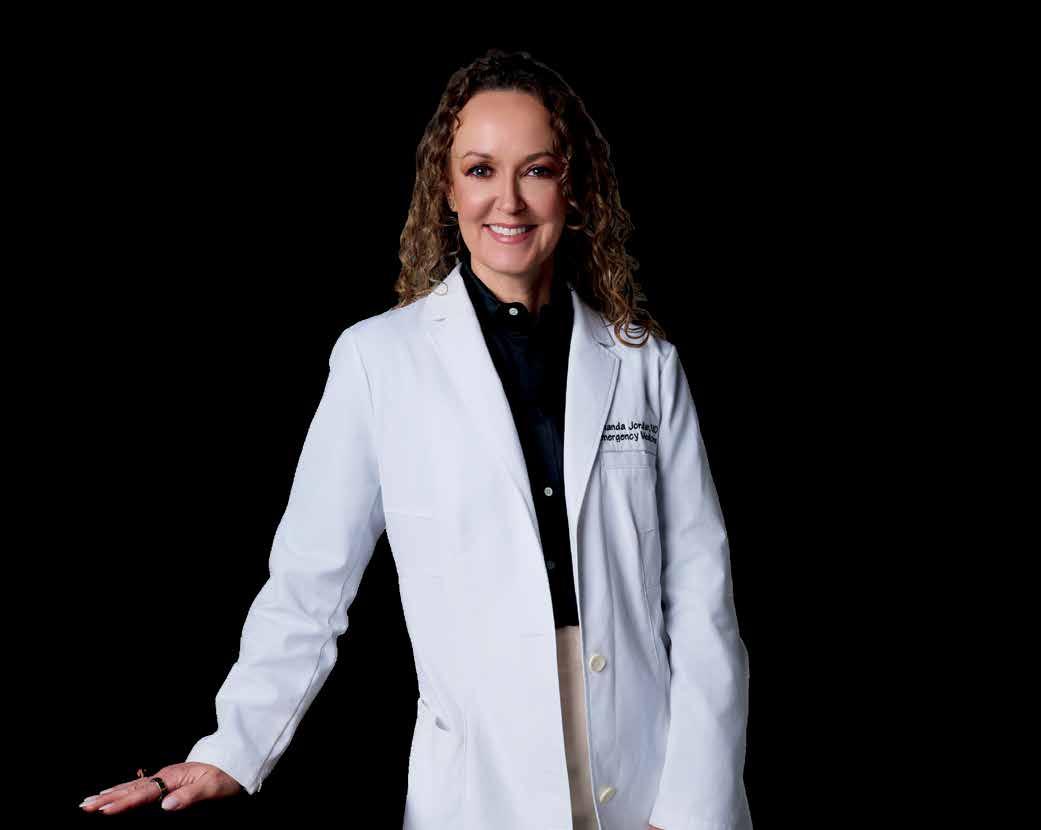
As a physician specializing in functional and longevity medicine, I take a systems-based, root-cause approach to optimize your whole health hormones, metabolism, inflammation, brain function, gut health, and longevity pathways
Whether you’re navigating perimenopause, andropause, persistent fatigue, weight changes, poor sleep, or simply want sharper cognition and stronger performance, your plan is personalized and evidence-driven.
No guesswork. No one-size-fits-all protocols. Just optimized health from the inside out.
Comprehensive functional lab testing
Hormone evaluation & optimization
Nutrition and metabolic rebalancing
Gut–immune axis analysis
Sleep, stress, and recovery protocols
Precision supplements & lifestyle medicine
Fully virtual, physician-led care
Beyond
Outsmart Allergy Season
The Future of Beauty
Grant a Gift Autism Foundation
Why Most Peptides Don't Work in Creams
Biohacking with John XD
The Beginning of You
Surprising Realities of Pregnancy
Bloom Into Bone Strength
Raised

Your personalized Health, Performance, Recovery and Longevity Optimization Center Vegas' first fully integrated Human Optimization Ecosystem
More Energy
More Strength
More Lean
More Immunity
More Focus
More Resilience
More Connection
More Intimacy
More Joy
MORE LIFE

Our Outcomes-driven model:
Medicine: Longevity, preventive, functional & lifestyle care. Hormones, peptides, long-term weight management.
Movement: AI-powered strength training. Faster results in only 2 × 22 min/week.
Medical Biohacking: Light, oxygen, cold, heat, altitude training, PEMF, nervous system, compression, sound frequency vibration.
Matrix Community: Supportive. Curated. Connected.
For those who want more out of LIFE. Book a Discovery Call with Dr. Tim



PUBLISHER
Bill Shehan // 702 589 1282
EDITOR
Stephanie Shehan // stephanie@vegaswellnessmag.com // 702 622 8001
ASSISTANT EDITOR
Jennifer Walker // jennifer@vegaswellnessmag.com // 775 375 0415
CONTRIBUTING
Alethea Shelton
Andrea Caple
Anna Ketron Cusano
Dr. Amanda Jordan
Dr. Manoj K. Sharma
Gia Kubik
Jaden Rae
Janelle Ardizzone
John Romero
John Wetzel
Katie Peede
Pravina Narayan
Saba Tesfay
Sarah Schwefel
Steven Dee Kish
Tsikki Thau



COVER ART
Victoria Hart // Pink Kitty Creative
ADVERTISING SALES
Stephanie Shehan // stephanie@vegaswellnessmag.com // 702 622 8001
Jennifer Walker // jennifer@vegaswellnessmag.com // 775 375 0415
COPY EDITOR
Effie Armstrong - info@vegaswellnessmag.com

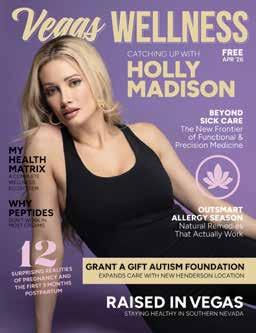
A defining figure of early-2000s pop culture, Holly Madison rose to fame in Playboy, on The Girls Next Door, and Holly’s World before becoming a successful author and Las Vegas headliner. Now, she’s opening up about a more personal chapter- her recent autism diagnosis in adulthood. In this candid conversation, the Vegas-based entrepreneur shares how this diagnosis shapes her relationships and daily life, and how she’s embracing health and wellness practices to support her well-being while balancing motherhood, business, and life in the public eye.
Jennifer Walker: Thank you so much for meeting with us today, Holly! I have been looking forward to connecting with you for a very long time.
Stephanie Shehan: I know you were at the last Grant A Gift Foundation event and spoke about Autism, and you’ve also been quite active with your wellness efforts (stem cells, exosomes, etc.). What prompted your wellness journey?
Holly Madison: There are a lot of different things converging regarding my recent health journey. Part of it is becoming aware that I am on the Autism spectrum, and that started when I got divorced. My ex-husband had spoken to my mother and had some questions about why I seemed to have trouble connecting with people. My mother stated that she always suspected that I had Asperger’s. That was something that people didn’t
really get tested for when I was a kid; there wasn’t a lot of awareness surrounding it. He relayed that to me (my mom hadn’t shared her suspicions with me), I looked it up online and thought, ‘that sounds exactly like me!’. The signs and symptoms seemed so familiar. I got really curious about it. When I would do interviews about my past and my journey in this industry, I started noticing little connections here and there. Maybe I had made a specific decision because of the way that I am, or maybe I felt a certain way due to my condition. I really wanted to get a formal diagnosis (which I finally did about 3 years ago). It took a long time to even find a professional who would give an adult diagnosis. When I connected with Grant A Gift, I was super excited to help out; they are doing such great work and offer such great resources in the community.
As far as wellness, that comes from two places: getting older and wanting to look young forever, and also, I have had chronic fatigue since I was a teenager. I find it so frustrating because I have the most ambitious mind and the most sluggish body. That’s always been a struggle for me. I’ve always needed so much sleep and been groggy throughout the day, no matter how much coffee I pound. I started seeing a few functional doctors and doing all of the supplements and wellness protocols, and that would help a little bit. But I feel like what really put it over the edge was when I went down to Panama in November to get stem cells and exosomes. The stem cells go to wherever the body has inflammation, so during my

treatment, I was visualizing ‘Please go to my thyroid! Please go to my adrenals and wake me up!’ I feel like the treatment really worked. I still need to be careful to get enough sleep, but to be honest, I haven’t ever felt this way during my adult life. I can get up and feel normal. I’m more sensitive to caffeine than I used to be (I’m drinking my coffee half decaf now), and I can get through the day with a lot more energy.
SS: Did you do treatment via IV?
HM: Yes, I did IV. They also offer exosomes that you can inhale. If you are an athlete with an injury (for example), you can have stem cells injected directly into that injury itself. But that’s not specifically what I was looking for.
JW: Traveling to Panama for this treatment, are you able to stay somewhere near the facility to have a recovery day, or do you just receive the treatment and then head back to the U.S.?
HM: My experience was that I was there for a week, including the travel days. I was in a hotel and would travel to the clinic every day for a few hours. This left time in my schedule each day for other activities like sightseeing and content creation. Each day was a different protocol, and 3 of the days were specific for the stem cell IV infusions. I also had been feeling like my periods were super irregular, and I was concerned about going into early menopause. While in Panama, they set me up with an OBGYN who works directly with the clinic. That’s actually where they get the stem cells from- the OBGYN’s patients donate their umbilical cords. The OBGYN was fantastic; he found a cyst on my ovary, and he removed it that same day. This type of thorough medical attention is so different from what I’ve experienced in the U.S., where my OBGYN hasn’t offered me a vaginal ultrasound since I was pregnant many years ago. But also, had I found a golfball-sized cyst on my ovary in the U.S., I would have had to have a full-on surgery. Instead, they put me out a little bit, aspirated it, drained it, and it was done. The process couldn’t have been easier, and the attention to detail was crazy. Overall, I had 3 days of intravenous stem cells, a day of intravenous exosomes, and I also had a microneedling facial where they applied exosomes directly to my face, and I received a different wellness modality each day (hyperbaric chamber, red light therapy, etc). It was a week of various treatments and options. The whole experience was super fun.
JW: Being the only health and wellness publication in Las Vegas, we really are working to educate our readers about the various types of wellness modalities and how facilities can make them more accessible. It’s refreshing to hear your story and know that you are opting to advocate for your own health, as we all should be…
HM: Somebody needs to open a hangover depot or a recovery center where you can go and refresh, rehydrate, and repair yourself after a night out. That would be a great idea!
SS: What are your favorite wellness modalities, either put into your selfcare practice at home, or somewhere nearby in Vegas...
HM: At home, I have a red light sleeping bag, and I love it! If I have time to
By Jennifer Walker and Stephanie Shehan
sit in it before I go to bed, I feel like I sleep really well. I also really love the cold plunge sauna rooms at Pause Studio. They give you the room for an hour, which is really fun, so that you can bounce back and forth between hot and cold. I had only cold plunged once, and it was crazy, but honestly, it doesn’t feel as bad if you’re popping back and forth. It makes you feel amazing.
JW: Circling back, what does having an autism diagnosis change for you? Are you now looking at your own wellness through a different lens, perhaps incorporating lifestyle changes?
HM: Having the diagnosis makes wellness more of a priority for me. I recognize now that I definitely need it (as everyone does)... but I need it now more than ever to help reset and be at my best.
JW: What misconceptions about autism did you personally hold before your diagnosis?
HM: When I was younger, I thought autism looked like one thing. My first introduction to it was a character in a Babysitters Club book who had to go to a special school, was nonverbal, and had a gift for memorizing dates. I didn't realize what a spectrum it was.
JW: How did you decide to share your diagnosis publicly?
HM: Ever since I started doing reality TV, I've kind of been thrust into this place where I can't really keep anything secret, and I feel like I have to be fully transparent to even be understood by some people. I felt like the diagnosis gave some insight into my decision-making progress, it factored into some stories I was sharing, and that was it. I actually started sharing my suspicions before I was diagnosed, and I felt like if this was going to be something I talked about publicly, I had a responsibility to explore a diagnosis and learn more about it.
JW: Looking back, do you feel you’ve been “masking” for much of your life? What did that look like for you?
HM: I've definitely been masking, always looking for cues, stumbling around, and trying to mimic behaviors to fit in. I don't think I was ever very good at it, though.
JW: Did your career reward traits that are actually autistic strengths?
HM: I think I got into the worst possible career for my autistic strengths. I would have been much better off in something academic or behind-thescenes creative. To thrive as a TV personality who came from the reality TV world, effortless social skills and outgoing personalities are more what works.
JW: What do you wish people understood about autism in adult women (or adults in general)?
HM: I wish people understood that it's a spectrum and it appears so differently in individuals. It doesn't look like one thing.
JW: Has your creativity been influenced by your neurodivergence?
HM: I think my ability to catalogue inspiration in my brain probably helps.
JW: If you could speak to your 15-year-old self, what would you tell her?
HM: Hold on, it's going to be a bumpy ride. And take more pictures. You're going to need receipts.
JW: Traveling must affect your sleep schedule. Aside from red light, is there anything that you have tried and recommend for sleep wellness?
HM: I’m guilty of trying a bunch of new things at once to improve my health, but the problem with that is that it’s hard to narrow it down to figure out which of those modalities is actually helping! I have noticed lately that my sleep has improved, so it’s either because I started taking potassium, or it could be that I have made it more of a priority to do red light and then take a magnesium salt bath before bed. I had also gotten into the habit of drinking this particular smoothie that contained a myriad of functional mushrooms and minerals. There are a few possibilities for my improved sleep lately. I also just ordered an Oura ring and am excited to try it. I know that a lot of experts suggest that for optimal sleep health, it’s best to go to bed and wake up at the same time every day, and I just can’t do that, unfortunately. For the most part, I try to get to bed by 1 AM and wake up by 9 AM, but sometimes I can’t even do that consistently, as it depends on my kids'/custody schedule, my work, and recording schedule the next day. I just have to sort of accept that for this phase of my life and work on everything else that I can control. For each individual, there is bound to be a piece of health and wellness advice that simply doesn’t work. And that’s mine.
SS: What would you say your top 3 supplements are?
HM: A probiotic for sure. Also, I am someone who has suffered from depression on and off throughout my life, and I find a lot of benefit from taking the Bulletproof Zinc with Copper supplement. When I first started taking it, I had run out of it and forgot to refill it. I soon noticed that my depression was flaring up and realized that it had started soon after I stopped taking the supplement. Once I started up again, I felt better right away. I also love Nordic Naturals Omega supplement- it really helps with dry eyes and some other issues I have had from time to time. As far as peptides, I have started taking the BPC-157 capsules. Those help a lot with soreness and muscle recovery.
SS: Talk a bit about your fitness routine…
HM: I love doing Lagree, which is kind of a Pilates-ish type workout. I go to Lagree Lab in Vegas. When I’m in town, I go every other day. I also just started working out with a trainer to incorporate more weight training. I actually work out a lot, almost every day when I’m in Vegas. No matter what, every day I try to do at least 5 minutes of abs; it really makes a difference. I also love going to Raeya Wellness and using their HOCATT™ Chamber. You go in, and it has like 5 different modalities that bring out the toxins in your body. The facility itself is gorgeous, very spa-like. They offer massages and facials. I’m also a fan of lymphatic drainage massage facials; I think they work wonders. I love using the vibration plate machines; I really feel that the more I use them, the places in my body that are holding on to extra inflammation start to loosen up.
SS: Are you at the point in your wellness journey where you are delving into hormones yet?
HM: Yeah, over the past year, I started seeing a functional doctor, and I get my hormone panels done regularly. I actually recently had to switch my medical insurance, as what I previously had wasn’t covering labs. Let me tell you, labs are not cheap!
SS: Yes, and most regular PCP’s won’t touch the hormone panels…
HM: That’s why I had to find a functional doctor…
JW: We hear this a lot and can relate. Many of our readers hit obstacles when trying to test hormones with their regular doctors, only to be told that their doctors won’t test them until they reach menopause. Ideally, we’d like to get a sense of where we’re at before that stage so that we can incorporate preventative wellness plans in anticipation of all of the changes we go through during menopause. It can be so frustrating.
HM: It should be a requirement. I know our healthcare system is in shambles. I have a long list of things that I feel should be included in general healthcare. I think when you’re pregnant, it should be a requirement to meet with a therapist in case you get postpartum, you already have somebody on speed dial who knows you and is at the ready if you need to call. Getting back to hormones, I think even as early as the late 30’s you should start getting your hormones checked. People are starting to go into perimenopause earlier now. I have friends who are 35 and already having hot flashes! A vaginal ultrasound should be given with your annual Pap, especially after age 40.
JW: I love this list that you’ve come up with! I thought that I read somewhere that you are thinking of running for Mayor of Las Vegas. Is that right?
HM: One day, I would love to. I’m not totally hung up on that position; I would just love to be more involved and advocate for our community in some meaningful way. I usually say I’d love to be the Mayor of Vegas as it sort of sums up all of the ambitions I have under one title. This would need to be once my kids are grown up so that I could totally focus on the job, but I would love to do something like that in the future.
JW: Well, I’m all for it, and I think you should definitely run for Major. Just based on this conversation alone, you have addressed a lot of concerns here, and I like where your head and heart are at. You’d have our votes!

Discussions about how to increase longevity are often framed around singular interventions, emerging therapies, or lifestyle trends. In clinical medicine, however, longevity is understood differently. The primary goal is not simply extending years of life but extending healthspan- the period of life spent in good physical, cognitive, and functional health.
From a physician’s perspective, increasing longevity involves compressing morbidity. This means delaying the onset of chronic disease and preserving independence, mobility, and cognitive function for as long as possible. A thoughtful internal medicine approach emphasizes continuity. It recognizes that risk evolves across the lifespan and that meaningful extension of healthspan requires structured monitoring, early detection, and sustained physician oversight.
Cardiometabolic disease remains the leading driver of morbidity and mortality in developed healthcare systems. Atherosclerotic cardiovascular disease, type 2 diabetes, and related metabolic conditions are responsible for a substantial proportion of premature mortality and functional decline.
When considering how to increase longevity, physicians begin with the risk of heart disease. Blood pressure, lipid burden, glucose regulation, insulin sensitivity, and visceral adiposity all influence long-term outcomes. These factors are measurable, modifiable, and clinically actionable.
Inflammation also plays a central role. Chronic low-grade inflammatory signaling contributes to vascular disease, neurodegeneration, and metabolic dysfunction. Addressing cardiometabolic health, therefore, represents the most evidence-based foundation for extending both lifespan and healthspan.
Increasing longevity depends on identifying risk before symptoms arise. Traditional screening remains important, but in many cases it is insufficient for early detection. Advanced diagnostics, when applied judiciously, can provide a more detailed understanding of an individual’s risk profile.
Expanded lipid panels, inflammatory markers, metabolic assessments, and imaging studies may be used when clinically appropriate. The purpose is not to generate excessive data but to inform decision-making. Genomic risk assessment can also provide context, particularly for cardiovascular or metabolic predisposition, though it is not deterministic.
A key principle in preventive medicine is trend analysis. A single normal result does not guarantee future stability. Physicians evaluate how biomarkers change over time, identifying subtle shifts that may indicate increasing risk. This longitudinal perspective allows for earlier and more precise intervention.
Exercise is one of the most consistently supported interventions for improving longevity. However, in clinical practice, it is approached as a medical prescription rather than a generalized recommendation.
Aerobic capacity is strongly associated with cardiovascular health and
overall mortality risk. Muscle strength and lean mass are equally important, particularly for preserving mobility, metabolic stability, and independence with aging. Resistance training supports bone density, insulin sensitivity, and functional resilience.
The clinical goal is sustainability. Regular, appropriately dosed exercise over years and decades provides greater benefit than intermittent extremes.
Sleep is a foundational determinant of long-term health. It influences metabolic regulation, cardiovascular function, immune response, and cognitive performance. Poor sleep quality is associated with increased risk of hypertension, insulin resistance, mood disorders, and neurodegenerative disease.
Physicians evaluate sleep not only by duration but by quality and consistency. Screening for conditions such as obstructive sleep apnea is essential, particularly in patients with cardiometabolic risk factors. Circadian rhythm stability also plays a role in metabolic and hormonal regulation.
Recovery extends beyond sleep. Chronic stress and dysregulated autonomic function can contribute to inflammation and metabolic instability. Addressing sleep and recovery capacity is central to any clinically grounded longevity strategy.
Nutritional strategies for increasing longevity are best framed through the lens of metabolic stability rather than rigid dietary ideology. Glycemic control, adequate protein intake, micronutrient sufficiency, and maintenance of lean mass are primary considerations.
Protein intake becomes increasingly important with age due to the risk of sarcopenia. Preservation of muscle mass supports metabolic health, mobility, and resilience during illness or injury. Nutrient density also matters. Diets emphasizing whole foods and balanced macronutrient distribution generally support long-term metabolic stability.
Physician oversight may be necessary for individuals with diabetes, cardiovascular disease, inflammatory conditions, or significant metabolic dysfunction. Nutrition should be personalized based on laboratory findings, comorbidities, and life stage rather than generalized trends.
Cognitive longevity is closely linked to vascular and metabolic health. Hypertension, insulin resistance, dyslipidemia, and chronic inflammation all contribute to cognitive decline. Preventive strategies for brain health, therefore, overlap significantly with cardiometabolic risk management.
Regular physical activity, restorative sleep, and social engagement support cognitive resilience. Early evaluation of memory or executive function changes allows for timely intervention and risk assessment.
It is important to distinguish between well-supported interventions and overstated claims. Many supplements or “cognitive enhancement” strategies lack robust evidence for long-term benefit. A physician-led approach
By: Manoj K. Sharma, DO, President, Elite Medical Associates
prioritizes established risk reduction while monitoring emerging research with appropriate caution.
Hormonal changes occur across the lifespan and can influence energy, metabolism, bone density, and mood. Evaluation of hormonal status may be appropriate when symptoms or clinical indicators arise.
Treatment decisions require careful risk-benefit assessment. Hormone therapy may be beneficial for certain individuals in specific contexts, but it is not universally indicated. When initiated, therapy requires ongoing monitoring to ensure safety and effectiveness.
The goal is not to restore laboratory values to youthful ranges indiscriminately, but to address clinically meaningful symptoms and risks within an evidence-guided framework.
Chronic inflammation is a unifying factor across many age-related diseases, including cardiovascular disease, diabetes, cancer, and neurodegeneration. Preventive strategies aim to reduce inflammatory burden through risk factor management, vaccination, screening, and appropriate medical therapy.
Preventive medicine also includes routine cancer screening, immunization, and early detection strategies. These measures remain among the most effective tools for extending healthspan and reducing premature mortality.
Longevity is not achieved through isolated interventions. It requires continuity of care and a long-term physician-patient partnership. This relationship allows for trend-based monitoring of biomarkers, imaging, and functional metrics, as well as timely adjustments to care plans.
As individuals age, risk profiles change. New conditions may emerge, and treatment priorities may shift. A consistent clinical relationship provides the context necessary for nuanced decision-making. It also fosters trust and accountability, both of which are essential for sustained preventive care.
Understanding how to increase longevity requires a shift in perspective. Rather than seeking singular solutions, clinicians focus on the systematic management of risk across multiple domains: cardiometabolic health, physical capacity, sleep, cognition, metabolic stability, and inflammation.
The most effective strategies for extending healthspan are well-established: early detection, individualized intervention, and continuity of care. Emerging therapies may play a role in the future, but they do not replace the fundamentals of preventive internal medicine. Longevity, in clinical terms, is not the product of intensity or novelty. It is the result of consistency, careful monitoring, and thoughtful physician oversight over time.



By: Amanda Jordan, MD
When The Answers Don’t Explain How You Feel
Susan is 41 years old. She started noticing vague symptoms creeping into her life that have now become impossible to ignore - weight gain, constant fatigue, worsening stress tolerance, and feeling less mentally sharp. She books an appointment with her primary care provider, who orders standard labs. She is reassured that everything looked normal and encouraged to eat less and exercise more.
Robert is 49 years old. He exercises regularly and eats a mostly healthy diet. Despite this, he has been steadily gaining weight, particularly in his abdomen. He is experiencing overwhelming fatigue after meals, feels hungry between meals, craves snacks, and has frequent disrupted sleep. He visits his primary care physician, is diagnosed with hypertension and high cholesterol, prescribed two medications, and instructed to follow up in 6 months.
These stories are increasingly common. But some patients are discovering a different approach to healthcare, one that asks deeper questions about why symptoms develop in the first place. This emerging model is called functional, integrative, and precision medicine.
Conventional medicine is exceptional at acute care and life-saving treatment. Advances in antibiotics, surgical techniques, trauma care, and emergency medicine have dramatically improved survival from infections, trauma, and life-threatening conditions.
Unfortunately, it was not designed to answer questions like “Why do I feel this way?” or “How do I prevent this?” Medical training mainly focuses on treating disease. Labs are interpreted with a “rule in or rule out disease” approach, not through an optimization and disease-prevention perspective. Treatment often centers on symptom relief, while underlying biological causes may stay unexamined. The system is not equipped to handle or effectively manage the complex chronic health challenges that many people face today, such as fatigue, metabolic dysfunction, hormonal imbalances, inflammation, brain fog, and digestive issues. This has created a gap in care: patients feel something is wrong but don’t meet disease criteria, leaving them waiting and feeling unwell without guidance. Much of this results from how healthcare systems are set up, brief visits and insurance-driven workflows limit how deeply clinicians can delve into complex chronic problems.
Precision Medicine – What’s the Difference?
While these terms are sometimes used interchangeably, each describes a slightly different aspect of a broader shift in healthcare.
Functional medicine is a systems-based approach to healthcare that focuses on identifying the underlying drivers of illness rather than simply suppressing symptoms or treating disease. The systems biology approach views the body as an interconnected network involving metabolism, hormones, immune function, gut health, and brain health. Rather than treating organs in isolation, they recognize that dysfunction in one system often influences the others. For example, insulin resistance can influence hormone balance, gut inflammation can impact mood and cognition, and chronic stress affects metabolic and immune pathways. Instead of asking only “What medication treats this symptom?”, functional medicine asks “Why did this imbalance develop?” and “What biological systems are involved?” and then aims to restore balance across these systems and improve overall function.
Integrative medicine blends conventional medical care with evidencebased lifestyle and complementary therapies. Rather than rejecting modern medicine, integrative care uses it alongside approaches that support foundational physiology. That foundation consists of nutrition therapy, sleep optimization, stress physiology and nervous system regulation, targeted supplementation, and exercise and metabolic conditioning. This should not be considered “alternative” medicine. These are essential for health optimization.

Another rapidly growing field is precision medicine, which aims to tailor medical care to the unique individual that you are. Traditional medicine often relies on standardized treatments across large populations. Precision medicine recognizes that individuals differ in genetics, metabolism, environmental exposures, hormonal patterns, inflammatory responses, culture, and lifestyle. Two people with similar symptoms may therefore require very different treatment strategies. Emerging tools used in precision medicine include genetic testing, biomarker analysis, metabolic profiling, and microbiome assessment. These technologies allow physicians to design highly individualized care plans.
Functional Labs: What They Are and Why They Matter
One of the most notable differences in functional medicine is the use of expanded laboratory testing. Conventional labs ask, “Is anything broken?” Functional labs seek to answer “Is everything working optimally?”
Examples include advanced hormone testing, micronutrient analysis, gut microbiome evaluation, inflammatory markers, and detailed metabolic panels. These insights can reveal subtle dysfunction that conventional labs often miss, such as:
• Early insulin resistance
• Nutrient deficiencies
• Gut microbial imbalance
• Hormone fluctuations
• Toxic exposures
• Chronic inflammation or infection
Detecting these shifts early allows for targeted interventions aimed at restoring physiologic balance.
Functional medicine combines insights from laboratory testing and clinical history to guide individualized treatment strategies.
Hormonal transitions are one area where this approach is particularly impactful. During midlife, shifts in estrogen, progesterone, and testosterone influence metabolism, energy levels, mood, cognitive function, body composition, and sleep quality. A systems approach to address hormone balance alongside insulin resistance, inflammation, and nutrient status can significantly improve the wide array of symptoms that are often dismissed as simply “getting older”.
Common mid-life diagnoses such as hypertension, high cholesterol, and prediabetes are rooted in insulin resistance and inflammation that began years or decades earlier. Functional medicine aims to catch and correct these imbalances before they progress into chronic disease.
Gut health is another growing focus. Research increasingly demonstrates that the gut microbiome influences immune function, metabolic signaling, and even mood and cognition. Addressing gut health has therefore become an important component of many functional treatment plans.
Targeted supplementation is frequently used to support physiologic processes such as mitochondrial energy production, inflammation regulation, and nutrient repletion.
Another emerging area of research involves peptide therapies. Peptides are short chains of amino acids that act as signaling molecules in the body. Scientists are studying their potential roles in metabolic regulation, tissue repair, immune signaling, and longevity pathways. While research in this area continues to evolve, these therapies represent one example of the expanding toolkit available in personalized medicine.
Functional, integrative, and precision medicine are largely not covered by health insurance. Insurance systems were designed to reimburse the diagnosis and treatment of disease. They operate through billing codes built around identifiable conditions. An illness is diagnosed, and a treatment is prescribed. What they were never designed to do is pay a provider to spend 60-90 minutes investigating why you feel the way you feel. Nor was it designed to support expanded laboratory analysis or highly personalized protocols built around an individual’s hormones, genetics, metabolism, and lifestyle. That depth of care doesn’t fit the reimbursement model. Rather than compressing visits to fit the system, many practitioners practicing this model stepped outside the insurance framework. That independence allows for longer consultations, deeper investigation, and more personalized care.
The policy landscape is beginning to evolve. As of 2026, federal rules allow Health Savings Account (HSA) funds to be used for qualifying Direct Primary Care memberships, a model that shares significant overlap with functional and concierge medicine. This marks a broader cultural acknowledgement that relationship-based, out-of-network care deserves a place in how Americans think about healthcare spending. Eligibility varies by practice structure, but if you have an HSA, this is a conversation worth having.
The bottom line: this model costs more upfront because it investigates health more deeply. For many patients, that investment in understanding their body, rather than managing their symptoms, is exactly what changes the trajectory.
Functional medicine is not simply another doctor’s appointment. It is an investment in understanding your health.
Appointments are often longer, and care is highly collaborative, empowering individuals to actively participate in maintaining their health rather than passively receiving treatment. Common reasons individuals explore this approach include:
• Persistent fatigue despite normal labs
• Unexplained weight gain
• Brain fog or poor concentration
• Digestive symptoms
• Hormone-related symptoms during midlife
• Feeling “not quite right” despite normal test results
If any of the following sound familiar, especially if you’ve already been told your results are normal, this approach may be worth exploring.
The Future of Medicine is Personal
Healthcare is gradually shifting away from a purely reactive model of disease management toward one focused on prevention, personalization, and long-term health optimization.
Susan and Robert aren’t outliers. They represent millions of patients navigating a gap that the system wasn’t designed to close. More of these people are beginning to ask different questions about their health. They want care that is proactive rather than reactionary. They want physicians who have time to listen to their full story, not just treat isolated symptoms during brief appointments. And they want healthcare that reflects who they are, their biology, lifestyle, and stage of life, rather than a one-sizefits-all approach.
The goal is no longer simply to live longer. The goal is to maintain energy, cognitive clarity, metabolic health, and physical resilience for as many years as possible.
Medicine is entering a new era where understanding how the body functions is just as important as diagnosing disease. In that sense, the future of healthcare will not simply be about treating illness once it appears. It will be about building health long before disease develops.
Dr. Amanda Jordan is a board-certified physician specializing in functional and longevity medicine. Through her telemedicine practice, she works with patients across the country to optimize metabolic health, hormone balance, and longterm wellness using a personalized, science-driven approach. Learn more at dramandajordan.com.
Spring is often associated with renewal, longer days, and time spent outdoors. But for many people, it also marks the return of allergy season, bringing with it congestion, sneezing, itchy eyes, and persistent fatigue. If you find yourself dreading this time of year, you are not alone. Seasonal allergic rhinitis, commonly known as hay fever, affects millions and can significantly impact daily life. The good news is that there are natural, evidence-informed ways to manage symptoms.
When pollen enters your system, your immune system mistakenly identifies it as a threat. In response, it releases histamine and other inflammatory compounds. This process leads to familiar symptoms such as a runny or congested nose, sneezing, itchy or watery eyes, and sinus pressure. Your body is not malfunctioning; it is simply overreacting. The goal of natural remedies is not to suppress your immune system entirely, but to help regulate its response and reduce the triggers that cause irritation.
Stinging nettle is often used as a natural antihistamine. Some research suggests that it may help reduce symptoms such as sneezing and itching by interacting with histamine pathways. It is commonly available in capsule, tincture, or tea form and is most effective when used consistently throughout allergy season.
Butterbur has also been studied for its potential to relieve allergy symptoms. Some findings indicate that it may be comparable to certain antihistamines without causing drowsiness. It is important to choose products labeled as PA-free (pyrrolizidine alkaloid-free) to ensure safety.
Quercetin, a flavonoid found in many fruits and vegetables, helps stabilize mast cells, which are responsible for releasing histamine. Foods rich in quercetin include apples, onions, berries, and leafy greens. It is also available as a supplement for more targeted support.
These natural options work by supporting the body’s response rather than simply masking symptoms, making them a valuable addition to a broader allergy management plan.
Local honey is frequently recommended as a natural remedy for seasonal allergies. The theory is that consuming small amounts of locally produced honey may expose the body to trace levels of pollen, potentially helping the immune system become less reactive over time. Research on this topic is mixed. Some studies suggest mild improvement in symptoms, while others show little difference compared to placebo. However, many individuals report benefits when using raw, local honey consistently before and during allergy season. Even if its effects on allergies vary, raw honey contains antioxidants and antimicrobial compounds that can support overall wellness and soothe irritated throats.
Reducing your exposure to allergens is one of the most effective strategies for managing symptoms. Many people underestimate how much pollen enters and lingers inside the home. Using a highefficiency particulate air (HEPA) purifier can help remove pollen, dust, and other airborne irritants. Studies have shown that HEPA filtration
By: Sarah Schwefel
can significantly reduce indoor allergen levels and improve symptoms, particularly when used in sleeping areas.
Keeping windows closed during peak pollen times, typically in the morning and on windy days, can also make a meaningful difference. Instead, use air conditioning when possible to maintain airflow without introducing outdoor allergens.
Additionally, changing your clothes and rinsing off after spending time outdoors can prevent pollen from spreading throughout your home.
Because allergies are driven by inflammation, dietary choices can influence the severity of symptoms. Focusing on anti-inflammatory foods can help support immune balance.
Omega-3 fatty acids, found in foods such as salmon, walnuts, and chia seeds, are known for their anti-inflammatory properties and may help reduce the intensity of allergic responses.
Vitamin C acts as a natural antihistamine and supports immune function. It is abundant in citrus fruits, bell peppers, strawberries, and other colorful produce.
Turmeric, particularly its active compound curcumin, has strong antiinflammatory effects. It is most effective when consumed with black pepper, which enhances absorption.
Leafy greens and a variety of colorful vegetables provide antioxidants that help combat oxidative stress associated with allergic reactions. At the same time, it may be helpful to limit foods that can contribute to inflammation or histamine release, including highly processed foods, excess sugar, and alcohol. Even small, consistent dietary adjustments can have a noticeable impact on how your body responds during allergy season.
Saline nasal rinses are a simple and clinically supported method for relieving allergy symptoms. Using a neti pot or saline spray can help flush pollen and irritants from the nasal passages, reduce inflammation, and improve breathing. For safety, it is essential to use distilled, sterile, or previously boiled water when performing nasal rinses. This approach can provide quick relief and is a useful addition to a daily allergy routine.
Managing seasonal allergies naturally works best when multiple strategies are combined. Herbal support, improved air quality, antiinflammatory nutrition, and simple practices like saline rinses can work together to reduce both symptoms and triggers.
Rather than seeking a single solution, consider building a routine that supports your body consistently over time. Small, intentional changes can lead to meaningful improvements in how you feel day to day.
Allergy season can be disruptive, but it does not have to define your experience of spring. By understanding how your body responds to allergens and taking steps to support it, you can reduce discomfort and improve your overall quality of life.




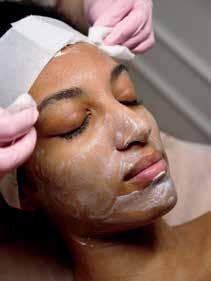
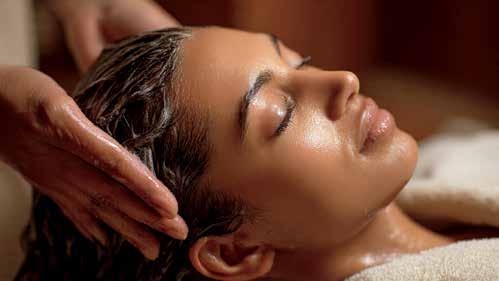
At Desert Moon Wellness, we believe beauty and health begin at the same place: the cell.
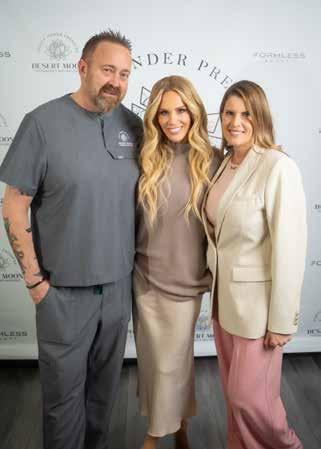
Recently, we had the honor of hosting an evening with Jenny McCarthy, founder of Formless Beauty, where she shared the personal health journey that led her to create a toxin-free beauty line rooted in cellular awareness. What many people don’t realize is that Jenny’s work in clean beauty began through years of studying environmental toxicity, cellular detoxification, and mitochondrial health while navigating health challenges within her family. Her experience reflects something many people are beginning to understand: Modern wellness is about understanding how our environment impacts our cells.
The human body is made up of trillions of cells that rely on proper oxygen, energy production, and detoxification pathways to function correctly. When cells are supported, the body can maintain balance across multiple systems, including: nervous system regulation, immune function, metabolic health, brain performance, and skin and tissue health.
However, we are exposed to environmental toxins through everyday products, including cosmetics, household products, and environmental pollutants. These exposures can place additional stress on the body's detoxification pathways and mitochondria, which are responsible for cellular energy production. This growing awareness is why conversations around cellular detox and clean beauty have expanded so dramatically.
The clean beauty movement began as a response to concerns about ingredients commonly found in traditional cosmetics. Consumers started asking important questions: What chemicals are being absorbed through the skin? How do these ingredients interact with the body's hormone system? What is the long-term impact of daily exposure?
Jenny McCarthy’s work with Formless Beauty emerged from these same questions. Her approach centers on creating beauty products that avoid ingredients known to disrupt biological systems, instead focusing on formulations that align with a cellconscious approach to beauty. This philosophy reflects a larger shift in how
many people now view wellness. Beauty is no longer seen as separate from health. Instead, it is becoming part of a broader conversation about supporting the body’s natural biological systems.
As research into environmental health expands, the concept of cellular detoxification has become an important topic within functional medicine and integrative wellness.
The body naturally detoxifies through systems such as the liver, lymphatic system, skin, lungs, and digestive tract. However, when toxic exposure increases or detox pathways become overwhelmed, the body may require additional support to maintain balance.
Approaches commonly used to support cellular health and detox pathways include:
• improving mitochondrial energy production
• optimizing oxygen delivery to tissues
• supporting nervous system regulation
• improving metabolic efficiency
• reducing toxic exposures in daily life
This is where the work being done at wellness centers like Desert Moon Wellness in Las Vegas intersects with the clean beauty movement. Both share a common focus: supporting the body's biology rather than working against it.
At Desert Moon Wellness, many of our therapies are designed to support the body's foundational systems at the cellular level.
These include technologies and approaches such as: Hyperbaric Oxygen Therapy (HBOT), Photobiomodulation (light therapy), PEMF therapy, Nervous system regulation tools , and Metabolic and nervous system assessments. Each of these therapies works by supporting different aspects of cellular function, including oxygen delivery, mitochondrial activity, circulation, and nervous system balance.
Rather than focusing only on symptoms, this approach looks at how improving cellular function can support overall
health and resilience.
By: Janelle Ardizzone
What made the evening with Jenny McCarthy so meaningful was how clearly the philosophies behind Formless Beauty and Desert Moon Wellness align.
Both approaches recognize that true wellness begins by understanding the relationship between: Environment, cellular health, metabolism, nervous system balance, and lifestyle choices.
When these systems are supported, many people begin to experience improvements not only in how they feel, but also in how they look.
Skin, energy, cognitive clarity, and overall vitality are often reflections of deeper biological processes happening inside the body.
Over the past decade, the wellness conversation has evolved significantly.
People are becoming more curious about: What ingredients are in the products they use, How their environment impacts their health, How lifestyle choices influence cellular energy, and How the nervous system regulates overall well-being.
This growing awareness is leading many individuals to explore wellness approaches that support both internal biology and external care.
Clean beauty and cellular wellness are no longer separate conversations. They are part of the same larger movement toward supporting human biology in a modern world.
Events like the evening with Jenny McCarthy highlight the growing connection between wellness science, environmental awareness, and the beauty industry.
As more people begin to understand how daily exposures influence cellular function, the demand for approaches that support both beauty and biological health will likely continue to grow.
At Desert Moon Wellness, we are grateful to be part of this evolving conversation and to collaborate with individuals and brands who share a commitment to supporting the body at its most fundamental level, the cell.
Janelle Ardizzone is the CEO and Co-Founder of Desert Moon Wellness in Las Vegas. A leader in advanced wellness and metabolic optimization, she specializes in nervous system regulation, recovery, and longevityfocused care. Janelle is passionate about empowering women with datadriven tools that support clarity, resilience, and lifelong health.

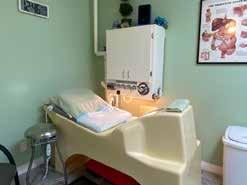
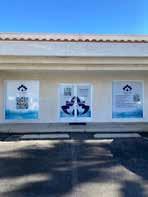








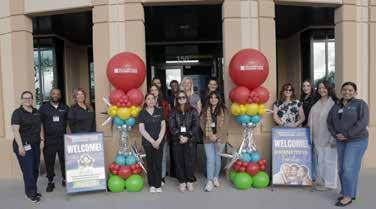
As Southern Nevada continues to see a growing demand for autism services, the Grant a Gift Autism Foundation – Ackerman Center recently marked a major milestone with the opening of a new Henderson facility designed to expand access to critical care for local families.
Community leaders, advocates, and families gathered on Wednesday, Feb. 18, for a ribbon-cutting ceremony celebrating the organization’s newest location at 2270 Corporate Circle, Suite 150, in Henderson. The event highlighted the foundation’s continued commitment to supporting individuals with autism and other neurodevelopmental conditions across the Las Vegas Valley.
The ceremony brought together a cross-section of the community, including Henderson Mayor Michelle Romero, representatives from Governor Joe Lombardo’s office, the Henderson Chamber of Commerce, and Grant a Gift Autism Foundation President and CEO Brian Hager. Board members, partners, clinicians, and families who have been impacted by the organization’s services were also in attendance.
For many in the crowd, the moment symbolized more than just the opening of a new space. It represented hope and expanded opportunity for families navigating the often complex journey of an autism diagnosis. “Access to care is one of the most important factors in improving outcomes for individuals with autism,” said Hager. “As our community continues to grow, so does the need for specialized services. This new location allows us to reach more families and ensure they receive the support they deserve.”
The Henderson facility will expand access to occupational therapy as well as comprehensive Applied Behavior Analysis (ABA) programs designed for children, teens and young adults. ABA therapy is widely recognized as one of the most effective evidence-based approaches for helping individuals on the autism spectrum develop communication, social, and daily living skills.
As demand for services continues to increase across Southern Nevada, the additional facility helps alleviate waitlists while providing families with greater access to early intervention and ongoing therapeutic care in their community. Early diagnosis and intervention can play a crucial role in long-term developmental outcomes. By expanding capacity, the Ackerman Center aims to provide more timely access to evaluations and therapy services, giving families the support they need during critical
developmental windows.
The expansion comes at a meaningful time of year. April is recognized nationwide as Autism Awareness Month, a period dedicated to increasing understanding, acceptance, and support for individuals living with autism spectrum disorder. In Las Vegas and throughout Southern Nevada, organizations like Grant a Gift are working to ensure that awareness also translates into tangible resources for families.
Since opening its doors in 2016, the Grant a Gift Autism Foundation –Ackerman Center has supported thousands of local families navigating autism diagnoses and other neurodevelopmental challenges. Through clinical services, educational resources, and community programs, the organization has become a vital resource within the region’s healthcare and nonprofit landscape.
The center offers a wide range of family-centered services, including early diagnostic evaluations, individualized therapy programs, behavioral support, family education, and vocational training opportunities. These programs are designed to support individuals across every stage of life, helping them build independence and meaningful connections within the community.
For many parents, having access to comprehensive services in one location can make a profound difference. Navigating an autism diagnosis often involves coordinating multiple specialists, therapies, and support systems. By bringing clinical care, resources, and advocacy together under one roof, the Ackerman Center helps streamline that process for families who may already feel overwhelmed.
Over the years, the foundation has played a significant role in shaping autism support services throughout Southern Nevada and across the state. In addition to clinical care, the organization actively advocates for policies and programs that improve access to diagnosis and treatment.
For families currently navigating an autism diagnosis, the expansion represents an important step toward greater access and support within the community. April is Autism Awareness Month , and leaders at Grant a Gift hope the milestone serves as a reminder that building a more inclusive and supportive community requires collaboration from healthcare providers, educators, policymakers, and local residents alike.
The Grant a Gift Autism Foundation – Ackerman Center is a 501(c)(3) nonprofit organization dedicated to providing comprehensive clinical services, education, advocacy, and research for individuals living with autism and other neurodevelopmental conditions. In addition to autism spectrum disorder, the center also provides support for individuals living with fetal alcohol spectrum disorder and related developmental challenges. The foundation’s flagship center is located at 630 S. Rancho Drive, Suite D in Las Vegas. For more information, visit grantagift.com, follow the foundation on social media, or contact the center at 702-564-2453.

If you talk to enough people dealing with joint pain, you start hearing the same story. It usually doesn’t begin with a dramatic injury. Most of the time, it starts small. A shoulder that suddenly twinges when you reach for a high shelf. A knee that "complains" during a Saturday morning walk. An elbow tendon that never quite settles down after a workout. At first, you brush it off. You assume it’s just a "bad day" and that it will go away on its own.
But slowly, something changes. The discomfort hangs around longer. Certain movements start to feel unpredictable. Before long, you realize you're quietly adjusting your entire life around whatever hurts. You start opting out of the things that make you you—the morning run, the evening gardening, the physical play with your kids—all because of a "calculation" your brain makes before you even realize it.
Most people start with the usual suspects: over-the-counter pain relievers or anti-inflammatories. These have their place, and they can absolutely help in the short term. But they work primarily by dampening pain signals or temporarily masking inflammation. They are a volume knob, not a repair crew. Once the medication wears off, the underlying tissue issue remains exactly where it was.
So, you head to the topical aisle. You find menthol creams, cooling gels, and patches. You rub them on and feel that familiar sensation—cold, tingling, or heat. This is what scientists call "neurological distraction." It tricks your nervous system for an hour or two by flooding the receptors with temperature signals, but it does nothing to support actual tissue recovery. A couple of hours later, the ache creeps right back.
For those who want to stay active, this is where frustration sets in. Pain that permanently lives in your body starts influencing your choices. You begin asking yourself small, limiting questions every single day: Will my knee flare up if I take this walk? Will my shoulder throb tonight if I lift this bag? Should I just skip the gym today?
Over time, those tiny calculations quietly shape your lifestyle until your world feels much smaller than it used to be. And that’s usually when
people start looking for something different.

By Jaden Rae
Over the past few years, compounds like BPC-157 and TB-500 have moved from secret lab projects to mainstream conversation. These are small protein fragments—peptides—that act as biological messengers. What makes peptides fascinating is that they don’t function like painkillers; they don’t numb anything. Instead, they act more like a foreman on a construction site. They interact with the body’s repair systems and signal specific processes that support recovery in tissues like tendons, ligaments, and muscle. Athletes talk about them constantly. Longevity communities discuss them endlessly. But when most people try to actually figure out how to use them, things get complicated quickly.
They find "research chemical" websites with legal disclaimers that feel like a warning. They see dosing charts that look like lab manuals. Most importantly, nearly every path leads to daily injections. For someone who just wants their knee to feel better, the process starts to feel less like wellness and more like a high-stakes chemistry experiment happening in their bathroom.
That gap—between simple "distraction" creams and medical-grade injectable protocols—is what I’ve been obsessed with for more than a decade. Because the question isn't whether peptides work; the question is: How do you get them through the skin?
My interest in formulation didn’t start in a sterile lab; it started in my kitchen out of pure, parental desperation.
Ten years ago, my son Nathan was suffering from severe migraines associated with epilepsy. If you’ve ever watched your child struggle with chronic pain, you know the feeling—you’ll try anything to help. Doctors offered a long and growing list of medications, many of which came with serious side effects. One day, Nathan’s middle school nurse called me to say he had expressed suicidal thoughts. That moment changed everything. I became obsessed with finding a way to help him without piling on more pharmaceuticals. I started experimenting with CBD—first tinctures, then topical formulations. Back then, "high CBD" products didn't exist; I was forced to make Nathan’s remedies from scratch, starting with the raw flower.
To our surprise, they worked. Under his doctor’s supervision, Nathan eventually came off all of his medications. What started as a desperate attempt to help my child turned into a much bigger curiosity. I began studying plant medicine, extraction techniques, and the physics of absorption.
My husband and I went on to build one of the fastest-growing licensed production laboratories in Nevada, formulating products used by millions of people. Through all of that work, one thing became very clear: The biggest challenge in wellness isn’t ingredients. It’s delivery.
Your skin is remarkably good at its job. Its primary job is to keep the outside world out. The outer layer—the stratum corneum—acts like a biological brick wall. This is a blessing when it comes to environmental toxins, but it is a curse for recovery science. When you rub a typical cream on your skin, the active ingredients stay on the surface. They moisturize, and
they create a sensation, but they rarely reach the underlying tissues—the tendons and ligaments—that actually need support.
This is the Bioavailability Problem. If you want to support actual tissue recovery, you have to find a way to navigate the body's most sophisticated security system without damaging the cargo you're carrying.
Peptides are incredibly powerful, but they are also the "fussy divas" of the molecular world. They are small chains of amino acids—essentially tiny fragments of proteins—and they are extremely delicate. Heat, oxygen, light, and even certain chemical interactions with other "natural" ingredients can cause them to unravel and degrade. In fact, many plant extracts that are beneficial on their own can actually break peptide structures apar t if they aren't handled correctly.
Which means simply mixing peptides into a standard lotion with botanical extracts doesn’t create a powerful product. It creates "expensive body paint." The peptides break down long before they ever reach the tissue they’re meant to influence.
To make them work topically, you have to solve two problems simultaneously: you have to protect them from the formula itself, and you have to escort them through the skin barrier.
At American Farmacy, we realized that the real challenge wasn't choosing between peptide science and plant medicine; it was designing a delivery architecture that allowed them to coexist. Our formulation approaches this from three specific directions:
1. Protection: The Phospholipid Shield First, we encapsulate the peptides inside phospholipid carriers. These are microscopic bubbles made of the same fatty material that forms your own cell membranes. Because the body recognizes this material as "familiar," it doesn't trigger a rejection response. Inside these bubbles, the peptides are shielded from oxygen, light, and the botanical extracts in the cream that would otherwise cause them to break down.
2. Transportation: The Elastic Liposome Even a protected peptide needs a ride. We engineered these carriers into "elastic liposomes"—flexible vehicles designed to navigate the skin's microscopic pathways. Your skin isn't a solid sheet; it’s a series of tightly packed cells surrounded by natural fats (lipids). Our elastic liposomes are designed to flatten and stretch, squeezing through those narrow lipid channels like microscopic water balloons to reach deeper layers.
3. Opening the Door: Botanical Terpenes Finally, we utilize specific plant-derived terpenes that act as gentle molecular "door openers." They temporarily and safely loosen the tightly packed lipids in the skin barrier, creating a clear path for the encapsulated peptides to move through.
Instead of simply sitting on the surface, the formulation is designed to move active compounds where they can actually support the body’s natural repair processes.
The Limitation: Size Matters
Not all peptides behave the same way on the skin. One of the realities of transdermal delivery is that molecular size matters, and TB-500 is a good example of why.
Compared to something like BPC-157, TB-500 is a relatively large molecule. Larger molecules naturally have a harder time moving through the skin barrier, even with advanced delivery systems. However, the skin isn’t just a barrier; it’s an active biological environment. The dermal layers contain connective tissue structures, micro-circulation, and signaling pathways that communicate with deeper tissues.
In other words, you aren't just "applying a cream"; you are influencing a whole ecosystem. Supporting signaling in those upper layers can still influence the surrounding tissue environment, which is why a sophisticated
delivery strategy is so vital.
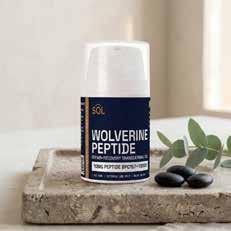
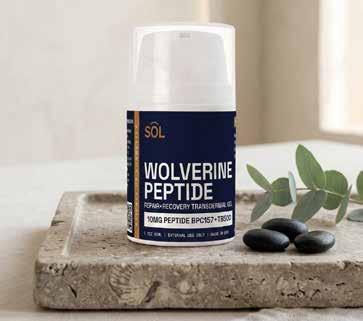
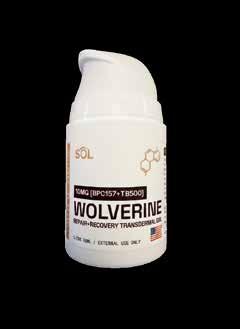
When we first launched Wolverine Peptide Transdermal Gel, we anticipated the clinical feedback. We expected to hear from the weekend warriors—the hikers who wanted to conquer one more peak, the tennis players struggling with a persistent "ping" in their elbow, and the weightlifters looking to shave a day off their recovery time.
We got those stories, and they were incredible. But as the emails kept coming in, a different pattern started to emerge. The feedback that truly stopped us in our tracks wasn't about athletic performance; it was about sleep.
It’s a specific kind of frustration that only people with chronic joint issues understand: the "toss and turn" tax. You finally fall asleep, only to have a sharp twinge in your shoulder or a dull ache in your hip wake you the moment you roll over. You spend your nights negotiating with your pillows, trying to find that one precise, painless angle that never seems to last.
When people told us they were finally sleeping through the night, they weren't saying the gel was a sedative. They were saying their bodies had finally "gone quiet." For the first time in years, their joints weren't screaming for attention in the dark. And as any doctor will tell you, deep, uninterrupted sleep is the ultimate foundation for systemic repair. By helping the body stay comfortable at night, we were inadvertently unlocking the most powerful recovery tool humans possess.
As the physical discomfort fades into the background, something more profound happens: Confidence returns.
Chronic pain is a thief that steals your spontaneity. It forces you to live in a state of constant mental calculation. You look at a flight of stairs and calculate the cost to your knees. You look at a heavy grocery bag and calculate the cost to your wrist. You stop saying "yes" to invitations because you’re worried about how you’ll feel the next morning.
When you remove that constant background noise of pain, you stop hesitating. You stop negotiating with your own anatomy. You start moving with the fluid, unthinking grace you had a decade ago. That psychological shift—the transition from "I can't" to "I don't even have to think about it"—is the real victory.
This project was never about just launching another topical product or adding to the cluttered shelf of "miracle" recovery creams. The world has enough menthol-scented distractions.
The real goal was much more fundamental. We wanted to bridge the gap between high-level science and everyday life. We wanted to take the signaling power of peptides—tools once reserved for elite athletes and biohackers—and make them accessible to the person who just wants to garden without back pain or play with their grandkids on the floor.
Because, let’s be honest: Living longer is only half the equation. The modern longevity movement focuses heavily on adding years to our lives, but those years are only a gift if we have the mobility to enjoy them. What most of us actually want isn't just a longer lifespan; it’s a longer healthspan.
We want the ability to keep moving, exploring, and participating in our own lives well into our later decades. We want to be independent, active, and comfortable in the skin we’re in.
If you’ve been curious about the potential of peptides—if you’ve read the research on BPC-157 and TB-500 but recoiled at the idea of daily injections and "research-grade" vials—there is finally a middle ground.
We’ve done the heavy lifting of the formulation science so that you don't have to be a chemist to feel better. You can learn more about the architecture of recovery and the Wolverine Peptide Recovery Transdermal Gel at AmericanFarmacy.com.
My Go-To Hack for Strength, Balance, and Fast Workouts
Welcome to April 2026!
For the past year, I've been sharing my biohacking journey and introducing you to various tools and modalities. It's been an incredible ride. I've learned so much, and I hope you have too. A big thank you to the businesses that have welcomed me, demonstrated their technologies, and opened my eyes to new approaches. I'm excited to explore even more wellness and biohacking centers in the year ahead.
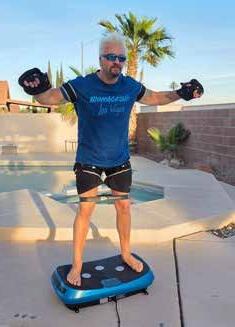
In this edition, I'm diving deeper into something I've mentioned before but never covered in full: Full Body Vibration (FBV), also known as whole-body vibration.
FBV has gained popularity lately, with dedicated businesses and centers built around it. It typically involves standing (or performing exercises) on a vibrating platform that oscillates or shakes in various patterns, depending on your goals.
Research supports benefits like improved balance, muscle strength, blood circulation, and even bone density, especially helpful for older adults or those with mobility concerns.
The history of vibration therapy goes back centuries, but modern full-body applications trace to the mid-1800s. Swedish physician Gustav Zander pioneered mechanical exercise devices incorporating vibration in the 1850s. In 1895, Dr. John Harvey Kellogg (yes, the Corn Flakes inventor) developed early steam-powered vibrating chairs and machines at his Battle Creek sanitarium to stimulate circulation and aid digestion.
Fast-forward to the late 20th century: Italian physiologist Carmelo Bosco advanced research and helped pioneer consumer-friendly vibration platforms. German companies like Novotec commercialized early models. Russian scientists used it to rehabilitate cosmonauts (countering muscle atrophy and bone loss in space), and NASA explored it, too. From there, it spread to Olympic training, professional sports, gyms, and now, everyday home use. You can even find affordable options on Amazon.
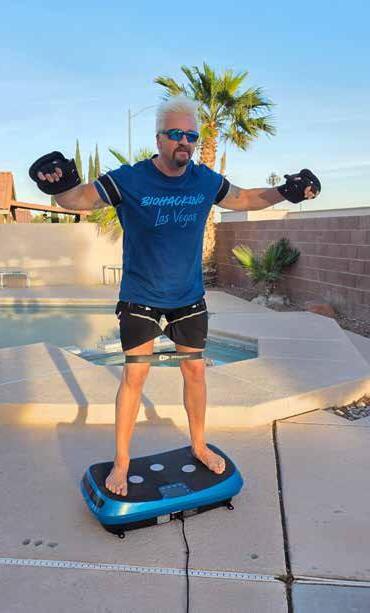
My own experience started simply: I added a vibration plate to workouts with my BFR (Blood Flow Restriction) bands. The combination delivered quick muscle fatigue and intense sessions in minimal time. I noticed stronger legs and noticeably better balance right away. Once comfortable, I layered in VR (Virtual Reality), stacking vibration, BFR, and immersive gaming for fun, effective workouts. The results were impressive: weight loss, strength gains, and genuine enjoyment.
Today, I have multiple vibration plates around the house, including one positioned in front of my red light panel. My morning routine starts with standing on the plate (wearing BFR bands) in front of a red light, a simple

triple stack that boosts circulation and energizes my day. I repeat a similar session post-workout and shower. Many of my exercises incorporate vibration to activate underused muscles and add stimulation.
If you're looking to refresh your routine, improve balance, or try something new, a vibration plate is worth considering. It's an easy way to "shake things up"!
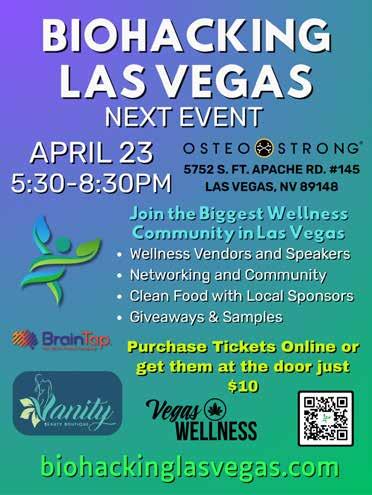
Thanks for following along. I appreciate your support and look forward to sharing more. Come join me at my Biohacking Las Vegas meetups to experience some of these tools in person or to ask me questions; I’m an open book.
See you next month!




There is a moment in life when something quietly shifts inside of you. It doesn’t always arrive with fanfare. Sometimes it appears through change through transitions in the body, in relationships, in career, or simply in the way we begin to see ourselves.
Many people call this aging. Please, please stop! Do not say “I am getting old” or I’m aging.” Remember the magnificent power of your mind. What you tell it, it shall record it. What you think, you create.
I call it becoming wiser, smarter, and more beautiful than ever before. At 51 years old, I am noticing something remarkable: life is not winding down; it is opening up. What society once framed as a period of slowing down has become, for me, a powerful call back to myself. Life is happening!
I find that life is as difficult as it is or has been for most of us. We still have a choice to celebrate life, and we certainly can dwell on the good. A call that says: Now it’s your turn.
For most of our lives, we are taught to give. We dedicate ourselves to partners, children, careers, responsibilities, and expectations. We show up for everyone else, often putting our own desires quietly to the side. And while there is beauty in that devotion, there comes a moment when the universe gently whispers: Come back to yourself. It’s your time to shine!
This stage of life is not an ending; it is a beautiful beginning.
Whether you are navigating hormone changes, emotional shifts, new beginnings, or unexpected transitions, understand this: change is not a signal that something is over. Change is an invitation. Change is constant, and we must flow with it. An invitation to evolve and succeed in our life experiences and remarkable stories to share. An invitation to rediscover who you truly are. Don’t you finally want to know and love yourself? An invitation to manifest the life you always imagined but perhaps postponed.
When we reach this stage, something extraordinary happens. The pressure of proving ourselves begins to fall away. The need to fit into expectations softens. And what remains is clarity.
What you have is a priceless shift of confidence. You begin to ask different questions: What truly makes me happy? What lights my spirit up? What dreams did I once put aside that are still quietly waiting for me? Or, wow! I finally have a chance to simply be me!
This is the moment where your life experience becomes your greatest power. You hold that power. Everything you have lived through the lessons, the heartbreaks, the victories, the growth, and the losses has prepared you for this chapter. Your wisdom is not something to hide. It is something to celebrate, inspire, teach about, and share.
You become a lighthouse for others who are walking through their own transitions. And it begins with one simple practice: acceptance. Accept that you matter and that you are enough.
Acceptance of your journey. Acceptance of your body. Acceptance of the seasons of life.
Once acceptance enters your heart and mind, something magical happens. Life stops feeling like a battle and begins to feel like a beautiful game. I always wake up and say, “It’s show time.”

You begin to savor moments instead of rushing through them. You learn to appreciate the quiet joys: a morning walk, laughter with a friend, the warmth of sunlight, the miracle of simply being alive. Your heart is beating! Gratitude becomes your daily companion.
And most importantly, you begin to pamper yourself in ways you may never have allowed before. You nourish your body. You move it with love. You take time to rest. You invest in your dreams again. You capture every moment. Because you finally understand a powerful truth: Loving yourself is not selfish. It is essential. It is why you’re here.
The world has spent far too long teaching us to fear the word “aging.” I believe it’s time we remove that word from our vocabulary altogether. Become childlike in your actions. Live it up! Age is nothing more than a number attached to time.
But your spirit? Your curiosity? Your ability to dream? Those things are timeless. You can remain childlike every single day of your life. You can wake up with excitement, with creativity, with the playful energy that says, What beautiful thing can I create today?
Life does not expire at a certain age. In many ways, it finally begins. Because when you release fear and embrace gratitude, you become free, empowered, and liberated. Free to speak up. Free to explore. Free to reinvent. Free to become the most authentic version of yourself.
So if you find yourself in a season of transition right now, take a deep breath and remember this: You are not losing something. You are becoming something extraordinary. You are gaining life!
This chapter of life is not about fading away. It is about rising into your wisdom, honoring your journey, and using every lesson you have learned to inspire others. So pamper yourself. Celebrate yourself. Believe in yourself. Be wild at heart. Because the most beautiful version of you is not behind you. It is here, unfolding with each thought. The new delightful you.
Appreciation plays a huge part in my life. After losing so much, you truly hold on to what is here now. I’ve learned that dwelling on yesterday’s mistakes will only take me down. Therefore, I make a constant choice daily to celebrate life and celebrate myself. Now you do the same!
Be authentic, be courageous, and mostly have fun! Loads of fun. Change your mindset and remember how powerful you truly are. You come first!
Tsikki Thau is an internationally acclaimed stress management expert and manifestation coach with more than 30 years of experience transforming lives worldwide. Celebrated Author of Attract It All: The Real Secret to Manifestation. Creator of the S.N.A.P. method and Vibe-Up technology, Tsikki blends science with energy psychology to help clients overcome obstacles. Visit her at TsikkiThau.com. Follow on Instagram @TsikkiThauOfficial.


Pregnancy is often portrayed as a glowing and joyful journey, but the reality is far more complex. During pregnancy and the months immediately following birth, a woman’s body undergoes profound physical, neurological, and emotional transformations. While many women are prepared for the basics—morning sickness, a growing belly, and sleepless nights with a newborn—there are many changes that few people discuss openly. These lesser-known experiences can catch expectant mothers off guard. Understanding them ahead of time can help women feel more prepared, suppor ted, and reassured that what they are experiencing is normal.
1. Rib Cage Expansion and Breathing Changes
Most people expect the belly to expand during pregnancy, but few realize that the rib cage also widens. Hormones like relaxin loosen the joints between the ribs so the body can accommodate the growing uterus. As the diaphragm shifts upward, many women feel short of breath or unable to take a full, satisfying inhale. Rib discomfort and upper back tension can also appear, especially in the later months of pregnancy.
2. Pregnancy-Related Carpal Tunnel Syndrome
Swelling throughout the body during pregnancy can compress the nerves in the wrist, leading to symptoms similar to classic carpal tunnel syndrome. Women may experience numbness, tingling, burning sensations, or weakness in their hands—often worse at night. Many women assume they have injured their wrists or overused their hands, not realizing that this nerve compression is a common side effect of pregnancy-related fluid retention.
3. “Pregnancy Brain” and Cognitive Changes
Many pregnant women notice memory lapses, difficulty concentrating, or a sense of mental fog. What surprises many is that these experiences have a biological basis. Studies suggest that pregnancy involves structural changes in the brain that may help mothers become more attuned to their babies. While these changes serve a meaningful purpose, they can leave women feeling temporarily less sharp or forgetful.
4. Pelvic Instability and Hip Pain
In preparation for childbirth, the body releases hormones that soften ligaments and joints. This flexibility allows the pelvis to widen during labor, but it can also create instability in the pelvic girdle. Some women experience discomfort when walking, climbing stairs, or turning over in bed. In more pronounced cases, the joint at the front of the pelvis becomes particularly sensitive, causing sharp or persistent pain.
5. Heightened Sense of Smell
A suddenly intensified sense of smell is one of pregnancy’s more mysterious symptoms. Many women find themselves reacting strongly to scents they


never noticed before—perfumes, cooking odors, cleaning products, or even everyday household smells. This heightened sensory awareness often contributes to nausea and food aversions, particularly during the first trimester.
6. “Lightning Crotch”
Late in pregnancy, some women experience sudden, sharp, electric-like sensations in the pelvic region or cervix. Though brief, these jolts can be intense enough to stop someone in their tracks. Often referred to informally as “lightning crotch,” these sensations are typically caused by the baby’s position and pressure on nerves in the pelvis.
7. Unexpected Skin Pigmentation Changes
Hormonal shifts during pregnancy increase melanin production, which can lead to changes in skin pigmentation. Some women develop a dark vertical line down the center of the abdomen known as the linea nigra. Others notice darkening of the nipples, inner thighs, or underarms. Some may experience patches of darker skin on the face, a condition known as melasma or “the mask of pregnancy.”
8. Intense Postpartum Night Sweats
After childbirth, hormone levels change rapidly as the body transitions out of pregnancy. During the first few weeks postpartum, many women experience dramatic night sweats as the body releases retained fluids and adjusts hormonally. Waking up drenched in sweat can feel alarming, but it is a common and temporary phase of postpartum recovery.
9. Postpartum Hair Shedding
During pregnancy, elevated estrogen levels keep hair in its growth phase longer than usual, making many women feel like their hair is thicker and fuller. After birth, hormone levels drop, and those hairs shift into the shedding phase all at once. Around two to four months postpartum, women may notice significant hair loss, which can be startling but is typically temporary.
10. Emotional Vulnerability After Birth
The postpartum period can bring a surprising emotional shift. Alongside the joy of welcoming a baby, many women experience mood swings, tearfulness, or feelings of overwhelm. Hormonal fluctuations, sleep deprivation, and the adjustment to a new identity can all contribute to this emotional vulnerability. Understanding that these feelings are common can help normalize the experience and encourage women to seek support when needed.
11. Abdominal Muscle Separation (Diastasis Recti)
As the uterus expands, the abdominal muscles stretch to accommodate the growing baby. In some cases, the connective tissue between the abdominal muscles widens, creating a separation known as diastasis recti. After birth,


this can leave women with a sense of core weakness, back discomfort, or a lingering abdominal bulge. Gentle rehabilitation and time often help restore strength and function.
In the early postpartum months, mothers spend countless hours holding, feeding, and comforting their newborns. Yet many women report feeling emotionally and physically touch-deprived. While the baby receives nearly constant contact, the mother may lack nurturing touch for herself. This paradox highlights the importance of support, care, and physical comfort for the mother during the postpartum period.
Pregnancy places extraordinary demands on the body’s connective tissue system, particularly the fascia—the web-like network that surrounds and supports muscles, organs, and joints. As the abdomen expands, posture shifts, and ligaments soften, fascial tension patterns can develop throughout the body, contributing to discomfort in the ribs, pelvis, back, neck, and shoulders. Therapeutic myofascial release offers a gentle, hands-on approach that can help restore balance within this system. During pregnancy, this type of bodywork can ease rib cage tension, reduce pelvic and hip discomfort, relieve pressure contributing to carpal tunnel symptoms, and

By: Jenn Ty
improve breathing mechanics. After birth, myofascial release can assist the body in reorganizing after the profound structural changes of pregnancy, helping to address abdominal tension, support recovery from diastasis recti, reduce back and neck strain from nursing and infant care, and calm the nervous system during an emotionally demanding time. Just as importantly, therapeutic touch provides mothers with an opportunity to receive nurturing care themselves—something that is often overlooked but deeply needed during the postpartum months. We at Flow Massage Therapy offer a 12-month program of wellness for you and your baby. Guidance/care for your WHOLE body from gestation to delivery and beyond.
Pregnancy and postpartum recovery represent one of the most remarkable transformations the human body can undergo. When women are informed about the full spectrum of physical and emotional changes—and supported through compassionate care and therapeutic touch—they are better able to move through this powerful life transition with resilience, confidence, and connection to their changing bodies.
For more information, reach out to Flow Massage Therapy at (917) 5923395 and book a consultation.
As the Las Vegas desert awakens with vibrant spring wildflowers and Easter baskets brim with colorful eggs, the season invites us to embrace renewal, from fresh blooms to brighter days. The Easter Bunny may hop joyfully across lawns delivering treats, but here’s the truth: hopping around will not make your bones stronger. For real, lasting improvements in bone density, muscular strength, balance, and posture, look no further than OsteoStrong Las Vegas at Gramercy Commons.
This isn’t a traditional gym, diet, or supplement. OsteoStrong is the Ultimate Bio-Hack®, a patented Spectrum Robotic Musculoskeletal Development System that delivers osteogenic loading in just 10–15 minutes once a week. No sweat, no impact, no heavy weights. You simply step into four specialized machines: the Upper Growth Trigger, Lower Growth Trigger, Core Growth Trigger, and Postural Growth Trigger. Guided by certified technicians, you apply brief, precisely controlled forces that emulate the high-impact loading your bones crave, safely delivering multiples of your body weight (up to 4.2 times or more in key joints like the hips).
Unlike everyday activities such as walking, running, or playful hopping, which studies (including Deere & Tobias 2012) show offer little stimulus for bone growth, OsteoStrong triggers true osteogenesis. Your body responds by building denser, stronger bones naturally. This makes it ideal for anyone concerned about osteoporosis, osteopenia, or simply wanting to age gracefully in the desert sun. Members have reversed bone loss, reduced joint pain, and regained vitality—proving that spring renewal isn’t just for flowers; it’s for your skeleton too.
OsteoStrong doesn’t just target bones; it fortifies your entire musculoskeletal system. In one short weekly session, you experience dramatic gains in overall strength. The system engages muscles and bones together, creating a ripple effect that makes daily tasks easier. Whether you’re chasing after grandchildren during Easter egg hunts or powering through a Vegas hike, you’ll feel more capable and resilient. Local owner John emphasizes this holistic boost: “It’s not exercise, it’s a precise trigger for your body’s natural growth response.”
As we spring forward into longer days, balance becomes essential for enjoying outdoor adventures without fear. Declining skeletal strength
often leads to instability and falls, but OsteoStrong addresses this head-on. The machines stimulate the central nervous system and the full musculoskeletal chain, delivering almost instant improvements in balance and agility. Internal tracking at centers nationwide shows members noticing steadier steps after just a few visits. One client shared how she now navigates stairs and uneven paths with confidence she hadn’t felt in years. In Las Vegas’s active lifestyle, this means more freedom to explore Red Rock Canyon or stroll the Strip, without the worry that once held you back.
Spring fashion and Easter gatherings call for standing proud, and OsteoStrong delivers posture improvements faster than you might expect. The dedicated Postural Growth Trigger aligns your spine and core, helping you stand taller and straighter in as little as eight sessions over two months. Members report reduced back pain, eased tension, and a noticeable lift in how they carry themselves. Imagine greeting family at brunch with renewed poise or simply feeling more energized throughout your day. As one orthopedic surgeon noted, “No modality I have ever come across has the potential to change the lives of so many people as this one does.”
The beauty of OsteoStrong lies in its simplicity and safety. Sessions require no special clothing; you arrive in street attire and leave energized with a progress report in hand. Results build cumulatively: improved bone density measured via DEXA scans, enhanced strength, sharper balance, and upright posture. It complements any existing routine or medical plan, with no side effects.
This Easter and spring, skip the fleeting hops and invest in real renewal. While the bunny brings temporary joy, OsteoStrong builds strength that lasts a lifetime. Tony Robbins, a longtime advocate, has praised the system for its impact on health and vitality. International athletes and everyday heroes alike report breaking through plateaus and living painfree.
Ready to bloom stronger? Schedule your complimentary session today— no obligation, just results waiting to be discovered. Visit OsteoStrong Gramercy Commons at 5752 S. Fort Apache Road, Suite 145, Las Vegas, NV 89148. Call (702) 551-9412 or go online to osteostronglv.com to book. Hours are by appointment: Tuesdays and Wednesdays 9 AM–2 PM, Thursdays 9 AM–5 PM, and Saturdays 9 AM–2 PM.
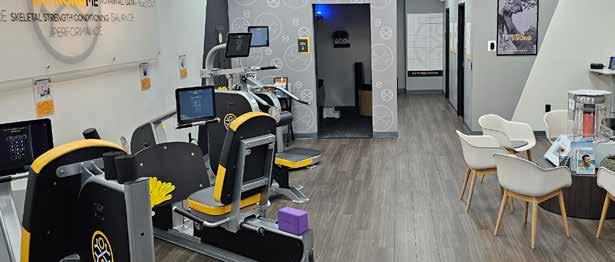
This April, let OsteoStrong Las Vegas help you hop into a season of true strength, balance, and posture renewal. Your bones, your balance, and your future self will thank you. Happy Easter and happy blooming!
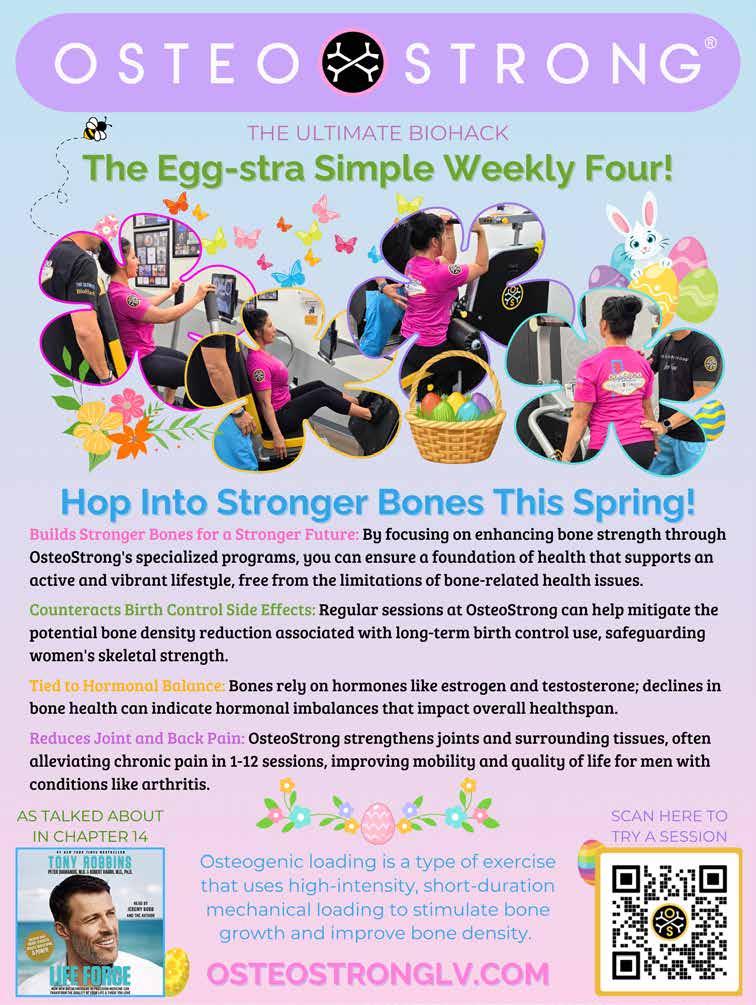
As a Las Vegas local (born and raised), I’ve learned that staying healthy here means being intentional about carving out time for things that make me feel good. Over the years, I’ve found a few favorite spots and activities that help me stay balanced physically, mentally, and creatively. Las Vegas has so many amazing ways to stay healthy; you just have to find what works for you. For me, these five things keep my body moving, my mind clear, and my life feeling balanced. Living in Las Vegas has taught me that wellness isn’t just about routines; it’s also about finding joy in the places, people, and experiences that help you feel your best.
Pause Studio in Summerlin is one of my favorite wellness spots in Las Vegas. It’s basically a full-body reset. They offer red light therapy, a cryo room, IV treatments, and you can rotate between the sauna and cold plunge, which is my personal favorite combo. They even have an amazing new robot massage. Whether I’m looking to recover, relax, or just hit the reset button, it’s the perfect place to recharge.
2.
When it comes to skin care, I trust BosBeauty. They offer everything from facials and vitamin injections to Botox and advanced laser treatments like CO2 resurfacing, microneedling, and Morpheus treatments. I love that they focus on treatments that help keep my skin glowing and healthy. It’s a little self-care that makes a big difference.
3. Flower Child – Clean Food
That Still Feels
Indulgent
Flower Child is easily one of my favorite
By Heather Collins
healthy restaurants in Las Vegas. Their menu is full of clean, nourishing food that actually tastes amazing. My go-to order is the Mother Earth Bowl with added protein—it’s hearty, flavorful, and always leaves me feeling energized. And I can’t lie, their gluten-free chocolate chip cookies are absolutely to die for.
4. Kayaking the Colorado River – My Favorite Outdoor Escape I’m not really a gym person, so I try to stay active in ways that feel fun. Lately, kayaking around Southern Nevada has become one of my favorite activities. So far, the Colorado River has been the easiest and most beautiful place I’ve explored. You can paddle past incredible scenery, visit spots like Emerald Cave, and even camp along the river. It’s the perfect mix of adventure and relaxation.

5. Common Ground Pottery –Creativity for the Mind
Staying healthy isn’t just about the body- it’s about the mind, too. That’s why I love spending time at Common Ground Pottery. It’s incredibly relaxing to sit down, work with clay, and create something with your hands. Plus, it’s a great place to meet people and make new friends while tapping into your creative side.
Heather Collins is the creator behind the popular Instagram account “Raised in Las Vegas,” a local social media influencer, and on-air personality on Mix 94.1 FM. Follow Heather on: Instagram, TikTok, and Facebook @ raisedinvegas
8 SESSIONS PER MONTH
2 SESSIONS PER WEEK (with a 6-month commitment)
Locally, it’s easier than ever to locate a gym, a spa, an IV drip bar or a hormone clinic. But what’s missing is a complete wellness ecosystem: one place that unites medicine, movement, recovery and lifestyle into a single plan for a longer, higher-quality life.
Many of the people I meet are already “doing all the things.” They have a gym membership. They follow a nutrition plan. They see one provider for hormones, another for primary care, and book the occasional recovery treatment when they are exhausted. In real life, it still feels like their health is a par t-time job and they are the only ones trying to manage it.
The problem isn’t willpower. It’s architecture.
Most of our health and wellness options were built in silos. Traditional medicine is excellent at acute and urgent problems but often waits until something is clearly wrong before acting. Fitness focuses on movement and strength, but may ignore hormones, sleep or deeper metabolic patterns. Recovery and “biohacking” studios offer powerful tools like light therapy, oxygen training or cold exposure, but in most settings they are delivered without a long-term medical strategy behind them.
When everything is fragmented, even the most motivated person is left trying to stitch together a plan that was never designed as a whole. Most people don’t have a knowledge problem. They know they should move more, eat better, sleep deeper and manage stress. The real gap is in consistent, coordinated doing. Instead of one personalized, clinically guided system they can follow over time, they end up bouncing from program to program, trying the latest hack.
Just like everyone needs a primary care physician, a dentist and a place they trust for their car or finances, I believe everyone needs a HealthMatrix - one place designed to optimize health, performance, recovery and longevity, not just react when something goes wrong. Your HealthMatrix becomes your operating system for how you feel, function and age.
From Pieces to an Operating System
In every other area of life, people who want more out of their time understand the value of systems. They don’t manage their business on sticky notes and scattered apps; they use an integrated operating system. Yet when it comes to their body, the asset everything else depends on, they are often left with a patchwork.
That’s the idea behind My HealthMatrix: instead of one more “thing” to add, build a true health operating system.
We reverse-engineered the model from the question, “How do we deliver the best outcomes in the least time and at a sustainable cost?” Drawing on 36 years in healthcare and many iterations of other models, we combined the most effective elements of medicine, smart strength training and medical biohacking into one integrated system.
This is where a different model begins to emerge.
Most healthcare still runs on a pathogenic model - wait for disease, then diagnose and treat it. At My HealthMatrix, we deliberately add a salutogenic model, which focuses on creating health, capacity and resilience long before disease shows up. In everyday terms, that means helping you design your health and aging instead of
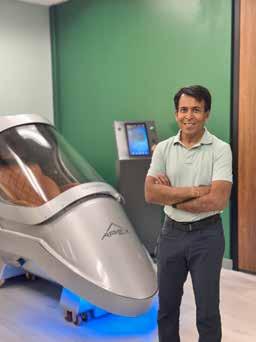
drifting toward the default of decline.
My HealthMatrix is Southern Nevada’s first fully integrated human optimization ecosystem, designed to bring medicine, movement, medical biohacking and community together under one roof. The goal is simple to say, but powerful to live: More Life. More energy, more strength, more clarity, more years that feel good.
We think of it as four interconnected layers:
• Medicine – Longevity-focused, preventive, functional and lifestyle medicine. This includes in-depth biomarker evaluation, hormones and peptides when appropriate, and long-term weight and metabolic management.
• Movement – Smart, AI-guided innovative strength training that is time-efficient and data-driven. Members typically train just two 22-minute sessions per week and see rapid gains in strength and muscle.
• Medical Biohacking – Guided technologies like red light, exercise with oxygen therapy, heat and cold therapies, PEMF, nervous system regulation, compression and sound-frequency vibration.
• Matrix Community – A curated, supportive environment of people who are serious about feeling and living better, plus education and events that make health more social and less isolating.
Individually, none of these elements are completely new. But when you design them to work together around one person, something important changes: health stops being a series of appointments and becomes an integrated experience.
The most important biohack, though, isn’t a device. It’s behavior. By creating a physical place our members visit two to four times a week, we turn self-care from something they occasionally remember to something built into their real life.
We build personalized plans that combine:
By Dr. Tim Patel, MD
• When indicated, targeted medical interventions guided by biomarker data
• Twice-weekly smart strength sessions
• A rotation of biohacking therapies matched to each person’s goals and recovery
• Simple, realistic changes in daily habits, supported by ongoing coaching and community
As those pieces start working together, the results begin to compound. Energy becomes more consistent. Strength builds more efficiently. Recovery accelerates. Focus sharpens. Resilience increases. People don’t just improve one number on a lab report; they describe having “more days where I forget how old I am,” more spontaneous energy for life outside of work, and a renewed sense of confidence in their own trajectory.
While many of our members use the full ecosystem, some start with just medical care, smart strength or biohacking, then expand over time, all within one clinically guided, personalized, coherent plan.
For many, My HealthMatrix becomes a true “fourth space”, not home, not work, not entertainment, but a place they come to reset, recharge, and build their health and performance.
That’s the point. It isn’t about chasing youth for its own sake. It’s about designing health so that your 40s, 50s, 60s and beyond still feel like living, not just managing decline.
At My HealthMatrix, we create Healthletes®, humans who treat their health like an asset to be trained, not a problem to fix late. They are not defined by age or athletic background so much as by mindset: curious, proactive and unwilling to accept that feeling worse every year is “just how it goes.” The reward being that they look, feel and perform younger, longer. Becoming a Healthlete starts with a conversation. You can schedule a call at my.healthmatrix.com or by using the QR code below.

Death Valley Wellness Sanctuary, located inside The Oasis at Death Valley, offers an array of spa and wellness services. And, later this month, they will launch their new quarterly wellness retreats. We had the opportunity to sit down with Founder Heather Williams to discuss the Sanctuary, what they offer, and what to expect from the upcoming retreats.
VEGAS WELLNESS MAGAZINE: When did you open Death Valley Wellness Sanctuary, and what prompted you to start the business?
HEATHER WILLIAMS: Death Valley Wellness Sanctuary began after The Oasis at Death Valley contracted me to provide wellness experiences during their employee health fair. About a year later, they reached out again and offered me a massage therapy position within their newly renovated treatment rooms at the resort. After accepting the position and spending time working within the environment of Death Valley, I began to recognize the need for expanded wellness offerings at the resort. I proposed developing full-service spa and wellness experiences for guests, and the leadership team loved the idea. From there, I began personally crafting our spa menu and designing the signature wellness experiences.
VWM: Why Death Valley?
HW: I was thrilled to become involved at the resort in Death Valley because it is truly breathtaking. The landscape itself has an incredible presence. I was once quoted in a Washington Post piece saying that Death Valley has the ability to help visitors put to death the things that no longer serve their lives and bring to life new perspectives they can carry forward into their future. I believe the wilderness of Death Valley can be deeply transformative on a mental, emotional, and even spiritual level. That belief is at the heart of Death Valley Wellness Sanctuary - to create experiences that help guests reset, reflect, and move forward in their lives with renewed perspective.
VWM: What services do you offer at Death Valley Wellness Sanctuary?
HW: At Death Valley Wellness Sanctuary, we offer a unique and curated spa and wellness menu. Alongside traditional massage therapy services, we provide a collection of specialty wellness experiences that incorporate sound healing, PEMF technology, Red Light Therapy, guided breathwork and meditation, lymphatic drainage face refresh treatments, and a variety of unique body scrubs and wrap offerings. Many of our signature experiences are inspired by the desert environment and include distinctive elements such as wildflower-infused foot soaks, infrared sauna sessions, and specialty ingredients like Israeli camel’s milk and Moët & Chandon–infused body scrubs, and desert rain aromatherapy. Our services range from a 50-minute therapeutic massage to immersive spa experiences, including extended couples wellness experiences lasting up to four hours.
VWM: Do you offer corporate packages?
HW: Yes, we offer corporate retreat experiences structured in a multi-tier model to accommodate different group sizes and organizational needs. Our executive tier includes customized workshops that are specifically designed to support the goals of the group, whether that involves leadership development, team connection, or stress management. Our retreats are typically held from Friday afternoon through Sunday morning, creating a focused yet restorative weekend experience. Guests also have the option to extend their stay to enjoy additional spa services and relaxation time.
VWM: You are doing quarterly retreats at Death Valley Wellness Sanctuary. Tell us about those.
HW: Our quarterly retreats at The Oasis at Death Valley are held from

Friday through Sunday and are designed to be a thoughtful blend of relaxation, movement, introspection, and connection. We place a strong emphasis on helping guests rediscover the lighter, more carefree side of themselves that can easily get lost in the busyness of everyday life. Programming often includes guided movement sessions, adaptive collaboration improv, therapist-led discussion workshops, sound baths, personal training, candlelight chair massage experiences accompanied by live music, and educational workshops led by a pharmacist focusing on nutrition and herbal wellness.
VWM: And, you have recently expanded retreats into Pahrump?
HW: Yes, we have begun expanding our retreat experiences into the Pahrump community, which is something we are very excited about. Our goal is not only to provide transformative wellness experiences at the Oasis in Death Valley, but also to create opportunities for growth and connection within the Pahrump community. Because Pahrump is a smaller town, many residents have not yet had the opportunity to experience a community-focused retreat. Our goal is to introduce residents to different forms of wellness and self-care in a welcoming and accessible way. One unique feature of the Pahrump retreats will be a community workshop segment where local business owners, leaders, and residents can sign up to share short 10-minute motivational or idea-driven talks with the group. We hope these retreats create a space where the community can come together, support one another, and leave feeling inspired with a renewed outlook on their lives.
VWM: Do you offer lodging accommodations for the retreats?
HW: Our retreats at Death Valley are hosted in partnership with The Oasis at Death Valley, where guests stay at the resort as part of the retreat experience. This allows participants to fully immerse themselves in both the wellness programming and the unique desert environment throughout the weekend.
VWM: What about special pricing for locals not in need of lodging?
HW: Yes, we do offer special “Daily Drive-Over” rates for guests who would like to attend retreat programming without needing overnight accommodations. This allows local residents and regional visitors to enjoy the scenic drive into Death Valley and participate in the wellness activities during the retreat. We also offer à la carte options so guests can attend individual workshops or experiences if they prefer to participate in select portions of the retreat.
For more information about Death Valley Wellness Sanctuary, visit sanctuaryatdv.com or call (775) 977-2202.





In our previous article, The Fire Within, we explored Agni, the digestive intelligence that allows the body to transform what we eat into energy, tissue, and vitality. In Ayurveda, digestion is at the center of our health because nourishment is not determined by food alone. It depends on the body’s ability to properly process what it receives.
When the digestive fire is steady, the system builds strength, clarity, and resilience. When digestion weakens or becomes irregular, transformation remains incomplete. The classical Ayurvedic texts describe the residue of this unfinished process as Ama, a form of metabolic waste that the body struggles to eliminate.
Once we understand the importance of digestion, another question naturally appears: If digestion determines how nourishment becomes strength, what determines the condition of digestion itself?
Food plays a role. Routine plays a role. Stress certainly plays a role. But there is another influence that many people overlook, and that is the environment. Temperature, light, wind, and seasonal transitions do not remain outside the body. They shape appetite, metabolism, and energy in ways that become obvious once we begin paying attention.
Ayurveda observed this relationship carefully. From those observations emerged a framework known as Ritucharya, the science of seasonal alignment.
One of the most interesting ideas in Ayurveda is that the body mirrors the natural world. The same qualities that shape the environment also influence human physiology. When the air becomes cold and dense, the body responds differently than when it becomes hot and dry. When daylight stretches longer into the evening, sleep patterns shift. When the air becomes heavy with moisture, digestion may feel slower. Most people recognize these changes instinctively.
Appetite often increases during colder months. Meals that feel comforting in winter may feel excessive or heavy once spring arrives. During the heat of summer, lighter foods often feel easier to digest.
Ayurveda organized these observations into a structured understanding of seasonal living called Ritucharya.
The word itself reflects its purpose. Ritu means season, and Charya refers to conduct or daily behavior. Ritucharya describes adjusting food, activity, and routine as the seasons change so that digestion and the doshas remain balanced. It is not a rigid set of rules. It begins with awareness. The body is already responding to seasonal rhythms. Ritucharya simply teaches us how to notice those rhythms and work with them.
Modern calendars divide the year into four seasons. Ayurveda describes six seasonal phases, each lasting approximately two months. This seasonal model appears in classical texts such as the Charaka Samhita (compiled approximately 100 BCE to 200 CE) and the Ashtanga Hridaya (7th century CE).
Ayurveda describes the seasonal cycle as: Late winter (Shishira), Spring (Vasanta), Summer (Grishma), Rainy season (Varsha), Autumn (Sharad),
By Pravina Narayan Founder of Seva Holistic

and Early winter (Hemanta).
Each season carries distinct environmental qualities. Cold seasons bring density and heaviness. Spring introduces moisture and movement. Summer produces heat and dryness. The rainy season alters humidity and digestive stability. These environmental qualities influence the doshas, and through them they influence digestion. As the environment changes, the internal balance of the body adjusts alongside it.
Ayurvedic seasonal science also describes the year in two broader phases associated with the movement of the sun.
During Adana Kala, the first half of the year, environmental heat and dryness gradually increase. Classical Ayurvedic authors observed that as the external environment becomes more intense during this period, human strength may slowly decline as the body adapts to these conditions.
During Visarga Kala, the second half of the year, cooling influences return through rain, clouds, and colder winds. The environment becomes more nourishing, and the body gradually regains stability and strength.
These natural arcs help explain something many people notice but rarely question. Energy, digestion, and resilience do not remain constant throughout the year. The body continually adjusts to the conditions around it.
The classical Ayurvedic texts describe three stages in the seasonal behavior of the doshas: accumulation, aggravation, and resolution. These stages help explain many of the patterns people experience each year.
Vata tends to accumulate during the dry heat of summer and becomes more active during the rainy season before settling in autumn.
Pitta often accumulates during the rainy season and becomes more pronounced during autumn before calming as cooler weather arrives.
Kapha gradually builds during colder months and tends to loosen and disperse during spring.
These shifts influence digestion, immunity, and energy levels. They also help explain recurring seasonal tendencies such as congestion in spring, digestive instability during humid weather, or heat-related irritation during late summer and early autumn. Ayurveda understood these patterns as expressions of environmental forces moving through the body.
Because digestion responds to environmental conditions, Agni rises and falls throughout the year.
Cold weather often strengthens digestive intensity. Appetite increases, and the body can process heavier foods more comfortably. In many traditional diets, this meant meals that were warming and sustaining, such as slow-cooked stews, roasted root vegetables, oatmeal or warm grains, eggs, lentil soups, and dishes prepared with healthy fats like butter or ghee. These foods provide warmth and density that the stronger digestive fire can handle.
As spring arrives and moisture increases, digestion may become slightly slower. This is often when lighter meals begin to feel better. Simple vegetable soups, lightly sautéed greens, quinoa, lentils, asparagus, and dishes seasoned with digestive spices such as ginger, cumin, coriander, or black pepper can help digestion remain steady as the body transitions out of winter.
During the heat of summer, appetite often softens. Many people naturally prefer lighter foods such as fresh salads, seasonal fruits, yogur t or kefir, grilled vegetables, rice dishes, or meals flavored with cooling herbs like cilantro, mint, and fennel. These foods place less demand on digestion while the body focuses on maintaining fluid balance and temperature regulation.
During humid or rainy periods, digestion may feel slower or less predictable as the body adapts to atmospheric moisture. Warm, simple meals such as cooked vegetables, soups, rice, lentils, and gently spiced dishes tend to digest more comfortably than cold or heavy foods during these times.
These shifts are not signs of illness. They reflect the body adapting to the climate. Difficulties usually arise when lifestyle remains unchanged while the environment shifts. Heavy winter eating may continue into spring. Cooling summer habits may continue into colder months. Irregular routines may weaken digestion during already sensitive seasonal transitions.
Ritucharya helps restore alignment between the body and the environment.
One of the enduring strengths of Ayurveda is its attention to rhythm. Rather than approaching health as a series of isolated problems, classical physicians studied patterns. They observed how digestion, energy, and resilience rise and fall throughout the year and how the body continually adjusts to its surroundings.
Ritucharya grows from that observation.
Seasonal living does not require strict rules or dramatic lifestyle changes. It begins with awareness. The foods we choose, the timing of meals, the pace of daily routines, and the way we rest or move can shift slightly with the seasons. These small adjustments help digestion remain steady while the environment changes.
Over time, the body becomes easier to understand. Appetite begins to make sense. Energy follows a recognizable rhythm. Digestion becomes less of a mystery and more of a guide. The seasons are always moving. The body moves with them.
Next month, we will turn to Ahara, the Ayurvedic understanding of food as medicine, and explore how nourishment itself shapes digestion, strength, and resilience.
Until then, I leave you with this: If the climate shapes digestion, and digestion shapes vitality, how might your daily habits change when you begin listening to the rhythm of the seasons?


Do you know all the ways you can expose your blood to heavy metals like lead, arsenic, mercury, tin, or cadmium?
Heavy metals can enter drinking water through old pipes or industrial pollution. Certain foods, especially fish, can contain high levels of metals like mercury due to environmental contamination. People who work in mining, manufacturing, or factories may inhale metal particles or dust containing toxic metals.
Older homes may contain paint with lead, and some cosmetics, batteries, or electronics may also contain heavy metals.
Metals can accumulate in soil from industrial waste, pesticides, or polluted water, and then enter the body through food grown in that soil.
The main problem with heavy metals is that the body cannot eliminate them naturally, so each milligram adds up to the previous one, causing our body to silently begin to fail over time due to the slow and silent intoxication or poisoning from these substances. There is no amount of heavy metals in the blood that is normal; every milligram accumulates in your blood and tissues, harming your body and quality of life.
Fortunately, treatments like chelation exist to help you purge these toxins from your body.
Chelation is a chemical process used to remove toxic metals from the body. It works by using special molecules called chelating agents that bind tightly to metal ions in the blood.
When a chelating agent is introduced into the body, it
circulates in the bloodstream and attaches to heavy metals such as lead, mercury, or arsenic. The molecule has several binding sites that act like small claws, allowing it to grab the metal ion and form a stable complex.
Once the metal is bound, the new compound becomes water-soluble, which allows the body to eliminate it more easily through the kidneys and urine (and sometimes through bile and feces).
Symptoms can vary depending on the type of metal and the duration of exposure, but some of the most frequent include:
• Fatigue and weakness
• Neurological problems
• Muscle and joint pain
• Digestive problems
• Skin problems
• Alterations in vital organs
Over time, the accumulation of heavy metals can affect organs like the liver, kidneys, and brain.
If heavy metal exposure is suspected, it is important to undergo medical tests to confirm the presence of these metals in the blood or urine. Treatment may include procedures such as Chelation.
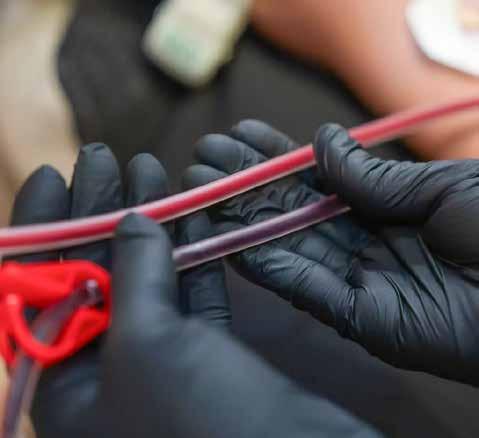
Holistic Care Clinic, is just one place that can help you to get properly tested. Once the results come back, they work with a personalized treatment adequate to the level of metal in your blood. They boost your immune system, improve your detox pathways and purify your body, helping you live longer and healthier. That's the power of regenerative medicine; it will change and renew your life.

In a world obsessed with convenience and instant gratification, we often forget that some of the best things in life are built over time. Sourdough starters. Gardens. Friendships. Community. And, perhaps most importantly, trust.
Trust is one of those things that doesn’t show up overnight. Sure, you can meet someone and click instantly, or feel a sense of comfort with a person or place within minutes. But trust takes those early sparks and turns them into something far more meaningful. It deepens and enriches bonds over time through a series of small moments where safety is proven again and again. It’s late-night conversations with a friend, spilling secrets you swore you’d never say out loud. A partner who shows up exactly when they said they would. Being defended when you’re not even in the room. These little moments stack up and build something steady over time. And once trust is established, the connection shifts, and you’re left with something far greater than instant chemistry: knowing that, without question, you’re safe in each other’s company.
This, of course, isn’t exclusive to human relationships. Take, for example, an animal shelter. The most outgoing and confident dogs are generally the first to be adopted, while the quiet, more reserved, or even frightened ones are easy to miss. But much like in our own lives, the connections that take time to build are often the most meaningful.
Trust-building animals aren’t instant best friends. They don’t run up to every stranger expecting belly rubs or treats. They watch, wait, and slowly decide whether the world around them is safe. And when someone is patient enough to earn that trust, the connection that follows can be incredibly beautiful.
That’s exactly the kind of dog Patty is.
As a 2-3 year old, 25-pound Patterdale Terrier mix, Patty was surrendered to a shelter with her litter of five-week-old puppies after another dog attacked them. Thankfully, all of the pups have since been adopted and are thriving.

By Andrea Caple
Patty, however, is still waiting for her own forever home more than a year later.
We can only speculate as to what Patty has been through in her life, but she is understandably timid around people. In fact, it took about five months in foster care before she was able to relax and show her true personality. But with patience and a calm environment, Patty has slowly started to feel safe again. Now she needs that same stability in a forever home to thrive, preferably one with another confident dog to help guide her, and someone who understands just how rewarding earned trust can be.
Patty’s ideal companion is someone who understands that good things take a little time. Maybe you’re the kind of person who doesn’t mind letting a relationship unfold naturally instead of expecting an instant connection. If you’re patient and find joy in the small wins, like the first time a shy dog asks for attention or confidently trots over for a treat, Patty could be a great match to share your life with. Watching her continue to grow and gain confidence will undoubtedly be one of the most satisfying parts of having her around.
If you’d like to meet Patty and see if it’s a match or want information on other adoptable pets, call or text Amber at Addicted 2 Animals at 702-203-4134. Every great friendship starts with a simple introduction.

Andrea is a Vegas-based writer whose work explores themes like emotional wellness, neurodivergence, self-reclamation, and modern burnout. She also runs a small clothing business where she curates and restores vintage items with an emphasis on sustainability and reuse. When she's not writing, she can be found reading, thrifting, buying more plants than she has room for, or upcycling forgotten items into something worth keeping. Got a question, comment, or good antique store recommendation? Drop her a line at andrea@rubycatcreative. com.

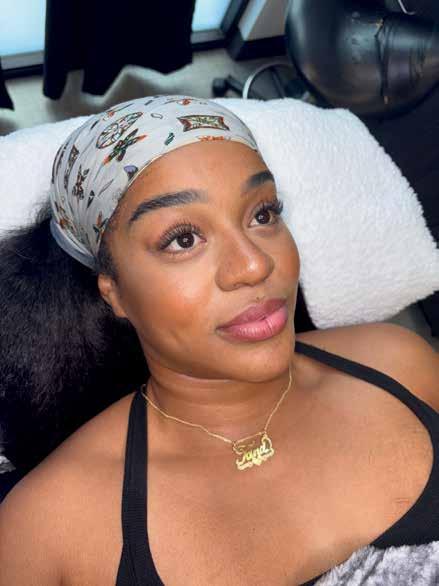

The Ultimate Head Start To Life:
As we navigate 2026, the landscape of financial wellness has shifted. For years, I’ve had clients approach 529 plans with a touch of hesitation: "What if my child doesn't go to college? What if they get a full ride? Does my money just get trapped?"
In the past, those were valid concerns. Today, thanks to landmark shifts like the SECURE 2.0 Act and the One Big Beautiful Bill Act (OBBBA) of 2025, the 529 plan has been reborn. It is no longer just a "college fund"; it is a versatile, multi-generational wealth-building tool that bridges the gap between education and retirement.
Here is why the 529 plan is currently the MVP of a financial plan for juveniles under 18 years old.
1. The Retirement Safety Net: The Roth IRA Rollover
The single biggest "game changer" is the ability to move unused 529 funds into a Roth IRA. If your child finishes school (or never needs the money for school for whatever reason) with money left over, you can now kickstart their retirement.
The Rule: You can roll over up to a $35,000 lifetime limit per beneficiary into a Roth IRA.
The Benefit: This eliminates the "use it or lose it" fear. Instead of paying a 10% penalty on non-qualified withdrawals, that "extra" money becomes the foundation of your child’s tax-free wealth through a Roth IRA.
The Catch: The 529 account must have been open for at least 15 years, and the funds you roll over must have been in the account for at least 5 years.
2. Doubling Down on K-12 Flexibility
Starting in 2026, the utility of these plans for younger students has expanded significantly.
The $20,000 Cap: The annual withdrawal limit for K-12 tuition has doubled from $10,000 to $20,000 per student.
Beyond Tuition: You can now use 529 funds for a much wider range of K-12 expenses, including standardized test fees (SAT/ACT), academic tutoring, and even homeschool curriculum materials.
Wellness Support: For families managing learning differences like ADHD, the new rules allow 529 funds to cover educational therapies provided by licensed practitioners.
3. Embracing the "New Workforce."
We’ve moved past the "Bachelor's degree or bust" era. The 529 plan now supports the diverse ways the next generation wants to work.
Trade Schools and Apprenticeships: Funds can be used for fees, books, and equipment for registered apprenticeship programs.
Professional Credentials: If your beneficiary is pursuing a license in aviation

By: John D. Romero
mechanics, nursing, or even a professional IT certification, those costs are now considered qualified expenses.
For those looking at estate planning, the 529 remains a powerhouse. In 2026, the annual gift tax exclusion has risen to $19,000.
Through "accelerated gifting," a couple can contribute up to $190,000 ($95,000 individually) into a 529 plan in a single year, effectively front-loading five years of gifts. This allows the power of compounding to start working on a massive scale immediately, while removing those assets from your taxable estate.
True financial wellness isn't just about the balance in your bank account; it’s about flexibility and peace of mind. By using a 529 plan, you aren't just saving for a degree—you are creating a "success fund" that adapts. If they go to Harvard, you’re covered. If they become a master electrician, you’re covered. And if they’re savvy enough to get a scholarship, you’ve just funded the first five years of their retirement.
One Final Note: While federal rules have expanded, state tax laws vary. Some states may still tax K-12 withdrawals or haven't fully "conformed" to the Roth rollover rules. Always check with your advisor to ensure your state is playing by the same playbook.
*Not individual advice. Education Purposes Only.
John D. Romero is the author of "Not Born Rich: The Guide to Financial Literacy", available now on Amazon. You can reach him via email at jdrprofitforthepeople@gmail.com.

DISCLAIMER
Herbal remedies are not a substitute for medical care. Consult a qualified healthcare professional before beginning any herbal protocol, especially if pregnant, breastfeeding, or taking medication.
An overstimulated nervous system is at the root of many modern health concerns—anxiety, insomnia, digestive issues, hormone imbalance, chronic fatigue, and inflammation.
When the body remains in a constant state of stress, it cannot heal. The nervous system becomes locked in fight-or-flight, diverting energy away from digestion, detoxification, and repair.
True wellness begins when the nervous system feels safe.
• The sympathetic nervous system governs fight-or-flight
• The parasympathetic nervous system allows rest, digestion, and repair
• The vagus nerve acts as a communication highway between the brain and body
• Chronic stress weakens vagal tone, disrupting healing processes
Supporting the nervous system allows the body to shift from survival into restoration.
• Lemon Balm – Calms the mind and gently lifts mood
• Skullcap – Relaxes tension stored in the nervous system
• Chamomile – Soothes anxiety and supports restful sleep
• Holy Basil (Tulsi) – Reduces stress hormones and restores balance
• Rose Petals – Comfort the heart and ease emotional overwhelm
• Oat Straw – Deeply nourishing for frazzled nerves
These herbs are gentle enough for daily use and support long-term nervous system healing.

Ingredients:
By: Katie Peede, Hippie Soul Healing
1 tsp lemon balm
1 tsp oat straw
½ tsp skullcap
½ tsp chamomile
½ tsp holy basil
½ tsp rose petals
2 cups hot water
Directions:
Combine herbs in a teapot or jar. Pour boiling water over herbs, cover, and steep 15–20 minutes. Strain and enjoy warm.
How to Use:
Drink 1–2 cups daily, especially in the evening, to support relaxation and nervous system balance.
DIY Nervous System Support Tincture
Ingredients:
Equal parts lemon balm, skullcap, oat straw, and holy basil
Vegetable glycerin and distilled water (50/50 blend)
Glass jar with lid
Directions:
Fill the jar halfway with dried herbs. Cover fully with a glycerin-water mixture. Seal and store in a cool, dark place for 4–6 weeks, shaking occasionally. Strain and bottle.
How to Use:
Take 1–2 dropperfuls daily to promote calm, clarity, and emotional balance.
The nervous system responds to consistency, not force.
Support it by:
• Creating predictable daily rhythms
• Getting sunlight in the morning
• Practicing slow breathing
• Limiting overstimulation
• Prioritizing rest without guilt
Healing happens when the body feels safe enough to let go.
DM me @hippiesoulhealing to learn more!




“When are you getting home?”
Four simple words. No emoji and no context. Depending on the day you are having, that text is either harmless or explosive. It can read as caring, impatient, controlling, or suspicious. Texting is fast, efficient, and convenient. It is also deeply flawed. It strips communication down to words alone, leaving out the one thing that matters most: tone. A few words on a screen, paired with the tone we imagine behind them, can quietly unravel an entire evening. In extreme cases, they can fracture a relationship.
Here is the uncomfortable truth: words on a screen do not have tone. We give them one. Even as you read this article, you have no idea what I am feeling as I write it. I could be calm, frustrated, exhausted, or reflective. Each of those emotions carries weight, yet none of them is visible to you. That gap between intention and interpretation is where misunderstandings are born.
Let’s use that everyday text we all send as an example: “When are you getting home?” That text can land in wildly different ways. If a child sends it, a parent’s mind might immediately jump to concern or suspicion. What is going on? What are they trying to get away with? Or perhaps the child is simply hungry and waiting for dinner. We do not actually know... we assume. We fill in the blanks with a tone that feels right to us in that moment. Sometimes we are right because we know the person well. Other times, we are entirely wrong.
The reality is that we are the ones placing tone into the message. If the day has been calm, the text reads as neutral, maybe even caring. On a stressful day, that exact text suddenly feels different. If we have been pulled in a thousand directions, we may read it as impatience. We picture someone tapping their watch, annoyed, waiting. Nothing in the text changed; only our mindset did.
When we communicate face to face, we rely on facial expressions, body language, timing, warmth, and vocal inflection. Text removes all of it. When those cues disappear, the brain fills in the gaps using past experiences. This is where mental health enters the conversation. Trauma does not need raised voices to react. It waits beneath the surface, ready to be triggered. Someone who has been cheated on may read “When are you getting home?” and instantly feel suspicion as old pain rushes back in. Someone with abandonment wounds may interpret a delayed or silent reply as rejection. In those moments, we are not reacting to the text itself; we are responding to a story we tell ourselves about what the text means.
Sometimes we insert so much imagined tone and emotion into a message that we feel it in our bodies. Our chests tighten, and our stomachs drop. We defend, accuse, withdraw, or overexplain because we are letting our trauma read the text instead of our rational mind.
Sometimes, something as simple as an emoji can change everything. “When are you getting home?” followed by a kiss or a playful emoji reads very differently than the same sentence standing alone. Emojis are not childish; they are tone setters. They remind the reader that there is a human being behind the words. Used thoughtfully, they can soften a message and reduce the need for the imagination to fill in emotional gaps.
Not every text misstep destroys a relationship. Many lead to minor

By Steven Dee Kish
arguments or brief misunderstandings. The real danger appears when projection becomes habitual. When past wounds dictate present reactions, the person texting becomes a stand-in for someone else entirely. Over time, trust erodes, and communication becomes cautious. People stop asking simple questions because they are tired of triggering emotional landmines they never placed.
This does not make anyone weak or overly sensitive. It makes us human. The sad truth about texting and other digital messages is that we often say things we would never say face to face because we cannot see the other person’s response. Add our own trauma into the mix, and we have a recipe for unnecessary conflict.
There is responsibility in how we send and receive messages, and it is not about blame. I have misread texts. I have felt my body react before my mind had time to catch up. Each time, the common thread was not the words on the screen, but the emotional state I was in while reading them.
So, what can we do? One of the most underrated mental-health tools in communication is the pause. Not avoidance or the silent treatment. A genuine pause that asks, “What emotions am I bringing into this text?” Sometimes the healthiest response is not replying immediately. Sometimes it is asking for clarity instead of assuming intent. In simple terms, it is thinking before reacting.
That is easier said than done. We live in a reactionary world. We see something we want and expect it immediately. We feel misunderstood and want instant resolution. Pausing is not about perfect emotional control; it is about noticing our reactions sooner so we can choose differently. We cannot control how others text. Yet, we can control how much of our past we place into their words.
Personal growth often shows up in the moment before we hit send, in the breath we take before deciding what something means. Sometimes we are exactly right about the emotion behind a text. Other times, we fall into a rabbit hole of old wounds that were never part of the message. Emotional maturity is learning the difference.
If we fail to learn that skill, past pain begins to speak louder than present connection. We punish friends, family, and loved ones for injuries they did not cause. Relationships fracture under the weight they were never meant to carry. A text is not just words on a screen; it is also a mirror. The tone we hear often reveals where we are emotionally, not where the other person is. When we pause long enough to ask ourselves where the feeling is coming from, we stop turning ordinary messages into unnecessary battles.