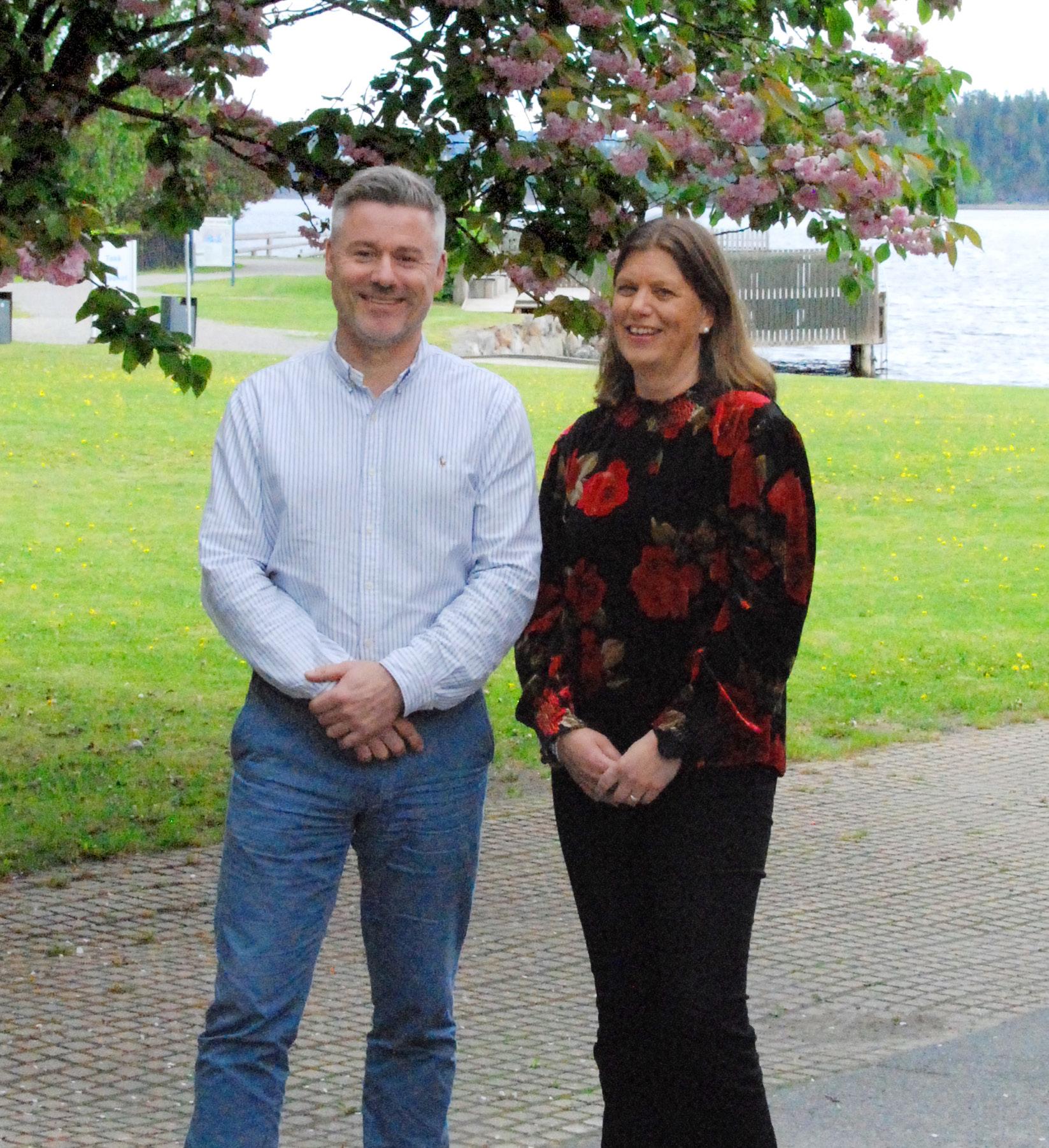
The VEFF magazine is produced by employees in DNV and sponsored by VEFF union, which is a union for DNV employees.
© VEFF 1–2026
Editor: Nina Ivarsen
Front cover photo: Christian Himberg
Back cover photo: Nina Ivarsen
Design and print: Aksell

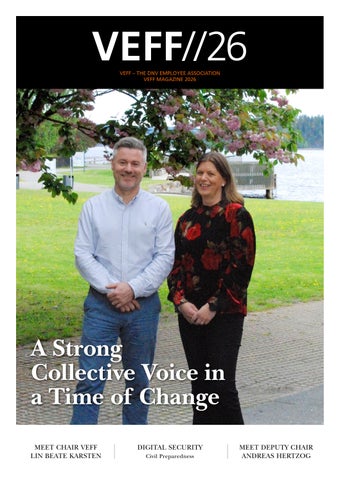
The VEFF magazine is produced by employees in DNV and sponsored by VEFF union, which is a union for DNV employees.
© VEFF 1–2026
Editor: Nina Ivarsen
Front cover photo: Christian Himberg
Back cover photo: Nina Ivarsen
Design and print: Aksell
NINA IVARSEN, SECRETARY GENERAL VEFF
Abstract
This article argues that digital security and civil preparedness are inseparable in a society where crises rapidly spill across physical and digital systems. It highlights how modern cyberattacks often exploit human behavior rather than technical flaws, making every day “digital discipline” (especially credential protection, caution around urgent requests, and phishing awareness) a shared responsibility for all employees, not only IT. The text further contends that Norway’s preparedness must be strengthened through a binding, cross-sector, long-term strategy that can withstand short political cycles, prioritize the most critical societal functions, and address interdependencies across infrastructure and welfare systems. Finally, it emphasizes that resilience depends on trust, clear communication, adequate training and resources, and meaningful employee involvement, because preparedness is ultimately implemented through people.
In today’s digital and interconnected world, crises no longer unfold in isolation. Any serious incident will affect not only people and physical operations, but also the digital infrastructure, IT systems, and platforms that underpin modern society and working life. Cyber threats, technological disruption, and geopolitical instability increasingly overlap, creating a risk landscape that is broader, faster moving, and more complex than ever before. This reality requires a new understanding of responsibility, both at the organizational and the societal level.
Cyber-attacks have become more sophisticated, targeted, and difficult to detect. Often, they do not rely on advanced technical exploits, but on human error, trust, or haste. A single compromised account can give attackers access to far more than anticipated, allowing them to move freely within digital environments, disrupt operations, or undermine trust. In this context, security is no longer primarily a technical issue. It is a matter of collective awareness and shared responsibility.
Every employee therefore plays a critical role in safeguarding the organization. Protecting digital credentials is one of the most fundamental and effective measures available. Credentials are the keys to our systems and data. Once they are stolen or misused, even the strongest technical barriers lose their value.
This is why basic digital discipline matters. Passwords must never be shared, regardless of who asks or how credible the request appears.
Suspicious links, messages, or requests for urgent action should always trigger caution and verification. Cybercriminals thrive on speed and confusion; taking a moment to pause and think can prevent extensive damage.
By treating credentials as the valuable assets they are, and by remaining vigilant in every

day digital interactions, employees strengthen organizational resilience. Security cannot be outsourced to IT alone. It must be embedded in organizational culture, supported by awareness, and reinforced through everyday behavior. In this sense, digital security mirrors civil preparedness: both depend on strong systems, but ultimately also on informed and responsible individuals.
This parallel becomes even clearer when viewed in a broader societal context. Norway stands at the threshold of a new era shaped by geopolitical tension, rapid technological change, and growing societal vulnerability. The question is no longer whether stronger civil preparedness is necessary, but how it can be designed to function when society is truly under pressure. Against this backdrop, the government’s decision to develop a long-term plan for civil preparedness is both timely and necessary. What matters now is that this plan is anchored in clear priorities, binding commitments, and realistic implementation.
Civil preparedness cannot be developed within the confines of short political cycles. It requires continuity, predictability, and long-term investment.
A binding, cross-sector strategy spanning multiple parliamentary terms is essential to provide stability for public authorities, businesses, and employees alike. Preparedness is not a temporary policy initiative; it is a lasting national responsibility tied to the functioning of society as a whole.
The complexity of civil preparedness makes this particularly challenging. Preparedness is not confined to one sector or institution. It encompasses food security, transport and logistics, healthcare, energy supply, digital communication, public administration, and security services. These systems are deeply interdependent. Weaknesses in one area can rapidly cascade into others. For this reason, preparedness cannot be strengthened through isolated measures or short-term funding alone. Without a coherent long-term framework, there is a real risk that resources are used to address past crises rather than future ones.
Clear prioritization is therefore not a sign of narrow thinking, but of strategic responsibility. Resources, competence, and capacity are finite. Attempting to improve everything simultaneously often means that the most critical vulnerabilities remain unresolved. A credible long-term plan for civil preparedness must clearly identify which areas require immediate reinforcement and where
Life Sciences Leading with Purpose in a Complex World
Smarter Compliance for Aquaculture: AI Powered Continuous Assurance for Regulatory Confidence and Sustainable Growth
for Digitalization and AI
How DNV’s Business Areas Enable Impact Through New Forms of Collaboration
DNV Study for EMSA Reinforces EU Decarbonisation Ambitions While Highlighting the Imperative of Design Based Safety for Hydrogen Fuelled Shipping
Driving Data Quality and Customer Value in Aquaculture
Turning Ideas into Impact
Turning Strategy into Scalable Impact
From Diversity to Belonging
Alternative Fuels Insight (AFI)
Meet Lin Beate Karsten Chair of VEFF
Meet Andreas Herzog, Deputy Chair VEFF – Building Bridges Through Engagement
The Role and Importance of Artificial Intelligence Management Systems (AIMS)
Using Power Platform
Carbon Capture, Utilisation, and Storage
Nuclear Technologies, Commercial Viability, and Regulatory Challenges for SMRs and Nuclear Powered Vessels
Modern HR Trends considering the Working Environment Act and the Hovedavtalen
Modern Leadership
Global Employee Forum meeting
The Silent Burden: Loneliness in the Workplace
phased improvements are acceptable.
Seen from this perspective, Maslow’s hierarchy of needs offers a useful societal analogy. For societies as for individuals, fundamental needs must come first. Safety, stability, food supply, healthcare, transport, communication, and protection from the base upon which everything else depends. In the years ahead, it may become necessary to accept that convenience, unlimited choice, and instant availability cannot always be prioritized ahead of these foundations. This is not an argument against progress or efficiency, but a recognition of what must be secured first in times of heightened risk.
Civil preparedness is therefore not merely a question of security policy. It is inseparable from welfare policy. A society that fails in crisis will struggle to function in everyday life. Trust in institutions, social cohesion, and economic stability all depend on the ability to manage disruption effectively.
Strengthening preparedness is a long-term, generational task that cannot be postponed. Within the VEFF community and the broader workforce, there is deep competence and practical experience related to risk, resilience, and system vulnerabilities. This knowledge must be actively included in the development of the longterm preparedness plan. Employees are not only resources to be protected; they are a vital part of the solution.
A safer Norway will not be achieved through good intentions alone. It requires political will, strategic discipline, and binding commitments that can withstand both political change and emerging threats. Digital security and
civil preparedness are ultimately expressions of the same principle: resilience is built over time, through foresight, responsibility, and collective effort.
Employees at the Center: Reactions, Concerns, and Responsibility
Discussions about digital security and civil preparedness inevitably evoke strong reactions among employees. These reactions are neither uniform nor, static; they reflect a combination of professional insight, personal experience, and broader societal uncertainty.
For many employees, the growing focus on cyber threats, infrastructure vulnerability, and national preparedness confirms what they already sense in their daily work: that the world has become less predictable, and that resilience can no longer be taken for granted.
At the same time, increased attention to risk and preparedness can also create unease. Employees are expected to remain productive, adaptable, and engaged, while simultaneously being asked to assume greater responsibility for security, vigilance, and crisis readiness. For some, this is experienced as empowerment and trust. For others, it raises questions about workload, accountability, and whether expectations are matched by sufficient training, resources, and structural support.
In the digital domain, many employees express a growing awareness of how small actions can have large consequences.
The emphasis on credential protection, phishing awareness, and individual vigilance resonates widely, particularly among those who understand how dependent modern organizations are
on stable and secure digital systems. Yet this awareness can also generate anxiety.
When responsibility is individualized without sufficient contextualization, employees may fear making mistakes or feel uncertain about where the boundaries of their responsibility lie. This underscores the importance of communication that frames security not as a test of perfection, but as a shared effort supported by systems, leadership, and a culture that encourages asking questions and reporting concerns without fear of blame.
Reactions to civil preparedness debates reflect similar dynamics. Many employees welcome a more realistic and honest conversation about societal vulnerability. There is broad understanding that longterm preparedness requires prioritization and that not everything can be optimized simultaneously. At the same time, employees are keenly aware that preparedness measures often have real consequences for working conditions, staffing levels, competence requirements, and work-life balance.
Preparedness is not an abstract concept; it is implemented through people.
Trust therefore becomes a decisive factor.
Employees are more likely to engage constructively with preparedness initiatives when they trust that decisions are based on sound assessments, long-term thinking, and respect for professional
competence. Transparency about tradeoffs, resource constraints, and strategic priorities helps transform concern into constructive involvement. Conversely, uncertainty and fragmented communication risk creating frustration, fatigue, or disengagement.
Importantly, many employees do not see themselves merely as recipients of preparedness policies, but as contributors with valuable experience. Across organizations, there is deep operational knowledge about where systems are fragile, where coordination fails, and where resilience can realistically be strengthened. When this knowledge is recognized and integrated, preparedness becomes more than a top-down directive; it becomes part of organizational learning and continuous improvement.
From an employee perspective, the link between digital security and civil preparedness is increasingly evident. Both touch upon questions of trust, responsibility, and the balance between efficiency and robustness. Both require competence, training, and sufficient time to act responsibly. Employees understand that resilience is not built overnight, and that sustainable preparedness depends on realistic expectations and long-term commitment.
Employees want to be part of solutions that make sense, solutions that acknowledge risk without fostering fear, that
demand responsibility while also providing support, and that view preparedness as a collective investment rather than an individual burden.
When these conditions are met, employee engagement becomes one of the strongest assets in building both organizational and societal resilience.
ency, and genuine employee involvement. Preparedness cannot be achieved by placing responsibility on individuals alone. It must be underpinned by clear priorities, sufficient resources, and a culture that values learning, openness, and shared responsibility.
Employees want to contribute, and they do so every day. They bring professional judgment, practical experience, and a deep understanding of where systems are robust and where they remain vulnerable. This knowledge is an asset that must be actively used in both organizational and societal preparedness efforts.
As representatives of employees, we are acutely aware that resilience is not built solely through strategies, technologies, or plans. It is built through people. Every system, whether digital infrastructure or civil preparedness, ultimately depends on the trust, competence, and commitment of those who operate it.
VEFF strongly supports initiatives that strengthen both digital security and national preparedness, provided they are developed with realism, transpar-
At a time of increasing uncertainty, it is more important than ever to invest in long-term solutions that create confidence rather than fear, and engagement rather than fatigue. VEFF will continue to advocate for preparedness strategies that are sustainable, binding, and grounded in respect for employees’ role as a central part of societal resilience.
“A safer organization and a safer society are built together”, Lin Beate
Chair VEFF

NINA IVARSEN
When Geir Fuglerud talks about life sciences, it is not as an abstract growth area or a portfolio label. For him, it is about responsibility. As CEO of DNV Life Sciences, he leads an organization operating at the intersection of patient safety, public health, animal welfare and ecosystem protection areas where trust is not a slogan, but a prerequisite.
Life sciences today is one of the most dynamic domains globally, shaped by rapid technological development, stricter regulation and rising societal expectations. It spans healthcare, medical devices, biodiversity and aquaculture, touching lives every day in very concrete ways.
According to Fuglerud, this is precisely why DNV’s role matters. “We work in areas where mistakes, inadequate practices or poor quality can have serious consequences. Our job is to help others get it right.”
DNV Life Sciences was established as a more focused organization, evolving from a broader assurance portfolio into a dedicated business area built around three core domains: medical device certification, healthcare assurance, and aquaculture and ocean health. For Fuglerud, this shift was about clarity. By concentrating on expertise and leadership attention, the organization is better positioned to grow sustainably delivered consistently and stay true to its purpose.
That purpose to safeguard life, property and the environment runs like a red

thread through Fuglerud’s leadership philosophy. In life sciences, it translates into protecting patients, strengthening healthcare systems, ensuring animal welfare and supporting healthy oceans. He often refers to this as the organization’s “DNA”: a combination of risk management, quality, regulatory integrity and continuous improvement, applied in very different industries, but always with the same intent to build trust where it matters most.
Independent assurance is at the heart of this mission. Fuglerud emphasizes that DNV’s role is not to innovate on behalf of customers, but to provide credible, impartial confirmation that systems, products and services meet demanding standards. Whether enabling hospitals to improve quality and patient safety, helping medical device manufacturers access global markets, or supporting sustainable aquaculture practices, the common denominator is trust.
Looking ahead, Fuglerud is clear that growth toward 2030 must be disciplined. The ambition is not expansion for its own sake, but to deepen positions where DNV already has strong competence
and credibility. Digitalization plays a key role in this journey, both as a way to improve efficiency and as an enabler of better customer experience. Still, he is quick to stress that technology is only a tool. “What really creates value is our people, their expertise, judgment and integrity.”
Leading a global organization in highly regulated and socially sensitive sectors requires balance. For Fuglerud, leadership is about setting direction, but also about listening, learning and creating space for professionals to do their best work. In a world facing increasing complexity and uncertainty, he believes clarity of purpose is more important than ever.
As life sciences continue to shape the future of health, technology and ecosystems, DNV Life Sciences aims to be a steady, trusted partner. Under Geir Fuglerud’s leadership, the message is clear: growth and responsibility are not opposites. When trust is the foundation, they belong together.
Abstract
Aquaculture is scaling rapidly, but the regulatory landscape is expanding in parallel driving higher expectations for transparency, data integrity, and evidence based assurance across fish health, environmental impact, food safety, and certification. Conventional compliance approaches manual reporting, fragmented data sources, and periodic audits often detect issues late, increase administrative burden, and leave operators exposed to avoidable non conformance events.
This article presents an AI powered compliance and assurance model tailored to aquaculture, shifting compliance from a reactive obligation to a continuous, data driven, and predictive capability. The approach unifies operational data from sensors and enterprise systems, applies automated quality controls for completeness and plausibility, and continuously evaluates performance against relevant rules and standards. By identifying deviations and emerging risks earlier while generating consistent audit trails and regulator ready evidence the solution reduces manual effort, strengthens governance and trust, and supports sustainable growth through proactive risk management.
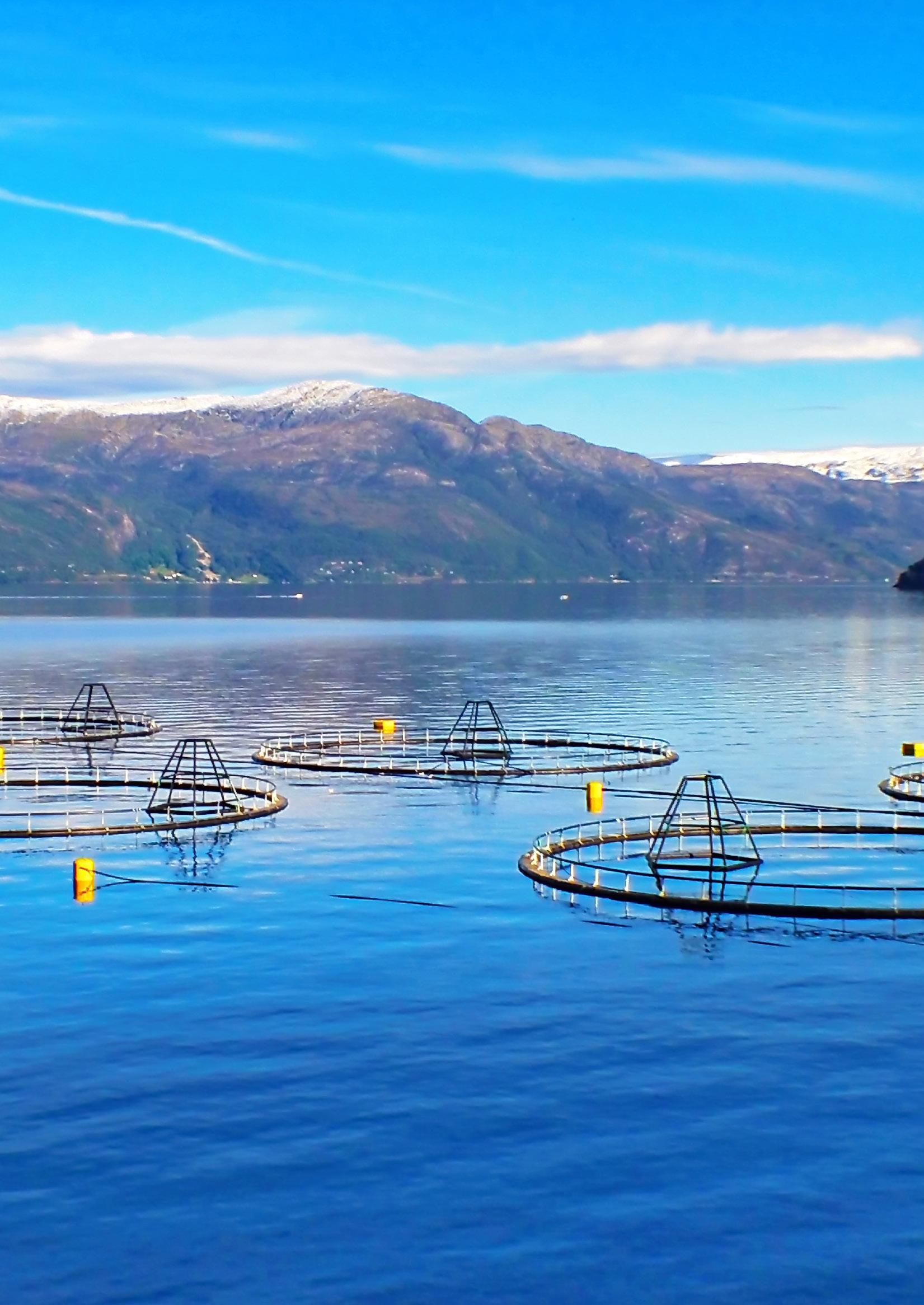
Aquaculture is one of the world’s fastest growing food production sectors and a cornerstone of global food security. Yet as the industry scales, it also faces a level of regulatory complexity that has never been greater. Requirements related to fish health, environmental impact, food safety, biosecurity, data accuracy, and certification are expanding rapidly, while regulators, investors, and consumers increasingly expect transparency and documented assurance across the entire seafood value chain.
In this environment, compliance is no longer a back office function or a once a year activity. It has become a strategic capability. Traditional approaches manual reporting, fragmented data sources, and periodic audits are struggling to keep pace. They place a heavy operational burden on producers, delay the identification of emerging risks, and expose organisations to avoidable non compliance events.
To address these challenges, we have developed an AI powered compliance and assurance solution designed specifically for the aquaculture sector. By transforming compliance from a reactive obligation into a continuous, data driven, and predictive process, the solution enables operators to manage risk proactively while strengthening trust with regulators and stakeholders.
Regulatory pressure on aquaculture operations is intensifying across jurisdictions. Requirements increasingly demand near real time insight into parameters such as stocking density, oxygen levels, emissions, antibiotic usage, fish welfare indicators, escape prevention measures, and reporting accuracy. Demonstrating adherence is no longer about retrospective documentation; it is about ongoing visibility and control.
At the same time, modern aquaculture operations generate unprecedented volumes of data. Sensors, feeding systems, environmental monitors, mortality logs, video streams, and operational reports produce a constant flow of information. Without advanced analytics, much of this data remains underutilised, making it difficult to identify early warning signals or systemic risks.
Expectations for transparency have also evolved. Certification bodies, investors, supply chain partners, and end consumers increasingly expect evidence based assurance, supported by validated data and digital audit trails, rather than self reported statements or manual extracts.
Compliance work consumes significant time and resources, often diverting expertise away from improvements in
productivity, welfare, and sustainability. Together, these forces make automation, intelligent analytics, and continuous assurance not just desirable, but essential.
Our solution redefines compliance by combining advanced analytics, machine learning, and deep aquaculture domain expertise into one integrated platform. The result is a scalable and intelligent assurance framework that supports operators, regulators, and certification bodies alike.
Data from across the operation sensors, cages, feeding systems, environmental stations, enterprise systems, and trusted third party sources is unified within a single platform. Before any analysis takes place, AI based quality controls continuously assess data completeness, consistency, and plausibility. Anomalies, gaps, and reporting inconsistencies are detected early, ensuring that decisions are based on reliable and auditable information.
Compliance monitoring then moves from periodic checks to real time evaluation. Machine learning models continuously assess incoming data against applicable regulatory and certification requirements. Deviations are identified as they emerge, whether they involve changes in mortality patterns, oxygen dynamics, biomass estimates, or feed conversion behavior. Instead of discovering issues during inspections or audits, operators gain the opportunity to act immediately.
A key differentiator of the solution is its predictive capability. By analysing historical and real time data, the system identifies risk patterns before thresholds are breached. This includes early indicators of potential escape events linked to environmental or equipment conditions, emerging welfare risks, and behavioural patterns associated with disease outbreaks or non conformance. This predictive insight enables preventive action, turning compliance into a tool for operational resilience.
The platform also transforms audit preparation. Evidence is automatically collected, structured, and stored in digital audit trails, with compliance reports generated in a consistent and regulator ready format. This significantly reduces administrative effort while strengthening governance, traceability, and confidence in reported data.
Insights are tailored to the needs of different stakeholders. Farm managers receive actionable alerts and operational recommendations. Compliance teams gain a clear overview of regulatory status and risk exposure across sites. Executives access high level compliance scoring and trend analysis to support strategic decisions. Where appropriate, regulators or auditors can be granted access to validated evidence sets, improving transparency and trust.
By introducing AI enabled assurance, aquaculture operators achieve more accurate, objective, and consistent compliance evaluation across their operations. Human errors are reduced, and reliance on manual interpretation is minimised.
Compliance shifts from an episodic activity to a continuous process embed-
ded in daily operations. Emerging risks are identified earlier, enabling faster response and reducing the likelihood of incidents that affect fish welfare, environmental performance, or licence conditions.
Automation frees skilled personnel from time consuming reporting tasks, allowing them to focus on operational improvement, innovation, and long term strategy. At the same time, transparent and verifiable compliance strengthens confidence among regulators, certification bodies, investors, partners, and consumers.
Enabling a Responsible Future for Aquaculture
AI enabled compliance is not simply about meeting regulatory requirements. It is about elevating the entire aquaculture value chain. By combining deep industry knowledge with advanced technology, our solution empowers operators to act earlier, manage risk more intelligently, and demonstrate leadership in responsible seafood production.
The future of aquaculture depends on the ability to scale sustainably, responsibly, and transparently. With continuous assurance powered by artificial intelligence, compliance becomes a strategic asset supporting resilience, accountability, and long term trust in a rapidly evolving global industry.

NINA IVARSEN
Digitalization has evolved from a technology-driven modernization effort into a fundamental transformation of how organizations create value, make decisions, and operate at scale. At the center of this shift lies software transformation: the deliberate renewal of software architectures, development practices, and operating models to support datadriven, AI-enabled enterprises. In an era increasingly shaped by artificial intelligence, software is no longer merely an enabler of business processes; it has become the primary vehicle through which intelligence, automation, and adaptability are embedded into organizations’ core activities.
Traditional digital transformation initiatives primarily focused on migrating systems to the cloud, improving user interfaces, and automating well-defined processes. While these efforts delivered efficiency gains, they often left underlying architectures fragmented and illsuited for advanced analytics or AI deployment. The emergence of machine learning, generative AI, and agent-based systems has exposed the limitations of
legacy software landscapes, making comprehensive software transformation a strategic necessity rather than a technical option.
At its core, software transformation in the AI era entails a shift from static, deterministic systems toward modular, composable, and learning-oriented architectures.
Modern software platforms must be capable of ingesting large volumes of data, integrating AI models into operational workflows, and adapting dynamically as conditions change. This requires cloud-native foundations, standardized data layers, robust integration patterns, and development practices that allow rapid experimentation and continuous improvement. Organizations that fail to modernize these foundations often struggle to move beyond isolated AI pilots, despite significant investment and executive attention.
Artificial intelligence fundamentally changes the role of software in enterprise. Instead of encoding fixed rules, AI-enabled software increasingly supports probabilistic decision-making, prediction, and autonomous action within defined governance boundaries.
Generative AI has accelerated this shift by enabling software systems that can produce code, content, and recommendations at scale. Research indicates that software development itself is becoming one of the most profoundly affected domains, with AI-assisted coding and automated testing reshaping productivity, skill requirements, and delivery speed. This in turn reinforces the need for modernized software platforms that can safely and effectively incorporate AI capabilities throughout the software lifecycle.
However, technology alone does not guarantee successful transformation. Multiple studies show that the primary barriers to scaling AI are organizational rather than technical, including fragmented ownership, insufficient data governance, and limited AI fluency among leaders and employees.
Software transformation therefore must be accompanied by changes in operating models, decision rights, and competencies. Development teams need to work closely with domain experts, data scientists, and risk functions to ensure that AI-enabled software delivers measurable business value while remaining compliant, transparent, and trustworthy.
An increasingly important dimension of software transformation is governance. As AI systems become more autonomous and influential in operational decisions, organizations face new regulatory, ethical, and security expectations.
Contemporary transformation approaches emphasize “governed AI by design,” embedding auditability, explainability, and human oversight into software architectures from the outset. This governance imperative extends beyond
individual applications to the entire software ecosystem, including data pipelines, model management, and integration with external platforms.
From a strategic perspective, software transformation enables organizations to shift from incremental digital optimization to continuous reinvention. Enterprises that successfully integrate AI into their software platforms report gains not only in productivity and cost efficiency, but also in speed to market, customer experience, and resilience.
Importantly, these outcomes are closely linked to the ability to rewire end-to-end workflows, rather than adding AI as a superficial layer on top of existing systems. In this sense, software transformation becomes the structural backbone of enterprise-wide AI transformation.
Looking ahead, the convergence of cloud computing, data platforms, and AI is redefining what it means to be a digital organization. Software is evolving into a living system that learns, adapts, and scales in response to its environment. For leaders, this places software transformation firmly on the strategic agenda, demanding sustained investment, cross-functional leadership, and a long-term perspective. Those organizations that treat software transformation as a continuous capability, rather than a one-off program, will be best positioned to thrive in the AI-driven economy.
While software transformation is often discussed in terms of platforms, architectures, and algorithms, its success ultimately depends on the people who design, implement, and work with these systems.
In the AI-driven digital era, human capability is not a secondary factor but a central determinant of whether transformation efforts translate into sustainable value.
Multiple studies emphasize that organizations struggling with digitalization and AI adoption most often face challenges related to skills, culture, and organizational alignment rather than technology limitations alone.
The nature of work itself is changing as AI becomes embedded in software systems. Developers, engineers, and business professionals increasingly collaborate with intelligent tools that assist in coding, analysis, decision-making, and content creation.
expertise, AI reshapes roles by shifting focus from routine tasks toward problem framing, judgment, and oversight. This places new demands on workers, who must not only understand their domain, but also develop fluency in how AI systems behave, learn, and sometimes fail. AI literacy is therefore emerging as a core competency across technical and non-technical roles alike.

Leadership plays a particularly critical role in guiding software transformation. Executives and senior managers must be able to connect business strategy with technological possibilities, translating abstract AI potential into prioritized use cases with clear accountability. Research shows that organizations achieving meaningful AI impact invest deliberately in leadership capability, ensuring that decision-makers understand both the opportunities and the risks associated with AI-enabled software.10 Without this understanding, transformation initiatives tend to remain fragmented, experimental, or disconnected from business outcomes.
From an organizational perspective, software transformation also challenges established ways of working. Agile development, continuous delivery, and datadriven experimentation require higher levels of cross-functional collaboration and trust. Traditional silos between IT, business units, and control functions often slow progress, particularly when AI
systems cut across processes and responsibilities.
Successful organizations therefore redesign governance models to enable faster decision-making while preserving transparency, ethical standards, and regulatory compliance. This balance between empowerment and control is primarily a human and organizational challenge, not a technical one.
Employee engagement and trust are equally vital. As AI-enabled software systems increasingly influence performance evaluation, workload distribution, and operational decisions, employees must understand how these
systems are used and how human judgment is retained. Studies on AI adoption highlight that perceived opacity or lack of fairness can undermine acceptance and productivity, even when systems deliver technical improvements. Building trust requires open communication, involvement of employees in design processes, and clear articulation of where responsibility ultimately lies.
Continuous learning is another defining feature of the human role in software transformation. Because AI technologies evolve rapidly, static training programs are insufficient. Organizations that succeed invest in ongoing capability development, combining formal training with hands-on experimentation and communities of practice. This approach allows employees to adapt alongside evolving software systems, reinforcing a culture of learning rather than compliance. In this sense, software transformation becomes inseparable from workforce transformation.
References:
Harvard Business School Online, The Role of Artificial Intelligence in Digital Transformation, January 2026. [online.hbs.edu]
McKinsey & Company, Digital transformation: Rewiring for digital and AI, 2026. [mckinsey.com]
Deloitte, State of AI in the Enterprise – 2026 Report. [deloitte.com]
McKinsey & Company, The AI revolution in software development, April 2026. [mckinsey.com]
Stanford Digital Economy Lab, The Enterprise AI Playbook: Lessons from 51 Successful Developments, April 2026. [digitaleco...anford.edu]
Kearney, AI Trends Report 2026. [kearney.com]
IBM, AI Transformation: AI for Digital Transformation. [ibm.com]
Deloitte, State of AI in the Enterprise – 2026 Report. [deloitte.com]
McKinsey & Company, The AI revolution in software development, April 2026. [mckinsey.com]
Stanford Digital Economy Lab, The Enterprise AI Playbook, April 2026. [digitaleco...anford.edu]
Kearney, AI Trends Report 2026. [kearney.com]
McKinsey & Company, State of AI trust in 2026. [mckinsey.com]
IBM Institute for Business Value, AI Transformation and the Workforce. [ibm.com]
NINA IVARSEN
In a world marked by accelerating technological change, increasing regulatory complexity, and interdependent global risks, the ability to scale impact no longer rests on size alone. It depends on how organizations collaborate, across disciplines, industries, and value chains. At DNV, collaboration is not treated as a supporting activity, but as a strategic capability embedded across its business areas and operating model. Through differentiated yet interconnected business areas, DNV collaborates in different ways to turn deep expertise into scalable solutions that advance trust, safety, and sustainability.
DNV operates through five core business areas Maritime, Energy Systems, Life Sciences, Business Assurance, and The Accelerator supported by shared group functions and digital platforms.² While each business area serves distinct markets and customer needs, they are deliberately designed to perform better together than they would as standalone entities. This is a central premise of DNV’s Strategy 2030, which emphasizes domain expertise combined with collaboration to enable scale without losing depth.
In Maritime, collaboration is deeply rooted in long term industry relationships and regulatory engagement. Scaling impact in this domain does not primarily come from volume growth, but from shaping global standards, sharing knowledge across fleets and stakeholders, and working closely with shipowners, yards, regulators, and technology providers. Through collaborative rule development and joint industry projects, DNV enables innovations in safety, decarbonization, and digitalization to be adopted across a highly globalized sector, multiplying their effect beyond individual customers.
Energy Systems illustrates a different form of collaboration focused on system integration and cross sector convergence. As energy transitions accelerate, value

creation increasingly occurs at the interfaces between technologies, markets, and regulations. DNV collaborates with energy com-
panies, grid operators, authorities, and technology providers to address whole system challenges, such as integrating renewable energy, ensuring energy security, and managing risk in increasingly complex energy systems. By combining technical, regulatory, and digital expertise, Energy Systems scales solutions not by replicating projects, but by enabling system level transformation across regions and markets.
In Life Sciences, collaboration is centered on assurance, patient safety, and trust in healthcare systems. Here, scale is achieved by developing common frameworks that can be applied consistently across organizations and geographies. Through collaboration with healthcare providers, regulators, and international accreditation bodies, DNV supports the adoption of harmonized management systems and standards that allow organizations to improve quality and safety at scale while remaining compliant with diverse regulatory regimes. This form of collaboration allows local improvements to translate into global learning and impact.
Business Assurance represents yet another mode of collaboration one oriented toward enabling organizations across industries to scale trust. By working closely with clients on management systems, certification, and performance improvement, Business Assurance provides a common language for quality, sustainability, cybersecurity, and risk management. Its collaborative role lies
in interpreting international standards, aligning them with organizational realities, and supporting consistent implementation across global operations. This enables companies to scale responsibly, ensuring that growth does not outpace governance, ethics, or compliance.
The Accelerator embodies DNV’s most explicit approach to collaboration for scale. Its mandate is to create and grow new digital and data driven businesses, often in partnership with startups, technology companies, and internal business areas. By combining venture style collaboration with DNV’s credibility and domain expertise, The Accelerator enables innovations to move faster from pilot to scalable business models. This approach allows DNV to reach new markets and customers while maintaining its role as a trusted independent expert.
What unites these different forms of collaboration is a shared operating philosophy: scale is achieved not by uniformity, but by orchestrating diversity. DNV does not seek a single collaboration model, but deliberately applies different approaches depending on market maturity, regulatory context, and customer need. Group wide governance, shared services, and digital platforms ensure efficiency and coherence, while decentralized business areas retain the flexibility to collaborate in ways that create the most value within their domains.
Importantly, collaboration at DNV also extends internally. Strategy 2030 high-

lights the need to use competence and expertise more efficiently across business areas, enabling knowledge developed in one domain to be applied in another. This internal collaboration is critical for addressing complex challenges such as digitalization, cybersecurity, and sustainability, which cut across traditional industry boundaries and require integrated solutions.
In an environment where trust is increasingly fragile and complexity is the norm, DNV’s experience demonstrates that scaling impact requires more than growth strategies or technological solutions. It requires intentional, well governed collaboration across industries, organizations, and disciplines. By collaborating in different ways across its business areas, DNV shows how an organization can scale not just its services, but its contribution to a safer, smarter, and more sustainable world.
Maritime and Energy Systems: Hanwha Ocean – Floating Offshore Wind
DNV supported Hanwha Ocean in the development of a 15 MW class floating offshore wind foundation through an integrated delivery model involving several business areas. Maritime provided Approval in Principle (AiP) for the initial design, while Energy Systems and Digital Solutions delivered technical advisory services, design optimization,
and engineering support using digital tools.
This collaboration extended beyond project execution to coordinated sales and customer engagement, with DNV presenting itself as a single, integrated partner from concept development to delivery. The project was subsequently used as a customer success story demonstrating cross Business Area value creation.¹
The project Digital Framework for Information Modelling and Assurance, which received the DNV Collaboration Award, represents a structured and recognized example of cross Business Area cooperation. Originating from the joint industry project READI, the initiative involved

Energy Systems, Maritime, and Digital Solutions, with the objective of digitalizing technical information requirements and developing future assurance services for cyber physical systems.
The collaboration combined technical, digital, and assurance expertise and is explicitly highlighted as having both commercial potential and strategic importance for scalable, group wide service development.
Maritime,
Alternative Fuels Insight (AFI) is a digital platform developed, governed, and sold as a cross Business Area initiative. The platform integrates insights from Maritime and Energy Systems, supported by innovation and scaling capabilities from The Accelerator, and is also used in customer dialogues by Business Assurance and Life Sciences.
AFI serves as a shared analytical foundation in sales processes related to decarbonization and energy transition strategy and represents both joint product development and coordinated cross selling. The platform has achieved measurable commercial growth and is explicitly presented as an example of “One DNV” in the market.
Energy Systems, Maritime and Business Assurance: Aquaculture Market Development in APAC
A structured cross Business Area workshop on aquaculture was conducted in Shanghai, involving participants from Energy Systems, Maritime, and Business Assurance, along with AI research environments. The explicit purpose was to develop a coherent market and sales proposition for aquaculture customers, combining regulatory, technical, certification, and digital perspectives.
The initiative was directly linked to identifying new customer opportunities and future joint sales, and it was framed internally as a practical demonstration of cross Business Area collaboration in market development.
DNV Cyber (within The Accelerator) and Digital Energy in Energy Systems have collaborated on concrete customer projects and joint market positioning, including shared presentations to Country Chair forums. The collaboration is explicitly described as a transition from coordinated messaging to actual joint customer projects, indicating integrated sales and delivery across business areas.
This example illustrates how technology based and digital services are scaled through structured cooperation between business areas with complementary capabilities.
Strategic Framework: Joint Sales as an Explicit Group Objective
DNV’s Strategy 2030 explicitly states that the business areas are expected to perform better together than as standalone entities and highlights joint sales across Business Areas as a strategic growth lever. The strategy refers to customer centric governance, aligned incentives, and strengthened collaboration as necessary enablers to unlock cross Business Area synergies in the market.

References:
DMSG-0-7-A1 DNV Strategy 2030, sections on domain expertise, group structure, and strategic differentiators.
[DMSG-0-7-A...ategy 2030 | PDF]
Our-organization, overview of DNV’s business areas and organizational model.
DNV-Strategy-2030, strategic ambitions and role of collaboration across business areas.
DNV Life Sciences - An Introduction, collaboration models and scalable assurance frameworks in Life Sciences.
Collaboration on Hanwha Ocean floating offshore wind project involving Maritime, Energy Systems and Digital Solutions. Collaboration Award winner: Digital Framework for Information Modelling and Assurance (READI), involving Energy Systems, Maritime and Digital Solutions.
Alternative Fuels Insight (AFI) as a cross Business Area digital product and sales platform.
Cross Business Area aquaculture workshop and coordinated market development in APAC.
Collaboration between DNV Cyber (Accelerator) and Digital Energy (Energy Systems) on joint customer projects.
DNV Strategy 2030: Explicit ambition for cross Business Area collaboration and joint sales.
As the European Union advances its ambition of achieving climate neutrality by 2050 under the European Green Deal, decarbonisation of maritime transport has become a central policy priority.
Legislative initiatives under the Fit for 55 package, including FuelEU Maritime, the extension of the EU Emissions Trading System (ETS) to shipping, and the Alternative Fuels Infrastructure Regulation (AFIR), are fundamentally reshaping the regulatory landscape for vessels calling at European ports.
Within this evolving framework, hydrogen is increasingly assessed as a potential zero carbon energy carrier capable of supporting deep greenhouse gas reductions in shipping on a well to wake basis, particularly when produced from renewable sources. Against this policy backdrop, DNV has delivered a comprehensive, multi year study to the European Maritime Safety Agency (EMSA) entitled Safety of Hydrogen for Use in Ships.
The study provides a structured and evidence based assessment of hydrogen related risks and reaches a clear conclusion: the safe deployment of hydrogen on board ships requires a robust, design based safety approach, fully integrated from the earliest stages of vessel and system development.
The study was commissioned by EMSA in line with the Agency’s mandate to support EU institutions and Member States in reducing the risk of maritime accidents, protecting human life at sea, and ensuring the effective implementation of EU maritime legislation. It also builds on EMSA’s broader analytical work on hydrogen and alternative fuels, including earlier studies on the potential of hydrogen as a fuel for shipping and the role of renewable and synthetic fuels in long term maritime decarbonisation pathways.
While hydrogen is widely regarded as a promising option for meeting the objectives of FuelEU Maritime, the EMSA commissioned analysis underlines that its safety characteristics differ signifi-
cantly from those of both conventional marine fuels and alternative fuels already regulated under the IGF Code, such as liquefied natural gas (LNG). Hydrogen’s wide flammability range, very low ignition energy, and challenges related to leak detection mean that even small releases can rapidly form ignitable gas clouds and escalate within seconds, leaving limited opportunity for manual intervention.
On this basis, the study concludes that safety for hydrogen fuelled ships cannot be ensured primarily through operational procedures or emergency response measures alone.
Instead, DNV advocates a design centred safety philosophy, in which risks are addressed through engineering solutions and technical barriers embedded in the vessel’s layout, systems architecture, and material selection. This approach is consistent with established European and international safety principles, where prevention through design takes precedence over reliance on human action once an incident has occurred.
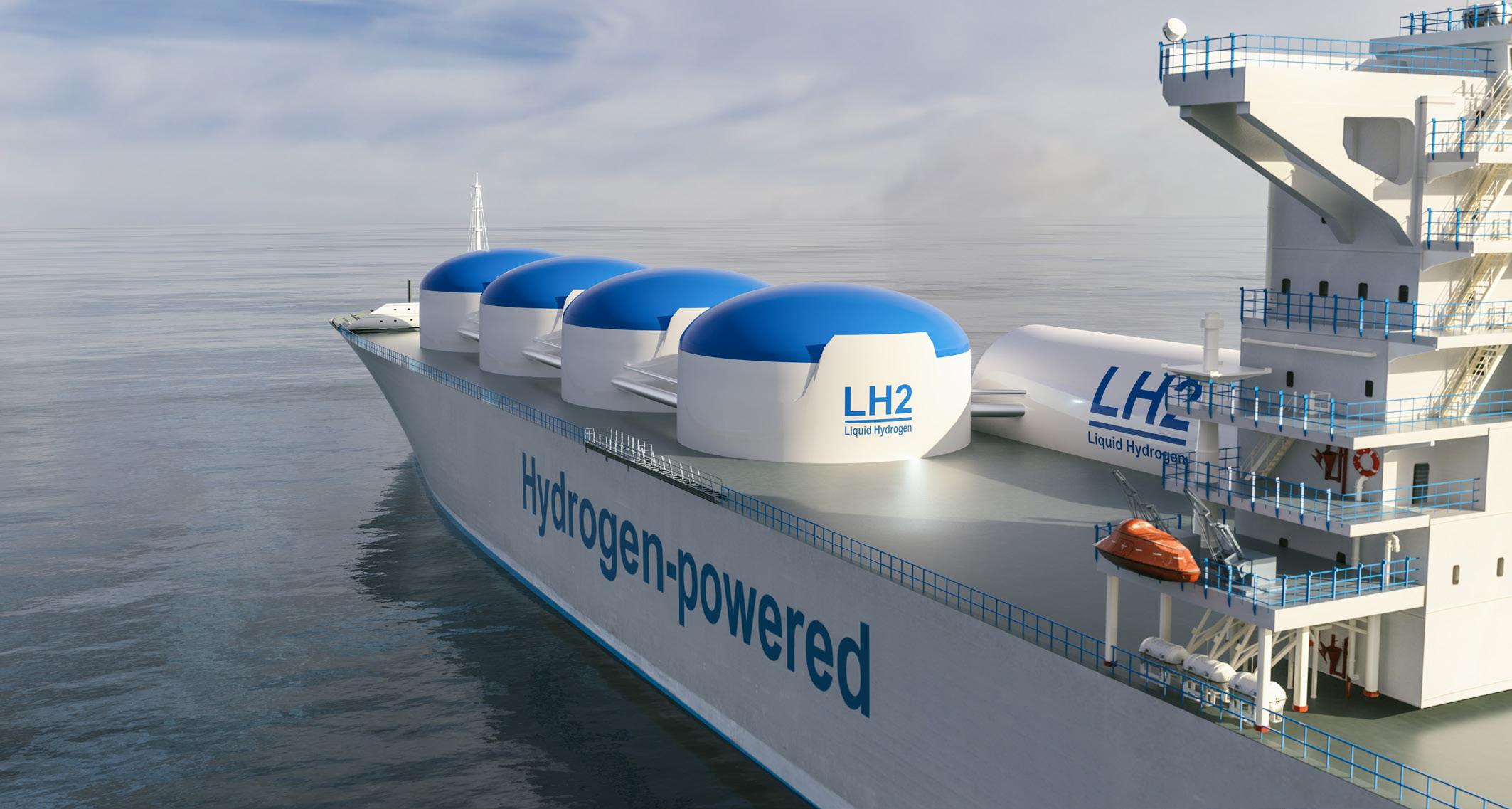
A key recommendation of the study is the implementation of robust containment combined with secondary enclosures for all hydrogen carrying components, including installations located on open deck. These enclosures, supported by ventilation, gas detection, and leakage management systems, are identified as essential to reducing both the likelihood and consequences of accidental releases. In addition, the study highlights the importance of automated protection and shutdown systems as a first line of defence, reflecting the speed at which hydrogen related incidents can evolve in complex maritime environments.
Beyond technical design, the study also addresses the human and organisational dimensions of safety. Hydrogen introduces new occupational hazards for seafarers, including risks associated with cryogenic temperatures, high flammabil-
References:
ity, and reduced flame visibility. EMSA and DNV therefore stress the need for targeted training, hydrogen specific operational procedures, and safety management systems that explicitly account for these risks, supported by a strong organisational safety culture.
In parallel with technological development, the study makes an important contribution to the EU objective of establishing a harmonised and predictable regulatory framework for alternative fuels in shipping. Its final deliverables include both a comprehensive technical report and a non mandatory guidance document, intended to support regulators, classification societies, ship designers, and operators as rules continue to evolve at European and international level, including within the IMO.
DNV underlines that hydrogen can play a credible long term role in the decar-
bonisation of maritime transport, particularly where its technical characteristics can be effectively accommodated. However, translating EU climate ambitions into operational reality will depend on early integration of safety principles, close collaboration across the maritime value chain, and alignment between regulatory development and technological progress.
As the EU accelerates its transition toward a low carbon economy, the EMSA commissioned DNV study sends a clear message to policymakers and industry alike: hydrogen can support Europe’s decarbonisation objectives in shipping, but only if its adoption is underpinned by rigorous, design based safety principles that protect seafarers, vessels, and the marine environment, while ensuring consistency and predictability across Member States.
European Commission, Decarbonising maritime transport – FuelEU Maritime Regulation (EU) 2023/1805, https://transport.ec.europa.eu/transport-modes/maritime/decarbonising-maritime-transport-fueleu-maritime_en DNV, Fit for 55 – New EU GHG regulations for ships, https://www.dnv.com/news/fit-for-55-new-eu-ghg-regulations-for-ships DNV (2026), DNV study for EMSA calls for design based safety approach for hydrogen fuelled ships, https://www.dnv.com/news/2026/dnv-study-for-emsa-calls-for-designbased-safety-approach-for-hydrogenfuelled-ships European Maritime Safety Agency (EMSA), Safety of hydrogen for use in ships,https://www.emsa.europa.eu/safety-of-alternative-fuels/hydrogen.html EMSA (2023), Potential of hydrogen as fuel for shipping, https://www.emsa.europa.eu/publications/item/5062-potential-of-hydrogen-as-fuel-for-shipping EMSA (2024), Synthetic fuels for shipping, https://emsa.europa.eu/news/emsa-publishes-report-on-synthetic-fuels-for-shipping EMSA / SAFETY4SEA (2024), Safety considerations for hydrogen fuelled ships, https://safety4sea.com/emsa-safety-considerations-for-hydrogen-fuelled-ships/
NINA IVARSEN
Abstract
Aquaculture is increasingly vital to global food security, yet it remains highly exposed to biological risk, rising sustainability expectations, and stricter regulatory and customer demands for transparency. This article explores how digitizing fish health services can strengthen decision-making and create customer value by improving the quality, consistency, and traceability of health and welfare data. By integrating high-frequency environmental monitoring, clinical observations, laboratory results, and emerging analytics such as AI-based surveillance, digital platforms enable earlier detection of risk signals and support a shift from reactive treatment to preventive management. The analysis emphasizes that the primary benefit of digitalization is not simply generating more data, but building structured datasets that allow benchmarking, trend analysis, and evaluation of interventions across sites and over time while complementing, not replacing, veterinary expertise. The paper further discusses how higher-quality data can reduce mortality and therapeutant use, improve operational efficiency, and simplify compliance reporting and stakeholder communication. Finally, it presents Åkerblå’s transition into DNV as an illustrative case of how established fish health competence can be scaled through standardized digital documentation and integrated service models, enabling more continuous advisory services and stronger value-chain transparency.
Aquaculture has become one of the most critical contributors to global food security, yet it remains highly vulnerable to biological risk. Fish health issues ranging from infectious diseases and parasites to stress-related welfare problems represent a major source of economic loss, environmental impact, and reputational risk for producers. At the same time, regulatory expectations, customer demands for transparency, and sustainability requirements are increasing. Against this backdrop, the digitaliza-
relied heavily on periodic manual inspections, laboratory diagnostics, and expert judgment. While these approaches remain indispensable, they are often limited by fragmented data, time lags between observation and intervention, and inconsistent documentation. In densely stocked aquaculture systems, disease dynamics can evolve rapidly, and delayed or incomplete information may result in widespread outbreaks. Recent research consistently identifies data fragmentation and lack of

tion of fish health services is emerging as a transformative force, reshaping how aquatic animal health is monitored, managed, and communicated across the value chain. At its core, this transformation is about improving data quality and translating better data into tangible customer value.
Traditionally, fish health services have
standardization as key barriers to effective fish health management and largescale adoption of advanced technologies.
Digital fish health services address these limitations by integrating continuous data streams from multiple sources, including environmental sensors, underwater cameras, laboratory systems, and
farm management platforms. Sensors measuring temperature, oxygen levels, salinity, and other water quality parameters now generate high-frequency data that can be analyzed in near real time. Advances in artificial intelligence and machine learning further enable automated interpretation of biological signals, such as changes in fish behavior, swimming patterns, feeding response, and external lesions, which are often early indicators of health problems². These technologies shift fish health management from a reactive to a preventive paradigm, allowing issues to be detected and mitigated before they escalate into major losses.
However, the true value of digitalization lies not merely in collecting more data, but in improving data quality. High-quality fish health data are accurate, consistent, traceable, and contextualized. Digital platforms allow observations and diagnostic results to be time-stamped, geo-referenced, and linked to specific cohorts, production units, or environmental conditions. This structured data foundation makes it possible to identify trends, compare performance across sites, and evaluate the effectiveness of interventions over time. Studies in intelligent aquaculture systems show that integrated data architectures significantly enhance both the reliability of health assessments and the ability to optimize farm operations.
Improved data quality has direct implications for veterinary services and fish health professionals. Digital tools support standardized recording of clinical findings, treatment decisions, and follow-up outcomes, reducing reliance on individual memory or disparate files. Moreover, automated analytics can assist professionals by prioritizing risk signals and highlighting abnormal patterns, while final diagnostic and strategic decisions remain in the hands of qualified experts. Importantly, several reviews emphasize that digital systems are most effective when they complement veterinary expertise rather than attempt to replace it. The combination of human
judgment and advanced analytics strengthens trust in decision-making and enhances professional accountability.
From a customer perspective, the benefits of digitized fish health services are multifaceted. For farmers, earlier detection of health issues translates into lower mortality, reduced use of therapeutants, and improved feed efficiency.
Precision monitoring enables targeted interventions, which in turn support both economic performance and animal welfare. Research on AI-driven health surveillance consistently reports potential reductions in disease-related losses and improvements in biosecurity when digital tools are properly integrated into farm management practices.
These outcomes directly enhance the value proposition of fish health services by shifting the focus from crisis response to long-term risk management.
Beyond farm-level benefits, digitalization enhances transparency and communication with downstream customers, regulators, and certification bodies. Structured health data make it easier to document compliance with regulatory frameworks and international standards for aquatic animal health surveillance and reporting5. In an increasingly data-driven regulatory environment, the ability to provide consistent, traceable health records reduces compliance risk and lowers administrative burden. Furthermore, credible, well-documented health data strengthen the sustainability narrative of aquaculture products, supporting mar-
ket access and consumer confidence.
Digital fish health services also enable new service models. Instead of episodic, site-based support, providers can offer continuous monitoring, remote advisory services, and predictive health assessments. Cloud-based platforms and digital dashboards allow both service providers and customers to share a common, up-to-date operational picture. According to global fisheries and aquaculture research organizations, such data-driven models foster closer collaboration between farmers and health experts and accelerate learning across regions and production systems. Over time, aggregated and anonymized datasets can further support benchmarking and industry-wide improvements.
Despite these opportunities, challenges remain. Successful digitalization requires reliable infrastructure, interoperability between systems, and governance models that clarify data ownership and responsibility.
Concerns related to data privacy, cybersecurity, and uneven digital maturity across regions must be addressed. Moreover, the added value of digital tools depends on user adoption and data literacy at farm level. Without appropriate training and change management, there is a risk that advanced systems generate large volumes of data without corresponding improvements in decision quality. Recent expert analyses emphasize the need for shared guidelines, standardized methodologies, and longterm maintenance strategies to ensure that digital fish health systems deliver sustainable value.
Digitizing fish health services represents a strategic opportunity for the aquaculture industry to improve both biological outcomes and customer value. By
enhancing data quality, digital solutions enable earlier intervention, more consistent veterinary decision-making, and stronger transparency across the value chain. While technology alone is not a
References:
panacea, its thoughtful integration with professional expertise, robust governance, and customer-centric service models can fundamentally reshape how fish health is managed. As aquaculture con-
tinues to grow in scale and complexity, digital fish health services are likely to become not just an innovation, but a prerequisite for sustainable and competitive production.
Öz, M. et al. Artificial intelligence for fish disease diagnosis and management: innovations, challenges, and One Health implications. Aquaculture International, 2025. [link.springer.com]
Mandal, A. & Ghosh, A. R. Role of artificial intelligence in fish growth and health status monitoring. Aquaculture International, 2024. [link.springer.com]
Chen, J. et al. The application of digital twin technology in the development of intelligent aquaculture. Fishes, 2025. [mdpi.com]
Öz, M. et al. Artificial intelligence for fish disease diagnosis and management. Aquaculture International, 2025. [link.springer.com]
USDA APHIS. National Aquaculture Health Plan and Standards. January 2026. [aphis.usda.gov]
WorldFish. Digital futures: AI and data powering sustainable fisheries and aquaculture. 2025–2026. [worldfishcenter.org]
Riuzzi, G. et al. Eliciting expert opinion on GIS use for surveillance and disease response in the aquatic animal health domain. Frontiers in Marine Science, 2024. [frontiersin.org]
Åkerblå:
From Local Fish Health Expertise to Digital, Scalable Services
Åkerblå represents a concrete example of how traditional fish health services can evolve into digitally enabled, high value solutions for modern aquaculture. With roots in Norway’s aquaculture industry and decades of experience in veterinary fish health, biodiversity and environmental monitoring, Åkerblå has built a reputation for knowledge based, independent advisory services across the full production cycle. In 2023, Åkerblå Group became part of DNV, significantly strengthening the digital and analytical dimension of its service portfolio while preserving its strong domain expertise in aquatic animal health¹.
At the operational level, Åkerblå’s fish health services have long been characterized by close on site presence, systematic monitoring, and robust documentation of fish health, welfare and environmental status. These characteristics provide a natural foundation for digitalization. By standardizing field
References:
observations, laboratory results and advisory outputs, Åkerblå has contributed to higher consistency and traceability of health data across farms and regions. This structured approach supports improved comparability over time and between sites an essential prerequisite for meaningful data analytics and decision support in aquaculture¹.
The integration with DNV has further accelerated Åkerblå’s digital development. Combined with DNV’s strengths in digitalization, risk management and management system certification, Åkerblå’s fish health expertise is increasingly embedded in broader digital ecosystems that link biological data with operational, environmental and technical information.
From a customer perspective, Åkerblå’s digital transition enhances both service quality and value creation. Digital documentation and data sharing enable faster feedback loops between farmers and fish health professionals, supporting earlier intervention and more tar-
DNV. Åkerblå is now DNV – Aquaculture & Ocean Health. 2023–2026. [dnv.com]
geted measures. At the same time, standardized digital records strengthen transparency toward regulators, certification bodies and other stakeholders. Publicly available descriptions of Åkerblå’s services emphasize knowledge based advice and verification, reflecting a service model where trusted data form the backbone of professional credibility and long term customer relationships².
Åkerblå’s role within the wider DNV aquaculture and ocean health services portfolio also illustrates how digital fish health services can scale beyond individual farms. With offices and laboratories across Norway and several other European countries, the organization contributes to regional and cross border data generation that supports benchmarking and learning across production systems³. When such data are handled through common digital frameworks, they provide insights not only into individual farm performance but also into broader patterns related to fish health, welfare and environmental impact.
Åkerblå AS. Company overview and services. Official website. [akerbla.no] IntraFish. DNV makes acquisition in drive to become ‘aquaculture services powerhouse’. 28 June 2023. [intrafish.com]
NINA IVARSEN
In DNV., innovation is not a buzzword, it is a disciplined effort to solve real problems, create customer value, and shape the future of trusted solutions. From secure AI identities and advanced energy forecasting to people-first digital platforms and breakthrough customer experiences, teams across the organization are demonstrating how innovation thrives when technology, collaboration, and purpose come together.
Together, these initiatives illustrate how innovation at DNV is deeply connected to trust, impact, and real-world value. Whether enhancing security, empowering employees, transforming customer interaction, or redefining digital services, DNV’s teams continue to turn bold ideas into meaningful progress.
As AI agents become increasingly autonomous, a new and urgent challenge is emerging: how do we secure non-human digital identities in a way that traditional identity solutions simply cannot? The DNV Cyber Identity and Access Management team has identified this critical gap and is responding with a bold new service proposition.
By introducing governance structures, granular access controls, and robust compliance frameworks tailored specifically to AI-driven environments, the team is redefining what trust and security mean in the age of autonomous systems. The solution will be tested directly
with customers, placing DNV at the forefront of secure AI identity management and positioning the company as a global thought leader in an area that will only grow in importance.
Recognition that Drives Results: The B&G Rewards Program
Innovation is not only about technology, but also about people. The B&G Rewards Program is a powerful example of how smart design can turn recognition into a strategic business lever.
Built entirely in-house by teams across Business Assurance and GSS, the program aligns everyday employee contributions with Annual Operating Plan goals across the B&G Region. A custom digital platform enables transparent nominations, instant peer recognition, and a clear three-tier reward structure. With an impressive 98 percent participation rate and strong cross-country engagement, the program has created a culture of accountability, ownership, and performance excellence, demonstrating how recognition, when done right, can directly support business success.
True digital transformation happens when technology adapts to people, not the other way around. During the Digital Solutions 2025 Hackathon, the Easy Speak team brought this vision to life by embedding generative AI directly into
the Cascade APM platform for Electric Grid customers.
Developed in just days, SpeakEasy replaces complex user interfaces with natural language interaction, allowing

users to communicate with the system in the way they already know best. Since the hackathon, the solution has been shaped through customer-driven design sprints, presented to clients, and secured a place on the 2026 product roadmap. Easy Speak reduces complexity, improves accessibility, and sets a new standard for human–computer interaction in industrial software.
The GSS Ahead Programme shows what happens when strategic ambition meets disciplined execution. Through seven major redesign and automation initiatives and five platform projects, GSS is redefining efficiency, service quality, and cost-effectiveness across key functions.
By leveraging AI and new technologies in areas such as recruitment, payroll, accounting, and application support, the programme is driving GSS toward digital world class standards. With pro-
jected annual savings exceeding NOK 80 million from 2027, the impact is tangible and measurable. A new benchmarking exercise in 2026 will assess progress and identify further opportunities ensuring continuous improvement remains at the core of GSS innovation.
In increasingly complex energy markets, accurate and adaptable forecasting is essential. The Enhanced Power Price Forecasting team has transformed how forecasts are built by combining machine learning with fundamental market modeling in a sophisticated multi-layer approach.
The innovation goes beyond analytics. By launching a web-based, subscription-driven application, the team has turned advanced forecasting into a scalable digital service. Clients across multiple EU countries can now access insights directly, benefiting from improved accu-

racy, flexibility, and usability. This initiative seamlessly blends cutting-edge technology, commercial insight, and customer-centric design setting a new benchmark for digital innovation in energy systems.
Meeting rising customer expectations requires more than incremental change. With DNV’s first customer-facing generative AI solution, the AI Assistant project team has taken a decisive step forward.
Developed through close collaboration across Maritime Class Development, Maritime Communications and Marketing, GSS, and Group, the solution delivers intuitive, personalized digital experiences through a secure, scalable, and compliant multi agent architecture. Beyond simplifying navigation and support, it establishes a strong foundation for future AI expansion across DNV. The team’s commitment to legal compliance, impartiality, and trust demonstrates how responsible innovation can enhance customer experience while setting a reusable template for other Business Areas.
Speed, alignment, and clarity were critical to the success of the ComplAI for MDR rollout. In 2025, SCPA set an ambitious goal: to up-sell its digital documentation management and evaluation platform to all existing Medical Device customers.
Through seamless collaboration between Global Functions and Regional teams, compelling value propositions were developed, supported by structured onboarding plans for both DNV colleagues and customers. Within just six months, more than 200 customers committed to the service and began onboarding. The result is a powerful demonstration of how coordinated innovation, commercial focus, and execution excellence can rapidly scale digital solutions in highly regulated markets.
Reference: DNV.com
NINA IVARSEN
Across DNV, growth during the current strategy period is not defined by a single breakthrough or market, but by a consistent pattern: deep expertise combined with collaboration, innovation and trust. From maritime cybersecurity to AI assurance, advanced digital solutions and highly regulated healthcare services, DNV teams are translating longterm strategic ambition into measurable results and market leadership.
Taken together, these growth stories illustrate how DNV is converting strategy into impact across regions, industries and technologies. They also share common drivers: strong domain expertise, cross-functional collaboration, trusted partnerships and a consistent focus on quality and integrity. As markets evolve and expectations of trust and assurance continue to rise, these foundations position DNV well for sustainable growth in the years ahead.
A clear example of this momentum is found in the maritime cybersecurity space. When DNV acquired CyberOwl in 2024, the ambition was to build a truly end-to-end cybersecurity capability for the maritime and offshore industries. That ambition is now materialising. By combining CyberOwl’s specialist expertise in onboard cyber risk monitoring and threat management with DNV’s global maritime footprint and cyber
capabilities, the joint offering has gained significant traction. Over the past twelve months, the number of CyberOwl-contracted vessels has grown by 65 percent. This growth includes landmark agreements such as a contract with the world’s largest ship manager and a major 250-vessel deployment with a customer in Japan. At the same time, collaboration across Business Assurance Maritime and DNV Cyber has strengthened customer engagement, reinforcing DNV’s position as a trusted partner in an increasingly digital and risk-exposed maritime sector.
Strong growth is also evident in China, where DNV is shaping emerging markets for trust and assurance in artificial intelligence. The China ICT Industry Sales Team within Business Assurance and GRD achieved the country’s first ISO 42001 contract and issued certificate, marking an important milestone for AI assurance. Building on this initial success, the team secured thirteen contracts by November 2025 with leading clients across the internet, healthcare and manufacturing sectors. This momentum has been driven by close collaboration between local and global teams, as well as the deep technical expertise provided by GRD. Together, these efforts have established DNV as a recognised leader in professional AI assurance in the Chinese market.
Energy Systems Digital Solutions, growth has taken both a modern and a longterm perspective. The Bladed software team exemplifies how mature technology can remain competitive through continuous innovation. With a product history spanning 40 years, the team is successfully protecting Bladed’s market position against new competitors while navigating a major technology transition. This strategic evolution has also delivered strong financial results. From revenues of 38 million NOK and EBIT of 4.5 million NOK in 2021, the business is forecast to reach 95 million NOK in revenue and approximately 26 million NOK in EBIT in 2025, demonstrating how focused product development and disciplined execution can significantly expand both scale and profitability.
A similar combination of innovation and commercialisation is driving growth in the Subsea, Riser and Pipeline Department. The Digital Technology Section, established in September 2024, has grown rapidly to twelve specialists within its first year. The team is responsible for managing and developing the commercial software portfolio within the DNV Subsea Toolkit, supporting DNV’s Recommended Practices and Standards. In parallel, it has taken over the development and operation of a major wellhead fatigue analysis software from Equinor. By commercialising this solution with
AkerBP as the first client, the section secured a contract valued at 52 million NOK. With revenues of approximately 30 million NOK in its first year and expected annual revenues of 75 to 100 million NOK towards 2030, the section has established a strong foundation for long-term scalable growth.
In the Middle East, Maritime Advisory has demonstrated how strategic partnerships can unlock value across multiple business lines. The collaboration with Abu Dhabi Ports Group, anchored by a CEO-level memorandum of understanding signed in 2020, has evolved through a series of high-impact projects. These efforts have elevated Abu Dhabi Ports to global key client status and contributed to significant growth in Classification, making AD Ports the largest maritime classification customer by revenue in the Middle East and Africa between 2020 and 2024. A recent sustainability strategy project has further strengthened the partnership by supporting decarbonisation ambitions and enhanced health, safety and environment performance. Ongoing discussions in cybersecurity point toward continued expansion of the relationship.
Perhaps the most striking example of sustained strategic growth is found in Medical Devices. Identified early in the strategy period as a high-potential area at the intersection of high risk, complexity and regulation, the business has expanded rapidly. The team has successfully supported customers in transitioning from legacy Medical Device Directives to new and more stringent regulations, while also expanding their scope to include in vitro diagnostic devices and international market access schemes such as MDSAP and TCP-III. The integration of new colleagues from MedCert, a respected German Notified Body that joined DNV in 2022, has further strengthened competence and capacity.
Reference: DNV.com


NINA IVARSEN
In recent years, Diversity, Equity and Inclusion have become established elements of organizational strategy across DNV and similar global knowledge based companies. For employee representatives and trade unions such as VEFF, this agenda is not new. Fair treatment, equal opportunities, voice and influence have always been core union values. What is new, however, is the growing emphasis on belonging as an explicit and necessary dimension of inclusion, and the implications this has
for employee participation, working environment and trust at work.
Across international research and practice, Diversity, Equity, Inclusion and Belonging (DEIB) is evolving from a set of aspirational principles into a more integrated and systemic approach to how organizations are designed and governed.
Rather than being treated as standalone initiatives, DEIB is increasingly embed-
ded into everyday processes such as recruitment, competence development, performance assessment and leadership practices. For VEFF, this development is highly relevant, as it directly affects employees’ real opportunities, career paths and sense of recognition far beyond formal policies and statements.
One clear trend is the movement away from one off programs toward what is often described as “inclusion by design”. This means that organizational systems
are reviewed and redesigned to reduce structural bias and unintended exclusion before problems arise.
From an employee representation perspective, this shift underlines the importance of early involvement and co determination. If systems and processes shape inclusion, then employee voices must be part of their design, evaluation and continuous improvement. DEIB is therefore not only a leadership responsibility, but also a collective governance issue.
Another defining feature of the current DEIB landscape is the more complex external context in which organizations operate. In several countries, DEI initiatives have faced political resistance or increasing skepticism. In response, many employers are reframing DEIB away from symbolic language and toward core organizational objectives such as sustainability, risk management, innovation and long term value creation.
For VEFF and other employee forums, this reinforces the importance of grounding DEIB in concrete working conditions, transparency and documented effects rather than positioning it as a value debate detached from everyday work realities.
Digitalization and the use of artificial intelligence represent another critical area where DEIB trends intersect with employee interests. Automated tools are now widely used in recruitment, talent management and internal mobility. While such tools can improve consistency and efficiency, research highlights the risk that existing biases may be reproduced or amplified if algorithms are not carefully governed.
A growing trend is therefore the introduction of algorithmic accountability, including bias audits and transparency requirements. For employee representatives, this raises new questions about insight, consultation and safeguards to
References:
ensure that technology supports fairness rather than undermining it.
Perhaps the most significant conceptual shift, however, is the increased focus on belonging. While diversity refers to representation, equity to fairness and inclusion to participation, belonging addresses how employees experience their place in the organization. Belonging is about being respected, listened to and able to contribute without fear of exclusion or negative consequences. Research from organizational psychology shows that employees can be formally included and still feel marginalised if psychological safety is lacking.
For VEFF, this resonates strongly with long standing concerns related to voice, security in expressing opinions, and the practical functioning of the working environment.
Belonging is closely linked to psychological safety, which has become a central concept in discussions about learning, innovation and ethical decision making. In organizations where employees feel safe to raise concerns, challenge assumptions and share different perspectives, both quality and trust tend to improve. This places a clear responsibility on leaders but also emphasizes the role of employee representatives in safeguarding open dialogue and preventing cultures of silence.
Another important development is the increasing use of an intersectional perspective in DEIB work. Employees do not experience working life through a single characteristic, but through overlapping dimensions such as gender, age, nationality, disability, caring responsibilities and neurodiversity. More advanced DEIB approaches therefore seek to move beyond simplified categories and instead capture the complexity of real employee experiences. For VEFF, this highlights the need for dialogue structures and data that reflect the diversity
Catalyst, Inclusion Works: 2026 Global Trends Report, published December 2025. [catalyst.org]
within the membership, while still maintaining collective solidarity.
DEIB is becoming more closely connected to governance, accountability and external expectations. Employees, candidates, investors and regulators increasingly expect organizations to demonstrate fairness and inclusion through outcomes, not intentions. Issues such as pay equity, access to development, leadership diversity and retention are now widely seen as indicators of organizational health.
Belonging is central in this context as well, as disengagement and turnover are often rooted in long term experiences of exclusion rather than isolated incidents.
For VEFF, the evolving DEIB agenda reinforces the union’s strategic role as a contributor to sustainable organizational development. Diversity, equity, inclusion and belonging are not abstract concepts but living conditions in everyday working life. Ensuring that they are shaped through dialogue, co determination and trust is essential if they are to support both employees well being and long term value creation. In this sense, belonging may prove to be the most important test of whether DEIB efforts succeed not only on paper, but in practice.
Hiyam Ghabbash, The Future of DEI: Five Trends Shaping Inclusion in 2026, Diversity Resources, 2025. [diversityr...ources.com]
Karen Greenbaum, Inclusion Is for Everyone: Understanding the Essence of DEIB, Forbes Human Resources Council, 2024. [forbes.com]
Belonging as a New DEI Framework, iResearchNet, review of organizational psychology research 2023–2025. [psychology...rchnet.com]
Catalyst, Inclusion Works: 2026 Global Trends Report, sections on leadership accountability and psychological safety. [catalyst.org] AIHR, Diversity, Equity, Inclusion and Belonging at Work: A 2026 Guide. [aihr.com]

Abstract
DNV’s Alternative Fuels Insight (AFI) is a data driven platform designed to provide transparent, independent market intelligence on alternative fuels and the infrastructure required to support maritime decarbonization. This abstract summarizes how AFI delivers full value chain visibility across vessels, fuel production capacity, bunkering infrastructure, and regulatory and market developments for fuels such as hydrogen, methanol, biofuels, ammonia, and LNG. It further outlines how cross business collaboration within DNV spanning Maritime, Energy Systems, Accelerator, Life Sciences, Business Assurance, and other units, amplifies customer value through consistent communication and integrated advisory perspectives. With more than 15,000 professional users and strong commercial momentum (over 10 MNOK in sales and more than 70% annual growth), AFI is positioned as an evolving ecosystem that supports strategic decision making and strengthens DNV’s role as a trusted partner in the accelerating energy transition.
DNV’s Alternative Fuels Insight (AFI) platform has become a cornerstone tool for organizations navigating the accelerating global energy transition.
Built to meet the industry’s rising need for transparent, independent insight into alternative fuels, AFI provides comprehensive visibility across vessels, fuel production, bunkering infrastructure, and market development for fuels such as hydrogen, methanol, biofuels, ammonia, and LNG.
More than 15,000 professionals rely on AFI’s trusted data to support strategic decision-making. The platform empowers shipowners evaluating newbuild options, energy companies assessing investment opportunities, regulators designing effective policies, and technology suppliers shaping future product strategies.
AFI’s strategic value is significantly amplified when used across DNV’s business units. Collaboration between Maritime, Energy Systems, Accelerator, Life Sciences, Business Assurance, and others ensures consistent communication, integrated advisory services, and a unified “One DNV” customer experience. This cross-business approach has
contributed to AFI’s strong commercial growth, including surpassing 10 MNOK in product sales and achieving over 70% annual growth.
With unique full value-chain coverage, interactive tools, benchmarking features, AIS integration, and expanding insight modules such as onboard CCS and wind-assisted propulsion AFI is positioning DNV as a decisive strategic partner in the green transition. Far from a static product, AFI is an evolving ecosystem enabling customers and internal teams to navigate decarbonization with confidence, clarity, and future-ready insight.
The global energy transition is accelerating at a pace that challenges even the most forward leaning organizations.
With regulatory pressure intensifying, particularly as the IMO strengthens its ambitions to reduce greenhouse gas emissions, the maritime and energy sectors are increasingly searching for transparency, clarity, and reliable data to support long term strategic decisions. In this shifting landscape,
DNV’s Alternative Fuels Insight (AFI) platform has emerged as one of the industry’s most
trusted sources of insight an open, data-driven ecosystem that connects stakeholders across the full fuel value chain and helps them make informed, future ready decisions.
AFI was created in direct response to a growing industry need for credible information on alternative fuels and the infrastructure required to support them.
As low carbon options such as hydrogen, methanol, biofuels, ammonia, and LNG gained momentum, it became clear that customers needed a holistic picture spanning vessels, bunkering facilities, production capacity, and evolving regulatory frameworks. AFI delivers this by offering full value chain visibility that enables shipowners, policymakers, fuel producers, and technology suppliers to understand not only where the market stands today, but also where it is heading.
What sets AFI apart is its foundation of trusted, independent data combined with DNV’s technical authority. More than 15,000 industry professionals now rely on AFI to guide decisions ranging from vessel design to investment strategies. The platform continues to evolve with new features, expanded fuel categories, enhanced pricing transparency, and crowdsourced contributions that increase the accuracy and breadth of its insights. For customers, the result is a single, reliable point of reference for navigating one of the most complex and consequential transitions the maritime sector has ever faced.
Over time, AFI has grown far beyond its origins as a market observation tool. It has become an essential enabler of strategic dialogue across DNV’s customer facing activities. Whether supporting shipowners evaluating fuel options for newbuild projects, assisting energy companies planning infrastructure investments, guiding regulators
assessing policy impacts, or helping equipment manufacturers shape future product strategies, AFI provides the common factual platform needed for constructive, data driven engagement.
One of AFI’s strongest advantages lies in the way it amplifies value through cross business collaboration within DNV. The 2026 Marketplace submissions demonstrate clearly that AFI’s impact grows when it is used jointly across Maritime, Energy Systems, Accelerator, Life Sciences, Business Assurance, and other business units. When teams across these areas work from a shared data foundation, customer communications become stronger and more consistent, regardless of which part of DNV they engage with. This unity of message is increasingly important as customers expect integrated perspectives rather than isolated insights.
Cross business use of AFI also makes it easier to deliver solutions that reflect the full breadth of DNV’s expertise. By connecting maritime and energy insights, the platform enables coordinated recommendations, harmonized narratives, and comprehensive analyses that span vessel technology, fuel availability, supply chain development, safety considerations, and regulatory drivers. The result is a “One DNV” experience that aligns with growing demands for holistic decarbonization support.
recently surpassed 10 MNOK in sales and achieved more than 70 percent year on year growth—momentum driven by contributions from multiple business areas, active engagement from thousands of users, and continuous expansion of its insight modules. Planned additions, including onboard carbon capture, wind assisted propulsion, and extended biofuel analytics, will further strengthen AFI’s unique market position, and deepen its relevance across the energy transition landscape.
AFI’s market differentiation stems from the breadth and depth of its coverage. It is one of the few platforms capable of presenting a complete view of the alternative fuel value chain, from global production capacity and pricing trends to bunkering infrastructure, vessel technologies, orderbooks, feedstock availability, and development timelines. Its interactive maps, AIS integration, granular filtering, and data export features support both high level strategic discussions and detailed technical or financial analysis. By connecting data streams and translating them into actionable intelligence, AFI enables stakeholders to understand not only current developments but also future direction.
Ultimately, AFI is more than a product; it is an evolving ecosystem that reinforces DNV’s leadership role in the energy transition. It strengthens internal collaboration, supports a unified customer experience, and creates a shared language for discussing future fuels, decarbonization pathways, and strategic opportunities. As the 2026 Marketplace materials highlight, AFI exemplifies how data, expertise, and cross business collaboration can combine to deliver real customer value and position DNV as an indispensable partner in navigating the shift toward a cleaner, more sustainable energy future.

The platform’s success is reflected in its commercial performance. AFI
I am 52 years old, married, and have three children aged 22, 20 and soon 17 two sons and a daughter. We live at Vettre in Asker. In many ways, DNV has been a part of my life for as long as I can remember. My father spent his entire career in the company, and I was born in Rotterdam while he was working there as a surveyor in the 1970s. I therefore have many positive childhood memories connected to DNV, including Christmas celebrations and other social activities.
I first joined DNV in 1993 as a summer intern in the archive and worked there for several summers while studying. I later worked on a number of projects after completing my master’s thesis in economics and marketing at BI. In 2000, I left DNV to work as an analyst at Telenor but returned in 2002 as a project manager. Since then, I have held several different positions within the company.
Having worked in the same company for 25 years has shaped me in many ways. It has given me strong insight into the organization, its culture and the people I work with. Over time, this has also created a sense of responsibility and commitment to contributing positively to both colleagues’ working lives and DNV’s continued development.
DNV’s values have always been important to me and have influenced how I approach my work. I place high value on community and cooperation, both professionally and privately. I believe that good results are achieved through collaboration, trust and mutual respect. This is also closely connected to my
engagement in voluntary work, which gives me a sense of contributing beyond my own role.
Overall, these experiences have made me particularly focused on involvement, inclusion and long term solutions
In March this year, I was elected Chair of VEFF by the Representative Assembly. After serving as Vice Chair for more than ten years, I felt ready to take on this important role on behalf of our members. Alongside my union position, I work in Maritime Ship Classification. My department is responsible for Rules and Standards, including the publication of new documents and maintaining existing ones.
As Chair of VEFF, I am seconded 30 per cent of my position. My role is to represent members’ interests and to contribute to constructive dialogue through negotiations, consultations and information exchange between employees and the employer.
My working days are varied and can be unpredictable. In my departmental role, I am responsible for document publication and for providing training to professional departments in the tools used to publish rules and standards in web format.
As Chair of VEFF, my responsibilities include contributing to sound and balanced processes in matters such as salary negotiations, collective agreements, reorganizations and change processes. We have regular monthly cooperation meetings between management and the unions, in addition to ad hoc meetings when required.
In recent years, I have served as lead negotiator in salary negotiations and as chair of the nomination committee for the election of employee representatives to DNV boards. I am also a member of DNV’s Working Environment Committee (AMU). In 2025, I was elected as one of two Norwegian representatives to the European Works Council.
I have always felt proud to work for DNV. The company’s purpose and values resonate strongly with me, and I value the foundation structure as well. Both my operational role and my role as Chair of VEFF suit me well. I am motivated by working with people, supporting colleagues in demanding situations, and contributing to good working conditions, predictability and a strong sense of community.
My commitment to union work is based on a firm belief in the strength of standing together. I have long been involved in voluntary work, including boards in sports in my children’s clubs and parent committees. I believe participation and engagement are important both in working life and in society more broadly.
For me, VEFF represents community and security. It is a framework where employees stand together to safeguard fair conditions and equal opportunities. As a collective, VEFF ensures that individual members are not alone, but part of a stronger voice that can influence decisions.
VEFF plays an important role in negotiations, competence development and support in challenging situations. A well organized working life contributes to predictability, equality and good working conditions. In a time of rapid change, unions are particularly important in protecting employee rights and contributing to sustainable solutions for both current and future employees.
DNV is currently undergoing significant change, with major reorganizations linked to the new strategy. This requires careful handling and dialogue. In parallel, we are following up processes related to the breach in the salary negotiations earlier this year.
Outside work, I prioritise time with family and friends. I play floorball on the women’s team at Asker Innebandy Club, and I also occasionally play with colleagues at DNV.
Football is a major interest in our family. All three “children” have been playing, and two still play, which means regular matches throughout the week. We also enjoy travelling to watch top level European football together. We have been to Barcelona, Madrid and London to watch matches.
In winter, I spend as much time as possible in Uvdal, where we have an apartment. In summer, we use a family cabin by the sea in Porsgrunn municipality, which has become a central gathering place during holidays and weekends.
I enjoy games and quizzes of all kinds. A lesser known fact is that I once took part in TV game shows, including “Who Wants to Be a Millionaire” and “The Weakest Link”. I still enjoy both creating and participating in quizzes, and my competitive instinct is very much present in games as well as in sports.
VEFF must continue to be a clear, relevant and unifying union for employees in DNV. Ongoing technological development, new competence requirements and frequent change processes increase the need for a strong and competent employee representative.
Staying close to members, understanding their everyday challenges, and maintaining constructive and informed dialogue with the employer will remain key priorities. Important focus areas include competence development, predictable change processes, sound salary and working conditions, and an inclusive working environment.
For DNV employees, security during change, opportunities for development and a sustainable work life balance are essential. VEFF plays an important role as a collective, a representative voice and a source of support.
Finally, I would like to thank all VEFF members for their engagement and contribution. Through cooperation and shared effort, we strengthen our influence and help create a better working life. Together, we are an important voice.

Behind every role in VEFF stands a person with experiences, values, and motivations that shape the work they do. In this issue, we introduce Andreas Herzog, newly elected Deputy Chair of VEFF, and invite readers to get to know the person behind the title.
Andreas Herzog is 53 years old, lives in Høvik, and is the father of two children aged 18 and 20. He has worked at DNV for more than 17 years and has been a VEFF member since his
very first day in the company. His engagement in the association has grown steadily over time. What started as ordinary membership developed into service in the Representantskapet, followed by election to the VEFF Board, and most recently, into the role of Deputy Chair.
Looking back, Andreas describes his journey in VEFF as both natural and meaningful. For him, involvement has always been about contributing, learning, and helping shape a working environment where employees’ voices truly matter.
Family plays a central role in Andreas’ life. He has made a conscious choice to prioritise time with both younger and

older family members, and he describes social time with family as his main source of energy and joy. This sense of connection and grounding is something he carries with him into his professional life as well.
Professionally, he points to international work experience as particularly formative. Through extensive work-related travel and collaboration across countries and cultures, Andreas has gained a deeper understanding of how similar people are at their core, regardless of geography. Across borders, he sees the same fundamental human needs and aspirations: to be seen, respected, and able to contribute meaningfully. This insight has shaped both his leadership style and his approach to cooperation and dialogue.
In his daily role at DNV, Andreas works as a Project Manager for development projects within Class Development, Business Area Maritime. His work involves coordinating complex development initiatives where collaboration is essential.
He describes one of his most important responsibilities as ensuring that project teams function well together. Clear communication within teams, and with end users and customers, is critical for achieving strong results. Equally important is maintaining the right balance between the overall direction and the necessary attention to detail. According to Andreas, success often depends on getting this balance right, details can ultimately “make or break” an otherwise sound solution.
What gives his work particular meaning, however, is DNV’s purpose. Having worked in several companies with different stated purposes, Andreas explains that it was only at DNV that the company’s purpose truly resonated with his own values. Safeguarding Life, Property and the Environment aligns closely with what he personally finds important, and it gives his daily work a sense of broader relevance.
As Deputy Chair of VEFF, Andreas sees his primary role as supporting the Chair and ensuring that members receive the help and guidance they need. At the same time, he emphasises the importance of contributing to VEFF’s ongoing development, making sure the organisation remains relevant and responsive in a changing working life.
From his perspective, one of VEFF’s greatest strengths is its long-standing, close, and constructive relationship with DNV’s management. This relationship gives VEFF real influence on how DNV develops as an employer. The association is a respected voice, one that management listens to and takes seriously. At the same time, VEFF provides tangible support to individual members, particularly through its local presence at Høvik, which enables close follow-up and accessibility.
For Andreas personally, VEFF represents far more than a formal structure. He sees the organisation as a key contributor to making DNV an even better place to work. VEFF’s credibility, he believes, is built on sustained relevance and responsible
engagement over time. That credibility benefits not only members, but the company as a whole.
Outside the office, Andreas leads an active life. In addition to spending time with his family, he enjoys a wide range of outdoor activities, including golf, cross-country skiing, alpine skiing, boating, and hiking in forests and mountains. Recently, he has developed a strong interest in electric mountain biking, which has become a new favourite way to explore nature.
Nature experiences have grown increasingly important to him over the years. A quiet bike ride in the woods or a summit hike in the mountains provides both energy and perspective. Norwegian nature, he says, is truly exceptional and plays an important role in maintaining balance in everyday life.
There is also a personal detail that not everyone at DNV or VEFF may be aware of. As his surname suggests, Andreas has Swiss roots. His great-grandfather was Swiss, and Andreas therefore holds both Norwegian and Swiss citizenship. Thanks to an uncle who has taken an interest in genealogy, Andreas has also learned much more about his Swiss family history in recent years.
As a closing reflection, Andreas wishes first and foremost to thank all VEFF members for their engagement, trust, and will-
ingness to contribute. VEFF, he emphasises, is the sum of its members. He encourages everyone to continue using VEFF as an arena for sharing experiences and influencing DNV’s development in a constructive manner.
Looking ahead, Andreas believes that VEFF’s role will be particularly important in ensuring genuine employee participation during a period of significant change. DNV is facing major transformations related to technology, including artificial intelligence, evolving competence needs, organisational changes, and new ways of working. In such times, it is essential that employee perspectives are heard and taken seriously, and that dialogue between employees, elected representatives, and management is characterised by openness, trust, and mutual respect. Here, Andreas sees VEFF in a unique position as a bridge-builder.
Finally, he expresses strong confidence in DNV’s future. The company has repeatedly demonstrated its ability to adapt when necessary, supported by a unique and robust corporate culture that must be safeguarded together. His advice is clear and simple: become a member of VEFF and take part in shaping DNV as an even better place to work.
NINA IVARSEN
As artificial intelligence becomes increasingly embedded in organizational processes, products, and strategic decision making, the need for structured governance has never been greater. An Artificial Intelligence Management System (AIMS) addresses this need by providing a formal, auditable framework that guides how organizations design, develop, deploy, maintain, and monitor their AI systems.
Through clearly defined policies, processes, and controls, AIMS structures both the technical and organizational foundations required to ensure that AI is used responsibly, safely, and effectively.
At the core of any AIMS lies a robust approach to risk management. AI systems can introduce algorithmic bias, unexpected safety impacts, ethical dilemmas, and societal risks. AIMS frameworks therefore emphasize systematic identification, assessment, mitigation, and monitoring of these risks throughout the AI lifecycle. This approach aligns closely with standards such as ISO/IEC 23894, which provides guidance on risk management for AI. Data governance forms another essential pillar. Since the performance and safety of AI systems depend heavily on the quality and integrity of data, organiza-
tions must implement processes for data protection, cybersecurity, privacy compliance, and quality assurance across all datasets used for training, testing, and operations.
AIMS frameworks also address the full AI lifecycle from ideation and design through development, validation, deployment, monitoring, retraining, and eventual decommissioning. This lifecycle perspective ensures that AI systems remain reliable, transparent, and safe over time. Documentation and transparency requirements further reinforce trust and accountability by supporting explainability, version control, traceability, and auditability across all stages of development and use. To make this system effective, AIMS also defines the roles, responsibilities, and competencies required across functions. ISO/IEC 42001, the first international standard for AIMS, highlights the need for AI practitioners to understand algorithms, data science principles, evaluation methods, and governance processes to oper-
ate safely within this structured environment.
As regulatory pressures increase and adoption of AI accelerates, demand for AIMS related services continues to grow. One of the most requested services is AIMS readiness and gap assessment.
In such engagements, consultants evaluate an organization’s current AI governance maturity and benchmark it against standards like ISO/IEC 42001. These assessments typically review AI strategy, policies, data management practices, development processes, ethical guidelines, transparency measures, and risk controls. The outcome is a maturity profile accompanied by a practical roadmap for achieving compliance, certification, or improved governance.

“We are very proud to announce our accreditation from RvA as one of the first global accreditation bodies worldwide. Certification to the ISO/IEC 42001 standard can be essential for companies to adopt a robust process governance to ensure safe, reliable, and ethical development, implementation and use of AI,” says Barbara Frencia, CEO in Business Assurance.
Another major service area is AIMS implementation. Here, specialists help organizations design and operationalize the necessary elements of an AIMS, including governance procedures, risk assessment workflows, model monitoring protocols, and incident management mechanisms. Such work requires collaboration across disciplines AI engineering, data science, security, ethics, legal, and change management reflecting the multifaceted nature of AI governance. Organizations also increasingly seek expert guidance on AI risk assessments and impact assessments, particularly in light of upcoming regulatory requirements such as the EU AI Act. These assessments help identify issues like bias, privacy risks, vulnerabilities, and safety critical impacts, ensuring compliance with risk based obligations for transparency, oversight, and accountability.
AIMS auditing and certification services are gaining momentum as well. Accredited auditors evaluate organizations against ISO/IEC 42001 requirements by examining governance structures, reviewing lifecycle documentation, assessing controls, and interviewing stakeholders.
The standard specifies the competencies required for auditors and technical experts who perform these evaluations. Training and competence development complete the service landscape. Organizations seek programs to upskill their workforce on responsible AI practices, regulatory requirements, data governance, and AI lifecycle management, enabling them to sustain effective governance over time.
The market for AIMS services spans nearly all sectors. High risk industries such as healthcare, finance, manufacturing, and energy are early adopters due to their reliance on AI in safety critical or ethically sensitive contexts. For example, energy and utility companies depend on AI for predictive maintenance, automation, and grid optimization, making structured governance essential for reliability and safety. Large enterprises deploying AI across diverse business functions also rely on AIMS to ensure consistent development processes and transparent decision making. Technology providers and AI developers adopt AIMS both to manage lifecycle
risks and to demonstrate trustworthiness a significant competitive advantage. Public sector organizations seek AIMS frameworks to uphold transparency, accountability, and public trust in AI enabled services. Even small and medium sized enterprises increasingly adopt AIMS as they scale cloud based AI solutions and seek to demonstrate responsible innovation.
Ultimately, organizations choose to implement AIMS because it provides a consistent, rigorous approach to managing AI in line with societal expectations and emerging regulatory requirements. AIMS reduces ethical, safety, and operational risks, enhances transparency, and improves the reliability and performance of AI systems. It also builds trust with customers, regulators, and partners, making responsible AI not only a compliance obligation but also a strategic differentiator.
As AI becomes integral to modern business strategy and public sector operations, structured governance is no longer optional; it is essential for achieving long term trust, accountability, and value in an AI driven future.
NINA IVARSEN
DNV is rapidly advancing its digital transformation journey, increasingly adopting Microsoft’s Power Platform to address everyday operational challenges with minimal investment and fast, measurable benefits.
Across Maritime, Energy Systems, Global Shared Services, and other business areas, employees are turning to low code tools to automate repetitive tasks, reduce human error, and unlock capacity for higher value work. What was once handled through manual routines, emails, and spreadsheets is now being streamlined through simple yet powerful digital solutions.
One of the most significant areas where Power Platform makes a difference is in administrative routines. DNV teams have long relied on manual processes for data collection, approvals, reminders, and status tracking processes that are time consuming and prone to errors. With low code automation, routine copy and paste work is eliminated, and teams can ensure that updates, notifications, and document revisions happen consistently and accurately. This shift not only
improves efficiency but also reduces the risk of delays caused by outdated information or forgotten follow ups.
Equally transformative is the platform’s ability to reduce internal coordination friction. In large, complex organizations, information often moves slowly, leading to inefficiencies across units. Power Automate flows and small, purpose built applications help unify inputs from different teams, provide timely updates, and enable smoother handovers.
Employees report spending significantly less time chasing information through long email chains or waiting for answers that previously stalled progress.
Power Platform also strengthens reporting and transparency. Automated data pipelines feeding into Power BI dashboards give managers real time visibility without relying on manual extraction or spreadsheet manipulation. These lightweight dashboards eliminate bottlenecks, improve accuracy, and support clearer, faster decision making.
The growing enthusiasm for the Power Platform at DNV signals a cultural shift toward greater digital empowerment. More employees are experimenting with low code tools, and as they share their
solutions through internal forums and events, a library of reusable automations is beginning to form solutions that can be adapted across regions, functions, and business lines.
In recent years, Power Apps, Power Automate, Power BI, and Power Virtual Agents have become foundational elements of DNV’s low investment, high impact transformation strategy.
What sets the Power Platform apart is its ability to democratize innovation. Subject matter experts in HR, finance, maritime operations, energy systems, and shared services can design their own digital solutions rather than relying exclusively on central IT. This creates faster problem solving, reduces development backlogs, and ensures that solutions are grounded in first hand process knowledge.
A key enabler of this momentum is the rise of “citizen developers.” These are employees with deep understanding of business processes but limited coding experience. With low code tools, they can build workflows, apps, and dashboards that address their team’s specific needs without requiring large scale IT projects.
DNV’s governance and security frameworks ensure that this empowerment happens safely and in alignment with corporate standards.
Concrete examples of Power Platform adoption illustrate its value. In many units, routine approvals such as travel requests, training applications, document sign offs, and change management tasks have been automated. Previously, these processes relied on back and forth emails and manual reminders. With simple approval flows connected to standardized digital forms, teams now experience faster responses, fewer delays, and greater oversight, all built with minimal design effort.
Data collection and reporting have also been reinvented. DNV’s operations depend on accurate data for HSE reporting, customer feedback, audits, and performance metrics. Power Apps now allow employees to capture data through mobile friendly interfaces enriched with validation rules and automated timestamps. These inputs feed directly into real time Power BI dashboards, improving data quality and dramatically reducing administrative effort.
The platform is equally impactful for HR micro processes. As a global organization, DNV manages onboarding across many countries and units. Power Automate enables HR teams to assign check-
lists, send tailored communications to new hires and their managers, and monitor onboarding progress through dashboards. These streamlined workflows create a smoother experience and reduce the administrative burden that traditionally accompanies onboarding.
In compliance and audit preparation, Power Automate helps orchestrate previously tedious tasks such as sending reminders, updating documentation, and flagging expired or expiring files. Even small automations contribute to substantial time savings during audit cycles.
For customer facing units such as Maritime, Energy Systems, and Business Assurance, Power Platform enhances consistency in client interactions. Automated follow ups, lightweight CRM extensions, and mobile data capture apps help teams maintain accurate records and respond more quickly to client needs. These improvements deliver better coordination and higher customer satisfaction without requiring major technology investments.
Across DNV, the impact of these automations is clear. They free up time for analytical and strategic work, reduce errors by removing manual data handling, and strengthen governance through standardized processes. They also nurture a culture of innovation in which employees feel empowered to design and share solutions. Importantly, these tools require only modest financial investment, making them easy to scale across the organization.
The Power Platform aligns closely with DNV’s ambitions for digital maturity, operational excellence, and empowered employees. By focusing on small solutions that deliver large outcomes, DNV is building a more agile, productive, and forward thinking organization. As confidence and capability continue to grow, the potential of low code automation will expand even further, enabling DNV to innovate rapidly and sustainably in an increasingly complex world.
NINA IVARSEN
Carbon capture, utilisation, and storage (CCUS) technologies are essential for managing carbon emissions and enabling industries to remain competitive in a carbon-constrained economy. DNV offers comprehensive services across the entire CO2 value chain, supporting global industries, investors, and governments in deploying CCUS solutions safely and effectively.
Carbon management importance: These technologies help the oil and gas sector reduce stranded asset risks while maintaining energy supply and material production with lower climate impact.
Comprehensive CO2 services: DNV supports CO2 capture, conditioning, compression, transport, utilisation, and storage, working globally from strategy to operational excellence.
Expertise and assurance: DNV’s interdisciplinary teams provide technical assurance, advisory, and risk management across upstream and downstream operations, with long-standing involvement in CCUS standards and technology qualification.
CCUS role in net zero: CCUS is critical for decarbonizing hard-to-abate sectors and enabling technologies like low-carbon hydrogen and direct air capture, with Europe leading innovation supported by regulatory frameworks.
Cross-business collaboration benefits: Integrated expertise across energy systems, maritime, business assurance, and life sciences enhances technical performance, safety, and commercial viability of CCUS projects.
Leveraging infrastructure and business models: Repurposing existing industrial assets and aligning capture, transport, and storage stakeholders is crucial for safe, cost-effective, and bankable CCUS deployment.
Global trends driving collaboration: The growth of CCUS clusters, CO2 shipping, and expanding utilisation markets require multi-sector cooperation to reduce costs and foster innovation.
Addressing challenges through collaboration: Complex regulations, high costs, and varying technology maturity necessitate coordinated R&D, risk management, and assurance to build publictrust and enable commercial success.
"Carbon management technologies enable the oil and gas industry to remain competitive in a carbon-constrained economy, helping to manage the risk of stranded assets. This is important to uphold future energy supply and the production of essential materials while limiting climate change. DNV services span the entire value chain of CO2: capture, conditioning, compression, transport, utilization and storage. We build trust for industries, investors and governing bodies globally from strategic
planning through technology demonstration to operational excellence. DNV provides world class expertise for technical assurance, advisory and risk management with inter-disciplinary teams that cross the boundaries between upstream, downstream, process engineering, CO2 transportation and geoscience.
Carbon capture applied to a broad range of industries: power stations, petrochemical processing plants, hydrogen manufacturing, steel and cement plants, waste incineration plants.
CO2 geological storage and CO2 injection for enhanced hydrocarbon recovery. CO2 transport by ships, pipelines and trucks and any temporary storage. DNV’s Spadeadam Test Site is a large scale facility used to carry out integrity, corrosion and safety tests specifically for CO2 applications. We also work with a number of business and research partners to expedite technological and strategic progress. Together, we have developed a number of widely-adopted industry guidelines, such as Recom-
mended Practice’s for CO2 Capture, CO2 Pipelines, CO2 Geological Storage and guideline for management of"
Carbon management technologies help oil and gas companies stay competitive as the world moves toward stricter climate policies (“carbon-constrained economy”).
These technologies reduce the risk that valuable assets (like oil fields or infrastructure) become unusable or “stranded” due to climate regulations. By using carbon management, companies can keep supplying energy and producing important materials, but with less impact on climate change.
DNV is a global company that provides services across the entire “CO2 value chain.” This means they help with every step:
Capture: Collecting CO2 from places where it’s produced (like factories or power plants).
Conditioning & Compression: Preparing and compressing CO2 so it can be moved or used.
Transport: Moving CO2 by ship, pipeline, or truck.
Utilization: Using CO2 in industrial processes (for example, to make chemicals or help recover more oil from wells).
Storage: Safely storing CO2 underground so it doesn’t enter the atmosphere.
DNV works with industries, investors, and governments worldwide, helping them plan, test, and operate these technologies.
DNV’s teams include experts from many fields: engineering, geoscience, process technology, and more. They provide technical assurance (making sure things work safely and as intended), advice, and risk management.
Their work covers both “upstream” (getting oil and gas out of the ground) and “downstream” (processing and transporting it). DNV has been involved in CCUS (Carbon Capture, Utilization, and Storage) since the 1990s, helping set industry standards and best practices. Their services include technology qualification, risk management, technical studies, economic analysis, and independent verification.
They operate globally, with test facilities in the UK (Spadeadam), the Netherlands (Groningen), and the US (Columbus, Ohio).
References:
Carbon_Capture,_Transport,_Utilisation_and_ Storage_(CCUS)_capability_statement_280220_ low_res (1) (1)
Globally, CCUS is increasingly recognised as a critical tool for reducing emissions from hard to abate sectors including cement, steel, chemicals, and refining. The International Energy Agency emphasises CCUS as essential for retrofitting existing industrial assets, enabling low carbon hydrogen production, supporting the scale up of direct air capture and bioenergy with CCS, and delivering durable carbon removals in sectors where emissions cannot be fully eliminated.
Europe is a particular centre of CCUS innovation, supported by strong regulatory frameworks and funding mechanisms.
The EU’s 2024 Net Zero Industry Act identifies CCUS as a strategic technology, complementing a growing European industrial carbon management strategy and new cross border infrastructure initiatives.
The 2025 CCUS Status Report reinforces Europe’s leadership in high value patents, technical development, and storage maturity while highlighting the need for stronger value chain coordination to accelerate deployment.
A fully developed CCUS ecosystem requires coordinated performance across the entire value chain from CO2 capture to transport, utilisation, and storage. No single business area can independently deliver all these aspects efficiently. Cross BA collaboration therefore enables several strategic advantages. It allows organisations to merge technical expertise.
Energy systems teams contribute modelling capabilities, storage assessments, and evaluation of capture technologies.
Maritime specialists bring deep knowledge of CO2 shipping, a rapidly expanding segment that enables flexible and cost efficient cross border transport.
Business assurance teams play an essential role in certification, compliance, risk management, and the creation of robust safety frameworks to meet evolving regulatory expectations.
Life sciences and materials experts add value by advancing utilisation pathways, including CO2 based fuels, chemical feedstocks, and mineralisation technologies.
SMC Marketplace 2026 materials already highlight CCUS progress across Energy Systems, Maritime, Business Assurance, and Group functions, illustrating the implicit need for a unified approach.
Another critical benefit lies in the ability to leverage existing infrastructure. In regions such as Malaysia and Canada, CCUS deployment is increasingly centred around repurposing existing oil and gas facilities, established industrial clusters, and legacy pipeline systems. These complex hubs require integrated, cross disciplinary expertise to ensure safe and economically viable operations. Equally important is the development of bankable business models. The commercialisation of CCUS depends on clear alignment between those who capture emissions, those who transport CO2, and those who provide storage solutions. Collaborative approaches ensure that risks, revenue models, technical interfaces, and regulatory requirements are addressed coherently. According to the CCSA and the IEA, the market is shifting away from government led pilots toward privately financed, interconnected CCUS networks—an evolution that places high demands on trust and cooperation between business areas.
Several international trends are amplifying the need for cross BA integration. One major development is the rise of CCUS clusters. Countries such as the UK, Norway, Canada, and Japan are building multi emitter hubs where industries share CO2 transport and storage infrastructure. These clusters naturally promote collaboration across sectors and business areas, reducing costs and enhancing system efficiency. Another trend is the rapid growth of CO2 shipping as a flexible transport option. For facilities not connected to pipeline networks, shipping unlocks cross border decarbonisation solutions and creates significant opportunities for maritime focused business groups to lead new operational and technological innovations.
At the same time, markets for carbon utilisation are expanding. CO2 derived fuels, mineralised construction materials, and synthetic feedstocks are gaining momentum in industries such as aviation and building construction. These markets rely heavily on combined contributions from R&D, assurance, and lifecycle assessment disciplines.
Despite promising growth, the CCUS sector faces several challenges that cross BA collaboration can help address. The regulatory environment remains complex, as standards for safety, transport, monitoring, and long term liability vary across jurisdictions. Collaborative teams are better positioned to interpret regulations, manage risks, and ensure robust assurance. High capital costs remain a barrier, particularly for capture technologies. Integrating expertise across business areas can help optimise designs, reduce redundancies, and build stronger investment cases. Technology readiness also varies across the value chain. While storage and pipeline transport are relatively mature, utilisation pathways and direct air capture require further innovation.
Coordinated R&D efforts ensure that technological development stays connected to commercial deployment. The long term success of CCUS depends on public confidence and transparent safety practices.
Assurance focused business areas play an essential role in building this trust through monitoring, verification, and compliance frameworks. Global CCUS forums consistently highlight the importance of multi stakeholder alignment, a goal greatly strengthened through cross BA collaboration.
To seize the opportunities emerging in the next decade, organisations should reinforce cross BA structures in several ways.
A shared strategic roadmap is essential, aligned with global policy trends such as the EU Net Zero Industry Act and national decarbonisation plans. Governance and operating models must embed collaboration through integrated project teams, shared KPIs, and coordinated technology strategies.
Cross sector partnerships will also play a central role. Engagement with governments, investors, academia, and heavy industry is essential to shaping CCUS clusters, funding mechanisms, and regulatory frameworks. Knowledge sharing and skills development are equally critical. Marketplace sessions, cross BA learning platforms, and joint capability building programmes ensure that internal expertise is mobilised effectively across the organisation.


As global industries intensify efforts to reach net zero emissions, nuclear energy is re emerging as a strategic option for sectors where electrification and alternative fuels face structural limits. Two applications have gained particular prominence: Small Modular Reactors (SMRs) for land based energy systems and nuclear propulsion for commercial vessels. SMRs promise flexible, low carbon power generation with reduced construction risk and greater siting flexibility, while maritime nuclear propulsion offers the possibility of eliminating emissions from deep sea shipping—one of the most difficult sectors to decarbonize. Despite renewed interest, both domains face substantial challenges related to technological maturity, commercial viability, regulatory frameworks, and societal acceptance.
Small Modular Reactors are generally defined as nuclear fission reactors with an electrical output of up to 300 MWe, designed for factory fabrication, modular construction, and standardized deployment. The underlying ambition is to replicate industrial manufacturing principles-serial production, quality control, and repeatability to reduce cost overruns and project delays that have plagued large nuclear projects.
The most mature SMR designs are light water reactors (LWRs), which rely on proven technology already familiar to regulators and operators. Examples include the GE Hitachi BWRX 300 and NuScale’s VOYGR concepts, both of which are positioned for early deployment due to regulatory familiarity and evolutionary design philosophy.5
More advanced concepts often referred to as Generation IV SMRs include molten salt reactors, sodium cooled fast reactors, lead cooled reactors, and high temperature gas cooled reactors. These designs promise inherent safety charac-
teristics, higher operating temperatures, and improved fuel utilization, including the potential use of spent nuclear fuel or thorium. However, most remain in prototype or pre licensing stages and face longer development timelines.
At the smallest end of the spectrum are microreactors, typically producing 1–10 MWe. Their transportability and rapid deployment make them attractive for remote communities, mining operations, military installations, and industrial sites without reliable grid access.
Nuclear propulsion has been employed safely in naval submarines and aircraft carriers for decades, as well as in Russian civilian icebreakers. Civilian merchant shipping, however, saw limited adoption following early demonstration vessels such as the NS Savannah, largely due to economics, public perception, and regulatory complexity.
Climate pressures and fuel supply constraints are now driving renewed interest. Modern maritime reactor concepts often build on SMR technologies and include compact pressurized water reactors, lead cooled fast reactors, and molten salt reactors designed for low pressure operation and strong load following capabilities. For large commercial vessels, nuclear propulsion offers zero operational emissions, extremely high energy density, and refuelling intervals that may extend 10–20 years or more.
2.1
SMRs aim to address the economic weaknesses of large nuclear plants by shifting construction from complex, site specific megaprojects to controlled factory environments. Key cost reduction mechanisms include modularization, shorter construction schedules, and
learning effects from serial production.
Nevertheless, economic challenges remain significant. First of a kind (FOAK) projects face high capital costs due to licensing, demonstration, and supply chain development. Moreover, the expected economies of series depend on achieving sufficient global demand, a condition not yet guaranteed. SMRs must also compete with increasingly low cost renewables integrated with energy storage.
Consequently, near term commercial viability is most likely in niche applications such as remote or islanded grids reliant on diesel generation, industrial heat and hydrogen production, and countries with limited grid capacity that cannot accommodate gigawatt scale reactors.
The economic case for nuclear propulsion in shipping differs markedly from land based power generation. Capital costs for nuclear powered vessels are significantly higher than for conventional ships, and additional costs arise from crew training, security measures, waste handling, and compliance with nuclear safety regulations. Port access restrictions and lack of supporting infrastructure further complicate deployment.
Against these barriers stand compelling advantages. Nuclear propulsion eliminates fuel cost volatility, enables continuous high power operation over long distances, and offers a credible pathway to meeting the International Maritime Organization’s long term decarbonization targets. Commercial viability is therefore most plausible for vessels with high utilization rates and predictable routes, such as icebreakers, offshore energy support vessels, and large container ships or tankers operating between cooperating port states.
Existing nuclear regulatory regimes were developed for large, site specific reactors and are not always well suited to modular, factory built designs or novel reactor technologies. Key challenges include fragmented national licensing processes, adaptation of safety requirements to non water cooled reactors, and the definition of emergency planning zones considering enhanced passive safety features.
International efforts led by the International Atomic Energy Agency aim to harmonize regulatory approaches and share licensing experience, but progress remains uneven. Without greater convergence, regulatory duplication risks undermining the cost advantages promised by SMRs.
Regulatory complexity is even greater at sea. Nuclear powered vessels operate across international waters, flag states, and port states, none of which are governed by a unified civilian nuclear framework. Current maritime conventions, including SOLAS and MARPOL, do not fully address modern civilian nuclear propulsion.
Liability, insurance, port state consent, safeguards, and security requirements remain unresolved at a global level. Recognizing these gaps, the International Maritime Organization has recently initiated work to update the Code of Safety for Nuclear Merchant Ships, with close cooperation from the IAEA and technical input from classification societies such as DNV. While encouraging, regulatory alignment will be a prerequisite for commercial deployment at scale.
Small Modular Reactors and nuclear powered vessels represent two transformative pathways for deep decarbonization in energy systems and global shipping. Advances in passive safety, modular construction, and reactor design have broadened nuclear’ s applicability beyond traditional power plants. However, widespread adoption depends less on technical feasibility than on economics, regulatory clarity, and international cooperation.
SMRs are likely to see early deployment in remote grids, industrial applications, and countries prioritizing energy security and system stability. In the maritime sector, nuclear propulsion could provide one of the few viable routes to zero emission deep sea shipping if global regulatory frameworks, liability regimes, and public trust can be established.
Ultimately, nuclear energy’s future in both domains will be shaped as much by governance and societal confidence as by engineering, a challenge that is complex, but not insurmountable.
References:
World Nuclear Association, Small Modular Reactors, updated March 2026.
International Atomic Energy Agency (IAEA), Advances in SMR Developments 2024.
DNV, Charting a Course for Nuclear Powered Ships, January 2026.
IAEA, ARIS SMR Technology Catalogue, 2024.
World Nuclear Association, SMR Technology Overview, 2026.
IAEA, Advanced Reactors and Fuel Cycles, 2024.
U.S. Department of Energy, Microreactor Licensing Considerations, 2025.
DNV, Maritime Nuclear Propulsion – Historical Review, 2026.
Wang et al., Using Nuclear Energy for Maritime Decarbonization, Int. J. Environ. Res. Public Health, 2023.
CORE POWER / World Nuclear Transport Institute briefings, 2025.
World Nuclear Association, Economics of SMRs, 2026.
Josephs et al., Regulation of Small Modular Reactors, MDPI Engineering, 2025.
European Commission, Small Modular Reactors Explained, 2026.
DNV, Nuclear Propulsion: Key Issues for Shipping, 2026.
International Maritime Organization, GHG Strategy, revised 2023.
Maritime Executive, Is Nuclear the Missing Link in Shipping’s Decarbonization?, 2025.
IAEA, Lessons Learned in Regulating SMRs, TECDOC 2003.
IAEA, SMR Regulators’ Forum Outcomes, 2025.
IMO, Code of Safety for Nuclear Merchant Ships (A.491).
IMO Maritime Safety Committee (MSC 110), Decision on Nuclear Code Revision, June 2025.
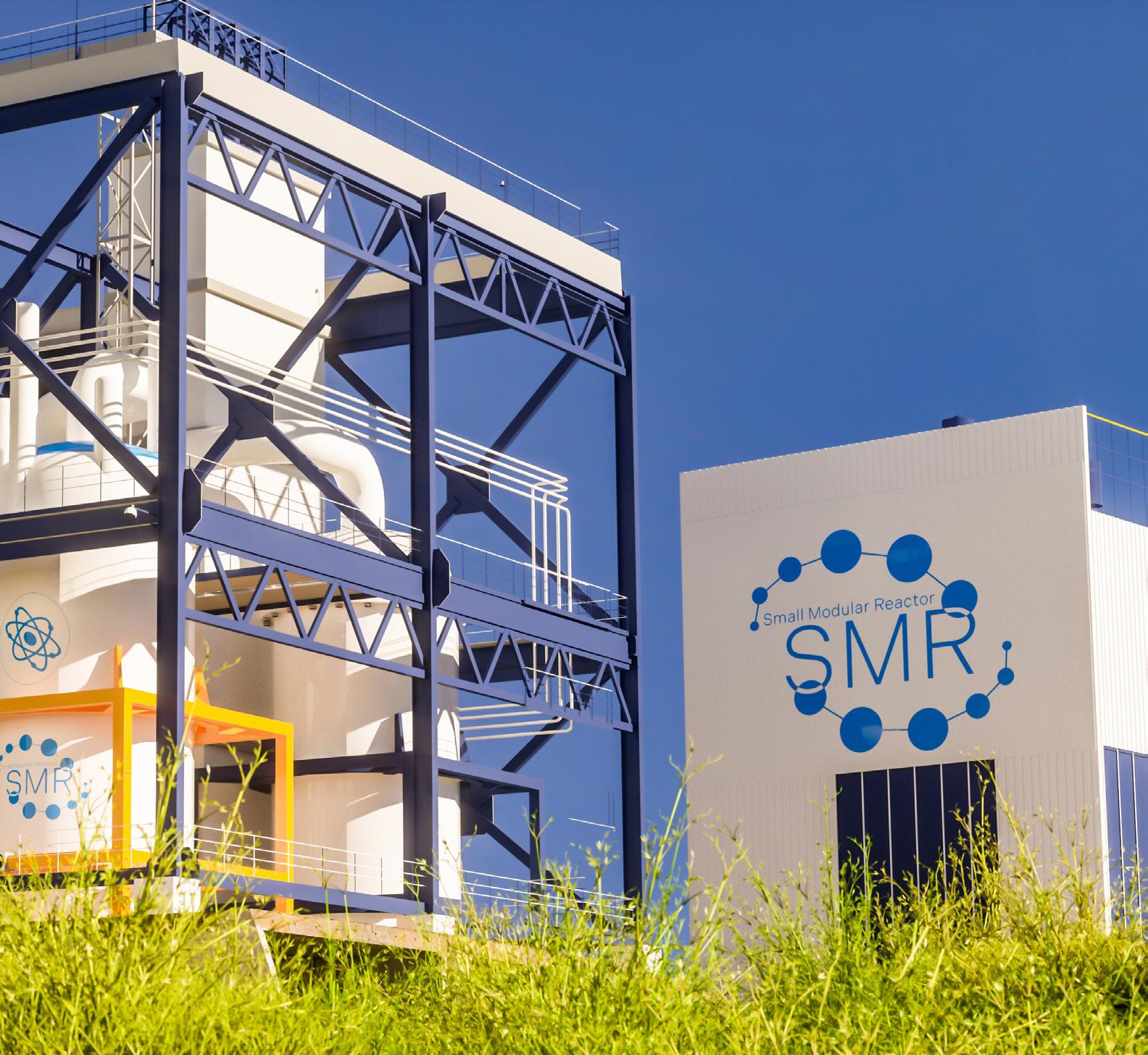
NINA IVARSEN
Human Resources is increasingly positioned as a strategic function with significant influence over how work is organized, developed and governed. In a knowledge based, global company such as DNV, modern HR trends have direct implications for employees’ working conditions, rights and long term employability. From a VEFF perspective, these developments must be assessed not only through a business lens, but also in light of the Norwegian labour law framework, in particular the Working Environment Act (arbeidsmiljøloven) and the Hovedavtalen.
A defining trend in modern HR is the widespread introduction of digital solutions, data analytics and artificial intelligence across the employee lifecycle. Recruitment tools, skills mapping, performance management and workforce planning are increasingly supported by algorithm based systems. While the Working Environment Act provides employers with a general right to manage and organize work, this managerial prerogative is explicitly limited by statutory requirements for employee involvement, predictability and protection of integrity.
The Act requires that employees and their representatives are informed and consulted on matters of significance for working conditions and organization of work, including the introduction of new control measures and digital systems affecting employees’ daily work.
From a VEFF standpoint, responsible HR digitalization presupposes early information, genuine consultation and transparency about purpose, data use and consequences for employees.
New technologies must be introduced in ways that strengthen, rather than undermine, trust and the psychosocial working environment.
The shift toward skills based organizations is another central HR trend with clear labour law relevance. As traditional job structures give way to more fluid roles and project based work, predictability and clarity become increasingly important. The Working Environment Act emphasizes the right to development, adaptation and meaningful work, and requires employers to organize work in a way that enables learning and competence development.
For VEFF, skills based approaches must therefore be accompanied by structured competence planning, equal access to development opportunities and transparent criteria for mobility, pay and career progression.
The Hovedavtalen reinforces this by establishing competence development and organizational change as subjects for cooperation between management and employee representatives. Skills agendas that are developed without employee involvement risk weakening both motivation and job security.
Employee experience, health and well being have become core priorities in modern HR. Flexible and hybrid work models are now an integral part of many organizations, creating new opportunities but also new challenges. The Working Environment Act places clear obligations on the employer to ensure a fully

safe and health promoting working environment, including psychosocial conditions such as workload, work life balance and social interaction.
Flexibility must therefore be framed within clear boundaries that safeguard rest, predictability and inclusion. VEFF emphasizes that new ways of working should be designed through dialogue and anchored in existing cooperation arenas, ensuring that flexibility does not result in extended availability requirements, isolation or unequal treatment among employee groups.
Leadership development and organizational change represent another area where modern HR trends intersect directly with statutory and contractual obligations. Periods of restructuring, digital transformation or strategic redirection trigger enhanced duties of information and consultation under the Working Environment Act, particularly
in larger organizations and groups. The Act requires that such processes are discussed with employee representatives at an early stage and with real opportunities for influence. The Hovedavtalen further clarifies that effective co-determination is a prerequisite for sustainable restructuring and organizational development. From a VEFF perspective, HR has a key responsibility to support leaders in fulfilling these obligations, ensuring that change processes are lawful, transparent and experienced as legitimate by employees.
Diversity, equity and inclusion increasingly form part of modern HR strategies and are closely linked to statutory protections against discrimination. The Working Environment Act and related legislation establish strong safeguards for equal treatment and require employers to actively promote an inclusive working environment. From VEFF’s standpoint, inclusion must be operationalized through concrete practices in recruitment, development and leadership, rather than remaining a policy aspiration. Employee representatives play an important role in identifying structural barriers, monitoring outcomes and contributing to solutions that align organizational values with legal responsibilities.
Finally, the evolving role of HR itself has implications for the relationship between management and employee representatives. As HR takes on a more strategic position, expectations for early involvement, high legal competence and respect for established cooperation structures increase. The Hovedavtalen is built on the principle that trust, predictability and real medbestemmelse strengthen both the organization and the employees. VEFF therefore views constructive cooperation with HR as essential for ensuring that modern HR trends are implemented within a framework of compliance, fairness and mutual respect.
In conclusion, modern HR trends can support innovation, flexibility and competitiveness, but only if they are firmly anchored in the legal and contractual foundations of the Norwegian model. From a VEFF perspective, the Working Environment Act and the Hovedavtalen are not obstacles to development, but safeguards that ensure change happens responsibly, sustainably and with employees as active participants. When HR strategies are shaped through dialogue and aligned with statutory and collective obligations, they contribute to both organizational resilience and a healthy, inclusive working life.
NINA IVARSEN
Leadership is changing. Not gradually, but fundamentally.
In today’s working life, shaped by global collaboration, digital tools and increasing complexity, leadership is no longer confined by geography. Many leaders in Norwegian organizations operate locally, while others lead Norwegian employees from offices abroad. This creates a new reality where leadership must function across both organizational and cultural borders at the same time.
This raises a central question: What does good leadership look like when the workforce is Norwegian, but the leader is not?
To answer that question, we must start with the Norwegian context. Leadership in Norway is not defined by hierarchy or formal authority, but by trust, equality and shared responsibility. Employees expect to be involved in decisions that affect their work, and managers are expected to facilitate rather than instruct. In many organizations, decisions are shaped through dialogue and consensus, and the best argument often matters more than the highest title.
This reflects a broader Nordic leadership tradition, where trust is not simply a value, but a central management principle. Leaders empower employees by
giving them autonomy and responsibility, creating a working environment where people are expected to contribute actively and take ownership. The distance between leaders and employees is typically short, both formally and in everyday interaction, and legitimacy as a leader is earned through openness, competence and the ability to engage others.
At the same time, global leadership trends are moving in a similar direction. Across industries, there is a clear shift from control to trust, from hierarchy to collaboration, and from instruction to involvement. Modern leadership is increasingly about enabling others rather than directing them. In that sense, Norwegian working life is not an exception, but rather an early example of where leadership is heading.
The challenge emerges when leadership crosses borders. Leaders who are based outside Norway often bring with them different expectations about what leadership should look like. In more hierarchical systems, leadership is often associated with clear authority, strong direction and structured decision-making from the top. When these approaches are applied without adaptation in a Norwegian context, they can create distance rather than clarity.
Norwegian employees expect leadership to be accessible, transparent and inclusive. They are used to speaking openly in meetings, contributing to decisions and working with a high degree of inde-
pendence. When these expectations are not met, it can affect both engagement and trust. The issue is rarely competence, but rather alignment between leadership behaviour and cultural expectations.
Distance adds another layer of complexity. As organizations increasingly rely on remote and hybrid collaboration, leadership often takes place through digital channels rather than physical presence. This requires a more deliberate and conscious approach to leadership. Building trust without meeting face-to-face, ensuring that all voices are heard in virtual settings, and creating a sense of inclusion across locations all become critical leadership tasks.
Research on global leadership highlights that cultural understanding is essential in such environments. Leadership behaviours are interpreted differently depending on context, and effective leaders are those who are able to adapt their approach to the expectations of their teams. In practice, this means recognizing that participation is not a formality in Norway, but a fundamental part of how decisions are made, and that direct communication must be combined with respect and modesty.
Leaders often face a real dilemma. Involving employees takes time, and consensus-based processes can be experienced as slow compared to more directive approaches. However, this involvement also creates stronger ownership, better decisions and higher levels of
commitment over time. The challenge is therefore not to choose between efficiency and inclusion, but to find a balance where both are maintained.
Ultimately, modern leadership in a Norwegian context is less about directing people and more about working with them. It is a partnership where employees contribute with competence and responsibility, while leaders provide direction, priorities and clarity. Dialogue replaces one-way communication, and trust replaces control as the primary mechanism for performance.
There is no universal leadership model that fits all contexts. But there is one common requirement: leaders must understand the environment in which they operate. For those leading Norwegian employees, whether from Høvik or from abroad, this means building trust early, involving employees before decisions are made, communicating openly, and respecting the autonomy that employees expect.
Høvik, 9 April 2026
It was a pleasure to welcome representatives of the Global Employee Forum to Høvik on 9 April 2026. The meeting was held in accordance with the framework for information and consultation, focusing on matters of cross border relevance involving at least two countries at regional or global level. The objective of the meeting was to enhance employees’ understanding of global and regional processes, strengthen engagement and commitment, and provide DNV management with employee perspectives relevant to these processes.
The meeting opened with an overview of the results of DNV’s 2025 Diversity, Equity, Inclusion and Belonging (DEIB) Survey, presented by Magna Kristine Sørum Saure, Group Global Lead for DEIB. The survey was positioned as a tool for evidence based organisational improvement rather than a stand alone communication activity. It was noted that while many organisations are reducing the visible use of the term “DEI”, the underlying work continues under related concepts such as inclusion, belonging, fairness, and people and culture. Particular attention was given to DNV’s establishment of a dedicated Council for Disability and Neuroinclusion, reflecting a more targeted and structural approach to inclusion. The presentation highlighted the strategic importance of inclusive culture, leadership and social sustainability as integral elements of DNV’s long term business priorities.
Juan Carlos Arévalo, Executive Vice President, Green Power Monitoring & Solutions and ELT member in DNV Energy Systems, presented an update from the Digital Powerhouse. The presentation outlined how digital solutions supporting renewable energy assets such as solar, wind and storage are organised within Energy Systems.
It was explained that digital solutions have been consolidated under Energy Systems, reflecting DNV’s ambition to strengthen its digital capabilities in support of the global energy transition.
The forum then received a financial and business update for the first quarter of 2026, presented by Hui Feng, Head of Group Performance Management. The update covered overall group performance and provided context for ongoing strategic and operational priorities.
An update from the Life Sciences business area was provided by Geir Fuglerud, CEO Life Sciences and member of DNV’s Executive Committee. The presentation described Life Sciences as a dedicated global business area established under Strategy 2030, with the ambition to become a leading and trusted assurance partner within health
and life related sectors. The forum was informed of organizational changes and focus aligned with the strategy, including the establishment of global verticals within aquaculture and ocean health, healthcare, and medical technologies. The role of Life Sciences in preserving health, enhancing patient safety, protecting aquatic ecosystems, and enabling customers to navigate complex regulatory environments was emphasised.
Anne-Lise Mala Fredriksen presented personnel security, outlining risks related to employees, contractors, consultants, and third-party staff across all stages of employment. The focus was on measures to prevent insider threats and ensure secure access to sensitive assets, systems, and information, in compliance with legal and regulatory requirements.
Emergency preparedness and crisis man-
agement were presented by Fenna van de Merwe, Head of People Safety and Resilience. The forum received an overview of DNV’s emergency preparedness framework, governed through the management system document DMSG 19 P1 Emergency Preparedness and Crisis Management. It was underlined that all DNV locations are required to maintain up to date emergency preparedness plans addressing foreseeable emergency situations, with clear roles, responsibilities, and communication lines to ensure effective crisis management and business continuity.
The meeting concluded with an update on the implementation of Strategy 2030, presented by Klas M. Bendrik, member of the Executive Committee and Chief Digital and Development Officer. The strategy, launched in November 2025 for the period 2026–2030, is built around
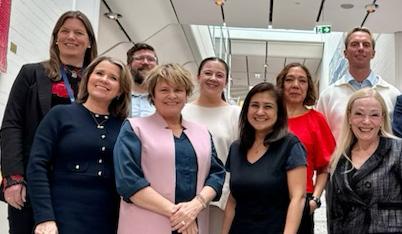
the overarching ambition of advancing trust in a world in transition through people driven by purpose. This was followed by a people update presented by Gro Gotteberg, Chief People Officer and member of the Executive Committee. The update highlighted the People pillar as a core strategic focus in 2026, setting out ambitions related to engagement, inclusion, leadership, learning, and organisational resilience for the new strategy period.
The meeting provided a comprehensive overview of key strategic, organisational and people related developments of relevance across borders and concluded with a shared understanding of the importance of continued dialogue between employee representatives and management at global level.
NINA IVARSEN
Loneliness at work is rarely visible, yet it is one of the most underestimated challenges in modern working life. Surrounded by colleagues, meetings, and digital communication, employees can still experience a profound sense of isolation.
Workplace loneliness is not about being alone in a physical sense, but about lacking meaningful connection, recognition, and a sense of belonging. For those affected, the experience can be deeply personal, yet its consequences are undeniably collective.
In today’s working environment, structural changes such as hybrid work, flexible arrangements, and constant digital interaction have reshaped how we relate to one another. While these developments have brought efficiency and autonomy, they have also reduced informal contact and spontaneous interaction. For some employees, particularly those who are new, working remotely, in minority positions, or
experiencing organizational change, this can lead to feeling unseen, unheard, or disconnected from the community at work.
Loneliness in the workplace often develops quietly. It may begin with being excluded from informal conversations, lacking a trusted colleague to speak openly with, or feeling that one’s contributions are overlooked. Over time, this sense of distance can erode confidence and engagement.
Employees who feel lonely may hesitate to ask for support, share concerns, or voice ideas, not because they lack competence, but because they no longer feel safe or included enough to do so.
The cost of workplace loneliness is significant. Research and experience alike show that prolonged isolation can affect mental health, increase stress, and reduce motivation and performance. For the organization, this translates into decreased collaboration, higher turnover, and weaker collective

resilience. For the individual, it can mean carrying an emotional burden every working day, often without knowing where to turn.
From a VEFF perspective, loneliness at work must be understood as a core psychosocial work environment issue, closely linked to dignity, integrity, and well being. A sound working environment is not only about physical safety or formal structures, but about human connection.
The Working Environment Act already emphasizes that work should be organized to ensure contact and communication with others. This principle is not symbolic; it reflects a recognition that social belonging is fundamental to health, motivation, and sustainable working life.
Combating loneliness at work requires more than good intentions. It requires awareness, leadership, and shared responsibility. Leaders play a crucial role in creating inclusive arenas where all voices are welcomed and followed up. Colleagues also matter greatly; small gestures of inclusion, interest, and respect can make a decisive difference. Equally important is an organizational culture that encourages openness about psychosocial challenges, without stigma or fear of being perceived as weak.
For unions and employee representatives, addressing workplace loneliness is
an essential part of safeguarding the collective working environment. It means raising the issue in dialogue with management, ensuring that organizational changes are assessed from a psychosocial perspective, and advocating for structures that promote interaction, inclusion, and support.
Loneliness should never be treated as an individual failure, but as a shared challenge that the workplace must acknowledge and address together.
No one should feel alone at work. A workplace where people feel connected, valued, and included is not only healthier, but stronger. By taking loneliness seriously, we reinforce the very foundation of trust, solidarity, and dignity that working life depends on and that VEFF stands for.
ELLEN MARGRETHE PIHL KONSTAD

Norway’s sick pay scheme is widely regarded as one of the most generous in the world, reflecting a strong commitment to employee welfare and social trust.
The Norwegian sick pay scheme plays a central role in ensuring financial security for employees during periods of illness. Unlike many other countries, Norway provides full wage compensation for sick leave, covering up to 100 percent of an employee’s salary for up to 52 weeks. Absence due to sickness often is much debated, and international comparisons are complex due to Norway’s combination of high workforce participation and a long benefit period.
The system is rooted in the Norwegian working life model, based on cooperation between the state, employers, and employees. Employers cover the initial period of absence and facilitate workplace adjustments, if possible, while the state ensures continued income.
We as employees, are expected to actively participate in follow-up`s and cooperate with line manager
for a good return-to-work processes.
A close follow-up and dialogue between managers and employees, are helping to facilitate a safe and timely return to work. In addition, it reinforces the importance of workplace health initiatives and preventive measures.
This balance of rights and responsibilities is key to maintaining trust and sustainability.
The Norwegian model highlights the importance of adapting work tasks when possible, allowing employees to remain partially active even during illness. A central feature is this flexibility. Graded sick leave allows employees to remain partially active, either by working reduced hours with fewer responsibili-
ties or by completing tasks at a slower pace. This approach supports a gradual return to full capacity, helping to maintain engagement and prevent long-term absence.
Although the system is sometimes criticised for its cost, strong workplace culture, clear expectations and close dialogue between managers and employees help limit misuse.
The Norwegian model demonstrates how trust-based systems can support both employee well-being and organisational stability.

DNV Norway: 2,8%
The whole of Norway 6,57%
Occupational health services can provide valuable support during sick leave and have a good overview of the workplace adjustments available to us at DNV.
For example:
• Working more from home
• Transport of PC/equipment to the home office
• Access to a rest rooms (Hvilerom)
• Adjusted working hours outside core hours
• A dedicated desk / office for a period
Vi setter stor pris på både nye og eksisterende medlemmer i Parat. Nå lanserer vi en sommerkampanje – og håper du vil være med og styrke fellesskapet vårt.
For hvert nye yrkesaktive medlem du verver, får du et gavekort på 500 kroner. Jo flere du verver, jo flere gavekort får du!
Husk, den du verver må føre opp navnet ditt på innmeldingsskjemaet www.parat.com Innmeldingssiden finner du her. www.parat.com/ medlemsfordeler/det-foles-godt-a-vaere-parat/140233
Bli medlem og få 2 måneders gratis medlemskap og halv pris på innboforsikring i Gjensidige
Alle nyinnmeldte medlemmer får velge seg en velkomstgave blant fire kvalitetsprodukter:
28-liters Helly Hansen-sekk – vanntett og romslig
Oransje Ticket to the Moon-hengekøye – superlett og perfekt til sommeren
Praktisk portabel Bluetooth-høyttaler fra JBL
Sort pass- og bagasjetag-sett – ideelt for den reiseglade
Kampanjen varer til og med 18. juni – så tips en kollega i dag!
Sammen blir vi flere, sterkere og får enda større gjennomslagskraft.
What is VEFF:
www.veff.no
As a member of YS and Parat, you will get access to many membership benefits.
What is Parat:
This is Parat
• Membership benefits YS
• Membership benefits Parat
As a member of Parat, you have access to many membership benefits. As a member, you also receive two hours free legal assistance in private cases every year.
If you recruit a new member, the new member will get 2 months free membership, half price on housing insurance for a year, and you will get a gift card with the value with the value of 500 NOK.
is Parat