
Understanding Mudroom Cabinet Planning for
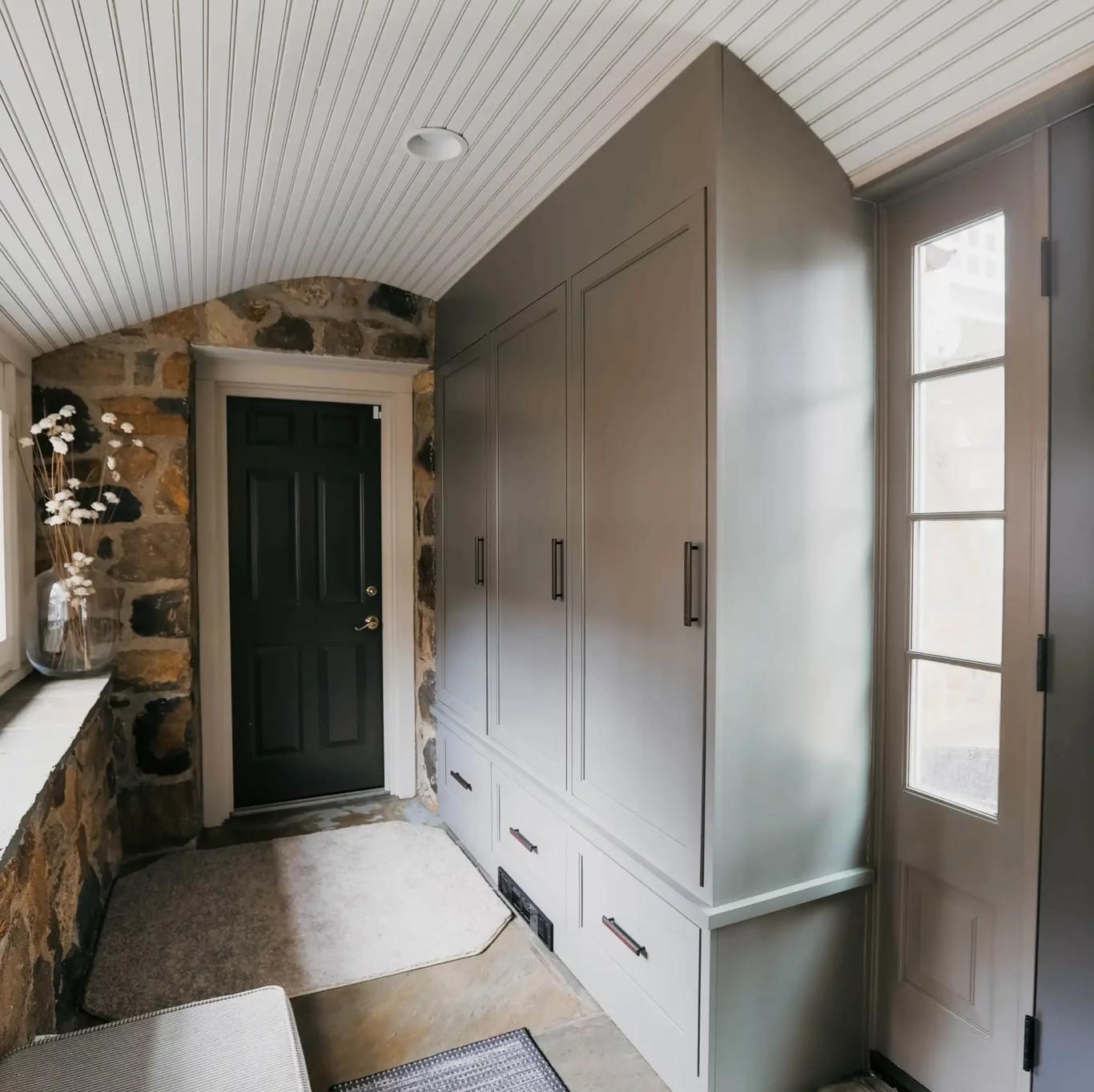
Homes Mudroom cabinets are used to organize items that enter and exit the home on a daily basis. Homes with active households often need a dedicated transition space to manage footwear, outerwear, and everyday essentials. Companies such as VC Woodworks operate in this category by creating mudroom cabinets designed for residential use, reflecting how these solutions function in real home environments.



• Supports organization at home entry points
• Manages daily-use items in one location
• Helps maintain cleanliness in living areas

Why Mudroom Cabinets Are
Relevant
Entry areas often experience high traffic and clutter. Without proper storage, items like shoes, bags, and coats can spread throughout the home. Mudroom cabinets exist to create structure and order in these frequently used spaces.
• Entry points are high-traffic areas
• Daily items require accessible storage
• Organized transitions reduce household clutter
What Mudroom Cabinets
Are
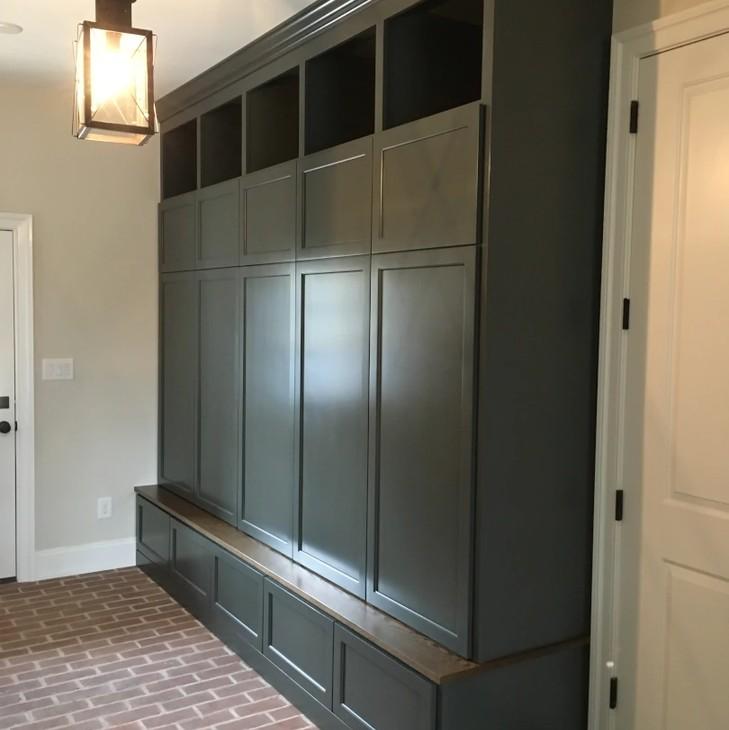
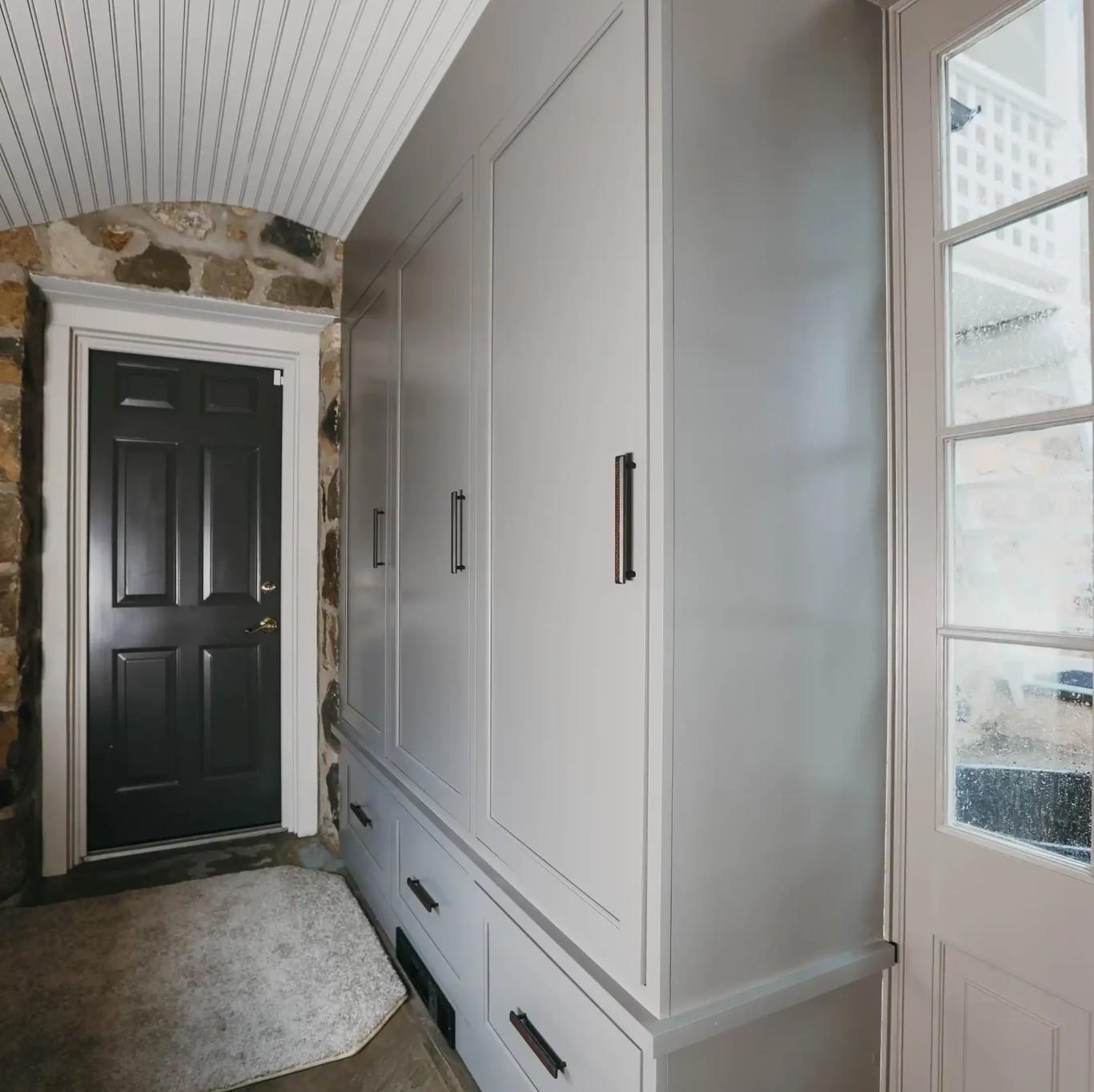
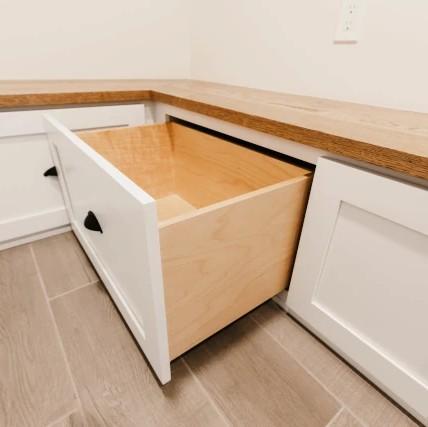
Mudroom cabinets are storage units designed specifically for entryway or transition spaces. They are built to accommodate common household items while fitting the available space. Cabinetry designs often consider durability and ease of use.
• Designed for entry and transition areas
• Built to fit specific home layouts
• Focused on durability and accessibility
How Mudroom Cabinets Are Typically
Used
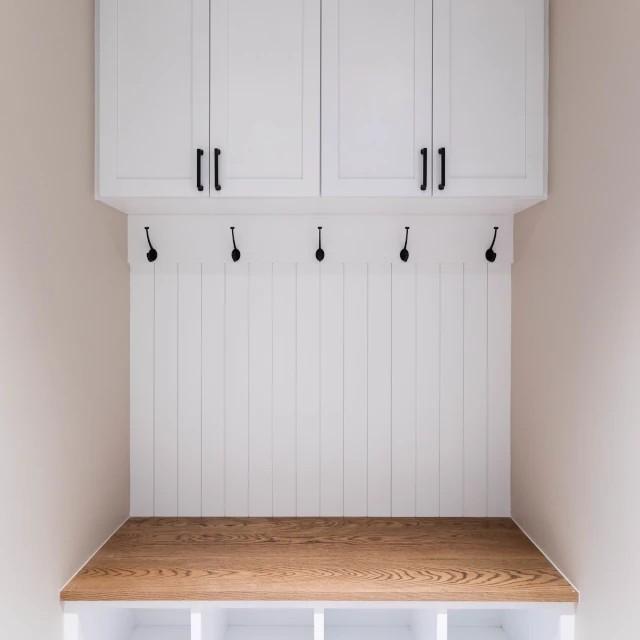
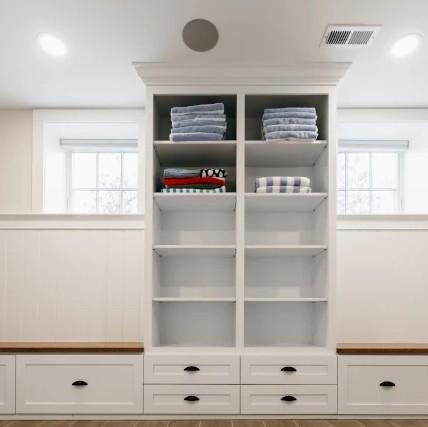
Mudroom cabinets are commonly used to store shoes, coats, backpacks, and seasonal items. They may include a combination of cabinets, cubbies, benches, and hooks. Usage depends on household routines and space availability.
• Storage for footwear and outerwear
• Combines open and closed storage options
• Used in single-family and multi-level homes
Conclusion
Mudroom cabinets support organization and functionality at key transition points within the home. Their role is to manage everyday items efficiently and maintain order. Understanding mudroom cabinets helps place them within the broader context of residential storage planning.
• Improves entryway organization
• Supports daily household routines
• Part of a larger home storage system