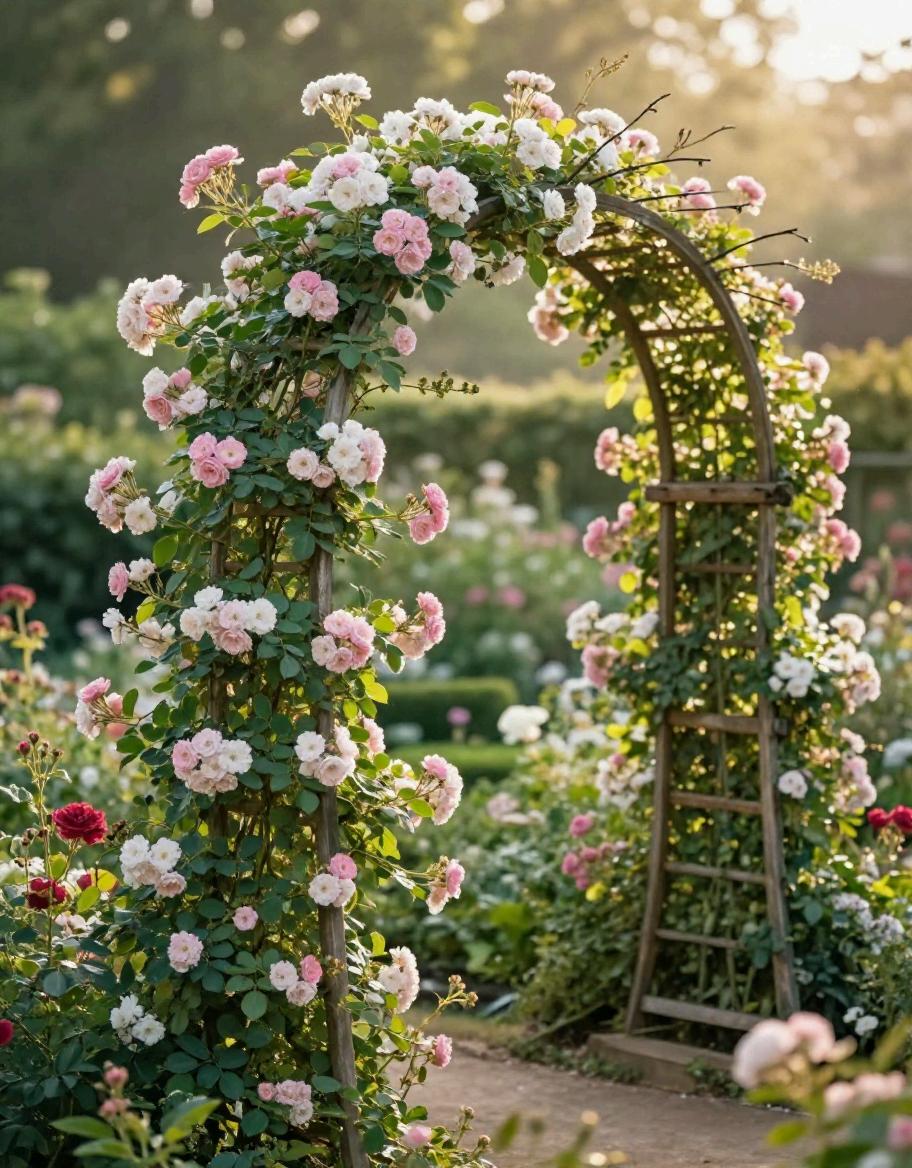
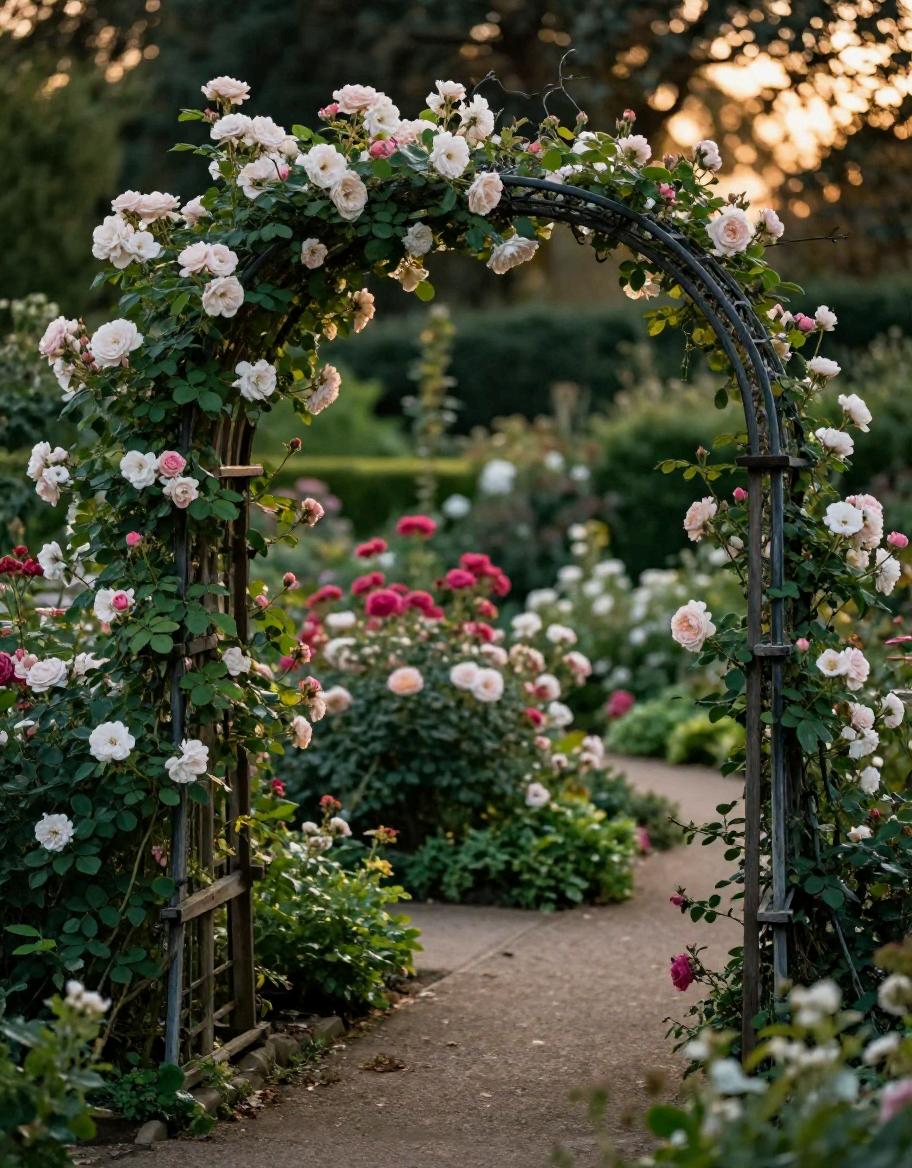
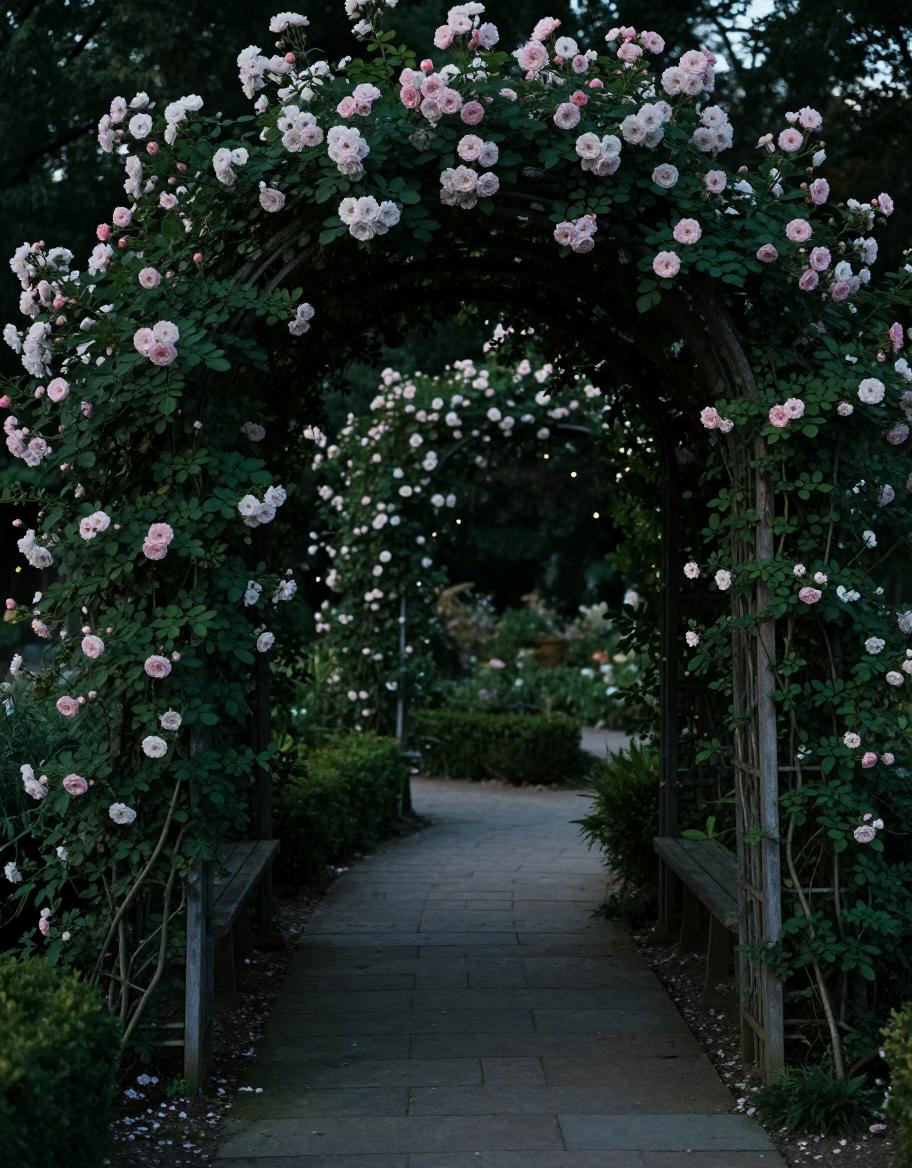
Many thanks to all who support this journey May we find joy, culture, and camaraderie in the pages that follow and may this work continue to bring us together in purpose and spirit
With gratitude and hope
Monica B Morrison Founding Editor & Creative Curator
U t a h H o m e s J o u r n a l
Utah Homes Journal is a gathering place, a space where the architecture of the desert and mountains meets stories of the heart.
Here, we celebrate people, the sanctuary of home, and the unique lifestyle of American West in equal measure.
Within these pages, you will find the pulse of this remarkable corner of the world. We look inside the beautiful spaces we build and the local creators who design them. We share timeless traditions passed down through generations, and explore how the majestic red rock landscapes don't just surround our homesthey shape how we live inside them.
This publication is dedicated to the people who chose this place, or were born into it, and have built their lives here.
Utah has always been a place that beckons us home. This magazine exists to honor that spirit - and to help you discover or rediscover the wonder of living here.
C O V E R
Few animals have shaped human history as profoundly as the horse Their intelligence, athleticism, and unique bond with people have made them trusted companions for centuries.
On the Cover:
With remarkable strength and grace, the horse has long been woven into the story of the American West.
Photo: RuslanSikunov
The Homes That Built Utah
A Look at the Architectural Styles That Shaped the Beehive State
Long before modern subdivisions and open-concept floor plans, Utah's earliest settlers built homes designed for family, community, and the challenges of the Western landscape. Today, many of those styles continue to influence the homes we live in and admire.
Pioneer Homes: Built for Strength and Simplicity
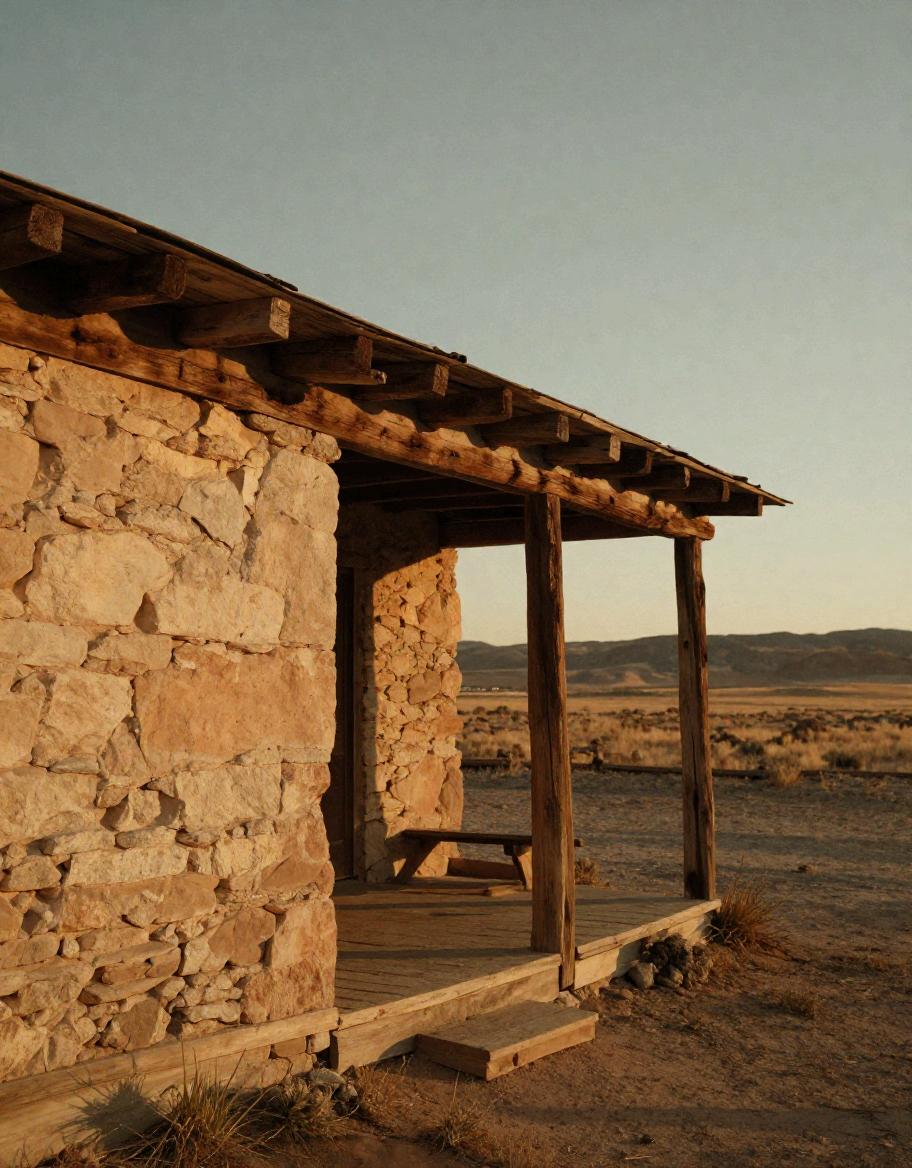
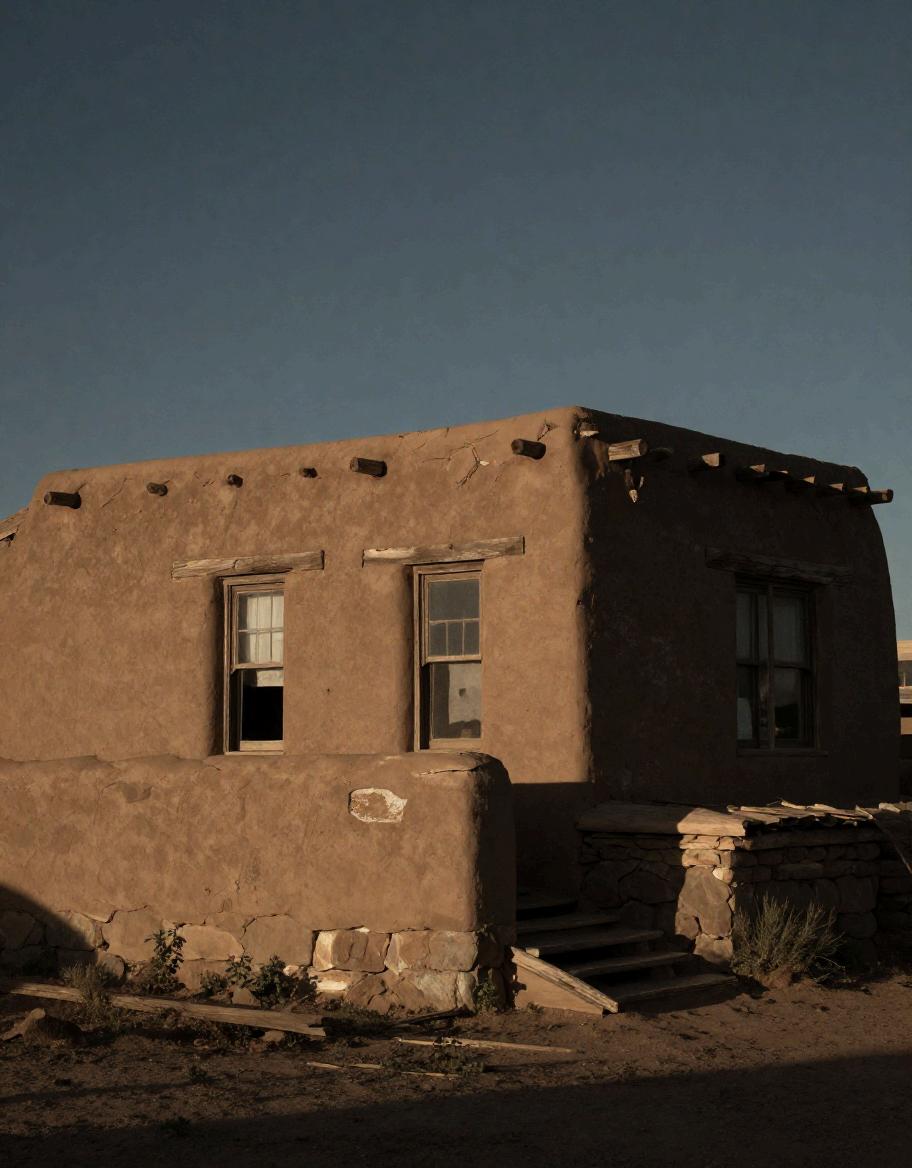
In the mid-1800s, Utah pioneers constructed modest homes from adobe, sandstone, and locally harvested timber. Thick walls provided insulation from harsh winters and hot summers, while simple layouts reflected practicality and resourcefulness.
Victorian Influence Arrives
As communities prospered in the late nineteenth century, Victorian architecture brought decorative details, steep roofs, and wraparound porches to many Utah towns. These homes remain treasured landmarks in communities throughout the state.
Bungalows and Craftsman Homes
During the early 1900s, Craftsman-style homes became popular for their welcoming front porches, natural materials, and efficient floor plans.
Many neighborhoods in Salt Lake City, Ogden, and smaller communities still feature these timeless designs.
Following World War II, ranch-style homes transformed Utah neighborhoods. Their single-level layouts, attached garages, and familycentered designs reflected the rapid growth occurring across the state.
These practical homes offered affordable living for growing families and became the foundation of many communities we know today.
Today's Utah Homes
Modern Utah homes blend traditional influences with contemporary features, incorporating open spaces, energy efficiency, and outdoor living areas inspired by the state's spectacular landscapes.
Many of those styles continue to influence the homes we live in and admire.
Did You Know?
Early Utah homes were often constructed with locally made adobe bricks.
Craftsman homes became especially popular between 1905 and 1930.
Ranch-style homes dominated many Utah neighborhoods after the 1950s.
Utah's historic districts preserve hundreds of homes that tell the story of the state's growth and heritage.
There is a distinct beauty that the desert only grants to those that stay. Out here, under the relentless rays of the Utah sun, aging is not an act of fading away, but an act of sculpting. The elements do not erase character, they carve it deep into the skin of the landscape.
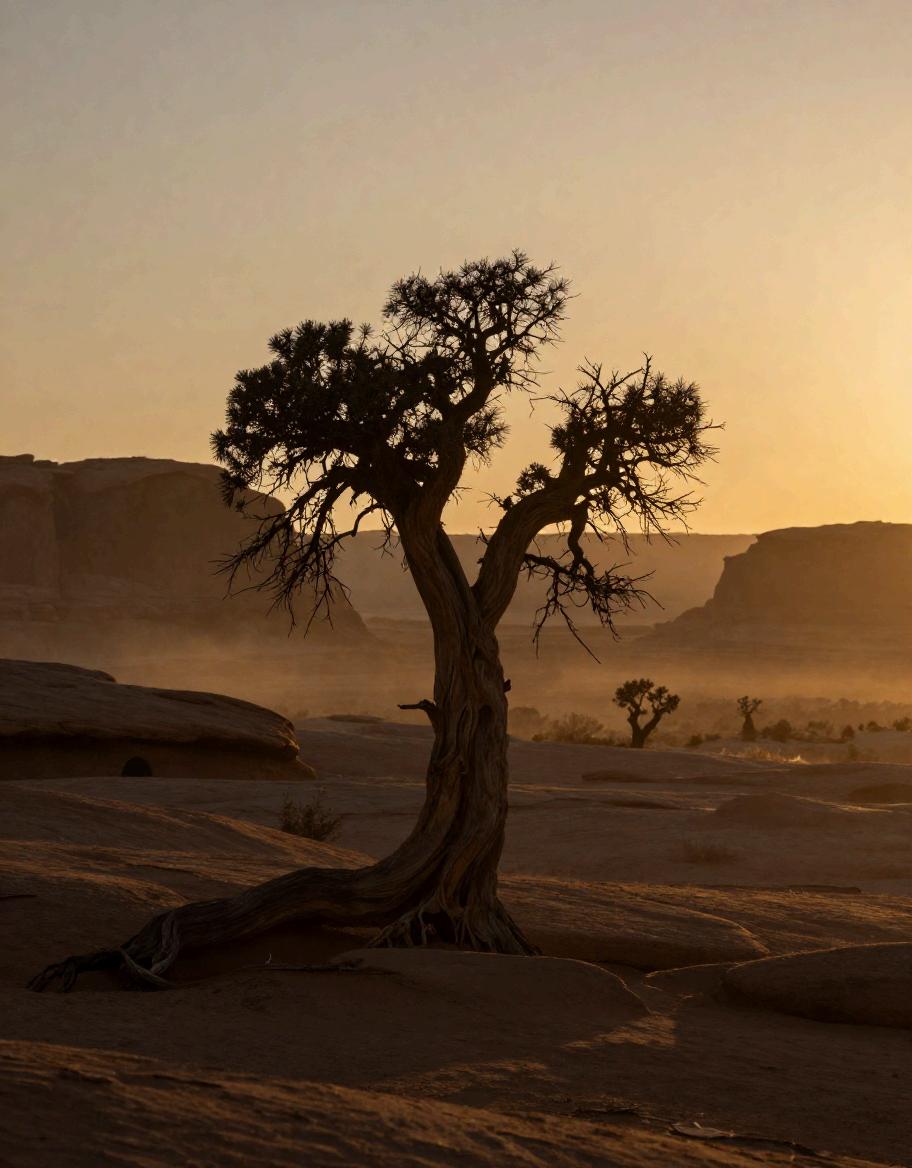
Consider the Utah Juniper. It does not grow tall or straight to chase the clouds. Instead, it anchors its roots into solid sandstone, and turns its wood into iron. It loses branches to the drought, lets its bark strip away to a beautiful, weathered silver, and keeps living for a thousand years on nothing but grit and morning dew. The Utah Juniper reminds us that to endure is to become art.
In a world obsessed with the temporary, the desert honors the ancient. Whether it is the rings of an old cedar, the deep lines on the face of a local mountain, or the heavy timber beams of a homestead that has watched a century of solstices there is a profound, quiet magic in growing old exactly where you stand.
The Geometry of Light
The desert sun not only illuminates Southern Utah; it designs it. Over millions of years, the light has baked the iron rich sandstone into brilliant oranges, cast deep purple shadows into the canyons, and dictated the rhythm of every living thing. It is the ultimate architect.
Long before the invention of modern heating gridsm and air conditioning, humanity understood a fundamental truth: a house must converse with the compass.
To our ancestors, how a home faced the horizon was a matter of survival, comfort, and high art. They treated the four cardinal directions like living forces. The North was the shield, a place for heavy stone walls to block the biting winter winds.
The East was the awakening, welcoming the soft, immediate warmth of dawn into bedrooms and kitchens.
The West was the fierce, dramatic finale of the day, requiring deep shade trees or thick porch eaves to tame the blistering afternoon heat.
And The South? The south was the holy grail of architecture.
Think of Thomas Jefferson, one of America's first and finest self-taught architects. When he designed his legendary estate, Monticello, he didn't just place it randomly on his "little mountain" for the view. He was deeply obsessed with applied science and meteorology. Jefferson carefully calculated the trajectory of the sun, aligning his most-frequented living spaces, tall windows, and sweeping porticos toward the south. He knew that by mastering the angles, his home would naturally capture the low, gentle rays of the winter sun for free warmth, while the high, harsh summer sun would bounce harmlessly off his deep roof profiles.
When we build and choose modern homes in Utah today, we are resurrecting this lost wisdom.
True luxury isn't just about square footage; it is about placement. The geometry of light is found in the deliberate angle of a modern roof overhang that shields a room from the July heat, only to let the soft, golden glow of the winter solstice slide effortlessly across the concrete floorboards. In a well-designed desert home, the walls become a living canvas for the sun, changing the mood of your home hour by hour, season by season. To live here is to live in rhythm with the sky.
The Cardinal Directions of Design
North: The shield against biting winter winds.
NE W
East: Where the dawn awakens. West: The dramatic finale of the day.
SSouth: The holy grail of architecture.
Utah Homes Journal | Vol. 1, No. 2 | Summer Solstice 2026 A house must converse with the compass.
R e d D e s e r t C h
INGREDIENTS:
TheBase:
2 lbs ground beef (or ground turkey for a lighter version)
1 large yellow onion, diced
4 cloves garlic, minced
2 tablespoons olive oil
TheSauce: 1 can (28 oz) crushed tomatoes
1 can (15 oz) tomato sauce
1 cup beef broth (or water)
TheBeans:
1 can (15 oz) kidney beans, drained and rinsed
1 can (15 oz) pinto beans, drained and rinsed
1 can (15 oz) black beans, drained and rinsed
i l i
TheSpices(TheRedDesert Magic):
3 tablespoons chili powder
1 tablespoon ground cumin
1 teaspoon smoked paprika
1 teaspoon dried oregano
½ teaspoon cayenne pepper (optional for heat)
1 teaspoon salt
½ teaspoon black pepper
1 tablespoon honey (balances the heat)
OptionalToppings:
Shredded cheddar cheese
Sour cream
Fresh cilantro
Diced avocado
Crushed tortilla chips
Lime wedges
R e d D e s e r t C h
RedDesert ChiliRecipe
SERVES: 6-8
PREP TIME: 15 minutes
COOK TIME: 45 minutes
TOTAL TIME: 1 hour
INSTRUCTIONS:
1.BrowntheMeat
Heat olive oil in a large pot or Dutch oven over medium-high heat. Add the ground beef and cook until browned, breaking it up with a wooden spoon (about 6-8 minutes). Drain excess fat if needed.
2.BuildtheFlavorBase
Add the diced onion to the pot and cook until softened (about 5 minutes). Stir in the minced garlic and cook for another minute until fragrant.
3.AddtheSpices
i l i
Sprinkle in the chili powder, cumin, smoked paprika, oregano, cayenne (if using), salt, and pepper. Stir well to coat the meat and onions. Let the spices toast for 1-2 minutes to release their flavors.
4.PourintheTomatoes&Broth
Add the crushed tomatoes, tomato sauce, and beef broth. Stir to combine. Bring to a simmer.
5.AddtheBeans&Honey
Stir in all three types of beans and the honey. Reduce heat to low, cover, and let it simmer for 30-40 minutes, stirring occasionally. The longer it simmers, the deeper the flavors.
6.Taste&Adjust
Taste and add more salt, chili powder, or honey as needed. If it's too thick, add a splash of water or broth. If it's too thin, let it simmer uncovered for a few more minutes.
7.Serve&Enjoy
Ladle into bowls and top with your favorite fixings cheese, sour cream, cilantro, avocado, or crushed tortilla chips. Serve with warm cornbread or tortillas on the side.
FEATURE STORY
Outdoor Living in Utah
Creating Spaces That Bring Family and Friends Together
One of the greatest advantages of living in Utah is the opportunity to enjoy the outdoors nearly year-round. From mountain communities in the north to the red rock landscapes of Southern Utah, homeowners are embracing outdoor spaces as natural extensions of their homes.
Today's patios and backyards are more than places to sit - they've become gathering spaces where memories are made. Comfortable seating, fire pits, pergolas, and outdoor dining areas allow families and friends to enjoy Utah's beautiful scenery while spending time together.
Bringing the Indoors Outside
Homeowners are creating inviting spaces with weather-resistant furniture, decorative lighting, and natural materials that complement Utah's surroundings. Whether large or small, outdoor areas can provide a peaceful retreat for relaxing after a busy day.
From string lights draped across a pergola to the soft glow of lanterns along a garden path, the details transform a simple patio into an inviting sanctuary that draws people outside evening after evening.
Landscaping with Utah in Mind
Because water conservation is important throughout the state, many homeowners are choosing drought-tolerant plants and low-maintenance landscaping. Native plants, decorative rock, and efficient irrigation systems help create beautiful yards while preserving precious resources.
The result is a landscape that feels both intentional and effortless — gardens that honor the natural beauty of the region while requiring less water and maintenance than traditional lawns.
Spaces for Every Season
Outdoor living isn't limited to summer. Fire features, covered patios, and cozy seating areas allow families to enjoy crisp autumn evenings and mild winter days. In Utah, outdoor spaces can be enjoyed throughout much of the year.
A Place to Gather
At its heart, outdoor living is about creating spaces that encourage connection. Whether hosting neighbors for a barbecue, enjoying a quiet morning coffee, or watching the sunset with family, these outdoor spaces remind us that home extends beyond four walls.
"The best rooms in the house may be the ones without walls."
Outdoor Living Tips
1. Add soft lighting for evening gatherings.
2. Choose plants suited to Utah's climate.
3. Create shaded areas for summer comfort.
4. Incorporate natural stone and wood elements.
5. Design spaces that encourage family and community.
Sometimes a few small changes can give a home an entirely new feel.
Rooted in Hope
A Journal Inspired by Land, Legacy, and Light
Utah Homes Journal is part of our editorial collection, a series devoted to exploring the diverse beauty of Utah's homes and the landscapes that shape them With a focus on architecture, design, and the art of dwelling we aim to illuminate the craftsmanship, heritage, and quiet elegance of living in this remarkable state.
Through these pages, we celebrate not only the design of the home but the enduring relationship between people and place We invite all who dwell here newcomers and lifelong residents alike to discover the profound beauty and living stories that make Utah's homes truly unique.
Our mission is to create space for reflection and inspiration, inviting readers to engage deeply with the homes and communities that define Utah Rooted in the wisdom of those who built here before us, we are committed to perspectives that honor the state's architectural and cultural heritage timeless, interwoven, and sacred
From the red rock landscapes of Southern Utah to the cool mountain tones found throughout the state, this season's home design trends are inspired by nature. Soft, earthy colors continue to bring warmth and comfort into living spaces while creating a timeless look.
Trending Colors for Summer
Sage
Green
A calming color that pairs beautifully with wood tones and natural textures.
Soft Blue
Inspired by Utah's wide-open skies, gentle blues add freshness and tranquility.
Warm
Sand
Neutral shades create a light, welcoming atmosphere and complement almost any style.
Terracotta
Rich clay tones reflect the beauty of the desert and add warmth to modern interiors.
Simple Ways to Refresh a Room
+ Add decorative pillows or throws in seasonal colors.
+ Incorporate natural materials such as woven baskets and wood accents.
+ Bring the outdoors inside with plants and fresh greenery.
+ Use artwork and accessories to introduce color without a major renovation.
Sometimes a few small changes can give a home an entirely new feel.
GARDEN & OUTDOOR LIVING
Five Low-Water Plants
That Thrive in Utah
Creating a beautiful landscape doesn't have to require excessive watering. These hardy plants provide color, texture, and seasonal interest while adapting well to Utah's climate.
1. Lavender
Known for its fragrance and purple blooms, lavender attracts pollinators and thrives in sunny locations.
2. Russian Sage
With silvery foliage and delicate purple flowers, this drought-tolerant favorite adds texture and movement to the landscape.
3. Penstemon
A native favorite, penstemon produces colorful blooms that attract hummingbirds and butterflies.
4. Yarrow
Easy to grow and available in several colors, yarrow performs well in dry conditions.
5. Black-Eyed Susan
These cheerful yellow flowers provide long-lasting color throughout the growing season.
Gardening Tip
Grouping plants with similar water needs can help conserve water while keeping landscapes healthy and beautiful.