10 Career How should vascular surgeons think about retirement?
SVS FOUNDATION TRAVEL GRANT TO SUPPORT EARLY-CAREER FEMALE VASCULAR SURGEONS
By Maria Gifford
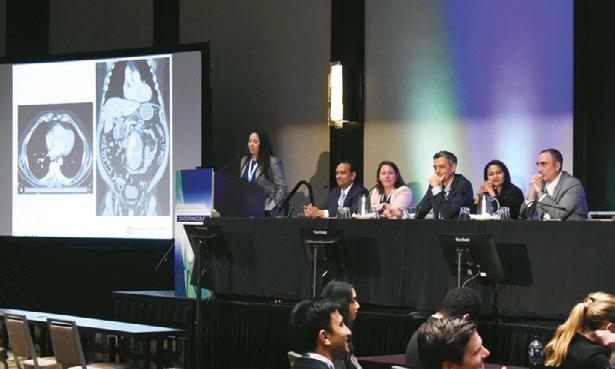
Early peripheral vascular intervention (PVI) for claudication is associated with higher rates of progression to chronic limbthreatening ischemia (CLTI) and major adverse limb events (MALE) compared with conservative medical management, according to data presented at the 2026 annual winter meeting of the Vascular and Endovascular Surgery Society (VESS) in Olympic Valley, California (Feb. 2-8).
The study analyzed 100% fee-for-service Medicare data to compare outcomes among patients with claudication who underwent early intervention versus those managed initially with conservative therapy. Investigators focused on the risk of conversion to CLTI and MALE, including reintervention, major amputation and need for open bypass.
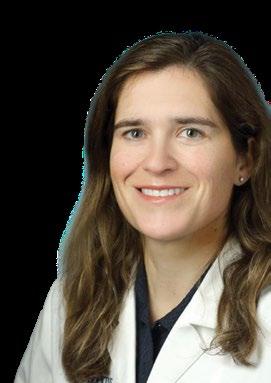
“What makes this study unique is that we used a target trial emulation methodology,” said Caitlin Hicks, MD, associate professor of surgery at Johns Hopkins Medicine and senior author on the study. “There’s a lot of selection bias that goes into which patients may or may not receive interventions, especially when using big data without a lot of granularity. Target trial emulation is supposed to emulate a randomized controlled trial.”
Using a technique known as clone censor weighting, patients were statistically assigned to each treatment pathway. This allowed investigators to estimate the probability of outcomes under different management strategies. “You can’t get rid of all bias,” said Hicks. “But this methodology is supposed to minimize the bias to the full extent possible and allowable by the data.” See page 3
WOMEN MAKE UP ONLY 16% of the vascular surgery workforce, yet female vascular surgeons are 2.05 times more likely to leave practice than their male counterparts, according to a study published in The Journal of Surgical Research Closing that retention gap is the driving force behind a growing partnership between the SVS Foundation and the SVS Women’s Section. Since 1987, the SVS Foundation has supported more than 37 women vascular surgeons with at least $3,960,500 in funding to advance careers, drive discovery and strengthen the specialty’s future. Over the past three years, the SVS Foundation has contributed $10,000 annually to support the SVS Women’s Section event at the Vascular Annual Meeting (VAM), in recognition of the section’s partnership on key fundraising initiatives, including the annual SVS Women’s History Month campaign.
In 2023, the two organizations began working together to amplify that campaign, raising funds to advance opportunities for women in vascular surgery and awareness for women’s vascular health. The partnership expanded significantly in 2025 with the launch of the women’s research-focused Vascular Care for the Underserved award — a $20,000 investment drawing eight applications. Katherine M. Reitz, MD, and Natalie Domenick Sridharan, MD, were selected for their project, “Linking Reproductive History to Vascular Health: Understanding Peripheral Artery Disease Risk After Adverse Pregnancy Outcomes.” The SVS Women’s Section contributed $7,500.
The partnership is now turning its focus to earlycareer development and retention. Building on last year’s momentum, the SVS Foundation
page 4
Medical Editor Malachi Sheahan III, MD
Associate Medical Editors
Bernadette Aulivola, MD | O. William Brown, MD | Elliot L. Chaikof, MD, PhD | Carlo Dall’Olmo, MD | Alan M. Dietzek MD, RPVI, FACS | John F. Eidt, MD | Robert Fitridge, MD | Dennis R. Gable, MD | Linda Harris, MD | Krishna Jain, MD | Larry Kraiss, MD | Joann Lohr, MD | James McKinsey, MD | Joseph Mills, MD | Erica L. Mitchell, MD, MEd, FACS | Leila Mureebe, MD | Frank Pomposelli, MD | David Rigberg, MD | Clifford Sales, MD | Bhagwan Satiani, MD | Larry Scher, MD | Marc Schermerhorn, MD | Murray L. Shames, MD | Niten Singh, MD | Frank J. Veith, MD | Robert Eugene Zierler, MD Resident/Fellow Editor
Letters to the editor vascularspecialist@vascularsociety.org
Published by the Society for Vascular Surgery
GUEST EDITORIAL
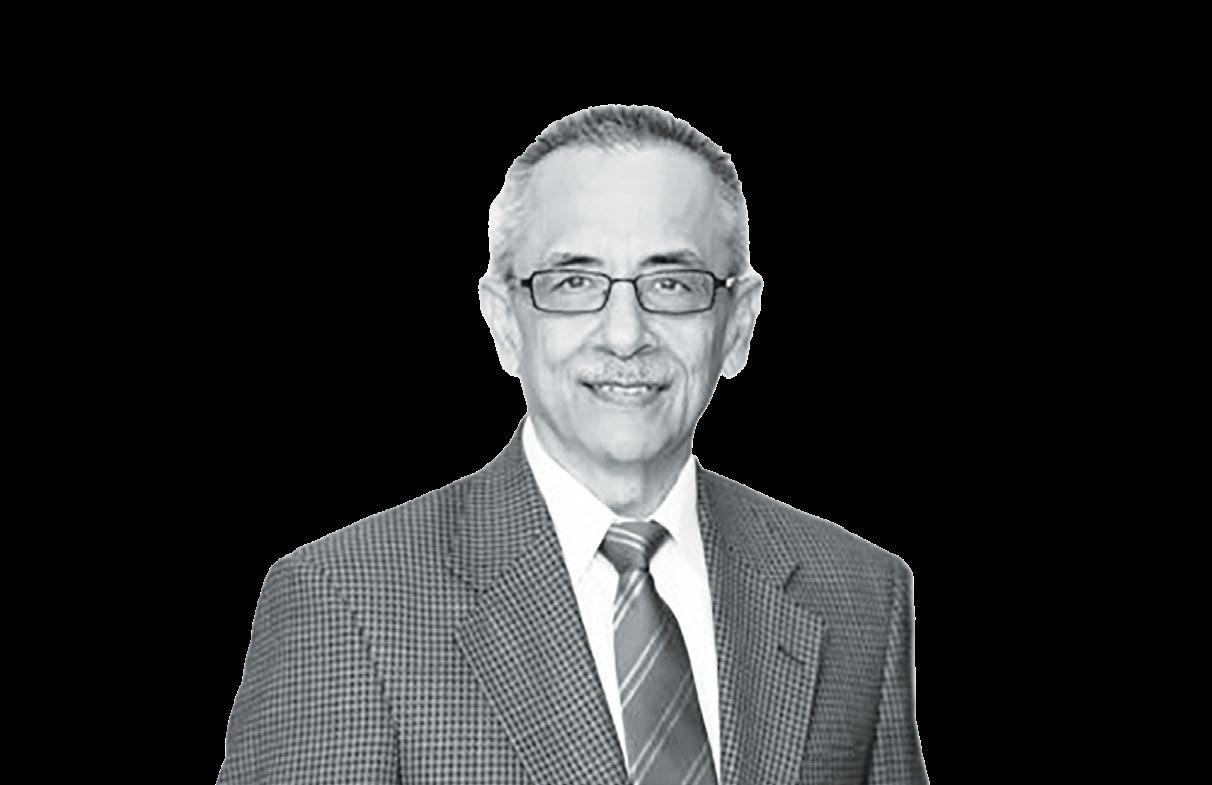
Site neutral payments: Are there winners and losers?
By Bhagwan Satiani, MD
The mantra “location, location, location” in property purchases was supposedly emphasized by Lord Harold Samuel, a British real estate tycoon. Location is also important when Medicare pays for some health care services. Depending on whether services are provided in Hospital Outpatient Departments (HOPDs), which describes the type of department and payment system used for the services provided there versus an independent physician’s office, the difference in reimbursement for the same service could be thousands of dollars.
Congress passed the Bipartisan Budget Act in 2015, “grandfathering” reimbursement to offices that billed as “off-campus provider-based departments” (PBDs) used by the Centers for Medicare and Medicaid Services (CMS) indicating a facility’s status relative to the hospital’s ownership and Medicare certification. In 2019, CMS authorized and phased in the site-neutral policy over two years. It reduced the payment differential based upon the site-ofservice to control unnecessary increases in the volume of the clinic visit service furnished in PBDs. The Congressional Budget Office (CBO) suggested that the Medicare Part B payment differential between PBDs and physician practices could cost taxpayers as much as $157 billion over 10 years. CMS agreed that changes in the differential would save the Medicare program $380 million in 2019 and $760 million in 2020.
Hospitals then suggested that the grandfathering rules in 2015 further increased spending by driving up the acquisition of accelerated health systems. Mark Miller, a former executive director of MedPAC, advised eliminating the “grandfather” clause, saving about $30 billion over a decade. Examples cited are MRI’s and colonoscopies, where Medicare’s hospital payment was 62% and 67% higher compared to ASCs, respectively.
Consider a Vascular Surgeon who provides outpatient care in three different locations: an independent office, an ASC, and a PBD. Under the Physician Fee Schedule (PFS), the first site visit is paid at the “inoffice” rate. However, the reimbursement in the two other locations, which are classified as “facilities,” is covered by the Outpatient Prospective Payment System (OPPS). Confusing?
With this complexity, MedPAC has recommended common physician office services, such as patient visits, drugs and imaging, as well as services suitable for ASC coverage, be covered under the PFS rather than the more expensive PBD rate. MedPAC has also proposed some modest compromises such as narrowing, “rather than eliminating, the payment differential between PBDs and physician practices,” using site neutral payment for fewer Part B procedures, redesigning PBDs so that fewer hospitals are impacted, and incremental implementation of the new rules.
Vascular Specialist is the official newspaper of the Society for Vascular Surgery and provides the vascular specialist with timely and relevant news and commentary about clinical developments and about the impact of healthcare policy. The ideas and opinions expressed in Vascular Specialist do not necessarily reflect those of the Society. The Society for Vascular Surgery will not assume responsibility for damages, loss, or claims of any kind arising from or related to the information contained in this publication, including any claims related to the products, drugs, or services, or the quality or endorsement of advertised products or services, mentioned herein. | The Society for Vascular Surgery headquarters is located at 9400 W. Higgins Road, Suite 315, Rosemont, IL 60018. |
Proponents of eliminating the higher payment for services at PBDs contend that site-neutral payments incentivized hospitals to acquire physician practices — known as vertical integration (VI) — driving up taxpayer and beneficiary spending, resulting in financial strain on Medicare over time. They also argue that VI enables the hospital to bill at higher rates to take advantage of the payment differential between physician office visits and PBDs. The VI system then refers patients to its own PBDs or Ambulatory Surgery Centers (ASCs), which have expanded dramatically, and take up an increasing share of Medicare outpatient spending. Consistent with an increase in VI, spending on PBDs has jumped by 73% from 2012 to 2022.
In 2021, Post was the first to estimate the dollar value of Medicare’s site-based reimbursement. In VI models, the average physician’s workload would have produced $114,000 in additional revenue per year if billed from a PBD compared to not being in VI models and the revenue would have been more than 2.5 times higher for employed surgeons. The evidence indicates that if a surgeon with an average workload were to be part of VI, additional Medicare revenue of about $150,000 annually, or a 224% increase, would be billed in a PBD. From 2010 to 2016, the differential between PBD and office-based private practice payments from Medicare increased significantly from 80% higher to 99% higher.
Furthermore, the CBO estimates that “Medicare pays, on average, 2.5 times more for many identical outpatient procedures” when they are performed in a PBD instead of a physician’s office.”
In response, the American Hospital Association (AHA) filed a suit against the legality of this payment rule. Hospitals see the site differential payment issue almost as an existential threat and argue that their PBDs deserve a premium due to the acuity of services required for clinically complex care and low-income patients compared to physician offices or ASCs. Hospitals point to expensive regulatory, accreditation and licensing requirements as the cause of low operating margins since 2015, which could hurt safety net rural and other areas. They also dispute CMS’s assertion that there was “unnecessary growth” in utilization due to vertical integration (VI) and instead faulted burnout and rising costs to explain why physicians were leaving private practice for hospital employment.
The D.C. Circuit court ruled against the AHA.
With bipartisan political support, the Trump administration, like previous ones, is looking to curtail health care spending in several areas by paying less for the same services, including site-neutral-based reimbursement for more services including drug administration and imaging. Furthermore, for many services performed in ASCs, there’s little or no evidence that with proper patient selection, the same procedures performed in ASCs pose a higher risk compared to a hospital or PBD setting. A recent study confirmed that appropriate patient selection is happening and found that the “initial baseline risk in PBD patients was much higher than the baseline risk for the same procedures performed at the ASC,” and that “the rates of revisits and complications for ASC patients were far lower than for closely matched HOPD patients.”
It is likely that with safety protocols in place, CMS will continue to gradually increase the Medicare-approved list of procedures at ASCs each year and lessen the disparity between PBD and nonfacility services.
Will there be winners and losers? In November 2025, CMS released the calendar year 2026 Medicare Physician Fee Schedule Final Rule and confirmed changes to the methodology for allocating indirect practice expense or the PE part of relative value units (RVUs) based on the site of service. For services furnished in facility (hospital) settings, CMS will reduce the portion of indirect PE RVUs tied to half the amount used for hospital or non-facility or hospital services. This results in increased reimbursement for office-based specialties while reducing payments for hospital-based specialties. Does the new epoch imply less VI? Will elimination of the differential payments boost physician specialty or multi-specialty consolidation? Maybe. For now, hospital employed physicians may be at a disadvantage indirectly due to pressure on hospitals to make up
STUDY STRENGTHENS CASE FOR CONSERVATIVE THERAPY IN CLAUDICATION OVER EARLY INTERVENTION
continued from page 1
The study included 562,561 patients with a new diagnosis of claudication, of which 14,216 underwent an early PVI. Findings showed that the cumulative conversion to CLTI and MALE incidence was higher among patients treated with early PVI. Early PVI was also associated with a persistently increased risk of CLTI and MALE.
“I’ve been a strong proponent of medical therapy first for patients with claudication,” said Hicks. “These results reinforce that. It really provides additional evidence that intervening early on claudication is ill-informed. There are obviously exceptions to the rule at all times, but for most patients, they should be managed in a conservative style prior to considering invasive intervention.”
Hicks said discussing the increased risks of CLTI and MALE with patients is critical when deciding treatment.
“When patients come in with claudication, most come in wanting an intervention,” she said. “When I talk to them, I say ‘Does it bother you so much to the point you are willing to have an intervention and increase the risk you may lose your leg?’ When you put it in that framing, most patients say no.”
This highlights the importance of shared decision-making and how clinicians need to be more open with patients.
“Everything we do comes with a risk-benefit profile,” said Hicks. “It’s all about maximizing the benefit side. There are never no risks. It really is about framing questions in a way that patients can understand that we can improve things now, but there may be consequences long-term. And for each patient, their values are different. You need to be able to
“ Our study provides rigorous evidence showing that delaying intervention and doing more conservative therapy is safe and beneficial in the long term.”
CAITLIN HICKS, MD
Engage with the latest advances in vascular science and patient care.
phrase it in that way so they can make an informed decision.”
One of the strengths of the analysis is that it provides data to support these conversations, said Hicks. “A lot of us are very short-sighted when we treat patients,” she said. “We think ‘I can make your symptoms better right now.’ But these data suggest on a longer time horizon — this was a threeyear study — that we ultimately may be doing a disservice to patients.”
Although the study provides more evidence about the potential harms of early PVI, Hicks said she isn’t sure the data will have an immediate impact on clinical practice. “Clinicians that manage patients with claudication conservatively will use these data to say ‘I knew I was right. Let’s keep doing it,’” she said. “Clinicians that manage non-conservatively, their reasons are usually more that. They think ‘We can provide immediate relief to patients.’ This study doesn’t resolve that.”
Chen Dun, PhD, MHS, a research associate in biomedical informatics and data sciences at Johns Hopkins School of Medicine and first author on the study, said the findings support current guidelines for treating new claudication patients, which recommend starting with medical management and exercise.
“This study validated the safety of ‘watch and wait,’” said Dun. “Clinicians often face pressure to ‘do’ something quickly to help patients relieve symptoms. Our study provides rigorous evidence showing that delaying intervention and doing more conservative therapy is safe and beneficial in the long term. I hope this study can shift the conversation from ‘why wait’ to ‘why rush.’”
Register by April 1 to save with early-bird rates.
CAITLIN HICKS, MD
FROM THE COVER SVS FOUNDATION TRAVEL GRANT TO SUPPORT EARLY-CAREER
FEMALE VASCULAR SURGEONS
continued from page 1
and the SVS Women’s Section are working together to raise $30,000 to fund a new travel grant initiative that provides women vascular surgeons with access to education, mentorship and network-building at a critical stage of professional growth.
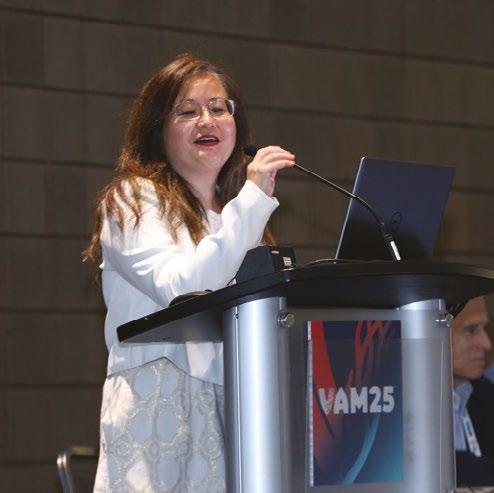
“We are pleased to partner with the SVS Foundation on several key initiatives that promote opportunities to advance career and professional development programs as well as removing boundaries for women vascular surgeons at all levels,” said Sunita Srivastava, MD, section chair of the SVS Women’s Section, and director of Quality and Radiation Safety Officer in the Division of Vascular and Endovascular Surgery at Massachusetts General Hospital in Boston.
“We are excited to support the travel grant initiative, enabling selected female surgeons to explore and participate in
clinical and scientific programs designed to propel professional excellence and enhance engagement.”
The travel grants are designed for female vascular surgeons in their first 10 years of practice. Individuals can apply for a $1,000 travel grant to attend VAM 2026 (including the Women’s Networking Dinner), the SVS Leadership Development Program, and the Association of Program Directors in Vascular Surgery Annual Meeting in 2027.
The travel grant initiative will launch in early April 2026 and align with the SVS Women’s Section’s new priorities around career development for female vascular surgeons. Applicants must be a member of the SVS Women’s Section to be eligible to receive an award. The grants will be structured like the SVS Young Surgeon’s Section’s VOYAGE Scholarships.
“This partnership reflects a deliberate,
solutions-driven approach to one of the most important challenges in our specialty — retaining talented women in vascular surgery,” said Anahita Dua, MD, a newly appointed SVS Foundation board member and associate professor of surgery at Harvard Medical School. “By aligning resources with mentorship, community and professional development, we are addressing barriers that directly impact career longevity. Together we are creating infrastructure that supports not just recruitment, but sustained success.”
Donations to the SVS Women’s History Month campaign honor the women who are advancing vascular surgery today while investing in the next generation of female vascular surgeons and leaders in the field.
“Let’s break down barriers and promote our female colleagues with real opportunities and financial support,” said Srivastava.
EDUCATION SESSION CLOSES PAD KNOWLEDGE GAP AMONG PRIMARY CARE RESIDENTS
By Killian Meara
A focused education session significantly improved primary care residents’ confidence in diagnosing and managing peripheral artery disease (PAD), a new study found.
The findings reinforce longstanding concerns about limited PAD awareness in primary care and highlight a scalable solution.
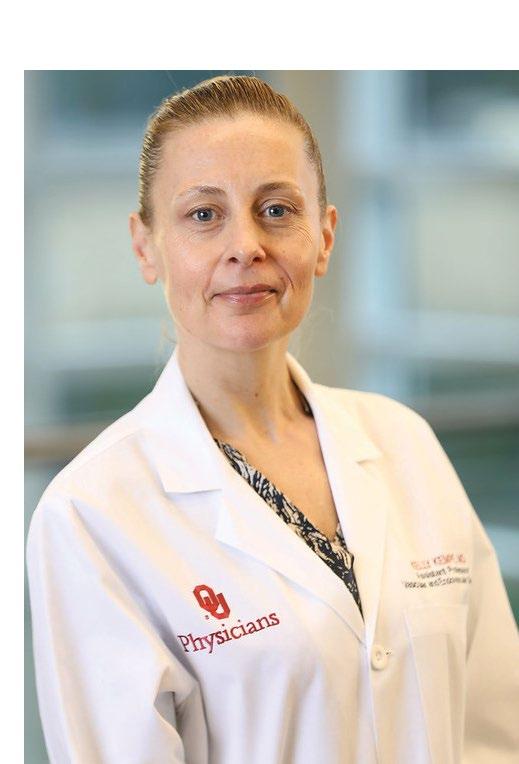
“Our study examined how well current medical education prepares trainees to recognize and manage PAD,” said Kelly Kempe, MD, associate professor of surgery at the University of Oklahoma School of Community Medicine and a senior author on the study. “We know there is a well-documented gap in awareness of PAD, as well as in practical knowledge of how to diagnose and treat it among primary care providers. Our goal was to identify where that gap begins so we can intervene earlier and more effectively.”
To answer that question, Kempe and her colleagues first assessed the baseline comfort of family and internal medicine trainees in diagnosing, treating and referring patients with PAD appropriately. The study’s second part was to determine if a structured education session could improve those perceptions. The intervention included a presentation and hands-on training in foot examinations and doppler use. Residents also completed surveys before and after the session to assess changes in knowledge, attitudes, and treatment practices.
The findings, which were presented at the 2026 annual winter meeting of the Vascular and Endovascular Surgery Society (VESS) in Olympic Valley, California (Feb. 2-8), showed the intervention produced significant improvements after a single session.
“Across the board, there were remarkable strides,” said Kempe. “The residents’ confidence in diagnosing PAD moved from 16% to over 90%. That’s a huge leap and allows the trainees to feel as though they can really make a difference. Similarly, after the lecture, confidence in the treatment of PAD — medical management and exercise therapy, for instance, which are appropriate for primary care practitioners to
implement — moved from 12.9% to 71%.”
Natalie Hmeluk, first author on the study, said the findings reveal a significant blind spot in current primary care training. “Before the intervention, almost none of the residents felt highly confident using a vascular doppler or ordering non-invasive tests like an anklebrachial index,” she said. “This suggests that while medical school might cover the theory of PAD, the actual residency programs aren’t consistently giving trainees the tools to diagnose and treat it at the bedside or in the clinic.”
Kempe said several factors may explain why PAD education has historically lagged behind other cardiovascular topics. “Primary care providers are asked to do a mountain of work,” she said. “There have been
“While medical school might cover the theory of PAD, the actual residency programs aren’t consistently giving trainees the tools to diagnose and treat it at the bedside or in the clinic.”
NATALIE HMELUK
a lot of initiatives focused on heart disease and stroke prevention, but we’ve largely ignored the same disease when it affects the legs. I don’t think many providers — or the public — realize that major amputations related to PAD are associated with a very high mortality rate, or that many of these morbid and costly outcomes are preventable. We believe it’s time to bring more attention to these facts and place a greater emphasis on prevention.”
Hmeluk noted that vascular health has traditionally been viewed as a surgical domain. “In many residency programs, if a patient has a lower leg circulation problem, the immediate reflex is to refer them to vascular surgery,” she said. “This creates a hand-off mentality rather than a management mentality.” She added that a trend towards “scan first, exam later” may also be a contributing factor. “This leads to a decline in diagnostic confidence, which
is exactly what our educational intervention sought to correct,” she said.
The intervention may also help reduce disparities in PAD care. “The end-stage complication of PAD — major amputation — is one of the most visible markers of health care inequality in the United States. Research shows that Black and Hispanic patients are significantly more likely to be diagnosed with PAD at a late, advanced stage when options for saving the leg are limited,” said Hmeluk. “By empowering the local primary care resident to perform a doppler exam, we are effectively moving specialized diagnostic power into the community where the patient lives.”
Kempe and Hmeluk believe the intervention is highly scalable and can be implemented across institutions without major structural changes because it only takes 90 minutes to complete. For it to work, Kempe said colleagues across institutions would need to come together. Another key aspect for the intervention’s success would be to ensure the material taught is retained.
“The gap in PAD care isn’t a lack of information — it’s a lack of technical confidence,” said Hmeluk.
“This study provides a powerful proof of concept that a single hour of collaborative, hands-on training may be enough to begin bridging that gap. By empowering the next generation of primary care physicians with these tools, we can advocate for earlier diagnosis, faster referral and ultimately reduce amputations.”
KELLY KEMPE, MD
Discover what leading physicians around the world are saying about WRAPSODY CIE. Explore compelling case studies, clinical trial insights, and experts’ viewpoints — all in one comprehensive resource. See how WRAPSODY CIEis shaping the future of patient care.
ACCESS THE SUPPLEMENT
Carotid endarterectomy and TCAR show comparable outcomes in patients with high cardiac risk
By Killian Meara
Carotid endarterectomy (CEA) and transcarotid artery revascularization (TCAR) showed similar perioperative safety and long-term effectiveness in patients with severe cardiac comorbidities, according to a recent retrospective review of a prospectively maintained database.
Aidin Baghbani, MD, first author on the study and an integrated vascular surgery resident at the University of Texas Health Science Center at Houston, said the study was designed to address a common clinical dilemma. “CEA has long been considered the gold standard for stroke prevention,” he said. “But in patients with markedly reduced ejection fraction [EF] or persistent arrhythmia, surgeons often worry about perioperative cardiac complications and may potentially choose TCAR.”
TCAR is often seen as less physiologically stressful due to its minimally invasive
approach and smaller incision, but Baghbani said there is a lack of comparative data in this specific population. “The primary objective of our study was to compare perioperative and long-term outcomes of CEA versus TCAR in patients with significant cardiac comorbidities, defined as low ejection fraction — less than 30% — and/or persistent arrhythmia,” he said.
The study examined patients with severe carotid artery disease who were considered high cardiac risk and underwent CEA or TCAR between December 2015 and August 2025. The data were presented at the 2026 annual winter meeting of the Vascular and Endovascular Surgery Society (VESS) in Olympic Valley, California (Feb. 2-8).
“Our data suggests significant cardiac comorbidity should not automatically exclude patients from undergoing CEA, provided they are otherwise appropriate surgical candidates.”
AIDIN BAGHBANI, MD
Findings from the study showed no significant difference in major outcomes between the two approaches. While TCAR patients tended to be older and more likely to have coronary artery disease, chronic obstructive pulmonary disease and anticoagulation use, rates of perioperative stroke, myocardial infarction and 30-day mortality were similar between the groups. Long-term survival and stroke-free survival also did not differ.
Baghbani said the findings support an individualized approach to treatment selection. “Our data suggests significant cardiac comorbidity should not automatically exclude patients from undergoing CEA, provided they are otherwise appropriate surgical candidates,” he said. “At the same time, TCAR remains an excellent option, particularly in patients where minimizing blood loss, cranial nerve injury, or physiological stress is a priority. Instead of asking if the patient is too high risk for CEA, the better question may be which procedure best fits the patient’s anatomy, comorbidities, and the institution’s expertise.”
The study also provides data that can help support shared decision-making. “When counseling a patient with low EF or persistent arrhythmia, surgeons can explain that in a large cohort, stroke, heart attack and survival outcomes were similar between CEA and TCAR,” said Baghbani. “That allows discussions to shift toward patient-specific priorities, such as recovery expectations or concerns about nerve injury, bleeding risk or prior neck surgery, rather than fear-driven decision-making. This empowers shared decision-making by replacing assumptions about high-risk with evidence-based reassurance.
NEW BLUNT THORACIC AORTIC INJURY GUIDELINES REFLECT EVOLUTION IN EVIDENCE AND CARE
By Maria Gifford and Killian Meara
The Society for Vascular Surgery (SVS) has published new clinical practice guidelines on the management of blunt thoracic aortic injury (BTAI), reflecting more than a decade of evolving evidence since the prior recommendations were published in 2011.
BTAI remains one of the most severe conditions in trauma care and is the second leading cause of death following blunt force trauma. It frequently occurs in patients with multiple injuries, including traumatic brain injury, solid organ injury and pelvic fractures, making management complex.
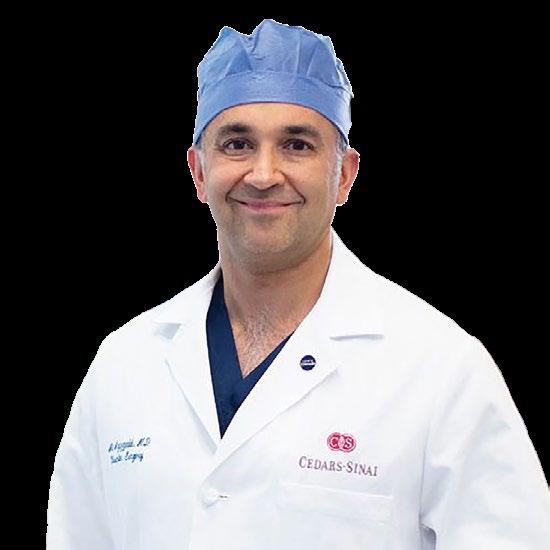
Ali Azizzadeh, MD, chair of the guideline writing panel and director of vascular surgery at CedarsSinai Medical Center in Los Angeles, said dedicated BTAI guidelines are critically important because the condition demands rapid and precise decision-making.
“One of the most rewarding aspects of leading this effort was synthesizing more than a decade of new data while also recognizing persistent gaps in high-quality evidence that highlight priorities for future investigation,” said Azizzadeh. “Our goal is not only to improve consistency and patient outcomes today, but also to establish a clear research agenda that will continue advancing the science and practice of vascular trauma care.”
Since the prior guidelines were issued, both diagnosis and treatment of BTAI have changed significantly. The expansion of computed tomography screening has led to earlier and more frequent identification and thoracic endovascular aortic repair has become a predominant treatment for most cases that require intervention. The guidelines, published in the Journal of Vascular Surgery, are based on a comprehensive systematic review and metaanalysis of the available literature. Developed by a panel of experts, including members of the Aortic Trauma Foundation (ATF), they provide evidencebased recommendations on when operative repair or medical management is appropriate, how patients should be monitored and how to manage complex cases involving additional traumatic injuries.
“It is my hope that these updated guidelines will help guide the multidisciplinary teams charged with caring for these patients, both improving the quality of care and helping to establish areas of future investigation,” said Peter Rossi, MD, secretary of the ATF and professor and chief of the Division of Vascular and Endovascular Surgery at the Medical College of Wisconsin in Milwaukee. “The ATF remains committed to advancing the care of BTAI through robust clinical research that helps to inform the best of evidence-based aortic trauma management.”
TADV TADV DELIVERS ‘TRANSFORMATIVE ADVANCEMENT’ FOR NO-OPTION CLTI
By Maria Gifford
A systemic review and meta-analysis found transcatheter arterialization of deep veins (TADV) produces higher rates of limb salvage, amputation-free survival (AFS), and wound healing than standardof-care (SoC) in no-option chronic limbthreatening ischemia (CLTI) patients.
The findings appear in the Journal of Vascular Surgery (JVS)
The research group, led by Anahita Dua, MD, of the Division of Vascular and Endovascular Surgery at Massachusetts General Hospital and Harvard Medical School, aimed to systematically evaluate outcomes of TADV versus SoC in patients with no-option CLTI using the LimFlow system (Inari Medical).
A systematic literature search of PubMed and Embase was conducted from January 2015 to March 2025. Studies were eligible if they included patients treated with an FDA-approved TADV device, enrolled a minimum of 20 patients, reported at least one year of follow-up data and captured primary outcomes including technical success, limb salvage, AFS and wound healing. Four multicenter studies met the inclusion criteria — PROMISE I, PROMISE II, PROMISE-UK, and the ALPS study — comprising 197 patients in the TADV cohort. The SoC cohort consisted of 180 no-option CLTI patients from the prospective CLariTI registry. Both cohorts were closely matched at baseline, with mean ages of 68.7 and 68.9 years and diabetes prevalence of 74.2% and 76.1% in the TADV and SoC groups, respectively.
The technical success rate across TADV studies was 97.6%. Limb salvage at 12 months was 79.6% in the TADV cohort versus 55.1% in SoC. AFS at 12 months favored TADV at 71% against 37.3% in SoC and 12-month survival was 90.2% with TADV compared with 66.8% in SoC.
The PROMISE-UK trial reported 100% complete or near-complete wound healing at 12 months in remaining limbs, while the ALPS study recorded 85.7%. In contrast, the SoC cohort reached full wound healing in only 53.2% of patients.
“This evidence summary highlights the substantial clinical benefit of TADV over SoC in no-option CLTI patients,” the authors concluded.
“With significantly higher limb salvage, AFS and wound healing rates, TADV represents a transformative advancement in the treatment of this challenging patient population.”
Ali Azizzadeh, MD
EU/UK: The VasQ device is intended for use as subcutaneous arteriovenous conduit support for vascular access. US: VasQ is intended for use as an external support for upper extremity arteriovenous fistulas created for vascular access by means of vascular surgery.
Prior to use, please reference the Instructions for Use for more information on indications, contraindications, warnings, precautions and adverse events available at https://laminatemedical.com/eIFU
COMMENT& ANALYSIS
THE OUTPATIENT
The evolving role of academic outpatient vascular centers
By Donald L. Jacobs, MD and Rafael D. Malgor, MD, MBA
Outpatient vascular care has moved from an alternative site of service to the default setting for much of modern practice. Vascular Specialist marked this shift by launching its column, The Outpatient, beginning with the edition titled “In focus: Outpatient vascular practice,” (Dec. 16, 2024), a signal that outpatient strategy, advocacy, and operations are now central to the specialty.
For academic departments, the question is no longer whether outpatient programs matter, it is whether we will shape them with the same discipline we bring to hospital-based care. An academic outpatient vascular center (AOVC), whether structured as an office-based lab, an ambulatory surgery center, or a hybrid, can protect access, preserve training, and create a scalable platform for quality and research. But it can also fail quickly when planning is optimistic, margins are thin, and supply costs are uncontrolled.
What an academic AOVC should deliver
A durable AOVC is purpose-built for highvolume, same-day discharge care. That begins with workflow design, disciplined patient selection, and a procedural scope that matches the acuity the center can safely support. In successful models, referral pathways are explicit, triage is standardized, and discharge planning is treated as part of the procedure rather than an afterthought. Operational details, scheduling templates, recovery capacity, staffing cross-coverage, imaging workflows, and documentation, determine whether the center runs smoothly or runs hot. The academic advantage is infrastructure. Integrated electronic documentation supports consistent peri-procedural care and makes it easier
to track outcomes, complications, and process measures. Multidisciplinary staffing, vascular surgeons, APPs, nurses, technologists, and anesthesia support when appropriate, allows the center to handle variability without compromising safety. When these pieces are aligned, the AOVC can support a broad outpatient portfolio across peripheral arterial disease, venous disease, dialysis access maintenance, and other image-guided interventions that increasingly define contemporary vascular practice.
Education belongs where the cases are
As procedures migrate outpatient, education must follow. AOVCs can be outstanding learning environments when training is designed into the workflow rather than added on. High case volume allows repeated skill-building with direct feedback, and outpatient pathways expose trainees to practical competencies that are often opaque in the inpatient setting, clinic-to-procedure-to-discharge continuity, device selection, inventory constraints, documentation efficiency, and team-based throughput.
Just as important, outpatient practice makes the economics of care visible. Teaching cost stewardship at the point of use, how supplies, devices, staffing, and payer mix affect sustainability, prepares trainees for the reality they will inherit. Academic centers should treat this as part of professionalism, delivering high-quality care while understanding the financial mechanics that keep access alive.
Challenges to success in outpatient vascular centers
AOVCs rarely close because the clinicians cannot deliver good care. More often, they close because the business model was fragile from day one. A common
failure mode is poor planning that overestimates referral lanes. Programs build fixed costs around projected volume that never arrives, assuming that referrals will automatically shift from hospital to outpatient or from competing systems. Without a clear referral development plan, validated by real data and backed by operational capacity to capture and schedule patients, the center can become a beautifully built facility with empty rooms.
A second threat is margin erosion from borderline case mix.
clearance, and follow-up so that patients do not fall back into inefficient pathways. Durability also requires case-mix governance. Programs should routinely review contribution margin, not just total volume, and adjust procedure mix, scheduling, and staffing accordingly.
Some procedures look attractive early, especially when the schedule needs to be filled, but they can wear down contribution margin once supply pricing, staffing, anesthesia, and payer mix are fully accounted for. If a center becomes dependent on thin-margin cases, small changes in reimbursement or supply costs can quietly turn a busy operation into an unsustainable one.
A third threat is weak negotiation with suppliers and an unreliable supply chain. Outpatient vascular care is device dependent, and high-cost inventory can decide whether a month is profitable or punishing. Vascular Specialist highlighted this pressure in its July 17, 2025, edition, “SVS launches partnership to help private practice vascular surgeons cut costs,” describing how rising costs and inflation have contributed to OBL closures and why collective buying power is increasingly viewed as a lifeline. Academic centers that assume hospital purchasing advantages will automatically translate to an outpatient entity can be surprised by pricing, backorders, and variability in vendor terms.
Designing for durability
Durability starts with conservative planning. Volume projections should be grounded in referral mapping, leakage analysis, and phased growth rather than best-case assumptions. Staffing should scale with verified demand, and the center should have a deliberate plan for capturing downstream imaging, pre-op
Dear editor,
I enjoyed reading your editorial in Vascular Specialist on CREST-2. Very well done.
However, missing from the discussion is the fact that for patients with Asx carotid stenosis, the annual risk of death is five times higher than the risk of stroke. And CREST-2 totally ignores this issue, counting only strokes after the 44-day periprocedural period. Nowhere in the publication or in the extensive supplemental material is the four-year mortality rate in the various groups reported.
Could this glaring omission be related to the possibility
Device and supply discipline is equally critical — standardize where appropriate, build a formulary with transparent exceptions, renegotiate contracts regularly, and develop contingency plans for supply disruption. Operationally, this means treating supply chain as a clinical risk, because cancellations, substitutions, and delays are patient care problems as much as they are financial ones.
The academic advantage
When built well, AOVCs are more than efficient sites of service. They are platforms for quality science and innovation. With integrated data capture, academic outpatient centers can test pathways that reduce complications, shorten recovery, and improve patient experience. They can also support research, education, and technology development, including analytics to refine patient selection and monitor outcomes over time.
Equity must be designed into outpatient expansion. Academic programs should track access and outcomes across payer type, geography, and social risk, and create navigation and follow-up models that keep outpatient care from becoming less accessible to the patients who already face the greatest barriers. If outpatient is where vascular care increasingly happens, academic outpatient programs must ensure it is also where high-quality, inclusive care is reliably delivered.
The outpatient shift will continue, and the specialty is building structures, such as the Society for Vascular Surgery (SVS) Section on ambulatory vascular care, to support education, advocacy, and shared operational learning. Academic centers should engage actively, not only to learn from what is working elsewhere, but also to bring academic strengths, measurement, safety culture, and training, to the outpatient environment where vascular surgery is increasingly practiced.
that the world’s best medical therapy in CREST-2 did not result in a lower than expected annual mortality for Asx carotid stenosis (5% per year)? This would be awkward for those pushing more intensive and more expensive medical therapy. I am still waiting for randomized trial evidence showing that BMT reduces mortality in carotid or PAD patients.
Something to think about.
Best regards, Christopher Zarins, MD
Rafael D. Malgor, MD, MBA
Donald L. Jacobs, MD
COURSE DIRECTORS
Antonios P. Gasparis
Nicos Labropoulos
LEADING EXPERTS
Steve Elias
Mark Meissner
Peter Pappas
Kathleen Gibson
Neil Khilnani
Gloria Salazar
SYMPOSIUM FEATURES
• Latin Session
• Comprehensive and Practical Programming
• Clinical Case Reviews
• New Methods, Early Results, Clinical Trials and Innovation
• International Call for Abstracts and E-Poster Presentations
• Extensive Exhibition Hall
• Social Networking Events
LIVE PATIENT SESSIONS
For almost 20 years, Venous Symposium (VS) has delivered the most practical education on the treatment of venous disease currently available. The symposium’s exceedingly interactive approach, complete with live patient scanning and examinations, open access to expert faculty, debates, clinical cases, and video case presentations ensure an immediate and lasting impact on your patients and practices. Get the most value for your time out of the office.
Provided by:
Sponsored by: APRIL 30-MAY 2, 2026 SHERATON
• Live Patient Consultations, Examinations
• Ultrasound Protocols
• Interactive Discussions on The Evaluation, Diagnosis, Treatment and Follow Up of The Patients
PUBLICATIONS NEW RUTHERFORD’S EDITION BRINGS MAJOR UPDATES, EXPANDED VIDEO LIBRARY
By Killian Meara
The 11th edition of Rutherford’s Vascular Surgery and Endovascular Therapy, regarded as one of the most important resources in the field, is set to be released in May. Published by Elsevier in collaboration with the Society for Vascular Surgery (SVS), this edition was edited by Anton Sidawy, MD, Bruce Perler, MD, and Linda Harris, MD.
The new edition includes major updates to improve clarity, organization and ease of use. Each previously published chapter has been revised, and some have been combined or reassigned to reduce duplication. Chapters are now shorter and more focused, with detailed tables of contents to help readers quickly find the information they need.
“We believe that Rutherford remains the preeminent textbook for vascular surgeons, as well as other specialists, such as interventional radiologists and cardiologists, who treat vascular disease,” said Harris.“The care of vascular patients has become more complex with the rapidly evolving changes in our field. We believe that Rutherford will remain the ‘Bible’ to most who treat vascular disease, whether medically, or by open or endovascular techniques.”
One of the biggest updates is the expanded use of diagnostic and treatment algorithms. Most chapters now include at least one algorithm, with many including multiple. Several new chapters have been added on topics such as vascular disease in women, diversity, artificial intelligence, and advanced limb salvage techniques. The video library also now features over 50 focused videos linked to key chapters.
Preorders for the 11th edition of Rutherford’s Vascular Surgery and Endovascular Therapy are now open. Copies will also be available at the 2026 Vascular Annual Meeting (VAM) in Boston, Massachusetts, June 10-13.
“From its first edition, in the half century of its existence, this textbook has always been, and without question, remains today, the definitive reference text in the field,” said Perler. “It has been a true labor of love to edit this textbook and have the high honor to work with so many nationally and internationally respected leaders in the field, including chapter authors, associate editors, and senior editors, in producing this work, and quite honestly, learning so much along the way.”
Register for the Complex Wound Care Masterclass
Compiled by Killian Meara
VAM 2026 REGISTRATION LAUNCHES
REGISTRATION FOR THE “COMPLEX Wound Care Masterclass Workshop 2026: Debridement, Dressing, and Oxygen Therapy” opens on Feb. 10. The Society for Vascular Surgery (SVS), in collaboration with the Society for Vascular Nursing (SVN) and the American Podiatric Medical Association (APMA), developed this program to offer an interprofessional wound care curriculum designed specifically for vascular care teams. The course consists of an online module featuring 27 instructional videos, along with a handson workshop scheduled for Friday, June 12, coinciding with the Vascular Annual Meeting (VAM). Debridement, Dressing, and Oxygen Therapy” opens on Feb. 10. The Society for Vascular Surgery (SVS), in collaboration with the Society for Vascular Nursing (SVN) and the American Podiatric Medical Association (APMA), developed this program to offer an interprofessional wound care curriculum designed specifically for vascular care teams. The course consists of an online module featuring 27 instructional videos, along with a hands-on workshop scheduled for Friday, June 12, coinciding with the Vascular Annual Meeting (VAM).
To learn more, visit vascular.org/woundcare.
OBITUARY
REGISTRATION FOR THE 2026
Vascular Annual Meeting (VAM 2026) is now open. This year’s meeting will take place at the Hynes Convention Center in Boston, Massachusetts, June 10-13. VAM 2026 will consist of over three days of education covering the latest vascular research, hands-on learning, simulation labs, dynamic case demonstrations and a packed exhibit hall featuring the newest technology in the specialty. The meeting will also offer dedicated programming for trainees, early-career professionals, and international attendees. Early bird pricing ends April 11. Housing for VAM 2026 is also now open.
Tolearnmore,visitvascular.org/vam.
REGISTRATION FOR VRIC 2026 NOW OPEN
Registration for the 2026 Vascular Research Initiatives Conference (VRIC 2026) is now open. The meeting, which runs concurrently with the 2026 American Heart Association’s Vascular Discovery Scientific Sessions, will take place on May 13 at the Hyatt Regency Bellevue in Bellevue, Washington. This year’s theme is “Metabolomica: Entering the Era of Reprogramming to Resolve Inflammation and Prevent Disease.” Featured speakers at the event include Muredach Patrick Reilly, MD, Amanda C. Doran, MD, PhD, and Arif Yurdagul, Jr., PhD. Early bird pricing ends March 29.
To learn more, visit vascular.org/vric26.
Thomas Fogarty, cardiovascular surgeon and medical technology pioneer, dies
By Killian Meara
THOMAS J. FOGARTY, MD, A DEDICATED SURGEON and trailblazing innovator who revolutionized medical technology when he created the first ever minimally invasive surgical device, died peacefully on Dec. 28, 2025. He was 91.
Born on Feb. 25, 1934, in Cincinnati, Ohio, Fogarty graduated from Xavier University and the University of Cincinnati College of Medicine, earning his medical degree in 1960. A lifelong tinkerer, Fogarty developed the balloon embolectomy catheter during his residency training at the University of Oregon. Fogarty would eventually go on to be granted over 190 medical patents, including for the Hancock tissue heart valve and the AneuRx endovascular aortic stent graft.
Fogarty began his career at Stanford University and served as the medical staff president at Stanford Medical Center
from 1973-1975. He left academia and spent 13 years as director of cardiovascular surgery at Sequoia Hospital in Redwood City, California, before returning to Stanford in 1993. He was also credited with founding or co-founding over 45 companies, as well as establishing the educational nonprofit Fogarty Innovation in 2007. In 1995, Fogarty was elected president of the Society for Vascular Surgery (SVS). During his tenure, he focused on key issues such as advancing the specialty’s voice in national health policy, strengthening training and research, and championing innovation rooted in bedside needs to improve patient care.
Among his many accolades, Fogarty was inducted into the National Inventors Hall of Fame in 2001, received the SVS Medal of Innovation in Vascular Surgery in 2010 and was awarded the Presidential National Medal of Technology and Innovation by Barack Obama in 2012.
“Tom’s impact was vast — far greater than most realize,” said Andrew Cleeland, CEO of Fogarty Innovation. “His guiding principle was always ‘patients first,’ and he served them directly as a physician and indirectly through his work as an innovator, educator, investor, and mentor. Through these endeavors, he helped build an entire community dedicated to finding ‘a better way’ — one grounded in early and continuous collaboration and in the belief that developing people is as important as developing products.”
THE MOST COMPLETE ONE-DAY ENDOVASCULAR CONFERENCE
The 2026 Pacific Northwest Endovascular Conference will offer its signature interactive learning format, 80+ key opinion leaders on faculty, focused breakout sessions, resident competition and Simulation Summit live in Seattle.
PROGRAM HIGHLIGHTS:
• One-day Powerhouse Program
• 9 CME Credit Hours
• Three Focused Breakout Sessions
MAIN SESSIONS
• Aortic – Modern Management
• Lower Extremity
• Venous
• Physician Practice
• Technical Pearls and Tips
MAY 21, 2026
• Simulation Summit for Vascular Trainees
• Resident Competition
• Exhibit Hall and Networking
• Industry Satellite Sessions
CONCURRENT SESSIONS
• Updates on Vascular Surgery for Advanced Practice Providers
• Limb Preservation & Wound Care
• The Business of Vascular Surgery
SIMULATION SUMMIT FOR VASCULAR TRAINEES
Scholarship includes:
• Registration to Summit & PNEC
• Lodging at the Westin Seattle
• Travel reimbursement (U.S.-based)
Riad Adoumie, MD
Thank You To Our 2025 PAC Contributors*
William Jordan, MD, DFSVS
Bernadette Aulivola, MD, DFSVS
Keith Calligaro, MD, DFSVS
Alan Dietzek, MD, DFSVS
Anahita Dua, MD
Yazan Duwayri, MD, MBA
Matthew Eagleton, MD, DFSVS
Robert Feezor, MD
Dennis Gable, MD, DFSVS
Kirk Hance, MD
Ravishankar Hasanadka, MD
Mounir Haurani, MD
Mark Iafrati, MD
Jeffrey Jim, MD, MPHS
Babak Abai, MD
Ahmed Abou-Zamzam, MD, DFSVS
Samuel Ahn, MD, DFSVS
Edward Arous, MD, MPH
Mark Balceniuk, MD, MPH
Donald Baril, MD
Adam Beck, MD, DFSVS
Luke Brewster, MD, PhD
Kellie Brown, MD, DFSVS
Paul Brown, MD
Luis Cajas-Monson, MD, MPH
Rabih Chaer, MD, MSc, DFSVS
Kristofer Charlton-Ouw, MD
Dawn Coleman, MD, DFSVS
Peter Connolly, MD
Paul Crisostomo, MD, RPVI
John Curci, MD, DFSVS
Ronald Dalman, MD, DFSVS
Michael Dalsing, MD, DFSVS
Ralph Darling, MD, DFSVS
Mark Davies, MD, PhD, MBA, DFSVS
Randall Demartino, MD
Ramsey Elsayed, MD
Andres Fajardo, MD
Mazin Foteh, MD
Julie Freischlag, MD, DFSVS
Matthew Garoufalis, DPM
Anna Gasparyan, MD
Patrick Geraghty, MD, DFSVS, RPVI
Ted Gifford, MD, FSVS, RPVI
Alexis Graham, MD
Derrick Green, MD
Navyash Gupta, MD, RPVI
David Han, MD, DFSVS
Linda Harris, MD, DFSVS
Peter Henke, MD, DFSVS
Greg Kasper, MD
Adam Keefer, MD
Benjamin Lerner, MD
Michel Makaroun, MD, DFSVS
Lawrence Mallon, MD
Dev Mangalat, MD, RPVI
Mark Mattos, MD, DFSVS
Robert Molnar, MD
Raghu Motaganahalli, MD, DFSVS
Sean Roddy, MD, DFSVS
Charles Ross, MD, DFSVS
Patrick Ryan, MD
Andres Schanzer, MD, DFSVS
2025 INVESTORS
Anil Hingorani, MD, DFSVS
Sadia Ilyas, MD
Arjun Jayaraj, MD, MPH
Geetha Jeyabalan, MD
Fernando Joglar, MD
Douglas Jones, MD
Neelima Katragunta, MD
Scott Kujath, MD
Robert Larson, MD
Cheong Lee, MD
Jason Lee, MD, DFSVS
Evan Lipsitz, MD, MBA, DFSVS
Eddy Luh, MD, FSVS, RPVI
Cara Lyle, MD
Richard Lynn, MD, RPVI
Graeme McFarland, MD
Joseph Mills, MD, DFSVS
Ross Milner, MD, DFSVS
Nicolas Mouawad, MD, MPH, MBA
Patrick Muck, MD
Lyssa Ochoa, MD
David O’Connor, MD
William Oppat, MD
Charles Ozaki, MD, DFSVS
Federico Parodi, MD
R. Patton, MD
James Persky, MD
Lori Pounds, MD
Ravi Rajani, MD, DFSVS
Matthew Recht, MD
Caron Rockman, MD, DFSVS
Gregory Salzler, MD
Bhagwan Satiani, MD, MBA, DFSVS
Alan Sawchuk, MD, DFSVS
Larry Scher, MD
Darren Schneider, MD
Peter Schneider, MD, DFSVS
Susan Shafii, MD
William Shutze, MD, DFSVS
Anton Sidawy, MD, MPH, DFSVS
Christopher Smolock, MD
James Stanley, MD, DFSVS
Robert Tahara, MD, FSVS, RVT, RPVI
Kevin Taubman, MD
Margaret Tracci, MD, JD
Tahlia Weis, MD, PhD
Jonathan Woody, MD
Jill Zink, MD
Robert Zwolak, MD, PhD, DFSVS
Murray Shames, MD, DFSVS
Palma Shaw, MD, DFSVS
Matthew Sideman, MD, DFSVS
Michael Singh, MD, DFSVS
Kenneth Slaw, PhD
Matthew Smeds, MD, DFSVS
Natalie Sridharan, MD
David Stone, MD, DFSVS
Gale Tang, MD
Robert Thomason, MD
Boulos Toursarkissian, MD, RPVI
Alexander Tretinyak, MD
Gilbert Upchurch, MD, DFSVS
Raghuveer Vallabhaneni, MD
Grace Wang, MD
John Watson, MD
Jonathan Wilson, DO
C. Raymond Workman, MD
CLINICAL&DEVICENEWS
Compiled by Killian Meara
Avantec Vascular gets FDA 510(k)
clearance for DVT thrombectomy
system
THE FOOD AND DRUG ADMINISTRATION (FDA) has provided 510(k) clearance to a thrombectomy system for deep venous thrombosis (DVT) from Avantec Vascular, NIPRO corporation said in a release. The device uses mechanical and aspirational methods to remove both clot and emboli.
The system is indicated for the removal of fresh soft emboli and thrombi from vessels of the peripheral venous system larger than 7mm in diameter. It utilizes a novel rotating tip mechanism combined with vacuum aspiration that’s more versatile and efficient, which could shorten procedure time. The company said the resulting stabilization of the vein and increased blood flow can lead to improved outcomes for patients.
NIPRO said it expects the device to be available at some point in 2026. It will be released to key physician partners first through an initial limited market launch, and greater availability will follow.
“This new thrombectomy system may expand the range of venous thrombus subtypes that can be treated in a single session by combining aspiration and maceration functions in one device with a favorable profile,” said Sirish Kishore, MD, clinical assistant professor at Stanford University and an advisor to Aventec Vascular. “Preclinical data are encouraging, and I look forward to the results of the upcoming clinical studies.”
FDA approves first deep venous stent for IVC, iliofemoral veins
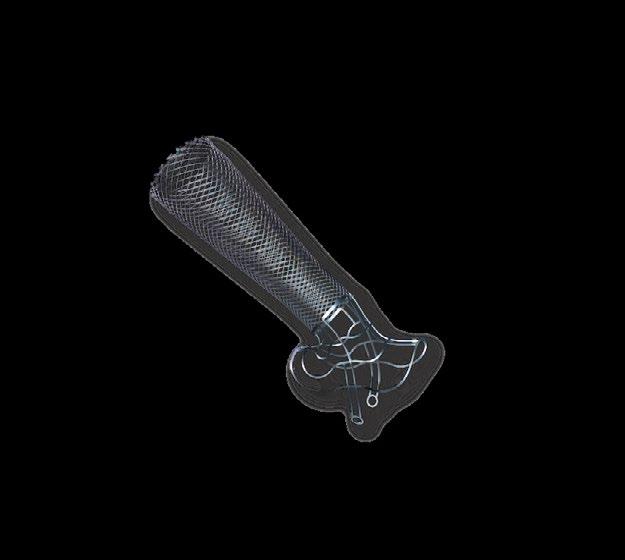
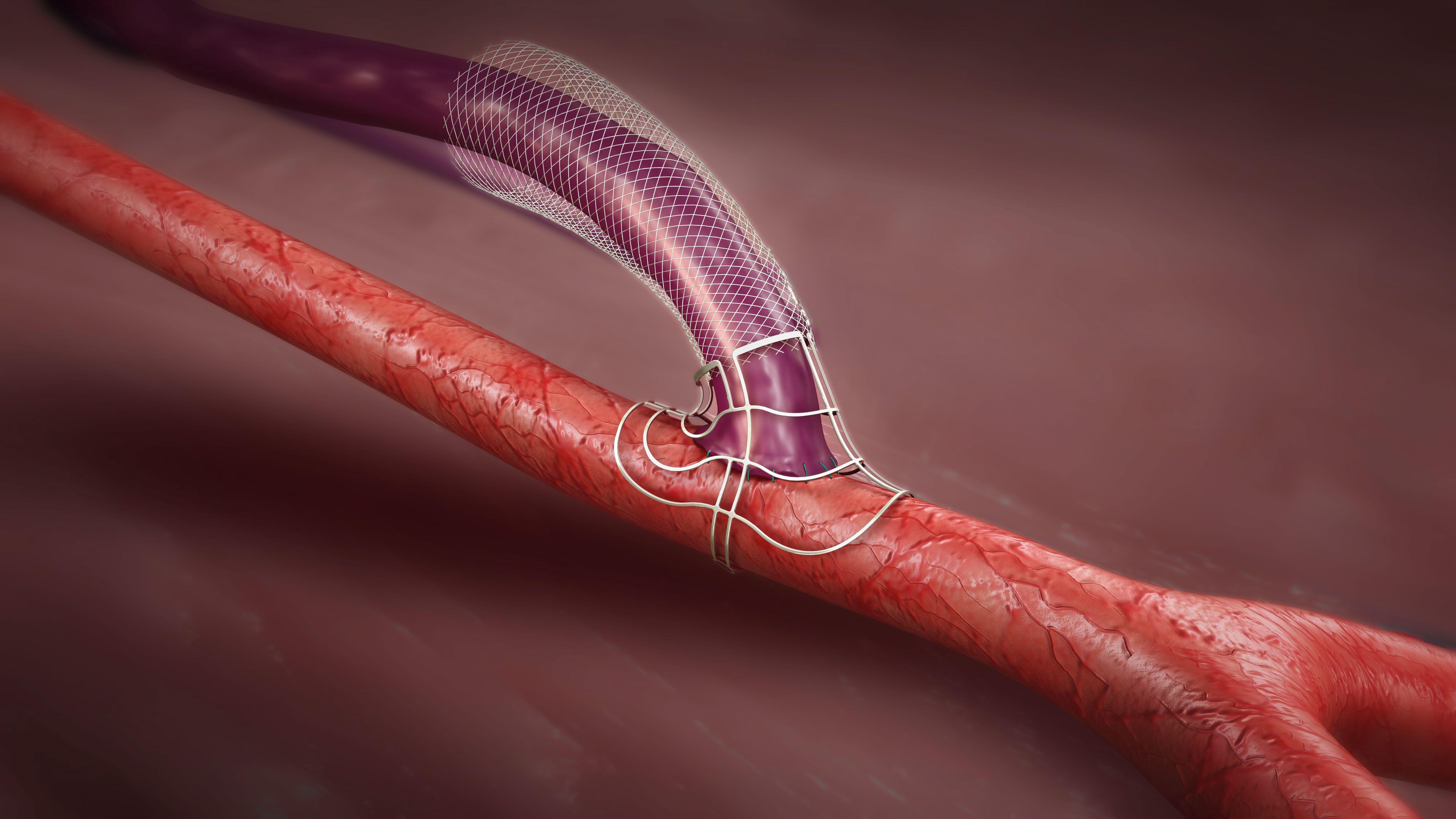
THE FOOD AND DRUG ADMINISTRATION (FDA) approved the first venous stent for the treatment of deep venous disease in the inferior vena cava (IVC), iliac and iliofemoral veins, said Gore Medical in a release. The Viabahn Fortegra venous stent, which comes in a variety of sizes, was engineered to provide optimal balance of conformability and compression resistance in a wide range of patients.
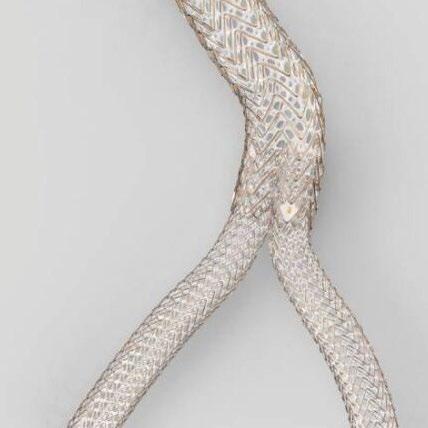
The technology consists of an open-structure, selfexpanding wire-wound nitinol frame and an expanded polytetrafluoroethylene polymer lattice that conforms to the natural anatomy and provides compression resistance throughout the whole device. It was previously given Breakthrough Device designation from the FDA.
The approval was based on data from an international trial that included 89 patients with deep venous disease and high disease burden. The prospective study was the first of its kind to include IVC, iliac and iliofemoral veins. Of the patients, 94.3% had lesions that spanned three vessel regions and 68.5% required stents that extended below the inguinal ligament into the common femoral vein.
The study found that the device was safe and effective and met its 12-month composite efficacy and safety primary endpoint. Results showed 12-month primary patency was achieved in 83.4% of patients, with 96.5%, 88.9% and 89.8% primary patency in the IVC, left iliofemoral and right
GE HEALTHCARE RECEIVES FDA 510(K) CLEARANCE FOR IMAGE GUIDING SYSTEM
THE FOOD AND DRUG ADMINISTRATION HAS GIVEN 510(K) CLEARANCE
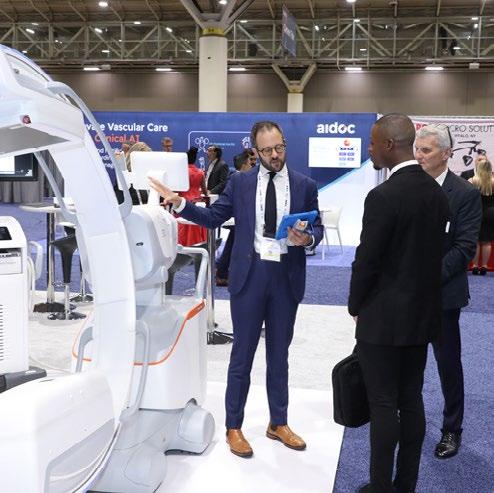
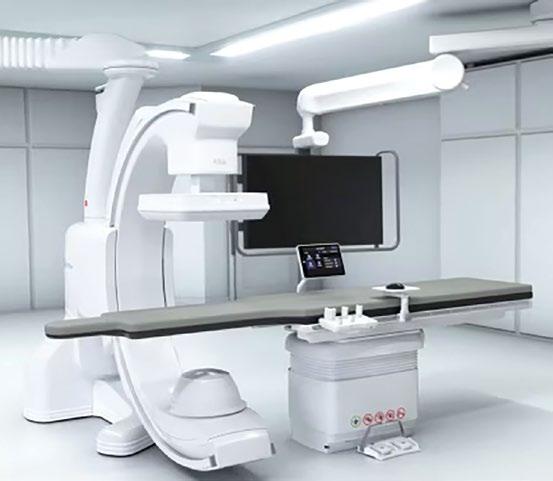
to the Allia Moveo image guiding system, GE HealthCare announced in a release. The platform, which was first unveiled at the Radiological Society of North America’s (RSNA) 2025 annual meeting, can assist in multiple cardiovascular, vascular, nonvascular, interventional and surgical procedures.
The image guiding platform uses a compact, cable-free C-arm system designed to simplify workflow in interventional suites. It features an intuitive user interface and guidance tools powered by artificial intelligence that aim to improve efficiency and help clinicians manage procedures in space-constrained environments without adding unnecessary complexity.
Features include motion freeze to help reduce image blurring caused by respiratory motion and metallic artifact reduction to minimize distortion from metal to better visualize underlying anatomy. It also offers augmented guidance tools through the ASSIST portfolio to support complex procedures, with compatibility across GE HealthCare and third-party systems.
The first Allia Moveo was installed at the Hôpital Marie-Lannelongue in France, a private, non-profit teaching hospital that specializes in complex thoracic, cardiac, and vascular surgery. In the United States, the first installation of the device was at Baylor St. Luke’s Medical Center in Houston, Texas.
iliofemoral vessel regions, respectively.
There were no stent embolizations or migrations, fractures, injuries or clinically significant pulmonary embolisms during the study. There were also no devicerelated deaths or major bleeding through 30 days.
“The Fortegra venous stent represents a significant advancement in the treatment of patients with the most difficult to treat venous obstructive pathology; occlusion of the inferior vena cava, iliac veins and inflow femoral veins,” said Kush Desai, MD, national primary investigator, in the release. “Patients will benefit from a device that is designed specifically for this disease and its unique anatomic and physiologic challenges.”
INDICATIONS FOR USE IN THE U.S.: The GORE® VIABAHN® VBX Balloon Expandable Endoprosthesis is indicated for the treatment of de novo or restenotic lesions found in iliac arteries with reference vessel diameters ranging from 5 mm–13 mm and lesion lengths up to 110 mm, including lesions at the aortic bifurcation. The GORE® VIABAHN® VBX Balloon Expandable Endoprosthesis is also indicated for use with thoracoabdominal and pararenal branched devices indicated with the GORE® VIABAHN® VBX Balloon Expandable Endoprosthesis as a branch component.* CONTRAINDICATIONS: Do not use the GORE® VIABAHN® VBX Balloon Expandable Endoprosthesis in patients with known hypersensitivity to heparin, including those patients who have had a previous incident of Heparin-Induced Thrombocytopenia (HIT) type II. Refer to Instructions for Use at eifu.goremedical.com for a complete description of all applicable indications, warnings, precautions and contraindications for the markets where this product is available.
“We are honored to be the first hospital in the United States to install Allia Moveo, and proud to help advance the next generation of interventional care,” said Brad Lembcke, MD, president of Baylor St. Luke’s Medical Center, in a release. “This innovative platform enhances how our clinicians navigate complex minimally invasive procedures by improving mobility, image clarity, and workflow efficiency. It strengthens our ability to deliver precise, patient-centered care while supporting our teams with technology designed for the evolving demands of modern interventional medicine.”
* Not applicable to Reduced Profile GORE® VIABAHN® VBX Balloon Expandable Endoprosthesis. (BXB catalogue numbers.)
Products listed may not be available in all markets.
With a 1 Fr profile reduction on most sizes, the VBX Stent Graft enables you to confidently address complex aortoiliac occlusive disease with greater versatility.
primary patency at 5 years per lesion1
89.5% of patients improved ≥ 1 Rutherford category from baseline at 5 years1 100%
freedom from target lesion revascularization (fTLR) at 5 years per subject1 89.1%
1. Holden A, Takele E, Hill A, et al. Long-term follow-up of subjects with iliac occlusive disease treated with the Viabahn VBX Balloon-Expandable Endoprosthesis. Journal of Endovascular Therapy. In press.
W. L. Gore & Associates, Inc. Flagstaff, Arizona 86004 goremedical.com
Please see accompanying prescribing information in this journal.
Products listed may not be available in all markets.
GORE, Together, improving life, VBX, VIABAHN and designs are trademarks of W. L. Gore & Associates.