VAM 2026 is here and the first day’s schedule is jam-packed with scientific and educational content. Registration is open from 6 a.m.-5 p.m.
After opening on Tuesday, June 9, the Vascular Quality Initiative (VQI) at VAM (8 a.m.-5 p.m.) will continue into its second day.
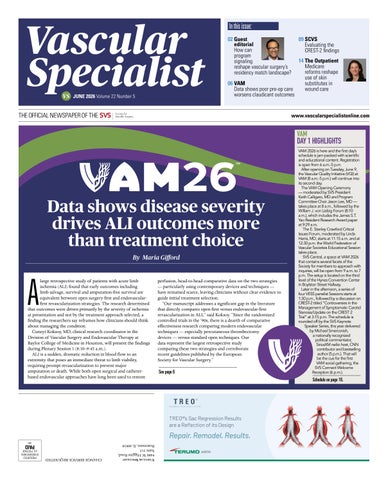
Data shows disease severity drives ALI outcomes more than treatment choice
By Maria Gifford
Alarge retrospective study of patients with acute limb ischemia (ALI) found that early outcomes including limb salvage, survival and amputation-free survival are equivalent between open surgery-first and endovascularfirst revascularization strategies. The research determined that outcomes were driven primarily by the severity of ischemia at presentation and not by the treatment approach selected, a finding the researchers say reframes how clinicians should think about managing the condition.
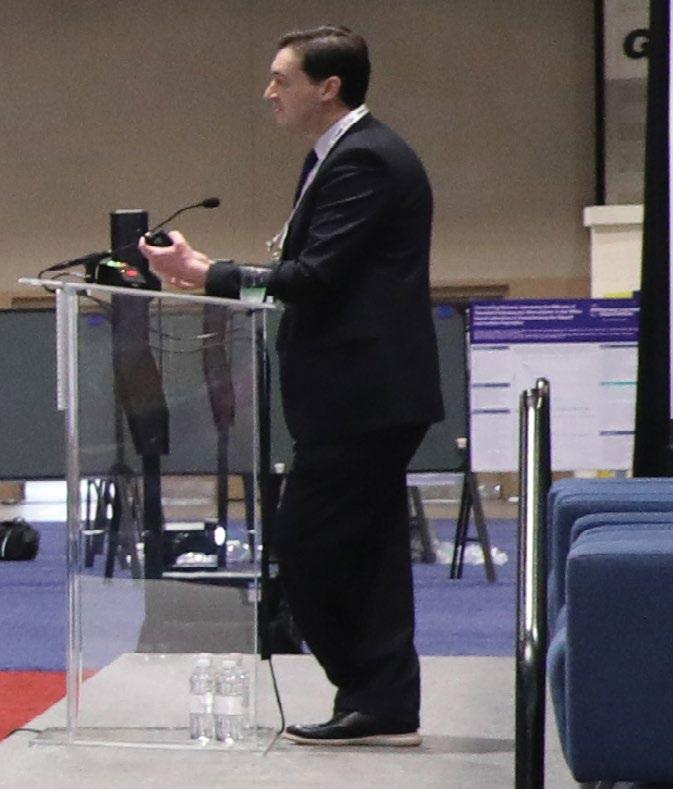
Cuneyt Koksoy, MD, clinical research coordinator in the Division of Vascular Surgery and Endovascular Therapy at Baylor College of Medicine in Houston, will present the findings during Plenary Session 1 (8:10–9:45 a.m.).
ALI is a sudden, dramatic reduction in blood flow to an extremity that poses an immediate threat to limb viability, requiring prompt revascularization to prevent major amputation or death. While both open surgical and catheterbased endovascular approaches have long been used to restore
perfusion, head-to-head comparative data on the two strategies — particularly using contemporary devices and techniques — have remained scarce, leaving clinicians without clear evidence to guide initial treatment selection.
“Our manuscript addresses a significant gap in the literature that directly compares open-first versus endovascular-first revascularization in ALI,” said Koksoy. “Since the randomized controlled trials in the ‘90s, there is a dearth of comparative effectiveness research comparing modern endovascular techniques — especially percutaneous thrombectomy devices — versus standard open techniques. Our data represent the largest retrospective study comparing these two strategies and corroborate recent guidelines published by the European Society for Vascular Surgery.”
The VAM Opening Ceremony — moderated by SVS President Keith Calligaro, MD and Program Committee Chair Jason Lee, MD — takes place at 8 a.m., followed by the William J. von Liebig Forum (8:10 a.m.), which includes the James S.T. Yao Resident Research Award paper at 9:29 a.m.
The E. Stanley Crawford Critical Issues Forum, moderated by Linda Harris, MD, starts at 11:15 a.m. and at 12:30 p.m. the World Federation of Vascular Societies Educational Session takes place.
SVS Central, a space at VAM 2026 that contains several facets of the Society for members to approach with inquiries, will be open from 9 a.m. to 7 p.m. The setup is located on the third level of the Hynes Convention Center in Boylston Street Hallway.
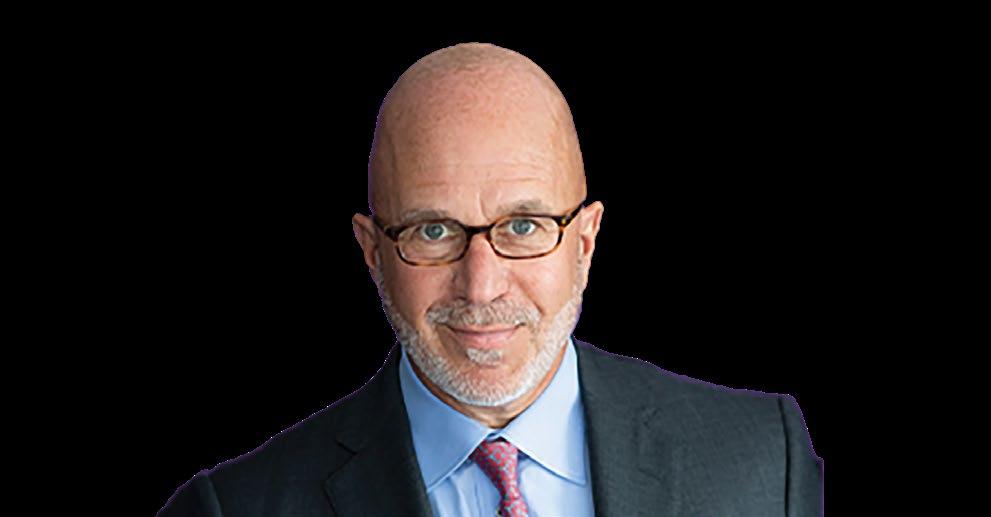
Later in the afternoon, a series of four VESS panelist Sessions starts at 1:30 p.m., followed by a discussion on CREST-2 titled “Controversies in the Management of Symptomatic Carotid Stenosis/Update on the CREST 2 Trial” at 3:15 p.m. The schedule is rounded off by the SVS Keynote Speaker Series, this year delivered by Michael Smerconish, a nationally recognized political commentator, SiriusXM radio host, CNN contributor and bestselling author (5 p.m.). That will be the cue for the first VAM social gathering, the SVS Connect Welcome Reception (6 p.m.).
Schedule on page 16.
Medical Editor Malachi Sheahan III, MD
Associate Medical Editors
Bernadette Aulivola, MD | O. William Brown, MD | Elliot L. Chaikof, MD, PhD | Carlo Dall’Olmo, MD | Alan M. Dietzek MD, RPVI, FACS | John F. Eidt, MD | Robert Fitridge, MD | Dennis R. Gable, MD | Linda Harris, MD | Krishna Jain, MD | Larry Kraiss, MD | Joann Lohr, MD | James McKinsey, MD | Joseph Mills, MD | Erica L. Mitchell, MD, MEd, FACS | Leila Mureebe, MD | Frank Pomposelli, MD | David Rigberg, MD | Clifford Sales, MD | Bhagwan Satiani, MD | Larry Scher, MD | Marc Schermerhorn, MD | Murray L. Shames, MD | Niten Singh, MD | Frank J. Veith, MD | Robert Eugene Zierler, MD Resident/Fellow Editor
Letters to the editor vascularspecialist@vascularsociety.org
Published by the Society for Vascular Surgery
GUEST EDITORIAL
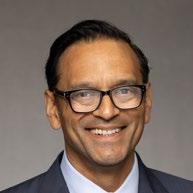
A new signal in the match: Why vascular surgery is embracing program signaling
By Nikhil Kansal, MD, FACS
The residency and fellowship match processes in vascular surgery have evolved significantly over the past decade, shaped by changes in application behavior and increasing application volume, even as the ratio of applicants to available training positions has remained relatively stable. As applicants submit more applications per cycle and programs review substantially larger pools, the process has become increasingly complex for both groups. These dynamics have driven a steady rise in applications per applicant, reflecting a system that incentivizes higher application volume to maximize the chances of success.
Program signaling: Concept and rationale
Program signaling was introduced as a pilot within ERAS during the 2020–2021 application cycle as a mechanism for applicants to express genuine interest in a limited number of programs at the time of application. At its core, signaling is a tool to inform interview selection, providing programs with an additional data point to identify applicants who may have a particular interest in their training environment. It is not designed to replace comprehensive application review, but to complement it within initial screening.
Vascular Specialist is the official newspaper of the Society for Vascular Surgery and provides the vascular specialist with timely and relevant news and commentary about clinical developments and about the impact of healthcare policy. The ideas and opinions expressed in Vascular Specialist do not necessarily reflect those of the Society. The Society for Vascular Surgery will not assume responsibility for damages, loss, or claims of any kind arising from or related to the information contained in this publication, including any claims related to the products, drugs, or services, or the quality or endorsement of advertised products or services, mentioned herein. | The Society for Vascular Surgery headquarters is located at 9400 W. Higgins Road, Suite 315, Rosemont, IL 60018. |
In this context, the Association of Program Directors in Vascular Surgery (APDVS) recently voted to pursue adoption of program signaling, representing an important step in addressing these evolving challenges. This decision follows a structured review of available data, experience from other specialties and careful consideration of the unique characteristics of vascular surgery training pathways. Although signaling has been used in other specialties for several years, its adoption within vascular surgery reflects a focused effort to improve alignment between applicants and programs in an increasingly complex application environment.
A changing application landscape
Over time, the vascular surgery match has seen a steady rise in applications submitted per applicant and received per program. Over the past decade, the average number of applications per program has increased by approximately 60%, while applications per applicant have more than doubled in recent years.
Importantly, this growth has occurred alongside increases in training programs and available positions, such that the ratio of applicants to positions has remained relatively stable. Despite this, both applicants and programs are managing substantially higher application volumes.
For programs, this has created a growing burden on program directors and faculty. In an era emphasizing holistic review, coupled with fewer traditional objective metrics, the ability to meaningfully evaluate an expanding applicant pool has become increasingly challenging. As volume rises, the tension between thorough review and practical feasibility has become more pronounced.
Many surgical specialties, including otolaryngology, plastic surgery, thoracic surgery and general surgery, have incorporated signaling to address similar challenges. Among surgical training pathways, vascular surgery has remained the only specialty not to adopt signaling, positioning it as a clear outlier.
Both integrated vascular surgery residency and fellowship pathways remain highly competitive and as application volume increases, the challenges of identifying genuine interest and performing meaningful holistic review have become more pronounced. In this context, experience from other competitive specialties provides a useful framework for considering how signaling might function within vascular surgery.
The rationale is straightforward: in an environment characterized by application inflation and diminished traditional signals, applicants gain a structured way to communicate preference and programs gain an additional tool to identify applicants with potential interest.
Survey data across specialties suggest that signaling is well received. Approximately 70%–80% of applicants report favorable perceptions, while favorable perceptions among program directors are similar or slightly higher, often approaching 80%–85%.
How program signaling works
Program signaling occurs at the time of initial ERAS application submission, when applicants indicate interest in a limited number of programs based on information available prior to the interview process. These signals are visible during initial review and may help inform interview invitations alongside other elements of the application.
Signaling is intended to function at this early stage and is not designed to influence decisions beyond interview selection.
Lessons from other specialties
Experience across specialties suggests that the impact of signaling is closely tied to the number and structure of signals used. Lower signal volumes preserve the strength and clarity of each signal but may have limited influence on application behavior. Higher volumes distribute signals more broadly but may reduce clarity and introduce the potential for signals to be used as a cutoff for offering interviews. Signal allocation therefore represents a balance between preserving meaning and achieving meaningful distribution. Based on experience across specialties, the APDVS elected to pursue a two-tier, moderatevolume signaling approach in vascular surgery, with the goal of maintaining signal clarity while allowing applicants to express different levels of interest.
A two-tier signaling approach
Under this model, applicants will be able to send a total of 15 signals: three “gold” signals indicating highest interest and 12 “silver” signals reflecting additional programs of strong interest. This structure allows applicants to differentiate levels of preference
continued on page 4
More time in procedures.
More time to enjoy life.
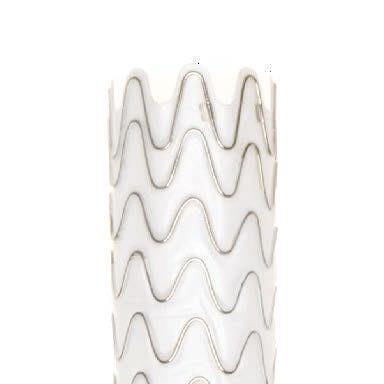
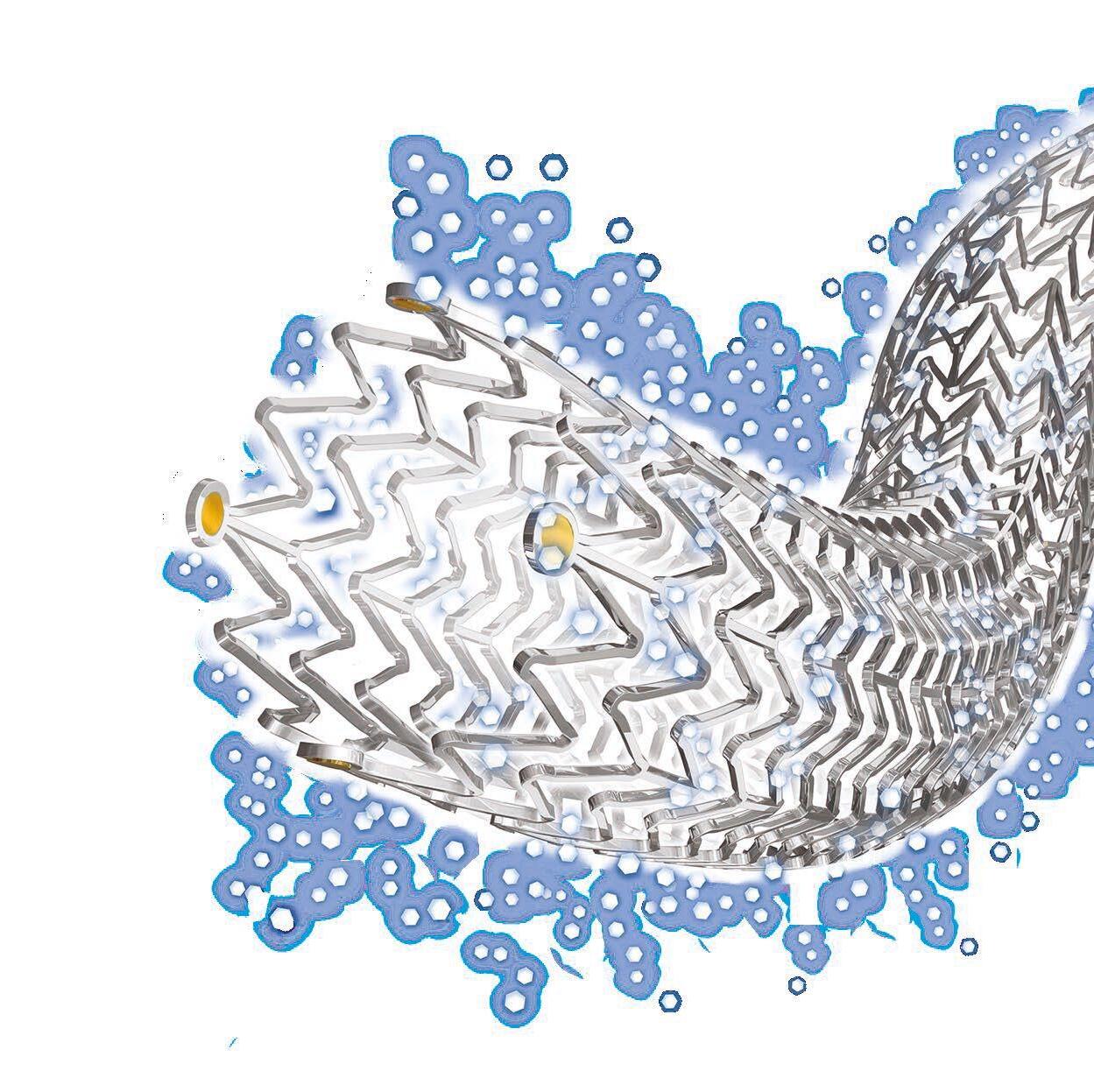
Other stents treat the moment. WRAPSODY cares for what comes next.
A cell‑impermeable design supports long‑term vessel patency, reducing unplanned access reinterventions. Softened end rows further minimize vessel trauma. Together, these advances help patients experience fewer dialysis disruptions, giving them more time to enjoy life between procedures.
Other stents treat the moment. WRAPSODY cares for what comes next.
A cell‑impermeable design supports long‑term vessel patency, reducing unplanned access reinterventions. Softened end rows further minimize vessel trauma. Together, these advances help patients experience fewer dialysis disruptions, giving them more time to enjoy life between procedures.
Explore the data.
Explore the data.
A new signal in the match: Why vascular surgery is embracing program signaling
continued from page 2
➽while maintaining flexibility in how they express interest. For programs, it provides a more nuanced understanding of applicant intent than a single-tier system.
This model is designed to preserve the meaning of a signal while allowing broader distribution, without encouraging rigid screening behaviors. It reflects a focused effort to improve alignment at the interview selection stage while maintaining flexibility for both applicants and programs.
Implications for applicants and programs
For applicants, signaling provides a structured way to communicate interest in a subset of programs at the time of application. In a highly competitive environment, this allows applicants to differentiate levels of interest and may improve their chances of receiving interviews at programs in which they have the greatest interest.
For programs, signaling offers an additional tool during initial screening to help identify applicants who may have stronger interest. In the setting of increasing application volume, this can help prioritize review and support more focused interview selection, while remaining one component of a broader assessment.
DCB THERAPY REDUCES MALE RATES ACROSS FEMOROPOPLITEAL LESION COMPLEXITY
By Maria Gifford
In an era of expanding device options and the clinical temptation to match procedural complexity to lesion complexity, a new study offers a counterintuitive but data-driven argument: In femoropopliteal disease, doing less may actually deliver more. Research using the Vascular Quality Initiative (VQI) finds that drug-coated balloon (DCB) therapy is associated with significantly improved limb outcomes compared with plain balloon angioplasty — and in more complex lesions, compares favorably even against stenting and atherectomy.
Femoropopliteal disease, or atherosclerotic obstruction of the superficial femoral and popliteal arteries, is among the most commonly treated manifestations of peripheral artery disease and endovascular approaches have become the predominant mode of intervention. Yet the optimal device strategy remains actively debated, with stenting, atherectomy and balloon-based techniques each representing distinct clinical philosophies. DCBs deliver antiproliferative drug to the vessel wall during dilation to inhibit restenosis, offering an alternative that avoids permanent implant while targeting the fundamental mechanism of vessel re-narrowing.
“These findings support DCB therapy as an effective strategy for improving limb outcomes, particularly in more complex femoropopliteal disease,” said Mahmoud Malas, MD, senior author and chief of the Division of Vascular and Endovascular Surgery at the University of California San Diego (UCSD). “Notably, outcomes were comparable or superior to stenting, suggesting that more deviceintensive approaches do not necessarily yield better results. This reinforces a more selective, evidence-based approach to endovascular treatment.”
Dr. Malas and first author Shima Rahgozar, BA, a medical student in the Division of Vascular and Endovascular Surgery at UCSD, will present the findings at VAM26 in Boston on Wednesday, June 10 (1:49-1:57 p.m. ET) as part of the SVSVESS Scientific Session @ VAM: Session 1a in the Hynes Convention Center, Third Level, Room 304. The session is titled “Less May Be More: Drug-Coated Balloon–Based Endovascular Therapy and Limb Outcomes in Femoropopliteal Disease.”
The study, which will be presented during the SVS-VESS Scientific Session @ VAM: Session 1a (1:30-2:10 p.m.), stratified patients by TransAtlantic Inter-
“This is about achieving effective, durable revascularization without unnecessary device escalation.”
MAHMOUD MALAS, MD
Signaling does not address all challenges within the match process. Application volume, interview distribution and broader structural factors will continue to influence outcomes. Rather, it represents an initial step in adapting to these trends and will be part of an ongoing process of evaluation and refinement to determine how best to improve alignment within the vascular surgery match.
Implementation and future direction
With the decision to adopt signaling, the focus now shifts to implementation and evaluation. As signaling is introduced, ongoing assessment will be essential to understand its impact on application behavior, interview selection and match dynamics.
Programs will be included by default, with the option to opt out. As experience develops, adjustments to signal number, structure and guidance may be considered to ensure that signaling functions as intended.
More broadly, signaling represents a response to a changing application environment and an opportunity to improve alignment at a critical stage of the match process. Its ultimate role within vascular surgery will depend on how it is used, evaluated and refined over time and how effectively it improves alignment within the match process.
Society Consensus (TASC) classification to compare outcomes across lesion complexity. DCB therapy was associated with significantly lower rates of major adverse limb events (MALE) and MALE or death compared with plain balloon angioplasty, with the greatest benefit seen in higher-complexity TASC C/D lesions. These gains were achieved without any difference in one-year mortality.
“More is not always better in femoropopliteal disease,” said Malas. “DCBs can improve limb outcomes while reducing the need for additional devices such as stenting and atherectomy, simplifying the procedure. This approach has the potential to lower costs while maintaining effective and durable revascularization.”
Beyond clinical outcomes, Malas said the findings carry real-world weight in a health system under cost pressure. Avoiding device escalation not only simplifies the intervention but may curb downstream reintervention rates and the broader economic burden of femoropopliteal disease management.
“Improving outcomes is not only about patient selection, but also about choosing the right treatment strategy,” said Malas. “A more selective approach that avoids unnecessary device escalation may reduce
reinterventions while maintaining strong limb outcomes and this strategy may also help reduce overall costs.”
Malas said the VQI dataset did not allow differentiation between drug-eluting and bare-metal stents, a distinction that may prove meaningful as comparative effectiveness research matures. Longterm durability and patient-centered outcomes such as quality of life also remain important targets. “Future studies should focus on long-term durability and patient-centered outcomes such as quality of life,” he said. “Additional work is needed to differentiate outcomes between specific device types, particularly drug-eluting versus bare-metal stents, which could not be separated in this analysis.”
According to Malas, the findings challenge the instinct to escalate procedural intensity in proportion to lesion severity and instead position DCB therapy as a durable, costconscious first-line option across the full femoropopliteal disease spectrum. “In femoropopliteal disease, DCBs can improve limb outcomes while simplifying the procedure and reducing costs,” he said. “This is about achieving effective, durable revascularization without unnecessary device escalation.”
FROM THE COVER: DATA SHOWS DISEASE SEVERITY DRIVES ALI OUTCOMES MORE THAN TREATMENT CHOICE
The study found that over time, endovascular-first therapy was associated with better survival, though it required more reinterventions. Results held consistent across patient subgroups and newer aspiration-based thrombectomy techniques were associated with fewer early complications compared with older endovascular methods. With ischemia severity rather than treatment choice identified as the primary determinant of outcomes, the findings carry a direct message for clinical decision-making.
“Endovascular-first therapy is a safe and effective option for many patients — it does not compromise early outcomes and may offer long-term advantages in selected cases,” said Koksoy. “That said, it’s not a one-
VAM
Pre-operative guideline adherence tied to fewer major adverse limb events
By Maria Gifford
For patients with claudication, surgical revascularization is meant to restore quality of life. But a new retrospective study finds that most patients are arriving for that intervention without completing the pre-operative care that guidelines recommend and that the shortfall carries real consequences. The research shows that the gap between partial and complete adherence to guideline-directed care (GDC) translates into a meaningful difference in major adverse limb events (MALE) at two years.
Claudication, defined as exercise-induced leg pain caused by peripheral arterial disease, occupies a distinct clinical category from more urgent limb-threatening conditions. The Society for Vascular Surgery (SVS) recommends that revascularization be reserved for patients with severe, lifestyle-limiting symptoms that persist despite both optimal medical therapy (OMT) and supervised exercise therapy — the two components that together constitute GDC.
“Our aim was to quantify how many claudicants received pre-operative GDC and whether partial and/or complete ad-
size-fits-all approach.”
Beyond validating endovascular-first therapy as a frontline option, Koksoy said the study was designed with the broader purpose of generating the foundational data needed to move the field toward future prospective trials. He said the findings are intended as a platform for that next step, not simply a retrospective snapshot.
“Since traditional outcome metrics such as survival and major amputation are similar between open-first and endovascular strategies, it behooves us to better understand which patients benefit most from each approach,” said Koksoy. “Device-specific outcomes are another important area for future research.”
Koksoy said the results argue against a reflexive
herence had any impact on surgical outcomes,” said Richard Shi, MD, who will present the findings during Plenary Session 1 (8:10–9:45 a.m.).
Among the 258 claudicants included in the analysis, only 33 patients demonstrated complete adherence to GDC prior to intervention. Another 114 patients met criteria for partial adherence, defined as completion of OMT alone. Supervised exercise therapy had the lowest individual adherence rate of any GDC component. At two years, 76.7% of the overall cohort remained free from MALE.
Kaplan-Meier analysis revealed a clear stratification in outcomes according to adherence level. Claudicants with complete GDC adherence achieved a MALE-free survival of 87.9% at two years, compared with 78.1% among those with partial adherence and 72.1% among non-adherent patients. On multivariable logistic regression, complete GDC adherence and open vascular intervention were both identified as negative predictors of MALE, meaning each was associated with reduced event rates. Partial adherence, however, did not confer a statistically significant protective benefit over non-adherence.
The practical weight of that last finding comes through clearly in the clinical interpretation. “We found that complete adherence to GDC is protective against MALE in claudicants undergoing intervention out to two years post-intervention and that partial adherence to GDC is insufficient in preventing MALE,” said Adam Tanious, MD, senior author on the study.
That distinction carries particular significance given that claudicants are, by definition, an elective surgical population.
well documented. She cited U.S. Renal Data System data showing Black patients experience the highest rates of primary patency loss. Black patients also have lower rates of kidney transplantation and are less likely to use peritoneal dialysis.
By Killian Meara
Disparities in vascular access outcomes are driven less by biology and more by inequities in education and communication, according to Karen Woo, MD, PhD, professor of surgery at the UCLA David Geffen School of Medicine. During a session focused on health equity in end-stage kidney disease (ESKD) given at the 2026 Society for Clinical Vascular Surgery (SCVS) Annual Symposium in San Diego (March 28–April 1), Woo said disparities in vascular access outcomes are
Woo challenged the tendency to frame racial disparities as biologic differences between groups. “There is only one race, the human race,” she said, quoting nephrologist Keith Norris, MD. “Racial and ethnic identities are socially assigned constructs that lead to inequitable distribution of health care resources, thus creating health disparities.”
Woo noted that many barriers faced by patients with ESKD — including limited access to information, transportation, financial resources and longitudinal care — disproportionately
preference for either approach and instead point toward a more individualized treatment framework, one in which ischemia severity and patient-specific clinical factors jointly guide the choice of strategy. He added the study’s scale and two-center design strengthen the case for using its findings as the basis for future randomized investigation.
“Both open and endovascular approaches provide equivalent outcomes with respect to survival and major amputation, but choosing the right strategy depends on the patient and the severity of ischemia,” said Koksoy. “Further study will be required to determine how to best personalize treatment to specific individual patients.”
Shi said incomplete pre-operative preparation appears to offer patients little meaningful protection against post-operative limb-related complications, making the case that going through only part of the recommended process is not a reasonable middle ground.
“Surgical intervention in claudicants is not without risk and vascular surgeons must carefully consider which claudicants are likely to benefit from surgical intervention,” said Shi. “GDC should be a requirement prior to intervention on any claudicant, as this confers a protective benefit to MALE post-operatively.”
The data also expose a notable gap between established guidelines and real-world practice. Fewer than one in seven patients in the cohort fully completed the pre-operative pathway that guidelines recommend and Tanious said that rate of non-compliance warrants broader scrutiny and targeted corrective action. “Our findings call for research to understand national rates of adherence to GDC, as well as quality improvement initiatives aimed at improving patient adherence,” he said.
The study frames pre-operative GDC not as a formality but as a modifiable variable with measurable downstream consequences, one Tanious said clinicians should treat as a meaningful determinant of which patients are truly ready for surgical intervention. “Pre-operative adherence to guideline-directed care is low and must be improved, as it is a critical contributor to major adverse limb events in a patient population undergoing intervention to improve quality of life,” he said.
affect marginalized populations. While systemic inequities can be difficult to solve, Woo highlighted patient education as an area where clinicians can make an immediate impact. After conducting interviews with more than 100 patients with ESKD, her research team repeatedly heard frustration about the lack of patient-centered educational resources. “One of the most common themes that we hear over and over is this patient population’s thirst for knowledge about the disease and treatment options,” she said.
In response, Woo and her colleagues partnered with the patients to create an educational toolkit covering dialysis modalities, vascular access options and complications. The online resource also includes videos of patients discussing how they made treatment decisions.
During the session, Woo also focused on communication and listening. Data from internal medicine visits show patients are interrupted an average of 18 seconds
after beginning to speak, often before completing their chief complaint. “Another recurring theme that we hear from our interview participants is that their clinicians don’t listen to them,” she said.
Woo said simple changes in communication can help improve patient engagement. Rather than asking, “Do you have any questions?” she said clinicians should ask, “What questions do you have for me?” because this phrasing has been shown to increase the likelihood that patients will speak up.
“When we as health care professionals are curious and receptive to patient values, we can help patients make health care choices that are values based and goal concordant, which in turn improves patient centered outcomes,” said Woo. “I once had a patient start crying at the end of an interview. She said to me, ‘No doctor has ever listened to me the way that you just listened to me.’ One of the most important services that we can all offer our patients is the simple act of listening.”
An extra pair of hands?
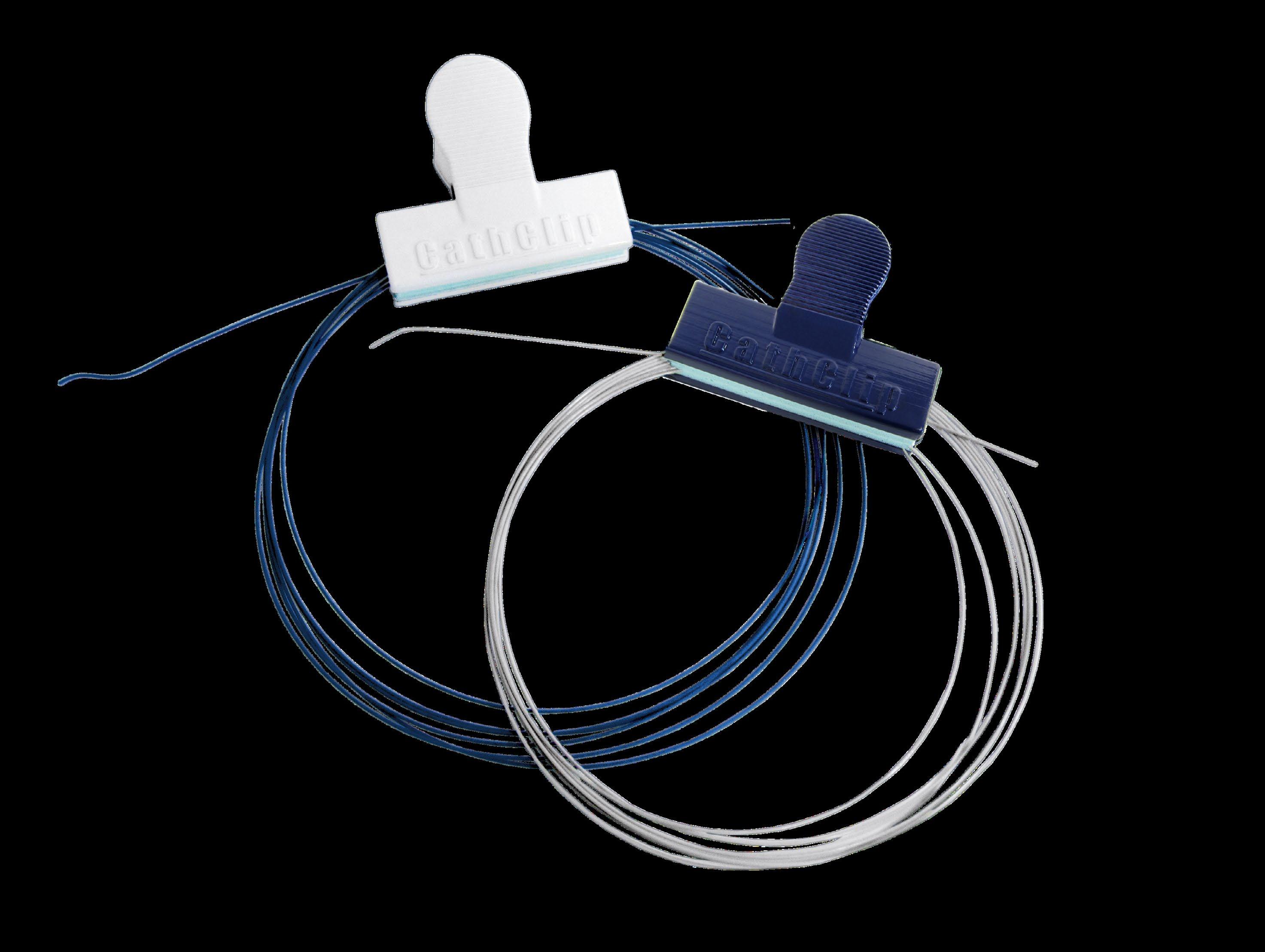
CathClip is a small, low-cost disposable which gently and securely holds any guidewire, catheter, or balloon (from the stiffest to the most delicate), with just a simple clip. Save material costs, save time, save headaches. Focus on the patient - not on managing your devices.
Used in a variety of settings, from the largest health systems to independent surgery centers, CathClip can be ordered in stand-alone sterile pouches or incorporated into your procedure packs. CathClip pays for itself in material cost savings alone, with additional productivity and safety benefits. Have you tried CathClip yet?
To learn more, see where CathClip is used, and request it for your procedures, please visit us at CathClip.com.
By Maria Gifford
Retrograde tibial access has long offered technical advantages in peripheral vascular procedures, but a new study raises concern that its use in patients with claudication may be driving treatment decisions that exceed what current guidelines recommend, creating a clinically significant downside.
That is the study’s central concern, examining retrograde tibial access during peripheral angiography in patients with intermittent claudication, a population for which both the Society for Vascular Surgery (SVS) and the European Society for Vascular Surgery (ESVS) expressly discourage tibial-level intervention, according to Jordan Stern, MD, senior author on the study and associate professor at Weill Cornell Medicine. Intermittent claudication is a manifestation of peripheral artery disease characterized by reproducible leg pain with exertion that resolves with rest. Unlike CLTI, claudication does not place the limb at immediate risk and current guidelines reflect that distinction, steering practitioners
toward conservative management and reserving intervention for patients who have failed structured exercise therapy and medical optimization. Stern said tibial-level procedures in this setting carry particular concern, as they introduce procedural risk to a population that may derive limited benefit.
“In patients with intermittent claudication, a ‘first do no harm’ approach is critical for optimal outcomes as these patients are not in a limb-threatening situation,” said Stern, who will present the findings during the SVS-VESS (Vascular & Endovascular Surgery Society) Scientific Session @ VAM: Session 1a (1:30-2:10 p.m.). “The use of retrograde access, while itself not necessarily harmful, may be associated with harmful practices.”
Drawing on the Vascular Quality Initiative (VQI) with VISION linkage to Medicare data, investigators analyzed 26,672 peripheral angiograms performed for claudication and found that 3.6% utilized tibial access (alone or in combination with femoral access) most frequently in the ambulatory or office-based laboratory setting. The tibial intervention rate among patients in whom tibial access was used reached 43.7%, compared with only 13.9% in those treated via femoral-only access. Tibial access was also associated with higher rates of repeat procedures and progression to CLTI.
“In
claudication, a ‘first do no harm’ approach
optimal
as these patients are not in a limb-threatening situation.”
JORDAN STERN, MD
“Tibial access can certainly be an important procedural adjunct for crossing and treating complex lesions,” said Stern. “However, caution should be exercised, as this seems to be a risk factor for treatment outside accepted guidelines and worse clinical outcomes.”
Stern said the findings carry particular weight given the setting in which tibial access was most commonly employed. Office-based laboratories and ambulatory surgical centers have grown rapidly as sites for peripheral vascular intervention and the data suggest tibial access use in these environments warrants close scrutiny, particularly given the substantially elevated tibial intervention and reintervention rates observed among patients who, by guideline standards, should rarely require either.
Stern acknowledged the study’s limitations, chief among them being the absence of anatomic detail and uncertainty around why tibial intervention was pursued in these cases. Those gaps, Stern argues, define the agenda for future research. “This study confirms some of our previous findings using a more robust, Medicare-linked dataset,” he said. “We do not know anatomic details, why these patients are undergoing tibial intervention, or what actually leads to disease progression. These are important questions that may help to clarify who is most at risk.”
Stern said the broader takeaway is a call for heightened procedural discipline, not a prohibition on tibial access. However, a recognition that its use in claudicants appears to set in motion a clinical trajectory inconsistent with guideline-recommended care. “In patients with intermittent claudication, tibial access should be used with caution as it appears to be associated with tibial intervention, repeat intervention and progression to CLTI,” he said. “Further study is needed to determine which patients are most at risk and how to best align procedural decision-making with what the evidence supports for this population.”
By Killian Meara
Collecting patient-reported outcomes (PRO) after peripheral vascular intervention (PVI) is feasible but remains operationally difficult, according to findings from a multicenter pilot study that was presented at the 2026 Society for Clinical Vascular Surgery (SCVS) Annual Symposium in San Diego (March 28–April 1).
The My Peripheral Arterial Disease (My PAD) study evaluated the collection of quality-of-life data in patients undergoing PVI for claudication or chronic limb-threatening ischemia (CLTI) from within the Vascular Quality Initiative (VQI). Investigators aimed to determine whether routine PRO collection could be integrated into vascular practice while also assessing changes in patient quality of life following intervention.
The study used two questionnaires — the VQ6, a disease-specific survey for PAD, and the EQ 5D-5L, a broader health-status instrument. Surveys were completed before intervention, at one to three months and again at nine to 15 months.
To improve participation, investigators employed multiple collection strategies, including email reminders, education materials and direct feedback to participating surgeons. Even with those efforts, researchers found collecting long-term patient-reported data remained difficult.
Across 10 participating centers, only 7.5% of eligible patients ultimately had complete PRO collection. Among those enrolled, 56% completed early follow-up and just 28% completed late follow-up. Investigators noted that staff assistance was required in up to 70% of cases, underscoring the labor-intensive nature of the process.
Despite those challenges, the findings demonstrated meaningful improvements in patient quality of life after intervention. Patients completing follow-up surveys showed significant improvements across all domains of both the VQ6 and EQ 5D-5L questionnaires at both early and late time points.
Daniel Bertges, MD, who presented the data, said that future progress will likely depend on integrating PRO collection directly into electronic medical records and aligning incentives with Centers for Medicare & Medicaid Services (CMS) policies.
Daniel Bertges, MD
“In our limited cohort, it does appear that PVI improves health care and quality of life in the majority of patients,” said Bertges. “I continue to believe that PRO can provide meaningful insights for individuals and their surgeons once we begin to overcome the burden of data collection.”
CREST-2 FINDINGS REINFORCE ROLE OF INTENSIVE MEDICAL MANAGEMENT IN ASYMPTOMATIC CAROTID DISEASE SCVS
By Killian Meara
The CREST-2 trial results are likely to reshape how surgeons manage asymptomatic carotid stenosis, particularly by emphasizing the growing importance of intensive medical therapy, according to Wesley Moore, MD.
Reviewing the findings during a session at the 2026 Society for Clinical Vascular Surgery (SCVS) Annual Symposium in San Diego (March 28–April 1), Moore argued that the trial should not be interpreted as a direct comparison between carotid endarterectomy (CEA) and transfemoral carotid artery stenting (CAS), noting the two arms involved substantially different patient populations.
CREST-2 found both CEA and CAS reduced stroke risk compared to medical management alone, although the absolute benefit was modest. In the stenting arm, stroke or death occurred in 6% of patients receiving medical therapy alone compared to 2.8% receiving CAS plus medical management. In the CEA arm, event rates were 5.3% with medical therapy alone versus
3.7% with CEA plus medical management.
However, Moore stressed that outcomes in the CAS arm reflected highly selective enrollment criteria. Patients with long lesions, circumferential calcification, tortuous carotid anatomy, near occlusion or complex aortic arch anatomy were excluded from the stenting cohort.
“The Interventional Management Committee bent over backwards to pick the best of the best,” said Moore. “Only 50% of the individuals who wanted to participate in the stent arm of the trial were accepted.”
However, Moore said one of the key lessons from CREST-2 may be the effectiveness of contemporary medical management itself. “Modern medical management has had a major benefit in stroke risk reduction when compared to the ACAS era,” he said. “I was very nervous about randomizing my patients for medical management when we first started. But when we included intensive medical management and followed those patients over time with duplex ultrasound, for the first time I’ve actually seen regression of plaque.”
Moore said the findings have already influenced his personal practice patterns. When he sees patients with asymptomatic high-grade stenosis, he first starts them on intensive medical therapy with close surveillance imaging. “If the plaque shows progression within the 80% to 99% category, or if the patient becomes symptomatic, then I’m certainly going to recommend intervention,” he said. “In our institution, that’s going to be CEA or TCAR, depending upon anatomy or preference.”
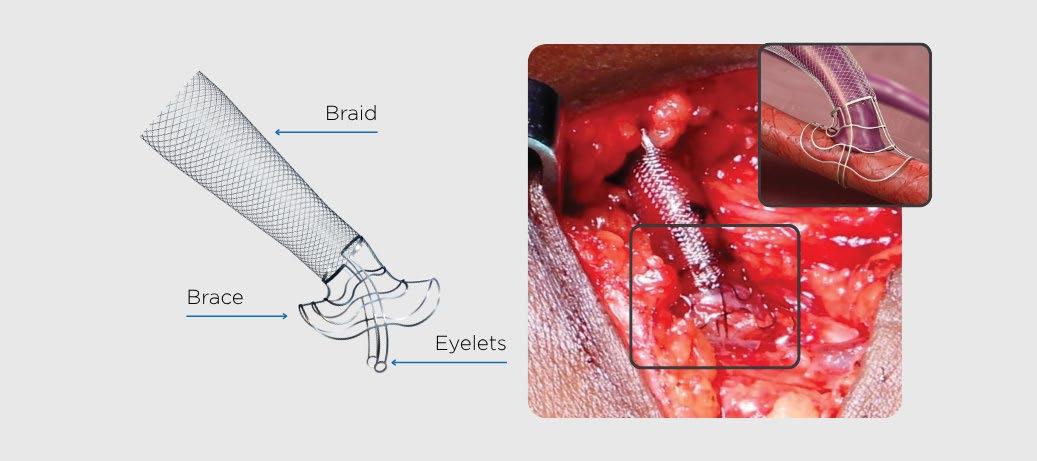
What happens after a fistula is created can be just as important as the procedure itself. Dion Franga, MD, shares how innovations like VasQ may help improve fistula maturation, reduce catheter time and additional interventions and create a more reliable dialysis experience for both patients and care teams.
How can innovations like VasQ help redefine AVF success beyond the operating room and drive better outcomes across the entire dialysis care continuum?
Dion Franga, MD: Devices that help optimize and enhance native fistulas from creation serve to increase the odds that a patient is going to receive dialysis through a mature access faster and with fewer maturation procedures, complications, or interruptions in dialysis care. This helps decrease the number of days patients are dependent on their catheter and lessens the burden on our interventionalists and of
Beyond the procedure: Rethinking long-term AVF success with VasQ
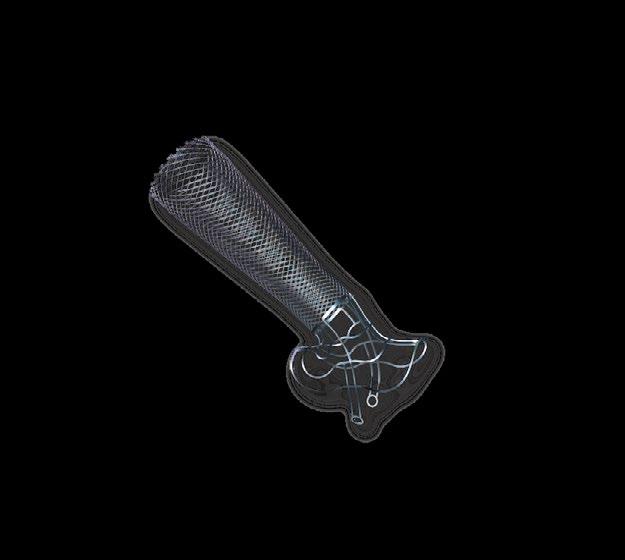
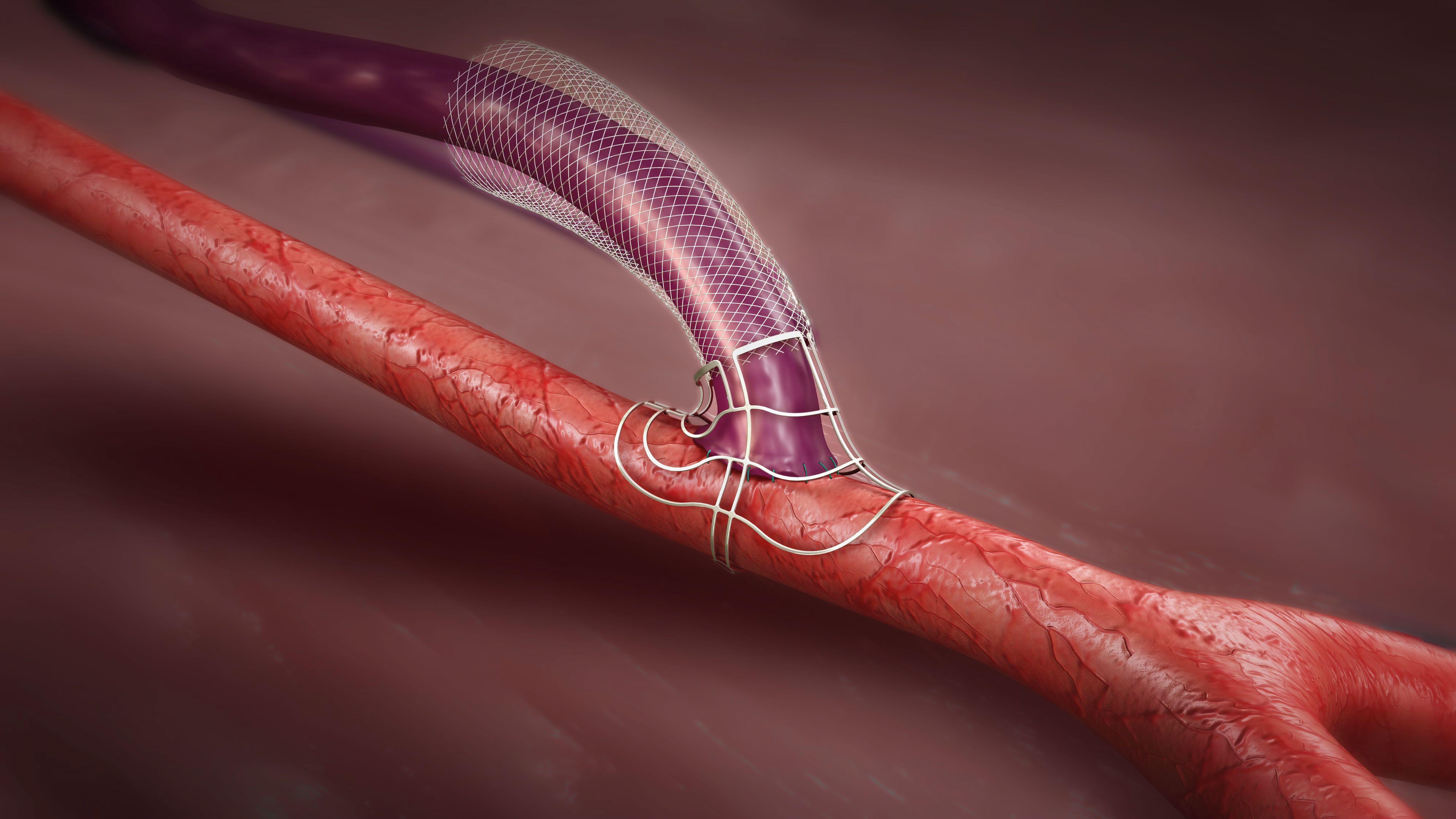
Dion Franga, MD, reflects on his experience using VasQTM, a nitinol extravascular support device used to create arteriovenous fistulas (AVFs) for dialysis access.
course, it’s better for the patient who does not have to endure additional procedures.
In what ways have you seen VasQ standardize AVF creation to deliver more consistent, reliable fistula performance?
Franga: VasQ standardizes the anastomosis to mitigate some of those common points of fistula failure. Specifically, VasQ helps to address hemodynamic and mechanical stress at the anastomosis by creating a tapered outflow and reenforcing the vein against the arterialized transluminal pressures associated with negative remodeling. That’s where I find the real advantage of the device — once we create the fistula, we really have no control over how it matures after the patient leaves the operating room. VasQ is a tool that gives me the ability to better control for variables that were previously outside my control as a surgeon. This device is not going to make a bad fistula a good fistula, but it can take an average fistula and make it more likely to succeed.
What impact can easier, more predictable cannulation have on dialysis staff efficiency and patient experience?
Franga: Number one, patient experience and comfort are of the utmost importance. Reducing infiltrations can improve both patient comfort and fistula durability over time. For dialysis centers, VasQ fistulas retain their configuration, so they may be less prone to cannulation complications. I have seen a notable decrease in cannulation complications in VasQ patients I’ve enrolled in the post-market RCT.
How might improving early fistula usability reduce catheter dependence and the need for additional interventions?
Franga: Simple, the sooner the fistula is ready, the sooner the catheter can be removed. Additionally, the happier a patient is with their fistula, the less likely they will elect to remain on a catheter. Sometimes, patients who are good fistula candidates are directed towards alternative access
options, like grafts, because of the fear that the fistula maturation will take too long and extend that catheter time. For the same reason, surgeons will opt for a more proximal fistula even if the patient is a candidate for a radiocephalic. But we have to think long-term about the usability and durability of the fistula over the patient’s lifetime. I have observed in my patients that adding VasQ to a fistula reduces the risk of needing maturation procedures allowing me to refer more fistulas for cannulation at the first follow up. Such a tool will provide more confidence in not just choosing a fistula over a graft, but perhaps choosing a more distal option, such as a radiocephalic, to preserve future access options.
What are the system-wide benefits of innovations like VasQ that shift AVF success from a single procedure to longterm functional performance?
Franga: T he system-wide benefit is improving the overall quality of dialysis care — from more straightforward fistula creation for surgeons, fewer maturation procedures for our interventionalists, improved quality of life for the patient who has a working access and less interruptions in scheduled dialysis for centers and patients. Patients are always our primary focus, so improving the overall access experience is what motivates me to harness innovations like this. Innovation means finding new ways to improve fistula outcomes, support successful cannulation, enhance patient comfort and decrease burden of additional procedures. All those things have impacts on patient outcomes and their survival and quality of life, so anything that enhances the procedure I’m already doing and benefits patients makes sense to me.
US: VasQ is intended for use as an external support for upper extremity arteriovenous fistulas created for vascular access by means of vascular surgery.
EU/UK: The VasQ device is intended for use as subcutaneous arteriovenous conduit support for vascular access.
Prior to use, please reference the Instructions for Use for more information on indications, contraindications, warnings, precautions and adverse events available at https://laminatemedical.com/eIFU
Don’t forget to grab your show daily!
SVS Keynote Speaker Series
Michael Smerconish, a nationally recognized political commentator, SiriusXM radio host, CNN contributor, bestselling author and vocal advocate for civil discourse in a polarized America, will deliver the annual keynote address at VAM on Wednesday, June 10 at 5 p.m. Sponsored by Boston Scientific.
SVS CENTRAL: YOUR VAM 2026 HUB
MAKE SURE TO STOP BY SVS CENTRAL, A SPACE AT VAM 2026 THAT CONTAINS SEVERAL facets of the Society for members to approach with inquiries. This year, the setup is located on the third level of the Hynes Convention Center in Boylston Street Hallway. These SVS facets are found in SVS Central:
JVS JOURNALS: Journals staff will be available to answer questions about the submission process, becoming a reviewer or Editorial Board member, or anything else about our five great journals. And as always, come check out this year’s socks.
SVS MEMBERSHIP: Anyone looking to become an SVS member, pay their dues, check their membership status or inquire about membership benefits can connect with members of the membership team in SVS Central. If you are having trouble with your SVS account, the team members can assist. Be sure to stop by to grab SVS giveaways.
SVS EDUCATION: The SVS education team is heading to VAM26 and will be at SVS Central showcasing new and returning educational programs, resources and opportunities for vascular specialists at every stage of practice. Stop by to learn about upcoming courses and meetings, explore on-demand learning, including VESAP and the Wound Care Curriculum, discover coding and reimbursement resources, enter our daily raffle to win either a branded VascuLEARN Stanley or a copy of Rutherford’s Vascular Surgery and connect with the team about ways to stay engaged year-round. Learn more at vascular.org/vascular-specialists/education-and-meetings
SVS QUALITY PRACTICE: The Quality Practice staff can answer questions about clinical guidelines, quality improvement and quality measurements. There will be information on CMS Quality Payment Programs and samples of the SVS Clinical Guideline pocket guides.
SVS PAC: The SVS PAC/Advocacy display is located near SVS Central. Staff and members of the Advocacy Committee(s) will be available to answer questions and assist with onsite contributions. Stop by to learn about recent SVS PAC activities and the view the donor recognition wall.
SVS FOUNDATION: The philanthropic arm of the Society is stationary within the hub, where staff are prepared to answer Foundation-centric questions, including the Exhibit Hall Bingo at VAM. Don’t forget to stop by and learn more about how the Foundation is investing in the future of vascular surgery and patient care.
WELCOME
TO BOSTON: TWO NIGHTS OF CONNECTION AND LOCAL FLAVOR AT VAM
Celebrate the spirit of Boston as VAM26 kicks off with two unforgettable evenings of networking, local flavor and hometown fun!
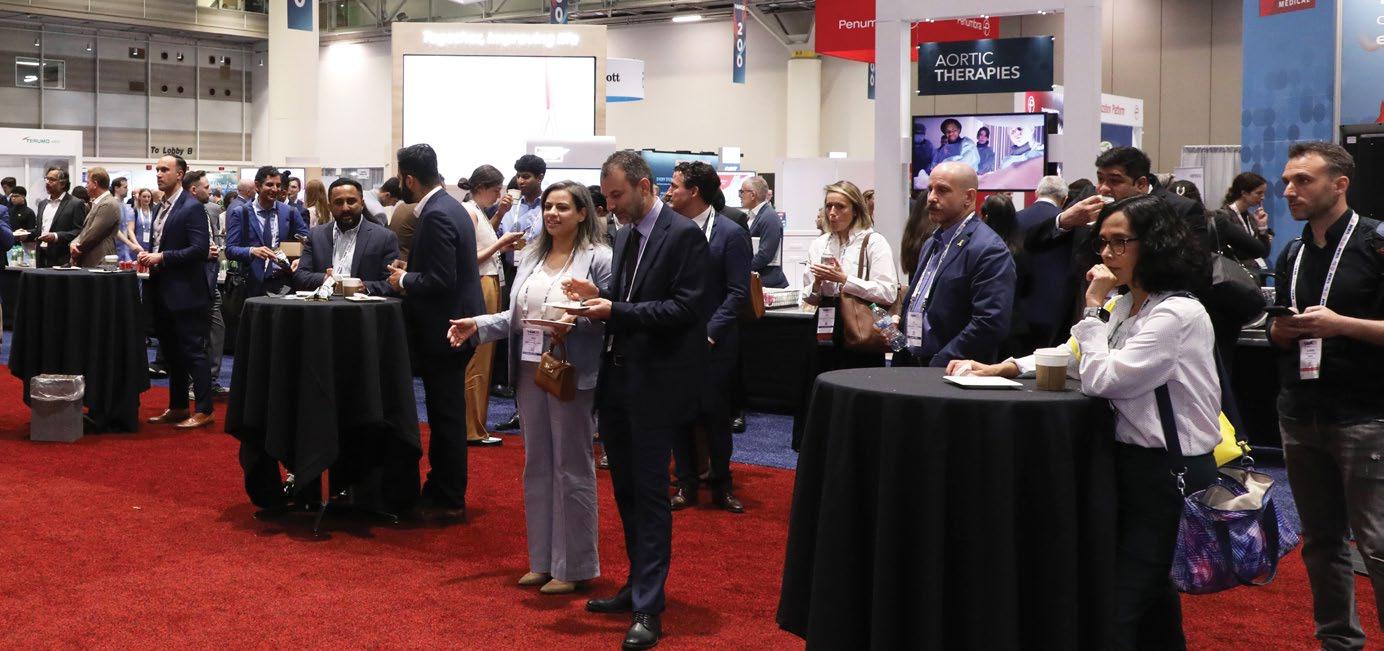
Start the week at the SVS Connect Welcome Reception on Wednesday, June 10, from 6–7:30 p.m. on the third level of the Hynes Convention Center. This year’s reception brings a lively Boston baseball and Fenway Park-inspired atmosphere complete with local cuisine, festive decor and the sounds of a spirited Irish Boston band. It’s the perfect way to reconnect with colleagues from around the world while experiencing the energy and charm of the city.
Then on Thursday, June 11, head to the Taste of Boston during the Exhibit Hall Opening Reception from 5–6:15 p.m. in the Hynes Convention Center Exhibit Hall. Participating exhibitors will showcase iconic local favorites — from lobster rolls to signature cocktails — right from their booths. Be sure to visit ASR Systems, Reflow Medical, Remington Medical and Solventum for a true taste of Boston while exploring the latest innovations in vascular care.
Innovation in action: Hands-on learning at VAM
EXPERIENCE INNOVATION IN ACTION AT VAM26 WITH two immersive, hands-on learning destinations in the Exhibit Hall. New this year, the Wound Care Pavilion offers attendees the chance to explore practical wound care techniques alongside expert faculty and industry partners. Building on concepts from the Wound Care Curriculum Online Module, the pavilion features interactive demonstrations focused on debridement, dressing and oxygen therapy, as well as opportunities to test products and engage directly with specialists. Open to all VAM26 attendees with no registration required, the pavilion will take place Thursday, June 11, from 10:30 a.m.–6:15 p.m. and Friday, June 12, from 9:30 a.m.–2 p.m. in the Exhibit Hall.
Attendees can also step into the popular Touchpoint: Hands-On Simulation Lab, a dynamic space designed for interactive learning and live demonstrations of the latest vascular surgery devices, technologies and techniques. Featuring rotating 30-minute sessions throughout Thursday and Friday, the SIM Lab allows participants to gain practical experience at their own pace — no pre-registration needed. Whether trying new tools or exploring emerging innovations, this high-energy experience is a must-visit for anyone looking to get hands-on at VAM26.
VASCULAR LIVE@VAM
DISCOVER THE LATEST ADVANCEMENTS IN VASCULAR surgery at Vascular LIVE! at VAM, a dynamic theater experience located in the Exhibit Hall. Featuring concise, high-impact 25-minute presentations from industry leaders, these sessions spotlight emerging technologies, new clinical data and innovative treatment approaches shaping the future of vascular care.
Thursday, June 11
10:20 a.m. to 10:45 a.m.
Sponsored by Cagent
“Why POBA Falls Short and How Serration Remodeling Therapy Is Advancing PAD Treatment Outcomes”
Speaker: Venita Chandra, MD
12:15 p.m. to 12:40 p.m.
Sponsored by Boston Scientific “TCAR: Still Not Convinced?”
Speakers: Michael Jaff, MD, Brian DeRubertis, MD and Charles Bailey, MD
1:00 p.m. to 1:25 p.m.
Sponsored by Atricure
“Redefining Pain Management in Amputations with cryoXT”
Speaker: Priyam K. Vyas
3:00 p.m. to 3:25 p.m.
Sponsored by Reflow Medical
“Rethinking BTK Treatment Approach: Insights into the Retrievable Spur Stent”
Speakers: Patrick Muck, MD and Anahita Dua, MD
5:30 p.m. to 5:55 p.m.
Sponsored by Philips
“Real-World Medicare Evidence: Cost and Outcome Benefits of IVUSGuided Deep Venous Intervention”
Speaker: Eric A. Secemsky, MD
INDUSTRY SYMPOSIA
Friday, June 12
9:30 a.m. to 10:00 a.m.
Sponsored by Endologix
“Rethinking the Route: PTAB with DETOUR for Challenging SFA Cases
– A deep dive look into the DETOUR clinical evidence, patient selection guidelines and procedural tips for a successful procedure”
Speaker: Ajit Rao, MD
12:10 p.m. to 12:35 p.m.
Sponsored by Abbott
“One Platform, Multiple Lesions. Redefining the Treatment of Complex Calcified Disease with Diamondback 360 Exchangeable Series”
Speaker: Rajiv Swamy, MD
12:45 p.m. to 1:10 p.m.
Sponsored by Shockwave
“Shockwave IVL: Case-Based Approaches to Complex BTK Disease”
Speakers: Misty Humphries , MD, Meryl Logan, MD and Chris Paprzycki, MD
Wednesday, June 10
12:30 p.m. to 1:30 p.m.
Sponsored by Gore
“Preparing for Practice – What I Wish I’d Known Then: Case-Based Decisions that Informed My Practice & Power of Pivoting: Defining Your Value as a Vascular Surgeon”
Speakers: Ajit Rao, MD, Grayson, MD and Katherine McMackin MD
12:30 p.m. to 1:30 p.m.
Sponsored by Abbott
“The Role of Drug-Eluting Resorbable Scaffolds for Infrapopliteal CLTI”
Speakers: Elizabeth Genovese, MD and Nicole Ilonzo, MD
Thursday, June 11
12:30 p.m. to 1:30 p.m.
Sponsored by Cook
“Practical Solutions for Challenging Iliac Anatomy: Purpose-Built and Patient-Specific Strategies to Address Real-World Challenges”
Speakers: Jason Lee, MD and Kendal Endicott, MD
12:30 p.m. to 1:30 p.m.
Sponsored by Penumbra “Innovation with CAVT: How Patient Presentation and Rutherford Classifications Influence ALI Management”
Speakers: Dejah Judelson, MD, Rabih Chaer, MD, Daniel Han, MD and Venita Chandra, MD
Friday, June 12
12:30 p.m. to 1:30 p.m.
Sponsored by Boston Scientific “Landmark Evidence, Next-Gen Technology: How HI-PEITHO and SEISMIQ IVL are Redefining Vascular Care”
Speakers: Michael Jaff, DO, Nicolas Mouawad, MD, Elizabeth Genovese, MD, Steven Abramowitz, MD and Gregory Piazza, MD
Nothing beats Zilver® PTX®.
Real-world REALDES study shows lower rate of instent occlusions with Zilver PTX than Eluvia®.1
There is no difference in primary patency or CD-TLR between Zilver PTX and Eluvia, despite the fact that longer lesions were treated in the Zilver PTX arm.
COMMENT& ANALYSIS
THE OUTPATIENT
Medicare reforms reshape use of skin substitutes in wound care
By Alisha Oropallo, MD
Skin substitutes have long been embedded in the limb-salvage toolkit, but over the past year they have moved from a quiet adjunct to a highly visible target of Medicare policy and oversight. The change is driven not by a breakthrough in biomaterials, but by explosive growth in spending that has forced regulators to reexamine when, how and for whom these products should be used. For vascular specialists, the new rules will not eliminate skin substitutes. However, their use will need to be more clearly justified, better documented and more tightly aligned with evidence and value.
reviewed evidence showing clinical benefit.
The inflection point came as Medicare Part B expenditures on skin substitutes climbed from roughly hundreds of millions to more than $10 billion over just a few years, with some quarters approaching $3 billion alone. An Office of Inspector General report described this as a 640% increase in spending since 2022, linked to both rising utilization and higher prices, particularly in home-based wound care. By late 2024, skin substitutes had grown to comprise well over 15% of all Part B drug spending, prompting CMS to label the category a priority area for programintegrity intervention.
“For vascular specialists, these changes translate into practical realities. Skin substitutes will increasingly be reserved for ulcers that have demonstrably failed best-practice standard care.”
Implementation proved contentious. The LCDs’ effective dates were repeatedly delayed through 2025 as stakeholders raised concerns about access and product classification consistency. On Dec. 24, 2025, CMS announced a decisive shift: all finalized LCDs for skin substitute grafts would be withdrawn immediately. In their place, CMS signaled that national payment policy in the Physician Fee Schedule (PFS) would carry the reform agenda forward. That national pivot was finalized in the CY 2026 PFS rule. As of Jan. 1, 2026, skin substitutes used in covered application procedures are paid as incidentto supplies under the PFS in non-facility settings and under the Outpatient Prospective Payment System in hospital outpatient departments, replacing the prior productspecific Average Sales Price plus add-on structure. CMS will categorize products according to their FDA regulatory pathway: 361 human cells, tissues and cellular and tissue-based products, as well as device types approved via PMA or cleared via 510(k). For 2026, the agency opted for a national rate of $127.14 per square centimeter, while reserving the option to stratify reimbursement by category in subsequent years.
will no longer be accounted for, vascular specialists will still need to be aware of the wound dimensions as they may incur the cost from oversizing.
Product selection faces new scrutiny. Evolving national policy emphasizes preference for products supported by clinical data, including randomized or comparative studies demonstrating improved healing and limb-salvage outcomes. Meanwhile, rapidly expanding scientific literature describes advanced bioengineered and pre-vascularized skin substitutes designed to enhance angiogenesis and accelerate integration with host tissue. Promising as these may be, they will only find a durable footing if they can clear higher evidentiary and economic thresholds in this constrained payment environment.
The coding landscape has also shifted significantly. While application procedures continue using familiar CPT codes (15271–15278), hospitals must now use these same
codes since CMS eliminated the C-codes that previously distinguished low- versus high-cost products. Each skin substitute maintains its specific HCPCS product code, but payment now follows incident-to supply principles rather than individual ASPs. Documentation requirements remain the same by requiring evidence of chronicity, standard care failure, wound measurements, product details and improvement metrics to justify continued use.
Skin substitutes are not disappearing from the reconstructive algorithm, but their role is being recalibrated under intense fiscal and regulatory pressure. The next phase will reward vascular practices that can pair rigorous documentation and judicious product choice with the traditional strengths of the specialty such as revascularization, infection control and longitudinal limbsalvage care, ensuring advanced biologic materials remain available to patients who stand to benefit most.
Albany Medical Center
Ascension St.
CMS’ initial response took the form of Local Coverage Determinations (LCD) crafted by several Medicare Administrative Contractors for diabetic foot ulcers and venous leg ulcers. These LCDs codified familiar principles: coverage confined to chronic ulcers that had failed at least four weeks of optimized standard care; explicit expectations for revascularization, infection control, offloading or compression and local wound management before escalating therapy; and a limited number of applications per wound, contingent on documented improvement. They also restricted coverage to products supported by peer-
For vascular specialists, these changes translate into practical realities. Skin substitutes will increasingly be reserved for ulcers that have demonstrably failed best-practice standard care. Payers will expect the chart to tell that story: vascular assessment and revascularization when indicated; infection control; optimized offloading for DFUs or compression for VLUs; and documentation of wound trajectory over at least four weeks before the first application. Repeat use will be determined on measurable progress in wound size, depth, or tissue quality, with ceilings on total applications per episode. While the JW modifier documenting the amount of waste
Vincent Indianapolis Hospital
Baylor Scott & White
The Heart HospitalDallas
Baylor Scott & White
The Heart Hospital Plano
Verified Centers
Corewell Health
Butterworth Hospital
Froedtert and the Medical College of Wisconsin Froedtert Hospital
Keck Hospital of USC
Memorial Regional Hospital
Michigan Vascular Center
Rochester General Hospital
St. Mary's Hospital and Medical Center
UCSF Medical Center
University of Tennessee Medical Center
Vascular Institute of New York
Learn more about the Vascular Verification Program.
10:20 a.m. - 10:45 a.m. ET Vascular Live: Cagent Presents: Why POBA Falls Short and How Serration Remodeling Therapy Is Advancing PAD Treatment Outcomes
a.m. - 5:00 p.m. ET Advanced Practice Provider Section (Separate Registration Required)
CC, Third
Room 312 12:00 p.m. - 1:30 p.m. ET Lunch Break with the Exhibitors
12:15 p.m. - 12:40 p.m. ET Vascular Live: Boston Scientific Presents: TCAR: Still Not Convinced? Hynes CC, Second Level, Auditorium
12:30 p.m. - 1:30 p.m. ET L3: Industry Symposium: Cook Presents: Practical Solutions for Challenging Iliac Anatomy: Purpose-Built and Patient-Specific Strategies to Address Real-World Challenges Hynes CC, Second Level, Room 207
12:30 p.m. - 1:30 p.m. ET L4: Industry Symposia: Penumbra Presents: Innovation with CAVT: How Patient Presentation and Rutherford Classifications Influence ALI Management Hynes CC, Second Level, Room 208
1:00 p.m. - 1:25 p.m. ET Vascular Live: Atricure Presents: Redefining Pain Management in Amputations with cryoXT Hynes CC, Second Level, Auditorium
1:30 p.m.- 3:00 p.m. ET “How I Do It” Video Session Hynes CC, Third Level, Ballroom A
1:30 p.m.- 3:00 p.m. ET C05: The Venous Toolbox 2026: Evidence-Based Guideline Updates and Contemporary Management for Reflux, Obstruction, and VTE Hynes CC, Third Level, Room 302
1:30 p.m.- 3:00 p.m. ET C06: Management of Chronic Aortic Dissection and Type R Endoleak: The Achilles Heel of Endovascular Repair for Aortic Dissection Hynes CC, Third Level, Room 304
1:30 p.m.- 3:00 p.m. ET C07: Winning in Value-Based Vascular Care: Maximizing Reimbursement & Proving Value Through Verification Hynes CC, Third Level, Room 306
1:30 p.m.- 3:00 p.m. ET International Chapter Educational Session
1:30 p.m.- 3:30 p.m. ET Cook Sizing Showdown Competition
CC, Third Level, Room 309
CC, Second Level, Room 206
3:00 p.m. - 3:25 p.m. ET Vascular Live: Reflow Medical Presents: Rethinking BTK Treatment Approach: Insights into the Retrievable Spur Stent Hynes CC, Second Level, Auditorium
3:00 p.m. - 3:30 p.m. ET Coffee Break in the Exhibit Hall Hynes CC, Second Level, Auditorium
3:30 p.m. - 5:00 p.m. ET C08: Hot Topics
CC, Third Level, Ballroom A
3:30 p.m. - 5:00 p.m. ET C09: Geriatric and Frail Vascular Surgery Patients: Principles, Challenges, and Contemporary Practice Hynes CC, Third Level, Room 306
3:30 p.m. - 5:00 p.m. ET C10: Tactics to Avert the Diabetic Foot Ulcer and Limb Amputation Epidemic Hynes CC, Third Level, Room 302
3:30 p.m. - 5:00 p.m. ET C11: The ABC’s of Vascular Lab Management Hynes CC, Third Level, Room 304
3:30 p.m. - 5:00 p.m. ET Enrico Ascher Vascular Innovation Institute-Informational Session Hynes CC, Second Level, Room 207
3:30 p.m. - 5:00 p.m. ET International Young Surgeons Competition Hynes CC, Third Level, Room 309
5:00 p.m. - 6:15 p.m. ET Interactive Poster Session Hynes CC, Second Level, Hall D
5:00 p.m. - 6:15 p.m. ET International Poster Competition Hynes CC, Second Level, Hall D
5:00 p.m. - 6:15 p.m. ET Taste of Boston: Exhibit Hall Opening Reception
Hynes CC, Second Level, Auditorium
5:00 p.m. - 6:15 p.m. ET Video Theater Hynes CC, Second Level, Hall D
5:30 p.m. - 5:55 p.m. ET Vascular Live: Philips Presents: Real-World Medicare Evidence: Cost and Outcome Benefits of IVUS-Guided Deep Venous Intervention Hynes CC, Second Level, Auditorium
6:30 p.m. - 7:30 p.m. ET Affiliate Event: American Board of Surgery Reception Sheraton, Third Floor, Exeter
6:30 p.m. - 8:30 p.m. ET Alumni Event: Stanford Vascular Surgery Reception
6:30 p.m. - 8:30 p.m. ET Alumni Event: University Of Washington Reception
6:30 p.m. - 9:00 p.m. ET Alumni Event: Harvard Medical School Reception
6:30 p.m. - 11:00 p.m. ET Affiliate Event: South Asian American Vascular Society, Annual Meeting, Reception
7:00 p.m.- 8:30 p.m. ET Alumni Event: North Carolina Institutions Reception
7:00 p.m.- 8:30 p.m. ET Arab American Vascular Surgeons Section Forum Sponsored by Terumo
Third Floor, Clarendon
Sheraton, Third Floor, Berkeley
Sheraton, Third Floor, Hampton
Sheraton, Third Floor, Commonwealth
Sheraton, Third Floor, Gardner
Sheraton, Second Floor, Back Bay B
7:00 p.m.- 8:30 p.m. ET Women in Vascular Surgery Forum Sponsored by Humacyte Sheraton, Second Floor, Back Bay C
8:00 p.m. - 9:30 p.m. ET SVS & VESS Young Surgeons Section Forum Sponsored by Penumbra Sheraton, Fifth Floor, Outdoor Terrace
CLINICAL&DEVICENEWS
Compiled by Killian Meara
FDA approves IDE for CGUARDIANS III study
THE UNITED STATES FOOD AND DRUG Administration (FDA) has approved an Investigational Device Exemption (IDE) application from InspireMD to initiate the CGUARDIANS III pivotal study, the company announced in a release.
The CGUARDIANS III study will evaluate the company’s SwitchGuard neuro protection system, including enhancements from a previous IDE approval for use with its CGuard Prime 80cm stent platform, in transcarotid artery revascularization (TCAR). The trial will be led by Patrick Geraghty, MD, professor of surgery and radiology at Washington University School of Medicine and Patrick Muck, MD, program director and chief of vascular surgery at Good Samaritan Hospital. The two had also led the CGUARDIANS II trial.
“The approval of our CGUARDIANS III IDE represents a meaningful advancement in our quest to offer the full TCAR tool kit leveraging our best-in-class CGuard Prime 80cm stent platform for unmatched stroke prevention and carotid disease management,” said Marvin Slosman, CEO of InspireMD. “We look forward to the efficient execution of this important study as we target U.S. commercial launch of the SwitchGuard NPS in 2027, if approved.”
DRUG-ELUTING COVERED STENT GETS BREAKTHROUGH DEVICE DESIGNATION FROM FDA
THE SOLARIS DE DRUG-ELUTING COVERED
stent has received Breakthrough Device Designation from the United States Food and Drug Administration (FDA), Solaris Endovascular announced in a release. The device is indicated for use in hemodialysis patients for the treatment of stenosis within the dialysis outflow circuit at the venous anastomosis of a synthetic arteriovenous graft (AVG) in the veins of the arm.
The FDA granted the designation based on preliminary results of the DEScover phase two multicenter clinical trial, in which the Solaris DE demonstrated 100% target lesion primary patency at six months in the AVG cohort. The company said it plans to release full results from the trial in the near future.
The Solaris DE device is the first drug-eluting covered stent specifically designed to address edge restenosis, one of the primary drivers of stent failures in dialysis access. It combines a self-expanding nitinol scaffold, an impermeable electrospun PTFE barrier and a targeted sirolimus-eluting coating at the stent edges to inhibit neointimal hyperplasia and improve long-term vessel patency.
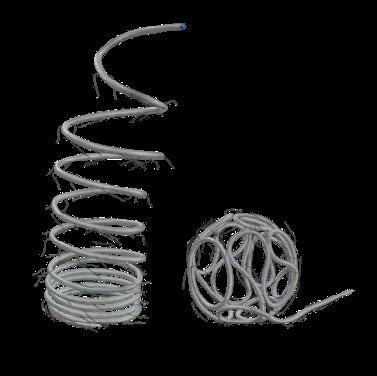
Versa coil successfully used in first commercial cases
The Concerto Versa coil has successfully been used in its first commercial procedures, Medtronic announced in a release. The device is indicated for use in arterial and venous embolization in the peripheral vasculature
The first procedures using the Concerto Versa coil were performed by Rahul Patel, MD, an interventional radiologist at Mount Sinai Hospital and Gloria Salazar, MD, an interventional radiologist at UNC hospitals in Chapel Hill.
“Whenever you’re dealing with tortuous anatomy, dual catheter compatibility becomes critical,” said Salazar. “If you can’t reach the target, you can’t treat it. Once you are in position, you need stability — that’s where smooth & controlled deployment really matters.”
The Concerto Versa coil is a large volume coil compatible with many catheters and was specifically designed for large vessels. The device delivers more compatibility, volume and control for peripheral embolization while maintaining small coil capabilities that Medtronic’s other products are known for.
“The Concerto Versa coil simplifies physician workflow by combining the benefits of a large volume coil with the ability to deliver through both microcatheters and diagnostic catheters,” said David Moeller, senior vice president and president of Peripheral Vascular Health, which is part of the cardiovascular portfolio at Medtronic. “Embolization is an exciting market for Medtronic and we are investing to play a leadership role in driving new innovations for this therapy in the coming years.”
The Serranator SONIC intravascular lithotripsy (IVL) system was successfully used in the first human-use cases, Cagent Vascular announced in a release. The system is the first IVL to transmit ultrasonic acoustic waves through a balloon and its serrated metal elements directly into calcified plaque.
The Serranator SONIC IVL combines Cagent’s Serranator Serration Remodeling Therapy (SRT) platform with the SONIC lithotripsy generator. It is fully disposable, requires no capital equipment and gives physicians the ability to tailor energy delivery in real time.
“Even though the initial cases involved complex calcified chronic total occlusions, we were encouraged by the safety, deliverability and effectiveness of the platform,” said Steven Kum, MD, who performed one of the first procedures. “From my perspective, this technology has the potential to become an important new tool for treating some of the most challenging cases we typically encounter.”
Solaris said it is working closely with the FDA to initiate a pivotal study in the U.S. and advance toward Premarket Approval (PMA).
“We are grateful for this Breakthrough Device Designation from the FDA, recognizing that the patients we serve cannot afford to wait,” said Marco Costa, MD, chief scientific and medical officer at Solaris. “Stent failure is not an engineering inconvenience, it is a fundamental biological problem and Solaris DE was built to solve it. Beginning with the dialysis access and extending across the broader vascular continuum, this platform has the potential to transform care for millions of patients who have been underserved for far too long.”
Perclose™ ProStyle™ Suture-Mediated Closure and Repair (SMCR) System
INDICATIONS
The Perclose™ ProStyle™ Suture-Mediated Closure and Repair System is indicated for the percutaneous delivery of suture for closing the common femoral artery and vein access sites of patients who have undergone diagnostic or interventional catheterization procedures.
The Perclose™ ProStyle™ SMCR System is indicated for closing the common femoral vein in single or multiple access sites per limb. The Perclose™ ProStyle™ SMCR System is used without or, if required, with adjunctive manual compression.
For access sites in the common femoral artery using 5F to 21F sheaths. For arterial sheath sizes greater than 8F, at least two devices and the pre-close technique are required.
For access sites in the common femoral vein using 5F to 24F sheaths. For venous sheath sizes greater than 14F, at least two devices and the pre-close technique are required.
CAUTION
Federal law restricts this medical device to sale by or on the order of a physician (or allied healthcare professionals, authorized by, or under the direction of, such physicians) who is trained in diagnostic and / or interventional catheterization procedures and who has been trained by an authorized representative of Abbott. Prior to use, the operator must review the Instructions for Use and be familiar with the deployment techniques associated with the use of this device.
During closure of access sites using a procedural sheath greater than 8F, it is recommended that a vascular surgeon or a surgeon with vascular training be available in case surgical conversion to control bleeding and to repair the vessel is needed.
CONTRAINDICATIONS
There are no known contraindications to the use of this device.
WARNINGS
Do not use the Perclose™ ProStyle™ SMCR System if the packaging or sterile barrier has been previously opened or damaged or if the components appear to be damaged or defective. DO NOT RESTERILIZE OR REUSE. The Perclose™ ProStyle™ SMCR System is intended for single use only.
Do not use the Perclose™ ProStyle™ SMCR System if the sterile field has been broken where bacterial contamination of the sheath or surrounding tissues may have occurred, since such a broken sterile field may result in infection.
Do not use the Perclose™ ProStyle™ SMCR System if the puncture site is located above the most inferior border of the inferior epigastric artery (IEA) and / or above the inguinal ligament based upon bony landmarks, since such a puncture site may result in a retroperitoneal hematoma. Perform a femoral angiogram to verify the location of the puncture site. Note: This may require both a right anterior oblique (RAO) and left anterior oblique (LAO) angiogram to adequately visualize where the sheath enters the femoral vessel. Do not use the Perclose™ ProStyle™ SMCR System in arterial or venous access if the puncture is through the posterior wall or if there are multiple punctures in the same access site, since such punctures may result in a hematoma or retroperitoneal bleed. Do not use the Perclose™ ProStyle™ SMCR System if the puncture site is located in the superficial femoral artery or the profunda femoris artery, or the bifurcation of these vessels, since such puncture sites may result in a pseudoaneurysm, intimal dissection, or an acute vessel closure (thrombosis of small artery lumen). Perform a femoral angiogram to verify the location of the puncture site. Note: This may require both a right anterior oblique (RAO) and left anterior oblique (LAO) angiogram to adequately visualize where the sheath enters the femoral vessel.
PRECAUTIONS
1. Prior to use, inspect the Perclose™ ProStyle™ SMCR System to ensure that the sterile packaging has not been damaged during shipment. Examine all components prior to use to verify proper function. Exercise care during device handling to reduce the possibility of accidental device breakage.
2. As with all catheter-based procedures, infection is a possibility. Observe sterile technique at all times when using the Perclose™ ProStyle™ SMCR System. Employ appropriate groin management, as per hospital protocol, post-procedure, and post-hospital discharge to prevent infection.
3. Use a single wall puncture technique. Do not puncture the posterior wall of the vessel in arterial and venous access.
4. Do not deploy the Perclose™ ProStyle™ Device at an elevated angle against resistance as this may cause a cuff miss or device breakage.
5. There are no reaccess restrictions if previous arteriotomy / venotomy repairs were achieved with Abbott Medical SMC or SMCR systems.
6. If significant blood flow is present around the Perclose™ ProStyle™ Device, do not deploy needles. Remove the device over a 0.038" (0.97 mm) (or smaller) guide wire and insert an appropriately sized sheath.
7. Prior to depressing the plunger to advance the needles, stabilize the device by the body to ensure the foot is apposed to the vessel wall and the device does not twist during deployment. Twisting (torquing) of the device could lead to needle deflection resulting in a cuff miss. Do not use excessive force or repeatedly depress the plunger. Excessive force on the plunger during deployment could potentially cause breakage of the device, which may necessitate intervention and / or surgical removal of the device and vessel repair.
8. Do not apply excessive force to the lever when opening the foot and returning the foot to its original position down to the body of the device. Do not attempt to remove the device without closing the lever. Excessive force on the lever or attempting to remove the device without closing the lever could cause breakage of the device and / or lead to vessel trauma, which may necessitate intervention and / or surgical removal of the device and vessel repair.
9. Do not advance or withdraw the Perclose™ ProStyle™ Device against resistance until the cause of that resistance has been determined. Excessive force used to advance or torque the Perclose™ ProStyle™ Device should be avoided, as this may lead to significant vessel damage and / or breakage of the device, which may necessitate intervention and / or surgical removal of the device and vessel repair.
10. If excessive resistance in advancing the Perclose™ ProStyle™ Device is encountered, withdraw the device over a 0.038" (0.97 mm) (or smaller) guide wire and reinsert the introducer sheath or use manual compression.
11. Remove the Perclose™ ProStyle™ sheath before tightening the suture. Failure to remove the sheath prior to tightening the suture may result in detachment of the tip of the sheath.
12. Care should be taken to avoid damage to the suture from handling. Avoid crushing damage due to application of surgical instruments such as clamps, forceps or needle holders.
13. For catheterization procedures using a 5F – 8F procedural sheath, use manual compression in the event that bleeding from the femoral access site persists after the use of the Perclose™ ProStyle™ SMCR System to obtain hemostasis.
14. For catheterization procedures using a procedural sheath > 8F, use manual compression, compression assisted devices, surgical repair, and / or other appropriate treatment methods in the event that bleeding from the femoral access site persists after the use of the Perclose™ ProStyle™ SMCR System to obtain hemostasis.
15. For catheterization procedures using a procedural sheath > 8F, where the operating physician is not a vascular surgeon, it is recommended that a vascular surgeon or a surgeon with vascular training be available during the procedure to perform any necessary vascular surgical intervention.
16. If the Perclose™ ProStyle™ Device is used to close and repair multiple access sites in the same vessel, space the access sites apart adequately to minimize sheath-device interference.
POTENTIAL ADVERSE EVENTS
Potential adverse events associated with use of vessel closure devices may include, but are not limited to, the following:
• Allergic reaction or hypersensitivity to device components
• Vascular access complications which may require transfusion or vessel repair, including:
• Anemia
• Aneurysm
• Arteriovenous fistula
• Bleeding / hemorrhage / re-bleeding
• Bruising
• Hematoma
• Embolism
• Inflammation
• Intimal tear / dissection
• Perforation
• Pseudoaneurysm
• Retroperitoneal hematoma / bleeding
• Scar formation
• Wound dehiscence
• Cardiac arrhythmias (including conduction disorders, atrial and ventricular arrhythmias)
• Atrial arrhythmias
• Ventricular arrhythmias
• Femoral artery / venous complications which may require additional intervention, including:
CAUTION: This product is intended for use by or under the direction of a physician. Prior to use, reference the Instructions for Use, inside the product carton (when available) or at manuals.eifu.abbott for more detailed information on Indications, Contraindications, Warnings, Precautions and Adverse Events. This material is intended for use with healthcare professionals only.
Illustrations are artist’s representations only and should not be considered as engineering drawings or photographs. Photos on file at Abbott.
Information contained herein for DISTRIBUTION in the U.S. ONLY.
Abbott
3200 Lakeside Dr., Santa Clara, CA 95054 USA, Tel: 1.800.227.9902
™ Indicates a trademark of the Abbott Group of Companies. www.cardiovascular.abbott
• The broadest arterial and venous indications on the market,1,2 enabling you to close after the widest breadth of transfemoral procedures
• Over 20 million closures and counting across 100+ countries worldwide3
• Over 30 years of Perclose™ Legacy4
*As of September 2024, per global market share data on file at Abbott.
1. Perclose™ ProStyle™ SMCR System – Instructions for Use (IFU). Refer to IFU for additional information.
2. As compared to Angio-Seal‡, MANTA‡, Celt ACD‡, ExoSeal‡, Mynx‡, Vascade‡, PerQseal‡. Data on file at Abbott.
3. Ju ly 2024 Finance Report. Data on file at Abbott.
4. On Nov. 8, 1993, the first (Perclose) patent was filed for the percutaneous suture vascular closure device. See Important Safety Information on page 19 .
INDICATIONS
The Perclose™ ProStyle™ Suture-Mediated Closure and Repair System is indicated for the percutaneous delivery of suture for closing the common femoral artery and vein access sites of patients who have undergone diagnostic or interventional catheterization procedures. The Perclose™ ProStyle™ SMCR System is indicated for closing the common femoral vein in single or multiple access sites per limb. The Perclose™ ProStyle™ SMCR System is used without or, if required, with adjunctive manual compression. For access sites in the common femoral artery using 5F to 21F sheaths. For arterial sheath sizes greater than 8F, at least two devices and the pre-close technique are required. For access sites in the common femoral vein using 5F to 24F sheaths. For venous sheath sizes greater than 14F, at least two devices and the pre-close technique are required.