2 Guest editorial Bhagwan Satiani discusses the Zeigarnik effect
7 AVF
Data show antithrombotic therapy after iliac vein stenting varies widely
10 CLTI
Alcohol use disorder independently raises risk of MALE
12 Guidelines
Surgical societies respond to updated pulmonary embolism clinical practice guidelines
www.vascularspecialistonline.com
SVS AWARDED CMSS GRANT TO EXPAND AGEFRIENDLY VASCULAR AMBULATORY CARE
By Maria Gifford
Biological sex remains a key determinant in CLTI revascularization rates and outcomes
By Maria Gifford
Female patients had fewer endovascular revascularizations for chronic limb-threatening ischemia (CLTI) compared to male patients but experienced lower risks of mortality and major amputation, according to recent data. However, the findings also showed female patients were more likely to experience a decline in ambulatory function following the procedure. The study, published in the Journal of Vascular Surgery (JVS), sheds new light on sex-based differences in the most advanced stage of peripheral arterial disease (PAD). For the study, data was drawn from a 100% sample of Medicare fee-for-service claims spanning 2016 to 2023. Among the 333,173 patients undergoing revascularization for CLTI during the period, 146,644 were female. Females were older on average and were more likely to
be Black and from socioeconomically distressed communities.
“Despite having higher social and demographic risk profiles, women underwent lower rates of endovascular revascularization throughout the study period,” said Katerina Dangas, BMBCh, first author on the study and resident physician in the Department of Internal Medicine at Massachusetts General Hospital. “The lower procedural rate may reflect differences in detection, referral patterns or treatment decision-making.”
The disparity in procedural access is not a new phenomenon, but the scale of the dataset used in the study provides a robust look at its scope. Investigators used population-level rates, Kaplan-Meier methods and multivariable Cox regression to analyze outcomes and adjusted for demographics, comorbidities, revascularization modality, disease severity and other mediators.
“Longstanding perceptions that PAD is more common in men may contribute to under-recognition and potential undertreatment of women with CLTI, particularly among socially vulnerable populations,” said Eric Secemsky, MD, senior author on the study and director of vascular intervention at Beth Israel Deaconess Medical Center. “Women with PAD are more likely to present later or with atypical symptoms, which may delay diagnosis and referral.”
The findings showed female patients demonstrated a lower adjusted risk of the primary composite endpoint of mortality or
THE SOCIETY FOR VASCULAR Surgery (SVS) has been selected as one of six specialty societies nationwide to receive a competitive grant from the Council of Medical Specialty Societies (CMSS), in partnership with The John A. Hartford Foundation (JAHF), to advance age-friendly approaches to specialty ambulatory care. The award positions the SVS at the forefront of a national effort to improve care for older adults with complex vascular conditions. Through this initiative, the SVS will lead a multi-site collaborative effort to integrate the Age-Friendly Health Systems 4Ms Framework — What Matters, Medication, Mentation and Mobility — into routine ambulatory vascular surgery practice. The project, titled “Implementation of the Evidence-Based 4Ms Framework in Vascular Ambulatory Care,” will engage seven ambulatory vascular practices to implement standardized 4Ms screening during patient visits, using straightforward intake tools and pocket cards to ensure that patient goals, medication safety, cognitive health and mobility are consistently evaluated.
“Integrating the 4Ms into routine vascular care helps ensure treatment decisions reflect both clinical outcomes and what matters most to patients,” said Reva Bhushan, MA, PhD, director of Clinical Guidelines and Quality Practice at the SVS and principal investigator for the project.
The catalyst for the grant program reflects a growing priority across medicine: As the population ages, specialists must be equipped to address not only the primary condition bringing a patient through the door, but the full constellation of needs that define quality of life for older adults. In vascular surgery, where patients
See page 6
Medical Editor Malachi Sheahan III, MD
Associate Medical Editors
Bernadette Aulivola, MD | O. William Brown, MD | Elliot L. Chaikof, MD, PhD | Carlo Dall’Olmo, MD | Alan M. Dietzek MD, RPVI, FACS | John F. Eidt, MD | Robert Fitridge, MD | Dennis R. Gable, MD | Linda Harris, MD | Krishna Jain, MD | Larry Kraiss, MD | Joann Lohr, MD | James McKinsey, MD | Joseph Mills, MD | Erica L. Mitchell, MD, MEd, FACS | Leila Mureebe, MD | Frank Pomposelli, MD | David Rigberg, MD | Clifford Sales, MD | Bhagwan Satiani, MD | Larry Scher, MD | Marc Schermerhorn, MD | Murray L. Shames, MD | Niten Singh, MD | Frank J. Veith, MD | Robert Eugene Zierler, MD Resident/Fellow Editor
Letters to the editor vascularspecialist@vascularsociety.org
Published by the Society for Vascular Surgery
GUEST EDITORIAL
The Zeigarnik effect
By Bhagwan Satiani, MD
You pull out the key to open the door to your house. You unlock the door and get inside. Then, several hours later, you are looking for the key and wondering where it is. And you discover that you have left it behind on the door. Or you go up to the copying machine, make a copy, pick it up and walk away, but leave the original behind. Has this happened to you? Are we just distracted, approaching senility, or is it the Zeigarnik effect.
Bluma Zeigarnik, a Russian psychologist and a student of prominent psychologist Kurt Lewin, went out for dinner with her friends at a restaurant in 1927. They had a lovely meal. They noted that their waiter had an amazing memory. As everybody placed their orders, he remembered every little detail of their meal orders without any notes. However, they had to return to the restaurant after finishing when Zeigarnik realized she had left her jacket behind. She came back, found the same waiter and asked him to help her find her jacket. She was shocked that the waiter with the amazing memory, whom she had just seen, did not even recognize her. This event started her research into how this was even possible. What happened?
“The incomplete thoughts keep bringing us back. The effect favors sequential task completion instead of simultaneous (multitasking).”
Zeigarnik indicated that other factors, such as reward expectancy, timing of the interruption, motivation to complete the task and participant fatigue, could influence the effect.
It has also been pointed out that the Zeigarnik effect might explain why, at the bank’s ATM, you are now required to pull your card out before collecting the cash. They know Zeigarnik will be at play and once you collect the cash, the task is finished and a good chance you will forget to take your card back.
Vascular Specialist is the official newspaper of the Society for Vascular Surgery and provides the vascular specialist with timely and relevant news and commentary about clinical developments and about the impact of healthcare policy. The ideas and opinions expressed in Vascular Specialist do not necessarily reflect those of the Society. The Society for Vascular Surgery will not assume responsibility for damages, loss, or claims of any kind arising from or related to the information contained in this publication, including any claims related to the products, drugs, or services, or the quality or endorsement of advertised products or services, mentioned herein. | The Society for Vascular Surgery headquarters is located at 9400 W. Higgins Road, Suite 315, Rosemont, IL 60018. |
It got Zeigarnik thinking about the brain. Her early research then showed how our brain tends to work. In a series of simple tasks, half of which were interrupted, participants were asked to recall which tasks they had done. The first group recalled interrupted tasks 90% better than the ones they finished and a second group could recall interrupted tasks twice as well as the finished tasks. She posited that when a task is completed, our brain hits the ‘delete’ button and our short-term memory for that event gets wiped clean. Zeigarnik explained that because our short-term memory struggles with space to retain information, it keeps only the unfinished tasks alive. That is why the waiter at the restaurant remembered every little detail of their order but only until the bill was made.
Some postulate that it is the cognitive dissonance (the cognitive burden of the unfinished business that keeps us coming back). Kurt Lewin’s field theory suggests that the unfinished or incomplete action puts a strain or tension on our nervous system, which makes the task memorable and hence the return to completing it. Some research confirms the urge to complete an unfinished task if given time after the interruption.
It is something we can all put to good use. My wife and I have always liked watching serials in several languages at home. Usually, every episode ends with a frozen screen, teasing the viewer to wonder what happens later to entice you to come back and watch the next episode. There is no closure at the end of that episode, and partially, that is what brings us back. If there had been closure, chances are that we would have forgotten about it. I have tried to use this effect in the last few years to see if it works on writing manuscripts or commentaries. I create a folder each time I have an idea and drop articles in it over time. Then, occasionally, I remember the idea and start writing a few paragraphs. I may pick up another folder a week later and resume a previous discussion. So, it goes on till the idea is ready to be edited. In the past, I may have worked on the same manuscripts/commentaries, but I lost concentration by looking at the same pages. The effect makes me aware of incomplete thoughts or ‘manuscripts’ waiting to be finished. I realize that with deadlines attached to some manuscripts, one may not have the luxury of letting things sit. Experts have suggested using this effect in everyday life, such as dealing with procrastination and improving study habits. Depending on the project, they suggest not resolving or finishing it in one fell swoop. That will bring you back the next day to writing it again. The incomplete thoughts keep bringing us back. The effect favors sequential task completion instead of simultaneous (multitasking).
That is not to say that there is no disagreement over the Zeigarnik effect. Some studies have not replicated the effect. Others have pointed out that stress and rumination associated with unfinished tasks may cause anxiety, impair sleep and emotional depletion.
Memory retention for finished task
I am not an expert in this area, but it works for me. It is also a great excuse for us lazy spouses. Leave tasks unfinished, claiming the Zeigarnik Effect, hoping the other spouse will finish them. The only problem is that I am concerned that I may forget what I was coming back for.
Memory retention for incomplete task REMEMBERED REMEMBERED
Flixene Vascular Graft
The Right Graft for AV Access
Designed for getting it right
The right graft for long lasting durability and proven reliability
The right graft for safe graft placement
The right graft for suturability and handling
The right graft for early cannulation
BIOLOGICAL SEX REMAINS A KEY DETERMINANT IN CLTI REVASCULARIZATION
RATES AND OUTCOMES
major amputation, as well as lower independent risks of major amputation and mortality. Yet the same analysis found women were more likely to experience a meaningful restriction in ambulatory function after revascularization.
Female patients also demonstrated a lower risk of repeat revascularization following initial CLTI, a finding that adds further dimension to the overall outcomes picture. Taken together with the lower risks of major amputation and mortality, the data suggest that women who do access endovascular revascularization for CLTI tend to fare meaningfully better than men across the most clinically consequential hard endpoints, which adds significance to the ambulatory decline finding.
“Women in our cohort had modestly lower adjusted risks of mortality and major amputation, which may suggest that sex-based differences in endovascular revascularization outcomes may be less pronounced than historically reported,” said Dangas. “However, women had a higher likelihood of post-procedural ambulatory decline.”
The reasons behind ambulatory decline are likely multifactorial, said Dangas. The female patients in the cohort were older and carried higher rates of socioeconomic disadvantage, factors that may independently affect functional recovery. Biological differences may also play a role. “Women undergoing revascularization were older and may have lower baseline
“ These findings highlight the importance of evaluating outcomes not solely by limb salvage or survival. Patientcentered outcomes such as functional recovery and mobility should be systematically assessed and addressed.
ERIC SECEMSKY, MD
muscle mass and strength, which has been associated with greater functional impairment in PAD despite similar or better limb outcomes,” said Dangas.
The data bring into focus a broader question about how outcomes are measured and what endpoints matter most to patients. “These findings highlight the importance of evaluating outcomes not solely by limb salvage or survival,” said Secemsky. “Patient-centered outcomes such as functional recovery and mobility should be systematically assessed and addressed.”
Dangas and Secemsky identified two specific clinical priorities in response to the findings: maintaining a lower threshold for PAD evaluation in women — given their tendency to present later or with atypical symptoms — and building baseline mobility assessment and early rehabilitation planning into standard postrevascularization care pathways for female patients. Both represent actionable steps that vascular surgeons can begin to implement without waiting for further trial data. According to Dangas, continued investigation into modifiable drivers of these differences is essential to not only understand them, but to act on them as well. “Evaluating the drivers of such differences is important to further improve vascular care delivery,” she said. “Closing these gaps will require looking beyond procedural success to ask whether our patients are truly recovering, and ensuring that women, who face distinct biological and social challenges, are not left behind in that effort.”
VQI ANALYSIS FINDS DISPARITIES IN IVC FILTER RETRIEVAL RATES
By Killian Meara
Black patients are significantly less likely to undergo inferior vena cava (IVC) filter retrieval after placement compared with white patients, a retrospective study using data from the Vascular Quality Initiative (VQI) found. The data was presented at the 2026 annual meeting of the American Venous Forum (AVF) in Denver, Colorado (Feb. 28-March 4).
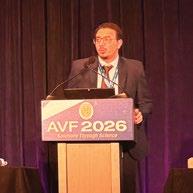
The study examined patients who underwent IVC filter placement between 2013 and 2025 and analyzed whether disparities existed in both placement and retrieval across racial and gender groups. “We know there is a lot of racial disparities in other aspects of medicine,” said Matthew Pergamo, MD, first author on the study and an
“We need to focus more on building trust and outreach to marginalized communities. But that’s a problem not just with vascular surgery, that’s a distrust that goes very far back and it’s hard to bridge that gap.”
assistant professor of surgery at Stony Brook University Renaissance School of Medicine. “There had been a previous paper that reported disparities in IVC filter placement for bariatrics patients and this hadn’t really been examined in the VQI before.”
MATTHEW PERGAMO, MD
The analysis, which included nearly 20,000 patients, found no major differences in the placement of IVC filters. However, findings showed a significant disparity when it came to retrieval. Black patients were 34% less likely to undergo retrieval compared with white patients and men were slightly less likely to have the procedure compared with women.
Overall retrieval rates in the study were also notably low. Only about 26% of patients in the cohort ultimately had the procedure. “We need to do
better overall — that’s the take home message,” said Pergamo. “We need to get that number higher for all the patients. In certain populations, we also need to focus more on giving them closer follow-up and ensuring they come in to get those filters retrieved.”
Pergamo said that improving followup infrastructure could help close that gap. “Having a dedicated IVC filter clinic would be beneficial,” he said. “We used to have that here at Stony Brook. They saw that retrieval rates approached 80% for patients who had filters placed. In the Medicare population, the retrieval rate is only around 32% or so. That would be a good solution.”
underserved populations. “We need to focus more on building trust and outreach to marginalized communities,” said Pergamo. “But that’s a problem not just with vascular surgery, that’s a distrust that goes very far back and it’s hard to bridge that gap.”
Pergamo said additional research is needed to better understand the drivers of these disparities and whether other factors such as comorbidities within each racial group contribute to differences in retrieval rates.
The study also highlights the importance of broader efforts to improve patient engagement and trust in health care, particularly among historically
“More analysis needs to be done,” he said. “The rate of complications in our study was very low, which is a good thing. But it’s hard to tell if complications happened in certain populations because the number was so low. We need to gather more information on those patients and stratify the data by socioeconomic status to see how that is factoring into things.”
Nothing beats Zilver® PTX®.
Real-world REALDES study shows lower rate of instent occlusions with Zilver PTX than Eluvia®.1
There is no difference in primary patency or CD-TLR between Zilver PTX and Eluvia, despite the fact that longer lesions were treated in the Zilver PTX arm.
SVS AWARDED CMSS GRANT TO EXPAND AGE-FRIENDLY VASCULAR AMBULATORY CARE
frequently present with multiple chronic conditions and complex functional considerations, that challenge is especially pressing.
“Most vascular disease is associated with increased age. With the recent record U.S. life expectancy and increasing global longevity, we are seeing more aging patients with advanced vascular disease,” said Anil Hingorani, MD, clinical professor in the Department of Surgery at NYU Grossman School of Medicine in New York City, chair of the SVS Section on Vascular Ambulatory Care, and principal advisor for all participating study sites. “This grant is an important step to help vascular surgeons explore best practices for the ambulatory care of older vascular patients.”
The pilot program will gather data across participating sites to monitor adherence, identify barriers to implementation and guide continuous improvement. Findings will inform the development of a vascularspecific 4Ms implementation guide along with supporting educational resources — tools designed to equip vascular care teams to make age-friendly care a consistent standard of practice, not an exception. The project ultimately aims to improve patient-centered outcomes and strengthen the independence and safety of older adults living with vascular disease.
“The millions of older adults who visit specialists in outpatient settings for surgery, cancer care, or medical treatment deserve evidence-based age-friendly care
aligned with what matters to them,” said Rani E. Snyder, MPA, president of The John A. Hartford Foundation. “We thank the CMSS and these participating specialty societies for their commitment to implementing the Age-Friendly Health Systems 4Ms Framework to help ensure that wherever older adults receive care, it is age-friendly.”
“This grant is an important step to help vascular surgeons explore best practices for the ambulatory care of older vascular patients.”
ANIL HINGORANI, MD
The grant program was administered by the CMSS and funded by the JAHF through a $1.5 million award to CMSS. Proposals were reviewed by an external advisory committee of national experts in age-friendly care, geriatrics, chronic disease and practice improvement. The CMSS — a coalition of more than 50 specialty societies representing nearly 1 million physicians — will serve as coordinating center to promote cross-specialty learning and collaboration, working alongside the Institute
Duplex ultrasound may underestimate left renal vein compression in suspected nutcracker syndrome
By Killian Meara
Relying on duplex ultrasound to evaluate suspected left renal vein (LRV) compression may lead to underdiagnosis and delayed treatment of nutcracker syndrome, according to new data presented at the 2026 annual meeting of the American Venous Forum (AVF) in Denver, Colorado (Feb. 28-March 4).
Khanjan Nagarsheth, MD, associate professor of surgery at the University of Maryland and first author on the study, said that while intravascular ultrasound is more precise for LRV compression screening, duplex ultrasound is the primary tool because it’s a less invasive procedure. “Ultrasound is not radiating; it has no contrast,” he said. “A lot of these patients are quite young, so it’s usually safer. But the gold standard has been to use intravascular ultrasound and invasive venography as the preferred method to determine the amount of compression and whether or not it’s significant.”
The study retrospectively analyzed 43 patients who underwent both duplex ultrasound and intravascular ultrasound for suspected LRV compression. Findings showed the correlation between duplex ultrasound and intravascular ultrasound measurements were moderate if a standardized duplex ultrasound protocol was used. However, compared to intravascular ultrasound, duplex ultrasound consistently underestimated the amount of compression by about 17%.
Nagarsheth said that the findings suggest clinicians should be cautious when relying on duplex ultrasound alone. “This gives more evidence to say that intravascular ultrasound should be the gold standard,” he said. “Duplex ultrasound is just not as accurate for these patients, especially if they’re borderline in terms of compression. The takeaway is that even though we want to avoid the radiation and we want to avoid the invasive procedure, it’s still better than what we have that’s not invasive.”
Although the data reinforce intravascular ultrasound as the most accurate screening method, Nagarsheth said they also highlight the need for continued improvements in noninvasive imaging. “We’ve been doing intravascular ultrasound for 20 years,” he said. “Technology has advanced. There are better MRI techniques. In the peripheral artery space, we use MRI without contrast with specialized protocols that identify significant stenosis and occlusions in small tibial vessels. If we extrapolate that for renal vein compression, we’re going to be able to have a higher diagnostic accuracy with no radiation, no contrast administration and very little risk to these patients.”
for Healthcare Improvement. Best practices from the program will be made available through the CMSS Learning Center, its annual meeting and related resources.
“We’re grateful to The John A. Hartford Foundation for their partnership in ensuring that older adults receive outpatient specialty care that truly addresses their unique needs — care that honors their priorities and addresses the complex interplay of medications, cognitive health and mobility,” said Helen Burstin, MD, MPH, MACP, CEO of the Council of Medical Specialty Societies. “By bringing together leading specialty societies to adapt the 4Ms Framework for their disciplines, we’re building a collaborative that can transform how specialists approach care for aging patients across the country.”
The John A. Hartford Foundation, based in New York City, is a private, nonpartisan philanthropy dedicated to improving the care of older adults. As a leader in aging and health, the foundation focuses on creating agefriendly health systems, supporting family caregivers, and improving serious illness and end-of-life care.
SVS members and vascular care teams seeking additional information about the grant program — including details on the 4Ms Framework, the collaborative’s pilot sites, and how to access emerging implementation guidance — can visit the CMSS program page at cmss.org. Updates and resources will also be available through the SVS website at vascular.org as the project progresses.
DATA DEMONSTRATES
EXTENSIVE VARIATIONS IN ANTITHROMBOTIC THERAPY AFTER VENOUS STENTING AND SUGGESTS CONSERVATIVE APPROACH MAY BE APPROPRIATE
By Killian Meara
Antithrombotic therapy following iliac vein stenting varies widely and long-term outcomes differ significantly depending on the underlying condition, according to new research.
The retrospective study included 314 patients who underwent iliac vein stenting at Yale New Haven Hospital between 2012 and 2024. The primary objective was to assess the long-term risks of bleeding, venous thrombosis and arterial thrombosis in patients with nonthrombotic iliac vein lesions (NIVL) or post-thrombotic syndrome.
“What distinguishes this study from others is that it looks at the comprehensive view of all thrombotic and bleeding risks patients face when they’re getting these medications,” said Cassius Iyad Ochoa Chaar, MD, MPH, MS, associate professor of surgery at Yale School of Medicine and senior author on the study.
The findings, presented at the 2026 annual meeting of the American Venous Forum (AVF) in Denver, Colorado (Feb. 28-March 4), found there was significant variation in antithrombotic regimens
prescribed following venous stenting and outcomes differed markedly depending on the underlying condition.
“Unlike patients with thrombotic syndromes, patients treated with NIVL had significantly less venous thrombosis in the long term,” said Shreef Said, MD, first author on the study. “We have data up to six years and the patency for a patient with NIVL was 94% compared to 74% for patients with thrombotic syndromes.”
Rates of new or recurrent venous thromboembolism (VTE) were also substantially lower in patients with NIVL. “That may reflect that we need to be more conservative when it comes to antithrombotic management for patients with NIVL,” said Said. “There is no justification for aggressive antithrombotic management, as there is much less recurrence of VTE and much less thrombosis in the long term.”
In both groups, the data showed one in three patients experienced a bleeding event, though most were minor. However, major bleeding occurred in 17% of patients with NIVL and 24% with thrombotic syndromes, raising
concerns about prolonged or intensive antithrombotic therapy. “I think it’s concerning to keep patients with NIVL on antithrombotic management or anticoagulation long term, given they have lower risk for thrombosis.”
The study also looked at major adverse cardiovascular events (MACE) and found that they were relatively uncommon in both groups. “We looked at the event of myocardial infarction, percutaneous coronary intervention and stroke,” said Said. “We found a similar percentage between both groups, 9% in patients with NIVL and around 7% in patients with thrombotic syndromes and most of the patients that developed arterial thrombosis had baseline atherosclerotic disease prior to stenting”
Chaar said the findings highlight an important difference between venous stenting and arterial interventions, where aggressive antithrombotic therapy is often standard practice. “We tend to extrapolate treatment of venous stents from arterial stents in the periphery,” he said. “This
study clearly shows the patients that are getting venous stents are very different from the patients with arterial stents. We clearly show that MACE is very low in that patient population and it does not justify aggressive antithrombotic therapy. We should probably be more conservative with treatment and develop criteria for escalation of antithrombotic therapy.” However, Chaar said that more rigorous studies are needed.
“Antithrombotic medication in patients with venous stenting and venous disease is understudied,” he said. “It requires more funding from industry or from federal sources to give us better answers on how to appropriately use medication and to potentially study the cost effectiveness of the various regimens being used. There’s a lot of variations because there’s no guidance. There’s going to be more anticoagulants and antithrombotic medications coming onto the market in the next few years. If we don’t have clear guidance for those patients, the variations are likely to become more complex, more expensive and potentially harmful in some cases.”
“What distinguishes this study from others is that it looks at the comprehensive view of all thrombotic and bleeding risks patients face when they’re getting these medications.”
CASSIUS IYAD OCHOA CHAAR, MD
New lower extremity revascularization CPT codes expand physician payment for intravascular lithotripsy
By Killian Meara
Amajor overhaul of current procedural terminology (CPT) coding for lower extremity revascularization (LER) took effect in January, introducing new codes and allowing physicians to receive dedicated work relative value unit (wRVU) credit for the use of intravascular lithotripsy (IVL) in iliac and femoral-popliteal arteries.
“ wRVUs are the units of measurement of productivity of a physician. Essentially, they are a way the hospital systems can quantify what you do.”
Luke Perry, DO, an assistant professor of surgery at Penn State College of Medicine, said the new framework represents one of the biggest shifts in peripheral procedure coding in years. “2026 is a massive year,” he said. “Essentially, the Relative Value Scale Update Committee and the American Medical Association rewrote all the codes for lower extremity billing. All the old codes, which were arranged from 37220 to 37235, got deleted.”
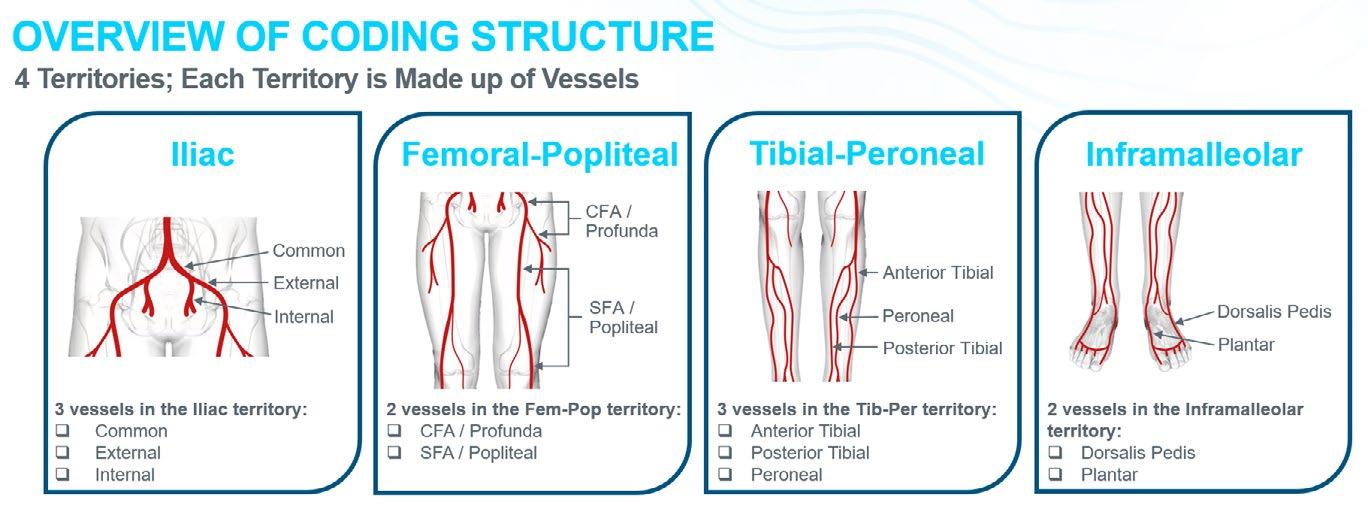
The updated coding structure introduces 46 new CPT codes designed to better capture the full spectrum of LER. The new codes allow physicians to treat from the iliac arteries down to the inframalleolar and also introduce distinctions between straightforward and complex lesions. Complex lesions are reserved for those that are 100% occluded.
(Figure 1)
Perry said the change is intended to better reflect the technical difficulty of procedures, particularly when physicians are treating occlusions or heavily calcified disease. “If you’re dealing with an occluded vessel and you treat that, that would bill for a higher amount because it’s a complex lesion,” said Perry. “Versus just a straightforward lesion you’re angling through.”
How wRVUs factor into physician reimbursement
The coding overhaul impacts wRVUs, a productivity metric used to quantify physician work and determine reimbursement. “wRVUs are the units of measurement of productivity of a physician,” said Perry. “Essentially, they are a way the hospital systems can quantify what you do.”
Every patient encounter, procedure or intervention performed by a physician is associated with a CPT code and each CPT code carries a defined number of wRVUs representing the effort, skill and time required to perform that service. “Each one of those CPT codes has wRVUs listed to it,” said Perry. “It’s basically a measure of productivity.”
Although many physicians associate wRVUs with productivity-based compensation, Perry said the metric plays a critical role across most practice environments, including academic institutions, private hospitals and community systems. In private and community-based models, physicians are often required to meet annual productivity thresholds tied to wRVUs in order to maintain salary levels or qualify
Figure 1: The updated coding structure for 2026 added the inframalleolar territory and split the femoral-popliteal territory into two vessels.
for performance bonuses.
However, wRVUs influence more than just physician pay. Perry said health systems also rely on productivity data to determine staffing needs, infrastructure investments and resource allocation. “It’s a way for hospitals to know if you need more physicians or if you can afford more physicians from a budgeting standpoint,” he said. “If you’re busy enough, can you support more vascular lab techs? Can you open up more rooms? The operating room time that you’re being given, are you utilizing it efficiently?”
Dedicated codes arrive for IVL
Among the additions to the new coding structure are dedicated add-on codes for IVL in the iliac and femoral-popliteal vessel beds. IVL, which uses ultrasonic acoustic pressure waves to fracture
calcified lesions, has become a common method of vessel preparation during peripheral interventions. However, physicians performing the procedure were previously unable to bill for it separately.
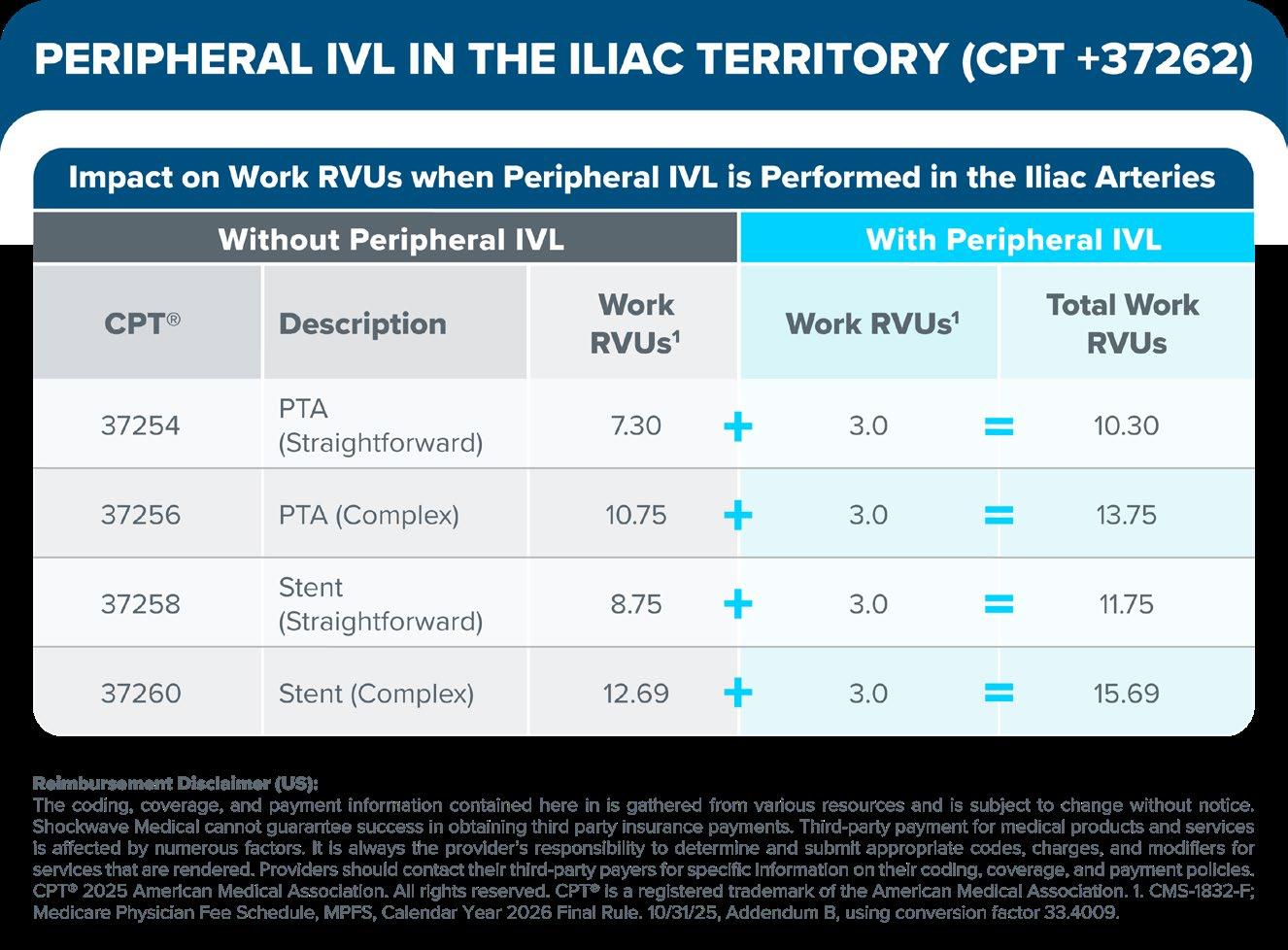
“Prior to 2026, when you would use Shockwave IVL, there was no physician billing for it.” said Perry. “Now we can bill for using IVL in the iliac and femoralpopliteal regions . It’s designated as an add-on code and you can bill up to three times, once for each vessel treated in the iliacs and up to two times, once for each vessel treated in the fem-pop. For example, if I was to do IVL on a lesion in the common iliac and a separate lesion in the external iliac, I could bill the IVL add-on code twice – once for each vessel treated. Similarly, with the femoral-popliteal region as well.” (Figures 2 and 3)
Figure 2: New CPT add-on code +37262 provides an additional 3.0 work RVUs to any procedure where IVL is used on an iliac lesion, regardless of adjunctive therapy used.
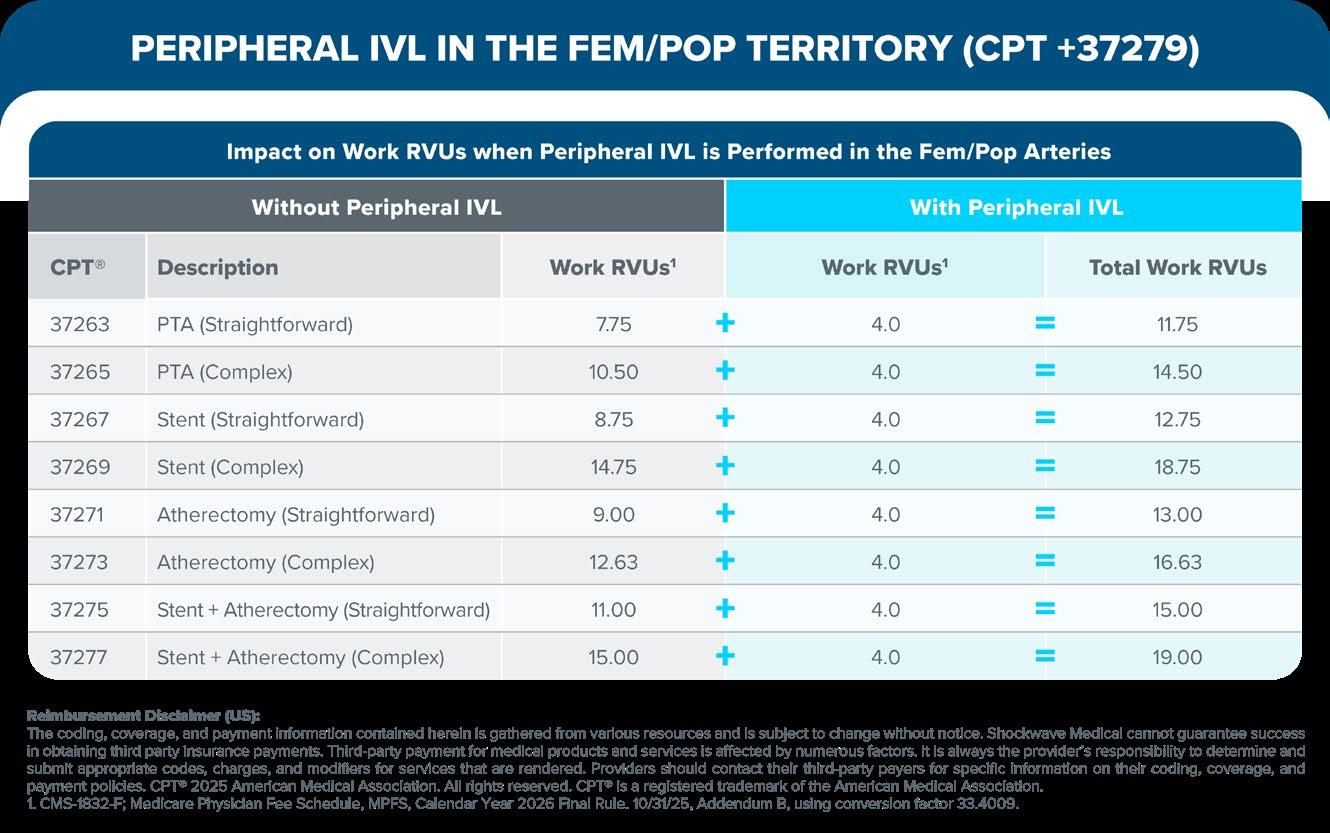
Figure 3: New CPT add-on code +37279 provides an additional 4.0 work RVUs to any procedure where IVL is used on a femoral-popliteal lesion, regardless of adjunctive therapy used.
ADVERTORIAL | SPONSORED BY SHOCKWAVE
Because IVL is designated as an add-on code, it is not subject to multiprocedural reductions. Using IVL in the vessels of the iliac provides 3 wRVUs, while using IVL in the fem-pop vessels results in an additional 4 wRVUs.
How the new codes play out in practice
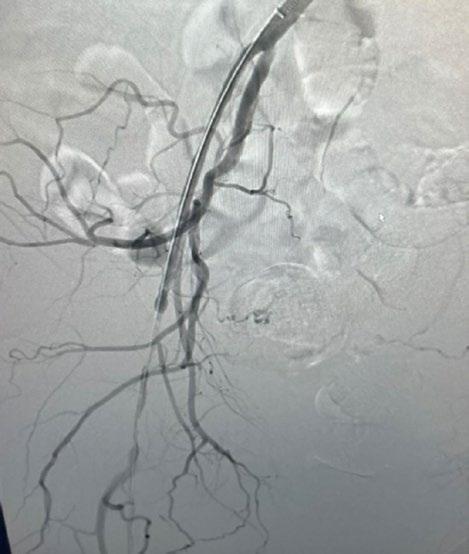
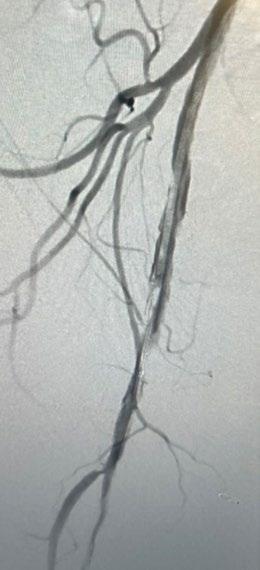
Perry illustrated how the new codes might apply in practice using a recent case involving a patient who presented with concern for chronic limb threatening ischemia and underwent multilevel endovascular treatment. Imaging showed near occlusion of the right external iliac, common femoral and superficial femoral arteries. He proceeded with IVL treatment across multiple segments along with stenting and drug-coated balloon angioplasty, restoring pedal pulse at the end of the case. “This case under
the new 2026 codes would be considered straightforward due to not being a total occlusion,” said Perry. “And, with the new IVL codes, codes for IVL on the external iliac, common femoral/profunda and SFA/popliteal artery regions were able to be used in addition to codes for the stenting of the external iliac artery and balloon angioplasty on the CFA/ profunda and SFA/popliteal regions.”
(Figures 4, 5, 6. 7 and 8)
In another example, Perry described a patient who had acute rest pain and a completely occluded iliac artery following an external iliac to belowknee bypass. “We performed IVL on the iliac and then we lined it with a stent,” said Perry. “From a new 2026 coding standpoint, this would be a complex iliac artery lesion that was treated. I would be able to bill for the stent and the add-on code of the common iliac
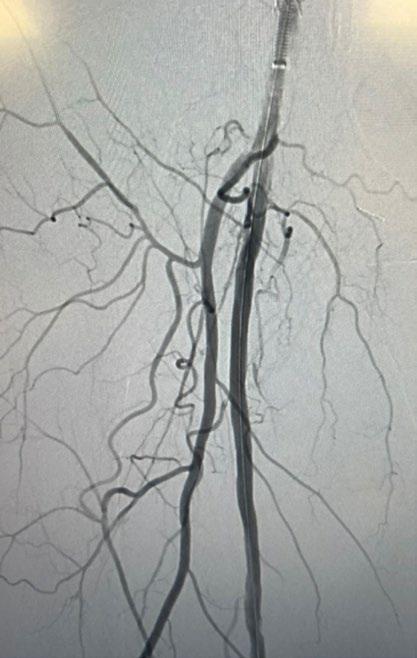
Pre IVL tx, severely stenosed ext iliac, common femoral and superficial femoral arteries.
Distal superficial femoral artery and P1 popliteal artery after IVL and DCB angioplasty.
artery IVL.” Perry noted the “complex” designation acknowledges the additional work required to cross and treat a completely occluded vessel. “Prior to 2026, there was no designation of straightforward versus complex,” he said. “Despite the fact that you treated a complete occlusion, there was not a coding and billing difference.”
Despite the expanded coding structure, Perry said some limitations remain. Dedicated IVL CPT codes currently exist only for the iliac and femoral-popliteal segments, meaning physicians performing IVL in tibial vessels still need to rely on other coding strategies.
For physicians adapting to the new coding structure, Perry said careful
Shockwave M5, Shockwave M5+, Shockwave S4, Shockwave L6 and Shockwave E8 Safety Information
In the United States: Rx only.
Indications for Use — The Shockwave Medical Intravascular Lithotripsy (IVL) System is intended for lithotripsy-enhanced balloon dilatation of lesions, including calcified lesions, in the peripheral vasculature, including the iliac, femoral, ilio-femoral, popliteal, and infra-popliteal arteries. Not for use in the coronary, carotid or cerebral vasculature. Peripheral IVL is also indicated for use in renal arteries in certain jurisdictions, including the United States. Please reference Instructions For Use for country specific information.
Contraindications — Do not use if unable to pass 0.014” (M5, M5+, S4, E8) or 0.018” (L6) guidewire across the lesion-Not intended for treatment of in-stent restenosis or in coronary, carotid, or cerebrovascular arteries.
Warnings — Only to be used by physicians who are familiar with interventional vascular procedures —Physicians must be trained prior to use of the device — Use the generator in accordance with recommended settings as stated in the Operator’s Manual.
Precautions — use only the recommended balloon inflation medium — Appropriate anticoagulant therapy should be administered by the physician — Decision regarding use of distal protection should be made based on physician assessment of treatment lesion morphology.
Adverse effects — Possible adverse effects consistent with standard angioplasty include-Access site complications -Allergy to contrast or blood thinner- Arterial bypass surgery — Bleeding complications—Death — Fracture of guidewire or device — Hypertension/Hypotension — Infection/ sepsis—Placement of a stent— renal failure — Shock/pulmonary edema — target vessel stenosis or occlusion — Vascular complications. Risks unique to the device and its use — Allergy to catheter material(s) — Device malfunction or failure — Excess heat at target site. Prior to use, please reference the Instructions for Use for more information on indications, contraindications, warnings, precautions and adverse events. www.shockwavemedical.com/IFU
documentation will be essential to ensure appropriate reimbursement. “For billing and coding with the new LER coding structure, specificity in your documentation is very important,” he said. “You have to be very specific about where the tips of the wires and catheters are- reporting to the most distal region.. Same thing with Shockwave Javelin and balloon-based IVL, because they’re addon codes and it’s per vessel. If you just say Shockwave of the iliac arteries, well, what segment of the iliac arteries? If you’re doing Shockwave of the common iliac, make sure very specifically you say that.”
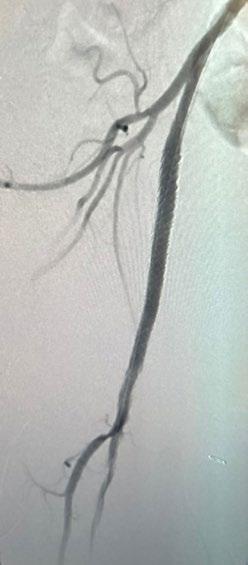
Ext iliac and common femoral artery after IVL.
Proximal superficial artery after IVL and DCB angioplasty.
Shockwave Javelin Peripheral IVL Catheter Safety Information
In the United States: Rx only.
Indications for Use — The Shockwave Medical IVL System with the Javelin Peripheral IVL Catheter is intended for lithotripsy- enabled modification and crossing of calcified lesions in the peripheral vasculature, including the iliac, femoral, ilio-femoral, popliteal, and infra-popliteal arteries, prior to final treatment. Not for use in coronary, carotid, or cerebral vasculature. Additionally, not for use in pulmonary vasculature in the U.S. and New Zealand.
Contraindications — Do not use if unable to pass 0.014” (0.36 mm) guidewire across the treatment site-Not intended for treatment of in-stent restenosis or in coronary, carotid, cerebral or pulmonary arteries.
Warnings — Only to be used by physicians who are familiar with interventional vascular procedures — Physicians must be trained prior to use of the device — Use the generator in accordance with recommended settings as stated in the Operator’s Manual.
Precautions — Avoid applying acoustic pressure pulses while IVL window is not filled with sterile saline — Appropriate anticoagulant therapy should be administered by the physician — Decision regarding use of distal protection should be made based on physician assessment of treatment lesion morphology. Adverse effects — Possible adverse effects consistent with standard angioplasty include-Access site complications -Allergy to contrast or blood thinner- Arterial bypass surgery — Bleeding complications — Death — Fracture of guidewire or device — Hypertension/Hypotension — Infection/sepsis — Placement of a stent — renal failure — Shock/pulmonary edema — target vessel stenosis or occlusion — Vascular complications. Risks unique to the device and its use — Allergy to catheter material(s) — Device malfunction or failure.
External iliac artery after IVL and balloon expandable covered stent.
Common femoral artery after IVL and drug coated balloon (DCB) angioplasty.
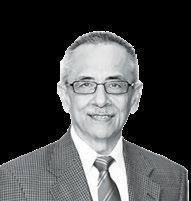
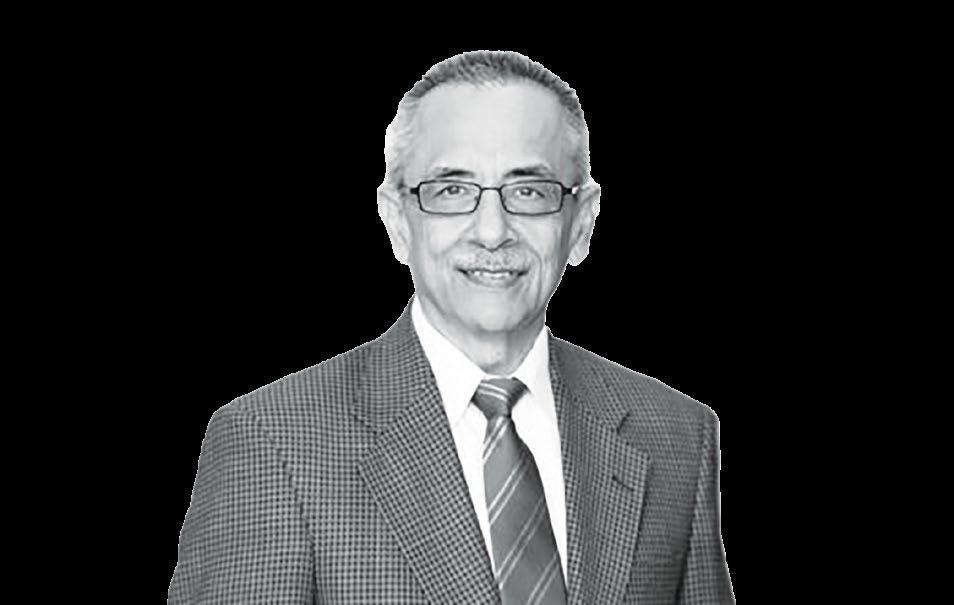
Luke Perry, DO
Alcohol use disorder linked to higher rates of amputation and death after revascularization for CLTI
By Maria Gifford
Alcohol use disorder (AUD) independently raises the risk of major adverse limb events (MALE) and mortality among patients undergoing lower-extremity revascularization for chronic limb-threatening ischemia (CLTI), according to a retrospective cohort study published in the Journal of Vascular Surgery (JVS). Investigators said AUD is likely more prevalent than current diagnosis codes capture.
The data, drawn from electronic health records across the University of Pittsburgh Medical Center multi-hospital health system, analyzed 3,744 patients with CLTI who underwent endovascular or open revascularization between 2016 and 2024. Among the patients, roughly 5% carried an AUD diagnosis. Those patients were more often male and concurrent tobacco users.
The findings showed that patients with AUD had worse outcomes across all measured endpoints. At one year, AUD was associated with a 29% higher risk of MALE and a 51% higher risk of mortality. The risk of major amputation was nearly double that of patients without AUD.
“The clinical cost of overlooking AUD in patients with CLTI is likely substantial,” said Katherine Reitz, MD, senior investigator on the study and an assistant professor of surgery at the University of Pittsburgh. “If AUD meaningfully increases the risk of amputation and mortality, failing to identify and address it represents a missed opportunity to improve outcomes. Patients cannot afford doctors to continue overlooking AUD when treating CLTI.”
Reitz and her colleagues note that the 5% prevalence of AUD likely undercounts the true burden. Because administrative data depend on ICD-10 codes, patients must first receive a formal diagnosis before they can be captured, but many are never screened. National survey data using DSM-5 criteria estimate that roughly 10% of adults over the age of 21 meet criteria for AUD.
“I expected to find that AUD in peripheral artery disease was understudied, but I was surprised by how little literature
“Identifying AUD not only improves the accuracy of our research but may also provide an opportunity to directly improve patient outcomes through early intervention and treatment.”
KATHERINE REITZ, MD
CME SVS ADVANCES CME CREDIT REPORTING THROUGH VASCULEARN INTEGRATION
In 2023, the Society for Vascular Surgery (SVS) issued a clear call to action: vascular surgeons needed to closely monitor and confirm their continuing medical education (CME) credits or risk losing them amid changing requirements from the American Board of Surgery (ABS).
At the time, the transition to new ABS reporting standards introduced uncertainty. Diplomates were asked to verify credits, navigate evolving systems and prepare for the retirement of manual reporting. Today, SVS has moved from that period of transition to a more streamlined solution.
Building on the shift toward automated reporting through the ACCME’s PARS system to the ABS, SVS has introduced automatic ABS credit transfer within its VascuLEARN platform from the majority of SVS education programs, as well as select CME articles from the Journal of Vascular Surgery (JVS) and JVS: Venous and Lymphatic Disorders (JVS-VL)
With this update, CME credits earned through eligible journal articles are now transferred directly to the ABS portal, typically within 24 hours, eliminating the need for manual self-reporting and dramatically reducing delays that previously stretched several months.
The change reflects a broader industry movement toward integrated CME tracking systems, where participation and reporting are easily connected rather than managed by physicians.
Even though JVS articles have long offered CME opportunities — typically one AMA PRA Category 1 Credit per article upon completion of an activity — the reporting process could be fragmented and time-consuming. VascuLEARN now serves as a centralized hub where learning, tracking and reporting converge.
For SVS members, this benefit is included at no cost, reinforcing the society’s ongoing investment in reducing
exists — ranging from the biological effects of alcohol on peripheral vascular disease to the clinical associations between alcohol exposure and outcomes,” said Reitz. “The prevalence of AUD among patients with CLTI is likely higher than what we observed.”
The study grew out of a collaboration between Reitz and first author Samantha Machinski, a medical student at the University of Pittsburgh School of Medicine, who underscored the urgency of improving AUD measurement prior to vascular surgery.
“The substantial underdiagnosis of AUD is likely multifactorial, driven by a combination of underreporting and limited screening and carrying important implications for clinical practice,” said Machinski. “The paucity of literature examining its impact on surgical outcomes, combined with my professional interest in vascular surgery, motivated this study. Improving how we identify and quantify alcohol exposure in surgical populations will be critical to better understand how AUD influences risk stratification and postoperative outcomes.”
Reitz said that preoperative optimization in CLTI has long centered on antithrombotic therapy, lipid-lowering agents, smoking cessation and glycemic control. “The importance of a holistic approach to preoperative optimization has become increasingly apparent and AUD with or without cirrhosis should be added to the list,” she said.
Because patients with AUD are vulnerable and understudied, Reitz said surgeons should consider incorporating routine screening to improve risk assessment. “Brief validated tools such as the Alcohol Use Disorders Identification Test can be administered quickly and easily in most clinical workflows,” she said. “Identifying AUD not only improves the accuracy of our research but may also provide an opportunity to directly improve patient outcomes through early intervention and treatment.”
administrative burden and enhancing professional development tools. Nonmembers may still participate, with a small fee applied to the automatic transfer to each JVS CME article.
The process is designed for both efficiency and flexibility. Users begin by logging in to VascuLEARN using their SVS credentials, then navigate to the newest CME opportunities to select an eligible JVS or JVS-VL article. After reviewing the learning objectives and credit details, they can complete the activity at their own pace. Progress is automatically saved, allowing users to pause and resume at any time without losing their place.
What began as a period of urgency, ensuring CME credits were not lost during a major reporting transition, has evolved into an automated experience. By integrating CME activities directly with ABS reporting, SVS is addressing past challenges and redefining how
clinicians engage with lifelong learning via less administrative friction, faster recognition and more time focused on advancing patient care.
“This is about delivering real value to our members,” said Kellie Brown, MD, chair of the SVS education council and professor of vascular and endovascular surgery at the Medical College of Wisconsin. “VascuLEARN not only provides high-quality, clinically relevant education, but now ensures direct transfer of credit to the ABS, ensuring quick and accurate recognition of their credit without any additional administrative burden. It’s a tangible example of SVS investing in tools that support our members’ professional needs.”
For more information about the CME process please visit: vascular.org/vascularspecialists/education-and-meetings/ cme-credit-process-update
SMOKING CESSATION
SMOKING CESSATION REMAINS A CHALLENGE AMONG PAD PATIENTS UNDERGOING REVASCULARIZATION
By Killian Meara
Smoking cessation rates among patients with peripheral artery disease (PAD) undergoing lower extremity revascularization (LER) remain low and largely unchanged, according to a new analysis of Vascular Quality Initiative (VQI) data.
The retrospective study, which was published in the Journal of Vascular Surgery (JVS), analyzed LER procedures across three VQI registries to evaluate trends in smoking cessation and identify predictors of continued tobacco use.
Despite a decline in smoking across the general population, findings showed tobacco use remains highly prevalent among patients undergoing vascular intervention. “At least a third of the patients we studied had smoking as one of the risk factors,” said Cassius Iyad Ochoa Chaar, MD, MPH, MS, associate professor of surgery at Yale School of Medicine and senior author on the study. “One of the things we see in clinical practice and that this study shows is that smoking cessation is challenging and rates have been more or less stagnant.”
“At least a third of the patients we studied had smoking as one of the risk factors.”
CASSIUS IYAD OCHOA CHAAR, MD, MPH, MS
The study also identified characteristics associated with continued smoking. “Interestingly, younger patients and those with claudication were more likely to continue smoking,” said Chaar.
“There are a lot of different factors that will influence someone’s decision to quit smoking and education is one of them. But there’s also factors beyond that that physicians can try and address. One of the interesting ones that came up in this study is the socioeconomic disadvantage.” WARREN CARTER
“Prior studies have shown patients who undergo more invasive treatments, such as open bypass, are more likely to quit smoking. We’ve demonstrated here that patients with claudication, who have less serious disease where they have pain with walking but are not necessarily at risk of losing their leg, are more likely to continue smoking.”
Warren Carter, first author on the study, said the findings highlight the need for a more individualized and comprehensive approach to smoking cessation counseling. “The idea of smoking cessation is that you help patients achieve and maintain the internal motivation it takes to stay off cigarettes,” he said. “There are a lot of different factors that will influence someone’s decision to quit smoking and education is one of them. But there’s also factors beyond that that physicians can try and address. One of the interesting ones that came up in this study is the socioeconomic disadvantage.”
He added that understanding these broader influences is critical to improving outcomes. “I think clinicians need to take a more holistic approach to understanding why that patient in front of them is smoking and trying to be more broad about how they can help beyond just educating them that smoking is bad,” he said.
Chaar emphasized that consistent messaging from clinicians remains a cornerstone of smoking cessation efforts. “The importance of smoking cessation should be highlighted at every single encounter,” he said. “This is something that I do in my clinical practice. If I have patients who continue to smoke, whether they come for arterial disease or venous disease, I always try to stress to them that it is a very impactful lifestyle change that can help them with not only their vascular health, but their overall health.”
He also noted that continued smoking is associated with worse procedural and long-term outcomes, even in patients with less severe PAD. “Even in patients with claudication, those who continue
smoking have a much higher rate of reintervention or repeated surgery,” said Chaar. “Their likelihood of progressing to more aggressive forms of PAD and ending up with a major amputation is higher. They’re really putting their limb and their life in jeopardy.”
Carter said smoking cessation may be becoming more difficult over time as remaining smokers represent a more resistant population. “With the negative effects of smoking being so well known, we’re going to get more people where that knowledge isn’t enough motivation for
them to quit,” he said. “Those are the patients that we’re seeing more of.”
To address this, Chaar said clinicians can incorporate a wide range of strategies, including offering pharmacologic support and emphasizing the health and financial benefits. “There is a clear economic benefit to quitting,” said Chaar. “If you take the average patient, if they stop smoking they could save a couple of thousand dollars a year they can use for other things. That could help a lot of patients who are socioeconomically disadvantaged.”
However, in order to really improve outcomes, Chaar said broader changes are required. “We have a lot of opportunities as physicians to help patients stop smoking,” he said. “When patients get hospitalized or undergo surgery, this is usually a teachable moment that we should all capitalize on. But we need more infrastructure on the inpatient side to help patients. Most patients are not smoking in the hospital and we should leverage that period of almost mandatory cessation to help them transition to quitting when they leave.”
Surgical societies respond to updated pulmonary embolism clinical practice guidelines
By Rabih Chaer, MD, Andrea Obi, MD, Charles Ross, MD, Mark Iafrati, MD and Keith Calligaro, MD
In a recent editorial, stakeholders responded to the exclusion of vascular surgical societies from participating in developing updated clinical practice guidelines for the management of acute pulmonary embolism from the American Heart Association (AHA) and the American College of Cardiology (ACC).
The AHA and ACC recently provided updated Clinical Practice Guidelines (CPGs) for the Management of Acute Pulmonary Embolism (PE) in adults.1 They advocated for PE Response Teams (PERTs) to provide multidisciplinary care for acute PE, which include diverse medical and surgical specialties. Despite being mentioned as key stakeholders in PERTs, the AHA/ACC excluded vascular surgical societies from participating in developing their PE guidelines. The Society for Thoracic Surgery was invited but declined.
The AHA/ACC Guidelines feature a new clinical classification scheme titled “Acute Pulmonary Embolism Clinical Categories.” The scheme includes five risk categories — A through E, with E being the highest risk — and several subcategories. The categories build on previous risk schemes by incorporating clinical, hemodynamic and respiratory factors, along with biomarkers and assessment of right ventricular size and function. While the 2021 Chest guideline serves as a focused update on pharmacotherapy,3 the AHA/ACC Guidelines represent a shift toward integrated, severity-stratified, team-based care for acute PE, building on prior guidelines by highlighting new tools such as mechanical thrombectomy devices for precision management. Notably absent from the 2021 Chest guidelines, care delivery by a PERT is given a Class 1 recommendation in the new guidelines, emphasizing multidisciplinary care for patients with acute PE. The PERT collaborative strategy having the highest level of recommendation is not well reflected in the 2026 AHA/ ACC Guidelines societal contributions solicited by the AHA and ACC and excludes vascular surgical societies and specialty as key stakeholders who care for and treat patients with acute venous thromboembolism disease.
Also concerning is the disagreement regarding advanced therapies in patients
with sub-massive PE noted in other guidelines2,3 compared to patients with a category C PE in the new AHA/ACC Guidelines, where advanced catheter directed therapies are not recommended. Current ongoing randomized trials are underway to further define the indications for intervention in patients with submassive PE (Hi-Peitho, PE-tract) and will hopefully address outcomes of CDI compared to anticoagulation alone.
The current uncertainty exhibited across national and international guidelines may be exacerbated by the new AHA/ACC Guidelines, specifically recommendations for instituting CDI for only categories D and E. Selecting patients who will benefit most from CDI is unresolved since there is a notable lack of consensus among different guidelines and providers. The phrasing for class 2B recommendations in the new AHA/ACC Guidelines are open to interpretation, as exemplified by the ambiguous wording of “may/might be reasonable” and “may/might be considered.” Such vague language and conclusions may lead to unnecessary interventions or avoidance of appropriate interventions. While such classification provides a platform for future targeted clinical research and a tool for assessment of quality, it fails to remove uncertainty for CDI treatment by applying indecisive language.
Having uncertainty with CDI treatment for physiologically less severe PE (clinical PE categories B and C), emphasizes the need for additional robust clinical trial data to guide decision making and best treatments for patients. A diverse representation of the different interventional specialties including vascular surgical specialist and the surgical societies in association with the PERT
consortium is essential to reflect the landscape of PE care across the United States and the world. Excluding a vital specialty of vascular surgeons who care for and treat patients with acute PE from the current 2026 AHA/ACC Guidelines can lead to a significant misrepresentation of key stakeholders, resulting in delayed referral/consultation by noninterventionalist providers, appropriate patient access to centers with PERT capabilities and lifesaving timely care.
The AHA/ACC Guidelines represent a shift toward integrated, severity-stratified, team-based care for acute PE. Establishing new PE guidelines by seeking opinion from different specialties managing PE patients would have been appropriate. Omission of input in the AHA/ACC Guidelines by surgical specialties, especially vascular surgeons and thoracic surgeons, is perplexing and not in the best interest of optimal patient care. If PE guidelines were published only by surgeons without input from cardiologists, hematologists and pulmonologists, others might consider them to be similarly narrow-sighted and ill-conceived.
The role of vascular surgeons and thoracic surgeons in the innovation of minimally invasive approaches to treat PE is well established for over 50 years when Dr. Greenfield introduced the pulmonary embolectomy catheter and the vena cava filter.4 Vascular surgeons have been leaders in clinical research and have contributed to almost all clinical IDE and NIH-sponsored trials in the interventional management of PE. A recent query of the Medicare database demonstrated 41% of mechanical thrombectomy cases for acute PE were performed by vascular surgeons.5 Excluding key operational stakeholders may lead to lack of nuance in guidelines,
poor adoption rates and ultimately lack of cooperation across the interventional spaces in pivotal trial recruitment and administration. In the words of Dr. Mayo, “the needs of the patient come first” — and in the PE realm, this would involve inclusion of the boots on the ground vascular surgeons.
Optimal PE treatment involves a diverse selection of medical and surgical specialties who are well represented in the PERT consortium. A collaborative multispecialty comprised of committed providers with diverse skillsets should be reflected in composing the 2026 AHA/ ACC Guidelines given the unique expertise and intellectual perspective vascular surgeons and thoracic surgeons provide and patients with acute PE deserve.
References
1.Creager MA, et al 2026AHA/ACC/ACCP/ACEP/CHEST/ SCAI/SHM/SIR/SVM/SVN guideline for the evaluation and management of acute pulmonary embolism in adults: a report of the American College of Cardiology / American Heart Association Joint Committee on Clinical Practice Guidelines . J Am Coll Cardiol. 2026;10.1016/j. jacc.2025.11.005.
2. Zuin M et al. International Clinical Practice Guideline Recommendations for Acute Pulmonary Embolism. Harmony, Dissonance, and Silence. JACC. 2024;84:1561–1577.
3. Stevens SM et al. Antithrombotic Therapy for VTE Disease. Second Update of the CHEST Guideline and Expert Panel Report. Chest. 2021;160(6):e545-e608
4. Greenfield LJ, Kimmell GO, McCurdy WC. Transvenous removal of pulmonary emboli by vacuum-cup catheter technique. J Surg Res 1969;9:347–352.
RABIH CHAER is the John J Ricotta Endowed Professor in vascular surgery and chief of the division of vascular surgery at Stonybrook University. ANDREA OBI is an associate professor of vascular surgery at University of Michigan health. CHARLES ROSS is a vascular surgeon at Piedmont Medical System. MARK IAFRATI is president of the American Venous Forum. KEITH CALLIGARO is president of the Society for Vascular Surgery.
ANDREA OBI, MD
RABIH CHAER, MD
CHARLES ROSS, MD
MARK IAFRATI, MD
KEITH CALLIGARO, MD
COMMENT& ANALYSIS
COMMENT & ANALYSIS
Adam Smith, Hippocrates, Pogo and the great American health care mess: Part one
By Arthur E. Palamara, MD, FACS
TWO FLORIDA HOSPITAL SYSTEMS — AS well as the Cleveland Clinic, Mt Sinai and Johns Hopkins — have been in a contract war with Blue Cross and Blue Shield for almost six months. The failure to arrive at a mutually agreeable financial compromise has led to patient care disruption, delays and massive unhappiness. Regrettably, the patients, who have little control over their care, become victims. Alternatives are poor since each insurance carrier has their own panel of physicians and hospitals, unknown and often undesirable to the patient. Although they pay staggering premiums, patients are expected to silently endure inconvenience and mind-numbing frustration.
A more profound and fundamental question can be asked: Is health care a right or a privilege? That question has been ignored as medicine devolves further into the corporate world of profitability. While enormously successful, Medicare/Medicaid were passed in 1965 but were soon bastardized by HMOs and Medicare Advantage Plans. Privatization of Medicaid programs allowed entrepreneurs to reap obscene profits at public expense. President Trump, perhaps the quintessential businessman, asked the question in November: “Why are we giving all this money to insurance companies?” Or more accurately, he stated: “The giant sucking sound of money going from Americans’ wallets to health insurance companies bank accounts.” This will end if he has his way. The country is waiting.
Adam Smith and the Wealth of Nations In 1776, simultaneous to a minor disturbance in one of the English colonies, Adam Smith published a document considered to be the bible of capitalism. An Inquiry into the Nature and Causes of the Wealth of Nations shares a 250 birthday with our nation. Among his statements are that greed is good and “hate the Lord thy God, damn his laws, and covet thy neighbor’s goods,” according to The Economist. Yet, as the corporatization of health care continues to expand, its deficiencies become increasingly evident. Profitability replaces professionalism. The essence of care (returning patients to an improved level of health) falls further into obscurity. Smith writes: “It is not from the benevolence of the butcher, the brewer, or the baker, that we expect our dinner, but from their regard to their own dinner.” It is hard to see how this squares with the goals of the medical profession.
Few of us would dispute that having tried everything else, capitalism is the most successful economic system in the world. Capitalism has produced not only wealth but raised the standard of living for most of the world’s population. Yet the laws of capitalism cannot be uniformly applied to medicine. In capitalism, there are winners and losers. In medicine, we bury the losers. Even Smith acknowledged the need for
government to provide education and approved of caps on interest rates. He likely would have approved of a regulatory agency to prevent gouging. We can speculate that if he were alive today: Would he consider health care a right or a privilege? Should government consider health care a public service?
Health care insurance
Recognizing the vast amount of money flowing into health care, corporations seriously entered the arena roughly 40 years ago. Insurance companies and hospitals expanded, gobbled up competitors and used wellestablished marketing principles to create monopolies. Although Medicare/Medicaid are their only real competitors, they soon found a way to wiggle into those programs. HMOs were born. When, in the 1990s, HMOs were recognized as a vehicle for denying care and patients reacted with outrage. Since re-branded as Medicare Advantage Plans, their conduct is substantially similar to HMOs. Larger insurance companies’ profits are “outrageous” and patients again complain about prior authorization delaying or denying operations, scans and expensive medications. Luigi Mangione’s violent assassination of United Health Care president Brian Thompson exposed the degree of patient frustration to the point of erecting a shrine for him on West 54 St. in Manhattan. There was little sympathy for Thompson, a sentiment that seemed to befuddle both insurance companies and national leaders.
Hospitals
It is no wonder that health care insurance companies are at war with hospitals who similarly have consolidated to maintain profitability. Although many states mandate cost transparency, this goal is as opaque as milk, with MRIs costing $20,000 plus $2,000 facility fees. As care givers of last resort, hospitals have become burdened with patients whose families have no ability to care for a frail loved one, a genetically deformed premature baby, the homeless and the mentally destitute. Hospitals prosper in a Robin Hood environment of stealing from the richly insured to provide care of the poorly insureds. With nursing home care abysmal (an industry also beset by private equity firms seeking greater profitability) societies’ human detritus lies marooned in hospitals while social workers scramble to find a bed.
And that leaves poorly funded rural (and inner city urban) hospitals financially unsound and closing at an alarming rate. Recent data shows between 2015 and 2020, 135 hospitals closed in the U.S. — 73 rural and 62 urban. In 2023, 18 general acute care hospitals closed. In 2024, 16 hospitals closed
due to financial instability and evolving health care models. Increasing their burden is a lack of doctors. The doctor gap formally was made up from foreign medical graduates, but recent government policies have disabled H1B and J1 visas. Midlevel nurses are left to provide care. The question is asked: If a patient in rural Oklahoma has a medical emergency, are they better off going to a local hospital five miles away, staffed by an ARNP, or driving 75 miles to a major medical center? Likely the former since patients can be stabilized and evacuated, akin to military medicine.
Big pharma
Pharmaceuticals soon followed. Although primary research is performed and bankrolled by the United States, manufacturing is done elsewhere, including Europe and China for far less money. President Trump brought the drug makers into the Oval Office and pressured them to lower prices. They did. TrumpRX has 43 medications available. Medicare/Medicaid patients cannot use insurance or coupon cards. According to Managed Healthcare Executive, Eliquis was lowered 56% to $231 per month; Embrel for arthritis went down 67% to $2,335 per month; Entresto for heart failure was reduced 53% to $295 per month; and if you have blood cancer, Imbruvica went on sale 38% to $9,319 per month.
Cheaper yes, affordable no.
Glucagon-like peptide-1 (GLP-1) receptor agonists have the potential for saving thousands of lives only to be available to those with the resources to afford it. GoodRx and other discounters sell this medication for about $399 per month. Similarly, Daraprim, EpiPens, insulins, Dilantin and common medicines had been around for years only to see their cost wildly inflated. But then, why do GLP-1 drugs cost 500% more in America than they do in Europe?
Corporations corner the market and pass laws to protect themselves under the guise of protecting the patient. Capitalism can be effective when GLP-1s can be purchased from China (illegally) as a powder and prepared by the patient for $50 an injection. During a shortage, compounders were very successful selling a much less expensive GLP-1 (with another additive). That privilege was hastily revoked when the government determined that there was no longer a shortage (compounders are currently in litigation).
Laissez-faire capitalism does not work in medicine. It might, if there was an even playing field or if we could import pharmaceuticals from abroad. Neither seem likely to happen. America is not ready to accept health care as a privilege when ignoring disparities in affordability and accessibility. Regretfully, patients are forced to pay twice as much for their health care as any other developed country while accepting very poor outcomes — about 36th worldwide in life expectancy and insufferable frustrations.
In Part II we will discuss Physician responsibility. What can doctors do?
COMMENT& ANALYSIS
CORNER STITCH
INDUSTRY SPONSORED COURSES: A PROPOSAL FOR INFORMED PARTICIPATION
By Saranya Sundaram, MD
INDUSTRY- SPONSORED COURSES CAN facilitate hands-on exposure and expert-led discussion of new technology, additional operative skill practice and networking with practicing vascular surgeons leading workshops. However, as participants (i.e. vascular surgery residents/fellows, medical students and even early career vascular surgeons) it is important we recognize the ethical implications of what participation in such courses entails. Incorporating my own personal experience as a senior resident who has participated in these workshops, I found that having a few goals in mind prior to participation can mitigate the undue influence we may all be susceptible to.
Know what you want to get out of it before you sign up
If you are unfamiliar with the product and would like to have an opportunity to use the company’s device or better inform setting of use/appropriate patient selection for the product, many of these courses are a great setting to pursue that. If your goal is to network with the physicians that will lead the course or learn from other interventionalists who have different experience with use of the products, these courses also provide the platform to accomplish this. But it is important that you keep
those specific goals in mind when selecting the specific course. Simply signing up for these courses without goals in mind puts you at risk of “just being there because you can” which not only wastes the time of those putting the course together, but also, ultimately, your own. It’s important to remember that your participation informs your ability to participate in other courses that may be of more interest or be of greater use to you in the future.
Be skeptical of the devices you are introduced to and do your due diligence in understanding the technology before attempting to utilize it in clinical settings I have returned from a course myself eager to share my new knowledge with attendings and attempt to find a
Continued on page 16
COMMENT& ANALYSIS
CORNER STITCH CONTINUED
use for the technology I had just learned about. But it’s important to remember that your responsibility is first and foremost to the patient and their safety. Unless you feel absolutely comfortable using that new technology it is not in anyone’s best interest to use it for the first time just because you now know about it. This is often where ascertaining the opinions and advice of the providers who have used this technology before, especially during the course case discussions, is paramount. It is also important to discuss with your local representative on their own comfort with the technology before suggesting its use, as having someone with practical experience in trouble shooting the technology will best facilitate your first use of it. The worst thing you can do is to attempt to use technology that you yourself don’t have a background in and having it either be a waste of resources (i.e. doesn’t deploy correctly/not significantly impactful) or that ultimately harms the patient due to incorrect use.
Talk to your local representatives about their perception of the course beforehand Often, if someone you have worked with often suggests the course to you it is because they know at your experience level and point in training, you will be able to benefit from the training and information offered. They are the best resource in knowing what the course could offer or advising you if there would be a better fit from another option.
Prioritize courses with an animal model/ cadaver lab component
As trainees, we can never be too prepared for our chance to participate or prove ourselves in the operating room.
THE OUTPATIENT
Each time I have the opportunity to participate in cadaver labs, I feel genuinely better prepared for practical steps and use of specific products in the operating room. If this option is available, it is often never a waste of time. Take the chance to get experience in using particular products even if you have seen them used before, as deployment on your own requires familiarity in steps and troubleshooting of the product that you can gain experience with through these types of courses. In the field of vascular surgery, there is always new technology we could all be better aware of and better equipped to use when the appropriate patient comes along. Industry sponsored trainee courses offer a chance
The thrill is gone: Preserving dialysis access
By Daniel Torrent, MD
I can feel Brian’s presence hovering over me before he speaks and I know what’s coming. He’s fielded a call from a dialysis patient we take care of and there’s an issue with their fistula. It may be high pressures, or the dialysis center reporting that they’re “pulling clots,” or the fistula is thrombosed. In this case, it turns out to be the latter. The thrill is gone. The patient was eating a Snickers bar while on the phone with Brian and that answers the scheduling questions. We return the patient’s call and tell him to come to our office based lab (OBL) in the morning and we can take care of the problem.
He showed up in our waiting room an hour before his procedure. A few hours later he was home with a buzzing in his left arm. Doing this at the hospital would require a visit to the emergency department and an overnight stay in the hospital. The case would be an add on and be at the whim of emergencies and surgical delays. Posting it as an outpatient case is technically possible but impractical in reality. In a
world of block time and scheduling efficiency, finding time to insert an outpatient case is a formidable challenge.
Beyond the efficiency and convenience, there is a cost savings for the healthcare system. Despite the push for site neutrality, there remains a significant gap between reimbursement for these procedures in an OBL or ambulatory surgery center (ASC) compared to the hospital outpatient setting. This only tells a partial story. The complete story would also include the costs of emergency department visits and inpatient stays. I was well acquainted with the gentleman Brian told me about that afternoon. A dialysis access that starts acting up isn’t going to start behaving after one intervention. These issues can become relatively frequent and the costs add up across a large patient population. The alternative, abandoning the access, is untenable. A functioning access is a literal lifeline and giving one up brings the patient one step closer to running out of options.
“Our dialysis patients live highly medicalized lives. They spend a combined half a day of their waking hours every week watching blood flow in and out of mechanical filters. The hours and days we save them by avoiding the complexity of navigating the hospital every time their access misbehaves are priceless.”
for those of us with a less robust background to better understand how to integrate new technology into our practice. And the additional benefit of networking with current physicians and learning from their own experience using such products can be invaluable. However, being aware of the environment you are in and how to get the most out of what you participate in is crucial in making these courses benefit you. Ultimately, we aim to practice the same discretion our supervisors and future vascular colleagues have employed in their own relationships with industry while maximizing these relationships during our training.
We tend to get lost in the minutiae of the pros and cons and these are pertinent discussions. It’s relevant that these procedures can be done safely and at lower cost in the outpatient setting compared to the hospital. Moving these lower acuity cases to an OBL or ASC, away from the more complex cases that need hospital resources, is efficient. However, these points miss the bigger story. Our dialysis patients live highly medicalized lives. They spend a combined half a day of their waking hours every week watching blood flow in and out of mechanical filters. The hours and days we save them by avoiding the complexity of navigating the hospital every time their access misbehaves are priceless.
SOCIETY BRIEFS
Compiled by Killian Meara
Vascular Innovations webinar will explore new acellular tissue engineered vessel
THE SVS FOUNDATION IS HOLDING a live webinar on April 29 at 6 p.m. CDT exploring a newly approved acellular tissue engineered vessel designed for extremity arterial injury when urgent revascularization is needed and autologous vein is not an option. The session, hosted by Humacyte, will highlight one of the first major conduit innovations in vascular trauma in decades. Laura Niklason, MD, founder, president and CEO of Humacyte, will review the technology, development and manufacturing of Symvess, while Todd Rasmussen, MD, director of the Mayo Clinic Gonda Vascular Center, will present clinical outcomes and a patient case. The program will conclude with a live Q&A, offering attendees the opportunity to engage directly with the speakers.
For more information or to register, visit vascular.org/svs-foundation/initiatives-andawards/vascular-innovations-webinars.
Give
Today
,
REGISTER AND BOOK HOUSING FOR VAM 2026 IN BOSTON
THE 2026 VASCULAR ANNUAL MEETING (VAM 2026) will be held June 10–13 at the Hynes Convention Center in Boston, Massachusetts. Registration and housing are now open, with hotel booking available after completing registration. Attendees must reserve rooms within the official VAM block by May 15 to access discounted rates. All hotels in the VAM 2026 block are within walking distance of the convention center and no shuttles will be provided. With Boston expecting high demand due to major events — including World Cup matches and playoff games — early planning is strongly encouraged. The Sheraton Boston Hotel will serve as the headquarters hotel, offering convenient access to the convention center.
For more information or to book housing, visit vam.vascular.org/hotels-and-travel.
PREPARE FOR THE VASCULAR SURGERY MVP FOR 2026 REPORTING
The Vascular Surgery MIPS Value Pathway (MVP) has been approved for the 2026 performance year, offering a streamlined, specialtyspecific approach to Medicare quality reporting. Developed by the Society for Vascular Surgery’s Quality and Performance Measures Committee, the MVP aligns reporting requirements with real-world vascular practice, reducing administrative burden while improving clinical relevance. As part of the “A New Era in Vascular Quality Reporting” campaign, SVS is providing education and outreach to support adoption. Registration for the MVP will be open from April 1 through November 30. Clinicians who practice in vascular surgery, as well as nurse practitioners and physician assistants, should consider registering.
For more information, visit vascular.org/ vascular-specialists/practice-and-quality/ quality/mips-value-pathway-mvp.
Shape Tomorrow
The Society for Vascular Surgery Foundation has set a goal of raising $250,000 to expand our investment in research, education and innovation. Your gift to the Annual Fund provides flexible support that allows the Foundation to invest strategically in the programs and opportunities that strengthen the future of vascular surgery.
What Your Support Makes Possible
As the Annual Fund grows, each benchmark shows what becomes possible as the fund reaches new levels.
CLINICAL&DEVICENEWS
Compiled by Killian Meara
Fenestrated Treo abdominal stentgraft system gets FDA Breakthrough Device designation
THE UNITED STATES FOOD and Drug Administration (FDA) has granted Breakthrough Device designation to the Fenestrated Treo abdominal stent-graft system, according to a release from Terumo Aortic.
Fenestrated Treo is a customized endovascular stent-graft that’s designed to treat complex abdominal aortic aneurysms, including juxtarenal and suprarenal cases. Tailored to each patient’s anatomy, it enables minimally invasive repair when standard devices may not fit, expanding treatment options and offering a more personalized approach to vascular care.
“This designation supports the potential for U.S. physicians to treat patients whose complex anatomy or clinical conditions makes traditional endovascular devices or open surgery unsuitable — addressing a significant unmet need,” said Jeffrey Mifek, global vice president of clinical and medical affairs at Terumo, in the release. “Fenestrated Treo offers a tailored, minimally invasive solution designed for challenging anatomies, including the ability to incorporate multiple fenestrations precisely aligned to a patient’s unique arterial branching pattern. This level of customization helps address the needs of patients with complex vessel configurations that off-the shelf devices can’t accommodate.”
RESTORER BARE METAL STENT SHOWS POSITIVE RESULTS IN BARISTA TRIAL
POSITIVE ONE-YEAR RESULTS HAVE BEEN ANNOUNCED FROM A CLINICAL TRIAL EVALUATING the safety and efficacy of the Restorer bare metal stent for the treatment of iliac artery lesions, said iVascular in a release. The BARISTA trial is the first to evaluate the Restorer stent and was led by Lieven Maene, MD, a vascular and thoracic surgeon at the OLV Hospital in Belgium.
The BARISTA trial included 200 patients with various types of iliac lesions, including 34% with TASC (Transatlantic Inter-Society Consensus) C and D lesions. The one-year data showed the Restorer maintained vessel patency and reduced the need for interventions, with 96.4% freedom from target lesion revascularization and 94.1% freedom from restenosis.
In a subgroup analysis, no statistically significant differences in outcomes were observed between patients with TASC A and B lesions or those with TASC C and D lesions. The data also demonstrated that procedural success was supported by angiographic outcomes, as 98.5% of patients achieved residual stenosis below 30% after the intervention. iVascular said in the release the results support the performance of the Restorer stent across a broad spectrum of lesion complexity.
“The one-year results of the BARISTA trial confirm that the use of bare metal stent in lesions remains a safe and effective treatment option, even in more complex lesions,” said Maene in the press release. “The consistency of outcomes across TASC subgroups is particularly encouraging and demonstrates the reliability of this treatment approach.”
FDA clears Vena MicroAngioscope system
THE UNITED STATES FOOD AND DRUG ADMINISTRATION (FDA) HAS PROVIDED REGULATORY clearance to the Vena MicroAngioscope system, according to a release from Vena Medical. The device is the smallest camera for a live, full-color view from inside the vasculature in the world.
“This is a milestone moment for Vena Medical, unlocking the export market for the first time,” said Michael Phillips, co-founder and CEO of Vena Medical, in the release. “We built this technology to take physicians out of the dark. Having the device used in over 100 patients in Canada, we’ve seen firsthand how live, intravascular imaging changes patient care. With this FDA clearance, we are thrilled to bring that same transformative capability to the United States market.”
Vena said in the release that the clearance “opens the door for international exporting” and marks the company’s most significant commercial expansion. To support the expansion, Vena recently opened a new $4.5 million manufacturing center in Kitchener, Ontario. The facility was developed with funding from the Life Sciences Scale-Up Fund (LSSUF).
“Our team has engineered a highly complex, microscopic medical device and now we have the state-of-the-art cleanroom and manufacturing infrastructure to build it at scale,” said Phillip Cooper, co-founder & COO of Vena Medical, in the release. “With the backing of the LSSUF, we are scaling our manufacturing right here in Kitchener. We are ready to take this Kitchener/Waterloo-born innovation to the rest of the world.”
FIRST PATIENT ENROLLED IN STUDY AIMING TO ADVANCE CLINICAL STANDARDS FOR PERIPHERAL THROMBOEMBOLIC DISEASES
THE FIRST PATIENT HAS BEEN ENROLLED IN A NEW STUDY AIMING TO ADVANCE THE DEVELOPMENT OF MEANINGFUL CLINICAL STANDARDS for the treatment of peripheral thromboembolic diseases, Imperative Care announced in a release. The CLEAR-IT trial is a prospective, observational study evaluating the performance of the Symphony and Prodigy thrombectomy systems.
“CLEAR-IT is designed to evaluate how Symphony and Prodigy perform across a broad range of peripheral thromboembolic conditions in real-world clinical practice,” said Steven Abramowitz, MD, chief of vascular surgery at MedStar Hospital, in the release. “This study is structured to drive clinically meaningful endpoints that matter to physicians and patients. By generating high-quality data across multiple disease states, we believe the CLEAR-IT study can move the field closer to establishing clear clinical standards for the treatment of each of these respective diseases.”
The CLEAR-IT study will enroll up to 750 patients across 50 sites in the United States. The real-world study hopes to inform clinical standards by assessing outcomes in pulmonary embolism and peripheral thrombosis. It is co-led by Abramowitz and Maya Serhal, MD, an interventional cardiologist and vascular interventionalist at Massachusetts General Hospital.
“By generating high-quality data across multiple disease states, we believe the CLEAR-IT study can move the field closer to establishing clear clinical standards for the treatment of each of these respective diseases.”
STEVEN ABRAMOWITZ, MD
“Following the SYMPHONY-PE investigational device exemption trial, which demonstrated favorable safety and efficacy results, initial real-world experience with this technology has shown fast, effective clot removal with minimal blood loss,” said Dana Tomalty, MD, a primary investigator on the study, in the release. “We look forward to contributing to independently adjudicated clinical data that have the potential to further advance the field and support more informed clinical decision-making for patients with thromboembolic disease.”
Esprit™ BTK Everolimus Eluting Resorbable Scaffold System
INDICATIONS
The Esprit™ BTK Everolimus Eluting Resorbable Scaffold System is indicated for improving luminal diameter in infrapopliteal lesions in patients with chronic limb-threatening ischemia (CLTI) and total scaffolding length up to 170 mm with a reference vessel diameter of ≥ 2.5 mm and ≤ 4.00 mm.
CONTRAINDICATIONS
The Esprit™ BTK Everolimus Eluting Resorbable Scaffold System is contraindicated for use in:
• Patients who cannot tolerate, including allergy or hypersensitivity to, procedural anticoagulation or the post-procedural antiplatelet regimen.
• Patients with hypersensitivity or contraindication to everolimus or structurally related compounds or known hypersensitivity to scaffold components poly(L-lactide), poly(D, L-lactide), and platinum.
WARNINGS
• This device is intended for single use only. Do not reuse, reprocess, or re-sterilize. Note the product “Use-by” date on the package. Reuse, reprocessing, or re-sterilization may compromise the structural integrity of the device and / or delivery system and / or lead to device failure, which may result in patient injury, illness, or death. Reuse, reprocessing, or resterilization may also create a risk of contamination of the device and / or cause patient infection or cross-infection, including, but not limited to, the transmission of infectious disease(s) from one patient to another. Contamination of the device and / or delivery system may lead to injury, illness, or death of the patient.
• The Esprit™ BTK System is intended to perform as a system. The scaffold should not be removed for use with other dilatation catheters.
• The Esprit™ BTK System should not be used in conjunction with other non-everolimus drug eluting devices in the same vessel as the Esprit™ BTK Scaffold.
• It is not recommended to use this scaffold to treat lesions located at any joint or other hinge points, such as the knee or ankle. The recommended region for below-the-knee (BTK) treatment with the Esprit™ BTK Scaffold is the infrapopliteal arteries at a location ≥ 10 cm above the proximal margin of the ankle mortise. The Esprit™ BTK Scaffold has not been tested for use outside the recommended implant locations.
• This product should not be used in patients with aneurysms immediately adjacent to the scaffold implantation site.
• Insertion of the Esprit™ BTK System and implantation of the scaffold should be performed only under fluoroscopic observation with radiographic equipment providing high resolution images.
• Quantitative imaging is strongly recommended to accurately measure and confirm appropriate vessel sizing (reference vessel diameter ≥ 2.5 mm). If quantitative imaging determines a vessel size < 2.5 mm, do not implant the Esprit™ BTK Scaffold.
• Adequate lesion preparation prior to scaffold implantation is required to ensure safe delivery of the scaffold across the target lesion. It is not recommended to treat patients having a lesion that prevents complete inflation of an angioplasty balloon.
• Successful pre-dilatation with residual diameter stenosis of < 30% by visual estimation is required for treatment of the target lesion; < 20% by visual estimation is preferred.
• Ensure the scaffold is not post-dilated beyond the allowable expansion limits.
• Use of appropriate anticoagulant and / or antiplatelet therapy per standard of care is recommended for use of this scaffold system.
• This product should not be used in patients who are not likely to comply with the recommended antiplatelet therapy.
• Judicious selection of patients is necessary, since the use of this device carries the associated risk of scaffold thrombosis, vascular complications, and / or bleeding events.
PRECAUTIONS
• Scaffold placement should not be performed in patients with known allergies to contrast agent that cannot be medically managed.
• It is not recommended to treat patients having a lesion with excessive tortuosity proximal to or within the lesion.
• When multiple scaffolds are required, only combinations of Esprit™ BTK Scaffolds must be used. Any potential interaction with other drugeluting or coated devices has not been evaluated.
• The delivery system is intended for deployment of the scaffold only and should not be used to dilate other locations.
• Implantation of the scaffold should be performed only by physicians who have received appropriate training.
• A s with all catheter-based procedures, scaffold placement should be performed at facilities where patient can be prepared for necessary intervention and / or surgical removal of the device and vessel repair as per facility protocol.
• Pre-dilatation should be performed with an angioplasty balloon. Cutting or scoring balloons can be used per physician discretion, if the lesion appears to be mildly calcified.
• Failure to pre-dilate the vessel may impair nominal / optimal scaffold delivery.
• Implanting a scaffold may lead to dissection of the vessel distal and / or proximal to the scaffold, requiring additional intervention.
Note: In cases of bailouts, bailout treatment of the target lesion can be done using the Esprit™ BTK Scaffold of the appropriate length. If an appropriate length Esprit™ BTK Scaffold is not available, physicians should use standard of care.
• A n unexpanded scaffold may be retracted into the introducer sheath one time only. An unexpanded scaffold should not be reintroduced into the artery once it has been pulled back into the introducer sheath.
• Post-dilatation is strongly recommended for optimal scaffold apposition. When performed, post-dilatation should be performed at high pressure (> 16 atm) with a non-compliant balloon up to 0.5 mm larger than the nominal scaffold diameter.
• Use an appropriately sized non-drug coated balloon to pre-dilate the lesion. When treating a long lesion, scaffold the distal portion of the lesion prior to scaffolding the proximal portion of the lesion.
• Ensure that the scaffolded area covers the entire lesion / dissection site and that no gaps exist between scaffolds.
• The extent of the patient’s exposure to drug and polymer is directly related to the number of scaffolds implanted. The safety of everolimus, polymer, and polymer breakdown products was evaluated in preclinical studies and the biocompatibility assessment of the Esprit™ BTK Scaffold.
• The safety and effectiveness of the Esprit™ BTK Scaffold in patients with prior brachytherapy of the target lesion or the use of brachytherapy for treatedsite restenosis in the Esprit™ BTK Scaffold have not been established. Both vascular brachytherapy and the Esprit™ BTK Scaffold alter arterial modeling. The potential combined effect on arterial remodeling by these two treatments is not known.
• The safety and effectiveness of the Esprit™ BTK System have not been established in clinical trials with the use of either mechanical atherectomy devices (directional atherectomy catheters, rotational atherectomy catheters) or laser atherectomy catheters.
• Formal drug interaction studies have not been performed with the Esprit™ BTK Scaffold because of limited exposure to everolimus eluted from the scaffold.
• Everolimus, the Esprit™ BTK Scaffold’s active pharmaceutical ingredient, is an immunosuppressive agent. Therefore, consideration should be given to patients taking other immunosuppressive agents or who are at risk for immune suppression.
• Oral everolimus use in renal transplant and advanced renal cell carcinoma patients was associated with increased serum cholesterol and triglyceride levels, which in some cases required treatment.
• Non-clinical testing has demonstrated the Esprit™ BTK Scaffold is MR Conditional. A person with the Esprit™ BTK Scaffold may be safely scanned under the following conditions. Failure to follow these conditions may result in injury.
• Static magnetic field strength of 7 Tesla or less
• The Esprit™ BTK Scaffold should not migrate in this MRI environment. MRI at 7 Tesla or less may be performed immediately following the implantation of the Esprit™ BTK Scaffold.
POTENTIAL ADVERSE EVENTS
Potential adverse events include, but are not limited to: Allergic reaction or hypersensitivity to contrast agent, anesthesia, scaffold materials (poly[L-lactide] [PLLA], poly[D, L-lactide] [PDLLA], platinum, or everolimus), and drug reactions to anticoagulation or antiplatelet drugs
• Vascular access complications which may require transfusion or vessel repair, including:
CAUTION: This material is intended for use with healthcare professionals. Product(s) included are intended for use by or under the direction of a physician. Prior to use, reference the Instructions for Use, inside the product carton (when available), at manuals.eifu.abbott for more detailed information on Indications, Contraindications, Warnings, Precautions and Adverse Events.
Illustrations are artist’s representations only and should not be considered as engineering drawings or photographs. Information contained herein for DISTRIBUTION in the U.S. ONLY.
Abbott 3200 Lakeside Dr., Santa Clara, CA 95054 USA, Tel: 1.800.227.9902
™ Indicates a trademark of the Abbott Group of Companies. www.cardiovascular.abbott
The risks described below include the anticipated adverse events referenced in the contraindications, warnings, and precautions sections of the everolimus labels / SmPCs and / or observed at incidences ≥ 10% in clinical trials with oral everolimus for different indications. Refer to the drug SmPCs and labels for more detailed information and less frequent adverse events.
• Abdominal pain
• A nemia
• A ngioedema (increased risk with concomitant angiotensin-converting enzyme [ACE] inhibitor use)
• A rterial thrombotic events
• Bleeding and coagulopathy (including hemolytic uremic syndrome [HUS], thrombotic thrombocytopenic purpura [TTP], and thrombotic microangiopathy; increased risk with concomitant cyclosporine use)
• Constipation
• Cough
• Diabetes mellitus
• Diarrhea
• D yspnea
• Embryo-fetal toxicity
• Erythema
• Erythroderma
• Headache
• Hepatic artery thrombosis (HAT)
• Hepatic disorders (including hepatitis and jaundice)
• Hypersensitivity to everolimus active substance, or to other rapamycin derivates
• Hypertension
• Infections (bacterial, viral, fungal, or protozoan infections, including infections with opportunistic pathogens). Polyoma virus-associated nephropathy (PVAN), JC virus-associated progressive multiple leukoencephalopathy (PML), fatal infections and sepsis have been reported in patients treated with oral everolimus.
• K idney arterial and venous thrombosis
• Laboratory test alterations (elevations of serum creatinine, proteinuria, hypokalemia, hyperkalemia; hyperglycemia, dyslipidemia including hypercholesterolemia and hypertriglyceridemia; abnormal liver function tests; decreases in hemoglobin, lymphocytes, neutrophils, and platelets)
• Lymphoma and skin cancer
• Male infertility
• Menstrual irregularities
• Nausea
• Nephrotoxicity (in combination with cyclosporine)
• Wound healing complications (including wound infections and lymphocele)
There may be other potential adverse events that are unforeseen at this time.
Now Proven With 3-year RCT Data
The scaffold is gone, but the benefit remains
As the first-and-only FDA-approved drug-eluting resorbable scaffold for below the knee, the Esprit™ BTK System demonstrated sustained efficacy over balloon angioplasty through 3 years while maintaining its safety profile, as proven by the findings of the LIFE-BTK Study.
90% of Esprit™ BTK patients did not require reintervention through 3 years*1
Superior efficacy at 1 year, sustained benefits through 3 years1,2
* Reintervention as defined by Clinicallly Driven Target Lesion Revascularization.
1. Pa rikh, S., et al. Long-Term Outcomes of the Esprit BTK Scaffold Versus Angioplasty in Infrapopliteal Chronic Limb-threatening Ischemia: 3-Year Results from the LIFE-BTK Trial; TCT 2025.
2. Varcoe, RL., et al. Drug-Eluting Resorbable Scaffold versus Angioplasty for Infrapopliteal Artery Disease. N En g J Med 2024;390:9-19.
INDICATIONS
The Esprit™ BTK Everolimus Eluting Resorbable Scaffold System is indicated for improving luminal diameter in infrapopliteal lesions in patients with chronic limb-threatening ischemia (CLTI) and total scaffolding length up to 170 mm with a reference vessel diameter of ≥ 2.5 mm and ≤ 4.00 mm.
See Important Safety Information on t he previous page . Information contained herein for DISTRIBUTION in the U.S. ONLY.