© 2026 USA Homeownership Foundation, Inc. dba VAREP
All rights reserved.
No part of this publication may be reproduced, distributed, or transmitted in any form or by any means without prior written permission, except for brief quotations used for educational or review purposes.
VAREP is committed to providing educational materials accessible to the broadest possible audience. Individuals requiring alternative formats or reasonable accommodations may contact education@varep.org.
This guide is intended for educational and informational purposes only. It is not a substitute for professional medical, mental health, or clinical care.
If you are experiencing emotional distress, thoughts of harming yourself, or feel overwhelmed, you are not alone—and support is available.
You can contact the Veterans Crisis Line by dialing 988 and pressing 1, texting 838255, or chatting online through the VA website.
To those who served—and continue to carry the weight long after the mission ends.
To the quiet battles, the unseen stress, and the moments when things just don’t feel right.
To those searching for something that actually helps.
To those who tried what they were told—and are still looking.
This guide is for you.
There’s a reason so many people start looking outside the traditional system.
Not because they reject it—but because, for many, it doesn’t fully address what they’re experiencing.
You may have tried:
Talking through it
Pushing through it
Ignoring it
Managing it on your own
And still felt like something was missing.
That doesn’t mean nothing works.
It means: you haven’t found the right approach yet.
This book exists to help you explore what’s out there—without the noise, without the confusion, and without wasting time on things that don’t fit.
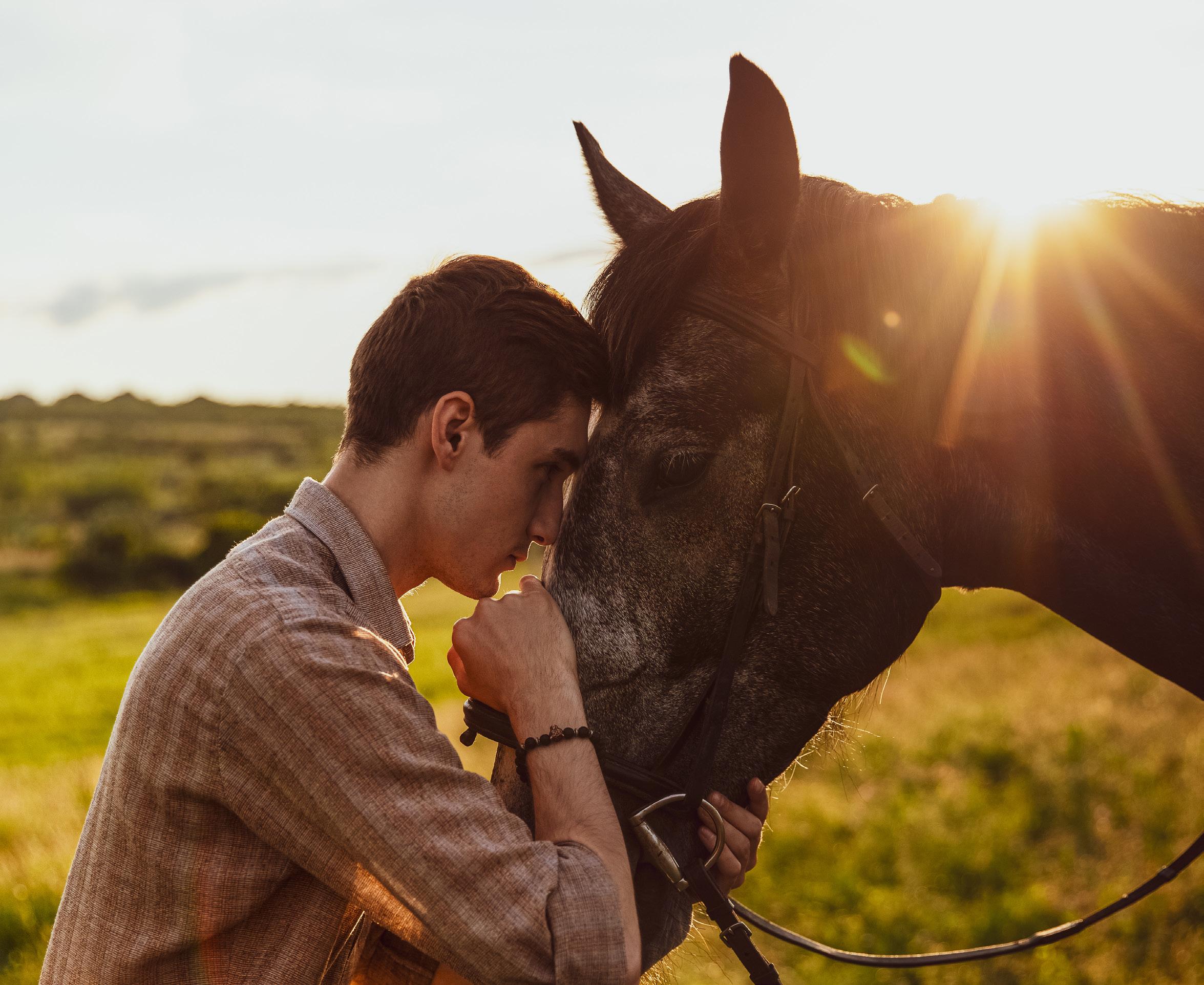
Equine-assisted healing is di erent from many traditional wellness approaches because horses respond honestly and immediately to human behavior.
They notice:
Tension
Breathing
Posture
Emotional consistency
Calmness
Nervous system activation
Horses do not respond to:
Titles
Explanations
Emotional masking
They respond to: presence and regulation in real time.
For many veterans, first responders, and high-stress professionals, working with horses creates opportunities to:
Slow down
Improve emotional awareness
Rebuild confidence
Practice calm leadership
Reconnect with purpose
Reduce stress and emotional overload
Many equine-assisted programs focus less on “talking about problems” and more on:
Interaction
Observation
Responsibility
Communication
Trust
Grounded presence
Many people hear terms like: and assume they all mean the same thing. They do not.
Equine therapy
Horse therapy
Equine-assisted learning
Therapeutic riding
Equine-assisted services include a range of structured programs where interaction with horses is used to support:
Emotional wellness
Confidence building
Communication
Leadership
Nervous system regulation
Physical and psychological recovery
Some programs are clinically focused. Others are educational, recreational, or experiential.
What they often share is this: horses create immediate, honest, real-world feedback through interaction.
Common Types of Equine-Assisted Services
Therapeutic Riding
These programs use horseback riding to support:
Physical coordination
Confidence
Emotional engagement
Balance and mobility
Groundwork-Based Programs
These often involve:
Leading horses
Grooming
Obstacle exercises
Communication tasks
Trust-building activities
Many trauma-informed programs prefer groundwork because:
It reduces pressure
Increases safety
Emphasizes awareness and communication
Equine-Assisted Learning (EAL)
These programs focus on:
Leadership
Teamwork
Communication
Emotional awareness
Confidence-building
Equine-Assisted Mental Health Approaches
Some programs involve licensed mental health professionals using equine interaction to support:
Emotional regulation
Trauma recovery
Behavioral awareness
Relationship skills
Horses are highly sensitive animals. They constantly observe:
Body language
Tension
Breathing
Pacing
Confidence
Emotional consistency
Unlike people, horses do not respond to:
Titles
Explanations
Emotional masking
They respond to: what your nervous system is communicating in real time.
This creates powerful opportunities for:
Self-awareness
Emotional regulation
Calm leadership
Trust-building
Scenario
You approach a horse while:
Distracted
Frustrated
Emotionally tense
The horse hesitates.
Then you:
Slow your breathing
Relax your posture
Calm your movement
The horse responds di erently.
That moment reinforces: your internal state a ects interaction and communication.
Many veterans and high-stress professionals appreciate equine work because:
Interaction feels authentic
Communication is immediate and honest
Trust must be earned through consistency
Calm leadership matters more than force
There is also something deeply grounding about:
Physical presence
Outdoor environments
Responsibility
Structured interaction
Routine
For many people, equine-assisted programs become: a practical way to reconnect with awareness, engagement, and emotional regulation.
The Key Shift Awareness Drill — “Pause Before Interaction”
Horses do not respond to who you pretend to be. They respond to how regulated and present you actually are.
How It Works
Before interaction:
1- Pause for 30 seconds
2- Notice:
Breathing
Posture
Tension
Emotional state
3- Slow breathing intentionally
4- Relax shoulders and jaw
5- Approach calmly and deliberately
What This Does
Increases emotional awareness
Improves nervous system regulation
Reduces reactive behavior
Improves intentional interaction
How aware are you of your emotional state during interaction?
What physical signs appear when you are stressed?
Do you tend to react—or regulate—under pressure?
1. Emotional Awareness Level
☐ Very aware
☐ Somewhat aware
☐ Often disconnected
☐ Frequently reactive
2. Common Stress Behaviors
☐ Tight posture
☐ Shallow breathing
☐ Irritability
☐ Withdrawal
☐ Restlessness
3. Personal Goal
☐ Calmness
☐ Leadership
☐ Confidence
☐ Communication
☐ Emotional regulation
REFERENCES & SOURCES
Professional Association of Therapeutic Horsemanship International — Equine-Assisted Services
Equine Assisted Growth and Learning Association — Equine-Assisted Learning Models
National Institutes of Health — Animal-Assisted Therapy & Emotional Health
U.S. Department of Veterans A airs — Complementary & Integrative Health
Notes:
Most people are more emotionally reactive than they realize.
Stress immediately changes:
Breathing
Posture
Movement
Tone
Tension
Attention
But many people become disconnected from these signals.
Horses notice them immediately.
Because horses are highly sensitive prey animals, they constantly monitor:
Environmental shifts
Body language
Nervous system activation
Behavioral consistency
This creates something unique: real-time emotional feedback
Why This Matters
Many people operate daily while:
Emotionally overloaded
Physically tense
Mentally distracted
Disconnected from their own stress signals
Horses often mirror or react to:
Agitation
Nervous energy
Frustration
Calmness
Grounded presence
That interaction increases awareness of: how emotional state a ects communication and behavior.
Scenario
You enter the arena mentally overwhelmed. Without realizing it:
Your breathing shortens Your movement becomes rushed
Your posture tightens
The horse becomes uncertain or reactive.
Then you:
Slow down
Breathe deeply
Regulate your pace
Focus intentionally
The horse settles.
That moment teaches: calm regulation changes interaction.
Equine interaction helps many people recognize:
Tension patterns
Emotional escalation
Hypervigilance
Impatience
Avoidance behaviors
This awareness often transfers outside the arena into:
Relationships
Leadership
Parenting
Teamwork
Peer support
Regulation vs Suppression
Many people try to:
Suppress emotions
Ignore stress
Push through tension
But horses respond better to: regulation and grounded awareness not emotional suppression.
The Key Shift
Emotional regulation is not about eliminating emotion. It is about remaining grounded while experiencing it.
Regulation Drill — “Ground Before Interaction”
How It Works
Before stressful interaction:
1- Plant both feet firmly
2- Relax shoulders and jaw
3- Take 5 slow breaths
4- Slow movement intentionally
5- Focus attention on the present moment
Improves nervous system regulation
Reduces reactivity
Increases emotional awareness
Improves calm communication
What physical signs tell you stress is increasing?
Do you notice tension early—or only after escalation?
What environments help you feel most calm and grounded?
1. Common Stress Signals
☐ Tight shoulders
☐ Shallow breathing
☐ Irritability
☐ Withdrawal
☐ Restlessness
2. Emotional Challenges
☐ Impatience
☐ Emotional shutdown
☐ Hypervigilance
☐ Anxiety
☐ Frustration
3. Grounding Goal
What is one grounding practice you can use consistently?
REFERENCES & SOURCES
Equine Assisted Growth and Learning Association — Emotional Awareness & Equine Interaction
Professional Association of Therapeutic Horsemanship International — Emotional Regulation Through Equine Services
National Institutes of Health — Stress Physiology & Regulation
American Psychological Association — Emotional Regulation & Behavioral Awareness
Notes:
One of the biggest misconceptions about equine-assisted programs is that healing only happens through riding. In reality, many powerful equine experiences happen: On the ground.
Groundwork activities may include:
Leading horses
Grooming
Obstacle exercises
Observation
Calm interaction
Communication tasks
These activities help develop:
Trust
Awareness
Patience
Emotional regulation
Nonverbal communication
Why Nonverbal Communication Matters
Much of communication happens through:
Posture
Pacing
Tone
Movement
Emotional energy
Nervous system state
Horses respond to these signals immediately.
This often helps people realize:
They rush under stress
They tighten physically during pressure
They become inconsistent emotionally
Groundwork teaches: Calm communication through awareness and consistency
Scenario
You attempt to lead a horse while:
Frustrated
Distracted
Impatient
The horse hesitates or resists.
Then you:
Slow your pace
Regulate breathing
Relax physically
Focus clearly
The horse begins responding more calmly.
That experience reinforces: Grounded presence builds trust.
Why Trust Builds Slowly
Trust is rarely built through force. It is built through:
Consistency
Calmness
Predictability
Emotional regulation
Safe interaction over time
This applies to:
Animals
Relationships
Leadership
Teamwork
Recovery
People who have experienced:
Trauma
Betrayal
Emotional overload
Chronic stress
often become emotionally guarded.
Safe interaction helps gradually rebuild: Trust and relational safety
The Key Shift
Calm presence often communicates more powerfully than words alone.
Communication Drill — “Slow the Interaction”
How It Works
During interaction:
1- Slow movement intentionally
2- Relax shoulders and hands
3- Focus fully on the interaction
4- Maintain calm breathing
5- Reduce rushing or tension
Improves communication
Reduces emotional escalation
Increases trust-building behavior
Strengthens grounded leadership
How do you communicate under stress?
Do you become rushed, reactive, or withdrawn?
What would improve if your communication became calmer and more grounded?
1. Communication Style
☐ Calm and steady
☐ Sometimes reactive
☐ Frequently rushed
☐ Emotionally guarded
2. Biggest Communication Challenge
☐ Patience
☐ Listening
☐ Emotional control
☐ Confidence
☐ Trust-building
3. Leadership Goal
What would grounded communication improve in your life?
REFERENCES & SOURCES
Professional Association of Therapeutic Horsemanship International — Groundwork & Equine-Assisted Learning Equine Assisted Growth and Learning Association — Nonverbal Communication & Equine Learning
American Psychological Association — Communication & Emotional Regulation
National Institutes of Health — Behavioral Awareness & Stress Response
Notes:
One of the first things many people lose during periods of stress, burnout, or transition is structure. Motivation decreases.
Routines become inconsistent. Purpose becomes unclear.
Caring for horses introduces:
Responsibility
Consistency
Physical engagement
Accountability Routine
That structure often becomes stabilizing.
Purposeful responsibility activates:
Engagement
Motivation
Accountability
Confidence-building systems
At the same time, it reduces:
Passivity
Isolation
Emotional stagnation
Hopelessness
Many people begin feeling better not because: All emotional pain disappears but because: They reconnect with meaningful responsibility.
Scenario
You feel emotionally exhausted and disconnected. Then you begin helping care for horses regularly. Now you have:
Scheduled responsibilities
Routines
Physical activity
Purposeful interaction
Gradually:
Consistency improves
Motivation increases
Confidence returns
Emotional withdrawal decreases
Not because life suddenly became easy. Because responsibility restored: Engagement and structure.
Why Confidence Rebuilds Through Action
Confidence is often rebuilt through:
Consistency
Follow-through
Capability
Successful interaction
not through motivation alone.
Each completed task reinforces: “I can handle this.”
Over time, this rebuilds:
Self-trust
Emotional resilience
Purpose Identity
The Key Shift
Confidence is often rebuilt through repeated action before it is fully felt emotionally.
Purpose Drill — “Structured Responsibility Practice” How It Works
Choose one consistent responsibility involving:
Animal care
Volunteering
Structured wellness activity
Outdoor responsibility
Focus On
Consistency
Attentiveness
Calm e ort
Follow-through
Strengthens accountability What This Does
Rebuilds structure
Improves emotional engagement
Increases confidence
What responsibilities make you feel purposeful?
How does emotional stress a ect your structure and routines?
What activities help you feel capable and engaged?
1. Current Structure Level
☐ Strong structure
☐ Moderate structure
☐ Inconsistent
☐ Minimal structure
2. Biggest Challenge
☐ Motivation
☐ Emotional exhaustion
☐ Isolation
☐ Follow-through
☐ Lack of purpose
3. Purpose-Building Activities
☐ Animal care
☐ Volunteering
☐ Outdoor work
☐ Mentoring
☐ Structured routines
4. Confidence Goal
What responsibility could help rebuild consistency and self-trust?
REFERENCES & SOURCES
Professional Association of Therapeutic Horsemanship International — Confidence & Equine Programs
National Institutes of Health — Purpose, Motivation & Emotional Health
American Psychological Association — Self-E cacy & Behavioral Change
U.S. Department of Veterans A airs — Recovery & Identity Rebuilding
Notes:
Not all equine-assisted programs are the same.
Some focus on:
Emotional regulation
Trauma recovery
Leadership development
Communication
Peer support
Others focus more on:
Recreation
Riding instruction
Horsemanship
Social engagement
Choosing the right environment matters.
What Healthy Programs Usually Include
Healthy equine-assisted programs often provide:
Trained facilitators
Clear safety procedures
Emotionally respectful interaction
Structured pacing
Calm environments
Gradual participation
Good programs encourage: Growth without emotional pressure.
Red Flags to Watch For
Be cautious of environments that:
Pressure emotional disclosure
Shame vulnerability
Promise “miracle healing”
Ignore safety
Create unnecessary emotional intensity
Healthy healing environments support:
Emotional safety
Gradual trust-building
Consistency
Realistic expectations
Scenario
You visit two programs. One feels:
Rushed
Emotionally overwhelming
Disorganized
Another feels:
Calm Structured Supportive Safe
Your nervous system responds di erently immediately. That matters.
Building Your Personal Healing Plan
No single activity heals everything. A strong healing plan may combine:
Equine interaction
Outdoor activities Movement
Peer support
Counseling
Journaling
Structured routines
The goal is: Building sustainable systems that support long-term regulation and resilience.
The Key Shift Planning Drill — “Connection Recovery Mapping”
Healing becomes sustainable when supportive practices become part of your lifestyle—not just emergency responses during crisis.
Identify:
1. What environments help you feel calm and grounded?
2. What activities improve your emotional stability?
3. What responsibilities increase engagement and purpose?
4. What support systems help you feel connected and safe?
What This Does
Improves self-awareness
Builds intentional structure
Supports long-term consistency
Strengthens emotional resilienc
What environments help your nervous system settle most?
What support systems feel healthiest for you?
What healing practices could realistically become part of your routine?
1. Strongest Recovery Needs
☐ Emotional regulation
☐ Confidence
☐ Purpose
☐ Connection
☐ Stress recovery
2. Most Helpful Healing Activities
☐ Equine interaction
☐ Outdoor activities
☐ Peer support
☐ Volunteering
☐ Structured routines
3. Weekly Commitment
What healing practices can you realistically commit to weekly?
4. Long-Term Vision
How would your life improve if you felt more grounded, connected, and emotionally regulated?
REFERENCES & SOURCES
Professional Association of Therapeutic Horsemanship International — Standards & Safety Guidelines
Equine Assisted Growth and Learning Association — Equine-Assisted Learning Models
National Institutes of Health — Integrative Wellness & Emotional Health
U.S. Department of Veterans A airs — Whole Health & Recovery Planning
Notes:
“Healing doesn’t mean forgetting—it means learning how to carry your story with strength. BOOTS2Heal is a guide for those ready to move from surviving to truly living.”