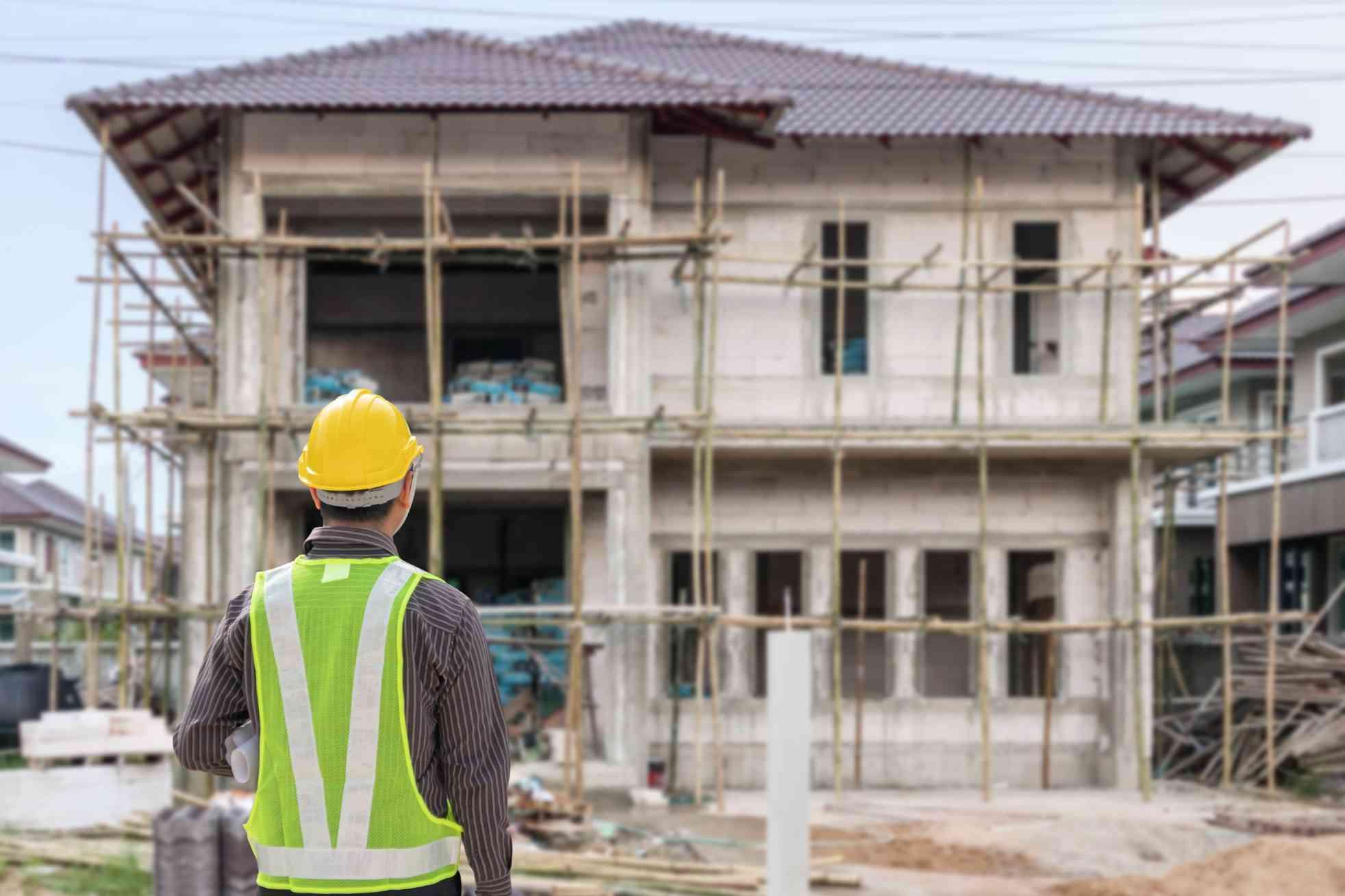


What Is A Construction Loan?
A construction loan is a specialized type of financing used to build a new home or complete major renovations on an existing property. Unlike a traditional mortgage, which provides a lump sum at closing, construction loans release funds in stages as the project progresses.
These loans are typically short-term and designed to cover the cost of land, labor, materials, permits, and other expenses associated with construction. Once the project is complete, the loan is usually converted into a permanent mortgage or paid o through refinancing.
How Construction Loans Work
Draw Schedule: Funds are disbursed in phases (called “draws”) based on construction milestones
Interest-Only Payments: During construction, borrowers typically make interest-only payments
Inspections Required: Lenders may require inspections before releasing each draw
Conversion to Permanent Loan: After completion, the loan is either refinanced or converted into a standard mortgage
Why Consider a Construction Loan?
Build a home tailored to your needs
Finance large-scale renovations or rebuilds
Pay for construction costs over time instead of upfront
Important Considerations
Construction loans often have stricter qualification requirements
Interest rates may be higher than traditional mortgages
A detailed construction plan, timeline, and licensed builder are typically required
VAREP Guidance
Construction financing can be more complex than a traditional home loan. Through VAREP’s housing counseling and professional network, we help you understand your options, evaluate readiness, and connect with experienced professionals to support your project from planning to completion.
Types Of Construction Loans
Construction-to-Permanent Loan:
This loan starts as a construction loan and automatically converts to a permanent mortgage once the construction is complete. It simplifies the financing process by requiring only one application and one closing.
Stand-Alone Construction Loan:
Also known as a “construction-only loan,” this type of loan covers the construction phase only. Once the construction is complete, you must obtain a separate permanent mortgage to pay o the construction loan.
Renovation Loan:
Used for substantial home improvements, renovation loans can be part of a new mortgage or a standalone loan to finance major renovations on an existing home.
Owner-Builder Loan:
Designed for those who wish to act as their own general contractor, these loans can be more challenging to qualify for due to the increased risk associated with the borrower managing the construction process.
Benefits Of Construction Loans
Flexible Payment Options:
Construction loans o er flexible disbursement schedules that allow you to draw funds as needed during the construction process.
Interest-Only Payments During Construction:
Many construction loans require interest-only payments during the construction phase, helping to keep initial costs lower.
Custom-Built Homes:
These loans provide the opportunity to build a custom home tailored to your specific needs and preferences.
Credit Score:
Lenders typically require a higher credit score for construction loans than for traditional mortgages. A score of 680 or higher is often needed.
Down Payment:
Construction loans generally require a larger down payment, often between 20% and 25% of the total loan amount.
Income and Debt-to-Income Ratio:
Lenders will evaluate your income and debt-to-income ratio to ensure you can a ord the loan payments. A debt-to-income ratio below 45% is preferred.
Construction Plan and Budget:
A detailed construction plan and budget, including cost estimates from a licensed contractor, are required for approval.
Application Process
Pre-Approval:
Obtain pre-approval from a lender to determine your borrowing capacity and confirm your eligibility for a construction loan.
Select a Contractor:
Choose a licensed and reputable contractor to handle the construction. The lender will typically vet the contractor’s credentials and financial stability.
Submit a Loan Application:
Complete a loan application and provide necessary documentation, including income verification, credit history, construction plans, and budget.
Appraisal:
The lender will order an appraisal based on the projected value of the home once construction is complete.
Loan Approval:
Upon approval, the lender will set up a draw schedule for disbursing funds as construction milestones are met.
Construction Phase:
Funds are disbursed in stages according to the draw schedule. The lender may conduct inspections to ensure progress aligns with the plan.
Completion and Conversion:
Once construction is complete, the loan will either convert to a permanent mortgage (in the case of construction-to-permanent loans) or require refinancing into a permanent mortgage (for stand-alone construction loans).
Costs Associated With Construction Loans
Origination Fees:
Fees charged by the lender for processing the loan application.
Interest Rates:
Construction loans typically have higher interest rates than traditional mortgages due to the increased risk.
Inspection Fees:
Lenders may charge fees for periodic inspections to verify construction progress.
Closing Costs:
Costs associated with closing the loan, including appraisal fees, title insurance, and legal fees.
Tips For A Successful Construction Loan
Work with Experienced Professionals:
Choose a reputable lender and an experienced contractor to ensure a smooth construction process.
Maintain Good Credit:
A strong credit score can help you secure better loan terms and lower interest rates.
Prepare a Detailed Plan:
A comprehensive construction plan and budget are essential for loan approval and successful project completion.
Regularly check on the construction progress and communicate with your contractor and lender to address any issues promptly.
By understanding the basics of construction loans, you can approach the financing process with confidence and make informed decisions that best suit your financial situation and construction needs.
For more detailed information, consider consulting resources from the Consumer Financial Protection Bureau and HUD.gov.