Extrait
ALL-IN-ONE

ENGLISH






Explore English ‒ All-in-one 1re année (version provisoire)
Travel Essentials

Test diagnostique
Réactivation des notions de primaire
Consignes de classe
Unit 1 : Arthur’s Tale
Objectifs À la fin de cette séquence, tu seras capable : de parler (en interaction ou non) pour informer sur une description physique ; de parler en interaction pour informer sur son identité, notamment numérique ; d’écouter/lire un message pour s’informer sur une identité, notamment numérique ; de lire un message pour s’ouvrir aux autres cultures ; d’écrire pour informer sur une identité, notamment numérique ; d’écrire pour informer sur une description physique.
Prérequis
Grammaire
To be
Have got
L’alphabet
Le présent simple
Les pronoms personnels sujets
Les déterminants possessifs
L’adjectif épithète : place et invariabilité
L’ordre des mots dans la phrase simple affirmative, négative et interrogative
Vocabulaire
L’aspect physique
L’identité de soi et d’autrui (nom, âge, genre, composition de la famille)
Les déterminants articles numéraux
Les couleurs
Ressources lexicales et fonctions langagières
Noms courants de pays et de nationalités
Adresses postale et électronique, numéro de téléphone
Identité numérique
Quelques métiers courants
Personnages célèbres en lien avec la culture anglophone
Couleurs et nuances (clair et foncé)
Langues courantes et description physique : stature, silhouette
Ressources grammaticales
Expression de la possession avec ’s et of
Ressources phonologiques
Prononciation de la lettre « s » dans le cas possessif
Prononciation des lettres « h » et « k »
Objectifs À la fin de cette séquence, tu seras capable : de décrire/comprendre une journée ou semaine type ; de donner/comprendre des informations sur les traditions scolaires et sur un horaire ; de décrire/comprendre des capacités et des règles liées à l'école.
Prérequis
Grammaire
La phrase simple (positive, négative, interrogative)
Les déterminants articles numéraux (cardinaux)
Vocabulaire
Les chiffres
Les jours de la semaine
Ressources lexicales et fonctions langagières
Activités routinières à l’école et à la maison
Traditions propres à la culture anglophone
Cours suivis et vie scolaire
Lieux et intervenants dans la vie scolaire
Horaires et unités de temps (secondes, minutes, heures)
Fréquence des évènements
Expression détaillée de l’heure
Ressources grammaticales
Auxiliaires de mode : can (capacité et permission) et must (obligation)
Proposition coordonnée (and, but, or)
Ressources phonologiques
Prononciation de la lettre « h »
Objectifs
Prérequis
À la fin de cette séquence, tu seras capable : de comprendre, demander et suivre un itinéraire ; de décrire ce que tu es en train de faire ; de comprendre/passer une commande de nourriture et de boissons.
Grammaire
Le pluriel
To be
L’impératif
Vocabulaire
Les déterminants articles numéraux (ordinaux)
Ressources lexicales et fonctions langagières
Moyens de transport
Type d’agglomération (ville/village)
Directions et itinéraires dans une grande ville
Unité monétaire dans les pays anglophones
Boissons et aliments courants
Quelques prépositions de lieu
Quelques points de repère
Ressources grammaticales
Le groupe verbal : present continuous (pour exprimer le présent)
Le conditionnel avec l’expression would like
La phrase : propositions subordonnées introduites par because
Les indicateurs temporels associés aux temps étudiés
Ressources phonologiques
Anglais américain vs anglais britannique
Recap 1
Unit 4 : Game On
Vocabulary/Grammar & activities Unit 1, Unit 2 & Unit 3
Objectifs À la fin de cette séquence, tu seras capable : de lire/écouter pour comprendre des descriptions de sports, des présentations d’athlètes, dans un contexte présent ou passé ; de lire/écouter pour comprendre des descriptions de maladies et remèdes courants dans un contexte présent ou passé ; d’écouter des informations sur la pratique d’un sport ; de parler/écrire pour informer sur un sport, un athlète, dans un contexte présent ou passé ;
de parler en interaction des maladies et remèdes courants dans un contexte présent ou passé ; de parler en interaction pour informer sur le(s) sport(s) que tu pratiques.
Prérequis Grammaire
L’auxiliaire to be au present simple Vocabulaire
Quelques loisirs et sports
Ressources lexicales et fonctions langagières
Activités sportives courantes
Lieux relatifs à des activités sportives
Maux, symptômes et remèdes très courants
Quelques intervenants, lieux en lien avec la santé et le bienêtre
Outils numériques liés au sport
Ressources grammaticales
Past simple (verbes réguliers et irréguliers)
Past simple de l’auxiliaire to be
Indicateurs temporels associés au past simple
Ressources phonologiques
Prononciation de la terminaison « ed »
Unit 5 : Living with Pharaohs
Objectifs À la fin de cette séquence, tu seras capable : de parler (en interaction ou non) pour informer sur les vêtements et accessoires qu’une personne porte en fonction de la météo ; d’écrire/parler en interaction pour informer sur les différents types de logements et leur agencement, y compris le mobilier et l’équipement ; d’écrire/parler pour informer sur différentes relations et intérêts. d’écouter/lire pour t’informer sur différents types de logements et leur agencement, y compris le mobilier et l’équipement ; d’écouter une conversation pour t’informer sur les vêtements et accessoires qu’une personne porte en fonction de la météo ; de lire pour t’informer sur différentes relations et intérêts ; de lire un article pour t’ouvrir aux autres cultures.
Prérequis Grammaire
There is, there are
Adverbes de fréquence
Déterminants et pronoms possessifs
Vocabulaire
La météo
Ressources lexicales et fonctions langagières
Mobilier de base et sa description
Équipements électroménagers
Pièces et aménagements de la maison
Vêtements et accessoires en fonction des conditions météorologiques
Relations et sentiments avec l’entourage
Prépositions de lieu
Ressources grammaticales
Verb patterns (verbes de sentiments)
Ressources phonologiques
La prononciation de la lettre « i »
Recap 2 Vocabulary/Grammar & activities Unit 4 & Unit 5
Suitcases
Stratégies et outils pour apprendre à apprendre, liste des TP

À la fin de cette séquence, tu seras capable de :
décrire/comprendre une journée ou semaine type ; donner/comprendre des informations sur les traditions scolaires et sur un horaire ;
décrire/comprendre des capacités et des règles liées à l’école.
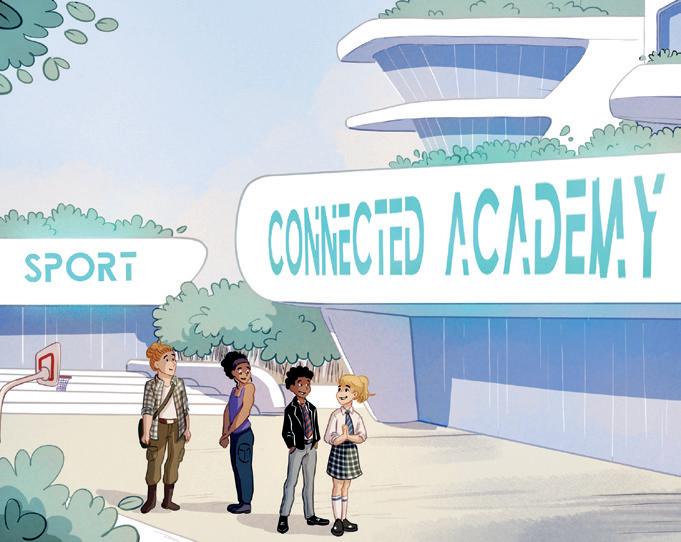
After crossing time and space and defying all the laws of the universe, you land in a new futuristic place. Are you ready to discover this new world?
Destination: England
Time: 31st century
Unit 2
Grammaire
– L a phrase simple (positive, négative, interrogative)
– Les déterminants articles numéraux (cardinaux)
Vocabulaire
– Les chiffres
– Les jours de la semaine
– Ac tivités routinières à l’école et à la maison
– Traditions propres à la culture anglophone
– Cours suivis et vie scolaire
– Lieux et inter venants dans la vie scolaire
– Horaires et unités de temps (secondes, minutes, heures)
– Fréquence des évènements
– E xpression détaillée de l’heure
– Auxiliaires de mode : can (capacité et permission) et must (obligation)
– Proposition coordonnée (and, but, or)
Prononciation de la lettre « h »
1. List the school subjects you already know.
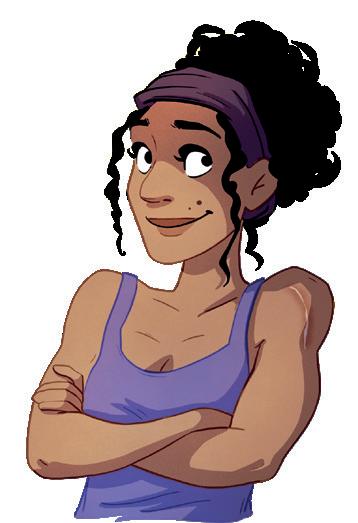
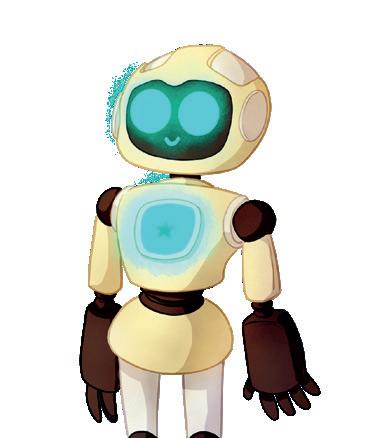
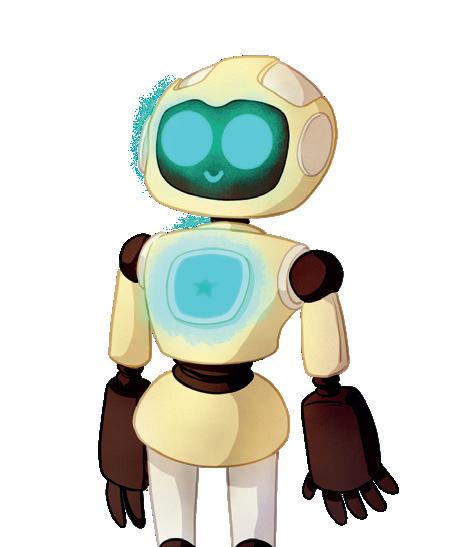
Welcome to England of the future! My name is Data and I’m an artificial intelligence. You’re standing right in front of a school called “Connected Academy”. It’s an honour to meet you. Which lessons are you interested in?

French

Discuss the topic of school with a partner, using the Useful English in t he table.
My favourite subject is mathematics. Mon cours préféré est celui de mathématiques.
My least favourite subject is French. Le cours que j’aime le moins est français.
My favourite teacher is Mrs Taylor.
Ma professeure préférée est Mme Taylor.
I go to school by bus/car/metro/bike/ on foot Je vais à l’école en bus/voiture/métro/ vélo/à pied.
Asking questions about school
What is your favourite subject?Quel est ton cours préféré ?
What is your least favourite subject? Quel est le cours que tu aimes le moins ?
Who is your favourite teacher?Qui est ton/ta professeur(e) préféré(e) ?
Do you like studying English?
How do you get to school?
Aimes-tu étudier l’anglais ?
Comment vas-tu à l’école ?
2. Share your answers with your class.
3. Write a few sentences about school, based on your answers in the previous oral exercise.
Context
You are at the gates of the Connected Academy, and you hear students chatting. You would like to find out more about the subjects there and the different locations in the school.
Contexte
Tu te tiens devant les portes de la Connected Academy et tu entends des élèves discuter. Tu aimerais en savoir davantage sur les cours qui y sont donnés et les différents lieux de l’école.
Tasks
Listen to the conversation.
Put a cross next to the subjects you hear.
Match the illustrations with the corresponding English words.
Take note of the information provided in French.
Chaque fois que tu dois te lancer dans une tâche de compréhension à l’audition, vérifie chaque point et coche les cases au fur et à mesure.
Lis attentivement le contexte donné.
Écoute une première fois l’audio, sans prendre de notes. Cette écoute te permet de répondre oralement aux questions suivantes :
– Combien de personnes pa rlent ?
– Qui pa rle ?
– Où ces personnes se t rouvent-elles ?
– De quoi pa rlent-elles ?
– Qua nd cette conversation a-t-elle lieu ?
Écoute une deuxième fois.
Prends note de ce que tu entends.
Écoute une troisième fois.
Complète tes notes et/ou vérifie-les.
Te voilà prêt(e) à résoudre les tâches ! Retourne lire les consignes avant d’entamer les exercices.
Geography
History
French
Art
Dutch
Physical education and health
Religious education
Science
Citizenship
English Human sciences
Chemistry Technology
Mathematics (maths)
Physics
Ethics Biology
Socioeconomics
German Latin






















to work out faire de l’exercice heart rate rythme cardiaque augmented reality glasses lunettes de réalité virtuelle to borrow emprunter headache mal de tête
Cours Lieux
Informations sur les cours et les lieux
1. Read the conversation.
Highlight the school subjects in English in yellow.
Highlight the places in the school in green.
Rosie: Hi Alex! How are you doing?
Alex: Hey Rosie. I’m great, thanks. Do you see the new sports hall over there, next to the playground? It looks fantastic!
Rosie: Yes, and I love the physical education and health lessons, especially before lunchtime on Mondays. I’m normally not sporty but it is fun to do sport with our smartwatches.
Alex: I agree. I also like the robot teacher: first, he shows us the exercises we must do. Then we work out a bit and finally, we check our heart rates. It’s so much fun! I also think that the PECA lessons are really interesting.
Rosie: What is PECA?
Alex: PECA stands for “parcours d’éducation culturelle et artistique”. It’s the new name for the art and music lessons. We learn to play musical instruments using video games. Now I can play the guitar and the piano like a boss!
Rosie: I’m so jealous; I can’t play any musical instruments!
Alex: What is your option this year?
Rosie: Science. We are studying chemistry, biology and physics. In the lab, we can even print 3D objects to help us understand the subject better. Do you like maths?
Alex: Yes, but I’m bad at maths and I find it a bit difficult. And Mrs. West is really strict; we can’t do anything! We must put our hands up to speak, we must stand up when she comes into the classroom, and we can’t go to the toilet during her lessons… Oh, and when a teacher is absent, I do my homework in the study room. What do you think of human sciences?
Rosie: Are you talking about geography or history?
Alex: Both!
Rosie: I think it is amazing; we use augmented reality glasses to explore the past and other civilizations.
Alex: Yes, it’s very interesting but I think my favourite place in the school is the canteen; the food is really good, and we can order it from our tablets. Unfortunately, we can only have lunch at 12.40 p.m. It’s so late and I’m already hungry by midday.
Rosie: You’re right! After school, I like going to the library to study or to do my homework with my best friend. She can’t stay too long; she must get home by 4.15 p.m. but I usually stay there from 3.30 p.m. to 5 o’clock.
Alex: So do I. It is a relaxing place. I usually study there. We can also borrow books; it’s cool.
Rosie: Yeah! But we must keep quiet in the library, and we can’t listen to music. What lesson do we have at 10.45 a.m, after the break?
Alex: French. And I love the teacher! Mr. Jenkins can speak French very well. We have a speaking test. Don’t you remember?
Rosie: Shoot! I completely forgot!
(The bell rings.)
Rosie: Uh, I’m not feeling that great, actually. I can’t do the speaking test; it will be impossible. Maybe I should go to the nurse’s office; I’ve got a terrible headache…
In English, we use special titles for adults:
• Mr. for a male;
• Mrs. for a female who is married;
• Ms. for a female, married or not;
• Miss for a young woman, one who is not married or for a female teacher. These titles are polite and show respect. They must be followed by a surname. If you want to use them alone, you must use Sir or Miss
USEFUL ENGLISH - DISCUSSING SCHOOL (2)
Discuss the topic of school with a partner, using the Useful English in the table.
I’m good at maths.
I’m bad at history.
Je suis doué(e) en maths.
Je suis nul(le) en histoire.
I find this subject easy/difficult . Je trouve cette matière facile / difficile .
My option is science.
Mon option est sciences.
What lesson do we have before/after break?
What is your option ?
How long does the break last ?
What time does school start/finish ?
How many classes/lessons do we have today?
Quel cours avons-nous avant / après la récréation ?
Quelle est ton option ?
Combien de temps la récréation dure-t-elle ?
À quelle heure l’école commence / finitelle ?
Combien de cours avons-nous aujourd’hui ?
En anglais, le mots « cours » peut se traduire de différentes manières, selon ce qu’on veut dire :
1. subjec t = la matière, ce qu’on étudie à l’école ; My favourite subject is English. Mon cours préféré est l’anglais.
2. lesson ou class = le moment du cours (une leçon) ; We have a history lesson/class every Monday. On a un cours d’his toire chaque lundi.
3. per iod = un moment précis dans la journée d’école, une heure de cours. I have E nglish in the second period. J ’ai anglais pendant la deuxième heure de cours.
Write the school subjects under the correct illustrations.
art • biology • chemistry • citizenship • Dutch • English • ethics • French • geography • German • history • human sciences • Latin • technology • mathematics/maths • physical education and health • physics • religious education • science • socio-economics




















Certains cours ne peuvent pas être traduits, car ils n’ont tout simplement pas d’équivalent en anglais ! C’est le cas de « Parcours d’éducation culturelle et artistique (PECA) » et « Accompagnement personnalisé ».
Complete the sentences with the appropriate subject.

a) In we do all sorts of calculations.

b) With Mrs. Wilson, our teacher, we work on interactive maps.
c) We do a lot of experiments in class.


d) In , we discuss different religions and cultures.
e) For , we need our sports equipment.
f) I like building robots in .
g) I need a dic tionary for
h) I ’m bad at drawing and painting but is my favourite subject.

Guess the subjects by looking at the emojis.

Draw your own emojis to make others guess another subject.
2. Translate the following sentences into English using the script.
Underline the time expressions in English and in French.
a) D’abord , il nous montre les exercices qu’on doit faire.
b) Après l’école , j’aime aller à la bibliothèque pour étudier ou faire mes devoirs avec ma meilleure amie.
c) Nous ne pouvons diner qu’à 12 h 40
d) Ensuite , on fait un peu d’exercice et enfin, on vérifie nos pulsations cardiaques.
e) Qua nd un professeur est absent, j’étudie dans la salle d’étude.
f) J ’ai déjà faim à midi
g) J ’y reste généralement de 15 h 30 à 17 heures .
h) Quel cours avons-nous à 10 h 45 après la récréation ?
i) J ’adore le cours d’éducation physique et à la santé, surtout avant le temps de midi les lundis.
SOUNDBOX
En français, on ne prononce presque jamais la lettre « h ». Tu n’as donc pas l’habitude de l’entendre. En anglais, le « h » est souvent aspiré : il faut le prononcer. C’est le cas des mots suivants : human /ˈhjuːmən/ health /ˈhɛlθ/ histor y /ˈhɪstəri/
Cependa nt, il est parfois muet. C’est le cas des mots suivants : hour /ˈaʊər/ honest /ˈɒnɪst/ honour /ˈɒnə/
Ne fais pas l’erreur inverse : rajouter un « h » là où il n’y en a pas !
Entraine-toi à lire les phrases suivantes :
« He is helping an animal that is hur t.
«« An honest astronaut with a hungry heart has a big honour.
««« Henr y’s happy horse and an honest actor have an hour to eat an orange in a huge hotel.
3. Write the time expressions in English in the correct column.
Days Times
MomentsSituations Linking words
REVISE AND PRACTISE!
Days of the week
USEFUL ENGLISH - SITUATING ACTIVITIES IN TIME
Talk about your personal daily activities at different times of the day.
In the morning , we have five periods. Le matin, nous avons cinq cours.
At noon/lunchtime/midday, we have a break. À midi, nous avons une pause.
In the afternoon, I do my homework. L’après-midi, je fais mes devoirs.
In the evening , I chill out. Le soir, je me détends.
At night, I sleep.
La nuit, je dors.
On Mondays, we start with maths. Le lundi, nous commençons avec les maths.
After school, I have some free time. Après l’école, j’ai un peu de temps libre.
We go to school from Monday to Friday.
First, we have history.
Then we have French.
Finally, we have a break.
Nous allons à l’école du lundi au vendredi.
Premièrement, nous avons histoire.
Ensuite, nous avons français.
Enfin, nous avons une récréation.
School finishes at 2.30 p.m. on Tuesdays.L’école se termine à 14 h 30 le mardi.
Complete the text with the appropriate time expressions.
a) At the Connected Academy, the students have five periods
b) , they have three lessons, a break.
c) the morning break, they have another three lessons.
d) , they go to the canteen, and they can have lunch.
e) , they generally have two or three periods.
f) On school finishes 12.40 p.m.
g) When school is over, they can go back home, or they can stay in the study room to do their homework or study.
How do you plan your school day or your homework? Is it useful to have a daily routine? Why (not)?
4. Read the three posts.
Write a response to each one.

This is the Connected Academy chat room. Let’s leave some messages.

Student123:
Hey everyone! I love Fridays and I love technology. We can build all kinds of things. I also enjoy the maths lessons when we solve problems on our tablets �� . I think our school is awesome �� , but I think history is a bit boring… �� . What about you guys? What are your favourite and least favourite subjects? Who is your favourite teacher? ♥
Reply to this post

Anonymous :
Hey! Today is a busy day �� . We start with a double period of French from 8.15 to 9.55 a.m., and we practise speaking with our robot teacher �� . After that, we have ethics, and we talk about rules and responsibilities… Luckily, we have a break at 10.45 a.m., and I can finally play with my friends on the playground . What are your school days like?
Reply to this post

Jennifer:
What’s up, guys? A quick reminder: today is the day to vote for the colour of our next school uniform! What do you think?
Reply to this post
DID YOU KNOW?
In most schools in England, pupils wear a uniform . It helps everyone feel equal and part of the school. The uniform is different for each school.
Are you for or against wearing a school uniform?
5. Write a short post about your school/the Connected Academy (+/- 40 words).
2. Let’s Go to Class
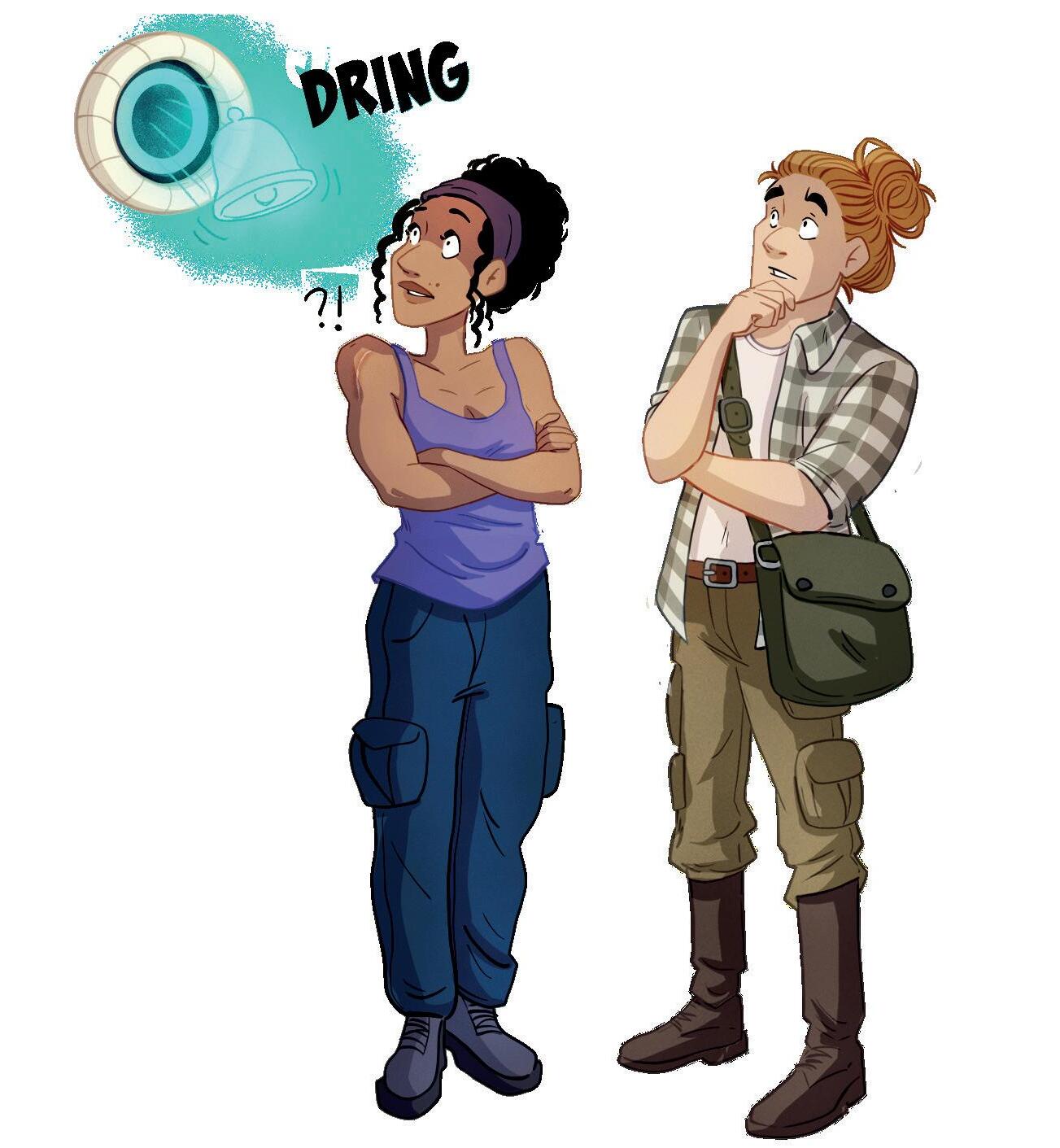
You hear the school bell; lessons are about to start. At the Connected Academy, lessons are announced at the start of the day on the school radio.
1. Listen to the audio.
Write the subjects you hear under the right times.
08:15 09:05 09:55 11:00 11:50 02:30
2. Listen again.
Write down the times you hear in words (not numbers), in English.
a) Huma n sciences starts at o’clock.
b) Mat hs class is at a quarter past
c) Sc ience begins at to
d) The English class is at past
e) Physical education and health is between to and to .
f) There is a robot competition tomorrow at half past .
En anglais, on utilise plusieurs prépositions de temps différentes : – at devant une heure
School star ts at 8.15 a.m. L’école commence à 8 h 15.
– on devant un jour
On Monday, we have seven periods. Le lundi, nous avons sept heures de cours. – in devant une période de la journée
In the morning, we have five periods. Le matin, nous avons cinq heures de cours.
REVISE AND PRACTISE!
Numeral article determiners (cardinal)
3. Listen to the times.
Repeat .
Write the times you hear in words.
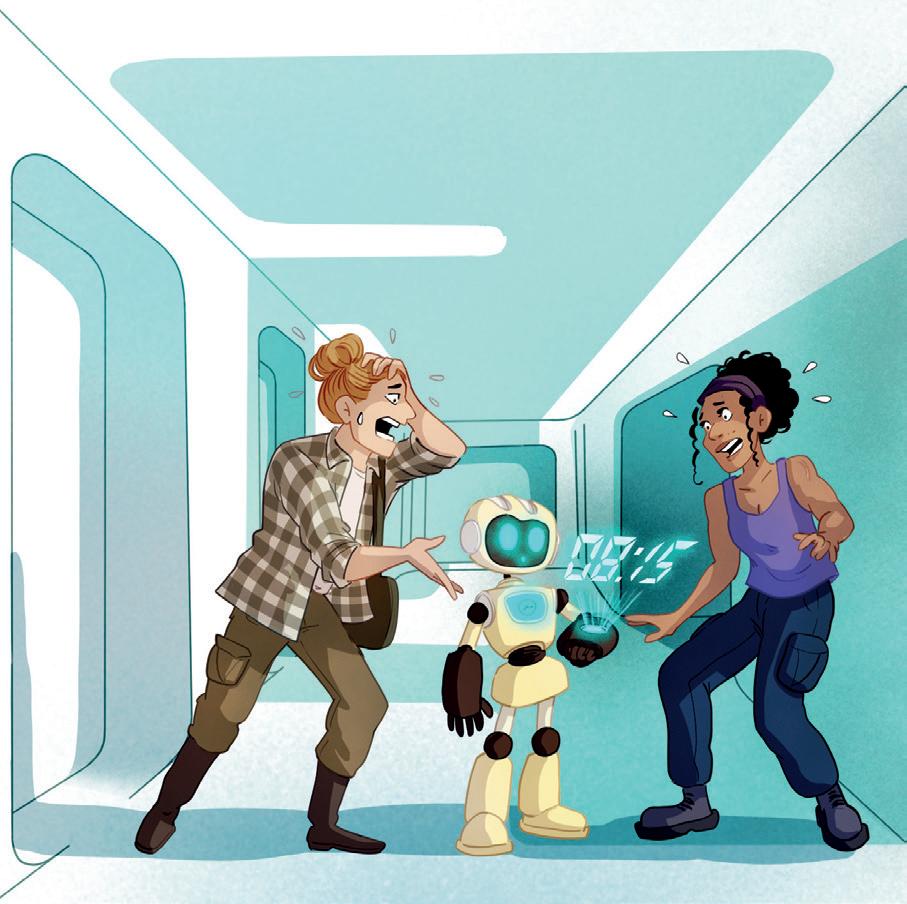
The times you will hear are the exact times for each period, break, and lesson at the Connected Academy.
a) = 8.15 a.m
b) = 9.05 a.m.
c) = 9.55 a.m.
d) = 10.45 a.m
e) = 11.00 a.m.
f) = 11.50 a.m
g) = 12.40 p.m
h) = 1.40 p.m.
i) = 2.30 p.m
j) = 3.20 p.m
Context
You and your friend would like to attend a few lessons at the Connected Academy. You both receive a timetable, but it is incomplete.
Tasks
Look at the times from the previous exercise and those from the following timetables.
Answer the questions.
Ask each other questions to complete your timetable.
Contexte Ton ami et toi aimeriez suivre quelques cours à la Connected Academy. Vous recevez tous les deux un horaire, mais celui-ci est incomplet.

STRATEGY - TRAVAILLER PAR PAIRE POUR PRÉPARER SON INTERVENTION
Avant de vous lancer dans la réalisation de la tâche, liste avec ton/ta partenaire les questions que vous pouvez vous poser l’un(e) à l’autre pour pouvoir compléter votre horaire.
Te voilà prêt(e) à résoudre les tâches ! Retourne lire les consignes avant d’entamer les exercices.

Suitcase XX Titre
Student A:
Student B:
a) What day was exercise 1 (p. 47 ) about?
b) How many periods do these students have a week?
c) How many breaks are there?
d) How long does a lesson last?
4. Listen to the conversation.
Act it out with your partner.
– Hi Data ! What’s the time?
– What ’s up, Billie ! It’s a quarter past eight . The first lesson is about to start.
– What is t he first lesson?
– Huma n sciences .
– What time is the break ?
– The break starts at a quarter to eleven and finishes at eleven o’clock
– Ok ay. And what time do we have lunch ?
–
We have lunch at twenty to one.
– Perfect! Thanks for your help!
5. Place your red plastic cover on the previous conversation.
Act out the conversation with your partner again, changing the inf ormation in orange.
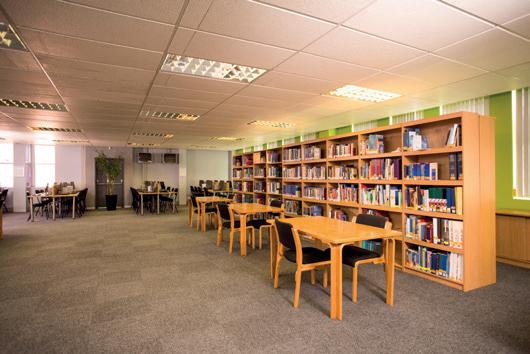
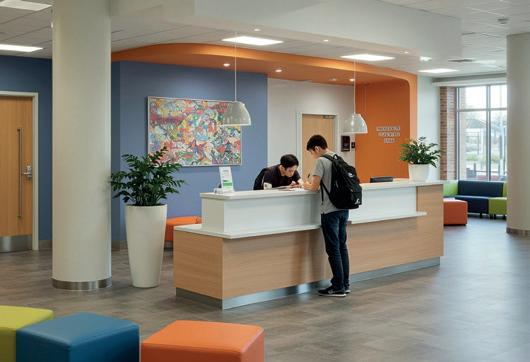
Write the school locations under the correct illustrations. canteen • classroom • computer room • lab • library • nurse’s office • playground • reception • sports hall • study room • toilets

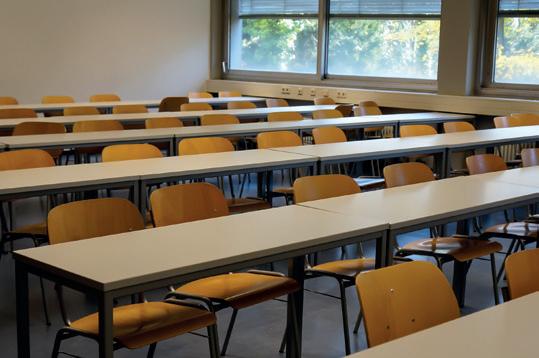
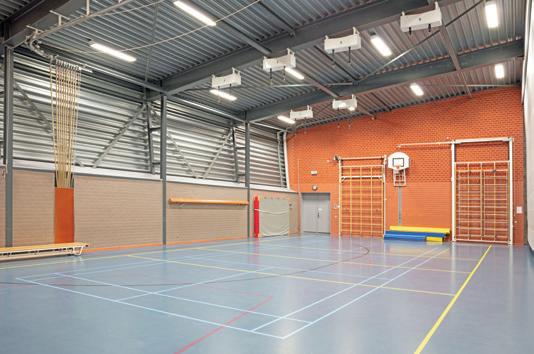
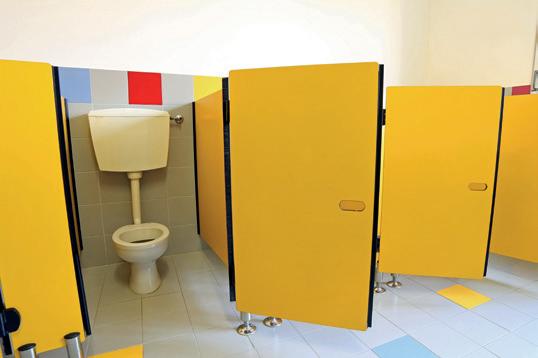
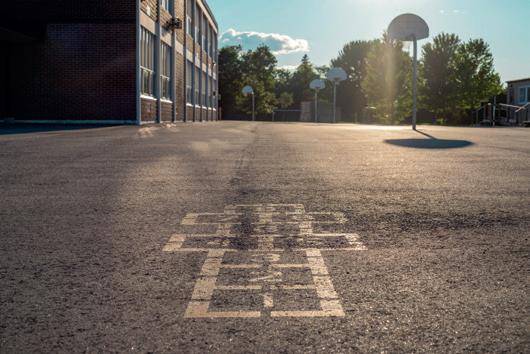
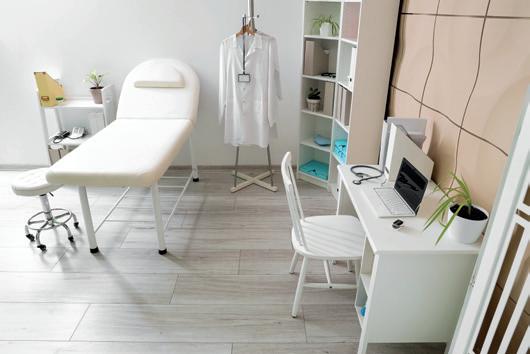
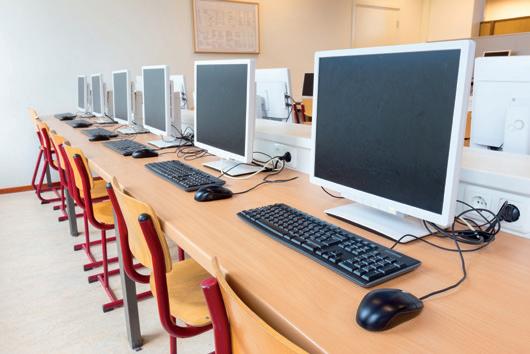

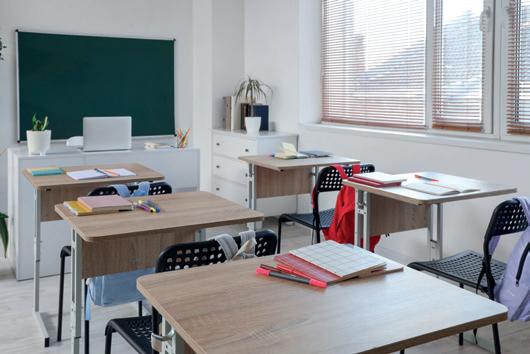
Complete the definitions with the appropriate school places.
The place where students…
a) have lunch is

b) can do their homework after school is .
c) can go if they don’t feel well is
d) have their lessons is
e) do experiments is .
f) can work on computer is
g) go for the break is
h) do spor t is .
Put the letters in the right order.
a) ABRYRIL
b) TR SSOP LAHL
c) OCOLMARSS
d) UOGAYLPRND
e) BAL
f) TLETIOS
g) CTEAENN
h) SUNESR EIFOCF
i) UEMTRCPO OORM
j) UDTSY OORM
k) ONEREICPT
VOCABULARY - PEOPLE INVOLVED IN SCHOOL LIFE
Write the school roles under the correct images.
student representative • school educator • form teacher • principal • pupil • teacher • cleaner

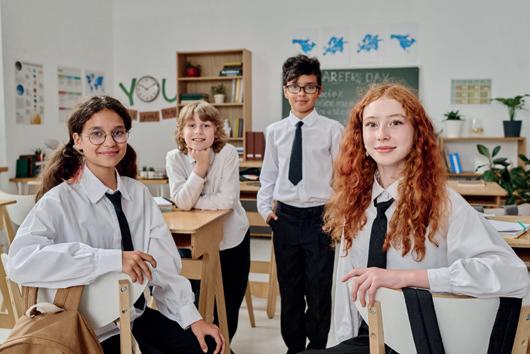


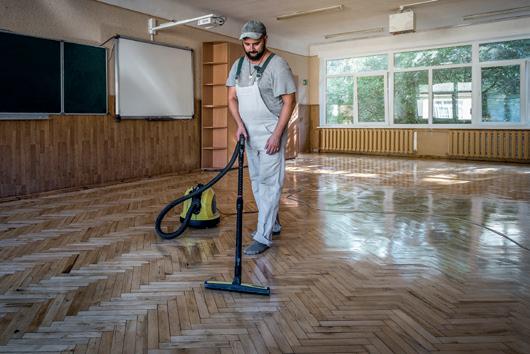


Find the role of each person in the school.
a) I clean the school. Who am I?
b) I help pupils a nd talk to families. I’m not a teacher.
c) I a m the head of the school.
d) I go to sc hool and learn.
e) I lead t he class and help the teacher.
f) I teac h English, maths, etc.
g) I a m your main teacher
Who helps you at school? How can we show respect to all school staff (teachers, cleaners, etc.)?
6. Write a few lines giving information about your form teacher, your student representative, and the pupils in your class.
GRAMMAR SPOT
Look and Discuss
Look at the times from ex. 3 (p. 48).
Answer the following questions.
a) What terms do t he hours come with?
b) To which parts of the day do these terms refer?
Guess and Check
Guess how many hours the English time system is based on.
Listen to the following text to check your hypothesis.
Remember: Telling the time
A. Le système d’heures
Pour dire l’heure en anglais, on utilise un système sur 12 heures , et non sur 24 heures comme en français. Ainsi, la journée est divisée en deux parties :
– les heures avant midi pour lesquelles on utilise l’abréviation a.m. ( ante meridiem ) ;
– les heures après midi (de midi à minuit) pour lesquelles on utilise l’abréviation p.m. ( post meridiem ).
8 heures du matin = 20 heures =
Les notions a.m. et p.m. ne sont pas indispensables si le contexte de la phrase permet à ton interlocuteur/trice de comprendre aisément s’il s’agit d’une heure au matin, dans l’après-midi ou en soirée.
School starts at 8.15. (Il est évident qu’il s’agit de 8 h 15 le matin).
À l’écrit en anglais, on utilise un point entre les heures et les minutes. Ainsi, « 8 h 15 » s’écrit « 8.15 ».
B. Les heures pile
Lorsque tu souhaites annoncer une heure pile, tu dois utiliser o’clock
Tu ne peux pas utiliser o’clock en même temps que les notions a.m. ou p.m.
Si tu souhaites toutefois préciser de quel moment de la journée il s’agit, utilise une expression de temps comme in the morning , in the afternoon ou in the evening . 7 heures (du matin) = 7 a.m. ou
C. Les minutes et les heures
Contrairement au français, tu dois annoncer les minutes avant les heures . On utilise les prépositions : – past pour annoncer combien de minutes se sont écoulées depuis l’heure entamée :
9.05 =
– to pour a nnoncer combien de minutes il reste avant l’heure qui suit : 12.40 =
Lorsqu’il s’agit de 15 minutes avant ou après, on utilise (a) quarter past/to 8.15 = 10.45 =
Lorsqu’il s’agit d’une demi-heure, on utilise half past 2.30 =
Dans un contexte plus formel et afin de donner des heures plus précises , on annonce généralement les heures suivies des minutes.
11.50 = 14.30 =
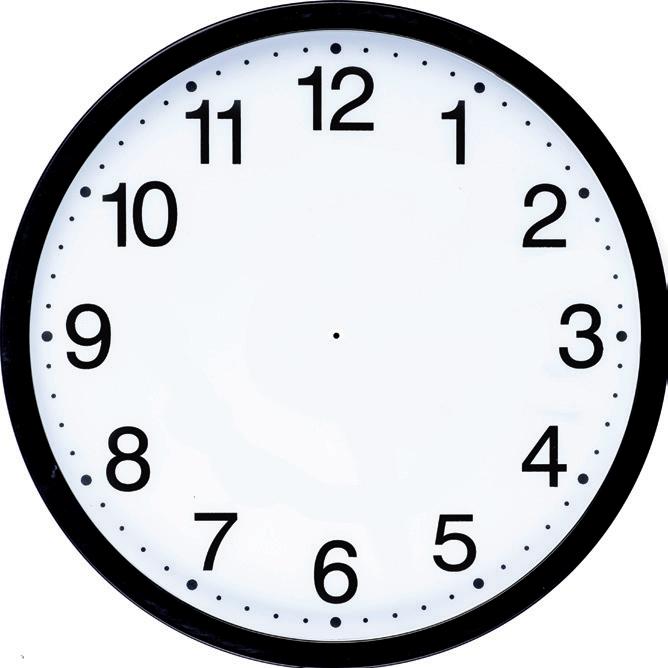
Complète le cadran avec les différents termes à utiliser pour dire l’heure en anglais.
Practise
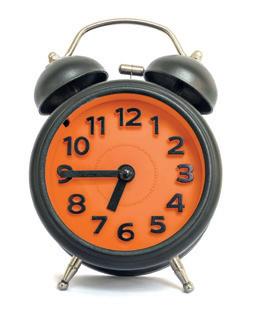
1. Write the time in words.

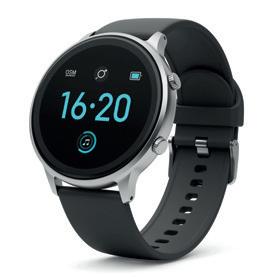
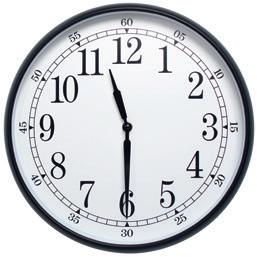
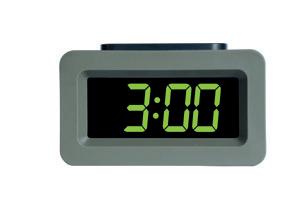
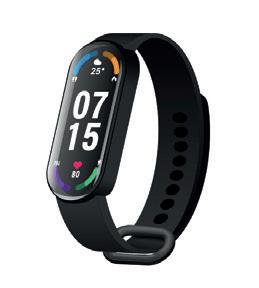
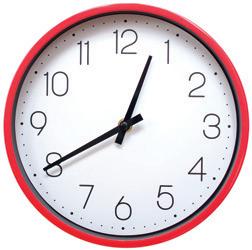
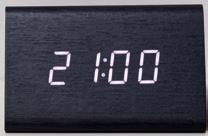
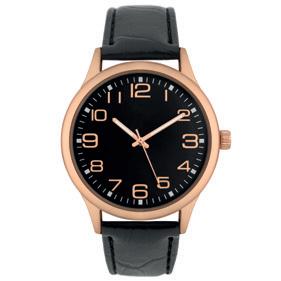

2. Write the times you hear, in French and in numbers.

Before you attend today’s lessons, here are the school rules:
In the corridor, you can talk to your friends, but you must be quiet.
In the classroom, you can ask questions, but you must put your hand up.
On the playground, you can play with your friends, but you must listen to the school educators.
In the canteen, you can order a sandwich, but you must clean your table.
In the lab, you can do experiments, but you must follow the instructions.
In the library, you can borrow books, but you must read quietly.
1. Read the school rules.
Complete the table in French.
Dans le couloirTu peux parler à tes amis.Tu dois être calme.
Explain the signs inside the Connected Academy in English in your own words.
charge my connected watch.
Do you know any road signs that have the same shapes and colours as those in the previous exercise?
Look and Discuss
1. Read the script on page 38 again.
Find , in pairs, the sentences in the script that correspond to the signs.
Write them below.
Panneaux
Phrases du texte
2. Look at the sentences in the previous exercise.
Highlight the verbs in three different colours.
Signification
3. Write the translations of the highlighted verbs in the third column.
4. Look at the tables and the examples from the texts.
Complete the tables with the examples below.
Complete the headings in each column by stating what each sentence expresses.
They can finally go back home. We can only have lunch at 12.40 p.m.
I can finally play with my friends on the playground. In the corridor, you can talk to your friends.
We can build all kinds of things. She can speak English very well.
I can’t take the speaking test; I have a sore throat. We can’t go to the toilet during her class. She can’t stay too long.
I can’t play any musical instruments. You must be quiet in the corridor. You must listen to the teachers on the playground. She must go back home before 4.15 p.m.
You can borrow books from the library.
I can play the piano like a boss!
You can ask questions in the classroom. We can’t listen to music.
Mrs. West is really strict: we can’t do anything. We must stand up.
He shows us the exercises we must do.
The pupils must wear a uniform.
Guess and check
1. Answer the following questions orally.
Combien de formes verbales différentes retrouves-tu pour chaque auxiliaire ?
Qu’est-ce que cela signifie ?
Que vois-tu après l’auxiliaire ?
Quels sont les auxilia ires que tu rencontres dans chaque exemple ?
2. Complete .
On utilise l’auxiliaire can pour exprimer
À la forme négative, l’auxiliaire can devient et s’utilise pour exprimer
On utilise l’auxiliaire must pour exprimer
Remember: can et must
A. Utilisation
Tout comme en français, un auxiliaire de mode est accompagné d’un infinitif sans to auquel il apporte une nuance.
Une possibilité
Une permission
Mum, can I play outside with my friends?
Maman, puis-je aller jouer dehors avec mes amis ?
Notre professeur d’anglais peut aussi parler néerlandais et allemand. Can exprime :
We can go to the restaurant tonight; I don’t have any plans.
Nous pouvons aller au restaurant ce soir, je n’ai rien de prévu.
Une capacité
Our English teacher can also speak Dutch and German.
Can’t ou cannot exprime :
Une incapacité
My brother is only 3; he can’t swim. Mon frère n’a que trois ans ; il ne sait pas nager.
Une impossibilité
It’s too early; she can’t be back home. Il est trop tôt ; elle ne peut pas encore être rentrée (il est impossible qu’elle soit déjà rentrée).
Must exprime :
B. Formation
Un refus de permission
We can’t eat in the classroom. On ne peut pas manger en classe.
Une obligation
We must put up our hands in class. Nous devons lever notre main en classe.
Conjuguer ces auxilia ires est très simple, car ils sont invariables
Can
I / You / He-She-It / We / You / They can drink. can’t drink.
Short answers
Can I drink?
Yes, you can . / No, you can’t . you
Yes, I can . / No, I can’t . he she it
Yes, he can . / No, he can’t . Yes, she can . / No, she can’t . Yes, it can . / No, it can’t we
you
Yes, you can . / No, you can’t
Yes, we can . / No, we can’t they
Yes, they can . / No, they can’t
Must
I / You / He-She-It / We / You / They must stand up.
Remarques :
1) L a forme négative de must ( mustn’t ) correspond à une très forte interdiction.
2) L a forme interrogative de must n’est pas très utilisée. On utilise davantage une tournure avec le verbe have to
Do you have to study a lot for school? Yes, I do.
3) L a forme négative entière de can’t ( cannot ) existe, mais elle est surtout utilisée à l’écrit, dans des contextes plus formels.
What can you do at school? What must you do? Why do we have rules?
1. Complete the sentences with “can” or “can’t”.
a) Leo is very sporty: he run 10 kilometres.
b) I ’m afraid of spiders; I even touch them.
c) I ’m sorry miss, I ask you a question?
d) My mot her play the violin very well, but she read music!
e) You smoke here! It’s forbidden.
f) we open the window? It’s hot in here.
g) I help you now; I’m busy.
2. Complete the sentences with “can”, “can’t” or “must”.
a) I tell you something? But shh! You keep it a secret.
b) My na me is Samantha, but you call me Sam.
c) In t he library, you read silently.
d) You use your phone in class unless the teacher says so.
e) Dad, I watch TV? No, you . You study your English vocabulary because you have a test tomorrow.
f) You read a bit before bed but you turn off the light at 11 p.m. maximum.
g) A t the weekend, I sleep longer but during the week, I wake up early.
h) The teacher is very strict; there are a lot of things you do.
3. Translate in English.
a) Nous de vons lever notre main en classe.
b) Je ne sa is pas parler chinois.
c) Ma man, puis-je aller au cinéma avec mes amis ? Oui (tu peux).
d) En sema ine, je dois me lever à 6 heures, mais le weekend, je peux dormir plus t ard.
e) Peux-tu parler plus fort ? Je ne peux pas t’entendre !
Context
You like the future very much and convince Billie and Jackson to stay for a few days. The students interested in welcoming you have sent emails to introduce themselves and share their daily routines.
Contexte
Tu aimes beaucoup le futur et tu convaincs Billie et Jackson de rester pour quelques jours. Les élèves qui sont intéressés de vous accueillir vous ont envoyé des e-mails pour se présenter et partager leur routine quotidienne.
Tasks
Read the three emails.
Check your understanding by doing exercises 1 to 3.
Read the texts again.
Say in French which profile interests you the most and which don’t.
Give five reasons for your choice in French (p. 69).

STRATEGY - ANTICIPER LE CONTENU
Réfléchis aux différents verbes que tu pourrais rencontrer dans la description d’une journée.
Partage tes idées avec la classe.
Lis les textes une première fois.
Surligne les routines mentionnées.
Te voilà prêt(e) à résoudre les tâches ! Retourne lire les consignes avant d’entamer les exercices.
From TO Subjec t mike.thompson@connectedacademy.eu visitors_from_the_future@vanin.be
Host family
Dear Billie and Jackson,
Welcome to the future and welcome to the Connected Academy. How are you? My name is Mike, and I am really looking forward to meeting you. I am writing you this email to tell you a bit about my day.
My smart alarm clock wakes me up at 5.30 a.m. and it reminds me to make my bed. I always start my day early and I work out for 15 minutes. After that, I have a cold shower. Then, I have breakfast. I always drink water and I eat two cheese and ham sandwiches. I brush my teeth after every meal.
School doesn’t start until 8.15 but I leave home around 7 o’clock because I always walk to school. It takes me 40 minutes to get to school but I prefer to arrive early to get the best seat at the front of the classroom.
After school, I go to the library and borrow a book. I also sometimes do my homework and study there.
In the evening, I read comics before going to sleep. I never go to bed late because I wake up early the next day. The future belongs to those who get up early!
How about you? How do you get to school? Do you also get up early? What time do you go to bed?
I hope to hear from you soon.
Love,
Mike
SEND to work out faire des exercices/ du sport to belong appartenir

From TO Subjec t

stevio.dibernardo@connectedacademy.eu visitors_from_the_future@vanin.be
My daily routine
Hi Billie and Jackson,
What’s up? I’m Stevio and I’d love to be your host! I’m twelve years old and I’m very popular at school. Here’s what a day looks like for me:
In the morning, I get up at 7.30, then I get dressed, pack my school bag, and walk to the bus stop. My father drives me to school if I miss my bus.
After school, I go back home and have a snack. Sometimes I play online games with my friends or just chat with them. I usually have dinner with my parents if they don’t get home from work too late.
In the evening, I like watching my favourite series. Homework? I do it before I go to bed.
How about you? Do you like watching TV? Do you play any online games? When do you do your homework?
Pick me!
See you soon, Stevio
SEND
NEW MESSAGE
From TO Subjec t
Hi there!
jennifer.kane@connectedacademy.eu visitors_from_the_future@vanin.be Come to my house!
My first name is Jennifer, but you can call me Jen or Jenny. I am a student representative and the president of the student council, and always up to date with all the latest gossip! Let me share my daily routine.
I wake up around 6.45 a.m. to check my phone. After that, I go to the bathroom, and I have a wash. Then I brush my hair, put on my makeup, and get dressed. I usually have no time to have breakfast. I always go to school by car. At school, we have three lessons in the morning, and then we have a break.
During the morning break, I chat with my friends on the playground.
When I get back home, I update my Instagram profile. After that, I do schoolwork for about an hour, and then I go to my exercise/yoga class.
In the evening, I have dinner with my mum and my little sister. I have a shower afterwards, watch some videos on my tablet and I finally go to bed at 10 o’clock.
What about you? What time do you wake up? Do you have breakfast in the morning?
Hope you’ll stay with me!
Take care,
Jennifer
P.S. I’ve attached a photo of myself; maybe it will help you make your choice. (Choosing Jenny is always a victory!)
SEND Jenny.jpg to pick choisir gossip potins

1. Translate the sentences into English using the texts.
a) Mon pa pa me conduit à l’école.
b) Je me réveille vers 6 h 45.
c) Le soir, je soupe avec ma maman et ma petite sœur.
d) Après ça, je prends une douche froide.
e) Je pa rle avec mes amis dans la cour de récréation.
f) Après l’école, je rentre à la maison et je prends un gouter.
g) Je va is finalement au lit à 22 heures.
2. Put a cross in the right column.
Correct the false sentences in English with a sentence from the text.
a) Jennifer a trois cours l’après-midi
b) Ste vio joue à des jeux de société avec ses amis après l’école.
c) Mike lit un roman avant de dormir.
d) Le matin, Stevio va jusqu’à l ’arrêt de bus à pied.
e) Après l’école, Jennifer travaille pendant une heure et demie .
f) Après l’école, Mike étudie parfois à la bibliothèque.
3. Put a cross in the column that corresponds to the right person.
MikeStevioJennifer
Get up at 7.30
Make my bed
Have a shower
Have breakfast
Play online games
Chat with friends
Watch videos
Read comics

Je choisis le profil de parce que :
Je ne choisis pas le profil de parce que :
Je ne choisis pas le profil de parce que :
4. Complete the sentences with the words from the emails.
étudier • lire un livre • se lever • faire ses devoirs • déjeuner • aller au lit • se brosser les dents • prendre une douche • vérifier • faire son lit • regarder une série
a) I before going to bed.
b) You never in the morning.
c) In t he evening, I or a bath.
d) Do you prefer to or comics?
e) What is t he first thing you do in the morning? I my phone, and then I
f) I usua lly at half past six every morning and I at 10 p.m.
g) What do you do after school? First, I and . Then, I on my tablet.
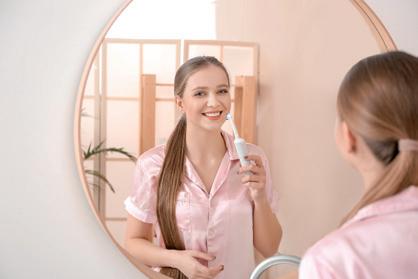
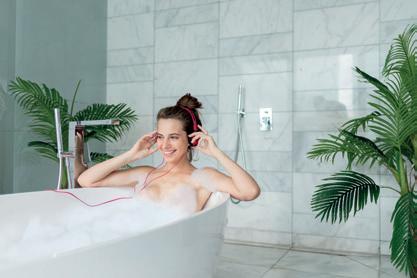
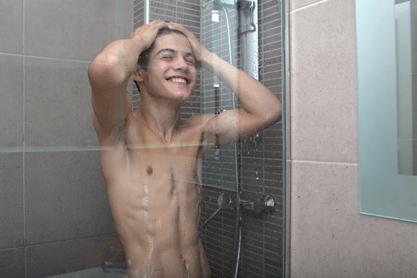
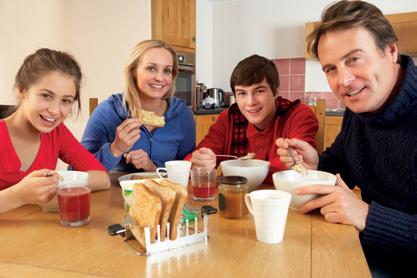
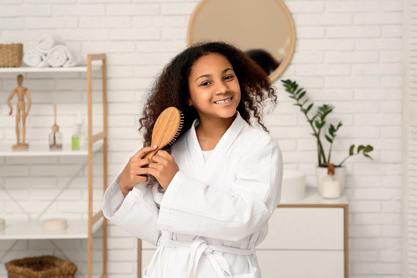
Write the home routines under the correct images. to wake up • to brush my hair • to check my phone • to go back home • to do my hair • to do my homework/tasks • to study • to watch a series/tv/a video • to have a bath • to brush my teeth • to get up • to put on makeup • to have a shower • to have breakfast • to sleep • to leave home • to go to bed • to have dinner • to make my bed • to play video games • to pack my bag • to get dressed

















REVISE AND PRACTISE!
Simple affirmative, negative and interrogative sentences
Ask your classmates about their routines and school life using the questions in the bingo grid.
Ask them to sign the box if the answer to the question is yes.

Do you get up before 7 o’clock during the week?
Do you go to school by bus?
Do you always do your homework?
Can you put on makeup for school?
Do you pack your bag in the evening?
Can you say the alphabet in English?
Do you have a snack at school?
Can you play a musical instrument?
Does your father or your mother drive you to school?
Are you good at maths?
Do you get dressed before breakfast?
Do you check your phone before bed?
Do you watch TV after school?
Can you use Instagram?
Is the English teacher your favourite teacher?
Do you pack your bag in the evening?
Do you have breakfast in the morning?
Do you do schoolwork every day?
Do you go to bed before 10 p.m.?
Can you play video games before you go to sleep?
Is PE your favourite subject?
Do you make your bed every day?
Do you have good grades in science?
Do you study after dinner?
Do you go home alone?



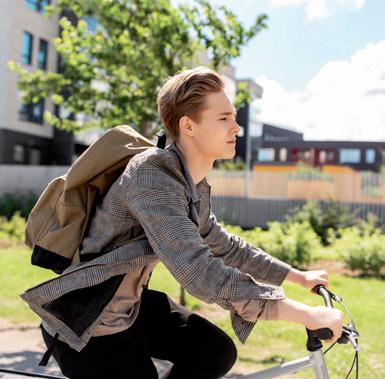
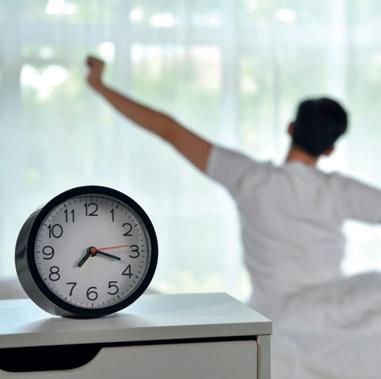
Write the school routines under the correct images. to attend • to arrive • to finish • to go to school • to have a break • to have a lesson/a class • to have a snack • to have lunch • to ring • to start 08:15 AM 04:00 PM



Write a possible ending for each sentence.
a) I go to sc hool
b) Sc hool starts
c) A lesson la sts
d) We have a break
e) We have lunch
f) Sc hool finishes
Look and discuss
1. Look at the sentences carefully.
You can talk to your friends, but you must speak quietly.
I can play the guitar and the piano like a boss.
My name is Data and I’m an artificial intelligence.
It’s very interesting, but I think my favourite place in the school is the canteen.
I like going to the library to study or to do my homework.
The food is really good and we can order it from our tablets.
I think our school is awesome, but I think history is a bit boring.
We are studying chemistry, biology and physics.
In the afternoon, they generally have two or three periods.
You can call me Jen or Jenny.
Sometimes I play online games with my friends or simply chat with them.
I’m not normally sporty, but it is fun to do sport with our smartwatches.
2. Circle the coordinating conjunctions that appear in each sentence.
3. Write them in the table on the next page.
Guess and check
1. Guess the meaning and the use of each conjunction.
2. Give an example from this unit for each coordinating conjunction (different from those given above) to check your hypothesis.
Remember: and, or, but
And (et), or (ou) et but (mais) sont des conjonctions de coordination. Elles sont généralement précédées d’une virgule.
Conjonctions de coordination
And Lier deux phrases entre elles
I wake up at 6.30 and I get dressed afterwards.
Je me lève à 6 h 30 et je m’habille ensuite.
Or
Indiquer différentes options
I take a shower or I have a bath. Je prends une douche ou je prends un bain. But
Indiquer un contraste
I wake up early on schooldays but I can sleep longer at the weekend. Je me lève tôt en semaine mais je peux dormir plus tard le weekend.
1. Make sentences by matching the beginning of the sentence with the correct ending.
a) I ’m hungry…
b) I wa nt to be a doctor…
c) I go to sc hool by car…
d) My bes t friend loves English…
e) After school, you can stay in the study room…
1) a nd she wants to visit England.
2) but I ’m bad at science.
3) or you can go back home.
4) or by bus.
5) but t he canteen is closed today.
2. Complete the sentences with the appropriate coordinating conjunction.
a) I love Mrs. West, I think she is too strict.
b) Would you prefer to study Greek Latin next year?
c) She s tudies hard she doesn’t get good grades.
d) Before going to sleep, I brush my teeth I read for 30 minutes in bed.
e) I wa nt to play football on the playground, it is raining.
f) You can read the text you can listen to the audio.
3. Describe orally a typical day in five sentences using at least three coordinating conjunctions.
5. Ask your partner questions to find out more about their typical day.





Context
After choosing the person who’s going to welcome you, you decide to answer.
Contexte Après avoir choisi la personne qui va t’accueillir, tu décides de répondre.
Task
Write an email of words to introduce yourself and describe your routine.
Avant de te lancer dans la rédaction, observe à nouveau les textes des pages 67 et 68.
Réponds oralement aux questions suivantes :
De quel type de textes s’agit-il ? Ces textes sont-ils structurés ? Comment sont-ils organisés ?
Complète la synthèse.
Note dans le tableau des exemples tirés des e-mails de la séquence.
Résumé de l’intention de l’e-mail en quelques mots.
Formule introductive adaptée à la situation de communication (formelle ou informelle).
Courte phrase pour saluer et expliquer pourquoi tu écris.
Rassemblement de tout ce qui traite d’un même sujet. Emploie des pour ne pas juste écrire une suite de petites phrases, mais un texte lié. Quand tu as tout dit à propos d’un sujet, passe au suivant !
From TO Subject stevio.dibernardo@connectedacademy.eu visitors_from_the_future@vanin.be Subject : My daily routine
Hi Billie and Jackson,
What’s up, guys? I’m Stevio and I’d love to be your host! I’m twelve years old and I’m very popular at school. Here’s what a day for me looks like: In the morning, I get up at 7.30, then I get dressed, pack my school bag, and walk to the bus stop. My father drives me to school if I miss my bus. After school, I go back home and have a snack. Sometimes I play online games with my friends or just chat with them. I usually have dinner with my parents if they don’t get home from work too late.
In the evening, I like watching my favourite series. Homework? I do it before I go to bed.
How about you? Do you like watching TV? Do you play any online games? When do you do your homework? Pick me!
See you soon, Stevio
SEND
Formule de politesse pour clôturer ton e-mail.
Questions à propos des sujets traités pour inviter le destinataire à te répondre. L’idéal est de varier au mieux le type de questions en employant des questions avec et sans mot interrogatif.
Phrase pour terminer ton e-mail.
Entête
dans un e-mail plus formel ou à une personne qu’on ne connait pas. dans un e-mail plus informel ou à un(e) ami(e).
Introduction What’s up?
Connecteurs
Formule de fin Pick me
See you soon
Salutations
Te voilà prêt(e) à résoudre la tâche ! Retourne lire les consignes avant d’entamer les exercices.
Suitcase XX + titre
Your adventure in the future is coming to an end. To immortalise this trip, Billie and Jackson have decided to create a video clip gathering everyone’s memories and experiences at the Connected Academy.
Record a video clip of twothree minutes in English with your phone.
Desc ribe the pupils’ timetables, their routines and this futuristic school rules.
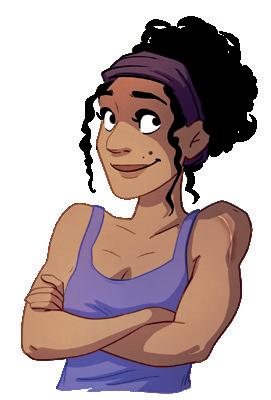
Si tu as besoin d’aide, consulte les stratégies en fin d’ouvrage.
Contexte
Votre aventure dans le futur arrive à son terme. Pour immortaliser ce voyage, Billie et Jackson ont décidé de créer une capsule vidéo regroupant les souvenirs et expériences de chacun à la Connected Academy.
Crée une capsule vidéo de deuxtrois minutes, en anglais, avec ton téléphone.
Déc ris l’emploi du temps des élèves, leurs routines quotidiennes ainsi que les règles de cette école futuriste.
Ma vidéo dure deux-trois minutes maximum.
Je m’exprime en anglais.
J’ai décrit l’emploi du temps des élèves et leurs routines quotidiennes.
J’ai décrit les règles de la Connected Academy.
Je m’exprime de manière fluide.
J’ai fait attention à ma prononciation.
J’ai utilisé le vocabulaire relatif aux routines quotidiennes.
J’ai utilisé le vocabulaire relatif à l’école.
J’ai utilisé des expressions de l’heure pour décrire l’emploi du temps.
Context
The Connected Academy principal is thinking of adding new options to next year’s programme. He has asked the students to discuss the topic and to suggest ideas.
Contexte
Le directeur de la Connected Academy envisage d’ajouter de nouvelles options au programme pour l’année prochaine. Il a demandé aux élèves de discuter de ce sujet et de lui proposer des idées.
Task
In pa irs, come up with new subjects and adapted timetables.
Student A starts the conversation and student B finishes it.
Tâche
Imaginez , en binôme, des nouveaux cours et des horaires adaptés.
L’élève A commence la conversation et l’élève B la termine.
J’ai tenu compte des réponses de mon/ma partenaire.
J’ai fait attention à ma prononciation.
J’ai utilisé le vocabulaire relatif à l’école.
J’ai utilisé des expressions de l’heure.

The Connected Academy is organising a special day called “Innovation Day”. Jennifer, the president of the student council, is presenting it on the school radio.
Contexte
La Connected Academy organise une journée spéciale appelée Innovation Day . Jennifer, la présidente du conseil des élèves, la présente à la radio de l’école.
Tasks
Listen to her presentation.
Ta ke note in French of the information she gives you about her routines (8) and the organisation of this special school day (12).
Tâches
Écoute sa présentation.
Prends note, en français, des renseignements qu’elle te donne sur ses routines (8) et sur l’organisation de cette journée spéciale à l’école (12).

J’ai écouté plusieurs fois l’enregistrement.
J’ai noté la routine de Jennifer ce jour-là.
J’ai noté les activités scolaires proposées ce jour-là.
Context
You’d like to visit a primary school with Billie and Jackson. Phil, a pupil from Nova Horizon, sent you an email to describe the school and its rules to you before going there.
Contexte
Tu aimerais visiter une école primaire avec Billie et Jackson. Phil, un élève de la Nova Horizon, vous envoie un e-mail pour vous présenter l’école et ses règles avant de vous y rendre.
Tasks
Read Phil’s email.
Take note , in French, of what is important to know about the school.
NEW MESSAGE
From TO Subject phil.lennon@nh.org visitors_from_the_future@vanin.be Welcome to Nova Horizon Primary
Dear Billie and Jackson,
Tâches
Lis l’e-mail de Phil.
Prends note, en français, de ce qui est important à savoir sur l’école.
How are you? My name is Phil and, in a few days, you will be visiting us at Nova Horizon. I’m your host and I’m in charge of showing you around the school and explaining its rules.
Every day, lessons start at half past eight. Each period lasts sixty minutes. Our teachers are quite strict; you must arrive on time and you can’t run in the corridors.
First, we have two periods, and then a thirty-minute break, from half past ten to eleven o’clock. During the break, you can chat or play with your friends, but you must stay on the playground. After the morning break, we have another period. At midday, we go to the canteen for lunch.
Every afternoon, we have one lesson and an hour of physical education and health. For this lesson, you must wear the school sports uniform.
After school, students can stay for activities. You can attend an art class in the art room or study in the library. Don’t hesitate to contact me if you have any questions.
I can’t wait to meet you!
Love, Phil
SEND
My Self-Assessment
J’ai identifié les différentes parties de l’e-mail.
J’ai noté toutes les informations importantes à connaitre sur la Nova Horizon.
You would like to participate in the student council at the Connected Academy. Jennifer, the president of the council, has asked each member to suggest ideas to improve the school rules and to reorganise the school timetables.
Tu souhaites participer à un conseil des élèves de la Connected Academy. Jennifer, la présidente du conseil, a demandé à chaque membre de proposer des idées pour améliorer le règlement et réorganiser les horaires scolaires.
Task
Write an email of words to Jennifer, in which you suggest at least three new rules (permissions, prohibitions, obligations) and a new timetable for a school day.
Rédige un e-mail de mots à Jennifer, dans lequel tu proposes au moins trois nouvelles règles (permissions, interdictions, obligations) et tu suggères un nouvel emploi du temps pour une journée scolaire.
J’ai écrit un e-mail en respectant la structure de celui-ci.
J’ai respecté le nombre de mots demandés.
J’ai proposé trois nouvelles règles à l’école.
J’ai suggéré un nouvel emploi du temps pour une journée scolaire.
J’ai utilisé le vocabulaire relatif à l’école.
J’ai utilisé les expressions de temps.
J’ai utilisé les auxiliaires can , can’t et must
J’ai écrit un texte lisible.
J’ai écrit un texte structuré.
J’ai vérifié l’orthographe.

We’re coming to the end of this adventure! I suggest you revise what you know.
Colour your stamp in your Time-Travel Passport.
Add the page number you want to review.
Décrire/comprendre des routines scolaires et de la vie quotidienne.
Décrire/comprendre une journée ou une semaine avec tes propres routines scolaires et activités quotidiennes.
Donner/comprendre des informations sur les traditions scolaires et sur un horaire.
Décrire/comprendre des horaires d’école ou personnels.
Construire/comprendre des phrases pour exprimer des capacités et des obligations scolaires.
Utiliser les auxiliaires de mode can et must dans des contextes de capacité, possibilité, permission, impossibilité, refus de permission, incapacité et obligation.
Lier des phrases entre elles à l’aide des conjonctions de coordination and , or et but
English Français In context
art art
bi o logy biologie
We sometimes visit museums for our class.
In , we study animals and plants.
chemistry chimie Who is your teacher?
citizenship citoyenneté is my favourite subject.
Dutch néerlandais
English anglais
e thics morale
Belgium has three official languages: French, , and German.
I’m learning as a first foreign language.
In , we explore various themes relating to life in society.
French français My teacher reads a lot.
ge o graphy géographie
German allemand
We often have to complete maps for lessons.
In Belgium, we speak French, Dutch and .
history histoire I’m good at
human sciences sciences humaines My favourite subject is .
La tin latin is an ancient language.
mathematics/maths mathématiques I find difficult.
an option option My is languages.
a period heure de cours
phy sical edu ca tion and health éducation physique et à la santé
How many do you have in a day?
We have three periods of in a week.
phy sics physique I’m quite good at . Scan
re li gious educ a tion religion
The teacher is quite funny.
science sciences consists of biology, physics and chemistry.
socio-economics socio-économie
a subject matière scolaire
technology technologie
I don’t like maths but I really like .
My least favourite is history.
The course is interesting.
English Français
a can teen réfectoire
a class repre sentative délégué(e) de classe
a classroom salle de classe
In context
Students have lunch at the school .
Each year, we organize elections to vote for a
My is well equipped.
a cleaner technicien(ne) de surface The has got the keys of the school.
a comp u ter room salle informatique
a form teacher titulaire
a lab (lab oratory) laboratoire
a library bibliothèque
the nurse’s office infirmerie
a playground cour de récréation
a principal directeur(trice)
a pupil élève
We sometimes work in the
Mrs. Yancis is my
For science, we work in the
I like to borrow books from the school .
I don’t feel well. Where’s the ?
There are trees on the .
The school has his own office.
There are 500 at my school.
a re ception secrétariat/accueil You can go to
a school edu ca tor éducateur(trice) My is kind.
a sports hall hall sportif
a stu dy room salle d’étude
a teacher professeur(e)
a toilet toilettes
School routines
to ar rive arriver
to attend assister à
a break récréation
to fin ish finir
from… to… de… à…
I like to play sports in the
When a teacher is absent, we go to .
In secondary school, we have a different for each subject.
Where is the ?
I usually at school around 7.45.
The principal sometimes classes.
We have two a day; one in the morning and one in the afternoon.
What time does the morning break ?
Maths is 9.05 a.m. 9.55 a.m.
to go to school aller à l’école I sometimes by bus.
to have a break faire une pause
to have a lesson/a class avoir une leçon/ un cours
to have a snack prendre un gouter
to have lunch diner
to last durer
to ring sonner
to start commencer
After my homework, I can .
I from 8.15 a.m. to 3.20 p.m. on Mondays.
When I come home from school, I straight away.
I usually in the canteen.
Our lunch break 50 minutes.
The bell every three lessons.
The first lesson at 8.15.
to brush my hair
me brosser les cheveux I every morning.
to brush my teeth me brosser les dents I after every meal.
to check my phone regarder mon téléphone In the morning, I as soon as I wake up.
to do my hair me coiffer I never have time to .
to do my homework faire mes devoirs I when I get home from school.
to get dressed s’habiller I get up, and have breakfast.
to get up se lever What time do you in the morning?
to go back home rentrer à la maison I at the end of the course.
to go to bed aller au lit What time do you ?
to have a bath prendre un bain I love hot
to have a shower prendre une douche Do you prefer or a bath?
In the morning, I quickly
to have a wash se laver
to have break fast déjeuner is very important for a good start of the day.
to have dinner souper We always as a family.
to leave home quitter la maison I around 7.45 a.m. to catch my bus.
to make my bed faire mon lit Don’t forget to !
to pack my bag/ schoolbag préparer mon cartable You have to the night before.
to play vid eo games
jouer à des jeux vidéo I online.
to put on make up se maquiller Do you in the morning?
to sleep dormir
Young people need to at least 8 hours.
to study étudier I in the car.
to wake up se réveiller I usually around 6 a.m.
to watch a series regarder une série Do you in the evening?
to watch a video regarder une vidéo You can on the bus.
to watch t v regarder la télévision We with our parents in the evening.


Vous avez une question pédagogique ? Vous souhaitez une présentation ou une formation numérique dans votre école ?

Contactez le (la) délégué(e) pédagogique de votre région : www.vanin.be/contact-delegues
Découvrez nos autres collections Pacte :

néerlandais LM1


mathématiques



En sciences économiques et sociales






En géographie
sciences





D’autres collections arrivent bientôt ! Plus d’infos : www.vanin.be/nouveautes En français
En histoire





Éditions Van In - De Boeck Secondaire
www.vanin.be/secondaire