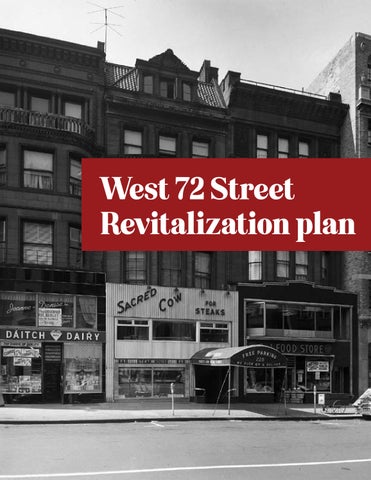
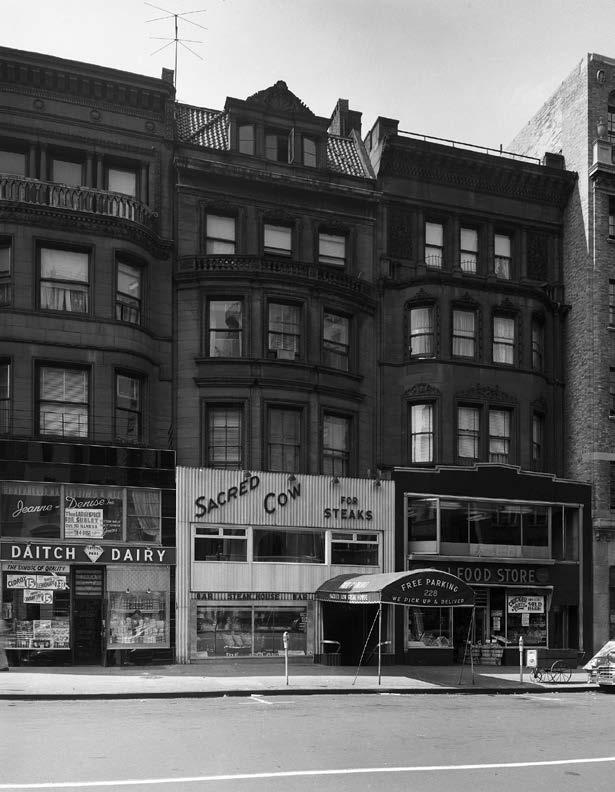
West 72 Street Revitalization plan
Acknowledgements
This project would not have been possible without the support of Van Alen Institute and New York City Small Business Services. As well as a team of designers who helped bring this project to completion.
Van Alen Institute
Table of Contents
Introduction
NYC Small Business Services
Landmark West!
Becca Bran
Buro Happold
Ashley Dominguez
Isa Marcotulli
Brynn Anderson
Pentagram
Luke Hayman
1 Site History
The Gilded Age
A Shifting Decade
Late Capitalism
2 Site Analysis
Car Forward
Measuring Movement
Character
3 Site Strategies
Cohesive Character
Pedestrian First!
Small Business Support
Conclusion
Introduction
Landmark West! (LW!) created this document as part of the Van Alen Institute’s District Design Fellowship, developed in collaboration with the NYC Department of Small Business Services’ Building Creative Capacity initiative. LW! is a local nonprofit preservation organization based on the Upper West Side (UWS). Its mission is to foster an inclusive community that celebrates and protects the historic character of the neighborhood.
This revitalization plan is designed to support the small businesses, community members, and visitors of West 72nd Street, those who live, work, and move through the space every day. The document is intended to serve as a resource for preservationists, urban planners, policymakers, and community leaders seeking to strengthen and revitalize this important corridor.
Landmark West!’s early engagement with the block was through their Retail Assistance Program (RAP) that focused on a specific section of the corridor; between Amsterdam and Columbus Avenue. The RAP improved street conditions and signage with small businesses. This plan expands that scope to examine the street in its entirety. West 72nd Street was one of the earliest areas in which LW! invested resources and advocacy. By supporting legacy and small businesses, LW! helps preserve the historic identity of the Upper West Side. The corridor’s diverse mix of establishments contributes significantly to the neighborhood’s character.
To better understand the street and its potential, this plan is organized into three chapters:
The first chapter, Site History, explores the historical development of West 72nd Street. Understanding the past allows us to identify the forces that shaped the corridor we see today. As a preservation organization, examining historical patterns helps inform solutions for the future.
The second chapter, Site Analysis, evaluates the present-day conditions of the corridor. This section examines how the street currently functions and identifies key challenges affecting mobility, businesses, and public space.
Together, these two research components form the foundation for the third chapter, Site Strategies. This chapter proposes both short-term and long-term solutions aimed at revitalizing the corridor. The primary goal is to strengthen the identity and economic vitality of West 72nd Street through three key strategies: Pedestrian First!, Cohesive Character and Small Business Activation.These strategies aim to reinforce the street’s identity, distinguish it from other Upper West Side corridors, and establish West 72nd Street as a vibrant destination.
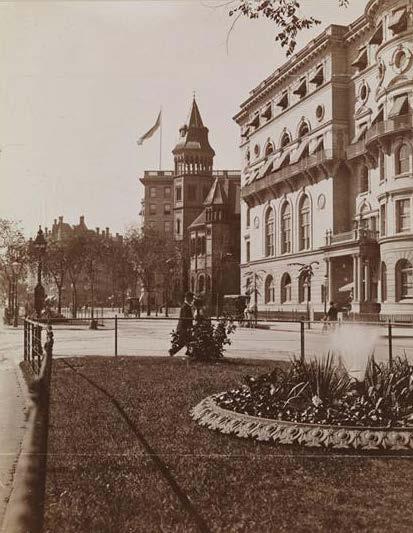
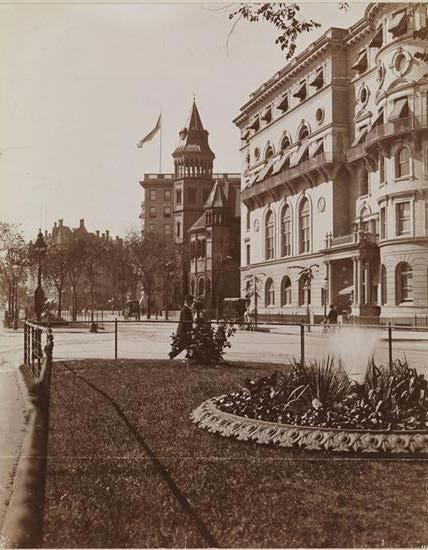
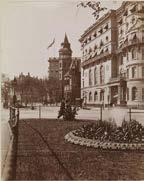
Image by Byron Company, courtesy of the Museum of the City of New York ca. 1898
Chapter 1: History
Before we get into this plan we would like to begin by acknowledging that the land on which we are studiying is the occupied/unceded/ seized territory of the Lenape People. Especially in the context of this history of the street.
To understand West 72nd Street today, it is necessary to examine how it evolved into the commercial corridor it is now.
Like much of New York City, the Upper West Side was originally farmland. As development intensified in Lower Manhattan during the nineteenth century, residents and developers began
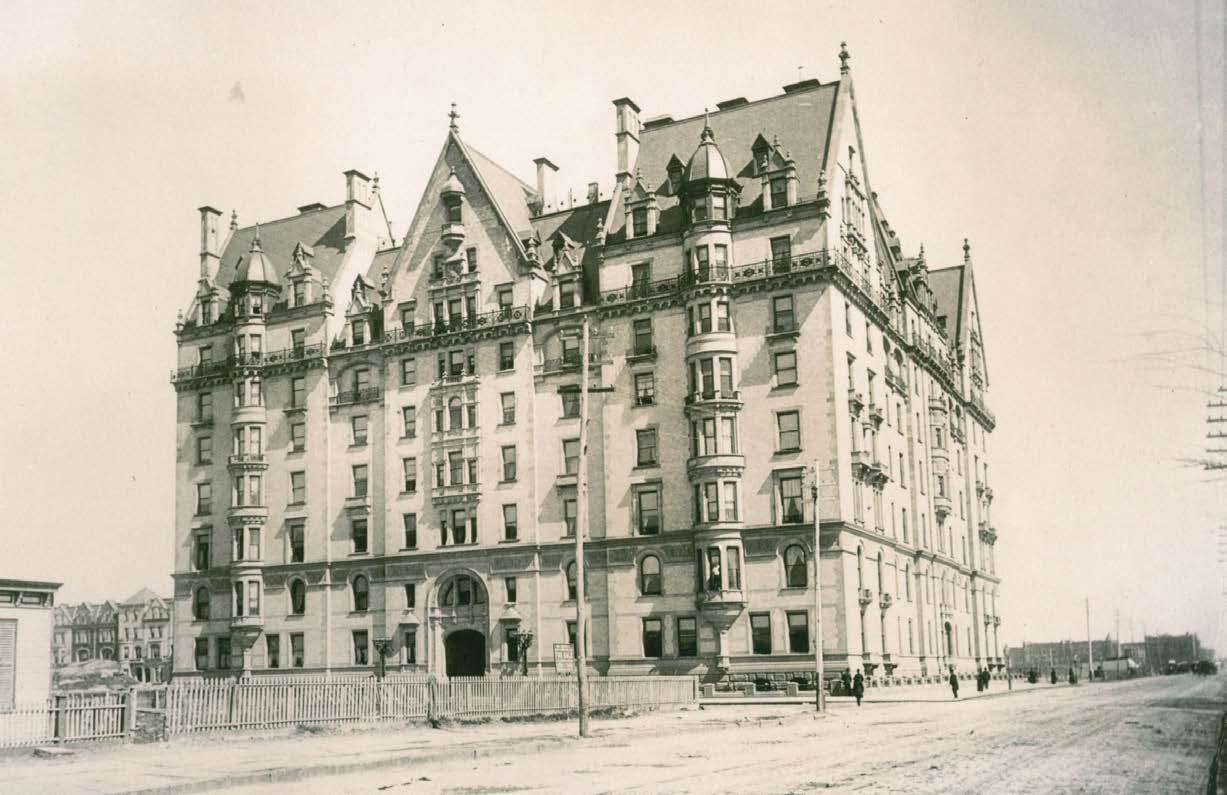
expanding northward. West 72nd Street was initially developed as a tony residential corridor, and a boundary between the historic “Lincoln Square” and the “West End” In time, increased transit access and economic development transformed it into a commercial street.
The street’s original design encouraged a “stop-and-stroll” experience, connecting two major parks. Today, despite the presence of many businesses, that pedestrian-oriented character has largely disappeared, by the focus shifting from pedestrian experience to car experience.
Image Courtesy of the New York Public Library ca. 1890
The Gilded Age
Farmland gradually transformed into a residential neighborhood characterized by large homes and limited traffic. Mansions were built between two prominent parks, creating a quiet and exclusive environment.
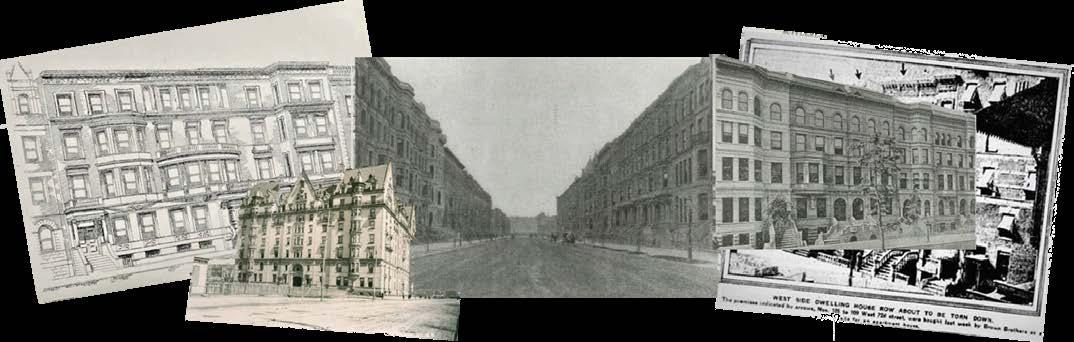
In the 1880s, development on the Upper West Side accelerated as farmland was subdivided into building lots following the 1811 Commissioner’s Plan, and sold to developers. The construction of the Ninth Avenue Elevated Railroad (El) connected downtown Manhattan to uptown neighborhoods, encouraging further residential development.
West 72nd Street became a beneficiary of this growth. Anchored by two major parks: Riverside Park to the west and Central Park to the east, the street was treated differently from other Upper West Side crosstown streets. The city intentionally designed the corridor to emphasize the connection between the parks, making it wider than typical neighborhood streets.
West 72nd Street measures roughly 100 feet from building to building, giving it a scale closer to that of an avenue. The city also assigned maintenance of the streetscape to the Parks Department, which cared for the trees and landscaping along the entire corridor.
Automobile traffic was limited during this period. Only residents and delivery vehicles were permitted, ensuring the street remained quieter than many others in the neighborhood. Over time, however, as New York City continued to grow and economic conditions shifted, West 72nd Street began to evolve beyond its residential origins.

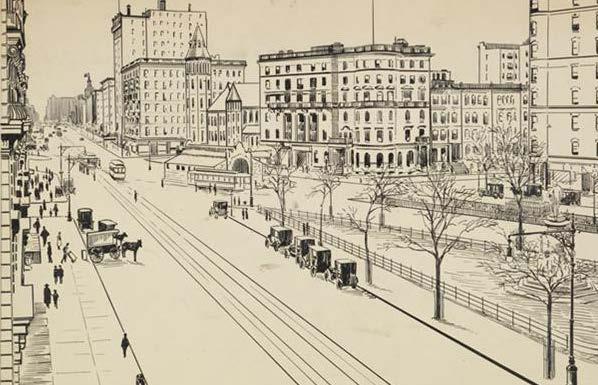
1880: This drawing illustrates the earliest phase of development, when expansive farmland began to be subdivided into residential lots for large mansions.

1885: As residential construction increased, the corridor began to function as a more formal street. Traffic remained limited, and the pedestrian realm, maintained by the Parks Department—played a central role in the street’s design.
A Shifting Decade
By the 1920s, West 72nd Street was evolving into a commercial corridor. The Parks Department no longer maintained the entire street and instead focused on the two parks that anchored it.
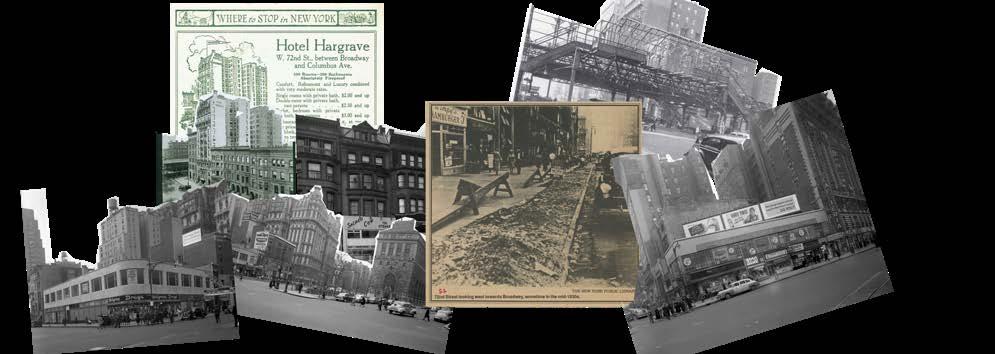
As economic conditions shifted nationally, West 72nd Street transitioned from a primarily residential street to an increasingly mixed-use corridor. Maintenance responsibilities moved away from the Parks Department, residential turnover increased, and automobile traffic began to play a growing role in shaping the street's character.
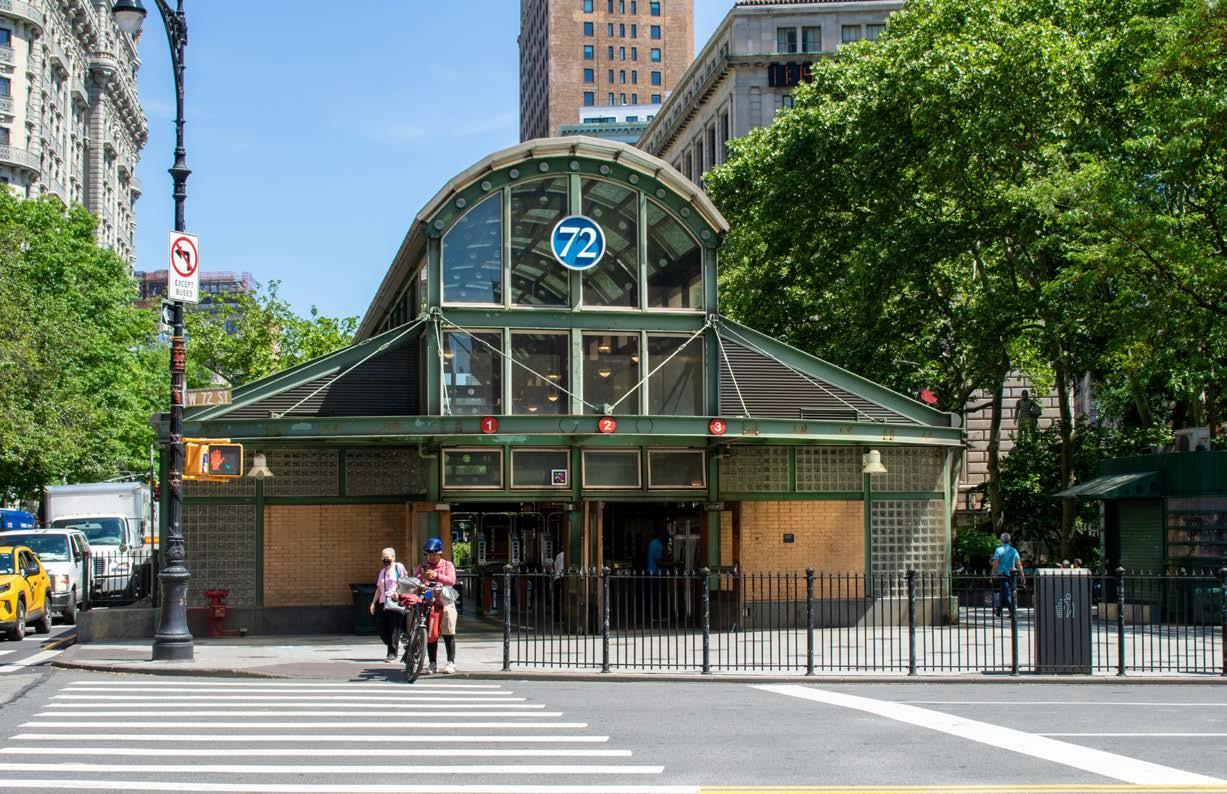
The construction of the Interborough Rapid Transit (IRT) subway kiosk in 1904,now the 72nd Street station serving the 1, 2, and 3 trains marked a significant shift in how residents accessed the rest of Manhattan. Though initially criticized for its appearance, the station improved connectivity between the Upper West Side and the broader city, drawing more movement and activity to the corridor.
By 1936, a ramp connecting the West Side Highway to West 72nd Street further cemented the street's role as a vehicular route. Sidewalks were narrowed to create additional space for cars and trucks, and many of the original mansions were either demolished or converted into mixed-use buildings, with commercial uses occupying lower floors and apartments above. During the Great Depression, limited funding meant that full redevelopment was rarely possible. Instead, decorative architectural elements were removed or simplified, leaving blank facades that businesses repurposed for signage. These changes gradually altered the visual character of the street, setting the stage for the more commercially dominated corridor that would emerge in the decades to follow.
1920s: The EL helped bring residents and visitors uptown, encouraging the development of new businesses and altering the street’s building typologies.

1940s: After the demolition of the EL and the addition of the West Side Highway ramp, West 72nd Street shifted from a semi-private residential street to a fully public transportation corridor. Many homes were converted into mixed-use buildings with businesses on the lower floors and apartments above.
Late Capitalism
LW! introduced the RAP following the commercial transition of West 72nd Street, implementing streetscape improvements and signage compliance within the historic district, though funding constraints limited its expansion to the full corridor.
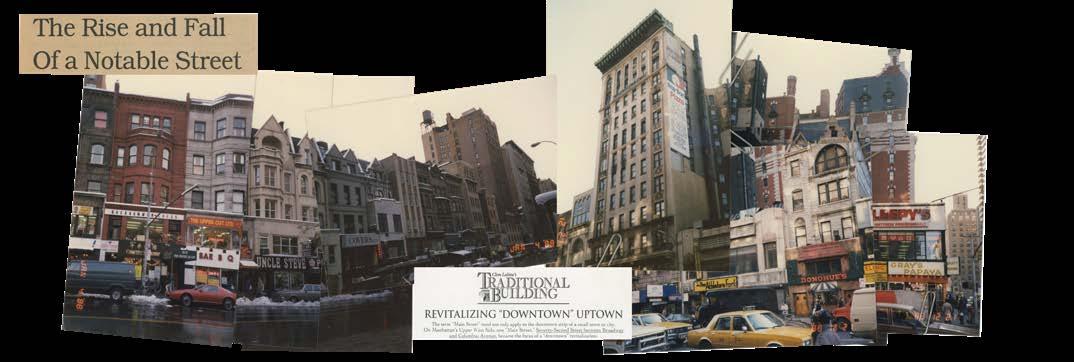
By the 1970s, West 72nd Street had transitioned into a commercial corridor, with businesses occupying lower floors and the street’s visual environment increasingly dominated by signage and awnings. Maintenance of the public realm declined as a result.
Landmark West!, founded in 1985, identified the corridor as an early area of focus and launched the Retail Assistance Program (RAP) to improve the street’s appearance and support small businesses. LW! provided direct assistance to business owners, helping them navigate the complexities of operating within a designated historic district.
Through RAP, several streetscape improvements were made, including upgraded sidewalks, granite curbs,
street trees, historic-style lamp posts, and muni-meters, all aimed at decluttering the streetscape and restoring its pedestrian-oriented character.
However, improvements were limited to the historic district between Amsterdam and Columbus Avenues, where many businesses had unknowingly violated New York City Landmarks Preservation Commission (LPC) guidelines on signage and awnings. LW! worked with owners to address violations and install compliant signage, ensuring businesses could maintain an effective street presence while meeting LPC standards.
Although RAP proved successful, funding constraints prevented expansion to the full corridor, and today LW! seeks to build upon this earlier work.

1970s: The street was no longer upkept by the park, it has become a bit more cluttered. The sidewalk was cut down so there would be more rooms for cars.
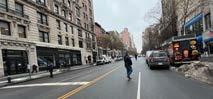
February 16th, 2026: Current view of the street today
Chapter 2: Site Analysis
As commercialization increased along West 72nd Street, automobiles gradually became the dominant presence. The street, once designed to prioritize pedestrians and leisurely movement between parks, has evolved into a corridor primarily serving vehicular traffic. What was once
a place to stroll has become a cross-town passageway.
Image Courtesy of the Museum of the City of New York ca. 1890
Car Forward
With the growth of commercial activity and full public access to the street, West 72nd Street has become increasingly oriented toward automobiles. In several locations, traffic congestion and double parking are common conditions.
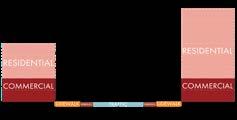
West 72nd Street is wider than a typical neighborhood street and was originally treated more like an avenue. Today, the roadway measures approximately 65 feet from curb to curb and contains four lanes of traffic. The street is already 100 feet wide, meaning that the cars take up more than 50% of the street. Further emphasizing the notion that the street has become car-forward.
Three major intersections define the corridor: Riverside Drive, Broadway and Amsterdam Avenue and Central Park West.
At the eastern end of the street, the intersection at West 72nd Street and Central Park West forms a partial dead end, requiring vehicles to turn either north or south. This configuration can create congestion as cars queue to turn.
The intersection at Broadway and Amsterdam Avenue is particularly complex. Here, the triangular configuration of the streets is intersected by the 72nd Street subway station serving the 1, 2, and 3 trains. The varying directions of surrounding one-way streets require both drivers and pedestrians to remain highly attentive when navigating the intersection.
Even outside of these major intersections, West 72nd Street functions as a commercial corridor, meaning delivery trucks are a constant presence. Despite the availability of curbside parking, delivery vehicles frequently double park, blocking lanes and increasing congestion. This behavior also disrupts bus service and slows public transportation routes.
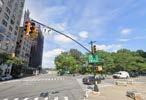
West 72nd Street and Riverside Drive
This intersection connects directly to the West Side Highway ramp and sits adjacent to Riverside Park.
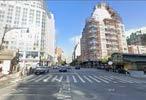
West 72nd Street, Broadway, and Amsterdam Avenue
The 72nd Street 1, 2, and 3 subway station sits within the triangular intersection, creating a complex traffic configuration.
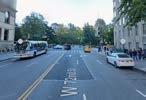
West 72nd Street and Central Park West
This intersection sits next to Central Park and the Dakota building. Vehicles reaching the end of the street must turn either north or south.
Measuring Movement
West 72nd Street is a regionally designated pedestrian corridor shaped by a dense transit network, yet its sidewalks reduced in width to accommodate vehicles and frequent disruptions limit the pedestrian experience despite high foot traffic.
West 72nd Street is an important pedestrian corridor connecting the UWS to the broader neighborhood and the rest of New York City. However, sidewalks are frequently disrupted by sandwich board signage, heavy traffic, and double parking, limiting the overall pedestrian experience.
The corridor is anchored by a dense transit network, including the M72 crosstown bus, the 1, 2, and 3 subway lines, the B and C lines, and five additional bus routes. These transit routes serve as key anchors for the UWS, providing connections to Midtown Manhattan and across Central Park to the East Side. Despite this connectivity, bus speeds along the corridor average 5.6 mph, well below the city average of 7.6 mph. Bus stops vary in amenity level, ranging from standing-only stops to sheltered seating areas, reflecting the uneven quality of pedestrian experience along the street.
Designated by the NYC DOT as a regional corridor; a classification held by only 2.5% of city streets, West 72nd Street is defined as a street with a concentration of pedestrian destinations and large-scale attractions that draw people from across the region. Although the sidewalks remain somewhat wider than typical New York City sidewalks, they were reduced in width over time to accommodate additional vehicle lanes, limiting available pedestrian space despite the street’s regional significance. Subway entrances further shape the corridor, with the 1, 2, and 3 train plaza creating a brief widening of pedestrian space, while the underground B and C entrances have less impact on sidewalk flow.
Despite the high volume of foot traffic generated by transit activity, pedestrians tend to move directly between destinations rather than lingering along the corridor itself.
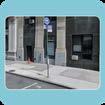
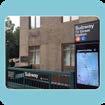
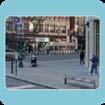
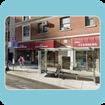
The first three images illustrate the different types of bus stops along West 72nd Street, showing the range of waiting conditions for pedestrians—from standing-only stops to seating areas and shelters.
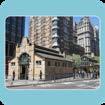
The final two images depict the two subway stations on the corridor: the above-ground 72nd Street station serving the 1, 2, and 3 lines, and the underground entrance to the B and C lines near Central Park.
The Character
What makes West 72nd Street unique is its architecture. Its historic character and notable businesses surround the street.
The architecture of West 72nd Street is one of its defining characteristics. Historic buildings and longstanding businesses contribute to the identity of the corridor.
However, the street has gradually lost its original function as a leisurely connection between Riverside Park and Central Park. Instead, it has become a fastmoving transportation corridor.
Because much of West 72nd Street lies within a historic district, business owners must follow regulations established by several city agencies, including the Landmarks Preservation Commission, the Department of Transportation, and the Department of City Planning (DCP). These regulations often govern signage, awnings, and storefront modifications.
Without designated seating areas or gathering spaces for pedestrians, many businesses rely on large or numerous signs to attract attention. However, excessive signage distracts from the streetwall’s historic features, and can lead to violations of historic district guidelines.
Despite these challenges, several businesses have successfully thrived on the street for decades.
Establishments such as Gray’s Papaya, Tip Top Shoes, and Acker Wines have become neighborhood institutions. More recent additions, including Shinbashi 72 and Westland Roe, have also embraced the historic character of their buildings while contributing new energy to the corridor.
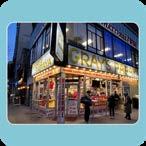
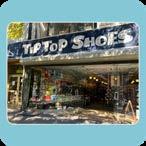
A long-standing Upper West Side retailer that has operated since the
Gray’s Papaya
An iconic New York establishment since 1973, known for its no-frills hot dogs and long lines of visitors from around the world.
Tip Top Shoes
1940s.
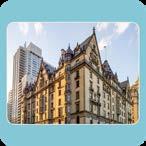
The Dakota Located at Central Park West and West 72nd Street, this historic building is widely recognized for its architecture, its appearance in Rosemary’s Baby.
Chapter 3: Site Strategies
Over time, West 72nd Street has shifted from a residential street to a commercial corridor, adapting to each change in use. However, many of these adaptations prioritized automobile movement at the expense of pedestrians and small businesses.
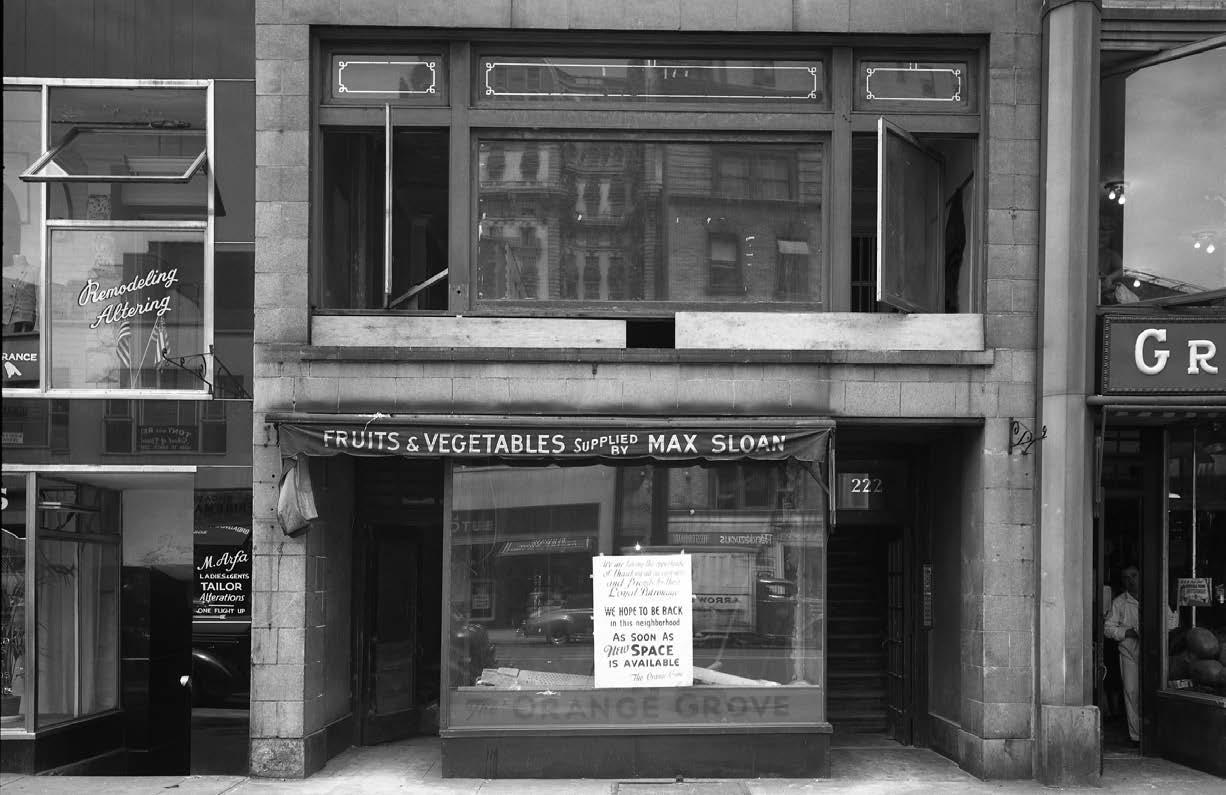
To strengthen both economic activity and neighborhood character, three key strategies are proposed: Cohesive Character, Pedestrian First! And Supporting Small Businesses. Together, these strategies aim to restore balance to the corridor while encouraging economic growth.
Image Courtesy of the Office of Metropolitan History
3 Major Goals
These goals were developed through research conducted during the historical and site analysis phases.
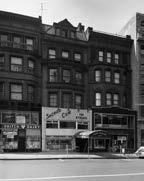
Cohesive Character
Although much of the corridor lies within a historic district, this identity is not always apparent. Establishing clearer design guidelines and visual cohesion can reduce clutter and strengthen the street’s character.
Image courtesy of Office of Metropollitan History.
Pedestrian First!
Prioritizing pedestrian movement will help reconnect the two parks and restore the corridor’s original “stop and stroll” identity.
Supporting Small Businesses
Approximately 100 small businesses operate along West 72nd Street. Supporting these businesses helps sustain the community and maintain the neighborhood’s identity.
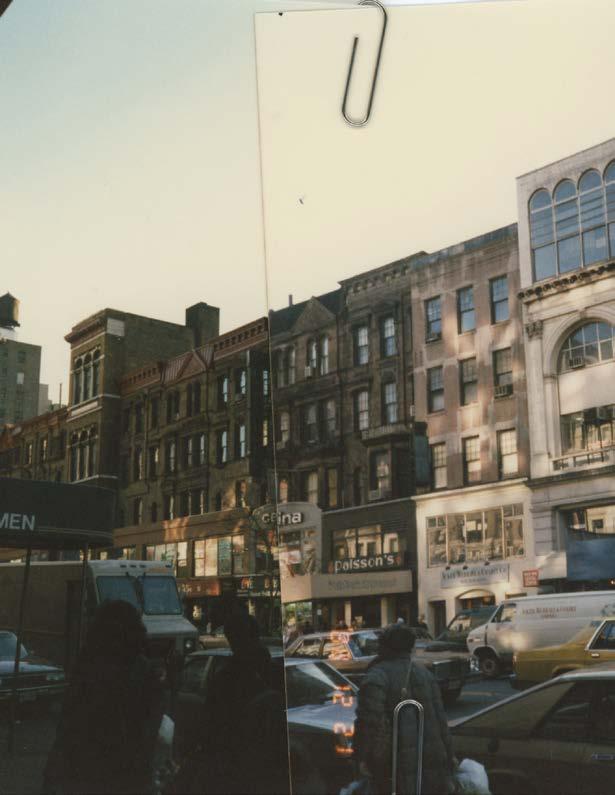
Image courtesy of the Museum of the City of New York.
Image Courtesy of Jill Gill ca. 1980
Cohesive Character
Most of West 72nd Street lies within a historic district, and many buildings retain their original architectural features. However, storefront design often overlooks the historic context of the buildings they occupy.
Developing clear design guidelines can help businesses maintain their unique identity while complementing the architecture around them.
Image courtesy of Zoshua Colah ca. 2024.
Cohesive Character
Opportunities for Transformation
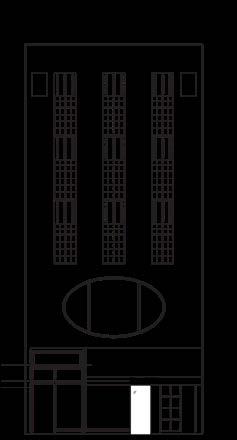
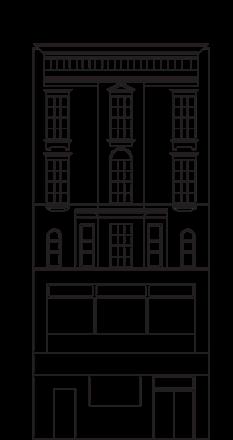
Businesses operating within historic districts must comply with regulations established by the Landmarks Preservation Commission. These rules often govern storefront elements such as signage, awnings, windows, and doors.
Landmark West! has long assisted businesses with navigating these regulations, helping owners develop storefront designs that respect both the historic building and the needs of the business.
Precedents
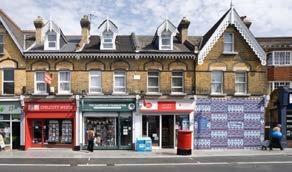
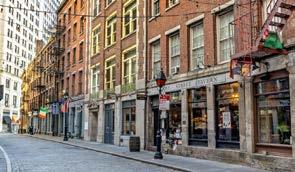
A commercial street that successfully balances historic preservation with modern business identity.
Resources for Business owners:
Local community organization: Landmark West!
Sanitation clean up organization: The Doe Fund
NYC Landmark Preservation Commision
NYC Department of Buildings
NYC Department of Design and Construction
NYC Department of Transportation
NYC Department of Sanitation
NYC Department of Planning
This area follows a master plan that clearly outlines design expectations for storefronts, making it easier for businesses to comply with preservation guidelines.
Croydon South End High Street
Image copyright of Hassell ca. 2015.
Stone Street Historic District
Cohesive Character
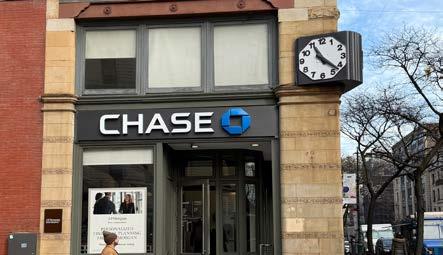
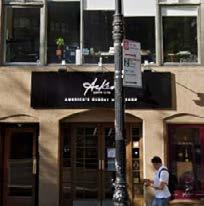
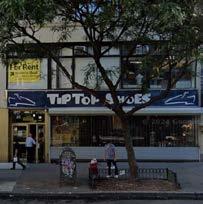
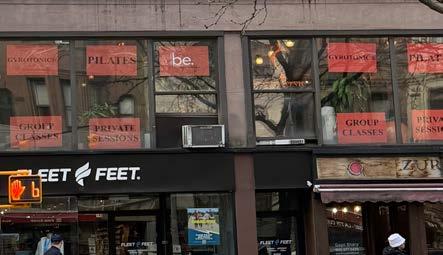
Examples along the corridor demonstrate both successful and problematic storefront designs.
Do’s:
Acceptable storefronts maintain minimal and clearly placed signage that does not extend beyond designated areas. These designs respect both the architecture of the building and the identity of the business.
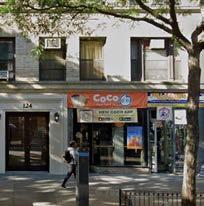
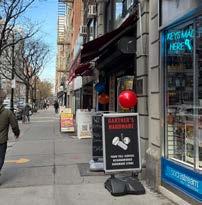
Don’ts:
The LPC guidelines however are confusing and the rules are not followed. These 3 examples showcase what can be considered “illegal” or a violation. Violations often include excessive signage, temporary signs in windows, or missing permanent storefront elements.
Pedestrians First!
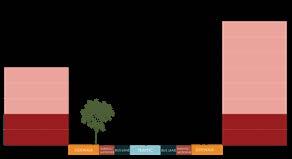
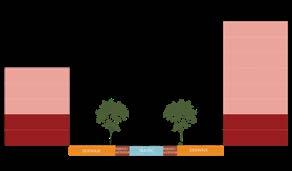
Several potential design approaches could help revitalize the corridor while prioritizing pedestrian activity. Three primary concepts were explored: Park-to-Park Connection, Moving People First, Business Spill-Out.
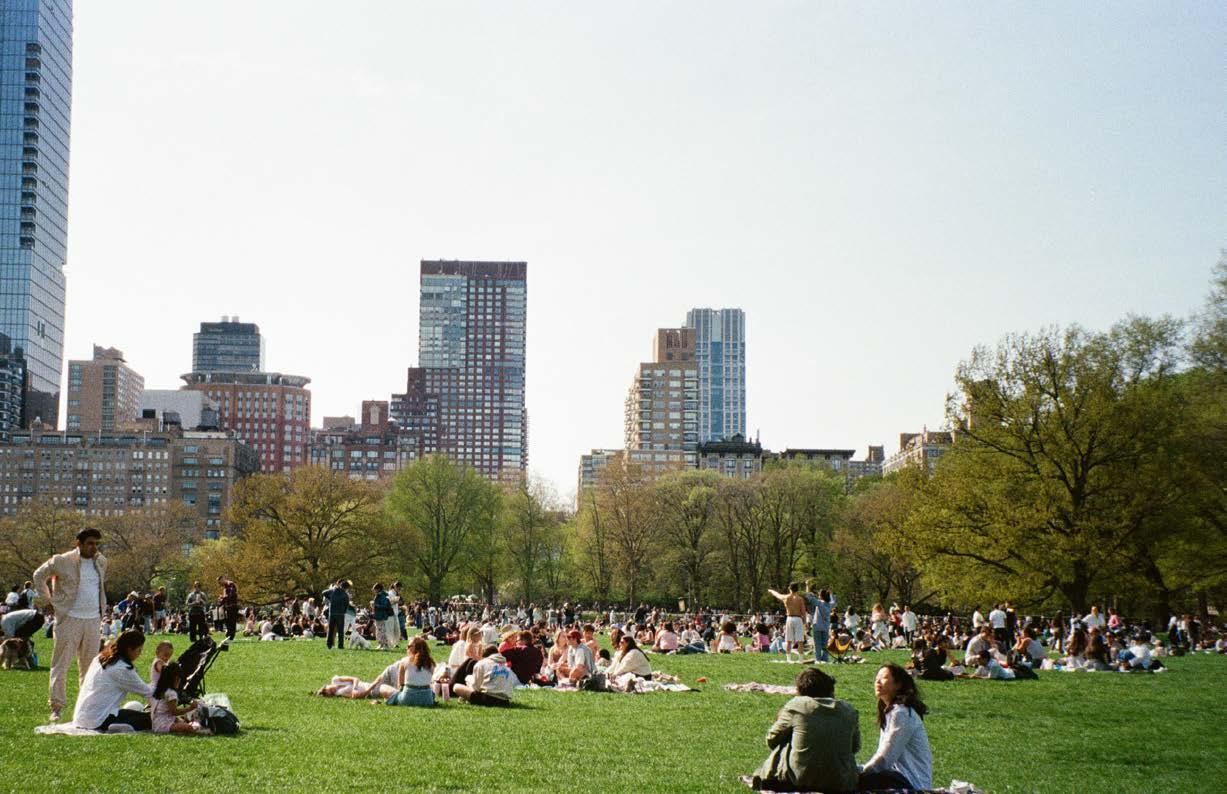
Each concept begins with the same fundamental change: reducing the number of vehicular lanes from four to two.
Pedestrians First!
Opportunities for Transformation
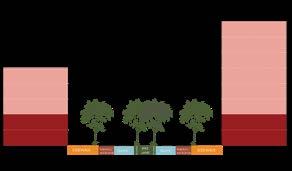
Park to Park Connection
This approach emphasizes the historic connection between Riverside Park and Central Park. A landscaped median would be introduced in the center of the street, incorporating protected bike lanes and bioswales.
The median would provide a safe route for cyclists while managing stormwater and increasing biodiversity. Traffic would be reduced to two lanes, while curbside parking would remain available for deliveries and local access.
Moving People First
This approach prioritizes public transportation by dedicating bus lanes. By separating buses from general traffic, transit routes could operate more efficiently and avoid delays caused by congestion or double parking.
Sidewalk widths would remain unchanged, maintaining existing pedestrian space.
Business Spill Out
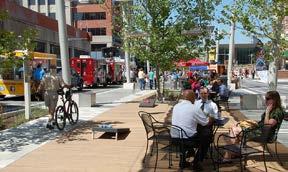
The third concept focuses on economic activation by expanding the sidewalk into former parking lanes. This additional space could be used for outdoor seating, retail displays, or small public gathering areas.
Designated micro-hubs could also provide safer locations for delivery drivers and couriers. By bringing business activity closer to the sidewalk, this approach encourages more street life and pedestrian engagement.
Precedents
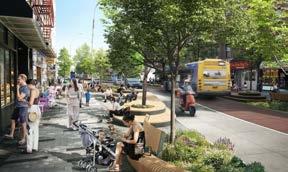
Several projects informed these design explorations:
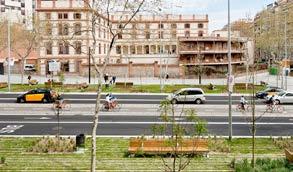
Passeig de Sant Joan Boulevard — Barcelona, Spain
A redesign that introduced green space and bike infrastructure while preserving the
Park Slope Fifth Avenue BID — Brooklyn, New York
A project that prioritizes both pedestrians and transit while maintaining balance with vehicular traffic.
of
Georgia Street — Indianapolis, Indiana
A commercial corridor where businesses extend activity into the street, creating lively outdoor spaces.
Image copyright of Ratio ca. 2012.
historic character of the street.
Image copyright of Lola Domenech ca. 2011.
Image copyright
WXY Architecture ca. 2025.
Pedestrians First!
After studying the different concepts,Cohesive Connection was created as a way to bring together the strongest elements of each approach. By pulling out the strongest element of each approach its hope is to create a more balanced and flexible framework for West 72nd Street.
In the Cohesive Connection vision, sidewalks would extend slightly into areas currently occupied by parking. This modest expansion of pedestrian space would not dramatically alter the character of the street but would create enough room for businesses to provide outdoor seating, small displays, or other active uses along the corridor. These extensions would help animate the street, encouraging pedestrians to slow down and engage with the businesses rather than simply passing through. At
the same time, designated delivery zones would be maintained, acknowledging the practical need for commercial loading and reducing the double parking that currently disrupts traffic flow and pedestrian movement.
On the transit side, bus lanes would be introduced during peak hours, prioritizing public transportation when congestion is at its highest. During off-peak hours, these lanes would revert to general use, offering flexibility for drivers, delivery vehicles, and other street users. This time-based approach to bus priority allows the street to adapt to the varying demands placed on it throughout the day, improving transit efficiency without fully eliminating vehicle access.
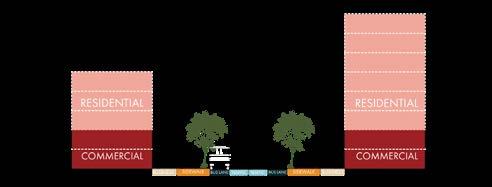
This drawing highlights the three different section studies and pulls the strongest element of each.
Cohesive Connection
Pedestrians First!
Together, these interventions create a layered solution that addresses several of West 72nd Street’s most pressing challenges at once. Pedestrian conditions would improve through modest sidewalk widening and more active street frontages. Businesses would benefit from additional outdoor space and more reliable foot traffic. Transit riders would experience faster and more consistent service during the hours they need it most.
Importantly, this approach offers these benefits while requiring less disruptive construction than a full street redesign. By working within the existing framework of the street and making targeted,
incremental changes, the hybrid strategy presents a realistic and achievable path forward, one that balances the needs of pedestrians, businesses, transit riders, and vehicle users along the corridor.
Cohesive Connection
Supporting Small Business
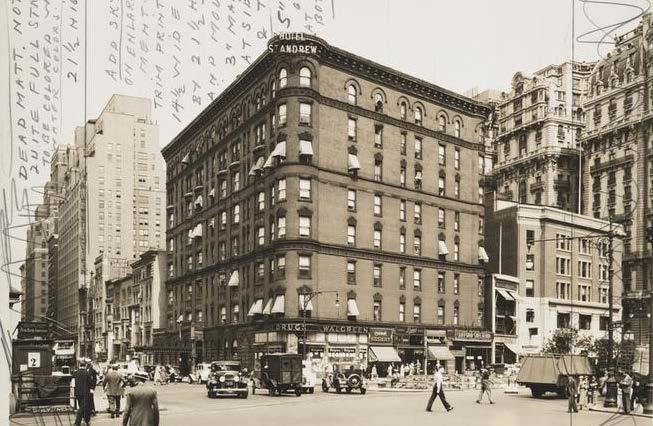
Preservation is not just about buildings it is about the people who inhabit the space. West 72nd Street is filled with businesses that provide the Upper West Siders with anything they could possibly think of. LW! Has been providing support to West 72nd Street for years now but it is time to do a bit more.
Image by Wurts Bros courtesy of the Museum of the City of New York ca. 1934.
Supporting Small Businesses
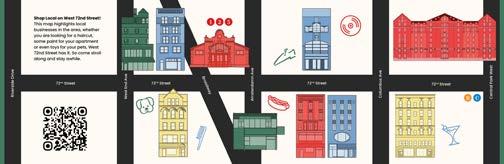
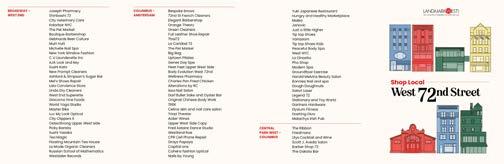
Map highlighting small businesses on West 72nd Street
Preservation is not only about buildings, it is also about the people and businesses that animate the neighborhood.
West 72nd Street contains a diverse range of small businesses that serve the Upper West Side community. Landmark West! has supported these businesses for many years, but additional initiatives could further strengthen their visibility and economic success.
One strategy is to establish a recognizable brand identity for the corridor. This could include a printed
map highlighting local businesses and notable historic buildings. Businesses could distribute these maps to encourage visitors to explore the street.
Another initiative would be a small “local business” window sticker, sized to comply with historic district regulations. These stickers could also be distributed to customers, helping spread awareness of the corridor beyond the neighborhood. to stroll and explore.
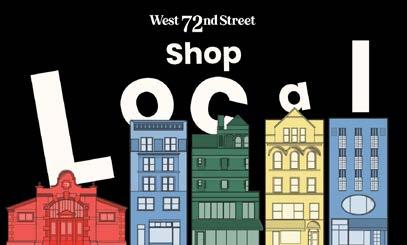
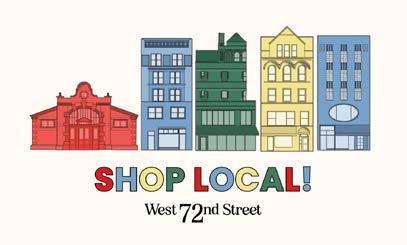
Stickers that small businesses can put on their windows
Supporting Small Businesses

To further encourage activity, a monthly late-night shopping event could be introduced. On the first Friday of each month, participating businesses would remain open until 9 p.m. During these evenings, live music and small performances could take place along the corridor, encouraging visitors to stroll and explore.
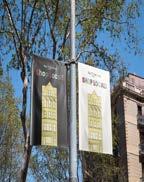
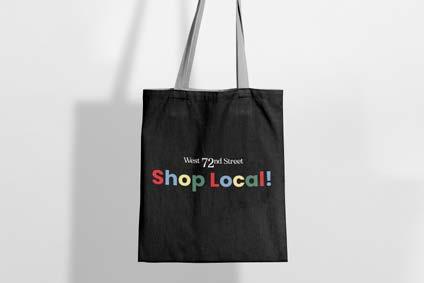
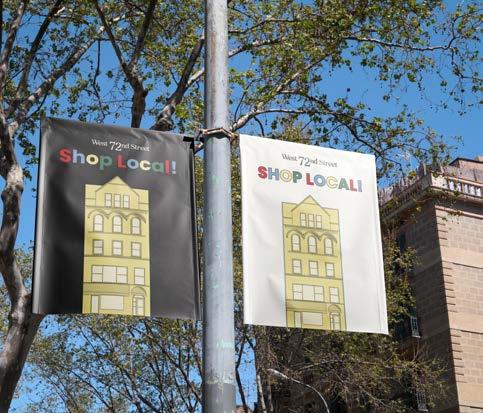
Banners placed along streetlamps could promote shopping locally and reinforce the identity of West 72nd Street as a destination for neighborhood businesses.
Together, these initiatives aim to restore the street’s historic role as a lively place to walk, gather, and explore.
Conclusion
Preservation is not solely about protecting buildings; it is also about sustaining the communities that inhabit them. The businesses, residents, and visitors who use West 72nd Street each day contribute to the character that makes the Upper West Side unique.
While preservation organizations are sometimes perceived as resisting change, Landmark West! approaches preservation differently. Protecting historic neighborhoods requires adapting to new conditions and supporting initiatives that promote economic vitality.
This plan represents a step toward strengthening the identity of West 72nd Street while respecting its history. By
prioritizing pedestrians, supporting small businesses, and reinforcing the corridor’s historic character, the street can once again become a vibrant place to stop, stroll, and connect.
The hope is that this document will inspire residents, community leaders, and future generations to continue advocating for thoughtful change along West 72nd Street.