


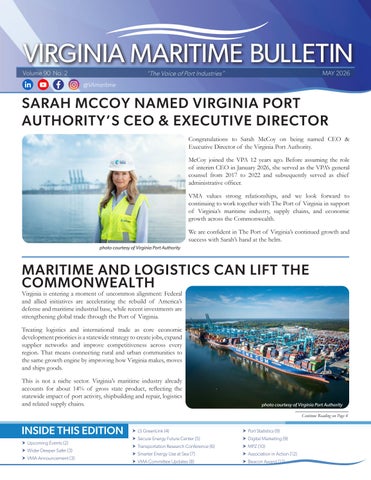
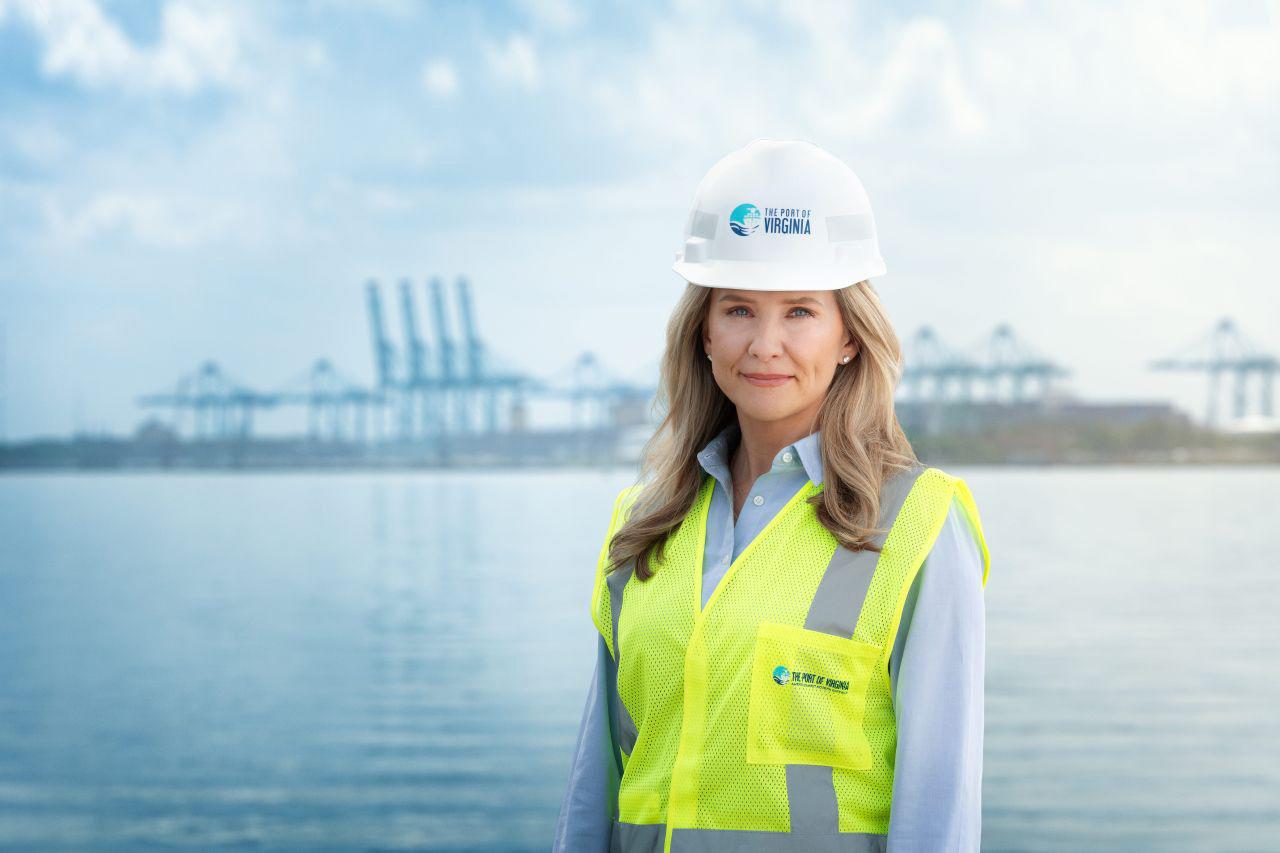
Congratulations to Sarah McCoy on being named CEO & Executive Director of the Virginia Port Authority.
McCoy joined the VPA 12 years ago. Before assuming the role of interim CEO in January 2026, she served as the VPA’s general counsel from 2017 to 2022 and subsequently served as chief administrative officer.
VMA values strong relationships, and we look forward to continuing to work together with The Port of Virginia in support of Virginia’s maritime industry, supply chains, and economic growth across the Commonwealth.
We are confident in The Port of Virginia’s continued growth and success with Sarah’s hand at the helm.
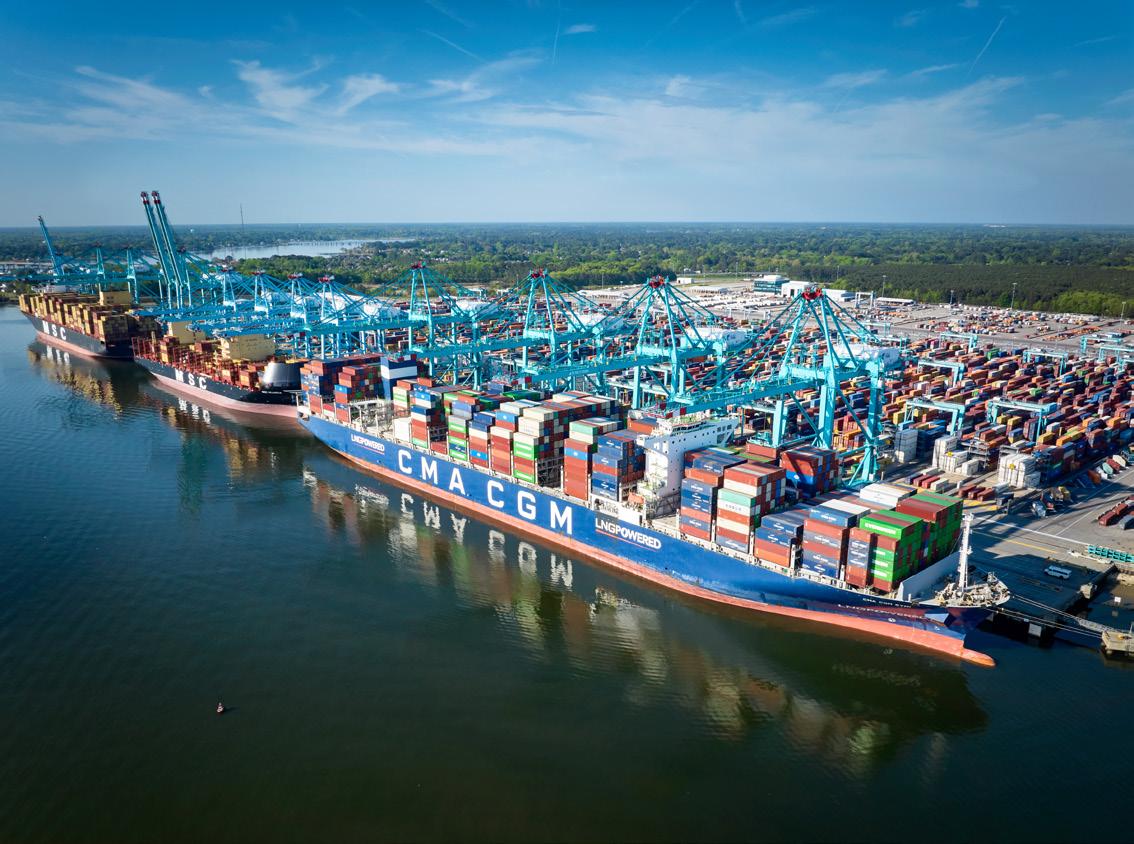
Virginia is entering a moment of uncommon alignment: Federal and allied initiatives are accelerating the rebuild of America’s defense and maritime industrial base, while recent investments are strengthening global trade through the Port of Virginia.
Treating logistics and international trade as core economic development priorities is a statewide strategy to create jobs, expand supplier networks and improve competitiveness across every region. That means connecting rural and urban communities to the same growth engine by improving how Virginia makes, moves and ships goods.
This is not a niche sector. Virginia’s maritime industry already accounts for about 14% of gross state product, reflecting the statewide impact of port activity, shipbuilding and repair, logistics and related supply chains.
courtesy of Virginia Port Authority
OFFICERS
Chair of the Board
Judy Barrett
President Lang Williams
Vice Presidents
Capt. Kenneth Flowers
Capt. Whiting Chisman Camille Cherry
Executive Director & Secretary
David White
Treasurer Dana Truxell
Assistant Treasurer Clyde Clark
STAFF
Senior Vice President ................. Will Fediw
Vice President of Finance & Administration ....................... Sam Davis
Director of Finance & Administration ....................... Mary Alexander-Bradley
Director of Membership Development .......................... Kristen Greene
Workforce Development
Director................................... Shayla Prince
Executive Assistant ................... Chanel Bolling
Marketing Manager ................. Jennifer Deason
Event Manager & Accounting Assistant ............. Jennifer Parham
Membership Services Manager ........................... Susan Wisniewski
For Questions about the Bulletin or Advertising jdeason@vamaritime.com.
The MARITIME BULLETIN is provided through membership. Follow Us on Social Media: @VAmaritime
Contact jdeason@vamaritime.com to submit an article in the Next Bulletin!
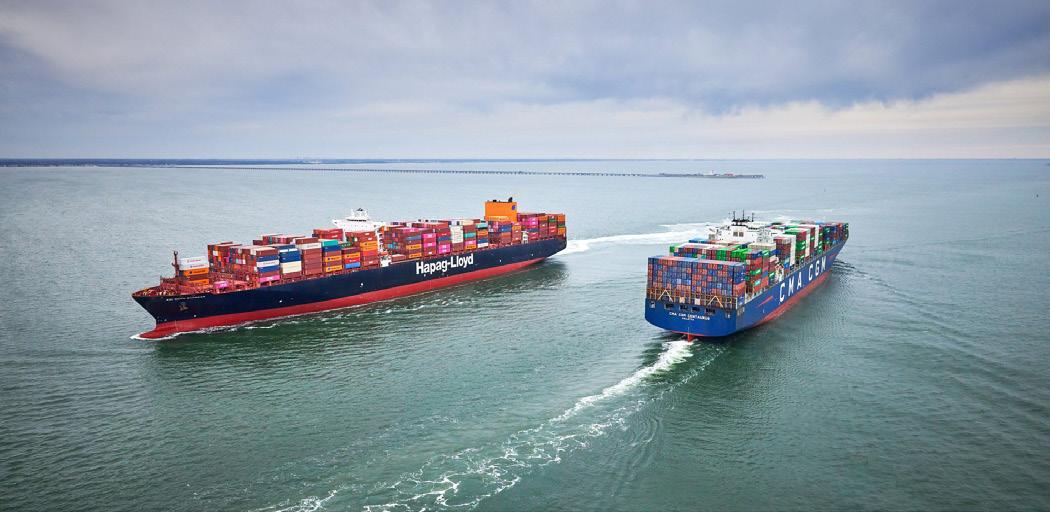
On March 23, 2026, it was announced that the construction of the 55-foot deep shipping channel and harbor is complete, making Virginia home to the deepest commercial port on the U.S. East Coast.
At the inaugural Hampton Roads Navigational Summit in 2006, the Virginia Maritime Association and the U.S. Army Corps of Engineers identified the 55-foot channel as one of the Port’s top priority projects. The goal was clear: deliver the depth and width needed to keep Virginia competitive in global trade.
Now that vision is reality.
With the deepest commercial channel on the East Coast, the world’s largest vessels can move through Hampton Roads with greater efficiency, strengthening Virginia’s position as a global gateway for commerce.
This milestone is a key project in The Port of Virginia’s® $1.4 billion Gateway Investment Program. Wider Deeper Safer®
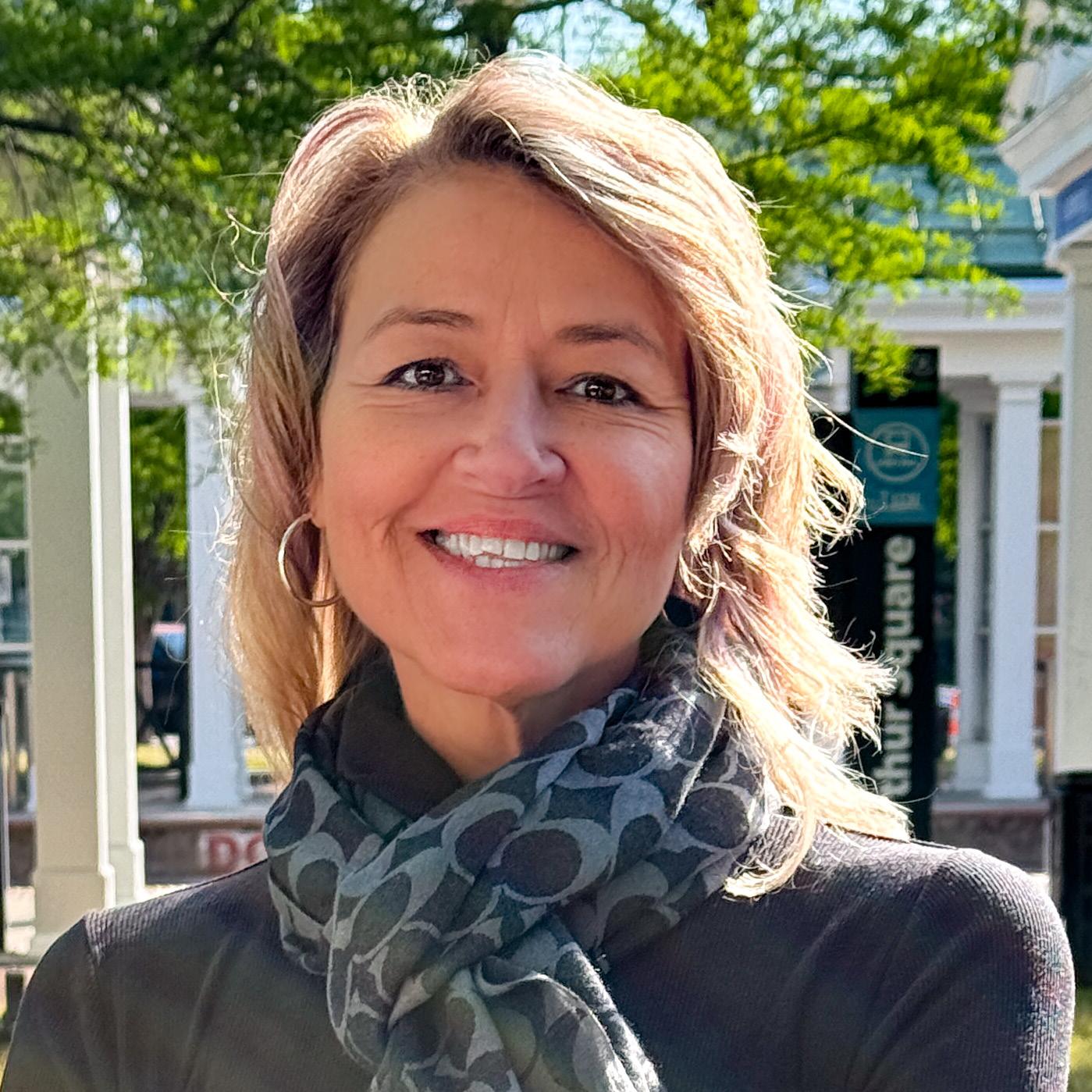
The Virginia Maritime Association is pleased to welcome Mary Alexander-Bradley to the VMA team as our new Director of Finance & Administration.
Mary brings extensive experience in the maritime and logistics industries, with expertise in finance, operations, compliance, and organizational leadership. She has held senior leadership roles with major global organizations, including APL, CMA CGM, and Maersk Line, Limited, overseeing financial activities supporting container shipping and vessel operations worldwide.
Throughout her career, she has earned a reputation as a trusted advisor and collaborative leader, combining technical expertise
with strategic insight to improve financial performance, operational efficiency, and long-term organizational success. Her experience includes financial reporting, budgeting and forecasting, internal controls, process improvement, and U.S. GAAP and IFRS compliance, along with leading finance transformation initiatives, ERP implementations, shared services transitions, and organizational projects that enhanced reporting, compliance, and operational performance.
Mary is a passionate mentor and team builder who values strong relationships and collaborative leadership. Her extensive maritime industry experience, financial expertise, and practical approach make her a strong addition to the VMA team and wellpositioned to support the association’s mission and the members we serve across Virginia’s maritime and supply chain industries.
Outside of work, Mary is a devoted Philadelphia Eagles fan who can usually be found either cheering on her team or at the beach alongside her beloved three-legged Chocolate Lab, Jake. The VMA team is looking forward to hearing plenty of Jake stories in the years ahead.
As Mary joins VMA, we also want to recognize and thank Sam Davis, Vice President of Finance and Administration, as he prepares for retirement after 15 years of dedicated service to the Virginia Maritime Association and Hampton Roads Shipping Association.
Both organizations will benefit from a period of transition that will allow for consistency and steadiness of the financial operations and administrative functions as Sam’s retirement approaches.
Please join us in welcoming Mary to the VMA team as she begins this new role.
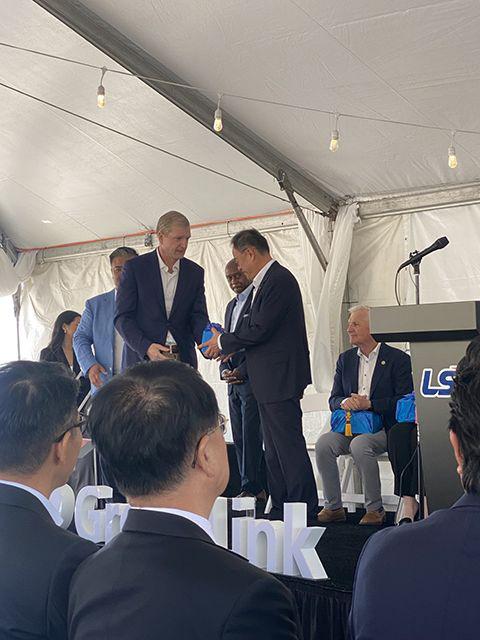
On May 5, 2026, LS GreenLink USA marked a major milestone with a ceremony celebrating the start of vertical construction on its advanced manufacturing and pier facility in Chesapeake. The $681 million project will create one of the world’s most advanced HVDC submarine cable manufacturing facilities and is expected to bring more than 330 full-time jobs to the region.
Federal efforts to expand defense production and restore shipbuilding and ship repair capacity are creating opportunities. Virginia is well positioned: Hampton Roads anchors the nation’s maritime and naval center of gravity and is aligning growth through the Defense, Energy, Aeronautics and Logistics (DEAL) strategy of the Hampton Roads Alliance. Northern Virginia hosts leading defense contractors and integrators, and supplychain firms operate statewide.
The Port of Virginia’s $1.4 billion Gateway Investment Program is strengthening trade capacity. The 55-foot deepening project was recently completed, delivering the deepest channels on the East Coast, along with new berths for ultra-large container vessels and additional ship-to-shore cranes. In a challenging trade environment marked by uncertainty and shifting costs, these upgrades improve supply chain efficiency and reliability for importers and exporters and reinforce Virginia’s long-term trade outlook. They also help Virginia compete for new services and cargo, reduce the risk of delays and support the on-time delivery that manufacturers, retailers and agricultural exporters depend on.
Dual Class I railroads and an expanding interstate network link the port to national markets, supported by inland nodes such as the Virginia Inland Port near Winchester and the Port of Richmond. These connections lower total landed cost, expand market reach for Virginia-made products and give companies more options when disruptions occur.
In Hampton Roads, the Hampton Roads Marine Training System and Old Dominion University’s School of Supply Chain, Logistics, and Maritime Operations strengthen the talent pipeline for ship repair, logistics, and maritime operations. Elsewhere, the Virginia Tech Transportation Institute in Blacksburg is
Virginia Maritime Association Executive Director David White noted the project’s impact on the maritime industry, stating, “We’re pleased to see the continued progress of the LS GreenLink project, which will drive additional commerce to and through Virginia’s ports and associated supply chains.”
LS Cable & System Ltd., parent company of LS GreenLink, is a Golden Anchor member of the Virginia Maritime Association, and Patrick Y. Shim, Managing Director of LS GreenLink, serves on the VMA Board of Directors. VMA President Lang Williams was honored to attend the ceremony alongside state, local, and industry leaders recognizing the significance of this investment for Virginia’s maritime and energy future.
driving innovation in freight transportation, and the Institute for Advanced Learning and Research in Danville is training shipbuilders on modern processes.
But assets alone do not guarantee wins. Competing states are aligning agencies, regions and industry to attract shipyard expansion, suppliers and workforce investments. Virginia needs a focused statewide defense and maritime industrial base strategy to align priorities such as capacity growth, supply-chain strength, site readiness and credential-to-career pipelines.
The Virginia Maritime Association advances this work through regional chapters that enable local connections and collaboration that can guide and support state strategies. Those chapters help translate statewide goals into practical partnerships, from sharing procurement needs to aligning training, permitting and infrastructure priorities.
The payoff is broad-based. Keeping goods moving protects affordability and strengthens business resilience. Rebuilding the nation’s defense and maritime industrial base can attract private investment and create good-paying jobs on the waterfront and across the statewide supply chain. With coordinated action, Virginia can secure its place in a new industrial era, grow the middle class and ensure every region shares in the growth.
Source: Virginia Business
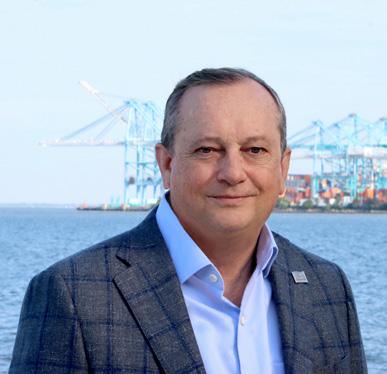
Contributor: David White
Executive Director
Virginia Maritime Association
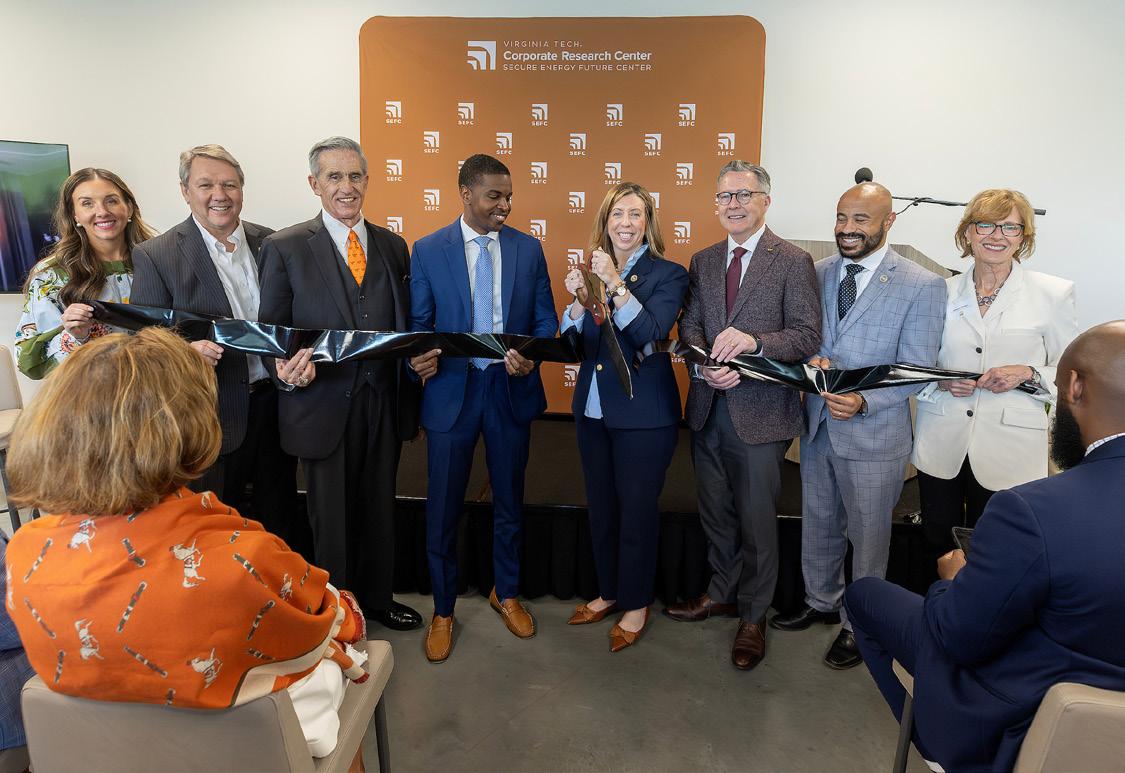
The future of energy in the Commonwealth took a significant step forward on April 22 as regional and state leaders gathered in Newport News to celebrate the grand opening of the Secure Energy Future Center (SEFC) at Tech Center Research Park.
Launched on Earth Day, SEFC is a Virginia Tech Corporate Research Center (VTCRC) initiative and first-of-its-kind hub designed to accelerate next-generation energy solutions by bringing together academia, industry and government. The center aims to transform Virginia’s strategic coastal advantages into a national platform for energy innovation, with a focus on commercialization, workforce development and real-world deployment of advanced technologies.
For Virginia’s maritime sector, the significance of SEFC is immediate and far-reaching. Hampton Roads is home to the Port of Virginia, the nation’s largest concentration of naval facilities, and one of the most energy-intensive logistics and shipbuilding ecosystems in the world. As global shipping, port operations and maritime infrastructure evolve to meet new environmental standards and energy demands, access to reliable, resilient and innovative energy systems is becoming mission-critical.
SEFC is designed to address exactly that challenge.
“The Secure Energy Future Center represents the beginning of a new chapter for Virginia’s energy economy,” said Chelsea Olivieri, Managing Director of SEFC. “It is a place where industry leaders can work alongside researchers and policymakers to solve realworld energy challenges and accelerate solutions that support both economic growth and national security.”
Developed through a collaboration led by the VTCRC, SEFC is supported by a broad coalition of partners, including the
Hampton Roads Alliance, GO Virginia Region 5, the Hampton Roads Executive Roundtable, the City of Newport News, W.M. Jordan Company, Virginia Tech’s Newport News Center, the Dominion Energy Innovation Center and others. Seed funding from GO Virginia helped catalyze the project and align it with the region’s long-term economic development strategy.
For maritime stakeholders, this level of collaboration is particularly important. Energy innovation is no longer a siloed issue—it intersects directly with port electrification, alternative fuels, offshore wind integration, shipyard modernization and the resilience of defense infrastructure.
“The Secure Energy Future Center is a powerful example of what happens when regional collaboration turns vision into action,” said Doug Smith, President and CEO of the
Hampton Roads Alliance. “Hampton Roads has the infrastructure, talent and strategic assets to lead in advanced energy, and SEFC gives us a platform to attract investment, support business growth and establish this region as a nationally recognized hub for energy innovation.”
The center’s programming reflects these priorities.
SEFC will support workforce training, energy technology demonstrations, and commercialization pathways for emerging solutions, while also fostering connections between energy innovators and end users across sectors, including maritime.
As energy demand continues to grow across Virginia’s ports, shipyards and defense installations, SEFC positions the region to lead in developing the technologies and talent needed to meet that demand.
In doing so, it reinforces a critical truth for Virginia’s maritime community: the future of maritime competitiveness is inseparable from the future of energy. Learn more at secureenergyfuturecenter.com.
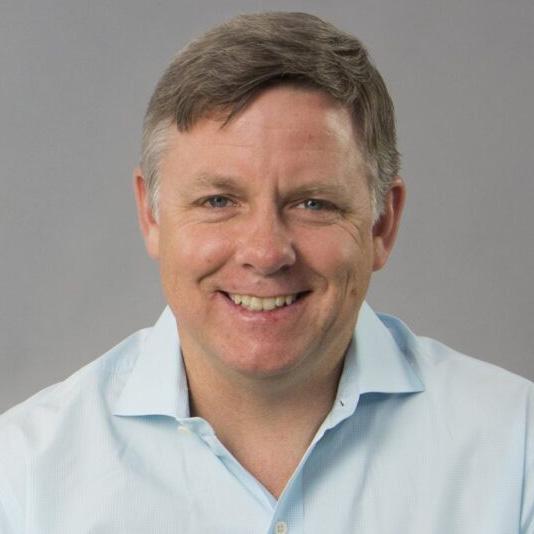
Contributor: Brian Harris Consociate Media
The 67th International Meeting of the Transportation Research Forum, held on April 16–17, 2026 at Old Dominion University main campus, brought together transportation academic researchers, practitioners, and industry professionals to exchange ideas on some of the most pressing issues in transportation. Founded in 1958, the Transportation Research Forum (TRF) continues to serve as an important platform for discussion through the presentation of research papers, as well as poster sessions, and industry panels.
The conference featured two industry panels. The first one was about “The future of the maritime initiatives in Hampton Roads.” This panel examined in detail how as a region we can capitalize on the goals and directives laid out in the Maritime Action Plan. The panelists were: David White, Virginia Maritime Association; John Polowczyk, Virginia Ship Repair Association; Drew Lumpkin, Hampton Roads Executive Roundtable and Whitney Lester, Hampton Roads Workforce Council.
The second panel looked at “The future of AI in supply chain and logistics” with Kevin Speers, Splice; Katie Smith, Engineering Technology, ODU; Wael Khalouli, ODU; and Rafael Diaz, Supply Chain, ODU. The discussion ranged from practical roadmaps for deploying AI agents to strategies for preparing and training the workforce for AI adoption.
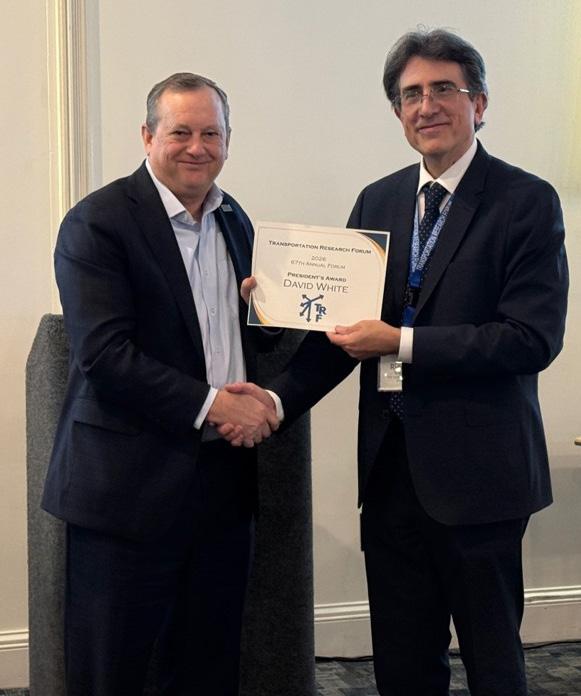
Furthermore, every year a committee of TRF past presidents evaluate nominees based on their contributions to the transportation industry for the President’s Award. This award recognizes an individual in transportation who has exhibited leadership and innovation on a regional or national scale that has resulted in improving freight mobility or advancing a forwardlooking vision for the industry. This year, Ricardo Ungo, past President of TRF, presented the President’s Awards to David White, Executive Director of the Virginia Maritime Association, in recognition of his significant contributions to the maritime industry in the region. (See picture below)
Following the award presentation, David White also delivered a keynote address on Hampton Roads as America’s Maritime Center of Gravity.
The conference also provided experiential learning opportunities for students from the ODU School of Supply Chain, Logistics and Maritime Operations. Four ODU student posters were accepted and the poster presented by Nika Vrbinc was recognized as the best student poster at the conference. Additionally, the undergraduate student Nico Roghair co-presented a research paper.
Overall, the 2026 Transportation Research Forum conference reinforced the organization’s mission to advance transportation knowledge and practice. By convening a diverse group of stakeholders in Norfolk, the event contributed to ongoing efforts to address critical transportation challenges and to shape the future of industry in a rapidly changing world.
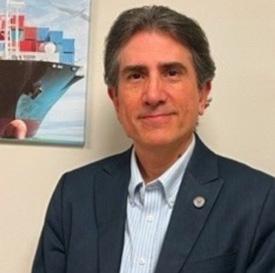
Contributor: Ricardo Ungo, Ph.D.
Clinical Assistant Professor
Department of Information Technology & Decision Sciences
Strome College of Business Old Dominion University
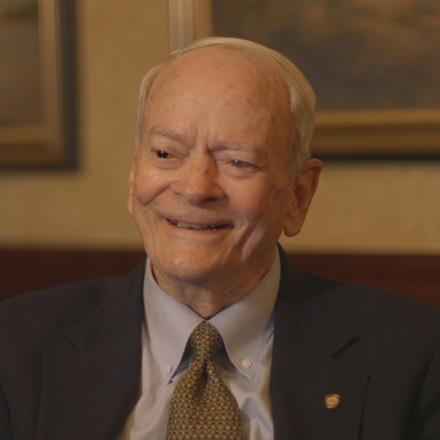
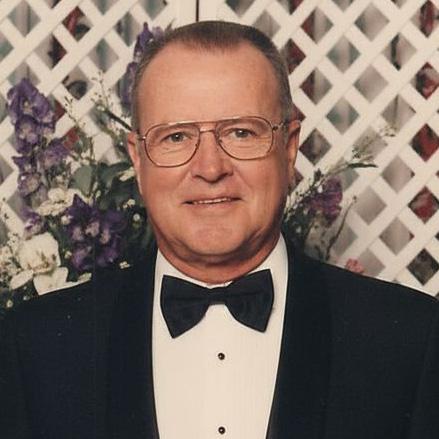
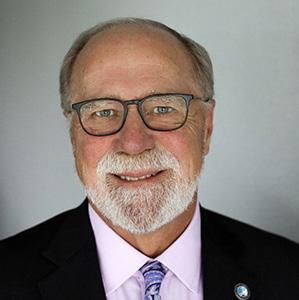
With fuel costs continuing to influence vessel operating economics, energy efficiency has become an increasingly important focus for shipowners and operators. While propulsion systems often receive the most attention, a significant share of onboard energy consumption comes from auxiliary systems such as cooling and ventilation.
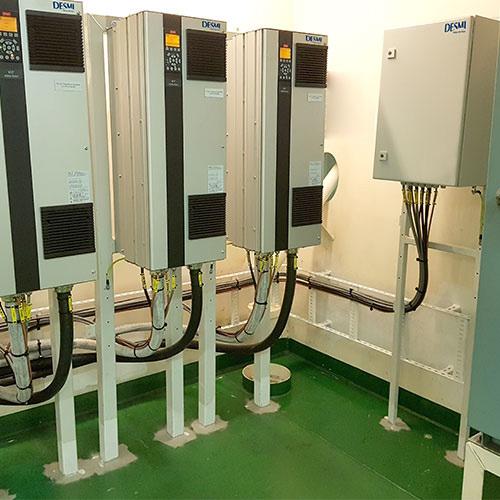
These systems are typically designed to perform under the most demanding operating conditions, including high ambient temperatures and maximum engine loads. However, vessels spend much of their time operating under less demanding conditions. Despite this, pumps and fans often continue to run at fixed speeds, consuming more energy than is required.
As the industry looks for practical ways to improve efficiency, greater attention is being given to demand-based operation of auxiliary equipment. Advances in automation and control technology now allow cooling and ventilation systems to respond to real-time operating conditions rather than relying solely on fixed design parameters.
By matching system output to actual demand, vessels can reduce unnecessary energy consumption while maintaining safe and reliable operation. Even relatively small improvements in auxiliary system performance can contribute to lower fuel use, reduced operating costs, and decreased emissions over time.
These efforts also support broader industry objectives. Improving the efficiency of existing equipment can help operators meet environmental and regulatory requirements while extending the useful life of onboard machinery. Equipment operating at variable loads may experience less wear and tear, potentially reducing maintenance requirements and improving long-term reliability.
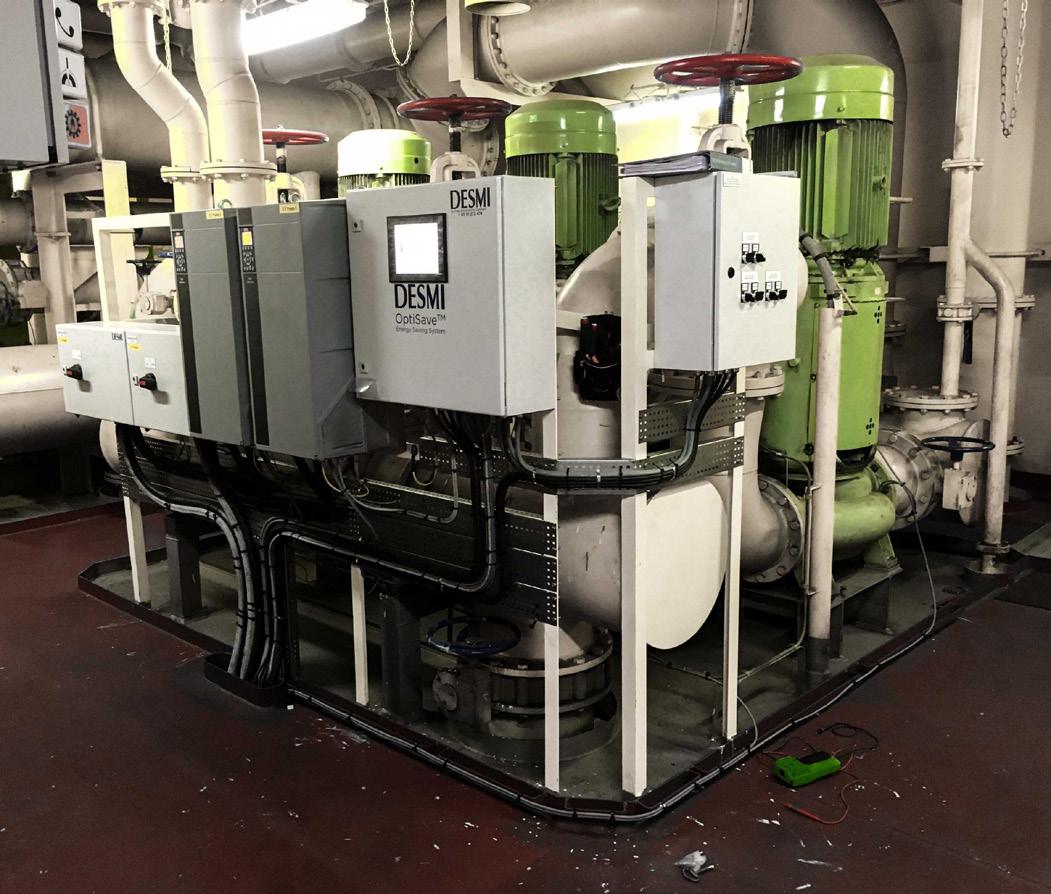
Several technology providers have developed solutions to address this challenge. One example is DESMI’s OptiSave™ system, which uses automated controls to regulate pump and fan performance based on operational demand. Similar approaches reflect a wider trend within the maritime sector toward optimizing existing systems rather than relying solely on major equipment replacements or new technologies.
As fuel costs and environmental expectations continue to shape the industry’s priorities, attention is increasingly turning to opportunities that deliver measurable improvements without extensive vessel modifications. In many cases, improving efficiency is not about adding more equipment, but about ensuring existing systems operate only when, and to the extent, they are needed.

Contributor: Fernando Egidios Vice President Marine Sales
DESMI Inc.
MAR 11 Freight Forwarders and Customhouse Brokers The Port of Virginia gave an update operations and ongoing projects, along with an introduction and Q&A session with new Norfolk Area Port Director Keri Brady of U.S. Customs and Border Protection. Discussion also covered recent developments from the Virginia General Assembly, including legislation impacting the maritime industry and Virginia’s efforts to align with the Maritime Action Plan. Additional conversation focused on member engagement opportunities through the VMA’s Beacon Award nominations and industry article submissions.
MAR 19 Communications & Outreach The committee reviewed key federal and state policy developments impacting the maritime industry, including updates on the Maritime Action Plan, tariffs, dredging funding, CBP staffing, and recent General Assembly actions. Members discussed ongoing advocacy efforts surrounding workforce initiatives, labor issues, rail legislation, and budget priorities, along with the potential impacts of global conflicts on fuel costs and supply chain operations. The group also highlighted successful Maritime Day activities in Richmond and explored new opportunities to strengthen engagement with legislators, local government leaders, and VMA members through expanded outreach, events, and recognition programs.
APR 7 Inland Transportation Kacy Payne, President and CEO of Tailored Logistics Group, who shared how the company adapted to changing market conditions through specialized fumigation, warehousing, transloading, and heavyhaul services. Discussion also covered plans to strengthen industry engagement through TMTA events focused on drivers and families. Legislative updates from the Virginia Trucking Association highlighted the impact of Virginia’s recent elections and reviewed key bills affecting motor carriers, while members also received information on upcoming truck parking initiatives across the state.
APR 9 Supply Chain Technology & Innovation Development of a new webinar series was discussed focused on helping maritime and supply chain professionals better understand the practical applications of AI and emerging technologies. Planned sessions will highlight real-world use cases, targeted audiences, and the value of VMA member engagement across companies and industry sectors. The group also emphasized the importance of sharing technology insights through articles in The Connector, with discussion centered on innovation, branding, website positioning, search visibility, and managing technology-driven change within organizations.
APR 14 Environmental Affairs Reviewed major state and federal environmental policy developments impacting maritime operations, including General Assembly legislation, marine mammal regulations, no-discharge zone proposals, and evolving NEPA guidance. Members discussed the need for continued coordination on beneficial reuse of dredged material, wetland
mitigation credit availability, and ongoing dredging and spoil disposal strategies tied to economic development projects. The group also emphasized the growing connection between environmental policy and economic competitiveness, while planning future discussions on resiliency, permitting, and regional environmental initiatives.
MAY 6 Cargo Owners Discussions held on continued volatility across global supply chains, driven by rising fuel and inland transportation costs, declining vessel reliability, and tightening domestic capacity. Members reported longer transit times, congestion at South Asian terminals, lower tender acceptance rates, and mounting fuel overruns that are increasing operational and inventory pressures. Companies are responding through dual sourcing strategies, shifts in manufacturing locations, stronger carrier management practices, and enhanced financial planning to address ongoing uncertainty tied to global conflicts, crossborder constraints, and new importer enforcement actions.
MAY 21 Offshore Wind The repositioning the Offshore Wind Committee into the new Maritime Industrial Base Committee was approved, expanding its focus to offshore wind, commercial marine terminals, shipbuilding, repair infrastructure, and related supply chains. Updates were provided on Dominion Energy’s CVOW project, including completed monopile and transition piece installations and future operational opportunities for local industry partners. Discussion also covered regional workforce development, defense and logistics growth opportunities, autonomous vessels, AI applications, and the importance of strengthening maritime industrial capabilities across Hampton Roads and the broader region.
MAY 21 Towing & Barge Operators Members discussed regional bridge repair planning, operational updates related to Sail250 Virginia, and expected USCG communications regarding waterway closures and navigation notices. Conversation also focused on the impacts of the government shutdown on mariner credential renewals and the temporary extension process for affected licenses. Additional discussion included recent state and federal legislative developments impacting the maritime and towing industries.
MAY 28 Port Security An executive-level discussion was held on the growing role of artificial intelligence across the maritime industry, with a focus on operational performance, security awareness, and long-term strategic planning. Featuring insights from Pratik Kothari of TechArk and AI Collective Hampton Roads, the conversation explored how organizations are using AI to improve decision-making, strengthen readiness, and create measurable business value. The session also highlighted the importance of positioning the maritime community to effectively adapt to emerging technologies and future industry demands.

The way businesses are found and evaluated has changed fundamentally. Across industries, buyers and partners are increasingly research-driven — searching online, comparing options, and forming opinions before any direct conversation takes place. In this environment, a strong digital presence is no longer a differentiator. It is a baseline expectation.
Shifting Buyer Behavior Decision-makers today conduct extensive research before engaging with a potential partner.
They search for suppliers online, compare multiple companies simultaneously, and evaluate credibility through websites, content, and overall digital presence. In many cases, the first interaction is no longer a referral — it is a search result. This means that even highly capable organizations risk being overlooked if their digital presence does not accurately reflect their expertise and scale.
The Gap Between Capability and Perception Across many sectors, digital marketing and branding remain underutilized. Companies often treat their website as a static brochure rather than an active business tool, maintain minimal or inconsistent digital presence, and publish little content that demonstrates their knowledge or capabilities. The result is a clear disconnect between operational strength and digital perception. Strong organizations frequently appear average — or invisible — online.
Branding has evolved beyond visual identity. Today, it is a key driver of credibility, clarity, and trust. For buyers evaluating new partners — particularly in unfamiliar markets — these factors carry significant weight. A well-executed digital brand helps establish confidence before the first conversation, differentiates a business in a competitive landscape, and reinforces trust over the long term.
Policymakers have begun to recognize the need for action to address vulnerabilities and lagging production and capacity in America’s maritime industries. The Maritime Prosperity Zone (“MPZ”) concept is an example of an initiative to address this problem that could also provide massive benefits to Virginia ports and coastal regions. MPZs have the potential to attract significant private investment into Virginia’s maritime industry and jumpstart industry revitalization.
MPZs are emerging as a centerpiece of the federal government’s broader effort to strengthen the U.S. maritime industrial base, supply chain resilience, and port-related economic development. While still in the formative stages, MPZs are intended to be geographically designated areas where federal, state, and private investment efforts are coordinated to accelerate maritime activity, workforce development, infrastructure modernization, and national security objectives.
President Trump’s Executive Order 14269, “Restoring America’s Maritime Dominance,”1 and subsequent Maritime Action Plan (“MAP”), established MPZs as an economic development policy tool to accelerate the revitalization of the country’s maritime, shipbuilding, and ship repair industries. MPZs will be modeled after the “opportunity zone” concept included in the Tax Cuts and Jobs Act of 2017. As a refresher, opportunity zones are designated low-income census tracts where investors can defer and potentially reduce capital gains taxes by investing in qualifying long-term investments that promote economic development in those areas.2
Likewise, MPZs are designed to concentrate proposed financing and tax incentives within a geographic area to encourage longterm investment. The Secretary of Commerce is to designate one hundred (100) MPZs each for a period of ten (10) years, which are to represent geographically diverse areas including both traditional ports and surrounding areas and navigable rivers,
Contributor: Paul Hawkins, Esq. Partner
Gentry Locke Attorneys
the Great Lakes, and areas outside the continental United States.3 MPZ designation should take into account “maritime supply chain entities, workforce development and educational institutions, and advanced manufacturing initiatives to strengthen industrial base capacity and readiness.”4 MPZs will also incorporate provisions of the opportunity zone program recently updated in the “One Big Beautiful Bill” Act. Lastly, the MAP also stated that the Administration would include MPZs in its legislative proposals along with the FY2027 budget.5 Using the opportunity zone example as a guide, maritime-related businesses located within the MPZs are poised to benefit greatly from various tax and other financial/regulatory benefits once those details are finalized in the law.
Virginia’s Congressional Delegation has already begun pitching Hampton Roads for designation as an MPZ, emphasizing its existing status as a critical hub for shipbuilding, ship repair, and logistics—an ideal candidate to quickly attract capital investment and demonstrate measurable results. While MPZs are still a fledgling concept, one can be confident this initiative will soon become reality considering the intense focus on these policy issues and this Administration’s priorities. Virginia policymakers and industry leaders, as well as business owner-operators and investors, should monitor relevant legislation and executive actions closely, stay apprised of developments as MPZ policy takes shape, and as applicable, position themselves to structure compliant investment vehicles and deploy capital once program benefits are finalized and codified.
Sources:
1.90 Fed. Reg. 15635 (April 15, 2025).
2See https://www.irs.gov/credits-deductions/businesses/opportunity-zones (accessed May 1, 2026).
3Maritime Action Plan, p. 6 (accessed at https://www.whitehouse.gov/wp-content/ uploads/2026/02/Restoring-Americas-Maritime-Dominance.pdf, May 1, 2026). 4Id.
5Id., at 33.

Contributor: Nicole K. Pasho, Esq. Associate Gentry Locke Attorneys
Submit Content for Virginia Maritime Bulletin
Submissions: Contact Jennifer Deason, jdeason@vamaritime.com
For submission guidelines, please visit VAmaritime.com/MaritimeBulletin. Together, let’s continue to strengthen our community through impactful contributions to the Maritime Bulletin. We appreciate everyone who submitted for this issue. Submissions for the August issue of the Virginia Maritime Bulletin are due August 3, 2026

Digital Marketing as a Growth Enabler Digital marketing should not replace relationship-driven growth — it should strengthen it. When executed effectively, a digital strategy expands visibility into new geographies, generates inbound interest that complements existing networks, and ensures commercial teams are engaging with better-informed prospects. This creates a more resilient, scalable model for long-term growth.
Industries
The maritime and supply chain sectors have traditionally been built on relationships, reputation, and longstanding business networks. While those fundamentals remain critical, the way new customers, partners, and talent evaluate organizations has changed significantly. Importers, exporters, manufacturers, shippers, and service providers are increasingly conducting online research before making contact, often comparing multiple options across regions and markets.
For ports, terminals, logistics providers, transportation companies, shipyards, and maritime service providers, a strong digital presence helps ensure their capabilities are visible to decision-makers who may have no prior connection to their organization. It also provides an opportunity to showcase expertise, communicate value, highlight investments and innovations, and reinforce credibility in a highly competitive global marketplace.
As supply chains become more interconnected and procurement processes become increasingly digital, companies that effectively communicate their strengths online will be better positioned to attract business opportunities, recruit talent, and strengthen their role within the broader logistics ecosystem. In an industry where trust and relationships remain paramount, digital marketing has become an important tool for building both.
The Rise of Answer Engine Optimization A significant shift is underway in how information is discovered. Buyers and procurement teams are increasingly turning to AI platforms — such as ChatGPT and Perplexity AI — to identify suppliers and gather market insights. This has given rise to Answer Engine Optimization (AEO): the practice of structuring a company’s digital presence so it appears within AI-generated responses, not just traditional search results. Unlike conventional SEO, these platforms prioritize clear and structured information, demonstrated expertise, and consistent digital signals across channels. Organizations that align with this shift early will gain a meaningful advantage in discoverability.
Looking Ahead
We are entering a phase where digital presence will increasingly complement — and in some cases, determine — commercial outcomes. Companies that invest in this area will benefit from greater visibility across markets, stronger first impressions with prospective partners, and more consistent inbound opportunities. Those who do not may find themselves at a disadvantage, not due to weaker capabilities, but due to limited discoverability.
Digital marketing and branding are no longer optional. They are becoming central to how businesses are found, assessed, and trusted. The organizations that recognize this shift — and act on it — will not only strengthen their positioning but define how growth happens in an increasingly digital world.
Contributor: Al Benki
V.P. USA Territory Info-X
Simply stated, active VMA members are Better Connected, Better Informed, and Better Represented. This segment of the Bulletin aims to provide insights into some of the ways in which the interests of VMA members were Better Represented during the previous month.
The General Assembly Session adjourned on March 14 without adopting the 2026–2028 biennial budget and sending bills to Governor Spanberger for her to sign into law, veto, or suggest amendments. On April 22, the General Assembly convened to consider the Governor’s vetoes and amendments, rejecting amendments to certain bills of interest to VMA. Within 30 days the General Assembly’s originally passed versions of those bills become law unless vetoed by the Governor. Throughout this process VMA continued to monitor and communicate the association’s positions on legislation and budget priorities still being negotiated between the General Assembly and Governor Spanberger.
VMA has been a leading voice to position Virginia to contribute to, and economically benefit from, revitalization of the nation’s defense and maritime industrial base. In April, these activities included participating in the Virginia Regional Defense Forum; the Virginia Ship Repair Association’s maritime roundtable with Senators Warner and Kaine, and Congressman Scott; and making a presentation to a delegation of foreign businesses attending the Department of Commerce’s “Select USA” and hosted by the Hampton Roads Alliance.
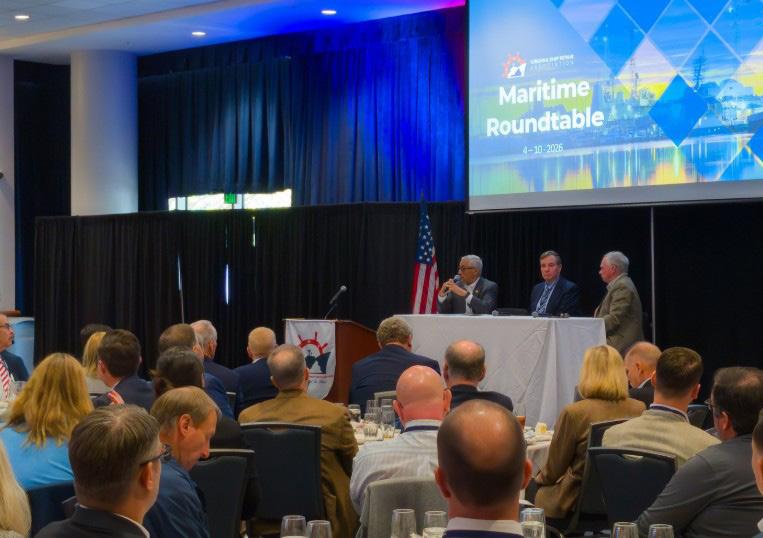
VMA values opportunities to promote our industry and share information with other organizations. In April, this included presentations to the Rotary Club of Norfolk, the Portsmouth Port and Industrial Commission, and the Transportation Research Forum.
Additional events and meetings in which VMA presented or represented member interests included:
• Port of Virginia Stakeholders Committee
• Hampton Roads Federal Policy Coalition
• Hampton Roads Alliance Playbook Steering Committee
• MSI Grand Opening
• Portsmouth Public Schools Career and Technical Education Advisory Committee
• Hampton Roads Global Commerce Council’s State of the Port
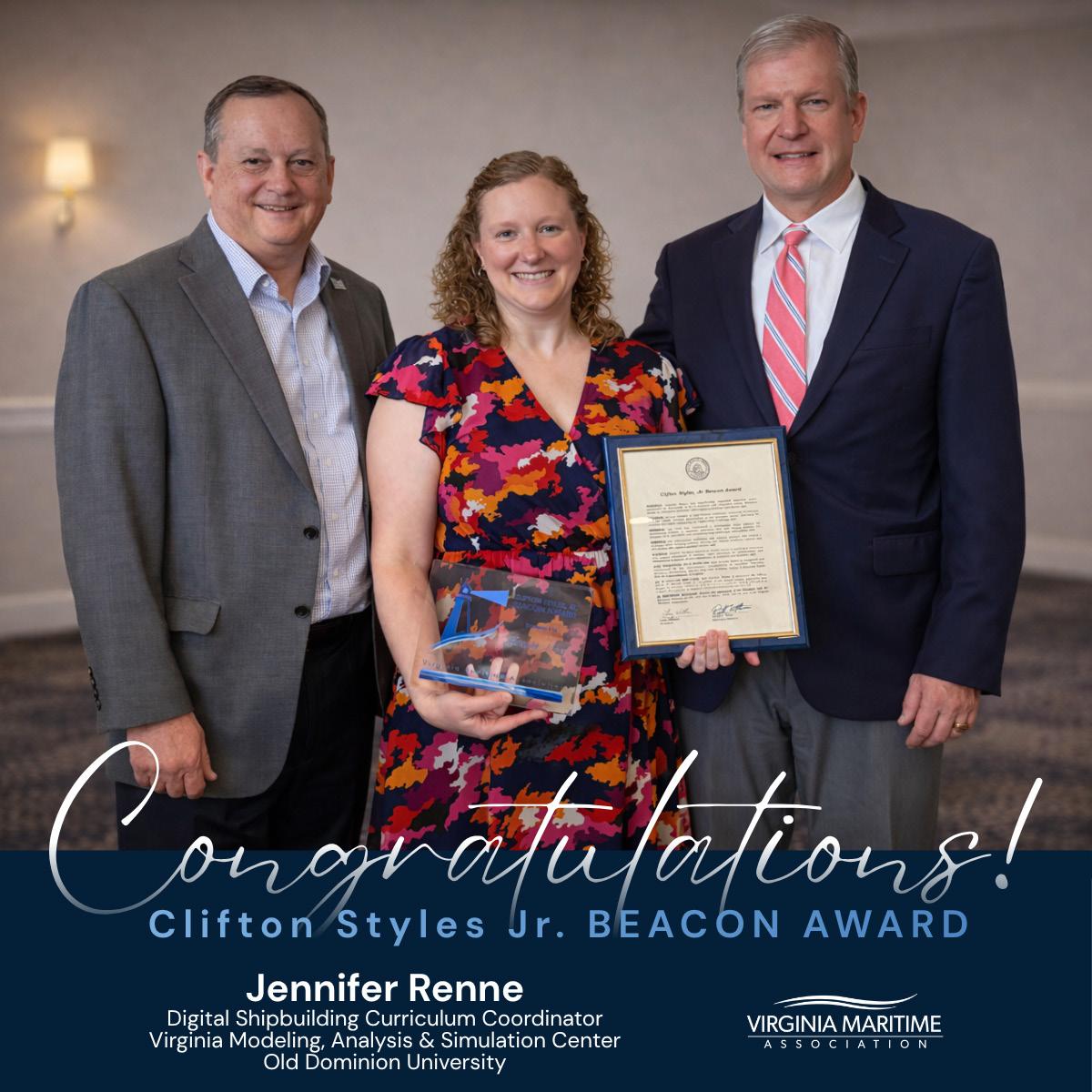
On March 25, 2026, VMA was proud to present the Clifton Styles Jr. Beacon Award to Jennifer Renne, Curriculum Coordinator with the Virginia Digital Maritime Center at Old Dominion University.
The Beacon Award celebrates everyday excellence across our membership. It recognizes individuals who may not seek the spotlight, but who consistently strengthen their teams, support their colleagues, and help move Virginia’s maritime industry forward.
Jennifer has played a transformative role in expanding maritime career awareness across Hampton Roads, connecting thousands of students and educators with opportunities in our industry. Through innovative programs like the Digital Ship Challenge, she has helped bridge the gap between education and industry while strengthening the maritime workforce pipeline for the future.
On behalf of the Virginia Maritime Association, it is our honor to recognize your outstanding contributions. Congratulations!
HILTON NORFOLK THE MAIN
Norfolk, VA
INTERCOASTAL DIVING (IDHS, LLC)
Chesapeake, VA
LIGHTING MAINTENANCE
Harmans, MD
METROPOLITAN SOLUTIONS
Portsmouth, VA
PORTSMOUTH PUBLIC SCHOOLS
Portsmouth, VA
Rockingham, VA
WELLS FARGO
Virginia Beach, VA VA CLEAN CITIES
LEARN MORE ABOUT ANCHOR & MEMBERSHIP LEVELS & BENEFITS
VAMARITIME.COM/MEMBERSHIP
Contact Kristen Greene Email: kristen@vamaritime.com
MEMBER BENEFITS
• 401k Retirement Plan
• Complimentary Meeting Space at VMA’s office
• Discounted Room Rate at Select Downtown Norfolk Hotels
• Complimentary Print Subscription to Virginia Business Magazine
• Opportunity to Participate in VEDP’s Export Assistance
• YMCA Membership Corporate Discount
Sign in & Access VMA’s Membership Roster
P.O. Box 3487
Norfolk, Virginia 23510


Bay Power Solutions
Colliers
CV International


Excel Truck Group Greater Richmond Partnership, Inc.
Agency
Cable & System Ltd. Ocean Network Express (North America)
Virginia Pilot Association Woods Rogers


AdvanSix
Alliant Insurance Services
Avoler Group
BAE Systems
Bay Crane
Capes Shipping Agencies
CMA CGM (America)
CMP Global
Coastal Design & Construction
DCLI
Fairwinds Landing
Ferguson Enterprises
FORVIS Mazars
Gentry Locke Attorneys
Givens Logistics
Great Lakes Dredge & Dock Co.
Hampton Roads Alliance
Kokosing Industrial
Kuehne + Nagel
Marine Repair Services of Virginia
Mid-Atlantic Leasing Corporation
Millwright Local 443
Perdue Agribusiness
Port City Transportation
Port Equipment Specialists
Riverside Shipping
SeaGate Terminals
Tecnico Holdings
TMEIC Corporation
Truist
U.S. Port Services, Inc.
Virginia Business
Virginia Natural Gas
Virginia Tech Corporation Research Center
William & Mary Raymond A. Mason School of Business