PERSONAL WORK
BAUHAUS TO YOUR HOUSE
ALEXANDER LIBERMAN WALTER ALLNER
FRED TROLLER
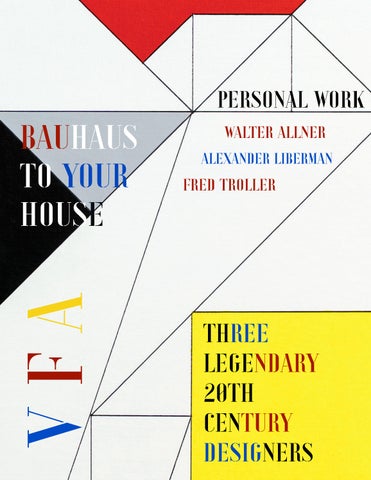
20TH


Walter Allner · Alexander Liberman · Fred Troller
The Bauhaus was founded in 1919 in Weimar, Germany by architect Walter Gropius (1883–1969). Its core objective was a radical one: to reimagine the material world through the unification of art and design. In the Proclamation of the Bauhaus (1919), Gropius outlined a utopian vision of a creative guild in which architecture, sculpture, and painting would merge into a single artistic expression. Our catalogue presents the personal work of three legendary 20th-century designers: Walter Allner, Alexander Liberman, and Fred Troller. While each achieved distinction in commercial practice,their independent artistic production reveals a deeper engagement with the Bauhaus ethos. Throughout their lives, all three sustained parallel practices, creating work driven by personal vision rather than client demands.
Walter Allner began his studies at the Bauhaus in 1927 under Josef Albers, Wassily Kandinsky, Paul Klee, and László Moholy-Nagy. After graduating, he established the design firm Omnium Graphique in Paris (1934–36), during which time he also pursued abstract painting and exhibited at the Salon des Surindépendants and the Salon des Réalités Nouvelles. He later served as art director for the publishing house Formes: Éditions d’Art Graphique et Photographique, collaborating with Man Ray. From 1945 to 1948, Allner returned to editorial design as editor of the Swiss journal Graphics, and in 1948 founded the International Poster Annual, cementing his reputation as a leading authority on poster history.
After immigrating to the United States in 1949, Allner worked as a freelance design consultant for RCA, Johnson & Johnson, the American Cancer Society, ITT, and IBM. In 1951, he joined Fortune magazine, initially assisting Leo Lionni in a major redesign before serving as art director from 1961 to 1974. During his tenure, he created seventy-nine covers ranging from bold, poster-like abstractions to complex photographic collages. In 1989, the Bauhaus Dessau Foundation mounted a retrospective of his work.
Alexander Liberman stands among the most influential art directors of the 20th century, while also achieving prominence as an editor, painter, sculptor, and publisher. He began his career at the Parisian magazine Vu in 1933, where he rose from art director to managing editor. Collaborating with photographers such as Brassaï, Henri Cartier-Bresson, and André Kertész, Liberman helped redefine photojournalism and establish a modern visual language for print media.
In 1941, Liberman joined Condé Nast as art director of Vogue, a position he held for two decades. In 1962, he was appointed editorial director of all Condé Nast publications, a role he maintained until 1994, shaping the visual identity of one of the most influential publishing houses in the world. Parallel to his editorial career, Liberman developed a prolific body of personal work beginning in the mid-1940s, encompassing painting and large-scale metal sculpture. His work was represented by the Betty Parsons Gallery in the 1950s and, from the early 1960s onward, by the André Emmerich Gallery.
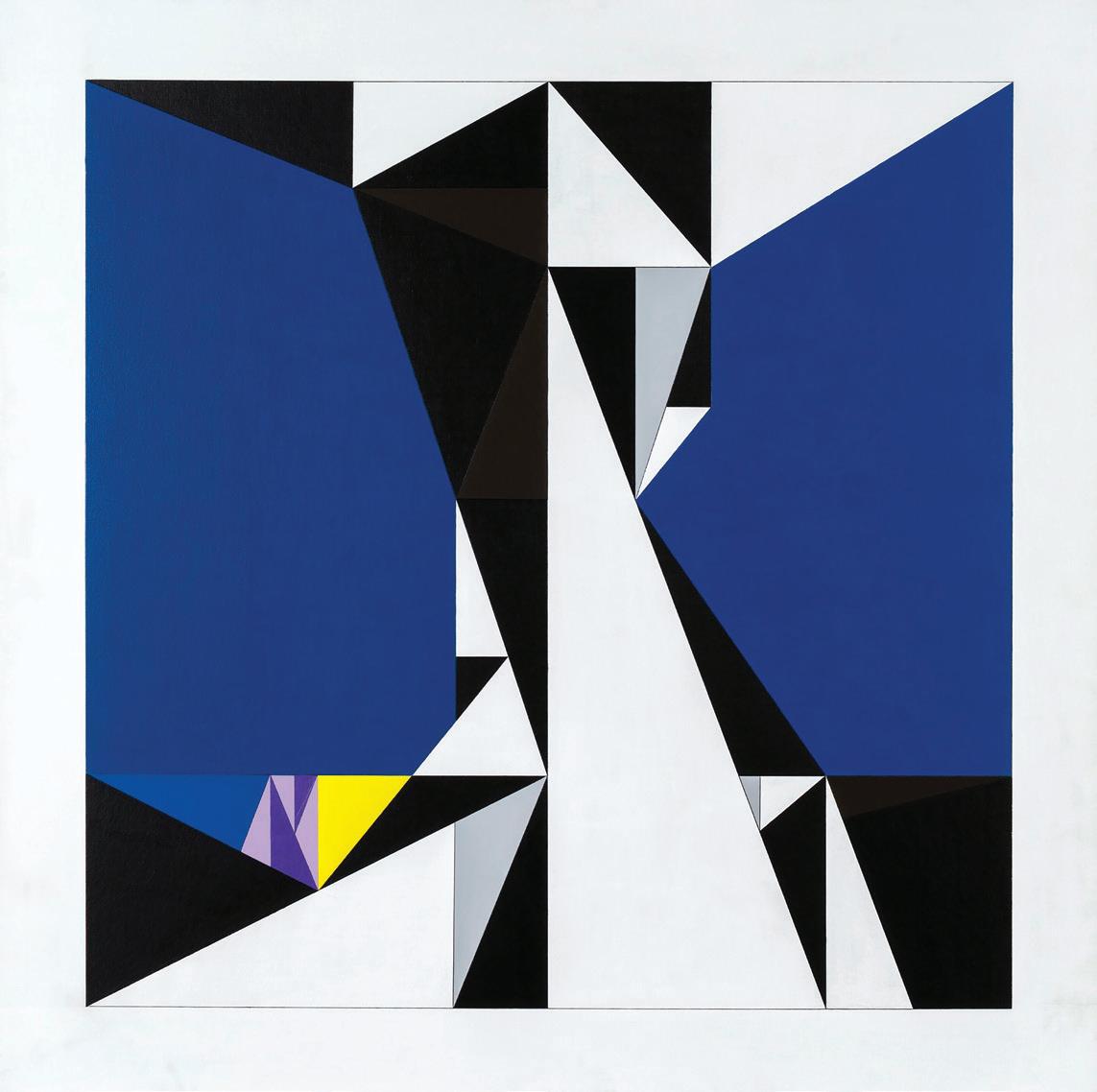
Fred Troller, born in Zurich in 1930, was a pioneering designer who introduced the minimalist principles of Swiss New Typography to the United States around 1960. Rooted in Bauhaus ideals, this approach emphasized clarity, structure, bold typefaces, and a disciplined use of color. Troller’s personal work expanded on these principles through dynamic geometric compositions and striking juxtapositions of scale and form.
Troller graduated from the Zurich School of Design in 1951 at the age of twenty and trained with painter and set designer Fritz Butz. Early in his career, he exhibited at the Helmhaus in Zurich and worked with filmmaker Louis de Rochemont on “Cinerama Holiday,” in which he and his wife Beatrice appeared as featured subjects. Following this period, he relocated to New York to serve as design director for the Swiss Geigy Chemical Corporation, where he oversaw both architectural and graphic design initiatives until 1968. He subsequently founded Troller Associates, developing corporate design programs for major clients including Exxon, General Electric, IBM, and Westing house.
In addition to his professional practice, Troller was a dedicated educator, teaching and lecturing at institutions such as Cooper Union, the School of Visual Arts, and the Rhode Island School of Design. In 1995, Georgia State University honored his legacy with the exhibition Troller Retrospective: 30 Years of Graphic Design.
Viewed together, the personal work of these three artists reveals a rich and often overlooked dimension of mid-century design. Their contributions to commercial graphics in the United States were profound, but it is in their independent practice that the enduring spirit of the Bauhaus is most fully realized—continuing to shape the visual language of modern design today.
Vincent Vallarino 2026
German / American, 1909-2006
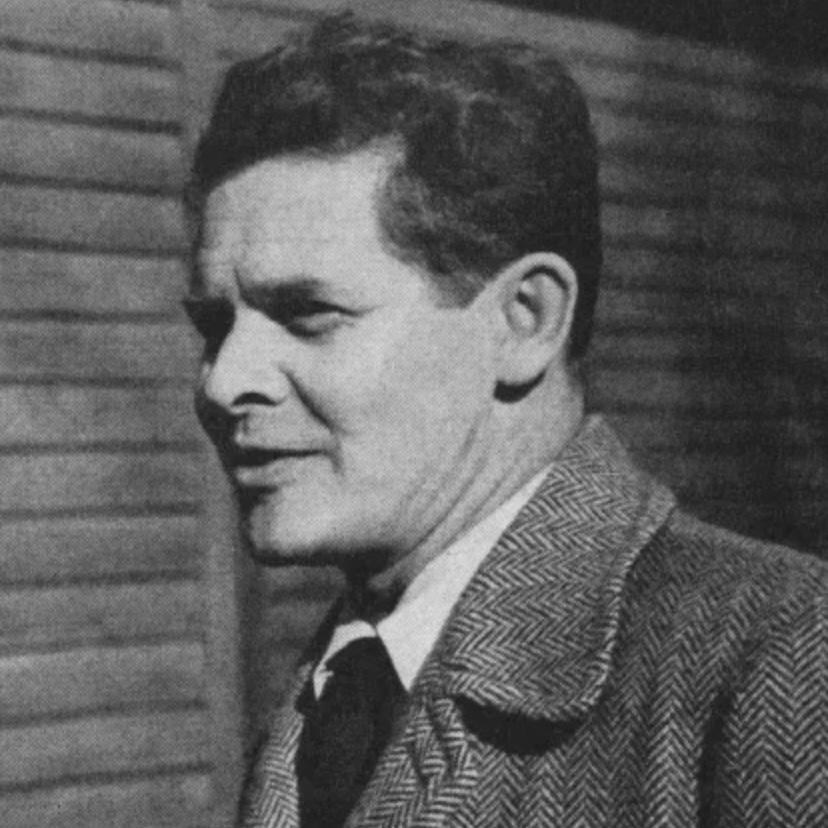
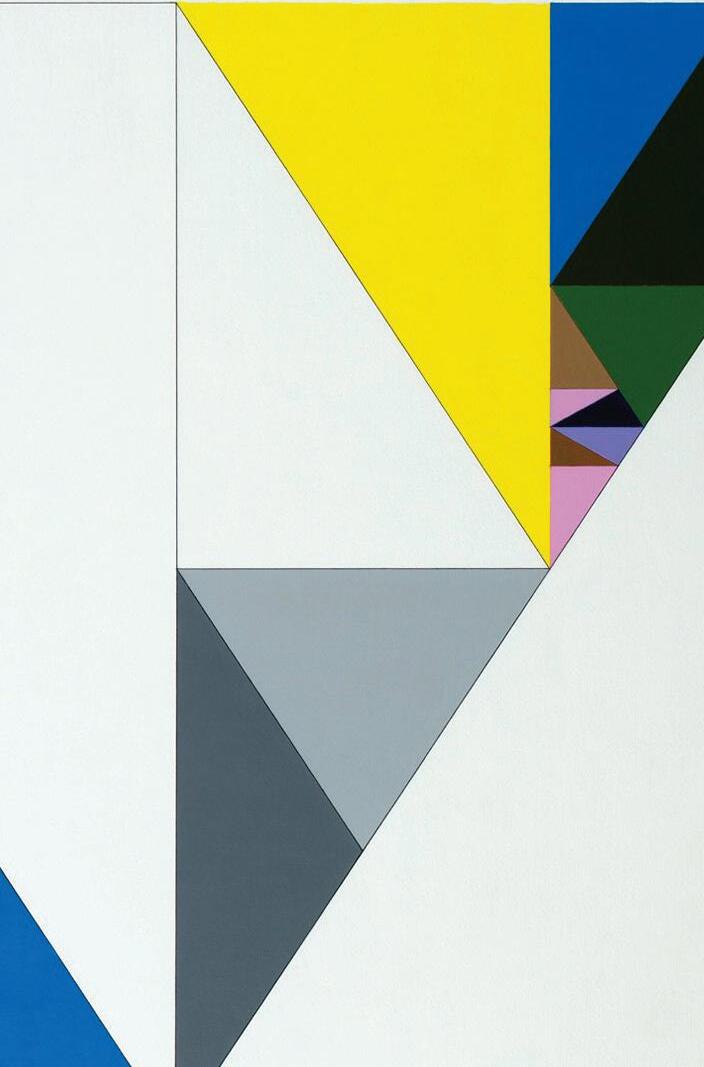
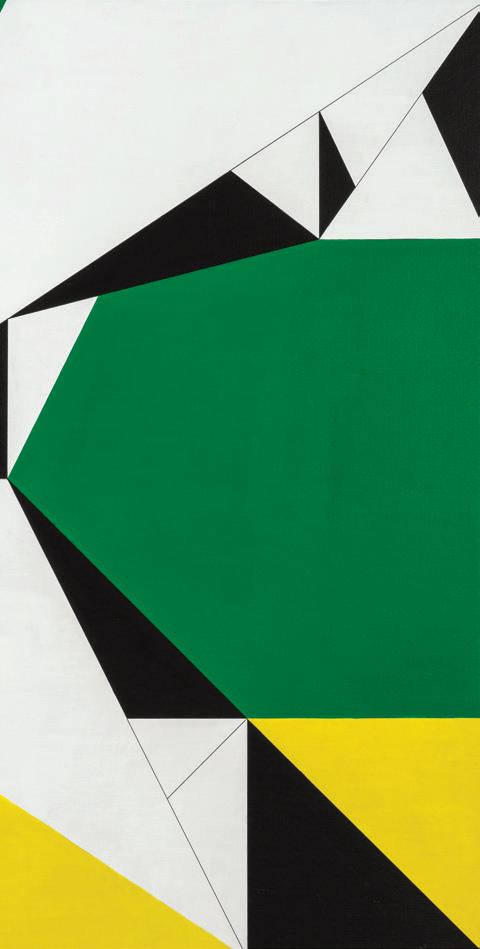
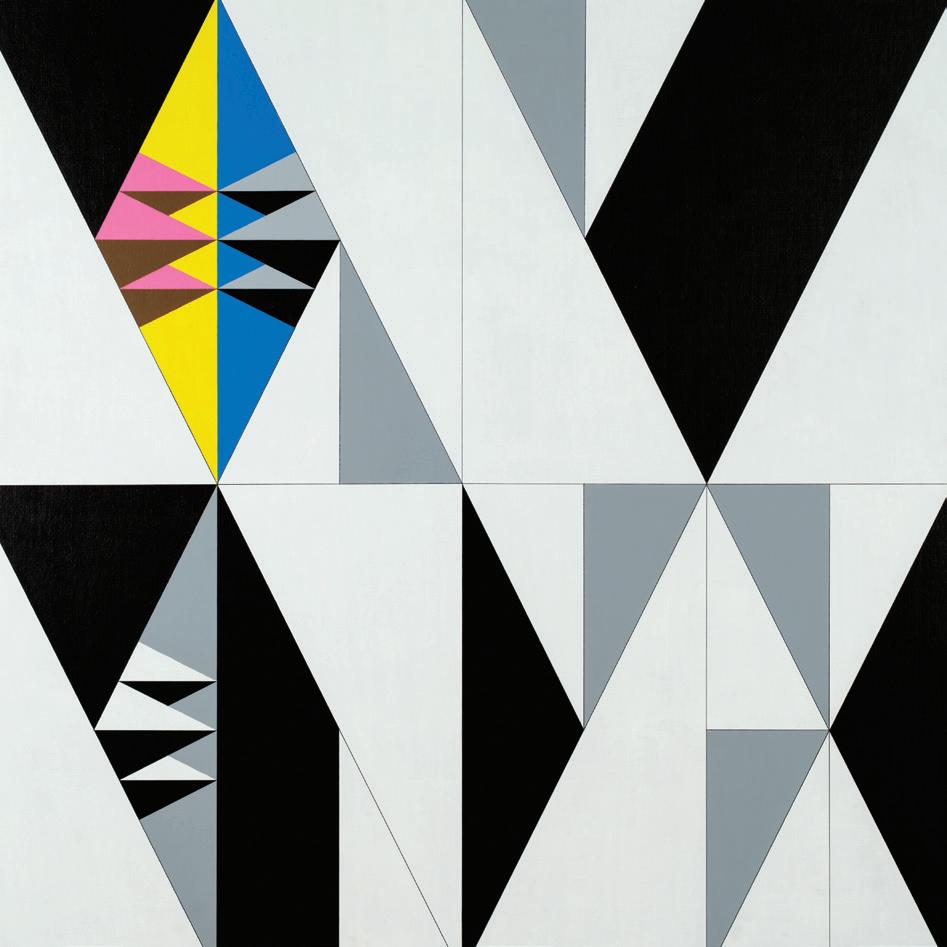
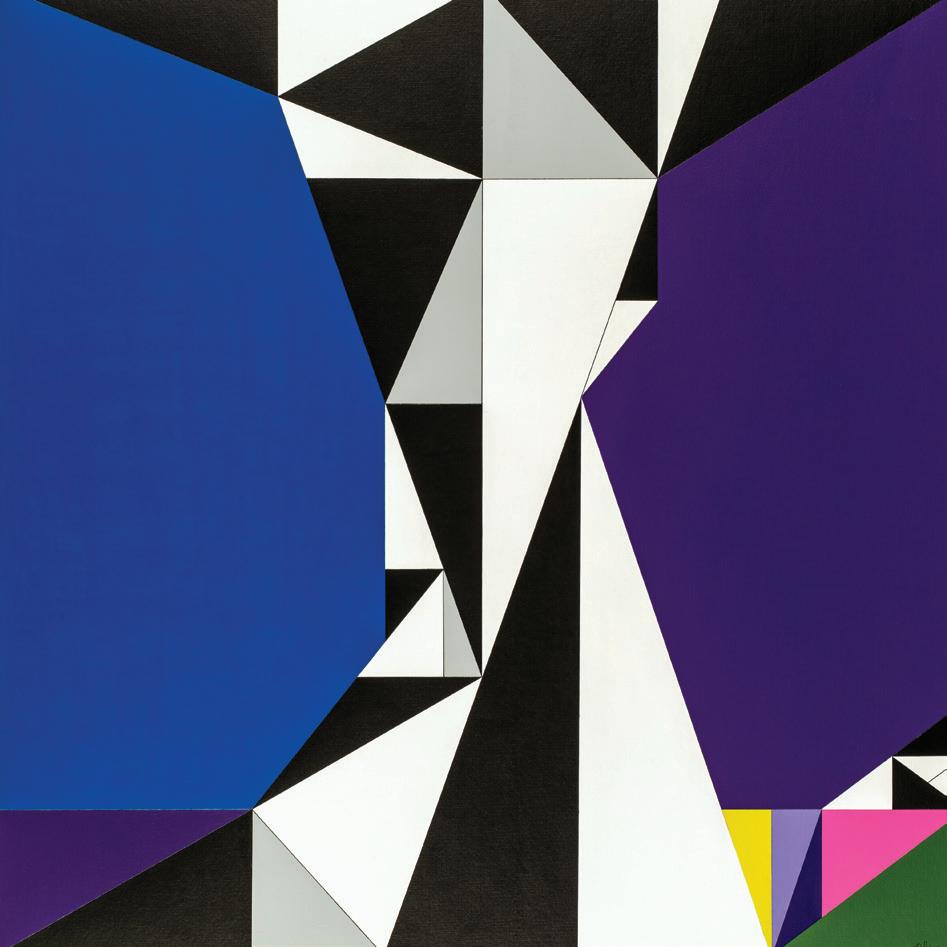
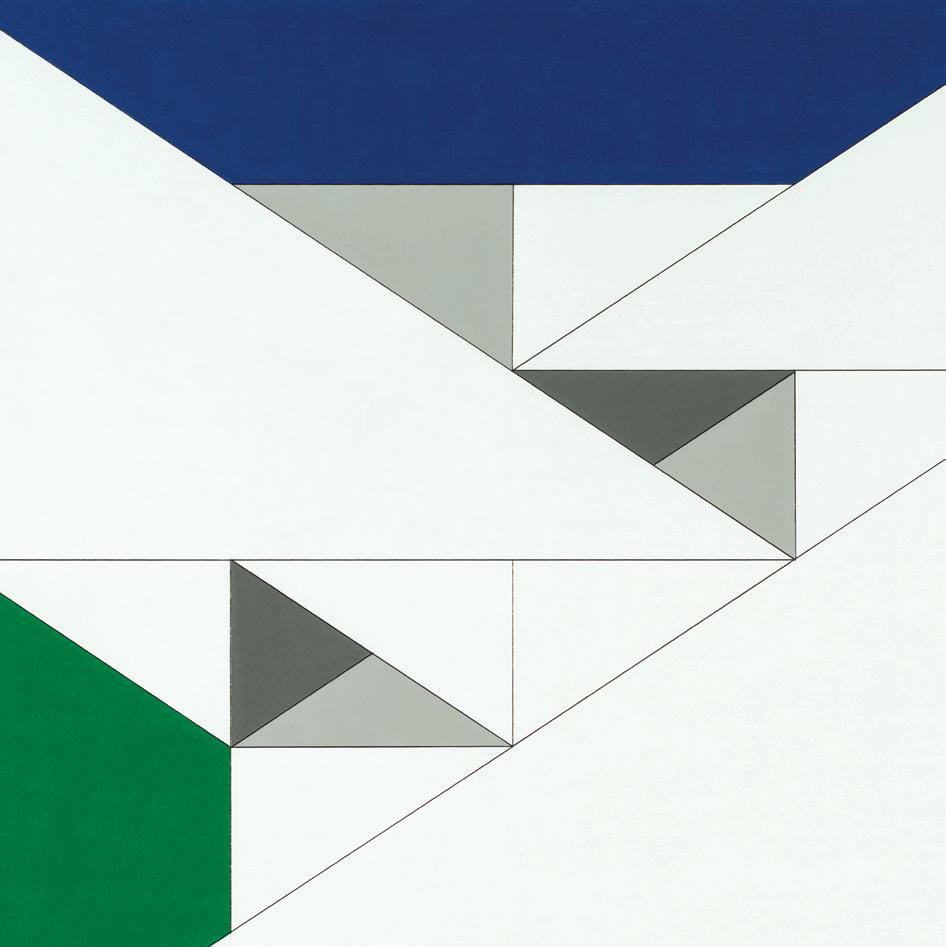
Walter Heinz Allner, a Bauhaus-trained graphic designer and art director of Fortune magazine from 1961 to 1974, introduced Modernist typographic sensibility to American magazine design. In addition to overseeing the magazine’s design, he created seventy-nine covers, which ranged from poster-like, minimalist graphic abstraction to complex photographic collage. The consequence was that much of his cover art projected a Pop Art sensibility that expressed the personality of America’s leading financial monthly magazine, Fortune
Born in Dessau, Germany, Allner enrolled at the Bauhaus in 1927 when he was eighteen, two years after it moved from Weimar to his hometown, and six years before the Nazis shut it down. “Behind the vast, glass and metal facade, which I, in speechless wonder, had watched going up, my life began,” he wrote in 1983. At the Bauhaus, he studied typography, posterdesign, and painting under key masters of the modern movement, including Josef Albers, Wassily Kandinsky, and Paul Klee. While on a short leave from the Bauhaus, he worked at the Gesellschafts- und Wirtschaftsmuseum in Vienna with the progressive philosopher, sociologist, and economist Otto Neurath, the innovator of universal sign-symbols known as isotypes, which form the basis for contemporary pictorial iconography. Allner was always peripatetic; he worked in the Netherlands under Piet Zwart, the influential Dutch modern typographer, in 1930, and in Paris with the Art Deco poster artists Jean Carlu and A. M. Cassandre. Yet it was Josef Albers’s Precisionist abstract geometric graphics that had the most influence on the streamlined art and design that Allner later brought to Fortune. With his signature approach, Allner ran his own design partnership, Omnium Graphique, in Paris in 1934-36. At that time, he devoted himself to abstract painting and exhibited at the Salon des Surindépendants and the Salon des Réalités Nouvelles in Paris; there he became a progenitor of an art form he called “new realities.” He was also art director of the publishing house Formes, Editions d’Art Graphique et Photographique, where he worked with Man Ray. He eventually returned to magazine design as editor under Walter Herdeg of the Swiss design journal Gra-phis, from 1945 to 1948. In 1948, he founded the International Poster Annual for the Swiss publisher Zollikofer, in St. Gall, with art direction by Cassandre, and he edited it until 1952. He also edited the book A. M. Cassandre: Peintre d’affiches, adding to his reputation as one of the world’s leading experts on poster history.
The Outdoor Advertising Association of America commissioned him to design all of its twentyfour-sheet billboards for a national traffic-safety campaign. He designed an advertising poster, “Enjoy LIFE Every Week,” for Life magazine in 1951; in the same year, he joined Fortune magazine, where he remained until 1974, working initially as an assistant to Leo Lionni on a major redesign and then as art director. He said in an unpublished talk in 1987 at the University of Bridgeport, in Connecticut, that when the magazine first appeared on European newsstands, in the early 1930s, it was considered the “epitome of modernism-precisely because its conservative layout notwithstanding—it visually glorified American industry.”
In 1965, after taking a course at MIT, he experimented with the first computer-designed cover on a national magazine for the annual Fortune 500 issue. A company press release at the time proudly noted that the image, consisting of arrows in upward flight behind large illuminated numerals, was generated on a computer’s oscilloscope and then photographed. Long before the personal computer revolutionized the methods used to produce graphic design, Allner predicted the integration of aesthetics and advanced technology, and so he worked directly with computer engineers whenever he could. “Allner’s interest in science, coupled with a venturesome spirit, has led him into exciting new design fields,” wrote John Lahr in Print magazine in 1966. This spirit was evident in Fortune covers, notably one in which he arranged for dozens of windows on twenty floors of the Time & Life Building in New York to be illuminated at night to spell out “500.”
Allner said of his Fortune covers that each one “has to be something of a surprise” even in his own eyes. Regardless of the medium, Allner’s work was always in sync with principles he learned at the Bauhaus: succinct-ness, rejection of embellishment, and aesthetic integrity. “He relies on the purity of form pared down to its essentials,” wrote Dennis Wepman. After retiring from Fortune in 1974, Allner taught Communication Design at Parsons School of Design and lectured throughout the United States and Europe. His motto for students and professionals was, “Raise the aesthetic standard—the public is more perceptive than you think.” He also continued to design posters based on Bauhausian principles: shunning superfluous ornamentation and conveying messages with brevity and simplicity. “I try to be concise. The idea to communicate should be positive and direct,” Allner noted. “My initial effort is always directed towards finding a symbol, a form, or a trademark, which will translate the subject as concisely as possible, and will also permit a simple graphic interpretation of the greatest possible impact. Allner’s design for Fortune, and also for the trade magazine Modern Packaging, underscored Modernism’s legacy of conceptual simplicity coming out of an age of clutter. Allner was a modern master, and as designer Steff Geissbuhler eulogized, “He is one of the very last genuine Bauhaus students.” In November 1989 he lectured at the Weissensee School of Art in Berlin - and a retrospective exhibition of his design work opened that month at the Bauhaus-Dessau. Source: “The Moderns: Mid Century American Graphic Design” by Greg D’Onofrio and Steven Heller
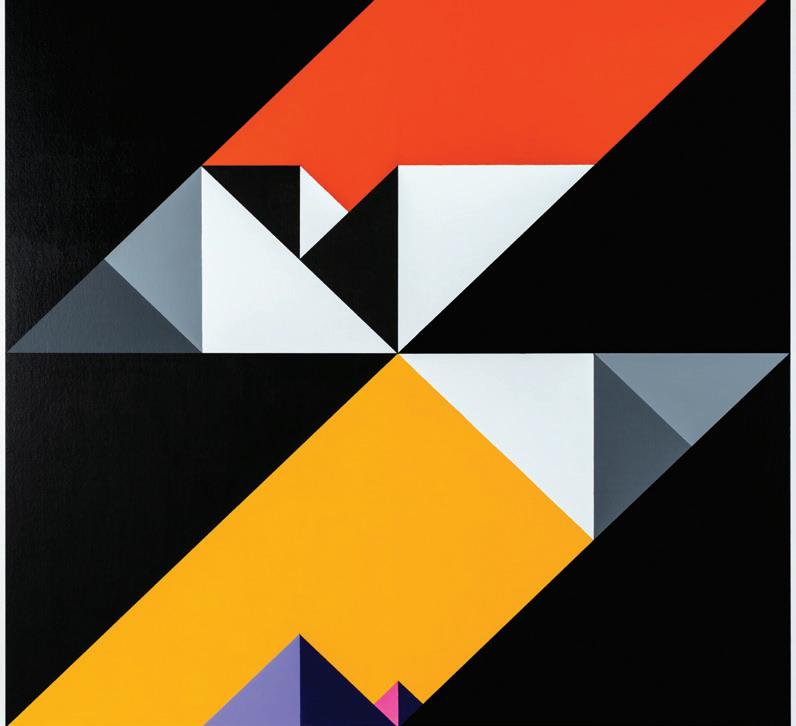
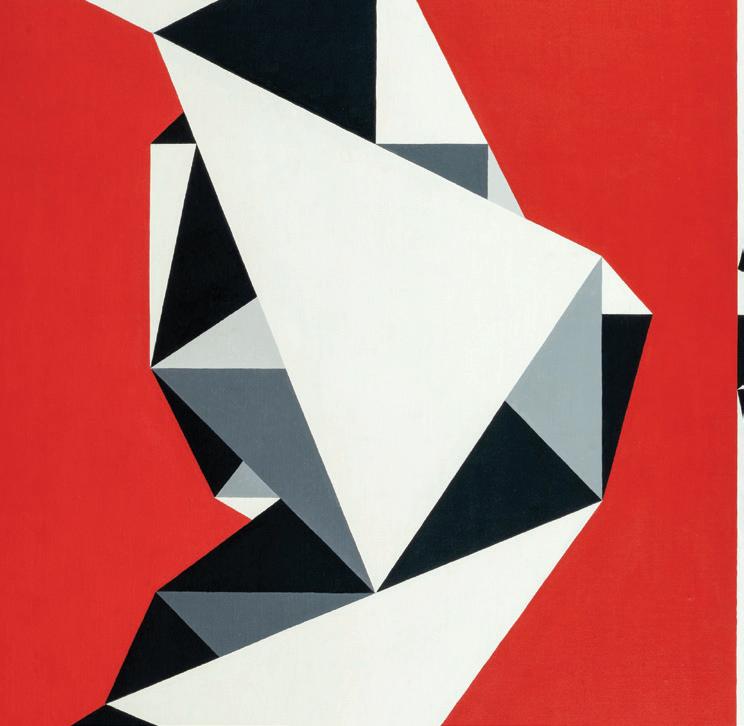
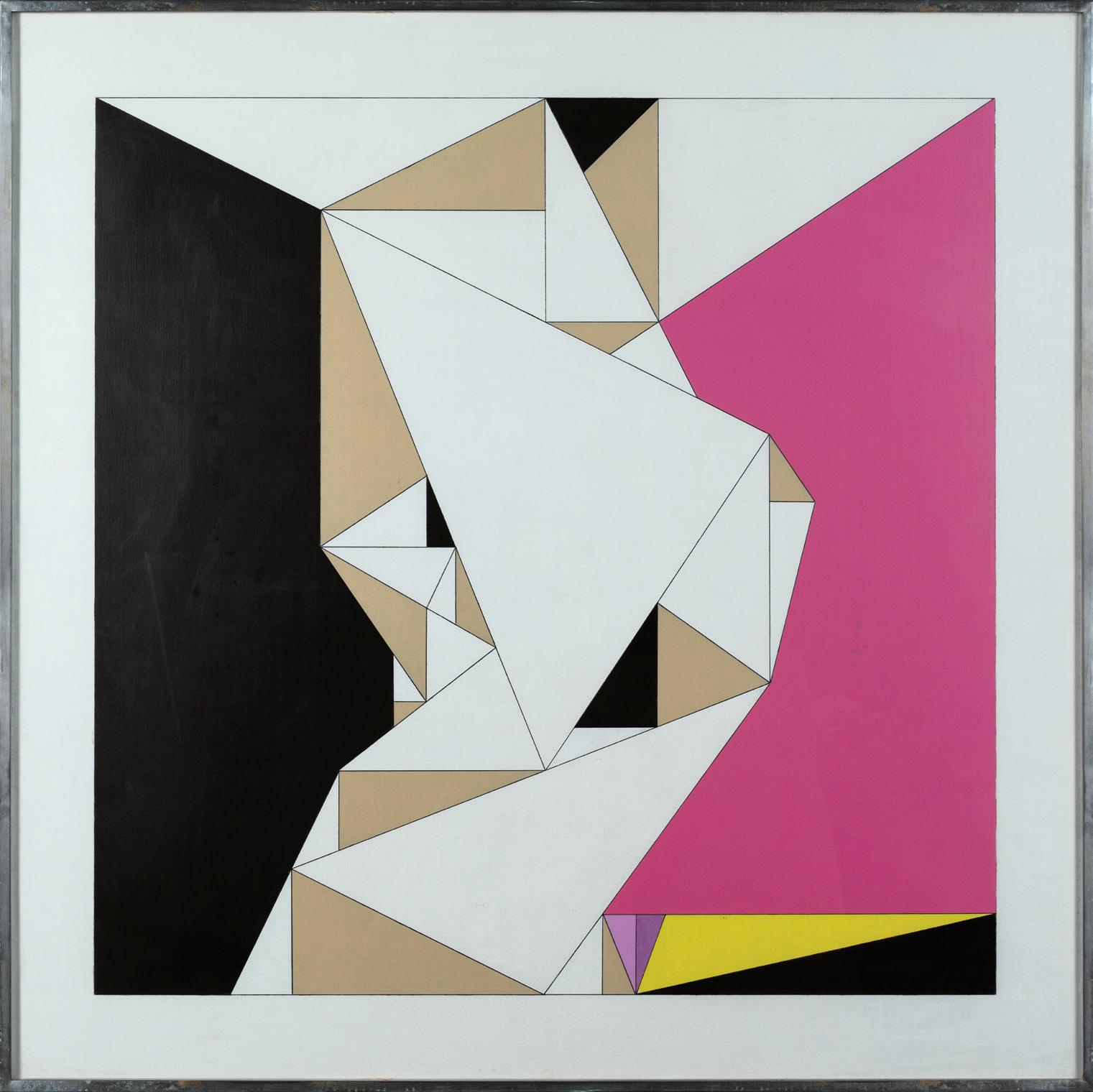
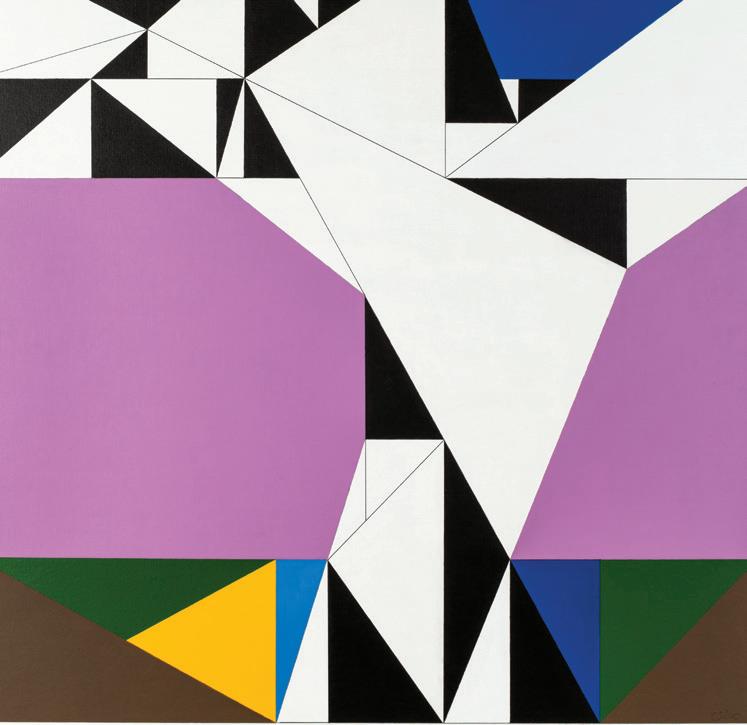
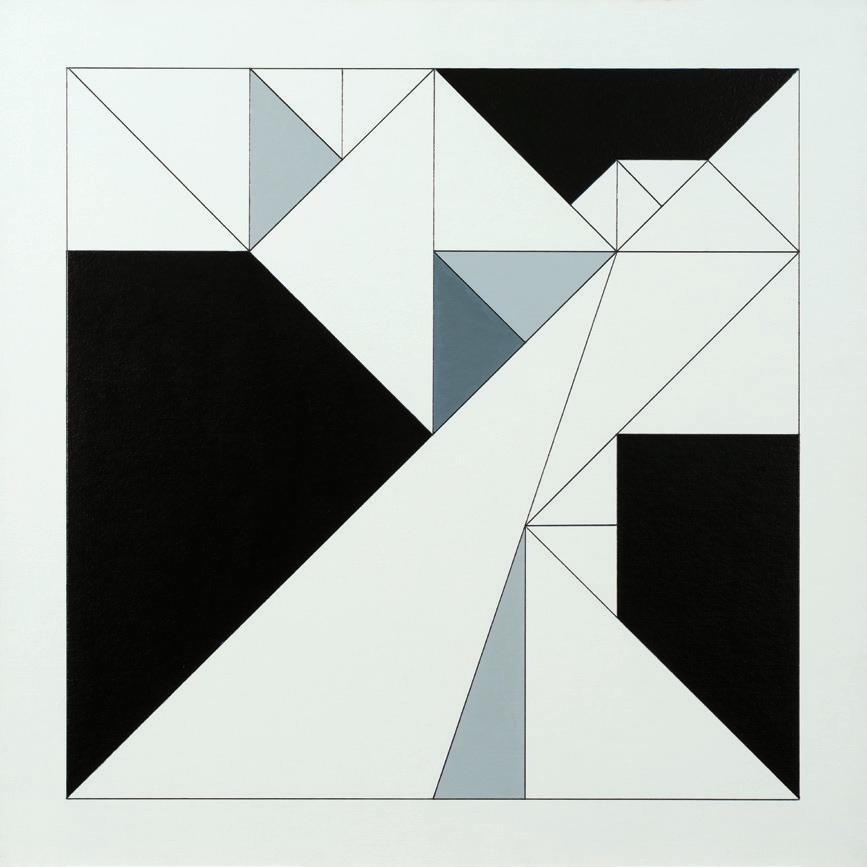
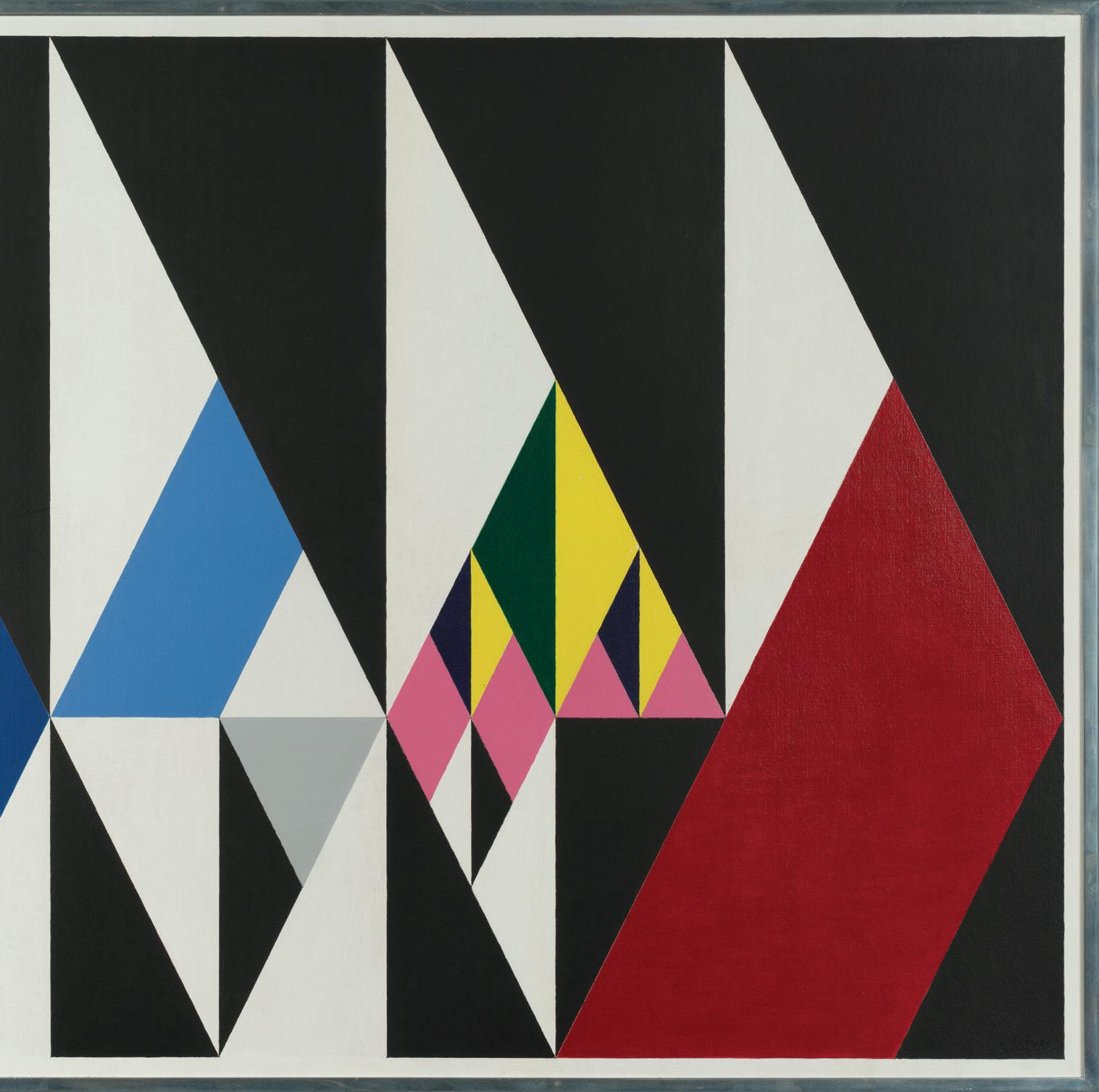
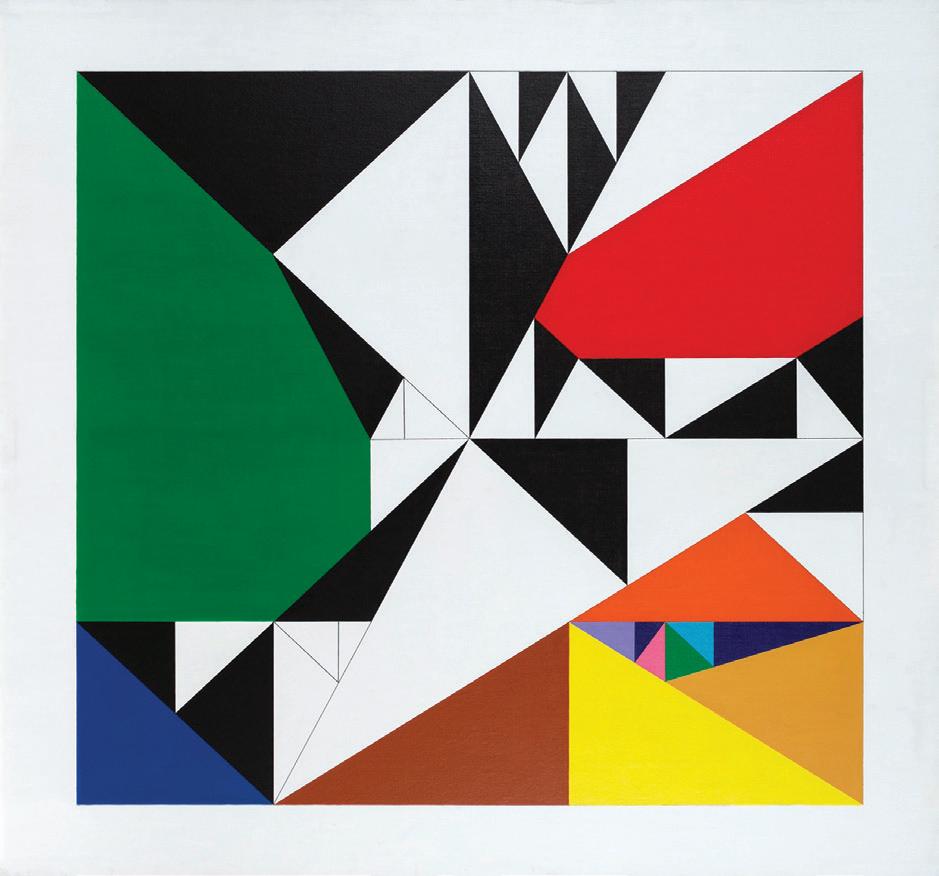
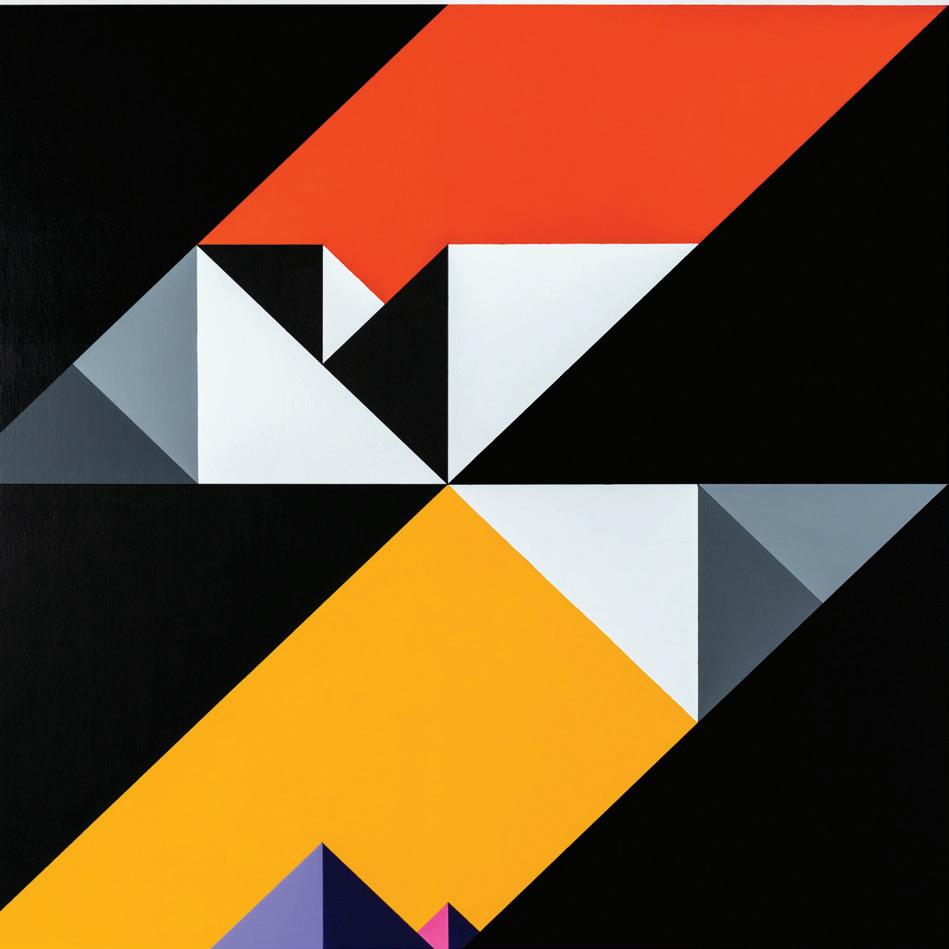
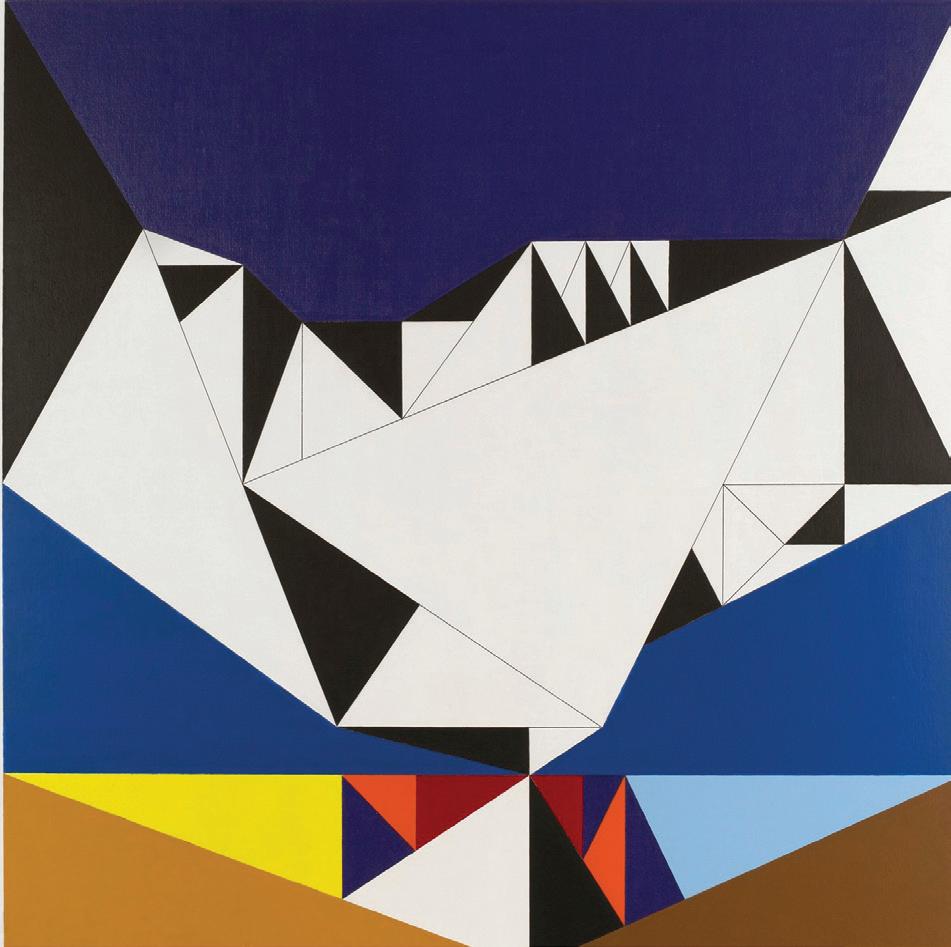
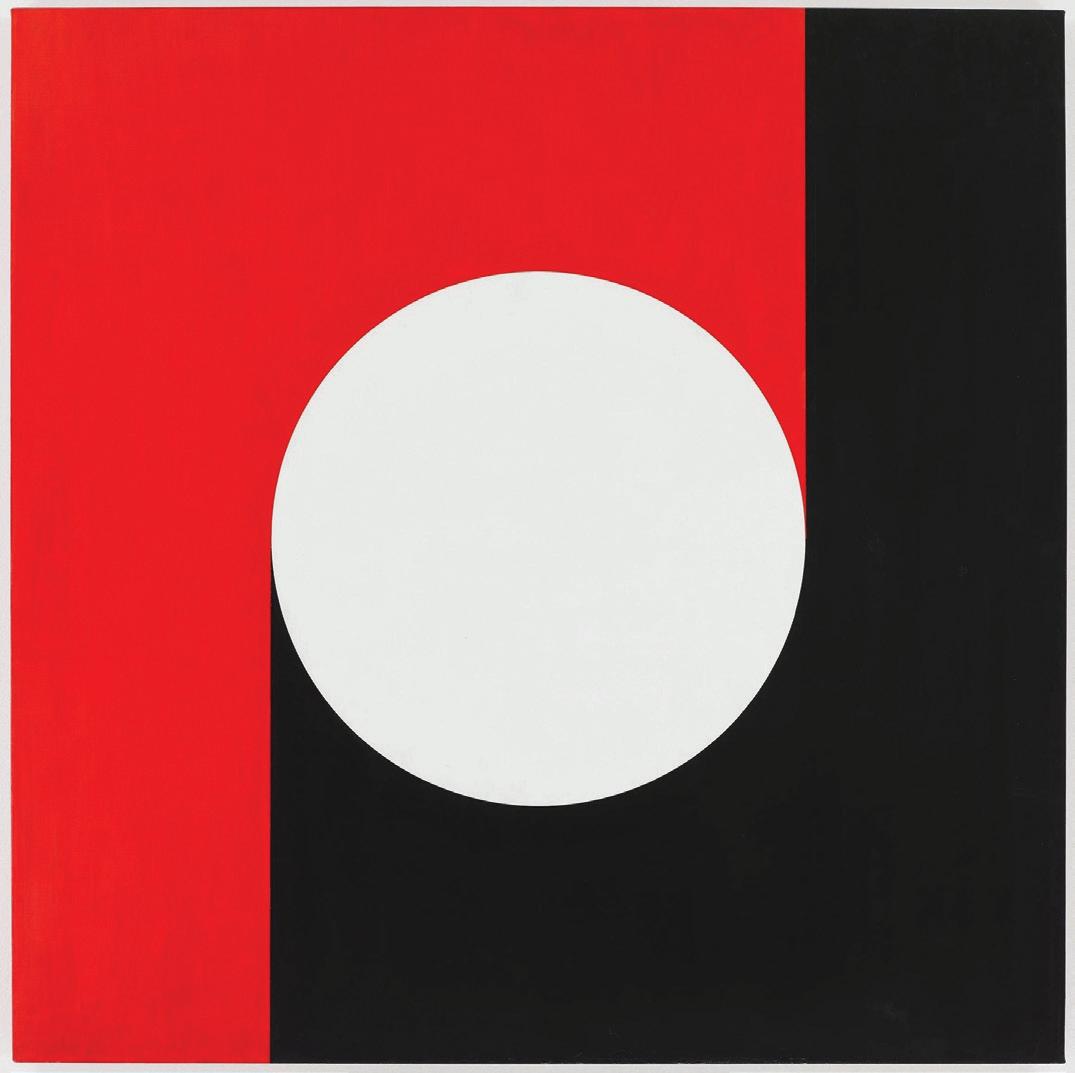
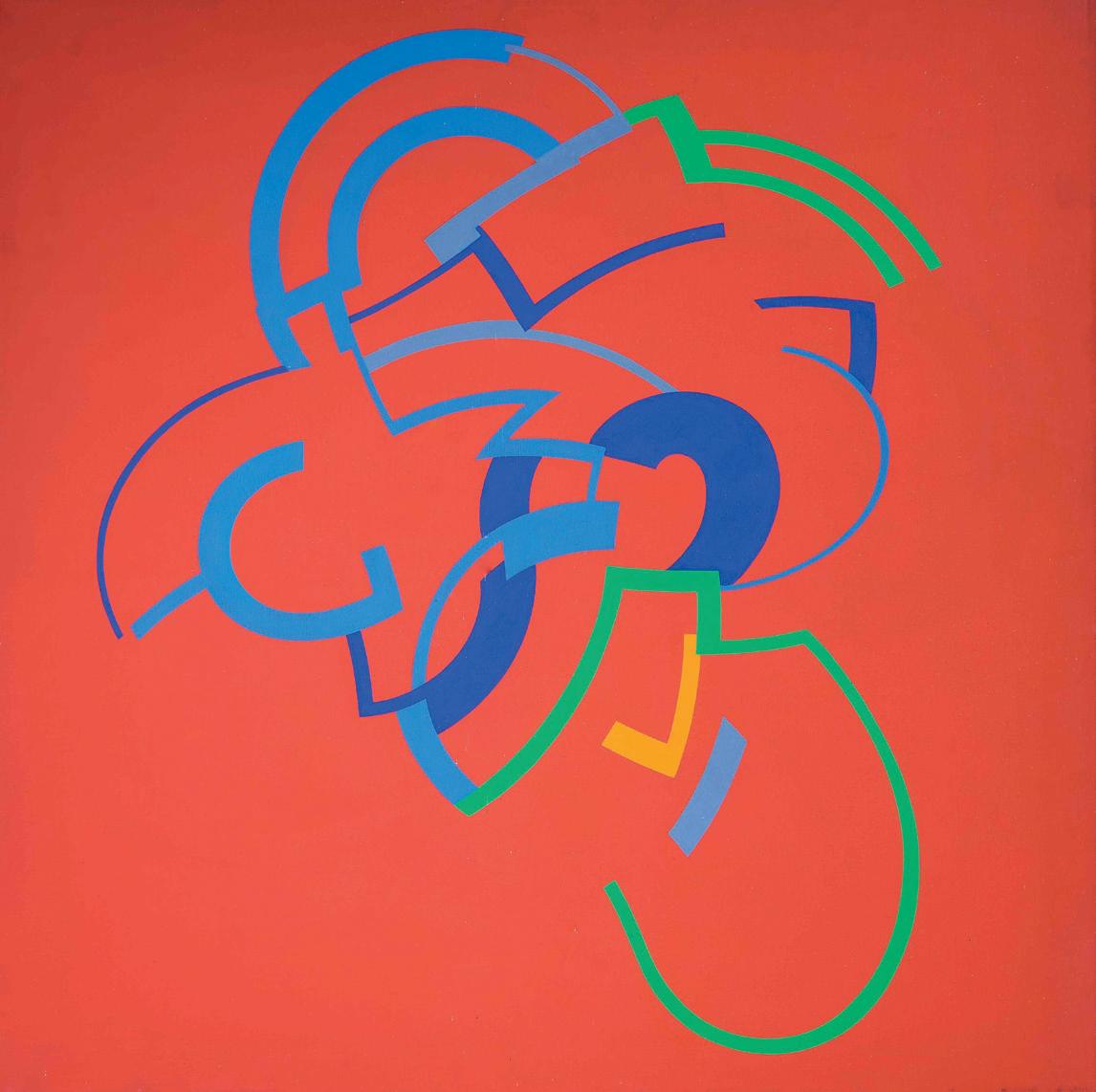
UNTITLED ( #94 ) , C. 1960 –70
ACRYLIC ON BOARD
48 × 48 INCHES
SIGNED LOWER RIGHT
ESTATE STAMPED VERSO
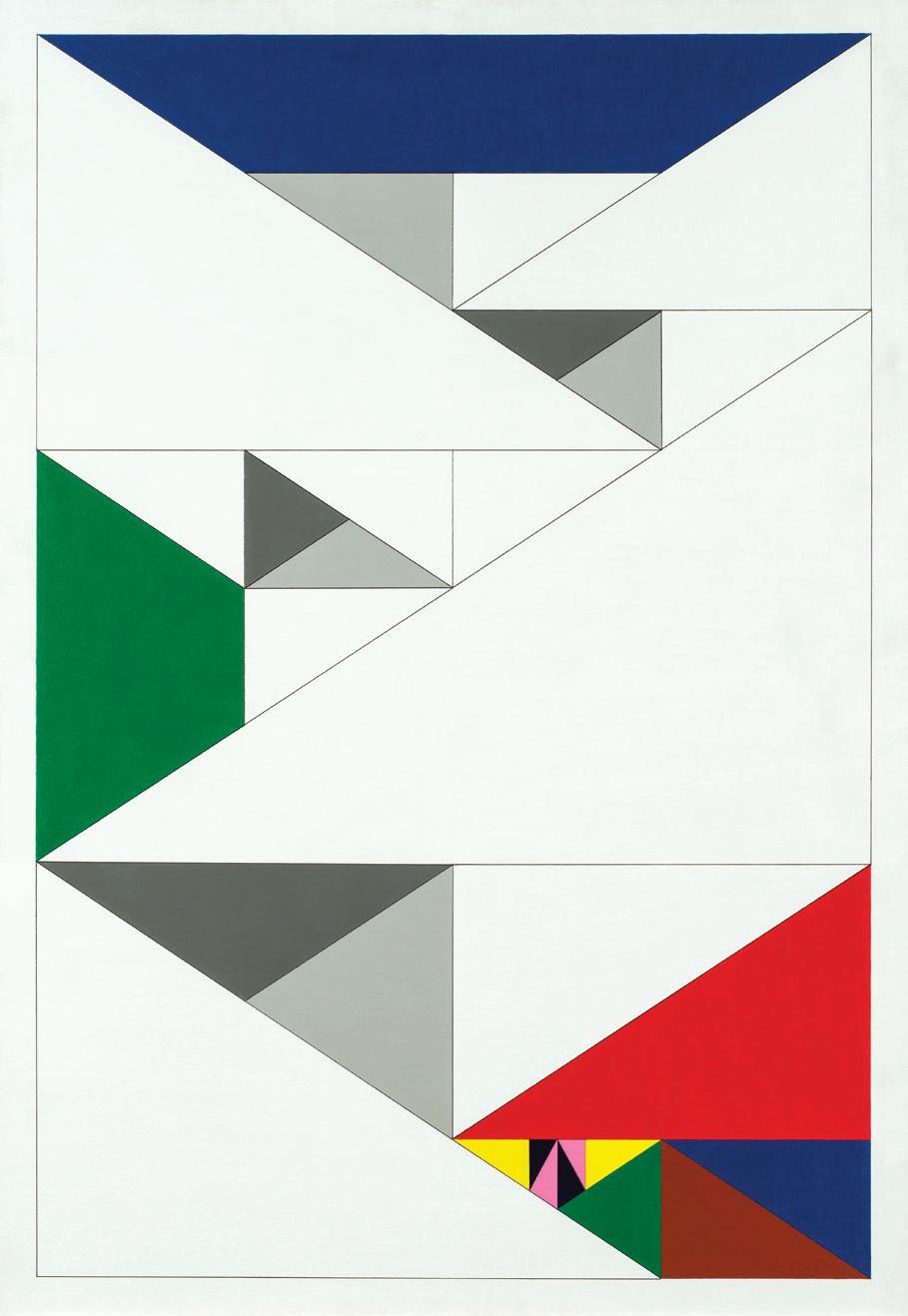
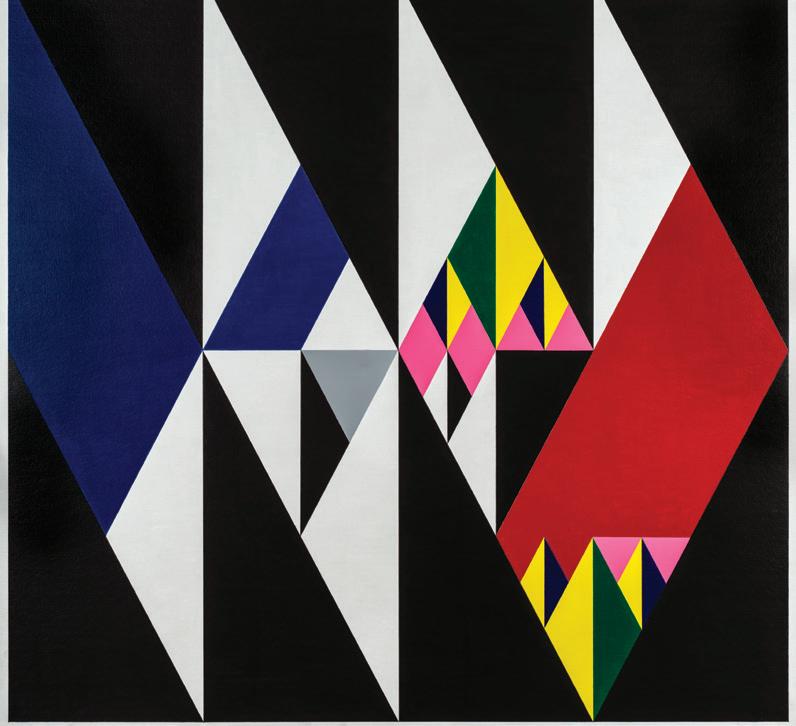
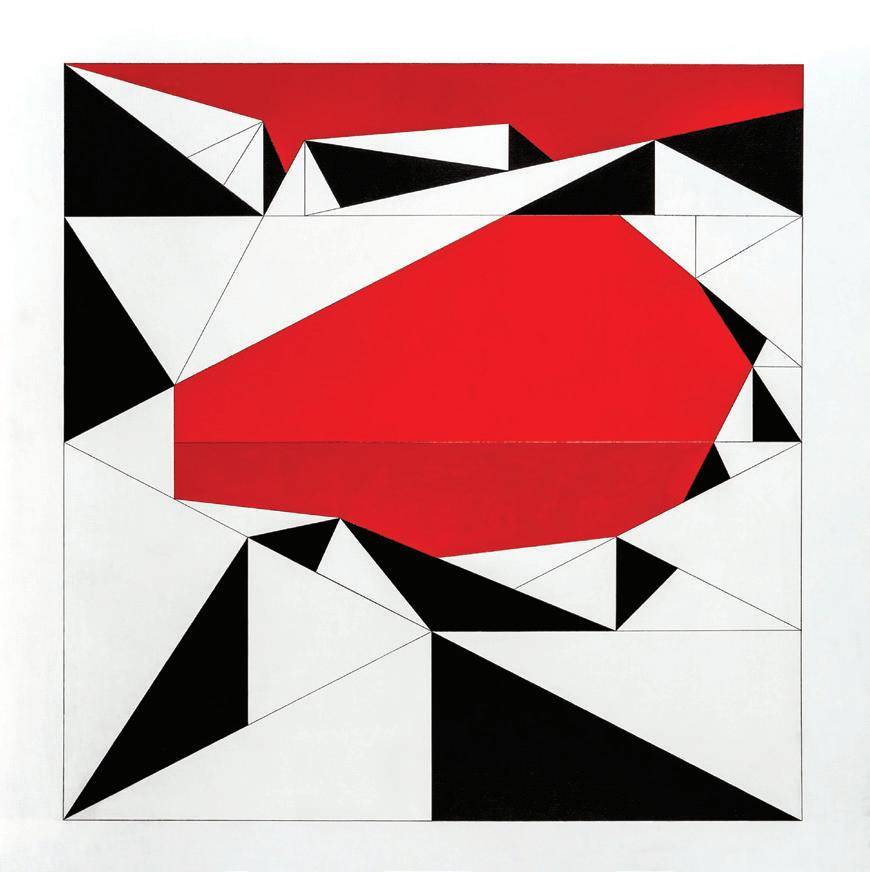
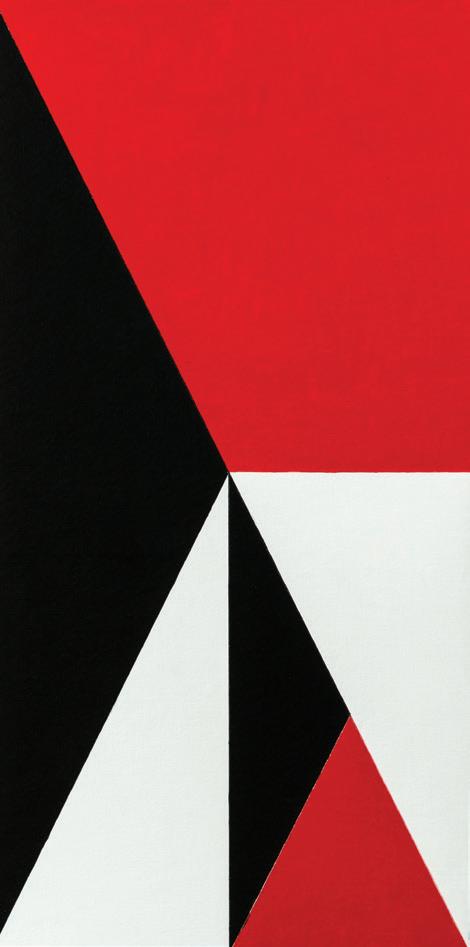
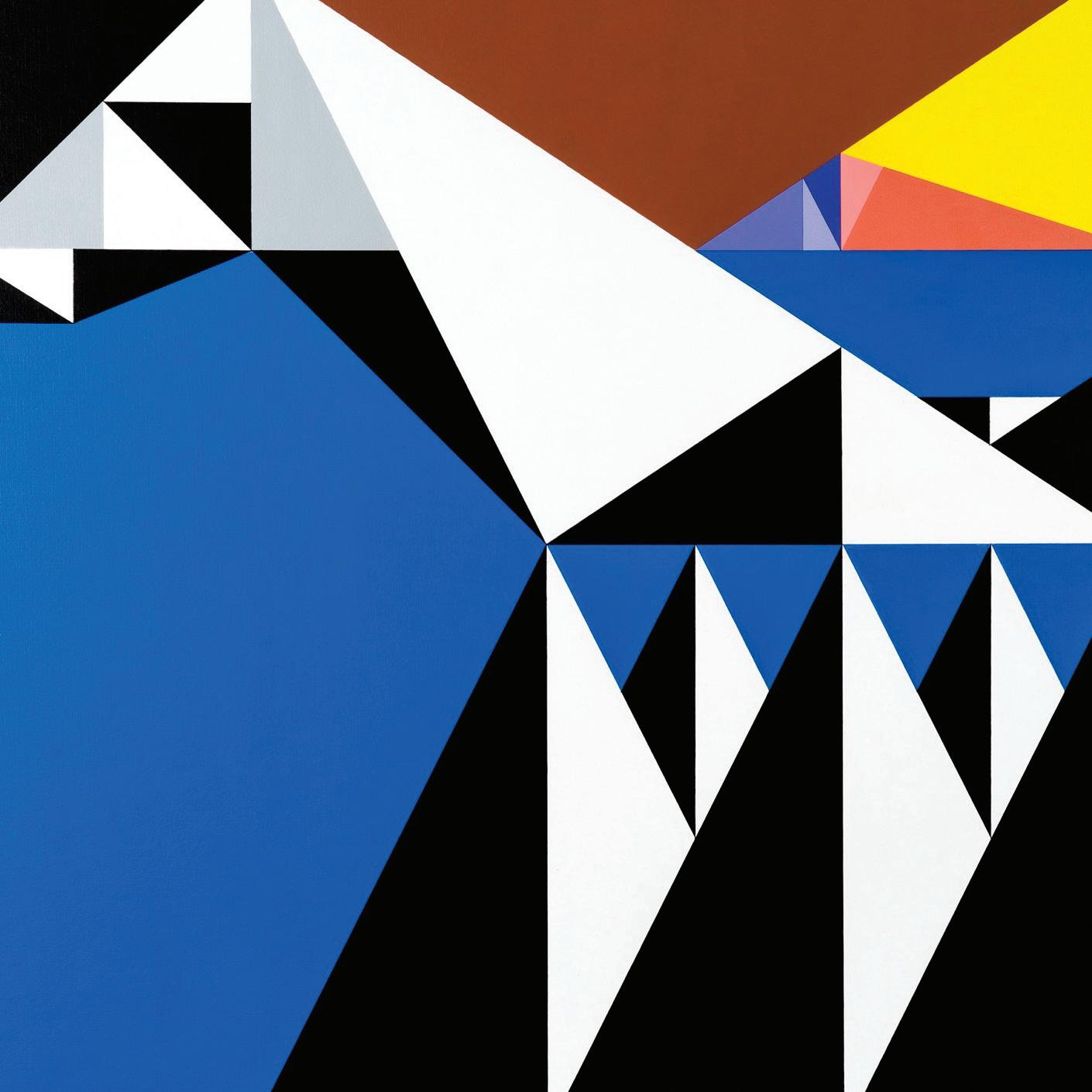
UNTITLED ( #51 ) , C. 1960 –70
ACRYLIC ON BOARD 48 × 33 INCHES
SIGNED LOWER RIGHT
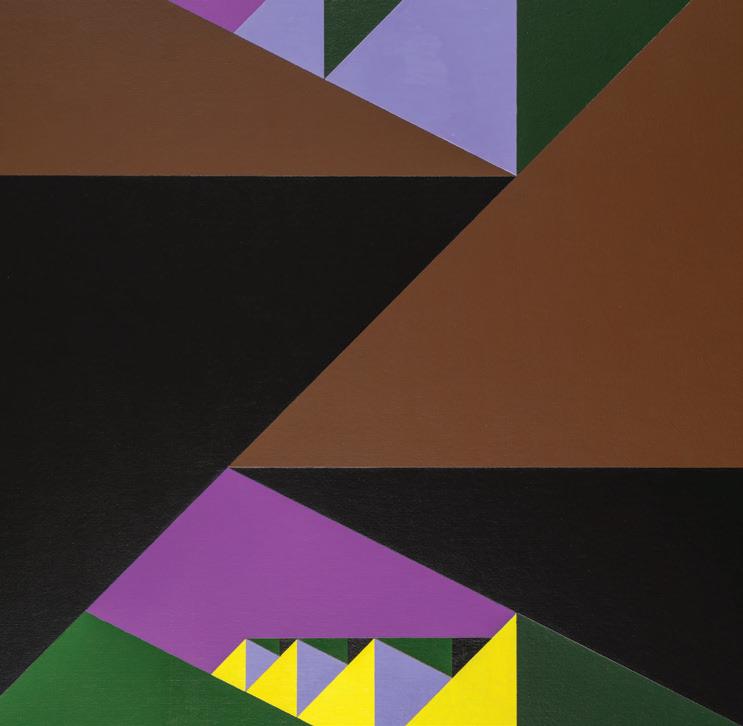
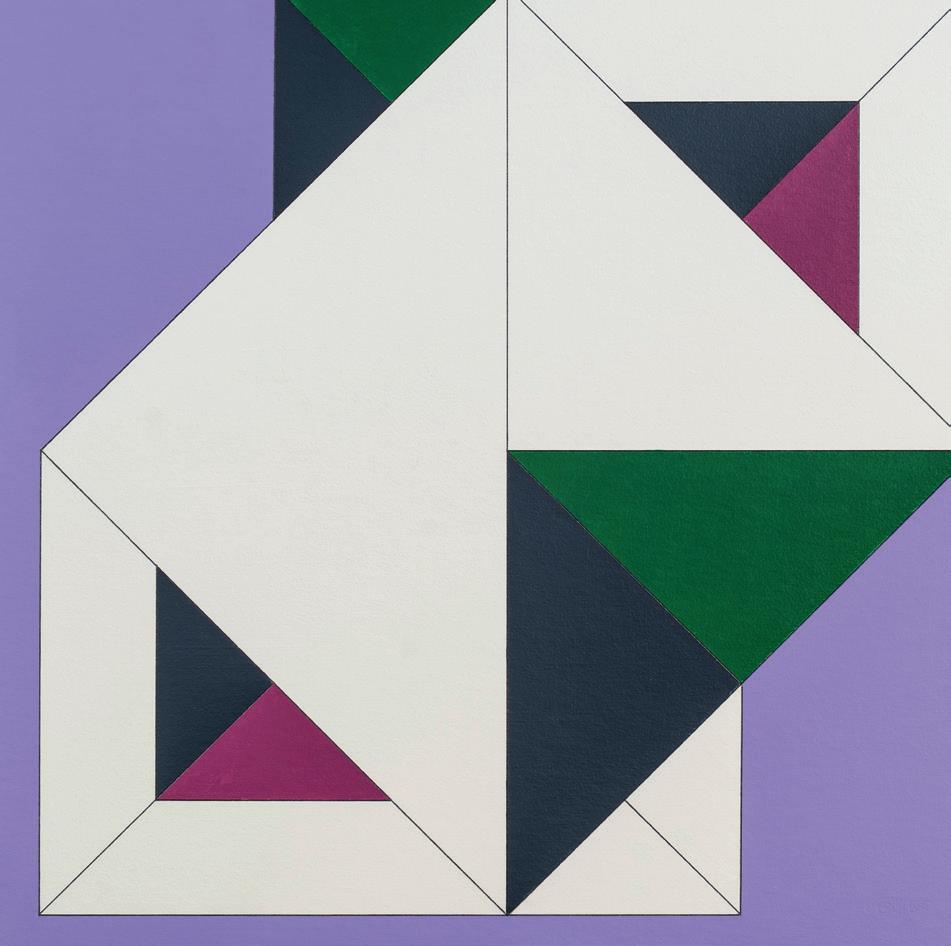
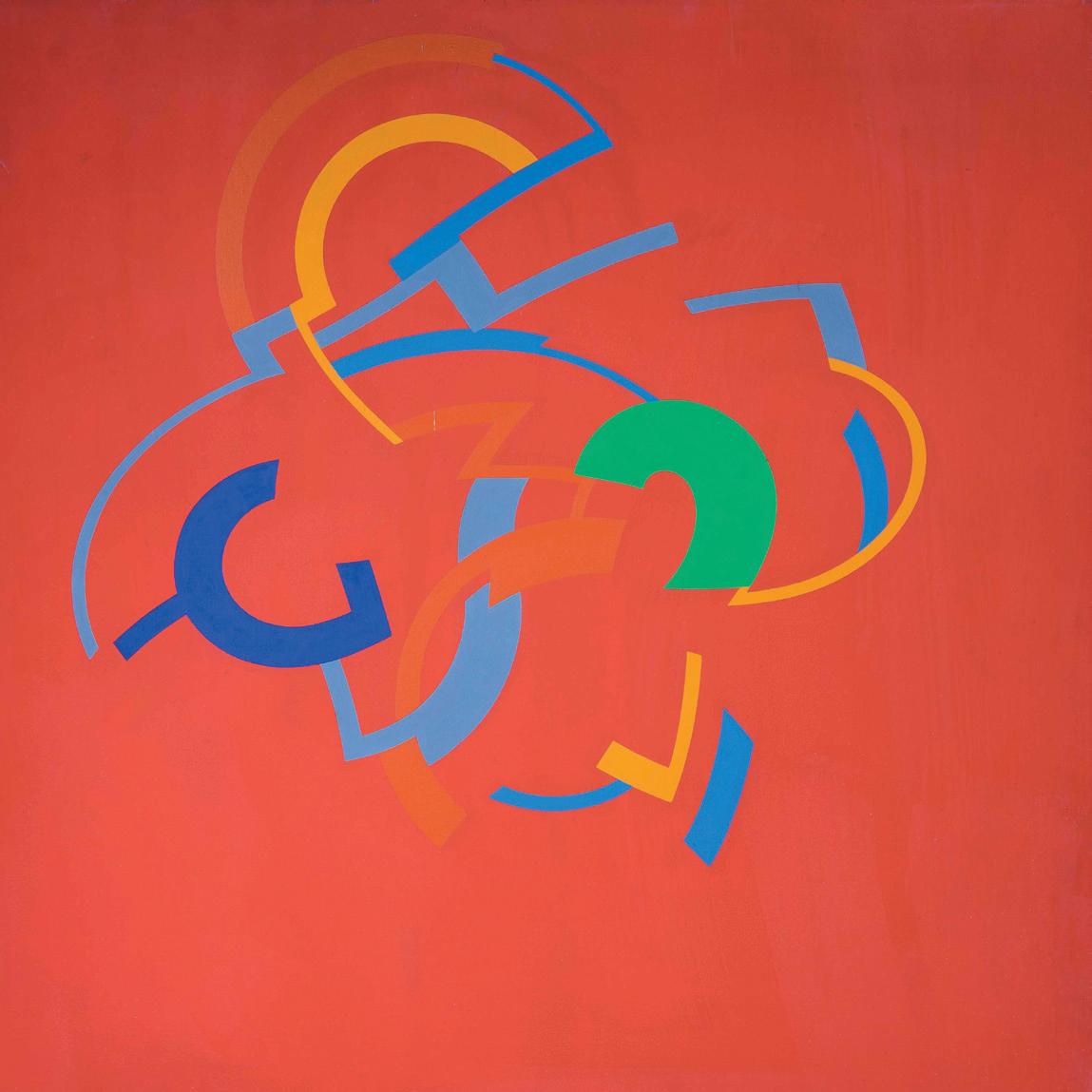
UNTITLED ( #22 ) , C. 1960 –70
ACRYLIC ON BOARD
24 × 24 INCHES
SIGNED LOWER RIGHT
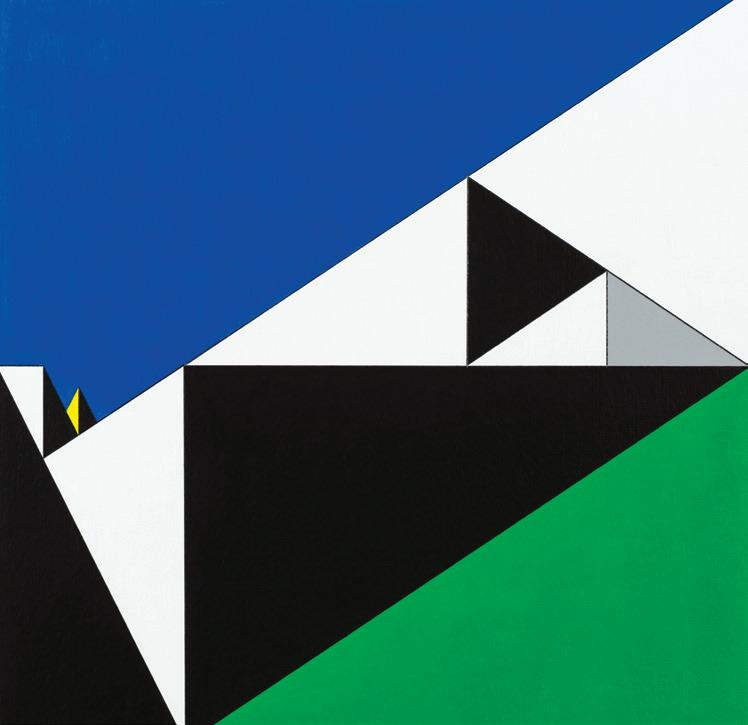
UNTITLED, C. 1960 –70
ACRYLIC ON BOARD
24 × 24 INCHES
SIGNED LOWER RIGHT
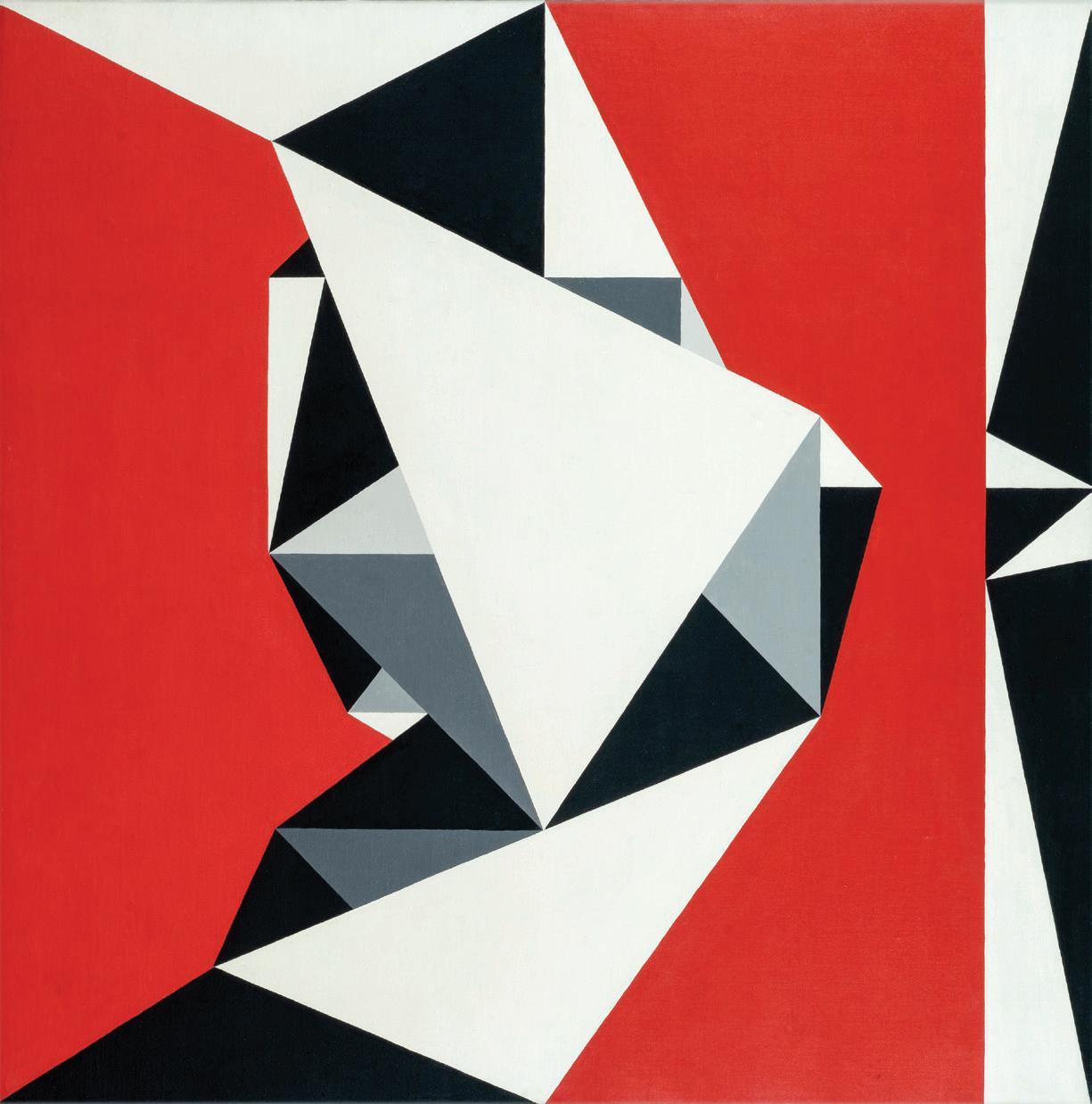
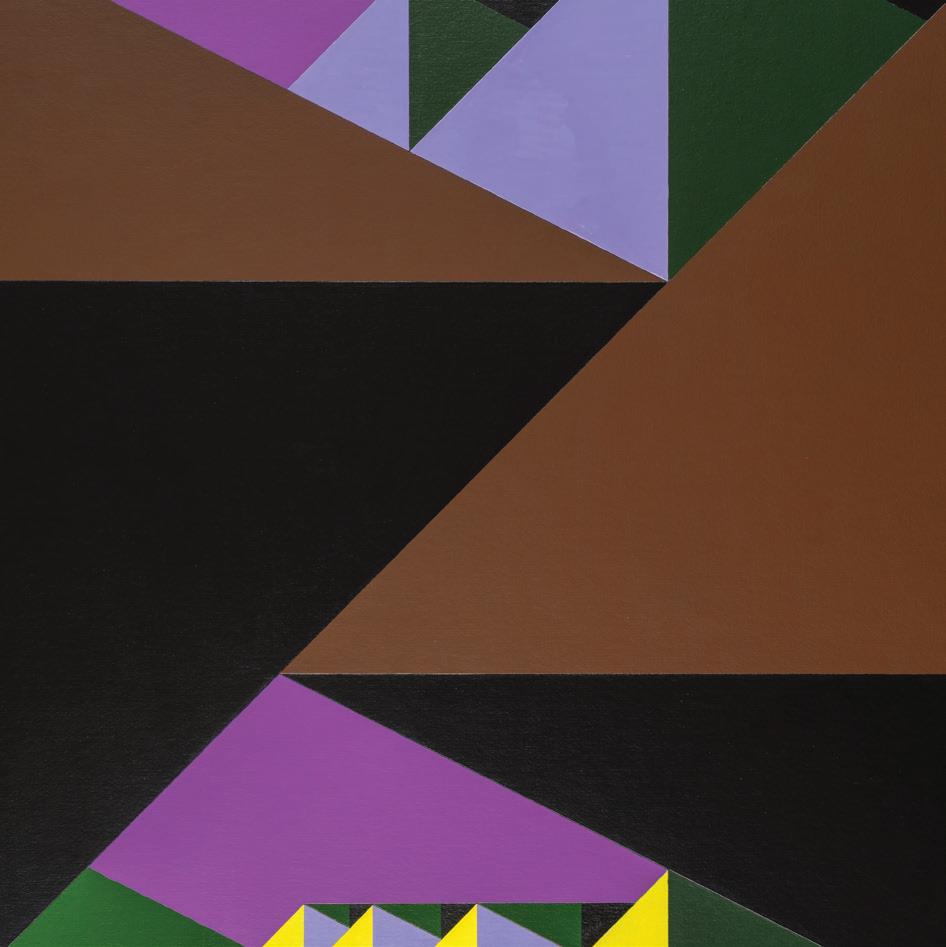
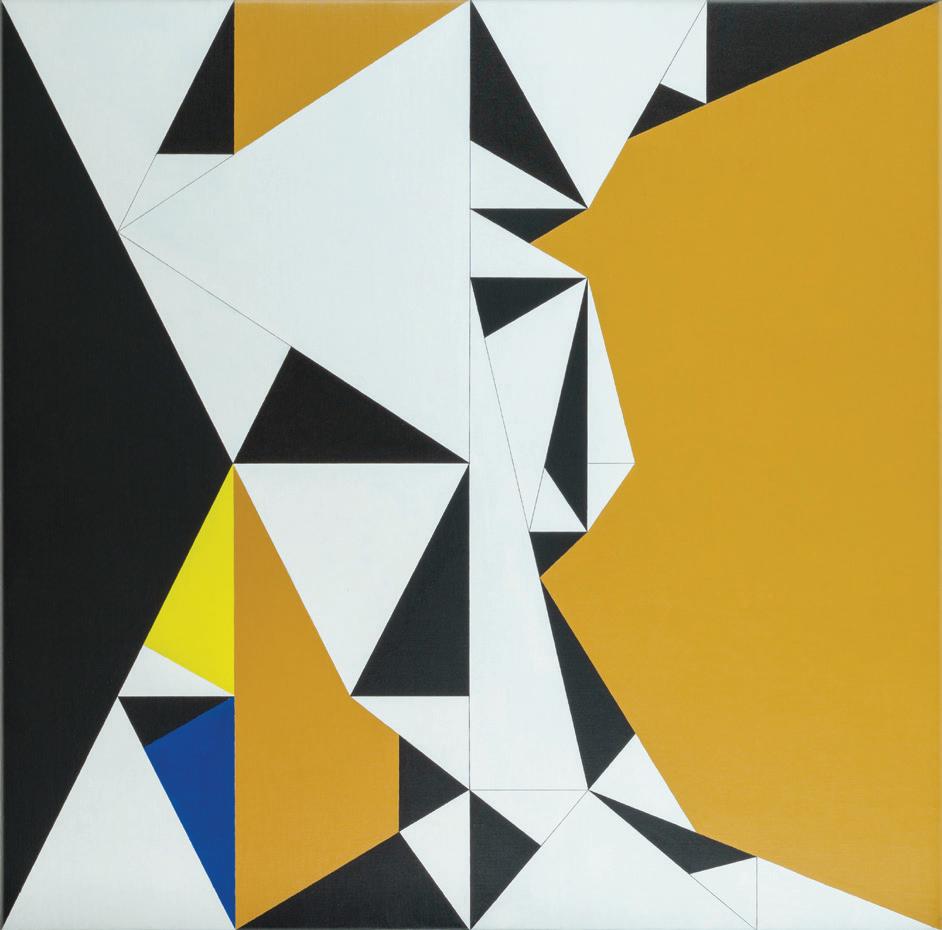
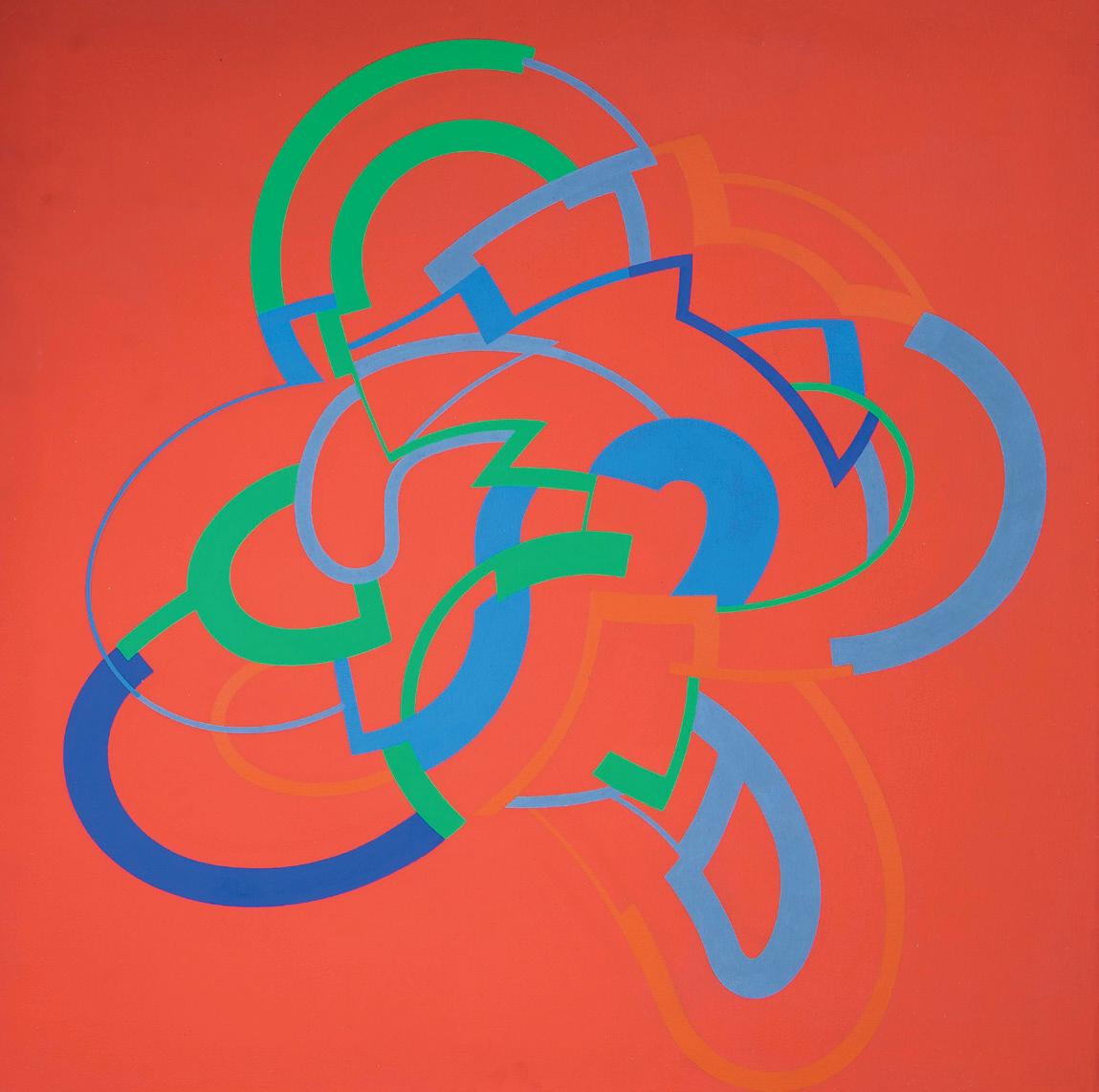
UNTITLED ( #58 ) , C. 1960 –70
ACRYLIC ON BOARD
48 × 48 INCHES
SIGNED LOWER RIGHT, ESTATE STAMPED VERSO

UNTITLED, C. 1960 –70 OIL ON CANVAS
40 × 40 INCHES
SIGNED LOWER RIGHT
ESTATE STAMPED VERSO
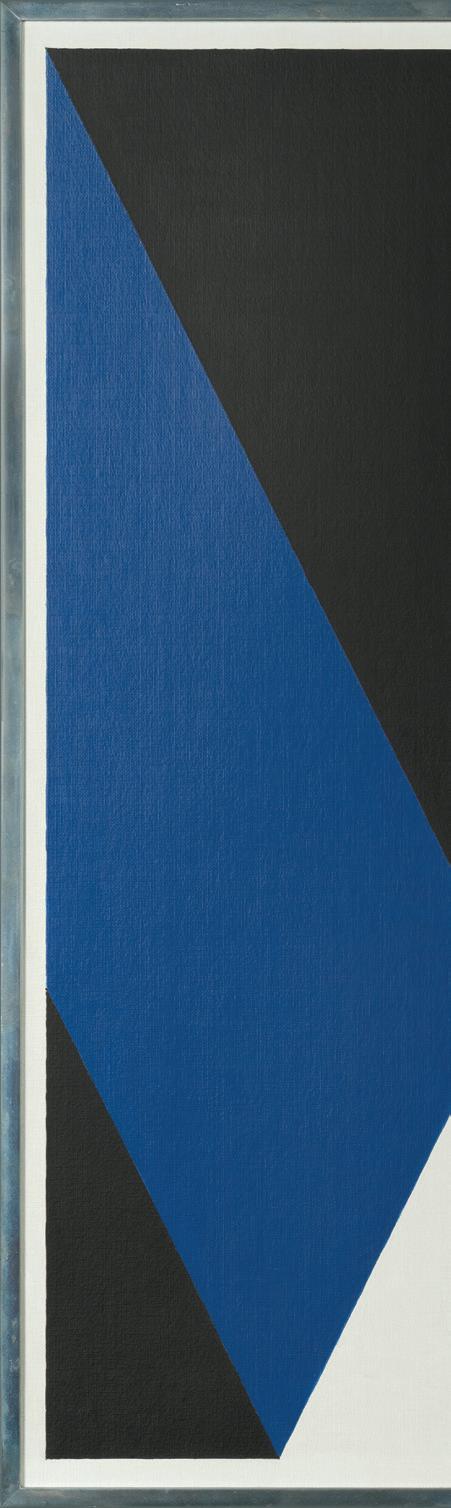
UNTITLED ( #105 ) ACRYLIC ON BOARD
36 X 48 INCHES
SIGNED LOWER RIGHT
ESTATE STAMPED VERSO


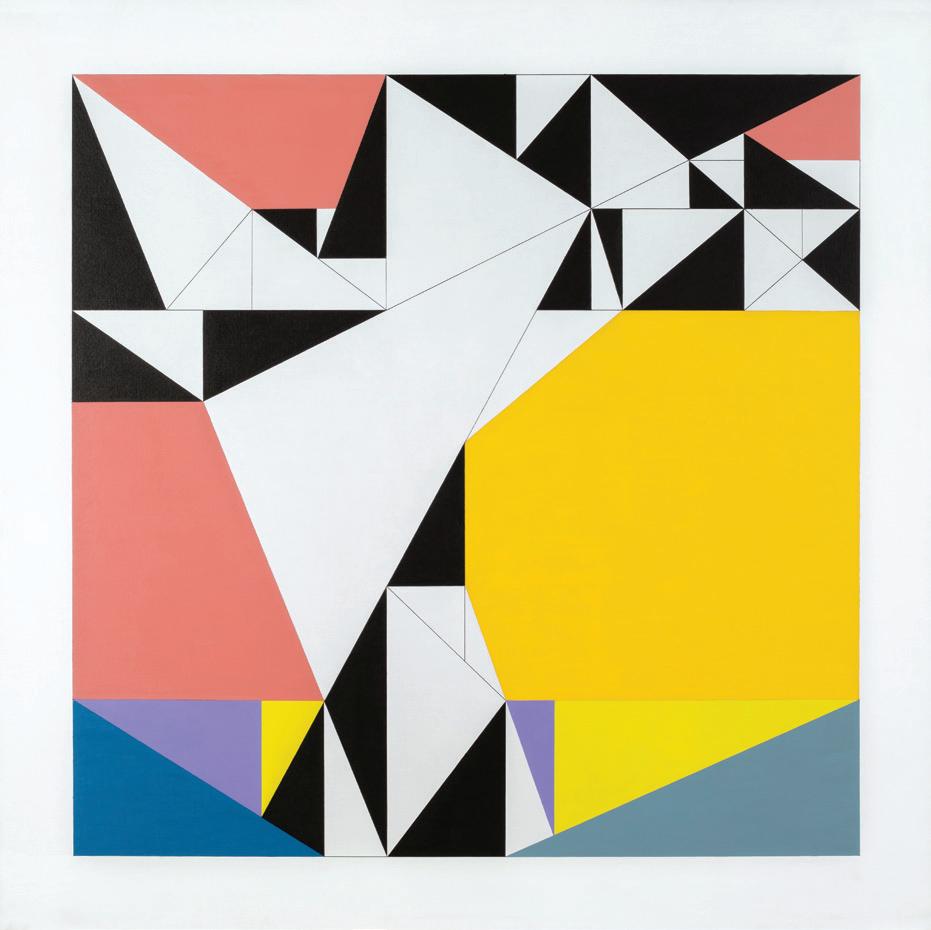
UNTITLED ( #77 ) , C. 1960 –70
ACRYLIC ON BOARD
48 × 48 INCHES
SIGNED LOWER RIGHT
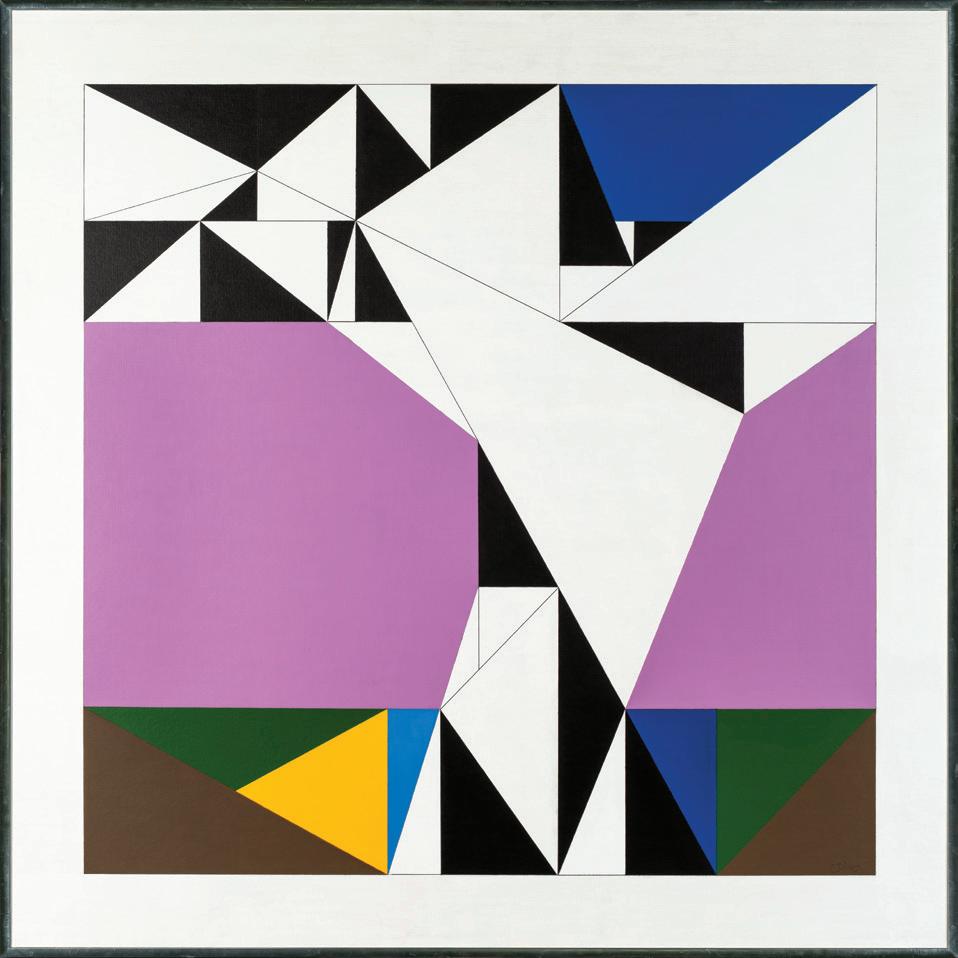
UNTITLED ( #87 ) , C. 1960 –70
ACRYLIC ON BOARD
48 × 48 INCHES
SIGNED LOWER RIGHT

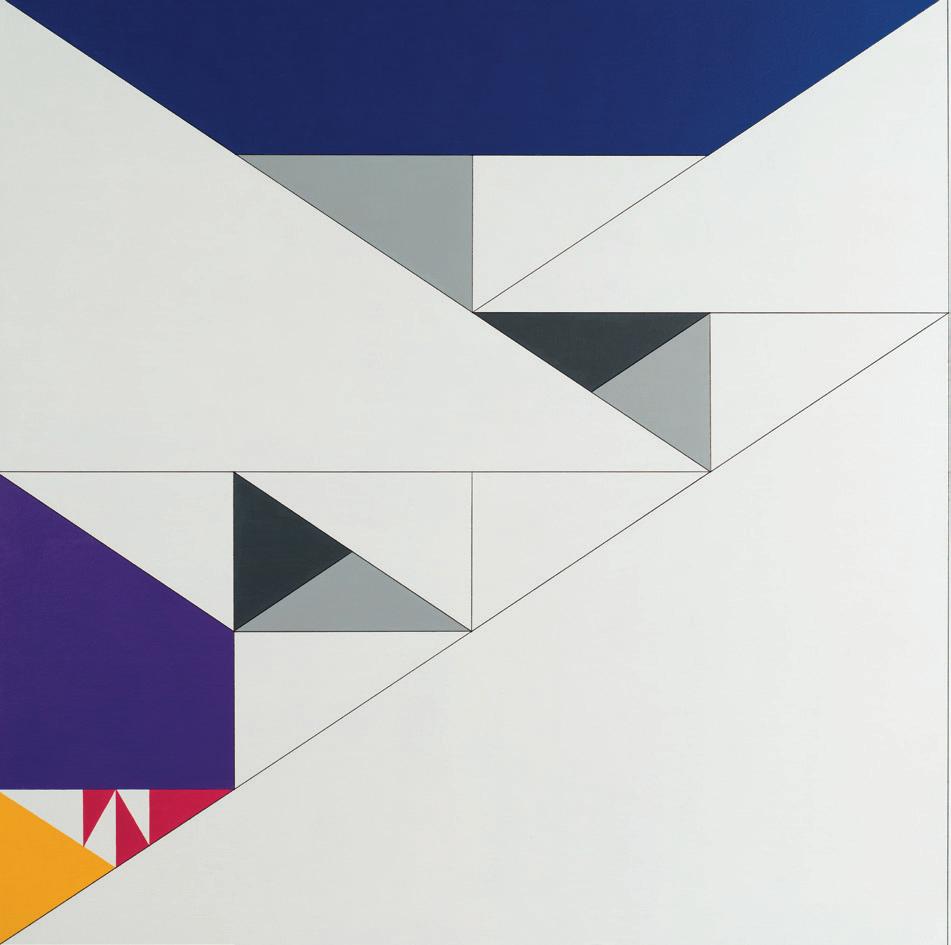
UNTITLED ( #91 ) , C. 1960 –70
ACRYLIC ON BOARD
48 × 48 INCHES
SIGNED LOWER RIGHT
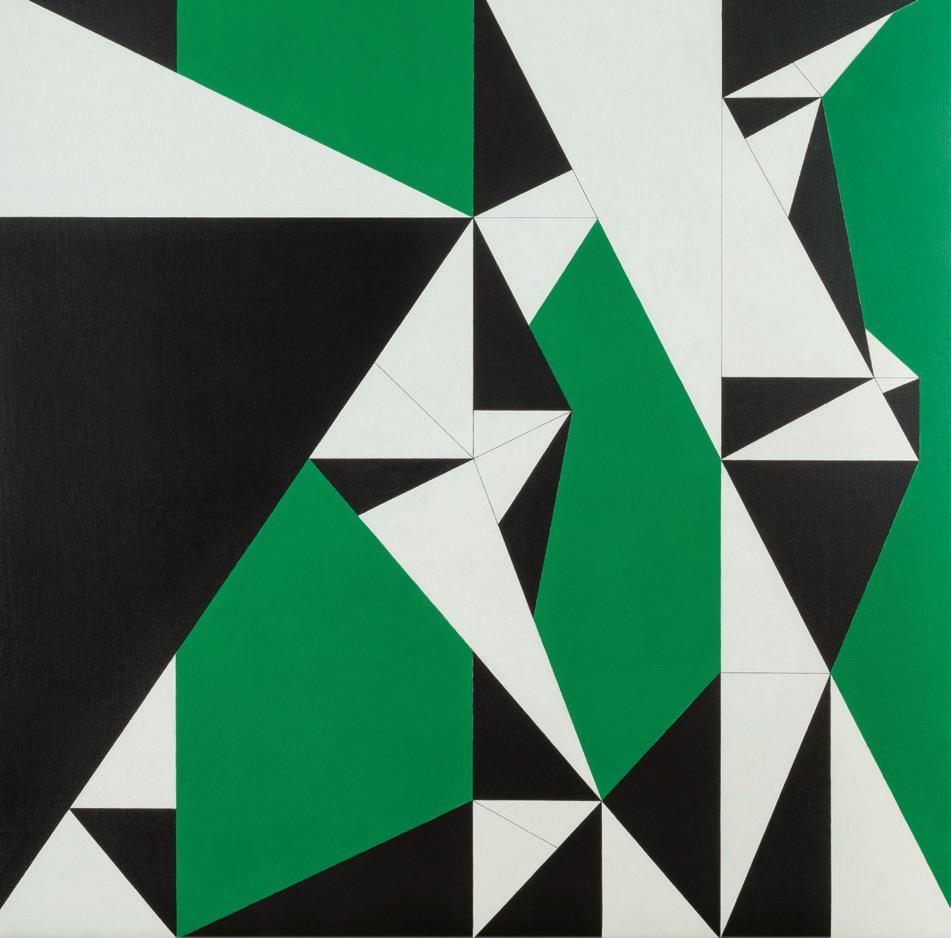
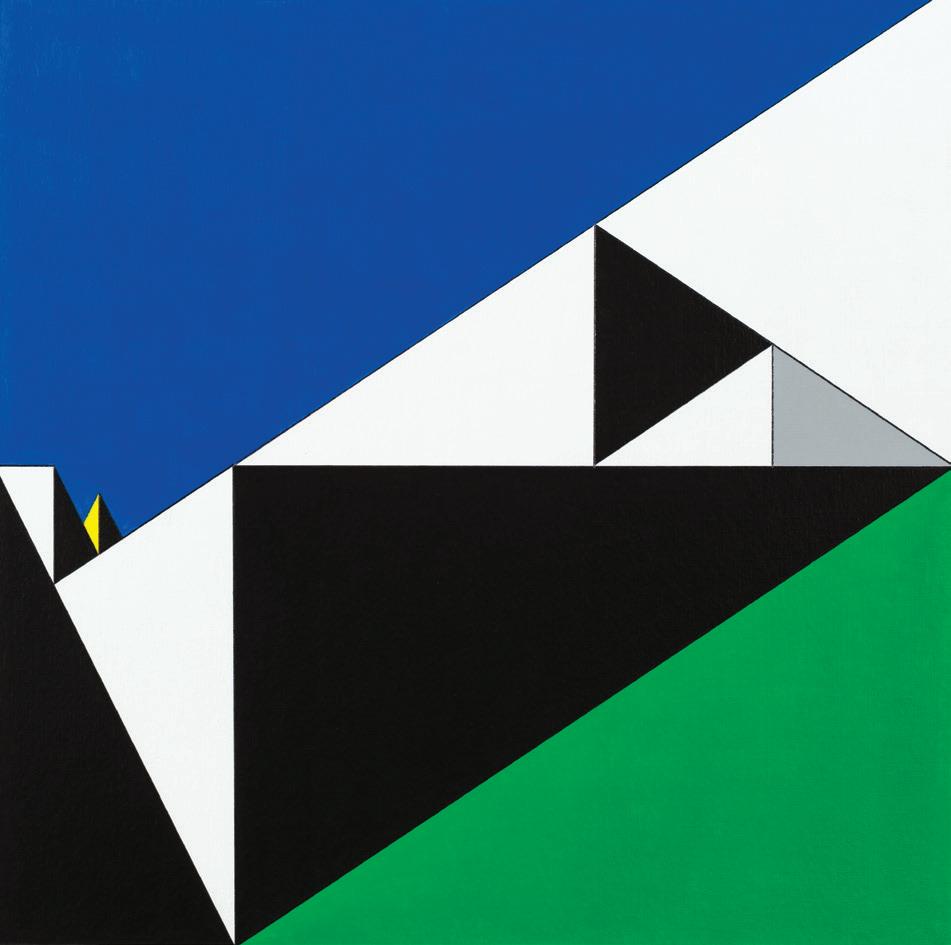
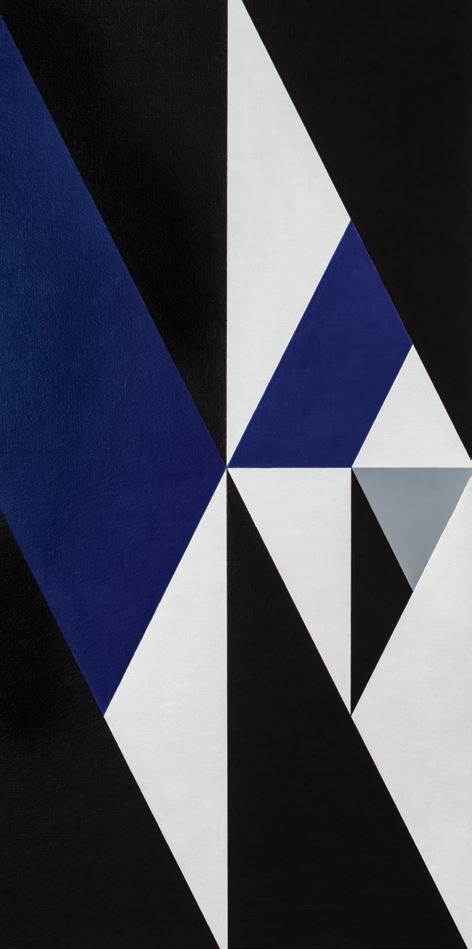
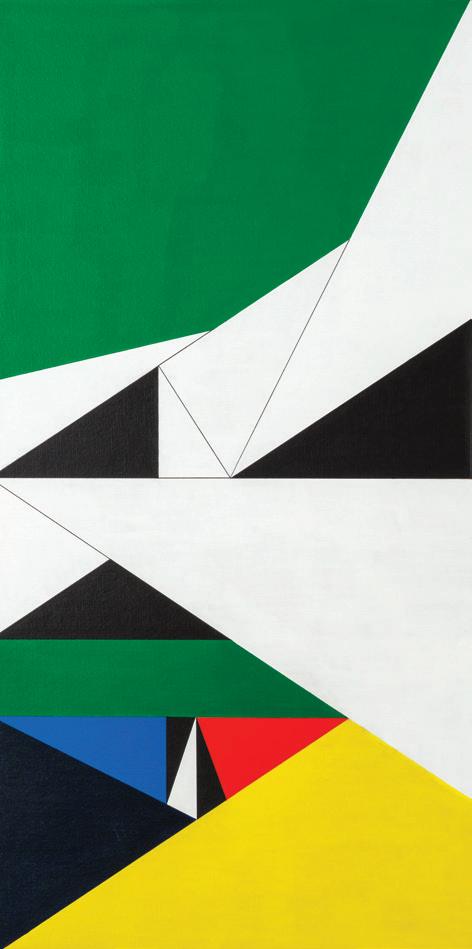
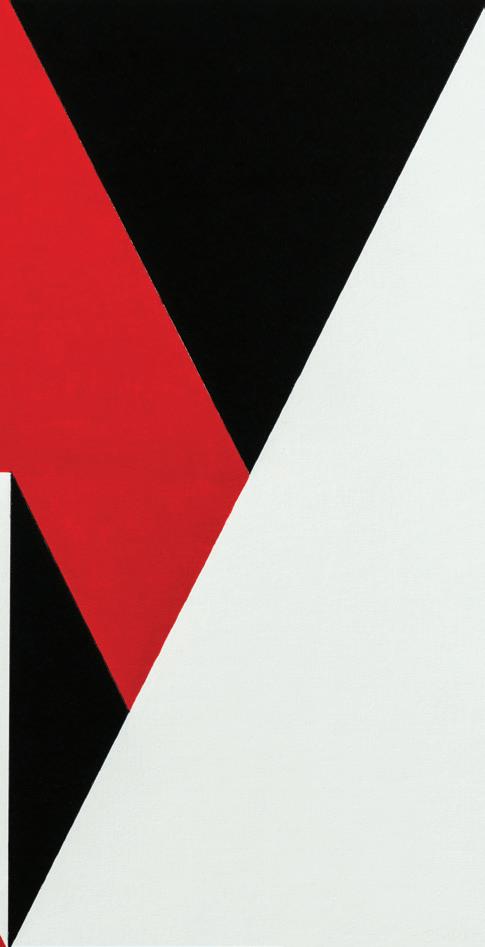
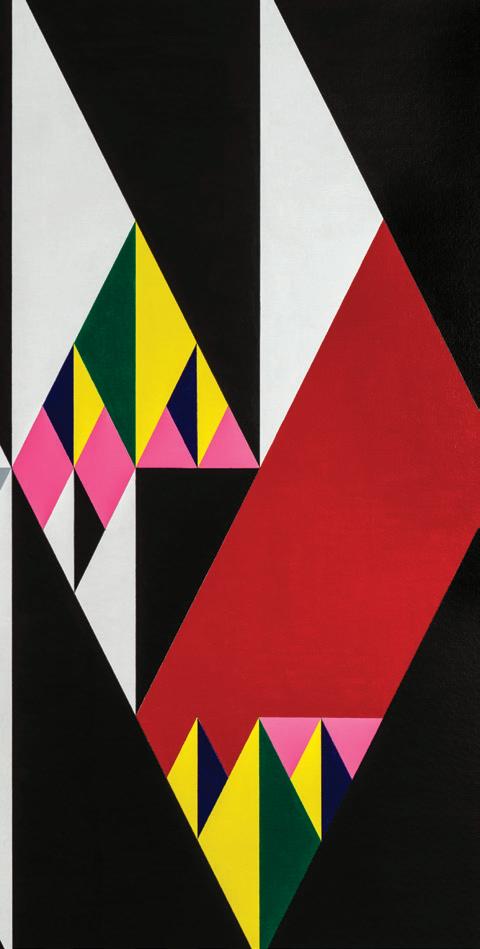
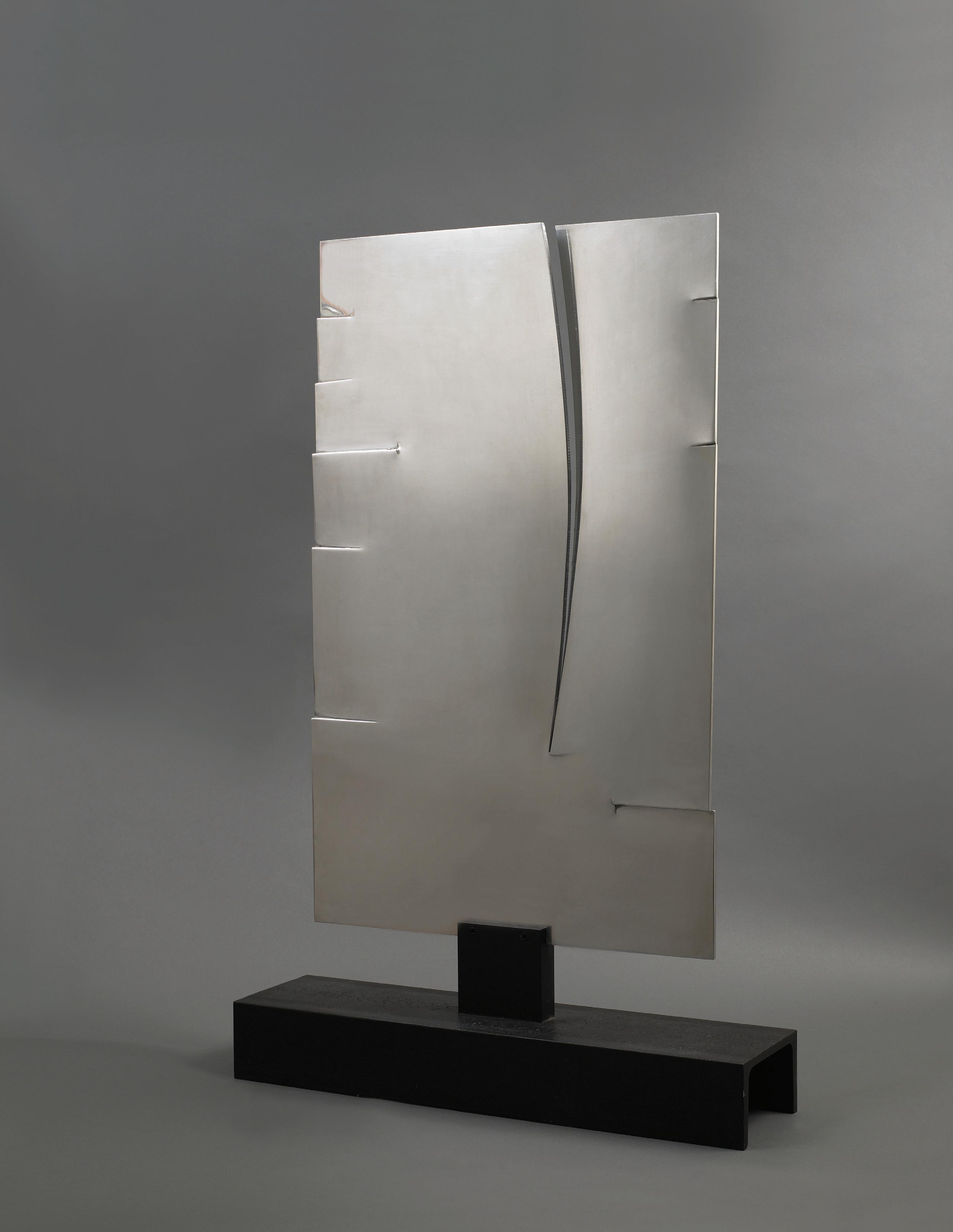
UNTITLED, 1964
ALUMINUM ON STEEL BASE
37 × 24 × 6 INCHES
PROVENANCE:
PRIVATE COLLECTION
BEVERLY HILLS, CALIFORNIA
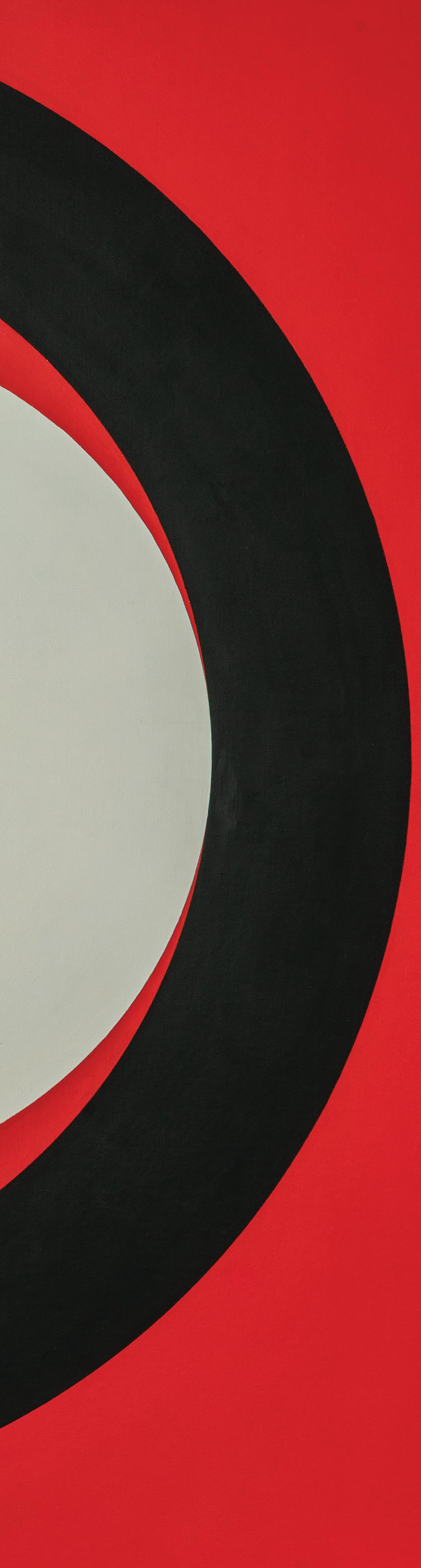
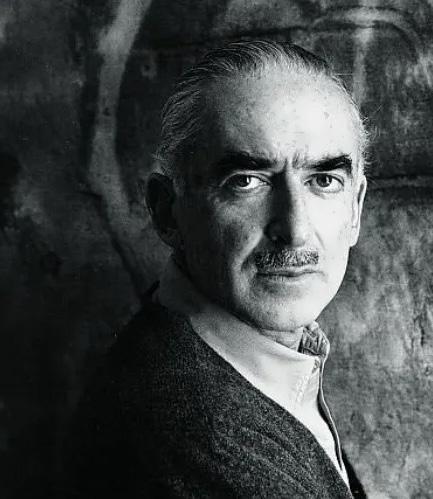
Alexander Liberman was an acclaimed editor, painter, sculptor, photographer, aesthetic pioneer, and publisher. His position as Editorial Director of Condé Nast publications from 1962–1994 provided a powerful platform for the modernist artistic vision he championed. He was responsible for many of the leading-edge visual aspects of Condé Nast’s magazines, commissioning work by avant-garde artists such as Joseph Cornell, Salvador Dalí, Marc Chagall, and Marcel Duchamp, while also ushering in a new era of fashion photography through talents including Irving Penn and Richard Avedon. Liberman held the distinction of being the only publisher permitted to print images of the Chapelle du Rosaire de Vence designed by Henri Matisse, and he famously used drip paintings by Jackson Pollock as backdrops for fashion shoots.
Liberman was born in 1912 in Soviet Russia. In 1921, his father moved the family to London as conditions in Moscow became increasingly tumultuous. He later studied at the Sorbonne University in Paris, where he began his career with the Parisian magazine Vu in 1933. Starting as art director and eventually becoming managing editor, Liberman collaborated with artists and photographers such as Brassaï, Henri Cartier-Bresson, and André Kertész. His innovative vision at Vu ultimately brought him to New York City and Condé Nast in 1941, where he became Art Director of Vogue in 1942 and helped lead the company with extraordinary modernist vision and artistic sensibility. From 1962 to 1994, he served as Editorial Director of all Condé Nast publications. During this period, he developed a close friendship with S. I. Newhouse Jr., chairman of Condé Nast, with whom he shared a passion for collecting art. Together, they spent countless hours visiting galleries and discussing acquisitions, with Liberman often advising Newhouse on important purchases.
Liberman began his own artistic practice in the 1930s as a painter and expanded into sculpture in the 1950s. He is considered a pioneering Minimalist artist whose work anticipated the movement by more than a decade. During the 1950s and 1960s, he was represented by the renowned Betty Parsons Gallery, and beginning in 1970 by the André Emmerich Gallery until his death in 1999. His paintings and sculptures are held in major museum collections including the Metropolitan Museum of Art, Museum of Modern Art, Corcoran Gallery of Art, Hirshhorn Museum and Sculpture Garden, Solomon R. Guggenheim Museum, Tate in London, and the Los Angeles County Museum of Art.

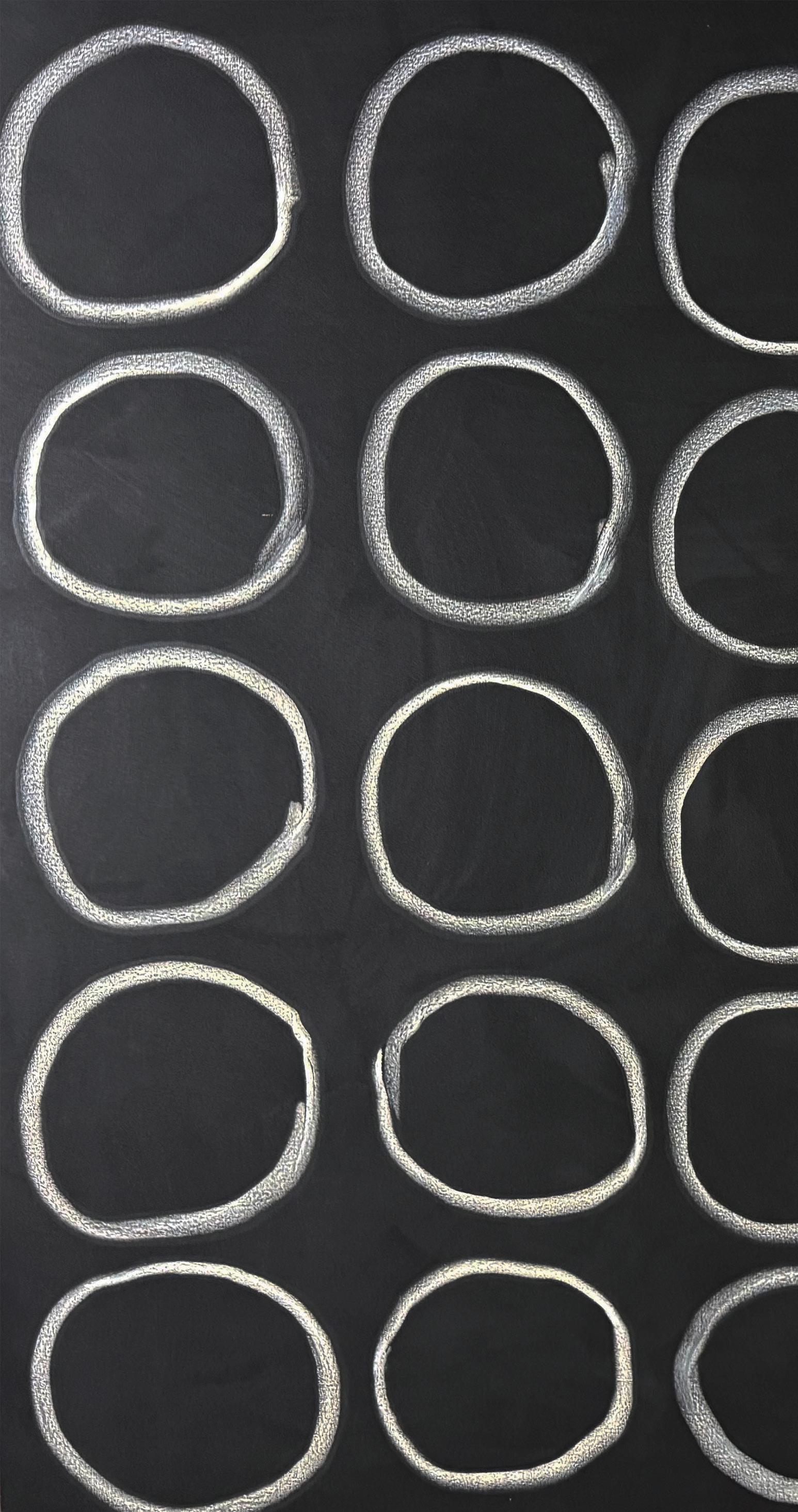
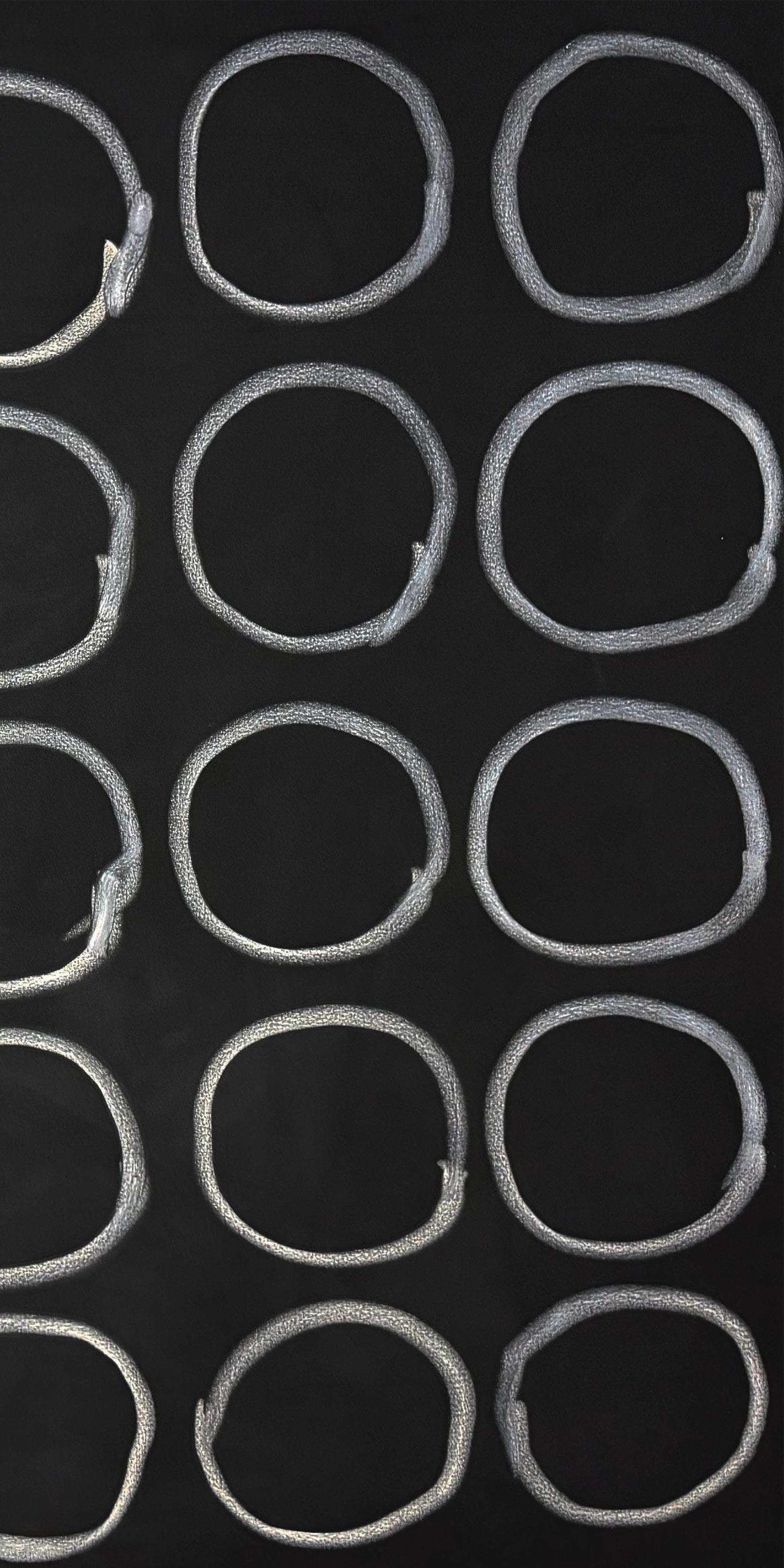

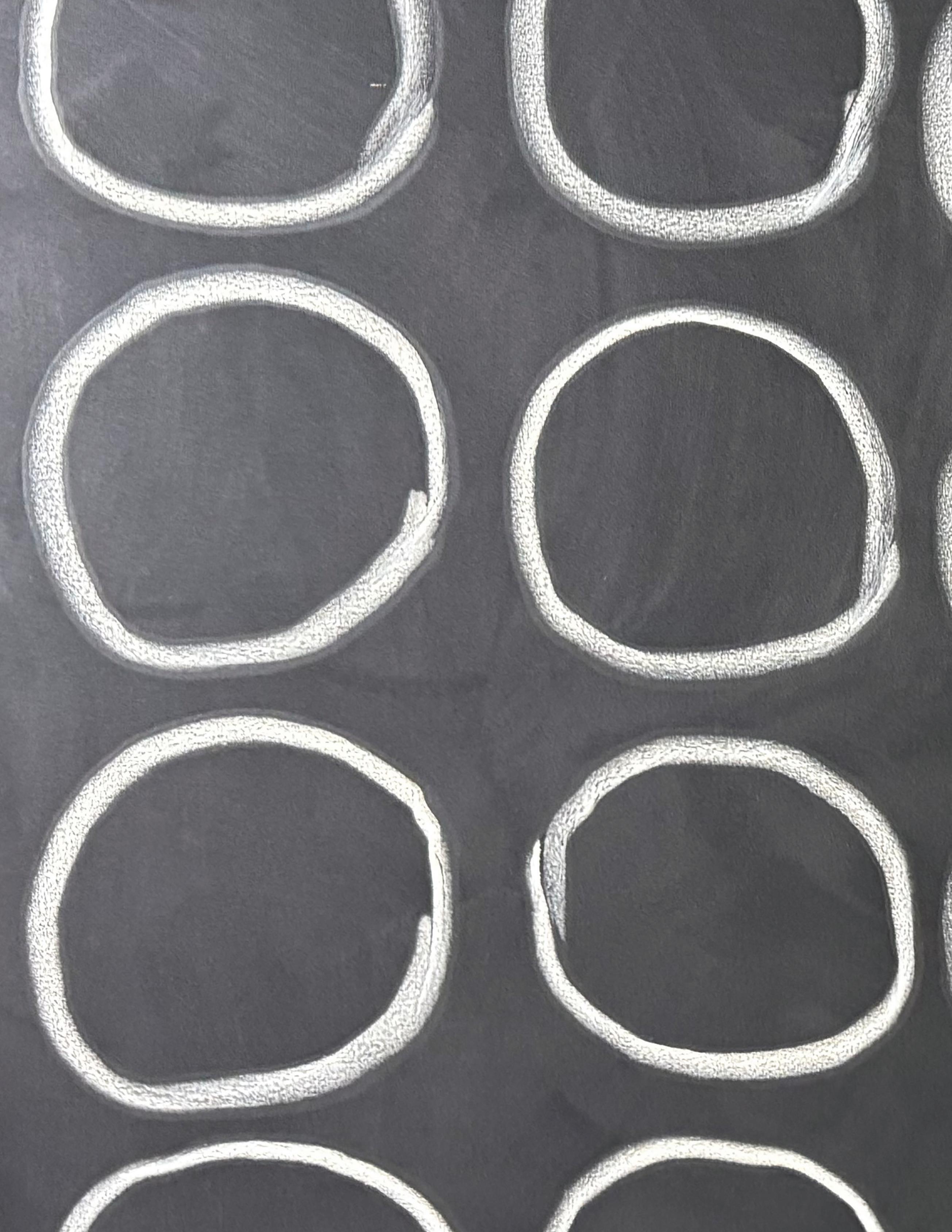
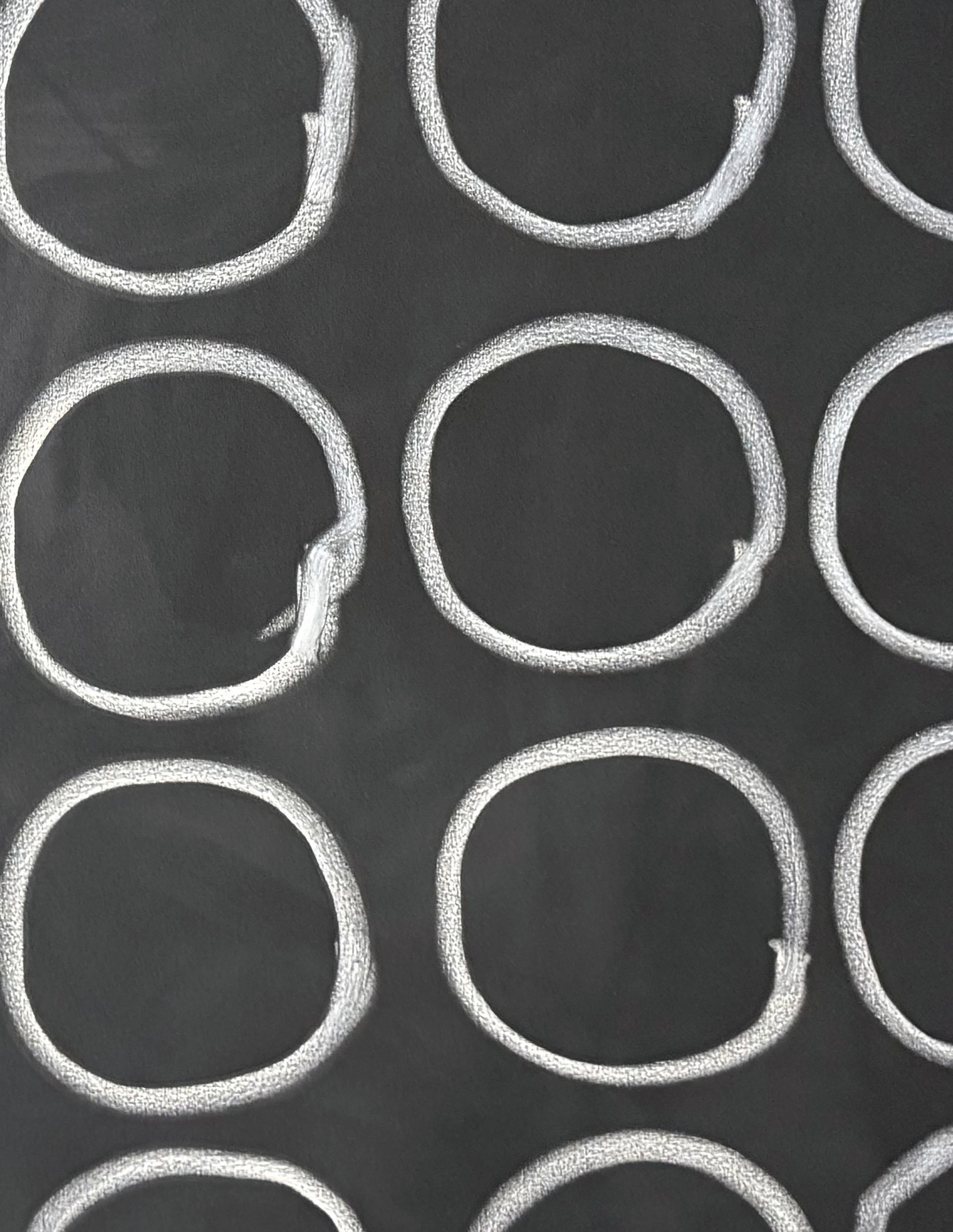
25 CIRCLES, BLACK, 1993 OIL ON CANVAS
90 × 90 INCHES
SIGNED VERSO
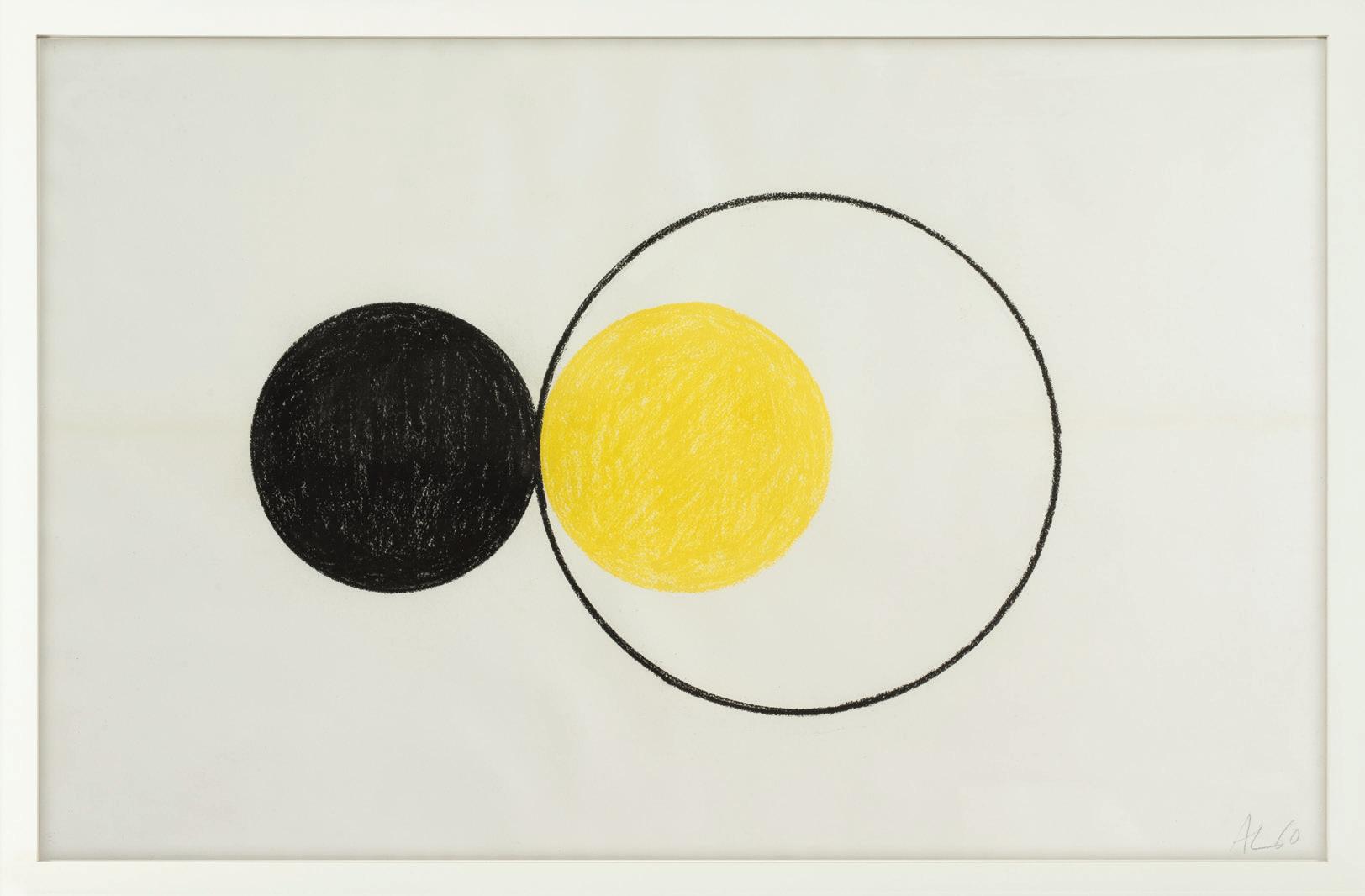
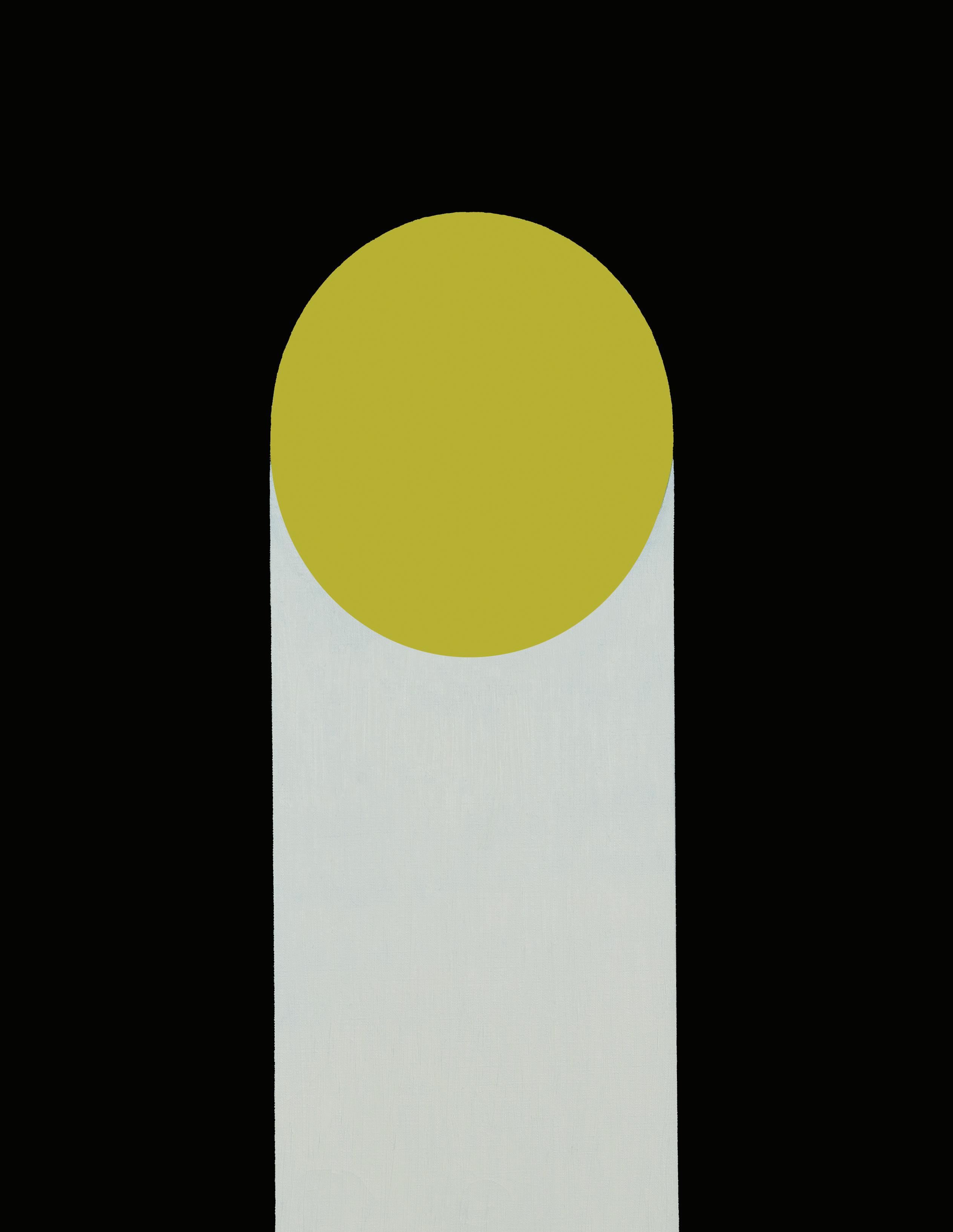
UNTITLED, 1960
COLORED PENCIL ON PAPER
26 × 40 ½ INCHES
SIGNED & DATED LOWER RIGHT
CIRCLE PATH, 1952
OIL ON CANVAS
29 × 23 INCHES
SIGNED VERSO

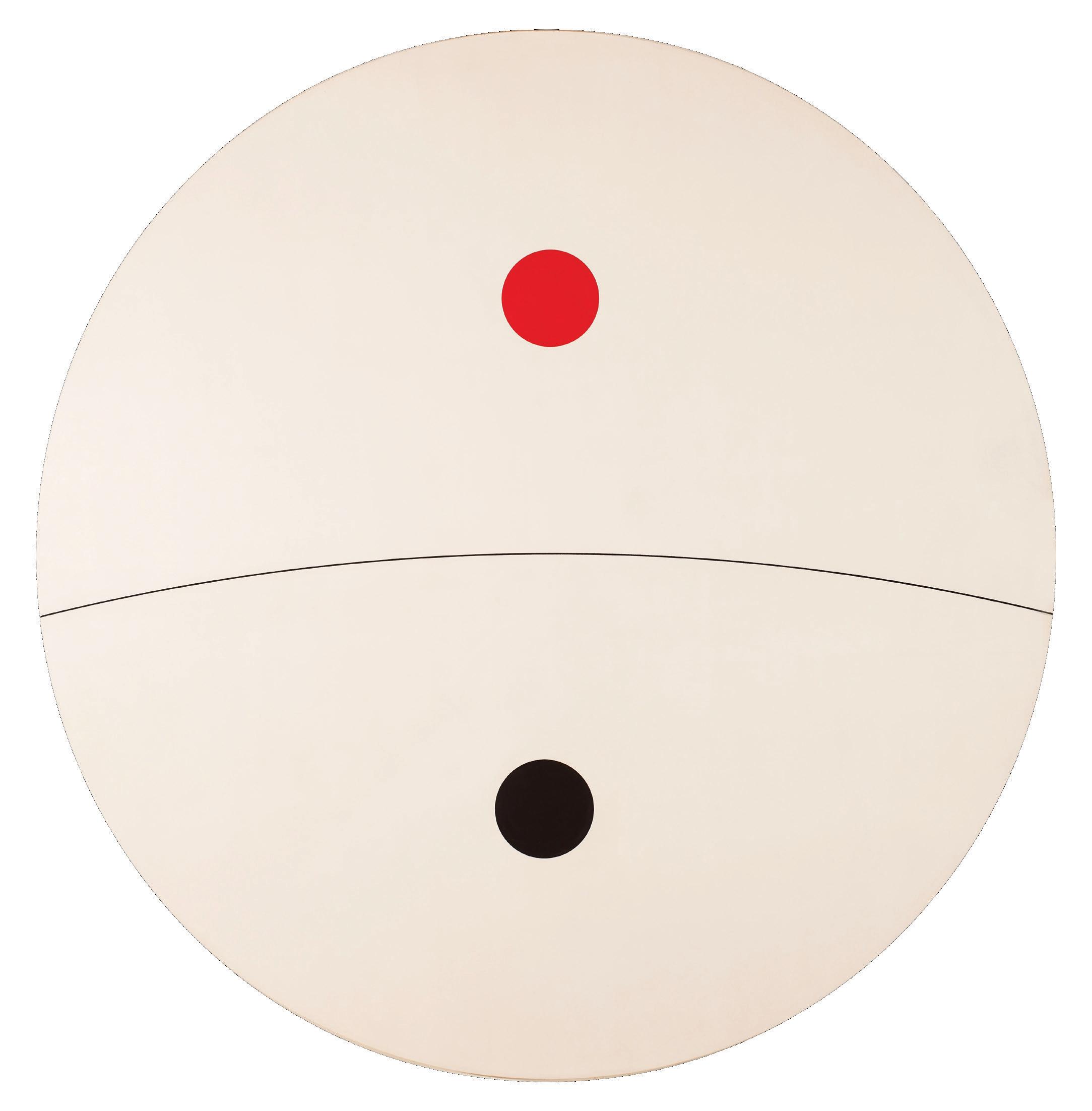

UNTITLED, 1961
ACRYLIC ON CANVAS
80 INCH DIAMETER
SIGNED VERSO
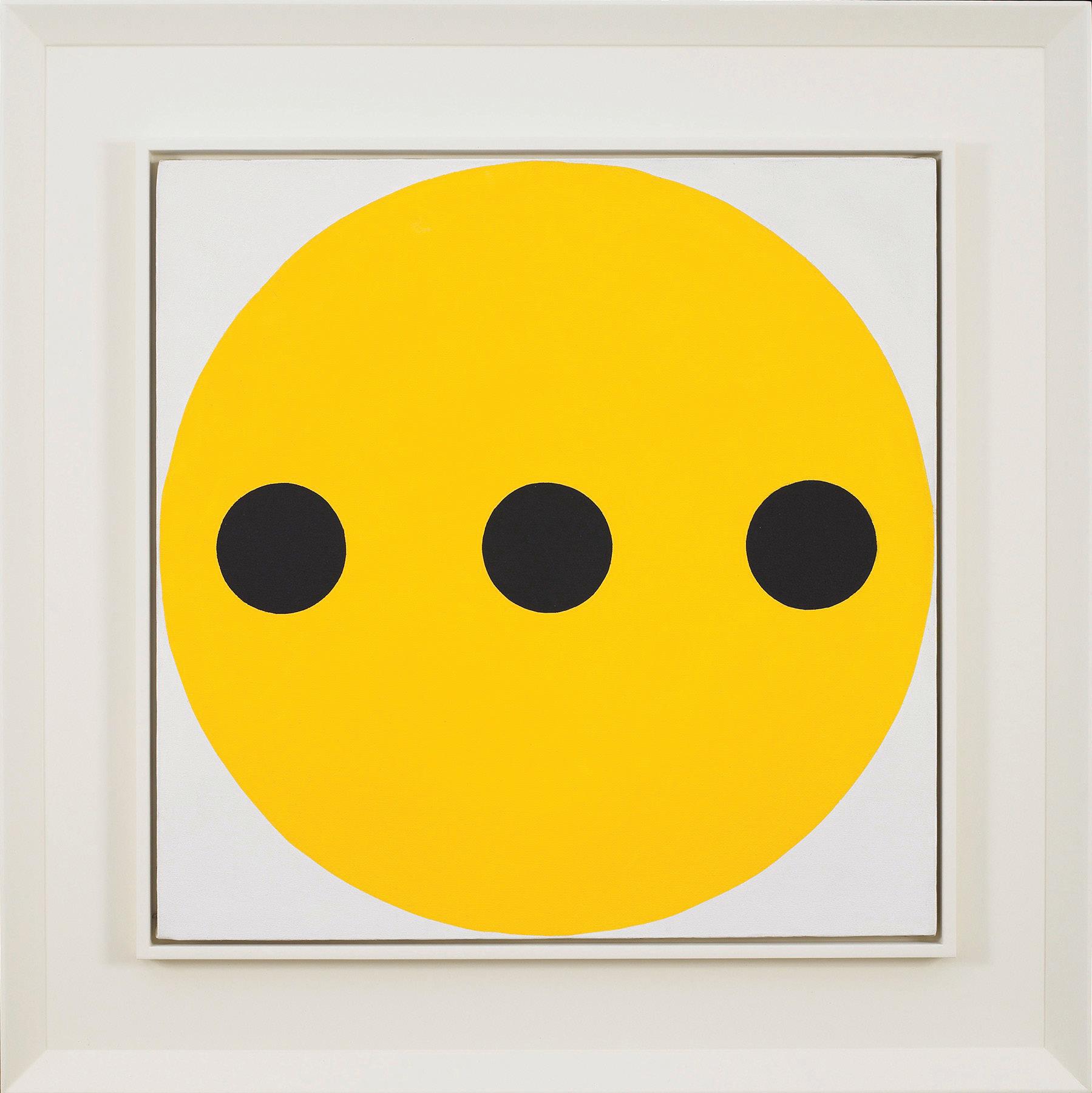
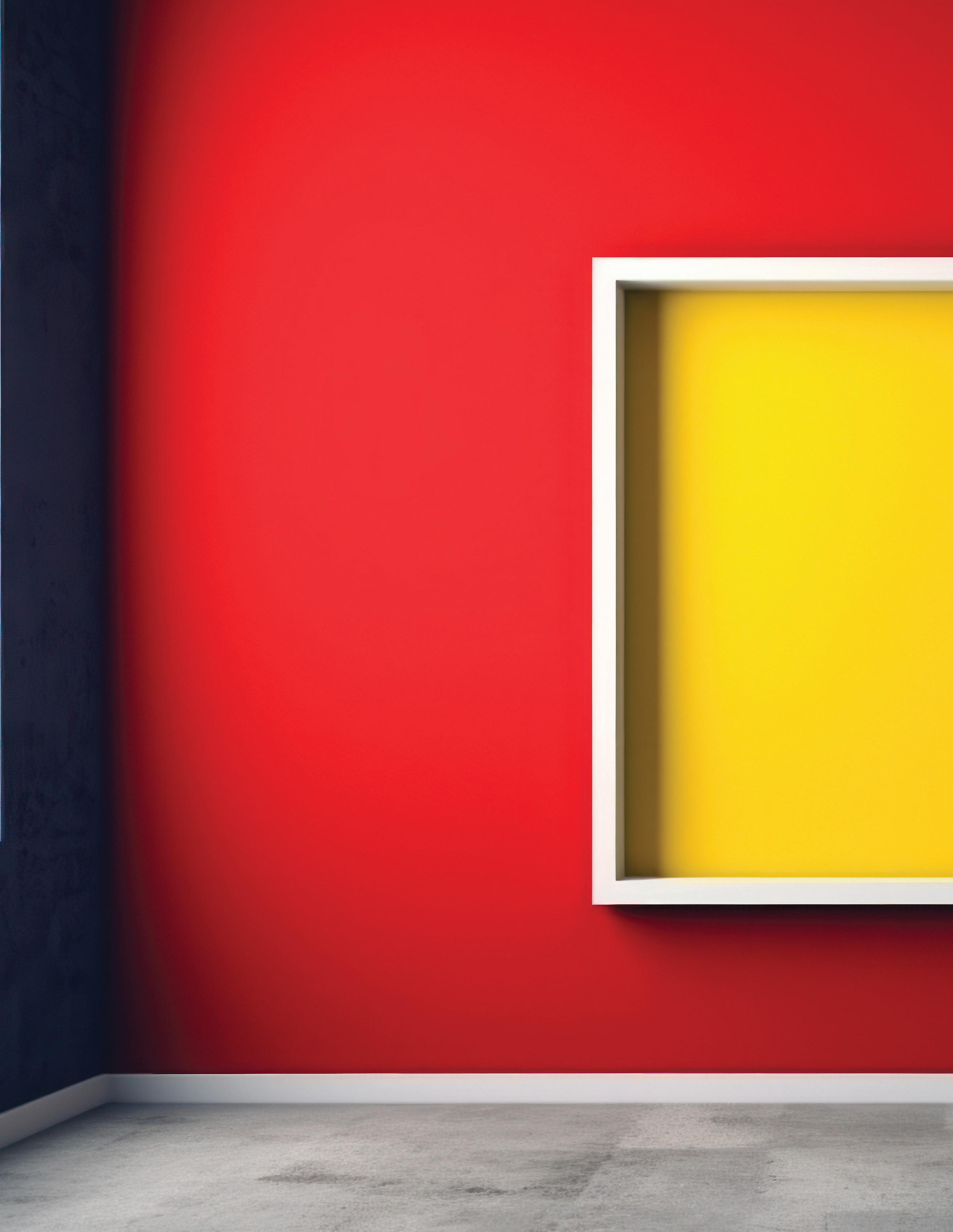
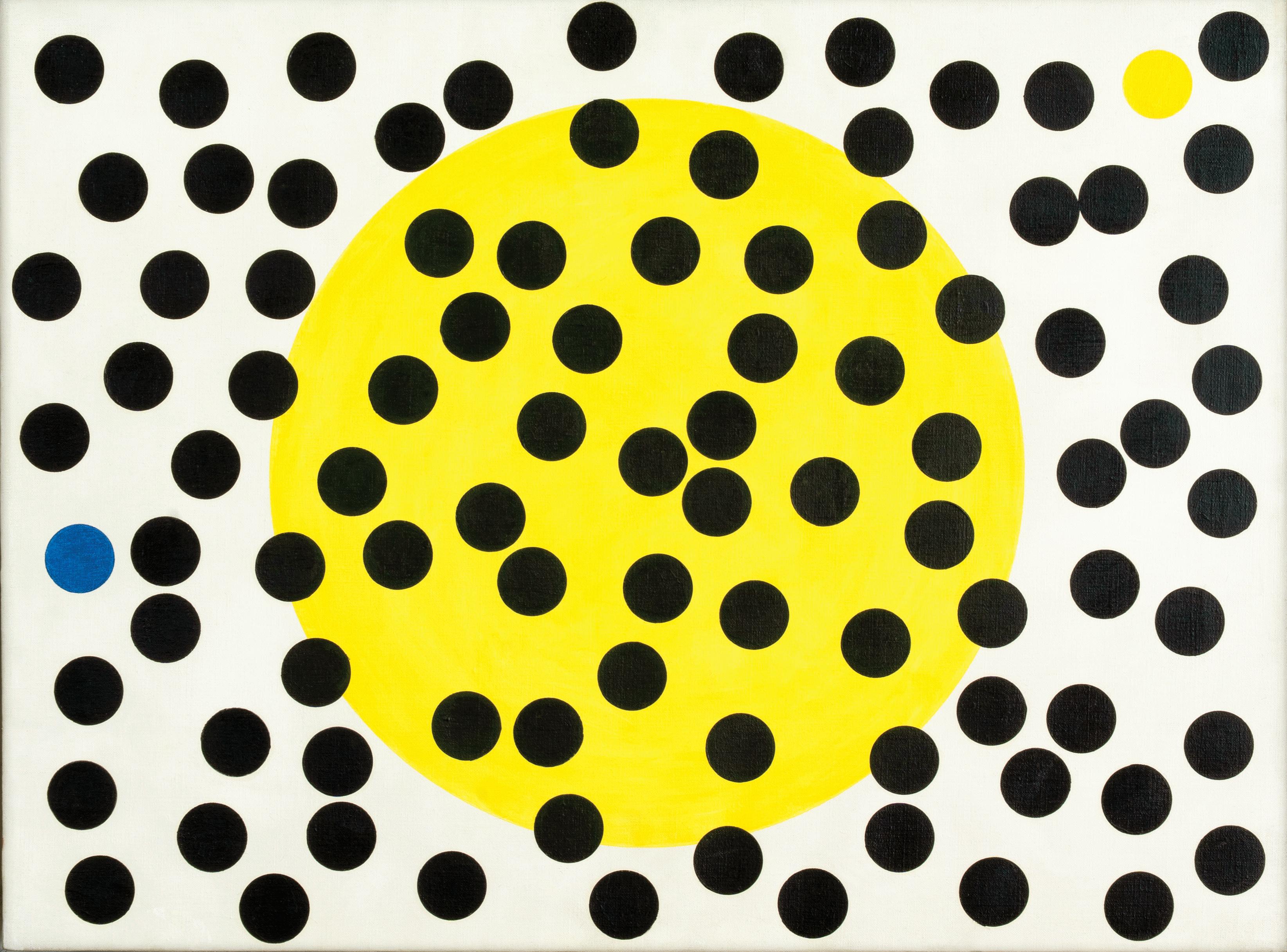
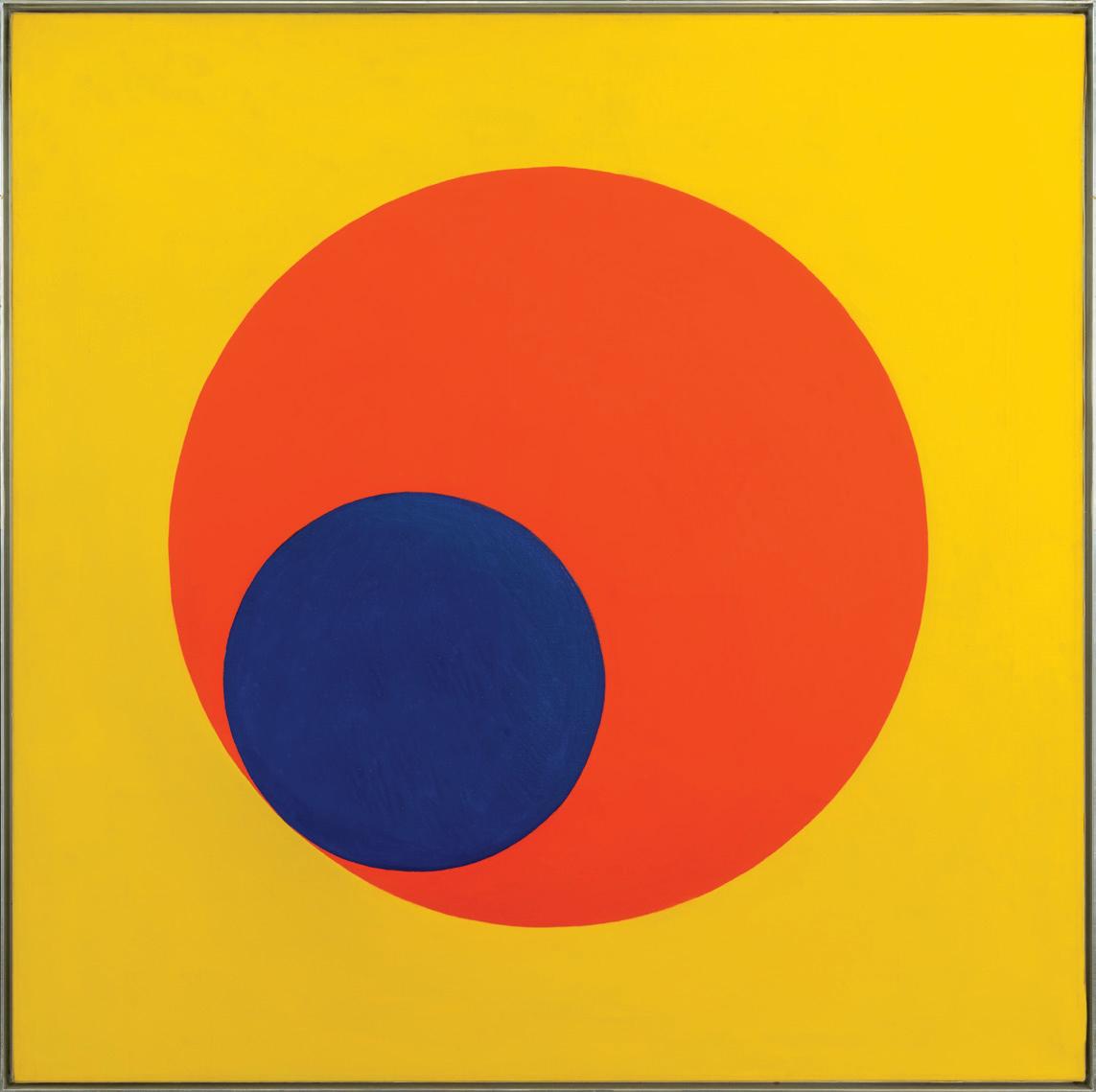
BLACK - YELLOW, 1962 OIL ON CANVAS
24 × 24 INCHES
34 ¼ × 34 ¼ INCHES FRAMED SIGNED, DATED 1962 AND TITLED VERSO
UNTITLED, 1959 OIL ON CANVAS 18 × 24 INCHES SIGNED VERSO
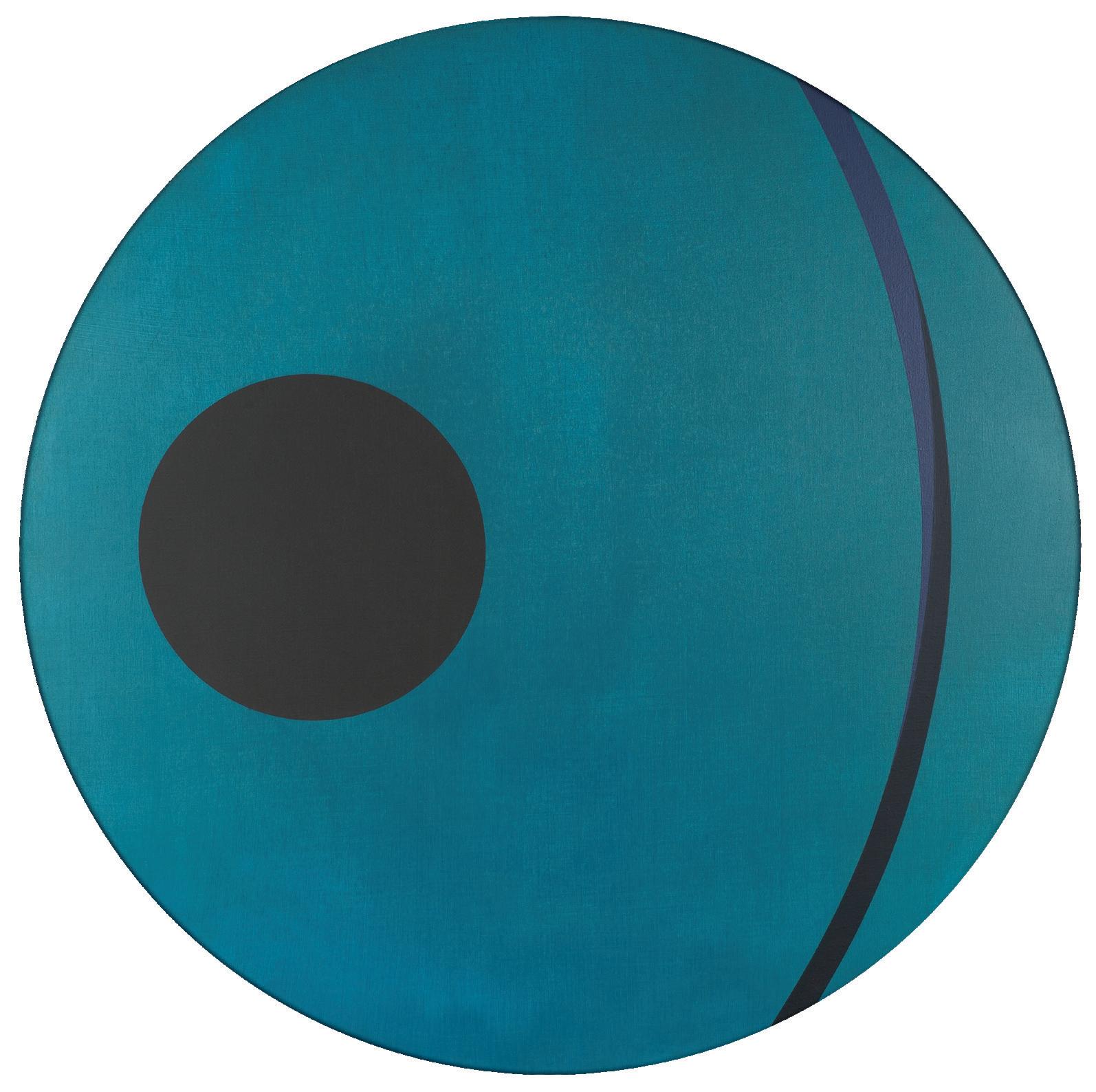
WATER IV, 1963
ACRYLIC ON CANVAS
60 INCH DIAMETER
SIGNED VERSO
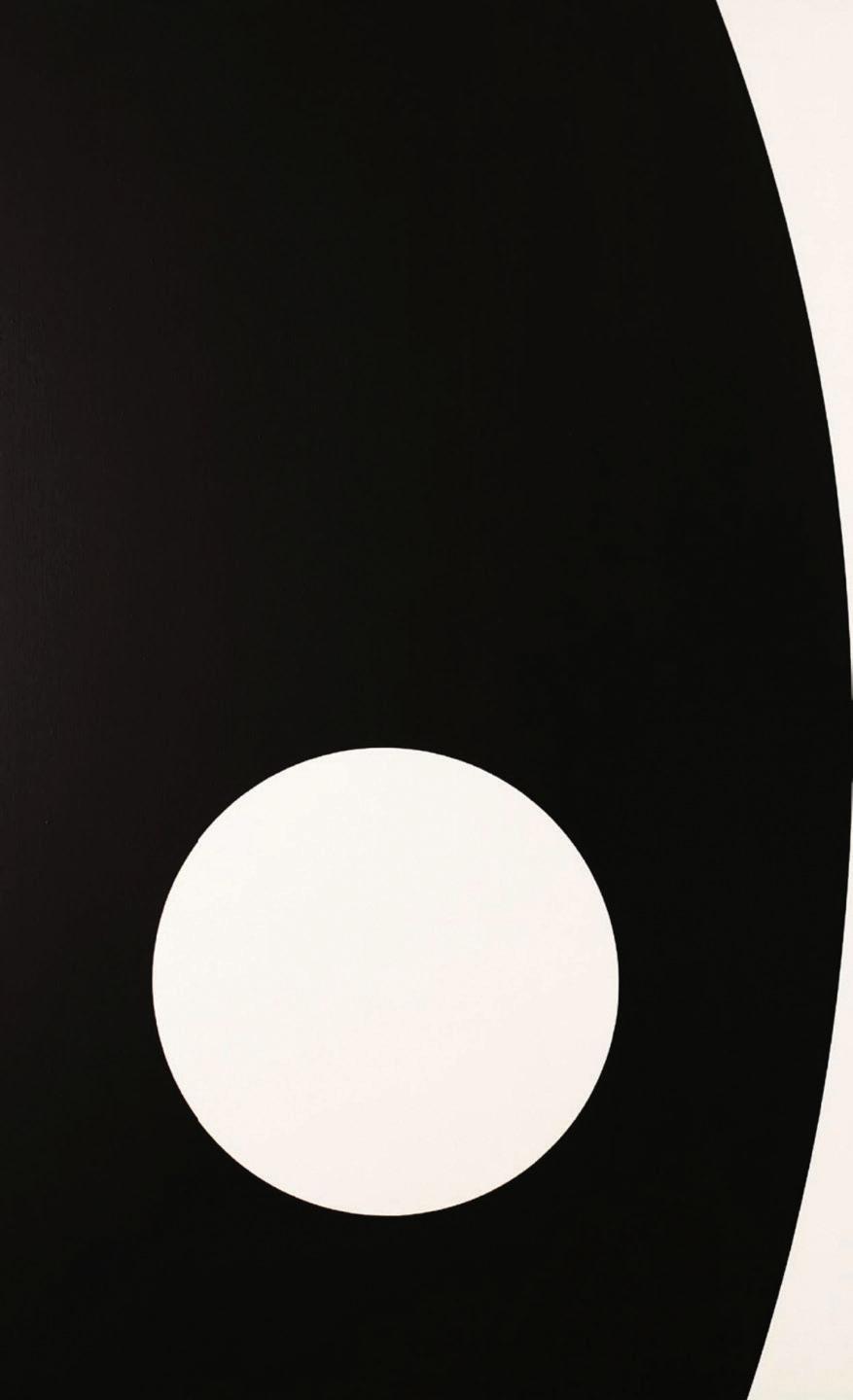
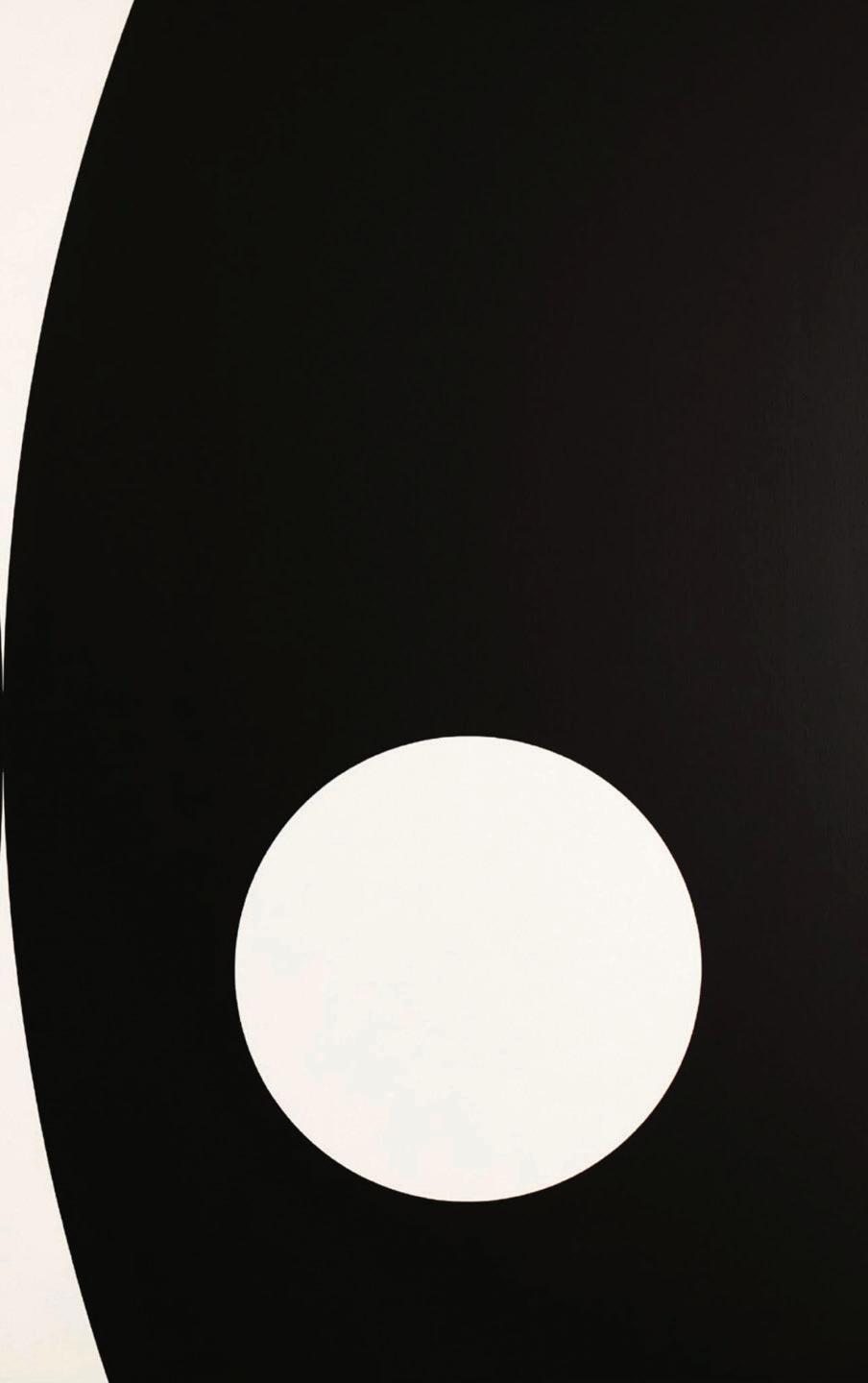
ALPHA VII, 1961 ACRYLIC ON CANVAS
80 × 100 INCHES
SIGNED & DATED VERSO
UNTITLED, 1949
OIL ON CANVAS
41 × 41 INCHES SIGNED
SIGNED VERSO
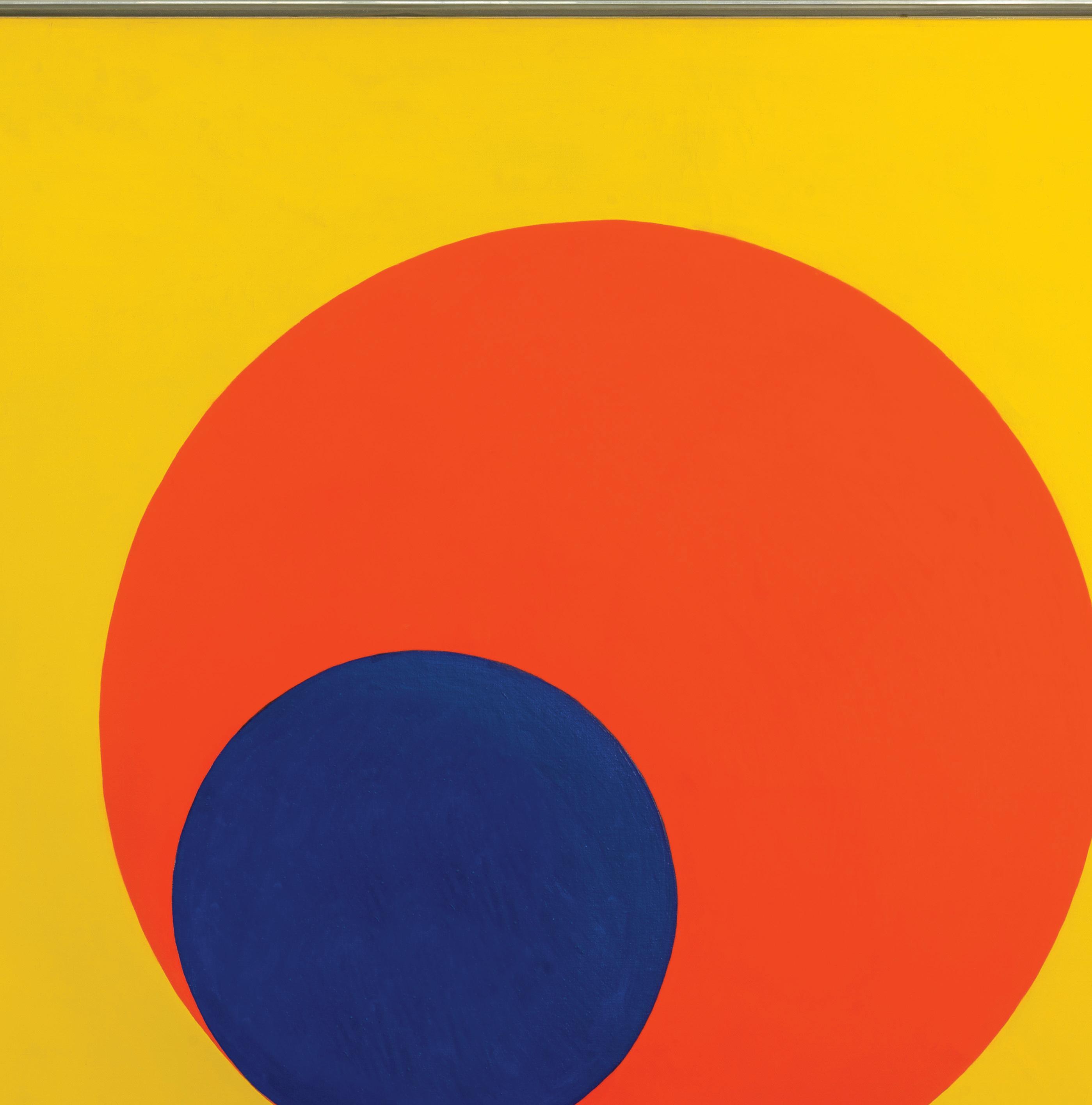

LITTLE MYSTERIES III, 1963
ACRYLIC ON CANVAS
40 × 40 INCHES
SIGNED VERSO
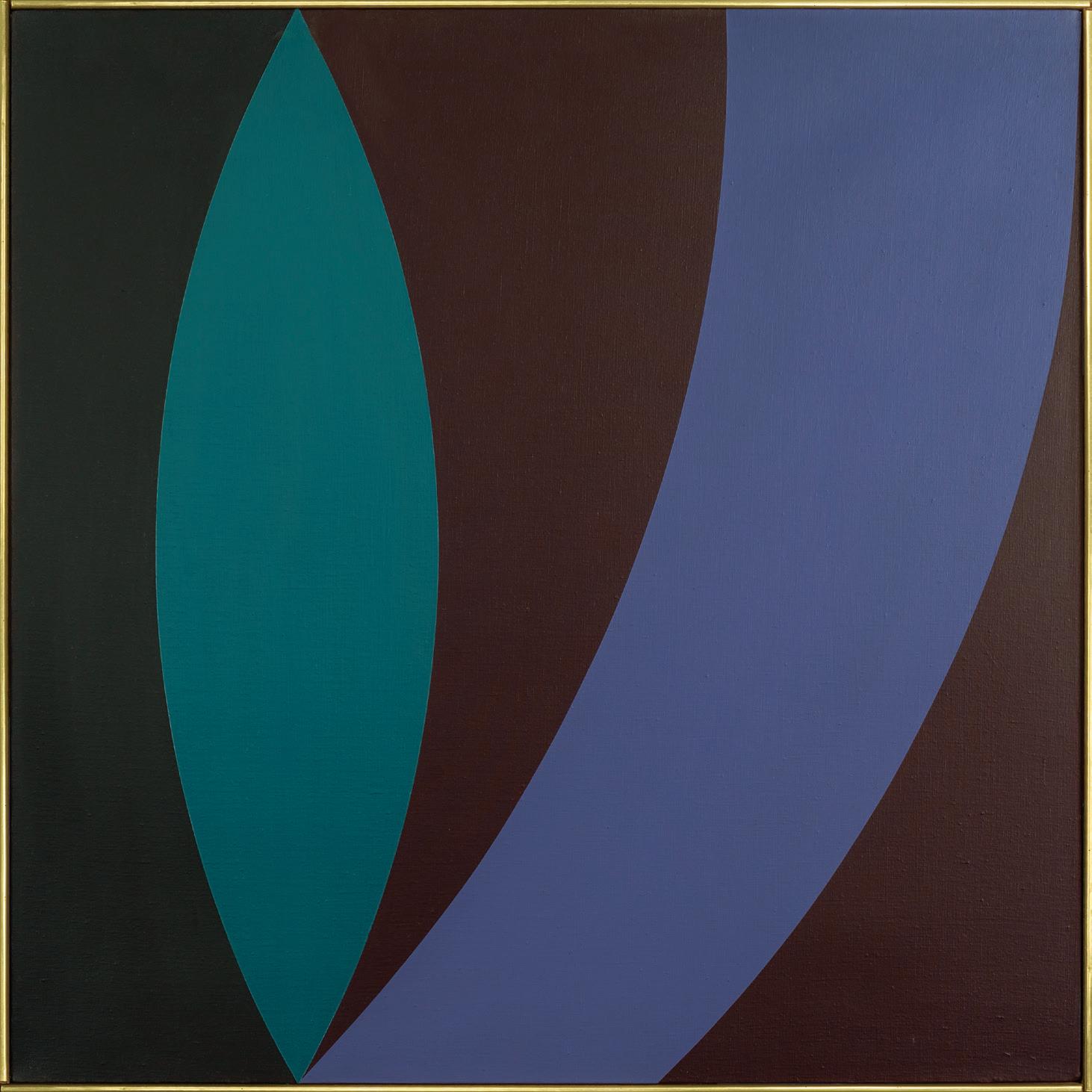

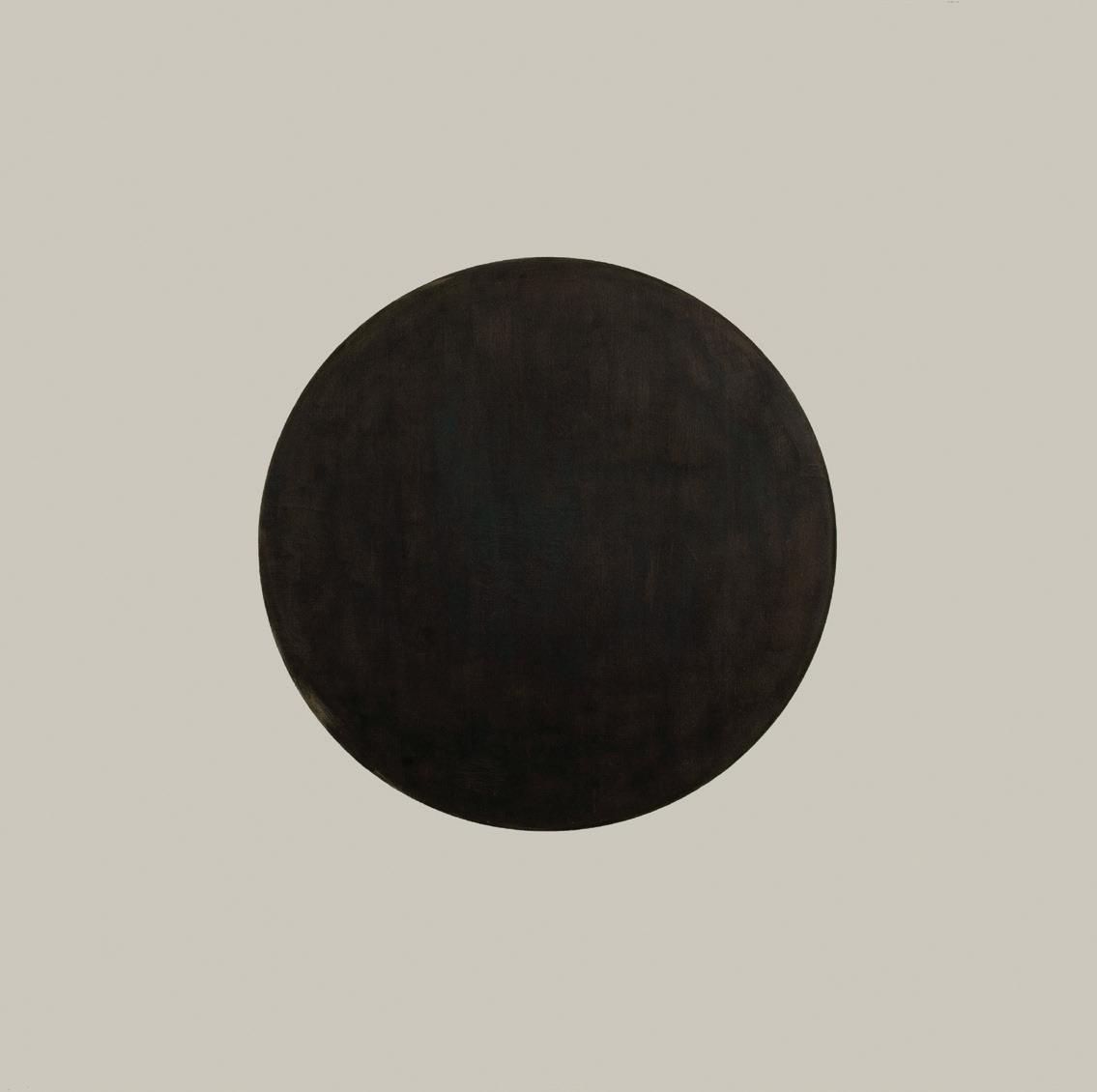
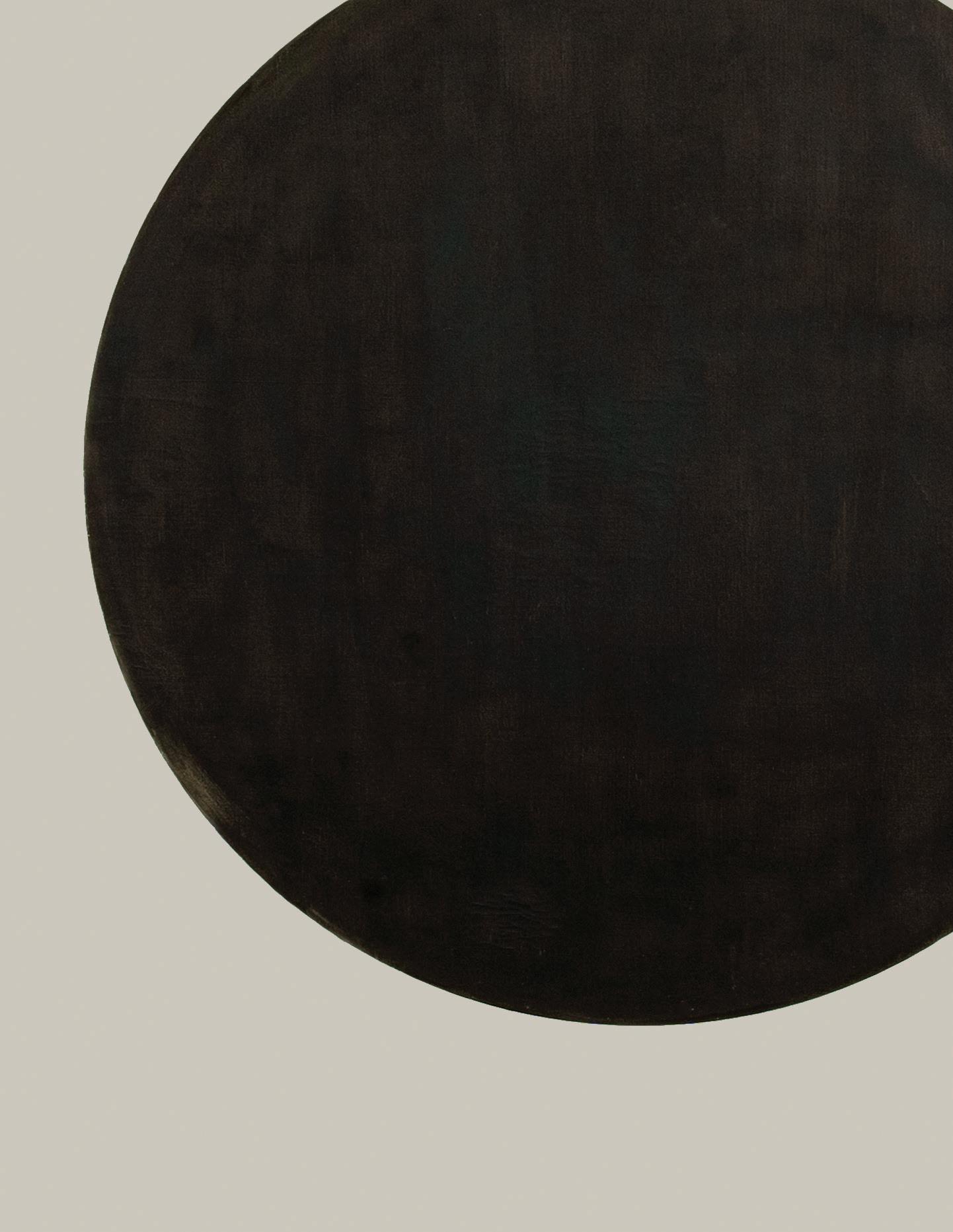
ONE CIRCLE, 1950
ENAMEL ON CANVAS
40 × 40 INCHES
ESTATE STAMPED VERSO
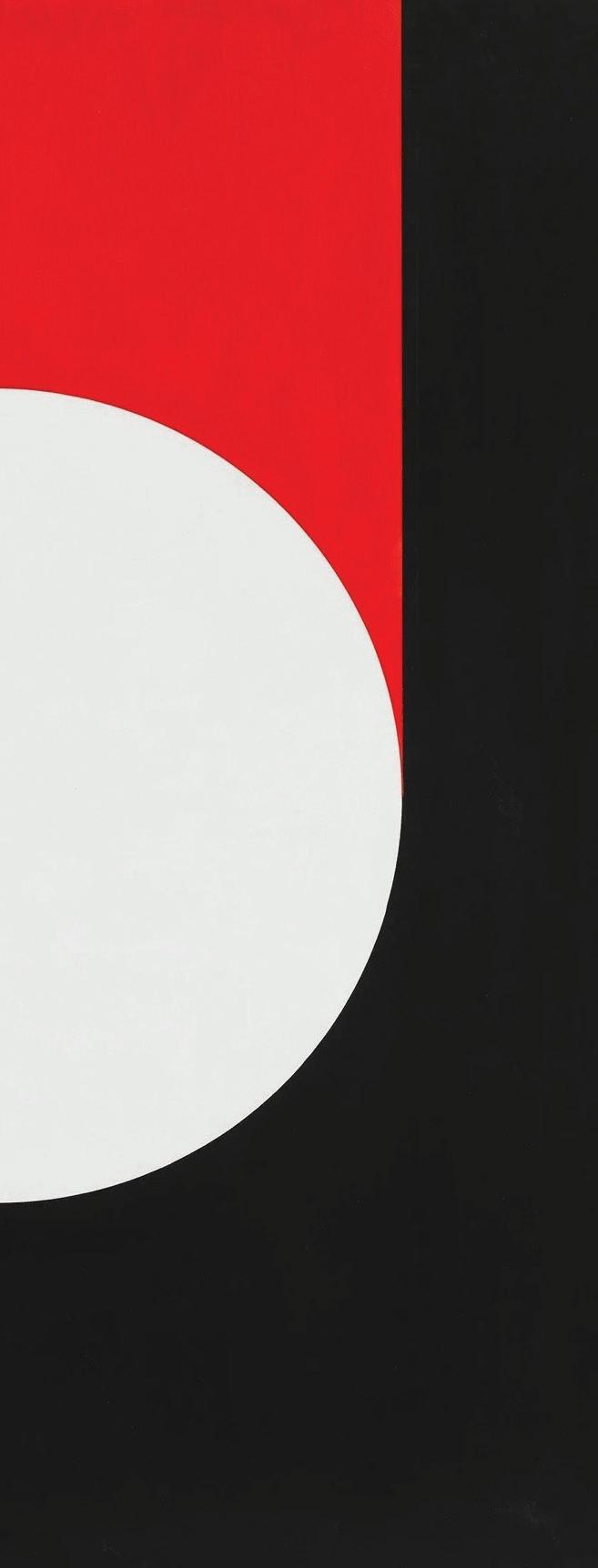
UNTITLED, 1961
OIL ON CANVAS
48 × 48 INCHES
49 × 49 INCHES FRAMED
SIGNED VERSO
PROVENANCE:
THE ESTATE OF THE ARTIST
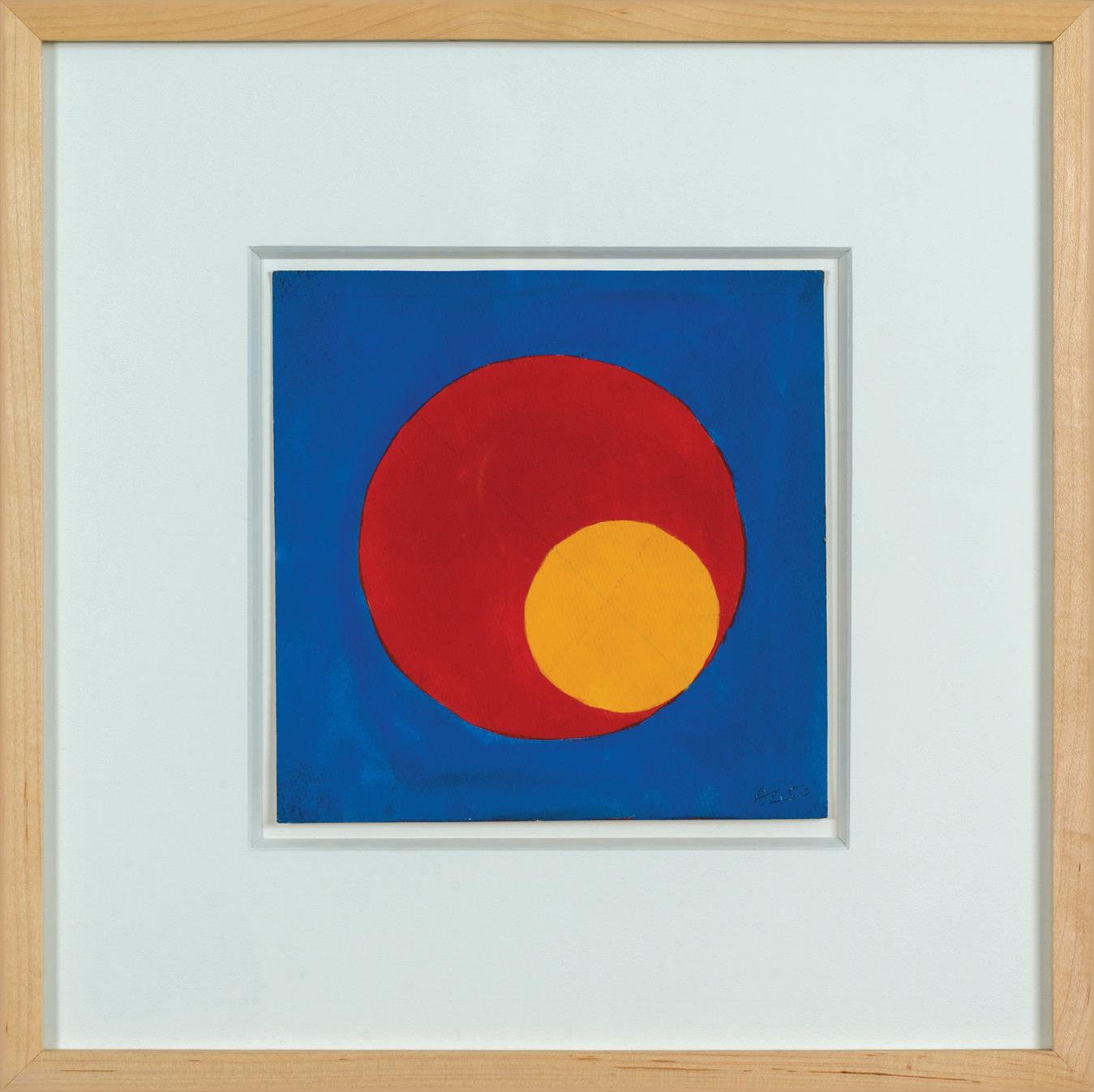

UNTITLED, 1950
GOUACHE ON PAPER
16 × 16 INCHES
SIGNED & DATED LOWER RIGHT
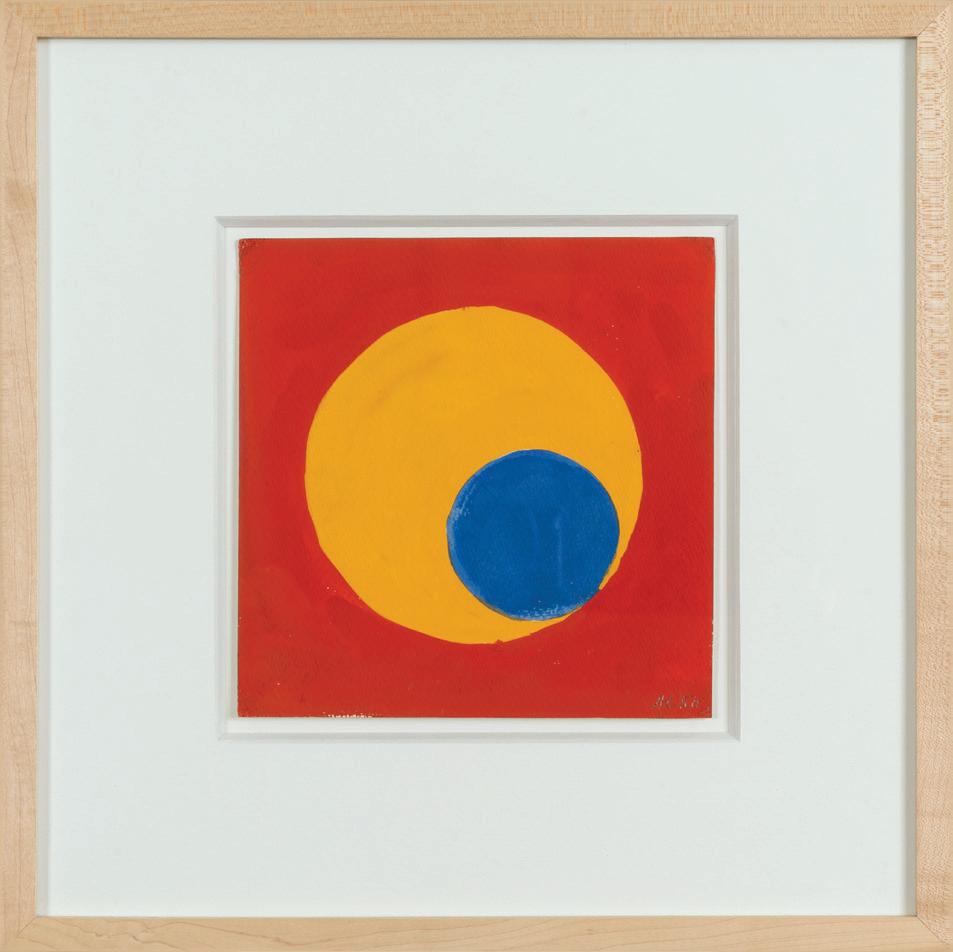
UNTITLED, 1950
GOUACHE ON PAPER
18 × 18 INCHES
SIGNED & DATED LOWER RIGHT
( RIGHT PAGE ) UNTITLED, 1950
GOUACHE ON PAPER
16 × 16 INCHES
SIGNED & DATED LOWER RIGHT


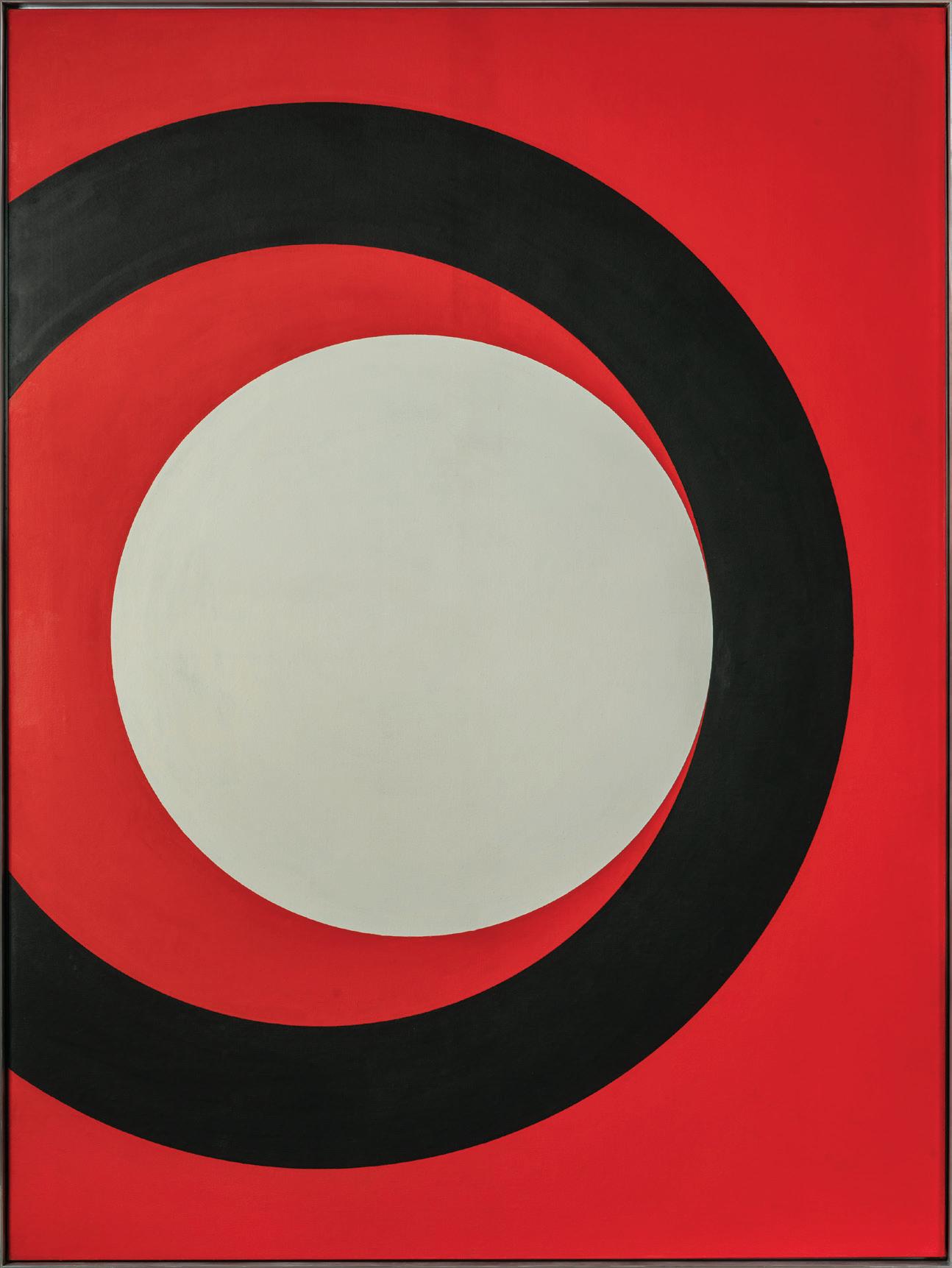
UNTITLED, 1961
ACRYLIC ON CANVAS
81 × 61 INCHES
SIGNED VERSO

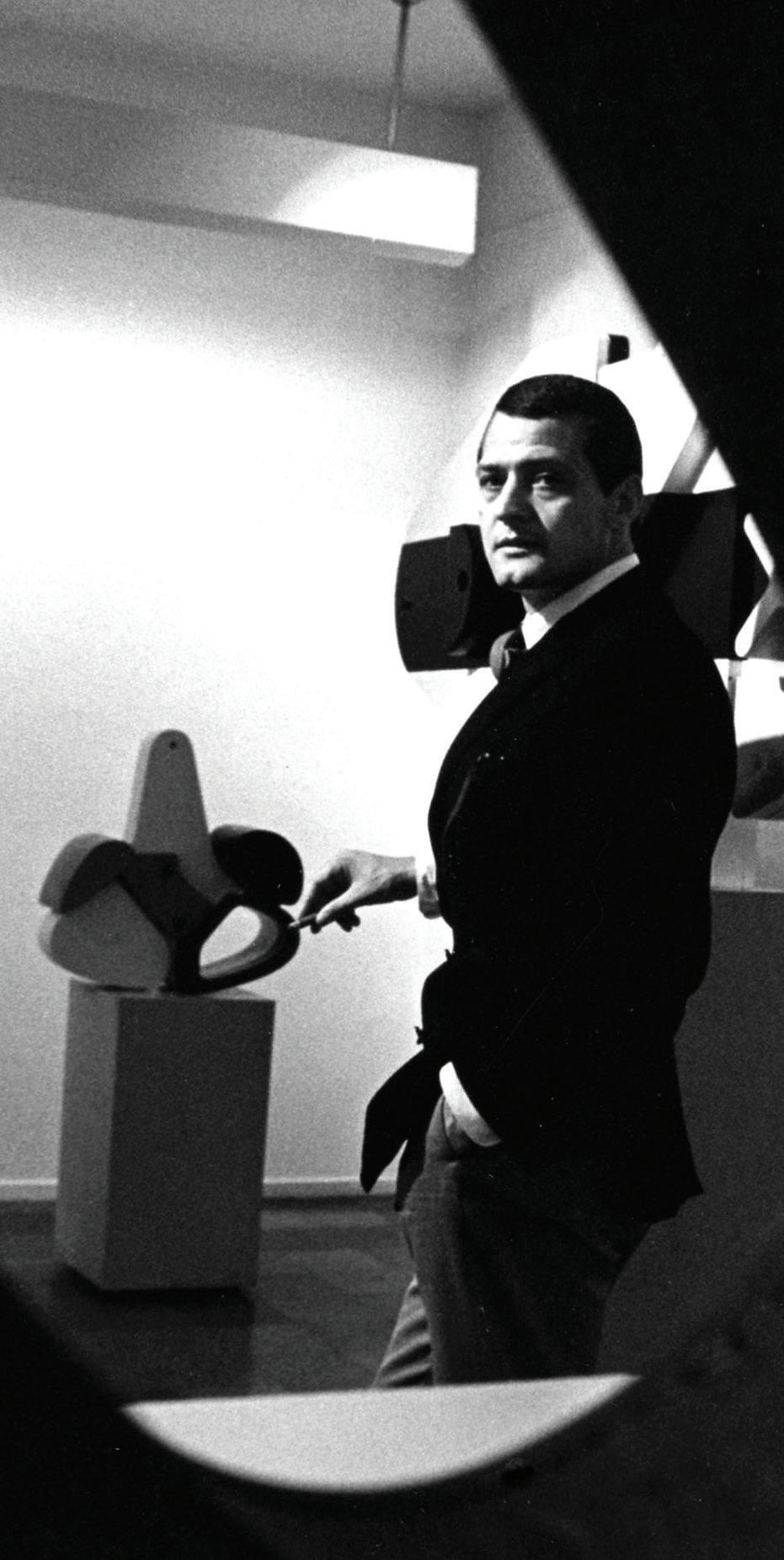
Swiss / American, 1930-2002
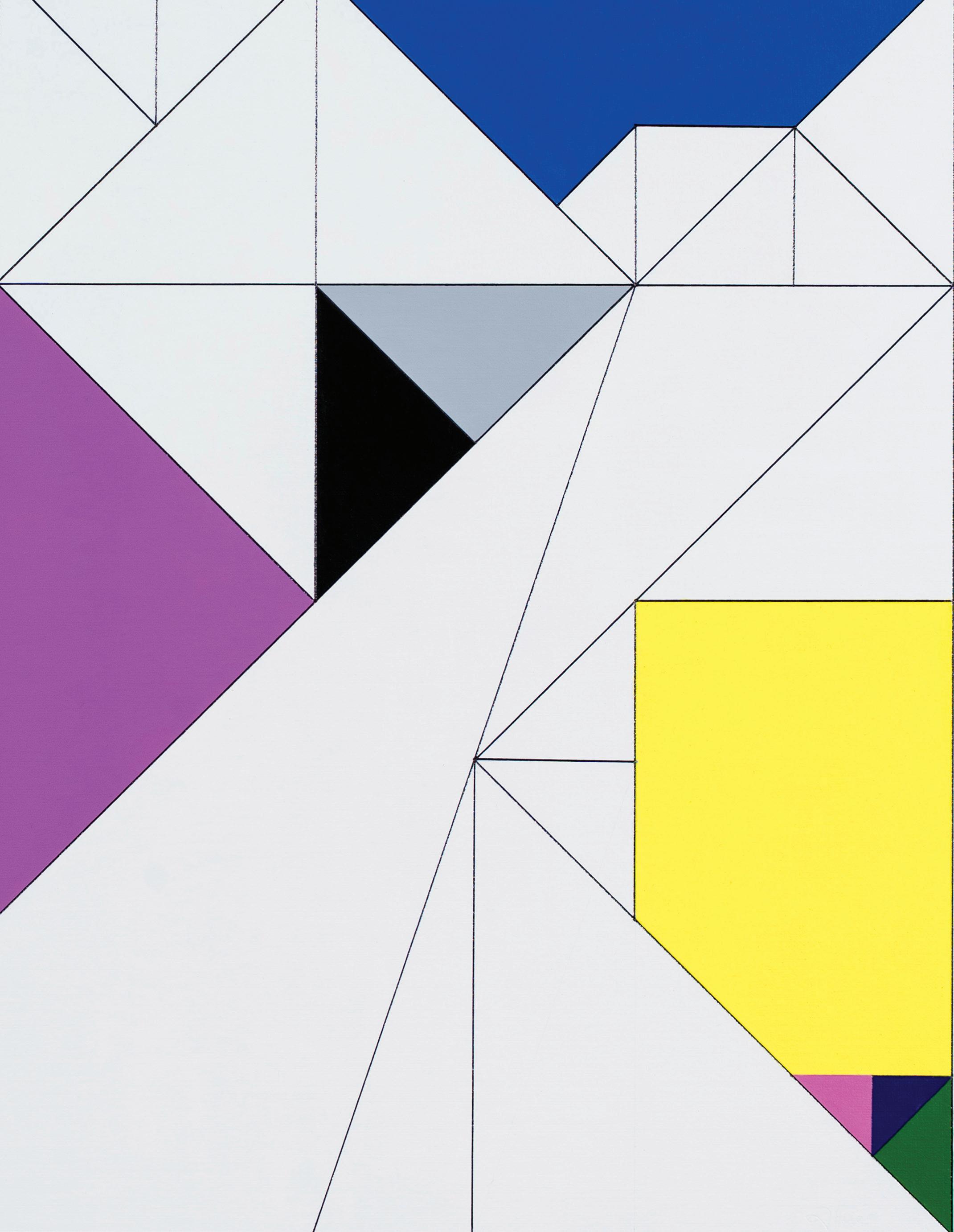
Fred Troller was an artist and designer who helped popularize a minimalist typographic style known as Swiss New Typography in the United States in the 1960s. This style was in contrast to the decorative and ornamental graphic design trends at the time. The Swiss aesthetic was influenced by the Bauhaus school of the 1920s and focused on stark, bold typefaces and primary colors. It was a logical, practical style, which was popular among multinational corporations who wanted uniform graphic identities that were clearly understood by their clients. Troller’s personal interpretation of the style was characterized by manipulated geometric forms, juxtapositions of large and small lettering, and visual puns formed by the fonts themselves.
Troller was born in Zurich, Switzerland on December 12, 1930. He graduated from the Zurich School of Design at age 20 and began working for the motion picture producer Louis de Rochemont. He then moved to New York to work as the design director for the Ciba-Geigy Chemical Corporation. In 1968, he left Geigy and opened his own design studio, Troller Associates, in Rye, New York to continue working on corporate design programs. His clients included Exxon, General Electric, I.B.M., and Westinghouse. In the 1970s, he created a series of travel posters for American Airlines.
Troller enjoyed a long career as an educator. He taught and lectured at many major design schools including Cooper Union, the School of Visual Arts, and the Rhode Island School of Design. From 1988 to 2000, Troller was the chairman for the design division at Alfred University in New York. In 1995, Georgia State University held an exhibition titled “Troller Retrospective: 30 Years of Graphic Design.”
In addition to his prolific professional career, Troller was also a talented painter and a sculptor; his works were represented at Grace Borgenicht Gallery in New York. One of his most important works was a series of mask drawings inspired by the gift of an antique African mask. Fred Troller died of cancer at age 71 at his home in Rye, New York in October 2002.
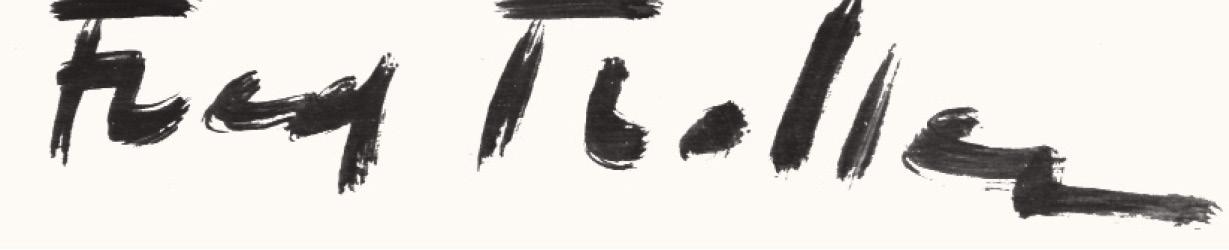
“On leaving my native Switzerland in 1961, I left behind my previous work. I discovered the American environment. A silhouette of a New Jersey oil refinery, the colored pipes winding upwards, a suspension bridge with the joints of its steel beams, its bolts and nuts, the roaring sound of a jet taking off, street signs in groups, signal after signal railroad cars with painted emblems rolling by. Confronted with and nourished by this visual excitement I started anew.”
Troller quoted in the catalog for Young America 1965, The Whitney Museum of American Art

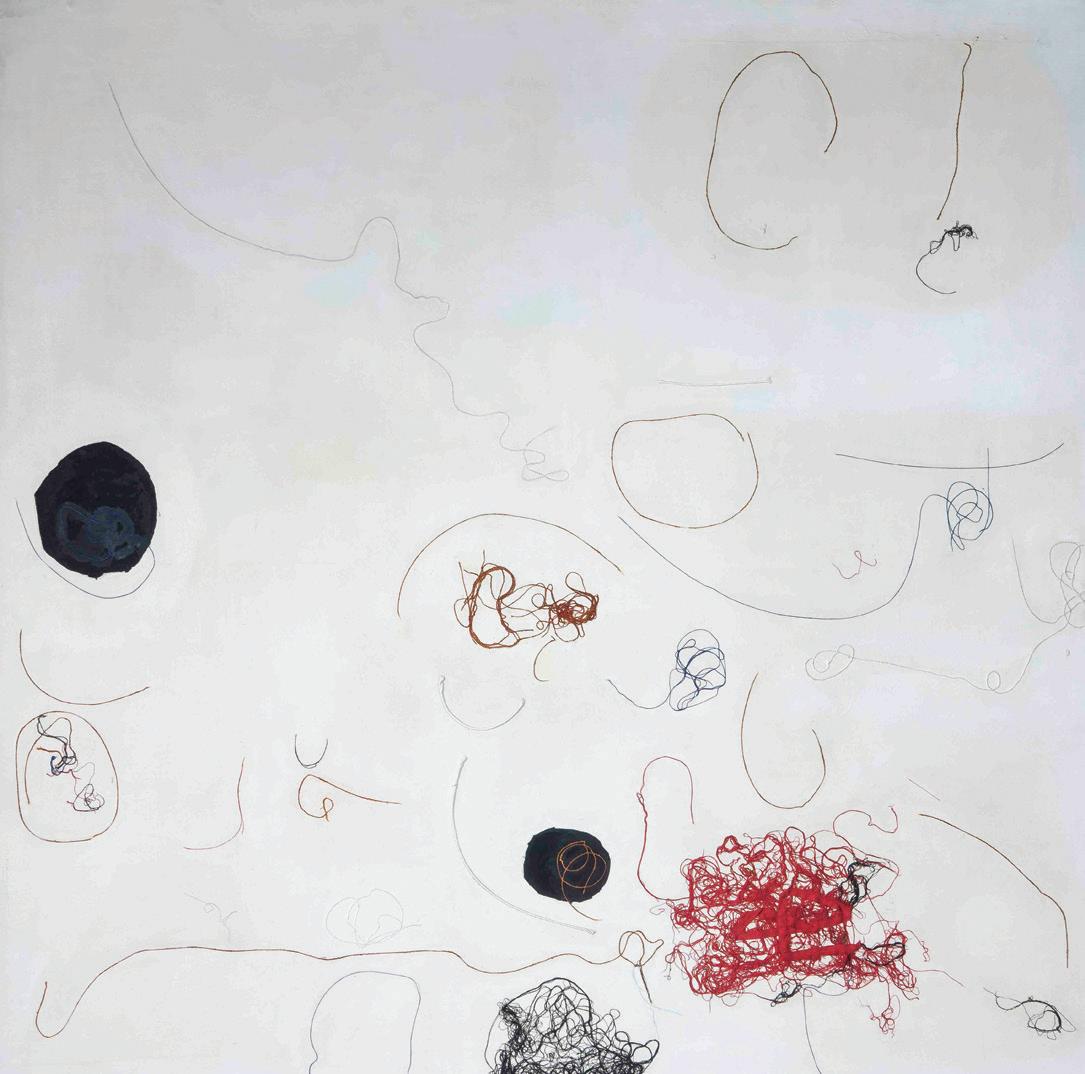
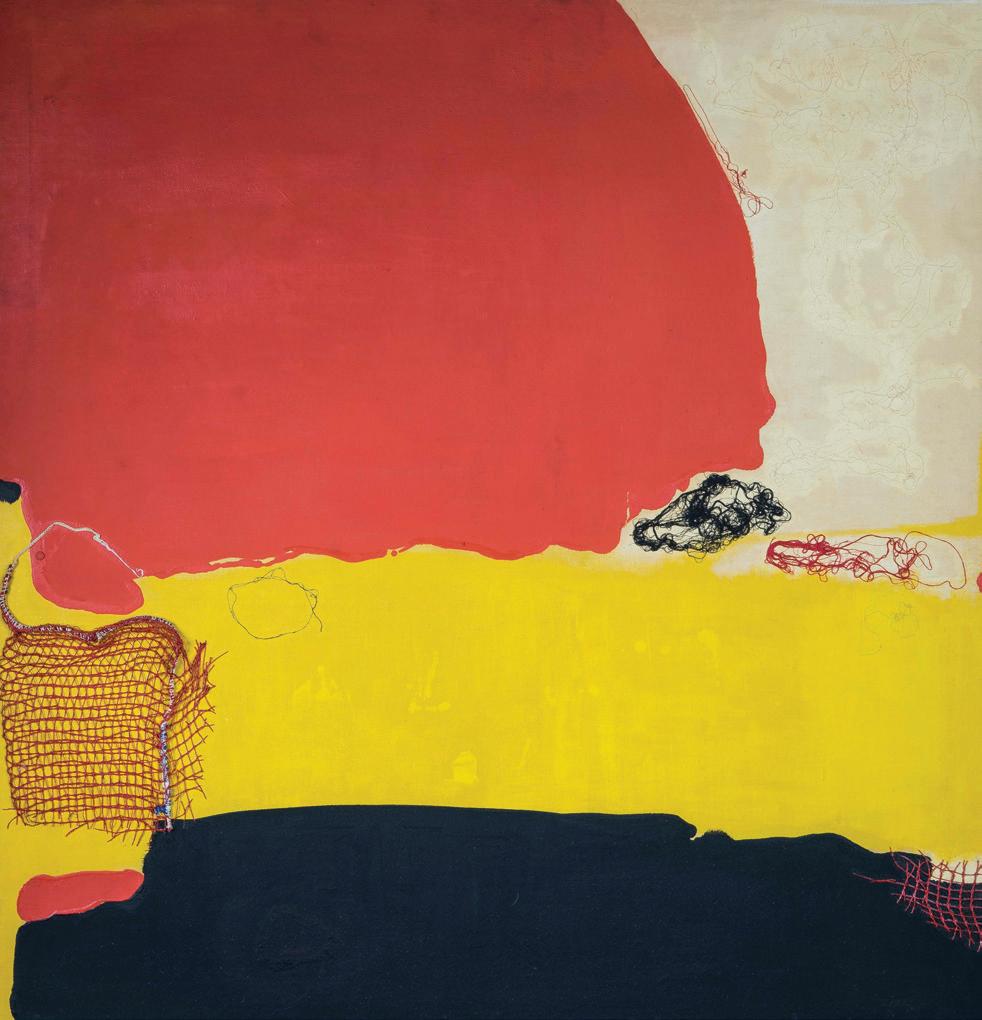
UNTITLED, 1961
OIL & FABRIC COLLAGE ON CANVAS
48 X 48 INCHES
SIGNED VERSO

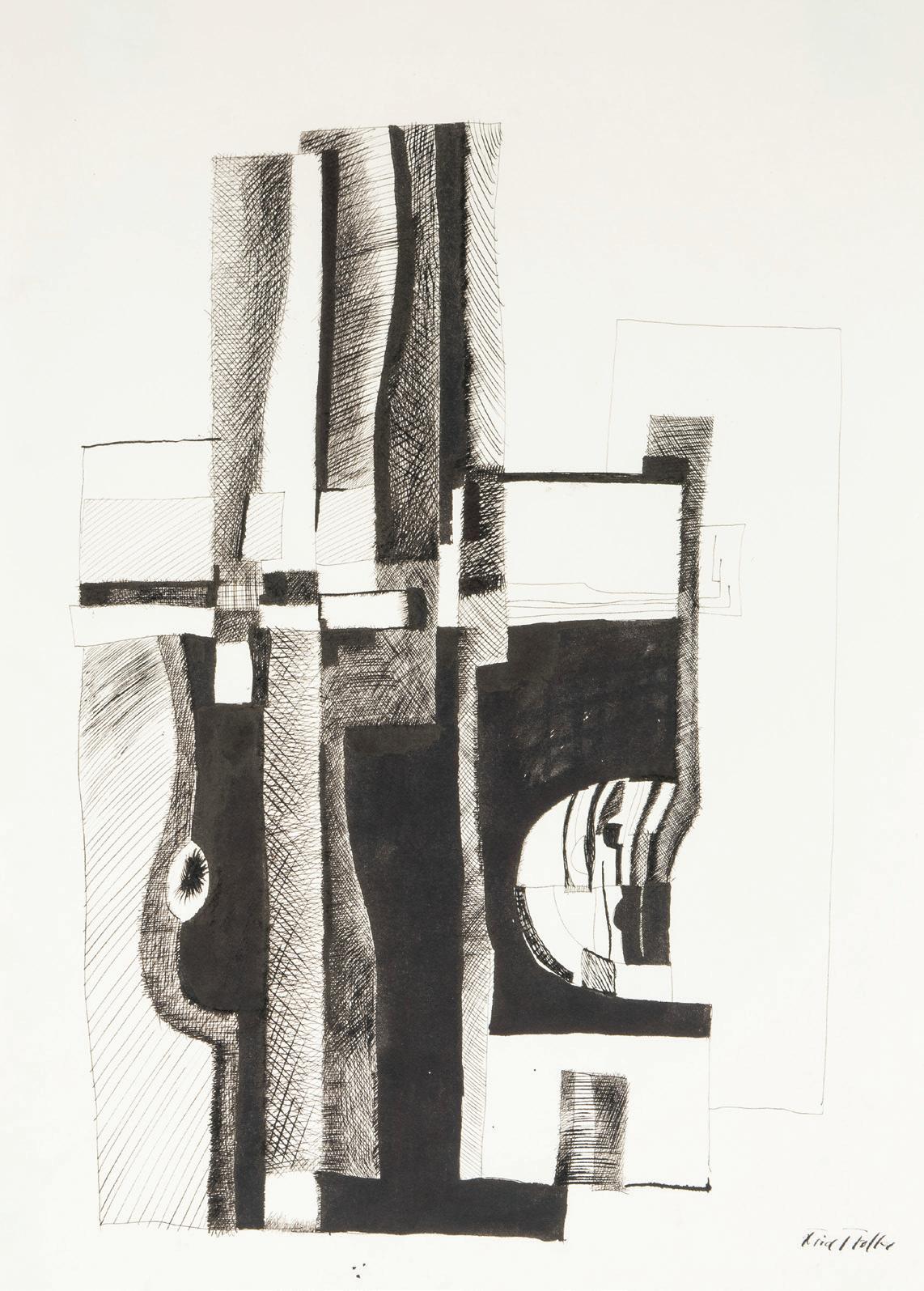
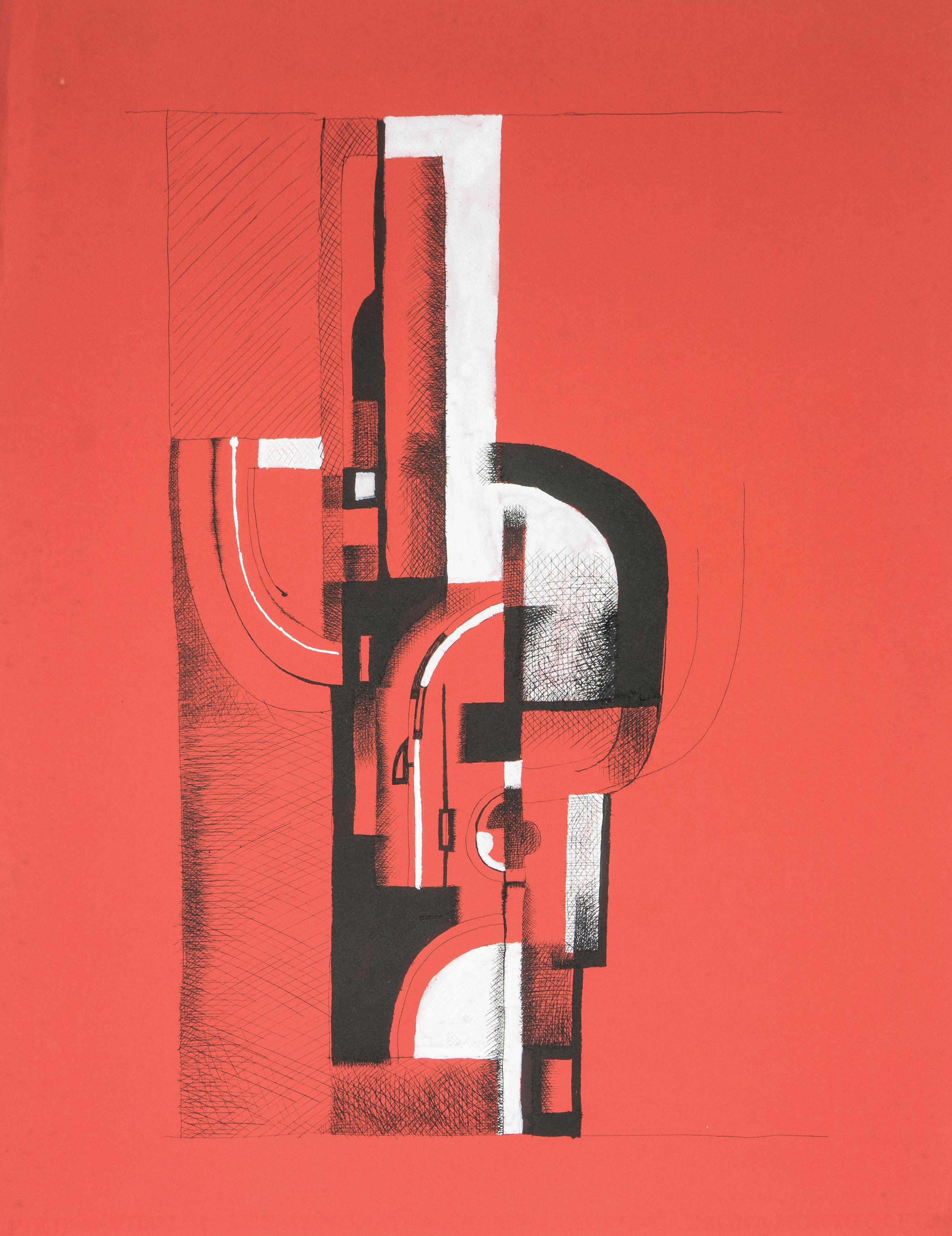
UNTITLED, C. 1959
INK ON PAPER
25 1/8 × 18 1/2 INCHES
SIGNED AT LOWER RIGHT
UNTITLED, C. 1959
INK & GOUACHE ON PAPER
25 5/8 × 19 5/8 INCHES
SIGNED & DATED VERSO
UNTITLED, 1961
OIL ON CANVAS
LAID DOWN ON BOARD
42 × 42 INCHES
SIGNED & DATED VERSO


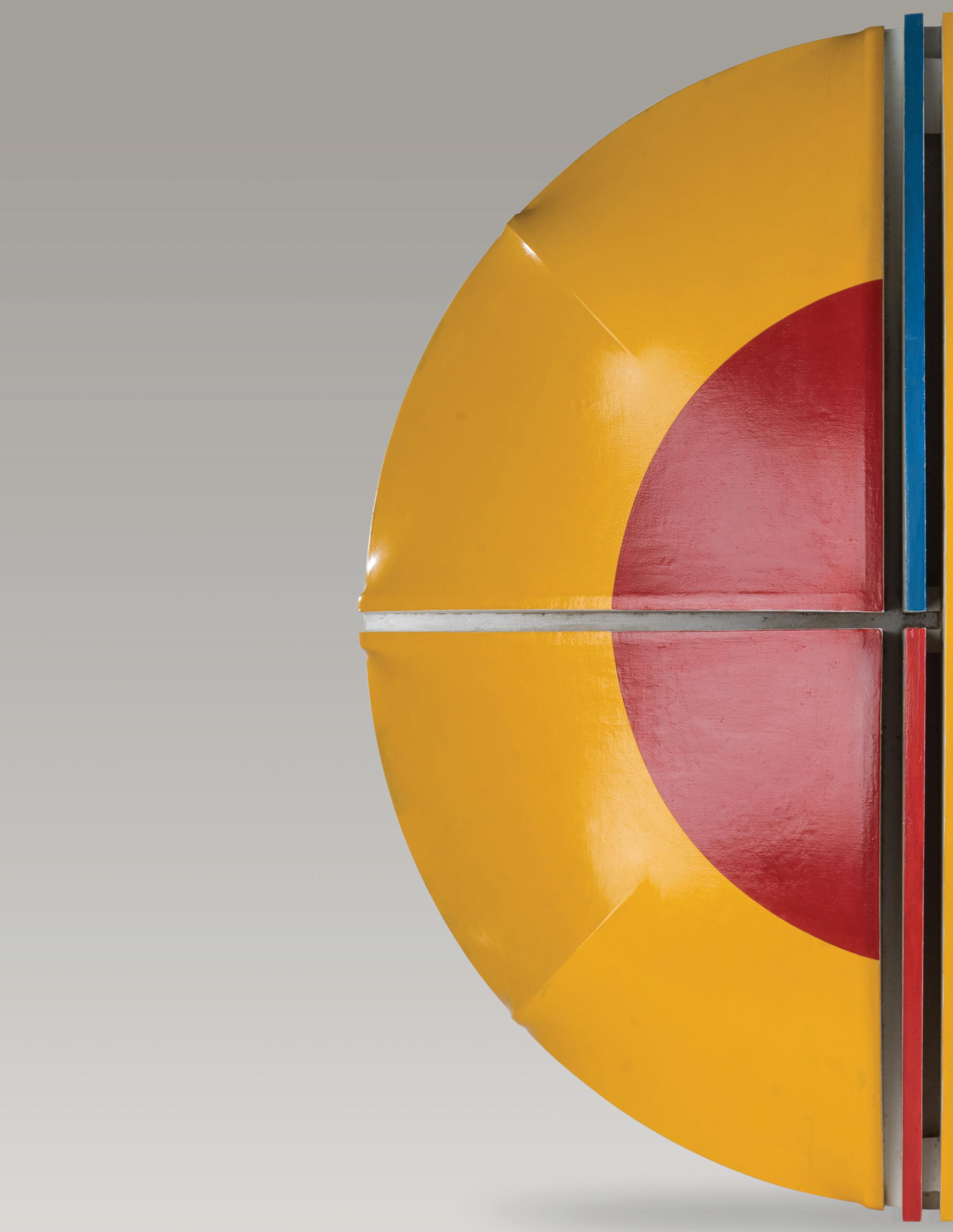
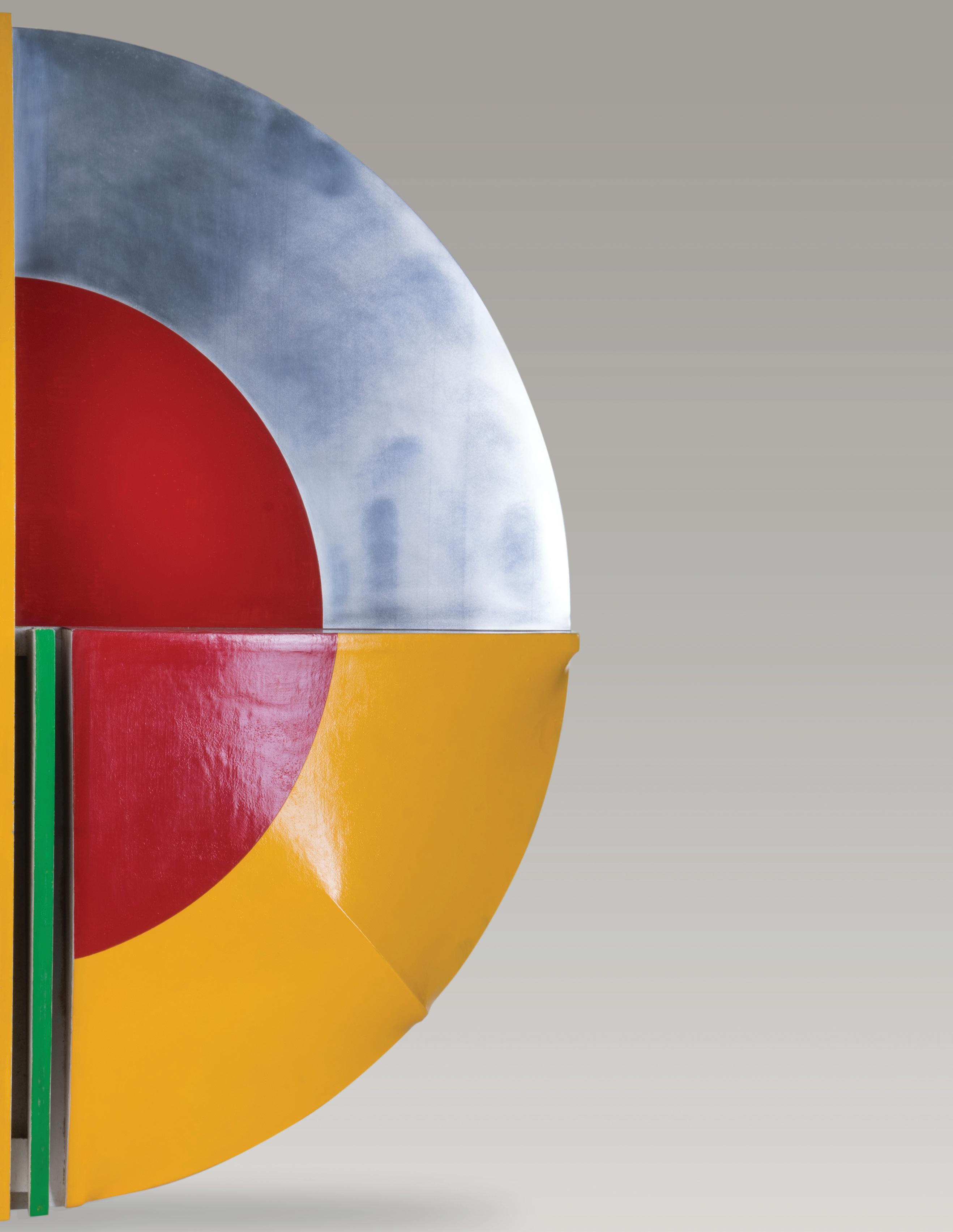
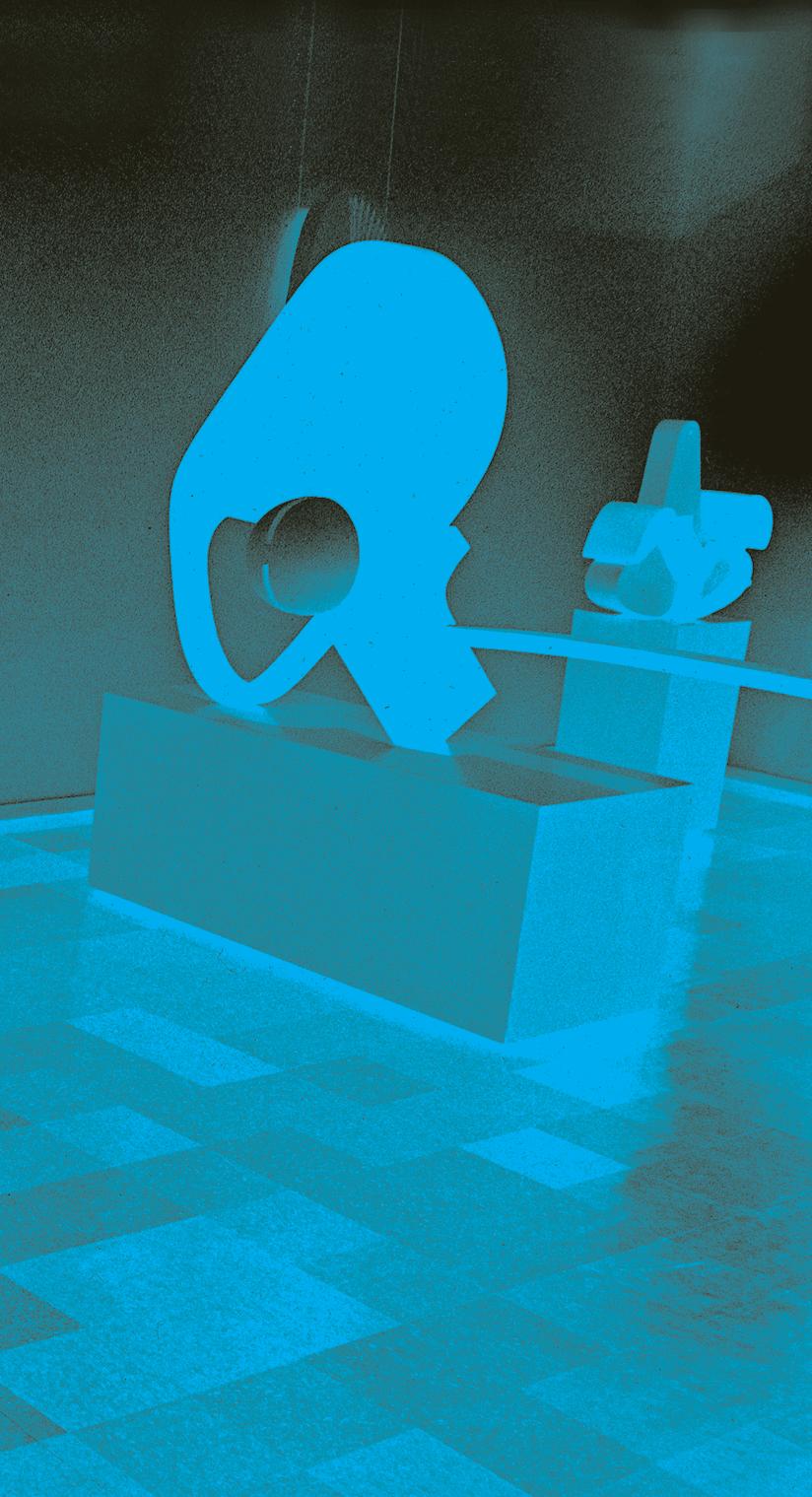
47 × 47 × 8 ¼ INCHES

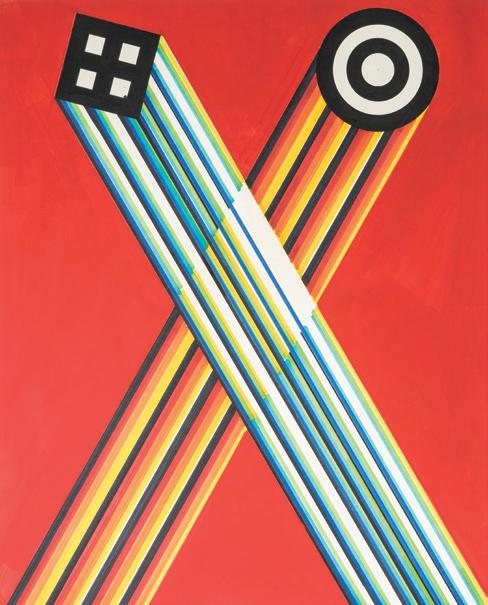
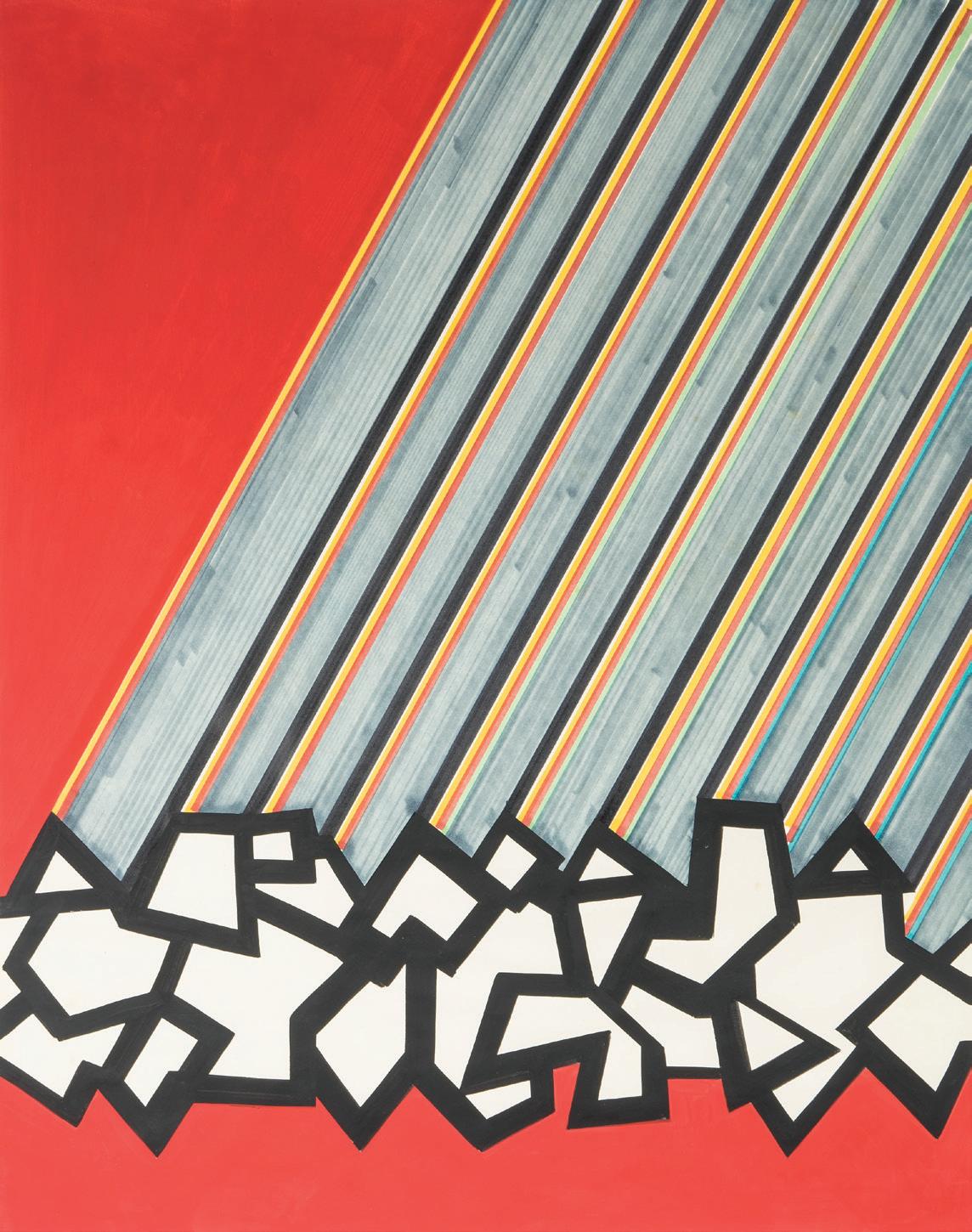
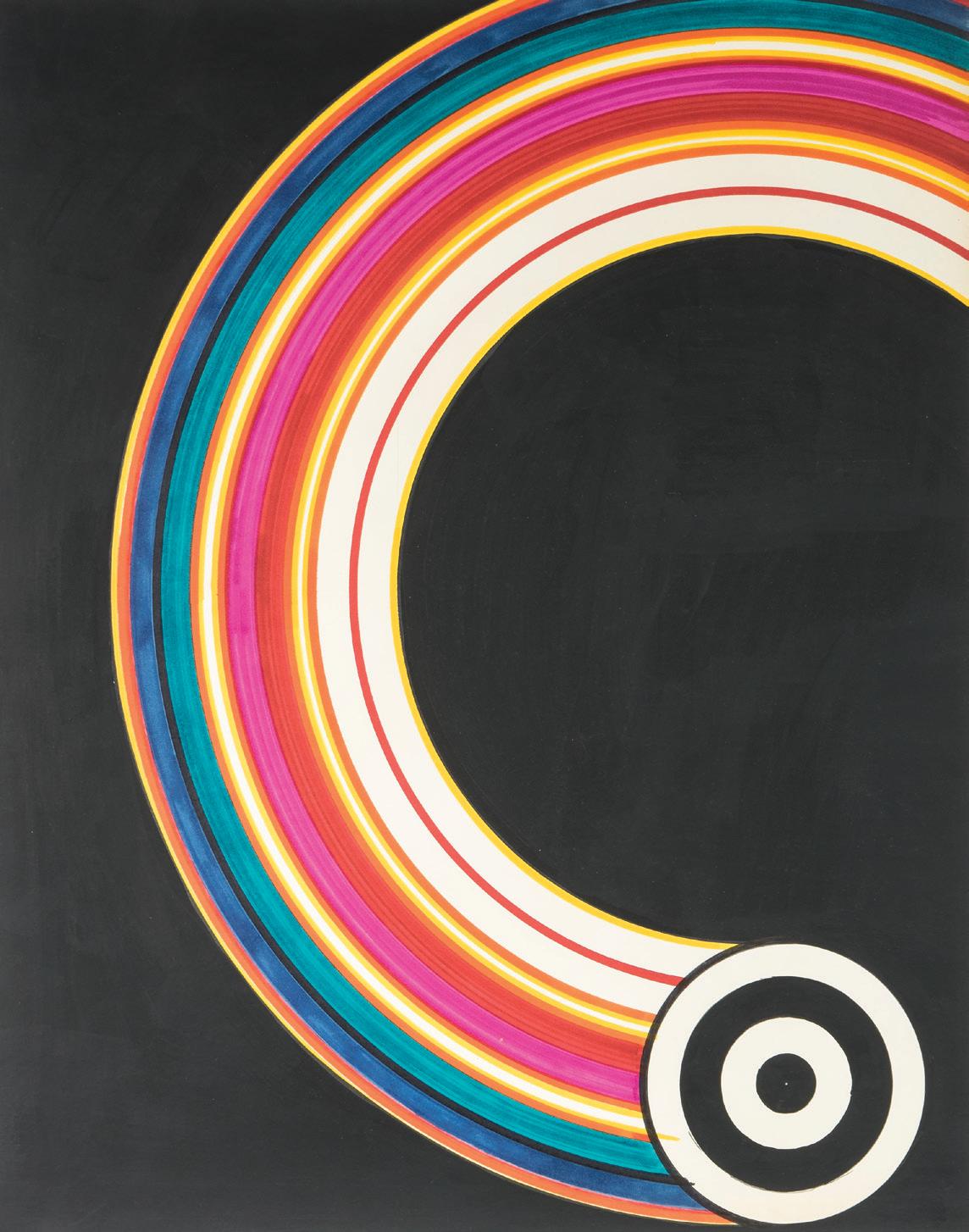
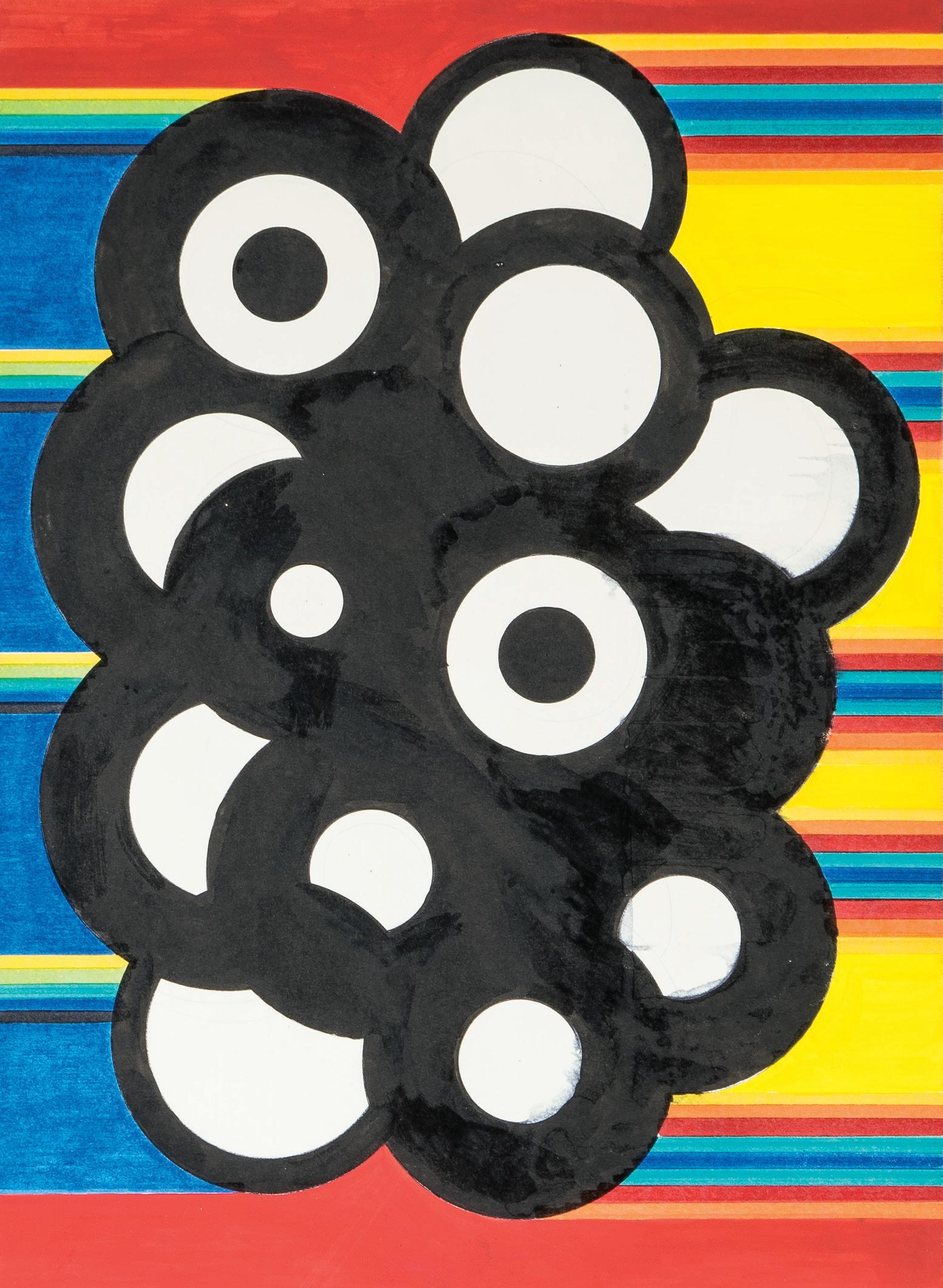
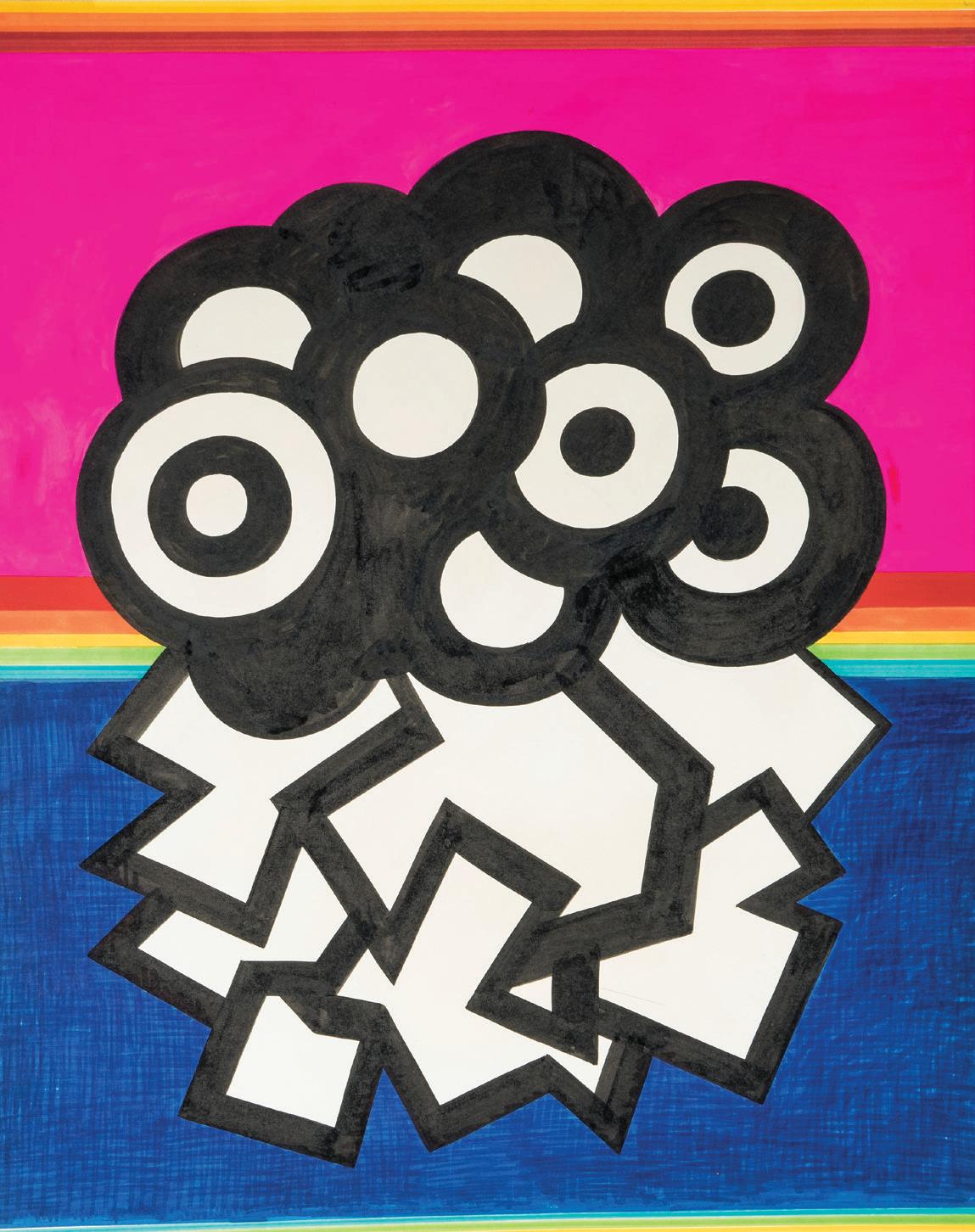

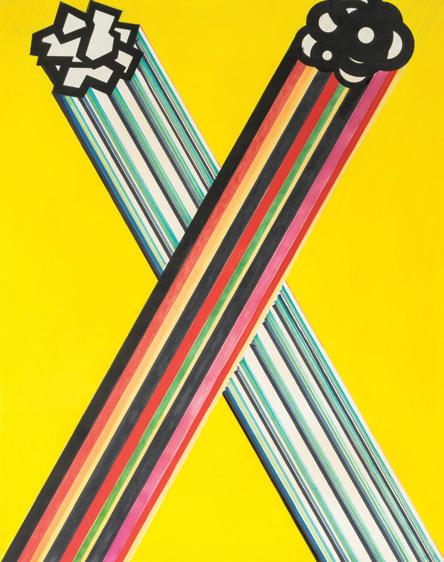
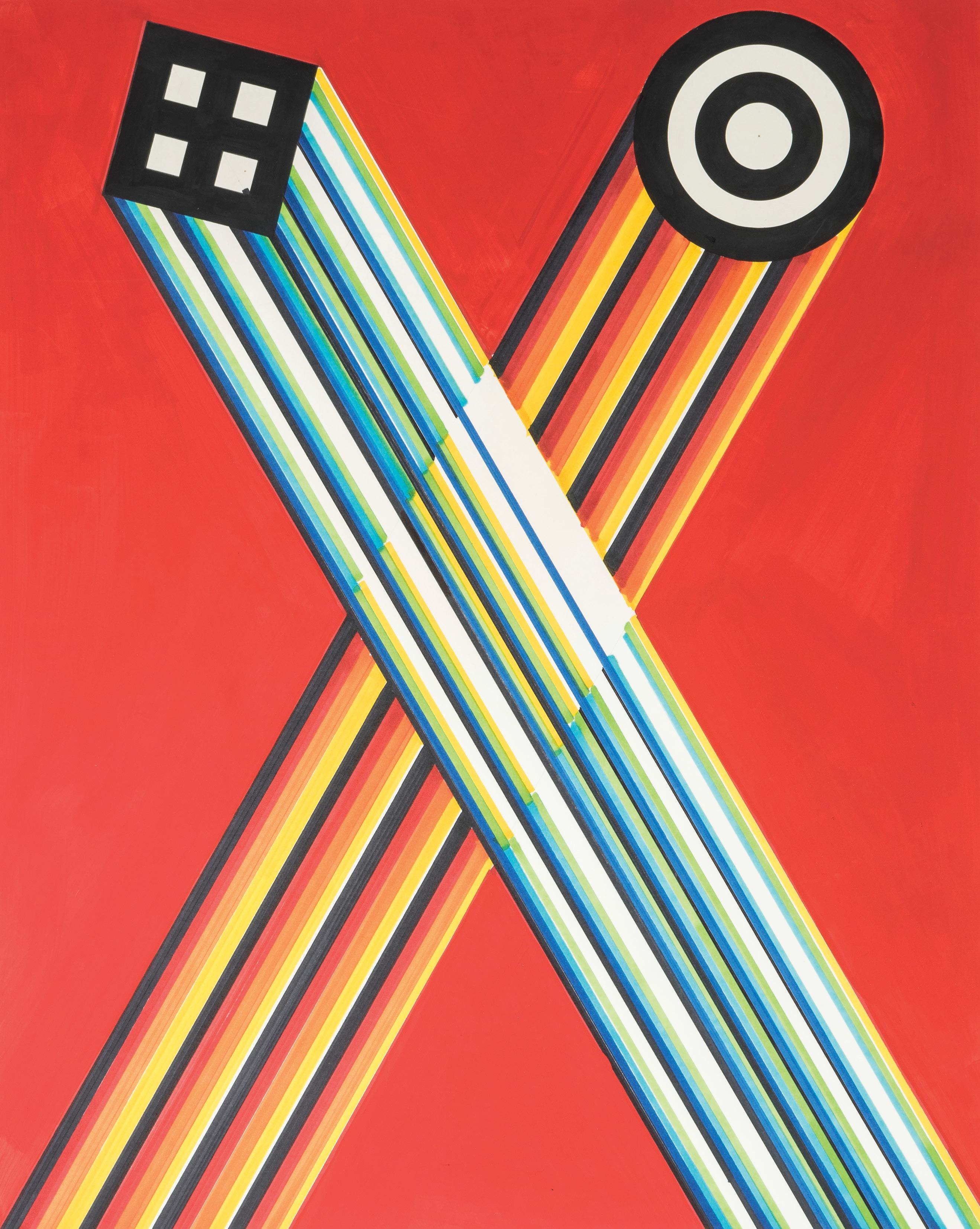
( TOP LEFT ) UNTITLED, 1970
GOUACHE ON PAPER
24 × 18 3/4 INCHES
SIGNED VERSO
UNTITLED, 1970
GOUACHE ON PAPER
24 × 18 3/4 INCHES
SIGNED VERSO
( BOTTOM LEFT ) UNTITLED, C. 1970
GOUACHE & MARKER ON PAPER
24 X 18 3/4 INCHES
SIGNED VERSO
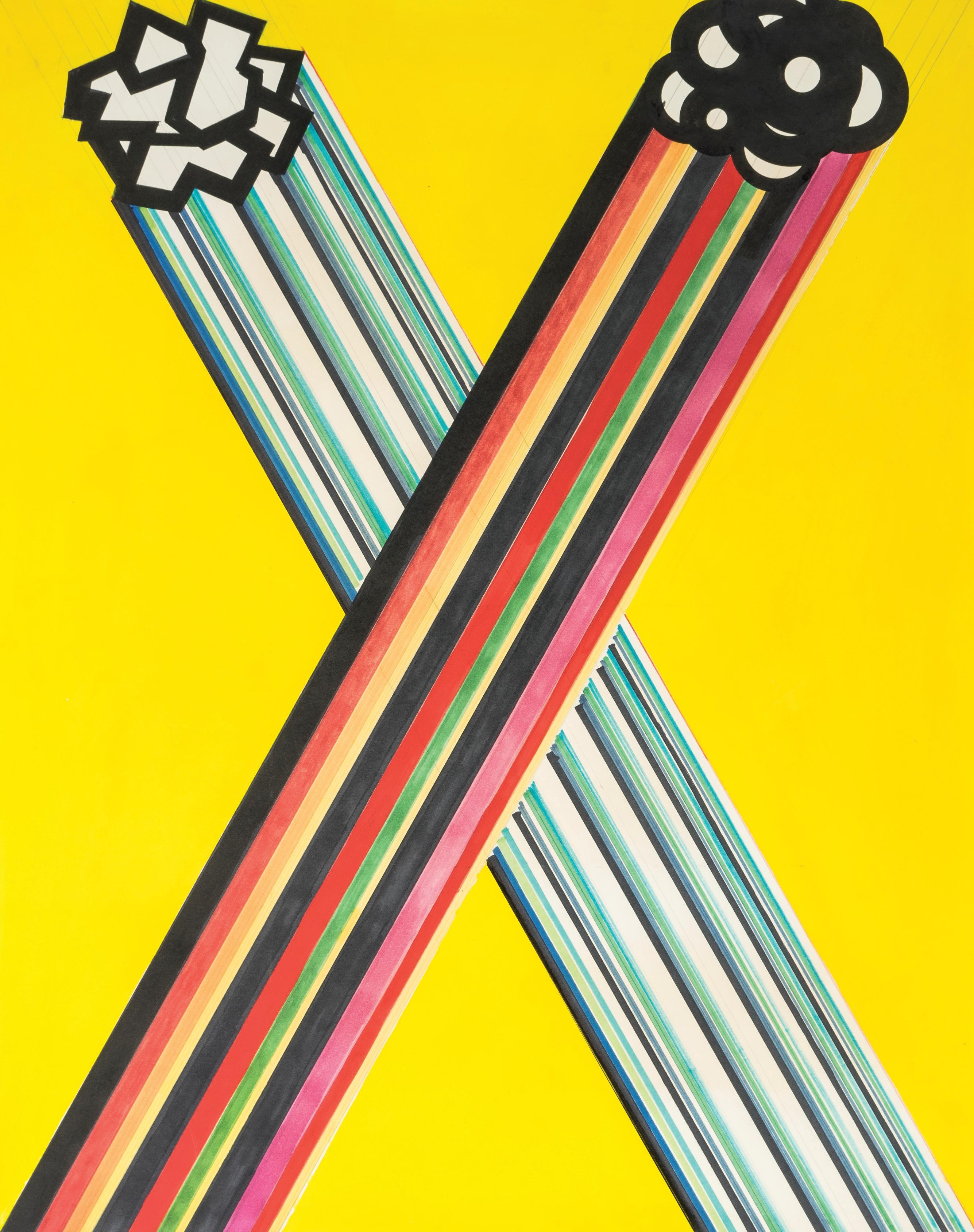
( TOP RIGHT ) UNTITLED, 1970
GOUACHE ON BOARD
15 × 11 INCHES
18 1/2 × 14 1/2 INCHES
UNTITLED, C. 1970
GOUACHE ON PAPER
24 X 18 3/4 INCHES
SIGNED VERSO
( BOTTOM RIGHT ) UNTITLED, C. 1970
GOUACHE ON PAPER
24 X 18 3/4 INCHES
SIGNED VERSO
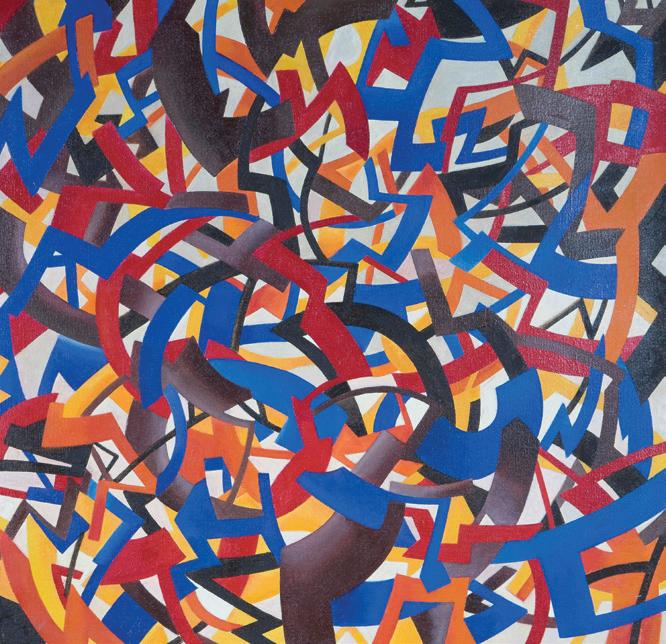

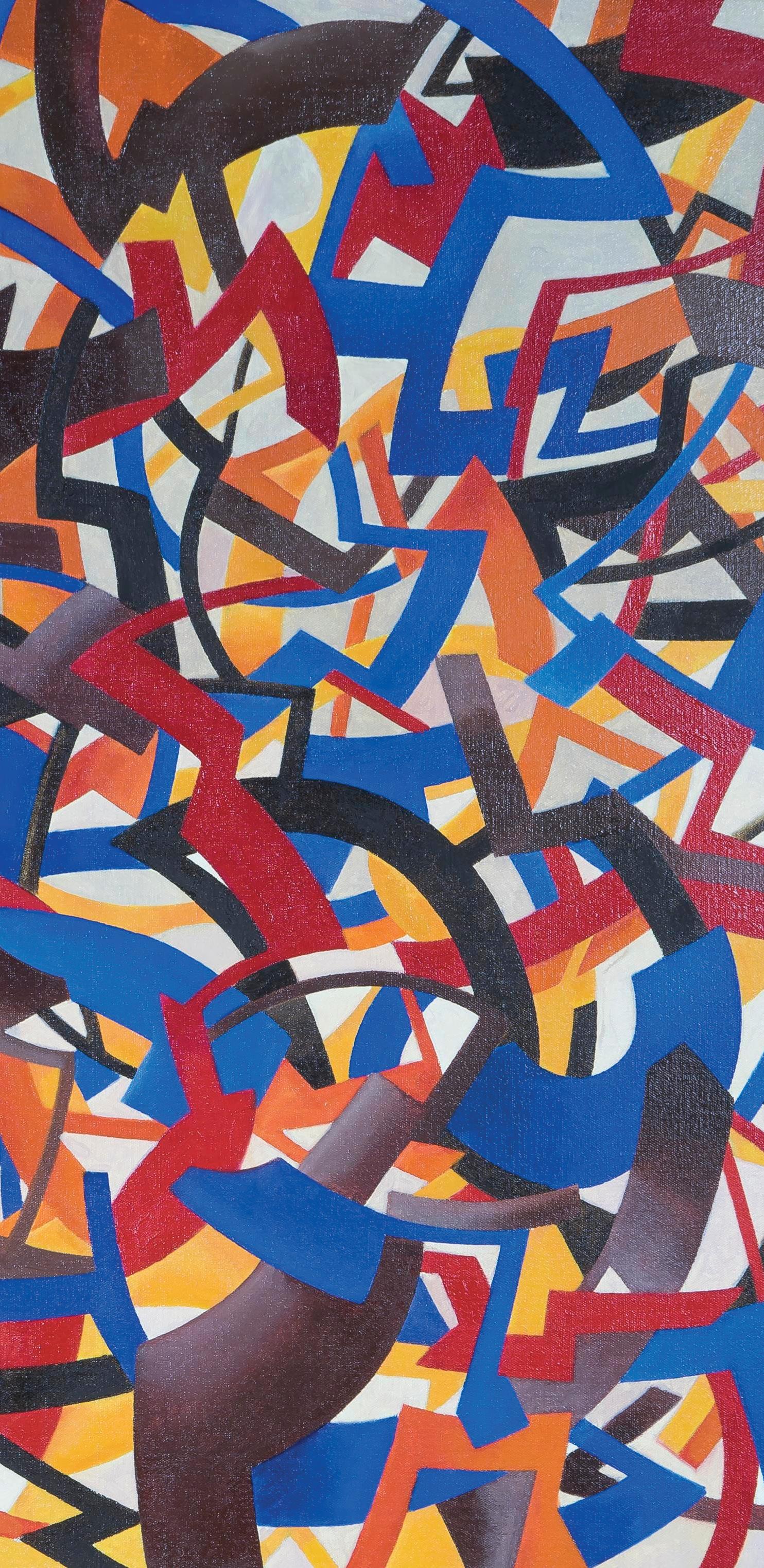
UNTITLED, C. 1970
ACRYLIC ON CANVAS
36 × 36 INCHES
SIGNED VERSO
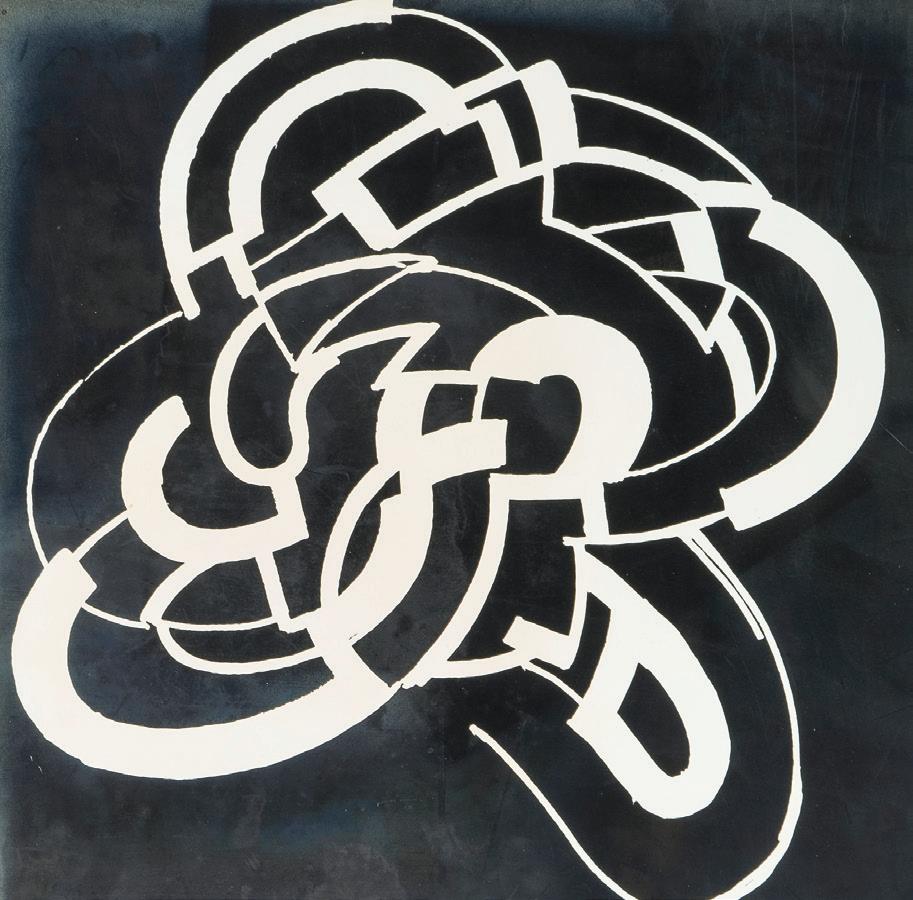
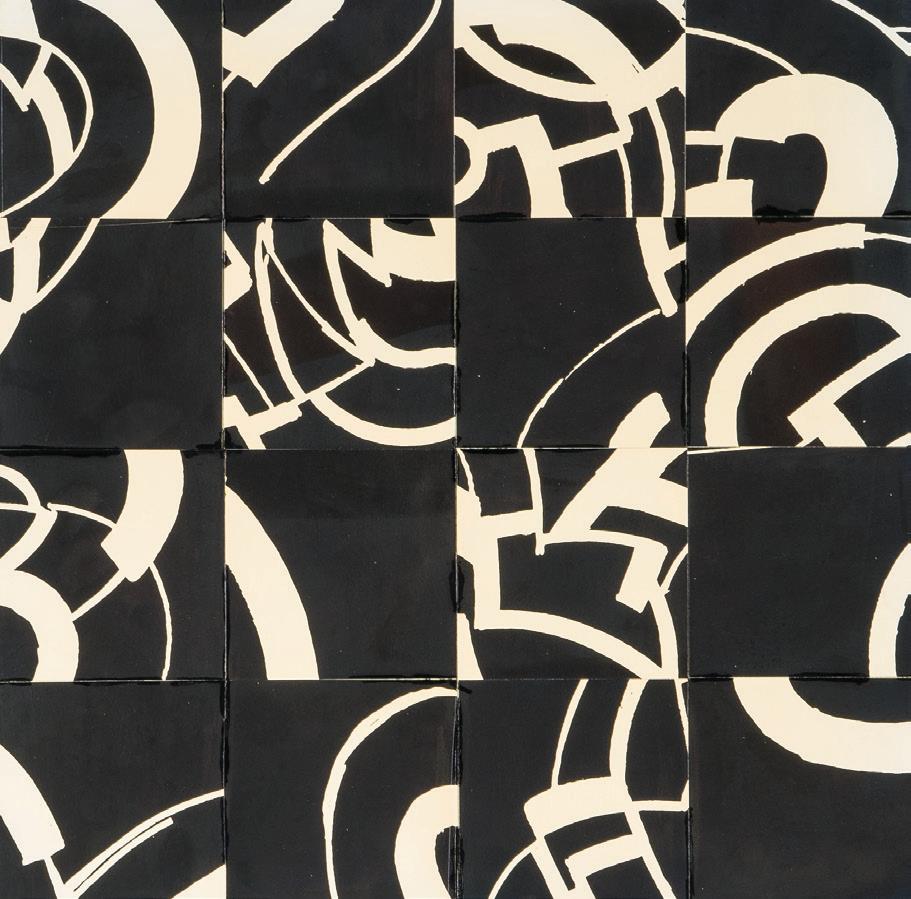
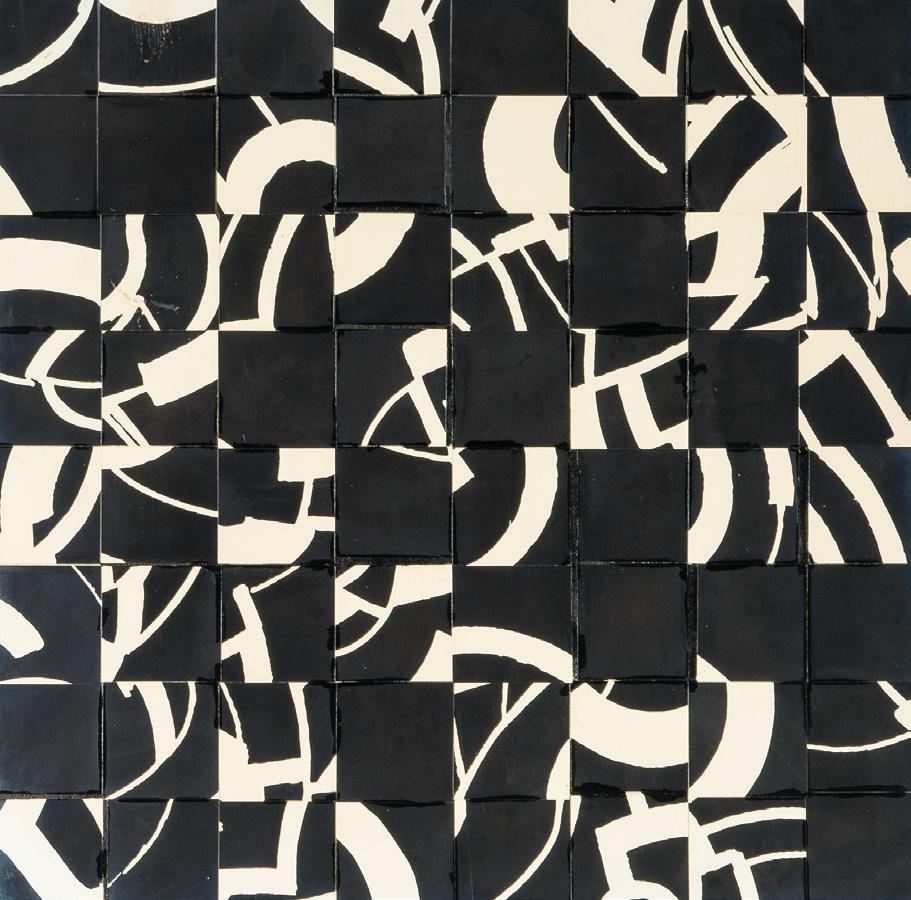
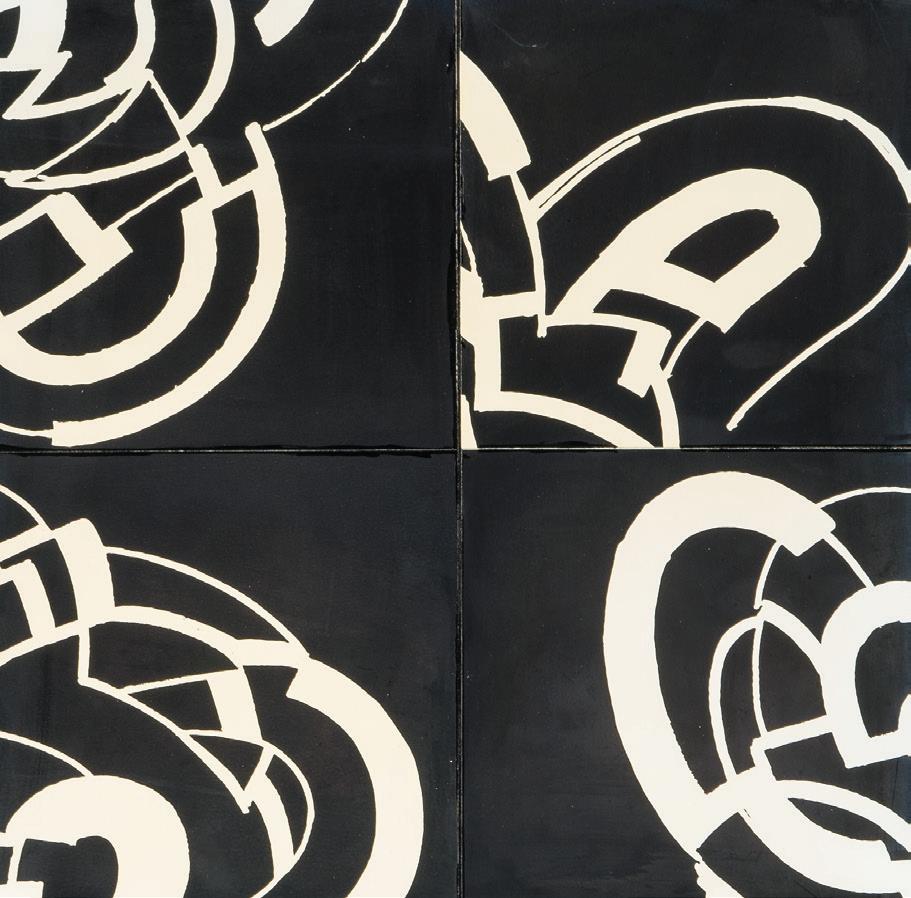
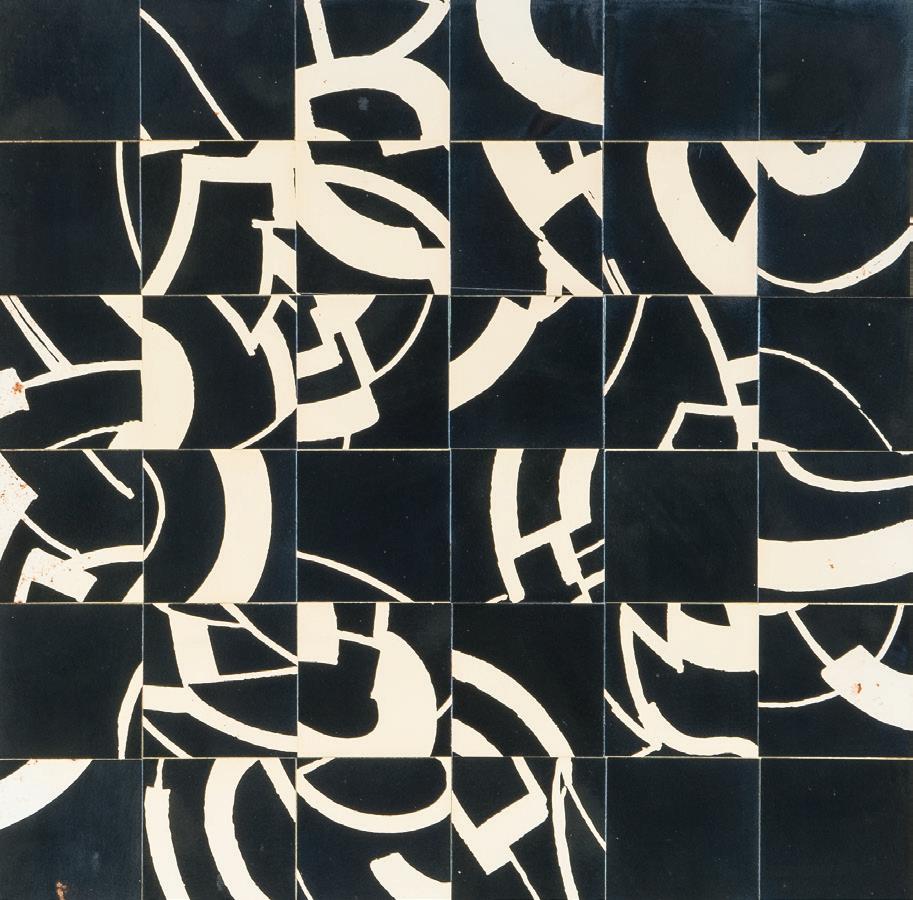
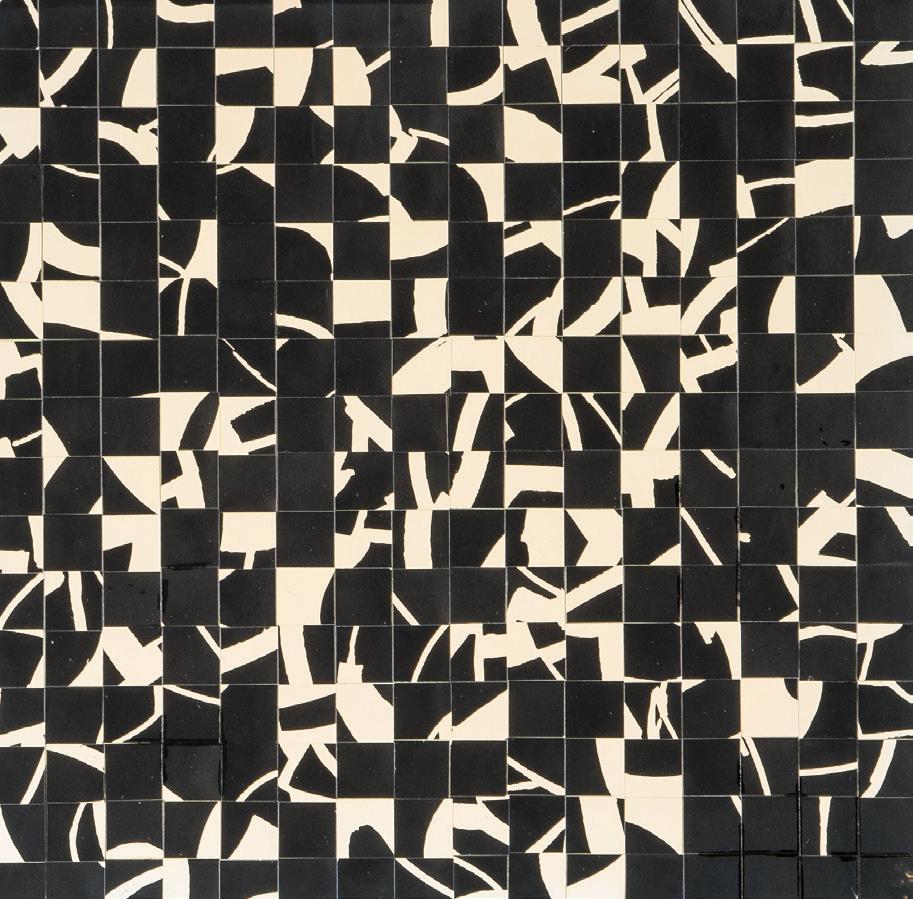
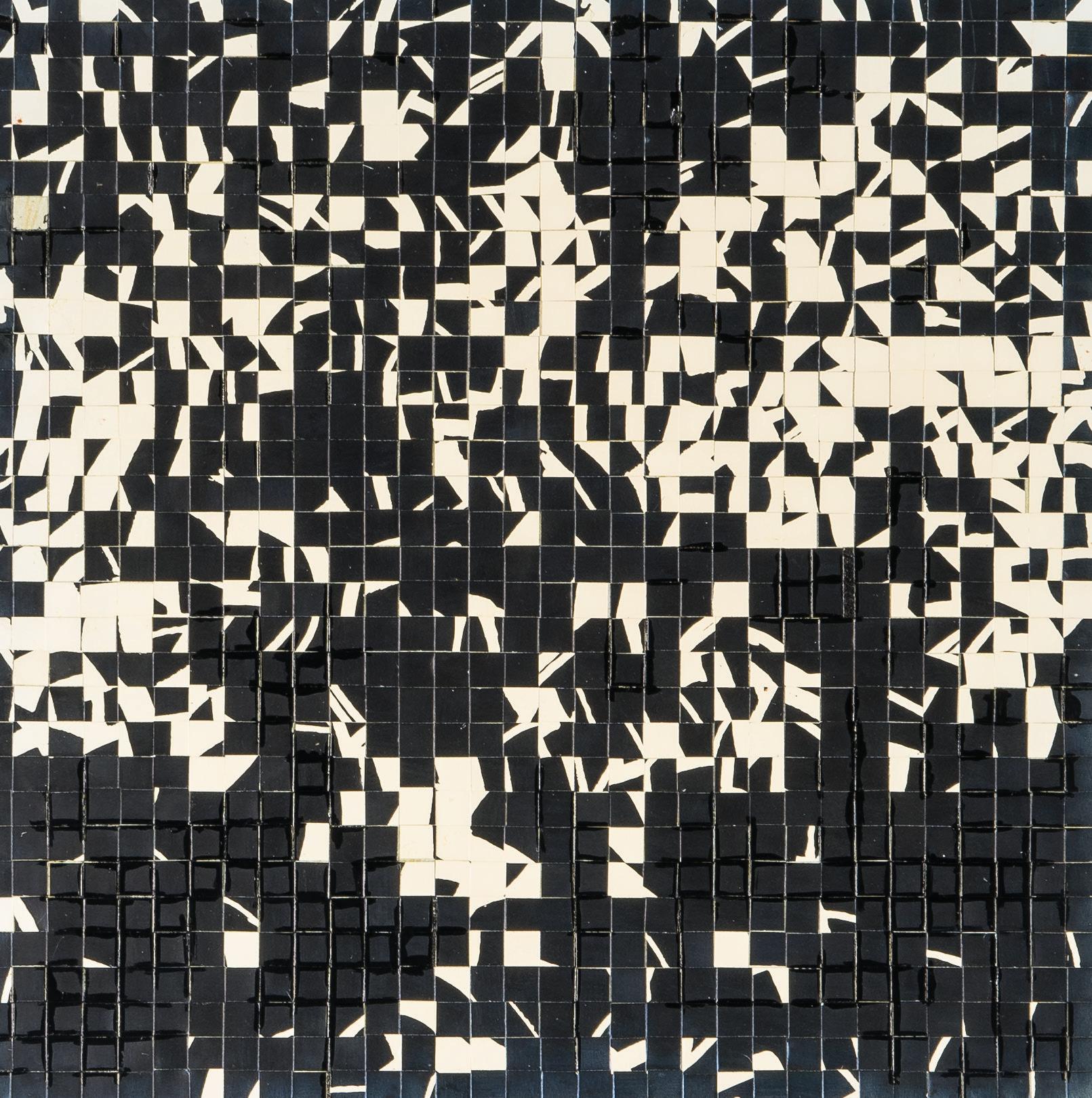
ALL WORKS UNTITLED ( HURRICANE SERIES ) , C. 1974 , 13 X 13 INCHES
PHOTO NEGATIVE COLLAGE, SIGNED VERSO
“In my present work I concern myself also with the phenomena of time and space, which always has been integral to my art. Observing and analyzing the subtle changes of space, color and structure on a simple object is a basis of my visual experiments.”
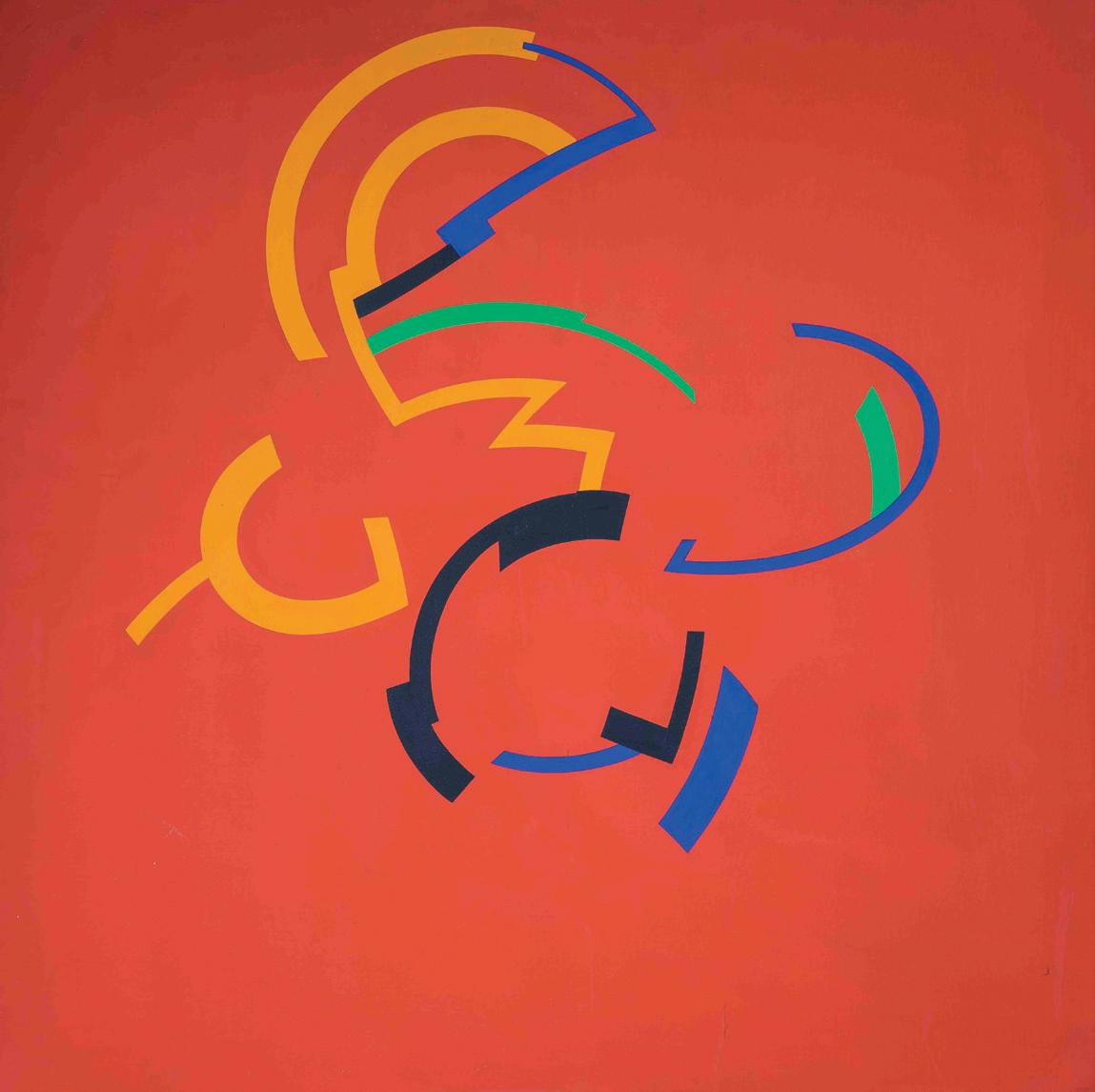
ALL 4 WORKS
HURRICANE SERIES
UNTITLED, 1970S
ACRYLIC ON CANVAS COLLAGE
36 × 36 INCHES
SIGNED VERSO
HURRICANE SERIES
UNTITLED, 1970S
ACRYLIC ON CANVAS
62 X 62 INCHES
SIGNED VERSO

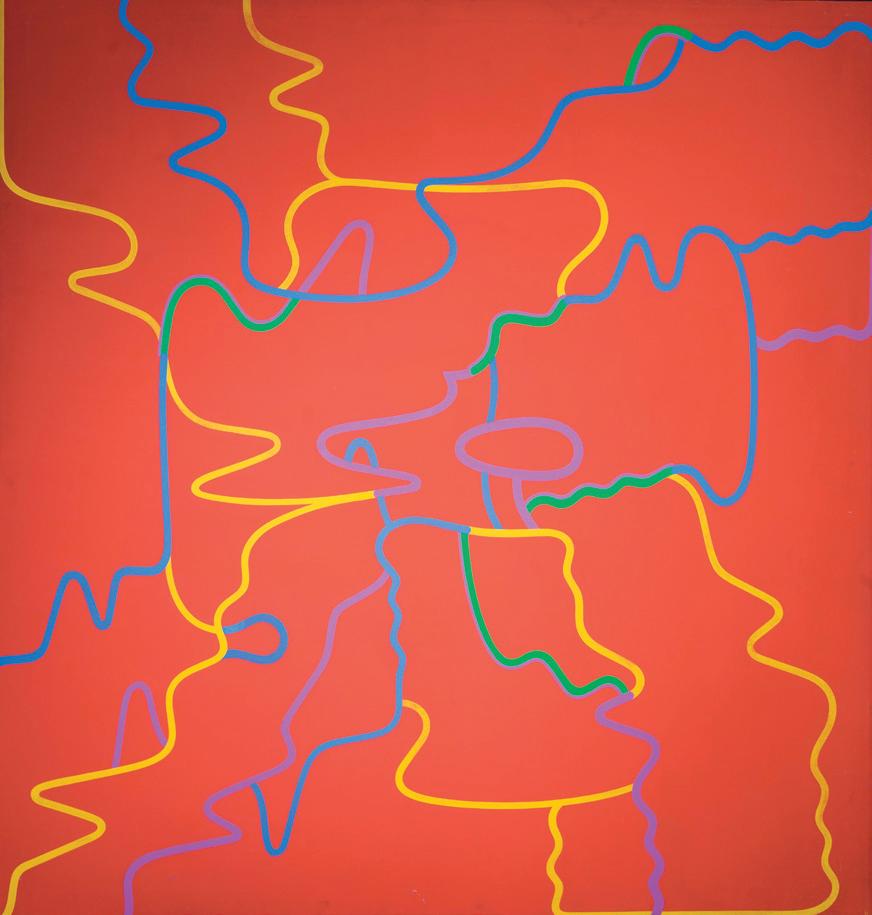
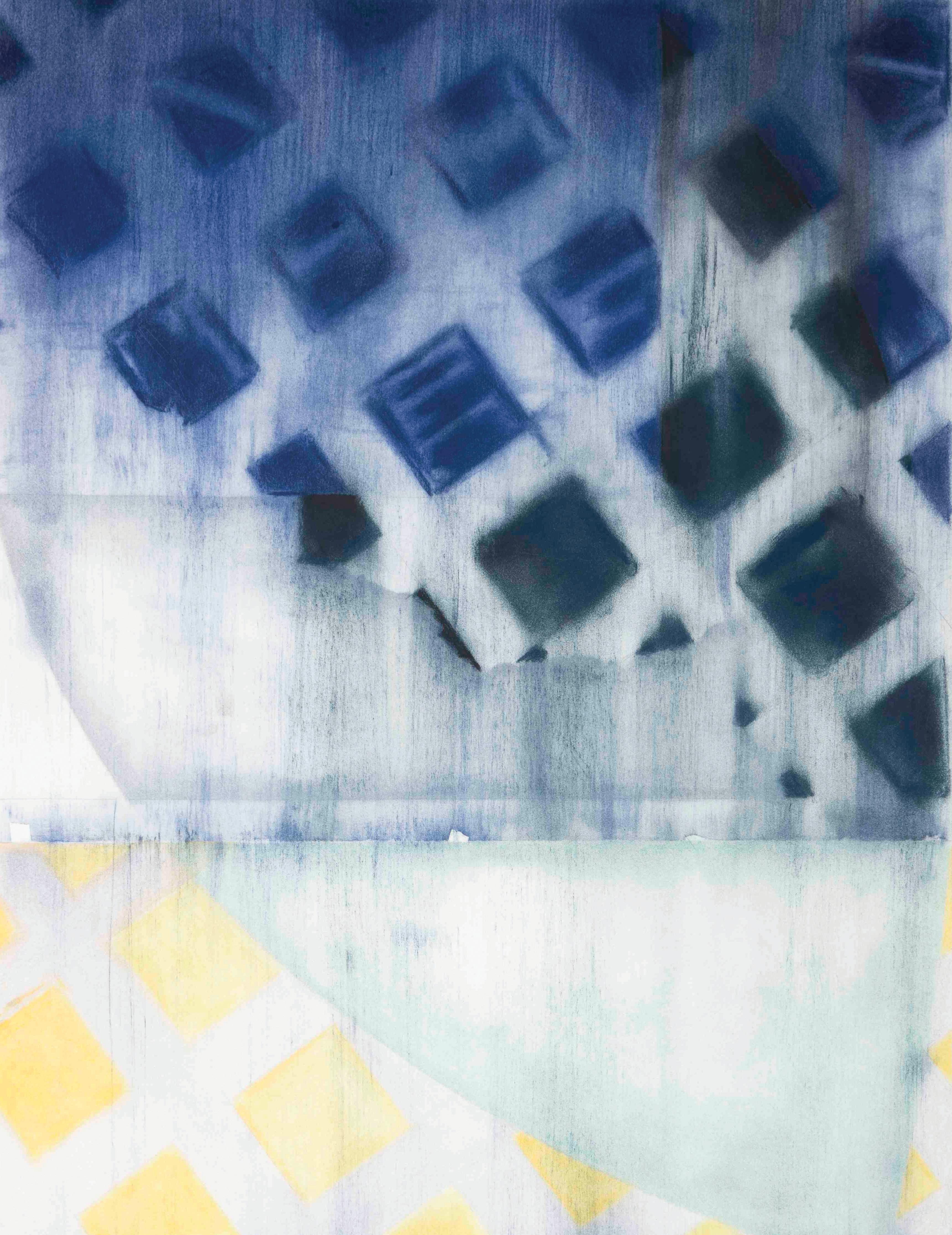
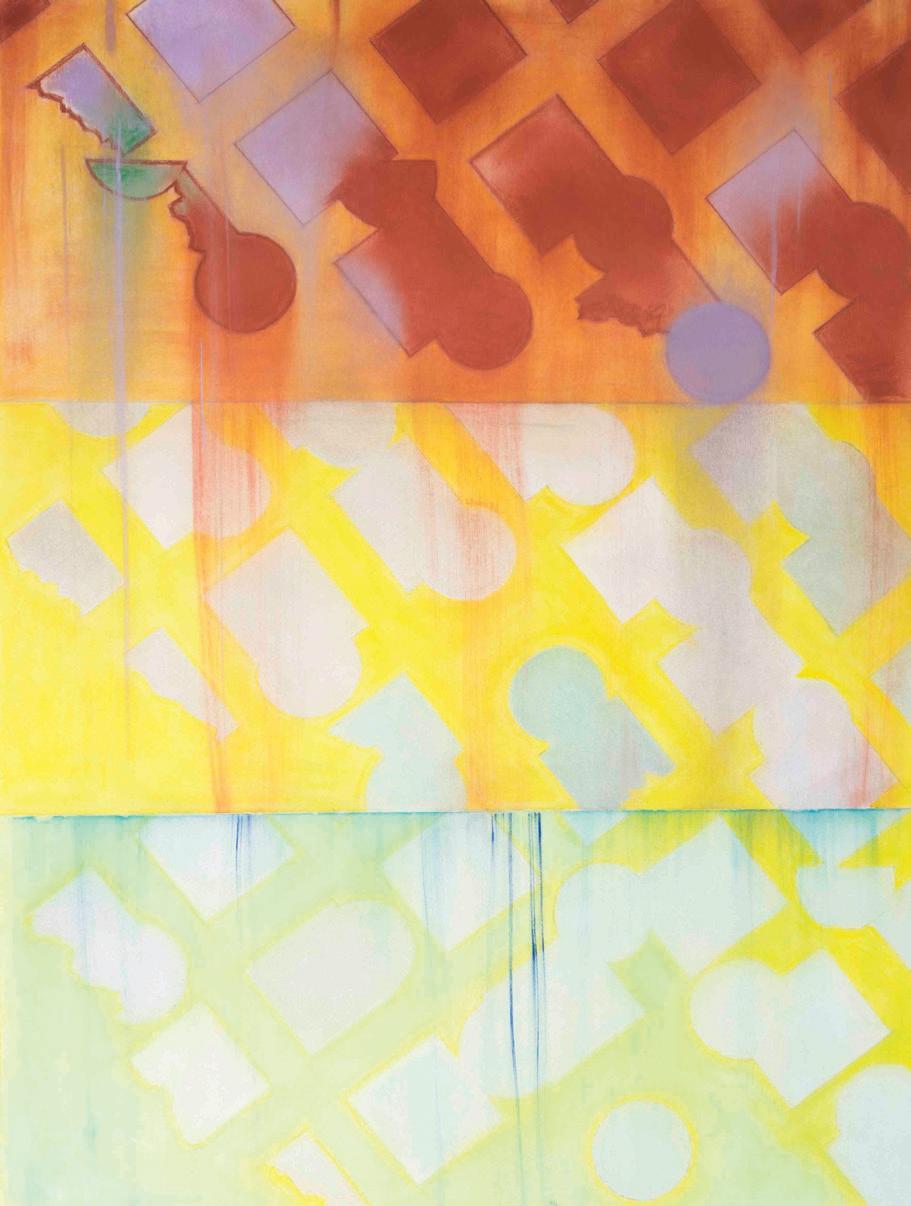
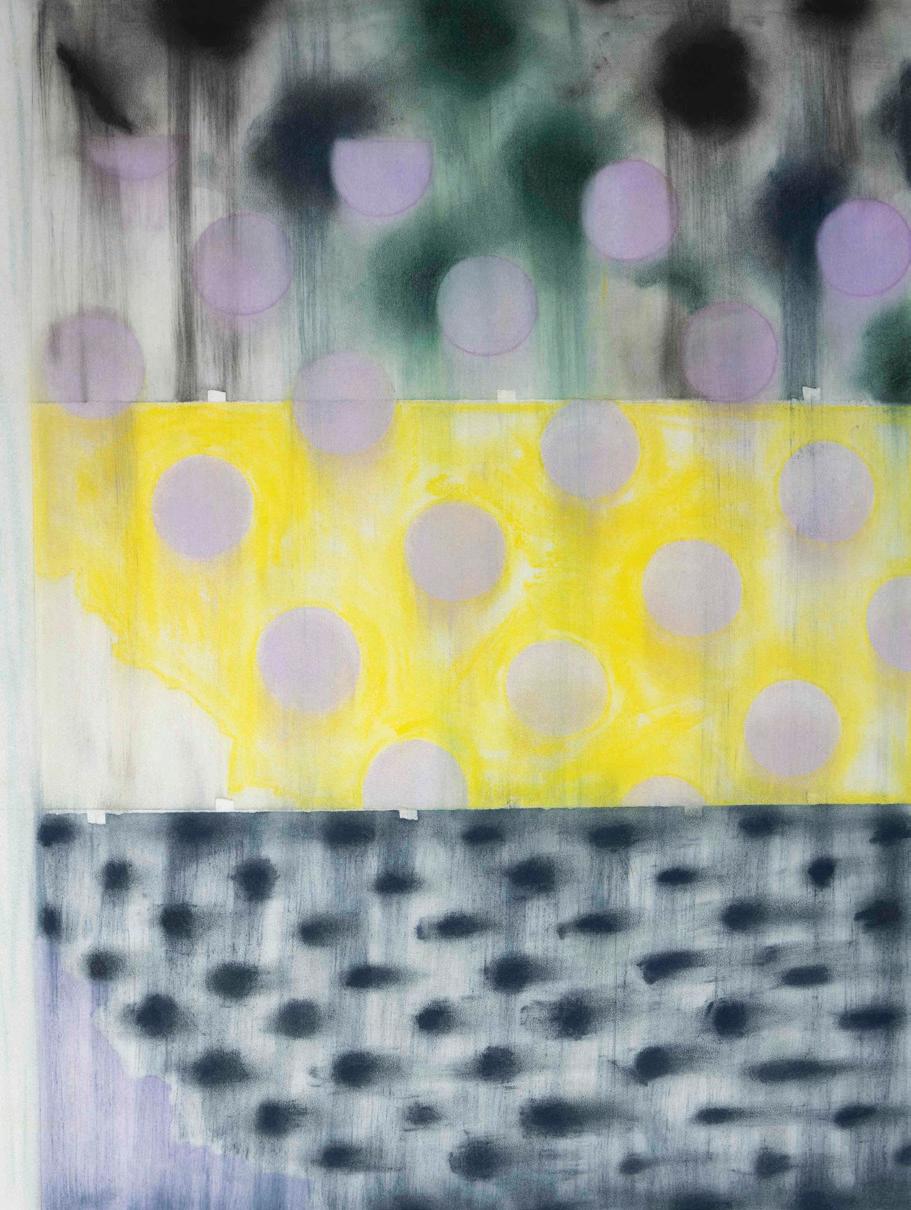
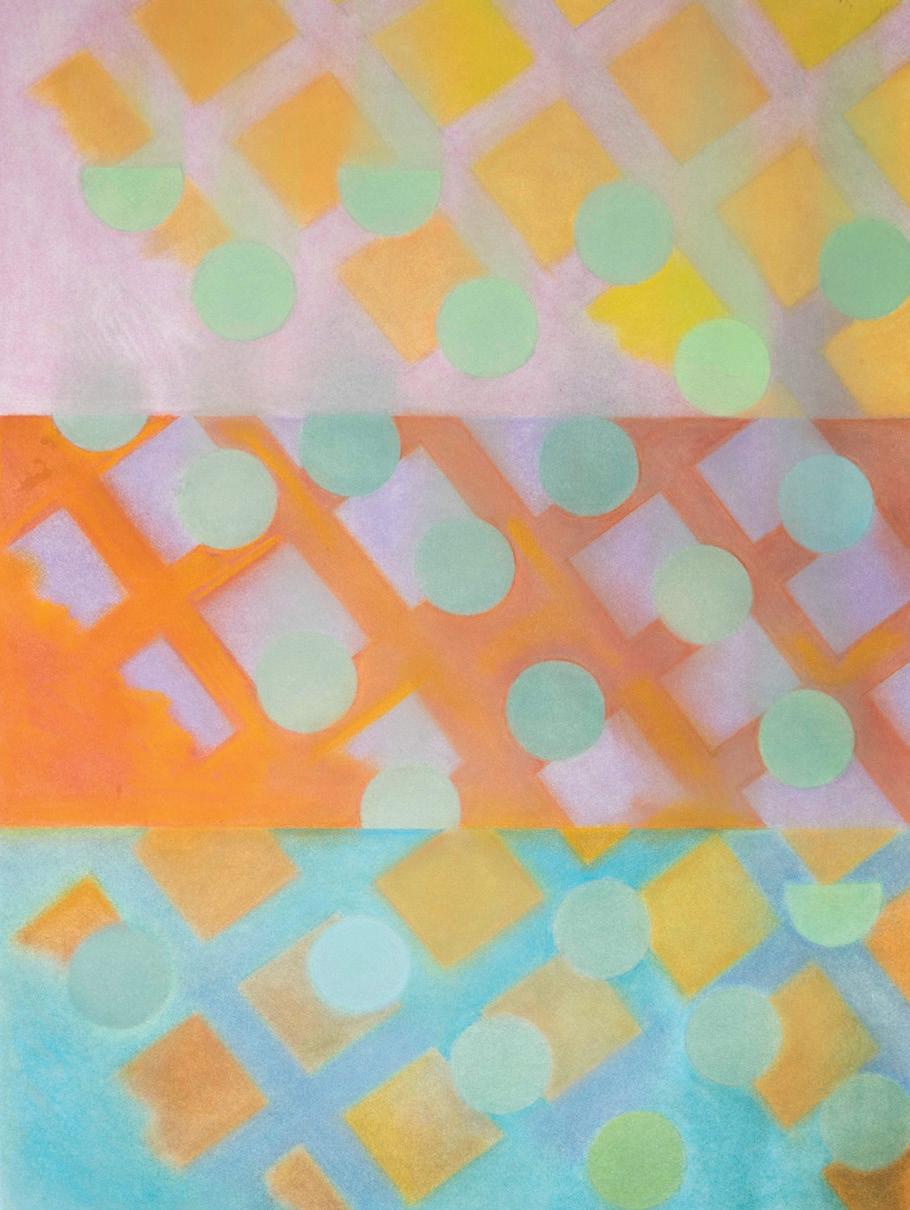
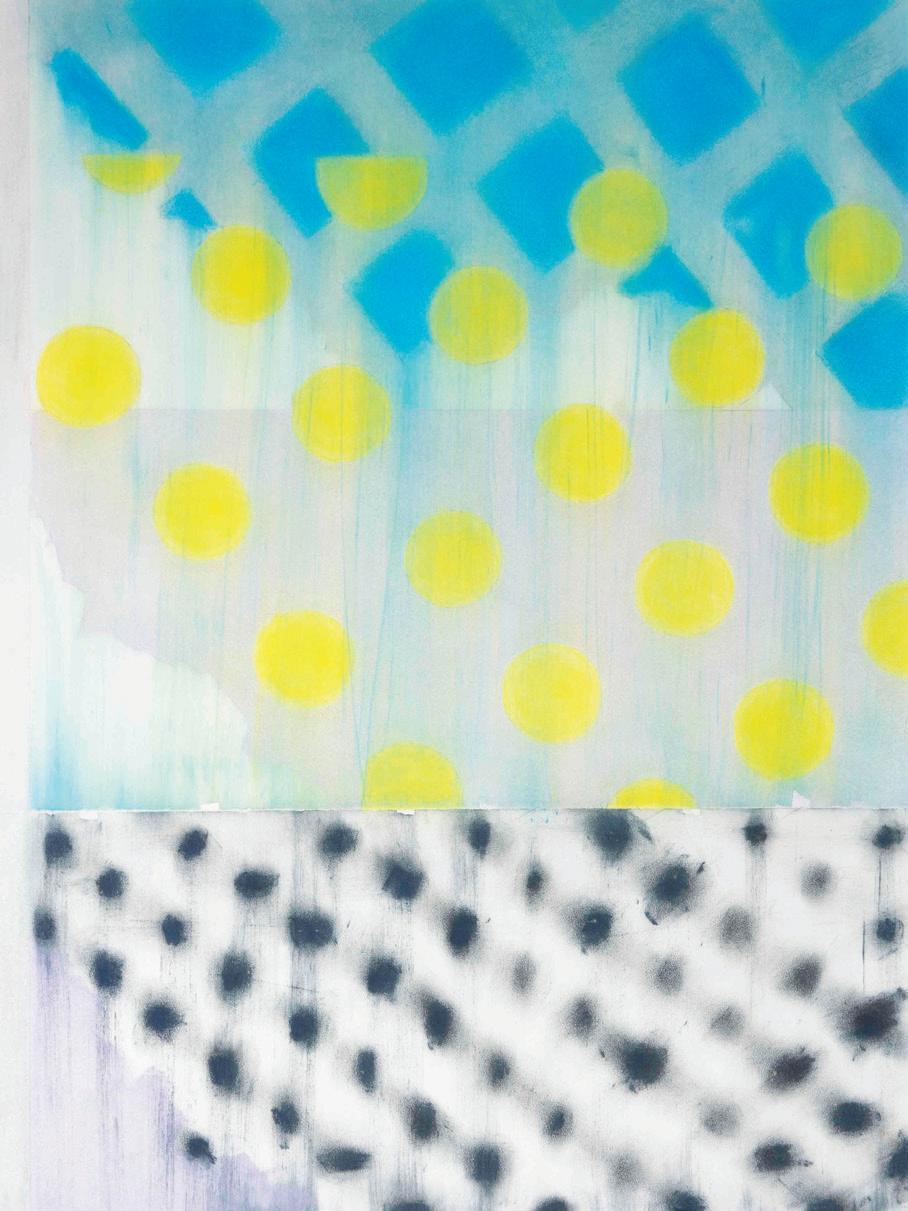
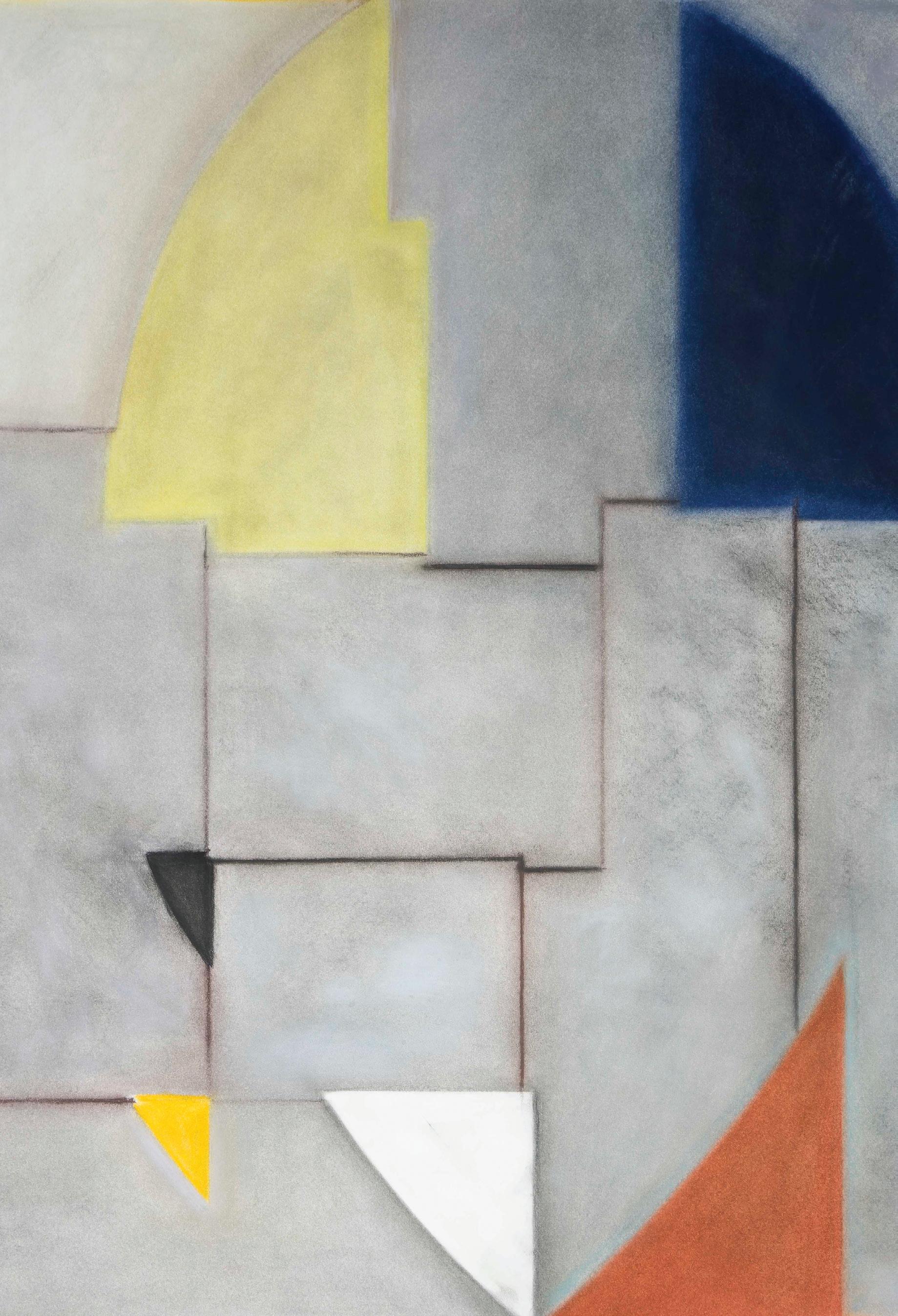
ALL WORKS ARE UNTITLED, 2001-02
PASTEL ON PAPER
40 X 26 INCHES
SIGNED VERSO


( BOTH WORKS ) UNTITLED (MASK SERIES), 2000 PASTEL ON PAPER 40 × 26 INCHES
SIGNED & DATED VERSO

1948-1950 Exhibition Zürcher Künstler im Helmhaus
1954 Galerie 16, Zurich; (first solo exhibition)
1956 Galerie au Premier, Zurich
1957 Kilchberg, Switzerland; Exhibition Zurich-Land
1962 Louis Alexander Gallery; Drawings
1962 Louis Alexander Gallery; Group Show
1962 Mortimer Brandt Gallery; Artists of Promise
1964 Betty Parsons Gallery, New York; Artists Make Toys
1964 The Composing Room, New York ; Graphic Design at Geigy
1965 New York Art Directors Club
1965 Whitney Museum of American Art, New York; Young America
1965 Grace Borgenicht Gallery, New York; New Sculptures (solo exhibition)
1966 Pennsylvania Academy of Fine Art, Philadelphia; 161st Annual Exhibition
1966 AIGA Gallery, New York; Fifty Years of Graphic Arts in America
1967 Grace Borgenicht Gallery, New York; New Sculptures ( solo exhibition )
1967 Philadelphia College of Art, Philadelphia; Faculty Show
1969 Julliard School of Music, New York; Geigy Art Collection
1970 Grace Borgenicht Gallery, New York; Recent Constructions (reviewed in ARTnews)
1970 AIGA Gallery, New York; The AIGA Survival Show
1971 Hudson River Museum, New York; A New Consciousness, Ciba Geigy Collection
1971 New York Cultural Center, New York; The Swiss Avant Garde
1972 University of Texas Medical School, San Antonia; Swiss Art
1972 Galerie Kramgasse, Bern; Rendezvous der Weltweiten Schweiz
1973 Union Carbide Gallery, New York; Swiss Artists in the USA
1973 Harold Ernst Gallery, Boston; Liquid Art (solo exhibition)
1973 Kunstmuseum, Dusseldorf; Press-Art
1973 Kunsthaus, Zurich; Collection Peau de Lion
1974 Callaway Gardens; Pine Mountain, GA, Contemporary Swiss Artists
1974 Galerie Lydia Megert, Bern; International Exhibition–Small Formats
1974 Whitney Museum of American Art; New York, Color (AIGA Show)
1975 Neuberger Museum, Purchase, NY; Group Show
1976 Museo la Tertulia, Cali, Columbia; III American Biennale of Graphic Arts
1977 Stadtische Kunsthalle, Dusseldorf; The Museum of Drawers
1977 Bridge Gallery, White Plains, NY; One-Man Exhibition
1977 Union Carbide Gallery, New York; Artists ’77, International Play Group
1978 Kutztown State College, Kutztown, PA; Six Designers
1980 State University of New York, Purchase; Faculty Show
1981 Galerie Ernst Scheidegger, Zurich; One-Man Exhibition
1983 Galerie Ernst Scheidegger, Zurich; One-Man Exhibition
1984 Bank Julius Baer (Hotel Pierre, New York); New York, NY by 6 Swiss Artists
1984 Brno, Czechoslovakia; Biennale of Graphic Design
1987 Swiss Institute, New York; Group Show