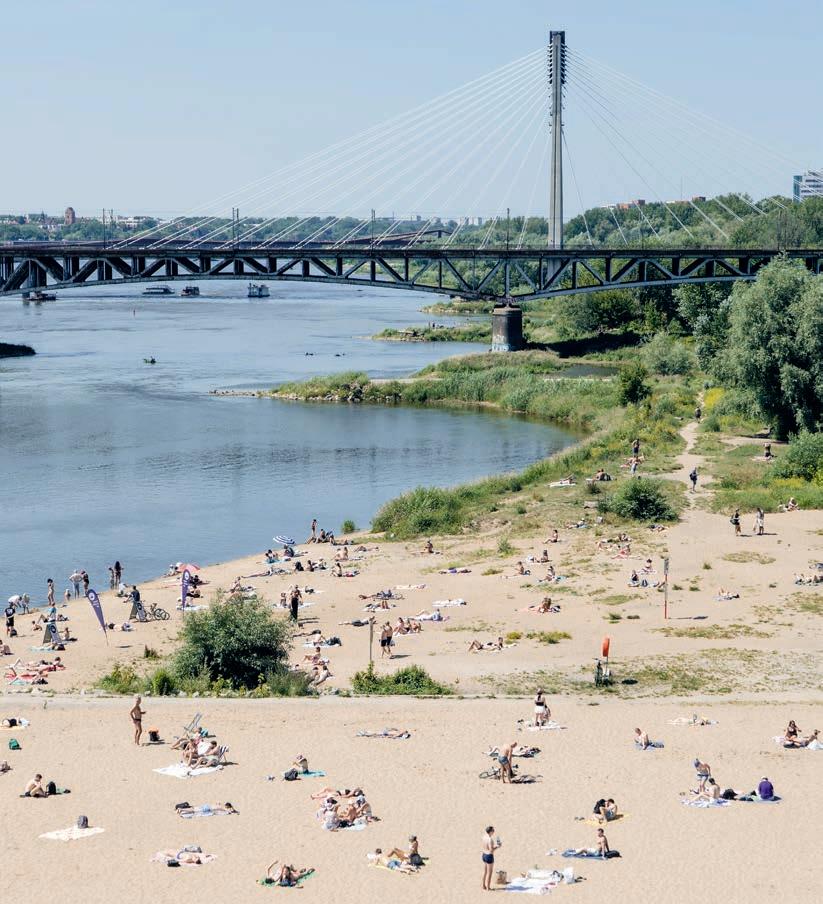
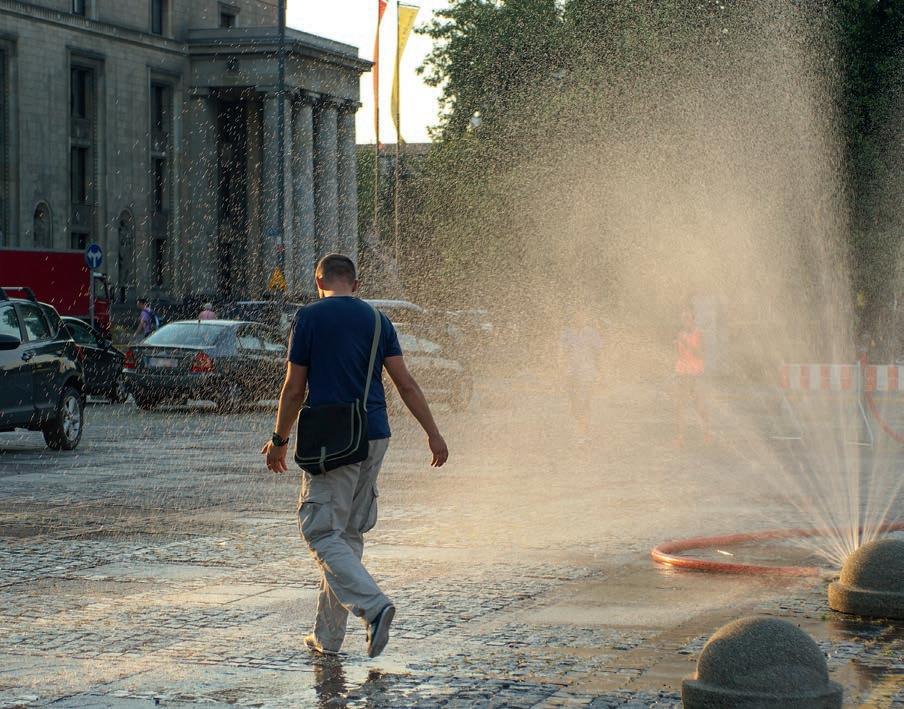
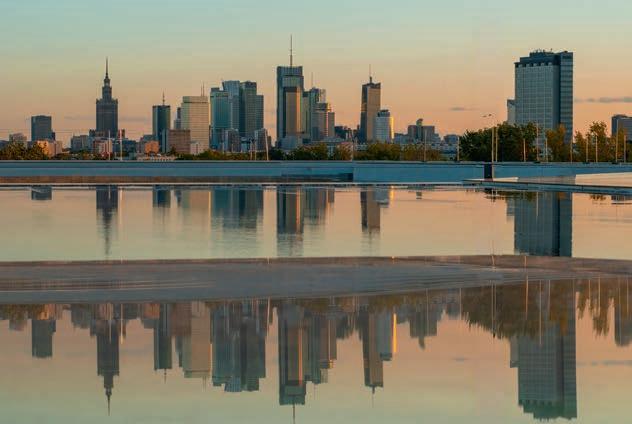
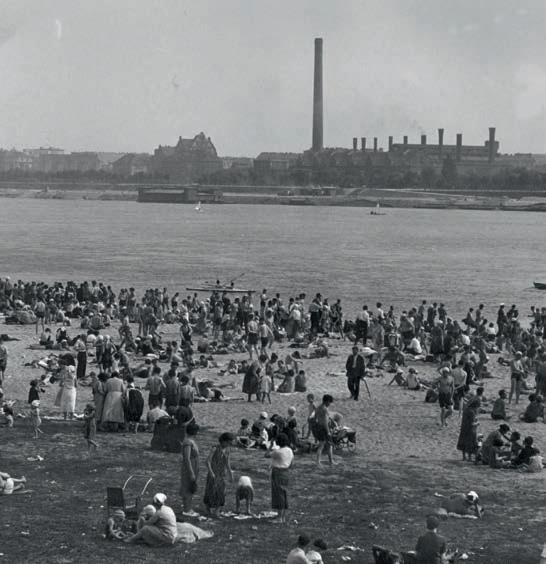
Poland has just rewritten the weather record books. As a powerful heatwave swept across Central Europe, temperatures climbed to 40.5°C in Słubice, surpassing the national record that had stood since 1921. While Warsaw escaped the worst of it, the capital still endured sweltering conditions, with thermometers approaching 38°C, making this one of the city's hottest spells on record. Parks, fountains and the banks of the Wisła quickly became the city's unofficial cooling centers as residents searched for shade. Meteorologists warn that extreme heat events like this are becoming more frequent, transforming what was once considered exceptional into an increasingly familiar part of a Polish summer. Looks like Warsaw's tropical season has officially arrived.
What's in for July
Wojciech Fangor
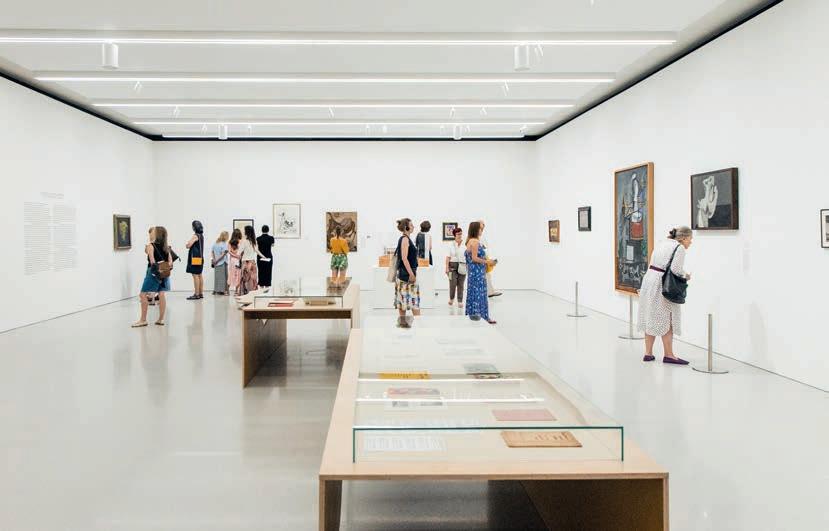
Rarely seen works by Wojciech Fangor take centre stage in STARS. FANGOR. SYLWESTROWICZ, a summer exhibition exploring the artist's lifelong fascination with space, perception and the mysteries of the cosmos. Presented alongside new works by Professor Arkadiusz Sylwestrowicz, the exhibition creates a compelling conversation between art, science and imagination. Featuring Fangor's final painting series, inspired by the celestial maps of astronomer Johannes Hevelius, this intimate exhibition offers a fresh perspective on one of Poland's most celebrated modern artists while uncovering a lesser-known chapter of his remarkable career.
When: Ongoing until July 28
Where: Centrum Bankowo-Finansowe, ul. Nowy Świat 6/12
Tickets: ticketmaster.pl
events
The
Roots
Few hip-hop acts have shaped the genre quite like The Roots. More than three decades after forming in Philadelphia, the
Summer's most elegant stage
Grammy-winning collective continues to redefine live rap with a seamless blend of jazz, soul, funk and razor-sharp lyricism. Led by Black Thought and Questlove, the band arrives in Warsaw for a rare outdoor performance at Letnia Scena Progresji, joined by acclaimed rapper and producer Oddisee with Good Compny Band. Expect classics, improvisation and the kind of musicianship that has made The Roots one of the greatest live acts in contemporary music.
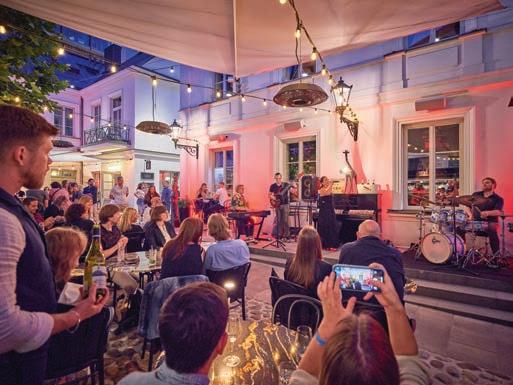
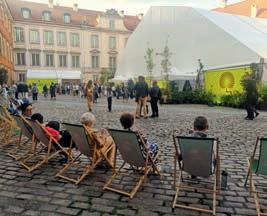
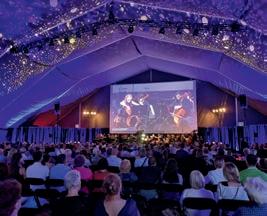
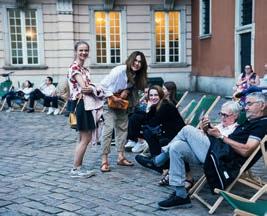
There are plenty of outdoor concerts in Warsaw, but few match the atmosphere of a warm evening inside the courtyard of the Royal Castle in Warsaw. Returning for its 26th edition, Ogrody Muzyczne once again turns this historic setting into an open-air concert hall, blending opera, jazz, flamenco, film music and multimedia performances beneath the summer sky. Expect international stars including Artur Ruciński, Grammy-winning vocal group Take 6 and jazz
legend Urszula Dudziak, alongside acclaimed opera screenings and concerts celebrating some of cinema's greatest scores. One of Warsaw's defining summer traditions, it's the perfect excuse to spend an evening where history, music and the city meet.
When: July 6 – August 8, 2026
Where: Great Courtyard, Royal Castle in Warsaw Tickets & program: ogrodymuzyczne.pl
Bad Bunny
Fresh from headlining the Super Bowl Halftime Show and riding one of the year's biggest world tours, Puerto Rican superstar Bad Bunny finally makes his Polish debut. Expect an explosive stadium spectacle packed with global hits, dazzling visuals and enough Latin energy to fuel the citywide after-parties long into the night.
When: July 14
Where: PGE Narodowy (National Stadium)
Summer Sundays Swing at JASSMINE
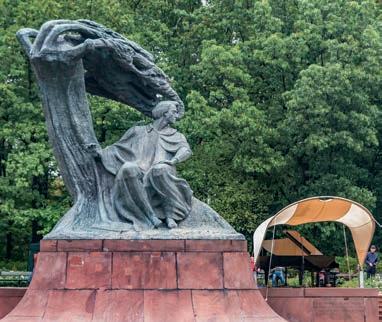
Chopin returns
Following the completion of renovation works around the Chopin Monument, Warsaw's most cherished summer music tradition returns to its historic home. From July 5, free Sunday concerts once again take place beneath the freshly restored monument in Łazienki Park, with recitals at noon and 4pm through September.
Where: Łazienki Park
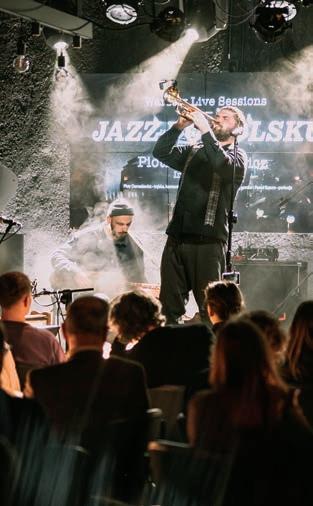
Eleven concerts, emerging stars and established names make this one of Warsaw's strongest jazz series of the season.
Warsaw's acclaimed jazz club JASSMINE keeps Sunday evenings firmly on the cultural calendar this summer with the return of Jazz po Polsku: Warsaw Live Sessions. Running from late June through September, the series showcases 11 concerts highlighting the breadth of Poland's contemporary jazz scene, from adventurous newcomers to award-winning performers. Among the season's highlights are guitarist Jakub Mizeracki with Skicki Skiuk, the all-female quartet O.N.E., saxophonist Sylwester Ostrowski joined by Grammy-winning Cuban trumpeter Carlos Sarduy, and Fryderyk Award winner Szymon Zawodny Quintet. Every concert begins at 20:30 and will also be recorded for broadcast by Radio Nowy Świat, making this an ideal opportunity to discover the next generation of Polish jazz in one of the city's finest listening rooms.
When: Sundays, 20:30 (doors 19:00), ongoing til September 27
Where: JASSMINE, ul. Wilcza 73
More: jazzpopolsku.pl | jassmine.com
events
SUMMER TAKES THE STAGE
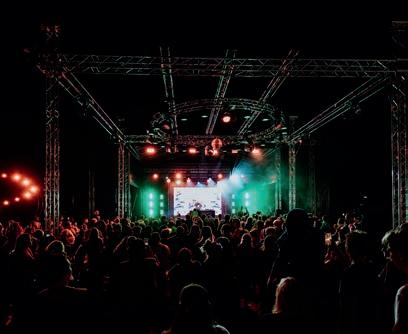
Estradowe Lato, Warsaw's new outdoor festival, brings four days of free concerts, DJ sets, comedy, art fairs and vinyl markets to the Multimedia Fountain Park this July
Warsaw's summer calendar gets a fresh addition this year with the launch of Estradowe Lato, a new open-air festival that will transform the Multimedia Fountain Park into a lively cultural hub over two July weekends.
Taking place on July 10-11 and July 17-18, the free event promises an eclectic mix of live music, comedy, dancing, art, and community activities against the backdrop of one of the capital's most scenic outdoor spaces.
Organized by Stołeczna Estrada and co-financed by the City of Warsaw, Estradowe Lato aims to showcase some of Poland's most exciting emerging artists while
creating an accessible summer gathering for residents and visitors alike.
The festival's music program features a strong line-up of contemporary Polish acts. The opening weekend welcomes indie-pop group LOR alongside singer-songwriter maks.tachasiuk, followed by performances from Leon Krześniak and Dezydery on Saturday. The second weekend brings performances from synthpop duo Bluszcz, singer-songwriter Ofelia, indie-pop outfit Blauka, and acclaimed vocalist Rosalie
Beyond the concerts, festivalgoers can enjoy comedy performances from Warsaw's beloved Klub Ko -
mediowy, including the improvised holiday-themed show All Inclusive – Improvised Vacation and the relationship comedy Honey, We Need to Talk...
As the sun sets, veteran Warsaw DJ I Say Mikey will take over the decks, leading outdoor dance parties and late-night sets designed to keep the energy high well into the evening.
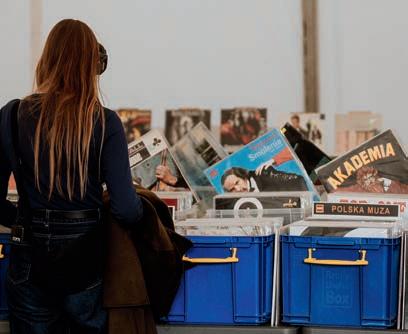
The first weekend will also host a market dedicated to vinyl records, CDs and cassette tapes, while the second weekend introduces Targowisko Sztuki, an open-air art fair featuring paintings, artistic jewellery, handcrafted design objects and works by independent creators.
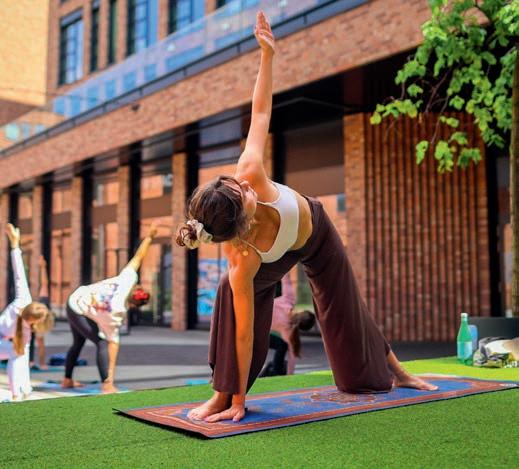
Visitors looking for a slower pace can join morning yoga sessions on the grass, while additional attractions and activities will be hosted by festival partners throughout the event.
With free admission, a riverside setting and a programme that blends music, art and community, Estradowe Lato looks set to become one of Warsaw's most appealing new summer traditions.
Centrum Praskie Koneser Lato Konesera Insider Guide
SUMMER
Morning Yoga for a Good Weekend with Karolina
AT KONESER
From open-air cinema and theatre performances to yoga sessions, concerts, creative workshops and weekend markets, summer at Koneser offers something for everyone. Throughout July, Centrum Praskie Koneser comes alive with a diverse programme of cultural, wellness and community events designed to bring people together and celebrate the season in the heart of Praga. Best of all, all events are free!
JULY 3 (Friday)
19:30 Cinema – La Grazia (dir. Paolo Sorrentino)
JULY 4 (Saturday) 10:30
Morning Yoga for a Good Weekend with Karolina & Aneta
All day
Art Market Poland Fair
All day
Henna Painting Workshop
Location: Bombaj Masala
JULY 1 (Wednesday)
18:00
Open-Air Theater –Lament
JULY 2 (Thursday)
18:00
Open-Air Theater –Life coach
JULY 5 (Sunday) 10:00
Outdoor Yoga with Zdrofit
Art Market Poland Fair
14:00–16:00 Swing Step Dance Workshop
JULY 7 (Wednesday) 18:00
Henna Painting Workshop
Location: Bombaj Masala
JULY 8 (Wednesday)
19:00
Sunset Yoga
JULY 9 (Thursday)
18:00
Chopin Concert –Jan Widlarz
“From morning yoga to evening cinema, summer days at Koneser are made for lingering a little longer
Cinema
JULY 10 (Friday)
19:30
Cinema - Kill it and leave this town (dir. Mariusz Wilczyński)
JULY 11 (Saturday)
10:30
Morning Yoga For A Good Weekend
All Day Shop Local Market
19:00
Sztuka Ciała (Body Art) Theater – Lotus Flower
JULY 12 (Sunday)
10:00
Outdoor Yoga with Zdrofit
All Day Shop Local Market 12:00
Praga in Pieces –Create Your Own Collage!
JULY 14 (Wednesday)
18:00
Henna Painting Workshop
Location: Bombaj Masala
JULY 15 (Wednesday)
19:00
Sunset Yoga
JULY 16 (Thursday)
19:30
GQ Music Stage –Zuza Malisz
JULY 17 (Friday)
19:30
Cinema – No Exit (dir. Park Chan-wook)
JULY 18 (Saturday)
10:30
Morning Yoga
JULY 19 (Sunday)
10:00
Outdoor Yoga with Zdrofit
14:00–16:00
Swing Step Dance Workshop 12:00
PoWarszawsku: Warsaw Uprising in Praga – A Guided Walk with Janusz Owsiany
JULY 21 (Wednesday)
18:00
Henna Painting Workshop
Location: Bombaj Masala
JULY 22 (Wednesday) 19:00
Sunset Yoga
JULY 23 (Thursday)
18:00
Chopin Concert –Adam Kałduński
JULY 24 (Friday)
19:30
Cinema –The Innocent Sorcerers
JULY 25 (Saturday)
10:30
Morning Yoga JULY 26 (Sunday)
10:00
Outdoor Yoga with Zdrofit
JULY 28 (Wednesday) 18:00
Henna Painting Workshop Location: Bombaj Masala
JULY 30 (Thursday) 19:30
GQ Music Stage –Andy Birds
JULY 31 (Friday)
18:00
Open-Air Theater –Open Relationship
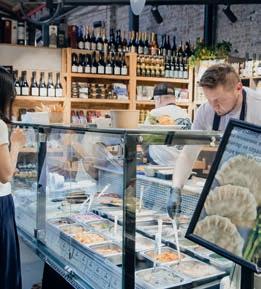
Summer hits its stride at BioBazar in the Norblin Factory, where Warsaw shoppers fill their baskets and their weekends — and remember, once again, exactly why June is worth the wait
July Farm Finds
KOPEREK: Poland's unofficial herb
If Poland had a national herb, it might well be koperek—dill. Fragrant, feathery and unmistakably green, it appears on tables across the country from the first days of spring until the depths of winter. In many Polish households, summer's bounty is preserved in an unexpectedly familiar container: empty ice cream tubs packed with frozen dill, ready to brighten dishes long after the growing season ends.
Fresh dill is woven into the fabric of Polish cooking. It's stirred into sorrel soup and young beetroot soup, scattered over chilled chłodnik, and added to bowls of pomidorowa when tomato season arrives. The quintessential spring meal of young potatoes topped with dill, served alongside fried eggs and kefir, remains a celebration of simple seasonal pleasures.
Dill is equally essential in duszona młoda kapusta—stewed young cabbage—and fresh cabbage salads, while creamy dill sauce is a classic accompaniment to meatballs. Mixed with twaróg, eggs, or spring onions, it forms the basis of countless everyday meals. It also pairs beautifully with smoked salmon, gravlax and green asparagus.
Perhaps its most iconic role, however, is in Poland's beloved fermented cucumbers. Flowering dill heads lend their distinctive aroma to both ogórki małosolne, the lightly fermented summer favourite, and the more intensely sour ogórki kiszone enjoyed yearround. Modest yet indispensable, koperek is the flavour of the Polish kitchen itself.
Organic Polish Seasonal Favorites
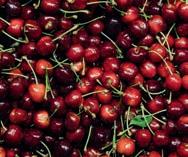
CZEREŚNIE (sweet cherries)
The arrival of sweet cherries marks the height of the Polish summer. Juicy, intensely flavoured and available for only a few precious weeks, they are best eaten fresh by the handful. Their deep sweetness and vibrant colour make them one of the season's most eagerly anticipated treats
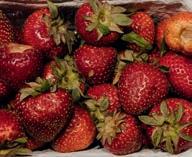
TRUSKAWKI (strawberries)
Few flavours evoke a Polish summer quite like strawberries. These fragrant, sun-ripened berries deliver exceptional sweetness and freshness. Enjoyed on their own, with cream, or in homemade desserts, they capture the essence of the season in every bite.
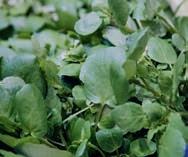
RUKIEW WODNA (watercress)
Peppery, vibrant and packed with nutrients, watercress is one of the season's most versatile greens. Its crisp leaves add freshness to salads, sandwiches and soups, while its distinctive flavour stands up beautifully to eggs, cheeses and smoked fish.
Vendors to look out for
ŚLEDZIE Z BORNHOLMU (herrings from bornholm)
Few foods are as deeply woven into Polish culinary tradition as herring. At Śledzie z Bornholmu, this North Sea herring classic takes centre stage in a range of ready-to-eat fish dishes that celebrate both craftsmanship and convenience. Expect delicately marinated herrings, creamy preparations enriched with onions and spices, and seasonal recipes inspired by Northern European traditions. Rich in flavour and history, herring has long been a staple of Polish tables, from everyday meals to festive occasions. Whether enjoyed as a quick lunch, appetiser or part of a larger spread, these expertly prepared fish dishes offer a delicious taste of the North Sea and Polish culinary tradition.
LAWENDOWA SPIŻARNIA POD WIATRAKIEM
(lavender pantry by the windmill)
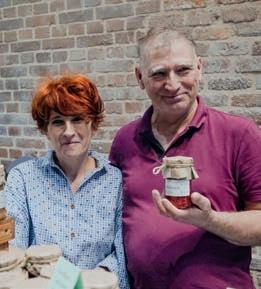
One of Biobazar's most charming stalls belongs to the couple behind Lawendowa Spiżarnia pod Wiatrakiem, located near the main entrance. Though not certified organic, their products are crafted artisanally using ingredients grown in their own garden and gathered from the surrounding countryside. Seasonal sorrel, edible flowers and fragrant herbs share space with shelves lined with beautiful jars of homemade preserves. Their range includes fruit vinegars, jams, syrups and distinctive mustards, each prepared in small batches with care and attention to flavour. The result is a colourful display that feels like a traditional country pantry brought straight to the heart of Warsaw.
BioBazar The Norblin Factory, Żelazna 51/53, biobazar.com.pl
Best of Summer in Warsaw 2026
The best thing about a Warsaw summer isn't any single restaurant, rooftop, or festival. It's the way the city invites you to keep wandering. One recommendation becomes three. A coffee turns into lunch, lunch into cocktails, cocktails into a walk along the river as the sun finally slips behind the skyline. This issue is built for that kind of day. Consider it your guide to the people, places, flavors, and experiences making this the city's most rewarding season.
BREAKFAST
Best of the Best
the morning after (the night before)
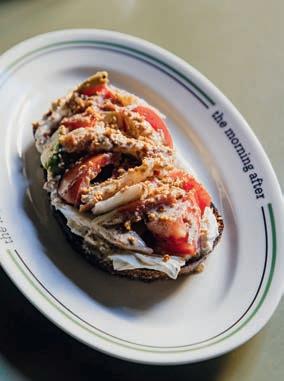
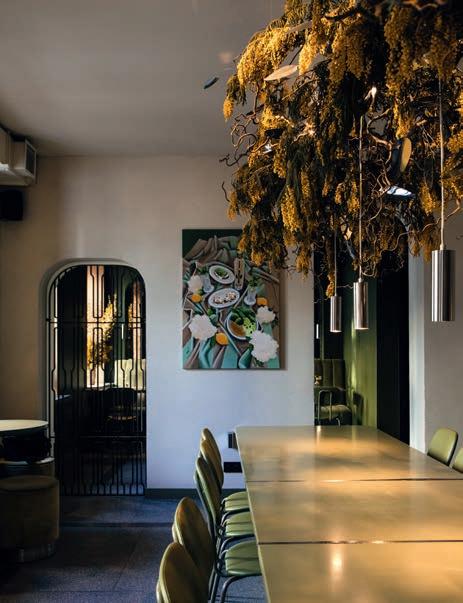
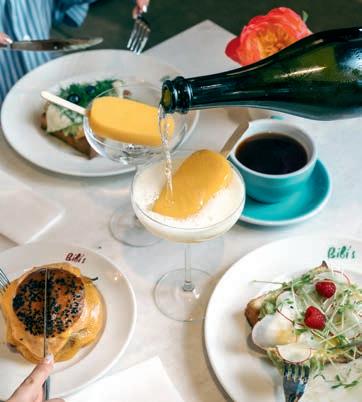
Three years on, the morning after (the night before) still feels like the breakfast spot everyone else is trying to catch. Under chef Maksim Litvanau, brunch moves far beyond smashed avocado territory, weaving together Eastern European comfort and Asian finesse. Scrambled eggs with prawns remain the house signature—silky, buttery and impossibly light—while the eel Eggs Benedict proves that unexpected combinations often make the most memorable breakfasts. Even dessert gets the morning treatment, with a gold-dusted Medovik that's worth lingering over with one last coffee. Wrapped in lush greenery and flooded with natural light, this is breakfast for people who believe mornings deserve as much attention as dinner.
ul. Poznańska 7, (City Center)
Lans
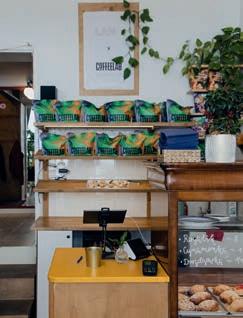
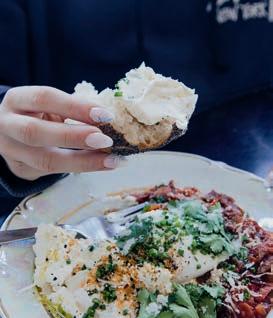
This compact café has earned a cult following for breakfasts that balance Middle Eastern flavours with polished simplicity. The shakshuka arrives bubbling, deeply spiced and begging to be mopped up with fresh bread, while the creamy labneh, finished with herbs and olive oil, has become one of Warsaw's most photographed breakfast plates.
ul. Sienna 59 (City Center), lans.waw.pl
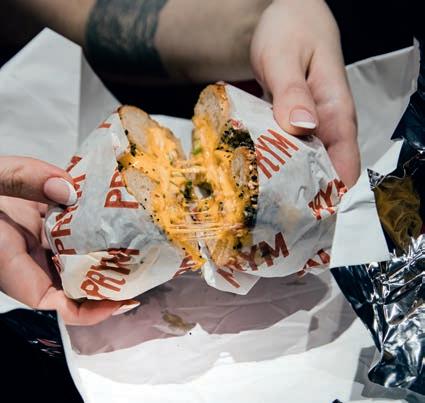
Prym
A bagel should have attitude: a burnished crust, stubborn chew, and fillings that know when to stop. Operating from a lovingly revived kiosk at Plac Politechniki, Prym delivers exactly that. It feels less like a café than a morning ritual, where New York nostalgia collides happily with Warsaw's commuter rush.
Plac Politechniki 01, (City Center)
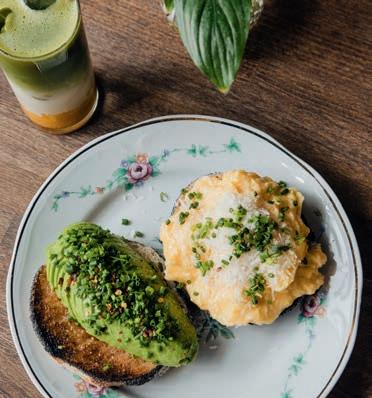
Bagl
Bagl belongs to Warsaw's new generation of breakfast spots, where simple things are treated with uncommon care. The eggs arrive impossibly fluffy and perfectly seasoned, layered with creamy avocado on a glossy bagel. Add one of their signature matcha clouds, and breakfast in Warsaw simply doesn't get much better than this.
ul. Sienna 61 (City Center)
BAGELS
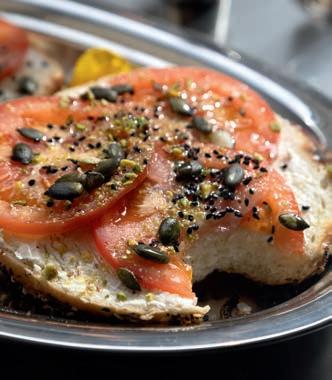
Varsobagel
The best bagels never try too hard. Varsobagel understands that. Our favorite is the open-faced tomato bagel, where ripe tomatoes, creamy schmear and excellent bread do all the heavy lifting. Paired with serious specialty coffee, it's proof that breakfast often succeeds through restraint rather than excess ul. Szpitalna 5 (City Center)
STAYCATION STRIP
Monkey Love
Tucked just before Port Czerniakowski, Monkey Love is one of the Vistula's best-kept summer secrets. Part Asian-inspired restaurant, part listening bar, it pairs inventive cocktails and polished plates with a soundtrack curated as carefully as the menu. By day, it's a relaxed spot for lunch or drinks after a walk along the river; by evening, the terrace draws a stylish crowd for sunset cocktails, DJ sets and some of the liveliest nights on the waterfront. Whether you're settling in for dinner, catching up over drinks or simply soaking up the riverside atmosphere, Monkey Love offers a welcome escape from the city without ever leaving it.
Wild Beef
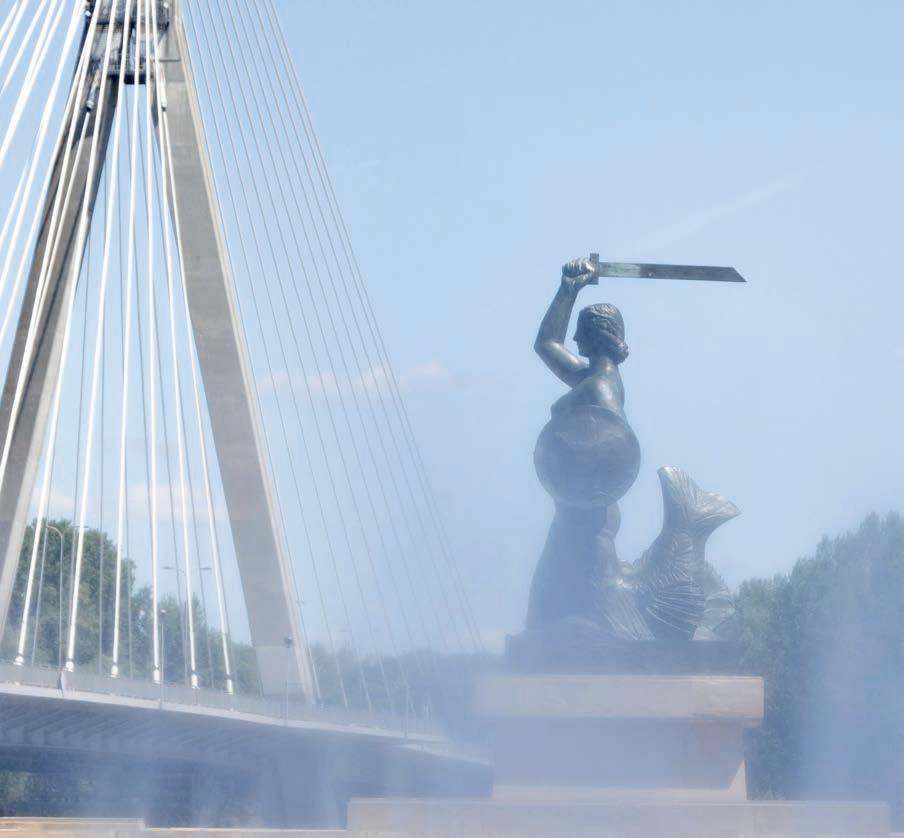
Summer in Poland usually means the familiar seaside trio: gofry, frytki and a cold beer, perhaps with a splash of fruit syrup. In Warsaw, however, the Wisła is the closest thing you'll find to the coast. While the crowds gather by the Mermaid and the pedestrian bridge, locals head north. Cross the Gdański Bridge and you'll spot the "Miło Cię widzieć" sign. Just beyond it sits Wild Beef, a favourite stop for cyclists looking to reminisce about summers past over a refreshing 3.5% Czech rowerowe beer. Almost exclusively Czech brews, burgers and pastrami set the scene, while a soundtrack of classic rock 'n' roll—with the occasional burst of rockabilly if you're lucky— completes one of the city's most effortlessly chilled summer escape.
Miami Wars
Summer in Warsaw doesn't have to mean escaping the city. Perched on the leafy Cypl Czerniakowski, Miami Wars has long been one of the capital's best riverside hangouts, combining laid-back lounging with a dose of adventure. Spread across two levels overlooking the Vistula, the venue pairs sunbeds, sofas and tropical-inspired cocktails with one of the city's most relaxing waterfront settings. Beyond the bar, Miami Wars embraces life on the river, offering everything from sunset speedboat rides and leisurely cruises to floating brunches and dinners aboard spacious picnic boats. A busy calendar of DJ sets, live music, sporting events and free weekend pilates keeps the atmosphere lively throughout the season. If you're looking to experience Warsaw from a different perspective, this is one of summer's essential addresses.
Stacja Trafo
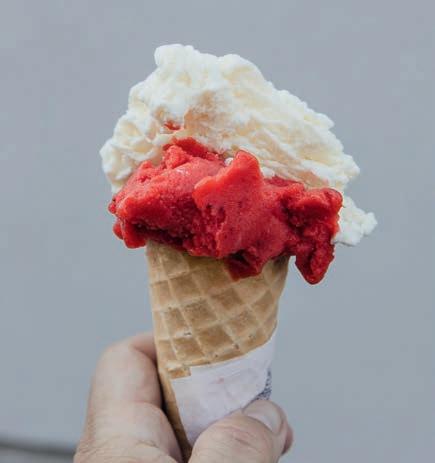
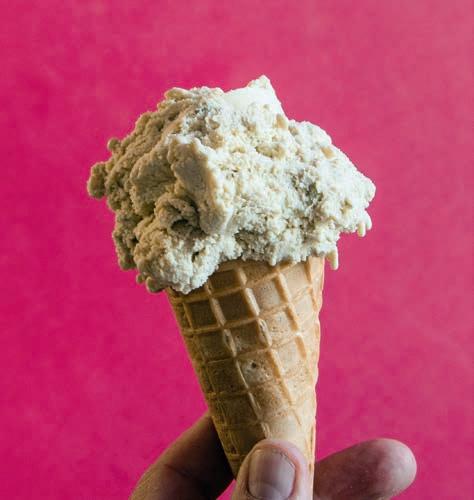
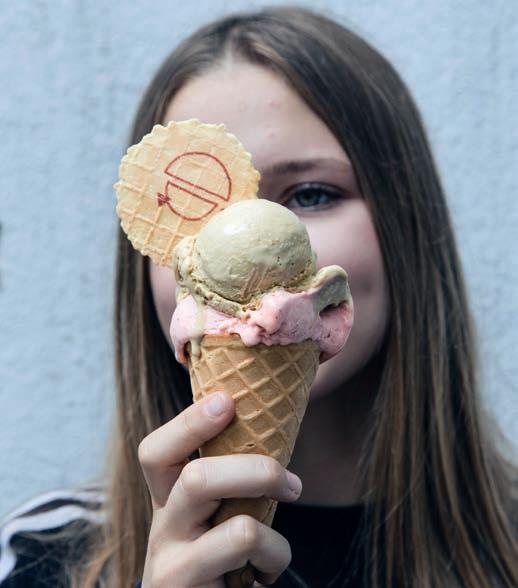
Oh, how tasty it is. Stacja Trafo proves that great ice cream doesn't need sugar to satisfy. Their no-sugar flavors are rich, balanced and never taste like a compromise. Pick up a cone and take the leafy walk from Plac Wilsona toward the Wisła. It sounds like the perfect summer plan—until you realize your ice cream has vanished before you've even reached the first corner.
ul. Kaniowska 136 (Żoliborz)
ICE CREAM
Good Lood
Good Lood understands that happiness sometimes arrives in a cone. The ever-changing Flavor of the Day keeps regulars returning with childlike anticipation, while classics are executed with confidence and creamy precision. Bright, playful and proudly unpretentious, it has turned grabbing ice cream into a daily ritual. Proof that consistency and curiosity can live happily in the same freezer.
Multiple Locations, goodlood.com
Na Końcu Tęczy
Turns out the treasure at the end of the rainbow isn't gold—it's ice cream. Na Końcu Tęczy has become a Warsaw summer institution, balancing adventurous flavors with knockout fruit sorbets that taste as though they were picked that morning. Grab a cone and wander toward Plac Zbawiciela; suddenly the city feels just a little lighter.
Multiple Locations, nakoncuteczy.pl
Dal Dalla Gelato
Italian owner Luca Dalla Costa chases authenticity with the obsession of a craftsman, spinning impossibly silky scoops from pristine ingredients. The pistachio is all deep nuttiness, the tiramisu impossibly faithful to the original, and the seasonal fruit flavors practically glow. One lick in, Warsaw disappears and, for a few blissful minutes, you're somewhere between Venice and summer.
Leszczyńska 4 (Powiśle) Francuska 50/LU9, (Saska Kępa)
Best of Summer
in Warsaw 2026
POLISH
Well, we give Wilcza 43 the Polish category, but the restaurant is really about Polish ingredients rather than Polish cuisine. Chef Wit Szychowski has quietly become one of Warsaw's most dependable talents, and his unmistakable shower of finely chopped chives has become a calling card, the final flourish that tells you exactly whose kitchen you're eating from.
Seasonality drives every plate, but the cooking never feels fussy. Instead, exceptional produce is allowed to speak for itself through thoughtful technique and restrained confidence. Our standout was the unforgettable baba z kiszonej kapusty ze śmietaną i szczypiorkiem. Rich, tangy and comforting, it transforms humble fermented cabbage into something genuinely memorable, lifted by cool sour cream and, naturally, that signature scattering of chives.
The wine deserves equal attention. Rather than relying on familiar labels, the list celebrates small producers and distinctive bottles, with an excellent selection of Polish wines alongside natural and low-intervention European producers that reward curiosity as much as the food does.
The intimate dining room feels like the kind of neighborhood bistro every city wishes it had: relaxed, knowledgeable and refreshingly free of ego. Wilcza 43 isn't interested in reinventing Polish food. It simply reminds you how extraordinary Poland's ingredients can be when they land in the hands of a chef who knows exactly when to stop. ul. Wilcza 43, (City Center)
Wilcza 43 Wine & Bistro
U Wieniawy
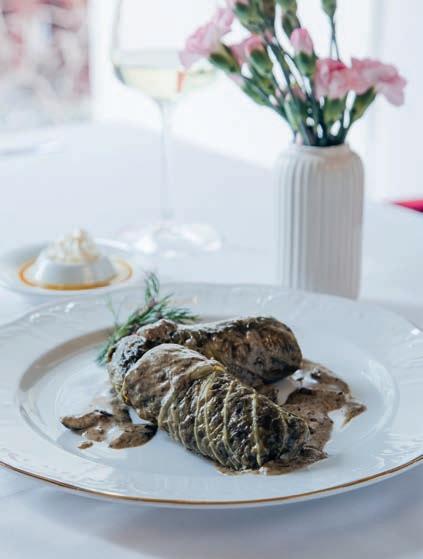
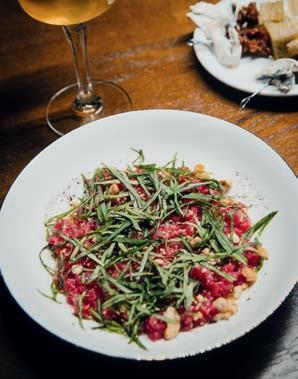
Some restaurants ask you to dress up. Others simply make you wish you'd ordered another round of pierogi. U Wieniawy has that effect. Step through the front door, past the sword mounted on the entrance, and suddenly Warsaw's frantic pace gives way to old-school hospitality. Named after the legendary cavalry officer Bolesław Wieniawa-Długoszowski, the restaurant wears its history lightly, never feeling like a museum. The steak tartare is beautifully prepared, the mixed plate of handmade pierogi is one of the city's essential orders, and the gołąbki remind you why Polish comfort food has survived every passing trend. The waiters know the menu inside out, the vodka list is formidable, and hidden upstairs is a remarkable collection of Piłsudski-era posters. Come hungry, leave slightly more Polish than when you arrived.
plac Marszałka Józefa Piłsudskiego 9 (City Center)
Alina
It's always a good sign when lunch accidentally turns into the best part of your afternoon. Hidden beneath Zachęta, Alina has mastered that trick. You might arrive planning a quick bite between exhibitions, but one course becomes two, then somebody suggests dessert, and suddenly there is no reason to rush anywhere. Chef Tomek Czajkowski keeps the cooking simple enough to let beautiful Polish ingredients shine. The leniwe with roasted plums, labneh and brown butter are the sort of dish you'll find yourself recommending to strangers, while the cauliflower baked with béchamel and aged Bursztyn cheese proves vegetables deserve top billing. Finish with the delicate karpatka, order another coffee or glass of wine, and congratulate yourself on making excellent life choices.
plac Stanisława Małachowskiego 3 (City Center)
BEST VIEWS
See Warsaw from afar
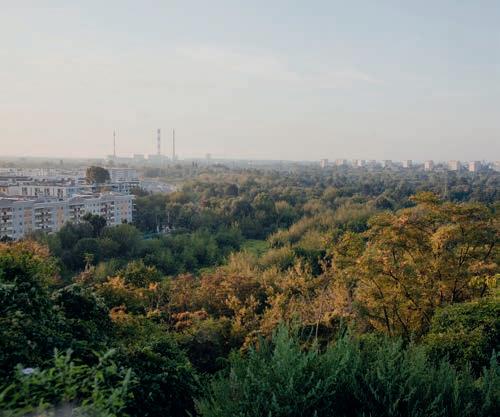
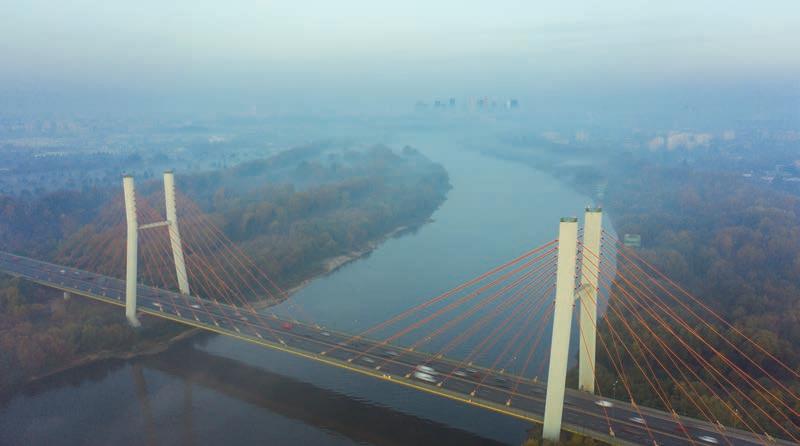
The best skyline isn't found in the middle of it. Instead, step back and watch Warsaw reveal itself from a distance. Begin at the Museum of Polish History, just 2 km from the centre and an easy riverside walk or tram ride away, where broad terraces frame the Old Town, the Vistula and the modern skyline. Continue 4 km south to the Warsaw Uprising Mound, a short bike ride or taxi from Port Czerniakowski, for a spectacular 360-degree panorama stretching across the capital. Finish another 3 km south at the Siekierkowski Bridge, best reached by bike or car, where the elevated crossing offers uninterrupted views of the city rising beyond the wild eastern banks of the Vistula.
BEST SUMMER MEETING PLACE
A Foodie Playground
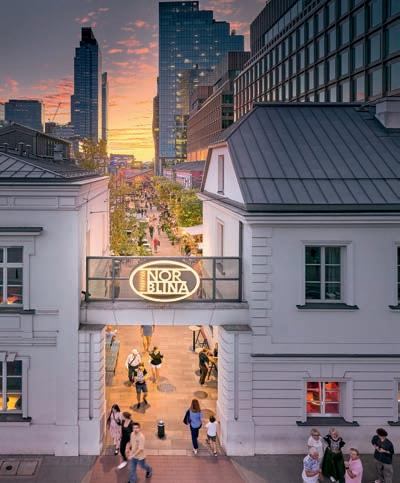
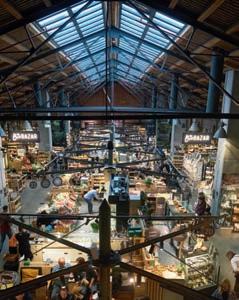
Few places capture the spirit of Warsaw summer quite like Norblin Factory. From morning coffee runs to late-night cocktails, it offers an all-day culinary, Art and shopping journey in one vibrant location.
Home to Food Town
At the heart of the complex, Food Town brings together an eclectic mix of international kitchens, making it one of the city's most dynamic dining hubs. Whether you're craving Asian street food, Mediterranean flavors, or modern comfort dishes, the choice is endless.
BioBazar five days a week
Summer days begin with BioBazar, where local producers, artisan bakers, cheesemakers, and growers transform the historic halls into a celebration of seasonal ingredients and conscious eating.
Beyond the Food Hall
The Norblin Factory appeal extends far beyond Food Town. A growing constellation of independent restaurants, cafés, wine bars, and cocktail spots gives visitors countless reasons to linger, meet friends, and return again and again.
A Destination, Not Just a Venue
More than a collection of restaurants, Norblin Factory has become one of Warsaw's premier food and culture destinations—a place where great eating, drinking, shopping, and socializing come together under one roof.
ul. Żelazna 51/53, (Wola) fabrykanorblina.pl/en
Best of Summer
in Warsaw 2026
Mio
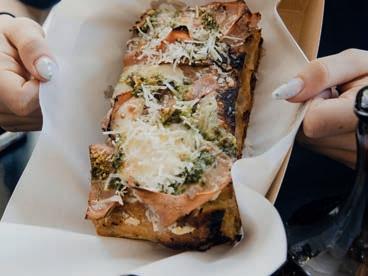
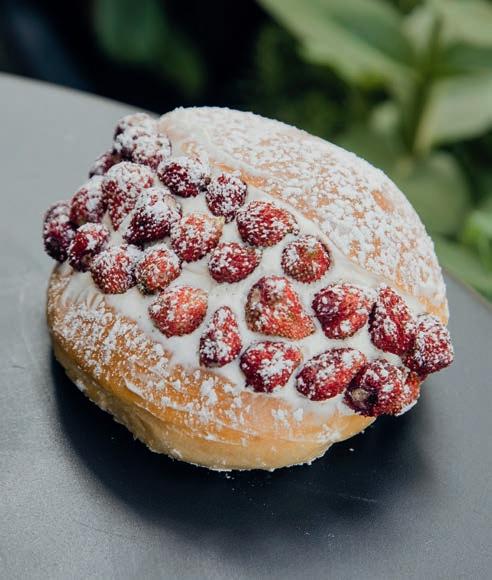
At this tiny Chmielna spot, Italian street food arrives with the kind of confidence that makes you wonder why anyone complicates it. The mortadella pizza is a lesson in balance—pillowy crust, creamy cheese, pistachios and silky slices of mortadella that disappear far too quickly. Save room for the maritozzo filled with fresh cream and wild strawberries, a gloriously messy finale that tastes like an Italian summer wrapped in sweet brioche. MIO
ul. Chmielna 23 (City Center)
ITALIAN STREET FOOD
Cuore
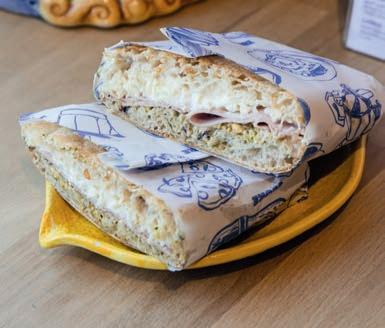
Not every memorable meal needs a table, a reservation or a waiter. Sometimes all it takes is warm focaccia and a walk to the river. Cuore's new Powiśle location feels made for exactly that, serving beautifully baked focaccia sandwiches with crisp crusts, airy interiors and generously layered fillings that rival anything you'll find in Italy. Pick one up to go, add an espresso or an Italian soda, then wander down to the Wisła. It's one of those simple summer rituals that reminds you just how satisfying lunch can be.
ul. Dobra 1 (Powiśle)
GREEK STREET FOOD
Yamas
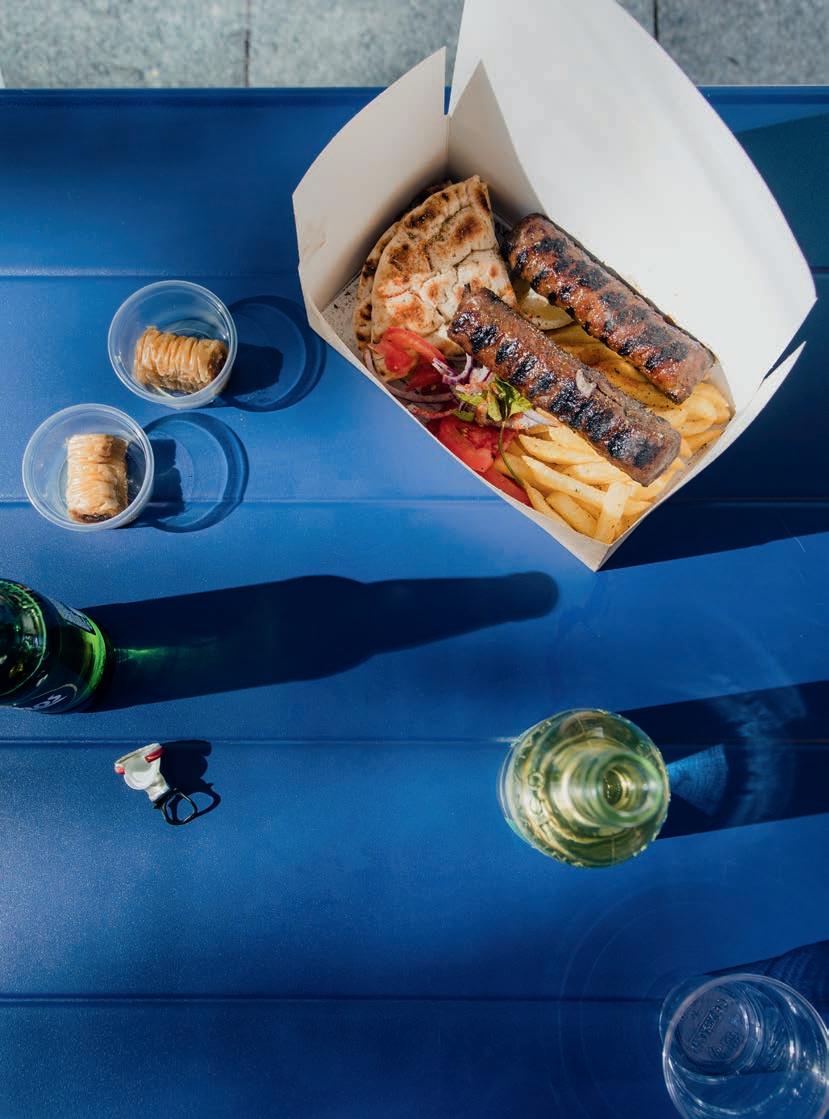
You eat with your eyes first, and Yamas gets the design just right, with bold branding, clever graphics and an interior that feels fresh without trying too hard. Grab a souvlaki or gyro box and head for the shade of the park opposite, or stay if you can find a seat with a pull-tab Mythos and a glass of Malamatina. The halloumi sticks dipped in pepper sauce are a must, and whatever you order, save room for the baklava—the perfect sweet ending to a summer lunch.
ul. Świętokrzyska 30 (City Center)
A
PICTURE THIS
a library and a fresh vision for photography
More Than a Gallery
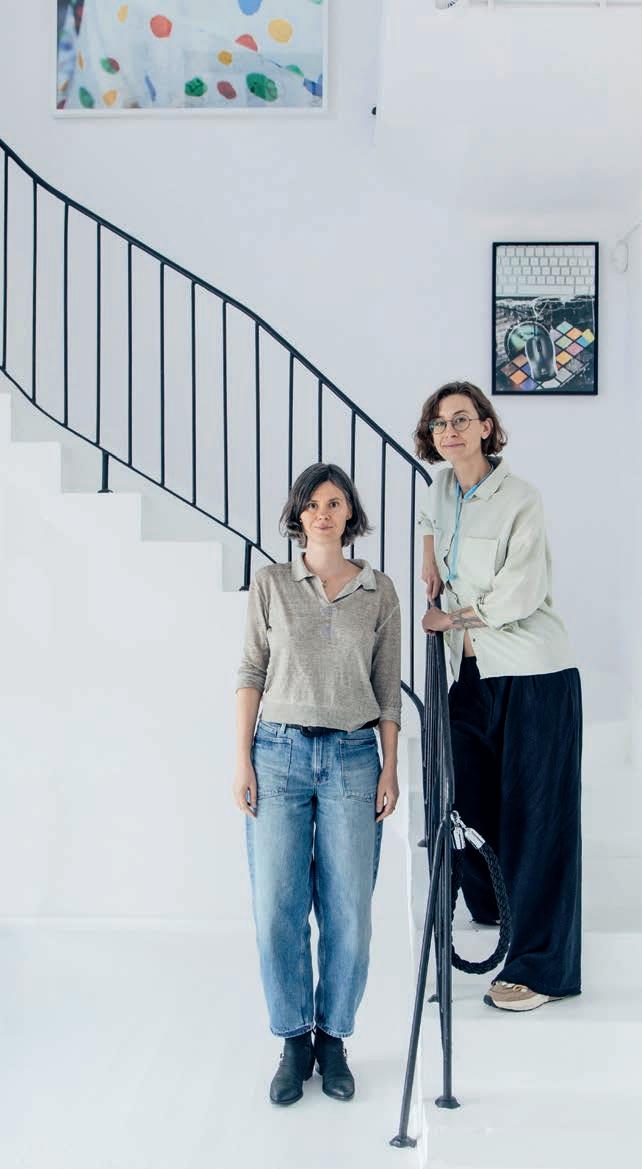
“The idea behind the name ‘Institute’ was always to create a place for everything connected with photography,” says Justyna. “Over time, that has meant exhibitions, books, education, talks, workshops and meetings.”
At its heart is one of Poland’s largest publicly accessible collections of photobooks. Unlike many specialist collections, theirs is open and welcoming.
“We wanted to create a cultural hub around photography,” says Kasia. “The exhibitions are central, but they are connected with people. What matters is the meeting.”
Those meetings take many forms: artist talks, guided tours, workshops, photowalks, school visits and informal conversations in the reading room. The institute also runs educational programmes, including activities for schools and workshops around photobooks.
The Importance of Place
The move to Fort Mokotów has added another dimension. The place itself matters.
“The fort is part of our identity,” says Justyna. “It is beautiful, surrounded by greenery, and slightly hidden away. We want people to feel welcome here, even if they are not photography specialists.”
For some visitors, the building and its surroundings may be the first reason to come. Photography follows naturally.
“Someone might come here just to see the fort, have a coffee or walk around,” says Kasia. “Then they discover the exhibitions, the library, the books. It can be a first step into photography.”
That welcoming atmosphere is important to both of them. They
want the institute to feel calm, open and human.
“It is not only about showing photographs,” says Justyna. “It is about creating a mood in which people are ready to look, think and spend time.”
Why Photography Matters
Photography, they believe, is especially suited to this role because it is already part of everyday life. “Everyone takes pictures now,” says Kasia. “That makes photography accessible. It gives us a starting point for conversations about artists, emotions, sensitivity and the world around us.” Rather than seeing the flood of digital images as a problem, they treat it as an opportunity. People may be used to seeing images on screens, but that can make the physical experience of photography even more powerful. “People are looking for experiences,” says Justyna. “Here you have exhibitions, photobooks, architecture, nature and a café. It becomes a destination.”
Images That Last
When asked about photographs that shaped the way they look at the world, both pause. It is not an easy question. Kasia mentions Irving Penn’s The Ballet Society. “At first, I almost overlooked it because it is such a classic image,” she says. “But then I started looking at the details. It made me humble as a viewer. It taught me to ask: who is in the picture, why are they there, and why did the artist want to show us this?”
Justyna remembers Machiel Botman’s photobook Rainchild, which she encountered while ill. “It transported me into another
“Someone might come here for the fort, the greenery or a coffee. Then photography becomes their first point of contact”
Dikeman’s family and her relationship with her parents. One series followed everyday moments at home—shared meals, conversations and ordinary family rituals. The other documented the gradual process of saying goodbye to her ageing parents over many years.
sensitivity,” she says. “With a photobook, you can create your own world. It is different from film, where so much is given to you.”
Justyna came to photography from film studies, and for a long time she was drawn to complex visual narratives. Recently, however, she has become fascinated by the power of a single image.
“I used to think in stories, sequences and layers,” she says. “Now I am more and more interested in photographers who can say everything with one strong photograph.”
She points to artists who have “the courage to stay with one image” rather than building a large project around it.
“Sometimes one photograph can contain the whole story,” she says.
A Lasting Impression
One exhibition both women immediately mention when asked about memorable photographic experiences is a project by photographer Deanna Dikeman that they happened to see separately at PhEST in Monopoli, Italy.
“It stayed with both of us,” says Kasia.
The exhibition brought together two bodies of work centred on
What struck them most was the emotional clarity of the work and the way the exhibition was curated, leading visitors from scenes of everyday family life into a more reflective meditation on memory, absence and the passing of time.
“It was about being present,” says Justyna. “Very simple moments, but shown with honesty and sensitivity.”
For both curators, the project demonstrated photography’s unique ability to transform personal experience into something universal. Through images of one family, viewers are invited to reflect on their own relationships, memories and experiences of change.
“Some photographers have a special connection with the camera,” says Kasia. “They show something personal, but it opens space for our own emotions and memories.”
The project remains a touchstone for both women—a reminder of how powerful photography can be when it is rooted in genuine human experience. Visitors to Instytut Fotografii Fort may soon have the opportunity to discover that power for themselves: the institute hopes to bring Deanna Dikeman and her work to Warsaw in the near future.
Instytut Fotografii Fort ulica Władysława Szpilmana 6/ budynek 2 (Fort Mokotów) tel. 609 106 901, sklep-iff.pl
THE NEON HEART OF NEW WARSAW
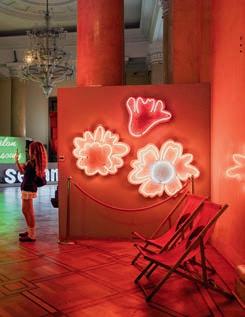
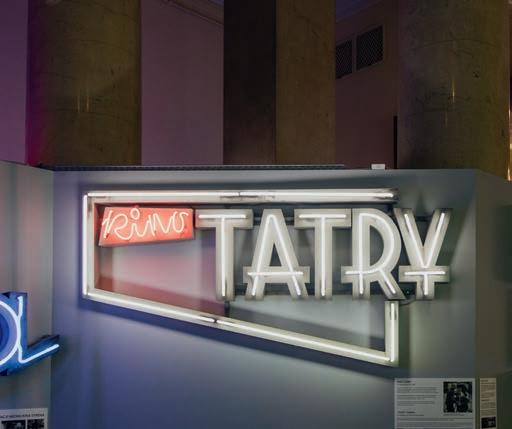
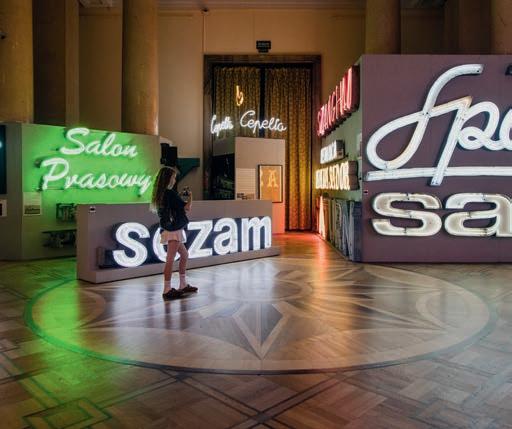
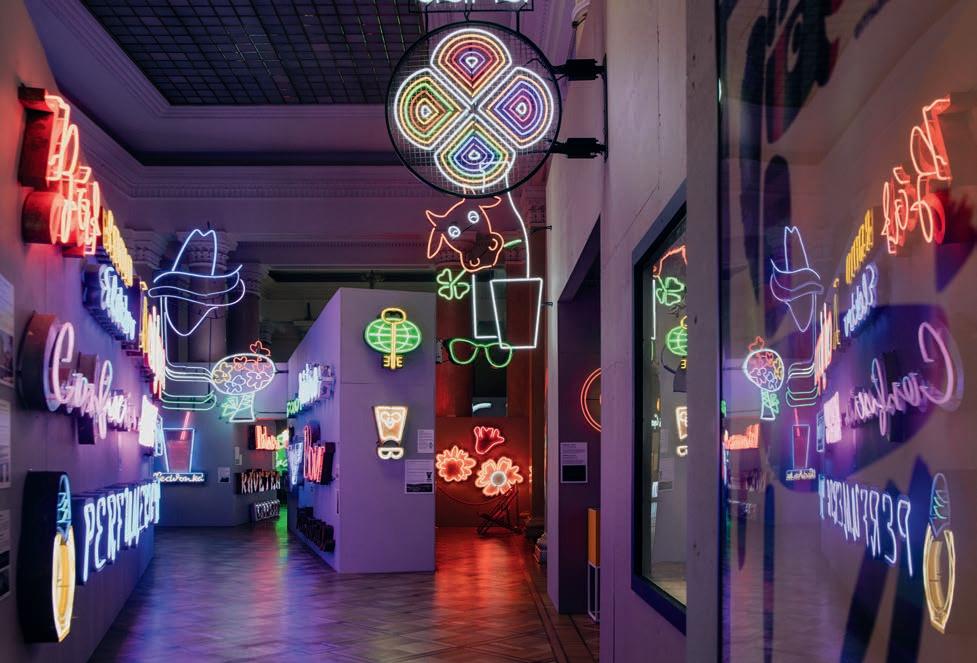
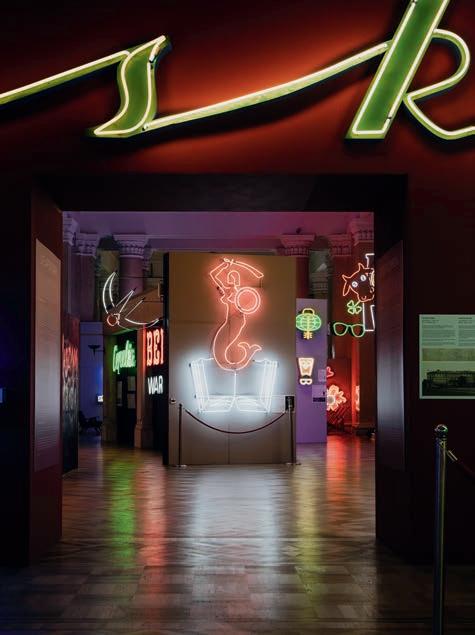
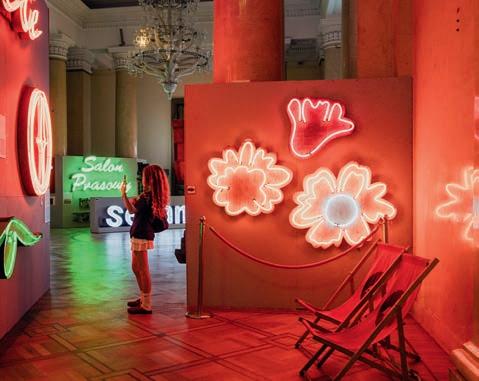
As Warsaw heats up, few places offer a more rewarding escape than the Neon Museum in its striking new home inside the Palace of Culture and Science. While much of the city basks in the sun, visitors can step indoors, cool down and immerse themselves in a dazzling world of colour, light and design history.
The timing could not be better. The museum now sits at the center of one of Warsaw's most exciting urban transformations. Outside, the revitalised Plac Centralny has quickly become a gathering place for locals and visitors alike, softening the vast expanse around the Palace with greenery, seating and a more human-scale atmosphere. Just beyond, the redesigned pedestrian route along Złota Street has improved connections between the city center and surrounding neighborhoods, making the area more walkable and enjoyable than it has been in decades. Together, these changes have created an ideal summer itinerary. Start with a stroll through the renewed city center, grab a coffee on one of the nearby terraces, then retreat into the cool glow of the Neon Museum. Inside, restored signs from restaurants, cinemas and shops tell the story of Poland's post-war design heritage through bold typography and electrifying colour. The collection is both educational and endlessly inspiring, particularly for creatives, photographers and anyone with an appreciation for graphic design.
And when it comes to social media, few places in Warsaw are as visually rewarding. The luminous displays provide a ready-made backdrop for unforgettable photographs that bring a splash of vintage color to any feed. This summer, the Neon Museum isn't just a museum visit—it's a celebration of Warsaw's past, present and future.
Neon Muzeum pl. Defilad 1, neonmuzeum.org
LEGEND
FOOD HALL FUTURES
John Gabrovic, Founder and Managing Director of Inspire Real Estate Advisory, discusses what makes food halls thrive.
Insider: You were involved in shaping two of Warsaw’s most influential food hall projects, Elektrownia Powiśle and Food Town. Looking back, what do you think they got right about Warsaw’s dining habits, and what has surprised you most about how people actually use these spaces?
John Gabrovic: Food halls offer exactly what consumers of all age groups are looking for today: informal and enjoyable dining environments, variety, and fast service. What makes me most proud is that Warsaw’s food halls are quite possibly among the most impressive in Europe when you consider every aspect, the layout, interior design, quality and diversity of the food, the bar offering, and, in the case of Norblin, a well-executed entertainment programme.
The UK may have more food halls, but I would argue that Poland has better ones. What has surprised me most is how much time, and money, Varsovians now spend socialising in cafés, restaurants and food halls. If I may say so, they're beginning to behave a little like the British. Every day around 4 p.m., young professionals leave their offices and gather for a drink or two, often in a food hall setting.
A new food hall is planned for the BUW area, serving one of Warsaw’s largest student communities. There are already rumours that many of the main dishes could cost around 50 zł. Can a food hall still function as a genuine social and community space if its prices are out of reach for a large part of its natural audience?
Wow. I am a strong believer in value, and I think a quality food hall meal should cost no more than €8–10, or roughly 34–44 zł. Food prices in Poland are rising at an unhealthy pace, driven primarily by excessive growth in labour costs.
We will soon find out whether students have the spending power to support a food hall where many meals cost 50 zł. Price always matters, especially when your core audience is young people.
Food halls were originally seen as places where independent operators could test concepts without the risks of opening a standalone restaurant. Has that model held up in Warsaw, or are food halls increasingly becoming a playground for more established brands and investors?
Great question. Because the upfront investment is relatively low, food halls remain an excellent place for young entrepreneurs to test new concepts. Both consumers and food hall owners benefit when passionate founders are working directly in their kitchens.
However, as Warsaw’s food halls approach their tenth anniversary, there is a growing tendency among some owners to play it safe by signing leases primarily with well-established, well-capitalised operators. While this provides stability for landlords, consumers may eventually start craving more originality and authenticity.
The consumer is queen, and she ultimately decides who succeeds. It will be interesting to see how people respond to the trend
you've accurately identified.
Warsaw now has several major food halls competing for customers. Do you think the city has reached saturation point, or is there still room for new concepts—perhaps ones that serve a different purpose than food and drink alone?
Consider that Manchester, a city of around 600,000 people, has roughly ten successful food halls. That alone suggests there is still room for growth.
Any new food hall in Warsaw will need a clearly defined catchment area and a distinctive identity if it wants to compete effectively. That said, I believe there are still untapped consumer groups and geographic areas that could support new projects.
We also see strong potential in districts on the outskirts of Warsaw and neighbouring municipalities such as Wilanów, Piaseczno, Bielany and Bemowo. Urban residents do not have a monopoly on the desire for good food, great drinks and enjoyable social experiences.
When developers pitch a food hall today, what separates a project that will become part of the city's fabric from one that risks feeling like a well-designed collection of food stalls? Is the key factor the food, the tenant mix, the architecture, or something less obvious?
Another great question, and one with a complicated answer. Hospitality is the hardest easy industry in the world. Success comes from executing a million seemingly simple tasks well, every single day.
“Hospitality is the hardest easy industry in the world. Success comes from executing a million seemingly simple tasks well, every single day”
The most successful hospitality projects are rarely those created with profit as the primary goal. The focus needs to be on creating a compelling dining environment, developing a food and drink offer people genuinely want, and wrapping it all in a level of service that resonates with the local community. Finally, that offer must be priced appropriately for the community’s spending power.
It is that easy, and that hard. Because food halls have been so successful in Poland, we are beginning to see some poor examples emerge. These projects borrow the label of a food hall without delivering the quality or experience consumers expect, which ultimately damages the category. Hopefully, the strongest operators will continue to innovate, raise standards and drive the sector forward.
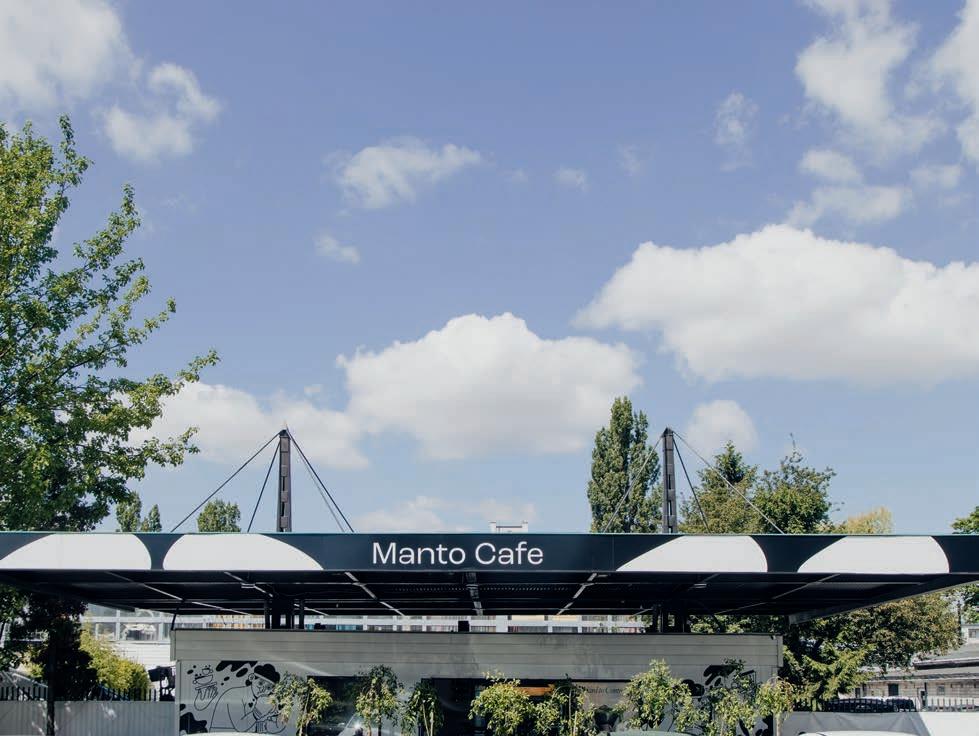
Manto Cafe
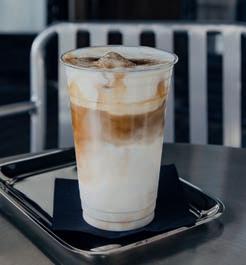
Housed inside a converted petrol station on Garażowa, Manto Cafe has become one of Mokotów's most talked-about coffee stops. The sports-inspired concept blends specialty coffee with premium Japanese matcha, adaptogens and superfoods, creating drinks that feel as functional as they are photogenic. Signature creations, from coconut coffee to colourful seasonal matchas, are backed by polished branding and genuine attention to quality. Whether you're refuelling after a workout or simply chasing Warsaw's coolest caffeine fix, this is summer sipping done right.
ul Garażowa 4 (Mokotów), mantocafe.pl/
COFFEE/MATCHA
Ocha Matcha
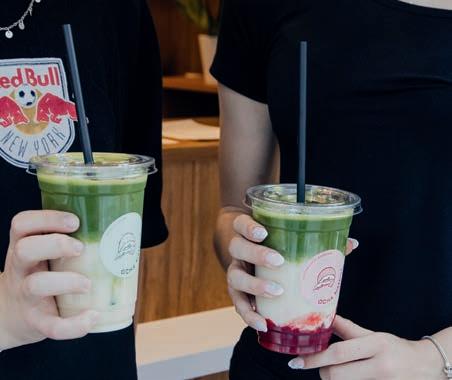
No seats, no fuss—just one of Warsaw's best matcha stops. This family-run takeaway window on Chmielna has built a devoted following by doing one thing exceptionally well: high-quality Japanese matcha. Expect beautifully balanced lattes, playful seasonal specials and silky signature drinks like Sakura Cloud, all prepared with care and consistency. Perfect for grabbing before a stroll through the city centre, it's proof that great things really do come from the smallest of spaces.
ul. Chmielna 11 (City Center)
ŻOLIBORZ'S WINE WALK
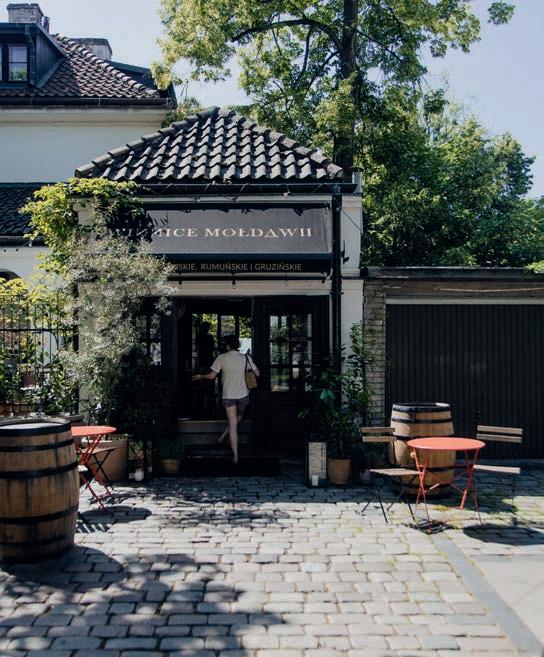
One of the pleasures of visiting Żoliborz is how effortlessly it unfolds. Step off the metro at Plac Wilsona, cross into Park Żeromskiego and, just beyond the trees on Czarnieckiego, you'll find two neighbouring wine destinations that make the perfect summer pairing. Start at Winnice Mołdawii, a family-run wine bar and importer showcasing exceptional bottles from Moldova, Romania and Georgia, with knowledgeable service, generous tastings and regular oyster pop-ups. Then settle in next door at Wine Tu, where a carefully curated international wine list, seasonal small plates and shaded outdoor tables create one of Warsaw's loveliest places to while away a warm evening. Together they capture everything that makes Żoliborz so appealing: a slower pace, neighbourhood charm and a glass of something special enjoyed under the canopy of mature trees. For an afternoon that stretches effortlessly into sunset, there are few better corners of the city.
Winnice Mołdawii
ul. Stefana Czarnieckiego 63A
Wine Tu
ul. Stefana Czarnieckiego 65A
BEYOND NAPLES
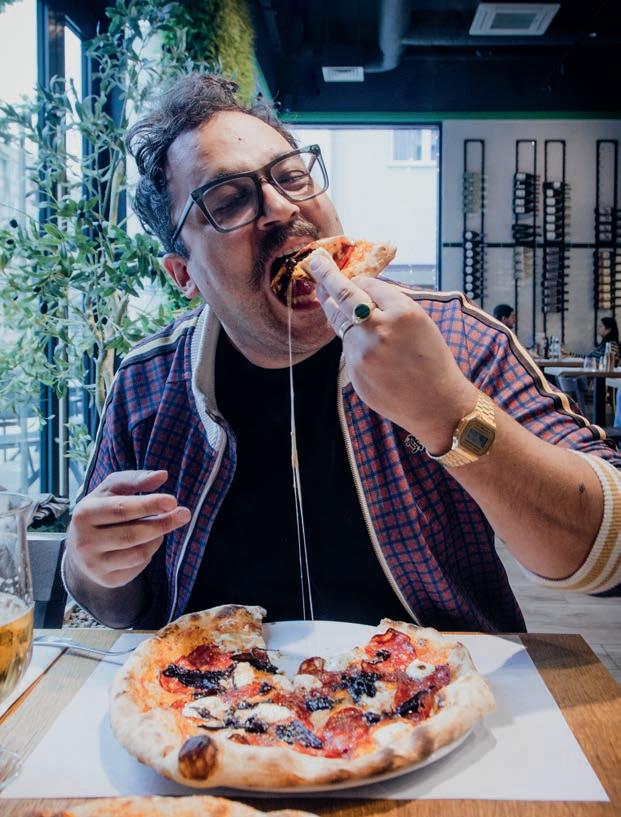
For many pizza lovers, Neapolitan pizza has become the gold standard. But for Janek Mońka, one of Poland's most passionate pizza enthusiasts and experimenters, the story is far more complicated
Insider: Is it fair to say you're not a fan of Neapolitan pizza?
It's not that I dislike it. I've eaten a lot of Neapolitan pizza, including some of the most highly ranked pizzerias in Europe and Italy. I've travelled specifically to visit places that appear in international pizza rankings. Some were very good. A few were exceptional.
But after a while, I started noticing something. Outside Naples, many of these pizzerias are chasing the same ideal and using the same ingredients from the same suppliers. They import the same tomatoes, the same mozzarella, the same cured meats. Everything comes from approved distributors in the Naples region.
When you're in Naples itself, that's different. You're experiencing local products made by local producers. The mozzarella might come from a small dairy nearby. The tomatoes have a sense of place. That's terroir. But elsewhere, I sometimes feel that the competition becomes a contest to make the best version of the same thing.
You once compared Neapolitan pizza culture to McDonald's. What did you mean?
It's a provocative comparison, but hear me out. If you want official recognition from the Neapolitan pizza authorities, there are very strict rules about ingredients and methods. Everyone ends up buying from the same approved suppliers.
So when dozens of pizzerias across Europe are importing the same tomatoes, the same mozzarella and the same cured meats, it starts to feel like a competition to make the best McDonald's hamburger. The quality can be
Między Brzegami, Praga: the setting for our conversation with Janek.
excellent, but there's less room for individuality. What interests me more is creativity and local identity.
Is that why you're drawn to more experimental pizzerias?
Absolutely. I love places that ask what pizza can become when you stop treating tradition as a rulebook. Some of my favourite pizzas use unexpected ingredients or local products that tell a story about where they come from.
When a pizzeria uses regional cheeses, unusual vegetables or local preserves, it becomes something personal. It stops being an imitation and becomes an original creation. That's far more exciting to me than reproducing the same pizza that hundreds of other places are making.
Do you think Poland has its own pizza traditions?
Definitely. In fact, I think we have several. One of them survives in places like Piccolo in Toruń, which has been operating for decades. They serve a small, bun-like pizza topped with mushrooms and cheese, often accompanied by garlic sauce, tomato sauce, or even a cup of barszcz for dipping the crust.
It's not Italian. It's not trying to be. It's completely Polish.
Then there's the homemade tray-baked pizza that many Poles grew up with. Every family had its own version. The dough was thicker, baked in a rectangular pan, and topped with whatever was available. Mushrooms, onions, corn, cheese—sometimes even pickles.
Ask ten Poles about childhood pizza and you'll get ten different answers.
“The future of Polish pizza isn't about copying Naples—it's about discovering what Poland tastes like...”
So nostalgia plays a big role?
Of course. Many people argue endlessly about which pizza is objectively better. But taste is emotional. The pizza you ate as a child, the one you shared with friends after school, the one from your hometown—that stays with you.
There are pizzas that wouldn't win any international competition, but one bite takes people back thirty years. That's powerful.
Has Poland lost something in its rush to embrace Neapolitan pizza?
Maybe. The rise of Neapolitan pizza has undoubtedly improved standards. We have better dough, better ovens, better ingredients.
But sometimes I wonder if we've forgotten our own pizza history along the way. Last year, I posted online about old-style Polish pizzerias and the reaction was enormous. People started sharing memories of local places from small towns all over the country. It struck a nerve because these pizzas were part of
people's lives. Not every pizza has to come from Naples.
If Poland were to create a truly modern Polish pizza style, what would it look like?
It would start with local ingredients. Instead of importing products simply because they're Italian, we should ask what Poland already does exceptionally well. We have fantastic cheeses, excellent honey, incredible regional oils, fermented vegetables, mushrooms, herbs and preserved foods.
During my pizza experiments I've tried replacing classic Mediterranean ingredients with local alternatives. For example, fermented products can provide the same acidity that olives or capers bring to a pizza. Marinated green cornelian cherries, for instance, look and taste surprisingly similar to green olives, while kindziuk sausage can work better alongside them than a classic pepperoni or salami. The goal isn't to put random Polish ingredients on dough. It's to understand why ingredients work and then find local equivalents.
And where does pineapple pizza fit into all this?
I think people should relax. Food should be fun. Tradition matters, but becoming dogmatic about pizza misses the point. If a topping is delicious, if it creates balance and makes people happy, then it's worth trying. And if you're going to put pineapple on a pizza, do it properly: use fresh pineapple instead of the canned variety and pair it with crispy bacon rather than soggy ham. The future of Polish pizza won't come from following rules. It will come from curiosity.
WARSAW'S OPEN-AIR GALLERY
Looking beyond the obvious, artist Kamila Lipka reveals the public artworks that stop her in her tracks and deserve a place on every summer walk
Insider: If a friend came to Warsaw for the weekend and only had time to see five murals, where would you take them, and what would you tell them to look out for?
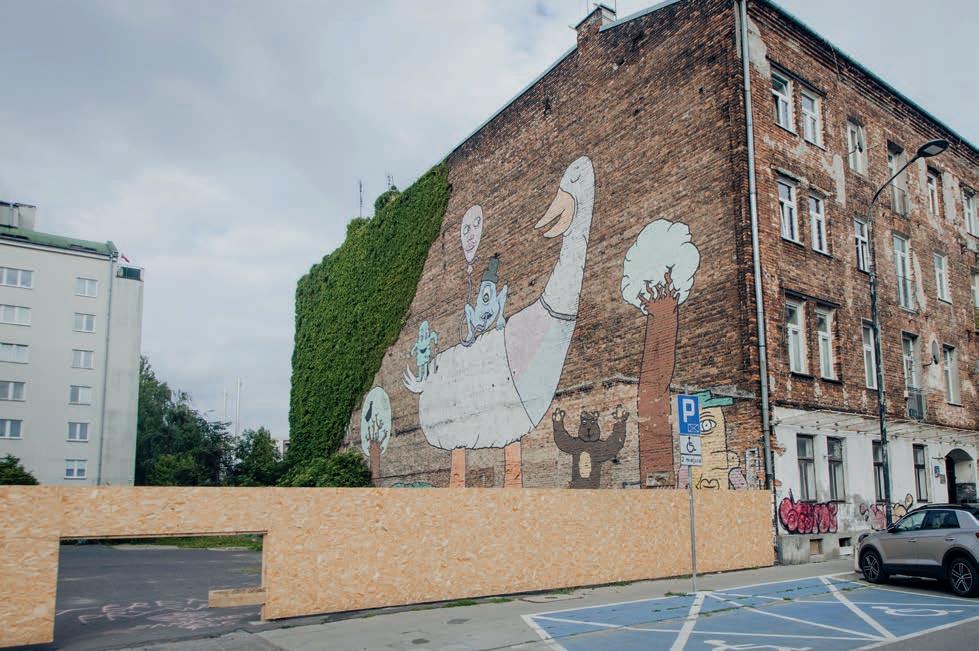
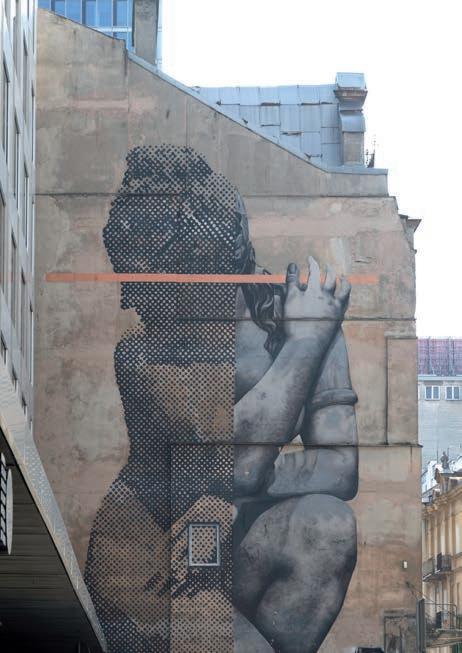
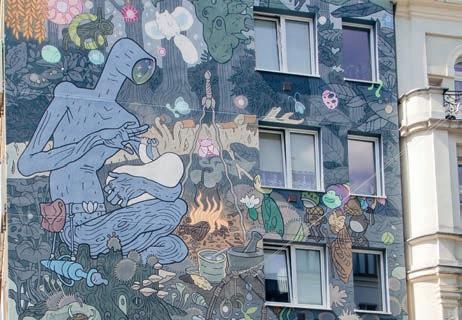
Kamila Lipka: I'd take them to Praga because the murals there work beautifully with their surroundings, and the whole district has a unique atmosphere. First, I'd show them The Great Goose at Brzeska 14A. Inspired by children's drawings, it may soon be covered by new development, as so many great murals are. This could be its last summer.. Perhaps the most popular and beloved mural in the district, however, is the giant “hole” painted by the artist known as 1010, located at Mickiewicza 1.
The Great Goose at Brzeska 14A
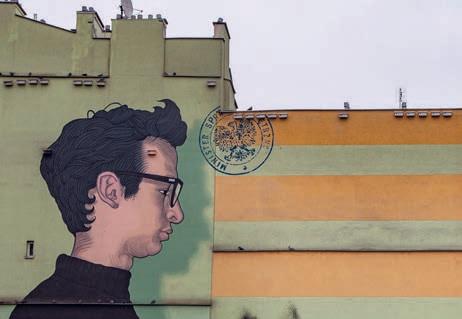
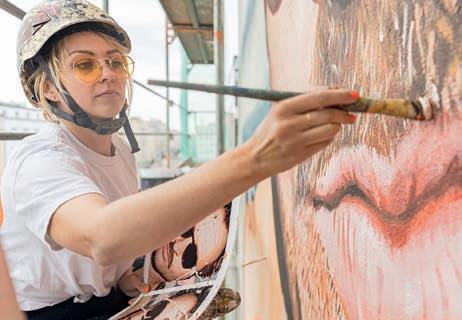
The next murals I’d choose are in the city centre: the work by Cyrcle at Widok 11 and Bruno Neuhamer’s mural at Wilcza 22A. I have a special connection to the latter because I had the pleasure of helping paint it alongside Bruno and the team. I think it’s a fantastic piece.
I’d also encourage my friend to pay attention to how murals change depending on the time of day, the weather and the quality of light. A mural is never truly static, and that’s one of the beautiful things about public art.
The Jabłoński mural hidden in the courtyard on Chmielna Street has become one of Warsaw’s most photographed pieces of public art. When a
mural is commissioned as part of a commercial project but ultimately becomes part of the city’s visual identity, does that give you a particular sense of satisfaction as an artist?
Absolutely. Beyond their obvious role in decorating public spaces or communicating an idea, murals can also become landmarks — places where people meet and orient themselves. It’s rewarding to see people appreciate an artist’s work.
Many murals become so closely associated with a location that it feels strange when they disappear. Unfortunately, a lot of great murals have been painted over or destroyed. When I was writing my master’s thesis, which was partly about murals, I was fascinated by
ETAM Cru’s Monkey Business on Dzielna Street in Wola. I went there to take photographs and spend some time with the work, only to discover that it had already disappeared. I was genuinely heartbroken.
Speaking of your own work, are there any murals in Warsaw that people can still see today? Which one means the most to you when you pass by it?
I mostly paint interiors rather than large-scale public murals, so my work tends to be on a smaller scale. Still, I’m fond of all of them. Most are located in offices, restaurants and commercial spaces, including The Bites and Boca Boca.
Mural by Cyrcle Mural by Bruno Neuhamer in Wola
Bruno Neuhamer’s mural at Wilcza 22A
Best of Summer
in Warsaw 2026
I’m also very proud of the mural I painted inside the Converse store in Złote Tarasy. It’s only a small wall, but working for such a well-known brand was a special experience. Another project I’m particularly happy with is a mural I created for a local playground. It brought life and colour to what had previously been a rather gloomy space.
Which mural in Warsaw has the best setting? Not necessarily the best artwork, but the one that fits its surroundings perfectly?
I’m especially drawn to murals painted on walls that carry a sense of history — old, weathered surfaces with character. There’s one mural that doesn’t
depict very much in itself, but together with the wall it creates something special. It’s called Kamień i Co.
Is there a mural in Warsaw that always makes you slow down when you pass it, even though you’ve probably seen it hundreds of times?
I’d probably choose the mural I helped paint with Bruno Neuhamer. He is the author of the work, which depicts Jan Lityński in Warsaw’s Wola district. It’s a huge portrait executed in a street-art style and is beautifully integrated into the existing wall. It was such an enjoyable project to work on that every time I see it, it brings back happy memories and makes me smile.
“I mostly paint interiors rather than public murals, but every wall tells its own story”
See more of Kamila Lipka's work here
Koshari
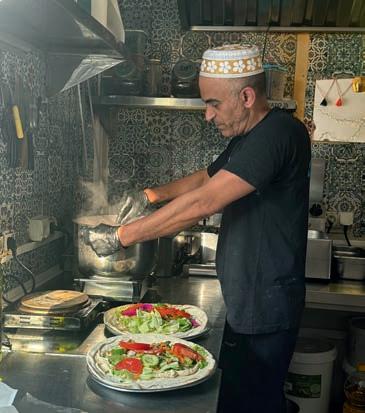
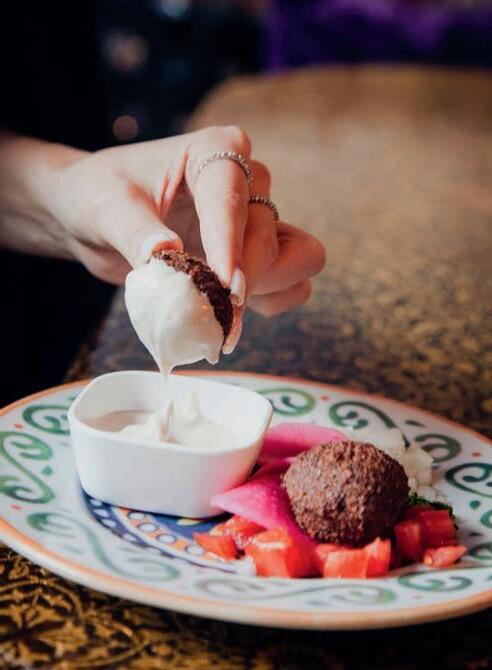
Stepping into Koshari feels less like visiting a restaurant and more like being welcomed into someone's kitchen. This tiny spot centers around a cozy counter and open kitchen, where everything is prepared right in front of you while guests settle onto colorful cushions to wait for their meal. There's something wonderfully personal about the experience. Chat with owner John as he shapes and fries fresh falafel to order, always happy to share a story or explain the flavors of his native Egypt. Nothing feels rushed, and that care comes through in every plate. The ingredients are fresh, the salads are vibrant, the rice is fragrant, and the signature koshari layers lentils, pasta, tomato sauce, and crispy onions into the ultimate comfort food. It's honest, soulful cooking served with genuine hospitality, making this tiny Bielany gem one of Warsaw's most rewarding neighborhood discoveries.
ul. Klaudyny 26 G(Bielany)
HIDDEN GEMS
Cha Cha Biryani
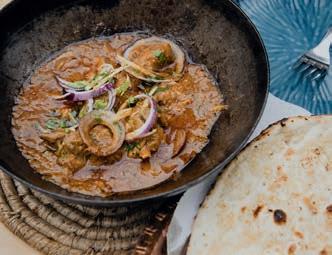
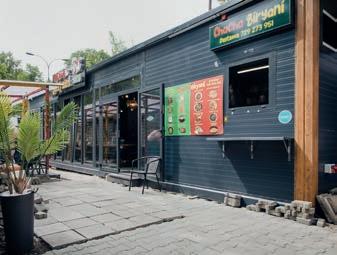
This Mokotów favorite has quietly built a loyal following by serving Pakistani and Indian classics that never lose sight of what matters most: flavour. The sauces are the standout, deeply aromatic, balanced with spice rather than heat, and wonderfully cling to every piece of chicken, lamb or paneer instead of pooling at the bottom of the bowl. It's cooking that respects tradition without overcomplicating it. Better still, the kitchen is remarkably consistent whether you're dining in or ordering at home, making it one of the more dependable deliveries in Warsaw. Daily lunch specials offer exceptional value without cutting corners, while the genuinely warm, friendly team make every visit feel personal. They're generous with recommendations, quick with a compliment, and clearly proud of what leaves the kitchen. In a city overflowing with curry houses, Cha Cha Biryani stands apart through authenticity, hospitality and honest cooking that keeps you coming back for another spoonful. ul. Jana Bytnara „Rudego” 4/14 (Mokotów)
NEO-BISTRO
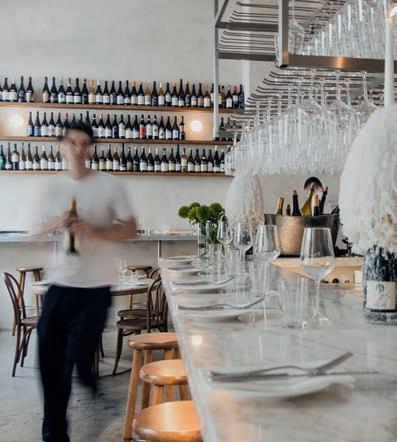
MUSA Bar - bistro & wine bar
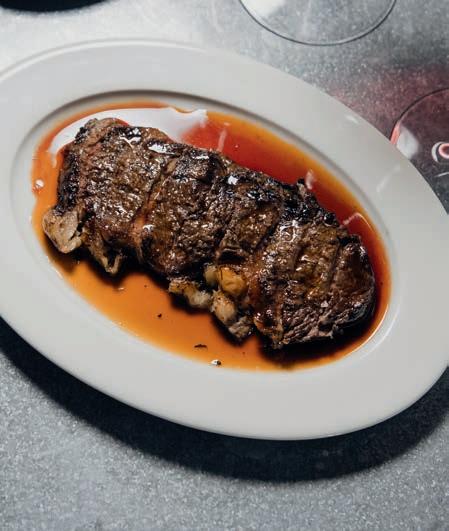
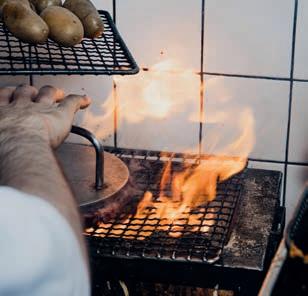
Two years have passed since Musa burst onto Warsaw's dining scene, stole our hearts—and our appetites—and landed on the cover of Best of Warsaw. The honeymoon period is long over, yet somehow Musa feels sharper than ever. Their latest obsession is a small konro grill tucked discreetly into a corner of the kitchen. It's not a gimmick or a talking point. It's a craft. The kind of quiet obsession that involves sourcing the right charcoal because the wrong one might throw the flavor off by a fraction. That attention to detail arrives at the table in the form of a New York striploin that borders on perfection. The texture is exactly what you want from a great steak—yielding but substantial— with smoky char that enhances rather than dominates. Alongside it sat a pile of seasonal młode ziemniaki, their simplicity making the beef shine even brighter. Then there was the jus: rich, glossy, and so deeply satisfying that we ordered extra bread simply to ensure not a drop remained.
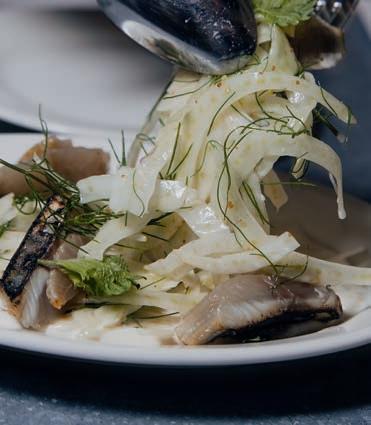
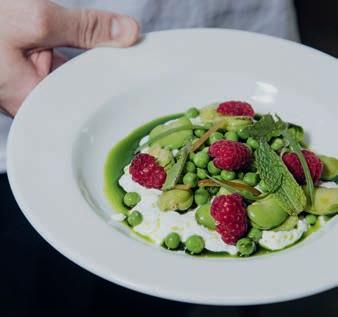
The seafood was equally compelling. Mackerel arrived with impossibly crisp skin covering flesh so tender it practically dissolved on contact, resting atop a perfectly dressed bed of fennel. Another dish resembled a beautiful Petri dish of a Polish summer market: charred bób
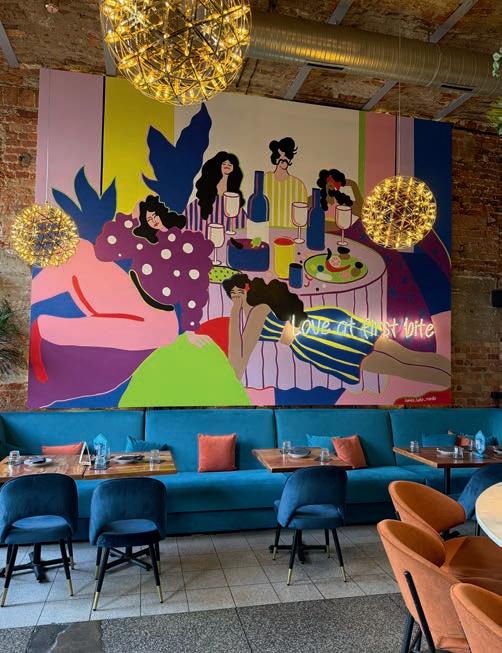
and sweet green peas playfully scattered with fresh raspberries over a pillow of stracciatella. It was vibrant, unexpected, and somehow completely harmonious—love at first bite.
Service remains a consistent five out of five. Our server, Karol, guided us toward an Oriol Artigas Els Perles orange wine, whose aromas of strawberries, cherries, and flowers brought brightness and lift to the meal. For the steak, he suggested a 2017 Remelluri Rioja. My dinner companion delighted in dissecting its layers—tobacco, oak, leather, and earthy smoke—all of them finding perfect company in a near-perfect piece of meat.
If Karol's recommendation of the Remelluri Rioja wasn't enough to convince us that great dining is often about what lingers after the main event, the Stilton ice cream sealed the deal. It sounds like the sort of thing that might work better on paper than on a plate, but Musa pulls it off beautifully. Sweetness and blue cheese perform a delicate dance, mingling with the lingering notes of tobacco, oak, and smoke left behind by the wine and steak. It's the kind of dessert that keeps evolving with every spoonful. And for those who believe dessert should never stray too far from the pleasures of the savory course, adding the bacon drizzled with maple syrup is a move you'll thank yourself for. The combination is indulgent without being heavy, playful without feeling forced—a fitting finale to a meal built on craftsmanship and a willingness to surprise.
ul. Wilcza 17, (City Center), musabar.pl
LEGEND
SUMMER CATCH-UP
Michał Zubrzycki, owner of Aura, Taka Tajka and Barceloneta, talks summer, flavour and change.
Insider: We first reviewed Taka Tajka and Barceloneta some time ago. Looking back, what are the biggest changes you've seen—not just in the restaurants themselves, but in the people who dine there?
Michał Zubrzycki: The biggest change has been confidence. When we first opened, many guests preferred familiar dishes or milder flavours. Today, they're actively looking for authenticity. They're asking about regional Thai cuisine, different varieties of curry, natural wines from Spain and seasonal seafood. People have become much more curious and open-minded, which allows us to be more creative while staying true to the cultures that inspire both restaurants.
Summer seems to suit both concepts perfectly. What is it about the warmer months that brings Taka Tajka and Barceloneta most vividly to life? Summer naturally complements the spirit of both restaurants. Thai cuisine is built around fresh herbs, citrus, vibrant salads and light curries, while Mediterranean food celebrates seafood, vegetables, quality meats, olive oil and dishes designed for sharing. Longer evenings, outdoor dining and a more relaxed atmosphere encourage people to slow down and enjoy food the way it's meant to be enjoyed. Summer simply amplifies everything these cuisines stand for.
Warsaw diners have become increasingly adventurous over the years. Are there any dishes, ingredients or trends that have surprised you with how enthusiastically guests have embraced them?
Definitely. I never expected dishes like Laab Moo, Pad Kra Pao or spicy Thai salads to become such favourites. A few years ago, people were cautious about authentic levels of spice, fermented ingredients and fish sauce. Today, many guests specifically ask us not to tone the flavours down. We've also seen growing interest in natural wines, quality olive oils and authentic regional products rather than generic international cuisine. That's a very exciting direction.
Running two restaurants inspired by very different parts of the world, do you find yourself personally drawn more to the flavours of Thailand or the Mediterranean when summer arrives?
Fortunately, I don't have to choose. During the day, I'm often drawn to the freshness and intensity of Thai cuisine, spicy salads, fragrant herbs, lime and grilled dishes. In the evening, I love the Mediterranean approach: fresh seafood, tapas, good wine and long conversations around the table. They may come from opposite sides of the world, but both cultures celebrate sharing food and enjoying life together.
When you get a rare day off in July or August, where in Warsaw do you go to capture that holiday feeling without leaving the city?
Warsaw has become a fantastic summer city. I enjoy spending time along the Vistula, cycling through its green spaces—especially visiting my favourite botanical garden to see how dramatically it changes every couple of weeks—or simply finding a sunny terrace where I can relax with friends.
Taka Tajka
Authenticity is an overused word, but at Taka Tajka it actually means something. The kitchen doesn't dilute flavours for timid palates, serving Thai food with the confidence it deserves. The fiery Laab Moo is a masterclass in balance, while the vibrant Yum Goong delivers the sweet, sour, salty and spicy harmony that defines the country's cuisine. Add an interior that feels both transportive and stylish, and you've got one of Warsaw's most convincing escapes. ul. Rakowiecka 39a (Mokotów)
Barceloneta
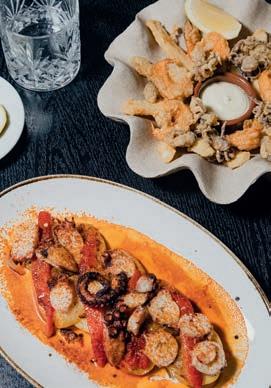
The easygoing atmosphere, bustling terrace and neighborhood feel make it one of those places where one round of tapas inevitably becomes three. Don't miss the baby octopus or the wonderfully crisp croquettes, rich with comforting flavour. Pair them with a chilled glass of Spanish wine and settle in—this is a little slice of Barcelona hidden in the heart of Warsaw. ul. Kazimierzowska 43 (Mokotów)
Aura
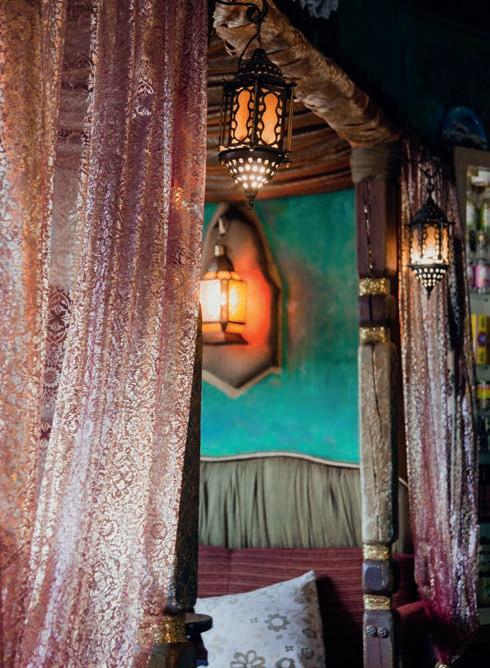
Aura proves that great bars don't need great size. Hidden away on Hoża, this tiny Moroccan-inspired cocktail den has become one of Warsaw's most beloved neighborhood drinking spots. Persian rugs, brass details and a serious bourbon collection set the tone, while bartenders happily tailor drinks to your taste. The leafy patio is one of the city's best summer hideaways, and the seasonal cocktails—often inspired by music—give regulars yet another reason to return. ul. Wilcza 17 (City Center)
CRAFT KITCHEN
Supperlardo
Best of the Best
You know within five minutes whether a restaurant has soul.
Not because of the lighting, the playlist or the chef's social media following. You know because somebody cares enough to make things properly. The bread is baked in-house. The pasta is rolled by hand. The fries are cut from actual potatoes. The people serving you seem genuinely pleased that you've walked through the door. Supperlardo has that kind of soul.
In a dining scene increasingly crowded with concepts, Supperlardo feels refreshingly unconcerned with trends. The focus here is on craft, hospitality and ingredients that speak for
themselves. The meat comes from a farm owned by friends of the proprietor, and the difference is immediately noticeable. This is beef with flavour, texture and character, not the anonymous commercial product that dominates too many restaurant menus.
Even the drinks list reflects the kitchen's attention to detail. Those skipping alcohol should seek out the La Maison N.9 Sparkling Tea, a sophisticated alternative that delivers the complexity and celebratory feel of fine wine without a drop of alcohol. Crisp, aromatic and balanced, it pairs surprisingly well with much of the menu.
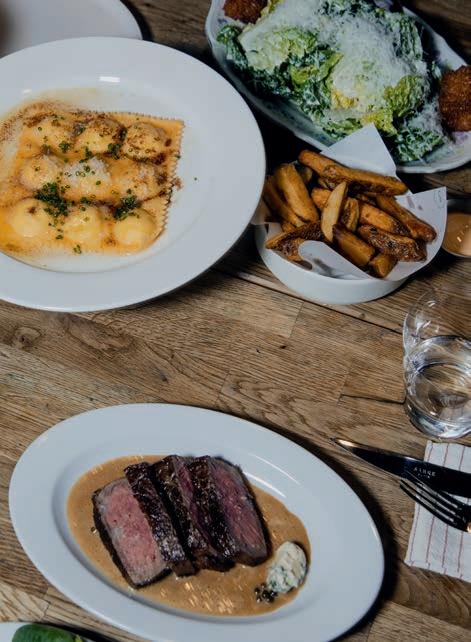
Everything is made on-site, and nowhere is that more apparent than in the ravioli dauphine.
Coated in brown butter and finished with fresh chives, they are deceptively simple. Rich, delicate and deeply satisfying, they arrive arranged in a presentation that manages to be both rustic and memorable. One plate is enough to make you consider signing up for pasta lessons with somebody's nonna.
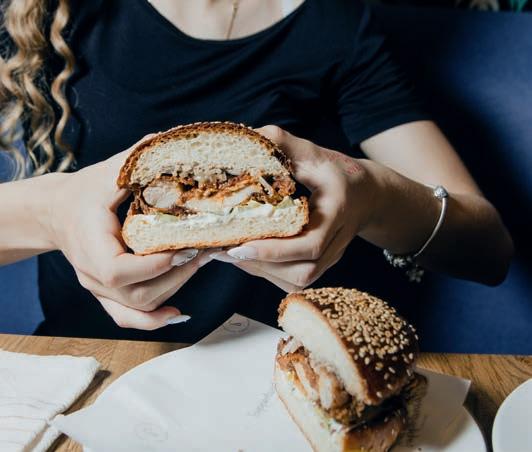
Long-time fans will remember the fried chicken sandwich from Supperlardo's pre-pandemic incarnation. Thankfully, it remains every bit as good as memory suggests. The crust crackles with an almost absurd level of crunch, as though it has somehow been fried multiple times while preserving every ounce of moisture inside. It is the sort of sandwich that silences conversation.
The standout dish on this visit is the New York strip steak au poivre. Cooked with precision, the steak arrives alongside seasonal green asparagus coated in a creamy Maltese sauce. Similar to hollandaise but brightened with citrus, the sauce adds richness and freshness in equal measure, complementing the beef without stealing its thunder.
And then there are the fries. House-made, golden and served with aioli, they are so outrageously good that Supperlardo could probably open a second restaurant devoted entirely to them.
What ultimately separates Supperlardo from many of its peers, however, is the hospitality. Our waiter was warm, knowledgeable and effortlessly friendly. The whole experience felt less like dining out and more like sharing a beer with a friend who happens to have exceptional taste in food.
ul. Chmielna 13A (City Center)
“Everything is made in-house, and it shows on every plate”
Best of the Best
SASKA KĘPA UNDER THE TREES
Leafy terraces, long lunches, neighborhood charm
GANI
Think of the modern London pub. Not the sticky-carpet boozer of old, but the new generation of neighbourhood locals where people come as much for serious cooking as they do for a perfectly poured pint. Warsaw has been quietly catching up, and in Saska Kępa, Gani might be its best example. Hidden behind Francuska in a leafy garden, owner Trisno has created the sort of place that feels instantly familiar, even if you've never been before.
Named after his grandfather, Gani serves Singaporean comfort food with confidence rather than compromise. Beef rendang arrives dark, rich and impossibly tender after hours of slow cooking, while smoky chicken satay, lacquered in silky pea-
nut sauce, has already become one of the city's finest skewers. Jumbo shrimp glazed in sambal bring enough heat to justify another cold Guinness.
The soundtrack wanders happily from Green Day to Joy Division before easing into Greek acoustic melodies as dusk settles over the terrace. Families linger, neighbours drift in after work, and nobody seems interested in checking the time.
Summer has a way of slowing Saska Kępa to its proper rhythm, and Gani captures it perfectly. It isn't trying to be fashionable or exclusive. It's simply the kind of neighbourhood restaurant every city wishes it had—and every local hopes nobody else discovers.
ul. Jakubowska 16 (Saska Kępa)
NICOLETTA
A modernist masterpiece with a garden to match, Nicoletta is the sort of place that practically demands an Instagram post. Fortunately, once you've put the phone away, the food proves every bit as photogenic as the setting. Hidden behind the iconic Łepkowski Villa, the terrace is one of Warsaw's loveliest outdoor escapes, shaded by mature trees and wrapped in architecture that has been turning heads since the 1930s.
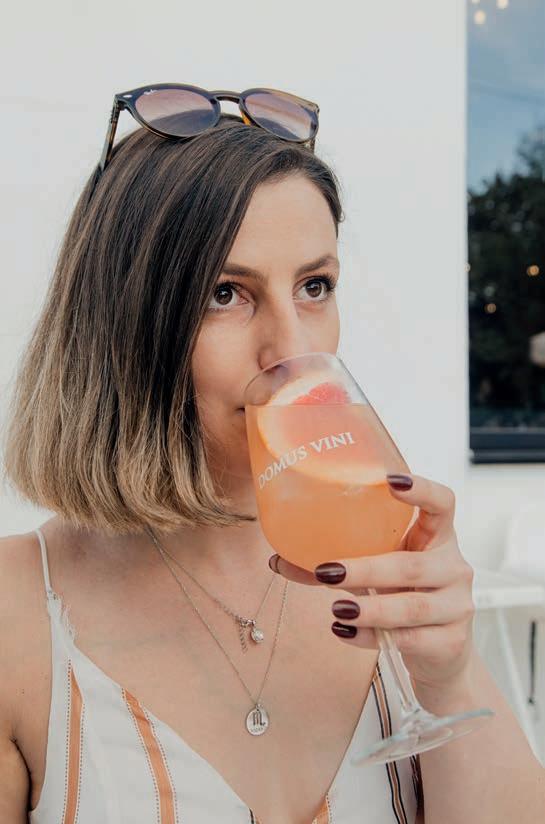
The villa's elegant lines provide the backdrop for a restaurant that understands the simple pleasures of an Italian summer. Neapolitan pizzas emerge with beautifully blistered crusts, fresh pasta encourages lunches that effortlessly become dinner, and an Aperol Spritz somehow feels more appropriate here than almost anywhere else in the city.
Weekend brunches spill across the terrace, while evenings settle into an easy rhythm of shared plates, chilled wine and conversations that continue long after sunset. The atmosphere
“
An Instagram backdrop with the food to match
manages to feel polished without becoming precious—a rare trick in a city where stylish often means intimidating.
Nicoletta succeeds because it offers more than a beautiful garden. It delivers the fantasy of escaping Warsaw without ever leaving Saska Kępa, making it one of those summer addresses you'll happily keep returning to whenever the weather cooperates.
ul. Francuska 2 (Saska Kępa)
Best of the Best
MODERN BISTRO
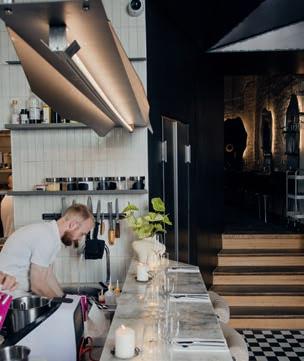
Ballarò
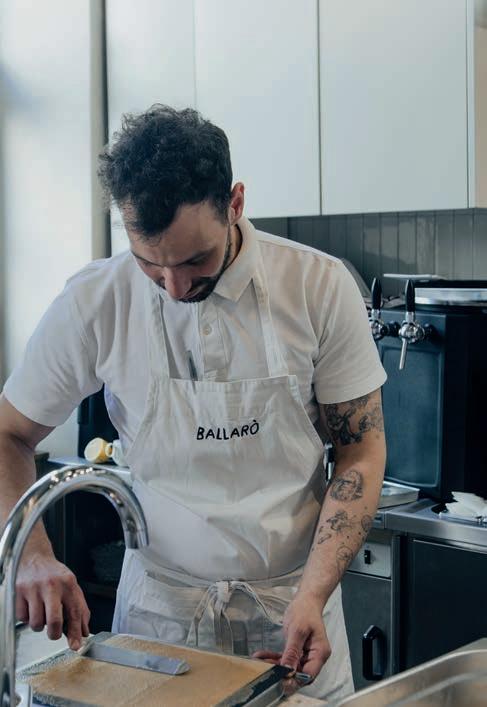
There is a point in every city's dining scene when the term "neo bistro" begins to lose all meaning. Every second restaurant claims it, every menu promises small plates and natural wine, every interior leans on polished concrete and designer lighting. Ballarò deserves a different prefix altogether. Fine neo bistro feels closer to the mark, a restaurant where technical confidence meets the kind of restraint that only comes when a chef no longer feels the need to prove himself.
That confidence belongs to Giacomo Carreca, owner and head chef, a familiar face to many from Madre in Elektrownia Powiśle. Ballarò is something else entirely. If Madre celebrated generosity and rustic comfort, this feels like the work of a chef giving himself permission to cook exactly as he wants. More refined, more thoughtful, more personal.
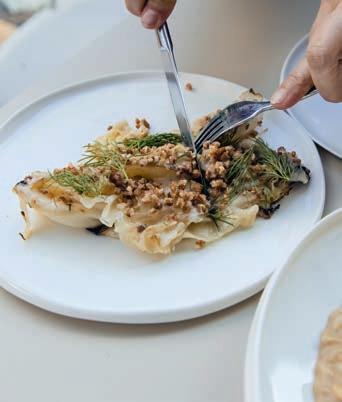
The restaurant borrows its name from Palermo's legendary Ballarò Market, one of Italy's great celebrations of produce, and suddenly the menu's devotion to Poland's changing seasons makes perfect sense. Young cabbage may not be what first comes to mind when you think of Sicily, but in Giacomo's hands it becomes an elegant reminder that great cooking begins with respecting where you are. The delicate leaves arrive lifted by puffed buckwheat, whose gentle crunch is the sort of finishing touch that separates accomplished cooking from inspired cooking.
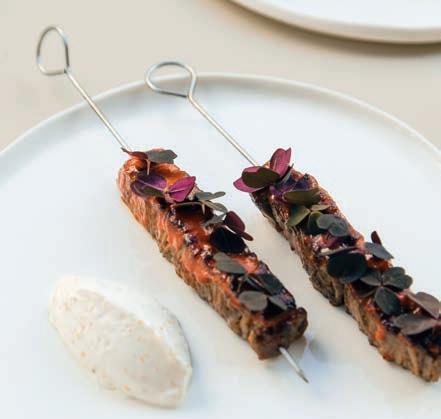
Then come the Iberico skewers, less a starter than edible sculpture. Cubes of perfectly cooked pork are stacked with translucent layers of Iberico ham
and finished with a glossy piquillo pepper glaze. They arrive looking almost too beautiful to disturb, the sort of plate diners instinctively photograph before reluctantly reaching for a fork. Fortunately, they taste even better than they look.
One of the evening's greatest pleasures wasn't even on our radar. A risotto layered with chanterelles and slices of ripe peach arrived because Giacomo felt like making it. Thankfully, he did. Earthy mushrooms, sweet fruit and perfectly judged rice somehow found complete harmony, reminding us that rules are often written by people with less imagination than chefs.
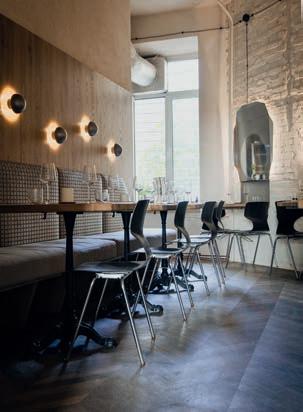
The room itself reinforces that quiet confidence. Designed by Public Design Studio, whose portfolio includes the celebrated Milk Bar Grażyny, Ballarò feels like the apartment of someone with impeccable taste rather than an overly designed restaurant. Leather, brushed steel and warm mid-century references create an atmosphere that is sophisticated without becoming precious.
Dessert follows the same philosophy. Giacomo's Mexico 68 chocolate becomes a celebration of bitterness and bright acidity rather than sweetness. A delicate crisp shell gives way to black lime ice cream, cardamom-salted caramel and a silky chocolate crémeux, while fruity Guatemalan cocoa crisps lend almost tannic notes. Rough-textured "inverse chocolate" pearls, inspired by Sicily's centuries-old Modica tradition, provide the final crunch. Rich yet remarkably refreshing, it's a summer dessert that proves restraint can be every bit as indulgent, leaving the table exactly where Ballarò has kept you all evening: smiling in quiet admiration.
Warsaw has no shortage of ambitious restaurants, but few feel this assured. Ballarò never chases trends or applause. Giacomo cooks what excites him, trusting that good taste, in every sense of the phrase, will find its audience. Judging by our evening, he's absolutely right.
ul. J.J. Śniadeckich 18, (City Center)
Best of Summer in Warsaw 2026
TAPAS
Barceloneta
Barceloneta brings the sun-kissed spirit of Spain to Warsaw’s Mokotów district. With a menu rich in authentic tapas and seafood delights—like Galician-style octopus and fried sardines with aioli—this vibrant spot captures the essence of a Mediterranean beach bar. The lively atmosphere, complete with Spanish chatter and Estrella on tap, offers a delightful escape from the city's hustle.
Kazimierzowska 43, (Mokotów)
Padron
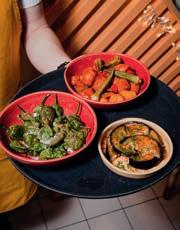
Madrid-style conviviality meets Warsaw buzz at Padron. Start with the essentials: blistered padrón peppers with romesco, vibrant tuna ceviche, and crisp patatas bravas with just the right kick. Designed for sharing and lingering, the menu captures Spanish tapas culture, while inventive cocktails and a lively atmosphere keep the evening flowing.
ul. Grzybowska 37, (Wola)
SPANISH CUISINE
Best
of the Best
EL PATIO WARSAW
EL PATIO is the kind of restaurant that makes you rethink geography. The first visit feels like an excursion, something you tack onto a walk through Powsin's leafy surroundings. By the second or third, you'll find yourself opening Uber and quietly accepting that your monthly transport budget has acquired a new line item.
At first glance, the building gives little away. Resembling the sort of roadside hotel you'd drive past without a second thought, it hardly screams destination dining. Only the giant bull's head mounted above the entrance hints that something Iberian is happening inside. Yet beyond the doors, EL PATIO has quietly become one of Warsaw's strongest addresses for Spanish cuisine, proving that great
At the center of it all is owner and chef Ángel, whose background in hospitality management is evident from the moment you sit down. He works the room with genuine enthusiasm, making sure guests are looked after both culinary and otherwise. His warmth is matched by serious kitchen credentials.
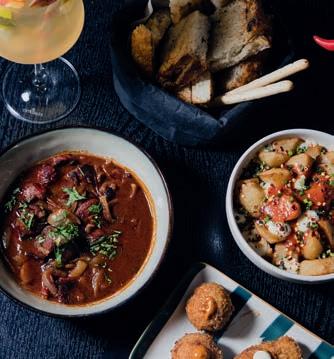
The menu avoids clichés. There's no token paella. Instead, a seafood rice dish arrives packed with the flavors of the coast, the sort of plate that briefly convinces you the Vistula has somehow emptied into the Mediterranean. Fried calamari, shrimp and mussels pair beautifully with an ice-cold beer on a summer evening, while tapas such as croquettes, patatas bravas and chorizo simmered with wine and onions provide an excellent excuse to explore the restaurant's thoughtfully assembled wine list, which ranges from affordable
bottles to special-occasion splurges.
The standout dish of the evening was octopus served over boiled potatoes. In a city where octopus is too often grilled into submission, this version was astonishingly tender—soft, delicate and almost melting on the tongue.
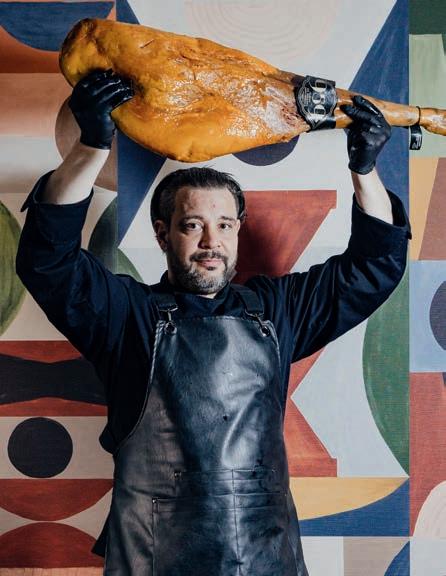
Dessert brought a Basque cheesecake lighter than expected but no less satisfying, airy and cloud-like in texture. Meanwhile, Ángel's childlike excitement over the delivery of a prized leg of 100% Iberian acorn-fed Pata Negra ham—"the Ferrari of jamón," he declared—perfectly captured the spirit of the place: serious about food, never pretentious about it.
With a children's corner and outdoor swing set, EL PATIO manages something rare: a restaurant that works just as well for families as it does for serious eaters willing to cross the city for a great meal. The journey is worth it. More than the food, what stays with you is the feeling that Ángel is building something. He has the restless energy of a man with plans, the kind who talks about ingredients, wine and jamón with equal parts expertise and excitement. If El PATIO is any indication, this won't be the last time his name surfaces in Warsaw's dining scene. When it does, remember you heard it here first.
ul Kremowa 63 (Powsin), elpatiowarsaw.com/
Summer
SUMMER SHIFT
Where Warsaw drinks when the city slows down
To understand summer in Warsaw, you have to survive its winter. For nine months of the year, the capital runs on raw, high-octane energy. Skyscrapers cut through gray clouds, streets lock into permanent gridlock, and the city’s core of cocktail bars, bistros, and late-night spots stay packed with locals killing the cold.
Then, right around late June, the school year ends and the holiday season triggers a mass exodus.
Suddenly, a strange and beautiful calm settles over the city. Warsaw begins to breathe. The frantic morning commute evaporates, parking spaces reappear, and the aggressive honking of taxis is replaced by the rustle of blooming linden trees. While cities like Kraków or Gdańsk spend these months bracing for overwhelming waves of international tourism, Warsaw is left almost entirely to the locals who choose to stay behind. For a few brief, sun-drenched months, the capital feels like a well-kept secret. It is pure bliss.
Yet, the seasonal quiet spell is shifting. Thanks to targeted campaigns by the Warsaw Tourism Organization and accolades like winning European Best Destination, the capital is seeing steady waves of summer arrivals. The city’s promotional push has increasingly positioned it as a prime warm-weather destination, bringing double-digit growth in foreign visitors. For hospitality businesses that thrive during the rest of the year, this influx helps, but the summer quiet spell still brings a unique challenge as their regular clientele disappears to the Baltic coast or Masurian lakes.
“
For a few brief, sun-drenched months, the capital feels like a wellkept secret...
Bar Wieczorny: A Mokotów Courtyard
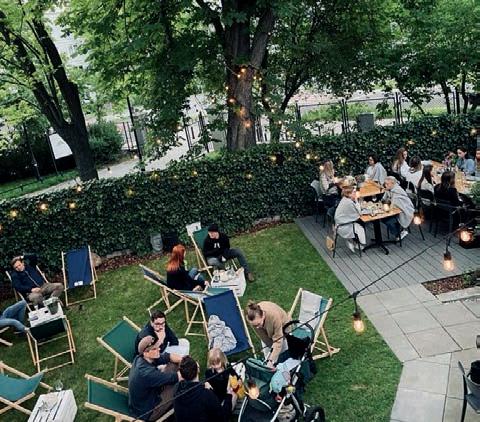
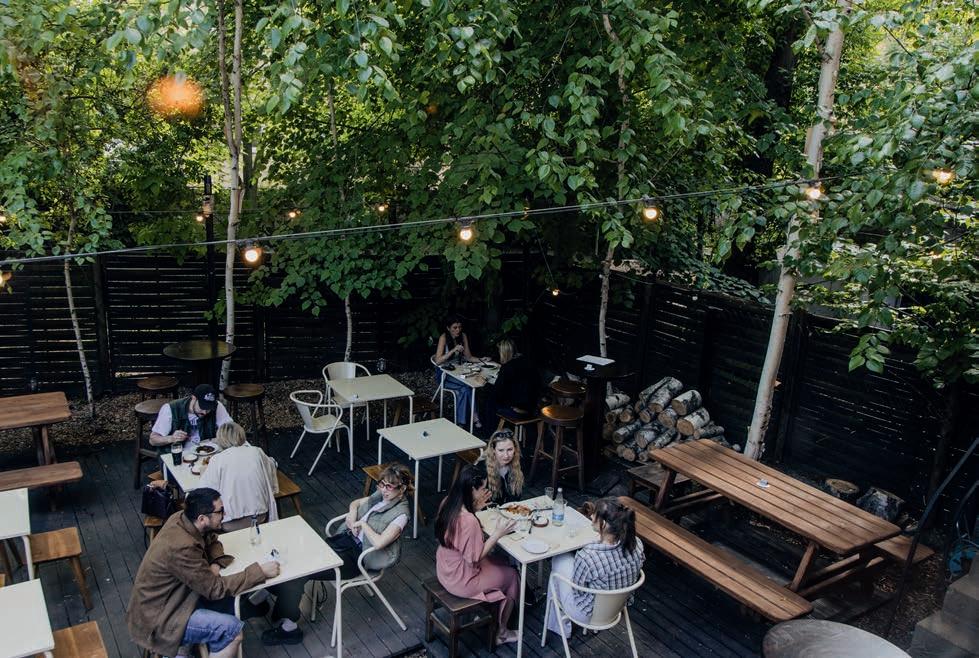
Our journey begins away from the river, deep in the residential streets of old Mokotów. Bar Wieczorny has earned its reputation as a reliable neighborhood institution for quality drinks and good energy. The signature cocktail menu here is excellent—the Smoked No. 53 is a mandatory order—and the kitchen backs it up with a solid selection of simple, well-paired bar snacks. The real draw in the summer months is their garden. The team has filled the courtyard with wild greenery and low lighting. They have built a shaded, atmospheric space that makes it easy to forget you are sitting just a short distance from the city’s main traffic arteries. ul. Wiśniowa 46 (Mokotów)
It is a real shame, considering Warsaw’s drink and culinary scene has never been more sophisticated or diverse than it is right now.
The geography of the city changes in July, too. During the colder months, the drinking culture is concentrated in the heart of Śródmieście. But the summer heat breaks that routine. It pushes us out of the center and pulls us toward the water. We gravitate toward the breezy banks of the Wisła and the shaded courtyards hidden in greener, quieter neighborhoods.
You can't blame anyone for following that instinct. In fact, in this issue, we want to highlight it. We are focusing on the spaces that don’t just survive the summer shift, but actively define it. If you want relaxed, green environments that refuse to compromise on what goes into your glass, here are our choices for this year's best summer cocktail venues.
Paloma nad Wisłą: Quality on the Riverfront
Run by the creative team behind Bar Pacyfik and Paloma Inn, Paloma nad Wisłą has been a permanent fixture of the riverfront for a few years now. Why are we singling out this venue again this season? Because as the southern banks of the Wisła grow more crowded each year with generic, tourist-heavy pop-ups, Paloma keeps its standards stubbornly high. They deliver exactly what made their indoor sister venues successful: well-executed food and crisp, fun, unpretentious drinks. While the panoramic views over the water are a standard perk of the location, it is their consistent quality and lack of cynicism that keeps this spot relevant summer after summer. ul. Wybrzeże Kościuszkowskie 47 (Powiśle)
Salto Bar: The Central Hideaway
Though mostly recognized on the Warsaw scene as a bistro and restaurant, Salto Bar holds a spot on this list thanks to its prime location and a smart approach to its drink menu. Tucked away from the noise of the high street, the bistro is fronted by a massive, open summer garden. Behind the bar, things are kept simple but highly precise. Instead of an overwhelming, multi-page book of spirits, the bartender works with a small, sharp selection of seasonal cocktails tailored specifically to hot weather. It functions as a near-perfect escape from the downtown rush, offering a relaxed courtyard vibe without dropping the standards of a high-end kitchen. ul. Sady Żoliborskie 4 (Sady Żoliborz)
Summer
in Warsaw 2026
Best of the Best
ROCK THE BRZESKA
Warsaw's coolest soundtrack comes with Guinness or good cocktail
The Social Praga
Some places are about the food. Others are about the cocktails. The Social Praga, tucked away on Brzeska in Praga, is about something far rarer, atmosphere. In a city increasingly polished by developers and cocktail concepts, this is the place that still feels gloriously lived in. It wins our Best of Summer vote because nowhere else in Warsaw rocks quite like it.
Owners Maja and Nick look as though they have just stepped off the stage of a rock club. In Nick's case, that's not far from the truth. Before Warsaw he helped manage London's legendary Ronnie Scott's, and today he swaps jazz legends for conversations with anyone curious enough to pull up a stool. Open from Thursday to Sunday, The Social feels less like a business than a weekly gathering of friends, where
discussions drift effortlessly from Warsaw's changing face to the origins of punk rock. That sense of community extends to the music programme, with everything from intimate acoustic sessions and funk bands to twice-monthly performances by The Social House Band, whose organ-driven blend of R&B and soul has become one of the venue's signatures.
On our visit, the DJ looked uncannily like Marilyn Manson's long-lost brother, spinning an impeccable soundtrack of late punk, post-punk and new wave. The soundtrack is never left to chance. Most nights it's drawn from an eclectic collection of old and new vinyl, spun on turntables with the kind of care that reminds you streaming will never quite replace records. Every song seemed to encourage another Guinness rather than another cocktail. The drinks list has plenty to offer, but in a room like this, a perfectly poured pint of the black stuff simply feels right.
The walls tell stories too. Above the bar hangs a treasured record signed by Booker T. Jones of Booker T. & the M.G.'s. Then there is the magnificent Chesterfield sofa that Nick is still trying to authenticate. Legend has it the couch once lived at Ronnie Scott's, meaning Van Morrison and Miles Davis may all have rested on its leather cushions.
Perhaps the greatest attraction, however, is neither the music nor the memorabilia. It's the neighbourhood itself. Curious Praga locals wander in, conversations begin with strangers, and for an evening you experience a Warsaw that still feels authentic, before fashionable reinvention changes it forever. Like the punks who once made Camden legendary, places like this are best enjoyed while they're still here.
ul. Brzeska 23, (Praga)
Best of the Best
VINYL THERAPY
Cocktails, records and refined bar food
B-Side
Downstairs on Piękna, you'll find one of Warsaw's closest approximations to a Japanese vinyl listening bar, where music isn't background decoration but the reason the room exists. Soul, jazz, funk, disco, Balearic grooves, post-punk and leftfield electronic records are selected with the kind of care usually reserved for wine lists. Every track feels intentional,
every transition considered. The real magic, though, lies in the acoustics. At first you assume the music is too loud for conversation, but thanks to exceptional insulation and a meticulously tuned sound system, voices remain remarkably clear. It's one of those rare places where the music can be immersive without dominating the room.
The DJ booth shares centre stage with cocktail shakers beneath a spinning disco ball, creating the sense that mixology and music are equal partners. The bartenders know their classics inside out and are just as comfortable creating something bespoke based on your spirit of choice. Insider favourites include the warming Dragon's Neck, built around Fireball and spicy ginger beer, and the floral, beautifully balanced B-Knee, combining Bombay Sapphire gin with lavender-honey syrup, lime and foam. The Bloody Mary deserves its own reputation—it may well be the finest in Warsaw.
Then comes the final surprise. The kitchen plays at neo-bistro level rather than bar standards. The beef tartare, layered with capers, pickled red onion, whole-grain mustard, crispy chilli mayonnaise and aged Bursztyn cheese, is outstanding, while the octopus carpaccio with ponzu mayonnaise, mizuna and sesame oil is elegant enough to steal the spotlight. B-Side proves that when people obsess over the details, every element of the night benefits.
ul. Piękna 19, (City Center)
The Buzz
Presenting the city’s most talked about venues, join us on a whistle stop tour of the cafes, pubs and cocktail dens and wine bars that you can’t afford to miss…
Stage Bar
WINE & DINE
Kontakt
Sandomierska 13
Weaknesses do not exist in Kontakt, and if they do, they have yet to be formally identified by any who visit. Looking glorious in its deep shades of blue, its look is complemented by a 400-strong wine list slanted towards natural, bio-dynamic and organic wines. The five-star experience is aided by wonderful food.
LOCAL WINES
Brać
Zgoda 3 & Sierakowskiego 4A
Insider Favorite
Resistant as traditionalists may be to the very notion of Polish wine, Brać have made it their mission to showcase its unknown quality. Presenting on-edge sips from niche domestic producers (including collabs with the Funky Fluid craft brewery!), all this is done in a stylish space that feels good to be in. From 2023, this was our favourite wine-related find!
NATURAL WINE
Rascal
Moliera 6
Formerly a canteen for ballet dancers, this address now holds the largest bar in Europe specialising in natural wines – you weren’t expecting that! Entered past a lavish drape, this cool space has a suitably adventurous choice of rebel wines.
underpass, al. Niepodległości 208B/Local 40 (City Center)
Finding Stage Bar feels like discovering a secret. Hidden deep within an underground maze of electronics shops, it's worth every wrong turn. Owner Lotar greets guests with a handshake, setting the tone for service that's genuinely personal. The tiny cocktail list is flawlessly executed, the music delightfully unpredictable, and the atmosphere somewhere between a house party and a world-class bar. One of Warsaw's best hidden drinking spots.
BEER GEEKS
Jabeerwocky
Nowogrodzka 12
Good old Jabbers will never let you down. A Warsaw institution, the adventurous choice of beers gives nods to international pioneers, domestic talents as well as
The Buzz
their own house beers. Prewar floors and the welcome smell of spillage give it a great atmosphere that becomes a boisterous babble of international voices the later it gets. For something quieter, take your pint next door to their sister bar, Jabeerwocky Junior.
THE HEART OF POLSKI CRAFT
Kufle i Kapsle
Nowogrodzka 25
Respectful of the building’s pre-war heritage, the brick interiors are thick with noise, clamour and the reassuring smells of last year’s party. On colder nights, make your way to the back to discover an intimate space sprinkled with vintage armchairs and wonky old lamps set at a natural tilt. The beers are among the most radical in Warsaw.
CUTTING EDGE CRAFT
Hopito Chmielna
Chmielna 24
Opened last year as the younger sister of Hopito’s Żurawia venture, this branch feels a little more mature in its target audience, though every bit as fun in its beer selection - radicalized drinkers will love Hopito’s own crazy brews.
OLD TOWN PINTS
Same Krafty & Same Krafty Vis-à-vis
Nowomiejska 10
Jammed between the Barbican gateway and the Rynek, Same Krafty’s pair of Old Town drinkeries face opposite each other to offer their own mini-pub crawl. Appearing as raucous and rugged tavern-like bars, the experimental craft beers are a league ahead of the mainstream fizz peddled by
the other nearby bars.
FRIDAY HIT
Grace Drink Bar
Krucza 16/22
Named in honour of Grace Jones, the choice of hero says much about a place that devotes itself to celebrating the glam excess of 80s New York. Rooms include one that’s all bordello style colours and velvety finishes, and another that’s high on plush purple, glass and mirrors. Fuelling the party, are classic cocktails, kamikaze shots and kitschy yesteryear hits.
CREATIVE COCKTAILS
Ave Pegaz
Piłsudskiego 9
Inside a lively interior that doesn’t take itself too seriously (check the ‘ceiling garden’), swivel about to gawk at a mighty collection of corkscrews and drinking implements. In this alchemist’s workshop find yourself enjoying some of the most creative cocktails in Warsaw.
COCKTAIL PORN
VHS
Poznańska 7
The shoebox sized VHS pays tribute to the 80s and 90s and is a model for good times –boasting a flamingo and pictures of Mr T., the toilet says it all. The drinks are among the wackiest in Warsaw, and they’re as fun to drink as they are to photograph.
RETRO HIP
Paloma Inn
Poznańska 21
Inspired by The Jetsons, the moon landings and the atom, Paloma Inn is a groovy blast of lunar lines, pea green colour tones and furnishings and fittings that are retro-fu-
turistic. The experience is compounded by easy listening muzak, 70s menu faves like fondue and mega fun cocktails.
THE ATMOSPHERE
Beirut & Kraken
Poznańska 12
Somewhere, amid all the junk relating to the Lebanese conflict (sandbags, ammo boxes…), you’ll find the spirit of Poznańska contained within this long, skinny bar. As fashionable now as it was when it opened, finish the evening in their connecting venture, the Pirates of the Caribbean-style Kraken. Evenings dissolve into a wild, happy whirl of international voices.
INSIDER CLASSIC
Pardon To Tu
Al. Armii Ludowej 14
Despite the upgrade in surrounds, they’ve retained the leftfield spirit of their old haunt thanks to flexi hours, a commitment to obscure sounds, and a well-spaced interior that references their former venue through its decadent colour scheme and wall of favoured musicians. The air of friendly, unforced cool is unmatched!
FOR THE MUSIC
Młodsza Siostra
Dobra 14/16
Known for his ear for upcoming talent, the owner Michał isn’t averse to taking risks in order to broaden Warsaw’s musical palate. The scrappy backdrop of bike repair garages give a vibe redolent of the shadowy courtyards of Berlin and Budapest, whilst inside it’s all creaking floorboards, mismatched furnishings and a clientele sourced from the local Academy of Fine Arts.
REBEL SOUNDS
Chmury / Hydrozagadka 11 Listopada 22
Set in a fleapit courtyard, it’s hard to tell where one begins and the other ends, but both are spiritually cojoined by a devotion to eclectic live music. Tight and crowded, it’s a place where audience and band become one, feeding off each other to generate an electrifying atmosphere.
A BIT OF EVERYTHING
Foton
Wilcza 9A
You know it’s been an epic weekend when you wake up on Monday knowing that Fo ton was involved. Conversation with strangers is natural after a few of Foton’s cocktails, and these are enjoyed to a cool backdrop made up of fleet of tumbling plants perched on steel-framed irrigational contraptions.
CULT BAR
Gemba Chmielna 21
happened upon during the Miami Vice era, Pacyfik is all candy floss pink and shades of teal: a raw-looking den that looks purposefully imperfect. Keeping the hip international crowd on the wrong side of drunk are kick-ass cocktails!
LATE NIGHTER
Republica San Escobar Poznańska 7
Lacking airs and graces, it’s a place where fun rules the roost. Tiny in size, find an interior filled with corrugated iron sheets, zappy neons, chunky woods and bike pedals on the footrests. The fun-loving spirits is irresistible, and the tight dimensions mean the party often spills onto the terrace outside.
Adopting a loose-fitting PRL style, interiors include wood-paneled walls decorated with pics of Pope JPII, sporting pennants and framed artworks from the heyday of the Polish School of Poster. Tricked out with retro wallpaper, the perches by the bar are the most sought, but spillover seating can also be found in a winter garden enclosed by green and scarlet drapes – very David Lynch. Drinks include a broad-minded selection of craft beers, house cocktails and shots.
PRE-CLUB DRINKS
Bar Pacyfik
Hoża 61
Based upon the kind of Tijuana dive bar you’d have
A modern hotel in the heart of Warsaw
Welcome to Warsaw’s newly emerging business district. Crowne Plaza@ Warsaw - The HUB hotel offers modern accommodation, award - winning conference space and superb food and beverage services. Join IHG@ One Rewards and get instant access to benefits and exclusive Loyalty Member deals at 6000 destinations globally. cpwarsawthehub.com | +48 22 377 37 37 | ihg.com/one
ESSENTIAL CHECK-IN
Fabryka Norblina
Żelazna 51/53
Without fail, the big winner of 2023 was Norblin – hell, we even saw Kieran Culkin walking through over summer! In terms of nightlife, winners include the elite MOXO and the craft-minded Uwaga. Packed in the evening, the atmosphere is squared out perfectly by the live music that frequently escapes from the Piano Bar. The Insider fave though remains Piano Bar, a place with fancy cocktails, a 12-foot chandelier and a crowd that errs from late 20s upwards.
STUDENT CARNAGE
Nowy Świat ‘Pavilions’
Nowy Świat 26
For the highest condensation of bars in the capital head to ‘the pavilions’, a collection of ramshackle drinking cabins, shot bars and sheesha lairs inside a tight grid of shadowy back alleys. Adding to the gentle sense of confusion comes the realization that so many bars look the same –accessed through clattery, barred doors, visitors walk into murk and chaos.
LIVE SPORTS
Shamrock Sports Bar
Krucza 51
At long last, Warsaw has the sports bar it deserves. Zapping in football, rugby and suchlike from around the world (but mainly Britain), this Irish-run spot is an offshoot of the atmospheric Shamrock Irish Pub on Zgoda. Though a lot smarter than its sister, the raucous sense of fun has carried over –as has the quality Guinness.
ALT. ENTERTAINMENT
Worek Kości
Bagatela 10
There is nothing ordinary about Worek Kości and that’s underlined by its collection of 400 replica skulls. Known for its burlesque nights, this passionate celebration of the beautiful and bizarre also has a busy roster of lectures dedicated to criminal profiling, forensics and serial killers. Oh, and the cocktails are good.
THE PRAGA VIBE
W Oparach Absurdu
Ząbkowska 6
Craft beers lurk within the fridge, but for the seminal Absurdu experience order a tray of vodka before bulldozing through the crowds that gather to listen to Balkan rock and Afro-Latin bands. Somewhere, hidden deep beneath the creaking antiques and moth-eaten Persian rugs, you might be lucky to find a woodcarved bar.
NORTHERN NIGHTS
Havana
Słowackiego 16/18
Set on the first floor of a PRL era tower, the super cool interior offers up a coherent display of retro posters, luscious plants and light wood trimmings that are respectful of this space’s former life as a 1960s cafe. Perched among hip freelancers and theatre types learning their lines, sip away on trendy bio wines, adventurous lemonades, craft swigs or specialty coffee sourced from local roasters.
CLUB OF THE YEAR
K-Bar Powiśle
Leona Kruczkowskiego
Providing an alternative to the usual Smolna / Luzztro / Jasna 1 scene, the location inside one of the pillars that prop up
Poniatowskiego Bridge lends an ‘in the know’ frisson of adventure to your evening. Small, sweaty, raw and intimate, the industrial-style vibe is offset against oriental lanterns and the occasional Korean flag. Music-wise, and evenings promise everything from Italo-rave to techno trance.
UPMARKET CLUBBING
Sen
Wioślarska 6
Some would say that Sen enjoys its heyday in the summer when the rooftop terrace opens to afford views of the illuminated bridges that span the river. But even outside these months it’s long enjoyed a reputation as Warsaw’s premier super-lux club. High class cocktails and a stringent door policy have helped maintain their name as the principal destination for glam, catwalk excess.
SHOW TIME!
Chaton Foksal 19
Chaton is where the celebs and top-earners gather to enjoy world class stage performers prance about whilst revelling in the bosom of refined luxury.
DESTINATION COFFEE
Café Pląs
Puławska 113A (Królikarnia)
Set inside the Króliarnia palace, it’s laidback and artsy-cool, something aided by the strategically placed plants, chillout beats and rare-find art books placed reverentially on the shelves. Specialty coffee, bio wines, alternative soft drinks and craft beer make it a highly versatile place to finish in after a brisk autumn walk around the palace grounds.
Dine & Delight
When only the best will do, we’ve cut through the chaff to present a curated choice of Warsaw’s top eateries –from ethnic comfort foods and under-the-radar gems all the way up to the city’s most exclusive dining rooms…
Gani
ul. Jakubowska 16 (Saska Kępa)
Gani feels like the neighborhood pub every city wishes it had. Trisno's Singaporean-inspired cooking is packed with personality, from smoky chicken satay and rich beef rendang to fiery sambal shrimp and hearty gado gado. The leafy backyard, cold Guinness, eclectic soundtrack, and easygoing hospitality make lingering inevitable. It's unpretentious, soulful, and one of Warsaw's most rewarding summer dining discoveries.
THE MICHELIN STAR
Nuta
Pl. Trzech Krzyży 10/14
Andrea Camastra’s restaurant is a magical enclave in which time stands still. Mixing his famed scientific techniques with artisanal processes, his tasting menu is expressive in its aesthetics and flavour, as if it were an extension of his own firecracker character. Even the cheeseboard is a mind-bender – on our April visit, jaws hit the floor as this arrived in the liquified form of a pear consommé topped with warm gorgonzola foam. A bold, world-class adventure, no other restaurant offers such a ride – a second Michelin star seems guaranteed.
FORMAL & EXTRAORDINARY
Epoka
Ossolińskich 3
Nineteenth century cornices and baroque drapes lend an enveloping sense of luxury to this A-Class space. Epoka’s menu is based on Polish cookbooks from different epochs, with the dishes reconstructed in a way that’s innovative, unexpected and a roller coaster of thrills. La Liste officially rank it among the world’s Top 100 Restaurants.
EXQUISITE
Nolita
Wilcza 46
Winning our 2022 award last year for ‘Outstanding Achievement’, chef Jacek Grochowina’s enclave of class looks dashing with its monochrome colours and muted gunmetal shades, but it’s the food that has made it the place Warsaw heads to live the life of the 1%. Treasuring detail and finesse, Nolita demonstrates fine dining hasn’t died.
Dine & Delight
ECLECTIC & UPMARKET
Dyletanci Koszykowa 47
Subtle and stylish with its muted, neutral colours and pops of art, amid the light woods and sky-coloured walls, the assembled fine wines have been selected to dance in tandem with the cooking of Rafał Hreczaniuk. His cooking is elegant, eclectic and never short on sensational taste.
FOR THE TASTING MENU
Rozbrat 20
Rozbrat 20
Fusing upmarket, casual styling with an exciting wine list, interactive service and the kind of atmosphere you can’t get enough of, Rozbrat 20 is a Warsaw gastro landmark. Under chef Bartosz Szymczak, the frequently changing menu has a real playful inventiveness to it.
Dolores
Elektrownia Powiśle, ul. Dobra 42
Dolores brings bold Mexican energy to Powiśle with one of Warsaw's most memorable dining rooms. Designed by Jan Dunin, the playful interior is matched by vibrant flavors: outstanding beef barbacoa tacos, bright shrimp tacos, addictive guacamole with feta, and excellent margaritas. The Frozen Dolores is made for summer, while Taco Tuesday and happy hour keep the place buzzing. Don't leave without ordering the exceptional flan.
DATE NIGHT
Ale Wino
Mokotowska 48
Regularly adjusted to utilize the best items the season has to offer, the menu is a triumph of expertly balanced tastes and is admired for some of the most interesting cooking in the city – think elegant with a localized twist. Rounding out the experience is an intimate, labyrinthine design that’s ideal for when it’s cold and grim, and a decked courtyard terrace for when it’s not.
NEW WAVE
hub.praga
Jagiellońska 22
Heading the kitchen is Witek Iwański, a chef whose past accolades include our very own ‘Top Talent’ title at our Best of Warsaw awards. The tan, beige and white interior is embellished with moon-shaped mirrors and statement art, and is twinned with tiny a’la carte courses that appear like miniaturised works of art.
CASUAL SCENE
Bibenda
Nowogrodzka 10
With no reservations accepted, Bibenda’s enduring popularity ensures that queues often build at the entrance – even at the height of the Polish winter. Augmenting the warm interiors of raw red brick and dim yellow lighting, guests flock for a menu that celebrates the fields, forests and farmsteads of Poland. honey and peanut chili crisps.
THE NEED TO KNOW
The Eatery Koszykowa 49A
This attractive off-street space comes swathed in
white-on-white colours –blissfully cocooned from the outside world, and decorated orb-like installations, this chic but casual space gives Polish food a modernised translation. Visiting for our May issue, we were bowled over by the pork cheeks served with a punchy demi-glace and whirls of liquified peas and red cabbage.
NEW POLISH
Źródło
Targowa 81
Hardwood floors, exposed pipes and a flurry of plants equip an open area decorated with blasts of contemporary art, recycled furnishings and extravagant light installations. Menu-wise, the food lights the soul. But more than just celebrating the power of local produce, there’s a refinement at play that speaks of a kitchen team that aims for magnificence.
POLAND REIMAGINED
Bez Gwiazdek
Wiślana 8
Regarded as one of Warsaw’s gastronomic treasures, each month sees Robert Trzópek design a tasting menu inspired by a specific region of Poland. His creative interpretations of the nation’s culinary traditions are delicate, nuanced and beautifully balanced. The chic but casual setting reflects the philosophy.
TRENDING POLISH
Pod Gigantami
Ujazdowskie 24
Once seen as a classic restaurant for ‘old people’, Pod Gigantami’s reinvention stretches to 3 a.m. finishes come the weekend. Marrying heritage with hip, during more normal hours enjoy thoughtfully cooked Polish classics
including an old school schabowy the size of a small planet.
POLAND FOR INSIDERS
Oma Radna 13
Stepping into Oma is like entering Babcia’s house for a holiday—a warm embrace of Polish tradition with a modern flair. Oma, named after the chef’s grandmother, exudes
Oma-goodness. Nestled in Powiśle, it charms with its vintage Polish decor and fresh flowers. The menu offers classic dishes with a twist: schabowy topped with Parmesan and zupa pomidorowa with garlic. Desserts like knedelki—a cottage cheese dumpling with apples and orange peel—are irresistible. The thoughtful vintage design and caricatures of Oma on the
servers’ shirts add a personal touch. Make a reservation to avoid heartbreak, as Oma’s popularity often leads to a full house. Dive into this cozy haven and savor the best of Polish summer cuisine, where every bite feels like a warm hug from Babcia herself.
STAR SUSHI
Noriko
Mińska 45
With just eight seats and one sitting per day, reservations are mandatory. Priced PLN 750 per head, the cost mirrors what many are calling the most exceptional sushi experience the country has ever seen.
NEIGHBOURHOOD GREEK
Mr. Greek Souvlaki
Londyńska 16
Festooned with potted shrubs, the outdoor wooden deck is one of Saska’s finest outdoor check-ins. If that’s packed – and it often is – head inside where an atmosphere of gentle chaos reigns in the noisy open kitchen. Eschewing warmth and authenticity, the atmosphere fits we;; with the meaty skewers.
PREMIUM SEAFOOD
Tuna
Elektryczna 2
Resembling the scales of a fish, Tuna’s core decorative element are 18,000 tuna cans that sheathe the walls. Smartly appointed in dark metallic colours, visit for an exhilarating menu that includes salmon jerky, tuna sausages, an elaborately reconstructed dorada tail and the best-selling chili con tuna. It’s an ecstasy of tastes.
ARGENTIAN GREATNESS
Baires
Wybrzeże Kościuszkowskie 43
Sharing a building with Tuna and near Elektrownia, it’s perfectly located in Sava Boutique Hotel. Leo Messi sets the tone with an informal vibe honoring Argentine greats. Enjoy Pisco Sours and empanadas before savoring rib-eye or Portena pizzas.
SOUTH AMERICAN FLAIR
Ceviche Bar
Twarda 4
With Argentine chef Martin Gimenez Castro injecting his passion and personality into the venue, this is an address that punches through the greyness of everyday Warsaw. Ceviche is naturally the default order, and here it’s served in around five different forms. The happening, cosmopolitan ambience is reflected by sublime cocktails.
ONE OF A KIND
Trójka Kielichów
Stalowa 38 / 2
Is it a café? A restaurant? Wine bar? Cocktail den? The truth is, it’s all of these yet none. A hybrid hangout at the front end of cool, under indigo tinted lights this scruffy yet theatrically hip room (it’s tiny!) serves killer breakfasts, fab cocktails, low intervention wines and beautiful bites such as Turkish pochette eggs.
CITY CENTRE VEGAN
Peaches Gastro Girls
Stalowa 36
Peaches, Warsaw's vibrant vegan hotspot, serves up seasonal dishes with finesse. From their umami-packed grilled mushrooms to inventive cocktails, every bite and sip delights. The minimalist interiors and open kitchen make it an experience for both eyes and palate.
WELCOME TO GREECE!
For authentic Greek food & hospitality, look no further than Mr. Greek Souvlaki! ul. Londyńska 16 (Saska Kępa)
COMMUNITY HUBS & FOOD HALLS
ELEKTROWNIA POWIŚLE
Dobra 42, elektrowniapowisle.com
Initially completed in 1904 to serve as Warsaw’s primary source of electricity, Elektrownia’s blended approach includes an exclusive top floor beauty hall filled with cutting edge beauty solutions and a retail offer than tends to shirk the mainstream to instead slant in on contemporary Polish design, upscale vintage, niche brands and established local talent. The food and drink has also been a major plus, with most attention going to a food hall that appears in an energetic sea of neon.
CENTRUM PRASKIE KONESER
Pl. Konesera, koneser.eu
Reopened in 2018 as a mixed-use project containing cultural sites, F&B outlets, A Class offices and loft-style apartments, no other investment has had a bigger impact on Praga’s overdue regeneration than Koneser. Culturally, it’s also done much thanks to the Polish Vodka Museum, the Museum of Fantastic Art and temporary exhibitions such as Banksy in 2021. For most though, the F&B lineup is the strongest attraction of all and this includes upmarket Indian from Bombaj Malasa, the casual eatery Spółdzielnia and the real feather in the cap, the Koneser Grill – a meat-centric venue of high sophistication.
HALA KOSZYKI
Koszykowa 63, koszyki.com
FABRYKA NORBLINA
Żelazna 51/53, fabrykanorblina.pl
Representing 200-years of history, the two hectare site is riddled with over 50 leftovers from the Industrial Revolution and these are set against attractions such as the luxury Kinogram cinema (champagne vending machines!), the immersive Art Box Experience, the only Apple Museum in the country (as in the tech brand, not the fruit), a factory museum and the Smart Kids Planet – a 1,600 sq/m project with nine zones that aim to promote logical thinking, healthy eating, motor functions, perception and creative thinking.
Considered the grande dame of food halls, the brick and wrought iron interiors of this spot look beautiful with the F&B offer split between standalone restaurants such as the fancy Warszawski Sen to vendors like the fist-bumping, burrito boys at Gringo. For craft beer and grilled sausages then Kiełba w Gębie don’t put a foot wrong, whilst the open-all-hours ĆMA is a legend in its own lifetime.
BROWARY WARSZAWSKIE
Grzybowska 58, browarywarszawskie.com.pl
Utilising elements of a historic brewery and setting them against an upmarket backdrop of freshly mapped streets and immaculate new build that feels contextually suited to the district, Features include a premium food hall, Robert Lewandowski’s Nine’s sports bar, the ever-popular Balkan eatery Munja, and Baila – a stunning live entertainment emporium. But our favourite enclave of all? The flagship brewpub known as Browar Warszawski.
Two exhibitions, one essential conversation
CULTURE
There are moments when a museum exhibition changes the way you look at art. Then there are those rarer occasions when it changes the way you look at history. The Museum of Modern Art's two new exhibitions belong firmly in the latter category.
At first glance, visitors may wonder why there are two separate shows. The answer soon becomes clear. They are designed as companion exhibitions, each approaching the same questions from a different direction.
The larger exhibition, In the Very Bowels of Changes: Surrealism and Antifascism, rewrites the familiar story of surrealism. Forget melting clocks and dreamlike fantasy. Here, surrealism is presented as a political movement, one that challenged fascism, nationalism and colonialism through imagination and artistic rebellion. Rather than following a conventional chronology, the exhibition unfolds through themes, bringing together paintings, photography, sculpture, film and archival material from across Europe and beyond. It is ambitious without becoming overwhelming, inviting visitors to think rather than simply admire.
The companion exhibition, Ways of the Black Spread Over the White Land, shifts the focus closer to home. Instead of examining surrealism itself, it explores how images of Africa and Black identity circulated through Polish culture during the twentieth
“Particularly fascinating are the displays revealing how African objects found their way into Polish domestic interiors
century. Through photographs, publications, ethnographic objects and archival material, it asks how colonial ideas travelled even to countries that often see themselves as existing outside Europe's imperial story.
Seen together, the exhibitions begin to speak to one another. One examines artists resisting oppressive political systems. The other investigates how those very systems shaped everyday visual culture. Particularly fascinating are the displays revealing how African objects found their way into Polish domestic interiors, encouraging visitors to question not only where these objects came from, but also how they were under-
stood once they arrived.
What makes both exhibitions remarkable is their refusal to offer easy answers. Instead, they encourage curiosity and critical thinking, asking visitors to reconsider accepted narratives about art, politics and identity. They are intellectually demanding, yet deeply rewarding, proving that contemporary museums can be places of discovery rather than simply repositories of beautiful objects.
For visitors expecting a celebration of surrealism's famous imagery, these exhibitions may come as a surprise. That surprise is precisely their strength. Together they reveal that surrealism was never merely about
dreams. It was about imagining a different world, while exposing the contradictions of the one we already inhabit.
Exhibitions: In the Very Bowels of Changes: Surrealism and Antifascism and Ways of the Black Spread Over the White Land
Where: Marszałkowska 103
Tickets: artmuseum.pl/en
Why go: Two interconnected exhibitions that transform familiar ideas about surrealism into a broader conversation about politics, colonialism and cultural memory.
Museum of Modern Art in Warsaw
WELLNESS
Eastern Promise
Warsaw's best-kept wellness secret is hiding in Powiśle
Some luxuries fade the moment you leave the building. A great massage stays with you for days. In a city that never seems to stop vibrating—traffic, deadlines, notifications—it is remarkable how quickly Thai Bali Spa on Nowy Świat can convince your body to slow down. The soft lighting, calming aromas
and gentle soundtrack do their part, but the real magic begins once the treatment starts.
The therapists, trained in Thailand and Bali, blend centuries-old techniques that go far beyond simple relaxation. Stretches, pressure points and flowing movements work together to release tension you didn't even know you were carrying.
I have my favorite. Her name is Sasie, and I happily followed her when she moved here from the spa's Miodowa location which closed recently. Her style is the perfect balance of Thai and Balinese massage: deep enough to tackle stubborn knots, yet gentle enough that you never leave feeling battered. It's a little tough, a little soft, and somehow exactly the right amount of both. At the end of my last treatment, as I thanked her and said goodbye, she smiled and simply said, "Maybe next time you do one-and-a-half hours. You kinda need it."She wasn't wrong. The hour disappeared far too quickly, and I've been booking ninety minutes ever since.ration.
Thai Bali Spa Nowy Świat Nowy Świat 42 | thaibalispa.pl
EDUCATION
AMERICAN SCHOOL OF WARSAW
Students aged 3-5 are encouraged to try new things, ask questions, and take risks in a nurturing environment in which they learn life skills alongside academics. Following the Primary Years Programme (PYP), our young students become caring, active participants in a lifelong journey of learning. Contact admissions@ aswarsaw.org
BRITISH PRIMARY SCHOOL OF WILANOW
A values-driven school offering a world-class education based on the best of British Education. BSW is the first school in Poland to be accredited as Compliant by the Council of British International Schools (COBIS). Based in a purpose built premises in Wilanow BSW is accepting applications from Nursery to Year 9. Please email admissions@bswilanow.org to organise a visit.
THE BRITISH SCHOOL WARSAW – EARLY YEARS CENTRE
Our Early Years Foundation Stage provides a play-based learning curriculum full of curiosity, wonder and discovery – the perfect springboard into Primary education. ul.
Welcoming students from the ages of 2.5 to 6 years old, currently 45% of their admissions are international students. The dedicated, IB-trained teachers deliver an innovative program (PYP) in English designed for modern world needs. The program offers a combination of Literacy, Maths, Science, Physical Education, Arts & Culture, French and Polish classes. ul. Ignacego Krasickiego 53, tel. 697 979 100, canadian-school.pl
CASA DEI BAMBINI & TODDLER SCHOOL
With three green and harmonious locations in Mokotów and Izabelin. The school in Izabelin is set in the quiet of the Kampinos Forest just outside the city. Teachers are fully trained in early-childhood education in English according to the Montessori philosophy. Registration open to children 12 months to 6 years of age. ul. Badowska 19, ul. Tatrzańska 5a (Mokotów), ul. Szkolna 16, (Izabelin), tel. 692 099 134, wmf.edu.pl
schools
AKADEMEIA HIGH SCHOOL
An academically selective international school in Warsaw, offering iGCSEs and A Levels whilst preparing students for the best universities in the world. The staff body consists of alumni of the world’s best universities, whilst facilities at what has become Poland’s most prestigious school include an art studio, auditorium, sports hall and roof garden. ul. Ledóchowskiej 2, akademeia.edu.pl
AMERICAN SCHOOL OF WARSAW
With over 50 nationalities, ASW has been welcoming students from around the world since 1953. As an IB Continuum school, our students follow the PYP, MYP and DP throughout their learner journey. Students graduate with either the IB diploma or an American high school diploma. All programs are conducted in English, with integrated EAL support for non-native speakers.
Contact: admissions@ aswarsaw.org or 22 702 85 00, ul. Warszawska 202 (Konstancin-Jeziorna), aswarsaw.org
schools
BRITISH PRIMARY SCHOOL OF WILANOW
A values-driven school offering a world-class education based on the best of British Education. BSW is the first school in Poland to be accredited as Compliant by the Council of British International Schools (COBIS). Based in a purpose built premises in Wilanow BSW is accepting applications from Nursery to Year 9. Please email admissions@bswilanow.org to organise a visit
THE BRITISH SCHOOL WARSAW
The mission of TBS is to balance academic success with character building and well-being. Students at The British School Warsaw learn an internationally respected curriculum, based on the best of British academics. They take pride in their excellent results at both International Baccalaureate Diploma Programme (IBDP) and IGCSE level, which are well above the global average. ul. Limanowskiego 15, tel. 22 842 3281, thebritishschool.pl
THE ENGLISH PRIMARY
The English Primary is designed specifically for children in the primary education ages, just as children experience in England but in an international community. Pupils are taken through the key learning stages so that they can achieve to the best of their ability through a fun learning experience. The Core Curriculum subjects include English, Phonics, Science, Mathematics, French, PE and Swimming, Music, Personal, Social and Health Education. ul. Rzodkiewki 18, tel. 784 037 808, tep.edu.pl
EDUCATION schools
THE CANADIAN SCHOOL OF WARSAW INTERNATIONAL ELEMENTARY AND MIDDLE SCHOOL
Located on two campuses in the Mokotów this is the only authorized IB School with PYP programs taught in English and Polish. French is taught as a third language. International staff, cultural events and challenging student initiatives create the perfect learning environment. ul. Bełska 7, tel. 692 411 573 / 885 420 044, secretary@canadian-school.pl or secretary. olimpijska@canadian-school.pl
JOY PRIMARY SCHOOL
Treating pupils with mutual respect but not at the expense of being demanding, the methods used are hard on the problem but soft on the person. Taking into account what students think, feel, learn and want for themselves and their world, Joy Primary teaches important life skills as well as respect, care for others, problem solving and co-operation. Here, children are challenged to discover their abilities and competences, while encouraged to explore personal strength and autonomy. ul. Syta 131A, tel. 722 305 333, sekretariat@joyprimaryschool.pl
WARSAW MONTESSORI SCHOOL
leader in the field of Montessori education, well-trained teachers guide students to independent and successful learning with both English and bilingual classroom provided. Located just steps from Łazienki Park the school resides in vibrant surroundings near to museums, embassies and natural settings which provide students with learning outside the classroom. ul. Szwoleżerów 4 (grades 0-4), tel. 608 488 420, wmf.edu.pl A
WARSAW MONTESSORI MIDDLE SCHOOL
Guided by trained specialists, students are responsible for managing their household, operating small businesses, caring for local flora and fauna as well as domesticated animals, taking charge of the younger children and much more. “Adolescence Program” activities, integrated with academic studies, help students discover their inner strength to meet real life challenges.
ul. Tatrzańska 5A (grades 5-8), tel. 604 137 826, wmf.edu.pl
WARSAW MONTESSORI HIGH SCHOOL
Warsaw Montessori High School aims to teach students the values which Maria Montessori outlined in her educational philosophy such as: responsibility for one’s own development, care for others, honesty, empathy, and service. The school continues to meet the principles of Maria Montessori through implementing the IB Diploma Program principles and practices. Warsaw Montessori High School is an authorized IB World School for the Diploma Programme – code 061201. ul. Pytlasińskiego 13A, tel. 787 095 835, wmf.edu.pl
In Collaboration with Szkoła Podstawowa Numer Jeden
LOOKING BACK
Summer on the Wisła
The river before the boulevards
Long before cocktail barges, riverside food trucks and DJ sets beneath the bridges, Warsaw escaped to the Wisła for exactly the same reason it does today. The city was hot. The apartments were hotter. And the river promised relief.
The photographs preserved by the National Digital Archives tell a story that feels surprisingly familiar. Families carried wicker baskets onto sandy beaches. Children launched themselves into the shallows. Couples rented rowing boats. Friends gathered for picnics, danced in riverside
beer gardens and watched regattas drift past. For much of the twentieth century, the Wisła wasn't the edge of Warsaw. It was its summer living room.
What strikes you most isn't how different the city looks, but how little human nature has changed. Today's paddleboards have replaced wooden rowboats. Floating bars stand where dance pavilions once welcomed weekend crowds. Smartphones have taken the place of folding newspapers. Yet the instinct remains identical: when the mercury rises, Warsaw heads for the river.
These images also remind us that the Wisła was once far cleaner than many remember. Before decades of industrial pollution altered its reputation, Varsovians swam here without hesitation, anglers cast their lines from sandy banks, and riverside swimming competitions were major summer attractions.
Perhaps that's why these photographs feel less like history and more like memory. They capture an unhurried Warsaw, where leisure wasn't curated or programmed. Nobody came to the river to post about it. They came because the breeze was cooler, the sand was warm beneath their feet, and the city seemed to exhale beside the water.
Today, the Wisła has reclaimed its place at the heart of Warsaw's summer. The music may be louder and the drinks more expensive, but the essential ritual remains wonderfully unchanged. Every generation eventually discovers the same simple truth: in summer, the best place to be is wherever the river meets the city.