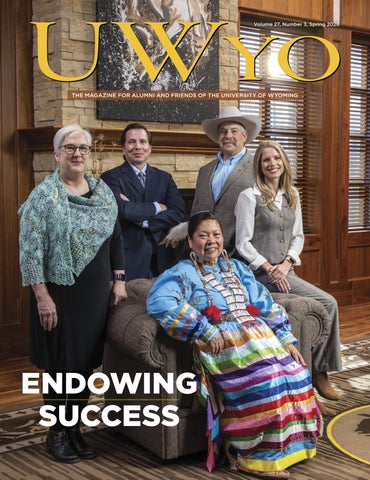
ENDOWING SUCCESS
THE MAGAZINE FOR ALUMNI AND FRIENDS OF THE UNIVERSITY OF WYOMING


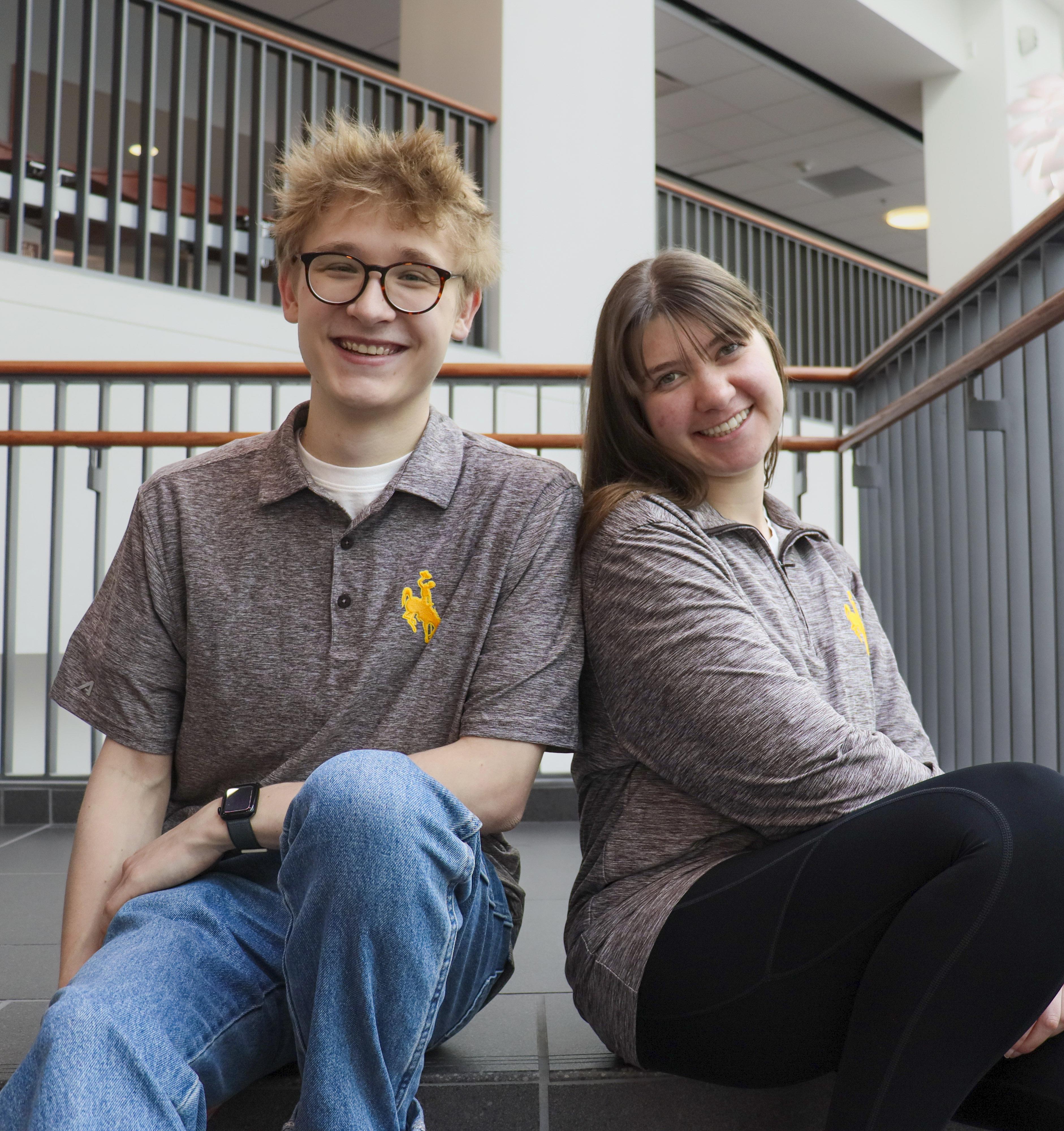


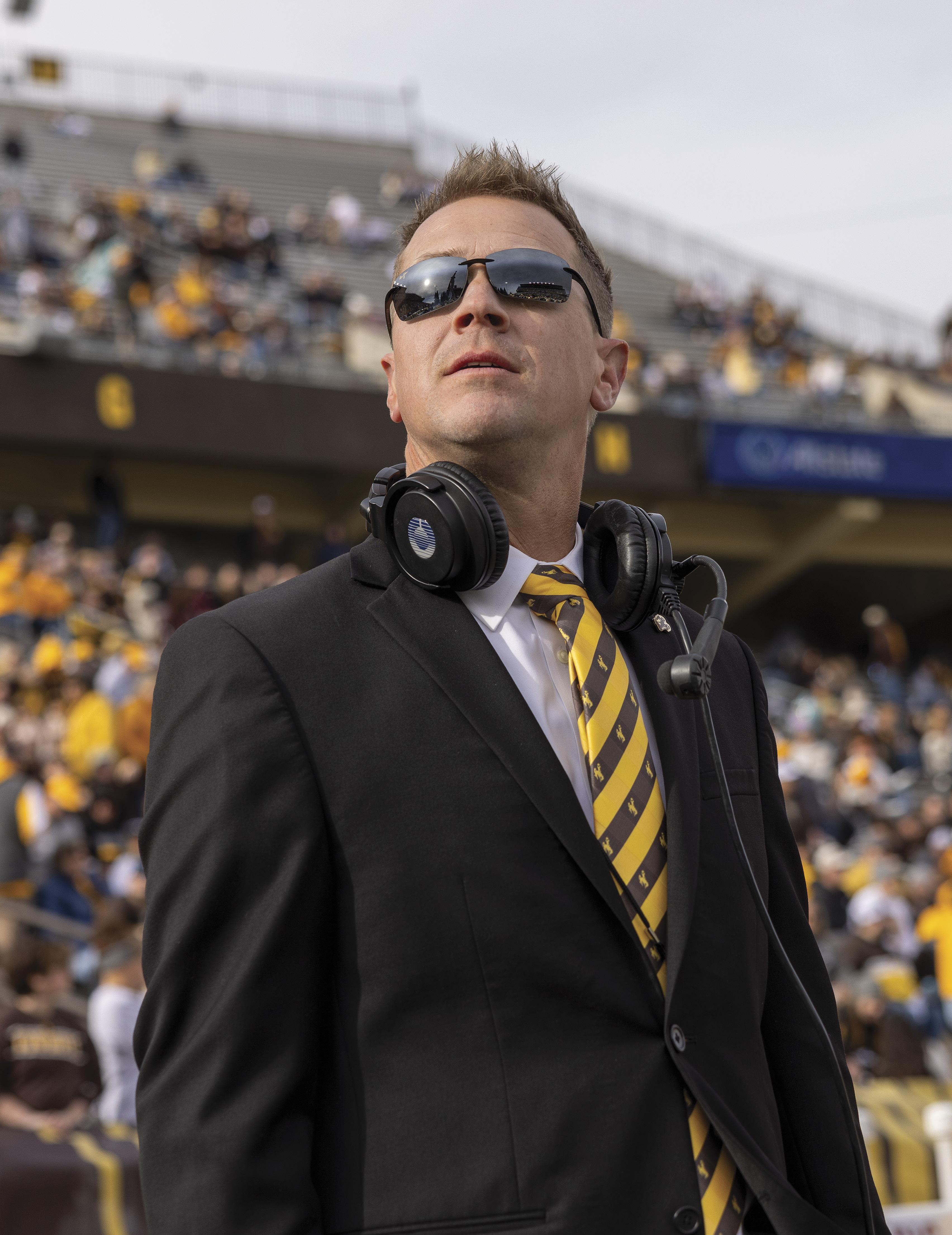
“I’m sincerely thankful for the McMurry Faculty Fellowship. This meaningful vote of confidence has allowed me to deepen my work with Western Thunder and my role as an educator in UW Department of Music. I have used the fellowship to support my research in music education and to engage more fully with students and teachers across Wyoming. I look forward to continuing to serve the students of the university and the state of Wyoming. Go Pokes!”
Joseph Carver, McMurry Foundation Western Thunder Marching Band Faculty Fellowship

FEATURES
24 / WYOMING EXCELLENCE
The state’s Excellence in Higher Education Endowment funds Wyoming Excellence Chairs across the university, upping the impact of high-quality teaching, outreach and research.
32 / INSPIRATION AND IMPACT
Endowed faculty positions empower students.
38 / FACULTY AT THE FOREFRONT
Three leaders discuss the impact of endowed positions at the University of Wyoming.
42 / INSPIRED SUPPORT
Donor-backed deanships, chairs and professorships attract top leaders to the University of Wyoming.
66 / NEVER STOP LOOKING
Bobby Model Professor Shane Epping reflects on the impact of his endowed professorship.
70 / WORKFORCE READY
Thanks to industry partnerships, engineering students are learning hands-on process control.
73 / ENDOWING THE FUTURE
Endowed faculty positions shape generations of academic distinction.
Departments
04 / President’s Message
06 / UW Foundation Message
08 / News & Notes
14 / Facts & Stats
20 / Snapshots
36 / Giving: Stewardship Part 1
46 / Art Museum
48 / AlumNews
65 / Giving: Stewardship Part 2
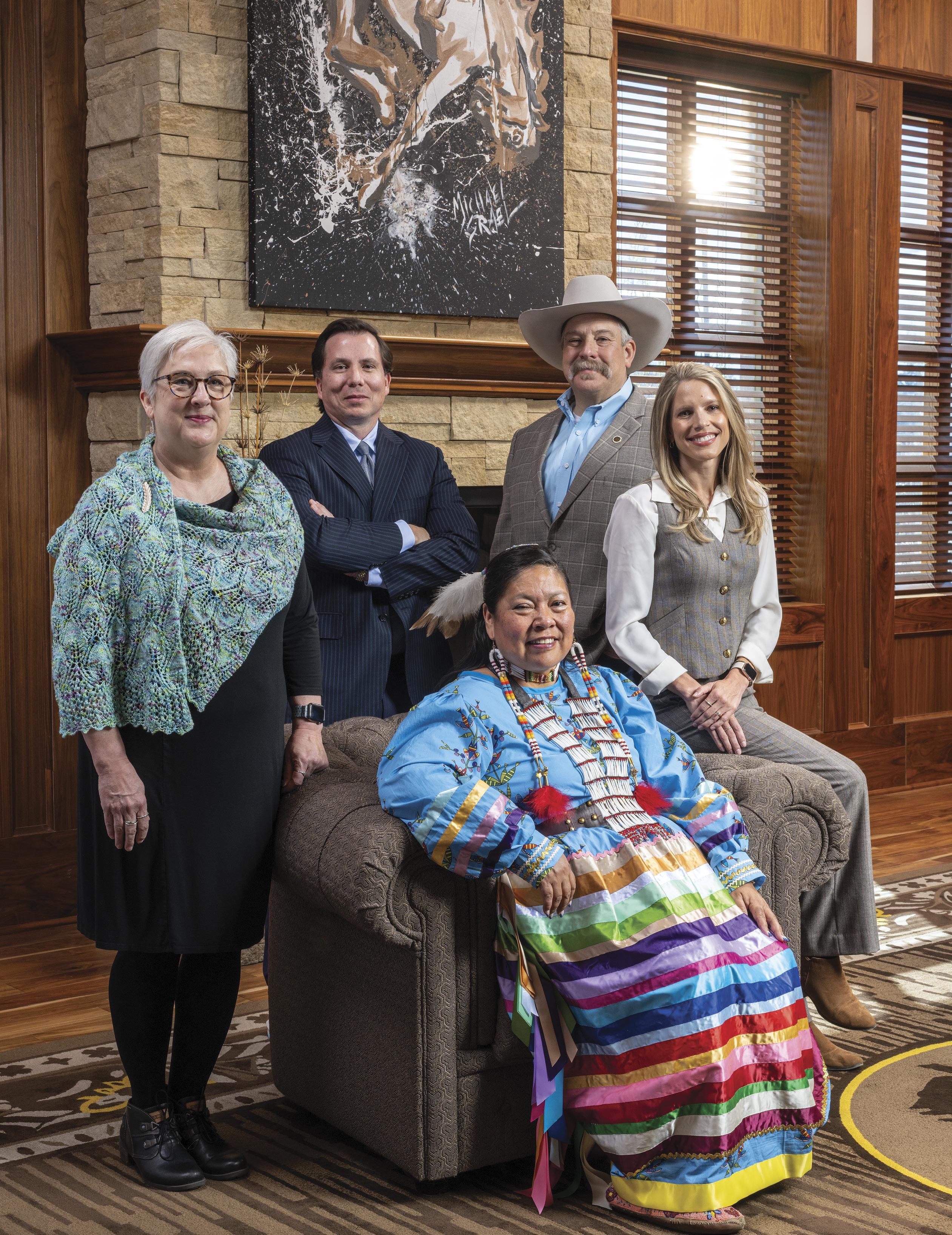
ON THE COVER
Back row: Wyoming Excellence
Chair in Literacy Education Leslie Rush, Bobby Model Professor in Photojournalism Shane Epping, Farm Credit Services of America College of Agriculture, Life Sciences and Natural Resources Dean Kelly Crane and Smyrnios Family Sales Professor Molly Burchett. Center: Liliane and Christian Haub Professor Tarissa Spoonhunter
UWyo
THE MAGAZINE FOR ALUMNI AND FRIENDS OF THE UNIVERSITY OF WYOMING
Spring 2026 | Volume 27, No. 3 uwyo.edu/magazine
University President: Edward Seidel
Associate Vice President for Communications and Marketing: Chad Baldwin
Editor: Micaela Myers
Design: Michelle Eberle, Emily Edgar, Fernando Lechuga, Brittny Wroblewski
Photo and Video: Ian Bondi, Daine Gostas, Ali Grossman, Austin Jackson, Kyriessa Lane, Andrew Wee unless noted
Contributing Editors: Chad Baldwin, Tamara Linse
Contributing Writers: Monica Deru, Sunnie Lew, Tamara Linse, Missy Samp, Michelle Sunset, UW Communications
AlumNews/WyoGrams: Joe Evers, Jane France, Abi Gerhard Perez, Tamara Linse, Alex Obrecht, Taylor Weidinger
UWyo is published three times per year as a partnership among UW Institutional Marketing, UW Foundation and the UW Alumni Association. ©2026 by the University of Wyoming. All rights reserved. Excerpts from this magazine may be reprinted with permission, provided appropriate credit is given to the University of Wyoming and copies of reprinted materials are provided to the editor.
To access past UWyo publications, visit bit.ly/uwyo-archive
Persons seeking admission, employment, or access to programs of the University of Wyoming shall be considered without regard to race, gender, religion, color, national origin, disability, age, protected veteran status, sexual orientation, gender identity, genetic information, creed, ancestry, political status and belief, pregnancy, or any other applicable protected category or participation in any protected activity.
UWYO / University of Wyoming 1000 E. University Ave., Dept. 3226 Laramie, WY 82071-2000 uwyomag@uwyo.edu
Behind the scenes of the UWyo cover shoot
WATCH NOW
Leading Wyoming’s University: The Honor of a Lifetime
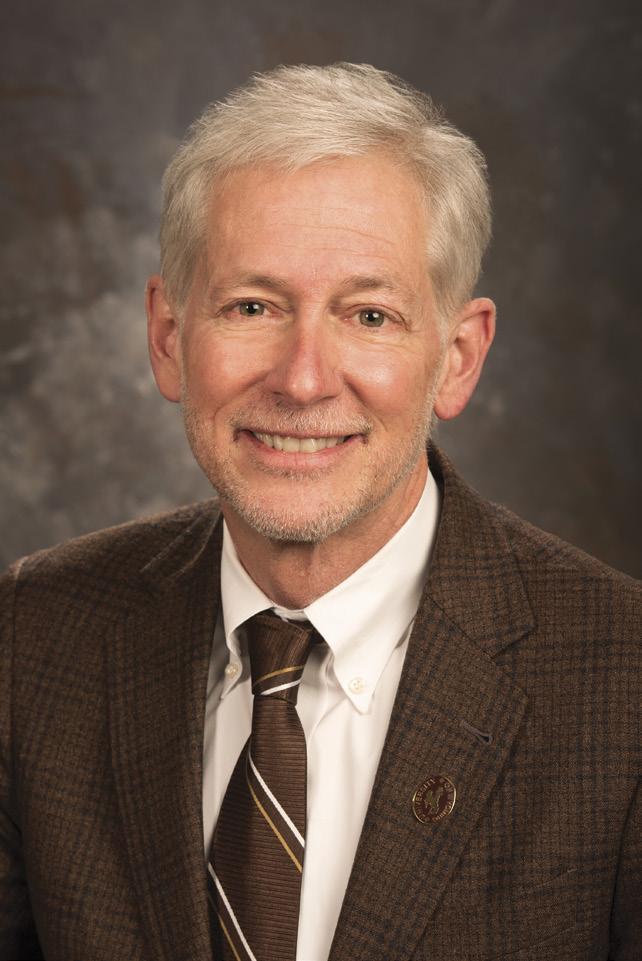
By Ed Seidel
As I reflect on my time as president of the University of Wyoming, I am filled with gratitude — for the people who make this institution extraordinary, for the state that supports it, for the opportunity I have had to serve Wyoming’s university and to be welcomed to this wonderful place. From meeting my first group of students, to my first visit to our beautiful art museum, to my first concert at the Buchanan Center, to my first sweat on the Wind River Indian Reservation, and everything between, what a wonderful privilege it has been!
When Gabrielle and I arrived in Laramie six years ago, we quickly discovered what so many alumni already knew: UW is, of course, proud of its academic programs, research achievements and athletic teams. But really, it is defined by its community. Faculty and staff members bring remarkable passion and dedication to their work every day. Students arrive with curiosity, determination and a willingness to embrace new opportunities as UW opens its doors, and those of the world, to them. Alumni and supporters carry the university’s spirit wherever they go. Together, we create a place that is both welcoming and ambitious — a university proud of its traditions and confident in its future.
Another area where we have made tremendous progress is in philanthropic support for the university. Our alumni and friends have stepped forward in inspiring ways. Together with the UW Foundation, we have enhanced our ability to expand opportunities for students and strengthen the university’s academic programs. I am particularly grateful for the growing investment in endowed deanships and faculty positions, a topic featured in this issue of UWyo Magazine. These endowed chairs and professorships enable us to recruit and retain exceptional scholars and teachers whose work will shape this university for generations, and to give them tools to excel. Every endowed position represents a lasting commitment to excellence.
In fact, named faculty positions are just one of many ways we have recognized faculty excellence and invested in faculty recruitment and retention. In the end, faculty excellence is essential to both student success and research excellence.
One of the most meaningful milestones during my time as president is our university’s achievement of Carnegie R1 status. Reaching this level of research excellence was not the work of a single leader or office — it was the result of years of effort by our faculty and staff. It represents the highest level of research activity in American higher education and affirms that UW is producing scholarship and making discoveries that matter not only to our state, but also to the nation and the world. I am deeply proud of the collaborative spirit that made this achievement possible.
Of course, great faculty attract great students! I am immensely proud of the efforts our entire team of staff, faculty and administrators have made to support our students — and to ensure they have the ability and experience they need to succeed both at UW and after they graduate. And I want to give a special shout-out to athletics, especially our student-athletes, who balance academic excellence with the demands of competition, representing UW with dedication and pride. You play an important and special role in connecting the university to communities across Wyoming.
Speaking of student success, our graduation and retention have generally increased year after year. This is no accident, and I want to thank all of you who have made that possible. As I hope you all know, some of the most meaningful experiences for me have come from the relationships I’ve had the privilege to build with our students! And know that I’ll
continue to go to bat for any of you any time in the future!
Throughout my presidency, we also have focused on building programs that connect the university’s strengths with Wyoming’s future. A great example is the creation of the School of Computing. Advances in computing, artificial intelligence and data science are transforming every field of study and every industry. And it was important for us to bring together expertise across disciplines to prepare students for these rapidly evolving opportunities. The School of Computing is already fostering new collaborations across campus and opening new pathways for research and workforce development.
We’ve also looked to Wyoming’s traditional natural advantages, including energy, supported by our School of Energy Resources, and the state’s “wild and working lands,” supported by our Haub School of Environment and Natural Resources. But we’ve also supported emerging industries. That vision helped lead to the creation of the Jay Kemmerer Wyoming Outdoor Recreation, Tourism and Hospitality Institute. Wyoming’s landscapes and outdoor opportunities are among the most remarkable in the world, and this initiative brings together research, education and partnerships to support the growing outdoor recreation and tourism economy. It is a powerful example of how the university can help strengthen industries that are vital to our state.
Even as we invest in new initiatives and areas of opportunity, we remain firmly grounded in our core strengths across agriculture, business, education, engineering, law, health sciences and all our colleges. Central to that foundation are the arts and sciences and the Honors College, which cultivate critical thinking, creativity and a deeper understanding of the world — skills that empower our students to lead and shape the future in any career they pursue.
Our work also has been guided by a commitment to partnership across Wyoming. The university’s relationships with community colleges are essential to expanding access to higher education and building a strong workforce. Through efforts such as the Wyoming Innovation Partnership, the university and our community college partners have worked together to create new educational pathways, support students and align programs with the needs of Wyoming’s economy. These collaborations reflect our shared belief that when Wyoming’s higher education institutions work together, the entire state benefits. And I have immensely valued the friendships I have developed with the presidents and other leaders of the colleges.
Equally important to me has been fostering a campus
culture grounded in free inquiry, respect and thoughtful dialogue. Even when it challenges us, we should not shy away; universities must be places where ideas can be explored openly and debated constructively. Our free expression and civil discourse initiative, combined with a firm statement on institutional neutrality, reflects that commitment and is making UW a national leader. By encouraging respectful conversations across differences, we strengthen our ability to learn from one another and prepare students to participate thoughtfully in civic life.
Throughout all of these efforts, one truth has remained constant: UW exists because the people of Wyoming believe in it. I have been continually inspired by the pride and support I see across the state. That support was especially evident during the recent legislative budget session, when state leaders and citizens demonstrated their continued commitment to the university and its mission. I want to express my sincere appreciation to the people of Wyoming for their trust and their investment in this institution. And thank you also for supporting our alumni association, which is stronger than ever.
Serving as president of Wyoming’s university — at any time, but perhaps especially during this complex period in history — has been one of the great honors of my career. Every day, I have been inspired by the passion and dedication of the people who make this university what it is. From groundbreaking research to outstanding teaching, from student achievements to community partnerships, I have witnessed firsthand the impact this institution has across the state and beyond.
As I look to the future, I am confident that UW will continue to thrive. The foundation we have built together — through research excellence, strong partnerships, philanthropic support and a shared commitment to students — positions the university for even greater achievements in the years ahead. Indeed, I feel that UW and its trustees, the UW Foundation and the UW Alumni Association, are working together better than I have ever seen, here or anywhere, adding to the great momentum we have to sustain our progress in the future.
I could mention so many other things that inspire me about this place we love. But let me just again say thank you for the opportunity to serve this remarkable institution and this remarkable state. I will always be a proud member of the UW community. And as Gabrielle and I will continue to be part of this community, we look forward to contributing in whatever ways we can in the future.
Ed Seidel is the 28th president of the University of Wyoming.
Investing in Faculty, Investing in the Future
By Frank Mendicino
The Wyoming Constitution establishes the University of Wyoming for the purpose of educating Wyoming citizens and making that education nearly as free as possible. Implicit in the wording of the constitution is the expectation that the university will offer broad, high-quality educational opportunities to Wyoming citizens. However, the university can fulfill that expectation only if it has great faculty. Recruiting and retaining great faculty is one of the most important responsibilities of university administrators, and giving university administrators the tools and ability to do so is one of the most important responsibilities of the Board of Trustees. But these efforts are not enough. During my years on the UW Foundation Board of Directors, I learned that private philanthropy is critically
important to enable the university to create a margin of excellence. That recognition and Barbara’s and my desire to give back to the university — where we grew from kids to adults — has led us to make several donations across the university, including the establishment of the Mendicino Family Chair in Sales and Salesmanship.
Although the College of Business offered a course in sales before the establishment of the chair, sales was not a high-priority subject. Since nothing happens in business until someone sells something to someone else, I believe sales education is a vital part of an education in business. After a lot of research and discussion, the university agreed to accept Barbara’s and my donation for the establishment of a chair in sales. However, it is important to note that the annual payout from an endowment established to support a chair is not enough to pay salary, benefits and other expenses related to the chair. By agreeing to the establishment of a chair, the university is agreeing to fund the costs of the chair in excess of the annual payout.
The importance of an endowed chair became apparent from the beginning. The College of Business was able to recruit Dr. Mark Leach away from Loyola Marymount, where he was chairman of the Department of Management and Marketing and was making more money than UW offered him. Although starting a sales program from scratch was part of the attraction, Dr. Leach would not have come to UW if the job had not included the support
of a chaired position.
In academia, a chaired position is a signal of excellence and esteem, enabling the university to win the race for talent. They help retention of talented faculty — endowed chairs are much less likely to leave because of the prestige associated with their chair. They provide significant reputational benefits to the holder of the chair. Chairs are much more involved in programmatic decisions in their areas of expertise. Often, they are given more flexible teaching loads. The availability of endowed funds protects chairs from budget issues and provides them with much more freedom and flexibility to spend on things that make their programs better and, therefore, advance their careers and have a big impact on the university.
Dr. Leach has been the Mendicino Chair for a little over eight years. In that time, he has created a robust, very highly regarded sales program. The program has a second tenure-track endowed professor — thanks to the generosity of alum Dimitrios Smyrnios — and a sales center that provides experiential learning to sales students — thanks to the generosity of alum Tim Miles and his estate. Dr. Leach is the incoming president of the University Sales Center Alliance. Barbara’s and my donation and investment in the Mendicino Chair is one of the best investments we have ever made.
Frank Mendicino, BS ’62, JD ’70, is a former chair and emeritus member of the UW Foundation Board of Directors.
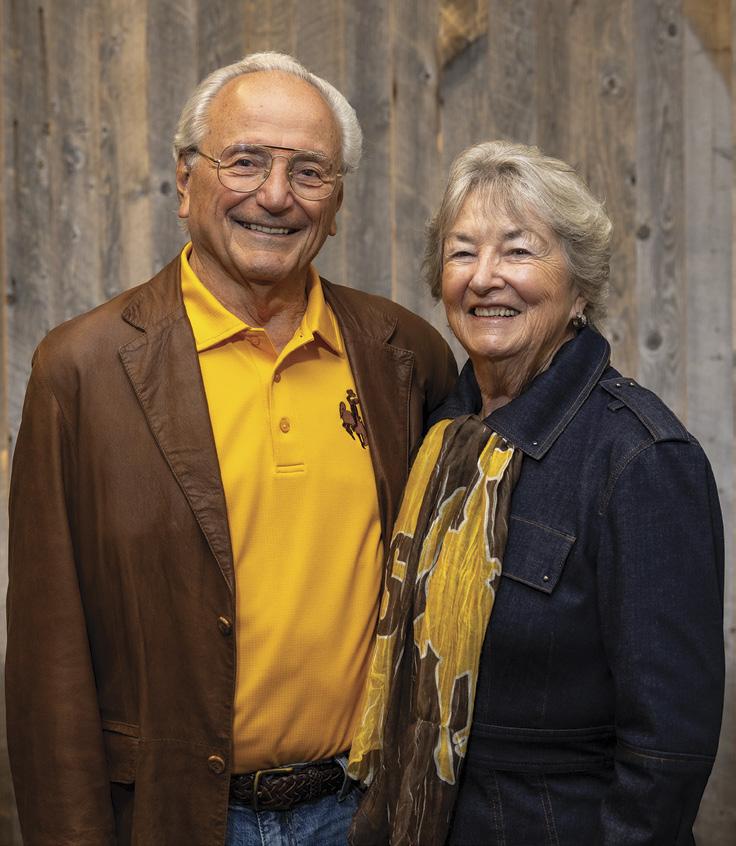
Frank and Barbara Mendicino
Advance Your Career in Pharmacy and
M.S. Health Services
Administration (MSHSA)
Designed for professionals in healthcare, pharmacy, nursing, and beyond. Gain leadership skills in health policy, finance, quality, regulatory, compliance, and administration.
Flexible, online format tailored for working professionals.
Healthcare

Pharmacists impact the health and wellbeing of the communities they serve. Program Options: Early Assurance Program or B.S. Physiology/PharmD. Hands-on learning, clinical rotations, and strong career outcomes.
Combine clinical expertise with leadership and management skills. No additional schooling required beyond PharmD coursework.


ESTATE GIFT SUPPORTS
ZOOLOGY AND PHYSIOLOGY
GRADUATE STUDENTS
A generous gift from the estate of the late Charles “Chuck” McKinley, a UW alumnus, supports graduate students in the Department of Zoology and Physiology. The $1.6 million gift will bolster the previously established Charles J. McKinley Endowment Fund for Physiology and Zoology. Preference is given to students studying anatomy and physiology and to students with some financial or personal hardship.
The fund can be used for research support, to purchase equipment and supplies, for scholarships or for other graduate student-related needs. Originally from Tennessee, McKinley eventually landed in Wyoming, where he fell in love with the state and its university. He earned a master’s degree in zoology and physiology from UW in 1959. During his time at UW, he studied how hormones impacted uterine wound healing in rats. He worked with R.H. Denniston, his major professor and mentor, who supported his research and made a lasting impression.
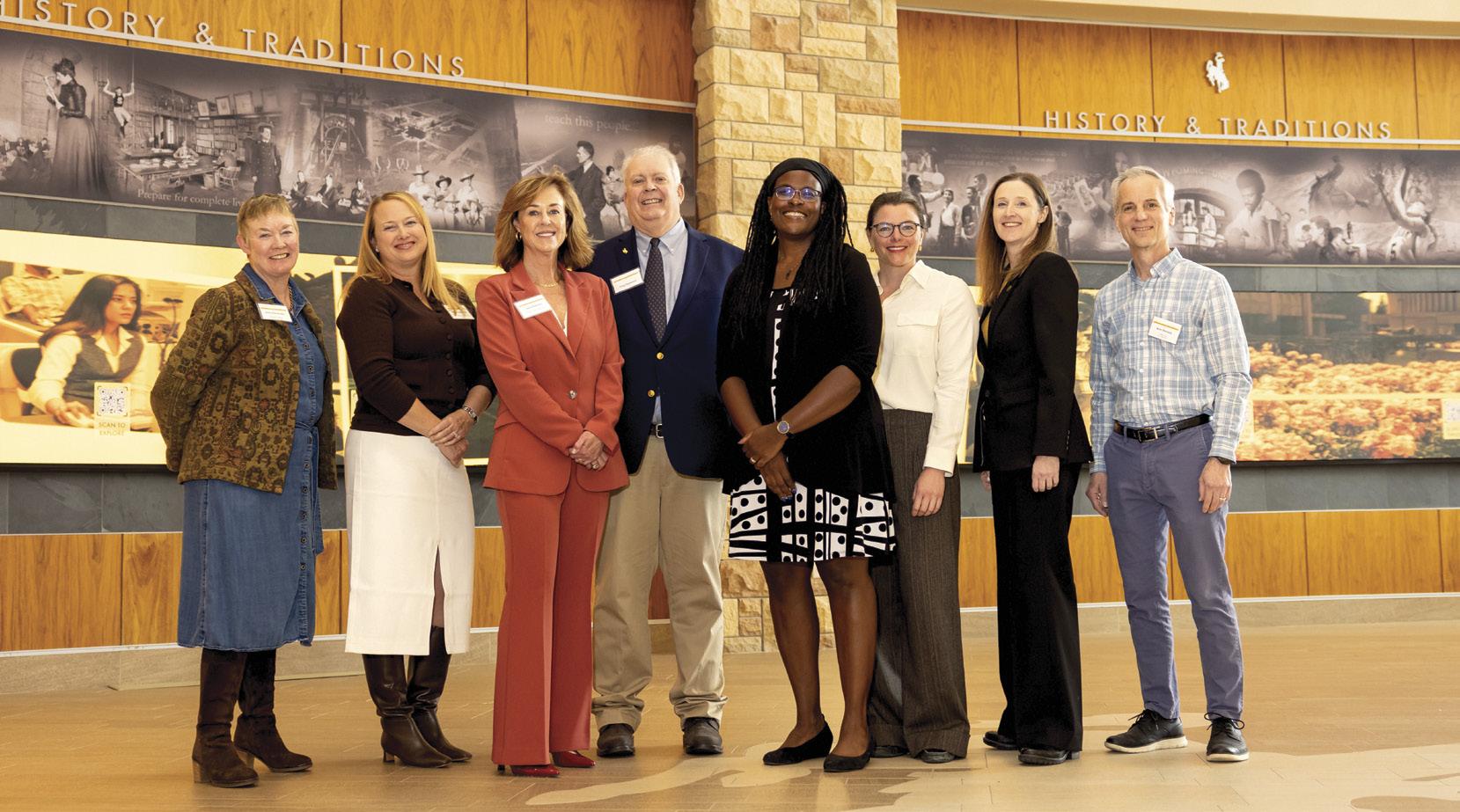
Professor of Law Jacquelyn Bridgeman, Occidental Chair in Energy and Environmental Policies
Tara Righetti, College of Law Dean and Wyoming Excellence Chair Julie Hill, and College of Law Senior Associate Dean and William T. Schwartz Distinguished Professor of Law Alan Romero
EVENT HONORS ENDOWED FACULTY
On March 26, UW held a celebration to mark a milestone — the inaugural Endowing Excellence: Honoring the University of Wyoming’s Endowed Faculty. The first-of-its-kind event recognizes the breadth and impact of UW’s named faculty positions. Held in conjunction with the UW Board of Trustees’ March meeting, the event brought together trustees, donors, faculty members and campus leaders to honor the transformative power of sustained investment in academic excellence. The celebration honored all UW’s named faculty across disciplines — from agriculture and engineering to the arts, energy, humanities, sciences and health professions. The event also recognized the newest endowed positions created through donor generosity and the most recent faculty members appointed to these distinguished roles. Today, UW’s endowed faculty portfolio includes four deanships, five endowed department head positions, 26 endowed chairs, 44 professorships and 13 fellowships spanning colleges and majors across the university. In addition, there are three nonendowed professorships, one non-endowed chair and three non-endowed fellowships.
NEW UNDERGRADUATE CERTIFICATE IN SUBSURFACE ENERGY
The UW Board of Trustees and the Higher Learning Commission approved a new undergraduate certificate in subsurface energy designed to solidify Wyoming’s position as a global leader in energy education and workforce development.
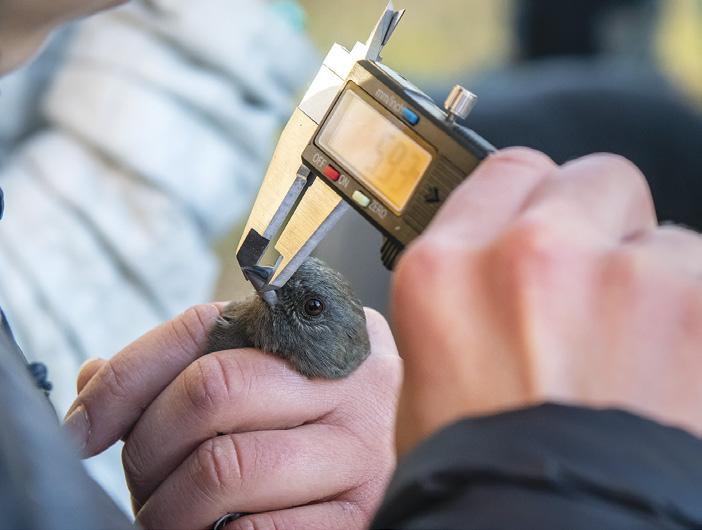
Wyoming Bird Initiative for Resilience and Diversity conducts bird banding research west of Laramie.
Interim Provost Anne Alexander, Carl M. Williams Professor of Law and Ethics Melissa Alexander, Dyekman Professor of Law Dona Playton with donor Gregory Dyekman, Kepler
STATE LEGISLATOR’S ESTATE GIFT SUPPORTS SCHOLARSHIPS AND MORE
A significant gift from the estate of the late John Hines, a state legislator from Gillette, will boost support of UW students and programs, including the Hines Family Scholarship, the Wildlife Livestock Health Center Endowment and the Cowboy Joe Club. Hines established the Hines Family Scholarship in 2005 to honor his family’s long-standing legacy in Wyoming agriculture. The scholarship supports UW students in financial need who are enrolled in the College of Agriculture, Life Sciences and Natural Resources, with preference for
students from Wyoming. The Wildlife Livestock Health Center provides significant benefits to the state’s livestock and wildlife industries. The program offers hands-on research opportunities for both undergraduate and graduate students, along with specialized training on diseases that impact wildlife and livestock using emerging technologies. The gift also provides support to the fundraising arm of UW Athletics, the Cowboy Joe Club, which invests in the lives of Wyoming student-athletes and the future of UW Athletics.
Partnership Among UW, Range (fiber-optic carrier), WYDOT Promises Safer Roads in Wyoming
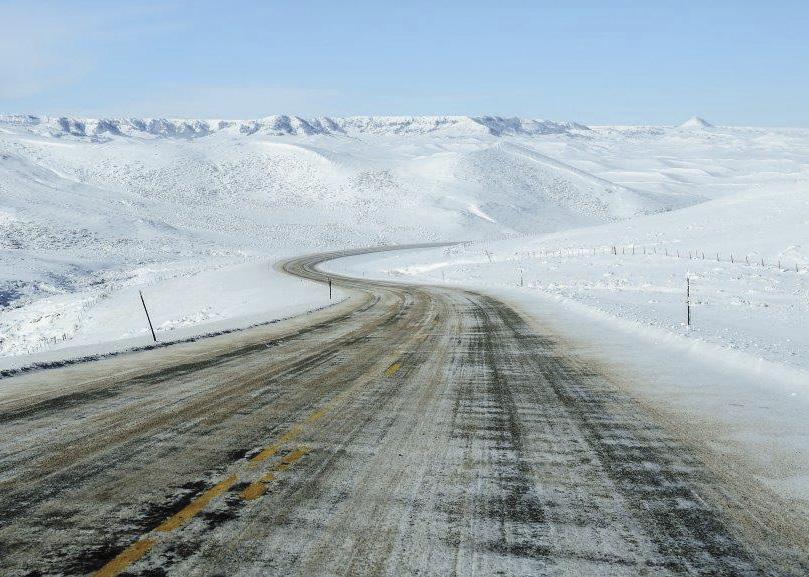
Thanks to a pilot project led by Associate Professor Diksha Shukla in the Department of Electrical Engineering and Computer Science, previously unseen road hazards could be significantly reduced. The project, titled “Feasibility of Employing AI Computer Vision and Distributed Fiber Optic Sensing for Traffic and Weather Monitoring,” will deploy Distributed Acoustic Sensing in tandem with artificial intelligence-based computer vision to monitor a section of U.S. Highway 85 just north of Cheyenne. Successful completion of the pilot study could see the implementation of the integrated monitoring systems on roads across the state.
Student Develops AI Model to Study Heart Failure in Cattle
Researchers Measure How Much Bumble Bees Can Cool Body Temperature Through Wing Movement
Chase Markel, a Ph.D. student from Wheatland, Wyo., is harnessing artificial intelligence (AI) to transform how animal scientists study risk factors for congestive heart failure in cattle. His AI model, the first of its kind, has been trained to predict the risk of congestive heart failure based on images of a cow’s heart. Markel, who grew up in the cattle industry, hopes that this new tool can ultimately help alleviate financial losses associated with the condition.
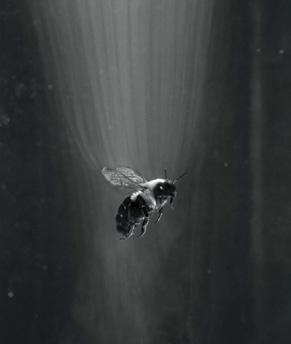
Michael Dillon, a professor and the L. Floyd Clark Chair in the Department of Zoology and Physiology, and Jordan Glass, a postdoctoral research fellow in the department, headed a lab study that measured the cooling effect of bee wings. The insect’s flapping motion generates body heat but also a breeze that cools and lowers the insect’s body temperature. “Scientists have long known that moving air can remove heat but, until now, no one had directly measured how much cooling that self-generated airflow provides during free, hovering flight. We show that this breeze is not minor — it plays a meaningful role in stabilizing body temperature,” Glass says.
Researchers Release New Thermal Maturity Assessment
Publication on Mowry Shale
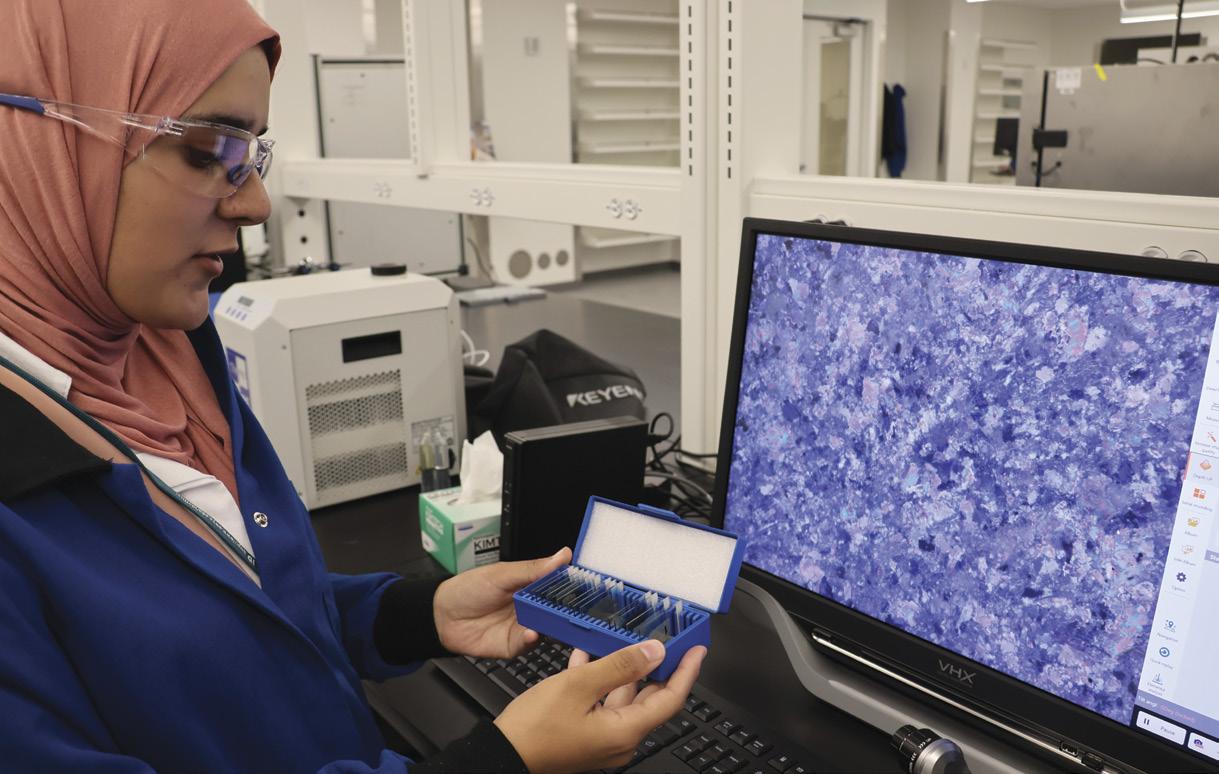
Tarek Ismail, a Ph.D. candidate in energy and petroleum engineering, and Soheil Saraji, the Le Norman Endowed Leadership Chair in Petroleum Engineering, published a study conducting a thermal maturity assessment to better understand the Mowry Shale. “The goal of a maturity assessment is to find the specific temperature range where the rock is actively generating hydrocarbons, a helpful indicator of locating the sweet spots for oil and gas recovery,” Saraji says. The publication is one of the first major outcomes from the new Richard and Marilyn Lynch Multidisciplinary Advanced Stimulation Laboratory.
PHOTO CREDITS FROM THE TOP: UW; CHRISTOPHER PETRANEK
SPICER FAMILY HONORS GRANDDAUGHTERS WITH UW ENDOWMENTS
A major gift from Deborah “Debbe” Spicer of Rock Springs, Wyo., establishes three endowments to honor three of Spicer’s granddaughters — Sophia, Hannah and Bella — which reflects the family’s multigenerational commitment to education and to UW. The three funds have both an endowment and an expendable component so that they can be used immediately but also have an impact in perpetuity. The Sophia
BOONE AND CROCKETT CLUB SUPPORTS WORKING LANDS WILDLIFE CONSERVATION
A meaningful commitment from the Boone and Crockett Club establishes the Boone and Crockett Working Lands Wildlife Conservation Program within UW’s College of Agriculture, Life Sciences and Natural Resources, helping leverage philanthropic partners for this UW program. The program will support a new faculty position, graduate education and fellowships, and applied research focused on sustaining wildlife populations while strengthening the productivity and profitability of working ranch and rangeland landscapes. The program will advance excellence in research, education and extension in ranch and rangeland management, wildlife habitat conservation and wildlife health. The program directly supports the Boone and Crockett Club’s mission to promote the conservation and management of wildlife — especially big game — and its habitat while preserving hunting traditions and the highest ethical standards of fair chase and sportsmanship in North America.
Spicer Art Education Fund will support students pursuing bachelor’s degrees in art education at UW. The Hannah Spicer Nursing Fund will support students in UW’s Fay W. Whitney School of Nursing, with a special focus on recipients from Sweetwater County. The Bella Spicer Master of Business Administration Fund will support students in the UW MBA program. For more than half a century, the Spicer family has had a profound impact on UW and on the state as a whole — an integral part of the story of Wyoming and its university.
HELMSLEY TRUST EXPANDS SUPPORT OF WYOMING HEALTH CARE
UW’s College of Health Sciences has received an additional $1.1 million from the Leona M. and Harry B. Helmsley Charitable Trust to expand its statewide Wyoming Point-of-Care Ultrasound Training Initiative. The initiative strengthens access to point-of-care ultrasound, a bedside diagnostic tool that allows clinicians to quickly assess patients in real time — an especially critical capability in Wyoming’s rural and frontier communities where advanced imaging and specialty services may be hours away. The new award builds on a $1.6 million Helmsley grant received in 2024. The original funding supported equipment purchases and training infrastructure, and this award places greater emphasis on expanding hands-on training and workforce development tailored to rural healthcare needs. Funding expands point-of-care ultrasound training across the state, regional continuing medical education conferences in partnership with the nonprofit High Quality Medical Education, additional program staffing and continuation of the initiative through 2028. By investing in both technology and clinical training, the program aims to improve timely diagnosis, reduce unnecessary patient transfers and strengthen Wyoming’s rural health-care workforce capacity statewide.
PHOTO BY JANNA URSCHEL
$1M GIFT TO UW ESTABLISHES NEW MULTIDISCIPLINARY ADVANCED STIMULATION LABORATORY
A transformative $1 million gift from Richard and Marilyn Lynch creates the Richard and Marilyn Lynch Multidisciplinary Advanced Stimulation Laboratory in the Department of Energy and Petroleum Engineering. The gift, made through a donor-advised fund to the UW Foundation, will advance cutting-edge research and education aimed at improving primary recovery in unconventional energy reservoirs. Housed in the Science Initiative Building, the new laboratory will serve as a multidisciplinary research hub integrating geomechanics, fluid dynamics, advanced reservoir characterization and artificial intelligence. Through a partnership between UW’s School of Energy Resources and the College of Engineering and Physical Sciences, the lab will address critical industry challenges associated with unconventional reservoirs, which are characterized by low-quality rock and high capital investment requirements. Optimizing primary recovery from these reservoirs is essential to improving long-term economic value, as higher production rates can boost return on investment, shorten time to pay out and help sustain responsible drilling activity.
By the Numbers Top 100 Leader
UW ranks in the top 100 of all U.S. universities, public and private, in TIME Magazine’s new list of “The World’s Top Universities of 2026.”
1 st
A UW graduate student team won the 2026 Energython U.S. regional competition at the Energy Economics and Evaluation Symposium in Texas this January.
The American Council of Trustees and Alumni gave UW a higher rating for free expression than all universities the organization has evaluated to date.
1
stA team of UW sales students captured first place in the team role play division at the Pacific Northwest Sales Competition in February at Oregon State University.
SER ADVANCES COAL REFINERY FIELD DEMONSTRATION PLANT
The School of Energy Resources coal-toproducts field demonstration plant at the Wyoming Innovation Center near Gillette uses a refinery process developed by the school’s Center for Carbon Capture and Conversion. The integrated process yields beneficial liquids and solids that are used to manufacture
valuable non-energy products such as building and construction materials, asphalt products, synthetic graphite and agricultural soil amendments. The facility also provides material for in-depth research on concentrated critical mineral and rare earth element recovery from unconventional feedstocks.
Petroleum engineering student Djihane Gourari uses digital microscopy to characterize the properties of complex mineral samples.
News & Notes
SHANE REEVES NAMED UW PRESIDENT
Brigadier General Shane Reeves, a Sweetwater County native with a distinguished military, academic and leadership career in the U.S. Army, was named the 29th president of the University of Wyoming in April and will begin his role in July.
“I am deeply honored and humbled to return home and serve as the next president of the University of Wyoming,” says Reeves, who currently serves as dean of the Academic Board at the U.S. Military Academy in West Point, N.Y. “The future is bright for our incredible community, and I am excited about what we will accomplish together.”
After graduating from Rock Springs High School in 1992, Reeves earned a bachelor’s degree from West Point in 1996, a Juris Doctor
Andy Warhol
from the College of William and Mary in 2003 and a Master of Law from the Judge Advocate General’s School of the U.S. Army in 2008. Reeves and his wife, Kimberly, have three children.
“We are thrilled that a proven leader with a track record of academic success and strong Wyoming roots has agreed to become the next president of Wyoming’s university,” says UW Board of Trustees member Kermit Brown. “We have every confidence that General Reeves will lead UW’s faculty, staff and students — working with the trustees, state leaders, alumni and many other supporters — to lift Wyoming’s world-class university to even greater heights.”
Read more in the fall issue of UWyo Magazine.


IVINSON HOSPITAL AND UW PARTNER ON EMBEDDED FACULTY POSITION
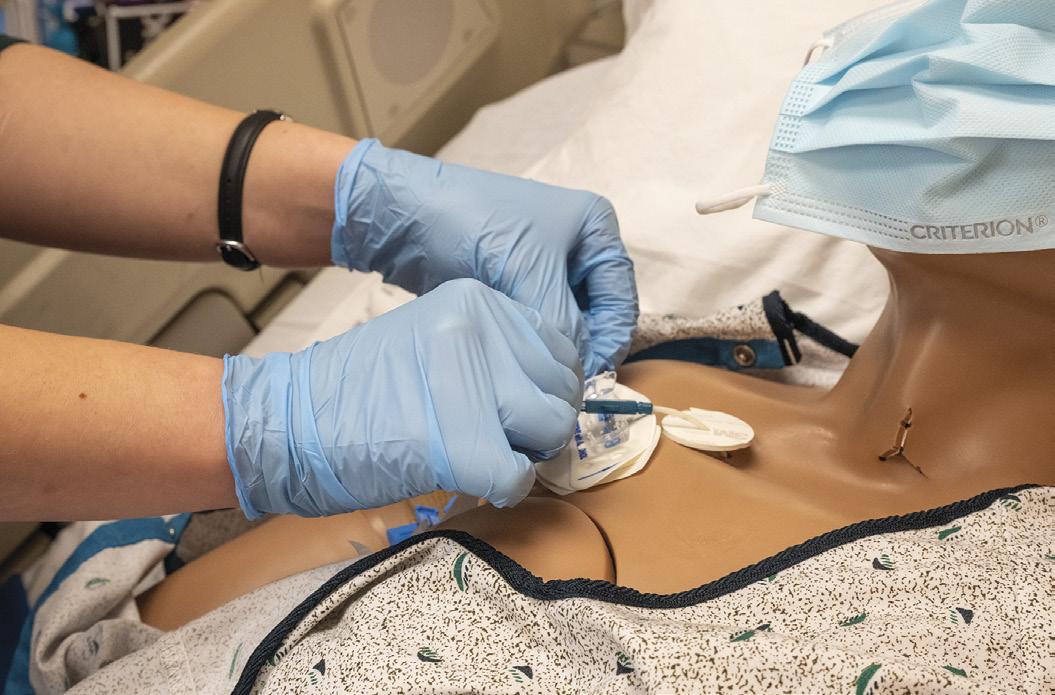
Ivinson Memorial Hospital and the Fay W. Whitney School of Nursing have partnered to address critical nursing education needs through an embedded clinical faculty position — a creative solution to the nationwide challenges in nursing education and workforce development. Under this partnership, a nurse at IMH will also serve as an embedded faculty member, working both at IMH and also as a member of the UW nursing faculty. These clinical faculty oversee nursing students during clinical rotations, assign students to patients and evaluate their competencies as they prepare to become registered nurses. The traditional model means that hospitals can lose experienced nurses to full-time academic positions — which is particularly challenging for Wyoming’s rural health-care system. The embedded faculty model offers an innovative alternative, allowing experienced nurses to expand their roles while maintaining their hospital positions. This position will be financially supported by both UW and IMH.
BUILD YOUR FUTURE
At the University of Wyoming, industry-supported faculty positions are more than prestigious titles—they are powerful engines of collaboration.
Through the Office of Industry and Strategic Partnerships, we unite visionary companies with world-class faculty to co-create solutions, accelerate discovery, and develop the workforce of tomorrow.
“As a chaired faculty member, you’re entrusted with something rare: the freedom to focus on what your field needs most and the resources to achieve it.”
–Tara Righetti,
Occidental Chair in Energy and Environmental Policies
Connect with UW’s Office of Industry and Strategic Partnerships to explore how industry support of faculty—endowed or non-endowed—can power your strategic goals.
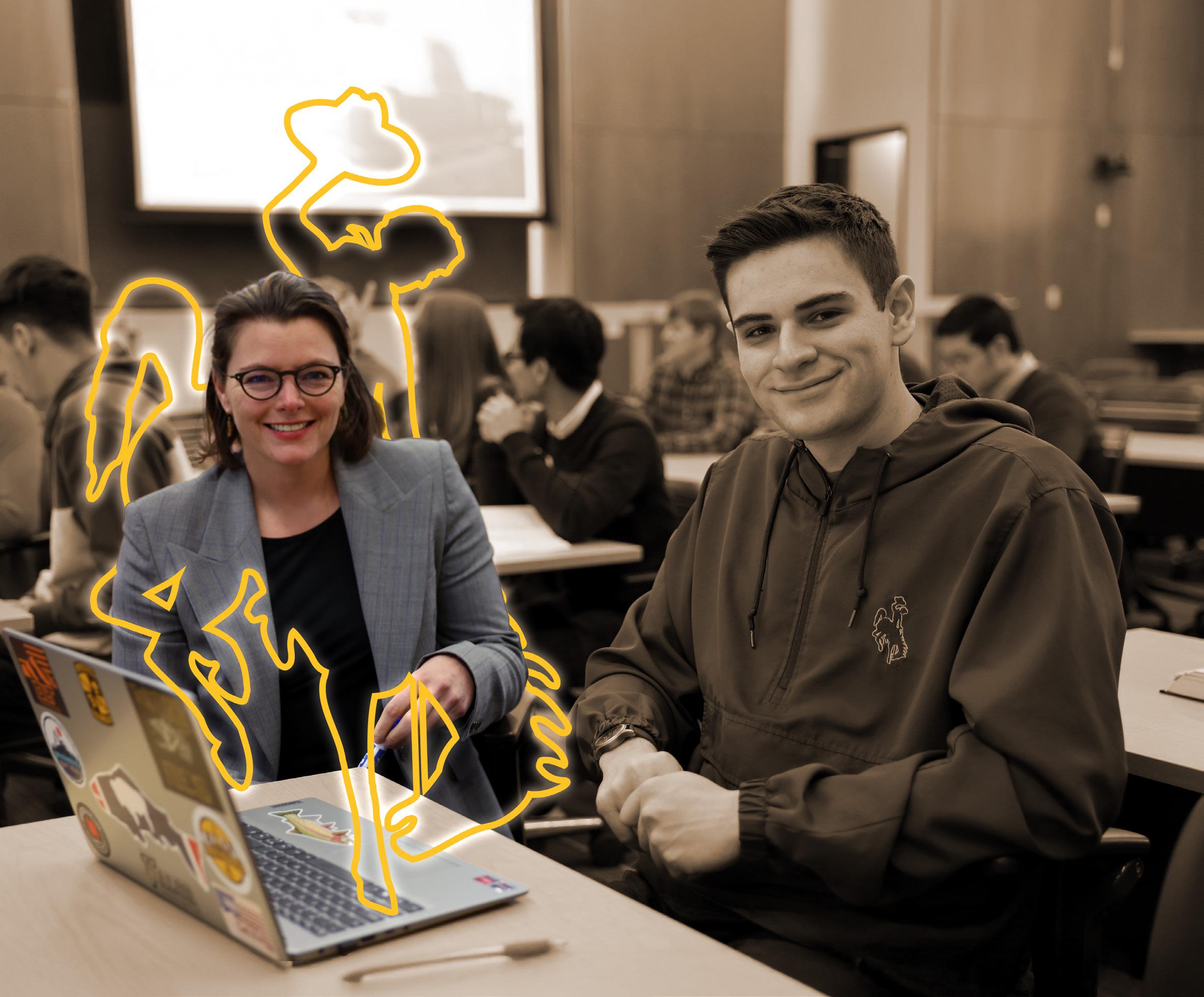
Nursing students practice disaster drills including decontamination, evacuation and patient management at the Fay W. Whitney School of Nursing.
FAcultyExcellence
Investing in faculty ensures UW attracts and keeps the best of the best.
University of Wyoming faculty members are collaborative and creative individuals who expand the minds of our students, opening their eyes to the widest range of possibilities. What helps our faculty thrive?
Faculty support funds, endowed fellowships, and endowed chairs and professorships — funds that enable great ideas to flourish.
UW is home to more than 700 outstanding teaching, research and extension faculty — extraordinary scholars and educators who create dynamic new approaches to teaching and learning, fuel industries and breakthroughs, and guide our students to extraordinary
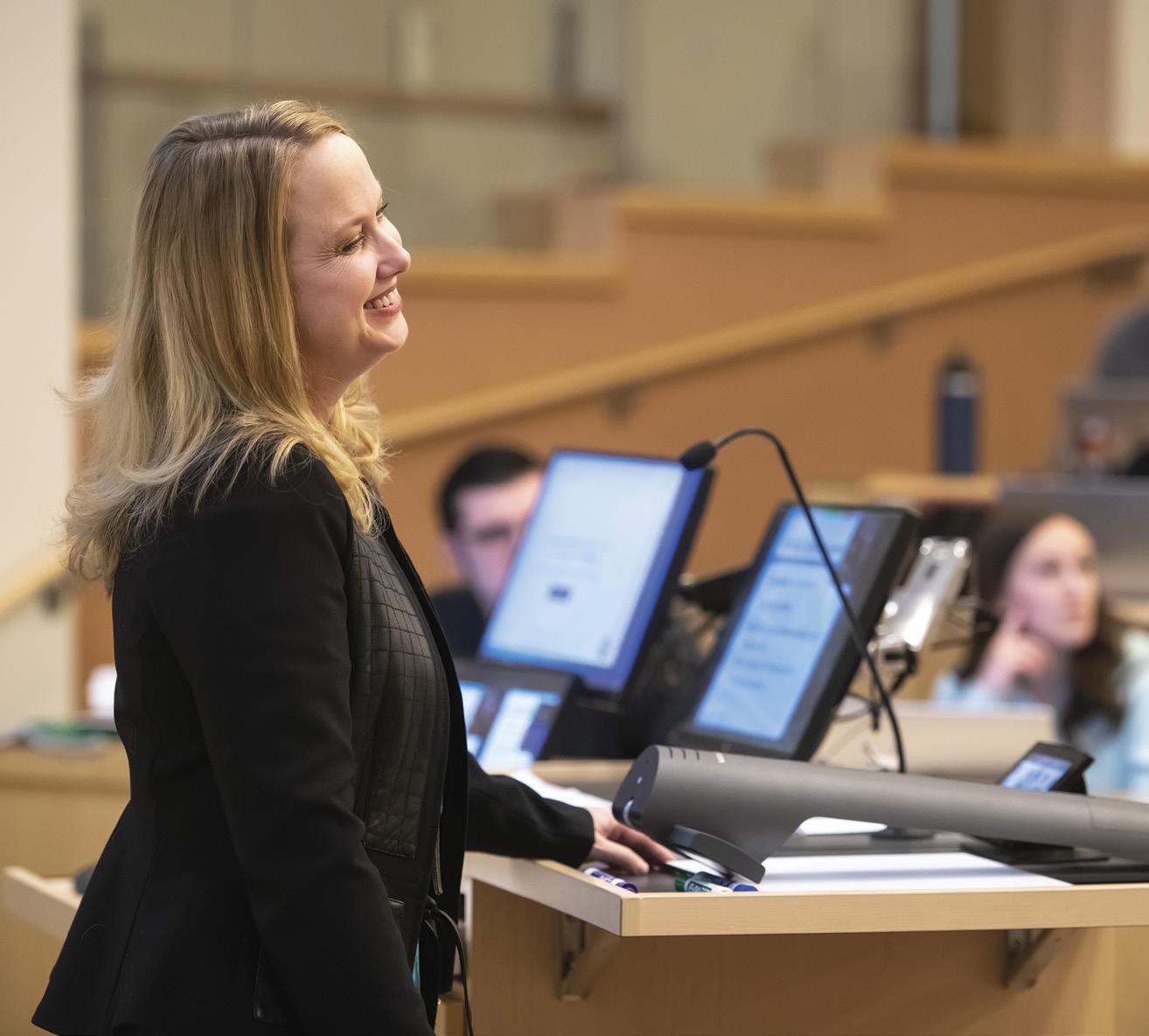
futures. Many have won national and international awards and professional recognition for excellence.
Recruiting, retaining and recognizing exceptional faculty is an ongoing priority for UW. Endowed faculty positions are essential in this process. Endowed positions and faculty excellence funds signal UW’s commitment to an academic discipline at the highest level. They allow the university to attract and retain leading scholars who, in turn, attract top faculty and students. For faculty, endowed positions affirm the value placed on the excellence of one’s work and demonstrate to other faculty that extraordinary work is rewarded by the UW community.
Philanthropy that supports our faculty yields tangible results. Great faculty members bring vision to their departments, advance their academic disciplines and lead research that results in major discoveries. An endowed faculty position is a prestigious honor that provides a distinguished title and discretionary funds for a faculty member as a named chair, professor or faculty fellow in a specific academic area. The position can be named by the donor, in the donor’s name or to honor a family member, friend, colleague, teacher or other individual.
These positions are tied to the role rather than an individual, and recipients provide annual updates to both UW administration and the donor. When a donor establishes an endowment, the original gift, or principal, is invested and preserved. The university uses only a portion of the investment expenditures each year. This distribution supports the donor’s intended purpose, whether a scholarship, faculty chair or program. The principal remains intact, continues to grow over time and ensures a sustainable source of support in perpetuity.
For example, a $1 million gift to endow a professorship typically generates around $40,000 in annual support after an initial one-year waiting period.
In addition to endowed faculty, there are term faculty positions that are supported by expendable
Carl M. Williams Professor of Law and Ethics Melissa Alexander
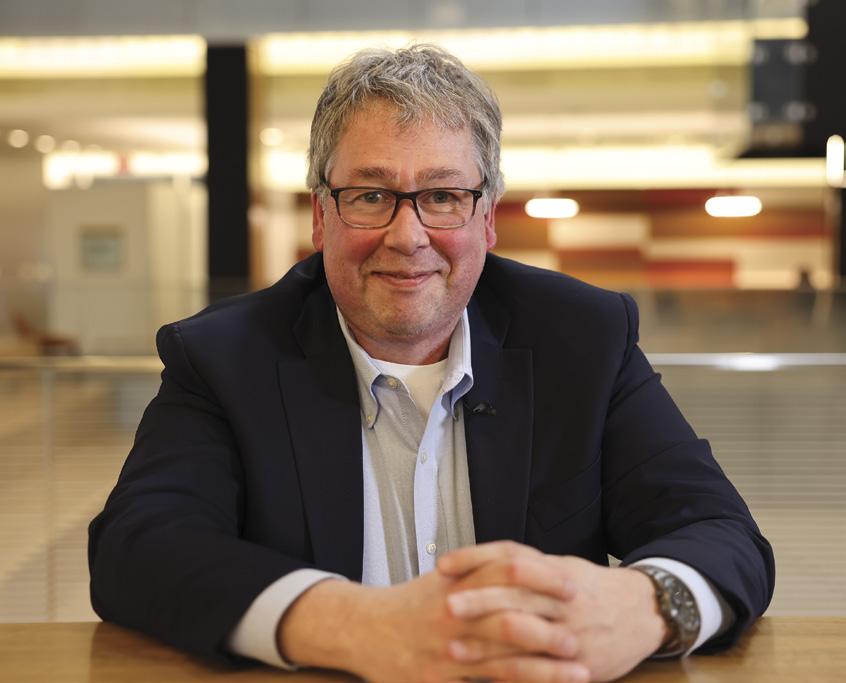
“I’m proud and grateful to be the Thomas and Shelley Botts Department Head in Civil Engineering. The Botts’ endowment allows me to support numerous special projects that wouldn’t be covered by our normal operating budget. For example, two undergraduate students asked me to help them attend the Structural Engineering Institute congress in Boston this spring. Events like this are expensive but invaluable for a student’s professional growth. Thanks to the Botts’ endowment, I could say ‘Yes’ without hesitation. I have no doubt it’s going to change their lives and set them off on new trajectories for success.”
gifts. Expendable gifts are not invested. Rather, they go directly to their intended purpose. At least a three-year gift commitment is required for this type of investment to ensure stability in the position.
Donors sometimes give gifts that have both an expendable and an endowed portion. That way, they can see an immediate impact while also supporting that position over the long term.
At UW, being named to an endowed faculty position is one of the highest honors a faculty member can achieve. It pays tribute to their work and their impact on students while furthering the university’s mission of teaching, research and service to the state.
Endowed Faculty
DEANSHIP
Carrell Family College of Engineering and Physical Sciences Deanship: Danny Dale. Generously established by Lawrence Carrell.
John P. “Jack” Ellbogen College of Education Deanship Fund: Jenna Shim. Generously established by the John P. Ellbogen Foundation.
Farm Credit Services of America College of Agriculture, Life Sciences, and Natural Resources Deanship: Kelly Crane. Generously established by Farm Credit Services of America Corporate Headquarters.
H.A. “Dave” True, Jr. College of Business Deanship: Scott Beaulier. Generously established by the True Foundation.
DEPARTMENT HEAD
Thomas and Shelley Botts Department Head in Civil Engineering: Anthony Denzer. Generously established by Thomas Botts and Shelley Botts.
Le Norman Endowed Leadership Chair in Petroleum Engineering Department Head: Soheil Saraji. Generously established by David Le Norman and Cory Le Norman.
E.G. Meyer Family Chemical and Biomedical Engineering Department Head: Vladimir Alvarado. Generously established by E. Gerry Meyer.
CHAIR
Alchemy Sciences Petroleum Engineering Chair: Mohammad Piri. Generously established by Alchemy Sciences, Inc.
Robert B. Berry Distinguished Chair in Ecology at the University of Wyoming: Corey Tarwater. Generously established by Robert Berry and Carol Berry.
Thomas and Shelley Botts Endowed Chair in Unconventional Reservoirs in the College of Engineering and Physical Sciences: Mohammad Piri. Generously established by Thomas Botts and Shelley Botts.
Branney Chair for High Plains Paleoindian Archeology. Generously established by John Branney and Theresa Branney.
Roy L. and Caryl L. Cline
Distinguished Chair and Professor(s) in Engineering: Haibo Zhai. Generously established by Roy Cline and Caryl Cline.
Bill Daniels Chair of Business Ethics Endowment: Kent Noble. Generously established by The Daniels Fund.
Gardner Chair/Professorship in Physiology: Amy Navratil. Generously established by Harold Gardner.
International Wildlife Conservation Chair: John Koprowski. Generously established by Polly Weber.
Knobloch Chair/Professorship in Conservation Economics: Jacob P. Hochard. Generously established by the Knobloch Family Foundation.
Krieger Family Non-Endowed Chair for Digital Innovation in Energy: Minou Rabiei. Generously established by Andy Krieger and Kim Krieger.
Mendicino Chair in Sales and Salesmanship: Mark Leach. Generously established by Frank Mendicino, II and Barbara Mendicino.
Occidental Petroleum Corporation Chair in Energy and Environmental Technologies: Saman Aryana. Generously established by Occidental.
Occidental Petroleum Corporation Chair in Energy and Environmental Policies: Tara Righetti. Generously established by Occidental.
H.T. Person Chair in Engineering Design: David Mukai. Generously established by multiple donors.
Rile Chair in Entrepreneurship: Jeff Covin. Generously established by Patrick Rile and Kathleen Rile.
Rile Chair of Leadership: Chase Theil. Generously established by Patrick Rile and Kathleen Rile.
Anthony Denzer, Thomas and Shelley Botts Department Head in Civil Engineering
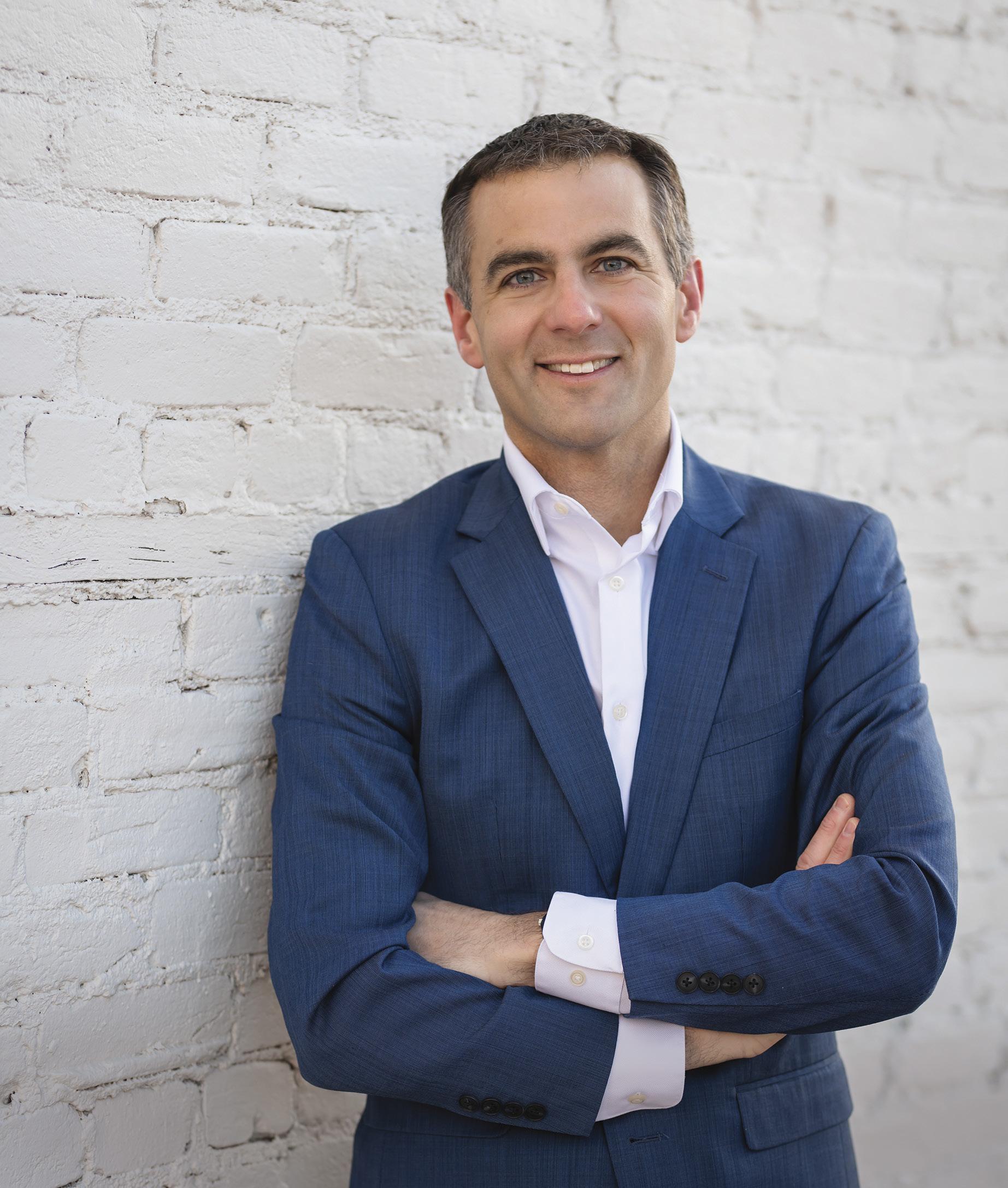
Endowed Positions Explained
A college dean or school director is the top academic and administrative leader of a college or school within the university. This person sets the vision and strategic direction for the unit, oversees faculty and staff, manages budgets and serves as the primary ambassador for the college to external partners, donors and the broader community.
A distinguished chair is the highest level of endowed faculty recognition a university can bestow. Distinguished chairs are reserved for scholars of exceptional national or international reputation — researchers and teachers who are leaders in their fields and whose work elevates the prestige of the entire institution. A donor gift at this level creates a permanent legacy while attracting and retaining the most accomplished academic talent.
A department head is the faculty leader responsible for the day-to-day academic and administrative operations of a specific academic department. Department heads oversee curriculum, faculty hiring and development, student success and departmental budgets. They serve as a bridge between faculty and college-level leadership.
A chair is an endowed position that recognizes a faculty member for outstanding achievement in research, teaching and service. Supported by investment earnings from a
donor-established endowment, a chair provides the faculty member with dedicated resources that advance their scholarly work while enhancing the university’s ability to recruit and retain top-tier talent.
A director typically leads a specific center, institute or program within the university, sometimes within a college or department. Directors manage the operations, partnerships and strategic priorities of their unit, often working at the intersection of academic research and realworld application or community engagement.
A professorship is a faculty position that recognizes distinguished scholars and supports their teaching and research. Professorships are often endowed at a level that generates annual support for the faculty member’s work and, like chairs, they serve as important tools for recruiting and retaining exceptional faculty — though they are generally established at a lower gift threshold than a distinguished chair.
A faculty fellowship provides dedicated support — such as funding for research, travel, course releases or professional development — to a faculty member for a defined period of time. Fellowships are especially meaningful for early- and mid-career faculty, giving them the time and resources needed to advance their scholarship, to develop new programs, and to pursue creative and innovative work that might not otherwise be possible.
H.A. “Dave” True, Jr. College of Business Dean Scott Beaulier
Riverbend Ranch Endowed Chair in Wildlife-Livestock Health: Sarah Kane. Generously established by the donation of the Riverbend Ranch.
Curtis and Marian Rochelle Endowed Chair in Animal Science: James K. Pru. Generously established by Marian H. Rochelle.
E. George Rudolph Distinguished Visiting Chair: Eric Alson, Ken Chestek, David Singleton, Mike Sims, Becky Farley, Keith Aurzada, Brian Bluementfeld. Generously established by Donald Prehoda.
W. Richard Scarlett III and Margaret W. Scarlett Chair of Business Administration: Linda Price. Generously established by Dick Scarlett and Maggie Scarlett.
Maggie and Dick Scarlett Chair in Speech Language Pathology: Katelyn Kotlarek. Generously established by Maggie Scarlett and Dick Scarlett.
Eldon & Beverly Spicer Chair in Environment and Natural Resources: Matt Hamilton. Generously established by the Spicer family.
J.E. Warren Chair of Energy and the Environment: Caleb Hill. Generously established by Margie Warren.
John and Jane Wold Centennial Chair in Energy: John Kaszuba. Generously established by the Wold Foundation.
Lynch Non-Endowed Chair in Subsurface Energy and Digital Innovation Center: Soheil Saraji. Generously established by Richard Lynch and Marilyn Lynch.
ADDITIONAL NAMED FACULTY FUNDS
Gregory C. Dyekman Debate Coaching Fund in Honor of B. Wayne Callaway: David Rooney. Generously established by Greg Dyekman.
Carol J. McMurry Endowed Librarian for Academic Excellence: Janice Grover Roosa. Generously established by Carol McMurry and Patrick Spieles.
Clara R. Toppan Curator of the Toppan Rare Books Library: Mary Beth Brown. Generously established by the Clara Toppan Estate.
UW - Cheyenne Regional Medical Center (CRMC) Faculty Partnership: Brittany LaFountaine. Generously established by Cheyenne Regional Medical Center.
Paul and Karleen Turner Faculty Fund in Economics: Open position. Generously established by Paul Turner and Karleen Turner.
Harry C. Vaughn Faculty Fund in Physics & Astronomy: Danny Dale. Generously established by the Windy Ridge Foundation.
PROFESSORSHIP
Donald L. Blackstone, Jr. Professorship: Open position. Generously established by William Blackstone and Jean Blackstone.
John S. Bugas Professor of Economics: Todd L. Cherry. Generously established by John Bugas.
Carrell Family Energy and Petroleum Professorship in the College of Engineering and Physical Sciences: Maohong Fan. Generously established by Lawrence Carrell.
A. J. “Max” Castagne Professors in Mechanical, Petroleum and Computer Science Depts. in Engineering: Lamia Goula, Jonathon Naughton. Generously established by the A.J. “Max” Castagne Estate.
L. Floyd Clarke Professorship in Zoology and Physiology: Michael Dillon. Generously established by multiple donors.
Roy L and Caryl L Cline
Distinguished Professor(s) in Engineering: Francois Jacobs. Generously established by Roy Cline and Caryl Cline.
Davis Excellence in Agriculture Professorship. Generously established by Anne Davis Peterson.
Dyekman Law Professorship: Dona Playton. Generously established by Greg Dyekman.
Martha Gilliam Microbiology Research Institutional Fund (Martha Gilliam Professorship): Mark Gomelsky. Generously established by Martha Gilliam.
Alan Romero, William T. Schwartz Distinguished Professor of Law
“Because of the William T. Schwartz Professorship, I’ve been able to focus on improving the quality of legal education and experience we provide to our students, and I’ve had the privilege of partnering with the Schwartz family to find opportunities to examine the rule of law from a rural perspective.”
John A. Guthrie Distinguished Professor of Banking and Financial Services: Rob Godby. Generously established by John Guthrie and Patricia Guthrie.
John P. Ellbogen Foundation Professor of Early Childhood Education: Marisa Macy. Generously established by the John P. Ellbogen Foundation.
Fisher Family Professorship: Tracy Spies. Generously established by Donne Fisher and Sue Fisher.
Liliane and Christian Haub Professorship: Tarissa Spoonhunter. Generously established by Liliane Haub and Christian Haub.
Patrick Heasler Professorship in Mathematics and Statistics. Generously established by Patrick Heasler.
Jerry W. Housel/Carl F. Arnold Distinguished Professorship: Stephen M. Feldman. Generously established by John O. Housel.
Robert S. Houston Memorial Professorship in Economic Geology Generously established by Malcom McCallum and Larry L. Lackey.
Winston Howard Distinguished Professor: Darrell Jackson. Generously established by Peg Howard and Winston Howard.
Gene Humphrey Professorship in Engineering: Vladimir Alvarado. Generously established by Gene Humphrey.
Kepler Distinguished Professorship of Law: Jacquelyn Bridgeman. Generously established by Charles Kepler and Harriett Kepler.
Knobloch Professorship in Migration, Ecology and Conservation: Jerod Merkle. Generously established by the Knobloch Family Foundation.
Everett D. and Elizabeth M. Lantz Distinguished Professorship in Education: Tiffany Hunt, JP Han. Generously established by Phillip Lantz and Paula Lantz.
Ada Lovelace Professorship for the Center for Blockchain and Digital Innovation: Steve Lupien. Generously established by IOG Singapore Pte Ltd.
Macdonald Professorship in Accounting: Kenny Zheng. Generously established by Scott Macdonald and Anne Macdonald.
Whitney MacMillan Program in Private Lands Management in the West: Drew Bennett. Generously established by Whitney MacMillan and Elizabeth MacMillan.
Bobby Model Professorship in Photojournalism: Shane Epping. Generously established by Robert Model.
G.J. Guthrie Nicholson Professorship in Electrical Engineering: Dongliang Duan. Generously established by G.J. Guthrie Nicholson, Jr.
W. Richard and Barbara Andrau Powell Wildlife/Livestock Professorship: Open position. Generously established by W. Richard and Barbara Andrau Powell.
William T. Schwartz Professor of Law: Alan Romero. Generously established by Schwartz Family Charities.
Clarence Seibold Professorship: Arielle Zibrak. Generously established by the Clarence Seibold Estate.
Roy J. Shlemon Professorship in Applied Engineering and Environmental Geology : Open position. Generously established by Roy J. Shlemon.
Facts & Stats
Roy J. Shlemon Professorship in Quaternary Studies: Open position. Generously established by Roy J. Shlemon.
Milward F. Simpson Professorship in Political Science: Open position. Generously established by multiple donors.
Vincent O. Smith Professorship in Engineering: Jonathan Brant. Generously established by Vincent Smith and Rosalie Smith.
Smyrnios Family Sales Professorship: Molly Burchett. Generously established by Dimitrios P. Smyrnios.
Doug and Deniz Stark Ranch Management and Agricultural Leadership Professorship: Open position. Generously established by Doug Stark and Deniz Stark.
Clyde E. and Jerrine N. Stewart Family Professorship: Jean Garrison. Generously established by Kendall Stewart Hartman.
Strickland Family Fish and Wildlife Biometrics Professorship: Open position. Generously established by Dale Strickland and Paula Strickland.
Stroock Professorship of Natural Resource Conservation and Management: Jason Shogren. Generously established by Thomas Stroock and Marta Stroock.
Clara Raab Toppan Distinguished Professorship in Accounting: Mitch Oler, Mac Festa, Trevor Sorenson. Generously established by the Clara Toppan Estate.
David and Christel Walrath Professorship in Mechanical Engineering: Open position. Generously established by David Walrath and Christel Walrath.
E. A. Whitney Professorship in Agriculture: Donna Harris. Generously established by Whitney Benefits, Inc.
Carl M. Williams Centennial Distinguished Professor: Jason Robison, Melissa Alexander, James Delaney, Michael Smith. Generously established by Carl M. Williams.
Carl M. Williams Professor of Law & Ethics: Melissa Alexander. Generously established by Carl M. Williams.
Carl M. Williams Professor of Law & Social Responsibility: Jason Robison. Generously established by Carl M. Williams.
FACULTY FELLOWSHIPS
Excellence Fund in History
(Excellence Fellow in Western History): Renee Laegreid. Generously established by an anonymous gift.
Donna Beth Downer Family and Consumer Sciences Endowed Faculty: Open position. Generously established by Donna Beth Downer.
Mary Jane Edwards Faculty Fellowship in Art: Peter Fine. Generously established by Mary Jane Edwards.
Mary Garland Early Career Faculty Fellowship: Barbara Hickman. Generously established by John P. Ellbogen.
Robert J. Golten Memorial Fellowship: Adelaide Myers. Generously established by Joan Brett.
Loy E. and Edith H. Harris Early Career Faculty Fellowship: Ryan Webb. Generously established by Loy E. Harris and Colleen Harris.
Dr. Kenneth L. Hoy Engineering Fellowship: Kam Ng. Generously established by Kenneth L. Hoy.
Patricia McClurg Mid-Career Faculty Fellowship: Mark Perkins. Generously established by multiple donors.
McMurry Foundation Western Thunder Marching Band Faculty Fellowship: Joe Carver. Generously established by The McMurry Foundation.
Charles Moore MD Concertmaster Fellowship: Amelia Pharis. Generously established by Rick Moore and Sylvia Moore.
Phil Roberts Faculty Fellowship in Wyoming History and the West: Cecily Zander. Generously established by an anonymous gift.
Jonathan Brant, Vincent O. Smith Professorship in Engineering
“The Vincent O. Smith Professorship in Engineering has enabled me to pursue a range of activities in teaching, research and, most importantly, outreach. In the past, I have used these funds to support my and my students’ attendance at conferences, including an invited talk at the International Desalination Association’s annual conference in Sydney, Australia. Presenting at these conferences highlights the university’s activities to audiences outside Wyoming. I am currently using a portion of the professorship funds to construct a mobile water reuse system that will traverse the state to highlight that potable water reuse can be done in Wyoming and how it can be one tool for alleviating current and future water shortages.”
Carl M. Williams Faculty Research Fellowship: Open position. Generously established by Carl M. Williams.
Gail Zimmerman Faculty Fellowship: Charlie Cruz. Generously established by the Zimmerman Family Foundation.
WYOMING EXCELLENCE CHAIRS
Wyoming Excellence Chair in Animal Science: Bledar Bisha
Wyoming Excellence Chair in Botany: Cynthia Weingig
Wyoming Excellence Chair in Civil Engineering: Haibo Zhai
Wyoming Excellence Chair in Conservation Economics: H. Jo Albers
Wyoming Excellence Chair in Disease Ecology (Wyoming Excellence Chair in Brucellosis): David Pascual
Wyoming Excellence Chair in Economics: David Finnoff
Wyoming Excellence Chair in Environment and Natural Resources (Haub School): John Koprowski, Kevin Monteith
Wyoming Excellence Chair in Environment and Natural Resources Management: Open position
Wyoming Excellence Chair in Geology and Geophysics: Bryan Shuman
Wyoming Excellence Chair in Humanities: Scott Henkel
Wyoming Excellence Chair in Law: Julie Hill
Wyoming Excellence Chair in Law and Environmental & Natural Resources Haub School: Temple Stoellinger
Wyoming Excellence Chair in Literacy Education (Elementary): Cynthia Brock
Wyoming Excellence Chair in Literacy Education: Leslie Rush
Wyoming Excellence Chair in Management: Jeff Covin
Wyoming Excellence Chair in Mathematics Education: Open position
Wyoming Excellence Chair in Petroleum Engineering: Mohammad Piri
Wyoming Excellence Chair and School of Energy Resources Professor in Geology & Geophysics: Dario Grana
Wyoming Excellence Chair in Special Education: Open position
Wyoming Excellence Chair in Veterinary Science: David Pascual

Occidental Endowed Chairs
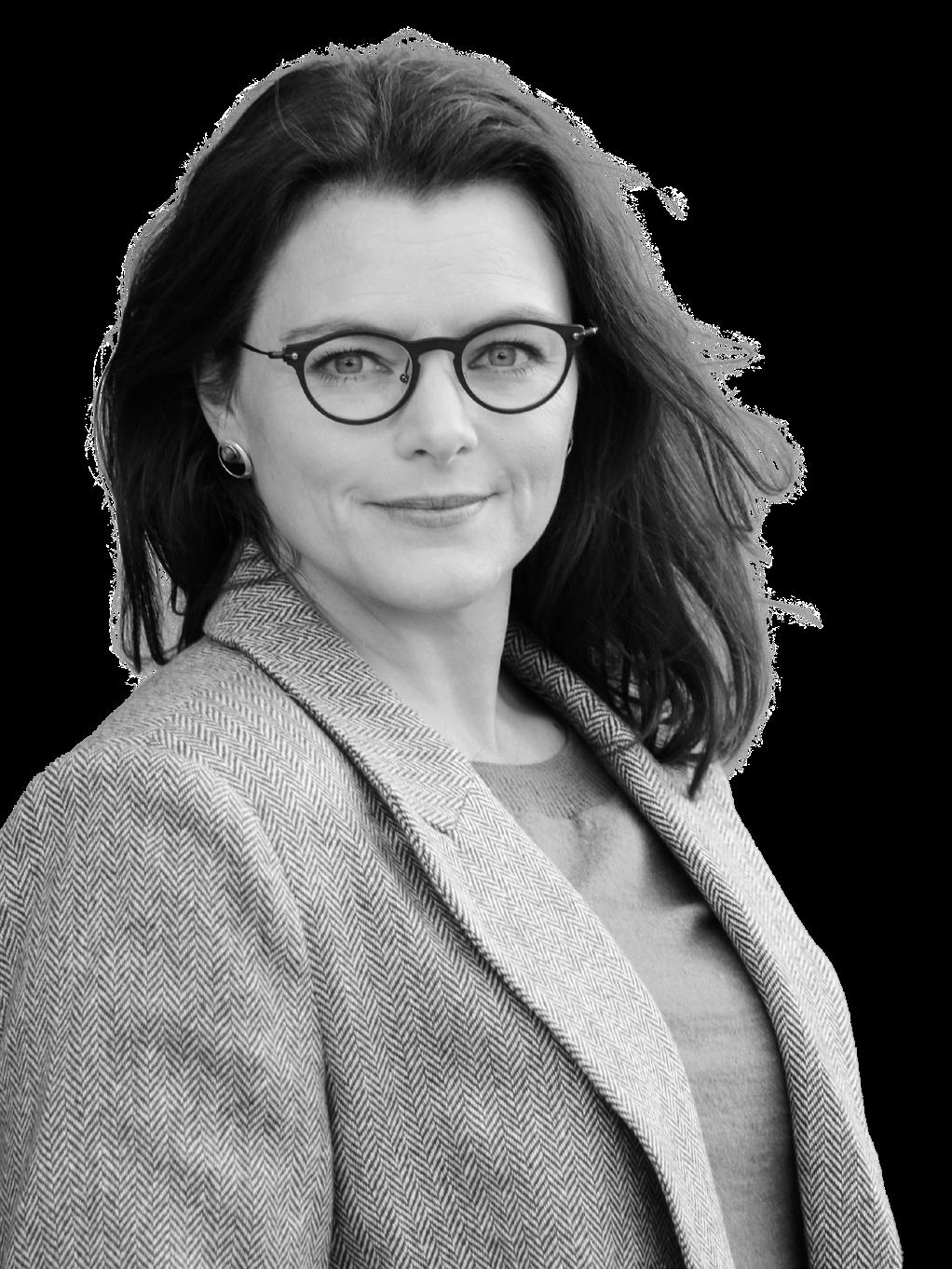
TARA RIGHETTI
School of Energy Resources Professor of Law a
Occidental Chair in Energy and Environmental Policies
SAMAN ARYANA
College of Engineering and Physical Sciences Associate Dean and Professor of Chemical and Biomedical Engineering a
Occidental Chair in Energy and Environmental Technologies
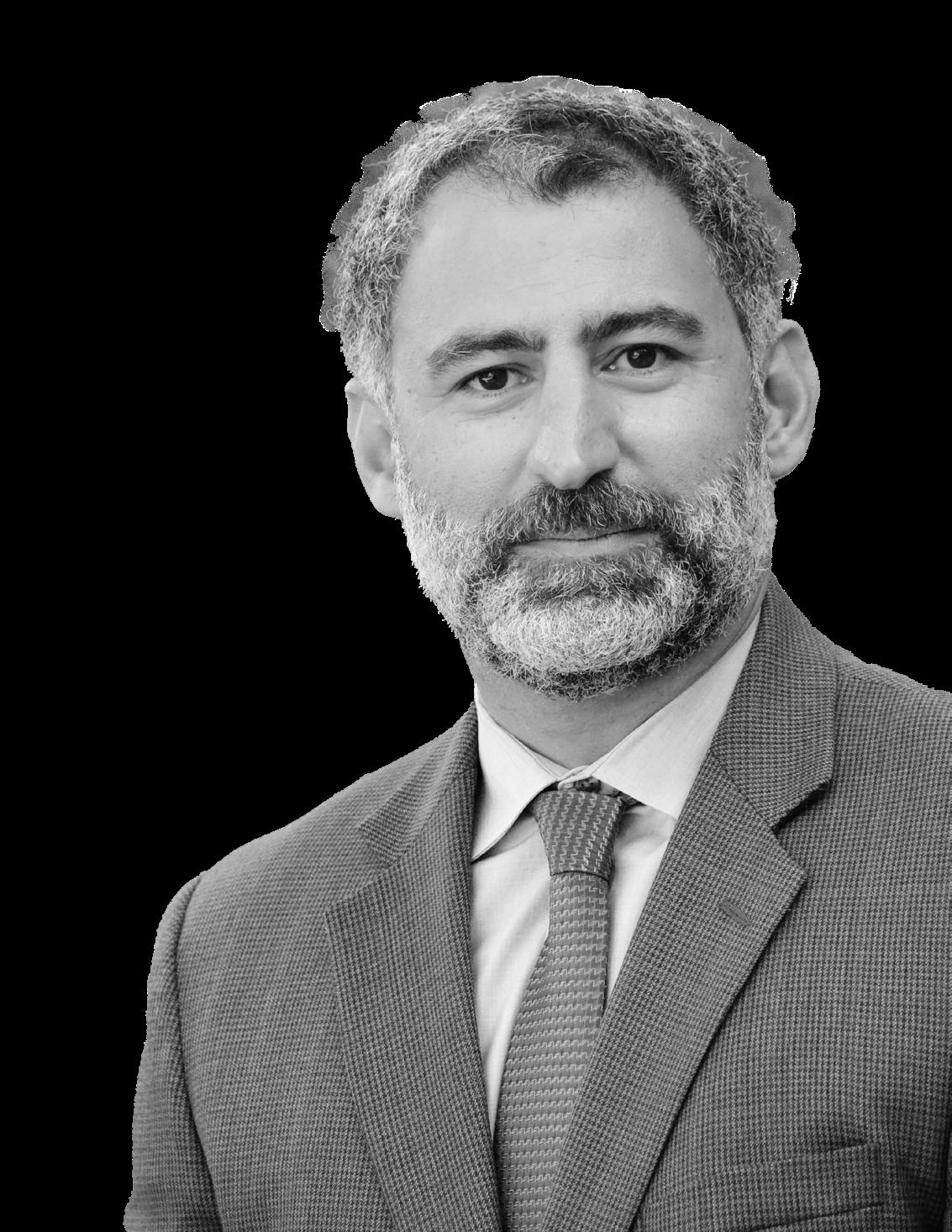
SUBSURFACE ENERGY CERTIFICATE PROGRAM
The Subsurface Energy Certificate gives you the tools to dive into subsurface energy, from petroleum engineering fundamentals to geothermal energy, carbon storage and cutting-edge digital innovation in oil and gas!
Learn from the expert faculty at UW to augment your degree, launch your career, and meet the demands of the modern workforce.




Petroleum Engineering Fundamentals
Solve Reservoir Challenges
Develop Area of Interest
Interdisciplinary Knowledge

View the program!
David Rooney
GREG DYKEMAN AND WAYNE CALLAWAY DIRECTOR OF DEBATE
By Monica Deru
This past fall, David Rooney was appointed the Greg Dyekman and Wayne Callaway Director of Debate at the University of Wyoming, a role made possible through the Gregory C. Dyekman Fund for Debate, which provides direct support to the UW speech and debate team.
The fund was established by Greg Dyekman, a Cheyennebased attorney with Long Reimer Winegar LLP in honor of longtime debate coach Wayne Callaway, whose leadership and mentorship left a lasting impact on generations of UW debaters.
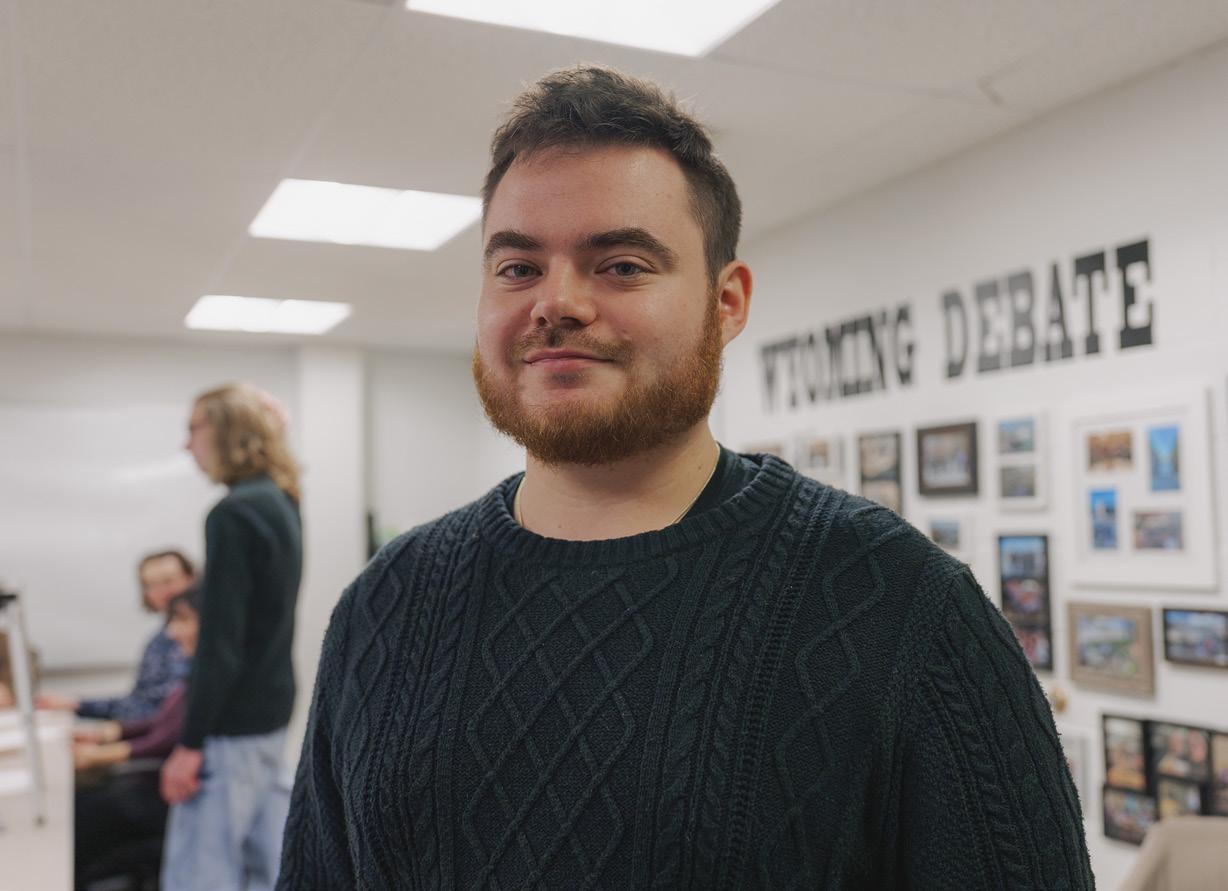
“Intercollegiate debate was the best overall educational experience I have ever had,” Dyekman says. “The lessons I learned and the skills I developed as a UW debater come into play in everything I do. I am honored to help continue the legacy of UW debate and the many extraordinary people the program has helped prepare for lifelong success.”
In addition to serving as director of debate, Rooney is an associate professor of practice in persuasive argumentation, political communication and related courses. Born and
raised in Ireland, Rooney did not speak fluent English when he moved to the U.S. at age 11. His parents saw how debate could help him gain command of the language.
“My parents really pushed me to do debate, as you have to process and read a lot of information very quickly,” Rooney says. “They thought it would brush up on my skills and confidence.”
Rooney’s relationship with UW’s debate team began in 2021 as an online assistant coach while he was working on his Ph.D. at the University of Texas at Austin. Now, as the coach, he has new goals.
“I love debate,” Rooney says. “I think it’s one of the most educationally challenging activities in terms of growing as a person and thinking and reading under much harder pressure than in a classroom.”
The UW speech and debate team is a co-curricular program open to undergraduate students and sponsored by the College of Arts and Sciences’ Department of Communication and Journalism. The team competes in 15–20 intercollegiate tournaments each year and focuses on the research-intensive form of policy debate.
“One of the reasons I was attracted to this program is the funding opportunities for the debate team,” Rooney says. “I knew there would be security and stability for the debate team. It’s pretty unique and amazing.”
He aims to build on the team’s legacy of competitive excellence by growing UW’s program and Wyoming’s high school debate circuit, guiding the next generation of students to success on the national stage.
“The fund pays homage to the former great debate coach at Wyoming, and I am privileged to help continue that legacy,” Rooney says. “I would like UW to be a debate powerhouse, rivaling other top programs and competing at the highest level nationally.”
With sustained support from the Gregory C. Dyekman Fund and strong ties to those who helped shape the program’s history, UW’s 113-year-old speech and debate team is well-positioned to continue its growth and maintain a prominent presence in intercollegiate debate.
Tarissa Spoonhunter
LILIANE AND CHRISTIAN HAUB PROFESSOR
By Micaela Myers
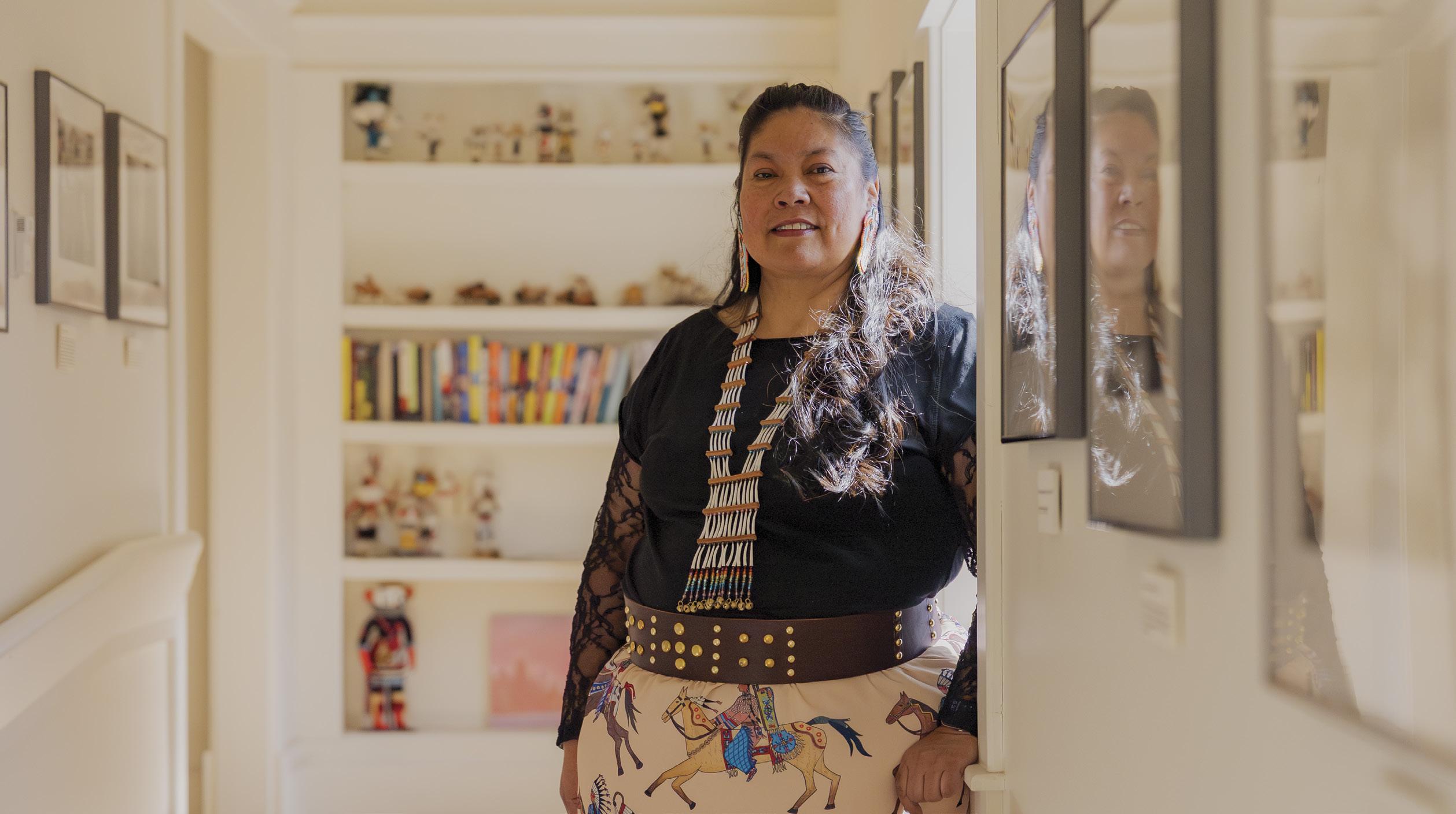
This past fall, Tarissa Spoonhunter, an assistant professor in the Haub School of Environment and Natural Resources and the director of UW’s High Plains American Indian Research Institute, was awarded the inaugural Liliane and Christian Haub Professorship.
The professorship — established through the generosity of philanthropists Liliane and Christian Haub — is designed to support early-career faculty members in the Haub School by advancing their research, teaching and outreach while assisting in their progress toward tenure and promotion. The endowed position will rotate every three years to recognize a highperforming faculty member, ensuring ongoing support for extraordinary educators and researchers.
“The Haub Professorship was created to uplift exceptional educators whose work strengthens both the university and the communities it serves,” Liliane Haub says. “Dr. Spoonhunter’s leadership and research embody this vision — connecting people, place and purpose in ways that advance sustainability and respect for our shared environment.”
“It was really a great honor to be named the first Liliane and Christian Haub Professor,” says Spoonhunter, an enrolled member of the Northern Arapaho Tribe.
Spoonhunter’s research focuses on asserting treaty rights on traditional ceded lands, while her teaching emphasizes contemporary issues facing tribal nations in resource management.
“I felt this endowed professorship would really allow the
Haub School to make meaningful connections with the tribes here in Wyoming,” Spoonhunter says.
She explains that there’s a natural connection between the school and tribes, given that tribes oversee much of the land where oil, gas, water and wildlife are found.
“Environment and natural resources play a big part in tribal nations and how we maintain our worldview and our connection to our lands,” Spoonhunter says. “Through this professorship, I have the support to make collaborations happen. It’s been positive for me as well as my tribal community.”
It’s a natural fit, Spoonhunter says, as the Haub School is all about community. Her work includes meeting with tribal resource managers to understand the challenges they face.
“Not only are they dealing with the management of natural resources, but a lot of times they’re dealing with how to work with ranchers and state and federal agencies around water, game and fish,” she says. “We want to connect our traditional ecological knowledge to our conservation, so for me, it’s about how I can support them with community education and outreach.”
The professorship enables Spoonhunter to increase her impact at UW and beyond while creating these mutually beneficial relationships with the tribes. Her work includes educating students and giving them hands-on career experience.
“We are creating that pathway for our students where they can intern for one of our tribal partners, and now some of our graduates are working for those tribal partners,” she says. “That’s the biggest thing for our students: helping them stay connected to their tribal community.”
By Micaela Myers
Molly Burchett
SMYRNIOS FAMILY SALES PROFESSOR
In 2025, alumnus Dimitrios Smyrnios’ major gift, doubled by state matching dollars, created the Smyrnios Family Sales Professorship at the University of Wyoming.
“I am very impressed with the commitment of the UW College of Business to teach and develop sales skills in our future business leaders,” says Smyrnios, a 1998 UW College of Business graduate who recently retired as CEO of Schwan’s Co. “I believe that sales skills are needed regardless of the role or career that a student chooses. It’s a privilege to support students on their sales journeys, and it’s personally rewarding to be able to help the dean and faculty of the College of Business.”
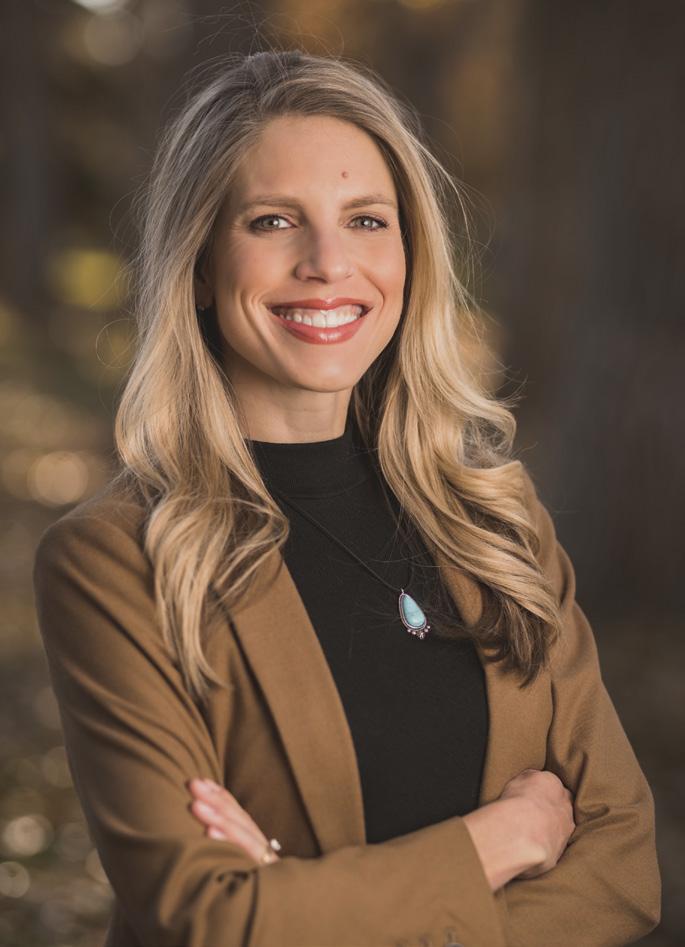
Molly Burchett holds the inaugural position. In addition to bringing industry experience, she has earned numerous research, teaching and service awards.
“I am deeply committed to stewarding Mr. Smyrnios’ vision by equipping students with the sales, communication and leadership skills they need to succeed across careers through practice-driven experiential education,” she says. “Mr. Smyrnios also shares a deep commitment to advancing the foundational vision of Frank Mendicino, whose leadership and generosity helped establish the Center for Professional Selling as a program grounded in research excellence and academic rigor — principles that continue to guide how we educate students, engage industry and elevate the sales profession.”
Burchett’s research, teaching and service are tightly integrated around the Center for Professional Selling’s mission, including publishing research in leading journals to strengthen UW’s national presence in sales scholarship; engaging in disciplinary leadership via conferences, presentations, workshops and panels; offering her time as the adviser to the
Sales Club and supporting student development through competitions and community-impact initiatives; and, in the classroom, using experiential highstakes learning that builds confidence, professionalism and ethical judgment through real selling experiences.
One standout example is collaborating with Daniels Fund Ethics Initiative Service Chair Kent Noble and the UW Ethics Club for her Selling for Impact course and its centerpiece project, SparkTank.
“This advanced experiential course immerses students in real-world sales execution and ethical influence through a semester-long fundraising campaign culminating in SparkTank — a studentrun Shark Tank-style competition supporting essential nonprofits in Albany County,” Burchett says. “Students prospect, conduct outreach, lead sales meetings and close real donations — building confidence, professionalism and communication skills through highstakes purpose-driven selling.”
Since 2018, SparkTank has awarded $743,000 to local nonprofits, generating an estimated $3.22 million in total economic output, which includes $1.42 million in GDP contribution, $1.11 million in labor income and 30 jobs created.
As Burchett grows these experiential models, she also plans to deepen industry partnerships and continue elevating UW’s national reputation in professional selling.
“I view the Smyrnios Family Sales Professorship as both an honor and a responsibility,” Burchett says. “It represents a shared commitment — between the Smyrnios family, UW and the Center for Professional Selling — to invest in people: students, faculty and future leaders. I am deeply grateful for that trust and fully committed to stewarding the professorship in ways that sustain excellence, expand opportunity and create meaningful student impact for years to come.”
PHOTO BY BLAKE BALLARD
Soheil Saraji
LE NORMAN ENDOWED LEADERSHIP CHAIR
By Micaela Myers
David Le Norman earned his degree in petroleum engineering from the University of Wyoming in 1986 and went on to build an impressive international career, including a decade with Texaco and the founding of Reign Capital Holdings. Through it all, Le Norman never forgot his alma mater, offering generous support to the university, including naming the Le Norman Endowed Leadership Chair of Petroleum Engineering.
“My wife, Cory, and I are pleased with the result of the many people who worked on the project at UW,” Le Norman said in 2018. “We are especially proud of the state of Wyoming’s efforts to advance these programs with matching funds, supporting generations of future students focusing on the STEM-related fields of study. Our hopes are that the acknowledgment of these programs and this gift will stimulate future alumni investment across the board in many focus areas of study and research at UW.”
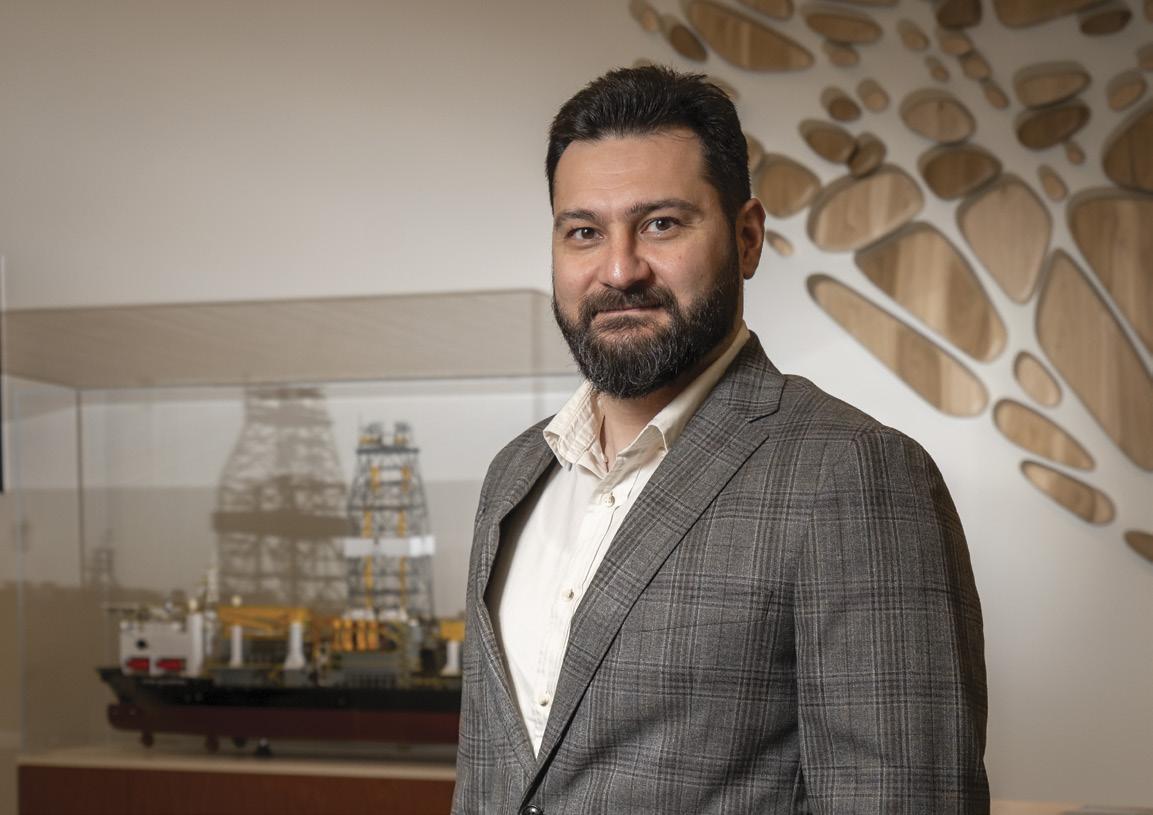
Soheil Saraji recently took over as the Le Norman Endowed Leadership Chair in Petroleum Engineering as well as head of UW’s Department of Energy and Petroleum Engineering.
“I value our department for its distinct character,” he says. “We are a small boutique program compared to many of our peers, which allows for a level of personal engagement that is rare at larger institutions. I, along with many of my colleagues, know most of our students on a first-name basis, and that close connection fundamentally shapes the quality of education and mentorship we provide.”
That personalized approach offers big results.
“Our graduates are remarkably successful and consistently outperform expectations,” Saraji says. “Many hold senior leadership roles at major national and international companies. That outcome speaks directly to the strength of our program and the caliber of students we prepare.”
Saraji has been a rising star ever since graduating from UW with his Ph.D. in petroleum engineering in 2013. After his postdoctoral studies, he continued at UW as an assistant professor, then associate professor, and then department head. Along the way, he’s made a huge impact, including launching the Center of Excellence in Subsurface Energy and Digital Innovation as well as the Multidisciplinary Advanced
Stimulation Laboratory — both of which are combined initiatives between the School of Energy Resources and the College of Engineering and Physical Sciences.
Opportunities such as the Le Norman Endowed Leadership Chair allow Saraji to stay at UW while continuing to advance his career. The funding also enables him to have a greater impact. For example, he operates a large research group, including 18 graduate students, and the chair’s funding allowed him to hire a postdoctoral professional to assist.
The funding also offers flexibility so that Saraji can travel to establish cooperative agreements with other universities, to recruit students and to engage with industry partners, all of which benefit UW as a whole. He can also fund
undergraduate travel to conferences and hire area experts to teach specific courses within the college.
In addition, named positions like the Le Norman Chair offer personal connections and prestige, which benefits both UW and the faculty holding those positions.
“I look forward to benefiting from Mr. Le Norman’s perspective and guidance on the department’s long-term leadership and strategic direction,” Saraji says. “A named chair also carries meaningful prestige. It provides credibility and visibility that help open doors and strengthen conversations within the industry and institutional partners.”
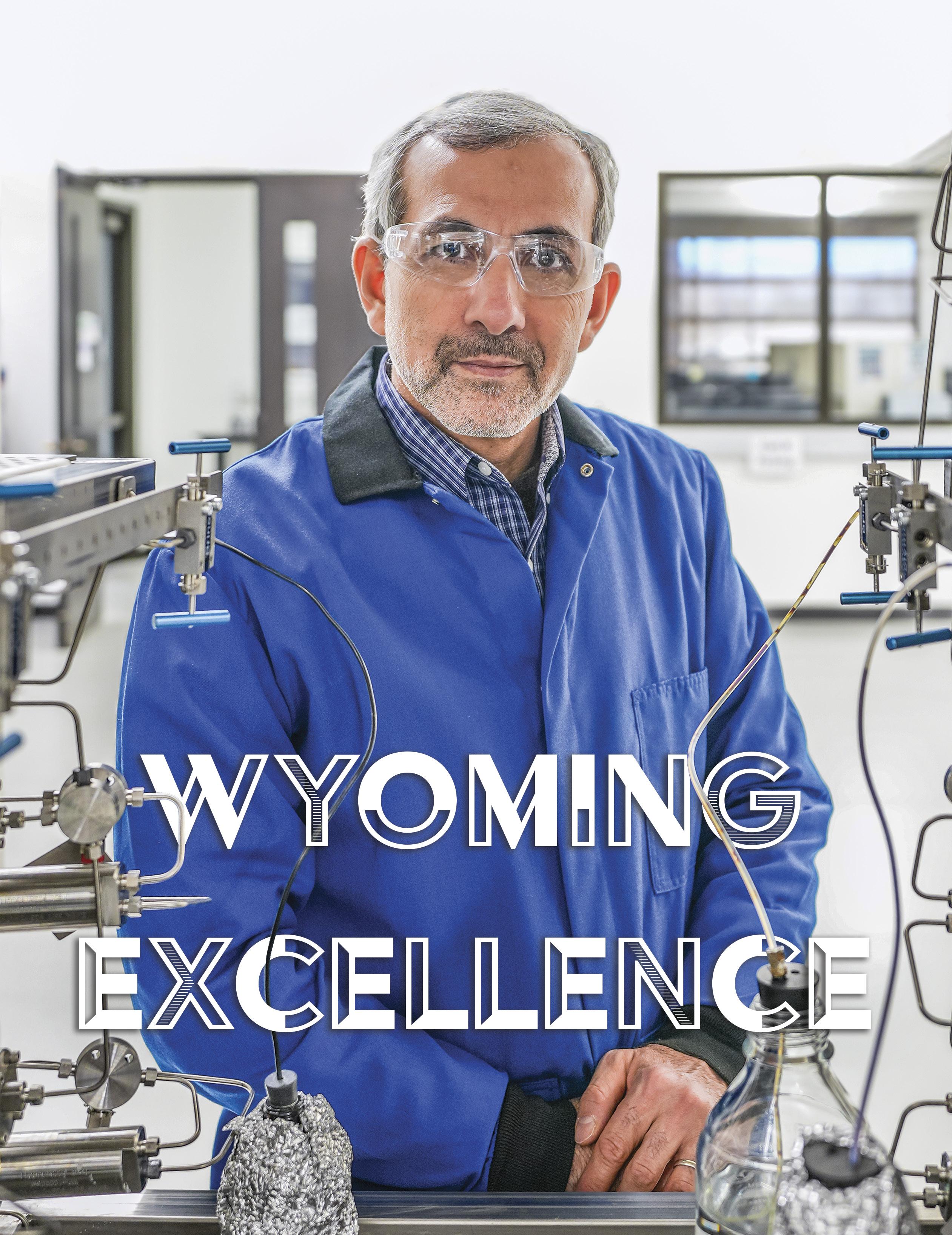
Mohammad Piri, Wyoming Excellence Chair in Petroleum Engineering
THE STATE’S EXCELLENCE IN HIGHER EDUCATION ENDOWMENT FUNDS WYOMING EXCELLENCE CHAIRS ACROSS THE UNIVERSITY, UPPING THE IMPACT OF HIGHQUALITY TEACHING, OUTREACH AND RESEARCH.
By Micaela Myers
If professors were superheroes, the University of Wyoming X Team would include its 19 Wyoming Excellence Chairs. In 2006, the Wyoming State Legislature established the Excellence in Higher Education Endowment. The lion’s share of the $105 million endowment was designated for UW to establish endowed faculty positions and to expand university instruction and research in disciplines related to the economic and social challenges facing Wyoming.
“The idea was to bring in, reward and retain some of the premier scholars in their fields,” says Interim Provost Anne Alexander.
In addition to key areas identified by the Legislature, the funds allow UW to recruit faculty members with established reputations in other areas of distinction identified in the university’s academic plan — including business, arts and humanities, mathematics, cultural studies, health care, economics and law. These state-funded endowed faculty positions come with discretionary funds to advance teaching and scholarship across the university.
“The funds allow the excellence chairs to up their game a little more each year,” Alexander says. “For example, they can hire graduate assistants to aid their research, they can travel for fieldwork and conferences or fund students to do so, and they can acquire databases and equipment to give them an edge in their scholarship.”
UWyo Magazine sat down with several Wyoming Excellence Chairs to discover how the funds are being used to improve outreach, service, teaching and research.
Mohammad Piri, Wyoming Excellence Chair in Petroleum Engineering
Mohammad Piri exemplifies the high-level faculty members UW can attract and retain with named and endowed positions. Lured away from Princeton in 2005, Piri currently serves as a Wyoming Excellence Chair, the Thomas and Shelley Botts Endowed Chair in Unconventional Reservoirs and the Alchemy Sciences Endowed Chair in Petroleum Engineering. In the past 20 years, he has led the creation of three worldclass research facilities: the Encana Three-Phase Flow and Computed Tomography Research Laboratory, the Hess Digital Rock Physics Laboratory and the Center of Innovation for Flow through Porous Media (COIFPM). COIFPM — one of the world’s largest and most advanced multiscale experimental research facilities — is located in UW’s High Bay Research Facility, a state-of-the-art center dedicated to the development of improved understanding of multi-scale physics of flow and transport in porous media. This research has applications in energy and the environment such as maximizing recovery from unconventional oil and gas reservoirs.
“We are one of a select few labs in the world that can replicate reservoir and production conditions while viewing what’s happening at multiple scales,” Piri says.
Not only does Piri’s large and successful research group attract top students and scientists from around the globe, but his work also helps to diversify Wyoming’s economy through two spinoff companies that commercialize the technologies: Piri Technologies and Digital Pore Solutions. He also works closely with the state’s oil and gas operators. One of his projects, the Wyoming Gas Injection Initiative, is implementing multiple enhanced oil recovery projects with operators in the state to enhance well productivity and recovery.
“We’ve helped create real successes for oil companies across the globe,” Piri says. “That’s why they’ve brought us $100 million over the years. We answer important questions at atomic, nano, micro and macro scales, which enhance understanding that translates to production gains at the wellhead. The state of Wyoming and outstanding corporate partners built COIFPM. I’m ecstatic to see our world-class team and UW technology innovation continue to shine as we partner with top companies here at home.”
Another project with Thermo Fisher Scientific is budgeted at $80 million, with goals to develop, adopt and expand cutting-edge experimental and computational porous media technologies in support of strategic economic development initiatives.
“Certainly, in oil and gas — and I think in renewables, too — the word is getting out,” he says. “If you want nextlevel solutions and market-leading breakthroughs, the action is in Wyoming.”
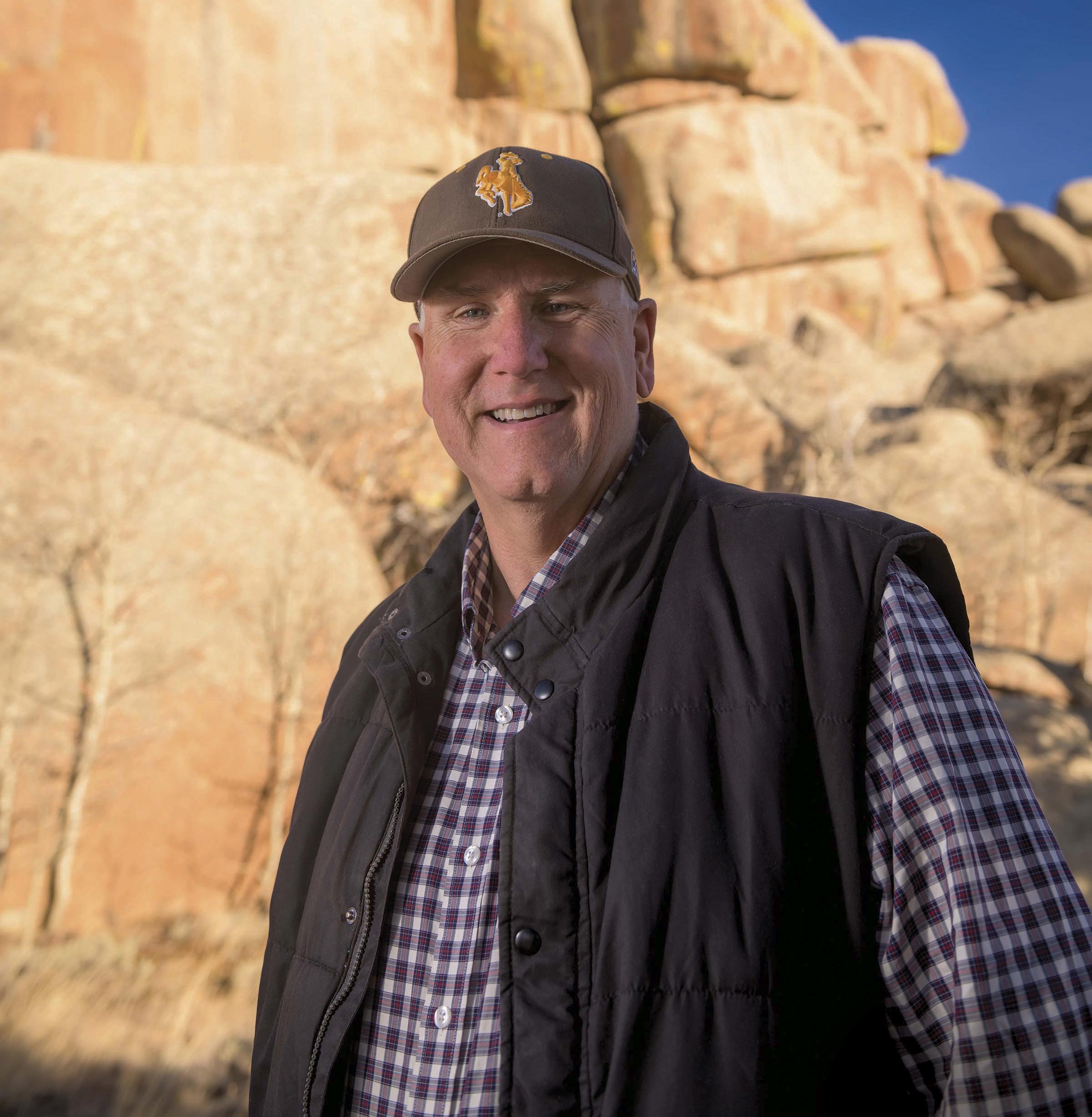
John Koprowski, Wyoming Excellence Chair in Environment and Natural Resources
John Koprowski joined UW as a Wyoming Excellence Chair and dean of the Haub School of Environment and Natural Resources in 2020 after serving as director of the University of Arizona’s School of Natural Resources and the Environment.
“The excellence chair was a really big part of my decisionmaking process,” he says. “The excellence chair dollars provide opportunities that expand impact and allow you to invest and explore.”
For example, he can hire a specialist to teach a course or
a graduate student to start a research project, or he can use the funds to design an online certificate program to benefit Wyoming residents. Without those funds, faculty are in a time-consuming loop of trying to obtain short-term grants.
“With an endowed administrative position, you can say, ‘This is a good idea that this faculty member or student group just pitched to me, and I’m going to make it happen,’”
Koprowski says. “Endowed positions help with recruitment, they help with retaining the very best in Wyoming, and they allow creativity to be unleashed.”
The impacts ripple across the university and state.
Koprowski’s research focuses on wildlife conservation with a focus on community-based conservation and international work.
“To me, that’s really about working on issues where I can have an impact and in systems that allow me to work with local
John Koprowski, Wyoming Excellence Chair in Environment and Natural Resources
Janice Grover, Carol J. McMurry Distinguished Librarian for Academic Excellence
“The Carol J. McMurry Distinguished Librarian for Academic Excellence endowment allows my work to move beyond one-time research instruction and into sustained student-centered impact. It gives me the flexibility to invest in relationships, programs and spaces that support undergraduate research, creativity and intellectual risk-taking. Because of the endowment, I can support Honors College students as they develop ambitious research projects, help them move from curiosity to confidence through the research process, and cultivate the Honors Library as a place where interdisciplinary thinking and creative scholarship feel possible. It also allows me to begin building large-scale collaborative initiatives that connect voices from across Wyoming. That sustained investment changes how students experience the library and the Honors College as well as how they see themselves within the academic life of the university.”
communities to come up with sustainable solutions,” he says.
Koprowski also enjoys immersing students in experiential learning opportunities, including study-abroad courses to Mongolia and Nepal.
“I think Wyoming really punches above its weight,” he says. “We have a very large number of endowed positions compared to many other universities. When you provide funds like this, you’re saying, ‘We want you here, and we trust you to use these funds as multipliers.’ I’m so honored to be an excellence chair and work for people in the state. Wyoming Excellence Chairs are a testament to the way the state values higher education.”
Leslie Rush, Wyoming Excellence Chair in Literacy Education
The Legislature directed that no fewer than four excellence chairs must reside in the College of Education. That number includes two literacy chairs, Leslie Rush (who recently retired) in adolescent literacy and Cindy Brock in elementary literacy.
Rush joined UW in 2002, and her trajectory took her from an assistant professor to associate dean and then excellence chair in 2023. As a former director of the Wyoming School–University Partnership and with her long history in the state, Rush brought with her strong connections for outreach: “My passion has always been high school and middle school kids who are struggling with literacy. In the past, they often didn’t get the support that they needed to bring them up to grade level. The opportunity to work with teachers around the state was a key thing for me.”
Both Rush and Brock are based within UW’s Literacy Research Center and Clinic. When schools contact the center for assistance, a needs assessment is performed, which includes data collection and interviews. Once gaps are identified, they come up with a tailored assistance plan. The excellence chair funding allows them to assist the districts without having to secure grants.
The other key aspects of these positions are excellence
in teaching and research. Rush teaches graduate literacy education and coordinates two graduate literacy programs — a distance reading endorsement certificate for classroom teachers and a master’s degree in literacy.
Rush’s research focuses on disciplinary literacy. For example, the disciplines of science and English have their own vocabulary and ways of reading and writing: “If secondarylevel teachers make explicit some of those discipline-specific
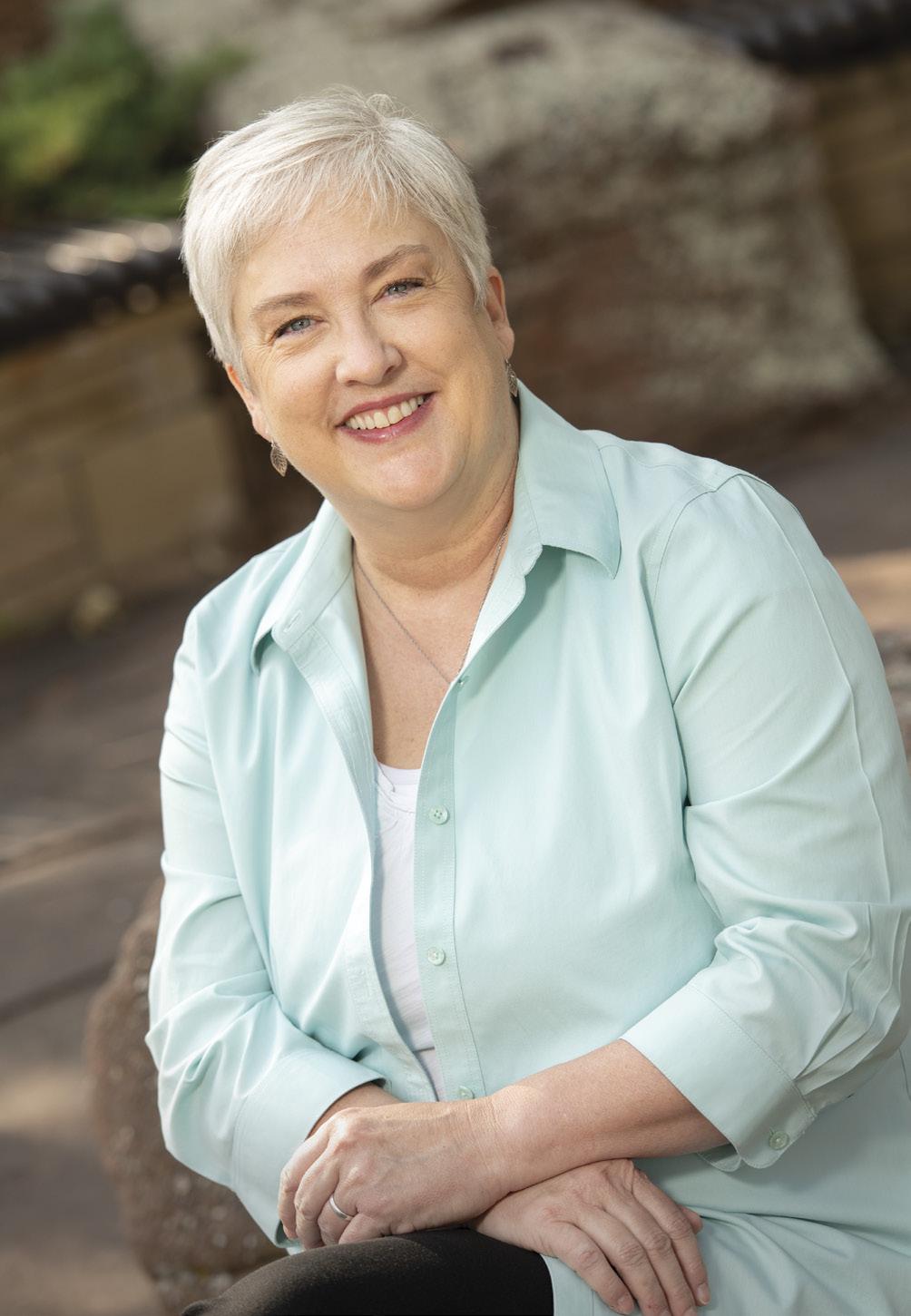
Leslie Rush, Wyoming Excellence Chair in Literacy Education
nuances, they can increase student learning. My group studies language arts disciplinary literacy, where very little research had previously been conducted.”
Along with Brock and Associate Professor Todd Reynolds, Rush edited a new book titled “Literacy Innovations in Rural Contexts,” which features stories from Wyoming teachers excelling in literacy education approaches.
“The way the Wyoming excellence positions are designed to serve the state really appeals to educators who care,” she says. “That’s where the magic happens — when it’s that perfect match of research skills, teaching skills and a passion for service.”
David Finnoff, Wyoming Excellence Chair in Economics
David Finnoff arrived at UW from England as a rugby player in 1990 and quickly fell in love with the state. Gaining a stellar education, he stayed on for his doctorate. After a stint on the faculty at the University of Central Florida, he returned to UW and became an award-winning educator. In 2021, Finnoff was named an excellence chair and a McMurry Fellow.
“The combination of Wyoming Excellence Chair and McMurry Fellow is so special to me, as it honors the place and people I hold dearly,” he says. “Mick and Susie McMurry and their family created a Wyoming legacy like no other through providing immense economic opportunities, their deep belief in community service and infrastructure, and their incredible philanthropy throughout this state.”
Chase Thiel, Rile Chair of Leadership
“Pat and Kathi Rile’s generous support through the Rile Chair of Leadership has helped me expand student learning beyond the classroom and launch new statewide outreach initiatives. For example, the endowment helps fund the Leadership Academy, an interdisciplinary experiential course that takes high-achieving UW students across Wyoming to learn firsthand about key industries and how to strengthen them. It also made possible the Cowboy Insights program, which sends College of Business faculty into UW communities to provide research-based guidance for economic and organizational development. In short, the Rile Endowment has been a transformative engine for impact.”
The two honors allow Finnoff to increase his impact in teaching, research and outreach.
“When teaching ECON 1000, I integrated the use of AI and open-source statistical tools to provide the students with a working knowledge of gathering data, presenting it in a useful fashion and interpreting it,” he says.
Students also gain a solid foundation applying cutting-edge software and computational tools on real-world problems.
“When I teach graduate students, my goals are to train them to have a working knowledge of the most important concepts and tools of dynamic optimization and to give
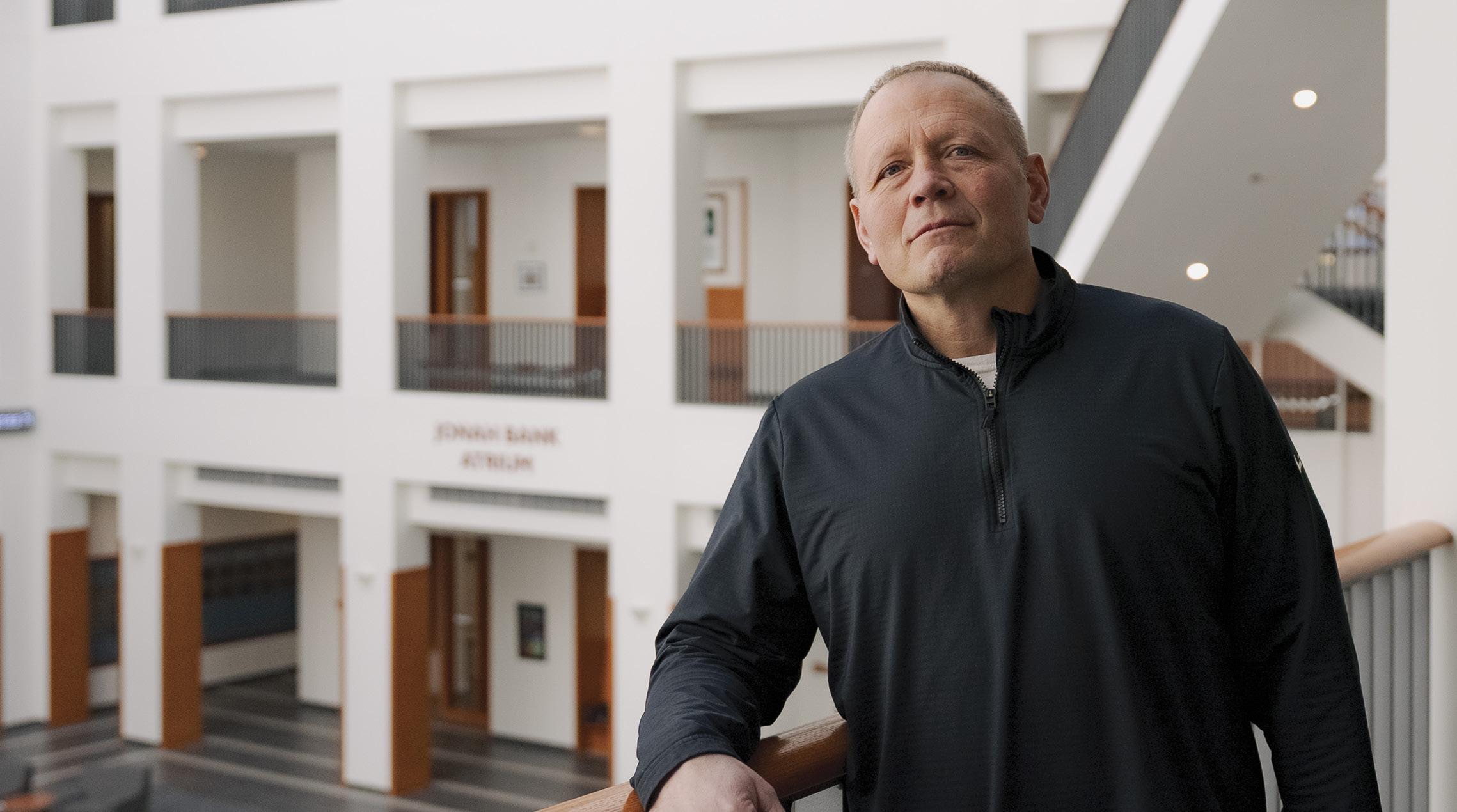
David Finnoff, Wyoming Excellence Chair in Economics
PrePA R E
Pre-Service Preparation Advanced Residency Experience
Where Teacher Preparation Meets Real Experience
PrePARE supports the evolution of college students into confident educators. Earn money and gain hands-on experience in the very school where you'll student teach, building the foundation for a successful teaching career before student teaching even begins.
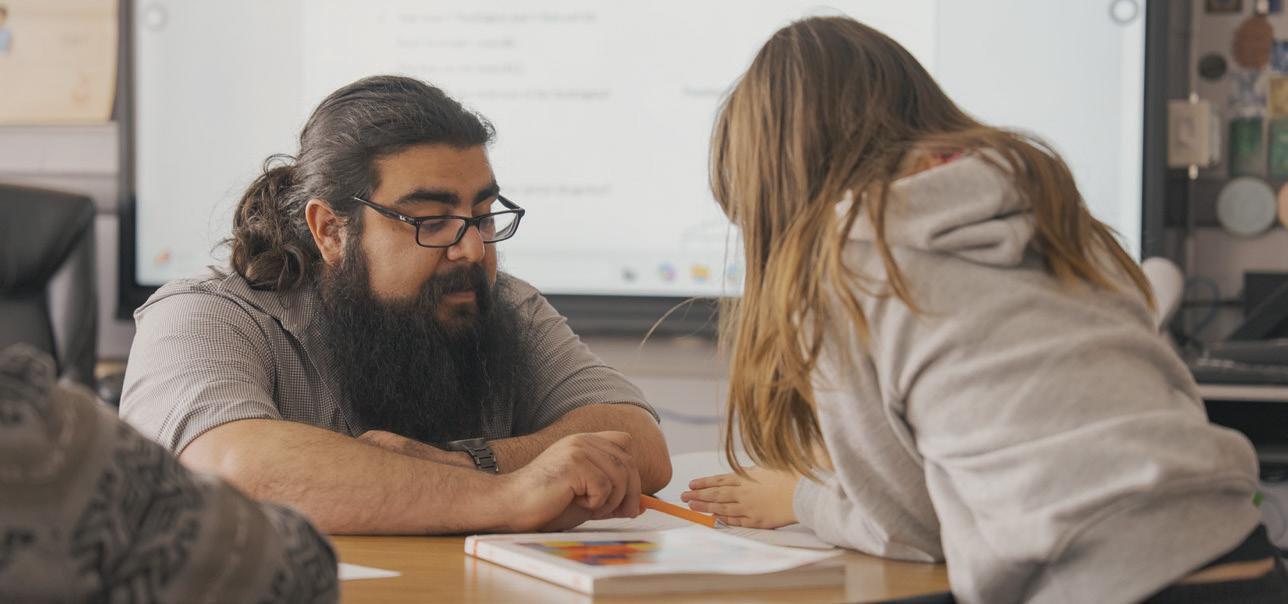
PrePARE students are employed by school districts during their methods semester to work as paraprofessionals within the schools where they will student teach.
PrePARE students work with a variety of K-12 students with and without disabilities in a variety of grade levels.
As paraprofessionals, PrePARE students build relationships with mentor teachers, colleagues, students, and families, becoming valued members of their school communities.
PrePARE students benefit from experiencing a school year from start to finish.
PrePARE students are positioned to directly apply and observe learning from Methods courses.
Students who complete the PrePARE program enter the profession more confident, skilled, and prepared to e ectively meet the diverse needs of students in their future classrooms.
Interested in participating? Be sure to indicate your interest when completing your student teaching application and reach out to Jen Krause (jkraus10@uwyo.edu) or Ti any Hunt (thunt@uwyo.edu) with questions.
The classroom is waiting. Join PrePARE and start your career confident and ready to make a di erence.
Wyoming Excellence Chairs
Additional Wyoming Excellence Chairs include H. Jo Albers, economics; Bledar Bisha, animal science; Jeffrey Covin, business management; Dario Grana and Bryan Shuman, geology and geophysics; Julie Hill and Temple Stoellinger, law; David Pascual, veterinary science; Cynthia Weinig, botany; Steven Smutko, environment and natural resources; Scott Henkel, humanities; Haibo Zhai, civil engineering; and chairs in mathematics and special education with searches underway.
them an opportunity to immediately apply these concepts to specific problems,” Finnoff says.
His research program focuses on developing public policies to improve social welfare while taking into account the interactions between human and natural systems. Recent projects include the management of Wyoming’s natural resources such as water stored in reservoirs and management of grizzly bears, wolves and elk in the greater Yellowstone ecosystem, optimal endangered species listing and delisting decisions, the management of wild game species facing threats of brucellosis and chronic wasting disease, and the management of forests facing the threat of mountain pine beetle outbreaks. Being a Wyoming Excellence Chair and McMurry Fellow helps cover research-related costs including student salaries, travel to conferences and more.
Finnoff works closely with industry and speaks at many events. He is also coach of UW’s men’s rugby team, and so he travels around the region recruiting top high school students.
“I think Wyoming Excellence Chairs provide an incredible amount of value to the institution and state, creating opportunities that would not exist without them,” Finnoff says.
Kevin Monteith, Wyoming Excellence Chair in Environment
and Natural Resources
Kevin Monteith joined UW in 2015 and holds an appointment in the Haub School of Environment and Natural Resources and a joint appointment in the Wyoming Cooperative Fish and Wildlife Research Unit and the Department of Zoology and Physiology.
“I fell in love with Wyoming — the open space, the public lands and resources, the wildlife and people, and the Wyoming Game and Fish Department, which is top-notch,” Monteith says.
In 2021, he was named a Wyoming Excellence Chair. This exemplifies how the chairs not only help recruit toplevel candidates but also reward and retain rising stars at the university.
“It’s an honor, and I am humbled,” Monteith says. “The support has helped broaden our impact within the state, including additional outreach and engagement. We speak
at schools and produce lesson plans to engage K–12 students, and we communicate our science and research to the public across multiple formats with the vision to engage and inspire.”
His research group, the Monteith Shop, works to address important, timely and complicated questions in natural resource management. The scientists work hand-inhand with natural resource agencies to address questions that have direct links to land and wildlife population management. The research not only informs strategies for wildlife conservation but also advances scientific understanding.
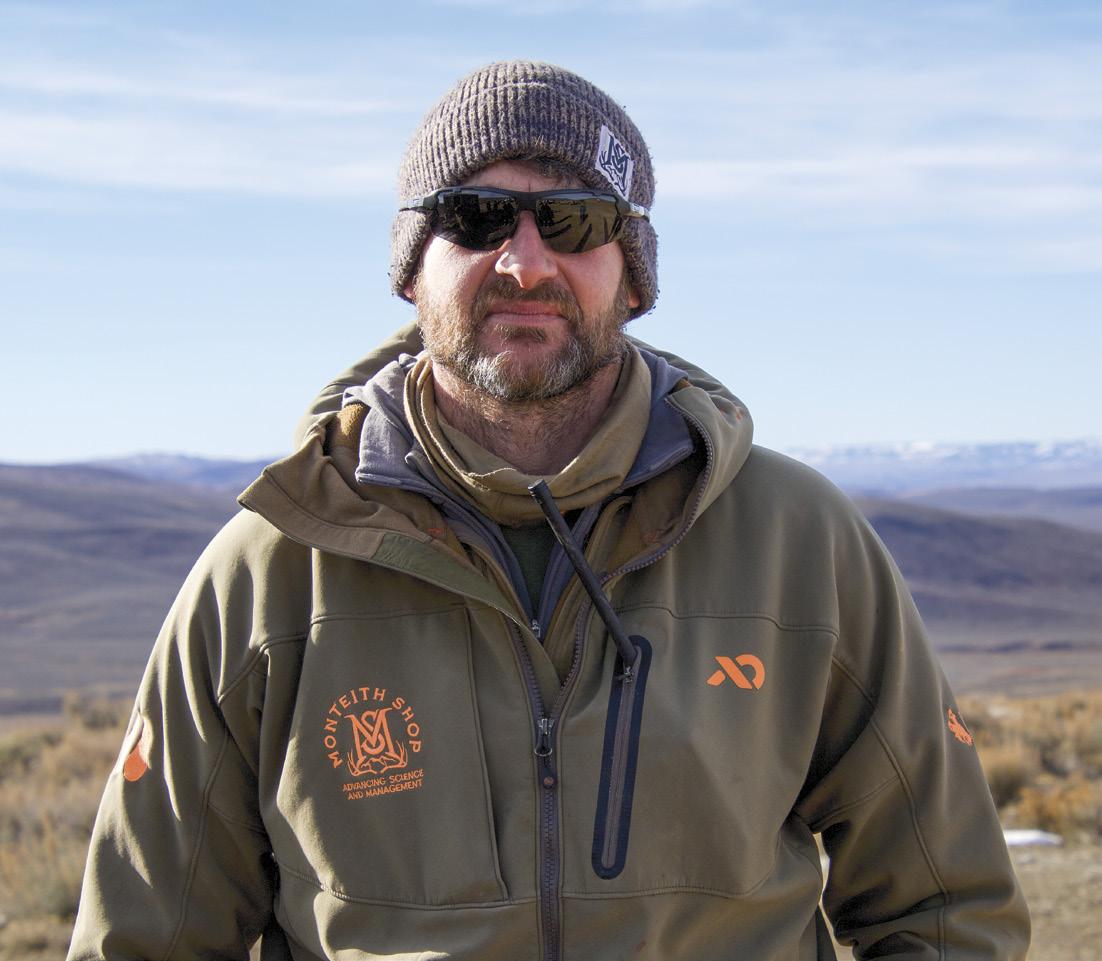
To further provide students with hands-on experience in the field, the Monteith Shop partnered with the Wyoming Game and Fish Department to launch the Wyoming Wildlife Fellowship Program in 2021. The program is known for producing career-ready graduates.
“Being named an excellence chair is a simple-yet-profound acknowledgment that you are valued and provides vital extra support,” Monteith says. “I think the university and the state of Wyoming should be proud that this is set in place. It yields the potential to attract and retain really good people.”
PHOTO BY TAYLOR WAGSTAFF
Kevin Monteith, Wyoming Excellence Chair in Environment and Natural Resources
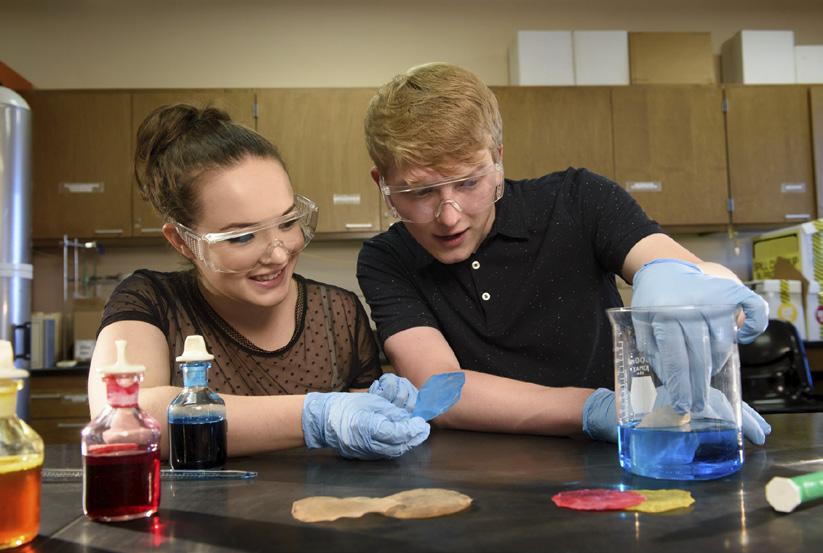
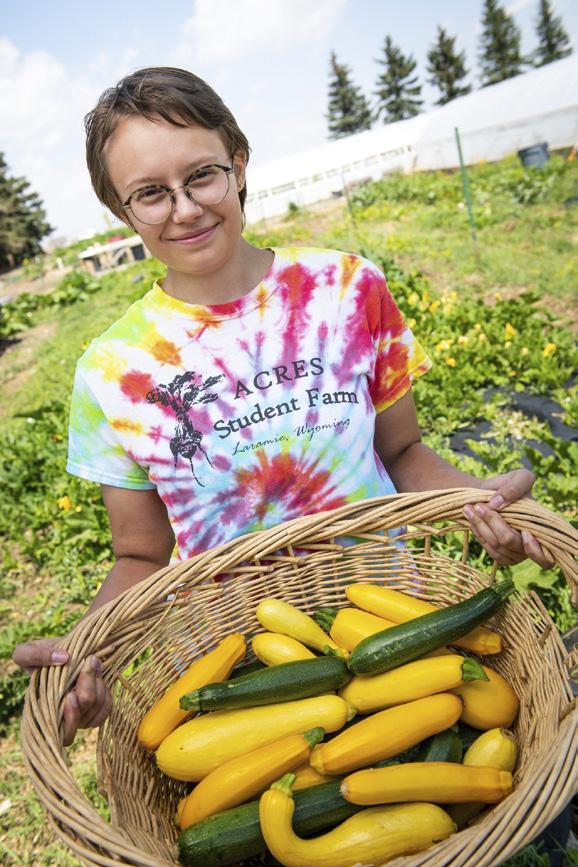

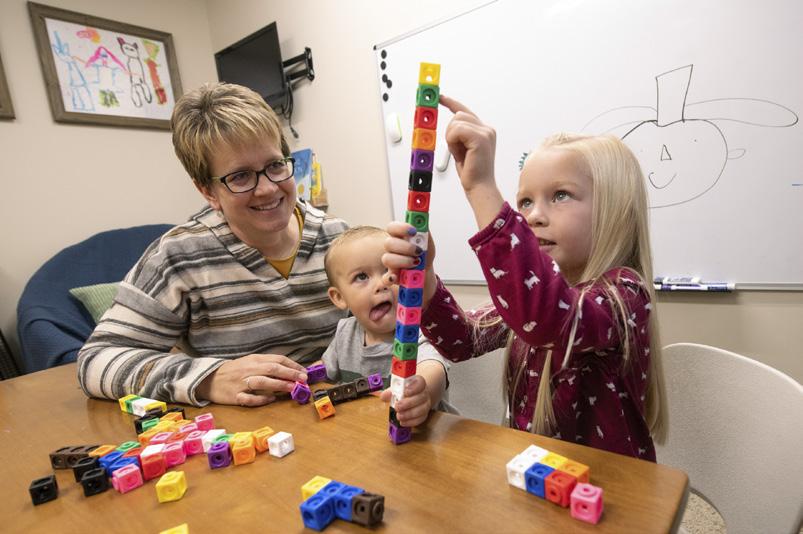

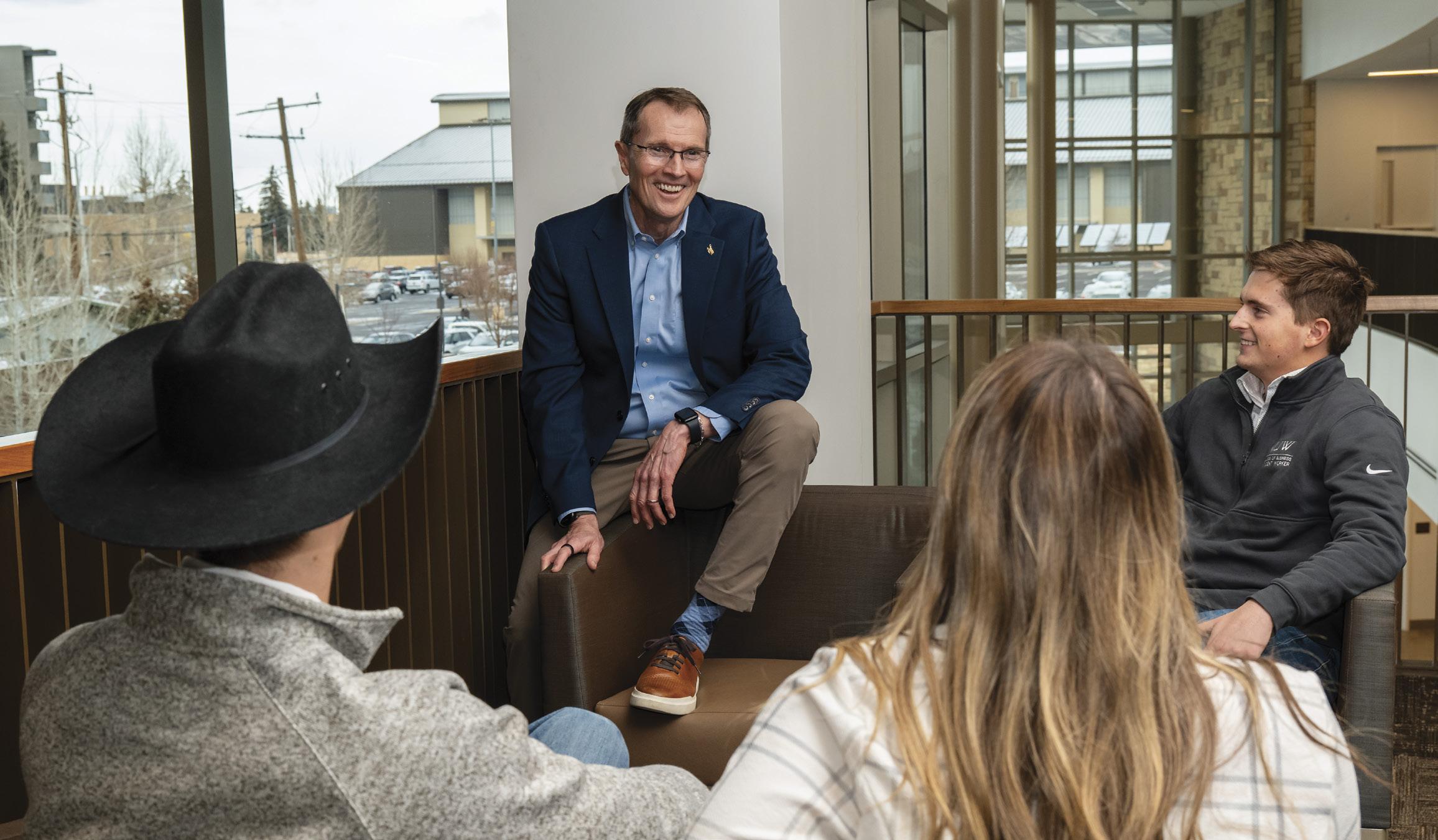
Inspiration Impact Endowed faculty positions empower students.
By Missy Samp
It was a small gesture, but it made a major impression on business student Owen Fink.
He and Kent Noble, a professor in the University of Wyoming’s Department of Management and Marketing, were staffing a table for the Ethics Club in the university’s student union. A fellow club member was leading a tour, and the group stopped at their table. It was a cold day, and one of the members of the tour was not wearing a jacket. As the group started to leave, Noble took off his jacket and attempted to give it to the coatless individual. Fink recalls that he was wearing two coats, but the thought of sharing one did not cross his mind.
“That moment had a profound impact on my life, because I think what we do in the Ethics Club and what Kent does in his position are defined by service and by giving to our community,” says Fink, a senior from Powell, Wyo., who is majoring in finance, economics and management.
Kent Noble: It’s All About the Students
Noble serves as the Daniels Fund Ethics Initiative Service Chair in the UW College of Business (formerly the Bill Daniels Chair of Business Ethics). The position was named for Bill Daniels, a cable television pioneer who believed deeply in ethics and integrity.
Noble started out as a fundraiser at the College of Business. He worked with former Dean Brent Hathaway to secure an
endowment from the Daniels Fund so that the college’s ethics program could be permanently funded. The endowed position was created in 2008. Little did Noble know that he would hold the position less than a decade later in 2016.
“I try to make the ethics program really all about the students and their personal development,” Noble says.
"I
help them create a framework for decision-making and also help them to realize what's important to them — what values will guide their decision-making going forward."
For many students, college is a time to discover who they are, what they want to become and what they care about. That certainly has been true for Mia Gerig.
She took Noble’s class, Principle-Based Ethics, her first semester of college, when she was undecided about a major. With Noble’s guidance, she and her classmates developed their personal codes of ethics that define their values. Noble shared his personal code with the class.
“A couple (of elements of Noble’s code) I remember to this day — be the go-to person and over-deliver,” Gerig says. “That was super inspiring to see a person who actually lives those out, too. He walks the walk instead of just talking the talk.”
Tristan Patterson also took Noble’s class. One of the highlights for him was volunteering at Laramie Interfaith’s food pantry as part of the class. “Doing good was amazing,” he says.
In addition to learning in an academic setting, many
students choose to expand their education beyond the classroom walls through hands-on learning experiences — the UW Ethics Club, the UW Leadership Academy and ethics case competitions, among others. Noble’s position and the endowment support these experiences in varying degrees.
Noble has been the faculty adviser of the Ethics Club since its inception in 2017. Fink, Gerig and Patterson all serve in leadership roles in the club. The club’s signature initiative, SparkTank, engages students in reviewing nonprofit proposals, raising funds and hosting a “Shark Tank”-style event to direct those resources where they’re needed most. Since 2018, SparkTank has awarded $743,000 to Albany County nonprofits. According to the UW Center for Business and Economic Analysis, SparkTank has generated more than $3.2 million in economic output and contributed to the creation of 30 jobs.
“Last year was my first SparkTank, and it was really great,” says Patterson, a senior from Cheyenne. “It was honestly kind of emotional, seeing the work that these nonprofits do. SparkTank is doing a lot, but there’s always more we can do personally, too.”
For Gerig, participating in the Ethics Club has changed her thinking about what her college experience would be like. “I can be impactful as a student and have an impact on my community while also pursuing my degree,” says the junior from Cheyenne who is majoring in marketing and management.
Noble serves as a mentor and program adviser for the UW Leadership Academy, a collaboration between the College of Business and Leadership Wyoming. Students travel around the state, explore various industries and meet with business leaders. Two cohorts of 20 students each have been through the academy, and a third cohort will launch in fall 2026. Fink and Patterson are graduates of the academy, and Gerig hopes to be part of the third class.
“One of the things the Leadership Academy showed me was the power a single person has,” says Patterson, a finance major who has a minor in pre-law. “You can make changes and get stuff done if you really care about something.”
Through Noble’s endowed position, other opportunities also are available to students. Fink has traveled with Noble to promote ethics, attended conferences and participated in competitions, such as the National Ethics Case Competition.
Fink says, “I look at Noble as a mentor,
someone to look up to and someone who’s given his life to the university and the Laramie community in a way that I aspire to.”
Whether he is teaching a class, advising Ethics Club members or offering his jacket to someone, Noble helps students on their journey — work he finds deeply rewarding.
“I could retire tomorrow, but the work this endowment makes possible is so meaningful that I simply love doing it,” he says.
Tara Righetti: A Purpose Found in Mentoring Students
Third-year law student Chance Harper from Thornton, Colo., aspires to practice in environmental or energy and natural resources law, perhaps in a private practice or with a state or federal agency.
Beyond gaining knowledge from his classes, he’s preparing for his future career through opportunities presented to him by Tara Righetti, a UW College of Law professor and the inaugural Occidental Chair in Energy and Environmental Policies. The chair is one of two endowed chairs at UW funded by Occidental, a top U.S. oil and gas producer.
A year ago, Harper spoke with Righetti, who teaches courses on oil and gas, energy and climate law, at a Natural Resource Law Club event. That conversation led to some enriching experiences for Harper — starting with his attendance at an international law conference last July. With
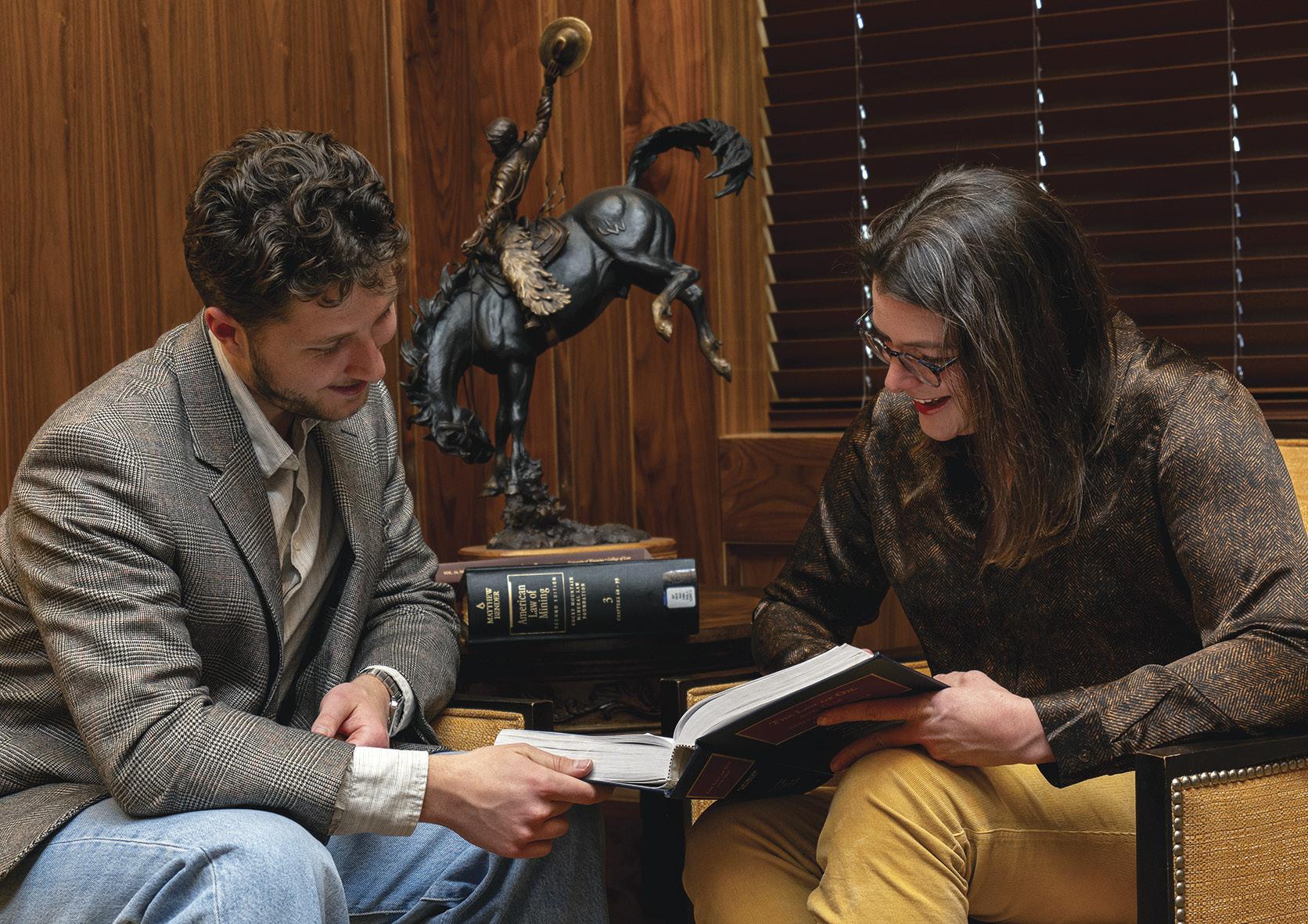
Kent Noble, the Daniels Fund Ethics Initiative Service Chair, talks with College of Business students.
Third-year law student Chance Harper reviews reference materials with Tara Righetti, a UW College of Law professor and the Occidental Chair in Energy and Environmental Policies.
Jacquelyn Bridgeman, Kepler Distinguished Professorship of Law
“I have been honored to hold the Kepler Distinguished Professorship of Law and Leadership since 2013. This professorship carries with it a salary augmentation as well as a guaranteed summer research grant. Knowing that my research would be funded each year has allowed me to engage in long-term complex projects, which in turn has allowed me to grow as a scholar and make a larger impact with each new project. But this professorship means more to me than just the material gains. The Keplers gave generously to the College of Law and were some of its biggest supporters. I’ve seen firsthand what a positive impact their support had — not just for me as an individual but the college as a whole. It was my understanding when I was awarded this professorship that they hoped it would go to someone who would not only use it for their scholarship and personal enhancement but who would also serve Wyoming. This hope and desire on their part has always been an inspiration to me with respect to all aspects of my work at UW and in the larger Wyoming community.”
Righetti’s recommendation, Harper obtained scholarship support to attend the Foundation for Natural Resources and Energy Law’s 71st annual institute in Canada.
“Getting to go to an event that’s purely dedicated to the legal sector that I’m interested in was great for me to build connections and to really get those resources for after law school,” Harper says.
Then, last fall, Harper embarked on a new experiential learning journey — a writing partnership with Righetti that is funded through her endowed position.
“Through the chair, I can provide opportunities for graduate students to work on real research problems,” says Righetti, who has held the chair position since 2022. “I value being able to co-author with students. Unlike in some of the technical disciplines, co-authorship opportunities are uncommon in law school.”
Righetti and Harper have been collaborating on a paper that examines the impacts of energy transition policies on the fossil fuel sector. They have been analyzing federal and state policies with respect to oil and gas production, petroleum refining, coal mining and fossil-fired power generation.
Harper’s role included gathering research independently and drafting various sections of the paper.
“This experience was greatly beneficial to me, helping me expand my professional writing skills now and for future employment tasks,” Harper says.
"I'm so grateful for the experience and the opportunity to really develop professionally. I feel lucky to have had the opportunity to work with Tara."
Once finalized, the paper will be published online as part of a legal education resource.
Through her endowed position, Righetti also has been able to fund students working on developing outreach materials in the energy sector. Recently, she and her students developed guides on carbon dioxide pipelines and on carbon capture and
storage for Wyoming communities and landowners.
“In addition to supporting Wyoming citizens through outreach, writing a community guide can be a great learning project because not only are the students doing the research, but they also are developing the critical skill of translating legal research for a popular audience,” Righetti says. “Our hope is that the research will empower people to make better decisions about their resources and to participate in public processes more effectively.”
Online versions of the resource guides are available through the UW School of Energy Resources’ website, and hard copies are available through county extension offices.
In addition to funding student research, Righetti’s endowed position allows her to cover students’ travel expenses to national conferences and to convene events on campus. In 2024, she used chair funds to sponsor a special issue of the Wyoming Law Review on carbon capture and storage. All of the Wyoming Law Review members — eight students — attended a conference in Houston and developed papers with the speakers. Last fall, she hosted an international symposium on subsurface law and the social contract, which attracted researchers from five continents. In March, two UW law students traveled to Houston to represent the university at CERAWeek, one of the largest energy conferences in the world.
An interesting feature of the Occidental Chair in Energy and Environmental Policies is that it is jointly administered by the UW School of Energy Resources and the Haub School of Environment and Natural Resources. Because of this structure, Righetti has collaborated on projects with students from both schools in addition to law school students.
In reflecting on what the chair means to her, Righetti says: “It allows me to spend more time on the activities that provide me with the greatest sense of purpose — working with and mentoring students. My greatest professional impact is not going to be any one article that I published and how many times it got cited. It’s going to be the number of professionals I train and the way they serve their clients in their careers.”
Student Success Services can help with topics such as:
FAFSA assistance
Semester course pre-planning
Early class registration
One-on-one & small group tutoring
Academic success and financial literacy workshops
Help balancing life challenges
Access to a scholarship for program participants & general scholarship assistance
Access to key college staff and offices
Visit our website: uwyo.edu/seo/sss

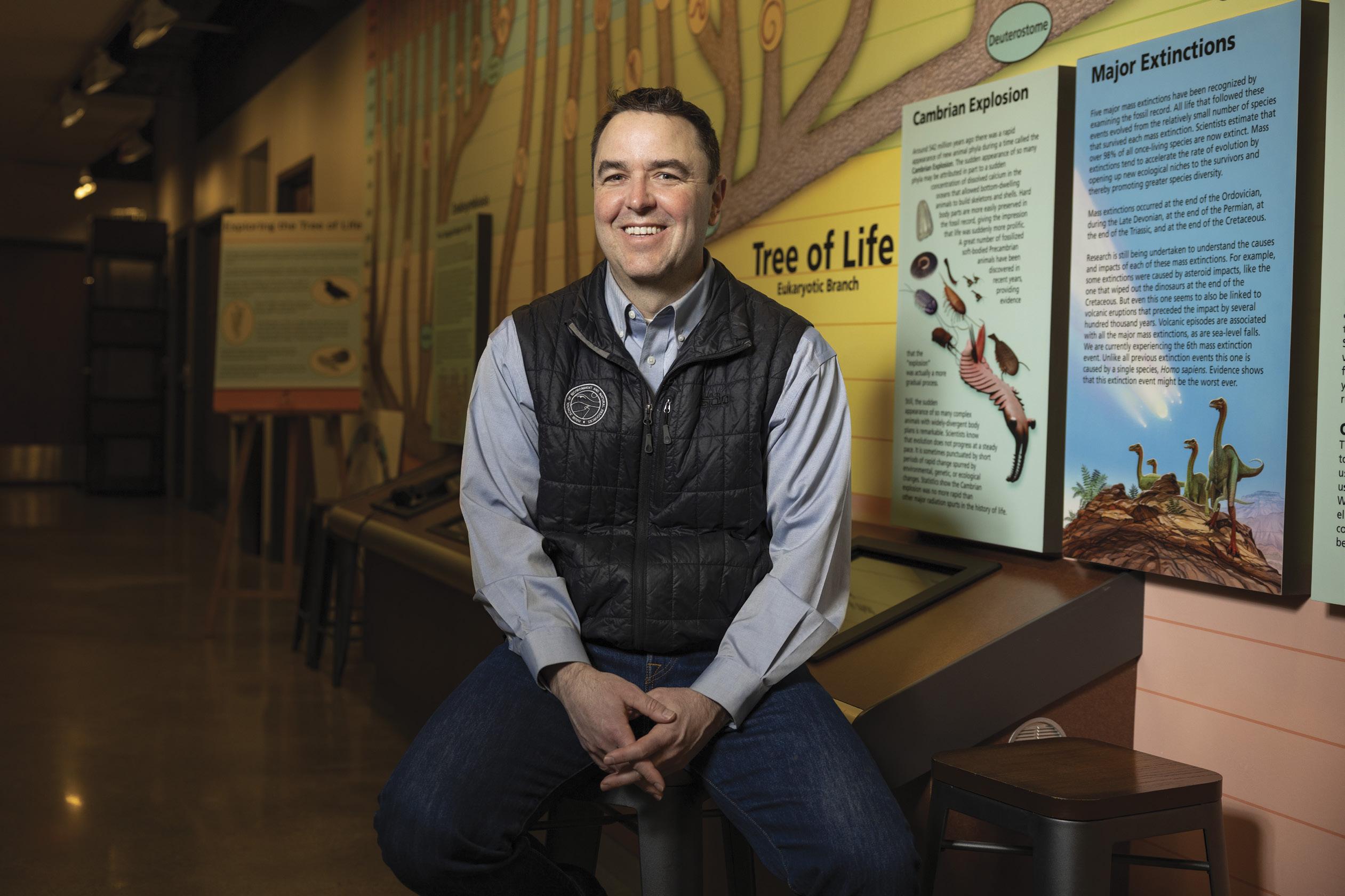
Bridging Stewardship and Student Success with Drew Bennett
By Sunnie Lew
In a state defined by its vast landscapes and small population, the University of Wyoming becomes a shared thread. UW draws together families, neighbors and entire communities across generations and county lines. Nearly every Wyomingite has a tie to the university. That closeness creates a rare sense of belonging, where connections feel personal even across great distances.
“At the end of the day, my work comes down to relationships,” says Drew Bennett, the Whitney MacMillan Professor of Practice of Private Lands Stewardship in the Haub School of Environment and Natural Resources. “If you don’t have relationships, you don’t get things done. Here, we’re connected to each other and to the land.”
Bennett arrived at UW in 2018, looking for a place where his work
could live beyond the classroom. His position was created through an endowed gift from Whitney MacMillan, former CEO of Cargill, with a focus on connecting academic work to the real-world challenges facing private lands in the American West. Bennett’s work sits at the intersection of conservation, ranching and community. From sustaining wildlife populations to navigating long-term drought concerns, his applied research brings landowners, students and stakeholders into the same conversation.
Those relationships shape how he thinks about stewardship. Rather than viewing support as a transaction, Bennett sees donors as partners searching for the place where their passion can make the greatest impact. In meetings with supporters, he listens for what excites them, then helps connect that interest to opportunities
across the university, even if it leads outside his own program.
Bennett’s own position is a living testament to stewardship’s lasting reach. What began as MacMillan’s gift of a single faculty role has become the foundation for grants, research teams and student opportunities. Over time, he’s watched one gift expand into a network of learning and discovery through the research scientists and students he feels privileged to support.
“MacMillan’s gift created the endowment for my role, but it’s not just one position,” Bennett says. “It’s infrastructure that’s enabled a lot of other things to happen. More money has been raised through this position in grants and contracts than was originally donated to it. And those resources have been put to use. I think about the reach of that gift. I just look at what our students have done, and I’m really amazed and inspired.”
T H E H A U B S C H O O L
O F E N V I R O N M E N T
A N D N A T U R A L
R E S O U R C E S I N T R O D U C E
T H E M O N T E I T H S H O P
O N E D A T A P O I N T A T A T I M E : T H E M O N T E I T H
S H O P ' S M I S S I O N T O A D V A N C E W I L D L I F E S C I E N C E
K e v i n M o n t e i t h i s P r o f e s s o r a n d W y o m i n g E x c e l l e n c e C h a i r i n t h e H a u b S c h o o l o f E n v i r o n m e n t
a n d N a t u r a l R e s o u r c e s a t t h e U n i v e r s i t y o f W y o m i n g G r o w i n g u p i n s m a l l - t o w n S o u t h D a k o t a ,
K e v i n ' s f a m i l y r e l i e d o n h u n t i n g d u c k s , p h e a s a n t s , a n d w h i t e - t a i l e d d e e r t o p u t f o o d o n t h e t a b l e
A c o n n e c t i o n t o n a t u r e t h a t i n s t i l l e d i n h i m a d e e p a n d l a s t i n g a p p r e c i a t i o n f o r w i l d l i f e
T o d a y , K e v i n l e a d s t h e M o n t e i t h S h o p , a n e l i t e r e s e a r c h t e a m f o c u s e d o n a d d r e s s i n g b i g - p i c t u r e
i s s u e s s u r r o u n d i n g t h e m a n a g e m e n t a n d c o n s e r v a t i o n o f l a r g e u n g u l a t e s T h e i r m o t t o i s
" a d v a n c e s c i e n c e a n d m a n a g e m e n t o n e d a t a p o i n t a t a t i m e " T h i s r e f l e c t s t h e i r c o m m i t m e n t t o h a r d - w o n , e m p i r i c a l d a t a t h r o u g h l o n g - t e r m , i n d i v i d u a l - b a s e d f i e l d s t u d i e s T h e s e i n t e n s i v e s t u d i e s h a v e b e c o m e a f o c a l p o i n t f o r u n d e r s t a n d i n g l i f e h i s t o r y , r e s o u r c e a l l o c a t i o n , r e p r o d u c t i o n , a n d b e h a v i o r o f l a r g e m a m m a l s R e c o g n i z e d a s w o r l d l e a d e r s i n n u t r i t i o n a n d p o p u l a t i o n e c o l o g y , t h e t e a m g o e s b e y o n d p r o d u c i n g s o u n d s c i e n c e b y b r i n g i n g t h e i r s t o r i e s a n d f i n d i n g s t o t h e p e o p l e o f W y o m i n g a n d b e y o n d
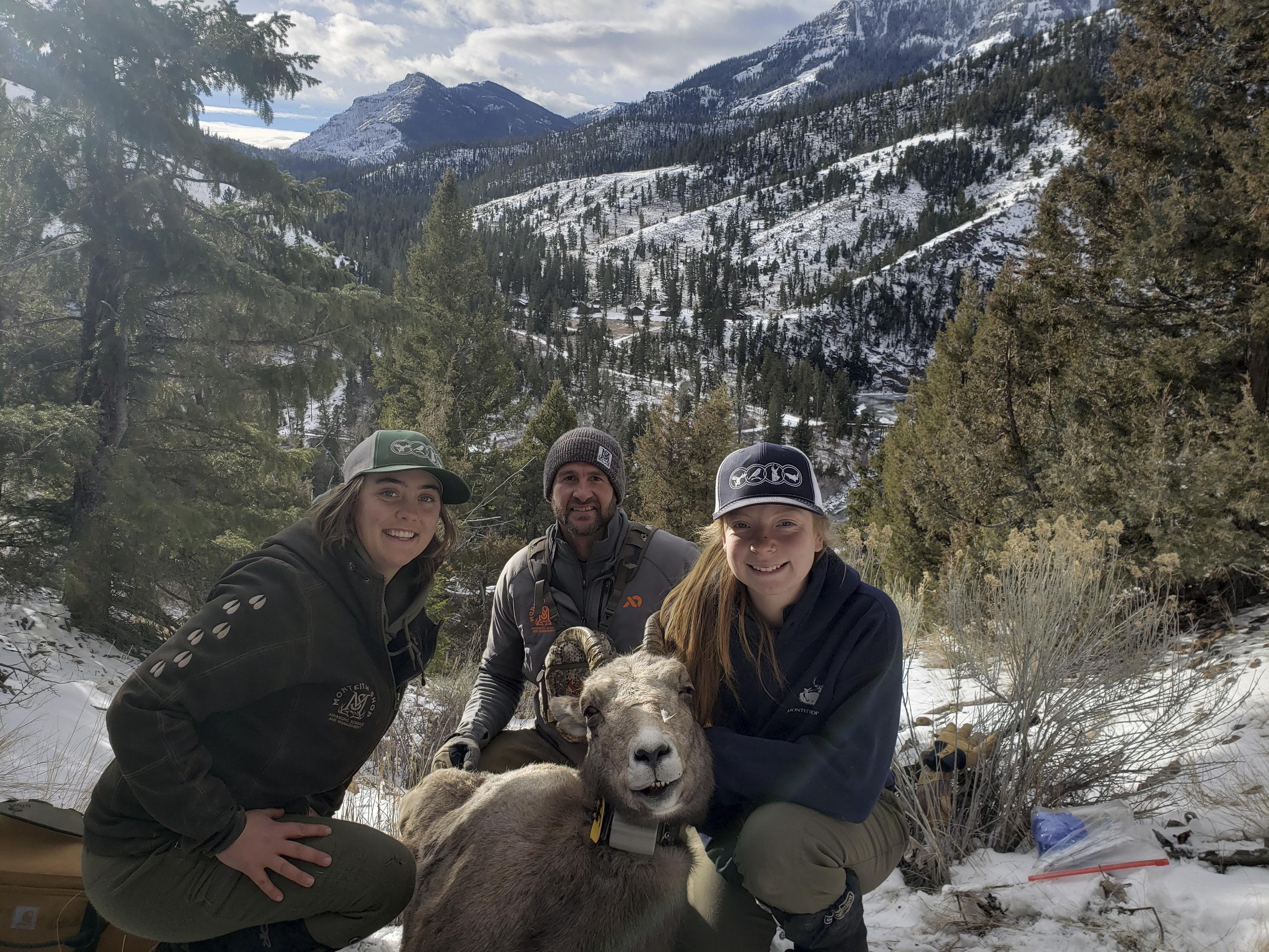
T h e p o w e r o f t h e i r d a t a y i e l d s c a p t i v a t i n g s t o r i e s o f t h e i n t i m a t e c o n n e c t i o n s b e t w e e n a n i m a l s a n d t h e l a n d s c a p e s t h e y c a l l h o m e S t o r i e s t h a t h o l d t h e p o t e n t i a l t o i n s p i r e a n e w f o u n d a p p r e c i a t i o n f o r W y o m i n g ' s w i l d l i f e a n d w i l d p l a c e s T h i s w o r k w o u l d n o t b e p o s s i b l e w i t h o u t t h e s u p p o r t o f d e d i c a t e d p a r t n e r s a n d a g e n c y c o l l a b o r a t o r s

@ h a u b . s c h o o l w w w u w y o e d u / h a u b w w w m o n t e i t h s h o p o r g
Faculty at the
Forefront
Three leaders discuss the impact of endowed positions at the University of Wyoming.
By Micaela Myers
Endowed positions — whether deans, chairs or professorships — are supported by philanthropy. They bring additional prestige as well as flexible funding, allowing the holders to strengthen their impact across teaching, research and outreach. In 1990, the University of Wyoming established its first endowed position, the Wold Chair. Today, the number of endowed positions at UW has soared to over 90.
To discuss the impact of these positions, UWyo Magazine visited with Farm Credit Services of America College of Agriculture, Life Sciences and Natural Resources Dean Kelly Crane, Interim Provost Anne Alexander, and Harry C. Vaughan Professor of Astronomy Daniel Dale, who is also the Carrell Family College of Engineering and Physical Sciences interim dean.
In your opinion, what is the overall benefit of endowed positions?
Anne Alexander: “Having a named position shows distinction. They are very prestigious. Because of that, when you have an endowed position, you can attract the best and brightest. We now have these positions across every area — from business to the archives — creating a powerful impact across campus. At the dean level, these positions help recruit the best leaders who inspire their faculty and students to do great things.”
Kelly Crane: “We’re in a really competitive academic landscape where top-tier faculty and administrators are sought after at a nationwide scale. Endowed support signals not only an institutional commitment but also a stakeholder engagement that is attractive to faculty and administrators.”
Daniel Dale: “Endowed positions promote recruitment and retention, since they provide support for cutting-edge research
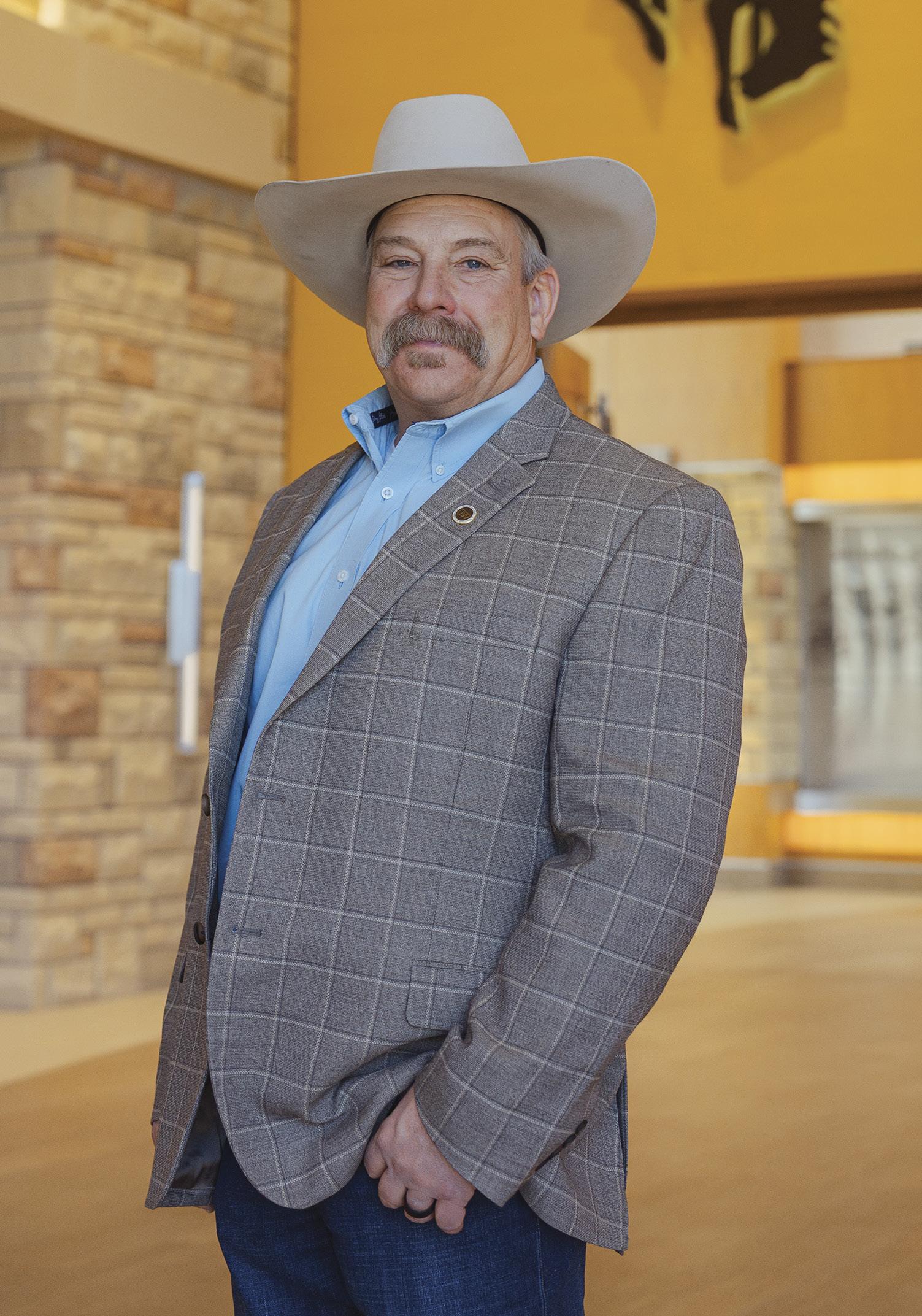
and innovative teaching methods. Though our faculty are expected to garner external funding to support their research, such funds understandably come with their own restrictions. For example, lab renovations, maintenance contracts and certain equipment purchases are typically not allowed. Endowed funds can be pivotal in moving a program forward.”
How are these positions and their funding improving impacts and outcomes at UW?
KC: “Endowed positions are one of the most powerful tools we have to expand our impact. My position allows me to incentivize innovation and growth in areas that base funding will not allow for, with a special emphasis on programs that support production agriculture and serve rural communities in Wyoming. I have funds to support new ideas, to attract a new cohort of students, to develop a new program or to initiate a new research effort. I can deepen student learning experiences with fieldwork, internships, research projects, travel and specialized training. The funding strengthens our academic programs and amplifies our college’s ability to serve the state and the industries in the state. Over time, these
Farm Credit Services of America College of Agriculture, Life Sciences and Natural Resources Dean Kelly Crane
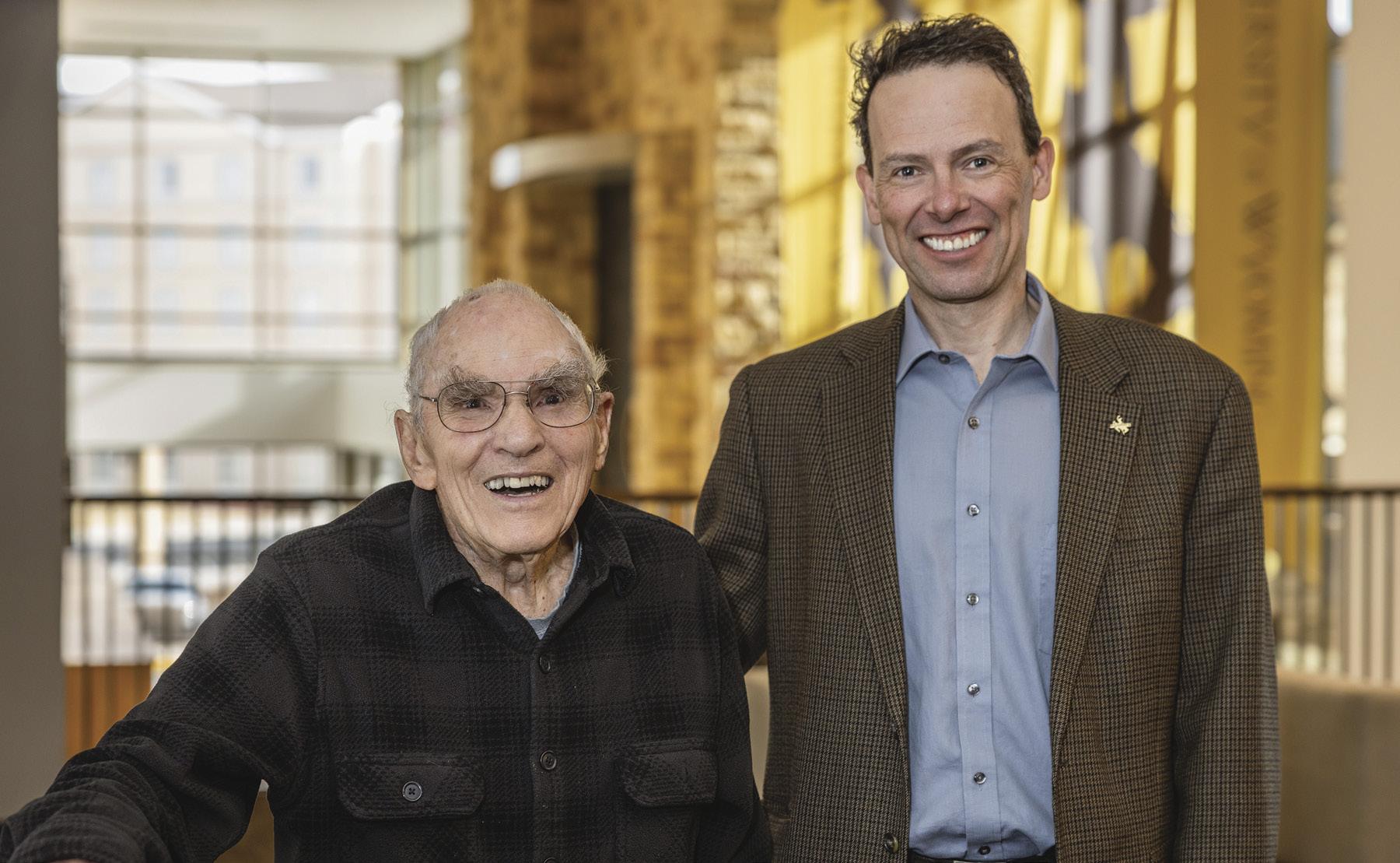
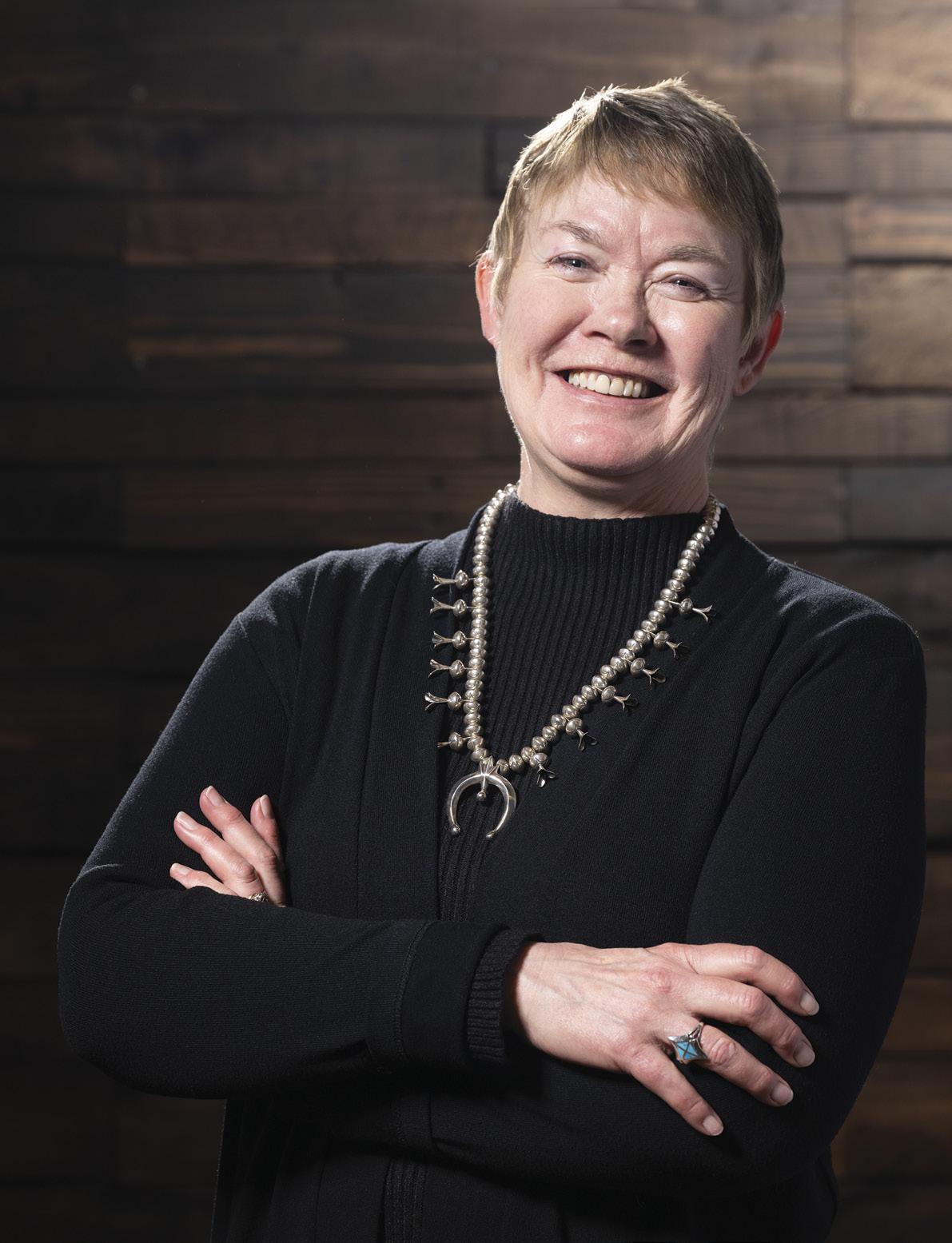
positions elevate our reputation, attract additional resources and create a cycle of excellence. They’re essential to who we are today and critical to who we aspire to become.”
DD: “Many faculty who benefit from endowed positions fund student research stipends and send research assistants to conferences where they can network and present the results of their work. Others will hire lab technicians or postdoctoral scholars who can bring seasoned unique contributions that go beyond what students are expected or even what they’re otherwise able to carry out on behalf of the lab.”
What are your thoughts on UW’s efforts to create more endowed positions?
AA: “It’s a really important tool to build a faculty that the state deserves. It’s amazing how many have been added just recently. I think donors see the value in them because they can see that direct impact on students and the research ecosystem.”
DD: “Our faculty are committed to training the next generation of scientists and engineers as well as finding innovative ways to partner with industry. Endowed positions provide special opportunities for achieving these goals.”
KC: “I wholeheartedly support the efforts to increase endowed positions because it makes us really competitive in recruiting and retaining our faculty and it helps us better serve students. I also think it’s an important measure of support from our stakeholders. All this money started out with somebody’s hard work and risk. When somebody donates it to the university, it is a very direct endorsement of the things we’re doing.”
Interim Provost Anne Alexander
Donor E.G. Meyer with Harry C. Vaughan Professor of Astronomy Daniel Dale, who is also the Carrell Family College of Engineering and Physical Sciences interim dean
Matt Hamilton, Eldon and Beverly Spicer Chair in Environment
and Natural Resources
“The Eldon and Beverly Spicer Chair in Environment and Natural Resources provides a powerful platform and a set of resources to elevate collaborative problem solving. In particular, the Spicer Chair has helped me advance UW’s educational and outreach mission through support for undergraduate students. For example, the chair funds a team that is developing resources to empower local planners conducting collaborative wildfire risk mitigation. These students are gaining professional skills that will help them launch careers as leaders in collaborative decision-making. Beyond campus, the Spicer Chair supports the Collaboration Program in Natural Resources — a yearlong training program for rising leaders in environmental and natural resource management. Participants gain a toolkit for fostering collaborative decision-making. The Spicer family has such a strong reputation for being champions of collaborative approaches for addressing complex societal challenges, and that commitment really brings people to the table and has been invaluable in helping me develop partnerships across the state and the region.”
Anything else you would like to add?
AA: “Getting that direct relationship with industry leaders through these connections really helps us with our curriculum and preparing our students as well as helping our faculty know what the needs of our industry partners are with respect to research. We, in turn, have a lot of phenomenal instrumentation on this campus that industry can benefit from.”
KC: “An endowed professorship comes with a responsibility for accountability, and accountability includes stewarding that gift. It really is the basis of developing a much stronger relationship with the donor, often an industry expert, which creates great outcomes for our students. It also strengthens the relationship with our private donors and alumni. Our college’s 16 endowed professorships represent just under $24 million in philanthropy. It’s humbling and comes with a great accountability to make sure that we create impacts that are equal to that support.”

UNDERGRADUATE DEGREE
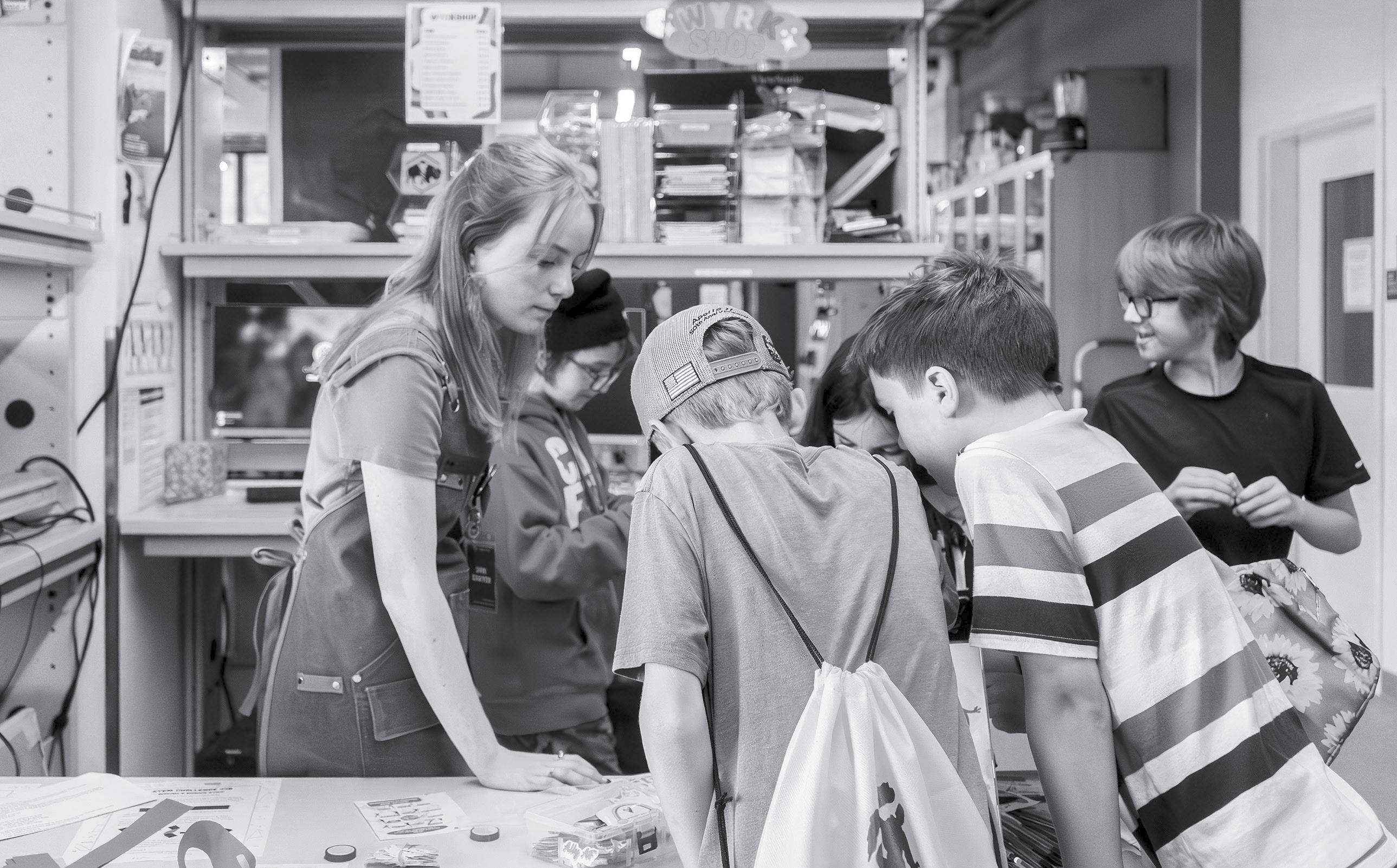
K-14 STEM EDUCATION
OuTReacH
FOR STUDENTS
The UW College of Engineering and Physical Sciences is excited to engage students and teachers in hands-on STEM learning. Strengthening K-14 education can increase the number and quality of students pursuing STEM programs at the University of Wyoming, leading to impactful careers in Wyoming and beyond.
FOR TEACHERS
Engineering Summer Program (ESP)
For rising seniors. June 7-13, 2026
UW Teton STEM Academy
For rising 9th, 10th, and 11th graders. June 12-19, 2026
Astro Camp
For rising 7th and 8th graders. June 12-18, 2026
Information in QR code below.
CLASSROOM VISITS
Our team of CEPS Student Ambassadors can visit classrooms, virtually or in person, to encourage the exploration of the engineering design process.
Machine Learning for High School Teachers (ML4HST)
July 13-16, 2026
Engineering Summer Program for Teachers (ESP4T)
July 20-24, 2026
Information in QR code below.
FIELD TRIPS TO CEPS
Led by current engineering students to provide an introduction to our programs. Enjoy tours of the engineering buildings, interactive learning in our makerspaces, hands-on activities, world-class drilling simulator demonstration, and much more!
Donor-backed deanships, chairs and professorships attract top leaders to the University of Wyoming.
Faculty excellence and student success are the guiding principles of the University of Wyoming. Endowed faculty and administrators — named positions supported by donors — help the university accomplish both goals, bringing in top talent with the funding to support a variety of needs and initiatives across campus.
UW endowed its first position, the Wold Chair, in 1990. Today, the number of endowed positions at UW stands at more than 90. UWyo Magazine spoke with several donors behind the endowments to find out what motivates them.
TRUE FAMILY
For four generations, the True family has maintained strong ties with UW. The family’s patriarch H.A. “Dave” True Jr. was born in 1915 in Cheyenne. Eventually settling in Casper, he and his wife, Jean, had four children: Tamma True-Hatten, H.A. “Hank” True III, Diemer True and David L. True. Over the years, the family founded and operated companies
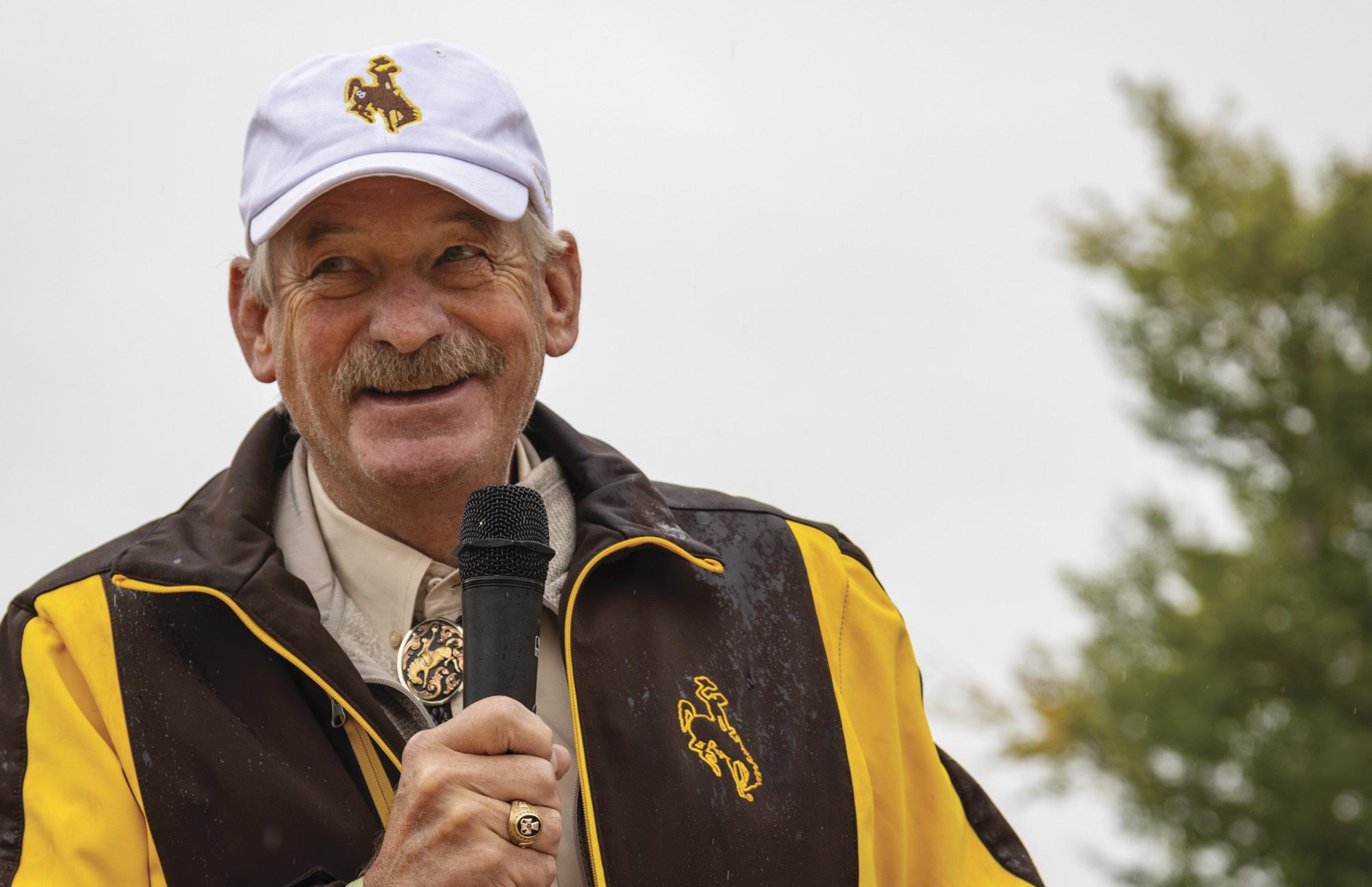
including True Drilling, True Oil, True Ranches, Belle Fourche Pipeline, Toolpushers Supply, Eighty Eight Oil (formerly Black Hills Oil Marketers), Black Hills Trucking, Equitable Oil Purchasing and Hilltop National Bank. The Trues have also served as UW trustees and board presidents, beginning with the elder True and continuing with sons Hank and Dave.
These strong ties motivated the Trues to endow the H.A. “Dave” True Jr. Chair in Petroleum and Natural Gas Economics in 2004 and the H.A. “Dave” True Jr. Family College of Business Deanship in 2023.
“I believe UW and our state need to have a strong business school because we need the skill and the economic mindset,” Dave says.
The purpose of the True deanship is to enrich the business climate within the state by supporting the dean of the College of Business, Scott Beaulier, and the college’s education, research and outreach. Funds can be used to recruit and help retain top talent and to foster excellence and address critical needs and priorities of the college.
“I believe that endowed positions create a long-lasting advantage for UW students,” Dave says. “They bring a higher quality of individual into those positions. Also, the repeated annual source of revenue can advance the dean’s work and the college’s mission.”
Endowed positions also facilitate closer relationships between the donors, often industry experts, and UW colleges.
Inspired
Former UW Trustee Dave True speaks at the unveiling of “A Deep Seat and a Long Rein” at UW. The statue was donated by Dave and Melanie True through their family’s Double 4 Foundation to showcase Cowboy pride and enhance campus.
COURTESY PHOTO
Beaulier says, “Having the True deanship attached to our college has allowed us to grow closer with the True family and their amazing team of employees. These relationships are helping our students with job placement and are a win-win for both us and the True Cos.”
JOHN P. “JACK” ELLBOGEN FOUNDATION
Most people in Wyoming have heard the name Ellbogen — a name that’s become synonymous with education and philanthropy. John P. “Jack” Ellbogen was born in Worland, Wyo. He earned two UW degrees — a bachelor’s in history in 1948, followed by a law degree in 1950 — before becoming a successful independent oil producer. Before his death in 2001, he asked his daughter, Mary Ellbogen Garland, also a UW alum, to head up the foundation in his name.
“My dad had really strong feelings about the quality of his education and how it was the key to his success in business and in his life after he left the university,” Garland says. “In his estate documents, he asked that the foundation give consideration to the university.”
To say Garland has carried out these wishes is an understatement. Virtually no corner of campus is untouched by the Ellbogens’ generosity. This includes two endowed positions and a fellowship, among many other initiatives.
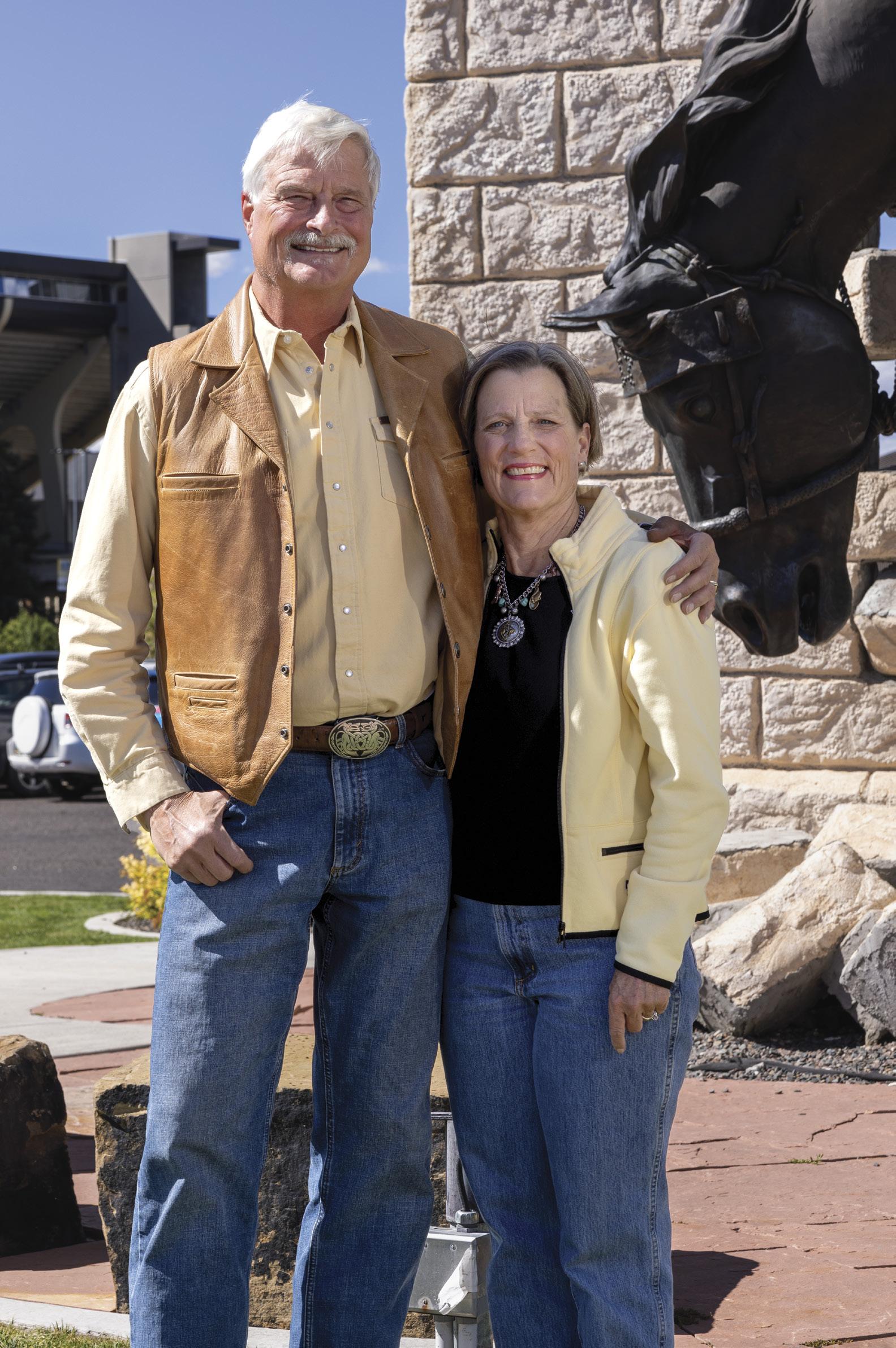
Support
By Micaela Myers
Mary Ellbogen Garland and Rob Garland at the Marian H. Rochelle Gateway Center
Stellar teaching was especially important to Garland’s father, making investments in the College of Education one of their top priorities. In fact, he named the Mary Garland Early Career Fellowship after his daughter.
When the College of Education sought a new dean, the John P. “Jack” Ellbogen Deanship was created in 2020 to attract top talent, becoming the firstever named academic deanship in UW history. The flexible funds allow the holder to strengthen their impact.
“In our case, the dean collaborates with our foundation on how those funds are used, and it’s a really wonderful relationship,” Garland says. “Because the Ellbogen Foundation invests in education across the state, we can think about the big picture. A lot of times, we can help build something from the ground up.”
For example, the funds helped launch UW’s career and technical education initiatives and the Wyoming Rural Teacher Corps.
In 2023, the Ellbogen Foundation endowed the John P. Ellbogen Foundation Professorship of Early Childhood Education.
“This professorship helps to recruit and retain an expert as well as supports
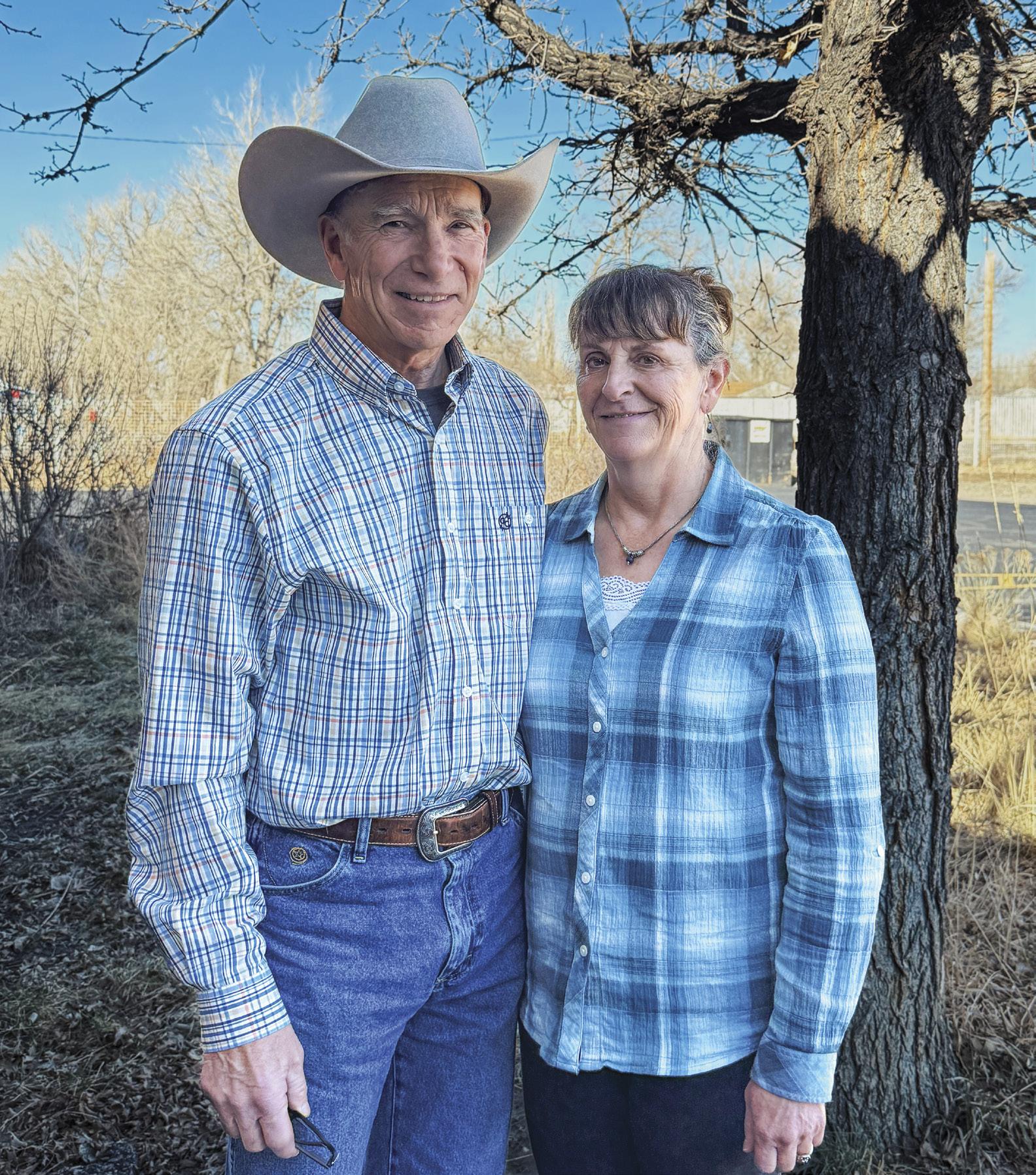
early childhood educators across the state through the Wyoming Early Childhood Outreach Network,”
Garland says. The network, also supported by the Ellbogen Foundation, facilitates collaboration in centers across Wyoming and delivers professional development opportunities.
“Our relationship with UW has been a really wonderful partnership in every way,” Garland says. “UW has given us an opportunity to develop things that we think are really important for the state as a whole.”
DOUG AND DENIZ STARK
There’s a quote from famed Jackson “horse whisperer” Grant Golliher that inspires Doug Stark: “If you’ve ever
had a parent, teacher, mentor, coach or even a friend who deeply believed in your potential, you’ll know how transformative that can be.”
“Many of us have had those experiences at the University of Wyoming, and I feel like it’s really important for us to support our faculty in the form of professorships so that we can attract the brightest and the best to this university for the benefit of our students,” Doug says.
Last year, the Starks made a gift, doubled by state matching funds, to establish the Doug and Deniz Stark Ranch Management and Agricultural Leadership Professorship in the Ranch Management and Agricultural Leadership Program in the College of
John P. “Jack” Ellbogen
Doug and Deniz Stark
Agriculture, Life Sciences and Natural Resources.
“Agriculture has shaped Deniz and me in so many ways — from what we learned working on the ranch to the doors UW opened through education,” he says. “With this professorship, we want students to gain not only practical ranching skills but also leadership, vision and integrity, all qualities that help sustain our communities, our land and our way of life.”
Doug grew up in Riverton and earned his UW agricultural business degree in 1980. Over the next 37 years, he built an impressive career with Farm Credit Services of America, rising to president and CEO. His former employer even endowed the Farm Credit Services of America College of Agriculture, Life Sciences and Natural Resources Deanship. In retirement, Doug remains deeply engaged with UW, co-teaching leadership courses, helping establish the leadership minor and serving in advisory roles across campus.
Deniz was raised on her family’s ranch near Lost Springs and earned her UW agricultural business degree in 1984. Her career path included work with the U.S. Department of Agriculture Rural Development and service in education. Today, the Starks live on their ranch in Converse County and continue to honor their ranching roots while investing in its future.
As UW Foundation board chair, Doug has been instrumental in helping lead the charge to create more endowed positions.
“It’s really a nice trend, and I think it will continue,” he says. “Donors know and see the impact that faculty can have on students, and that motivates them.”
ROY SHLEMON
Roy Shlemon’s path to UW was anything but conventional.
After military service in the early 1950s, he attended local junior and state colleges in California, where he grew up, graduating with a degree in geology.
“Jobs were then not readily available, and so on to graduate school,” Shlemon says. But first, he had to decide which one. “My 1941 Chevy coupe could not ascend mountain roads, but UW offered provisional acceptance to a fellow student who had a car that could. And so, the two of us arrived unannounced in Laramie.”
Surviving Wyoming winters, Shlemon earned his UW geology master’s degree in 1959. After teaching for a few years in California, he pursued his Ph.D. at the University of CaliforniaBerkeley and went on to teach at the University of California – Davis and Louisiana State University, with lectureships at several other colleges.
But the 1971 earthquake in the Los Angeles area changed everything. “In 1972, the state of California enacted laws defining ‘active faults’ and limited construction over and around these faults,” Shlemon says. “Serendipity prevailed. My research, ironically, focused on dating sediments and soils to determine the age and timing of surface fault rupture.”
Launching his own company, Shlemon then traveled the world to investigate faults and slope stability at many proposed nuclear power facilities, large dams and other engineered structures.
Now in his early 90s and “too old to retire,” Shlemon has increased support for higher education. He gives to
several initiatives at UW, most recently funding endowed professorships in engineering and environmental geology and in quaternary studies. The Quaternary refers to about the last 2.5 million years — the time when much of the world’s landscape formed, reflecting ongoing tectonics and climate change.
Shlemon points out the many benefits of giving to UW: “As a small school, donations make a huge impact, with funds usually going directly to a designated beneficiary, whether that be
Roy Shlemon
a faculty member, student or program. Further, the state often provides donor matching funds — a great incentive to give.”
And there is the UW emphasis on what Shlemon calls the personal touch: Foundation personnel are always there to answer the phone and respond to emails, and things get done.
“Perhaps best of all, UW emphasizes donor stewardship,” he says. “Really, a donor just wants to know two things: ‘Where did my money go, and what good did it do?’ And the UW Foundation staff and recipients duly respond!”
A Growing Collection
NEW EXHIBITIONS AT THE UW ART MUSEUM SHOWCASE FOUNDATIONAL GIFTS.
By Michelle Sunset, Director of Curatorial Affairs
The University of Wyoming Art Museum is home to an impressive permanent collection of over 11,000 artworks representing diverse cultures, mediums, genres and time periods. While many members of our campus and broader communities regularly engage with the museum’s exhibitions and programs, the story of how this expansive collection came to be is less widely known.
Collecting efforts began in the late 1960s, when UW’s visual arts department began acquiring original works of art to support studio art instruction. These early acquisitions were intended as hands-on teaching tools, giving students the invaluable opportunity to study original artworks firsthand. In 1972, the UW Art Museum was formally established to steward the growing collection and to organize original exhibitions. Since then, the museum has developed into an encyclopedic collection of remarkable scope and depth built primarily through the generosity of donors and supporters. Endowment funds and direct gifts of artwork have played a central role in shaping the museum’s holdings and ensuring their long-term care.
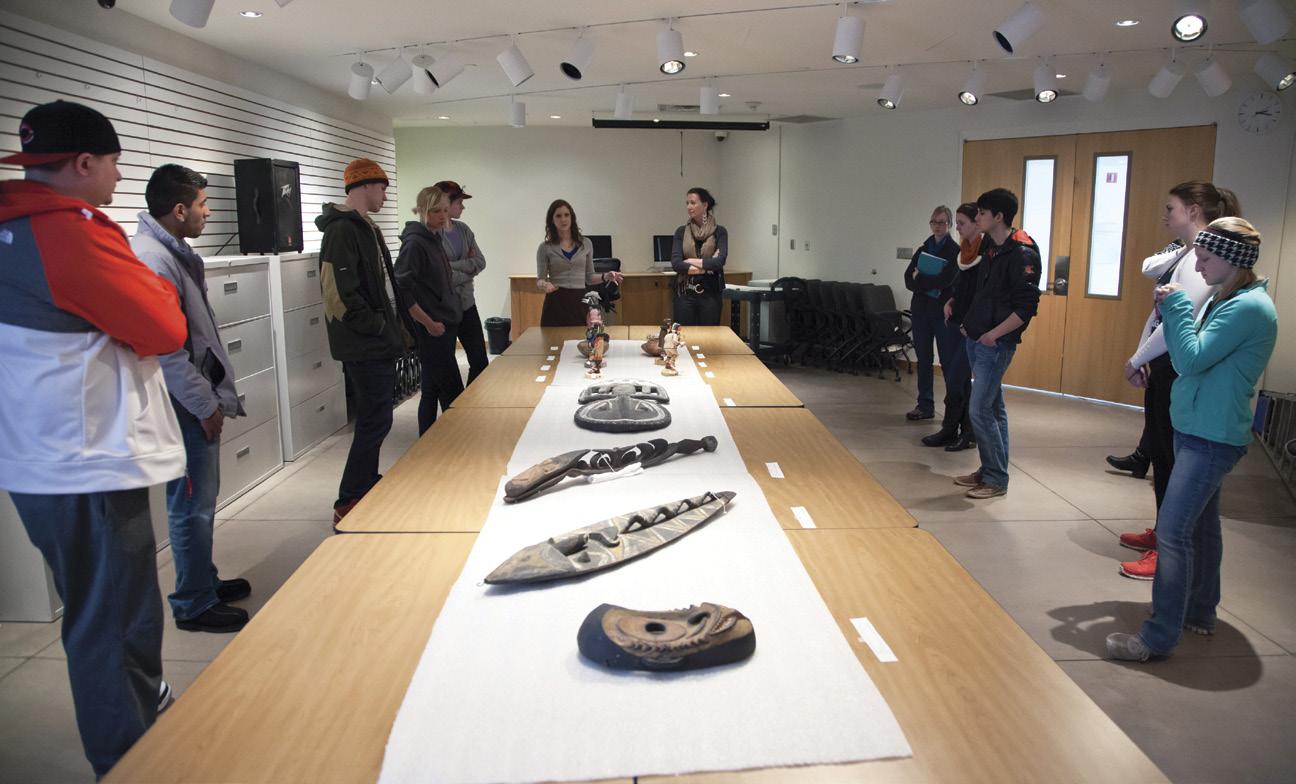
the collection. An exhibition of contemporary works collected over the past 25 years will showcase the collections built through exhibitions with living artists. In addition, Paul Binnie’s woodblock prints will remain on view in the Gerald and Joyce Lang Print Study Room, the newly opened gallery and classroom space that connects visitors with the traditions of printmaking.
The museum will dedicate 2026 and 2027 to a series of exhibitions that highlight distinct areas of the permanent collection, offering visitors fresh perspectives on its breadth and significance. Among the featured presentations will be a display of masks from cultures around the world that highlight the ceremonial, spiritual and artistic traditions they represent. Prints and photographs by Andy Warhol explore work by the pop art icon in collaboration with Colorado State University. The E.G. Meyer Collection of Western American Art will celebrate regional histories and artistic interpretations of the American West.
Other exhibitions will revisit some of the museum’s foundational gifts, including Works Progress Administration (WPA) artworks — among the earliest major contributions to
As the museum continues to grow, new acquisitions are selected through a thoughtful and rigorous process. The Collections Advisory Committee — composed of two members of the National Advisory Board, two faculty representatives and one member at large — works closely with the museum’s director of curatorial affairs to evaluate potential additions. Through careful research and discussion, the committee considers how proposed works align with the museum’s mission, complement existing holdings and contribute to future exhibitions. In every acquisition, the museum also considers how artworks can support interdisciplinary teaching across campus.
Visit the museum throughout 2026–27 to experience the breadth of the UW Art Museum’s collections from the earliest additions to the most recent. There are also over 2,000 works from the collection available on the museum’s public collections database if you would like to see more: uwyoartmuseum. catalogaccess.com.
Students explore UW Art Museum collections.

A DEEP SEAT AND A LONG REIN
B Ch i N varro
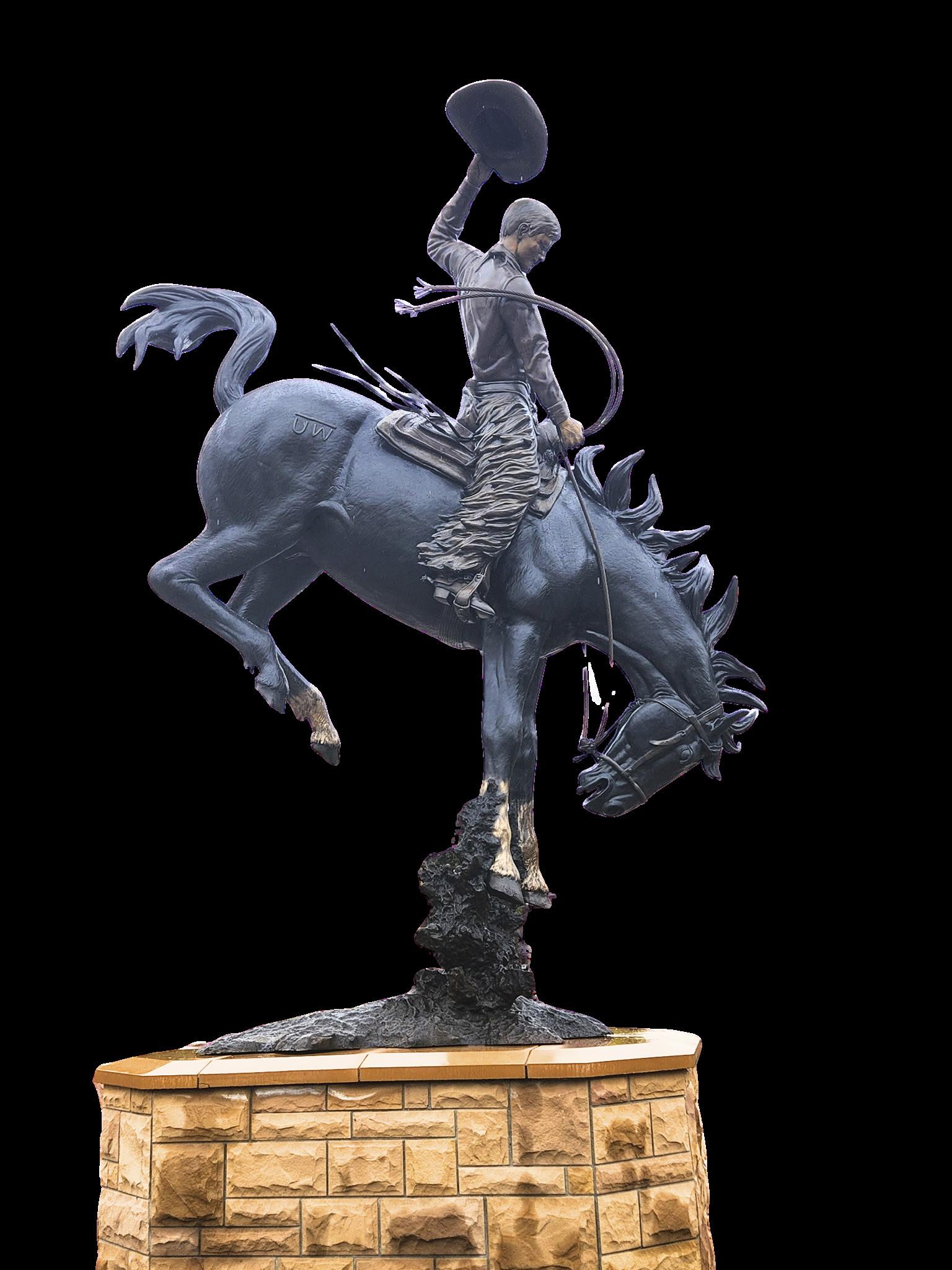
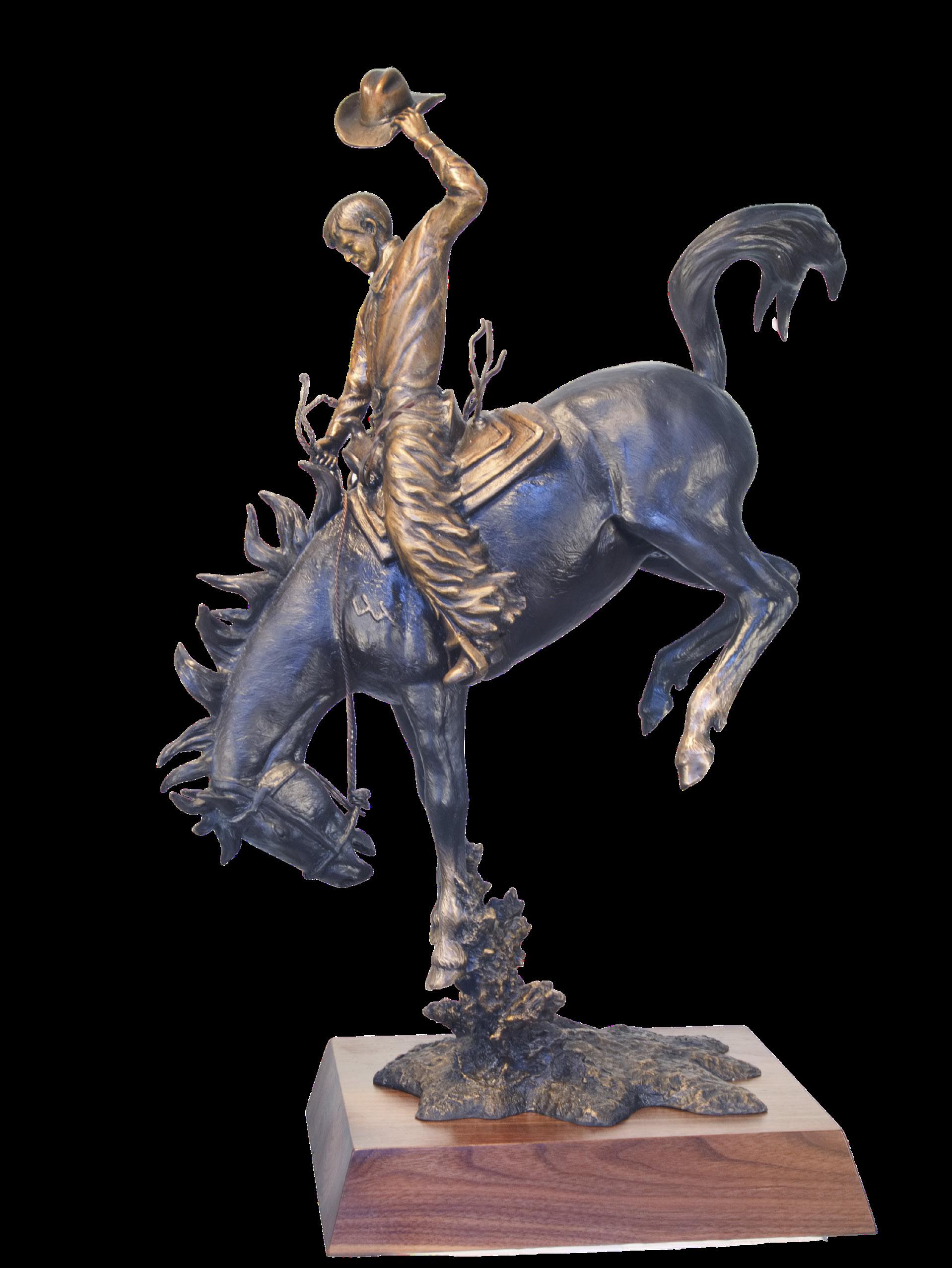
A DEEP SEAT AND A LONG REIN by renowned Wyoming sculptor Chris Navarro. The new 15.5-foot monumental bronze sculpture for the University of Wyoming donated by the Double 4 foundation is located at Ivinson & 15 St. Roundabout. Dedicated October 11, 2025. The sculpture pays tribute to Allen Tupper True, the ar tist who created the iconic "Steamboat" bucking horse logo for Wyoming license plates since 1936. The logo has since become the state's symbol, representing the "Cowboy State". “Steamboat” is not just a logo; it’s a symbol of resilience, adventure, and the indomitable spirit of Wyoming. It represents our beloved state and the University of Wyoming, inspiring generations of students and athletes alike. A limited edition of 75 bronze sculpture maquettes H-24’ ’ L- 16’ ’ X 9’ ’ price $6000. To order your bronze sculpture of Wyoming histor y. th contact Navarro Galler y at (928)-204-1144 or chrisnavarro.com
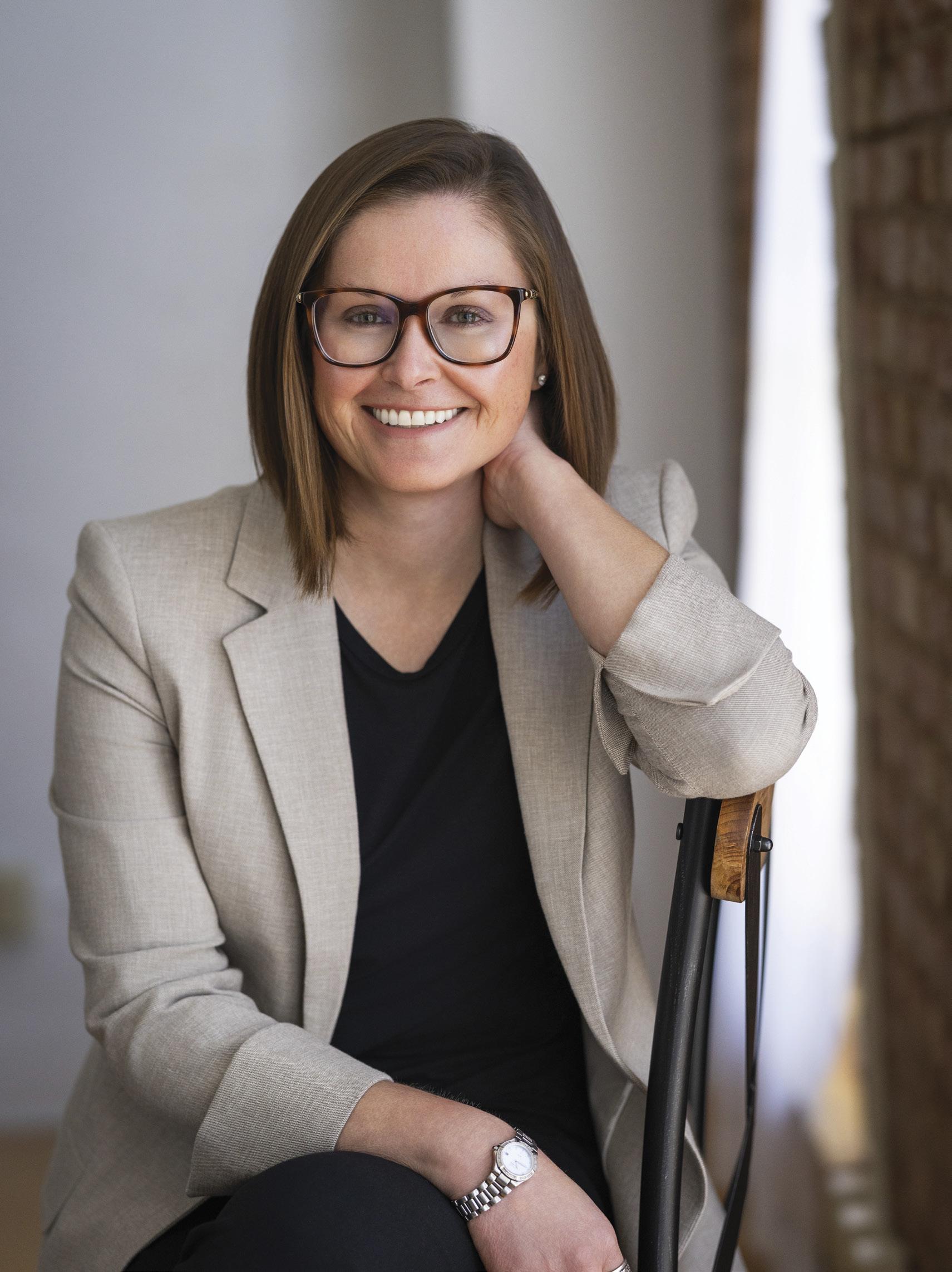
Honoring the Journey
By Jane France
My time serving as board president of the UWAA has been deeply meaningful — not only because of the work accomplished but also because of what the UWAA represents to my family and me. The Alumni Association has been part of my story for as long as I can remember, and leading it felt less like stepping into a role and more like continuing a legacy rooted in connection, service, pride and fun.
Throughout my presidency, I had the privilege of working with an exceptional UWAA team, dedicated board members, alumni volunteers and campus partners who share a belief in the value of alumni engagement. Together, we focused on strengthening the UWAA’s role within the university and expanding opportunities for every alum to engage in meaningful ways.
One of the most significant accomplishments during this time was the transition of the UWAA’s reporting line to the Office of the President. This change reinforced the importance of alumni engagement at the highest levels of the university and strengthened alignment with UW’s broader mission. At the same time, we worked to deepen relationships across campus and increase collaboration with university leadership and academic departments.
We also saw incredible growth in alumni engagement. The UWAA alumni network program now includes more than 20 active networks connecting over 2,000 members across regions, professions and shared interests. Network programming and events have grown significantly, bringing alumni together across the country with shared pride and community.
Homecoming, one of my personal favorites, remains one of UW’s most beloved traditions. It was especially rewarding to see increased participation during my tenure. The addition of a new Alumni Lunch event and re-energized celebration for the 50th year reunion class created more opportunities for alumni to reconnect and celebrate their UW experience, contributing to outstanding energy throughout Homecoming Week. Not even last year’s hailstorm could stop us from celebrating!
The growth of the UWAA itself is a highlight. I have been grateful to welcome new board members who bring fresh perspectives and a deep commitment to the university and our alumni as well as additional
members of the UWAA staff whose passion and commitment are crucial to the success of this organization. I often quip that we are all passengers on Jack Tennant’s rocket ship. While that is a whimsical way to describe our growth, it is true. Jack and his staff have led this organization forward in a remarkable way and will continue to do so. I am so fortunate to have been president of this organization during this time of evolution and success.
My connection to the UWAA continues to be deeply personal. My parents, Dwight and Candace “Candy” France, served on the UWAA Board of Directors, as did my uncle Sherrod France and aunt
Reflecting on Jane France’s leadership and how it has helped shape a new era of alumni engagement, UWAA Executive Director Jack Tennant says: “Under Jane’s leadership as president, the past two years have been focused on expanding opportunities for all alumni to connect with their alma mater. I can’t thank Jane enough for her and her family’s commitment to helping make that vision a reality. For decades, the France family has given their time, talent and treasure to UW, and Jane’s leadership and support the last two years have meant the world to us.”
Jana Cook. In fact, my mom, aunt and uncle all served as UWAA board president. I worked for the UWAA as a student employee, and it was while I was working for UWAA that I met my husband, Ross Hinschberger. One of the highlights of having worked at the UWAA is the fact that I remain close to many board members and volunteers whom I met nearly 20 years ago.
As I step into the role of past president, I do so with gratitude and confidence in the UWAA’s future. I am honored to welcome Joe Evers as the incoming board president, and I look forward to supporting him as he leads us in this next chapter. Serving as board president has been a true honor, and I remain deeply thankful for the people, relationships and shared pride that define the UW Alumni Association. Go Pokes!
E
V E N T Supcoming
MAY 13 Senior Send Off Laramie, WY
MAY 15 Rodeo Alumni Network Event Laramie, WY
MAY 27 Accounting Alumni Network Event Cheyenne, WY
MAY 30 UW Day at the Astros Houston, TX
JUNE 5 Pokes at the Park Billings, MT
JUNE 9 CTE Alumni Network Event Laramie, WY
JUNE 20 UW Night at the Rockies Denver, CO
JULY 6 Pokes at the Stampede Calgary, Canada
JULY 25 UW Day at Cheyenne Frontier Days Cheyenne, WY
AUGUST 6 Denver Alumni Network Event Denver, CO
AUGUST 9 UW Day at the Mariners Seattle,
AUGUST 13 Pokes at the Park Cody, WY
AUGUST 15 Colorado Springs Alumni Network Hike Colorado Springs, CO
SEPTEMBER 5 Tucson Alumni Network Event Tucson, AZ
SEPTEMBER 5 Nationwide Watch Party
SEPTEMBER 21-26 Homecoming Laramie, WY
An Investment in Wyoming’s Energy Leaders
By Taylor Weidinger
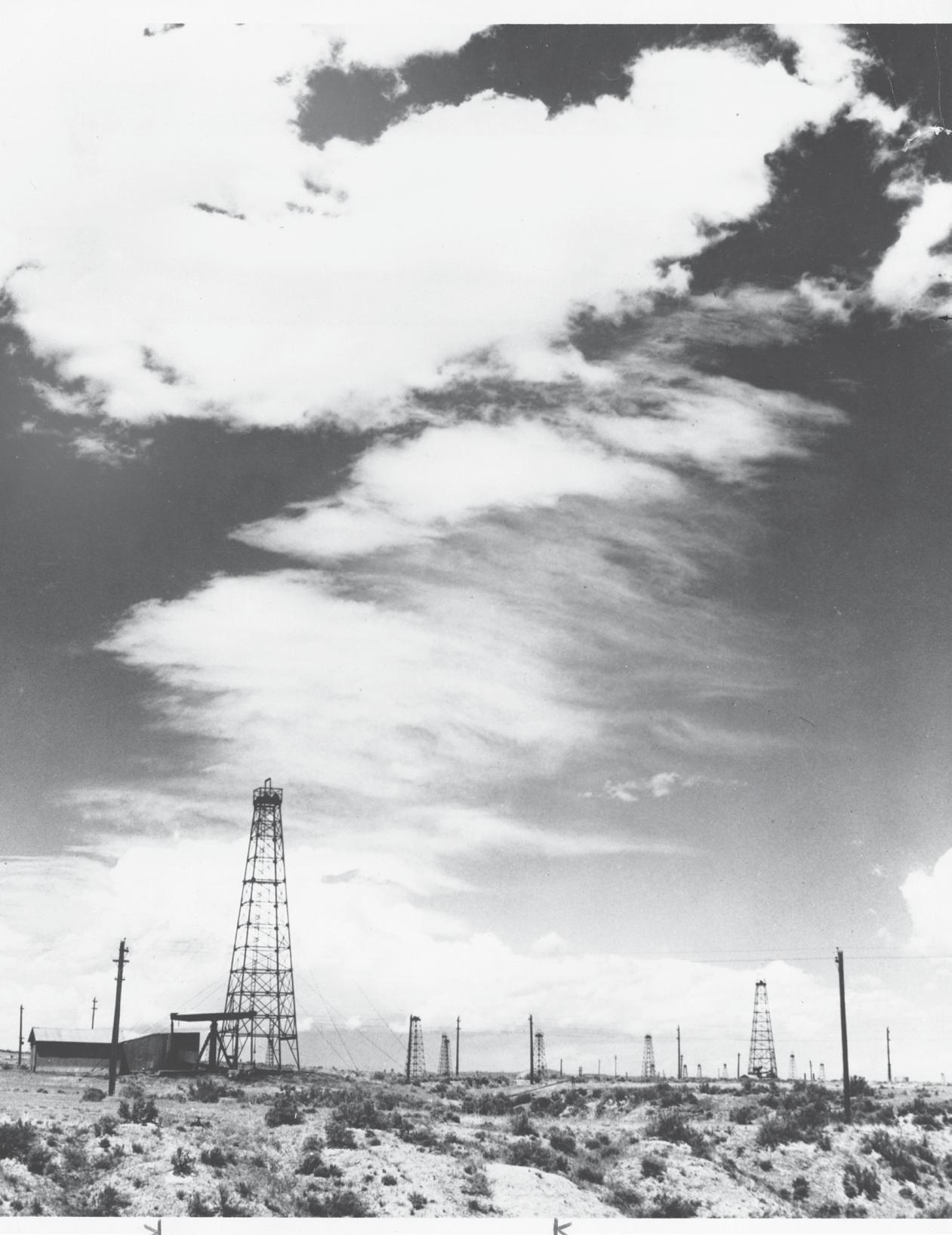
More than 10 years ago, a group of UW alumni and supporters of the College of Law came together around a shared belief: Investing in Wyoming students would strengthen the future of the state’s energy industry. Among those involved in shaping the effort were alumni Joe Evers and Alex Obrecht, who, alongside mentors and fellow alumni, pledged to endow what would become the Salt Creek Energy Excellence Scholarship. With encouragement from their employers and early supporters — including UW College of Law alumni Jamie L. Jost (’02) and Poe Leggette — additional donors stepped forward to help bring the vision to life.
The scholarship gets its name from Salt Creek, the birthplace of Wyoming’s oil industry, honoring the grit and ingenuity that helped build the state’s energy legacy. Early contributions to the scholarship’s expendable fund allowed the program to award its first recipient before the endowment was fully established.
The idea first took shape while Evers and Obrecht were law students. Both were drawn to energy law but found it difficult to connect with UW alumni working in the field.
“As students, Alex and I were drawn to energy law and frustrated by how hard it was to connect with UW alumni in the field,” Evers says. “We wanted to build a network — and a Salt Creek brand — that signaled to employers that Salt Creek Scholars from UW were worth hiring.”
Over time, the scholarship has grown through the support of dozens of donors, allowing some recipients to receive full tuition support while building a professional network that extends far beyond campus.
“The Salt Creek Scholars are some of the most impressive law students we have seen,” Obrecht says. “Now they are even more impressive in the professional world. We think these individuals will be at the forefront of tackling energy issues in Wyoming and elsewhere.”
Looking ahead, the vision for Salt Creek remains rooted in the same spirit that launched the scholarship more than a decade ago — creating opportunity, strengthening connections and investing in Wyominggrown talent. For Evers, the scholarship ultimately reflects something larger than financial support: “The Salt Creek Energy Excellence Scholarship honors the grit and determination of the wildcatters that built this state’s energy industry and now stands as a banner for the Wyoming-grown students who will carry that legacy into the next era of energy.”

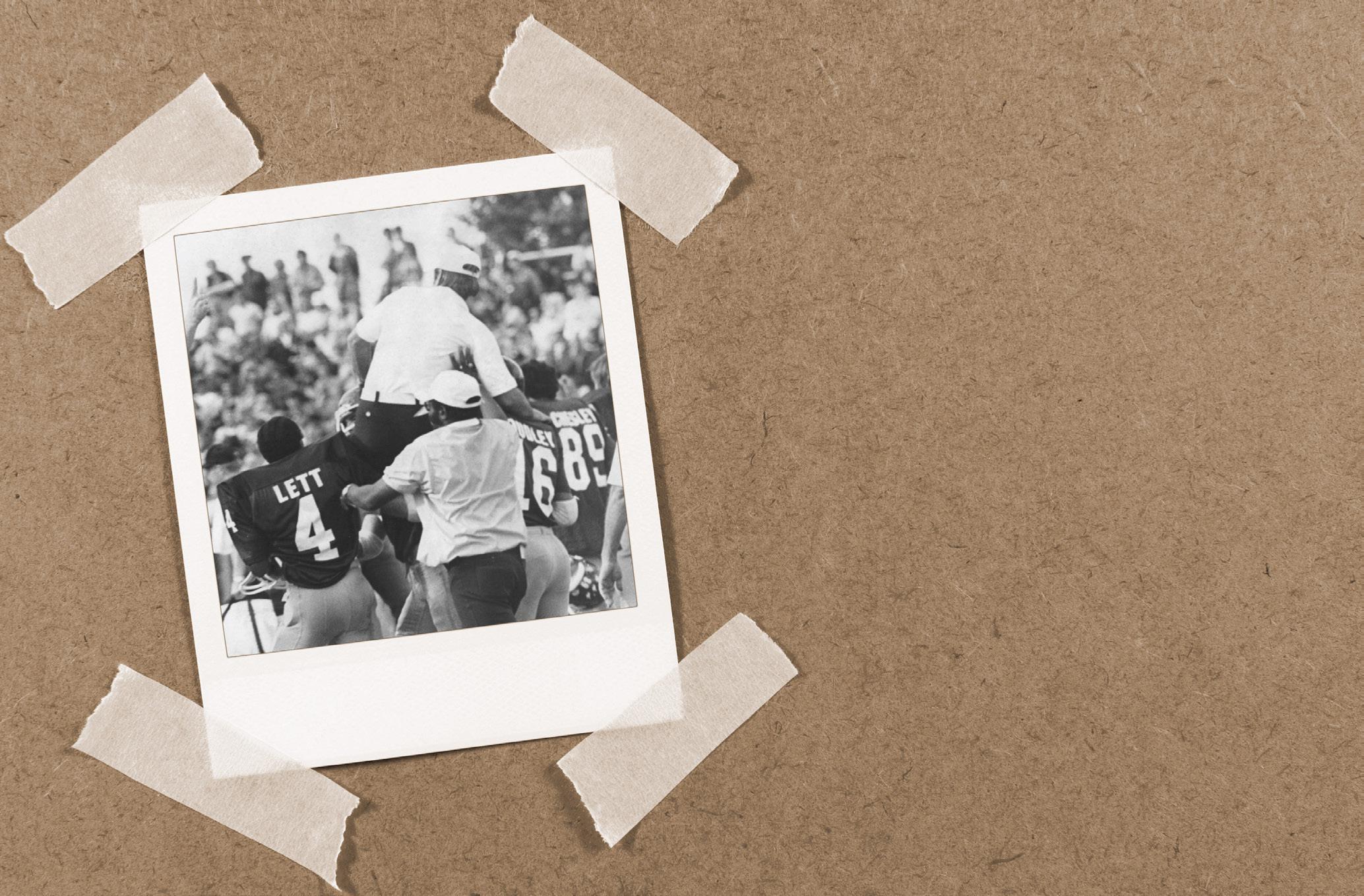



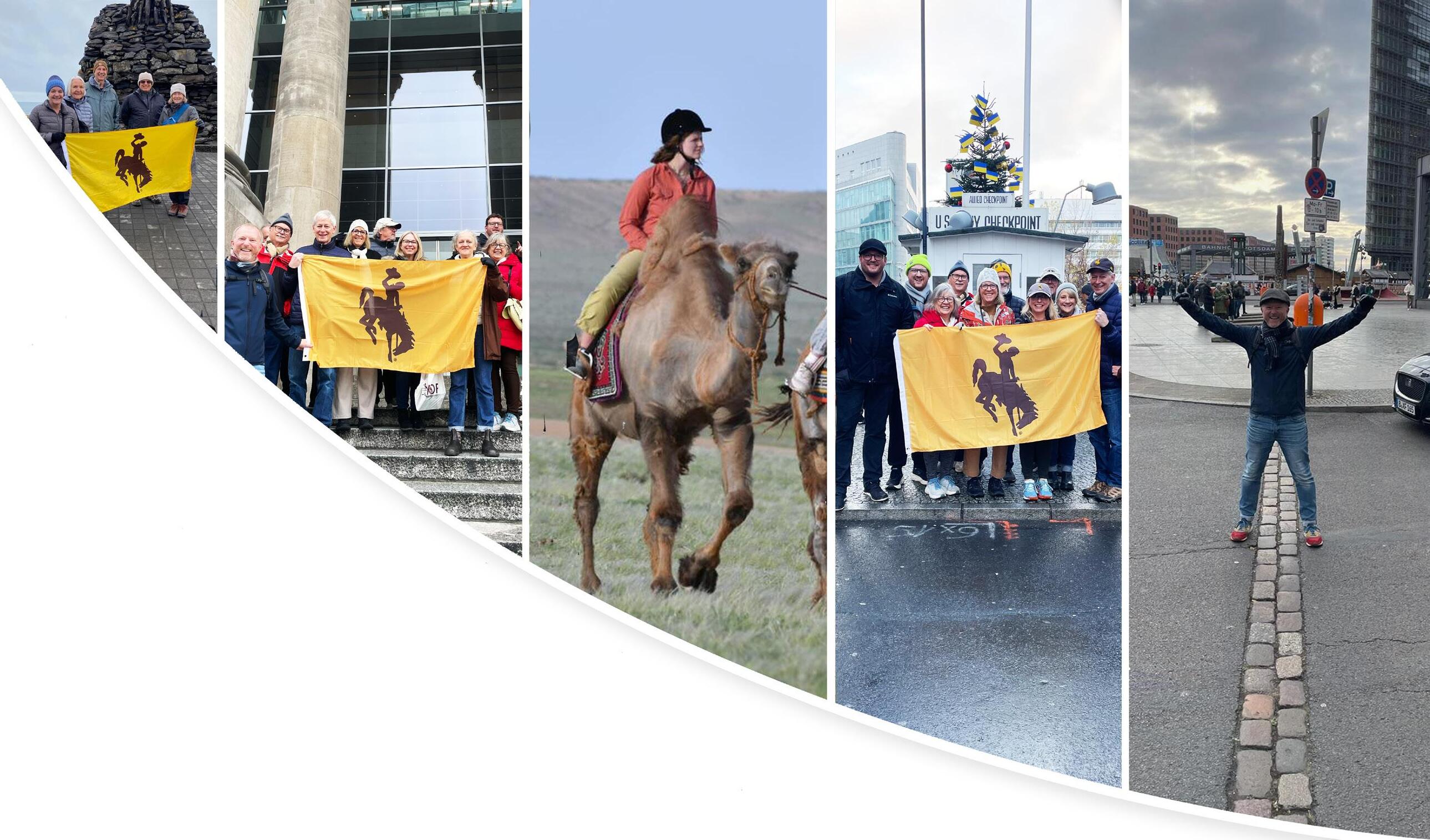
2026 and 2027
TRIPS NOW AVAILABLE
ALUMNI STUDY TOURS
Explore confidently with Alumni Cruises by GoNext Travel.

Enjoy unique experiences cultivated by UW faculty and staff with local expertise.
ALUMNI CRUISES
UPCOMING LOCATIONS
London
Munich
Galapagos Islands
Tunisia

Venice
Alaska
Tahiti
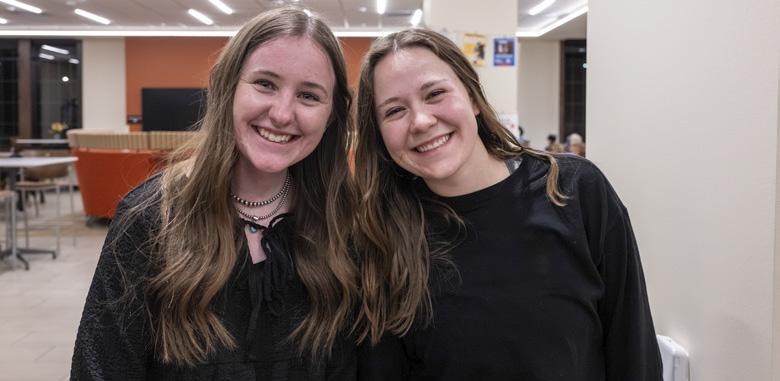
The UW Alumni Association is looking for alumni writers to welcome our incoming Cowboys and Cowgirls! Join the Student Writing Project and receive a mailer with pre-addressed postcards to share your UW experience and encouragement.

https://gopokes.formstack.com/forms/swp
Recognizes UW alumni who have made a difference in the lives of people in Wyoming and is a source of UW strength and pride.
Recognizes UW alumni who are active members of the UWAA and have been leaders and actively engaged in a UWAA network.
Recognizes

Behind many successful alumni is a professor who believed in them first. At the University of Wyoming, faculty mentorship often becomes the defining thread connecting a student’s college experience to a lifetime of growth. Years — even decades — after leaving campus, alumni may not remember every assignment, but they remember the conversations that changed their thinking and encouraged them to aim higher as they shaped their lives and careers. Whether serving in endowed roles or across the broader faculty community, these educators sustain a lasting commitment to excellence and student impact. In this issue’s Steamboat Stories, we highlight the professors whose influence extends far beyond the
MARILYN M. “MEL” (VALENCIANO) BILLINGSLEY
During my time at the University of Wyoming, I served as a resident advisor in White Hall, building friendships and supporting fellow students in ways that felt deeply meaningful. I became involved in campus groups, represented UW as a 1974 homecoming attendant, and embraced every opportunity — including wearing a cowboy hat in the parade as a girl from Hawaii. What stands out most, however, are the lifelong friendships I formed and the mentorship I received. I continue to give back, including supporting the Margaret May Endowment Fund in honor of the dance instructor who opened a new world for me.
DR. DEBORAH L. MCGRIFF
CLASS OF 1999
I chose the University of Wyoming because, as a Land Grant institution, it offered the right balance of academic rigor and accessibility for me as a parent. During my time there, Dr. Al Karnig encouraged me to pursue my doctorate, and Pete Simpson became a trusted mentor whose guidance I sought often. After graduation, I returned to UW as an assistant professor, directing the African American Studies program and chairing the faculty senate. The mentorship I received shaped both my leadership and teaching, leaving a lasting impact on my professional and personal growth.


DR. FRANZISKA ISABEL PETERSON
CLASS OF 2016
I was looking for a way to return to the University of Wyoming after my exchange year and discovered the mathematics education Ph.D. program. When I reached out to Dr. Larry Hatfield, then the endowed chair for mathematics education, he responded with remarkable generosity and detail. I later had the opportunity to learn from Dr. Michelle Chamberlin, Dr. Robert Mayes and Dr. Linda Hutchison, each of whom profoundly shaped my research and teaching. Their mentorship influenced my path in STEM education and continues to guide my work. I remain deeply grateful for their lasting impact on my life.
DELTON J. ROELOFS, EDD
CLASS OF 1974
I had always wanted to attend school out west, and the University of Wyoming felt like the perfect fit for my family and me. What ultimately confirmed my decision were the people. I was fortunate to have Dr. Morris Weir as my advisor — one of the greatest individuals I have ever known. He was both a mentor and an inspiration, and I cherish the years I spent learning from him in Laramie. Following his passing, my wife and I are planning to contribute to his scholarship in his honor, continuing the legacy of someone who meant so much to us.
LAWRENCE ARCHIE “LARRY” CARRELL
CLASS OF 1965
I am proud to have completed my degree at the University of Wyoming and begin a career in the oil and gas industry. My professors were instrumental in preparing me for the responsibilities engineers face in the field, equipping me with both technical knowledge and practical understanding. Reflecting on my time in the Department of Petroleum Engineering, I deeply value the educational and professional foundation it provided. In gratitude, my wife and I established an endowment for the dean of the College of Engineering and a professorship to support faculty recruitment and retention. I remain thankful for the opportunity.


CAREER CELEBRATIONS
By Taylor Weidinger
We love celebrating the achievements of our alumni. From career milestones and promotions to publications, creative work, certifications and awards, we invite you to share the moments that mark your professional journey. Submissions and photos may be mailed to Career Celebrations, UW Alumni Association, 222 S. 22nd St., Laramie, WY, 82070, or emailed to uwalumni@uwyo.edu for consideration.
Brett Thompson, MBA, ’25, began his professional journey with persistence, turning a challenging job search into a strong start in forensic engineering.
During his final year at the University of Wyoming, Thompson applied for positions and interviewed with Delta |V| Forensic Engineering. After several rounds, he accepted an offer in July 2025 and began that fall, starting with training in Charlotte before relocating to Denver. The transition to fulltime work was fast-paced, but he continues to grow his skills and confidence each day.
He credits UW’s MBA program for preparing him through leadership development and relationshipbuilding rooted in the Cowboy Code. “The soft skills I developed at UW helped me become a valuable addition from day one,” he says.
His advice: Enjoy your final time in college, stay persistent and pursue work you genuinely enjoy.
Martin (Marty) Carroll, B.S, ’77, has spent his career expanding access to eye care across Wyoming.
Accepted to optometry school
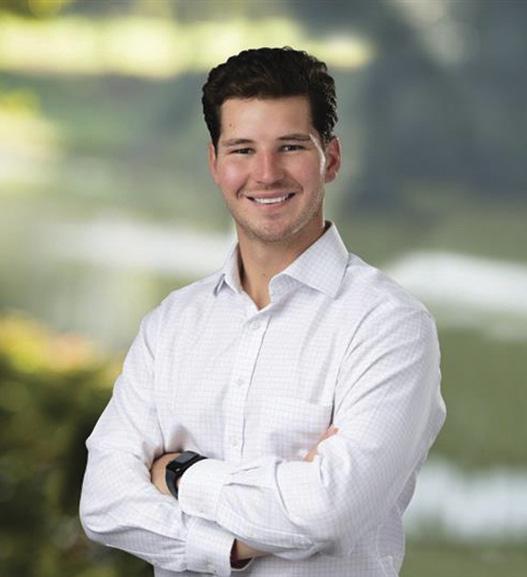
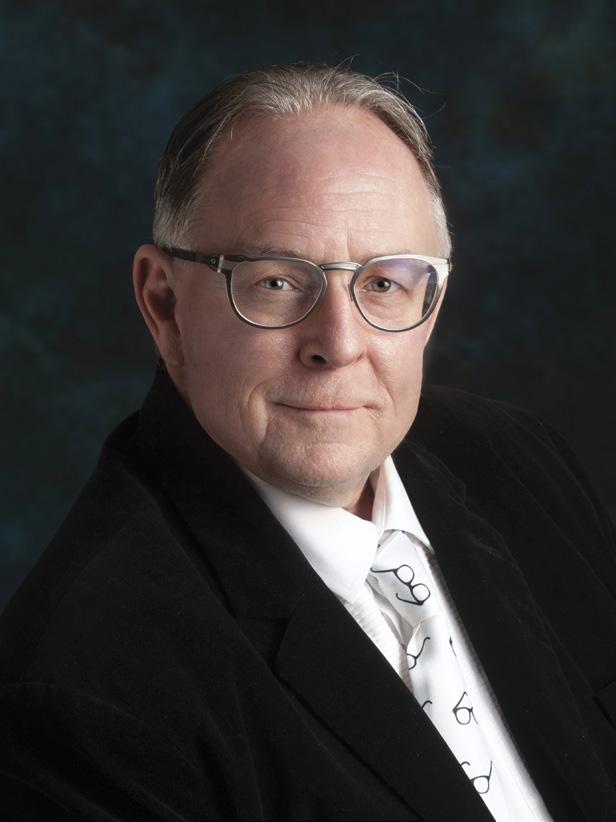
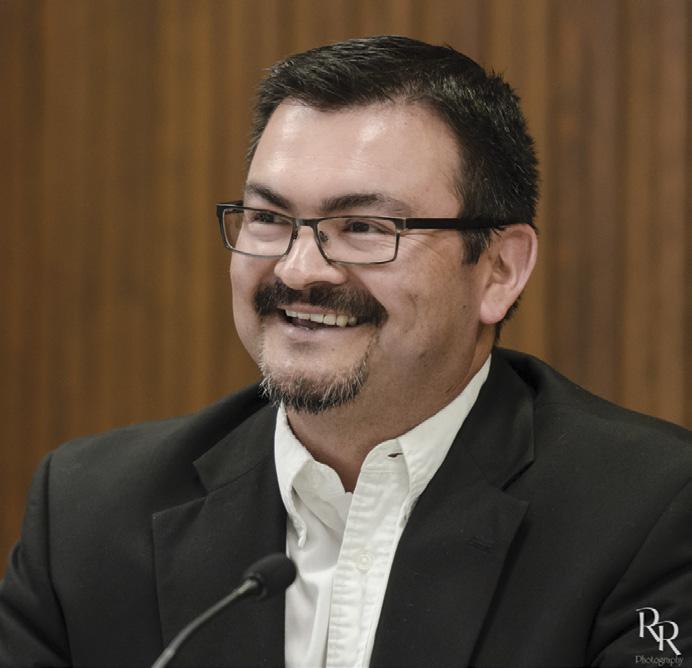
while still at UW, Carroll returned to Wyoming in 1981 to join a practice in Cheyenne. Over time, that practice grew into the largest in the state, serving thousands of patients and supporting longterm vision care for communities statewide.
He credits UW with preparing him to compete at a high level and fostering a mindset of continuous growth. “UW instilled in me the desire to be a lifelong learner,” he says.
His advice is simple: Trust the foundation UW provides and move forward with confidence — you have the tools to figure it out.
Jesus Rios, ’99, has built a career shaped by resilience, reinvention and public service. After graduating, Rios began with
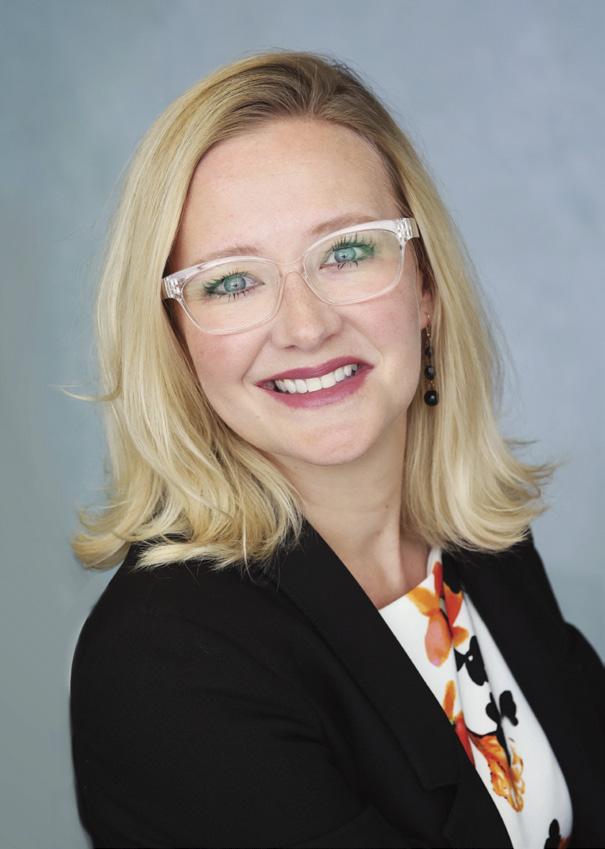
the Daniels Fund before a layoff forced an early pivot. A shortterm telecom role grew into a business development career and led him to co-found Ptolemy Data Systems, where he eventually served as CEO. Today, he leads delivery and engagement for Databricks’ public sector SLED organization.
He points to UW as a key influence, particularly through leadership experiences that shaped his approach to service. “UW gave me the mindset to keep moving forward,” he says. His advice: Embrace uncertainty, lean into challenges, and trust the grit you’ve already built.
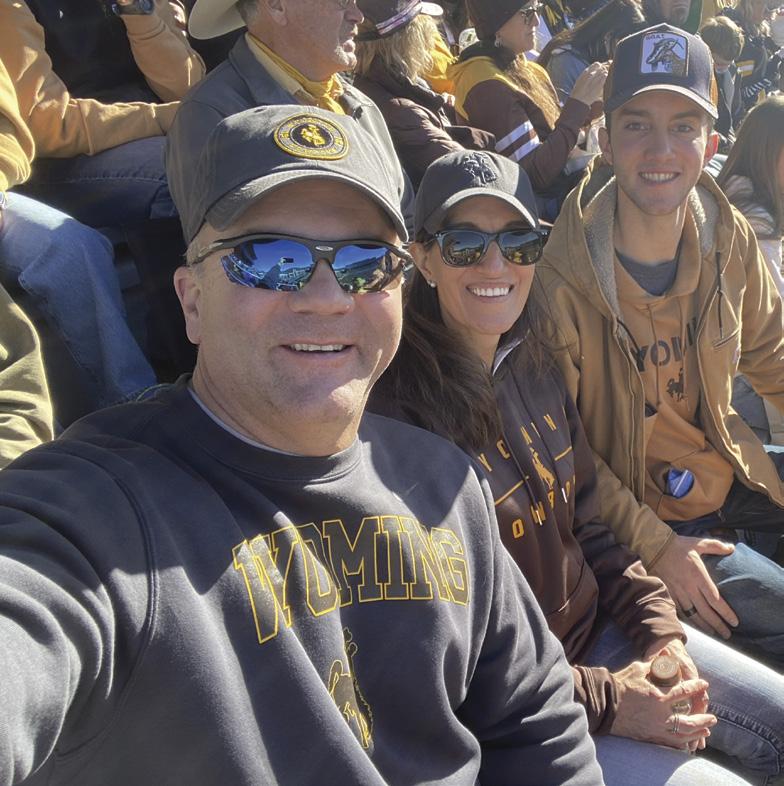
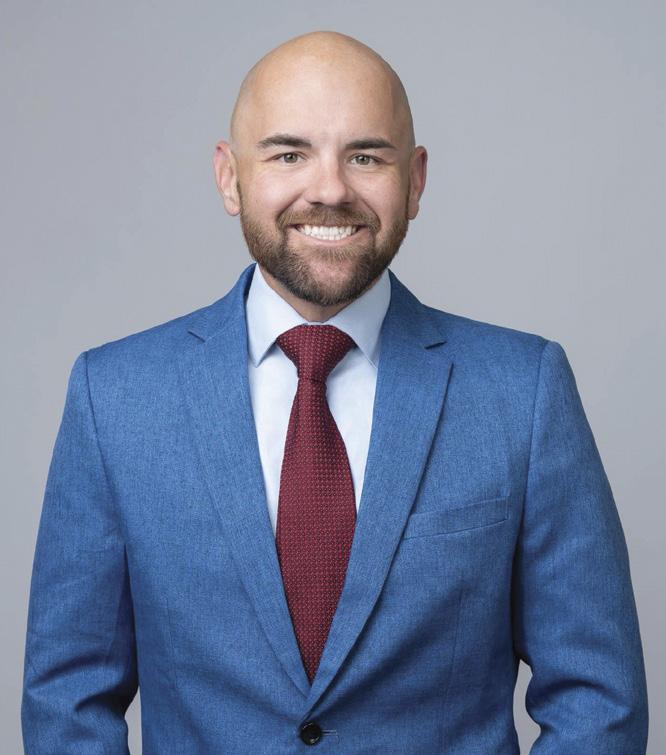
Claire Snyder, ’06, has advanced through a career in commercial banking while remaining deeply connected to community impact in Wyoming. After working in several industries, Snyder entered banking in 2009 and found her focus after returning to Wyoming in 2012. Over the past decade, she has progressed through leadership roles and now serves as senior vice president, earning recognition as a Wyoming Woman of Influence.
As a first-generation college graduate, she credits UW’s advising and support for helping her build confidence and direction. “That guidance was critical to my success,” she says.

Her advice: Expect setbacks, stay focused on growth and understand that meaningful progress takes time.
Michael Lane, ’94, has balanced dual careers in engineering and military service, combining technical leadership with a commitment to public service.
Since graduating from UW, Lane has worked in electrical engineering and project leadership in the Denver area while also serving in the Colorado Army National Guard and U.S. Army Reserve. He now serves as the U.S. Army’s emergency preparedness liaison officer for Colorado.
He credits UW for both academic preparation and lasting relationships. “The connections I formed in Laramie continue to shape my career,” he says.
His advice: Never pass up an opportunity to learn or build relationships — your network will carry you further than you expect.
Samantha Wallen, ’96, has shaped a career centered on writing, teaching and guiding others through creative work.
After graduating, she worked at
the Jackson Hole Guide before returning to UW in an outreach role. Her path later led to Naropa University, where she earned an MFA in poetry, advised graduate students and taught. Today, she works as a writing guide and book coach and recently published "Weight of Water."
She credits UW with helping her find her intellectual voice. “That permission — to trust my curiosity — began at UW,” she says.
Her advice: Take risks, pursue what stretches you and trust that your voice matters.
Jake Scherr, ’14, has taken a nontraditional path shaped by adaptability and a willingness to pursue new opportunities.
After earning his degree in business administration from the University of Wyoming, Scherr began his career working in the coal mines in Gillette before making a major shift to Florida and entering the insurance industry. Over the past decade, he has specialized in serving high-net-worth clients, building expertise and strong relationships within the field.
Scherr credits UW with providing the foundation to succeed across industries, emphasizing the role of the Code of the West in shaping his work ethic and resilience. “UW taught me how to adapt and keep learning in any environment,” he says.
His advice: Stay open to unexpected opportunities — careers aren’t always linear, and growth often comes from taking the leap.
Chandrasekar Venkatraman, ’06, has advanced through global engineering leadership roles, building a career focused on infrastructure and impact.
CAREER CELEBRATIONS
Starting as a field engineer, he progressed through roles with Turner Construction, AECOM and Deloitte before joining Veolia North America. Today, he serves as vice president of engineering and construction, overseeing major capital programs across the U.S. and Canada.
He credits UW with shaping his problem-solving mindset and commitment to lifelong learning. “UW prepared me for a meaningful career,” he says.
His advice: Stay curious, embrace challenges and let purpose guide your work.
Craig Hibberd, MBA, ’14, has built a career marked by thoughtful pivots and steady growth in leadership.
After earning his MBA, he began in commercial banking with Wells Fargo before transitioning into beverage distribution with Bison Beverage. Starting as purchasing manager, he advanced to chief operating officer, now overseeing operations across Wyoming.
He credits UW with opening doors and building confidence to enter new industries. “My education created opportunities I didn’t expect,” he says.
His advice: Embrace change — some of the best opportunities come from unexpected shifts.
Daniel Fetsco, B.S., ’95, has built a legal career grounded in service to Wyoming — one that ultimately brought him back to the UW as a professor.
After graduating, Fetsco moved to Denver for law school, unsure if he would return home. Midway through, he realized Wyoming was where he wanted to begin his career. Since returning in 1998, he has worked across
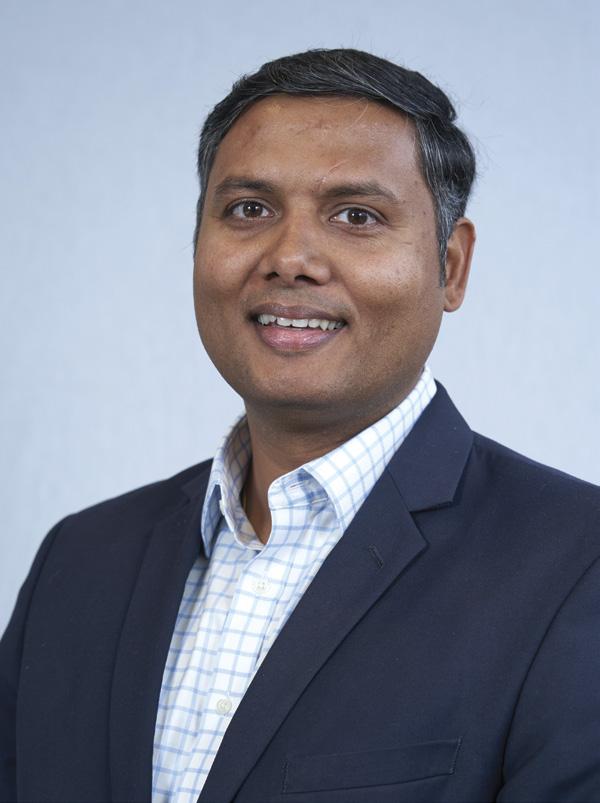
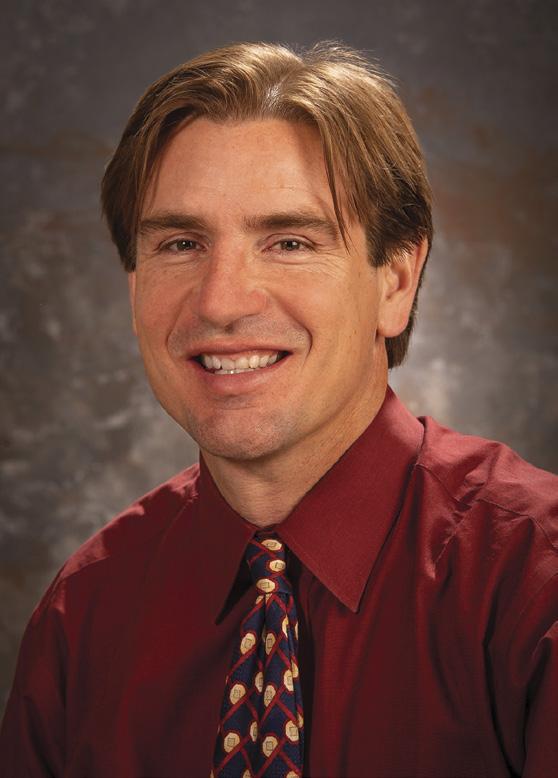
the justice system, including private practice, public defense, prosecution and directing the Wyoming State Parole Board. Today, he teaches at UW and recently published "Cutting Life Short," exploring life sentences in the American criminal justice system.
Fetsco credits UW with helping him change the trajectory of his life through mentorship and opportunity.
His advice: “There is no finish line … don’t let rejection stop you. Celebrate success, stay grounded and be kind to everyone you meet.”
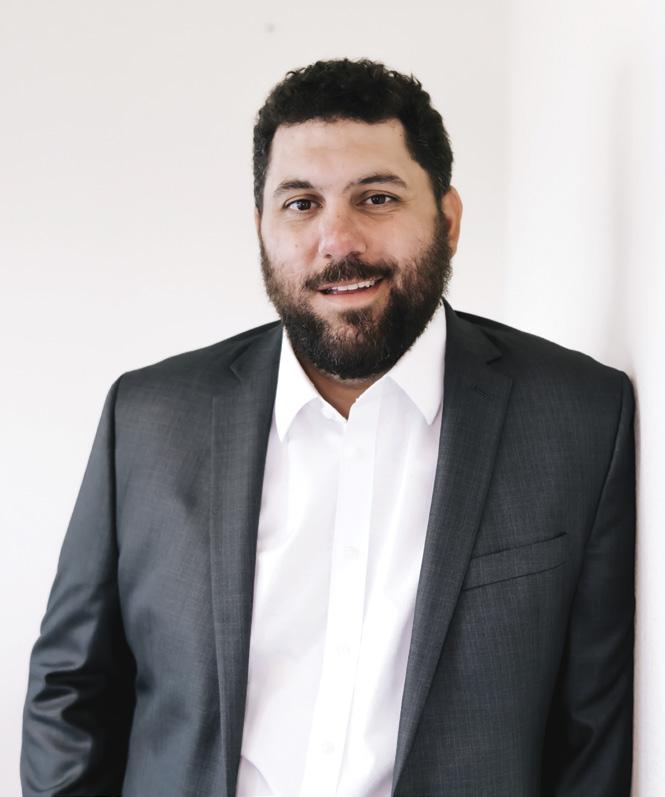
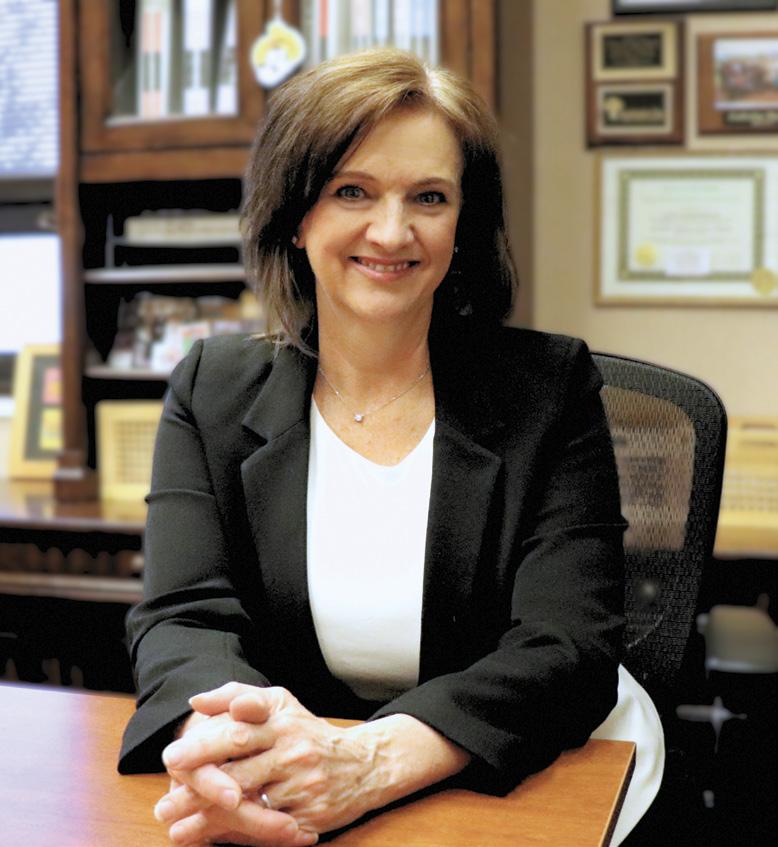
Laura Schmid-Pizzato, ’89, has dedicated her career to strengthening behavioral health services across Wyoming, earning recognition as a Wyoming Woman of Influence.
After earning her master’s degree in social work, she joined Southwest Counseling Service, where she has worked for more than three decades. As recovery services manager, she expanded programs statewide and secured over $25 million in funding.
She credits UW with building the critical thinking skills needed to navigate complex systems. “That foundation allowed me to turn ideas into action,” she says. Her advice: Push boundaries, seek new perspectives and have the courage to speak up.
Here are some archival stories from The Branding Iron that trace how donor investment has enhanced teaching, discovery and opportunity across campus.
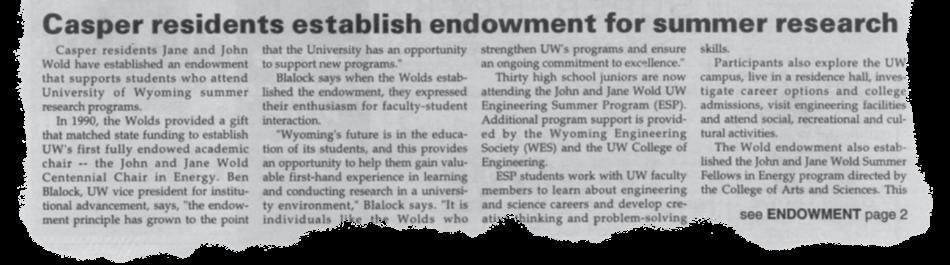
John Wold
The history of UW endowed faculty positions began in 1990 when John and Jane Wold established the John and Jane Wold Centennial Chair in Energy. John Wold was a U.S. Representative, World War II veteran, geologist, business executive and philanthropist. In 1999, the Wolds supported the Engineering Summer Program. For more on these gifts, see the June 24, 1999, Branding Iron.
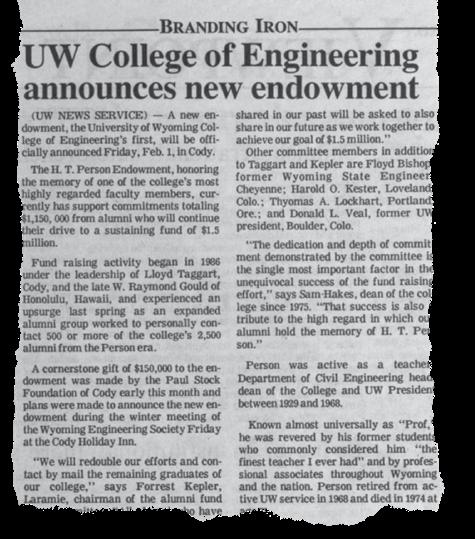
H.T. Person
The H.T. Person Chair in the College of Engineering and Physical Sciences was established in 1991 with a cornerstone gift from the Paul Stock Foundation and the concerted fundraising efforts of the Wyoming Engineering Society. It honors Hjalmar Thorval Person, an outstanding educator who served from 1929 to 1968 as professor of civil engineering, department head, dean of the college and UW’s 16th president. For more on this gift, see the Jan. 31, 1991, Branding Iron.
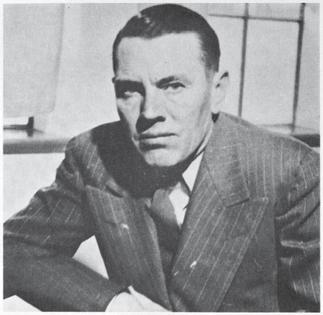
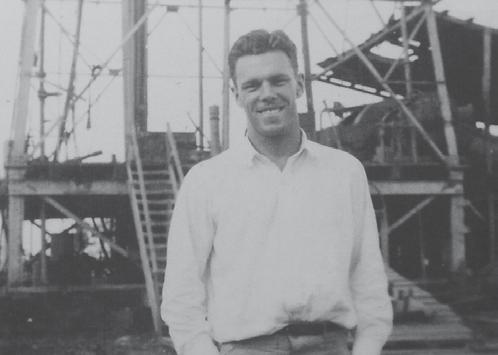
John Wold in 1946 on a drilling rig for Barnsdall Oil Co. off the Gulf Coast, from AAPG
Dean H.T. Person from the 1949 WYO annual, p. 36.
The Branding Iron, Volume 101, Number 114, June 24, 1999
The Branding Iron, January 31, 1991
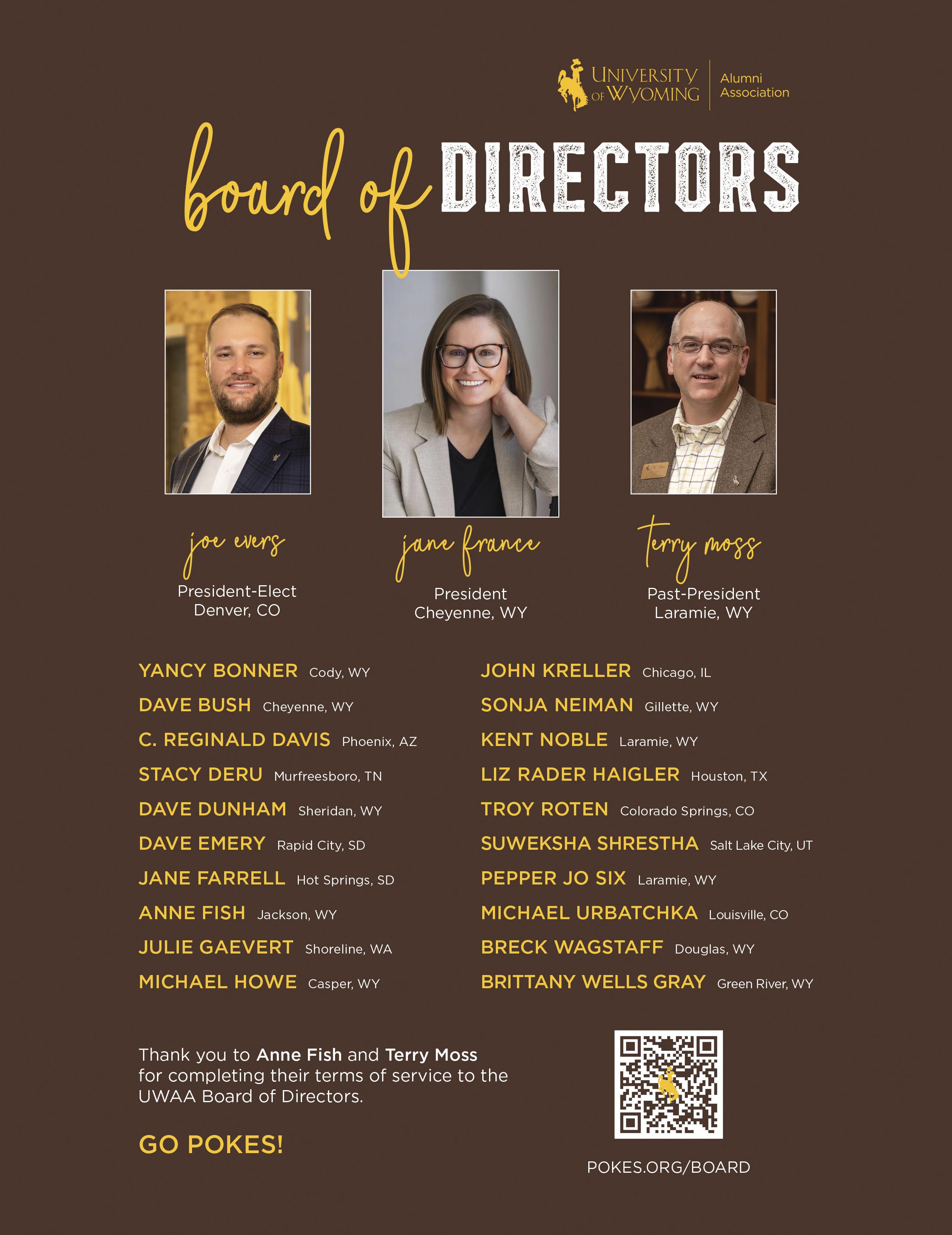
The College of Arts & Sciences o ers a distinct and well-rounded education in Fine Arts, the Humanities, Social Sciences, and Interdisciplinary Programs. Whether you're interested in pursuing a degree in A&S or looking for ways to unlock your creativity, nationally-ranked degree programs and courses with A&S provide an opportunity to gain valuable education and skills. Our programs involve work in the creative fields, using data, learning new languages, understanding the world around you, and much more.
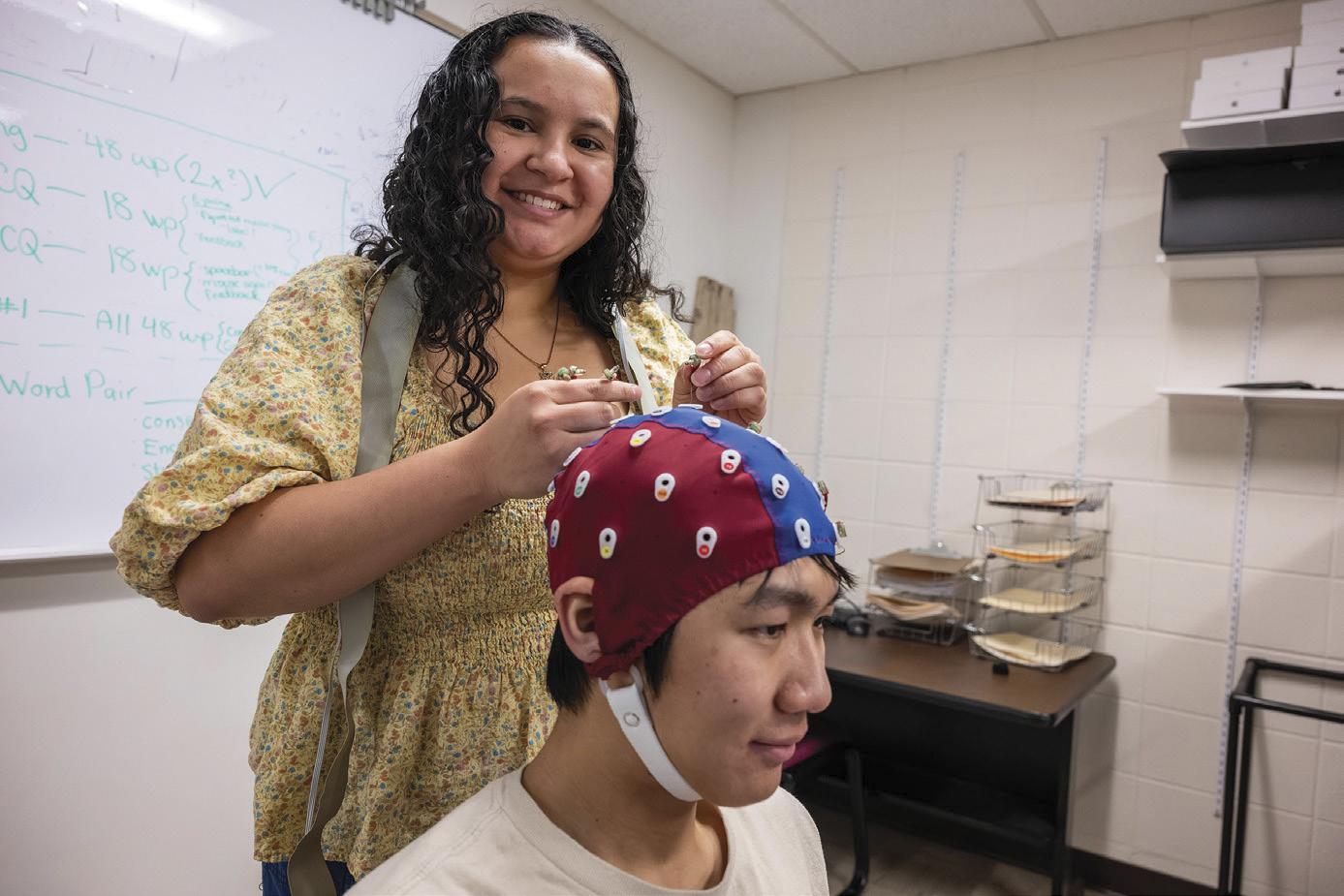
Courses, programs and degrees o ered in:
The Neltje CENTER FOR EXCELLENCE IN CREATIVITY AND THE ARTS
FINE ARTS
Music
Theatre and Dance
Visual Arts
SOCIAL SCIENCES
Anthropology
Communication and Journalism
Criminal Justice and Sociology
Psychology
INTERDISCIPLINARY PROGRAMS
American Cultural Studies
School of Politics, Public A airs and International Studies
Humanities
English
Modern and Classical Languages
Philosophy and Religious Studies
History
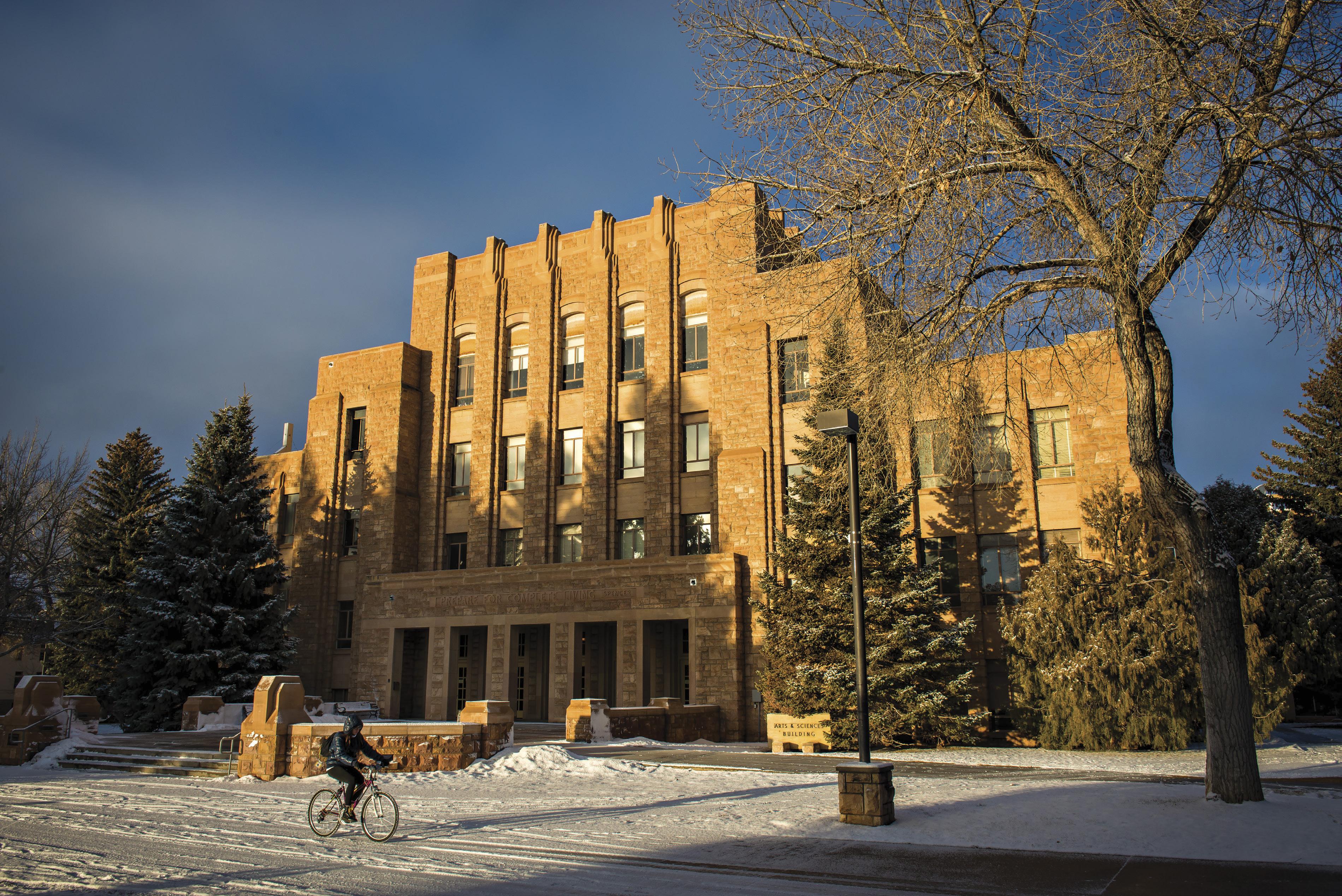

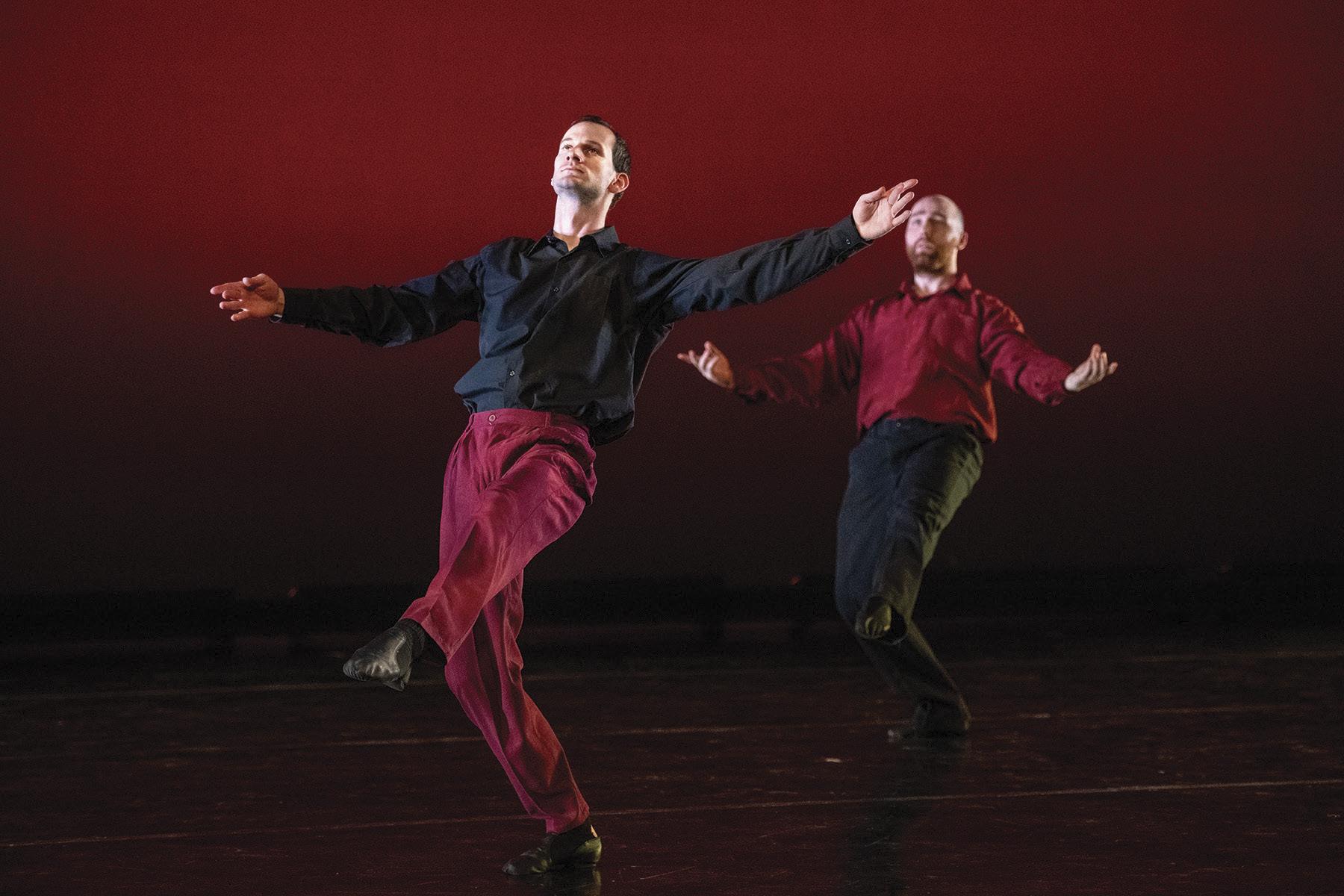
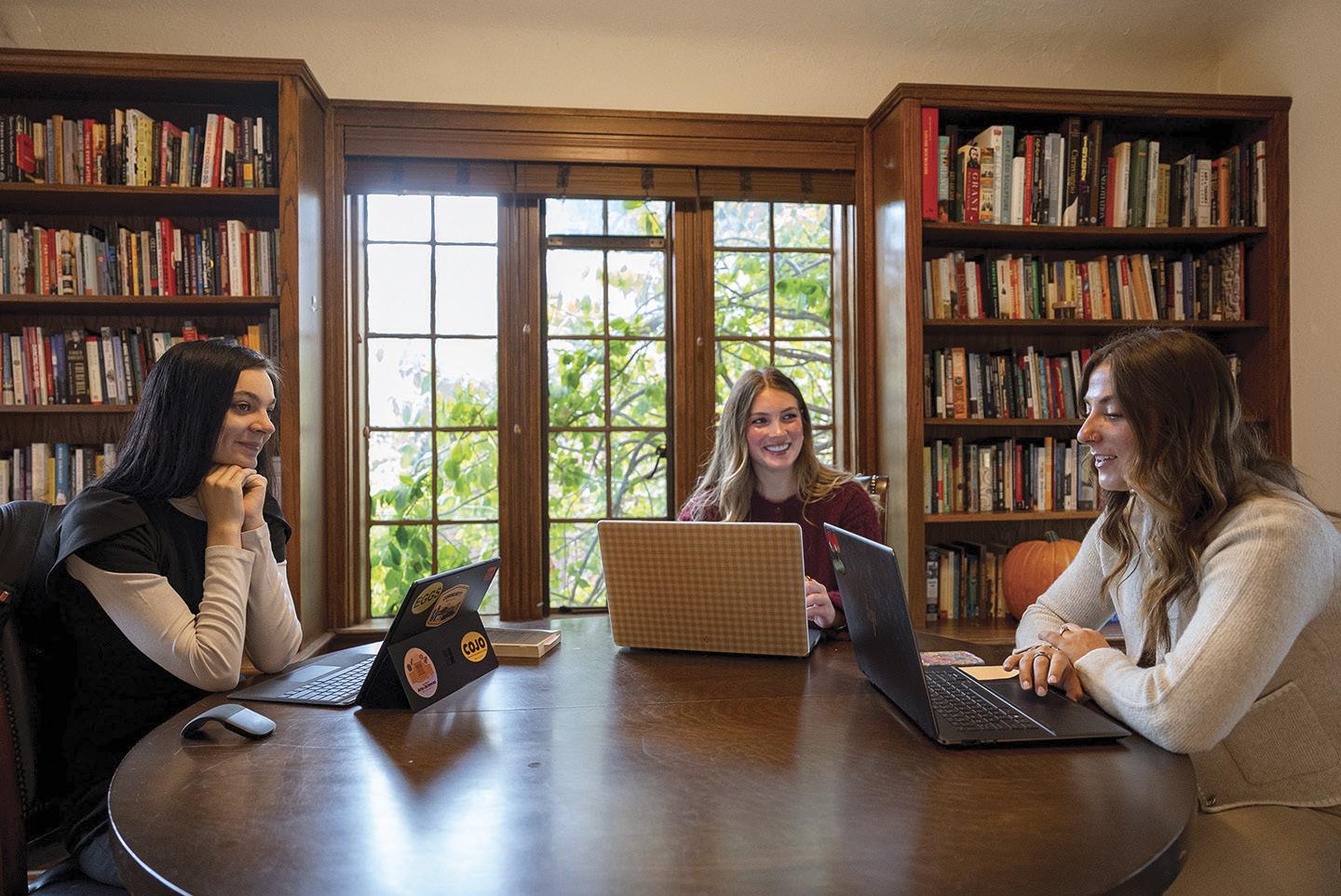
UW Foundation
Engaging in Collective Stewardship with Jean Garrison
By Sunnie Lew
In Wyoming, relationships often grow the way communities do — slowly and purposefully. At the University of Wyoming, those ties form the foundation of stewardship, turning shared interests into lasting partnerships that shape opportunities for students and the state.
For Jean Garrison, stewardship begins long before a gift is ever made.
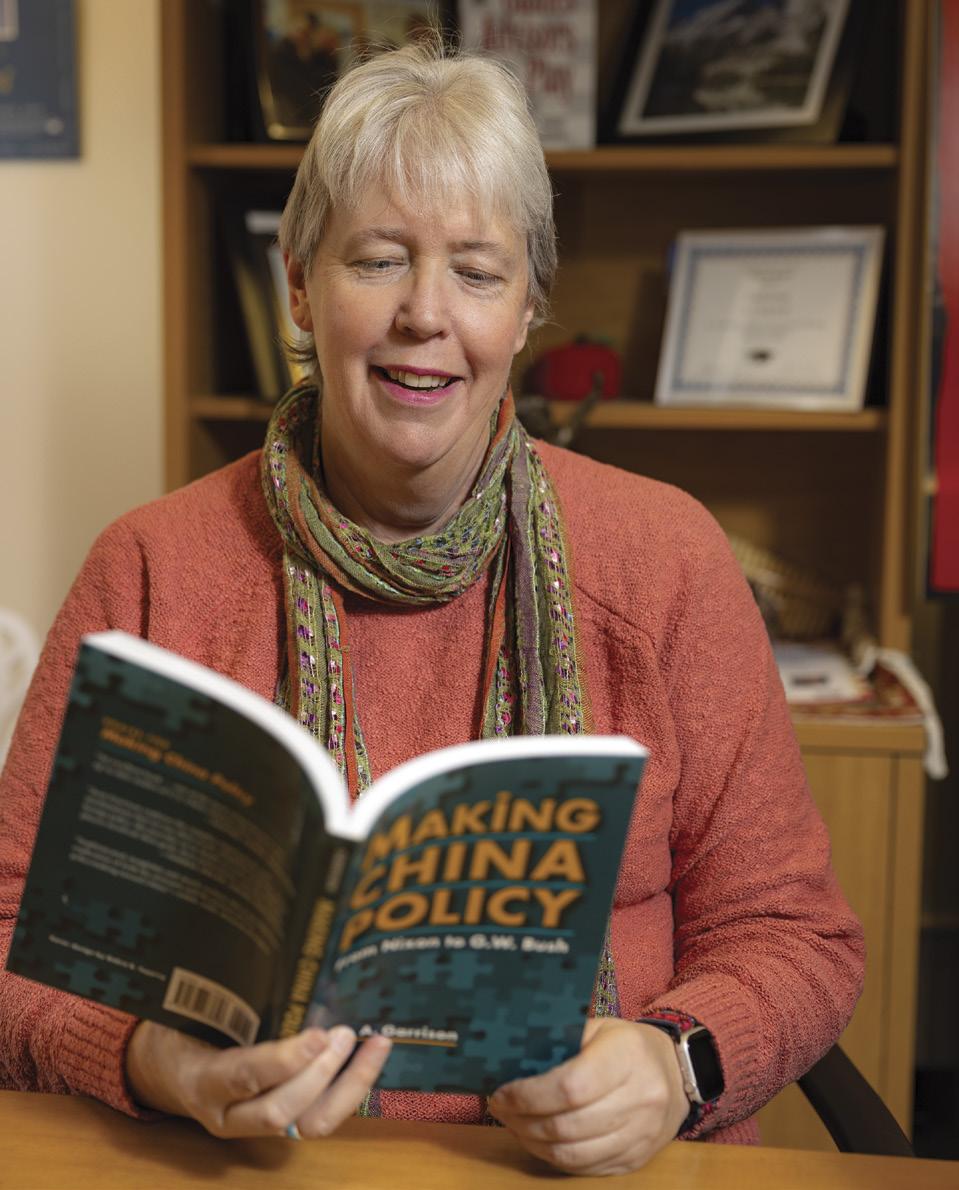
“It’s based on long-term relationships,” she says. “You never really know where it’s going to bear fruit, but when it does, it’s really rather amazing.”
Garrison is the Clyde E. and Jerrine N. Stewart Family Professor in Public Service in the School of Politics, Public Affairs and International Studies and director of the Malcolm Wallop Civic Engagement Program. Her endowed
position is rooted in a relationship that has grown over decades with Kendall (Stewart) and Joseph Hartman and the Stewart family. The Stewart Family Professorship was created to honor Kendall’s parents, Clyde and Jerrine Stewart of Sheridan, Wyo., whose everyday commitment to public service shaped how their family gives back. What began first as a student service award to support community engagement projects has evolved into a lasting investment in UW that supports our important land-grant mission.
That history reflects Garrison’s approach to stewardship: building community through consistent, meaningful connection. She sees her role as creating spaces where people feel part of the work itself.
“They give a gift, but they remain part of it,” Garrison says, noting the importance of ensuring donors can meet student award recipients and stay connected to the impact of their support. “Through this work, people who are donors — they become friends, too.”
Garrison also emphasizes that stewardship is never a solo effort. Relationships are often cultivated by many hands — faculty, staff, administrators and students — over years, sometimes decades. She sees herself stepping into a larger story of connection, one built by colleagues and community members who share a passion and commitment to advancing public service and student opportunity.
For her, the flexibility of an endowment is what allows that shared vision to grow. It can support speakers, student projects, research and hands-on experiences, adapting to the needs of each new generation of students. As a senior faculty member, Garrison now thinks about stewardship as both legacy and transition. It helps build a foundation that future recipients of the Stewart Family Professorship can expand.
At its heart, her work reflects a simple but powerful idea: that small beginnings can lead to lasting impact. “It starts with shared passions and shared goals for the students and for the health of the university,” she says. “That’s what keeps people involved and keeps them coming back.”
In nurturing those connections, Garrison continues to cultivate a culture of stewardship that reaches far beyond a single gift and into the lives of the people it touches.
NEVER STOP LOOKING
Bobby Model
Professor Shane
Epping reflects on the impact of his endowed professorship.
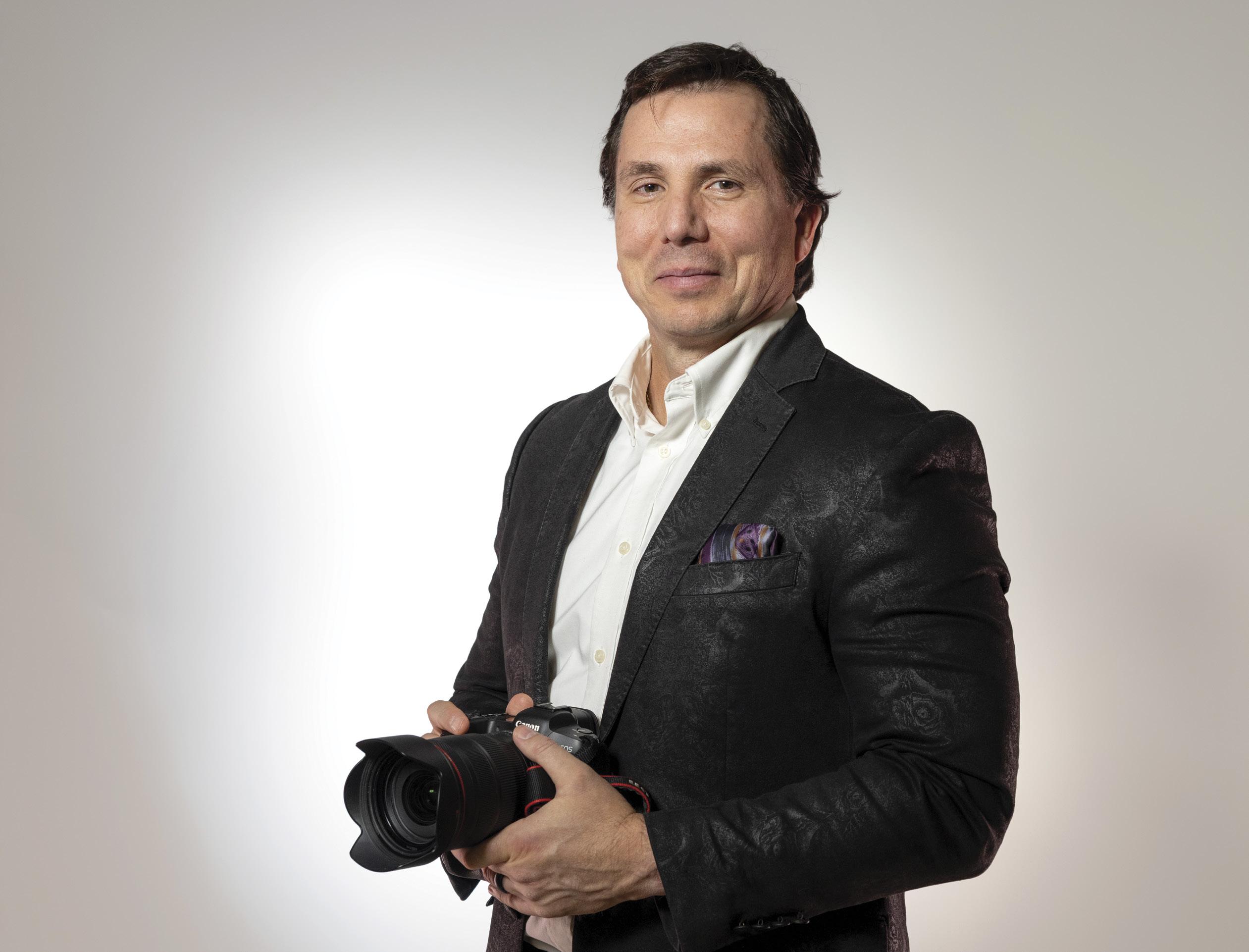
By Shane Epping
I didn’t fully understand what an endowed professorship was before I held one. While completing a Ph.D. in journalism at the University of Missouri, I suspected that finding a faculty position in visual communication would be challenging. Photojournalism programs are rare, and the industry has spent two decades shedding the staff photographers that once defined American newspapers and magazines. Academic openings in my field don’t come often. So, when I discovered an opening for a photojournalism professorship at the University of Wyoming, I stopped and read it twice. Then a third time. In the middle of the COVID pandemic in 2020, the professorship was a lifebuoy. Something that kept me moving forward. The more I learned about what it represented, the more I appreciated its uniqueness. What I did not yet know was that the position came with a name, and the name came with a story.
Bobby Model
Bobby Model was a UW graduate who grew up on a ranch near Cody, Wyo. He was a climber, an adventurer and a photojournalist whose work appeared in some of the most respected publications in the world. His relationship with National Geographic began in 1995, when he joined a Wyoming team of cowboy climbers to free-climb Trango Tower in Pakistan, a feat featured in the April 1996 issue, where Bobby appeared on the cover. Over time, his interests evolved from adventure photography to photographic reportage addressing news and geopolitical and social issues. In 2004, he relocated to Nairobi to cover Africa. He died in 2009 at the age of 36. Ten years later, his father Bob created the Bobby Model Photojournalism Professorship to honor his son’s legacy.
An endowed professorship is a promise. Someone believed enough in a discipline to fund it with the hope that its impact would last for generations. My job is to make sure that
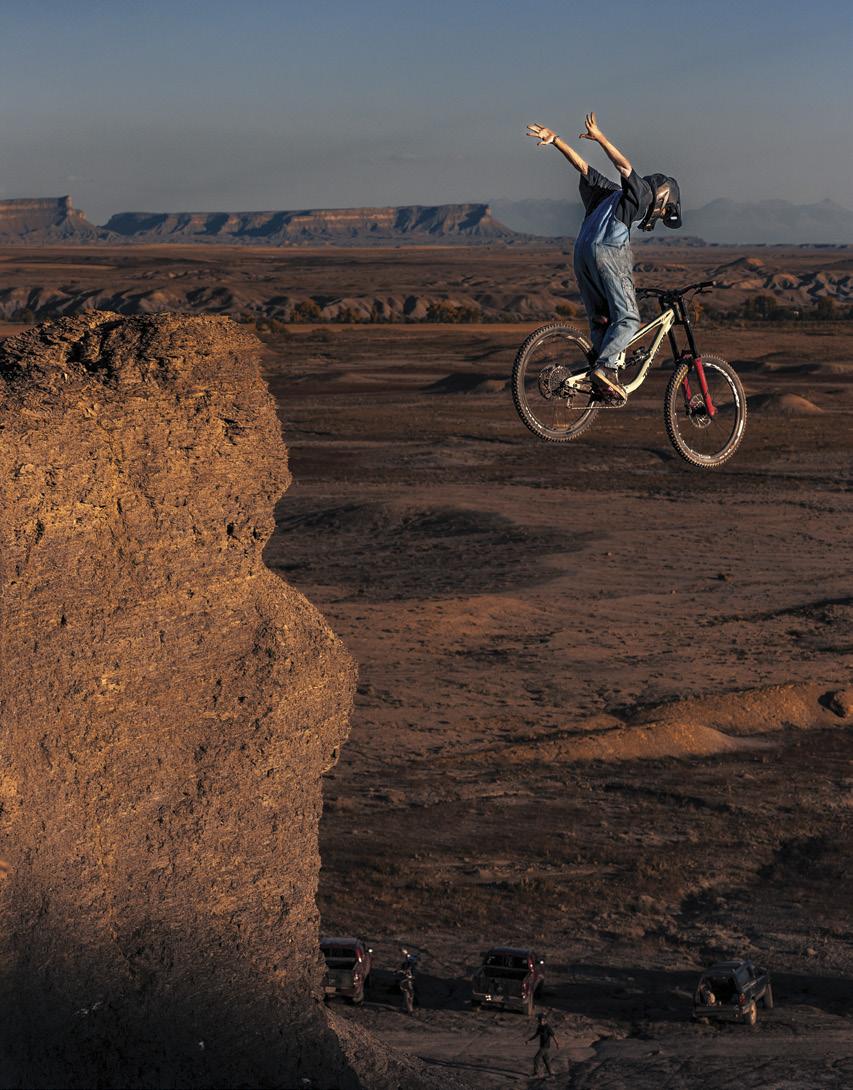
investment keeps compounding. First and foremost, I was hired in the spirit of honoring a legacy that emphasizes telling stories with a camera. It has been my observation that although most students I teach do not necessarily intend to become photographers for National Geographic, they do want to make pictures of people and things that matter to them. Photography is, at its core, simply paying attention. That is something anyone can do for the rest of their life.
Students First
The most direct measure of what this professorship makes possible is in the students it reaches. At the 2026 Visual and Interactive Media Festival, a blind-juried, peer-reviewed international photography competition organized by the Association for Education in Journalism and Mass Communication, UW students swept all three categories — single journalism photo, photo essay and photo illustration — taking gold, silver and bronze in every division. These are students competing against programs at institutions with decades of legacy behind them. Our progress is attributable to a serious, focused investment.
Some of that investment is structural. The endowment has allowed us to build an equipment inventory so that any student who cannot afford a professional camera can still do professional work. It has funded guest speakers with international accolades, including a 2024 Pulitzer Prize winner, a renowned photojournalist here in Laramie,
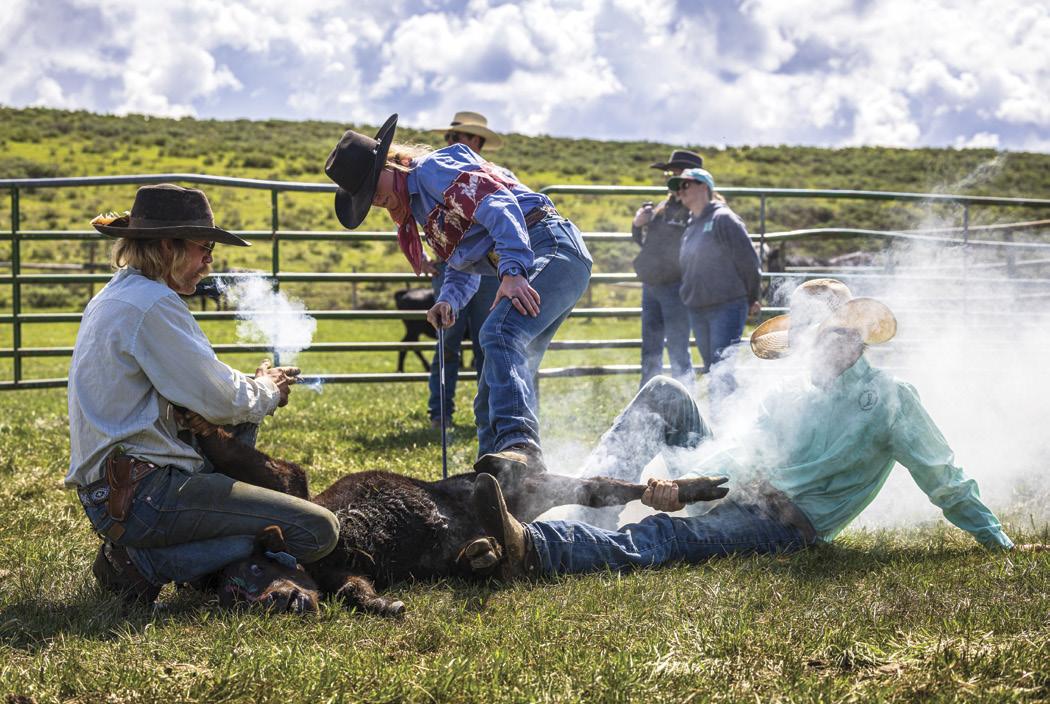
PHOTO BY SHELBY SINCLAIR
professional workshops and travel opportunities that most small programs cannot offer. We have also formed a partnership with The Photo Society, through which our students receive monthly lectures from some of the world’s most celebrated photographers. To our knowledge, we are the only university in the country to have established this kind of partnership.
In 2023, I created the annual Bobby Model Photojournalism Award to recognize students for their commitment to visual storytelling. More than anything else, I want students to know they are valued and to keep making pictures. Five students have received it so far. Three have used the award to attend the Missouri Photo Workshop, one of the most prestigious photojournalism training programs in the country. Bob Model’s generosity created this professorship. This honor exists so his son’s name can keep traveling, carried forward by the students it sends into the world.
Moving Forward
I am a better teacher today than I was when I arrived at UW in 2021. A significant part of that is because of what
Branding: Faith Hamlin brands a calf with her family’s brand while ranch hands Alex Samuels and Brycen Martin restrain the animal during a branding at Little Jennie Ranch in Wyoming on June 15, 2025. Smoke rises from the heated branding iron as the crew works through the cattle, a process used to permanently identify ownership.
Mountain Biker: Crew Turley of Transition Bikes is spotlighted by late evening sun as he throws a sui-no-hander off of the Roller Coaster Drop outside of Green River, Utah.
PHOTO BY FORREST COLE
this professorship has made possible. In the summer of 2025, I was selected as one of 10 photographers nationwide to attend Moving Forward in Photography, an advanced workshop in Maine led by Sam Abell, one of the most celebrated photographers in the history of National Geographic. His approach to patience, composition and the relationship between waiting and meaning has already found its way into how I teach. In the case of Abell, we call it our “dark-eyed junco,” a reference to a photograph he made that included a small bird nobody else could see. It didn’t matter that others couldn’t see it. Abell could. It was an indication of life only recognized by the photographer. That is the kind of seeing I am trying to teach.
The endowment has supported my attendance at national and international conferences where the field’s most important conversations are happening. At gatherings in Washington, D.C., Philadelphia and San Francisco, I have served on numerous panels, organized several professional events, and brought back ideas that keep my courses current and my research relevant.
I have used professorship funds to support the Visual Communication Conference, an annual peer-reviewed gathering of scholars and practitioners from around the world. I organized the gatherings in Saratoga, Wyo., and Estes Park, Colo., subsidizing participants’ registration fees, and have attended the conference in California and Oregon. Several UW graduate students have presented their research at the conference, placing our program in conversation with some of the top visual communication scholars.
My own photography has benefited, too. In the spirit of Bobby Model, who spent his career documenting remote corners of the world, I traveled to a remote village in the Peruvian Amazon accessible only by boat to document women artisans who live and work there. The project became a 2025 solo exhibition in Denver, where I raised thousands of dollars for the women I photographed. Over the past few years, my work has been admitted to more than 20 photography exhibitions across 10 states. I am still a working photographer, which is important for my students to see.
Personal Connections
In 2022, I drove to Cody to meet Bob Model in person. It was not a required part of my job, but it felt like the right thing to do. I brought with me a dozen photographs from my initial trip to Perú, where two UW students and I had traveled to help build an elementary school and document the experience. I wanted Bob to see what his generosity had made possible. That visit meant a great deal to me. I have made a point of touching base with him every semester since, sharing highlights and introducing him to the students carrying his son’s name forward. I also ask recipients of Model funds to write thank-you notes to Bob directly. I want him to know that his investment reaches real people who are grateful for it. Bobby Model was, among other things, a quiet philanthropist. He made gifts to small community health clinics and rural schools in faraway places where a little could mean a lot. In 2010, the Bobby Model Charitable Fund was established to continue supporting humanitarian efforts close to his heart. I think about that when I consider the trips I have taken with students to Perú. In Rwanda, another UW student documented similar humanitarian work. This summer, I will co-lead a study-abroad trip to Namibia with 11 UW students, where photography will be part of the curriculum. We will spend most of our time at the Cheetah Conservation Fund documenting its work. Model funds have helped subsidize the trip for several
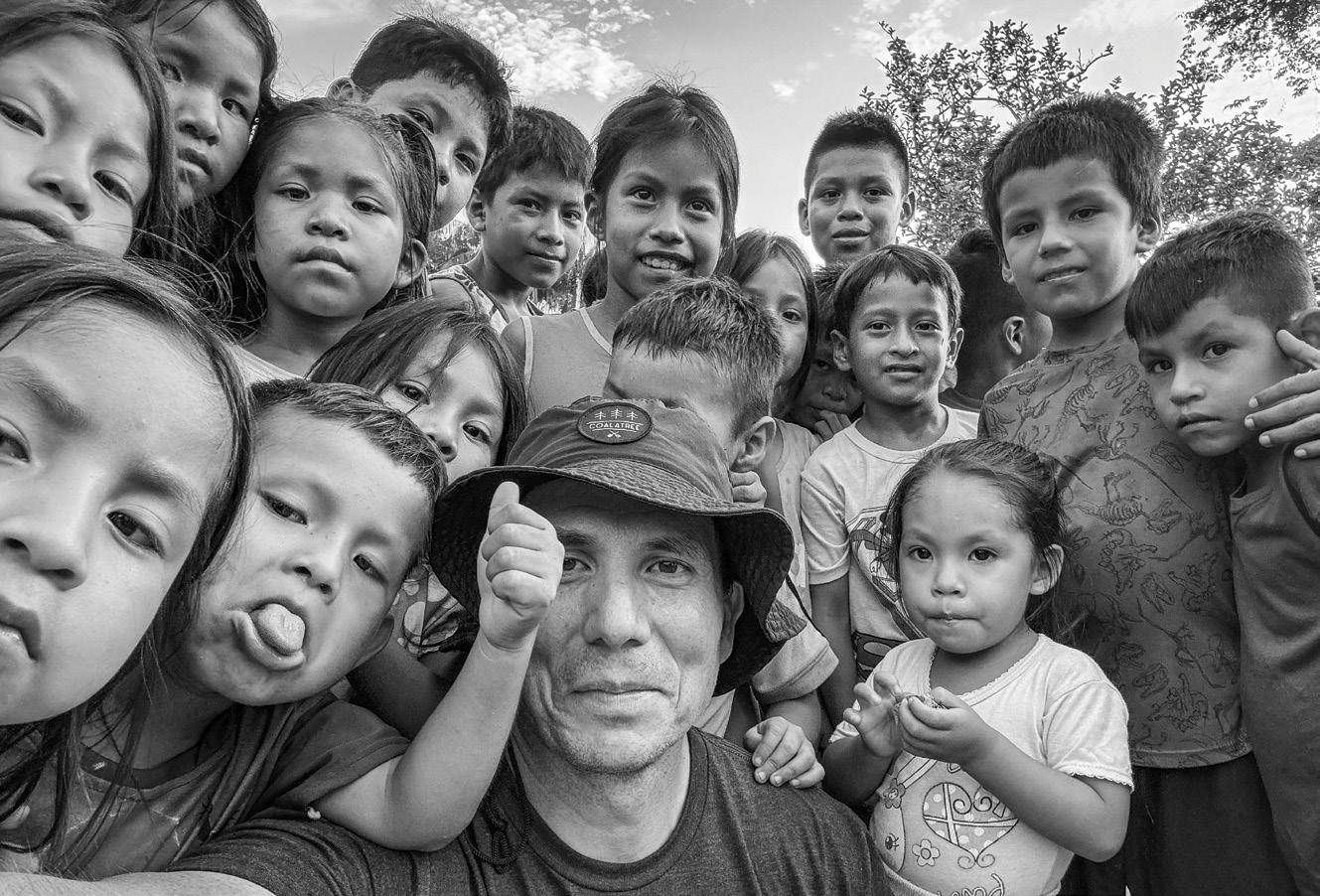
Shane Epping takes a selfie with children in El Chino, a remote Amazonian village accessible only by boat, during a 2024 trip to Perú. The visit was part of a photojournalism project documenting the women artisans of “Manos Amazonicas” — work that became the “Made in Perú” exhibition, funded in part by the Bobby Model Photojournalism Professorship.
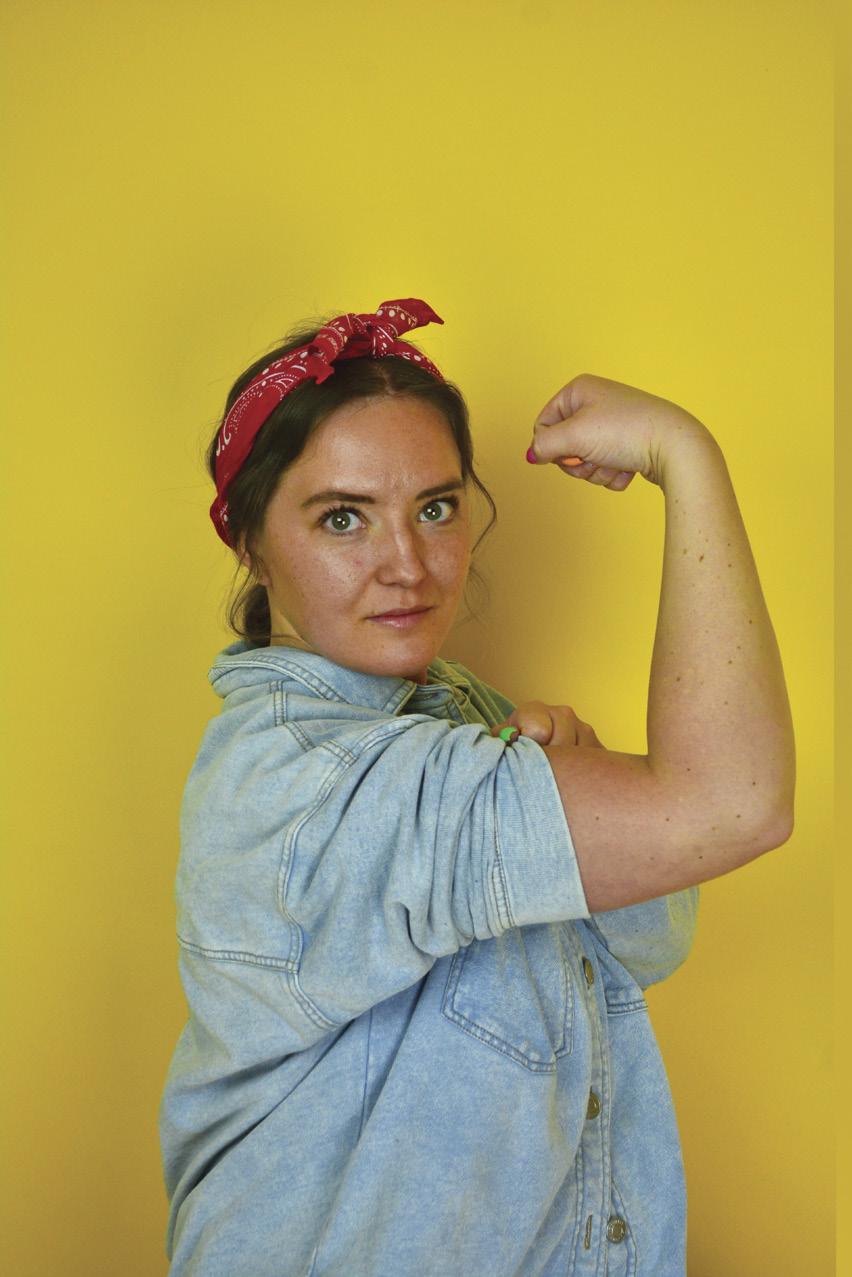
Can Do It: Kimberly Choma, a UW journalism student and equipment manager for the Wyoming football team, flexes her biceps in a photographic tribute to J. Howard Miller’s iconic 1943 “We Can Do It!” poster. In August 2024, Choma survived a rollover car crash that left her stranded for more than six hours and required multiple surgeries. It was important to Choma for people to know she believes angels carried her across the field to where she was found. Choma, who was from Star Valley, Wyo., died on June 25, 2025, in circumstances unrelated to the car accident. She was 21.
PHOTO BY ABIGAIL JOHNSON
students. Bobby spent his career going to the places most people never see. We are trying to do the same.
Although students who enroll in my photography courses do so with varying ambitions, some of them discover that photography can be more than a hobby. It can be a way of seeing the world, a way of serving communities, a way of making a living. Part of what this professorship makes possible is the exposure that creates — those countless moments of discovery. You cannot want to pursue something you have never been shown. The Bobby Model Professorship helps show it.
Several former students are now practicing photographers across the country. Others carry photography with them in different ways, as a skill, a habit of seeing. That is what this professorship makes possible. Not just photographers, but people who see the world differently.
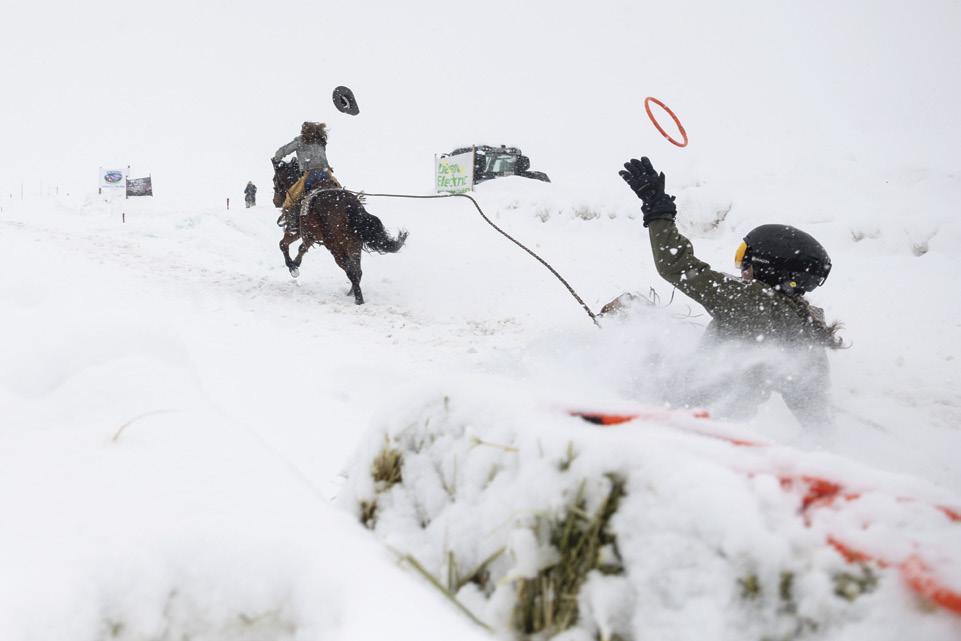
Skijoring: A skier reaches for one of the final rings on the course while being towed by a horse and rider during a skijoring competition. Skijoring combines horse racing and skiing — a rider on horseback pulls a skier at speed through a course of jumps and rings.
PHOTO BY ZACH AGEE

Night: A starry night sky welcomes the new year over the Annapurna region on Jan. 9, 2026. Across the Kali Gandaki Gorge, Dhaulagiri
PHOTO BY SERA GLASS
In 2012, my wife and I lost a child the day before her scheduled delivery. That loss led me to photograph more than 100 families at local hospitals who experienced the loss of an infant or young child. Those lives not lived were honored by photography — proof of their existence. Their stories, however brief, mattered.
Bob Model lost a son. I lost a daughter. We have never spoken directly about that. But I think it is part of our shared experience — and part of what I carry into this work every day.
The best way I know to honor Bobby is to make sure that the students who carry his name forward never stop looking.
Starry
(26,795 feet) looms to the west.
She
Wor kforc e R ea dy
Thanks to industry partnerships, engineering students are learning hands-on process control.
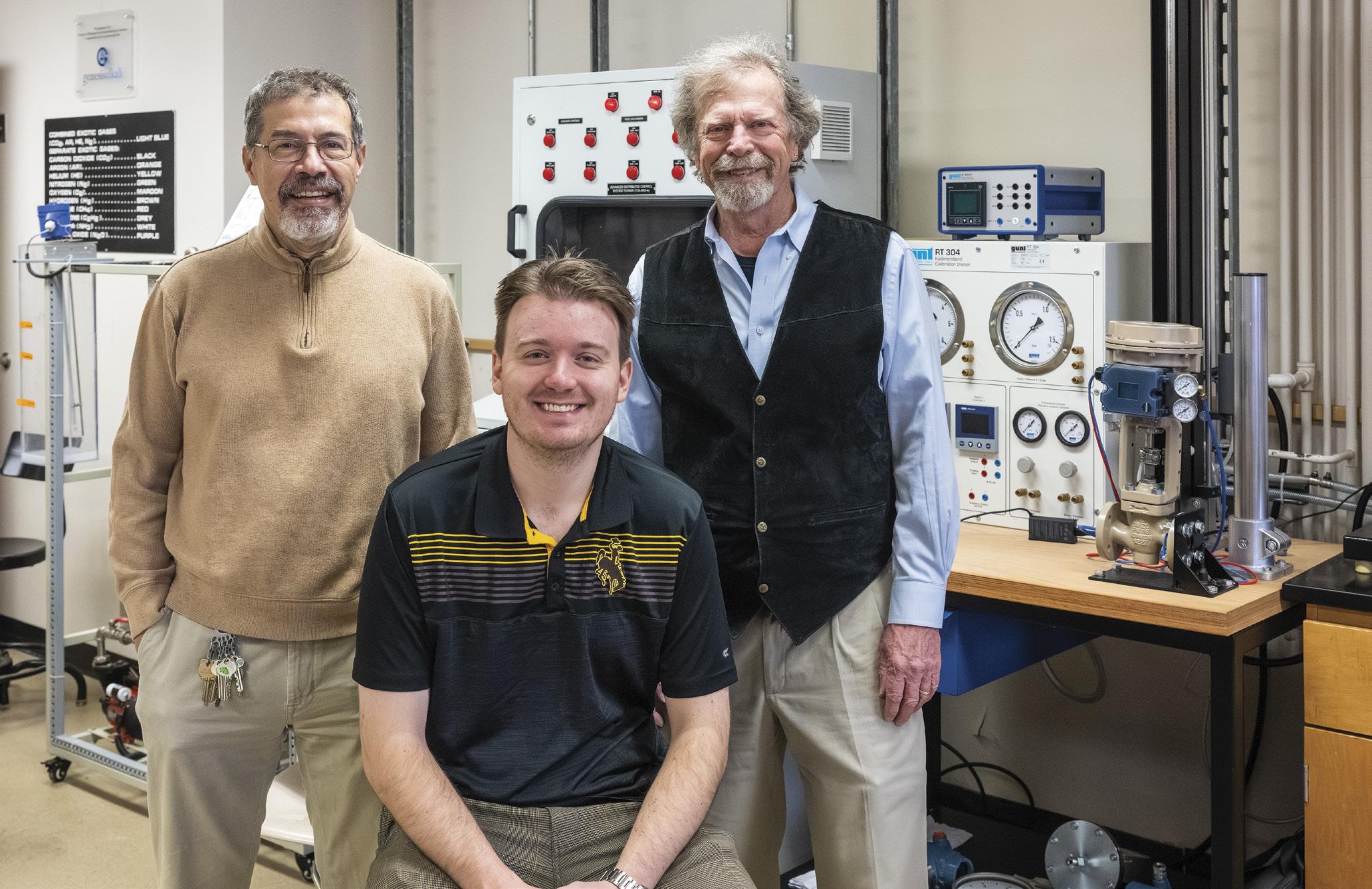
By Micaela Myers
What is process control? When family members and friends ask senior chemical engineering student Nicholas Gindulis of Casper, Wyo., he says, “Don’t let the refinery explode! I know that sounds comical, but it really is partly that, plus a lot of process optimization. You have a unit running that’s producing a product, and a process engineer can come in and improve efficiency using the latest technology.”
Process control comes into play in a variety of industries, including minerals, energy and manufacturing. Engineers trained in process control are in high demand, which is what convinced Gindulis to add a process control minor.
“My adviser mentioned to me that industry members came to the University of Wyoming and requested that they put this curriculum in place,” he says. “Wanting to find a job once I graduate, that was a big sign for me that said, ‘Hey, you need to do this.’”
Industry Investment
Genesis Alkali (now WE Soda), which operated the world’s largest natural soda ash mine and production site near Green River, Wyo., noticed a training gap between recent graduates and the skills needed for process control. The company turned to UW’s College of Engineering and Physical Sciences to solve the problem. In response, UW launched the process control minor in 2020, followed by a process control lab. The Tier-1 Engineering Initiative and Genesis Alkali provided initial seed funding. In 2025, the energy company HF Sinclair stepped up with additional support to enhance process control education and workforce development in Wyoming.
“We are proud to support this alignment with industry in Wyoming, which in turn brings a superior educational environment and job opportunities,” says E.G. Meyer Family Chemical and Biomedical Engineering Department Head Vladimir Alvarado. “The minor was built in frequent
E.G. Meyer Family Chemical and Biomedical Engineering Department Head Vladimir Alvarado, Associate Professor of Practice Randolph Pfeiffer and process control and instrumentation minor Coordinator Ian Hammontree in the Advanced Process Control Lab
consultation with industry and resulted in a well-articulated program.”
The Advanced Process Control Lab, located in the Engineering Education and Research Building, provides students with cutting-edge technology and hands-on learning experiences that mirror real-world industrial operations.
“HF Sinclair is proud to support UW’s efforts to develop the next generation of skilled professionals,” says Sam Cooper, vice president and refinery manager of the Casper refinery. “By investing in cutting-edge education and hands-on training, we are strengthening the workforce pipeline and ensuring students gain the expertise needed to drive innovation and operational excellence in refining and industrial processing. This partnership reflects our commitment to both industry advancement and the communities we serve.”
Randy Pfeiffer, an associate professor of practice, says, “HF Sinclair’s involvement gives us an edge in providing a modern control
environment for teaching in both the core chemical engineering program and our process control minor.”
For Gindulis, the hands-on approach kept him engaged. “The instrumentation and software are a good way to see how chemical engineers can manipulate physical principles and the equipment that they use to achieve it,” he says.
In fact, the experience was so realistic that, when Gindulis started his internship with HF Sinclair in Rawlins last summer, he immediately spotted and solved a problem.
“With the knowledge that I’ve gained, I was able to diagnose what was wrong with the flow meter and then create a report on how to fix it,” he says.
After the internship, HF Sinclair offered Gindulis a full-time job upon his graduation this May.
“During the interview process, they noted they really wanted someone with that process control background,” he says. “The process control minor gave me an opportunity to get my foot in that door. It’s comforting to know that I have a job after school, and I can just focus on school throughout the semester.”
Simulating Real Life
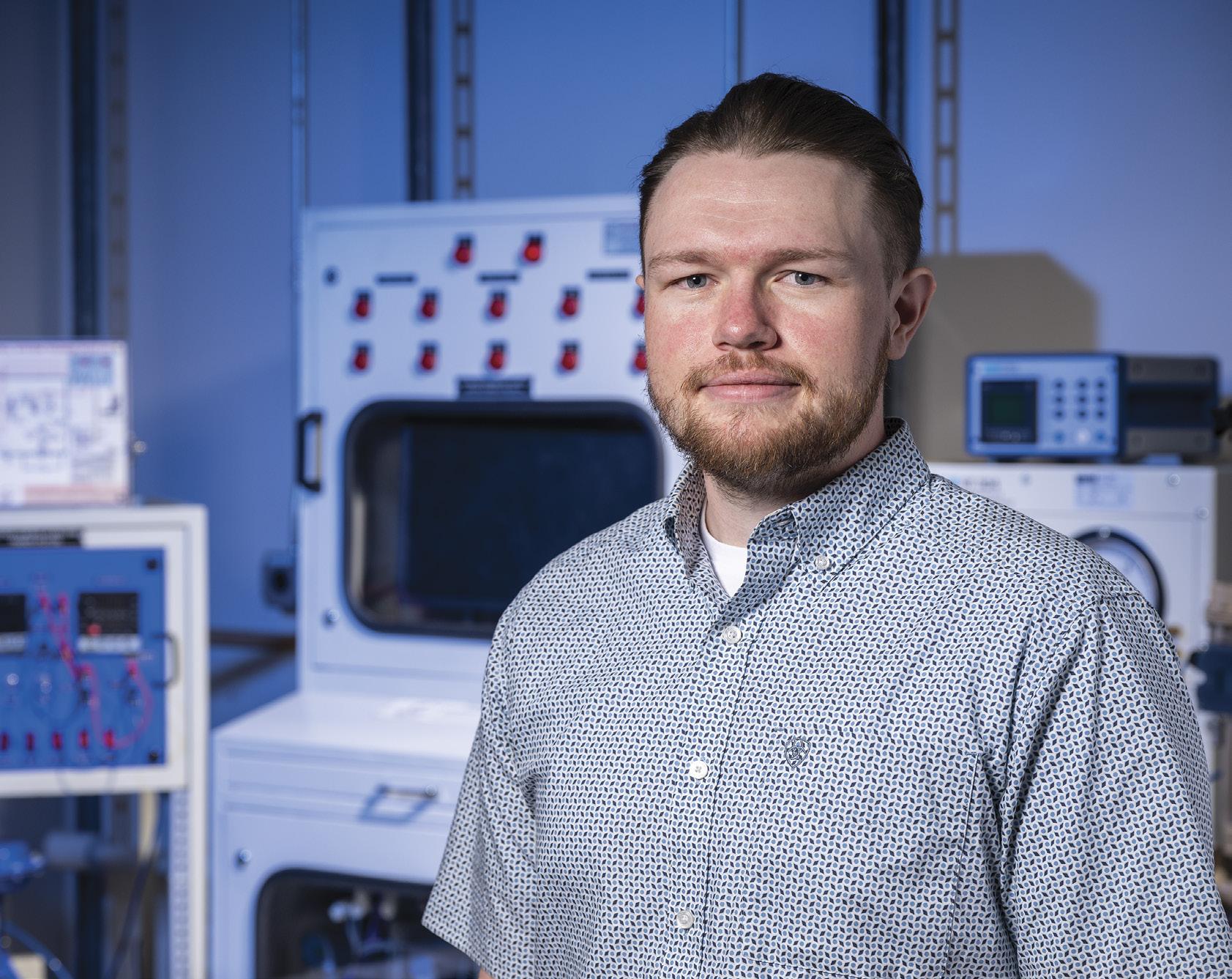
in real life, it makes a huge difference,” Avarado says.
The simulations give students experience with a variety of environments.
UW’s Advanced Process Control Lab is designed just like a real-life control room at a plant. To be effective in process control, you must react quickly and calmly. Simulations and hands-on learning allow students to do just that in a safe-but-realistic environment.
“Our simulation lab replicates a full-scale control room, so our students have a head start on understanding how those systems work,” Pfeiffer says. “It puts them in a wonderful position to jump right in and be productive when they start their first job.”
The lab also allows students to use industry hardware.
“If you don’t know what an actuator is
“We can give students — from their second year all the way up to their fourth year — experiences in dynamic simulation of individual units and linked units in a process using enterprise-grade software from Siemens, Honeywell and HF Sinclair,” says process control and instrumentation minor Coordinator Ian Hammontree. “These include dynamic simulation of individual units, including heat exchangers, distillation towers and tank systems, and large connected processes such as an oil refinery and a styrene production plant.”
The minor includes a hardware course, a software course and a capstone course in which students design process control systems for linked processes. These processes include sensing, transmission, final
control elements and controllers.
The lab is open to more than just those students in the process control minor — all chemical engineering students can experience the lab.
“We have a saying internally that process control makes you a better process engineer,” Alvarado says. “All chemical engineers are process engineers.”
The lab — combined with a strong focus on internships — makes UW students ready to hit the ground running in their future careers.
“Students can earn credit toward the minor by working in a process control internship,” Hammontree says. “Students have worked with companies like WE Soda, HF Sinclair, DISA Technologies and more.”
The team plans to continue building connections with industry across the state to expand offerings.
Alvarado says, “We are offering students fully immersive experiential learning.”
Student Nicholas Gindulis earned his minor in process control and instrumentation, which helped him secure a job in Wyoming prior to graduation.
By Tamara Linse
Endowing the Future
Endowed faculty positions shape generations of academic distinction.
An endowed chair, professorship or fellowship at the University of Wyoming is more than a title — it is a permanent commitment to excellence. Unlike onetime gifts or annual appropriations, an endowment is built to last. Its invested principal is a permanent fund with annual distributions to provide steady reliable support for a faculty member’s teaching, research and service year after year, in perpetuity.
Nationally, leaders in higher
education have long recognized endowed positions as a university’s most powerful tool to secure academic quality. As frequently highlighted by The Chronicle of Philanthropy, endowed chairs are transformational because they attract and retain exceptional scholars, provide long-term financial stability and signal to the marketplace that an institution is serious about distinction. They are, quite simply, the gold standard of philanthropic investment in higher education.
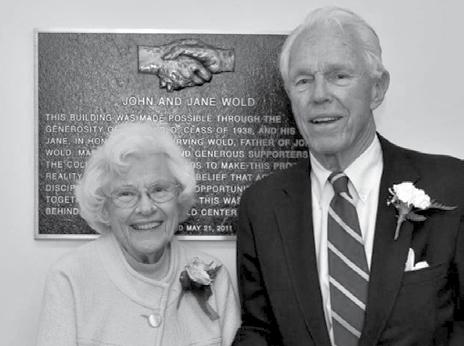
At UW, endowed faculty positions provide lasting stability that empowers extraordinary scholars to pursue bold research and innovative teaching without the uncertainty of year-toyear funding. These positions strengthen recruitment and retention in an increasingly competitive academic marketplace, ensuring that UW attracts and supports top talent. They also connect students to
both foundational knowledge and cutting-edge discovery, enriching the educational experience. At the same time, endowed positions honor the priorities and legacies of families, corporations, foundations and the state of Wyoming, creating enduring and personal partnerships between donors and the university’s land-grant mission. Ultimately, they represent investments not only in individual faculty members but also in the intellectual future of the state.
UW’s First Endowed Chair
The story of endowed faculty positions at UW begins in 1990 with a gift from John and Jane Wold. John Wold was a U.S. House member, World War II veteran, geologist, business executive and philanthropist. The John and Jane Wold Centennial Chair in Energy is a model of the kind of visionary philanthropy that endowed chairs are meant to represent.
The Wolds established the Wold
1990
The John and Jane Wold Chair in Energy is established — the first fully funded endowed academic chair in UW history, marking the beginning of a new era in faculty excellence.
1990s
A small-but-growing number of privately funded endowed positions are established, each representing donor confidence in UW’s mission.
2001
The Wyoming Legislature establishes the Endowment Challenge Program (W.S. 21-16-903), the landmark state matching program that doubles eligible endowment gifts. Private giving to UW is transformed overnight.
2003
The Legislature expands the publicprivate partnership model with the Athletics Facility Matching Program (W.S. 21-16-1403).
John and Jane Wold
Chair as the first fully funded endowed academic chair in the university’s history. It advances energy-related education and research for the benefit of the state. In 2020, the Wold Foundation made an additional investment to enhance the chair’s prominence, making it one of the most prestigious awards at the university. Since its founding, the Wold Chair has been held by a distinguished series of scholars, including mathematician and chemical and petroleum engineer Richard Ewing, sedimentologist Ron Steel, chemical and petroleum engineer Norman Morrow and geologist John Kaszuba, whose work on fluidrock interactions directly advances subsurface understanding in Wyoming.
A National Model: The State Matching Program
The Wyoming Legislature’s State Matching Program was and continues to be a visionary investment — changing the game for fundraising not just for endowed faculty positions, but for the university as a whole. It is a national model for how the state can work directly with donors to elevate higher education to new heights of excellence.
The State Matching Program was established in 2001 by the Wyoming Legislature to strengthen private
2005
UW completes the comprehensive campaign, “Distinction: The Campaign for Wyoming’s University,” raising $205 million, $48 million of which went to endowment funding, including faculty excellence funds.
support for UW. Athletics facilities matching was added in 2003, followed by academic facilities matching in 2005. The program is designed to leverage the generosity of donors by creating powerful incentives to invest in UW’s academic, athletic and facility priorities. By amplifying private philanthropy with state support, the program helps drive extraordinary momentum — contributing in part to the success of the university’s last comprehensive campaign, “Distinction: The Campaign for Wyoming’s University.” Concluded in 2005, that campaign raised $204 million, including $48 million in endowment gifts that were matched through the program.
Few investments offer a 100 percent return, yet that is precisely the impact of the State Matching Program. Endowment gifts of $50,000 or more and facility gifts of $25,000
2006
The Academic Facilities Matching Program (W.S. 21-161003) is established, extending the matching framework to academic facilities.
2006
The Wyoming Legislature establishes the Excellence in Higher Education Endowment — a $105 million appropriation, with $70 million designated to UW. This creates the Wyoming Excellence Chairs program, statefunded endowed faculty positions aligned with Wyoming’s economic and social priorities.
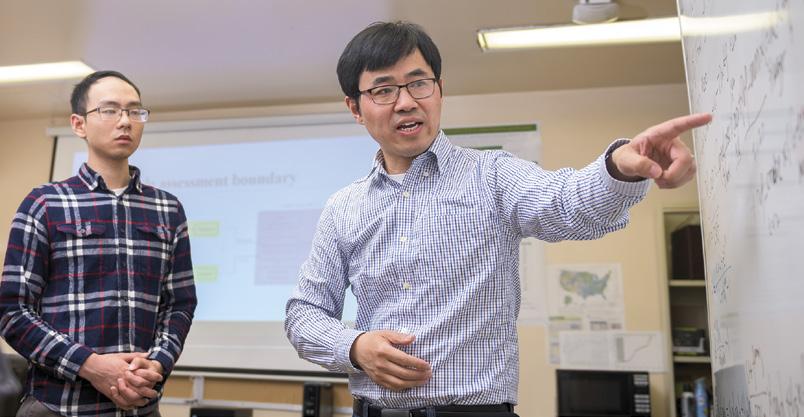
or more are matched dollar-for-dollar by the state of Wyoming — turning a $50,000 gift into $100,000 of impact and a $1 million gift into $2 million. Today, total state matching funds across all three programs exceed $237 million, underscoring the program’s transformative and enduring impact on the university’s growth and excellence.
The effect just on the endowed faculty portfolio is dramatic. Faculty support funds have been beneficiaries of the matching program, and donors have supported new endowed professorships in fields ranging from petroleum and natural gas economics to astronomy and animal science.
Donor Support: The Heartbeat of the Program
Throughout the history of endowed faculty positions at UW, private donors have been essential partners. The state matching program and the Excellence
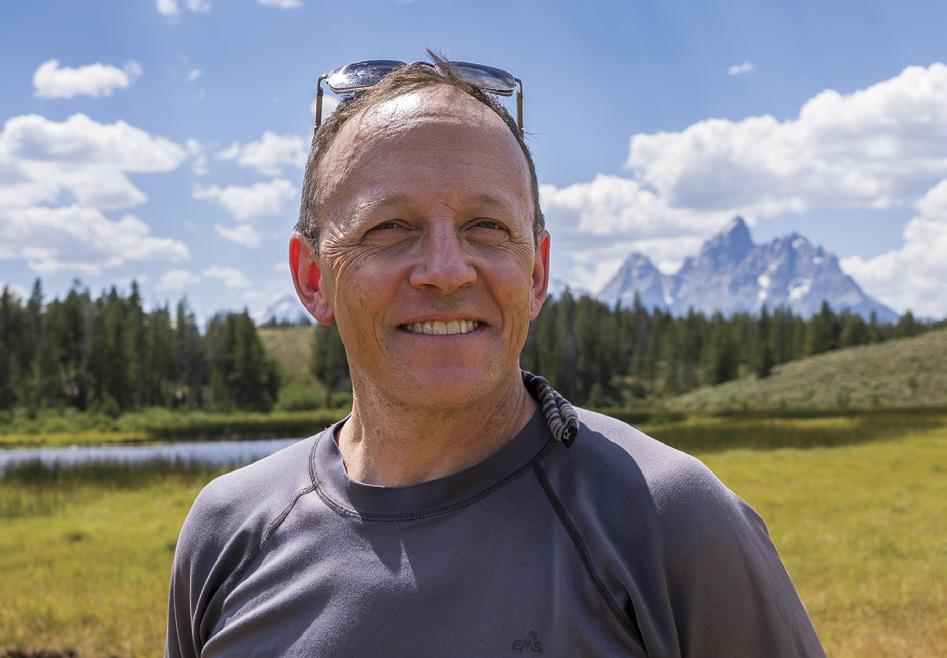
2014+
State matching funds continue to leverage private gifts, creating a growing portfolio of privately endowed faculty positions.
Wyoming Excellence Chair in Geology and Geophysics Bryan Shuman
Wyoming Excellence Chair in Civil Engineering Haibo Zhai
in Higher Education Endowment (outlined below) create powerful frameworks — but it is the generosity of alumni, friends, families, foundations and corporations that has brought the program to life, one gift at a time.
Donors give for a variety of reasons. Some give out of deep personal gratitude for their own UW education, and others give because they are grateful for their faculty mentors and understand the link between faculty excellence and student success. Many give in memory of loved ones or to honor mentors who shaped their careers. Regardless of motivation, each gift represents a vote of confidence in the university’s missions in teaching, research and service.
The privately endowed portfolio has grown to include named deans, chairs and professorships across every college at UW. For example, the College of Education’s John P. “Jack” Ellbogen Deanship was established in 2020 by the John P. Ellbogen Foundation as the university’s first endowed deanship.
2021
The University Endowment Challenge Program marks its 20th anniversary. Total matching funds across all three programs at the time exceed $222 million. The university endowment has grown from $134 million to $795 million, and the number of endowment funds has more than doubled from 664 to over 1,600.
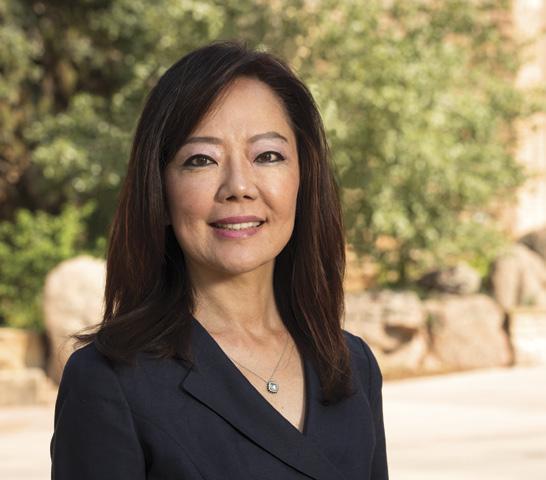
Another example, the Curtis and Marian Rochelle Chair in Animal Science, advances research on fetal programming with implications for both agriculture and human health. In geology and geophysics, private endowments in petroleum engineering and reservoir characterization connect fundamental research to the state’s most critical industry. In mathematics and statistics, the Patrick Heasler Professorship — established by a UW alumnus grateful for the education he received — creates a permanent foundation for recruiting and retaining outstanding faculty in a discipline central to virtually every field of inquiry.
The UW Foundation has been the institutional backbone of the endowed faculty program, stewarding gifts, managing endowment assets and providing the infrastructure that makes long-term private investment in UW possible. In addition, the UW Foundation Board of Directors, who are donors themselves, has not merely facilitated others’ generosity, but has demonstrated its own, using foundation board resources to leverage additional private giving and to support the endowed faculty program.
The Wyoming Excellence in Higher Education Endowment
In 2006, the Legislature invested directly in faculty excellence by creating the Excellence in Higher Education Endowment, which enables UW to establish endowed faculty positions — known as Wyoming Excellence Chairs. UW began its first
2022
The UW Board of Trustees and the UW Foundation Board each make new investments in faculty excellence, demonstrating a strong commitment to one of the foundational priorities of the university.
faculty searches in 2007. Over the next several years, the university filled a total of 19 positions. These positions reflect Wyoming’s areas of focus — education, business, engineering, the sciences, the humanities, law and natural resource management. The Wyoming Excellence Chairs program created a cohort of nationally and internationally recognized scholars whose work directly benefits the state. Read more on page 24.
The University Today
In 2022, two new efforts helped boost student and faculty excellence. First, the UW Board of Trustees made an investment in funds for students, faculty and research excellence. Second, the UW Foundation Board made an
2024
UW earns the Carnegie Elective Classification for Community Engagement for the first time, which recognizes UW’s deep, sustainable and reciprocal partnerships with local communities.
Curtis and Marian Rochelle
John P. “Jack” Ellbogen College of Education Dean Jenna Shim
Cecily Zander, Phil Roberts Faculty Fellowship in Wyoming History and the West “I spent a good deal of my childhood in Wyoming, whether visiting historic sites or enjoying the outdoors. I don’t think I would be a historian today without those experiences. That is why, above all else, I see my named position here at UW as an opportunity to pay it forward to the people of a state that I love, to share with students the same joy I feel in being in this extraordinary place. It is an honor to serve in a role named for one of the state’s most passionate and learned advocates and to follow in the footsteps of Dr. Phil Roberts. Through the endowment in his honor, I hope to continue the work of sharing a deep passion for history in communities across the state and of showing historians across the country that Wyoming matters to how we understand our collective past.”
investment to create two endowment matching funds: $2.5 million for student success and $2.5 million for faculty excellence that resulted in four new endowed positions, including the H.A. “Dave” True Jr. Family College of Business Deanship. UW partnered with donors to match these gifts. In 2024, the state invested $10 million in state matching funds through the already-established Endowment Challenge Program — with the trustees designating $5 million for student success and $5 million for faculty excellence, which resulted in 13 new endowed faculty positions in sales, Wyoming history, chemical engineering, mechanical engineering, mathematics, economics, physics and astronomy, WORTH (Wyoming Outdoor Recreation, Tourism and Hospitality), and a named deanship
in the College of Agriculture, Life Sciences and Natural Resources.
What began as a commitment to academic distinction has grown into a robust portfolio of 92 named and endowed faculty positions spanning colleges, disciplines and research frontiers across the university. Today, UW’s endowed faculty community includes four deanships, five endowed department head positions, 26 endowed chairs, 44 professorships and 13 fellowships. Complementing these are 19 Wyoming Excellence Chairs, three non-endowed professorships, one nonendowed chair, and three non-endowed fellowships, further strengthening the university’s academic foundation.
These endowed positions are more than just titles — they are enduring engines of excellence. Designed to provide stable perpetual support, they empower scholars to pursue bold ideas, to mentor future leaders and to address the most pressing challenges
of our time. They transcend economic cycles, political shifts, and generational change and ensure that UW remains not only competitive but visionary.
The impact of this sustained commitment is unmistakable. In early 2025, UW achieved Research Level 1 (R1) status from the Carnegie Classification of Institutions of Higher Education, placing it among the nation’s top research universities. In 2024, the university also earned the Carnegie Elective Classification for Community Engagement for the first time, joining just 368 institutions nationwide to receive this distinction. Together, these milestones reflect the strength of a university whose academic excellence and public mission advance hand in hand.
Endowed faculty positions stand as lasting reminders that, when philanthropy and public purpose align, the results extend far beyond a single generation.
2025
UW achieves Research Level 1 (R1) status for very high research activity from the Carnegie Classification of Institutions of Higher Education — placing UW among the top 5 percent of U.S. research universities and strengthening our ability to attract top talent and boost Wyoming’s economy.
2026
UW’s endowed faculty portfolio now includes four deanships, five endowed department head positions, 26 endowed chairs, 44 professorships and 13 fellowships — 92 positions. There are 19 Wyoming Excellence Chairs, which are funded by the state. More than $237 million in total state matching funds have been invested since 2001, a remarkable 25-year investment in UW’s land-grant mission.
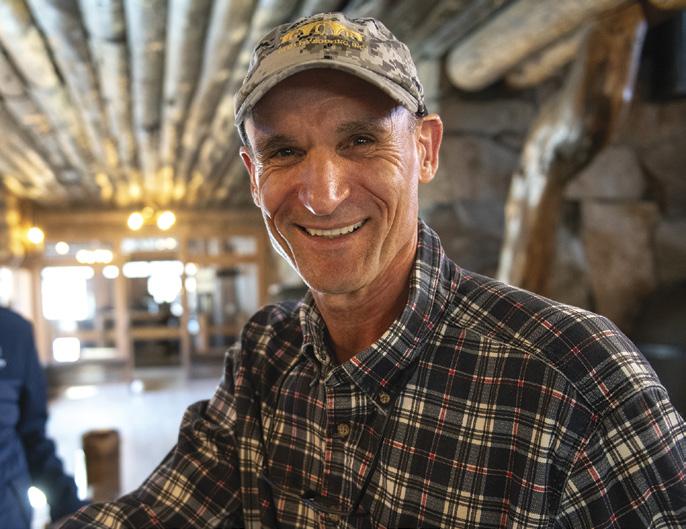
Roy L. and Caryl L. Cline Distinguished Professor in Engineering Francois Jacobs
Division of University Public Relations