
2025 ANNUAL REPORT

LETTER FROM THE EXECUTIVE DIRECTOR
Dear Friends and Partners in Literacy,
What an exciting year it has been at the Literacy Research Center and Clinic! We have continued to grow and to support educators across Wyoming through professional development, needs assessments, and consultations, reaching school districts far and wide, including Platte County 1, Sheridan County 2, Laramie County 1, Fremont County 1, and Fremont County 6.
To date, we have worked in 17 Wyoming counties and engaged with more than a thousand teachers since our establishment in 2014. It has been incredible to witness the dedication of educators throughout our state who are committed to strengthening literacy learning for all students.
On a personal note, I grew up in Wyoming, with my early school days spent in a rural tworoom schoolhouse. It was a place where learning felt personal and connected, shaping how I build relationships and engage with others even today. The values I learned as a Wyoming kid, including hard work, humility, and community, continue to guide me in this role. I often think of teachers, such as my second-grade teacher, Mrs. Wortman, whose encouragement helped build my confidence as a young learner and showed me the life-changing impact that great teachers can have. Supporting Wyoming educators not only feels like meaningful professional work but also a privilege rooted in my own story.
This year, we also are delighted to welcome Dr. Tracy Spies, the Fisher Family Professor in Literacy Education, to our team. Tracy’s expertise and enthusiasm are tremendous assets to our growing work across the state.
We extend a warm welcome as well to our returning and new members of the Literacy Research Center and Clinic Outreach Advisory Board—Mary Garland, Brian Farmer, Barney Lacock, Greg Legerski, Julie Edwards, Senator Barry Crago, and Morgan Hahn, Wyoming Teacher of the Year. Your leadership and insight help guide and strengthen our statewide impact.
None of this would be possible without the dedication of Wyoming’s educators and the generous support of our donors. As Wyoming’s trusted partner in literacy excellence, we are proud to support teachers, to strengthen literacy leadership, and to empower students across the state.
With gratitude,
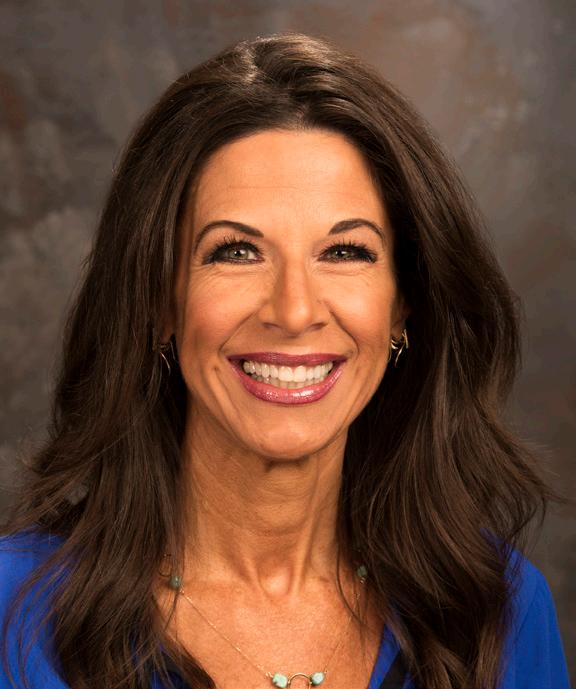
Kimberly Gustafson, Ed.D. Executive Director, Literacy Research Center and Clinic University of Wyoming
LITERACY RESEARCH
CENTER AND CLINIC
Our Vision
Empowering literacy through evidence-based practices.
Our Mission
Teaching and researching how Wyoming students think with, acquire knowledge from, engage with, and produce a variety of texts as well as how teachers facilitate these processes. When students can more effectively process and produce texts and teachers can support students’ abilities, then students are more likely to achieve personal, economic, and social fulfillment, which improves quality of life for students, their families, and their communities.
Our VALUES
Literacy is achieved through the following values.
• RESEARCH: Rigorous research evidence applied in instruction to support students’ comprehension and production of text.
• ENGAGEMENT: Collaboration and shared responsibility for students’ comprehension and production of text among researchers, educators, parents, students, and the community.
• EMPOWERMENT: A demonstrable impact on Wyoming teachers’ knowledge and skill of effective literacy instruction and on student learning.
• EQUITY: Instructional decisions that ensure equitable opportunities for all students to engage in active informed citizenship and to succeed in a sustainable global economy.

I have been a Wyoming elementary classroom teacher for the last 25 years and am so thankful for the opportunity to be a new cohort member of the literacy endorsement program. Thanks to the LRCC, I’m modeling for my students that I, too, am a lifelong learner. I can’t describe the honor I feel in working with these amazing folks as they lead the transformative charge for Wyoming education, and I cannot wait to put that learning into practice for my students.”
CHAD LEMLEY, M.ED., M.S., FIFTH-GRADE TEACHER, WIND RIVER ELEMENTARY SCHOOL
Celebrating Our First Literacy Endorsement Cohort
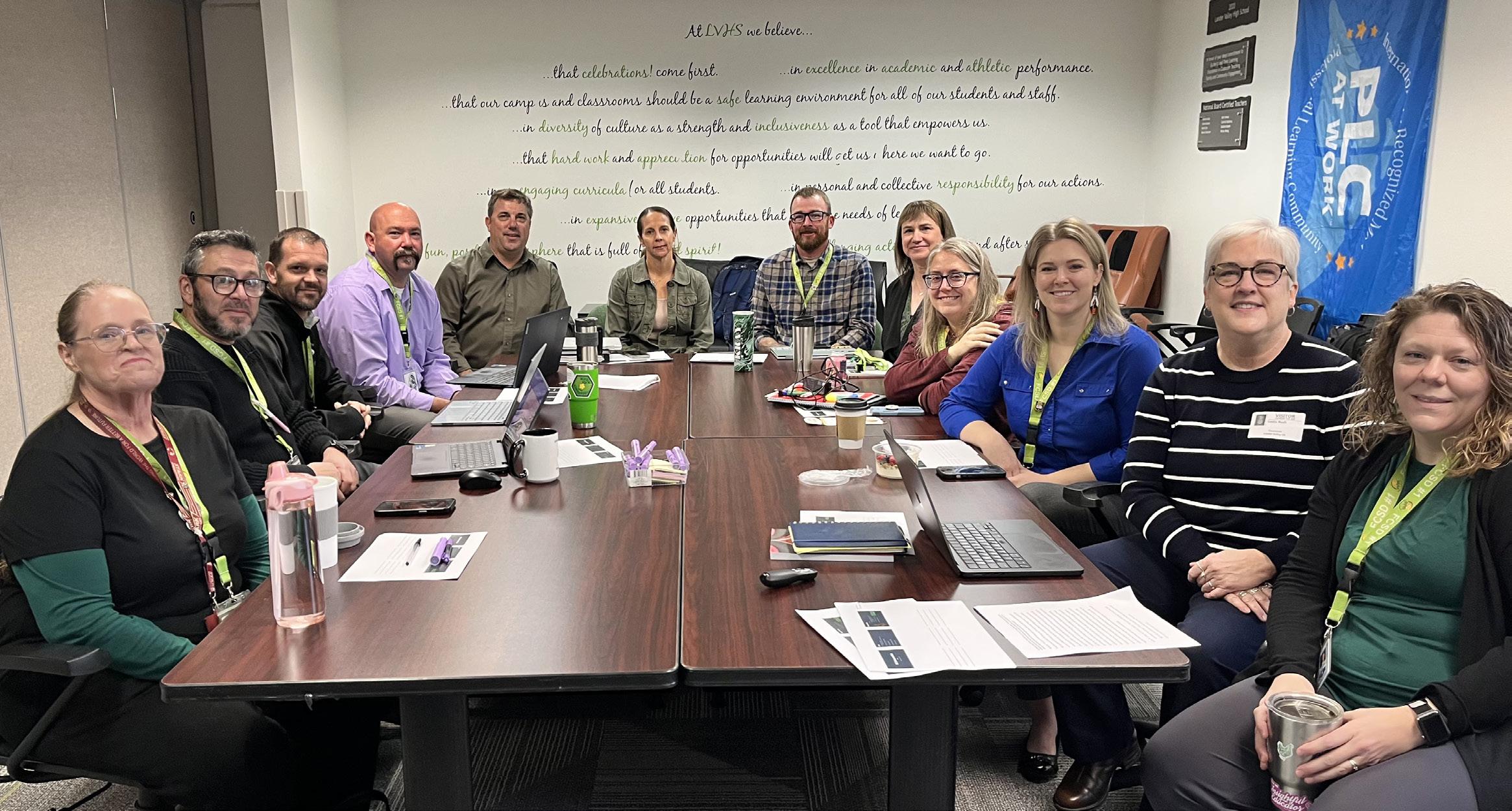
In alignment with the Literacy Research Center and Clinic’s (LRCC) five-year strategic plan to strengthen Wyoming’s educator workforce and to expand evidence-based literacy instruction, the LRCC launched a new cohort model this year for the literacy endorsement offered through the College of Education. Thanks to the generosity of donors, including the John P. Ellbogen Foundation Graduate Fellowship in Literacy, the Kembel Family Literacy Excellence Fund, and the Douglas B. Reeves Literacy Excellence Fund, the LRCC is able to support a cohort of approximately 10 teachers each year in pursuing this advanced credential.
This inaugural cohort includes 11 passionate educators from across the state. Teachers may earn their endorsement in K–6, 6–12, or K–12, allowing them to tailor their preparation to their professional goals and instructional context. Although 10 of the 11 participants are secondary educators, all chose to pursue the K–12 endorsement. Their decision reflects a shared understanding that literacy is nuanced, complex, and continually developed throughout a student’s academic journey, regardless of grade level or content area.
By participating in this cohort, educators deepen their knowledge of research-based literacy practices and strengthen their ability to support diverse learners. In addition to elevating instruction in their own classrooms, these teachers are helping build a stronger statewide network of literacy leaders who are prepared to make a direct and lasting impact on Wyoming students.
The LRCC is proud to invest in these dedicated educators and remains committed to expanding access to high-quality literacy preparation that supports teachers at every stage of their career and in every corner of the state.
Dyslexia Graduate Certificate Program
The LRCC, in collaboration with the College of Education, is developing a dyslexia graduate certificate program that will fund a cohort of 10 teachers annually through the generosity of the Nathan’s Gift endowment. Graduate courses for this program are scheduled to launch in summer 2026, creating new opportunities for educators to strengthen their expertise in researchdriven reading instruction and dyslexia intervention.
The certificate program will consist of 15 credit hours—delivered through five graduate-level courses—and can be completed in one year. The program will be offered fully online, a purposeful design that allows teachers across Wyoming to participate while continuing their full-time classroom responsibilities and residing in the communities they serve. This format ensures that educators from every region of the state have equitable access to advanced training.
The LRCC and the College of Education are currently seeking accreditation for the program through the International Dyslexia Association, ensuring that it meets the highest professional standards in the field.
This certificate will equip teachers with deep knowledge of evidence-based literacy practices that support students with dyslexia and other reading difficulties. In addition to expanding teacher expertise in Wyoming classrooms, completion of the program also may allow educators to advance on district salary schedules, offering both professional and financial benefits.
The dyslexia graduate certificate program represents a critical investment in Wyoming’s educators and in the literacy success of students across the state. Through this initiative, the LRCC continues its commitment to preparing knowledgeable, confident, and highly skilled literacy educators who can serve all learners, including those who face the greatest challenges in learning to read.
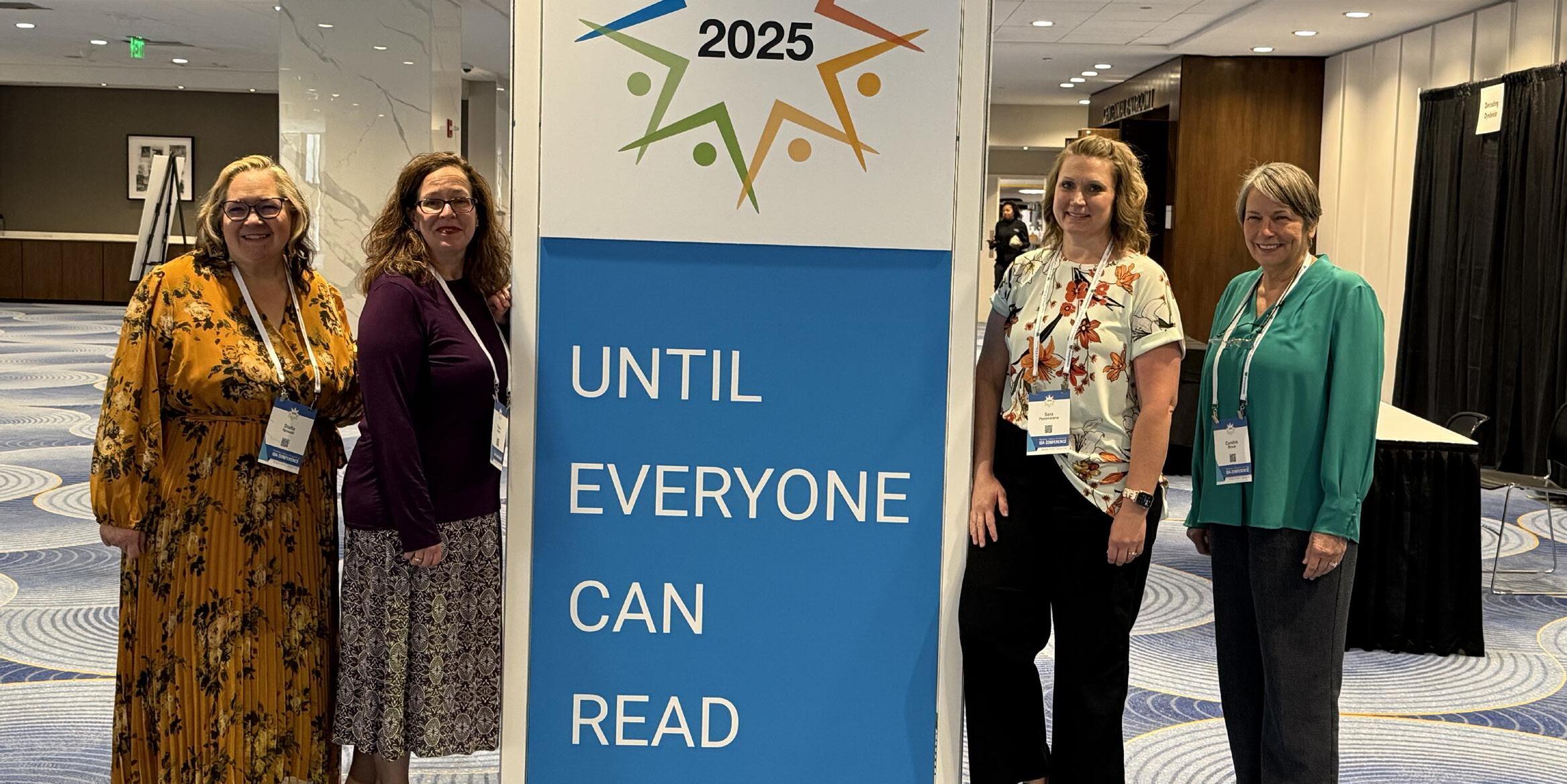
Left to right: Stella Nowell, Dr. Tracy Spies, Sara Pommarane, and Dr. Cynthia Brock pose at the International Dyslexia Association Conference in Atlanta.
Doubling Our Support for Teachers
The John P. Ellbogen Foundation has long been a vital partner of the LRCC and the University of Wyoming College of Education, providing essential support for initiatives that strengthen literacy statewide. The foundation’s leadership inspires others to invest in Wyoming’s teachers and students.
After the Wyoming Department of Education announced that the Ellbogen Foundation pledged $16,500 to cover the Knowledge and Practice Examination for Effective Reading Instruction (KPEERI) exam costs for teachers, donors to the Nathan’s Gift endowment matched the pledge, doubling support for teachers pursuing KPEERI certification.
When partners come together, including the John P. Ellbogen Foundation, Nathan’s Gift donors, the Literacy Research Center and Clinic, and the Wyoming Department of Education, our shared commitment to supporting teachers and students creates a ripple effect across the state. By working toward a common goal, we expand opportunities for literacy success in every Wyoming classroom.”
DR. KIM GUSTAFSON, LRCC EXECUTIVE DIRECTOR
Expanding Tutoring Access Through Online Delivery
In alignment with the LRCC’s five-year strategic plan to increase statewide access to high-quality literacy support, we are expanding our tutoring services to include an online delivery option. The LRCC is piloting this initiative with select rural communities, ensuring students in remote and underserved areas have increased opportunities to receive targeted, evidence-based literacy instruction.
This expansion is an important step in reducing barriers for students who may not otherwise have access to sustained literacy support due to geography, staffing shortages, or limited local resources. By meeting students where they are, we move closer to our vision of ensuring that all Wyoming learners—regardless of their location or circumstances—develop the literacy skills necessary for academic success and full participation in school, work, and civic life.
A core component of this initiative involves engaging our preservice educators as online tutors. This model offers meaningful clinical experiences that strengthen future teachers’ knowledge of effective literacy instruction while preparing them for the unique opportunities and challenges of teaching in rural settings. For many of these emerging educators, this work aligns with their commitment to serving rural communities and helps cultivate a workforce ready to support the state’s most isolated learners.
The LRCC remains committed to advancing highquality literacy education throughout Wyoming. Through innovative delivery models, strong school and community partnerships, and continued investment in educator preparation, we are building a more connected, more responsive, and more effective system of literacy support for all students.
We are grateful for the generous support that makes this expansion possible, including contributions from the Oscar C. Schwiering Literacy Resources and Technology Endowment, the Scarlett Family Foundation Literacy Excellence Fund, and the Mary Jo Carson Family Literacy Excellence Fund. These funds help us extend high-quality literacy services to learners across the state.
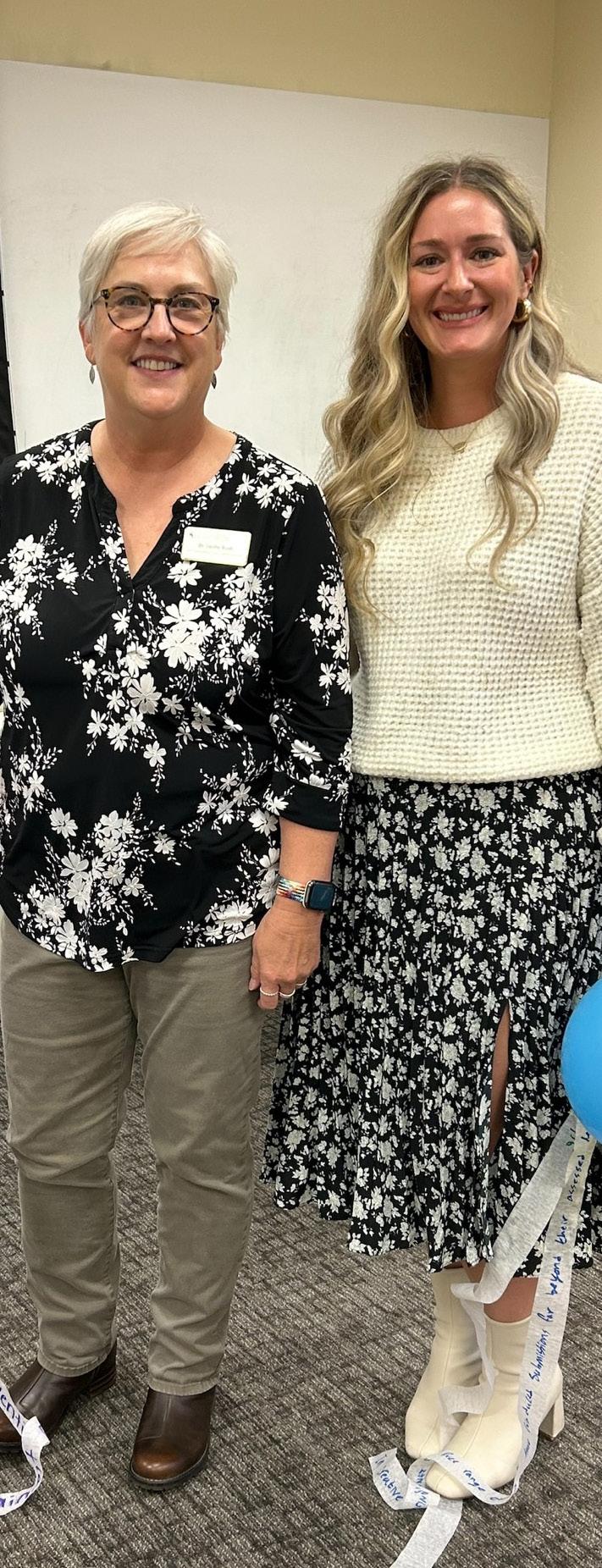
ENDOWED CHAIRS
Dr. Leslie Rush
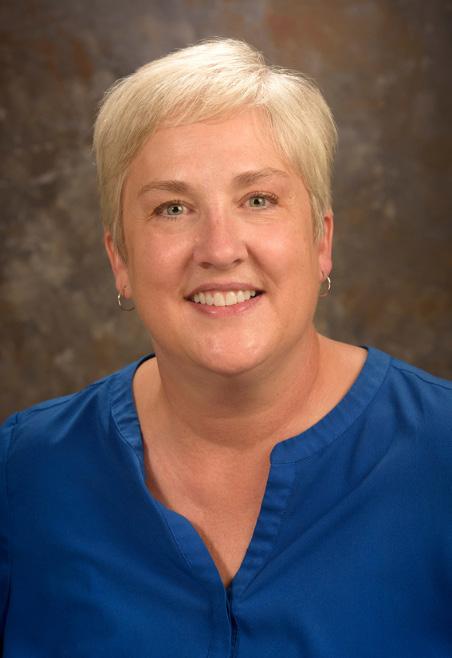
In addition to ongoing research and scholarship, much of Dr. Rush’s work in the 2024–25 academic year was engaging in literacy support for Wyoming schools and school districts in collaboration with state agencies.
In fall 2025, in collaboration with the Wyoming Department of Education, Dr. Rush initiated the Wyoming Secondary Literacy Community of Practice, a dedicated space for educators to come together and to delve into the crucial topic of secondary literacy. This community serves as a platform to connect, to learn, and to collaborate in a supportive and transparent environment. Group members have met monthly, engaged with guest speakers, and supported one another through examination of common problems of practice specific to literacy in secondary school settings.
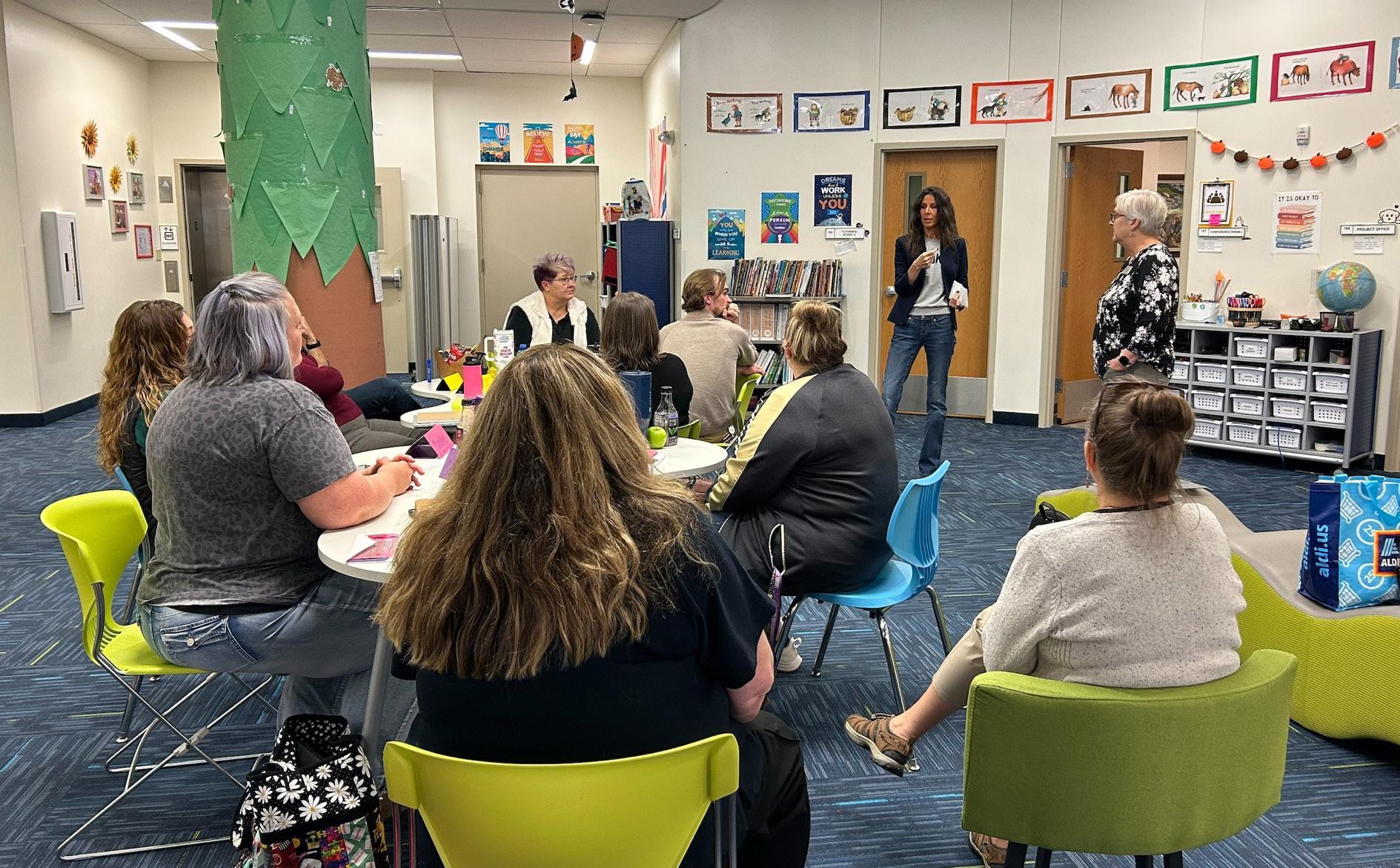
In collaboration with other UW faculty members, Dr. Rush has provided professional development or consulting with teachers and administrators at Lander Valley High School, Wheatland High School, and Cheyenne’s Central High School on literacy topics, including disciplinary literacy, writing instruction, and embedding discussion in instruction.
Dr. Rush is working with Dr. Stephany Anderson to design and develop a set of online modules for disciplinary literacy to be used by our secondary education preservice teachers and by middle and high school teachers.
Thanks to funds like the Don and Betty Walters Literacy Excellence Fund, the LRCC can build strong partnerships with Wyoming schools and support initiatives such as the Wyoming Secondary Literacy Community of Practice, advancing our mission to strengthen literacy across the state.”
DR. KIM GUSTAFSON, LRCC EXECUTIVE DIRECTOR
Dr. Cynthia Brock
Across the 2025 calendar year, Dr. Brock worked with Dr. Kim Gustafson, executive director of the LRCC, Sara Pommarane, distinguished teacher in residence at the LRCC, Dr. Leslie Rush, adolescent literacy endowed chair in the LRCC, and Dr. Tracy Spies, Fisher Family Professor in Literacy Education, to develop and maintain collaborative research and professional literacy learning partnerships in schools in the following school districts—Teton County 1, Fremont County 6, Albany County 1, and Laramie County 1. The LRCC team works with more Wyoming schools and districts, but the districts listed are the ones with which Dr. Brock was directly involved.
Working in conjunction with Dr. Ana Houseal, Dr. Brock and her colleagues successfully implemented the eighth year of the UW College of Education Academic Writing Fellows Initiative. Dr. Brock also coordinated work in the College of Education with two cultural mentors—one from the Eastern Shoshone Tribe and one from the Northern Arapaho Tribe. The work of the cultural mentors involves consulting with UW College of Education professors who are revising their university courses to include American Indian Education for All content. Additionally, College of Education faculty members are engaging in book clubs to read and learn more about the Northern Arapaho and Eastern Shoshone Tribes. Dr. Brock also coordinated visits by two preeminent literacy scholars—Dr. Al Tatum and Dr. Peter Afflerbach—to the College of Education to work with faculty and students.
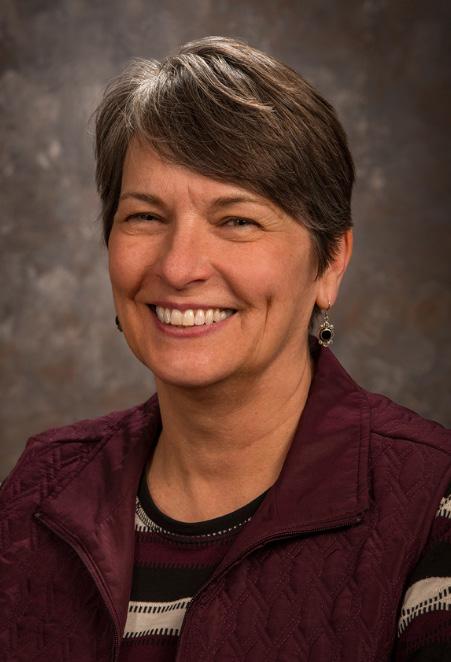
In addition to providing service to the UW College of Education, Dr. Brock engages in service and research at the state and national levels. For example, she is a member of the Wyoming Department of Education English Language Arts Standards Revision Committee. Dr. Brock also co-presented to the Wyoming Joint Education Interim Committee along with College of Education Dean Dr. Jenna Shim and LRCC colleagues Drs. Rush and Gustafson.
Dr. Brock leads the K–3 American Indian Education for All Disciplinary Literacy Initiative in collaboration with Rob Black and Lori Pusateri-Lane from the Wyoming Department of Education, the Northern Arapaho and Eastern Shoshone Business Councils, Dr. Gustafson, Sara Pommarane, Dr. Jayne Hellenberg from UW, and Dr. Pauline Harris from the University of South Australia. Dr. Brock also is collaborating with a UW College of Education civics education colleague and two teachers in Laramie County School District 1 on a disciplinary literacy research project involving We the People curriculum. In collaboration with teachers in Albany County School District 1, Fremont County School District 6, and teachers from Adelaide, South Australia, Dr. Brock is coordinating the development of an international literacy project that involves meaningful multimodal reading and writing practices between students across national boundaries.
At the national level, Dr. Brock serves as president elect of the Literacy Research Association, the premier literacy research organization in the U.S. She helped facilitate the development of a study group at the Literacy Research Association whereby eight Wyoming colleagues, including teachers, administrators, and Wyoming Department of Education staff members, will present their work to a national and international audience.
Dr. Brock completed six external reviews for colleagues in the field of literacy seeking promotion from assistant to associate or associate to full professor of literacy at the University of New Mexico, the University of South Carolina, Auburn University, the University of Texas at Arlington, Northern Illinois University, and the University of Illinois at Chicago.
Additionally, one of Dr. Brock’s recent publications involved coordinating an international team of writers—two UW undergraduate students, one U.S. colleague, an undergraduate student at Griffith University in Australia, and an Australian literacy professor—to write a collaborative paper for an Australian literacy journal.
Dr. Tracy Spies
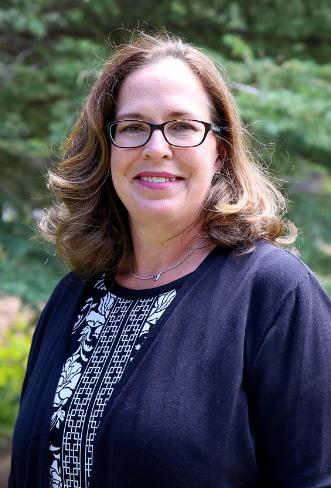
We are deeply grateful to Donne and Sue Fisher and the Fisher Fund for the Advancement of Literacy for their generous support of our first named professor in the Literacy Research Center and Clinic. The Fishers’ endowment not only enables us to honor Dr. Tracy Spies as the Fisher Family Professor in Literacy, but it also strengthens the LRCC’s work across all its initiatives. The Fisher Fund for the Advancement of Literacy helps us continue to serve as a trusted partner in advancing literacy excellence throughout Wyoming, fostering innovation, leadership, and opportunity for educators and students alike.
Dr. Spies joined the LRCC in fall 2025 from the University of Nevada at Las Vegas, where she spent 13 years in the Department of Early Childhood, Multilingual, and Special Education. She earned her Ph.D. in educational psychology with an emphasis in Hispanic bilingual education from Texas A&M University. Before starting her journey into academia, she was a paraprofessional, a bilingual teacher, and an administrator in Texas public schools.
Dr. Spies’s scholarly agenda focuses on the question, “What does meaningful access really mean?” She strives to support students’ access to the general education curriculum through meaningful learning experiences at the intersection of their multiple identities—multilingual learners with learning disabilities, multilingual learners in early childhood, and rural students with literacy difficulties. She examines this question through curriculum and educator development with an emphasis on translating research into practice.
In her short time with the LRCC, Dr. Spies has focused much of her attention on responding to Wyoming’s initiatives around dyslexia. She is in the process of creating a graduate certificate program in dyslexia with five corresponding classes. Her longer-term goal in this area is to seek accreditation from the International Dyslexia Association for this program.
Dr. Spies published two articles in fall 2025. She also served as lead on the submission of a Research to Practice Partnership Grant with members of the Eastern Shoshone and Northern Arapaho Tribes, Dr. Leslie Rush, and Dr. Cynthia Brock. This grant, Walking Together: Empowering Teachers for Wyoming’s Indian Education for All, aims to support building Wyoming’s Indian Education for All framework. She also presented her research at national conferences, including the Council for Learning Disabilities and the Literacy Research Association.
Dr. Spies spent her first semester in the LRCC introducing herself to partners across the state. She joined Dr. Brock and Sara Pommarane’s established partnership with Holy Name Catholic School in Sheridan for a professional development series on writing. She also designed and developed professional development for schools in Platte County, which is scheduled for spring 2026. She will begin professional development on dyslexia-related topics in Albany County schools for the entire spring semester.
DISTINGUISHED TEACHER IN RESIDENCE AND SENIOR PROGRAM COORDINATOR
Sara Pommarane
As part of her role at the LRCC, Sara oversees the tutoring clinic. The LRCC’s tutoring clinic and extensive student library, which provides rich and engaging children’s literature for learners and educators, are made possible through the generous support of our endowments. We are especially grateful for the Peterson Family Reading Excellence Fund and the Bindschadler Family Literacy and Libraries Partnership Fund, whose investments ensure that children and preservice educators have access to high-quality literacy resources throughout the year.
The LRCC provides tutoring services during the fall and spring semesters for students in kindergarten through 12th grade in Albany County. Children come to the clinic through several referral pathways. Some are recommended by their classroom teachers, others hear about the clinic through word of mouth from families already attending, and some learn about our services through social media outreach.
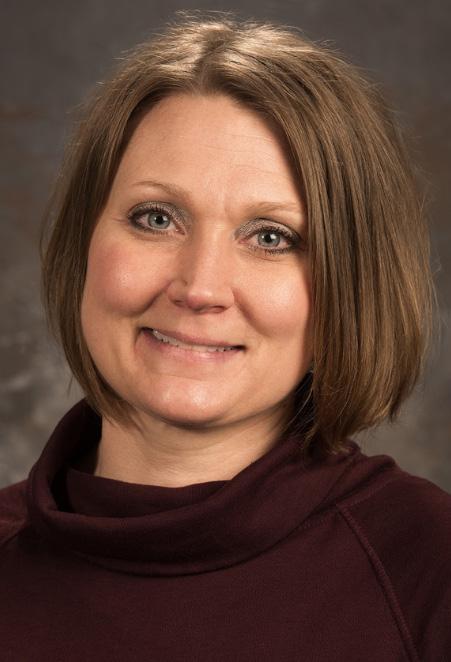
Currently, the LRCC serves 22 Albany County students in kindergarten through ninth grade. These children attend tutoring sessions on campus from 3:30-4:30 p.m., one or two days each week. During their sessions, they receive one-on-one instruction from a dedicated tutor, who tailors lessons to support each student’s unique strengths and needs.
To identify an appropriate starting point for every student, tutors begin the fall semester by administering a set of assessments—the Qualitative Reading Inventory, a Words Their Way Spelling Inventory, and an informal writing assessment, with additional assessments administered as needed based on individual student profiles. The results help tutors design targeted instruction that meets each student’s specific needs. Once assessments are completed, tutors prepare weekly lesson plans that incorporate a warm-up activity, reading comprehension work using before-, during-, and after-reading strategies, fluency practice, vocabulary instruction, word work, which may include phonological awareness, phonics, or morphology, and writing.
Supporting the growth and preparation of preservice teachers is a cornerstone of the LRCC. Each week, Sara provides tutors with ongoing, research-based professional development focused on effective literacy instruction. These sessions are directly connected to the needs of the students at the clinic and help tutors strengthen their skills in areas such as vocabulary instruction, comprehension strategies, assessment practices, and responsive teaching.
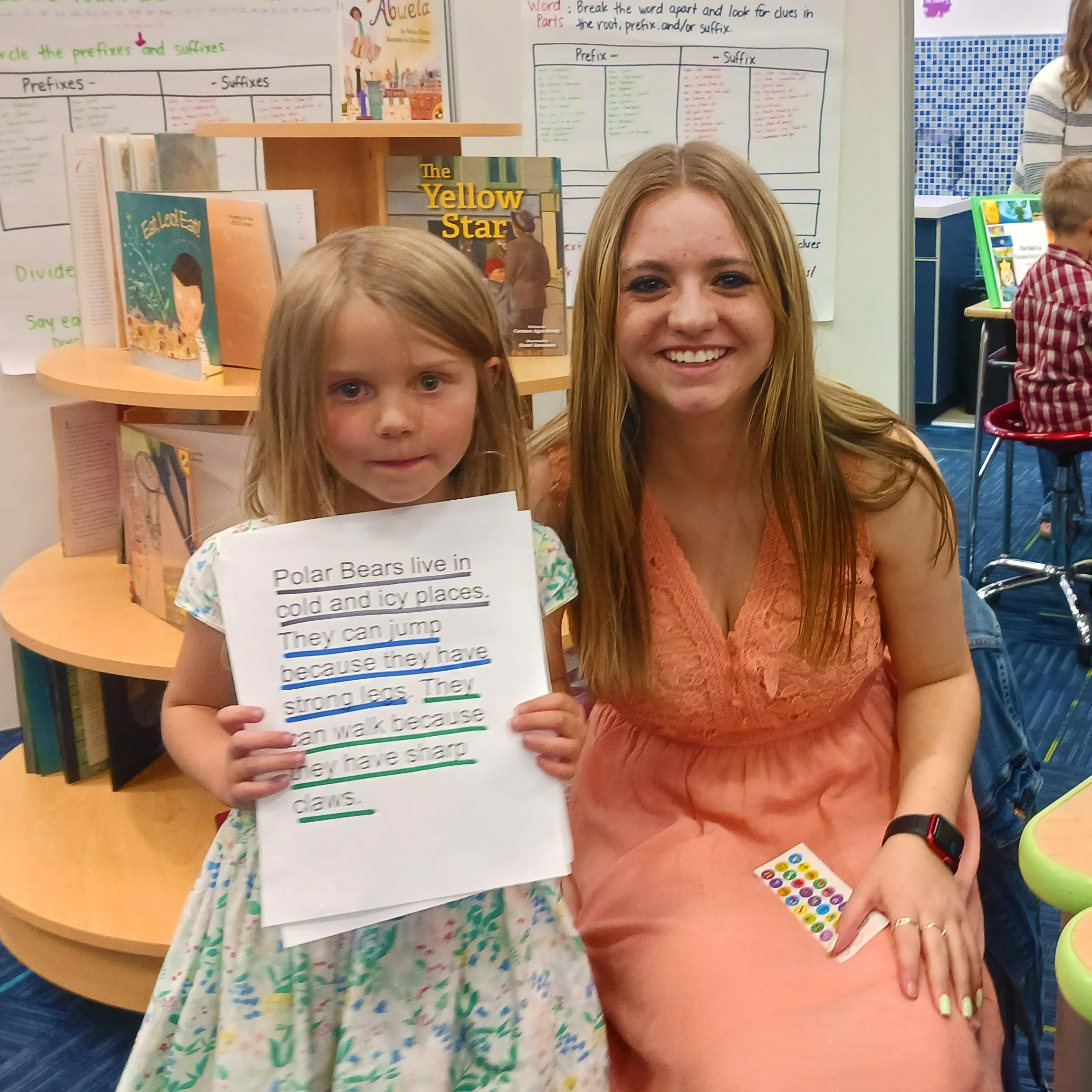
Students who come to the LRCC know that their interests help shape what they learn. Tutors design lessons that address all areas of literacy while tailoring each component to the student’s preferences. For example, if a student is fascinated by weather, the tutor selects grade-appropriate texts on that topic and creates related writing activities to keep the student engaged and motivated. This approach serves two important purposes. Students are more inclined to read and write when they have a say in their learning, and it supports them in preparing a meaningful endof-semester project to share with their families and friends.
During the Student Showcase, students proudly share the work they’ve accomplished throughout the semester. The LRCC comes alive with parents, siblings, tutors, and students exploring the projects on display. Some students present posters that take an in-depth look at how vegetables grow, incorporating reading, writing, and speaking into their presentations. Others design quiz show questions to test the audience’s knowledge of koalas or Greek gods. Still others write fairy tales and use puppets to perform their stories in a miniature fairy garden. Each project is as unique as the student who created it. Families leave the showcase with a meaningful glimpse into what their children have been learning and creating. Tutors further support this understanding by providing written summary reports that highlight the students’ growth and key learning moments from the semester.
For me, I did not initially think that working at the LRCC would impact me in my future teaching job as a secondary mathematics teacher. However, I have learned firsthand about the importance of assessment as a tool for teaching and the importance of using research-based practices to teach students. I also have realized in my math methods courses the importance of literacy for students to succeed in math. I will be implementing some of the ways we helped students with literacy at the LRCC in my future math classroom to help my students excel at the aspects of math that incorporate literacy.”
CLAIRE EDMAN
SECONDARY MATH MAJOR AND TUTOR
IN MEMORY OF JUDY CATCHPOLE
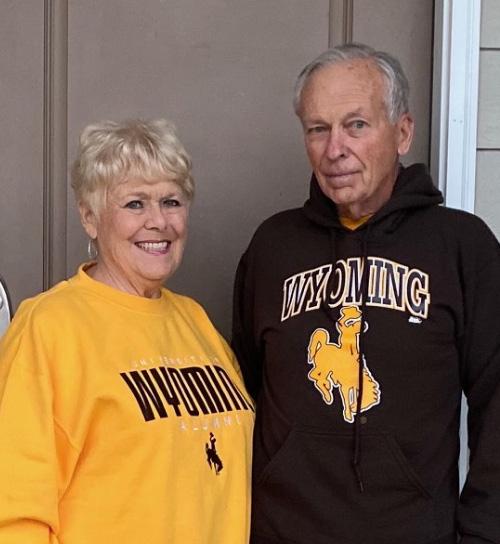
The University of Wyoming Literacy Research Center and Clinic dedicates this annual report to the memory of Judy Catchpole, a founding co-chair of the LRCC Outreach Advisory Board and a steadfast champion for literacy across Wyoming. Judy devoted her life, career, and service to education and opportunity for all learners. Her extraordinary commitment to the transformative power of literacy will continue to inspire and guide the work of the center now and into the future.
1000 E. University Ave l Laramie, WY 82071 (307) 766-3156 l litcntr@uwyo.edu www.uwyo.edu/education/lrcc