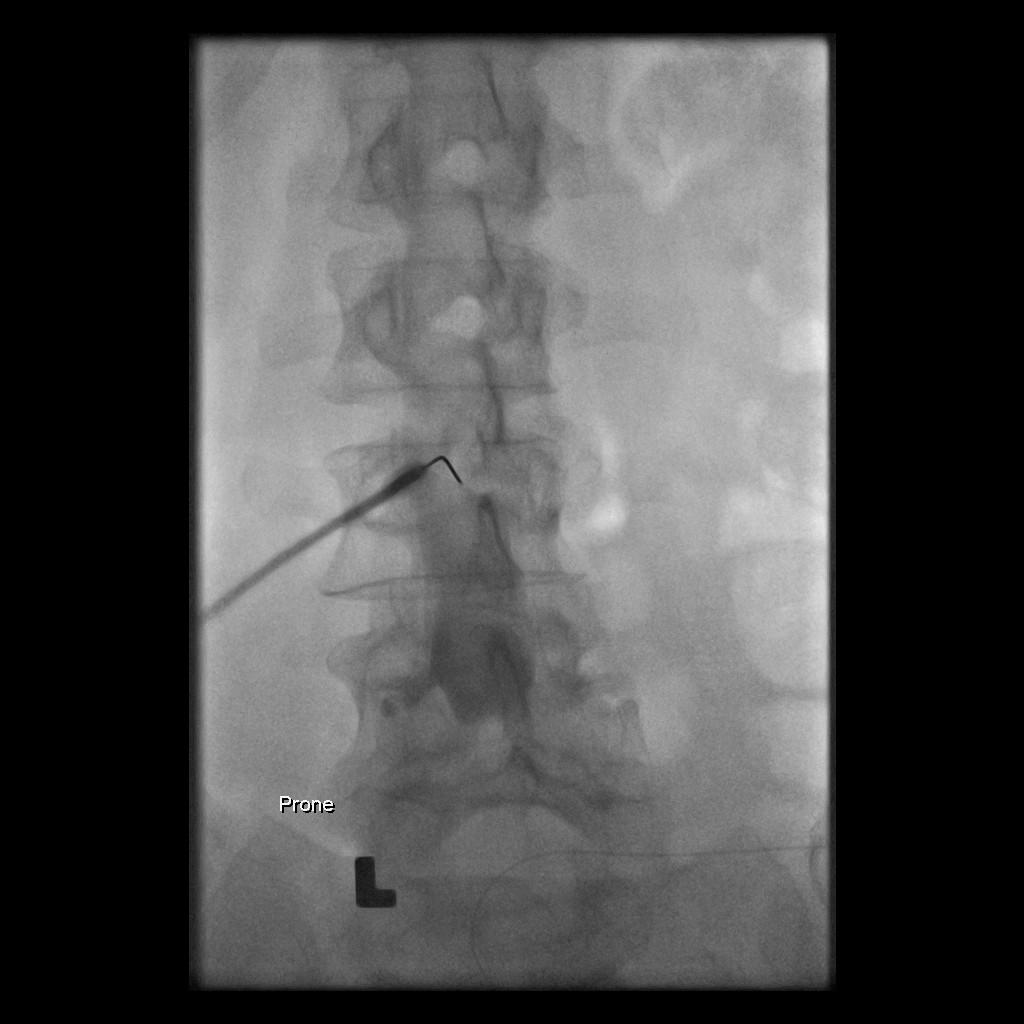
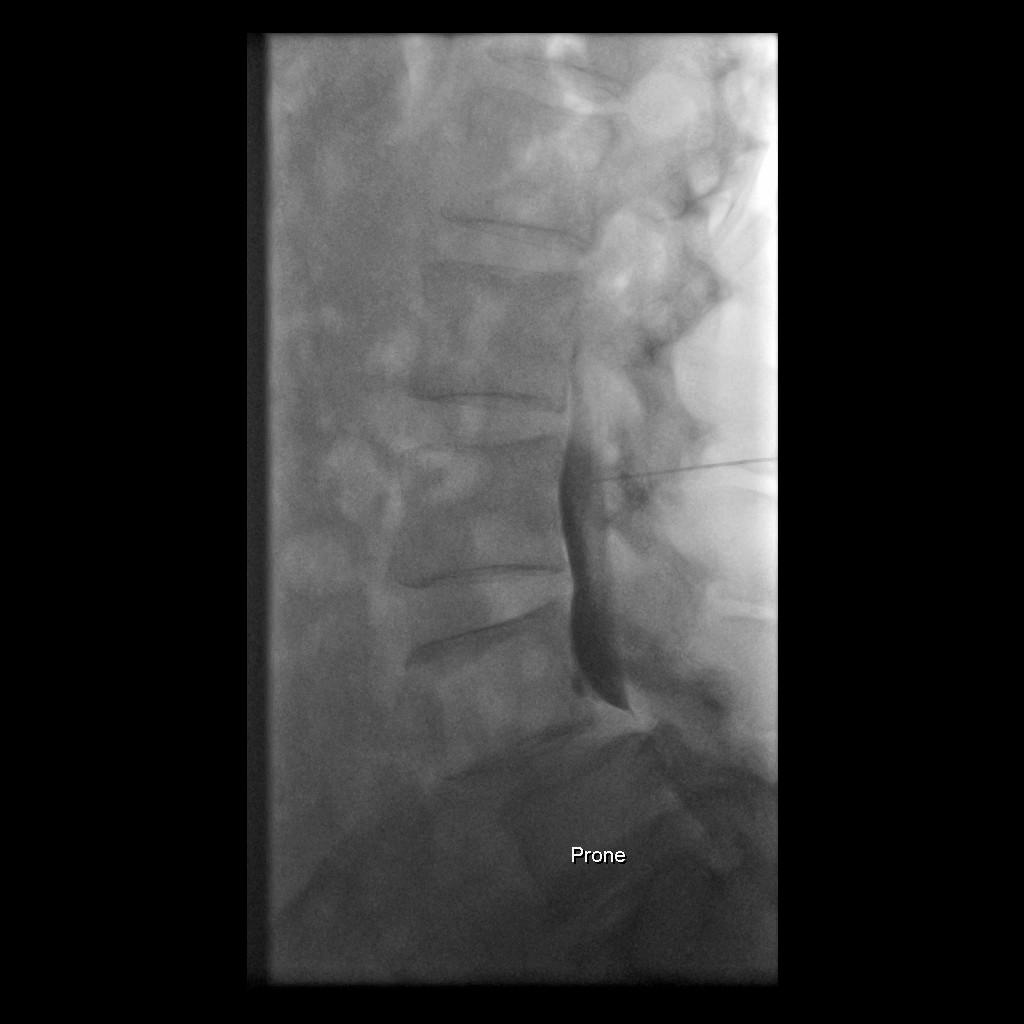
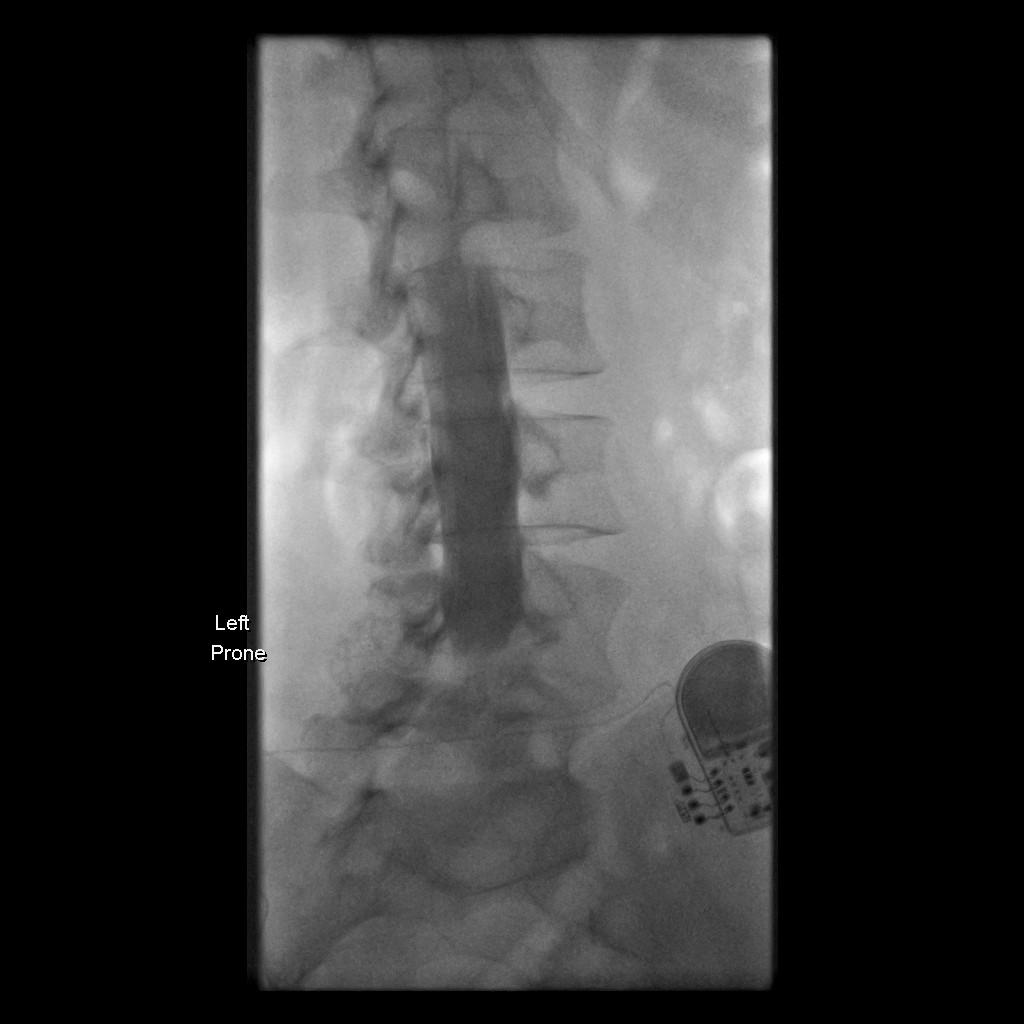
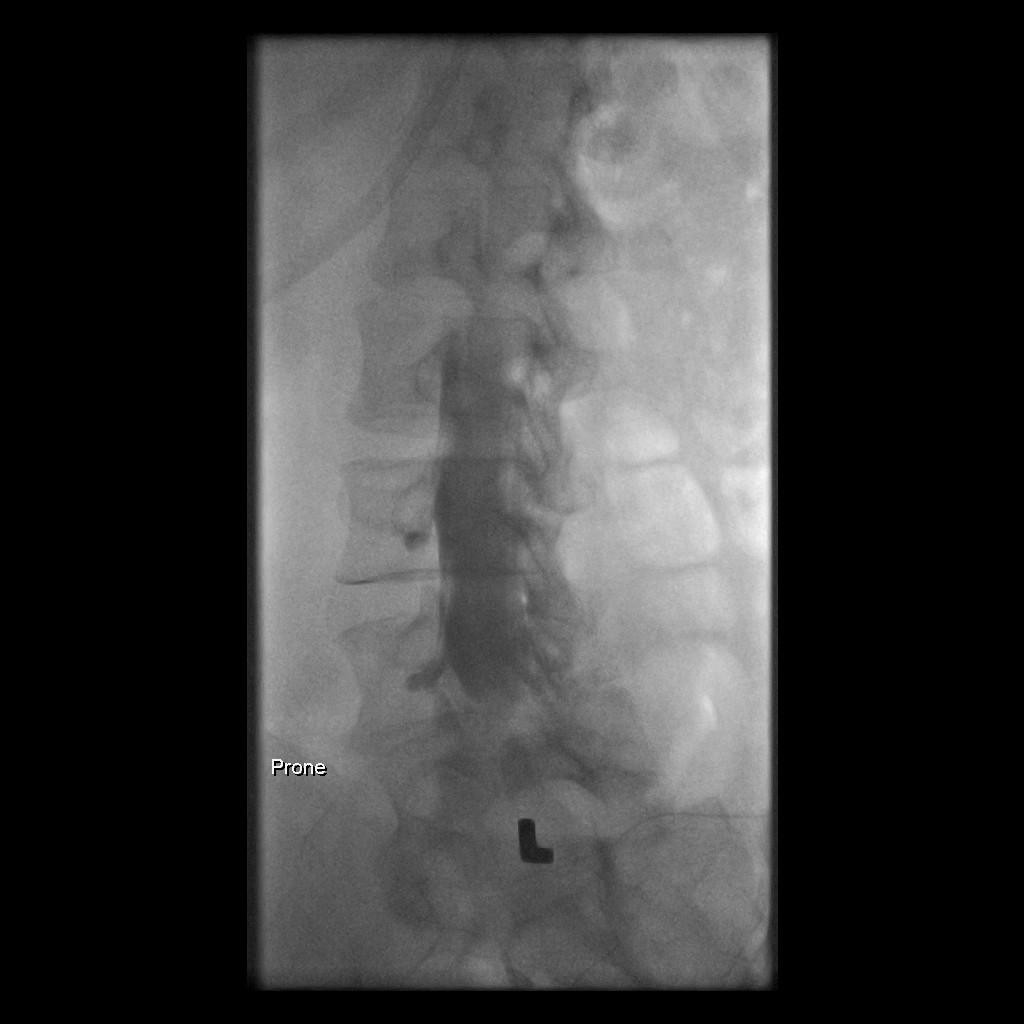
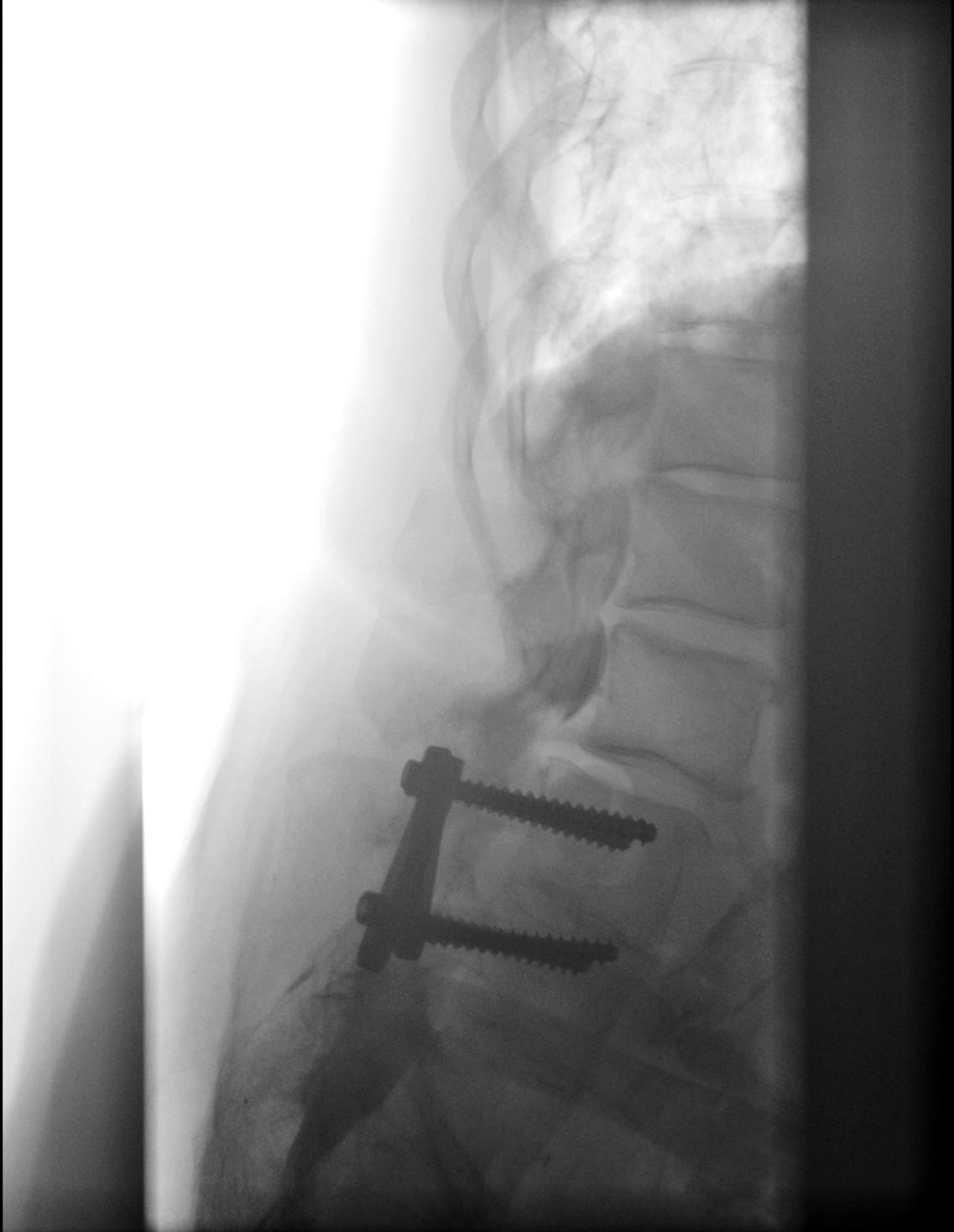
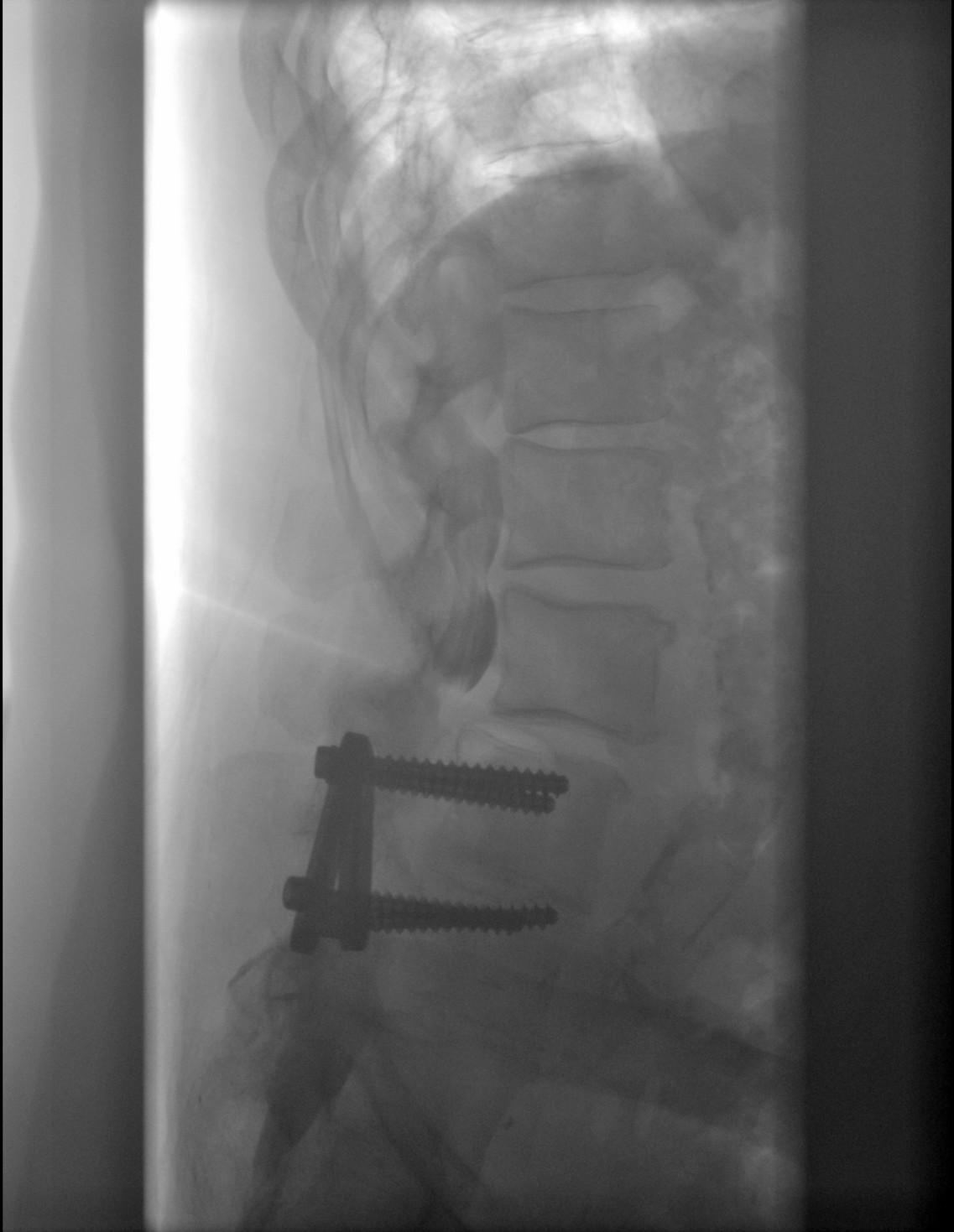
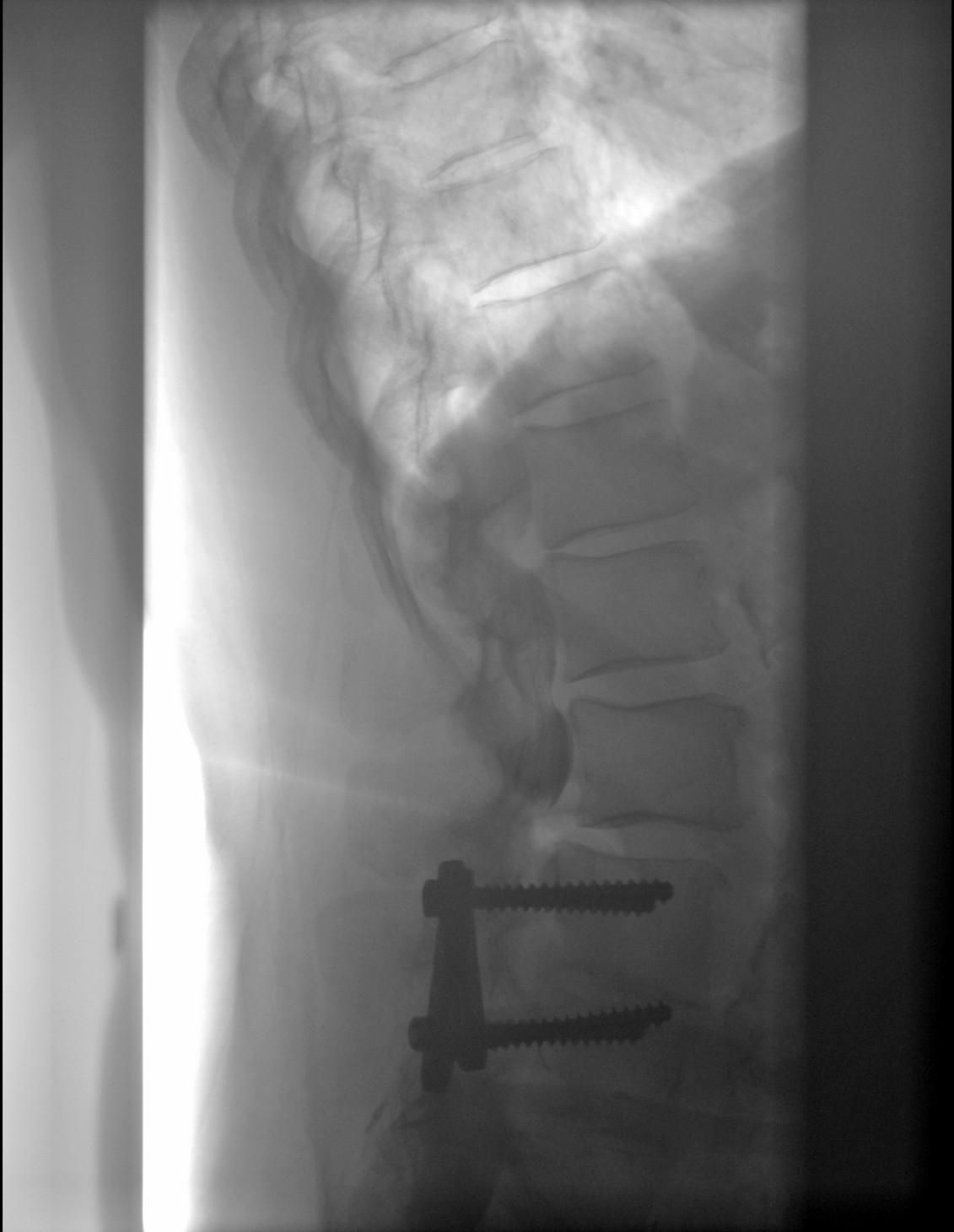
Lumbar Puncture
• Done for CSF sampling and/or CSF pressure measurement
• Use 22G or smaller needle
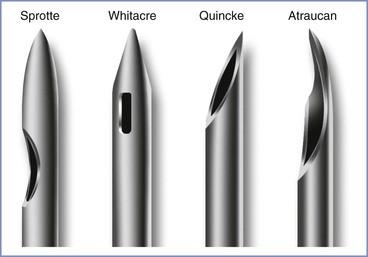
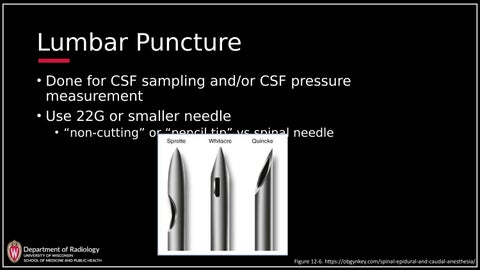
• “non-cutting” or “pencil tip” vs spinal needle

• Done for CSF sampling and/or CSF pressure measurement
• Use 22G or smaller needle
• “non-cutting” or “pencil tip” vs spinal needle
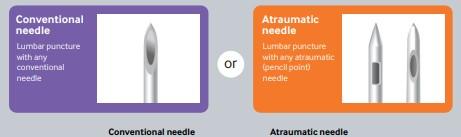
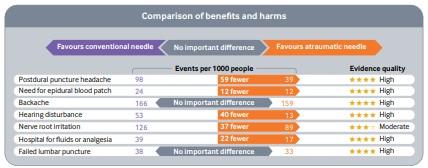
Rochwerg B, Almenawer S A, Siemieniuk R A C, Vandvik P O, Agoritsas T, Lytvyn L et al. Atraumatic (pencil-point) versus conventional needles for lumbar puncture: a clinical practice guideline BMJ 2018; 361 :k1920 doi:10.1136/bmj.k1920
• Pre-procedure checklist:
1. Coagulation
• SIR low-risk guidelines:
• INR correct to within 2.0-3.0
• Platelets: transfuse if below 20k
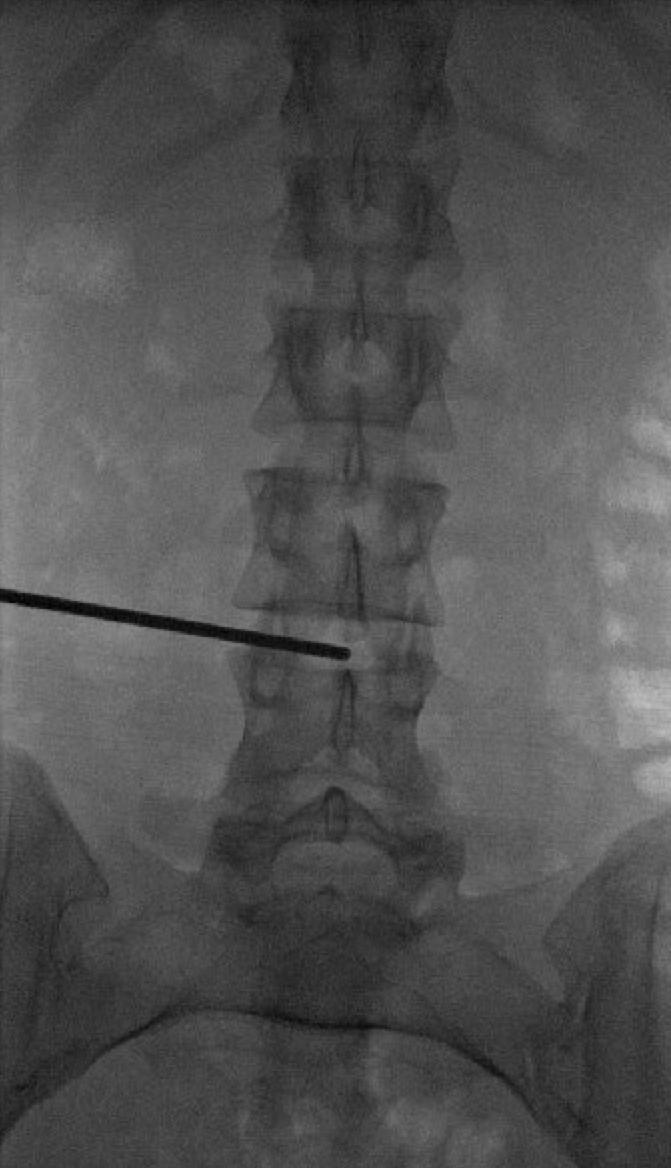
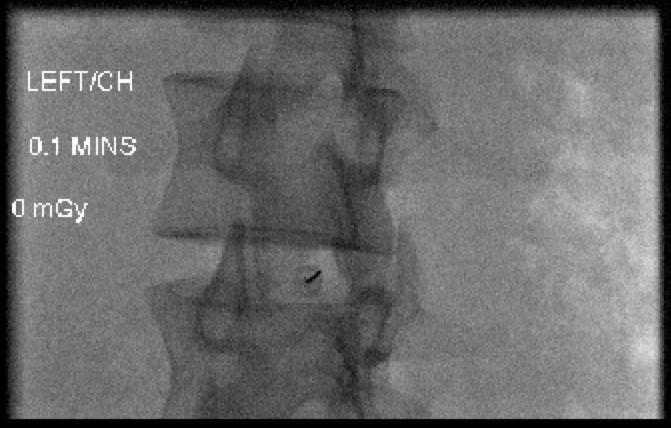
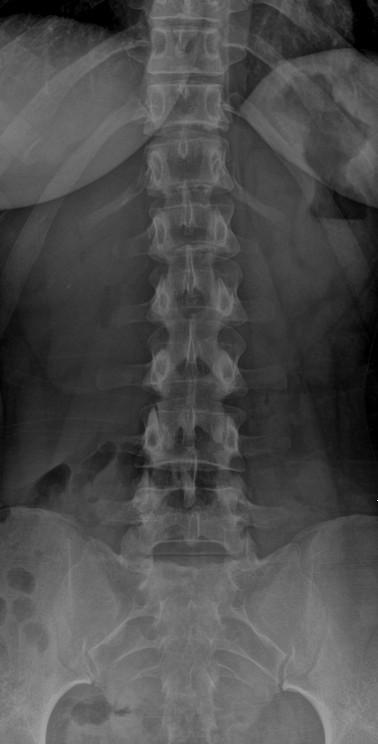
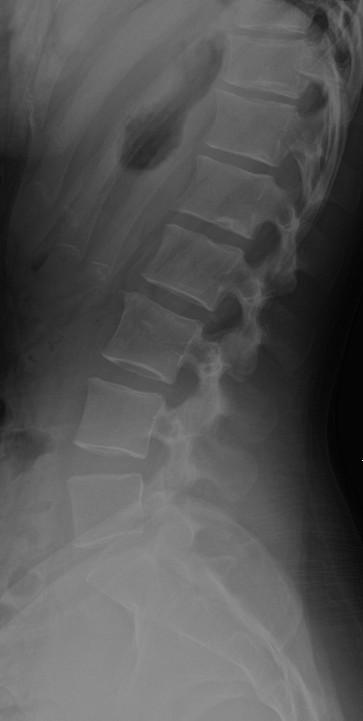
2. Anatomy
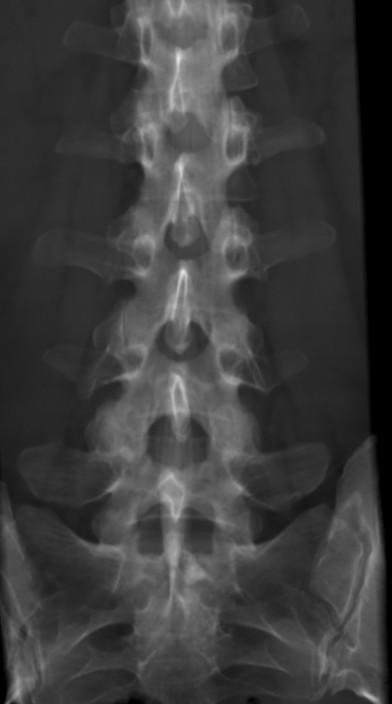
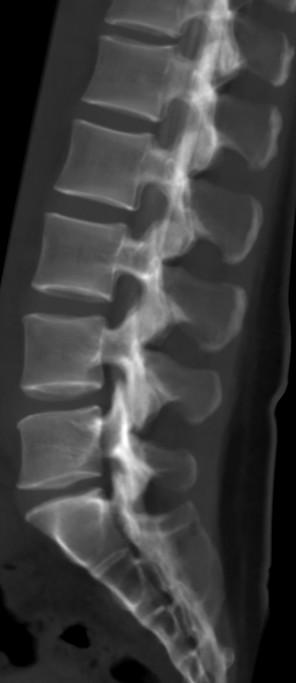
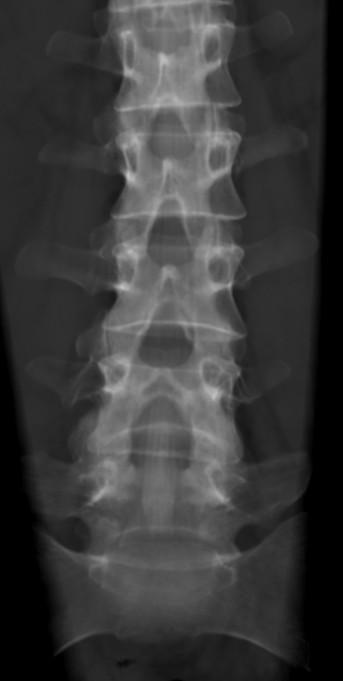
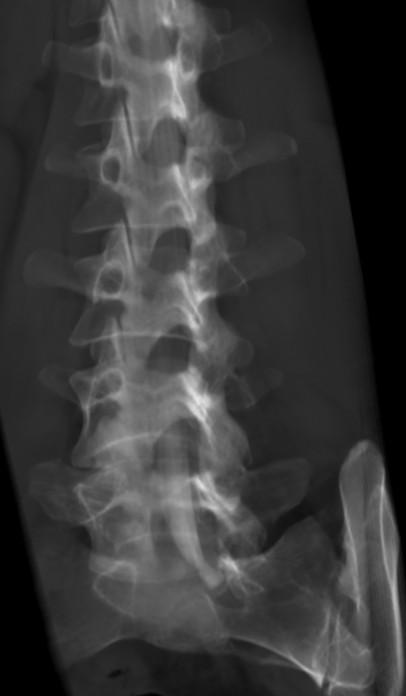
• Review any imaging of lumbar spine (this includes CT abdomen/pelvis, radiographs, MRI localizer images)
• If available, MRI – check conus location
• Ideal levels to target: L2-3 and L3-4
• Positioning: Prone versus Lateral Decubitus
• Supplies - lumbar puncture tray, which includes:
• CSF manometer, CSF collection tubes (labeled 1-4), syringe and 25g needle for lidocaine administration, tubing, 3-way stopcock, betadine
• Spinal or non-cutting needle
• Normal CSF Pressure: 5-25 cm H2O
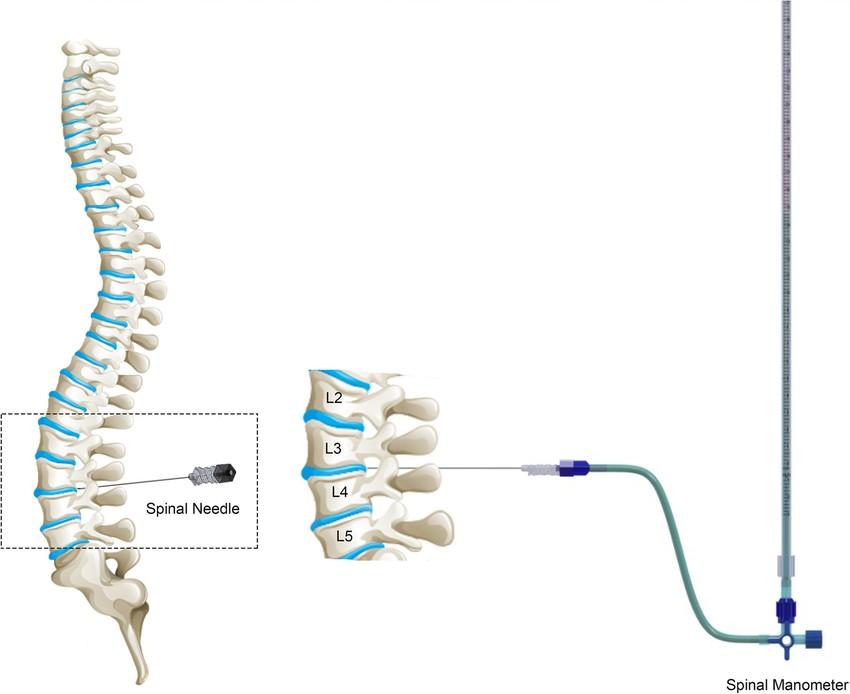
Fig 1. Yücel, Duygu & Ülgen, Yekta. (2023). A novel approach to CSF pressure measurement via lumbar puncture that shortens the measurement time with a high level of accuracy. BMC Neuroscience. 24. 10.1186/s12868-023-00805-4.
Procedural Tips
• Use lateral to determine depth if using C arm
• Valsalva and long tubing to speed collection
• Rotate needle if CSF flow slowing
• Short supine bedrest following procedure
• 30 min to 2 hours
• Same steps as lumbar puncture
• Once determined to be intrathecal, begin injecting contrast
• Inject contrast in AP or Lateral projections
• Ensure using Omnipaque 180/240/300
• Volume: 3 gram max dose
• cervical: 10 mL of 300 mg iodine/mL
• whole spine: 15-17 mL of 240 mg iodine/mL
• lumbar spine: 15-17 mL of 180 mg iodine/mL or 10 mL of 300 mg iodine/mL