DESIGNING WITH MACHINES: A GUIDE (AND WARNING)

By: Giada Motto
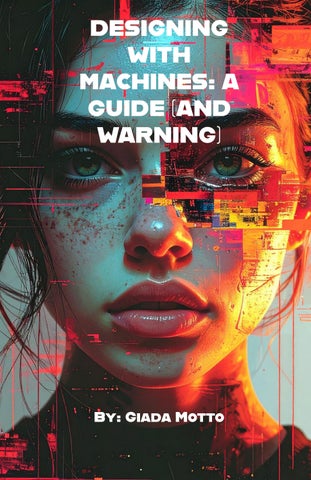
By: Giada Motto
AI is often framed as a tool that expands creativity and efficiency. It can generate images, layouts, and ideas in seconds, allowing designers to work faster than ever before. This promise of speed and innovation has made AI attractive across the design industry.

(AI Generated Images)

However, this convenience raises important questions about authorship and originality. As Adam Zewe explains, generative AI systems rely on massive datasets scraped from existing work, often without consent (Zewe, 2025). This challenges the idea of design as a human-centered, intentional process.
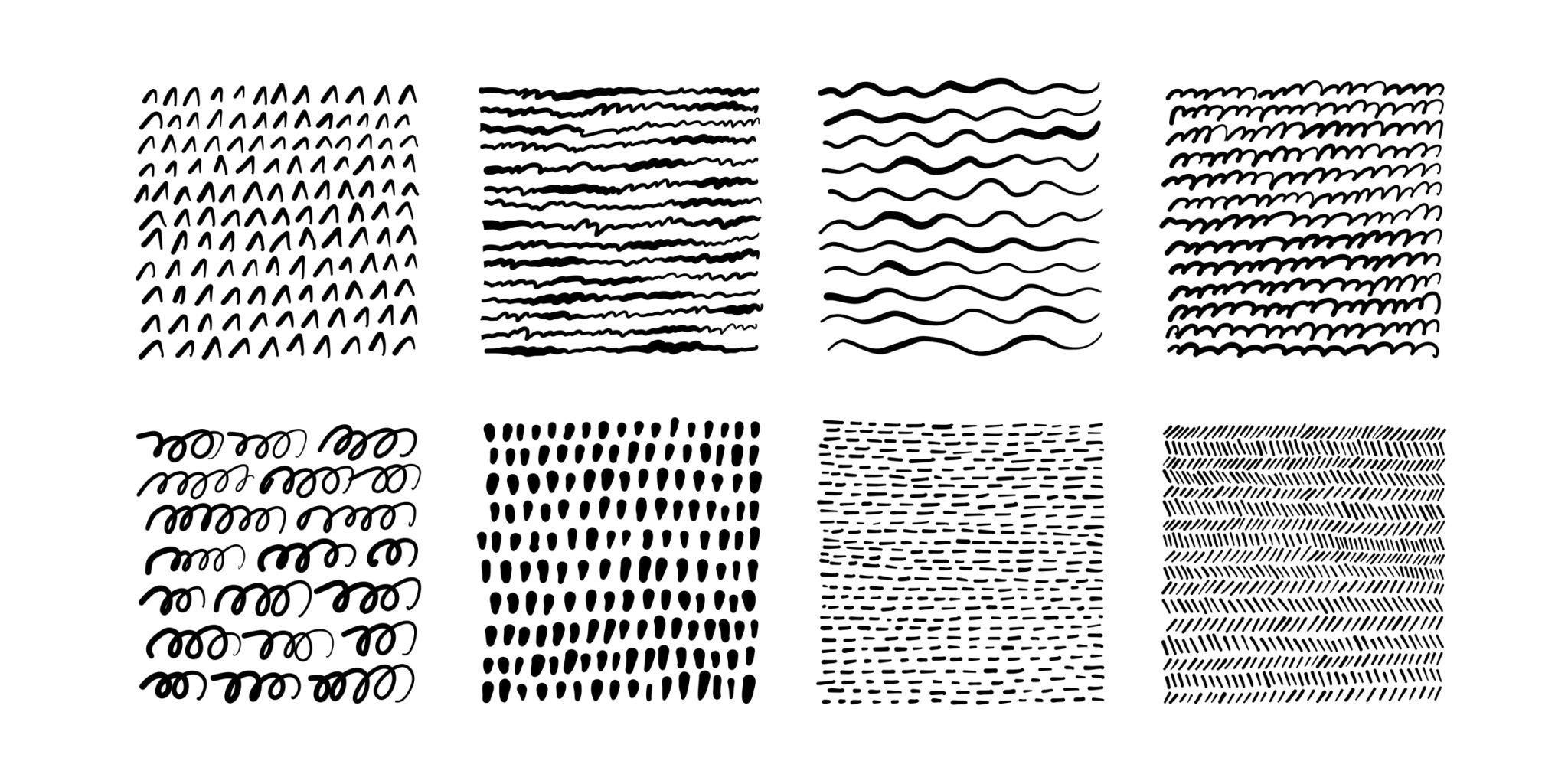
(Examples of hand drawn art)

“Fast does not always mean
AI systems are not neutral. They reflect the biases embedded in the data they are trained on. This can lead to the reinforcement of stereotypes and exclusion in visual culture. Designers who rely on these systems risk unknowingly reproducing harmful patterns.


Additionally, the environmental cost of AI is often overlooked. Training large AI models requires significant energy and resources, contributing to carbon emissions (Zewe, 2025). While AI may seem invisible, its impact is not.

Design has always shaped how people think and feel. As Sean Adams notes, design exists to engage and influence the viewer (Adams, 2021). If AI becomes the primary creator, designers must ask: who is really doing the influencing?

QUOTE: “If design shapes the world, who shapes AI?”


Adams, S. (2021). How design makes us think and feel and do things.
Princeton Architectural Press.
Zewe, A. (2025). Explained: Generative AI’s environmental impact. MIT News.