
CATALYST
Dean: David R. Silva, Ph.D.
Editor: Ryan Schoensee
Contributing Editor: Lauren Moriarty
Graphic Designer: Coral Díaz
Copyeditor: Ashley Festa
Student Writers: Alex Roush, Amber Powell, Cecilia Nwaichi, Hailey Schmidt, Jalen Ray, Robert Salinas
Contributing Writers: Jordan Allen, Taylor Bird, Kelly Holguin
Associate Dean for Faculty Success: Kelly Nash, Ph.D.
Interim Associate Dean for Graduate Studies and Associate Dean for Research: Jose Lopez-Ribot, Pharm.D./Ph.D.
Associate Dean for Student Success : Edwin Barea-Rodriguez, Ph.D.
Associate Dean for Undergraduate Studies: Timothy Yuen, Ph.D.
Assistant Dean for Fiscal Administration: Mike Findeisen
Assistant Dean for Remote Instruction: Terri Matiella, Ph.D.
Senior Executive Development Officer: Kim Fischer
Student Writers

Alex Roush
Environmental Science
Amber Powell
Multidisciplinary Studies

Student Artists
Uchechi Cecilia Nwaichi Biology
Hailey Schmidt
Environmental Science
Jalen Ray
Environmental Science
Message from the Dean
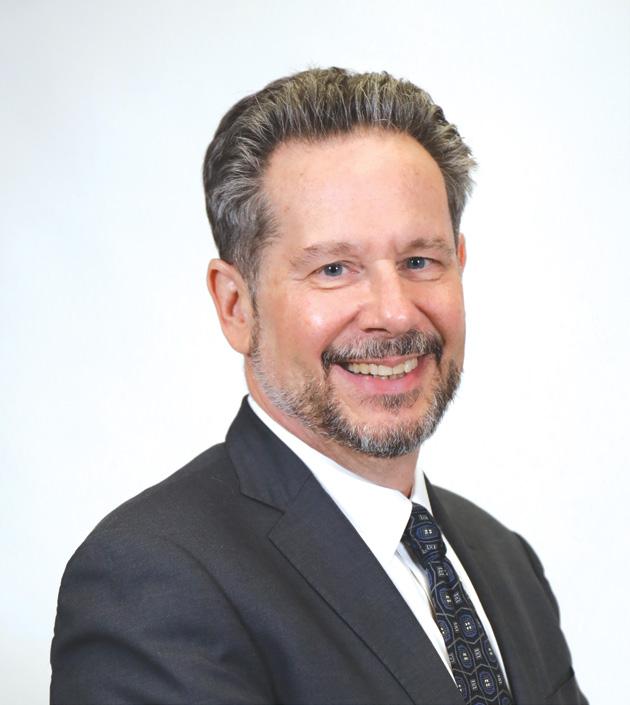
Greetings from the College of Sciences. Although this past year was not easy on anyone, I’d like to recognize the remarkable resilience of our students, faculty and staff who were able to rise to the challenge. I am continually grateful to represent and serve our college.
Despite the pandemic, we are on track toward our strongest year in awards and research expenditures. Last spring, over 450 Roadrunners graduated from the College of Sciences, and this fall we welcomed hundreds more first-year students to campus. We are dedicated to equipping the next generation of outstanding scientists with a top-tier education. My pride in what we accomplished this year is matched only by my excitement for what’s to come. From our collaborative partnership with the new School of Data Science to the great strides we have made in environmental sustainability, there are many amazing things happening within the college that I’m excited to share with you in this magazine.
Robert Salinas Geology
Brianna Trevino
Communication
We recently reorganized our life sciences programs into three new departments: Integrative Biology; Molecular Microbiology and Immunology; and Neuroscience, Developmental and Regenerative Biology. This long-awaited restructure will continue to improve the academic experience for our students and provide them with the tools they need to achieve professional success. Additionally, we renamed our Department of Geological Sciences to Earth and Planetary Sciences to better reflect the range of expertise and courses offered within the department that go beyond the standard definition of geology and span a wide range of areas including earth sciences, water and climate, environmental geosciences, oceanography, geological hazards, geoinformatics, and planetary science. Our students now have even more opportunities to pursue emerging areas of study with the potential to change the world.
We overcame this past year with the help of our community and friends. Thank you for your continued support of our college and students. Your contributions are paving the way to a bold future that is filled with innovative research discoveries made possible by future world-class scientists. Thank you for being a part of this journey. I can’t wait to see what lies ahead!
Sincerely,
Ziqi Yu
Chemistry
DAVID R. SILVA, PH.D. Distinguished Professor, Physics and Astronomy Dean, College of Sciences
Congratulations
u UTSA’s Cypress Living Laboratory opened for student, faculty and community use. The outdoor classroom is designed to promote habitat and environmental education opportunities associated with the Edwards Aquifer watershed, including the laboratory’s adjacent creek ecosystem.
u Dr. John McCarrey (Neuroscience, Developmental and Regenerative Biology) and Dr. Eric Brey (Engineering) are leading the new Institute of Regenerative Medicine, a joint initiative between the College of Engineering and College of Sciences.
u Dr. George Perry (Neuroscience, Developmental and Regenerative Biology) was one of four scientists appointed to the NervGen Alzheimer’s Disease Scientific Advisory Board.
u Dr. Jenny Hsieh (Neuroscience, Developmental and Regenerative Biology) led a groundbreaking study that suggests the COVID-19 virus might enter the human brain. Hsieh and Courtney McMahon, a UTSA Ph.D. candidate in cell and molecular biology, created brain organoids with different types of brain cells infected with small amounts of SARS-CoV-2. They found that the brain’s glial cells were susceptible to COVID-19 infection.
u Dr. Doug Frantz (Chemistry), Dr. Stanton McHardy (Chemistry) and Dr. John Quarles (Computer Science) were recognized with the prestigious Senior Member designation by the National Academy of Inventors.
u Undergraduate and graduate STEM students presented their research findings in the Center for Advanced Measurements in Extreme Environment’s (CAMEE) first spring research showcase.
u The College of Sciences and the Honors College partnered to launch the new College of Sciences and Honors College (COSHON) integrated program that streamlines the ability for honors-eligible students in the sciences to be both Honors College students and members of their college honors program.
u Dr. Francis Yoshimoto’s (Chemistry) COVID-19-related research earned him two citations by the World Health Organization. These citations represent one of the highest levels of recognition a research scientist can receive.
u Dr. Matthew Troia (Integrative Biology) was recognized for his research on the environmental impact of large cities. The Ecological Society of America awarded Troia and his fellow study authors the 2021 Sustainability Science Award.
u Dr. Hector Aguilar (Chemistry) was named a fellow in the University of Texas System Academy of Distinguished Teachers.
u Sophomore Mariah Antopia (Biology) was named a Barry Goldwater Scholar, the most prestigious national scholarship awarded to undergraduate students engaging in research in the natural sciences, engineering and mathematics.
u Graduate student Rebecca Nunu (Earth and Planetary Sciences) received the UTSA Graduate School’s Outstanding Thesis award.
u Graduate student Kaitlyn Varela (Chemistry) was awarded both the National Science Foundation Graduate Research Fellowships Program and the Ford Foundation Predoctoral Fellowship. The Ford Foundation fellowship is part of a national competition by the National Academies of Sciences, Engineering and Medicine and is only awarded to select individuals who demonstrate academic achievement and are committed to a career in teaching or research.
Good to Know
“Being from San Antonio, I knew I always wanted to return at the right time and serve my community, which provided me with so much growth. I was intentional on my next professional move, and the criteria I was looking for included: working for a Hispanic-Serving Institution (HSI), supporting STEM students and having freedom for creation and innovation toward student development and success. The Student Success Center (SSC) role matched all of my expectations and much more, as UTSA is thriving in all of these areas.
“As a first-generation college student, I had to learn how to navigate the university on my own. Students have so many unanswered questions about college—we should make it easy for them to pick their experience. I missed out on several key opportunities in college because I didn’t have the information about them, and I was afraid to ask questions. I want to provide students with as much information as possible so they are aware of their opportunities and they can make informed decisions that are in their best interest.
“I hope all students in the College of Sciences see the SSC as a place where they can go for answers and support. I would like to provide opportunities for students in every academic year and to create a program to build student leaders. We hope that through SSC services, students will be able to define their science identity and confidently navigate their science journey beyond graduation. Our mission is to help students find their place at UTSA and within the College of Sciences. We want students to see themselves represented within their discipline, and we will support their journey by providing exceptional resources along the way.”

The College of Sciences Student Success Center is a comprehensive resource center for all science students. The center promotes student success by working closely with faculty, the Tomás Rivera Center and the UTSA CareerEdge Center to provide academic and career support and to help transfer students transition to UTSA successfully. The center aims to empower students to take ownership of their learning experiences, leading to overall student success, graduation, and personal and professional growth.
Daniel Ramirez-Escobedo is the director of the College of Sciences Student Success Center. He joined UTSA in April.
The College at a Glance
There were 341 actively funded research projects in 2020. These projects spanned a number of disciplines including brain health, nanotechnology, stem cells, medicinal drugs, infectious diseases, vaccine development and cybersecurity.
Hispanic/Latinx Students
First-Generation Students
Degree Programs
Departments
Faculty
In May 2021, 451 students graduated from the College of Sciences. Almost half (47.7%) were Hispanic or Latino. Of those students: a doctorate
On Giving Day 2021, we raised more than $37,000 from over 70 donors. The college wishes to thank alum Keith Herndon for his impactful challenge gift. Herndon is a 1981 computer science graduate who moved to Houston to work for Shell Oil Company and went on to work at Baker Hughes, an energy transformation company.
Infographics: Brianna Trevino

A Change for the Better
New department structure enhances existing degrees and brings new opportunities for UTSA students
By Jalen Ray
UTSA is reorganizing the Department of Biology and the Department of Environmental Science and Ecology into three new departments this fall. The new departments will be the Department of Neuroscience, Developmental and Regenerative Biology (NDRB), the Department of Molecular Microbiology and Immunology (MMI) and the Department of Integrative Biology (IB).
Previously, the Department of Biology served over 2,000 majors and offered 222 sections of biology in addition to independent studies. The new structure will give students more opportunities for transdisciplinary studies within the life sciences.
“This restructure is a means of realigning our goals as professors and our research interests in order to allow us to work together in an autonomous way to meet the needs of students with diverse backgrounds and disciplines,” said Dr. Janis Bush, chair of the Department of IB.
In order to support this diversity, the new departments are collaborating with each other to create changes to their individual classes and curriculums.
“We have made several changes to the MMI department’s courses as far as adjusting classes to get students better prepared for whatever it is they want to do once they leave this university,” explained Dr. Astrid Cardona, chair of the MMI department. “One of the biggest changes we are making is offering diverse electives for our students so they can participate in courses in other biological departments like the IB department if they want to.”
Electives are not new to these departments, but the new structure will allow the departments to work with each other more efficiently and create elective courses that will better fit students’ interests.
Creating diverse course work for students isn’t the only benefit of the new department structure. Each department will also have the ability to expand its fields of expertise and offer improved, specialized classes, ultimately leading to greater opportunities for the students. For example, the NDRB department is proposing a new undergraduate degree and minor in neuroscience along with a Ph.D. in Cell and Molecular Biology and a Ph.D. in Neuroscience. Before the creation of this new degree, the former Department of Biology offered only two undergraduate degrees: a BS in Biology and a BS in Microbiology and Immunology.
“Through separation, the NDRB department will have the ability to create new degrees and research programs,” explained Dr. Jenny Hsieh, chair of the Department of NDRB. “By originally putting neuroscience in the biology department, we didn’t fully capture its multidisciplinary aspects. For example, reorienting our department opens up new opportunities to develop future programs in stem cell biology, precision medicine and regenerative sciences.”
This restructure is a means of realigning our goals as professors and our research interests in order to allow us to work together in an autonomous way to meet the needs of students with diverse backgrounds and disciplines.
This realization is the main reason for the restructure, and the changes seen in the NDRB department extend to the MMI and IB departments as well. The MMI department will offer undergraduate and graduate degree programs and the IB department will now house the B.A. and B.S. in Environmental Studies, which migrated from the former Department of Environmental Science and Ecology. In addition, the IB department will be the home for the general biology degree and all lower-division biology courses.
The department chairs want this change to be as smooth and easy as possible. “Hopefully, students won’t notice too much of a difference with how things will be run,” Bush said. “This will be a change seen the most on the faculty level.”
Creating this new vision for the life sciences reflects other major research universities’ structures. “If you look at some of the more recognized colleges, such as the University of Arizona, UC Irvine and Harvard, they have the biology sector split into more focused fields,” said Dr. Timothy Yuen, associate dean for Undergraduate Studies.
“I joined UTSA 11 years ago, and even then, there was talk of building more specialized departments,” Cardona said. “This is truly amazing to see.”

Building a Competitive Edge in a Data-Centered Society
In #CyberCityUSA, construction is underway on a new home for the UTSA School of Data Science and the National Security Collaboration Center
By Alex Roush
December marked the beginning of construction of UTSA’s School of Data Science and the National Security Collaboration Center. The $90 million facility is located at the Downtown Campus, next to San Pedro Creek Culture Park, and includes 84,500 square feet for the School of Data Science (SDS) and 72,000 square feet for the National Security Collaboration Center (NSCC). Each will contain laboratories, research space and classrooms. Summer 2022 is the anticipated opening of the facility.
UTSA has already demonstrated excellence in the cyber sciences. The university received all three National Center of Excellence designations from the National Security Agency and the U.S. Department of Homeland Security, a feat accomplished by few other schools in the U.S. UTSA’s cybersecurity program was named No. 1 in the nation according to a 2014 national survey of certified information technology security professionals conducted by the Ponemon Institute for Hewlett-Packard.
The SDS and the NSCC are both part of UTSA’s plan to maintain its leadership in cyber science. The NSCC aims to advance governmentuniversity-industry partnerships in the interest of national security and provides the opportunity for these partners to engage with scholars educated in multiple disciplines related to cybersecurity. Although the center won’t be built for another year, the SCC is already
collaborating on UTSA’s Main Campus with partners such as Dell Technologies, the Texas Department of Information Resources and the U.S. Secret Service. More than 30 additional partners have agreed to join the NSCC as soon as the new facility is open.
The NSCC also houses the Cybersecurity Manufacturing Innovation Institute (CyManII). CyManII combines the strengths of the Department of Energy National Laboratories with the advanced manufacturing and cybersecurity expertise of Oak Ridge National Laboratory, Idaho National Laboratory and Sandia National Laboratory. CyManII also partners with industry leaders to promote collaborative research and competitive innovation. The institute aims to address the cybersecurity challenges in U.S. manufacturing by detecting and mitigating virtual vulnerabilities and modernizing the industry for cyber and energy efficient manufacturing.
In order to meet the nationwide workforce demand, the School of Data Science aims to cultivate students highly skilled in the many disciplines of cyber science. The SDS will also help maintain San Antonio’s position as one of the largest cyber science hubs outside of Washington, D.C. The school’s location in downtown San Antonio allows government, industry and community partners access to UTSA’s nationally recognized programs and expertise.
The SDS is a transdisciplinary school that will include more than 70 faculty members from UTSA’s departments of Computer Science, Computer Engineering, Statistics and Data Sciences, and Information Systems and Cyber Security. It will offer eight certificate programs, seven undergraduate degrees and 13 graduate degrees.
This collaborative initiative is jointly supported by the College of Sciences, the Carlos Alvarez College of Business and the College of Engineering. The College of Sciences Department of Computer Science and the Department of Mathematics are represented in the School of Data Science with degrees and certificates in mathematics, computer science, cybersecurity, data science and neuroscience.
“Everything in the 21st century is centered around data, and everything that has to do with data involves mathematics,” said Dr. Juan B. Gutiérrez, chair of the Department of Mathematics. “It is not possible to do sophisticated data analysis, or even trivial data analysis, without a good grasp of the mathematics behind it.”
The Department of Mathematics recently created the Bachelor of Science in Mathematics of Data and Computing in order to help meet the need in the workplace for professionals with advanced quantitative data skills. Gutiérrez stressed the importance of mathematics in understanding data. “In the end, everything is an equation, and students need to learn how to read the questions,” he said. “They need to learn what it says when they see an equation, know what to do with it and how to put it in a computer.”
Gutiérrez thinks a deeper understanding of the mathematics related to data analysis will put the students in an ideal position in the workplace and will provide professionals with the opportunity to lead teams, advance up the corporate ladder and command higher salaries.
“We live in a society of knowledge,” he said. “Knowledge, nowadays, is data, and data requires mathematics. So there is no escape; the only way out of it is through.”
As a response to this data-centered society, the Department of Mathematics is adapting instruction techniques to focus on a more hands-on approach. In contrast to traditional instruction, the adapted techniques will allow students opportunities to use research projects to gain a full understanding of course concepts.
To students who may be intimidated by the topics of cyber science and data analysis, Gutiérrez says this: “The bottom line is, don’t be afraid. It’s a lot easier than what it looks like. It’s like coming close to a monster just to realize that it’s a friendly pet, that it actually can be your best friend if you lose the fear and get close to it.”
The university’s new School of Data Science, expected to open in 2022, will further set UTSA and San Antonio apart as pioneers in big data, cybersecurity, cloud computing and artificial intelligence.
Construction at the building’s downtown San Antonio site, where Dolorosa Street meets San Pedro Creek, officially started in December.

In February, a severe winter storm slammed through Texas. Residents endured days of freezing temperatures, and millions were knocked off the power grid. As Texans dealt with blackouts and a lack of running water, unusual weather raged around the world—including a deadly tornado in North Carolina and snow in Greece. The devastation left in the storm’s wake continues to impact the entire planet.
The winter storm was caused by a variation in the polar vortex. Polar vortex fluctuations occur when polar jet streams push into lower latitudes, aided by arctic warming, which helps to magnify the vortex.
“Climate change has caused a reduction in Arctic Sea ice, which in turn reduces the reflective ice surface into a dark absorptive surface,” explained Dr. Hongjie Xie, a professor of the Department of Earth and Planetary Sciences.
The Science of a More Sustainable Future
The College of Sciences is providing the tools and support needed to develop and implement environmental sustainability in San Antonio and around the world
By Robert Salinas
“These changes help to warm higher latitudes, which in turn destabilize the conditions that hold the polar jet stream from dipping farther south. While these changes will not be constant throughout the year, they can increase volatile weather pattern intensity and frequency.”
The changes can also reduce arctic animal habitats, damage structures and cause fatalities among unprepared human and wildlife populations. At UTSA’s NASA MIRO Center for Advanced Measurements in Extreme Environments, students are using remote sensing to track cryosphere changes due to climate change and to better understand and predict patterns, a topic Xie has been working on since 2004 with funding from agencies such as NASA and the National Science Foundation (NSF).
Sustainable Storm Water Management
From Arctic Sea studies to monarch butterfly preservation, students and faculty in the College of Sciences are conducting invaluable research in an effort to protect natural resources and encourage environmental sustainability in San Antonio and beyond. Several local research projects focus on storm water management and are funded by a three-year, $1-million grant through the City of San Antonio’s Proposition 1 Edwards Aquifer Protection Program.
“Being the seventh largest city, water issues have been one of water quantity,” said Dr. Saugata Datta, chair of the Department of Earth and Planetary Sciences. “But population growth has caused the issues to now become one of water quality as well, which leads to an increased concern in keeping water contaminants such as nitrates and phosphates low.”
Due to the region’s reliance on groundwater, San Antonio needs more stringent policies to protect local aquifers, as well as increased communication among the various South Texas aquifer authorities. To help identify potential solutions, the Institute for Water Research, Sustainability and Policy (IWRSP) contributes data collected in crossdisciplinary research of water quantity, water quality and flood control to local and state governments.
Growing the Next Generation of Environmental Scientists
Teaching and Research in Environmental Ecology (TREE), funded by the United States Department of Agriculture and active since 2010, provides developmental leadership skills to help students become ideal candidates for federal employment in natural resource conservation such as the U.S. National Park Service, the U.S. Forest Service, the Environmental Protection Agency and the USDA. To develop their communication and leadership skills, the program’s fellows assist in UTSA’s Educating Youth in Environmental Science (EYES), an elementary school outreach program. TREE fellows also have the opportunity to assist in the maintenance of UTSA’s ongoing bioswale project, another initiative funded by a grant from the Proposition 1 Edwards Aquifer Protection Program. The bioswale draws on the principles of low-impact development as a model to naturally remove pollutants from untreated storm water at its source.
“I hope the program will show how effective the bioswale is and encourage other entities in and around San Antonio to build similar types of bioswales,” said Dr. Janis Bush, TREE/EYE program director and chair of the Department of Integrative Biology.
The Mesquite Learning Laboratory is located on UTSA’s Main Campus near a second bioswale. The green roof showcases the merits of green roofs to students and the community. Similarly, a rain garden displays the possibility of low-impact development. A nearby trail leads to a pollinator garden as well as a bird blind, where students can observe birds without disturbing them. The laboratory is designed to promote habitat and environmental education opportunities associated with the Edwards Aquifer watershed, including the laboratory’s adjacent creek ecosystem.
The college’s Monarch and Milkweed Project further pairs environmental research with direct community involvement. Participants observe and maintain local monarch butterfly and native bee habitats. Funded by the Texas Comptroller Office, the research will result in a comprehensive report on the current status of native milkweed species for a large area of Texas and will also determine which milkweed host plants are preferred by monarchs. Combined with findings about the milkweed species’ optimal growth requirements, this study will guide statewide management strategies and conservation efforts and ultimately help refine recommendations by the U.S. Fish and Wildlife Service.
Tuggle Scholars, a program designed to mentor and train leaders in environmental science and ecology, helped graduate student Sally Lent fund her thesis study on analysis and maintenance of urban green spaces as habitats for native bees.

“It’s been great that I can do my research while enlisting the help of undergraduates, who in turn gain research experience of their own,” she said.
Learn more about Sally on page 19.

Introducing the College of Sciences and Honors College Program
A
new intercollege partnership enhances the honors student experience
By Kelly Holguin
The Honors College and the College of Sciences have partnered to develop an integrated program that streamlines the ability for honorseligible students in the sciences to be both Honors College students and members of their college honors program.
The new College of Sciences and Honors College (COSHON) program brings academically talented science students through more engaging courses and opportunities for intellectual discussion. With a more than 95% retention rate for the first cohort of the program, this collaboration opens the door for other colleges to successfully collaborate with the Honors College in the future.
The UTSA Honors College is a small, select college that fosters a strong sense of community and success for its high-achieving students, all within the larger framework of a research university. The “dual citizenship” of Honors College students can be confusing when they are also enrolled in the honors program of their respective academic colleges.
To alleviate this confusion, Dr. Jill Fleuriet, interim acting dean of the Honors College; Dr. Sean Kelly, interim dean of the College of Liberal and Fine Arts; Lydia Bueno, assistant dean of the Honors College; and Alegra Lozano, Honors College counselor, collaborated with the co-directors of the COS honors program—Hector Aguilar,
distinguished senior lecturer in the Department of Chemistry, and Dr. Terri Matiella, senior lecturer in the Department of Integrative Biology—to develop the COSHON program.
“The Honors College curriculum is intentionally interdisciplinary and experiential, while the college honors programs focus on disciplinary depth and application,” Fleuriet explained. “Together, they offer undergraduates the opportunity to maximize their professional and academic preparation with excellent teaching, research activities, service to their communities and personal development.”
Honors College students are required to complete six experiences within the broad categories of service, professional development, intellectual achievement and research, cultural exploration, engaged living, and skill development. The COSHON program helps students achieve these experiences through activities that will directly benefit their future in the sciences.
The two colleges jointly held an information session for College of Sciences and Honors College students, breaking down the program requirements and how they connected to the experiential learning requirements of the Honors College. The Honors College also helped the College of Sciences host several workshops to inform faculty of the Honors College pedagogy. Additionally, the COSHON program
will offer an Academic Inquiry and Scholarship (AIS) course for new cohorts each semester. This course allows students to better understand the requirements of both colleges as well as the opportunities available in the College of Sciences.
Students in this combined program who are also first-generation college students benefit from specialized sessions with Honors College academic counselors who not only advise on curriculum requirements but also provide important resources and assistance to help them be successful in college.
The program has received positive feedback from students, who say the emphasis on building a strong community of like-minded individuals will further their educational experience.
“The collaboration between the Honors College and College of Sciences honors program has been beneficial as I have already been able to not only be engaged in courses that are tailored to me, but also to build relationships with professors and students like me along the way,” said freshman student Mason Bourque. “I feel a great sense of camaraderie and family in the Honors College and the College of Sciences honors program because many of us share the same scientific passions and academic aspirations that have led us to connect with one another, despite the circumstances. I am confident that being in both programs will enable me to get the most out of my education.”
Freshman student Finn Burmeister-Morton shares his enthusiasm for being in COSHON, where he can pursue his interests in STEM while gaining the advantages that the Honors College affords.
“Not only have I been able to create a more cohesive degree plan, but I also meet and interact with like-minded, yet still diverse, peers. I couldn’t be happier as a member of the first cohort of this program, and I believe that as the program expands, its positive impact on students will grow with it,” Burmeister-Morton said.
With 45 of the 47 students in the initial cohort returning for their second semester this spring, the program demonstrates the success of intercollege collaboration. Aguilar and Matiella are committed to continue improving the program through student feedback each semester and creating opportunities for students to further connect.
“Overall, the experience has been very positive, and we have been pleased with the collaboration of the Honors administration and academic counselors in creating and launching the COSHON program,” Matiella said.
“We feel this program brings together the best aspects of the College of Sciences and the Honors College for a unique educational experience for these academically talented students,” Aguilar agreed.
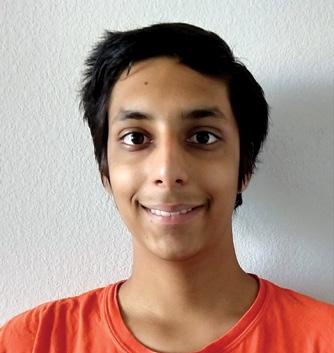
Being in the COSHON program allows me to pursue activities that will help me in my degree and get credit for them. I get the all-around experience of the Honors College and at the same time the STEM focus of the College of Sciences, and it makes me feel like I always have people who can help me with my goals.
Hamza Patwa Sophomore Physics Major
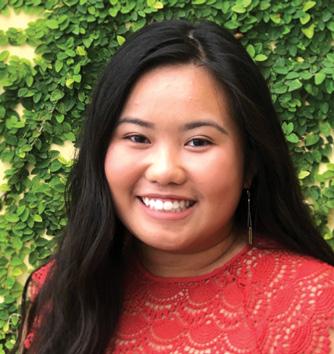
COSHON has provided the necessary support within an academic setting to not only encourage my interests in microbiology and immunology but additionally expand my knowledge of other fields in STEM. The Data and Visualization course offered this semester through the program helped me understand how closely correlated and beneficial it can be to apply methods of coding or programming to extrapolate information applicable to the health and well-being of a person.
Alexis Ho Sophomore Biology Major
Faculty Spotlight: Dr. Mariah Hopkins

Dr. Mariah Hopkins has been chased by an ostrich, had her lunch stolen by a baboon and came eye-to-eye with a 40-ton humpback whale—all in the name of research. Before joining the College of Sciences, she taught courses at the University of California at Berkeley and the University of Texas at Austin, and she developed field biology training programs and conservation programs in the U.S. and Central America. She spent two years studying several species of monkeys at a remote tropical forest site in Panama that was accessible only by boat. She has also conducted research on African wildlife while living in the savanna in a thatched-roof hut with no electricity or running water.
Hopkins now brings that adventurous spirit to her classroom. “Biology is the study of life, and to me there is no greater mystery,” she said. “I get to spend my day figuring out how life works and teaching students about the amazing life forms on this planet and the underlying processes that make that life possible.”
The majority of her previous research focused on understanding and predicting animal space-use patterns and the implications of
those patterns for human-wildlife conflict and disease spread. Now, she is developing a research program that evaluates the effectiveness of innovative instructional technologies and pedagogical techniques for STEM education. In 2020, she initiated a research project comparing the impact of different virtual lab formats on learning outcomes for introductory biology students. This project is part of ongoing efforts to improve experiential learning opportunities for students in large-format science courses.
During the COVID-19 pandemic, Hopkins has embraced innovative technologies such as simulations, case studies, biointeractives and virtual labs to engage students and provide additional experiential learning opportunities. In Fall 2020, she partnered with Academic Innovation to implement this experiential learning model in her non-majors Introductory Biology class, and she has since expanded the model to several other courses. The model is hugely successful; students report that they learned more, felt more engaged, were excited about the material and could see the real-world value of content more easily than in traditional class formats.
In recognition of her ongoing efforts to improve the academic experience for students, Hopkins was recently awarded the President’s Distinguished Achievement Award for Core Curriculum Teaching. The award recognizes faculty who expertly implement UTSA’s core curriculum focus, including the development of critical-thinking skills, communication skills, empirical and quantitative skills, and teamwork in their courses.
“It is incredibly rewarding to see my students succeed,” she said. “That success can be something as simple as students making connections between content and their daily lives. It can be students working through a problem and developing a newfound confidence in their abilities or identifying as scientists for the first time. It can also happen after college, when students are able to market the skills that they have learned in class to land internships, jobs and admission to graduate school. Witnessing the impact of my courses on my students’ college and career trajectories is one of the greatest rewards I have experienced as a teacher.”
Awesome Alum: Rhyan Sawyer
By Amber Powell
Rhyan Sawyer ’21, a physics Ph.D. alumnus and the recipient of the prestigious Outstanding Student Presentation Award from the American Geophysical Union (AGU), is a postdoctoral research scholar in the Department of Physics and Astronomy at the University of Iowa.
Sawyer’s interest in physics began in Kansas. “When I took physics in high school, I realized that it was essentially mathematics applied to real-world problems,” Sawyer said. “The ability to use mathematics, logic and reasoning to understand real-world phenomena intrigued me. I knew I wanted to study physics.”
UTSA’s joint program with the Southwest Research Institute (SwRI) space sciences division inspired Sawyer to become a Roadrunner. After graduating from Emporia State University in 2016 with a B.S. in physics, Sawyer joined UTSA’s joint doctoral program in 2018.
The joint program provides many opportunities to study applied space physics with industry experts. During his time at UTSA, Sawyer collaborated extensively with several of SwRI’s engineers and scientists.
He worked on several NASA missions, including Cassini, Magnetospheric Multiscale (MMS) and TRICE-2. Prior to joining the research lab, he did not have any experience working with space flight hardware. The steep learning curve was daunting, but the support of staff members proved immeasurably valuable.
“I received incredible guidance from my mentors,” he said. “Each one helped me improve my skills as a researcher and provided me with the abilities I needed within the lab to successfully conduct the experiments.”
Sawyer’s research efforts earned him recognition from the AGU, an affiliate of the National Academy of Sciences. AGU recently presented him with the Outstanding Student Presentation Award. This prestigious award recognizes both the quality of a student’s research and the presentation, and it is only awarded to the top 2% to 5% of the student presenters in each section.
His research investigated data from a TRICE-2, a series of two sounding rockets launched from northern Norway in 2018 Each rocket payload carried an ion

UTSA set me up for success by not only teaching me about the topic of my research, but also teaching me how to conduct scientific research inside and outside of the lab. This helped me develop my skills as a researcher, which will be invaluable throughout the rest of my career.
instrument capable of measuring the energy of incident ions. Sawyer’s research focused on a population of low-energy ions, and his presentation inferred where they may have come from as well as what interactions led to their detection.
Sawyer traveled to Andoya, Norway, and viewed the TRICE-2 launch in person.
“Watching a rocket launch with the instrument that you have been working on in the lab for several months was exciting and rewarding,” he said.
#ThisIs WhatA Scientist Looks Like
Liz Cervantes
By Hailey Schmidt
Community is essential to the college experience. It gives students a sense of belonging and encourages us to achieve goals greater than ourselves. For Liz Cervantes, community is personal.
Cervantes is a biochemistry major from Richmond, Texas. She is part of the RISE (Research Initiative for Scientific Enhancement) program. RISE is a federally funded program aimed at increasing the number of faculty, students and investigators in biomedical sciences from underrepresented communities. Cervantes credits this program with her academic and personal success.
“I was surrounded by people who were really high-achieving, and they pushed me to do that, too,” Cervantes said. “That’s why I try my best to be like them, and it’s always been a very empowering community. They motivate you. ... Having this network is awesome because you will always have your friends.”
Cervantes is passionate about the importance of representation in the scientific community.
As a first-generation college student, she appreciated that the RISE program allowed her to learn about academia from people who understood her background.
“We all go through this struggle together,” she said. “You may not see yourself represented when you go to a Ph.D. program, but if you want to be the change you wish to see in the world, you have to go through that struggle.”

The RISE program also helped her get out of her comfort zone and improve her public speaking skills. At the college’s spring 2021 Undergraduate Research Showcase, she won first place in oral presentation and placed second in the three-minute thesis competition for her research on the potential of biochar, a charcoal-like substance, to retain pathogenic bacteria.
Cervantes’ experiences at UTSA have led her to success beyond San Antonio. This past summer, she participated in a prestigious neuroscience program at the Mayo Clinic to conduct behavioral studies on zebrafish. Although Cervantes was excited to join the program, she said she was intimidated at first.
“I have to remind myself that I earned this, and I earned my spot,” she said.
After graduating this fall, Cervantes intends to pursue a Ph.D. and continue her work in biochemistry, either in the biomedical industry or in academia. Regardless of where her work takes her, Cervantes hopes to give back to underrepresented communities and inspire other minorities to pursue STEM fields, just as she did.
Lindsay Peck
By Cecilia Nwaichi
During the challenging atmosphere of the COVID-19 pandemic, Lindsay Peck started her freshman year at UTSA. Despite Fall 2020’s unique uncertainty, Peck was confident she chose the right university.
Peck, who is originally from Austin, Texas, made her decision with a holistic understanding of everything UTSA had to offer. On a campus tour, she learned about the university’s resources, such as financial and educational programs, academic organizations, study abroad opportunities and student support services. This helped Peck picture the abundance of possibilities she would have as a Roadrunner.
Now in her second semester and a student in the Honors College, Peck says becoming a Roadrunner means belonging to an extended family of people who have contributed toward making the university a great place to pursue dreams.
“UTSA’s ability to offer me access to every aspect of a great college experience is what drew me here, and it’s what makes UTSA different,” said Peck. “UTSA also stood out to me as a university that truly cared about the students and their success.”
Peck is majoring in biology and plans to become a physician assistant. Ever since she was young, her goal has been to work in the medical field. “I want other people to learn about their body and to help them heal,” she said. “I think that a career as a physician assistant will allow me to be close to my patients while also being able to see a multitude of them.”
Since becoming a Roadrunner, Peck has been amazed at the level of engagement and support she receives from her

professors. “All the professors I have had in the College of Sciences clearly love their field and want you to love it, too,” she said.
As a woman in STEM, Peck wants to make a positive impact in the medical field and help improve health equity among all populations. Her favorite student organization at UTSA is Women in Medicine because it has helped her connect with like-minded peers interested in the field of healthcare. The student organization invites healthcare professionals to speak at their meetings on a wide variety of topics such as sexual health, racism in healthcare and COVID-19. As part of this student organization, Peck also had an opportunity to tour a cadaver lab at the Centre for Emergency Health Sciences in Spring Branch, Texas.
“I fully intend to make the most of the opportunities that have been given to me as I pursue and complete my college studies,” said Peck, who plans to represent UTSA as a proud Roadrunner alumna. “When I graduate, I plan on paying forward the opportunities given to me by doing my part to support and light the way for future UTSA students by representing my alma mater with pride, purpose and integrity as I set out to make my mark in my personal and professional endeavors.”
Sally Lent
Show of hands: How many of you were told to go outside more as a kid?
Not so much for Sally Lent. She spent her youth outside catching grasshoppers, chasing butterflies, and turning over loose rocks and logs to look for beetles. Her adolescence was made up of days discovering the great outdoors and making friends with little critters. Over the years, Lent has held on to her wonder of nature and has channeled it into her scholarly pursuits.
“I chose to study environmental science because I’ve always been fascinated by nature,” Lent said. “I wanted to keep that curiosity alive and make a career out of my passion.”
Originally from Peru, Lent is earning her M.S. in environmental science. She chose UTSA for its eclectic community and because she wanted to make a difference at a younger university.
During her undergraduate program, Lent conducted a yearlong study funded by UTSA’s Sustainability Office on the diversity of bees in Bexar County. It was her first research project, and she took what she learned into her graduate studies.
“This experience helped me gain confidence as both a student and researcher by allowing me to apply what I learned in my classes to a real-world problem,” she said.
In 2020, Lent landed an internship with the U.S. Fish and Wildlife Service via their Directorate Fellows Program. In this program, she studied western bumblebees and interacted with many renowned bumblebee researchers. The project gave Lent valuable insight into the wildlife agency and allowed her to make research contributions to an ongoing conservation project. The results of the project will be published in the Fish and Wildlife Service’s final species status assessment for the western bumblebee.

For her thesis, Lent is studying how bees can vary between different green spaces within an urban landscape. In this project, she is conducting bee and vegetation surveys and collecting data from several study sites. Lent hopes the outcome of this study will offer insight on the impact of urban development on native Central Texas bee populations.
Although Lent loved playing with and learning about insects as a kid, she became afraid of them as she grew older. It was only at UTSA that she overcame her fear and rediscovered her interest after taking an entomology course with Dr. Jessica Beckham, lecturer in the Department of Integrative Biology, and Dr. Terri Matiella, senior lecturer in the Department of Integrative Biology. “Entomology reminded me of my love for insects, which has ultimately led me to where I am with my research,” Lent said.
Lent might not be where she is today if she had not made an effort to connect with her professors and take her education outside the classroom.
“Use every opportunity available to you, as it could lead to discovering things that you’re passionate about,” Lent advises other students. “My professors helped me get connected to some unique opportunities that allowed me to explore my interests.”
GIVING

Message from Advancement Council Chair
The Advancement Council provides leadership, support and consultation to the College of Sciences
Dear Friends,
UTSA has earned recognition as one of the great public research universities in Texas. The College of Sciences’ achievements in research, discovery and teaching have been central to that distinction and have created great momentum for the future.
Fundamental to our growth is generous philanthropic support. Annual gifts and endowments are an invaluable source of stability and resilience. Astrophysics was a passion of my late father. Years ago, when UTSA was just beginning, my father, mother and our family created The Vaughan Family Endowed Professorship in Physics at UTSA to recruit and retain the very brightest scientists to the university. Ours and other gifts have attracted outstanding researchers and teachers in disciplines ranging from cancer, heart and brain research to water sustainability, cybersecurity, virtual reality and STEM education.
As a friend of the College of Sciences, you can take great pride in your contributions to the college’s eminence and continued excellence and growth. Thanks to you, Roadrunners are graduating with the confidence, knowledge and skills they need to be successful.
I am a proud supporter of the College of Sciences and UTSA, and I am grateful to my father and mother for passing along a legacy of giving to their children and grandchildren. I watch with excitement as the university continues to advance, making a huge impact on the lives of so many.
As the chair of the College of Sciences Advancement Council, I hope to inspire others to invest in their passions at UTSA and help build upon our excellence for future Roadrunners and all of San Antonio and the South Texas region.
I encourage you to make a gift to the College of Sciences to help students achieve their dreams, change and save lives, and support scientific inquiry to solve the great problems humanity faces. With all of us working together, we can accomplish great things.
Be well and Go ‘Runners!
CURTIS T. VAUGHAN III Chair, UTSA College of Sciences Advancement Council
To make a gift, contact the College of Sciences development team—Kim Fischer at kim.fischer@utsa.edu or Taylor Bird at taylor.bird@utsa.edu—or give online at utsa.edu/sciences/giving.
Curtis T. Vaughan III is a proud supporter of the College of Sciences.
GIVING
By Jordan Allen
Helping Computer Science Majors Run Toward Success
UTSA alumnus Joey Mukherjee ’95 became interested in the field of computer science at a young age. Recognizing UTSA’s high-quality education, he joined the university’s computer science program after graduating from high school. Mukherjee recently created an endowed scholarship fund, the Joey Mukherjee Endowed Scholarship for Computer Science Majors Who Don’t Run Good—named as an homage to the comedy film Zoolander
You might not think computer science and athletics go hand-in-hand, and neither did Mukherjee. “I recognized that a career in computer science kind of lends itself to a sedentary lifestyle,” he said.
To his surprise, Mukherjee found joy running after work to improve his focus and stay healthy. A self-professed slow runner, Mukherjee enjoys participating in San Antonio’s supportive running community.
“I decided to join an exercise program at work, and as a requirement, we had to sign up for a 5K or 10K,” he said. “I ended up having so much fun with it, and I hope other computer science majors will find this activity sooner than I did to help with focus and stress as they pursue their degrees.”
Immediately following his graduation from UTSA, Mukherjee was offered a position at the Southwest Research Institute (SwRI) in San Antonio. He now works primarily in data analysis in space research for notable projects such as building instruments for spacecraft including New Horizons, which flew by Pluto in 2015, and Juno, which passed by Jupiter in 2016. Mukherjee has worked for SwRI for 26 years and was recently promoted to staff computer scientist.
Joey Mukherjee’s love of running inspired his unique scholarship.

“I got so much out of UTSA’s computer science program and that has propelled and helped me throughout my career,” he said.
Mukherjee has given back to UTSA for the past 20 years. He recognizes that UTSA has a large number of first-generation students and hopes they are able to have the same opportunities and excellent education he received. When he was approached about creating a scholarship and learned how easy the process was, he immediately jumped at the opportunity. Mukherjee has not only established a permanent endowment to fund his scholarship in perpetuity, but he also plans to include a gift to UTSA in his will.
“UTSA was such a positive experience for me, and I hope it is for the recipient of this scholarship as well,” he said. “I hope that whoever receives the scholarship will go on to pay it forward and possibly even create their own scholarship after they’ve graduated. I truly believe that paying it forward is so important to support college students.”
GIVING
Dr. Pete Ramirez’s scholarship helps premed students focus on their studies.
By Taylor Bird
Taking Care of Patients and Premed Students
Dr. Pete Ramirez ’81 attended a junior college in his hometown of Laredo, Texas, on a full-ride scholarship. He earned an associate degree in medical laboratory technology before coming to UTSA as part of the first graduating class to earn a combined B.S. in medical technology from both UTSA and UT Health San Antonio. He remembers struggling with the cost of education.
“I worked 15 to 17 hours a week as a work-study student in the biology department at UTSA setting up labs and working in the central area for supplies,” he said. “It was a great opportunity and one I enjoyed, but it was hard to get scholarships and grants. After working for five years as a microbiologist, I was admitted into medical school in 1986, which was even harder and more expensive than my undergrad. Graduating with so much debt was scary.”
Since 2012, Dr. Ramirez, a pathologist in San Antonio, has established the Peter Enrique Ramirez M.D. Scholarship to provide funding to premed students at UTSA so they can focus on their studies with fewer financial worries. He remembers what it was like to receive help when he needed it most.
“When I did get help, I was so grateful,” Dr. Ramirez said. “Every little bit helps.”
Dr. Ramirez first worked with a medical technology colleague to establish an endowed scholarship at UT Health San Antonio to assist students in the clinical laboratory sciences program he graduated from. “It was a big, yearlong campaign to get the funds needed to establish the endowment, and it’s grown so much since then,” he said.

When that colleague retired, she established an endowment in her name to benefit the same program, and Dr. Ramirez took interest. “I thought, good for her; I want to do that someday!”
Several years later, he did just that—transforming his annual support of UTSA students into a permanent, endowed scholarship that will benefit students forever.
I always thought to myself, if I ever succeeded, wherever I ended up, I wanted to give back.
As Dr. Ramirez planned for the future, he took comfort in knowing that the students he cares so deeply for will receive the help they need, which is why he also chose to include UTSA in his estate plans.
“I thought, who is going to take care of the students when I’m gone? I was worried about that.”
He hopes to inspire a thoughtful, giving attitude in others, too.
“That’s the message I really want to get across to students and others out there more than anything else—when you succeed, be thankful to those who helped you along the way. Those institutions that helped you need your support so they can continue to help others.”
Thanks to Dr. Ramirez’s generosity, there will be many future success stories and more opportunities to ensure others have the same chance to excel and give back.
GIVING
By Taylor Bird
Maggie Bennette is pictured in front of the Haleakala Observatory in Maui, Hawaii. It’s the state’s first astronomical research observatory.
Envisioning the Perfect Philanthropic Fit
“Given that my family’s background is in education, it was a perfect fit,” Maggie Bennette explained.
Born in Guangzhou, China, Bennette grew up with a family that highly valued education and has been deeply associated with it for generations. “In a way, being involved with the university feels familiar,” she said.
When it came time for Bennette to update her will, her attorney asked if there were any philanthropic organizations she would like to include. She set out to find an organization that aligned with her values, passions and goals.
Around that time, she met Dr. Chris Packham, professor of astronomy at UTSA, who invited her to a Friends of Astronomy event in San Antonio. She found a welcoming, active community of like-minded people.
As she attended events and learned more about UTSA, it seemed as though the stars had aligned.
“I love President Taylor Eighmy’s ambitious vision for UTSA. ... I thought, this is wonderful, and I would like to be a part of it,” she said.
Bennette was especially excited for the development of the Downtown Campus, as well as for research and teaching in all areas of the university.
“San Antonio has this rich history and culture, and UTSA’s Downtown Campus integrates that with the new and progressive,” she said. “Having the university in the core of the city elevates San Antonio.”

At a College of Sciences Advancement Council on-campus luncheon, she learned about the Cypress Living Laboratory, which also resonated with her.
“When I learned about the off-grid teaching lab and how its focus would be water and environmental conservation, I was very interested,” she said.
For the past 25 years, Bennette’s company, Creative Industries, has provided environmentally conscious, energy-efficient residential lighting products that are as stylish as they are innovative.
In addition to the educational and research value the Cypress Living Laboratory will provide, the architectural and design elements of the building echoed some of her company’s own design inspirations.
“The Cypress Living Lab was everything that speaks to my soul, my passion,” she said.
Bennette found what she was seeking at UTSA—a philanthropic cause that reflected her passions and a vision she wanted to help realize. Bennette’s planned gift will support the College of Sciences.
Now a member of the College of Sciences Advancement Council, which provides leadership, support and consultation to the college, Bennette is excited to bring others on board. “I look forward to continuing to be an ambassador for the university,” she said. “Every time I attend events or parties I think, ‘Oh, they would be great for UTSA.’ I think connecting with UTSA serves a great purpose for everyone.”
Thanks to Bennette’s generosity, thoughtful planning and advocacy, UTSA’s vision is becoming a reality.
Peek Inside the New Science and Engineering Building
The Brain Health Consortium is located in the Science and Engineering Building (SEB) and includes 18 full members and 33 affiliate members with expertise in stem cells and precision medicine, neuroscience, biomedical engineering, psychology, and behavior. In this innovative space, students and researchers conduct collaborative studies to better understand how the brain functions and how mechanisms affect systems like learning, memory and motivation.
Many of the building’s laboratories are surrounded in glass so students and visitors can witness the work in real time, a concept referred to as science on display.


Fast Facts
u The Science and Engineering Building (SEB) was the largest construction project in university history.
u UTSA research expenditures have now surpassed $100 million per year. More than $40 million of that total is within the College of Sciences.
u The first floor of the SEB has a 17,000-square-feet Makerspace with everything UTSA students need to bring their ideas to life.
u The 3D PrintLab houses over 25 plastic 3D printers. In Spring 2021, the Metal 3D print room opened to accommodate students who need to print design parts with a stronger material.
UTSA recently opened Guadalupe Hall, the university’s newest student residential community. The College of Sciences’ Biology Freshman Interest Group (FIG) is housed in the hall. A FIG is a group of freshmen students who live together in the residence hall and take two to three sets of selected courses during their first year at UTSA. The Biology FIG offers students the experience of a small community within a large university and access to peer mentors who are cross-trained as supplemental instructors.
The University of Texas at San Antonio

The College of Sciences is conducting various research projects that will protect the environment and build a more sustainable future. Learn more on page 10.