
SCHEDULE
Buena Vista Building- Assembly Room
8:00 a.m. Registration, Networking, Coffee, and Visit Sponsor Tables
Buena Vista Building- Aula Canaria Auditorium
8:50 a.m. Elizabeth Cruz, LCSW – SWAG Conference Leadership
9:00 a.m. Dr. John Bricout– Department Chair, Social Work
9:15 a.m. Keynote Speaker– Dr. Leti Cavazos, DSW, LCSW
10:50 a.m. Dr. Johnelle Sparks– Professor, Sociology and Demography
Senior Associate Dean for Faculty Success and Administration
Durango Building – River Walk Room
11:00 a.m. Lunch
Buena Vista Building
12:00 p.m.
Breakout Sessions
BV 1.318 Session 4 Ethics and Burnout: Protecting Your License While Protecting Yourself
BV 3.324 Session 9 How Peer SupportProgramsHelp Veterans EstablishConnectionsin the Real World
BV 3.318 Session 10 In Dialogue and Connection with Survivors Healing from Gender-Based Violence
BV 1.312 Session 14 Strategic Onboarding: Building Trust, Setting Boundaries, and Networking for the New Social Work Professional.
BV 3.328 Session 15 Supervision as Self-Actualization: Expanding Purpose and Income Through Clinical Supervision
1:15 p.m. Break/Transition
1:25 p.m. Breakout Sessions
BV 3.328 Session 1 Addressing Maslow’s Hierarchy in the 21st Century
BV 1.318 Session 2 Both And: Managing our wellness as we balance our personal and professional lives in uncertain times
BV 1.312 Session 6 Early Childhood and Family Mental Health– What is it and how it embodies our social work principles
BV 3.324 Session 11 Mental Health Benefits of Mindfulness-Based Stress Reduction (MBSR) on Immigrants experiencing Anxiety and Depression.
BV 3.318 Session 12 PrEP, Post-Exposure, and Partnership: A Social Work Approach to Comprehensive HIV Prevention
2:40 p.m. Break/Transition
2:50 p.m. Breakout Sessions
BV 3.328 Session 3 Breaking the Ceiling: Guiding Clients Past Survival Toward Growth and Meaning
BV 3.318 Session 5 Creating Space for Cultural Identity, Safety, and Connection in the Therapy Room
BV 1.318 Session 8 Healing with Sound Bowls: Restoring Balance Through Vibrational Therapy
BV 3.324 Session 13 SACRD (San Antonio Community Resource Directory) Resources from the Womb and every need in-between.
4:05 p.m. Break/Transition
Buena Vista Building– Aula Canaria Auditorium
4:15 p.m. Closing Remarks
A NOTE FROM SWAG
On behalf of the entire planning team, thank you for joining us at this year’s conference. Your presence, engagement, and dedication to the field of social work are what make this gathering so meaningful year after year. This conference would not be possib le without the steadfast support and visionary guidance of the SWAG leadership. Their commitment ensures that we continue creating spaces where social workers can connect, learn, and strengthen the impact we have on our San Antonio community.
Serving on the conference leadership committee is both rewarding and deeply impactful. Each member plays a vital role in shaping an event that uplifts, educates, and energizes our local social work community. The work we do together directly contributesthetogrowth, collaboration, and resilience of professionals who dedicate their lives to the healing and emotional well -being of others. If you are interested in joining the committee or would like more information, please email swag@utsa.edu .
Thank youagain for your participation, your heart for service, and your ongoing commitment to our field. We are grateful for you, and we look forward to continuing this important work together.
THANK YOU TO OUR SPONSORS AND SUPPORTERS!
PRESENTING SPONSOR
ROWDY SPONSOR
TABLING PARTNERS
Clarity Child Guidance Center
Recovery Unplugged
Wonders & Worries
YWCA
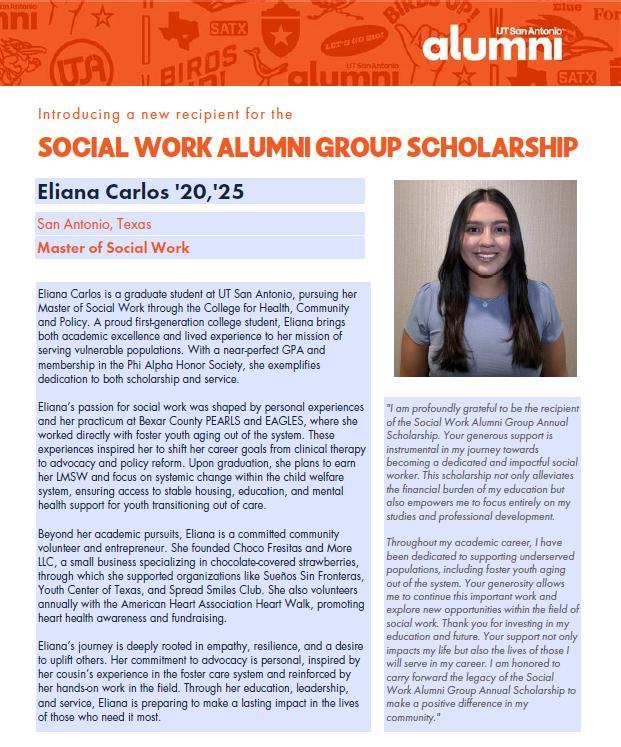
2025 -2026 SWAG SCHOLAR
Proceeds from this conference benefit the SWAG AnnualMSW Scholarship. Meet our 2025-2026
scholarshiprecipientEliana Carols ’20, ’25 .
Keynote Presentation:From Foundation to Fulfillment: A Pyramid Approach to Leadership and Growth
Dr. Leti Villagran Cavazos, LCSW -S ‘12

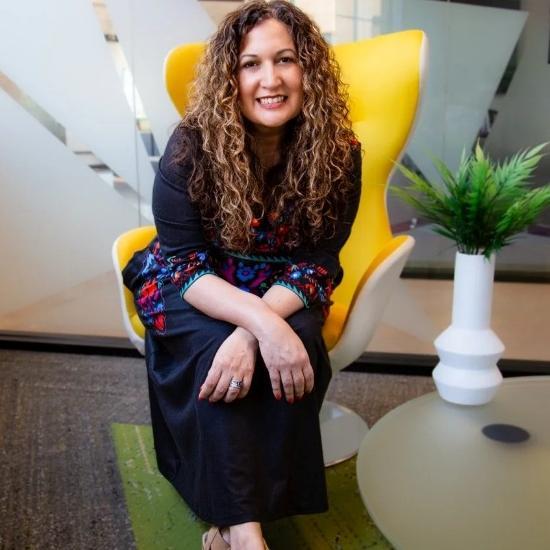
Dr. Leti Cavazos, LCSW-S, is a distinguished leader in the field of social work, renowned for her multifaceted expertise and extensive experience. As the Founder and CEO of the Cannenta Center for Healing and Empowerment, she has played a pivotal role in fostering healing and empowerment within the Hispaniccommunity. Dr. Leti's dedication to social work is further evidenced by her establishment of the Cannenta Foundation, which aims to provide crucial support to vulnerable populations while overcoming financial and language barriers.
With academic credentials, including a Master of Social Work fromThe University of Texas at San Antonio and a Doctor of Social Work with a specialization in Clinical Practice and Leadership fromThe University of Tennessee, Dr. Leti has honed her skills as a Licensed Clinical Social Worker Supervisor (LCSW-S). Her expertise in trauma therapy is underscored by advanced training and a research study on male victims of domestic violence experiencing homelessness, showcasing her commitment to addressing the unique challenges faced by marginalized communities.
Dr. Leti's significant contributions to the field have garnered widespread recognition, including being named one of Social Work Today's Top 10 Dedicated and Deserving Social Workers in 2020. Moreover, her leadership at the Cannenta Center led to the prestigious 2023 Emerging Business Award from the Greater Dallas Hispanic Chamber of Commerce, affirming the center's exceptional contributions. In 2024, she herself was honored with the Leader in Diversity Award by the Dallas Business Journal, highlighting hersteadfast commitment to fostering diversity and inclusion.
Beyond accolades, Dr. Leti's impact is evidenced by her involvement in establishingTexas'sfirst male domestic violence shelter and her innovative approaches to addressing social issues. Her work has been featured in local publications, a testament to her profound influence on communities. Dr. Leti Cavazos is an exemplary social work figure whose unwavering dedication, expertise in trauma therapy, and innovative solutions have positively transformed countless lives and earned her widespreadacclaim and respect in the field.
Session 1: Addressing Maslow’sHierarchy in the 21st Century
The sweeping changes across nearly every level of Maslow's Hierarchy will both touch social workers as people and demand their attention as professionals. This session will examine some global current and future trends, bring them home to San Antonio / Tex as, and then discuss some important ways social workers need to both prepare for and intervene in these trends to aid self and society.
Presenter: Dr. Anthony Cox
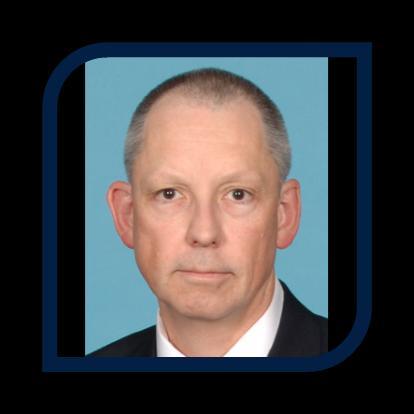
COL Cox started his Army career in 1983 as an enlisted cook in the USAR, then from 1985 to 1990 as a field artillery officer in the USAR and GA-ARNG. Since joining the active Army in 1990 as a Social Work officer, COL Cox has had a wide variety of behavioral health (BH) assignments and experiences, including direct patient care, research, automation, operations, policy, prevention, epidemiology, and leadership. He has served on a variety of panels and work groups to include the prevention/intervention respo nse team to the Pentagon following 9/11, the EPICON to Fort Bragg to explore the causes of the murder suicides occurring in the summer of 2002, the first two Mental Health Advisory Teams to Iraq in 2003 and 2004, the team developing the Deployment Cycle Support Program, the WRAIR Land Combat Study group, the inaugural interdepartmental “Integrated Mental Health Strategy” to improve the BH systems of care in both DoD and the VA, as the XO t o the BH response team for the 2009 Fort Hood shooting as well as theEPICON to Fort Carson to evaluate the murders taking place there. For 16 months during the U.S. "surge" in Iraq (2006-2008), COL Cox served as the chief of behavioral health for detainee operations- responsible for the behavioral health care of nearly 2 8,000 detainees, 10,000 detention facility personnel, and more than a thousand interrogatorsacross Iraq. In 2012, COL Cox spent seven months in Washington, DC, as the Deputy Chief of Staff on the Secretary of the Army’s Task Force on Behavioral Health,reviewing and recommending changes to the Integrated Disability Evaluation System. From 2013 to 2015, COL Cox served as the Army's FAP Manager in charge of the Family Advocacy (prevention and treatment of Family Maltreatment) and Exceptional Family MemberPrograms (caring for challenged Family members), and provided Army oversight of the Military Family Life Counseling (MFLC) program. From 2015 to his retirement in October 2017, COL Cox led the Department of Behavioral Health Sciences at the AMEDD Center & School, where he oversaw the training of military and civilian behavioral health providers and specialist personnel in counseling, therapy, FAP, substance Abuse, COSC, PTSD, and resiliency building subjects. Since retiring, COL (Retired) Cox is focusing on his favorite jobs: treating child/adolescent BH patients and their families, editing manuscripts for Military Medicine, the US military's premier journal, serving on the board of the Texas state chapter of the National Association of Social Workers, serving his church as a Family Services missionary and an ordinance worker at the LDS San Antonio Temple, and spending time with his wife (Kristine) of 40 years. They are the parents of five grown children – two of whom are "differently abled"and grandparents of two.
Session 2: Both And: Managing Our Wellness as We Balance Our Personal and Professional Lives in Uncertain Times
The personal and professional balance we maintain as social workers can be very taxing, particularly in a climate that is rapidly changing, uncertain , and anxiety-provoking. Recently, it is not uncommon to say to yourself or hear a colleague say , “What’swrong with me?” In reality, this internal conflict can be an indicator to spend some time recognizing how we are implementing our own wellness plan. This balance may feel like walking a tightrope as we hear the stories from the clients we serve while we a realso taking in similar information and managing how this is affecting us, which in turn can affect our reactions to clients. The goal of this presentation is to support the development and/or review of what a wellness plan needs to contain for improved cl ient engagement.
Presenter: Ms. Nancy Tamburo -Treviño ’90

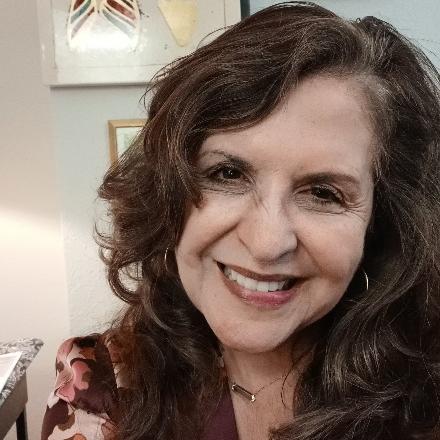
Nancy Tamburo-Treviño has been practicing the art of helping others heal for over 25 years. A graduate of The University of Texas at San Antonio with a Master of Arts in Educational Psychology and Simmons College with a Master’s in Social Work, she holds licensure as a Licensed Professional Counselor-Supervisor, Licensed Clinical Social Worker, and Licensed Chemical Dependency Counselor in the state of Texas. She has worked with non-profits in Texas, New York, and California, focusing on helping those suffering from substance use disorders as well as a multitude of other stressful life situations. She has experience working with civilian personnel, within a major behavioral health insurance company, and youth organizations focusing on prevention strategies deterring substance use. She has expertise in facilitating and co -directing women’s and youth spiritual retreats. Her most recent work experience is serving clients connected to felony drugcourt, providing integrated treatment services.
She is certified in Eye-Movement Desensitization and Reprocessing (EMDR) Therapy, believing in the healing power of the brain and creating an environment where clients can begin their healing journeys. She is a clinical memberof the American Association of Marriage and Family Therapy (AAMFT) and a current member with the National Association of Social Workers, the EMDR International Association (EMDRIA), and NAADAC, the Association for Addiction Professionals. She has facilitatedstaff trainings on use ofself, trauma-informed care, presented at state and national conferences, and supervised Master-level students and Licensed Professional Counselor interns as they worked on their higher education degrees and state licensure.
Session 3: Breaking the Ceiling: Guiding Clients Past Survival Toward Growth and Meaning
Many clients survive more than they live. They stay anchored in what they learned early: fear, scarcity, vigilance,and the belief that a better life belongs to someone else. This session dismantles that ceiling. Using research onneuroplasticity, trauma adaptation, and Maslow’s hierarchy, we examine why clients get stuck in survival mode andhow to help them move toward growth, agency, and meaning. We explore how the brain encodes learnedhelplessness, why hope requires more than reassurance, and how clinicians can “sell” a better future with credibilityand authenticity. Participants will learn specific interventions that interrupt survival-driven behaviors, build internal capacity, and expand a client’s imagined future. This session blends evidence, storytelling, and practical tools tohelp clinicians elevate their work and ignite genuine transformation.
Presenter: Mr. Justin Sanderson
Justin Sanderson, MA, LPC-S, MBA, is the Chief Executive Officer of Stone River Recovery Center in San Antonio. He is a trauma-informed clinician with advanced training in EMDR and DBT, and his work blends neuroscience with existential psychology to help clients build lives grounded in meaning and personal agency. Justin leads multi-site behavioral health programs and has provided speeches and trainings across San Antonio for therapists, first responders, and executives. His teaching focuses on trauma, survival states, identity formation, and effective clinical strategies that support long-term recovery. He is known for his clear frameworks, practical tools, and ability to translate complex psychological concepts into powerful learning experiences for frontline professionals.
Session 4: Ethics and Burnout: Protecting Your License While Protecting Yourself
Social workers face increasing clinical complexity, administrative burden, secondary trauma exposure, and workforce shortages. These stressors elevate risk for burnout, compassion fatigue, impaired judgment, and ethical violationseven among highly skilledand experienced professionals. Ethical practice is not only about client care, but also about maintaining clinician wellness, competence, and sustainability in the profession.
This presentation examines the ethical obligations outlined in the NASW Code of Ethics related to professional competence, impairment, self-monitoring, and client protection. Participants will learn to identify early warning signs of burnout and impairment , understand their ethical responsibilities when functioning is impacted, and implement concrete prevention and intervention strategies. The session will connect ethical practice to Maslow’s hierarchy of needs by emphasizing the foundational importance ofclinician safety, stability, and wellness in delivering ethical, effective care.
Participants will leave with practical tools to protect their clients, their license, and their long-term ability to serve their communities.
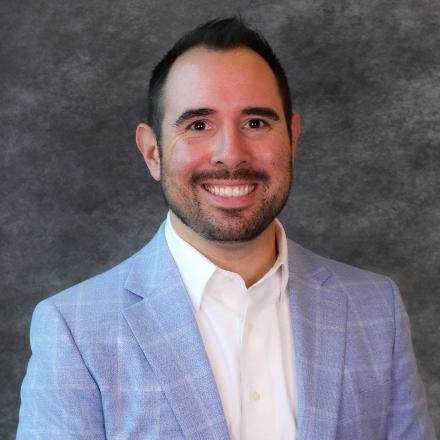
Presenter: Ms.Vanessa Valles ’08
Vanessa Valles, LCSW-S, is a group and private practice owner, Licensed Clinical Social Worker Supervisor, and mental health leader with over 15 years of experience providing clinical care, supervision, and organizational leadership. She specializes in trauma treatment, ethics, professional development, and workforce sustainability. Vanessa has extensive training in evidence-based trauma treatments including EMDR, Cognitive Processing Therapy (CPT), Trauma-Focused CBT, and Written Exposure Therapy (WET).
She is passionate about mentoring clinicians, promoting ethical excellence, and supporting the long-term wellness and sustainability of the social work workforce. As a UTSA MSW graduate, Vanessa is honored to contribute to the professional development of fellow social workers and future professionals.
Session 5: Creating Space for Cultural Identity, Safety, and Connection in the Therapy Room
Culture shapes how individuals experience safety, belonging, identity, and resilience, yet in many therapeutic and educational settings, culture is treated as an enhancement rather than an essential human need. This session invites therapists to explorewhocultural identity forms part of thefoundationof well-being and how honoring culture in the therapy room strengthens every stage of a client’s growth.
Using Maslow’s Hierarchy as a familiar reference point, participants will learn how cultural belonging supports physiological regulation, emotional safety, self-worth, and self-actualization. The session includes experiential exercises, reflection prompts,and clinical applications designed to help providers create culturally affirming therapeutic environments where clients feel seen in their whole humanity.
Therapists will leave with an expanded framework for assessing cultural strengths, integrating cultural anchors into sessions, and supporting clients who experience cultural disconnection, identity conflict, or generational divides. This workshop is practical, reflective, and deeply grounding, offering strategies practitioners can use immediately in their work.
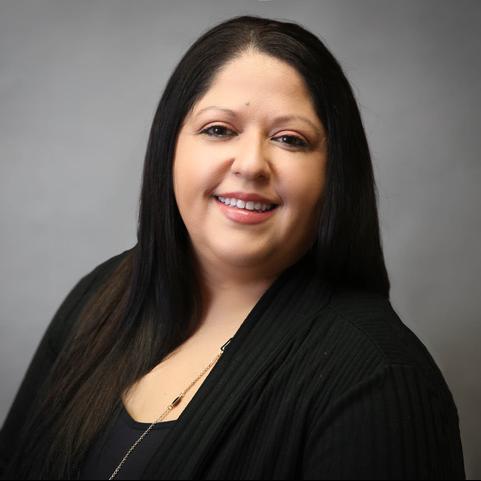
Presenter: Ms. Clara Magallanes
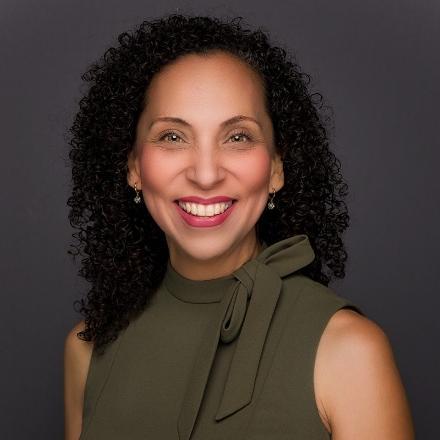
Clara Magallanes, M. Ed, LPC, NCC, EMDR Trained, CCTP, Certified Grief Educator, CLYL, IMGAutPlayTherapy Trained, Sand Therapy Trained (STFC)– WASTP,is a licensed professional counselor, bilingual psychotherapist, certified educator, author, and internationally trained medical doctor from Mexico. She holds a Master’s in Clinical Mental Health Counseling and a Master of Education in Administration, bringing more than twenty-five years of experience supporting children, adolescents, adults, and seniors through mental health, education, community leadership, and philanthropic service.
Clara is EMDR-trained, a Certified Clinical Trauma Professional, Certified Grief Educator, Certified Laughter Yoga Leader, and an AutPlay Therapy Trained provider. She also has specialized training in sand therapy (STFC, WASTP), play therapy, expressive arts, and integrative wellness approaches. Her therapeutic work is grounded in a client-centered, culturally affirming approach that honors each individual’s lived experience.
Clara’s work centers on the belief that culture is not an accessory to therapy ; it is a source of grounding, strength, and healing. As an author and creator of therapeutic resources, she designs tools that help clinicians bring cultural belonging, emotional regulation, and meaningful connection into the therapy room. Through storytelling, clinical expertise, and experiential learning, Clara creates warm, reflective spaces that honor the whole person- mind, body, spirit, and culture - while offering practical strategies clinicians can apply immediately in their practice.
Session 6: Early Childhood and Family Mental Health– What Is It and How It Embodies Our Social Work Principles
This session will provide an overview of early childhood mental health (ECMH) and provide an alternative way oflooking at mental health from a contextual, preventative, and early intervention perspective that emphasizes a relational/contextual approach in contrast to a traditional medical model. The full continuum of early childhood mentalhealth will be presented with opportunities for participants to examine their current understanding of mentalhealth/illness and compare and contrast an ECMH perspective , which will also integrate a culturally responsiveapproach.
Presenter: Mr. Fred B. Cárdenas
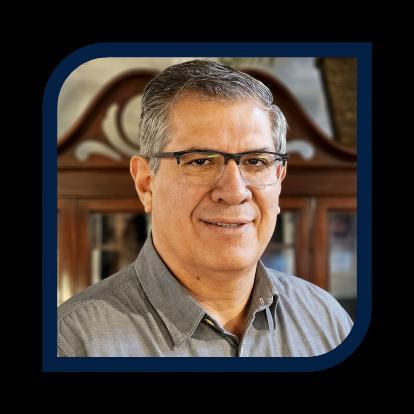
Fred is a lifelong educator, learner, social worker , and advocate for children and families , and those who provideservices for them. He has abachelor's and master'sdegree in social work, has worked in child/family mental health andeducation for over 35 years, and has managed a child and family mental health program at Family Service for the last14 years, working closely with teachers, children, families, and other community partners. He is a proud grandpa and father, and is originally from Eagle Pass,Texas.
Session 7: Faith, Power, and Control: Addressing Spiritual Abuse in the Context of Domestic Violence SESSION CANCELLED
Session 8: Healing with Sound Bowls: Restoring Balance Through Vibrational Therapy
Discover the transformative power of sound bowl healing in this interactive workshop designed to promoterelaxation, emotional balance, and self-awareness. Participants will explore the science and art of vibrationaltherapy, learning how sound frequencies can help release tension, improve focus, and support emotional andphysical well-being.
Presenter: Ms. Debbie Garcia
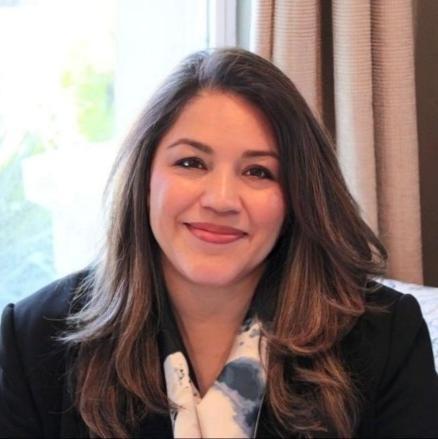
Debbie Garcia is a bilingual Licensed Professional Counselor in the state of Texas. Debbie attained a Master of Artsdegree (M.A.) in Clinical Mental Health Counseling from Texas A&M University-San Antonio. Her therapeuticexperiences include working with children, adults, military families, and university students. Debbie specializes inSand Tray Therapy, Emotionally Focused Therapy , and Somatic Therapy. She also has experience in suicideprevention, family violence, crisis , and trauma
Session 9: How Peer Support Program Helps Veterans Establish Connections in the Real World
Presenters will speak on the Bexar County Military & Veterans Peer Support Program and how it has helped buildfriendships and connections for Veterans post-discharge and those currently incarcerated .
Presenters: Mr. Rogelio Narvaez ’22 and Ms. Alma Zuniga ’17, ’23
Mr. Rogelio Narvaez ’22
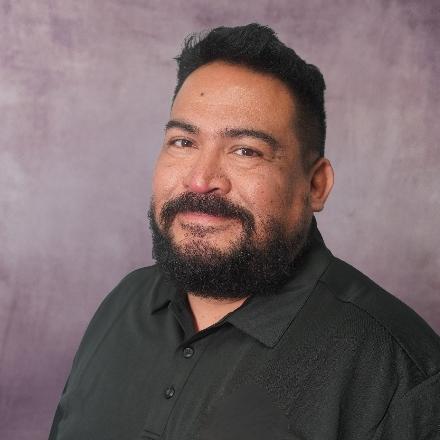
Rogelio “Roger” Narvaez Jr. is a bilingual Licensed Master Social Worker with a master’s degree in social work from The University of Texas at San Antonio. With over a decade of experience in the social services field, Roger has served in diverse roles across nonprofit community-based organizations, higher education advocacy, and local government.
He brings expertise in leadership, training, program and project management, and collaborative networking, all grounded in a client-centered, trauma-informed approach. Passionate about helping individuals reach their highest potential, Roger is committed to leveraging his skills and knowledge to foster growth and resilience within organizations and communities.
Ms. Alma Zuniga ’17, ’23
Alma Zuniga is a Licensed Master Social Worker and Texas Certified Guardian with a strong commitment to advocacy and community empowerment. She brings extensive experience as a public speaker, peer support specialist, and advocate, championing mental health awareness and equitable access to resources. Alma is also a talented artist, using creative expression as a tool for healing and connection.
Her work reflects a trauma-informed, client-centered approach, and she is passionate about fostering resilience and dignity for individuals navigating complex life challenges. Through her leadership and dedication, Alma continues to inspire others to embrace wellness and empowerment in both personal and professional spaces.
Session
10:
In Dialogue and Connection with Survivors Healing from Gender-Based Violence
This session focuses on using the practices of accompaniment and the relational-cultural model in work withsurvivors of gender-based violence (GBV; for example, intimate partner violence, sexual assault, or coercion), withthe goal of enhancing capacities for trust and empowerment, which are often undermined through GBV. Theseapproaches draw on the power of relationships between professionals/advocates and survivors characterized bymutuality, empathy, safety, power-sharing, consideration of context, and intentional privilege-leveraging to enablevulnerability and authenticity in the relationship, which ultimately fosters growth towards connection and wellbeing. These approaches also involve mutual learning and growth in therelationships between professionals/advocatesand survivors (and recognize that these identities can-coexist). In this interactive session, we explore theseconcepts and build on them by discussing the importance of critical self-reflection and self-compassion whileaccompanying survivors in their relational healing.
Presenters: Dr. Amy Chanmugam , Ms. Leslie Schultz, and Mr. Derek Plantenga
Dr. Amy Chanmugam
Amy Chanmugam, PhD, LCSW , is an Associate Professor in the Department of Social Work at UT San Antonio,where she has been a faculty member since 2009. Dr. Chanmugam’s research interests, which focus on interpersonalviolence, developed through her prior social work practice with incarcerated youth, in schools (urban and rural), andin mental health (private practice and community agencies, including asa clinical supervisor for a women’s counselingcenter). Research projects and community collaborations i n the last decade focused on child/teen exposure to adultintimate partner violence, safety planning, barriers to mental health service access, coping and resilience, recovery from sex trafficking, foster care, and family interventions and support services (especially shelter - and school-based or facilitated). Dr. Chanmugam’steaching has been honored with several awards, and in 2025, she was recognizedas the NASW Alamo Area Social Worker of the Year.
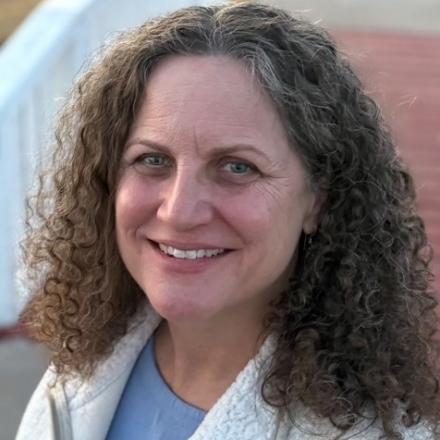
Ms. Leslie D. Schultz
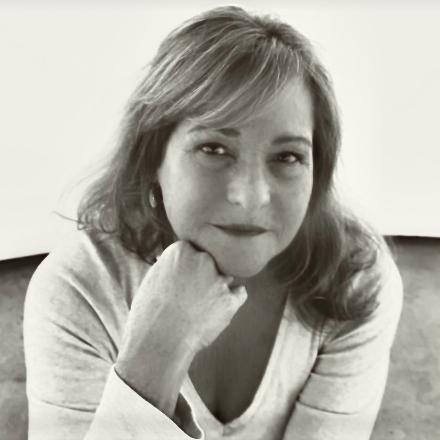
Leslie D. Schultz, MS, LPC, is the Director of Clinical Services at Family Violence Prevention Services (FVPS), where she has worked since 2010. Leslie has been providing clinical services both to survivors of domestic violence at the FVPS nonresidential office and to individuals experiencing homelessness (often as a result of domestic abuse) at Haven for Hope. Leslie is committed to a compassionate relational approach with her clients, seeking to partner with clients in their identified areas of desiredchange, healing, recovery, and empowerment. In addition, Leslie supervises the undergraduate and graduate internship program with FVPS. Leslie has served as an expert witness for the District Attorney’s Office and the City of San Antonio. Leslie provides numerous training sessions and presentations to community groups and institution s. For the past 4 years, Leslie has held a seat on the Homeless Response System Advisory Committee that operates in alignment with the priorities of the Continuum of Care (CoC)Board of Directors and the community’s Homeless Strategic Plan, and she also serves as the Community Lead of the Domestic Violence Subcommittee. Leslie is passionate about her life’s purpose and finds it a privilege to work alongside her clients and community for the greater good.
Mr. Derek Plantenga
Derek Plantenga is currently the founding Program Director of the University of Texas at San Antonio Bachelor of Social Work Program. He previously served with the UT San Antonio MSW Program in the roles of Graduate Advisor of Record and Director of Field Education. Prior to working with UTSA, Derek worked in relief and social development with Food for the Hungry, an NGO in Bolivia, South America. Derek has also worked in San Antonio as a campus-based social worker and with a San Antonio non-profit doing behavioral health work with children and adolescents. Consistent through each of these positions , Derek maintained a focus on holistic, transformative work with vulnerable populations —
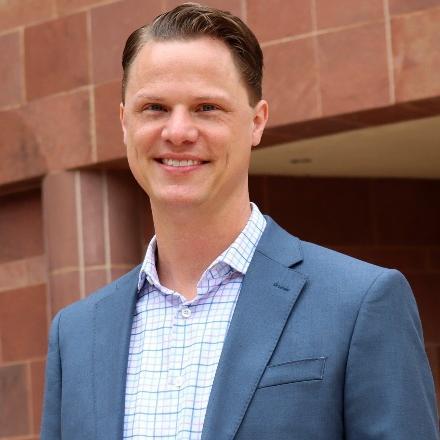
particularly with migrant and immigrant populations. Derek graduated from Calvin College in Grand Rapids, MI, with a BA in Spanish and a BSW in Social Work. He graduated from Our Lady of the Lake University in San Antonio, TX , with a Master of Social Work, and he went on to attain clinical licensure as an LCSW.
Session 11: Mental Health Benefits of Mindfulness-Based Stress Reduction (MBSR) on Immigrants Experiencing Anxiety and Depression
Immigrants often face unique stressors related to acculturation, discrimination, social isolation, and the challenges ofadapting to new environmentsall of which can contribute to depression and anxiety. This session explores thetransformative potential of Mindfulness-Based Stress Reduction (MBSR) as a holistic, evidence-based approach toimproving mental health and overall well-being among immigrant populations. Grounded in Jon Kabat -Zinn’smindfulness framework, this presentation integrates psychologica l theory, cultural responsiveness, and practicalstrategies for enhancing emotional resilience.
Participants will gain insight into how mindfulness practices, such as meditation, body awareness, and cognitivereframing, can reduce stress, foster self-compassion, and strengthen their coping mechanisms. By aligning theintervention with immigrants' lived experiences and cultural strengths, the session highlights how MBSR can be apowerful tool for both clinical practice and community-based wellness programs.
Presenter: Ms. Faith Mamombe
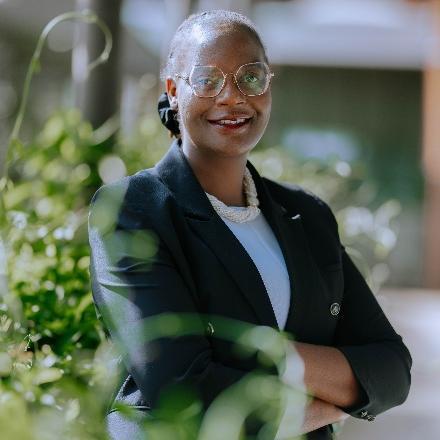
Faith Comfort Mamombe , MSW, LCSW -S, is a clinical social worker, owner of Mopani Mental Health Services, and Ph.D. candidate at Simmons University. Her research focuses on immigrant mental health, trauma-informed care, and culturally responsive interventions. With extensive experience providing therapy to diverse populations, sheintegrates mindfulness-based approaches and narrative practice in her clinical work. Her doctoral research exploreshow cultural beliefs and systemic barriers shape mental health access among Black African immigrants in theUnited States.
Session 12: PrEP, Post-Exposure, and Partnership: A Social Work Approach to Comprehensive HIV Prevention
Comprehensive HIV prevention is a critical area for social work practice, moving beyond simple education to address the complex ethical, behavioral, and structural barriers to care. This presentation will detail the San Antonio AIDS Foundation’s (SAAF) mod el for community-based prevention, focusing on the essential roles of PrEP (Pre-Exposure Prophylaxis) and PEP (Post-Exposure Prophylaxis). The emphasis will be on the Partnership component:how community health workers build trust, conduct sensitive risk assessments, overcome stigma, and ensureadherence by providing supportive, non-judgmental case management. We will discuss the challenge of access andengagement, as it relates to Maslow’s Hierarchy of Needs, and provide tangible examples of social workintervention that successfully connect vulnerable individuals to life-saving prevention resources within the context of their own complex realities.
Presenters: Miss Frances Bowers ’25 and Mr. Arnold Benavidez
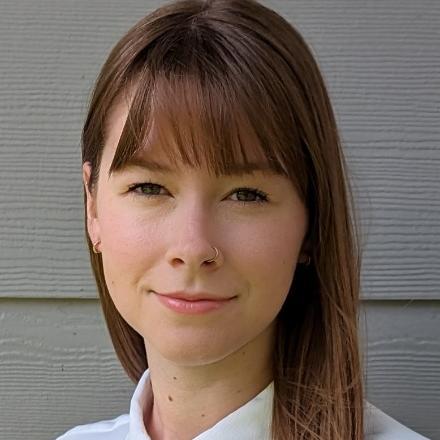
Miss Frances Bowers ’25
Mr. Arnold Benavidez
Frances Bowers holds a Master's in Health, Community, and Policy from the University of Texas at San Antonio.She works as an HIV Test Counselor at the San Antonio AIDS Foundation, providing HIV/STI testing and counselingboth in-office and through community outreach. Frances also serves as Co-Chair of the San Antonio HIV PreventionTask Force, where she partners with local organizations and community leaders to identify and address barriers to HIV prevention and care.
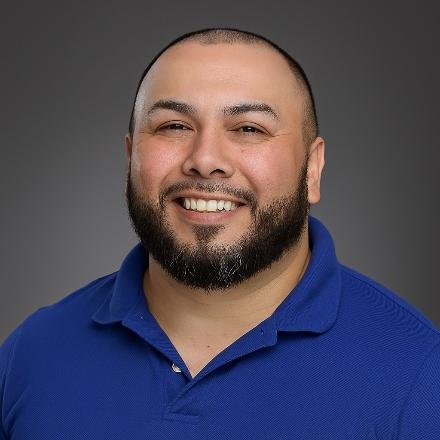
Arnold Benavidez is a PrEP Navigator at the San Antonio AIDS Foundation (SAAF), where he plays a key role in guiding clients through the process of starting and maintaining PrEP for HIV prevention. With five years of experience in the field of HIV prevention, Arnold brings dedication, compassion, and a deep understanding of the importance of accessible and judgment-free healthcare.
Session 13: SACRD (San Antonio Community Resource Directory): Resources from the Womb and Every Need In -Between
Join us for an interactive demonstration of SACRD.org's features and discover how to maximize the platform'sbenefits for yourself and those you assist. Anonymously search over 11,500 resources in and around Bexar County.Search by category, zip code, search box, or use one of the portals to filter through and find what you need. If your daily work involves connecting and sustaining relationships, learn more about SACRD PRO, designed forindividuals who routinely help others find resources. SACRD PRO offersadditional tools to enhance yourproductivity and effectiveness. Participants will be offered a 30-day FREE trial of SACRD PRO, a link to receiveFREE SACRD Pocket Cards, and an opportunity to schedule a FREE virtual or-inperson SACRD training for yourteam.
Presenter: Ms. Alice I. Alvarez
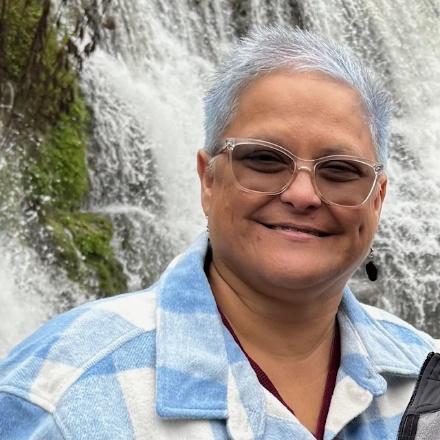
Alice leverages her talents, experience, skills, education, and networks to develop and cultivate innovative ideas. She collaborates with local, state, and national leaders to identify core issues and learn about ongoing efforts on similar matters. Her expertise in building collaborations has led to presentations both locally and nationally. Currently, Alice serves as the Community Engagement Specialist with the San Antonio Community Resource Directory (SACRD). In this role, she facilitates training sessions and coordinates events . She actively participates numerous area community advisory committees that promote collaboration for systems change. She engages withgrassroots leaders to organize programs that utilize community assets, expand capacity, and buildsustainability.Alice was born and raised in San Antonio, continuing to live in the same house she grew up in. She holds a BA in Organizational Management and an MA in Education/Teacher Leadership. As a lifelong learner, creative thinker, trained facilitator, and servant leader, Alice continues to enrich her community. In her free time, sheenjoys painting.
Session 14: Strategic Onboarding: Building Trust, Setting Boundaries, and Networking for the New Social Work Professional
Entering a new professional role is a critical period for establishing psychological safety, building your professionalnetwork, and setting the stage for long-term well-being. This session introduces a trauma-informed and strengths-based framework for the new social work professional's first 90 days. Participants will learn how to engage in gentle,authentic networking, communicate clearly with colleagues, and set boundaries that protect against burnout. The content is framed around Maslow’s Hierarchy (Safety, Belonging, Esteem) and is specifically designed to build thefoundational habits necessary for future ethical leadership and supervision in the social work field.
Presenter: Ms. Eva Fernandez ’95
Eva M. Fernandez, LMSW, is a Trauma-Informed Social Worker and Senior Career Consultant at UT San Antonio. She holds a Master of Social Work MSW, is a GallupCertified Strengths Coach, and is trained in Adult Mental Health First Aid and Applied Suicide Intervention Skills Training. Her experience spans higher education, nonprofits,entrepreneurship, and mental health. She is the Founder and CEO of Compassionate Consulting, cofounder ofNetworking for Your Cause, and was a CBCST Grief Facilitator.Her nontraditional social work path is explored in her forthcoming book, Compassionate Disruptor: A Latina’sNontraditional Social Work Path.
Session 15: Supervision as Self-Actualization: Expanding Purpose and Income Through Clinical Supervision
This interactive session explores how Licensed Clinical Social Workers can integrate clinical supervision into theirprofessional path as both a revenue stream and a pathway toward selfactualization within Maslow’s Hierarchy ofNeeds. Participants will examine how providing supervision not only meets practical needs (income, professionaldevelopment) but also fulfills higherorder needs such as purpose, creativity, and legacy.
Presenter: Dr. Ashley Stephens
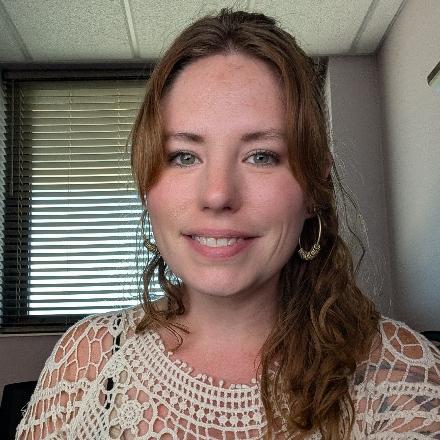
Ashley Stephens is a Board Certified Licensed Clinical Social Work Supervisor, licensed in nine states and supervising associate-level social workers in five. She completed her doctoral degree in Industrial and Organizational Psychology from Grand Canyon University in 2023. She earned her master's in social work from East Tennessee State University and her bachelor's in psychology from the University of North Carolina at Chapel Hill.
As a therapist, Ashley has worked with severe and persistent mental illness, substance abuse, trauma, and homelessness, and has trained in a variety of therapeutic styles. The bulk of her training and experience was with Veterans Affairs, working with combat Veterans. As a consultant and trainer, Ashley has taught courses in cultural awareness and competency,mindfulness, brain injury, and leadership development. She has coached executive leaders, managers, and front-line employees while providing opportunities for individuals to grow in the areas of organizational development, team building, executive development, and training.
As a supervisor, Ashley's main goal is to train the next generation of therapists AND leaders, with a particular focus and emphasis on building a life that serves them. The social work profession often has a reputation for being hard to survive and thrive.Ashley's goal is to help create clinical social workers who are prepared for the realities of the field and ready to take on growing their own practices into thriving businesses.