Spectrum 2014

Page 1


The many colors and faces of

one

Just WORD

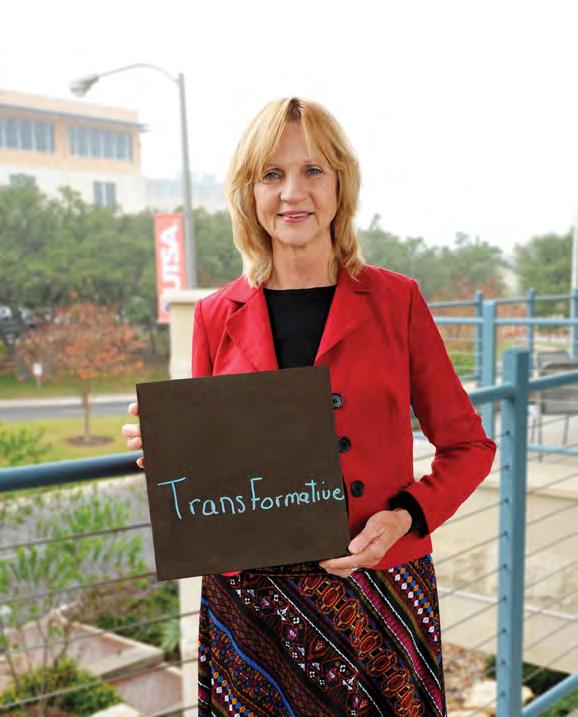
The College of Education and Human Development means many things to many people. We wanted to know what COEHD means to YOU! Throughout the magazine you will find individuals highlighting what COEHD means to them. The Catch? People were asked to describe COEHD in just one word. Everything about COEHD, the people, the places, who we are and what we do, all wrapped up in one little word.

Dean: Dr. Betty Merchant

Associate Dean of Graduate Studies: Dr. Page Smith

Associate Dean of Research: Dr. Amaury Nora

Associate Dean for Teacher Education: Dr. Blanche Desjean-Perrotta

Associate Dean for Undergraduate Student Success: Dr. Janis Harmon

Associate Dean for The Consortium for Social Transformation: Dr. Michael Jennings

Spectrum Co-Editors: Jo Ann Jones & Byron Spencer

Contributing Writers: Rebecca Luther, Jo Ann Jones, Byron Spencer, Marissa Villa

Cover Photo: Jo Ann Jones

College of Education and Human Development

One UTSA Circle Main Building 3.304 San Antonio, Texas 78249

T: 210.458.4370 | education.utsa.edu

About the

Spectrum: the many colors and faces of COEHD. You can’t get more colorful than flourescent colors in a blacklight. As for the face, it belongs to Crystal Garza, the adventurous work study who agreed to allow us to paint and photograph her face for the cover. We also want to thank those in the focus group who helped us narrow down what they thought would make the best cover.

Cover Model - Crystal Garza

Photography - Jo Ann Jones

Painting - Byron Spencer

Focus Group - Mallory Banks, Francesca Bronder, Karen Hoskins, Dr. Kristen Lindahl, Amaury E. Nora

Two professors travel to Spain, Portugal for research 20 Community Service Health Ambassadors participate in Team Up Challenge event

Faculty and staff awards and promotions for 2014 Dennis Davis Regents’ Outstanding Teaching Award recipient

Thelma Duffey elected president of American Counseling Association Highlights from 2014

New partnership with Methodist Healthcare System of San Antonio

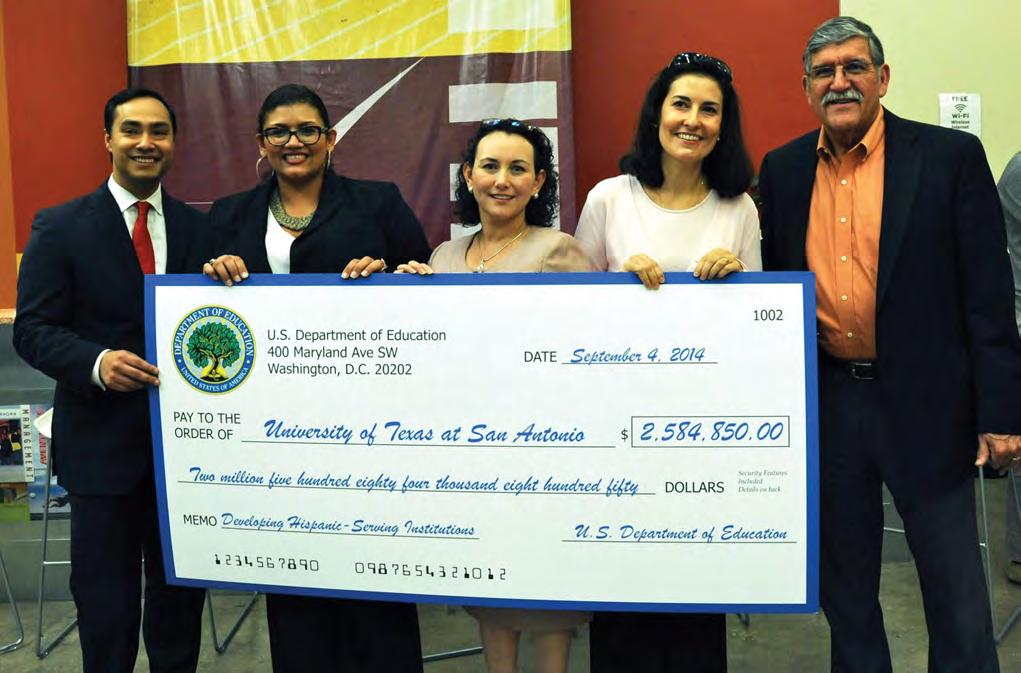
UTSA received $2.6 million from the U.S. Department of Education

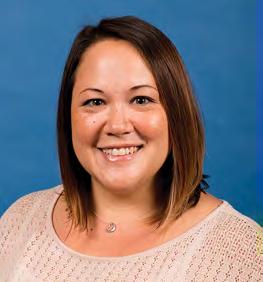
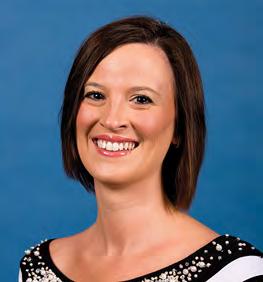
Assistant Professor, Interdisciplinary Learning and Teaching

Ph.D. from Utah State University Research areas: applied behavior analysis; function-based assessments and treatments for severe problem behavior; variables that influence treatment acceptability and adherence

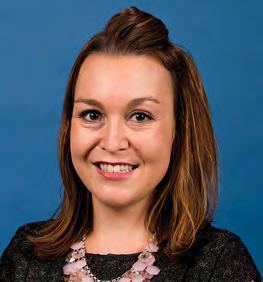
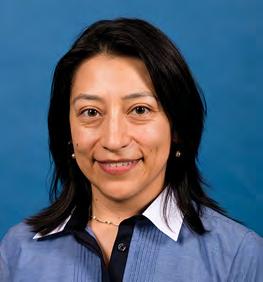
Assistant Professor, Counseling

Ph.D. from The College of William & Mary Research areas: cognitive-development; counselor preparation and supervision; culturally responsive family counseling services, with a special focus on LGBTQ and military-connected populations

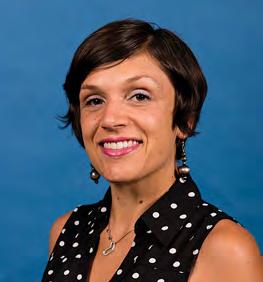
Assistant Professor, Interdisciplinary Learning and Teaching

Ph.D. from The University of California, Berkeley Research areas: secondary writing; sociocultural critique of education; critical race theory and whiteness studies in education

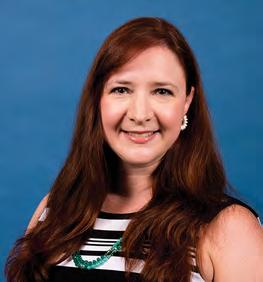
Assistant Professor, Counseling

Ph.D. from The University of North Carolina at Greensboro

Research areas: trauma, crisis, and disaster mental health

Assistant Professor, Interdisciplinary Learning and Teaching

Ph.D. from The University of California, Berkeley Research areas: application of functionbased behavioral interventions and social skills interventions; particiation in the inclusive environment; academic outcomes for students with and at-risk for emotional and behavioral disorders

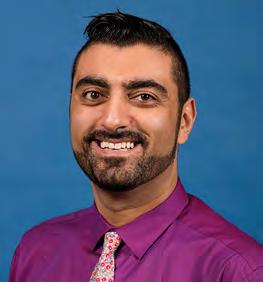
Assistant Professor, Bicultural-Bilingual Studies

Ph.D. from The Ohio State University Research areas: sociolinguistics; L2 and transnational digital literacy; language ideologies

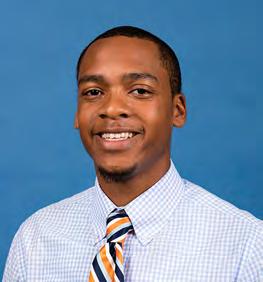
Assistant Professor, Kinesiology, Health, and Nutrition

Ph.D. from The University of Texas at Austin Research areas: HBCU PETE programs; racial and athletic identity of African American youth in basketball

Assistant Professor, Interdisciplinary Learning and Teaching

Ph.D. from The University of Nevada, Las Vegas Research areas: GLBTQ teacher identity negotiation and enactment; social justice and social studies education; teacher education and preparation for social justice

Shanun Kunnavatana
Logan Manning
M. Sidury Christiansen
Allison Marsh Pow
Langston Clark
Jessica Lloyd-Hazlett
Candace Gann
Zaid
M. Haddad

Message DEAN from the ONE word

Anothersemester, another graduation, another year. It seems like just yesterday that we were welcoming in 2013, greeting the fresh new faces of the Class of ‘17, and setting out on the bold new path ahead.

We have had many accomplishments during this year’s journey - expanding our influence within our community and beyond through insightful research, academic achievements, and community service. We have experienced growth and change, both in the college and within the individuals that make up COEHD. We have said “hello” to new students, faculty, and staff, and felt a part of us go as we said “goodbye” to others.

I ask that you join me in looking back at 2014 not only as a reminder of what we have done, but also as a benchmark of where we can go, and what we can achieve. As we say goodbye to 2014 and another graduating class, we complete a cycle that brings about new educators and educational leaders, health professionals, school counselors, education psychologists, and many other future leaders in the diverse range of professions that is COEHD.

In saying goodbye, we will also begin anew, with new faces, new ideas, and new hope. We begin the transformation of students to future professionals, leaders, and teachers.

Welcome to the 2014 issue of the Spectrum! We hope that it provides a glimpse of who we are, what we have done, and where we are going. We know that COEHD means many things to many people, and hope that you leave with a better understanding of what COEHD means to you.

When first asked this question, I was taken aback. It is not easy to describe all of COEHD, who we are, and all that we do in one word. I finally settled on transformative. All of our students changing to become graduates, our academics adapting to meet emerging ideas and technology, our research turning questions into new knowledge, and all of those lives we changed in our community along the way.

International COEHD faculty travel to Spain,

Twofaculty members from the College of Education and Human Development’s (COEHD) Department of Bicultural-Bilingual Studies traveled abroad this past summer to take part in two summer institutes.

Drs. Lilliana Saldaña and Marco Cervantes, assistant professors in the Department of Bicultural-Bilingual Studies and faculty members in the Consortium for Social Transformation’s Mexican American Studies program, traveled to Coimbra, Portugal, and Barcelona, Spain, respectively, to conduct international research. Both Saldaña and Cervantes were selected to attend their institute from a pool of applicants from around the world.

Saldaña participated in the Learning from the South: Towards Intercultural Translations Summer Institute and the Epistemologies of the South-South, South-North and North-South Global Learnings International Colloquium at the University of Coimbra. Both the institute and colloquium were coordinated by the ALICE Project.

“I wanted to learn how other scholars are thinking about the impact of colonialism,” said Saldaña. “I really wanted to learn what teachers are doing in different countries, for example in South African or in Latin America, to create different ways of teaching and learning. That’s what motivated me to participate in this program.”

Currently, Saldaña is researching the coloniality of education in San Antonio and has applied what she learned from the institute to her research and upcoming publications, including a manuscript on decolonial pedagogies through hip-hop and nueva canción with Cervantes and a manuscript that looks at the ways teachers enact a curriculum of embodied knowledge to impart knowledge.

“I am looking at the ways in which Mexican-American teachers negotiate the curriculum,” Saldaña said. “I am looking specifically at that space between what they have to teach because it is mandated by the state and what they want their students to learn about the world. What I’m finding is that teachers who are products of public education and who are products of colonial education, which includes language, oppression, and cultural exclusion, create an alternative space for teaching and learning.”

Cervantes participated in the Decolonizing Knowledge and Power Summer Institute. The institute, hosted by Diáleg Global’s Center of Study and Investigation for Global Dialogues, focused on post-colonialism and its impact on society, education, and culture.

While in Spain, Cervantes interviewed several Spanish hiphop artists and performed a couple of concerts under the stage name Mex Step. This, he said, helped further his research into the cultural fusions of African American and Mexican American music.

“Hip-hop is a real Americanized art form and it was interesting to see the way Spanish artists reinterpret it for their own culture,” said Cervantes. “These artists are reaching a lot of people and I think that what they are doing with their music is, in a lot of ways, educating those around them. The artists are very politically aware. It was really interesting to see how they use hip-hop music to educate.”

Perspectives

Portugal for summer institutes

Late psychiatrist honored with renaming of COEHD counseling center

The College of Education and Human Development’s (COEHD) Community Family Life Center has been renamed the Sarabia Family Counseling Center after the late Dr. Fermin Sarabia. The center, located on the UTSA Downtown Campus, provides free mental health services to the San Antonio community.

Sarabia, the namesake for the counseling center, was a clinical professor of psychiatry at the University of Texas Health Science Center at San Antonio and member of the Stardust Club, a non-profit organization dedicated to philanthropy and education. He practiced psychiatry in the local community for more than 40 years before his passing in 2010.

In 2007, Sarabia established the Community Family Life Center in the Guadalupe Community Center. The center was later moved to its current home on the third floor of the Durango Building on the UTSA Downtown Campus and continues to provide counseling services free of charge with the help of the students and faculty in COEHD’s Department of Counseling and the Stardust Club.

The renaming of the center reflects Sarabia’s contributions to the field of psychiatry, to the counsel-

Dr. Norma Guerra, associate professor in the Department of Educational Psychology, was named Director of Faculty Engagement. Her nine-month appointment began Sept. 1 with the start of the school year and will continue through May.

As director, Guerra will work under Dr. Sandra Welch, senior vice provost for institutional effectiveness, to promote faculty awareness and participation in the Graduation Rate Improvement Plan (GRIP). The goal of the plan is to improve the university’s graduation rates.

ing center, and to the community. The Stardust Club, Sarabia’s wife, Perla Sarabia, and their daughters will continue to contribute to the center in his honor. To date, they have donated nearly $75,000.

Dr.

Mark Jones, adjunct professor in the Department of Counseling and coordinator of the Neurofeedback Program, was elected president of the Biofeedback Society of Texas (BST). His term as president began on Sept. 21 and will continue through September 2015.

As president, Jones will preside over the society’s board, facilitate the board’s quarterly meetings, and work to increase awareness of and community involvement in biofeedback.

The University of Texas at San Antonio College of Education and Human Development has named Dr. Theodorea Regina Berry, associate professor in the Department of Interdisciplinary Learning and Teaching, as director of the African American Studies (AAS) Program. The AAS program is housed in the college’s Consortium for Social Transformation. As director, Berry will manage the faculty, students, and course schedules for the program and facilitate in the development and implementation of academic-related programming.

Norma Guerra named Director of Faculty Engagement
Mark Jones elected president of BST
Theodorea Berry named director of AAS program

Associate

Professor Wan Xiang Yao tapped to lead two UTSA institutes

The UTSA Office of the Provost and Vice President for Academic Affairs has named Associate Professor Wan Xiang Yao as director of both the East Asia Institute and Confucius Institute. Yao joined the UTSA faculty in 2000 and served as chair for the Department of Kinesiology, Health and Nutrition from 2008 to 2014. He is the former president of the San Antonio Chinese Alliance and plays an active role in fostering Chinese-American relations. He has led several study abroad programs, taking approximately 100 students from both the College of the Education and Human Development and the Honors College to China since 2008. Yao has also assisted in the establishment of formal agreements between UTSA and several prestigious Chinese universities, and he has initiated joint research

In Memoriam

and teaching projects and scholar and student exchanges in support of those agreements.

ONE word

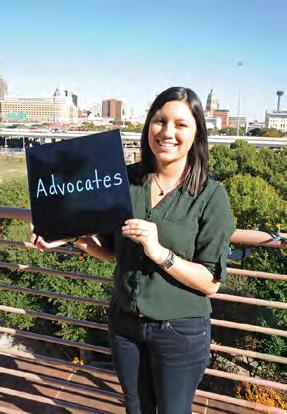
The College of Education and Human Development strives to advocate for children by providing them with the highest quality of educational services. Our focus is to take a collaborative approach and provide children with individualized academic, behavioral, and emotional support to ensure their overall well-being and success in school.”

Amber Collins Graduate Student, Department of Edcuational Psychology

1959 - 2014

First UTSA Faculty Member & Science Educator, 15 years

Academic Advisor, 8 years 1928 - 2014

Dr. Dewey Davis
George Bergquist

UTSA housekeeping staff learns computer skills from teacher education staff

Since May 2012, a group of students at UTSA has been receiving computer training from the College of Education and Human Development faculty, staff and students, but these students aren’t typical college students. They’re housekeeping staff members. And, many of them had never even been in front of a computer before they started these classes.

The classes began when facilities worker Erlinda Castillo, who was interested in learning some computer skills, asked Ilna Colemere, M.A. ‘79, senior program coordinator in the Office of Teacher Education Services, for help. Staff members participating in the training began calling it “Erlinda’s Wish.”

“She was very hungry to learn, and because we are in the business of education, we knew it was important to educate everyone in our midst,”

Colemere said.

Colemere took on the challenge and one student soon turned into more than 80. The class graduated May 30 from their third year of classes. They celebrated their achievements -- many going from not even knowing how to turn on a computer to learning how to communicate via email -- with a special ceremony.

Since they began, the classes have expanded to include English-as-a-second-language skills. The housekeeping staff is allowed one hour a week to attend the classes taught by College of Education and Human Development faculty, staff and students.

Colemere recently won the Extra Mile Award at the UTSA University Excellence Awards ceremony for her work on the program.

Hundreds gather to hear story of San Antonio Four

More than 200 people gathered in the Aula Canaria auditorium at The University of Texas at San Antonio Downtown Campus for a standing room only screening of “Southwest of Salem: The Story of the San Antonio Four” on Tuesday, March 4. The event was part of the Women’s Studies Institute’s Women’s History Month and featured a panel discussion with the San Antonio Four, Elizabeth Ramirez, Anna Vasquez, Kristie Mayhugh, and Cassie Rivera, and their families. The screening marked their first public appearance together since Rivera, Ramirez, and Mayhugh were released from prison in November of 2013.

UTSA students, faculty and administrators travel to Chile

Teachers from the South San Antonio Independent School District, COEHD Dean Betty Merchant, Dr. Misty Sailors, Dr. Bekisizwe Ndimande, Senior Vice Provost Jesse Zapata, College of Public Policy Dean Rogelio Saenz, Vice Provost for International Initiatives and Senior International Officer Rene Zenteno, and other UTSA leaders traveled to Chile to sign a Memorandum of Agreement with La Universidad de los Andes.

COEHD collaborative presented with inaugural UCEA award

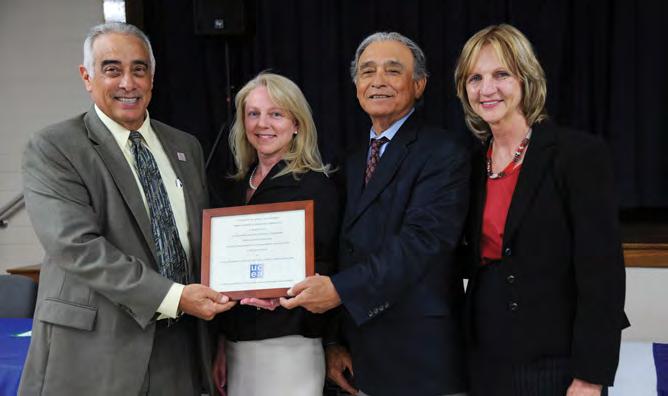
The University of Texas at San Antonio Urban School Leaders Collaborative (USLC) was presented with the inaugural University Council for Educational Administration (UCEA) Exemplary Educational Leadership Award at a special presentation ceremony at the San Antonio Independent School District (SAISD) Burnet Leadership Center.

The USLC, which is housed in COEHD’s Department of Educational Leadership and policy Studies, was developed by Dr. Encarnacion Garza, associate professor in the Department of Educational Leadership and Policy Studies, and former SAISD Superintendent Dr. Ruben Olivarez as a partnership between the university and SAISD. The program, which is in its sixth cohort, prepares SAISD educators to effectively work as educational leaders in Latino-majority schools.

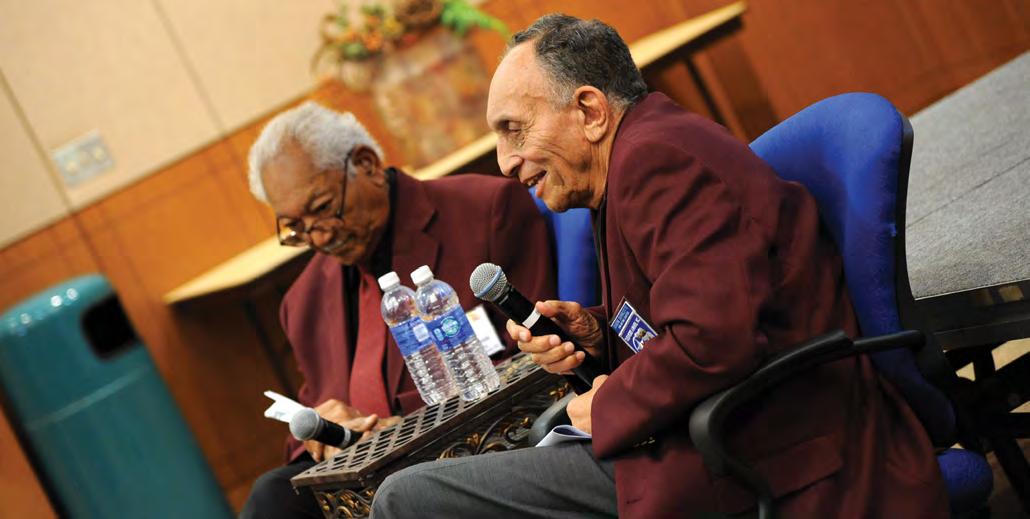
Two Tuskegee Airmen speak to UTSA community

Students, faculty, staff, and community members gathered in the Business Building on Monday, December 8, for the African American Culture, Leadership and Social Issues class, taught by Dr. Dorinda Rolle. The class, which hosted the Consortium for Social Transformation and the African American Studies Program’s first event in their Beyond February speaker series, featured a presentation from Tuskegee Airmen Inc. Central Region President, Marv Abrams, and two Tuskegee Airmen, Dr. Eugene Derricotte, USAF Col. (Ret.), and Mr. James Bynum, USAF Senior Master Sergeant (Ret.).

word

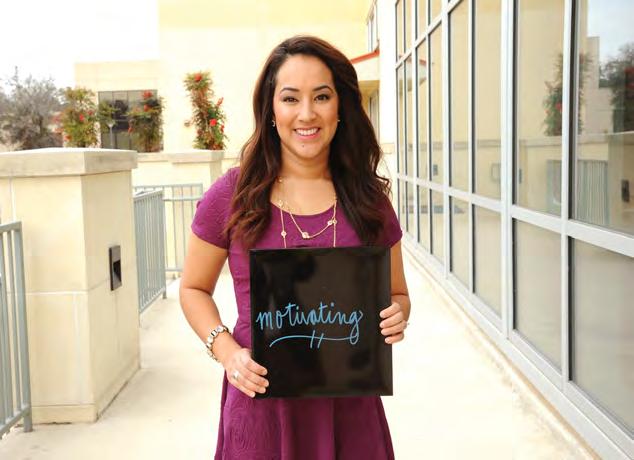
I chose the word motivating because I think the teachers and professors motivate us and inspire us to work hard and to continue to be driven in this profession. The faculty motivate me as an alumni now to continue to be successful.

Lorena Herrera College of Education and Human Development Alumna, 2013-2014 First-Year Teacher of The Year for Northside ISD, Teacher at Mead Elementary School

Belinda

Flores presents at White House Initiative webinar

Dr. Belinda Flores, chair of the Department of Bicultural-Bilingual Studies, presented during the White House Initiative on Education Excellence for Hispanics’ monthly webinar in August. Flores presented on Hispanic teacher recruitment.

Anne-Marie Nuñez presents at panel in Washington, D.C.

Dr. Anne-Marie Nuñez, associate professor in the College of Education and Human Development’s Department of Educational Leadership and Policy Studies, presented her research at a research and policy briefing in Washington, D.C. this past September.

Nuñez’s presentation, “How the Shortcomings of a Postsecondary Ratings System Could Lead to

Shortchanging Hispanic-Serving Institutions (HSIs) and their Outcomes,” which was based on a policy paper co-authored by Awilda Rodriguez at the University of Michigan, explored accountability policies in higher education and their influence on minority students and HSIs. She was one of seven presenters from universities around the United States.

UTSA professors present book on La Clase Mágica

The UTSA Department of Bicultural-Bilingual Studies and the Academy for Teacher Excellence presented their book, “Generating Transworld Pedagogy: Reimagining La Clase Mágica,” at a special presentation last March at the UTSA Downtown Campus.

“Generating Transworld Ped-

agogy: Reimagining La Clase Mágica” takes an in depth look at the last five years of La Clase Mágica, an after-school program sponsored by the Academy for Teacher Excellence that brings together bilingual teacher candidates and bilingual elementary students in low-income schools.

The book is the result of three years of collaborative work between the Department of Bicultural-Bilingual Studies, ATE, and colleagues from other countries and universities, and features chapters written by several COEHD professors and research conducted by COEHD graduate students.

EDP graduate students meet leader in educational psychology

Several students from the Department of Educational Psychology’s School Psychology program traveled to Austin on Saturday, October 25, to meet Dr. Richard Woodcock, a leader in the field of educational psychology. The event was part of The University of Texas at Austin’s Richard Woodcock Institute For Advancement of Contemporary Cognitive Assessment. Woodcock was a special guest speaker for the institute.

Dennis Davis

2014 Regents’ Outstanding Teaching Award Winner

If

you peek through the classroom window during one of Dennis Davis’ lectures, you just might find him standing on a desktop or frantically moving among his interdisciplinary studies students. It may be slightly unconventional, but it is all part of his efforts to bring his lessons to life.

“I think my classes are high energy,” said Davis. “I am not afraid of being silly or whimsical if I have to. I don’t do PowerPoint lectures or just stand in the front of the room. I’m a little bit frenetic and I move around a lot. I try to make the content come alive as much as I can, even with graduate students. I think it’s important to foster a classroom community at the university level where risk-taking and doing activities that may feel odd or non-academic are allowed.”

ask ‘how do we know,’ ‘where does the practice come from,’ and ‘what is the limit to that knowledge.’ When I was a classroom teacher, it wasn’t good enough for me to know how to do a particular pedagogical strategy. I wanted to understand why we think that is the best way to teach that particular strategy or how we even know it is the best way.”

At the undergraduate level, he takes critical thinking a step further and asks his students to look at different reading strategies through the lens of a new reader.

“I think it’s important to foster a classroom community at the university level where risk-taking and doing activities that may feel odd or non-academic are allowed.”

This year, Davis was one of four recipients from The University of Texas at San Antonio (UTSA) to receive a Regents’ Outstanding Teaching Award, which are given annually to distinguished educators throughout the UT System institutions. Each award recipient received a $25,000 check and was recognized at a special reception in Austin.

Davis, an assistant professor of literacy education and a former elementary school teacher, came to UTSA four years ago after receiving his doctorate from Vanderbilt University. During his time at UTSA, he has inspired hundreds of future educators by fostering a unique classroom environment that emphasizes critical thinking and analytical discussions.

“We have a lot of classroom discussions that dig really deeply into the content,” Davis said. “I don’t want students to believe something just because their textbook says it. I want them to

“We do a lot of digging into our own thinking as readers,” he said. “In my undergraduate reading courses, I begin almost every class with a read aloud that models what the students would do in their own classroom. I ask them to step into a piece of literature and think through the steps they take as readers. I do a lot of connecting the content to what it feels like to be a child who is learning how to read so they can see the steps from both the teacher’s side and the child’s side.”

And while his classes, he said, are by no means easy, they prepare his students for life as a professional educator, even if that means having students leave his class with “their head hurting because they had to think too hard.”

“I ask a lot of hard questions,” he said. “I try really hard to push a lot of critical thinking and critical analysis in my classes. I think my underlying philosophical core, especially at the university level, has been that learning should hurt a little bit. If the conversation feels completely comfortable and you are not having to cognitively grapple at something that is difficult and challenging, then I think the teacher has done something wrong.”

Story by Jo Ann Jones, College of Education and Human Development

Thelma Duffey elected president of ACA

Dr. Thelma Duffey, professor and department chair in the College of Education and Human Development’s Department of Counseling, was elected to serve as president of the American Counseling Association (ACA). Duffey will assume her role as the association’s 64th president on July 1, 2015.

Duffey was nominated for the position in February of 2013. Nearly one year later, she was elected president by a majority vote of the association’s membership. Duffey will hold the title and assume the role of president-elect until she begins her term as president next year.

“This is such a wonderful opportunity,” said Duffey. “Professional counselors undergo extensive training and competently provide much needed counseling services to people from all walks of life. I couldn’t be more proud to belong to this profession and grateful to be in this position of leadership.”

As president, Duffey will preside over the ACA Governing Council, work with fellow ACA leaders and members to develop and carry out the association’s strategic initiatives and international collaborations, and work with ACA’s 20 national divisions, four regions, and 56 state branches to promote the work of professional counseling, expanding mental health opportunities for people throughout the world.

“Advocacy is very important,” said Duffey. “When we advocate for the profession, we are, in essence, advocating for more resources for people when they are in crisis, facing life transitions, making important decisions, recovering from loss, coping with mental or physical challenges, or dealing with everyday stress-

es. One way to do this is to educate the public and law makers on the quality education and training that professional counselors receive.”

Counselors, Duffey said, can be licensed in all 50 states and can pursue a variety of practice specializations.

“We have counselors working in rehabilitation centers, schools and colleges, private practice and mental health agencies, treatment centers and psychiatric hospitals, and within federal and state organizations,“ she said.

Duffey, who was inducted as an ACA Fellow in 2010, has been actively involved in ACA for more than 25 years, serving six of those years as a representative to the ACA Governing Council. She was the founding president of the Association for Creativity in Counseling, a division within ACA, and serves as the editor for the “Journal of Creativity in Mental Health,” one of the counseling profession’s academic journals.

She is the recipient of the 2013 Texas Counseling Association’s Professional Writing Award, the 2011 Association for Counselor Education and Supervision’s Distinguished Mentor Award, the 2010 Texas Counseling Association Research Award, the 2006 American Counseling Association Professional Development Award, and the 2006 American Association for Counselor Education and Supervision Counseling Vision and Innovation Award. She is dual-licensed in the state of Texas in professional counseling and marriage and family therapy.

“I hope we can show the world who counselors are, not just by what we say about the profession and ourselves, but by what we do together,” said Duffey. “This really is about making a difference.”

ACA is a non-profit organization with more than 55,000 members and is the largest professional counseling association in the world. The organization aims to promote and enhance the field of counseling nationally and internationally.

Jacqueline Parsons honored for community service at White House

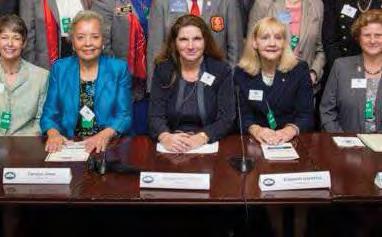
Dr. Jacqueline Parsons (center), adjunct professor in the College of Education and Human Development’s Department of Counseling, was honored for her service to the community at the White House on Tuesday, Oct. 7 during Rotary Day 2014. She was one of 10 women who received Rotary International’s Women of Action award by the Obama Administration.

Students present work at inaugural research showcase

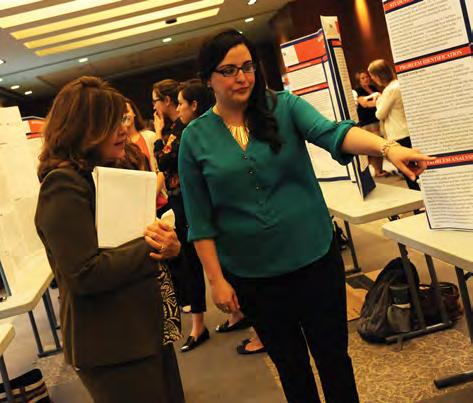
Hundredsof undergraduate students from The University of Texas at San Antonio (UTSA) presented their work during the spring semester at the inaugural Undergraduate Research and Creative Inquiry Showcase. More than 20 participants were students in the College of Education and Human Development (COEHD).

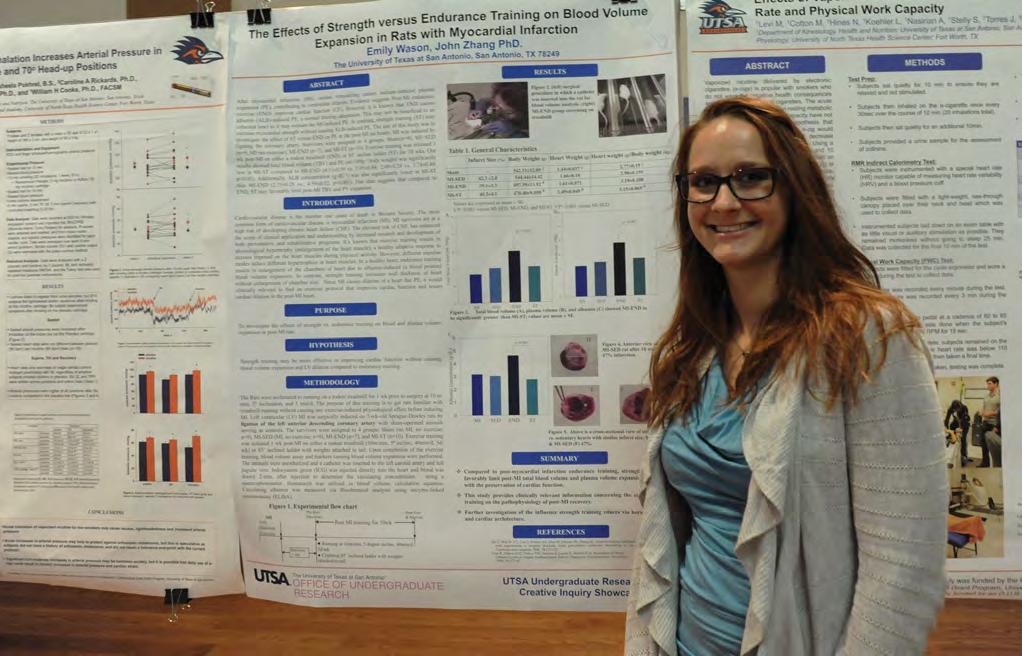
Among those who presented their research was Emily Wason, a graduate student in the Department of Kinesiology, Health, and Nutrition. Her research, which began during her time as an undergraduate kinesiology student under Dr. John Zhang, looked at the “Effect of Strength versus Endurance Training on Blood Volume Expansion in Rats with Myocardial Infarction.”

“We conducted cardiovascular research after a heart attack and assessed the rats’ hormonal response and heart tissue,” said Wason. “We’re investigating whether or not lifting weights is more beneficial in preventing some of the dilation of the heart then endur-

ance training, or even a combination of both.”

Wason’s research took place over the course of a year. She hopes to continue looking at strength training versus endurance training after a heart attack with a few modifications.

“We’re going to increase our sample size so that we have better statistics,” said Wason. “It all looks really promising.”

Elvia Rivera, a senior interdisciplinary studies major with an early childhood through sixth grade bilingual certification, used her research to find more about her personal history and understand where her family came from.

“I knew from the beginning that I wanted this inquiry to be about me, more so about my family’s origins,” said Rivera. “I decided to complete my interdisciplinary inquiry going back to my grandparents’ indigenous culture. And I was able to connect my research with my future profession as a teacher. I want my students to be able to ask those ‘why?’ questions. That’s what lead a lot of my research.”

Other research projects presented included “Evaluation of Scapular Kinematics and Muscle Activity During Milking Tasks,” “Jackson Keller Elementary KIN Program,” “Music in My Life,” and “The Perfect Sole Mate.”

The showcase, which was sponsored by the Office of Undergraduate Research, was the first of it’s kind at UTSA.

UTSA partners with Methodist Healthcare to give students hands-on training

The UTSA Department of Kinesiology, Health and Nutrition in the College of Education and Human Development has announced a partnership with Methodist Healthcare System of San Antonio that will give UTSA students handson training in cardiology patient care while providing research opportunities designed to improve clinical services and outcomes.

UTSA researchers Donovan Fogt and William Cooke, along with Curtis Hart are merging their individual expertise and laboratory capacities to create the UTSA Integrative Cardiopulmonary & Autonomic Performance Laboratories (ICAPL). Using advanced techniques and equipment, ICAPL researchers will gather information to uncover better treatment options for the patients while providing immediate feedback to referring physicians. UTSA students and researchers working in ICAPL will help identify early factors contributing to the development and progression of cardiac diseases.

Local cardiologists have suggested that up to 25 percent of their symptomatic patients test negative for cardiovascular disease, leaving few

options for continued care. One of the key goals of this partnership is to provide specialized testing of such patients in the ICAPL. The testing results will guide preventative and treatment options to patients and clinicians, including referrals to clinical specialists, physical activity and performance, nutrition and health behaviors.

Additionally, the partnership will prepare students for careers in health professions within the Methodist Healthcare System and beyond. By involving kinesiology, health and nutrition students in this initiative, the department hopes to advance its UTSA students ahead of their peers in the job market.

“We have an obligation to help our students receive specialized training and be competitive for professional schools and medical careers. Students participating in the UTSA - Methodist Healthcare System of San Antonio partnership will benefit from our top-tier program,” said Fogt, associate professor in the Department of Health, Kinesiology, Health and Nutrition and co-director of the UTSA ICAPL.

UTSA researchers find ways to help Latino students be successful in higher education

The UTSA Center for Research and Policy in Education released a report focused on Latino student success that finds ways to help this typically underserved population. The report, “Ventajas/ Assets y Conocimientos/ Knowledge, Leveraging Latin@ Strengths to Foster Student Success,” looks at the advantages and disadvantages Latino students face when entering college and focuses on leveraging strengths.

Led by UTSA professors Laura Rendón and Amaury Nora and Vijay Kanagala of the University of Vermont, the study found that students who come from Latino backgrounds could use their cultural wealth and experiences to transcend socioeconomic circumstances that might otherwise hold them back.

Because these assets are not always gained through formal education, educators might not look at these strengths as a means to overcome obstacles.

“Students can develop strengths through lived experiences, cultural traditions and life challenges, which help them become survivors and move past hurdles,” said Rendón, the study’s lead researcher.

The research also found that Latino students often struggle through college be-

cause of the multiple worlds they juggle including academia, familial responsibilities and their former communities. But, their sense of responsibility to give back to their communities could potentially help them push themselves further in their education.

Likewise, other challenges they face could work as assets. For example, students can learn to use their bilingualism to

their advantage, and if they are able to manage both worlds, they could develop critical high-level cognitive skills.

“Relying on this framework rather than one which looks at Latino students as deficient can help college faculty and support staff to serve Latino students during their higher education careers,” said Nora, the study’s co-researcher.

ATE informal learning club draws from ancient roots

Each week, small groups of children gather after school at two local elementary schools and a leadership center. The goal is to learn about math; but this is not just any ordinary math group.

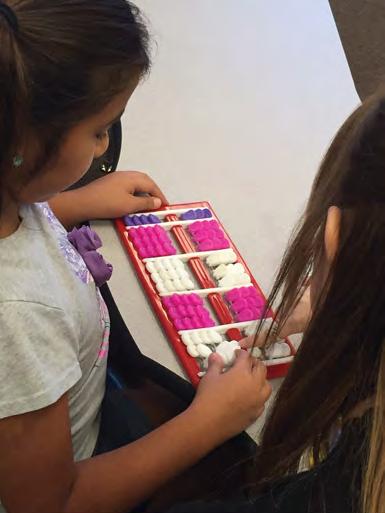
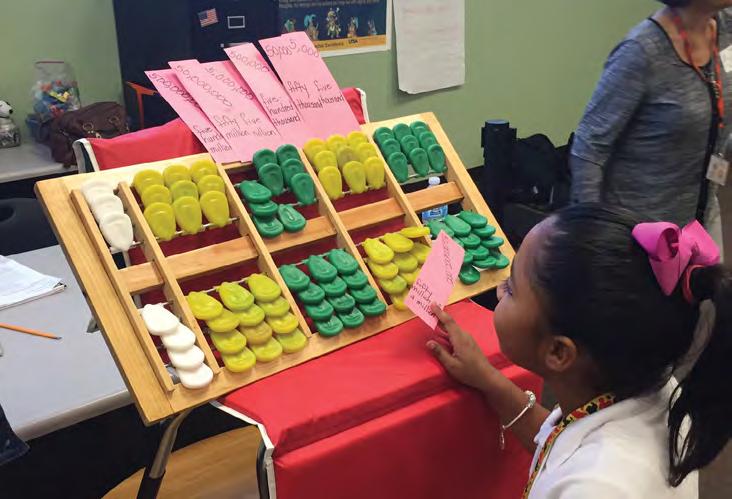
Each student is given a Nepohualtzitzin (neh-poe-wault-zeetzeen) – an abacus-like tool used for calculations thousands of years ago by ancient Mesoamerican civilizations, such as the Mayan and Nahua societies. The students must then move the corn counters on the Nepohualtzitzin to represent a number, sometimes in the millions or billions, or perform a basic mathematical function, such as adding or subtracting.

Although it appears to be simple, the Nepohualtzitzin is actually complex, as are the calculations that can be done using the tool.

“If you break up with word Neophualtzitzin, it translates to ‘ne,’ or the person, ‘pohual,’ or to count, and ‘tzitzin,’ or to transcend,” said María Elena Rodríguez, Academy for Teacher Excellence (ATE) education specialist. “The whole point of the Neophualtzitzin is for the person to recognize the importance and

symbolism of numbers and counting. Numbers are all around our universe and our lives. Therefore, the person who comes to recognize the importance of numbers and their symbolism transcends.”

The Neophualtzitzin Ethnomathematics Project is the newest of ATE’s informal learning clubs and began at the start of the 2014-2015 school year. Rodríguez, Karina Lares, ATE education specialist, and several UTSA students work with children to teach them how to count and perform calculations using the Neophualtzitzin.

“We start off with the basics where the children are learning the structure of the Neophualtzitzin, the place value system, and how to count,” said Rodríguez. “Then we move on to addition and subtraction. You can do multiplication, division, square root, and even algebra on the Neophualtzitzin. It looks simple, but what it does and how it calculates is very advanced.”

The clubs, which are currently offered at Henry B. Gonzalez Ele-

mentary School and Las Palmas Elementary School in the Edgewood Independent School District, and the West Side Girl Scout Leadership Center, serve children from kindergarten through fifth grade. The goal of the club is to prepare the children to become academically ready for the science, technology, engineering, and mathematics (STEM) fields. “We just want them to be very excited about math,” said Rodríguez. “We want the children to know that they are capable of anything in any of the STEM areas.”

But the club, she said, is more than just mathematics. The children also learn about dance, music, and games that relate to both the mathematics concepts they have learned as well as Mesoamerican culture.

“The students are learning Ethnomathematics,” said Lares. “So we’re not only teaching the children mathematics, but also teaching them about culture and how

continued on page 19

UTSA Center for the Well-Being of Military Families provides community services

The UTSA Center for the Well-Being of Military Children and Families in the College of Education and Human Development (COEHD), which opened earlier this year, is moving forward on several initiatives that will provide support to military families in the San Antonio area, as well as the educators who teach children from these families.

Often faced with many transitions because of deployments or moves, children in military families have special needs when it comes to curriculum and instruction, says Mercedes Zamudio, director of the center. Because San Antonio has such a large military community, the center will play a key role in meeting needs within the area.

face include differences in curriculum after moves, difficulty leaving friends, and facing separation from their parents during deployments. All of these things can affect children’s performance in school. The center trains students in the UTSA COEHD to develop curriculum and best practices for this population of students.

“The military contributes greatly to our San Antonio culture and our economy, so we really want to do what we can to help our military children and families thrive and assist them with all the transitions that they go through on a daily basis.”

The center has created partnerships between the COEHD, the San Antonio military community, local agencies, organizations and institutions. Additionally, it continues to work closely with local school districts.

“The military has its own unique culture, and San Antonio is known as Military City, USA,” Zamudio said. “The military contributes greatly to our San Antonio culture and our economy, so we really want to do what we can to help our military children and families thrive and assist them with all the transitions that they go through on a daily basis.”

Some of the challenges children in military families

Informal Learning Club

The center, along with the COEHD Department of Counseling is placing student interns in school districts with large military populations. Student counselors develop support groups for students and offer individual counseling to students, as it is needed.

As UTSA advances toward Tier One recognition, the university continues to focus on several priorities, including community outreach. The center’s services align with that vision by partnering with these organizations to establish a clearinghouse within the community to address different needs.

to live in communal harmony. We want the students to learn that it’s not just about yourself, but about sharing the knowledge with others in the community.”

The Neophualtzitzin Ethnomathematics Project was inspired by the work of Everardo Lara González, author of Matemática y Simbolismo en la Danza Autóctona de México, or Mathematics and Symbolism in Mexico’s Native Dance. In 2006, several members of ATE, including Rodríguez, studied under González and brought back their knowledge of the Neophualtzitzin to ATE. These trainees, Rodríguez said, have since developed the training needed to work with the children in this new informal learning club.

We wanted to share with others the knowledge and understanding about this mathematical way of thinking,” said Rodríguez. “We wanted to do it in an informal learning club because in these clubs, more of this information can be shared with children in a fun, exciting way. So far, everyone loves it.”

In addition to their plans to add a fourth club site, ATE is also working to expand the club to include training for parents.

word

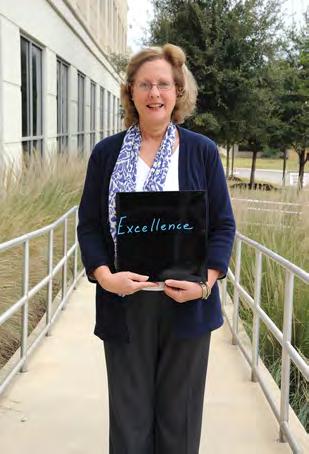
ONEmake learning come to life. Excellent teachers inspire. Excellent teachers influence the futures of their students. Excellence is the goal because anything less would be dishonest.

In the COEHD, we strive for excellence in our teacher education program. The quality of teachers matters a great deal. Excellent teachers

Health Ambassadors participate in Team Up Challenge event

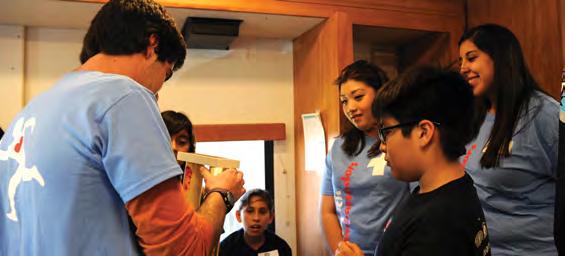
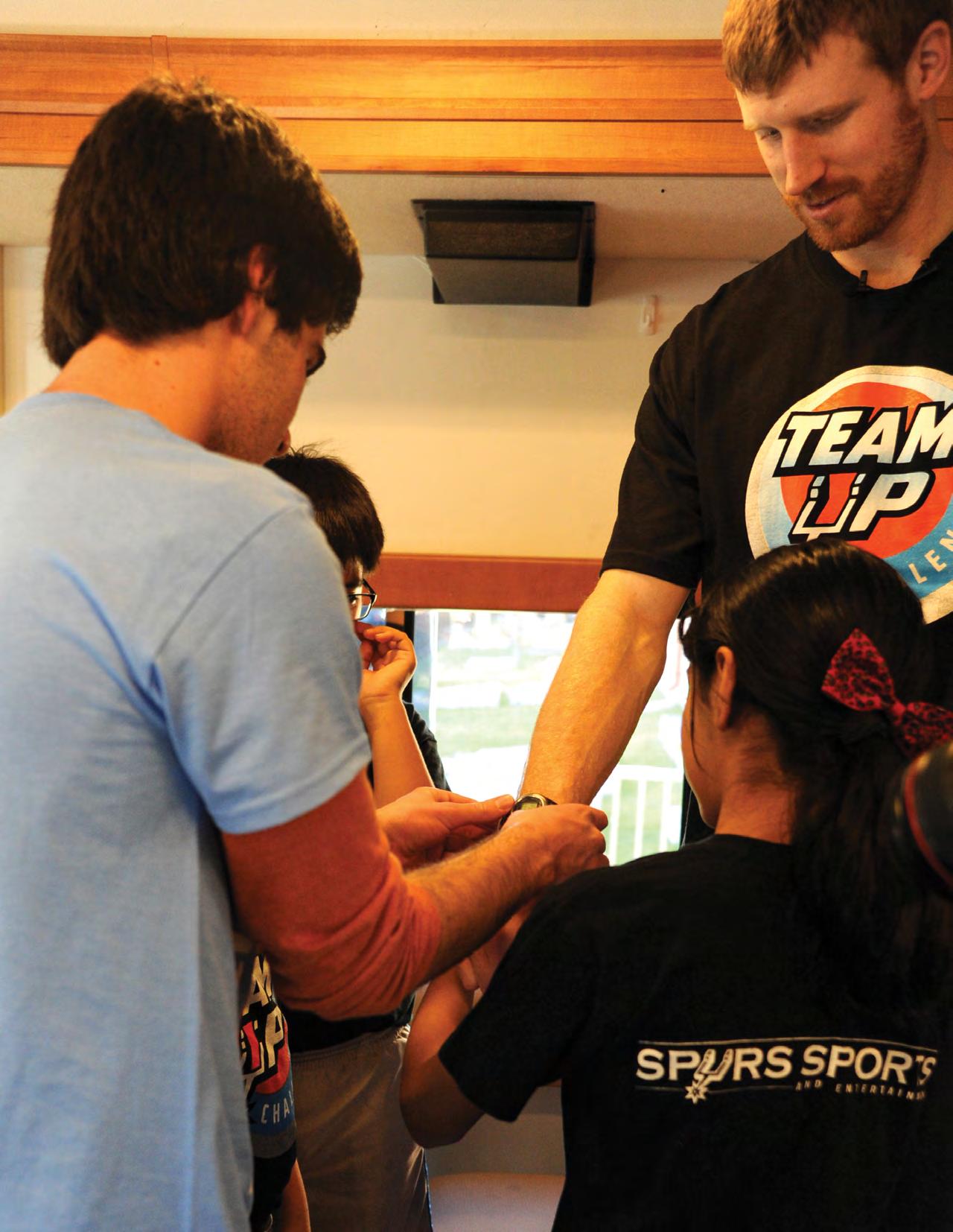
TheHealth Ambassadors, a student organization from The University of Texas at San Antonio (UTSA), teamed up with the Spurs Sports and Entertainment’s Silver and Black Give Back to bring the Mobile Health Lab to the students of Wilson Elementary School’s Gardening Club.

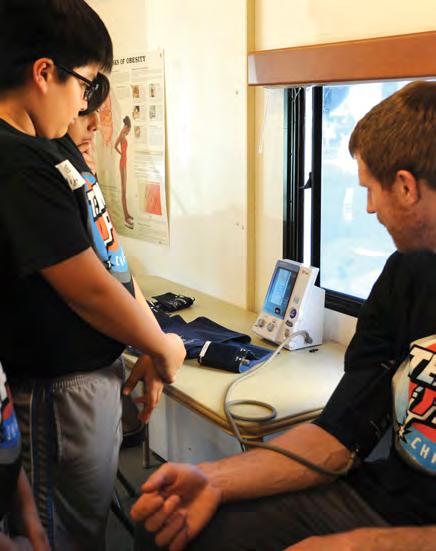
Twenty students from the Gardening Club and five Health Ambassadors participated in the event, which was part of Silver and Black Gives Back’s Team Up Challenge, a service-based program that awards local students for their service and involvement in the community. The Wilson Elementary students were semifinalists in the Team Up Challenge for 2013-2014. The event featured special guest San Antonio Spurs player, Matt Bonner, who joined the Team Up Challenge students aboard the Mobile Health Lab,

a 38-foot customized mobile home operated by the College of Education and Human Development’s (COEHD) Department of Kinesiology, Health, and Nutrition.

The Health Ambassadors used the state-of-the-art equipment on board the lab to demonstrate how to accurately collect body measurements, such as blood pressure and heart rate. After the demonstrations, the Team Up Challenge students were able to use the equipment to take measurements of each other and Bonner.

“It was wonderful that the Team Up Challenge students learned how to measure blood pressure, heart rate, height and weight, and perform the measurements on Matt Bonner,” said Dr. Zenong Yin, professor in the Department of Kinesiology, Health, and Nutrition, faculty advisor for the Health Ambassadors, and director for the Mobile Health Lab. “It was a once in a lifetime event for the Wilson Elementary students and the Health Ambassadors.”

Over the 2013-2014 school year, the Wilson Elementary Gardening Club worked to grow fresh, organic vegetables for the community. The school, which is part of San Antonio Independent School District, has many low-income families

with limited access to fresh produce. The goal of the Health Ambassadors for the event was to use the lab’s equipment to show the Gardening Club how eating well and exercising help attribute to a healthy lifestyle.

“I thought it was really cool to be able to take what the students in the Gardening Club were learning about nutrition and bring them over to the Mobile Health Lab to talk to them about how their nutrition is going to affect things like their height and their weight,” said Garrett Kneese, president of the Health Ambassadors. “I hope that the students realize that there are resources out there that they can go to and get the screenings that are required for good health.”

This was the first time the Health Ambassadors had participated in a Team Up Challenge event. The organization’s goal is to provide underserved populations in San Antonio with quality health assessments.

“I think that it’s great that the Health Ambassadors wanted to take on this challenge so quickly,” said Brandi Cuevas, Team Up Challenge scholar and graduate of COEHD. “I think this was a great opportunity for the Health Ambassadors to expand, to get the word out there, and get more people involved in the organization. Their mission statement is, ‘A community outreach,’ so in this way, the just reached out to not only the Wilson Elementary students and their families, but also everyone that the Spurs are going to touch.”

Alanís, I., & Arreguín-Anderson, M.G. (2014). Developing Spanish word walls: Three adjustments to consider. Journal of Bilingual Education Research and Instruction, 16 (1), 125-133.

Alanís, I., Machado-Casas, M., & Ruiz, E. (2014). Beyond the technical apparatus: Identity, connections, and the use of “Autonarrativas virtuales.” NABE Journal for Research and Practice 5. Accessed at https://www2.nau.edu/ nabejp/ojs/index.php/njrp/article/view/22/30

Arreguín-Anderson, M.G., & Garza E. V. (2014). Bilingual pairs in teacher education: Exploring WILD strategies in an environmental education workshop. Action in Teacher Education, 36 (2), 171-184.

Arreguín-Anderson, M.G., & Ruiz-Escalante, J. A. (2014). La opresión lingüística del méxico americano: Una perspectiva crítica racial desde el lente de voces chicanas. Journal of Latinos in Education, 13 (1), 54-61.

Baldwin, A., Dodge, B., Schick, V., Hubach, R. D., Bowling, J., Malebranche, D., Goncalves, G., Schnarrs, P.W., Reece, M. & Fortenberry, J.D. (2014). Sexual self-identification among behaviorally bisexual men in the Midwestern United States. Archives of Sexual Behaviors.

Blady, S., & Henkin, R. (2014). Padlets, weeblies & twitter: Incorporating multimodal digital literacies in the San Antonio writing project and in a 7th grade language arts classroom. In Fitzgerald, P. (ed.), Digital Tools for Writing Instruction in K-12 Settings: Student Perception and Experience. IGI-Global.

Blady, S., & Henkin, R. (2014). Reclaiming the joy of writing through wikis. In Whitmore, K. & Meyer, R. (Eds.), Reclaiming Writing . New York, NY: Routledge.

Bonner, E.P. (2014). Investigating practices of highly successful teachers of traditionally underserved students. Educational Studies in Mathematics, 86 (3), 377-399.

Borgmeier, C., Loman, S., Hara, M., & Rodriguez, B.J. (2014). Training school personnel to identify interventions based on functional behavior assessment. Journal of Emotional and Behavior Disorders. DOI: 10.1177/1063426614528244

Bravo, M., Mosqueda, E., Solís, J., & Stoddart, T. (2014). Possibilities and limits of integrating science and diversity education in preservice elementary teacher preparation. Journal of Science Teacher Education, 25 (5), 601-619.

Briscoe, F. (2014). “The Biggest Problem”: School leaders’ covert construction of latino ELL families—Institutional racism in a neoliberal schooling context. The Journal of Language Identity & Education.

Carrola, P., & Juhnke, G.A. (2014). Using the MO(o)D PIRATES malingering mnemonic risk assessment to gauge malingering risk, and provide general implications and guidelines. In S. Southern (Ed.), 2014 Annual Review of Addictions and Offender Counseling: Best Practices. Eugene, OR: Wipf and Stock Publishers.

Castro-Villarreal, F. (2014). Review of the Behavior Intervention Monitoring Assessment system. In J. F. Carlson, K. F., Geisinger, & R. A. Spies (Eds.), The Nineteenth Mental Measurements Yearbook (pp. 66-69). Lincoln, NE: Buros Institute of Mental Measurements.

Castro-Villarreal, F., Guerra, N., Sass, D., & Hsieh, P. (2014). Models of pre-service teach-

ers’ academic achievement: The influence of cognitive motivational variables. Journal of the Scholarship of Teaching and Learning, 14 (2), 71-95.

Castro-Villarreal, F., Rodriguez, B.J., & Moore, S. (2014). Teachers’ perceptions and attitudes about response to intervention (RTI) in predominately Hispanic serving schools: A qualitative analysis. T eaching and Teacher Education: An International Journal of Research and Studies, 40 , 104-112.

Castro-Villarreal, F., Rodriguez, B.J., Sullivan, J., Guerra, N., Garza, S., & Harris, E. (in press). Integrating the scientist practitioner model into master’s level school psychology training. School Psychology Training Forum.

Castro-Villarreal, F., Rodriguez, B., & Moore, S. (2014). Teachers’ perceptions and attitudes about RtI: A qualitative analysis. Teaching and Teacher Education, 40 , 104-112.

Clark, E.R., & Flores, B.B. (2014). The metamorphosis of teacher identity: An intersection of ethnic consciousness, self-conceptualization, and belief systems. In P. Jenlink, Teacher Identity and Struggle for Recognition: Meeting the Challenges of a Diverse Society (pp. 3-14). Lanham, MD: Rowman & Littlefield.

Clark, E.R., Flores, B.B., & Vásquez, O.A. (2014). Iluminadas a través de cosmovisión: A new age of enlightment for pedagogía transmundial. In B. B. Flores, O. A. Vásquez, & E. R. Clark. Generating Transworld Pedagogy: Reimagining La Clase Mágica (pp. 209-219). Lexington Publishers, Rowman Littlefield Publishing Group.

Crisp, G., & Delgado, C. (2014). The impact of developmental education on community college student success. Community College Review, 42 (2), 99-117. DOI: 10.1177/0091552113516488

Crisp, G., & Núñez, A. (2014). Modeling transfer among minority and non-minority community college students who intend to transfer and earn a 4-year degree. The Review of Higher Education, 37 (3), 291-320. DOI: 10.1353/ rhe.2014.0017

Crisp, G., Taggart, A., & Nora, A. (2014). Undergraduate Latina/o students: A systematic review of research identifying factors contributing to academic success outcomes. Review of Educational Research. DOI: 10.3102/0034654314551064

Curtis, R., Thompson, H., Juhnke, G.A., & Frick, M. (2014). Counselor-client treatment fit: A description and demonstration via video link, of a brief and functional treatment fit model. The Professional Counselor, 3 (1), 141-151.

Davis, R.J., Balkin, R.S., & Juhnke, G.A. (2014). Validation of the Juhnke-Balkin Life-Balance Inventory. Measurement and Evaluation in Counseling and Development, 47 (3), 181-198.

DeCuir-Gunby, J.T., & Schutz, P.A. (2014). Researching race within educational psychology contexts. Educational Psychologist, 49 (4), 1-17.

Duffey, T., & Haberstroh, S. (2014). Developmental relational counseling: Applications for counseling men. Journal of Counseling & Development, 92 , 104–113. doi:10.1002/j.15566676.2014.00136.x

Duffey, T., & Haberstroh, S. (2014). Women working with men using relational cultural theory. In M. Englar-Carlson, M.P. Evans, & T. Duffey

(Eds.), A counselor’s guide for working with men (pp. 307-324). Alexandria, VA: American Counseling Association.

Englar-Carlson, M., Evans, M., & Duffey, T. (Eds.). (2014). A counselor’s guide to working with men. Alexandria, VA: American Counseling Association.

Everett, B., Schnarrs, P.W., Russel, S., Rosarios, M., Garofalo, R., Mustanski, B. (2014). Sexual health behaviors among adolescent sexual minorities: A national probability study. American Journal of Public Health, 104 (6), 1107-12. doi: 10.2105/AJPH.2013.301759

Flores, B.B., Vásquez, O.A., & Clark, E.R. (2014). ¡Adelante! El mundo nuevo: Educating the new generation of the twenty-first century. In B. B. Flores, O. A. Vásquez, & E. R. Clark, Generating Transworld Pedagogy: Reimagining La Clase Mágica (pp. 3-16). Lexington Publishers, Rowman Littlefield Publishing Group.

Flores, B.B., Vásquez, O.A., & Clark, E.R. (2014). Generating Transworld Pedagogy: Reimagining La Clase Mágica . Lexington Publishers, Rowman Littlefield Publishing Group.

Frank, C., Land, W.M., & Schack, T. (2014). Just do it?! The influence of physical and mental practice on performance, mental representation, and the quiet eye in golf putting. In R. Frank, I. Nixdorf, F. Ehrlenspiel, A. Geipel, A. Mornell, & J. Beckmann (Eds.), Performing under pressur. 46. Jahrestagung der Arbeitsgemeinschaft für Sportpsychologie (pp. 95). Hamburg: Feldhaus.

Frank, C., Land, W., Popp, C., & Schack, T. (2014). Mental representation and mental practice: Experimental investigations on the functional links between motor memory and motor imagery. PLOS ONE, 9 (4): e95175. doi:10.1371/journal.pone.0095175

Garza, E.V., Kennedy, K., & Arreguín-Anderson, M.G. (2014). ESL/SSL strategies that bridge content and language in science: Experiential learning in an environmental education workshop. Journal of Language and Teaching Research, 5 (3), 487-497.

Gist, C., Flores, B.B., & Claeys, L. (2014). A competing theory of change: critical teacher development. In C. Sleeter, L. V. Neal, & K. Kumashiro, Addressing the Demographic Imperative: Recruiting, Preparing, and Retaining a Diverse and Highly Effective Teaching Force (pp. 19-31). Routledge Publishers.

Guerra, N., Castro-Villarreal, F., Cheatham, N., & Claeys, L. (2014). Problem identification and task engagement using the LIBRE problem solving tool: A case study of three bilingual teacher candidates. Journal of Teaching and Education Studies, 2 (3), 69-81.

Haberstroh, S., & Duffey, T. (2014). Counseling with addicted men. In M. Englar- Carlson, M.P. Evans, & T. Duffey (Eds.), A counselor’s guide for working with men (pp. 263-284). Alexandria, VA: American Counseling Association.

Haberstroh, S., Barney, L., Foster, N., & Duffey, T. (2014). The ethical and legal practice of online counseling and psychotherapy: A review of mental health professions. The Journal of Technology in Human Services.

Haberstroh, S., Duffey, T., Marble, E., & Ivers, N. (2014). Assessing student-learning outcomes within a counselor education program: Philosophy, policy, and praxis. Counseling Outcome Research and Evaluation.

Hammer, T., Trepal, H., & Speedlin, S. (2014). Five relational mentoring strategies for female faculty. Adultspan, 13 (1), 4-14.

Harmon, J., & Henkin, R. (2014). The portrayal of bullying in young adult books: Characters, contexts, and complex relationships. The Alan Review.

Hibberd, E.E., Oyama, S., Myers, J.B. (2014). Increase in humeral retrotorsion accounts for age-related increase in glenohumeral internal rotation deficit in youth/adolescent baseball players. American Journal of Sports Medicine, 42 (4), 851-8.

Hibberd, E.E., Oyama, S., Tatman, J.A. , Myers, J.B. (2014). Dominant-limb humeral retrotorsion and range of motion adaptation in collegiate baseball and softball position players. Journal of Athletic Training, 49 (4), 507–513.

Horowitz, R. (in press). Oral language: The genesis and development of literacy for schooling and everyday life. In P.D. Pearson &E. Hiebert (Eds.), Research based practices for teaching Common Core literacy (pp. 1-35). New York: Columbia University, Teachers College Press.

Huang, B.H., & Jun, S-A. (2014). Age matters, and so may raters: Rater differences in the assessment of foreign accents. To appear in Studies in Second Language Acquisition, 37 , 1-28.

Hubach, R.D., Dodge, B., Goncalves, G., Malebranche, D., Reece, M., Van Der Pol, B., Martinez, O., Schnarrs, P.W., Nix, R., & Fortenberry, J. D. (2014). Gender matters: Condom use and nonuse among behaviorally bisexual men. Archives of Sexual Behavior, 43 (4), 707717. doi: 10.1007/s10508-013-0147-4

Iseke, J. & Ndimande, B.S. (2014). Negotiating Indigenous language narratives from Canada and South Africa: A comparative approach. International Multilingual Research Journal, 8 (2), 141-166.

Iyengar, K., Prasad, V., & Henkin, R. (2014). A study of Asian Indian American carnatic music students on emotive responses to carnatic ragas: Qualitative analysis of student responses. International Journal of Scientific Research.

Jennings, M. (2014). Trayvon Martin and the myth of superpredator. In K. Fasching-Varner, R. Reynolds, A. Katrice, & L. Martin (Eds.), Trayvon Martin, Race, and American Justice: Writing Wrong (pp. 191-196). Rotterdam, Netherlands: Sense.

Jennings, M. (2014). Is this how it was meant to be? Autoethnography as counterstory in the education of an African-American male. Journal of African American Males in Education, 5 (2), 215-229.

Juhnke, G.A., Juhnke, B.A., Watts, R., Coll, K. M., & Armstrong, N. (2014). Using the “Reflecting As If” Technique to address bullying. VISTA 2014. Retrieved from: https://www.counseling. org/docs/default-source/vistas/article_77.pdf

Kenneady, D., & Oswalt, S.B. (2014). Is Cass’s model of Homosexual Identity Formation Model relevant to today’s society? American Journal of Sexuality Education, 9 (2), 229-246. doi: 10.1080/15546128.2014.900465

Khalifa, M., & Briscoe, F. (accepted). “Why ‘hasn’t anybody noticed?’” A critical race policy analysis of district takeovers. In Michigan, The

Color of Neoliberal Reform, Educational Policy Archives Analysis.

Khalifa, M., & Briscoe, F. (Accepted). A counternarrative autoethnography exploring school districts’ role in reproducing racism: Willful blindness to race disparities in school suspensions. Teachers College Record.

Kharod, D., Hooper, J., & Moseley, C. (2014). Know your Bioregion eModule: San Antonio River Watershed.

Land, W., & Tenenbaum, G. (2014). Information processing. In R.J. Eklund & G.T. Tenenbaum (Eds.), Encyclopedia of Sport and Exercise Psychology (pp. 377-380). Sage Publishers

Land, W., & Tenenbaum, G. (2014). Self-awareness theory In R.J. Eklund & G.T. Tenenbaum (Eds.), Encyclopedia of Sport and Exercise Psychology (pp. 617-619). Sage Publishers

Land, W., Frank, C., & Schack, T. (2014). The impact of attentional focus on the development of skill representation in complex action. Psychology of Sport and Exercise, 15 , 30-38.

Lederer, A.M., Comber, E.M., & Oswalt, S.B. (2014). How to get the information you want: Best practices for survey design and implementation for health promotion professionals. Journal of Health Behavior and Public Health, 4 (1), 19-28.

Lindahl, K.M., & Watkins, N. (2014). What’s on the LO menu? Supporting academic language objectives for content-area teachers. The Clearing House, 87 (5), 97-103. Retreived from http://www.tandfonline.com/doi/abs/10.1080/. VAinzBZSm6E

Lisowski, J.K., Oyama, S., Hibberd, E.E., Myers, J.B., Prentice, W.E., Creighton, R.A. (2014). Biceps brachii does not play an active role in humeral movement. Athletic Training and Sports Health Care, 6 (4), 179-188.

Loman, S., Rodriguez, B.J., & Borgmeier, C. (2014). Critical evidence-based features of

ONE word

function-based interventions: From research to practice. Research to Practice in Schools: The Official Journal of the Texas Association of School Psychologists.

Lonn, M., Tello, A., Duffey, T., & Haberstroh, S. (2014). Relational-Cultural Theory as pedagogy: Preparing doctoral student leaders for the counselor education workforce. Journal of Counselor Leadership and Advocacy, 1 , 1-13. doi:10.1080/2326716X.2014.954164

Machado-Casas, M., Sánchez, P., & Ek, L.D. (2014). The digital literacy practices of Latina/o immigrant parents in an after-school technology partnership. Multicultural Education, 21 (3/4), 28-33.

Martinez, M., & Harmon, J.M. (2014). An investigation of teachers’ growing understandings of the picturebook format. Reading Psychology, 0 , 1-16. DOI: 10.1080/02702711.2013.843066

McGee, P. (2014). Blended course design: Where’s the pedagogy? The International Journal of Blended and Mobile Learning, 6 (1), 33-55.

McGee, P. (2014). The instructional value of digital storytelling: Higher education, professional, and adult learning settings. London: Routledge.

McGee, P., & Voeller, J. (2014). Fostering interaction and social presence through eCollaboration. In R. D. Wright (Ed.), Student-teacher Interaction in Online Learning Environments (pp. 89-199). Hershey, NY: IGI Global.

Meyer, H.S., & Bonner, E.P. (2014). Higher-Order Thinking in Algebra: Barriers and Opportunities. Texas Mathematics Teacher, XLI (1), 6-12.

Miller, A.M., Fogt, D.L., & Cooke, W.H. (2014). Cardiovascular and cerebrovascular responses to progressive central hypovolemia in young smokers: a preliminary study. Military Medicine, 179 (11): 1325-1330. doi:10.7205/ milmed-d-14-00194

Director of La Plaza de Lectura/The Reading Place and Adjunct Professor, Department of Interdisciplinary Learning and Teaching

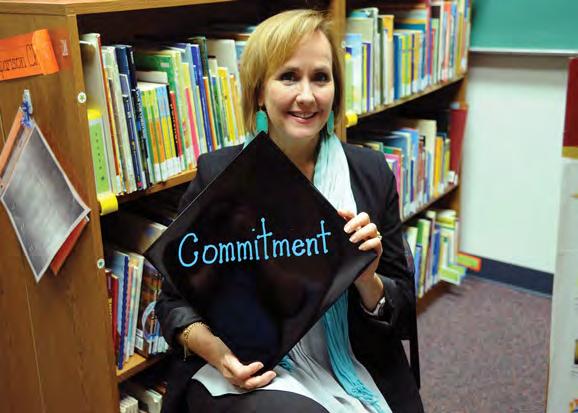
The College of Education and the ILT Department exhibit unwavering commitment to teacher education through their interactions with undergraduate and graduate students; through partnerships with local and international entities serving early childhood through twelfth grade learners, and, through continuous work on educational research projects that have far reaching implications for teacher preparedness and student success.

Miranda, M. (2014). Re-membering emotion: Bigotes and the un-blocking of memories. Chicana/Latina Studies: The Journal of MALCS, 13 (2).

Moseley, C., Bilica, K., Wanless, A., & Gdovin, R. (2014). Exploring the relationship between teaching efficacy and cultural efficacy of novice science teachers in high needs schools. School Science and Mathematics Journal, 114 (7), 315-325.

Moseley, C., Desjean-Perrotta, B., & Crim, C. (2014). Programmatic implementation of environmental education into an early childhood teacher certification program: A case study. In L. Lee, M. Williams, & P. Stimpson (Eds.), Schooling for sustainable development across the Pacific (pp. 243-261). NY: Springer Publishing.

Mustanski, B., Stall, R., Herrick, A., Schnarrs, P.W. (2014). Sexual orientation disparities in STI risk behaviors and risk determinants among sexually active adolescent males: Results from a school-based sample. American Journal of Public Health, 104 (2), 287-294. doi:10.2105/ AJPH.2013.301744

Nuñez, A.-M. (2014). Advancing an intersectionality framework in higher education: Power and Latino postsecondary opportunity. Handbook of Theory and Research in Higher Education, 29 , 33-92.

Nuñez, A.-M. (2014). Becoming a Latina Scholar: Cultivating authenticity in the academy. In L. Santamaria, G. Jean-Marie, & C. Grant (Eds.), Cross-cultural women scholars in academe: Intergenerational voices (pp. 134-151). New York: Routledge.

Nuñez, A.-M. (2014). Counting what counts for Latinas/os and Hispanic-Serving Institutions: A federal ratings system and postsecondary access, affordability, and success. Policy brief presented to the President’s Advisory Commission on Educational Excellence for Hispanics. New York, NY.

Nuñez, A.-M. (2014). Employing multilevel intersectionality in educational research: Latino identities, contexts, and college access. Educational Researcher, 43 (2), 85-92.

Nuñez, A.-M., & Rodriguez, A. (2014). How the shortcomings of a postsecondary ratings system could lead to shortchanging HSIs and their outcomes. A commissioned paper for the UCLA Civil Rights Project conference, Will Higher Ed Accountability Proposals Narrow Opportunity for Minority Students and Minority-Serving Institutions?. Washington, DC.

Nuñez, A.-M., Murakami-Ramalho, E., & Ruiz, E. (2014). Interrupting the usual: Creating a sense of belonging among Latina faculty. In G. Jean-Marie, C. Grant, & B. Irby. (Eds). The duality of women scholars of color: Transforming and being transformed in the academy. Research on Women and Education Series. Charlotte, NC: Information Age Publishing.

Oswalt, S.B., & Wyatt, T.J. (2014). But I’m married: Understanding relationships status and college students’ sexual behaviors. American Journal of Sexuality Education, 9 (1),4-20. doi: 10.1080/15546128.2013.854009

Oswalt, S.B., & Wyatt, T.J. (2014). Hispanic and white college students’ sexual behavior: More similar than different? Journal of Hispanic Higher Education, 13 (3), 206-222. doi: 10.1177/1538192714532500

Oyama, S., Register-Mihalik, J.K., Mueller, F.O., Marshal, S.W. (2014). Life-time prevalence of pitching-related upper extremity injuries in collegiate baseball pitchers. Athletic Training and Sports Health Care, 6 (3), 105-10.

Oyama, S., Yu, B., Padua, D.A., Blackburn, J.T., Li, L., Myers, J.B. (2014). Improper trunk rotation sequence is associated with increased maximal shoulder external rotation angle and shoulder joint force during baseball pitching. American Journal of Sports Medicine, 42 (9), 2089-94.

Phillippen, B. P., Legler, A., Land, W., Schuetz, C., & Schack, T. (2014). Diagnosing and measuring the yips in golf putting: A kinematic description of the involuntary movement component that is the yips. Sport, Exercise, and Performance Psychology, 3 , 149-162.

Ramírez, J.L., Sayer, P., & Pamplón Irigoyen, E.N. (2014). Teaching English in public primary schools in Mexico: Perspectives of the stakeholders. International Journal of Qualitative Studies in Education – Special issue on education in Mexico and Latin America, 27 (4), 1020-1043.

Rendón, L.I., & Kanagala, V. (2014). Contemplative pedagogy in a culturally diverse classroom. In Tobolowsky, B.F. (Ed.), Paths to learning. Teaching for engagement in college Columbia, SC: University of South Carolina, National Resource Center for the First-Year Experience and Students in Transition.

Rendón, L.I., Nora, A., & Kanagala, V. (2014). Ventajas/Assets y Conocimientos/Knowledge: Leveraging Latin@ strengths to foster student success. San Antonio, Texas: Center for Research and Policy in Education, The University of Texas at San Antonio.

Rodriguez, B.J. & Anderson, C. A. (2014). The use of a total group contingency intervention in tier 2 small group kindergarten pre-literacy instruction. Journal of Positive Behavior Interventions.

Rodriguez, B.J., Campbell, A., Falcon, S., & Borgmeier, C. (in press). Examination of critical features and lessons learned for implementation of a tier 2 intervention system for social behavior. Journal of Educational and Psychological Consultation.

Roser, N. L., Martinez, M., Moore Carrell, H., & Palmer, D. (2014). Reinvite drama into classrooms, part 2: Exploring stories through process drama.” In K.D. Wood, J. Paratore, B. Kissel, & R. McCormack (Eds.), What’s New in Teaching Literacy? ( E-ssentials series.) Newark, DL: International Reading Association. DOI:10.1598/e-ssentials.8062

Sailors, M., & Flores, M. (2014). The cost effectiveness of a complementary reading program and reading achievement. Journal of Education and Human Development, 3

Sailors, M., & Hoffman, J. V. (2014). Evaluation, change and program improvement: The role of the literacy specialist. The Administration and Supervision of Reading Programs (5th ed.). New York: Teachers College Press.

Sailors, M., & Samati, M. (2014). Community mobilization: Supporting the implementation of a complementary reading program in Malawi. Paper to appear in the 63rd Yearbook of the Literacy Research Association.

Sailors, M., Chilora, H., Kaambankadzanja, D., Mapondera, A., & Hoffman, J.V. (2014). Promoting reading achievement in Malawian primary schools: Collaboration matters. In C. Leung, J. Richards, C. Lassonde (Eds.), International Collaborations in Literacy Research and Practice (pp. 179-197). Charlotte, NC: Information Age Publishing.

Sailors, M., Hoffman, J.V., Pearson, P.D., McClung, N., Shin, J., Phiri, L., & Saka, T. (2014). Supporting change in literacy instruction in Malawi. Reading Research Quarterly, 49 (2), 209-231.

Sánchez, P. (2014). Dignifying every day: Policies and practices that impact immigrant students. Language Arts, 91 (5), 363-371.

Sánchez, P., Yuen, T., Shonle, M., DeHoyos, T., Santillán, L., & García, A. (2014). Digitizing El Laberinto: Integrating technology and culture for the twenty-first century. In B.B. Flores, O.A. Vásquez, & E.R. Clark (Eds.), Generating Transworld Pedagogy: Reimagining La Clase Mágica (pp. 81-98). Lanham, MD: Lexington Books.

Sayer, P. (2014). Beyond nativeness: Practice and ideology of Oaxacan language teachers. In S. Marshall, Á. Clemente & M. Higgins (Eds.), Language, social action, and identities in multilingual contexts: Reshaping the ethnographic encounter (pp. 173-200). London, Ont.: The Althouse Press.

Sayer, P. (2014). Review of Kumaravadivelu, B. (2012). Language Teacher Education for a Global Society. The Teachers College Record. Accessible at http://www.tcrecord.org/Content. asp?ContentID=17442

Sayer, P., & Ban, R. (2014). Young EFL students’ engagements with English outside the classroom. ELT Journal, 68 (3), 321-329.

Schnarrs, P.W., Rosenberger, J.G. & Novak, D.G. (in press). An exploratory study of the differences in sexual health, sexual behaviors and evaluation of the last male-partnered sexual event among bisexual men aged 50 years and older compared to younger bisexual men. Journal of Bisexuality.

Schuetze, A., Claeys, L., Flores, B.B., & Schech, S. (2014). LCM as a community based expansive learning approach to STEM education. International Journal for Research on Extended Education, 2 (2), 1-19.

Schutz, P.A. (2014). Inquiry on teachers’ emotions. Educational Psychologist, 49 (1), 1-12.

Schutz, P.A., & Lee, M. (2014). Teacher emotion, emotional labor and teacher identity. In J. de Dios (Ed.), Issues And Perspectives On English Language Teacher Education: Facing New Challenges (pp. 169-186). Amsterdam, Rodopi.

Schutz, P.A., Davis, H.A., DeCuir-Gunby, J.T., & Tillman, D. (2014). Regulating test emotion. In R. Pekrun & L. Linnenbrink-Garcia (Eds.), Handbook of Emotions and Education (pp. 348-367). Taylor & Francis.

Sheldon, W. & Moseley, C. (2014). Know Your Bioregion: A Discovery Journal.

Shoho, A.R. (2014). Investing in the search process: Attracting the best candidates. Academe, 100 (6).

Sparks, J., & Nuñez, A.-M. (2014). The role of postsecondary institutional urbanicity in college persistence. Journal of Research in Rural Education, 29 (6), 1-19.

Stark, M., La Guardia, A., & Trepal, H. (2014). Continuing education in supervision: Recommendations from Texas supervisors. Journal of Professional Counseling: Practice, Theory, and Research, 41 (1), 17-28.

Styck, K.M., & Watkins, M.W. (2014). Discriminant validity of the Culture-Language Interpretive Matrix for the Wechsler Intelligence Scales for Children (4th ed.). Contemorary School Psychology, 18 , 168-177. doi: 10.1007/ s40688-014-0021-y

Styck, K.M., & Watkins, M.W. (in press). Structural validity of the WISC-IV for students with learning disabilties. Journal of Learning Disabilities. doi:10.1177/0022219414539565

Styck, K.M., & Watkins, M.W. (in press). Structure of the WISC-IV for students with ADHD. Journal of Attention Disorders. doi:10.1177/1087054714553052

Winton, S., & Brewer, C.A. (2014). People for Education: A critical policy history. International Journal of Qualitative Studies in Education, 27 (9), 1091-1109, DOI:10.1080/ 09518398.2014.916005

Sullivan, J.R., Svenkerud, N., & Conoley, J.C. (2014). Best practices in the supervision of interns. In P. L. Harrison & A. Thomas (Eds.), Best practices in school psychology: Foundations (pp. 527-540). Bethesda, MD: National Association of School Psychologists.

Sullivan, J.R., Winter, S.M., Sass, D.A., & Svenkerud, N. (2014). Assessing growth in young children: A comparison of raw, age-equivalent, and standard scores using the Peabody Picture Vocabulary Test. Journal of Research in Childhood Education, 28 , 277-291.

Swadener, B.B. & Ndimande, B.S. (2014). Global reform policies meet local communities: A critical inquiry on the Children’s Act in South Africa. In N.K. Denzin & M. D. Giardina (Eds.). Qualitative inquiry outside the academy (pp.128-145). Walnut Creek, CA: Left Coast Press.

Taggart, A., & Crisp, G. (2014). Best practices in researching service learning at community colleges. In A. Traver & Z. P. Katz (Eds.), Service-Learning at the American Community College: Theoretical and Empirical Perspectives (pp. 273-284). Palgrave Macmillan Publishers.

Thompson, D.P. (2014). The Texas educators’ bullying update. Texas School Administrators’ Legal Digest, 30 (5), 2-6, 22-24.

Thompson, D.P., & Krimbill, L. (2014). Student rights, parental rights, & attendance. In J. Vornberg, W. Hickey, & A. Borgemenke (Eds.), Texas Public School Organization and Administration: 2014 (14th ed.) (pp. 471 – 513). Dubuque, IA: Kendall- Hunt.

Tolbert, S., Stoddart, T., Lyon, E., & Solis, J.L. (2014). The next generation science standards, Common Core state standards, and English language learners: A framework for pre-service secondary science teacher education. I ssues in Teacher Education, 23 (1), 65-90.

Trepal, H., Ivers, N., & Lopez, A. (2014). Students’ experiences with bilingual counseling. The Journal for Counselor Prepa-

ration and Supervision, 6 (2). http://dx.doi. org/10.7729/52.1096

Trepal, H., Stinchfield, T., & Haiyasoso, M. (2014). Great expectations: Doctoral student mothers in counselor education. Adultspan, 13 (1), 30-45.

Vásquez, O.A., Clark, E.R., &. Flores, B.B. (2014). Una pedagogía transmundial/A transworld pedagogy: Anchoring theory to the sacred sciences. In B.B. Flores, O.A. Vásquez, & E.R. Clark, Generating Transworld Pedagogy: Reimagining La Clase Mágica (pp. 17-32). Lexington Publishers, Rowman Littlefield Publishing Group.

Villarreal, V. (2014). Cultural and linguistic diversity representation in school psychology intervention research. Contemporary School

Psychology, 18, 159-167. doi: 10.1007/s40688014-0027-5

Virag, B.J., Hibberd, E.E., Oyama, S., Padua, D.A., Myers, J.B. (2014). Prevalence of freestyle biomechanical errors in elite competitive swimmers. Sports Health: A Multidisciplinary Approach, 6 (3), 218-24.

Willson, A., Falcon, L., & Martinez, M. (2014). Second graders’ interpretation of character in picturebook illustrations. Reading Horizons, 53 (2), Article 4. Accessible at: http://scholarworks.wmich.edu/reading_horizons/vol53/iss2/4

Wolf, M.K., Wang, Y., Huang, B.H., & Blood, I. (2014). Investigating the language demands in the common core state standards for English language learners: A comparison study of standards. Middle Grades Research Journal, 9 (1).

COEHD acquires bilingual journal ownership

The UTSA College of Education and Human Development recently acquired the ownership of the “Bilingual Review” from Arizona State University’s Hispanic Research Center. The journal will be housed in the Department of Bicultural-Bilingual Studies under the editorial direction of Dr. Howard Smith, associate professor.

Currently in its 40th year of publication, the “Bilingual Review” is a scholarly journal that publishes research, articles, and reviews in the areas of bilingual education, bilingualism, and ethnic scholarship.

ONE word

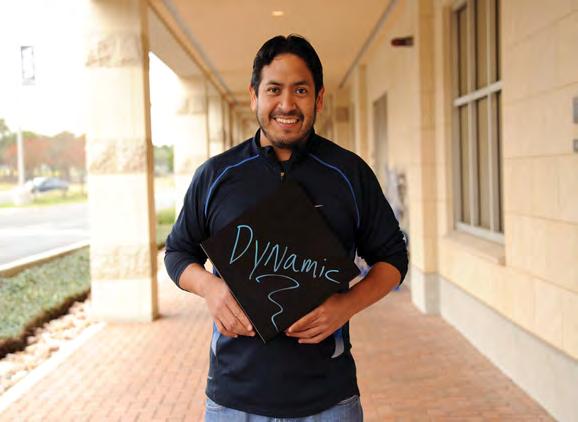
We have a diverse collective group that contain a set of knowledge, skills, assets, experience and most important, the energy to adapt to and deal with constant and evolving change in the P-20 industry. We are also dynamic because we believe that this ability to enact change is paramount to the cause of furthering our social justice

Department of Educational Leadership and Policy Studies

María Arreguín-Anderson, assistant professor in the Department of Interdisciplinary Learning and Teaching, was elected President-Elect for the Texas Association of Bilingual Education and will begin her role as President in June 2015.

Mallory Banks, student development specialist in the Department of Bicultural-Bilingual Studies, was awarded the UTSA Men of Honor Women’s Appreciation Award for her position as a positive, influential role model on campus.

Theodorea Berry, associate professor in the Department of Interdisciplinary Learning and Teaching, (with co-editor Sherick Hughes) was awarded the 2014 Critics Choice Book Award by the American Educational Studies Association for her book, “The Evolving Significance of Race: Living, Lear ning, and Teaching.”

The Department of Bicultural-Bilinugal Studies and UTSA signed a Memorandum of Agreement with Centro de Idiomas Extranjeras in Chilpancingo, Guerrero, Mexico in January that has allowed international collaborations between educators and students in Mexico and the Teaching English as a Second Language program.

The Center for Accelerated Schools received its national distinction in January, officially naming the center the National Center for

ONE word

We

Accelerated Schools.

Ilna Colmere, senior program coordinator for the Office of Teacher Education Services, received an award from the San Antonio Writing Project in ppreciation of her extraordinary dedication in connecting teachers with the world of digital technology

Richard Diem, dean of the Honors College and professor in the Department of Educational Leadership and Policy Studies, was awarded the Irving J. Morissett Award for Excellence in Social Science Education.

Donovan Fogt, director of Undergraduate Research and associate professor in the Department of Kinesiology, Health, and Nutrition, was recognized and awarded by the UTSA Honors Alliance for excellence in promoting academic integrity, intelligent living, and meaningful lear ning.

Rosalind Horowitz, professor in the Depar tment of Interdisciplinary Learning and Teaching, was elected to chair the Research in Reading and Literacy Special Interest Group for the American Educational Research Association. She was also recognized and awarded by the UTSA Honors Alliance for contributions in the motivation of students for graduate education in the College of Education and Human Development.

Dr. Saki Oyama Department of Kinesiology, Health, and Nutrition

The Department of Interdisciplinary Learning and Teaching was awarded a Northside ISD Partner-of-theYear award for their work with Leon Springs Elementary School.

Michael Jennings, associate dean for the Consortium for Social Transformation and associate professor in the Department of Educational Leadership and Policy Studies, was elected to the Executive Council of the American Educational Studies Association.

Jessica Lloyd-Hazlett, assistant professor in the Department of Counseling, was awarded the College of William & Mary School of Education Award for Excellence for academic and professional excellence, and outstand-

ing citizenship. She was also part of a doctoral-level team that won first place in the American Counseling Association Graduate STudent Ethics Competition.

Anne-Marie Nuñez was named as a 2014 American Educational Research Journal Outstanding Reviewer at the annual AERA conference for her significant and timely contributions to the service of reviewing ar ticles for the journal.

Sara Oswalt and Tammy Wyatt, associate professors in the Department of Kinesiology, Health, and Nutrition, were awarded first place for their research poster in the Professional Research Poster category at the American College Health Association Annual Meeting.

Misty Sailors, professor in the Depar tment of Interdisciplinary of Learning and Teaching, was elected to serve as a member of the Board of Directors for the Literacy Research Association through 2015.

Jeremy Sullivan, associate professor and department chair for the Depar tment of Educational Psychology, was awrded the President’s Distinguished Achievement Award for Teaching Excellence for his commitment to creating challenging, nurturing, and meaningful learning experiences for students.

The Office of Teacher Education Services received an award of recognition for continued support from the San Antonio Area Personnel Administrators.

Heather Trepal, associate professor in the Department of Counseling, was awarded the Dr. Dwight D. Ar nold Outstanding Alumnus Award from the Kent State University Department of Counseling and Human Development Service for her outstanding contributions to the counseling profession.

Promotions

Promotion to Associate Professor with Tenure

Margarita Machado-Casas, Department of Bicultural-Bilingual Studies

Peter Sayer, Department of Bicultural-Bilingual Studies

Promotion to Full Professor

Juliet Langman, Department of Bicultural-Bilingual Studies

are a community in which students, faculty, and administrators take care of each other. We also serve the communities around the university by providing education and conducting research to improve education, socio-cultural diversity/equality, and wellness of the people in San Antonio and beyond.


UTSA receives $2.6 million to research Hispanic student retention

UTSA

President Ricardo Romo, along with Congressman Joaquin Castro, announced a five-year $2.6 million grant from the U.S. Department of Education that will go to the UTSA Academy for Teacher Excellence (ATE). The Sustainable Support System for Student Success (S5) grant will be used to support research on Hispanic student retention.

More than 70 percent of students at UTSA are minority and more than 50 percent are first-generation students, giving the university the unique opportunity to provide educational experiences that help these groups succeed academically.

The grant will allow ATE to work with community colleges and high schools in the surrounding area to ensure Hispanic students are college ready upon graduation. The new research will support work the academy already is doing, including developing culturally responsive support systems for underserved

students.

ATE will be tasked with several goals. The grant will increase the number of Hispanic students who major in critical teaching shortage areas, as well as help at least 75 percent of students graduating from the program find employment or enroll in graduate school. Research and best practices in Hispanic retention found will then be disseminated.

Other goals for the grant include developing a task force to align the ATE vision with the UTSA Graduation Rate Improvement Rate (GRIP).

Lorena Claeys, executive director and research associate for the Academy for Teacher Excellence; Margarita Machado-Casas, associate professor in the Department of Bicultural-Bilingual Studies; and Guadalupe Carmona, associate professor in the Department of Interdisciplinary Learning and Teaching, developed the proposal on the university’s behalf and will conduct the research.

Dr. Margarita Machado-Casas Department of Bicultural-Bilingual Studies

In the College of Education and Human Development, we strive to use innovation in all that we do to ensure our students have the tools necessary to be global competitors in today globalized world.

Sarah

Story by Jo Ann Jones; Photo by Sarah Brooke Lyons

Brooke Lyons

The woman behind the 1005+ faces of San Antonio and the world

They are the “photos heard ‘round the city.” Black-and-white portraits of city leaders, sports players, entrepreneurs, educators, mothers, fathers, and children, each brandishing a small white board. Some use the board to offer up friendly advice or a catchy quote while others use it to show off their doodles. Each one is as different as the next, but all of them provide a glimpse into their personal stories. They are the people that make up the fabric of San Antonio, all 1,005 of them. And the photographer, Sarah Brooke Lyons, is the one who weaves their story.

Five years ago, Lyons graduated from The University of Texas at San Antonio’s (UTSA) College of Education and Human Development with a degree in early childhood education. In the years that followed, Lyons began using her degree in an unconventional way, through her business, Sarah Brooke Photography.

“My original intent was to go into teaching,” she said. “I went through the early childhood education classes and I really enjoyed the program. What was so wonderful to me about the early childhood education program at UTSA was that there was a strong focus on human development, brain development, and cognitive development. The infor mation is applicable in all kinds of fields, including photography.”

And it was in the midst of tragedy that Lyons discovered her love of photography nearly 12 years ago. Ar med with a Kodak disposable camera, Lyons set up an impromptu photo shoot for a close friend who, she said, hadn’t had his picture taken in many years. A few days later, he passed away unexpectedly. The photos she captured in his final days became a testament to his life, and in turn, changed hers.

“The photos I took became this lifeline; it became a way that he lived,” she said. “His family hadn’t seen him in a really long time and I was able to share the photos with them. He sort of lived on through these photos. It became really obvious to me the emotional impact a picture can have.”

Soon after, Lyons moved back to her native San Antonio to grieve, and it was not long before she was back behind a camera, this time as a student.

“I decided that I wanted to go back to school,” she said. “When I took a photography course at San Antonio College, I was hooked. Photography became a therapeutic healing process for me.”

Before she knew it, Lyons had received her associate’s degree in photography from San Antonio College and had embarked on a new adventure as an education student at The University of Texas at San Antonio (UTSA).

“I was a non-traditional student,” said Lyons. “It had been many years since I completed my associate’s degree and I was a single mom of a two year old. UTSA was a really welcoming environment for me as that type of student. There were a variety of classes I could take at different times and there was this understanding with the administration and the staff of the situation I was in.”

Lyons transferred her credits and began pursuing her bachelor’s degree in early childhood education while taking side jobs as a photographer to make ends meet and maintain her schedule as a full-time mom and full-time student. She graduated summa cum laude from UTSA in 2009 in addition to establishing herself as an up-and-coming professional photographer in the community.

“By the time I had graduated from UTSA, I had really been doing a lot more work in photography and had a little bit of a foundation in the photography business,” she said. “I decided that I would tr y it for a few more months to see what happens and the few more months turned into years, and now here we are.”

Four years after receiving her bachelor’s degree and starting her photography business, Lyons was approached by Shokare Nakpodia to be the official photographer of the inaugural 2013 Dream Week San Antonio, a 12-day summit celebrating the diversity of the city. Over the course of the nearly two-week celebration, Lyons had taken thousands of photographs and attended more than 30 different events. Lyons had, Nakpodia said, at least a thousand faces of San Antonio; a comment that bir thed the 1005 Faces project. Why 1,005?

“Because nobody thinks about 1,000,” she said. “One thousand comes and goes out of your mind. One thousand and five is a little bit more interesting.”

UTSA named one of five certified neurofeedback U.S. training centers

Atthe Sarabia Family Counseling Center, the UTSA neurofeedback training program is teaching graduate students how to control the brainwaves that are linked to certain mental health conditions, including anxiety, Post Traumatic Stress Disorder and Attention Deficit Hyperactivity Disorder.

According to the National Institute for Mental Health, anxiety disorders affect about 40 million American adults age 18 years and older every year. When these disorders are triggered, abnormal or overactive brainwaves can be seen on computers via sensors used in neurofeedback techniques.

Using this feedback, specialists trained in the technique, including UTSA graduate students in training at the center, can provide treatment options that “calm” the brainwaves to a normal level and reduce symptoms. The technique also can be used to treat overactive brainwaves from other disorders such as PTSD and ADHD.

Led by UTSA lecturer and adjunct professor Mark Jones, the UTSA neurofeedback program is

the only one of its kind in the nation accredited by both the Council for Accreditation of Counseling and Related Educational Programs and the Biofeedback Certification International Alliance.

In the board-certified program at UTSA, cohorts of about 12 students take part in extended laboratory courses that provide services to about 15 clinical patients a week. Treatment options to help control the brainwaves include cognitive therapy or other brain-calming exercises.

“From the student perspective, it’s a really awesome opportunity to be in a groundbreaking program,” said Michael Russo, a UTSA graduate student. “Combining technology like this with traditional counseling helps a vast amount of clients.”

The program has been a part of the Department of Counseling in the UTSA College of Education and Human Development for

three years.

Before treating clients, students have the opportunity to receive their own neurofeedback. Placing 19 sensors on each other and reading their own brainwaves helps them to not only learn the process, but better understand clients.

“We all have ‘issues,’ so to speak,” Jones said. “This helps students become comfortable with their own anxieties and empathize with clients and what they’re going through.”
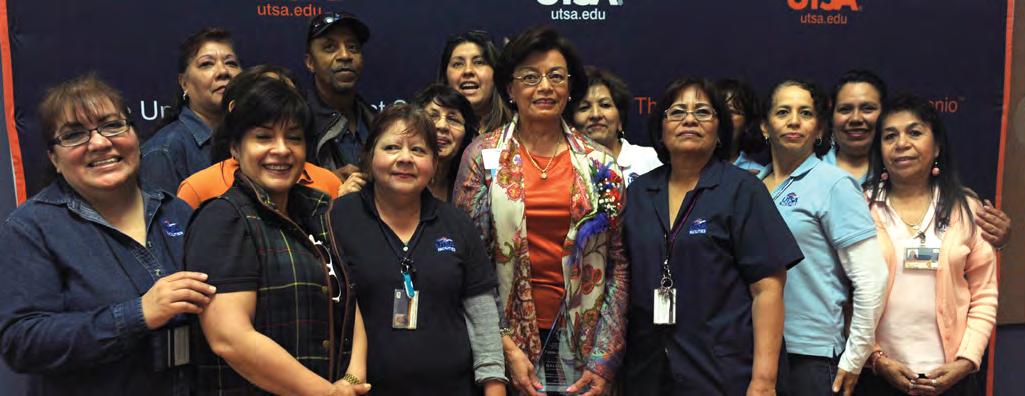
Neurofeedback services are provided free of charge and are performed by students under the supervision of Jones. Free counseling services also are available at the Sarabia Center, and often a combination of neurofeedback and counseling can increase effectiveness.
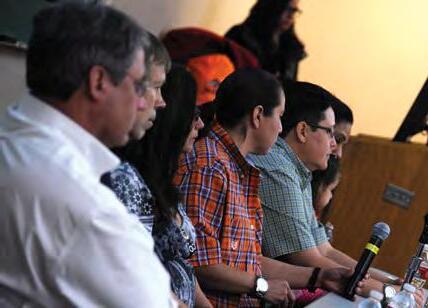
ONE word

We have tried many different programs before with very slow progress; but as soon as we came here to the TEAM Center, we immediately saw results. It’s just been an incredible experience.

Samyra Corbin-Hurd, Christian, and Sky Teacher Education Autism Model (TEAM) Center

EDP students present research at annual poster symposium

More than 40 graduate students from the UTSA College of Education and Human Development’s (COEHD) Department of Educational Psychology presented their research at the third annual UTSA School Psychology Symposium and Reception on Wednesday, May 7, 2014 at the Downtown Campus.

The research presented ranged from literature reviews to statistical studies to case studies, and spanned a variety of hot topics related to the school psychology field. Much of this research was conducted during the required Practicum in School Psychology course.

Shehreen Tariq developed a case study that looked at behavioral problems in adolescent females. She used data collected over the course of six weeks to develop a mood check-in intervention for a 16-year-old student. Tariq then implemented this intervention with the student for seven weeks.

“My intervention was once a

Sarah Brooke Lyons

week, 45-minute counseling sessions plus a mood check-in, which required her to circle a number one through five that was attached to a smiley face based on her mood,” said Tariq. “Once she identified how she felt, she had to write out two statements about why she felt like that, and then I would require her to write a positive statement. I was trying to replace her negative thoughts with positive ones.”

This is the third year the department has hosted the symposium, which was designed to showcase student work and celebrate the breadth of research conducted in the School Psychology program.

“These students have been

Lyons began the project from scratch, and over the course of a year captured all 1,005 faces of San Antonio, finishing the project in early 2014. Her photos were as diverse as the city itself, ranging from Nakpodia to Spurs player Tim Duncan and everyone in between, including Lyons.

“I was really intent on documenting what diversity looks like in our community, not only in what people’s faces look like, but also in what they have to express and vocalize,” she said.

Now, Lyons is working on humanitarian photography projects. This summer, she spent two weeks north east of the Ivory Coast in Burkina Faso, West Africa with Infants in Crisis, a program within the Streams in Burkina Faso organization. The program provides infants and their families with formula, baby bottles, and other necessary resources in order to reduce the numbers of infanticide, or when an infant is wrapped in a blanket and left to die if the mother cannot produce milk or has passed away.

Although this was the second time Lyons traveled abroad with the program, it is the first time she came bearing gifts; portraits of the people she met during her first trip with Infants in Crisis to Burkina Faso in 2012.

“What I was most excited about was being be able

trained to report and provide evidence-based research and services, and that is exactly what they have demonstrated with their work,” said Norma Guerra, associate professor in the Department of Educational Psychology. “The quality of this work is a showcase and a pride point for all of us dedicated to quality services in the schools.”

to give people their portraits,” she said. “This is an area where no body has a picture of themselves.”

No matter where in life her photography takes her, she said she will always use what she learned as an education student at UTSA to help relate to people around the world.

“All of what I learned relating to education, like early childhood psychology, plays a role in human behavior in all kinds of environments,” she said. “It has helped me to be able to relate to people better, to be able to approach people with more understanding, and to be able to understand where people are coming from. So I think that I am very comfortable traveling in multiple environments and working with lots of different people. The UTSA Early Childhood Education program gave me a really broad view of people in general and I really appreciate people because of the knowledge I have about the way we grow and develop. I think that knowledge will stick with me forever.”

So, while you may not find the COEHD graduate educating a room of 20 or so five year olds, you can find her educating San Antonio, and the rest of the world, about the beauty in diversity through her photographs; photos that are worth way more than a thousand words.

Donors

of cumulative giving toward the College of Education and Human Development between 9/2013 and 8/2014

$100,000 - $150,000

Blue Cross & Blue Shield of Texas

Baptist Health Foundation of San Antonio

H-E-B Tournament of Champions Charitable Trust

$25,000 - $99,999

The Spencer Foundation

AHMSA International Inc.

$10,000 - $24,999

The USAA Foundation

Association for Institutional Research

Alonso Ancira

Somerset Independent School District

Martha Hixon

Jodie W. McCarley

Charitable Lead Unit Trust

Jeffrey W. Clarke

The Clarke Family Foundation

Ellen R. Clark

$5,000 - $9,999

Brett and Bianca Calvert

St. Luke’s Lutheran Health Ministries, Inc.

$1,000 - $4,999

James R. Reed

Firstmark Credit Union

Gillian E. Cook

Vicki L. Rado

Belisario J. Flores

Lilliam P. Moon

$100 - $999

William H. Teale

UTSA Mexican American Student Organization

Peggy A. Weyel

Sylvia A. Hoyer

Mariano Olivarez

Stephen D. Foster

Joan R. Lansing

Claudine M. Prochnow

Rafael Villarreal

Rafael M. Almonte

Patricia A. James

Jay L. Jarowzewski

Ofelia M. Fonesca

William D. Peterson

Marilyn J. Playle

Sandra L. Edwards

Catherine R. Mann

UTSA Bilingual Education Student Organization

Helen M. Wolf

Esperanza Lopez

Maria M. Orta

Fran M. Kurtz

Luz S. Pena

Roland E. Enriquez

Sandra R. Liska

Beverly A. Almond

Teresa L. Schlough

Maria R. Herrera

Ilna Colmere

June N. Deckard

Adrian Vasquez

Ernesto H. Mendoza

William S. De La Cruz

Jerry Gonzalez

Sonia C. Munoz-Gill

Ellen M. Barnett

Raul B. Fernandez

Cherie E. Wright

Jason A. Kirsch

Denise D. Moore

Cindy M. Havelka

Louis D. Guerrero

Jamey A. Morton

Carolyn B. Duff

Theresa G. Gold

Juan Elias

Luis J. Rangel-Ortiz

Johnnie L. Rosenauer

Alan R. Shoho

Mary C. Foley

Guillermo A. Rodriguez

Michael J. Ingenloff

Jennifer G. Bitzkie

Janlen V. Waclawczyk

Darren M. Somerville

Marye J. Scantlin

Brenda L. Jones

Sapna Naik

Gerard A. Dizinno

John M. Folks < $99

Rhea T. Mahbubani

Vanessa R. Bowden

Marion H. McCuistian

Gilbert R. Jimenez

Signe Ankrava-Chang

Irma E. Paine

Stephanie J. Ramirez

Samantha A. Gonzalez

Patricia A. Havel

Florencia A. Caniglia

Carolyn H. Denny

Rona E. Lesser

Veronica F. Forde

Nicole R. Washington

Thelma Stansel

Ana L. Dufault

Wanda R. Sdao

Elizabeth Chavez

Jeffrey B. Hines

Jean M. Kopecki

Raul N. Tamez

Patricia S. Leisy

Margaret C. Waters

Irma M. Tejeda

Arthur L. Aguilar

Carolina A. Mayfield

Peter C. MacDonald

Alexis C. Zamora

Mary L. Avila

Nancy R. Olivares

Deborah A. Reid

Claudia M. Garduno

Karen M. Campbell

Jena Rodriguez

Amanda N. Segura

John M. Rodriguez

Meredith A. Comparon

Stephanie M. Aaron

Tracy D. Wernli

Maricela Oliva

Rafael Garza

Abigail L. Sanche

Evelyn Cobarruvias

Roxanne R. Wright

Mariaelena E. Jansen

Teresa M. Martinelli

Gizelle S. Henricksen

Dora L. Villarreal

Maria D. Cuellar

Tammy L. Calkins

Jeanne Z. Johnson

Lisa M. Sterba

Francisco L. Licon

Melinda S. Danchak

Richard F. Neville

Anthony T. Pierulla

Margaret Garcia

Chere Reneau

Beatriz M. Hicks

Elizabeth A. Morris

Julianita E. Chapa

Janna B. Poth

Diana E. Villa

Susan J. Hasbrook

Kristina Vidaurri

Cynthia A. Sierra

Diana C. Gaytan

Audrey Gonzalez

Lynn D. Hammerstrom

Mayra C. Buendia

Susan C. Veitschegger

Charles K. Crandell

Austin T. Haynes

Mary C. Friday

Veronica H. Valle

Lisa A. Labus

Terri L. Henry

Sarah M. Salinas

Nancy T. Easterling

Katherine Michalski

Bridget K. Garmon

Brenda P. Pachecano

Valerie C. Craig

Rebecca L. Davidson

Barbara L. Skipper

Diana Rivas

Cynthia E. Bazaldua Woolley

Jimmy Villarreal

Carmen V. Rivas

Amber J. Carroll

Alicia G. Farias

Yvonne Cardona

Constance M. Perry

Sandra L. Van Horn

Dorris J. Westfall

Santa F. Barnett

Janet L. Bohren

Kelly B. Van Blaricum

Jose E. Zavala

Andrea M. Zelenak

Inez M. Reyes

Alexis J. Clark

Gregory T. Griffin

Stefanita R. Valdez

David E. Newman

Theresa A. Lev

Jessica L. Rosario

Charlene J. Alvarado

Margaret L. Camargo

Imelda A. DeLeon

Amanda B. Arp

Elia Sanchez

Melissa J. White Roach

Beatrice A. Zepeda

Matt D. Keneson

William A. Graham

Betty A. Guzman

Sandra E. Galindo

Irene Z. Dennis

Rosa E. Garcia

Melissa A. Rodriguez

Amy J. Lazar

Kathy P. Higgins

Janet A. Keeling

Billie M. Harding

Whitney A. Witten

Michelle L. Haas

Anamaria R. Kaufman

Lauren M. Garza

Caitlin R. Gallardo

Elvira E. Jacquez

Juan M. Soto

Maribel Luna-Buenrostro

Karen C. Macleod

Julia M. Daniel

Li’l P. Reyes

Amy R. Morgan

Diane C. Trevino

Jennifer J. Brooks

Dolores H. Cleborne

Roberto Alvarado

David J. Mallery

Stacy M. Griffith

Joy L. Algate

Jennifer S. Wilson

Lucy M. Hemerly

Linda M. Zeigler

Sarah E. Salinas-Puga

Pat W. Ellis

Ariel D. McCarter

Scarlett Papas

Judy C. Gamble

KayeLynne Ingold

Jennifer L. Krausch

Eric D. Cortez

Stephanie Hoffman

Guadalupe G. Negrete

Carol A. Schoellman

Virginia M. Garcia

Daisy Garcia

Jessica J. Gonzales

Vicki Weber

Meagan E. Martin

Kristi Anna Santos

Joanna L. Breach

Antonia S. Murguia

Monica Lara

Deborah M. Gershman

Katherine M. Bazany

Judith E. Salge

Jacqueline S. Christenson

Nelda L. Vogt

Barbara M. Sosa

Rose M. Cornwell

Lial S. Abdul-Baki

Jacalyn M. Leggett

Kenny L. Lindsey

Derek A. Magdaleno

Gary R. Martinez

Sarah M. Zapata

Carmen Castro

Roberta D. Silfen

Melisa Olazaran

Steven W. Woodall

Lesley C. Harbin

Steven Martin

Courtney L. Phillips

Felicia A. Salinas

Adolph Lopez

Marlene R. Garcia

Denise Taller

Lorenzo Ramirez

Marcia C. Hirshfield

For more information on giving to the College of Education and Human Development, visit utsa.edu/giving

[spek-truh m] noun, plural spectra [spek-truh] spectrums.

1. a band of colors, as seen in a rainbow, produced by separation of the components of light by their different degrees of refraction according to wavelength.

2. a broad range of varied but related ideas or objects, the individual features of which tend to overlap so as to form a continuous series or sequence: The spectrum of COEHD.

Turn static files into dynamic content formats.

Create a flipbook