CADENZA
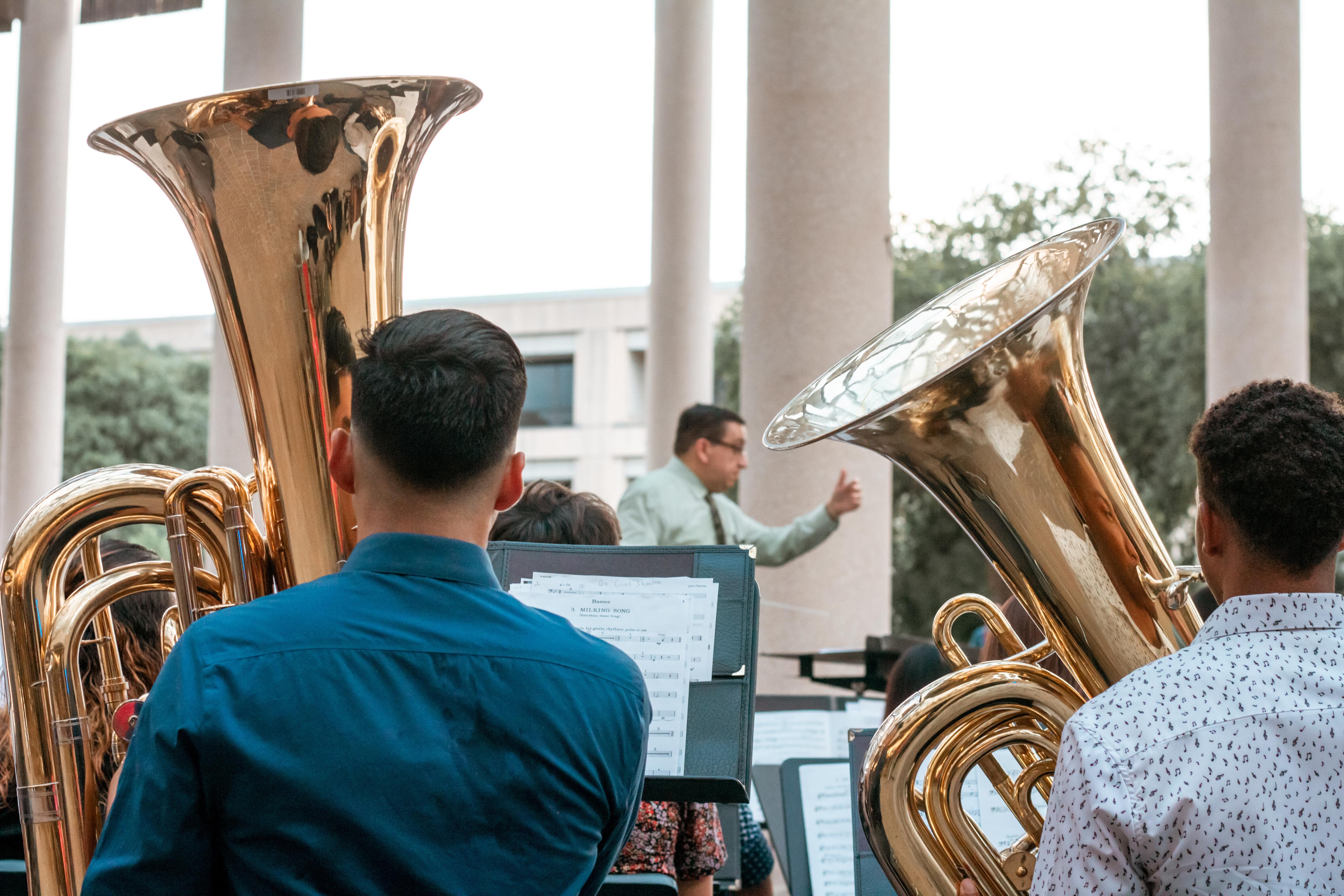

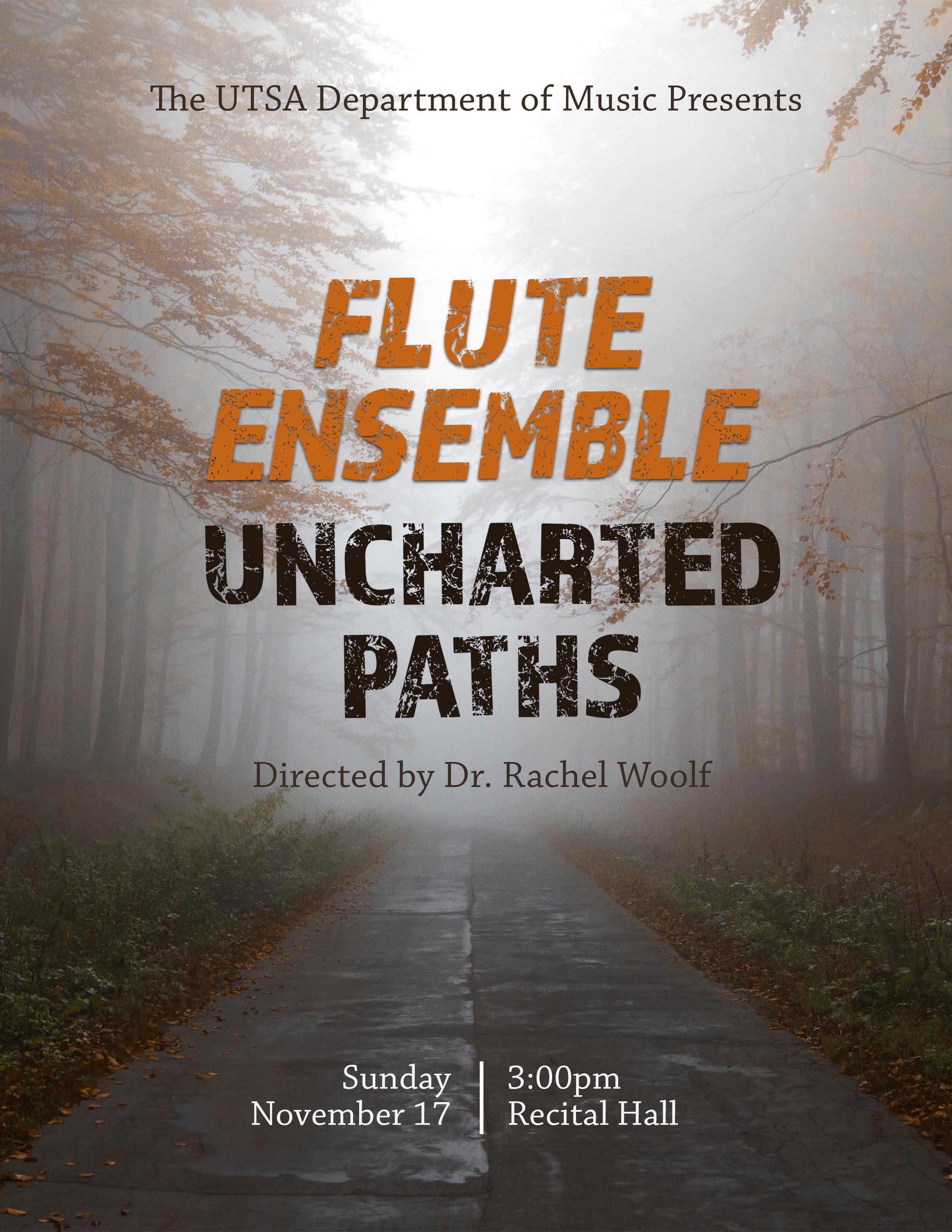
Welcome to the November issue of Cadenza from the Department of Music! We hope you enjoy these stories about our exceptional professors, alumni, and students. This issue is also filled with announcements about upcoming concerts this month, and I encourage you to check our online calendar for information about future events: http://music utsa edu/index php/embeds/calendar The first week in December marks our final week of concerts for the semester, and it includes two wonderful Winterlude programs that highlight our large choral and instrumental ensembles as well as several chamber music groups.
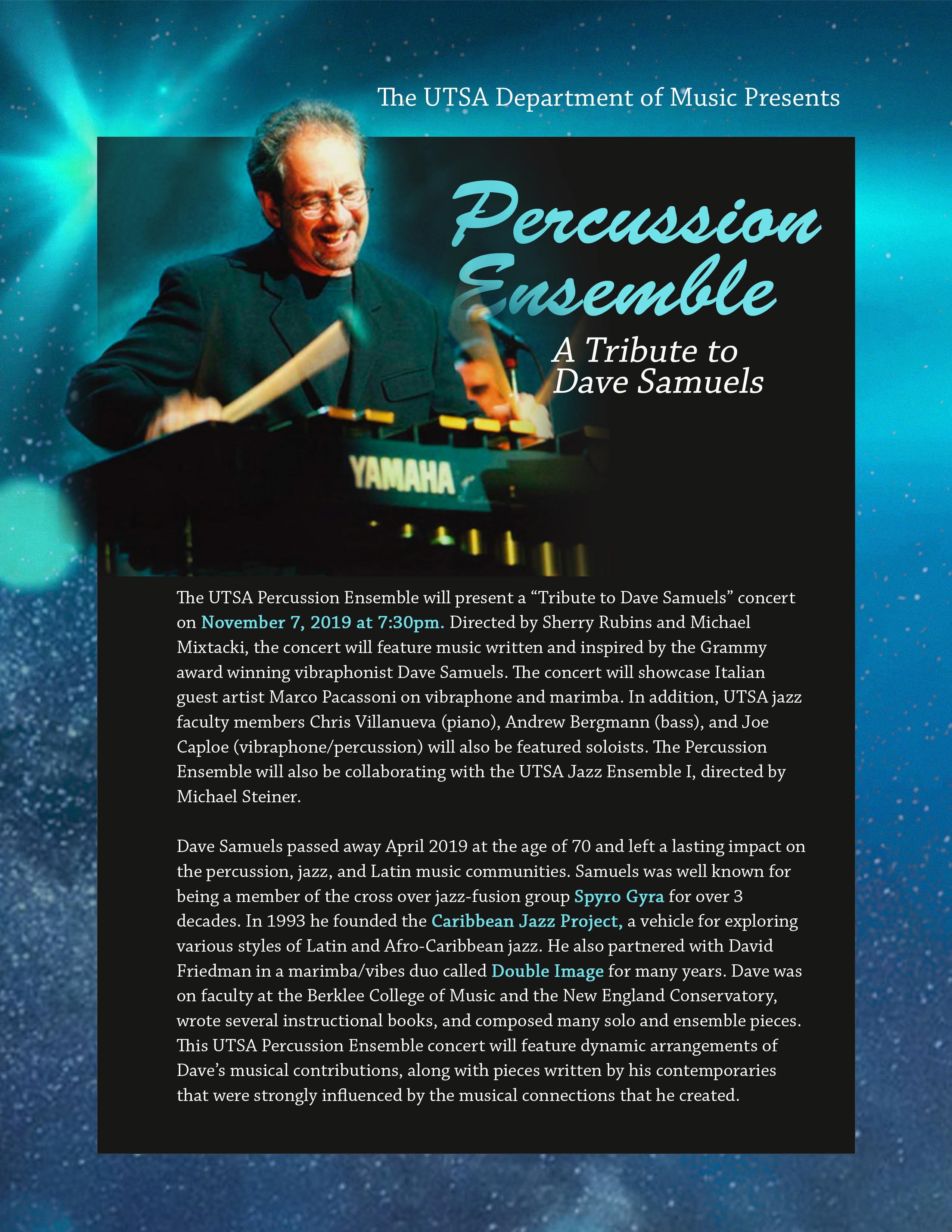
This issue includes feature articles about the faculty research of one of our musicologists, Dr. Mark Brill, as well as a wonderful spotlight on alumnus Charles Flores in honor of Veterans Day. As I am only in my second year at UTSA, I learn something every time I read these stories, and I anticipate that you will, as well! We also feature stories about our registered student organizations in the Department of Music, as well as a feature on the November 7th concert, which is a tribute to Grammy-award winning percussionist Dave Samuels.
This is a delightful time of year to visit the Recital Hall in the Department of Music! We look forward to welcoming you to our live music events, and hope that you enjoy reading about our work We are thankful for you, and thankful for the opportunity to make music and learn about music through such rich and rewarding experiences Please reach out to us at music@utsa edu with any feedback about Cadenza. We hope you have a wonderful November, and a very Happy Thanksgiving!
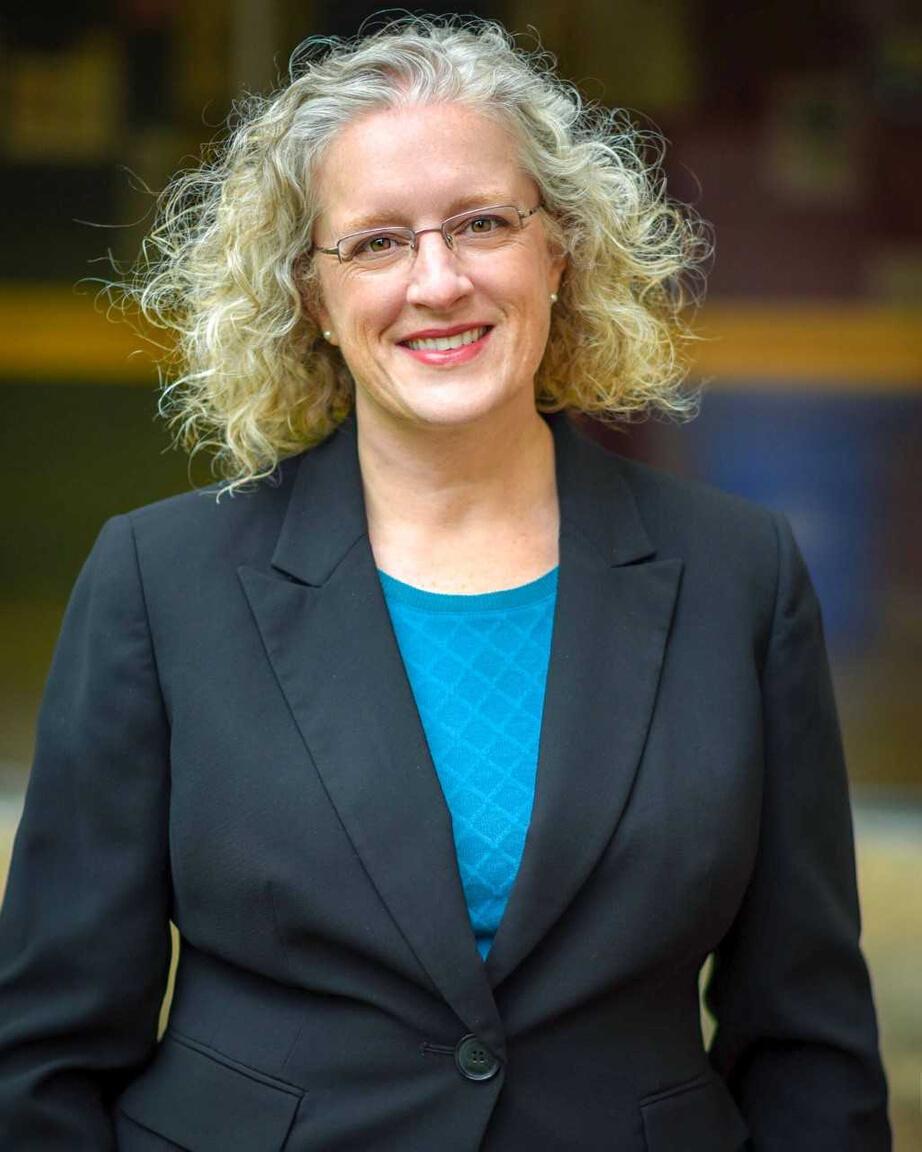
Tracy Cowden
Roland K. Blumberg Endowed Professor in Music and Chair






Thanksgiving is a time of gratitude and reflection. It is a time when we recognize the positivity and good that surrounds us Here in the UTSA Department of Music we are fortunate to be surrounded by several registered student organizations whose main function is service While these organizations foster brotherhood and sisterhood among members, they also provide assistance to the Department during auditions, concerts, camps, and athletic performances Some of these organizations help the Department build its presence on campus and in the community by presenting events that are popular and anticipated For what they do, we want to thank each one by recognizing them in the pages of CADENZA
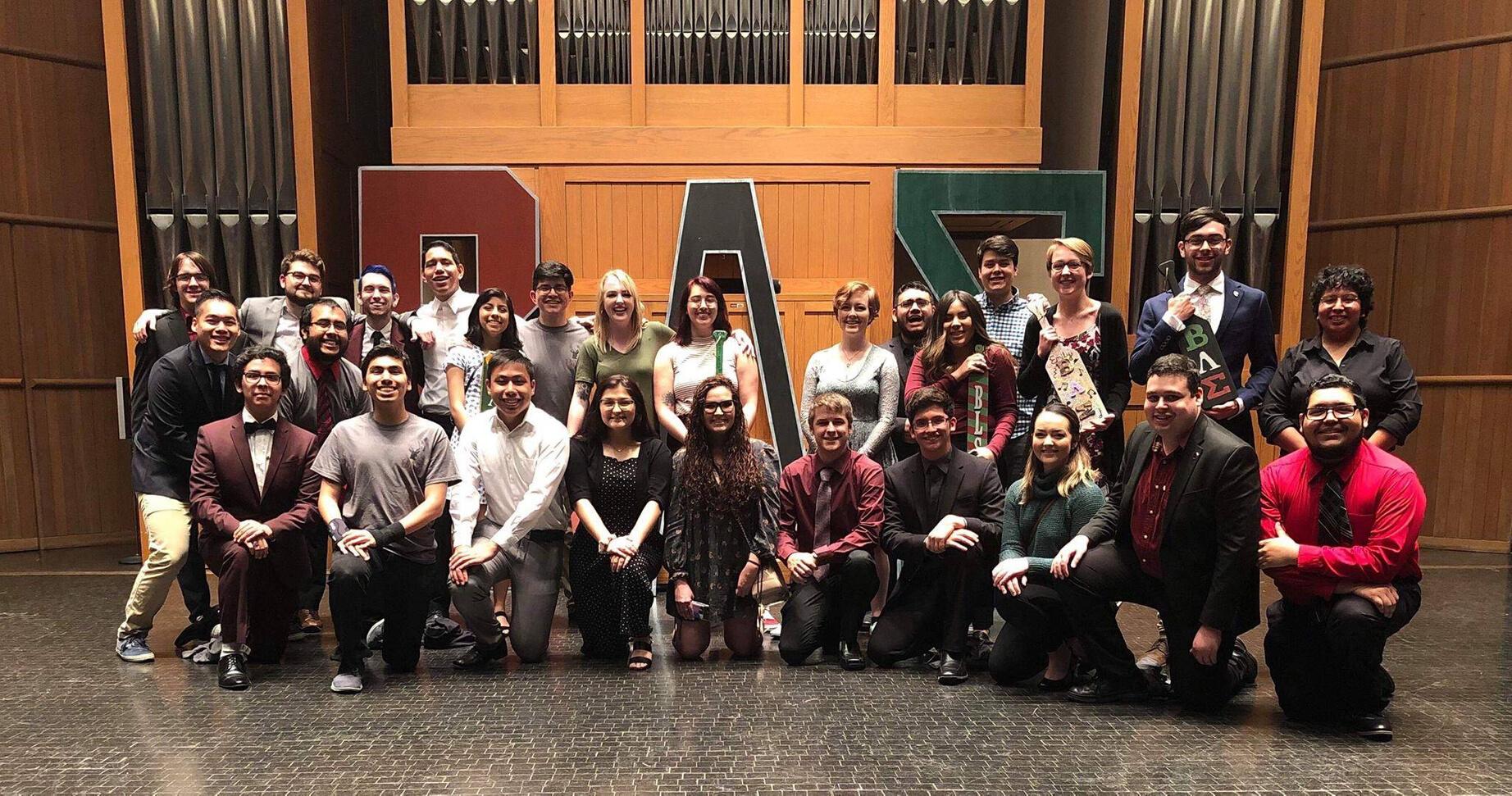
Beta Lambda Sigma is the newest of the music Greek organizations at UTSA, having been founded in the spring of 2018 At just over a year old, BLS has grown to nearly 40 members strong, with students from various musical backgrounds Beta Lambda Sigma was built from the ground up with the foundation created by the founding class of members. The organization’s mantra is based on the celebration of diversity and inclusivity that music provides; all musicians are welcome in Beta Lambda Sigma. The members provide performance opportunities outside of the standard ensemble expectations, with the utilization of styles, genres, and instruments that are h i h d d BLS i h D f M i i that its members are advocates f the continuation of music outside of a curriculum By targeting mus and non-music majors alike, BLS brings otherwise uninvolved students into contact with the Department, and in doing so, generates more attention and publicity for music on campus and in general
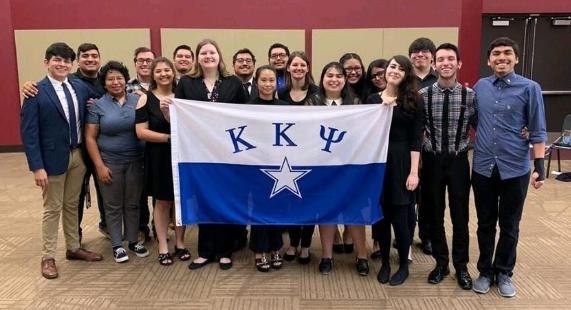
Kappa Kappa Psi is a national honorary band fraternity focused on empowering and influencing the college and university bands through service and dedication The pillars of the organization are musicianship, leadership, and service, and members embody these traits in all that they do The alpha chapter of Kappa Kappa Psi was founded in Stillwater, Oklahoma in November of 1919, and will be celebrating 100 years of service this month! While Kappa Kappa Psi itself was founded in 1919, the Mu Tau Chapter of Kappa Kappa Psi was founded here at the University of Texas at San Antonio on April 24, 2010 For almost 10 years, outstanding band members have been given the opportunity to be recognized through leadership and service to the band program Members provide usher duties in the spring for concerts and recitals presented by the Department of Music During football season, members of the fraternity accompany the marching band and act as equipment managers and extra hands setting up before and after the halftime show KKY members pride themselves on their selfless service, and hope that their actions may encourage others to “Strive for the highest!”
The Musicians of Business is organized and led by music marketing students to supply its members with a network of peers who share each other’s passion for the music industry and the means to treat the student body as a potential market for various projects MOB seeks out opportunities to gain real world experience through hosting open mic nights, partnering with local non-profits, and assisting with Dr. Stan Renard's annual Music Biz Day, among other events. Five years ago, MOB created UTSA Underground, the annual nnels. Each year, members solicit artists,

schedule the “stages” (loading dock areas), plan the logistics, and promote the event that has become an anticipated and unconventional arts celebration This event is one of the most attended and anticipated events the Department of Music sponsors
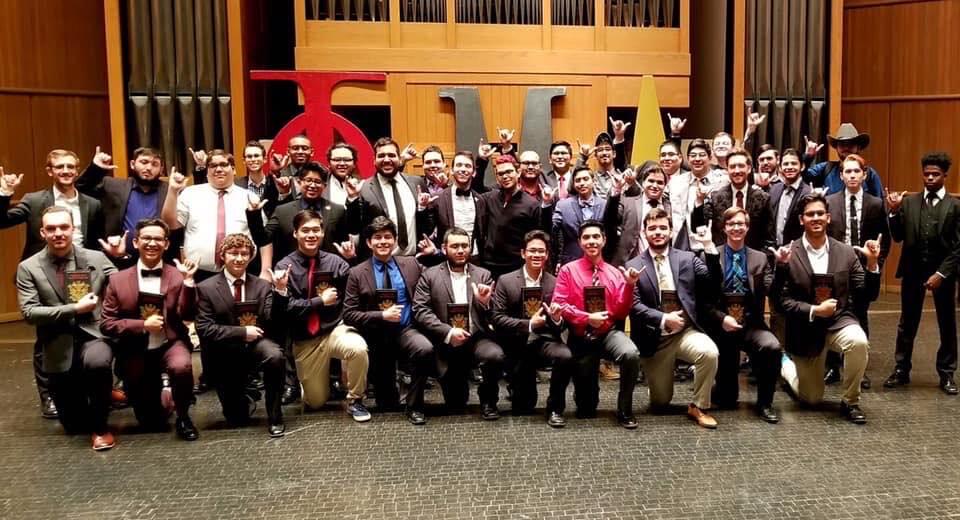
Phi Mu Alpha is an all-male music fraternity The purpose of this fraternity is threefold: to foster the mutual welfare and brotherhood of musical students, to continue the advancement of music in America, and to demonstrate loyalty to the Alma Mater Founded on October 6th, 1898, Phi Mu Alpha is the largest and oldest music fraternity, and has a rich history in music
schools across America The philanthropy of Phi Mu Alpha is demonstrated in the Ossian Everett Mills Music Mission, where brothers go to nursing homes, veterans hospitals, schools, and other locations where music can be performed and shared The power of music is what the brothers of Phi Mu Alpha have been proud to showcase for the past 121 years Phi Mu Alpha has hundreds of chapters and thousands of brothers across the nation Phi Mu Alpha is a music organization that is open to any major, regardless of instrument, field of study, or experience in music
The Sigma Alpha Iota fraternity promotes interaction among music majors and non-music majors who share a commitment to music The Theta Gamma chapter of Sigma Alpha Iota at UTSA was established in 1993 and has been thriving in sisterhood, service, and musicianship ever since The sisters have performed for the Hearts Need Art program at Methodist Hospital, hosted complimentary luncheons for the UTSA music staff and faculty, helped decorate the music building for holidays, and performed at nursing homes, fire departments, and churches during the Christmas season Theta Gamma’s main philanthropic focus is on Music and Memory®. The chapter was awarded the National Collegiate Service award at the SAI National Convention in 2015 for providing a grant to Morningside Ministries to ensure staff training and supplies for the Music and Memory® program. Theta Gamma has also awarded grants to other nursing homes. This past September, Theta Gamma was awarded an Impact Project Grant from SAI National Headquarters and hosted “The Healing Power of Music” Symposium at UTSA Sigma Alpha Iota aims to serve and inspire members and non-members internationally and focuses on professional and musical development with the everlasting support of sisterhood
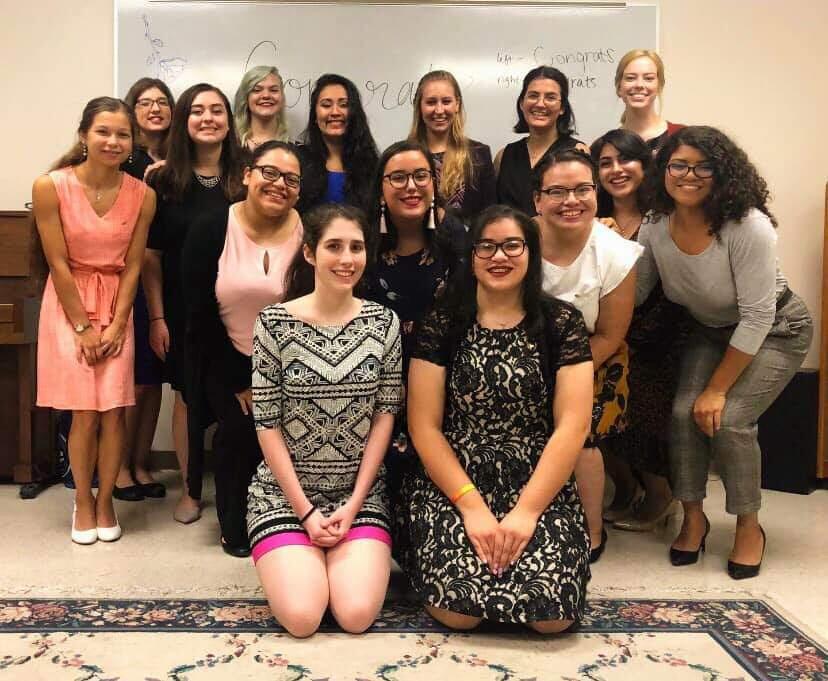
The Tau Beta Sigma sorority is an honorary band organization with ties to Kappa Kappa Psi The goals of TBS are not only to provide
the band with organized and concentrated service activities, but to give its membership valid and wholesome experiences in organization, leadership, and networking Membership is based on the premise that "it is an honor to be selected to serve,” and one of the main services TBS provides occurs during the football season when the sisters assist with inventorying, assigning, and storing the 300+ marching band uniforms Members also assist as stagehands during performance seminars and ushers during the spring calendar of events The sorority accepts both male and female students who are referred to as “sisters,” regardless of gender.
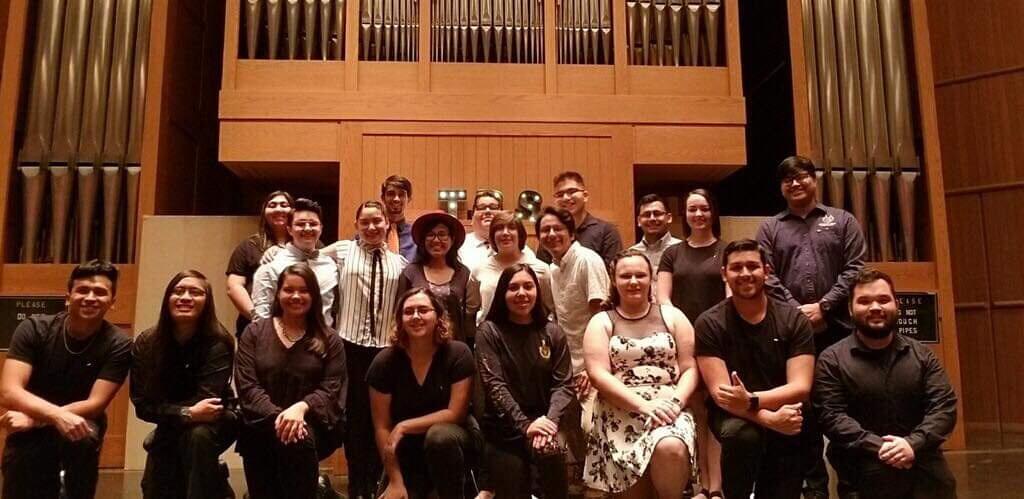
On behalf of the UTSA Department of Music, thank you to all the members and advisors of these industrious and tireless student organizations whose support we would be hard-pressed to replace
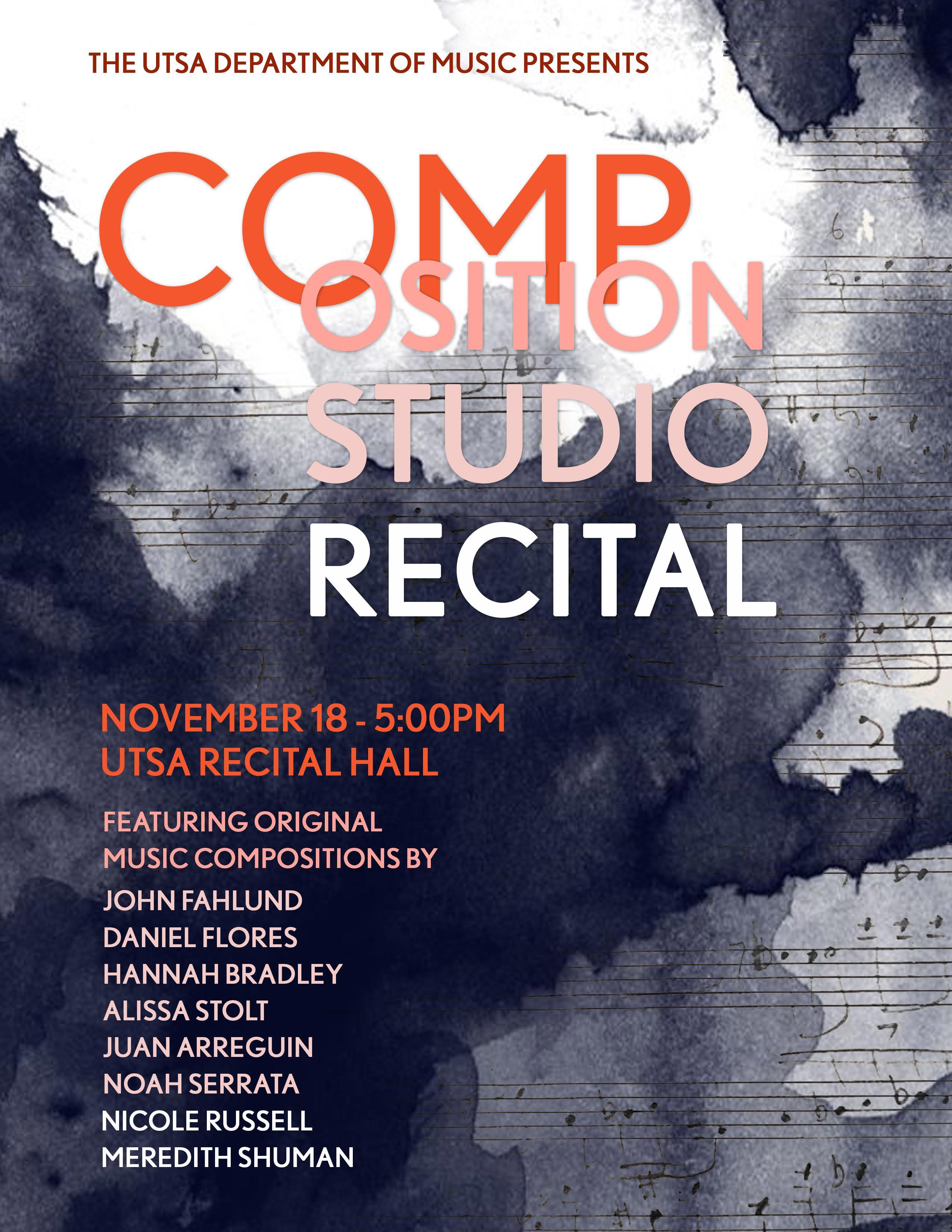
T H E U T S A D E P A R T M E N T O F M U S I C P R E S E N T S

T U D I O R E C I T A L
N O V E M B E R 1 8 - 7 : 3 0 P M U T S A R E C I T A L H A L L
P r e s e n t i n g t h e m u s i c
o f B a c h , B r o u w e r ,
B a r r i o s , S o l i s , a n d
V i l l a - L o b o s
W i t h p e r f o r m a n c e s
f r o m t h e s t u d i o s o f
D r . I s a a c B u s t o s a n d
P r o f e s s o r J o h n n y P e ñ a


epartment of Music Presents
J E F F R E Y P E T E R S O N
Piano, Baylor University
A L L E N S A U N D E R S
Bass voice, Northern Arizona University
J O H N H I N E S
Bass voice, University of Northern Iowa
W E D N E S D A Y ,
N O V E M B E R 2 0 5 : 0 0 P M
U T S A R E C I T A L H A L L
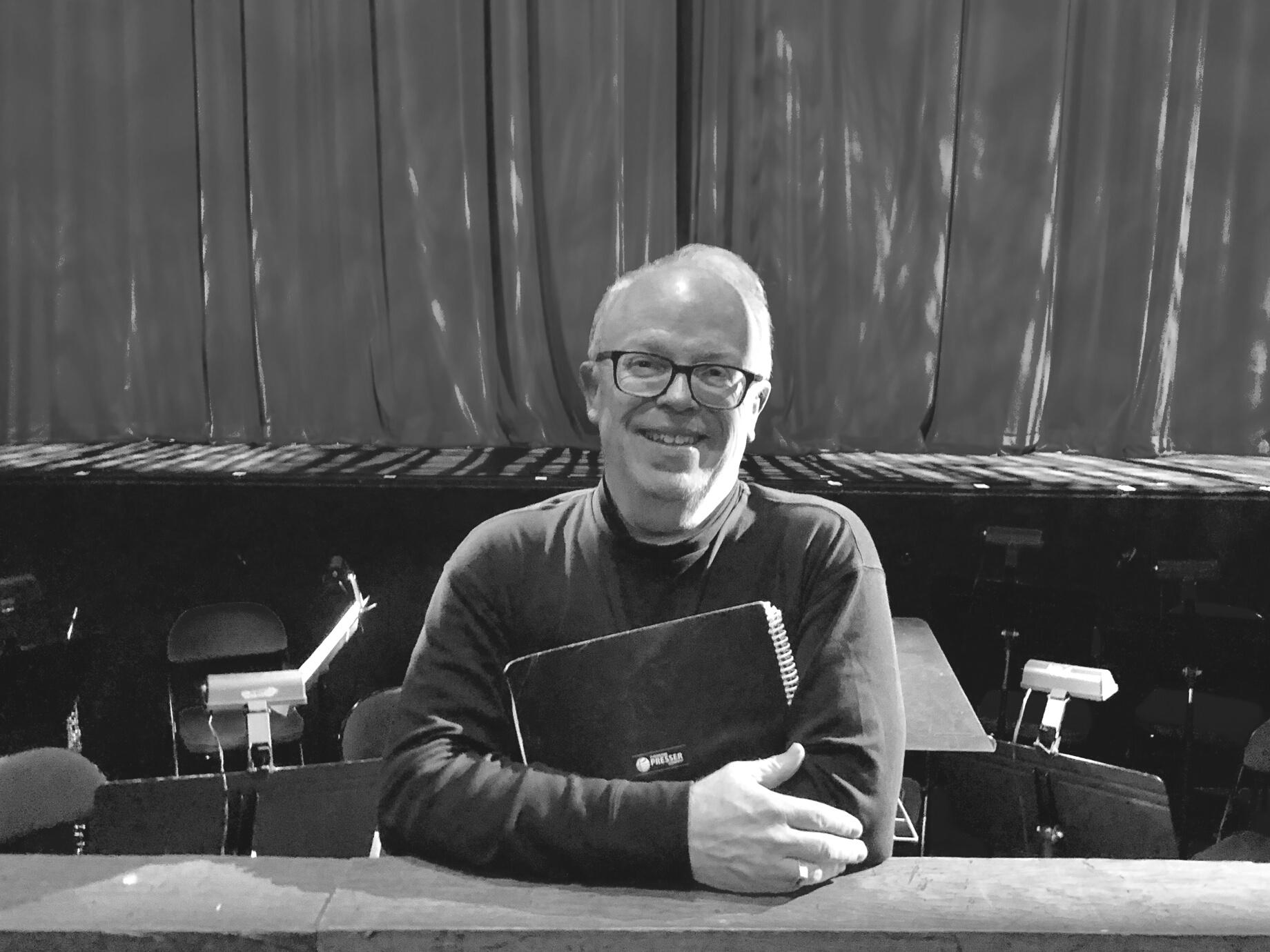
Dr. Mark Brill is a familiar face to UTSA music students as the instructor for the required World Music in Society and Music in Civilization I courses. In addition, he teaches Music and Film. His recently published article expands on a topic he often uses in this course. He says the example discussed in his paper is “particularly effective because of the juxtaposition of Bach’s sublime music with the violence of the underclass that Pasolini often explored ” He presented at the Bach on Screen Conference in February of 2018 and the American Musicological Society, National Meeting in November of 2018 The article was published in the Journal of the Riemenschneider Bach Institute in Summer of 2019
By Dr. Mark Brill
In the early 1960s, Pier Paolo Pasolini, already one of the leading intellectuals of post-war Italy, embarked on a remarkable career as a film director that included Accattone (1961) and Il Vangelo secondo Matteo (The Gospel According to St Matthew, 1964) Like other Pasolini works, these two films portray gritty underclass worlds, one set in contemporary post-war Italy, the other in Biblical times Since the subject of these two films is a marginalized society, the temptation is to view them as political and cultural commentaries Like Fellini’s La Strada, Pasolini’s films outwardly adopt a Neo-Realist affectation But in fact they quickly reveal an impressionistic ethos, one that which places their characters and stories in a timeless world. The characters of both Accattone and Vangelo seem isolated from the world at large, and are thus infused with a sense of epic myth. Violence and poverty are primal elements, far removed from the economic and social “progress” that embodied post-war Italy.
This article explores Pasolini’s use of Bach’s music as an aesthetic and transformative device in his films In both films, Pasolini uses works by J S Bach to sublimate and transcend the marginalized characters and societal attitudes beyond their gritty outward nature In particular, Pasolini’s use of Bach’s St Matthew Passion invites an interpretation that often contradicts the profane visual and narrative elements of the film Pasolini’s musical aestheticization of violence is one of the many influential characteristics of his oeuvre and one that which many subsequent film auteurs would embrace, including Stanley Kubrick and Martin Scorsese The latter’s Casino (1995) directly pays homage to Pasolini by using Bach’s St Matthew Passion in similar aesthetic and mimetic fashion But Pasolini’s use of music goes beyond aesthetic enhancement Bach’s St Matthew Passion, as a religious object, transforms his characters (straightforwardly in the case of Christ, but counterintuitively in the case of Vittorio/Accattone) into mythological, spiritual figures who become both sacrificed and sacrosanct.


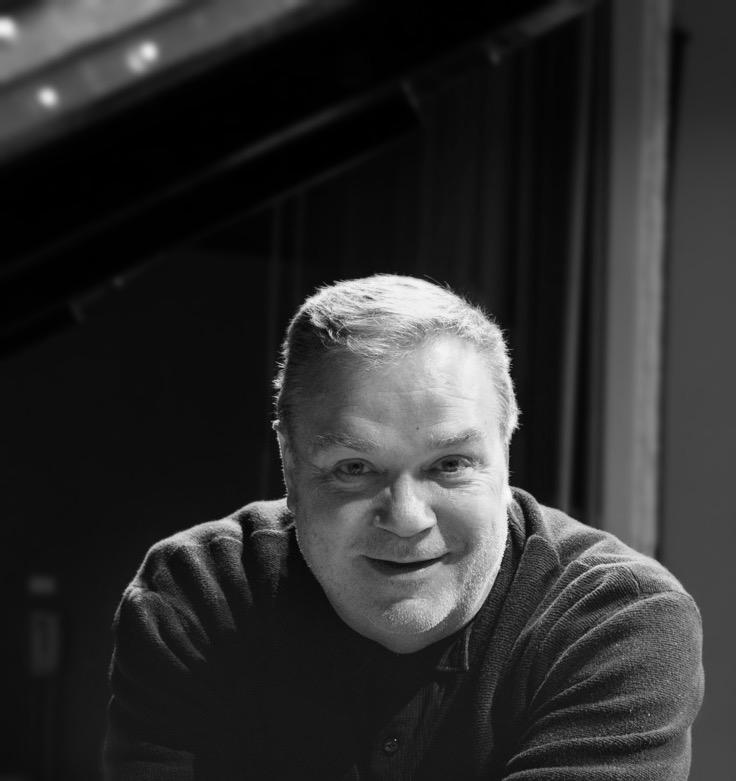
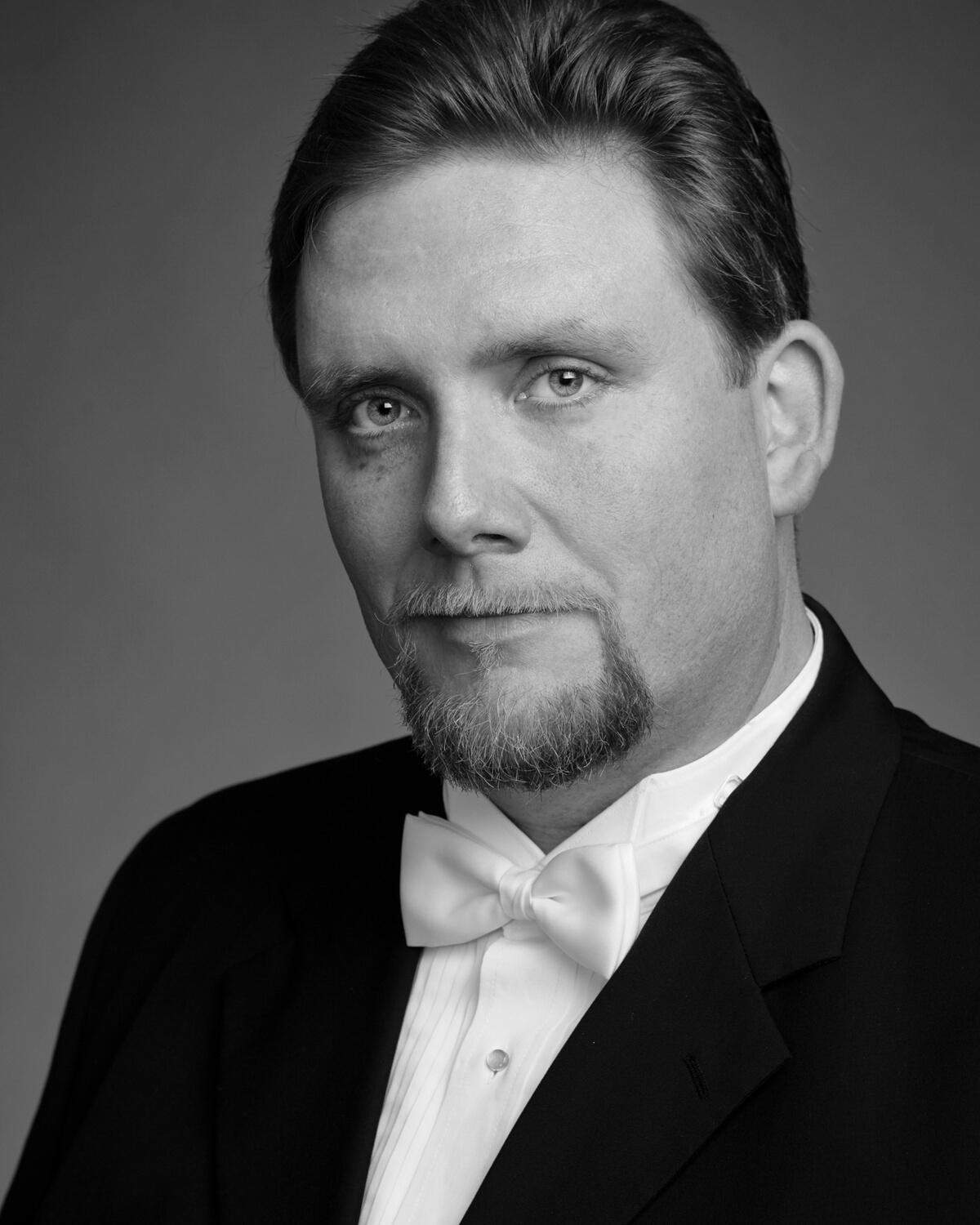
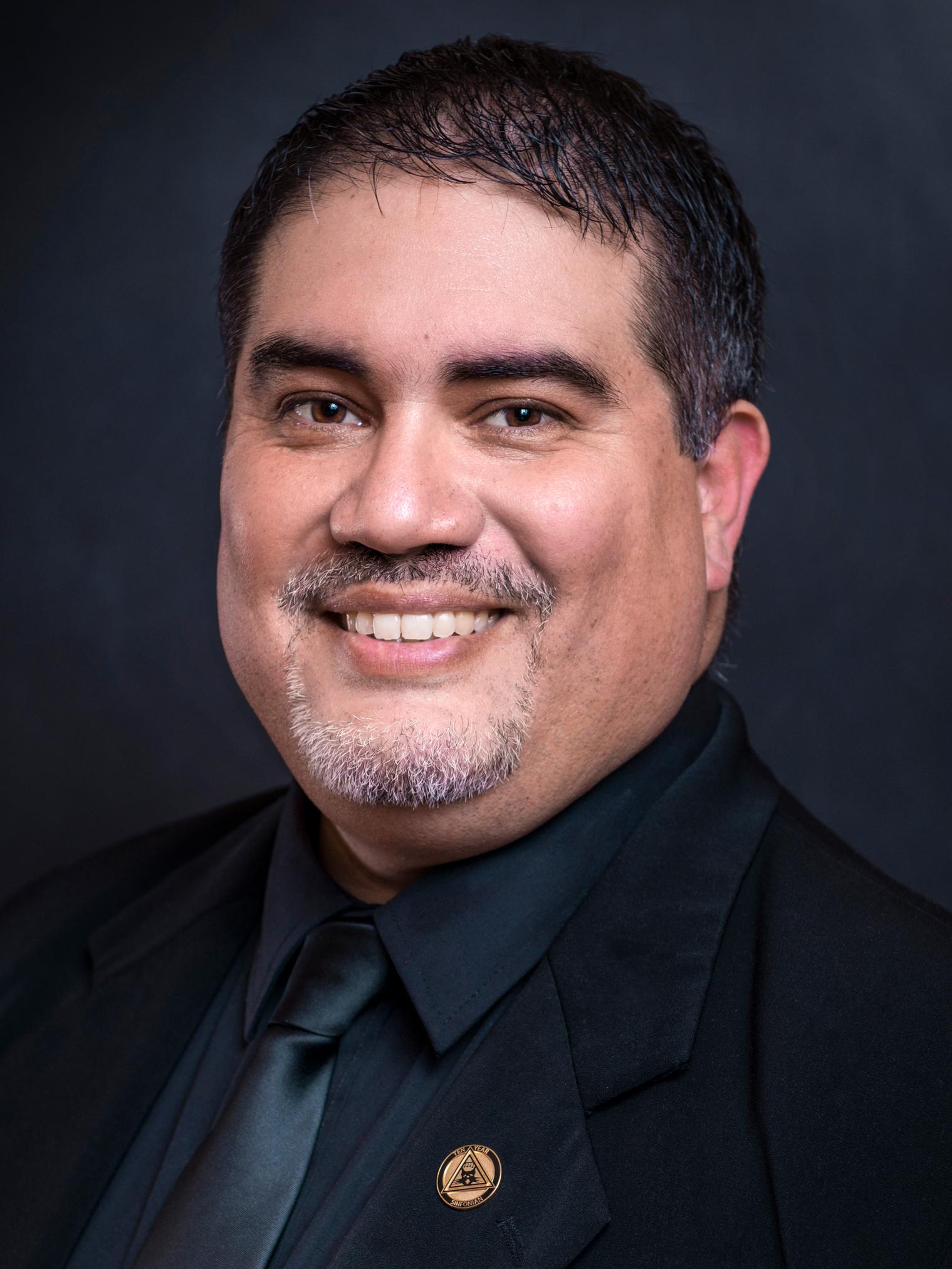
November 11th is Veterans Day. This national holiday began in 1934 as Armistice Day to honor veterans of World War I. In 1954, following America’s involvement in World War II and the Korean War, the name was changed to Veterans Day in honor of veterans of all wars This month the Alumni Spotlight highlights a graduate of the UTSA Department of Music who also served Charles Flores served as a Lance Corporal in the USMC and is currently the choral director at Jack C. Hays High School.
What motivated you to join the military?
I wanted to serve my country the way my father, uncle, grandfather, and grand uncles did. My father wanted me to join the Air Force, so he took me to a recruiter. I also saw a Navy recruiter. While waiting for my Dad to pick me up, the Marine recruiter invited me in and the rest is history! My dad and some of my extended family (especially my Vietnam Era veteran uncle) preferred that I go to college as I would be the first to get a degree, so I joined the Marine Reserves [I] ended up being activated a couple of times (Desert Storm being one of them) but in the end, I am glad I did it
Where were some of the places you were stationed?
I was stationed with the 4th Reconnaissance Battalion in San Antonio just outside Ft Sam Houston I was at Camp Pendleton, California and Camp LeJeun, North Carolina for my training schools and later returned during Operation Desert Storm with 4th RECON BN I spent most of my time as a Diesel Mechanic with Headquarters and Service Co. but during the time we were activated during Desert Storm, I worked as an Intelligence Analyst.
Why did you choose to attend UTSA and the Music Department?
I was at Southwest Texas State University on the tail end of a degree in history when I realized I wanted to be more involved in music. My voice teacher at the time, Mrs. Marybeth Smith, suggested that I consider UTSA and [she] put me in touch with Dr. Gary Mabry, who would become my voice teacher, conducting professor, mentor, and friend Mrs Smith's husband at the time hired me as a paid singer at St Luke's Episcopal Church and I transferred to San Antonio to get my degree in Music Studies, All-Level Choral I am so thankful that Marybeth pointed me in this direction I loved every minute of my time in the Music Department at UTSA! I learned so much and made friends with whom I still keep in touch.
What were some of your memorable moments here at the music department?
1) The Lizard Lounge [the third floor area nearest the practice rooms] It was a great place to get to know my peers in the music program 2) Becoming a member of Phi Mu Alpha (Nu Eta) I still keep in touch with many of my brothers 3) Receiving the Minority Travel Fellowship through the American Musicological Society 4) My favorite [moment] was when Dr Silantien had to step out and asked me to take over [choir] rehearsal!
In your current position as a high school teacher, what has been your greatest reward?
One of the greatest things I have enjoyed about being a high school choir director is when I not only see former students go on and become music teachers themselves, but
go into other careers and still manage to keep music a part of their lives as a community choir/band/orchestra member, church musician, professional or a vocational performer, or supporter of live music in their communities
Did you have mentors at UTSA? Did you have any particular challenges where you reached out to someone for help?
Dr Gary Mabry, Dr John Silantien, and Dr Susan Dill were people with whom I spent the most time and who were there for me in ways that went above and beyond My second child was born while I was working on my graduate degree and those three kept me going. I grew not only as a teacher, but as a person thanks to those three working with me, believing in me, and pushing me to do and be better. I am a first generation graduate with a BM and MM because of them and the rest of the amazing professors and staff in the Music Department. Because of them, my dad got to see me walk that stage twice.
Finally, what is your advice to anyone looking at UTSA Department of Music as a possible school choice?
Coming to UTSA was one of the best decisions I made as a student My only regret is that I did not come here earlier. I received a great education from amazing professors that were competent and caring. I see how much their influence has positively affected me as a teacher and human being. Sometimes, my own students see it as well! I have enjoyed a great career and I am by no means done, but I will always remember it started with becoming a Roadrunner!

Click here to purchase!
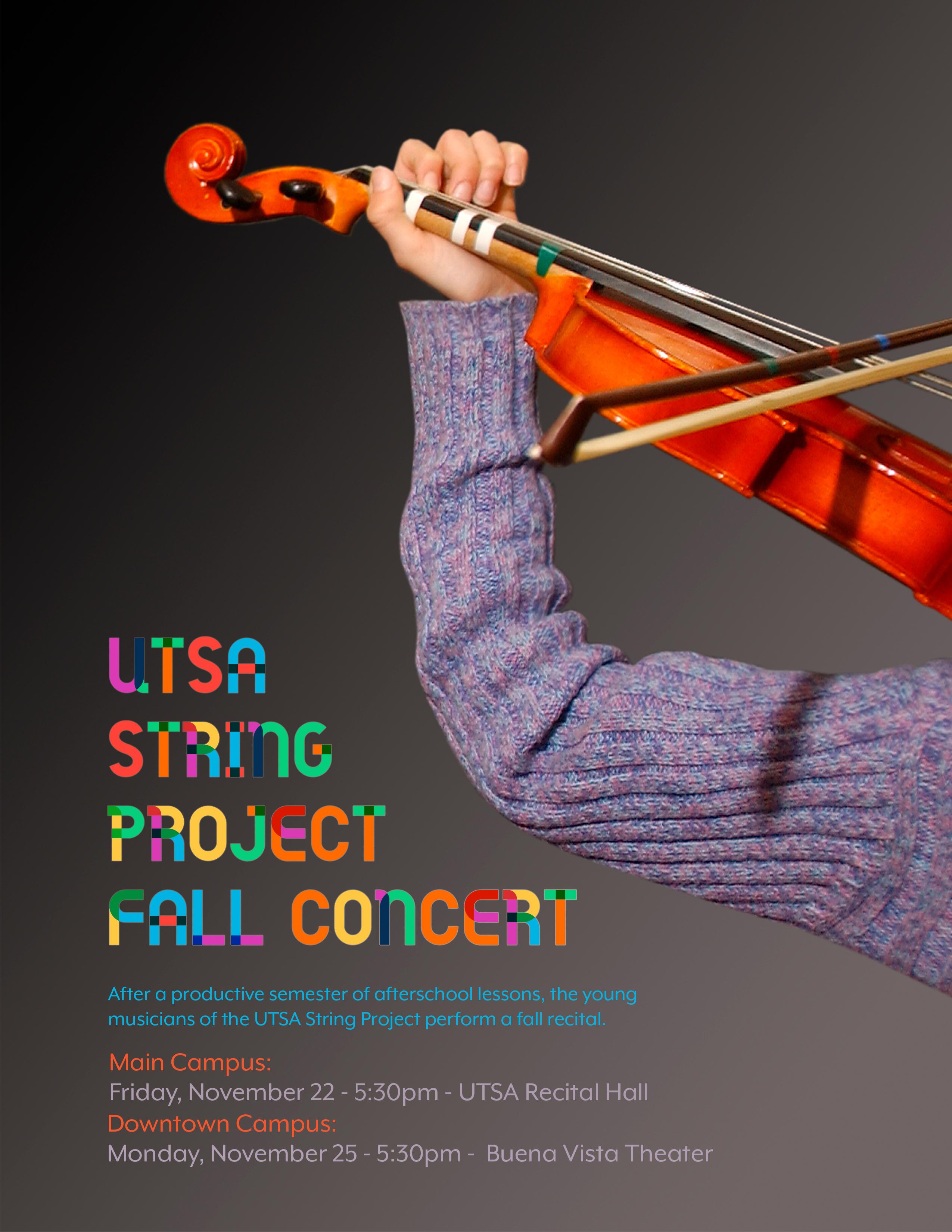
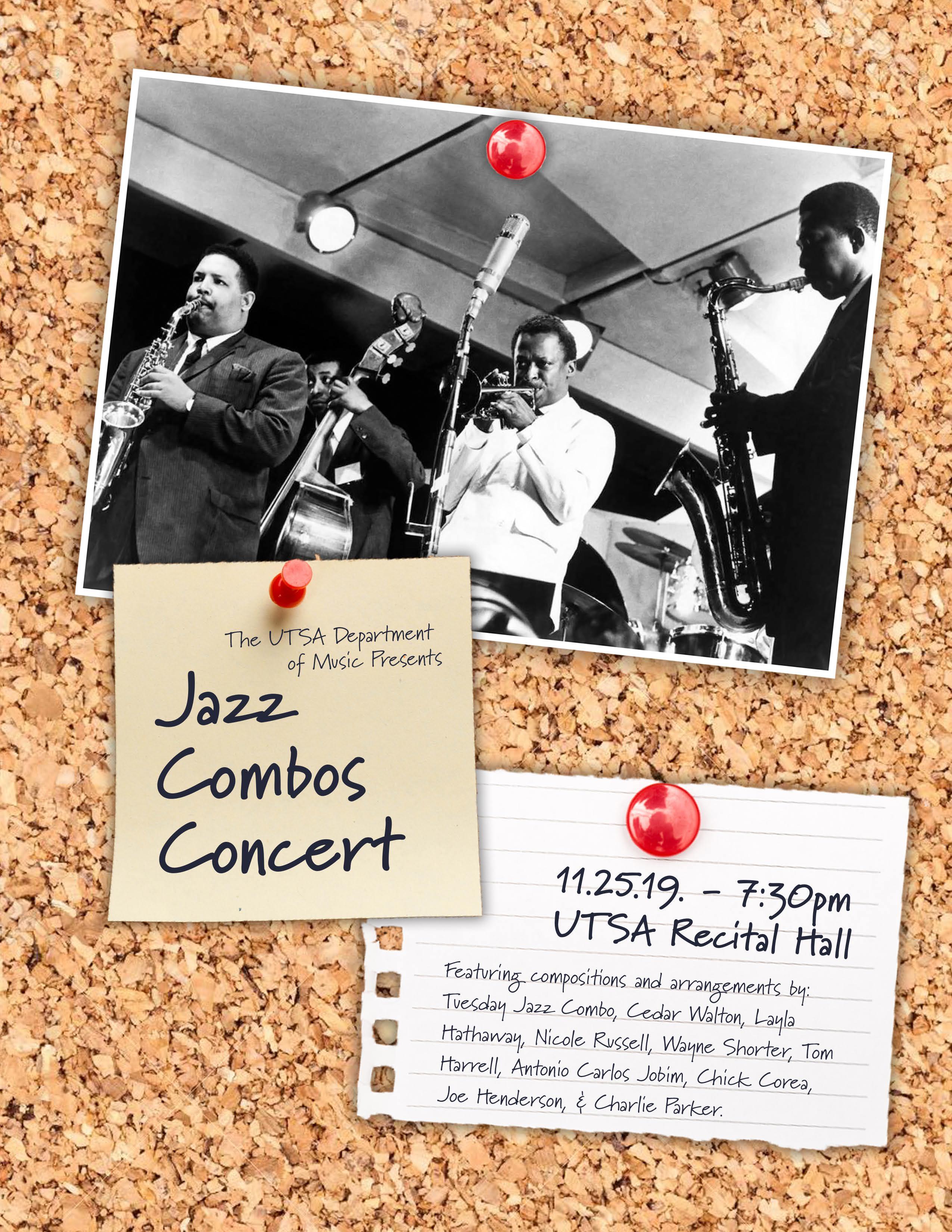
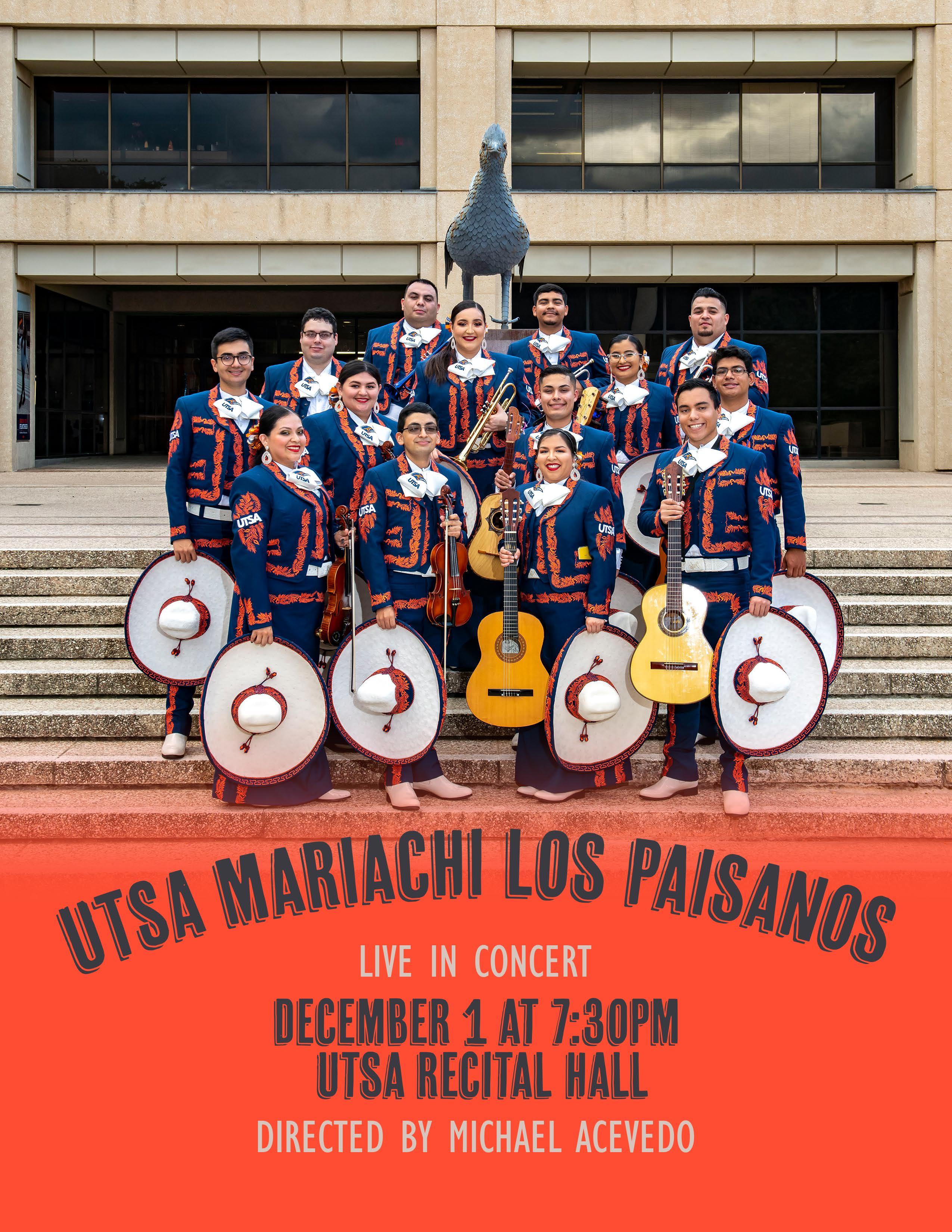
Percussion student Clay Kuglen performs an hour long recital in pursuit of a Performance Certificate. 7:30PM - UTSA Recital Hall
Student vocalist Greta Glasscock performs a 30 minute recital accompanined on piano by Anna Hakobyan 5:00PM - UTSA Recital Hall
Vocal student Jonathan Espinoza performs an hour long recital accompanied on piano by Anna Hakobyan. 5:00PM - UTSA Recital Hall
Violinist Florian Love will perform an hour-long recital in pursuit of a Performance Certificate. He is accompanied on piano by Anna Hakobyan. 7:30PM - UTSA Recital Hall
Graduate student Joe Samuel will present a lecture and recital. 7:30PM - UTSA Recital Hall
Flute student Nadia Hernandez will perform a recital in pursuit of a Performance Certificate. Mark Alexander accompanies on piano. 5:00PM - UTSA Recital Hall
Senior vocalist Khadijah Jabbar performs an hour long recital accompanied on piano by Anna Hakobyan. 7:30PM - UTSA Recital Hall
Senior John Fahlund performs an hour long recital on saxophone accompanied on piano by Dr Mark Alexander 7:30PM - UTSA Recital Hall
Parking for many UTSA Department of Music events is on an individual pay basis in the nearby Ximenes Avenue Garage.
Click on the icon to find XAG (Ximenes Avenue Garage) off of UTSA Blvd and Ximenes Avenue



STAY UP TO DATE WITH THE LATEST INFORMATION ON UPCOMING CONCERTS AND EVENTS AT UTSA MUSIC MUSIC.UTSA.EDU @ U T S A M U S I C
