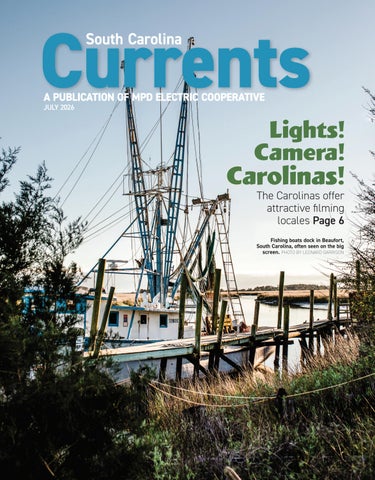
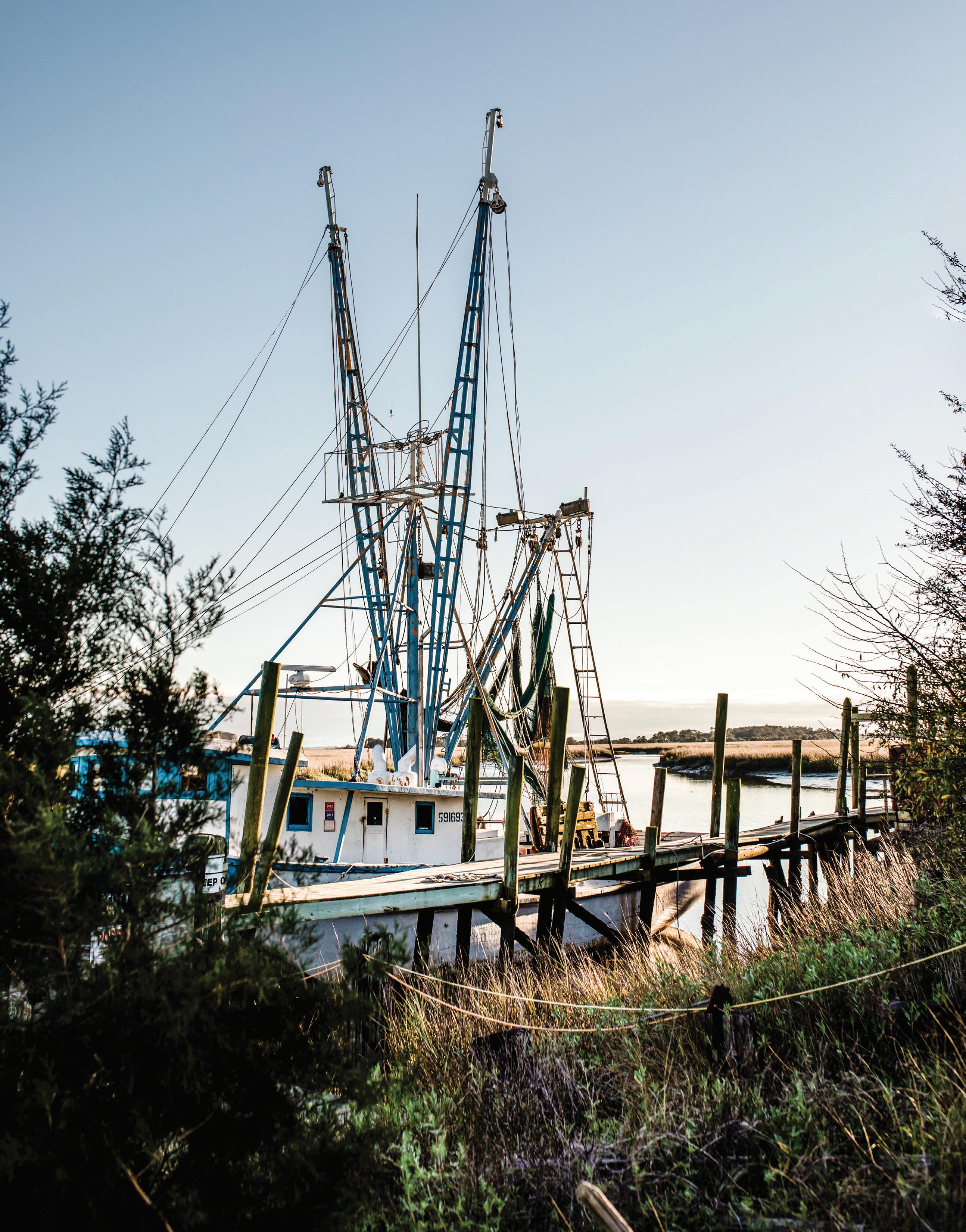
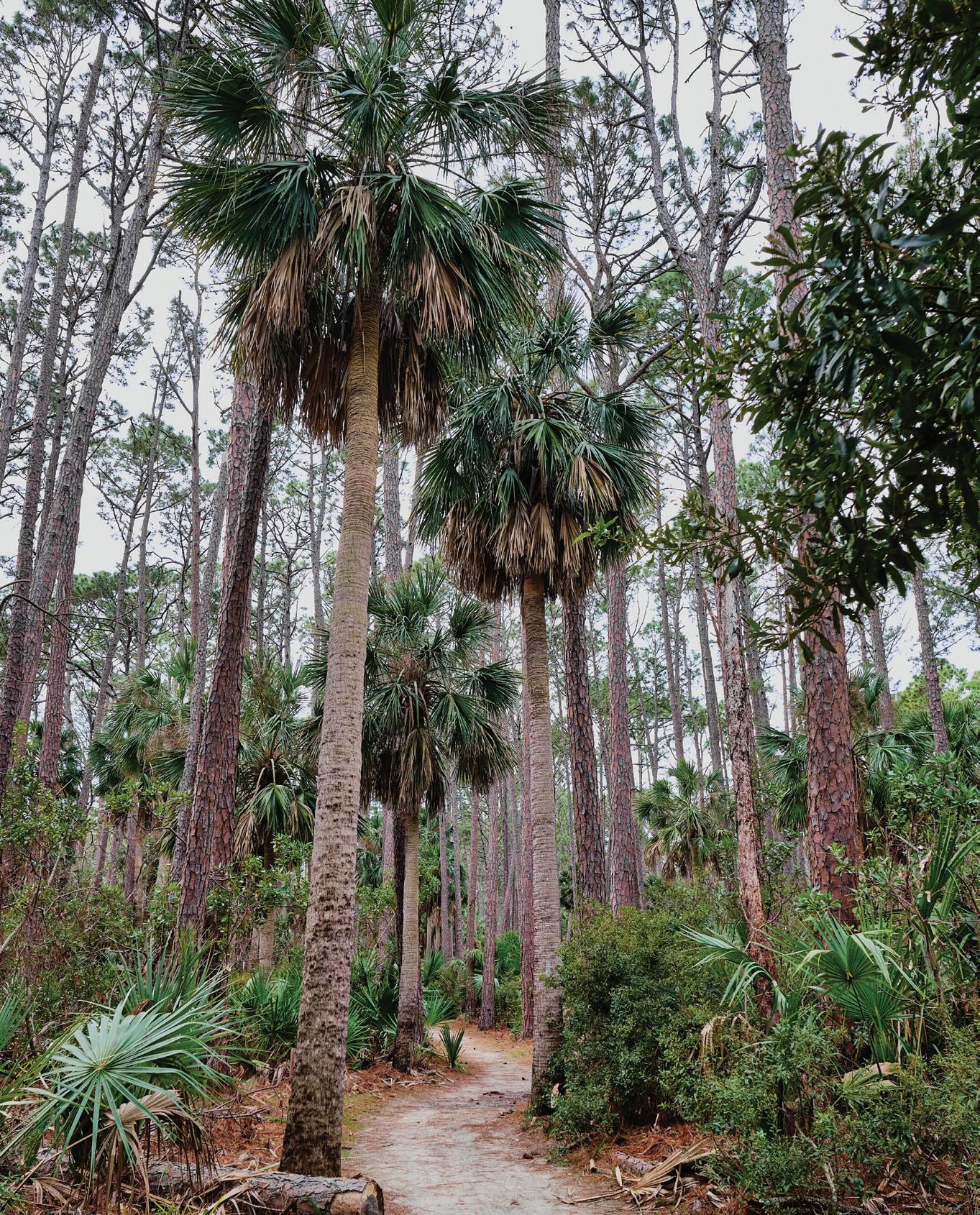
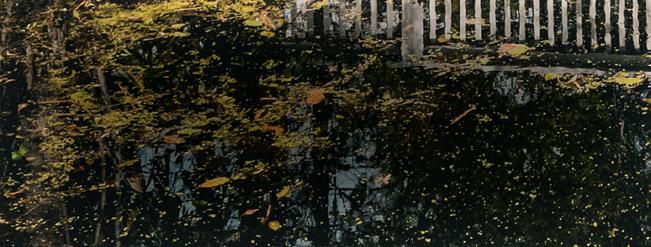
Fishing boats dock in Beaufort, South Carolina, often seen on the big screen.
PHOTO BY LEONARD GARRISON
Why you’ll love the Flip3:
• Bigger, tactile buttons
• Large, higher-contrast screen
• Comfortable no-slip grip
• Easier voice calling/texting
• Fast, reliable nationwide 5G
Only Jitterbug®
• •
Why you’ll love the Smart5:
Quality 50MP camera
More storage (128GB)
Fast, reliable nationwide 5G
The all-new Flip3 and Smart5 have arrived! Get the simple menus and large text you love,now with spam blocking, Wi-Fi calling and more ways to make your phone your own. Whichever you choose, our 100% U.S.-based support is always there when you need it.1 Upgrade to Urgent Response* for 24/7 help in emergencies at the touch of a button. When it comes to easy, there’s only one Jitterbug.
mpd.coop
OFFICE LOCATIONS
1301 E. Pocket Road
P.O. Box 100561 Florence, SC 29502
843-665-4070
676 Highway 9 E. P.O. Box 1057
Bennettsville, SC 29512
843-479-3855
REPORT POWER OUTAGES
866-747-0060
OFFICE HOURS
8 a.m. to 5 p.m. Monday through Friday
PRESIDENT/CEO
William L. Fleming Jr.
BOARD OF TRUSTEES
John Alford
Melvin Carabo
Preston Gainey
James Goodson
Eddie Gordon
David Howell
Sam P. “Bo” McInnis Jr., Chairman
Robert Norton
Hamer Parnell
Jeff Quick, Secretary
Ronald “Ronnie” Quick
Janelle Sauls
LaShon Sellers, Vice Chairman
Charles R. “Ricky” Smith
Patricia Ann Toney
Lee C. White
CO-OP NEWS EDITORS
Katie W. Wilcox, CCC kwilcox@mpd.coop
Matt Haynie
mhaynie@mpd.coop
MISSION STATEMENT
Our mission is to serve the energy needs of our members today and in the future at the lowest cost consistent with sound economic principles and management.
MPD Electric Cooperative Inc. is an equal opportunity provider and employer.
Storm Readiness Begins Before the Forecast
As hurricane season gets underway, homeowners are encouraged to take steps now to prepare for severe weather before a storm appears on the radar. While electric utility crews spend the year strengthening infrastructure through tree trimming, brush maintenance, line repairs and system upgrades, storm preparedness is a shared responsibility that begins at home.
Summer storms can develop quickly, bringing high winds, heavy rain, flooding and extended power outages. Having a plan in place before severe weather strikes can make a significant difference in keeping your family safe and comfortable.
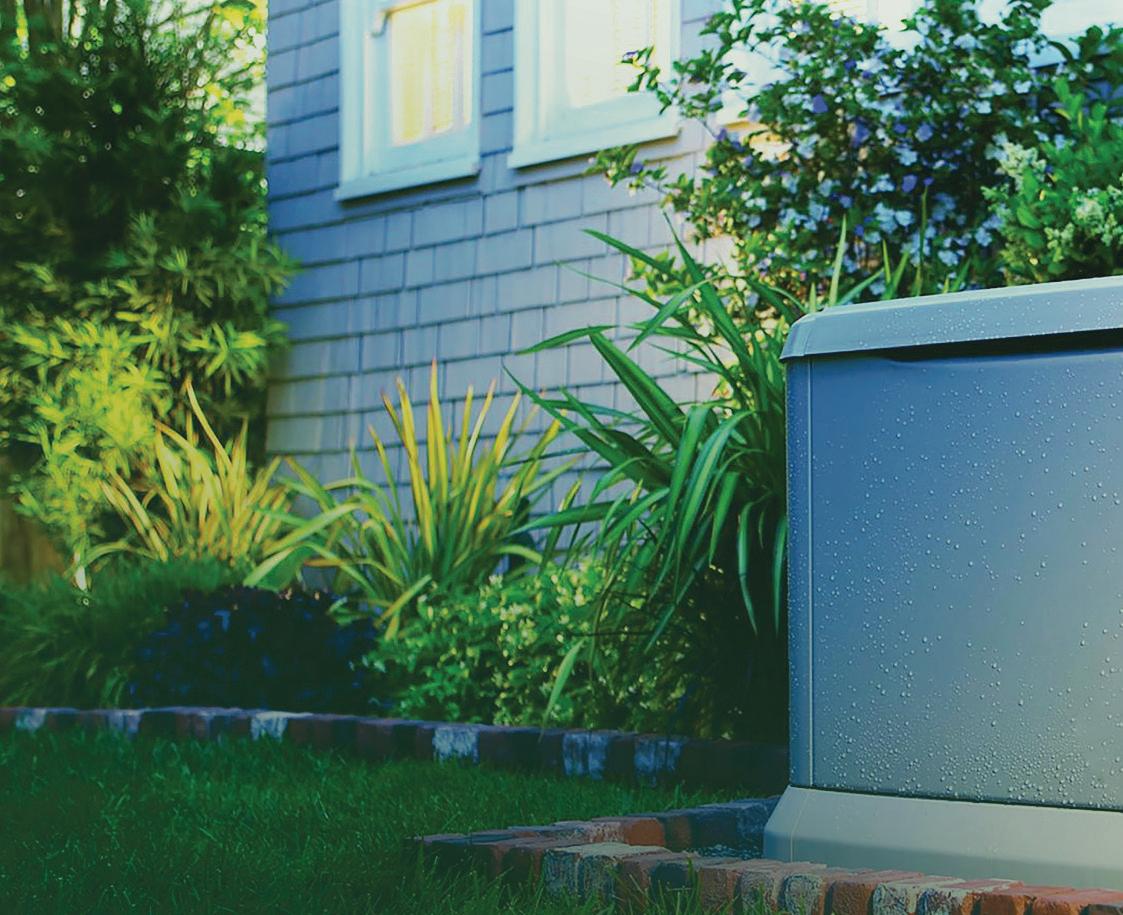
One of the most important considerations during storm season is ensuring access to reliable backup power. When hurricanes and major storms disrupt electrical service, a home standby generator can provide peace of mind by automatically restoring power to your home. Generac, the nation’s leading home backup generator brand, offers systems that activate within seconds of a power outage and operate automatically, helping homeowners maintain essential services such as refrigeration, lighting, heating and cooling systems, medical equipment and communications.
Unlike portable generators, wholehome standby generators are permanently installed outside the home and operate much like a central air conditioning unit. They provide seamless protection during outages and eliminate many of the inconveniences associated with portable generators.
MPD Electric Cooperative offers financing and professional installation of Generac whole-home generators, making it easier than ever for members to protect their homes before the next storm arrives.
In addition to securing backup power, emergency management officials recommend maintaining a well-stocked emergency preparedness kit. Essential items include:
• Flashlights, battery-powered lanterns and fresh batteries
• Battery banks and chargers for phones and electronics
• A two-week supply of bottled water and nonperishable food
• Prescription medications and first-aid supplies
• Baby care items, if needed
• Pet food, if needed
• Important identification and insurance documents
• Solar-powered lights and emergency radios
• A family evacuation and communication plan
During power outages, homeowners should unplug sensitive electronics and major appliances to help prevent damage from power surges when electricity is restored. If using a generator, always follow the manufacturer’s operating instructions and safety guidelines.
After a storm passes, safety remains a priority. Residents should stay away from downed power lines, avoid flooded areas where electrical hazards may be present and give utility crews plenty of space to safely perform restoration work.
While no one can predict exactly what hurricane season will bring, preparation today can help reduce stress and uncertainty tomorrow. Investing in a backup power solution and creating a comprehensive emergency plan are important steps toward protecting your family and home.
For more information about Generac whole-home generators and financing options or to schedule a free in-home consultation, contact licensed Generac dealer J.P. Watson at 843-292-4353.
This hurricane season, don’t wait until a storm is approaching. There is power in planning—and the best time to prepare is now.
LEE WHITE Trustee
CEO Michael Shepard
SENIOR VP OF CONTENT Leon Espinoza
EDITORIAL DIRECTOR Chasity Anderson, CCC
DEPUTY EDITORIAL DIRECTOR
Noble Sprayberry
SENIOR EDITOR Jennifer Paton, CCC
LEAD CONTENT EDITOR Victoria Hampton, CCC
ASSISTANT EDITORS David Herder, CCC;
Sable Riley, CCC; Nina Todea, CCC
ASSOCIATE EDITOR
Valeri Saldanha Rosa
PUBLICATIONS PRODUCTION SR. MANAGER
Elizabeth Beatty
SENIOR PUBLICATIONS COORDINATOR
Alyssa McDougle
South Carolina Currents (issue 85) is published monthly, except in December, by Pioneer Utility Resources, 5625 NE Elam Young Pkwy. Ste. 100, Hillsboro, OR 97124. Preferred periodical postage permit number 23830 paid at Hillsboro, Oregon 97123 and additional mailing offices.
POSTMASTER: Send address changes to: South Carolina Currents, 5625 NE Elam Young Pkwy. Ste. 100, Hillsboro, OR 97124. Subscription price of $9.89 per year includes postage.
HOW TO CONTACT CURRENTS
Have a problem receiving your edition of South Carolina Currents? Utility members should contact MPD Electric Cooperative.
Reprint permission: Direct all requests to Pioneer Utility Resources.
MANUSCRIPTS AND PHOTOGRAPHS
Please do not send unsolicited materials. If interested in writing for South Carolina Currents, query first. Include a selfaddressed stamped envelope for writers’ guidelines. Address requests and queries to Pioneer Utility Resources.
DISPLAY ADVERTISING INQUIRIES
American MainStreet Publications 611 S. Congress Ave. Ste. 504 Austin, TX 78704 800-626-1181 or 512-441-5200
Willie Wiredhand is the longtime mascot and spokesplug of electric cooperatives around the United States. He was adopted in 1951 by the National Rural Electric Cooperative Association. Here’s your task: Willie is hidden somewhere in every issue of Currents. See if you can find this friendly face among the news and stories as you read!
Table of Contents
By Judy Garrison
Hollywood influences not only fashion and trends, but also how we travel. Movies and films spotlight destinations travelers might not have previously known about as they weave fascinating stories that pique wanderlust.
Remember in “Home Alone 2: Lost in New York” when Kevin bounced on beds and ordered endless room service at a posh hotel? Overnight, everyone craved a weekend at The Plaza Hotel feasting on massive hot fudge sundaes. Thanks to the popularity of HBO’s “The White Lotus,” Hawaii, Sicily and Thailand became magnets for jetsetting fans yearning to experience the majestic landscapes and hotels.
For those who find locations like these intriguing but outside the budget, the Carolinas offer attractive alternatives with silver-screen histories all their own.
Pop the popcorn and get ready for a Carolina movie marathon. Most older films continue to be available on streaming services, so make it a bingeworthy weekend and see who is first to spot the location.
Lights! Camera! Carolinas!
Wilmington and the Coast
Known as “Wilmywood,” the coastal town of Wilmington serves as the backdrop for many shows. From piers to boardwalks to eateries, the city serves as a prime waterside location.
Fans of “One Tree Hill” and “Dawson’s Creek” will recognize locations from episodes of these long-running series, including Battleship North Carolina, Cape Fear Riverwalk and its historic downtown. Run along the Wilmington Riverwalk and channel an escape from the horror movie “Scream.” Another thriller, “I Know What You Did Last Summer,” takes you to Southport. Greenfield Park hit the TV screens in
“Under the Dome,” a series based on a Stephen King novel. The Netflix drama “The Summer I Turned Pretty,” takes viewers to Bespoke Coffee & Dry Goods, Benny’s Big Time Pizzeria and Oceanic on Wrightsville Beach, where Belly and Jeremiah make a big announcement.
Romantics couldn’t get enough of The Inn at Rodanthe when Nicholas Sparks’ film adaptation “Nights in Rodanthe” brought a portion of his own epic love story to the big screen. Located on Hatteras Island, the structure has been moved farther back from the ocean for protection and continues to welcome guests.
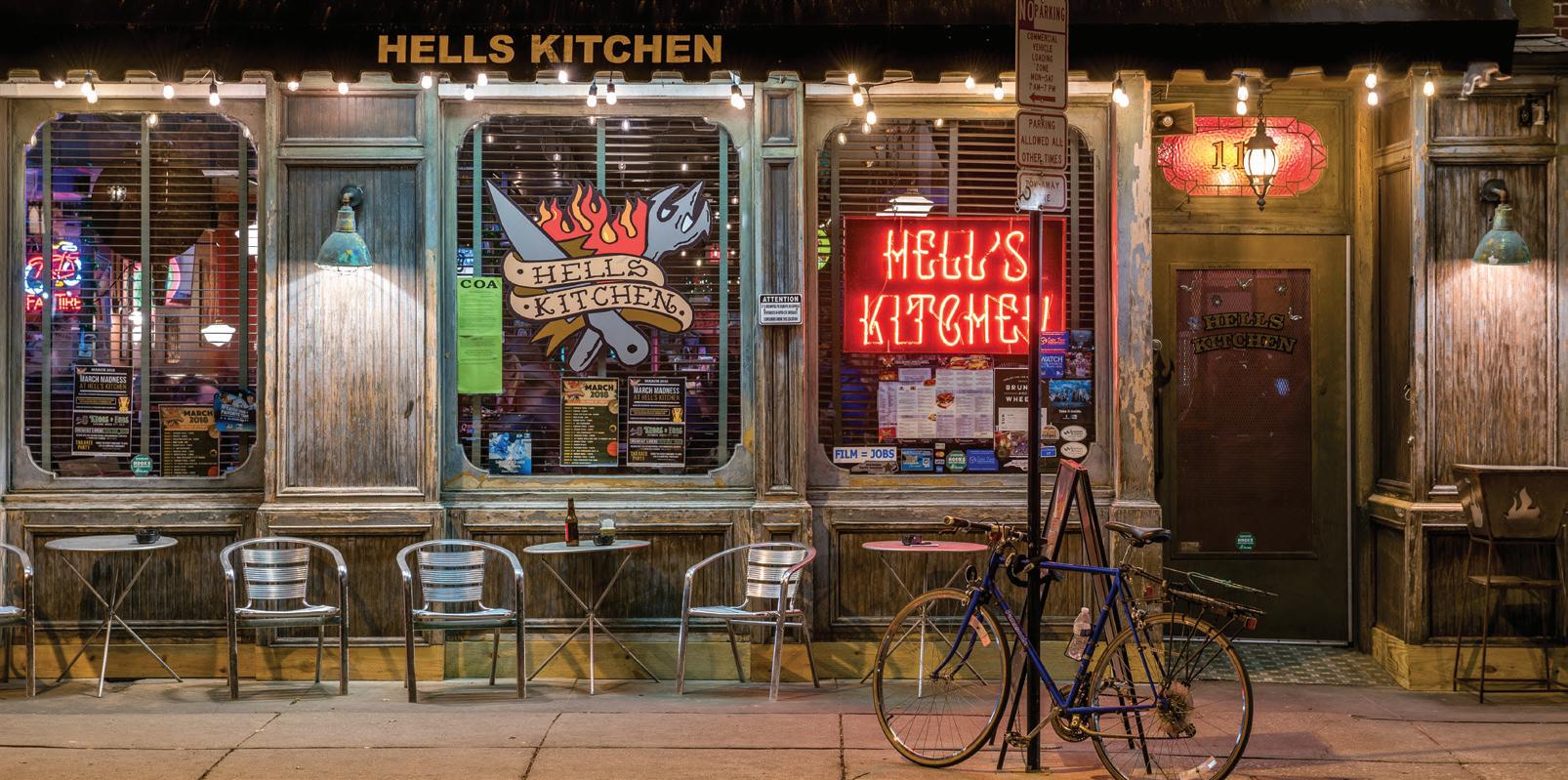
Hell’s Kitchen in Wilmington is often seen on screen. PHOTO BY VISIT NC
Lake Lure
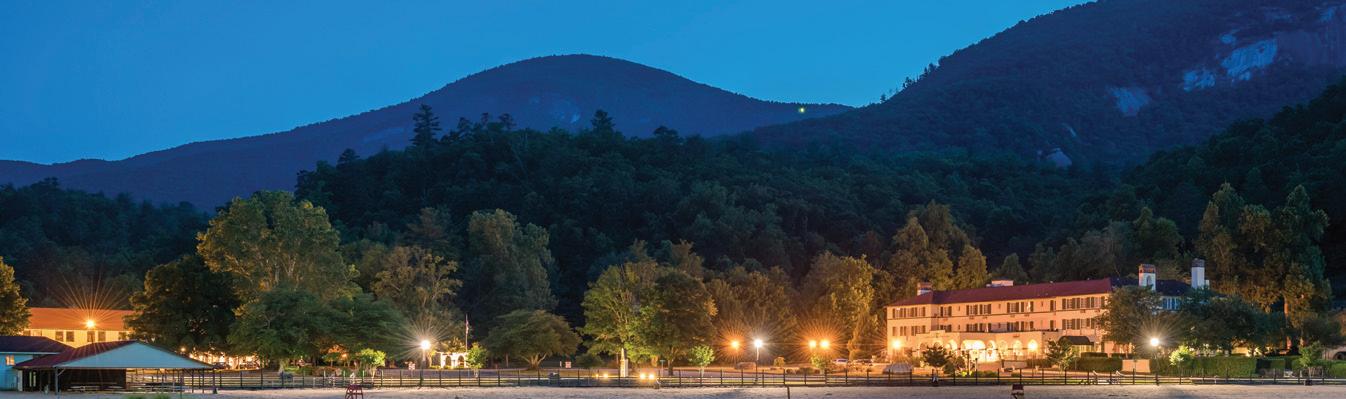
The beauty of Lake Lure was the backdrop for the slickest dance moves in cinematic history. “Dirty Dancing” premiered in 1987 and had everyone fighting for Baby. The Lake Lure Inn & Spa was home for the cast during filming while the majority of lake scenes were filmed at Mountain Lake Lodge in Virginia. However, the famous lift scene did take place in the waters of Lake Lure. In a nod to the film, the historic inn features the Jennifer Grey and Swayze Suites, but Baby’s Bungalow and Johnny’s Cabin will promise the time of your life.
Visit Esmeralda Inn and Restaurant in Chimney Rock to see the original wooden dance floor from the film’s final scene.
Asheville and the Mountains
In 1956, Grace Kelly starred in her final film, “The Swan.” The movie was the first time the iconic Biltmore House appeared on the big screen. A multitude of films followed for Biltmore, across genres, from “The Private Eyes” in 1980 with Don Knotts and Tim Conway to “Hannibal” in 2001 to Hallmark’s “A Biltmore Christmas in 2023.”
Filming in North Carolina hit a high point in the 1990s. Daniel Day Lewis and “The Last of the Mohicans” placed Chimney Rock State Park and its rugged landscape in the spotlight. Cameras also rolled on “The Fugitive” in the western mountains, with Harrison Ford’s character surviving a train crash in Dillsboro—wreckage can still be seen along the Dillsboro Great Smoky Mountain Railroad excursion—and jumping from Cheoah Dam in Robbinsville.
Hildebran
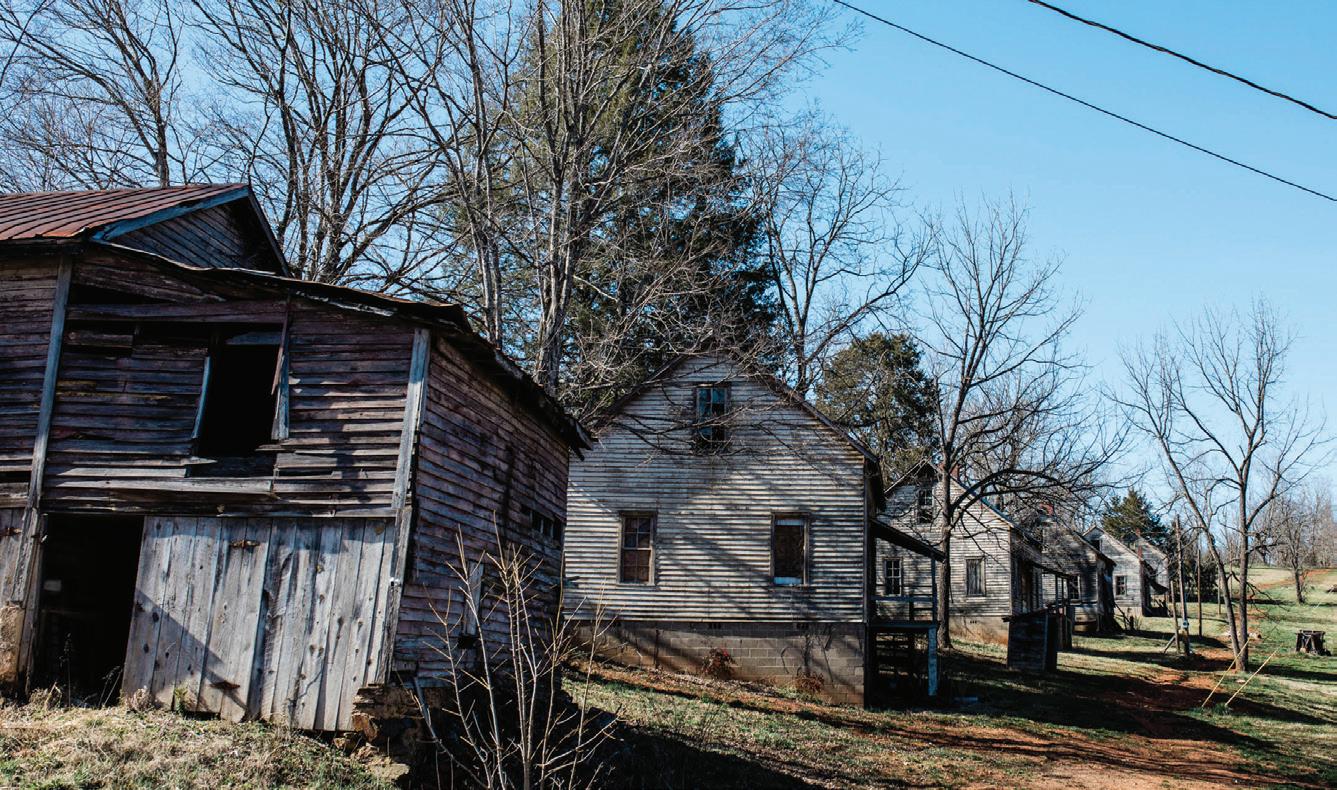
Filmed entirely in North Carolina, the 2012 film “The Hunger Games” showcased several locations, including Pisgah National Forest, Shelby and the Blue Ridge Parkway. The Henry River Mill Village in Hildebran became the iconic District 12 and home to Katniss Everdeen. Privately owned, this once-abandoned textile village came to life when its new owner saw the beauty in the village’s history, wanting to restore structures to honor the textile industry in the state.
Listed on the National Register of Historic Places, the property hosts daily tours plus has two restored village homes, styled according to their history at the sewing plant. These are available for rent on Airbnb. If owning a piece of film history strikes a chord—and you have extremely deep pockets—the 72-acre village is for sale.
District 12 in “The Hunger Games” was filmed in Henry River Mill Village. PHOTO BY LEONARD GARRISON
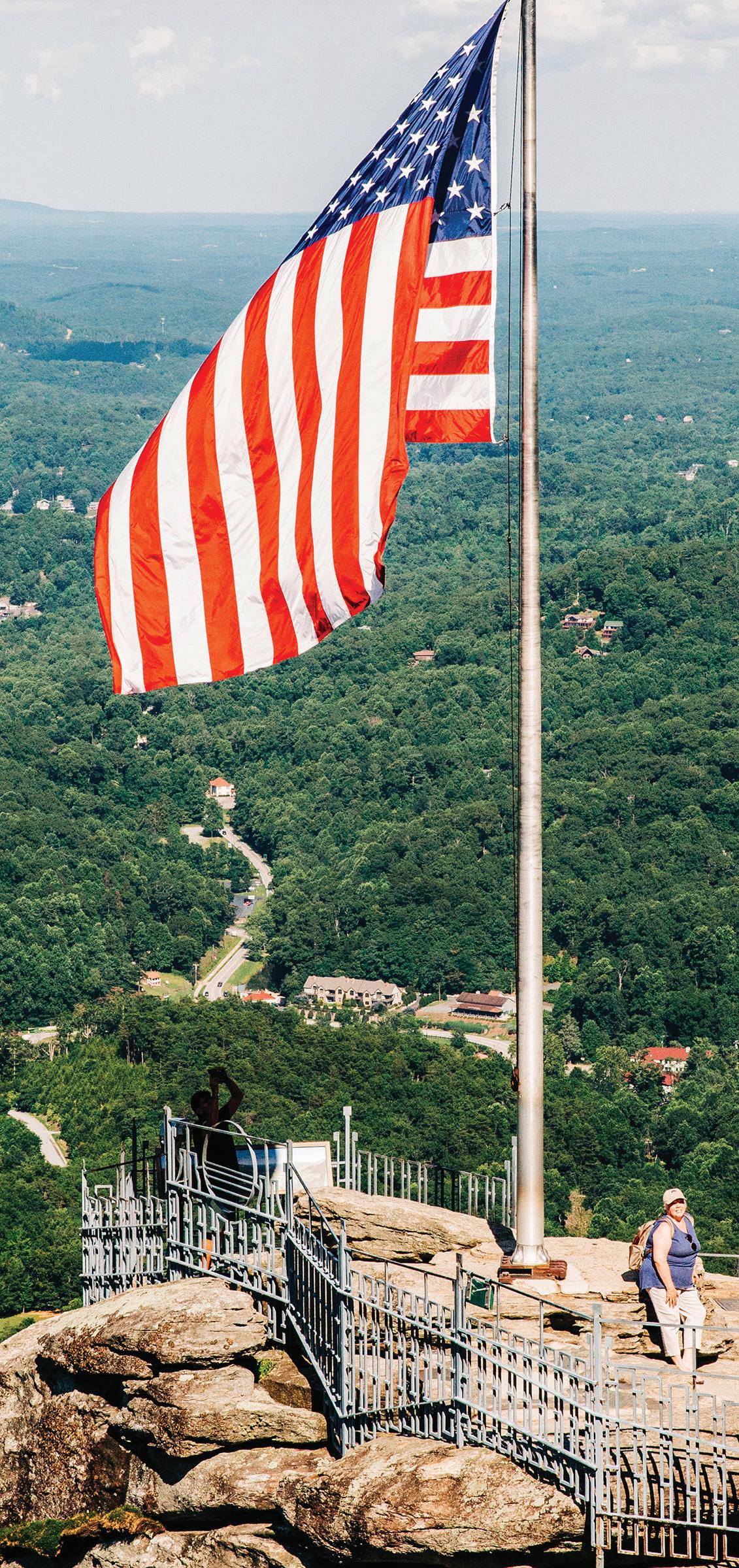
The overlook at Chimney Rock State Park has spent time in the cinematic spotlight.
PHOTO BY VISIT NC
“Nobody puts baby in the corner” at Lake Lure Inn & Spa.
PHOTO BY VISIT NC
Charlotte
Inland Charlotte garnered attention and pulled Hollywood onto the fast track.
In 1968, Elvis Presley took the wheel of the white No. 6 1967 Dodge Charger in “Speedway,” alongside female lead Nancy Sinatra. It was the first racing film where credits were given to actual NASCAR drivers.
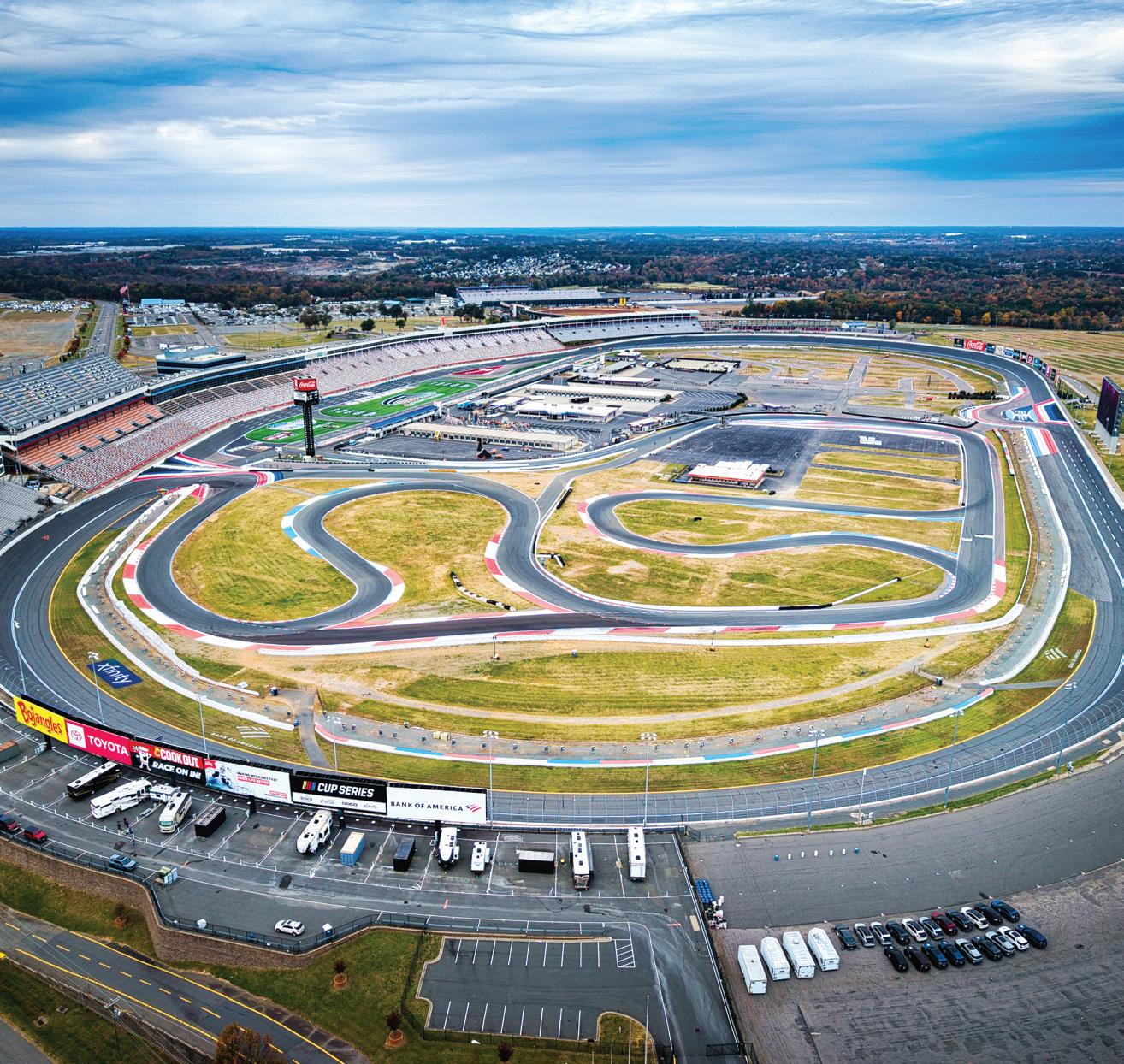
“Talladega Nights: The Ballad of Ricky Bobby” went round and round at Charlotte Motor Speedway. Nearby Lake Norman was the site of Ricky Bobby’s mansion.
Scenes from the first three seasons of “Homeland” were shot in Charlotte, standing in for the Washington, D.C., area. Suburban neighborhoods include Freedom Park, SouthPark Mall, Queens University and others.
“The Hunger Games” series also made its way to Charlotte, as did “Are You There God? It’s Me, Margaret” and “The Eyes of Tammy Faye,” among others. And for the reality show junkies, who can forget the sixth season of “Love Is Blind” that featured locals at Rosie’s Coffee and Wine Garden, Carowinds and Kicks & Fros.
The actor Andy Griffith called Mount Airy home, and for eight years in the 1960s, viewers followed him and his son, Opie, home as everyone fell in love with “The Andy Griffith Show.”
Although the series was not filmed in the actual Mount Airy, the city continues to be a draw for loyal fans. Mayberry-themed events celebrate the hometown son. A visitor center provides extensive information for activities during your visit. Stay overnight at the Mayberry Motor Inn or stay at Andy’s Homeplace, Griffith’s childhood home, now a bed-and-breakfast. Take a squad car tour in a replica of Deputy Barney Fife’s car. It departs from Wally’s Service Station, next to the replica jail and courthouse. No visit is complete without a fried pork chop sandwich lunch at Snappy Lunch. A few doors down is the inspiration for Floyd’s Barber Shop. In the Andy Griffith Museum, take a look back at Griffith’s extraordinary life.
Sylva
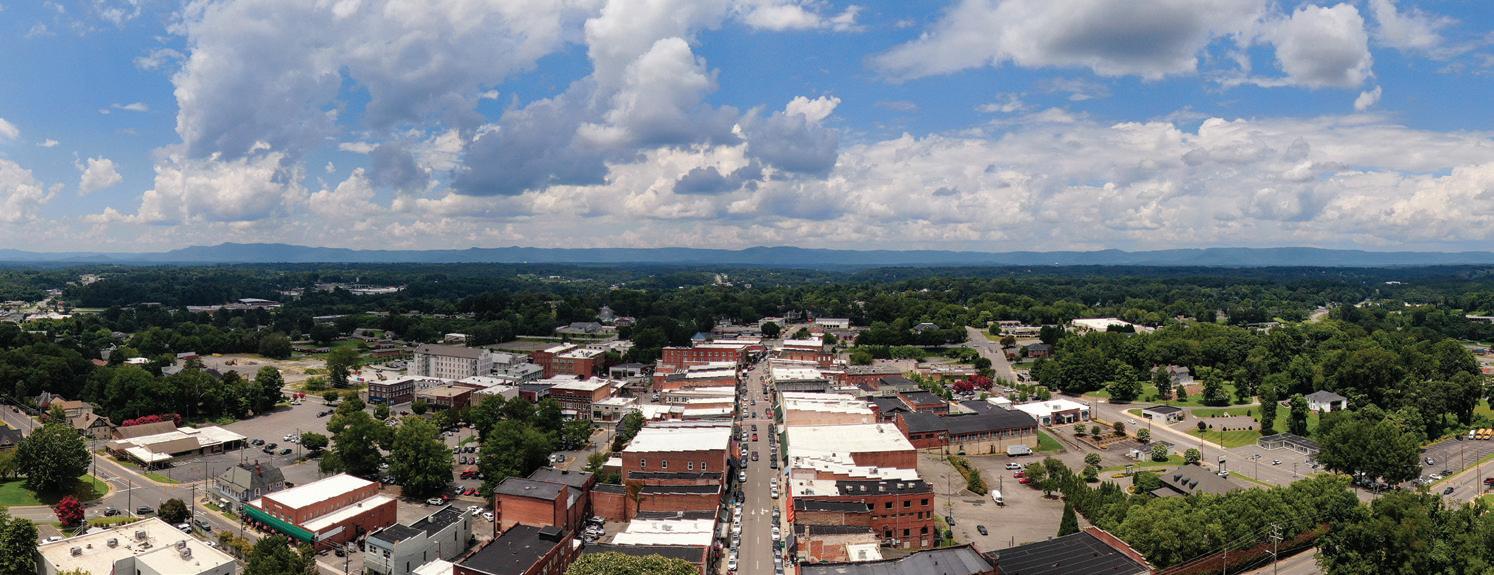
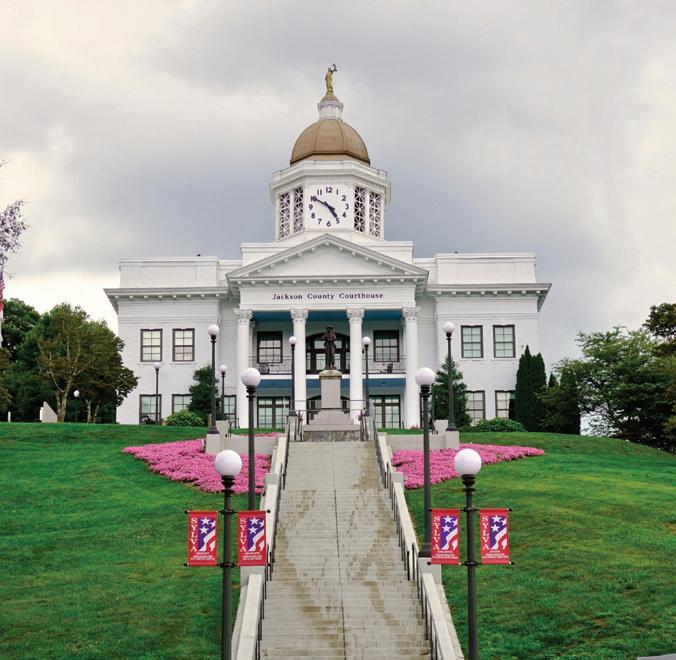
The filming of “Three Billboards Outside Ebbing, Missouri” took over tiny downtown Sylva for 33 days and put the majestic Jackson County Courthouse on a pedestal. Becoming the fictional town of Ebbing, Sylva was home to the primary shooting locations with neighboring Dillsboro being used for river and storefront shots and Black Mountain hosting the titular billboards.
Mount Airy or Mayberry
Charlotte Motor Speedway racetrack is a popular filming location. ADOBE STOCK
PHOTO BY 4KCLIPS
Mount Airy, North Carolina, is the inspiration for Mayberry on “The Andy Griffith Show.”
ADOBE STOCK PHOTO BY OAK CITY DRONE
Jackson County Courthouse in Sylva served as a key location in a 2017 movie. ADOBE STOCK PHOTO BY EWY MEDIA
Beaufort and the Coast
Much like the coastline of North Carolina, its southern neighbor’s beautiful shoreline attracts attention.
The love affair author Pat Conroy had with his beloved Lowcountry is well known. From his home in Beaufort to the one-room schoolhouse on Daufuskie Island to St. Helena Island and the Penn Center, he weaved stories throughout these settings, making the locations central to his storytelling. Films like “The Prince of Tides,” “The Great Santini” and “The Water is Wide” introduced the world to the author’s favorite places. The Pat Conroy Literary Center pays tribute to his body of work. Visit the Penn Center and the adjacent St. Helena Memorial Gardens where Conroy is buried.
The beauty of Beaufort decorates films much like its legendary live oaks and moss drape the streets. A portion of Forrest Gump’s legendary run takes him over the Woods Memorial Bridge, then he scoots past the Shrimp Shack and onto Fripp Island. Hunting Island State Park became the substitute location for the landscape of Vietnam.
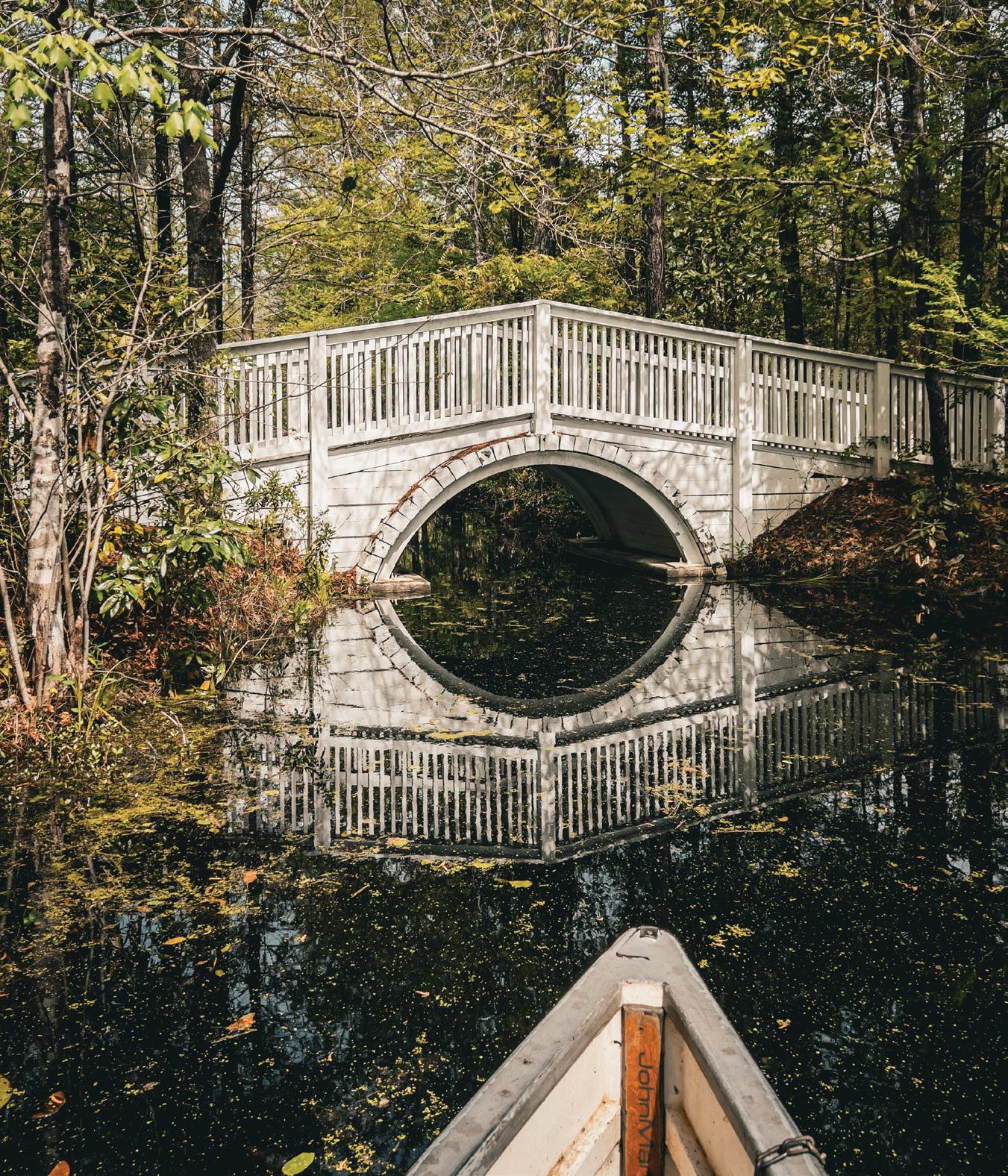
Charleston is the backdrop to Allie and Noah’s love story in “The Notebook.” The American Theater on King Street frames the fun street dance. Although it’s not a good idea to replicate the shot, it’s still swoon-worthy. Dine at High Cotton where Allie sees Noah after a long absence. Visit Cypress
Gardens where the iconic boat scene was filmed.
“The
Charleston exchanged the romantic tone for comedy in the HBO series “The Righteous Gemstones” and the Netflix series “Outer Banks.”
In nearby Mount Pleasant, The Avenue of Oaks leads to Boone Hall Plantation, which served as a physical guide in the miniseries “North and South.” Boone Hall was also the location of Allie’s summer house in “The Notebook.”
Go West, Young Man
“The
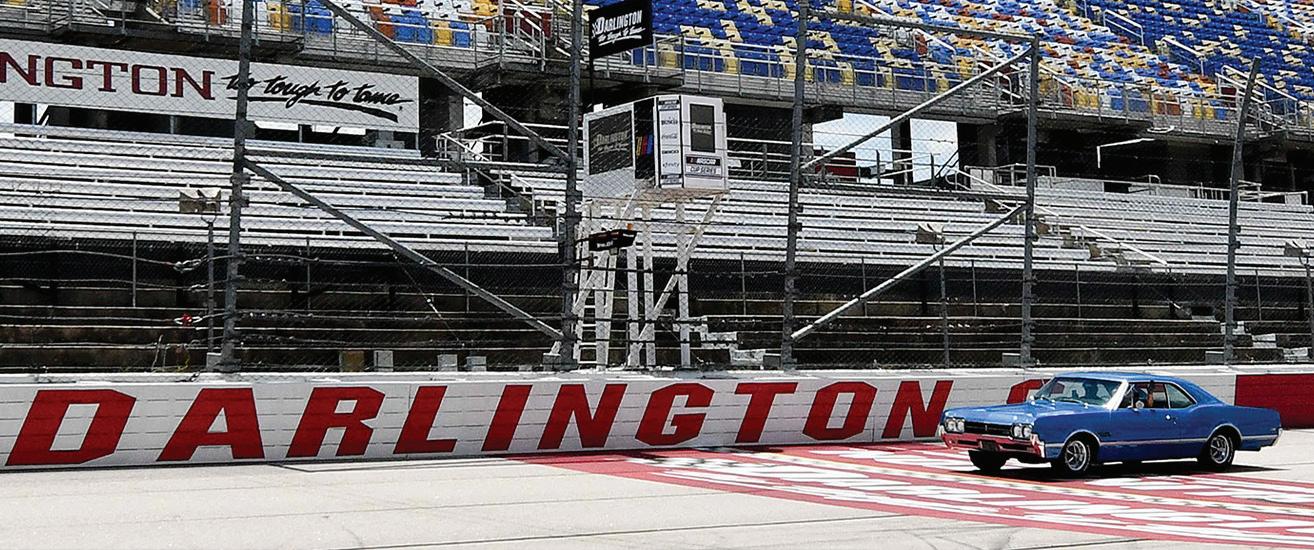
Moving west, Darlington Raceway welcomed Tom Cruise in “Days of Thunder.”
Not only can you see a NASCAR race car, but you can ride in one. Hit the track solo or enjoy a ridealong on the asphalt with a 25-degree bank.
“Sleeping with the Enemy” and Julia Roberts brought the creepiness to downtown Abbeville.
The landscape and grounds of Historic Brattonsville, a living history museum in York County, welcomed Mel Gibson and “The Patriot.”.
The homestead house set the stage for the Selton’s plantation while the adjacent kitchen structure was used for the inside shots. Some of the furniture remains. The entire film was shot in South Carolina, including Botany Bay on Edisto Island which served as the beach slave camp, and Cypress Gardens, the location of Black Swamp Militia’s secret island headquarters.
For more information on traveling through the Carolinas in search of sets, visit discoversouthcarolina.com and visitnc.com.
The iconic scene in “The Notebook” where Noah and Allie row through a swamp filled with swans was filmed at Cypress Gardens. ADOBE STOCK
PHOTO BY AMILA
Vietnam was recreated in Hunting Island State Park for scenes from “Forrest Gump.” ADOBE STOCK PHOTO BY ANNEE
Where in the Community?
Every month, MPD Electric Cooperative features a new, recognizable spot from somewhere in the Pee Dee. Check out next month’s page for the answer.
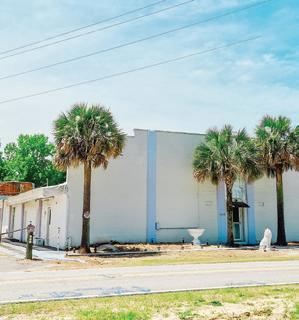
Tenner Brothers Winery was once the largest scuppernong vineyard in the world, growing more than 300 acres of grapes, along with blackberries and peaches. Brothers Sal, Lukie and Al Tenner established the business in 1935. It began in North Carolina before relocating to Patrick, South Carolina, to take advantage of favorable tax incentives on locally made fruit wines. At its peak, the winery produced up to 500,000 gallons of wine annually. By 1965, the business was bought by Canadaigua Wine Co., producers of the brand Wild Irish Rose. Despite early success, the winery closed its doors by the 1990s. The building remains as a quiet reminder of the business’s once-prominent place in South Carolina’s wine history.
Pick a Pair of Pears
Sweet, juicy pears make a quick, company-worthy dessert
Story and photos by Libby Wiersema
Many of us have been there. You settle in for a routine weekend of chores, shopping and such. But before you can get a grocery list in order, the phone starts buzzing. Surprise! Visitors will be popping in soon to say “hello” on their way to the beach. No matter how delighted you are to see them, this kind of impromptu social call is also an immediate call to action.
Recently, I found myself in such a situation and was unexpectedly launched into host mode. My mission was to whip up a guest-worthy dessert in a short amount of time. This called for some pantry rummaging and creative conjuring.
Having yet to hit the grocery store, I assessed what I had and considered any
dessert potential. It all came down to a package of cream cheese, a bag of frozen walnut pieces and a couple of ripe pears.
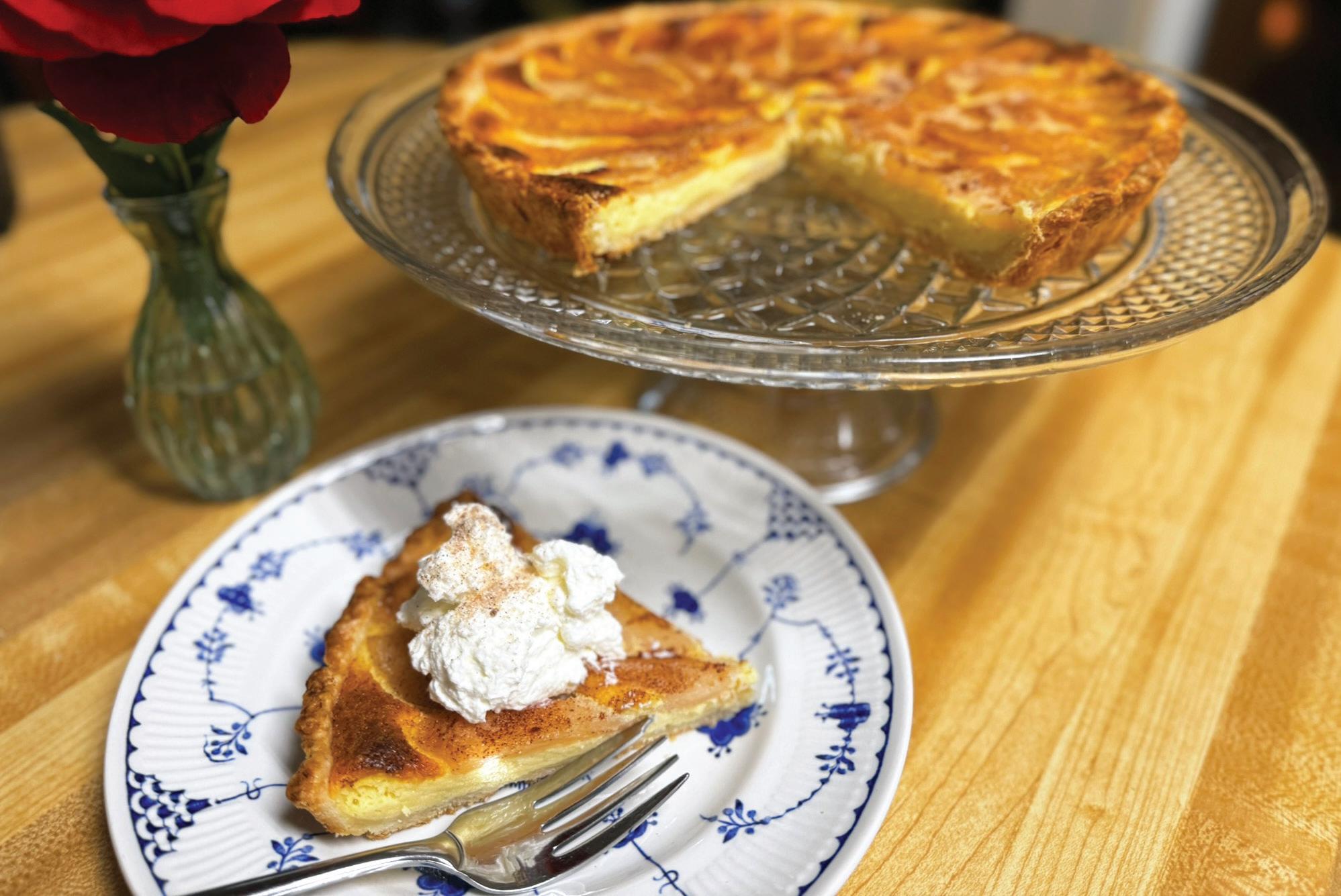
In just a little more than an hour, I had a lovely pear tart cooling on the counter. I filled bud vases with backyard roses, and set out dessert plates, forks and some pretty napkins.
When my guests arrived 30 minutes later, the warm aroma of cinnamon, toasted nuts and baked stone fruit greeted them. All I had to do was get the coffee pot and tea kettle going.
Picking the Perfect Pear
More than 3,000 pear varieties grow across the globe. Their textures and flavor profiles are varied. But all are high in dietary fiber, deliver potassium and some vitamin C,
and are a good source of hydration.
In South Carolina, Asian pears are a favorite fruit-bearing tree. The fruit is round, which gives it an apple-like appearance. These pears taste best if left to ripen on the tree.
Varieties you might find at local grocery stores include:
• Green Bartlett and red Bartlett: Aromatic with sweet, rich flavor; juicy
• Bosc: Crisp and woodsy with honey sweetness
• D’Anjou and red D’Anjou: Refreshingly sweet and juicy with a hint of lemonlime flavor
Pears ripen from the inside out. To test for ripeness, gently press near the stem. The flesh should give a little. Now, back to our tart.
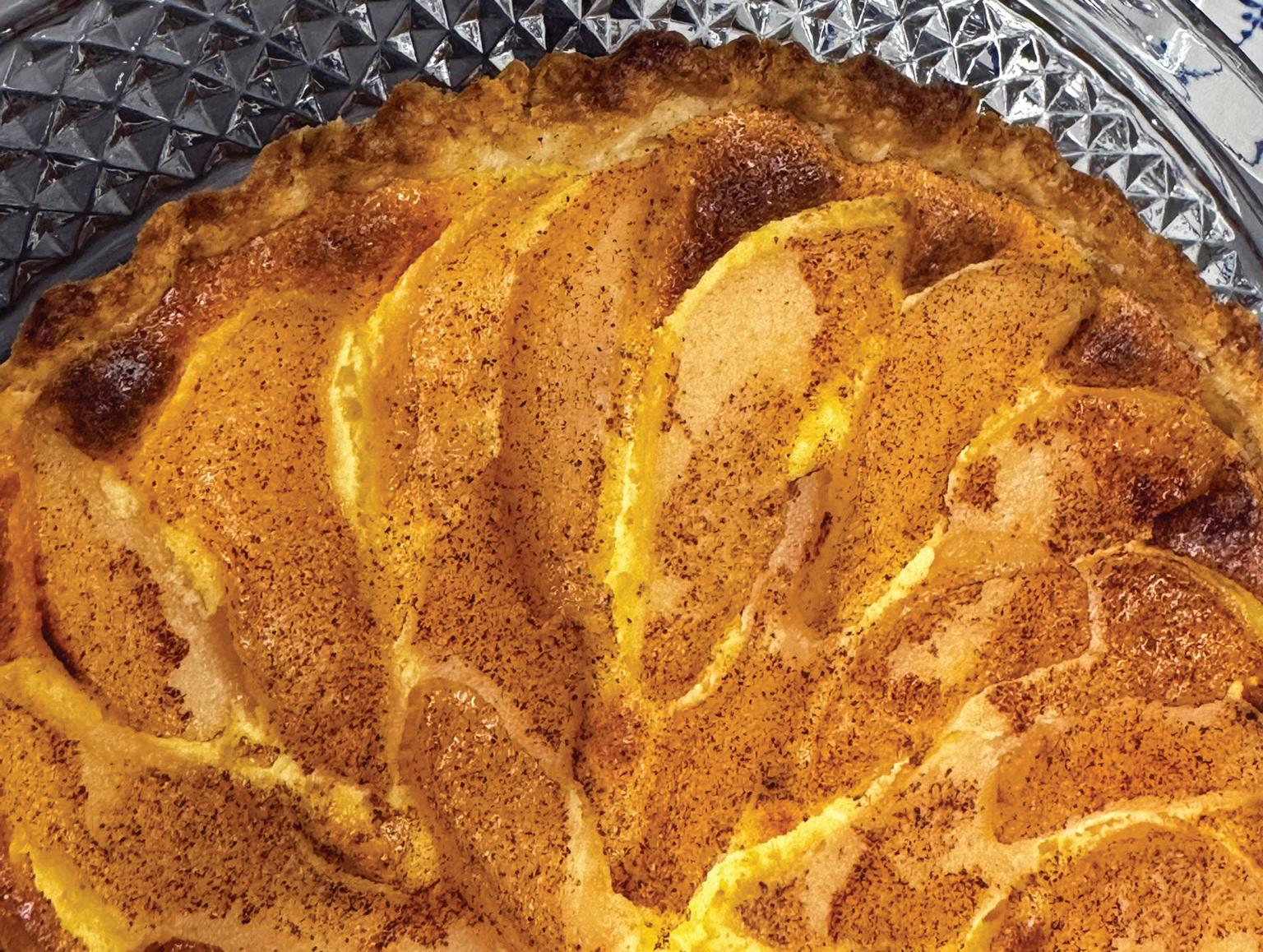
A pear tart makes a pretty presentation for guests.
Creamy Pear Tart
For the crust:
4 tablespoons butter
½ cup sugar
1 teaspoon ground cinnamon
1 cup all-purpose flour
½ cup walnut pieces, pulverized
For the filling:
8 ounces cream cheese or Neufchatel
¼ cup plus 2 tablespoons white sugar, divided
1 large egg
1 teaspoon vanilla extract
2 ripe pears, thinly sliced, or one 15-ounce can halved pears, drained and thinly sliced
½ teaspoon cinnamon
1 tablespoon butter
Heat oven to 350 F. Beat together butter, sugar and cinnamon. Add flour and walnuts, and beat until incorporated. Spray a tart pan, pie plate or parchment-lined baking dish with cooking spray. Press the crust mixture across the bottom and up the sides, mindful to create a uniform edge. For the filling, beat cream cheese with
Anatomy of a Pear Tart
As I had hoped, my guests loved the pear tart and requested the recipe. Because I had not used one, it took me a few minutes to write down ingredients, measurements and steps.
For the crust, I used a combination of ingredients I have successfully used in other desserts to create a stand-out foundation: all-purpose flour, pulverized toasted walnuts, butter and cinnamon. Resist the urge to use a premade crust. Not only is this an easy crust to concoct without rolling, but the texture and toasted flavor really set off the filling and pears. Using a regular pie crust would diminish its deliciousness.
¼ cup of sugar. Once smooth, add egg and vanilla. Beat mixture well, and pour into the crust. Evenly arrange pear slices on top. Mix cinnamon with 2 tablespoons of sugar, and sprinkle on top of the pears. Dot with butter. Bake for 25 to 30 minutes or until the filling is set
I made a classic filling from cream cheese mixed with sugar, vanilla and egg to thicken it. (Neufchatel works well, too, and has less fat than regular cream cheese.) Because my Bartlett pears had marks on the skins, I gently peeled and thinly sliced them with a sharp knife. If your pear skins are in good shape, leave them on.
While you might not want to turn on your oven this time of year, the baking time for this tart is fairly minimal. Your suffering will be short-lived. To pull this tart together in record time, adopt a mise en place approach by arranging all your ingredients, bowls and utensils so you can move quickly.
When baking the tart, I used a fluted tart pan with a removable bottom, but
and the top is lightly browned. Cool on a wire rack for at least 20 minutes. The filling will be a little loose still but set enough to serve. If there are no time constraints, refrigerate the tart for a few hours to further allow the filling to set.
a regular pie plate works, too. Just serve straight from the plate. It will not look as fancy, but nobody will ding you on that account. You can even use a square 9-by-9inch baking dish. For a nice presentation, line it with two sheets of parchment paper with enough paper extending up the sides to grasp and remove the tart to a serving plate once it is baked.
For a special treat, top the tart with whipped cream or ice cream, or it can stand alone. n
Libby Wiersema writes about dining, food trends and the state’s culinary history for Discover South Carolina as well as other print and online media. Contact her at libbyscarolinaspoon@gmail.com.
Bake the pear tart until the filling is set and the top is browned.
Honoring Old Glory
Story and photo by Dave LaBelle
There are photographs when published that initiate diverse emotional reactions.
I recall a photograph made of a young man with Down syndrome during a finger-painting class, his hands and face splattered with paint. One of my favorite images of the year, and it was a picture of unrehearsed joy.
After publication an angry reader called, livid the paper was cruel and insensitive to print such a photograph. I called the reader and patiently listened as she referred to the photograph as “disgusting” and “ugly.” Growing impatient, I explained I saw only joy, beauty and innocence. I suggested she take a look into her own heart.
Controversy often rises because an image strikes a nerve, delighting, angering or repulsing us. Photographs can make us uncomfortable, especially graphic war images. Images of violence and killing hurt me deeply, as they should.
I am reminded, for better or worse, each of us brings our past, our unique experiences to photographs we view.
“We nourish images with the intellectual baggage we carry,” the late French photographer Henri
Cartier-Bresson said.
When we are moved emotionally by an image, it’s critical to know the context in which the image is made and shared, and evaluate why it strikes us.
Few things are more sacred or evoke deeper emotion than our flag, our symbol of American sacrifice, loyalty and freedom.
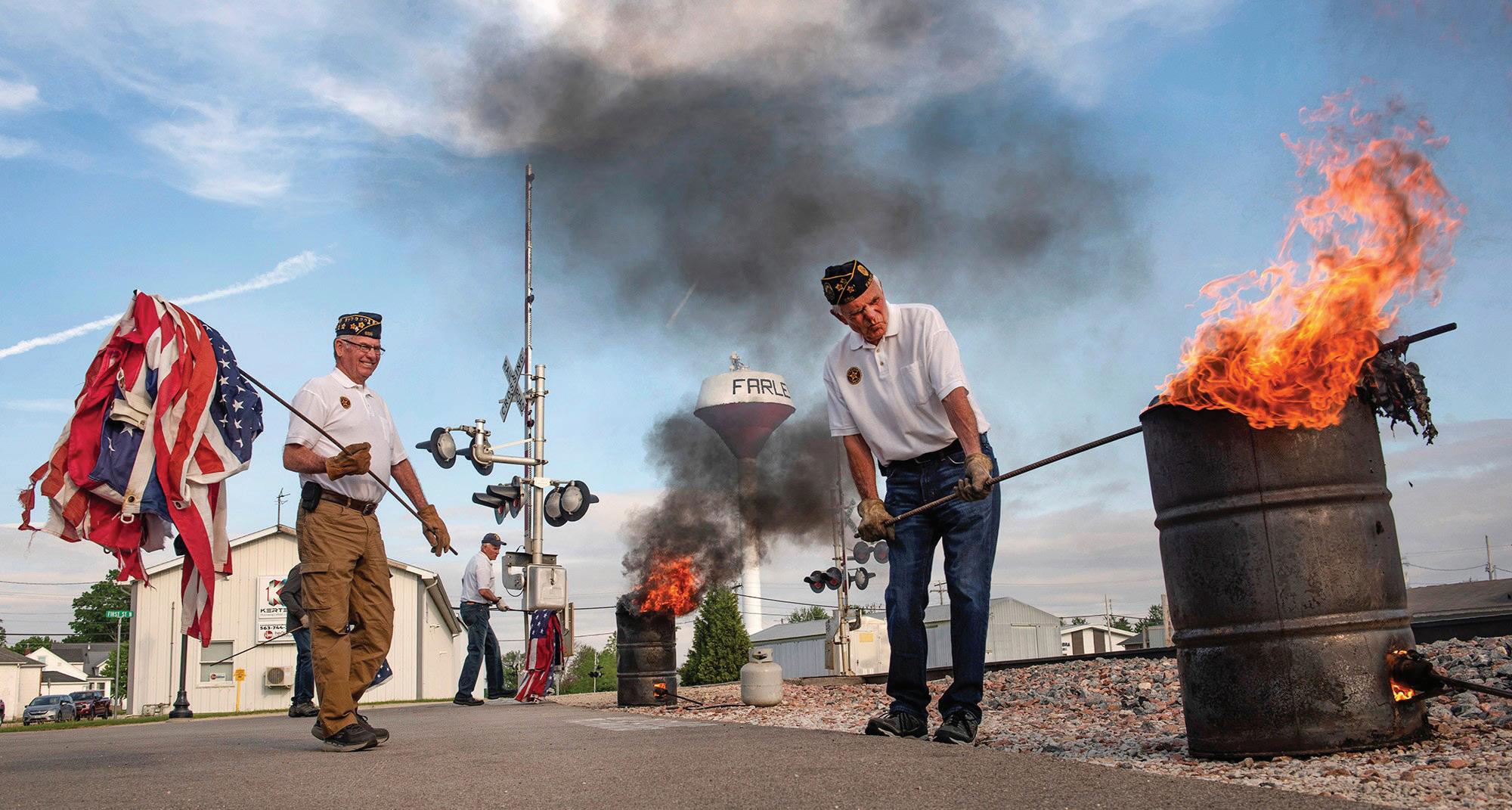
Here, members of American Legion Post 656 in Farley, Iowa, burn discarded weather-torn, unserviceable American flags in a solemn and patriotic ceremony opened with prayer.
Veterans handle and stack the discarded flags with reverent care before torching them in a barrel.
Witnessing the flames curling around the colored cloth, stirred me emotionally in a way that’s difficult to explain. I felt sadness and patriotism, considering those who have given their lives.
By the way, this is a real photograph, not a fantasy image created by artificial intelligence.
Photographer, author and lecturer Dave LaBelle has captured special moments for more than half a century, sharing tips and life perspectives. For more of his writings, visit davidlabelle.com and his blog, bridgesandangels.wordpress.com.
NIKON D810
32mm lens
ISO 100 f/8 at 1/320
American Legion Post 656 members hold a patriotic ceremony for the disposal of 250 unserviceable flags May 14, 2024, in Farley, Iowa.
Reader Challenge
See if you can use your camera to capture—not artificially create with AI—a photograph of our beloved stars and stripes. Challenge yourself to capture an image that speaks to how you feel about this sacred emblem.
Email your best image—just one—with caption information, including an explanation of how it affects you, to gph@ pioneer.coop. We may share submissions on our website and social media channels.
kidding. Only Stauer can give
You may think you understood the concept of “priceless” jewelry. For years, “priceless” meant “astronomically expensive.” That is, until now ...
Stauer smashes the luxury status quo with the release of our FREE* 200-Carat Lusso Amethyst Necklace. That’s right, we said FREE ... as in “priceless.” No charge.* ZERO dollars.* Call now and we’ll send you this impressive helping of genuine amethyst (independently appraised at $295) for FREE. We cut the price 100%. You only pay $24.95, our regular charge for shipping and processing. We’ll even pay you back with a $30 discount certificate –– that’s our Better Than Free Shipping!
A collection of purple perfection. Your Lusso Amethyst Necklace is a 200-carat symphony of smooth purple genuine gemstones. Each gemstone’s shape and translucence ignites the velvety, violet hues. The polished amethysts are hand-strung on double-knotted jeweler’s thread, and the stunning 18" necklace (with 2" extender) secures with a gold-finished lobster clasp.
Too good to pass up. Too good to last long. Amethyst is one of the world’s most coveted gemstones and our supply is extremely limited. We can only offer such an outrageous deal for a short time every few years. Over 30,000 thrilled customers were lucky enough to get this promotion last time.
We only have about 2,500 left in stock. Act now!
Necklace Specifications:
• 200 ctw of genuine amethyst
• Gold-finished spacers
• 18" + 2" length necklace
Lusso Amethyst Necklace:
Lusso Amethyst Necklace (200 ctw) $249** FREE*
*Pay only shipping & processing of $24.95. Special price only for customers using the offer code.
“This necklace is beautiful. I could not believe my eyes ... GREAT!” — Bonnie from Longs, SC
amethyst necklace limited to just the first 2,500 responders to this ad!
Finally After 20 Years We Are
Release
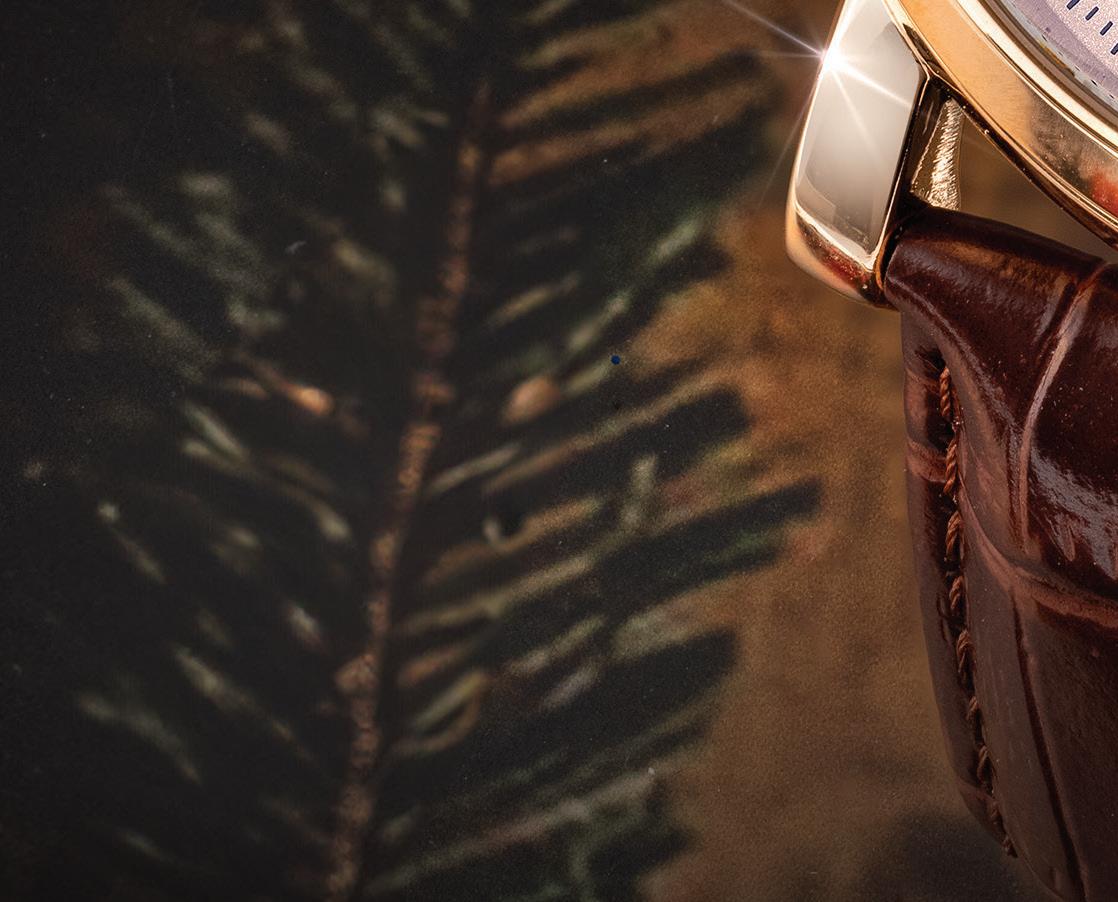
Afew decades ago, when I first began my journey into watchmaking, I asked my top watchmaker to create something truly special just for me—a timepiece that embodied timeless elegance. The result was a masterpiece: a three-eye chronograph with a date display, a sun and moon indicator, a beautifully detailed guilloché dial, and raised Roman numeral hour markers.
When a seasoned watch salesman first saw it, he guessed its value at around $7,500. Since it was a unique, custom creation, my watchmaker charged me $1,700—a price I happily paid, especially after hearing that flattering estimate. Since founding this company, we’ve produced over three million timepieces, but I’ve never offered my personal, one-of-a-kind design—until now. For the first time ever, I’m releasing a limited edition of just 4,999 pieces of this stunning watch. And because I’m feeling generous, I’ve set the price at only $59.
But once these 4,999 are gone, they’re gone forever. Don’t miss your chance to own a piece of history. Mike Bisceglia, Founder, Stauer
Watch Specifications:
• Precision Movement, Water-resistant to 3 ATM
• Stainless steel caseback and crown
• Chrono Seconds and Minutes, Sun & Moon/24 hour & Date
• Crocodile embossed leather band fits wrist up to 8”
The Only Chronograph Watch
$399
Michael M. , Greenwood Village, CO
Across
1 Assaults (7)
5 Underwater swimmer (5)
8 Once more (5)
9 Air raid (7)
10 Amusement or diversion (13)
11 Woody garden plants (6)
12 Stable and firm (6)
15 Sea between Europe and Africa (13)
18 Teaching sessions (7)
19 Visual representation (5)
20 Plant anchors underground (5)
21 Vocal performers (7)
Down
firm (6) Europe and Africa (13)
1 Conscious or informed (5)
2 Farm vehicle (7)
3 Donations or offerings (13)
4 Underground train system (6)
sessions (7) representation (5)
5 Public protest or display (13)
17 Requirements of necessities (5) swimmer (5) (5) or diversion (13) garden plants (6)
6 Speaking or singing instrument (5)
7 Justly or correctly (7)
11 Alike in nature (7)
anchors underground (5) performers (7) or informed (5)
13 Typical or mean value (7)
14 Emergency situation (6)
16 Dance music venue (5)
vehicle (7) or offerings (13)
Underground train system (6) protest or display (13)
singing instrument (5) correctly (7)
nature (7)
mean value (7) situation (6) music venue (5) Requirements or necessities (5)
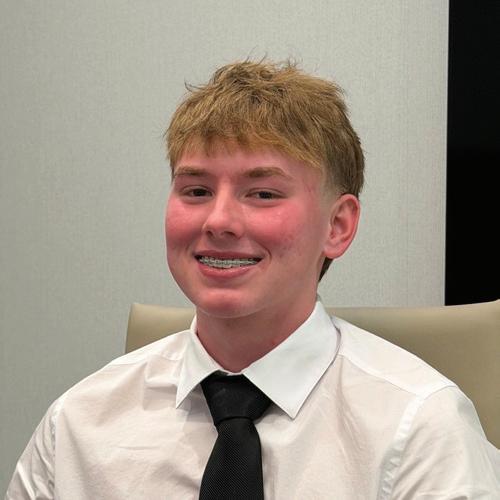
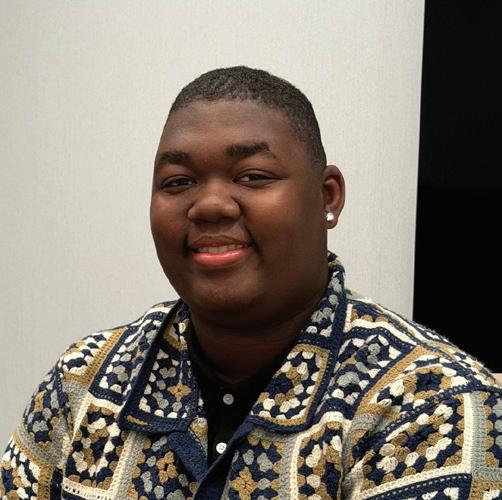
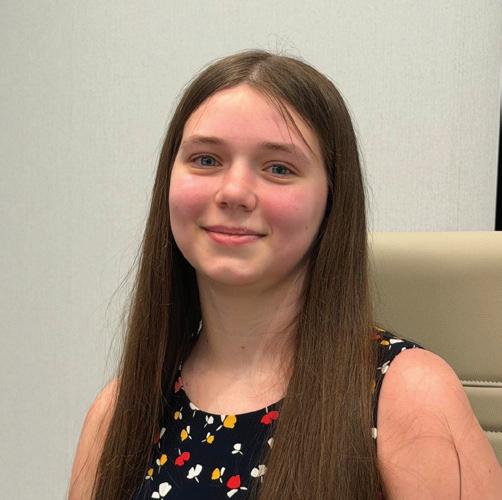
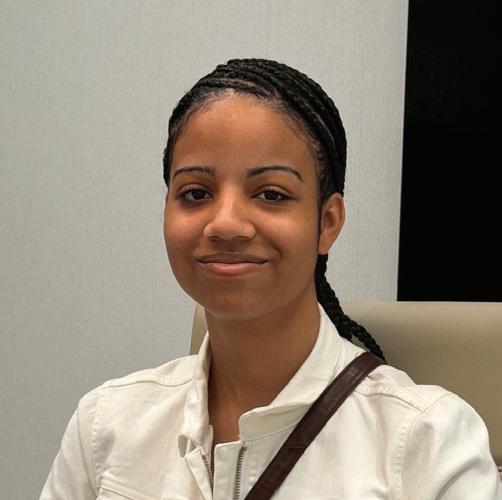
Congratulations to the 2026-27 MPD Electric Cooperative college scholarship winners
The MPD Electric Cooperative Scholarship is open to the youth of MPD Electric Cooperative members who plan to or are currently attending a two- or four-year college as a full-time student. Annual awards of up to $9,500 are available. Applications for the 2027-28 scholarship will be posted on our website in February 2027.
Raymond Lee Best Wallace, Marlboro High School Liberty University
Antwan Drawhorn Latta, Dillon High School University of South Carolina
Nathan Hubbard Florence, West Florence Clemson University
Madison McLeod Bennettsville, Scotland Christian University of South Carolina
Sierra Estridge Florence, Wilson High School Wofford College
Gavin Holt Florence, Trinity Collegiate Southern Weslyan University
Stephen Tucker Mount Florence, Trinity Collegiate Clemson University
Addison Pernell Florence, South Florence University of South Carolina
Natalie Traver Hartsville, Homeschooled Clemson University
1 prepared angel food cake, 8 to 10 ounces, cut into 1-inch cubes
8 ounces frozen whipped topping, thawed
In a large bowl, combine pie filling and yogurt.
In a 3½-quart serving or trifle bowl, layer a third of the cake cubes, lemon mixture and blueberries. Repeat layers twice, then top with whipped topping. Cover. Refrigerate at least 2 hours. Garnish with reserved blueberries before serving.
Recipes by Gertrude Treadaway
ADOBE STOCK AI PHOTO BY WORLD
Five-Minute Fruit Mousse
8½ ounces (about 2¼ cups) frozen fruit
2 tablespoons sugar
1 large egg white
Fresh berries and whipped cream for serving
Add frozen fruit to the bowl of a food processor. Process to a rough puree, about 1 minute. Add the sugar, and pulse briefly to combine.
Add the egg white to the food processor. Process until smooth and fluffy and the mixture has lightened in color and doubled or tripled in volume, about 2 to 3 minutes. Spoon the mousse into glasses. Top or layer with fresh berries and whipped cream. Serve immediately or refrigerate for up to 2 hours. The mousse has little sugar and won’t hold for longer than that.
No-Bake Peanut Butter Cup Pie
8-ounce package cream cheese, softened
1 cup peanut butter
1 cup powdered sugar
16-ounce container frozen whipped topping, thawed
10 peanut butter cups, chopped
1 chocolate cookie pie crust
1½ cups heavy whipping cream
½ cup powdered sugar
Use a mixer to beat cream cheese until smooth. Add peanut butter and powdered sugar, and mix well. Carefully fold in whipped topping and stir in chopped peanut butter cups, reserving a few for the topping.
Pour mixture into pie crust. Freeze overnight. When ready to serve, beat cream and powdered sugar together in a large bowl until stiff peaks form. Top pie with whipped cream and reserved chopped peanut butter cups before serving.
Banana Pudding Icebox Cake
2⁄3 cup malted milk powder
1 pinch kosher salt
2 cups heavy cream
7 ounces vanilla wafers
4 ripe bananas, peeled and sliced about the same thickness as the wafers
Line an 8½-by-4½-inch loaf pan with plastic wrap, leaving a fair amount of overhang on all sides.
Add malted milk powder and salt to a bowl. Add a splash of cream, and whisk. Continue this process until you’ve added all the cream. Whip cream until stiff peaks form. Add a single layer of wafers to the bottom of the loaf pan. Top with a layer of whipped cream. Add a single layer of bananas, then top with a layer of whipped cream. Repeat this until you’ve used all the cream, making sure to end with a layer of cream.
Fold the overhanging plastic over the cake. If it doesn’t completely cover the surface, add more plastic wrap. Refrigerate for at least 12 hours or up to 36.
Strawberry Cream Cheese Pie
8-ounce package cream cheese, softened
1 tablespoon lemon juice
1⁄3 cup powdered sugar
8-ounce container frozen whipped topping, thawed
1 premade graham cracker crust
6 ounces fresh strawberries, washed, hulled and sliced
¼ cup strawberry jam or jelly, melted and cooled
In a large bowl, use a mixer to beat cream cheese until smooth. Add lemon juice and powdered sugar, and mix to combine. Gradually add whipped topping. Mix to combine, being cautious not to overmix. Spread mixture into prepared crust.
Add strawberries to a medium bowl. Pour cooled but still liquid strawberry jam or jelly over strawberries, and toss them to coat. Add strawberries to the top of the pie.
Refrigerate for at least four hours to allow pie to set. Serve chilled. Store tightly covered in refrigerator for up to five days.
In a microwave on low power, melt one package of marshmallows in oil. Stir until smooth. Stir in cereal, graham crackers, 1 cup almonds and 1 cup chocolate chunks.
Using waxed paper or a lightly greased spatula, press mixture into a lightly greased 9-by-13-inch baking pan. Cool to room temperature.
Melt one package chocolate chunks in microwave. Spread over the top of the pan of treats. Sprinkle with remaining marshmallows, almonds and chocolate chunks.
Cut into bars before serving.
Do you want to see your favorite meal in print? Submit your recipe to recipes@marlboro.coop.
Fragrant Mediterranean herb thrives in the American South
Story and photos by Vikki Moran
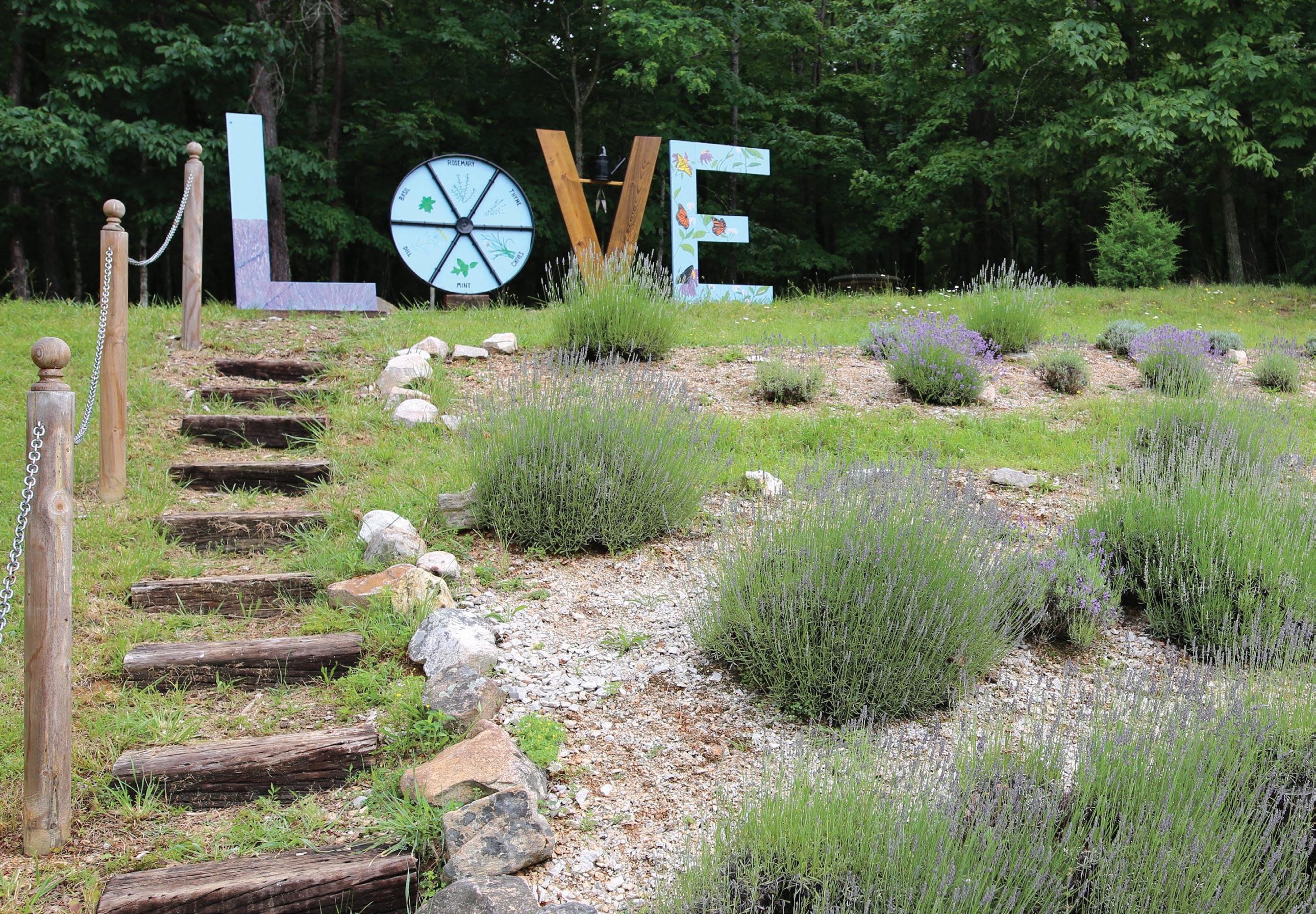
The first thing visitors notice at Beagle Ridge Gardens and Herb Farm is the scent. It drifts through the air long before the plants themselves come fully into view—a soft herbal fragrance carried on the mountain breeze. Unlike the sharp artificial lavender fragrance often used in soaps and sachets, the aroma here is layered and alive. It carries hints of green stems warmed by the sun, the sweetness of blossoms just beginning to open and the clean botanical clarity that has made lavender beloved for centuries.
Few people understand lavender’s habits better than Ellen Reynolds, founder and owner of Beagle Ridge Gardens and Herb Farm in Wytheville, Virginia.
Walk farther across the property and another presence becomes impossible to ignore. Butterflies move constantly among the plants, lifting off from one bloom and settling on another as though the lavender belongs as much to them as it does to the gardeners who tend it.
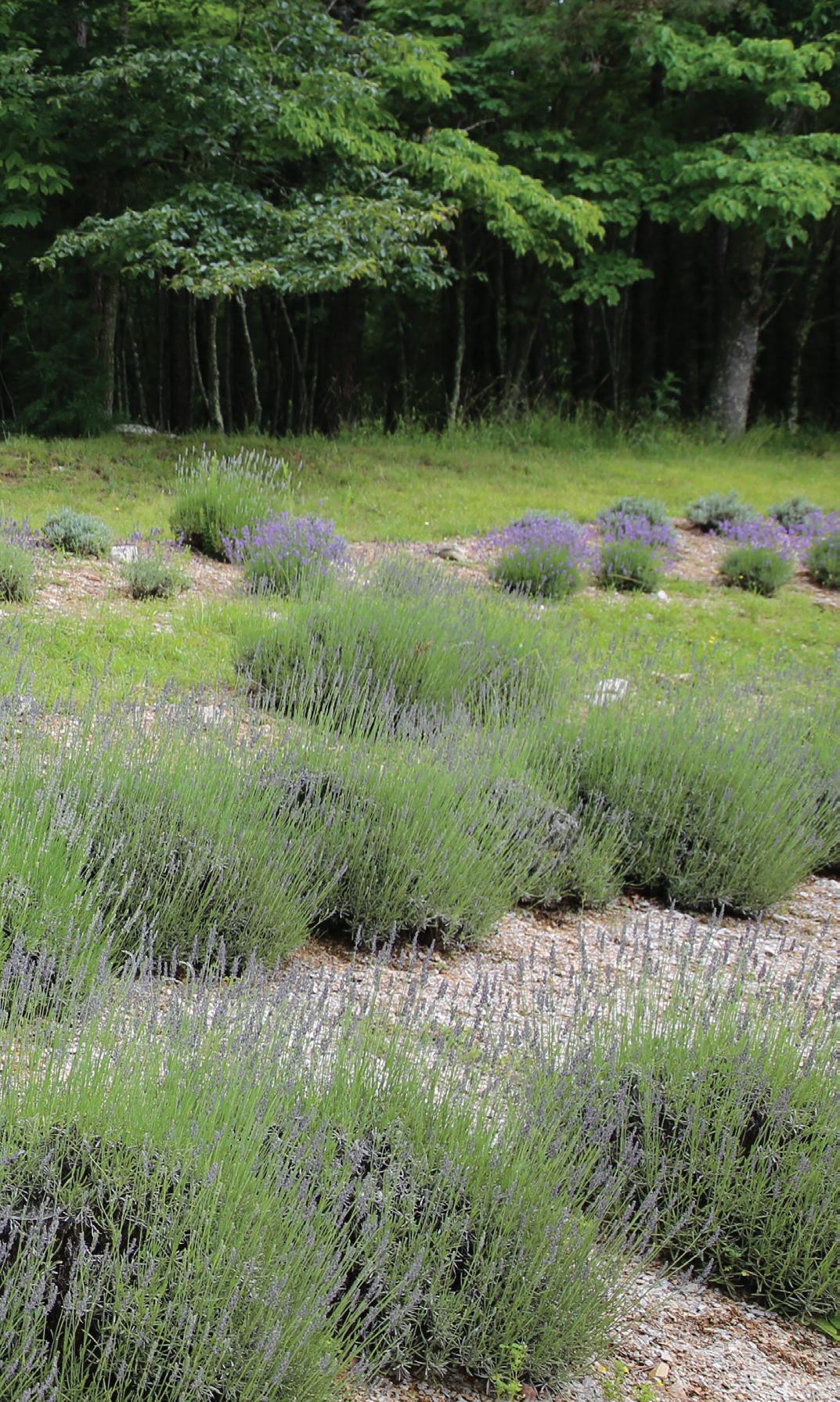
The scene brings to mind the lavender landscapes of Provence in the south of France, where violet rows stretch across sunlit hillsides and the air carries the same unmistakable fragrance. Yet lavender’s success in the American South proves this Mediterranean herb can flourish far from its ancestral home when gardeners understand its natural habits.
For more than two decades, Ellen has cultivated lavender while sharing her knowledge with gardeners, cooks and travelers who visit the farm to learn how this herb adapts to Southern conditions.
What follows is a conversation with Ellen about growing lavender, cooking with it and why this resilient plant continues to surprise even experienced gardeners.
Q: Lavender is often described as a plant that thrives on neglect. Why is the “less is more” approach ideal when it comes to watering, fertilizing and tending lavender?
culinary herbs in the past and did not enjoy the smell of lavender, which reminded me of what I called “old Aunt Maude.”
After planting a few plants because I felt an herb farm needed lavender, I realized how wrong I was. The lavender scents I had encountered previously were what I consider fake lavender. Once I experienced real lavender, I could never go back.
A: Lavender is a Mediterranean plant that requires very low fertility or water to thrive. In its native territory, it has adapted to sandy, rocky soil, which is very low in fertility and very dry. This makes it very low maintenance compared to many plants grown in our gardens which require fertilizing to thrive.
Q: What first inspired you to grow lavender at Beagle Ridge? What keeps you passionate about it today?
A: When I first opened the farm, I was not a fan of lavender. I had mainly grown
Lavender has many remarkable qualities beyond fragrance. It can be culinary if the correct cultivars are used. It works beautifully as an ornamental landscape plant and also has antifungal, antimicrobial and antibiotic properties. I often describe it as the Swiss Army knife of herbs. The longer I grow it, the more I learn about it.
Q:: For cooks who have never used lavender in the kitchen, where should they begin?
A: Knowing which cultivars are culinary is the first step. English lavender cultivars are typically culinary. Royal Velvet is my favorite culinary variety.
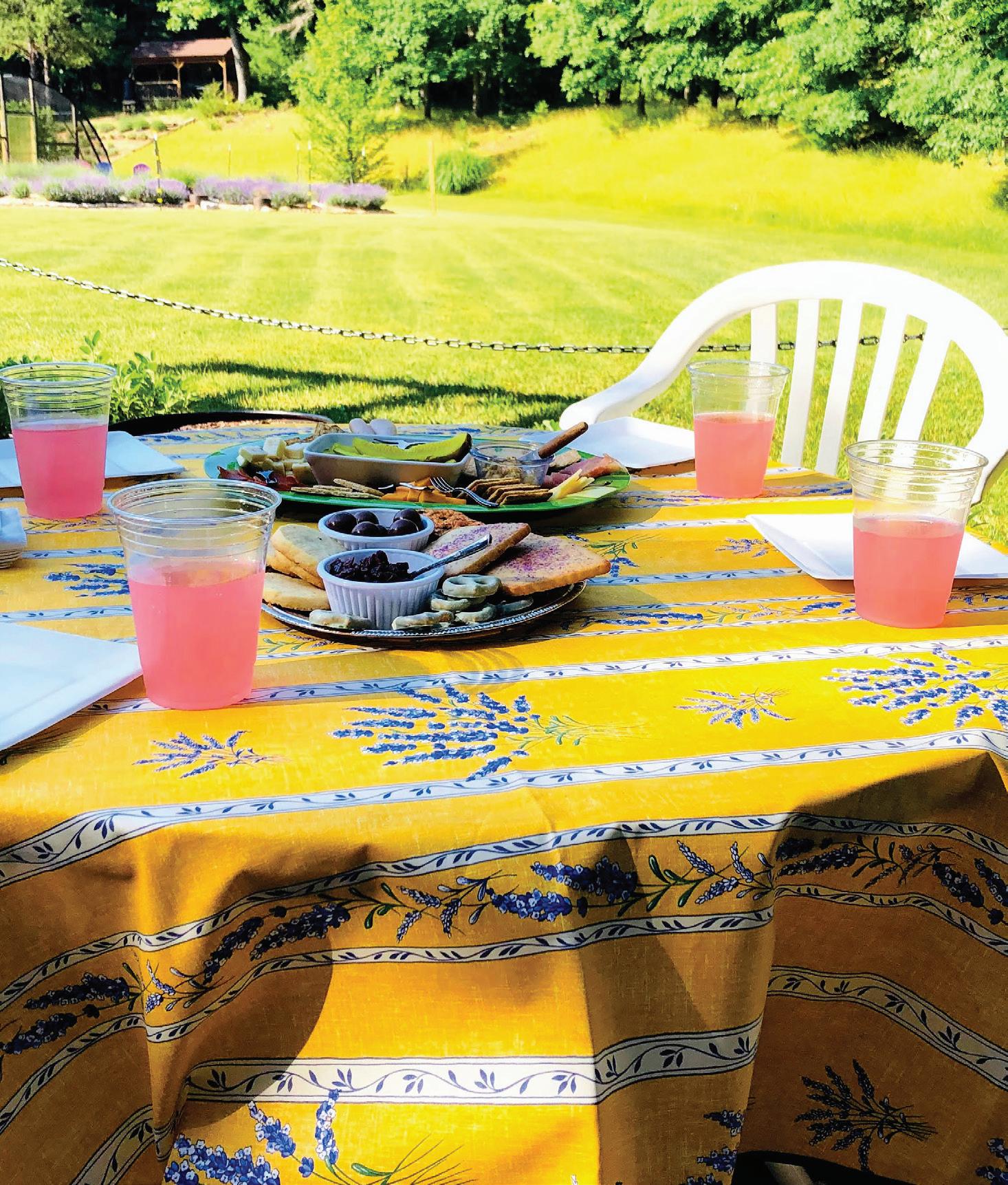
Lavender lemonade is probably the easiest and most familiar lavender recipe. It is a simple way for people to become comfortable with the idea of eating lavender. One reason many people dislike lavender in food is that they used the wrong variety. I often hear someone say they bought organic lavender, and it tasted soapy. Organic simply means grown without chemicals. It has nothing to do with whether the plant is edible.
One of the most requested dishes served here at the farm is pork medallions with herbes de Provence. Pork roast rolled in herbes de Provence and roasted is simple and very elegant. Many diners do not realize lavender is one of the herbs in that blend.
Lavender also pairs beautifully with fruit and chocolate. Lavender peach jam and lavender chocolate are two favorites.
Q: What challenges come with growing lavender in the South?
A: Humidity and drainage are the biggest challenges and can be the kiss of death for lavender regardless of where it is grown. Selecting cultivars that can handle humidity is important. Intermedia cultivars—the long-stemmed ornamental varieties—are well suited to humid climates. Some English varieties perform well, too.
Drainage is the other critical factor. Much of the South has clay soil, which does not lend itself to growing lavender. At the farm, we address that by planting in rock. Lavender grows naturally in rocky soil in France, so we replicate that
environment to provide good drainage and low fertility.
Lavender requires the same basic culture as wine grapes. Both thrive in welldrained rocky soil and similar climates. The wine industry across the South has demonstrated these conditions can exist well beyond the Mediterranean.
Q: What is the biggest mistake home gardeners make when they try to grow lavender?
A: Not knowing what cultivar they are buying is usually the problem. Our first question at the farm is what someone plans to do with the plant.
If someone wants to cook with it, they need a culinary plant. If they want a landscape plant with long ornamental stems, they need a different type entirely. A plant that is hardy in one part of the South may not thrive in another region with different humidity or soil conditions. Doing a bit of research ahead of time makes a huge difference.
One important rule is to never buy a plant that simply says lavender. You should always know exactly what you are planting so it matches your needs.
Q: Beyond its beauty and fragrance, what are the greatest rewards of growing lavender?
A: One of the most practical benefits is that lavender has no significant pests, and deer do not eat it, which is a huge advantage for gardeners.
That ease of maintenance combined with the beauty of the plant is what so many people appreciate.
Q: Why is lavender considered such a sustainable crop?
A: Lavender fits naturally into sustainable farming because it is a Mediterranean plant that requires very little maintenance. It needs minimal water and fertilizer and has no significant pest issues.
Some of our plants are more than 20 years old and still produce stems.
Q: What do you hope visitors remember most when they leave Beagle Ridge?
A: I hope they learned something they can use when they return home. Perhaps they purchased something that will help them, or they attended a class and gained a new skill.
A positive experience creates lasting memories, and we are fortunate that many travelers return year after year as they pass through the region.
ABOVE: Beagle Ridge Gardens and Herb Farm currently grows 18 varieties of lavender.
LEFT: The farm provides the perfect setting for enjoying a meal. PHOTOS COURTESY OF BEAGLE RIDGE GARDENS AND HERB FARM
Lavend Simple Syrup
1 cup water
1 cup sugar
2 to 3 tablespoons culinary lavender buds
Combine water and sugar. Heat until sugar dissolves and mixture begins to bubble. Add lavender buds, and allow them to steep for 5 to 10 minutes. The longer the syrup steeps, the stronger the flavor becomes. Strain the buds, and store the syrup in the refrigerator for up to three weeks.
Q: If someone wants to grow lavender successfully, what is the most important piece of advice?
A: Know what growing zone you live in and know what you want the plant for. Choose the right cultivar for your climate and purpose.
Preparing the soil so it drains well is critical because good drainage improves airflow and helps counter humidity.
Q: How can gardeners grow lavender if they do not have ideal soil?
A: Perfect soil does not really exist. By adding rock—never sand—most soils can be adapted to create the drainage lavender needs.
Lavender generally prefers to grow in the ground rather than in containers because it needs to be outside with good airflow. There is one newer cultivar called Thumbelina Leigh that stays small enough to grow successfully in a pot.
In the end, lavender asks gardeners to do something unusual: Step back. Give it sun, good drainage and a little space to breathe. It rewards the effort with fragrance, beauty and a touch of Provence carried on the Southern breeze.
Add about ½ cup to a gallon of lemonade for a refreshing lavender drink.
Fun Festivals&
VARIOUS DATES
$1 Family Movies for Summer Break
Get $1 Summer Movie Express tickets each week through Aug. 13, starting at 11 a.m. Monday through Thursday. For more information, visit regmovies.com.
SWAMP FOX THEATRE
3400 W. Radio Drive, Florence
JULY 10
Darlington
2026 Concert Series
Level 10 Band & Show is the entertainment for this series’ July concert. Bring your family and friends and enjoy a night of local music.
6-9 p.m.
PUBLIC SQUARE
Darlington
JULY 31
Florence After Five
PRS PLY BAND is this month’s featured entertainment.
5:30-8:30 p.m.
100 S. Dargan St., Florence
JULY 25
Track Laps for Charity
This event bene ts One Child at a Time and Darlington Shares. For more information, visit darlingtonraceway.com.
10 a.m.-1 p.m.
DARLINGTON RACEWAY
1301 Harry Byrd Highway, Darlington
ADOBE STOCK IMAGE BY JOVICA VARGA
Florence Flamingos Home Games
• July 10: First Responders Night
• July 17: Faith & Family Night
• July 18: Rodeo Night
• July 24: Back to School Night
• July 25: Harry Potter Night
• July 31: College Night (drone show)
Doors open at 6 p.m., and games start at 7 p.m.
Carolina Bank Field, 1200 Jennie O’Bryan Ave., Florence
JULY 25
Track Laps for Charity
MULTIPLE DATES Florence Flamingos Home Baseball Games
events@marlboro.coop
ADOBE STOCK IMAGE BY CHARLESMARTINEZ
Stay Put, Stay Safe
If a downed power line is on or near your car, follow these steps to stay safe
No one anticipates a car accident. Some accidents are just fender benders, and some cause a lot more damage. But what should we do if a power line is involved?
Downed power lines make situations much more dangerous. Knowing how to react if a power line is on your vehicle
can mean the difference between life and death. Follow these lifesaving instructions:
1. Stay Inside the Vehicle
The most important thing to remember if a power line is touching your vehicle is to stay inside the car. The vehicle’s metal frame helps protect you by directing electricity around the outside of the vehicle, rather than through you. Keep your hands off the metal parts of the car’s interior, tell passengers to remain calm and stay put, and call 911 immediately. People who exit the vehicle can be killed. They become an electrical conduit when simultaneously touching an electrified vehicle and the earth.
2. Warn Others to Stay Away
If people approach to help, tell them to stay back. Warn them not to touch the car or power line. Anyone who makes contact with the vehicle or steps too close could be electrocuted.
3. Wait for Emergency Help
Utility staff and emergency responders are trained to handle downed power lines safely. They will cut power to the line before approaching your vehicle, ensure
the area is safe before helping you exit, and clear the roadway to prevent further accidents.
It is crucial to wait for professionals. Even if the line looks harmless, it can still be energized. Most people can’t tell the difference between power lines and phone or cable lines, so always assume any downed line is dangerous and call local authorities.
4. Only Exit the Car if it is on Fire
The only time you should leave the vehicle is if it catches fire. If that happens, DO NOT touch the car and the ground at the same time. Open the door carefully and jump out as far as you can away from the car with both feet together. Keep your feet close together and shuffle away from the car—at least 100 feet—without lifting them off the ground.
This shuffle step keeps both feet in contact with the ground, reducing the risk of electrocution. Never run, as stepping from one voltage zone to another could send deadly electricity through your body. Knowledge is power. Keeping this critical information in mind can save your life or another. Stay put, and stay safe out there.
WHAT TO DO: IF YOUR CAR CRASHES INTO A
UTILITY POLE
Accidents happen. Would you know what to do if your car crashed into an electric utility pole? Knowing what to do could be the di erence between life and death.
Always consider power lines and other electrical equipment to be live and dangerous!
IF A POWER LINE FALLS ON YOUR VEHICLE AND THERE IS NO FIRE:
Your safest option is to stay inside your vehicle until help arrives. The vehicle acts as a path for the electrical current to travel to reach the ground. You are safe inside the vehicle, but if you get out, you could be electrocuted.
Call 911 or your local electric utility for help.
IF A POWER LINE FALLS ON YOUR VEHICLE AND THERE IS A FIRE:
Only attempt to leave your vehicle if it is on fire.
To exit safely:
Jump out of the vehicle, making sure NO part of your body or clothing touches the ground and vehicle at the same time.
Land with both feet together and in small, shuffling steps, move at least 100 ft. away from the vehicle.
The ground could be energized. Shu ing away with both feet together decreases the risk of electrical shock. Call 911 or your local electric utility for help
Celebrating
National Blueberry Month
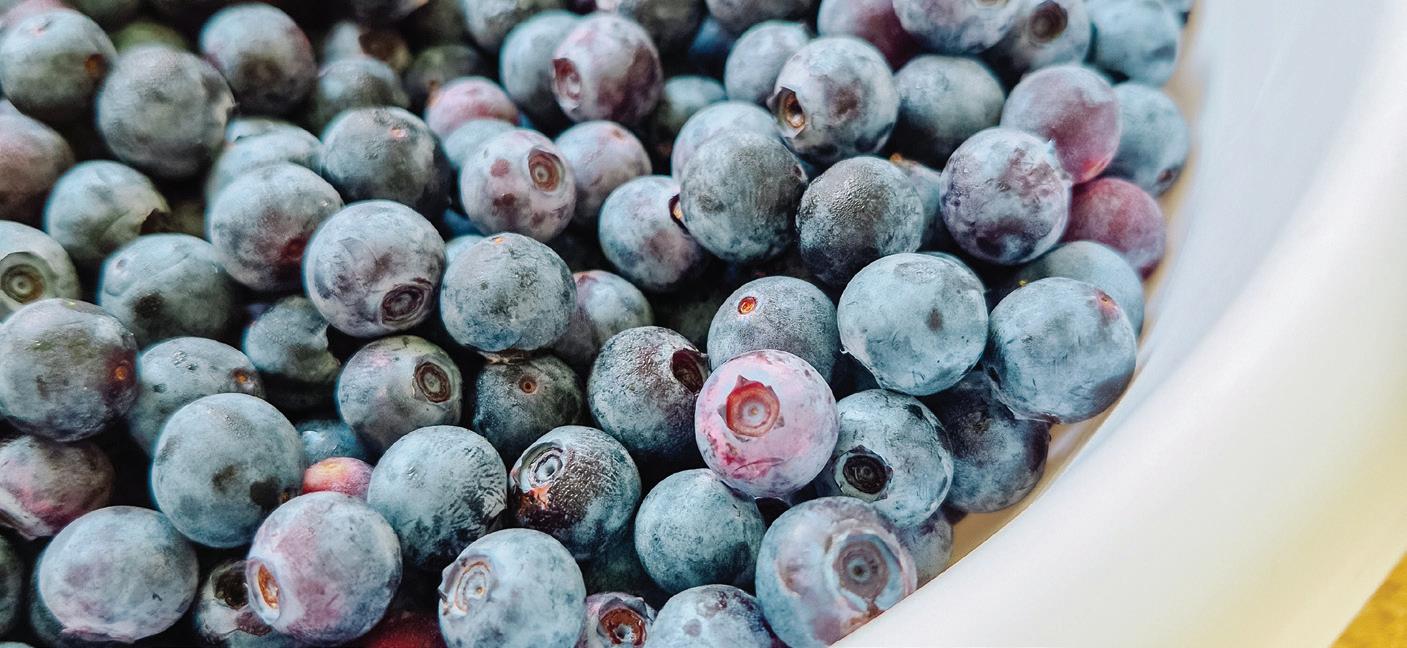
July is National Blueberry Month. It’s the perfect time to relish one of summer’s sweetest treats. More than enjoying delicious fruit that’s good for you, it is an opportunity to celebrate local farms, seasonal eating and simple summer traditions.
Whether you’re harvesting berries from your backyard, exploring a local blueberry patch or trying a new recipe, July offers tons of reasons to enjoy this beloved berry.
History of Blueberries
Blueberries have a rich history in the United States. Long before the fruit was sold at grocery stores, Native Americans gathered wild blueberries for foods and medicines.
Wild blueberries were often smaller and referred to as “star berries” because of their five-pointed star at the blossom end. In the early 1900s, the big, juicy blueberries we are familiar with now were cultivated.
New Jersey farmer Elizabeth White began researching better ways to grow blueberries on her cranberry farm in the 1890s, while botanist Frederick Coville began his own research in 1908. They later teamed up to develop the first commercially grown variety, selling their first crop of blueberries in 1916.
Today, blueberries are grown across the United States and have become the second most-produced berry in America.
Health Benefits
Beyond their sweet flavor, blueberries are packed with nutrients, making them a healthy addition to any summer menu. Rich in antioxidants, this superfood can help reduce risks of heart disease, cancer and lower blood pressure. They are also high in fiber and good sources of vitamins C and K, and manganese, which all work together to support digestive health, heart health, brain function and healthy aging.
Perhaps best of all is that blueberries are only 80 calories per cup.
How to Celebrate Blueberries
Did you know that a single blueberry bush can average more than 2,000 berries per
season? With a healthy bush producing berries for 30-50 years, that definitely makes them worth celebrating. They are surprisingly easy to grow, making them a favorite among gardeners.
While highbush varieties are most common, gardeners can also choose from lowbush blueberries, which are known for their smaller, more intense flavor or rabbiteye varieties, which thrive in warmer climates of the Southeast.
Once established, these hardy shrubs can reward you with decades of fresh berries. They also make attractive landscape plants with their pretty spring blooms and rich green foliage.
Grab the children and head to a local U-pick blueberry farm. Or stop by your favorite farmers market for a fresh basket.
You could host a blueberry breakfast, put together gift baskets for friends and family, or save your berries for later by freezing them. Blueberries freeze exceptionally well, retaining their flavor and texture much better than some fruits. Simply rinse them, then lay them out to dry and pack them into a bag to bring out summer flavor throughout the year.
Beyond blueberry pie, there are so many creative ways to add blueberries to your diet. Add fresh berries into your salads for a sweet burst of flavor. They are beautifully paired with mixed greens, goat cheese, pecans and grilled chicken. Blend them into smoothies or yogurt for a refreshing afternoon snack. Make
homemade blueberry syrup to drizzle over pancakes, waffles, pound cake or a scoop of vanilla ice cream. Stir it into lemonade, iced tea, water or cocktails. Try blueberry salsa by combining the berries with diced peppers, onions, cilantro and lime juice. It’s delicious served with grilled chicken or fish. Blueberries also shine in homemade jams, quick breads, barbecue sauces and more. Be sure to check out blueberry.org for recipes, more ideas, and additional blueberry tidbits and holidays.
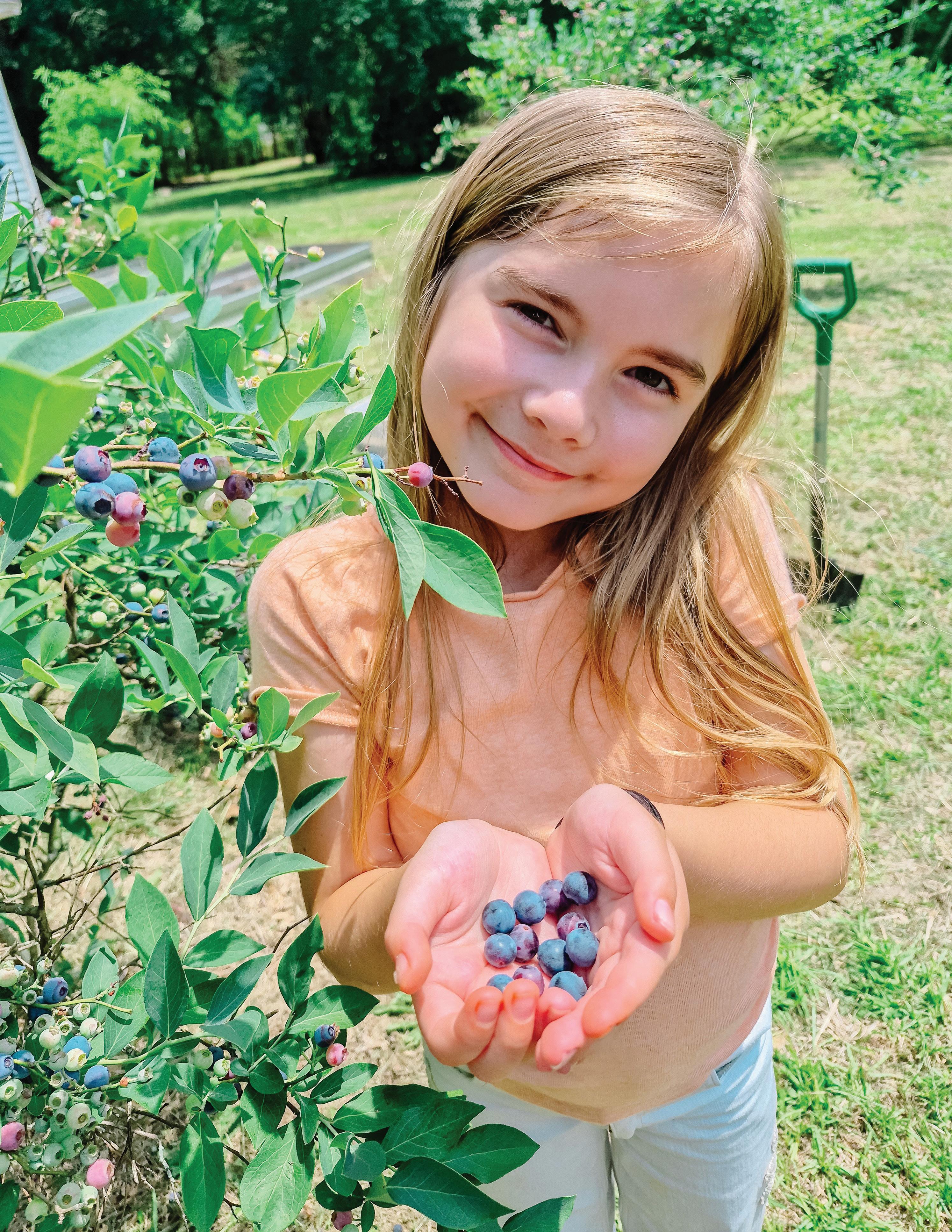
Brandi Faulk and her family are excited to share their homesteading journey with MPD Electric members. Their home, built in 1895, is a former railway hotel and farmhouse in Chesterfield County. Search “faulkfamilyfarmhouse” to see more photos of their experiences on Instagram.
Blueberries can be grown in your own backyard. PHOTO BY BRANDI FAULK
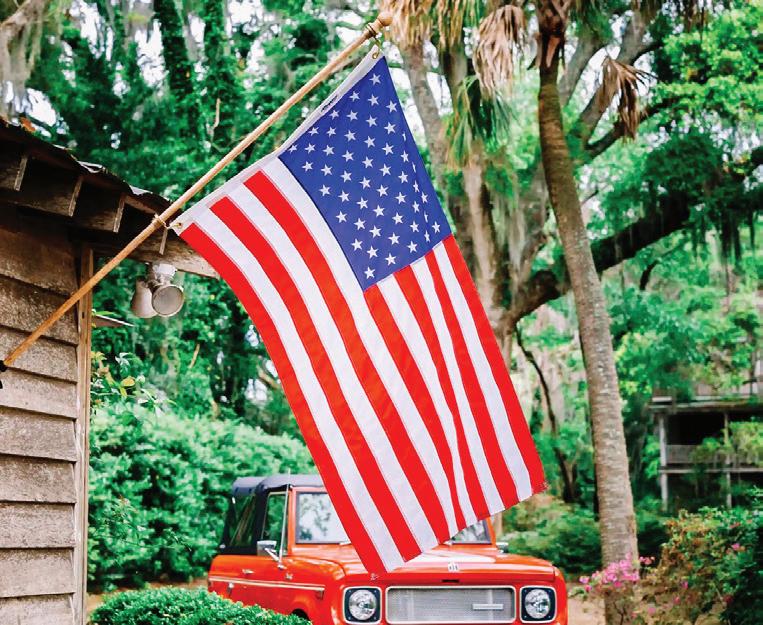
American Flag, $85
If there was ever a time to get a new flag, it’s for America’s 250th anniversary. Celebrate this historic milestone with a flag from Allegiance and keep those stars and stripes flying high.
Allegiance was founded in 2018 with a single idea in mind—American flags should be made in America,not overseas. The company’s mission is to craft flags worthy of the nation’s colors and bring jobs to Americans. All materials are sourced domestically, and the flags are sewn and assembled out of Charleston, South Carolina, with exceptional attention to detail and quality.
Featuring richly colored stripes, embroidered stars and reinforced stitching, this flag is designed to provide a beautiful display for your front porch while standing up to everyday outdoor use. Whether flown year-round, displayed during patriotic holidays, or gifted to a veteran or proud homeowner, it serves as a meaningful reminder of our history and heritage.
Be sure to explore Allegiance Flag Supply’s full collection, including patriotic accessories—such as leather goods and apparel—and other flags, including the Bennington, Betsy Ross, U.S. Marine Corps and South Carolina.
Proceeds help fund Allegiance’s Flag for Every Classroom Initiative, which supports educators by providing K-12 public, private and charter school classrooms with an American flag at no cost.
showallegiance.com
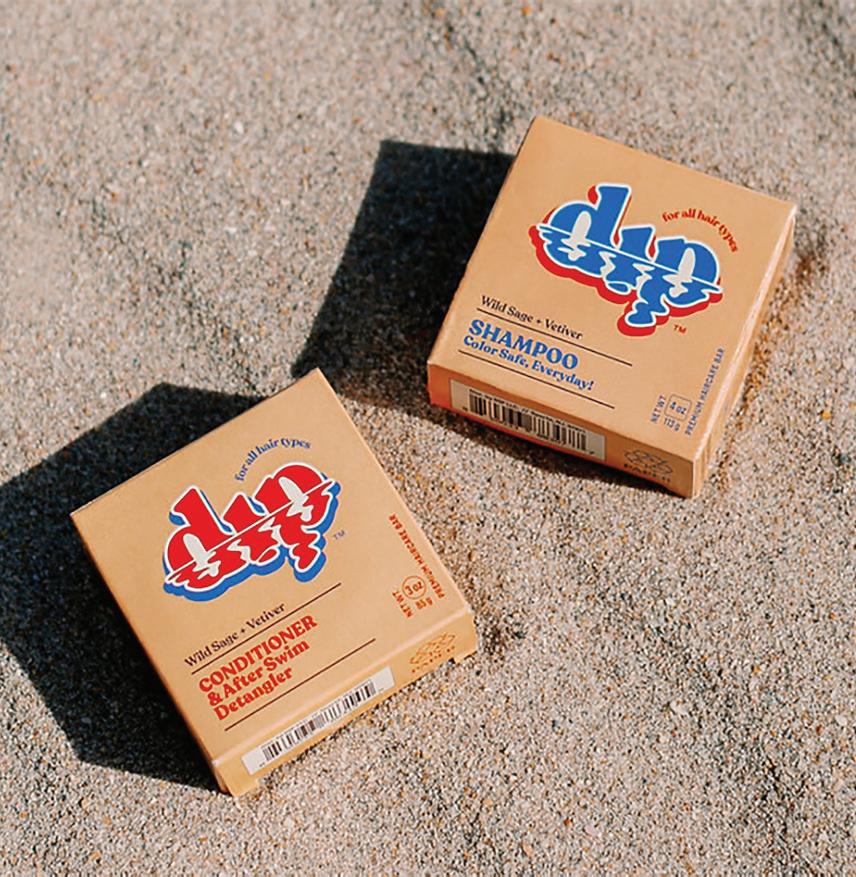
Dip Shampoo and Conditioner/ After Swim Detangler Bars, $46
Dip out of the mainstream and into a better hair care routine with Dip’s shampoo and conditioner detangler bars.
American-made and ready for wherever your next adventure takes you, just one 3-ounce bar from Dip can replace multiple bottles of liquid hair care products. These innovative bars help keep hair clean, soft and tangle-free while delivering salonquality results without plastic waste.
Choose from a variety of signature fragrances such as apple blossom, coconut almond, tobacco driftwood, wild sage vetiver, rosewater jasmine,
tangerine honeydew and a fragrancefree option.
The concentrated formulas are long-lasting and travel-friendly and eliminate the need for bulky bottles.
Great for active families, they make a smart choice for vacations, gym bags, beach trips and more.
Dip has built a loyal following that goes beyond its signature bars, including an extensive collection of hair and body oils, face wash, travel cases, accessories and more all designed for life on the go.
dipalready.com
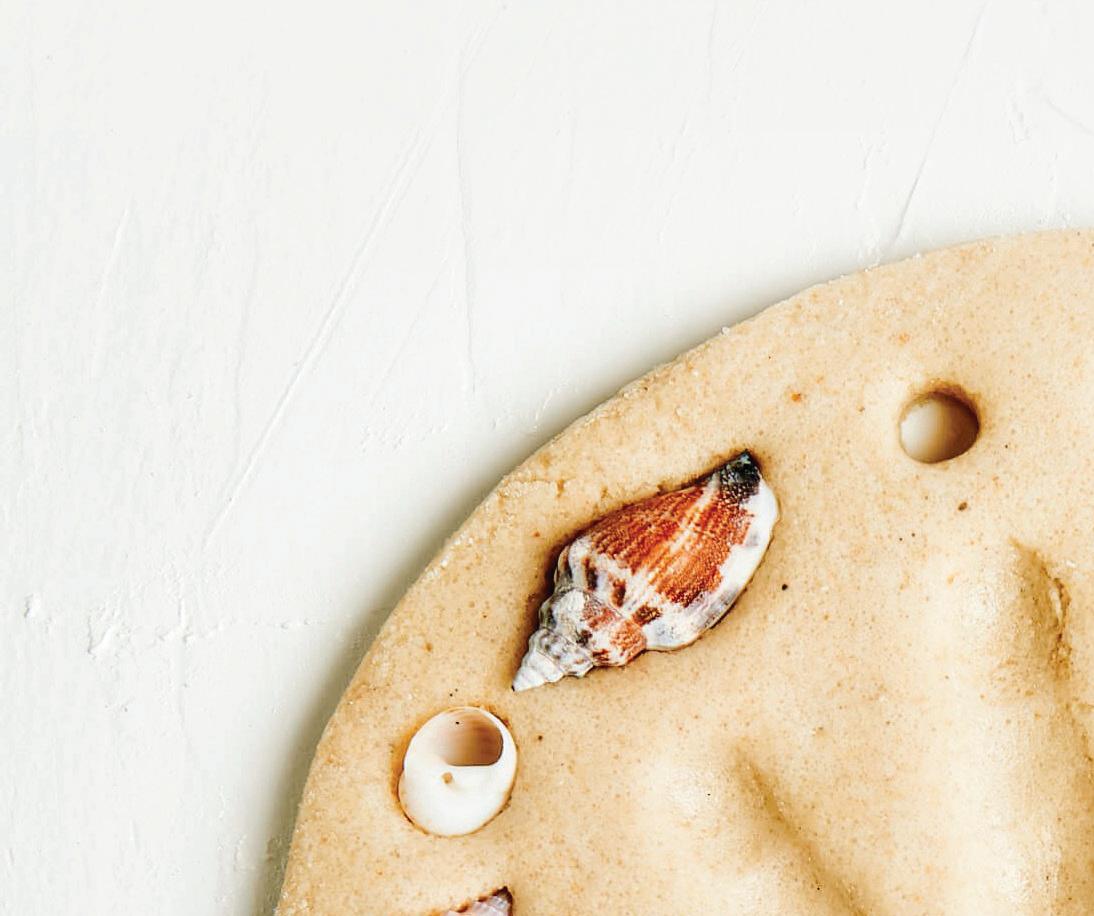
Day at the Beach Kit, $17.99
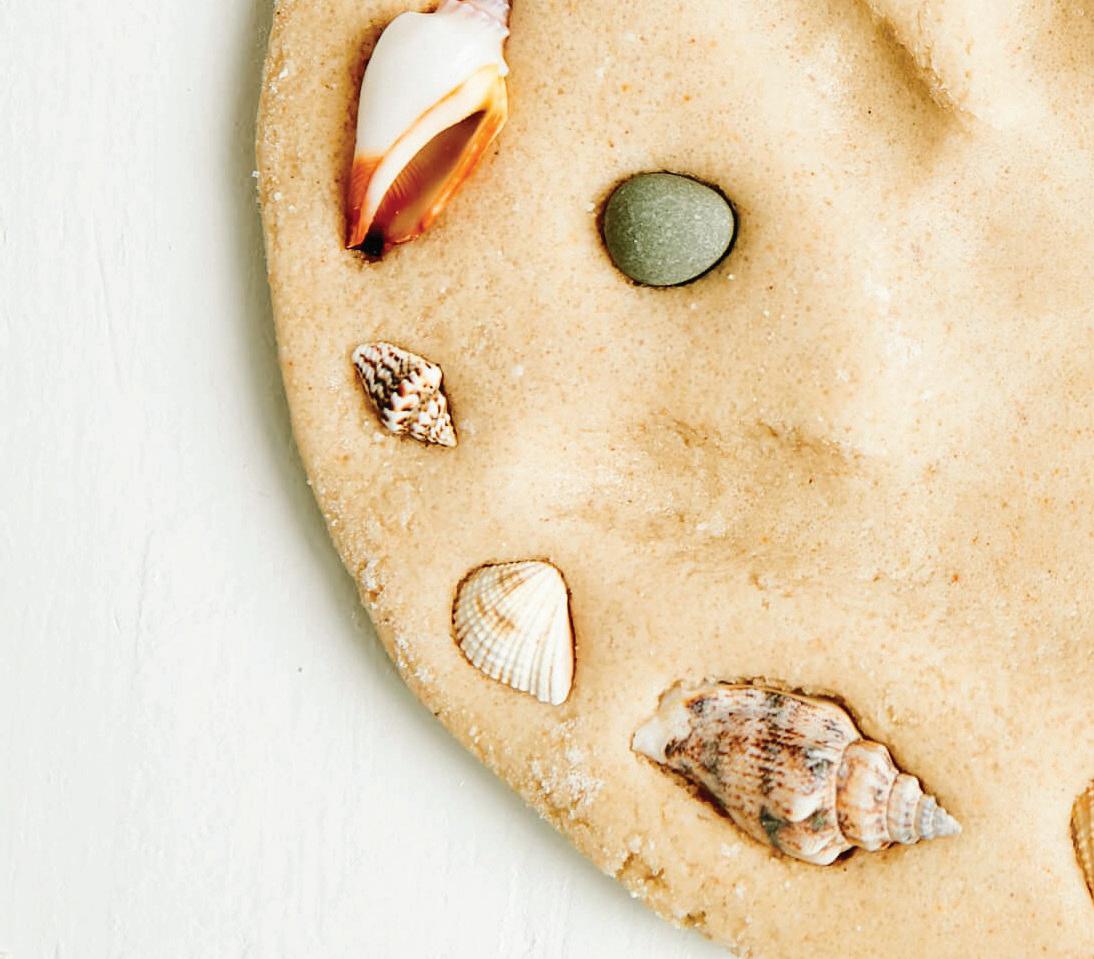
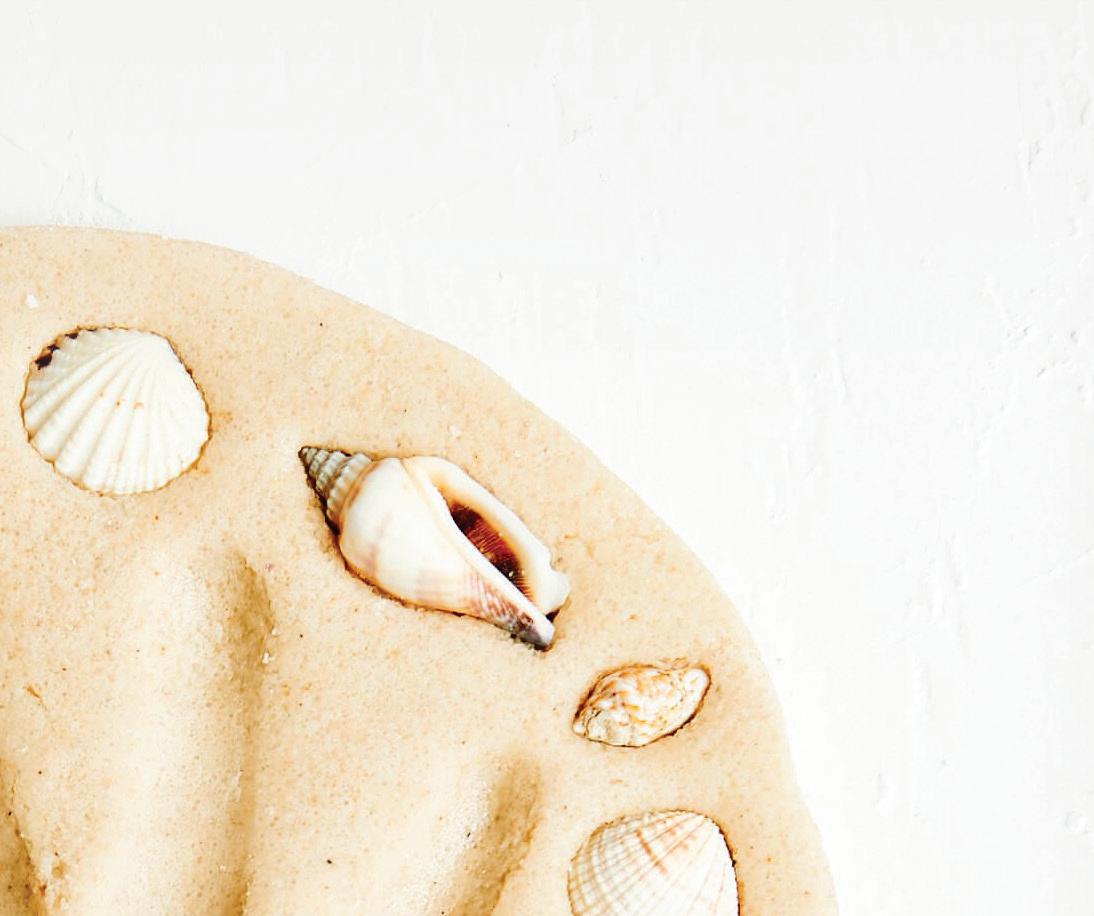
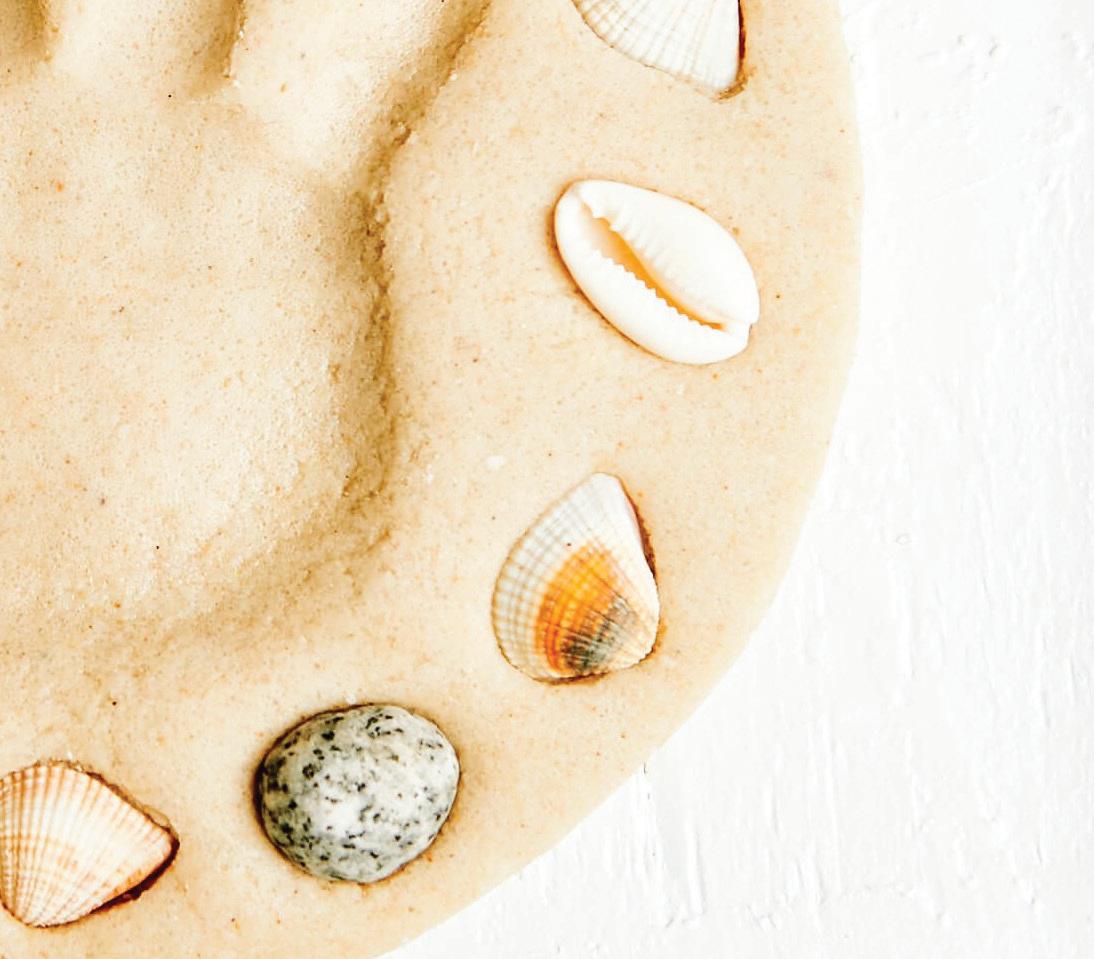
Some moments are too good to wash away. This engaging activity kit from Elseware Unplug lets you capture handprints and footprints as a unique keepsake that turns an ordinary day at the beach into a memorable adventure. Since it’s compact, it fits easily into a beach bag.
Intended for a wide range of ages, it makes a fun activity for children, parents, grandparents and friends. It comes with everything you need, including a sandcasting medium and a package of beach treasures. Each kit has enough to create two 6-inch discs for smaller handprints or one 12-inch disc for larger hands. Just add water, bake and keep your beach memories alive. Elseware Unplug was founded on the belief that some of life’s
best moments happen when we disconnect from technology and reconnect with the people around us through play, conversation and shared experiences. Its high-quality, Earth-conscious products are made locally out of Raleigh, North Carolina.
In addition to the day at the beach kit, the company also offers a collection of screen-free activities designed for camping trips, road trips, family outings and everyday adventures.
Also available are DIY kits, painting and drawing activities, sensory-friendly eco dough, tools and more. When it’s time to unplug, have fun and enjoy your creative side, go Elseware.
elsewareunplug.com
By Drew Woolley
The living expression of America’s most enduring symbols &
Every nation tells stories about itself. In the United States, those narratives are often woven into symbols we encounter every day just as much as they are spoken out loud. It might be a flag folded at a funeral, an eagle stamped onto an official seal or a song sung before a ballgame.
As we celebrate our country’s 250th anniversary, historians, collectors and scholars are all taking a closer look at the symbols we adopted and the meanings they still carry today.
For the Love of Old Glory
The American flag has always had a special family connection for Chris Garza. Half of his family members can trace their lineage to Maryland’s founders, and almost every
one of them has served in the military. But watching his grandfathers as a child had a particular impact on him.
“I kind of idolized them, and they both did their own daily routines of raising and lowering the flag,” Chris says. “They were fun, outgoing guys. But every day, they became very serious when they handled the flag. That really showed me how important it was as a symbol.”
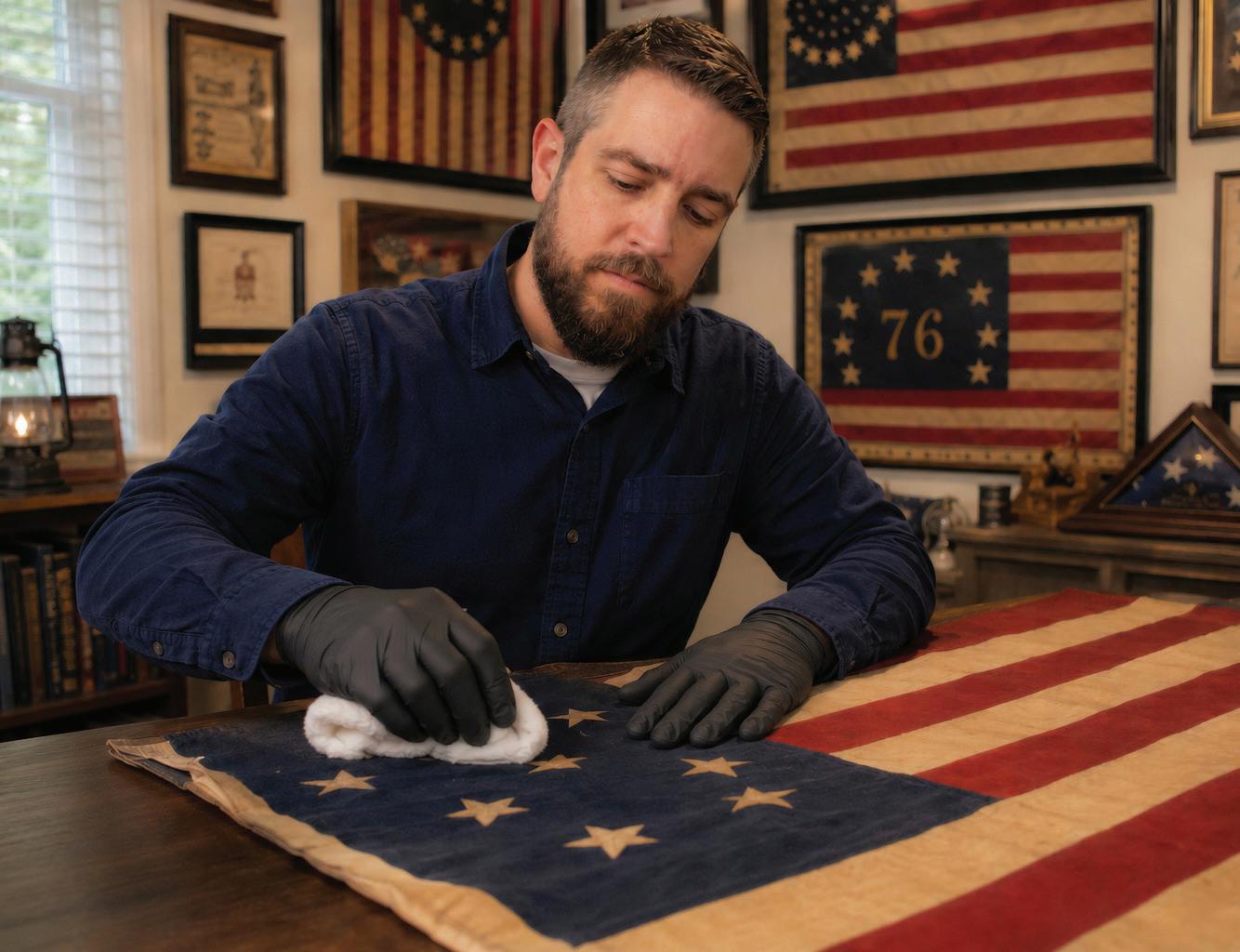
When he was 8, Chris saw an old 13-star flag at a yard sale and had to have it. Looking back now, he suspects he was trying to impress his grandfathers. But it also proved to be the first step in a lifelong obsession. Now the executive director of Troutdale Historical Society in Oregon, Chris has overseen three museums and collected more than 300 American flags in the past 35 years.
The most precious to him is the flag with which one of his grandfathers was meant to be buried. At the last second, his grandmother pulled the flag from the casket and gave it to Chris, who has held it dear ever since. Another favorite is an early flag that represented the southern region of Texas, where much of Chris’ Indigenous family comes from, before the state adopted the design it uses today.
While the American flag’s design has evolved over time, Chris is particularly drawn to the idea that it has served as a unifying image throughout history.
“To me, it is the only thing capable of binding us all together,” he says. “It’s the one thing that is bigger than our differences of religion, politics or race.”
As a historian, Chris also hopes the flag reminds everyone in the United
States why the country formed and what it took to get there. It will always be a symbol of freedom. But, for him, it is also a call to earn that freedom.
“It’s a symbol of when oppression becomes so strong and rampant that it forces people to step back and reevaluate— to look at life, our government and our communities,” he says. “Sometimes, those things need to change. That’s what the flag means to me, working to change for the better.”
A Living Symbol
upsetting revelation for someone who had dedicated much of his life to collecting depictions of the American icon, going back to 1966 when he was drafted into the Army.
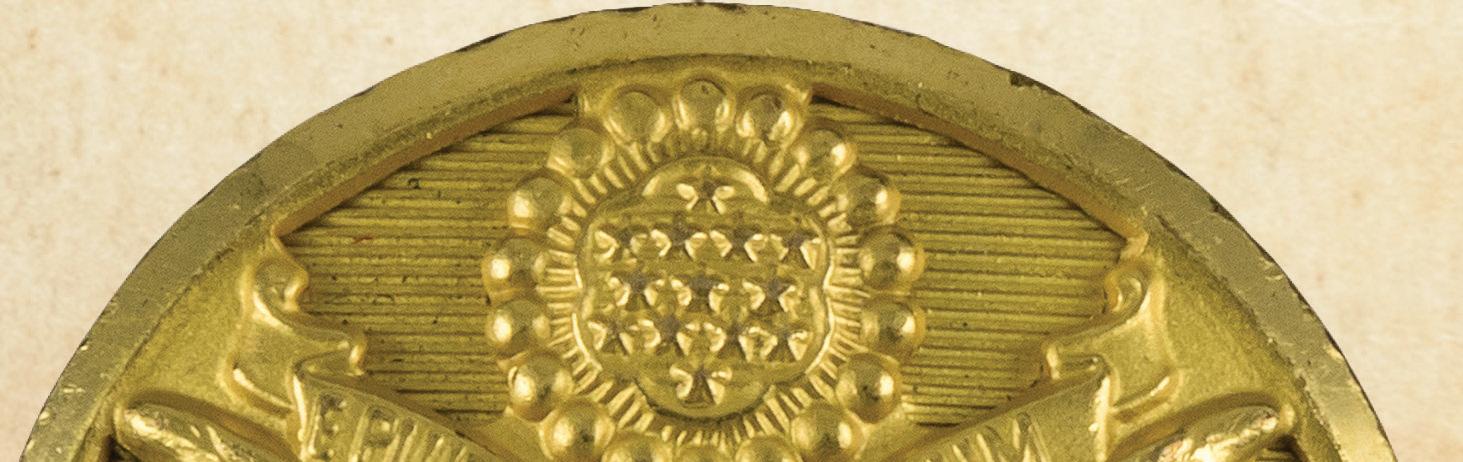
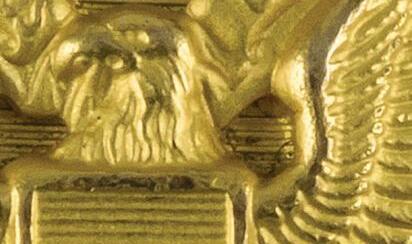
“I was issued a uniform that had buttons with the Great Seal on my dress uniform,” Preston says. “Two years later, when I exited the Army, I cut off those buttons with the eagles on them and wear them to this day on my blue blazers. I’ve been wearing them now for 60 years.”
His acquisitions expanded first with postcards and stamps, then later with the help of eBay and a team of pickers around the country who sent him items of interest. Today, Preston’s collection of more than
While the nation celebrates its 250th birthday, many Americans may be surprised to learn this is only the second year that one of its most recognizable symbols has been official. In researching his 2019 book, “American Eagle: A Visual History of Our National Emblem,” Preston Cook was shocked to learn the United States had never actually named a national bird.
“We had no national bird for 248 years,” he says. “It seemed like I was the only person in the country who knew, because it was such a surprise to everyone I
talked to.” of
It was an especially
PAGE: Chris
THE BETSY ROSS FLAG
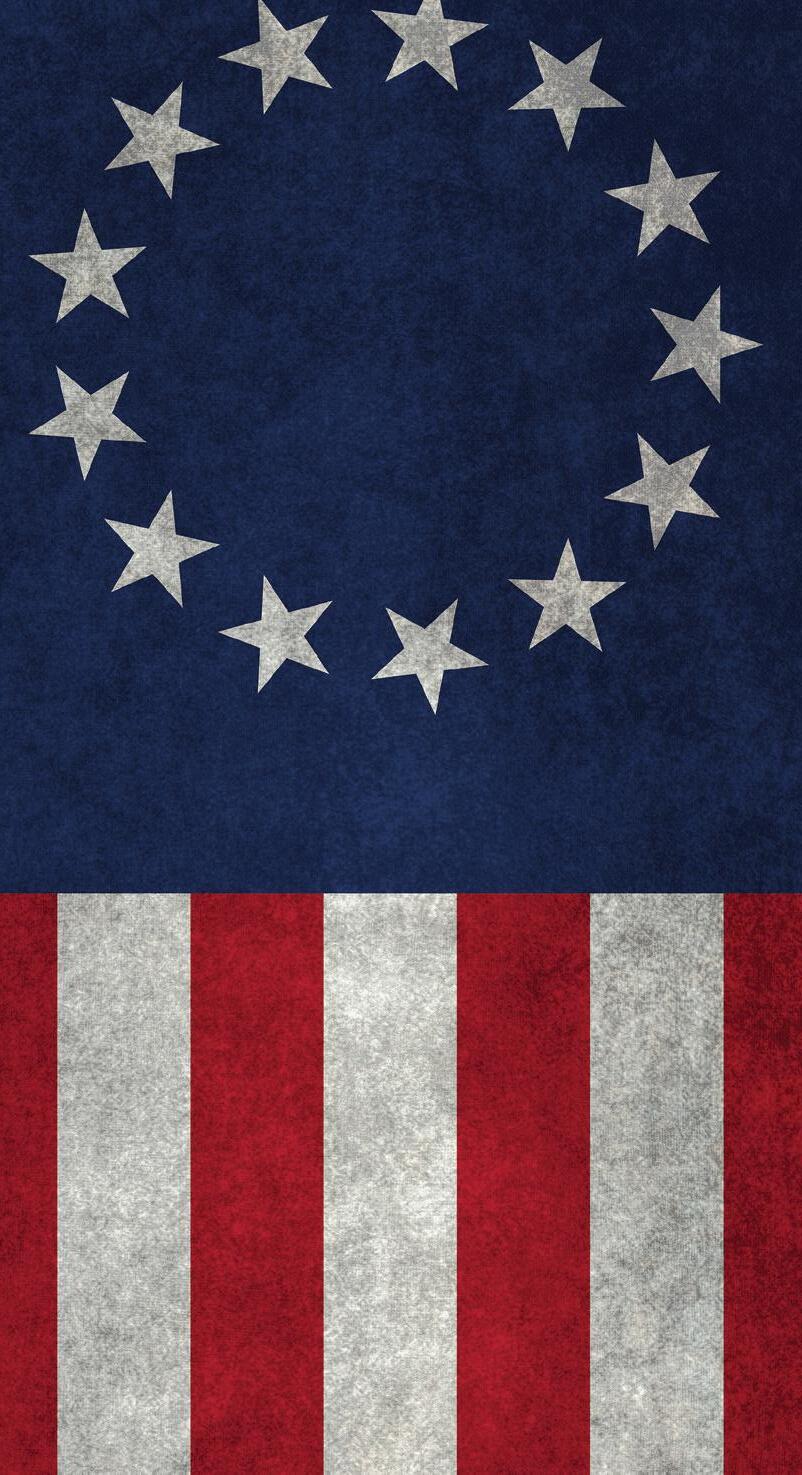
While lore holds that Betsy Ross designed the first American flag, there is no hard evidence pointing to any single designer. But, as the first seamstress to stitch the flag together, Historian Chris Garza says she may have influenced some of its details.
One of Chris’ favorite stories is when George Washington, a Freemason, approached Ross about making the flag, he suggested the stars have six points, as is common in masonic symbolism. Ross quickly noted that if they wanted to mass-produce the flag, fivepointed stars were much more efficient.
To prove it, she pulled out a small square of fabric, made a few quick folds and one simple cut, and handed him a perfect star. Washington was convinced, and the stars on the flag have had five points ever since.
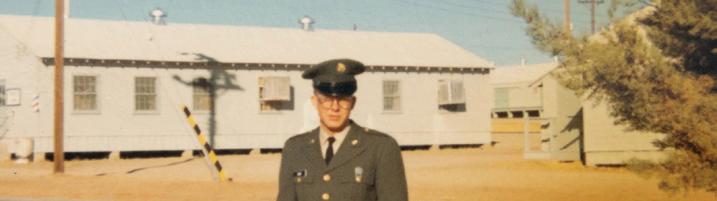
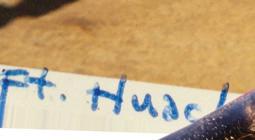
TOP RIGHT: Preston Cook was stationed at Fort Huachuca in Arizona after joining the Army, where he received his first eagle keepsake: the buttons on his uniform. PHOTOS COURTESY OF PRESTON COOK
RIGHT: Preston still sews his original uniform buttons onto his blazers today.
OPPOSITE
Garza’s flag collection ranges from personal keepsakes to historical designs that fell out of fashion. PHOTO COURTESY OF LEGNA STUDIO
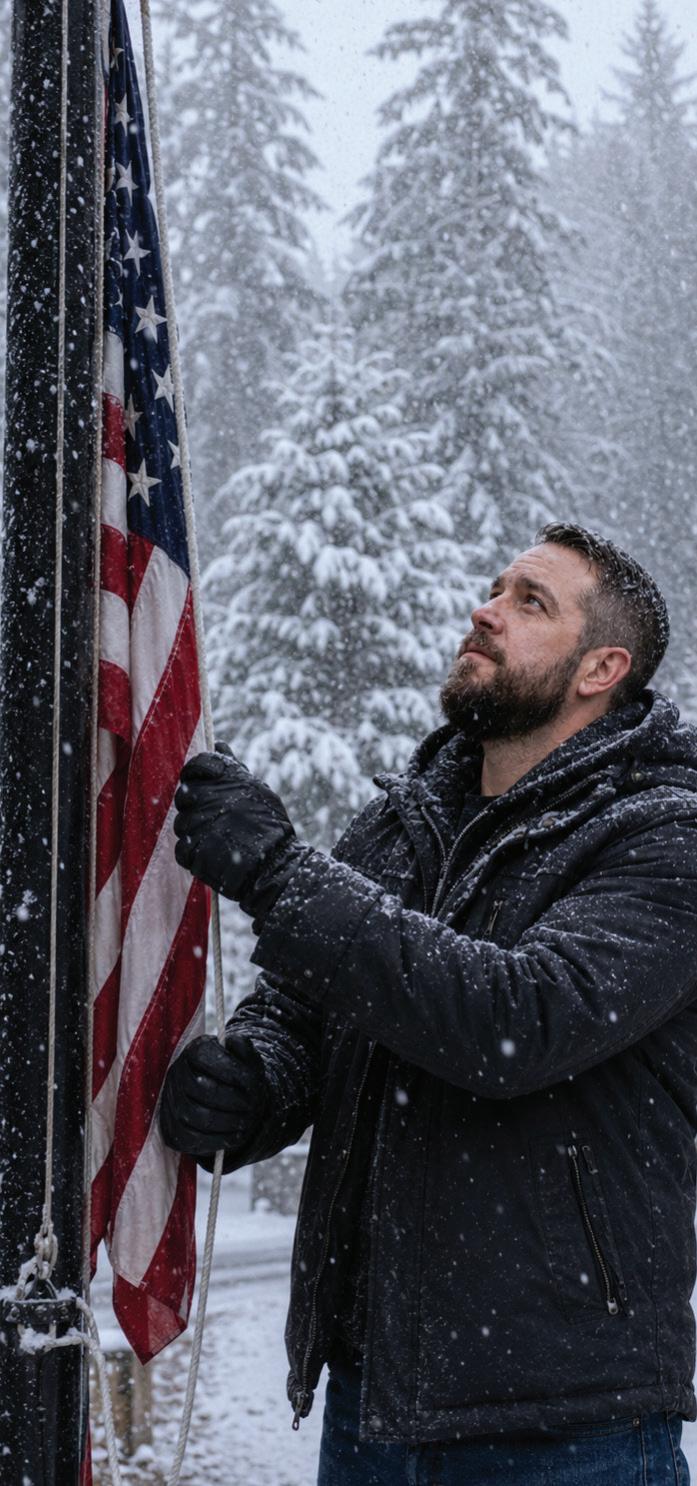
FLY YOUR FLAG
40,000 eagle-themed items is on display at National Eagle Center in Wabasha, Minnesota. It includes historical artifacts, including buttons worn by George Washington and a Civil War knife, as well as pop culture objects, such as sports memorabilia and an Andy Warhol print.
The eagle’s symbolic appeal in so many different settings has always been one of its most interesting features for Preston.
“It’s a symbol people turn to in times of both peace and distress,” he says. “The image of it on the Great Seal has changed from being kind of scrawny and chickenlegged to more of a full-fledged eagle. Around the 1820s, it was first used by political campaigns to show patriotism. So, it has changed over the years, but it’s remained constant throughout our history.”
As a flag historian and restorer, Chris Garza, executive director of Troutdale Historical Society in Oregon, regularly encounters misconceptions about flag etiquette. A common one he shared as a child was that the flag must be destroyed if it touches the ground. He can still remember dropping the flag once while lowering it for his grandfather.
For centuries, that presence has led many Americans to identify the bald eagle as the country’s national bird. Once his book was complete, Preston turned his attention to putting a bill in front of Congress that would finally make official what everyone had always assumed.
He sent a draft to U.S. Rep. Brad Finstad, whose district includes Wabasha, as well as Sen. Amy Klobuchar. The two coordinated on the bill, which unanimously passed in both houses of Congress before President Joe Biden signed it into law in 2024.
Preston has no doubt the work was worth it. It permanently enshrines what many Americans have long felt about the bald eagle.
historian teaching at the University of Michigan for the past 20 years, he has often led an introductory class on American music. His favorite way to kick it off is with Jimi Hendrix’s 1969 performance of “The Star-Spangled Banner” at Woodstock.
“It brings you immediately into some of the complexities around the anthem,” Mark says. “Is there a single, appropriate way to play it? Is it a protest or burning the flag through music? Hendrix was also a member of the 101st Airborne, and aspects of the performance are quite patriotic, so is it saying something more textured?”
Those questions led him down a rabbit hole that culminated in his 2022 book, “O Say Can You Hear?: A Cultural Biography of ‘The Star-Spangled Banner.’”
Francis Scott Key’s lyrics, written after the bombardment of Baltimore’s Fort McHenry during the War of 1812, go on for four verses. Only the first is typically sung for the anthem, building to the final line, “O say does that star-spangled banner yet wave/O’er the land of the free and the home of the brave?”
While it is often performed with an exclamation point at the end, Mark considers the question it asks to be crucial. At the time the anthem was penned, the country had faced some of its worst defeats. Key’s vision of a bold and proud nation wasn’t something he was seeing but a hope for the future.
“Today, I think that question asks us if we are brave enough to live up to that vision,” Mark says. “Do we have the courage to be a country that celebrates liberty and justice for all? I think it has the potential to make the anthem something urgent and contemporary. It’s a verb, rather than a noun.”
“I thought it was the end of my life,” Chris says. “But he pulled me aside and explained that as long as it isn’t tattered, it can always be cleaned and reflown. That moment of relief really stuck with me.”
Another common mistake is flying the flag at night. To maintain respect and visibility, the flag should either be illuminated at night or taken down at sunset and raised again in the morning.
“For many years, it was our only living symbol,” Preston says. “If you see one flying or fishing, it’s such an amazing bird. It means so much to so many people. It means freedom and liberty and power and independence and family. People just don’t get tired of seeing it, and I don’t think there’s any other symbol of America that has that kind of enthusiasm.”
The Call to Citizenship
If the eagle is the American symbol that generates the most excitement, Mark Clague believes the national anthem is the most dynamic. As a musician and musical
When President Herbert Hoover officially signed an act of Congress making “The Star-Spangled Banner” the U.S. national anthem in 1931, it—much like the eagle—was a recognition of something that had already been true for many Americans. The song was used as a recruiting tune for the Union Army in the Civil War and was often treated as a de facto national anthem during the
Raising and lowering the flag continues to be a cherished tradition for Chris Garza.
PHOTO COURTESY OF LEGNA STUDIO
In some ways, the song is sort of democracy in action. We made the anthem by using it.
Spanish-American War and World War I.
“I think that makes it powerful,” Mark says. “In some ways, the song is sort of democracy in action. We made the anthem by using it. And for the same reason, changing it would be really hard. You could change the law, but it wouldn’t change how people feel.”
The music itself requires the performer to sing the anthem to life with dramatic highs and lows that take the same commitment the lyrics demand. Mark’s hope is that when people hear it, the
— Mark Clague
anthem won’t just serve as a celebration but also a call to action.
“It feels like the anthem is especially urgent right now,” he says. “U.S. democracy has really been built on people getting involved. Voting, sure, but also being informed, volunteering and lifting a hand to help your neighbor. Being patriotic is something you have to do and earn, rather than just something you have. And I think that call to citizenship is one of the coolest things about the anthem.”
STARSPANGLED SPINOFFS
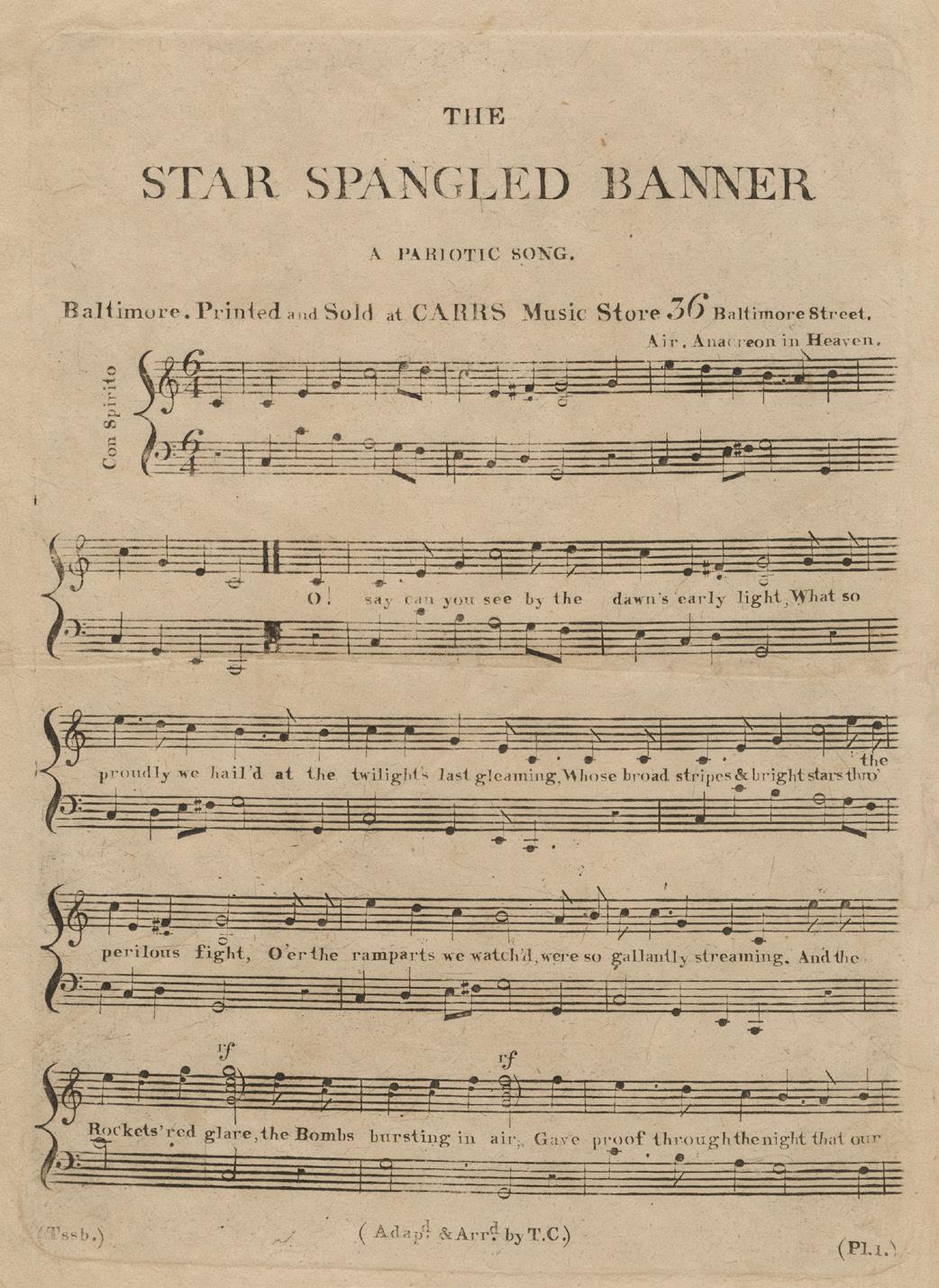
While the roots of the national anthem’s lyrics are decidedly American, the music originated with Anacreontic Society, a musicians’ club in London.
Since the tune struck a chord in the United States, Mark Clague, a music historian teaching at the University of Michigan, estimates there have been more than 600 sets of lyrics applied to that melody, on subjects as varied as farm work, unionization and women’s suffrage.
“It’s interesting to see how many different words fit the melody,” he says. “It really supports the notion that ‘The Star-Spangled Banner’ is not just one iconic thing but kind
ABOVE: The University of Michigan’s library is home to the first sheet music edition of the song to use the “The Star-Spangled Banner” title. PHOTO COURTESY OF THE WILLIAM L. CLEMENTS LIBRARY LEFT: Mark Clague conducts the anthem at a University of Michigan home football game. PHOTO COURTESY OF MARK CLAGUE
Anniversary
Celebrations
States showcase their unique contributions
By Dianna Troyer
In honor of the United States Semiquincentennial—a fancy name for the nation’s 250th anniversary—each state is contributing to the legacy and future of the country through national and statewide initiatives.
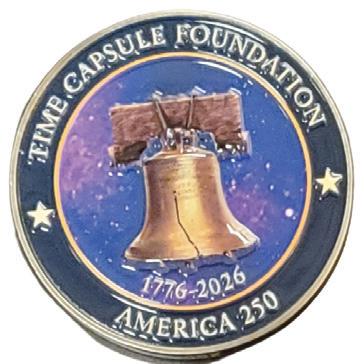
Some states are contributing to a stainless steel time capsule that will be buried July 4 at Independence National
Historical Park in Philadelphia, between the Liberty Bell and Independence Hall.
Others will have booths at the Great American State Fair, scheduled for June 25 to July 10 on the National Mall in Washington, D.C.
Within each state, an America250 Commission has organized events to commemorate the 250th anniversary of the signing of the Declaration of Independence.
According to the America250 Commission’s website, “The journey toward this historic milestone is an opportunity to pause and reflect on our nation’s past, honor the contributions of all Americans, and look ahead toward the future.”
For the time capsule, state commissions feature their residents’ artistry and ideals with the constraint that the objects have to fit into an archival box measuring 6-by-5-by-2 inches.
Here’s a preview of how some states are highlighting their unique contributions to our nation:
ALASKA
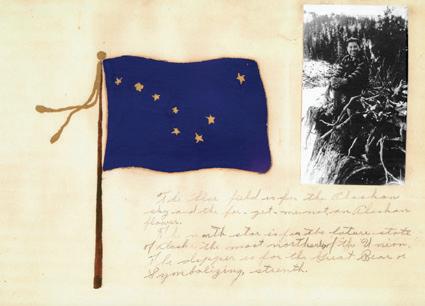
A print of a flag designed by a member of the Indigenous people of the Aleutian Islands represents Alaska. In 1927, Benny Benson, a 14-year-old Unangax orphan, won a contest to design the flag for the then-territory of Alaska.
“The blue field is for the Alaskan sky and the forget-me-not, an Alaskan flower,” he wrote. “The North Star is for the future state of Alaska, the most northerly state in the union. The dipper is for the great bear, symbolizing strength.”
A copy of an 1875 map of New Archangel is also included. After Russia sold the Alaska territory to the United States, the town was renamed Sitka.
ARIZONA
Arizonans provided three coins, two letters and a commemorative copper ingot featuring a stamped Arizona America250 logo for the time capsule.
With laser nano-etching, a stainless steel coin preserves the full text and signatures of the Declaration of Independence and the U.S. Constitution, including all amendments.
“It represents both America’s foundational democratic principles and modern efforts to preserve them for future generations,” according to America250 Arizona Commission.
An Arizona quarter, minted in 2008, depicts the Grand Canyon
and a saguaro cactus. A steel America250 commemorative coin features symbolic imagery reflecting freedom, time and civic responsibility.
An archival letter lists the names of the members of the Arizona America250 Commission. Arizona Secretary of State Adrian Fontes also wrote a letter reflecting on Arizona’s civic values, democratic institutions and responsibilities.
CALIFORNIA
On July 4, a family-friendly concert is planned in Los Angeles with major artists and a livestream audience. America250 planners encourage residents to build community by participating in America’s Potluck on July 5, an opportunity for neighbors to join one another to share a communal meal.
FLORIDA
At the Great American State Fair, the Florida250 Commission plans to create an old Spanish Fort with coquina brick walls, authentic sounds and cannon fire.
Within the state, the Florida Freedom Tour is traveling in two 18-wheeler trucks hauling the America250FL exhibits from the Museum of Florida History. One exhibit covers the state’s biggest battle during the Revolutionary War, the Siege of Pensacola, a two-month battle in 1781 when the Spanish prevented the British from gaining control of Western Florida.
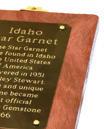
IDAHO
Idaho’s state gemstone, the star garnet, “represents Idaho’s natural richness and geological heritage. Its distinctive starlike reflection makes it a fitting and
Idaho’s state gem is its contribution to the time capsule.
Benny Benson’s drawing of a flag won a territorial flag contest in 1927. PHOTOS COURTESY OF AMERICA250 STATE COMMISSIONS
Arizona contributed three coins and a copper ingot.
enduring symbol of the state’s rugged landscape and connection to the land,” according to America250 in Idaho planners.
Along with the gemstone, Gov. Brad Little wrote a letter to future generations, reflecting on Idaho’s history and values.
LOUISIANA
The Historic New Orleans Collection, at 520 Royal St., will have interactive 3D reconstructions of the defining moments of the American Revolution. Events include the Boston Tea Party, the signing of the Declaration of Independence, victory at Yorktown and treaty signing in Versailles.
MONTANA
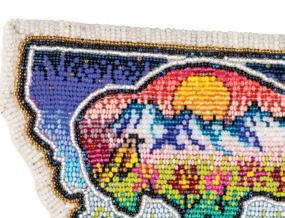
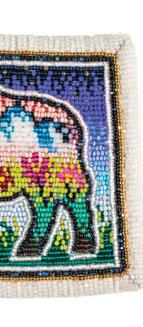
Karis Jackson depicted Montana’s unique traits in beaded artwork shaped like the state.
The Browning artist incorporated the colors of the state flag, the mountains and prairies that define the state’s landscapes, the state flower—the bitterroot—and the state bird—the western meadowlark.
In the center of the design, Karis, an Apsáalooke/Arikara/ Hidatsa artist, beaded a bison. She says it’s “an animal of enduring significance to the Indigenous peoples who have called this land home since time immemorial.”
NEVADA
In Nevada, residents and tribal members are recording oral histories for a podcast and public archive, according to Nevada250 planners.
NEW MEXICO
New Mexico’s pavilion at the Great American State Fair, “will present New Mexico as an intersection of cultures, history, landscape and creativity,” says Daniel Zillman, New Mexico Department of Cultural Affairs communications director.
OREGON
Lillian Pitt, a Warm Springs/Wasco/Yakama artist, made a ceramic pin depicting a tribal petroglyph and pictograph, a well-known
image high on a mountain along the Columbia River.
“Under the oral traditions of tribes along the river, She Who Watches represents Tsagaglalal, a wise and powerful chief who was transformed to stone and continues to keep vigil over her people and the river,” according to the America 250 Oregon Commission.
SOUTH CAROLINA
Among The Charleston Museum artifacts are a .75-caliber “Brown Bess” musket used during the revolution.
Several special exhibits celebrate South Carolina’s role in the American Revolution.
A new exhibit, “Ringleaders of Rebellion,” is at The Charleston Museum, the first museum in the Colonies founded Jan. 12, 1773. Among the artifacts are a .75-caliber Brown Bess musket used during the Revolutionary War.
An immersive Revolutionary War exhibition at the state fair will remain up for several years. A display emphasizes that South Carolina was the first colony to protest tea taxation on Dec. 3, 1773, 13 days before the infamous Boston Tea Party.
TENNESSEE
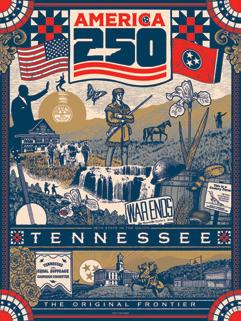
Knoxville-based designer Justin Helton created a poster entitled “Original Frontier.”
“From Tennessee’s rich agricultural history to its iconic musical contributions to its role in westward expansion, the Civil Rights Movement and women’s suffrage, the poster represents Tennessee’s part in shaping American culture, economy, and democracy,” according to Tennessee America 250 planners.
ABOVE: The poster “Original Frontier” showcases Tennessee’s music, agriculture and westward expansion.
WASHINGTON
Gov. Bob Ferguson’s proclamation and Lt. Gov. Denny Heck’s letter will be put in the capsule. The governor wrote about the mission of the Washington State Historical Society. Heck wrote about democracy and finding common ground between Washingtonians.
For more information about national, state and local celebrations, visit america250.org.
Artist Karis Jackson created Montana’s contribution to the time capsule.
LEFT: Lillian Pitt made a ceramic representation of a petroglyph along the Columbia River called She Who Watches or Tsagaglalal.
From Campfire to Summit
A premium Damascus blade — at a price that cuts deep
For centuries, Damascus steel has been prized for its strength, beauty and legendary performance. Its distinctive flowing patterns have made it one of the world’s most sought-after blade materials. The problem? Genuine Damascus knives often come with premium price tags.
That’s why we created the Stauer Damascus Explorer Knife
EXCLUSIVE
Built for adventurers, outdoorsmen and collectors alike, this handsome knife combines rugged utility with timeless craftsmanship. Whether you’re preparing kindling, tackling camp chores or simply admiring its artistry, it’s a blade you’ll be proud to own.
Stauer Pocket Binoculars a $99 value with your purchase of the Damascus Explorer Knife
+FREE Binoculars Impossible PriceONLY
The first thing you’ll notice is the striking Damascus steel blade. Its signature rippled pattern isn’t just beautiful — it’s the mark of a centuries-old forging tradition. At a full 8 inches long, the blade offers impressive cutting power while maintaining excellent balance and control.
The rich rosewood handle provides a comfortable, secure grip, while the included sheath keeps your knife protected and ready for action. Every detail reflects the kind of quality typically found in knives costing far more.
Thanks to Stauer’s direct-to-you model, we’re able to offer this premium Damascus blade at an exceptional value. But supplies are limited, and once this shipment is gone, we can’t promise another opportunity at this price.
If you’ve been looking for a knife that blends performance, craftsmanship and value, now is the time to act.
*Discount is only for customers who use the offer code versus the listed original Stauer.com price.
Knife Specifications
• Damascus steel blade
• 8" blade. 13" overall length
• Rosewood handle
• Sheath included
What customers are saying about Stauer knives...
“First off, the shipping was fast and the quality is beyond what I paid for the knife. Overall, I am a satisfied customer!” — D., Houston, Texas
California residents, please call 1-800-333-2045 regarding Proposition 65 regulations before purchasing this product.