




































































































































































“I never expected it to be so beautiful that it takes your breath away.”
— Kaya C., on Stauer Opals
In a quaint village, nestled between rolling hills, lived a young woman with a deep appreciation for gemstones. Her grandmother gifted her a delicate cross pendant adorned with opals. The opals shimmered with a mesmerizing play of colors, reflecting hues of blues, greens, and fiery oranges. Her grandmother shared the legend of the opals, believed to bring hope, purity, and luck to those who wore them.
Using this story as inspiration, Stauer brings you the Opal Spirit Cross Pendant. With over 2 total carats of Kyocera lab-created opals set in .925 sterling silver encased in yellow gold, this pendant is a radiant celebration of beauty and craftsmanship. Each opal captivates with a kaleidoscopic dance of fiery oranges blending into oceanic blues, streaked with flashes of vibrant green that seem to come alive with every movement. The shimmering opals are skillfully arranged to create an enchanting, otherworldly glow, embodying the spirit of hope and harmony.
This breathtaking combination of color and craftsmanship is available as a limited availability of only
930 pieces, making it a rare and treasured addition to your jewelry collection. Plus, when you order today, you’ll receive the gold-finished sterling silver chain—a $69 value—absolutely free! Don’t miss your chance to own this exclusive tribute to timeless elegance and meaningful symbolism.
Necklace Specifications:
• 2 1/2 ctw. Kyocera lab opals and DiamondAura® accents
• Yellow gold-finished .925 sterling silver setting
• 18" gold-clad .925 sterling silver chain




mpd.coop
OFFICE LOCATIONS
1301 E. Pocket Road
P.O. Box 100561 Florence, SC 29502
843-665-4070
676 Highway 9 E. P.O. Box 1057
Bennettsville, SC 29512
843-479-3855
REPORT POWER OUTAGES
866-747-0060
OFFICE HOURS
8 a.m. to 5 p.m. Monday through Friday
PRESIDENT/CEO
William L. Fleming Jr.
BOARD OF TRUSTEES
John Alford
Melvin Carabo
Preston Gainey
James Goodson
Eddie Gordon
David Howell
Sam P. “Bo” McInnis Jr., Chairman
Robert Norton
Hamer Parnell
Jeff Quick, Secretary
Ronald “Ronnie” Quick
Janelle Sauls
LaShon Sellers, Vice Chairman
Charles R. “Ricky” Smith
Patricia Ann Toney
Lee C. White
CO-OP NEWS EDITORS
Katie W. Wilcox, CCC kwilcox@mpd.coop
Matt Haynie
mhaynie@mpd.coop
MISSION STATEMENT
Our mission is to serve the energy needs of our members today and in the future at the lowest cost consistent with sound economic principles and management.
MPD Electric Cooperative Inc. is an equal opportunity provider and employer.
There is a quiet kind of generosity that happens every month across our Pee Dee communities—one that most people barely notice yet adds up to something truly remarkable. It happens when your electric bill is automatically rounded up to the nearest dollar. That spare change, often less than 50 cents, is your contribution to Operation Round Up and the MPD Electric Cooperative Trust, and it is changing lives right here at home.
Operation Round Up was built on a simple but powerful idea that small, consistent acts of generosity, multiplied across thousands of neighbors, can meet needs no single person could tackle alone. If you participate, your account is rounded up to the nearest dollar each billing cycle. This is an average of just $6 a year, and every one of those dollars stays right here in the Pee Dee. That is a promise we take seriously.
The MPD Trust Board is made up of appointees from the MPD Board, representing our seven-county service area. We meet monthly to review applications from individuals and organizations facing genuine need. The areas we fund are fundamental: food, shelter, utilities and the work of community organizations quietly holding our neighborhoods together.
What moves me most about this program is not the dollars, though they matter enormously—it is the spirit behind it. Members helping members. Neighbors lifting neighbors.
Life has a way of surprising us. A medical emergency, a job loss, an unexpected repair—hardship does not discriminate, and there is no shame in asking for help. If you are an MPD member going through a difficult time, please apply. The MPD Trust was created for moments exactly like yours, and our board reviews every application with care and compassion. You do not have to face a hard season alone.
Applications for individuals and organizations are available at mpd.coop under Member Services. We are here to help.
RONNIE
QUICK Trustee

CEO Michael Shepard
SENIOR VP OF CONTENT Leon Espinoza
EDITORIAL DIRECTOR Chasity Anderson, CCC
DEPUTY EDITORIAL DIRECTOR
Noble Sprayberry
SENIOR EDITOR Jennifer Paton, CCC
LEAD CONTENT EDITOR Victoria Hampton, CCC
ASSISTANT EDITORS David Herder, CCC;
Sable Riley, CCC; Nina Todea, CCC
ASSOCIATE EDITOR
Valeri Saldanha Rosa
PUBLICATIONS PRODUCTION SR. MANAGER
Elizabeth Beatty
SENIOR PUBLICATIONS COORDINATOR
Alyssa McDougle
South Carolina Currents (issue 82) is published monthly, except in December, by Pioneer Utility Resources, 5625 NE Elam Young Pkwy. Ste. 100, Hillsboro, OR 97124. Preferred periodical postage permit number 23830 paid at Hillsboro, Oregon 97123 and additional mailing offices.
POSTMASTER: Send address changes to: South Carolina Currents, 5625 NE Elam Young Pkwy. Ste. 100, Hillsboro, OR 97124. Subscription price of $9.89 per year includes postage.
HOW TO CONTACT CURRENTS
Have a problem receiving your edition of South Carolina Currents? Utility members should contact MPD Electric Cooperative.
Reprint permission: Direct all requests to Pioneer Utility Resources.
MANUSCRIPTS AND PHOTOGRAPHS
Please do not send unsolicited materials. If interested in writing for South Carolina Currents, query first. Include a selfaddressed stamped envelope for writers’ guidelines. Address requests and queries to Pioneer Utility Resources.
DISPLAY ADVERTISING INQUIRIES
American MainStreet Publications 611 S. Congress Ave. Ste. 504 Austin, TX 78704 800-626-1181 or 512-441-5200
© 2026 Pioneer Utility Resources. All rights reserved. Reproduction in whole or in part without written permission is prohibited.
Willie Wiredhand is the longtime mascot and spokesplug of electric cooperatives around the United States. He was adopted in 1951 by the National Rural Electric Cooperative Association. Here’s your task: Willie is hidden somewhere in every issue of Currents. See if you can find this friendly face among the news and stories as you read!










































































By MPD Staff






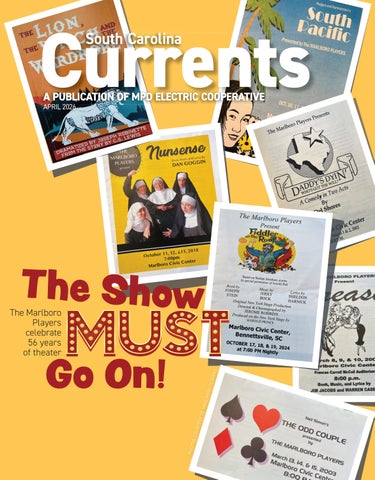
If you were to walk into the Marlboro Civic Center on a rehearsal evening for “The Lion, the Witch and the Wardrobe,” you would find groups scattered throughout the theater, buzzing with excitement. Some actors are trying on costumes adorned with intricate details like animal fur and tails, while others rehearse their lines, carefully reading and memorizing every word. In another corner, volunteers finalize set pieces and props, while a different team adjusts the sound and lighting.
These dedicated individuals from Marlboro County and beyond spend hours preparing each production. They give their time for the love of the arts
























and for audiences who come to lose themselves in the stories they bring to life on stage.





The Marlboro Players have been entertaining audiences for 56 years. The group recently celebrated its 132nd production with “The Lion, the Witch and the Wardrobe” in March. Its first major show was the musical “Oklahoma!” performed in November 1970 at Bennettsville High School.


Since then, the organization has continued to grow, drawing participants












from all walks of life. The group typically produces two shows each year, one musical and one play. While some members with backgrounds in acting or music join, others simply want to meet new people after moving to the area.







The Marlboro Players’ board consists of 15 members, many of whom have served since the 1980s and 1990s. Board members include Carolyn Andrews, Angela Blair, Emmie Beck, Chris Brune, Sarah Crouch, Pamela Grant, Stacey Herndon, Hampton Hubbard, Jenna Kinard, Karen Lewis,


























Heather Midgley, Jane Rogers, Lucy Schauer, Terrie Sheets and honorary board member Claudette Odom.



In addition to their leadership roles, these volunteers contribute in many other ways. Emmie has directed many productions. Hampton designs and constructs the sets. Carolyn and Jane design and sew costumes. Chris serves as lighting director, and many board members have appeared on stage in a wide variety of roles.










“We have had people from all different professions come to work with us,” Emmie says. “We’ve had everyone from pharmacists to painters. Actually, some of our best talents are preachers and teachers—they have a gift for speaking in front of an audience.”










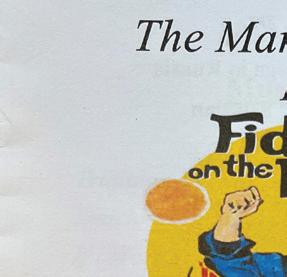
This small-town theater group has brought many well-known productions to Bennettsville, including “Annie,” “Grease,” “Fiddler on the Roof” and “The Music Man.” The Players delighted younger audiences with productions such as “Alice in Wonderland,” “Cinderella,” “High School Musical” and “Winnie the Pooh.”






When asked about memorable productions over the years, Hampton recalls a few personal highlights.
such as “Faith County I” and its sequel, “Faith County II,” staged in 1996 and 1998 and later revived in the spring and fall of 2019. The male version of “The Odd Couple” was performed in 2003, followed by the female version in 2010.



Some favorites have returned to the stage more than once, including “The King & I” in 1978 and 2016, “The Sound of Music” in 1975 again in 2022 and “Steel Magnolias,” which the company staged in 1991, 2008 and 2025. The most frequently performed show has been “Snow White,” which appeared four times between 1976 and 2003.


A few productions even came in pairs,


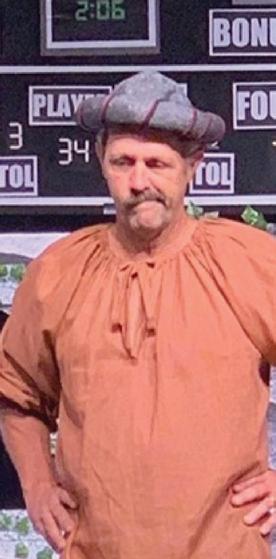
“Well, I met my wife during the show ‘Anything Goes’ in 1982,” he says. “She was an emergency fill-in for another actress.”
Another standout production was “The Wizard of Oz,” in which his wife, Phyllis, played the Wicked Witch.

“That was a neat show,” Hampton says. “We had a lot of special effects like a trap door with CO2, and we even flew ‘monkeys’ across the stage using pulleys.”














The Marlboro Players have performed at the Marlboro Civic Center since it reopened following renovations in 1995, debuting with a production of “A Christmas Carol.” Over the years, the group has also taken shows on the road, performing for local civic clubs and hosting dinner theater events and guest appearances by improv groups.
times a week at first, then daily during the week leading up to the performance, including music and technical rehearsals.




“It takes a lot to put on each show,” Emmie says “but as soon as we finish one we say, ‘What’s next?’ You get hooked.”
about $500 for a play. As a nonprofit organization, the group relies on donations, an annual membership drive and ticket sales to fund its productions.
The process of selecting a production begins with a volunteer director, who chooses a play and presents it to the board for approval. Once selected, auditions are announced through social media, print media, schools and word of mouth. After casting, the group typically spends about eight weeks rehearsing—meeting three




Cast sizes vary widely depending on the production. Some plays, such as “Greater Tuna,” required only two actors, while others like “Oliver!” feature casts of 50 or more. When productions require large dance ensembles, the Marlboro Players often invite local dance teams to take part. Several young performers who began with the group went on to pursue acting or music in college.

To secure scripts and performance rights, the Marlboro Players typically pay around $2,500 for a musical and


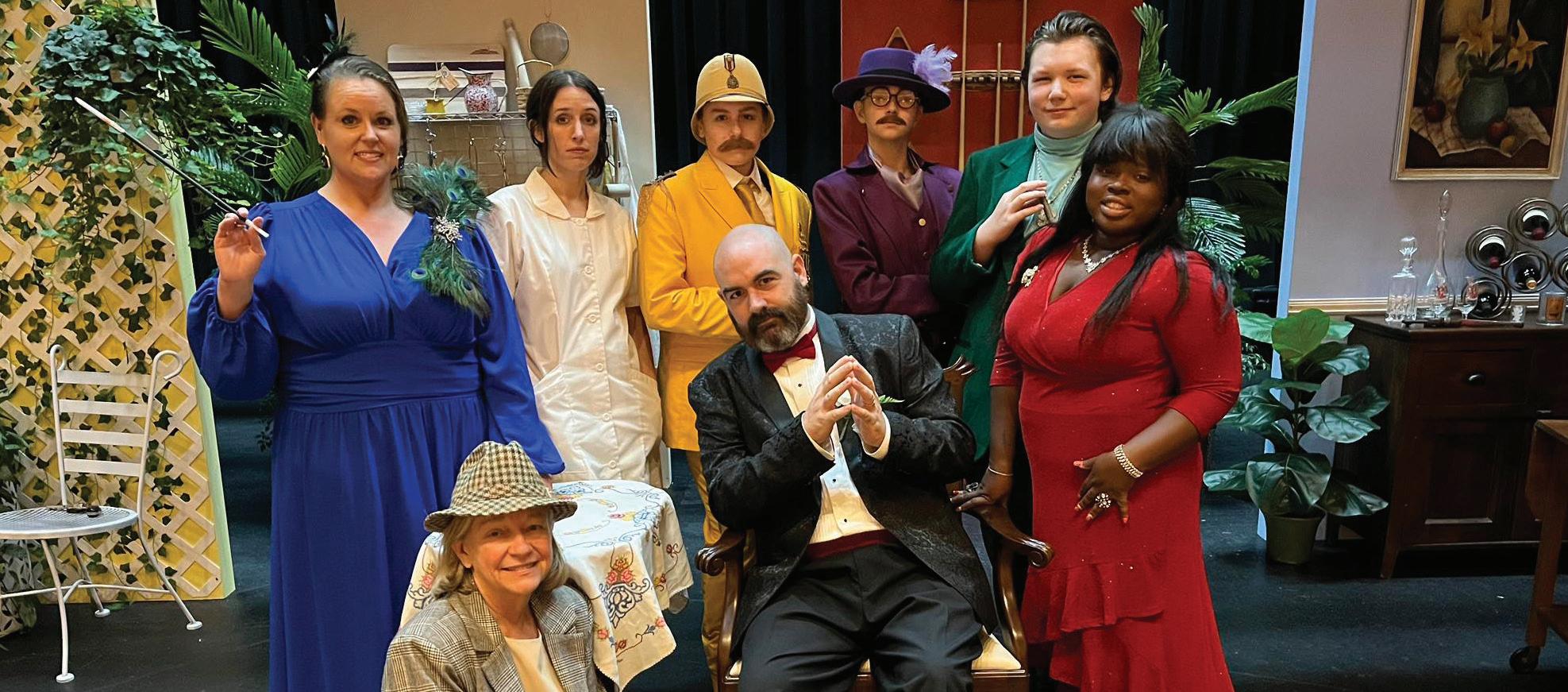
Most sets and costumes are created by board members and volunteers, then stored in a local warehouse for future use. Occasionally, a unique prop is discovered in someone’s home and brought to life on stage. For example, a Victrola record player needed for “Clue” was found in Heather’s attic.
When asked what might be in store for the next season, the board members simply smile and glance at one another.









“We’ll see!” they say in unison.
If the past 56 years are any indication, whatever comes next is sure to be a hit.












































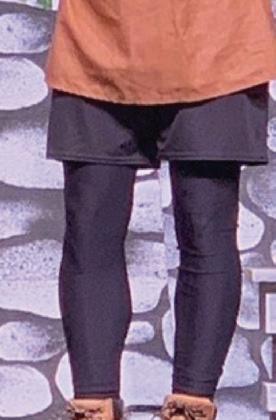














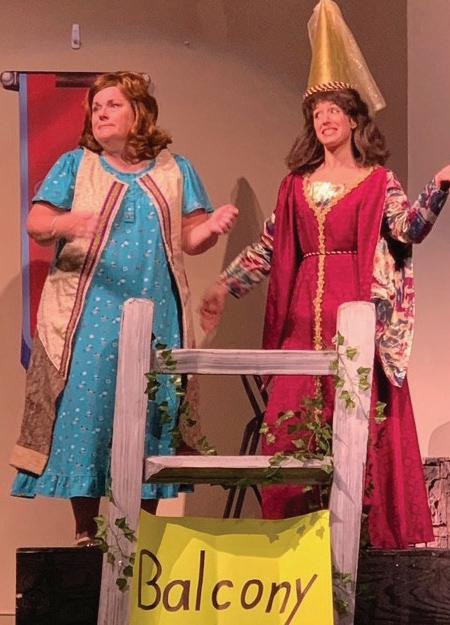













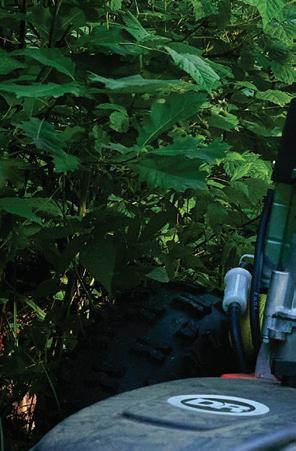
LEFT and FAR LEFT: The theater group has performed a few plays that came in pairs, including “Faith County I” and its sequel, “Faith County II,” staged in 1996 and 1998 and later revived in the spring and fall of 2019.





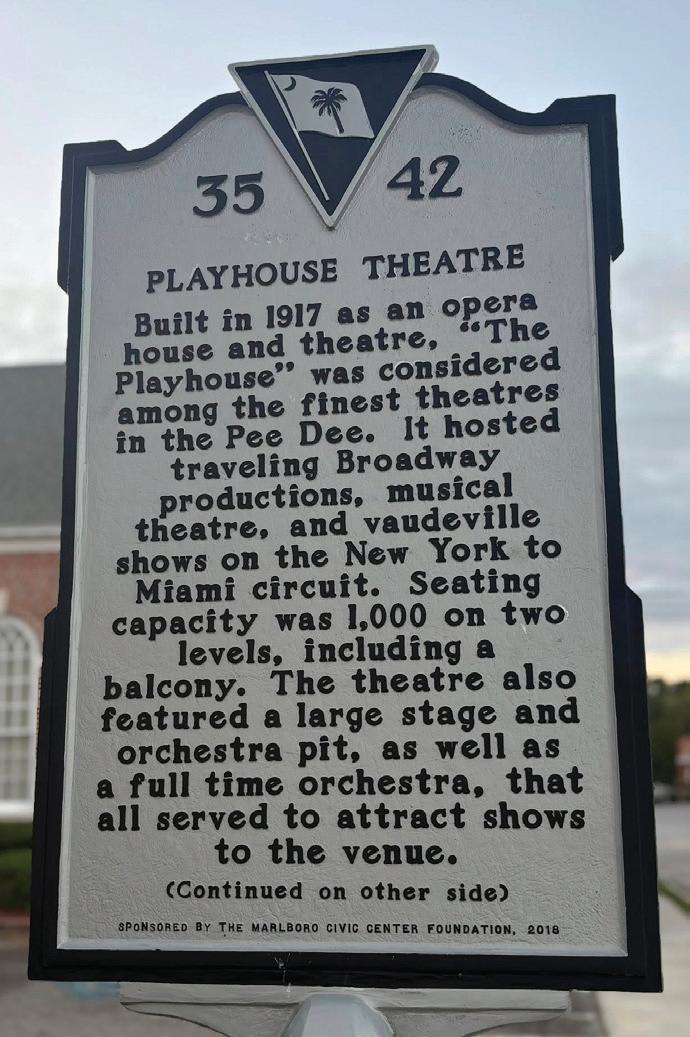











ABOVE: The Marlboro Players have performed at Marlboro Civic Center since it reopened in 1995.


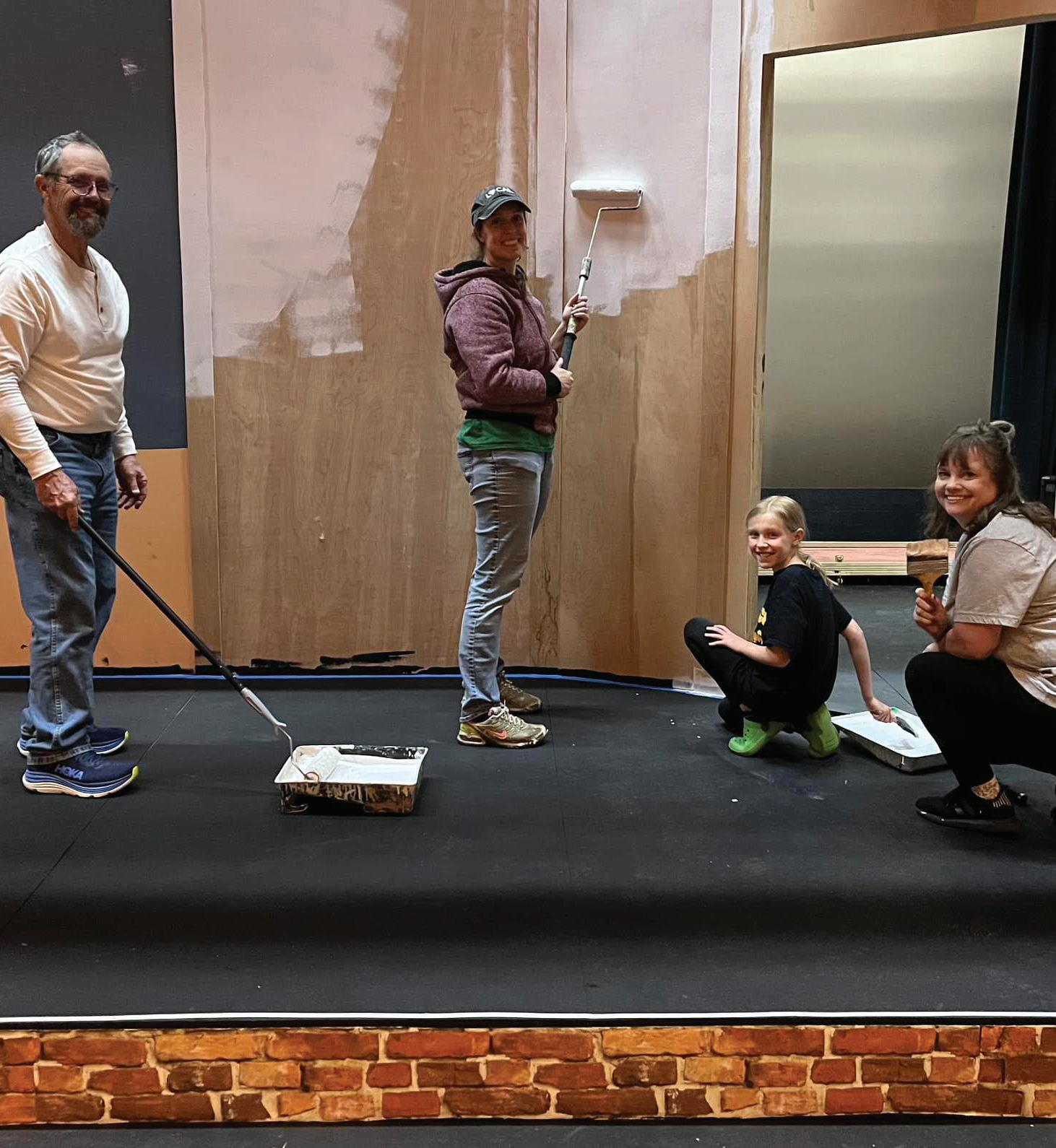
LEFT: Volunteers build and design sets for each show.


Every month, MPD Electric Cooperative features a new, recognizable spot from somewhere in the Pee Dee. Check out next month’s page for the answer.
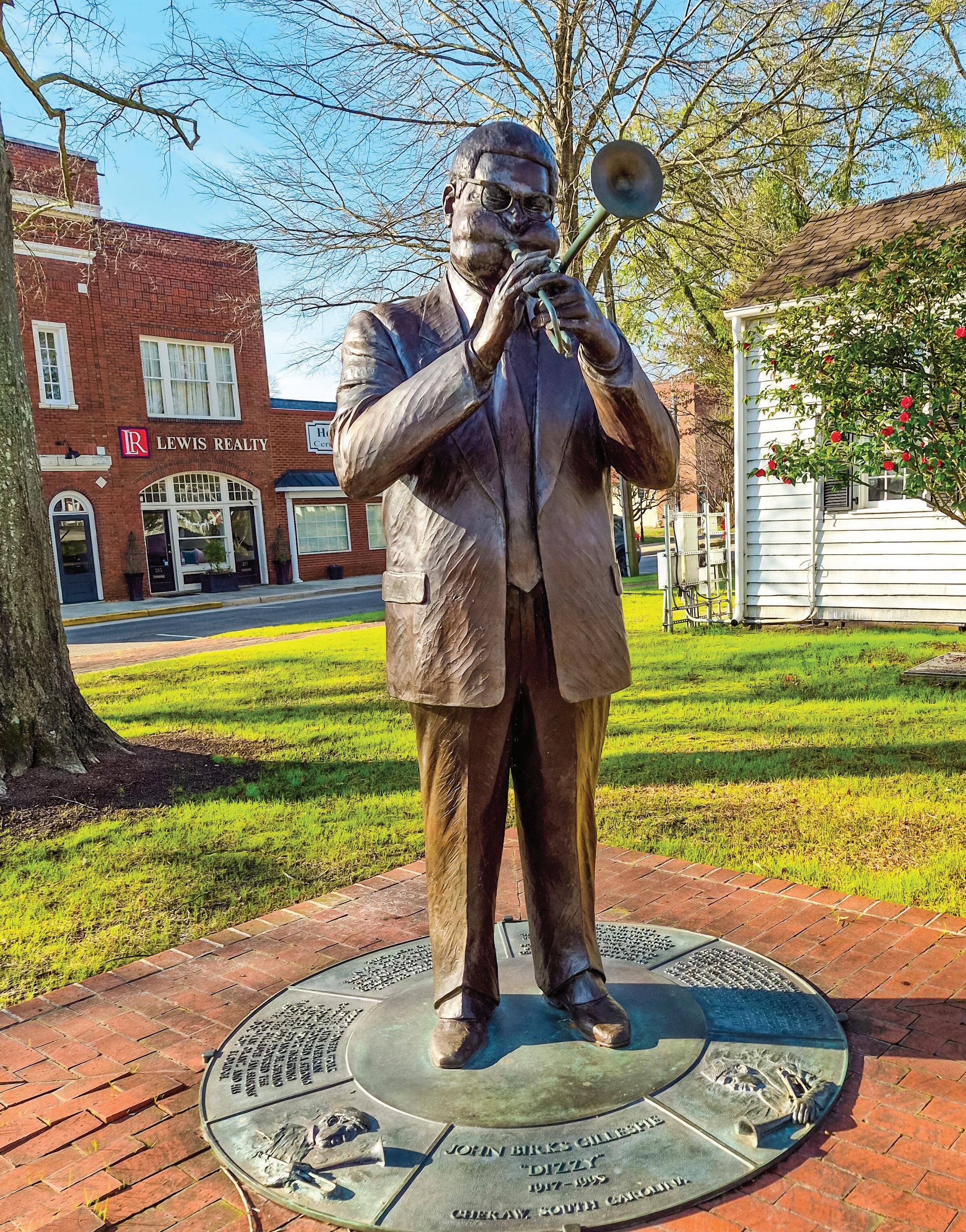



Depending on the time of year, passersby may spot three brick columns that serve as a reminder of the early Welsh Baptists who settled throughout South Carolina’s Pee Dee region. Found on Creek Crossing Road in the Darlington County community of Dovesville, the Black Creek Baptist Church ruins are all that is left of the once-vibrant Greek Revival church built in 1859. The church’s beginnings trace to 1769, when residents of the Black Creek area gathered for worship on Christopher Teal’s property. Leading the congregation was the Rev. Evan Pugh, a minister serving several growing Baptist churches in the region. The church was destroyed in April 2022 by an accidental fire. Today, the columns remain on the overgrown site, marking where the church once stood.
The sun rises and sets at peak travel periods, during the early morning and afternoon rush hours and many drivers find themselves temporarily blinded while driving directly into the glare of the sun. Deadly accidents are regularly caused by such blinding glare with danger arising from reflected light off another vehicle, the pavement, or even from waxed and oily windshields that can make matters worse. Early morning dew can exacerbate this situation. Yet, motorists struggle on despite being blinded by the sun’s glare that can cause countless accidents every year.
Not all sunglasses are created equal. Protecting your eyes is serious business. With all the fancy fashion frames out there it can be easy to overlook what really matters––the lenses. So we did our research and looked to the very best in optic innovation and technology. Sometimes it does take a rocket scientist.
A NASA rocket scientist. Some ordinary sunglasses can obscure your vision by exposing your eyes to harmful UV rays, blue light, and reflective glare. They can also darken useful vision-enhancing light. But now, independent research conducted by scientists from NASA’s Jet Propulsion Laboratory has brought forth groundbreaking technology to help protect human eyesight from the harmful effects of solar radiation light. This superior lens technology


was first discovered when NASA scientists looked to nature for a means to superior eye protection— specifically, by studying the eyes of eagles, known for their extreme visual acuity. This discovery resulted in what is now known as Eagle Eyes
The Only Sunglass Technology Certified by the Space Foundation for UV and Blue-Light Eye Protection. features the most advanced eye protection technology ever created.
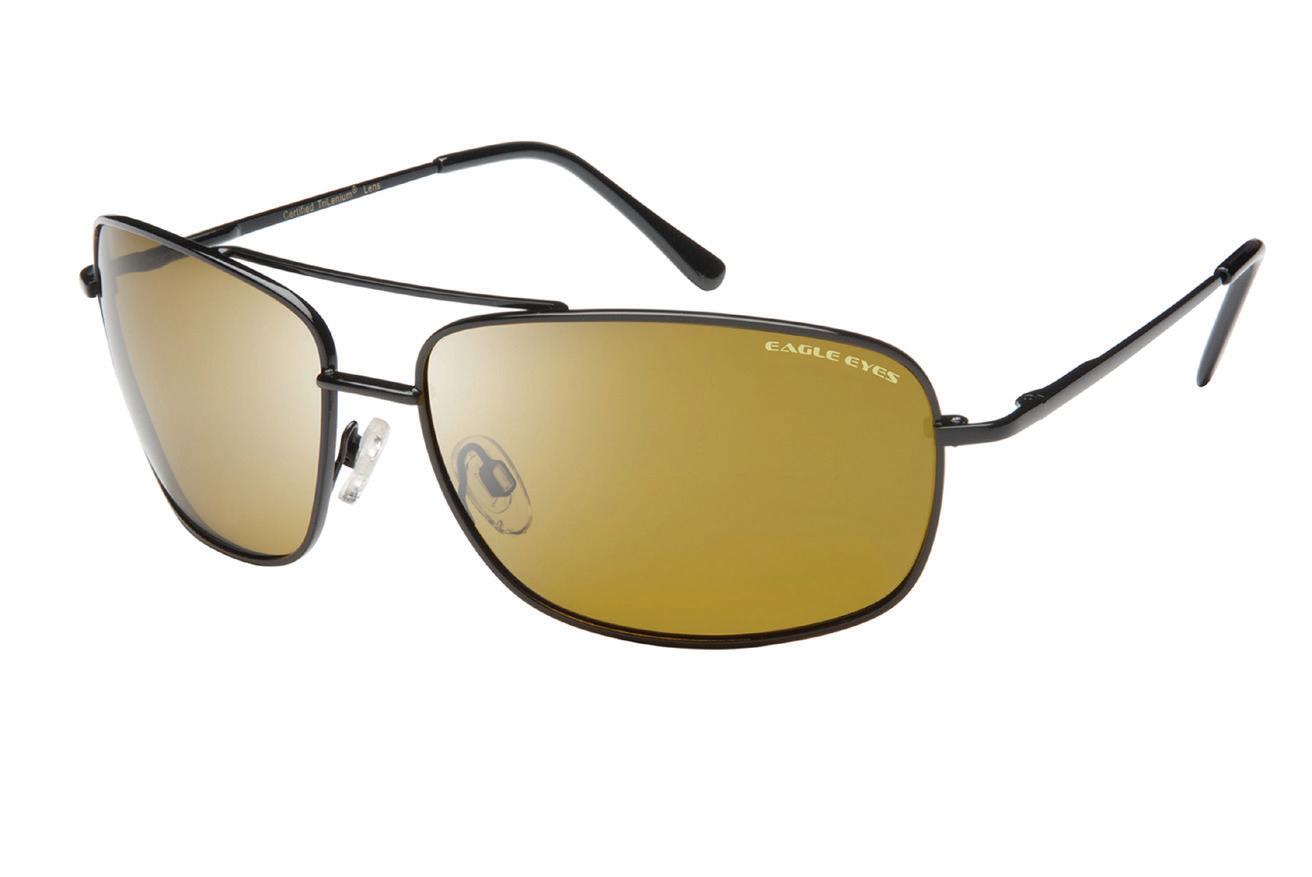
Lens Technology offers triple-filter polarization to block 99.9% UVA and UVB—plus the added benefit of blue-light eye protection. Eagle Eyes® is the only optic technology that has earned official recognition from the Space Certification Program for this remarkable technology. Now, that’s proven science-based protection.
The finest optics: And buy one, get one FREE! Eagle Eyes® has the highest customer satisfaction of any item in our 20 year history. We are so excited for you to try the Eagle Eyes® breakthrough technology that we will give you a second pair of Eagle Eyes ® Navigator ™ Sunglasses FREE––a $59.95 value!
That’s two pairs to protect your eyes with the best technology available for less than the price of one pair of traditional sunglasses. You get a pair of Navigators with stainless steel black frames and the other with stainless steel gold, plus one hard zipper case and one micro-fiber drawstring cleaning pouch are included. Keep one pair in your pocket and one in your car.
Your satisfaction is 100% guaranteed. If you are not astounded with the Eagle Eyes® technology, enjoying clearer, sharper and more glare-free vision, simply return one pair within 30 days for a full refund of the purchase price. The other pair is yours to keep. No one else has such confidence in their optic technology. Don’t leave your eyes in the hands of fashion designers, entrust them to the best scientific minds on earth. Wear your



with absolute confidence, knowing your eyes are protected with technology that was born in space for the human race.

























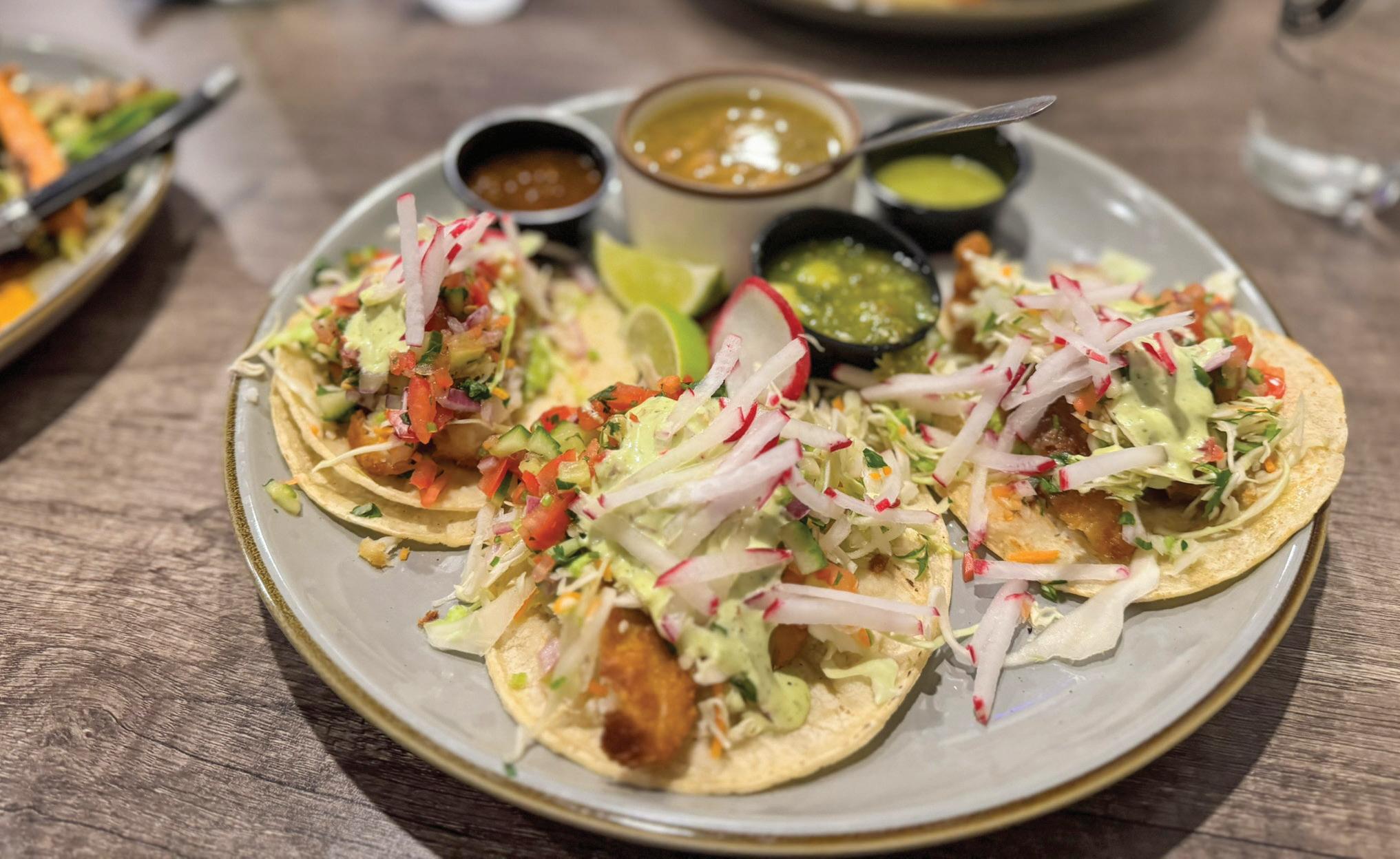
Invite the West Coast to your table with fresh fish tacos
Story and photos by Libby Wiersema
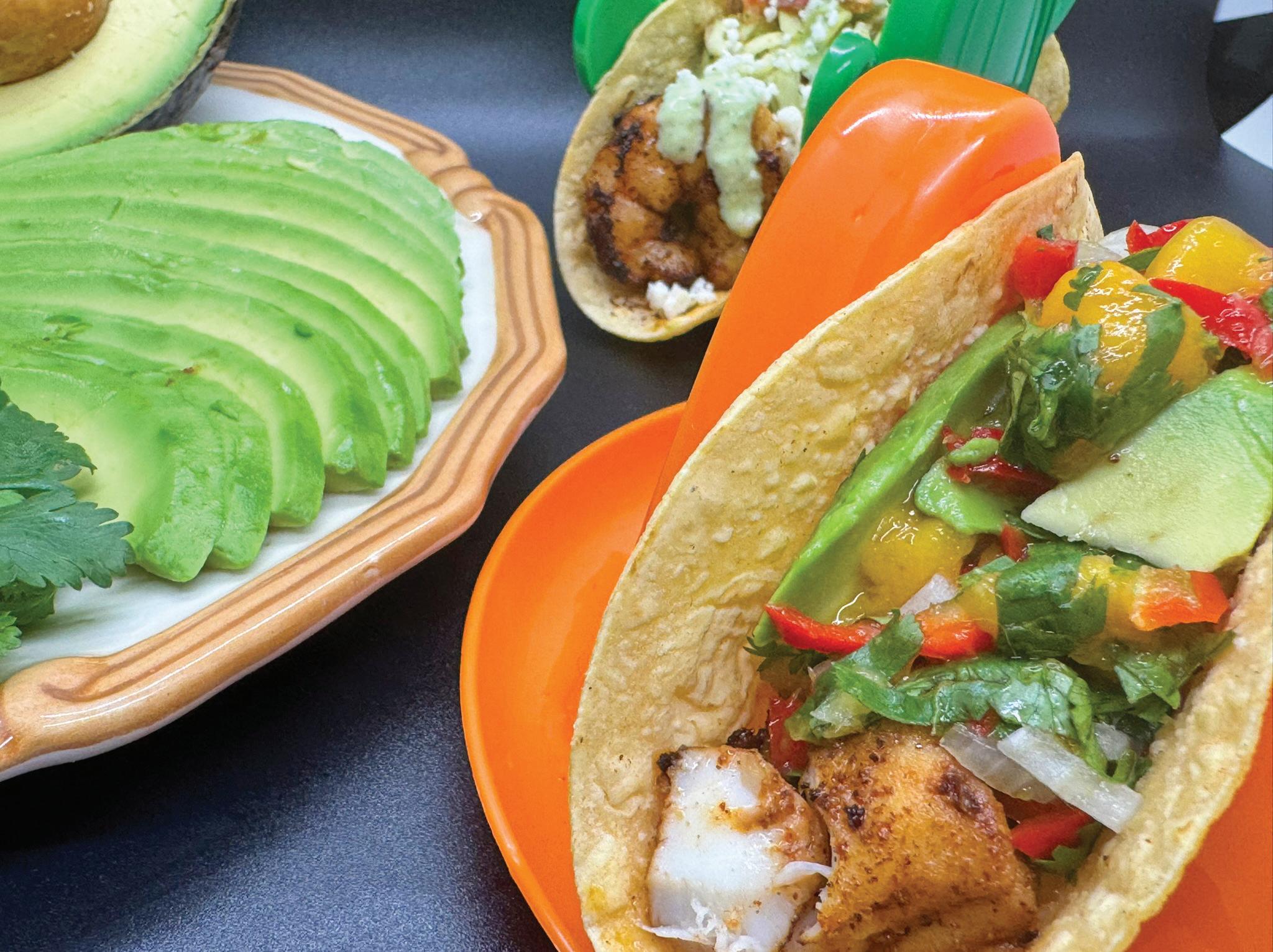
Spicy, crunchy, tender, hot, cool, creamy, salty, sweet, earthy—fish tacos embody just about every gastronomic quality in one dreamy, drool-inducing handheld. They were born in the Mexican border state of Baja California, known for its remarkably varied geography of mountain ranges, robust vineyards, boulder regions and stunning beaches.
But this taco is not your typical Mexican fare. It is a staple of Baja cuisine, a distinctive fusion of Spanish, Mexican and Asian cooking traditions. Dishes hailing from this peninsula are seafood-centric and often accentuate fresh herbs and cool, creamy sauces. Grilled tortillas filled with tempura-style fish and crunchy slaw, then drizzled with sauce with a squeeze of lime make the definitive Baja fish taco.
Today’s fish taco craze was sparked in the 1950s by street food vendors in the
Baja towns of Ensenada and San Felipe. But it was not until San Diego native Ralph Rubio opened the first of his Rubio’s Fresh Mexican Grill restaurants in 1983 in Mission Beach, California, that things really took off. As it happened, folks really turned out for hot fish wrapped in tortillas.
Rubio’s now has 160 locations across five states which, collectively, have seen more than $50 million in fish taco commerce. Many miles separate South Carolina from the West Coast, but the flavors of Baja can be tasted here in the Pee Dee. I recently had fish tacos at Baja Joe’s in Florence. The beer-battered Atlantic cod arrived piping hot in corn tortillas with all the right foils: cucumber pico de gallo, creamy sauce, slivers of radish and a lightly dressed slaw.
Fish taco ingredients are simple, but the preparation can be as involved as you wish.
While you can aim for authenticity and whip up a tempura batter for your fish, you can get a scrumptious result and lower fat content by skipping the batter. Instead, coat your fresh fish with seasonings, and sear the fish in a little butter with olive oil.
If you are handy with a sharp knife and patient enough, shave fresh cabbage for the slaw topping. Otherwise, spring for the preshredded slaw in the produce section.
If you are not inclined to pull out the food processor to make a sauce, look for Cholula’s Cilantro Lime Cremosa Sauce or any similar concoction on the international food aisle. If it comes in a squeeze bottle and is creamy, you are good to go.
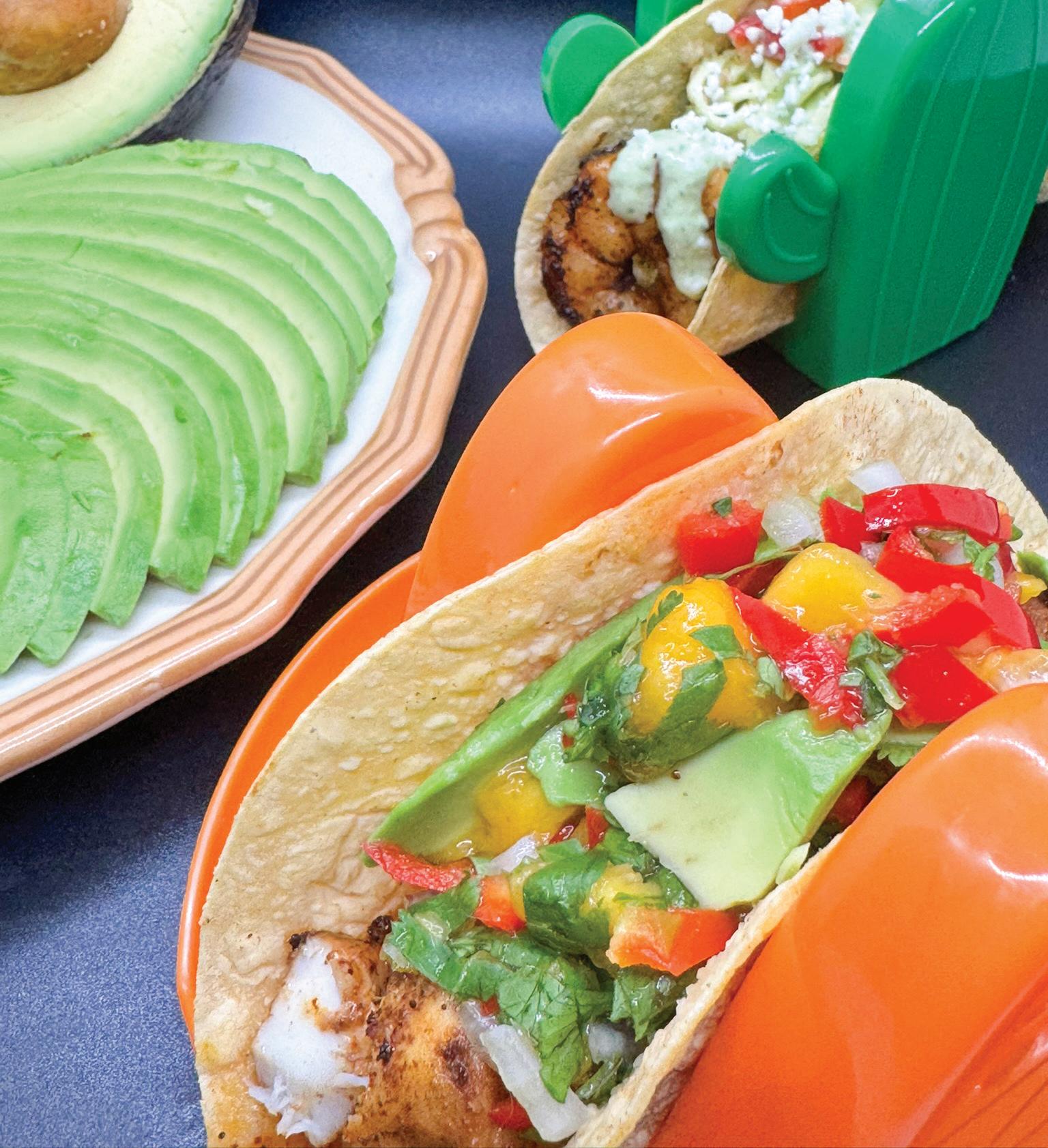
Love the sweet and tangy flavor profile of mango salsa but do not want to invest time into chopping vegetables and finding a ripe mango? Buy your favorite fresh salsa (kept cold and found in the produce section) and a package of ready-cut mango. You can also substitute canned diced
For tacos:
12 yellow corn tortillas
1 pound fresh skinless fish filets or 1 pound large shrimp, peeled, deveined, tails removed
½ teaspoon chili powder
½ teaspoon cumin
½ teaspoon kosher salt
¼ teaspoon black pepper
1 tablespoon butter
2 tablespoons olive oil, divided
Sliced avocado, cojita cheese and lime wedges, for garnish
For slaw and creamy Baja sauce:
½ package slaw mix
¼ cup diced sweet onion
¼ cup tightly packed chopped cilantro, or substitute Italian parsley
1 jalapeno, seeded and diced, or substitute sweet red or yellow pepper
1 garlic clove
1 cup plain nonfat Greek yogurt
¼ cup light mayonnaise
Zest and juice of half a large lime
Salt and pepper, to taste
For mango salsa:
½ ripe mango, peeled and diced, or substitute ½ cup canned mango
1 mini sweet red pepper, diced
¼ cup sweet onion, diced
¼ cup fresh cilantro, chopped
1 small jalapeno, seeded and diced
Pinch of kosher salt
Juice from half a large lime
Rinse fish or shrimp, pat dry, and transfer to a bowl. Cut the fish into 1-inch cubes. Leave shrimp whole. Drizzle with 1 tablespoon of olive oil.
mango or mango fruit cups. Drain well before using, and mix it into your salsa. Add a squeeze of lime and a pinch of salt. Avoid FTS—flimsy taco syndrome— by choosing yellow corn tortillas. White corn tortillas tend to be less sturdy and do not stand up well to the demands of hot fish tacos.
There is one thing you cannot take a shortcut with, however: You must find the freshest, meatiest fish for your tacos. Sure, you can claim the ultimate time-saver
Sprinkle with seasonings, and lightly toss with a spoon to coat. Set aside.
For the mango salsa, mix all ingredients in a bowl and refrigerate.
For the creamy Baja sauce, blend onion, cilantro, jalapeno, garlic, yogurt, mayonnaise, lime zest and juice in a food processor until smooth. Add salt and pepper, to taste. Use half the sauce to dress the slaw. Refrigerate the other half, and use it for drizzling.
Heat a griddle or cast-iron skillet to medium-high. Warm tortillas on each side for 20 to 30 seconds, being careful not to overheat so they remain pliable.
and bake off a few fish sticks, but please resist. Shop the local grocery store or fish purveyor with the freshest catch. It will cost a little more, but the investment will pay off in delicious dividends.
Look for firm, white, fleshy filets and no heavy fishy odor. Among the best varieties for fish tacos are cod, halibut, grouper and mahi mahi. Thick snapper filets will do, as well. If you cannot find a suitable fish, fresh shrimp is just as amazing. Make sure they are designated “American wild
Remove them to a plate, and cover with a clean towel to keep warm.
In a large frying pan, heat butter and olive oil over medium heat. Add cubed fish or shrimp, being careful not to crowd. Brown for 2 to 4 minutes on each side, depending upon thickness. Use tongs to turn. Do not overcook. Remove to a plate.
To construct tacos, place fish or shrimp on warm tortillas. Top with slaw and/or mango salsa. Drizzle with leftover Baja cream sauce. If desired, garnish with slices of avocado, a sprinkle of cotija cheese and a squeeze of lime.
caught” for good quality.
Better yet, buy South Carolina shrimp and fish when you can. Making the drive to the coast to buy fresh-off-the-boat seafood not only ensures you get the best, but you are supporting our local fishers and shrimpers. n
Libby Wiersema writes about dining, food trends and the state’s culinary history for Discover South Carolina as well as other print and online media. Contact her at libbyscarolinaspoon@gmail.com.

NIKON D810

180mm lens


ISO 100 f/6.3 at 1/1600






By Dave LaBelle
Saying something more than once for emphasis is a powerful tool to get attention. It’s true with words, and it can be true with photographs.
While a poet might use repeating words or phrases, photographers and artists recognize the power of repeating forms—objects, lines, tones, shapes or actions—to produce patterns and rhythm.
Repeating tones, lines, shapes or actions in a photograph can produce a visual melody, just as repeating notes in a musical composition creates an audio melody.
For example, while one giant wind turbine alone on a hillside might be eye-catching, hundreds of them working side by side is a very different visual experience. It feels almost otherworldly.
Similarly, one elk walking alone through an open field can be beautiful and serene, but a herd of elk racing across that same field— hundreds of heads and legs kicking up dust or grass—creates a powerful pattern.
Repeating forms in a composition creates patterns and can make your photos come alive with visual music.
Slow down, make time to notice the patterns around you, from designs found in nature to human-made structures. See if you can capture an image that produces a visual harmony.
Email your best image—just one—with caption information, including an explanation of how it affects you, to gph@pioneer.coop. We may share submissions on our website and social media channels.
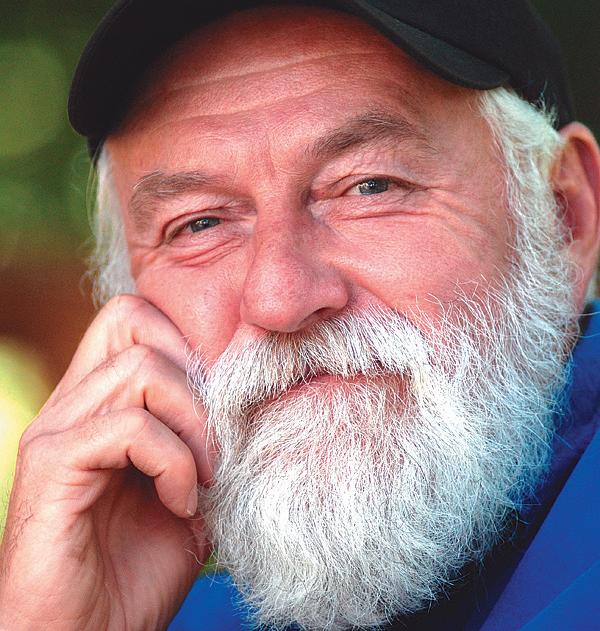
Internationally renowned author, photographer and lecturer Dave LaBelle has captured special moments for more than half a century. He has shared photo tips and life perspectives with readers since 2009. For more of his writings, visit davidlabelle.com and bridgesandangels.wordpress.com.
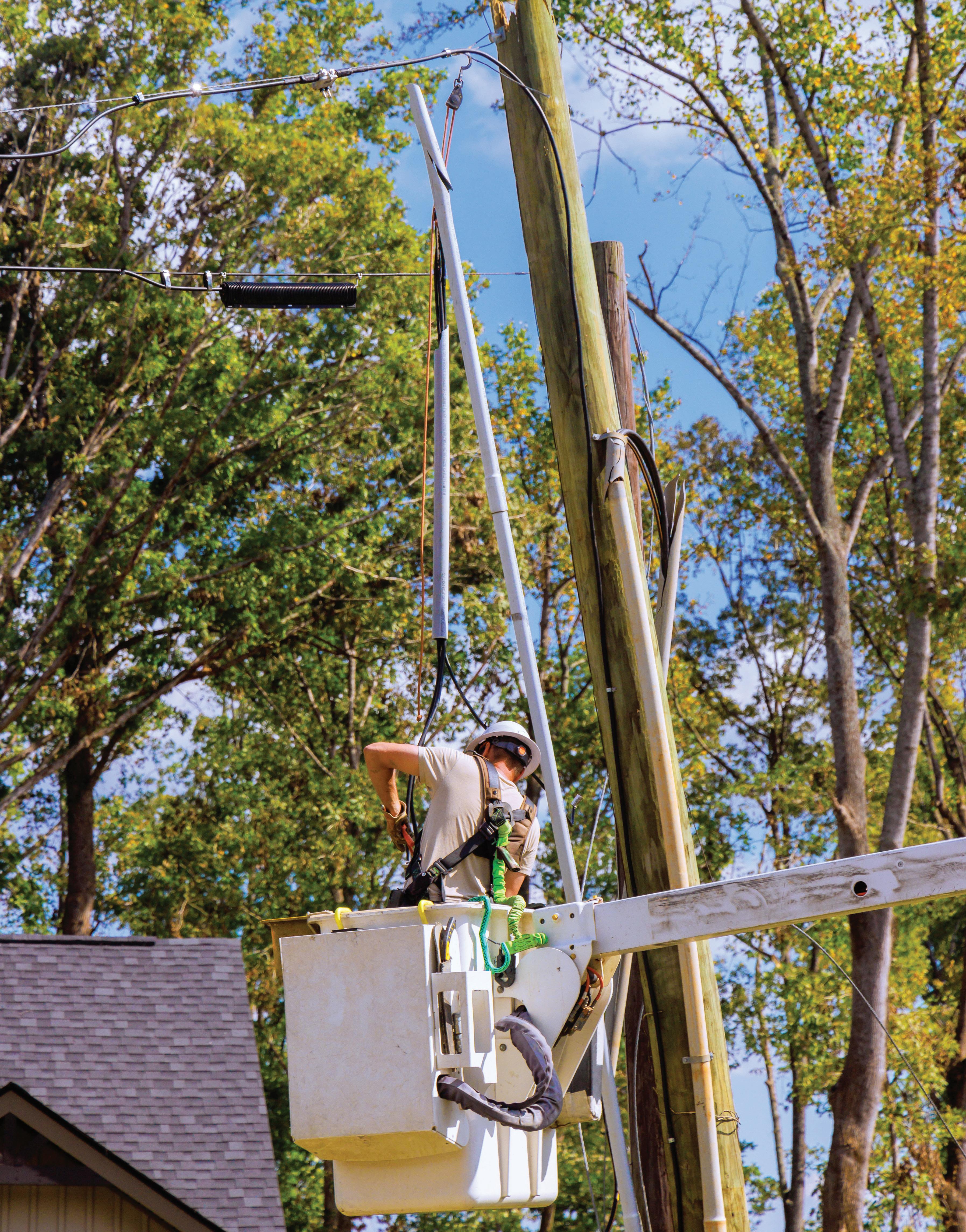

When the lights go out, MPD Electric Cooperative lineworkers are ready to answer the call, day or night, to safely restore power and keep our communities moving forward. They take pride in powering the places we call home. Today and every day, we thank lineworkers for their service and commitment.
Lineworker Appreciation Day April 13, 2026


By Robin Howard
When thinking about shopping locally, images of quaint boutiques and farmers markets often come to mind. However, the impact of choosing local businesses over big-box stores or online retail giants goes much deeper than charm and character. Shopping locally can create long-lasting ripples throughout the community.
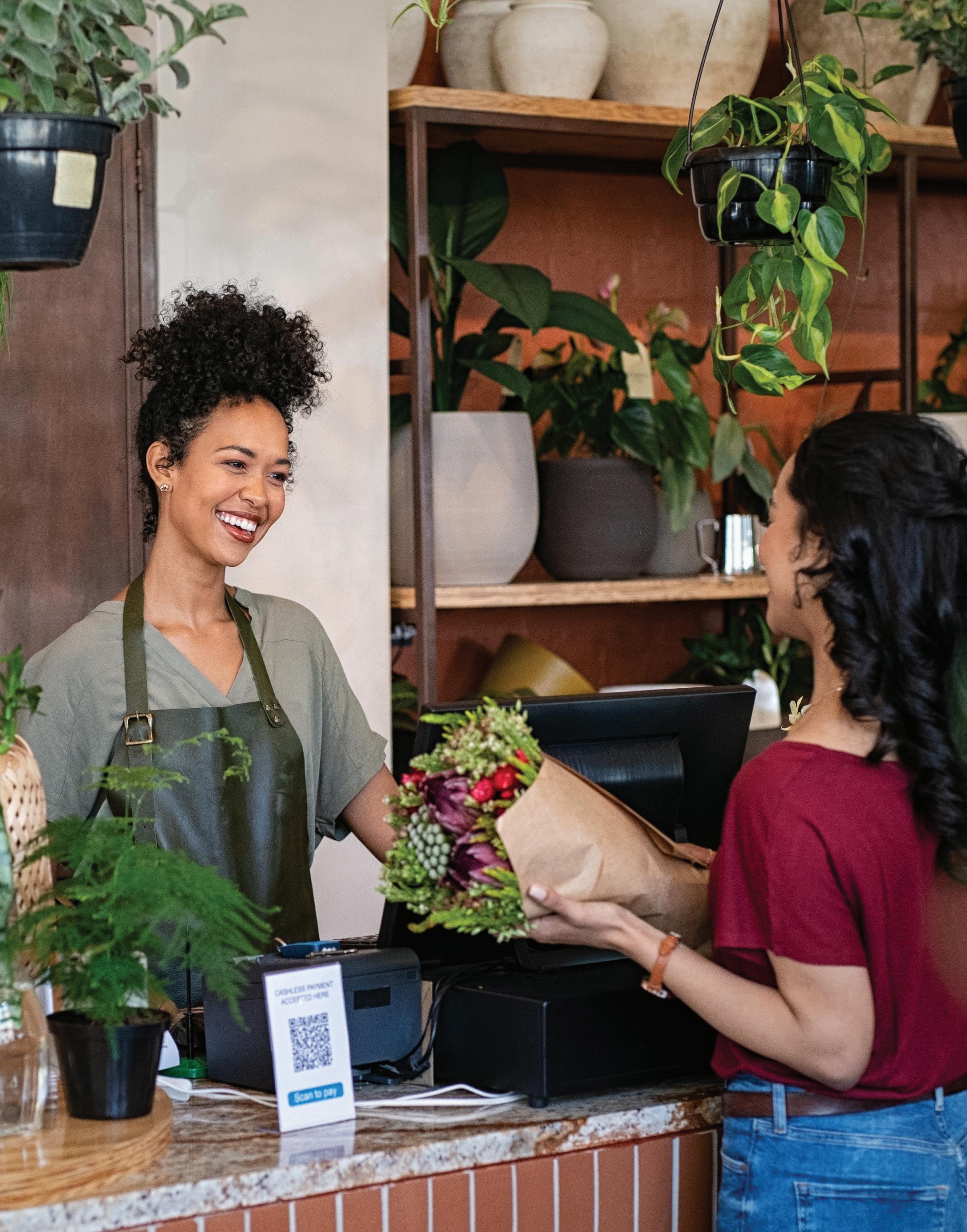
Let’s say you’re craving coffee. You could swing by a major chain or visit the corner cafe where the owner knows exactly how you like your latte. When you choose a locally owned cafe, something remarkable happens. Your money doesn’t just buy coffee, it helps pay their son’s college tuition, supports the local dairy farm that supplies the milk and keeps the friendly baristas working their way through college on staff.
The economic impact of buying as much as you can locally is like throwing a stone into a pond. Studies show that for every $100 spent at a local business, roughly $65 stays in the community, compared to only about $40 at a large chain.

Sometimes prices are higher, selection may be more limited and you might have to visit multiple stores to find everything on your list. However, many local businesses are adapting to modern needs by offering online ordering, curbside pickup and delivery services, making it easier to support them while maintaining convenience.
Here are some practical ways you can shift your buying habits from big chains to local businesses:
• Instead of buying books from major retailers, check out local independent bookstores where staff offer personalized recommendations, and you can browse curated collections.
• Rather than getting coffee from international chains, support local cafes that create a community gathering space.

Local business owners typically use local banks, hire local accountants and advertise in local media. They’re also more likely to source products from other local businesses, creating a web of economic interconnection.
Neighborhood bookstores maybe host reading groups, bring authors for signings and partner with nearby schools for literacy programs. Small business owners usually know their customers’ preferences and can recommend books and clothing based on actual conversations, not just algorithms. Plus, local businesses frequently stock items made in the community that might never get shelf space at major chains.
Environmental benefits are another reason to shop locally. When you buy produce from your local farmers market, those tomatoes haven’t traveled thousands of miles in refrigerated trucks. They probably came from within a 50-mile radius, significantly reducing their carbon footprint.
Local farmers are also more likely to use sustainable practices and grow diverse crop varieties, helping maintain biodiversity and healthier soil.
Local businesses tend to give back more to their communities. They sponsor Little League teams, donate to school fundraisers and support local charities. There are examples of local hardware stores, usually run by the same family for generations, offering free workshops and maintaining tool-lending libraries for DIY projects.
The personal touch of local shopping creates a different experience. You’re not just getting accessories from the local jeweler, you’re getting stories, craftsmanship and pieces that reflect local character. The same goes for neighborhood restaurants serving family recipes passed down through generations or boutiques carefully curating clothes that match local tastes and needs.
But let’s be honest, shopping locally isn’t always perfect.
• For produce, skip the supermarket and shop at farmers markets or join a community-supported agriculture program to get fresh vegetables directly from nearby farms. Local butcher shops and fishmongers typically offer higher quality meat and seafood than chain stores, often sourced from regional producers.
• Consider independent hardware and home supply stores, where staff can provide detailed advice on home projects.
• For gifts and home goods, explore local artisan markets and boutiques, which feature items made by community craftspeople rather than mass-produced products.
• For clothing, check out local boutiques and vintage shops that offer unique pieces while supporting the neighborhood economy.
The future of local shopping is evolving in exciting ways. Many communities are developing buy-local apps and online marketplaces, bringing local vendors onto one platform. Some cities created local currencies or rewards programs to encourage local spending. These innovations help local businesses compete in this increasingly digital world while maintaining their unique character and community connections.
Buying local also impacts a community’s innovation and entrepreneurship. Supporting local businesses creates an environment where new entrepreneurs feel confident taking risks and starting ventures. This leads to more diverse regional economies, unique products and services, and opportunities for people to build careers in their hometowns rather than moving to bigger cities.

Committing to buying locally doesn’t mean you must make every purchase from a local vendor. It’s about finding a balance and being mindful of where your money goes. Even shifting a small percentage of your shopping to local businesses can significantly improve your community’s economic health and character.
Every dollar spent at local businesses is a vote for the kind of community you want to live in. Do you want a town of empty storefronts and chain stores or one with unique shops and familiar faces? The choice is yours every time you open your wallet.

Grasped firmly (7)
1 Grasped firmly (7)
5 Pepé Le Pew, for example (5)
Pepe Le Pew, for example (5)
8 Removing from records (7)
9 Cry after a bad tennis serve (5)
10 Land called Mizraim in the Bible (5)
11 In one side, out the other (7)
Removing from records (7) after a bad tennis serve (5)
12 Poster heading (6)
14 Rapid horse pace (6)
17 The F in F1 racing (7)
19 Light bulb-shaped fruit (5)
22 Mixes the mixture (5)
23 Slot ___ (7)
Land called Mizraim in the
(5)
24 “___ see that coming!” (5)
25 Climber’s downward journey (7)
one side, out the other (7)
1 Birds that honk in flight (5)
2 Birthplace of the Renaissance (5)
3 Manet or Matisse (7)
Poster heading (6)
4 Phone number, informally (6)
5 It’s less dangerous, dispersing fears (5)
Rapid horse pace
6 Cruel partner? (7)
7 Sauce made chiefly from tomatoes and vinegar (7)
12 Rejected an offer (7)
F in F1 racing
13 Full of cares (7)
15 Features, facets (7)
16 Heated to a moderate degree (6)
Ligh bulb-shaped (5)
18 Surprise win (5)
Mixes the mixture
Slot_____ (7)
"___ see that coming!" (5)
Climber's downward journey
Birds that honk in flight (5)
Birthplace of the Renaissance (5) Manet or Matisse



The reason the Earth spins goes back billions of years to the moment our solar system was born. Buckle up (or don’t, since we’re spinning at 1,000 miles per hour), and I’ll explain.
About 4.5 billion years ago, the Earth was just a speck in a giant cloud of dust and gas known as a solar nebula, a huge spinning top of space debris. As the material inside collapsed inward to form the sun and planets, it didn’t do so in a neat, organized manner. Instead, everything started to rotate because of the conservation of angular momentum. In simple terms, when things collapse inward, they start spinning. It’s like when a figure skater pulls her arms in, she spins faster.
As the gas cloud contracted, it began to spin faster. This spinning cloud of dust and gas eventually cooled and clumped together, forming the Earth. Because the universe likes to keep doing what it’s doing, that spinning motion didn’t stop when the planet formed. Here we are, still rotating 4.5 billion years later.
Why didn’t Earth eventually slow down and stop, though?
According to Newton’s First Law of Motion, once an object is set in motion, it wants to stay in motion unless something forces it to stop. There’s no friction in space to slow it down, so the Earth keeps spinning. The spin will eventually slow down, but it will take a few billion years for that to happen. So, we’re safe for now.
The Earth’s rotation is crucial in keeping its shape intact. As the Earth spins, it bulges at the equator, forming a slightly oblate spheroid shape (a fancy term for squished ball). Without that rotation, the Earth might look more like a perfect sphere.
The rotation gives us day and night. It also deflects wind and current to the right in the Northern Hemisphere and the left in the Southern Hemisphere, causes tides to rise and fall, and affects the distribution of heat and moisture across the planet.
The moon plays a role in keeping the Earth from spinning too fast. When the moon formed, it created gravitational interactions that slowed the Earth’s rotation. Every day, the Earth loses a tiny bit of its spin to the moon’s gravitational pull. While this might sound like a bad deal for the Earth, it works out in the long run by slowing the planet’s rotation in a way that stabilizes our climate and helps keep everything in balance.
However, you shouldn’t worry, because the moon’s gravitational pull isn’t going to stop Earth’s spin anytime soon. In fact, it’s slowing down so gradually that Earth’s days are getting longer by about 1.7 milliseconds per century. So, in a few billion years, we might have a day that’s a few hours longer than the current 24-hour cycle.











Ed Salley is MPD’s IT guy. Ed not only knows a lot about technology, he knows a lot about everything. Send your question to asked@mpd.coop, and it may be featured in next month’s Ask Ed column.







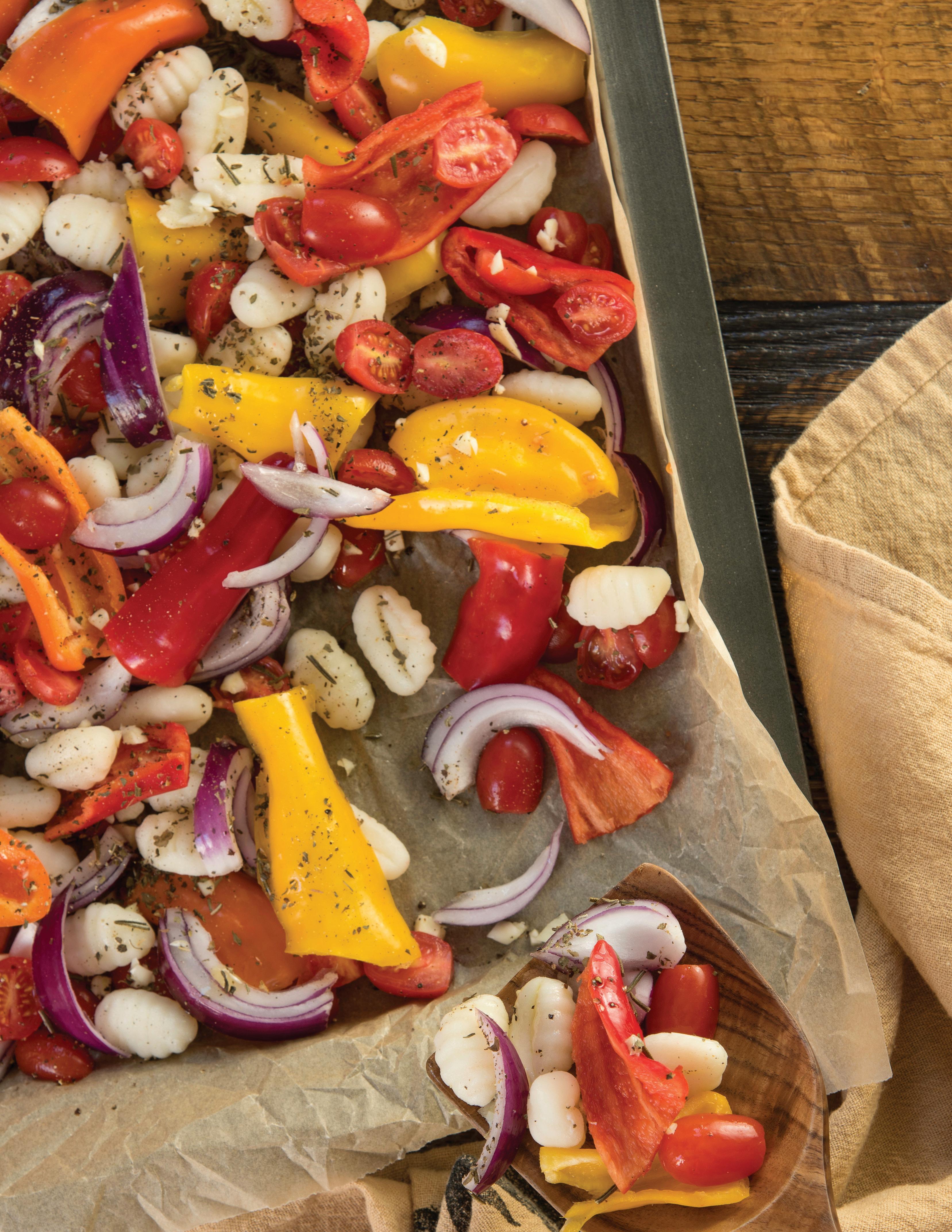
16 ounces gnocchi
1 red bell pepper, chopped
1 yellow bell pepper, chopped
1 red onion, chopped
1 pint cherry tomatoes
6 garlic cloves, minced
¼ cup olive oil
11/2 teaspoons dried oregano
Heat oven to 425 F.
11/2 teaspoons dried basil
1 teaspoon kosher salt
1/2 teaspoon dried thyme
¼ teaspoon red pepper flakes
Freshly ground black pepper
3 to 4 handfuls baby spinach
Shaved Parmesan cheese, for topping
On a large sheet pan, add gnocchi, red bell pepper, yellow bell pepper, red onion, cherry tomatoes, minced garlic, olive oil, oregano, basil, salt, thyme, red pepper flakes and black pepper. Combine everything, making sure it is well coated in the spices and oil. Bake for 35 minutes, stirring halfway through.

Remove sheet pan from oven. Add spinach, and stir to combine. Return to oven for 5 minutes, just until spinach is wilted.
Serve with shaved Parmesan cheese and a drizzle of olive oil.



Cooking spray
2 medium sweet potatoes, sliced into ¼-inch wedges
1 tablespoon olive oil, divided 1/2 teaspoon kosher salt, divided
¼ teaspoon ground black pepper, divided
¼ cup Dijon mustard
2 tablespoons honey
¼ teaspoon cayenne pepper
5 cups broccoli florets
4 5-ounce salmon fillets
2 tablespoons everything bagel seasoning
2 teaspoons soy sauce
Heat oven to 425 F. Line a large, rimmed baking sheet with foil, and coat lightly with cooking spray.
Toss sweet potatoes with 2 teaspoons oil, 1/4 teaspoon salt and 1/8 teaspoon pepper in a medium bowl. Place on half of the prepared baking sheet. Bake for 5 minutes.
Meanwhile, combine Dijon, honey and cayenne in a small bowl. Toss broccoli with remaining oil, salt and pepper in a separate bowl.
Remove potatoes from oven. Add salmon to the other half of the baking sheet. Place 2 teaspoons of the mustard mixture on each filet. Brush to coat, then sprinkle with bagel seasoning. Add broccoli to sweet potatoes. Bake until salmon flakes easily with a fork and vegetables are golden, about 12 minutes. Stir soy sauce into remaining mustard mixture, and drizzle over vegetables.
1 large bunch flat-leaf parsley
1 large bunch cilantro
1 tablespoon oregano
2 medium garlic cloves
11/2 teaspoons kosher salt
1/2 teaspoon red pepper flakes
1/2 cup extra-virgin olive oil
2 tablespoons red wine vinegar, plus more as needed
11/2 pounds boneless, skinless chicken thighs
1/2 teaspoon honey
1 medium zucchini, diced
1 cup whole cherry tomatoes
1 small red bell pepper
1/2 medium red onion
2 tablespoons olive oil
Salt
Rice, flatbreads or potatoes
Using a food processor, pulse parsley, cilantro, oregano, garlic, salt and red pepper flakes until finely ground, about 30 seconds. Add olive oil and vinegar, and pulse until just combined. Season to taste with additional salt and vinegar.
In a large bowl, toss chicken thighs with honey and 1/3 cup of chimichurri. Refrigerate for at least 1 hour. Refrigerate remaining chimichurri until ready to use.
When ready to proceed, adjust oven rack about 6 inches below the heating element. Heat broiler to high.
Remove chicken from marinade. On a 13-by-18-inch rimmed baking sheet, arrange thighs out so there is plenty of space between them. Discard marinade. Arrange zucchini, cherry tomatoes, red pepper and onions around chicken. Drizzle vegetables with olive oil, and season with salt.
Broil until chicken is golden brown and vegetables are just beginning to char, about 10 minutes. Flip chicken and vegetables. Broil until vegetables are tender, and chicken is lightly charred. The chicken should read 185 F on an instantread thermometer, about 7 to 10 minutes.
Serve with reserved chimichurri, rice, flatbread or potatoes.
Cooking spray
8 corn tortillas
1 pound uncooked medium shrimp, peeled and deveined
1¼ teaspoons ground cumin
1/2 teaspoon paprika
3/4 teaspoon chili powder
1/2 teaspoon kosher salt
Freshly ground black pepper
1 tablespoon freshly squeezed lime juice
For serving:
1 batch easy taco slaw (see below)
1 medium avocado, sliced
Sour cream
Lime wedges
Heat oven to 400 F. Lightly coat a rimmed baking sheet with cooking spray.
Place a large sheet of aluminum foil on a work surface. Stack the tortillas on top, and wrap in foil. Place the packet of tortillas on one corner of the baking sheet.
Pat shrimp dry, and place on baking sheet. Season with cumin, chili powder, salt and a few grinds of black pepper. Toss to combine, and spread into an even layer.
Roast until shrimp are opaque and pink, stirring halfway through, about 6 to 8 minutes. Drizzle shrimp with lime juice, and toss to combine. Fill tortillas with shrimp, and top with slaw, avocado and sour cream. Serve with lime.
Shredded red cabbage
Salt
Mayonnaise
Lime juice
Grated or shredded carrot
Thinly sliced scallions
Cilantro
Jalapeño pepper
Garlic
Salt the cabbage in a colander. Massage it to help release its liquid, then set aside to drain for 15 minutes.
Place mayonnaise and lime juice in a large bowl. Whisk to combine. Using your hands, squeeze cabbage of its excess liquid one handful at a time. Add cabbage and remaining ingredients to the bowl of dressing, and toss to combine.
Nonstick cooking spray
1/2 cup panko breadcrumbs
¼ cup freshly grated
Parmesan cheese
4 5-ounce bone-in, skin-on chicken thighs
¼ cup melted butter
2 tablespoons Dijon mustard
11/2 pounds baby potatoes
1 pound green beans, trimmed
1 teaspoon dried thyme
Salt, to taste
Freshly cracked pepper
Heat the oven to 425 F. Line a large sheet pan with aluminum foil, and coat with cooking spray.
Mix breadcrumbs and cheese in a small bowl. Set aside. Place chicken on prepared pan. Combine butter and Dijon in a large bowl. Brush chicken with mixture.
Add potatoes and beans to bowl. Toss in remaining mixture. Evenly spread vegetables on the pan around chicken Season everything with thyme, salt and pepper. Press breadcrumb mixture onto chicken thighs.
Bake until chicken is no longer pink at the bone, the juices run clear, and the potatoes can be pierced easily with a fork, about 25 to 30 minutes. An instant-read thermometer inserted near the chicken bone should read 165 F.

By Judy Garrison
After a long winter, spring arrives with splashes of color and opportunities to breathe in the fresh air and explore what you love. From a floating festival where you can eat your weight in shrimp to a citywide exhibition of emerging artists, there’s a festival for you. From the coast to the mountains, invigorate your spring with community and fun.
Lake City, multiple locations
April 10-May 2
Showcasing art and saluting its creators, Artfields brings exhibitions to rural South Carolina. What began as a simple goal of promoting art has turned into a competition recognizing emerging artists in the area. In addition to museums and galleries, local venues share a mission to transform their walls into exhibition spaces. Artists can win prize money based on voting by venue visitors. The city becomes a living art gallery. Venues open Tuesday through Saturday. For more details, visit artfieldssc.org.
St. George, South Parler Avenue
April 10-12
Grits, grits and more grits. On your plate and in your mouth. You can even dive into a plastic grit-filled pool and roll around. Born from a comment at the local Piggly Wiggly supermarket regarding the huge quantity of grits shipped to this small town, the festival has been going full blast since 1986. The owners of the grocery store researched and, lo and behold, the people of St. George ate more grits per capita than people any anywhere else in the world. This threeday event featuring arts, crafts, performances and music, puts grits on the map. For more information, visit worldgritsfestival.com.
Music on the Mountain
Table Rock State Park, Gaines Lodge
April 11, May 9, June 13
Bluegrass jam sessions happen throughout the year at Table Rock State Park, and this spring local musicians will heat up the mountain on three dates. Bring a folding chair and sing along with your neighbors. Admission is free. Visit southcarolinastateparks. com/table-rock for more information.
Southern Roots: A Barbecue Reunion Travelers Rest, Trailblazer Park
April 11
Pitmasters unite Upstate. But first, the festival kicks off with seafood. There’s also music, spirits and artisan booths. More than 35 chefs from the Southeast light up the cooker for the best barbecue, and you’ll get to taste it all. An all-inclusive ticket supports IDefine, a nonprofit to help families impacted by Kleefstra Syndrome, a rare genetic disorder affecting many parts of the body with symptoms that include developmental delay, intellectual disability and speech limitations. Follow the smoke to the best barbecue in the South. Buy general admission or exclusive VIP tickets online at southernrootsreunion.com.
Charleston Jazz Festival
Charleston, multiple locations
April 13-19
Experience world-class jazz performances in Charleston. Through educational programs and outstanding performances, the festival inspires while doing good. As a nonprofit dedicated to promoting the global world of jazz, the festival establishes Charleston as an authentic jazz city. The festival opens with dinner and a show, featuring Ann Caldwell & The Loose Fit Ensemble. Visit charlestonjazz.com/festival for more information and ticketing.
Pork in the Park
Downtown Newberry, Memorial Park
April 17-18
Begin the weekend with barbecue and bluegrass. As a Southern Barbecue Network-sanctioned competition, meatsmoking begins Saturday with entertainment throughout the day. For more information, visit newberryporkinthepark.com.
SC State Chili Cook-Off and Kegs and Eggs Competition
Downtown Belton
April 18
Who doesn’t love a good bowl of chili? Buy a $20 unlimited tasting band and choose your favorite amateur or professional cook. Doors open at 10 a.m. with craft booths, music performances and tastings, which culminate with the awards ceremony at day’s end. For more information, visit scchilicookoff.com.
Columbia International Festival
Columbia, South Carolina State Fairgrounds
April 18-19
Showcasing music, culture and food, Columbia celebrates the melting pot of the state. Learn about cultural heritage through authentic crafts, festival performances and foreign cuisines. Enjoy an adult fashion show on Saturday. Visit cifonline.org for more information.
Columbia Food & Wine Festival
Columbia, multiple locations
April 22-26
It’s a weeklong culinary journey with local chefs and mixologists. Highlighting the city’s vibrant food scene, the festival connects guests with a variety of cuisines and beverages. Open to adults over 21, tickets are available for each day’s event so choose your delight. Choose the seated kickoff dinner, cocktail games or High Tea and Tutus for specialized activities. For more information and ticketing, visit columbiafoodandwinefestival.com.
Pickens Azalea Festival
Downtown Pickens
April 24-25
Welcome to a weekend of color in Pickens. Gather with local artisans and musicians to celebrate spring’s blooms. Take part in the 5K run and walk or the cruise-in to kick off the event. For more information, visit pickensazaleafestival.com.
Blessing of the Fleet and Seafood Festival
Mount Pleasant, Mount Pleasant Memorial Waterfront
April 26
One of the most popular events along the coast, the Blessing of the Fleet and Seafood Festival begins with a traditional blessing and shrimp boat parade. The event honors the Lowcountry’s fishing heritage and opens the season. Enjoy local seafood prepared by the city’s chefs, shop crafts and listen to live music. Festivities begin at 11 a.m., signaling the boat parade in Charleston Harbor. Free activities for all ages. For more information, visit experiencemountpleasant.com.
Abbeville Spring Festival
Downtown Abbeville
April 30-May 5
Explore the beautiful village of Abbeville. From amusement rides to music to good food, this festival offers an ideal family getaway. It’s a free event for the entire family, but if you’re going to enjoy rides, purchase a wristband for access. Visit abbevillecitysc.com for more information.
SC Strawberry Festival
Fort Mill, Walter Elisha Park
May 1-2
It’s everything strawberries. From pageants to a golf tournament to a strawberry soiree, the beginning of the festival prepares everyone for two days of fun. Enjoy stages of live music, the fun zone tent and even strawberry eating contests. Visit scstrawberryfestival.com. for more information.
Lowcountry Shrimp Festival and Blessing of the Fleet
McClellanville, Robert Ashley Landing
May 2
Local shrimp boat captains and crews prepare for the season with a blessing and a parade. This familyfriendly event runs from 11 a.m. until 5 p.m. More than a half-ton of shrimp is prepared, so make plans to get there early so you don’t miss the food. For more information, visit lowcountryshrimpfestival.com.
Orangeburg Festival of Roses
Orangeburg, Edisto Memorial Gardens
May 2-3
Celebrate the arrival of spring with roses. Enjoy the tradition of food, flowers and fun with family-friendly events, from live music to bingo. For more information, visit orangeburgchamber.com/annual-events.
Downtown Greenville & RiverPlace
May 8-10
Greenville’s cultural event of the year engages visitors through the beauty of art. More than 140 juried visual artists line downtown streets as well as near the Reedy River. There are children’s craft areas, live art demonstrations, street chalk art, live music performances and culinary regional talent featuring a taste of the South. Admission is free. For more information, visit visitgreenvillesc.com/events.
Bluffton Mayfest
Downtown Bluffton
May 9
Many believe this is the best annual event in the city. Featuring food vendors and local artisans, the festival begins with a pie-eating contest followed by an ugly dog contest. An over fourdecade tradition, Mayfest celebrates spring’s arrival with a day of fun. Admission is free. For more information, visit blufftonsc.com.
Spring Garden Tour
Greenville, Kilgore-Lewis House
May 15-16
The Greenville Council of Garden Clubs shares private gardens each year as spring explodes with beauty. From large estates to backyard gardens, each will be the perfect inspiration for your home garden. Local vendors, plus a plant sale, will be onsite. For more information and ticketing, visit visitgreenvillesc.com/event/ spring-garden-tour-2026/49888.
Blue Crab Festival
Little River, Historic Little River Waterfront
May 16-17
One of the largest festivals in the Southeast, the Blue Crab Festival brings the community together with fun and tradition. Enjoy live music and entertainment and many seafood specialties. For more information and online tickets, visit bluecrabfestival.org.
Hilton Head Island Art Festival
Hilton Head Island, Shelter Cove Harbour & Marina
May 22-24
A weekend of strolling and shopping the booths of the most unique artisans in the South, the Hilton Head Art Festival features pottery, glass, photography and multiple mediums. Stroll along the harbor, chat with the artists and enjoy the live entertainment. Free admission. Visit hiltonheadartfestival.com for more information.
Ware Shoals Catfish Feastival Ware Shoals
May 22-25
Eat your way through a mountain of catfish at the shoals. This three-day festival is filled with food and craft vendors, carnival rides and even professional wrestling. What’s not to love? Evenings end with a Doobie Brothers or Eagle Sunrise tribute. For more information, visit catfishfeastival.
Gullah Festival
Beaufort, Henry C. Chambers Waterfront
May 22-24
It’s the original Gullah festival of South Carolina. This year, an inaugural riverboat experience introduces the celebration with food, live entertainment, storytelling and a fashion show. The weekend kicks off with tours each day. Friday features the All White Party, Saturday includes the Decoration Day Play and Sunday’s agenda includes the Port Royal Dedication Marker. For more information and ticketing for specific events, visit originalgullahfestival.org.
Aiken Bluegrass Series
Aiken, Stable View
May 24
Enjoy an evening of music with The Nature Boys and Songs from the Road Band for Aiken’s quarterly bluegrass series at Stable View. Doors open at 4 p.m. with food available at the pub. RV hookups are available on-site. For more information and tickets, visit visitaikensc.com.
Spoleto Festival
Charleston, multiple locations
May 23-June 8
As collaborators build the 2026 season centered on its theme, freedom of expression, Spoleto Festival spans artistic genres from opera to dance and from theater to chamber music, bringing the best performing artists to the South. Some community programs are free while most performances require tickets. Don’t miss An Evening with Ken Burns on May 27. Some popular performances include Emmylou Harris, Brandi Carlile and the Indigo Girls. For more information and ticketing, visit spoletousa.org.
Reggaetronic Lake Murray Music Festival
Lake Murray, Jim Spence Islands
May 31
A full day of music on the water, this outdoor festival is the perfect way to usher in the summer. From country to rock ’n’ roll, there’s a sound for everyone, and you’ll hear it from your very own floating craft. Admission is free. Accessible by boat only. For more information, visit reggaetronicsc.com.
SC Festival of Flowers
Greenwood, multiple locations
June 4-7
Spring is in bloom in Greenwood and, with hot weather just around the corner, this is how you begin the summer season. Jam-packed with events, begin with Toast & Taste of Greenwood on June 5, featuring local musicians and restaurants alongside The Swingin’ Medallions. The first weekend of June is the main event ushering in the month’s worth of activities. For more information and the monthlong calendar, visit scfestivalofflowers.org.
APRIL 3-4
Town of Lamar Egg Scramble
The evening street dance and parade is Friday, and the all-day festival is Saturday. For more information, visit lamarsc.org.
Main Street, Lamar
APRIL 4
Spring Family Days at Langston Ranch
Join in the fun at the ranch for adventures every Saturday from April 4 to May 2. 3603 Union School Road, Coward
APRIL 4
Carolina Trading Post First Car Show
This event includes food vendors, a ra e and a car show. Car show registration is 9 a.m. to noon with an entry fee of $20. A portion of proceeds bene t the Florence Area Humane Society. 1521 2nd Loop Road, Florence
APRIL 4
Cheraw State Park
Moonlight Canoe Float
Enjoy the sunset and natural beauty headwaters on Lake Juniper at Cheraw State Park. Join a quiet trip to the head waters accompanied by a park ranger. Register by calling 843537-9656.
6:30 p.m.
100 State Park Road, Cheraw

















APRIL 1618
Darlington County Master Gardener Association Plant Sale
APRIL 10-MAY 2
ArtFields
Up to 400 works of art are displayed in locally owned venues, such as 1920s warehouses, professional art spaces, the history museum, the Ronald E. McNair Life History Center, restaurants, boutiques and other shops. For more information, visit art eldssc.org.
LAKE CITY
APRIL 16-18
Darlington County Master Gardener Association Plant Sale
Shop for annuals, perennials, edibles, shrubs and more. Not sure what will work in your garden? Master Gardeners will answer your questions and help you make the best planting decisions for your unique garden.
JOSLIN EDUCATION CENTER
1520 W. Carolina Ave., Hartsville
APRIL 16-19
Pee Dee State Farmers Market Spring Festival
Shop for plants and owers, gardening equipment, decor and seasonal produce.
PEE DEE STATE FARMERS MARKET
2513 W. Lucas St., Florence
APRIL 18-19
Relay for Life of the Pee Dee
Celebrate survivors, remember loved ones lost and ght back against cancer as we come together for every life.
FLORENCE SPORTS COMPLEX
1200 Jennie O’Bryan Ave.
APRIL 25
Spring Farm Festival
Spend time with baby animals, shop local and enjoy something to eat.
Noon to 4 p.m.
CHASIN’ TIME FARM
2006 Midway Road, Cheraw
APRIL 25
City of Dillon Street Festival
Enjoy the Palmetto Cruisers car show, live entertainment, food trucks, vendors and games for children.
9 a.m. to 5 p.m.
CITY OF DILLON FESTIVAL MARKETPLACE
112 S. Railroad Ave., Dillon
APRIL 25 ‘Tangled’
This PG-rated animated musical movie is an update to a classic fairy tale. There are snacks and juice available to enjoy during the movie.
10:30 a.m. to 12:15 p.m.
TIMMONSVILLE PUBLIC LIBRARY
298 W. Smith St., Timmonsville
events@marlboro.coop
Thinking about adding a few fruit trees to your yard? Backyard orchards can be surprisingly productive in the Carolinas, but success starts with choosing the right trees that are well suited to the region’s climate and soil.
In many parts of the Carolinas, gardeners deal with sandy soil that drains quickly and can make growing certain plants a challenge. Fortunately, several fruit tree varieties can thrive and grow well in these conditions, turning even the sandiest of backyards into a productive place to grow your own fresh fruit.
Here are six of the best fruit trees to help bring your mini orchard dreams to life.
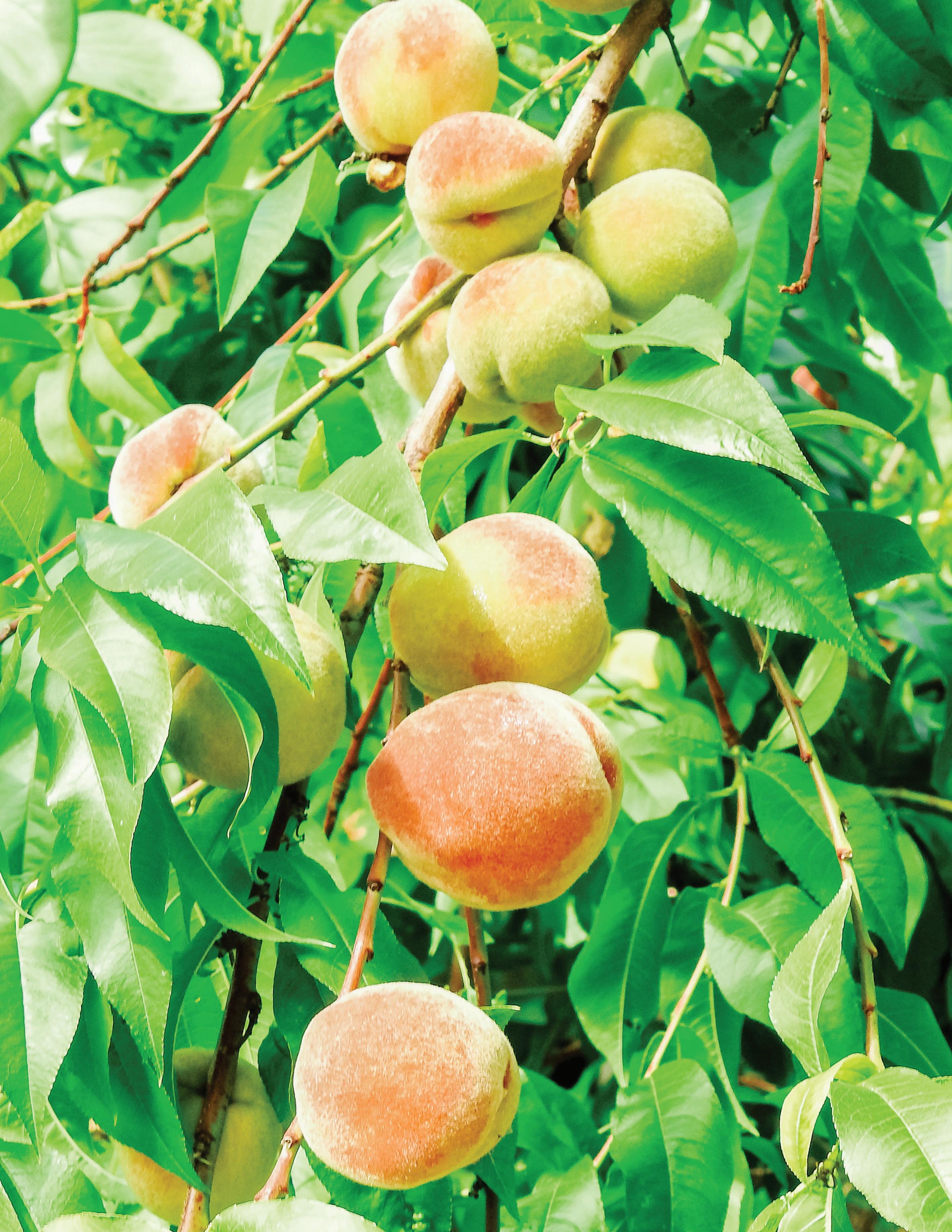
One of the most iconic fruits of the South is the peach. Peaches thrive in sandy soil because their roots prefer welldrained conditions and do not tolerate standing water. In fact, much of Carolina’s commercial peach production occurs in sandy regions for this reason.
Dwarf and semi-dwarf varieties, such as Elberta and Bonanza Porch peaches, make excellent choices for backyard gardens, reaching manageable heights of 10-12 feet. These trees are not only loved for their sweet, juicy fruit, but also for their beautiful pink blossoms that appear in early spring, followed by a bountiful harvest in early to mid-summer.
Fig trees are one of the easiest fruit trees for Southern gardeners. These hardy trees tolerate heat, humidity and sandy soil with very little fuss. Varieties such as Celeste and Brown Turkey are especially popular.
Figs grow as small trees or large shrubs, often reaching 10-15 feet tall, though they can be pruned for smaller backyard spaces. Their broad leaves provide shade, while their sweet fruit ripens in late summer and are perfect for fresh eating, preserving or baking.
Persimmons offer a unique addition to a backyard landscape and are prized for being relatively low maintenance. American and Asian varieties grow well in the Carolinas, producing glossy green foliage in summer and brilliant color in autumn.
American persimmons are native to the region, making them well-suited to local growing conditions. Asian varieties, such as Fuyu, have become popular because they produce sweet, non-astringent fruit that can be eaten while still firm.
Gardeners interested in growing something a bit more uncommon may want to consider the often-overlooked jujube tree.
Sometimes called Chinese dates, jujubes are remarkably hardy and thrive in poor, sandy soil where other trees may struggle. Their small fruit tastes somewhat like a sweet, crisp apple when fresh and becomes date-like when dried. Jujube trees are naturally compact and drought tolerant, making them an ideal choice for low-maintenance gardens or limited space.
Mulberry Trees
Another reliable choice for sandy soil is a mulberry tree. Fast growing and adaptable, mulberries produce large
harvests of sweet blackberry-like fruit in late spring and early summer. Mulberries taste excellent fresh and in pies and jams. Birds tend to love them, but there is usually more than enough to share.
Mulberries require minimal care once established and make for great shade trees, although smaller varieties can be pruned to remain shorter than 15 feet tall.
Pomegranate Trees
Pomegranates grow surprisingly well in parts of the South. These trees make beautiful ornamental additions to the landscape with their bright orangish-red flowers in late spring and their unique antioxidant-rich fruit in the fall.
Many varieties grow as small trees or large shrubs reaching 8-12 feet tall.






Brandi Faulk and her family are excited to share their homesteading journey with MPD Electric members. Their home, built in 1895, is a former railway hotel and farmhouse in Chesterfield County. Search “faulkfamilyfarmhouse” to see more photos of their experiences on Instagram.


Send sparks to your tastebuds with the bold, Southern flavor of Red Clay Hot Sauce.
Made in Charleston, South Carolina, these small-batch hot sauces have become a favorite for their balanced heat, fresh flavor and roots in the region’s vibrant culinary scene.
The story behind Red Clay Hot sauce begins with Chef Geoff Rhyne who first created a Fresno sauce while working in a prominent Charleston restaurant kitchen. Originally made to complement an oyster dish on the menu, the sauce quickly gained a devoted following among diners. It was so popular, guests began swiping bottles straight off the tables to take home. One such diner was entrepreneur Molly Fienning, who was so impressed she partnered wtih Geoff to produce the sauce for sale. They launched the brand in 2014.
The array of sauces feature fresh ingredients like Carolinagrown peppers, vinegar and spices for a smooth, tangy flavor that enhances food without overpowering it. They’re perfect on eggs, fried chicken, tacos and just about anything that needs a touch of Southern heat.
Discover the brand’s full lineup of flavors including, original, Carolina, Verde and Habanero hot sauce. Red Clay has also
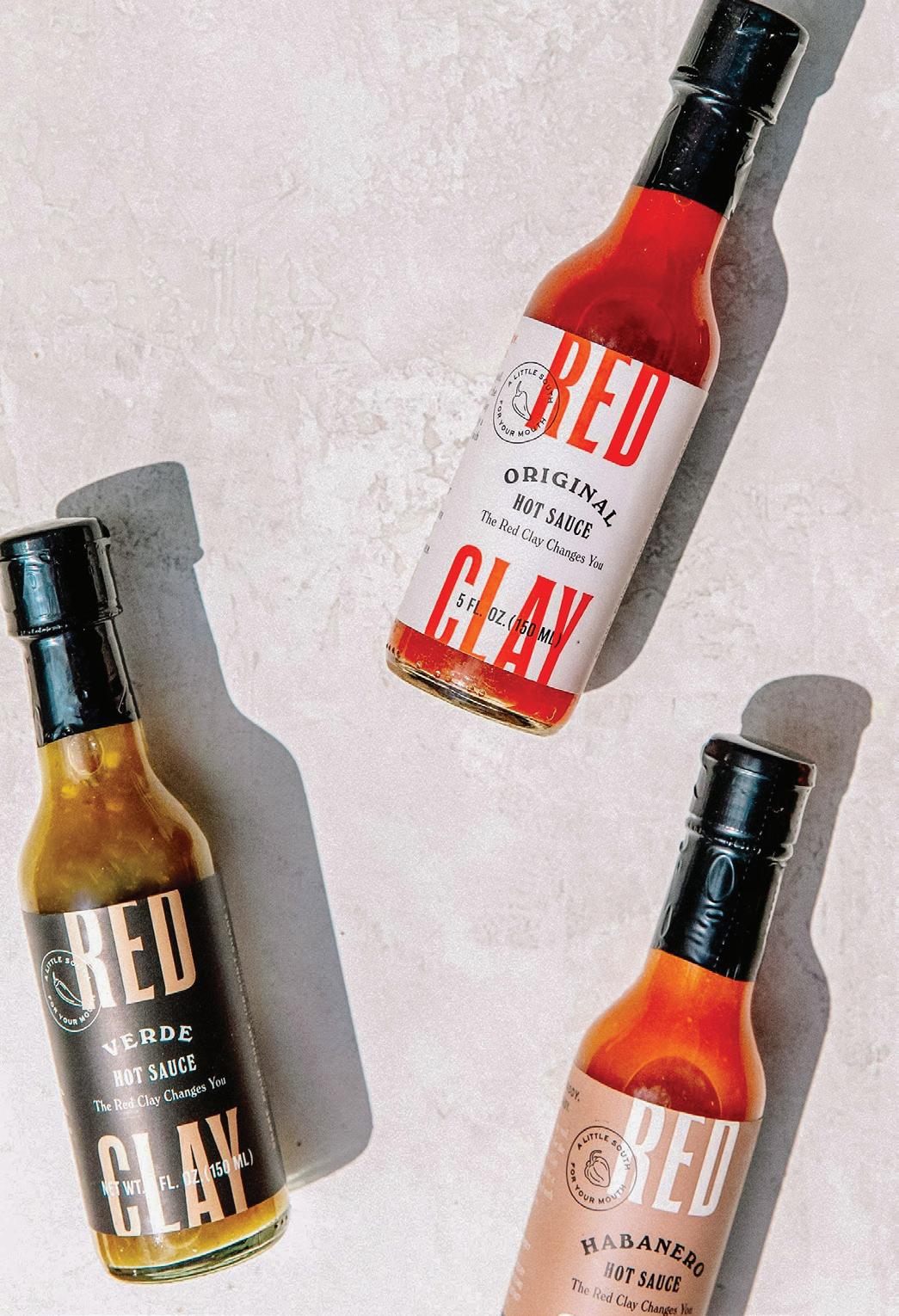
introduced additional pantry favorites like hot honey, Southern chili crisp and spiced salts, all guaranteed to elevate any meal.
RedClayHotSauce.com
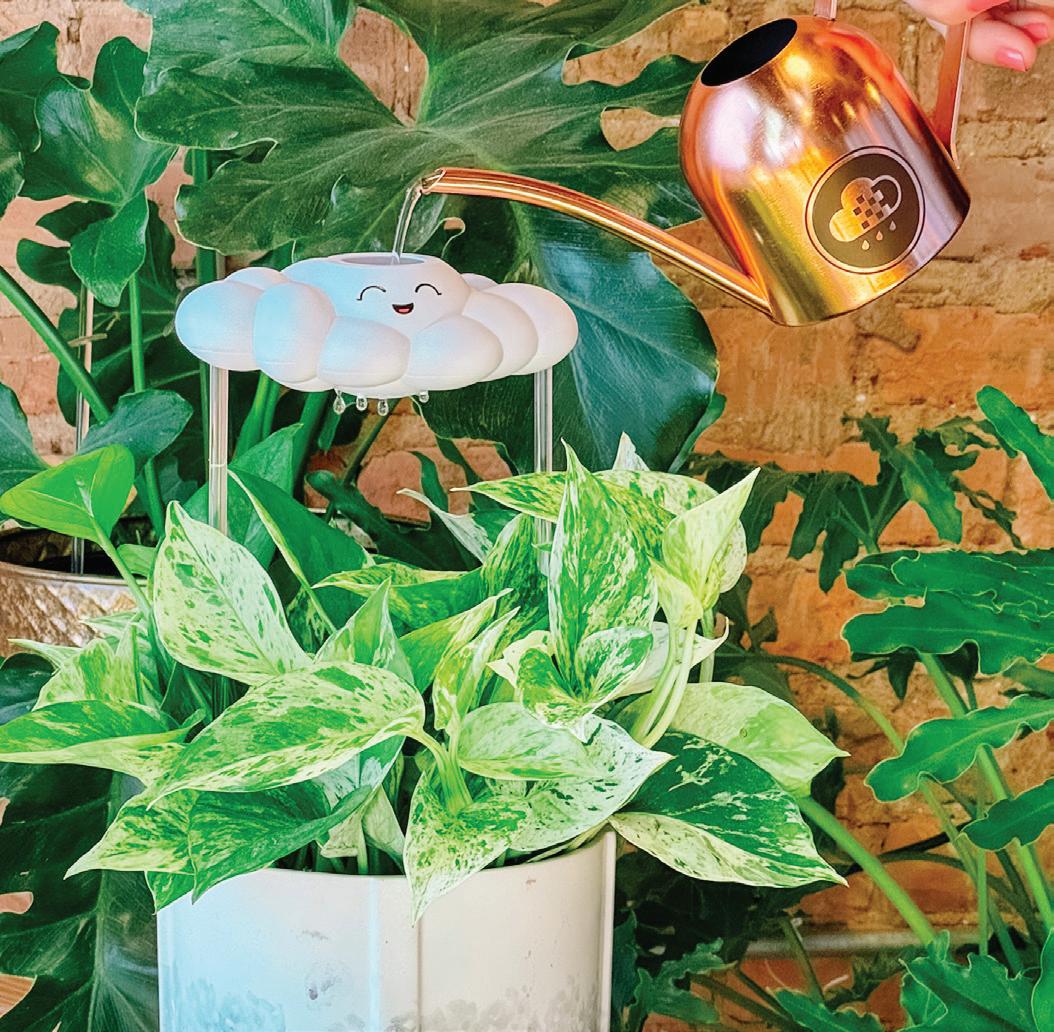
Bring joy to your watering routine with a charming creation from The Cloud Makers.
Based in Woodstock, Georgia, artist Ericka Axelsson designed these patented whimsical plant-watering clouds to make caring for houseplants fun and functional. Simply fill the cloud with water and place it in the soil over your plant, where it gradually releases moisture over time. The result is a gentle watering system that helps keep plants consistently hydrated.
These playful clouds combine smart function with joyful design and help your plants thrive while adding a little joy to your home. A standout feature of The Cloud Makers is the Build Your Own Cloud option, allowing customers to personalize their pieces.
With more than 600 possible facial expressions, you can choose the perfect personality for your cloud—from cheerful or sleepy to silly or surprised. Each one becomes a tiny work of art that brings character and charm to your favorite house plants. The brand also offers a variety of plant accessories, such as decorative plant picks and plant charms that add an extra-playful touch to pots, planters and terrariums.
TheCloudMakers.com
Add a touch of luxury to any space with a rug from Cicil Home.
Beautifully crafted and thoughtfully designed, Cicil Home’s rugs bring warmth, texture and timeless style that complement any decor. Each rug is manufactured in North Carolina by a woman-owned company dedicated to creating heirloom textiles designed to last a lifetime.
Made from Responsible Wool Standard-certified wool, the fibers come from small farms along the East Coast that prioritize responsible land management and animal welfare. The result is a durable, natural rug that feels soft underfoot while supporting sustainable production.
Cicil Home’s rugs are available in a variety of sizes to suit


different spaces, with custom sizes available or even unique shapes like beans, scallops and curves for a truly tailored look. These rugs also come in a carefully curated palette of more than 10 neutral and earthy shades. From soft tones like natural oat, sand and light gray to deeper shades in Bordeaux and moss, these colors create a subtle, sophisticated foundation that works beautifully with farmhouse, coastal or modern-day decor styles.
You can try out the colors and textures for yourself before purchasing a full-size rug, by ordering swatches, which also conveniently make great coasters or trivets for later use.





Every April 1, respected news organizations, our favorite brands and closest friends participate in the same peculiar tradition: lying to each other for fun. April Fool’s Day is a holiday built entirely on deception—but how did it start?
The most widely accepted theory traces the holiday to 16th-century France. In 1564, King Charles IX adopted the Gregorian calendar, officially moving the new year from the end of March to Jan. 1. Since there was no form of mass communication, news traveled slowly, and many rural citizens continued to celebrate the new year in late March or early April.
for a few newspaper ads.
The Left-Handed Whopper




These out-of-the-loop souls were mocked and tricked by their more informed neighbors, earning the nickname “poisson d’avril,” or April fish, a young, easily caught fish used as a symbol of gullibility. To this day, French children tape paper fish to each other’s backs on April 1. Whatever its true origin, by the 18th century, the holiday had spread across Britain and Scotland. By the 19th and 20th centuries, it had become a fixture across the Western world.
Burger King got in on the action in 1998 with a fullpage USA Today ad introducing the “Left-Handed Whopper,” a burger with all the condiments rotated 180 degrees to suit left-handed customers better. The ad featured detailed diagrams showing how the redesigned distribution of ketchup, lettuce and tomato would prevent spillage for the roughly 10% of the population who are left-handed. Thousands of customers reportedly walked into Burger King restaurants that day requesting the fictional sandwich, while others specifically asked for the original “right-handed” version.
Sports Illustrated’s Impossible Pitcher


The Prank That Started It All for Broadcast Media
No institution has embraced the holiday more enthusiastically than the media and corporate world, which discovered that a well-executed prank could generate more press coverage than an expensive ad campaign.
The gold standard remains the British Broadcasting Corporation’s 1957 broadcast of a segment about the Swiss spaghetti harvest. Aired on the prestigious current affairs program “Panorama,” the segment showed Swiss farmers carefully plucking strands of spaghetti from trees while a narrator explained how a mild winter had led to a particularly bountiful crop.
Viewers, completely unaccustomed to such whimsy from the notoriously stately broadcaster, flooded the BBC with calls asking how to grow their own spaghetti trees. The BBC’s deadpan response was to “place a sprig of spaghetti in a tin of tomato sauce and hope for the best.”
The Liberty Bell Gambit
Few corporate pranks have matched the sheer audacity of Taco Bell’s 1996 announcement. The fast-food giant took out full-page ads in six major newspapers, including The New York Times and USA Today, declaring it had purchased the Liberty Bell from the federal government and would rename it the “Taco Liberty Bell.” The stated rationale was that private companies needed to step up and help reduce the national debt.
The National Historic Park’s phone lines were immediately overwhelmed with outraged callers. When White House press secretary Mike McCurry was asked about it during a briefing, he played along and announced the Lincoln Memorial had been sold to Ford Motor Company and renamed the “LincolnMercury Memorial.”
Taco Bell revealed the hoax later that day, claiming the campaign generated $25 million worth of free publicity. Not bad


In 1985, Sports Illustrated ran what became one of the most celebrated pranks in print journalism. Writer George Plimpton authored a long-form feature about a New York Mets pitching prospect named Sidd Finch, who could throw a fastball at 168 mph, nearly 70 mph faster than any pitcher in history.
The sportswriter carefully constructed a biography: Finch had learned to pitch in a Tibetan monastery, played barefoot, and was torn between a career in baseball and his love of the French horn. The story was so convincingly reported that Mets management received calls from teams across the league asking how to scout the player.
Perhaps the greatest modern April Fool’s prankster is Google, which has turned the holiday into an annual creative showcase. When the company announced Gmail on April 1, 2004, offering a then-unheard-of 1 Gig of free storage, many journalists assumed it was a joke and declined to cover it. It wasn’t.
That single incident of crying wolf set the stage for years of confusion. In the following decades, Google announced products like “Google Nose” (smell-based search that let users experience scents through their screens), “Google Gulp” (a drink engineered for optimal neural performance) and “Google Maps: Treasure Mode” (which replaced standard maps with an antique treasurehunt aesthetic). Each was announced with polished marketing materials, demo videos and enthusiastic product teams, so expertly blurring the line between satire and actual innovation that most announcements required official clarification.
What makes April Fool’s Day different from ordinary deception is consent. Everyone knows the game. The pranks become legendary work not because they permanently deceive anyone, but because they reveal how much brands and the media define our reality. When the BBC says something is true, we believe it. When a major corporation takes out a full-page ad, we accept it as fact. April Fool’s Day briefly suspends those defaults, and in doing so, holds up a mirror to our collective credulity.


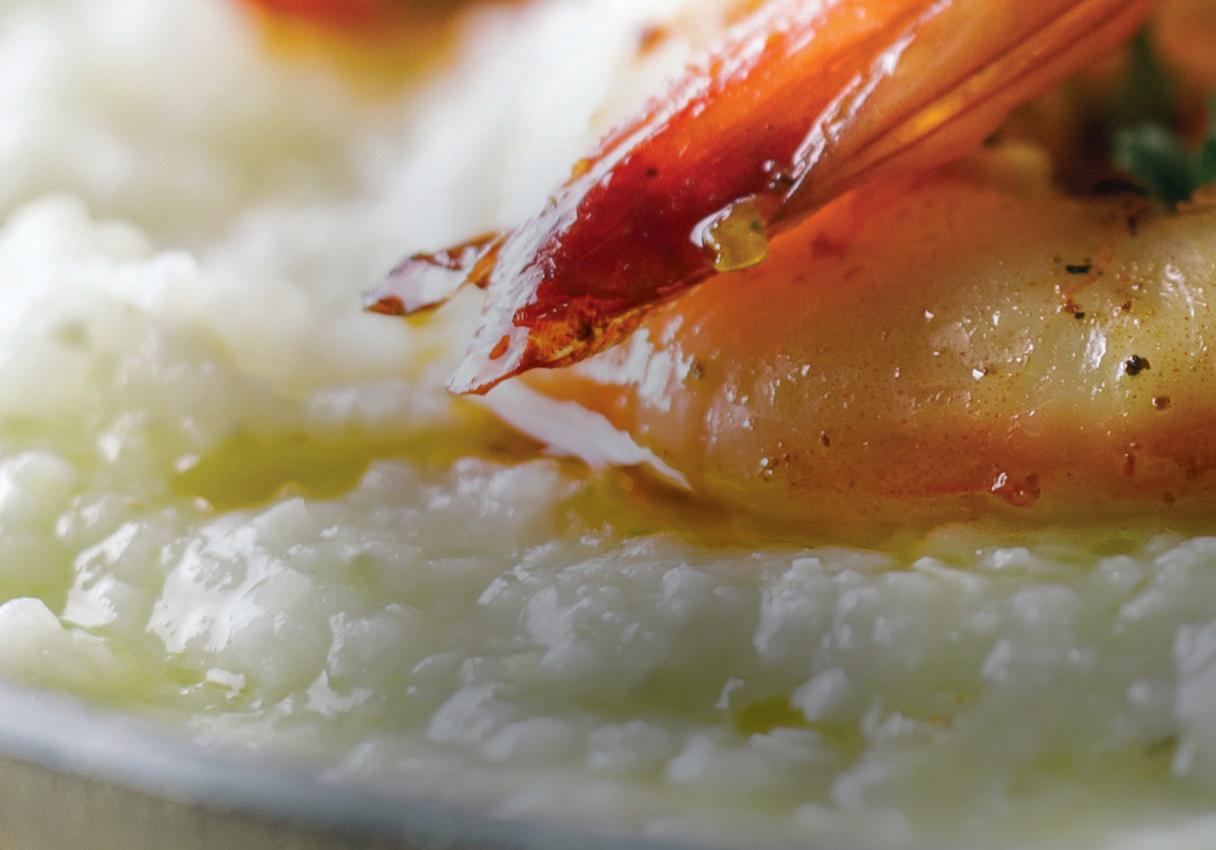
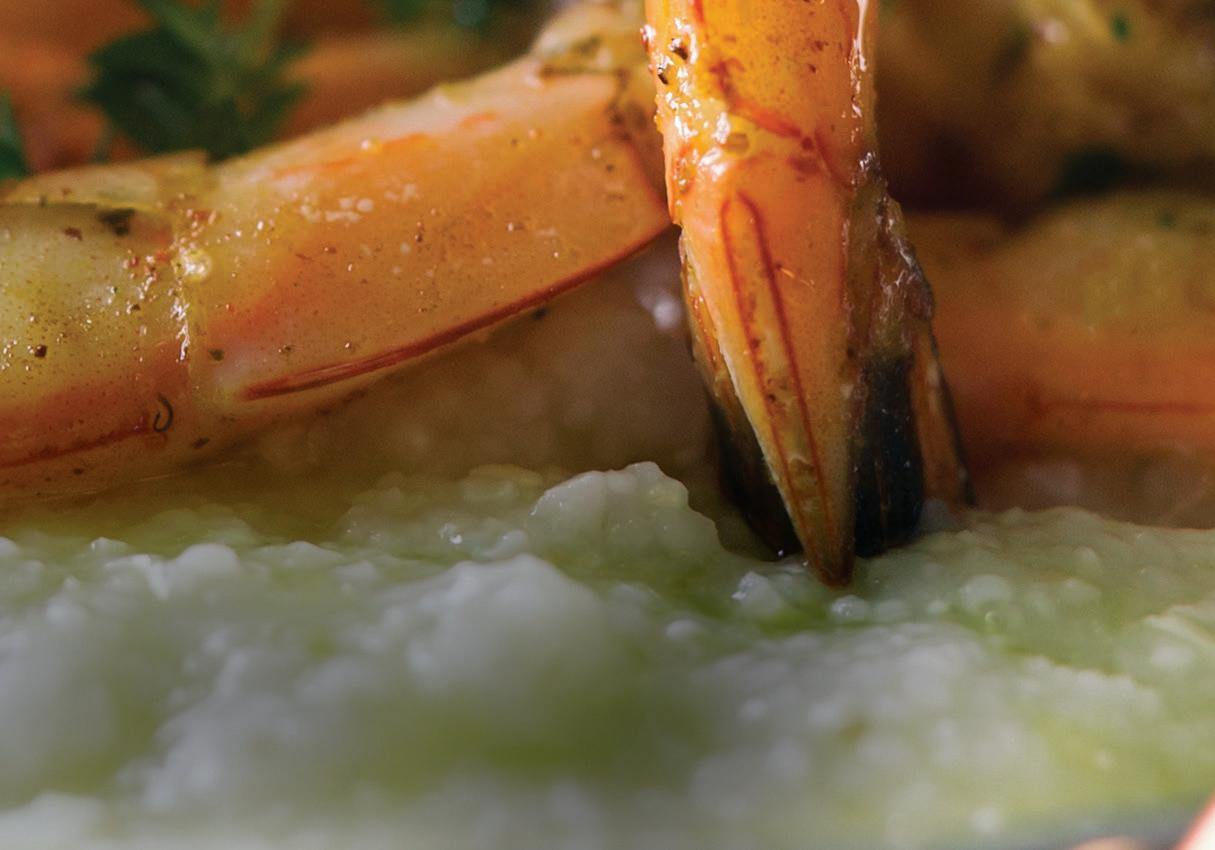

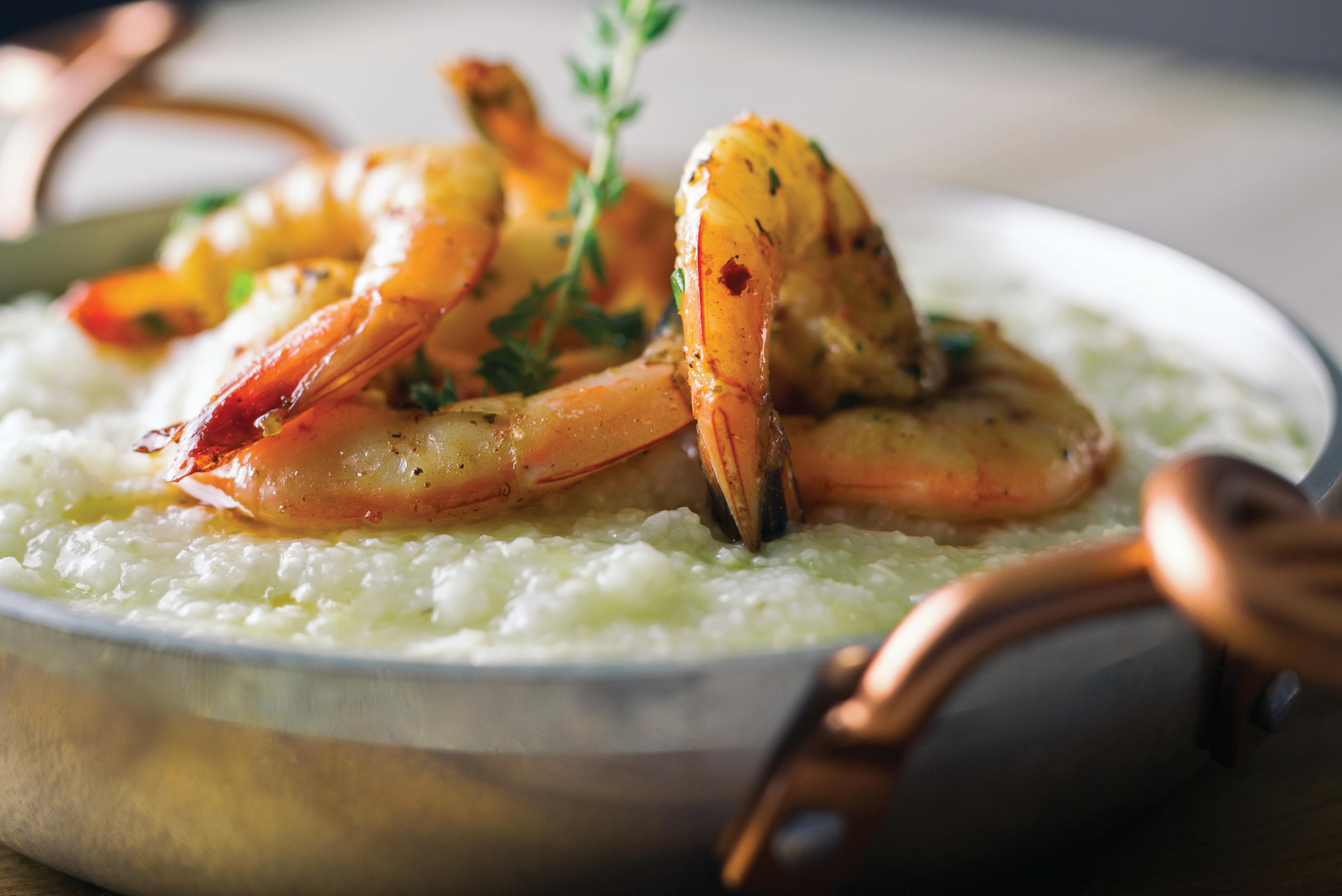
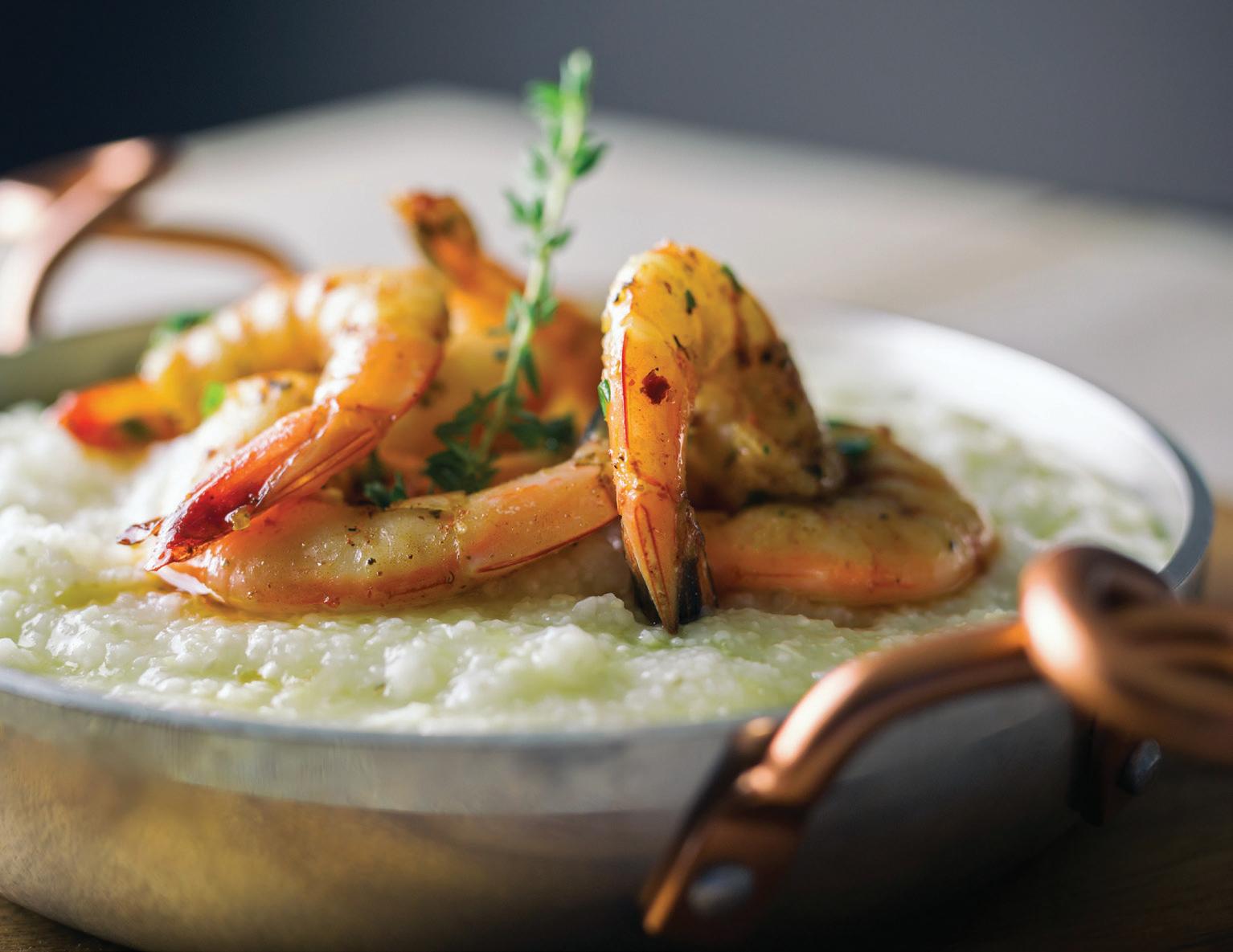
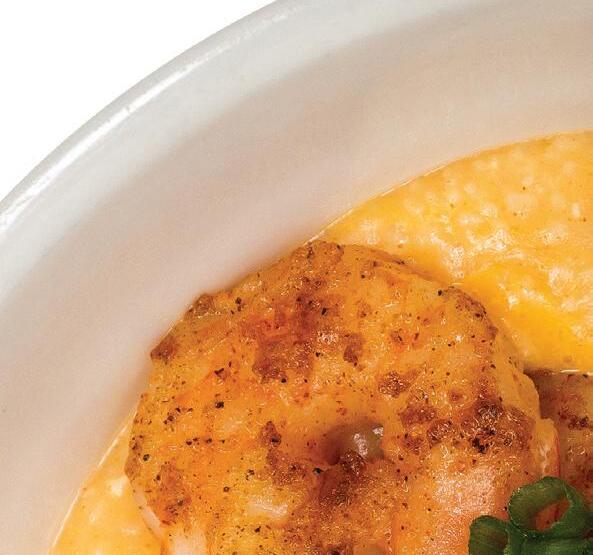
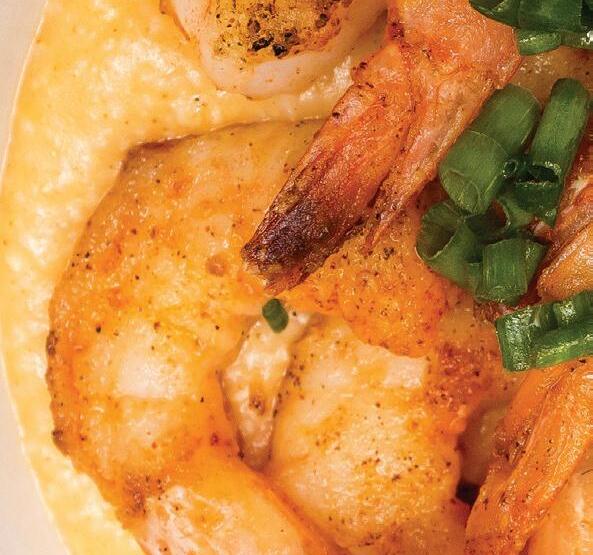
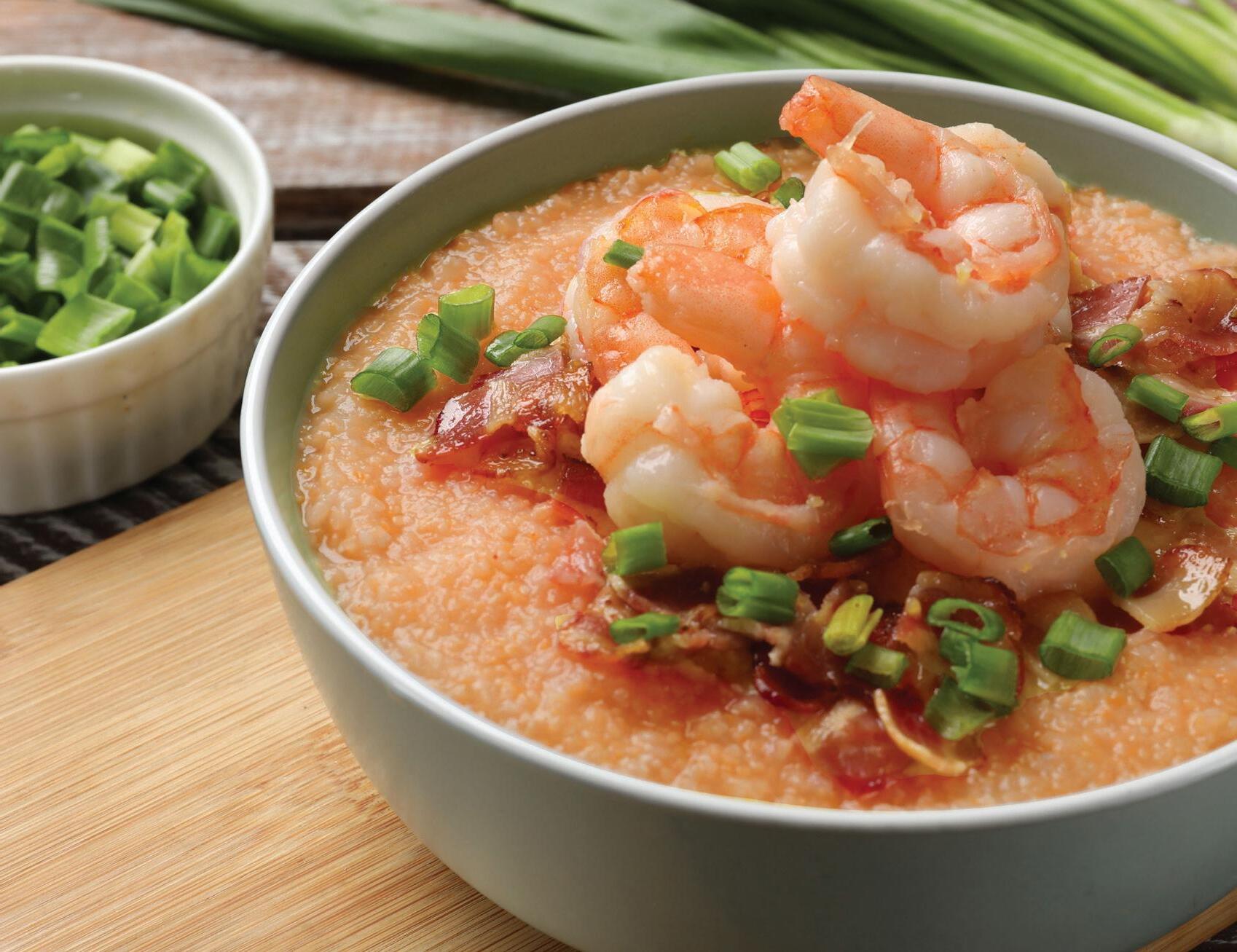
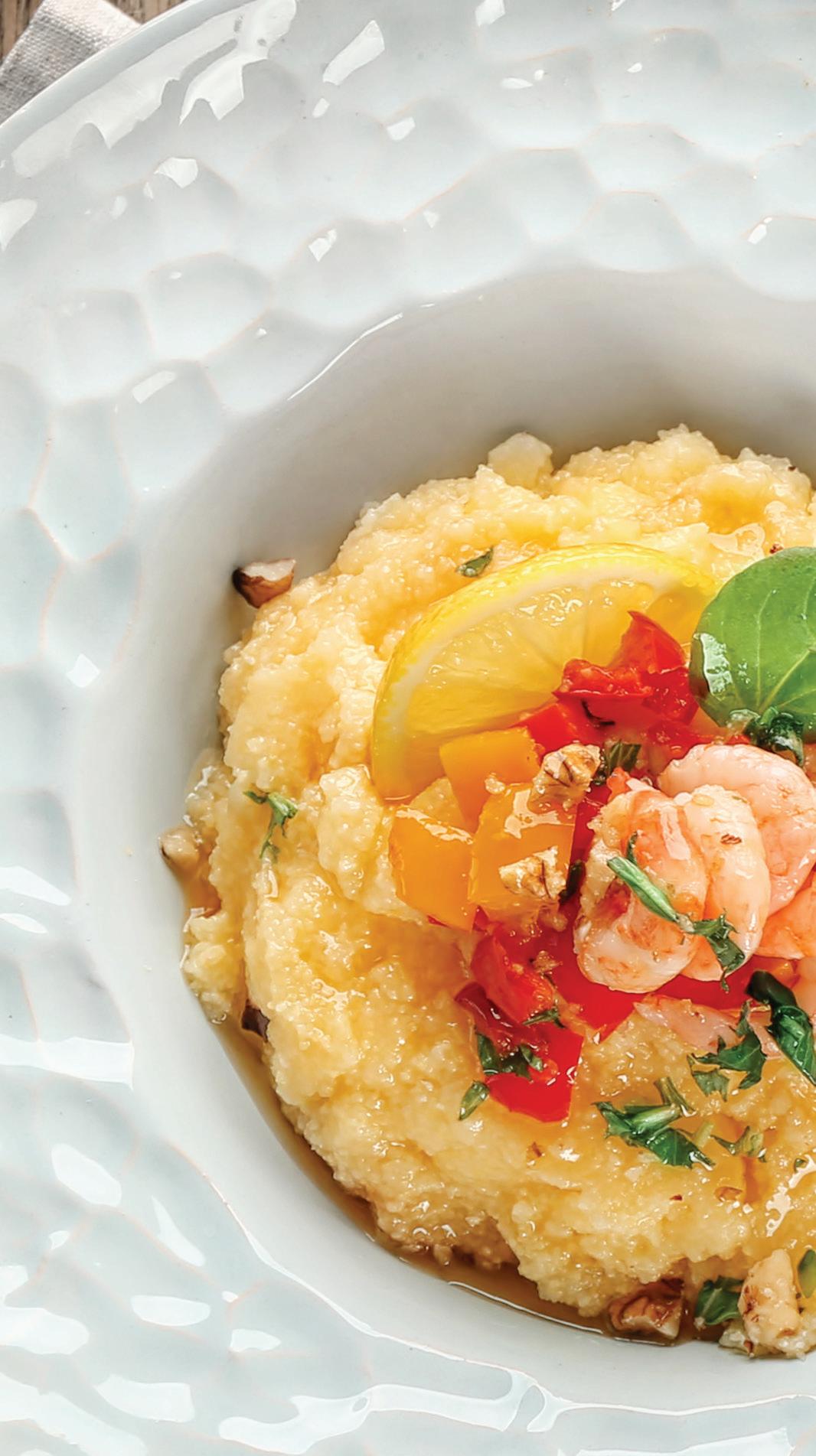
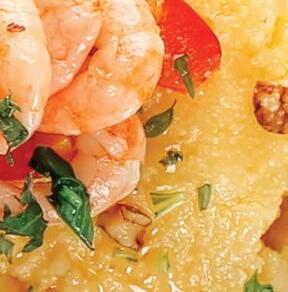
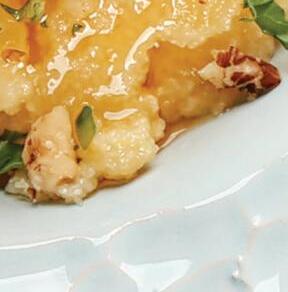
Shrimp and grits has become increasingly popular, blending cultural heritage, culinary versatility and modern trends. As a traveler, I’ve been amazed by the places worldwide where I’ve seen shrimp and grits on the menu—Asia, Australia, Europe and even on both river and ocean cruises. These chefs, though not all Southern, are certainly enamored with our humble, nourishing Southern favorite. What took the world so long to catch on? Why the sudden burst of world acclaim?
The resurgence of interest in Southern cuisine has brought many classic dishes, including shrimp and grits, into the spotlight. Originating from the Lowcountry of South Carolina and Georgia, shrimp and grits evokes comfort and nostalgia for us in the South. Now, with a Southern Revival theme, it’s cool to serve Southern foods.
The basic recipe of shrimp and grits can be adapted to various flavor profiles
and culinary styles, incorporating geographically unique ingredients.
The fresh ingredients and flavors of shrimp and grits appeal to many taste buds. The increased use of high-quality, fresh shrimp is a significant factor in the dish’s spread. With increased access to fresh seafood, more people can enjoy the dish at its best. Today’s emphasis on local and sustainable ingredients fits well with the sea-to-table movement. Even the shrimp shells can be used to make broths and seafood sauces, minimizing waste.
Many popular celebrity chefs have roots in the South. The rise of food television and social media has popularized regional dishes that home cooks might not have considered before. These celebrity chefs bring comfort and familiarity to the screens, making shrimp and grits a dish that feels accessible and comforting. During times of economic uncertainty
By Vikki Moran
or social change, there’s a growing trend toward comfort food. Shrimp and grits, with their creamy texture and rich flavors, fit the bill perfectly.
Shrimp and grits can be a balanced meal, providing protein from the shrimp and carbohydrates from the grits. When prepared with healthy ingredients, it’s a nutritious option. Grits are naturally gluten-free, making the dish suitable for those with gluten sensitivities or celiac disease.



Shrimp and grits has taken the world by storm thanks to its cultural significance, versatility, taste, trendiness and nutritional benefits. So, next time you see shrimp and grits on a menu far from the South, don’t be surprised—just enjoy the global embrace of this Southern classic.


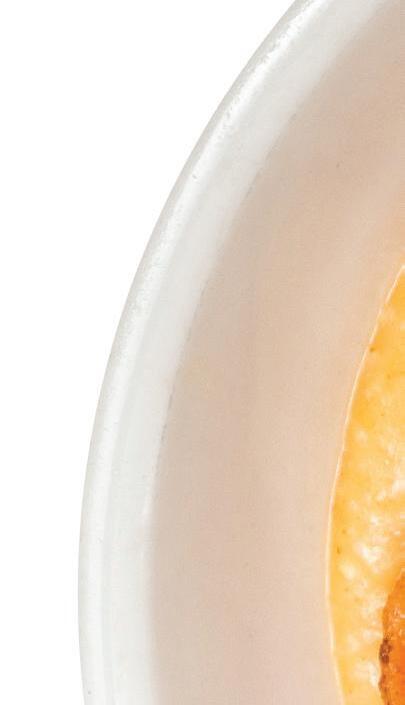
FOR THE GRITS:
1 cup stone-ground grits
4 cups water or chicken broth
½ cup milk
1½ cups heavy cream
2 tablespoons butter
1 cup shredded sharp cheddar cheese, optional
Salt and pepper, to taste
In a medium saucepan, bring water or chicken broth to a boil. Add salt.
Slowly whisk in grits, reducing heat to low. Cook, stirring occasionally, until grits are thick and creamy, about 20-30 minutes. Stir in milk, cream and butter. Cook for an additional 10 minutes, stirring frequently. Add cheddar cheese, if using, and stir until melted and well combined.
Season with salt and pepper, to taste. Keep warm.
FOR THE SHRIMP:
4 slices bacon, chopped

1 small onion, finely chopped
1 red or green bell pepper, finely chopped
2 cloves garlic, minced
1 pound fresh shrimp, peeled and deveined (fresh or thawed frozen)
1 cup chicken broth
1 tablespoon lemon juice

1 tablespoon hot sauce, optional
1 teaspoon Worcestershire sauce
2 tablespoons butter
Salt and pepper, to taste
Fresh parsley, chopped, for garnish
Green onions, chopped, for garnish
In a large skillet over medium heat, cook chopped bacon until crispy. Remove bacon with a slotted spoon and set aside, leaving bacon fat in the skillet.
Add the chopped onion and bell pepper to the skillet with the bacon fat. Cook until
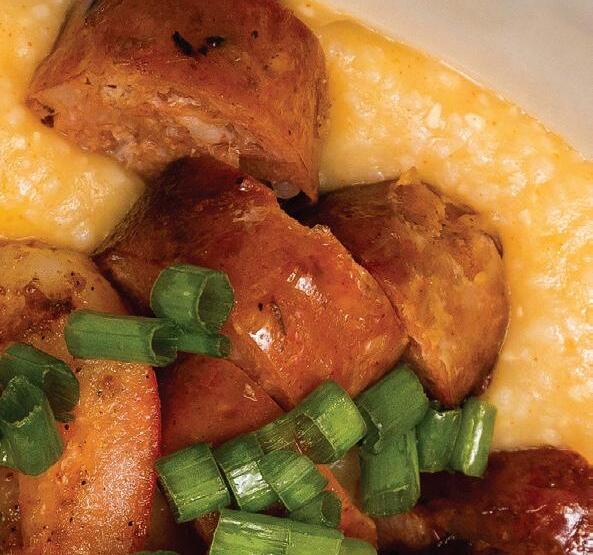
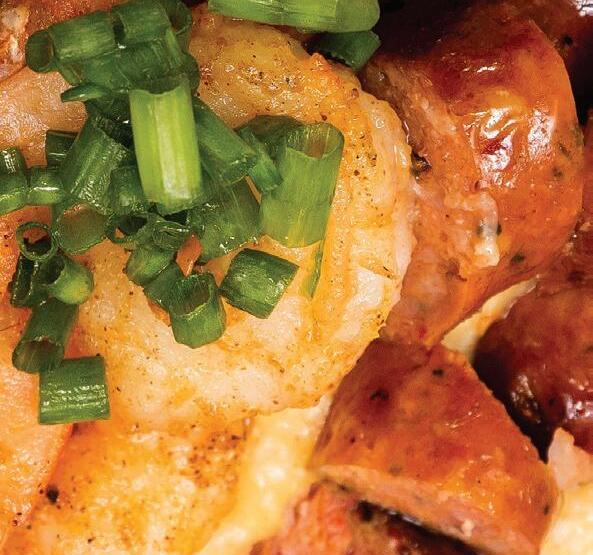
SHRIMP AND GRITS WITH ANDOUILLE SAUSAGE
4 cups chicken broth
1 cup stone-ground grits
1 cup milk
1 cup shredded smoked Gouda cheese
1 pound shrimp, peeled and deveined

1 bell pepper, chopped
2 cloves garlic, minced
1 tablespoon Cajun seasoning
½ cup heavy cream
2 tablespoons butter

softened, about 5 minutes. Add the garlic and cook for another minute.

Add the shrimp to the skillet and cook just until they turn pink, about 2-3 minutes per side. Remove the shrimp and set aside.
Add the chicken broth, lemon juice, hot sauce, if using, and Worcestershire sauce to the skillet. Bring to a simmer, scraping up any browned bits from the bottom of the skillet. Cook until the sauce reduces slightly, about 5 minutes.
Return the shrimp and bacon to the skillet. Add the butter and stir until melted and the sauce is well combined. Season with salt and pepper to taste.
Spoon a portion of the creamy grits onto each plate.
Top the grits with the shrimp mixture, making sure to include some of the sauce. Garnish with chopped fresh parsley and green onions.

1 link andouille sausage, sliced
1 small onion, chopped



Fresh parsley, chopped, for garnish
Salt and pepper, to taste


Bring chicken broth to a boil in a medium saucepan. Slowly whisk in grits and reduce heat to low. Cook, stirring occasionally, until thick and creamy, about 20-30 minutes. Stir in milk, cheese and butter. Season with salt and pepper. Keep






In a large skillet, cook andouille sausage over medium heat until browned. Remove and set aside. In the same skillet, saute onion and bell pepper until softened. Add garlic and cook for






Add shrimp and Cajun seasoning to skillet, and cook until shrimp turn pink. Remove shrimp and







Add heavy cream to the skillet and bring to a simmer. Cook until slightly thickened. Return sausage and shrimp to the skillet and














Spoon grits onto plates, top with shrimp and sausage mixture and garnish with fresh parsley.


























4 cups water
1 cup stone-ground grits
1 cup mashed sweet potato
1 cup milk
1 pound shrimp, peeled and deveined
4 slices bacon, chopped
1 small onion, finely chopped
2 cloves garlic, minced
½ cup chicken broth
1 tablespoon maple syrup
2 tablespoons butter
Salt and pepper, to taste
Green onions, chopped, for garnish
Bring water to a boil in a medium saucepan. Slowly whisk in grits and reduce heat to low. Cook, stirring occasionally, until thick and creamy,



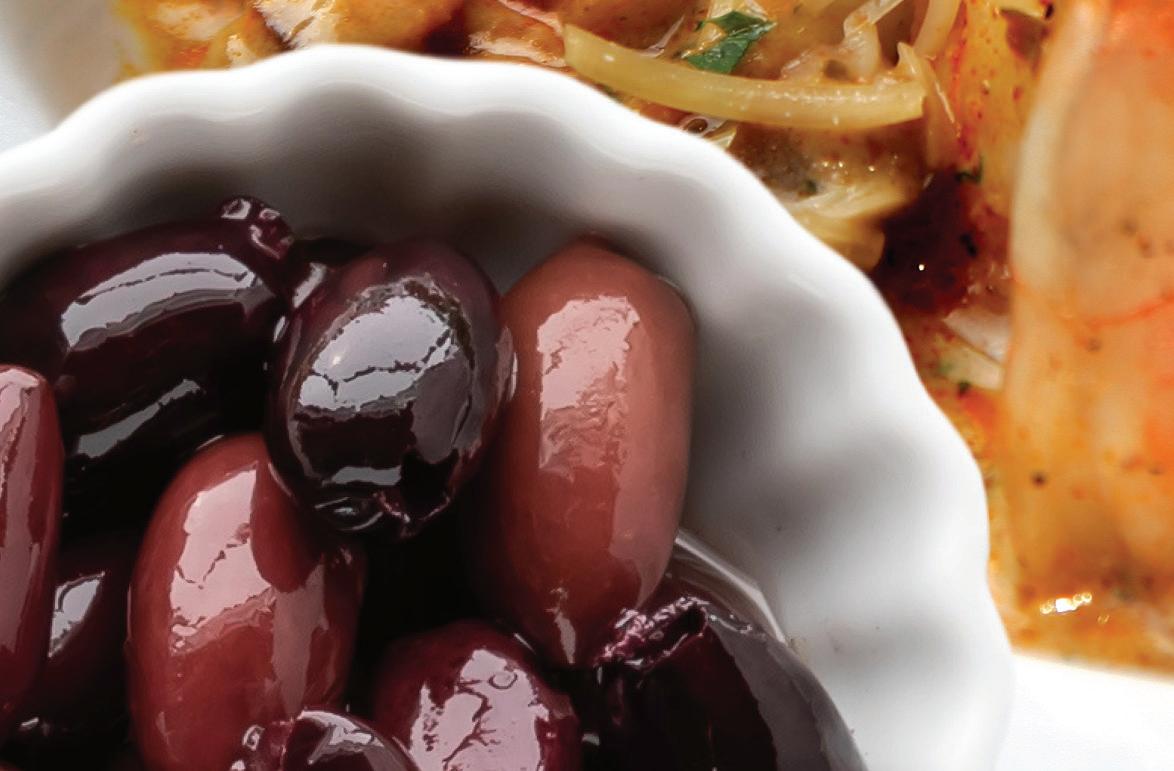
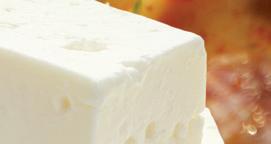
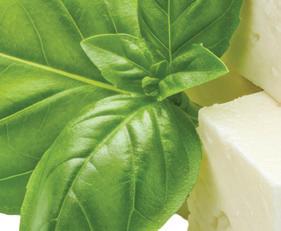
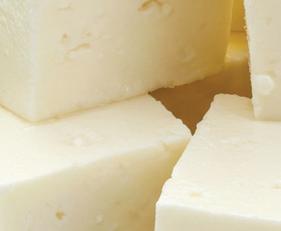
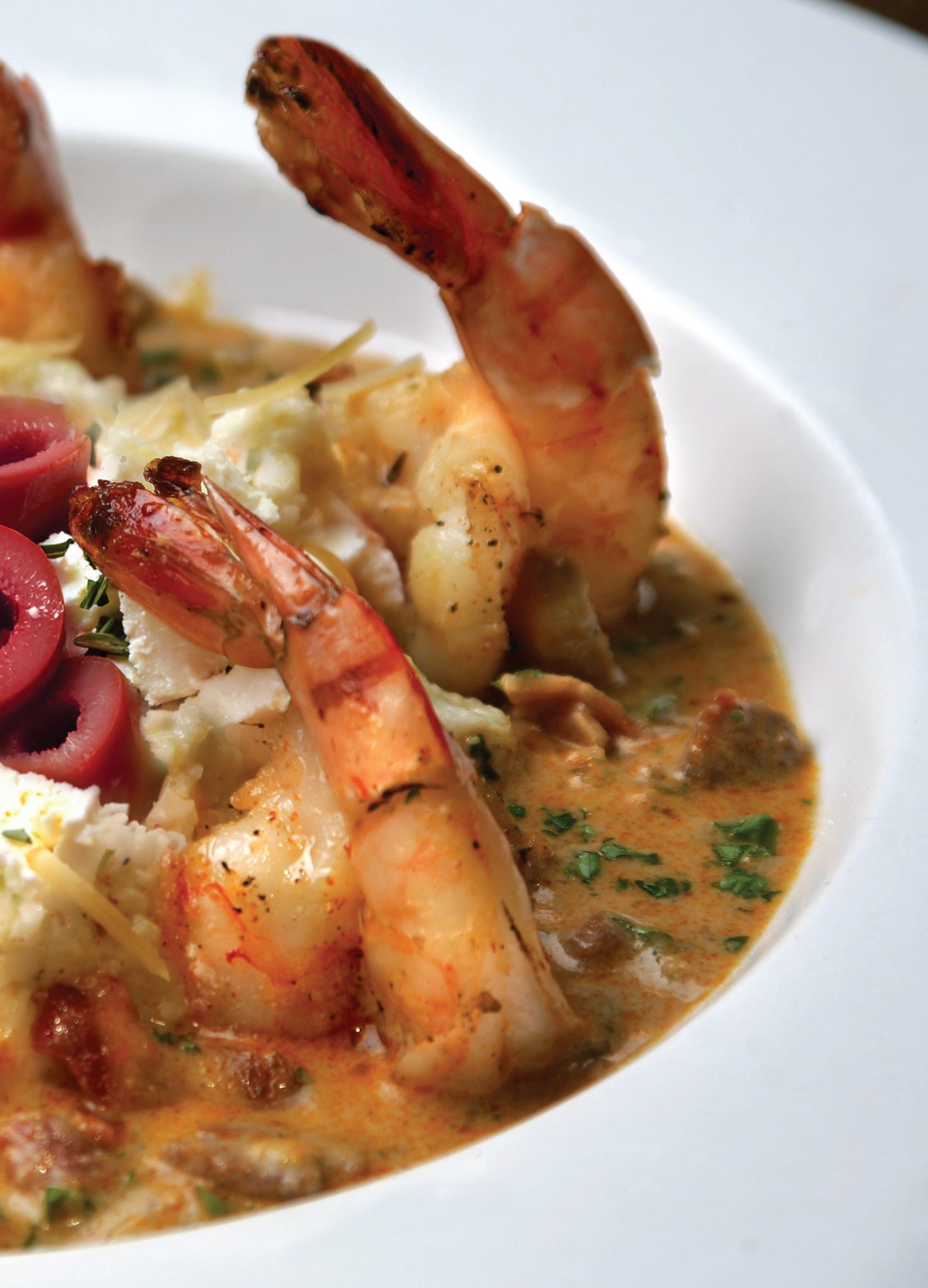
GREEKINSPIRED SHRIMP AND GRITS WITH FETA AND OLIVES




1 cup stone-ground grits
½ cup crumbled feta cheese
1 pound shrimp, peeled and deveined
2 tablespoons olive oil
1 small red onion, finely chopped
2 cloves garlic, minced
1 cup cherry tomatoes, halved
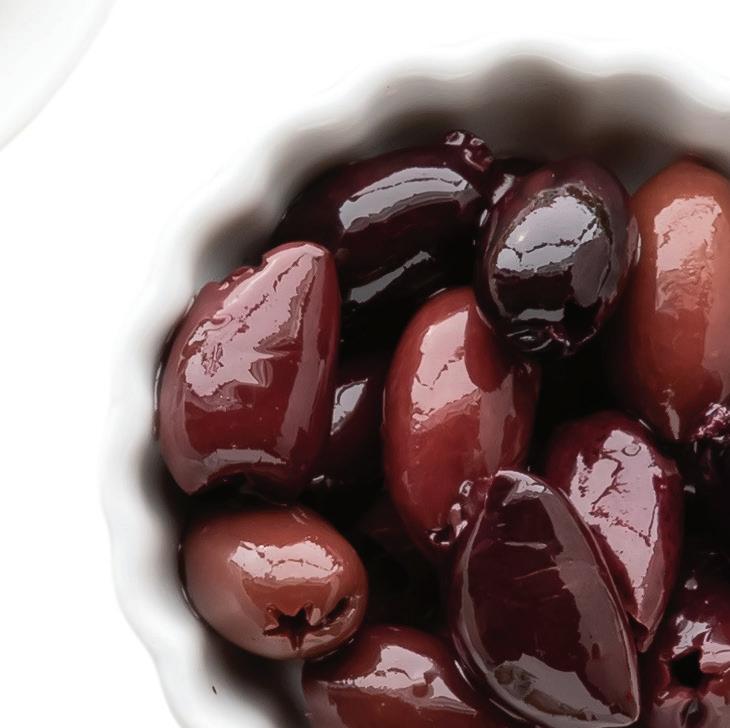
½ cup Kalamata olives, sliced
1 tablespoon lemon juice
1 teaspoon dried oregano
Fresh parsley, chopped, for garnish
Salt and pepper, to taste
Bring chicken broth to a boil in a medium saucepan. Slowly whisk in grits and reduce heat to low. Cook, stirring occasionally, until thick and creamy, about 20-30 minutes. Stir in crumbled feta. Season with salt and pepper. Keep warm.
In a large skillet, heat olive oil over medium heat. Add red onion and cook until softened. Add garlic and cook for another minute.
Add shrimp to the skillet and cook until pink. Remove shrimp and set aside.
Add cherry tomatoes, olives, lemon juice and oregano to the skillet. Cook until tomatoes start to soften. Return shrimp to the skillet and heat through.
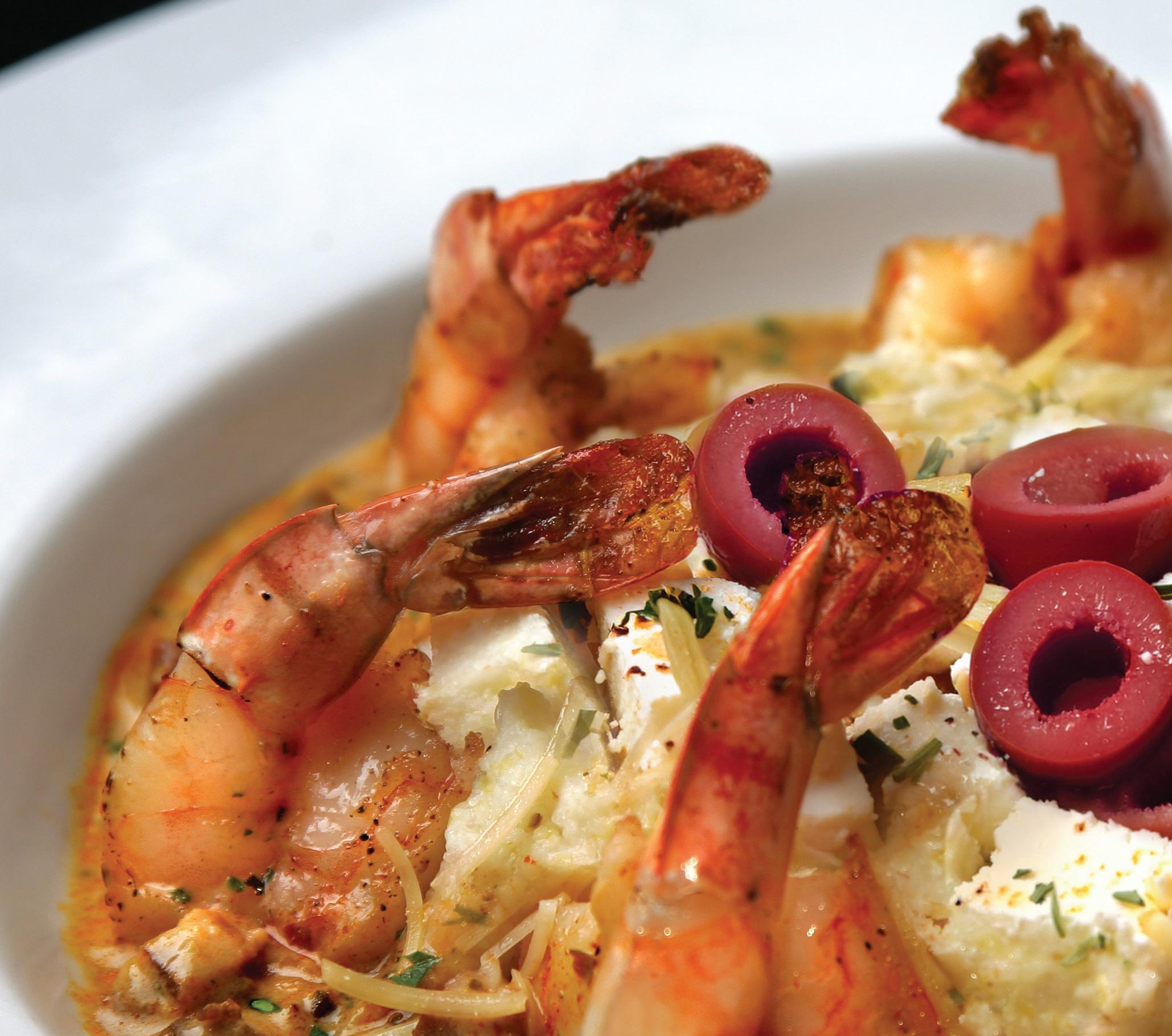

Spoon feta grits onto plates, top with shrimp and Mediterranean mixture, and garnish with fresh parsley.







about 20-30 minutes. Stir in mashed sweet potato, milk and butter. Season with salt and pepper. Keep warm.
In a large skillet, cook chopped bacon until crispy. Remove and set aside, leaving bacon fat in the skillet.
Add onion to the skillet and cook until softened. Add garlic and cook for another minute.
Add shrimp to the skillet and cook until pink. Remove shrimp and set aside.
Add chicken broth and maple syrup to the skillet. Bring to a simmer and cook until slightly thickened. Return shrimp and bacon to the skillet and heat through.
Spoon sweet potato grits onto plates, top with shrimp and bacon mixture, and garnish with chopped green onions.













2 cups water
2 cups coconut milk
1 cup stone-ground grits


½ cup shredded coconut, optional







1 pound shrimp, peeled and deveined
2 tablespoons soy sauce
1 tablespoon sesame oil
1 tablespoon ginger, minced
2 cloves garlic, minced
1 red bell pepper, sliced
1 cup snow peas
2 tablespoons hoisin sauce
1 tablespoon Sriracha, optional











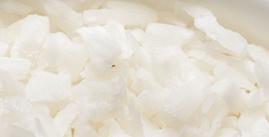
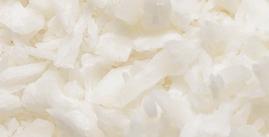

Fresh cilantro, chopped, for garnish Lime wedges, for serving




Bring water and coconut milk to a boil in a medium saucepan. Slowly whisk in grits and reduce heat to low. Cook, stirring occasionally, until thick and creamy, about 20-30 minutes. Stir in shredded coconut, if using. Season with salt. Keep warm.







In a bowl, toss shrimp with soy sauce and sesame oil. Let marinate for 10-15 minutes.

In a large skillet, heat a bit of oil over medium heat. Add ginger and garlic and cook until fragrant. Add bell pepper and snow peas and cook until tender-crisp.
Add shrimp to the skillet and cook until pink. Stir in hoisin sauce and sriracha, if using, and heat through.
Spoon coconut grits onto plates, top with shrimp and vegetable mixture, and garnish with fresh cilantro and lime wedges.

CHILD HUNGER CAN BE HARD TO RECOGNIZE. BECAUSE THE 1 IN 7 AMERICAN KIDS FACING IT CAN LOOK LIKE ANYONE. ESPECIALLY ME. I AM THE 13-YEAROLD BOY WHO GETS INTO FIGHTS AT SCHOOL, NOT BECAUSE I’M A BULLY, BUT BECAUSE I’M HUNGRY I AM THE 2-YEAR-OLD GIRL WHO CRIES ALL NIGHT NOT BECAUSE I’M SICK, BUT BECAUSE I WENT TO BED WITHOUT ENOUGH TO EAT. I AM THE 9-YEAR-OLD BOY WHO HOPES A FRIEND INVITES ME TO A SLEEPOVER NOT FOR FUN, BUT JUST SO I CAN HAVE DINNER I AM THE 15-YEAR-OLD GIRL WHO GOES FOR WALKS OVER LUNCH, SO MY FRIENDS WON’T KNOW I DON’T HAVE ANYTHING TO EAT. I WAS CREATED BY ARTIFICIAL INTELLIGENCE FROM PHOTOS OF THE 11 MILLION KIDS STRUGGLING WITH HUNGER IN THIS COUNTRY. A FACE THAT CHALLENGES YOU TO SEE HUNGER IN A DIFFERENT LIGHT. I AM WHAT HUNGER LOOKS LIKE IN AMERICA LEARN MORE AT IAMHUNGERINAMERICA.ORG , ,