

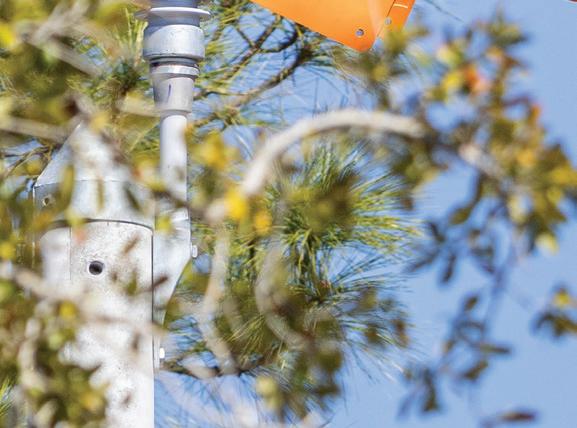
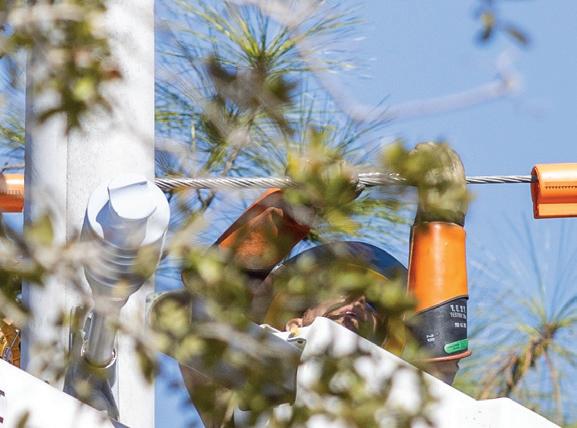
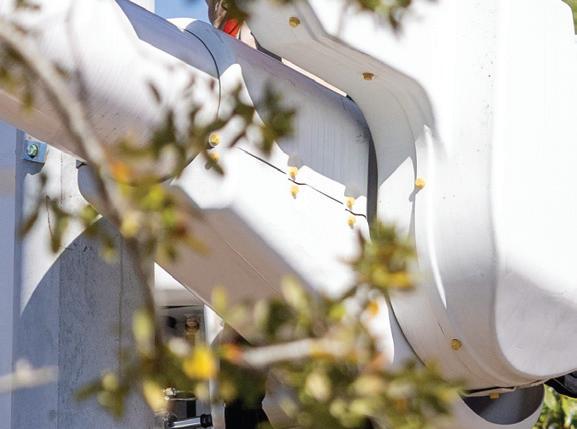
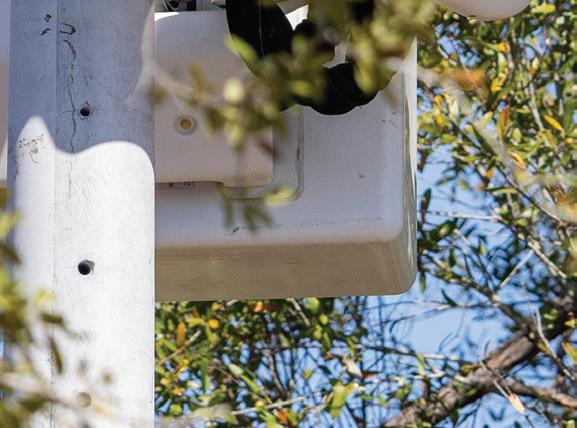
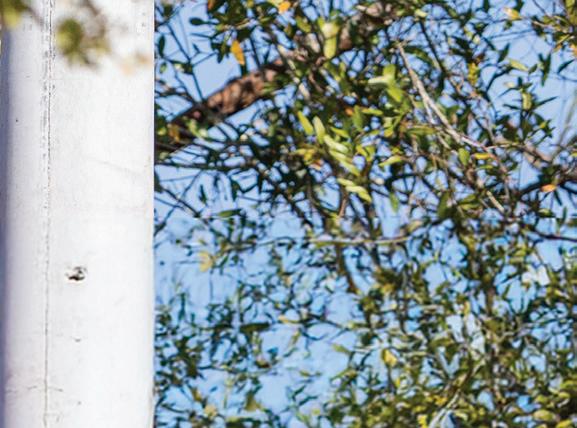
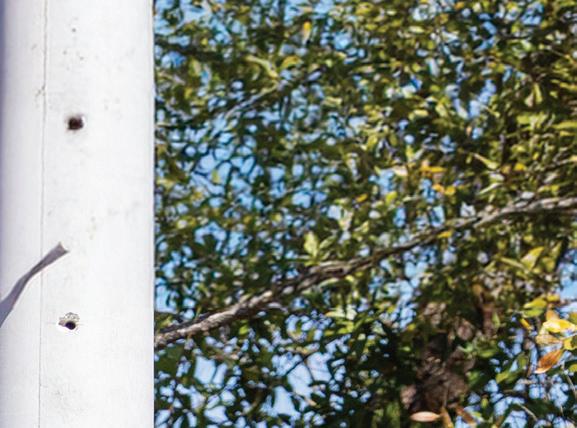








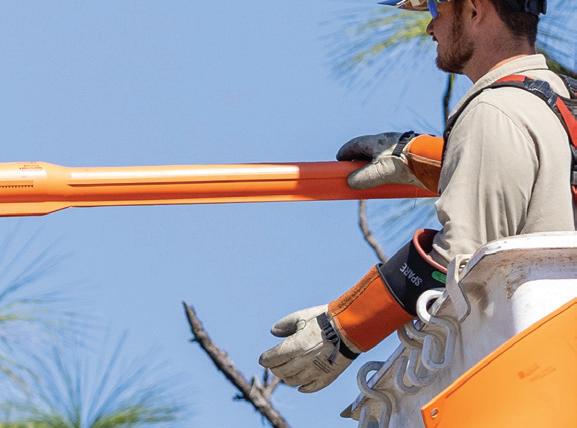
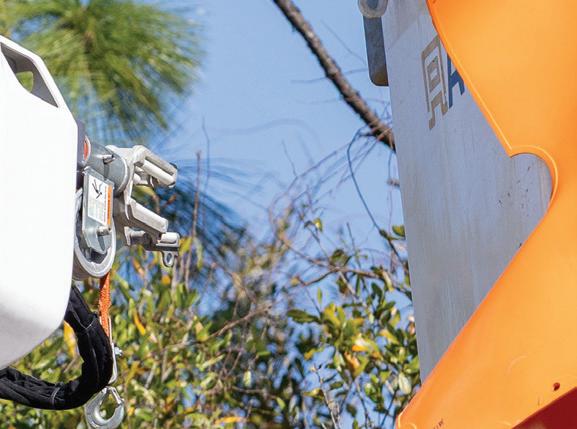


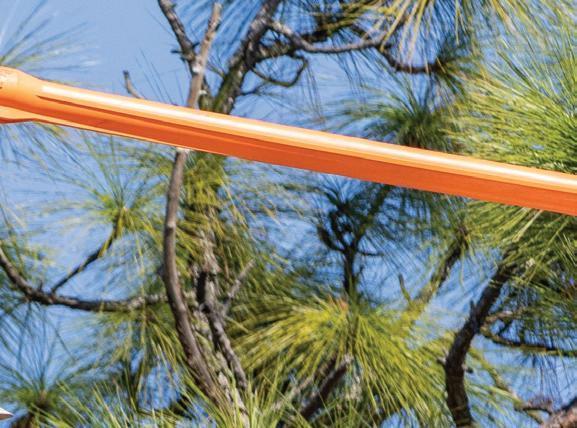
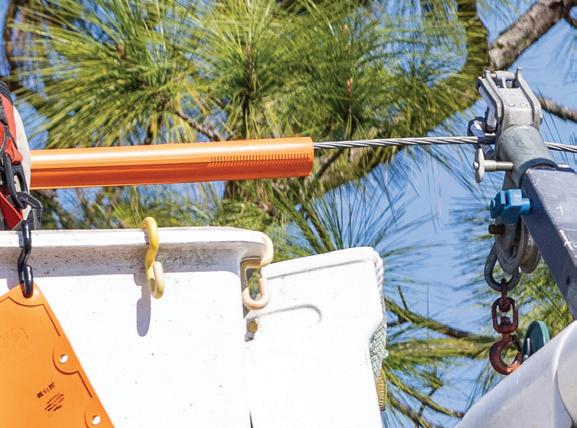


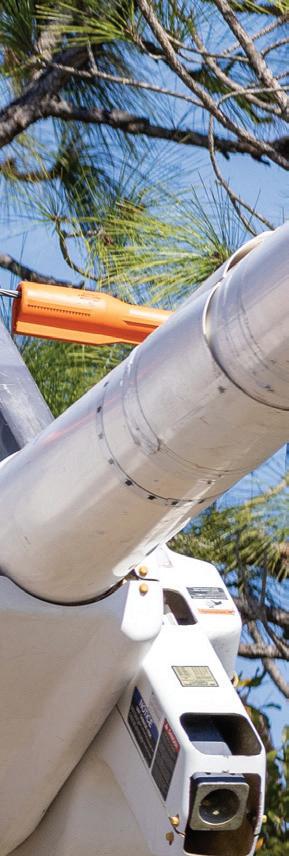








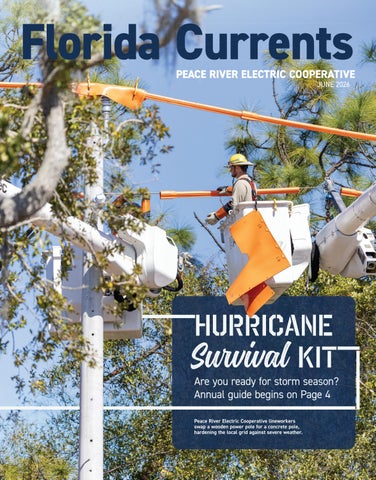
Peace River Electric Cooperative lineworkers swap a wooden power pole for a concrete pole,
hardening the local grid against severe weather.



CEO Michael Shepard
VICE PRESIDENT OF CONTENT Leon Espinoza
EDITORIAL DIRECTOR Chasity Anderson, CCC
DEPUTY EDITORIAL DIRECTOR
Noble Sprayberry
SENIOR EDITOR Jennifer Paton, CCC
LEAD CONTENT EDITOR Victoria Hampton, CCC
FLORIDA CURRENTS EDITORS
Valeri Saldanha Rosa; Sable Riley, CCC
ASSISTANT EDITORS David Herder, CCC; Nina Todea, CCC
PUBLICATIONS PRODUCTION
SENIOR MANAGER
Elizabeth Beatty
SENIOR PUBLICATIONS COORDINATOR
Alyssa McDougle
Members acknowledge that $4.89 a year, plus postage, is the cost to publish 12 issues a year of FLORIDA CURRENTS ISSN 23276304 (USPS 8300). Published by Pioneer Utility Resources Inc., 5625 NE Elam Young Parkway, Ste. 100, Hillsboro, OR 97124—a not-for-profit Oregon cooperative corporation—the magazine serves the communication needs of consumerowned electric utilities in Florida. Preferred Periodicals postage paid at Hillsboro, OR 97123 and at additional mailing offices.
Postmaster: Send address changes to 5625 NE Elam Young Parkway, Ste. 100, Hillsboro, OR 97124-6422.
HOW TO CONTACT FLORIDA CURRENTS
Subscription services:
Nonmember subscriptions $15 U.S. a year; $25 foreign a year. Prepayment required. Allow 4-8 weeks for first issue. Identify local edition desired. Have a problem receiving your magazine? Utility members should contact their utility office. Nonmembers call 503-357-2105 or email mailingdept@pioneer.coop.
Back issues:
Back issues and extra copies are $3 each, prepayment required. Supply is limited. Identify edition, month and year. Call first to check availability. Contact Pioneer Utility Resources: P.O. Box 1306, North Plains, OR 97133-1306; 503-357-2105; email: mailingdept@pioneer.coop.
DISPLAY ADVERTISING INQUIRIES
American MainStreet Publications, 611 S. Congress Ave., Ste. 504 Austin, TX 78704-1714; 800-626-1181 or 512-441-5200; amp.coop.
© 2026 Pioneer Utility Resources. All rights reserved. Reproduction in whole or in part without written permission is prohibited. Direct reprint requests to editor@floridacurrents.com or for more information, visit pioneer.coop.
June 2026 • Volume 15, No. 8 For additional content, search @FloridaCurrents on your favorite social media sites and floridacurrents.com.




Operation Round Up is a membersupported program that rounds electric bills up to the nearest dollar. Those extra cents fund grants for local nonprofits, schools and individuals in need throughout our communities. If you are not enrolled, we encourage you to consider signing up. Your small change can make a big difference right here at home.


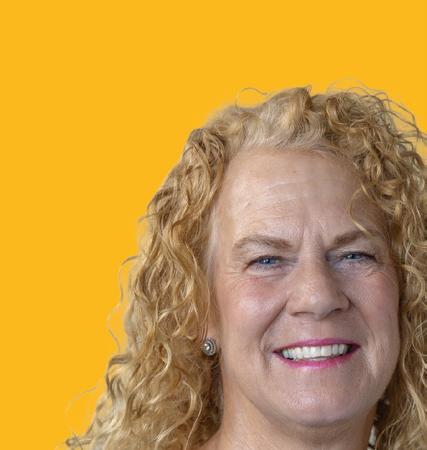
Please join us in welcoming KATHY DEMAREE as the newest member of the Operation Round Up Board, representing District 4 and succeeding Matt Harrison.
A proud seventh-generation Hardee Countian, Kathy is a graduate of Hardee Senior High School, Class of 1984. She later earned a bachelor’s degree in animal science and extension education and a master’s degree in agricultural education from the University of Florida.
Kathy’s career has been dedicated to education and youth development, having served as a 4-H agent in Mississippi and Texas, as well as a science teacher in Bushnell.
She and her husband, Robert, have two adult children and reside in the Gardner community.
























Sunshine State honors history of the nation’s 250th birthday Up Close, Page 10
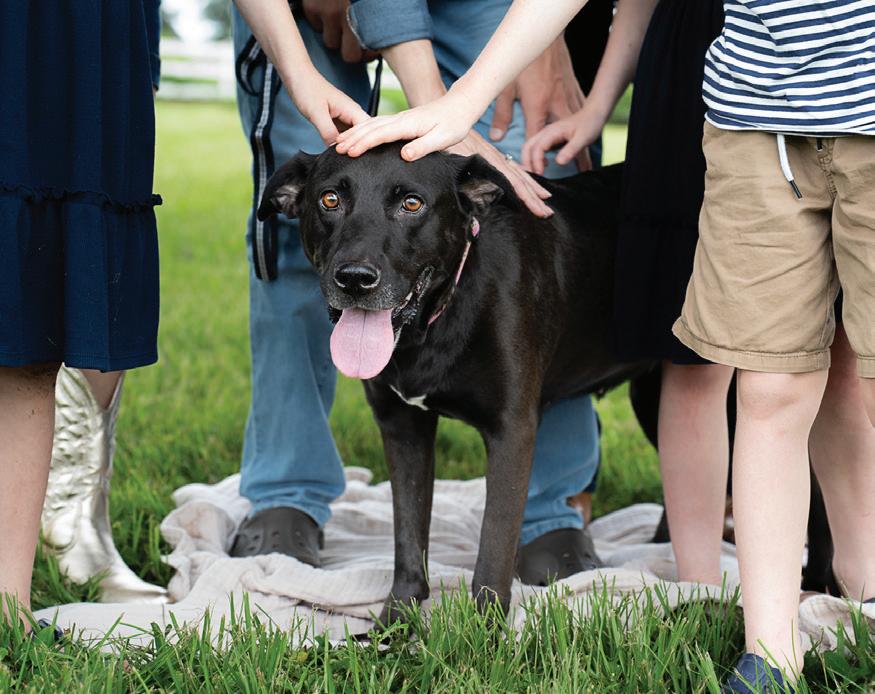
The Tilly Project photographers offer comfort to grieving pet owners Spotlight, Page 12 Straight off the Cob In the Kitchen, Page 16
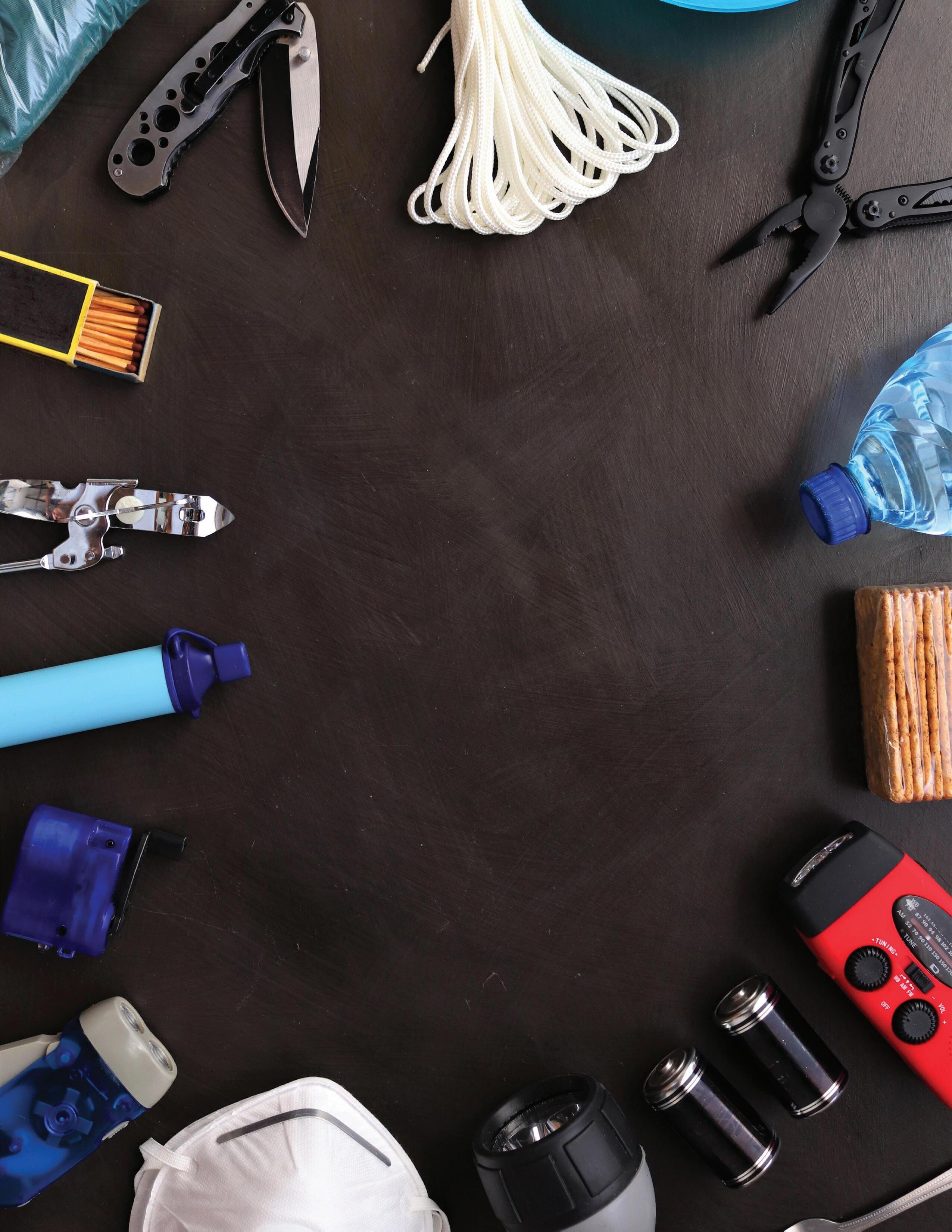

Do you know what you’ll need if a hurricane hits and you’re without power for days? A well-prepared emergency kit could save your life and protect your family.
While each family’s needs vary, the items listed here provide a solid foundation for assembling your own survival kit.
Basic supplies
Water: 1 gallon per person per day (minimum three-day supply)
Food: Nonperishable, easy-to-prepare items (minimum three-day supply)
Manual can opener
Flashlight
Battery-powered or hand-cranked NOAA weather radio
Extra batteries
First-aid kit
Medications: Seven-day supply, plus necessary medical items
Multipurpose tool
Sanitation and personal hygiene supplies
Important documents: Copies of medication lists, medical histories, birth certificates, health insurance cards and other critical records
Cellphone with chargers and a power bank
Family and emergency contact information
Extra cash
Emergency blanket
Make sure to customize your kit to address specific health, dietary or safety needs unique to your family.

At Peace River Electric Cooperative, our mission is to provide safe, reliable electric service to all members. However, when hurricanes or tropical storms strike, extended power outages are often unavoidable due to high winds, flooding, fallen trees or debris.
If you or a loved one depend on electricity for medical needs, preparation is essential. Here’s how to stay safe and ready before a storm hits:
If you need help evacuating or accessing a shelter during a storm, don’t wait— register in advance with your county’s emergency management office. Florida’s Special Needs Registry connects individuals with first responders and shelter resources during disasters.




Visit floridadisaster.org to register or contact your local emergency management agency directly.
If you rely on life-sustaining medical equipment powered by electricity, PRECO offers a Medically Essential Service designation. While this does not guarantee uninterrupted power, it helps us prioritize communication with you during outages. To enroll:
• Download a program form at PRECO.coop/services/special-needs.
• Have your physician sign and complete the form.
• Return it to us promptly.
• For assistance, call 800-282-3824.
Because even the best planning can’t prevent storm-related outages, we recommend taking these precautions:

• Relocate in advance to a friend’s or family member’s home outside the storm’s projected path.
• Invest in a backup generator to keep critical medical equipment operating during an outage.
• Coordinate with your home healthcare provider to ensure your emergency plan is thorough and up to date.
• Reach out to local hospitals to understand what support they offer to patients with critical medical needs during disasters.
Your Safety is Our Priority PRECO is committed to keeping members safe, informed and empowered—especially during hurricane season. If you or someone in your household has special medical needs, don’t wait until a storm is nearby. Prepare now and stay protected.














By Scott Flood and Jennifer Paton
The wind howls outside your windows as a major storm system blows through the area in the late evening. Your lights flicker for a moment or two before you’re plunged into darkness. The social media feed on your phone is packed with reports of damage and power outages, and the storm shows no sign of letting up for hours. Fortunately, you had the foresight to buy a backup generator big enough to handle your refrigerator, freezer and other key needs. Flashlight in hand, you attach extension cords. Within minutes, you hear the quiet humming that tells you they’re working again.
Your electric utility understands power outages are a major inconvenience, and its


service. That’s why many consumers consider buying backup generators to provide for their family’s needs while waiting for service to resume.
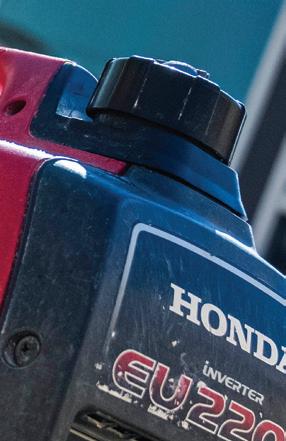
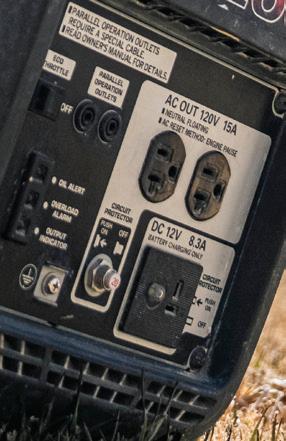
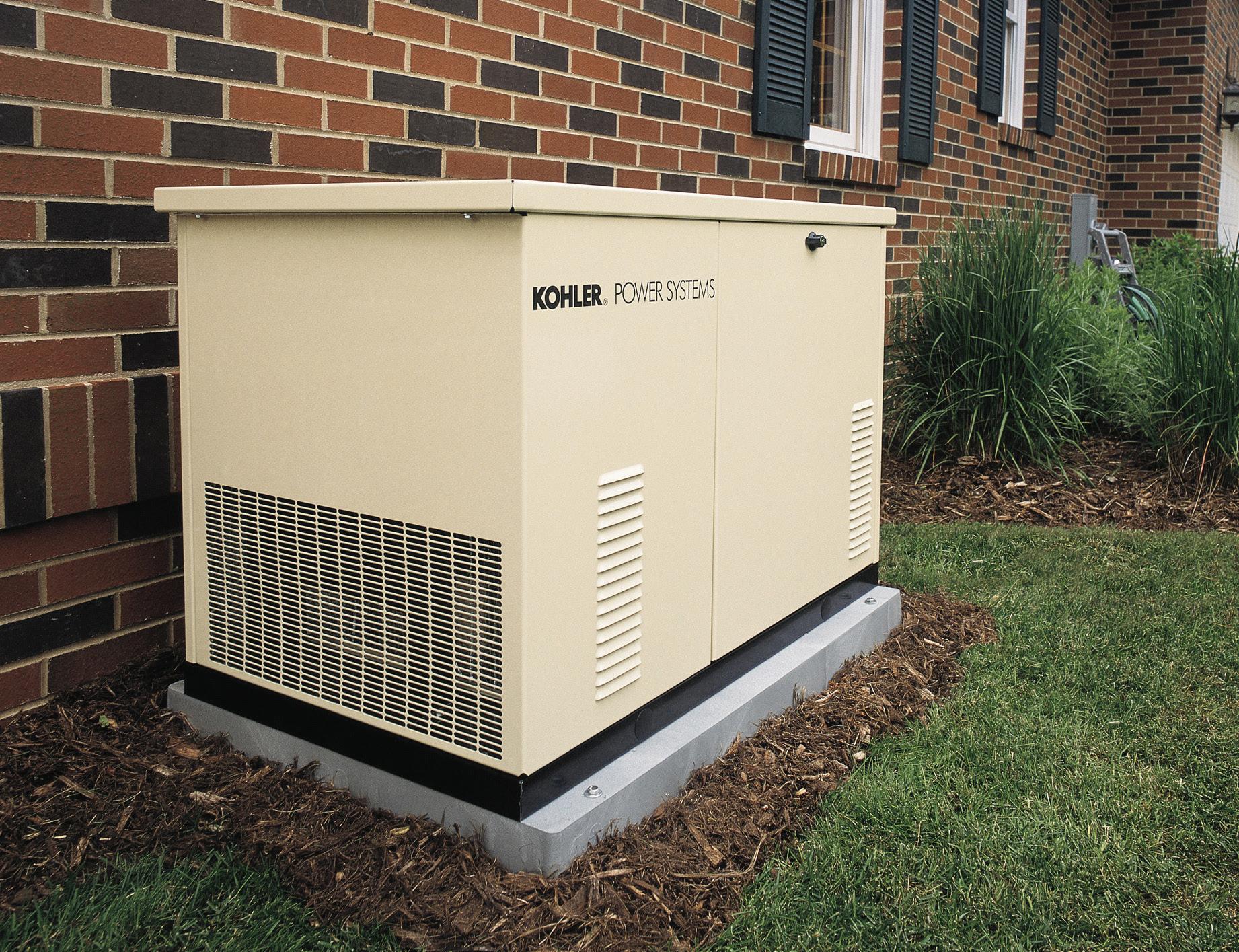
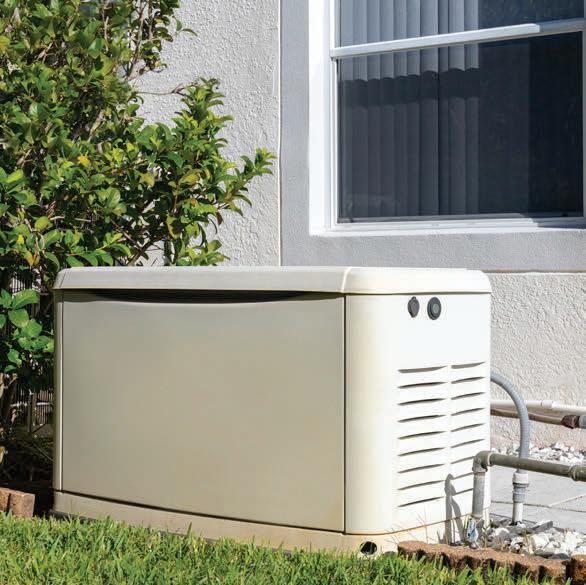
Backup generators fall into one of two categories. Standby generators are permanently wired into the home’s electrical system by a qualified electrician. They come in various sizes so homeowners can match the generator to their home’s power needs. Portable generators, as the name implies, can be moved to wherever they are needed. Because they’re small enough to move, they generally provide less power than standby models. Most use gasoline or diesel fuel. When operated correctly, both types provide a safe source of backup power.
Members of Orcas Power & Light
plane during the daytime.
“If the power goes out in the middle of the night, there is literally no way to get to a place with power when the islands go dark,” Manager of Communications Krista Bouchey says. “Most islanders are prepared to deal with power outages one way or another, but if you have medical needs or a freezer full of meat, a lot of locals invest in generators.”
Some homeowners make the mistake of plugging their backup generators directly into a wall outlet or connecting them to their home’s electrical panel.
Beyond the significant risk of electrocution and fire that can create,











Lineworkers may have to check many miles









on and off the islands via

















condition called backfeed, which can
















anyone who accidentally comes in contact with power lines. Backfeed can also damage the generator.
While line crews at Consumers Power Inc., based in Philomath, Oregon, occasionally encounter unsafe generator connections, it’s not the only hazardous practice they’ve witnessed.
“We’ve also seen situations where members try to improvise connections, sometimes using extension cords or makeshift wiring, which can create fire hazards or damage sensitive electronics,”
Chief Member Officer Jon Kloor says. “These kinds of unsafe hookups not only endanger our employees but also pose a risk to the member’s home, family and neighbors.”
fossil fuels, they generate a variety of gases, most notably carbon monoxide. One portable generator can produce as much CO as hundreds of cars, according to the Consumer Product Safety Commission. The agency reports nearly 100 Americans die each year because of CO poisoning from backup generators. That’s why generators should only be used in dry, well-ventilated areas away from your home and garage.


Never connect a portable generator directly to your home’s wiring. Standby generators must be permanently wired by a qualified electrician.
Always plug appliances directly into generators.
Use heavy-duty, outdoor-rated extension cords.
Ensure your generator is properly grounded.
Never overload a generator.
Turn off all equipment powered by the generator before shutting it down.
Keep the generator dry.
Always have a fully charged fire extinguisher nearby.
Never fuel a generator while it is operating.
Read and adhere to the manufacturer’s instructions for safe operation.
Information courtesy of the National Rural Electric Cooperative Association


These potential hazards are why permanently installed generators are required to have a transfer switch, which should be installed by a qualified electrician. The transfer switch creates a barrier between your home’s electrical system and outside wires so backfeed cannot occur. When the transfer switch senses power has been restored, it switches the power from the generator back to the outside lines.
The biggest danger associated with backup generators is one that’s invisible and deadly. Because backup generators burn
CO gas is also odorless. The National Institutes of Health warns that CO can kill in as little as five minutes. People exposed to CO typically become dizzy, feel nauseated and experience headaches. Often, they lose consciousness before noticing any symptoms. Anyone exposed to CO should be moved to fresh air immediately.
If you buy a portable generator, protect your home and family by taking the time to read the manufacturer’s instructions. Don’t use portable generators in rainy or wet conditions unless you keep them wellventilated and dry.
When starting a portable generator, make sure nothing is plugged into it. You can reduce the potential for damage to your appliances and lighting by turning them off or unplugging them from the wall. After the generator starts, plug
them in and turn them on one at a time to make sure you aren’t overloading your generator’s capacity. Unplug them from the generator before turning off the generator. Unless the manufacturer recommends otherwise, always turn the generator off and allow it to cool before adding fuel.
Finally, as with many home appliances, regular maintenance is the key to ensuring your portable generator operates safely for years to come. When storing it, drain the fuel from the tank. In addition, check the oil and fuel levels, filters and other components once a season so you know it will be ready to run safely and efficiently the next time a big storm blows through.
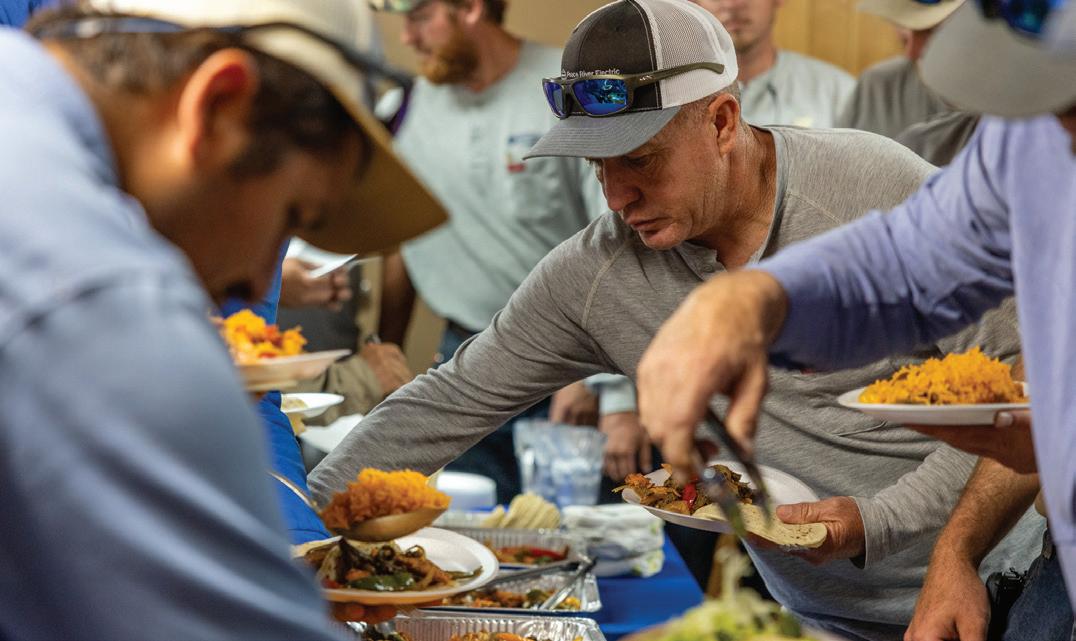



There’s something special about hitting pause to celebrate the people who keep everything running, especially when those people spend most of their days high in the air or out in the elements making sure the lights stay on.

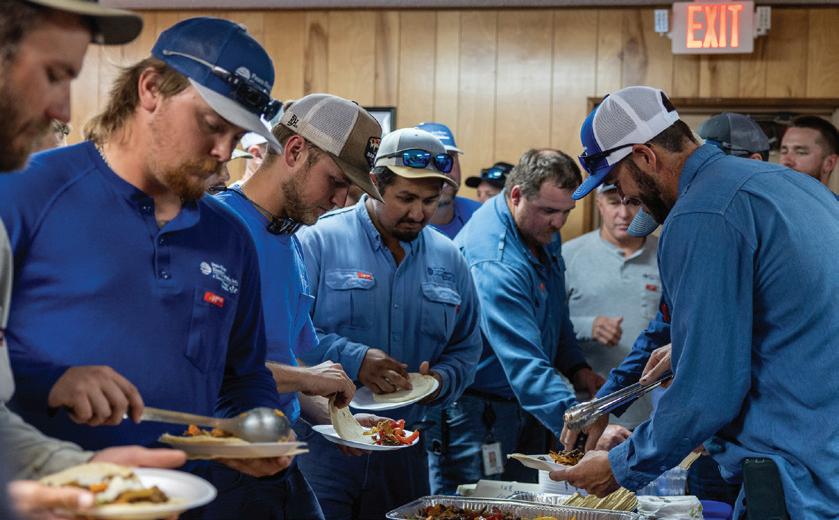
Recently, we had the pleasure of doing just that as Peace River Electric Cooperative celebrated Lineworker Appreciation Day with a well-deserved mix of fajitas and fun.
The day was all about recognizing the dedication, skill and hard work of our lineworkers—individuals often first on the scene during outages and last to leave once power is restored. Their commitment to members and communities does not go unnoticed, and this event was a small way to say a big thank you.
Lineworkers were treated to a hearty fajita lunch, followed by dessert. More importantly, the day gave them a chance to step away from their demanding schedules, relax and enjoy some well-earned downtime together.
Lineworker Appreciation Day serves as a reminder of the critical role these crews play every day. Whether braving storms, working long hours or responding at a moment’s notice, their efforts power more than homes. They power our way of life.
We are proud to celebrate lineworkers, on this day and yearround, for the difference they make across our communities.
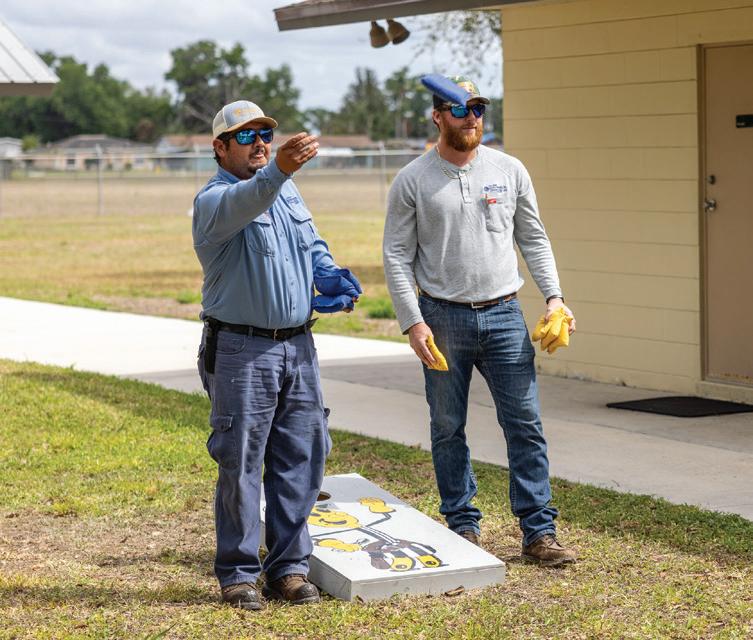
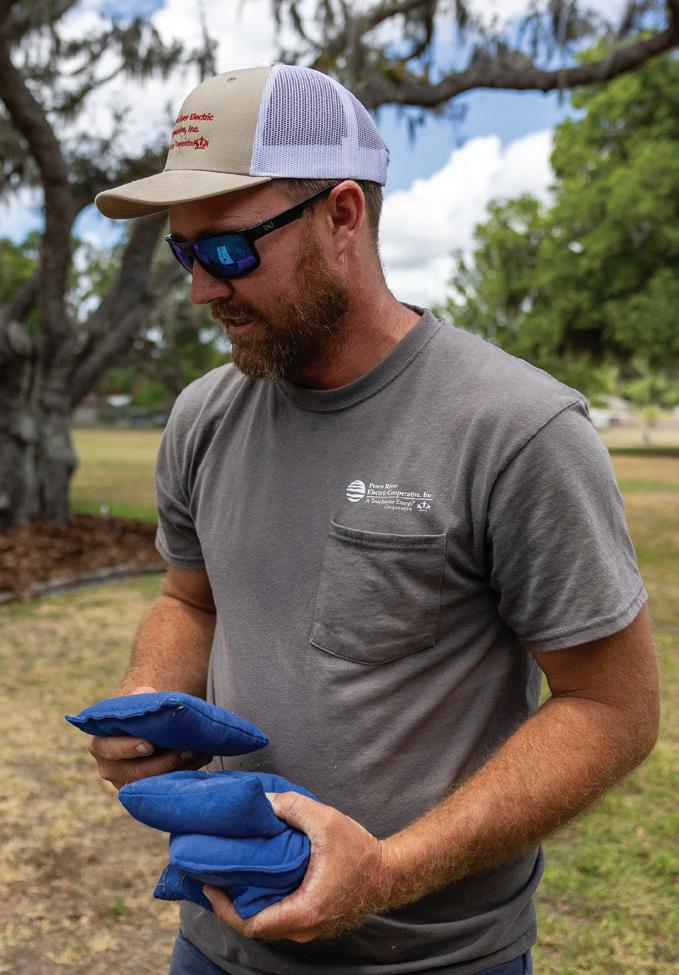
CLOCKWISE FROM FAR RIGHT: Service technician Rick Tyrell prepares his beanbags for a round of cornhole. Second-class lineworker Oscar Reyes, left, and journey-level lineworker Jeffrey Albritton face off in a friendly game. Peace River Electric Cooperative lineworkers dig into a buffet of fajitas and fixings. A spread of fajitas and sides fuels the gathering. Line technician supervisor DJ Childers fills his plate alongside fellow lineworkers.













By Cheré Coen
This Fourth of July, the nation celebrates the 250th anniversary of the signing of the Declaration of Independence, which led to the American colonies breaking free of Great Britain and forming the United States of America.

When considering the American Revolution, many Americans focus on the 13 colonies that stretched from Georgia to New England and rarely consider the British colony in Florida. Although it’s true Florida residents didn’t rise up to join American rebels, the colony played a significant role in England’s relationship with the Americas.
One could blame it on the price of sugar.
A Rousing ‘No’

Revolution for his doctorate from the University of Florida. In his research, he discovered modern-day Southern states were significant to Great Britain, and it all revolved around sugar.

Roger Smith, a former sales and marketing executive, spent five years studying Florida’s role in the American

“Great Britain had 33 colonies in the Americas,” Roger says. “Sixteen were in sugar-producing Caribbean islands. This is where the money came from. It was the equivalent of crude oil today.”
Around the time of the American Revolution, the Caribbean was experiencing a five-year drought. Barbados, for example, had deforested 90% of the island, and the enslaved people working the sugarcane fields there suffered greatly.
“They were losing handfuls of people a day to starvation,” Roger says. “In one week alone, they lost 1,000 people in Jamaica.”
In 1763, Great Britain acquired Florida from the Spanish after the French and Indian War. Florida and neighboring Southern colonies helped the British








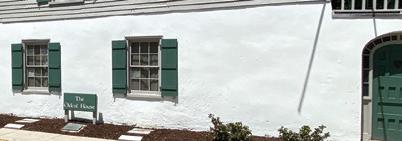
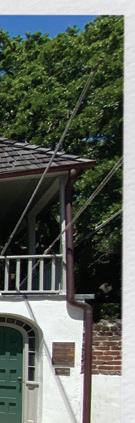
CHERÉ COEN St. Augustine’s González–Álvarez House, also known as The Oldest House, dates to 1723. PHOTO COURTESY OF FLORIDASHISTORIC COAST.COM























Caribbean plantations during the drought, providing flax for clothing and food for enslaved people. It was essential for England’s King George III to pour regiments into the South to counteract uprisings.





“The South was extremely significant,” Roger says.


Roger acknowledges the public sentiment of West Florida, with its capital in Pensacola, and East Florida, with its capital at St. Augustine.


“We never rebelled,” he says. “It was a rousing ‘No.’ East Florida never lowered its British flag, never rebelled.”


















British law demanded items produced in West Florida be sent to England and taxed before being shipped back to the Americas for sale. Pensacola residents found a way around this tax by sneaking shipments into New Orleans. They were making money and didn’t want to upset the apple cart, Roger says.
































“We didn’t want anything to do with independence, and it all came down to money,” he says.
At the time of the American Revolution, West Florida stretched to the Louisiana colony, which was then under Spanish rule. Great Britain fortified these lands at Baton Rouge and on the north side of the Mississippi River. When Spanish Gov. Bernardo de Gálvez took over the Louisiana colony in 1777, he worried the English could take over New Orleans and the river at any time, thus conquering the colony. When Spain joined the rebelling Americans in 1779, Gálvez marched and conquered Baton Rouge, then Mobile, Alabama, in 1780 and Pensacola in 1781, just before the British surrender at Yorktown.



The rest, as they say, is history.
Roger authored several books on Florida’s role in the American Revolution, including “The 14th Colony,” a term he gives the early Florida colony. His goal is to help the average American learn about all aspects of the American Revolution and not just those of the 13 colonies along the Eastern Seaboard. He chalks up a lot of his passion to his wife, who hails from Boston.

“She couldn’t believe there was revolutionary history in this state, and kids in school don’t know anything about it,” he says. “My book, ‘The 14th Colony’, is in Florida middle schools. The information is just as deep as my dissertation, but I wrote it in a way that’s comfortable.”
If Florida was essential to Great Britain during the American Revolution and residents did not join American colonists in their efforts to declare independence, how is Florida celebrating America’s milestone birthday?
By looking back—way back.
European settlements in the Sunshine State predate Virginia’s failed Roanoke

Colony of 1585 and the founding of Jamestown in 1607, with the Spanish forming America’s first multiyear European settlement in 1559 at Pensacola and establishing the nation’s oldest continuously occupied city, St. Augustine, in 1565.

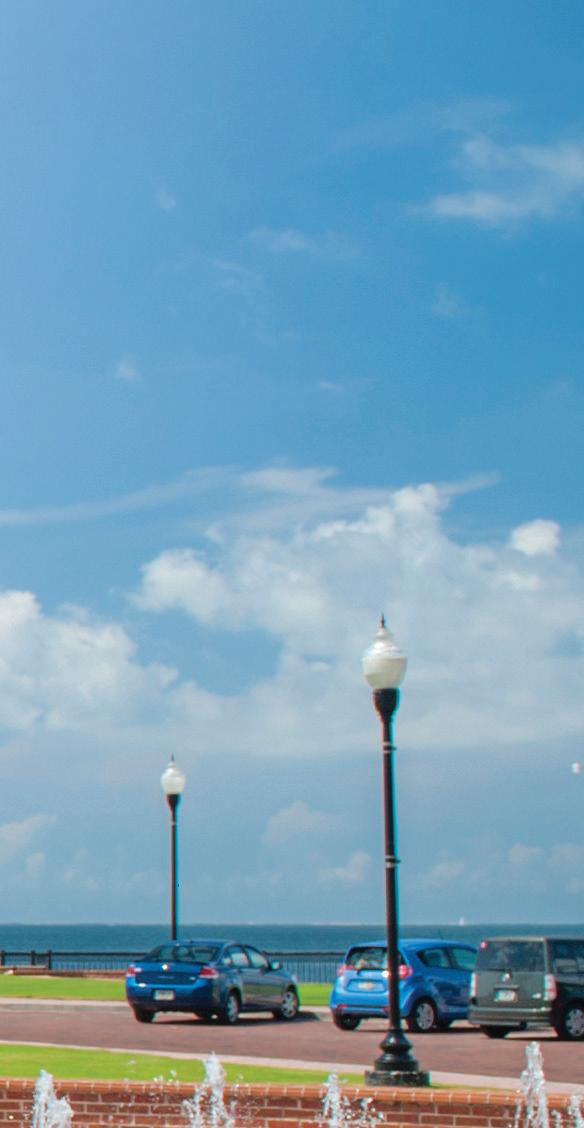
To remind travelers to Florida that American history didn’t begin in 1776, destination marketing organizations Visit Pensacola and Florida’s Historic Coast— St. Augustine, Ponte Vedra and The Beaches—offer “From the 1500s, With Love,” a collaborative storytelling initiative highlighting the nation’s earliest chapters in what is now Florida.

The tourism promotion campaign includes travel itineraries and road trip materials and emphasizes historic attractions connected to the areas’ Indigenous, Spanish, French, British, African and maritime histories. It also offers educational resources and features special programming tied to America’s 250th anniversary.
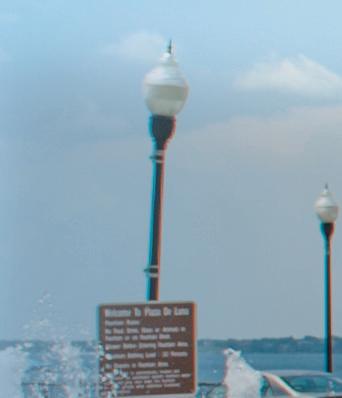











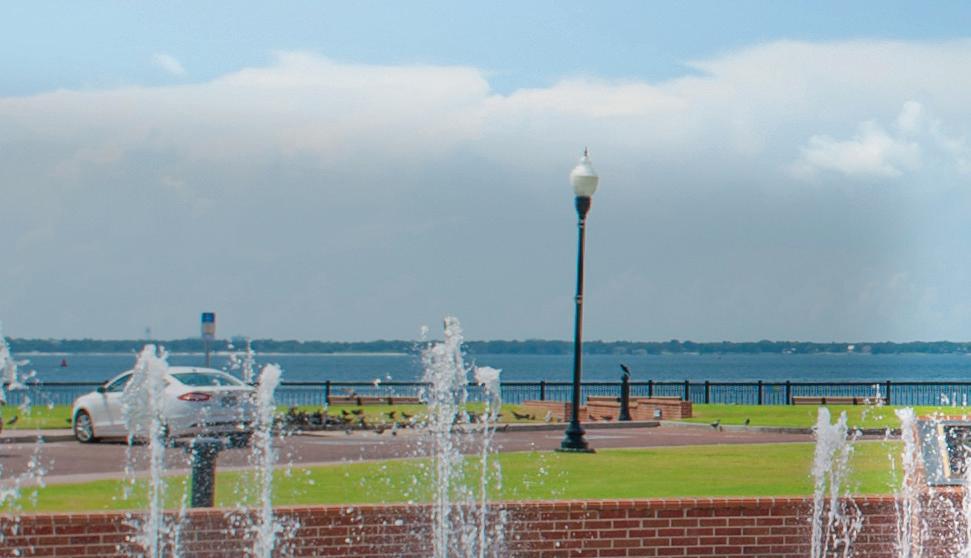










Visit Florida’s Historic Coast 250 at floridashistoriccoast.com/events/250 and Pensacola’s America 250 at visitpensacola.com/America250.










By Ginger Meurer
In 2021, when a friend faced the impending death of a pet and asked where to find a nice urn, Lauren Kennedy offered her something different—an end-of-life photo session.
Lauren knows the pain of losing a pet. In 1988, she was heartbroken when her cat, Tilly, died. With her friend’s permission, Lauren shared the photos on social media, and the response was overwhelming. She couldn’t handle the hundreds of requests pouring in from pet owners seeking similar sessions, so she created a Facebook page to mobilize other photographers willing to help.
That was the start of The Tilly Project, which is now an international network of photographers determined to capture the love between pets and their owners before it’s too late.
Photographers apply to join the project, and those approved are listed in a database at thetillyproject.org, where pet parents can search for someone nearby. So far, Florida has 70 photographers in the database. Following are just a few:

Hillary Meyer, of Same Sky Photos, sameskyphotos.com, learned of The Tilly Project while scrolling social media. After a bit of research, she was happy to sign up.
“I actually do end-of-life pet sessions free of charge” Hillary says. “The reason I chose to do that is because I know how expensive it can be to have a sick pet or a dying pet and have to go through that process.”
Hillary tries to keep shooting locations within 30 minutes of her home in Riverview. Sessions are short and provide pet owners with about 20 pictures in a gallery. When a Tilly Project request comes in, Hillary acts fast to schedule a session before it’s too late.
“Normally, it’s really quick,” she says. “Some people call me the day of or a couple of days before.”

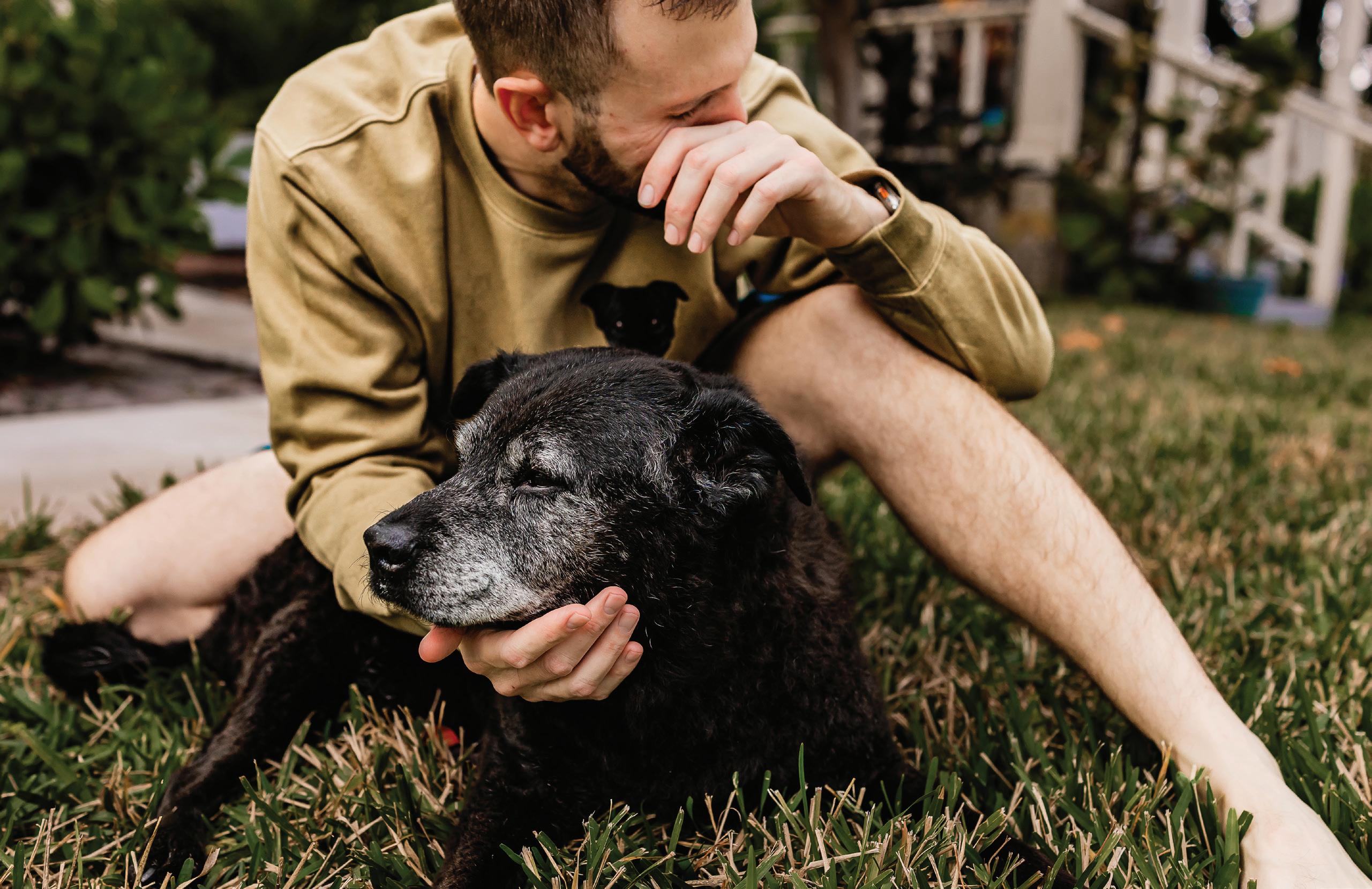
Keeping pets comfortable and at ease is Hillary’s goal. She rarely poses them or asks much of them. Typically, her focus is capturing pet parents snuggling and interacting with their pets.
“I don’t want to put any pressure on them,” she says. “This is already a process that is not comfortable for them, so I kind of just let them do their own thing. I follow them around and just snap pictures, and I edit what comes out.”
Hillary says part of why she sticks with the project is to give back to her community. But the biggest reason is she’s a pet lover. She has two dogs of her own. Growing up, she had two cats and a dog.

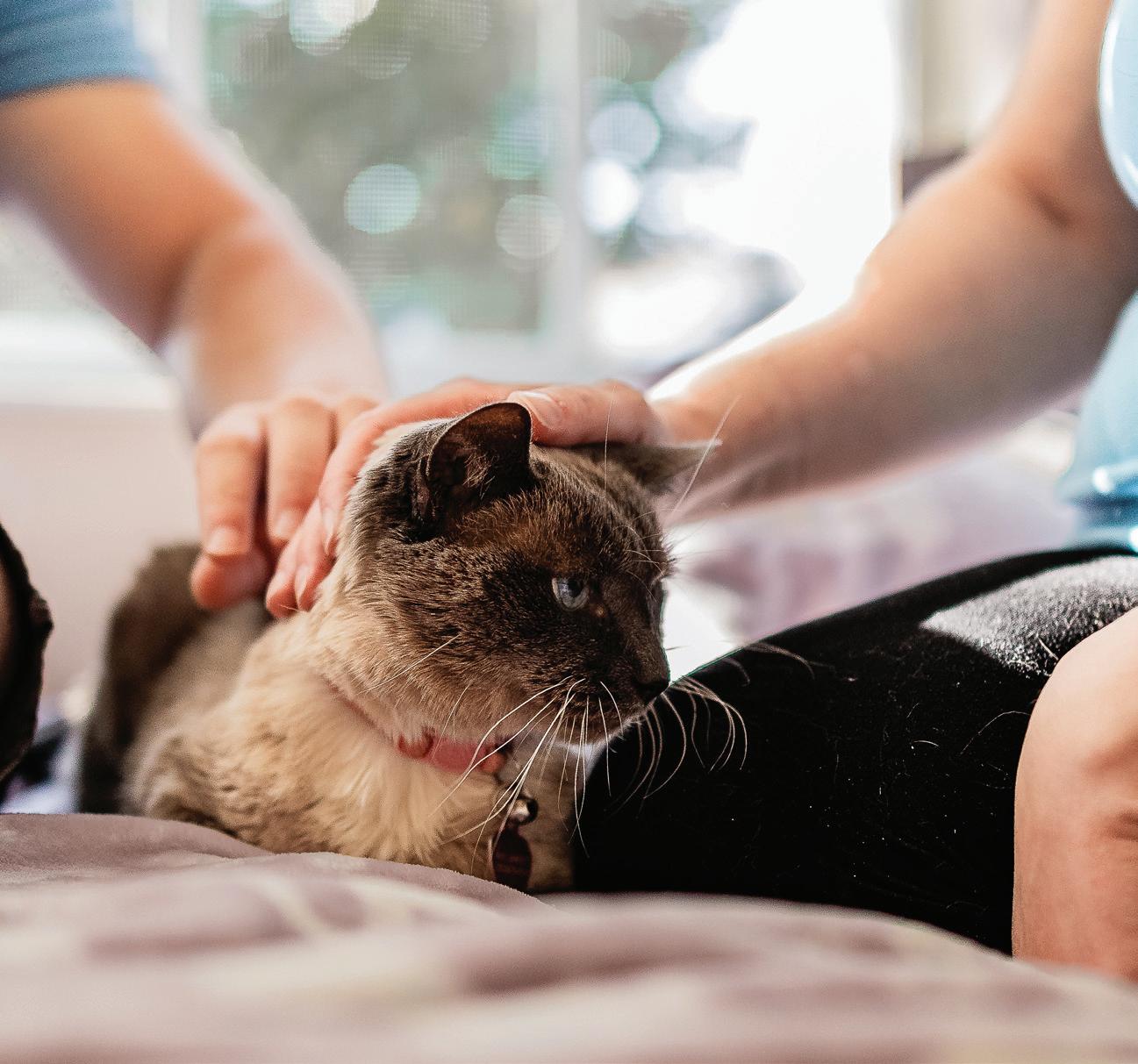

“I would have loved to have had pictures of my cats and dog,” Hillary says. “We have pictures, but they’re the family pictures when he’s up on the couch with us. But I think having nice pictures would have been nice to have.”
Shooting for The Tilly Project is sadder than Hillary’s usual work sharing the joy of graduation with high school seniors and capturing special moments with families.
“I’ll get in my car and start crying after I do one,” she says. “Just because it’s so heartbreaking. They’re family, and I’d hate to lose a member of my family.”
Hillary says The Tilly Project really helps people with the grieving process. She hopes a client reaches out later to share happier moments.
“I’d love it if one called to say, ‘Hey, I just got a new puppy, and I want some pictures of them,’” she says. “That would be fantastic. I would love it if that happened, but it has not yet.”
Erika Arango, who owns Light Sky Photography, lightskyphotography.com, typically works as a documentary-style wedding and family photographer but has served canine clients for years. The Fort Lauderdale photographer began photographing dogs at the animal shelter to encourage adoptions. When she heard about The Tilly Project, Erika knew this could be a new way to help.
“It was a good way to honor their pets and honor the pet owners,” she says. “A lot of people who have reached out to me, they really, really love their pets, and that was a way of me giving back.”
When Erika lost her 13-year-old Yorkie, Marley, it was sudden. She didn’t see it coming. And she wishes she had the chance to get photos with him.
“I just felt like I could help others deal with this grief. This is a good way,” she says.
Erika doesn’t charge Tilly Project customers.



“Sometimes people still want to give me money. But I just don’t feel comfortable asking,” she says.
One shoot that sticks out in her memory involved an older dog with cancer whose owner was stuck at work. The owner sent her brother with the dog, and Erika met them to get photos as soon as possible.
“Then as soon as she got home, the dog passed away,” Erika says. “And then she called me crying, thanking me for capturing photos of her Lab with butterflies flying around her. It was really hard for her because she couldn't be there. So, the fact I got these photos for her really meant the world for her.”
Erika tries to keep sessions short and sweet for everyone.
“A lot of people break down when they’re having those last moments with their pet,” she says.
Occasionally, being there for pet owners in that time of need results in long-term clients. Erika was asked to shoot the graduation of the daughter of a Tilly Project client and will likely shoot her upcoming wedding.
“I do develop relationships,” she says. “But I don’t expect them to become clients. Only about once in a blue moon does that happen.”



Angelica “Geli” Jaramillo of Geli Visions, gelivisions.wordpress.com/furever-sessions, focuses on gifting Furever Sessions to pet owners from Miami to Orlando. Geli is a big pet lover and frequently scrolls dog videos on TikTok. That’s where she discovered The Tilly Project.
“When I saw what Lauren did, her story was beautiful. I knew I needed to be a part of it,” Geli says, adding she wishes it had been around when she lost her cats.
“You take pictures of your pet, sure, but to have you together is just a whole different level,” she says. “When I was done with my first session, I took a couple of minutes back in the car, and I broke down. It was rewarding, but it also was ‘shoulda, coulda, woulda’ with my own pets. Everything blended up in one moment.”
Since then, she’s done more than 20 sessions.
“I’ve met some beautiful pets and owners, and you can just tell how much love is there. It’s just beautiful,” she says.
Geli doesn’t charge her Tilly Project clients either.
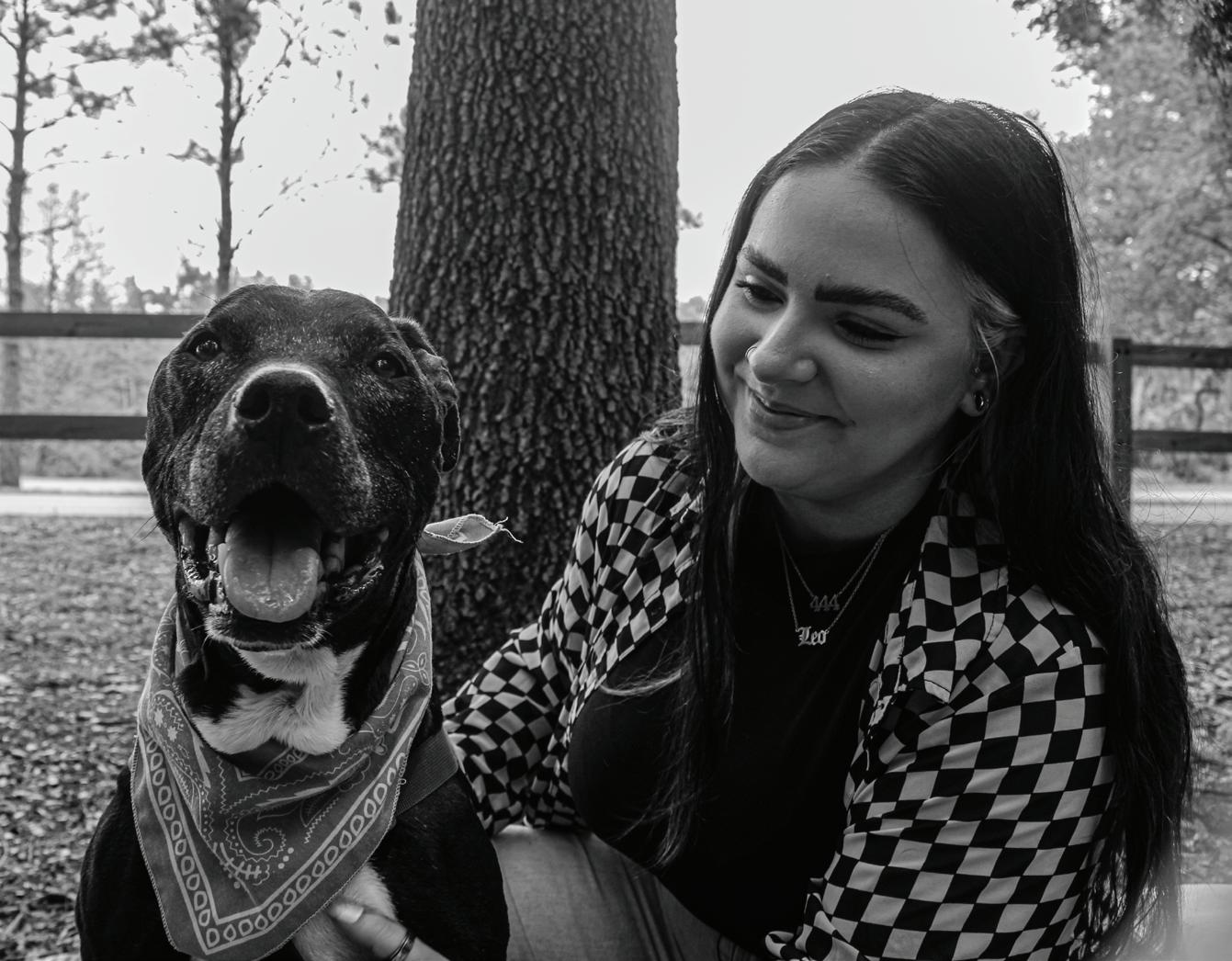
want to spend all you can just to keep them around a little bit longer. So, I try to make this part as easy as possible. A lot make donations or say, ‘I can’t leave without giving you something,’ but I’m not going in expecting that. Far from it. If they do it, I’m very grateful. But I’m not expecting it.”

“I just feel that if you’re reaching out to me, you already have enough stress in your life with either medical bills or worrying about your pets,” she says. “Paying should not be the thing you should be worried about to keep those memories. I know how hard it is toward the end when you’re caring for your baby. You
Marisa Lindgren reached out to Geli a couple of years ago to get photos of Jade, her “heart dog, soul dog.” Jade was Marisa’s constant companion, helping her through her divorce, losing her mom and moving to Florida. When Jade came down with a rare immune anemia, Marisa tried infusion treatments, but it wasn’t enough.
Marisa scheduled an at-home euthanasia for Jade though Lap of Love. “I was devastated,” she says. Shortly before that, she took a screenshot of one of Geli’s posts about The Tilly Project and filed it away.
“Then when Jade was crashing, we reached out to her and booked a session with her. I knew this was something I wanted. And the fact Geli was doing this out of the kindness of her heart, it really helped a lot,” Marisa says. “I was facing a lot of medical bills from Jade’s transfusions. And photography was an extra. Seeing someone do this for the community was so awesome. And the more I looked into The Tilly Project, I was just so impressed.”
Now Marisa refers everyone she can to Geli. “And I’m always talking up The Tilly Project,” she says. “It’s an amazing, amazing program.”

Ari Gamei was already drowning in vet bills, so she was grateful Geli took photos of Lilly, her pit bull-Lab mix, for free.
“She really was my soul dog. She was perfect for me. I’d never had any professional photos done of Lilly or with Lilly. And it was just lovely to have that. I have them all over my house now,” she says.
Once the photos were delivered, Ari posted them on social media. A friend’s dog was later diagnosed with lymphoma.
“I recommended she look at The Tilly Project, as well,” Ari says. “She lives in a different state, so I told her I don’t know who is available to you, but there’s somebody everywhere. I think it’s such a wonderful thing to have a coalition of photographers who provide those services so we can have those memories. It really is something that I cherish so much having those photos.”




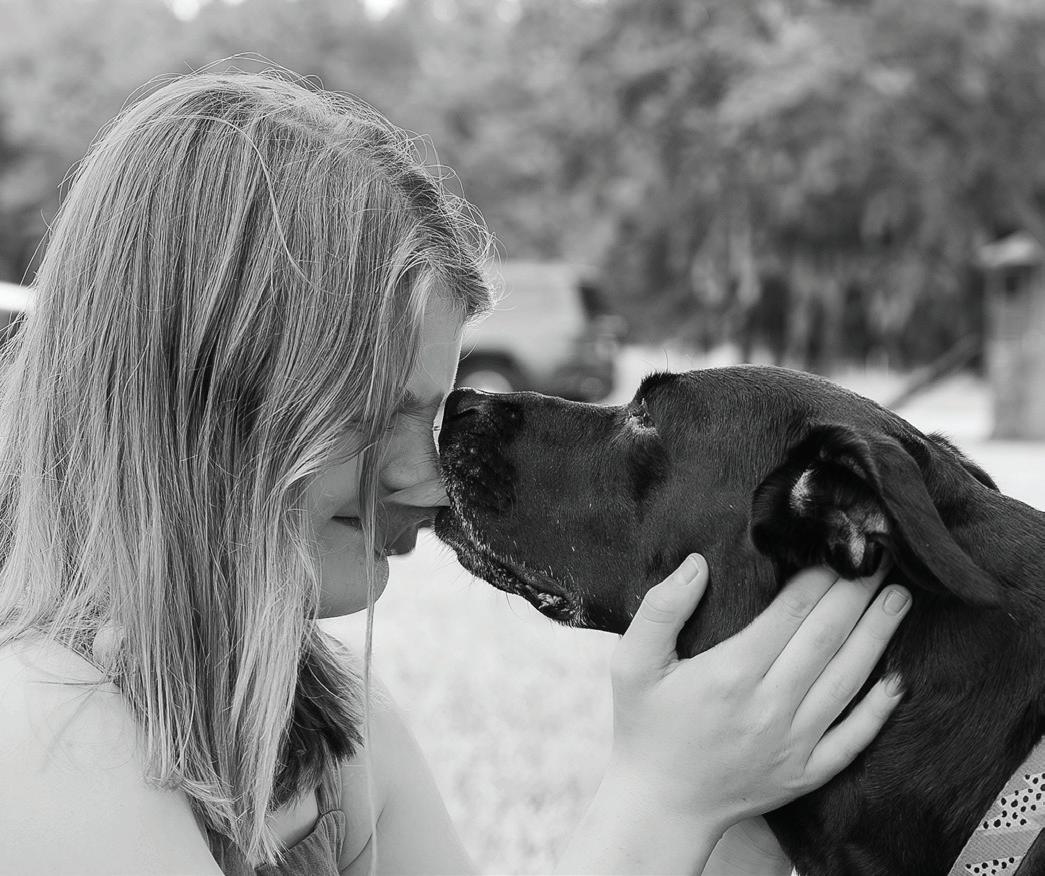
Marie Schaller of Short Story Visuals, shortstoryvisuals.com, primarily focuses on landscape portraiture. She found The Tilly Project on a Pinterest search.
“That’s when I stumbled on this photographer who was part of The Tilly Project. And I immediately knew, oh, I’m doing this. I’m adding this to my repertoire. This is what I’m doing. This is so important,” she says.
“The first family that I did was just so incredibly grateful that they had these photos, and they could reflect on them once they had to put their pet down,” Marie says. “They were just so incredibly grateful, and every family that I’ve done has been. I’m so honored to give them that gift.”
Marie offers the service free of charge.
“The only thing I ask is, I have them agree to make some sort of donation to their favorite animal charity or rescue. I don’t care what it is—it could be $5 or a can of dog food,” she says.
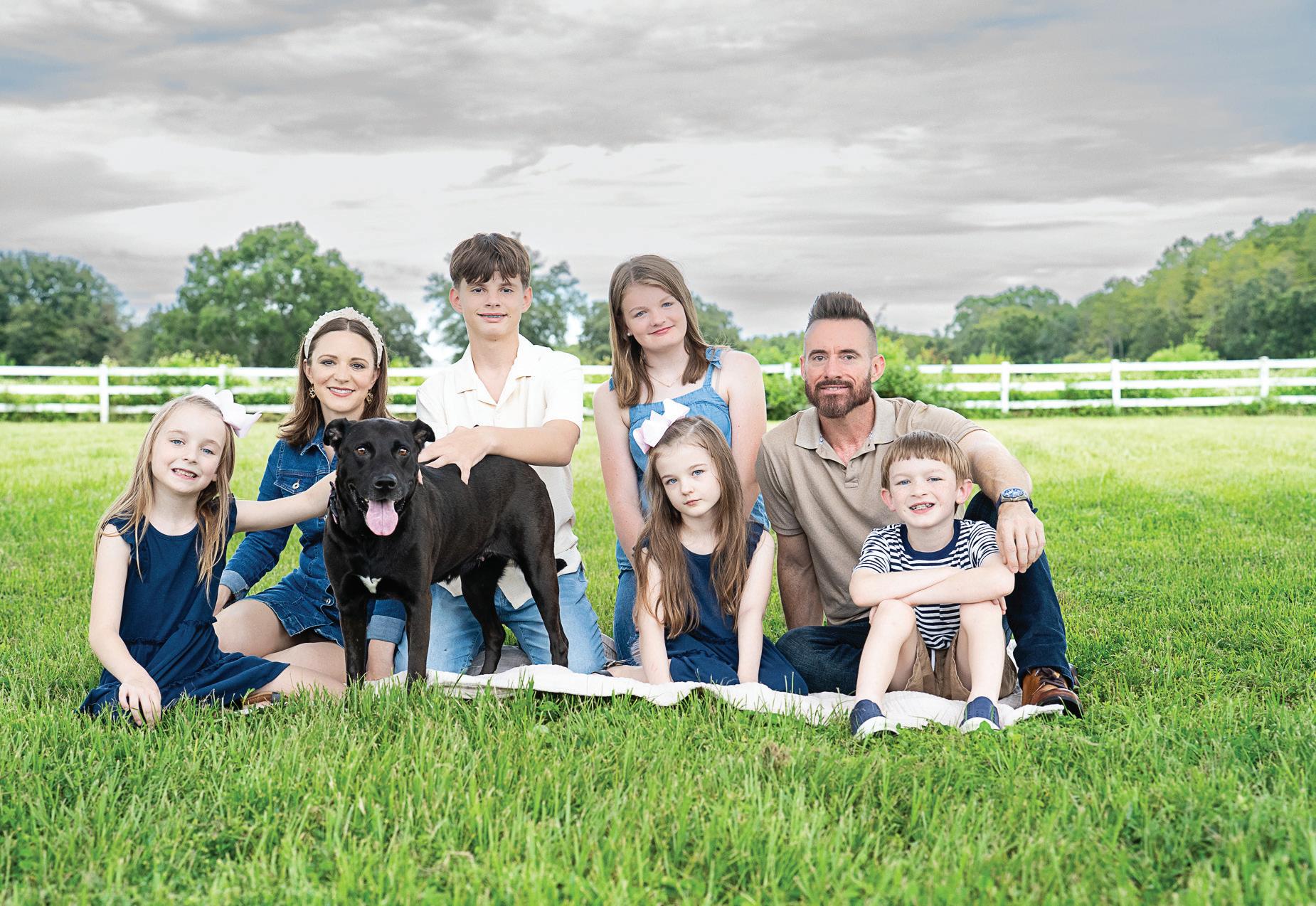
One of Marie’s first clients was a big family living on a farm.

“The dog was actually the mother’s dog she had before she got married or had kids or anything,” Marie says. “And the family was just so incredibly caring and loving. They were just the kindest, nicest people, and I knew that it really meant something to them. The mother reached out to me afterward to thank me for the photos, and she said, ‘You know, you’ve inspired my 14-year-old
daughter to go volunteer at a goat retreat. You really inspired her to go out and do something for other animals that need help.’ That was cool and very inspiring for me.”
In October, Marie put much of her photo business and her day job in healthcare on hold to care for her fiance who had a spinal cord condition leading to paralysis. When she can’t do a Tilly Project session, she reaches out to the network of photographers to see who can.
“It’s such an important thing to offer for these pet parents,” she says. “I’ll want it done for all of my dogs when the time comes, as well. It’s just so important, and one of the benefits of having the page on Facebook and the Tilly group is that you can reach out to your peers and say, ‘Hey, is anybody available in this area? I can’t do it, can anyone else?’ It’s a great resource.”




Mexican Street Corn
4 ears of corn, husked
4 tablespoons mayonnaise
2 tablespoons sour cream
½ teaspoon salt


4 ounces cotija cheese, crumbled
1 teaspoon chili powder, divided 1 lime
2 tablespoons fresh cilantro, chopped
Heat grill to medium-high. Grill corn, turning every 2 to 3 minutes until lightly charred all over.


Mix mayonnaise, sour cream, salt and ½ teaspoon chili powder in a small bowl. Brush each ear generously with the sauce. Sprinkle with cotija cheese, remaining chili powder and cilantro. Squeeze lime over the top. Serve immediately.

Unsalted butter
1½ cups buttermilk
2 large eggs
¼ cup vegetable oil
1½ cups all-purpose flour
1½ cups cornmeal
1 cup sugar
Heat oven to 350 F.
1½ tablespoons baking powder
½ teaspoon kosher salt
1½ cups corn kernels, fresh or frozen
Honey, optional
Grease a 12-inch cast-iron skillet or a 9-by-13-inch casserole dish with butter.
In a large bowl, whisk together buttermilk, eggs and vegetable oil. Add flour, cornmeal, sugar, baking powder and salt. Mix just until combined, then stir in the corn kernels.
Pour the batter into the prepared dish. Bake for 35 minutes or until a toothpick inserted in the center comes out clean. Allow the cornbread to cool for at least 15 minutes before slicing. Serve topped with honey, if desired.
2 ears corn
1 large ripe mango, diced
1 jalapeno, seeded and minced
½ red bell pepper, diced
¼ red onion, finely diced
3 tablespoons fresh cilantro, chopped
2 limes, juiced
1 teaspoon salt
Grill ears of corn until kernels have some color. Cut off kernels, and let cool.
Combine corn kernels, mango, jalapeno, red bell pepper, red onion and cilantro. Add lime juice and salt. Toss well. Let sit for at least 15 minutes for flavors to meld. Serve with tortilla chips, in tacos or over grilled fish or chicken.
4 ears corn, kernels cut off
1 pint cherry tomatoes, halved
1 English cucumber, diced
½ red onion, finely diced
Fresh basil, torn
3 tablespoons olive oil
2 tablespoons red wine vinegar
1 teaspoon honey
1 teaspoon salt
½ teaspoon black pepper
Heat a skillet or grill pan over high heat. Add corn kernels. Cook dry, stirring occasionally, until lightly charred in spots, about 5 minutes. Let cool.
Whisk together olive oil, red wine vinegar, honey, salt and pepper in a large bowl. Add cooled corn, cherry tomatoes, cucumber, red onion and basil to the bowl. Toss to coat. Taste and adjust seasoning. Serve chilled or at room temperature.
3 ears corn, kernels cut off
2 large eggs
2 ounces all-purpose flour
2 ounces Parmesan, grated
2 green onions, thinly sliced
1 teaspoon salt
½ teaspoon black pepper
¼ teaspoon cayenne pepper
3 tablespoons vegetable oil, for frying
Sour cream, for serving
Hot sauce, for serving Lime, for serving
In a large bowl, combine corn, eggs, flour, Parmesan, green onions, salt, black pepper and cayenne pepper. Stir until a thick batter forms.
Heat 3 tablespoons oil in a large nonstick skillet over medium-high heat. Drop heaping spoonfuls of batter into the pan, flattening slightly. Cook in batches, being sure not to crowd the pan.
Cook fritters for about 3 minutes per side until deep golden brown and cooked through. Drain on paper towels. Serve hot with sour cream, hot sauce or a squeeze of lime.
6 ears corn
3 tablespoons butter
1 medium onion, diced
3 garlic cloves, minced
2 medium potatoes, diced
3 cups chicken or vegetable broth
1 teaspoon salt
½ teaspoon paprika
1 cup heavy cream
4 strips bacon, cooked and crumbled
2 green onions, sliced
Cut kernels off ears of corn. Run the back of a knife down the cobs to extract milky liquid. Reserve kernels and liquid.
Melt butter in a large pot over medium heat. Saute onion until soft, about 5 minutes. Add garlic, and cook 1 more minute.
Add potatoes, broth, salt and paprika. Bring to boil. Simmer until potatoes are tender, about 12 minutes.
Add corn kernels and their liquid. Stir in heavy cream, and simmer 5 more minutes. For a creamier texture, blend 2 cups of soup, and stir back in.
Ladle soup into bowls. Top with bacon and green onions.
Story and photo by Dave LaBelle
‘I
Wedding bells are ringing, and June is a popular months for couples to tie the knot
For many photographers—professional and amateur—weddings are a time they are called to make those pictures that forever preserve a couple’s special day.
I’ve photographed many weddings, perhaps too many, in my lifetime. While I have captured some beautiful moments, I have never considered myself a wedding photographer.
When I do get talked into photographing one of these sacred happenings, I agree only if I can make candid pictures and leave group photos and traditional pictures to the wedding photographer. I do what I do, they do what they do and I am careful not to interfere.
When my wife and I photographed weddings together we sometimes alternated duties. One would capture the action while the other did the portraits, like having a play-by-play announcer and a color commentator. At my best, I am the color commentator. I watch for subtle, yet
storytelling moments most don’t see or look for—usually before or after the vows.
Photographing weddings is not unlike covering sporting or political events.
It’s important, if not critical, to know the lay of the land. When possible, attend any rehearsals to scout the best angles to capture the most important (or storytelling) pictures. Often the best pictures from any event happen beforehand, when people are relaxed. Watch for emotions after the actual event, after the nervousness and stresses of planning are over. As I often remind my students, “BAD is good!” BAD is an acronym for before, after and during an event.
Also, it’s important—if a wedding photographer has been hired—not to overshoot or get in their way. Talk to them first and assure them you’re not there to compete but augment. And finally, don’t miss the kiss. You can miss everything else, but if the couple is counting on you to capture the moment their lips meet, and you miss that photo, it will be hard to live with the disappointment. n
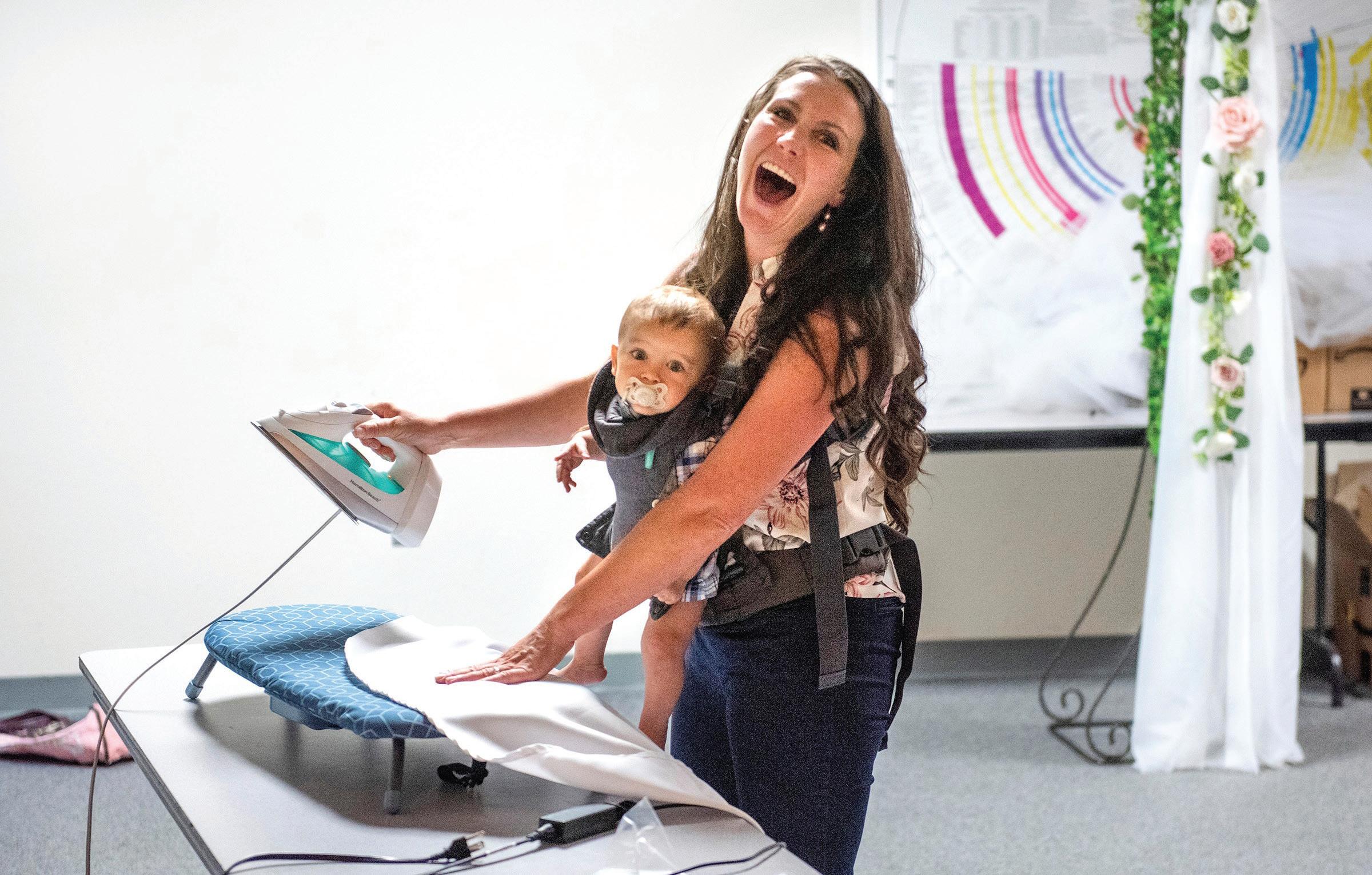
Watching through a small door window, I noticed Lindsey Sabrizio performing double duty—busily ironing her daughter’s wedding dress while watching one of her seven children. Though lacking in technical quality, this real, spontaneous moment captures an important part of the wedding most never see.
Internationally renowned author, photographer and lecturer Dave LaBelle has captured special moments for more than half a century. He has shared photo tips and life perspectives with readers since 2009. For more of his writings, visit davidlabelle.com and bridgesandangels.wordpress.com.
















The Modern Solution
Safe, stylish, and affordable. Installs with no walls or machine room. Just smart design that fits your life.
Economical & Flexible
Compact as an armchair, plugs into a standard outlet, and uses less power than a coffee maker.
Your Forever Home
Avoid moving or renovating. Live independently and comfortably right where you belong.
It’s Never Too Soon
Install now or plan ahead. A Stiltz Homelift keeps your home ready for the future.



Homelift Specialists
Installed by certified experts from the world leader in home elevators.



I can’t imagine what we’d do without it. I wish we had installed our Stiltz Homelift several years ago!



– Mr. James, Roanoke, VA








Over 35,000 Homelifts Installed




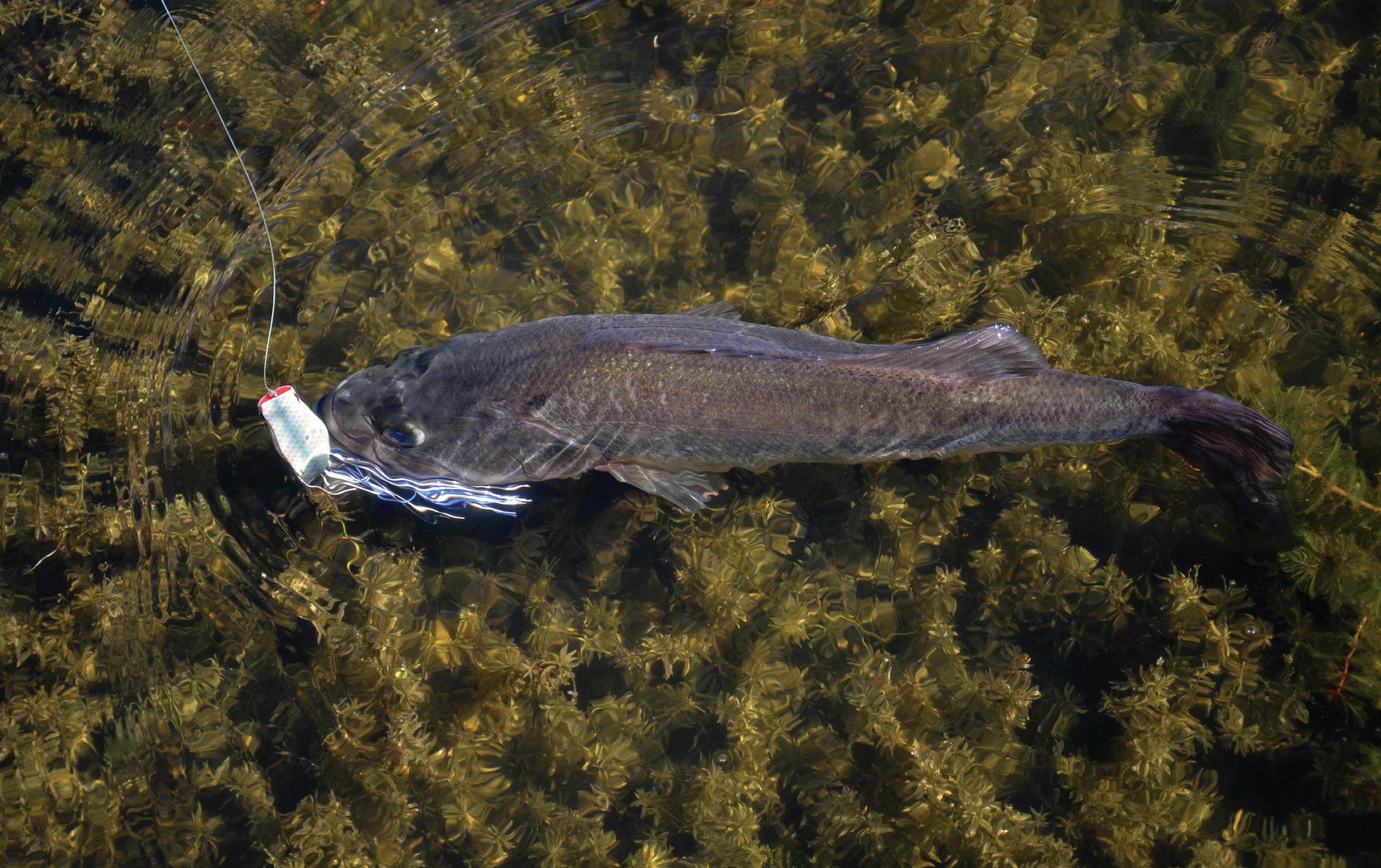

Thick vegetation typically creates dominant cover in most lakes and rivers in the Sunshine State. To catch Florida lunkers, anglers must learn how to fish the weeds.
A thick weed patch provides everything a bass needs, including food, cover and oxygen. Big bass often seek weeds to escape temperature extremes or hunt for food. Largemouth bass use their green-and-black camouflage to blend in with weeds so they can ambush prey.
Few lures can sputter over the tops of matted grass better than a buzz frog. Rigged with a hook inserted into the soft-plastic body, a frog moves over vegetation like a four-wheel-drive vehicle. Bass commonly explode through the cover to attack a frog, engulfing grass and all.
“My favorite way to work a frog is weightless and just reel it back across the surface,” says Shaw Grigsby, a professional angler from Gainesville. “Even on a steady retrieve, I twitch it a bit just to give it a little different sound.”
Some frogs float, and others sink. With their kicking legs, frogs resemble natural prey. Work a floating frog with a steady retrieve or the pop-and-stop method. Jerk the rod to make a commotion on the surface. Then, let the bait rest for a few moments.
Work sinking frogs the same way. When one hits a pocket, let the bait sink a few feet before resuming the retrieve. Often, bass engulf a frog as it sinks.
Buzzing frogs create considerable surface commotion, but sometimes bass want more subtle baits. Try a weightless soft-plastic lizard or similar creature bait. Rig it with the hook inserted into the plastic. Move the bait in short spurts, flicking it from grass clump
to grass clump. At pockets of open water, let the bait sink 1 to 2 feet before resuming the retrieve.
“In thick, matted grass, nothing works better than a weightless soft-plastic jerkbait,” says Terry Segraves, a professional bass angler from Kissimmee. “I work it over the grass tops just like a topwater bait. It’s unbelievable some of the explosions we see. Bass just come after them right up through the grass.”
Spinnerbaits and buzzbaits also entice bass in thick vegetation. Buzzbaits climb to the surface and sputter over grass tops. Long, slender, willow-leaf spinnerbait blades cut through grass better than other blade types, but even these cannot plow through the thickest mats. Run them parallel to grassy edges or through broken patches.
If bass hunker down in the thickest cover, flip jigs tipped with plastic trailers into tiny pockets next to grass clumps. In the densest canopies, punch through the roof with a heavy jig. Throw it up in the air so it impacts like a meteor smashing through the surface. That sudden invasion of its lair frequently provokes vicious reaction strikes, almost as if the bass attack in self-defense.
Thick grass can intimidate many people, but anglers who can fish grass effectively often find some of the best opportunities for catching trophy bass in Florida waters.
John N. Felsher is a freelance writer, broadcaster, photographer and editor. He’s written more than 3,500 articles on a wide variety of outdoor topics. Contact him at j.felsher@hotmail.com or through Facebook.
All ages can find something new and exciting around every corner of the state. Filled with rich history, abundant natural beauty and diverse events all year, Florida has fun options for everyone.
June 2
250 Years of Freedom: Moments that Shaped America
This exhibition traces the nation’s history from early Native American life— before European contact—through the Revolutionary War, Civil War and modern era. A free reception is open to the public from 5-7:30 p.m. in the Switzer Gallery.
bit.ly/4uvmfzF; 850-484-1462
June 4-6
Coralpalooza
June 5, 12, 19 and 26
West Garden Artisan Market

This hands-on World Oceans Day celebration includes three days of reef restoration where leisure travelers join half-day, two-tank trips and fourhour boat outings to outplant corals, monitor reefs and enjoy evening socials. This event is family friendly for those 12 years and older. Boats fill fast, so join the first alert list. coralrestoration.org/coralpalooza; 305-453-7030
Potters, print and jewelry-makers, glassworkers, artists, bakers and many other artisans are part of Pensacola’s newest indoor market happening every Friday from 1-6 p.m. Come by to donate to a local nonprofit, pick up lunch at the food truck and take advantage of an ever-shifting collection of beautiful, handmade art for sale.
ub-pensacola.com; 850-285-0251
June 6
NWFL Pride Fest

June 13
Taunton Family Festival
The 14th annual Family Fun Day is 9 a.m. to 3 p.m. and includes a junior volleyball tournament, an Amazing Race challenge, food, live music and lots of free activities for children. There will be swimming in Lake Mary and a new slide.
tauntonhome.net; 850-639-5031


Back for another year of family fun, this year’s event starts at 3 p.m. and includes vendors, animal adoptions, local entertainment and musical acts in historic downtown. Whether you come for the music, the community, the shopping, the dancing or the pure Pride spirit, this festival is for you. gulfcoastlgbtqcenter.org; 850-684-8988





June 6, 13, 20 and 27
Farmers Market
Discover the charm of small-town Florida from 9 a.m. to 2 p.m. inside the historic Jacaranda Hotel in the heart of downtown. Explore a market filled with local farmers, artisans, and food vendors offering fresh Florida produce, handmade goods and delicious bites. With live music and a relaxed community atmosphere, it’s an easy and enjoyable way to spend a Saturday morning—rain or shine. facebook.com/farmersmarketavonpark; 863-235-1414
June 7
REEF Fishin Out of Water 5K
This virtual 5K is a global, community-driven event that brings ocean lovers together to support marine conservation—no matter where they are. Participants can run, walk, bike, swim or paddle their way through a 5K (3.1 miles), completing the distance in one day or over the course of the week. Designed to be flexible and inclusive, the event encourages friends, families, co-workers and local groups to get active while making a meaningful impact for the ocean. Proceeds from the event support REEF’s Oceans for All Fund, which helps expand access to ocean exploration, education and conservation programs for underserved communities. Participants also receive race swag and can form teams to share their experience and build community along the way. Held in conjunction with World Oceans Day, this event is more than a race—it’s a collective effort to protect and celebrate our blue planet. reef.org/5k; 305-852-0030
June 8-21
Summer Solstice Celebration
Join this vibrant, nightly festival at Mallory Square as we reach the longest day of the year. Enjoy live performances, artisan demonstrations and interactive experiences at 7 p.m. each evening. bit.ly/4ndFg7c; 305-296-1552
June 12-13
Sports Cards and Collectibles Show
Bring the whole family and browse iconic sports cards and collectibles from vendors across the Gulf Coast. From professionally graded investment sports cards and Pokémon cards to vintage and newly released packs, there is something for every budget. If you’ve been looking for that special baseball card, comic book, action figure, video game, Beanie Baby or toy that “mom threw out,” there is a good chance you may find it here. Admission is $2 and grants you a choice of one item from the gift table. facebook.com/iconiccards; 850-686-2690
June 19
Journey to Juneteenth
Gallery Night Pensacola’s June theme is Journey to Juneteenth. The event brings the streets of downtown Pensacola to life with more than 70 art vendors showcasing their work. Stroll through a vibrant, open-air market filled with local artists, live performances and creative experiences, all celebrating Pensacola’s thriving arts scene. gallerynightpensacola.org

June 11
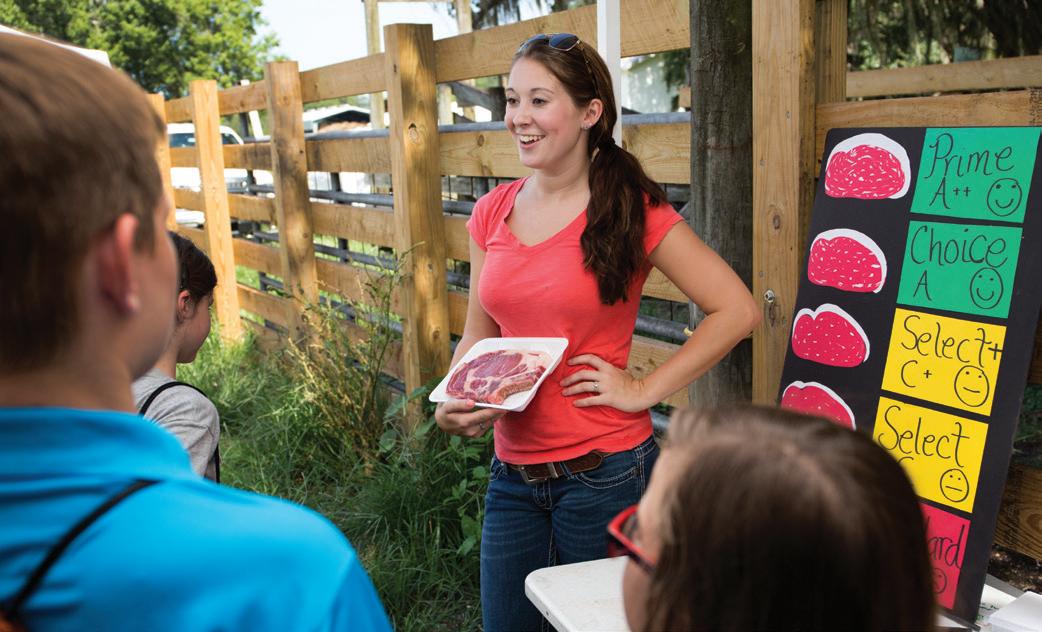
UF/IFAS Range Cattle Research and Education Center
This event aims to excite students about agriculture and science, reveal opportunities in those fields, and foster a love of learning that promotes agriculture and good stewardship for generations. Students 8 years and older are welcome to attend with their parent, guardian or youth leader. Attendees who visit all the learning expo booths and complete all the field day classes receive a Beef Quality Assurance certificate. This year’s classes are 8 a.m. to 2 p.m. and include New World Screwworm, From Pasture to Plate: Understanding Beef Cuts and Meat Basics, Smart Technologies for Ranch Water, Basics of Beef Cattle Female Reproduction, and Tracking Animals with Telemetry. Registration is $25 and open through June 9 or until the event is sold out. forms.gle/bZ8cGKyjJY5oqETw9

June 24
Dolphin Sunset Celebration
This after-hours experience starts at 6:45 p.m. at Dolphin Research Center. The sunset program offers an opportunity to connect with marine life in a relaxed setting. Guests can take part in a dolphin interaction, engage in conversations with the center’s expert team and enjoy a celebratory toast as the sun sets over the ocean. Blending hands-on moments, education and a coastal atmosphere, this experience provides a memorable way to learn about and appreciate dolphins and their care. dolphins.org/experiences; 305-289-1121

Want to share a family-friendly event with Florida Currents readers? Enter details at tinyurl.com/FloridaCurrents or use the QR code for easy access. Make sure to submit the item at least 60 days before the event (due to press deadline). If you own rights to a printquality photo promoting your event, include it with photo credit information.



Central Florida’s ample sunlight and moderate rainfall create optimal conditions for cultivating a diverse array of herbs celebrated for their medicinal qualities. Gardeners and herbal enthusiasts in the region can establish vibrant medicinal gardens that not only showcase the aesthetic beauty of these plants but also serve as reservoirs of natural remedies.
Whether incorporated into backyard gardens or larger community spaces, the cultivation of medicinal plants in Central Florida fosters a connection between residents and the rich herbal traditions that have been passed down through generations.
Let’s delve into the rich tapestry of medicinal flora appropriate for growing in Central Florida.
Yarrow (Achillea millefolium): Yarrow is a versatile and resilient herb with a long history of medicinal use. Its feathery leaves and clusters of tiny, delicate flowers make it a charming addition to any garden.
Yarrow is prized for its anti-inflammatory properties and ability to staunch bleeding, making it a valuable herb for treating wounds, bruises and skin irritations. This hardy perennial thrives in a variety of conditions—including poor soil and full sun—making it an easyto-grow herb for gardens in Florida and beyond.
Marshmallow (Althaea officinalis): Despite its sweet-sounding name, marshmallow is not just a confectionary delight but also a medicinal marvel. Native to Europe and naturalized in Central Florida, this herb’s roots contain mucilage, a gel-like substance that coats and soothes the digestive tract.
Central Floridians have embraced marshmallow as a remedy for various digestive issues, finding relief from indigestion and gastritis. Cultivated worldwide for its medicinal properties, marshmallow is easy to grow in moist, well-drained soil and full sun to partial shade.
Astragalus (Astragalus membranaceus): Central Florida’s herbal arsenal includes astragalus or Huang Qi, a plant known for its immune-boosting properties. With its roots deeply embedded in traditional Chinese medicine, astragalus is valued for promoting overall vitality and resilience.
Astragalus root contains compounds believed to support overall health and vitality, aiding in the body’s ability to cope with stress and illness. Easy to grow in well-drained soil and full sun, astragalus offers a natural way to support wellness and resilience.
Sweet basil (Ociumum basilicum): Sweet basil is cherished for its culinary delights and esteemed for its medicinal properties.
Rich in antioxidants and essential oils, sweet basil possesses antiinflammatory and antimicrobial qualities, making it a valuable herb for combating infections and supporting overall immune health. Its aromatic leaves contain compounds such as eugenol, which has been studied for its potential to alleviate pain and reduce inflammation, making sweet basil a versatile herb with a long history of therapeutic use in traditional medicine systems around the world.





















Porterweed (Stachytarphetajamaicensis): A native Florida plant, porterweed offers notable medicinal benefits that have been recognized in traditional herbal medicine. Its leaves contain compounds with anti-inflammatory and antimicrobial properties, making it valuable for treating skin conditions such as wounds, insect bites and rashes. Additionally, porterweed has been used to alleviate fevers and digestive issues.
Porterweed is drought-tolerant and thrives in full sun, making it a low-maintenance addition to your Florida garden.
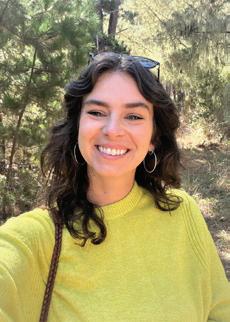
Heather Kalaman serves as the Florida-friendly landscaping horticulture agent for UF/IFAS Extension Orange County. She is a graduate of the UF Doctor of Plant Medicine Program and has a master’s degree in environmental horticulture, where her research focused on pollinator-plant interactions. Her passions and programming focus on sustainable landscaping practices.
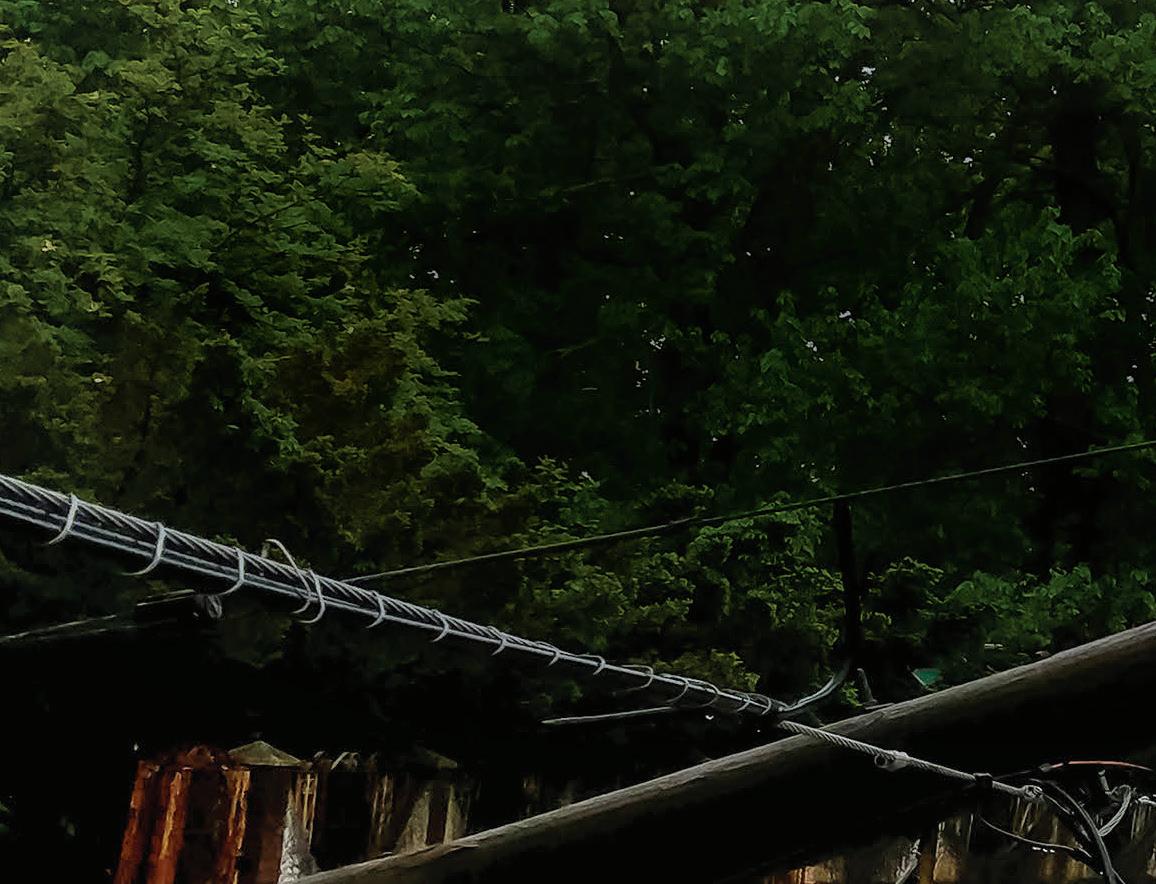
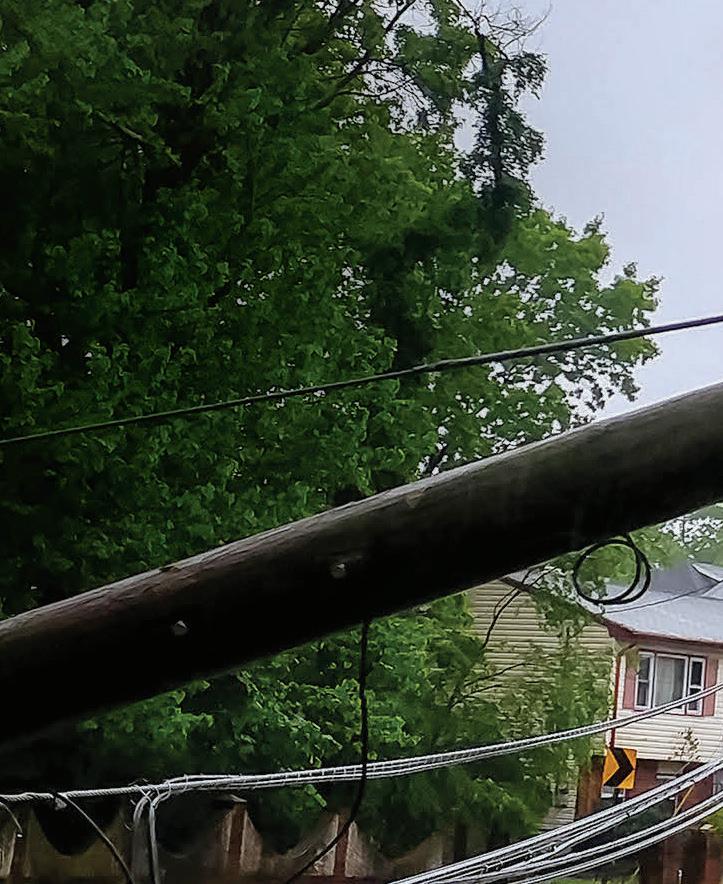
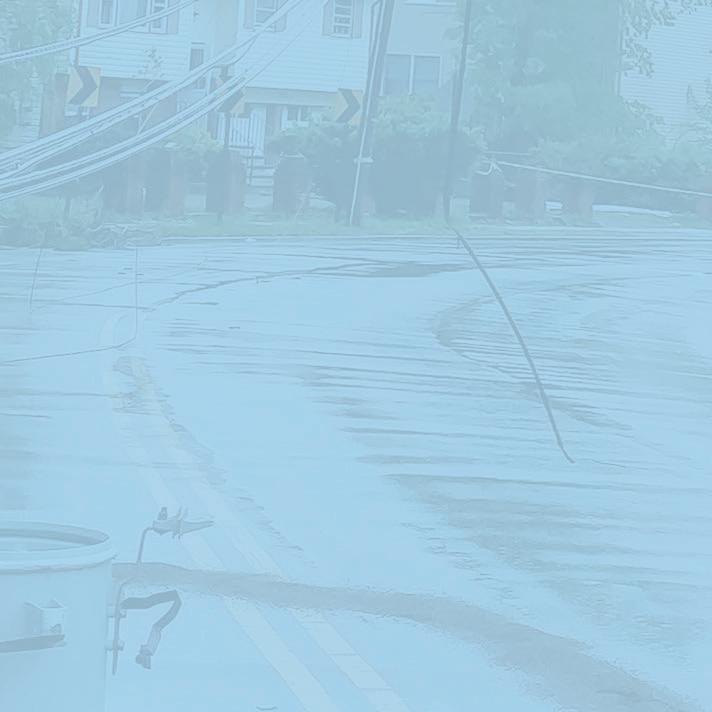
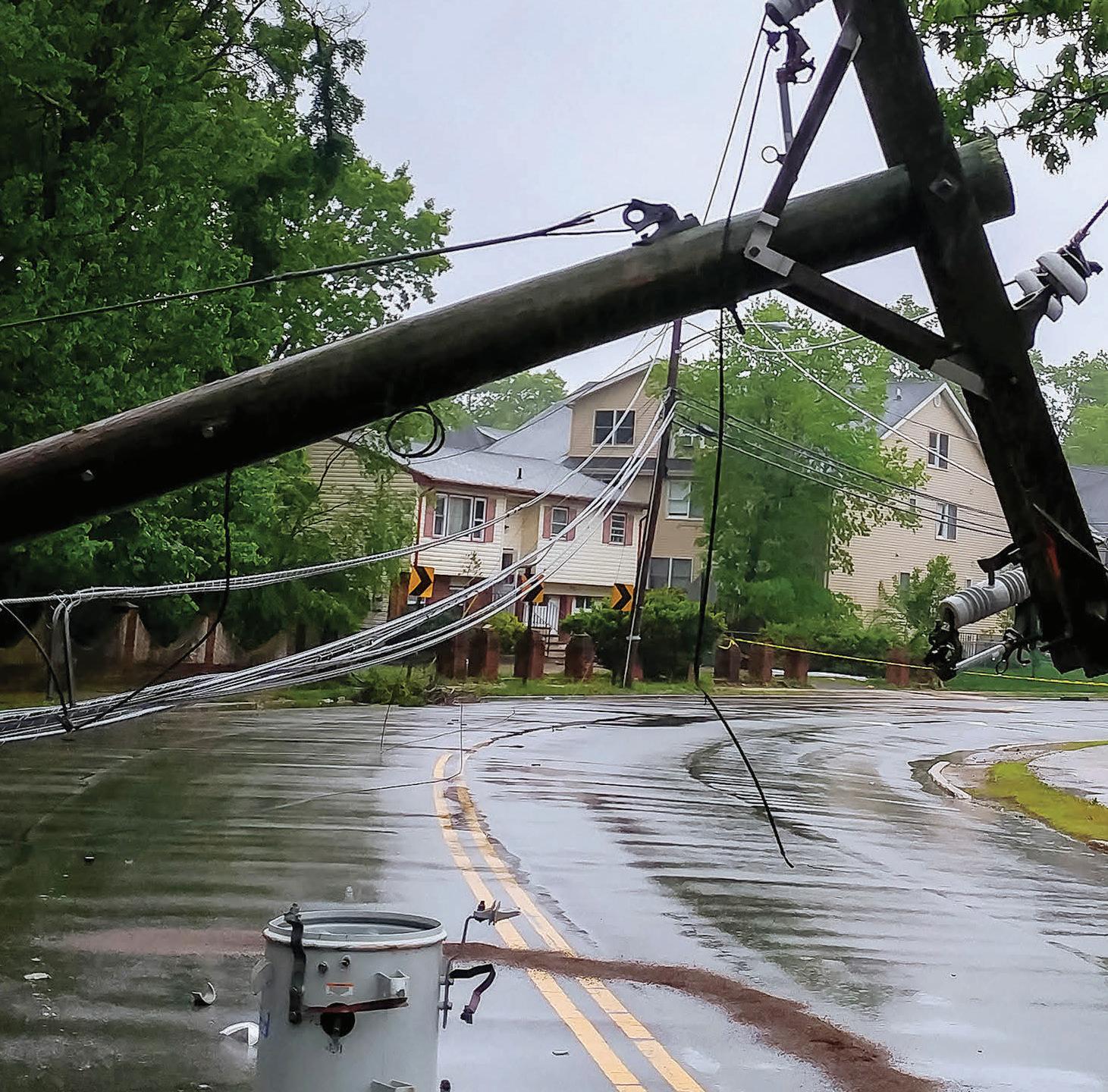
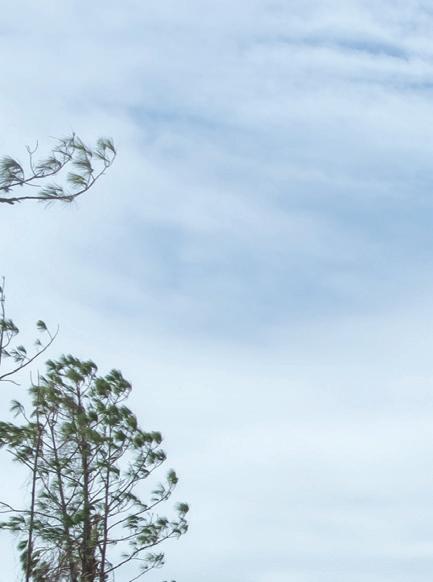
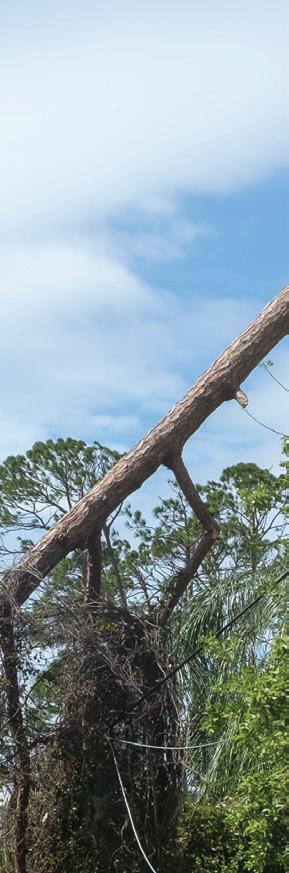
Overhead power lines can carry more than 500,000 volts. Touching a downed power line creates a path for electricity to reach the ground through your body, causing life-threatening injuries or death. Energized power lines don’t always spark, hum, short circuit or appear to dance, so always assume a line is live and dangerous. Electricity from downed power lines flows along the ground in a big circle, so stay away.

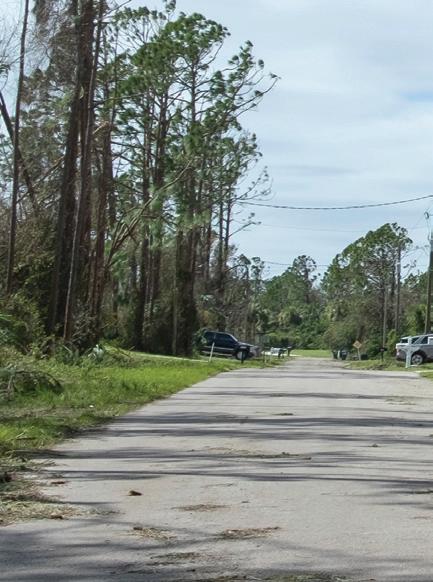

DON’T touch downed power lines with your hand or even an object, such as a stick or broom.
DON’T touch anything or anyone who may be in contact with a downed power line.
DON’T let children or pets near a fallen electric line.
DON’T drive over a downed power line.
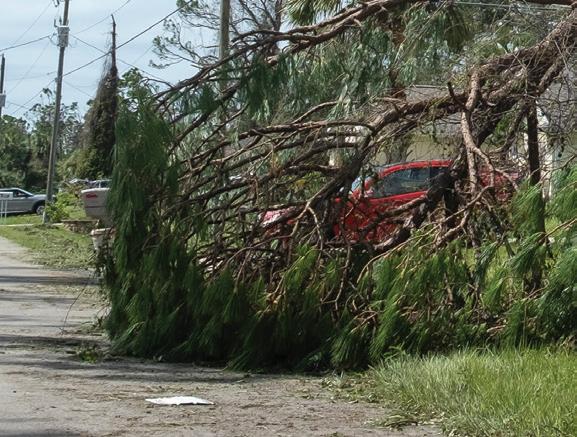



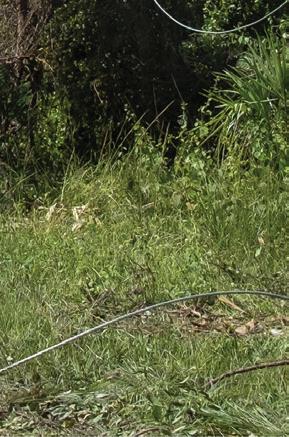
DO assume every downed power line is energized.
DO report any sagging or downed lines to your electric cooperative.
DO stay at least 30 feet away.
DO warn other people and try to keep them away.
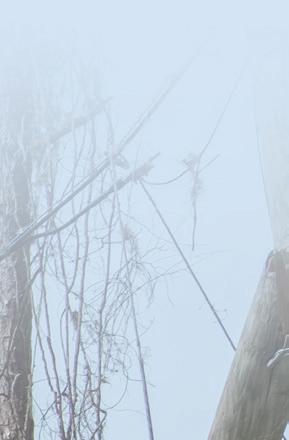
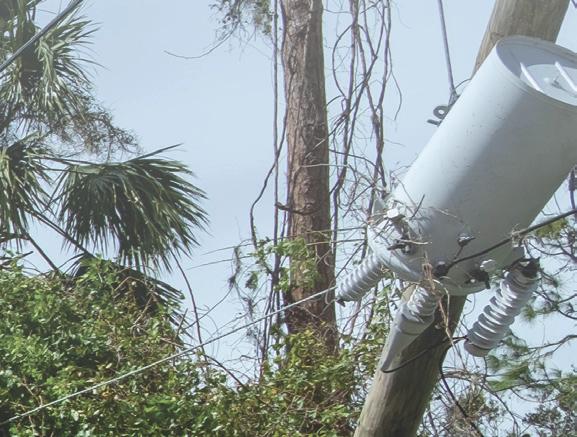
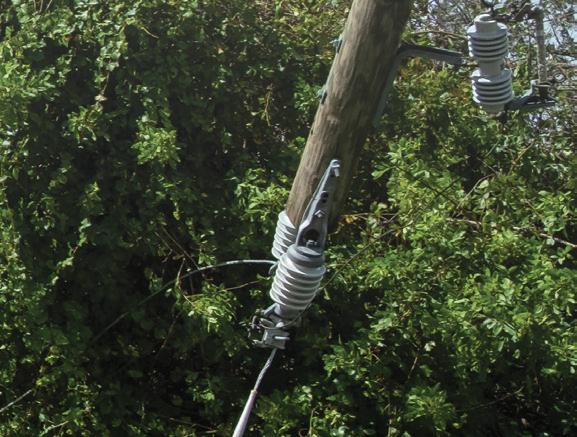
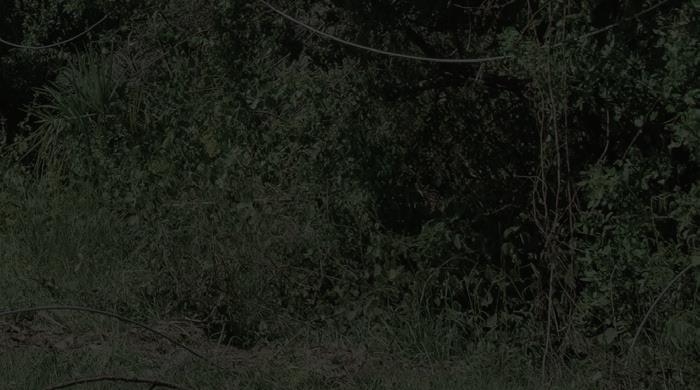
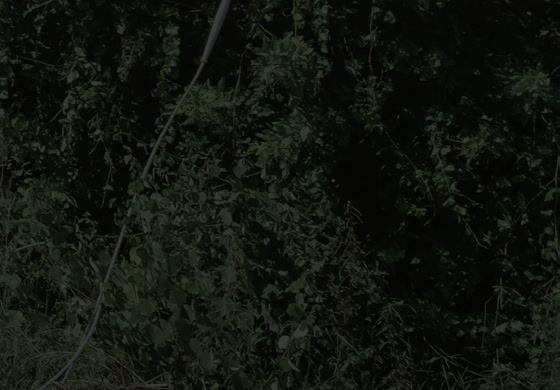
If a power line falls across your vehicle, stay inside and warn others to stay away. If you can’t safely remain in your car and must exit, jump clear of the vehicle without touching any part of it. en, shu e to safety, keeping your feet close together. If you see a downed power line, report it immediately by calling PRECO at 800-282-3824 or by dialing 911.

Story and photo by Miranda Boutelle
Let’s start by defining what “smart appliances” mean. Smart appliances—such as refrigerators, washers, ovens, thermostats and water heaters—connect to the internet. Typically, through Wi-Fi or Bluetooth, these appliances can be controlled through your smartphone, tablet or voice-assistant device. They are designed to optimize energy use and add convenience. Some smart devices can even learn your habits over time.
Are smart appliances right for your home? The answer depends on your preferences and the types of appliances you already have.
The better question might be: Are smart appliances right for you?
Do you like the newest tech and typically keep your phone within arm’s reach? Do you enjoy the convenience of calling out commands to Alexa? Or do you prefer less technology or something in between? Personally, I’m somewhere in the middle.
Many smart appliances allow you to see how much energy each device consumes. That information can be helpful to better understand your energy habits and identify where energy may be going to waste.
Smart thermostats are a popular choice for managing energy use and reducing energy waste. Heating and cooling systems are typically the home’s biggest sources of energy consumption.
You can save an average of 8% on heating and cooling costs with a smart thermostat, according to Energy Star. Savings depend on your climate, the type of system you have and how you currently use it.
Most energy savings from a smart thermostat come from automating temperature adjustments while you’re sleeping or away from home. If you’re already good at manually adjusting the thermostat, you likely won’t see big savings, but you might prefer the convenience of a programmable device you can control with an app.
Smart thermostats make it much easier to program your heating and cooling schedule. Some have geofencing features that automatically adjust settings based on how far your phone is from home.
Coming in as the second-highest energy user in most homes is the water heater. I like the smart controls on my heat pump water heater. Also called a hybrid water heater, it uses heat pump technology to move heat instead of using energy to create heat. That makes it two to three times more efficient than a conventional electric resistance water heater. You can save even more energy with smart heat pump water heaters.
I can monitor energy use, change settings if we need more hot water and check how much hot water is available before I jump in the shower after my children have used it. The app notifies me when it’s time to clean the air filter on top of the unit. I can access that information without having to go down to the basement. I can even set it to vacation mode after I’ve left the house for a trip.
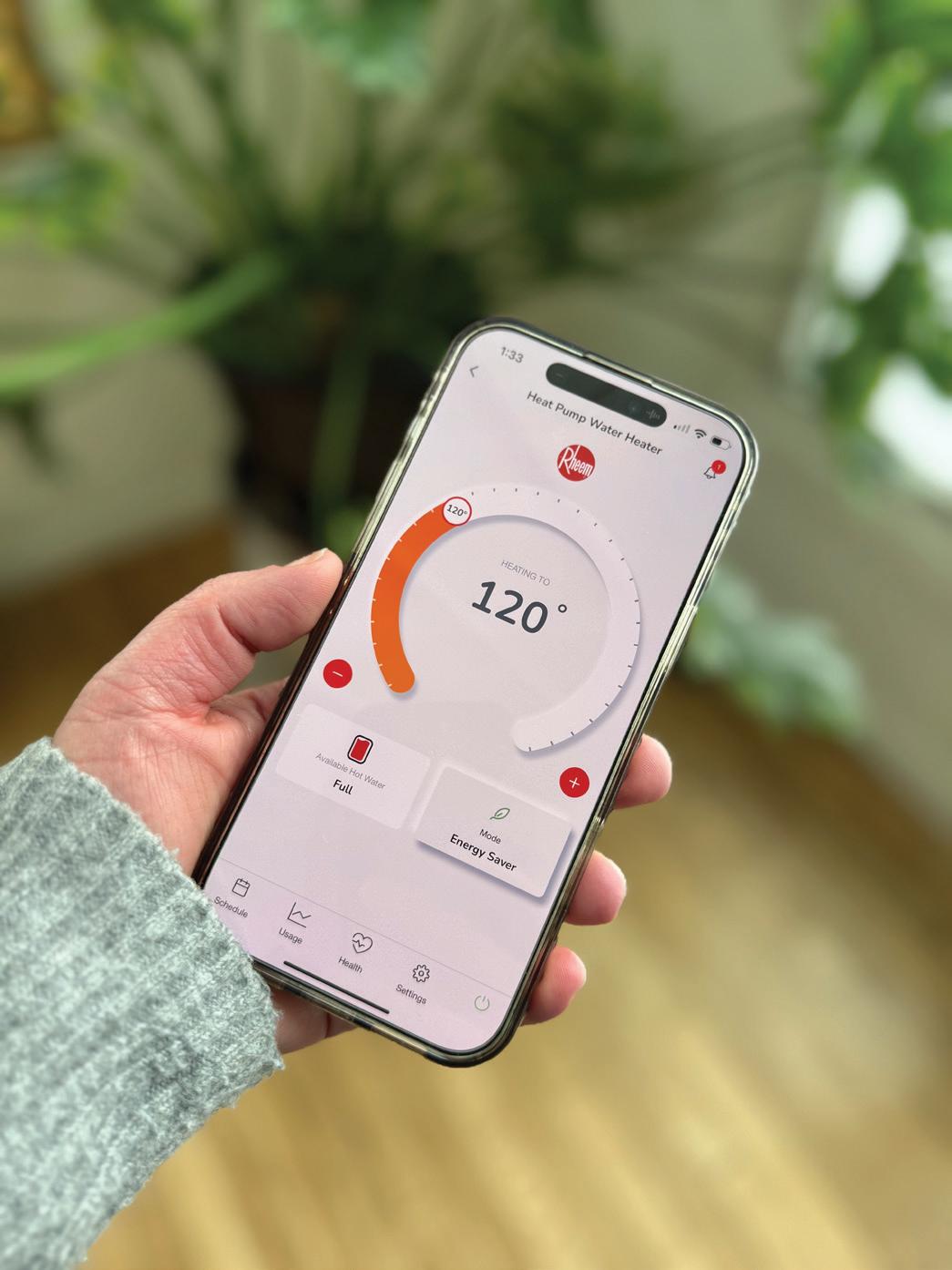
Not all heat pump water heaters have smart technology, so be sure to check before buying.
My refrigerator is a different story. I like the ability to monitor energy use, but it can be annoying to have my phone notify me the door is open when I’m 3,000 miles away at a work conference. There are certain features that can only be controlled through the app, which I find frustrating. The next thing I know, my husband texts me to make more ice while he’s standing right next to it, and I’m on the other side of the country.
Monitoring energy use and making it easier to control household devices are benefits of smart appliances. Before upgrading, do your research to understand how the features work and whether they benefit your lifestyle. Smart technology can help lower your energy use. However, in some cases, you’re better off improving your energy habits with the appliances already in your home. n
During these warm summer months, a smart thermostat can help keep your home comfortable while reducing cooling costs.
Smart thermostats adapt to your routine and automatically raise the temperature when you’re away and cool things down before you return, avoiding unnecessary energy use.
You can also adjust settings remotely from your phone, so you’re never cooling an empty house. Setting your thermostat a few degrees higher while you’re away or asleep can lead to signi cant savings.
Many smart thermostats provide reports and tips, helping you netune your energy use and stay cool while keeping your electric bill in check.





















When the power goes out, we expect it to be restored within a few hours. But a major weather event, such as a hurricane, can cause widespread damage, resulting in extended outages. Our line crews work long, hard hours to restore service safely to the greatest number of members in the shortest time possible. Here’s how we get to work when you find yourself in the dark:
These lines serve thousands of consumer-members and must be repaired so other parts of the system can operate.
Repairing damage to feeder lines can bring the lights back on for entire communities or housing developments.
Each substation serves hundreds, or even thousands, of consumer-members. Repairing this equipment can restore power to many households at once.
These smaller supply lines are next. They deliver power to transformers outside businesses, schools and homes.
Locations still without power may require repairs to the service line between a transformer and the residence or businesses.


As part of an ongoing commitment to better serve you, Peace River Electric Cooperative is making updates to how our Manatee Service Center at 14505 Arbor Green Trail, Lakewood Ranch, operates.
Effective June 1, 2026, the Manatee Service Center transitions to an appointmentbased office. Bill payments are no longer accepted at this location. Instead, we encourage members to take advantage of many convenient payment options available, including online, by phone, by mail, through VanillaDirect Pay and MoneyGram at participating retail locations, or in person at Wauchula headquarters.
Members who need in-person assistance at the Lakewood Ranch office are welcome to schedule an appointment through our website at PRECO.coop or call the Customer Care team at 800-282-3824. Walk-in visitors without appointments will be directed to schedule one so we can fully prepare to assist you.




We appreciate your understanding as we make these changes to serve you more effectively. As always, our team is here to help, and we’re just a click or phone call away.

A customer care representative welcomes members by appointment only at the Manatee Service Center Lobby.

















PRECO.coop
800-282-3824
TO REPORT A POWER OUTAGE
Use the SmartHub app.
Text OUT to 800-282-3824.
Call 800-282-3824.
CORPORATE HEADQUARTERS
210 Metheny Road
Wauchula, FL 33873
MANATEE SERVICE CENTER
14505 Arbor Green Trail
Lakewood Ranch, FL 34202
BOARD OF DIRECTORS
District 1
CHRYSTA CHANCEY
District 2
KENNETH ODEN
District 3
BRUCE VICKERS
District 4
MATT HARRISON
District 5
MARIE DASHER
District 6
DAN PUCCIO
District 7
CHRIS PORTALE
District 8
ELLEN BACHMAN
District 9
WILLIE DAWES
BOARD MEETINGS
June 23
July 28
Aug. 25

Any PRECO member may attend board meetings. Due to building security requirements and to facilitate attendance, members should contact the cooperative in a timely manner for logistical information regarding meetings. FL-155
ONLINE E-ZINE
Prefer to receive Florida Currents online? Sign up through your online account or call us at 800-282-3824

CEO Message

There’s something timeless about trees. They ground us. They remind us of where we’ve been, and they stretch toward what’s ahead. Here in our community, we take pride in the natural beauty that surrounds us—shade on a summer afternoon, colors that mark the seasons, the strength of something that grows slowly but endures.
At the same time, we share another responsibility, one just as essential—keeping the lights on, powering our homes and businesses, and making sure the energy you depend on is there when you need it.

We’re also using new tools to do this work smarter. Drone inspections, for example, monitor lines and vegetation efficiently, reducing costs while improving accuracy. These tools help us identify risks early and respond quickly.

That’s why Peace River Electric Cooperative works every day to balance preserving the beauty we cherish and delivering the reliable electricity you expect. One of the most important ways we do that is tree trimming.
I recently lost one of these giants in my own backyard. With recent high winds, it could not bear its own weight. Fortunately, it was a safe distance from structures and power lines, but in Florida, we know that’s not always the case.
Keeping lines clear of overgrown vegetation plays a major role in preventing outages. We’ve all seen what can happen when severe weather rolls in—strong winds or sudden storms can bring down branches and, with them, power lines and poles. Nearly half of outages are traced back to trees and vegetation coming in contact with electrical infrastructure.
That’s why you may see PRECO crews or our contractor, Georgia Right of Way, working year-round. Crews are highly trained and certified. Their work may seem routine, but it’s a proactive step to prevent problems before they start.
It’s also required. Electric utilities must manage vegetation near power lines. Scheduled trimming removes dead or weakened limbs and keeps fast-growing trees from becoming hazards, especially as severe weather becomes more frequent.
Beyond reliability and efficiency, this work is about safety. Electricity is powerful, and trees growing too close to lines can become dangerous. Branches that touch lines can carry electrical current. Children climbing trees in their own yards may not realize the risk. During storms, fallen trees can create hazardous conditions not only for families but also for lineworkers restoring service.
There’s also a financial reality. Preventative maintenance is far more costeffective than repairing widespread damage after outages. A thoughtful, strategic vegetation management program helps keep costs down for members.
You can help, too. When planting trees, consider their mature height and distance from power lines. Trees up to 40 feet tall should be planted at least 25 feet away. Larger trees should be planted at least 50 feet away. Keep shrubs clear of transformers, maintain at least 10 feet of clearance in front and 4 feet on the sides to allow safe access. Always call 811 before digging near underground lines.

At the end of the day, we all want the same thing—a community that’s safe, resilient and beautiful. At PRECO, we’re proud to be part of that effort. Our roots run deep, just like the trees we care for.
Paul Roberts Interim CEO/General Manager
