




































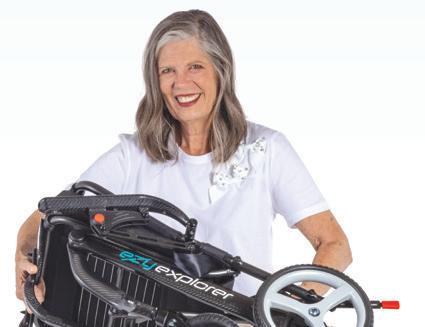
The lightweight carbon fiber power chair that helped me get my life back
Let me be honest with you. I fought the idea of a power wheelchair. I thought it meant I was giving up. What I didn’t realize was that I was already giving things up - vacations, outings, long walks with family - because I was too tired or worried about falling.
Getting the EZY EXPLORER wasn’t giving up. It was getting back up. The first thing I noticed was how smooth it felt. The joystick control is easy and responsive - no sudden jerks. I felt steady and in control right away. And it’s compact. I can move through standard doorways and tighter indoor spaces without feeling like I’m driving a tank.
But what really sets it apart is the carbon fiber frame. Carbon fiber is incredibly strong - it’s used in high-performance products for a reason - yet it’s much lighter than traditional materials. That combination of strength and light weight makes a big difference. It feels solid and secure, but it’s easier to transport and handle.
It doesn’t dominate my house. It doesn’t feel medical. It feels like a smart mobility solution. I’ve gone farther and stayed out longer than I have in years.



Just call. Talk to a mobility expert. Get the details. That one call might be the start of getting your life back. Call today - you’ll be glad you did. Ultra light folding power

Has a simple and effortless one-step fold and fits easily in your car’s trunk. Its lightweight, compact design makes it simple to store at home or on the go—whether you're shopping, dining, or heading out on a road trip. Perfect for any outing, it’s easy to take anywhere. IF YOU’RE



May 2026 • Volume 15, No. 7
CEO Michael Shepard
VICE PRESIDENT OF CONTENT Leon Espinoza
EDITORIAL DIRECTOR Chasity Anderson, CCC
DEPUTY EDITORIAL DIRECTOR
Noble Sprayberry
SENIOR EDITOR Jennifer Paton, CCC
LEAD CONTENT EDITOR Victoria Hampton, CCC
FLORIDA CURRENTS EDITORS
Valeri Saldanha Rosa; Sable Riley, CCC
ASSISTANT EDITORS David Herder, CCC; Nina Todea, CCC
PUBLICATIONS PRODUCTION
SENIOR MANAGER
Elizabeth Beatty
SENIOR PUBLICATIONS COORDINATOR
Alyssa McDougle
Members acknowledge that $4.89 a year, plus postage, is the cost to publish 12 issues a year of FLORIDA CURRENTS ISSN 23276304 (USPS 8300). Published by Pioneer Utility Resources Inc., 5625 NE Elam Young Parkway, Ste. 100, Hillsboro, OR 97124—a not-for-profit Oregon cooperative corporation—the magazine serves the communication needs of consumerowned electric utilities in Florida. Preferred Periodicals postage paid at Hillsboro, OR 97123 and at additional mailing offices.
Postmaster: Send address changes to 5625 NE Elam Young Parkway, Ste. 100, Hillsboro, OR 97124-6422.
HOW TO CONTACT FLORIDA CURRENTS
Subscription services:
Nonmember subscriptions $15 U.S. a year; $25 foreign a year. Prepayment required. Allow 4-8 weeks for first issue. Identify local edition desired. Have a problem receiving your magazine? Utility members should contact their utility office. Nonmembers call 503-357-2105 or email mailingdept@pioneer.coop.
Back issues:
Back issues and extra copies are $3 each, prepayment required. Supply is limited. Identify edition, month and year. Call first to check availability. Contact Pioneer Utility Resources: P.O. Box 1306, North Plains, OR 97133-1306; 503-357-2105; email: mailingdept@pioneer.coop.
DISPLAY ADVERTISING INQUIRIES
American MainStreet Publications, 611 S. Congress Ave., Ste. 504 Austin, TX 78704-1714; 800-626-1181 or 512-441-5200; amp.coop.

Every year, we recognize National Electrical Safety Month to raise awareness about reducing electricity-related fires, injuries and fatalities. Here are a few important safety tips to keep in mind:
1. Never use electrical equipment near water.
2. Check all light bulbs to ensure the wattage is safe and suitable for the fixture.
3. Extension cords are for temporary use only. Never run them under rugs, through walls or across doorways.
4. Do not plug too many devices into a single outlet or power strip.

© 2026 Pioneer Utility Resources. All rights reserved. Reproduction in whole or in part without written permission is prohibited. Direct reprint requests to editor@floridacurrents.com or for more information, visit www.pioneer.coop. Co-op Pages: 4-8, 25-26, 28-29, 32
Celebrations rev up America’s iconic Route 66 Spotlight, Page 10
Sheet pan dinners are made for sharing In The Kitchen, Page 16
Forever The Great Picture Hunt, Page 18


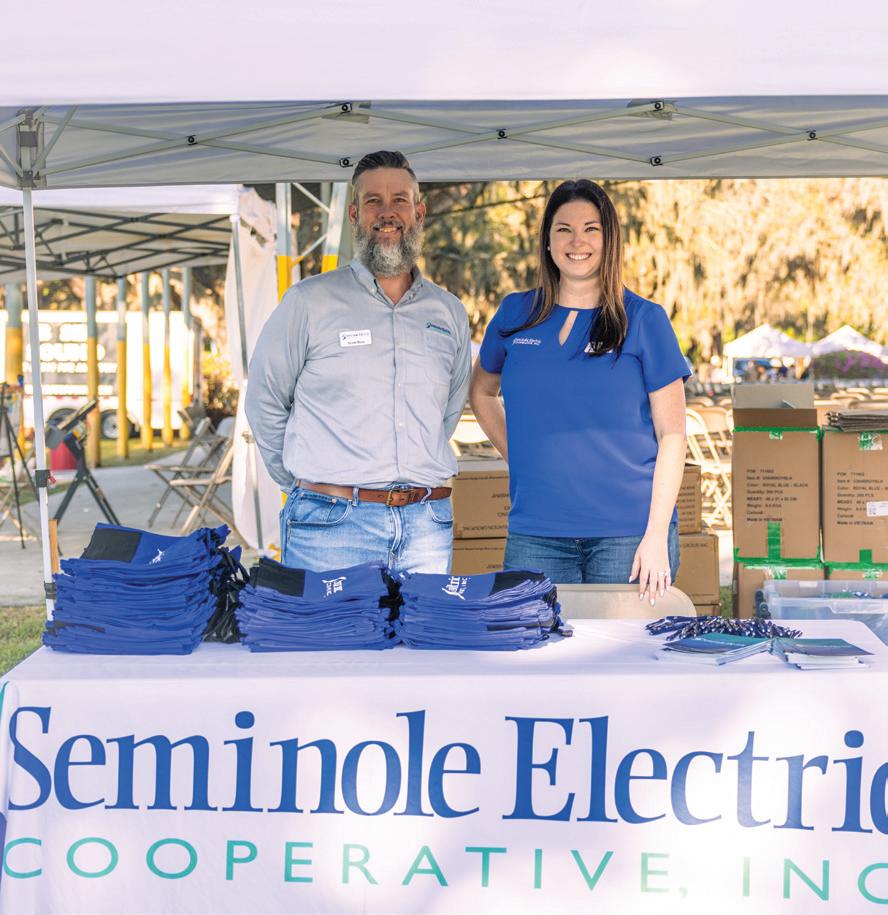








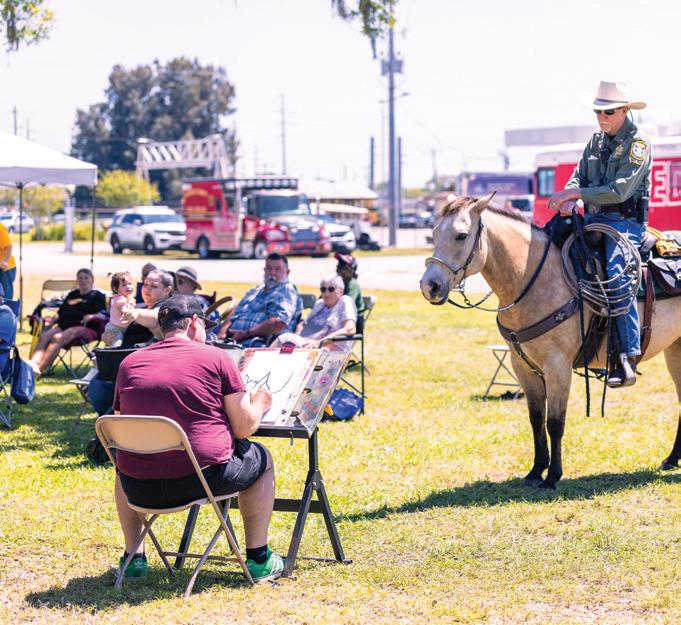









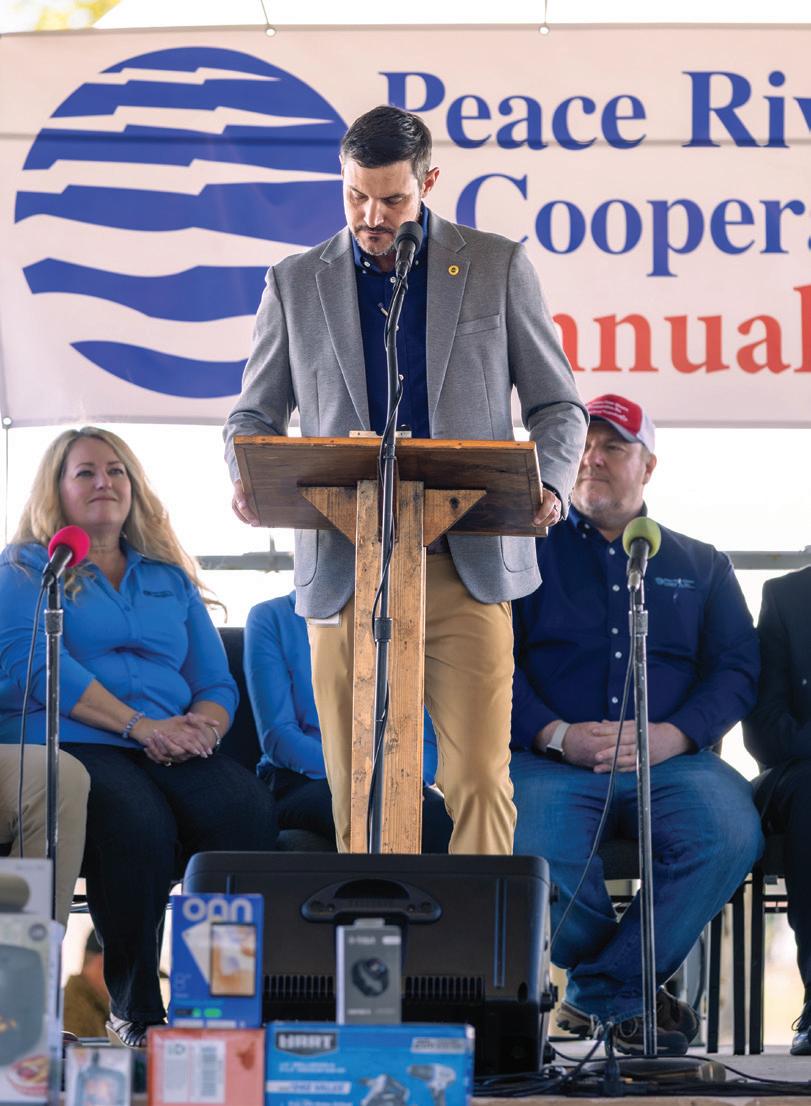


















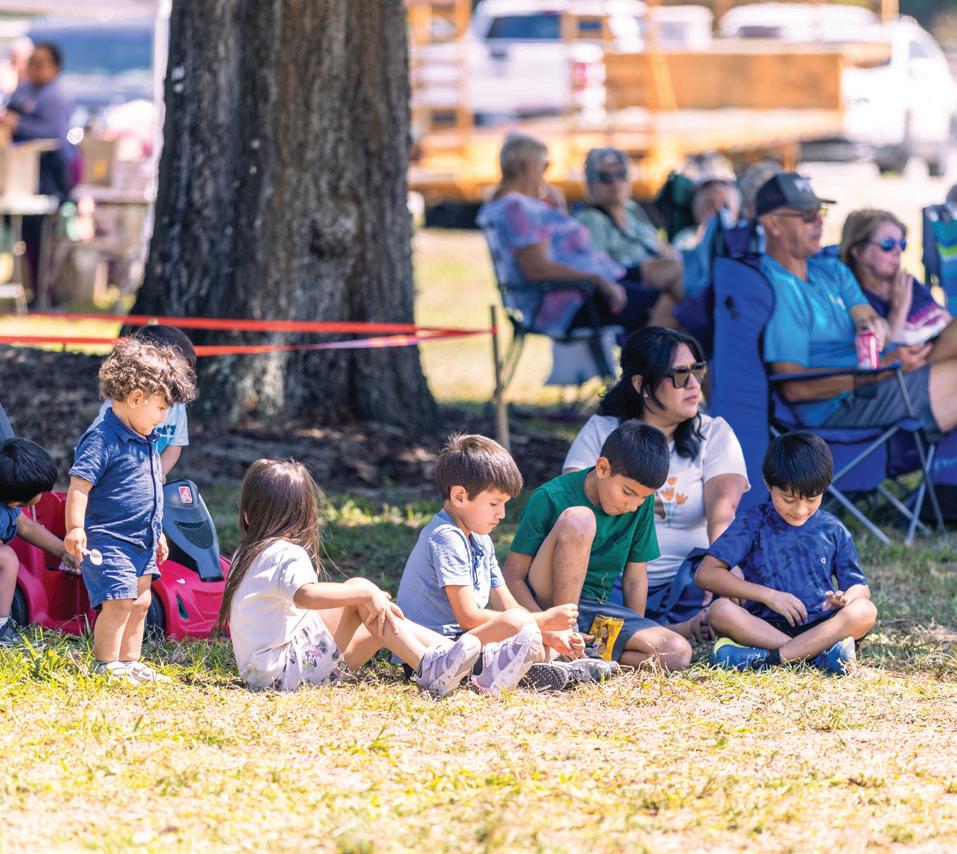
































































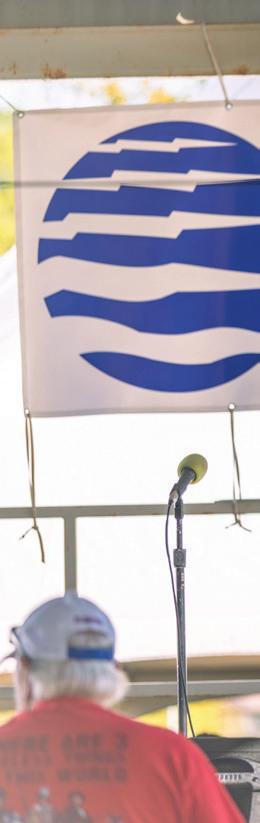
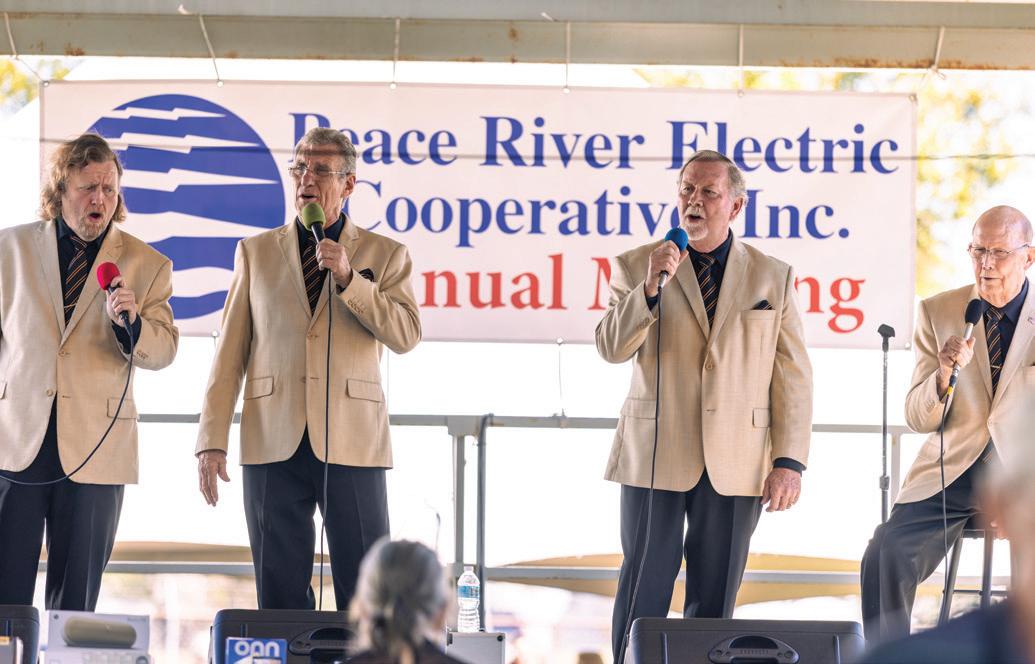









PRECO brings members together for picture-perfect day
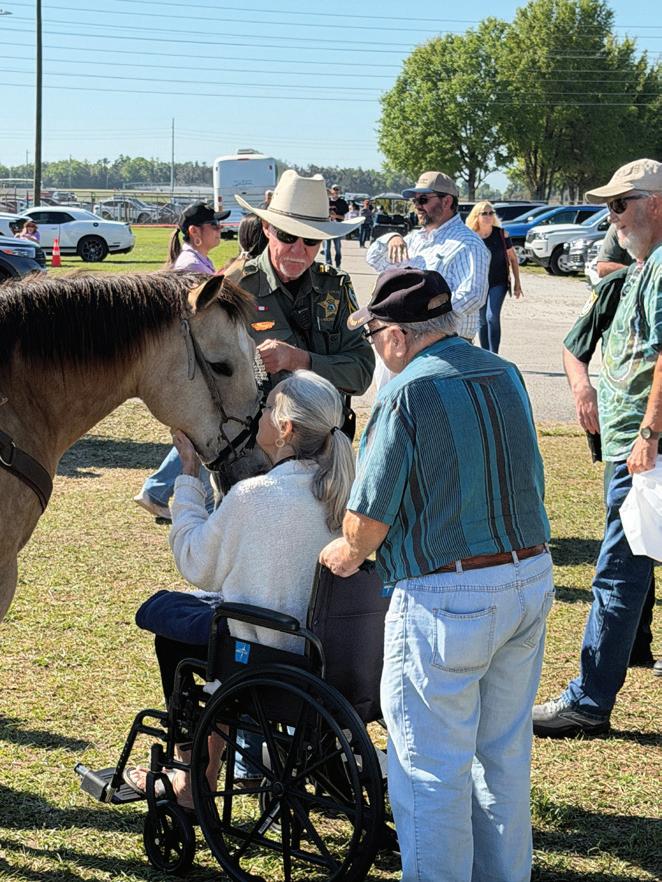
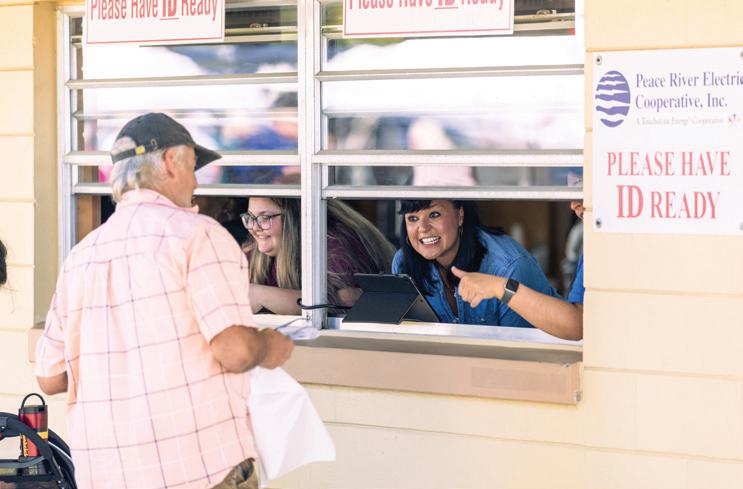
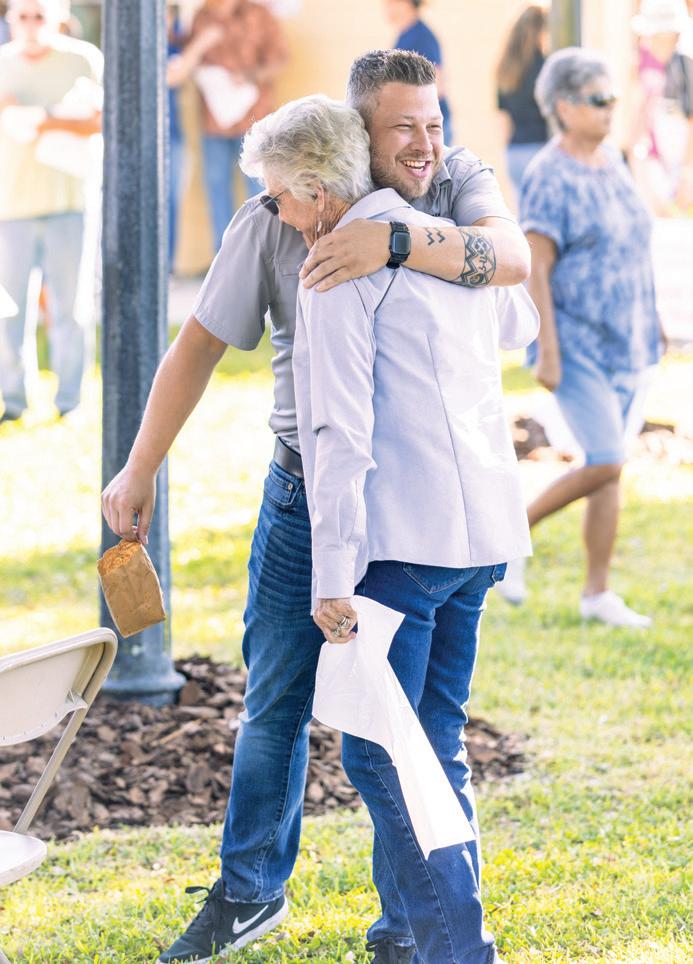
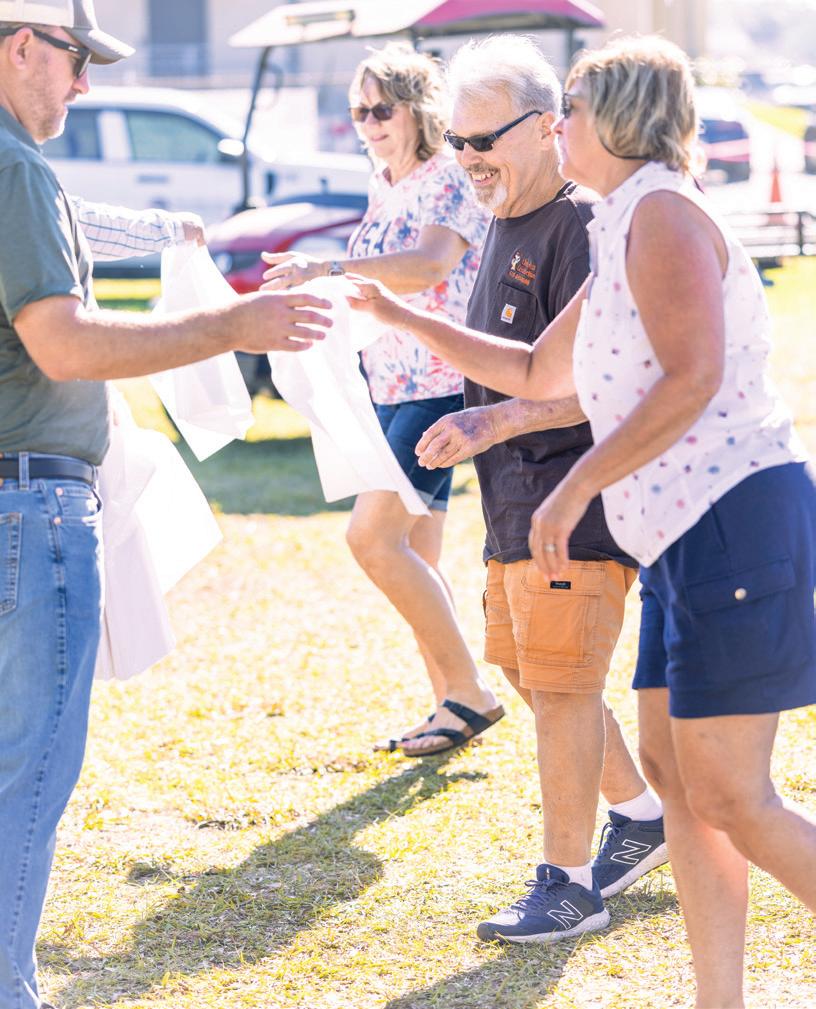
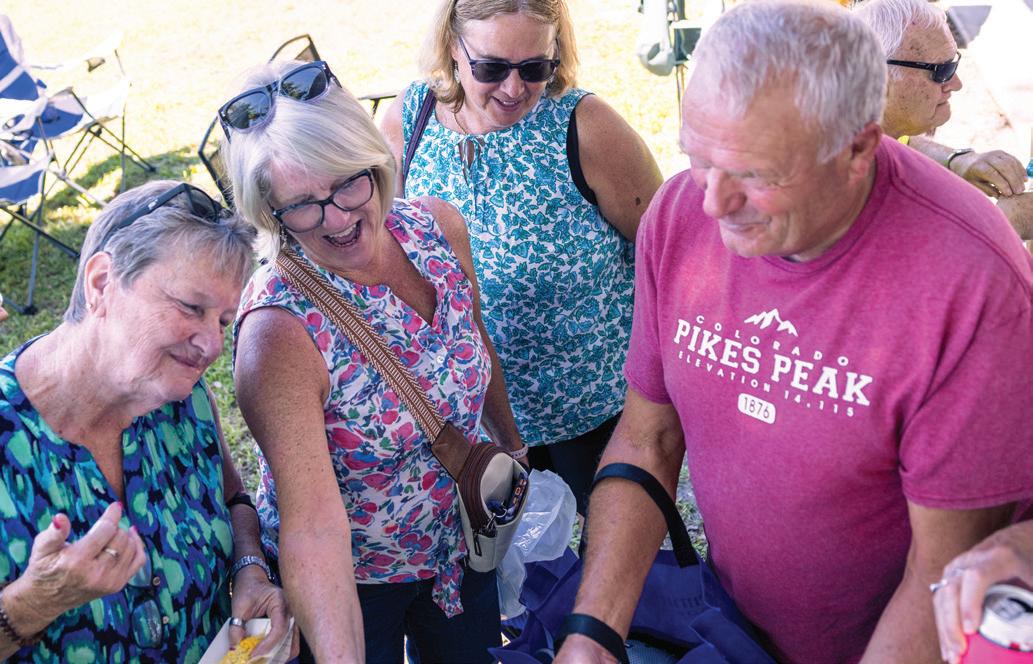
Blue skies, great music and a strong sense of community set the stage for Peace River Electric Cooperative’s 86th annual meeting. With perfect weather overhead and plenty to see and do, members enjoyed a relaxed, family-friendly day celebrating the cooperative they power together.
From sweet treats to savory favorites, food was a highlight throughout the day. Guests grabbed popcorn, corn dogs, ice cream, boiled peanuts and funnel cakes while catching up with friends and neighbors. Children made a beeline for face painting and the rock-climbing wall, keeping smiles going from start to finish.
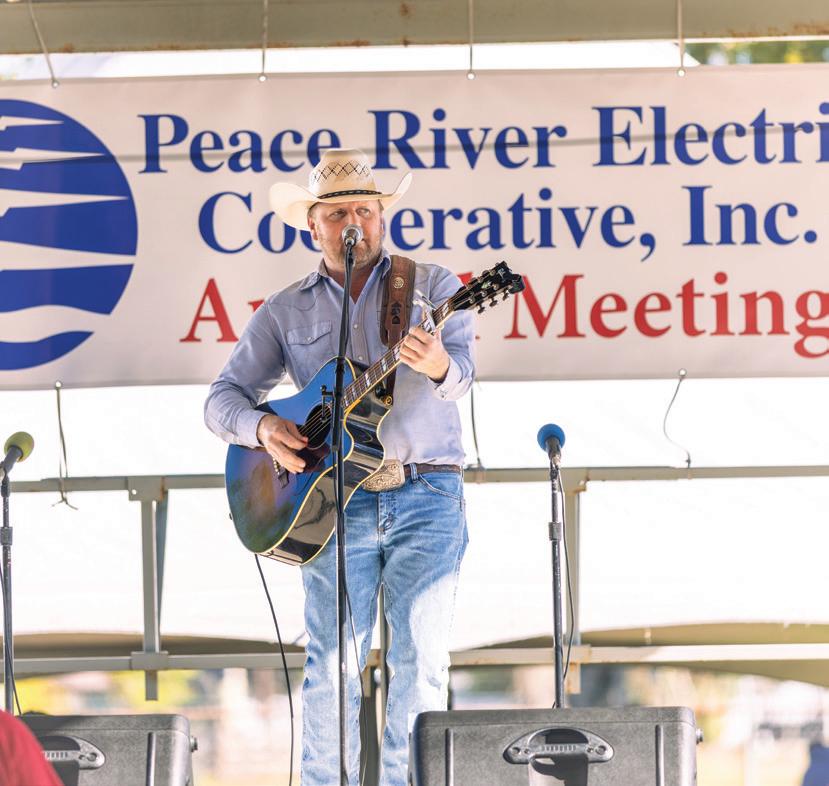
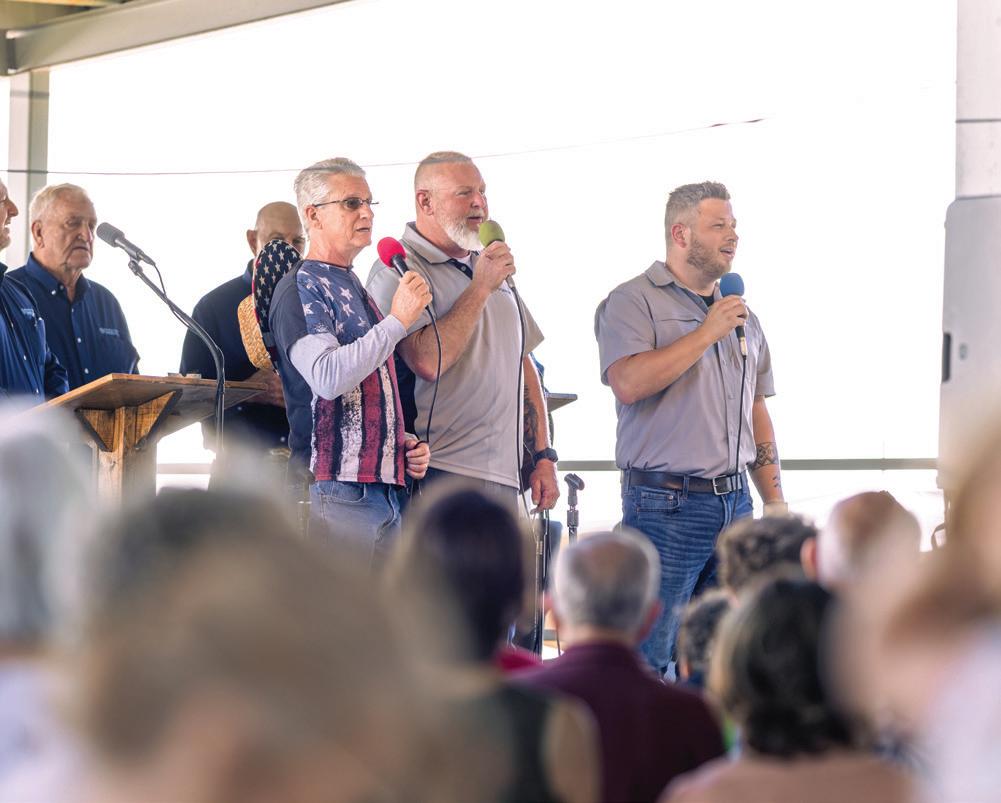
Music carried across the grounds all day, adding to the welcoming atmosphere. New to the stage this year, one-man band Eli Mosley brought a mix of classic country and original songs. Returning performers Simple Faith, a gospel quartet, filled the air with uplifting harmonies that have become a familiar and cherished part of the annual meeting.








PRECO’s live line demonstrations drew attention twice during the day, offering a powerful look at the importance of electrical safety. These interactive demonstrations highlight real dangers associated with electricity while showcasing the skill and precision of PRECO’s lineworkers. They are a meaningful reminder that safety remains at the heart of everything we do—for our employees and communities we serve.
Later in the day, members gathered for the cooperative’s business meeting, where leaders shared updates on PRECO’s continued commitment to providing safe, reliable and affordable electricity. The cooperative’s strong performance and dedication to its members remain sources of pride as PRECO continues to grow and evolve.
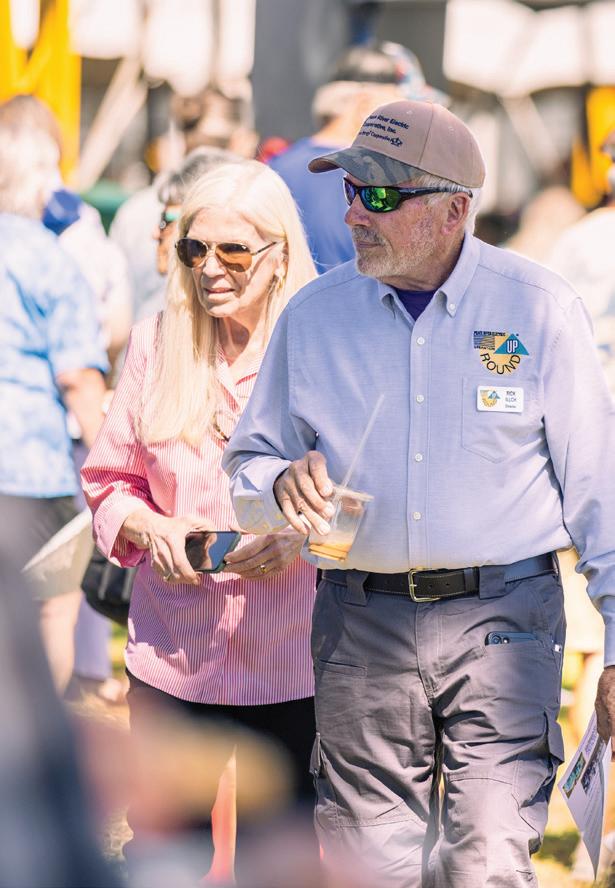






Events such as the annual meeting reflect what makes the cooperative model special—bringing people together, strengthening connections and celebrating shared values. Thank you to everyone who joined us and helped make this year’s meeting such a success.






























Across the United States, the demand for power is climbing at one of the fastest rates in decades. As the economy becomes more reliant on electricity and data centers sprout up in many parts of the country, electric cooperatives are preparing to meet the challenges of skyrocketing demand.
The North American Reliability Corporation—the watchdog for the U.S. electric grid—released the 2025-26 winter reliability assessment. The analysis echoed other recent reports, including longerterm outlooks that expect sufficient energy resources during normal conditions but foresee potential supply shortfalls and outages under intense weather conditions.
Extreme weather coupled with factors driving increased demand creates challenges for electric utilities, including cooperatives, in their mission to provide reliable power around the clock.
Key factors driving increased demand include economic growth, expanded manufacturing, data center development and increased electrification in transportation. These trends are reshaping how much electricity we use and how quickly utilities must adapt to meet needs.
A big driver of rising demand is increased electrification. More homes and businesses are transitioning to electricity for home heating, water heating and transportation.
EVs are becoming more common, and many states offer incentives to help consumers make the switch. Additionally, electric heat pumps are replacing traditional furnaces in homes due to their efficiency. These transitions mean more energy use and pressure on the electric grid.
Data centers are another major contributor to rising demand. As AI, cryptocurrency and cloud computing technologies grow, the need for data processing and storage has skyrocketed. Data centers require huge amounts of power to operate servers and cooling



systems. Tech companies are building new facilities—many of which are in electric cooperative-served areas. These regions experience surges in electricity demand as a result.
Economic and manufacturing growth are contributors to higher electricity use. As businesses expand and new industries take root the demand for reliable, high-capacity power increases. The resurgence of domestic manufacturing has led to major facility construction. These facilities often require substantial energy loads, and many operate continuously to keep production lines running.
Population growth and housing development also contribute to rising demand in many regions, and everyday life is becoming more energy dependent. Smart appliances, connected devices, home offices and entertainment systems add to overall consumption, even as efficiency improves.
While increased demand presents new challenges for electric utilities, it has the potential to create significant opportunities for co-ops and the communities they serve, such as job growth, steady revenue and improved infrastructure.
Electric co-ops are responding by planning carefully for the future— investing in grid modernization and offering programs and services to help co-op members conserve energy. Strategic planning is critical to ensure the grid can support everything from EV charging to large-scale manufacturing plants.
Electricity powers nearly every aspect of today’s economy, and its role will only grow stronger. As electrification accelerates, long-term planning becomes more important than ever.
Through innovation, investment and collaboration, we are preparing for a more reliable and resilient energy future.







Demand for electricity in the United States is booming. Recent data shows power consumption nationwide is set to increase by at least 38 gigawatts (enough electricity to power 3,600 homes for one year) between now and 2028.
Meeting this new demand will require a combination of new power plants, grid upgrades and energy storage technology advancements. Here are the key factors driving increased demand:
Increased Electrification. Electric vehicle adoption, electrification of home heating and industrial electrification are increasing overall U.S. energy consumption.
Data Centers. Driven by a big boom in AI, cryptocurrency and cloud computing, total U.S. data center load is projected to increase 65% by 2050.
Economic Growth. Residential power consumption is expected to increase 14% to 22% through 2050 due to increases in population and steady economic growth.
Manufacturing Growth and Onshoring. New, expanding and “onshored/reshored” manufacturing capacity driven by federal incentives is expected to increase industrial demand by 13,000 GWh per year.




By Claire Thomas
When Greg Gilmore, project coordinator at Peace River Electric Cooperative, took the stage at the 2026 National Rural Electric Cooperative Association’s TechAdvantage conference in Nashville, he brought insight from more than two decades of experience.
“This month marks my 21st year here with the company,” Greg says. “I’ve been able to see the future evolve in our industry.”

That evolution—from paper maps to real-time technology—was the focus of his presentation.


“At PRECO, anytime an outage occurs, every minute matters,” Greg says. “Our members depend on fast restoration, and our line personnel are on the front lines of that effort.”







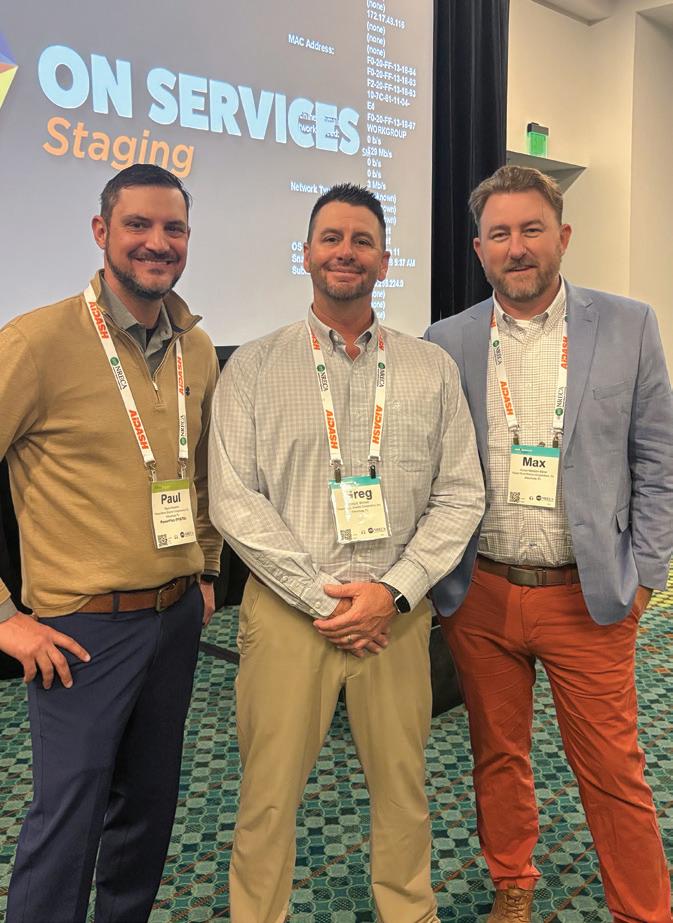







While efficiency is important, Greg emphasizes increased safety is the biggest benefit.
“It reduces miscommunication and minimizes exposure to the already dangerous conditions we work in daily,” he says.
on mobile devices is one of the best upgrades … no more digging under the seat and brushing dust off it,” he says.


With real-time updates, digital switching orders and live dispatch information, crews can complete work more efficiently—often eliminating unnecessary trips and delays.


With tools like real-time switching verification and weather radar integration, crews can make more informed plans before work begins.



Today’s outage maps and mobile systems help crews respond faster than ever. These real-time tools identify outage locations, show affected members and track crew activity—all in one place.


Greg reflects on how much has changed over the years.

PRECO is already embracing the future with tools like drone inspections and infrared technology to identify potential issues before they cause outages.
“In many ways, we are already doing most of these,” Greg says.

“It was a slower process,” he says. “We would lay the laminated paper map out on the tailgate and review it together before beginning our work.”
Modern line crews have access to rugged iPads, GPS-enabled smartphones and work management apps right from their trucks.
“These tools give us digital schematics and grid mapping instead of the paper maps and radio-only communication that we used to have,” Greg ays.

Even everyday tasks have improved.
“To me, the addition of the spec book




Today’s technology provides:
• Pinpointed outage locations
• GPS routing to exact equipment
• Instant communication with dispatchers



“The result is faster restoration, better communication and higher customer satisfaction,” Greg says.

For Greg, one message stands above the rest: Technology isn’t replacing skilled line personnel—it’s strengthening their ability to perform their jobs safely and more effectively.



After more than two decades in the field, he sees these advancements as wins for employees and members.


“I have been blessed to see the future evolve the way it has in our industry,” he says.



Like all electric cooperatives, Peace River Electric Cooperative is owned by the people it serves. Electric co-ops provide electric service to their member-owners at cost.
Technically, because cooperatives are not-for-profit organizations, they don’t create profits. Instead, they generate margins. Margins are PRECO’s revenues minus expenses.
As a member-owner, you share in the margins PRECO generates. Margins are allocated to your capital credits account in proportion to your annual billing. Your capital credits account is the sum of your allocations earned, minus any refunds issued to date.
Capital credits are retained by the cooperative for a number of years. During the retention period, the cooperative uses the money to build and maintain the facilities needed to provide electricity to members. When it is financially feasible to return capital credits to members, the co-op issues capital credit checks or applies the capital credits to your electric bill.
Not-for-profit electric co-ops operate at cost. Capital credits are a financial benefit of co-op membership.
1. Members pay their electric bills, and PRECO tracks how much energy they use each month.

PRECO members with active electric accounts will find their 2025 capital credit allocations on their May electric bills. Postcards will be mailed to inactive members informing them of their allocation amounts.
PRECO retired more than $4.2 million in capital credits to members in 2025 and more than $38.2 million across all years.


2. The co-op pays operating expenses throughout the year and allocates the remaining margin to members.


3. When financial conditions permit, the PRECO board votes to retire capital credits to members.


4. PRECO sends members their share of capital credits as bill credits or checks.





By Jim McCarty
It’s midday at Missouri Hick Bar-B-Que along Route 66 near Cuba, Missouri. The lunch rush is almost over when the staff springs into action, moving tables together, preparing for a big gathering.
Soon, the restaurant walls vibrate with the two-cylinder thump of a dozen or so Harley-Davidson motorcycles. The door opens, and the happy sounds of a group that’s experiencing the time of their lives reverberate—in Swedish.
Scenes like this play out every day along what remains of the most famous highway in the world. It’s called the Mother Road, Main Street of America and the Highway That’s the Best. It once traversed eight states
along 2,448 miles, stretching from the shores of Lake Michigan in Chicago to a pier at the Pacific Ocean in Santa Monica, California.
Its official name is Route 66, and it’s about to get busier than it’s been since it was decommissioned in 1985.
This year, Route 66 fans from around the world will look for new kicks as the celebrated road turns 100. Springfield, Missouri, was in the spotlight in April as the site of the national kickoff of America’s Route 66 Centennial Celebration.
The Queen City of the Ozarks earned that honor through a competitive process, but also due to its status as the birthplace of Route 66. On April 30, 1926, John Woodruff, a Springfield businessman, sent a telegram to Washington, D.C., requesting the new road be named U.S. Route 66. The
idea for the road didn’t originate here, but its iconic name did.
“This recognition is a testament to Missouri’s deep roots in the history of America’s most iconic highway and the vibrant spirits of the communities that keep that legacy alive today,” Missouri Gov. Mike Kehoe says.
The governor’s farm sits along Route 66 in Jerome.
“We have some of the original roadway in Pulaski County that you can still drive on,” he says. “People come from all over the world to drive on that. This roadway is so historic, and it has made millions of memories for not just Americans but for people all over the world.”
Kickoff festivities included five satellite cities: Joliet, Illinois;

















I think Route 66 is on a lot of visitors’ bucket lists. And I think whenever there’s a big milestone to be celebrated, people want to be a part of that and come experience Route 66 as it’s turning 100.










St. Louis, Missouri; Amarillo, Texas; Albuquerque, New Mexico; and Santa Monica, California.
In preparation for the yearlong celebration, communities all along the historic route are sprucing up their landmarks, planning events, relighting neon signs and prepping for a major influx of visitors who plan to motor west.
“I struggle to make a specific prediction, and part of that is because it’s really hard to track specific routes,” Oklahoma Route 66 Association President Rhys Martin says. “But I would be surprised if traffic didn’t double just because of the attention and the people planning their trips.”
Nikki Terlesky, Historic Route 66 Association of Arizona director of operations, agrees travelers are coming in a big way.
“I think Route 66 is on a lot of visitors’
bucket lists,” she says. “And I think whenever there’s a big milestone to be celebrated, people want to be a part of that and come experience Route 66 as it’s turning 100. I know a lot of Facebook groups I follow are just buzzing with people voicing their travel plans.”
While Missouri can claim the creation of the name, an Oklahoma man is known as the Father of Route 66. Cyrus Avery, a Tulsa real estate developer and owner of a coal company, saw the need for a roadway from the Midwest to the West Coast, connecting small towns and cities along the way.
Here’s the top attraction for each of the eight states. ILLINOISGEMINI GIANT (WILMINGTON)
If you only stop once before leaving Illinois, make it here. The 30-foot-tall Muffler Man is one of Route 66’s most iconic photo ops and a perfect start to the journey.
A road-trip classic since the 1930s, billboards and barn roof signs for this cavern once lined the entire Mother Road, and the attraction still feels like pure Americana.
KANSASCARS ON THE ROUTE (GALENA)
Kansas has only 13 miles of Route 66, but this restored Kan-O-Tex gas station—home to the truck that inspired Mater in “Cars”—is its standout.
An absolutely essential stop is the giant, smiling blue whale beside a pond. It is one of Route 66’s most beloved and quirky landmarks.
Ten Cadillacs sit nose-down in the desert. They’re covered in spray paint, and you’re encouraged to add your own. It’s irreplaceable Route 66 kitsch.
See the best neon on the entire route. It is a family-run motel with beautifully preserved rooms, and a true 1940s motor court experience. Even if you don’t stay, stop for photos.
This is the only national park the Mother Road drives straight through where classic roadside nostalgia meets staggering natural beauty.
A surreal desert time capsule features a legendary retro-futurist neon sign. Nothing captures the lonely, romantic end stretch of Route 66 like Roy’s.


Appointed in 1925 to the Joint Board of Interstate Highways, Cyrus managed to steer the route south from Illinois through Missouri, Kansas, Oklahoma, Texas, New Mexico, Arizona and California instead of a more northern route through Nevada.
Along with Missouri’s John Woodruff, Cyrus helped launch the U.S. Highway 66 Association in 1927 to encourage its use.
“One hundred and thirty-seven delegates from 32 cities of the Southwest, meeting here today, organized the National Highway No. 66 Association and elected
John T. Woodruff of Springfield, Mo., its first president,” read a Springfield Daily News story. “From Missouri, Kansas, Oklahoma, Texas and New Mexico, the delegates gathered in Tulsa today determined that Highway 66, which runs from Chicago via St. Louis to Los Angeles, shall in fact become the ‘Main Street of America.’”
At the beginning, the route joined various existing state roads, many of which were still gravel. Besides paving the highway, the association’s

leaders also marketed Route 66 over other transcontinental routes.
One of the first efforts to popularize the road was an epic foot race that followed Route 66 from its start in California to St. Louis, then on to New York City. The distance was 3,400 miles over just three months. It started with 275 runners, but 77 dropped out on the first day. Only 55 finished. The winner was 20-year-old Andy Payne of Claremore, Oklahoma.
Through publicity like this, the nation learned of the new route, and traffic grew exponentially. Truckers favored its flat terrain, with elevations measured in hundreds of feet compared to thousands crossing the Rocky Mountains.











In the 1930s, Route 66 became a pathway for migrants fleeing the Dust Bowl and the Great Depression, heading west in search of opportunity.
When World War II gripped the nation, the route became strategic for moving troops and materials to support the war effort. This led to a major effort to rebuild the roadway for Fort Leonard Wood, an Army base in St. Robert, Missouri.
DEPARTURE: CHICAGO (WINDOWS DOWN)
• Route 66 – Chuck Berry
• Sweet Home Chicago – The Blues Brothers
• Start Me Up – The Rolling Stones
• Good Times Roll – The Cars
• Real Gone – Sheryl Crow
• Life Is a Highway – Rascal Flatts



The highway was no match for the heavy trucks supplying the base. So, in 1941, construction began on a four-lane divided highway between it and Rolla. A deep cut bypassed a steep grade near Devil’s Elbow. Hooker Cut became the deepest highway excavation in the nation to date, and the four-lane, divided highway was the first of its kind. The improved roadway was fully open to traffic by September 1945—ironically, the same month the war ended.
• Take Me to the River – Talking Heads
• Running on Empty – Jackson Browne
• Take the Long Way Home – Supertramp
• Drive – The Cars
DUSK, MOTELS AND LONG THOUGHTS
• Fast Car – Tracy Chapman
• Angel From Montgomery – John Prine
• Born to Be Wild – Steppenwolf
• Into the Mystic – Van Morrison
Other improvements included rerouting to avoid a series of dangerous hairpin curves in Arizona, dubbed the Sidewinder.


This 8-mile roadway has 191 curves with no guardrails and 12% grades. Today, it is often visited by adventurous travelers. to travelers.
• Runnin’ Down a Dream – Tom Petty
• Drivin’ My Life Away – Eddie Rabbitt
• On the Road Again – Willie Nelson
HEARTLAND MILES:
MISSOURI → OKLAHOMA → KANSAS
• Missouri River Run – Chloe Hoecker
• If You Wanna Get to Heaven – Ozark Mountain Daredevils
• King of the Road – Roger Miller
• Boys From Oklahoma – Cross Canadian Ragweed
• Oklahoma Smokeshow – Zach Bryan

• Carry On Wayward Son – Kansas
• Dust in the Wind – Kansas
• Ain’t Going Down (‘Til the Sun Comes Up) –Garth Brooks
• Ain’t No Love in Oklahoma – Luke Combs
• Cadillac Ranch – Chris LeDoux
OPEN COUNTRY AND FREEDOM
• Wide Open Spaces – Dixie Chicks
• Follow Your Arrow – Kacey Musgraves
• Wagon Wheel – Old Crow Medicine Show
• Copperhead Road – Steve Earle
• Midnight Rider – The Allman Brothers Band
• Ramblin’ Man – The Allman Brothers Band
• Blue Sky – The Allman Brothers Band
• Born to Run – Bruce Springsteen
DESERT STRETCH:
TEXAS → NEW MEXICO → ARIZONA
• Amarillo by Morning – George Strait
• I’ve Been Everywhere – Johnny Cash
• A Horse With No Name – America
• Ventura Highway – America
• Gypsy – Fleetwood Mac
• Landslide – Fleetwood Mac
• The Mother Road – Alan Rhody
• Here I Go Again – Whitesnake
• Peaceful Easy Feeling – Eagles
• Take It to the Limit – Eagles
CALIFORNIA ARRIVAL
• Bad Moon Rising – Creedence Clearwater Revival
• California Dreamin’ – The Mamas & the Papas
• Hotel California – Eagles
• Go Your Own Way – Fleetwood Mac
• California Girls – The Beach Boys
• Everyday Is a Winding Road – Sheryl Crow
• Beverly Hills – Weezer
SUNSHINE, CELEBRATION AND LETTING LOOSE
• Party in the USA – Miley Cyrus
• Hot to Go – Chappell Roan
• Paradise City – Guns N’ Roses
• Getaway Car – Taylor Swift
• Good Time - Owl City & Carly Rae Jepsen
• Born in the USA – Bruce Springsteen
THE MEANING OF THE JOURNEY (CLOSING STRETCH)
• This Land Is Your Land – Woody Guthrie
• Take Me Home, Country Roads –John Denver
• Kyrie – Mr. Mister
• The Long and Winding Road – The Beatles
• Travelin’ Thru – Dolly Parton
• Running on Empty – Jackson Browne
• What a Wonderful World – Louis Armstrong
• End of the Line – Traveling Wilburys
By the 1950s, Route 66 was the byway of a nation in love with the automobile. Cabins, motels, roadhouses and all manner of highway kitsch sprang up to lure motorists off the pavement. Among them was the first fast-food restaurant, believed to be Red’s Giant Hamburg in Springfield, Missouri.
Route 66 came to represent everything Americans hold near and dear: freedom,
adventure, nostalgia and small-town values. Those themes were shared in the1960s TV series “Route 66,” which helped fuel today’s nostalgia for the road.
Championed in songs such as Bobby Troup’s “(Get Your Kicks on) Route 66” and the Eagles’ “Take it Easy,” immortalized by John Steinbeck’s “Grapes of Wrath” and introduced to a new
generation through Pixar’s “Cars” movie, the Mother Road continues to fascinate those who prefer life in the slow lane.
The demise of Route 66 came with the rise of the new Interstate Highway System— including interstates 55, 44, 40, 15 and 10. Small towns where Route 66 was the main road were bypassed, and many businesses couldn’t survive as traffic moved away.
Route 66 was decommissioned in 1985. But the road never truly disappeared.



Mother Nature and the wrecking ball have taken their toll, but if you know where to look, you can still find remnants of the old route. New businesses have sprung from the ashes of those longgone oases on the road.





So, as the song says, “get hip to this timely tip, when you make that California trip,” and make this the year to get your kicks—on Route 66.






Q: WHO ORIGINALLY SANG “ROUTE 66”?
A: Nat King Cole, with the King Cole Trio, first recorded the song in 1946 at Radio Recorders in Los Angeles. Capitol Records released it as a single, which reached No. 11 on Billboard’s pop chart.
Q: WHO IS CONSIDERED THE FATHER OF ROUTE 66?
A: In the early 1900s, Cyrus Avery of Tulsa, Oklahoma, a real estate developer and owner of a coal company, began acquiring oil leases. With the need to reach the barren lands around him and the need for a roadway from the Midwest to the western lands connecting cities along the way, the road became a reality. With John Woodruff of Springfield, Missouri, Cyrus promoted the idea of a highway connecting the Midwest to the West Coast.
Q: WHAT TOWN IS CONSIDERED THE BIRTHPLACE OF ROUTE 66?
A: Springfield, Missouri, is widely recognized as the birthplace of Route 66. A passionate advocate for the “Good Roads” movement, Springfield businessman John Woodruff promoted highway development across Missouri. While the road itself did not begin in Springfield, the idea of the route was born here, making Springfield the home for the Main Street of America. John was elected the first president of the Route 66 Association.
Q: WHAT WRITER MADE ROUTE 66 FAMOUS?
A: John Steinbeck proclaimed Route 66 the Mother Road in his 1939 book, “The Grapes of Wrath.”
Q: WHERE DID THE ORIGINAL ROUTE BEGIN AND END?
A: Route 66 began in downtown Chicago, Illinois, and ended in Santa Monica, California, near the Pacific Ocean. The official start is at Adams Street and Michigan Avenue, with classic spots like Lou Mitchell’s diner nearby.
Q: HOW LONG WAS HISTORIC ROUTE 66?
A: It is generally accepted that, from beginning to end in 1926, Route 66 traversed 2,448 miles. However, as the route evolved over its 60 years of existence with new, improved alignments, the mileage varied over time.
Q: WHAT WAS THE ORIGINAL NAME FOR ROUTE 66?
A: John and Cyrus also played a key role in the naming the road. It had first been named Route 60, as all main east-to-west highways at the time ended in zero. However, the pair felt Route 66 would be easier to promote, especially with the flow of having two of the same number. Thus, on April 30, 1926, a telegram was sent to the Bureau of Public Roads asking for the name to be changed to Route 66.
Q: WHAT DISTINCTION DOES RED’S GIANT HAMBURG, A SPRINGFIELD, MISSOURI, ROUTE 66 RESTAURANT, HOLD?
A: It is considered the first drive-in fast-food restaurant. Red’s opened in 1947 and operated until 1984. In early 2019, Red’s Giant Hamburg made a comeback, 35 years after the original restaurant’s closure. The new restaurant, on Route 413, was a re-creation of the original Route 66 location. It opened in August 2019 and operated for almost six years, closing its doors in May 2025. In 2013, a fundraising campaign was established to re-create the Red’s Giant Hamburg sign. The sign, shaped like a cross, was installed in 2015.
Q: WAS U.S. ROUTE 66 PAVED?
A: When Route 66 officially opened in 1926, only 800 miles were paved, the rest being graded dirt, gravel, bricks or wood planks. It took 11 more years before the road would become the first national highway to be completely paved.
Q: WHAT STATES DOES ROUTE 66 TRAVEL THROUGH?
A: Route 66 traverses eight states: Illinois, Missouri, Kansas, Oklahoma, Texas, New Mexico, Arizona and California.
Q: WHEN WAS ROUTE 66 DECOMMISSIONED?
A: With the advent of the Federal Interstate Highway System, U.S. Route 66 was gradually decommissioned, with the last segment, in Arizona, removed from the federal system June 27, 1985.
Q: WHAT STATE HAS THE MOST MILES OF ROUTE 66?
A: New Mexico has the most miles, and Kansas has the fewest—Illinois, 301; Missouri, 317; Kansas, 13; Oklahoma, 432; Texas, 186; New Mexico, 487; Arizona, 401; and California, 314, for a total of 2,448 miles.
Q: WHAT ANIMATED MOVIE IS BASED ON ROUTE 66?
A: The 2006 animated movie “Cars” tells the story of Route 66 through characters Lightning McQueen and Sally and their escapades at Radiator Springs, a fictionalized representation of all Route 66 towns. Sally liked to say, “Those were the days we traveled to have a great time, not to make great time.” In the movie, Ramone’s House of Body Art looks similar to the U-Drop Inn in Shamrock, Texas. Other real-life locations that inspired parts of the movie include Cadillac Ranch, Wigwam Motels and Wagon Wheel Motel.





















16 ounces gnocchi
1 red bell pepper, chopped
1 yellow bell pepper, chopped
1 red onion, chopped
1 pint cherry tomatoes
6 garlic cloves, minced
¼ cup olive oil
11/2 teaspoons dried oregano
Heat oven to 425 F.
11/2 teaspoons dried basil
1 teaspoon kosher salt
1/2 teaspoon dried thyme
¼ teaspoon red pepper flakes
Freshly ground black pepper
3 to 4 handfuls baby spinach
Shaved Parmesan cheese, for topping
On a large sheet pan, add gnocchi, red bell pepper, yellow bell pepper, red onion, cherry tomatoes, minced garlic, olive oil, oregano, basil, salt, thyme, red pepper flakes and black pepper. Combine everything, making sure it is well coated in the spices and oil. Bake for 35 minutes, stirring halfway through.

Remove sheet pan from oven. Add spinach, and stir to combine. Return to oven for 5 minutes, just until spinach is wilted.
Serve with shaved Parmesan cheese and a drizzle of olive oil.




Cooking
2 medium sweet potatoes, sliced into ¼-inch wedges
1 tablespoon olive oil, divided 1/2 teaspoon kosher salt, divided
¼ teaspoon ground black pepper, divided
¼ cup Dijon mustard
2 tablespoons honey
¼ teaspoon cayenne pepper
5 cups broccoli florets
4 5-ounce salmon fillets
2 tablespoons everything bagel seasoning
2 teaspoons soy sauce
Heat oven to 425 F. Line a large, rimmed baking sheet with foil, and coat lightly with cooking spray.
Toss sweet potatoes with 2 teaspoons oil, 1/4 teaspoon salt and 1/8 teaspoon pepper in a medium bowl. Place on half of the prepared baking sheet. Bake for 5 minutes.
Meanwhile, combine Dijon, honey and cayenne in a small bowl. Toss broccoli with remaining oil, salt and pepper in a separate bowl.
Remove potatoes from oven. Add salmon to the other half of the baking sheet. Place 2 teaspoons of the mustard mixture on each filet. Brush to coat, then sprinkle with bagel seasoning. Add broccoli to sweet potatoes. Bake until salmon flakes easily with a fork and vegetables are golden, about 12 minutes. Stir soy sauce into remaining mustard mixture, and drizzle over vegetables.
1 large bunch flat-leaf parsley
1 large bunch cilantro
1 tablespoon oregano
2 medium garlic cloves
11/2 teaspoons kosher salt
1/2 teaspoon red pepper flakes
1/2 cup extra-virgin olive oil
2 tablespoons red wine vinegar, plus more as needed
11/2 pounds boneless, skinless chicken thighs
1/2 teaspoon honey
1 medium zucchini, diced
1 cup whole cherry tomatoes
1 small red bell pepper
1/2 medium red onion
2 tablespoons olive oil
Salt
Rice, flatbreads or potatoes
Using a food processor, pulse parsley, cilantro, oregano, garlic, salt and red pepper flakes until finely ground, about 30 seconds. Add olive oil and vinegar, and pulse until just combined. Season to taste with additional salt and vinegar.
In a large bowl, toss chicken thighs with honey and 1/3 cup of chimichurri. Refrigerate for at least 1 hour. Refrigerate remaining chimichurri until ready to use.
When ready to proceed, adjust oven rack about 6 inches below the heating element. Heat broiler to high.
Remove chicken from marinade. On a 13-by-18-inch rimmed baking sheet, arrange thighs out so there is plenty of space between them. Discard marinade. Arrange zucchini, cherry tomatoes, red pepper and onions around chicken. Drizzle vegetables with olive oil, and season with salt.
Broil until chicken is golden brown and vegetables are just beginning to char, about 10 minutes. Flip chicken and vegetables. Broil until vegetables are tender, and chicken is lightly charred. The chicken should read 185 F on an instantread thermometer, about 7 to 10 minutes.
Serve with reserved chimichurri, rice, flatbread or potatoes.
Cooking spray
8 corn tortillas
1 pound uncooked medium shrimp, peeled and deveined
1¼ teaspoons ground cumin
1/2 teaspoon paprika
3/4 teaspoon chili powder
1/2 teaspoon kosher salt
Freshly ground black pepper
1 tablespoon freshly squeezed lime juice
For serving:
1 batch easy taco slaw (see below)
1 medium avocado, sliced
Sour cream
Lime wedges
Heat oven to 400 F. Lightly coat a rimmed baking sheet with cooking spray.
Place a large sheet of aluminum foil on a work surface. Stack the tortillas on top, and wrap in foil. Place the packet of tortillas on one corner of the baking sheet.
Pat shrimp dry, and place on baking sheet. Season with cumin, chili powder, salt and a few grinds of black pepper. Toss to combine, and spread into an even layer.
Roast until shrimp are opaque and pink, stirring halfway through, about 6 to 8 minutes. Drizzle shrimp with lime juice, and toss to combine. Fill tortillas with shrimp, and top with slaw, avocado and sour cream. Serve with lime.
Shredded red cabbage
Salt
3/4 cup mayonnaise
¼ cup lime juice
¼ teaspoon garlic powder
Grated or shredded carrot
Thinly sliced scallions
Cilantro, finely chopped Jalapeño pepper, deseeded and cut into slices
Salt the cabbage in a colander. Massage it to help release its liquid, then set aside to drain for 15 minutes.
Place mayonnaise, lime juice and garlic powder in a large bowl. Whisk to combine. Using your hands, squeeze cabbage of its excess liquid one handful at a time. Add cabbage and remaining ingredients to the bowl, and toss to combine.
Nonstick cooking spray
1/2 cup panko breadcrumbs
¼ cup freshly grated
Parmesan cheese
4 5-ounce bone-in, skin-on chicken thighs
¼ cup melted butter
2 tablespoons Dijon mustard
11/2 pounds baby potatoes
1 pound green beans, trimmed
1 teaspoon dried thyme
Salt, to taste
Freshly cracked pepper
Heat the oven to 425 F. Line a large sheet pan with aluminum foil, and coat with cooking spray.
Mix breadcrumbs and cheese in a small bowl. Set aside. Place chicken on prepared pan. Combine butter and Dijon in a large bowl. Brush chicken with mixture.
Add potatoes and beans to bowl. Toss in remaining mixture. Evenly spread vegetables on the pan around chicken Season everything with thyme, salt and pepper. Press breadcrumb mixture onto chicken thighs.
Bake until chicken is no longer pink at the bone, the juices run clear, and the potatoes can be pierced easily with a fork, about 25 to 30 minutes. An instant-read thermometer inserted near the chicken bone should read 165 F.



By Dave LaBelle
During the pandemic, I taught an eightweek online photo class. One of my students, Amy Gaskin, struggled to find a project she felt comfortable photographing since so many people were masked and afraid of interacting with others. I suggested Amy consider shooting a “dead person” story, the kind magazines like National Geographic do on famous people who are deceased—such as Van Gogh, Mark Twain, Ernest Hemingway or Abraham Lincoln. I asked her if there was
You can find Amy Gaskin’s story at amygaskin.com/marilyn/nationalgeographic.
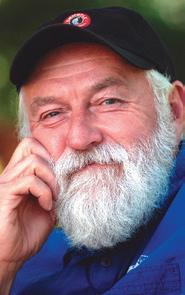
Photographer, author and lecturer Dave LaBelle has captured special moments for more than half a century, sharing tips and life perspectives.
For more of his writings, visit davidlabelle.com and his blog, bridgesandangels.wordpress.com.

NIKON D810



58mm lens ISO 100 f/5.6 at 1/250
BY DAVE LABELLE

anybody famous buried close by her home. She immediately thought of Marilyn Monroe.
That was more than four years ago. Amy is still tirelessly working on the Marilyn project, which has taken her as far away as Australia. Portions have been published in newspapers and magazines in the United States and abroad, including National Geographic online. She hopes to publish her book, “Marilyn Forever: A Symbol of Hope,” soon. June 1 would have been Marilyn’s 100th birthday.
While recently in Palm Springs,

California, I photographed the controversial 26-foot-tall, 34,300-pound statue of Marilyn Monroe created by the late American artist Seward Johnson.
As always, I considered various angles and times of day. Things look different in different light, and colors change rapidly— often within a few minutes or even seconds—as do shadows in the mornings and evenings.
I settled on a morning shot as the rising sunlight moved across the figure with a man walking past to offer scale, rather than midday with crowds doing selfies.
What project would interest you enough to study, explore, photograph and/or write about? Who or what are you curious about? I’ve often said, as long as you have any camera you should never get bored. I would need a dozen lifetimes to explore all of the people and places I am curious about. This is your chance, your license, your challenge to start today. Who knows where your curiosity might lead you? Maybe a gallery showing, a newspaper or magazine article? Maybe even a book?
Email your best image—just one—with caption information, including an explanation of how it affects you, to gph@pioneer.coop. We may share submissions on our website and social media channels.
$5 Gold American Eagles at COST! It's that simple. These Government issued coins are the easiest and safest way to protect your money and your family! A 5 minute call can change everything. DON'T WAIT!












Sheepshead offer great sport for anglers of all ages

“Something keeps nibbling my bait off,” the young angler says. “Must be really tiny.”
“Might be larger than you think,” the experienced angler responds. “I have an idea.”
The older angler spots a small crab swimming past the dock and scoops it with a net. He hooks it on the young angler’s line.
“Don’t cast it,” the man says. “Just flip it several feet upstream so the tide washes it back under the dock next to the pilings. When you feel a slight weight on the line, set the hook.”
Moments later, the boy’s face lights up as the rod bends down. After a vigorous fight, he lands the biggest fish of his young life.
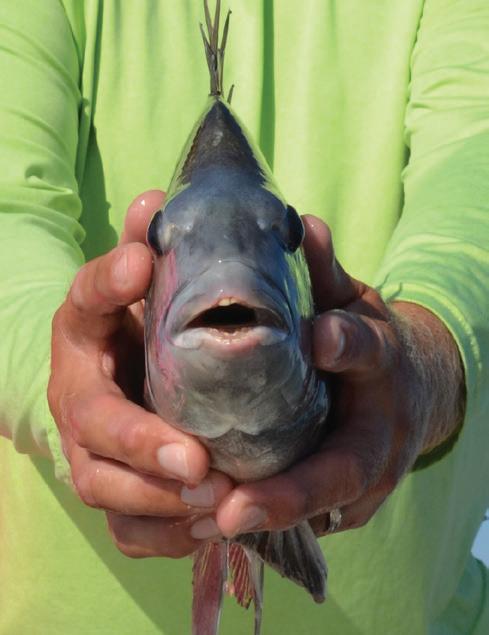
Sheepshead live in salty waters statewide. The Florida state record caught near Homosassa weighed 15 pounds, 2 ounces. These fish offer abundant opportunities for anyone to catch large fish without spending a fortune.
With powerful jaws and strong teeth, sheepshead snip barnacles off pilings and other hard objects to eat what’s inside. Any hard, barnacle-encrusted objects—such as reefs, jetties, dock and bridge pilings, and sunken boats—could hold sheepshead. People without boats catch sheepshead off seawalls, private docks and public piers.
Most people use live or fresh shrimp, but the fish also relish clams, squid and other morsels, preferring crustaceans. Sheepshead can’t resist grabbing a small crab, sometimes called “sheepshead candy.”
Hook a small blue crab through the shell by the rounded rear
swimmer fin so it can still move easily. A piece crab works as well.
Despite their strength, muscular jaws and teeth, sheepshead characteristically just nibble at baits. They can quickly strip baits from hooks or frustratingly snip meat without touching steel. Catching sheepshead almost means anticipating a strike by instinct.
Once hooked, sheepshead don’t slash and flash like speckled trout or make brutal runs like rampaging redfish. They rely on brute strength. The pugnacious, buck-toothed reef rulers hunker down in the most entangling cover, daring anyone to budge them.
Bridge and dock pilings make excellent places to catch sheepshead. Vertically drop bait as close as possible to a piling. Slowly raise the bait, and let it fall back down. If nothing hits at the bottom, crank it up a few feet. Keep trying different depths.
Although sheepshead prefer natural baits, they occasionally hit spoons, soft-plastic crab, or shrimp imitations and other artificial enticements. Around pilings, fly fishermen sight-cast feathery crab or shrimp simulations to sheepshead feeding next to the structures.
Fishing for sheepshead requires patience, but these pugnacious powerhouses make great targets for all anglers, especially young or novice ones. n
John N. Felsher is a freelance writer, broadcaster, photographer and editor. He’s written more than 3,500 articles on a wide variety of outdoor topics. Contact him at j.felsher@hotmail.com or through Facebook.

Summer is the season we’ve all been waiting for. It’s 100 days of high dives, ball games and barbecues. It’s 100 ways to dress a burger, catch some shade or get out of town. It’s 100 chances to clear the calendar for what’s most important.
Every two seconds this summer, someone like you will need blood. Donating is quick and easy and,. like all good things this time of year, it’s worth celebrating.
What are your summer plans?
This summer, there are 100 chances to give hope. Choose your day to help save three lives. Donate blood.
Choose your day to give hope. redcrossblood.org












May 1-8
Art From the Attic


An opening reception, exhibit and auction of donated original artwork support the missions of the Anne McKee Artists Fund and the Key West Woman’s Club. Rediscovered treasures and new-to-you art can be viewed and purchased online or at the Hellings Curry Museum at the Woman’s Club in Key West. mckeefund.org
May 2
Fiesta Pensacola 10K and 5K

All ages can find something new and exciting around every corner of the state. Filled with rich history, abundant natural beauty and diverse events all year, Florida has fun options for everyone.
May 2, 9 and 16
Open Air Market at Boondocks


Explore Boondocks Open Air Market from 9 a.m. to 2 p.m. (MM 27.5) with more than 20 local vendors offering handcrafted jewelry, art, fresh organic produce, tropical plants and flowers. There is also food, live music and the Keys’ largest tiki next to Boondocks Grille. Pets are welcome. boondocksfloridakeys.com; 305-872-4094
May 4-5
Registration is officially open for the premier heritage road race in Northwest Florida and it’s the perfect way to close out your spring racing season. Held at 10000 College Blvd., this event delivers fast courses winding through the heart of Pensacola and finishing at the iconic Seville Quarter. Both courses are USATF certified, scenic and fast—perfect for racers of all levels. pensacolarunners.com


Glow Hours at Hugh’s Views
Enjoy breathtaking sunset views, vibrant art installations and live music from 6-8 p.m. at The Studios of Key West. Sip on refreshing drinks, unwind and soak in the island vibes. Don’t miss this unique evening escape in the Florida Keys. tskw.org; 305-296-0458

May 3
Cinco de Mayo Festival

Celebrate Cinco de Mayo in downtown Pensacola on Government Street in front of Seville Quarter. Festivities include live music, dancing, cultural performances and delicious Mexican food. latinomediainc.com/cinco-de-mayo-festival; 850-494-7899











May 16
Pickles and Wings Family Festival



Experience a full day of flavor, fun and downtown energy from 10 a.m. to 8 p.m. at historic Seville Square. This family-friendly festival is set beneath Pensacola’s iconic oak trees and brings together bold pickle creations, wings in every style, live entertainment, contests, carnival-style games, and activities for all ages. pensacolafest.com; 850-941-4321
May 16
Junior Ranger Jamboree


Celebrate Kids to Parks Day for a day of fun activities, park programs and more from 10 a.m. to 2 p.m. at Silver Springs State Park. The Florida State Parks Junior Ranger Program provides the opportunity for young people to learn, serve, and share Florida’s natural and cultural resources. Participants receive a free Florida State Parks Junior Ranger Kit with an opportunity to receive their official member ID cards and badges, and earn their official Junior Ranger patches. They can also work on guided activities toward their official Florida State Parks Junior Ranger pins. Park staff are available to guide Junior Rangers through fun, engaging and educational activities. The event is free, but parking is $2. floridastateparks.org/events/2026-junior-ranger-jamboree; 352-261-5840
May 16-17
Asian/Pacific American Festival


Enjoy a vibrant, family-friendly cultural celebration at the Fil-Am Cultural Center, 234 W. Oakfield Road. Experience the sights, sounds, and flavors of Asia and the Pacific—no passport or plane ticket required. This two-day festival celebrates the rich diversity, heritage, and traditions of Asian and Pacific Islander communities through food, art, music and cultural expression. filampcola.org; 850-637-5574



May 23

James Mathis Memorial Bream Fishing Tournament and Fish Fry
Sponsored by Shaddai Shriners Directors Staff, the tournament is 7 a.m. to 3 p.m. and $50 per boat. The fish fry starts at 2 p.m. Live musical guest Grace and Grit Band takes the stage from 6:30-10 p.m. at the Howard Creek Upper Landing. shaddaishriners.org; 850-763-6090
May 25
Memorial Day Ceremony



May 30
Jam on the Coast 5K

The Panama City Beach Chamber of Commerce is proud to partner with Gulf Coast Jam for this annual event presented by Visit Panama City Beach. All runners receive a moisture wicking shirt, finisher medal and an exclusive coupon for Pepsi Gulf Coast Jam merchandise. The start/finish line is located at the gates of the Pepsi Gulf Coast Jam and runs through Frank Brown Park and using Gayle’s Trails. runsignup.com/race/fl/panamacitybeach/jamonthecoast5k; 850-235-1159

Honor the memory of those gallant men and women who served their country protecting our seas, shores and air space from those attempting to deprive us of our freedom. The ceremony starts at 2 p.m. at Military Sea Services Museum.
863-385-0992
May 29
Heartland Peacemaker Paddle

Two-person buddy teams—a person with a disability and a friend from the Mason G. Smoak Foundation—paddle three giant Voyageur canoes starting at 8 a.m. at Veterans Beach Pavilion. Each team paddles 1,000 strokes to raise awareness for the organization’s programs. Become a sponsor through Ridge Area Arc, Mason G. Smoak Foundation and Removing the Barriers Initiative. bit.ly/4mBH4GZ; 863-417-5414





Want to share a family-friendly event with the readers of Florida Currents?
Head online and enter the details at tinyurl.com/FloridaCurrents or use the QR code for easy access. Make sure to submit the item at least 60 days before the event (due to press deadline). If you own rights to a print-quality photo promoting your event, include it with photo credit information.



PHOTO BY RALPH MITCHELL, UF IFAS EXTENSION

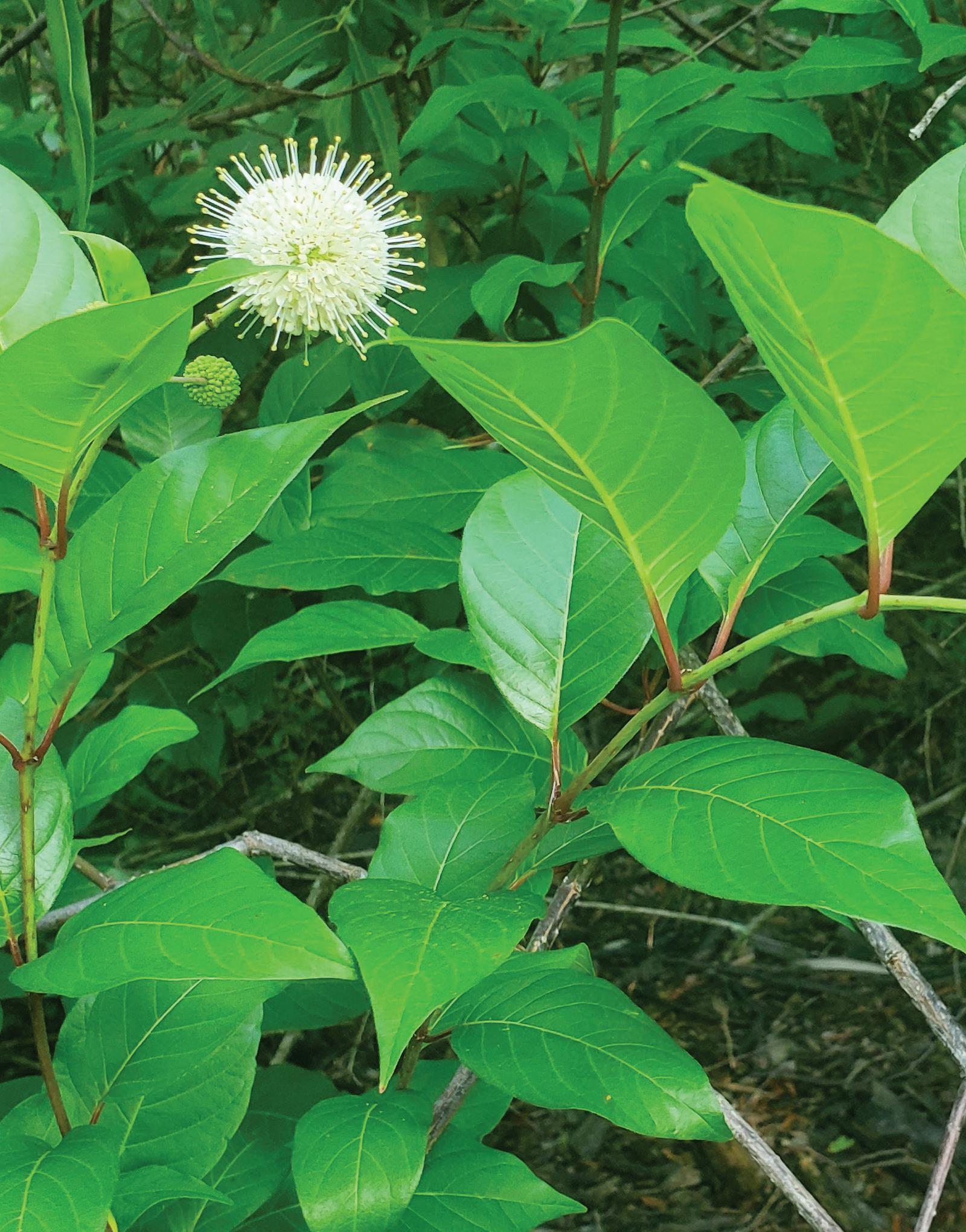
To see a buttonbush flower and get a whiff of its scent is an experience. The flowers are also called pincushion flowers and look like an alien satellite—perfectly round with numerous spiky projections surrounding it with a corona of yellow anthers.
The fragrant flower scent reminds me of honey and is sweet and attractive to many pollinators. Not a plant for just anywhere in your landscape, its niche is on the fringe.
The buttonbush is an interesting native plant that is in flower right now where it grows best—on the fringe. By that I mean it grows best on the fringe of ponds and wetlands that may be part of your landscape. I also like to consider this plant on the fringe, as it is very flammable and best kept away from your home. Despite this, the button bush is a common and desirable plant that you may already have naturally in undeveloped parts of your property.
While the buttonbush is an approved Florida-friendly landscaping plant, it’s a perfect example of “right plant, right place.”
Being a wetland plant, the buttonbush is not drought tolerant. As it is very flammable, it should be kept at least 30 feet away from buildings in our wildfire-prone region as a safety measure.
Lastly, this shrub is toxic to people and domesticated animals. On the flip side, the buttonbush is an important plant for wildlife in consideration of food and cover. Butterflies, bees and hummingbirds go crazy over the rich flowers, supplying pollination in return for nectar and pollen.
Consider the buttonbush for boglike conditions best found within freshwater wetlands, adjacent to stormwater ponds, and in drainage areas. This woody shrub wants consistently wet soil and full sun or partial shade in an almost understory location. They have low to no salt tolerance, and in a typical landscape situation will require supplemental irrigation for best growth.
Growing upward to 10 feet tall and 8 feet wide, pruning can help keep this large shrub/small tree in bounds. The buttonbush will flower throughout the summer months with substantial—up to 1½ inches—round flowers.
Ralph Mitchell has served as the County Extension director and horticulture agent IV for UF/IFAS Extension Charlotte County since 2000. In this role, he oversees all county extension programs and staff while leading key horticulture initiatives, including the Master Gardener Volunteer Program, Consumer and Commercial Horticulture, Florida-friendly landscaping and Pesticide Applicator Recertification Training. He is also a senior instructor for Florida’s Green Industries Best Management Practices program. Ralph lives in Port Charlotte with his wife of 39 years. In his free time, he enjoys gardening, natural history, archaeology and raising small animals.


Expect the buttonbush to be around for a good long time as specimens can survive for decades. Unless naturally growing in your landscape, sources for buttonbush are generally going to be limited to local or regional native nurseries.

The buttonbush is a unique native plant suitable for some sites in our region. Keep in mind its freshwater needs and capacity to do well on the fringe—perhaps a candidate for a difficult moist place in your landscape not suitable for any other woody plant.
Once you have located a buttonbush, take a deep whiff of the aroma and admire the floral display. You will be an instant fan.













Big protection. Small monthly cost. Zero worries






































In Florida, power surges aren’t a matter of if, they’re a matter of when.








Lightning strikes, squirrels on the line, tree limbs brushing equipment—even large appliances, such as your air conditioner or dryer cycling on and off, can create sudden spikes of electricity inside your home.




Those quick jolts may only last a fraction of a second, but they can slowly wear down—or instantly damage— your most valuable appliances and electronics.
















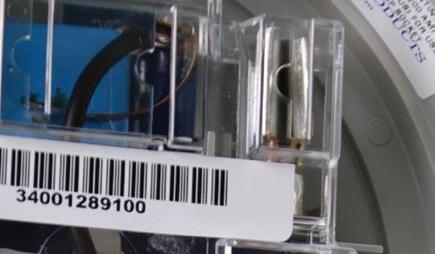




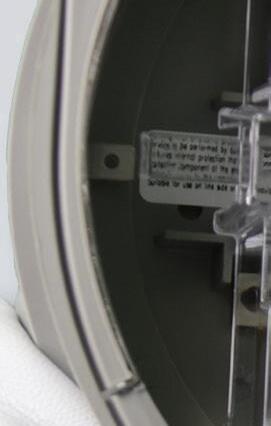
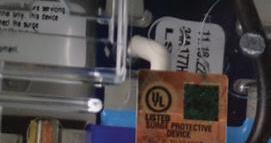
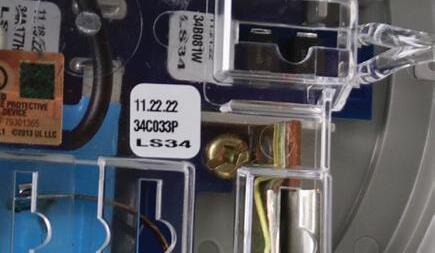
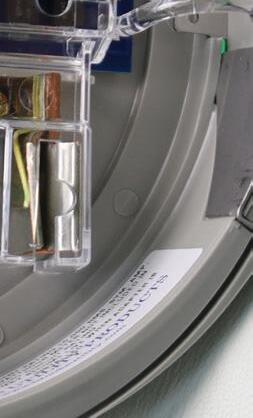
A meter-based surge protector is your primary safeguard. Installed directly on electric meters, Peace River Electric Cooperative’s surge suppressors help protect motor-driven appliances, such as refrigerators, air conditioners, washers and dryers, and pool and well pumps.




POINTOFUSE







Order by May 31, and we’ll waive the $24.95 installation fee. After installation, an equipment lease fee of $5.95 per month, plus tax, applies.





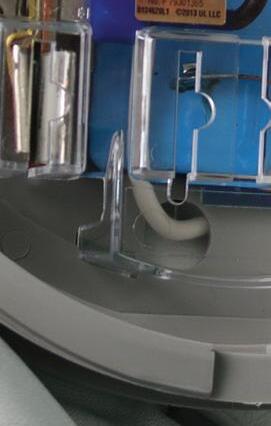











For sensitive electronics, such as computers, gaming systems and TVs, point-of-use surge protectors rated at 600 joules or higher can provide extra peace of mind.














Layering meter-base and point-of-use surge protection offers the strongest defense against unexpected spikes.




Visit PRECO.coop/energy/surge-protection to sign up. Installation typically occurs within five business days. Questions? Call us at 800-282-3824.































Time is almost up to enter Peace River Electric Cooperative’s annual photo contest—and your snapshot could be the one featured on the cover of Florida Currents.
Across PRECO’s service area, everyday moments are unfolding that deserve to be captured—a fishing line cast at sunrise, boots lined up after a long day, a county fair glowing under the night sky. These are the images that tell our story.
Now’s your chance to share yours.

Open to PRECO members and their families. Employees are not eligible.
Up to three entries may be submitted per person.
Photos must be taken within PRECO’s service area: Brevard, DeSoto, Hardee, Highlands, Hillsborough, Indian River, Manatee, Osceola, Polk and Sarasota counties.
Only original, minimally edited, digital photos are accepted.
Submit vertical (portrait) photos only. Horizontal images do not qualify. Send high-resolution JPEGs (300 ppi, about 8-by10 inches), with a minimum file size of 1 MB.
$100 electric bill credit for the best photo.
$50 electric bill credit each for up to six runners-up.
DEADLINE: MAY 15
Submit entries at PRECO.coop.
If you receive a call from someone stating you have overpaid your energy bill and that you should provide your banking information or a credit card number to receive a refund, hang up because it’s likely a scam.
If you overpay your bill, your cooperative will apply the overpayment credit to your account balance or mail a check. They will not call and request your banking information to issue the refund.
Source: Utilities United Against Scams
Peace River Electric Cooperative recognizes two dedicated members of its board of directors—District 1
Director Leonard Crawley and District 4 Director Hollis Albritton—who have recently concluded their board service after many years of leadership and commitment. Both men chose to pass the torch to a new generation of leadership after helping guide the cooperative through decades of growth, progress and change.

joined the Peace River Electric Cooperative Board of Directors in September 2000, when the cooperative served 17,983 members.
During his tenure, Leonard played a key role in helping the cooperative navigate a period of steady expansion while maintaining a strong focus on reliability, affordability and member service.


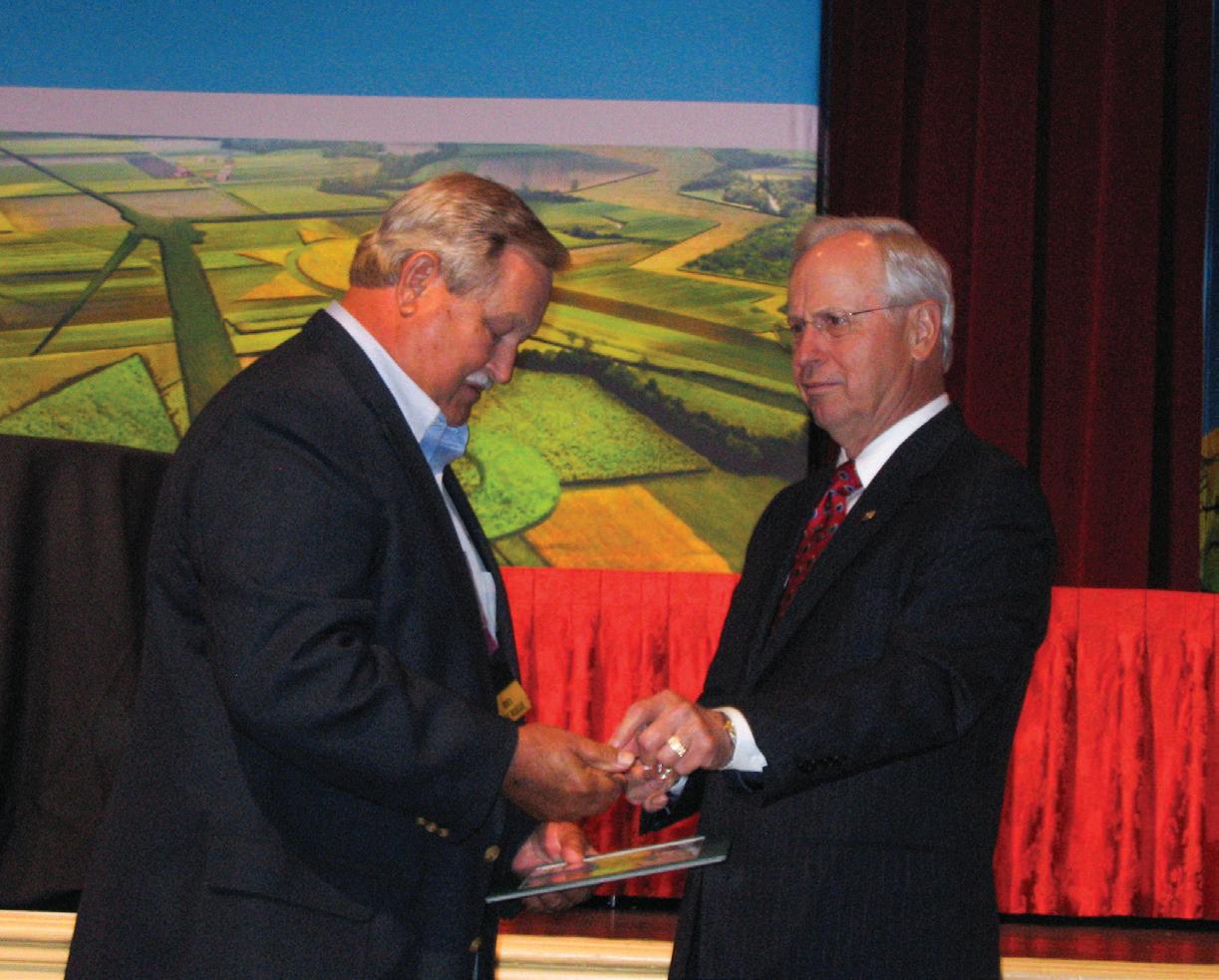
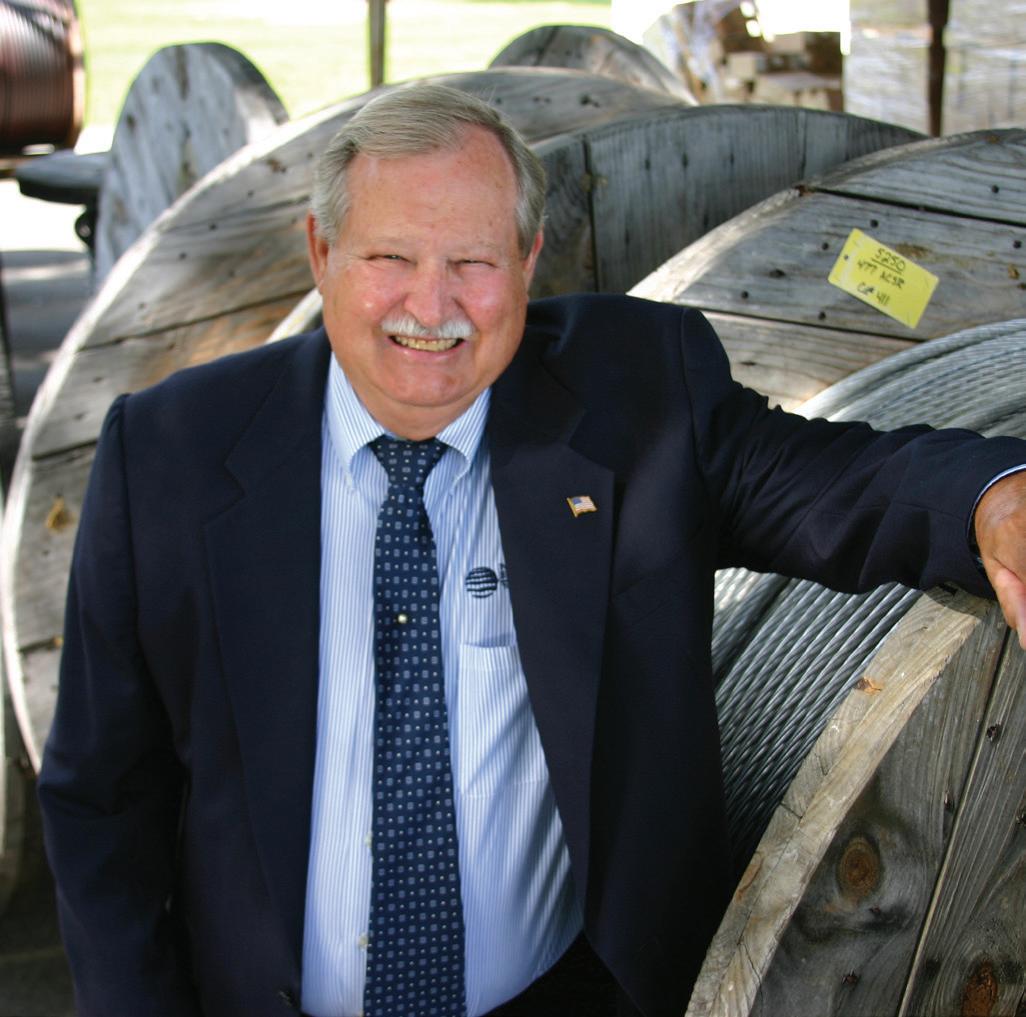


Through years of industry evolution and increasing demand for electricity, he contributed to thoughtful decision-making that supported system improvements, operational strength and the continued growth of the cooperative’s service area. His long-standing commitment reflects a deep understanding of the cooperative’s mission and the importance of serving members with integrity and care.



began his service on the board of directors in March 2011 when PRECO served just 26,218 members. Prior to joining the board, he served as a board member of Operation Round Up, PRECO’s charitable foundation. During his 15 years on the board, the cooperative experienced significant growth, expanding to serve more than 60,000 members today. Throughout his time on the board, Hollis helped guide the cooperative through industry changes, technological advancements and evolving community needs. His leadership focused on ensuring reliable service, sound governance and the long-term strength of the cooperative. His tenure reflects a commitment to balancing growth and the cooperative principles that continue to guide decision-making.



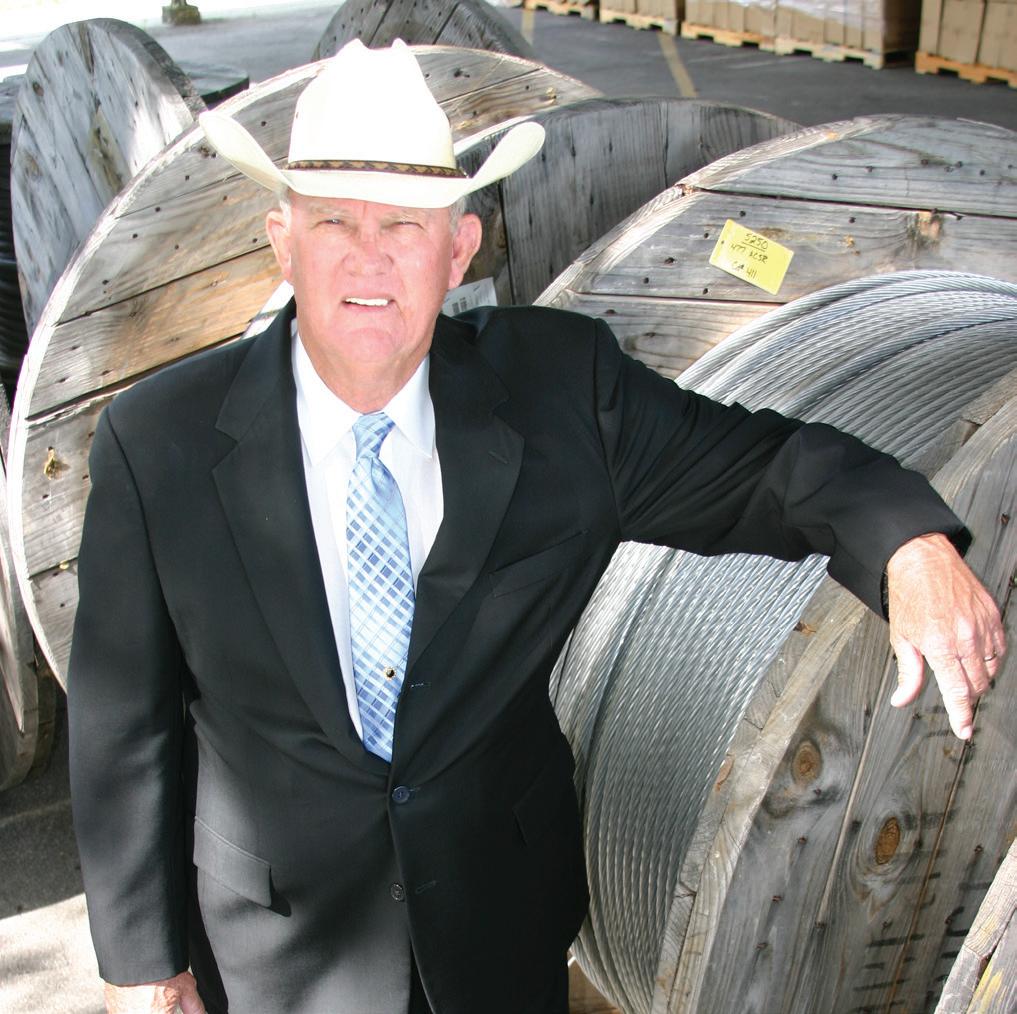
Together, Leonard and Hollis represent more than three decades of combined service to PRECO. Their leadership helped shape the cooperative during a time of meaningful transformation, positioning it to better serve its growing membership and the communities within its service territory.
As they conclude their service, new leadership has stepped forward to continue that work. Chrysta Chancey was elected to represent District 1, and Matt Harrison was seated to represent District 4.


On behalf of the board of directors, the cooperative’s employees, and the more than 60,000 members served by Peace River Electric Cooperative, sincere appreciation is extended to Leonard Crawley and Hollis Albritton for their years of dedicated service. Their leadership has left a lasting impact on the cooperative and the communities it serves—an impact that will continue to be felt for years to come.

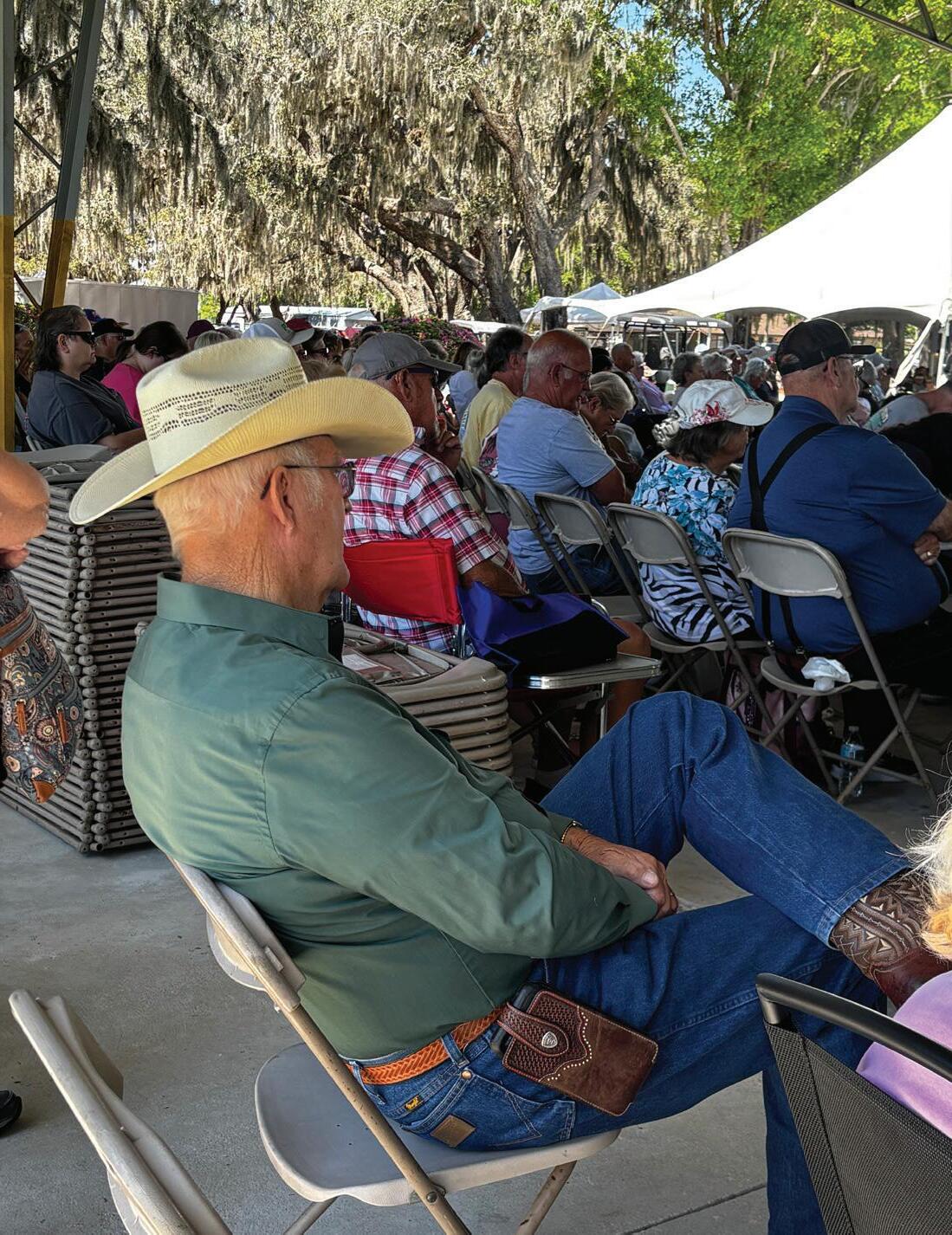
For the first time in years, Hollis Albritton watches the annual meeting from a new vantage point—among friends and members.



From time to time, we share some readers’ photos in this space. Submit your photo by emailing a JPEG to photos@floridacurrents.com. Include “Before You Go” in the subject line. Share a bit about what inspired you to make your photo.










PRECO.coop
800-282-3824
TO REPORT A POWER OUTAGE
Use the SmartHub app.
Text OUT to 800-282-3824.
Call 800-282-3824.
CORPORATE HEADQUARTERS
210 Metheny Road Wauchula, FL 33873
MANATEE SERVICE CENTER
14505 Arbor Green Trail Lakewood Ranch, FL 34202
BOARD OF DIRECTORS
District 1
CHRYSTA CHANCEY
District 2
KENNETH ODEN
District 3
BRUCE VICKERS
District 4
MATT HARRISON
District 5
MARIE DASHER
District 6
DAN PUCCIO
District 7
CHRIS PORTALE
District 8
ELLEN BACHMAN
District 9
WILLIE DAWES
BOARD MEETINGS
May 19
June 23
July 28
Any PRECO member may attend board meetings. Due to building security requirements and to facilitate attendance, members should contact the cooperative in a timely manner for logistical information regarding meetings.
ONLINE E-ZINE
Prefer to receive Florida Currents online? Sign up through your online account or call us at 800-282-3824.




Data centers may feel like a big-city phenomenon, but more of them are showing up in our rural communities— and for good reason. Rural areas offer what data centers are looking for: affordable land, room to grow and access to transmission lines that can move large amounts of power.
What distinguishes data centers from other large businesses is their significant electricity consumption. These facilities run 24 hours a day, seven days a week. Servers must stay online constantly, which means a reliable power supply every minute of every day.
For electric cooperatives like Peace River Electric Cooperative, powering data centers creates opportunities and challenges.
On the plus side, data centers have the potential to bring steady, long-term load growth that helps support infrastructure investments in the local community grid. With proper planning and policy support, those upgrades—including new substations, stronger lines and smarter technology—could play a role to benefit all PRECO members and help keep electricity rates steady.
are fielding requests and inquiries from tech companies, and we anticipate similar requests in the not-too-distant future.
As a memberowned cooperative, our responsibility is twofold: to listen to the communities we serve and to provide reliable, affordable electric service to all PRECO members. Balancing those responsibilities is not always simple, especially as new large-scale energy users, such as data centers, become part of the local landscape.
But providing power to data centers presents challenges, too. These large facilities can be constructed and operating in as little as one year, but ensuring the necessary infrastructure and equipment for the power supply requires longer lead times and significant financial investment. Strategic planning and partnerships, as well as long-term supply strategies are essential to the process.
While PRECO does not currently serve any data centers, many co-ops nationwide
No matter what the future holds, our priority will be supporting growth with fairness—that means ensuring large-scale energy users pay their fair share so residential bills don’t spike and our local communities feel invested in.
The energy landscape is changing, and with it comes opportunities and challenges. My commitment, and the commitment of PRECO’s board of directors and employees, is to continue listening, communicating, and working with our members and community partners to ensure all decisions reflect the best interests of the people we serve.
If you have questions or concerns regarding data centers, your energy bills or any other co-op matters, we encourage you to stay engaged and reach out.

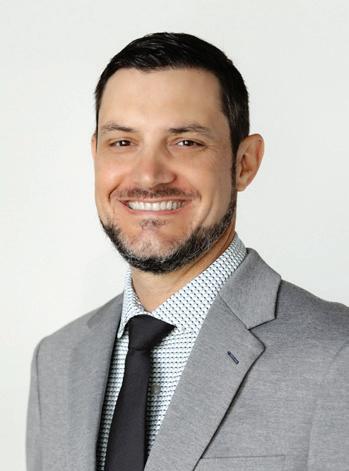
Paul Roberts Interim CEO/General Manager
