Florida Currents, Glades Electric Cooperative, March 2026
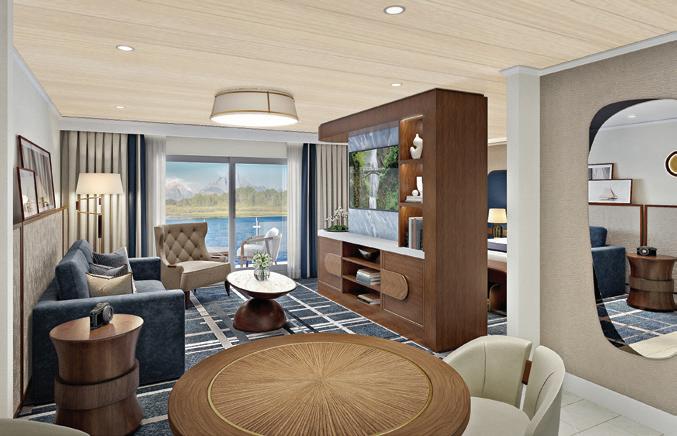
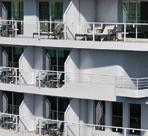
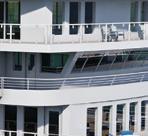
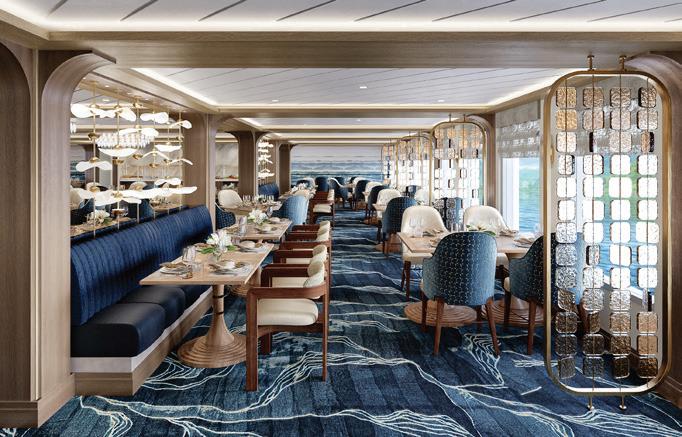
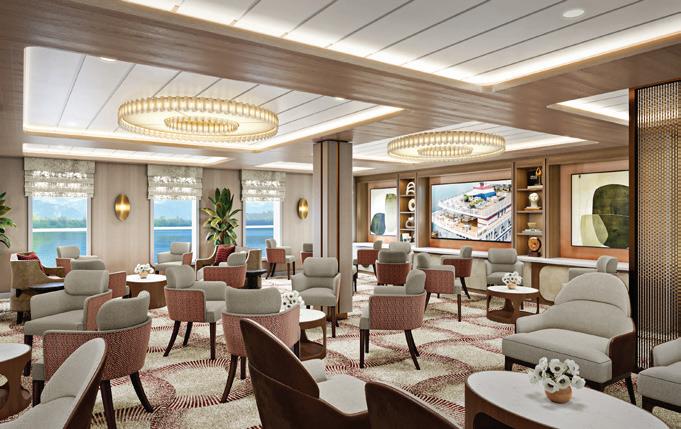
With its innovative design, modern comforts, and guest-focused philosophy, American Encore is not just a riverboat, it’s the finest expression of American river cruising ever built. Designed to host just 180 guests, American Encore features more square feet per guest than any other small cruise ship with the largest staterooms globally.
Ship Cruising
Florida Currents
CEO Michael Shepard
VICE PRESIDENT OF CONTENT Leon Espinoza
EDITORIAL DIRECTOR Chasity Anderson, CCC
DEPUTY EDITORIAL DIRECTOR
Noble Sprayberry
SENIOR EDITOR Jennifer Paton, CCC
LEAD CONTENT EDITOR Victoria Hampton, CCC
FLORIDA CURRENTS EDITORS
Valeri Saldanha Rosa; Sable Riley, CCC
ASSISTANT EDITORS David Herder, CCC; Nina Todea, CCC
PUBLICATIONS PRODUCTION
SENIOR MANAGER
Elizabeth Beatty
SENIOR PUBLICATIONS COORDINATOR
Alyssa McDougle
Members acknowledge that $4.89 a year, plus postage, is the cost to publish 12 issues a year of FLORIDA CURRENTS ISSN 23276304 (USPS 8300). Published by Pioneer Utility Resources Inc., 5625 NE Elam Young Parkway, Suite 100, Hillsboro, OR 97124—a not-for-profit Oregon cooperative corporation—the magazine serves the communication needs of consumerowned electric utilities in Florida. Preferred Periodicals postage paid at Hillsboro, OR 97123 and at additional mailing offices.
Postmaster: Send address changes to 5625 NE Elam Young Parkway, Suite 100, Hillsboro, OR 97124-6422.
HOW TO CONTACT FLORIDA CURRENTS
Subscription services:
Nonmember subscriptions $15 U.S. a year; $25 foreign a year. Prepayment required. Allow 4-8 weeks for first issue. Identify local edition desired. Have a problem receiving your magazine? Utility members should contact their utility office. Nonmembers call 503-357-2105 or email mailingdept@pioneer.coop.
Back issues:
Back issues and extra copies are $3 each, prepayment required. Supply is limited. Identify edition, month and year. Call first to check availability. Contact Pioneer Utility Resources: P.O. Box 1306, North Plains, OR 97133-1306; 503-357-2105; email: mailingdept@pioneer.coop.
DISPLAY ADVERTISING INQUIRIES
American MainStreet Publications 611 S. Congress Ave., Suite 504 Austin, TX 78704-1714; 800-626-1181 or 512-441-5200; amp.coop.
March 2026 • Volume 15, No. 5 For additional content, search @FloridaCurrents on your favorite social media sites and floridacurrents.com.
Brad Oxer District 5, Venus/Hicoria
Fred Tagtmeier District 7, Lorida
Angela Hodges District 9, Okeechobee
6:30 p.m. April 8
2026 Annual Meeting Official Notice
A short business meeting to provide an annual update and officially announce the candidates elected for the 2026 Trustee elections will be at 6:30 p.m. Wednesday, April 8, in the Glades Electric Cooperative Training Room at 26819 U.S. Highway 27 in Moore Haven.
All Glades Electric Cooperative members are welcome to attend. The meeting will be recorded and posted on our website at www.gladeselectric.com/2026annualmeeting. A 2025 annual report will be posted, as well.
2026 Trustee Candidates
The Glades Electric Cooperative Board of Trustee seats for District 5, Venus/Hicoria; District 7, Lorida; and District 9, Okeechobee, are up for election in 2026.
Per Glades Electric by-laws, a committee was appointed for the purpose of nominating trustee candidates. The committee met Jan. 6, 2026, and nominated the following candidates:
• District 5: Brad Oxer–1667 Detjens Dairy Road, Venus, FL 33960. (Incumbent; nominated by committee)
• District 7: Fred Tagtmeier–300 Tagtmeier Road, Sebring, FL 33870. (Incumbent; nominated by committee)
• District 9: Angela Hodges–14910 NW 63rd Lane, Okeechobee, FL 34972. (Incumbent; nominated by committee)
The minutes of the nominating committee are posted in the Glades Electric offices per the by-laws.
The Jan. 8, 2026, deadline for nomination by petition was announced in the October 2025 issue of Florida Currents. The deadline was also posted on the board of trustees’ webpage in October.
No Glades Electric members were nominated by petition for the seats by the Jan. 8 deadline.
Given that only one candidate from each district qualified for nomination by the end of the nomination period, the unopposed candidates listed above are deemed to be elected according to Glades Electric by-laws and pursuant to Section 425.10, Florida statutes, without opposition. They will take office upon the conclusion of the next annual meeting April 8, 2026. Candidate bios are on the 2026 Trustee Elections and Annual Meeting page at www.gladeselectric.com/2026annualmeeting.
Connects With Students
at Highlands County Career Fair
Glades Electric Cooperative joined dozens of local organizations at the 2026 Highlands County Career and Community Service Fair to expose students to career, technical and volunteer opportunities available close to home.
The fair welcomed about 1,000 middle and high school students representing 11 schools across the county, including three private schools.
In total, 53 organizations participated, ranging from local businesses and nonprofits to South Florida State College, which highlighted its career and technical education and training programs. Fourteen nonprofit organizations attended to recruit student volunteers, emphasizing the importance of community service alongside career exploration.
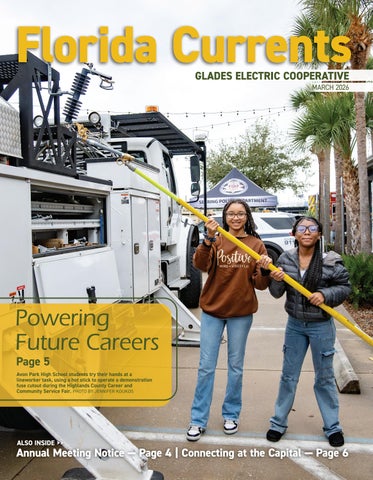
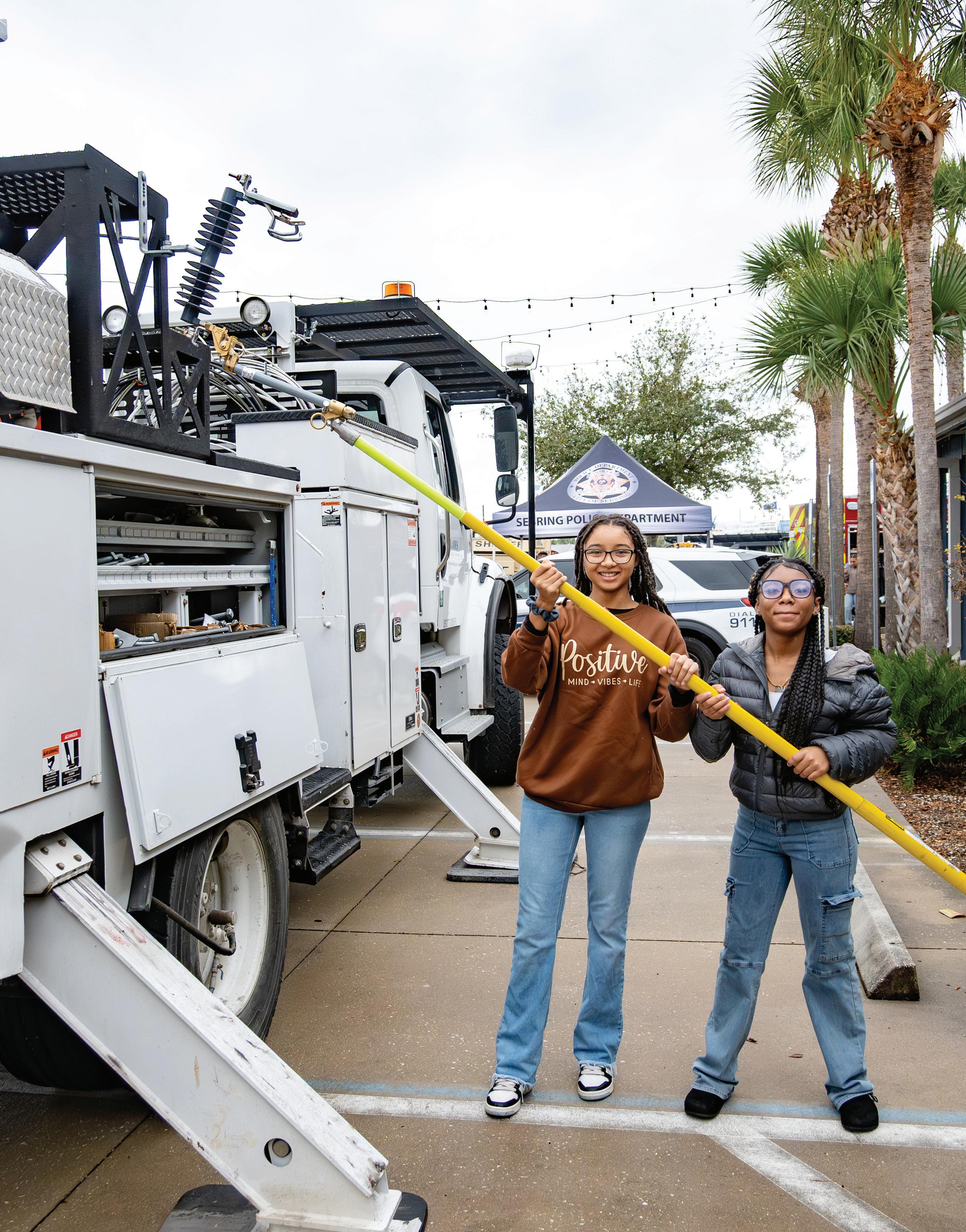
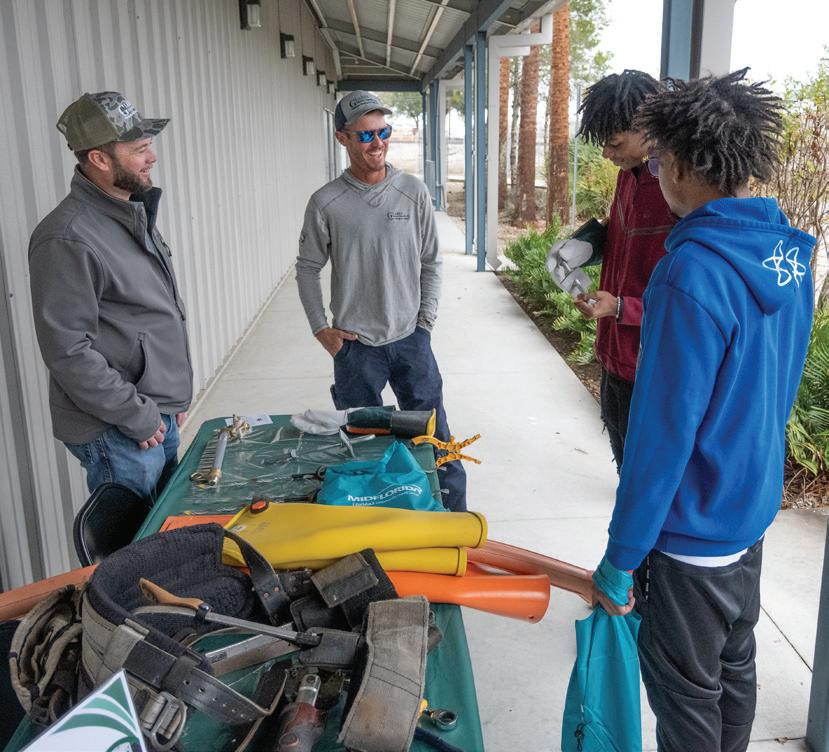
Journeyman lineworkers Kaleb Saunders and Wyatt Larsen and Chief Communications Officer Jennifer Koukos represented Glades Electric, answering questions and sharing insight into what it takes to work in the electric utility industry. Students learned about careers available at the cooperative, including linework, engineering, technology, communications and business operations.
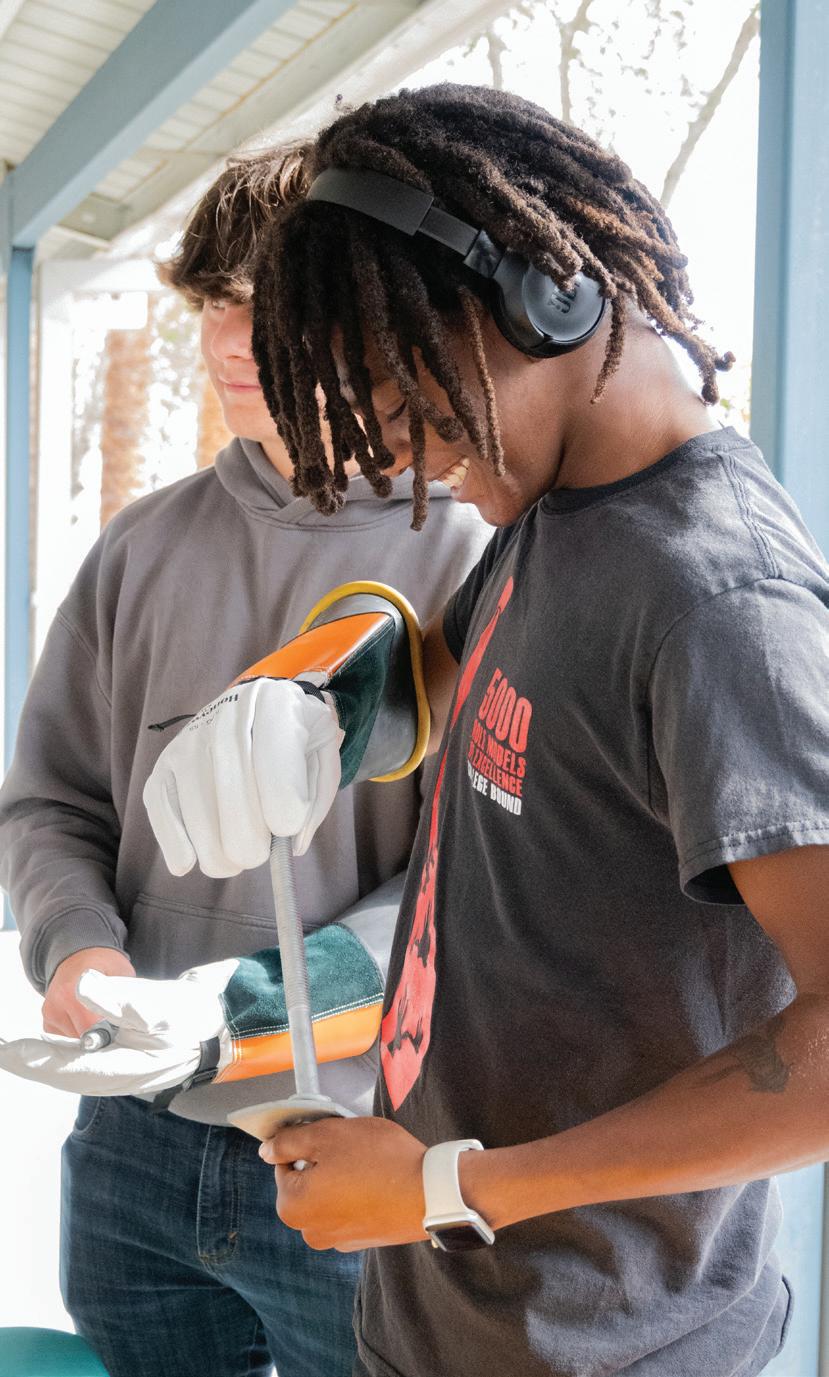
In addition to conversation, students could engage in hands-on activities using lineworker equipment. One challenge invited students to work with nuts and bolts while wearing bulky safety gloves, giving them a tangible sense of the dexterity and focus required in the field. The activity sparked curiosity and conversation about safety, training and the physical demands of the job.
Glades Electric’s participation reflects the cooperative’s commitment to investing in youth and strengthening its communities. By engaging directly with students, the cooperative aims to show rewarding, stable careers exist locally, and students can build meaningful futures without leaving their hometowns.
Whether students are interested in pursuing a college degree or a technical career path, electric cooperatives offer opportunities that support both.
The service fair began in 2017 and has grown steadily each year. The event is organized by the Mason G. Smoak Foundation, with support from community partners and sponsors. This year’s fair included 19 volunteers, including participants from United Way’s Women United, members of the Mason G. Smoak Foundation’s Youth Leadership Highlands Ambassadors and two Mason G. Smoak Foundation board members. Nine businesses sponsored the event.
Deena Wright, Mason G. Smoak Foundation executive director, says the 2026 fair marked an important milestone for the organization.
“The 2026 Career & Community Service Fair was especially meaningful, as the Mason G. Smoak Foundation has established this event as an ongoing program we are committed to sustaining,” Deena says. “Our involvement began when our Youth Leadership Highlands Ambassadors expressed a desire to share with their peers the many meaningful career and service opportunities they have discovered through our programs.”
Deena says the goal is to ensure students are aware of opportunities available in Highlands County.
“Through this effort, we aim to ensure Highlands County students are exposed to the wide range of opportunities available within our community, empowering them to pursue their goals and become engaged, productive citizens beyond high school,” she says.
For Glades Electric, events such as the Career and Community Service Fair are about more than workforce development. They are about building relationships, inspiring the next generation and reinforcing the cooperative principle Concern for Community—today and for years to come. n
A student laughs at the surprising difficulty of working in safety gloves. PHOTOS BY JENNIFER KOUKOS
Journeyman lineworkers Wyatt Larsen and Kaleb Saunders help students understand the challenges of linework while wearing protective gear.
GLADES ELECTRIC
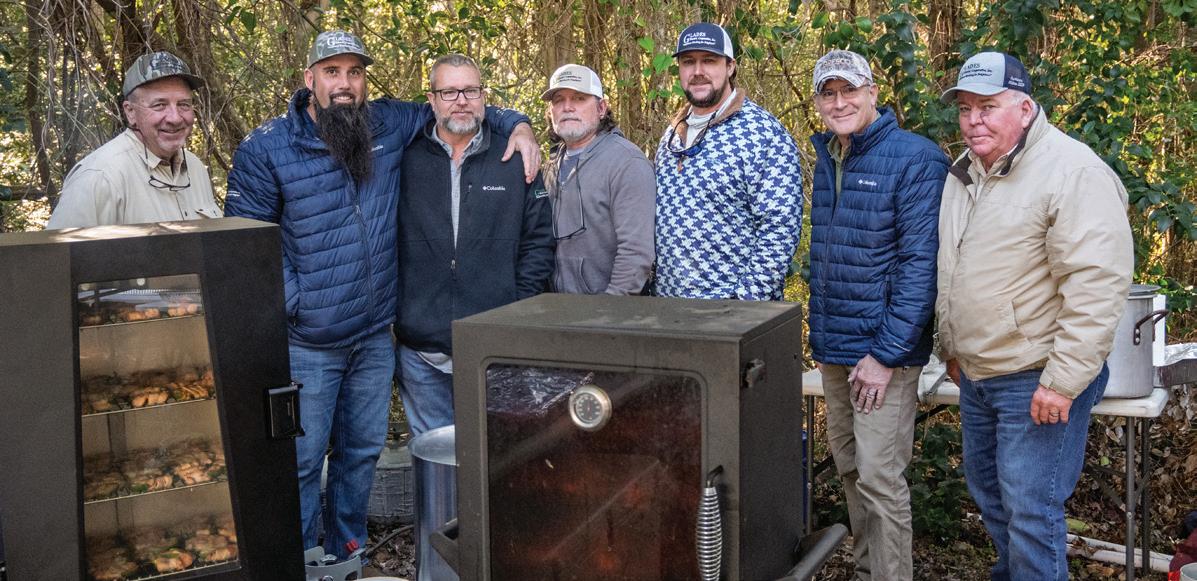
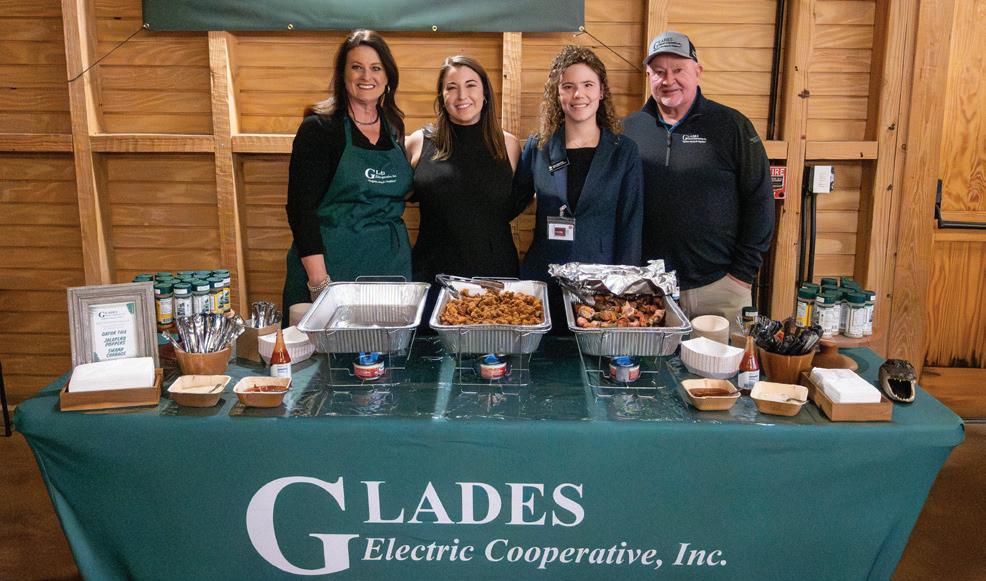
Tuck’s office; and Glades Electric CEO Mike Roberge spend time together at the co-op’s table of food from
Building Relationships
That Power Rural Florida
In January, Florida’s electric cooperatives spent a productive week in Tallahassee strengthening relationships with state leaders and advocating for rural Florida during the 2026 Electric Cooperative Legislative Appreciation Cookout and Rural Counties Days.
The 2026 Legislative Appreciation Cookout on Jan. 20 at Goodwood Museum and Gardens was an opportunity for connection and conversation. Hosted annually by Florida’s electric cooperatives, the cookout brings legislators, staff, co-op employees, and trustees together in a relaxed setting to build relationships that support electric cooperatives and the rural communities they serve.
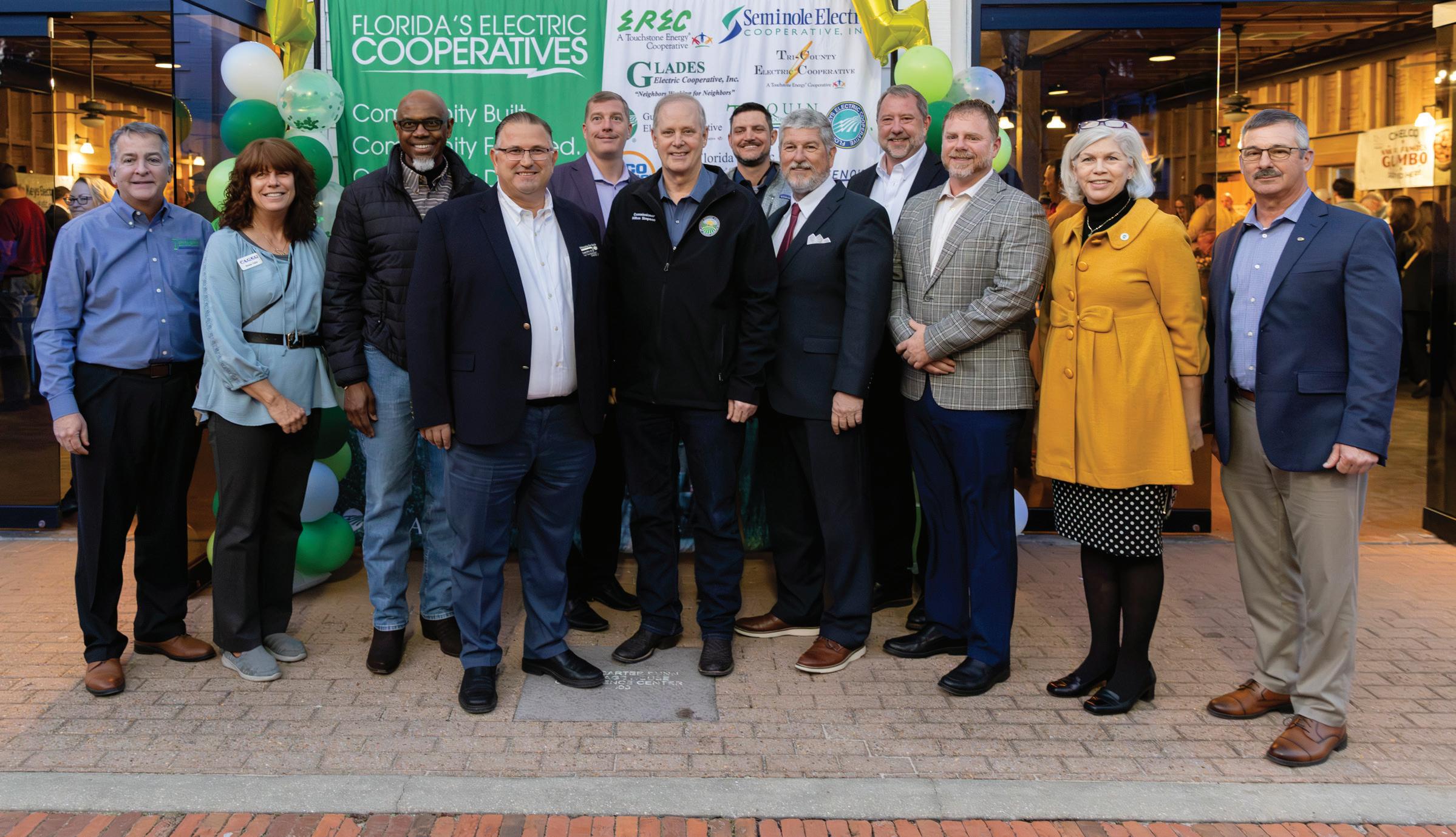
In attendance were Agriculture Commissioner Wilton Simpson, 14 members of the Florida House and Senate, and about 30 legislative aides and staff. Glades Electric Cooperative was proud to participate, serving up Florida favorites including swamp cabbage, jalapeno poppers and gator tail. Staff from Rep. Kaylee Tuck’s office stopped by the Glades Electric table to connect with cooperative representatives.
In addition to the cookout, a Glades Electric staff member visited with legislative aides from the offices of Sens. Erin Grall and Kathleen Passidomo at the Capitol, continuing conversations and reinforcing the cooperative’s commitment to open communication with state leaders.
Rural Counties Day
Florida’s electric cooperatives were also a signature sponsor of Rural Counties Day, an event that brings rural county leaders together to advocate with one unified voice for the needs of rural Florida. Glades Electric participated in Rural Counties Day at the Capitol, supporting efforts to ensure rural perspectives are represented in state policy discussions.
Together, these events highlight the importance of collaboration, advocacy, and relationship-building in advancing policies that benefit electric cooperatives and the members they serve. n
TOP: Florida Electric Cooperative leaders meet with Florida Agriculture Commissioner Wilton Simpson at the 2026 Legislative Cookout. PHOTO COURTESY OF JACOB CHERENA, CLAY ELECTRIC COOPERATIVE ABOVE LEFT: Glades Electric Trustee Fred Tagtmeier; employees Colin Evans, Matt Perry, Mike McDuffie and Kyle Altman; and trustee Barney Goodman and board President Lee Henderson cook up the co-op’s fare for legislative guests. ABOVE RIGHT: Renee Bass, Glades Electric chief administrative officer; Brilyn Sell and Mary Connolly, of Rep. Kaylee
Florida’s Heartland. PHOTOS BY JENNIFER KOUKOS
Operation Round Up
What is it?
Operation Round Up is a program that allows members to round up their monthly bills to fund projects benefiting community members in need.
Nine members serve on the board of directors for Glades Electric Charitable Trust, a 501(c)(3) nonprofit organization. Directors review applications and approve grants.
$57,111.12 in Operation Round Up funds were awarded to organizations and members in need in 2025.
How does it work?
Amount due: Power Bill UP ROUND
$152.45
$153 55 cents to your neighbor in need. The average yearly contribution is $6 per member.
Paula Byars Okeechobee District 9 raised by Operation Round Up and Round Up Plus in December 2025.
Funds from Operation Round Up go right back into the communities we serve.
$4,327.02
8,281 accounts participate in Operation Round Up or Operation Round Up Plus. Round Up Plus allows members to add any set amount, $1 or more, to their bills each month. allows members to
44%
How can I help?
Sign up for Operation Round Up in the SmartHub app or on your payment stub, stop by the office or call 855-940-3810.
How can I get help?
The participation rate that would raise more than $70,000 annually to support our communities. 75%
If you or a member you know needs financial assistance, please complete an application at: www.gladeselectric.com/community/operation-round-up.
Sommer Foster Moore Haven District 1
Beverly Eaves Hendry County District 2
Kelly Brantley Ortona/Palmdale District 3
Dori Evans Lakeport District 4
Carol Roberts Venus/Hicoria District 5
Lee Andrus Highlands Park District 6
Melissa Callahan Lorida District 7
Larry Howard Lake Josephine District 8
Highlands
Glades
Hendry
Okeechobee
ont P ch
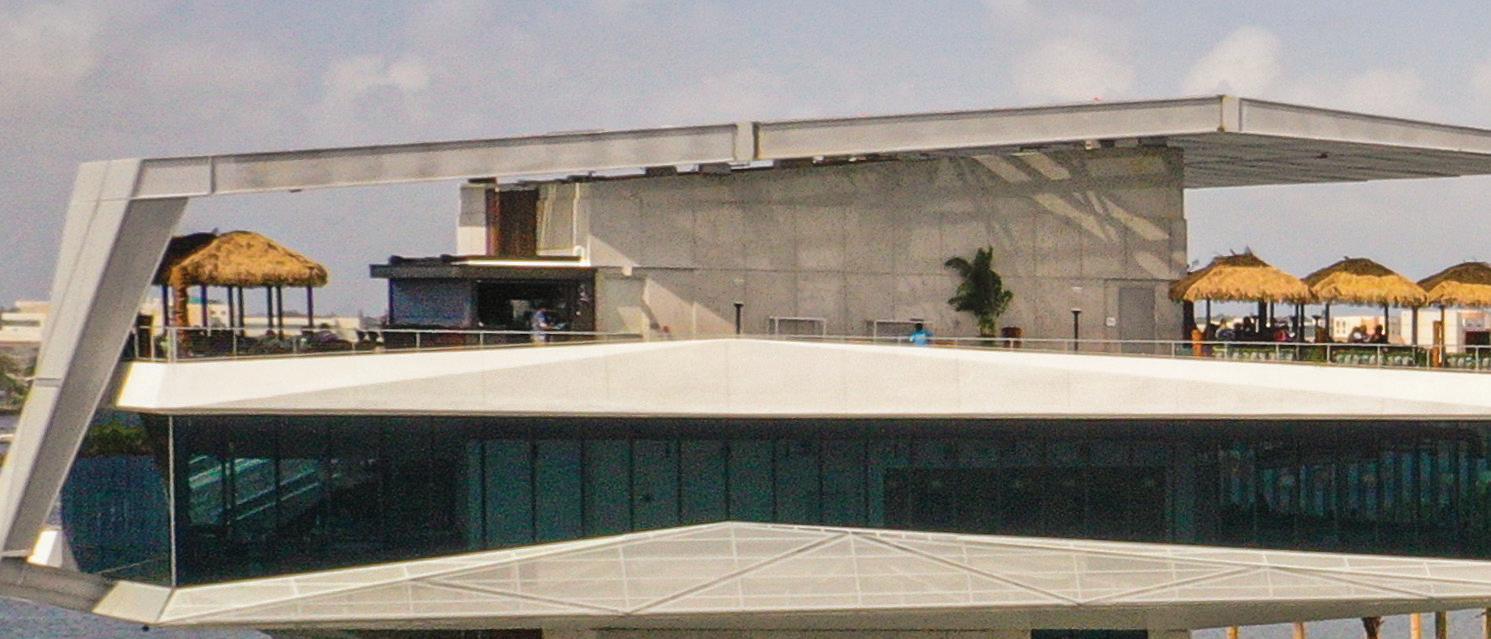
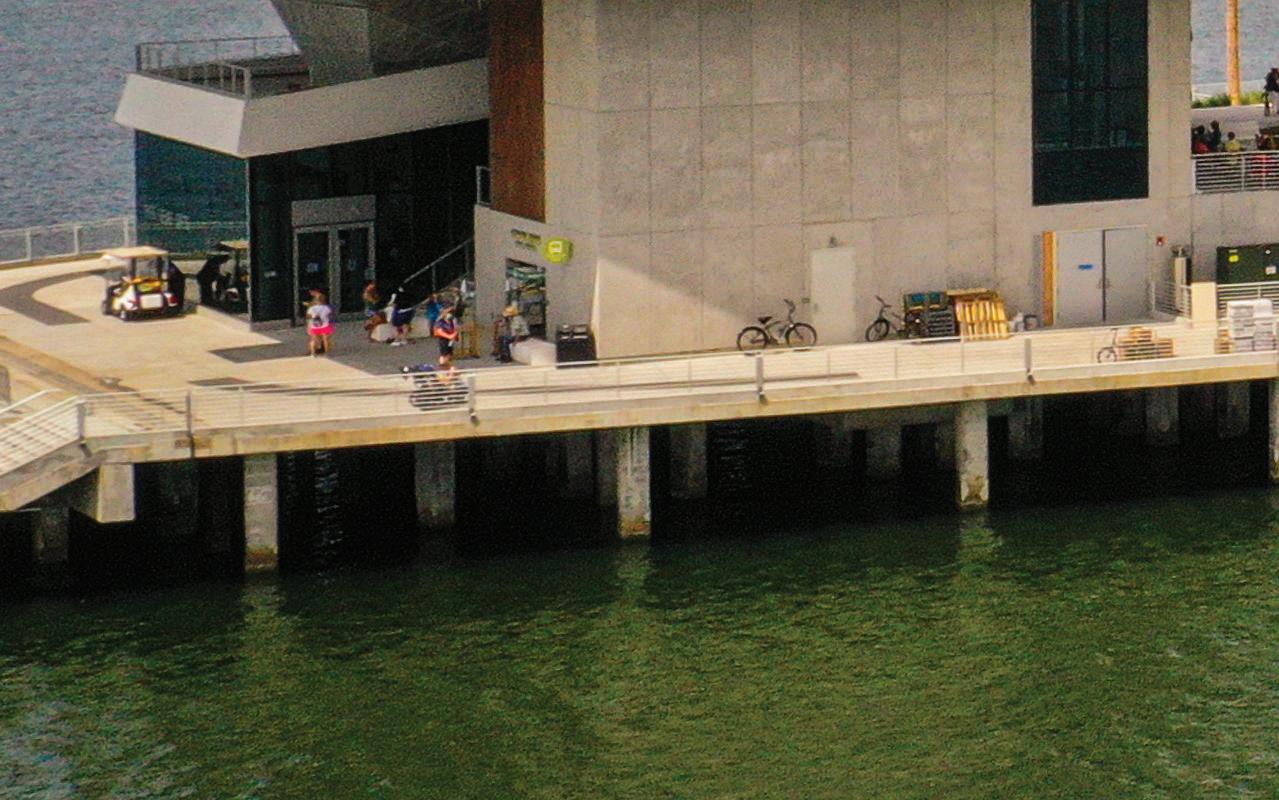
Pier District combines open spaces, waterfront views and a community hub
By Colette Boehm
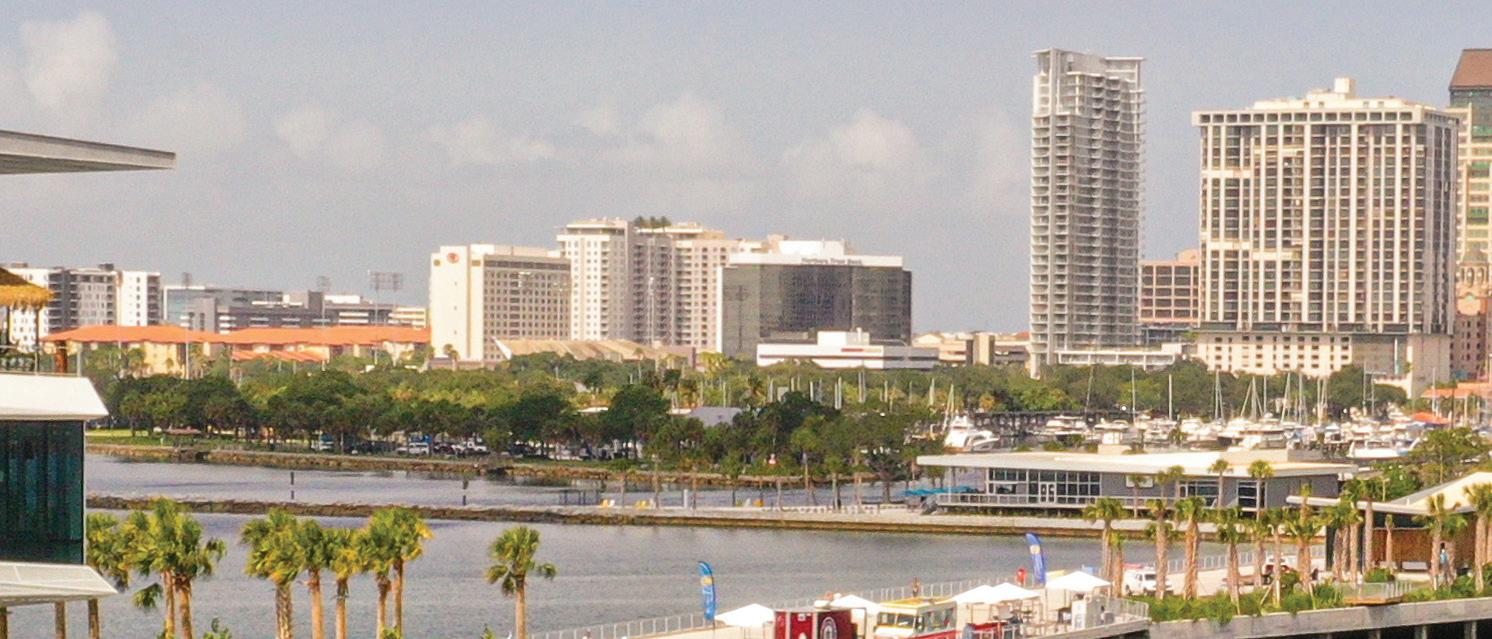
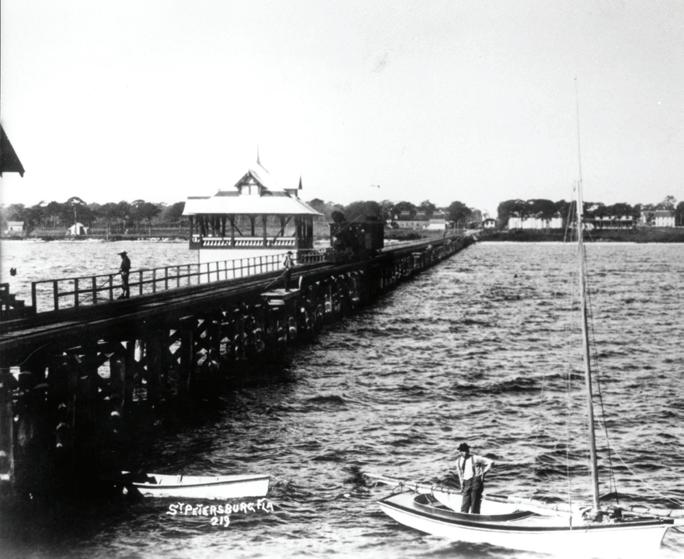
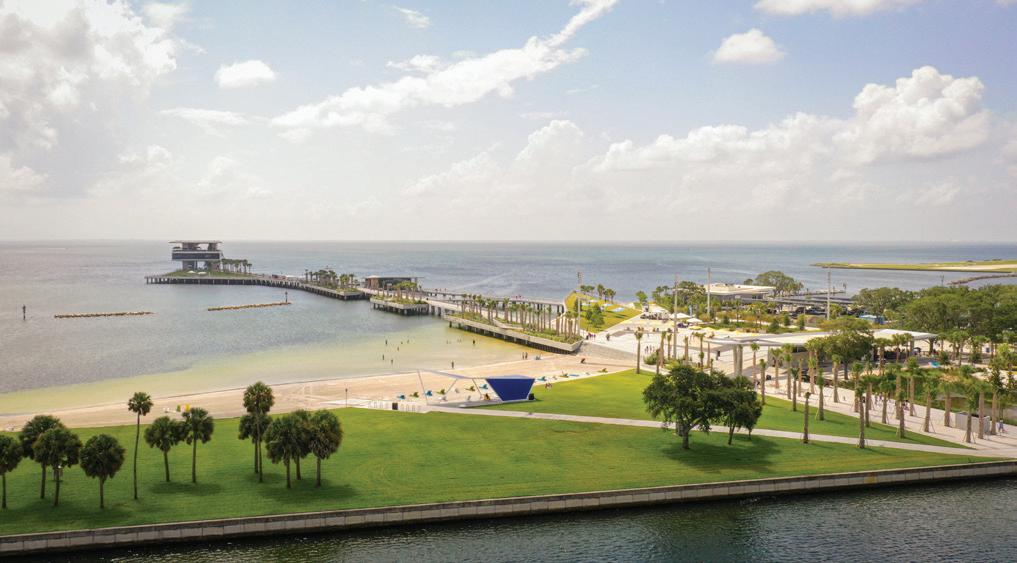
The St. Pete Pier has been part of St. Petersburg’s waterfront since the 1800s. Thanks to its recent rebirth, the pier is now a multifaceted center for waterfront recreation, education, entertainment and business development.
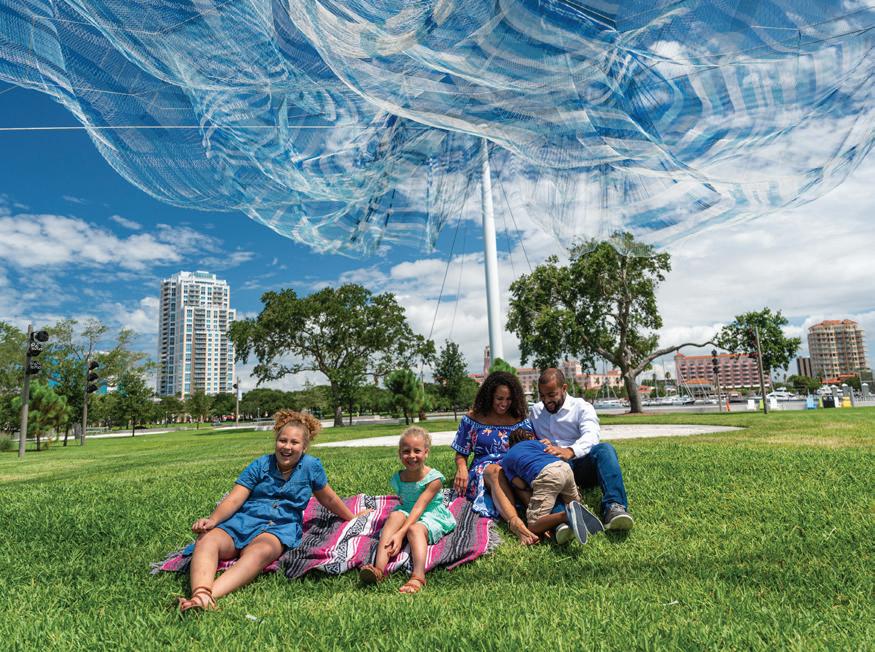
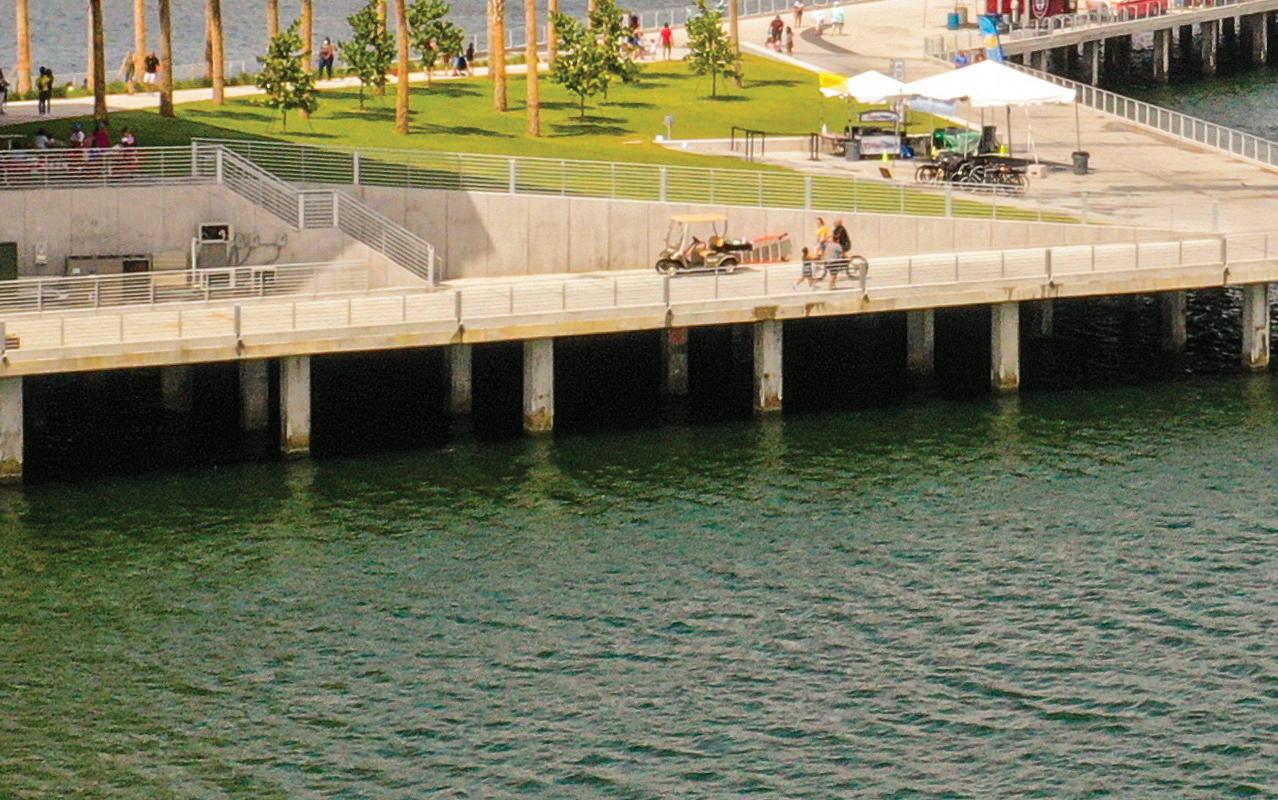
Since its redevelopment and 2020 reopening, the 26-acre St. Pete Pier which extends into Tampa Bay, serves as the front porch to the city.
The pier and park, popular with locals and visitors alike, garnered national attention for their designs. The Urban Land Institute recognized the pier with the
2022 ULI Global Awards for Excellence— one of only six awards presented worldwide, including two in the United States. Also in 2022, the district received the International Architecture Award for Excellence.
Pier Manager Juniper Rodriguez says the city’s idea was to create a property that would be used by visitors as well as residents.
“A lot of times when you came to the old pier, you went there to bring somebody visiting, when you have family in town,” she says. “This one’s way more heavily utilized by locals. It’s primarily open-air space. It’s 26 acres with plenty of areas to sit, walk
There’s
and run and Rollerblade and bike. There’s a fishing deck out in the end, so there’s always people out here.”
Juniper says many of those people are now like family to her and the project became a place that feels like home. What started as a contract position has become much more.
“It’s just a really cool place to work,” she says. “Anytime you get a little bit stressed,
The St. Pete Pier is considered St. Petersburg’s front porch. PHOTOS COURTESY OF CITY OF ST. PETERSBURG
Pier Manager Juniper Rodriguez
you just walk outside and watch the pelicans and the dolphins. We never take it for granted, because it’s just such a beautiful place to work. It’s never boring out here. We have our regulars that we see and we talk to and keep up with. It’s a good community feeling.”
have been here since the very beginning, when we opened five years ago. Some of them have just been so successful that they continue to stay.”
makers
“We have a great arts community,” Juniper says. “(The city) basically set aside nearly $2 million to dedicate towards public artwork at the property. Most of the pieces were commissioned to be done by local artists.”
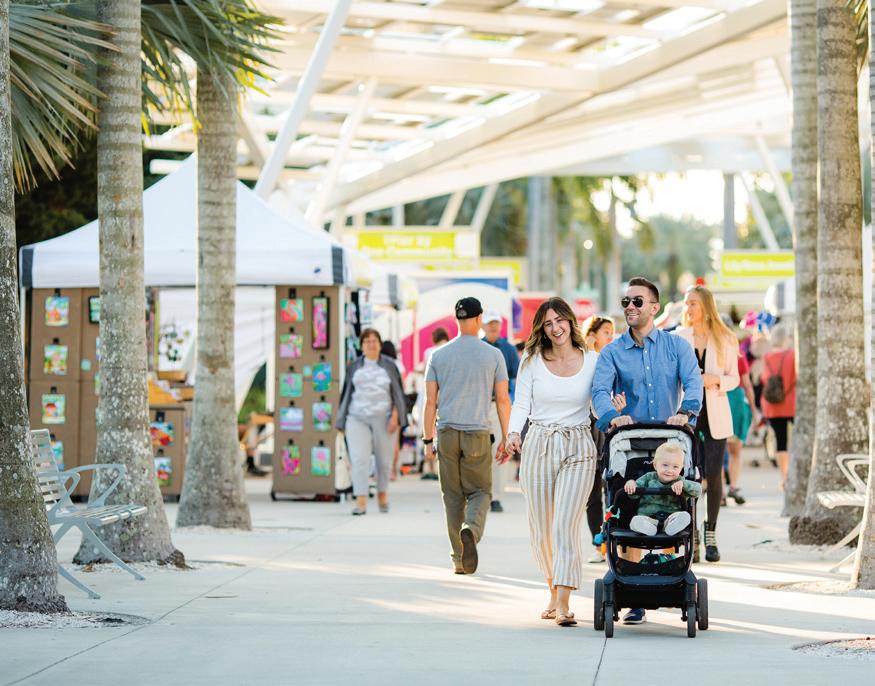
That community includes regular visitors who participate in activities ranging from mom meetups to fitness classes to pier fishing. It also comprises merchants in the pier’s marketplace. Each weekend, more than two dozen local artists, makers and retailers exhibit and sell their wares.
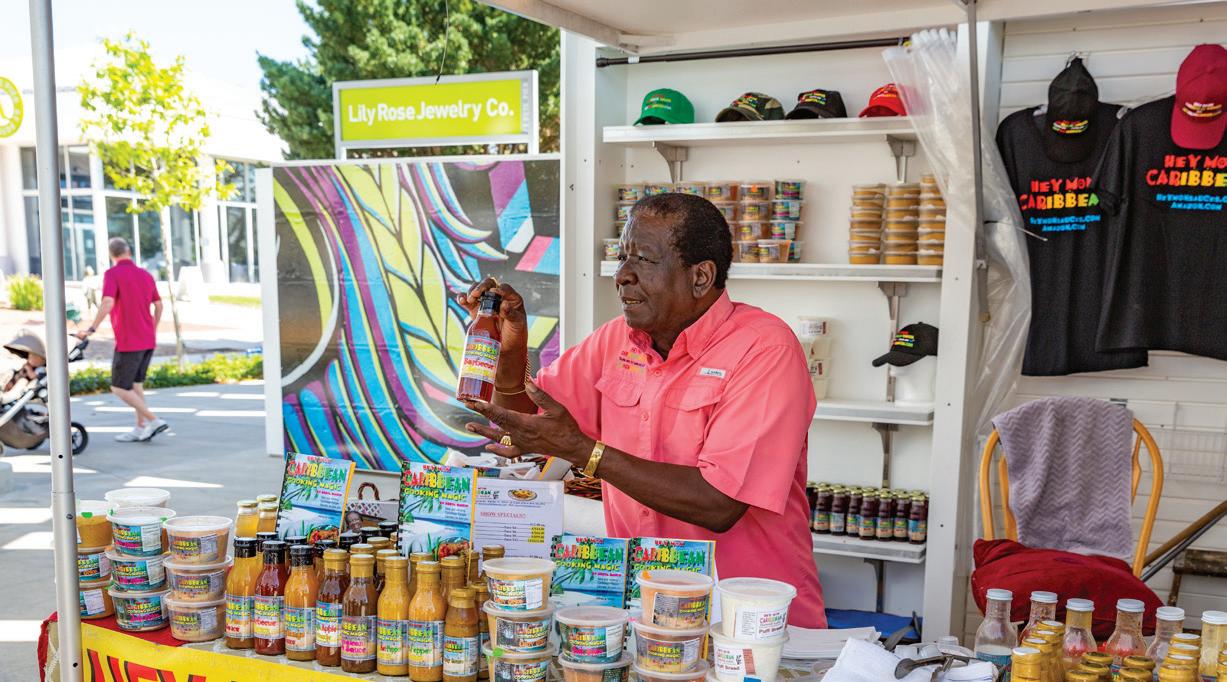
“The marketplace is a mix of tents and kiosks that are heavily focused on local artists,” Juniper says. “It was set up essentially as an incubator for people who were new to retail and don’t currently have a brick-and-mortar location.
“We looked at it as a good place for them to start and kind of learn how to run a business. We’ve had a couple of them actually be able to leave here. Some, they’ll keep a store here, but they also opened up brick-and-mortar space. Some of them
There are vendors who make peanut brittle, jerk sauces and rum cakes. There are also jewelers, print-makers, weavers, T-shirt designers and more.
The park includes areas to enjoy a distinctly St. Pete experience. The Tampa Bay Watch Discovery Center and Wet Classroom is a unique learning outpost with interactive exhibits. Indoor and outdoor exploration areas focus on Tampa Bay’s unique ecosystem and its protection and restoration. Pier Plaza features a seating area, fountain and splash pad, as well as spots to enjoy dining and drinking.
Local art is a mainstay throughout the district. From “First Flight,” which celebrates St. Pete’s role in commercial air travel, to “Bending Arc,” a signature piece by internationally renowned artist and Tampa Bay native Janet Echelman, sculptures dot the property and enchant visitors.
The Pier District, which was a $93 million project, hosts around 80 events each year. A recent impact study found it has an annual economic impact of $125 million.
Beyond economics, the district is a place where people gather to enjoy their surroundings and one another’s company. According to Juniper, those people include employees like her.
“It doesn’t really matter where you work,” she says. “If you don’t really like the people you work with, it’s no fun. And I have a great team. We’re literally like family, and we all have such a passion and care for this property.
“My favorite part is just the fact you can go out and touch grass, as they say, anytime you want, and you’re in nature,. You can go for a walk and watch the baby ducks or the crabs or the blue heron, and it makes you really appreciate what we have and the beauty of the place we live in.”
CLOCKWISE FROM TOP LEFT: The marketplace at the St. Pete Pier District includes more than two dozen vendors and acts as a retail incubator. One vendor shows off his Caribbean sauces and spices. The pier has been part of St. Pete’s waterfront since the 1800s.
Master craftsman keeps old-world tradition alive in Fort Walton Heart
By Drew Woolley
andSoul
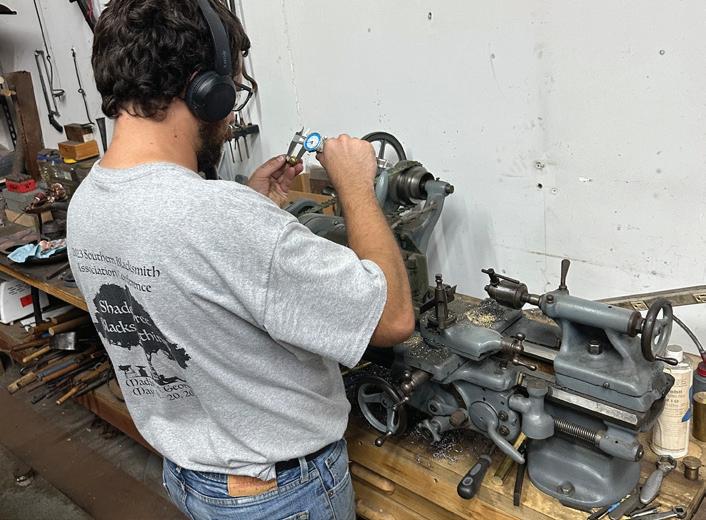
Customers and students stepping into Fort Walton’s Traditions Workshop could be forgiven for mistaking the array of tools on display for an exhibit. Alongside computer-aided wood carvers and plasma cutters sit more historic tools, some more than a century old. There’s a South Bend lathe, made in 1919, and a Swedish hammer workshop owner David Sandlin inherited from his grandfather.
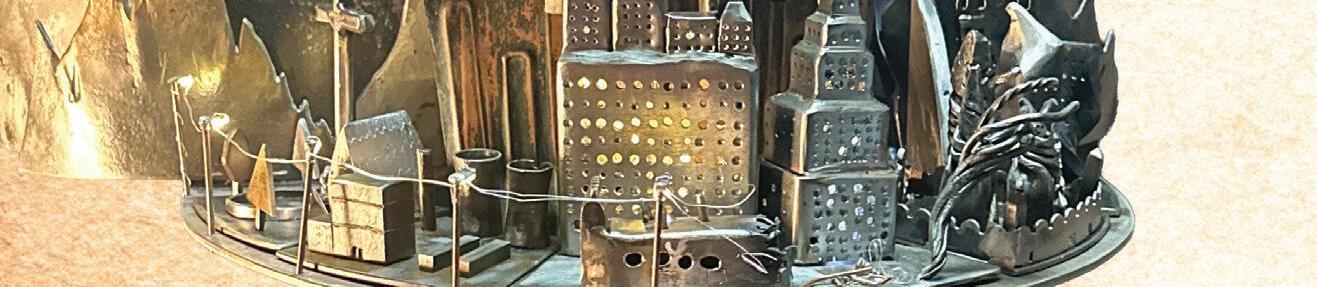
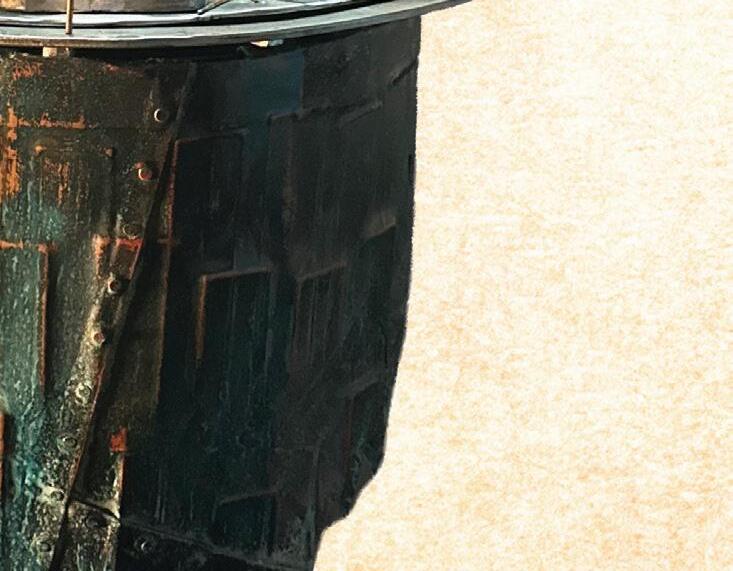
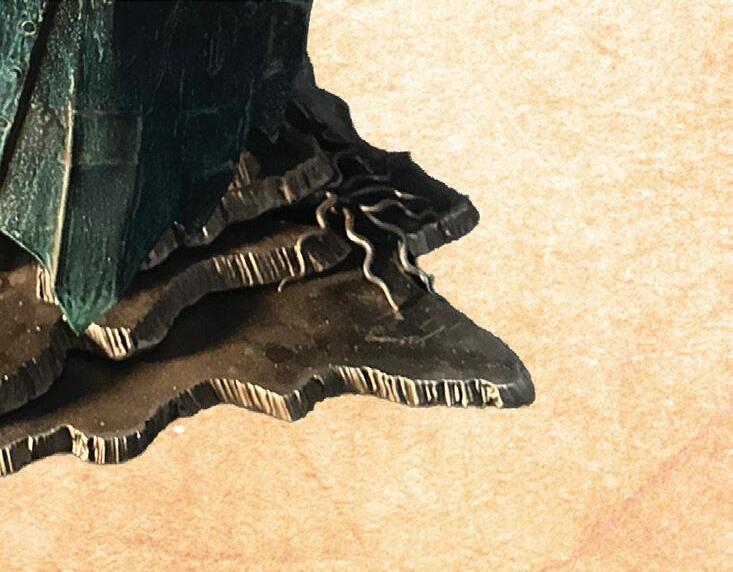
This 4-foot-tall steel and copper creation of a floating skyline was the winning entry in the 2025 Florida Artist Blacksmith Association’s regional challange. PHOTOS COURTESY OF THE SANDLIN FAMILY
The master craftsman is quick to point out those antique tools are anything but relics.
“They work. And they’re still the ones I often want to use day to day,” David says. “That lathe can still cut within a thousandth of an inch. And it’s tough. The attitude they had at the time was build it hard, build it strong, build it heavy. And that’s still not enough, so add some more steel.”
David started working with his hands at age 12. In the decades since, his insatiable hunger for learning new crafts has driven him to master woodworking, blacksmithing and stained glass, among many others. Now, through his workshop, he’s able to share those skills with his community and pass them along to others.
“There is still a calling for craftsmen and people who know how to work with their hands,” he says. “I know there’s a lot of talk about AI and that sort of thing. I’ve done software development and been on the cutting edge of technology. But this is still the heart and soul of what makes things happen.”
From the Ground Up
David’s first exposure to craftwork came while woodworking alongside his father in North Carolina.
“He needed a carpenter’s aide, and that was me,” he says.
Together, they built a house and a barn and rebuilt an old gaffrigged sailboat.
At 16, David wrecked his car, damaging the bumper and tearing up the sheet metal. His father told him to fix it, so David started to learn metalworking.
“Dad wasn’t one to let the grass grow under his feet, and he taught me the same,” he says. “We had a number of different
projects throughout the years, and eventually he launched me off into the wild blue yonder as an Air Force Academy cadet.”
David graduated from the academy in 1978, serving until Jan. 1, 2001. Even during more than two decades of service, David continued to hone and grow his crafting skills.
“Every time I went to a new Air Force base, they had what they called hobby shops,” he says. “It was nice to have access to some pretty nice tools. One way to learn a little bit about the local culture was to learn what they did there.”
That’s when David’s skillset really took flight. He learned stained-glass design and typography in England, took up carving in Germany, studied timberframe construction in Canada and started blacksmithing in the Carolinas. While flying Air Force F-16s in the Moselle Valley in Western Europe, he learned to make wine. Stationed in Tucson, Arizona, for six months learning to fly the A-10, David took classes in sleight-of-hand magic.
“I’d rather be busy than bored,” he says.
A Family Affair
After retiring from the Air Force, it was more than a decade before David turned his crafts into a full-time job. First, he spent years working as a software engineer. While that job was lucrative, he couldn’t help but long for work that yielded longerlasting results.
“At the end of the day, you’d turn off that computer, and everything just disappeared,” he says.
In 2014, Traditions Workshop was born. It started as a hobby in David’s garage, giving him the chance to put his many skills to use restoring antique and heirloom items. Within three years, he was stretched for equipment and project space.
David relocated to the current Fort Walton location, where the entire Sandlin family takes part in the business. His son, Christopher, specializes in blacksmithing and historic restorations. Anna, David’s wife, serves as a master of textiles and art. Jessica, one of David’s daughters, runs the office and teaches blacksmithing classes to women. His other daughter, Jennifer, has Down syndrome and is a frequent
presence around the shop when she isn’t at the adult day care facility next door.
The pieces they work with keep David on his toes. He might be working on a part for a canopy bed one moment, restoring a 1914 Singer sewing machine the next, then wrapping up the day with an antique brass crib.
“When I get bored with one thing, I can just switch gears to another,” he says.
Past and Present
While each item in need of restoration presents its own challenges, the process always starts with a conversation.
First, David determines what is broken or tarnished and what it will take to repair. Then there is the question of how the customer wants the piece to look when it’s finished. In many cases, the goal is simply to make it like new. Others have larger changes in mind.
“Sometimes we’ll have a beautiful cherry table, and the customer wants to paint it black,” David says. “So, I’ll say a quiet, ‘I’m sorry’ to whoever the first craftsman to make this was and paint it black.”
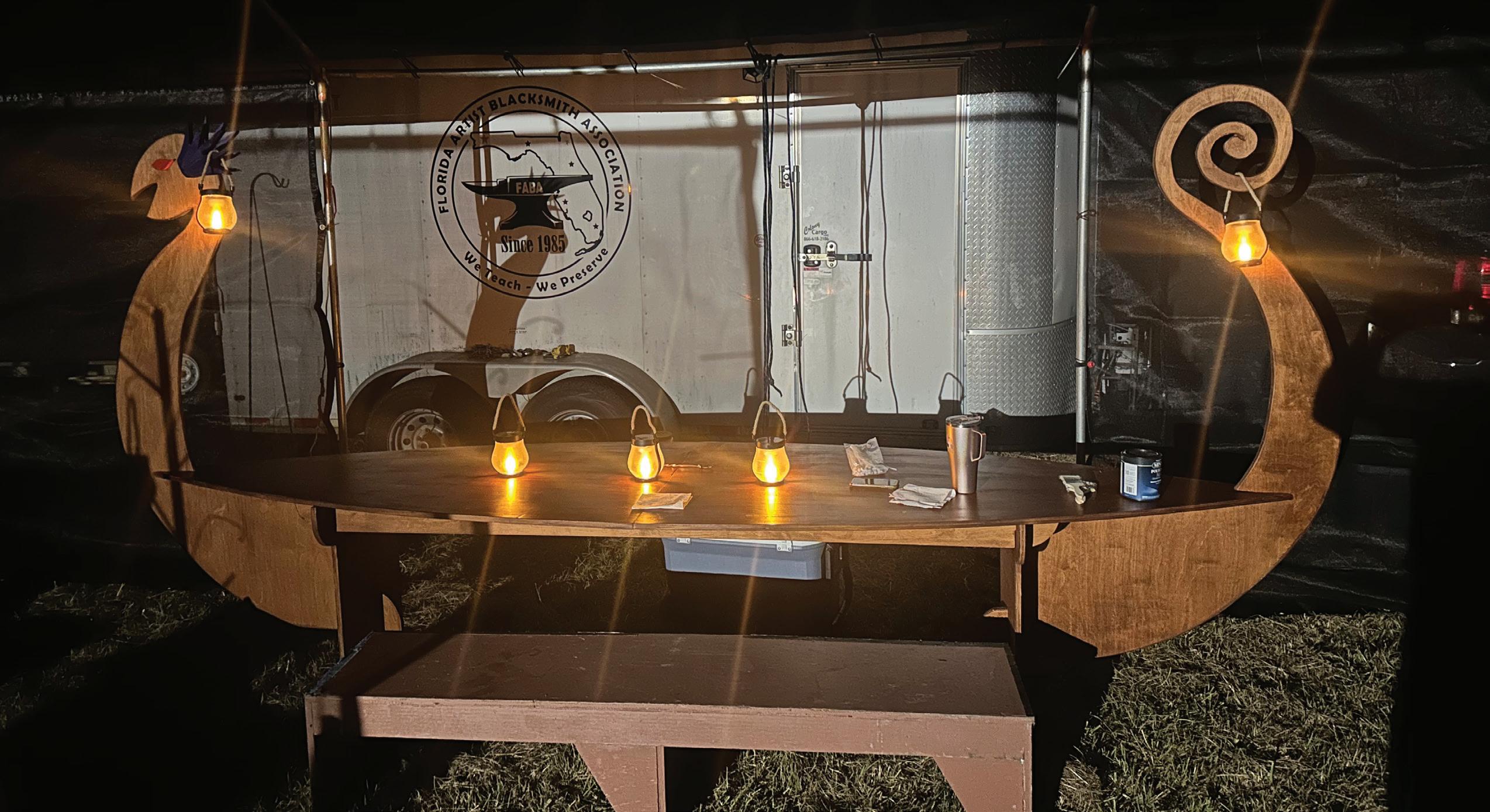
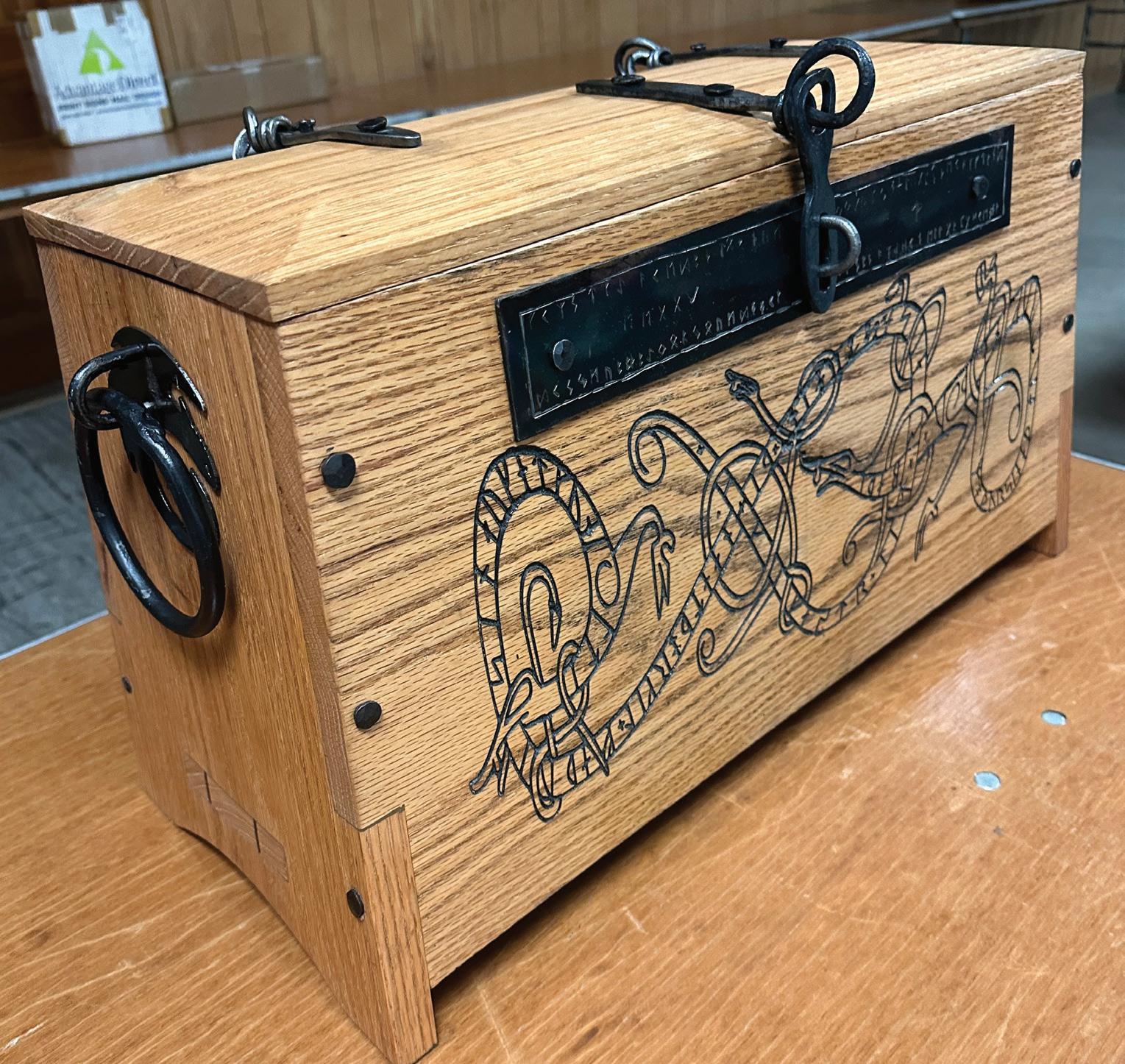
BELOW: David Sandlin designed this Viking ship table to be easily disassembled and transported to Renaissance fairs.
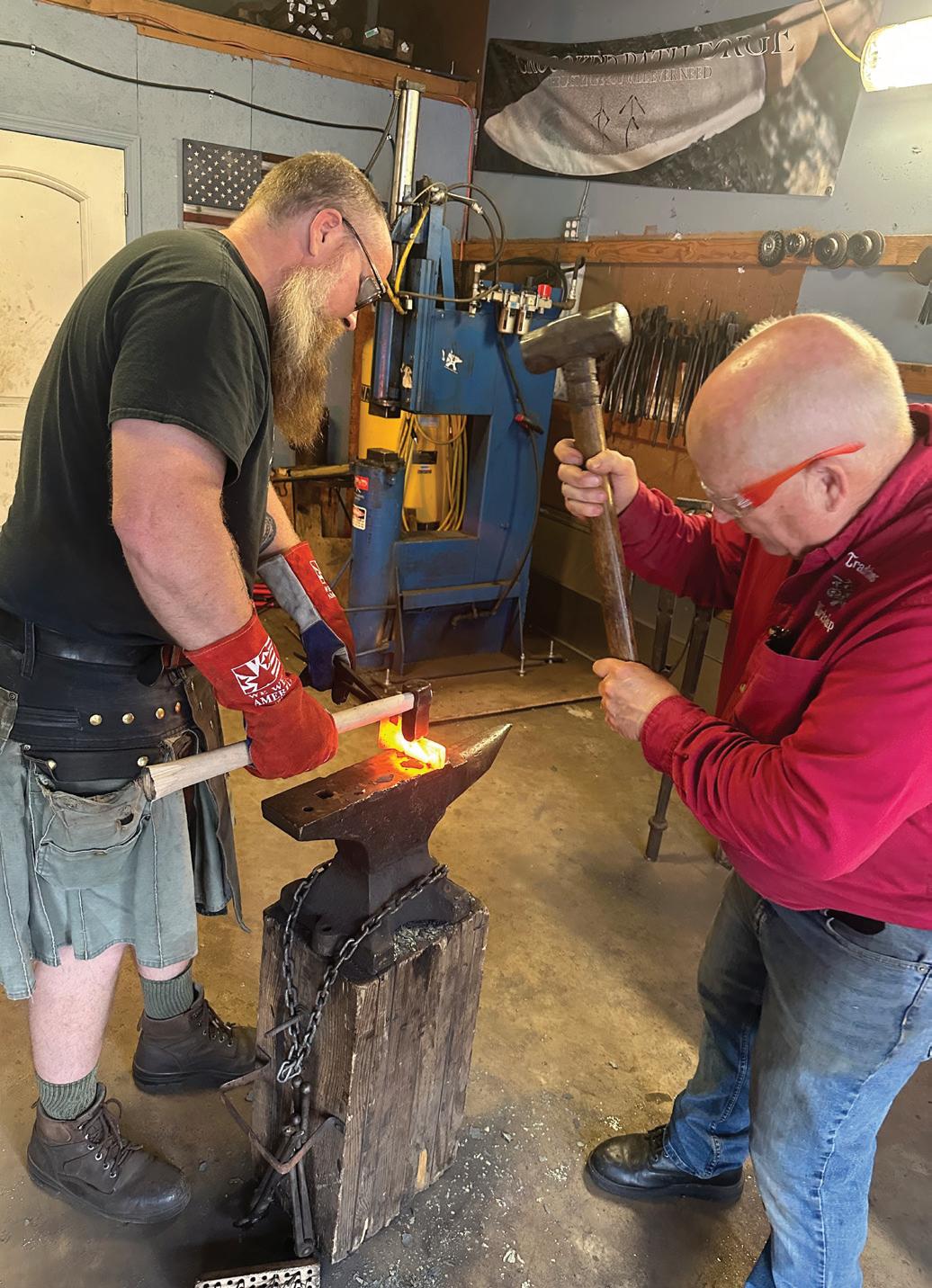
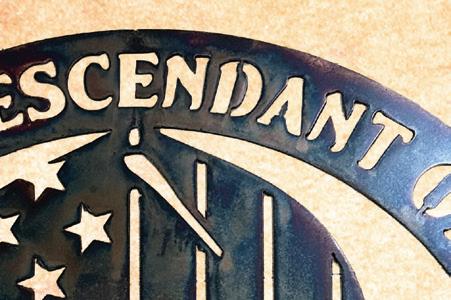
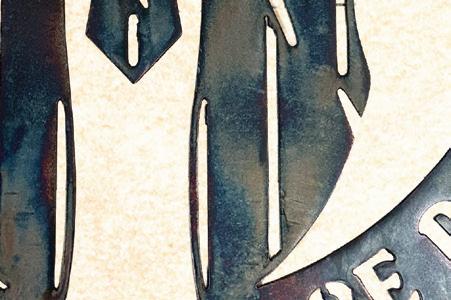
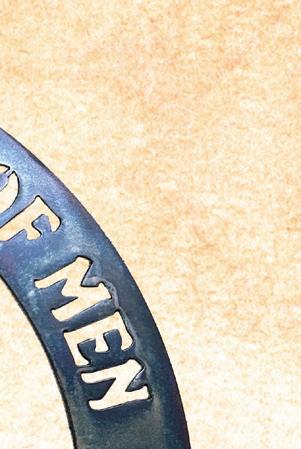
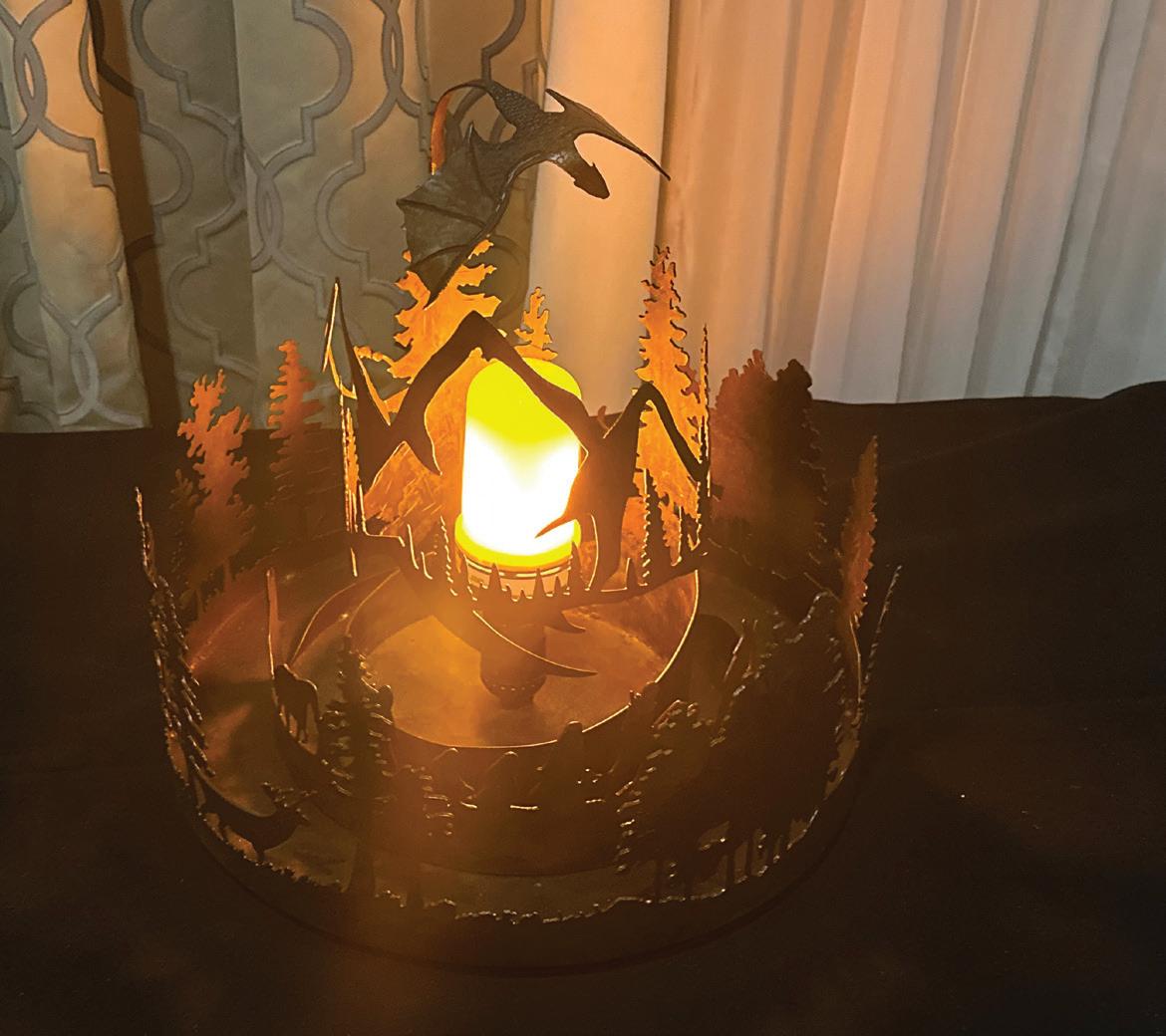
CLOCKWISE FROM ABOVE: David, right, takes an axe-making class with Jordan Borstelmann of Crooked Path Forge in Gainesville. Even a master needs to continue his studies. Using a CNC plasma cutter, a more modern piece of metal work was created. David’s team won second place in the 2025 FABA regional competition. Themed after “The Lord of the Rings,” the piece depicts the fellowship passing through forest and mountains, with a dragon flying overhead.
For all the antique tools on hand, David isn’t afraid to turn to modern technology if the situation calls for it. In those moments, he gets the chance to draw on his years of tech experience with tools that use computers to automate the machining process.
“It’s just about using the right tool for the job,” he says. “There are times when you get out the hand plane because that’s what you need. And there are times when you pull out the CNC carver and let it do the job.”
Still, David knows as well as anyone just how fickle modern technology can be. So, given the choice, he always prefers tools that were built to last.
“I could go and buy some brandnew equipment and, unfortunately, the
software is going to need to be redone in about five years, and the hardware is going to wear out,” he says. “Or I could buy this piece of technology on the surplus market that probably survived World War II and is still as solid as the day it rolled off the assembly line.”
Keepers of the Flame
Over time, Traditions Workshop has evolved into a classroom for the types of folk art and crafting skills the Sandlin family holds dear. David says that idea started with Anna. As she taught their kids to sew, she watched them grow up in a world where so many others did not have that opportunity.
At the same time, David began to see a surge in interest for blacksmithing
Florida,”
classes with the popularity of the History Channel’s competition show “Forged in Fire.”
“I look around the community, and these aren’t necessarily vanishing skills, because we have 360 blacksmiths in the state of Florida,” he says. “But they’re certainly hard-to-find skills.”
Many of the workshop’s classes focus on blacksmithing and can run for several hours as David or Christopher walk people through the process of crafting their own bottle openers, rings, pans and even axes. But the shop also offers courses on stained glass, yarn-making, leather crafts and more.
Classes start with students as young as 12, the same age David was when he first started helping his father, but he has taught
COUNTERCLOCKWISE FROM LEFT:
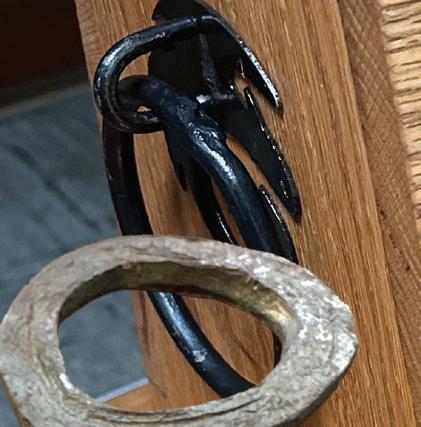
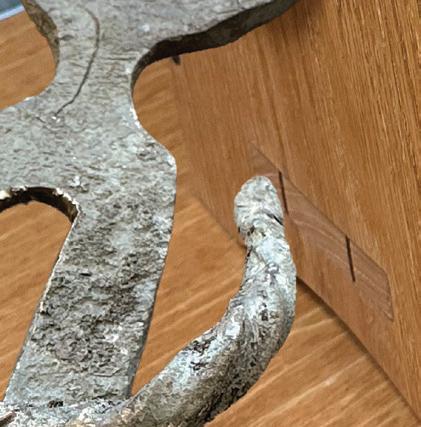
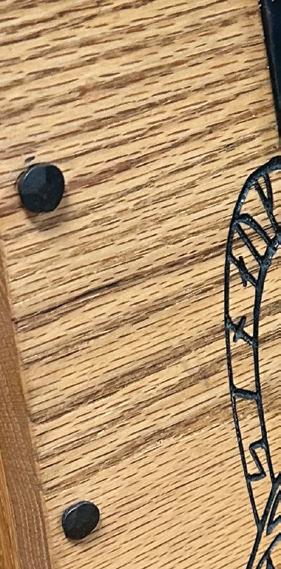
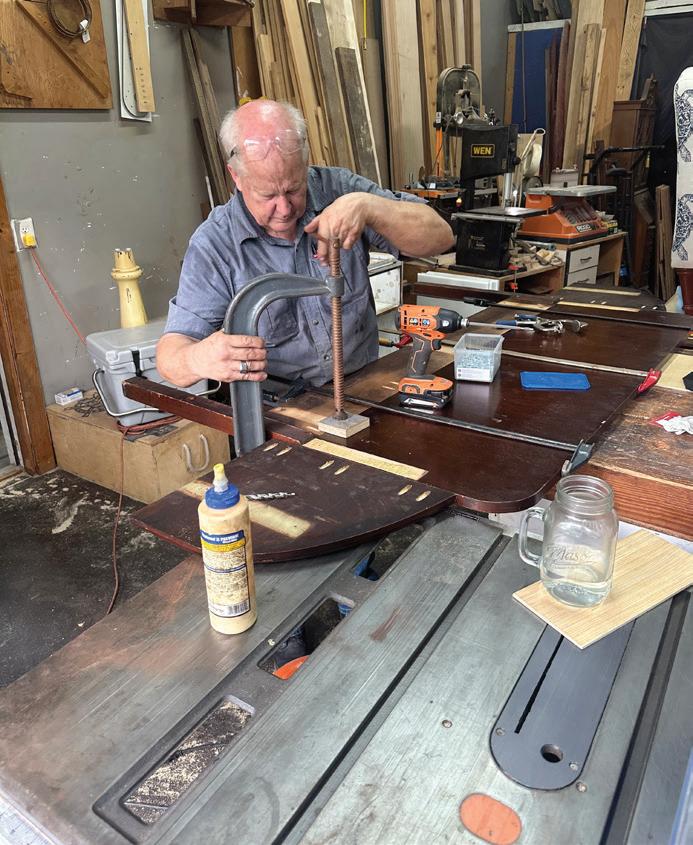
Christopher Sandlin turns a brass finial on the workshop’s restored 1919 South Bend metal cutting lathe. David made this Viking-style toolbox and donated it in 2025 to an educational nonprofit. David forged and installed this dragon hasp on a toolbox as a gift to his apprentice, Jack Fortenberry. Jack says the dragon keeps prying eyes away. David uses large clamps to convert a customer’s full bed frame into a queen frame.
Ready, Set, Smith!
David Sandlin may have never seen an episode of “Forged in Fire,” but he still knows his way around competition. Each year, the Florida Artist Blacksmith Association holds a regional challenge where teams from across the state face off against each other.
Teams from FABA’s eight regions receive a prompt, such as skyline or medieval folklore and religion. They then set out to design and execute their visions for that theme, creating pieces that depict floating skylines or perhaps even landscapes from “The Lord of the Rings.”
This year’s theme is balance and motion. David and his team are already at work on their entry, which will be on display alongside the rest this October at FABACon in Gainesville. The public is encouraged to visit, learn and bid on pieces they would like to take home from the conference.
aspiring craftspeople into their 90s. The one piece of advice he gives all of them is to keep putting their hands to work.
“It’s kinesthetic learning,” he says. “The first time you make a nail, it’s going to look ugly, and it’s going to take 40 minutes. The second time, it’s going to look a little better and might take 20 minutes. The third time, it will take five minutes, and it may not look great yet, but your hands and eyes are learning to work together. You’re training your body to make things happen.”
into re-building an antique the same way it was created takes time—and it can be expensive. If someone comes in with a piece of furniture they found on the side of the road hoping for a cheap fix, he tells them to put it back where they found it.
Building and repairing those pieces allows David to do the same for future generations, and it’s a gift he hopes to pass on to every student he teaches.
In his blacksmithing classes, David always covers the fundamentals— determining how much material is needed or the basics of thermodynamics. But he also takes his students on a trip through history, back to biblical references to the first iron workers.
Telling a Story
As passionate as he is about his crafts, David is honest with his customers that restoration isn’t the right fit for every situation. The care and work that goes
Items that can’t be replaced have the most meaning for David. Perhaps it’s an old radio a family gathered around when they heard President Franklin D. Roosevelt announce the attack on Pearl Harbor. Or it’s an ancestor’s toolbox used when he worked on the Ford assembly line, now converted into a coffee table.
“That family needed it. It’s got history,” David says. “When they looked at it, it told them the story of how their family held together during the Great Depression.”
“The reason I do that is because I want them to know they are the product of a thousand love stories,” he says. “We stand taller today and see further because people before us were willing to break their backs and make things happen. And you can do the same for the next generation.”
Meals From the Heart
INSPIRE LOVE WITH PROPOSAL-WORTHY DISHES
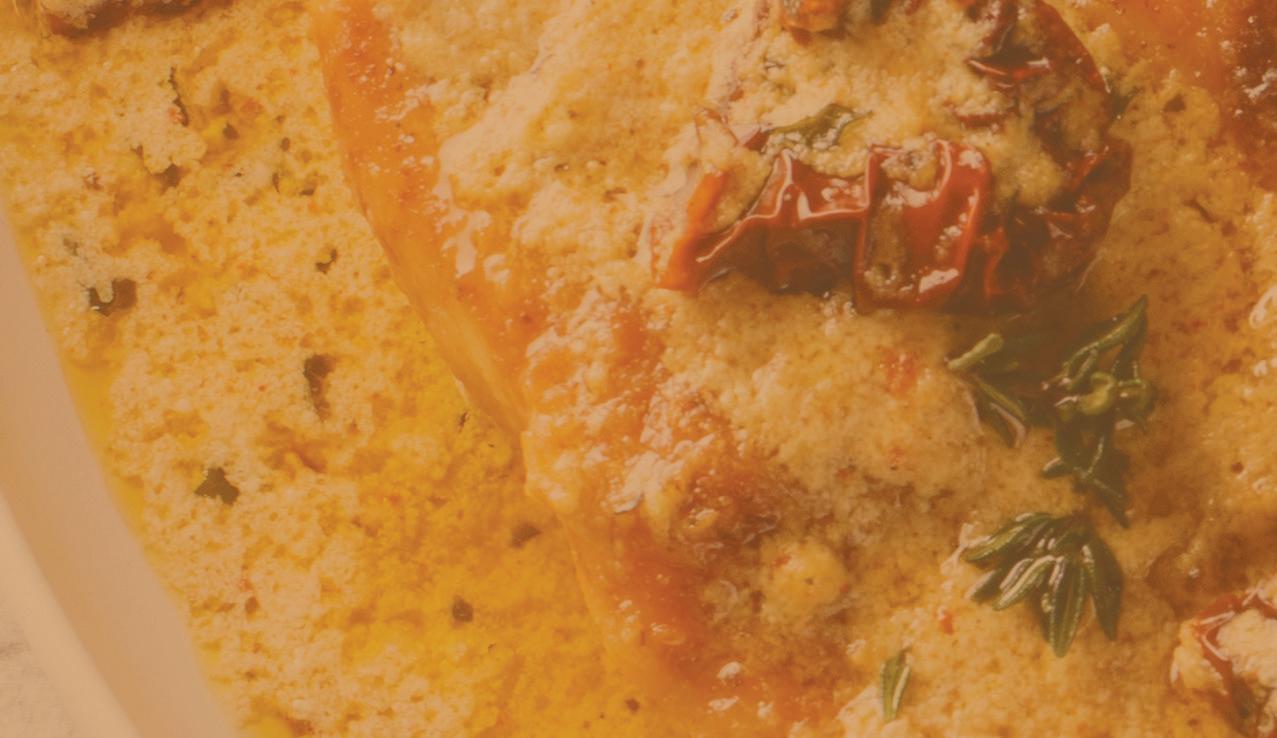
Marry Me Slow-Cooker Chicken
4 chicken breasts, boneless and skinless, about 2 pounds
1 teaspoon kosher salt
½ teaspoon ground black pepper
1 tablespoon olive oil
1 tablespoon salted butter
1 cup chicken stock
1 tablespoon cornstarch
4 cloves garlic, minced
3/4 teaspoon crushed red pepper, optional
½ teaspoon dried oregano
1/4 teaspoon dried thyme
½ cup sundried tomatoes packed in oil, chopped
1 cup heavy cream, warmed slightly
3/4 cup Parmesan cheese, grated
1 tablespoon fresh basil leaves, chopped
Season chicken with salt and pepper. Heat olive oil and butter in a skillet over medium heat, then sear chicken for 2-3 minutes per side until lightly golden. Transfer to slow cooker along with any leftover butter and juices from the skillet.
In a bowl, whisk chicken stock with cornstarch, garlic, crushed red pepper, oregano and thyme. Pour the mixture over the chicken in the slow cooker.
Top each chicken breast with chopped sundried tomatoes. Cover. Cook on low for 3-4 hours or on high for 1½-2 hours, until chicken reaches 165 degrees. Remove chicken to a plate, and keep warm. Stir heavy cream and Parmesan into the hot liquid in the slow cooker until smooth. Return chicken to sauce. Spoon sauce over the top, and let rest for 5-10 minutes on warm.
Garnish with basil before serving.
Recipes by Gertrude Treadaway
ADOBE STOCK PHOTO BY FOMAA
Marry Me Chocolate Cake
18.25-ounce package devil’s food cake mix
3.9-ounce package instant chocolate pudding mix
2 cups sour cream
1 cup melted butter, cooled 5 eggs
1 teaspoon vanilla extract
2 cups semisweet chocolate chips
Strawberries, optional
Powdered sugar, optional
Heat oven to 350 F. Coat a 10-inch tube pan with nonstick cooking spray.
In a large mixing bowl, combine cake and pudding mixes. Make a well in the center, and add sour cream, butter, eggs and vanilla extract.
Beat on low speed until blended. Scrape bowl, then beat for 4 minutes on medium speed. Mix in chocolate chips by hand.
Pour batter into greased pan, and bake for 50-55 minutes. Let cool in pan for 10 minutes, then turn onto a plate and cool completely. Garnish with strawberries and sprinkle with powdered sugar, if desired.
Marry Me Shrimp Pasta
1 cup drained sundried tomatoes packed in oil, sliced, plus 4 tablespoons tomato oil, divided
1 pound large shrimp, peeled, deveined, tails removed
Kosher salt
Freshly ground black pepper
16 ounces rigatoni or penne pasta
4 garlic cloves, finely chopped
2 tablespoons tomato paste
1/4 teaspoon crushed red pepper flakes
2 cups chicken broth
1 cup heavy cream
1 teaspoon Italian seasoning
5 ounces baby spinach
1 ounce Parmesan, finely grated, plus more for serving
Torn fresh basil leaves, for serving
In a large heavy skillet over medium-high heat, heat 2 tablespoons tomato oil. Season shrimp with salt and pepper, to taste. Cook in oil, stirring occasionally, until pink and opaque, about 3 minutes. Transfer shrimp to a plate.
Meanwhile, cook pasta in a large pot of boiling salted water. Stir occasionally, until al dente, according to package directions. Drain.
In the same skillet over medium heat, cook garlic, tomato paste, red pepper flakes and remaining tomato oil. Stir until tomato paste deepens in color, about 1 minute. Add sundried tomatoes, broth, cream and Italian seasoning. Bring to a simmer, scraping up any browned bits. Cook, stirring occasionally, until sauce slightly reduces, about 5 minutes. Add spinach. Cook until wilted, 1-2 minutes.
Add pasta, shrimp and Parmesan. Cook, stirring, until pasta is coated and sauce is glossy. Season with salt and black pepper. Remove skillet from heat. Cover, and let sit 2 to 3 minutes. Stir pasta again to coat.
Divide the mixture among bowls. Top with basil and more Parmesan.
Marry Me Chicken Soup
1 tablespoon olive oil
½ cup yellow onion, diced
21/4 teaspoons salt, divided Pepper, to taste
1 teaspoon garlic powder
1 teaspoon dried thyme
3 tablespoons tomato paste
6 cups chicken stock
1⁄ 3 cup sundried tomatoes in oil, chopped
3 cups shredded cooked chicken
2 cups small-shape pasta, such as orecchiette
½ cup heavy cream
½ cup grated Parmesan cheese
2 cups baby spinach
1 teaspoon red wine vinegar
Heat a large pot or Dutch oven over medium-high heat. Add olive oil, onion, ¼ teaspoon salt and black pepper. Cook for 3-5 minutes, stirring frequently, until the onion begins to soften.
Sprinkle in garlic powder and thyme. Cook for about 1 minute, stirring constantly, until fragrant. Add tomato paste and cook for 30 seconds, stirring constantly.
Pour in chicken stock, scraping up any browned bits from the bottom of the pot. Stir in 2 teaspoons salt and sundried tomatoes. Add chicken, and stir to combine. Cover, and bring to a boil. Once boiling, add pasta. Stir. Cover, and reduce heat to a strong simmer. Cook for 8-15 minutes depending on the pasta type. Stir occasionally, until pasta is just cooked through.
Turn off heat. Add cream, Parmesan cheese, spinach and vinegar. Stir to combine and melt the cheese.
Marry Me Meatballs
18 ounces ground chicken
2 teaspoons dried oregano, divided
2 teaspoons paprika, divided
½ cup grated Parmesan, divided
Pinch of sea salt
Pinch of freshly ground black pepper
1 tablespoon olive oil
3 garlic cloves, peeled and crushed
5 ounces sundried tomatoes, roughly chopped
3/4 cup heavy cream
1 cup chicken stock
½ lemon
Basil leaves, for garnish
Place the ground chicken, 1 teaspoon oregano, 1 teaspoon paprika and ¼ cup Parmesan in a bowl. Add a pinch of salt and pepper. Use clean hands to mix everything together, then roll mixture into 16 meatballs.
In a large, deep frying pan, heat oil over medium heat. Fry meatballs, stirring occasionally, for 10 minutes until golden all over. Remove them to a plate.
Add garlic, sundried tomatoes and remaining dried oregano and paprika. Cook for a few minutes until garlic has softened. Add cream, stock, remaining Parmesan, and additional salt and pepper, to taste. Stir well. Add meatballs, and cook for 5 minutes. Make sure meatballs are cooked through, then remove the pan from the heat.
Squeeze lemon juice and sprinkle basil over the top.
Shining a Light
By Dave LaBelle
Every calendar month is dedicated to bringing awareness to its own cause or observance, some lighthearted and others profoundly meaningful. October, for instance, is Breast Cancer Awareness Month, yet it also shares space with National Pizza Month. In the United Kingdom, 30 days across May and June are recognized as National Smile Month. And while we might celebrate whimsical Mustache March, the month is also designated as National Women’s History Month, a time to celebrate women’s contributions to history, culture and society.
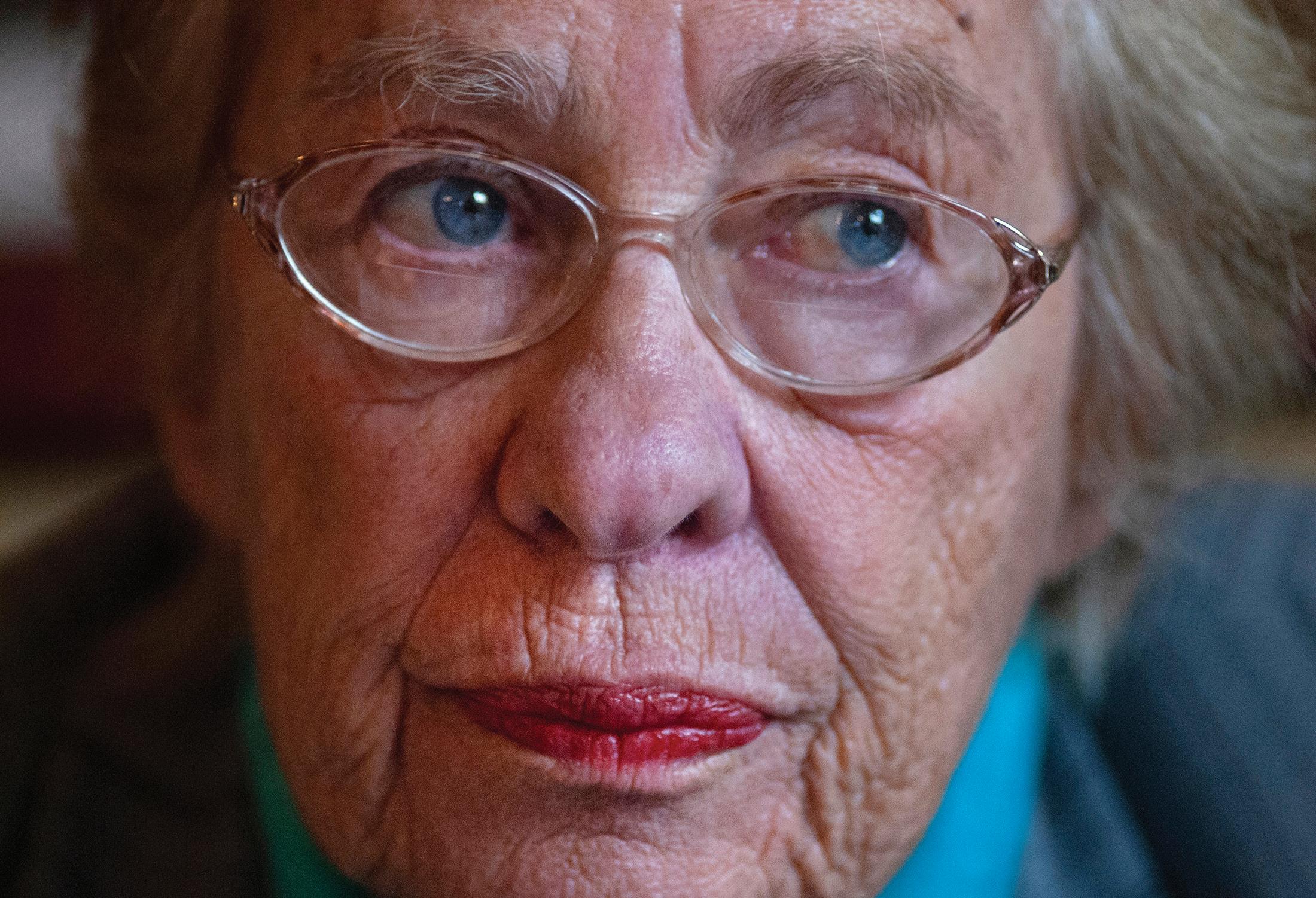
Throughout my career, I have photographed many famous women—movie stars, civil rights figures and humanitarians from all walks of life. In 2011, I photographed Eva Schloss, a survivor of Hitler’s death camps and Anne Frank’s stepsister. Eva died Jan. 3 in London at the age of 96.
Approachable and generous with her time, Eva told her story to audiences for two days. Like Anne, Eva and her family went into hiding from the Nazis, and after two years, they were tracked down, arrested and deported to concentration camps. Eva barely survived Auschwitz, and her brother and father died in captivity.
“The horrors that she endured as a young woman are impossible to comprehend and yet she devoted the rest of her life to overcoming hatred and prejudice, promoting kindness, courage, understanding and resilience through her tireless work for the Anne Frank Trust UK and for Holocaust education across the world,”
Reader Challenge
While I advocate photographing famous people whenever and wherever you can, don’t limit documenting only those society or fate has shined a light on. Ask yourself, “Is there is a person I admire in my world, a giving soul in my community I can honor?” Try to make a portrait that celebrates their character.
Email your best image—just one—with caption information, including an explanation of how it affects you, to gph@pioneer.coop. We may share submissions on our website and social media channels.
King Charles says in a piece written by Thomas Mackintosh and published by the BBC on Jan. 4, 2026.
Beneath Eva’s positive public face, she shared with me after a lecture that waves of pain linger. I watched for images that might reveal that pain and often shot as tight as possible, usually with a telephoto lens to compress the face, hoping to capture subtle expressions that reveal the pain in her heart.
To learn more of Eva’s story, check out bit.ly/4qYVuC4 or pick up one of her books, “Eva’s Story: A Survivor’s Tale by the Stepsister of Anne Frank” and “The Promise: The Moving Story of a Family in the Holocaust.”
Photographer, author and lecturer Dave LaBelle has captured special moments for more than half a century, sharing photo tips and life perspectives with readers. For more of his writings, visit davidlabelle.com and his blog at bridgesandangels.wordpress.com.
NIKON D200, 180mm lens ISOf/2.8800, at 1/200
US...
IS A PROMISE
Every day, the Y strengthens communities for kids, adults, seniors and families with programs that protect, teach, connect, heal, nourish and encourage. It’s how we help communities and the “us” who live in them achieve our individual and collective promise.
We can’t do it alone. DONATE FOR A BETTER US.
Bluegills, redear sunfish and other panfish— all typically called bream—inhabit all suitable Florida freshwater systems.
For the best action, fish for these scrappers during spawning season. In Southern Florida, bluegill might begin spawning in late February or early March. Farther north, they might start spawning in late March. Bluegill spawn every 28 days into the fall. Redears spawn a little deeper and earlier in the spring and fall.
For spawning, bream hollow out dishshaped depressions in sandy or gravel bottoms and frequently return to the same bedding grounds each year. If anglers can find a good bedding area, they can usually catch a bunch of fish until cold weather hits.
Spawning bluegills defend their nests. Bream eat almost anything they can fit into their mouths. Above all, they relish insects. When feeding on the surface, their tiny mouths create distinctive snapping noises that could give away a bedding location.
A fierce desire to defend their beds and ravenous appetites for bugs make bream perfect fly-fishing targets. Bream hit various floating cork, wood or foam poppers. Some imitate crickets or other insects. At times, bream obliterate poppers. At other
Bugging Bream
Try light fly tackle for big action on diminutive panfish
times, they gently taste a temptation before sucking it down. Suddenly, the popper simply vanishes without the slightest ripple.
Few fish can outfight bream, ounce for ounce. On light fly tackle, these bantam powerhouses provide thrills. Toss a bug close to weeds, woody cover or the shoreline. In bedding areas, cast beyond the nest and pull the bug over the bed. Let the popper rest on the surface a few moments, then pop it.
The biggest bluegills commonly stay in slightly deeper water or suspend over drop-off edges. For these, try sinking flies or streamers that mimic minnows. Shellcrackers hit floating temptations but prefer to feed near the bottom. Fish sinking flies or streamers. Let the enticement descend a few feet. Then, pull it through the water in short spurts, pausing periodically.
From the smallest neighborhood retention ponds to the 730-square-mile Lake Okeechobee, anglers can catch bluegills and other bream on fly tackle practically anywhere in Florida.
Lake George is another good bream lake. The second largest inland lake in Florida, Lake George sprawls across 46,000 acres northwest of Deland. The St. Johns River, another great bream fishery, runs through it.
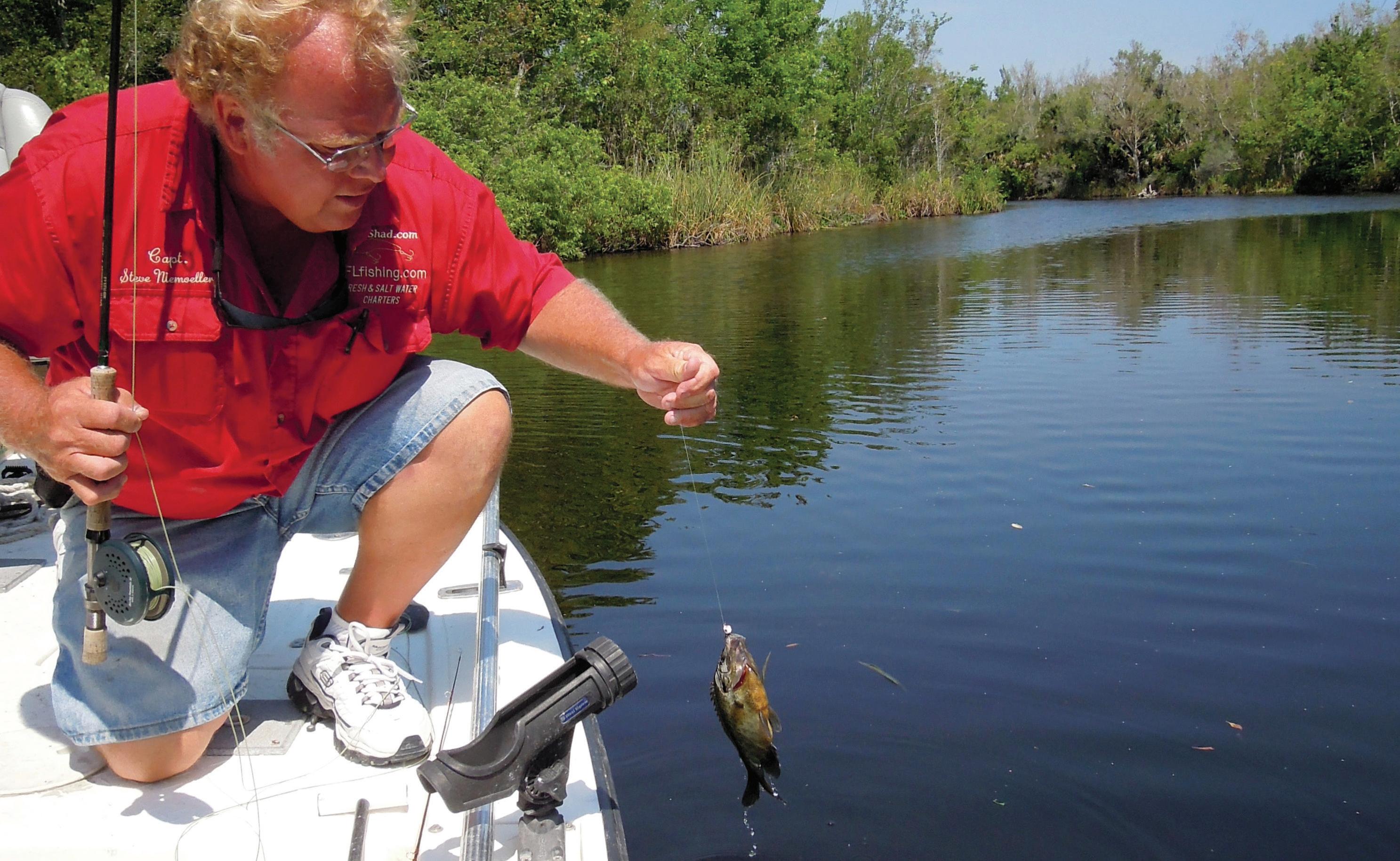
“Lake George can produce some good catches of bream in the spring and summer,” says Steve Niemoeller, a guide from St. Cloud. “The lake has a lot of thick weed beds that are good places to fish for big bream with fly tackle. Bream make beds in the weeds.”
Other spots include Crescent, Orange, Panasoffkee and Talquin lakes; the Harris and Kissimmee chains; Rodman Reservoir; and the Dead Lakes near Wewahitchka.
In many South Florida canals, anglers can catch bream, as well as exotic fish such as oscars, on fly tackle.
For more information or to speak with Steve Niemoeller, call 1-888-629-2277 or visit www.bassonline.com.
John N. Felsher is a freelance writer, broadcaster, photographer and editor. He’s written more than 3,500 articles on a wide variety of outdoor topics. Contact him at j.felsher@hotmail.com or through Facebook.
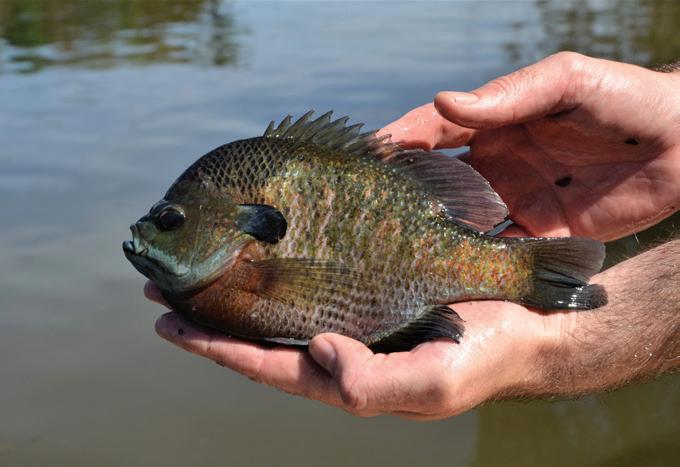
ABOVE: A large bluegill like this one can put up quite a fight on light fly tackle. TOP: Steve Niemoeller lands a redear sunfish he caught on a fly rod while fishing a creek off the St. Johns River near Astor. PHOTO COURTESY OF JOHN N. FELSHER
FLORIDA CURRENTS
PLANNER
All ages can find something new and exciting around every corner of the state. Filled with rich history, abundant natural beauty and diverse events all year, Florida has fun options for everyone.
ISLAMORADA
March 1
Bacon, Beer & Seafood Festival
Bring the whole family for a day of food, beer and handcrafted cocktails, and artists and vendors of local crafts from 10 a.m. to 6 p.m. There is live music, including Dan Furmanik, The Coconut Cowboy and the Bahamian Junkanoo Band. A donation of $5 is requested. facebook.com/events/s/islamoradas-bacon-beer-seafood/4134942263486248; 305-664-8120
OKEECHOBEE
March 1
The Battle of Okeechobee
This family event at the Okeechobee Battlefield Historic State Park is a commemoration and reenactment of the Seminole Wars fought on Christmas Day 1837. Activities include historic colors presentation, live battle narration and reenactment, cannon and alligator demonstrations, living history encampments, artisans, exhibits, food, music and children’s activities. Gates open at 10 a.m. with the reenactment at 2 p.m. The event is presented by the Okeechobee Battlefield Friends. Admission is $10 per car. www.facebook.com/profile.php?id=100064283425580; 863-610-2333
FT. MYERS
March 21-22
Ladies, Let’s Go Fishing
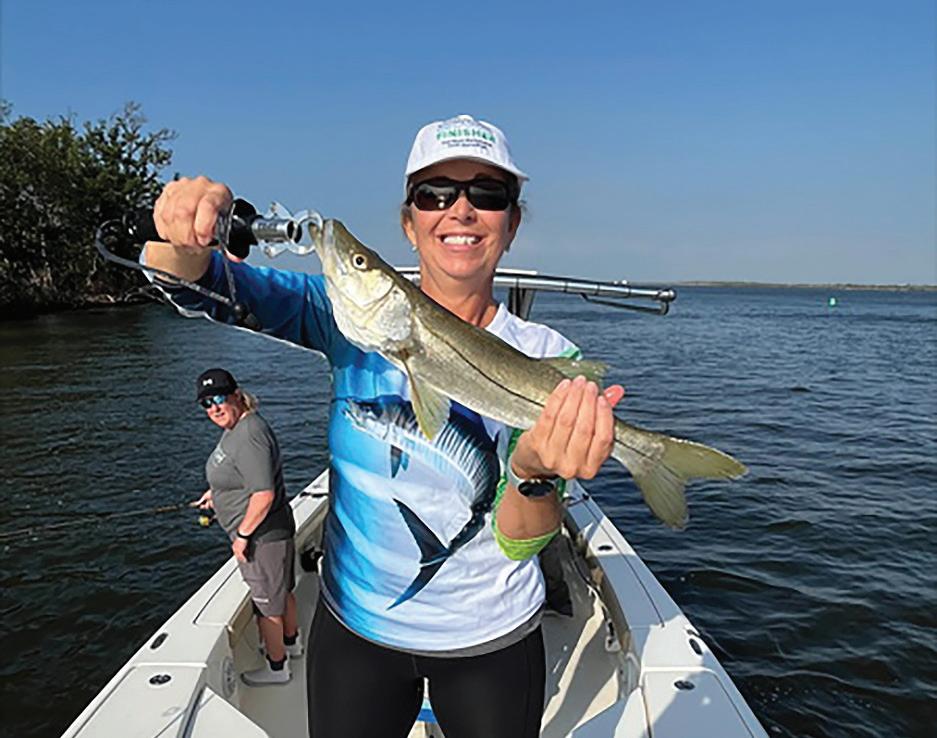
The nonprofit Ladies, Let’s Go Fishing Foundation hosts its Gulf Coast Saltwater Fishing University at Bass Pro Shops Fort Myers. Women, men and teens can learn and practice fishing at several hands-on skill stations on Saturday, then have an option to fish inshore from charter boats on Sunday. Registration starts at $99 and includes classes, hands-on practice and gifts. Guided inshore fishing on Sunday is additional. No equipment or experience is necessary. www.ladiesletsgofishing.com; 954-475-9068
PANAMA CITY BEACH
March 6-7
Annual Panama City Beach Scottish Festival
Feel free to bring your hats, sunglasses and folding chairs to Frank Brown Park for this year’s festival. Spend the day immersing yourself in Scottish culture. The event includes Scottish athletic competitions, Scottish clan representatives, bagpipe bands, a British car club show, children’s activities, Scottish and Irish food, and Irish Step Dancers. www.pcbscottishfestival.com; 850-556-5714
ISLAMORADA
March 7
Wildlife of the Keys
Bring your art-loving family and friends as you take in the scenery of Florida through local artists’ eyes. Art Guild of the Purple Isles presents members’ original artworks of the Florida Keys’ native birds and animals from 10 a.m. to 5 p.m. at Our Place in Paradise Gallery, MM 88.7. There is a reception from 5-7 p.m. www.agpi.us; 305-916-5828
PHOTO COURTESY OF LADIES, LET’S GO FISHING
PANAMA CITY BEACH
March 12-14
Emerald Coast Cruzin’ Car Show
They’re fast, they’re furious, and they’re getting revved up for you and your friends. Make your way to Frank Brown Park to see some awesome hot rods and live music. Across the street, Pier Park offers more than 125 stores for those who enjoy shopping. www.emeraldcoastcruzin.com; 662-587-9572
BRADENTON/LAKEWOOD RANCH
March 14
9th Annual Spring Art Show and Sale
Stop by Lakewood Ranch Town Hall, 8175 Lakewood Ranch Blvd., from 9 a.m. to 4 p.m. to take in the works of local artists and artisans during this one-day show and sale. www.caalr.com; 941-907-0202
WEWAHITCHKA
March 28
ISLAMORADA
March 16-Nov. 20
Beautiful Islamorada Art Exhibit
An exhibit of original works reflecting the beauty of the Florida Keys. The Village is hosting this new AGPI Exhibit at three locations: Founders Park, 87000 Overseas Highway, MM 87; Village Hall, 86800 Overseas Highway, MM 86.8; and The Green Turtle Hammock Nature Preserve, 81224 Overseas Highway, MM 81.2.
www.agpi.us
KEY LARGO
March 23-April 30
Florida Keys Quilters ‘Quilts in Bloom’ Show
The Florida Keys Quilters present their Quilts in Bloom from 10 a.m. to 5 p.m. in the Key Largo Library Community Room at Tradewinds Plaza, 101499 Overseas Hwy. This is a unique opportunity to view the artistry and handiwork of a beautiful quilt. Members are available to share insights, answer questions and demonstrate quilt-making techniques. Admission is free.
305-451-2396
ISLAMORADA
March 28
22nd Annual Pioneer Day and BBQ
History and heritage of Southwest Florida is showcased from 9 a.m. to 3 p.m. at the Turner Agri-Civic Center. This year’s festival will commemorate America 250, as well as the centennial anniversaries of Arcadia City Hall, J.L. Jones Building and Plaza Hotel. There’s fun for the whole family, including barbecue, and other tasty treats; demonstrations of old-fashioned skills and crafts; musical entertainment; a classic 1924 LaFrance firetruck and fire hose demonstration with an exhibit about the 1905 fire that destroyed downtown Arcadia; Florida authors and artists; a free “hands-on history” area with time honored tasks; vintage games; and a fossil dig. www.historicdesoto.org; 863-266-5774
KEY LARGO
March 28
Pops in the Park
The Florida Keys Community Concert Band will perform with the theme of Twilight Tunes. The concert is free and open to the public. Pack your picnic basket and a blanket or chairs to enjoy this hour-long treat starting at 4 p.m in Murray Nelson Center Peace Park. www.keyscommunityconcertband.org; 305-394-1123
2026 Duck Derby Spring Festival
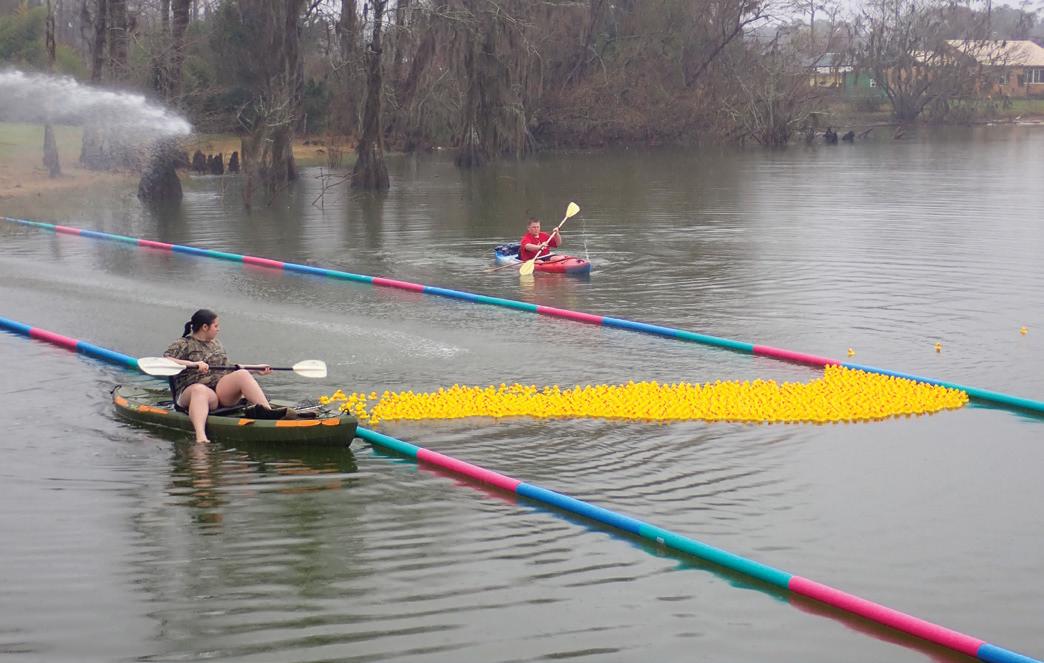
The GFWC Wewahitchka Woman’s Club is excited to announce this year’s Duck Derby Spring Festival starting at 8 a.m. at Lake Alice Park. This community event promises a day of activities, entertainment and opportunities to support local causes. The festivities begin bright and early with the 5K Duck Dash, a race benefiting the Wewahitchka High School cross-country team. Participants can find registration forms on the club’s website. As the day unfolds, a variety of food vendors, live music, nonprofit displays and prize drawings are available. The highlight of the afternoon is the release of the rubber ducks at 1 p.m. The firstplace winner will receive $500, and the second-place winner will take home $250. Community members are encouraged to “Adopt a Duck” for $5, with all proceeds supporting vital community needs. www.gfwcwewahitchkawomansclub.com; 850-832-9670
ISLAMORADA
March 28-29
34th Annual Florida Keys Island Fest
Each spring, this festival brings two days of vibrant community celebration to Founders Park. Organized by the Islamorada Chamber of Commerce as a signature fundraiser, this beloved festival showcases juried fine art, live music, local cuisine, family activities, vintage cars and waterfront fun. Admission is free, with an optional parking donation. The event runs rain or shine from 10 a.m. to 5 p.m. both days. Organizers encourage attendees to “keep the scene green” by bringing reusable drink containers while enjoying lawn chairs or blankets for comfort. www.islamoradachamber.com/island-fest; 305-664-4503
HOW TO INCLUDE UPCOMING EVENTS
Want to share a family-friendly event with the readers of Florida Currents?
Head online and enter the details at tinyurl.com/FloridaCurrents or use the QR code for easy access. Make sure to submit the item at least 60 days before the event (due to press deadline).
If you own rights to a print-quality photo promoting your event, include it with photo credit information.
PHOTO BY DANA MONTENIERI
Florida’s Hidden Invaders
Florida is filled with natural lands, ecological sites and a flourishing ecosystem. It’s home to many native plants and animals, but the year-round warm climate also makes it attractive to invasive species.
Invasive Species
An invasive species is a nonnative species that becomes established and causes harm to the environment, economy or human health.
In Florida, the impact of invasive species is significant:
• Environmental harm: Invasive plants can crowd out native species, disrupt food webs, and compete for sunlight, water and nutrients.
• Economic harm: Each year, Florida spends $45 million to manage invasive plants on conservation acres alone. The agriculture industry loses an estimated $179 million annually to invasive plants, animals and disease.
• Human health risk: Certain invasive plants are toxic to the touch or if consumed, posing dangers to people and pets.
Common Traits of Invasive Species
Many invasive species share characteristics that make them difficult to control, including fast growth rates, a short time to reproduce, the production of many offspring/seeds, effective dispersal and tolerance to many habitats.
Florida Arrival
• Ornamental plant introduction: Coral ardisia and climbing ferns were originally introduced in Florida as attractive ornamental plants before we learned about their invasive qualities.
• Travel souvenirs: Invasive plants have also been introduced into Florida from other regions by bringing souvenir plant seeds or flowers home from international trips. While we may
enjoy exotic fruit, beautiful flowers and flourishing plants during our travels, it’s best to take only photos, as the U.S. Department of Agriculture has restrictions on bringing agricultural products into the United States. This is to protect American agriculture from foreign pests or diseases.
• Seed sharing: Even a wellintentioned exchange of plants between friends can unintentionally spread invasives. When in doubt, check with your local UF/IFAS Extension Office or send samples to the UF Herbarium for identification.
When Coming Across an Invasive Species
• In your yard: Get proper identification and seek out your local extension office. You can also send photos or physical samples to the UF Herbarium. Then remove the plant and replace it with a Florida-friendly plant, or implement a management method.
• In the wild: Report sightings immediately at www.eddmaps.org, including plants, insects, fungi/diseases or wildlife; or at bit.ly/3M9JoXL.
Clarissa Chairez is the Residential Horticulture/Master Gardener volunteer coordinator agent in Orange County. She has a Bachelor of Science in agriculture education and a Master of Science in agronomy. She has more than 10 years of experience in education and three years in greenhouse/ nursery management.
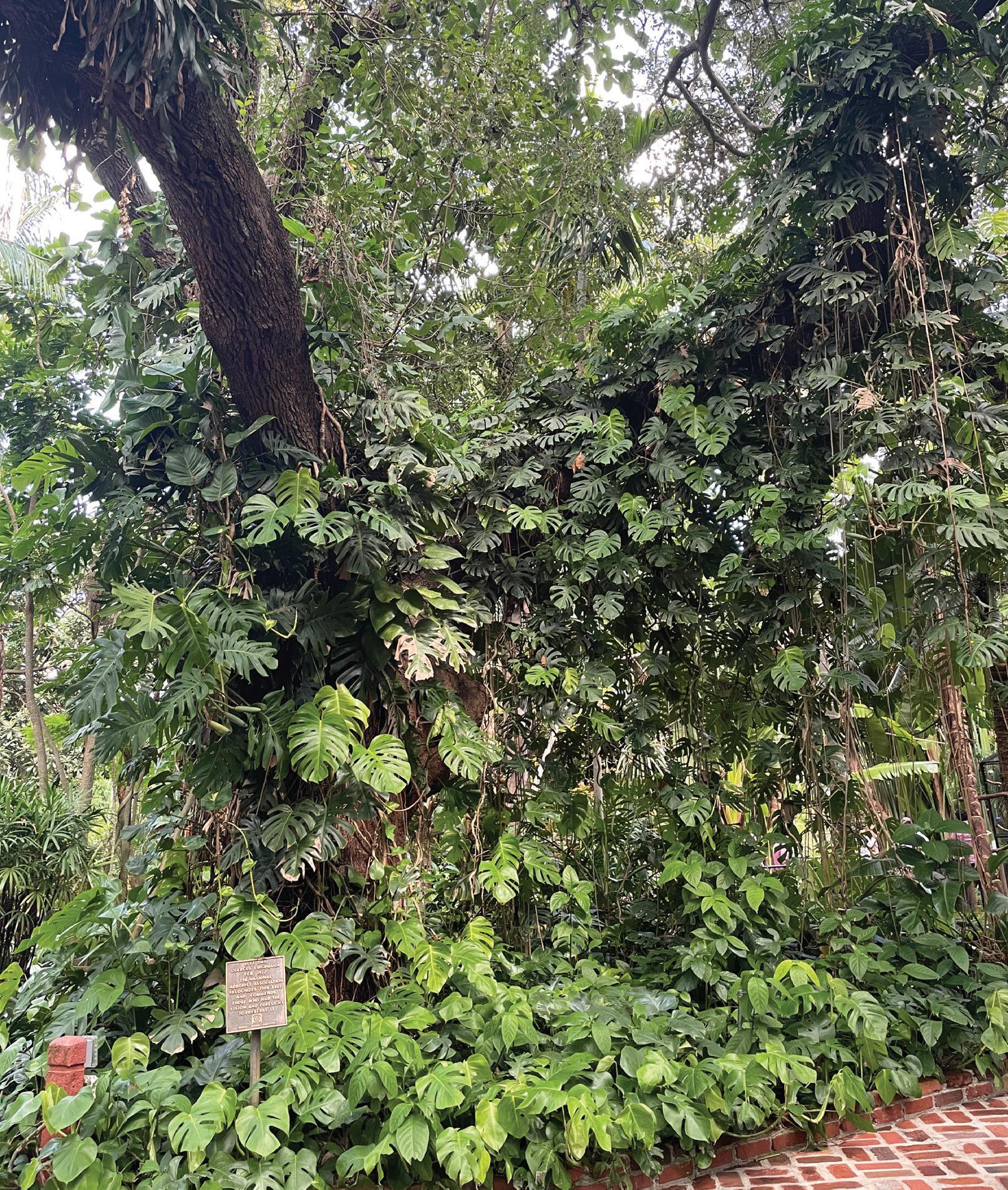
When coming across invasive species in your yard, make sure to get proper identification and seek out your local extension office.
PHOTO COURTESY OF UF IFAS EXTENSION
GLADES ELECTRIC
AFFIRMATIVE ACTION STATEMENT
Glades Electric Cooperative Inc. is an affirmative action organization and will continue to meet its nondiscrimination and affirmative action obligations by insisting that all contractors, subcontractors, suppliers and others who do business with the cooperative also adhere to strict nondiscriminatory and affirmative action practices.
Additionally, Glades Electric Cooperative will continue to insist on full compliance of its Affirmative Action Plan in its hiring, promotion and other employment practices. The cooperative invites and encourages all minority individuals and groups to participate in all its membership activities, to be active in the vending of materials and supplies, and to enter bids on contracts for services needed by the cooperative.
Any minority individual or minority group interested in participation in any of these activities and needing more information about equal opportunities at the cooperative may contact Michael J. Roberge, acting general manager and affirmative action compliance officer, at Glades Electric Cooperative Inc. by writing to him at Glades Electric Cooperative, P.O. Box 519, Moore Haven, FL 33471, or by calling him at 863-946-6200.
STATEMENT OF NONDISCRIMINATION
Glades Electric Cooperative Inc. is the recipient of federal financial assistance from Rural Utilities Service, an agency of the U.S. Department of Agriculture, and is subject to the provisions of Title VI and Title VII of the Civil Rights Act of 1964, as amended; the Age Discrimination in Employment Act of 1975, as amended; Executive Order 11246, the Americans with Disabilities Act of 1990, as amended; Section 504 of the Rehabilitation Act of 1973, as amended; and the rules and regulations of the U.S. Department of Agriculture, which provide that no person in the United States on the basis of race, color, national origin, age, religion, sex, disability or handicap shall be excluded from participation in, admission or access to, denied the benefits of, or otherwise be subjected to discrimination under any of this organization’s programs or activities.
The person responsible for coordinating this organization’s nondiscrimination compliance efforts is Michael J. Roberge, acting general manager of Glades Electric Cooperative. Any individual, or specific class of individuals, who feels that this organization has subjected them to discrimination may obtain further information about the statutes and regulations listed above from and/or file a written complaint with this organization; or the Secretary, U.S. Department of Agriculture, Washington, D.C. 20250; or the Administrator, Rural Utilities Service, Washington, D.C. 20250. Complaints must be filed within 180 days after the alleged discrimination. Confidentiality will be maintained to the extent possible.
ENERGY EFFICIENCY
TIP OF THE MONTH
As spring arrives, take advantage of milder temperatures to save energy at home. Open windows on pleasant days to bring in fresh air instead of running your HVAC system. It’s also a great time to replace dirty air filters, which helps your system run more e ciently and improves indoor air quality. As daylight increases, turn o unnecessary lights and rely on natural sunlight when possible. Small seasonal adjustments like these can reduce energy use, lower monthly bills and help keep your home comfortable as winter transitions into spring.
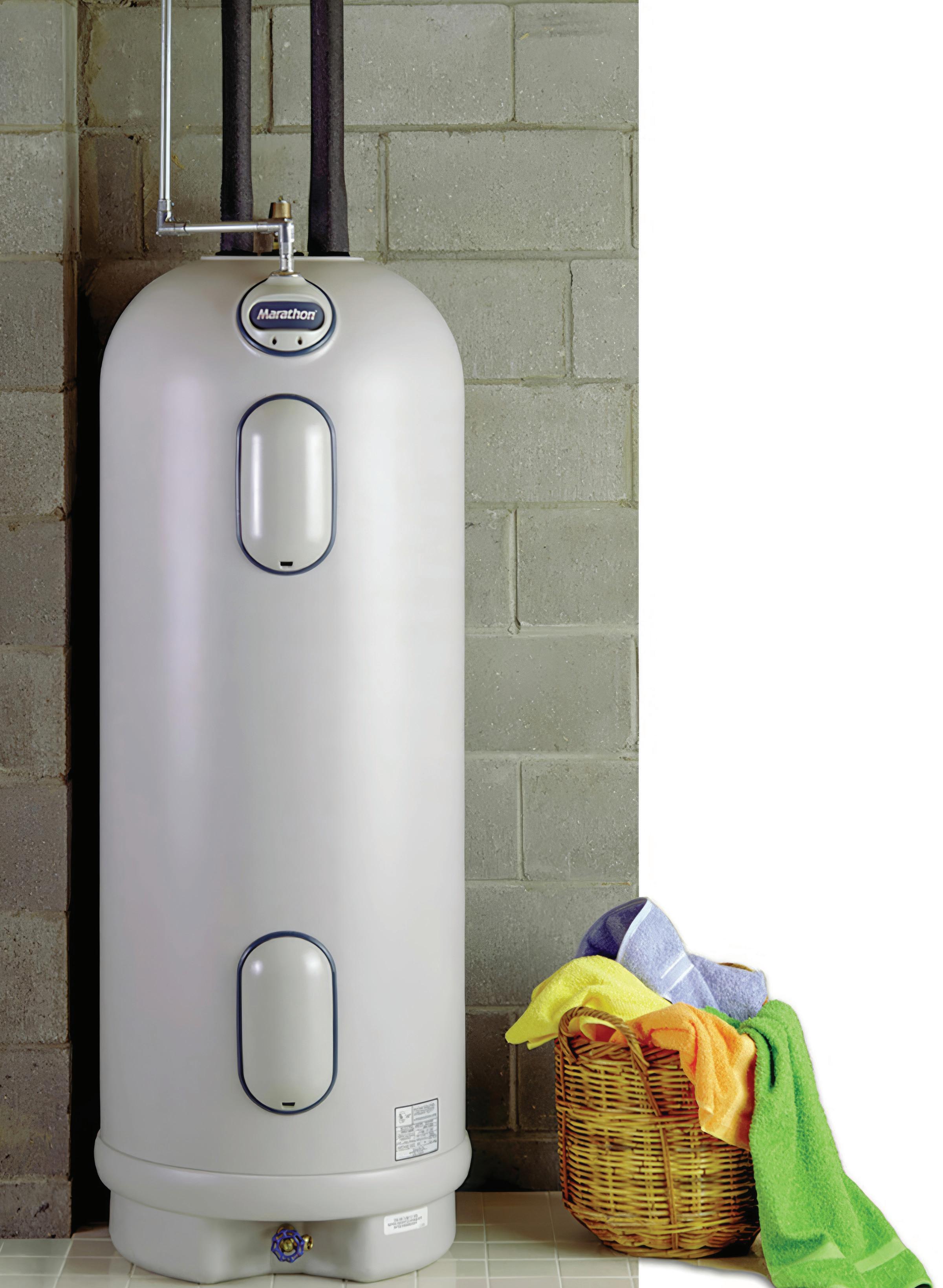
Tap Into Water Heating Savings
If your home is like most, you and your family use about 64 gallons of water each day. If your water heater is electric, that probably accounts for about 18% of your power bill.
That makes your water heater the second-largest energy expense in your home. Why not use less electricity to heat it?
Today’s high-efficiency water heaters use much less energy than older models, so you don’t need to give up comfort for energy savings. That’s good news for your power bill.
There is a newer option to consider: an electric heat pump water heater. These units give you the hot water you need by pulling heat from the surrounding air to heat the water— like a refrigerator in reverse. Because they do not directly produce heat, electric heat pump water heaters are two to three times more energy efficient than standard units.
According to the U.S. Department of Energy, a family of four can save about $550 a year on water heating costs, which adds up to $5,610 over the lifetime of the unit.
A heat pump water heater may cost a bit more upfront than other models. However, according to the DOE, most people see a payback in less than three years due to the unit’s lower operating costs and energy savings. Look for the Energy Star label when shopping for a water heater.
Check with your cooperative to see if a rebate is available to help you make the switch.
Tankless electric water heaters are another option, but carefully weigh the benefits and drawbacks. These smaller units quickly heat water to provide it when called upon, but can use eight times more electricity than a standard water heater.
This high demand increases your co-op’s cost of purchased power, which plays an important role in how much you pay for electricity. In some cases, people who use electric tankless water heaters must upgrade their home’s wiring to support the greater demand for electricity.
Other ways to lower your energy costs include setting your water heater’s thermostat to no higher than 120 degrees, fixing leaks, installing lowflow fixtures, and using energyefficient dishwashers and washing machines.
Helping you save energy and money is another way your co-op is always here for you. n
Wired for Growth
Data centers may feel like a big-city phenomenon, but more of them are showing up in rural communities like ours—and there’s good reason for that. Rural areas offer what data centers need most: affordable land, room to grow and access to transmission lines that can move large amounts of power.
What makes data centers different from other large businesses is their appetite for electricity. These facilities run 24 hours a day, seven days a week. Servers must stay online constantly, which means power must be reliable every minute of every day.
For electric cooperatives like Glades Electric, powering data centers creates opportunities and challenges.
On the plus side, data centers have the potential to bring steady, long-term load growth that helps support investments in the local grid. With proper planning and policy support, those upgrades— including new substations, stronger lines and smarter technology— could benefit all co-op members and help keep electricity rates steady.
However, providing power to data centers presents challenges, too. These large facilities can be constructed and operating in as little as a year, but ensuring the necessary infrastructure, equipment, and electricity requires longer lead times and significant financial investment. Strategic planning and partnerships—as well as longterm power supply strategies—are essential to the process.
While Glades Electric does not currently serve large data centers, co-ops nationwide are fielding requests and inquiries from tech companies, and we anticipate similar requests in the not-too-distant future.
As a member-owned cooperative, our responsibility is twofold: to listen to the communities we serve and to provide reliable, affordable electric service to all co-op members. Balancing those responsibilities is not always simple, especially as new types of largescale energy users—such as data centers—become part of the local landscape.
No matter what the future holds, our priority is supporting growth with fairness. That means ensuring large-scale energy users pay their fair share so residential bills don’t spike and local communities feel invested in.
The energy landscape is changing, and with it come opportunities and challenges. The board and employees of Glades Electric are committed to continuing to listen, communicate, and work with our members and community partners to ensure all decisions reflect the best interests of the people we serve.
We encourage members to stay engaged and reach out with any questions or concerns regarding data centers, energy bills or other co-op issues.
Your voice matters at Glades Electric Cooperative.
Big Data, Bigger Demands
Many companies are choosing rural areas for their data centers because of cheaper land, available power and potential tax breaks. Data centers require huge amounts of electricity to operate, which presents new opportunities and challenges for electric co-ops.
HVAC. Constant cooling is needed to ensure the servers function properly.
Server racks. Servers run applications and process data 24/7. One server rack can consume enough electricity to power a small home. A large data center can house thousands of server racks.
Power upgrades. Data centers often require new electrical infrastructure to meet their power needs.
Water source. Many large data centers are deploying evaporative cooling, which is more efficient than compressor-based systems.
Backup power. On-site generators keep data centers running during power outages and can also be used to help lower demand when electricity use spikes.
From time to time, we share some readers’ photos in this space. Submit your photo by emailing a JPEG to photos@floridacurrents.com. Include “Before You Go” in the subject line. Share a bit about what inspired you to make your photo.
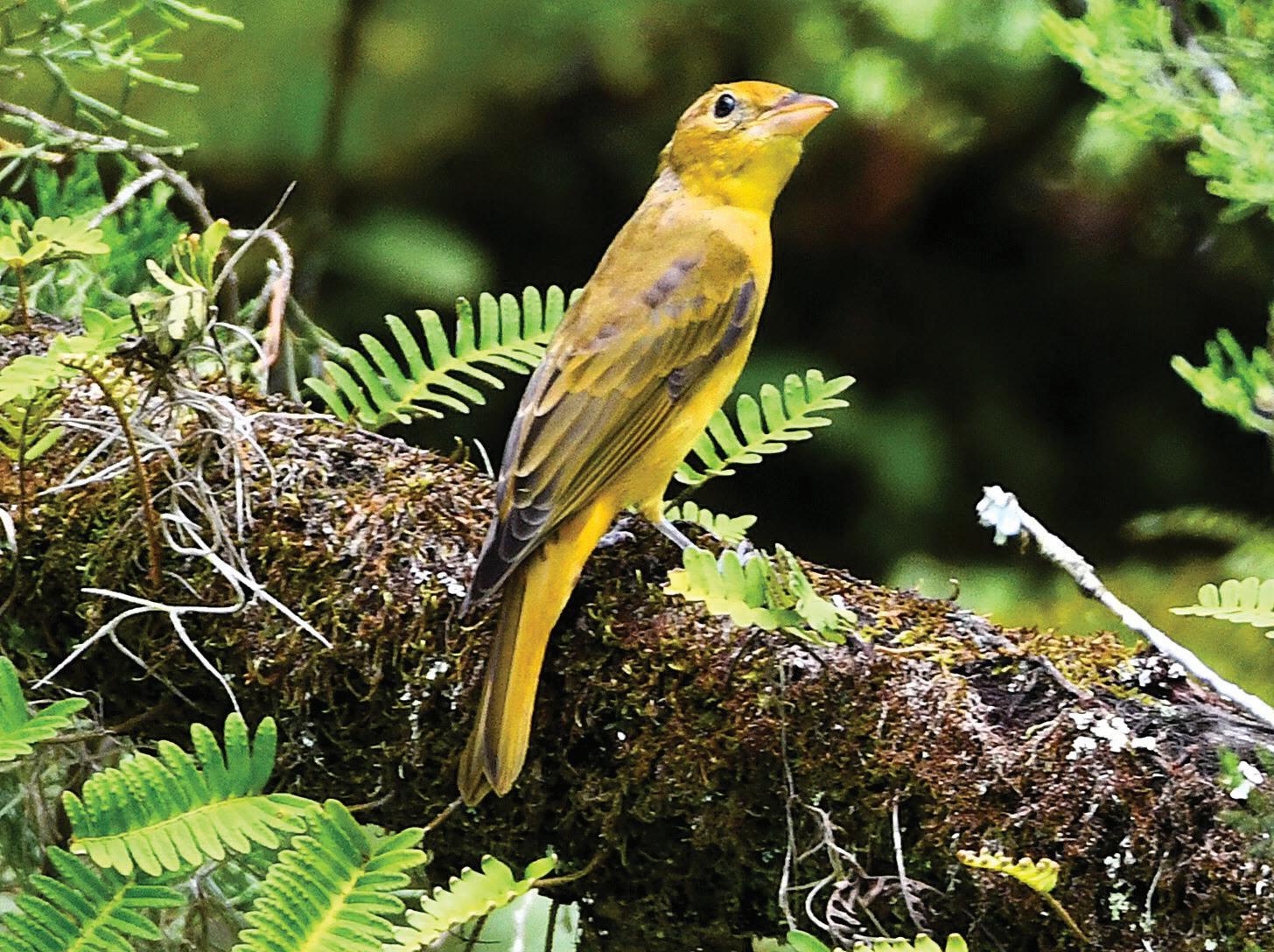
Avid wildlife photographer Dan Hoard captures a summer tanager as it perches in a tree in McDavid.
PHOTO BY DAN HOARD
— Gene H.
Tactical Meets Practical
Switzerland is synonymous with expensive, big-name luxury watches like Rolex®, Piaget® and Patek Philippe® that sell for thousands, but the Stauer Swiss Tactical Watch delivers Swiss precision for a fraction of the cost. Inspired by military timepieces like the American A-11, it combines rugged performance, simplicity, and legendary craftsmanship — built for action, not display cases.
Precision Takes Time
Swiss excellence demands patience. Each Stauer Swiss Tactical takes nearly nine months to complete, and this is a limited edition of 4,900. Crafted by master watchmakers, some of whom have worked with the other prestigious brands, this is your chance to own a rare, precision-engineered tactical watch without the inflated luxury price tag.
Why Pay for a Name?
Big brands charge more for status. Stauer delivers the same quality and precision with high-contrast markers for instant readability, a shock-resistant case to withstand hard knocks and Swiss-made movement for impeccable timing.
Limited Offer – Act Now
Don’t miss this rare combination of Swiss craftsmanship and unbeatable value. Only 4,900 available — once they’re gone, they’re gone.
Why pay more when you can own precision, heritage, and adventure for less? Order now — time is running out.
Watch Specifications:
• Made in Switzerland with precision Swiss Ronda 515 movement. Stainless steel caseback. Brown leather band
• 44 mm diameter case. Date window at 3 o’clock
• Water-resistant to 3 ATM. Fits wrists up to 8 ¼"
Stauer Swiss Tactical Watch
$399 $59* + S & P Save $340
*Special price only for customers using the offer code.
G L ADE S
Electric Cooperative, Inc. “Neighbors Working for Neighbors”
CONTACT US
855-940-3810
www.gladeselectric.com
OFFICES
7 a.m. to 6 p.m. Monday through Thursday
26733 U.S. Highway 27 P.O. Box 519 Moore Haven, FL 33471
214 SR 70 W. Lake Placid, FL 33852
REPORT AN OUTAGE
Via the SmartHub app ~ 855-940-3810 (24/7 outage reporting)
Please have your account number ready.
BOARD OF TRUSTEES
Lee Henderson, President, District 6 Highlands Park, 863-633-9281
Barney Goodman, Vice President, District 2 Hendry County, 561-414-8737
Shannon Hall, Secretary/Treasurer, District 4 Lakeport and Brighton, 863-946-3242
Donnie Lundy, Trustee, District 1 Moore Haven, 863-634-7314
Mike Pressley, Trustee, District 3 Ortona and Palmdale, 863-673-9158
Brad Oxer, Trustee, District 5 Venus and Hicoria, 863-441-1866
Fred Tagtmeier, Trustee, District 7 Lorida, 863-214-4994
Vicki Pontius, Trustee, District 8 Lake Josephine, 863-414-2917
Angela Hodges, Trustee, District 9 Okeechobee, 863-801-3140
The board’s next meeting is at 9 a.m. March 26 at Moore Haven headquarters. Any changes are posted in the lobby of both district offices.
EXECUTIVE STAFF
Michael Roberge, Chief Executive Officer
Renee Bass, Chief Administrative Officer
Courtney Brown, Chief Personnel Officer
Jennifer Koukos, Chief Communications Officer
Jennifer Manning, Chief Financial Officer
Mitigating Winter Use Cost
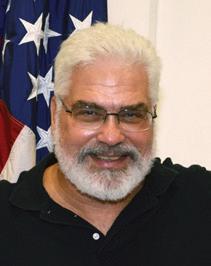
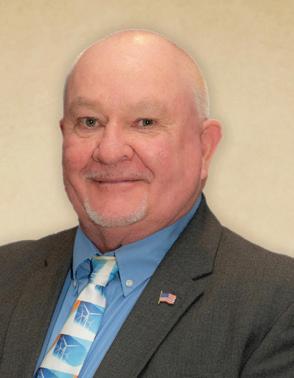
First, I’d like to officially introduce myself as the newly appointed CEO of your electric cooperative. In January, the Glades Electric Board of Trustees appointed me to the position following Jeff Brewington’s retirement.
I’ve been at the co-op since July 2023 and have been serving as acting general manager since May 2025, but I have more than 30 years of electric cooperative experience. Watch for more details in our April issue. I look forward to leading the cooperative to enhance our service to you.
As I write this article, we are on the heels of some of the coldest weather we have experienced in more than a decade. With cold temperatures comes increased energy consumption due to heat-related needs. We all know what that means—higher energy bills for you and the cooperative as prices for fuel for power generation spike. Many people in our community are facing challenging times, and no one wants to see rising electric bills, but it’s a reality we all face.
At Glades Electric Cooperative, we do everything we can to mitigate the higher costs of power during these events, without sacrificing reliability to meet our members’ power needs. Our load management members (largest users) were asked to reduce their consumption during peak use times, and we asked members to do their part by reducing their use. Florida’s electric utilities broadcast this same message statewide.
The sustained cold temperatures resulted in all-time peak energy use by members, as well as for our power provider, Seminole Electric Cooperative.
During these peak use times, the average daily cost for power generation fuel— predominantly natural gas—doubled, and at times, on the spot market prices were more than 100 times the normal average cost. Thankfully, those volatile prices didn’t last long, and our power supplier was able to mitigate some of the upward pricing pressure with hedged purchases and actual storages.
This is just one way we work to keep your power bills affordable. It’s our job to manage the costs we can control before we ask members to pay more for their power.
Our goal is to provide safe, reliable and affordable power for our members. We have not changed our per-unit prices for our services in almost a year. This is contrary to almost everything else we buy in our daily lives. We remain focused on leveraging technology and innovation to improve efficiency in our organization and control costs in our operations.
Next month, we will talk more about rates and what goes into establishing the pricing components that result in our total monthly electric bill.