Florida Currents
FLORIDA KEYS ELECTRIC COOPERATIVE
JULY 2026

FLORIDA KEYS ELECTRIC COOPERATIVE
JULY 2026
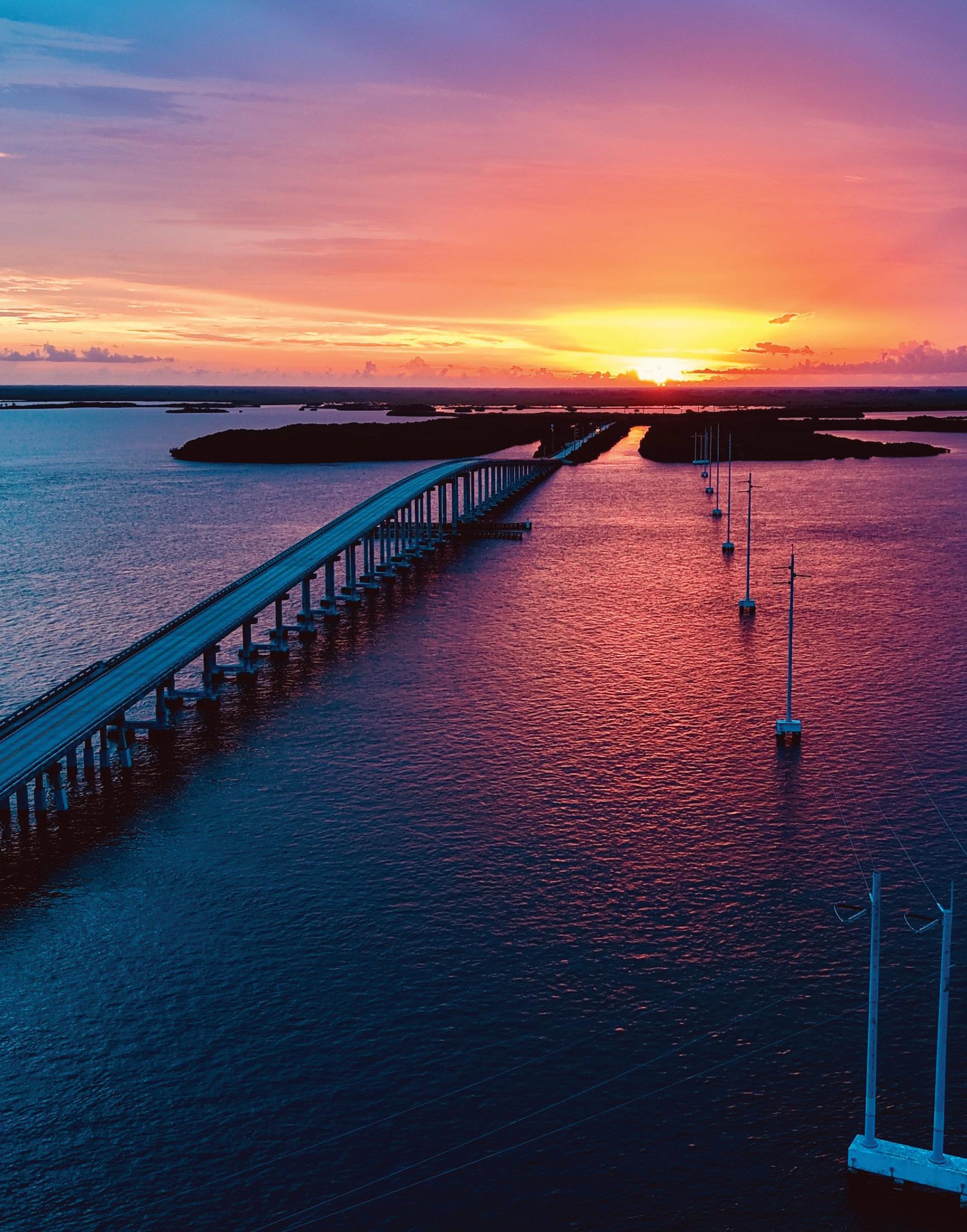
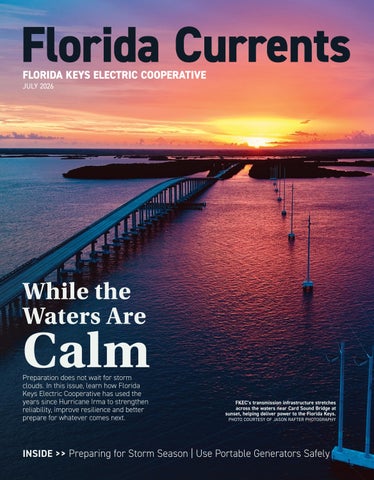
Preparation does not wait for storm clouds. In this issue, learn how Florida Keys Electric Cooperative has used the years since Hurricane Irma to strengthen reliability, improve resilience and better prepare for whatever comes next.






INSIDE >> Preparing for Storm Season | Use Portable Generators Safely
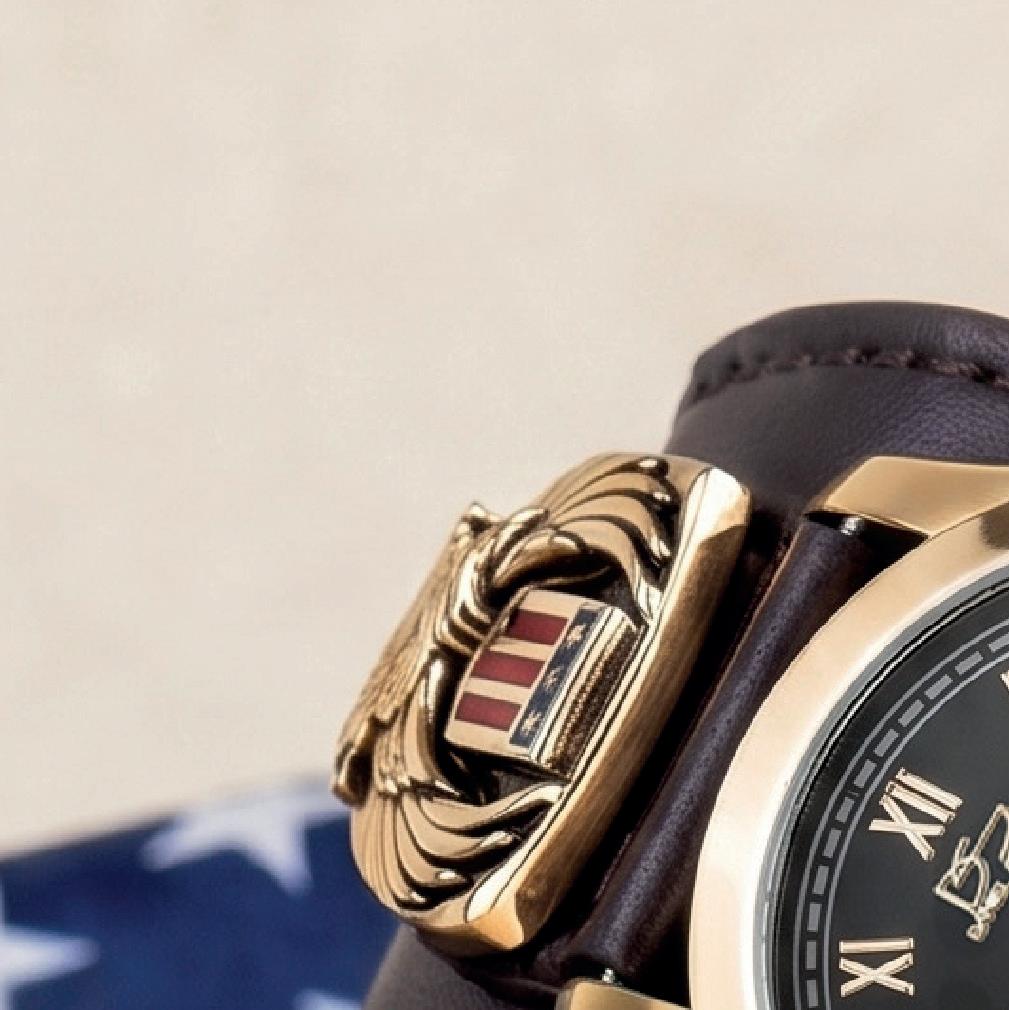







It’s a pride thing - pride in your country, pride in being an American. That’s the spirit behind the Daniel Steiger Patriot Watch, a bold tribute to the strength, freedom, and unwavering values of the good old U.S. of A.
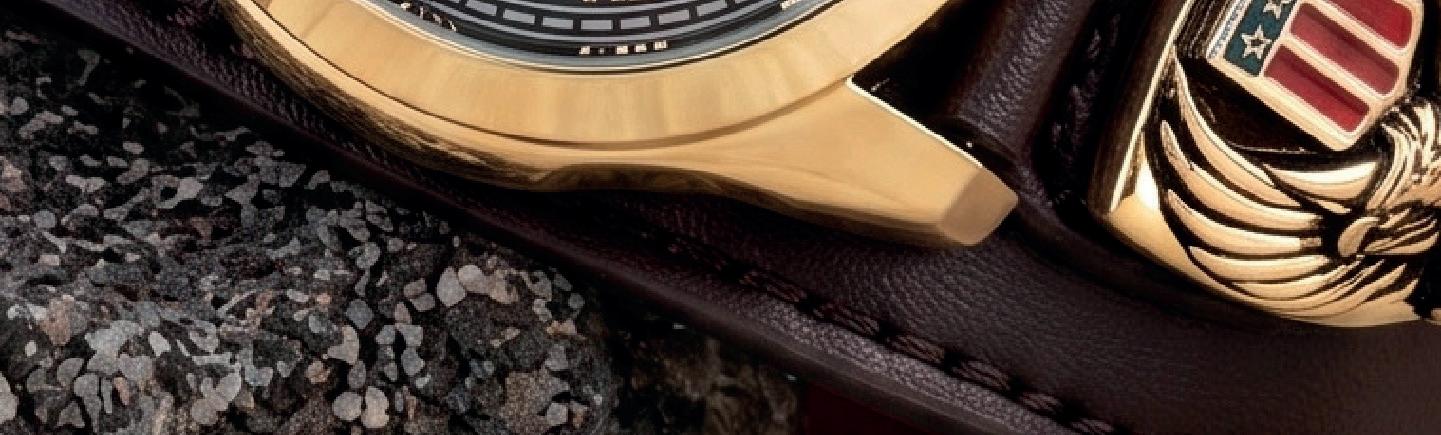
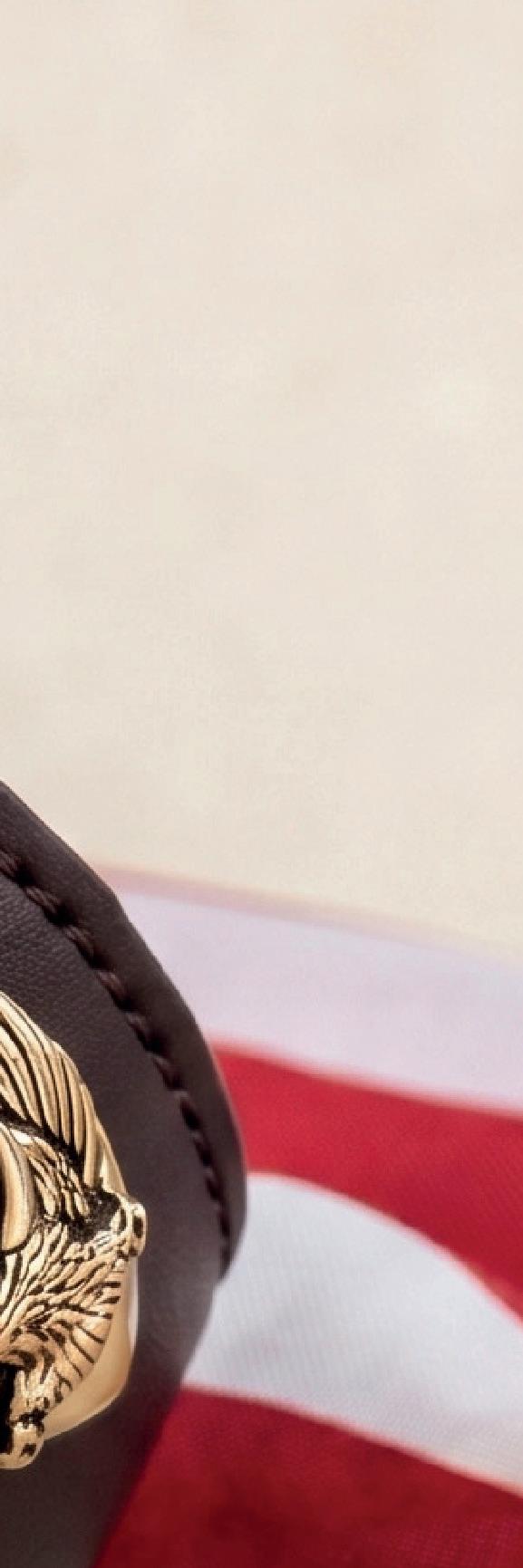
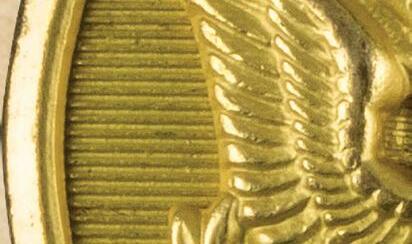
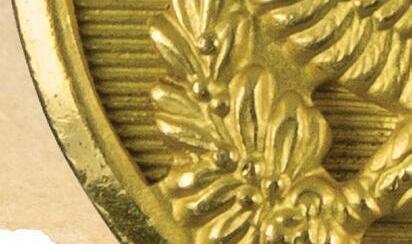
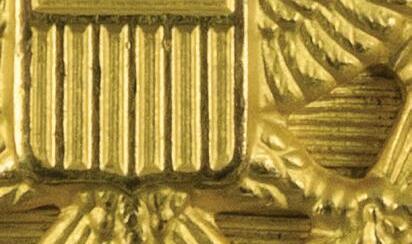
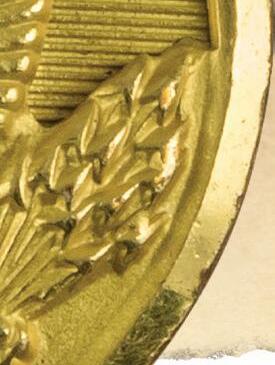
This striking timepiece is expertly crafted from solid stainless steel and enhanced with 18k gold detailing, combining rugged durability with timeless style. A genuine brown leather cu strap secures two prominent medallions featuring the American Eagle, proudly accented with vivid red, white, and blue enamel ag motifs - symbols of courage and country.
The eagle takes center stage once more on the dial, complemented by white hands and a convenient date window, ensuring practical performance meets patriotic pride.

Available now for just $99 plus S&H with promo code FC6USA, the Patriot Watch is a limited-edition design that won’t stick around for long this 4th of July! Call toll-free on 1-800-733-8463 or visit our online store at www.timepiecesusa.com/FC6USA to order yours today.
Stand tall. Wear your pride. The Patriot Watch is built for those who never forget what they stand for.
Watch Speci cations:
• 18k Yellow Gold Finish
• 3 ATMs Water Resistance
• Premium Brown Leather Cu Strap
• 3 Hand, Date Window
• Luxury Stainless Steel Case






July 2026 • Volume 15, No. 9
CEO Michael Shepard
VICE PRESIDENT OF CONTENT Leon Espinoza
EDITORIAL DIRECTOR Chasity Anderson, CCC
DEPUTY EDITORIAL DIRECTOR
Noble Sprayberry
SENIOR EDITOR Jennifer Paton, CCC
LEAD CONTENT EDITOR Victoria Hampton, CCC
FLORIDA CURRENTS EDITORS Sable Riley, CCC; Valeri Saldanha Rosa
ASSISTANT EDITORS David Herder, CCC; Nina Todea, CCC
PUBLICATIONS PRODUCTION
SENIOR MANAGER
Elizabeth Beatty
SENIOR PUBLICATIONS COORDINATOR
Alyssa McDougle
Members acknowledge that $4.89 a year, plus postage, is the cost to publish 12 issues a year of FLORIDA CURRENTS ISSN 23276304 (USPS 8300). Published by Pioneer Utility Resources Inc., 5625 NE Elam Young Parkway, Ste. 100, Hillsboro, OR 97124—a not-for-profit Oregon cooperative corporation—the magazine serves the communication needs of consumerowned electric utilities in Florida. Preferred Periodicals postage paid at Hillsboro, OR 97123 and at additional mailing offices.
Postmaster: Send address changes to 5625 NE Elam Young Parkway, Ste. 100, Hillsboro, OR 97124-6422.
HOW TO CONTACT FLORIDA CURRENTS
Subscription services:
Nonmember subscriptions $15 U.S. a year; $25 foreign a year. Prepayment required.
Allow 4-8 weeks for first issue. Identify local edition desired. Have a problem receiving your magazine? Utility members should contact their utility office. Nonmembers call 503-357-2105 or email mailingdept@pioneer.coop.
Back issues:
Back issues and extra copies are $3 each, prepayment required. Supply is limited. Identify edition, month and year. Call first to check availability. Contact Pioneer Utility Resources: P.O. Box 1306, North Plains, OR 97133-1306; 503-357-2105; email: mailingdept@pioneer.coop.
DISPLAY ADVERTISING INQUIRIES
American MainStreet Publications, 611 S. Congress Ave., Ste. 504 Austin, TX 78704-1714; 800-626-1181 or 512-441-5200; amp.coop.
© 2026 Pioneer Utility Resources. All rights reserved. Reproduction in whole or in part without written permission is prohibited. Direct reprint requests to editor@floridacurrents.com or for more information, visit pioneer.coop.
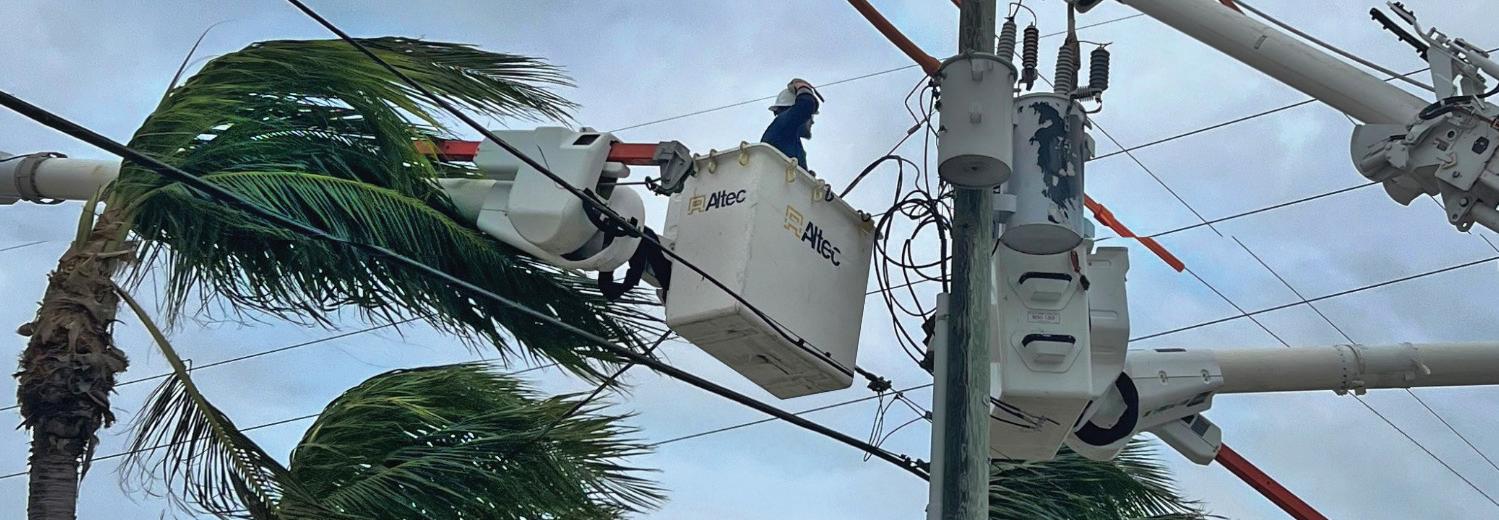
Preparation starts long before a storm appears on the forecast. As you read this month's hurricane preparedness issue, keep this quick guide handy for steps to take if your power goes out.
2 3 1 !
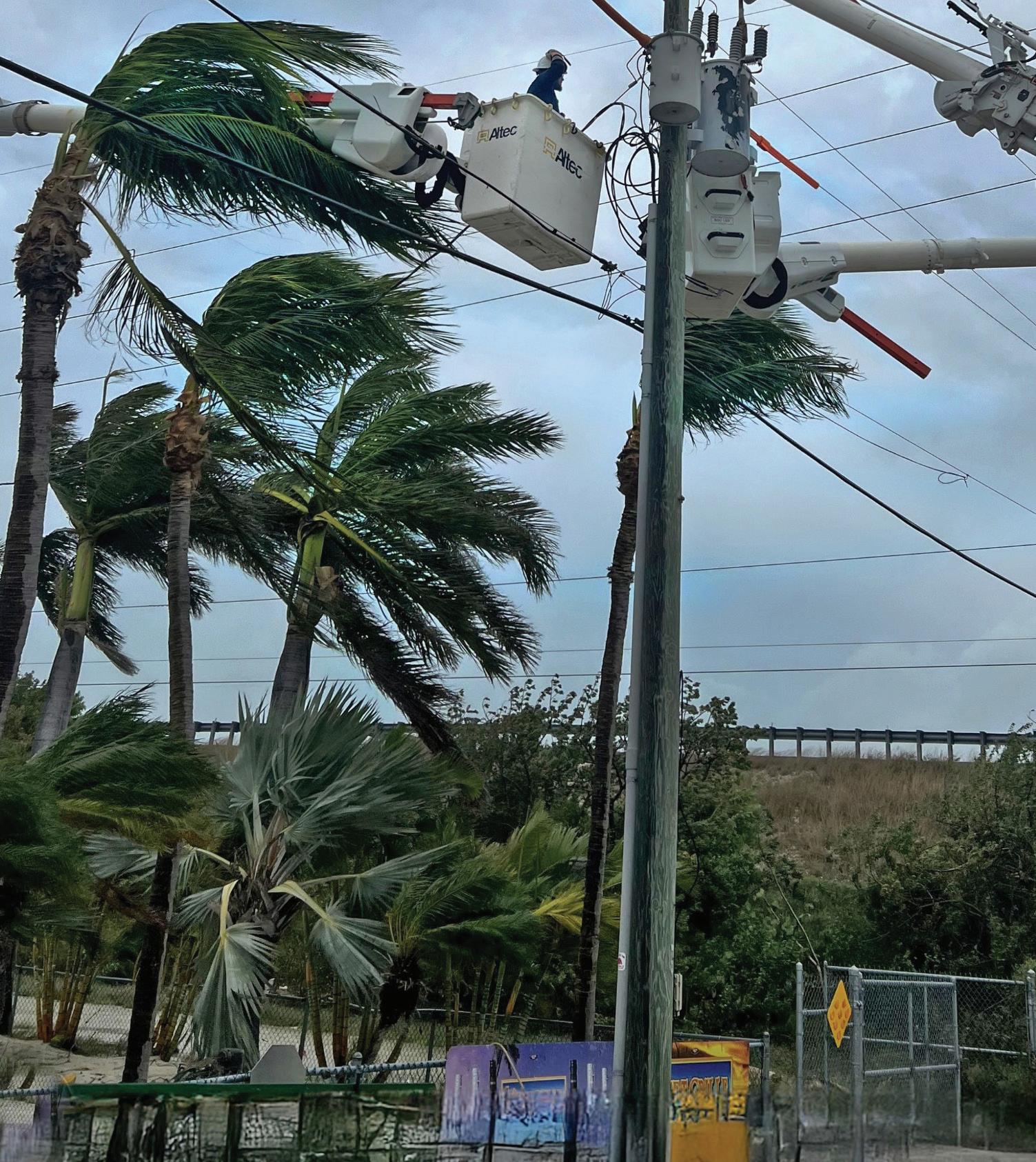
If power goes out, check your breakers before reporting the outage. Approximately one-third of outages are caused by tripped breakers
Call 305-852-2431 to use the automated phone system. If your mobile number is enrolled, text “out” to 1-855-940-4007, or report the outage through the SmartHub app. With our advanced metering system, it is likely our system knows about your outage before you even report it.
View the location and restoration status of outages at www.FKEC.com.
Stay away from downed lines. Call 911 if there’s immediate danger, then report the danger to Florida Keys Electric Cooperative at 305-852-2431.
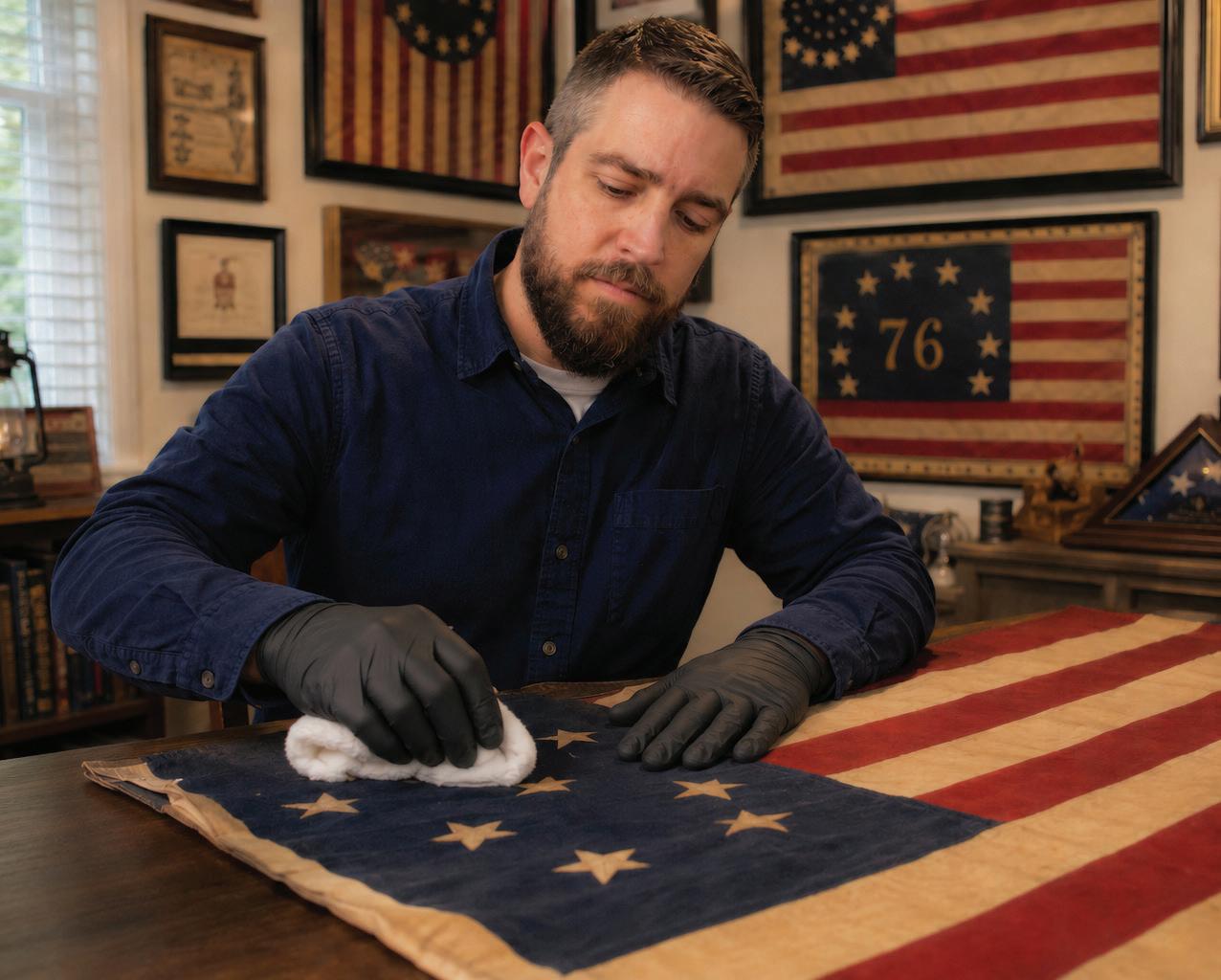
The living expression of America’s most enduring symbols Spotlight, Page 10
Stay cool with summer salads In the Kitchen, Page 16
Honoring Old Glory Picture Hunt, Page 18
FLORIDA KEYS ELECTRIC COOPERATIVE ASSOCIATION, INC.
Member Owned Since 1940
Karl Wagner
District 4, Marathon, President
Michael H. Puto
District 4, Marathon, Vice President
Cale Smith
District 3, Islamorada, Treasurer
Gretchen Holland
District 1, Key Largo, Secretary
James J. Boilini
District 1, Key Largo
David C. Ritz
District 1, Key Largo
Craig Belcher
District 2, Tavernier
Joseph H. Roth III
District 2, Tavernier
George D. Hertel
District 3, Islamorada
CONTACT US:
305-852-2431
Pay by Phone 1-855-940-4077 www.FKEC.com
Mailing Address:
P.O. Box 377, Tavernier, FL 33070
MEMBERS SHOULD KNOW:
FKEC offers a Landlord Automatic Transfer of Service Program to make managing electric bills for residential rental properties easy. Learn more at www.fkec.com
Nearly a decade has passed since Hurricane Irma impacted the Upper and Middle Keys. For many residents, that may feel like a distant memory. Some members have moved to the Keys since 2017 and have never experienced a major hurricane here. Others may find that emergency plans, supply kits and preparedness routines have faded with time.
Yet one of the most important lessons learned from Hurricane Irma is that preparation matters most before it is needed.
At Florida Keys Electric Cooperative, preparation did not end when restoration was completed in 2017. In the years since, we have continued to strengthen infrastructure, invest in technology, improve emergency response capabilities and refine restoration procedures. We have used the time since Irma to become even more resilient and better prepared for the future.
We have used the time since Irma to become even more resilient and better prepared for the future.
Preparation remains a year-round commitment. Our employees inspect equipment, maintain facilities, conduct emergency drills and continuously evaluate ways to improve reliability. We also maintain relationships with mutualaid partners and restoration support companies that can provide everything from additional lineworkers to temporary


SCOTT NEWBERRY Chief Executive Officer
base camps capable of housing and feeding hundreds of crews during a largescale restoration effort.
These investments and partnerships help support the exceptional service members depend on everyday while ensuring we are ready when severe weather threatens.
Preparedness is also a partnership. While FKEC prepares the electric system, members can prepare their homes and families. Reviewing emergency plans, replenishing supplies and staying connected through SmartHub and Outage Texting can make a significant difference during an emergency.
No one can predict when the next major storm will impact the Florida Keys. What we can do is use the time we have wisely.
As another hurricane season unfolds, I encourage you not to let time create complacency. Review your plans and prepare your family now. Together, we can continue building a stronger, safer and more resilient Florida Keys. n
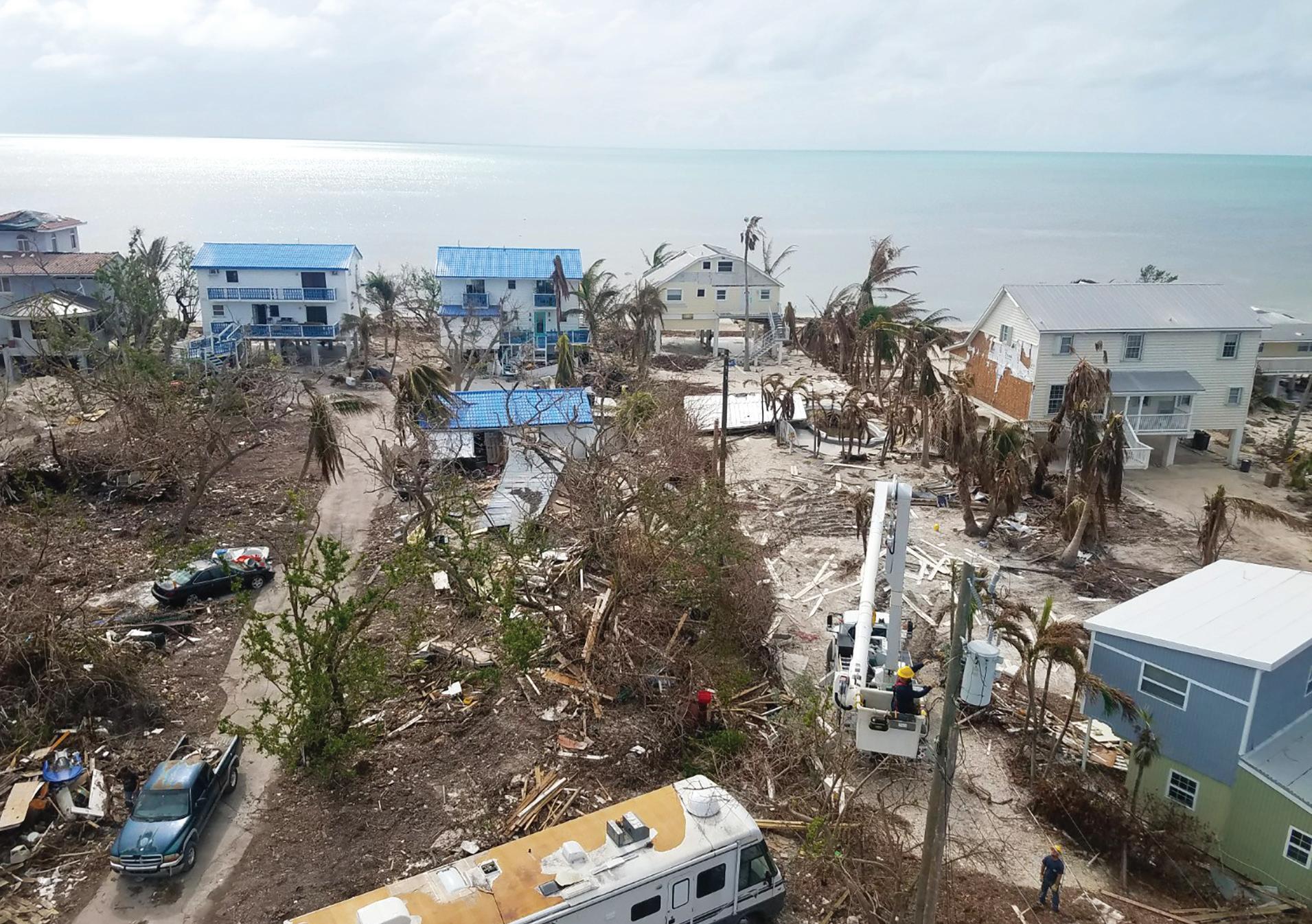
When Hurricane Irma impacted the Florida Keys in September 2017, it tested communities, infrastructure and emergency response efforts throughout our island chain.
For Florida Keys Electric Cooperative, the years since have been an opportunity to strengthen reliability and resilience. While major storms have spared our service territory in recent years, FKEC has not allowed that time to go unused.
Since Irma, FKEC has continued investing in infrastructure improvements, equipment upgrades and stormhardening projects designed to improve reliability.
Crews regularly inspect and maintain poles, transformers, substations and transmission facilities throughout the service territory. Annual aerial
inspections evaluate critical transmission infrastructure, including spans crossing more than 10 miles of open water. Vegetation management crews work year-round to trim and remove vegetation near power lines, while a GIS-based program helps identify potential problem areas before they impact reliability.
FKEC has also strengthened its emergency response capabilities.
Following Irma, the cooperative constructed a storm-resistant annex at its Marathon facility to house and feed support crews after major storms. The addition mirrors the 72-hour standalone capabilities at FKEC’s Tavernier Headquarters, allowing both facilities to operate independently with essential resources during extended outages. Other post-Irma mitigation efforts included relocating transmission structures threatened by shoreline erosion and making continued investments to strengthen the system against future storms.
Advanced meters, outage management
tools, SmartHub, Outage Texting and remotely controlled devices help operators identify outages faster and provide members with more timely information during emergencies. FKEC has also added communication redundancies, including Starlink connectivity and multiple carrier options, helping maintain critical communications when traditional networks are disrupted.
Perhaps the greatest lesson learned from past storms is that preparation is never finished.
FKEC employees participate in ongoing safety training and emergency exercises throughout the year. Equipment and materials are strategically staged ahead of approaching storms, and restoration plans are continually reviewed and updated.
Nearly a decade after Irma, the investments made in infrastructure, technology and emergency preparedness have left the co-op stronger, smarter and more prepared than ever. n


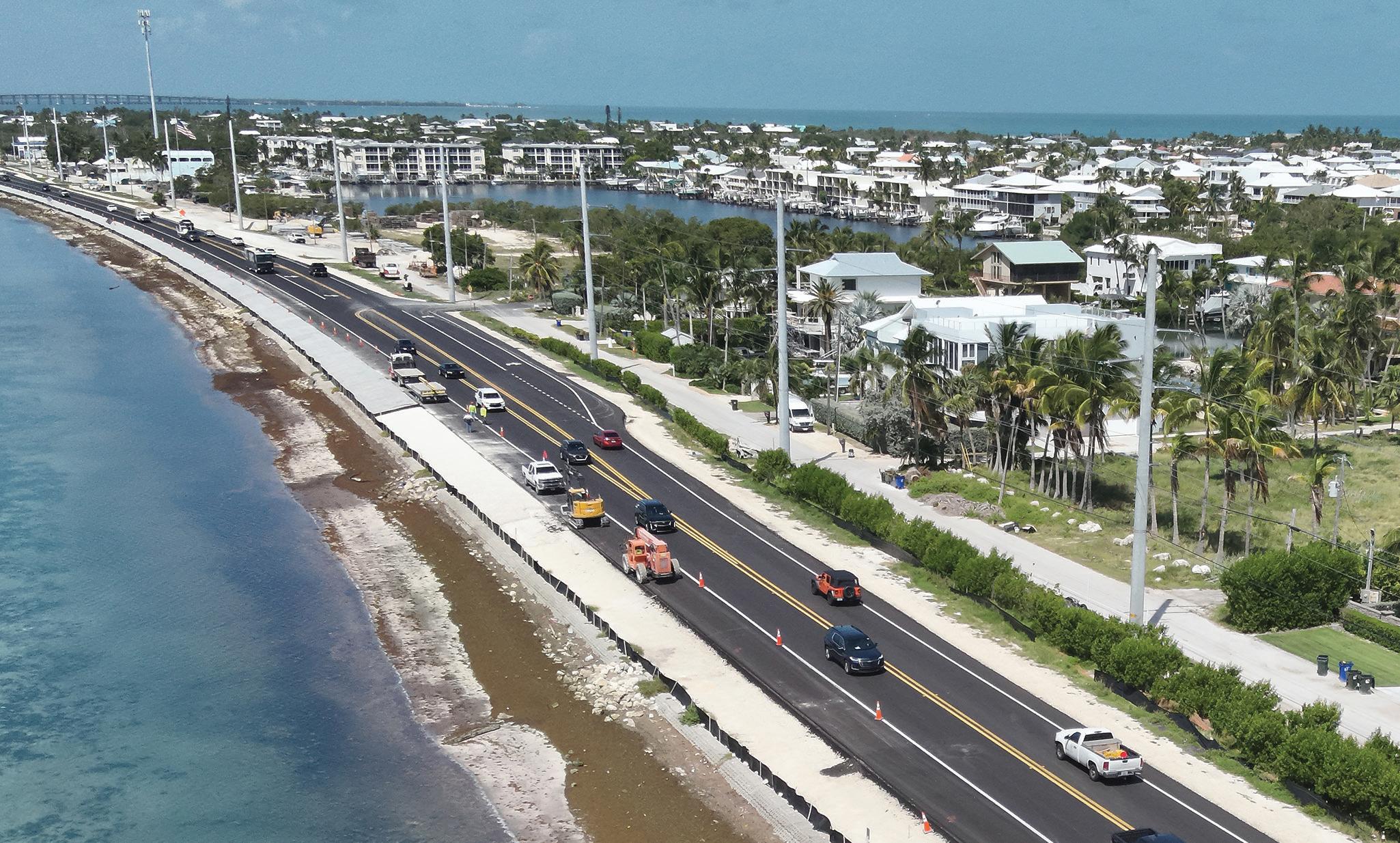
Major storms have spared the Upper and Middle Keys in recent years, but preparation is most effective before watches and warnings are issued.
Taking a few simple steps today can help protect your family, your property and your electrical equipment when severe weather threatens the Florida Keys.
One of the most important steps members can take is inspecting the area around their electric service.
Members should visually inspect their “service drop” lines that connect your home to the nearest pole. If you see trees that could damage those lines in high winds, please contact FKEC. If a member sees vegetation posing a potential threat to power lines, you can submit an online tree trim request.
www.fkec.com/services or call 305-8522431.
Keep the area around your electric meter clear and accessible. To safely make repairs and restore service, FKEC must have 24-hour access to your meter. Learn more about meter access and responsibilities on page 27.
Secure outdoor furniture, decorations and other loose items that could become airborne during high winds.
Addressing potential issues now can help reduce the risk of damage when strong winds arrive—whether from a hurricane, tropical storm or summer thunderstorm.
Before a storm is headed our way, make sure FKEC has all your current contact methods. Members are also strongly encouraged to enroll in SmartHub and Outage Texting via the online resource to receive outage notifications, restoration updates and important communications
during severe weather events.
Verify your contact information and notification preferences to ensure you receive critical updates when they matter most. Learn more on page 28.
Following a major hurricane, access to roads, fuel, groceries and other essential services may be limited. FKEC is prepared to operate in 72-hour standalone mode without outside assistance. Members should be prepared to do the same.
A well-stocked emergency kit should include: drinking water; nonperishable food; prescription medications; flashlights and batteries; First-aid supplies; cell
phone charging options; fuel for vehicles or generators, if needed; important documents stored in a waterproof container.
Review evacuation plans and make sure family members know where to go and how to communicate if conditions require leaving the area. If you have pets or family members with special needs, include their specific requirements in your planning.
Generator safety is another important part of storm preparedness. Learn how to safely operate portable generators and avoid common hazards on page 8.
Storm preparation is most effective when it's done before a storm develops.
Checking your service equipment, trimming vegetation, updating your contact information and assembling emergency supplies now can help reduce stress, improve safety, and speed recovery when severe weather threatens.
The waters may be calm today, but preparation remains one of the best tools for weathering whatever comes next. n
Special Needs Registry
For assistance evacuating or finding shelter visit www.monroecounty-fl.gov/148/ Special-Needs-Registry.
Sign up for the county’s mass notification system to receive emergency notifications. Learn more at www.monroecounty-fl.gov
Monroe County Emergency Management
Joint Information Center
Info gathered from Monroe County municipalities, the National Weather Service Key West, and community partners. www.monroecounty-fl.gov/1236/jic
Step 3 in power restoration is assessing damage. Less than 12 hours after Hurricane Irma, an aerial inspection confirmed the backbone of FKEC’s electric system remained intact—a critical finding that helped accelerate restoration efforts.
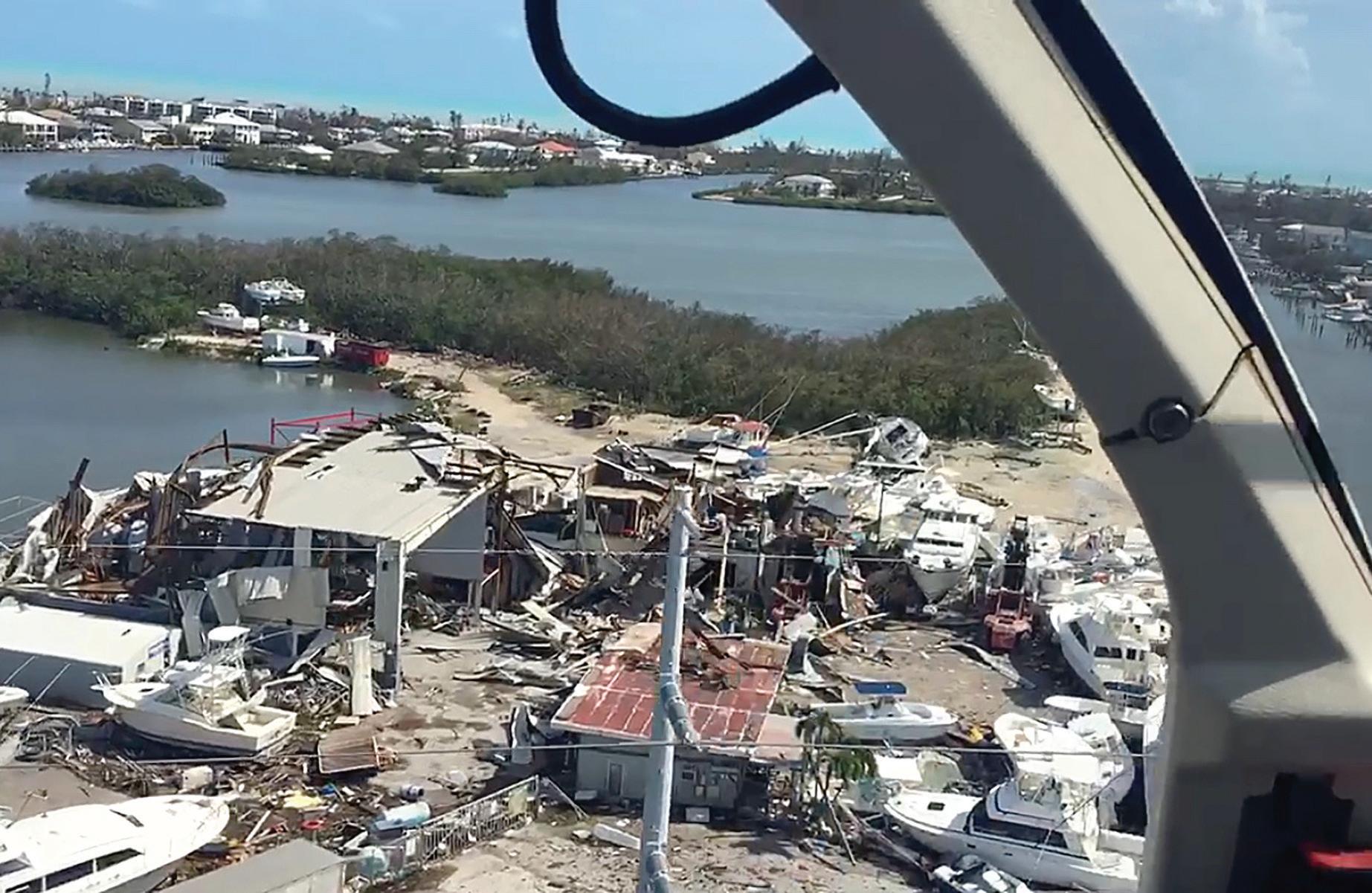
Every storm is different, and FKEC develops a restoration plan based on the specific conditions and damage. However, our restoration efforts generally follow these seven steps:
1. Prepare for 72-Hour StandAlone Operations
Before a storm arrives, FKEC stocks facilities, tests generators, stages materials and secures equipment to ensure operations can continue for at least 72 hours without outside assistance.
2. Work Until Conditions Become Unsafe
Crews continue making repairs and preparing the system until winds reach approximately 45 mph. Once conditions become unsafe, crews shelter and system operators continue monitoring the electric system throughout the storm.
3. Assess the Damage
After the storm passes, crews evaluate damage to transmission lines, substations and distribution facilities and
determine the resources needed for restoration.
4. Restore the Backbone Repairs begin with the main transmission lines and six substations that deliver power throughout the Upper and Middle Keys.
5. Restore Critical Services
Priority is given to facilities that support public health and safety, including hospitals, fire stations and other essential community services.
6. Restore Power to the Greatest Number of Members
Crews repair main distribution lines and transformers serving neighborhoods to restore power to the largest number of members as quickly as possible.
7. Restore Individual Services
Finally, crews address isolated outages, damaged service equipment and individual connections. Homes are inspected to ensure they can safely receive power before being reconnected. n
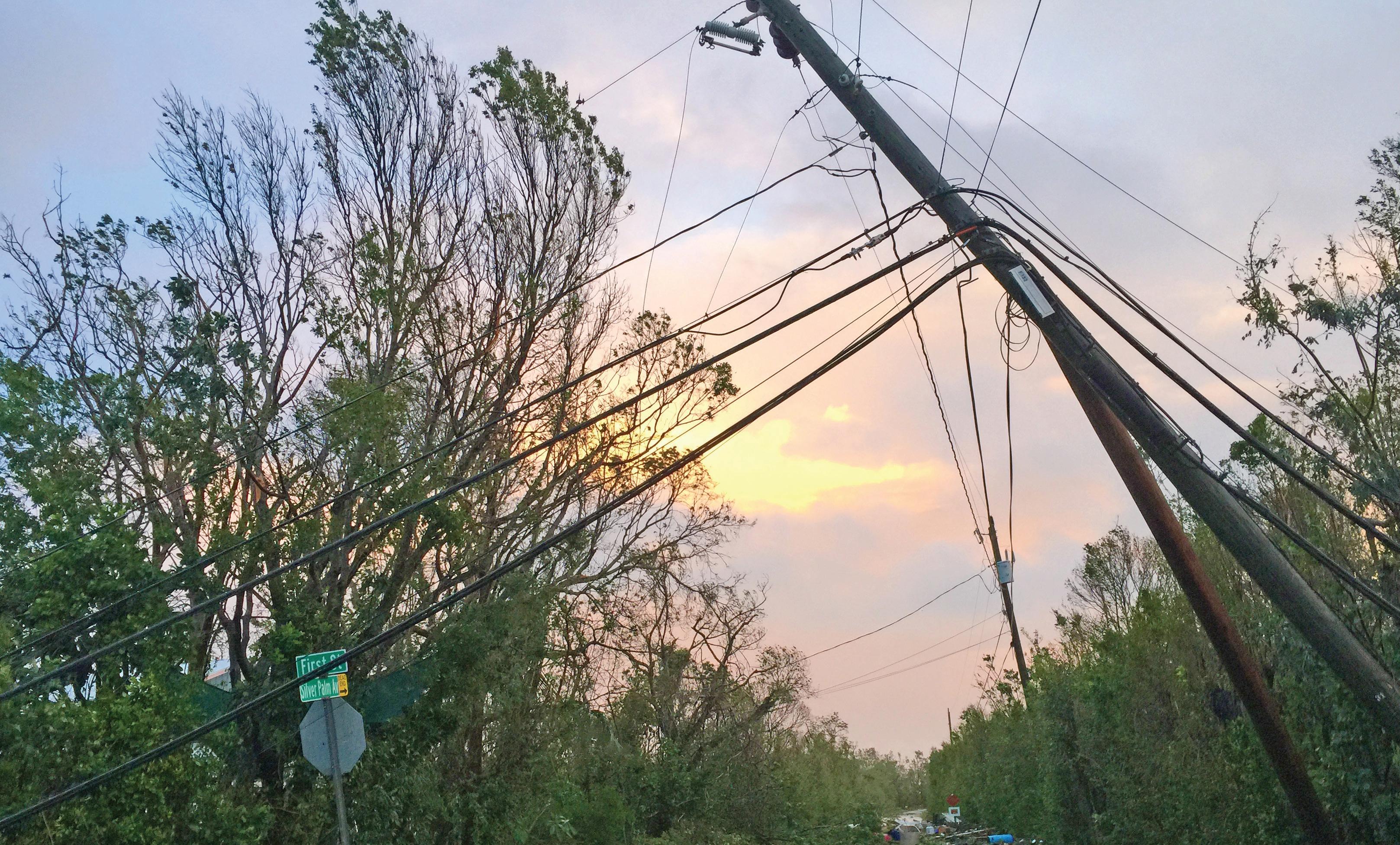

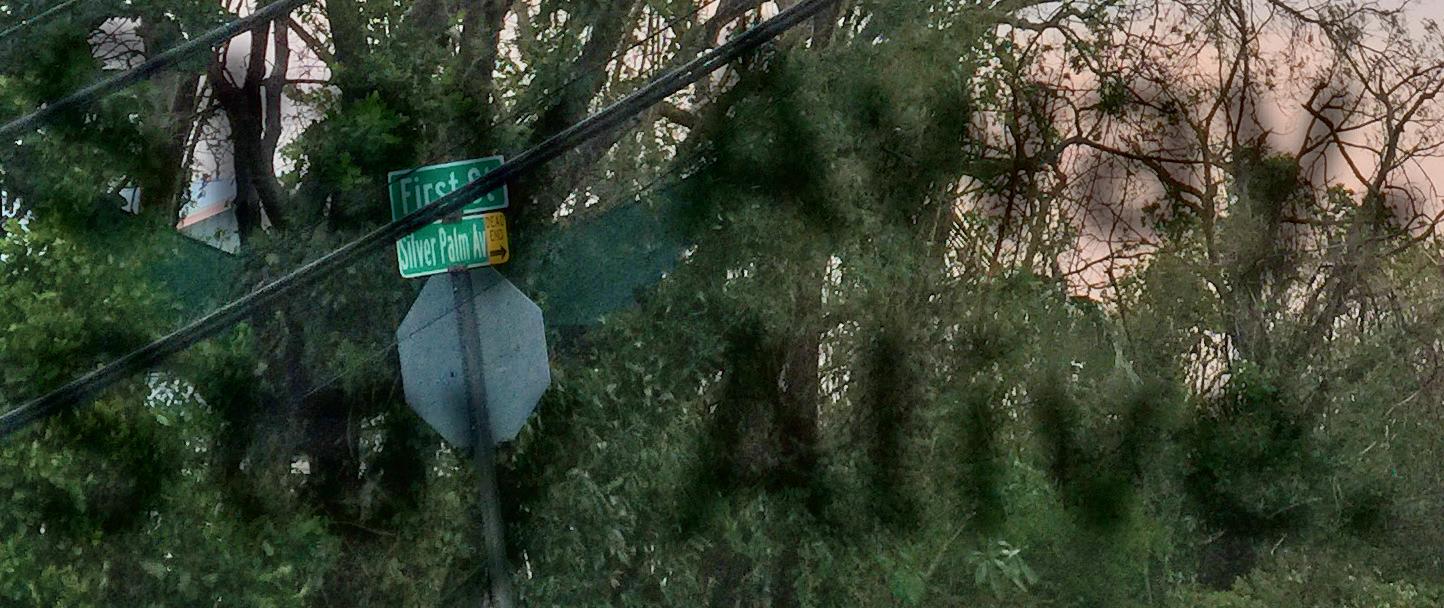
Electricity from a downed power line doesn’t stop at the wire. It spreads through the ground, silently, like ripples in a pond. Those ripples can carry deadly voltage up to 35 feet away. When storms damage electrical equipment, knowing what not to do can save your life.
See a Downed Line?
Stay Back—Way Back.
Never assume a wire is safe because it’s not sparking, smoking or making noise. Treat all downed lines as if they are power lines and are energized and dangerous. If you see a downed line or damaged electrical equipment, call 911 first, then report it to FKEC at 305-852-2431.
Water and electricity are a deadly combination. Downed lines and damaged underground equipment can energize puddles, flooded streets and surrounding areas.
Avoid walking or driving through standing water, especially near power poles, transformers and trees.
A tree branch, fence, ladder, vehicle or any other object touching a power line may also be energized.
Keep your distance from anything in contact with a power line and report hazards immediately.
Keep Kids and Pets Away.
Children and pets may not recognize electrical dangers after a storm.
Treat areas with downed lines as off-limits and closely supervise outdoor activities until hazards have been cleared.
Call 911 and warn others to stay away from the vehicle.
If you must exit, jump clear with both feet together. Do not touch the vehicle and the ground at the same time. Once clear, shuffle away using small steps while keeping your feet together.
Improper generator use can cause deadly carbon monoxide (CO) poisoning or dangerous backfeeding into utility lines, creating life-threatening hazards for you and our workers. Learn more about generator safety on page 29.
Familiarize yourself with your home's main breaker before an emergency occurs.
If flooding threatens your home, never stand in water to operate electrical equipment or breakers. Only disconnect power if it can be done safely.
35 feet
Stay at least 35 feet away from any downed wire or power line— the length of a school bus.
If
Stay inside unless there is an immediate danger such as fire.
When it comes to electricity after a storm, distance is your best protection. Stay alert, stay back and stay safe. n









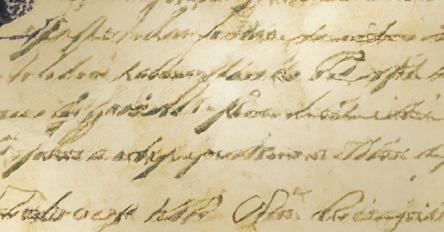


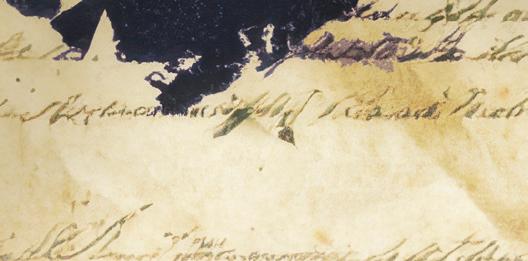
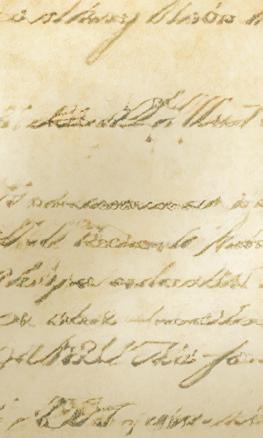


By Drew Woolley










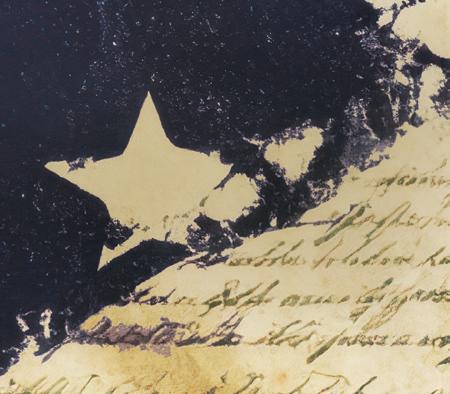
Every nation tells stories about itself. In the United States, those narratives are often woven into symbols we encounter every day just as much as they are spoken out loud. It might be a flag folded at a funeral, an eagle stamped onto an official seal or a song sung before a ballgame.
As we celebrate our country’s 250th anniversary, historians, collectors and scholars are all taking a closer look at the symbols we adopted and the meanings they still carry today.
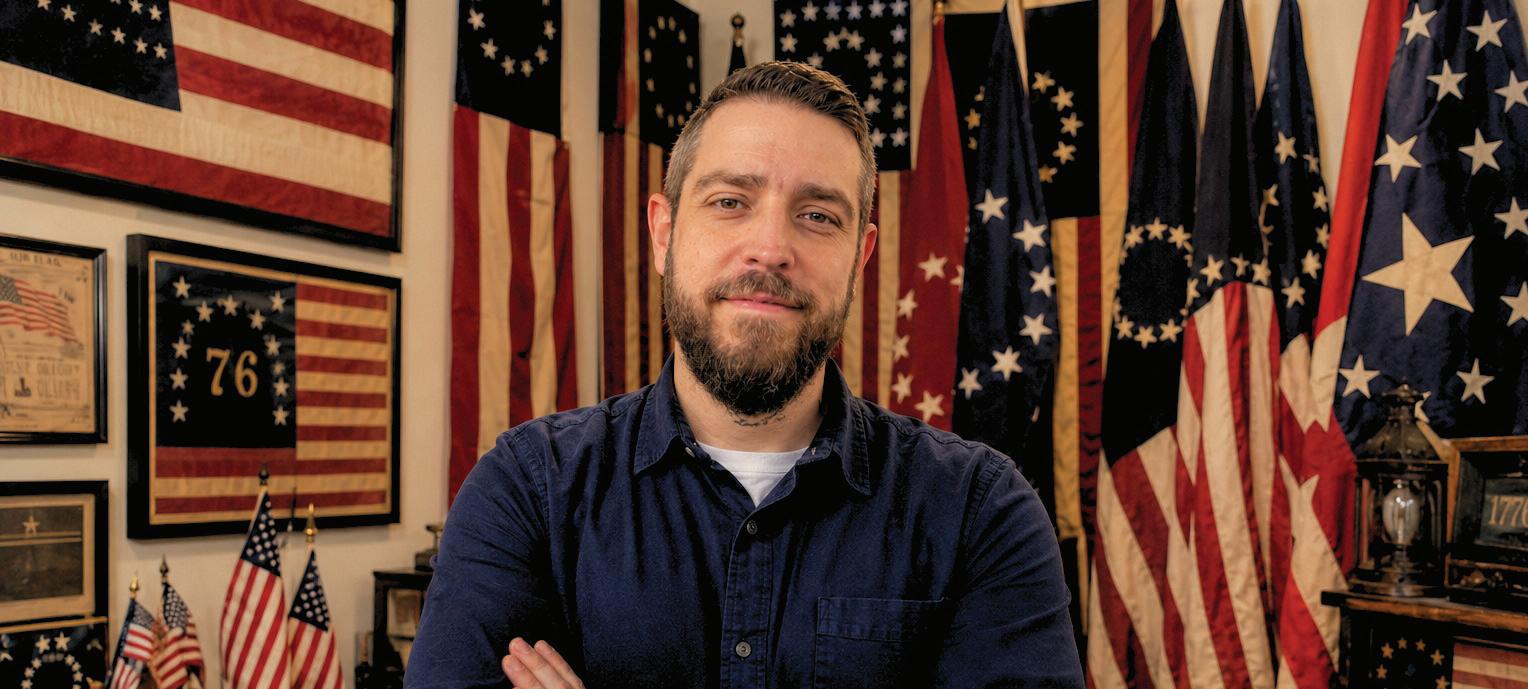
The American flag has always had a special family connection for Chris Garza. Half of his family members can trace their lineage to Maryland’s founders, and almost every




one of them has served in the military. But watching his grandfathers as a child had a particular impact on him.
“I kind of idolized them, and they both did their own daily routines of raising and lowering the flag,” Chris says. “They were fun, outgoing guys. But every day, they became very serious when they handled the flag. That really showed me how important it was as a symbol.”





When he was 8, Chris saw an old 13-star flag at a yard sale and had to have it. Looking back now, he suspects he was trying to impress his grandfathers. But it also proved to be the first step in a lifelong obsession. Now the executive director of Troutdale Historical Society in Oregon, Chris has overseen three museums and collected more than 300 American flags in the past 35 years.
The most precious to him is the flag with which one of his grandfathers was meant to be buried. At the last second, his grandmother pulled the flag from the casket and gave it to Chris, who has held it dear ever since. Another favorite is an early flag that represented the southern region of Texas, where much of Chris’ Indigenous family comes from, before the state adopted the design it uses today.

As a historian, Chris also hopes the flag reminds everyone in the United which

While the American flag’s design has evolved over time, Chris is particularly drawn to the idea that it has served as a unifying image throughout history.
“To me, it is the only thing capable of binding us all together,” he says. “It’s the one thing that is bigger than our differences of religion, politics or race.”























States why the country formed and what it took to get there. It will always be a symbol of freedom. But, for him, it is also a call to earn that freedom.
“It’s a symbol of when oppression becomes so strong and rampant that it forces people to step back and reevaluate— to look at life, our government and our communities,” he says. “Sometimes, those things need to change. That’s what the flag means to me, working to change for the better.”


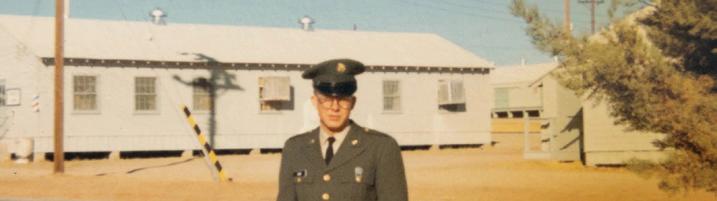
upsetting revelation for someone who had dedicated much of his life to collecting depictions of the American icon, going back to 1966 when he was drafted into the Army.
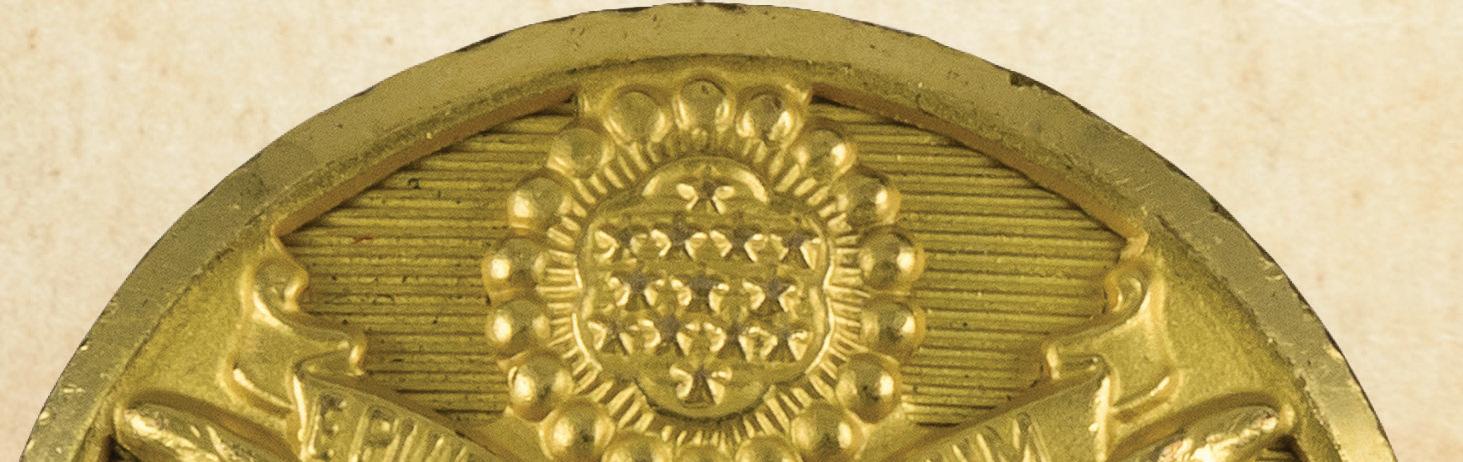
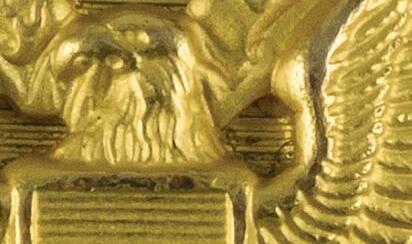
“I was issued a uniform that had buttons with the Great Seal on my dress uniform,” Preston says. “Two years later, when I exited the Army, I cut off those buttons with the eagles on them and wear them to this day on my blue blazers. I’ve been wearing them now for 60 years.”



His acquisitions expanded first with postcards and stamps, then later with the help of eBay and a team of pickers around the country who sent him items of interest. Today, Preston’s collection of more than




While the nation celebrates its 250th birthday, many Americans may be surprised to learn this is only the second year that one of its most recognizable symbols has been official. In researching his 2019 book, “American Eagle: A Visual History of Our National Emblem,” Preston Cook was shocked to learn the United States had never actually named a national bird.












“We had no national bird for 248 years,” he says. “It seemed like I was the only person in the country who knew, because it was such a surprise to everyone I






talked to.”



It was an especially





































PAGE: Chris


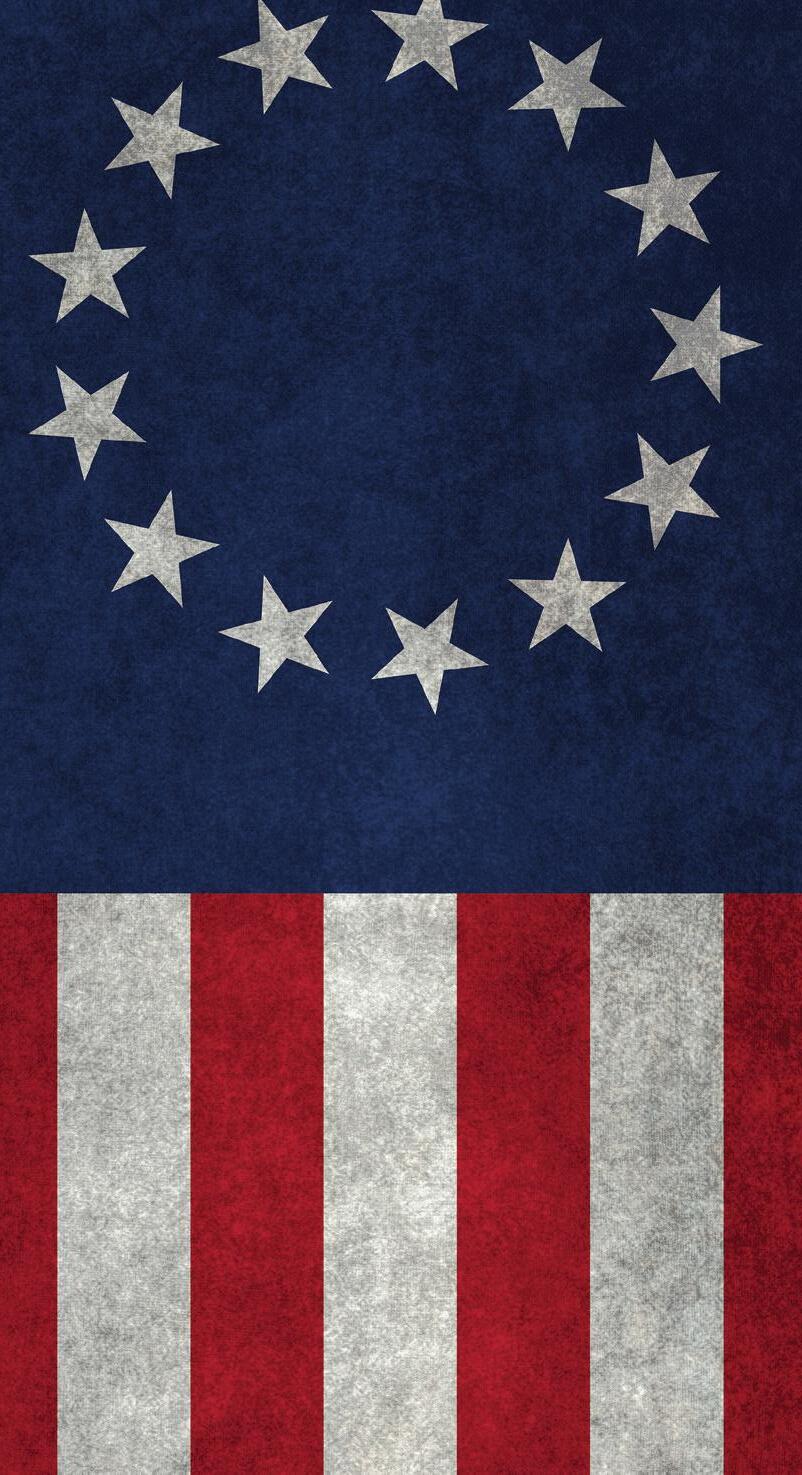







While lore holds that Betsy Ross designed the first American flag, there is no hard evidence pointing to any single designer. But, as the first seamstress to stitch the flag together, Historian Chris Garza says she may have influenced some of its details.


One of Chris’ favorite stories is when George Washington, a Freemason, approached Ross about making the flag, he suggested the stars have six points, as is common in masonic symbolism. Ross quickly noted that if they wanted to mass-produce the flag, fivepointed stars were much more efficient.


To prove it, she pulled out a small square of fabric, made a few quick folds and one simple cut, and handed him a perfect star. Washington was convinced, and the stars on the flag have had five points ever since.





40,000 eagle-themed items is on display at National Eagle Center in Wabasha, Minnesota. It includes historical artifacts, including buttons worn by George Washington and a Civil War knife, as well as pop culture objects, such as sports memorabilia and an Andy Warhol print.
The eagle’s symbolic appeal in so many different settings has always been one of its most interesting features for Preston.
“It’s a symbol people turn to in times of both peace and distress,” he says. “The image of it on the Great Seal has changed from being kind of scrawny and chickenlegged to more of a full-fledged eagle. Around the 1820s, it was first used by political campaigns to show patriotism. So, it has changed over the years, but it’s remained constant throughout our history.”


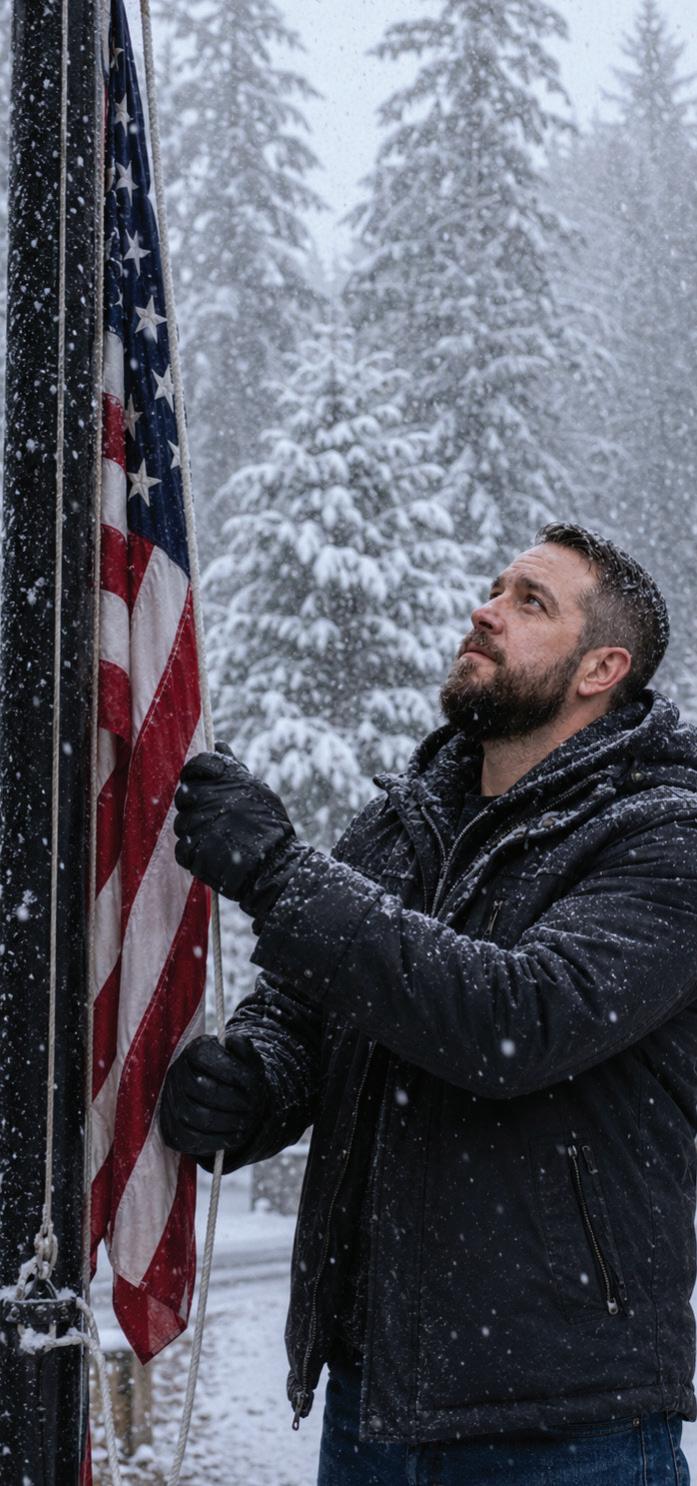
As a flag historian and restorer, Chris Garza, executive director of Troutdale Historical Society in Oregon, regularly encounters misconceptions about flag etiquette. A common one he shared as a child was that the flag must be destroyed if it touches the ground. He can still remember dropping the flag once while lowering it for his grandfather.
For centuries, that presence has led many Americans to identify the bald eagle as the country’s national bird. Once his book was complete, Preston turned his attention to putting a bill in front of Congress that would finally make official what everyone had always assumed.
He sent a draft to U.S. Rep. Brad Finstad, whose district includes Wabasha, as well as Sen. Amy Klobuchar. The two coordinated on the bill, which unanimously passed in both houses of Congress before President Joe Biden signed it into law in 2024.
Preston has no doubt the work was worth it. It permanently enshrines what many Americans have long felt about the bald eagle.
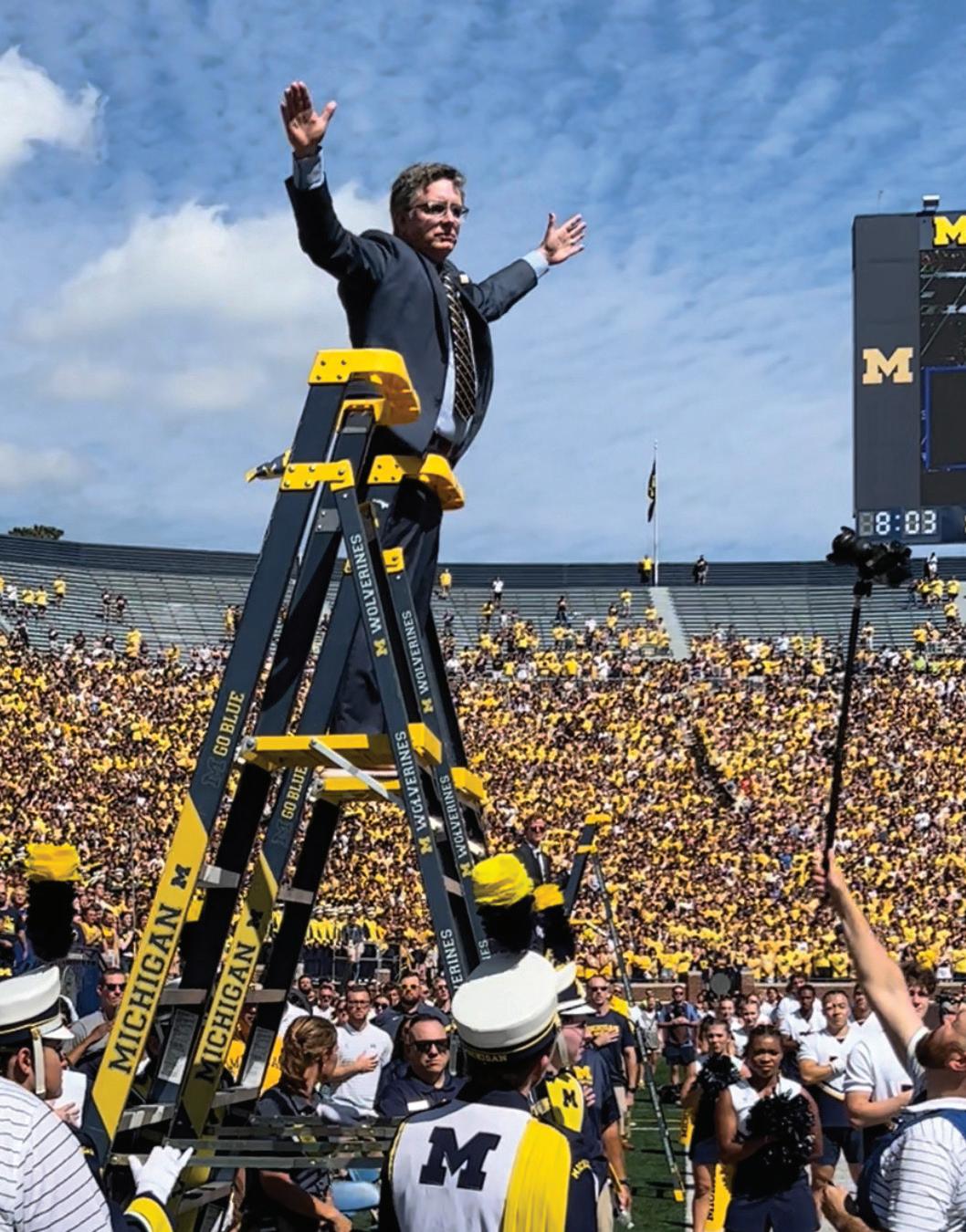
historian teaching at the University of Michigan for the past 20 years, he has often led an introductory class on American music. His favorite way to kick it off is with Jimi Hendrix’s 1969 performance of “The Star-Spangled Banner” at Woodstock.
“It brings you immediately into some of the complexities around the anthem,” Mark says. “Is there a single, appropriate way to play it? Is it a protest or burning the flag through music? Hendrix was also a member of the 101st Airborne, and aspects of the performance are quite patriotic, so is it saying something more textured?”

Those questions led him down a rabbit hole that culminated in his 2022 book, “O Say Can You Hear?: A Cultural Biography of ‘The Star-Spangled Banner.’”
Francis Scott Key’s lyrics, written after the bombardment of Baltimore’s Fort McHenry during the War of 1812, go on for four verses. Only the first is typically sung for the anthem, building to the final line, “O say does that star-spangled banner yet wave/O’er the land of the free and the home of the brave?”
While it is often performed with an exclamation point at the end, Mark considers the question it asks to be crucial. At the time the anthem was penned, the country had faced some of its worst defeats. Key’s vision of a bold and proud nation wasn’t something he was seeing but a hope for the future.
“Today, I think that question asks us if we are brave enough to live up to that vision,” Mark says. “Do we have the courage to be a country that celebrates liberty and justice for all? I think it has the potential to make the anthem something urgent and contemporary. It’s a verb, rather than a noun.”


“I thought it was the end of my life,” Chris says. “But he pulled me aside and explained that as long as it isn’t tattered, it can always be cleaned and reflown. That moment of relief really stuck with me.”




Another common mistake is flying the flag at night. To maintain respect and visibility, the flag should either be illuminated at night or taken down at sunset and raised again in the morning.


“For many years, it was our only living symbol,” Preston says. “If you see one flying or fishing, it’s such an amazing bird. It means so much to so many people. It means freedom and liberty and power and independence and family. People just don’t get tired of seeing it, and I don’t think there’s any other symbol of America that has that kind of enthusiasm.”

If the eagle is the American symbol that generates the most excitement, Mark Clague believes the national anthem is the most dynamic. As a musician and musical



When President Herbert Hoover officially signed an act of Congress making “The Star-Spangled Banner” the U.S. national anthem in 1931, it—much like the eagle—was a recognition of something that had already been true for many Americans. The song was used as a recruiting tune for the Union Army in the Civil War and was often treated as a de facto national anthem during the









In some ways, the song is sort of democracy in action. We made the anthem by using it.

Spanish-American War and World War I.
“I think that makes it powerful,” Mark says. “In some ways, the song is sort of democracy in action. We made the anthem by using it. And for the same reason, changing it would be really hard. You could change the law, but it wouldn’t change how people feel.”
The music itself requires the performer to sing the anthem to life with dramatic highs and lows that take the same commitment the lyrics demand. Mark’s hope is that when people hear it, the




— Mark Clague
anthem won’t just serve as a celebration but also a call to action.
“It feels like the anthem is especially urgent right now,” he says. “U.S. democracy has really been built on people getting involved. Voting, sure, but also being informed, volunteering and lifting a hand to help your neighbor. Being patriotic is something you have to do and earn, rather than just something you have. And I think that call to citizenship is one of the coolest things about the anthem.”




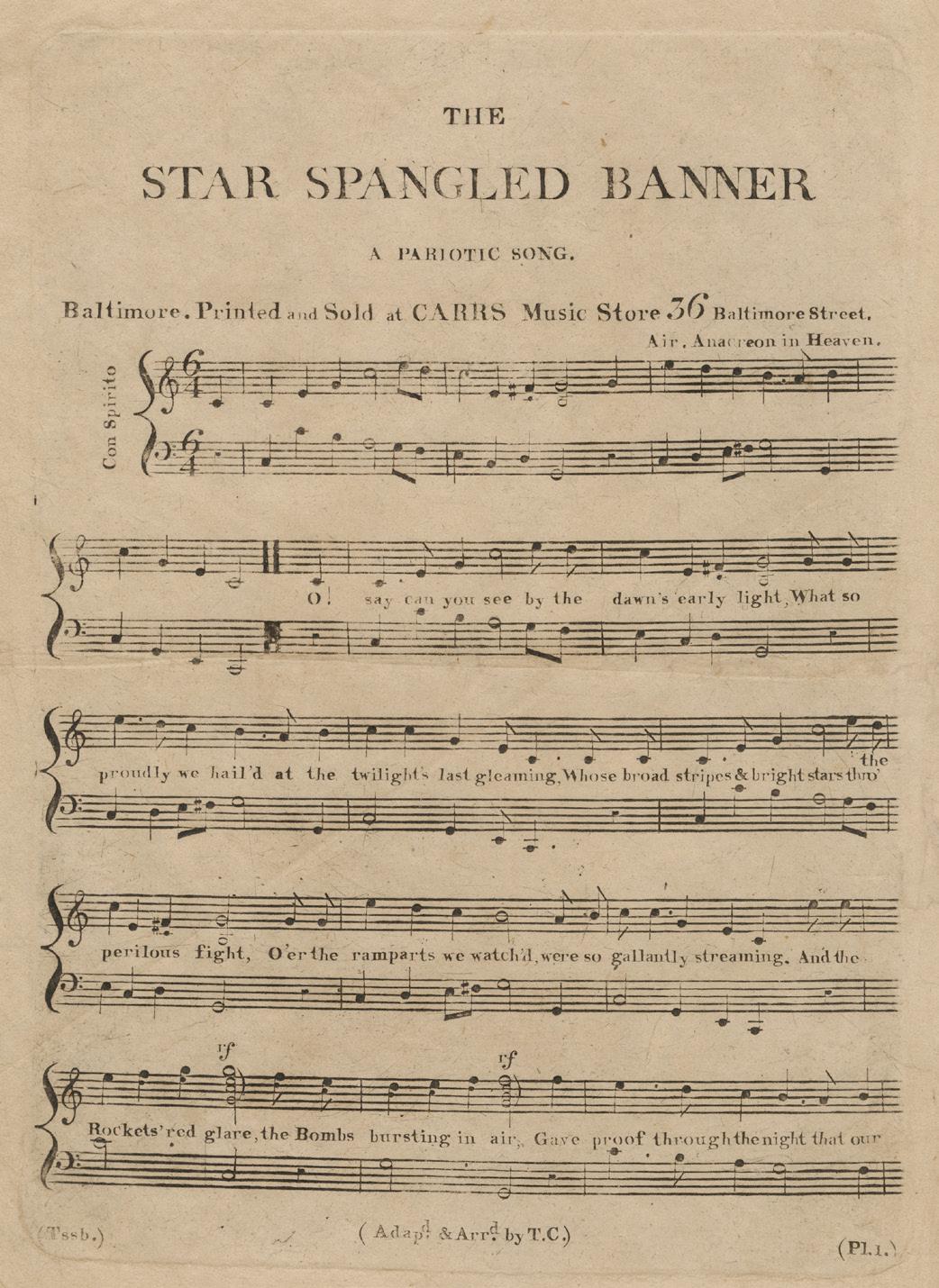
While the roots of the national anthem’s lyrics are decidedly American, the music originated with Anacreontic Society, a musicians’ club in London.

Since the tune struck a chord in the United States, Mark Clague, a music historian teaching at the University of Michigan, estimates there have been more than 600 sets of lyrics applied to that melody, on subjects as varied as farm work, unionization and women’s suffrage.
“It’s interesting to see how many different words fit the melody,” he says. “It really supports the notion that ‘The Star-Spangled Banner’ is not just one iconic thing but kind

















By Dianna Troyer
In honor of the United States Semiquincentennial—a fancy name for the nation’s 250th anniversary—each state is contributing to the legacy and future of the country through national and statewide initiatives.
Some states are contributing to a stainless steel time capsule that will be buried July 4 at Independence National
Historical Park in Philadelphia, between the Liberty Bell and Independence Hall.
Others will have booths at the Great American State Fair, scheduled for June 25 to July 10 on the National Mall in Washington, D.C.
Within each state, an America250 Commission has organized events to commemorate the 250th anniversary of the signing of the Declaration of Independence.
According to the America250 Commission’s website, “The journey toward this historic milestone is an opportunity to pause and reflect on our nation’s past, honor the contributions of all Americans, and look ahead toward the future.”
For the time capsule, state commissions feature their residents’ artistry and ideals with the constraint that the objects have to fit into an archival box measuring 6-by-5-by-2 inches.
Here’s a preview of how some states are highlighting their unique contributions to our nation:
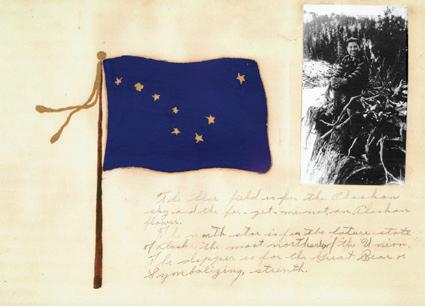
A print of a flag designed by a member of the Indigenous people of the Aleutian Islands represents Alaska. In 1927, Benny Benson, a 14-year-old Unangax orphan, won a contest to design the flag for the then-territory of Alaska.
“The blue field is for the Alaskan sky and the forget-me-not, an Alaskan flower,” he wrote. “The North Star is for the future state of Alaska, the most northerly state in the union. The dipper is for the great bear, symbolizing strength.”
A copy of an 1875 map of New Archangel is also included. After Russia sold the Alaska territory to the United States, the town was renamed Sitka.
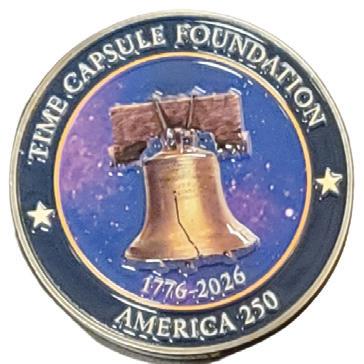
Arizonans provided three coins, two letters and a commemorative copper ingot featuring a stamped Arizona America250 logo for the time capsule.
With laser nano-etching, a stainless steel coin preserves the full text and signatures of the Declaration of Independence and the U.S. Constitution, including all amendments.
“It represents both America’s foundational democratic principles and modern efforts to preserve them for future generations,” according to America250 Arizona Commission. An Arizona quarter, minted in 2008, depicts the Grand Canyon
and a saguaro cactus. A steel America250 commemorative coin features symbolic imagery reflecting freedom, time and civic responsibility.
An archival letter lists the names of the members of the Arizona America250 Commission. Arizona Secretary of State Adrian Fontes also wrote a letter reflecting on Arizona’s civic values, democratic institutions and responsibilities.
On July 4, a family-friendly concert is planned in Los Angeles with major artists and a livestream audience. America250 planners encourage residents to build community by participating in America’s Potluck on July 5, an opportunity for neighbors to join one another to share a communal meal.
At the Great American State Fair, the Florida250 Commission plans to create an old Spanish Fort with coquina brick walls, authentic sounds and cannon fire.
Within the state, the Florida Freedom Tour is traveling in two 18-wheeler trucks hauling the America250FL exhibits from the Museum of Florida History. One exhibit covers the state’s biggest battle during the Revolutionary War, the Siege of Pensacola, a two-month battle in 1781 when the Spanish prevented the British from gaining control of Western Florida.


Idaho’s state gemstone, the star garnet, “represents Idaho’s natural richness and geological heritage. Its distinctive starlike reflection makes it a fitting and
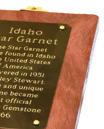


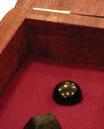
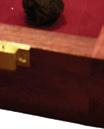



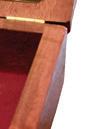
Idaho’s state gem is its contribution to the time capsule.


enduring symbol of the state’s rugged landscape and connection to the land,” according to America250 in Idaho planners.
Along with the gemstone, Gov. Brad Little wrote a letter to future generations, reflecting on Idaho’s history and values.
The Historic New Orleans Collection, at 520 Royal St., will have interactive 3D reconstructions of the defining moments of the American Revolution. Events include the Boston Tea Party, the signing of the Declaration of Independence, victory at Yorktown and treaty signing in Versailles.
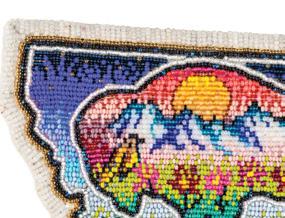

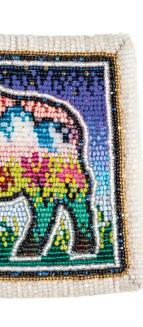
Karis Jackson depicted Montana’s unique traits in beaded artwork shaped like the state.
The Browning artist incorporated the colors of the state flag, the mountains and prairies that define the state’s landscapes, the state flower—the bitterroot—and the state bird—the western meadowlark.
In the center of the design, Karis, an Apsáalooke/Arikara/ Hidatsa artist, beaded a bison. She says it’s “an animal of enduring significance to the Indigenous peoples who have called this land home since time immemorial.”
In Nevada, residents and tribal members are recording oral histories for a podcast and public archive, according to Nevada250 planners.
New Mexico’s pavilion at the Great American State Fair, “will present New Mexico as an intersection of cultures, history, landscape and creativity,” says Daniel Zillman, New Mexico Department of Cultural Affairs communications director.




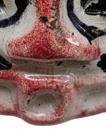

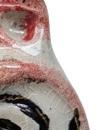
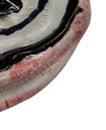
Lillian Pitt, a Warm Springs/Wasco/Yakama artist, made a ceramic pin depicting a tribal petroglyph and pictograph, a well-known
image high on a mountain along the Columbia River.
“Under the oral traditions of tribes along the river, She Who Watches represents Tsagaglalal, a wise and powerful chief who was transformed to stone and continues to keep vigil over her people and the river,” according to the America 250 Oregon Commission.

Among The Charleston Museum artifacts are a .75-caliber “Brown Bess” musket used during the revolution.
Several special exhibits celebrate South Carolina’s role in the American Revolution.
A new exhibit, “Ringleaders of Rebellion,” is at The Charleston Museum, the first museum in the Colonies founded Jan. 12, 1773. Among the artifacts are a .75-caliber Brown Bess musket used during the Revolutionary War.
An immersive Revolutionary War exhibition at the state fair will remain up for several years. A display emphasizes that South Carolina was the first colony to protest tea taxation on Dec. 3, 1773, 13 days before the infamous Boston Tea Party.

Knoxville-based designer Justin Helton created a poster entitled “Original Frontier.”
“From Tennessee’s rich agricultural history to its iconic musical contributions to its role in westward expansion, the Civil Rights Movement and women’s suffrage, the poster represents Tennessee’s part in shaping American culture, economy, and democracy,” according to Tennessee America 250 planners.
ABOVE: The poster “Original Frontier” showcases Tennessee’s music, agriculture and westward expansion.
Gov. Bob Ferguson’s proclamation and Lt. Gov. Denny Heck’s letter will be put in the capsule. The governor wrote about the mission of the Washington State Historical Society. Heck wrote about democracy and finding common ground between Washingtonians.
For more information about national, state and local celebrations, visit america250.org.


Cucumber and Dill Pasta Salad
1 pound small pasta shells
2 cups cucumber, sliced
1/4 cup green onion, chopped
1 cup sour cream
1/2 cup milk
1 tablespoon chopped, fresh dill weed

1 tablespoon white vinegar
1/2 teaspoon granulated garlic
1/2 teaspoon salt

1/2 teaspoon coarse ground black pepper
Squeeze of fresh lemon juice
Cook pasta in boiling, salted water until al dente. Drain, and rinse in cold water. Transfer pasta to a large bowl.
In a separate bowl, mix sour cream, milk, dill, vinegar, garlic, salt and pepper. Set dressing aside.
Mix cucumbers and onions into the pasta. Pour in dressing, and mix thoroughly. Sprinkle with lemon juice. Cover, and refrigerate at least 1 hour. Stir just before serving.

8 ounces bow tie pasta
1/2 English cucumber, chopped
1 green bell pepper, chopped
10 ounces cherry tomatoes, halved
Dressing
1 lemon, zested and juiced
1 tablespoon red wine vinegar
2 garlic cloves, minced
1 teaspoon dried oregano
1 to 2 shallots, chopped
1 cup chopped, fresh parsley
2 tablespoons capers, drained and rinsed
1/2 cup pitted Kalamata olives
1/3 cup feta cheese, crumbled
Pinch kosher salt
Pinch black pepper
1/4 cup extra-virgin olive oil
Boil pasta in salted water according to package instructions. Drain, then set aside briefly to cool.
To make dressing, add lemon juice, zest, red wine vinegar, garlic, oregano, salt and pepper to a large bowl. Whisk to combine. While whisking, drizzle in olive oil.
To the bowl with dressing, add pasta, cucumber, bell pepper, tomatoes, shallots, parsley, capers and olives. Toss to coat. Add feta, and toss again gently.
For best flavor, cover and refrigerate for 30 minutes to 24 hours. Give salad a final toss before serving.
Salad
1 tablespoon salt
2 cups mini bow tie pasta
3 cups frozen corn, cooked and cooled
3 green onions, finely diced
1/2 bunch cilantro, finely diced
Dressing
1/2 cup mayo
1/2 teaspoon chili powder
1/4 teaspoon paprika
1/8 teaspoon ground cumin
1 teaspoon Sriracha
1 tablespoon finely diced jalapeno
1/3 cup cotija cheese
1 large avocado, diced
1/2 cup canned black beans drained and rinsed
2 large limes, zested and juiced
1/4 teaspoon salt
1/8 teaspoon pepper
Boil 12 cups water in a large pot. Add 1 tablespoon salt. Cook pasta according to package directions. Drain, rinse under cold water for 15 seconds, shake off excess water, and let dry completely.
To make the dressing, whisk together mayo, chili powder, paprika, cumin, Sriracha, ¼ teaspoon lime zest and 3 tablespoons lime juice in a small bowl. Add salt and pepper. Chill until ready to use.
In a large bowl, combine cooled pasta, cooled corn, avocado, onions, cilantro, jalapenos and cheese. Drizzle with dressing, and gently toss. Serve immediately.
Kosher salt
16 ounces rotini
1 large carrot, shredded
1 celery rib, sliced thinly
8 ounces cheddar cheese, cubed
10-ounce bag frozen peas, thawed
1/2 cup cooked bacon, chopped
11/2 cups mayonnaise
1/8 cup sugar
1/4 cup white vinegar
1 teaspoon salt
1 teaspoon black pepper
Boil pasta in salted water to al dente. Drain, then run under cold water until cooled.
In a large bowl, mix mayonnaise, sugar, vinegar, salt and pepper. Add pasta and remaining ingredients. Mix well.
Refrigerate for at least one hour before serving.
Salad
Kosher salt
12 ounces pasta 1 pint cherry tomatoes, halved 1 bell pepper, cored and chopped
1 shallot, chopped
6 ounces marinated artichoke hearts
1/4 cup pitted Kalamata olives
1/4 cup extra-virgin olive oil
2 tablespoons white wine vinegar
2 garlic cloves, minced
1 teaspoon dried oregano
6 pepperoncini, chopped
6 to 8 ounces salami, cut into bite-size pieces
6 ounces mozzarella cheese balls
1/2 packed cup chopped, fresh parsley
1/2 packed cup chopped, fresh basil leaves
1/2 to 1 teaspoon crushed red pepper flakes
Kosher salt, to taste
Black pepper, to taste
Boil a large pot of water over high heat.
In a small bowl, whisk together all dressing ingredients to combine. Set aside.
Generously salt boiling water, then add pasta. Cook until al dente according to package instructions. Drain, and add to a large mixing bowl.
To the bowl with pasta, add tomatoes, bell pepper, shallot, artichoke hearts, olives, pepperoncini, salami, mozzarella, parsley and basil. Pour dressing over pasta, and toss to coat. Serve immediately, or let sit for 30 minutes to soak up flavor.




Story and photo by Dave LaBelle
There are photographs when published that initiate diverse emotional reactions.
I recall a photograph made of a young man with Down syndrome during a finger-painting class, his hands and face splattered with paint. One of my favorite images of the year, and it was a picture of unrehearsed joy.


After publication an angry reader called, livid the paper was cruel and insensitive to print such a photograph. I called the reader and patiently listened as she referred to the photograph as “disgusting” and “ugly.” Growing impatient, I explained I saw only joy, beauty and innocence. I suggested she take a look into her own heart.
Controversy often rises because an image strikes a nerve, delighting, angering or repulsing us. Photographs can make us uncomfortable, especially graphic war images. Images of violence and killing hurt me deeply, as they should.
I am reminded, for better or worse, each of us brings our past, our unique experiences to photographs we view.
“We nourish images with the intellectual baggage we carry,” the late French photographer Henri
Cartier-Bresson said.
When we are moved emotionally by an image, it’s critical to know the context in which the image is made and shared, and evaluate why it strikes us.
Few things are more sacred or evoke deeper emotion than our flag, our symbol of American sacrifice, loyalty and freedom.


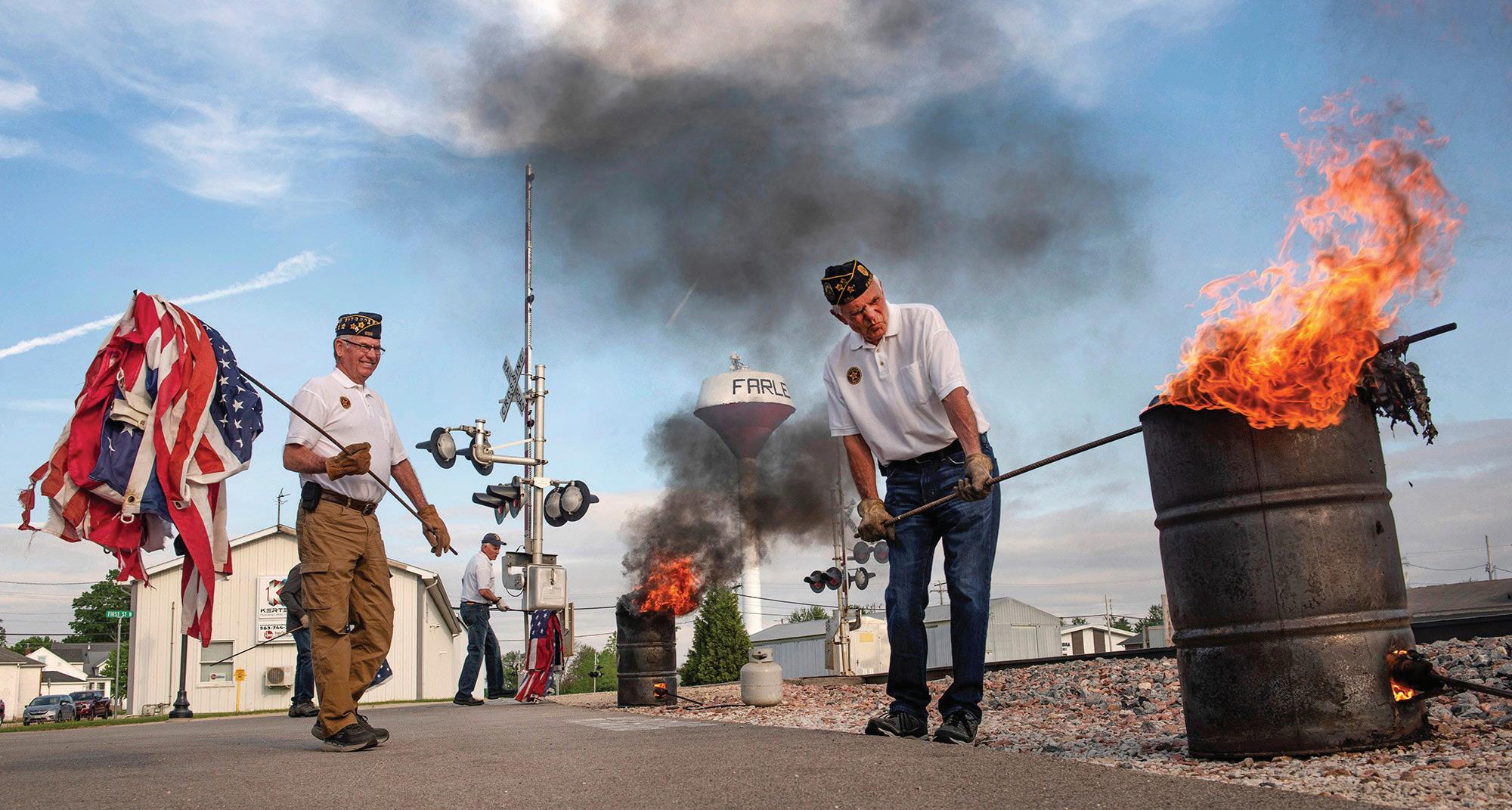
Here, members of American Legion Post 656 in Farley, Iowa, burn discarded weather-torn, unserviceable American flags in a solemn and patriotic ceremony opened with prayer.
Veterans handle and stack the discarded flags with reverent care before torching them in a barrel.
Witnessing the flames curling around the colored cloth, stirred me emotionally in a way that’s difficult to explain. I felt sadness and patriotism, considering those who have given their lives.
By the way, this is a real photograph, not a fantasy image created by artificial intelligence.
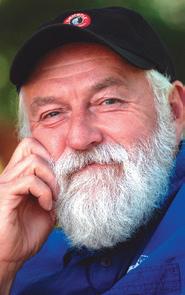
Photographer, author and lecturer Dave LaBelle has captured special moments for more than half a century, sharing tips and life perspectives. For more of his writings, visit davidlabelle.com and his blog, bridgesandangels.wordpress.com.
NIKON D810 32mm lens
ISO 100 f/8 at 1/320
American Legion Post 656 members hold a patriotic ceremony for the disposal of 250 unserviceable flags May 14, 2024, in Farley, Iowa.

See if you can use your camera to capture—not artificially create with AI—a photograph of our beloved stars and stripes. Challenge yourself to capture an image that speaks to how you feel about this sacred emblem.
Email your best image—just one—with caption information, including an explanation of how it affects you, to gph@ pioneer.coop. We may share submissions on our website and social media channels.





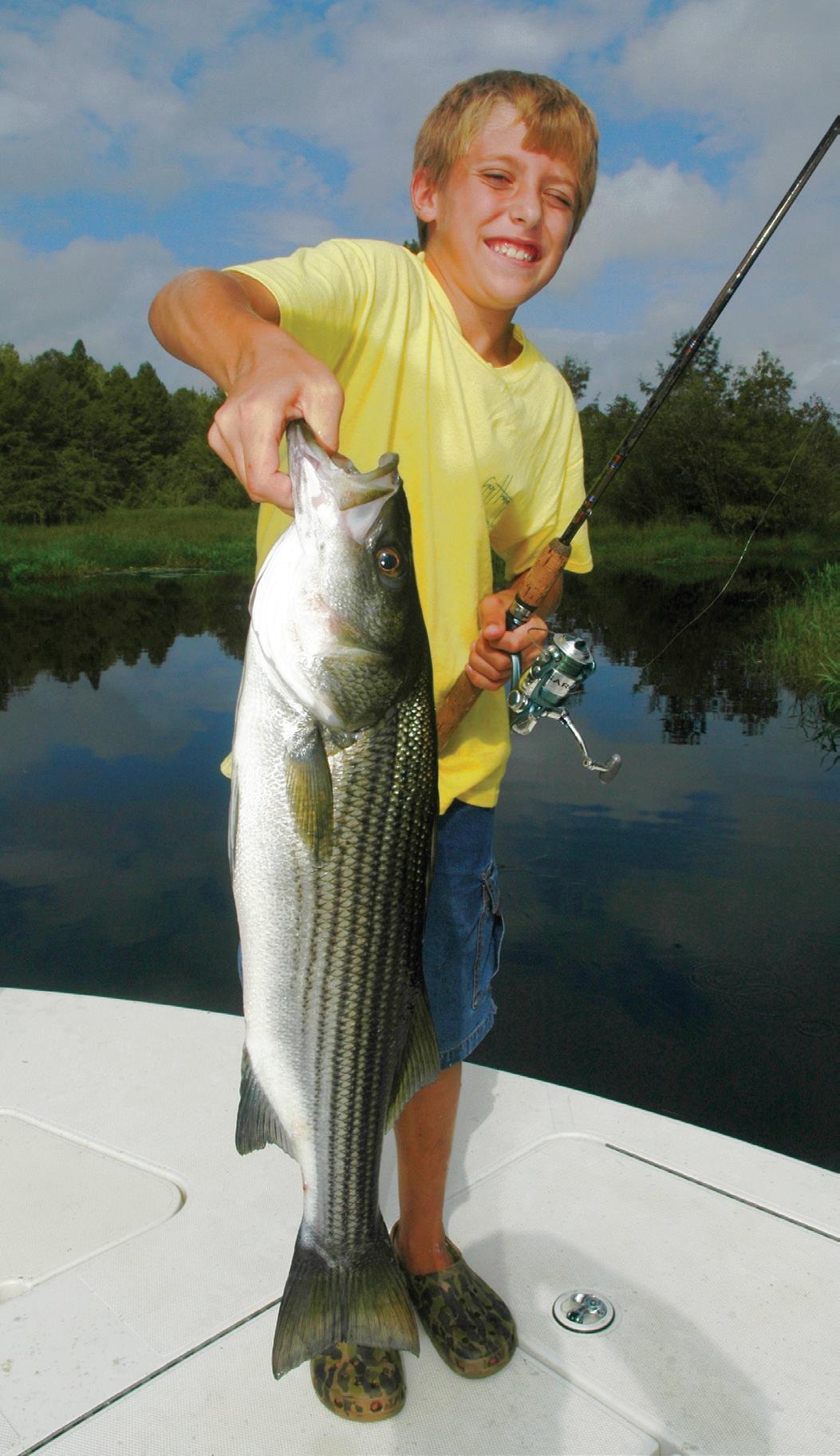
Powerful ‘linesides’ can provide exciting angling action
Florida holds some giant bass, but anglers could catch even bigger ones colored white with horizontal black stripes instead of mostly green.
Members of the “true bass” family—as opposed to largemouth bass, which belong to the sunfish family—striped bass can exceed 80 pounds. Also called stripers or linesides, these fish mostly live in saltwater but enter freshwater rivers to spawn.
Actually, two populations of striped bass live in Florida. One population lives in the Atlantic Ocean and enters the St. Johns River near Jacksonville for spawning. Stripers also exist in the St. Marys and Nassau rivers near Jacksonville.
The other population is in the Gulf of Mexico. The Florida state record weighs 42.25 pounds, a Gulf-striper from the Apalachicola River. The largest river in Florida by volume, the Apalachicola flows out of Lake Seminole into Apalachicola Bay in Franklin County.
Lake Seminole touches Florida, Georgia and Alabama. The reservoir holds some big striped bass. In Lake Seminole, look for linesides near sandbars along the old river channels. A channel might drop to 28 to 30 feet deep, but a sandbar could rise to about 14 feet deep. Stripers often lurk near those rises waiting to attack baitfish.
Besides the Apalachicola River, anglers might catch stripers in the Suwannee River. Also in the Panhandle, the lower Ochlockonee and St. Marks rivers hold some big striped bass. The Ochlockonee flows into Ochlockonee Bay on the Gulf near Panacea. The St. Marks River flows into Apalachee Bay a little farther east.
Created by damming the Ochlockonee River, Lake Talquin holds the best landlocked striper population wholly within Florida. The lake spreads across 8,800 acres near Quincy and averages about 15 feet deep, but plunges to more than 40 feet deep. Talquin stripers are generally 10 to 20 pounds, but some exceed 30 pounds.
Farther west, try the Yellow, Blackwater, Choctawhatchee or Escambia river systems. The Yellow and Blackwater rivers empty into Blackwater Bay, an arm of Pensacola Bay. The Escambia system feeds into Escambia Bay, another part of the Pensacola Bay system. The Choctawhatchee River flows into Choctawhatchee Bay near Destin.
Striped bass primarily eat fish. Live shad make an excellent temptation. Around the coast, anglers entice stripers with live mullets—5 to 6 inches long—or shrimp. Hook a mullet through the upper lip or nose and fish it on a free line so the baitfish can swim naturally.
For people who prefer artificial enticements, linesides might hit anything that mimics a shad or other baitfish, such as crankbaits and chrome spoons. With a spoon, anglers can vertically jig it or cast it. When casting, let it sink to the bottom and hop it off the bottom.
Suspending jerkbaits imitate baitfish. Let the lure slowly sink. Then, twitch it periodically to make it flash like a dying shad. Shad-pattern jerkbaits and other floating lures work when big striped bass drive baitfish to the surface and attack them.
Stripers offer anglers some of the biggest fish found in Florida freshwater systems.
John N. Felsher is a freelance writer, broadcaster, photographer and editor. He’s written more than 3,500 articles on a wide variety of outdoor topics. Contact him at j.felsher@hotmail.com or through Facebook.























































All ages can find something new and exciting around every corner of the state. Filled with rich history, abundant natural beauty and diverse events all year, Florida has fun options for everyone.
July 1-5
Key Lime Festival
Set in the birthplace of Key lime pie, Key West comes alive during this festival with its tropical backdrop, salty breezes and laid-back charisma. Whether you’re a foodie, a fun-lover or just curious, the festival is a flavorful celebration you won’t want to miss. Culinary events range from piehopping tasting tours to intimate dinners. Signature competitions include the World-Famous Key Lime Pie Eating Championship, Key Lime Pie Drop from the lighthouse and the fiery 5-Alarm Pie Challenge. Guests can enroll in mini pie-making workshops, join bike tours through historic Old Town, shop artisan lime-themed vendors, enjoy live entertainment, and partake in themed parties and poolside escapades. keylimefestival.com
July 2, 9, 16, 23 and 30
Summer Concert Series
Summer nights are made for music, and this concert series has become a summertime tradition. Enjoy a free concert from 7-9 p.m. at Aaron Bessant Park Amphitheater every Thursday. Bring your lawn chairs and blankets, and enjoy the sounds of summer music. Coolers, food and pets are welcome. The musical lineup is Body Double, July 2; The Lee Boys, July 9; Sons of Saints, July 16; Will Thompson Band, July 23; and John “Papa” Gros, July 30. bit.ly/4nEeULF; 850-233-5070
July 6
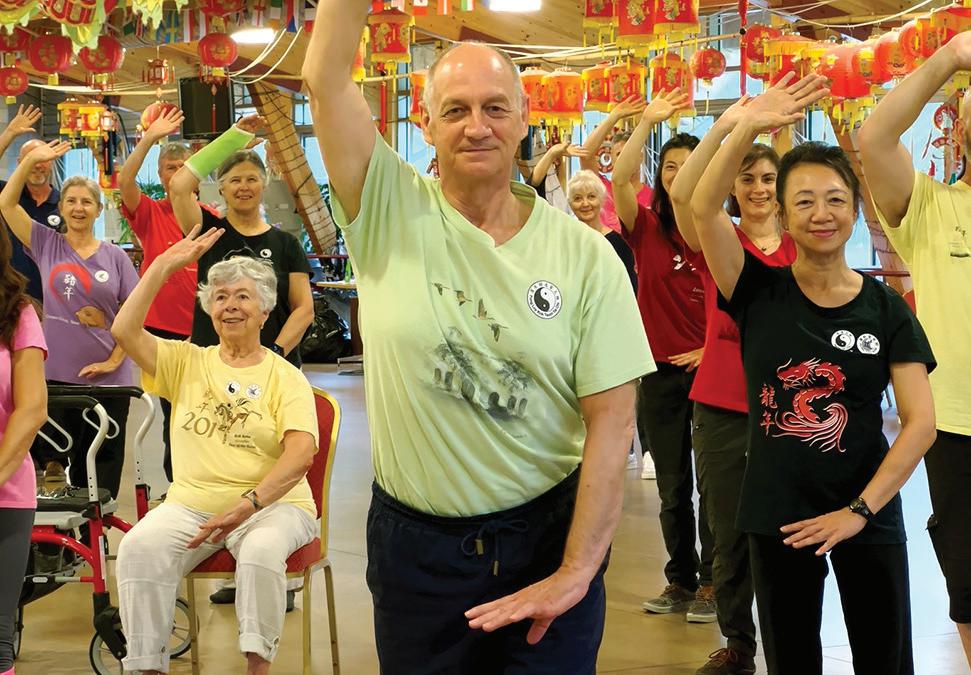
Taoist Tai Chi Intro Sessions
The Tavernier session is 6:30-7:30 p.m. at Burton Memorial United Methodist Church, 93001 Overseas Highway. The Plantation Key session is 9:30-10:30 a.m. at Plantation Key Community Center, 53 Highpoint Road. Attendees learn about Taoist Tai Chi arts, try some of the 108 movements in this unique set, and experience how regular tai chi practice has a positive impact on the body, mind and spirit. Whether you are looking to reduce stress, maintain health or find deeper meaning, Taoist Tai Chi arts can help. For more than 50 years, volunteer instructors have helped people around the world regain and maintain their health, improve balance, build strength and experience a deep sense of inner calm. Through mindful practice, we learn true strength lies in softness, patience, humility and the ability to truly listen—to ourselves and others.
taoisttaichi.org; 877-398-1108
July 3
America’s 250th Anniversary of the Declaration of Independence Cookout Celebrate the nation’s anniversary while decked out in red, white and blue at this free, family-friendly cookout on the lawn of the Truman Little White House to celebrate America’s 250th. Enjoy barbecue, a cash bar and patriotic fun.
trumanlittlewhitehouse.org/foundation/events/presidents-day-cookout-2; 305-294-9911
July 4
Firecracker 5K
Held in historic downtown, this run benefits Ronald McDonald House Charities of Northwest Florida. The race starts and ends at Seville Quarter and invites runners and walkers to join the fun. Wear your red, white and blue clothes in celebration of the Fourth of July. Following the 5K is the Kids Fun Run. The registration deadline ends at 11:59 p.m. July 2, and late registration pricing of $50 will be in effect starting at midnight July 3. Packet pickup is 4-7 p.m. July 3 at Apple Annie’s within Seville Quarter. Packet pickup is also available on race day from 6-6:45 a.m. within Seville Quarter.
runsignup.com/race/fl/pensacola/rmhcfirecracker5k; 850-477-2273


July 4, 11, 18 and 25
Farmers Market
Discover the charm of small-town Florida from 9 a.m. to 2 p.m. inside the historic Jacaranda Hotel in the heart of downtown. Explore a market
filled with local farmers, artisans, and food vendors offering fresh Florida produce, handmade goods and delicious bites. With live music and a relaxed community atmosphere, it’s an easy and enjoyable way to spend a Saturday morning—rain or shine. facebook.com/farmersmarketavonpark; 863-235-1414
July 5, 12, 19 and 26
Florida Keys Farmers Market
Spend your Sundays from 10 a.m. to 3 p.m. exploring the farmers market, a vibrant weekly gathering held in the parking lot of Islamorada Gardens Plaza. The market includes fresh local produce, handmade goods and unique artisan offerings, while bringing together local farmers, makers and small businesses. Whether you’re looking for farm-fresh ingredients, locally crafted products or simply a relaxing way to enjoy the day, this open-air market offers something for everyone.
floridakeysfarmersmarket.com; 305-432-6900
July 10-11
Underwater Music Festival
Whether you’re a seasoned diver, a passionate conservationist or simply someone who loves the ocean, the Underwater Music Festival offers a unique blend of entertainment and education, set against the breathtaking backdrop of the Florida Keys. Prepare to dive into the rhythm of the reef. Looe Key is a spur and groove reef that is part of the Florida Keys National Marine Sanctuary. lowerkeyschamber.com; 305-872-2411
July 22-26
Hemingway Days
Key West comes alive through this spirited five-day festival celebrating the life, legacy and island era of Ernest “Papa” Hemingway. The event blends literary homage with playful contests, waterfront competition, and lively street festivities that draw fans, writers, anglers, historians and curious travelers. At the heart of the festivities is the iconic Hemingway LookAlike Contest, where bearded entrants attempt to channel “Papa” through appearance, personality and presence. Alongside it, the Running of the Bulls offers a whimsical twist on a Spanish tradition—contestants parade with wooden “bulls” through the streets of Old Town. The Key West Marlin Tournament brings serious anglers to the waters for high-stakes sport fishing, while a diverse literary program includes short-story contests, readings and book events. The festival also features a Caribbean Street Fair infused with local arts, food and music. keywestlookalikes.com; 305-294-5717
July 25
Christmas in July Marketplace
The celebration starts at 10 a.m. at the historic Woman’s Club clubhouse. Enjoy a marketplace filled with local artists and crafters showcasing oneof-a-kind creations, perfect for early holiday shopping or treating yourself. Experience the joy of the season in a charming, historic setting. bit.ly/4v2o5s6; 850-694-9860
July 15
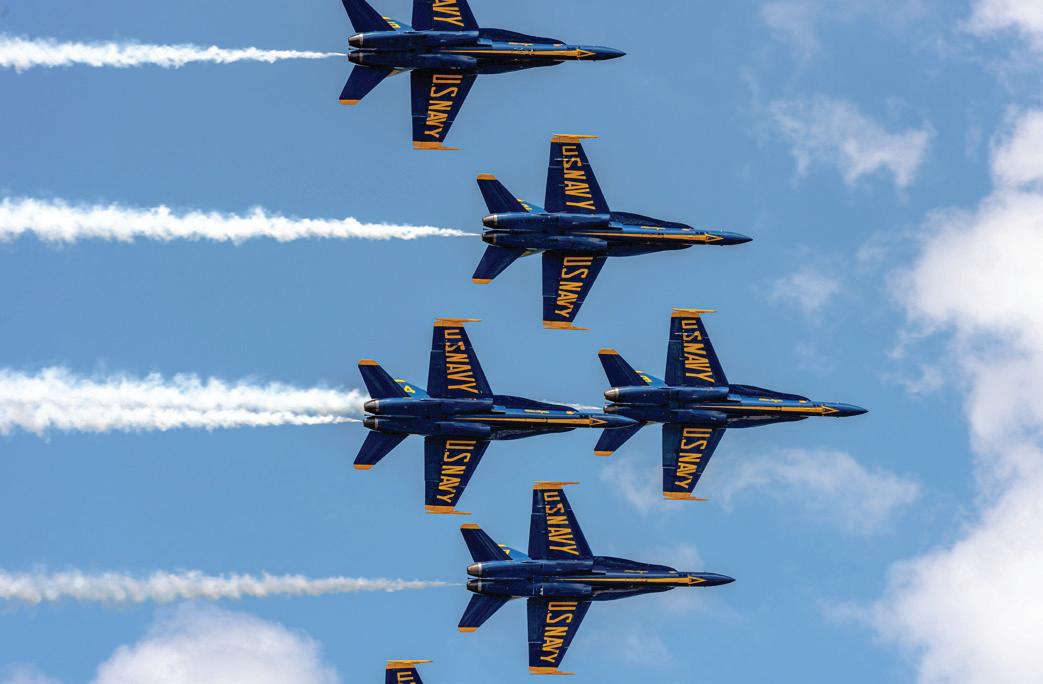
Breakfast With the Blues Kicking off the air show week at approximately 7:30 a.m., the Blue Angels arrive and circle overhead to mark the show’s coordinates and center points along Pensacola Beach. This event features the world-famous Blue Angels performing over Pensacola Beach on Santa Rosa Island. Locals and visitors look forward to the annual Pensacola Beach Air Show that highlights hometown heroes the Blue Angels—the U.S. Navy’s flight demonstration squadron stationed at Forrest Sherman Field aboard Naval Air Station Pensacola. The Blues hold several practice sessions along the beach in the days leading up to the big event on show day. visitpensacolabeach.com/whats-happening-blue-angels; 850-932-1500
July 29
Dolphin Sunset Celebration
This is an intimate, after-hours experience starting at 6:45 p.m. at Dolphin Research Center. The sunset program offers a unique opportunity to connect with marine life in a relaxed and scenic setting. Guests can take part in a special dolphin interaction, engage in meaningful conversations with the center’s expert team and enjoy a celebratory toast as the sun sets over the ocean. Blending hands-on moments, education and a beautiful coastal atmosphere, this experience provides a memorable way to learn about and appreciate dolphins and their care. dolphins.org/experiences; 305-289-1121
Want to share a family-friendly event with Florida Currents readers? Enter details at tinyurl.com/FloridaCurrents or use the QR code for easy access. Make sure to submit the item at least 60 days before the event (due to press deadline). If you own rights to a printquality photo promoting your event, include it with photo credit information.


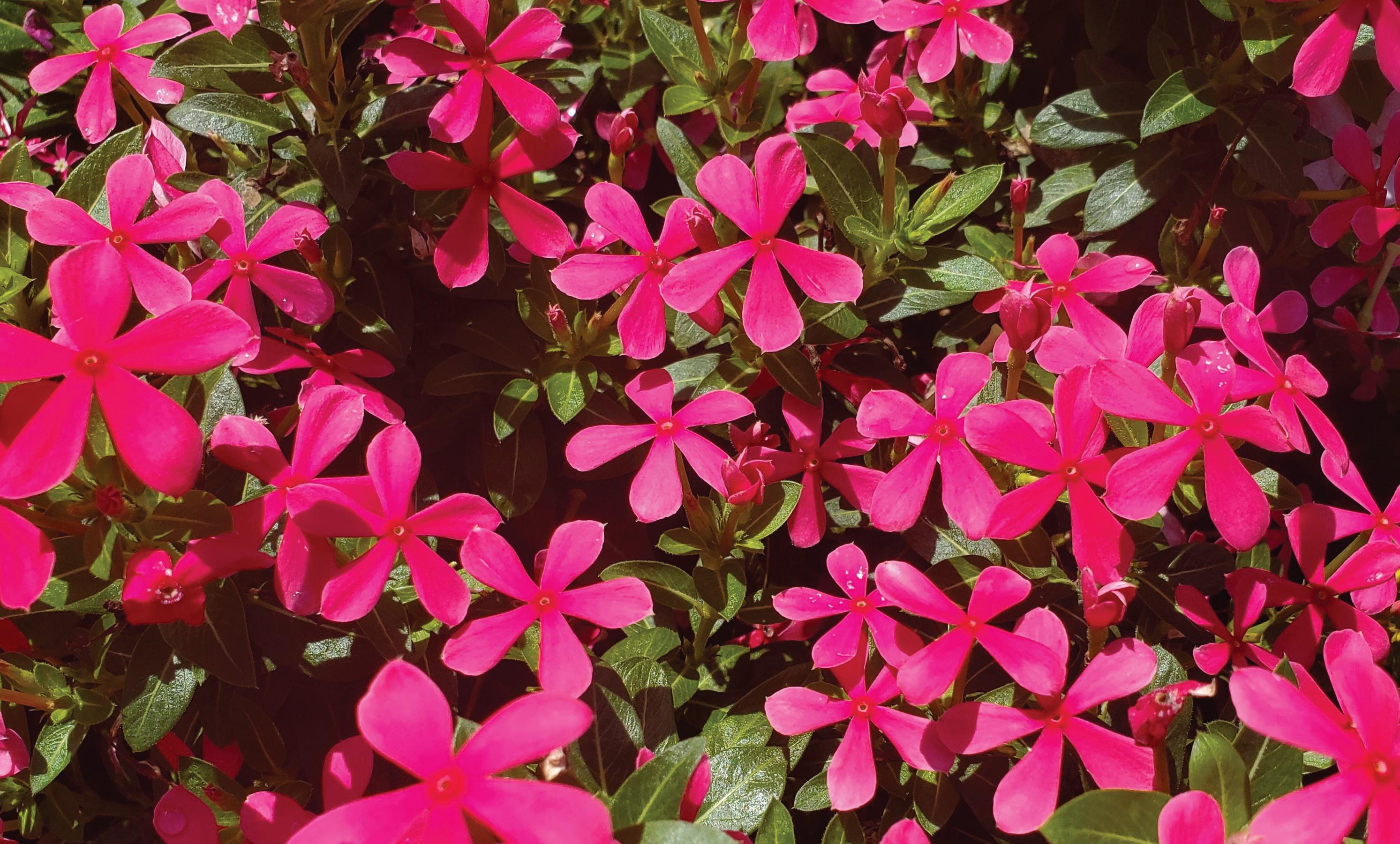

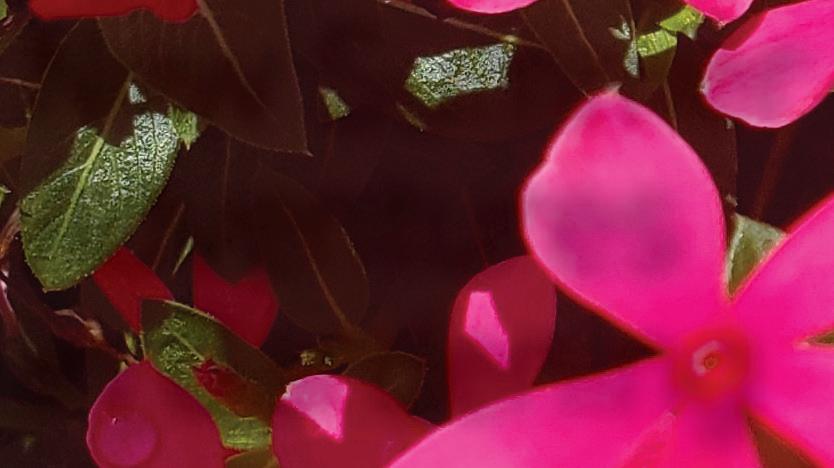
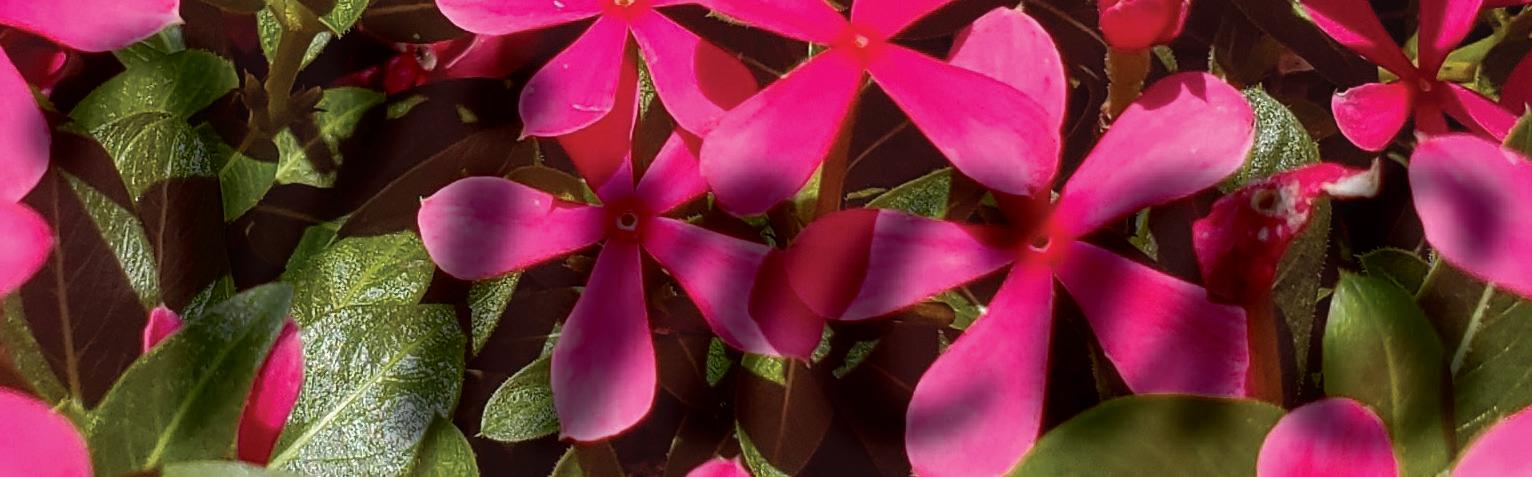
Smaller flowers, plants and foliage can add interest and visual appeal in the gardening world. Take the vinca for example—a hero of the bedding plant universe that takes the oppressive summer heat. They come in many colors and are in constant bloom. Changing things up, you may have noticed a different type of vinca in garden centers the last few years—a vinca with tiny flowers called Soiree Kawaii, developed in Japan. Check out these bedding plants this summer for a bold new look.
Most gardeners are acquainted with the summer flowering plant called vinca. This new Catharanthus hybrid takes the best features of the familiar vinca and miniaturizes them into 6- to 10-inch mounds with spreads of up to 18 inches wide. The flowers are half the size of a normal vinca, and this gives them a different look and texture.
These smaller flowers give the visual of a colorful asterisk set against the background of glossy green petite foliage—not your grandmother’s vinca.
Low in profile, use the Soiree Kawaii vinca in containers, hanging baskets or as a low border in a bedding area. This Catharanthus hybrid series comes in several cultivars including lavender, blueberry kiss, white peppermint, red shades, coral,
coral reef and light purple. These patented plants are propagated by commercial growers using cuttings only—they are not grown by seeds like traditional vincas. Depending on the size of the pot, it can take the grower at least two months to develop a crop of these plants before they arrive at your local garden center in ready-to-plant condition. Best when planted by themselves, these diminutive plants don’t compete well with an aggressive bedding plant, such as an ornamental sweet potato.
Plant Soiree Kawaii hybrids in areas that receive at least six hours of sun—more is better—in well-drained soil. These neat little gems are considered drought-tolerant once they establish themselves but may need some supplemental water if things get on the dry side.
Although some vincas have problems with fungal wilt diseases, research indicates Soiree Kawaii white peppermint, coral and coral reef have shown resistance to this problematic issue—a good trait to have in our area.
The Soiree Kawaii Catharanthus hybrids provide another opportunity and adventure in summer gardening in Southwest Florida. Its ability to thrive in the subtropical climate makes it a sure bet for continuous color with an impact in your gardening nook where tiny vincas rule.
Ralph Mitchell has served as the county extension director and horticulture agent IV for UF/IFAS Extension Charlotte County since 2000.
In this role, he oversees all county extension programs and staff while leading key horticulture initiatives, including the Master Gardener Volunteer Program, Consumer and Commercial Horticulture, Florida-friendly Landscaping and Pesticide Applicator Recertification Training. He is also a senior instructor for Florida’s Green Industries Best Management Practices program. Ralph lives in Port Charlotte with his wife of 39 years. In his free time, he enjoys gardening, natural history, archaeology and raising small animals.
Holidays like the Fourth of July and other celebrations can be fun times with great memories. But everyone should practice safety near fireworks. Read the safety tips below, then fill in the blanks with the correct answer in the word bank
The best way to stay safe is to never use fireworks at home. Instead, attend a public _______________ and leave fireworks to the pros.
Watch fireworks from a _______________ of 500 feet away from where they are launched.
Never touch or pick up pieces of fireworks or duds as they may still be _______________ or could explode at any time.
Remember, _______________ are not toys and can reach 2,000 degrees F. Use glow sticks instead.
Think about _______________ when fireworks are nearby. It’s best to leave them indoors to reduce the risk of them running away or being injured.




By Miranda Boutelle
Saving energy doesn’t have to be expensive or time-consuming. You don’t need to spend thousands of dollars or get the newest technology. There are several steps to reduce your energy use, even on a tight budget.
Here are some low- and no-cost ways to save energy around your home.
Adjusting the thermostat is an easy way to save. Nudge the thermostat a few degrees closer to the outside temperature, especially on extreme weather days. I often hear people say, “I didn’t change anything, and my bill is higher.” On the hottest and coldest days, your HVAC system works much harder and uses more energy to maintain the same temperature. Add an extra layer of clothes or some cozy slippers in the winter and wear lighter layers in summer.
Fix any hot water leaks or dripping faucets. Those tiny drips can add up to big energy waste, not to mention water waste. If you need to hire a pro to fix it, turn the shutoff valve under the sink to stop the leak until you can get it repaired.
Wash clothes in cold water to avoid using the energy required to heat it. Washing on hot or warm settings can really add up, especially if you have a top-load or older washing machine that uses more water.
Adjusting the temperature on your water heater can save energy and money. Depending on the water heater, this can be an easy adjustment or something that requires removing access panels. If you don’t know how, consult a professional.

Air sealing is a do-it-yourself, beginner-friendly project that improves comfort and reduces energy waste. For about $20 and a couple of hours of time, you can fill gaps, cracks and holes to prevent air from leaking in and out of the home. From the inside of the home, seal trim on windows and exterior doors with caulk for $4 a tube. Buy paintable caulk so you can touch it up when it dries, if needed.
A can of spray foam is about $5 and seals gaps around plumbing lines. It’s great for sealing gaps around pipes under sinks and in the crawlspace or basement. Cold air can travel through those spaces, causing drafts and wasting energy. Air sealing these areas gets bonus points for stopping insects and rodents from using these gaps to enter your home.
Spray foam is messy and nearly impossible to get off whatever it touches, so wear disposable gloves and clothes you don’t mind getting dirty, and use drop cloths to protect finished floors. Be careful if you’re working with spray foam overhead. If you get it in your hair, it’s not coming out with anything less than a haircut. Move any items and clean surfaces of dust and debris in areas you intend to seal before cracking open a can. Put the can in a cardboard box to carry throughout the house so you don’t leave a trail of spray foam.
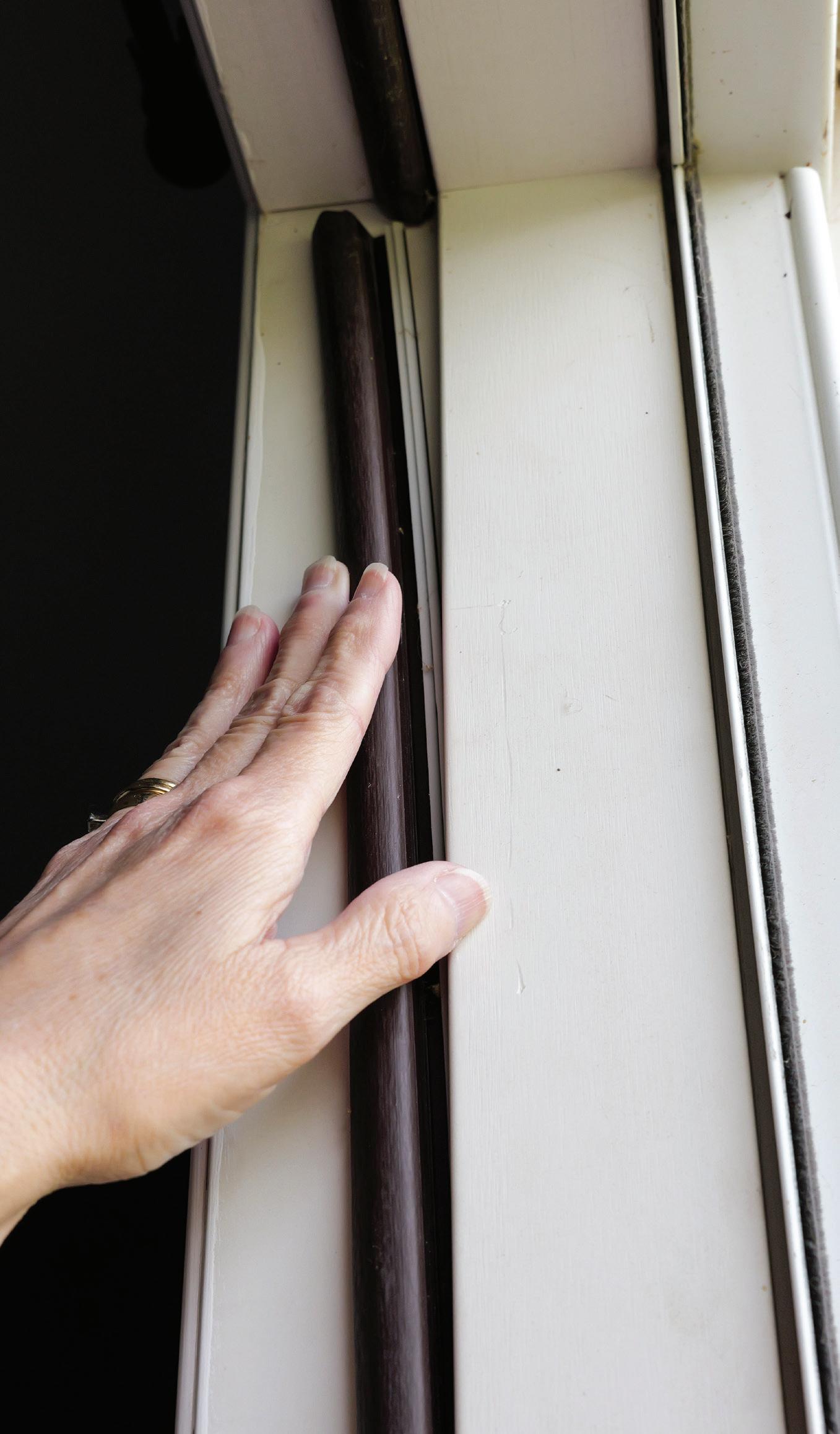
For $10 to $15, you can buy weatherstripping to improve the seal on exterior doors. If you can see light around doors or feel a draft between the door and the door jam when the door is closed, weatherstripping will help.
Try these easy, low- and no-cost improvements to reduce energy waste and improve comfort in your home.
Miranda Boutelle has more than 20 years of experience helping people save energy. She has worked on energy-efficiency projects from the Midwest to the West Coast. Today, Miranda is chief operating officer at Efficiency Services Group in Oregon, a cooperatively owned energy-efficiency company.


Florida Currents is a magazine about the people, places and moments that make Florida home, and nobody knows those stories better than you. Whether it’s a hidden gem in your community, a local hero worth celebrating or an organization doing great work in your area—we’re listening.
Scan the QR code or visit the link to submit your story idea. Our editors read every submission.
Thanks for reading and for helping us tell Florida’s best stories.
Scan the QR code with your smartphone camera or visit tinyurl.com/SendStoryIdeas.


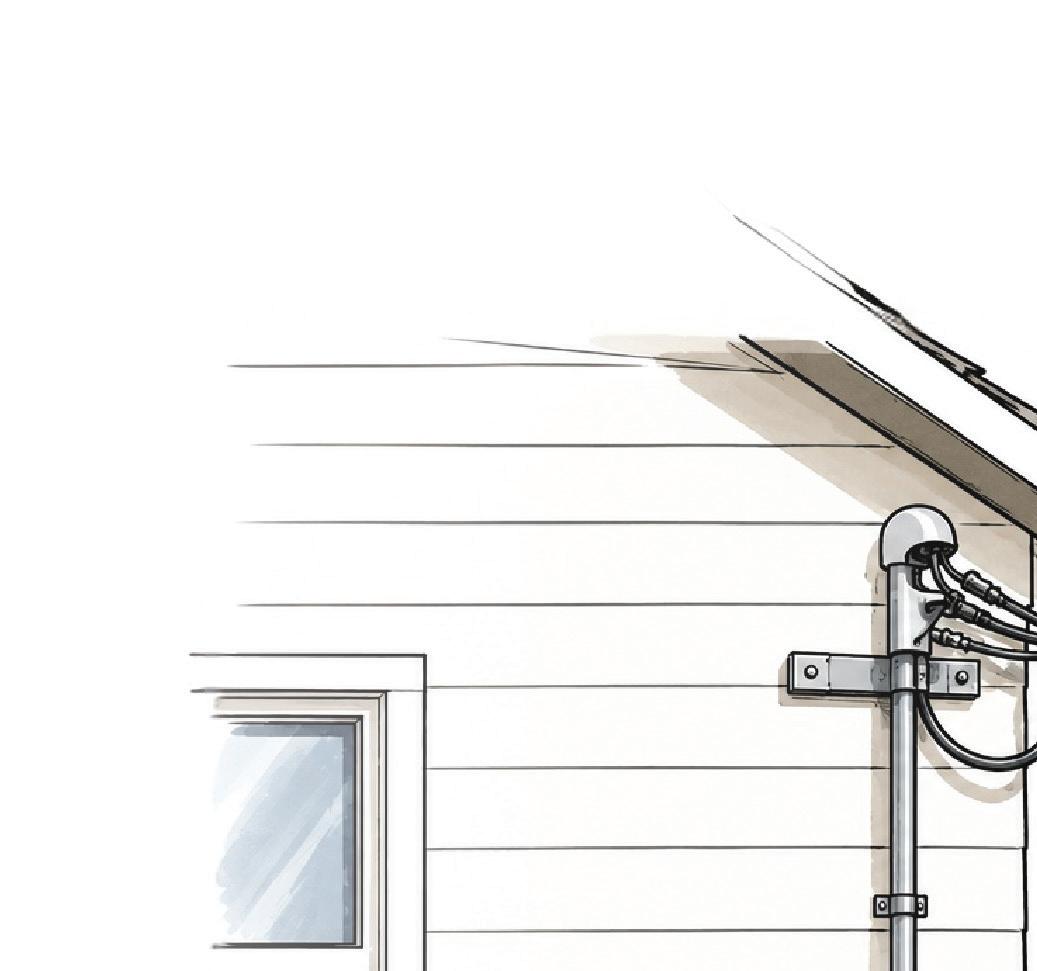
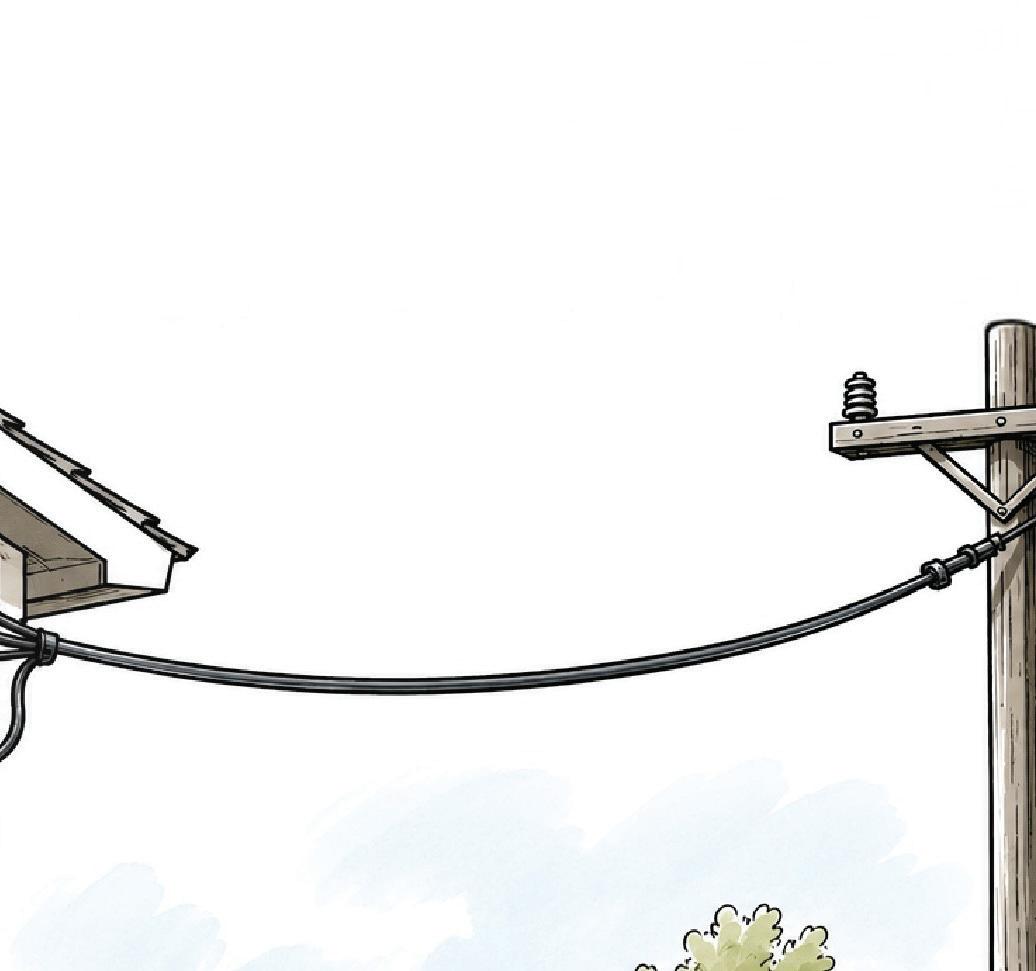
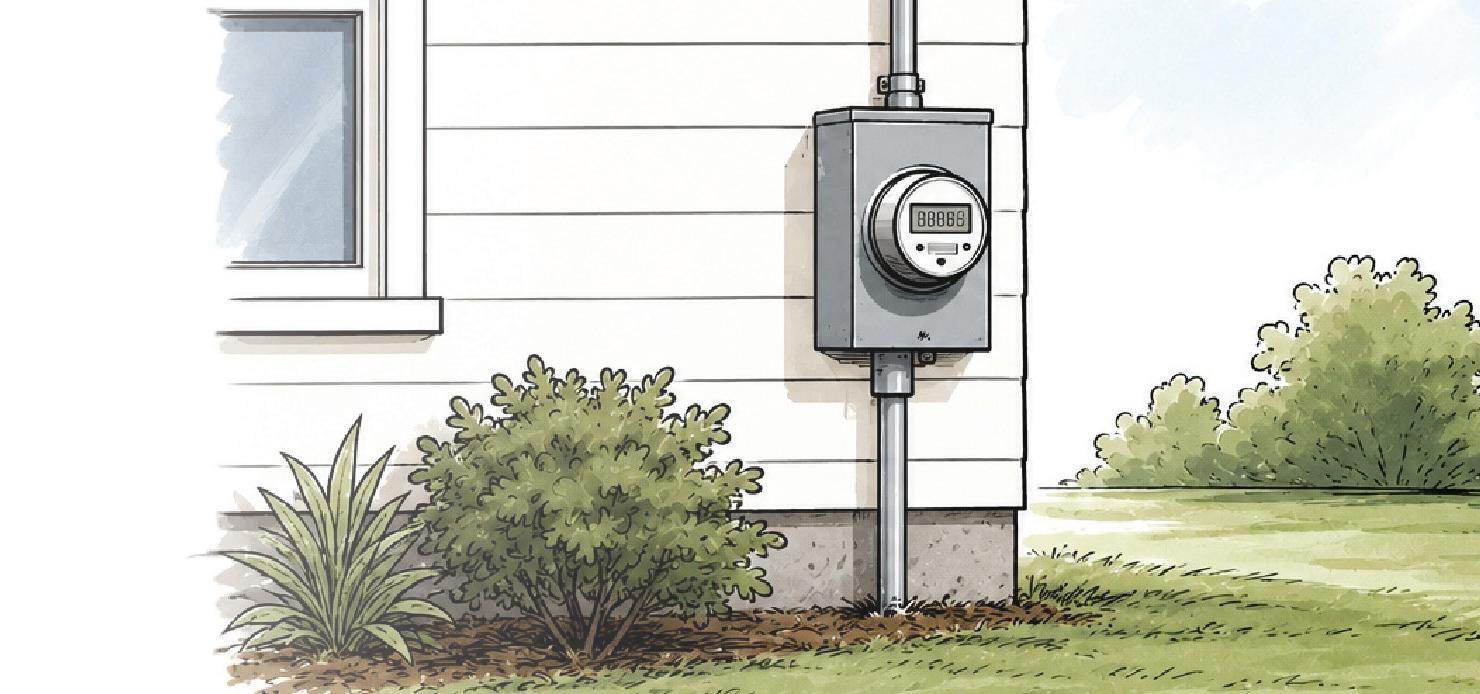
When power is being restored after an outage, knowing who is responsible for which equipment can help avoid confusion and delays.
FKEC maintains and repairs the electric system up to the point of delivery, typically the weatherhead where service enters your home. This includes poles, transformers, service lines and the electric meter. If these facilities are damaged, FKEC will make repairs at no cost to the member.
Members are responsible for maintaining equipment beyond the point of delivery, including:
• Meter cans
• Service risers (conduit)
• Attachment hardware
• Weatherheads
• Customer-owned wiring and electrical equipment
• Vegetation around customer-owned equipment
If repairs are needed on memberowned equipment, contact a licensed electrician. If you notice damage to FKEC equipment, please report it immediately by calling 305-852-2431.
Please keep your meter and meter access platform free of obstacles, debris and pets. Obstructed access can delay restoration and maintenance. If your meter is located behind a locked gate, please provide FKEC with a gate code or access key. This information is kept secure and used only when needed.
For safety reasons, members and electricians must receive approval from FKEC

before removing a meter or breaking a meter seal. If work requires a meter to be removed, call 305-852-2431 at least 24 hours in advance to schedule a disconnect. In emergency situations, contact FKEC immediately. Operators are available 24/7.
Unauthorized removal of a meter or meter seal may be considered meter tampering and could result in fees or penalties under Florida law.
Even after power is restored to your neighborhood, damage to memberowned equipment may prevent service from being safely reconnected. Understanding these responsibilities can help speed repairs and restoration. n
Only connect portable generators to your home’s electrical system through an approved transfer switch, such as a GenerLink device, to safely power your home and prevent dangerous backfeed.
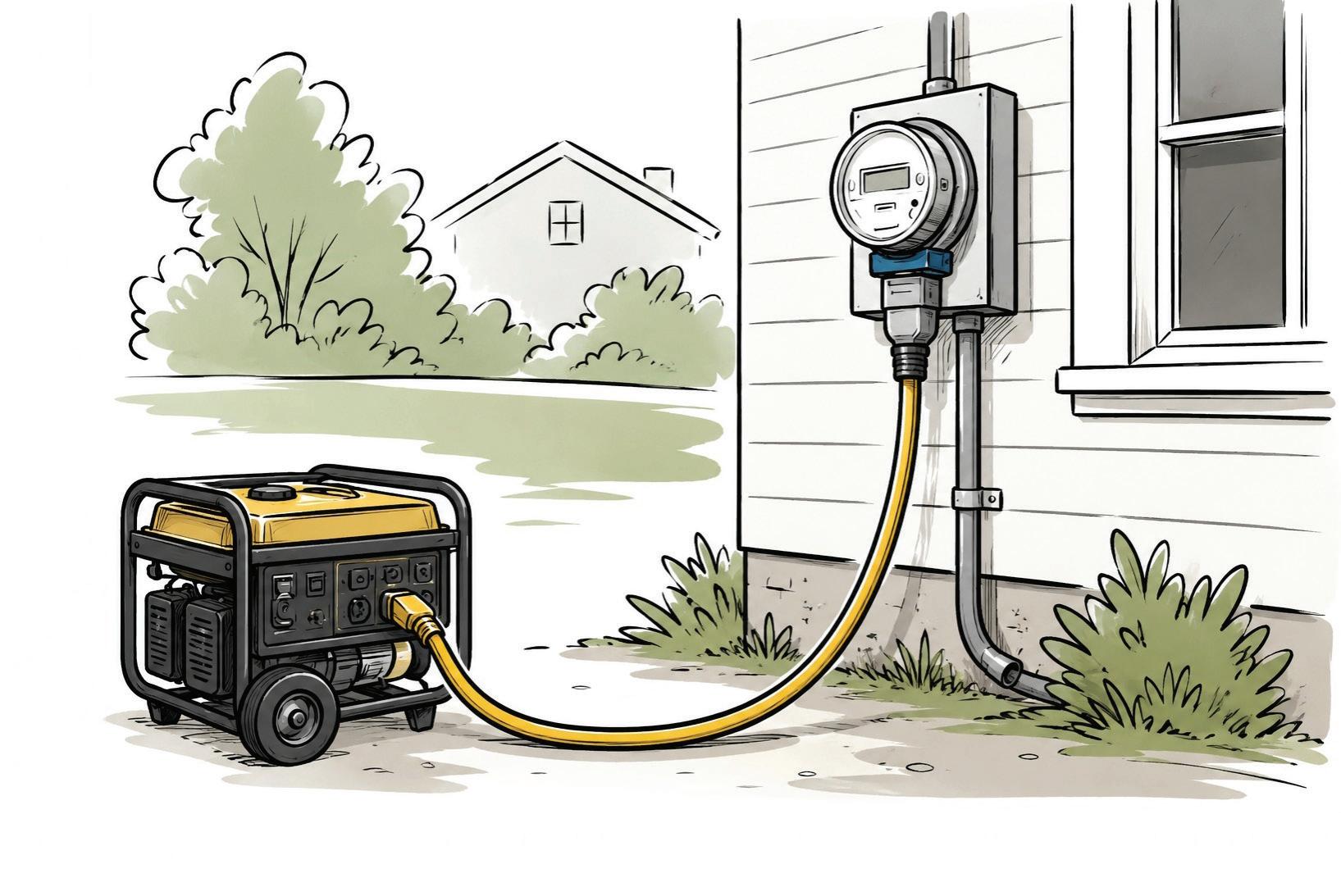
Portable generators can provide temporary power during an outage, but improper use can lead to carbon monoxide poisoning, fire or electrocution.
Carbon monoxide (CO) is an odorless, colorless gas produced by gasolinepowered generators and can quickly become deadly.
Never operate a generator inside a home, garage, carport, shed or other enclosed space.
The Consumer Product Safety Commission recommends placing generators at least 20 feet from doors, windows and vents. Homes using generators should also have working carbon monoxide alarms with battery backup.
Backfeeding occurs when a generator is connected directly to household wiring without proper transfer equipment. Electricity can flow back onto utility lines, creating a potentially deadly hazard for utility crews and others nearby.
Never connect a portable generator directly to your home’s electrical system without an approved transfer switch or other approved connection device.
• Keep generators dry and protected from flooding.
• Properly ground the generator according to the manufacturer’s instructions.
• Use only heavy-duty extension cords rated for the intended load.
• Do not overload the generator.
• Never refuel a hot or running generator.
• Turn generators off before going to sleep or leaving home.
Inspect your generator, extension cords and carbon monoxide alarms before hurricane season or severe weather arrives.
A portable generator can be a valuable tool during an outage—but only when used safely. n
Looking for a safer, easier way to connect a portable generator?
FKEC’s GenerLink™ meter collar allows members to safely connect a portable generator directly through their electric meter. Installed by an FKEC technician, the device automatically disconnects your home from the electric grid, helping prevent dangerous backfeeding and protecting utility workers.
Benefits
• Safe, convenient generator connection
• No separate transfer switch required
• Includes whole-house surge protection
• Works with generators up to 10,000 watts
Cost
$950 plus tax, including installation and a 20-foot GenerLok™ power cord.
Learn More
Visit FKEC.com or call 305-852-2431 for details and ordering information.
Interested in Standby Power Generation?
Check out FKEC’s Standby Generator Loan Program at FKEC.com or call 305-852-2431.
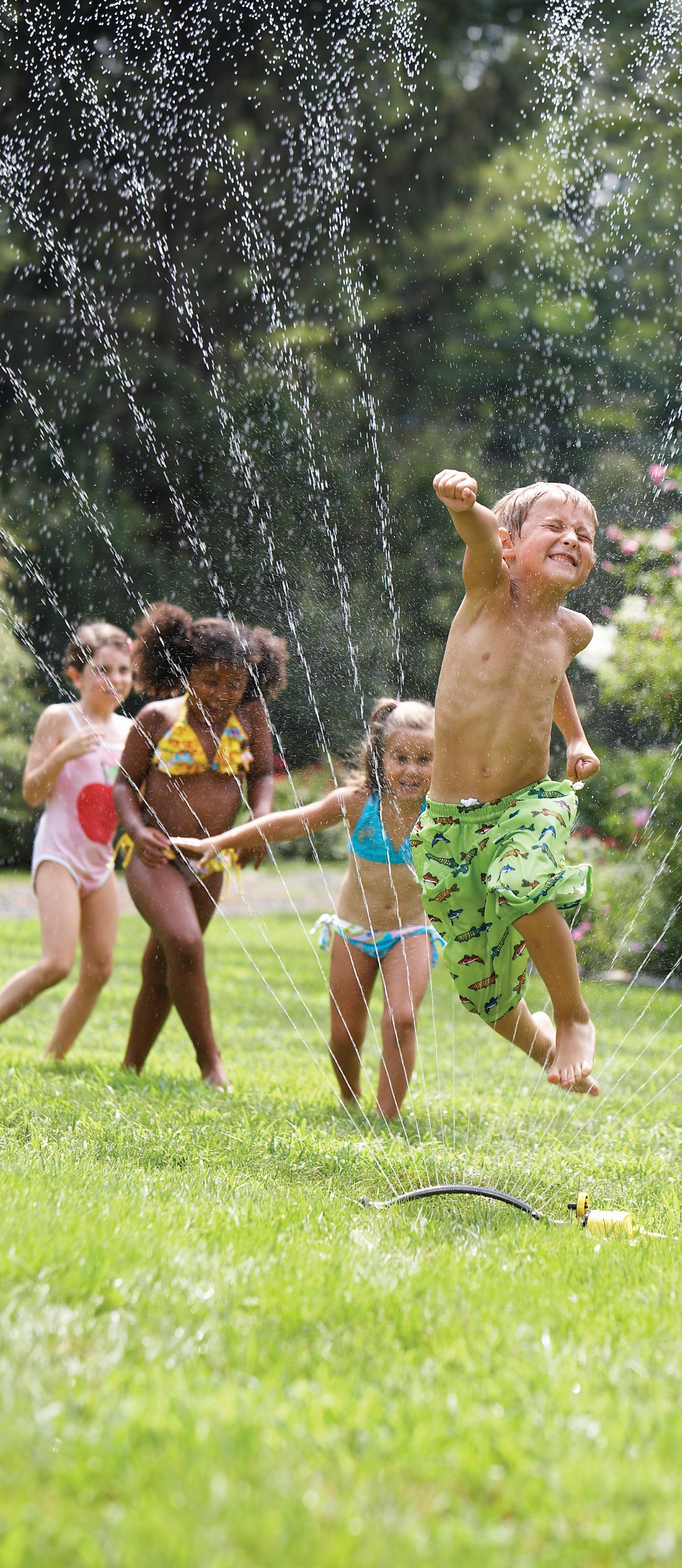
Summer is the season we’ve all been waiting for. It’s 100 days of high dives, ball games and barbecues. It’s 100 ways to dress a burger, catch some shade or get out of town. It’s 100 chances to clear the calendar for what’s most important.
Every two seconds this summer, someone like you will need blood. Donating is quick and easy and,. like all good things this time of year, it’s worth celebrating.
What are your summer plans?
This summer, there are 100 chances to give hope. Choose your day to help save three lives. Donate blood.
Choose your day to give hope. redcrossblood.org






Storm preparation isn’t just about supplies and emergency kits. These three simple steps can help you stay informed during emergencies and connected to FKEC before, during and after a storm.
If you’re not already using FKEC’s online account management tool sign up today! SmartHub lets you pay your bill, track energy use, and receive important updates—especially during a storm.

Report outages and get real-time restoration updates by text. Simply log in to SmartHub and go to:
→ Settings
→ Manage Notifications
→ Services
→ Outage Texting
Make sure FKEC has your current phone numbers. When you call to report an outage, our system matches your number to your account— helping expedite restoration. FKEC also uses email to communicate with members so be sure your email is included with your account information. Update all info via SmartHub or call 305-852-2431.
Take a few minutes today—before a storm is in the forecast— to verify your information and notification settings.
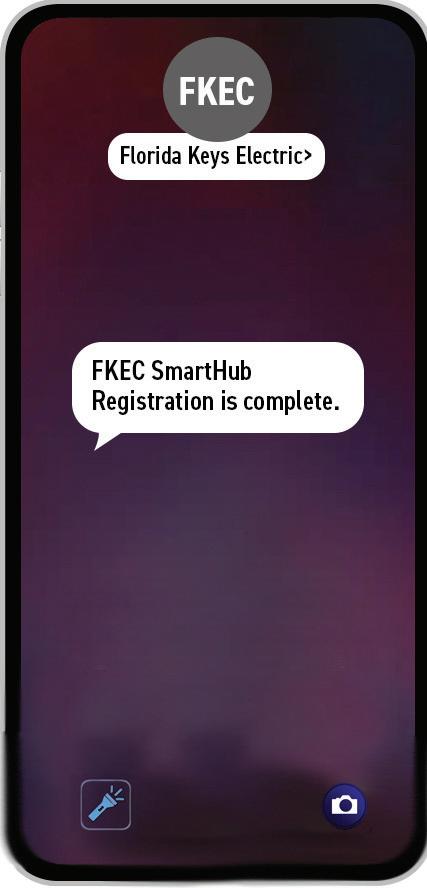



Activate texting in your SmartHub settings today!


SmartHub is available on desktop computers, smartphones and tablets.
