




















Where engineering excellence meets sleek design - a lightweight, safe, customizable, and stylish scooter for UNLIMITED FREEDOM. Numerous scooters with various features and capabilities are on the market, making it crucial to select the one that best suits your requirements.
At the age of 56, a back operation left me dependent on a cane, significantly impacting my daily life. Simple tasks like going to the store or meeting friends became challenging, and I even had to cancel a long-awaited anniversary trip to Italy.



Airline approved. Spacious legroom, comfortable seat



My husband purchased a scooter for me, but it was cumbersome and uncomfortable for everyday use, leaving me feeling more constrained than liberated. However, everything changed when I came across the ATTO SPORT. This remarkable scooter proved to be a game changer. Not only is it robust and reliable, but it also conveniently splits into two pieces, allowing me to effortlessly lift it into my car trunk on my own. I was even able to stow it in the overhead compartment on the plane, enabling us to finally take that trip to Italy! I am now independent once more, able to go wherever I please and do so with a striking sense of style. In fact, I now find that my husband struggles to keep up with me!
Independence and convenience: Easy to use and conveniently folds into a compact suitcase size for simple storage. It easily separates into two parts in seconds, with the heaviest piece weighing just 37 pounds, making it easier to lift into your car trunk.

Go anywhere: Conquer any terrain with puncture-proof, shock-absorbing tires and a 4-inch ground clearance. Equipped with electronic stability control for added safety on descents and turns, it is also flight-approved, ideal for air travel and cruise ships. With a driving range of up to 12.5 miles (25 miles with the XL battery), a top speed of 6.2 MPH, and a maximum weight capacity of 300 pounds, this durable scooter is designed for longevity.
Top-Notch Engineering: Guaranteeing both comfort and durability, this scooter offers ample legroom and a big comfortable seat. The ATTO is super portable and lightweight, and still rides like a heavy-duty scooter.
Unmatched Stylish Design: You deserve a mobility solution that doesn't just get you from A to B but makes you feel great while doing so. ATTO stands out from the crowd with its stunning design.
Splits into 2 lightweight parts for easy lifting



Folds in 3 seconds, rolls like a trolley suitcase








April 2026 • Volume 15, No. 6
CEO Michael Shepard
VICE PRESIDENT OF CONTENT Leon Espinoza
EDITORIAL DIRECTOR Chasity Anderson, CCC
DEPUTY EDITORIAL DIRECTOR
Noble Sprayberry
SENIOR EDITOR Jennifer Paton, CCC
LEAD CONTENT EDITOR Victoria Hampton, CCC
FLORIDA CURRENTS EDITORS
Valeri Saldanha Rosa; Sable Riley, CCC
ASSISTANT EDITORS David Herder, CCC; Nina Todea, CCC
PUBLICATIONS PRODUCTION
SENIOR MANAGER
Elizabeth Beatty
SENIOR PUBLICATIONS COORDINATOR
Alyssa McDougle
Members acknowledge that $4.89 a year, plus postage, is the cost to publish 12 issues a year of FLORIDA CURRENTS ISSN 23276304 (USPS 8300). Published by Pioneer Utility Resources Inc., 5625 NE Elam Young Parkway, Ste. 100, Hillsboro, OR 97124—a not-for-profit Oregon cooperative corporation—the magazine serves the communication needs of consumerowned electric utilities in Florida. Preferred Periodicals postage paid at Hillsboro, OR 97123 and at additional mailing offices.
Postmaster: Send address changes to 5625 NE Elam Young Parkway, Ste. 100, Hillsboro, OR 97124-6422.
HOW TO CONTACT FLORIDA CURRENTS
Subscription services:
Nonmember subscriptions $15 U.S. a year; $25 foreign a year. Prepayment required. Allow 4-8 weeks for first issue. Identify local edition desired. Have a problem receiving your magazine? Utility members should contact their utility office. Nonmembers call 503-357-2105 or email mailingdept@pioneer.coop.
Back issues:
Back issues and extra copies are $3 each, prepayment required. Supply is limited. Identify edition, month and year. Call first to check availability. Contact Pioneer Utility Resources: P.O. Box 1306, North Plains, OR 97133-1306; 503-357-2105; email: mailingdept@pioneer.coop.
DISPLAY ADVERTISING INQUIRIES
American MainStreet Publications, 611 S. Congress Ave., Ste. 504 Austin, TX 78704-1714; 800-626-1181 or 512-441-5200; amp.coop.

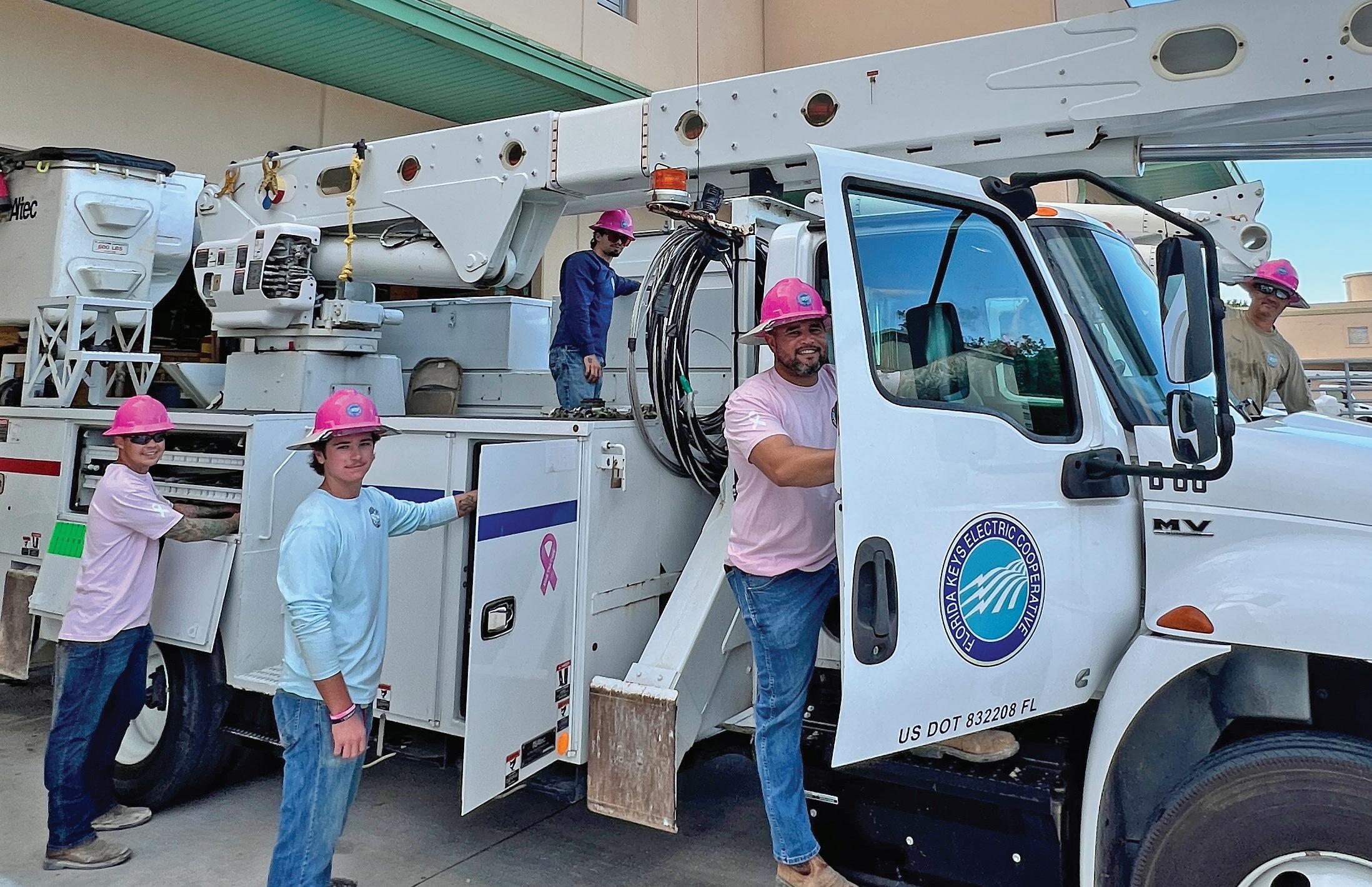





In October 2025, FKEC employees wore pink in support of Breast Cancer Awareness Month, joining our community in raising awareness and showing support.


Remarkably Unremarkable
CEO Report, Page 4
Right On the Mark
Maintaining 99% Reliability, Page 5
Consistently Connected Community & Environment, Page 6
The Mark of Consistent Service, Page 7




Steady Leadership Board of Directors, Page 8
Marking Time 20+ Year Anniversaries, Page 25
The FKEC Team Employees, Page 26-28
FKEC Finances
2025 Financial Report, Added Insert
Unless otherwise noted, FKEC Annual Report writing, design & photography are by Nikki Dunn Cullen, news@fkec.com.
© 2026 Pioneer Utility Resources. All rights reserved. Reproduction in whole or in part without written permission is prohibited. Direct reprint requests to editor@floridacurrents.com or for more information, visit www.pioneer.coop. Co-op Pages: 4-8, 25-26, 28-29, 32

Naval aviator lands in Milton and immediately hits the trail Up Close, Page 10
Spotlight, Page 12
Root for Great Taste
Turn sweet potatoes into the headliner
In the Kitchen, Page 16
PHOTO BY LINEMAN SCOTT TRAGO



Scott Newberry Chief Executive Officer
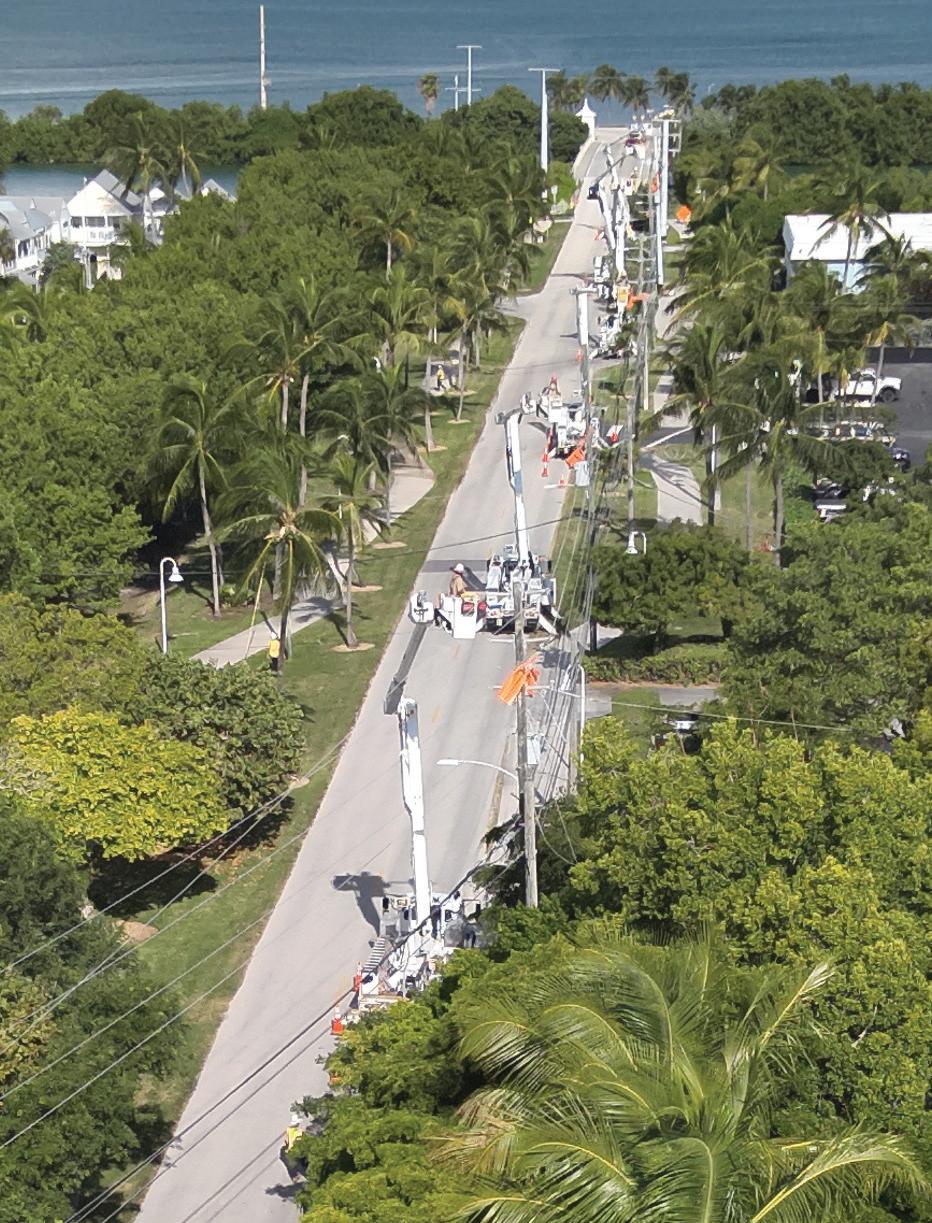
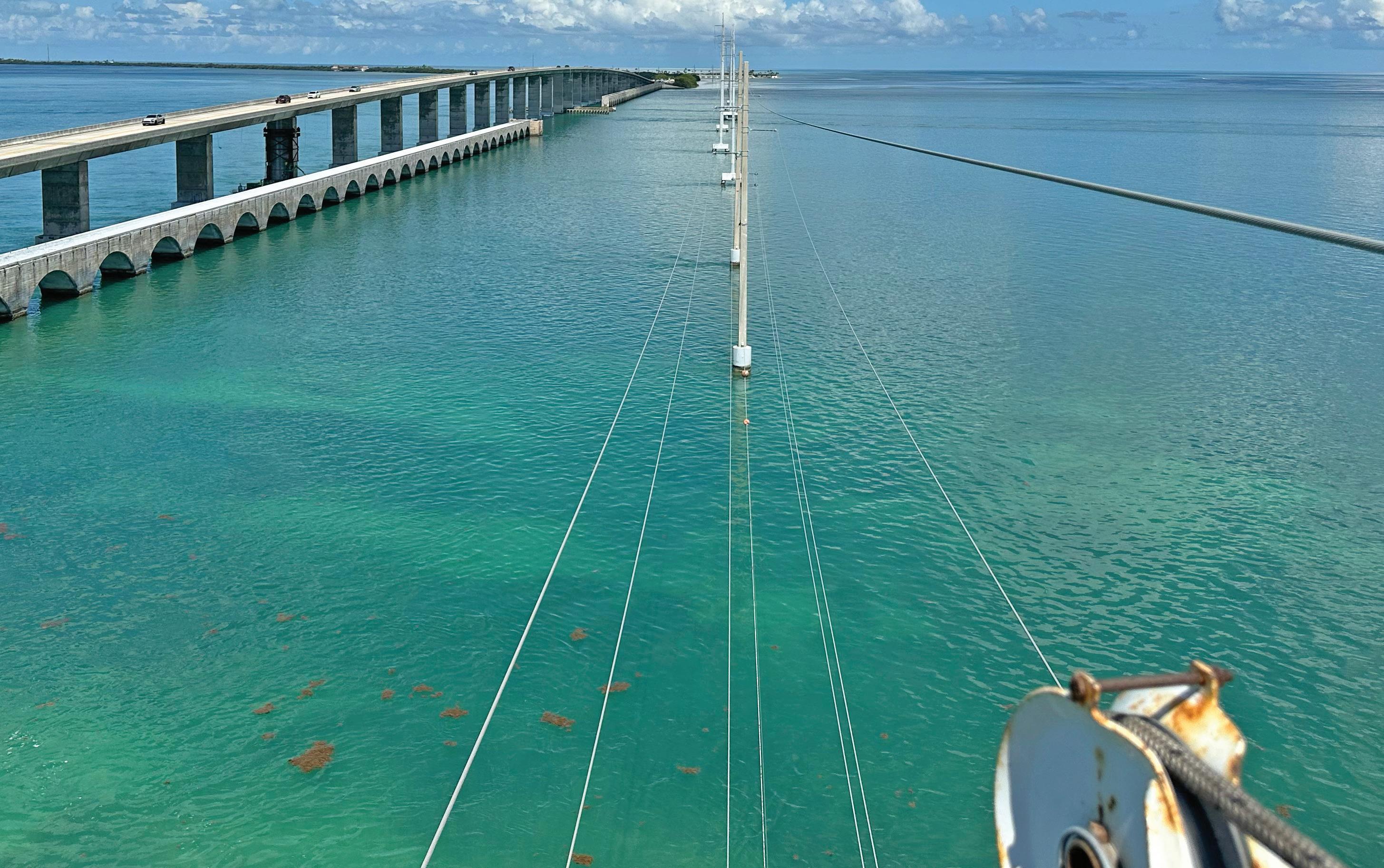
WE NEVER TAKE A STEADY YEAR FOR GRANTED. At FKEC, a “remarkably unremarkable” year reflects the outcome of hard work, thoughtful preparation, consistent execution—and, of course, a little cooperation from Mother Nature.
Each year, FKEC’s Annual Report is an opportunity for us to reflect on where we’ve been, share what we’ve accomplished, and outline how we prepare for what lies ahead. In many ways, 2025 was an uneventful year.
There were no major storms, no headline-making emergencies, and no disruptions to the dependable service our members expect. Instead, there was steady progress, careful planning, and consistent execution of the work that keeps the power flowing throughout the Upper and Middle Keys. That kind of performance doesn’t happen by accident. It is the result of years of investment, proactive maintenance, thoughtful system planning, and the daily efforts of employees who take pride in getting the details right.
This report highlights how FKEC continues to stay right on the mark— from maintaining industry-leading reliability, to strengthening our system, to serving our members with care and responsiveness. It also reflects how we are building on a strong foundation while keeping a clear focus on the future, making practical, measured investments that support long-term reliability and value for our members.
On behalf of the Board of Directors and our employees, thank you for the continued support of your cooperative. We are proud of the work we do, proud of the people who do it, and proud to serve you behind the scenes with consistency and purpose.



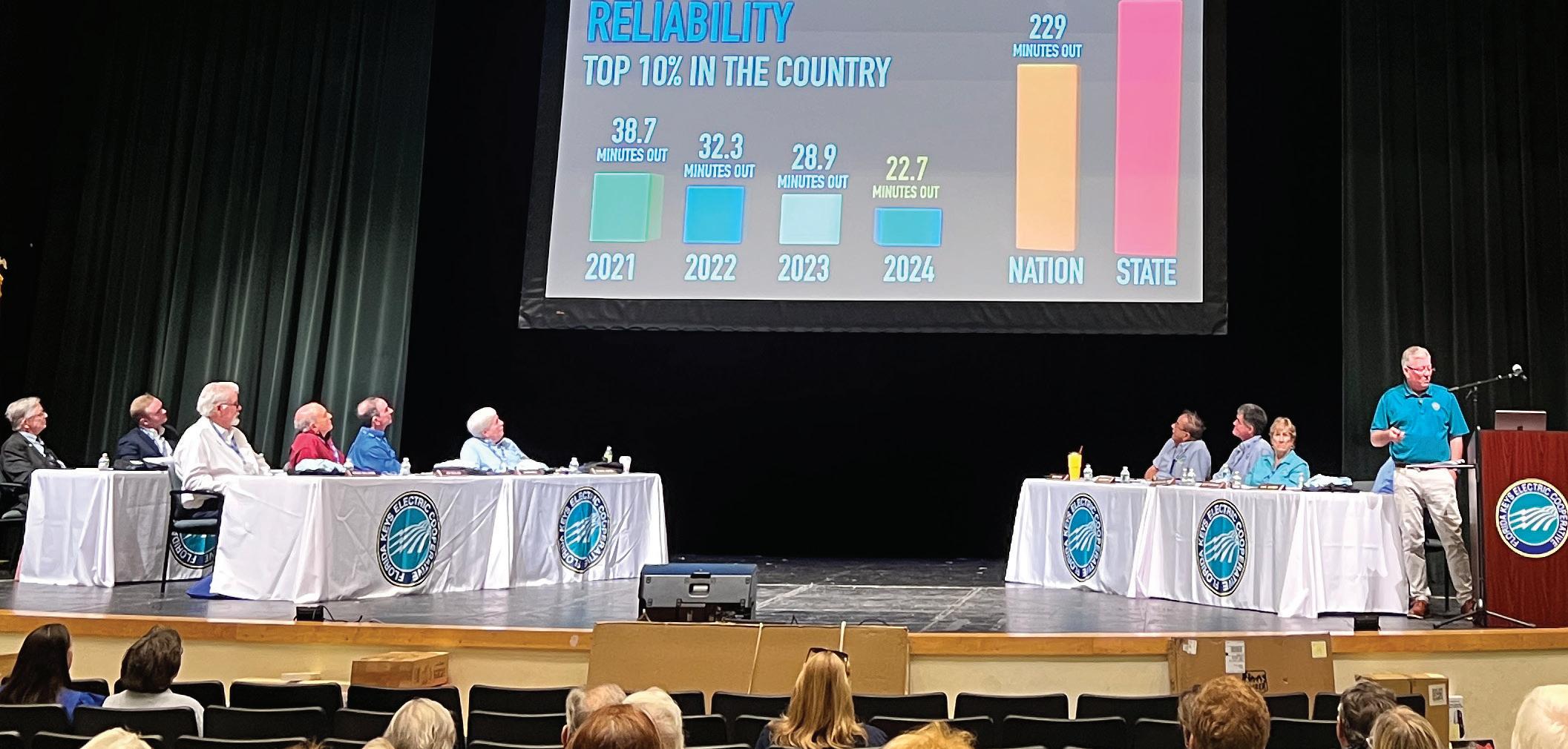
22.98 minutes out
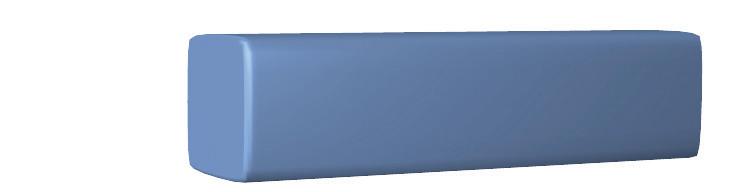
260.6 minutes out
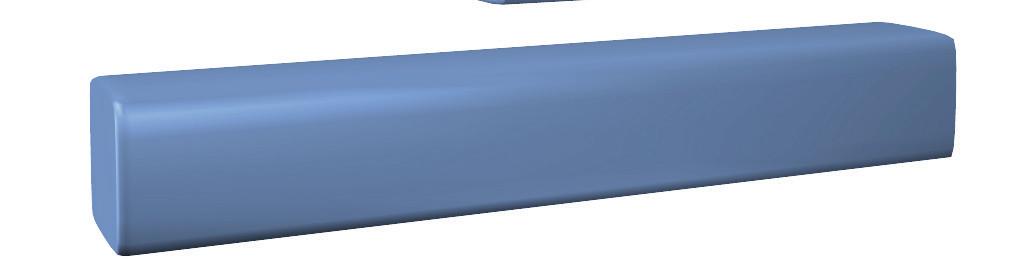
1,499.7minutes out
At FKEC, reliability doesn’t happen by chance — it’s the result of year-round planning, disciplined maintenance, and a commitment to addressing issues before they ever reach our members. Achieving 99.99% reliability requires clear performance goals, measurable benchmarks, and consistent progress tracking to ensure the system operates exactly as it should. By setting defined targets, FKEC keeps both dependable power delivery and responsive member service on course. For the past three years, total outage time has remained below 30 minutes per year. In 2025, members experienced just 22.98 minutes without power — nearly matching our record low of 22.7 minutes set in 2024.
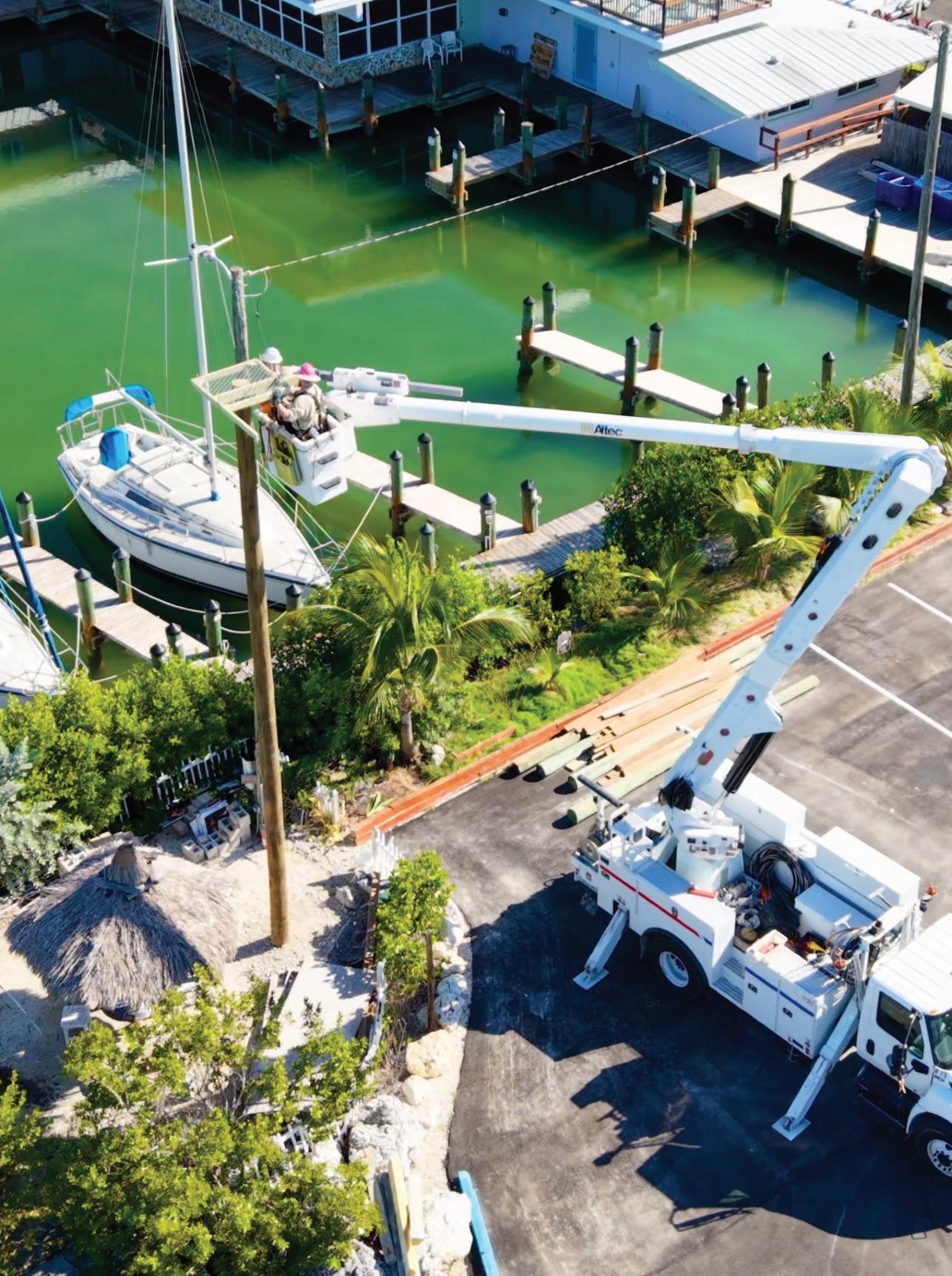
That consistency begins with routine inspections across our service territory. From infrared surveys to aerial helicopter assessments, crews examine lines, poles, and equipment to identify potential concerns early. In 2025, the aerial
inspection identified 11 sections of conductor compromised by corrosion, which crews repaired immediately to ensure reliability. This proactive approach allows repairs and improvements to be completed before interruptions occur.
Preventive maintenance remains essential to staying on the mark.
Maintaining proper line clearance through tree trimming, replacing aging equipment, and reinforcing critical infrastructure reduces risk and strengthens performance.
Reliability is further supported through strategic planning. Each year, FKEC completes targeted construction projects, evaluates our system for vulnerabilities, and schedules upgrades. Ongoing stormhardening efforts add another layer of protection to the system.
Behind the scenes, technology and security play an increasingly vital role. From advanced IT safeguards to our integrated outage management system, we use modern tools to monitor conditions and respond efficiently when needed.
The result is a system that performs steadily — and stays right on the mark.
ActiveAccounts:34,780
TotalUtilityPlant: $272Million
TotalLines:896Miles
MainTransmissionLine: 100Miles
TotalDistributionLine: 754Miles
Substations:






Meters: 29,085ResidentialMeters; 5,696CommercialMeters; 261SolarBidirectionalMeters

KeyLargo(2);Tavernier(1) Islamorada(1);CrawlKey(1) Marathon(1)
Offices: TavernierandMarathon
Warehouse: 2Warehouses
$7,126,180inInventory
SolarArrays: Marathon;CrawlKey ITInfrastructure: 1,700+ConnectedDevices &Systems

System Operations: 24/7 grid monitoring of 130+ Remotely Controlled Grid Devices
Fleet: 175 Vehicles & Field Equipment Assets
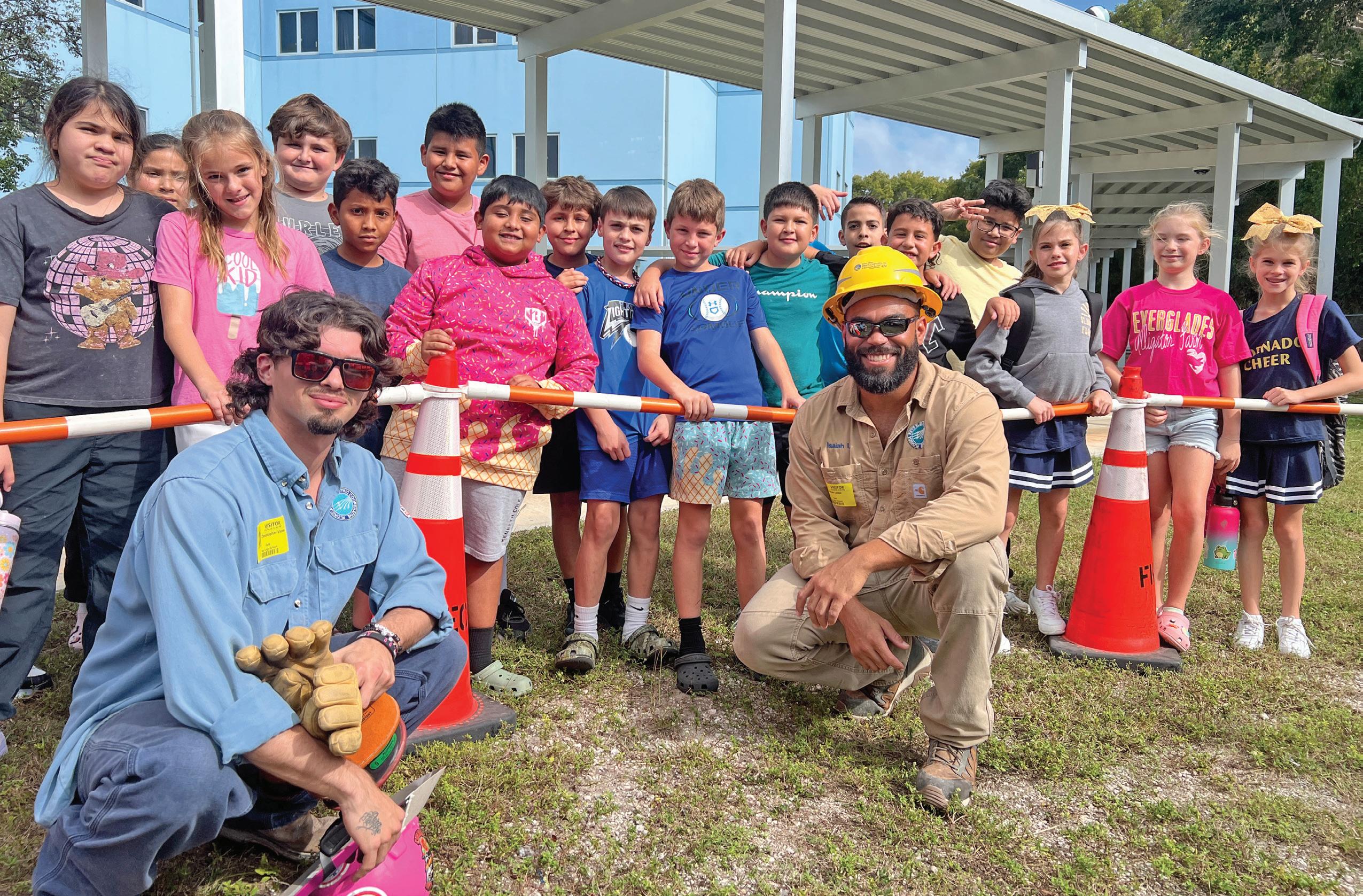
As a member-owned cooperative, FKEC’s connection to the Upper and Middle Keys extends well beyond electric service. That connection influences how we plan, invest, and serve—guiding decisions that strengthen our communities, protect our environment, and enhance the member experience. In a year that was remarkably unremarkable, our steady and intentional connection with you, our valued members, remained a constant priority.
One of the defining strengths of a cooperative is its commitment to community. Throughout the year, FKEC supports local schools and organizations through outreach, education, and engagement initiatives. Programs such as Seeds for Students promote the importance of trees and safe practices around electricity. We also offer an annual Energy-Saving Tree Giveaway, giving members the chance to reduce energy consumption by properly planting native trees.








Participation in career days and community events also provides opportunities to share information about the cooperative and highlight the many careers that support reliable electric service.
FKEC also welcomes collaborative connections with local agencies and organizations. In 2025, Captain Lissette Quintero of the Monroe County Sheriff's Office spoke to the FKEC team. Her “Making Prevention a Reality” presentation on threat assessment and proactive threat identification strengthens safety and preparedness for everyone in the workplace and community.
In steady years and more demanding ones, FKEC's community partnership remains consistent—reflecting a commitment that extends beyond infrastructure and into the daily life of our Upper and Middle Keys communities.





Caring for the unique and sensitive ecosystem of the Florida Keys is an essential part of how FKEC operates. Environmental responsibility is integrated into system planning and daily operations, from vegetation management to infrastructure design. We work alongside local environmental partners to protect native wildlife, including relocating Florida Keys tree snails during vegetation trimming and installing osprey nesting platforms that provide safe habitats while reducing impacts to electric service.
These efforts reflect a broader commitment to balancing reliability with environmental care— planning that supports both dependable service and long-term sustainability. By remaining consistently connected to our members, our communities, and our environment, FKEC continues to support the people we serve and the place we call home.
Member experience remained a priority in 2025, with FKEC reaching our highest customer satisfaction rating to date—a score determined through an independent satisfaction survey of randomly selected members. In a year that was remarkably unremarkable operationally, that level of satisfaction represents more than a number. It reflects trust built through responsive service, clear communication, and consistent follow-through.
Currently, 82% of our membership uses SmartHub to manage accounts, monitor usage, and report outages. This combines modern convenience with reliable access to information. As digital services continue to expand, our Consumer Service Representatives and Member Service staff remain equally committed to providing personalized assistance for those who prefer in-person or phone support. When it matters most, emergency operators are available 24/7. In 2025, FKEC expanded after-hours phone support to ensure member needs are addressed anytime, from anywhere.
The launch of an upgraded website and redesigned electric bill further enhanced clarity and usability. The new bill format includes expanded detail and a Usage History graph, allowing members to compare monthly average kilowatt-hours and better understand their power consumption. These improvements make it easier to access information and make informed decisions about energy use.
Delivering strong member satisfaction is not the responsibility of a single department—it requires coordination across the entire cooperative. From front desk interactions to field personnel taking time to explain projects in our neighborhoods, every role contributes to the overall member experience. Behind the scenes, technical, administrative, and operational teams support the systems and processes that keep service running smoothly.
Our steady work may appear routine, but it is consistency that makes a remarkably unremarkable year possible.

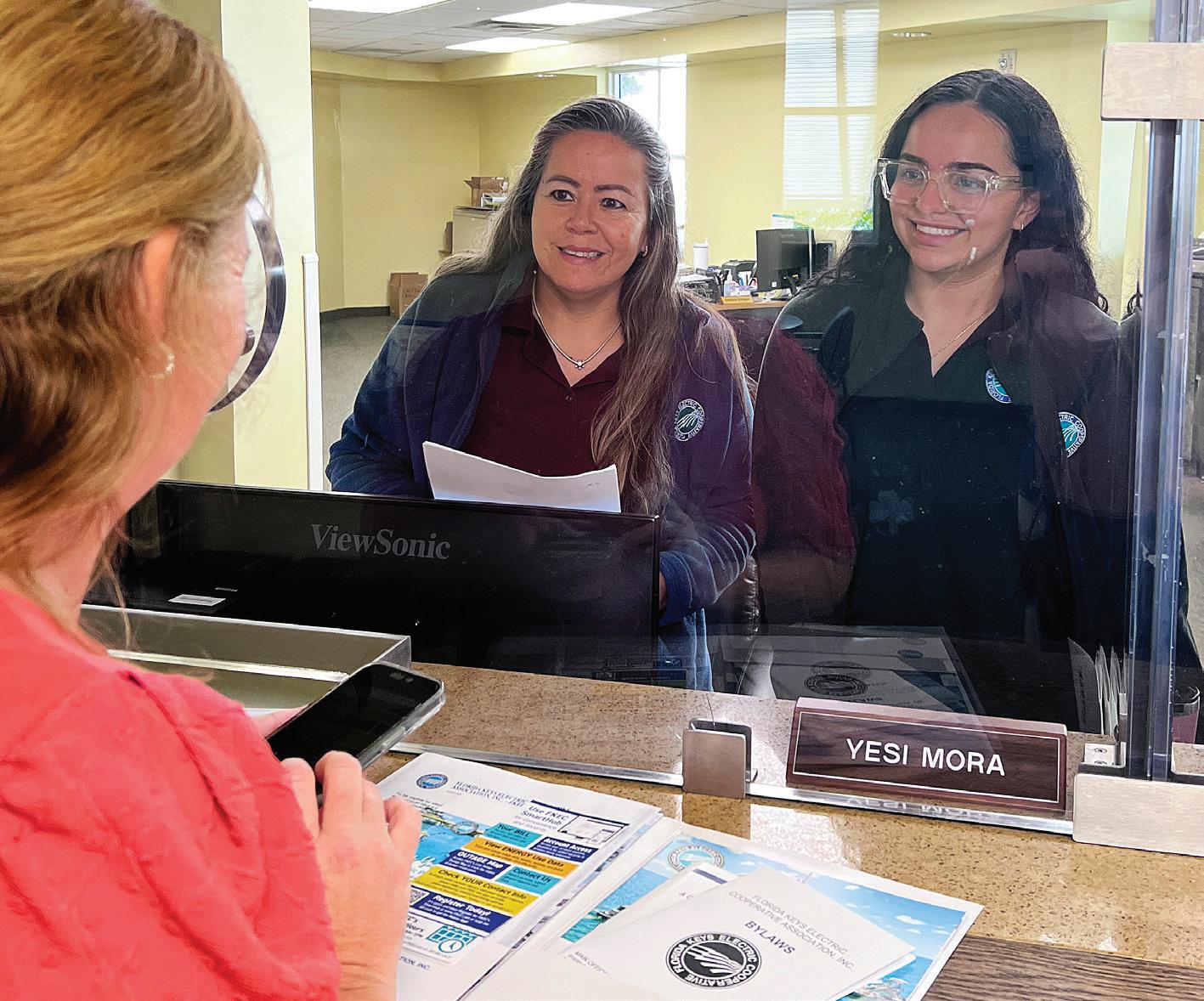

FKEC reaches highest customer satisfaction rating to date.
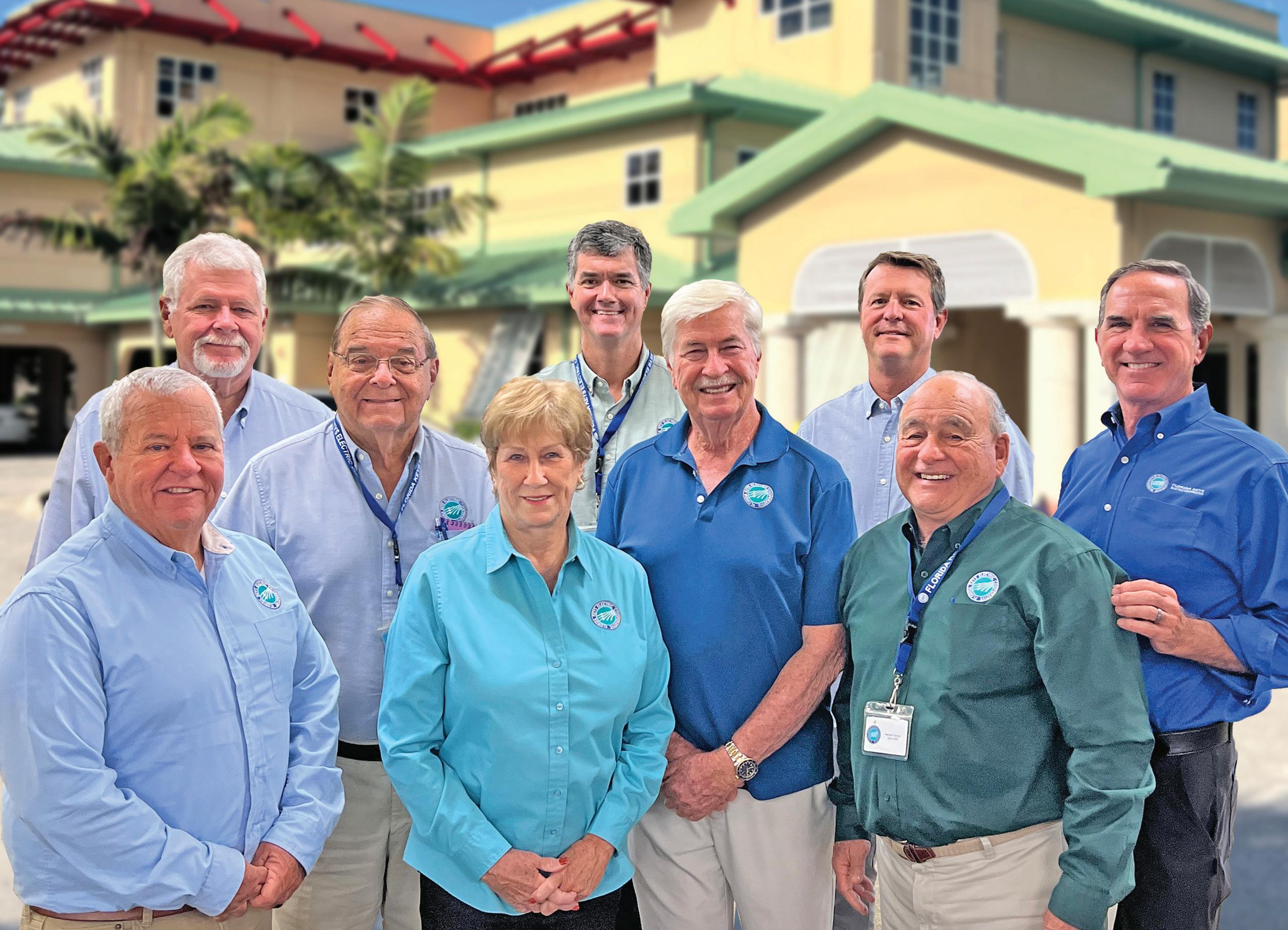





The Florida Keys Electric Cooperative Board of Directors, elected from within their districts, plays an essential role in keeping the cooperative focused, accountable, and aligned with the needs of our members. Representing the diverse interests of the Upper and Middle Keys, the Board serves as a direct link between leadership and the valued member-owners we serve.
The nine directors provide oversight, set policy, and guide long-term planning to ensure decisions remain thoughtful, transparent, and grounded in cooperative principles. They carefully evaluate financial performance, monitor system reliability, and uphold the strategic direction that protects both today’s service standards and tomorrow’s opportunities. Their steady, measured approach supports responsible growth, sound financial management, and reliable service.
In a year that was remarkably unremarkable, that kind of leadership matters. The absence of disruption reflects careful governance, proactive planning, and a commitment to stability that keeps the cooperative strong and positioned for the future. Locally elected and member-focused, the Board provides the thorough oversight that keeps FKEC steady, accountable, and prepared for whatever lies ahead.
Learn more about the Board of Directors and the co-op's monthly meetings at www.FKEC.com/about-fkec.
Dr. James Boilini
Gretchen Holland, Secretary
David Ritz
Craig Belcher
Joseph Roth II

George Hertel
Cale Smith, Treasurer DISTRICT 4
Mike Puto, Vice President
Karl Wagner, President























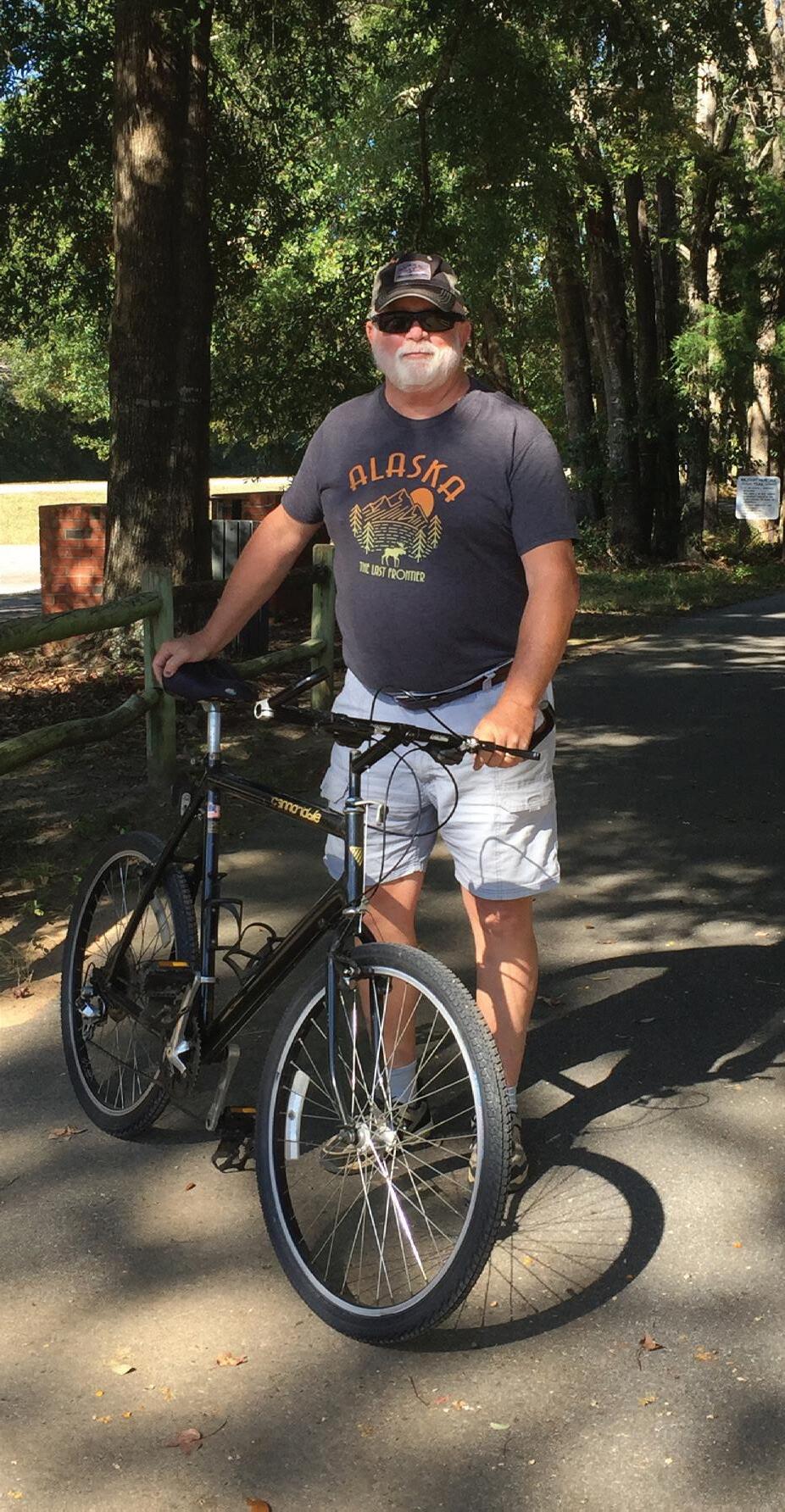
Naval aviator landed in Milton and immediately hit the trail


By Colette Boehm
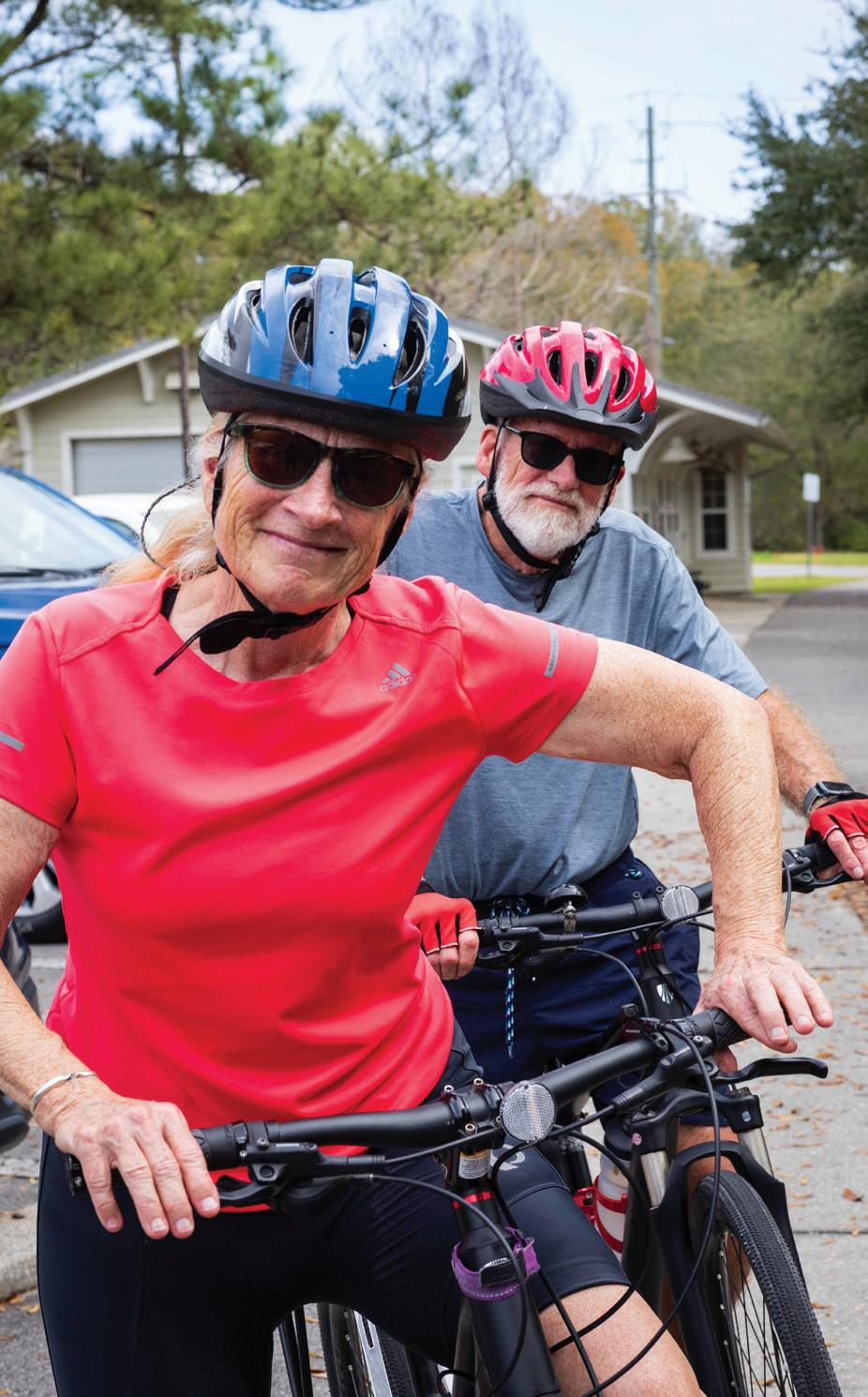
Walt Schumann traveled the world as a naval aviator. After training in Pensacola, the avid cyclist took his bike aboard ship each time he was deployed. As a result, the Michigan native pedaled along trails across the globe.
“I’ve ridden in Israel, Greece, Italy, Spain,” Walt says. “I always wanted to be in an area with cyclist trails.” That desire led him back to Northwest

Florida. For more than two decades, Walt has been a driving force in supporting Blackwater Heritage State Trail in Milton.
The 8.1-mile paved path was designated in 1999 as part of the Florida State Parks system and is the state’s westernmost Railto-Trail route. Blackwater Heritage winds through the historic town of Milton and into the surrounding rural landscape. It is popular with runners, walkers and birders, as well as cyclists, and a portion is designated for equestrian use.
All users can enjoy views from wooden bridges over several creeks and patches of native wildflowers along the way. There are several picnic areas on the trail, and access is easy from one of its five trailheads. The


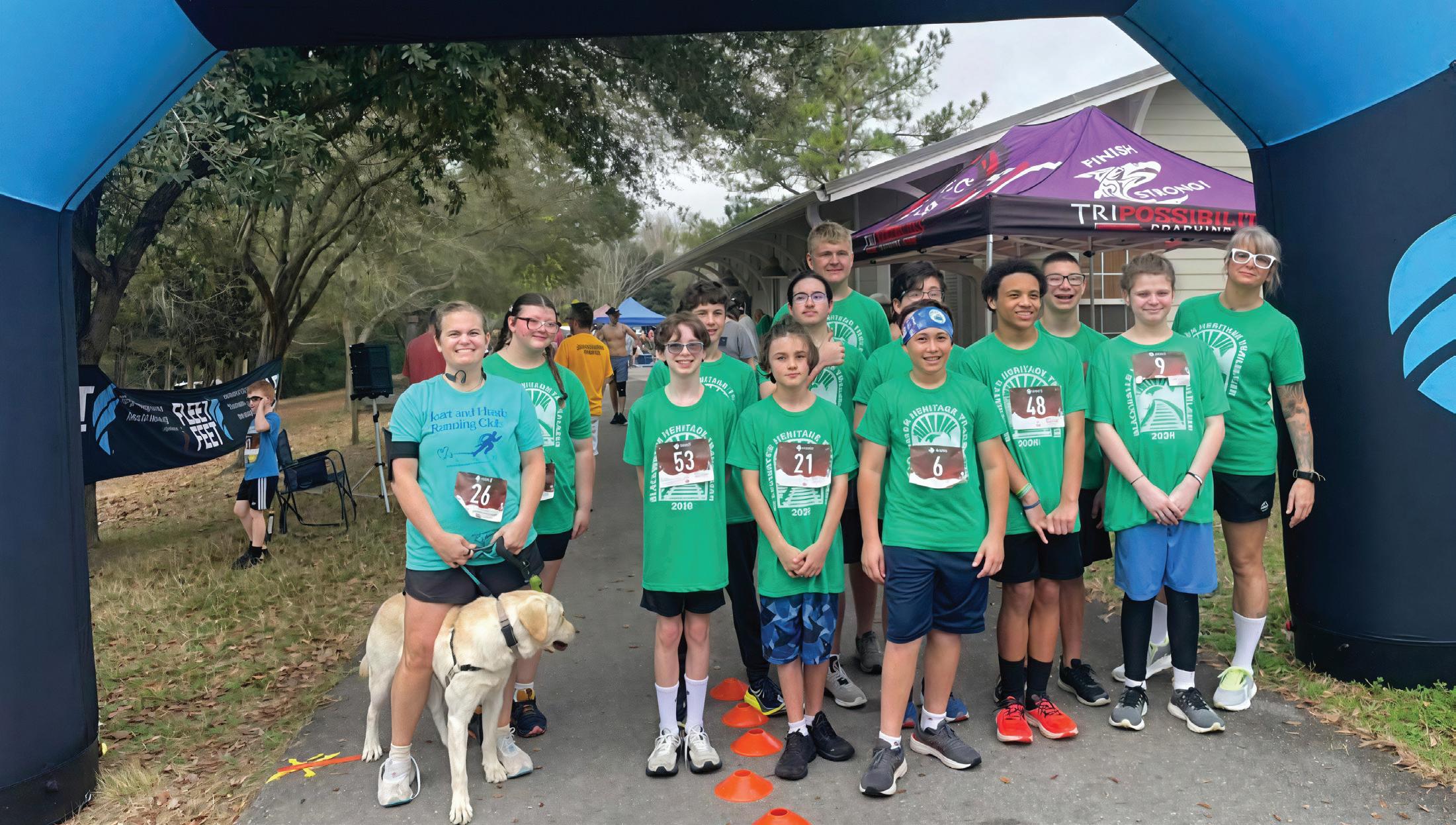
trail’s northern terminus joins the U.S. Navy’s 1.5-mile Military Heritage Trail, which ends at Naval Air Station Whiting Field.
The Blackwater Heritage Trail Citizen Support Organization, or CSO, was created to provide support to the trail. The nonprofit’s activities include promoting events and activities that generate trail recognition and use. One example of that is the annual Blackwater Heritage Trail Blazer Run, held each March. This year, the event drew more than 200 participants.
In addition to raising public awareness of the trail, CSO members spend a lot of time assisting with trail funding, construction and maintenance needs.
Shortly after moving to the area, Walt got involved with Leadership Santa Rosa. That program introduced him to the trail group. He has been involved ever since.
Walt says the CSO takes on any need identified on the trail, whether on its own or in support of the state park staff.
“Our CSO does it all,” he says. “I’ve planted trees. We sponsor different events throughout the year. I fundraise for the trail. All that canopy of trees, all those benches— that’s what we do. We are here to support whenever they need something.”
A Devoted Fanbase Word is out about the trail, and it appeals to a variety of users. Lisa Riehl and Bob
Wickhem are retirees from Wisconsin who enjoy traveling. They are members of an online group that shares information about the best paved bike paths in the country.
“That’s how we pick places to go,” Bob says. “We pick places with trails.”
They added the Blackwater trail to their list and, in March, explored it while spending two weeks in the area.
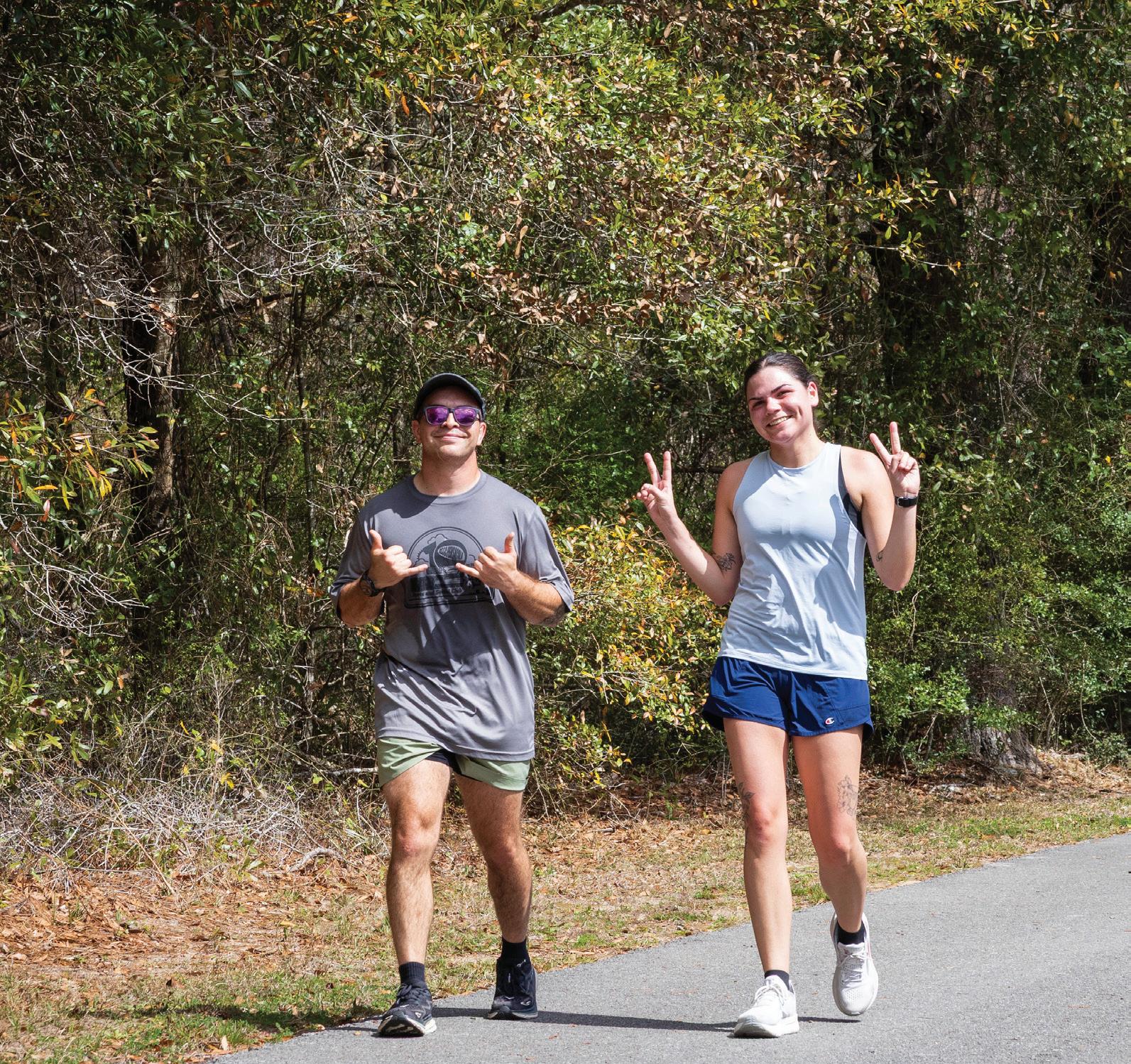
Errolyn, who just moved to the area from Texas, discovered the trail in March, too, when she ran it with a friend for the first time. For her, the easy access from local highways—combined with the feeling of being “away from it all” while on the trail—is compelling.
“Also, the width,” she says. “It’s very easy to share with other users.”


“We’d like to provide even more support,” he says.
That support, Walt says, results in connections that not only bring visitors from around the country, but build pride locally, too.
“When you go by it and look down the trail, you see all these people enjoying it,” he says, noting the resulting sense of community. “It goes right through town. It has connected this town.”
Blackwater River State Park offers many hiking trails. Four trails have paths through wooded areas and along riverbanks, from the half-mile Juniper Lake Nature Trail loop to the 8-mile Juniper Creek Trail.


While Walt still enjoys riding the trail, these days much of his time is devoted to supporting and improving it. He is vying for a grant to provide Americans with Disabilities Act-complaint access from a lower parking lot to the trail visitor center.
Other projects have included raising funds for projects ranging from weed eaters to a $75,000 comfort station with a composting toilet inside and a bike rack outside.


There is also an accessible boardwalk to a day-use area overlooking the banks of the Blackwater River.



Walt notes the group raised $1,500 to install two traffic counters. In many cases, he says, documenting use is important when seeking funding and grants.


Walt says they’re always soliciting volunteers. With more people involved in the CSO, more work can be done.
















By Cheré Coen

Della Scott-Ireton received an unusual present for her high school graduation—a scuba diving class. That gift set the course for her life.
The Santa Rosa County native later earned degrees in anthropology and historical archaeology at the University of West Florida, along with a Ph.D. in anthropology from Florida State University. She’s since worked studying and preserving the thousands of shipwrecks lining the Florida coast.
“I married the two,” she says of diving and marine archaeology.
Della worked with Pensacola Shipwreck Survey, West Florida Historic Preservation, Florida Bureau of Archaeological Research and the
government of the Cayman Islands before joining Florida Public Archaeology Network in Pensacola, or FPAN. The organization is a UWF program working to conserve, study and promote the public’s understanding of Florida’s archaeological heritage. In addition to being an author on the subject, Della serves as associate director of FPAN.
“We basically do education and outreach around the state of Florida,” she says.
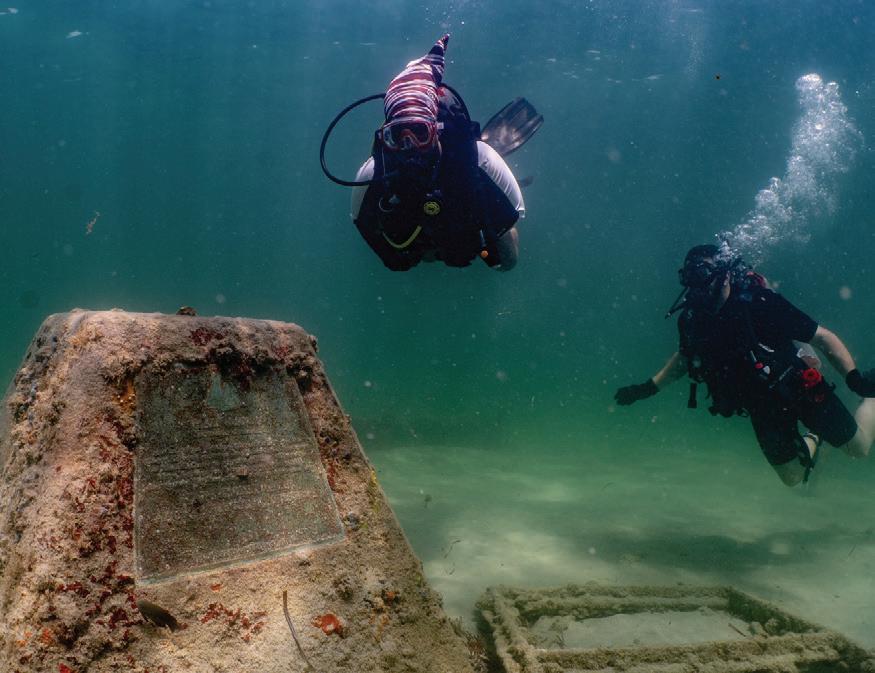
The outreach includes lectures, presentations, training and workshops to audiences ranging from children to park rangers. Shipwrecks are among the hot topics. One of the most unique aspects of Della’s work is helping develop 12 parks within Florida where scuba divers may
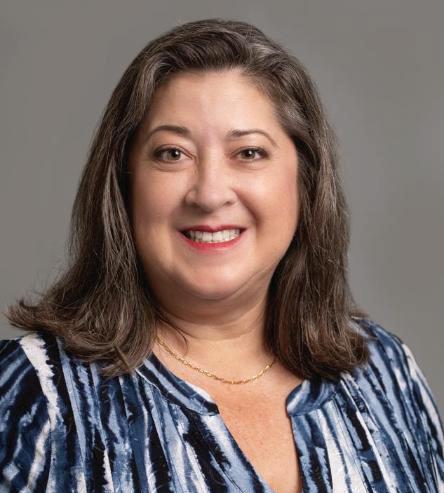

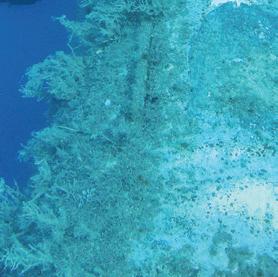
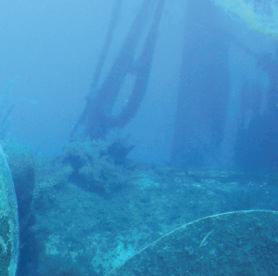
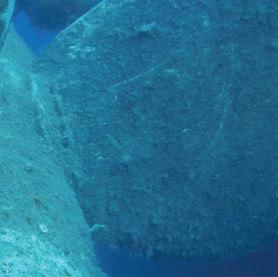
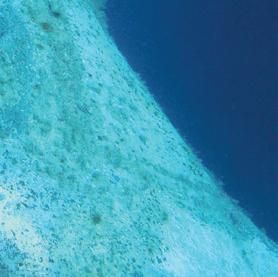
visit underwater shipwreck sites. These “museums of the sea” showcase the history not only of the ships that once traversed the waterways in and around Florida, from

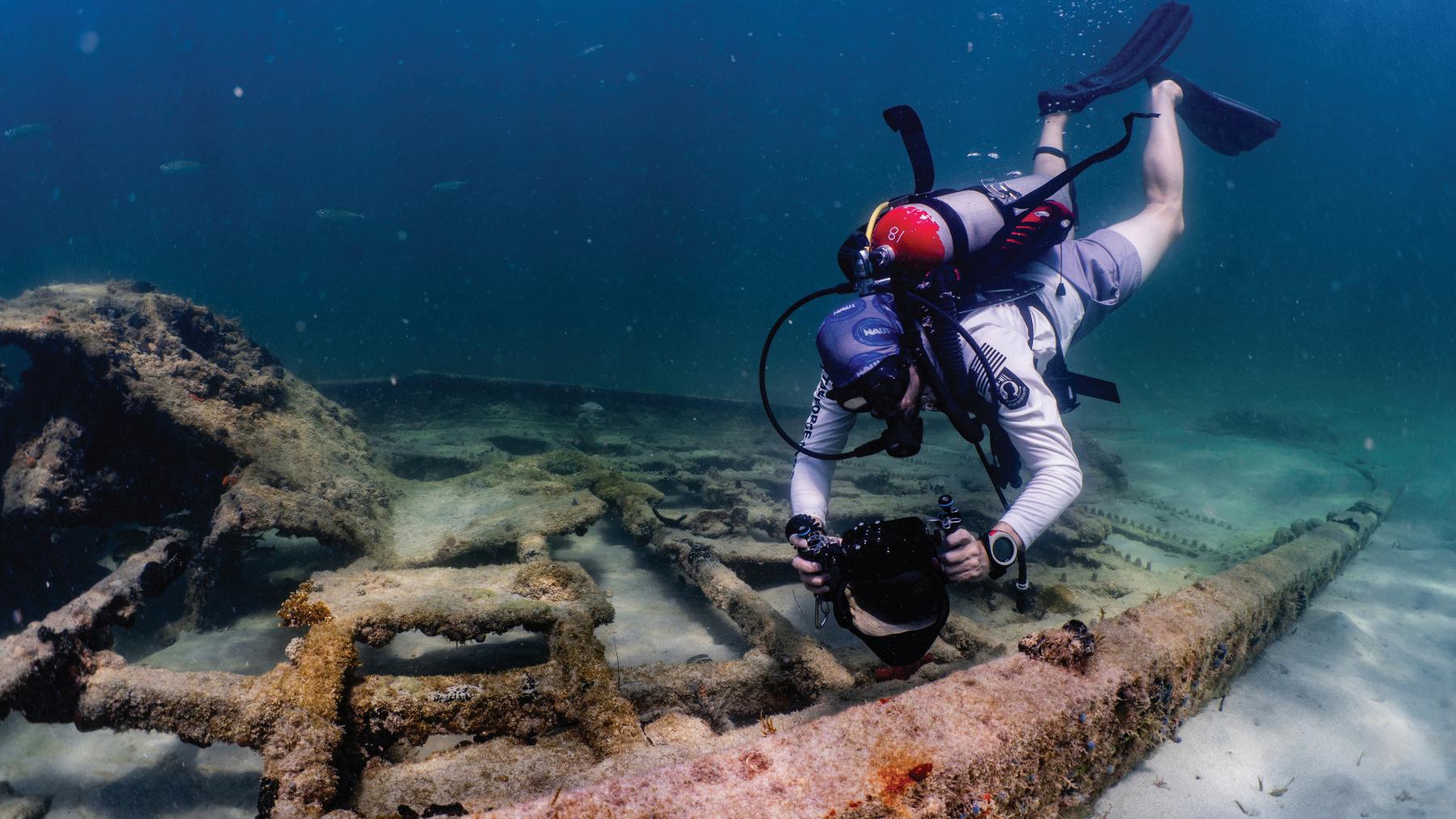
Native Americans to the present, but of the people who served them.
“The Gulf is an interesting body of water,” Della says. “It used to be called the Spanish Sea. It was used by Native Americans, British colonists and more. It was very much a crossroads.”
The Atlantic side saw its share of commerce throughout the Americas and Europe. Inland waterways moved cargo throughout Florida and the Southern states.
Many of those vessels that traveled through Florida remain—some shipwrecked in storms or disintegrated by neglect.
“The Florida shores are literally littered with our maritime past,” Della says.
Divers may download information on Florida’s shipwreck parks from the FPAN site to “know what it is they are looking at,” Della says. They can explore the

shipwrecks but cannot enter the vessels for safety reasons.
In addition to the sunken ships, divers may encounter a wealth of sea life, including Atlantic spadefish, grunts, Gulf flounder, angelfish, urchins and spotfin butterflyfish.
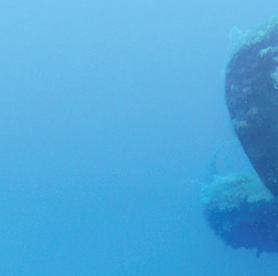
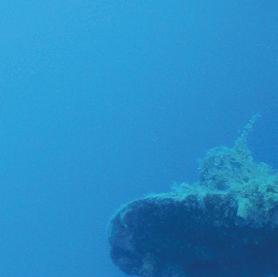
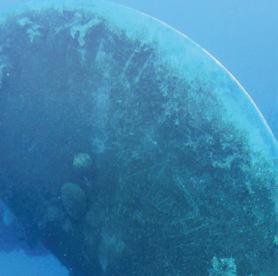
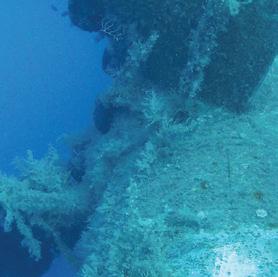
The vessels range from Spanish galleons from the 1700s to a decommissioned battleship sunk in 1921 to be used for target practice. Following is a sample


BELOW: Florida Underwater Archaeological Preserve has 12 sites. PHOTO COURTESY
FLORIDA PUBLIC ARCHAEOLOGY NETWORK AND FLORIDA BUREAU OF ARCHAEOLOGICAL RESEARCH
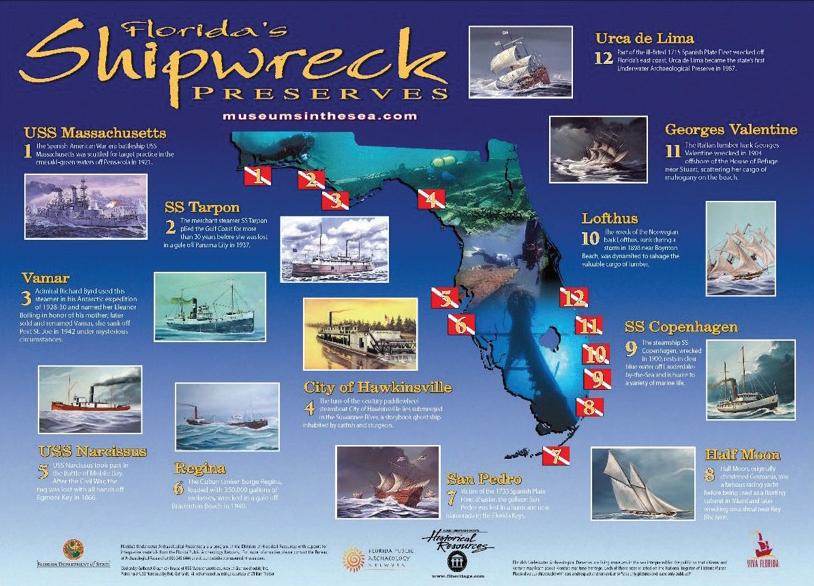
of what divers may find in a Florida Underwater Archaeological Preserve Park.
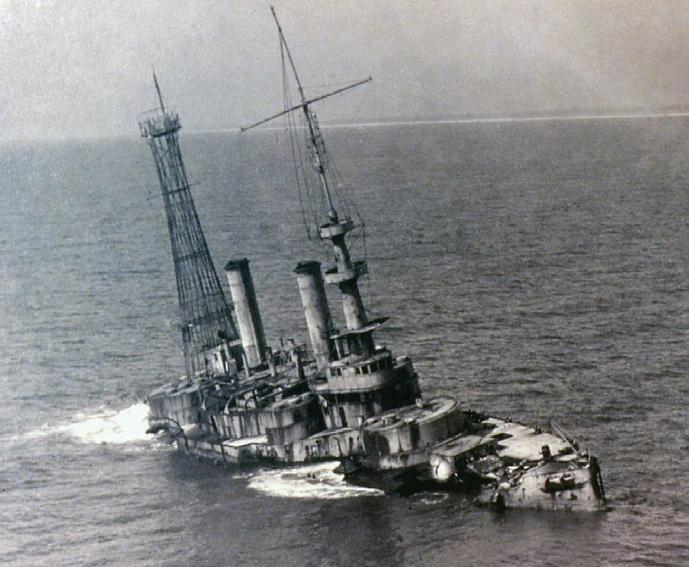
Three Indiana-class coastal battleships were commissioned in the late 19th century for the new Steel Navy, some of the most powerful U.S. battleships of their time. Built in 1896, the USS Massachusetts was one of three, stretching more than 350 feet long with a beam of 69 feet.
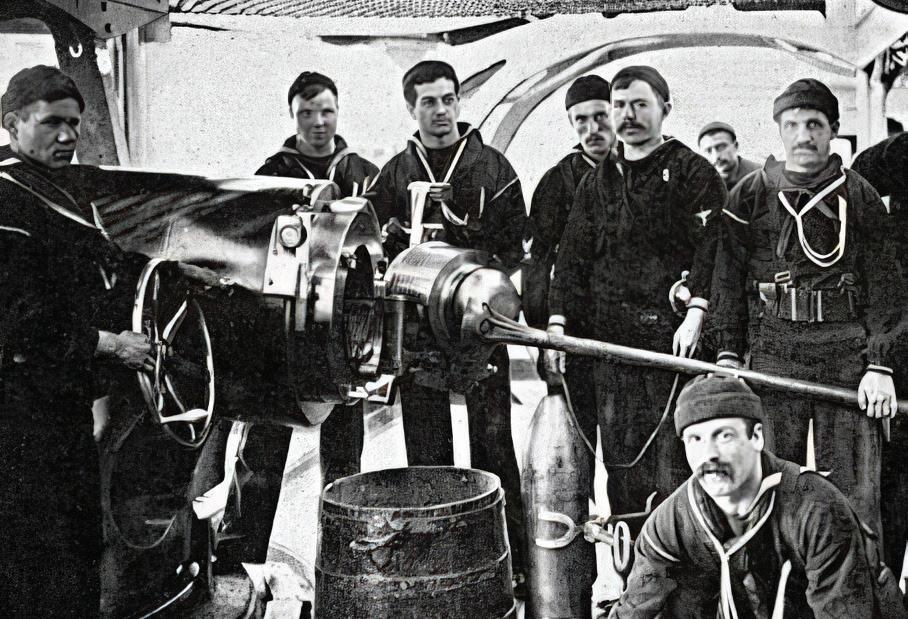
“At the time, the USS Massachusetts was the biggest, baddest ship,” Della says. “But by World War I, she became obsolete.”
The ship blockaded the Cuban ports of Cienfuegos and Santiago during the Spanish-American War and patrolled the Atlantic coast and eastern Caribbean after the war. Decommissioned in 1919 and stripped, the ship was towed to Pensacola in 1921, where the military used it for experimental artillery practice near the entrance to Pensacola Bay. She lay in the Gulf for years until Florida took possession in 1950.

“It’s been a favorite site,” Della says of the shipwreck. “It is beautiful, such a cool dive.”
A patrol gun boat with a long history rests 3.7 nautical miles north of the Mexico Beach channel leading into St. Joseph Bay. Shifting cargo was blamed for the shipwreck, but mystery surrounds the 1942 incident, which occurred during World War II.
It was built in 1919 and originally christened Kilmarnock, then renamed Chelsea.
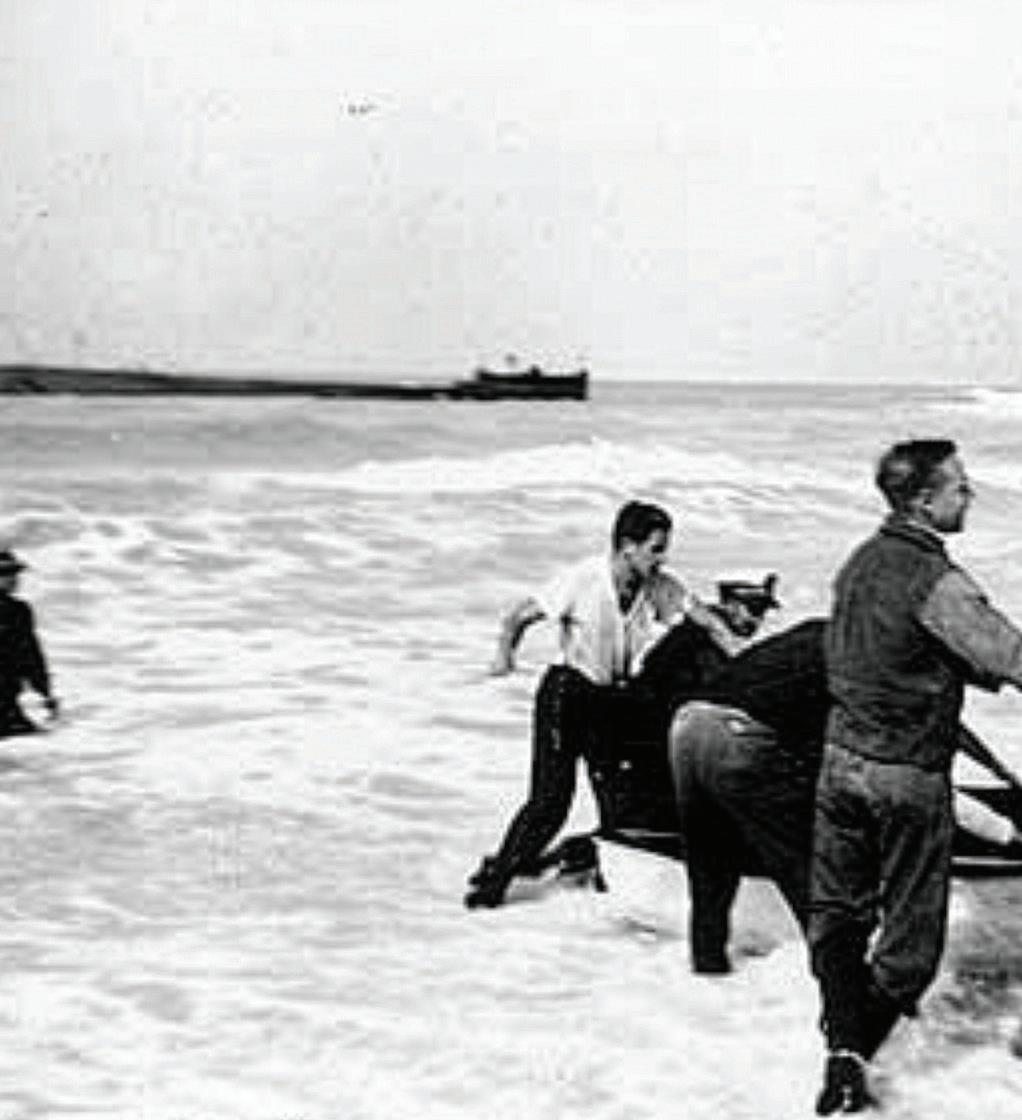
were saboteurs of war who intentionally sank the boat to block the channel. No evidence supported these claims, but the mystery remains.
Urca de Lima

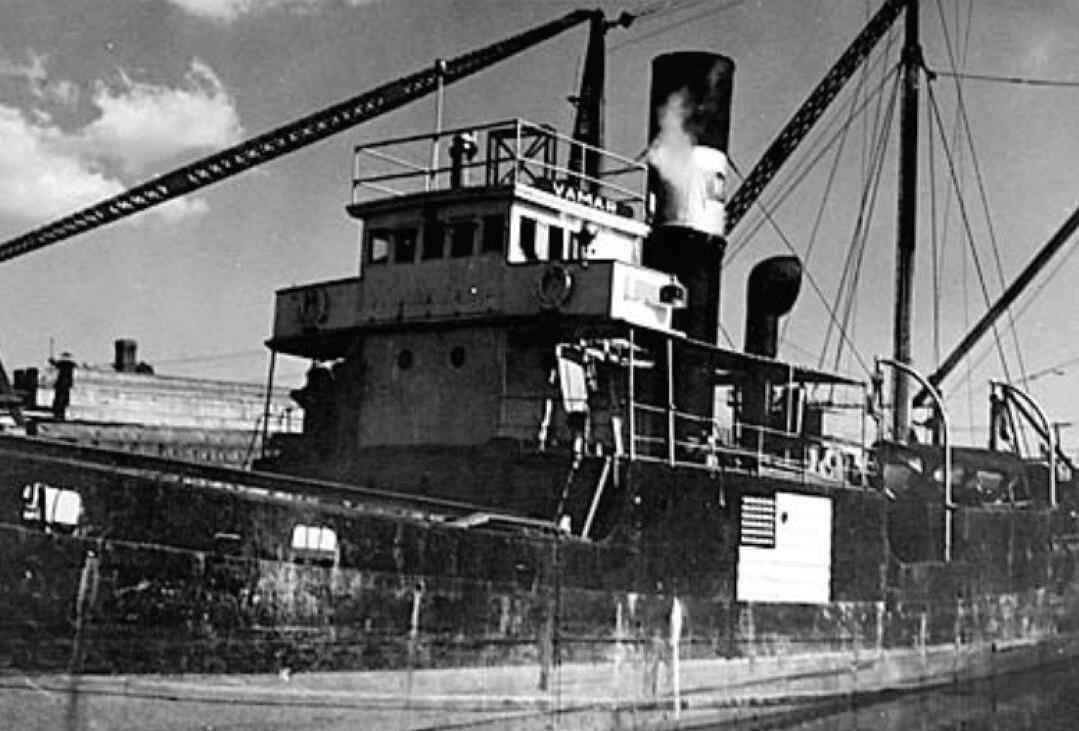
In 1928, the ship carried Rear Adm. Richard E. Byrd on his first expedition to Antarctica. Byrd upgraded the vessel and renamed the steamer Eleanor Bolling after his mother, Eleanor Bolling Byrd. It became the first metal-hulled vessel used in Antarctic waters. After its service, the ship returned to New York to much fanfare.
The ship’s fame diminished when it was later bought by Vamar Shipping Co. and renamed Vamar. Slipping into poor condition, she was used as a freighter.
Her last trip was March 19, 1942, when a Yugoslavian, Cuban and Spanish crew attempted to move lumber from St. Joseph Bay to Cuba. The top-heavy cargo forced the ship to list, then sink and eventually settle out of the channel while the crew made it back to town.
The Coast Guard investigated the sinking. Rumors ran rampant that the crew
Urca de Lima, owned by Spaniard Don Miguel de Lima, met its demise in 1715 from a hurricane, crashing along the Florida coast near present-day Fort Pierce. The 305-ton, Dutch-built vessel had little damage, and its cargo helped serve storm survivors from other ships. Spanish crews arrived from Havana and burned the ship to conceal her from the English, who also traveled along the Atlantic coast.
Salvagers in the 20th century hoped to discover treasure aboard the sunken ship, but they found nothing of value. In 2001, Urca de Lima became the first preserve of Florida’s Underwater Archaeological Preserve system and is now listed on the National Register of Historic Places.
Half Moon
This steel sail-powered German yacht built in 1908 was a wedding gift from Bertha Krupp—the Krupp family produced large artillery nicknamed “Big Bertha” in World War I—to her husband,
Count Gustav von Bohlen und Halbach. The 154-foot-long racing sailboat was one of the fastest of her day, winning the German Kaiser’s Cup and participating in other European races.
Originally named Germania, the sailboat arrived in England for the 1914 Cowes races at the start of World War I and was seized by the British. Her crew became the first German prisoners of the war.
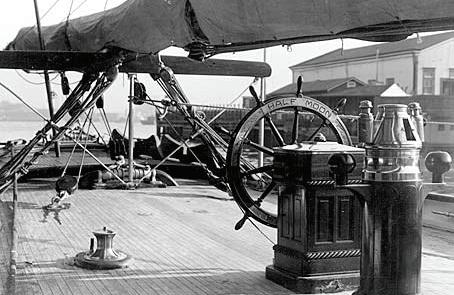
The boat was later moved to New York and then Miami, where she was renamed Half Moon after the explorer Henry Hudson’s 17th-century ship and used as a floating saloon until she sank in the early 1930s.
She rests between Key Biscayne and Virginia Key.
Regina
Regina was a steel steamer built in 1904 in Belfast, Ireland, for one service: to move molasses from the Caribbean to ports in the United States for use by rum and animal feed manufacturers.
Later converted to a tanker barge, the ship—nicknamed “Sugar Barge”—was on her way to New Orleans in 1940 with more than 350,000 gallons of molasses when a cold front forced her into Tampa
Stories abound of pirates patrolling the Florida coast and burying their treasures, but Della Scott-Ireton, associate director of Florida Public Archaeology Network in Pensacola, insists that isn’t true.
“Why would a pirate bury his treasure?” she asks with a laugh.
Another myth is that divers who find shipwrecks own the discovery.
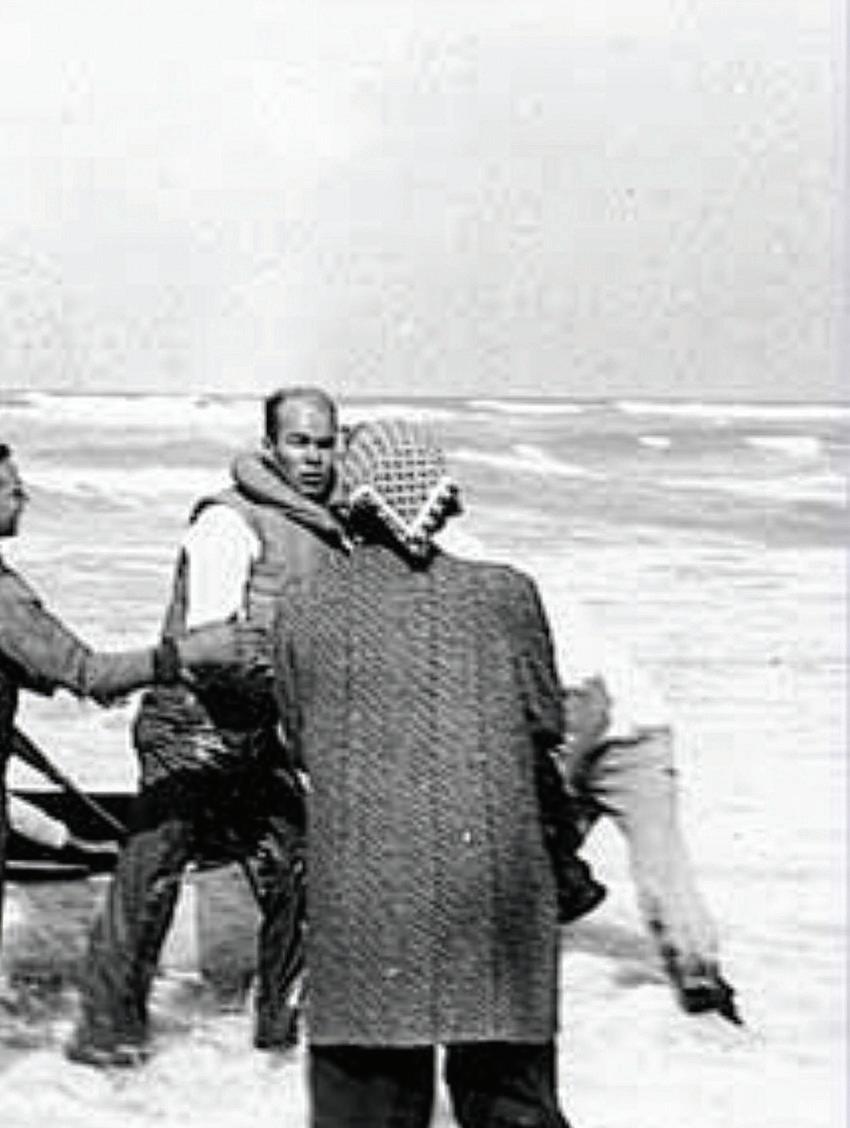
Bay. Her tow lines broke in the storm, and Regina drifted toward Anna Maria Island, breaking apart on a sandbar off Bradenton Beach.
Residents on the island, the St. Petersburg Coast Guard and a Coast Guard seaplane arrived to help the crew, but weather prevented their rescue. One crew member who attempted to swim ashore, followed by his German shepherd, drowned in the process. A small dinghy reached the crew and capsized by the beach. Residents, linking hands, managed to bring the crew ashore.
The wreck of the Regina lies on the western side of Anna Maria Island, approximately 75 yards off the shore of Bradenton Beach.
City of Hawkinsville
Not all shipwrecks lie in salt water. The 19th-century coastal steamboat city of Hawkinsville—built in Georgia in 1896 for the Hawkinsville Deepwater Boat Lines—was used on the Suwannee River for the booming lumber industry and the construction of the rail bridge at Old Town.
She was abandoned in 1922 and now rests in shallow water on the western bank of the Suwanee River south of the railroad trestle at Old Town. Only advanced-level divers should explore her remains due to water conditions.

“They think that if it’s underwater, it’s up for grabs, and that’s just not true,” Della says. “All historic shipwrecks in U.S. waters are protected from salvage, unlawful disturbance or collecting of artifacts under the federal Abandoned Shipwreck Act of 1988, as well as state law and, in some places, county and/or city ordinance.
Federal law gives ownership of historic shipwrecks to the states in whose waters they are located and charges those states to protect and manage the shipwrecks for the benefit of the people of that state.”
Much like finding an artifact on land, drivers who find a shipwreck in U.S. waters should contact the state archaeologist or the state historic preservation officer, Della says.












Sweet Potato Black Bean Chili
1 tablespoon avocado or extra-virgin olive oil
½ yellow onion, diced
3 cloves garlic, minced
1 jalapeno, minced
2 15-ounce cans black beans, drained and rinsed
2 15-ounce cans cannellini beans, drained and rinsed
24-ounce can diced tomatoes

1 medium sweet potato, peeled and diced
1 tablespoon ground cumin
1 tablespoon chili powder
2 teaspoons salt
3 cups spinach, chopped
2 cups cooked brown or white rice, prepared to package instructions
1⁄3 bunch fresh cilantro, chopped
Warm oil in a Dutch oven over medium heat. Once hot, add onions, garlic and jalapeno. Saute for 3-5 minutes or until onions have softened. Add beans and 1 cup of water. Stir until well combined. Stir in diced tomatoes, sweet potato, cumin, chili powder and salt. Cook for 20 minutes or until sweet potatoes are tender. Stir in spinach. Cook for another 5 minutes. Season chili to taste. Serve over rice, and garnish with cilantro.



Chorizo and Sweet Potato Breakfast Bowl
2 large sweet potatoes, peeled and diced into half-inch chunks
3 tablespoons olive oil, divided
Sea salt, plus more for seasoning
Freshly ground black pepper, plus more for seasoning
½ teaspoon garlic powder
½ teaspoon onion powder
Heat oven to 450 F.
½ teaspoon smoked paprika
4 precooked chorizo links, diced into ½-inch pieces
4 cups kale, roughly chopped
10-ounce bag frozen cauliflower rice
4 large eggs
1 avocado thinly sliced
Cilantro, for garnish
Fresh lime juice, to taste
Line a large baking sheet with parchment paper. Place potatoes in a large bowl. Toss with one tablespoon oil, salt, pepper, garlic powder, onion powder and smoked paprika. Roast potatoes for 25 minutes or until browned and crisp on the outside and soft on the inside.
While potatoes cook, prepare remaining components. Heat a skillet over medium-high heat, and add a tablespoon of oil. Add chorizo to skillet. Cook, stirring, until thoroughly browned. Remove to a plate, and cover to keep warm.
Lower heat to medium. Add kale. Saute and season with salt and pepper, then add to plate with chorizo. Saute cauliflower rice until just softened. Set aside. Add remaining oil to skillet. Cook eggs to preference, and season with salt and pepper. To assemble bowls, arrange layers of potatoes, chorizo, kale and rice. Top with avocado, lime juice and eggs. Garnish with cilantro.
Sweet Potato Taco Bowl
2 tablespoons chili powder
1 tablespoon sweet smoked paprika
1 tablespoon ground cumin
2 teaspoons kosher salt
1 tablespoon dried oregano
1 teaspoon garlic powder
1 teaspoon onion powder
¼ teaspoon cayenne pepper
1 pound sweet potatoes, peeled and chopped into 1- to 2-inch cubes
Heat oven to 400 F.
1 tablespoon vegetable oil
1 pound extra-lean ground beef
14-ounce can black beans, drained and rinsed
1 cup corn
Optional garnishes: sliced avocado, sour cream, sliced jalapenos, sliced green onion, chopped cilantro, lime slices
In a small bowl, mix chili powder, paprika, cumin, salt, oregano, garlic power, onion powder and cayenne pepper. Toss potatoes with vegetable oil and half the seasoning mixture from the small bowl, about 2 tablespoons. Bake for 15-20 minutes until tender and cooked through.
Meanwhile, cook beef over medium-high heat for 5-7 minutes until cooked through. If necessary, drain any large quantities of fat from skillet, leaving about 1 tablespoon. Add beans, corn, tomatoes and remaining seasoning mixture. Toss to fully coat beans and beef with seasoning. Continue to cook until beans and corn are heated through. To serve, place a layer of potatoes in a bowl. Add beef, bean and corn mixture. Top with desired garnishes.
Potato Chowder
3 ounces thinly sliced pancetta
5 tablespoons butter, divided
1 cup chopped onion
½ cup chopped carrot
½ cup chopped celery
2 garlic cloves, minced
2½ pounds medium sweet potatoes, peeled and chopped into 1-inch cubes
5 cups chicken broth
1 teaspoon salt
1 teaspoon dried sage leaves
½ teaspoon dried thyme
½ teaspoon smoked paprika
¼ teaspoon crushed red pepper flakes
¼ teaspoon black pepper
1 cup half-and-half, warmed
3 cups chopped fresh kale
Roasted pepitas
Minced fresh sage
Heat a Dutch oven to medium heat. Cook pancetta until browned and crisp, 4-5 minutes. Remove to a paper towellined plate.
Add 2 tablespoons butter, onion, carrot and celery to pot. Cook, stirring often, until softened and lightly browned, 9-10 minutes. Add garlic. Cook until fragrant, 30-60 seconds. Transfer mixture to a bowl, and set aside.
Add remaining butter to pot. Stir in potatoes. Cook until slightly soft, 7-8 minutes, stirring occasionally. Stir in broth, salt, sage, thyme, paprika, red pepper, black pepper, cooked vegetable mixture and 2 tablespoons pancetta. Bring to a boil, then reduce to a simmer. Cook until potatoes are tender, 5-7 minutes, stirring occasionally.
Whisk about 1/4 cup of hot broth into half-and-half. Slowly add mixture to soup, stirring constantly. Stir in kale. Simmer until wilted, 4-5 minutes. Remove from heat.
Ladle soup into bowls. Top each with remaining pancetta, pepitas and sage. Serve immediately.
Sweet Potato Parsnip Bisque
2 cups sweet potato cubes
2 medium parsnips, peeled and chopped
3 tablespoons grapeseed or coconut oil, divided 2 cloves garlic, minced
1 teaspoon ginger, minced 14-ounce can cannellini beans
Heat oven to 375 F.
2½ cups coconut milk
2 cups water
1 bouillon cube
1 teaspoon black pepper
½ teaspoon cayenne pepper
Fresh arugula, cilantro or parsley for garnish
Line a baking sheet with parchment paper. Toss potatoes and parsnips with 1½ tablespoons oil. Spread evenly on baking sheet. Roast for 30 minutes, until tender.
Once vegetables are cooked, heat remaining oil in a large, heavy-bottomed pot. Add garlic and ginger. Saute until garlic turns slightly golden. Add roasted vegetables and beans, reserving a handful for garnish.
Stir in coconut milk and water. Bring to a boil, then stir in bouillon. Reduce heat to a low simmer. Cook for 10 minutes. Remove pot from heat. Stir in black and cayenne peppers. Use an immersion blender to puree soup until smooth. Alternatively, allow soup to cool before transferring it to a blender and blending smooth.
Serve bisque garnished with herbs and reserved beans.




NIKON D810 180mm lens ISO 100 f/6.3 at 1/1600






By Dave LaBelle
Saying something more than once for emphasis is a powerful tool to get attention. It’s true with words, and it can be true with photographs.
While a poet might use repeating words or phrases, photographers and artists recognize the power of repeating forms—objects, lines, tones, shapes or actions—to produce patterns and rhythm.
Repeating tones, lines, shapes or actions in a photograph can produce a visual melody, just as repeating notes in a musical composition creates an audio melody.
For example, while one giant wind turbine alone on a hillside might be eye-catching, hundreds of them working side by side is a very different visual experience. It feels almost otherworldly.
Similarly, one elk walking alone through an open field can be beautiful and serene, but a herd of elk racing across that same field— hundreds of heads and legs kicking up dust or grass—creates a powerful pattern.
Repeating forms in a composition creates patterns and can make your photos come alive with visual music.
Slow down, make time to notice the patterns around you, from designs found in nature to human-made structures. See if you can capture an image that produces a visual harmony.
Email your best image—just one—with caption information, including an explanation of how it affects you, to gph@pioneer.coop. We may share submissions on our website and social media channels.

Internationally renowned author, photographer and lecturer Dave LaBelle has captured special moments for more than half a century. He has shared photo tips and life perspectives with readers since 2009. For more of his writings, visit davidlabelle.com and bridgesandangels.wordpress.com.
















































































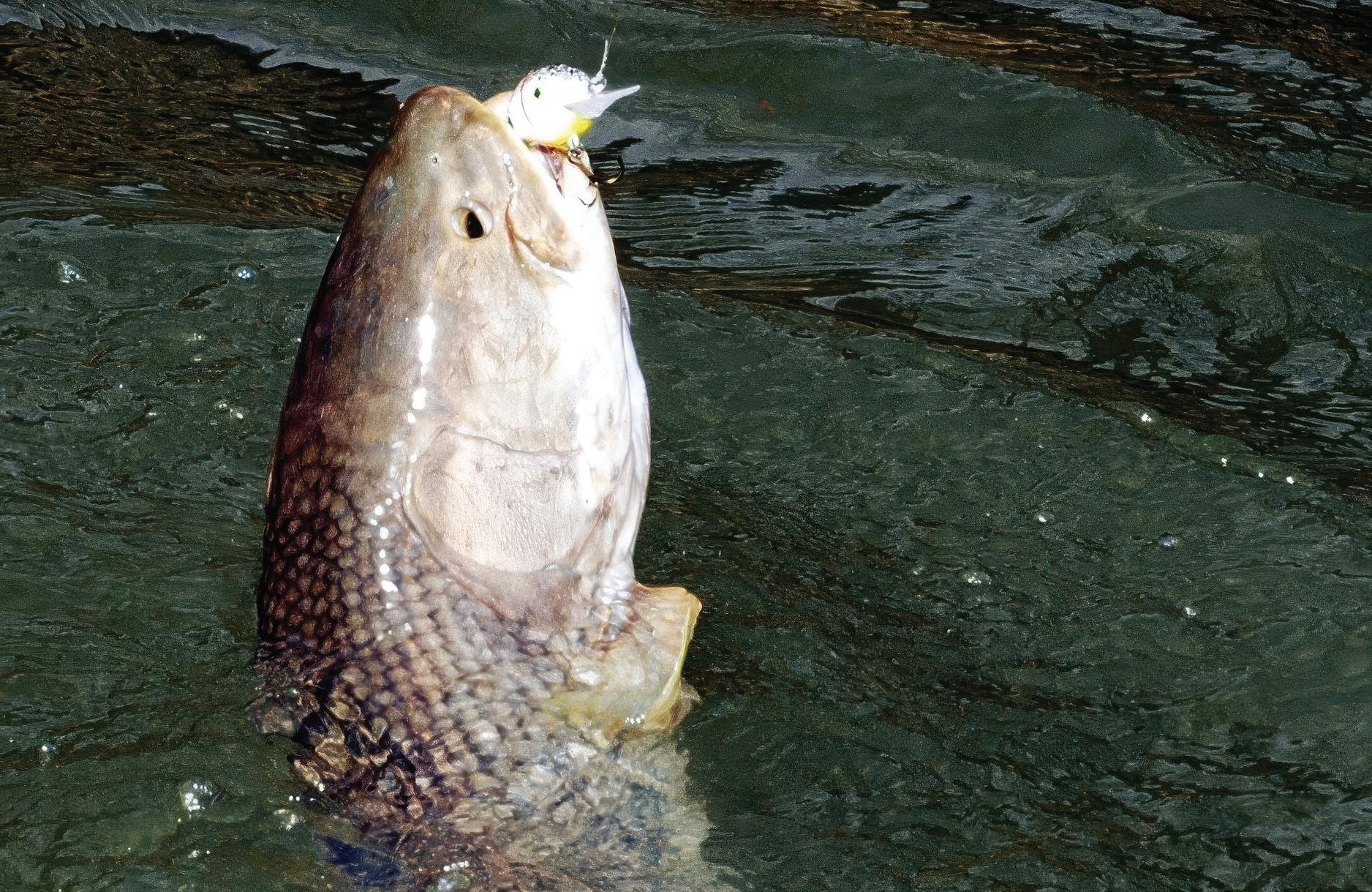
The chartreuse spinnerbait landed outside the lily pads growing along the Withlacoochee River shoreline near Dunnellon. The angler slowly worked the bass lure, its blades flickering in the black water.
Suddenly, the lure disappeared as a huge green head engulfed it. The rod doubled over as the angler battled the catch, imagining a giant largemouth on the line. The reel screamed as the powerful fish fought against the drag until subdued. The angler landed the large, snakelike fish, but not the one he hoped to pull from this river.
Anglers derisively call them grinnel, cypress trout, mudfish and other names. Bowfin thrive in freshwater systems throughout the Sunshine State. The cylindrical fish with a huge head and a mouth full of small, but sharp teeth can exceed 3 feet in length and weigh more than 20 pounds. The Florida state record, once a world record, weighed 19 pounds and came from Lake Kissimmee.
A bowfin looks similar to an eel, but is thicker with greenishbrown scales. Bowfin date back at least to the Jurassic period about 150 million years ago. Considered a “living fossil,” these amazing fish witnessed the extinction of the dinosaurs and the giant Ice Age megafauna, yet they remain unchanged as the only surviving representative of their ancient order.
Their swim bladders serve as primitive lungs, allowing bowfins to breathe air and live practically anywhere. They often inhabit the most stagnant waters with little oxygen, but might even show up in the famous springs of Florida. Bowfins can live for long periods out of water if they keep moist. People sometimes find live ones in semidry ponds resembling little more than mud puddles. Farmers




‘Living fossils’ can still put up a spirited fight
even reported seeing them alive in soggy fields after floods.
Few people intentionally fish for them. Most anglers hold bowfins in contempt because of their notoriously unsavory table reputation. Bowfins also display a talent for mangling tackle and breaking lines, then swimming off with expensive lures.
Most anglers reluctantly catch them by accident while fishing for bass or something else. Bream, crappie and catfish anglers sometimes catch them when using live minnows, worms, shad or other natural baits. These voracious marauders eat almost anything including fish, insects, crawfish, frogs and small animals.
However, these prehistoric predators can put up a formidable fight. Bowfins might hit anything that could tempt bass, especially lures that mimic shad, bluegills or crawfish. These aggressive meateaters commonly strike spinnerbaits, crankbaits, and soft-plastic swimbaits that resemble baitfish or any lures giving off vibrations. They also like plastic worms and jigs dragged along the bottom.
Anyone venturing into the backwaters to tempt bowfins probably won’t see much competition. When other fish won’t cooperate, these remarkable survivors could create a memorable day, especially for young anglers enjoying tackle-busting, line-pulling fun.
John N. Felsher is a freelance writer, broadcaster, photographer and editor. He’s written more than 3,500 articles on a wide variety of outdoor topics. Contact him at j.felsher@hotmail.com or through Facebook.


— Nancy R. Peoria, IL


















Our Double-Spin Wind Spiral isn’t just a decoration — it’s a living sculpture. Two shimmering copper spirals move independently, creating a hypnotic dance of overlapping circles and swirling reflections. The moment the breeze stirs, the magic begins.
And here’s the secret: The inner spinner is completely separate from the outer spiral. That means double the motion. Double the shimmer. Double the impact. Even the faintest whisper of wind sets it gracefully turning, thanks to ultrasensitive swivel hooks.






No wind? No problem. The rich copper-plated strands catch the light beautifully even when still — a striking focal point for your garden, porch, or deck.
Hang it from a tree limb. A shepherd’s hook. Your front porch. Wherever it spins, guests will stop. Conversations will start. Compliments will follow.


Once it starts spinning, you won’t be able to look away.
Why You’ll Love It:
• Double independent spinning action
• Copper-plated for warm, glowing shimmer
• Ultra-sensitive — spins in the slightest breeze
• Unique kinetic garden art (10" x 11" plus 3" chain)
• Weather-durable for season after season of enjoyment
Double-Spin Wind Spiral $49* + $9.95 S & P


*Special price only for customers using

All ages can find something new and exciting around every corner of the state. Filled with rich history, abundant natural beauty and diverse events all year, Florida has fun options for everyone.
April 3-5
Afro Roots Fest
This festival has historically celebrated the influence Africa continues to have on music and furthers the mission of fostering an appreciation of arts and culture through education. It’s as much about root African culture as it is about the syncretism of it with Western cultural traditions. Enjoy live music, cultural performances and delicious cuisine celebrating African heritage at the Florida Keys Brewing Company. www.communityartsandculture.org/events
April 4
Easter Egg Roll
Join in on the ninth year of the egg roll from 9-11 a.m. at the Truman Little White House. Register for the egg hunts at 9:30 or 10:30 a.m. Enjoy arts and crafts, live music, refreshments, photos with the Easter Bunny and a commemorative wooden egg. The event is free for all ages. bit.ly/4sMyZB9; 305-294-9911

April 11
Parkinson’s Disease Awareness Walk
April 4, 11, 18 and 25
Palafox Market
Join us from 9 a.m. to 2 p.m., rain or shine, to shop for farm-fresh produce, plants and baked goods from more than 200 local businesses while enjoying live music by the String Farm Band. The market is located at two historic downtown parks: Martin Luther King Jr. Plaza on Palafox Street just north of Garden Street, and Plaza Ferdinand at Palafox and Government streets. www.palafoxmarket.com; 850-434-9095
April 6
Puppy Pals Live
Part of the new Family Fun Series, this event features a diverse lineup of shows, carefully selected to entertain and inspire families at the Tennessee Williams Theatre. From shelters to showbiz, these pups perform spectacular stunts and breathtaking feats. Wesley Williams leads the puppies and audience through challenging and comical tricks. This is more than just a show. It’s a fun family experience. www.twstages.com/events-calendar/puppypalslive2026; 305-296-1520

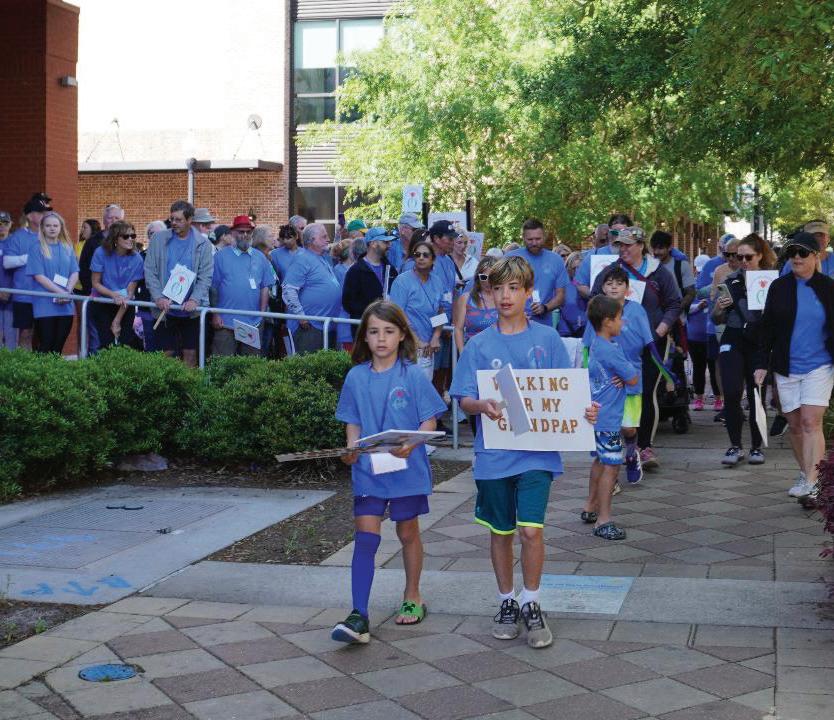
This family event from 9 a.m. to noon at Bear Levin Studer Family YMCA is free, and walking is optional. The goal is to raise community awareness of a debilitating neurodegenerative disease that is progressive, has no cure and is difficult to diagnose. Among other things, Parkinson’s Disease causes tremors, slowness in movement and speech, stiffness, and lack of balance. The disease occurs when brain cells that make dopamine—a neurotransmitter that coordinates movement—stop working. It affects more than 1 million people in the United States and more than 10 million worldwide. On World Parkinson’s Disease Day, we’ll walk; learn more about the disease and its impact to self, family and community; share a light meal; and raise awareness within our community. To register, email lc121902@yahoo.com with your name, phone number and shirt size. Sign up by March 24 to receive a walk shirt. A donation is requested but not required. This donation will go toward the cost of T-shirts, food, drinks and other items needed to make this a successful event. 850-982-3309




April 11
7-Mile Bridge Run
Experience this scenic 7-mile course at 6:45 a.m. as you run across the Overseas Highway. This run is limited to 1,500 participants. The registration fee is $100. Register online. Packet pickup is April 10. Proceeds benefit children’s charities. www.7mbrun.com/race-day-details
April 11
Navy Federal 5K
Whether you run or walk, everyone is invited to participate in the 16th annual event. Early registration is open at a discounted rate of $18 for adults and $15 for youth, ages 5-13. Children 6 and younger can also participate in the Sammie Sprint, a free quarter-mile race around Plaza Ferdinand. Participation in this event benefits Vet’s Wish, a local foundation dedicated to honoring the service and sacrifice of our military veterans by creating memorable experiences for them and their families. www.runsignup.com/Race/FL/Pensacola/NavyFederalCreditUnion5K; 888-842-6328
April 16
Third Thursday Art Walk
Experience the vibrant Morada Way Arts & Cultural District Art Walk on Morada Way. Enjoy local art, food, live music and unique shops along a lively, walkable corridor. Join us for an unforgettable evening, celebrating creativity and community in paradise. www.moradaway.org/art-walk-info
April 18
Swim Across America
The fifth annual open water swim in the Florida Keys is at Founders. Swimmers of all ages and skill levels are welcome to help us fight against cancer in the Florida Keys with the Miami Cancer Institute. Open water swims include 0.5-, 1- and 2-mile options with a kids splash available for younger participants. For those not in the Florida Keys but who still want to participate, a virtual option is available. A rolling start begins at 9:45 a.m., and post-event celebrations are at 11:30 a.m. Funds raised go to cancer research and patient care programs. Register online. Swimacrossamerica.org/floridakeys
April 19
Coastal Cat Cafe Outdoor Market
Spend your Sunday strolling through this outdoor market filled with local vendors, vintage finds, sweet treats, coffee and cozy fall vibes—all just outside the Coastal Cat Cafe. The event is free. Whether you’re hunting for the perfect gift or just want to spend the afternoon surrounded by cats, coffee and community—you won’t want to miss this one. www.coastalcatpcola.com/event-details/coastal-cat-cafe-outdoor-market-2; 850-359-1133

April 4
Easter Egg Hunt
Bring your children for the annual Easter egg hunt put on by the city from 10 a.m. to noon in Frank Brown Park. Children 10 and younger are welcome to join in on the hunt. The Easter Bunny is also available for photos. 850-233-5070
April 28
Spring into Sports
Bring your family and friends to the second annual Spring into Sports event from 9 a.m. to noon at Frank Brown Park. With a range of sports, activities and vendors, this event offers something for all ages. Enjoy a complimentary hot dog lunch prepared by the Optimist Club of the Beach and sodas provided by Buffalo Rock. The event is free. The playground, walking trails and picnic areas are also open for use.
www.pcbfl.gov/departments/parks-recreation-department; 850-233-5045

Want to share a family-friendly event with the readers of Florida Currents?
Head online and enter the details at tinyurl.com/FloridaCurrents or use the QR code for easy access. Make sure to submit the item at least 60 days before the event (due to press deadline).
If you own rights to a print-quality photo promoting your event, include it with photo credit information.


Problem areas in the landscape are opportunities for creativity. With thoughtful plant selection and a bit of design know-how, even a soggy trouble spot in your lawn can be transformed. There are appealing alternatives to traditional turf that are well-suited for moist, poorly drained areas.
Many plants are naturally adapted to wet, poorly drained sites. Look to natural wetlands for an inspiring palette of colorful blooms and foliage. Many native plants thrive in moist soil and can bring beauty and resilience to challenging areas.
Blue flag iris (Iris virginica) is a native perennial that flourishes in wet conditions. With attractive blue flowers and upright, evergreen foliage, it’s an excellent choice for filling in persistently soggy spots.
Scarlet hibiscus (Hibiscus coccineus) is another standout native perennial. Reaching 3 to 7 feet tall and thriving in full sun to partial shade, it produces large, crimson flowers, 4 to 8 inches wide, throughout the summer. These dramatic blooms are highly attractive to pollinators and people alike.
A grouping of pink muhly grass offers another lowmaintenance option. This adaptable grass tolerates fluctuations in moisture from dry to wet and adds soft, airy plumes of pink in the fall.
For lower-growing options, consider mowable groundcovers. Sunshine mimosa thrives in wet soil, produces abundant pink puffball flowers and can be mowed, making it a practical choice for replacing sections of turf or blending into existing lawn areas.
If you prefer something larger, a single specimen shrub or grouping of shrubs can add structure to the landscape. Attractive native shrub options for moist sites include beautyberry (Callicarpa americana), Virginia sweetspire (Itea virginica), summersweet (Clethra alnifolia) and buttonbush (Cephalanthus occidentalis).
By choosing plants that naturally thrive in wet conditions, you can turn problem areas into functional features that support local ecosystems and reduce maintenance in the long run.
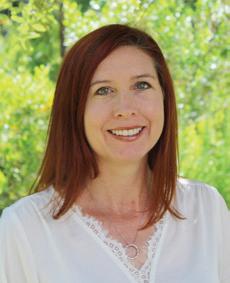

Terra Freeman is the Florida-Friendly Landscaping and Commercial Horticulture Extension Agent for UF/IFAS Extension
St. Johns County. She provides education and outreach to support sustainable landscape practices across residential and commercial sectors. With more than 25 years of experience in horticulture, she is dedicated to helping communities protect Florida’s natural resources through science-based, environmentally responsible landscaping.




















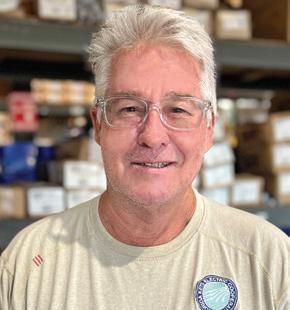


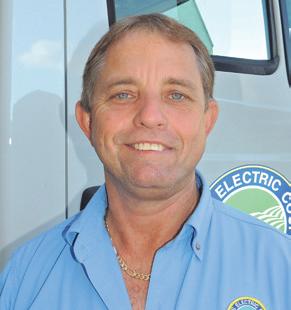









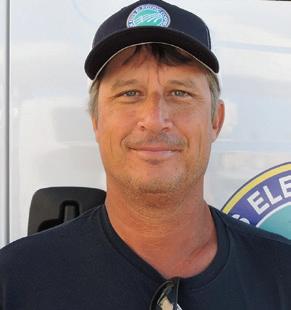
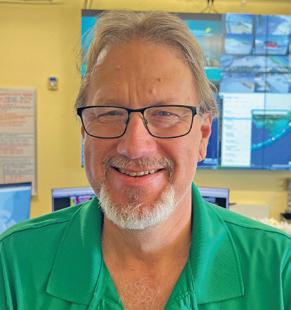







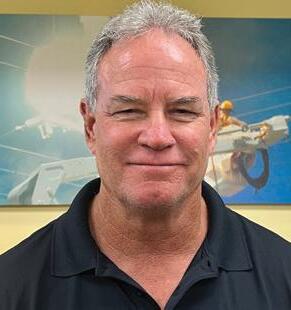














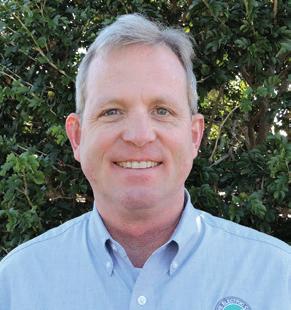




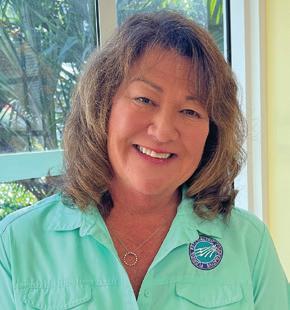











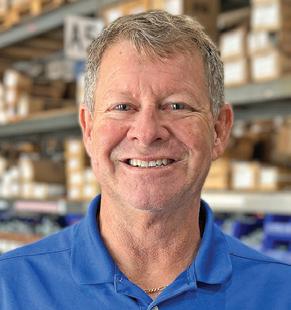


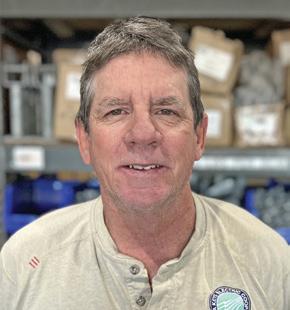








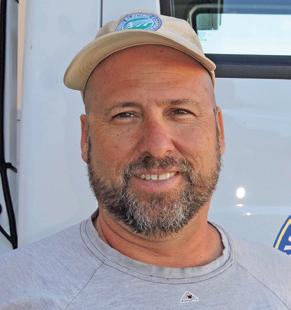


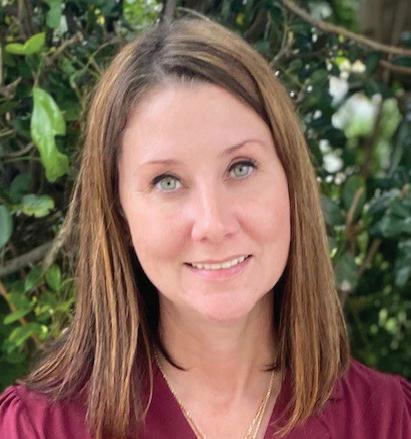




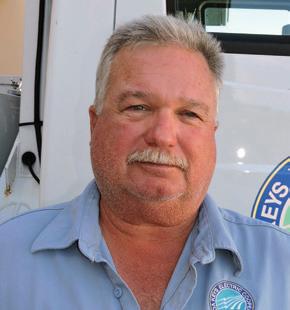







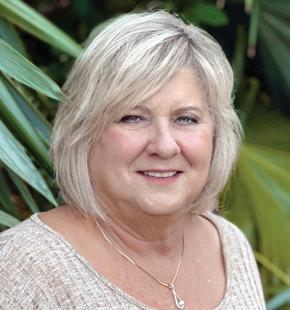









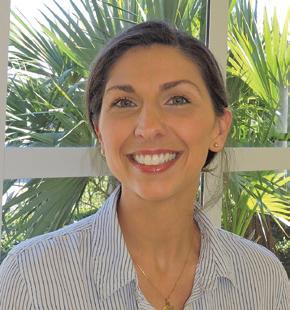

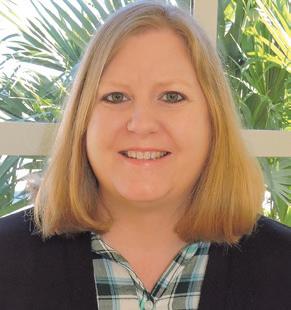





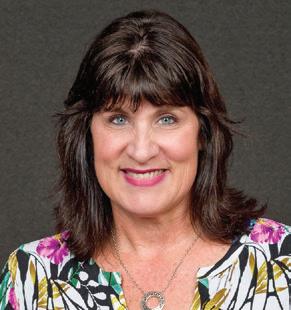



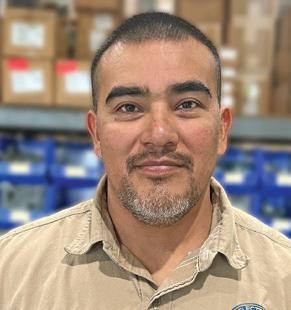







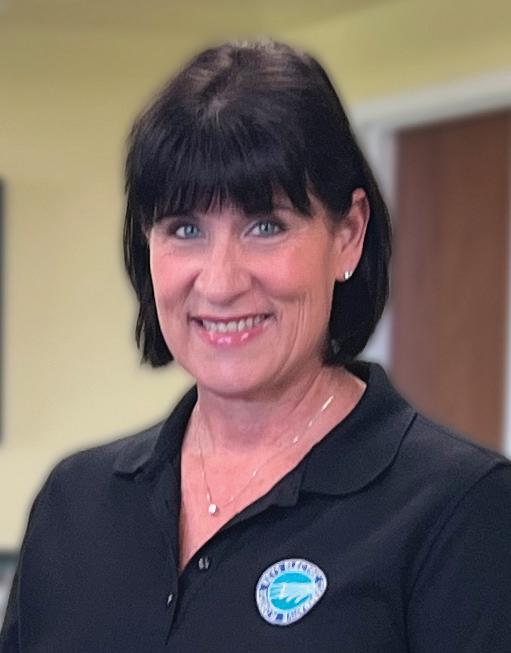




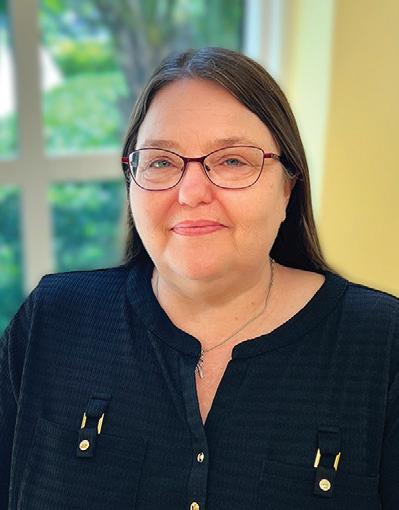

FKEC’s chief

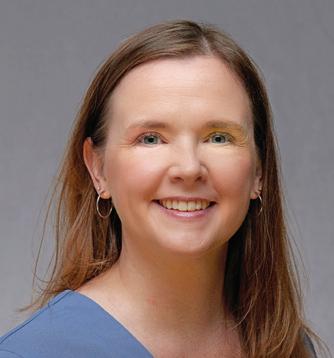

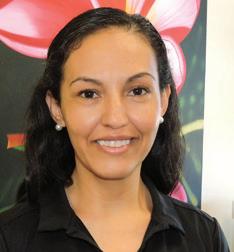




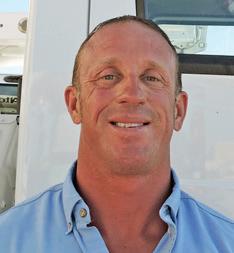


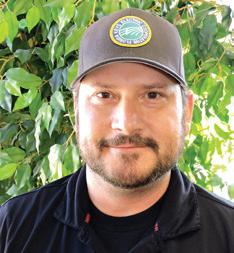








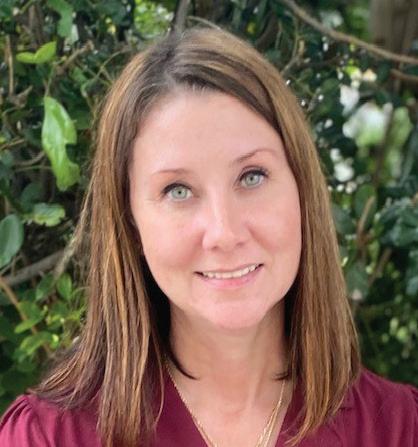


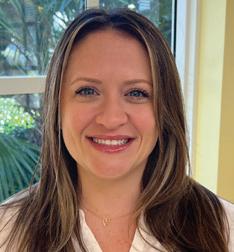
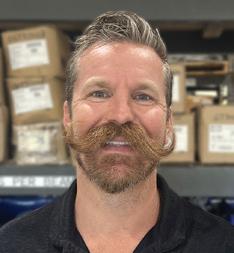


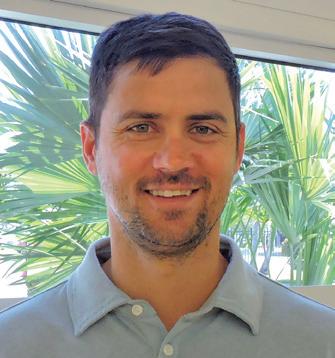

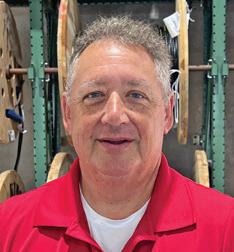




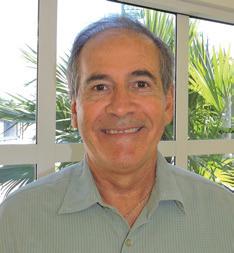
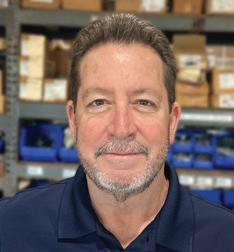

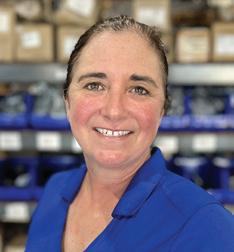
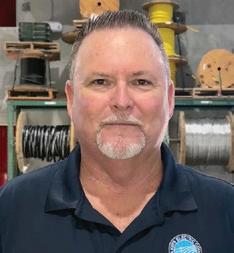

Organized by department, our team’s disciplined and consistent work delivers results each year. They show up and hit the mark every day.
Executive directors, staff and department supervisors are listed on page

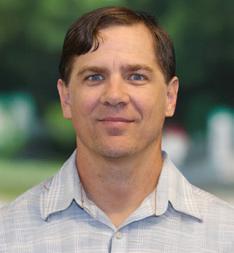
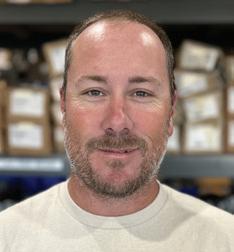
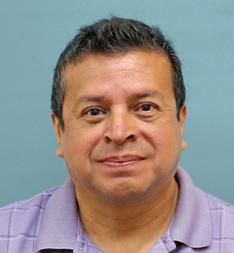

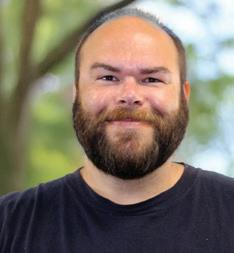

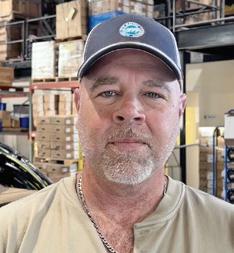


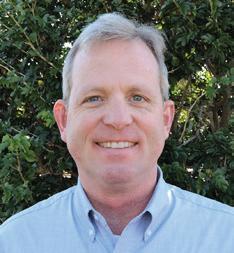
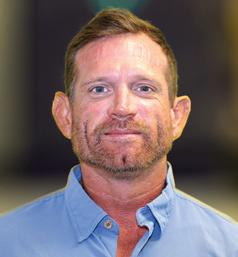
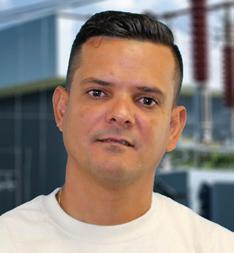
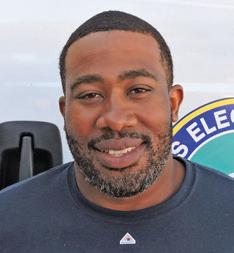


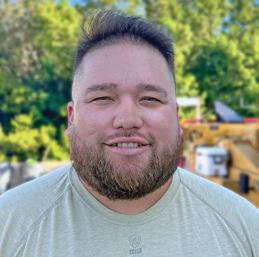
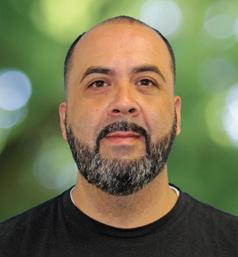













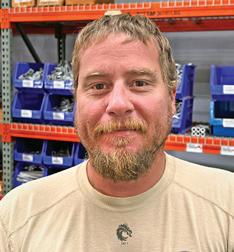
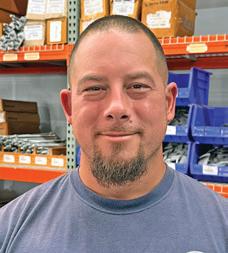
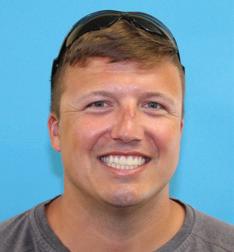
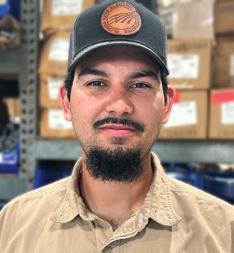
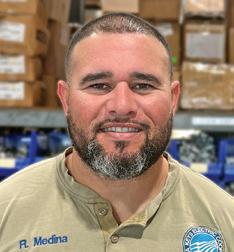
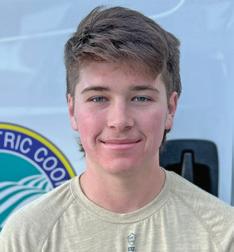
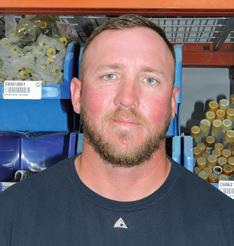

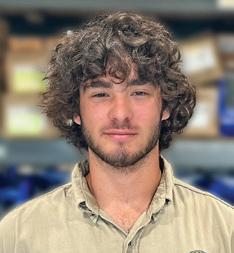
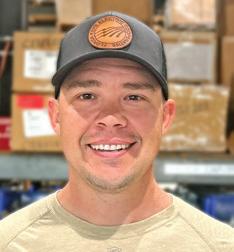



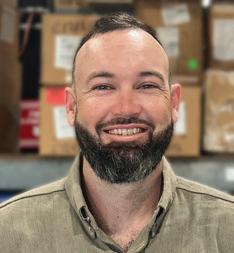

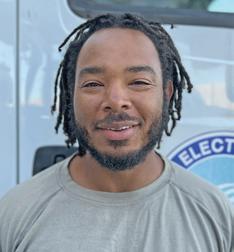
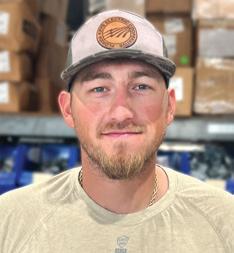
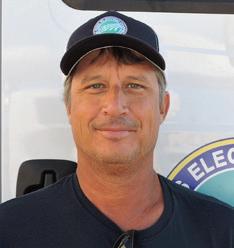
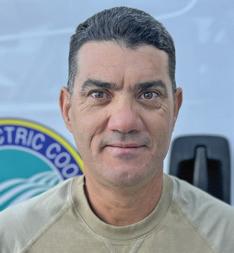
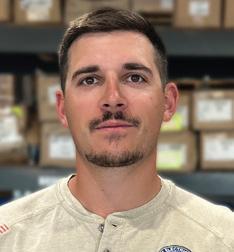
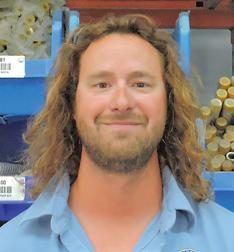
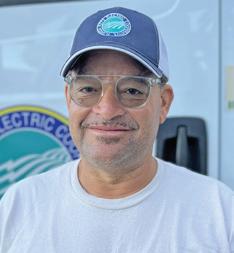
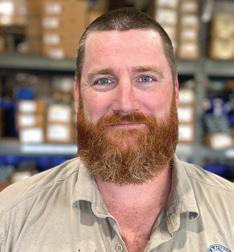
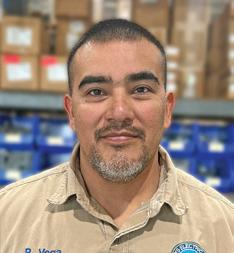
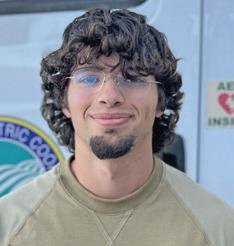
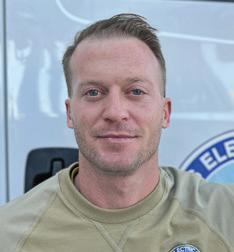
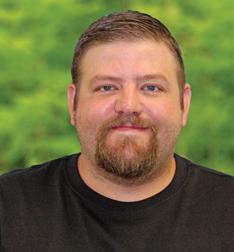


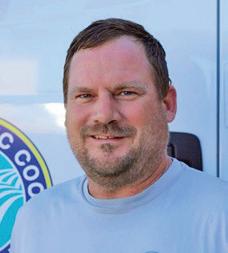
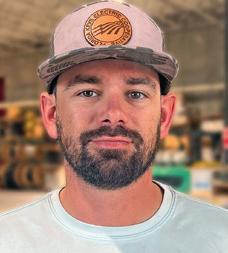
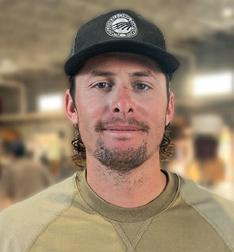
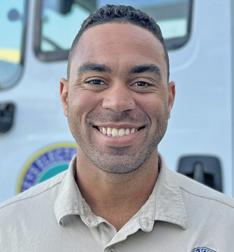
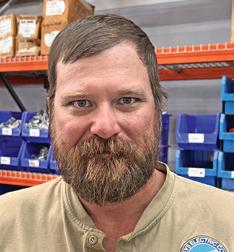
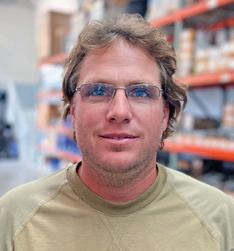



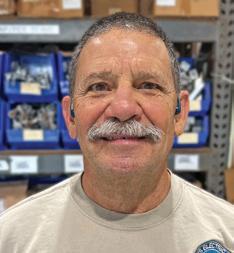



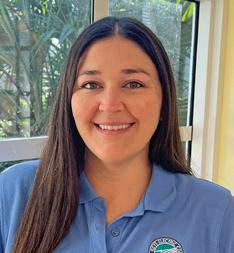

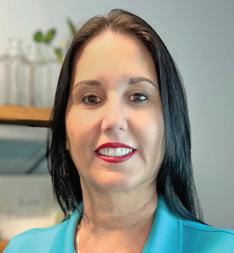


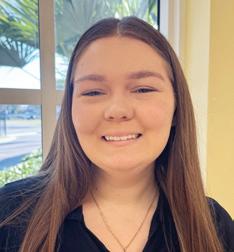

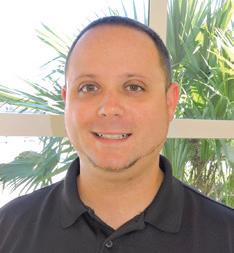

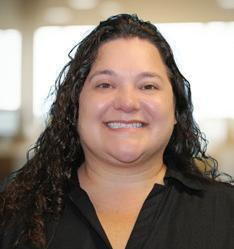

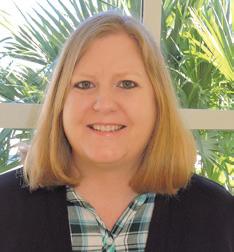
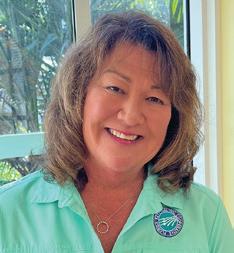

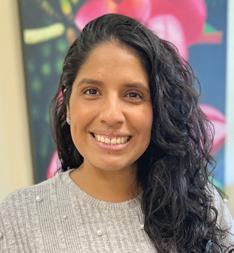

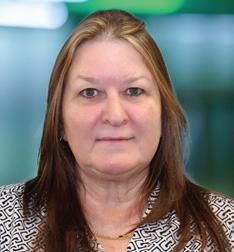
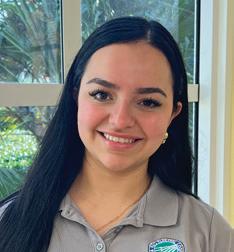
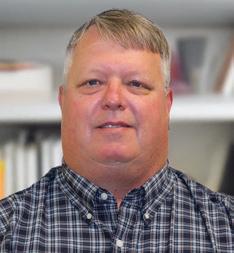
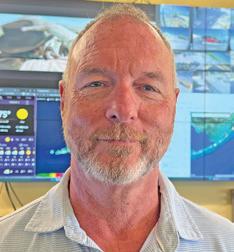
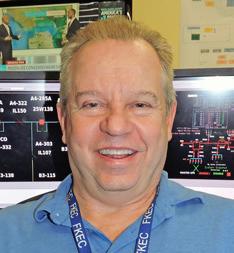
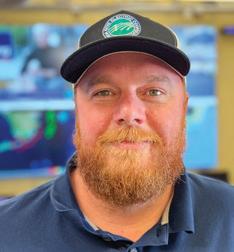


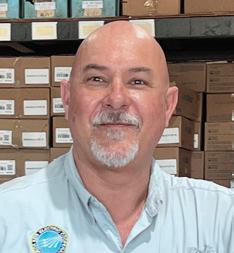


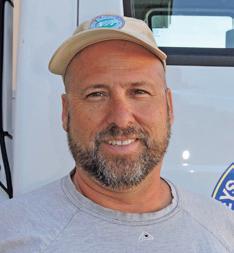

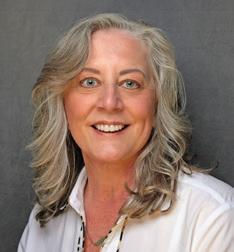
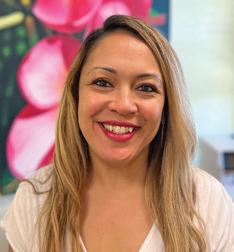

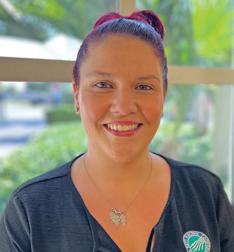
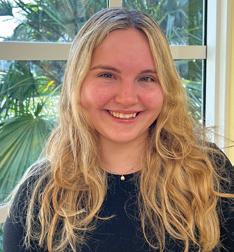
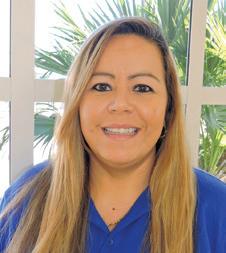



The
employees and job titles reflect FKEC’s team as of March 1, 2026. Department leaders and crew leaders

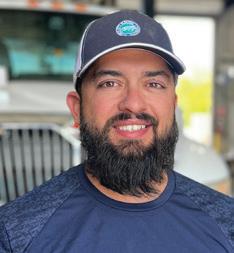
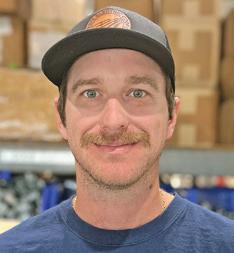
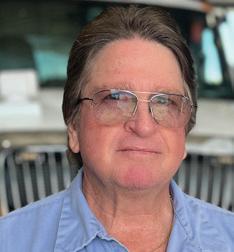
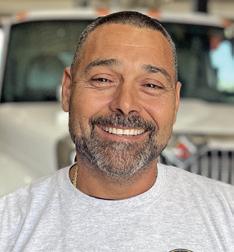









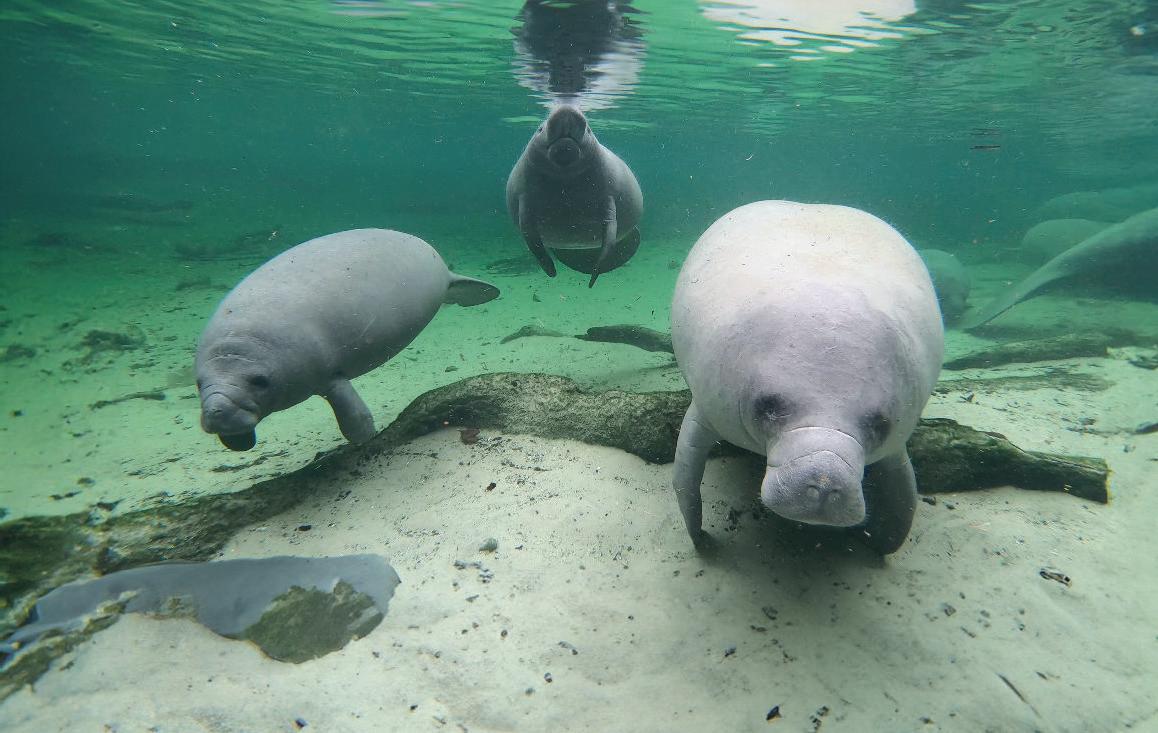
From time to time, we share some readers’ photos in this space. Submit your photo by emailing a JPEG to photos@floridacurrents.com. Include “Before You Go” in the subject line. Share a bit about what inspired you to make your photo.




















OFFICIAL NOTICE OF THE FLORIDA KEYS ELECTRIC COOPERATIVE ASSOCIATION INC. ANNUAL MEETING
TO THE MEMBERS OF THE COOPERATIVE:


The Florida Keys Electric Cooperative Association, Inc. Annual Meeting will be held Saturday, April 25, 2026, at Coral Shores High School on Plantation Key. Registration will begin at 9:00 a.m. The meeting will consist of reports from the CEO and Board Directors, reviewing the April 26, 2025 annual meeting minutes and conducting other necessary business. The meeting will convene at 10:00 a.m.
By Order of the Board of Directors
Gretchen Holland, Secretary



FKEC invites our members to a morning presentation highlighting the co-op's diligent work and consistent progress in 2025. Attendees will receive a registration gift, and complimentary coffee and breakfast snacks will be available before the meeting.
Saturday, April 25
Coral Shores High School • MM 89.9 • Oceanside
9 a.m. REGISTRATION OPENS
Free registration gifts for members 10 a.m. MEETING IS CALLED TO ORDER Free raffle to immediately follow
The meeting is open to the public, but only FKEC members (your name must be on an active FKEC electric account) can receive free registration gifts and a raffle ticket.



The following insert contains FKEC’s financial statements and notes for 2025. Additional information about the cooperative’s improvements and work can be found in the FKEC 2025 Annual Report.
DECEMBER 31, 2025 AND
receivable (less allowance for credit losses of $25,888 in 2025 and $26,694 in 2024)
AND LIABILITIES



STATEMENTS OF REVENUES FOR THE YEARS ENDED DECEMBER
5.8304,321
5.9(914,194) $
FLORIDA KEYS ELECTRIC COOPERATIVE ASSOCIATION, INC.
FLORIDA KEYS ELECTRIC COOPERATIVE ASSOCIATION, INC.
Statement of Income and Patronage Capital page identifier – turn this text white after you i
Patronage Capital
STATEMENTS OF CHANGES IN EQUITIES FOR THE YEARS ENDED DECEMBER 31, 2025 AND 2024 See accompanying notes and independent auditor’s report.
Exhibit C
OF CASH FLOWS FOR THE YEARS ENDED DECEMBER 31, 2025 AND 2024
CASH FLOWS FROM OPERATING ACTIVITIES Net
Adjustments to reconcile net margins to net cash provided (used) by operating activities Depreciation and amortization of utility plant
Decrease (increase) in
CASH FLOWS FROM INVESTING ACTIVITIES
Board of Directors
Florida Keys Electric Cooperative Association, Inc.
Tavernier, Florida
Report on the Audit of the Financial Statements Opinion
We have audited the financial statements of Florida Keys Electric Cooperative Association, Inc., which comprise the balance sheets as of December 31, 2025 and 2024, and the related statements of revenues, changes in equities and cash flows for the years then ended, and the related notes to the financial statements.
In our opinion, the accompanying financial statements present fairly, in all material respects, the financial position of Florida Keys Electric Cooperative Association, Inc. as of December 31, 2025 and 2024, and the results of its operations and its cash flows for the years then ended in accordance with accounting principles generally accepted in the United States of America.
Basis for Opinion
We conducted our audits in accordance with auditing standards generally accepted in the United States of America (GAAS). Our responsibilities under those standards are further described in the Auditor’s Responsibilities for the Audit of the Financial Statements section of our report. We are required to be independent of Florida Keys Electric Cooperative Association, Inc. and to meet our other ethical responsibilities, in accordance with the relevant ethical requirements relating to our audits. We believe that the audit evidence we have obtained is sufficient and appropriate to provide a basis for our audit opinion.
Responsibilities of Management for the Financial Statements
Management is responsible for the preparation and fair presentation of the financial statements in accordance with accounting principles generally accepted in the United States of America, and for the design, implementation, and maintenance of internal control relevant to the preparation and fair presentation of financial statements that are free from material misstatement, whether due to fraud or error.
In preparing the financial statements, management is required to evaluate whether there are conditions or events, considered in the aggregate, that raise substantial doubt about Florida Keys Electric Cooperative Association, Inc.’s ability to continue as a going concern for one year after the date that the financial statements are issued.
Auditor’s Responsibilities for the Audit of the Financial Statements
Our objectives are to obtain reasonable assurance about whether the financial statements as a whole are free from material misstatement, whether due to fraud or error, and to issue an auditor’s report that includes our opinion. Reasonable assurance is a high level of assurance but is not absolute assurance and therefore is not a guarantee that an audit conducted in accordance with GAAS will always detect a material misstatement when it exists. The risk of not detecting a material misstatement resulting from fraud is higher than for one resulting from error, as fraud may involve collusion, forgery, intentional omissions, misrepresentations, or the override of internal control. Misstatements are considered material if there is a substantial likelihood that, individually or in the aggregate, they would influence the judgment made by a reasonable user based on the financial statements.
In performing an audit in accordance with GAAS, we:
• Exercise professional judgment and maintain professional skepticism throughout the audit.
• Identify and assess the risks of material misstatement of the financial statements, whether due to fraud or error, and design and perform audit procedures responsive to those risks. Such procedures include examining, on a test basis, evidence regarding the amounts and disclosures in the financial statements.
• Obtain an understanding of internal control relevant to the audit in order to design audit procedures that are appropriate in the circumstances, but not for the purpose of expressing an opinion on the effectiveness of Florida Keys Electric Cooperative Association, Inc.’s internal control. Accordingly, no such opinion is expressed.
• Evaluate the appropriateness of accounting policies used and the reasonableness of significant accounting estimates made by management, as well as evaluate the overall presentation of the financial statements.
• Conclude whether, in our judgment, there are conditions or events, considered in the aggregate, that raise substantial doubt about Florida Keys Electric Cooperative Association, Inc.’s ability to continue as a going concern for a reasonable period of time.
We are required to communicate with those charged with governance regarding, among other matters, the planned scope and timing of the audit, significant audit findings, and certain internal control–related matters that we identified during the audit.

Warner Robins, Georgia February 13, 2026
1. Nature of Business and Summary of Significant Accounting Policies Reporting Entity and Nature of Operations
Florida Keys Electric Cooperative Association, Inc. (the Cooperative) is a rural electric utility cooperative headquartered in Tavernier, Florida serving members in Monroe County, Florida. The Cooperative’s purpose is to provide electric service to its members by purchasing wholesale power and distributing electric energy on a retail basis through its distribution facilities.
The accounting and reporting policies of the Cooperative generally conform to accounting principles generally accepted in the United States of America (GAAP). The accounting records of the Cooperative are maintained in accordance with the Uniform System of Accounts prescribed by the Federal Energy Regulatory Commission as modified by and adopted by the Rural Utilities Service (RUS) of the United States Department of Agriculture. As a result, the application of GAAP differs in certain respects from the application of those principles by nonregulated enterprises. Additionally, the Cooperative, in its rate-making capacity, has the ability to account for certain revenue and expense deferrals in accordance with the Financial Accounting Standard Board’s (FASB) Accounting Standards Codification (ASC) 980, Regulated Operations
The preparation of financial statements in conformity with GAAP requires management to make estimates and assumptions that affect the reported amounts of assets and liabilities and disclosure of contingent assets and liabilities at the date of the financial statements and reported amounts of revenues and expenses during the reporting period. These estimates include assessing the collectability of receivables, the capitalization of overhead costs, the use and recoverability of materials and supplies, the useful lives for depreciation of utility plant, the recoverability of investments, and the accrual for utility revenue. Estimates and assumptions are reviewed periodically and the effects of revisions are reflected in the period they are determined to be necessary. Actual results could differ from those estimates.
Utility plant additions and improvements are capitalized at cost less related contributions in aid of construction. Cost may include the capitalization of direct costs such as labor and materials and supplies and indirect costs including labor, materials and supplies charges, taxes, insurance, transportation, depreciation, pensions, and other related costs. These costs are accumulated in work in progress accounts and are capitalized to the proper utility plant accounts at the completion of the construction activity. In general, utility plant is capitalized at the time it becomes part of an operating unit and has been energized. However, certain items of plant referred to as special equipment items (meters, transformers, oil circuit reclosures, etc.) are capitalized at the time of purchase along with the related estimated cost of installation. The costs of maintenance, repairs, and replacements of minor items of property are charged to maintenance expense as incurred.
Depreciation of capitalized costs is provided using straight-line rates. When utility plant subject to depreciation is retired or otherwise disposed in the normal course of business, its capitalized cost and cost of removal less salvage are charged to the accumulated provision for depreciation.
The Cooperative evaluates long-lived assets for impairment when events or changes in circumstances indicate the carrying value of such assets may not be recoverable. The determination of whether an impairment has occurred is based on either a specific regulatory disallowance or an estimate of undiscounted future cash flows attributable to the assets, as compared with the carrying value of the assets. If an impairment has occurred, the amount of impairment recognized is determined by estimating the fair value of the assets and recording a provision for loss if the carrying value is greater than the fair value. For assets identified as held for sale, the carrying value is compared to the estimated fair value less selling costs to determine if an impairment provision is required. Until the assets are disposed of, their estimated fair value is reevaluated when circumstances or events change.
Accounting standards require the present value of the ultimate cost for an asset’s future retirement be recorded in the period in which the liability is incurred. The cost should be capitalized as part of the related long-lived asset and depreciated over the asset’s useful life. The Cooperative has no legal retirement obligations related to its utility plant; therefore, a liability for the removal of these assets will not be recorded. Management
believes the actual cost of removal, even though not a legal obligation, will be recovered through rates over the life of the utility plant.
Investments in associated organizations include investments in other cooperative organizations. Investments in other cooperative organizations represent capital investments made primarily to obtain an economical source of product, supply, financing or service and not with the expectation of typical returns. Investments in other cooperative organizations are carried at cost plus allocated equities in accordance with the guidance in ASC 905-325-30. Allocated equities are included in other capital credits in the statements of revenues. Management reviews the balances recorded for individual investments in other cooperative organizations and adjusts the carrying cost if, in their opinion, any of the carrying values have been impaired. Factors reviewed and considered in this process include financial forecasts, debt requirements, market conditions and other factors.
The Cooperative considers all highly liquid investments with maturities of three months or less when purchased, if any, to be cash equivalents.
The Cooperative’s exposure to credit losses primarily relates to its accounts receivable and unbilled revenue balances, which are primarily generated from the sale of electricity to members. The Cooperative evaluates the collectability of its accounts receivable and unbilled revenue balances on a forward‐looking basis considering the economic conditions and other factors relevant to its geographic service area. For the majority of members, the Cooperative uses the accounts receivable aging method to determine an allowance for credit losses. This method requires that the Cooperative classify accounts receivable into aging buckets and calculate a reserve amount for each aging bucket based on historical loss experience, economic conditions and other factors. For its largest customers, the Cooperative records a specific allowance for credit losses to reduce the net receivable to the amount it reasonably believes will be collected. Accounts receivable are charged off when management determines them to be uncollectible and upon approval by the Board of Directors. Recoveries of accounts receivable previously charged off are recorded when received.
The Cooperative manages its credit exposure by assessing the credit quality of members at the beginning of the service and, in some cases, requiring deposits before service is rendered. The Cooperative disconnects customers for non‐payment as established in their member service policies. Management reviews the risk of loss periodically through the assessment of collectability of receivables. Refer also to Note 4.
Materials and Supplies
Materials and supplies, necessary for construction and maintenance of utility plant, are stated at average unit cost. Cost is determined by the average unit cost method. Materials and supplies are charged to inventory when purchased and then expensed or capitalized to utility plant, as appropriate, when installed.
Equities and Margins
The Cooperative is organized and operates under the cooperative form of organization. As such, patronage capital or margins are allocated to patrons based upon individual consumption of electric energy. Retirements of patronage capital to members are made at the discretion of the Board of Directors and are subject to certain restrictions outlined in mortgage agreements. The Cooperative’s bylaws provide that capital credit retirements that remain unclaimed for five years are to be reallocated with current year margins on a patronage basis. As of December 31, 2025 and 2024, the total equities approximate 34.8% and 35.1% of total assets, respectively.
Retail electricity sales to residential, commercial, industrial, and public authorities customers represent the Cooperative’s primary revenue source. The Cooperative has determined that retail electric service to these customers represents an implied daily contract with the customer. The contract is comprised of an obligation to supply and distribute electricity and related capacity. Revenue is recognized, over time, equal to the product of the Board approved tariffs and the volume of the electricity delivered to the customer, or through the passage of time based upon providing the service of standing ready. The Cooperative’s tariffs for electric service include a power cost calculation under which electric rates charged to customers are adjusted to reflect changes in power costs. The Cooperative records electric revenues as billed to customers on a monthly basis. Revenue is accrued for power delivered but not billed at the end of each month. Accrued utility revenue totaled approximately $4,123,343 and $3,295,513 at December 31, 2025 and 2024, respectively.
Rents received for the use by others of property devoted to electric operations by the Cooperative is reflected as rent from electric property.
Other electric revenues include charges for late payments by customers, revenues for miscellaneous services provided to customers, such as changing, connecting and disconnecting service, and revenues from wheeling transactions.
In July 2007, the Cooperative adopted a Formula Revenue Requirement (rate rider), which is adjusted up or down on April 1st of each year to maintain a benchmark return on equity.
The Cooperative collects taxes from its members on behalf of the State of Florida and certain municipalities and county governments, as applicable. Revenues are presented in the statements of revenues net of such taxes collected.
Cost of power is expensed as billed by Florida Power and Light Company (FPL).
The Cooperative operates under the Internal Revenue Code (IRC) Section 501(c)(12) as a tax‐exempt cooperative. IRC Section 501(c)(12) provides, in part, that the Cooperative derive at least 85% of its gross annual revenue from its members to retain the exemption. The Cooperative has met and expects to meet these requirements for applicable tax years. Accordingly, no provision for income taxes has been made in the financial statements. However, the Cooperative does have income from certain activities not directly related to its tax‐exempt purpose that is subject to taxation as unrelated business income. This unrelated related business income results in an immaterial amount of unrelated business income tax included in taxes in the statements of revenues and requires the Cooperative to file Federal Form 990‐T and Florida Form F‐1120.The Cooperative believes that it has appropriate support for any tax positions taken, and as such, does not have any uncertain tax positions that are material to the financial statements. The Cooperative’s Federal Forms 990 and 990‐T (Internal Revenue Service) and Florida Form F‐1120 (Florida Department of Revenue) are subject to examination, generally for three years after they are filed.
The Cooperative assesses if an agreement is a lease at the inception of the contract by determining whether the agreement involves a physically distinct identified asset and if they have the right to retain substantially all the economic benefit for the use of the asset. The Cooperative does not evaluate agreements with a term of less than one year. See Note 2 for more information on the Cooperative’s right‐of‐use assets and Note 6 for more information on the Cooperative’s operating lease liabilities.
2. Utility Plant
Listed below are the major classes of utility plant as of December 31:
Included in general plant at December 31, 2025 and 2024 was right‐of‐use assets related to operating leases in the amount of $4,947,460 and $3,601,135 respectively.
Other property and investments consisted of the following at December 31:
The Cooperative records patronage capital assigned by associated organizations in the year in which such assignments are received. Included in the schedule above are subordinate capital term certificates and member capital securities totaling $1,911,875 and $2,024,875 as of December 31, 2025 and 2024, respectively. These certificates were purchased as a condition of the mortgage agreements with NRUCFC and are recorded at cost. The certificates bear interest ranging from 0.0% to 5.0% and mature at various times between 2030 and 2080.
4. Accounts Receivable, Contract Assets, and Credit Losses
Accounts
and contract assets are as follows at December 31:
The
tables set forth changes in the allowance for credit losses for the years ended December 31:
The Cooperative has a $15,000,000 line of credit with CFC and a $15,000,000 line of credit with CoBank, limited to a total indebtedness of $15,000,000. Both lines of credit are at variable interest rates and are subject to automatic renewal. The Cooperative had $5,000,000 and $-0outstanding on the CFC line of credit at December 31, 2025 and 2024, respectively. The Cooperative had no borrowings outstanding on the CoBank line of credit at December 31, 2025 and 2024.
The Cooperative also has a $10,000,000 uncommitted revolving credit facility with CoBank that, unless renewed, expires July 31, 2026. The purpose of this line of credit is to finance operating needs and capital expenditures on an uncommitted basis resulting from natural disasters.
As part of its operations, the Cooperative leases various vehicles under leases with remaining lease terms of up to 6 years. Operating lease expenses are charged to overhead clearing accounts and redistributed to various operating expenses and utility plant. Total operating lease expense for 2025 and 2024 was $686,817 and $575,478, respectively.
Total allowance for credit losses for the years ended December 31, 2025 and 2024 is $25,888 and $26,694, respectively. This allowance is equal to the amount of accounts receivable, net, greater than 60 days past due.
5. Other Equities
6. Debt Mortgage Notes Payable
Mortgages consist of
The estimated maturities of mortgage notes payable for the next five years and thereafter are as follows: Years Ending December 31
Substantially all assets of the Cooperative are pledged as security for the mortgage notes payable to the National Rural Utilities Cooperative Finance Corporation (NRUCFC) and CoBank. The notes are secured by a mortgage agreement among the Cooperative, NRUCFC, and CoBank. The NRUCFC mortgage notes and those under management by NRUCFC mature at various times from 2026 through 2055 with quarterly installments of principal and interest. The CoBank mortgage notes mature at various times between 2026 through 2040. $25,223,090 of the total CoBank notes are interest only and are payable quarterly. The principal of these respective notes may be paid at the interest repricing date. Payments of principal other than at interest repricing dates are subject to a prepayment penalty determinable at the time of payment. The remaining CoBank note is a fixed rate note with monthly installments of principal and interest. The mortgage notes contain certain affirmative and negative covenants, including maintenance of certain financial ratios as defined in the mortgage agreements.
The Cooperative had unadvanced loan funds on commitment with CFC at December 31, 2025 of $4,000,000.
The following table outlines the minimum future lease payments for the next five years and thereafter:
All eligible employees of the Cooperative participate in the National Rural Electric Cooperative Association (NRECA) Retirement Security Plan (RS Plan), a defined benefit pension plan qualified under Section 401 and tax
exempt under Section 501(a) of the Internal Revenue Code. The RS Plan is considered a multiemployer plan under the accounting standards. The RS Plan sponsor’s Employer Identification Number is 53‐0116145 and the Plan Number is 333.
A unique characteristic of a multi‐employer plan compared to a single employer plan is that all plan assets are available to pay benefits of any plan participant. Separate asset accounts are not maintained for participating employers. This means that assets contributed by one employer may be used to provide benefits to employees of other participating employers.
The Cooperative’s contributions to the RS Plan in 2025 and in 2024 represented less than 5% of the total contributions made to the RS Plan by all participating employers. The Cooperative made contributions to the RS Plan of $2,230,310 and $2,289,306 in 2025 and 2024, respectively. There have been no significant changes that affect the comparability of 2025 and 2024 contributions.
In the RS Plan, a “zone status” determination is not required, and therefore not determined, under the Pension Protection Act of 2006 (the PPA). In addition, the accumulated benefit obligations and plan assets are not determined or allocated separately by individual employer. In total, the RS Plan was over 80% funded on January 1, 2025 and over 80% funded on January 1, 2024 based on the PPA funding target and the PPA actuarial value of assets on those dates.
Because the provisions of the PPA do not apply to the RS Plan, funding improvement plans and surcharges are not applicable. Future contribution requirements are determined each year as part of the actuarial valuation of the RS Plan and change as a result of RS Plan experience.
Defined Contribution Pension Plan
The employees also participate in a 401(k) Plan, a defined contribution plan provided through NRECA. The Cooperative makes monthly contributions to the 401(k) Plan. The cost to the Cooperative was $523,613 and $471,542 for the years ended December 31, 2025 and 2024, respectively.
8. Deferred Charges
consist of the following as of December 31:
In 2010, the Board of Directors acting as the rate making authority of the Cooperative approved a resolution to amortize the charges associated with the abandoned North Key Largo Substation project over a period of 20 years. Amortization expense for the years ended December 31, 2025 and 2024 was $183,444.
9. Nonoperating Margins (Loss)
Nonoperating margins (loss) consist of the following for the years ended December 31:
10. Concentrations
Financial instruments that potentially subject the Cooperative to concentrations of credit risk consist principally of cash and cash equivalents and accounts receivable.
The Cooperative’s headquarters is located in Tavernier, Florida. Its service area includes portions of several surrounding counties. The geographic concentration of the Cooperative’s member customers results in a concentration of credit risk with respect to the collection of accounts receivable. The Cooperative can require a deposit from its members which may be applied to unpaid bills in the event of default. Consumer deposits, considered contract liabilities, at December 31, 2025, 2024 and 2023 were $6,614,190, $6,620,144, and $6,713,446, respectively.
The Cooperative maintains its cash deposits in a local financial institution, and the accounts at this institution are generally insured by the Federal Deposit Insurance Corporation (FDIC) up to $250,000. In addition, the Cooperative has a repurchase agreement with this financial institution which secures an additional $650,000 of funds not insured by the FDIC. Cash balances throughout the year periodically exceed the insured and secured deposit limits. If the financial institution were not to honor their contractual liabilities, the Cooperative could incur losses. Management is of the opinion that there is no material risk because of the financial strength of the institution.
11. Litigation
The Cooperative’s nature of business is such that it ordinarily results in a certain amount of litigation. In the opinion of management, there is no litigation in which the outcome will have a material effect on the financial statements. Additionally, the Cooperative is fully insured with general liability and an excess coverage umbrella policy in the event of an unfavorable outcome that would cover any potential settlement.
12. Commitments and Contingencies
Under its long‐term agreement to provide capacity and energy by FPL to the Cooperative, the Cooperative is committed to purchase full requirements of capacity and energy from FPL. The agreement carries an initial term of 20 years through December 31, 2031 and will automatically be extended for an additional 20 year term. Either party may terminate the agreement on the last day of any calendar year after December 31, 2031 by giving the other party at least seven years written notice. The rates paid under the agreement are calculated annually pursuant to a formula that reflects FPL’s actual full resource production costs.
The Cooperative and Keys Energy Services (KES) have a long‐term joint transmission agreement extending through December 31, 2032, whereby the Cooperative and KES will share in the investment, operation, and maintenance costs of the transmission facilities located between the Dade/Monroe County line and the service territory boundary between the two utilities. Within the capacity of the transmission system, the Cooperative will be entitled to 60.00% of the transfer limit, and KES will be entitled to 40.00% of the transfer limit.
The investment share for each party is determined based upon their relative use of the transmission facilities, considering both the flow of power measured in megawatts and the length of the respective flows. The Cooperative's investment share is 43.50%, and KES's share is 56.50%. The investment of each respective party in this agreement is at parity.
In its role as the operating agent under this agreement, the Cooperative routinely bills KES for KES’s share of the costs incurred relating to this agreement. KES has the right to audit, at its expense, the Cooperative’s books and records which relate to and are necessary for verification of charges and costs included in bills rendered with respect to this agreement. The Cooperative believes that any amounts owed back to KES as a result of such audits, if any, would be immaterial.
Labor Force Contract
Approximately 45% of the Cooperative’s labor force is subject to a collective bargaining agreement. A three year agreement was negotiated and approved for the period March 1, 2025 to February 29, 2028 between the Cooperative and the International Brotherhood of Electrical Workers (IBEW).
The Cooperative assessed events that have occurred subsequent to December 31, 2025 through February 13, 2026 for potential recognition and disclosure in the financial statements. All subsequent events requiring recognition as of the date the financial statements were available to be issued have been incorporated into the financial statements.
To access past FKEC Financial Reports visit www.FKEC.com/about-fkec/cooperative-documents/