Institute for the Study of Integrative Healthcare
A NOTE FROM DIRECTOR SHARON KANFOUSH, PHD, C-IAYT
This spring we hosted informative and inspiring educational events and are firming up events for the fall. We selected our third cohort of Faculty Fellows, bringing in disciplines not previously represented within the Institute. We were fortunate to be able to hire our wonderfully proactive graduate assistant again for another year. Work continues on the Student Affiliate program, and we are just beginning the early stages of planning the 2027 Conference!
Finding Our Groove and Striking A Balance
Much of the work we do for the Institute is exciting and fun; some more mundane. Much is productive and successful; some a bit of a dance with one step forward and two steps back. Topics were brought to our attention this spring that led to some thoughtprovoking dialog and, more importantly, regrouping and clarifying who we are and who we aim to be. All of it, I believe, is part and parcel of a growing and evolving still-young institute that was founded amidst the shutdowns of a global pandemic and is finding its groove and striking a balance.
We spent some time this spring revising the existing job description for the director position to more accurately reflect what I do, especially in light of the change in leadership structure from a single director to a leadership team of three with the addition of an associate director and program manager. We also revised the program manager job description that had been used during the search process – now that we have seen what the job really looks like in action. We also massaged an informal written list of anticipated deliverables into the first formal job description for the associate director position. Not exactly exciting stuff,

but necessary. Not just because every employer should have these things in writing for legal purposes, but because it has helped us more clearly see and more efficiently partition the roles and responsibilities that need to be fulfilled.
On the fun side, we hosted two very inspiring and well-received events, one on music therapy to help children with cancer or wrestling with other major trauma and their families and another on the role of holistic care in nursing at a hospital that is doing it exceptionally well. Coming up in the fall, we have scheduled events on empowering college students to engage in health and wellness and Feldenkrais techniques of somatic movement.
On an exciting note, we are continuing efforts to develop the structure and details of the planned Student Affiliate program. Moving this work forward is the generous assistance and expertise of Advisory Council President and Professor of Anthropology Dr. Helen Blouet by means of a thorough search of existing University course offerings that may be a great fit as electives within the program and to identify where gaps and needs may exist. Although more remains to be done, we are aiming to assemble a version we feel is ready for broader sharing by the winter.
Even more invigorating, we are beginning the very early stages of planning for our biennial conference that will be held in September 2027! As such, we are working to assemble our interdisciplinary conference planning team and will soon firm up a specific date and a conference theme. It is too early for a save-the-date announcement as the specific day will be governed by the many other events and activities that go on at the University campus, but please check back and keep an eye out for one soon. Regarding the theme, it is yet undecided, and we welcome your ideas!
Finally, in tandem with significant productivity and success, we have had some stalls. Important conversations were needed and were had. This is to be expected in any organization, of course. It is particularly not surprising with regard to an institute that straddles broadly-accepted and state-licensed medical approaches backed by years of robust scientific research and modalities that have little or in some cases no scientific backing – yet. That is, after all,
the reason the Institute exists – to study such modalities and their integration with established Western allopathic healthcare. It is an interesting and at times challenging line to straddle. Questions that arose this spring highlighted the need for and importance of such conversations. Later in this edition of the newsletter, I tackle this in more depth.
FALL EVENTS


Learning in Motion: The Feldenkrais Method TUESDAY, SEPTEMBER 24, 2026 | 4:00 P.M.
Speaker: Staffan Elgelid, PhD, PT, GCFP, C-IAYT, ERYT-200, RYT-500, NBC-HWC, Professor of Physical Therapy, Nazareth University, Rochester, NY
Join the institute for this introduction to a gentle, mindful, learning approach to movement that can transform the way you feel in your body and go through your daily life.
Embedding Health & Wellness into Higher Education Campuses Using the Eight Dimensions of Wellness Model THURSDAY, OCTOBER 29, 2026 | 4:00 P.M.
Speakers: Cicily Talerico, OTD, Assistant Professor of Occupational Therapy; Trista Richardson, OTD, Professor of Practice in Occupational Therapy; Jae Sung Park, PhD, Assistant Professor of Physical Education, Exercise & Wellness Studies, Utica University, Utica, NY
Some of our 25-26 Faculty Fellows will share the focus of their research and present their findings when working with Utica students.
Upcoming events are posted on our website and social media pages, so please check in often and share widely with your contacts! All previous event recordings can be accessed on our website in the Previous Institute Events section at the bottom.
INSTITUTE EVENTS
Welcome & Congratulations to our 2026-2027 Faculty Fellowship Award Recipients!
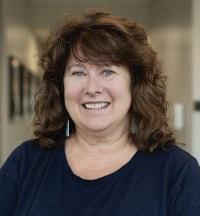
Colleen Sunderlin, PhD, Professor of Occupational Therapy
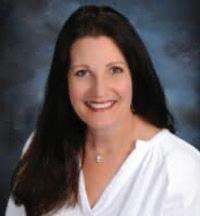
Jackie Warmuth, MEd, Adjunct Professor of Health Studies
“The E ectiveness of Polarity Treatment on Stress, Anxiety, and Depression among College Students”
ABOUT THE RESEARCH: Attention to the mental health concerns of collegeage students has increased over the past decade. More recently, the mental health of college students has been reported to be worse than the general population, with anxiety and depression being most frequently identified (National Collaborating Centre for Mental Health, 2019). Several internal and external factors have led to increased stress among college students. Stress has been associated with an increase or decrease in energy levels, leading to anxiety and depression. Stress, anxiety, and depression have been noted to impact students’ habits, routines, and overall academic performance (Caitling et al., 2025). Western traditional methods of addressing anxiety and depression have included pharmacology and psychotherapy. Eastern approaches, often referred to as “alternative,” focus on the mind, body, and nutrition. The combination of Western and Eastern approaches, described as complementary, has continued to gain attention over the years (Blessin, et al., 2022).
Approaches that address the body’s energy, such as massage, Reiki, therapeutic touch, and polarity, have been found to have a positive effect among various populations. The research on polarity is increasing. Polarity is considered an “energy medicine biofield/touch therapy” (Hart, 2023, p.32). Any obstruction in the body’s energy is believed to lead to illness. Polarity seeks to keep the energy flowing to maintain one’s state of health (Hart, 2023). Polarity has been commonly utilized to address stress, anxiety, fatigue, depression, and pain (Hart, 2023). Polarity evidence has specifically been found to have a positive impact on sleep, pain control, and fatigue among various populations (Lambert, et al., 2019; Joaquim, et al. 2021; Korn, et al. 2009; Mustian, et al., 2011).
This project seeks to explore the impact of polarity treatment on stress, anxiety, and depression in college students [and]… aims to improve the health and wellness, well-being, and quality of life of college students. Using the Eight Dimensions of Wellness Model, college students will be empowered to create wellness-related behaviors into their daily habits and routines and assume personal responsibility to be proactive in preserving their health. The researchers are hopeful that the students will continue using this model across their lifespan as well as incorporate this model into their future careers as physical education, and wellness and adventure educators.
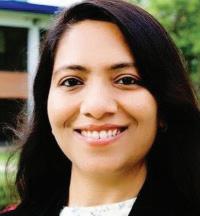
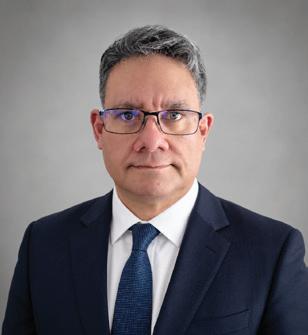
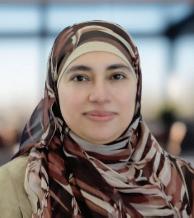
Unnati Shah, PhD, Associate Professor of Computer Science
Angel Rivera, PhD, Associate Professor of Computer Science
Walaa Sayed Mohammad, PT, DPT, PhD, Associate Professor of Physical Therapy
“Beyond Clearance: An Integrative, Real-Time, Bias-Aware AI Framework to Di erentiate Return-to-Sport and Return-to-Performance in ACL Rehabilitation”
ABOUT THE RESEARCH: Consider an athlete who has worked tirelessly through months of Anterior Cruciate Ligament (ACL) rehabilitation, striving to regain strength, confidence, and mobility, and is finally deemed ready to return to sport based on standard clinical criteria such as limb symmetry or hop performance. Despite meeting these discharge thresholds, some athletes are unable to sustain pre-injury performance levels, demonstrate early fatigue, or exhibit compromised movement patterns during repeated or high-demand activities, ultimately increasing their risk of re-injury or long-term joint damage. Clearance decisions that rely primarily on isolated performance tests, without evaluating an athlete’s ability to tolerate sustained physical and psychological demands, can lead to premature return and misinterpretation of recovery status.
Such scenarios are particularly problematic when Artificial Intelligence (AI) models or clinical decisions rely solely on Return-to-Sport (RTS) as a binary measure, without accounting for an athlete’s ability to sustain performance over time, known as Return-to-Performance (RTP). AI is increasingly applied in healthcare and rehabilitation to support predictive modeling, clinical decision-making, and personalized patient care. However, models trained on static, “snapshot” data are vulnerable to algorithmic bias arising from underrepresented populations, oversimplified labels, confounding variables, and incomplete feature representation. This creates a diagnostic blind spot that can overlook the gradual erosion of biomechanical integrity over time.
In ACL rehabilitation, models trained solely on RTS may systematically overestimate recovery while underestimating re-injury risk and performance deficits, providing a dangerous illusion of readiness that jeopardizes athletes’ health and careers. This project addresses this critical gap by proposing a real-time, bias-aware AI framework that explicitly distinguishes RTS from RTP, incorporates continuous bias monitoring, and integrates both technical and ethical oversight. By leveraging time-indexed physiological, performance, and psychological proxies, the system ensures AI predictions reflect meaningful, longitudinal recovery outcomes, supporting safer, equitable, and evidence-based rehabilitation decisions.

Luke Perry, PhD, Distinguished Professor of Political Science
“Understanding Robert Kennedy’s Impact on Health & Human Services and Local Communities”
ABOUT THE RESEARCH: Robert Kennedy’s selection as Secretary of Health and Human Services (HHS) was a major development in the U.S. government’s approach to health and nutrition, generating significant popular attention. This project will comprehensively research the impact of Secretary Kennedy on HHS and on health and nutrition policy. Twofold comparative analysis will be undertaken to: 1) evaluate policy changes during Kennedy’s tenure compared to previous HHS norms regarding health and nutrition; and 2)evaluate HHS under Kennedy’s leadership in comparison to current health and nutrition policy norms in the European Union. The objectives are: 1) to better understand continuity and change in U.S. health and nutrition policy over time; 2) to better understand the impact of Secretary Kennedy’s leadership on health and nutrition policy; and 3) to better
understand similarity and variance between U.S. health and nutrition policy and other Western countries.
The project will also examine the practical implications of these policies on our local communities and public health. In particular, the project will focus on major changes to the Dietary Guidelines for Americans (2025-2030) recently adopted by HHS. These guidelines influence what food is served in the National School Lunch Program, which provides over four billion lunches to children. OHM BOCES provides school meals (breakfast and lunch) at no charge to students in Brookfield, Clinton, Frankfort-Schuyler, Herkimer, New Hartford, New York Mills, Oriskany, Poland, Remsen, Richfield Springs, Sauquoit Valley, Waterville, Westmoreland, and at OHM BOCES school locations. I will partner with Kate Dorr, Registered Dietician and Director of Shared Food Services for Oneida/Herkimer/Madison (OHM) BOCES, to examine how these federal challenges impact the administration, o erings, and nutrition of school meals provided throughout our region.
New Advisory Council Membership Announcement
The Institute recently held nominations and elections to fill vacancies on our Advisory Council, and we’re delighted to share the new faces joining the group!


Ann Blaney, MSN, RN, AHN-BC, PMGT-BC, Reiki Master, Coordinator of Integrative Therapies at Bryn Mawr Hospital, Bryn Mawr, PA
Sta an Elgelid, PhD, PT, GCFP, C-IAYT, ERYT-200, RYT-500, NBC-HWC, Professor of Physical Therapy, Nazareth University, Rochester, NY
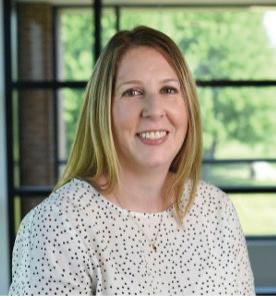
Kirstin Walker, MSEd, Associate Professor of Therapeutic Recreation, Utica University, Utica, NY
A full listing of Advisory Council Members and their biographies can be found on our Institute website.

Sheridan Mish, DC, CCSP, Chiropractor, LifePower Chiropractic, Utica, NY
Ariel L. Rios, MS, LCSW, Executive Director of Health & Wellness, Utica University, Utica, NY
Carol Lateer, OTD, OTR/L, CASAC-A, Director of Psychiatric Rehabilitation Services, Community Health and Behavioral Services, Utica, New York
ADVISORY COUNCIL
RESEARCH SPOTLIGHT:
Educator Burnout: Can Integrative Healthcare Methods Mitigate the Symptoms?

You may recall an earlier issue of the newsletter that highlighted this research project done by Institute Associate Director Nicole J. Scienza, Associate Professor of Child Life & Family Science, when it was in its “data collection” phase. There has been a distinct spike in turnover and burnout since COVID-19 in all areas of education. Among childcare providers, almost 1 in 3 providers intend to leave the field, citing mental health, child behavior, parent relationships, and poor training as reasons. The research that is being done by others is looking for a holistic approach to caring for those who care for our youngest children. I, along with two of our Child Life and Family Science students, aimed our research to look at just that; holistic care. Last month (April) one student and I had the opportunity to present our research, and the concept of integrative healthcare strategies as prevention and response to burnout to a room of child care providers, teachers, administrators, and other professionals in the field at the New York Associate for the Education of Young Children.
During the presentation, Andi Spurr, a Child Life and Family Science student who graduated in May 2026 from Utica University and I, Associate Professor of Child Life and Family Science program and Associate Director of the Institute, presented together on the impact burnout has on children and programs, summarized the stressors that providers we met with reported to lead to burnout, and the supports they expressed they
needed by other professionals in the field. We were also able to lead the participants through several wholeperson approaches shown to alleviate symptoms of burnout, such as meditation, yoga, and music, as well as introduce research to support other approaches such as houseplants.
There were several main takeaways from the research we did and conversations we had before, during, and following the presentation. In our data collection, we found that our childcare providers need to be checked in on. Just a caring individual to say, “What do you need?”. We also found that providers are lacking connections with others, opportunities to build relationships with others, and create a circle of support and influence. Finally, we found that there needs to be a lot more opportunities for education and training in integrative healthcare strategies that providers can use throughout their day to support their physical, mental, and emotional well-being so that they can turn around and effectively support the well-being of our youngest citizens.
READ ABOUT THE STUDY

Non-Allopathic Health Modalities: Is Research Backing Necessary?
Allopathic medical practitioners in the United States such as medical doctors, physicians’ assistants, nurse practitioners and allied health professionals, are trained in widely accepted medical approaches and licensed by individual states and U.S. territories. They, or their employers, carry significant liability insurance. They must, additionally, stay abreast of changes and advances in their field of practice by earning a minimum number of continuing education units (CEUs) within a timeframe specified by the licensing entity to maintain their licensure.
The medical knowledge and practices utilized by allopathic, sometimes called Western, clinicians are often backed by extensive independent research including the gold-standard of double-blind experiments in which neither the study participants nor the researchers know who is receiving the study treatment or a placebo. This approach is intended to eliminate unconscious bias on the part of the researchers. It also eliminates a placebo effect wherein study participants exhibit a physiological response such as a reduction in pain or other symptoms from a faked treatment (a sugar pill or saline injection, for example, in place of the medicine being tested) driven by expectation, but the underlying malignancy is not reduced.
It is true that not all research that has contributed to current allopathic practices was unbiased or got it right. Infamous examples include Thalidomide medication prescribed in the 1950s and ‘60s for morning sickness that led to birth defects, the synthetic estrogen Diethylstilbestrol prescribed between the late 1930s and 1971 to reduce miscarriages that increased risk of cancer, and opioids prescribed for pain in
the 1990s that misrepresented the risk of addiction. A nonpharmacological example is the decades-long overstated, oversimplified dietary advice starting in the 1950s that dietary fat raises cholesterol and leads to heart disease that led to a shift toward high-sugar, processed foods. As we can see, it is certainly true that research backing for allopathic medicine has not always been as reliable as we would like.
In part because of this, in part because some aspects of allopathic medicine have not yet found an answer to some health issues, in part because of cultural practices, and in part because of personal belief systems or preferences, some people turn to nonallopathic wellness practices – and the number of people doing so is large and growing. According to a study published in the Journal of the American Medical Association in 2024, the use of complementary approaches such as yoga, acupuncture, chiropractic care, and others, by adults has increased from 19% to 37% from 2002 to 2022. The largest gains were observed for yoga, meditation, and massage therapy. One prominent reason people turned to such approaches was for pain management. The National Institutes of Health initiative Helping to End Addiction Longterm (HEAL) elicited the help of the National Center for Complementary and Integrative Health (NCCIH) to studying how treatments such as mindfulness, acupuncture, and massage can help address chronic pain while reducing the need for opioids.
With growing interest in and utilization of allopathic wellness approaches, there has also been growing concern about their efficacy and even their safety. Research that exists on injuries caused by nonallopathic health modalities tends to
to find. However, in one example, a study published in 2018 by Bekhradi and others reported that nearly 30,000 yoga-related injuries were documented in U.S. emergency departments from 2001 to 2014, averaging over 2,000 per year with an overall injury incidence at 0.60-1.18 per 1,000 hours of practice. While this may sound like a lot, and highlights that this modality is not without potential risk, it is low compared to many other fitness activities. A 2025 review of pharmacovigilance databases by Khan and others revealed 128,000 reports of adverse reactions to herbal medicines, most commonly gastrointestinal and skin problems, amounting to 0.6% of the total reports to the databases. Again, this example shows that the risk is comparable but not zero.
Increasing the risk further, studies reveal that – in large part due to the lack or limited extent of scientific evidence supporting them and resulting abundant negative perceptions – a majority of patients utilizing nonallopathic wellness practices as a complement to allopathic care do not disclose this to their allopathic healthcare providers. Such healthcare providers may not be familiar with the fact that these practices may yield clinical effects – positively or negatively. For instance, supplements are often labeled as natural and are thus regarded as harmless. However, evidence reveals that their use can be associated with adverse effects and drug interactions. Because they are not regulated by the USDA, supplements may contain contamination that is detrimental. Without being made aware of their use by patients, allopathic healthcare providers are in the dark –which confounds diagnoses and puts the health of the patient at risk.
One important means to address safety and efficacy and overcome negative perceptions is to conduct more research, and more rigorous research, on non-allopathic modalities. This is not a trivial endeavor. There are numerous modalities, they are often not standardized among trainings and practitioners and are often (by design) uniquely modified for individual patients. They are often performed by practitioners who are not researchers and in settings not affiliated with universities or research hospitals. Independent funding for such research is often lacking or extremely limited. Additionally, number of patients is often comparably small and characteristics more varied, presenting challenges to statistical significance of results. That is not to say that research into the efficacy and safety of these modalities is not possible, but it presents challenges and may require different approaches than those typically used in the study of allopathic medicine.
Encouraging and supporting research – while recognizing and respecting the different forms of research methodologies that may best suit non-allopathic modalities – and sharing it is the primary mission of the Utica University Institute for the Study of Integrative Healthcare. One means this is achieved is through fostering interdisciplinary collaboration and providing financial support to free up time for research by competitively selected faculty fellow researchers. Results from fellowship research are shared with others in conference presentations, journal publications, Institute educational
events, in the classroom, and potentially in community outreach efforts. In some cases, research by our fellows may involve students, helping to raise awareness among the next generation of researchers, clinicians and practitioners, and educators.
Another important part of our mission is to raise awareness and share knowledge of integrative healthcare. Our series of educational events throughout the academic year hosts allopathic clinicians and educators, nonallopathic practitioners, and individuals working to bridge the gap between the two broad approaches. By doing so, we bring awareness to more individuals. By ensuring the presenters have the appropriate depth of expertise, be that appropriate professional licensure for allopathic clinicians and educators or quality training and credentials from widely-respected organizations for specific allopathic modalities, we highlight that nonallopathic practitioners and care – like allopathic practitioners and care – often have extensive education and training and model that they can and should be held to similarly high standards.
So... is research backing necessary? In an ideal world – and with my admitted bias as a scientist – I would love to say yes. The reality is that many modalities exist that have not yet been extensively researched. Nonetheless, a large number of people are using them. Additionally, many have been used for a very long time – in some cases thousands of years – with success. Many personal anecdotes tout their positive impacts. Thus, it is very likely that some of them hold significant promise. Our role is to be open-minded, explore, learn about them, and share what we’ve learned through the Institute’s biennial conferences and other educational events to foster research into them. A further critical role is to respect what science does exist and to respect the skill, knowledge, and increased safety that comes with depth of study and appropriate training.
Kessel, R. (2026). Risks associated with undisclosed complementary and alternative medicine in clinical practice. Mayo Clinic Proceedings 101: 486-491.
Nahin, R.L., Rhee, A. and B. Stussman (2024) Use of complementary health approaches overall and for pain management by US adults. JAMA 331(7): 613-615.
National Center for Complementary and Integrative Health (NCCIH) (2020) How integrative health research tackles the pain management crisis, Centers for Disease Control and Prevention. Accessed May 10, 2026.
Raja, M., Cramer, H., Lee, M.S., Wieland, L.S. and J.Y. Ng (2024). Addressing the challenges of traditional, complementary, and integrative medicine research: An international perspective and proposed strategies moving forward. Perspect. Integr. Med. 3(2):86-97.
LEARN MORE AT THE LINKS BELOW!
Recent Research by Institute Personnel: “Creatine Supplementation Across the Female Lifespan: Effects on
Physiological
Function from
Menstruation to Postmenopause—A Systematic Review”
Student Researchers: Rachel Leatt, Shae Marriott, Samantha Mastrovito-Smith, Lauryn Munson, Isabella Zimmerman. Presented at DPT 695: EVIDENCE IN CLINICAL PRACTICE III, CAPSTONE EXPERIENCE, May 1, 2026, Utica University.
Research Advisor: Shannon Schoellig, OTD, MS, OTR/L
Featured student researcher Samantha Mastrovito-Smith is the Institute’s Graduate Assistant for Digital Content & Research and is in the Utica University Doctor of Physical Therapy Program. Samantha received her Bachelor of Science in Integrative Neuroscience from the State University of New York at Binghamton. Read more about Samantha in “Student Employment Appreciation” on our social media pages.
Research team members Rachel Leatt, Shae Marriott, Lauryn Munson, and Isabella Zimmerman are in the same DPT program and received their Bachelor of Science Degrees in Health Sciences from Utica University. Their Research Advisor Shannon Schoellig, OTD, MS, OTR/L, is an Associate Professor of Occupational Therapy at Utica University.
Abstract
Objective: To synthesize evidence on the effects of creatine supplementation on functional health in females across the lifespan, including cognitive function, physical performance, fatigue, and musculoskeletal health, while considering physiological responses. Data Source: AgeLine, CINAHL, Cochrane Collection Plus, Health Source–Nursing/Academic Edition, MEDLINE Ultimate, OVID, PEDro, PsycINFO, and SPORTDiscus databases were searched through January 2026. Study Inclusion and Exclusion Criteria: Studies in English examining creatine supplementation in females with outcomes related to functional health were included. Studies involving pre-pubescent populations, reviews, and non–peer-reviewed literature were excluded. Data Extraction: 5 independent reviewers extracted data and assessed study quality using a piloted data extraction tool. Data Synthesis: A descriptive synthesis of 6 randomized controlled trials across premenopausal, perimenopausal, and postmenopausal females was conducted. Studies were of moderate to high quality but heterogeneous in design and outcomes. Results: Creatine supplementation showed variable effects, with the most consistent benefits in cognitive outcomes, including improvements in reaction time, alertness, and executive function. Effects on physical performance and musculoskeletal outcomes were limited, though modest improvements in fatigue, lean mass, bone geometry, and fluid distribution were observed. Conclusions: Creatine supplementation may support functional health in females, particularly cognitive and musculoskeletal domains; however, findings remain variable, and evidence is limited. Further research is needed to inform sex-specific clinical recommendations.
MEET SAM