

Imagine a health system where in every encounter people feel seen, heard, and cared for with compassion by someone connected with the joy of caring for others. For the Charles E. Cheever, Jr. Center for Medical Humanities & Ethics (CMHE) that is our guiding light, our North Star. Our mission is to foster a compassionate, responsive and empowered health workforce that applies ethical and humanitarian values to transform the future of health for all. Grounded in the principles of respect, love for humanity, collaboration and belonging, the Center strives to be a model for bringing together a diverse array of educational and community engagement programs that together create a world in which healers and communities flourish together.
Thank you for your interest in the Charles E. Cheever, Jr. Center for Medical Humanities & Ethics (CMHE)!
The CMHE was established by the visionary leadership of the Long School of Medicine in 2002 to create spaces in the medical curriculum to inspire empathy, humanism and professional values among aspiring doctors. Over the subsequent years, its scope expanded to include outreach programs and partnerships working to improve the health and wellbeing of communities in need in the San Antonio area, South Texas and around the world, with a goal of nurturing compassion and a culture of service to others.
Now the CMHE has become a hub not just for medical students, but for learners of many professions and at multiple levels to come together both in the classroom and in communities at home and abroad to do meaningful work that impacts health both within and beyond the clinic walls. We have grown deep partnerships with local, regional and international organizations and are working collaboratively to improve
"We seek to build compassion and cultivate an authentic joy for the privilege of caring for others."
health literacy and empower communities with confidence to build trust. With the broad ethics and humanities curricula that the CMHE offers, we have been proud to see participants using these experiences to help shape their professional identity in service to humanity.
2025 was an incredibly busy and productive year for the CMHE. In this report, I hope that you find as much inspiration as I do from the hard work that our students, faculty, colleagues, and partners are doing together to put compassion and ethics into action to improve health and well-being for all.

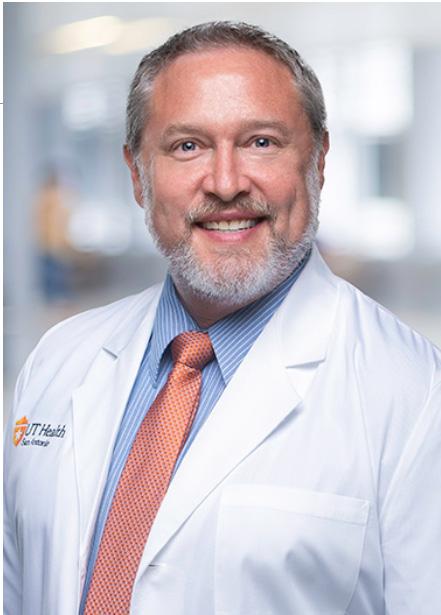
Matthew Dacso, MD, MSc, FACP
Education is a core part of the CMHE's mission. Many of the topics addressed in our educational offerings – art, music literature, global and community health – are not part of the traditional medical curriculum. Yet we know from the educational literature that exposure to art, humanities, ethics, and global & community health during health professions training can result in:
• Increased empathy
• Contextual and situational awareness
• Improved communication skills
• Systems thinking
In an era where keeping the "heart" in medicine is so important, the CMHE offers opportunities that blend in-class learning with actual hands-on community-engaged experiences in local, regional, and international settings.
By participating in this innovative educational program, students learn to identify, analyze, and resolve moral conflicts that arise in the care of a patient or a community while nurturing the innate empathy that initially attracted them to the healing professions
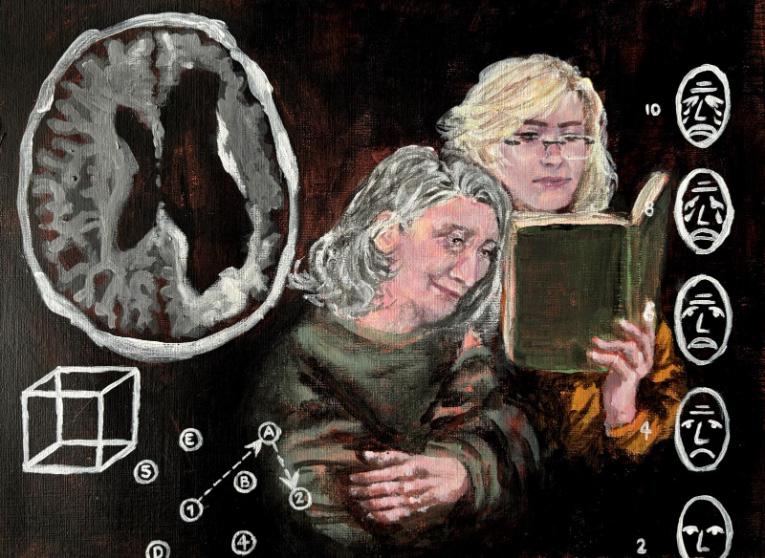
For our students to be able to become change agents in making a better, more healthy future for all, they must cultivate important skills that go beyond the traditional health professions curricula. To that end, the CMHE manages 16 different elective courses, many of which are open to students from outside the Long School of Medicine. These educational opportunities encompass the CMHE’s core focus areas – Arts & Humanities, Ethics & Professionalism and Global & Community Engagement. Taught by experts in their fields, these courses can be life-changing and help our future healers to affirm their commitment to compassionate, ethical and humanistic care.
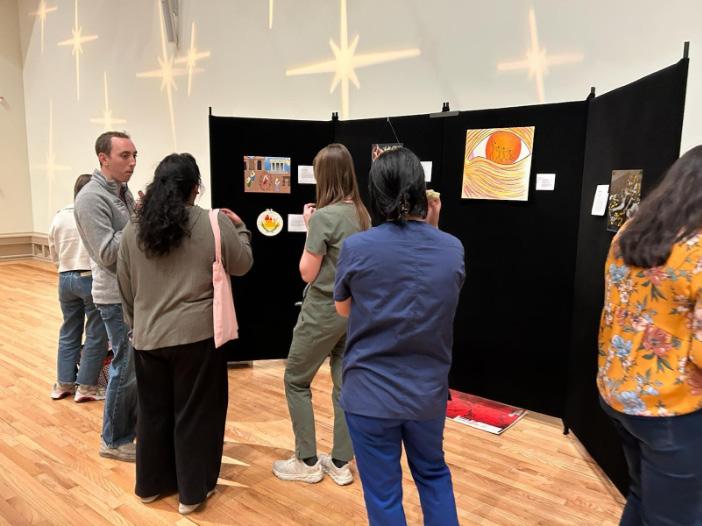
In his 1903 address "The Hospital as a College," Sir William Osler said "the whole art of medicine is in observation… but to educate the eye to see, the ear to hear and the finger to feel takes time, and to make a beginning, to start a man on the right path, is all that you can do."
The CMHE's Art Rounds course allows future healers to hone their observational skills, non-verbal communications, and tolerance for ambiguity. Over the course of a semester and under the guidance of a docent from the McNay Museum, students develop a relationship with an “art patient,” during which time they observe and analyze art while trying to understand what the artist may have been trying to convey. They then reflect upon how that piece of art affected them as observers. During the final presentations, students generate their own piece of art based upon the themes displayed by their “art patient.” They then present it to their colleagues and members of the art community. This is a truly unique opportunity for our students and carries great potential impact on the empathy that they bring to the care of their future patients.
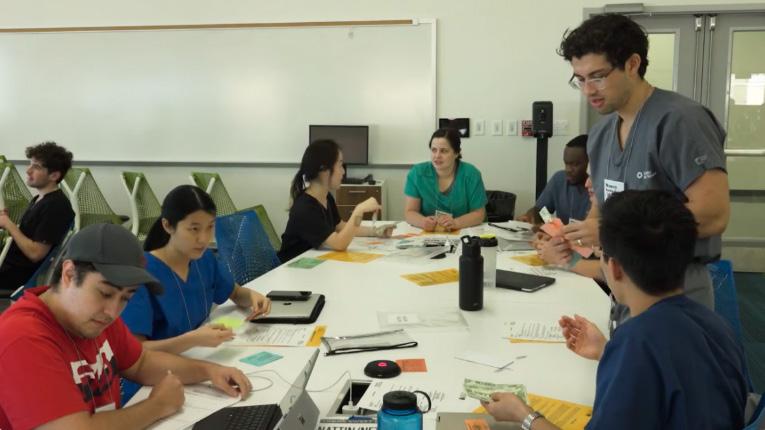
Each year, the CMHE, the office of Undergraduate Medical Education, and community partners organize a “Month in the Life” activity for the 1st year medical students in LSOM. This simulated activity provides an opportunity to immerse students into the lives of those who live within or below the poverty line in the US. Over the course of a morning, the students visit over a dozen stations set up as social services, banks, and businesses scattered around the room, building empathy and appreciation for the everyday challenges faced by those living in poverty.
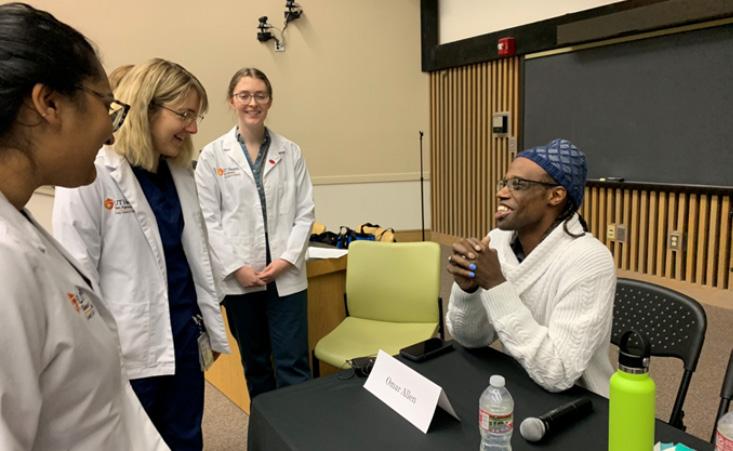
Chronic Illness Panel
The CMHE remains enthusiastically supportive of the new Kate Marmion School of Public Health at UT San Antonio. The CMHE's Dr. Melanie Stone leads a course that provides students with a deep dive into the core leadership theories and principles that can be applied in public health, preparing them for careers as effective practitioners, leaders, and administrators.
As part of the core "Medicine, Behavior, and Society" course, four guests are invited to talk about their experiences living with chronic conditions or lifetime illnesses, and how they have navigated the medical system and healthcare providers. A Q&A session also provides students with the chance to connect with and learn more from the panelists.
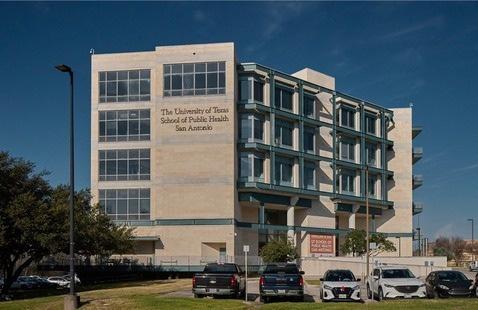
Kate Marmion School of Public Health at UT San Antonio
The Student Faculty Collaborative Practice (SFCP) serves the local community at one of six locations. After nearly two decades of serving the greater San Antonio area, the program is a testament to the strong collaboration between faculty, students, and community partners. Each week at free evening outreach clinics, there are patients expressing gratitude for receiving care, students energized by serving vulnerable populations, and faculty finding joy in mentoring a well-rounded health professional.
“For patients, we’re breaking down barriers to receiving health care for many different vulnerable populations,” said Dr. Richard Usatine, a professor of Family Medicine and Dermatology at UT Health San Antonio and the Medical Director of this free clinic program, “For the students, it gives them a chance to express their desire to give back to the community, to engage face-to-face with real patients who are in need of compassionate care.”
2025 Numbers
Encounters:
2,635 Patients:
Student Volunteers:

860
300 Student Volunteer Hours:
900
Faculty Volunteers: 94

Faculty Volunteer Hours: 1,599
As of the 2024 San Antonio Point in Time (PIT) Count, 3,372 individuals were counted as experiencing homelessness (PEH) in San Antonio, of whom 888 were living on the street (unsheltered). These populations face numerous health challenges, including access to primary care, mental health, and substance use disorder treatments. There is often mistrust for healthcare organizations, as PEH frequently face stigma and lack of empathy when seeking care.
To address the complex needs of this population, this year the CMHE banded together with a consortium that includes:
• Be Well Texas, the state’s leading provider of addiction and substance use disorder treatment and prevention programs
• Street Medicine San Antonio, a volunteer group of physicians, physician assistants, and social workers who provide clinical care and linkage to care services for people within homeless encampments
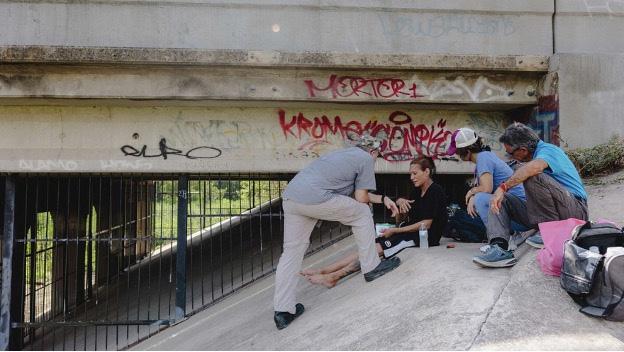
Street Medicine San Antonio clinicians providing outreach care
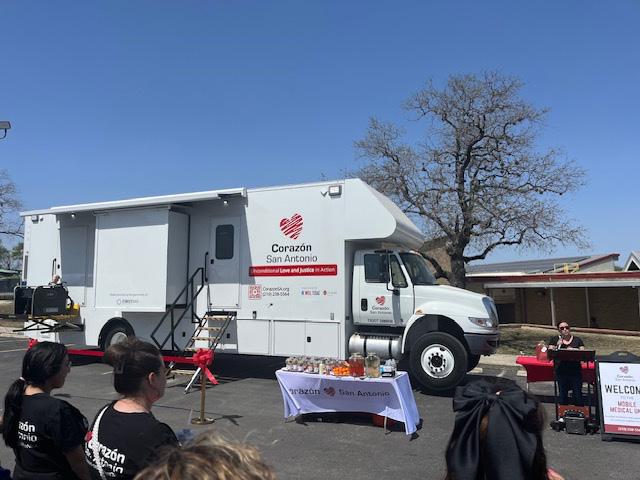
• Corazon Ministries, a nonprofit organization that brings social work, health outreach, and a syringe services program to people experiencing homelessness
• The Internal Medicine Residency Program, which received funding from the Texas Higher Education Coordinating Board to support faculty and resident education for street health
• The School of Nursing, which has a long-standing street health outreach program providing wound care and linkage to care services
• The Bexar Area Harm Reduction Coalition, which assists with syringe services and wound care
By 2026, this program will add a compassion-driven mobile outreach program to the three existing SFCPs serving PEH – Haven for Hope, Travis Park Methodist Church, and SAMM Ministries.
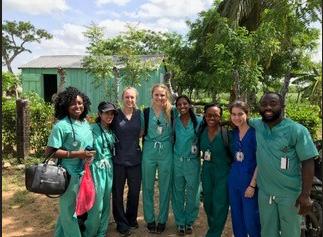
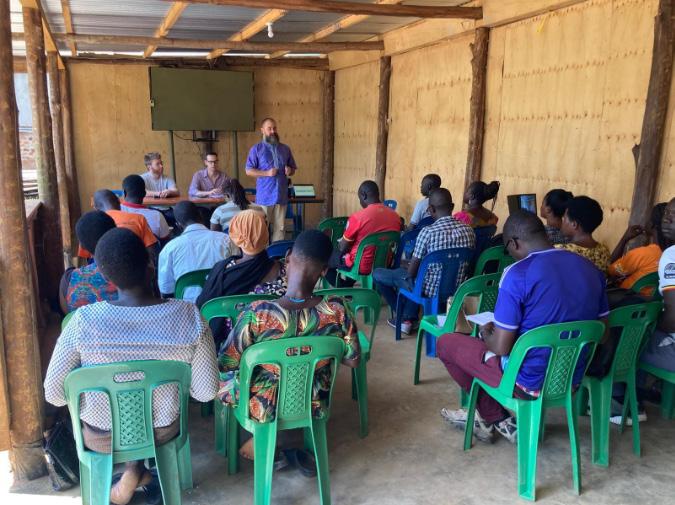
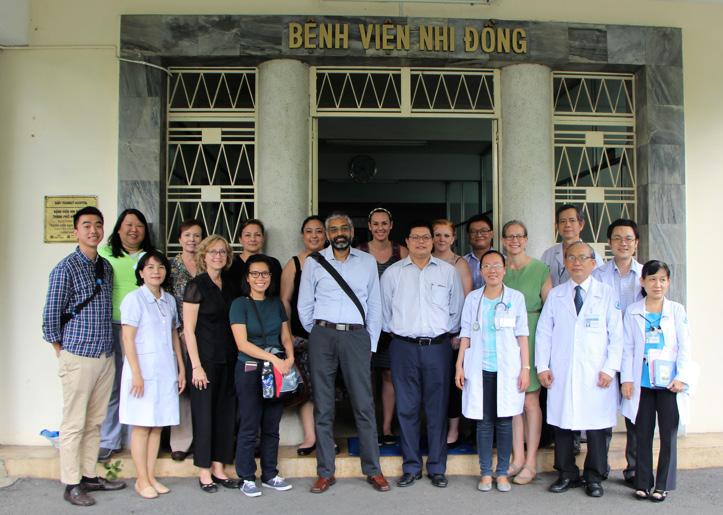
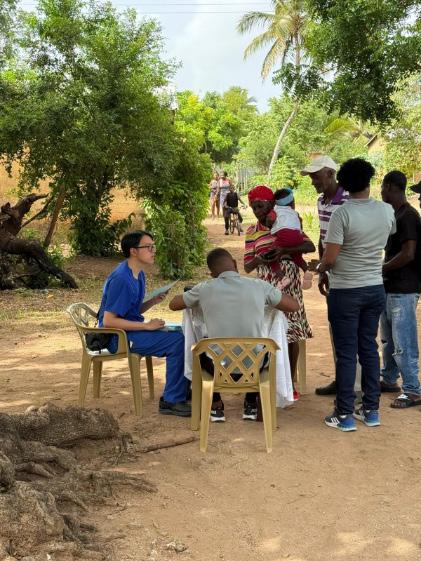
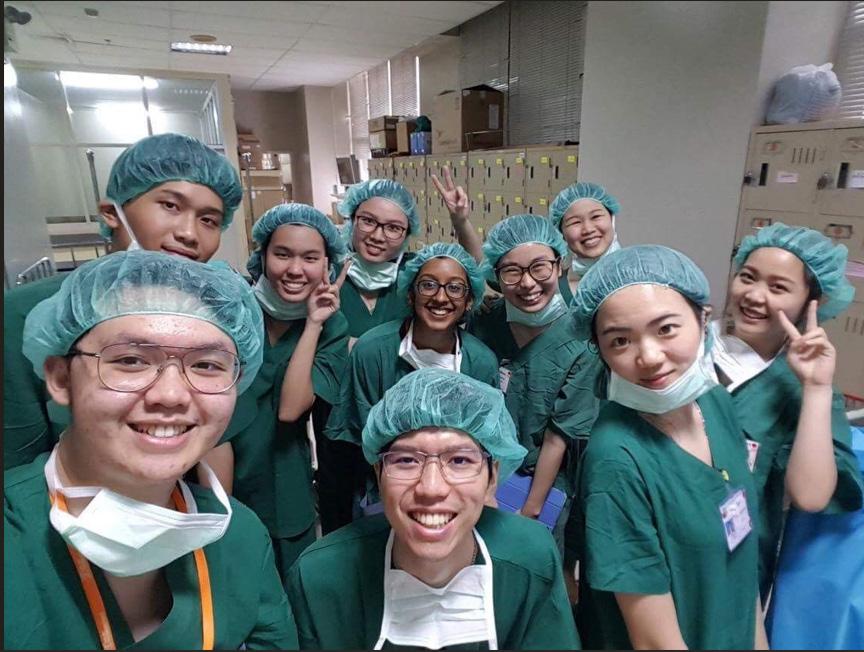
Many of the non-medical drivers that affect the health of underserved communities in low and low-middle income countries, such as poverty, education, violence and access to care, are the same as those faced by underserved populations in the United States. Giving trainees the opportunity to spend time with health care workers in resource-limited settings who face those challenges every day can inspire humility and provide skills that they can apply to populations at home as well.
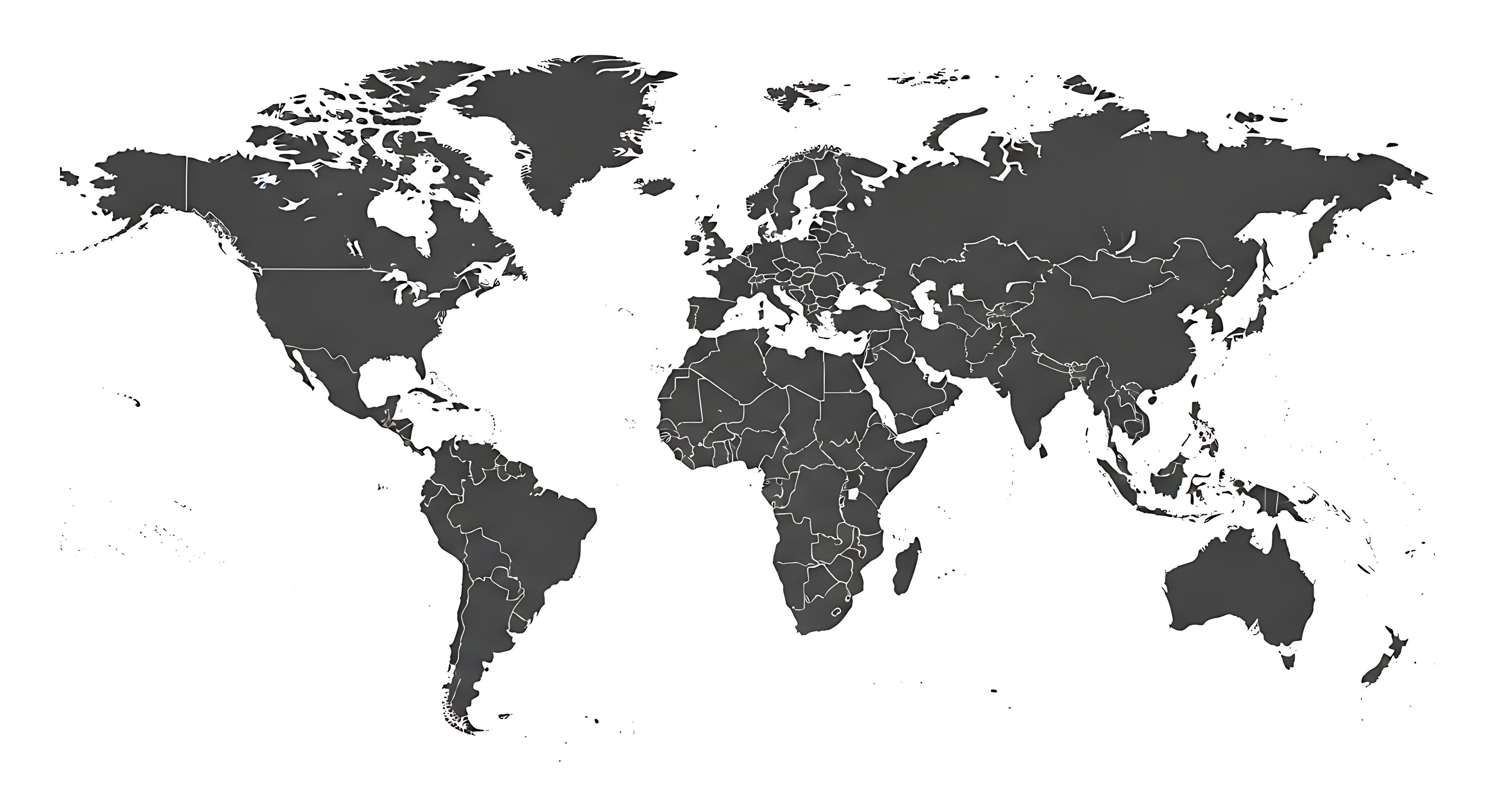
Participating in global health experiences has been linked with improvements in measures of empathy, use of resources, careers in primary care and preparedness for emerging public health threats. Working alongside global partners in Latin America, the Caribbean and East Africa, our students and faculty participate in short-term service trips and project-based experiences to address stated health needs by local communities.
• 4,280 community beneficiaries
• $58k awarded to support projects
• 52% of projects interprofessional teams
• 44 projects
• 5,200 total student hours
• 430 students
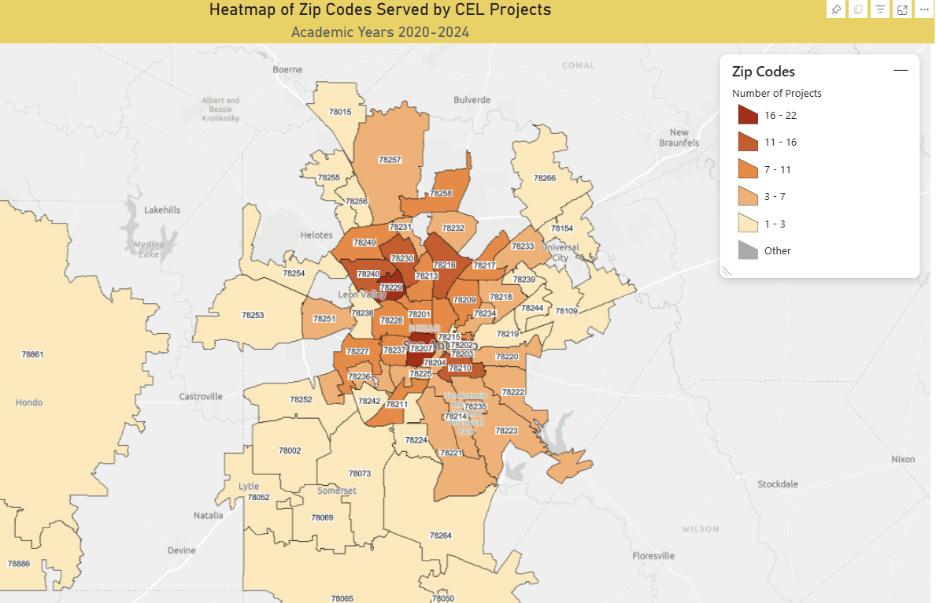
Even though most health professionals train to provide care in clinics, hospitals, or other healthcare facilities, non-medical drivers of health such as income, environment, and behaviors account for 80% of health outcomes. To help build skills that go beyond the clinic walls, each year our students and faculty are invited to collaborate with long-standing community partners and solicit funding for “community engaged learning” (CEL) projects that meet a stated community need. This support brings much needed medical care, health screenings and public health interventions out into the community to improve the health and well-being of underserved populations in San Antonio and across the South Texas region. The CEL program thus serves as a force amplifier for organizations serving communities most in need while inspiring students to learn how to listen with authenticity and respond with integrity.
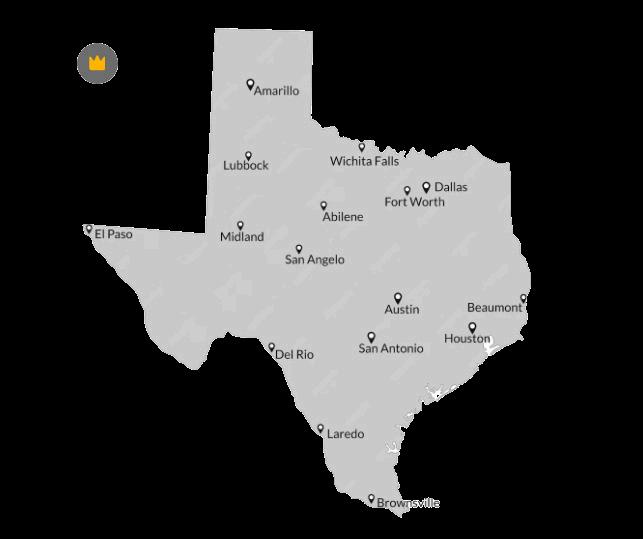
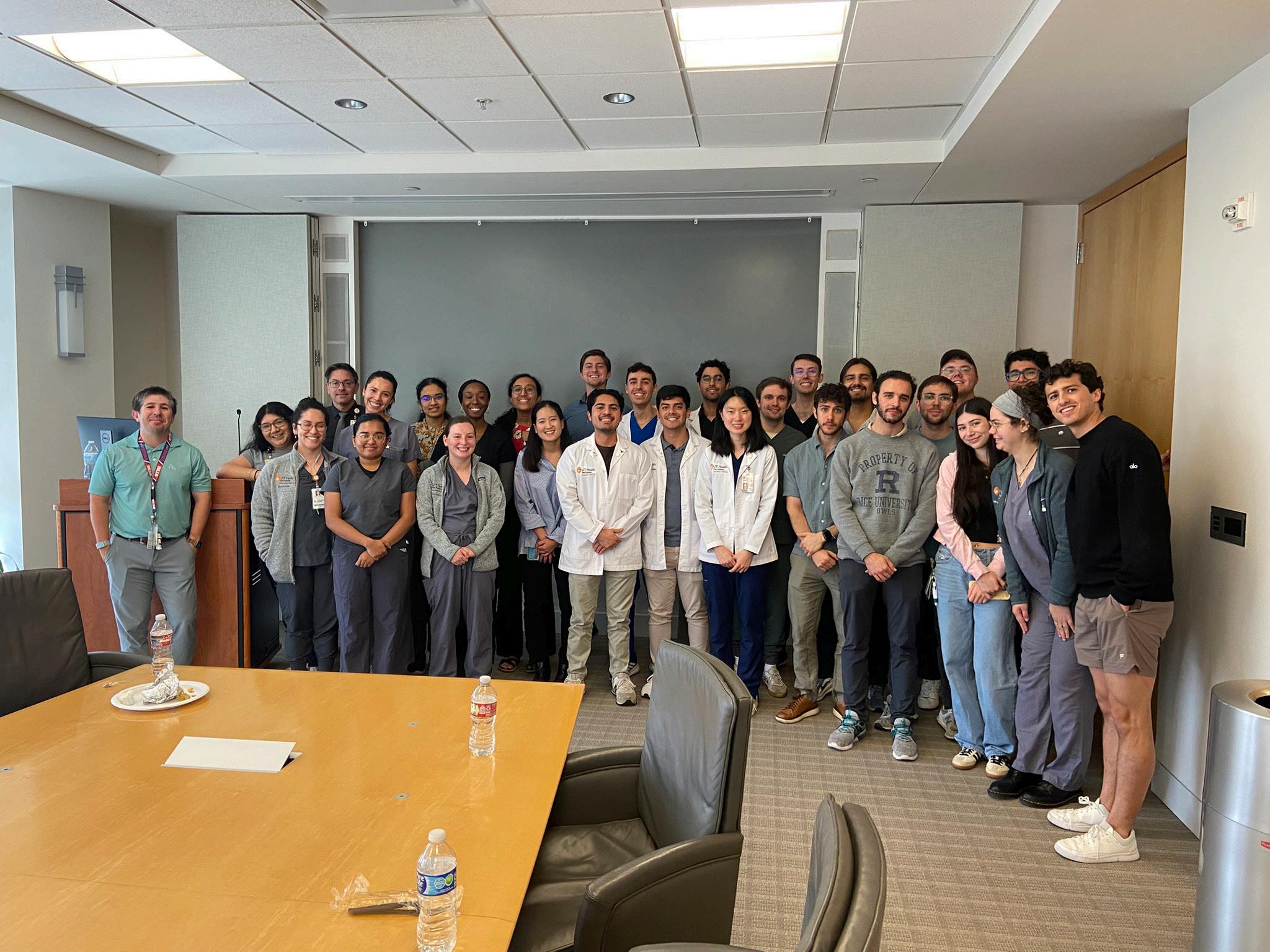
Frontera de Salud, also called “Frontera,” is a volunteer organization run by medical students at the University of Texas at San Antonio who are committed to improving health and health literacy among communities in need across the south Texas region. In this program, students and faculty mentors partner with local organizations in San Antonio, Del Rio, Eagle Pass, and Laredo to provide outreach health services such as screenings, health education, and linkage to care. There is also an integral teaching component to our experiences; both faculty and students learn to treat socially, economically, and culturally diverse populations and reflect upon the unique context of care in South Texas.
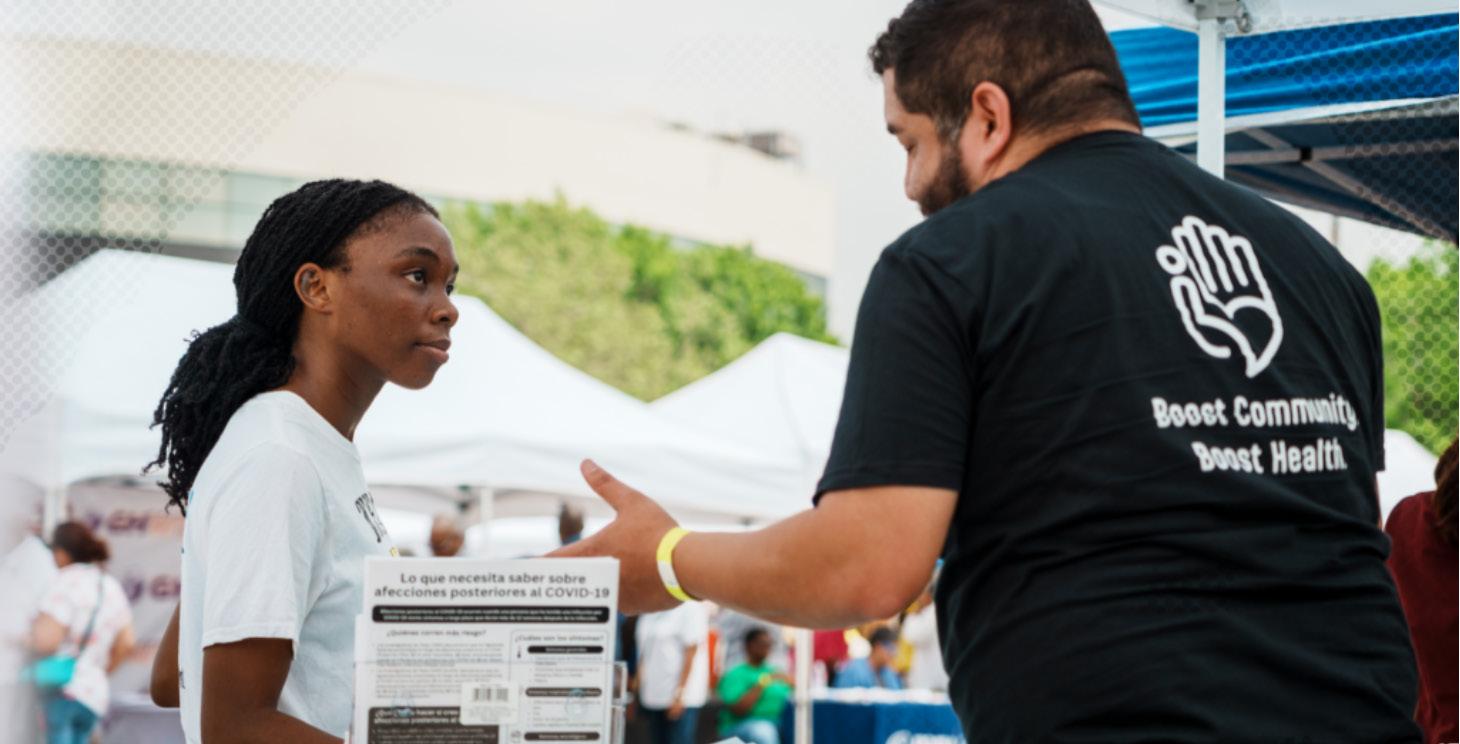
In an era of nearly limitless access to information, it has never been more difficult to sort out fact from fiction. Established in 2021 as a response to the COVID-19 pandemic, Health Confianza is a collaborative program that utilizes health literacy principles and strategies to improve health and well-being for individuals in Bexar County living in ZIP codes with the greatest health disparities. Led by a team of public health professionals, communications specialists, and community health workers based in the CMHE, Health Confianza works with organizations, community leaders, and groups of community members to equip people with skills and access to scientifically sound health information so they can make the most informed health decisions for themselves and their families.

500 Events

40,000 People Engaged


37 health clubs
290 members

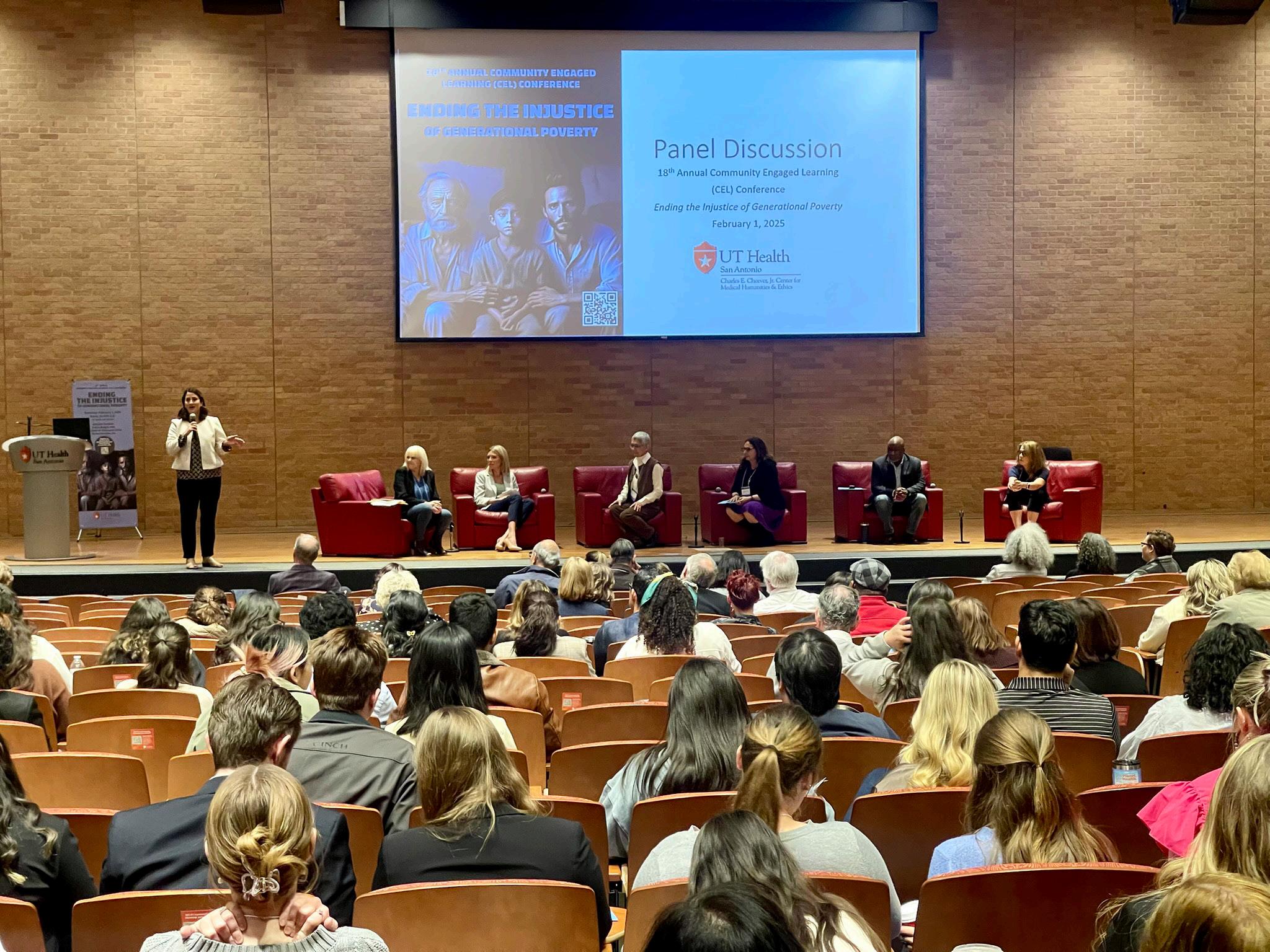
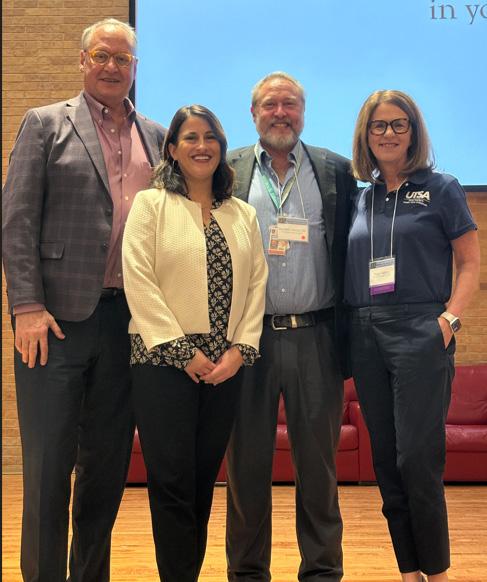
Achieving a world in which healers and communities flourish together requires a transformation of the culture of health into one that inspires compassion, awe, and connection with others. To this end, the CMHE creates spaces where faculty, staff, students and members of the community can come together, hear from world-renowned speakers, and engage in topical conversations related to ethics, humanities and global/community engagement.
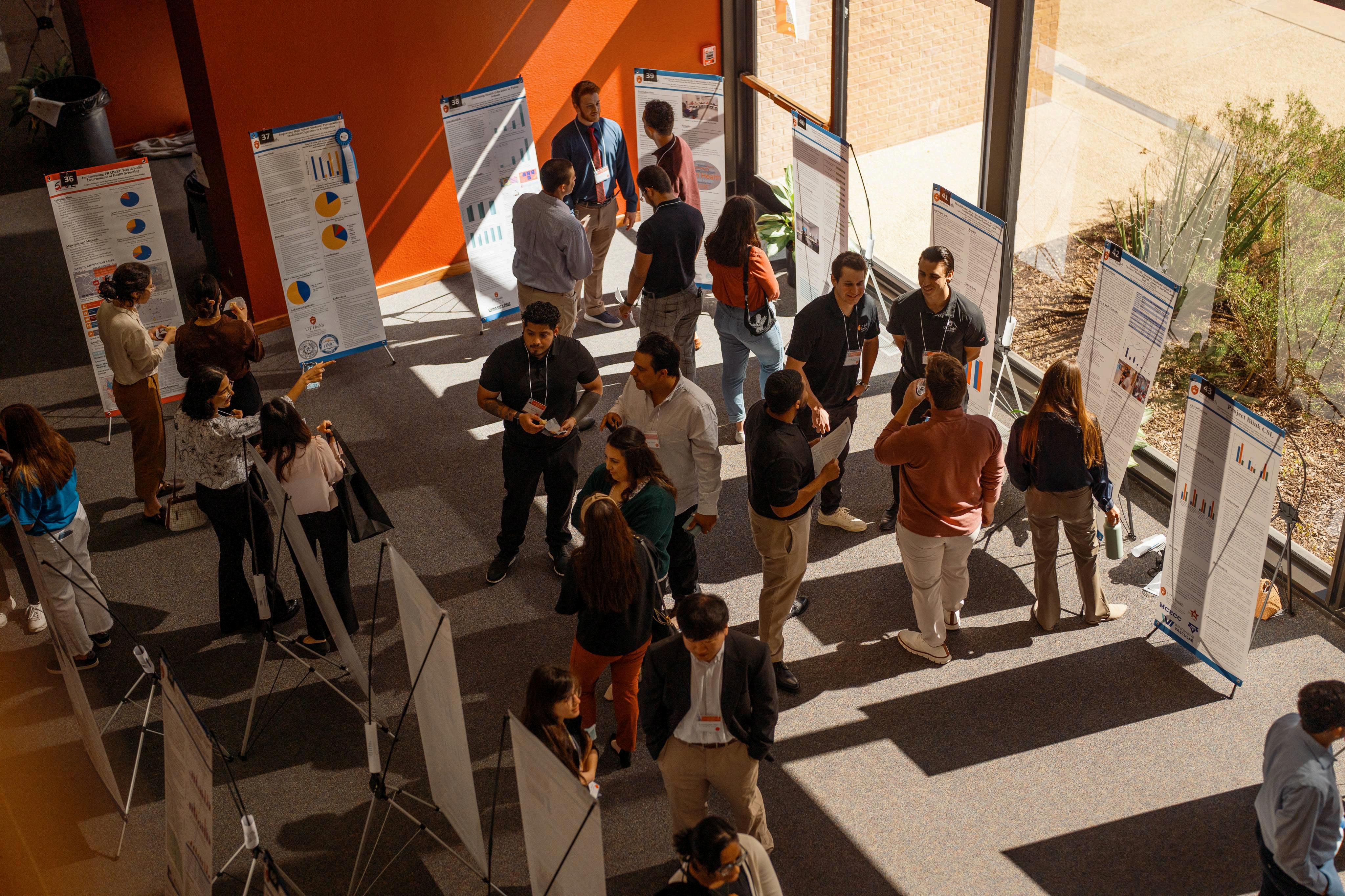
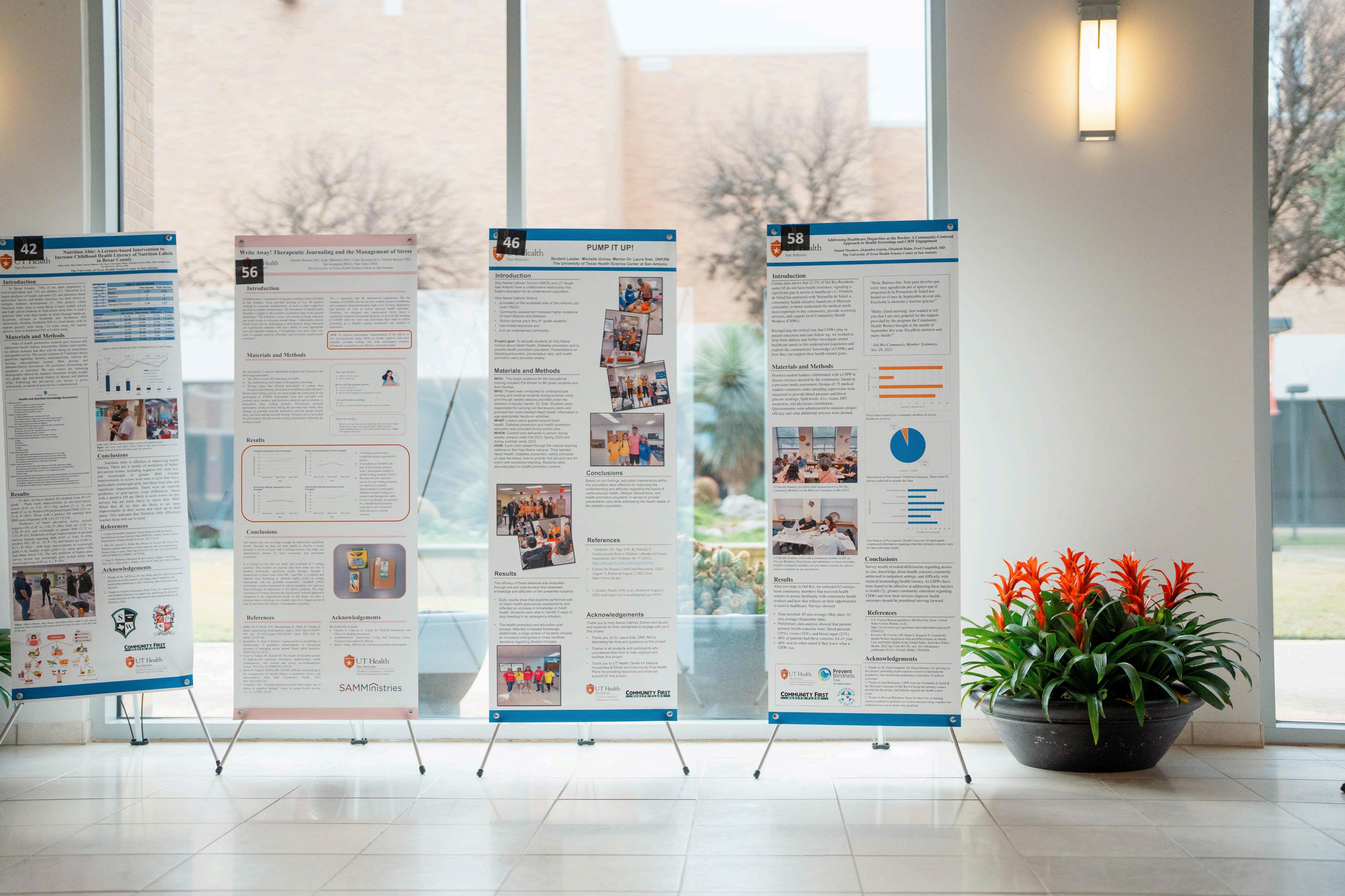
The 2025 Community-Engaged learning conference brought together over 350 attendees and featured over 75 student posters highlighting collaborative research carried out in collaboration with community partners to improve health and wellbeing in the community.
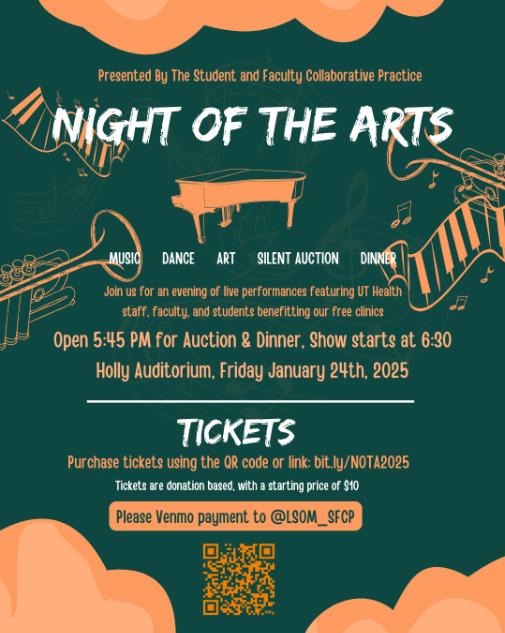
Night of the Arts
January 24, 2025
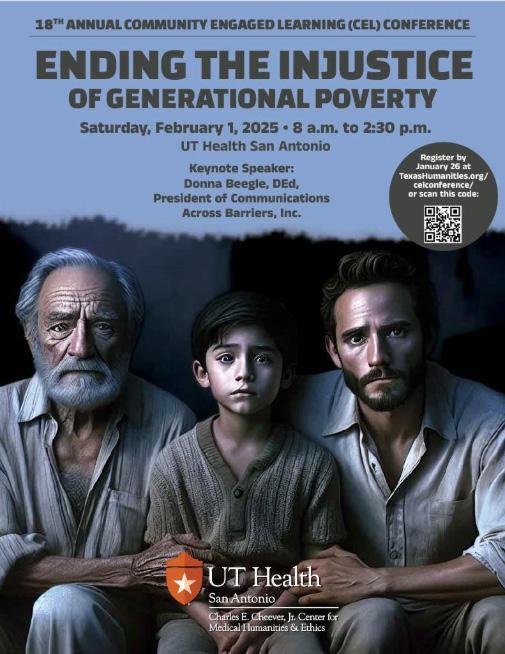
CEL Conference: "Ending the Injustice of Generational Poverty"
February 1, 2025
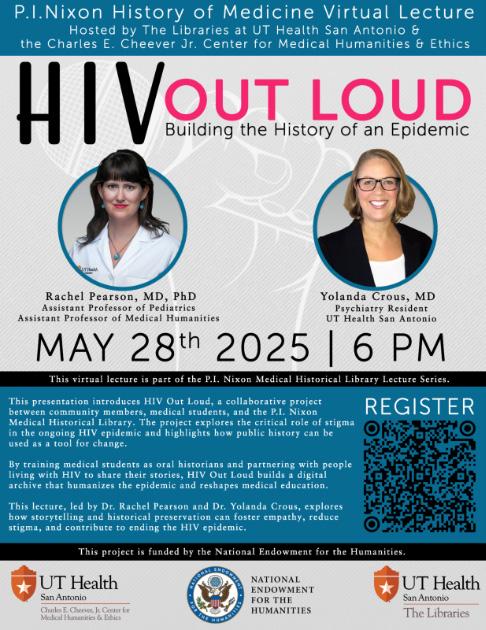
History of Medicine Lecture, "HIV Out Loud: Building the History of an Epidemic" May 28, 2025
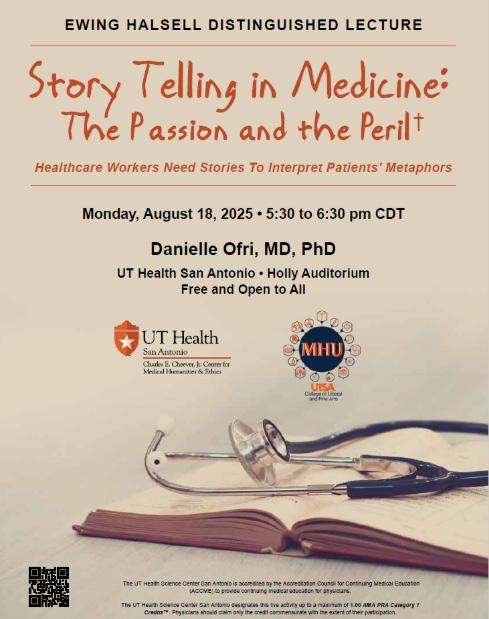
Ewing Halsell
Distinguished Lecture
August 18, 2025
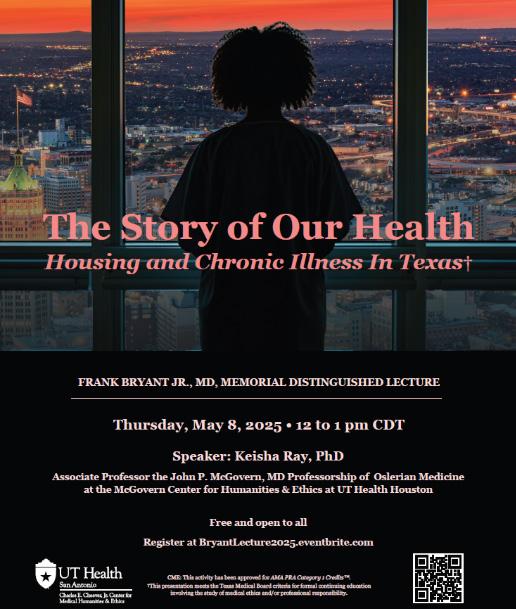
Frank Bryant Memorial Lecture, "The Story of Our Health: Housing and Chronic Illness in Texas"
May 5, 2025
International Education Week
November 18, 2025
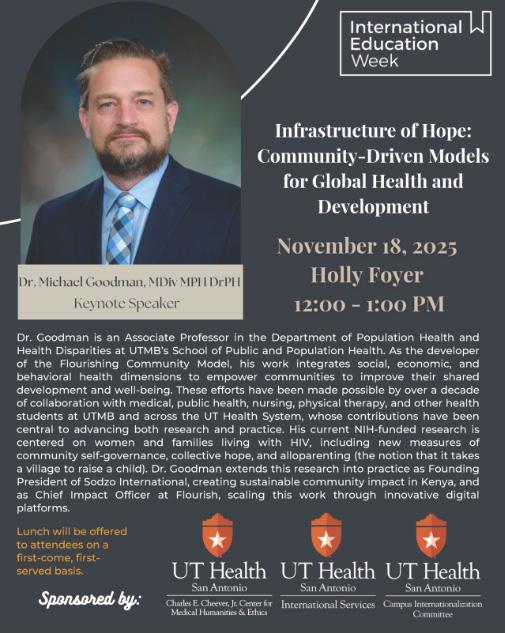
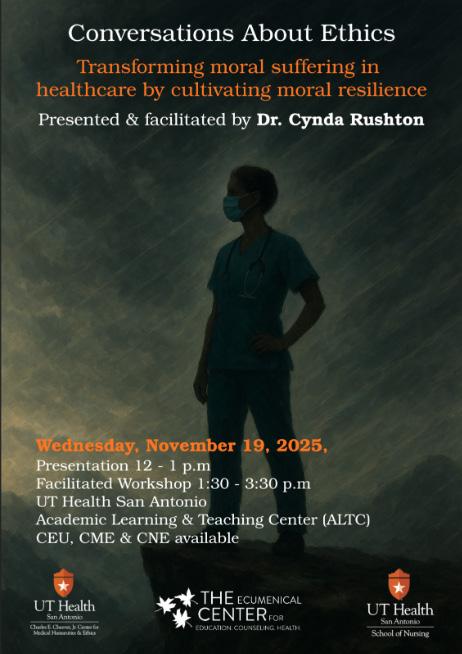
Conversations About Ethics
November 19, 2025
Each year, the CMHE publishes Connective Tissue, a student-edited literary and arts journal. Each edition features poetry, short stories, photography and artwork created by students, residents, faculty, staff and alumni from UT Health San Antonio.
This year’s theme, “From the Hearth,” pays homage to the age-old tradition of gathering by the warmth of a fire, passing stories from one generation to the next, each thread woven with memories, wisdom and emotion. It is where shared stories — of illness, recovery and resilience — create bonds, offer solace and bring light to even the most difficult moments.
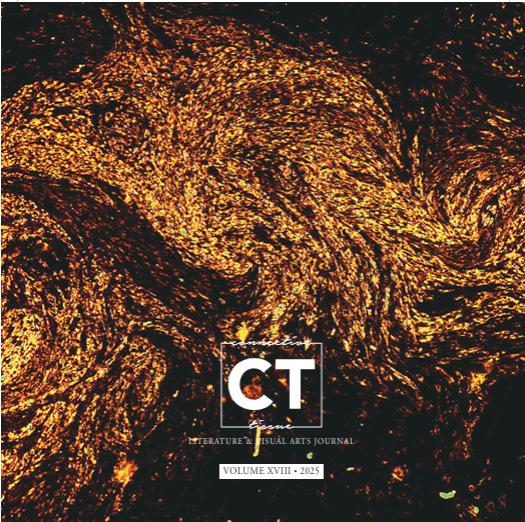
Volume XVIII , 2025 Connective Tissue Cover Art: "Starry Night" by
Thuy Phung, MD PhD Faculty, Department of Pathology
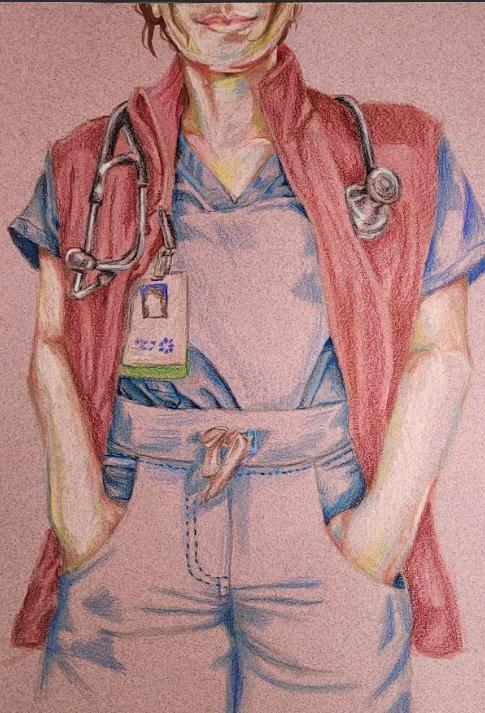
"Perfect Fit" Colored pencil on toned paper
Stephanie Batch Student, Long School of Medicine

"The Journey" Oil and acrylic on Canvas Lacy Lichtenhan Student, Long School of Medicine
The Distinction in Medical Humanities is one of only three degree-modifying programs in the Long School of Medicine. This rigorous pathway requires students to maintain at least a 3.5 GPA while doing at least 180 hours of extra work, including volunteer service, elective coursework, and a scholarly capstone project. Since its inception in 2016, nearly 50 students have completed the program and are now in practice applying the lessons they learned from deep engagement with the humanities. In 2025, three students successfully completed the Distinction.
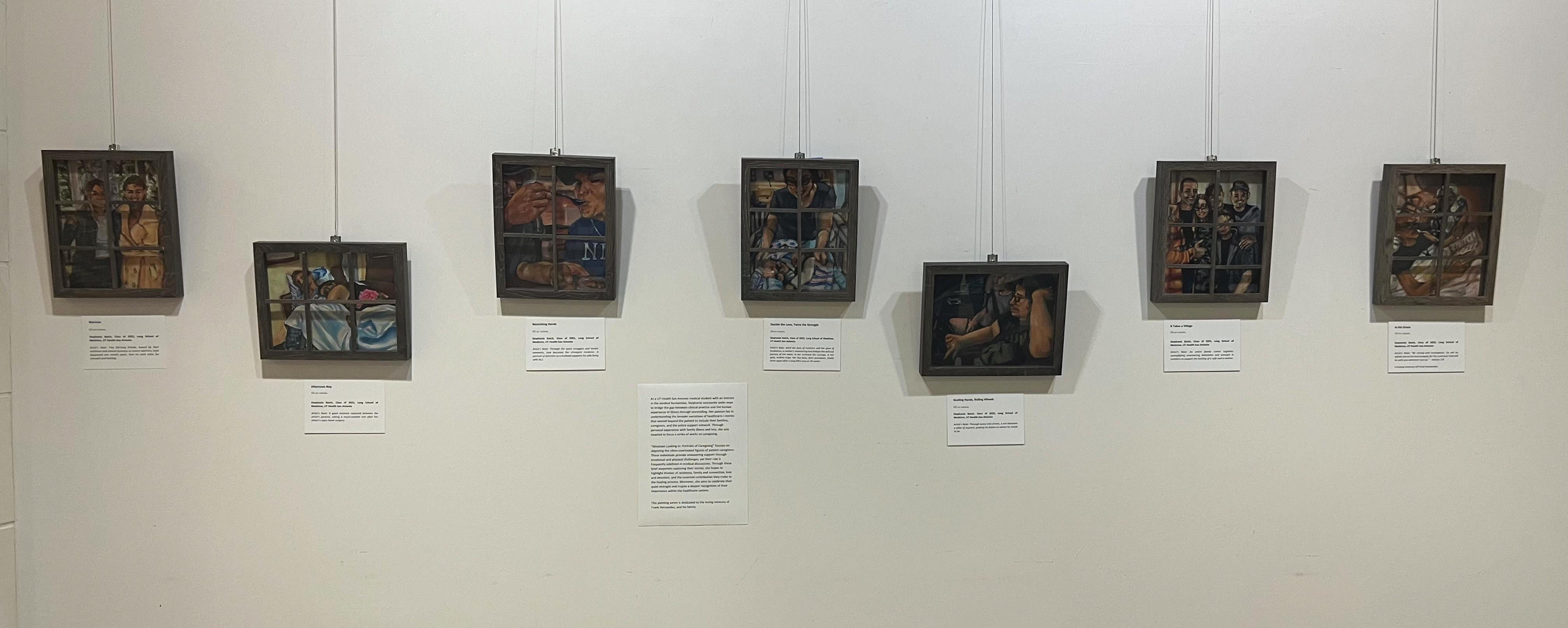
Capstone Title: “Windows Looking In: Portraits of Caregiving”
Description: Dr. Batch carried out an art project in which she highlighted the strength and the struggles faced by families caring for someone with chronic or end-stage illness.
Dr. Daphne Nguyen
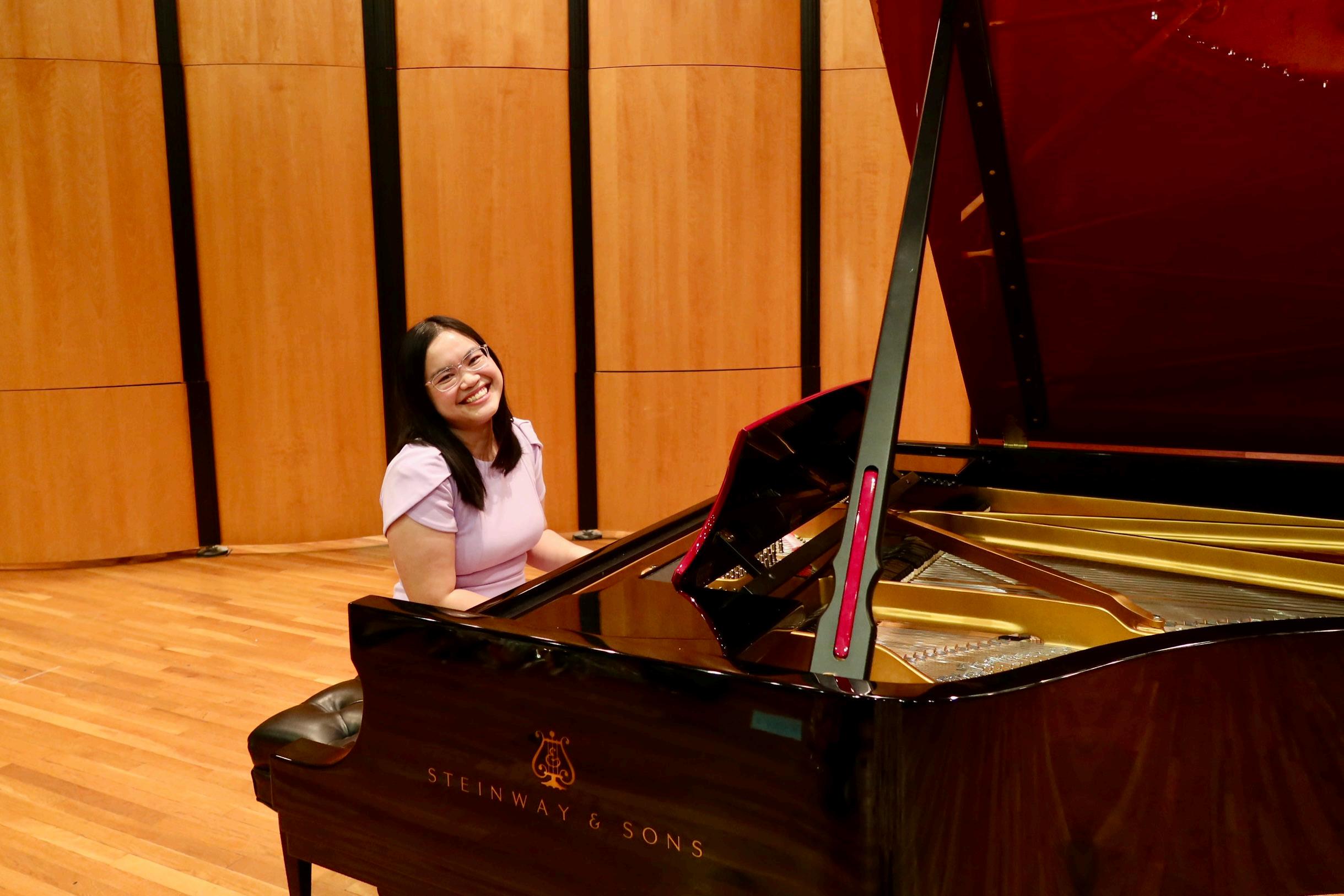
Capstone Title: “Classical Masterworks through the Lens of Neurological Illness”
Description: Dr. Nguyen performed pieces of music by composers who suffered from neurological illnesses while describing the connections between their medical conditions and their music.
Dr. Anna Perhach
Capstone Title: “Ethics of Emergency Detention in Suicidal Outpatients”
Description: Dr. Perhach weighed the profound ethical challenges involved in responding to acute psychiatric emergencies.
Matthew Dacso, MD, MSc, FACP
Nandini Mandlik, DO
Jason Morrow, MD, PhD
Rachel Pearson, MD, PhD
Jason Rosenfeld, DrPH
Melanie Stone, MEd, DrPH
Barbara Taylor, MD
Richard Usatine, MD
Sylvia Botros-Bray, MD
Kenny Hughes, MD
Elena Jimenez-Gutierrez, MD
Kristy Kosub, MD
Jennifer LaCoss, DO
Haytham El-Zaim (MS2)
Matheus Olmedo (MS2)
Ren Smith (MS2)
Isabel Kilday (MS2)
Anchita Raybarman (MS2)
Yousuf Hassen (MS2)
JD Doran (MS3)
Jordan Hill (MS3)
Leo Crockett (MS3)
Sanjana Ramchandran (MS3)
Sara Joshi (MS3)
Yasir Syed (MS3)
Mary Katherine Gamez (MS4)
Andrew Ta (MS4)
Mikayla Lerman (MS4)
Emanoelle (Uma) Bernardo
Iris Mast
Nathan Sevigny
Jacqueline Tovar
Tim Wallace, MBA
Advisory Council
Mr. James R. Adams
Ms. Jean Cheever
Mrs. Graciela Cigarroa
Laura Ehrenberg-Chesler
Mrs. Jimmie Ruth Evans
Dr. Marvin Forland
Mr. Dan Geddes
Mrs. Mary Henrich
Mr. George Hernandez
Dr. Antoinette Hill
Ms. Susan Seal Jarvis, Jr.
Dr. Jeffrey Johnson
Dr. Megan E. Kromer
Mrs. Barbara Labatt
Dr. Nancy Maebius
Mrs. Gina Markey
Mr. Lawrence Markey
Ms. Taddy McAllister
Dr. Gary McWilliams
Mrs. Jackie Baugh Moore
Mr. Bill Nichols
Mrs. Phyllis Nichols
Dr. Lyssa Ochoa
Ms. Jane Paccione
Dr. Jan Puckett
Dr. Fazlur Rahman
Mr. William Scanlan, Jr.
Colonel C. Reggie Williams
Mr. Jack Willome
Dr. Jerald Winakur