Pregnancy is an exciting journey filled with physical and emotional changes. While most pregnancies progress smoothly, some women develop conditions that require extra care and attention. One such condition is Gestational Diabetes Mellitus (GDM) a temporary form of diabetes that occurs during pregnancy.
Gestational diabetes occurs when the body cannot produce enough insulin the hormone that regulates blood sugar to meet the increased demands of pregnancy. As a result, blood glucose levels rise above normal.
This condition usually develops around the 24th to 28th week of pregnancy and typically resolves after childbirth. However, careful management
While any pregnant woman can develop GDM, certain factors increase the risk, including:
• Family history of type 2 diabetes
• Being overweight or obese before pregnancy
• Age over 25 years
• Previous history of gestational diabetes
• Having had a large baby (over 4 kg) in a previous pregnancy
• Certain ethnic backgrounds, including South Asian, Aboriginal and Torres Strait Islander, Middle Eastern, and African women
Screening for gestational diabetes is part of routine antenatal care. Between 24 and 28 weeks, women undergo an Oral Glucose Tolerance Test (OGTT).
• After fasting overnight, a blood sample is taken.
• The mother then drinks a glucose solution, and further blood samples are taken after one and two hours.
• Elevated blood sugar levels confirm the diagnosis of gestational diabetes.
Managing Gestational Diabetes
The goal of treatment is to maintain blood glucose levels within a healthy range to prevent complications. Management focuses on three main areas:
1. Healthy Eating
• Eat balanced meals rich in whole grains, lean protein, vegetables, and healthy fats.
• Choose foods with a low glycaemic index (GI) to avoid sudden spikes in blood sugar.
• Eat smaller, frequent meals throughout the day.
2. Physical Activity
• Gentle exercises such as walking, swimming, or prenatal yoga can help control blood sugar.
• Aim for at least 30 minutes of moderate activity most days most days, as approved by your healthcare provider.
3. Blood Sugar Monitoring and Medication
• Regular blood glucose checks help ensure levels remain stable.
• Some women may need insulin or medication if diet and exercise alone do not control blood sugar.
Untreated gestational diabetes can increase the risk of:
• Larger birth weight (macrosomia), leading to complicated delivery
• Preterm birth or cesarean section
• Low blood sugar (hypoglycaemia) in the newborn
• Development of type 2 diabetes later in life for both mother and child
Proper management, however, leads to healthy pregnancies and healthy babies.
Most women’s blood sugar levels return to normal after giving birth, but follow-up testing is important. A postnatal OGTT at 6–12 weeks helps confirm recovery.
Since women with GDM are at higher risk of developing type 2 diabetes later in life, maintaining a healthy weight, balanced diet, and regular exercise after pregnancy is vital.
The Nurse’s Role
Nurses play a key role in early identification, education, and ongoing support for women with gestational diabetes. Through regular monitoring, lifestyle counselling, and emotional encouragement, we help mothers feel confident and empowered in managing their health and protecting their babies.
Gestational diabetes is a temporary condition, but its impact can be lasting if unmanaged. With early detection, healthy choices, and supportive care, mothers can experience safe pregnancies and give their babies the healthiest possible start to life.

Together, let’s promote awareness, prevention, and care — one pregnancy at a time.
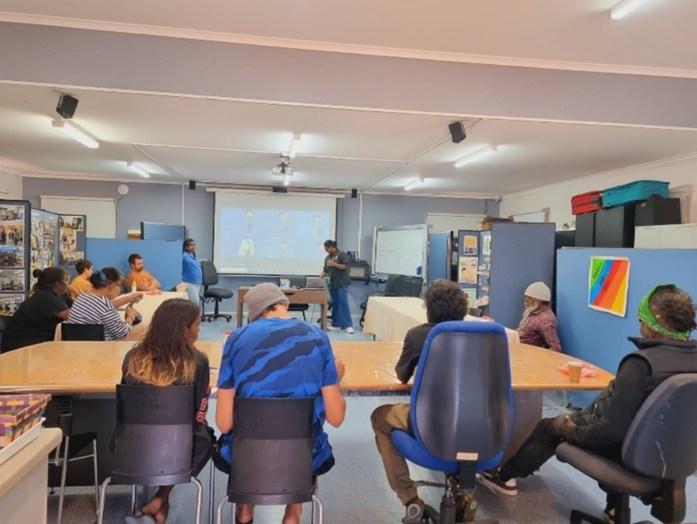
As part of our ongoing commitment to supporting the health and well-being of our community, Drug and Alcohol Services (DAS) delivered an interactive education session focusing on the short-term effects of alcohol and drug use on 08th of April 2025.
The program aimed to raise awareness about the immediate physical and mental health impacts of alcohol and drugs. Through education and practical engagement, the program encouraged individuals to make informed decisions and adopt healthier lifestyle choices
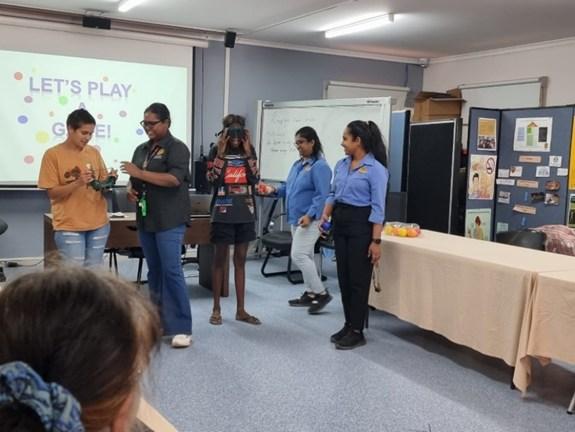
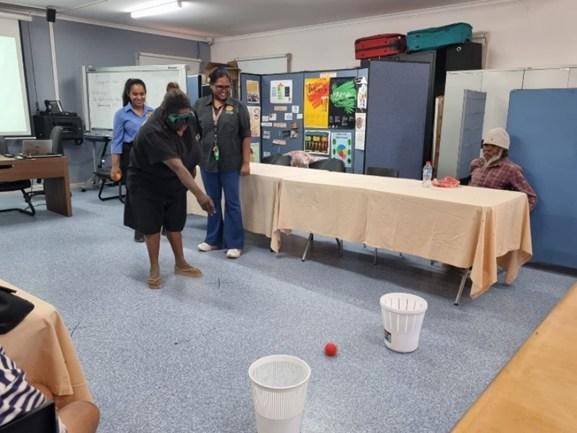
AOD Social Workers led a dynamic presentation supported by videos and practical activities. One of the highlights was the use of “Boozed and Confused Night-time Goggles”, which allowed participants to safely experience the visual and physical impairments that can occur after alcohol consumption. This hands-on activity provided valuable insight into how quickly substance use can affect coordination, judgment, and perception.
Clients were highly engaged throughout the session, actively listening to the information presented and participating in the group activities. The interactive game following the presentation offered an opportunity for participants to reflect on the real-life dangers of substance use in a safe and supportive environment.
The session also served as a reminder of the support available through DAS, including counselling, education, and outreach provided by AOD Social Workers and Aboriginal Health Workers.
The positive feedback received from clients reflected the success of the program in delivering its message. By creating awareness and empowering individuals with knowledge, we continue to work toward reducing alcohol and drug-related harm within our community.
From May to July, the SEWB team at Umoona Tjutagku Health Service delivered a range of programs that brought our community together to strengthen mental health, cultural identity, and social connection.
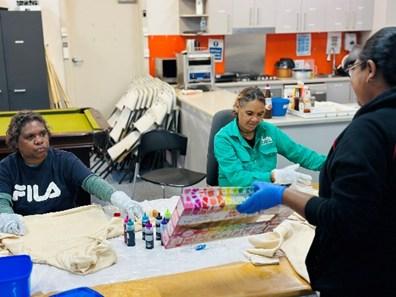
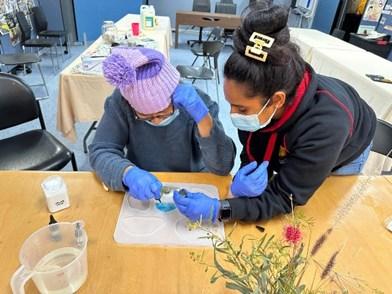
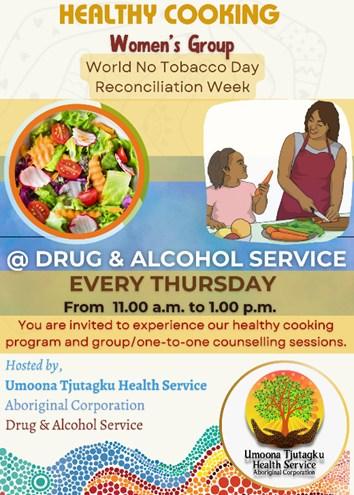
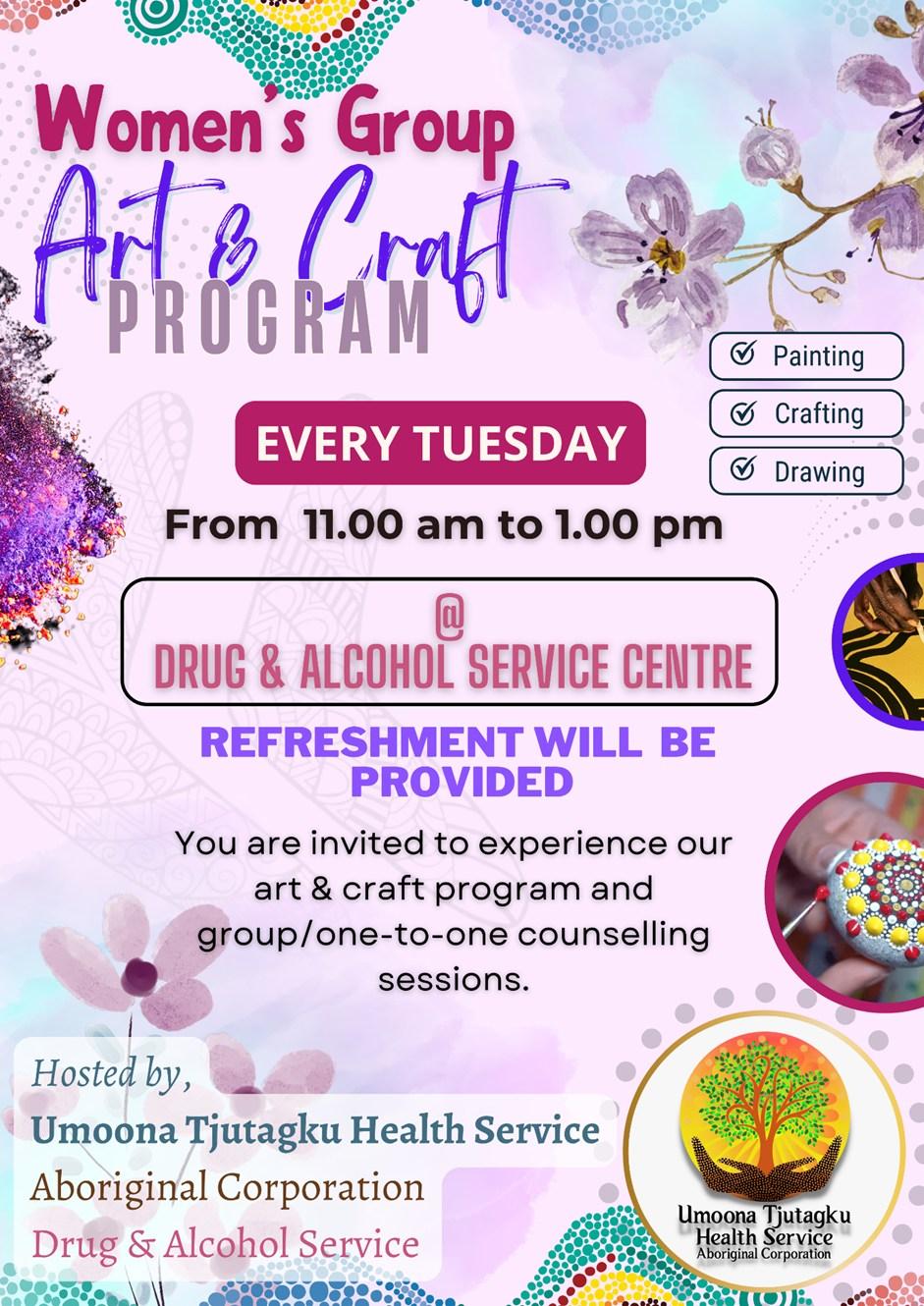
The women’s programs offered a warm and welcoming space for Aboriginal women to connect, share stories, and enjoy creative activities. Popular workshops included tie-dye, resin art, group painting, and baking and cooking sessions. These activities encouraged self-expression, relaxation, and teamwork, while also giving participants new skills and a sense of pride in their creations. Many women shared that the workshops helped them feel more grounded, present, and connected to others.
The men’s programs focused on gardening, yarning circles, and music sessions, giving men a safe environment to build friendships, share experiences, and support each other’s well-being. Working together on hands-on activities also encouraged confidence, teamwork, and healthy social engagement.
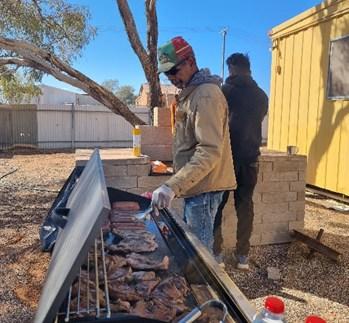
During NAIDOC Week 2025, the SEWB team proudly partnered with Umoona Community Council to deliver a vibrant community celebration. The event brought people of all ages together for music, cultural performances, traditional food, and storytelling.
The SEWB team hosted a healing and wellbeing space, offering yarning, cultural art activities, and bush tea. It was a powerful reminder of the importance of culture, connection, and pride in our community.
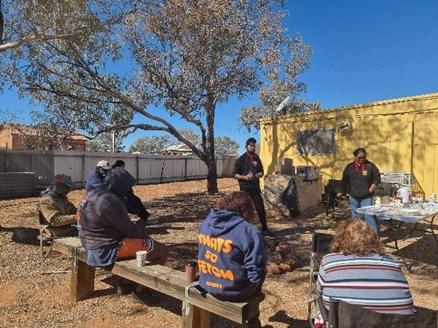
In early July, the SEWB team held a special yarning circle outside the Dunjiba office. Chairs were arranged under shady trees, creating a relaxed and welcoming setting. Over tea, fruit, and damper, community members came together to share stories, laugh, and talk about what matters most to them.
This open, familiar setting encouraged locals to join in, making it one of the most engaging yarning circles of the year. Many participants said they left feeling heard, supported, and uplifted.
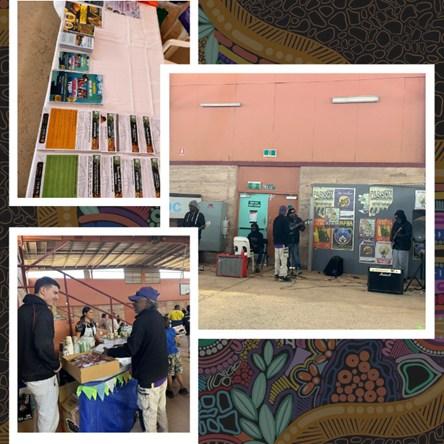
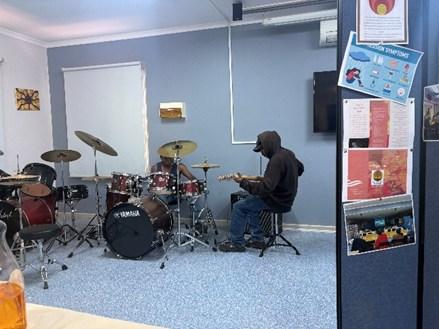
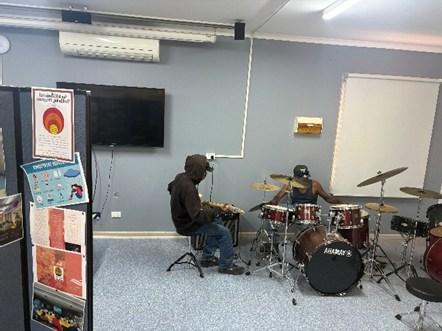
Music has always played a powerful role in Aboriginal culture. As a way of telling stories, strengthening identity, and bringing people together. At our drug and alcohol center, the music program has been created to honor that tradition while offering a safe, supportive space for healing, expression, and connection. The program provides aboriginal community members with the opportunity to come together through music in a relaxed and welcoming environment. Participants are encouraged to play instrument, sing, write lyrics, or simply listen and be present. No musical experience required, the focus is not on performance, but on expression, connection, and enjoyment. Music becomes a shared language where people can communicate feelings that are sometimes difficult to put into words. For many participants, the program supports wellbeing by reducing isolation, building confidence, and strengthening social connections. It also offers a positive and meaningful activity that can support recovery journeys by creating routine, purpose, and a sense of belonging. The group setting allows our community to support one another, share stories, and reconnect with culture in a way that feels natural and empowering. Most importantly, the music program here at DAS is guided by respect, choice, and cultural safety. Community members are free to engage at their own pace and in their own way. By creating space for creativity and community, the program aims to support healing not just as an individual but together through rhythm, voice, and shared experience.
Physical activity has long been an important part of aboriginal culture, connected to strength, resilience, and caring for mind and body. At our drug and alcohol center the aboriginal community gym program has been developed to provide a culturally safe and supportive environment where community members can focus on their physical health while supporting their overall wellbeing and recovery. This program offers structured yet flexible sessions that cater to all fitness levels and abilities. Community members are supported to move at their own pace, whether that means light exercises, strength training, or simply building confidence in a gym environment. No prior gym experience is needed, and the focus is on participation, encouragement, and personal progress rather than performance or comparison. Regular physical activity can play an important and positive role in recovery by improving physical health, reducing stress, supporting mental wellbeing, and building heathy routines. The group-based nature of the program also helps strengthen social connections, reduce isolation, and foster a sense of belonging. Exercising together creates opportunities for positive peer support, shared motivation, and informal yarns in a relaxed environment. Our community members are encouraged to listen to their bodies and engage in ways that feel right for them. By creating a space where community members can build strength physically and mentally.
Samuel O’Reilly.
Trainee Aboriginal Health worker.
Over the past few months, the Coober Pedy Elder Care Program has continued to thrive, bringing warmth, support, and meaningful connection to our community's senior members. From April to June, our team hosted a series of activities that uplifted spirits, strengthened community bonds, and promoted wellbeing among our elders.
As we move into August, we reflect on our recent achievements and look forward to new opportunities for connection and cultural celebration. We extend a heartfelt thank you to our staff, volunteers, families, and elders who continue to make this program a success.
Our Elder Care Program is led by a passionate and skilled team committed to delivering culturally respectful and compassionate care:
• Aged Care Coordinator – Oversees the daily management of the program, ensuring high-quality service delivery and coordination of activities.
• Aged Care Connectors – Serve as vital links between elders, families, and care services, supporting access to the right aged care support and advocating for each individual’s needs.
Accessing aged care services can be life-changing. These services help elders maintain their independence, enhance physical and emotional wellbeing, and foster social connection. By providing expert support in a culturally safe environment, we ensure our elders live with dignity, respect, and joy.
Program Highlights: April – June 2025
• Oodnadatta Visit & Gardening Program Elders enjoyed a memorable trip to Oodnadatta, where they participated in gardening activities that encouraged movement, mindfulness, and community engagement.
• New Client Enrolments We proudly welcomed 12 new elders into the program, growing our network of support and strengthening our community ties.
We’re excited to continue offering a rich variety of weekly events throughout August. All activities will be held at the DAS Activity Room at 11:00 AM.
Event Schedule
Storytelling / Yarning Circle Every Monday – Week 1
Meditation Session Every Monday – Week 2
Wellness Games Every Monday – Week 3
Art Session / Short Movie Every Monday – Week 4
Healthy Cooking Every Thursday
These sessions are designed to promote wellbeing, creativity, and cultural connection in a welcoming and supportive environment.

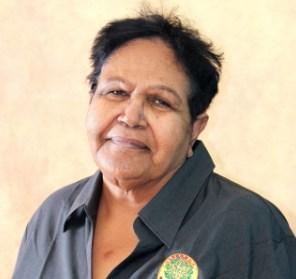




In a joint effort between Inclusion Australia, the NDIA, and the Department of Social Services (DSS), a new Supported Decision-Making Hub was launched in 2025. This central online resource provides tools and guidance to help participants make informed choices about:
· NDIS planning and goals
· Health and wellbeing
· Employment pathways
· Accommodation options
The Hub reinforces participant autonomy, providing support in 12 tailored categories, and is a major step toward participant-led planning and decision-making.
A new, more equitable approach to NDIS planning has been introduced to:
· Eliminate the requirement for participants to provide their own costly reports
· Provide budgets tailored to individual support needs
· Offer greater flexibility in choosing service providers and support arrangements
As part of this reform:
· A Request for Tender was issued to develop adult assessment tools (ages 16+)
· A Request for Information was launched to explore assessment strategies for children
The NDIA has committed to a gradual, five-year rollout, ensuring continuity and comprehensive community consultation at each stage.
The NDIS Early Childhood Approach supports children under 9 years of age with disability or developmental delay. Grounded in evidence-based research and developed with the support of early intervention experts, this model ensures timely, family-centred support.
Key objectives include:
· Helping families access best-practice early childhood intervention
· Strengthening parental confidence and capacity
· Enhancing children's abilities in daily activities
· Encouraging inclusion in mainstream settings such as childcare and recreation
· Connecting families to community services and support groups




Launched this year, the First Nations Strategy 2025–2030 represents a formal commitment to equity and cultural safety for Aboriginal and Torres Strait Islander participants.
This five-year strategy aims to:
· Improve health, social, and cultural outcomes for First Nations individuals and families
· Embed First Nations knowledge and lived experience into NDIS service delivery
· Promote a holistic understanding of disability and wellbeing
· Ensure culturally safe, community-led, and coordinated services
This strategy was developed in close partnership with community leaders and reflects the NDIA’s recognition of the unique challenges and strengths within First Nations communities.
Remote Community Connector (RCC) Program: A Culturally
The Remote Community Connector (RCC) Program has continued to expand across Australia s most remote communities, becoming a vital bridge between participants and the NDIS.

Growth and Reach


· Over 200 Remote Community Connectors are now active in approximately 480 remote communities.
· As a result of RCC outreach, 10% of new NDIS participants are First Nations people, raising the total First Nations participation to 7.8% nationwide.

Need More Information? Let s Have a Yarn!

If you or a family member has a permanent or significant disability affecting daily life and need help accessing NDIS supports, we’re here to help.
Come by for a friendly chat with our staff, or contact our dedicated Connectors:
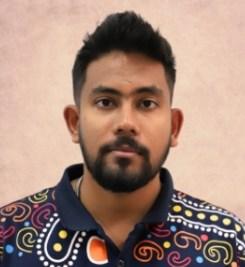
Diluja Wijayathilaka—NDIS Remote Community Connector Coordinator
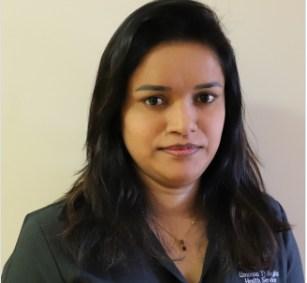
Priscilla Sumner
NDIS Remote Community Connector
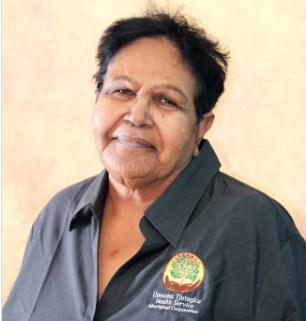

Phone: (08) 8672 5255 Mobile: 0456 000 433

For more details, visit NDIS.gov.au.

At Umoona Tjutagku Health Service Aboriginal Corporation (UTHSAC), caring for our community means more than treating illness it means listening, respecting culture, and supporting people in ways that honour connection to Country, family, and community. In my role as both the Rheumatic Heart Disease (RHD) Nurse and Mental Health Nurse, I work closely with individuals and families to support wellbeing across both physical and emotional health.
Rheumatic Heart Disease remains a serious health issue for many Aboriginal people, including those living in and around Coober Pedy. As the RHD Nurse, my focus is on prevention, early action, and long-term support to protect heart health.
This work includes:
• Identifying and screening for Acute Rheumatic Fever (ARF) as early as possible
• Supporting clients living with RHD through regular follow-up and care
• Administering Bicillin injections to reduce the risk of further heart damage
• Providing education for families, schools, and community members about sore throats, skin infections, and heart health
• Coordinating care with visiting cardiology specialists and outreach teams
• Encouraging medication adherence and helping clients understand why ongoing treatment is so important
Preventing RHD starts with early treatment and strong relationships. By offering culturally safe care and taking time to build trust, we can help break the cycle and support healthier futures.
Mental wellbeing is a vital part of overall health. In my Mental Health Nurse role, I support individuals through a range of emotional, psychological, and social challenges, always guided by respect and understanding of each person’s lived experience.
This support includes:
• Individual mental health assessments, care plans, and regular reviews
• Medication support in partnership with GPs and psychiatrists
• Crisis support and safety planning when people need immediate care
• Linking clients with specialist mental health services when required
• Providing counselling that acknowledges trauma, loss, and community history
• Working alongside Social and Emotional Wellbeing (SEWB) teams and Aboriginal Health Workers
Both roles are closely tied because strong hearts and strong minds go hand in hand. It’s about building trust, being consistent, and delivering care that is respectful and grounded in community values. I feel proud to be part of the UTHSAC team, working together for better health outcomes for our community. If you or someone you know would like support with heart health or mental wellbeing, don’t wait reach out to the clinic or drop in for a yarn. We’re here for you.
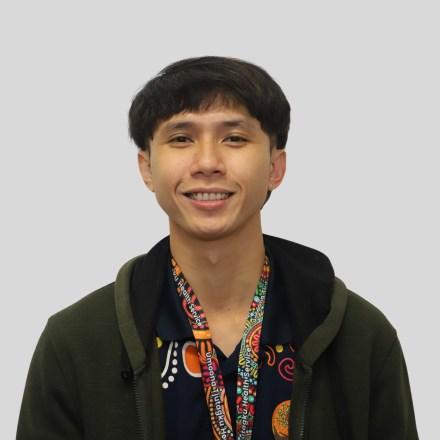
Randy Roy Cabatingan (RHD and Mental Health Nurse at UTHSAC )

Umoona Tjutagku Health Service Aboriginal Corporation
Inform, educate, perform, model and lead to ensure diversity is reflected throughout UTHSAC.
Create & sustain an environment that actively embraces diversity and inclusion by recognising value in the uniqueness
Hold all people associated to UTHSAC accountable for their actions and decisions impacting the achievements of UTHSAC

Utilise the success in diversity to assist UTHSAC becoming a provider and the employer of choice as we lead our communi-
Innovative, responsive and culturally appropriate health services are accessible to Aboriginal people living in the Coober Pedy and surrounding region.

To provide a holistic health care service that achieves positive health outcomes through primary health care intervention as