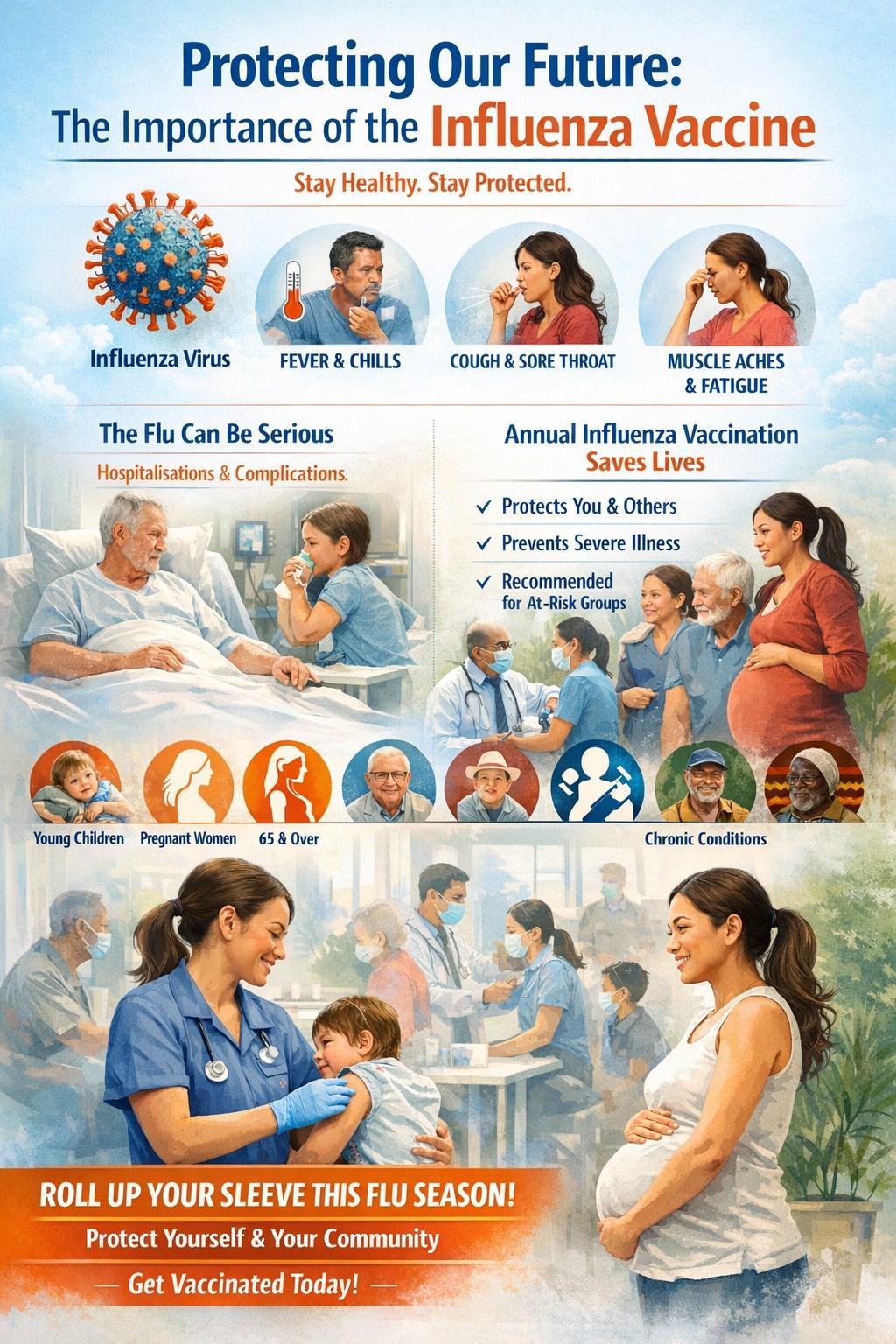
Every year, thousands of Australians are affected by seasonal influenza (the flu) a highly contagious viral infection that can lead to serious complications, hospitalisations, and even death, particularly in vulnerable groups such as young children, older adults, pregnant women, and those with chronic illnesses.
As health professionals, we understand that prevention is better than cure, and one of the simplest and most effective ways to prevent influenza is through annual vaccination.
Influenza is a respiratory illness caused by influenza viruses that circulate widely each year, especially during the colder months. It spreads easily through coughing, sneezing, or contact with contaminated surfaces.
Common symptoms include:
• Fever and chills
• Cough and sore throat
• Muscle aches and fatigue
• Headache and nasal congestion
While many people recover in about a week, others may develop complications such as pneumonia, bronchitis, or worsening of existing health conditions.
The influenza virus changes frequently, meaning new strains appear each year. The flu vaccine is updated annually to match the most common circulating strains. That’s why even if you were vaccinated last year, you still need your yearly shot to stay protected.
The vaccine helps to:
• Reduce the risk of catching the flu and spreading it to others
• Protect those who are too young or unable to be vaccinated
• Protect those who are too young or unable to be vaccinated
• Minimize time lost from work, school, or caregiving
The Australian National Immunization Program (NIP) provides free influenza vaccines for:
• All children aged 6 months to under 5 years
• Pregnant women (at any stage of pregnancy)
• Adults aged 65 years and older
• Aboriginal and Torres Strait Islander people aged 6 months and over
• People aged 6 months and over with certain medical conditions
Others can also get vaccinated it’s safe, quick, and widely available through GPs, pharmacies, and immunization clinics.
Pregnant women are particularly encouraged to receive the flu vaccine. It not only protects the mother from serious illness but also provides passive immunity to the baby, safeguarding them in the first few months after birth when they’re too young to be vaccinated.
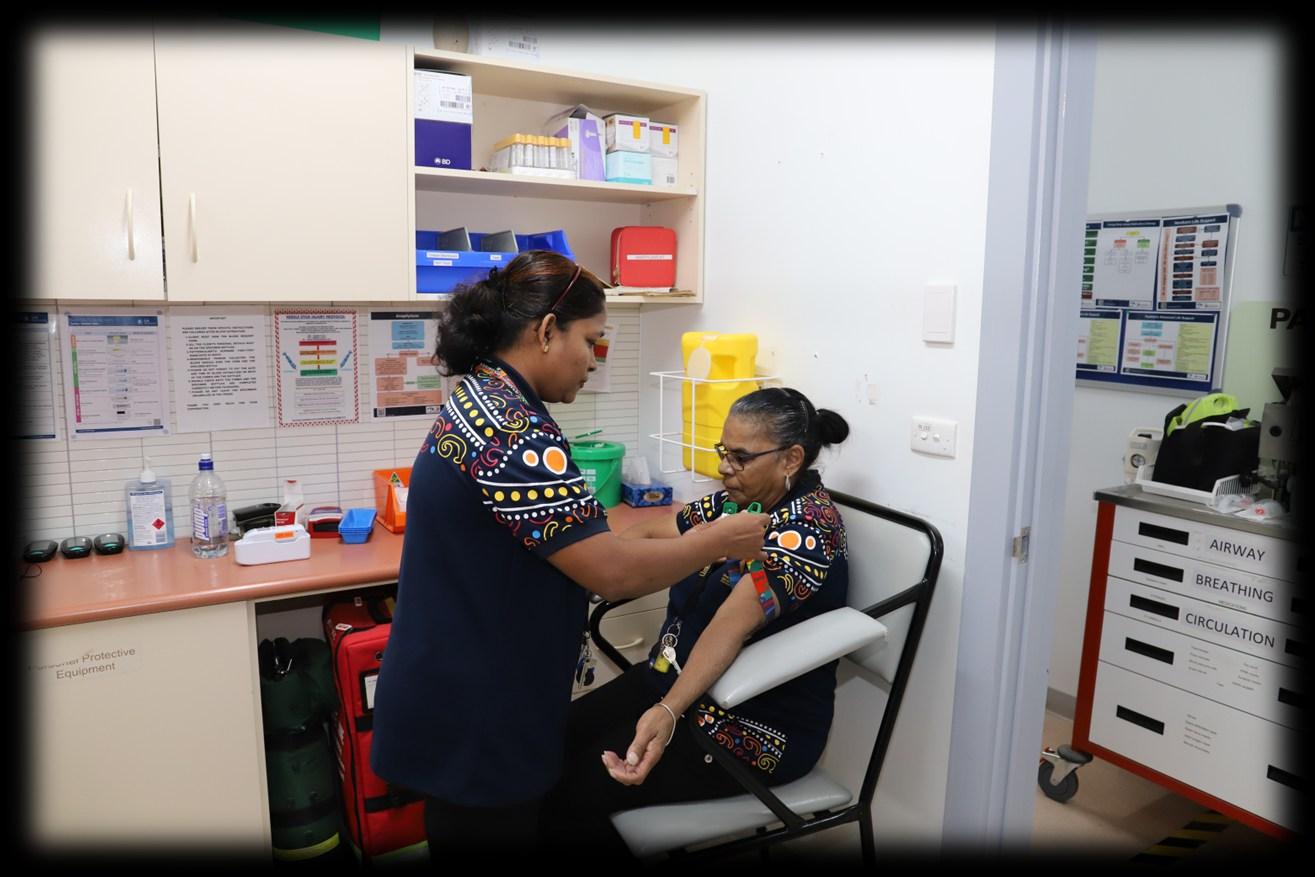
Nurses play a central role in promoting vaccine awareness, administering immunizations safely, and addressing community concerns. Through education, reassurance, and culturally sensitive communication, we help families understand that vaccines are not just about individual protection they are about community responsibility.
Getting vaccinated against influenza isn’t just a personal choice it’s an act of care and protection for those around us. Each vaccine administered helps strengthen community immunity, keeping our workplaces, schools, and families safer.
Let’s continue to encourage our patients, colleagues, and loved ones:
“Roll up your sleeve this flu season protect yourself and your community!”
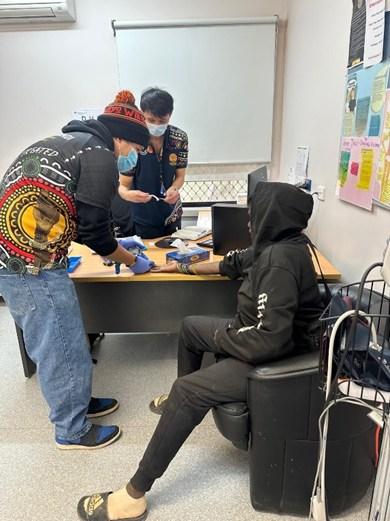
In Coober Pedy, Drug and Alcohol Service Centre in related to Umoona Tjutagku Health Service Aboriginal Corporation (UTHS) organized Educational and Health Awareness Program combined with Ice Workshop on 05th of June 2025 emphasizing the importance of community collaboration and support across generations in Aboriginal Communities. UTHS clinic nursing team and Aboriginal Health Workers have been collaborated with heath check-ups of participants. There were 35 clients, and all the participants had healthy food, and refreshments. Some of clients received gift vouchers and gift bag, who were completed the health checkups.
During the workshop and the program, social workers educated the participants substant related harm, how to keep healthy lifestyle, and importance of regular health check-ups. This workshop was both educational and beneficial, offering clients the opportunity to engage directly with social workers, nurses, and Aboriginal Health Workers.
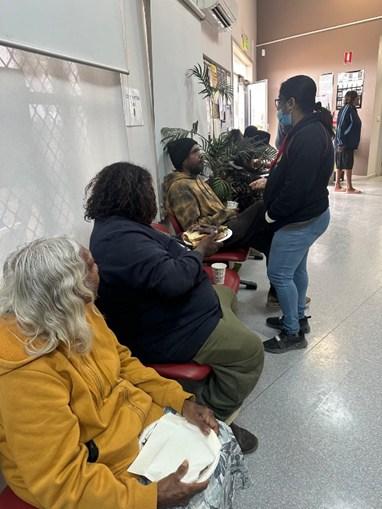
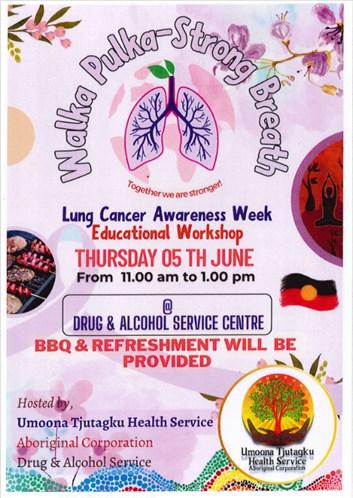
The Ice Workshops, Educational and Health Awareness Program aimed to raise awareness about the health and social impacts of ice (methamphetamine), alcohol, and other drugs offering practical information around harm reduction, early intervention, and available support services. Participants were encouraged to ask questions, share their experiences, and connect with professionals who understand the unique needs of the community
Workshops like these play an important role in breaking down stigma, building trust, and empowering individuals and families to seek help when needed.
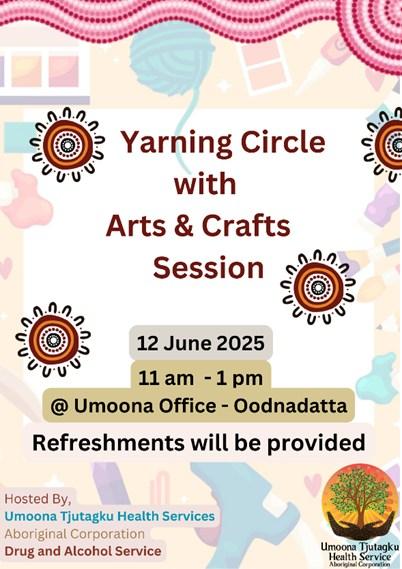
DAS social workers team attended Oodnadatta program on 12th of June 2025 and organised a yarning circle with “Art and Craft Session”. Clients actively participated for the art and craft program, and they made their own jewellery during the program.
The yarning circle and art and craft program was beneficial to the community people in different ways, such as:
Community connection: art and craft program is a group work, bringing people together and reducing isolation.
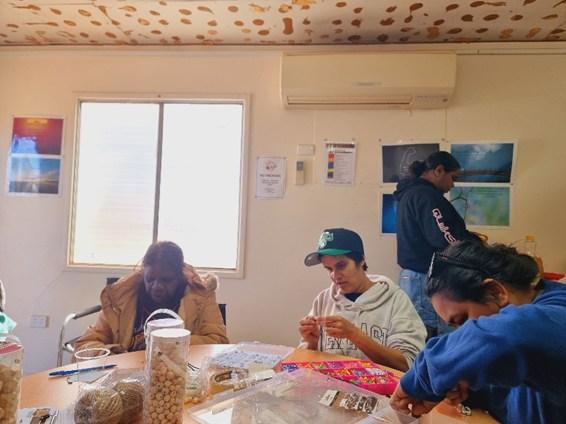
Empowerment: Gives participants a sense of responsibility, ownership, and achievement.
Storytelling and knowledge sharing: Elders can share Dreaming stories and cultural practices linked to traditional jewelry.
From May to July, the SEWB team at Umoona Tjutagku Health Service delivered a range of programs that brought our community together to strengthen mental health, cultural identity, and social connection.
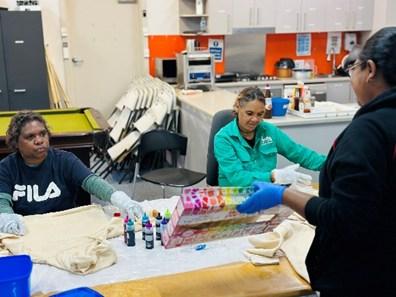
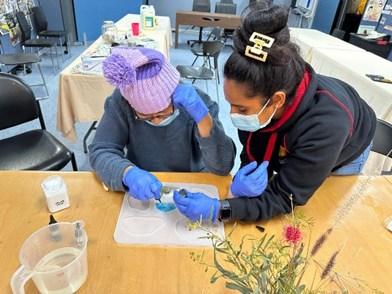
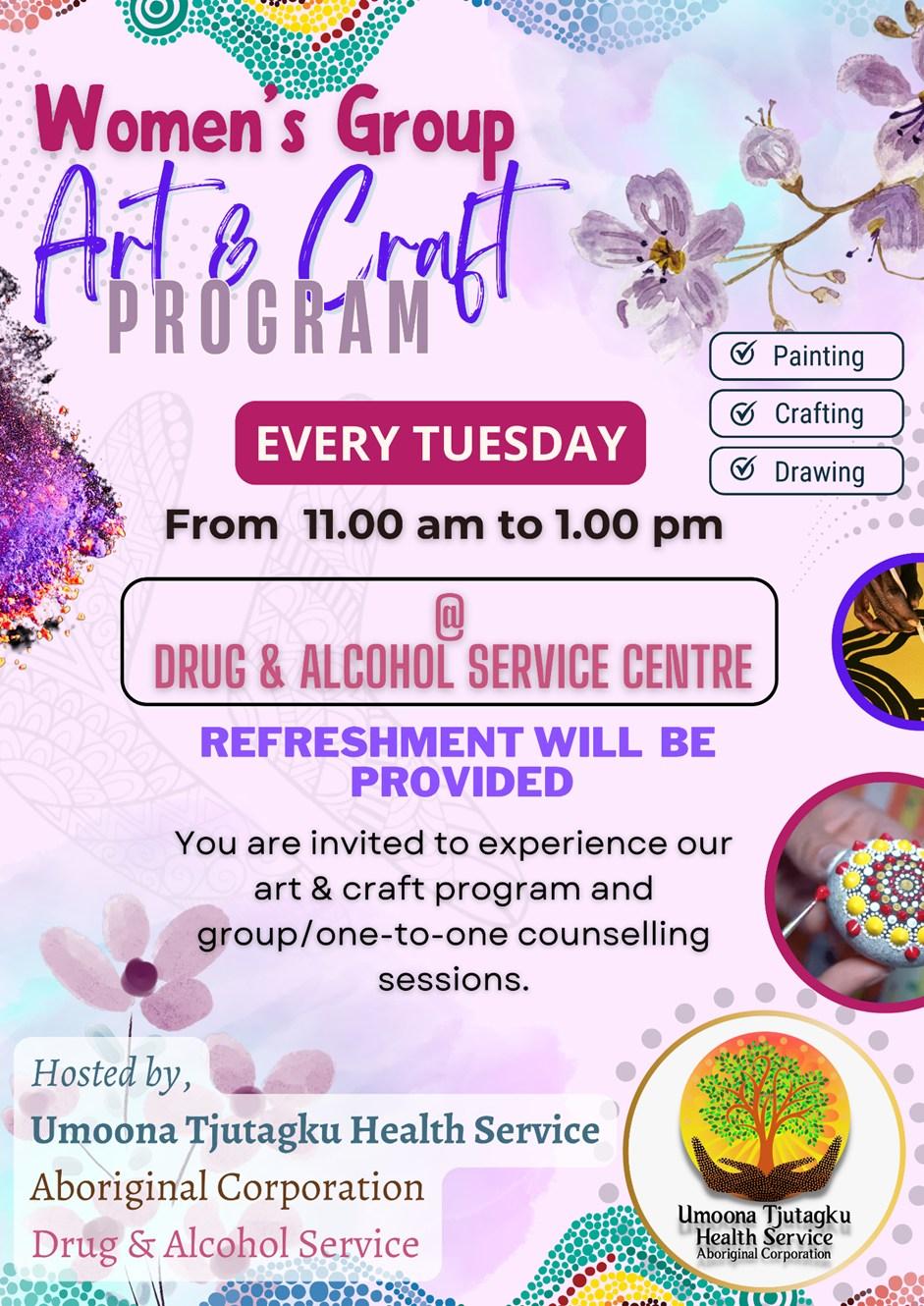
The women’s programs offered a warm and welcoming space for Aboriginal women to connect, share stories, and enjoy creative activities. Popular workshops included tie-dye, resin art, group painting, and baking and cooking sessions. These activities encouraged self-expression, relaxation, and teamwork, while also giving participants new skills and a sense of pride in their creations. Many women shared that the workshops helped them feel more grounded, present, and connected to others.
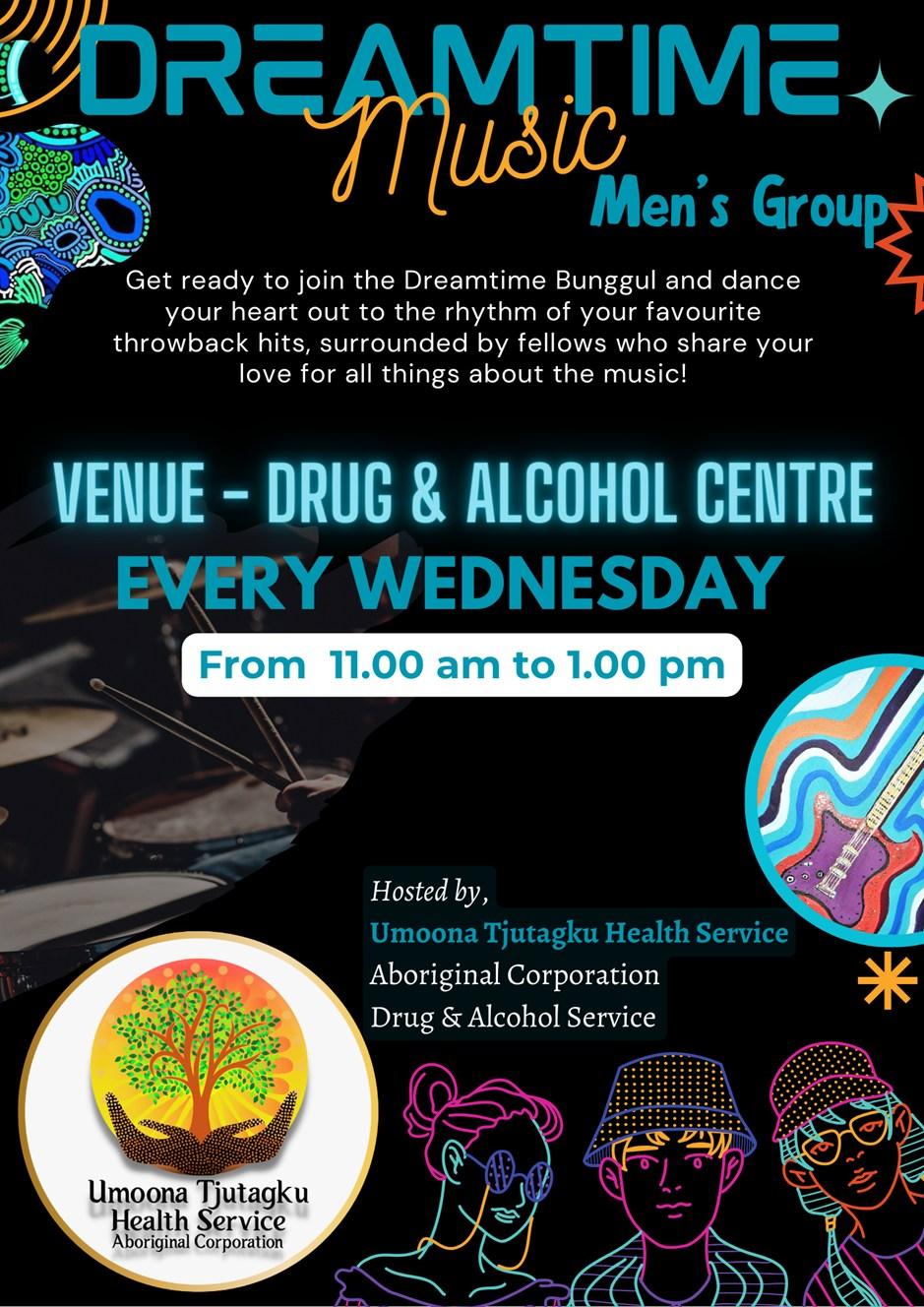
The men’s programs focused on gardening, yarning circles, and music sessions, giving men a safe environment to build friendships, share experiences, and support each other’s well-being. Working together on hands-on activities also encouraged confidence, teamwork, and healthy social engagement.
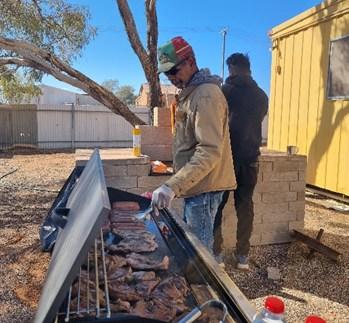
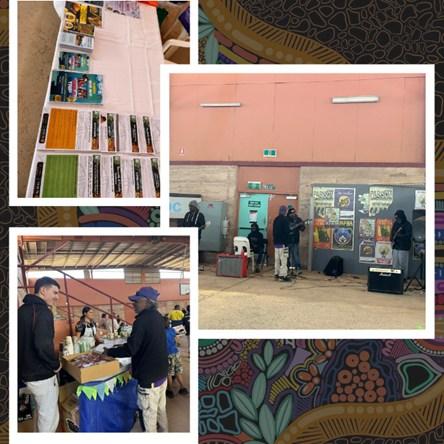
During NAIDOC Week 2025, the SEWB team proudly partnered with Umoona Community Council to deliver a vibrant community celebration. The event brought people of all ages together for music, cultural performances, traditional food, and storytelling.
The SEWB team hosted a healing and wellbeing space, offering yarning, cultural art activities, and bush tea. It was a powerful reminder of the importance of culture, connection, and pride in our community.
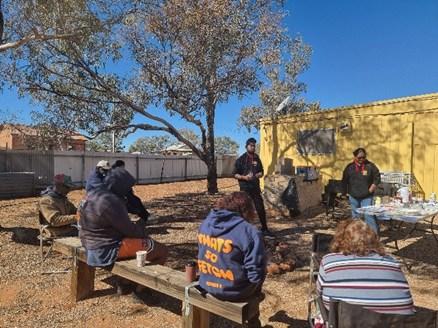
In early July, the SEWB team held a special yarning circle outside the Dunjiba office. Chairs were arranged under shady trees, creating a relaxed and welcoming setting. Over tea, fruit, and damper, community members came together to share stories, laugh, and talk about what matters most to them.
This open, familiar setting encouraged locals to join in, making it one of the most engaging yarning circles of the year. Many participants said they left feeling heard, supported, and uplifted.
Residential rehabilitation is a treatment option where individuals live at a facility and receive counselling, support, and care to help recover from alcohol or drug dependence. There is a range of residential rehabilitation facilities in South Australia including Woolshed Therapeutic Community, Footsteps Road to Recovery, Back On Track Adelaide Residential AOD Recovery Centre, New Roads, Alban Place Integrated Youth Substance Misuse Specialist Service and Tumbelin Farm.
AOD Social Workers at DAS regularly refer clients to these programs. Some clients have successfully completed their rehab programs, while others are in the process of intake assessment.
It’s important for clients to show initiative and a genuine willingness to reduce or manage their alcohol and drug use. When someone expresses an interest in rehab, an AOD Social Worker will provide them with information about the different programs available. Clients can choose the one that best suits them based on factors like location and personal preference.
Once a decision is made, the Social Worker contacts the rehabilitation service to confirm the current referral process and assists in completing the referral application. This includes gathering any required documentation and submitting the application to the selected service.
The intake and assessment process can vary between services. Generally, an intake officer will contact the client to arrange an initial appointment over the phone as it cannot be done inperson due to the long-distance travel. This is usually followed by a second interview for a more detailed assessment. If accepted, the client will be placed on a waiting list and later informed of their admission date.
Most residential rehabilitation programs require a minimum one-week detoxification period before admission. The length of stay varies, but most programs offer at least a 12-week duration to support long-term recovery.
“Successfully breaking free from addiction requires taking it one step at a time

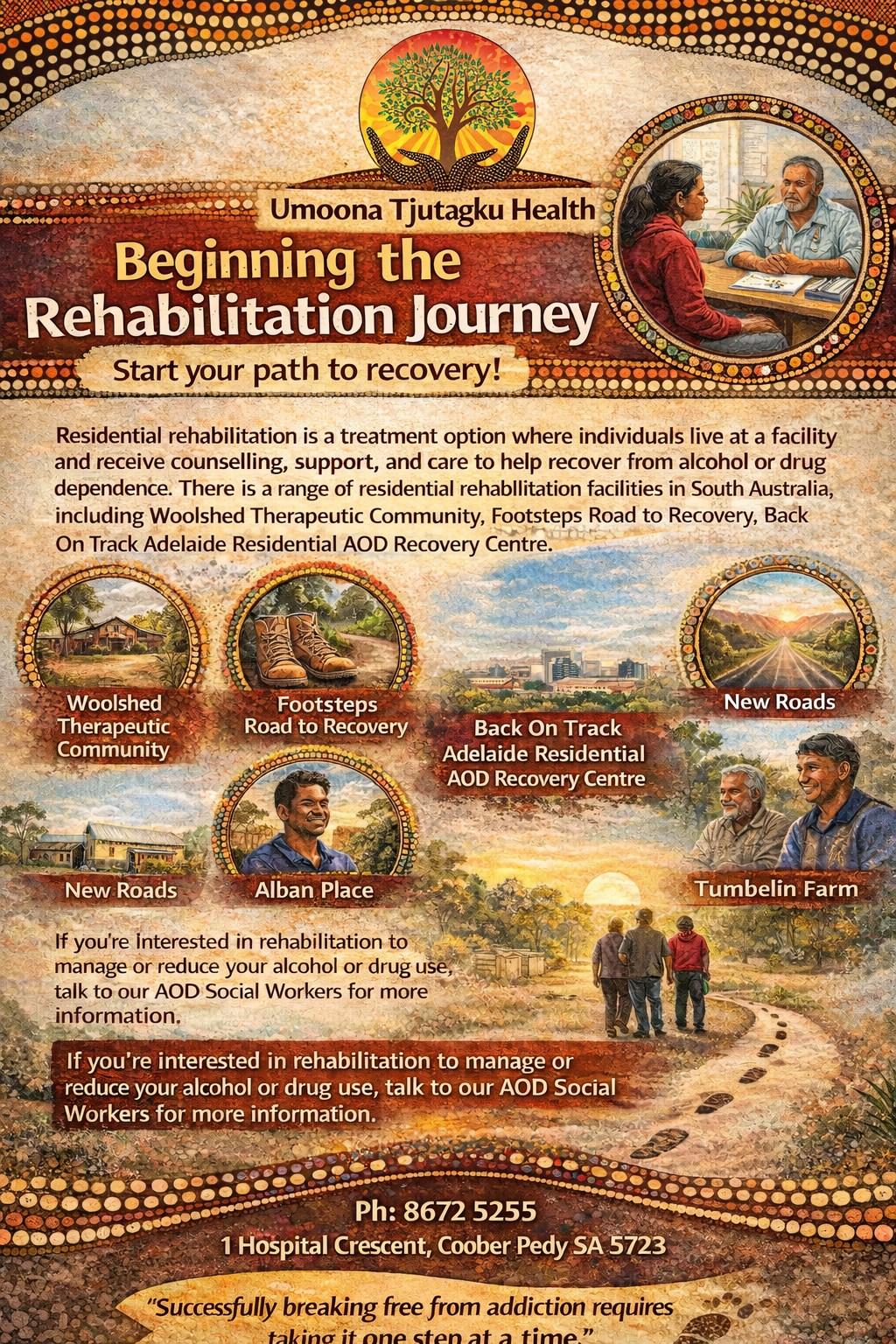
Over the past few months, the Coober Pedy Elder Care Program has continued to thrive, bringing warmth, support, and meaningful connection to our community's senior members. From April to June, our team hosted a series of activities that uplifted spirits, strengthened community bonds, and promoted wellbeing among our elders.
As we move into August, we reflect on our recent achievements and look forward to new opportunities for connection and cultural celebration. We extend a heartfelt thank you to our staff, volunteers, families, and elders who continue to make this program a success.
Our Elder Care Program is led by a passionate and skilled team committed to delivering culturally respectful and compassionate care:
• Aged Care Coordinator – Oversees the daily management of the program, ensuring high-quality service delivery and coordination of activities.
• Aged Care Connectors – Serve as vital links between elders, families, and care services, supporting access to the right aged care support and advocating for each individual’s needs.
Accessing aged care services can be life-changing. These services help elders maintain their independence, enhance physical and emotional wellbeing, and foster social connection. By providing expert support in a culturally safe environment, we ensure our elders live with dignity, respect, and joy.
Program Highlights: April – June 2025
• Oodnadatta Visit & Gardening Program Elders enjoyed a memorable trip to Oodnadatta, where they participated in gardening activities that encouraged movement, mindfulness, and community engagement.
• New Client Enrolments We proudly welcomed 12 new elders into the program, growing our network of support and strengthening our community ties.
We’re excited to continue offering a rich variety of weekly events throughout August. All activities will be held at the DAS Activity Room at 11:00 AM.
Event Schedule
Storytelling / Yarning Circle Every Monday – Week 1
Meditation Session Every Monday – Week 2
Wellness Games Every Monday – Week 3
Art Session / Short Movie Every Monday – Week 4
Healthy Cooking Every Thursday
These sessions are designed to promote wellbeing, creativity, and cultural connection in a welcoming and supportive environment.

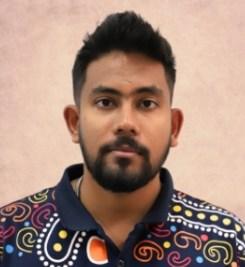
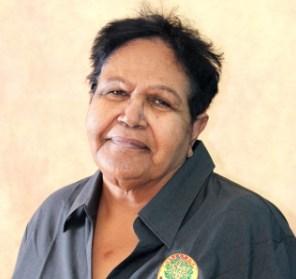
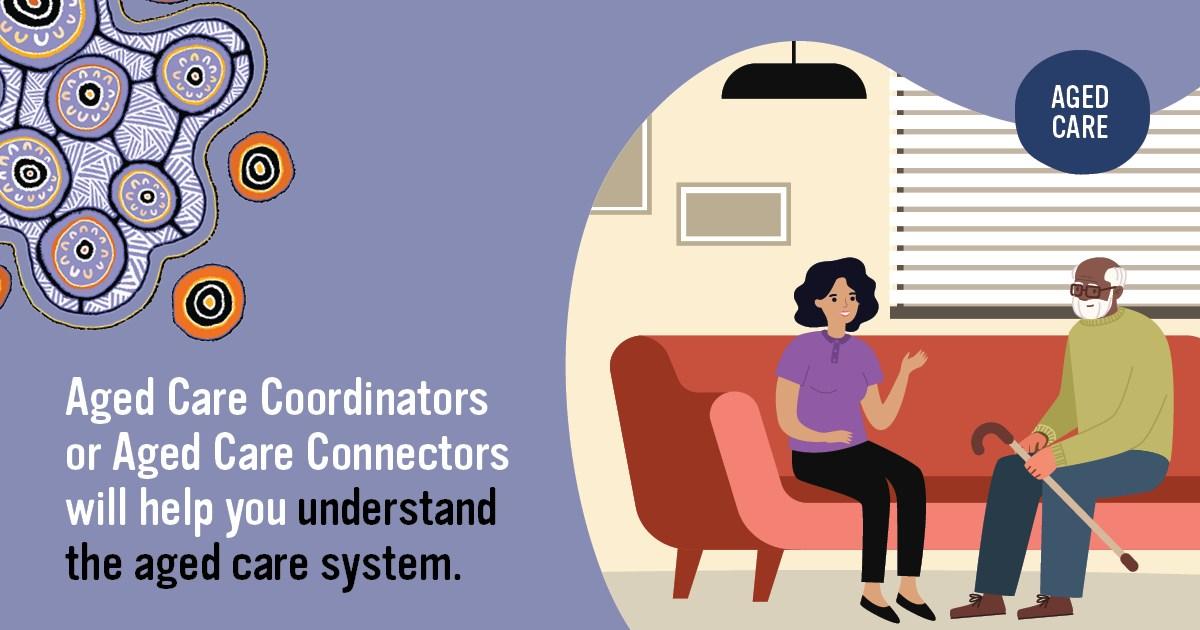
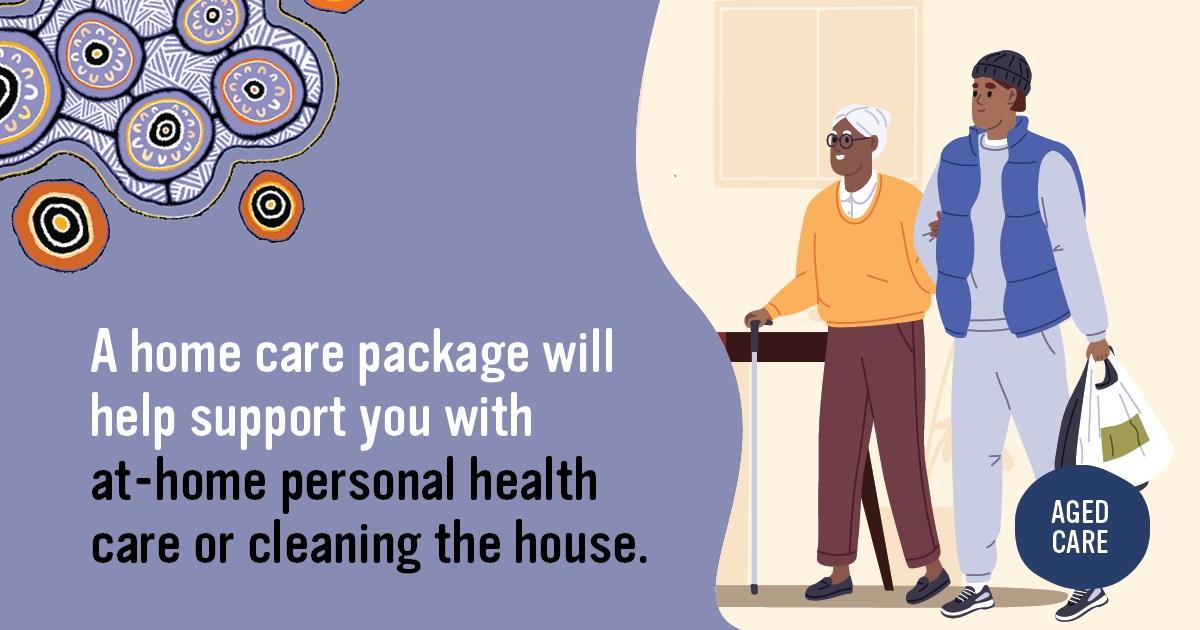







Inclusion Australia, the NDIA, and the Department of Social Services (DSS) have launched a new online resource: the Supported Decision-Making Hub
This Hub is a central space for resources and tools that help people make informed decisions about their lives, goals, and supports giving them greater control over what matters most.
The Hub offers resources across 12 categories, including:
• NDIS decisions
• Employment
• Health
• Accommodation
Visit the Supported Decision-Making Hub to explore tools that can help participants take charge of their own decisions.



Following recommendations from the NDIS Review, a new approach to NDIS planning is underway to ensure better and fairer outcomes for participants.
Key highlights of the new approach:
• Participants will no longer need to provide their own reports to access supports saving time and reducing costs.
• Budgets will be more equitable and tailored to each person’s support needs.
Plans will offer greater flexibility in choosing preferred support arrangements.
To kick off this change, the NDIA has:
• Released a Request for Tender to develop assessment tools for adults (16+).
Launched a Request for Information to explore the best ways to assess support needs for children and specific types of NDIS-funded supports.
The NDIA acknowledges this will significantly change the experience for participants and has committed to ongoing community consultation throughout the process.
This change will roll out gradually over five years, ensuring a smooth and thoughtful transition for all involved. In the meantime, most participants will continue using the current planning process.



The NDIA has launched the First Nations Strategy 2025–2030, reaffirming its commitment to a more equitable and inclusive NDIS for First Nations people with disability.
This Strategy is a five-year roadmap that aims to:
• Improve outcomes for First Nations participants, families, and communities
• Embed cultural knowledge and lived experiences into the NDIS
• Reflect First Nations concepts of disability and wellbeing
• Ensure services are culturally safe, community-centered, and coordinated
It’s a bold step toward building a system that truly reflects and respects the diversity of Australia’s First Nations communities.
Community Connectors: Bridging the Gap in Remote Areas
In partnership with Umoona Tjutagku Health Service Aboriginal Corporation, the NDIA has launched the Remote Community Connector Program a key step in improving support for remote and First Nations communities.
This program aims to:
• Assist with NDIS access and planning
• Act as a cultural bridge between communities and the NDIS
• Connect participants with local and visiting NDIS providers
• Help individual’s ineligible for the NDIS find alternative community supports

Need More Information? Let s Have a Yarn!


If you or a family member has a permanent or significant disability affecting daily life and need help accessing NDIS supports, we’re here to help.
Come by for a friendly chat with our staff, or contact our dedicated Connectors:
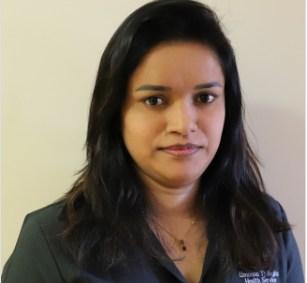
Diluja Wijayathilaka—NDIS Remote Community Connector Coordinator
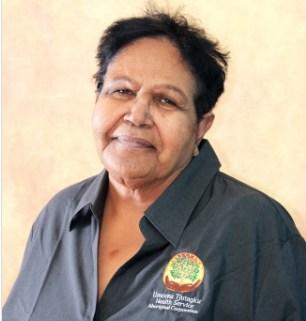
Priscilla
Sumner
NDIS Remote Community Connector



At Umoona Tjutagku Health Service Aboriginal Corporation (UTHSAC), our mission is to walk alongside our Aboriginal community in health and wellbeing, with respect for culture and connection to Country. As the Rheumatic Heart Disease (RHD) Nurse and Mental Health Nurse, my role is rooted in prevention, education, treatment, and compassionate care across both the physical and emotional health spaces.
RHD Nurse Role – Keeping Hearts Strong
Rheumatic Heart Disease continues to affect many Aboriginal communities, including our families here in Coober Pedy. My role as the RHD Nurse involves:
• Early detection & screening of Acute Rheumatic Fever (ARF)
• Ongoing management of those diagnosed with RHD
• Delivering regular Bicillin injections to prevent further heart damage
• Health promotion & education with families, schools, and the wider community
• Coordinating with cardiology teams and outreach services for specialist care
• Supporting medication adherence and helping clients understand the long-term benefits of treatment
RHD prevention is all about stopping the cycle by treating sore throats and skin sores early and building trust through culturally safe care.
Mental Health Nurse Role – Supporting Minds & Spirits
Mental health is just as important as physical health. In my role as Mental Health Nurse, I offer:
• One-on-one mental health support, including assessment, care planning, and review
• Medication support & monitoring in collaboration with GPs and psychiatrists
• Crisis intervention and safety planning
• Referrals to specialist mental health services, where needed
• Culturally appropriate counselling that respects trauma, grief, and community context
• Collaboration with social and emotional wellbeing (SEWB) teams and Aboriginal Health Workers
Both roles are closely tied because strong hearts and strong minds go hand in hand. It’s about building trust, being consistent, and delivering care that is respectful and grounded in community values. I feel proud to be part of the UTHSAC team, working together for better health outcomes for our community. If you or someone you know would like support with heart health or mental wellbeing, don’t wait reach out to the clinic or drop in for a yarn. We’re here for you.
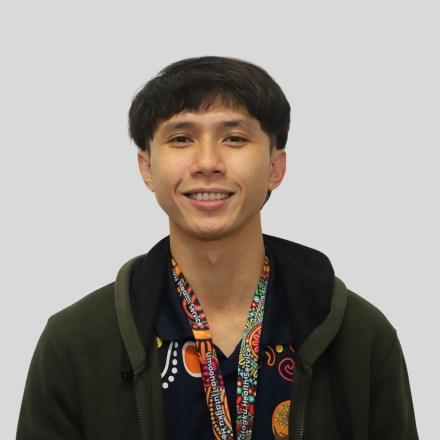
Randy Roy Cabatingan (RHD and Mental Health Nurse at UTHSAC )

Umoona Tjutagku Health Service Aboriginal Corporation
Inform, educate, perform, model and lead to ensure diversity is reflected throughout UTHSAC.
Create & sustain an environment that actively embraces diversity and inclusion by recognising value in the uniqueness
Hold all people associated to UTHSAC accountable for their actions and decisions impacting the achievements of UTHSAC

Utilise the success in diversity to assist UTHSAC becoming a provider and the employer of choice as we lead our communi-
Innovative, responsive and culturally appropriate health services are accessible to Aboriginal people living in the Coober Pedy and surrounding region.

To provide a holistic health care service that achieves positive health outcomes through primary health care intervention as