
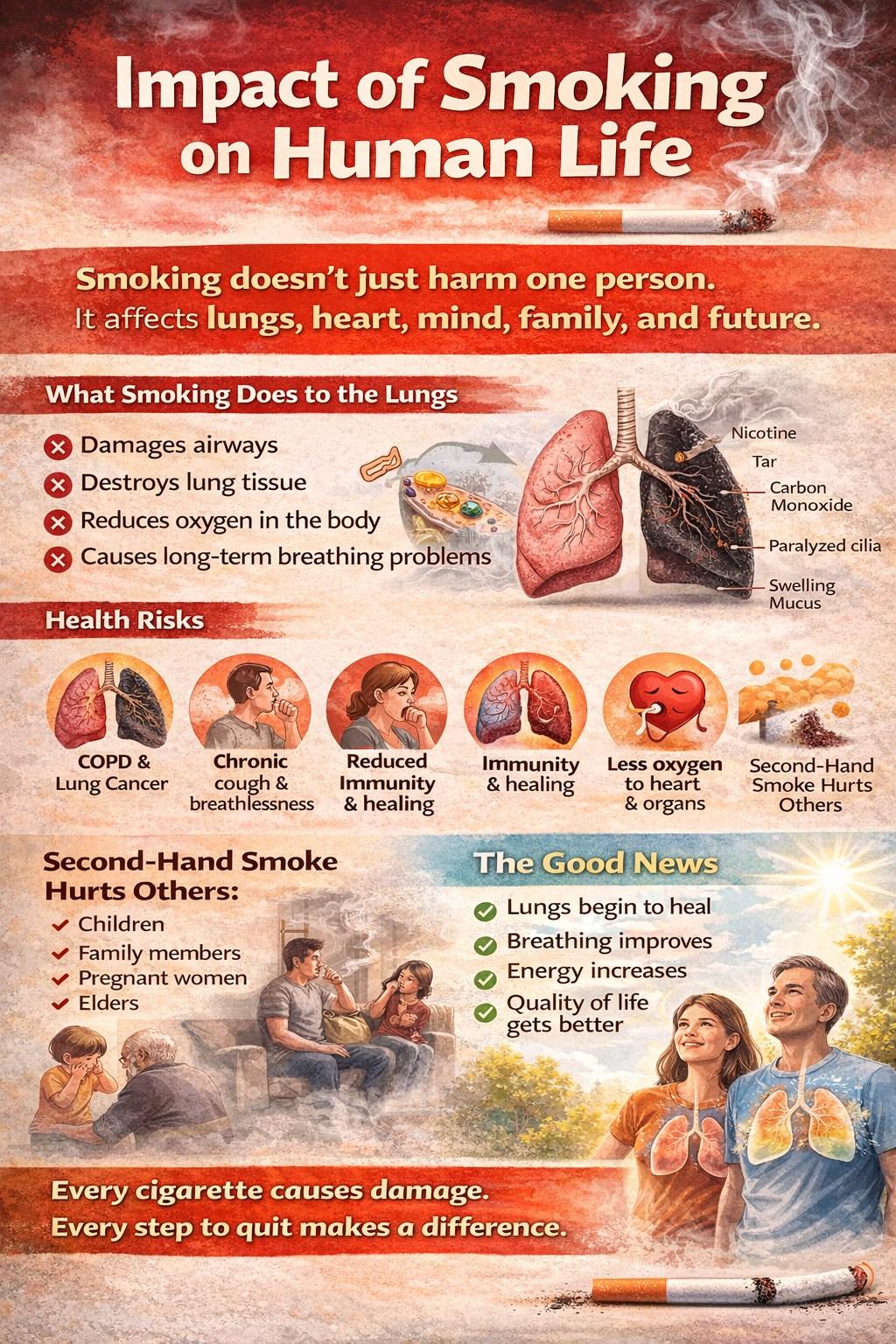
Smoking is one of the most widespread habits in the world, yet it remains one of the leading causes of preventable disease and death. Despite years of public health warnings, millions of people continue to smoke cigarettes and use other tobacco products. Smoking affects not only the smoker but also the people around them, harming physical health, mental well-being, social relationships, and overall quality of life.
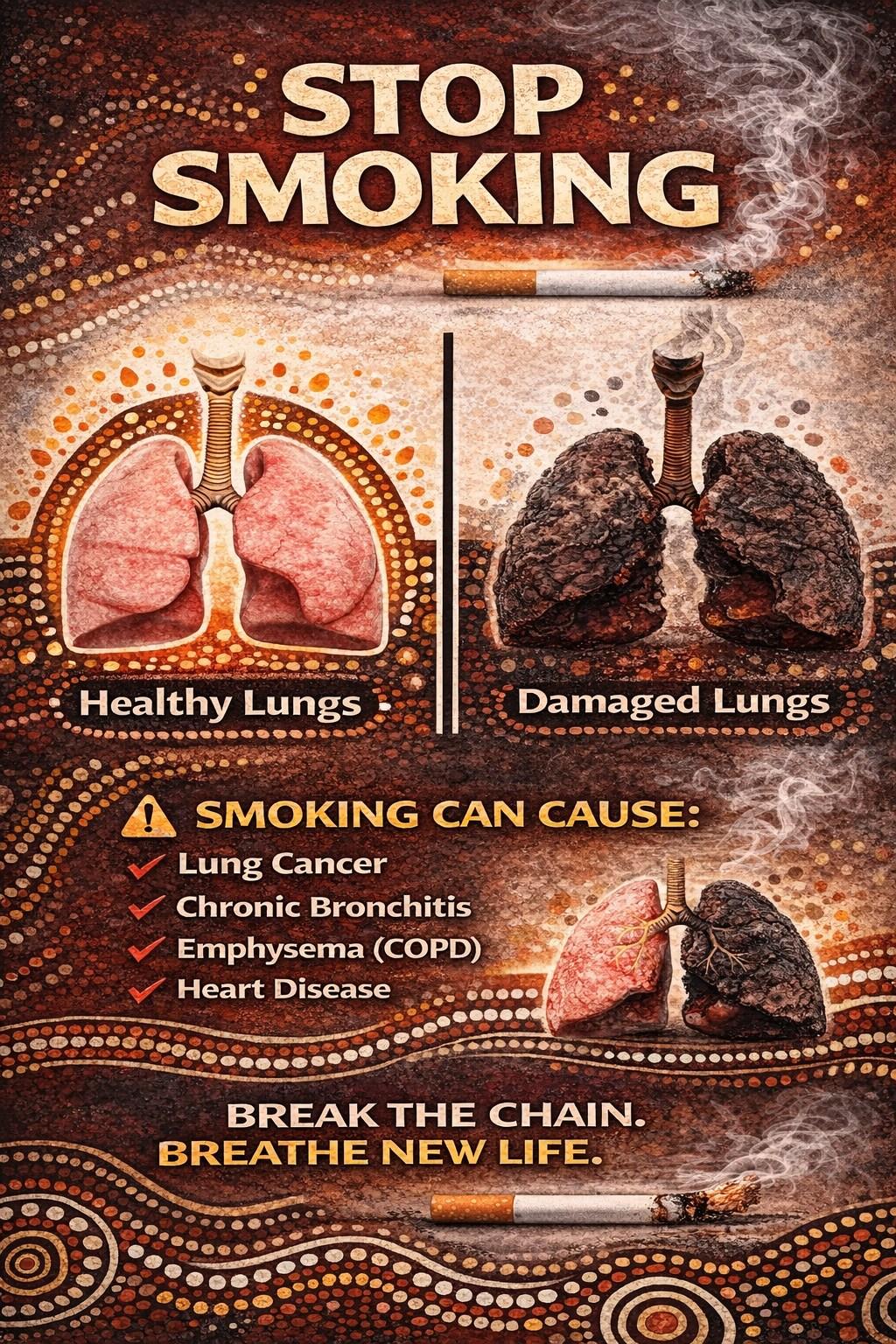
Smoking damages the lungs by exposing them to harmful chemicals such as nicotine, tar, and carbon monoxide. These substances injure the lining of the airways and paralyze the cilia, which normally remove mucus and dust. As a result, mucus accumulates and infections become more common.
Smoking causes chronic inflammation of the airways, leading to swelling, excess mucus production, and narrowing of the bronchi, which makes breathing difficult. In the alveoli, smoking destroys elastic tissue and alveolar walls, reducing the surface area for gas exchange and causing emphysema.
Carbon monoxide binds to hemoglobin and reduces oxygen delivery to tissues, while free radicals cause oxidative damage to lung cells and DNA. Smoking also weakens immune defenses in the lungs, increasing susceptibility to disease. Together, these physiological changes lead to conditions such as chronic bronchitis, COPD, and lung cancer.
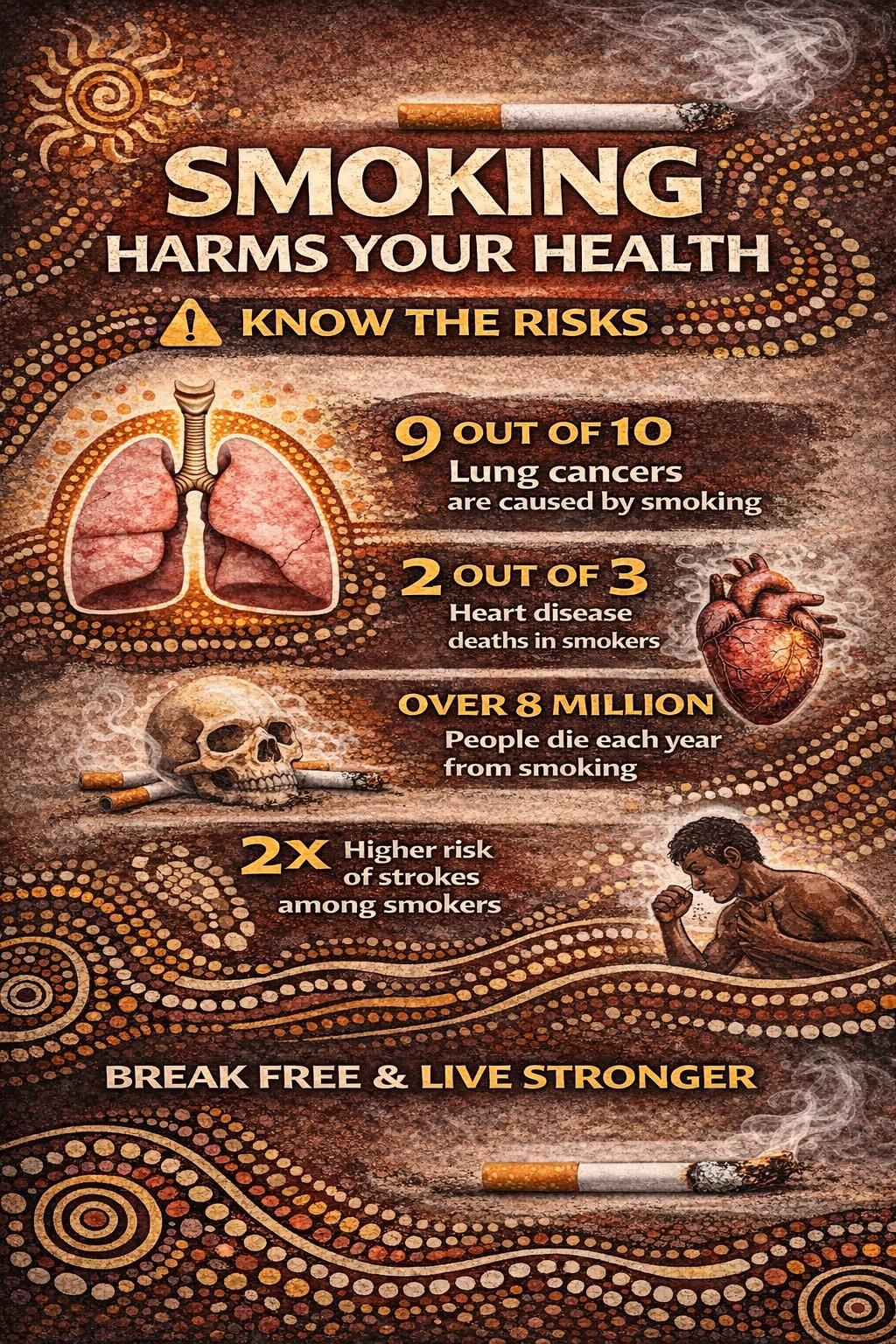
Smoking does not only harm the smoker it also affects others through secondhand smoke. Non-smokers exposed to secondhand smoke are at greater risk of respiratory infections, heart disease, and lung cancer. Children exposed to smoke may suffer from asthma, ear infections, and developmental problems. Socially, smoking can strain relationships. It may create discomfort for family members, coworkers, and friends, especially in shared spaces. Financially, the cost of cigarettes and medical treatment places a heavy burden on individuals and healthcare systems, diverting resources that could be used for education, nutrition, and development.
Smoking often lowers overall quality of life. It affects appearance by causing premature aging, wrinkles, stained teeth, and bad breath. It can reduce energy levels, limit participation in physical activities, and shorten productive years of life. Many smokers find their daily routines controlled by cravings, which limit freedom and independence.
The good news is that quitting smoking can dramatically improve health at any age. Within hours of quitting, oxygen levels in the body improve. Over time, the risk of heart disease, stroke, and cancer decreases. Former smokers often experience better breathing, improved mood, and higher energy levels. Quitting also protects loved ones from secondhand smoke and improves financial stability
Let’s continue to encourage our patients, colleagues, and loved ones.
Conclusion
Smoking has a profound and harmful effect on human life. It damages physical health, affects mental well -being, harms families and communities, and reduces overall quality of life. While smoking remains a global challenge, awareness, education, and support can help individuals make healthier choices. Choosing to avoid or quit smoking is not just a personal decision it is a step toward a longer, healthier, and more fulfilling life.
“Roll up your sleeve this flu season — protect yourself and your community!”
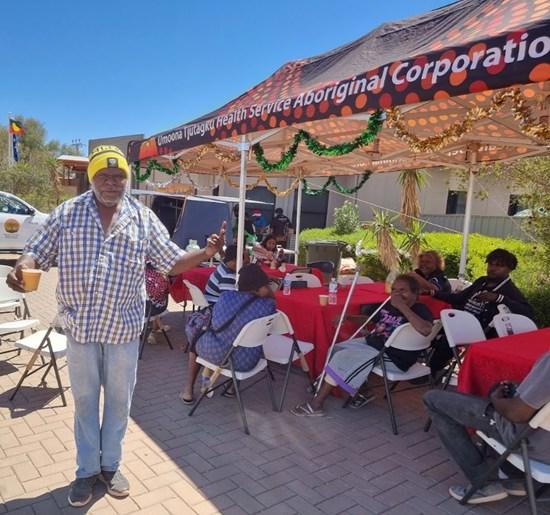
The Christmas season is a special time for connection, kindness, and support. In December 2025, our team worked closely with community members to make sure our clients and their families felt safe, valued, and included during this important time of year.
We hosted a warm and welcoming community BBQ where clients, families, and staff could come together in a safe and friendly space. The BBQ created an
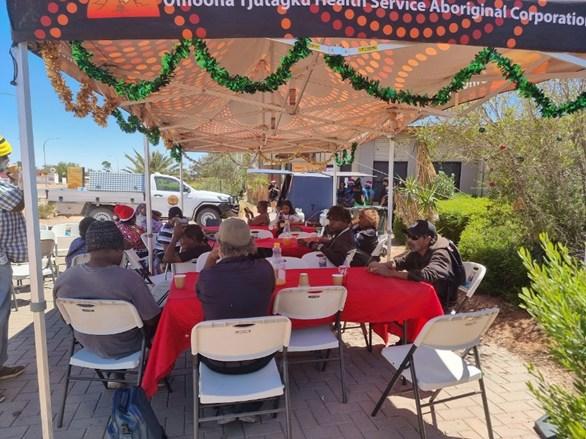
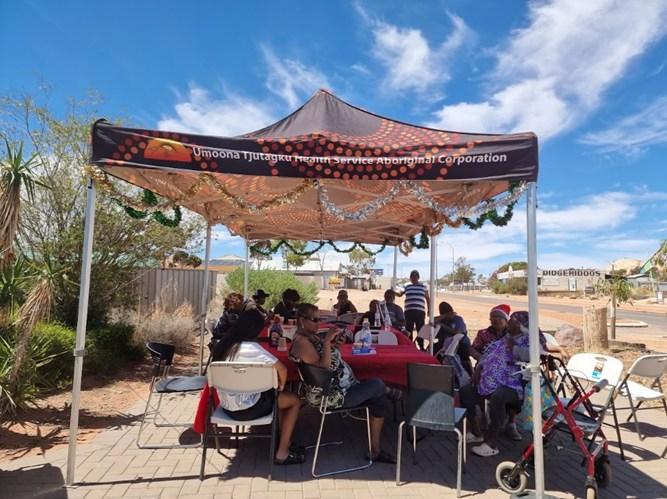
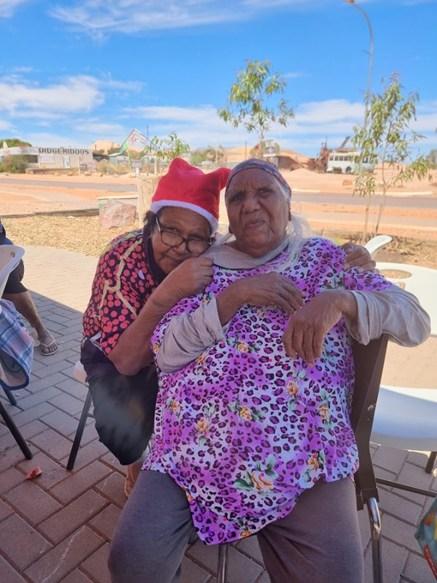
opportunity for people to share food, talk, laugh, and feel a strong sense of belonging. For many people, this simple time together helped reduce loneliness and build positive relationships.
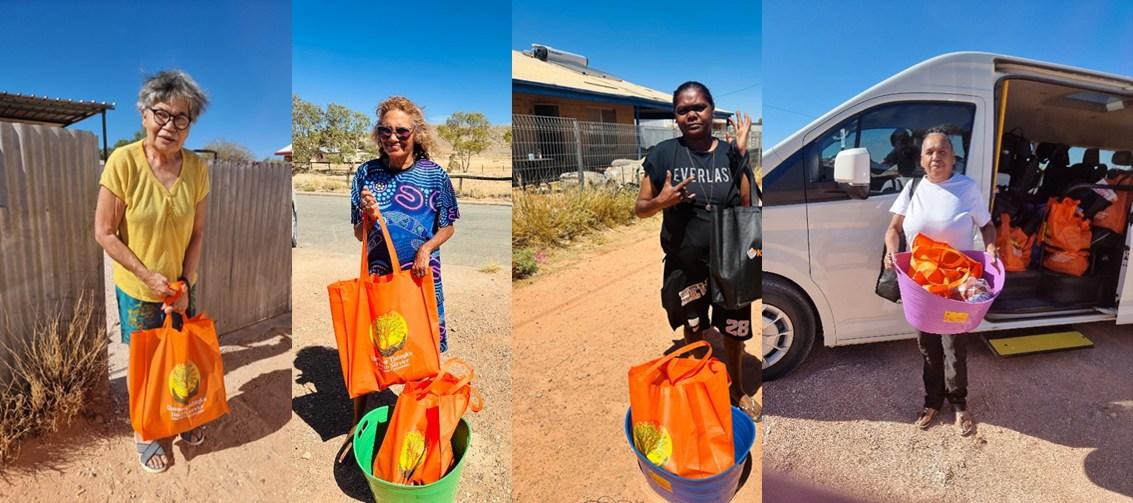
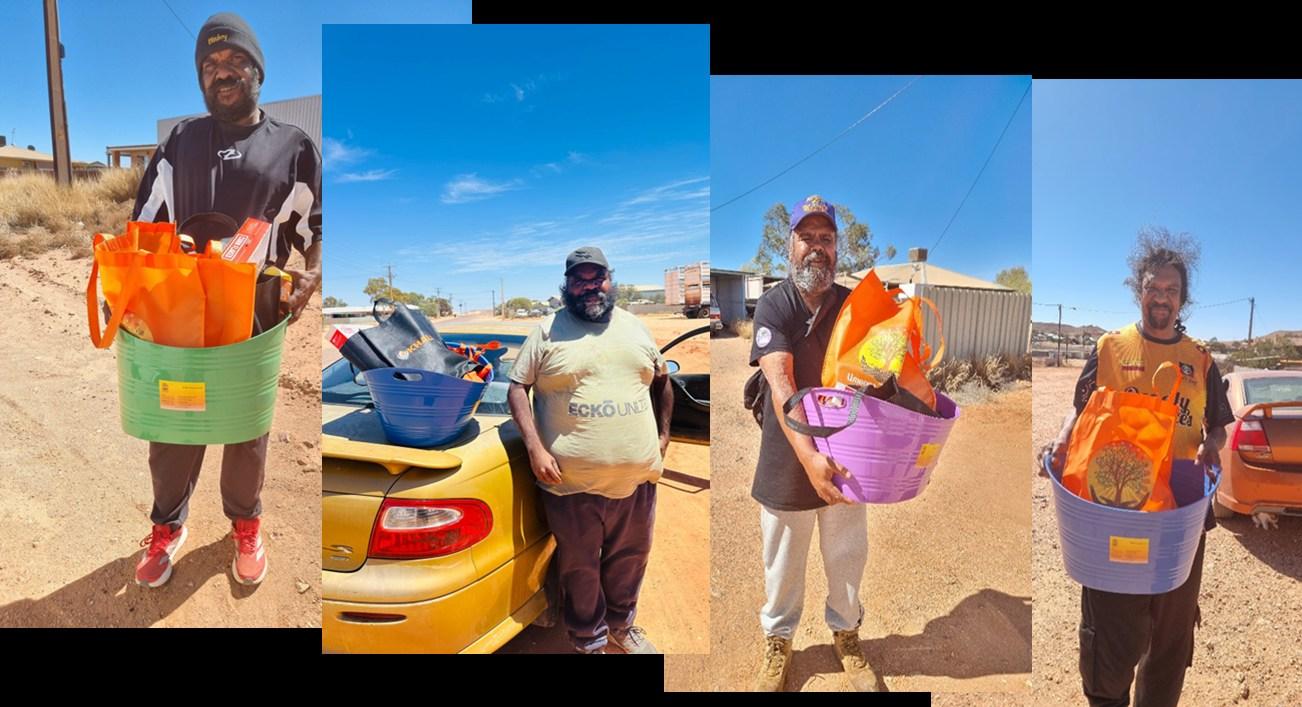
We prepared and delivered Christmas food hampers to families and individuals who needed extra support. Each hamper included healthy food, basic supplies, and small festive treats. These hampers helped reduce stress during the holiday period and ensured that no one in our community went
We understand that the holiday season can bring mixed feelings, including sadness, grief, or worry. Social workers and support staff were available throughout December to listen, provide comfort, and offer practical help. Gentle conversations, check-ins, and encouragement supported people to feel heard and cared for. We remain committed to walking alongside our clients with respect, care, and hope in the year ahead.
Together, we continue to build a safe, supportive, and connected community in Coober Pedy.
We remain committed to walking alongside our clients with respect, care, and hope in the year ahead.
Together, we continue to build a safe, supportive, and connected community in Coober Pedy.
As we come to the end of 2025, the Social and Emotional Wellbeing (SEWB) Team at Umoona Tjutagku Health Service (UTHS) continues to support Aboriginal community members in Coober Pedy through culturally safe, inclusive, and community-led programs. December is a time for reflection, connection, and looking after ourselves and each other, and our SEWB programs provide spaces to do exactly that.
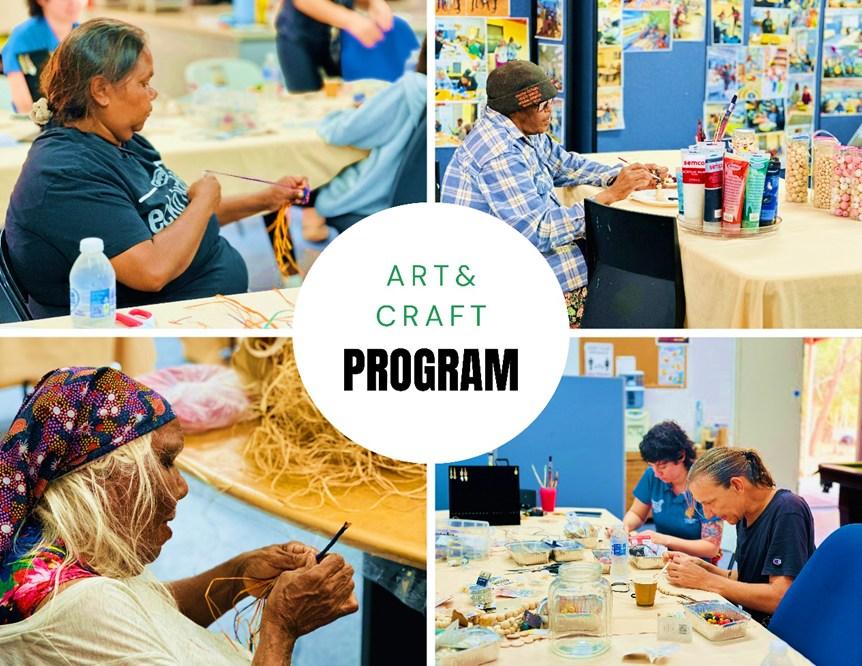
The Women’s Art & Craft group provides a calm and welcoming environment where women can come together to yarn, share stories, and express themselves creatively. Activities include painting, drawing, craft, and other creative projects that support relaxation, confidence, and emotional well-being.
This group is not about skill level it’s about connection, creativity, and cultural safety. Many women find art and craft helpful for managing stress, grief, and everyday worries.
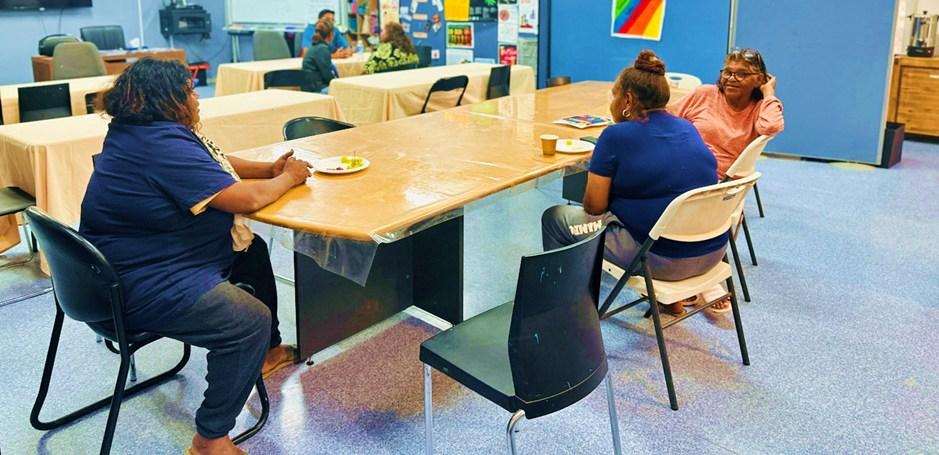
The Healthy Cooking program focuses on preparing simple, nutritious meals using affordable and accessible ingredients. Women cook together, share recipes, learn about healthy food choices, and take home ideas they can use for their families. This program also provides a strong space for yarning, peer support, and learning, where conversations naturally happen around wellbeing, family, and community life. The group supports both physical health and social connection in a relaxed, friendly setting.
The SEWB program at UTHS is open to all Aboriginal community members in Coober Pedy. Engagement can happen in many ways, depending on individual needs and comfort levels.
Community members can:
• Join weekly women’s programs such as Art & Craft and Healthy Cooking
• Take part in group activities, workshops, and cultural programs
• Access one-on-one yarning and emotional support
• Receive support for grief, loss, trauma, mental health, family and relationship concerns Get help with referrals, advocacy, appointments, and service navigation
You don’t need a formal referral—people can self-refer, be referred by staff, or simply come in and have a yarn with the SEWB team, then we will refer you to the right team of care.
The SEWB team works in a traumainformed, culturally respectful, and strengths-based way. We understand that everyone’s journey is different, and we take the time to listen, build trust, and support people at their own pace.
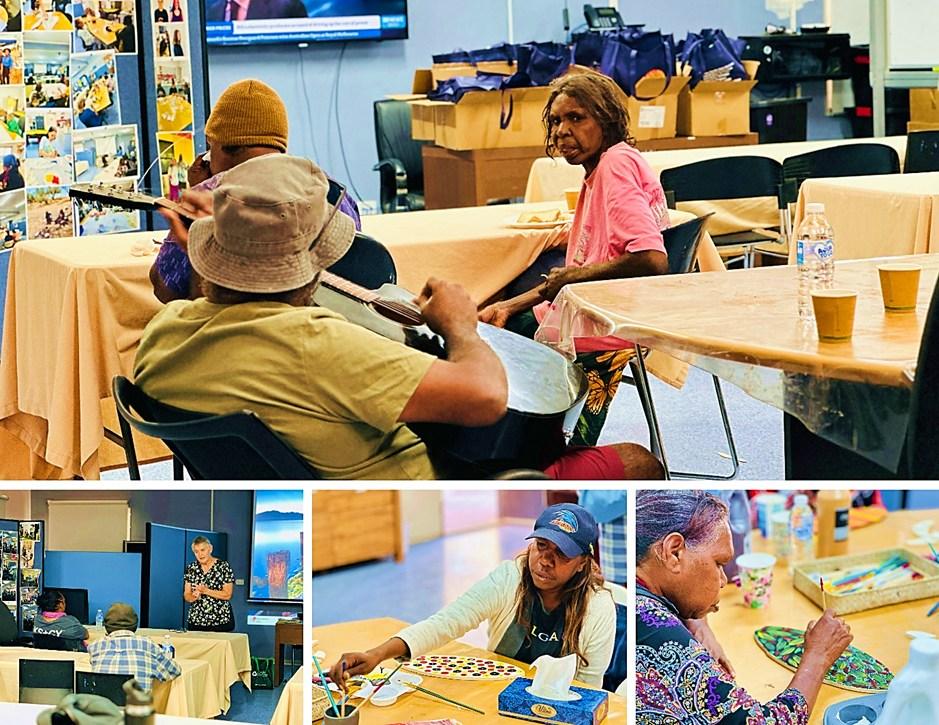
Our aim is to create safe spaces where community members feel heard, respected, and supported, especially during challenging times such as the end of the year and holiday period.
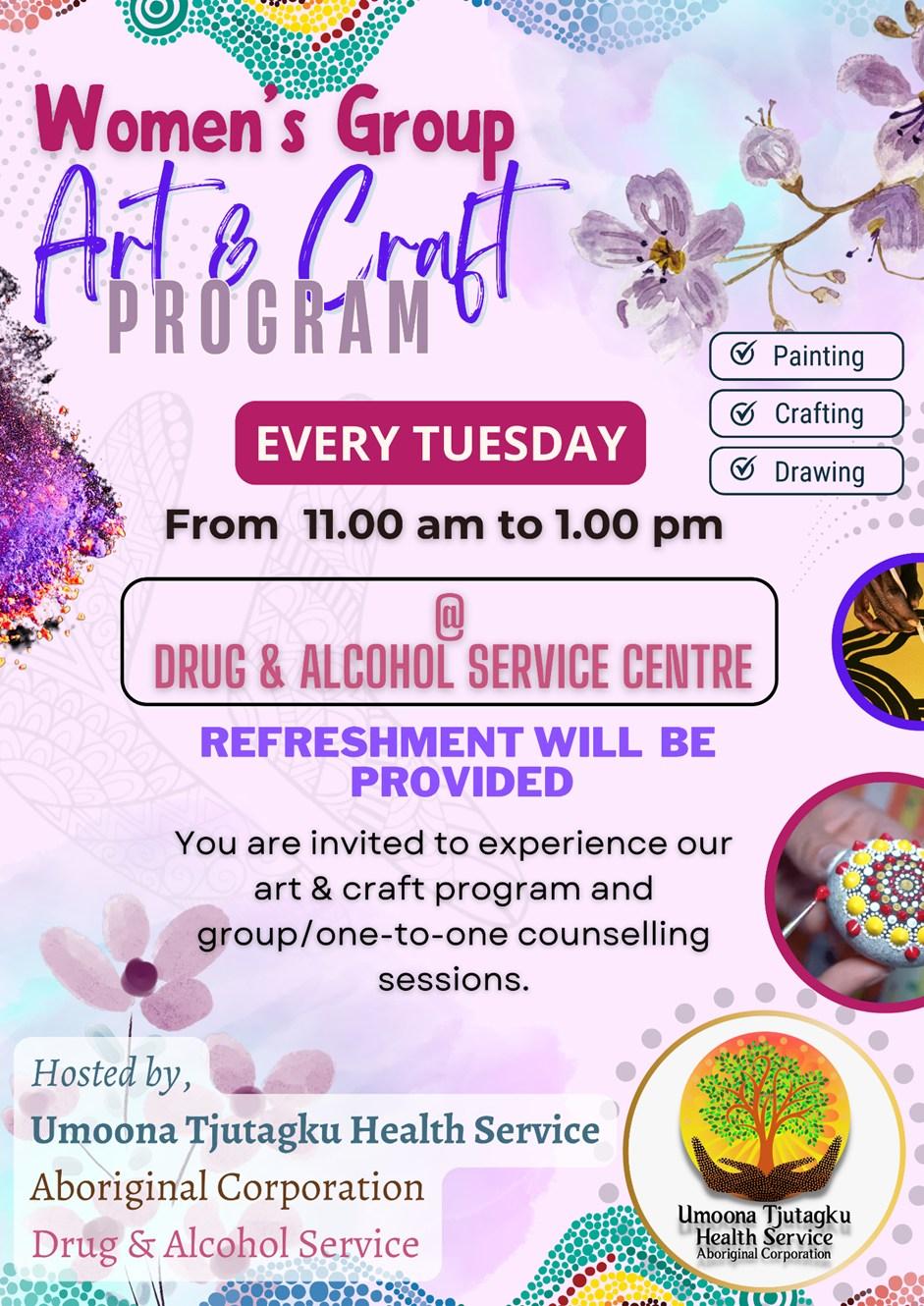
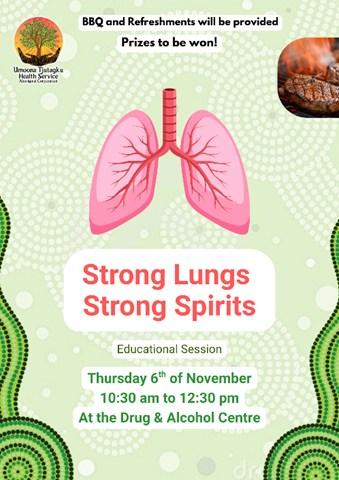
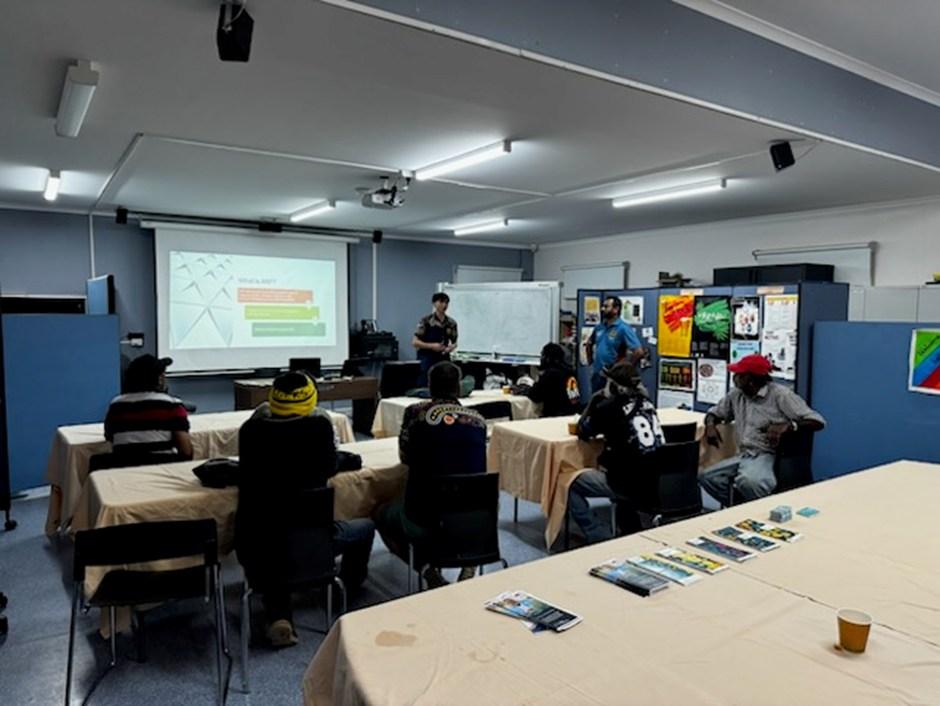
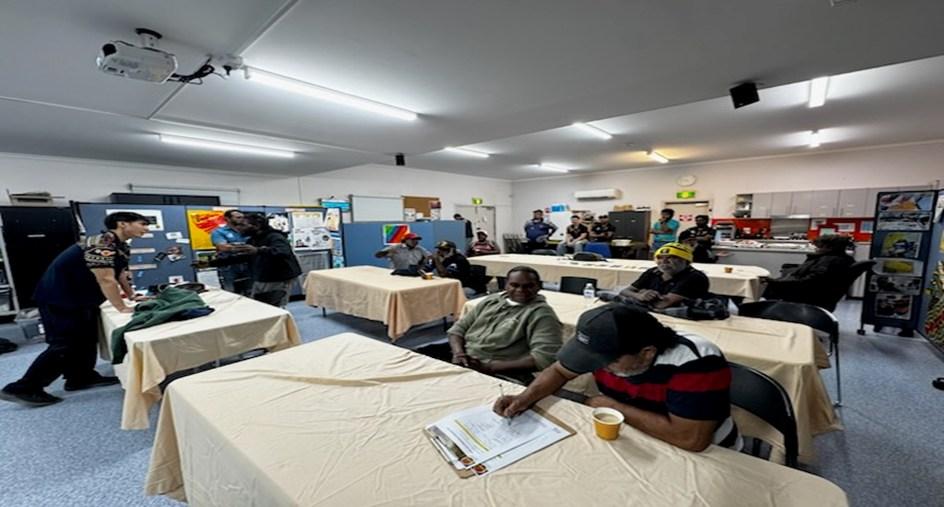
.Drug and Alcohol Services (DAS) at Umoona Tjutagku Health Service Aboriginal Corporation held an AOD Workshop, themed “Strong Lungs, Strong Spirits”, to raise awareness about lung cancer and the impacts of smoking cigarettes, cannabis and methamphetamine on lung health. The session aimed to empower clients with knowledge, encourage early help-seeking, and promote healthier choices in a culturally safe and supportive environment.
During the workshop, participants learned about:
• What lung cancer is and how it affects the body
• Key risk factors, including smoking and passive smoking
• Signs and symptoms of lung cancer and the importance of early detection
• How smoking tobacco, cannabis and methamphetamine damages the lungs
• Ways to support lung recovery, such as quitting or reducing smoking, breathing exercises, staying active and eating well
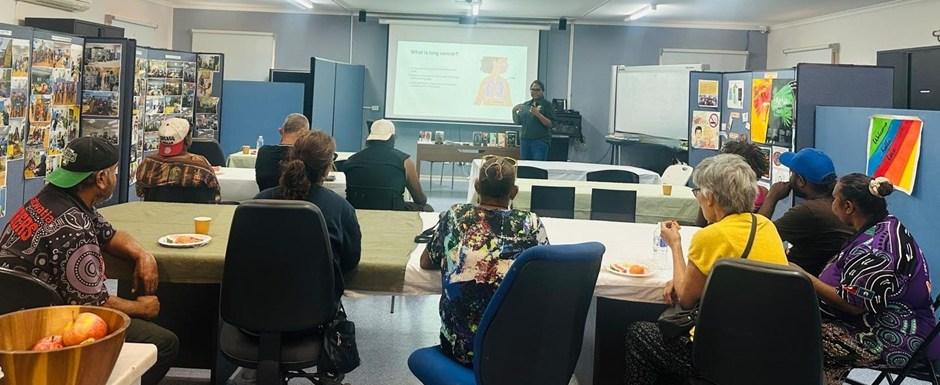
The session used PowerPoint presentations, short educational videos, lung models and interactive discussions to support different learning styles. A quiz at the end helped reinforce key messages in a fun and engaging way, with small prizes encouraging participation.
Twenty-six clients attended the workshop and feedback showed they were very satisfied with what they gained. Many actively engaged in discussions, asked questions, and shared their experiences. The program also encouraged positive peer conversations around quitting or reducing smoking and highlighted that support is available and non-judgemental.
Importantly, the workshop promoted culturally respectful learning by incorporating yarning, visual resources and community connection. Clients were also provided with information about local supports, including DAS social workers, Umoona Health Service, Quitline and other counselling and wellbeing programs.
Lung Cancer Awareness Week reminds us that protecting our lungs is not just about individual health it’s about family, culture and community. Small steps, like learning the risks, reducing smoking, and reaching out for support, can make a big difference.
Strong lungs support strong spirits, strong families and strong communities.
If you or someone you care about needs support with lung health, smoking, vaping, lung cancer concerns, or alcohol and other drug (AOD) use, UTHS Drug and Alcohol Service (DAS) is here to support you every step of the way.
You don’t have to face this alone. Support is available in a safe, respectful and non-judgemental space.
You can:
• Contact DAS Reception – Our friendly team can help connect you with the right worker or health service.
• Yarn with a Social Worker – Have a private, confidential conversation about smoking, lung health, AOD use, or any worries or goals you may have.
• Speak with an Aboriginal Health Worker – Get culturally safe support and information about looking after your lungs, your body, and your family.
• Support to Quit or Reduce Smoking and Vaping – Learn about quit options, harm-reduction strategies, and referrals to Quitline and other smoking cessation supports.
• Counselling – A safe space to talk, heal, and plan positive changes at your own pace.
Health and Specialist Referrals – Support with referrals to GPs and specialists, as well as detox and rehabilitation program referrals.
Remember, it’s never too late to reach out. Every conversation is confidential, judgement-free and focused on supporting your wellbeing, strengthening families, and building healthier communities.
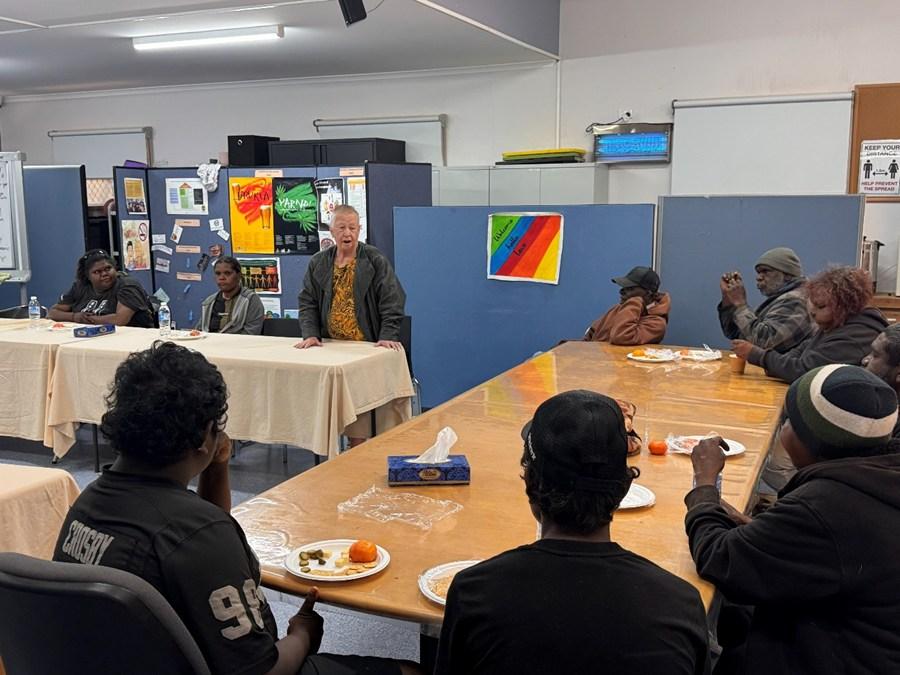
UTHS hosted a Storytelling Program that brought our clients together in a meaningful and culturally respectful way. The session created a safe and welcoming space where clients were encouraged to share their personal stories, experiences and memories with one another.
Storytelling has long been an important part of many cultures, and this program honoured that tradition by allowing clients to speak in their own way, at their own pace. Through listening and sharing, clients built stronger connections, gained a deeper understanding of one another, and celebrated their cultural identities.
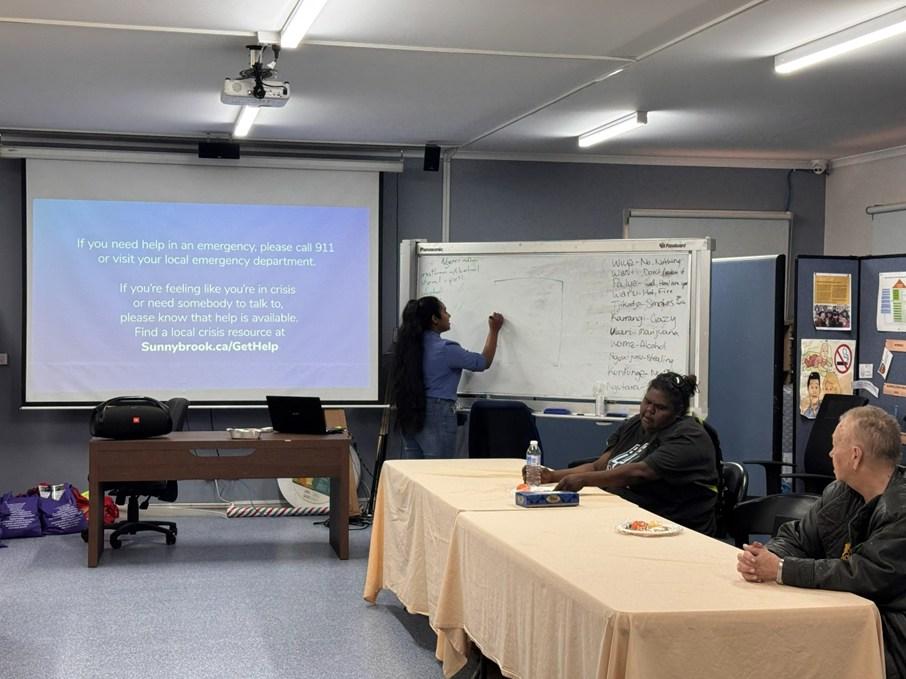
As part of the program, clients were also introduced to box breathing, a simple and practical breathing technique to support emotional regulation and stress management. Clients actively participated in learning and practising this technique during the session.
The positive impact of this was evident when one client later shared that he had tried box breathing at home and found it helpful in managing his stress. This feedback highlighted the value of providing clients with practical tools they can use beyond the program setting.
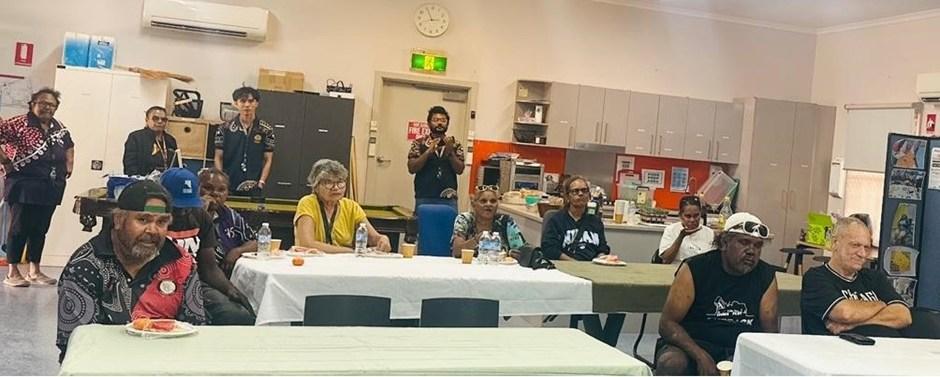
To conclude the day, everyone came together to enjoy a BBQ lunch, offering further opportunities to connect, relax and continue conversations in a friendly and supportive environment. The lunch was thoroughly enjoyed and added to the strong sense of community and belonging.
Overall, the Storytelling Program was a great success and reinforced the importance of culturally appropriate activities that promote wellbeing, connection and resilience within the UTHS community.
We warmly invite all community members to come along, connect with our future programs, and share their own ideas and suggestions to help shape activities that reflect community strengths, and culture.
We provide a range of supports to promote health, healing and wellbeing in our community:
• Counselling and case management for people affected by alcohol and other drugs.
• Offers one-on-one support and brief interventions
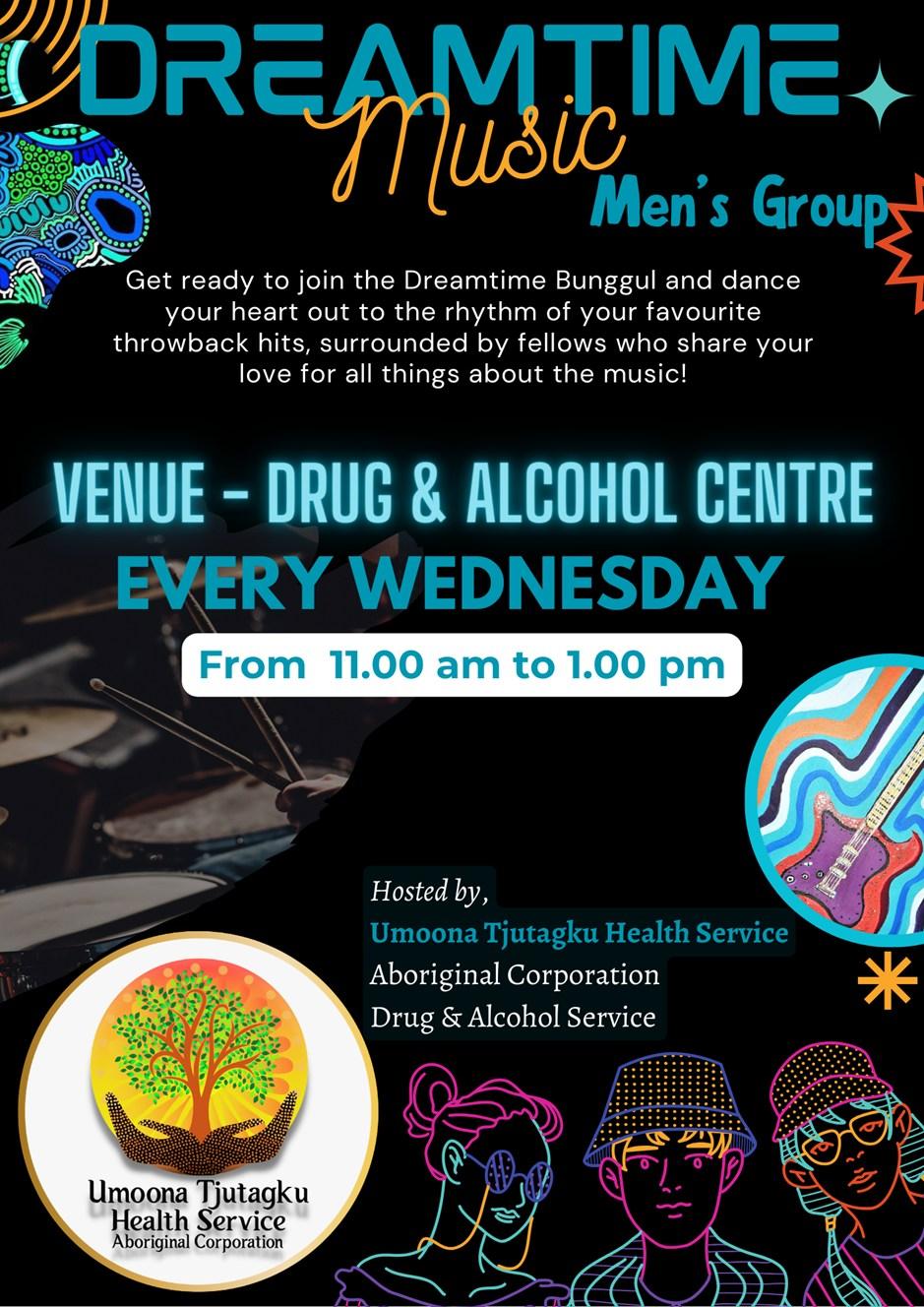
• Day Centre activities including art, healthy cooking, music, gardening, gym and bush trips.
• Men’s, women’s, and youth groups that strengthen connection, culture, and wellbeing.
• Culturally safe, community-based care promoting healing and resilience.
• Collaboration with local services to support clients’ health and social needs.
• External referrals to housing, detox, rehabilitation and other specialised services.
Everyone is welcome to come and join our Alcohol and Other Drug (AOD) services. Whether you’re looking for information, support, or just someone to talk to, our team is here to help.
Women’s Yarning Circle: 17th February
Men’s Yarning Circle: 18th February
Women’s Movie Night: 25th February
We welcome community members to join these programs, connect with others, and engage in a safe and supportive space.
Heshani Fernando
Social Worker
Alcohol and Other Drugs (AOD)
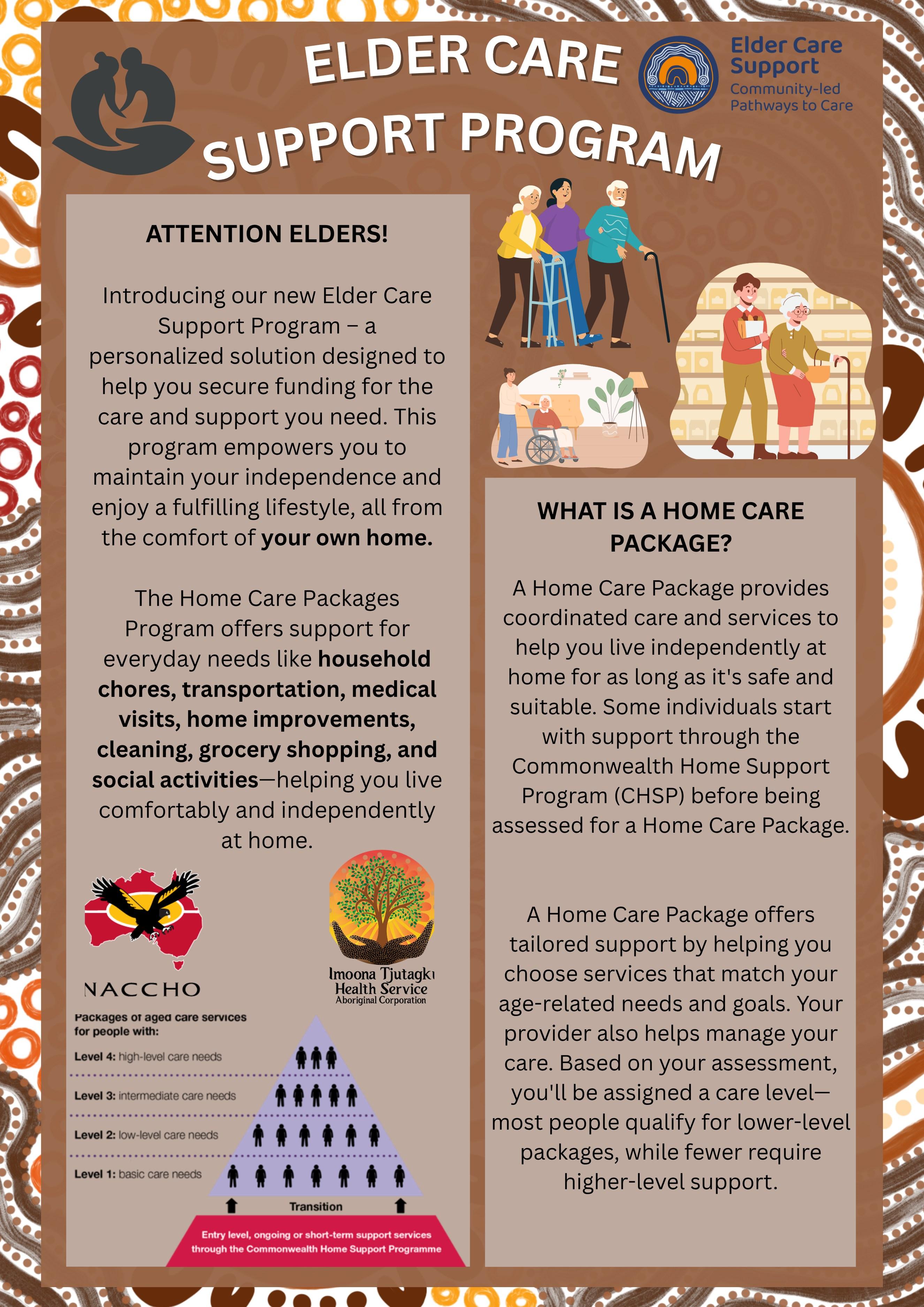
Over the past few months, the Coober Pedy Elder Care Program has continued to thrive, bringing warmth, support, and meaningful connection to our community's senior members. From April to June, our team hosted a series of activities that uplifted spirits, strengthened community bonds, and promoted wellbeing among our elders.
As we move into August, we reflect on our recent achievements and look forward to new opportunities for connection and cultural celebration. We extend a heartfelt thank you to our staff, volunteers, families, and elders who continue to make this program a success.
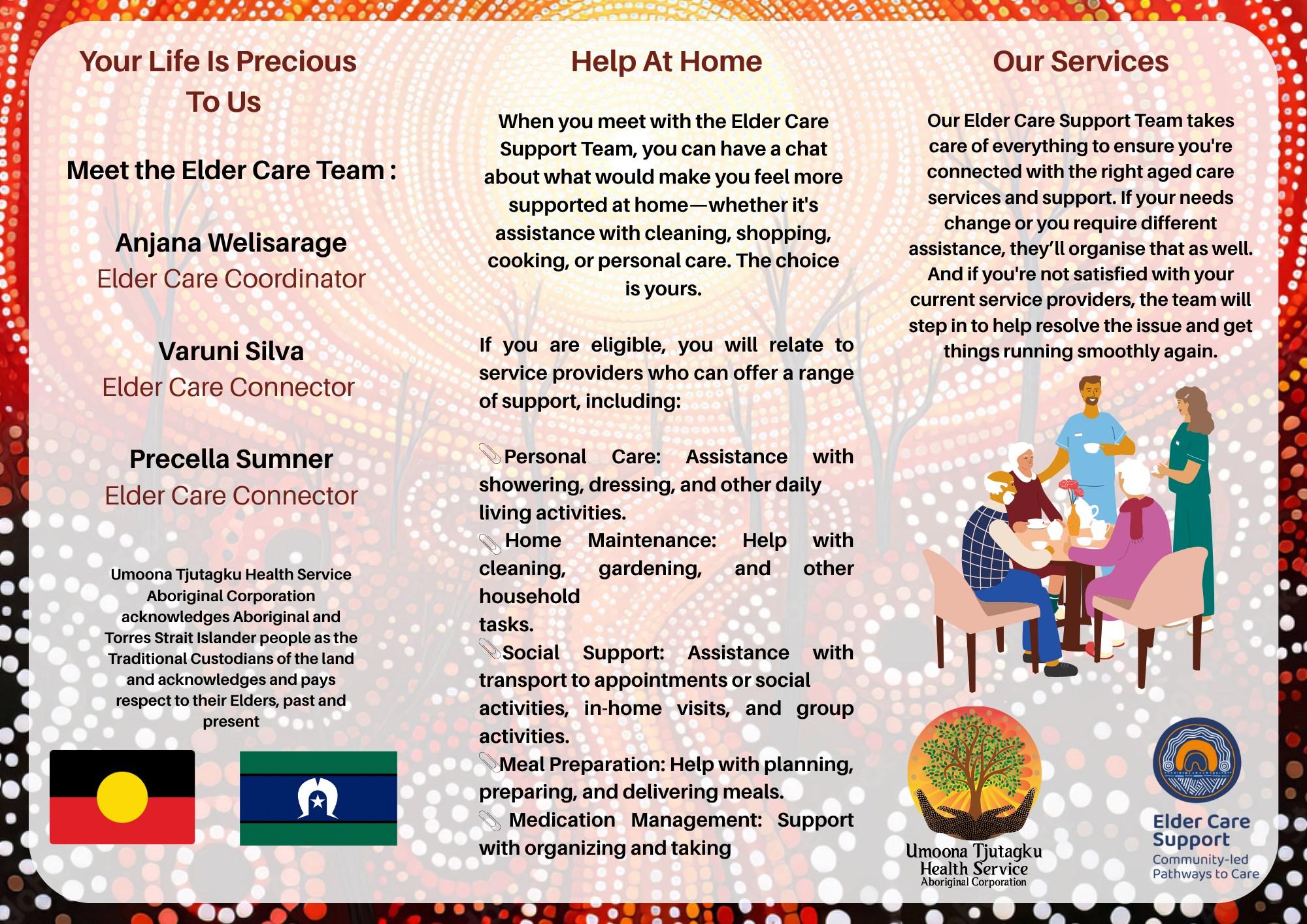
Our Elder Care Program is led by a passionate and skilled team committed to delivering culturally respectful and compassionate care:
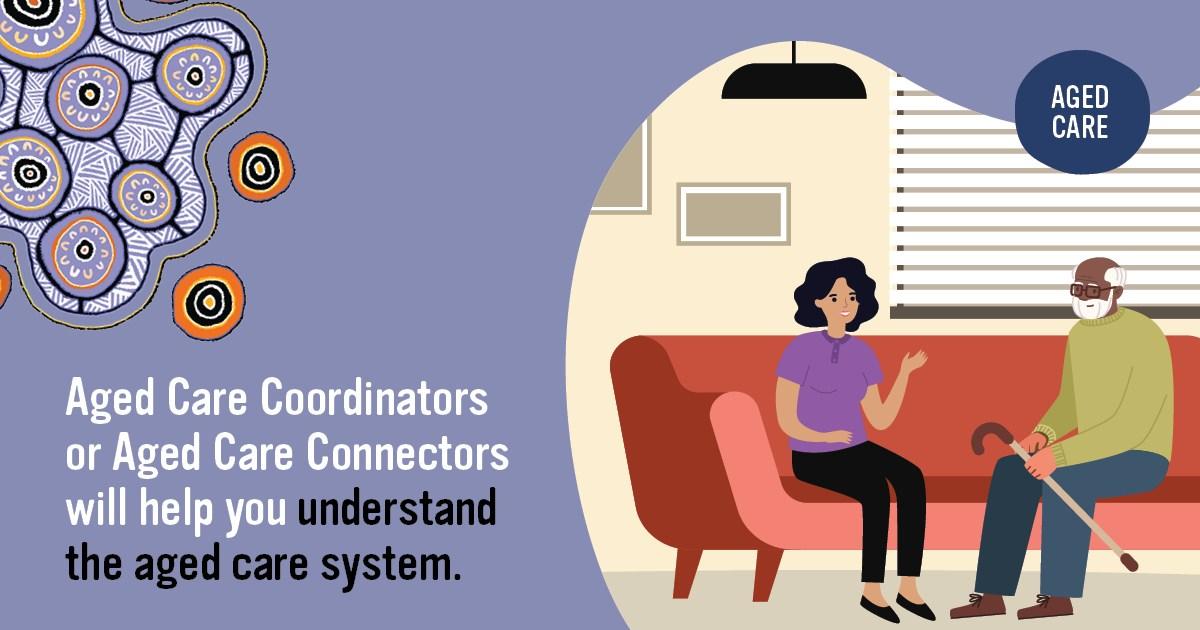
• Aged Care Coordinator – Oversees the daily management of the program, ensuring high-quality service delivery and coordination of activities.
• Aged Care Connectors – Serve as vital links between elders, families, and care services, supporting access to the right aged care support and advocating for each individual’s needs.
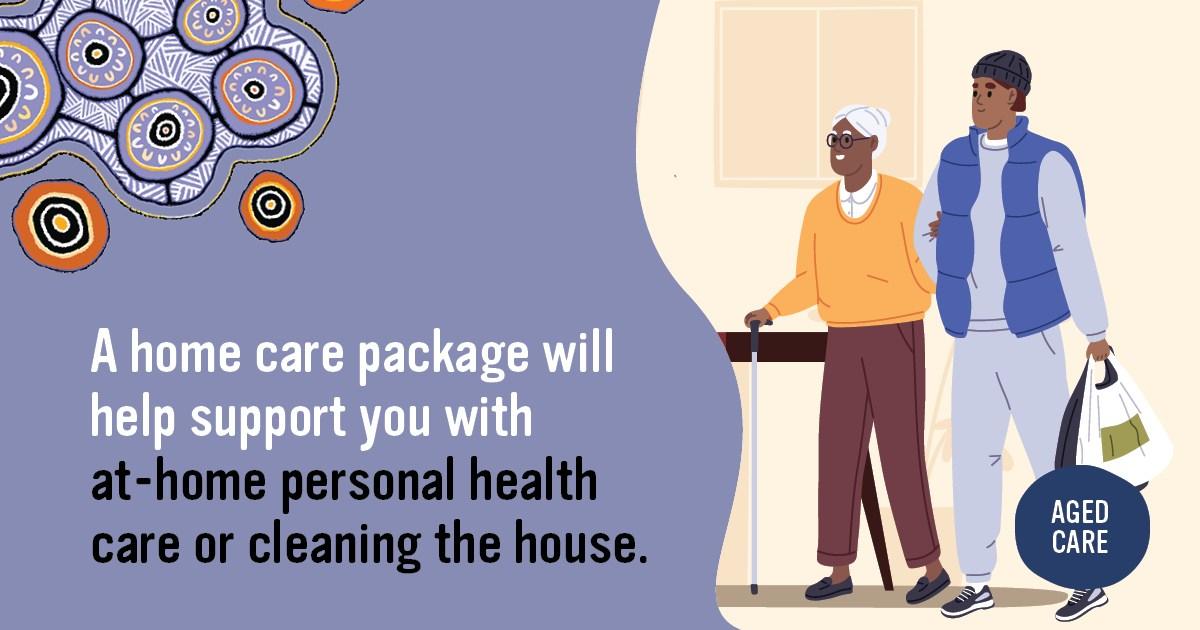
Accessing aged care services can be life-changing. These services help elders maintain their independence, enhance physical and emotional wellbeing, and foster social connection. By providing expert support in a culturally safe environment, we ensure our elders live with dignity, respect, and joy.
Program Highlights: April – June 2025
• Oodnadatta Visit & Gardening Program Elders enjoyed a memorable trip to Oodnadatta, where they participated in gardening activities that encouraged movement, mindfulness, and community engagement.
• New Client Enrolments We proudly welcomed 12 new elders into the program, growing our network of support and strengthening our community ties.
We’re excited to continue offering a rich variety of weekly events throughout August. All activities will be held at the DAS Activity Room at 11:00 AM.
Event Schedule
Storytelling / Yarning Circle Every Monday – Week 1
Meditation Session Every Monday – Week 2
Wellness Games Every Monday – Week 3
Art Session / Short Movie Every Monday – Week 4
Healthy Cooking Every Thursday
These sessions are designed to promote wellbeing, creativity, and cultural connection in a welcoming and supportive environment.








Inclusion Australia, the NDIA, and the Department of Social Services (DSS) have launched a new online resource: the Supported Decision-Making Hub
This Hub is a central space for resources and tools that help people make informed decisions about their lives, goals, and supports giving them greater control over what matters most.
The Hub offers resources across 12 categories, including:
• NDIS decisions
• Employment
• Health
• Accommodation
Visit the Supported Decision-Making Hub to explore tools that can help participants take charge of their own decisions.



Following recommendations from the NDIS Review, a new approach to NDIS planning is underway to ensure better and fairer outcomes for participants.
Key highlights of the new approach:
• Participants will no longer need to provide their own reports to access supports saving time and reducing costs.
• Budgets will be more equitable and tailored to each person’s support needs.
Plans will offer greater flexibility in choosing preferred support arrangements.
To kick off this change, the NDIA has:
• Released a Request for Tender to develop assessment tools for adults (16+).
Launched a Request for Information to explore the best ways to assess support needs for children and specific types of NDIS-funded supports.
The NDIA acknowledges this will significantly change the experience for participants and has committed to ongoing community consultation throughout the process.
This change will roll out gradually over five years, ensuring a smooth and thoughtful transition for all involved. In the meantime, most participants will continue using the current planning process.



The NDIA has launched the First Nations Strategy 2025–2030, reaffirming its commitment to a more equitable and inclusive NDIS for First Nations people with disability.
This Strategy is a five-year roadmap that aims to:
• Improve outcomes for First Nations participants, families, and communities
• Embed cultural knowledge and lived experiences into the NDIS
• Reflect First Nations concepts of disability and wellbeing
• Ensure services are culturally safe, community-centered, and coordinated
It’s a bold step toward building a system that truly reflects and respects the diversity of Australia’s First Nations communities.
Community Connectors: Bridging the Gap in Remote Areas
In partnership with Umoona Tjutagku Health Service Aboriginal Corporation, the NDIA has launched the Remote Community Connector Program a key step in improving support for remote and First Nations communities.
This program aims to:
• Assist with NDIS access and planning
• Act as a cultural bridge between communities and the NDIS
• Connect participants with local and visiting NDIS providers
• Help individual’s ineligible for the NDIS find alternative community supports

Need More Information? Let s Have a Yarn!


If you or a family member has a permanent or significant disability affecting daily life and need help accessing NDIS supports, we’re here to help.
Come by for a friendly chat with our staff, or contact our dedicated Connectors:
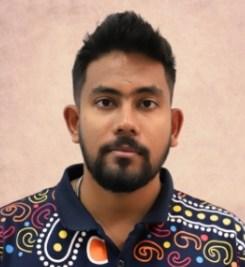
Diluja Wijayathilaka—NDIS Remote Community Connector Coordinator
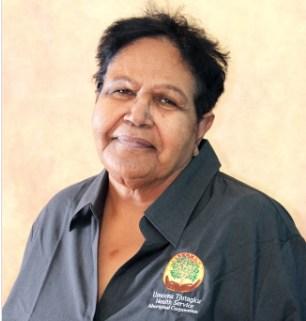
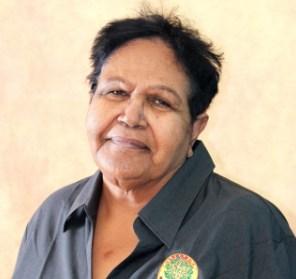
Priscilla
Sumner
NDIS Remote Community Connector



At Umoona Tjutagku Health Service Aboriginal Corporation (UTHSAC), our work is about walking together with community. Everything we do is guided by respect for culture, connection to Country, and strong relationships with families. In my role as both the Rheumatic Heart Disease (RHD) Nurse and Mental Health Nurse, I support community members across all ages, focusing on keeping hearts strong and minds well.
Rheumatic Heart Disease continues to affect many Aboriginal families, including here in Coober Pedy. As the RHD Nurse, my role is to help prevent sickness where we can, pick things up early, and support people to stay healthy over the long term. This includes:
• Checking for sore throats and skin sores early to stop ARF before it starts
• Supporting people living with RHD through regular check-ups and treatment
• Giving Bicillin injections to protect the heart from further damage
• Talking with families, schools, and community about heart health in a clear and respectful way
• Linking in with cardiology teams and visiting specialists
• Helping clients understand their treatment and supporting them to stay on track
Preventing RHD is about stopping the sickness early and building trust. When people feel safe and supported, they are more likely to come in, ask questions, and look after their health.
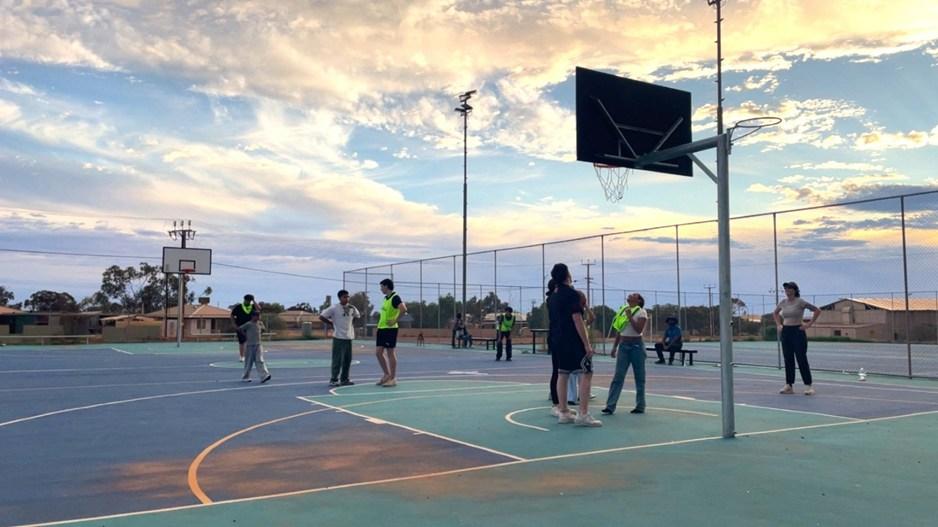
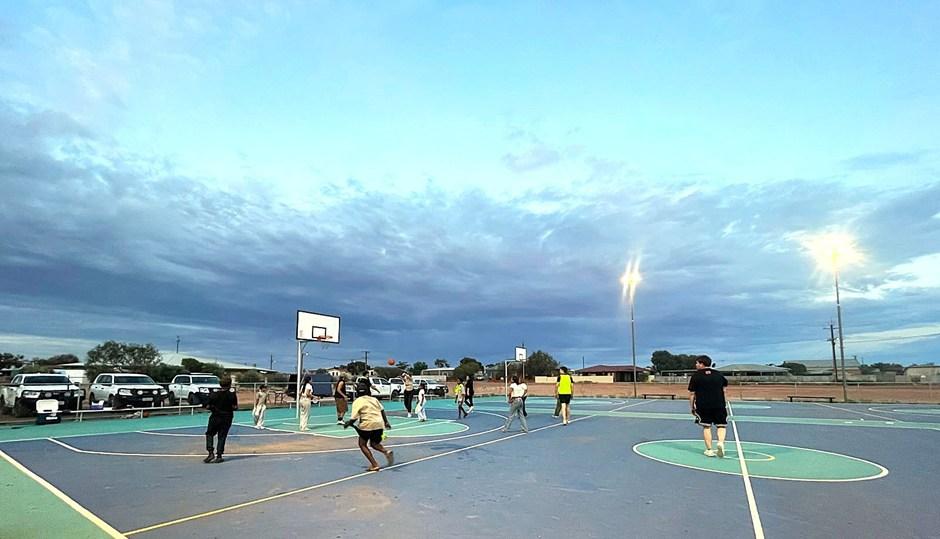
We also take health checks out into the community. On 20 November 2025, a basketball program was held with 17 kids aged 3 to 16 years. Skin checks were done, wounds were cleaned and dressed where needed, and no other concerns were found. These activities help keep kids active while making health care feel normal and safe.
On 16 September 2025, Coober Pedy Area School hosted a health day with Australian Hearing, the UTHS Clinic, and the Starlight Team. Over 20 students aged 8 to 13 years took part in hearing checks and ARF/ RHD screening, helping us pick up any issues early and support kids to stay healthy at school.
The Men’s Pitstop Program, held on 12 November 2025, brought together around 12 to 15 men. During this session, we had open conversations about heart health and other medical concerns. Dr Michael Nugent joined us, answered questions, and supported men to feel comfortable talking about their health in a relaxed, culturally safe space.
UTHSAC also works closely with Coober Pedy Hospital and Drug and Alcohol Services to make sure people diagnosed with, or at risk of, ARF/RHD receive proper follow-up care. Access to showers through Drug and Alcohol Services supports hygiene and skin health, which is an important part of preventing sickness and looking after overall wellbeing.
Looking after mental health is just as important as looking after the body. In my Nurse role at Drug and Alcohol Services, I support people through tough times, everyday stress, and ongoing mental health concerns. This includes:
• One-on-one support, mental health checks, and care planning
• Medication support alongside GPs and psychiatrists
• Crisis support and safety planning
• Linking people in with specialist mental health services when needed
• Culturally safe counselling that respects trauma, loss, and lived experience
• Working closely with SEWB teams and Aboriginal Health Workers
Healing doesn’t happen in isolation. Culture, family, Country, and community are all part of social and emotional wellbeing. Listening, taking time, and walking alongside people is central to the work I do.
Strong hearts and strong minds go together. The Men’s Pitstop Program, which was held on 12th of November 2025, highlighted how physical, mental, and spiritual health are all part of social and emotional wellbeing. Listening, taking time, and walking alongside people is central to the work I do.
Strong hearts and strong minds go together. The Men’s Pitstop Program, which was held on 12th of November 2025, highlighted how physical, mental, and spiritual health are all connected. The program celebrates Aboriginal men’s strength, identity, and resilience, while creating a safe space to talk about health without shame or judgement.
Developed in partnership between UTHS Clinic and Drug and Alcohol Services, the program supports early help-seeking, reduces stigma, strengthens resilience, and contributes to Closing the Gap by improving access to culturally safe care.
UTHSAC works together with community, families, and partner services to support better health outcomes for everyone. Through teamwork, trust, and shared responsibility, we continue to walk alongside community toward stronger hearts, stronger minds, and stronger futures. If you or someone you know wants to yarn about heart health or mental wellbeing, you’re always welcome to drop into the clinic or reach out. We’re here to support you.
Randy Roy Cabatingan
(RHD and Mental Health Nurse at UTHSAC )

Umoona Tjutagku Health Service Aboriginal Corporation
Inform, educate, perform, model and lead to ensure diversity is reflected throughout UTHSAC.
Create & sustain an environment that actively embraces diversity and inclusion by recognising value in the uniqueness
Hold all people associated to UTHSAC accountable for their actions and decisions impacting the achievements of UTHSAC

Utilise the success in diversity to assist UTHSAC becoming a provider and the employer of choice as we lead our communi-
Innovative, responsive and culturally appropriate health services are accessible to Aboriginal people living in the Coober Pedy and surrounding region.

To provide a holistic health care service that achieves positive health outcomes through primary health care intervention as