A Message from Dr. Artanya Wesley
Vice Chancellor for Enrollment Management and Student Affairs
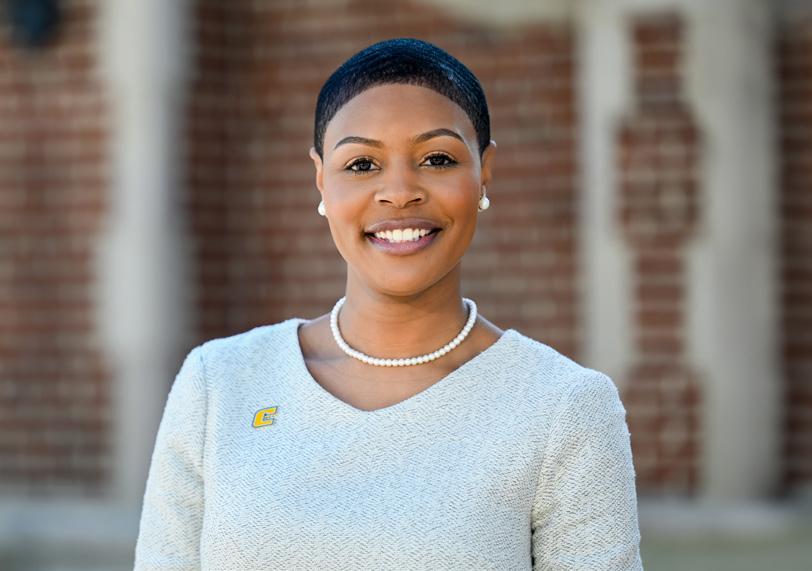
The Division of Enrollment Management and Student Affairs plays a critical role in advancing the University’s mission by shaping the full student experience from recruitment through graduation. This year’s EMSA Impact Report reflects both the strength of our outcomes and the intentional, student-centered work that continues to move our institution forward.
As I reflect on my first two years at the University of Tennessee at Chattanooga, I do so with a deep sense of appreciation and purpose. I approached this role with a commitment to learn the institution, listen to our students and staff, and lead with clarity and intention. What I found is a dedicated and talented division, deeply committed to student success and the mission of this university.
Over the past two years, our focus has been on building a strong and stable foundation for longterm success. This has included addressing critical staffing needs, strengthening organizational structure, and ensuring we have what is needed to move this work forward. By filling key vacant positions and aligning talent with priorities, we have enhanced our ability to operate effectively and deliver results across the division.
At the same time, we have remained disciplined in our commitment to enrollment growth and student retention. Our efforts have contributed to historic institutional milestones, including achieving an alltime high enrollment of over 12,000 students and welcoming one of the largest incoming first-time, full-time freshman classes in university history.
Just as importantly, our retention rates continue to improve, reflecting the intentional strategies we have put in place to support students from their first day through graduation.
These outcomes are not the result of isolated efforts they reflect a coordinated, cross-functional approach across EMSA. Our teams are working collaboratively, breaking down silos, and aligning their work to create a seamless and supportive student experience. From recruitment and admissions to financial aid, student engagement, housing, and student support services, every area plays a critical role in our shared success.
As we look ahead to the 2026–2027 academic year, our work will continue to be grounded in the University’s Strategic Plan, the Strategic Enrollment Plan, and key divisional priorities. We are building on this strong foundation with a clear focus on student success, access and enrollment growth, organizational excellence, and meaningful community engagement. Our efforts will emphasize data informed decision making, operational effectiveness, and creating environments where students feel supported, engaged, and able to thrive.
None of this work happens without the dedication and commitment of our staff. The progress we have made and the momentum we continue to build is a direct result of their hard work, innovation, and unwavering focus on students. I am grateful for the collective effort across this division and proud of the impact we are making together.
Setting the Stage for Success
Enrollment Management and Student Affairs (EMSA) at UTC embraces an ambitious mission: not just to grow enrollment numbers but to foster deeper connections, support meaningful retention and amplify student success across every facet of campus life. We’re proud to celebrate the milestones achieved by each department—each contributing uniquely and powerfully to the overall student experience.
ENROLLMENT MANAGEMENT AND STUDENT AFFAIRS
and
Center for Wellbeing, Counseling Center and University Health Services
Aquatic and Recreation Center, Center for Student Accessibility, Campus Recreation, Housing and Residence Life, O ce Campus Student Services, University Center, and Veteran and Military A airs Center for Academic Suppor t and Advisement, Career Connections, EMSA Assessment, Student Success Programs and Student Suppor
18. Off Campus Student Services 19. Strategic Enrollment Technology 20. Student Success Programs 21. Student Support Services
22. Title IX Compliance 23. Undergraduate Admissions 24. University Center
25. University Health Services 26. Veteran and Military Affairs
Our Division plays a critical role in advancing the University’s mission by shaping the full student experience from recruitment through graduation.
Business Affairs
Excellence Through Standardized Business Processes
Business Affairs standardized financial and operational procedures across the division to improve consistency, efficiency, compliance, and accountability, strengthening infrastructure for long-term excellence and service delivery.
Developed a Centralized DASH Resource Hub
To support the DASH financial system rollout, Business Affairs created a centralized Resource Hub with tools, training, and guidance. Division-wide training improved navigation, reduced confusion, and strengthened readiness.
Financial Transparency and Strategic Decision-Making
Regular budget and financial planning meetings enhanced communication, monitored expenditures, and identified needs proactively, providing timely insights for informed decisions on initiatives, staffing, and resource allocation.
Budget Realignment to Support Divisional Priorities
The department coordinated budget revisions and realignment efforts to better match resources with evolving priorities, strengthening fiscal stewardship, and improving responsiveness to institutional and student needs.
Implemented the ADP Timekeeping System
Business Affairs implemented the ADP timekeeping system for over 300 employees, improving payroll accuracy, efficiency, compliance, and reducing administrative burden from manual processes.
Alignment and Compliance
Implement and Strengthen DASH
Budgetary Transparency
Support Division Priorities
Improved Payroll Accuracy
ECREATIONCERTIFICATIONS
ENRAE
Campus Recreation
Certified Official
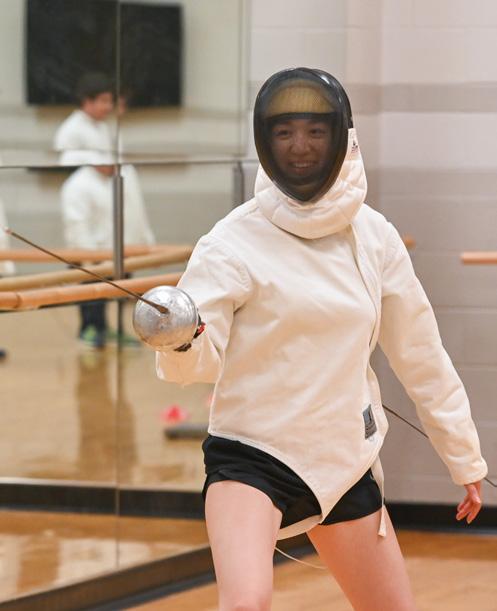
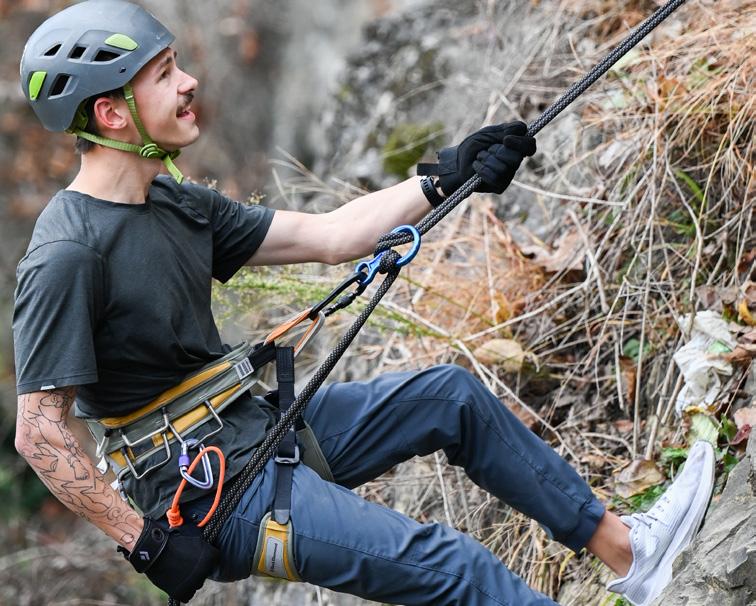
In Campus Recreation, certifications are essential to ensuring patron safety while using facilities and participating in activities. During this academic year, 41 students, 2 professional staff, and 10 community members earned certifications through Campus Recreation. These, taught through UTC Aquatics, include Adult and Pediatric First Aid/ CPR/AED, Bloodborne Pathogens-BL, Lifeguard Instructor, and Lifeguard Recertification. Additionally, 12 UTC Outdoors student employees received Lead Climbing Certification, and 6 trip leaders earned Wilderness First Aid through NOLS (National Outdoor Leadership School).
Summer Camp
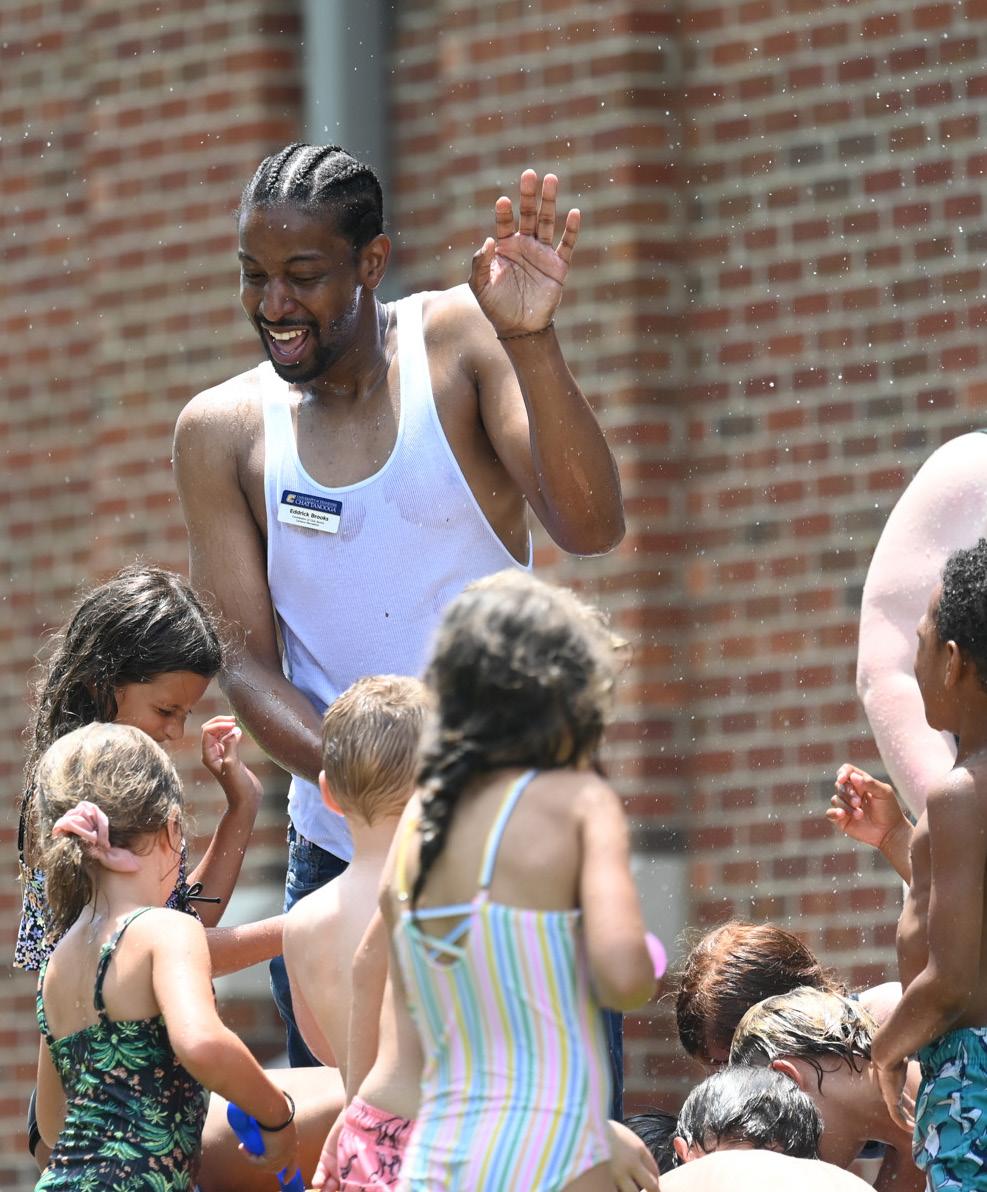
Each summer, Campus Recreation hosts Mocs Adventure Camp for students in Kindergarten through 8th grade. The camp promotes physical activity through field sports, swimming, and rock climbing. In Summer 2025, over 425 children participated across 8 weeks
Students Staying active
This academic year, 23 Club Sports programs engaged more than 575 students. Participants develop teamwork and leadership skills while competing against other universities.
Career Connections
New Spaces & Offerings
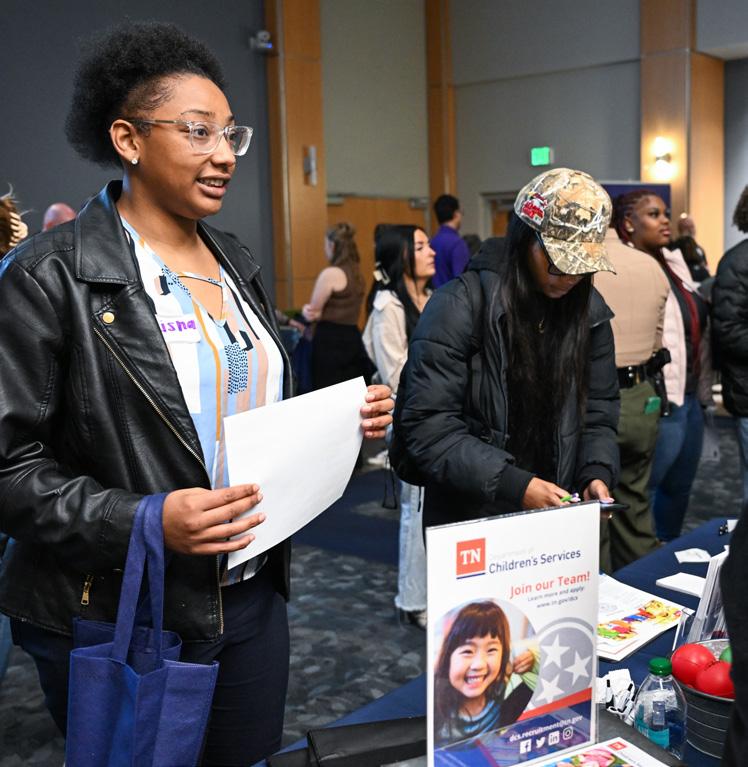
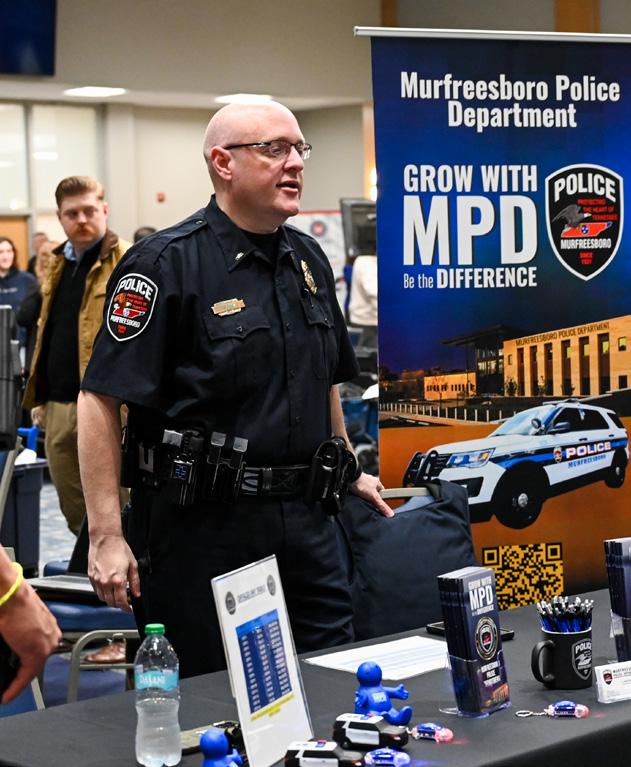
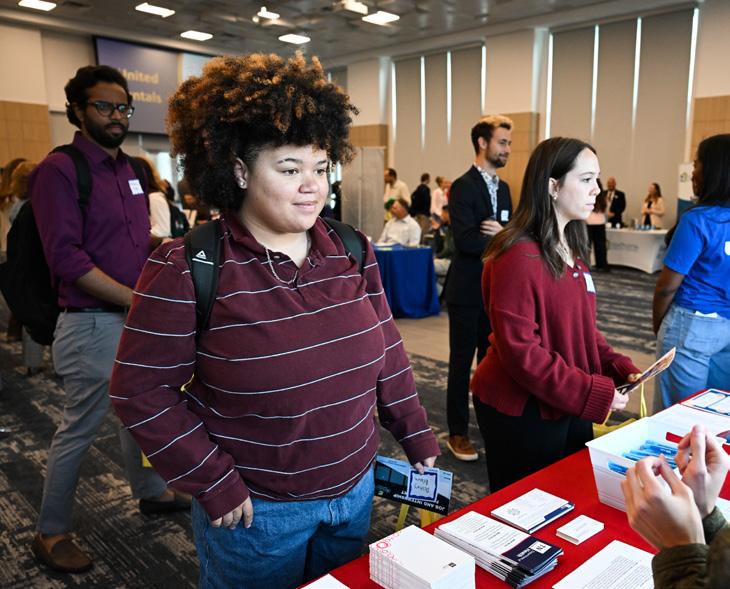
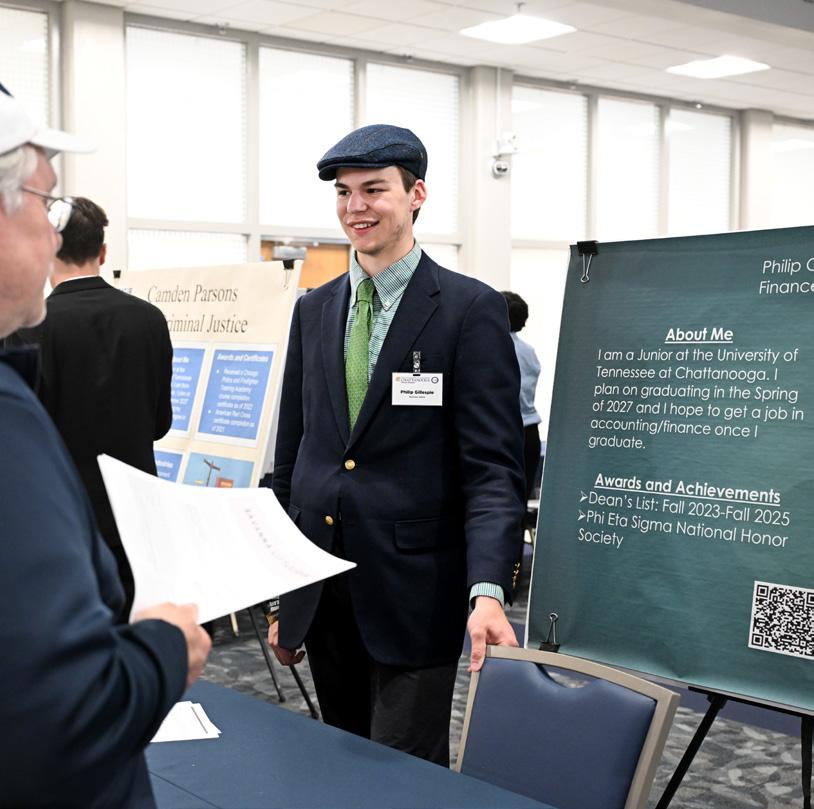
Since May 2025, Career Connections has made strategic updates, including a new LinkedIn headshot studio and Career Closet space. Headshots and professional attire remain a top priority for students. Moving the Career Closet to space on campus has doubled engagement.
Career and Academic Integration
In partnership with the Walker Center for Teaching and Learning, Career Connections engaged faculty in the new Career Integration Institute, a two-week program on incorporating career into the classroom.
Career Connections Engagement
Preliminary data shows 24% of the student body engaged with Career Connections through appointments, career fairs, workshops, or classroom visits; 33% of which engaged multiple times.
New Tools
PathwayU, a career assessment tool, was introduced to support early career development and academic major exploration
652 Students Participate in Academic Coaching
124% Increase from 24-25
Center for Academic Support and Advisement
Supplemental Instruction
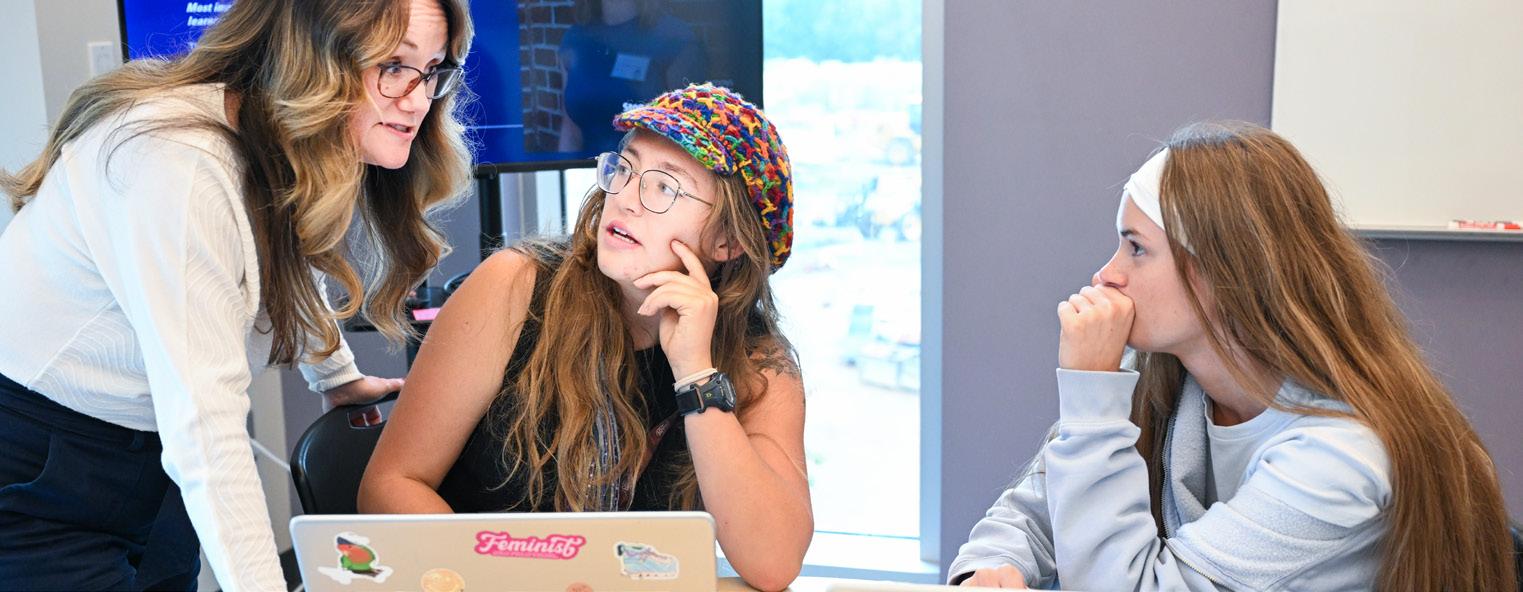
Our Supplemental Instruction program was re-accredited by the International Center for Supplemental Instruction. In fall 2025, 23 SI Leaders supported Biology, Chemistry, Engineering, Environmental Science, Physics, and Spanish. A total of 598 SI sessions were held, with 2,544 contact hours. Attendance reached 29%, a 1% increase from fall 2024.
Academic Advising Participation
During Fall 2025 and Spring 2026, 6,388 students completed advising appointments: 5,043 scheduled and 1,345 drop-ins.
Academic Coaching and Peer Tutoring
Peer academic coaching and tutoring programs earned Level 2 certification from the College Reading and Learning Association. Since fall, 1,452 academic coaching appointments have been held, with increased demand for individualized support. Peer tutoring recorded 972 appointments serving 555 students. UTC also offers 24/7 online tutoring for select courses through NetTutor.
Center for Student Accessibility
A New Name, A Renewed Vision
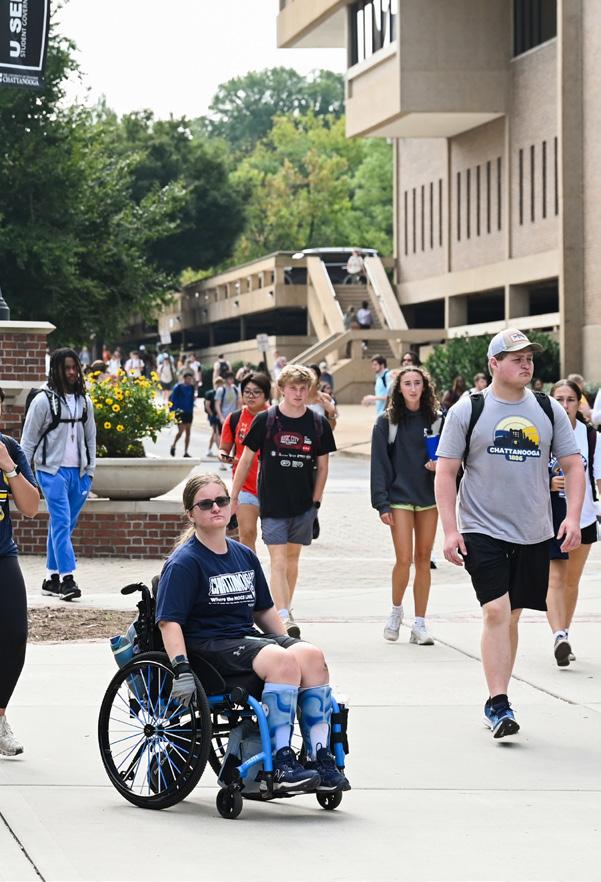
The Disability Resource Center rebranded as the Center for Student Accessibility (CFSA), reflecting a more studentcentered, strengths-based approach and reinforcing our commitment to accessibility, inclusion, and empowerment. The new name brings greater visibility to this essential work.
Expanding Access Through Strategic Partnerships
In collaboration with Successful College, Auxiliary Services, and Canon, two full-access printers were installed in the campus library and CFSA office, improving equitable access to printing.
National Recognition and Thought Leadership
Staff members Erica Hausler and Nic Maynard presented at the AHEAD Annual Conference in Denver on testing center best practices, reinforcing UTC’s national leadership in accessibility services.
130+ Hours of Mosaic Coaching
4,920 Proctored Exams
5,403 Student Appointments
2,400 Attendees; a 20% increase from ‘24
Center for Student Leadership, Engagement and Community
New Name. New Experiences.
In October 2025, the opening of the Center for Student Leadership, Engagement, and Community marked a significant milestone for the student experience, establishing a central space dedicated to involvement, leadership development and community building.
Welcome Week
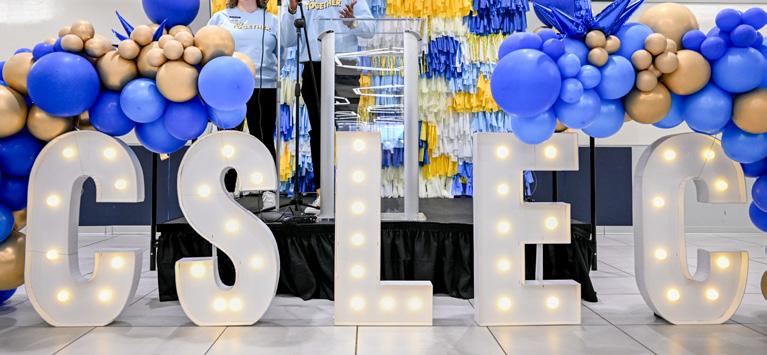
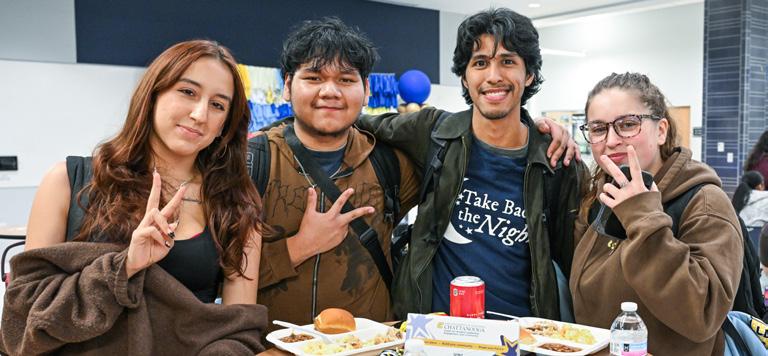
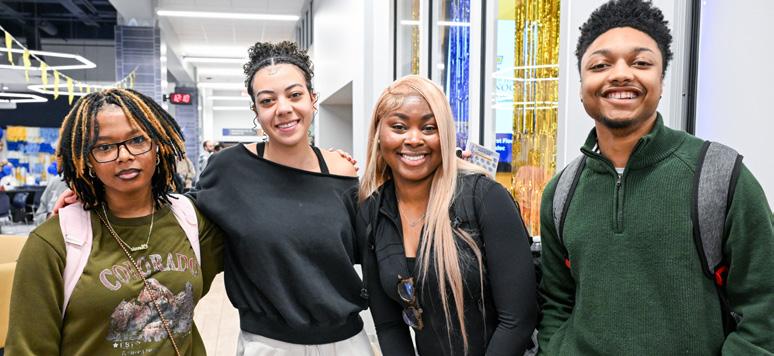
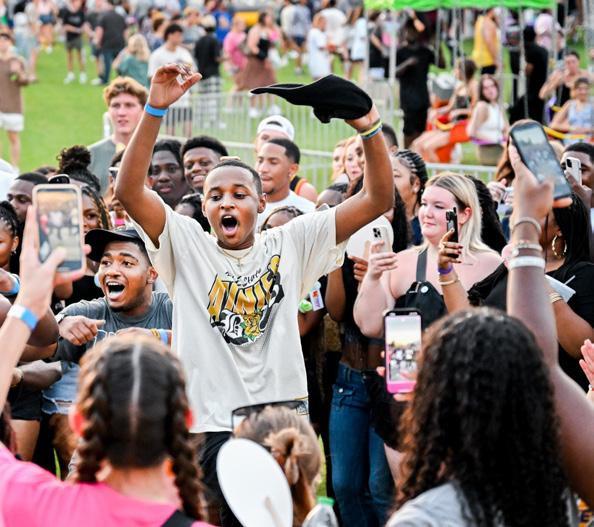
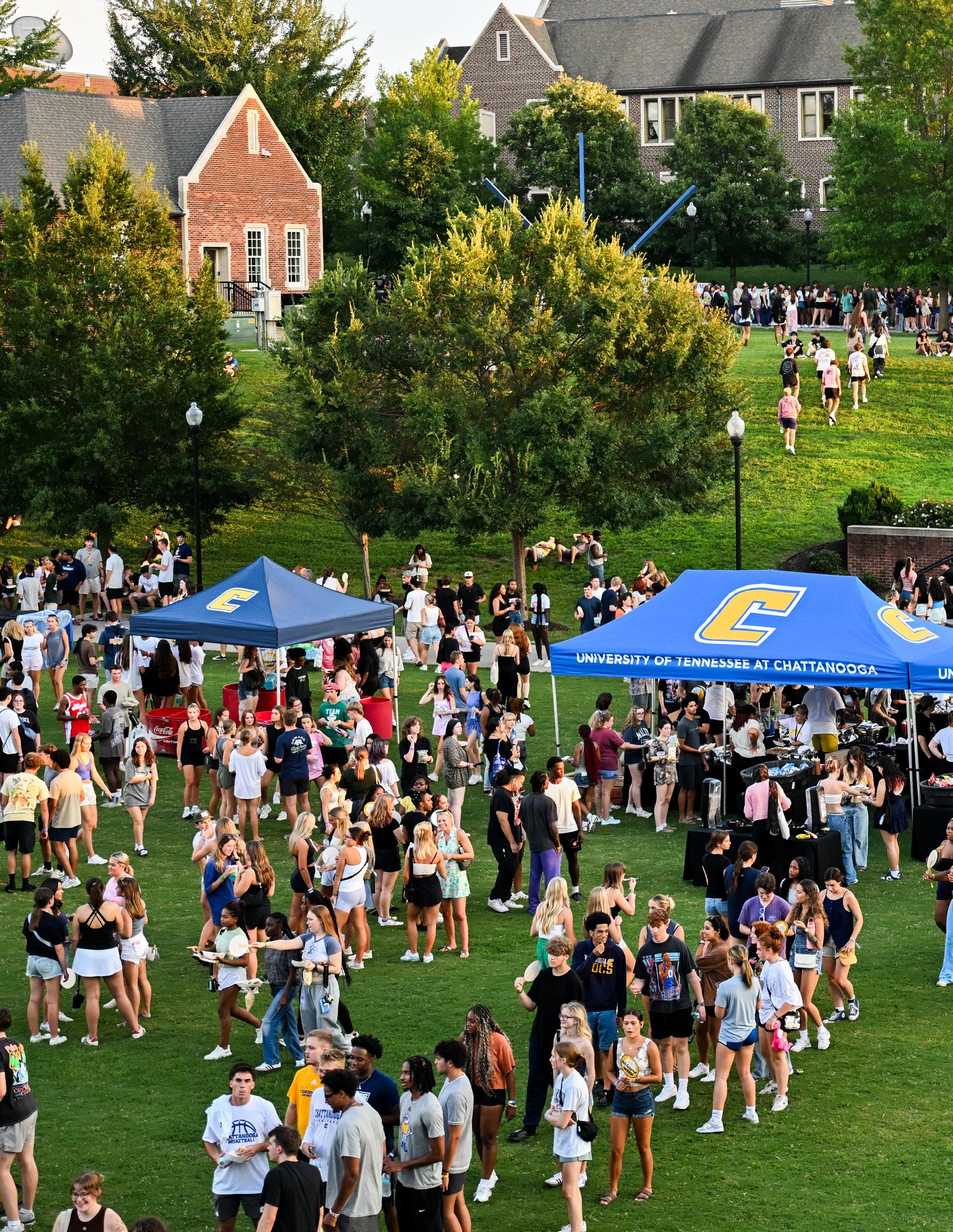
In August 2025, Oak Street Roast, the university’s 32nd annual Welcome Week kickoff event, drew over 2,400 attendees, reinforcing its role as a signature campus experience and tradition. This was a 20% increase in attendance from the previous year.
Increased Student Orgs
By the end of 2024-2025, the number of registered student organizations increased from 160 to 185, an increase of 15% from the previous academic year, reflecting continued momentum in student involvement and leadership opportunities.
Special Interest Communities Retain More
185
Registered Student Orgs; a 15% Increase from ‘24
Retention increased from 85% to 95% among new member-to-initiated member in the Panhellenic, IFC, and special interest communities. This growth brings retention more closely in line with that of our NPHC and Multicultural Greek organizations and demonstrates strong recruitment strategies, member support, engagement, and leadership development across the FSL community.
Center for Wellbeing
Never a Bother Mental Health Campaign
Launched Never a Bother Mental Health Campaign to promote awareness and support and anchored this year’s Hope Lives at UTC suicide prevention program, which engaged 324 students.
STI Testing Partnership
Partnered with Music City PrEP to expand STI testing through monthly mobile clinic visits, serving 48 additional students to date.
Health Coaching and Nursing Partnership
Collaborated with the College of Nursing to integrate health coaching into the curriculum, helping students set wellbeing goals, address barriers, and access resources.
Mocs Recovery Growth
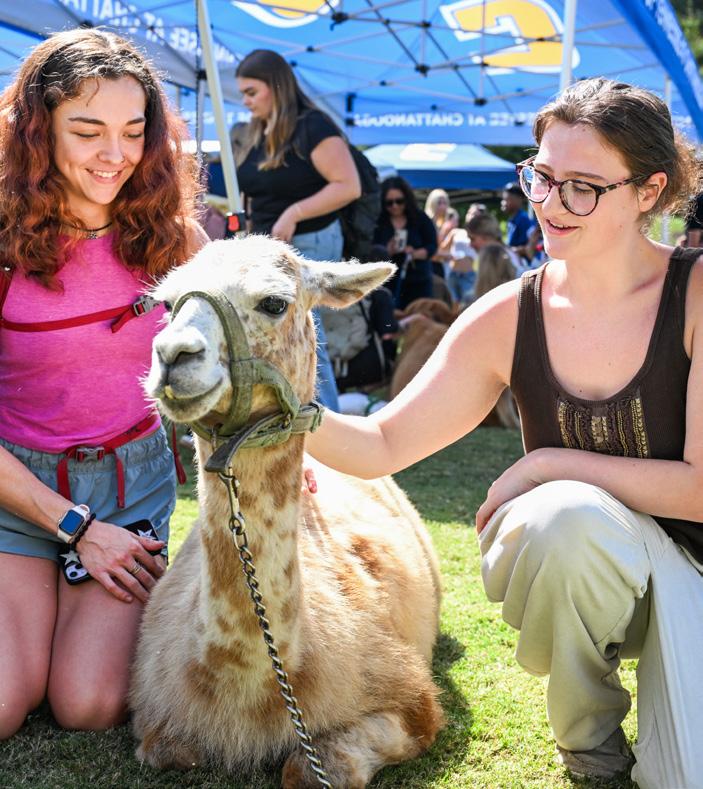
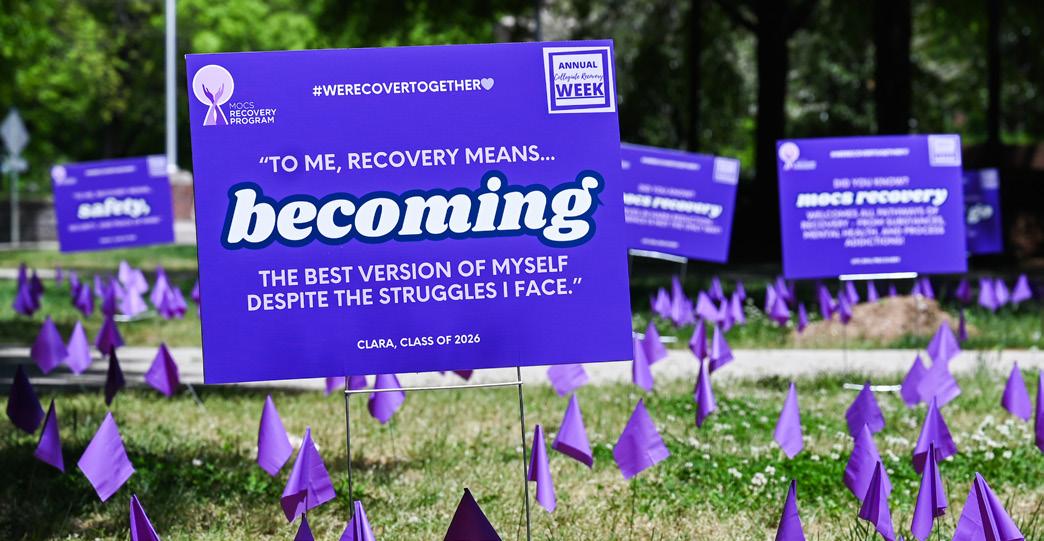
This academic year, we saw a 246% increase in the number of students engaged in the Mocs Recovery Program and regularly using the community lounge. We have had 392 visits to recovery meetings and 202 engagements with recovery coaching, life skills seminars, social events, and retreats.
ONE Box Installations and Training
Installed naloxone-equipped ONEBoxes in 52 campus buildings with Public Safety, each stocked with two doses and basic emergency supplies.
392 Attended Recovery Meetings
202 Engaged in Recovery Events
1,338 Students, Faculty and Staff Trained in Opiod Overdose Response
578 Naloxone Kits Distributed for Use on Campus
3,321 APPOINTMENTS
Counseling Psychiatric
Telehealth
967
Counseling Center
Awarded a UT System Wellness Mini Grant
We received grant funding to support Dialectical Behavior Therapy (DBT) groups for high-risk students. DBT is an evidence-based model addressing trauma, suicidality, disordered eating, and relationship instability. With this award, five clinicians were trained and three DBT groups were offered in spring.
Collaborative Electronic Health Record System
In Fall 2025, the Counseling Center adopted Medicat, a shared electronic health records system used by University Health Services, the Center for Wellbeing, and Athletics Counseling. This unified platform improves coordination of care and offers advanced reporting, telehealth, and online scheduling.
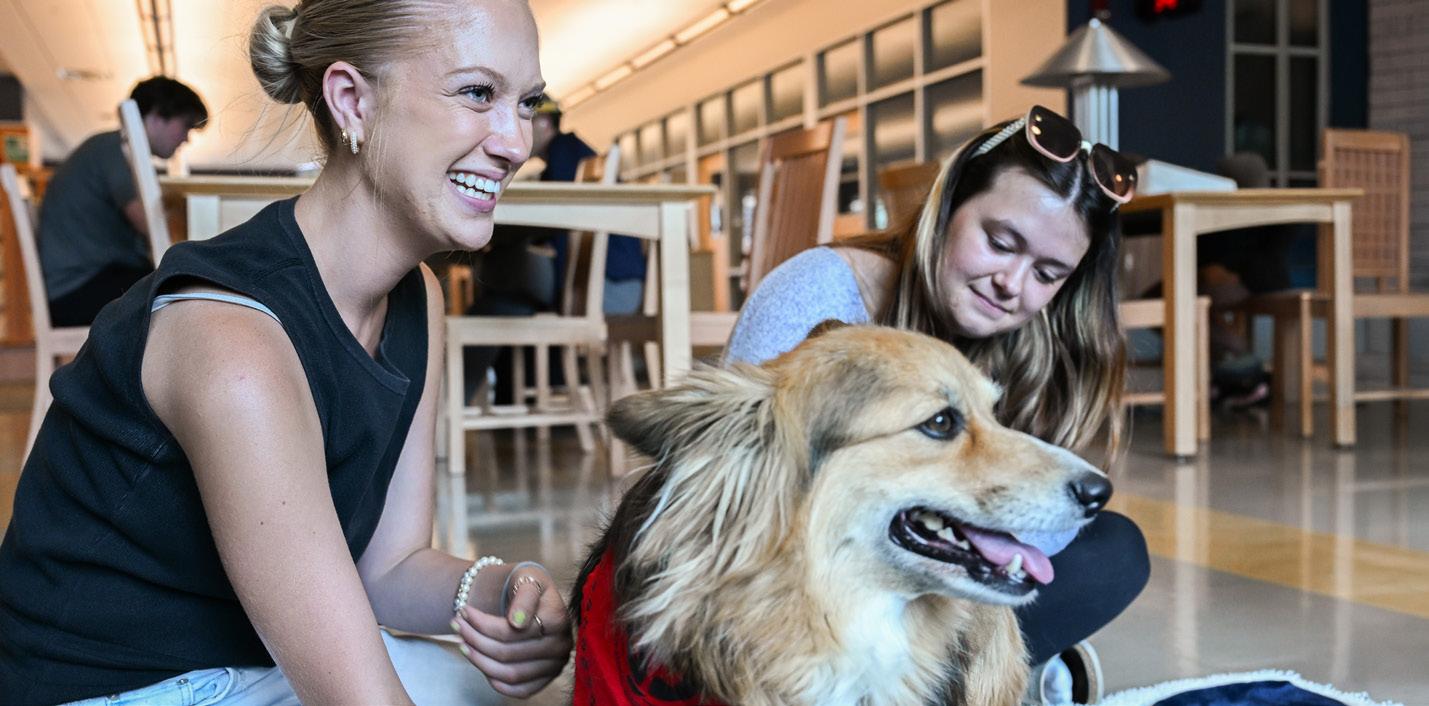
Expanded Drop-In Counseling Availability
82
3.44 Outreach Events
The Counseling Center began offering hourly drop-in sessions for students with urgent needs. Since August 1, 2025, approximately 300 drop-in counseling sessions have been provided, increasing access and timely support.
Average Number of Visits Per Student
Dean of Students
Feeding our Mocs
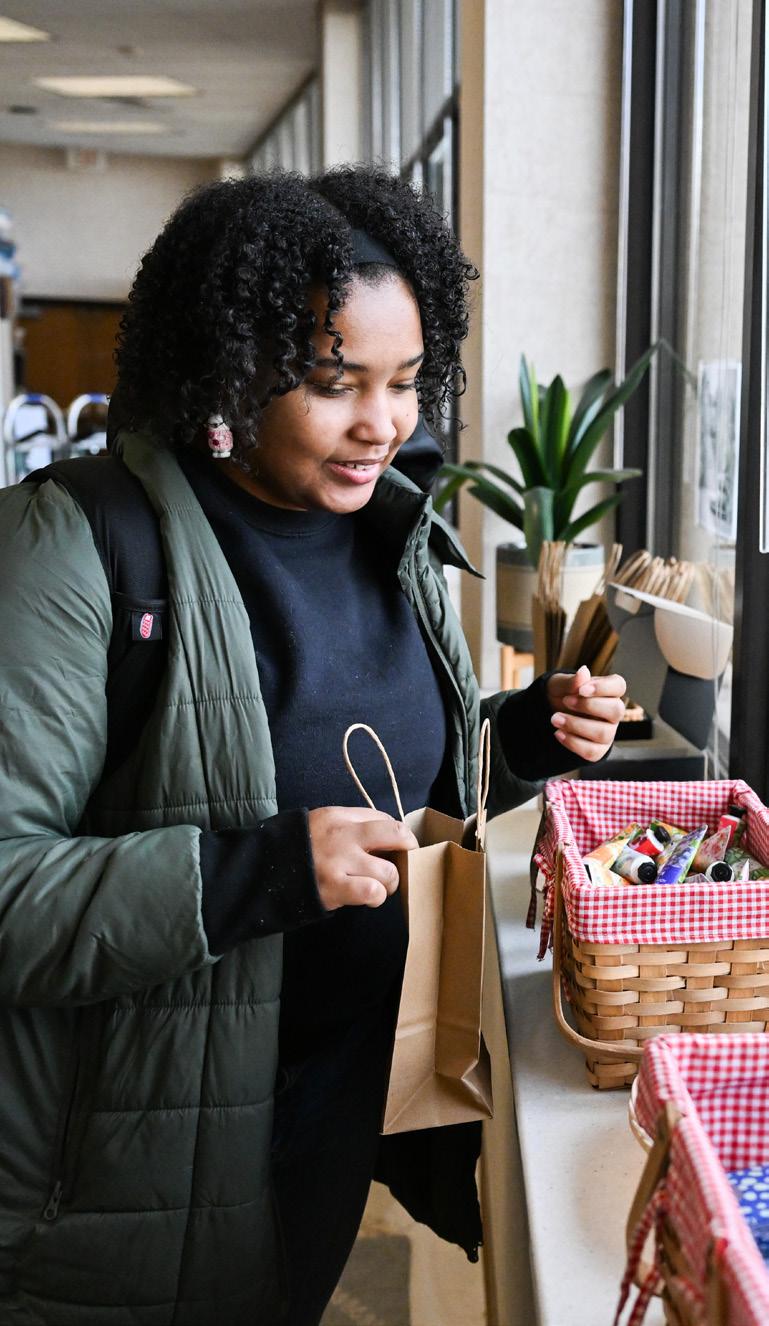
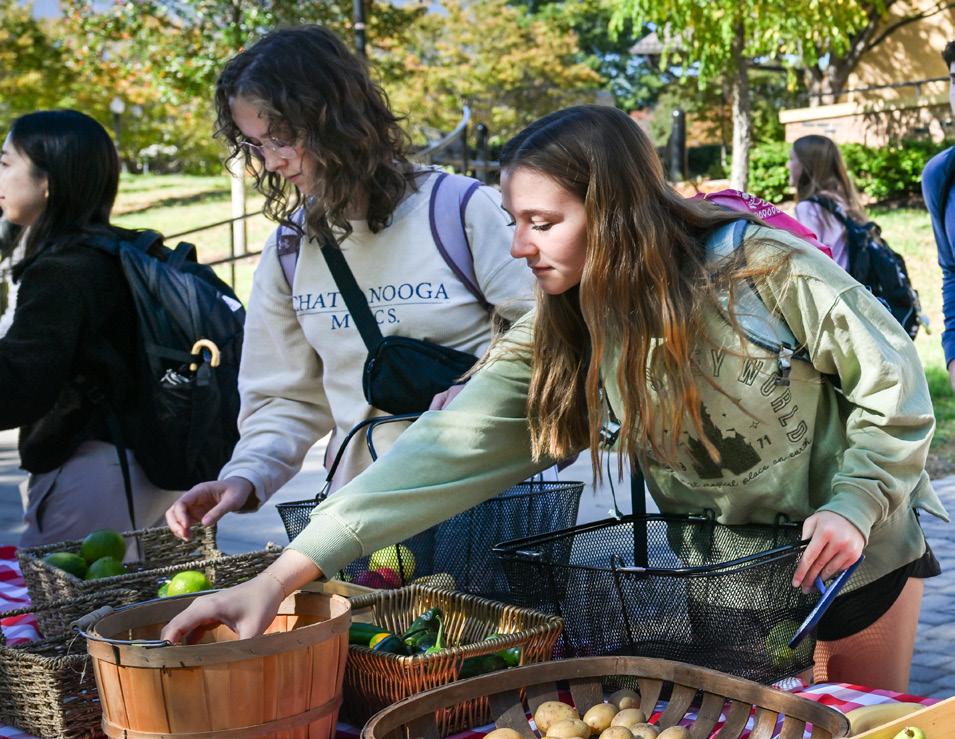
Scrappy’s Cupboard launched an exciting new partnership with the Chattanooga Area Food Bank! Thanks to this collaboration, we have had 439 visits from faculty, staff, and students to our on-campus food pantry.
Supporting At-Risk Students
Since May 2025, the Office of Student Outreach and Support processed 2,884 academic notifications. This underscores the strength and responsiveness of our student support infrastructure, reflecting a campus culture where faculty, staff, and advisors work together to assist students in their academic pursuits and keep them on the path to graduation.
Hazing Advancement
On July 23, 2025, members of the Office of Student Conduct team traveled to Wake Forest University to complete Vital Hazing Investigation Training, equipping our staff with specialized skills and best practices to address hazing concerns with expertise, diligence, and care while also strengthening our compliance efforts with the Stop Campus Hazing Act.
439 Visits by Faculty, Staff and Students
Financial Aid and Scholarships
$139+M in Financial Aid Awarded
Students and Family Receive Financial Literacy Education 100+
Targeted FAFSA Communication to Nearly 1700 Students
Represented UTC in Organizations and Conferences
Student Impact and Aid Delivery
Awarded $139,436,351 million in financial aid to 4,891 students, processed 25,370 FAFSA applications and 364 verifications, and counseled over 100 students and families on responsible borrowing and financial literacy.
Enrollment and Retention Support
Supported retention efforts by assisting with and resolving holds and other issues to prevent potential stop-outs, and managed the Federal Work-Study program for more than 200 students, providing both financial support and contributing to campus workforce stability.
Compliance and Risk Management
Successfully implemented regulatory updates tied to FAFSA simplification and strengthened internal controls and monitoring processes, resulting in reduced errors.
Strategic Communication and Student Experience
Delivered targeted communications to 1,670 students regarding FAFSA delays, loan limits, and policy changes, while expanding financial literacy outreach to promote informed borrowing and long-term success.
Professional Leadership and Institutional Representation
Maintained active leadership and engagement in TASFAA, SASFAA, and NASFAA, represented UTC through conference presentations, committee service, and regional leadership roles, and invested in staff development to ensure readiness for ongoing federal transformation.
Housing and Residence Life
Occupancy and Retention
Achieved strong outcomes with 86% retention among Residential Learning Community students and 78% overall (Fall 2024–Fall 2025). More than half (55%) of residential students earned Dean’s List recognition, totaling 2,026 Scholars in Residence.
Student Success Initiatives
Expanded tutoring to evenings and weekends and strengthened early-alert partnerships, reaching 305 at-risk first-year residents.
Housing Operations Enhancements
Launched a streamlined housing lottery in Spring 2025 for Fall 2025 assignments, improving occupancy management, operational efficiency, and the student experience. Of the 888 eligible students, 719 selected rooms. Occupancy reached 98% (Fall 2025) and 91% (Spring 2026).
Strategic Growth
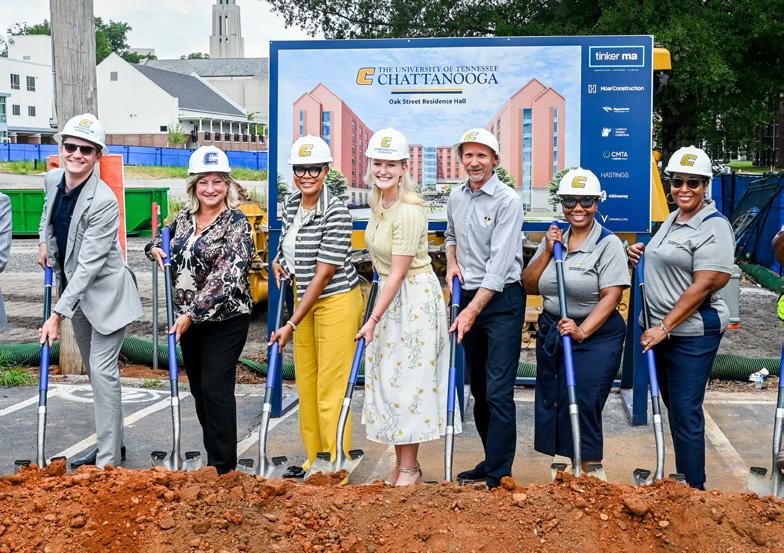
Broke ground on the Oak Street residence hall (July 2025), advancing plans to add 794 new beds.
Facilities Improvements
86%
Retention Rate for Students in RLC; an 8% Increase from ‘24-25
Completed major upgrades across multiple buildings, including HVAC, furnishings, elevators, and electrical systems—enhancing long-term infrastructure and student experience.
Sustainability Efforts
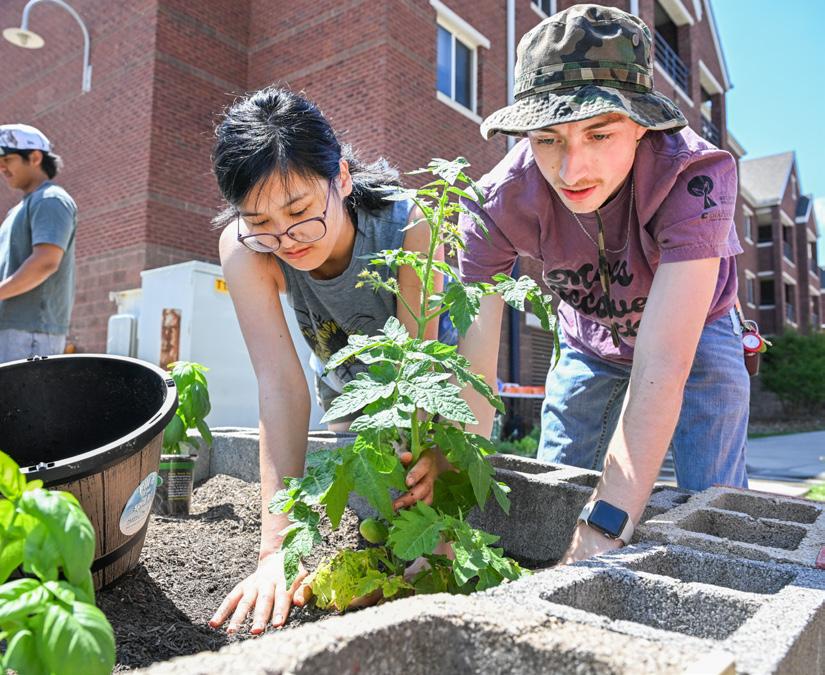
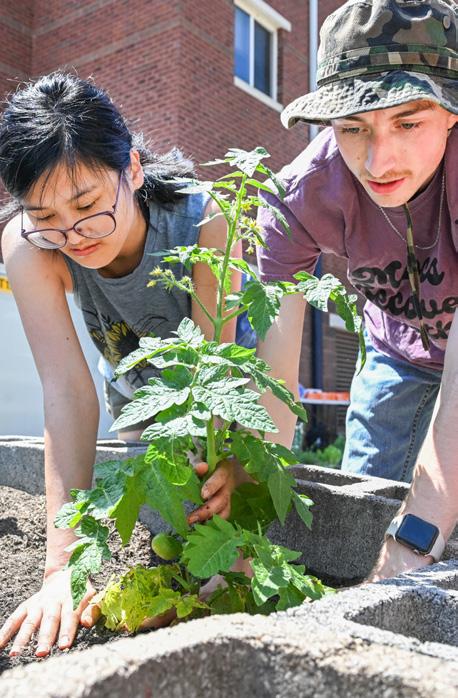
Introduced composting, a student garden, and a glass recycling initiative, with materials to be repurposed in the new residence hall—demonstrating a deeper commitment to sustainability
55% of Residents were Scholars in Residence
Mocs One Center
Goals Met
A goal for the Mocs One Center (MOC) was to engage with other departments. In the fall, the Mocs One Center placed second overall in the 2025 Scrappy’s Cupboard Homecoming Food Fight, Faculty/Staff Department. Each member of the staff donated and/or collected items from their family, friends, and community.
Increased Student Support
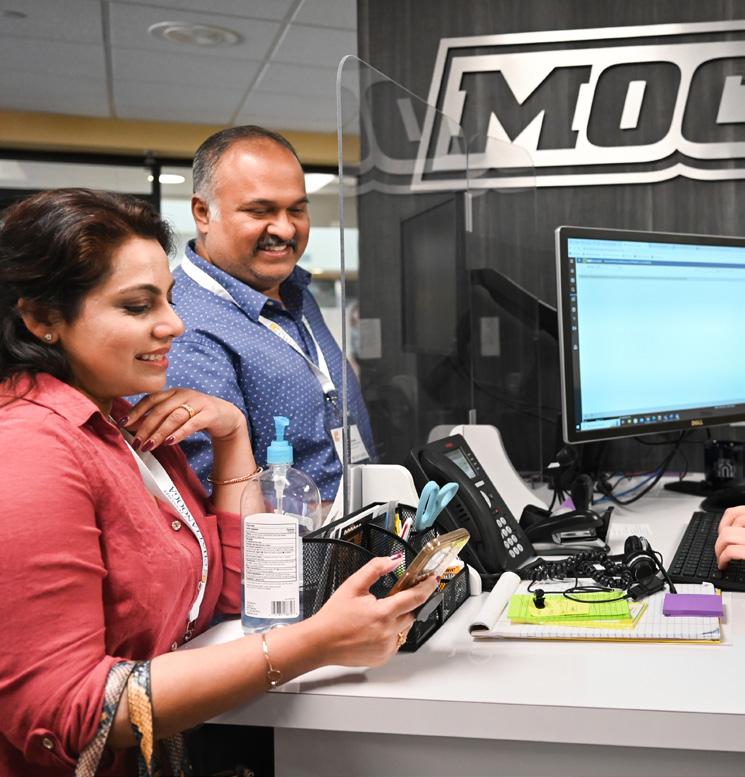
The number of calls to the MOC from July ‘24-Feb ‘25 (7221) and July ‘25-Feb ‘26 (10,958) has increased. Even with increased customer traffic, the MOC staff has maintained a positive customer experience to students, parents, and the community.
10,958
Increase in Completed Support Phone Calls
22,995
20,030
Increase in Completed Email Support Tickets
New Student and Family Programs
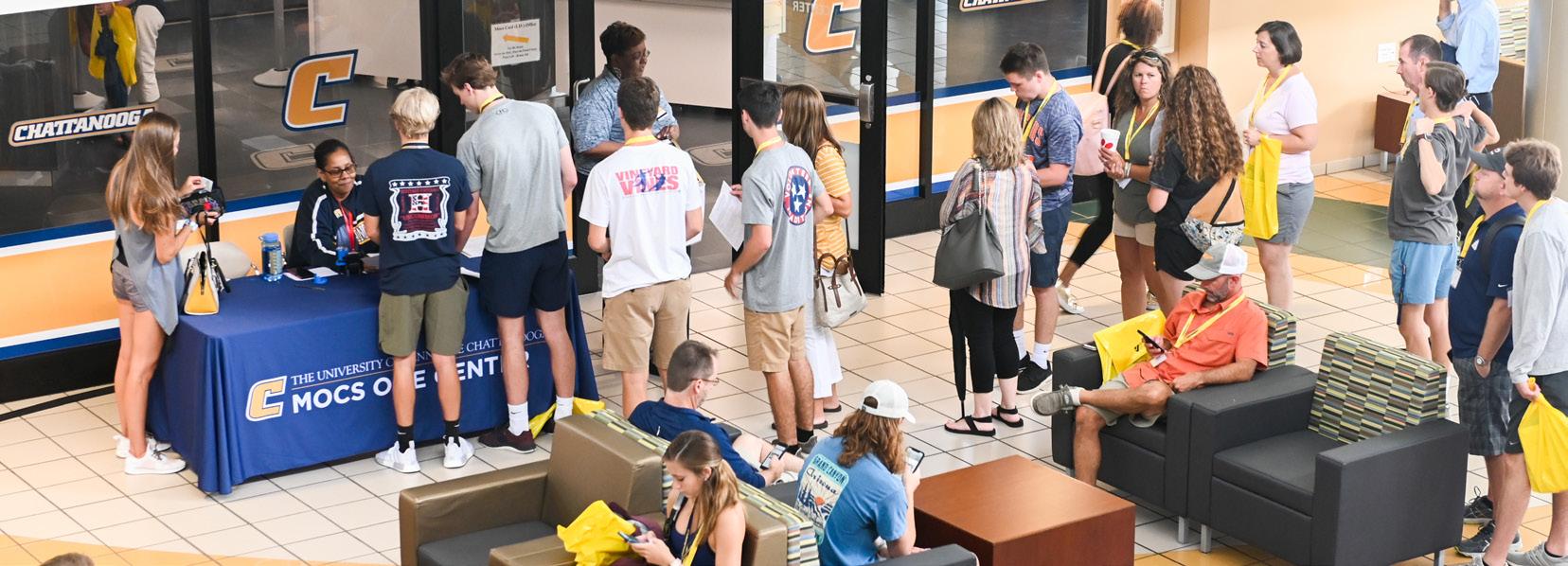
Fall 2025 Freshman and Transfer Orientation
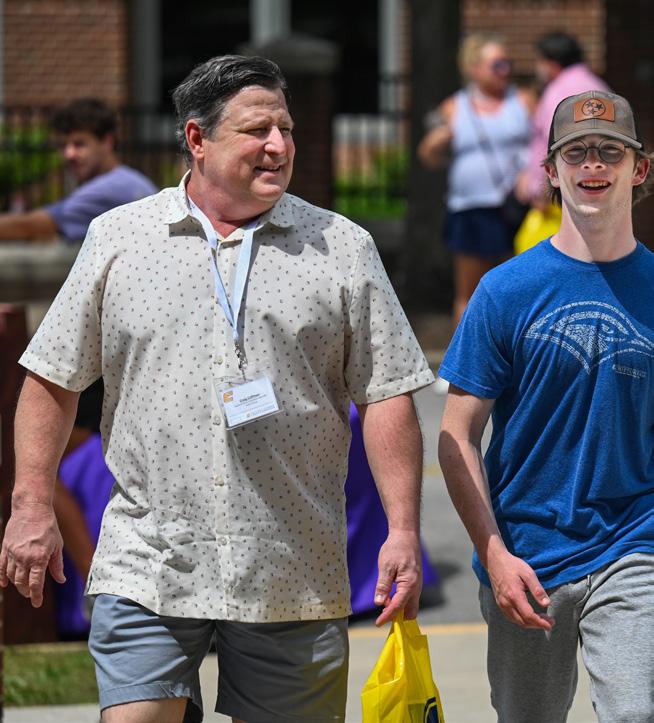
We hosted Fall 2025 Orientation for over 7,000 attendees, including 2,427 freshmen, 669 transfer students, and their families. Because of the scale and visibility, Orientation is an important institutional program that requires extensive planning and cross campus collaboration. Orientation attendance is a key indicator to final reported student enrollment.
Low Post-Orientation Cancellations
After making informed adjustments to programming, only 43 freshman and 20 transfer students (down from 92 in 2024) cancelled their Fall 2025 enrollment. This reduction reflects how the program directly impacts a student’s confidence and transition. We succeeded in our goal to strengthen a student’s commitment to campus and share resources to support their success.
7,000 in Attendance
2,427 Freshmen 669 Transfer
Number of Property Partners Increased
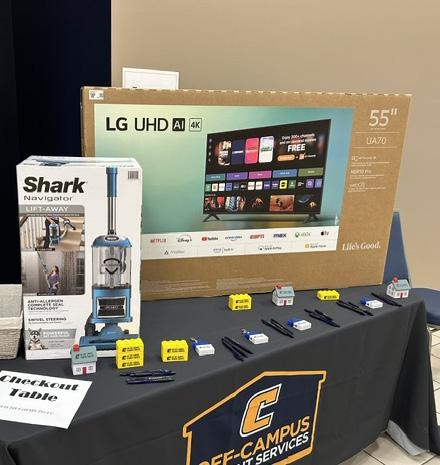
Off Campus Student Services
First Property Partner Association Meeting
Developed and formalized the relationship with property partners to ensure that we have safe places for our students to live and a strong working relationship with these properties. We will host meetings twice a year to meet growing student demand.
Property Partners have tripled in the last year
Growing the number of viable options for students to live is important to ensure we are meeting all of the needs of all of our students. This list has grown from eight properties to 27 (238% increase) marking a strengthening relationships.
Nominated for Home Base Award
College Pads, a StarRez company, has nominated our program for the Home Base Award as part of their Connect Annual Summit.
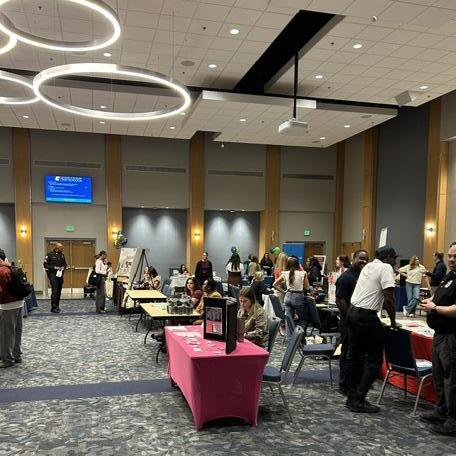
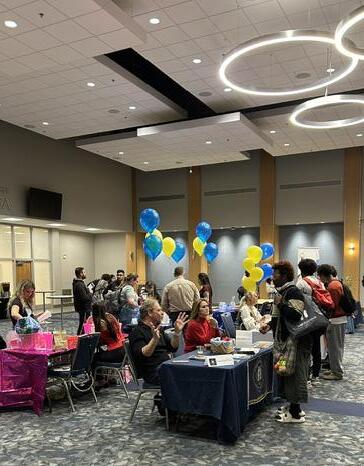
Strategic Enrollment Technology
TN Direct Admissions Process Established
TN Direct Admissions students can now apply through their TN Promise application to up to three institutions of their choice. UTC received over 1100 applications. The SET team provided extra support for TN Direct Admissions and follow up processes needed to secure requirements and documents for enrollment.
Increased CRM Communication
Implemented process to load over 350 UT Access
Collaborative applications into Reach CRM and set them to receive correct email journeys based on program.
Improved Marketing and Accessibility
Completed migrating over 800 student emails in Reach CRM to new Microsoft Dynamics Realtime Marketing platform to provide better functionality and accessibility for all our email communications.
Expanded Application Availability
Increased the number of departments using Reach CRM for their application processing from 2 to 18 applications allowing student to have one sign on for numerous applications scholarships, program admissions, and events.
We hosted over 450 events in Reach CRM during 2025 which is an increase of 33% over 2024. We expanded partnerships into the College of Engineering and Computer Science and College of Arts and Sciences.
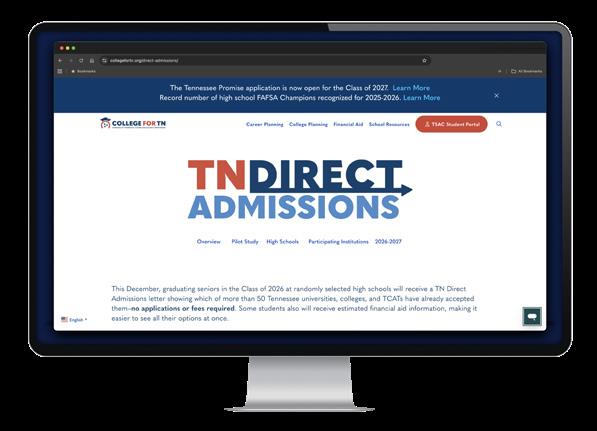
Over 1000
Applications were Received through TN Direct
450 Events
Hosted in the CRM; a 33% increase over 2024.
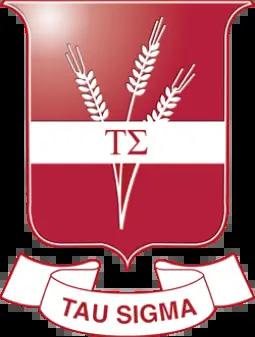
Began the Charter for theTau Sigma National Honor Society
518 300 43% 53% Freshman Recipients Used SSP Mentors Made the Dean’s List Earned a 3.0 GPA or higher
Student Success Programs
First Gen programming efforts
We foster community for our first-gen students (who make up 26% of our undergraduates) through targeted mentorship and networking events. First gen students who participated in peer mentoring in Fall 2025 had an average of a 3.07 GPA and 59% made the Dean’s List.
Transfer programming efforts
Transfer students (total of 2,210 transfer undergraduates) often face unique challenges fitting into a new campus. Through transfer student events, “Transfer Student Week,” and dedicated transfer checkins, we are working toward creating a space for these students to find their voice and build peer networks. This year, we began the charter for the National Transfer Honor Society and hired 5 transfer mentors to assist incoming transfer starting this fall.
UT Promise campus implementation
In Fall 2025, UT Promise mentor implementation moved to a campus-specific initiative. Students were encouraged to find mentors if they chose, and SSP staff and campus partners assisted students to ensure a majority of the 518 UT Promise freshmen completed their mentoring component to retain their scholarship for spring semester. Over 300 freshmen connected with a mentor through SSP. 43% made the Dean’s List and 53% earned a 3.00 or higher GPA in their first term.
3.07 Grade Point Average
59% Made the Dean’s List
Student Support Services
Awarded an additional 5-year Grant
After a lengthy review process, our grant proposal to the Department of Education under TRIO funding was approved, securing five more years of SSS services. This $1.8 million award ensures 200 students annually receive support toward graduation.
Achieved Department of Education Program Goals
Among 200 students, SSS achieved a 99% persistence rate, 99% good academic standing rate, and an 83% six-year graduation rate—well above required goals of 68%, 91%, and 47%. These outcomes reflect strong support for retention and completion.
51% of Students Reached Dean’s List in 2025
Through early support, tutoring, coaching, and student dedication, over half of SSS participants achieved Dean’s List status, contributing to strong retention.
ACHIEVING BEYOND GOALS
99% Persistence Rate
Good Standing
Six-year Grad. Rate
51% Student Participants Reached the Dean’s List $1.8 M Extended Grant Funding Supporting 200 Students.
Title IX Compliance
100% Students Feel More Welcome in the New Space
Students Developed a Digital Wellness and Boundaries Bootcamp
Improvements and Growth
Opened the new Office of Title IX Compliance suite in UC 241. The Open House drew 150 attendees, with 100% reporting increased comfort entering the space.
Grant Support
Received a UT Wellness Mini Grant to develop a Digital Wellness and Boundaries Bootcamp. This module addresses online harassment, digital consent, tech-related stress, and maintaining boundaries in virtual spaces. Created with student content creators, it launched online and aligns with SAMHSA’s Intellectual Wellness dimension by promoting critical thinking and healthy digital habits.
Consent Resources Updated
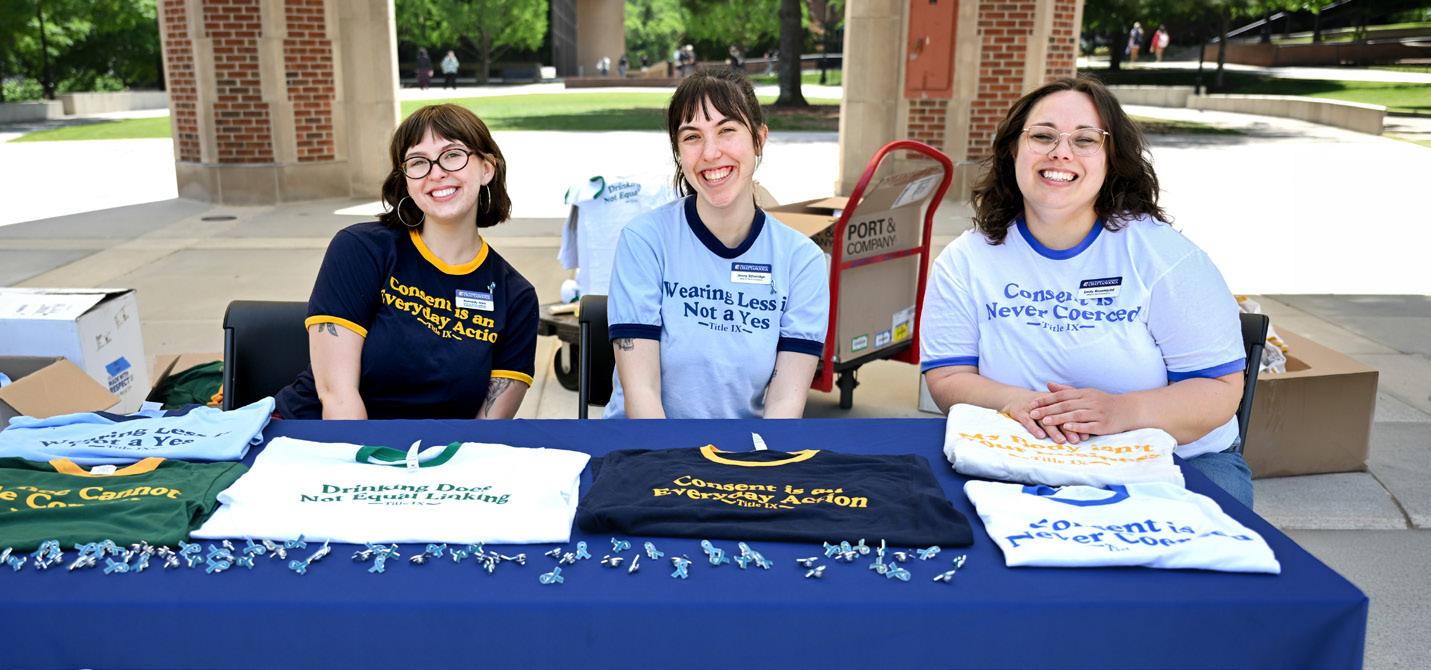
Launched a “Consent” campaign with support from graduate assistants and ambassadors. The students designed shirts and stickers to increase visibility and conversation.
Employee Training
Developed an in-house training module for all employees covering sexual harassment, gender-based and interpersonal violence, retaliation, and mandatory reporting.
Undergraduate Admissions
Held inaugural Accepted Student Day
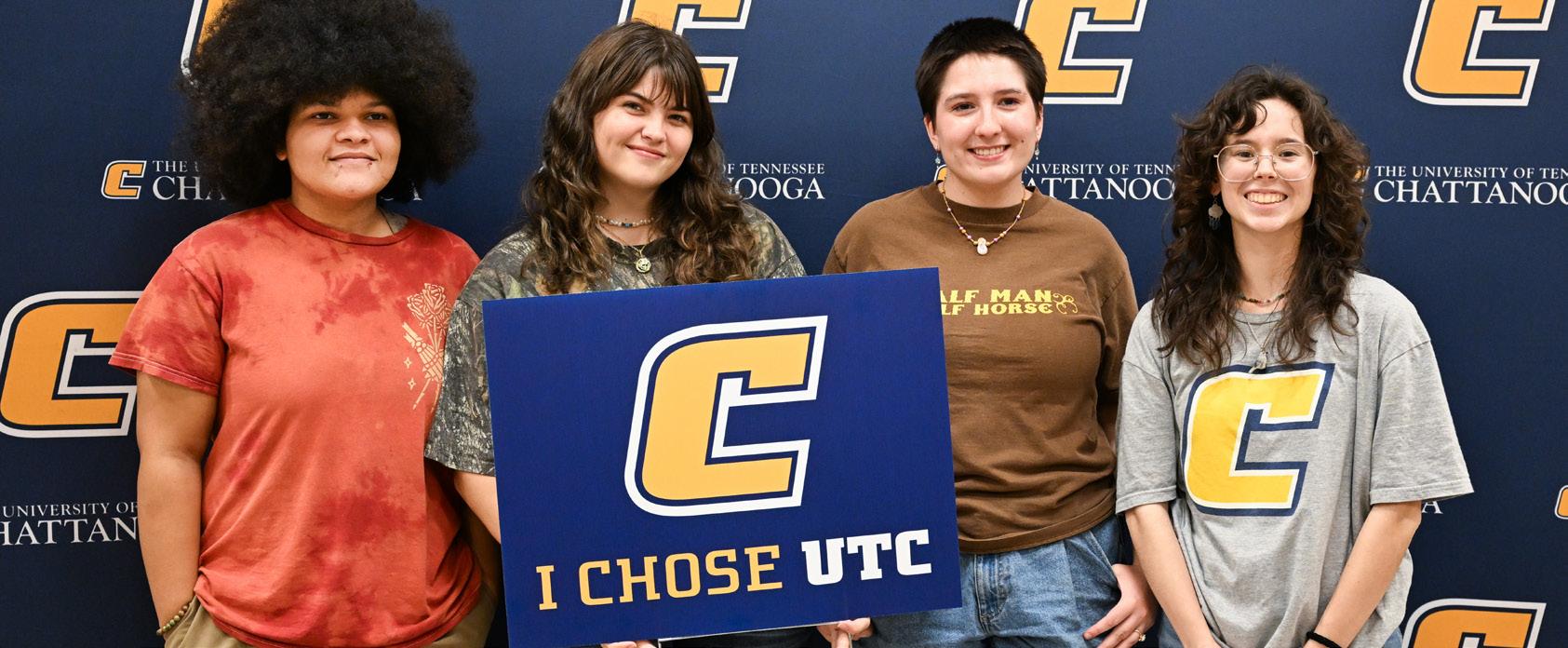
Over 1,000 accepted students and guests registered for the inaugural Accepted Student Day with a 76% show rate! We had significant campus participation with the academic colleges hosting showcases, and Housing and Residential Life had the opportunity to host RLC info sessions. We also partnered with Athletics, with 300+ guests attending the men’s basketball game that night.
Improving Process and Communication
In collaboration with Strategic Enrollment Technology, three new decision codes were created to improve admission status communication. This improvement will help with acceptance rates and will provide timely communication to prospective students.
Fall 2026 Admission Gains
As of April 17, 2026, the Office of Undergraduate Admissions has admitted more Freshmen for Fall 2026 than were admitted for Fall 2025 TOTAL - and it is only April! We have admitted more than 9,000 beginning freshmen and Fall 2025 peak acceptance was 8,909.
University Center
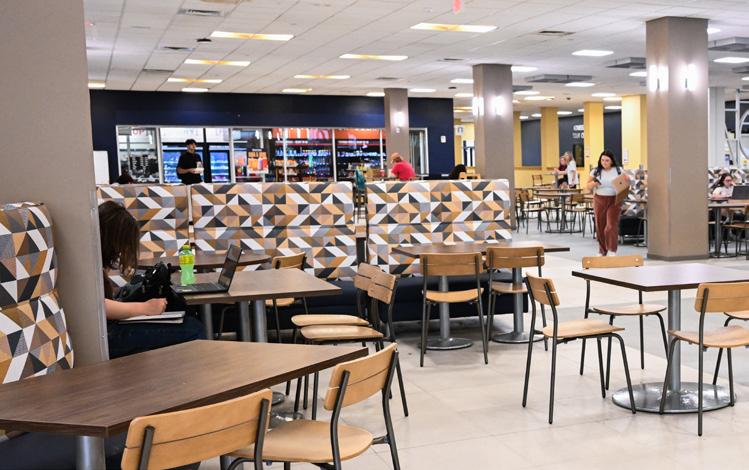
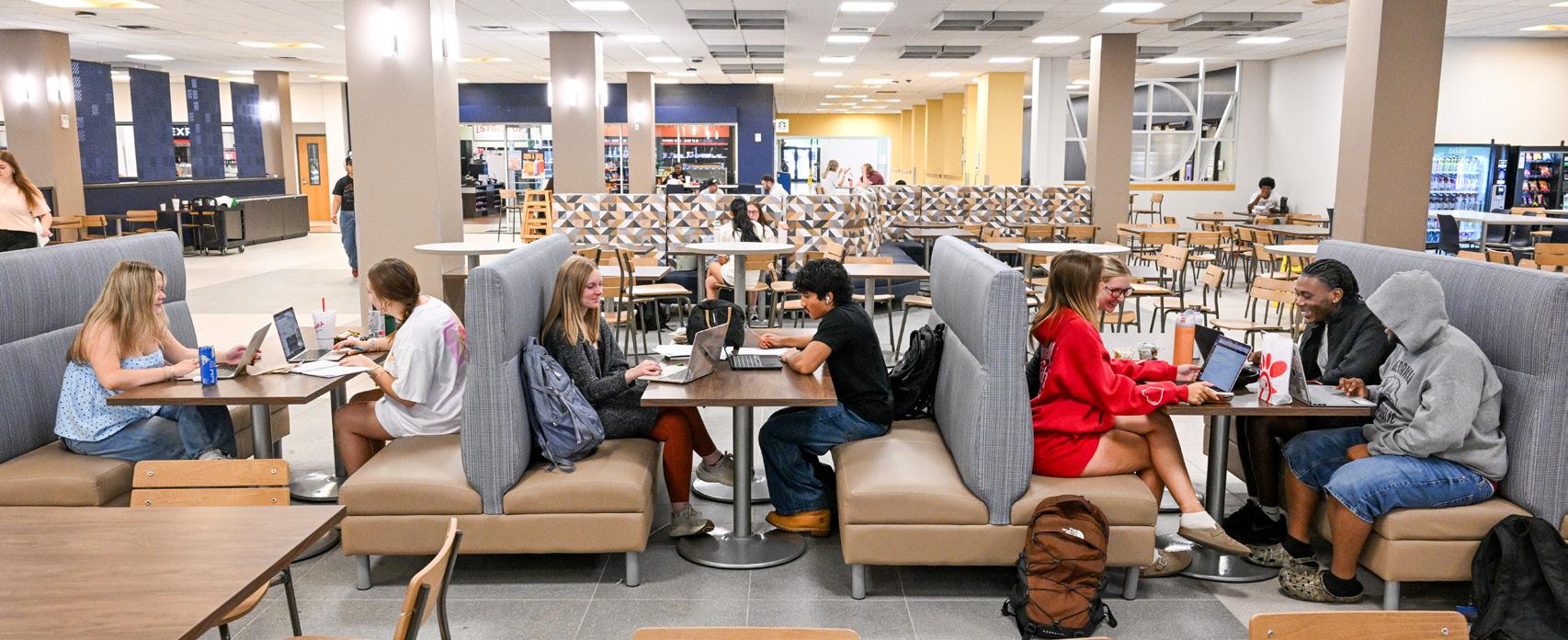
The University Center renovation project has continued to progress over the past year. Great change was seen during Summer 2025 as newly renovated sections of the building were open.
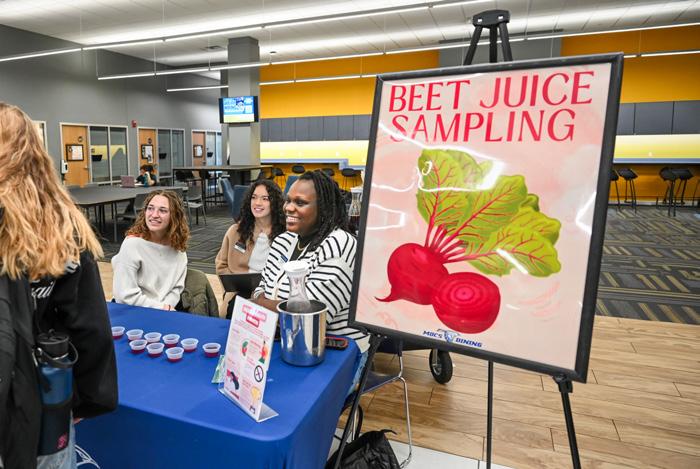
The most substantial change was seen with the reopening of the UC Commons in late November 2025. The space has been completely updated to give students a fresh new space to eat, study, and socialize. At the end of the fall semester work moved to the 3rd floor as that entire floor was closed for renovation. The completion of the Commons also allowed us to resume events in the University Center. In Spring 2026 we have held a variety of events for UTC departments and student organizations.
Despite the renovations, many UC-managed space remained online and bookings were supported throughout construction.
528 Lobby Table Bookings in the UC and Lupton Hall
1,124 Meeting Room Bookings
398 Exterior Space Bookings
University Health Services
Patient Encounters
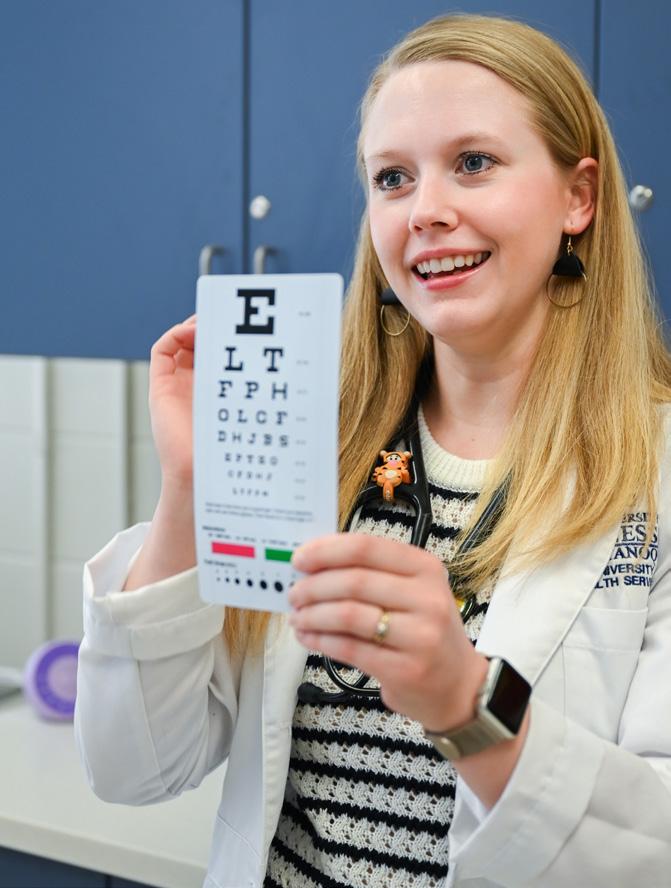
We had 4,729 patient encounters during AY25, with 1,124 of those being first-time clinic patients. Of the total visits, 2,303 unique patients were served, and patient visits for upper respiratory illnesses continued to be the leading reason for scheduled care appointments.
Patient Satisfaction
On patient satisfaction surveys from AY24/25, over 88% of patients who responded selected “5: Very Satisfied” when asked about the overall satisfaction with their patient visit. National data for college health centers for “5: Very Satisfied” was only 82%.
Patient Costs
We were able to resume providing low-cost STI testing for students in AY 2024–2025 by utilizing our client-bill pricing model. This option offers an affordable direct cash-pay alternative and has saved patients more than $24,000 compared to standard self-pay STI testing costs.
$24,000 on Testing Costs
4,729 Total Visits
2,303 Unique Students
Veteran and Military Affairs
National Recognition: Military Friendly®
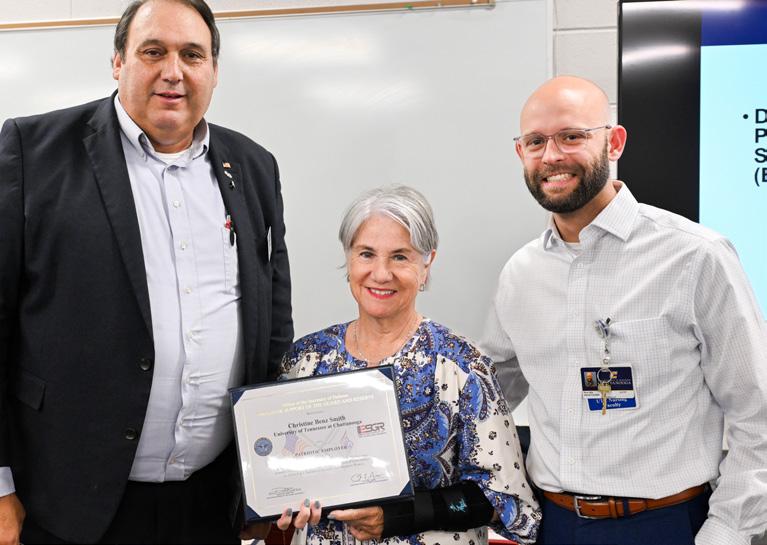
Earned Military Friendly® Schools Gold Status among large public universities and maintained a Best for Vets® ranking (Top 2 in Tennessee), while also honoring Dr. Chris Smith for the Patriot Award and participating in a Veterans Day radio show to expand visibility and community engagement.
Expanded Engagement, Partnerships, and Resources
Established a Partnership with HopeNation for Expanded Mental Health Support
Student engagement grew from approximately 30 to over 200 participants, and partnerships expanded from 25+ to 55+ collaborators. The Holiday for Heroes campaign generated funding and support from BJ’s, the Military Officers Association of America, and the American Legion, leading to a HopeNation partnership that provided grant-funded mental health services, expanded in-office support, and additional scholarships.
Comprehensive, Student-Centered Support Model
Enhanced services through integrated, one-stop support, improved Banner coding for real-time student tracking, a Mocs First Year course for military-connected students, and the return of Green Zone Training.
INCREASED STUDENT ENGAGEMENT 567%
The progress we have made and the momentum we continue to build is a direct result of their hard work, innovation, and unwavering focus on students.


Aspiring Higher
Each department in this division is committed to the whole student. This foundation continues to meet students where they are in their growth, progress, and journey toward becoming a UTC graduate.