
FROM THE DEAN
DEAR COLLEGE OF EDUCATION COMMUNITY—
It is with deep pride and renewed optimism that I introduce the fifth edition of EDU Magazine. As I mark the beginning of my third full year as Dean of the College of Education, I find myself reflecting on the extraordinary momentum we’ve built—and looking ahead with excitement. The work we do together continues to shape the future of education in Utah and beyond, and this issue captures that spirit of progress, legacy, and vision.
This issue arrives at a momentous time. As we joined the University of Utah in celebrating its 175th anniversary this past year, we honored the College of Education’s own legacy of teacher preparation—175 years strong. Our college has evolved from its earliest days training educators in frontier classrooms to becoming a nationally recognized hub for research, innovation, and community engagement. Tools and contexts have changed over time, but our commitment to preparing transformative educators has never wavered.
This issue chronicles the deans of the College of Education in a celebration of leadership legacy. The deans’ stories, drawn in part from the book Nine Lives, reflect the steady heartbeat of progress that has carried us forward decade after decade.
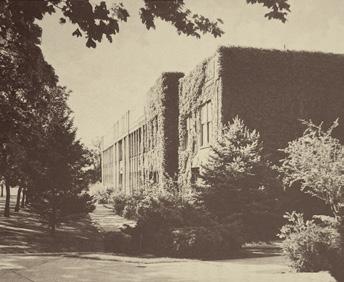
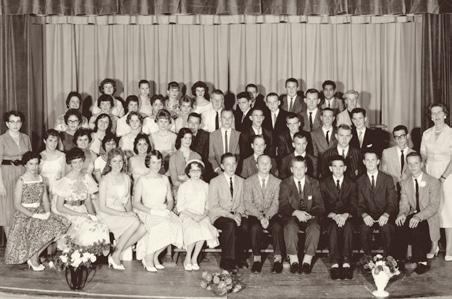
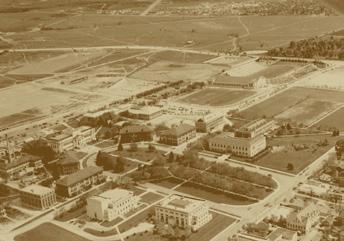
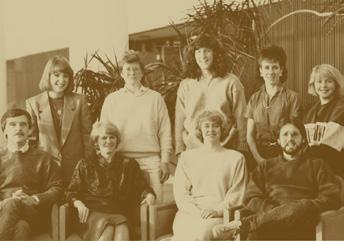
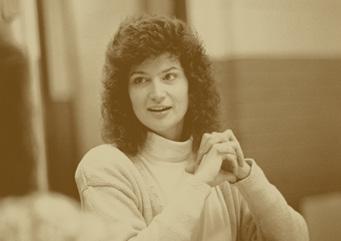
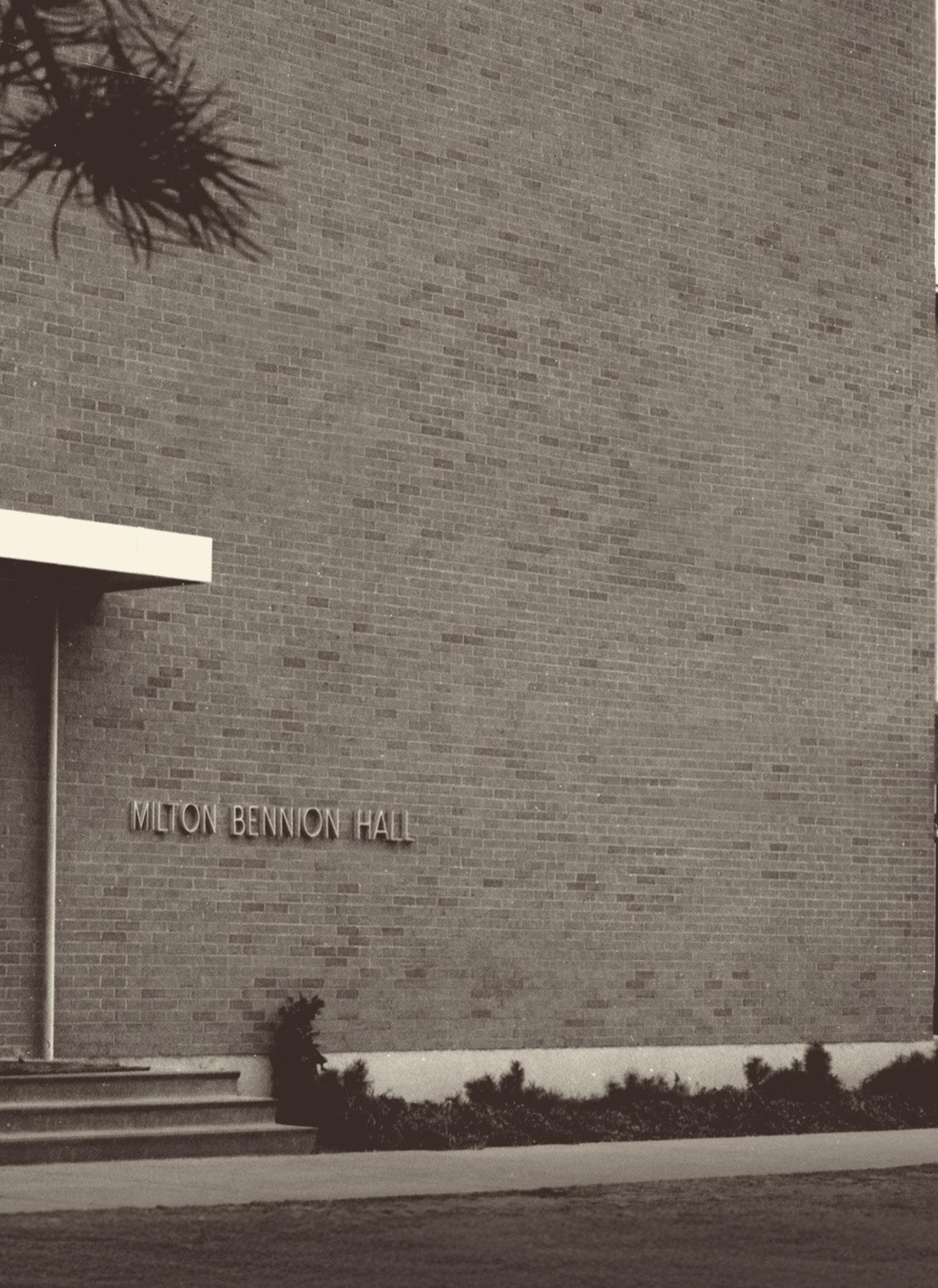
To visually anchor our history, we’ve curated a timeline of landmark moments and alumni achievements—a nod to the university’s own anniversary magazine. From the founding of the University of Utah Reading Clinic to the Utah Education & Policy Center, these milestones reflect our enduring commitment to educational innovation. A vintage photo collage brings this history to life, showcasing the evolution of our campus home—from Milton Bennion Hall to the Sorenson Arts & Education Complex—and the vibrant student life that has defined generations.
Our community engagement efforts continue to flourish— past, present, and future. This issue highlights the MultiUniversity Consortium, led by Special Education Professors Chris Bischke, Nicole Pilling, and Sarah Ivy and its powerful impact on students with sensory impairments and school districts across Utah. We also delve deeper into the legacy of Dean Michael L. Hardman and profile Emma J. McVicker, a trailblazing alumna who was the first woman to become Utah’s superintendent of education and founded the Free Kindergarten Association in 1894. Her story reminds us that the seeds of change are often planted by visionary educators.
In our section on societal impact, we spotlight the work of David Stroupe, whose AAAS Fellowship demonstrates the national reach of our faculty’s research. We also revisit the influential work of Gail Williamsen, as told by Mary D. Burbank, and celebrate the legacy of college alumni George S. Dibble—local educator, artist, and critic—whose mid-century contributions shaped Utah’s cultural and educational landscape.
As we look ahead, we remain focused on responding to the transforming landscape of higher education. The College of Education is working to become a model for 21st-century teacher education—revitalizing our internal structure and programming to integrate field experiences, technology, and practical applications for students in order meet rapidly shifting educational needs, address teacher shortages, and support Utah’s evolving workforce. We will greet 2026 with renewed commitment to fostering interdisciplinary and multidisciplinary research and continuing to strengthen research-practice partnerships with K–12 districts and schools.
We are proud to align with the University of Utah’s Impact 2030 values: Inspire Students, Accelerate Discovery, Serve Communities, Promote Wellbeing, Be Entrepreneurial, and Amplify Place. These values guide our approach to college redesign as we support the university in addressing Utah’s most pressing challenges—including air quality, mental health, and affordable housing—through education and research.
The future demands vision, agility, and courage from our community. I believe our college is ready to meet that challenge. Thank you for being part of our story. Whether you are a student, alum, faculty member, or friend, you are part of a legacy that continues to shape education in Utah and beyond. Together, we are building a future where education is not just a profession, but a force for societal transformation.
With gratitude,
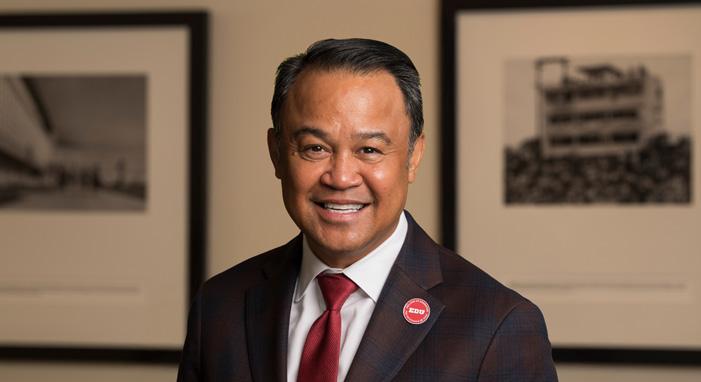
Frankie Santos Laanan Dean College of Education
TIMELINE
Rooted in Pedagogy
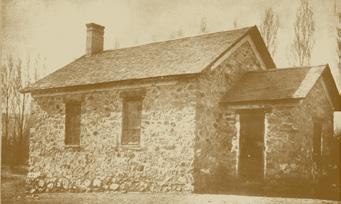
The University of Deseret was founded in 1850 as a training school for teachers, which means the university’s first objectives were focused on preparing educators to make an impact across Utah.
Course Expansion
From Normal School to College
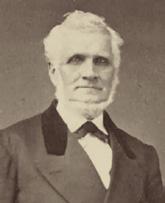
The College of Education was a teacher’s college, or a state “normal school,” before official recognition as the College of Education in 1869, when John R. Park ascended to university presidency. President Park taught English and pedagogy. He was the executive officer of the Normal Department. 1869
Education Students Double
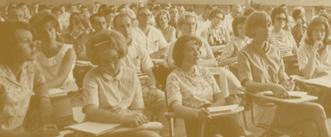
The number of education students doubled, and the program was extended from one year to two years.
Utah superintendents such as John Taylor, then territorial superintendent, began to advocate for expanding teacher preparation courses from oneyear to two-year programs. 1880 1885

Faculty
Growth
The number of faculty grew to 11.

Structural Changes
Teacher preparation courses begin to resemble the four-year diploma and degree structure we recognize today: this year, the university announced a four-year course, an advanced course leading to a baccalaureate degree, and a fouryear kindergarten course.
1888
Scholarship Expansion
The Utah state legislature increased the number of full, four-year normal scholarships from 40-50, allowing more students to become teachers.
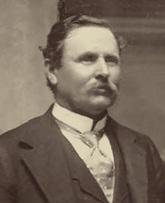
John R. Park was elected as Utah State Superintendent of Public Instruction.

1888
Training School Established
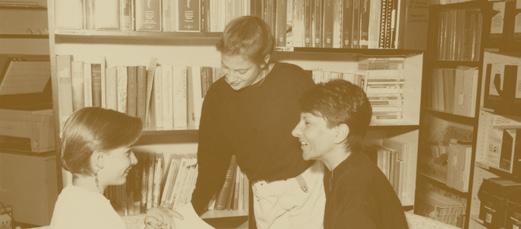
William M. Stewart became first dean, established the training school, and became principal of the training school. The school would later become the “Stewart School,” named after William himself.
Stewart School Officially Established
The William M. Stewart School was established as a training school for school teachers (Normal School) in 1891 and continued under the State College of Education and the Graduate School of Education.
The Stewart School was attended by children from kindergarten to junior high, whose studies were deeply enriched by proximity to campus resources.
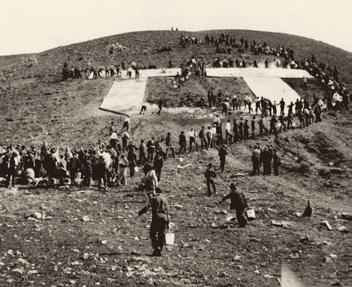
John R. Park
Expanding Identity
The Normal School became known as the State School of Education.

1927
Graduate Program Growth
7 M.A. and 13 M.S. degrees were awarded to education students.
Stewart School on University Circle
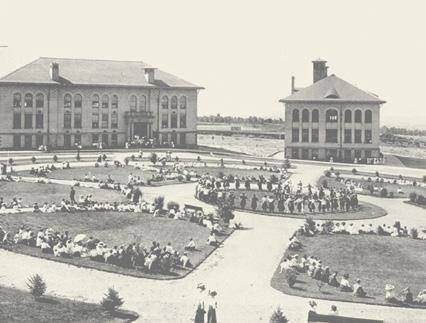
The Stewart School received a dedicated building on what was then known as University Circle.
Focus on Research
The Bureau of Educational Research was established in the college.
A Year of Growth
The College of Education began to enjoy a period of rapid expansion, with enrollment increasing at annual percentage rates double that of the wider university: from 786 to 985 students and 5,652 to 6,229 students, respectively.
Institute for Special Education Authorized
The Board of Regents authorized an Institute for Special Education. 1954
1954-1955

Name Change
The word “college” was first incorporated into the updated formal name: State College of Education. 1948 1948
Doctoral Degrees on the Menu
The first Ph.D. and Ed.D. programs were offered by the college.
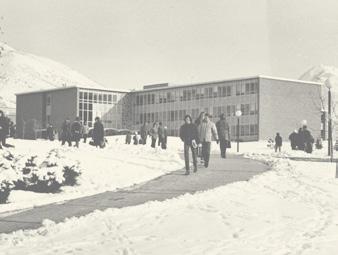
Milton Bennion Hall Construction Begins
Construction began on the new education building. The building was dedicated Milton Bennion Hall after beloved Dean and Professor Bennion, who had retired nearly two decades earlier. 1959
NCATE Accreditation
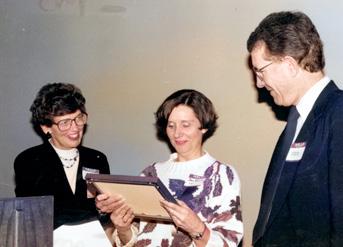
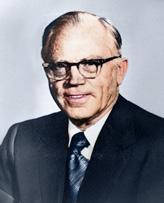
The College of Education was accredited by the National Council for Accreditation of Teacher Education (NCATE).
Graduate School Beginnings
Dean
Focus on Graduate Programs
The College of Education became the Graduate School of Education.

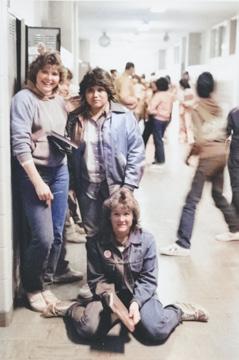
Special Education Success
The Department of Special Education was approved.
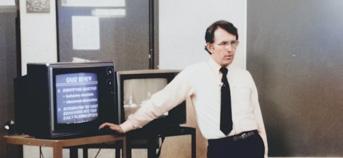
Stewart School Closes After Budget Cuts
Following serious financial problems due to cuts in the legislative appropriation, the Faculty Council voted to close the Stewart School.
New Center, New Leadership CoEdu alum David Sperry, Ph.D., became director of the newly created Center for Educational Practice.
Shifting Offerings
The Department of Home Economics moved from the College of Education to the College of Social & Behavioral Science.
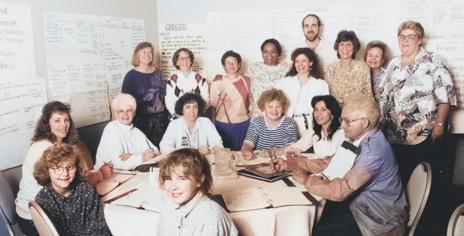
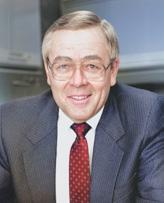
UURC Established
The Utah State Legislature established the University of Utah Reading Clinic (UURC), housed in the College of Education.

Departmental Editorship
The Department of Educational Administration received the editorship of Educational Administration Quarterly 1985
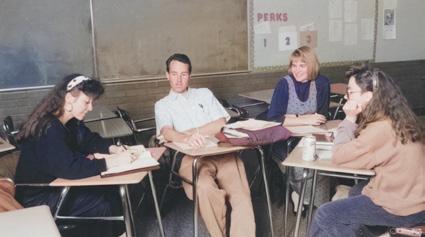
UEPC Established
The Utah Education Policy Center (UEPC) was established. It replaced the Bureau of Educational Research, which had closed in 1980.
Multi-University
Consortium Established
The Utah State Legislature allotted funds to create the Multi-University Consortium for Teacher Training in Sensory Impairments, housed in the College of Education.
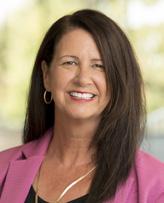
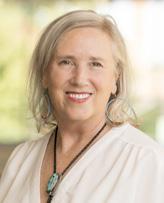
UEPC Reinvigorated
Andrea Rorrer and Cori Groth were appointed as UEPC Director and Associate Director, respectively.
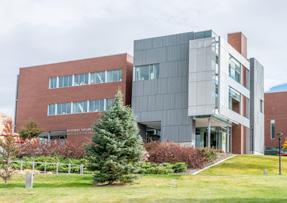
A Big Move
The College of Education and UEPC relocated from Milton Bennion Hall to the newly constructed Beverley Taylor Sorenson Arts and Education Complex.

2008
A Fine Collaboration
A collaboration with the College of Fine Arts resulted in the creation of the Beverley Taylor Sorenson Arts and Learning Program.
Special Education Success
The Department of Special Education, which had been granted the ability to offer doctoral degrees in 1990, had its undergraduate major and teacher education programs reinstituted.

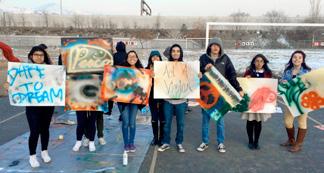
Mestizo
Arts and Activism Collective Established
The Mestizo Arts and Activism Collective was established as a university-community partnership on the west side of Salt Lake City.
2009

Partners in Science
A partnership with the College of Science and Department of Mathematics led to the creation of the Center for Science and Mathematics in Education (CSME).
2009
Teacher Preparation Takes Off
The Urban Institute for Teacher Education (UITE) launched to great success.
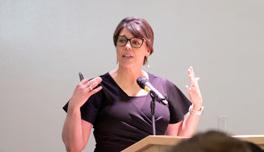
University Accolades
Kirsten Butcher was named University of Utah Presidential Scholar.
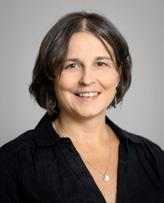
More University Accolades
Zac Imel was named University of Utah Presidential Scholar.
2020
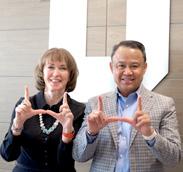
Strategic Plan Launched
Alumni in Leadership
Sydnee Dickson was appointed State Superintendent of Public Instruction.
Full Circle
Alumna and former superintendent
Sydnee Dickson joined the college as Professor of ELP and Special Advisor to Dean Laanan for Strategic Initiatives.
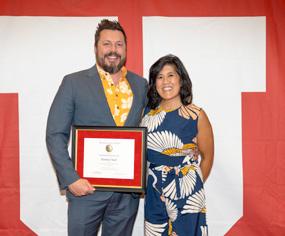
Even More University Accolades
2020–Chris Linder became the inaugural Director of the Lauren McCluskey Center for Violence Prevention Research and Education.
2021–Chris Linder was named University of Utah Presidential Scholar.
University
Accolades Continue
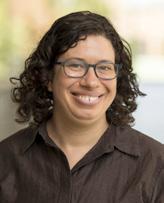
Lauren Barth-Cohen was named University of Utah Presidential Scholar, joining Kirsten Butcher, Zac Imel, and Chris Linder in this prestigious, university-wide honor.
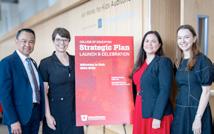
Aligned with the University of Utah’s strategic plan, the College of Education launched its first formal strategic plan in two decades.
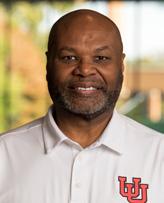
Willim A. Smith Named Distinguished Professor
The University of Utah named William A. Smith Distinguished Professor for his outstanding contributions to academia and his dedication to teaching. Smith is the first African American in the history of the University of Utah to achieve this distinction and the second person in the College of Education.
LEADERSHIP LEGACY
COLLEGE OF EDUCATION DEANS
1888-1988
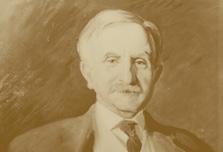
William M. Stewart 1888
▶ Stewart aimed to make Utah’s Normal School reflect the best thinking and practice in the national normal school movement.
▶ Stewart modeled the training school, an essential component in the normal program, after the University of Chicago and Columbia Teachers College.
▶ Garnered widespread legislative and university support for normal training.
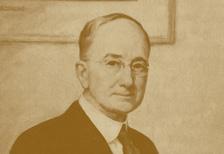
Milton Bennion 1913
▶ Milton Bennion was unanimously chosen as dean of the college, having served as assistant professor of pedagogy since 1901. The College of Education continued to expand.
▶ All teacher education programs became fouryear programs.
▶ A master’s program was established for those seeking administrative positions.
▶ Four departments were established: Educational Administration; Secondary Education, of which Dr. Bennion was the head; Elementary Education; and Rural Education.
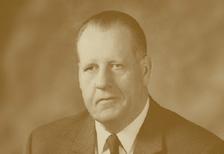
John T. Wahquist 1941
▶ The College of Education, along with the wider university, was mobilized to aid in the World War II effort.
▶ Graduate work took shape at both master’s and doctoral levels, and the number of graduate students increased.
▶ “Social Education” became the Department of Educational Psychology, which still exists today.

Don A. Orton 1952
▶ Undergraduate and graduate enrollment greatly increased, with a corresponding increase in faculty appointments, particularly at senior levels.
▶ Orton spearheaded two major program innovations: a department for science teachers and an institute for special education.
▶ Orton’s plans to reconceptualize teacher education programs and his proposal to reorganize the college were bolstered by his experience at Ohio State, but ultimately met resistance from faculty.
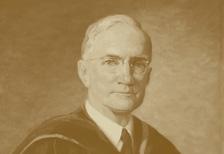
Leroy E. Cowles 1941
▶ Leroy E. Cowles served as dean for about three weeks, from September 21 to October 11. He had been a faculty member for 27 years. Cowles’s deanship ended when he was appointed as president of the university, a position he held for the next five years.
▶ The transition came early in the autumn quarter when many official bodies had yet to begin their regular meeting schedule, so there is virtually no information on Cowles’s tenure as dean.
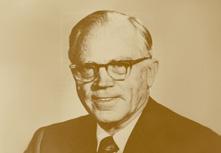
Asahel D. Woodruff 1960
▶ College of Education offerings became more focused; Woodruff relocated the departments of home economics, health, physical education, and recreation elsewhere in the university.
▶ Woodruff proposed an “Institute for Development of Education in America” and succeeded in establishing a University Council for Teacher Education.
▶ The loss of the Stewart School as a major clinical facility in teacher education was a setback, as was the U.S. Office of Education’s refusal to fund an experimental school.

A CENTURY OF LEADERSHIP
The college’s first century of leadership is detailed in Roald F. Campbell’s Nine Lives: Leadership and the University of Utah’s School of Education across three main areas: objectives, support, and achievements
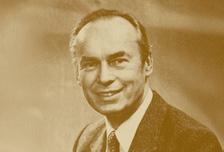
Stephen P. Hencley 1966
▶ The Graduate School of Education was created when Hencley proposed that teacher education be a five-year program, raising entrance standards.
▶ Two new degrees were authorized: M.Ed. for career teachers and the Ed.S. for career administrators and supervisors.
▶ The number of undergraduate students decreased and the number of graduate students increased, as did the number of faculty – 30+ positions were added.
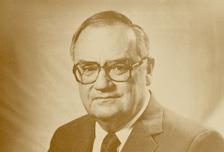
Robert L. Erdman 1976
▶ Reorganization created a new Department of Educational Studies and a Center for Educational Practice.
▶ Both NCATE and public school leaders supported Erdman’s efforts to seek regent approval for a doctoral program in Special Education.
▶ The Division for the Study of Higher Education was disbanded.
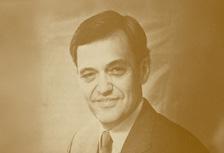
Cecil G. Miskel 1983
▶ Miskel responded quickly to a number of national movements that increased focus on education, including major publications such as A Nation At Risk.
▶ Emphasis on excellence provided clear direction to the Graduate School of Education.
▶ Enhanced reputation with the university administration, the larger university, and the nation.
1988-PRESENT
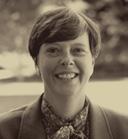
Colleen Kennedy 1989
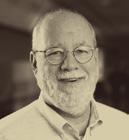
Michael Gardner 2013
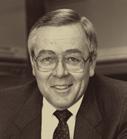
David Sperry 1999
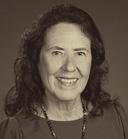
Maria Franquiz 2014
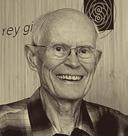
Ted Packard 2006
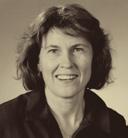
Elaine Clark 2017
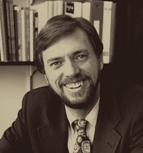
Michael L. Hardman 2007
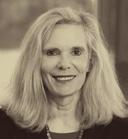
Nancy Butler Songer 2020

John McDonnell 2012
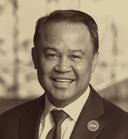
Frankie Santos Laanan 2023
Visual
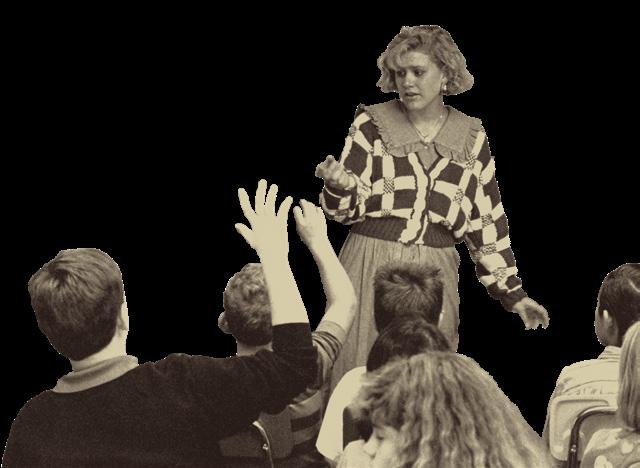

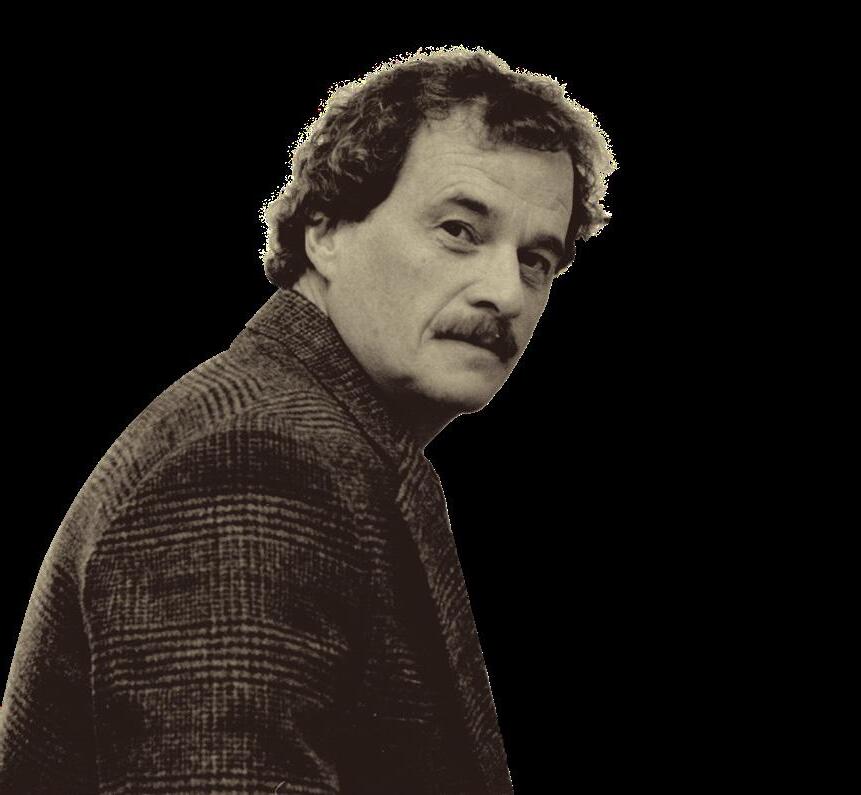
Clifford J. Drew, Professor in Special Education.
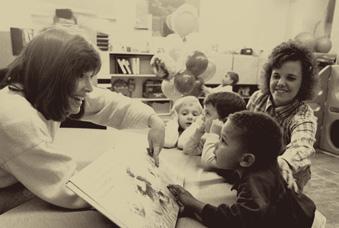
Emily Boyer teaching students at Mountain View School.
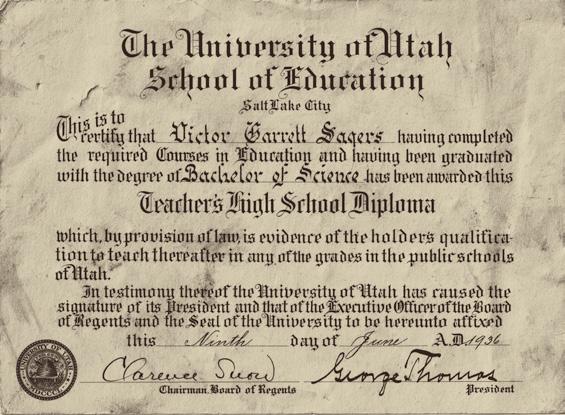
Victor Garrett Sagers’ certification to teach in Utah’s public schools. class of 1936.








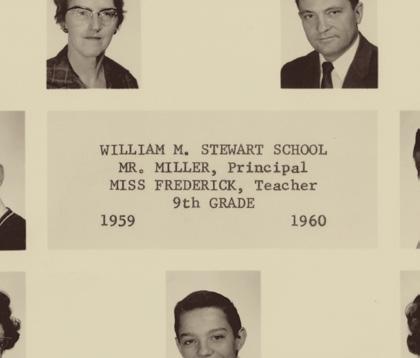
Mike Cornell, Valley Crest Math Project Stewart School graduate John Seville Flowers, 3rd-9th grade (1953-1960).
COMMUNITYCENTERED
A Legacy:
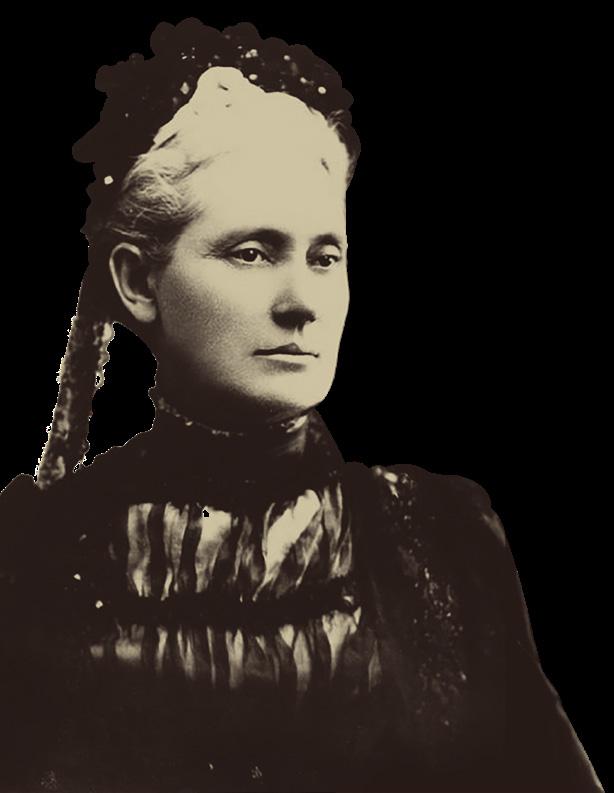
Alumna, educator, and founder Emma J. McVicker makes an impact 100+ years and counting
Portrait of Emma Jane Kelly McVicker
(Courtesy of the Salt Lake Tribune)
Emma Jane Kelly McVicker earned a bachelor’s degree from the University of Desert in 1888. This was not her first teaching degree. McVicker, a native of New York, had graduated from the Wisconsin Female College in 1846 before accepting a position as a music teacher at the Salt Lake Collegiate Institute—now Westminster College. She was soon promoted to principal and served in that role through 1884.
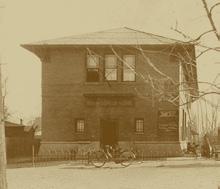
By 1894, McVicker’s conviction that all Utah children should have access to quality education, food, and shelter drove her to found The Free Kindergarten Association. Utah’s first free public kindergarten later evolved into Neighborhood House – currently providing preschool, youth programs, and adult care throughout the Salt Lake Valley, 100+ years on.
In addition to childcare and instruction, McVicker’s Free Kindergarten Association provided classes to mothers and training for aspiring kindergarten teachers. Services also included “a milk station, public playground, public bathrooms for free baths, an employment agency for women, classes for recent immigrants, and public lectures and music performances” (Utah Women’s History). Free Kindergarten took off!
Her life and leadership continue to make an impact on women in educational leadership.
A year later, the Utah Republican Party nominated McVicker to serve as state superintendent. But the state court denied the nomination, ruling that women could not vote or run for office. John R. Park became superintendent instead. Only upon his death did McVicker assume the role for which she had been nominated, and only for the brief, three-month remainder of his term.
As Education, Culture & Society alum Angela Wilkinson wrote in her 2016 dissertation, “During this short term, McVicker visited all regions of the state despite bad road conditions and weather. She also provided invaluable information regarding teaching conditions for females. In a report, McVicker illustrated the discrepancy in pay for male and female teachers, the status of the teaching profession, and the inferiority of male teachers. Unfortunately, she was not in office long enough to make more of an impact.” McVicker’s reports also show that she prioritized active learning for children vs. passive absorption of information, as well as time devoted to developing students’ creative and emotional expression.
131 years after founding the Free Kindergarten Association, McVicker’s community-engaged legacy lives on through Neighborhood House, and her life and leadership continue to make an impact on women in education leadership.
Neighborhood House in 1916 (photo courtesy of Utah State Historical Society)
Q+A: SYDNEE DICKSON AND MICHAEL L. HARDMAN
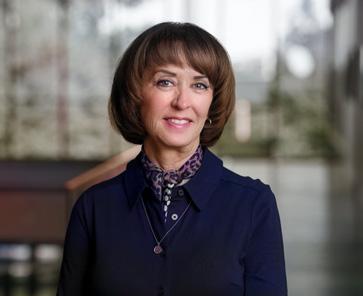
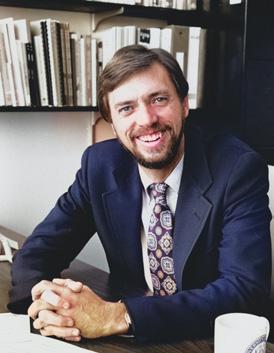
ince earning doctorate degrees from the college, alumni Sydnee Dickson and Michael L. Hardman have carved out extraordinarily impactful leadership careers in K-12 and higher education. They reunited to reflect on their memories of the college and educational policy during the
SYDNEE
ClinicalprofessorofELP SpecialAdvisortoDeanLaananfor StrategicInitiatives FormerStateSuperintendentfor PublicInstruction
Mike, it’s great fun to take a dip with you into the past as the U celebrates its 175th birthday. I am really excited for this conversation, because we go way back.
I remember working together during your tenure as Dean of the U College of Education. I believe you became dean the same year I graduated with my doctorate. At the time I was working at the Utah State Office of Education (USOE) in teacher licensure. More about that later. To begin, what would you say you miss most about the College of Education, and about being dean?
MICHAEL: It’s been 13 years since my deanship, and as time passes, I continue to miss the people in our college—our excellent students, outstanding faculty, and amazing staff— who over many years have made the college such a positive force for quality education both within Utah and across nation. I also miss my many colleagues and friends within the U and throughout public education and the community, including you.
I am a first-generation student who was fortunate to spend the vast majority of my graduate student and professional life within the U College of Education (40+ years). Like you, I received my doctorate at the U from what was at the time, the Department of Educational Administration. There were a few side ventures I have taken along the way, to include serving in the U Central Administration, working in Congress, and endowed/visiting professorships. That said, my heart will always remain in the halls of Milton Bennion and the Beverly Taylor Sorenson Arts and Education Complex.
SYDNEE: During your tenure as dean, what were some of the accomplishments you are most proud of both within the college and the community?
MICHAEL: Before I answer your question, I want to make a few acknowledgements. I have been away from a leadership position in the college for many years, and my tenure as dean
from 2007-2012 was one moment in time. I am proud of our accomplishments back then, as well as all the college success in the years before and following my time. The College of Education continues to flourish.
During my deanship, our accomplishments were the result of exceptional leaders within the Dean’s Office as well as our four department chairs, program directors, research centers/ institute leadership, and individual faculty/staff. My first focus as dean was to clearly understand the structure and culture within the departments at an in-depth level; I spent a lot of time listening to college colleagues and trying to better understand their individual and collective vision.
At the time, college priorities reflected evidenced-based research, responding to the needs of the education community, and innovation in design and approaches to instruction. The college established the Urban Institute for Teacher Education (UITE) under the leadership of Mary D. Burbank. UITE restructured teacher education into a college-wide program, engaging all four departments in its development, instruction, and research. An important component of UITE was school and community partnerships that promoted research-to-practice, created mutually beneficial opportunities to generate and apply new research, and field-test promising instructional practices.
In 2008, the Center for Science and Math Education (CSME) was established through funding from the U SVP in conjunction with the College of Science. During its initial years, the CSME supported cross-disciplinary research and instruction in science and math education, and helped focus the College of Science on secondary teacher preparation. Another critical initiative was the University of Utah Reading Clinic (UURC). The UURC is a statewide initiative for training educators in evidence-based reading interventions and providing services and supports to struggling readers. New and existing research and training centers/programs/clinics within the college expanded our community impact and outreach. As the years have passed, there have clearly been many new research and training programs across the college that continue to positively impact U students, schools, and the community.
In addition to supporting stated department, college, and university goals, there was an on-going emphasis on championing diversity under the leadership of William Smith, and increasing federal and state funding for individual faculty, center-based research/training, and student support under the leadership of John McDonnell. Another important accomplishment was moving forward in partnership with my colleague, Dean Raymond Tymas- Jones in the College of Fine Arts, to establish a cross-college arts and education program that led to initial funding for the Beverley Taylor Sorenson Arts and Education Complex (SAEC). Dean Tymas-
DICKSON
Jones and I worked together to create an initiative that interested donors who deeply loved both arts and education: the Sorenson family. In time, this became the basis for the SAEC that included Tanner Dance. Through the efforts of Rob Hunsaker, the College was eventually able to secure the needed development funds from the Sorenson family, other prominent donors, and University leadership. This created the critical financial means to design, build, and open the first new building for the College of Education since the 1950s.
SYDNEE: It’s amazing how the SAEC all came together. It’s a lovely building, such a multi-faceted space. Let’s shift gears and talk about education policy. I watched you do difficult things as dean, and as I’ve followed your career as you continue to engage in hard conversations and do things behind the scenes to move education forward, both K-12 and higher ed. Do you remember the education policy debates in Utah during 20072012? How did they affect the college education policy?
THE COLLEGE OF EDUCATION IS THE OLDEST ACADEMIC UNIT WITHIN THE UNIVERSITY OF UTAH.
MICHAEL: Policy should always begin with clearly stated values, which for the college included working in close partnership with the USOE, schools, and the community. The adage “the only constant in life is change” certainly applies to education policy. At the time, considerable college focus was on supporting diversity, equity and inclusion in research, teaching, and community engagement. From Brown vs. the Board of Education and the importance of establishing access, fairness, and opportunity in education to today’s controversy surrounding the DEI framework, the pendulum continues to swing. DEI, as defined at the current federal and state level, is a major cultural and policy shift that simply did not exist either in public or higher education during my time. In fact, diversity, equity and inclusion were core values whether seen alone or together, providing the foundation in federal law for The Elementary and Secondary Education Act (i.e., Title I) and The Individuals with Disabilities Education Act.
A few of the key policy issues being addressed during my tenure included: How do we increase and support all faculty, staff and students? How are standards, competency-based education, and the emphasis on a common core for all students in public education incorporated into educator preparation? What is the
role of national teacher preparation accreditation in the design and implementation of teacher preparation programs?
SYDNEE: Did the Utah State Office of Education (USOE) have a role in supporting colleges of education to effectively respond to key policy issues at both the federal and state level?
MICHAEL: The USOE played a significant role in developing a state-wide understanding and response to key federal and state policy issues affecting Utah’s colleges of education. Under your leadership, Syd, the Education Deans Group formed and convened colleges across the state, shared information and worked together with USOE to meet policy demands, specifically in response to teacher accreditation requirements. The group was also an innovative way to build collaboration across the state’s colleges of education to meet many other changing policies at the federal and state level and more effectively recruit, prepare, and support educators in public schools. Because of the group, the universities had more openness about working directly with the USOE and school districts.
SYDNEE: I agree. And Mike, I’m going to say that you and I both saw the importance of that partnership and took the role in the partnership among all the deans very seriously, and I want to give you credit for setting the tone. You would always bring our conversations back to the focal point of the student and the student experience. Last question: What gives you hope about the future of the U College of Education in both higher and public education?
MICHAEL: Before I respond, I want to emphasize that your leadership in the USOE was critical. You were an excellent representative, not only at the state level, but for districts, students, and teachers in the schools.
The U College of Education has a unique role, given that it sits within Utah’s flagship research university. The College of Education is the oldest academic unit within the University of Utah, and has been around for every day of the U’s 175 years. It has evolved from a model teacher training program in the 1800s to a state college, normal school, graduate school of education, and today’s College of Education.
Now the college has a new Presidential Scholar, Professor Lauren Barth-Cohen— our fourth in the last decade. That’s a big deal! I’m so pleased with this appointment, and I think it’s the kind of recognition that will create further university support for research. instruction. Congratulations, Lauren!
The College of Education’s unique role is critical to the future of higher and public education in Utah as it leads the field of education in innovative and evidence-based change through the generation and application of new knowledge. For this and many other reasons, the future of the College of Education is bright now and into the future.
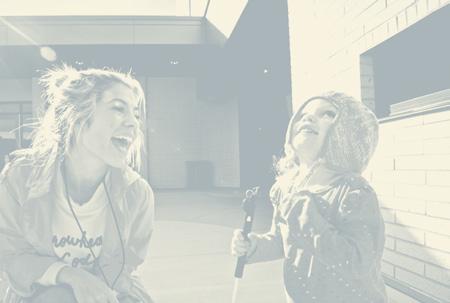
Special Education Professors Chris Bischke, Nicole Pilling, and Sarah Ivy celebrate the Multi-University Consortium
COMMUNITY PARTNERSHIPS
EMPOWER STUDENTS
WITH SENSORY IMPAIRMENTS
“Coming back to school after working as a special education teacher has been an incredible experience. The knowledge I’ve gained in this program has greatly expanded my skills for working with children, especially those who are deaf and hard of hearing. The professors’ dedication and emphasis on community and collaboration have been truly motivating.”
—
Heidi Rich, ‘26
"I would highly recommend the Visual Impairment program at the University of Utah. Being part of it was one of the best decisions I have ever made. The faculty are experts within the field and were cheering me on all along the way. The program exceeded my expectations!"
— K. Buck
‘19
Student Testimonials
Every child deserves a teacher who understands how they learn best. For children who are deaf or hard of hearing (DHH), blind or have low vision (VI), or deafblind (DB), that means having access to educators with specialized knowledge and skills. Yet for decades, schools in Utah and across the nation have faced a critical shortage of teachers trained in these areas.
The Multi-University Consortium Teacher Preparation Programs in Sensory Impairments (Consortium) was created in 1994 through a special appropriation from the Utah State Legislature to help address this need. From the beginning, the Consortium has been rooted in a powerful idea: collaboration strengthens teacher preparation and improves outcomes for students with sensory impairments.
This innovative partnership brings together the University of Utah, Utah State University, the Utah Schools for the Deaf and Blind, and the Utah State Board of Education. Together, these institutions pool faculty expertise, institutional resources, and statewide leadership to prepare highly qualified teachers to meet the unique needs of students who might otherwise struggle to find the support they deserve.
Partnerships are at the heart of the Consortium’s success. Ongoing collaboration with state agencies, local education entities, and schools strengthen its impact. These working partnerships ensure that coursework and field experiences reflect the realities of today’s classrooms. Teacher candidates benefit from mentorship, hands-on training, and strong job placement support, helping them transition smoothly into their chosen profession.
Accessibility is another cornerstone. Over the decades, the Consortium’s course delivery has evolved into a fully online model that combines real-time remote classes with flexible asynchronous components. This structure opens doors for students in rural and underserved areas and draws a more diverse group of future educators into the field, broadening the reach and impact of the program.
The results speak for themselves. Over the past three decades, the Consortium has prepared hundreds of teachers of the DHH, VI, and DB fields. Many graduates remain in Utah, serving in schools and communities across the state. Their expertise makes an immeasurable difference in the lives of children with sensory impairments, ensuring they are not only supported, but empowered to thrive.
As the Consortium enters its fourth decade, our mission remains clear: to build and sustain a well-prepared, dedicated workforce of educators who open doors for students with sensory impairments. It is a story of collaboration, innovation, and commitment, and a reminder that when universities and communities work together, children’s futures are transformed.
— CHRIS BISCHKE, NICOLE PILLING, & SARAH IVY
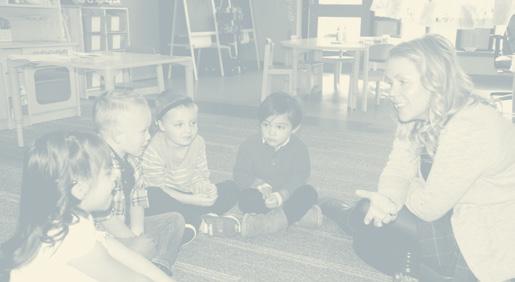
“Once I learned about the program at the University of Utah, I was nervous to transition, but I was excited at the hope of learning more specific history and evidence-based strategies for young children with visual impairments. Once I began, I knew I was in the right place. The classes were informational and directly applicable to supporting young children with visual impairments. In addition to the course content, the professors took their time to truly prepare students for their roles as TSVIs. The professors wanted us to be successful. They recognized that if we succeed, our future students will also succeed.”
— T. Vu-Fountain ‘23
FROM AND BACK AGAIN: TO
Student Teacher
The impact of alum George S. Dibble’s dedication to education and the arts
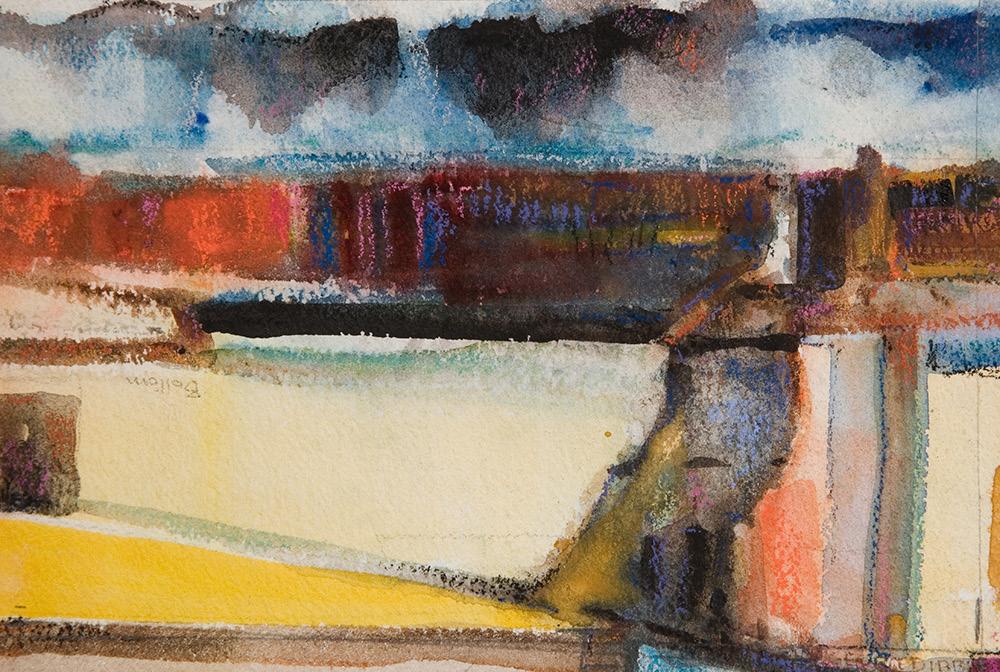
Untitled by George S. Dibble, Gift of the Artist to UMFA
Watercolorist and art critic George S. Dibble earned his teaching certificate from the University of Utah in 1926. In the coming decades, Dibble would alternate between the roles of teacher and student so frequently that the process of earning this certificate was arguably a tone-setting experience—one that solidified his belief in the door-opening and transformative power of education.
Dibble taught elementary school through 1928 before returning to the university for more classes. He then studied art in the New York City Art Students’ League. Two more years of teaching in Murray School District followed.
By 1935, he was back to New York for more education. Dibble earned his Bachelor of Arts and Master of Arts from Columbia University in 1938 and 1940, respectively. Dibble has said of New York: “I found my style at the Art Student’s League. School was drudgery until I got to New York and realized I had a point of view, that I could use it and get recognition for it.”
Again, Dibble returned to Utah to teach—this time at Utah State University as a visiting professor.
Dibble made an outsized impact on Utah’s aspiring teachers and the arts community.
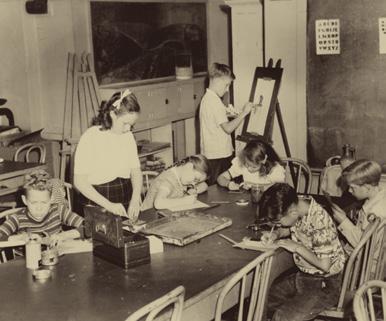
The University of Utah Stewart School hired Dibble in the early 1940s. Normal School Dean William M. Stewart had founded Stewart School in 1891. A training school for teachers, it was attended by children from kindergarten to junior high whose studies were deeply enriched by proximity to campus resources.
At Stewart, Dibble made an outsized impact on Utah’s aspiring teachers and the arts community. Dibble and his colleagues implemented innovative educational ideas that championed student-guided learning. He was also an active member of the Modern Artists of Utah, working to pen their manifesto to increase acceptance of modern art in Utah. In 1949, Dibble was promoted to associate professor. In 1950, he became a visiting professor for summer sessions at what is now Southern Utah University.
The classroom was not the only place where Dibble shared his innovative ideas. He wrote a Salt Lake Tribune column for nearly four decades and published the influential book, Watercolor: Materials and Technique, which remains part of the J. Willard Marriott Library’s central holdings. A handful of Dibble’s paintings can be found in the Utah Museum of Fine Arts. His early experience in the Normal School—later the College of Education—was foundational for Dibble and his impact as a teaching artist, professor, and influential voice in the arts community.
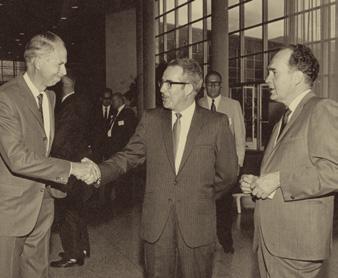
Professor George S. Dibble, artist, Paul W. Hodson and Dr. Milton G. Thackery (photo courtesy of the Marriott Library)
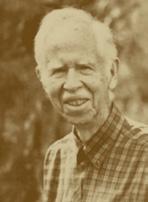
George S. Dibble (photo courtesy of the Marriott Library)
BELONGING CREATING PATHWAYS TO


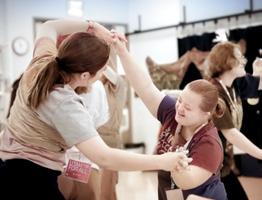
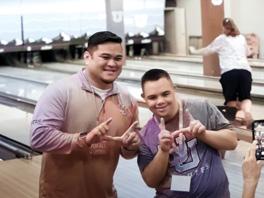

Projects Get REAL! U GETS It!, and now TIES (Transdisciplinary Preparation for Inclusive Education) are efforts funded through the generosity of the Sorenson Legacy Foundation and the Thom and Gail Williamsen Family Foundation. Funding has provided the financial support to continue our work on Montessori and inclusion. This partnership exists because of the vision of Mrs. Gail S. Williamsen in creating inclusion excellence for all learners.
2024-2025 marks the 11th year of a partnership between Elizabeth Academy and the College of Education at the University of Utah where professional preparation embraces inclusion. Our most recent efforts reflect a unique partnership across a range of professional stakeholders. This work is part of longer-term plan for post high school transitioning for individuals with disabilities as they move from the PK-12 settings into the wider community. Of significance was work during the fall of 2024 that set the stage for post-secondary education in ways unimagined at the program’s inception in 2015.
Central to our work over the past five years has been an arts integration experience as part of professional training for University of Utah students in their examinations of support of children with varied needs. To date, our work has created pathways that allow for interdisciplinary training for support specialists for students at the University of Utah with majors from across campus (e.g., occupational therapists, physical therapists, speech language pathologists, general and special education teachers). As a cohort, university students complete workshops on Montessori and inclusion in an effort to inform their work with all children as future professionals. Partnerships with Tanner Dance have allowed us to expand our work by providing a model of arts integration and will be showcased for other disciplines at SLCC and the University of Utah.
In addition to the workshops and trainings for University of Utah students, plans over the next five years will include faculty members from each of the majors who have participated to this point (e.g., occupational and physical therapy, speech and language, and special and general education). Including faculty as members of
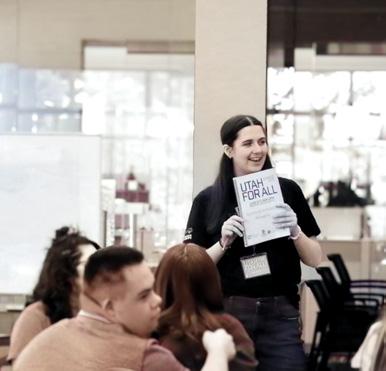
Associate Dean Mary D. Burbank reflects on the vision and generosity of Gail Sorenson Williamsen UTAH4ALL 2025 UTAH4ALL 2025
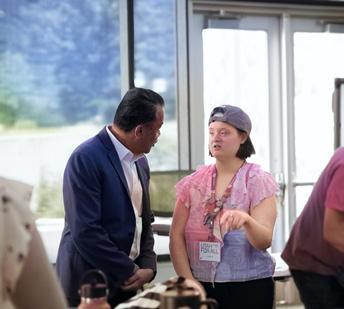
preparation teams is designed to institutionalize efforts to prepare future educators and support specialists in ways that further cultivate holistic support of individuals with disabilities as part of model preparation programs.
The next iteration of our work includes deliberate efforts to bring together students and now, faculty, from across the university to engage in field-based experiences within the context of Elizabeth Academy, Connor and Garfield sites to understand their preparation through a transdisciplinary lens.
With a solid record of accomplishments, we look forward to year 12 with greater attention to building models that allow for inclusion through partnerships with a range of professional stakeholders in support of posthigh school transitioning for individuals with disabilities as they move from PK-12 settings into communities. Summer 2025’s Utah for All set the stage for campus experiences for people with disabilities as the University of Utah becomes a destination for all people in our community. The momentum made in the past year is significant and reflects opportunities for professionals training to work with a range of people across PK-20+ communities.
— MARY D. BURBANK
David Stroupe Named AAAS Fellow for Impactful Classroom Research
CHANGING SCIENCE
HOW THE COUNTRY TEACHES
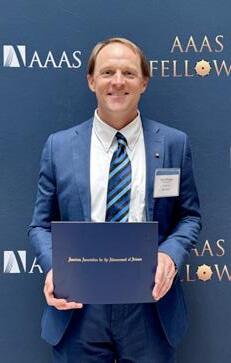
Associate Dean for Research (interim) and Professor of Educational Psychology David Stroupe was elected as a Fellow of the American Association for the Advancement of Science (AAAS) this year. The prestigious lifetime honor recognizes Stroupe’s transformative contributions to science education and teacher preparation—work that has reshaped how classrooms across the country approach scientific inquiry.
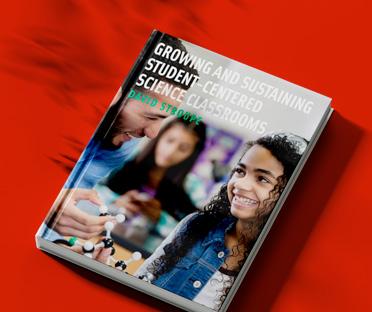
David Stroupe’s award-winning book, Growing and Sustaining Student-Centered Science Classrooms
David Stroupe at the AAAS Fellows Forum in Washington, D.C. in July 2025
Over his career, Stroupe’s research has tackled some of the most pressing challenges in education: how to foster inclusive learning environments, empower teachers to enact socially just pedagogy, and elevate students’ everyday ideas alongside scientific knowledge. His scholarship has illuminated how power and epistemic agency are at work in classrooms, offering new frameworks for dismantling traditional hierarchies and cultivating collaborative, student-centered learning.
By bridging his background in biology and experience teaching secondary life science with rigorous academic inquiry, Stroupe has helped redefine effective science learning. His work on teacher preparation emphasizes the need for sustained support and reflection, ensuring that new educators are equipped not just with content knowledge, but with the tools to build responsive classrooms that support all students.
As co-editor of Science Education director of research for the Usable STEM Education Hub, Stroupe has shaped national conversations around curriculum, policy, and professional development. His award-winning book, Growing and Sustaining Student-Centered Science Classrooms, offers a blueprint for transforming science education to better serve all learners.
“Becoming an AAAS Fellow means that my colleagues feel my research has made a substantive impact,” Stroupe said. And that impact is already being felt—in classrooms where students are seen, heard, and empowered to think scientifically, and in institutions reimagining how science education can drive social progress.
Stroupe was formally honored at the AAAS Fellows Forum in Washington D.C. in July, 2025, joining a legacy of science educators—including Nancy Butler Songer, CoEdu Dean Emerita and Professor of Educational Psychology— whose work will continue to shape society for generations.
Stroupe has shaped national conversations around curriculum, policy, and professional development.

ADVANCEMENT & FUNDRAISING
We aim to establish a sustainable funding model that enables the college to lead transformative changes in education, both locally and nationally. Our strategic fundraising goals include expanding access to quality teacher training, increasing access to higher education for underserved students, advancing research, and addressing key community issues, such as mental health in schools, literacy, and education initiatives for students with intellectual and developmental disabilities (I/DD). Philanthropic support enables us to offer scholarships, recruit renowned faculty, and launch innovative initiatives to address pressing community needs.
RECEIVED GIVING BY SOURCE
FOUNDATIONS
$1,508,450 (73%)
$2M+
TOTAL: $2,041,242
ALUMNI
$305,250 (15%)
CORPORATIONS
$153,885 (8%)
OTHER
$73,657 (4%)
DONOR-FUNDED SCHOLARSHIPS & FELLOWSHIPS
$682,200, representing 123 scholarships and fellowships, was awarded to 114 students for the 2024-2025 academic year.
GIVING DAY 2025
$22,352
DOLLARS RAISED
110 DONORS
57 ENDOWED SCHOLARSHIPS
12 ANNUALLY FUNDED SCHOLARSHIPS
GIVING DAY SUPPORTED
• University of Utah Reading Clinic
• College of Education Scholarship Fund
• The Dean’s Innovation Fund
• Utah School Mental Health Collaborative
• Student Emergency Hardship Fund
We want to thank the McCarthey Family Foundation, the Dean and his Leadership Council, and an anonymous double-degree alumna for providing matching and challenge grants for 2025 Giving Day.
SORENSON LEGACY FOUNDATION
A Longtime Partner & Collaborator
The Sorenson Legacy Foundation has been an ardent supporter of the College of Education for more than 17 years. Our building is named after one of our most beloved alumna, Beverley Taylor Sorenson (‘45, Elementary Education). The very generous gift from Beverley and the Sorenson Legacy Foundation in 2008 to name our building was the first of many received since then. Her daughter, Gail Sorenson Williamsen (‘06 English), is one of our most steadfast champions, and creating more inclusion in education and our community for individuals with disabilities is her passion. We are so grateful to her and the foundation for their generosity over the years.
During the 2024-25 academic year, the foundation funded several programs at the college, including U-FIT, Utah4All, an Endowed Presidential Chair, and the TIES Program. All of these programs share a common thread: meeting the needs of Utah’s students with diverse abilities and needs.
U-FIT
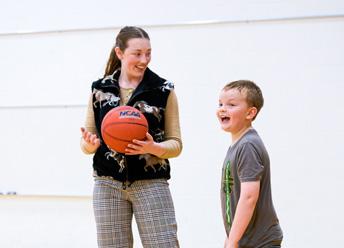
U-FIT is a successful, adapted physical fitness program for local youth with disabilities, directed by CoEdu Professor Samantha Ross-Cypcar and her team of passionate university volunteers. During 10 weeks of programming each fall and spring semester, U student volunteers pair up with participants ages 3 to 22 years old with disabilities and guide them through four dynamic activity areas on the U campus. Looking ahead, Ross-Cypcar aims to expand program offerings to adults with disabilities and continue her partnership with the team at Special Olympics Utah and Unified Fitness Club. In the 2024-25 academic year, we served 139 children with disabilities and had 163 University of Utah student volunteers.
UTAH4ALL
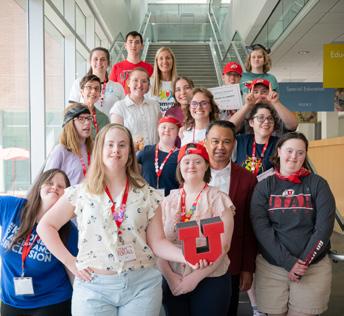
Utah4All seeks to define the university’s vision for creating inclusive campus experiences tailored to young adults with Intellectual and Developmental Disabilities with varying needs and abilities. In 2024, stakeholder groups, including the University of Utah Office of the President, the College of Education, the Salt Lake City School District, and Elizabeth Academy, met to consider how a University of Utah experience would serve a range of young people in their pursuit of higher education. The outcome? A face-to-face experience during the summer of 2025 where 11 students, ages 18-27, and some family members from across the Wasatch Front, participated in experiences that provided access to places and activities at the U. We look forward to increasing the length of time and possibly adding an overnight component, as well as adding additional activities for our 2026 summer camp.
UTAH SCHOOL MENTAL HEALTH COLLABORATIVE
The Utah School Mental Health Collaborative (USMHC) began in 2019 as a pilot with two schools in the SLC District serving dozens of students. In 2024-2025, it expanded to 10 school districts statewide, serving thousands of students and educators, and will grow even further in the 2025-2026 school year.
The USMHC runs on generous donations from many donors. Two are highlighted below.
INTERMOUNTAIN HEALTH
The Intermountain Health Community Care Fund’s generous three-year gift supported services in K-12 schools from 2023 through 2025. This gift has allowed USMHC to:
1.
Increase the number of students being screened for mental health and well-being
2.
Decrease the number of students being referred to community providers because they can receive services at their school
3.
Decrease the number of students on the waitlists to receive Tier 2 and 3 services (individual therapy and medication management)
THE CHURCH OF JESUS CHRIST OF LATTER-DAY SAINTS
$240,000
With a gift from the Church of Jesus Christ of Latter-day Saints, the USMHC provided universal support services to 8,235 students across eight school districts statewide. In addition, we provided additional survey and screening support to 2,848 students. For those students needing direct services, we provided individual support and counseling to 82 students and targeted support and therapy to 27 students.
4.
Conduct outreach and community engagement to rural schools and with county health officials to disseminate materials highlighting this program and how to access its services

YOUR BEGINS WITH Legacy
“Each of us, in the varied paths we take in our adult lives, can trace our successes back to some rarely celebrated but larger-than-life individuals who, through their sacrifice, gentle care, and nurturing, guided us through some of the most challenging times and laid the foundation for our successes later in life... It is to them that this gift for mentoring is dedicated, and above all, to one exceptional and selfless individual–my former professor and mentor–Howard N. Sloane.” – Gene Liu, ‘90 and ‘93 (Educational Psychology) Member of the John R. Park Society since 2021 You can make an impact by: including a gift to the college in your trust or will gifting a life insurance policy no longer needed naming the college as a beneficiary of a retirement plan Learn more at utah.giftplans.com
FACULTY ACCOLADES
MARCH
2025-SEPTEMBER 2025
Leticia Alvarez Gutiérrez
2025 American Educational Research Association (AERA) Honoree
Practice-Engaged Research Award
Tracy Dobie Hosted with Charles University “Teaching Cases in STEM Teacher Education,” highlighting NSF-funded work
Inaugural College of Education Dean’s Fellow
Sharlene Kiuhara
Edited Special Education and AI research series for RiSE
Appointed College representative on Graduate Council for three-year term
Brendan Schuetze Won Outstanding Dissertation Award from the American Psychological Association (APA)
Lauren BarthCohen
2025 University of Utah Presidential Scholar
Aaron Fischer Received Utah DHHS grant expanding HB 365 mental health study
Sandy Hook Promise funding for national rural gun ownership review
Chenglu Li
Edited a special series on Special Education and AI research for RiSE
Named One-U Responsible Artificial Intelligence Initiative (RAI) faculty fellow
David Stroupe American Association for the Advancement of Science (AAAS) Fellow
Natalie Badgett Won 1U4U Seed Grant for her project “The Awaken Study: Autistic Women’s knowledge and Experiences of Menopause”
Udita Gupta Selected as Martha Bradley Evans Teaching Fellow
Larry Parker 2025 American Educational Research Association (AERA) Honoree
Lifetime Achievement Award
Erin Castro Awarded $8 million from Ascendium Education Group to fund the Prison Education Action Research Lab (PEARL).
José Gutiérrez Presented research at JRME Talks, which features advanced presentation of forthcoming papers for the Journal for Research in Mathematics Education
Shamby Polychronis Selected as Inaugural College of Education Dean’s Fellow
Edén CortésLópez
Selected as Inaugural College of Education Dean’s Fellow
Matt Jameson Elected Member at Large for the Higher Education Consortium for Special Education
Andrea Rorrer With the UEPC team, published chapter in STEM Century: It Takes a Village to raise a 21st Century Graduate
Sondra Stegenga Presented five sessions at the International Society of Early Intervention Conference in Lisbon
Jason Taylor Named Presidentelect of the Council for the Study of Community Colleges
Paula Smith Co-Authored Blueprint for a National Prevention Infrastructure for Mental, Emotional, and Behavioral Disorders
William A. Smith 2025 American Educational Research Association (AERA) Honoree
2025 AERA Fellow
2025 Man of Impact by Impact Magazine
Claire Son Selected as Inaugural College of Education Dean’s Fellow
TRANSFORMING INTO
Research Action
Leticia Alvarez Gutiérrez receives national honor at the 2025 Annual Meeting of the American Educational Research Association (AERA)
Alvarez Gutiérrez, Associate Professor of Education, Culture & Society, received the 2025 AERA Exemplary Contributions to Practice-engaged Research Award. This national award is presented to education research scholars in recognition of collaborative projects between researchers and practitioners that have had sustained and observable effects on contexts of practice. Alvarez Gutiérrez’s work exemplifies this mission. Throughout her career, she has partnered with educators, students, and families—especially from historically underrepresented communities—to co-create knowledge that informs and improves educational practice.
“I have witnessed first-hand Dr. Alvarez Gutiérrez’s dedication to practice-engaged research,” wrote Verónica E. Valdez, Professor and Department Chair of Education, Culture & Society, in her nomination letter. “Her dedication to practice-engaged research has been unwavering.”
Alvarez Gutiérrez’s projects have focused on expanding access to educational opportunities, ensuring that research findings are translated into meaningful action. By integrating the voices of practitioners and communities into the research process, Alvarez Gutiérrez’s scholarship bridges the gap between theory and practice and demonstrates the transformative power of practice-engaged research.
Two additional College of Education faculty members were also recognized by AERA this year. Larry Parker, Professor of Educational Leadership & Policy, received the 2025 Lifetime Achievement Award for his distinguished career advancing educational leadership and policy. William A. Smith,
Distinguished Professor of Education, Culture & Society and Ethnic Studies and Chief Executive Administrator of HMHI, was named a 2025 AERA Fellow, recognizing his exceptional and sustained contributions to the field.
Together, these honors showcase the College of Education’s national leadership in research, scholarship, and community engagement and highlight how faculty members like Alvarez Gutiérrez are making a tangible difference in the lives of learners and practitioners.

FATHER
DAUGHTER \ DOCTORAL STUDENTS
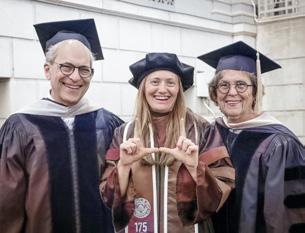
Elaine Clark, Professor and former Dean of the College of Education, became a member of the Department of Educational Psychology faculty in 1984. Since that time she has taught, mentored, and supported dozens of students in the School Psychology program. Although Clark describes the students she has mentored over the years as “exceptional,” the circumstance of her last graduating doctoral student, Elizabeth Goldsmith, she described as “extraordinary.”
Elizabeth, who graduated this year, is the daughter of Douglas Goldsmith, Professor Clark’s first doctoral student who graduated in 1988. Although the School Psychology program has been fortunate to have had more than one member of a family graduate, the Goldsmiths are the first to bookend a faculty member’s career.
When Professor Clark was asked to describe what it felt like to be bookended in this manner, her response was: “it’s an extraordinary moment in what I consider an unimaginable career.”
Professor Clark added how thankful she is for the opportunities that have been afforded her to work with so many outstanding students, and to have “lived long enough” to realize what they have accomplished in their careers. Douglas Goldsmith went on to become the Director of the Children’s Center, and Elizabeth Goldsmith is a current Psychology Resident at the Huntsman Mental Health Institute.
Advised by Professor Elaine Clark , Three Decades Apart
Lastly, it is important to know that Professor Clark has also impacted several members of our own college faculty during their graduate school years. This includes Keith Radley, Chair of the Department of Educational Psychology; Kayleigh Brennan, Director of the Educational Assessment and Student Support Clinic; and Julia Hood, Program Director of the Educational Psychology undergraduate program.
The College of Education would like to express their appreciation for Elaine Clark’s longstanding commitment to students and to the various programs throughout the college and in Utah schools.
DOUGLAS GOLDSMITH ELIZABETHELAINEGOLDSMITH CLARK
The College of Education
is a good place to be different.
I loved being a university president. I was very pragmatic; I had studied change and human pragmatism. I aligned myself with the geographical and cultural expectations of each university. My first presidency was at the University of New Hampshire. It was bucolic, it was rural, and it was wonderful—very different from southern California, where I’d just finished up as provost at Claremont, each campus wonderful in different ways. I took the presidency at New Hampshire because I was ready to run my own ship.
JANE: What are the biggest challenges and opportunities you see for current educational administrators or aspiring administrators?
ANN: Being an administrator or a university president is very different from being a professor. Aspiring administrators face huge expectations from different groups—including the legislature (if you are at a public university), the board of trustees, the board of regents, boards of foundations, and student groups with differing ideas and needs who all expect presidential support. It can be incredibly challenging to respond to all those different groups, but we need to accept everyone. It comes down to accepting differences in people and society.
Administration can be a 24/7 job, but I still loved it when I retired. I believe young people should absolutely go into education administration.
I recommend that aspiring administrators get clear about what it is they want—whether it’s public versus private, community colleges, or working in a research university. If you are focused exclusively on students and nonresearch, the University of Utah, for example, will not be for you.
SAFIA: Your career is an inspiration to women in higher education leadership. What advice do you have for women aspiring to higher education leadership, and who inspired you in your own career?
ANN: I was Associate Dean for Colleen Kennedy, the first woman to be Dean of the College of Education. Once, an interviewer for the open deanship commented that she had big shoes to fill. Colleen leaned back, crossed her legs and said, ‘Well, fortunately I have very big feet.’ And I loved that.
Clifford J. Drew was another mentor. He encouraged me to become an associate dean and, later, dean of the graduate school. I said ‘Oh, I’m not ready for that.’ And he said, ‘You’re never ready.’ And that was inspiring.
To women aspiring toward careers in higher education, I would say that you have to be persistent, consistent, and highly motivated. Ignore the noise, and if the men around you bother you, you have to speak up. If a behavior bothers you, let people know so that they can correct it.
Career-wise, I just wanted the opportunity to compete on a level playing field. It was like, ‘Put me in, coach. I’m ready to play today.’ I have the ability to compete, and I expected others around me, regardless of gender, to do the same.
SAFIA: How do you see the College of Education’s role within the wider university, and the future of higher education?
ANN: The College of Education has a wonderful opportunity to open its mind and its heart, and to show university governance that this is a good place to be different.
What’s so wonderful about education, and about research in higher education, is that there isn’t only one way to succeed, to make an impact. Like I’ve said at least three times today, there are many ways to be happy.
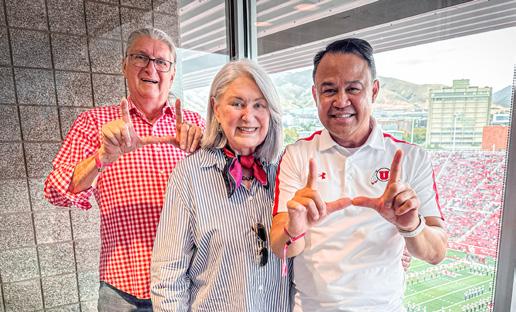
Ann Weaver Hart and her husband Randy join Dean Laanan at a U football game.
collegeofeducation@utah.edu @uofueducation, @uofudean_ed